Travel guide
London
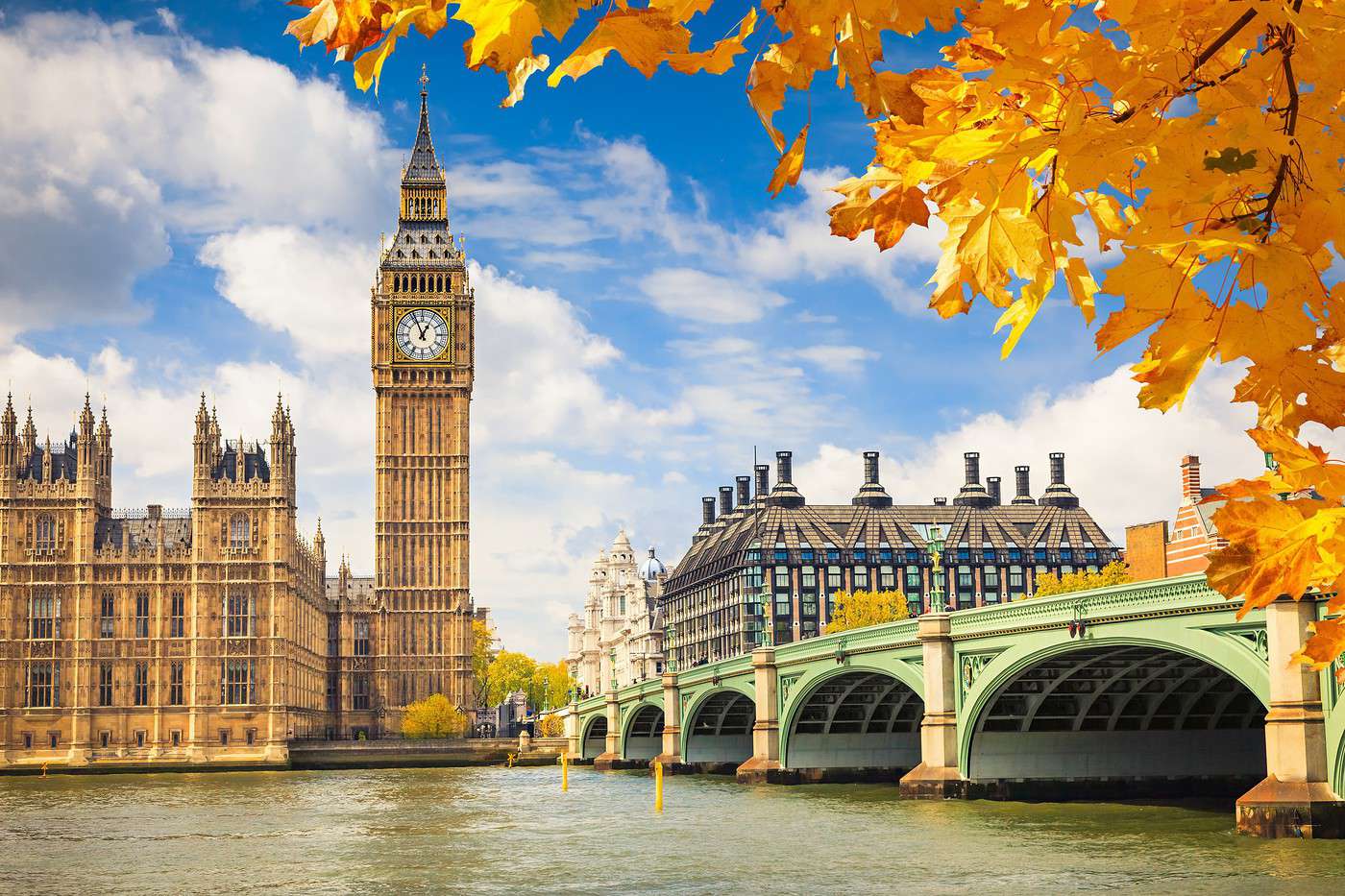
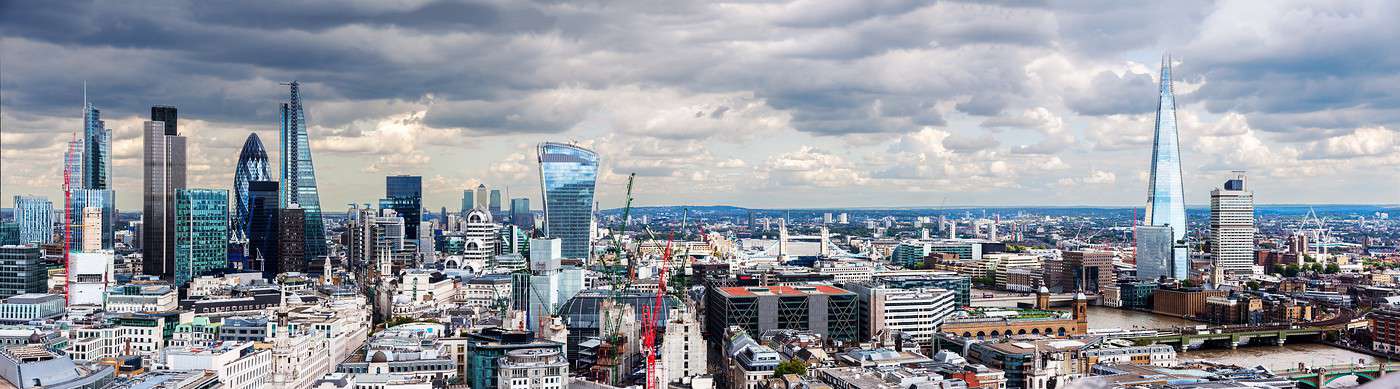
With its vibrant energy, stunning architecture, museums, and landmarks (several of which are UNESCO-listed), the capital offers countless attractions, even in its outskirts, making it one of the world’s most visited cities. London also draws a large expatriate community, including many French residents.
Overview of London
Overview of London
With its vibrant energy, stunning architecture, museums, and monuments (several of which are UNESCO-listed), the capital offers countless attractions, including in its outskirts, making it one of the world’s most visited cities. London also draws a huge number of expats, including many French nationals, though the prospect of Brexit has significantly slowed this trend in recent years.
Key Facts
- Type of place: main city.
- Tourist interest: (must-see or highly recommended).
- Location:
- Latitude/longitude: 51°30' N, 0°07' W.
- Local time: .
- Population: 8,673,713 inhabitants and approximately 12.4 million for the greater metropolitan area (2016).
- Area: 1,572 km².
- Density:
- Altitude: from 0 to 24 m.
Tourism
Travel Essentials
- Tourist interest: (must-see or highly recommended).
- By air:
- Backpacker daily budget:
- Best for accommodation:
- Best for getting around:
- Best time for climate/crowds/prices:
- Website: https://www.visitlondon.com
Additional Information
History, Culture and Society of London
History of London

Society
Population
Economy
Local Culture and Traditions
Further Reading
London Weather and Climate
Climate Overview
Best Time to Visit London Weather-Wise
| Jan. | Feb. | Mar. | Apr. | May | Jun. | Jul. | Aug. | Sep. | Oct. | Nov. | Dec. | |
|---|---|---|---|---|---|---|---|---|---|---|---|---|
| Climate |
Climate and Forecast
Additional Information
What to See in London
Of the twenty or so World Heritage Sites in England, London (and its immediate outskirts) is home to five. Westminster Abbey ★★★★ (1987) Alongside the Palace of Westminster (adjacent), it is one of the most important—and significant—monuments in the British…
Flying to London
London Airports
London has five airports more or less distant from the capital, and even a sixth if you include London-Southend, which was the last to be associated with the London area.
Airport Network
- London City Airport: close to the city centre, City Airport is primarily dedicated to business flights, though its regular traffic is far from negligible.
- London Gatwick Airport: this is London's second most important airport, as well as the country's.
- London Heathrow Airport: this is the UK's largest airport and one of the world's major hubs, particularly for international traffic.
- London Luton Airport: located north of the capital, it is the fourth airport in the London area.
- London Southend Airport: the "newest" of London's airports, situated in Southend-on-Sea. It is used by several low-cost airlines as an alternative to London's other airports.
- London Stansted Airport: after Heathrow and Gatwick, this is London's third most important airport.
Transport Between Airports
Other Nearby Airports
From the Rest of the British Isles
From the Rest of Europe
From France
From Elsewhere
From Africa
From the Americas
From Quebec
From Asia/Pacific
Additional Information
London Gatwick Airport
This is London's second-largest airport, and the second-busiest in the country.
View guide page: London Gatwick AirportLondon Gatwick Airport
This is London's second-largest airport, and the second-busiest in the country.
- Name: London Gatwick.
- IATA code: LGW
- Hub:
- Number of terminals:
- Annual passenger capacity:
- Passenger traffic: 43,119,628 (2016).
- Distance from city centre: 48 km south of London.
- Website: https://www.gatwickairport.com
Services
Sleeping at the airport
Transport to the city centre
Public transport
Taxis
From the rest of the British Isles
From the rest of Europe
From France
From elsewhere
From Africa
From the Americas
From Quebec
From Asia/Pacific
Further information
London Heathrow Airport
It is the largest airport in the United Kingdom and one of the world's major hubs, particularly for international traffic.
View guide page: London Heathrow AirportLondon Heathrow Airport
It is the largest airport in the United Kingdom and one of the world's major hubs, particularly for international traffic.
- Name: London Heathrow
- IATA code: LHR
- Hub:
- Number of terminals: 5.
- Annual passenger capacity:
- Passenger traffic: 75,711,130 (2016).
- Distance from city centre: 23 km west of London.
- Website: https://www.heathrow.com
Services
Sleeping at the airport
Transport to the city centre
Public transport
Taxis
From the rest of the British Isles
From the rest of Europe
Departing from France
From elsewhere
From Africa
From the Americas
Departing from Quebec
From Asia/Pacific
Further information
London Stansted Airport
After Gatwick and Heathrow, it is London's third-largest airport.
View guide page: London Stansted AirportLondon Stansted Airport
After Heathrow and Gatwick, it is London's third-largest airport.
- Name: London Stansted Airport.
- IATA code: STN
- Hub:
- Number of terminals:
- Annual passenger capacity:
- Passenger traffic: 24,320,071 (2016).
- Distance from city centre: 48 km northeast of London.
- Website: http://www.stanstedairport.com
Services
Sleeping at the airport
Transport to the city centre
Public transport
Taxis
From the rest of the British Isles
From the rest of Europe
From France
From elsewhere
From elsewhere
Additional information
London City Airport
Close to the city centre, City Airport primarily serves business flights, though its regular traffic is far from negligible.
View guide page: London City AirportLondon City Airport
Close to the city centre, City Airport primarily serves business flights, though its regular traffic is far from negligible.
- Name: London City Airport.
- IATA code: LCY
- Hub:
- Number of terminals:
- Annual passenger capacity:
- Passenger traffic: 4,538,813 (2016).
- Distance from city centre: 11 km to the east.
- Website: https://www.londoncityairport.com
Services
Sleeping at the airport
Transport to the city centre
Public transport
Taxis
From the rest of the British Isles
From the rest of Europe
From elsewhere
Additional information
London Luton Airport
Located north of the capital, it is the fourth-largest airport in the London area.
View guide page: London Luton AirportLondon Luton Airport
Located north of the capital, it is the fourth-largest airport in the London area.
- Name: London Luton Airport.
- IATA code: LTN.
- Hub:
- Number of terminals:
- Annual passenger capacity:
- Passenger traffic: 14,645,619 (2026).
- Distance from city centre: 45 km northwest of London.
- Website: https://www.london-luton.co.uk
Services
Sleeping at the airport
Transport to the city centre
Public transport
Taxis
From the rest of the British Isles
From the rest of Europe
Departing from France
From elsewhere
From elsewhere
Additional information
London Southend Airport
It is London's sixth airport. It is used by several low-cost airlines as an alternative to the other London airports.
View guide page: London Southend AirportLondon Southend Airport
It is London's sixth airport, located in Southend-on-Sea. It is used by several low-cost airlines as an alternative to the other London airports.
- Name: London Southend Airport
- IATA code: SEN.
- Hub:
- Number of terminals: 1.
- Annual passenger capacity:
- Passenger traffic: 874,549 (2016).
- Distance from city centre: 65 km east of London.
- Website: http://southendairport.com
Services
Sleeping at the airport
Transport to the city centre
Public transport
Taxis
From the rest of the British Isles
From the rest of Europe
From France
From elsewhere
From elsewhere
Additional information
Other practical information for London
Luggage and equipment to bring
Budget
As one might expect, London is an expensive city, and even very expensive in season. While food is affordable, the same cannot be said for transport (compared to other capitals), even though you can do a lot on foot. Accommodation and, above all, the cost of visits—often £20 to £30 for entry, including for "secondary" attractions—can add up. This makes it worth looking into the various cards and passes available for a stay in London, which in many cases will still allow you to save some money. It’s also worth noting that some museums or permanent collections (British Museum, Museum of London, Science Museum, etc.) are free.
Precautions and safety
Useful addresses
Consulates
Opening hours
Communication
Tourist office
Phone and internet
Post
Laundries
Using French
Further information
Something wrong or out of date? Report this page