last edited Aug 15, 2020
Midwest and Great Plains States
Contributionsversion #2created Aug 15, 2020Report this pageLatest contributions in this guideContributors to this guide
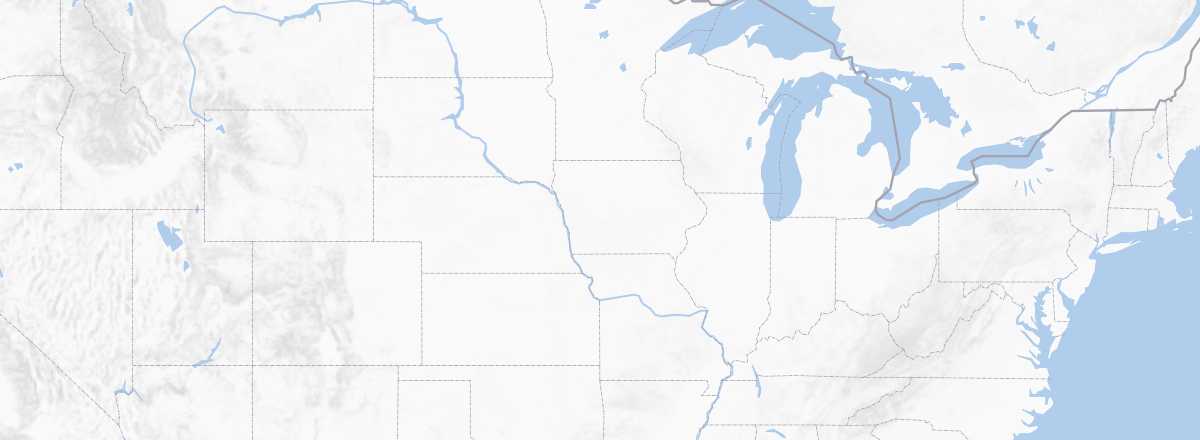
Midwest
Illinois
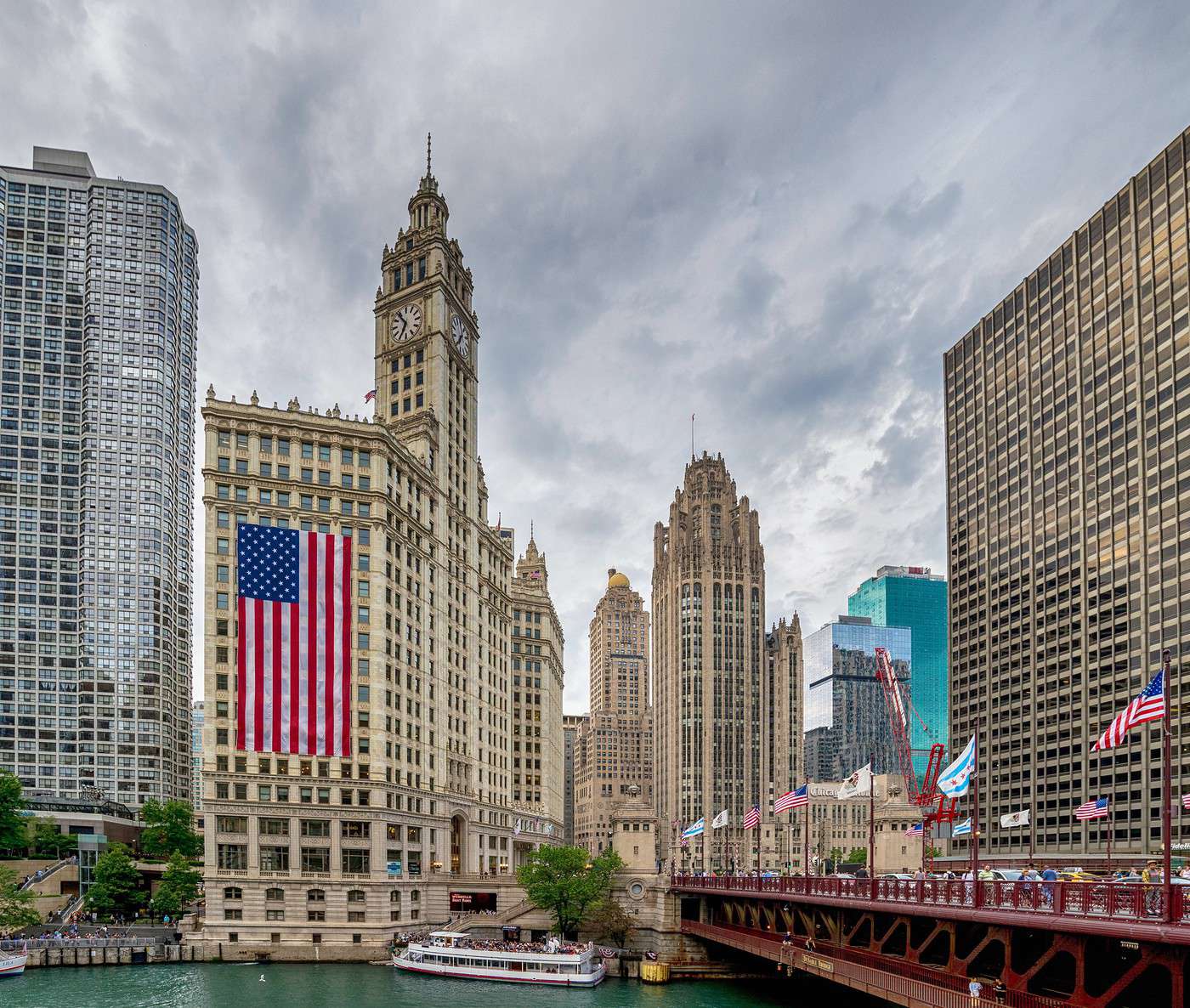
While Illinois is home to the must-see Chicago and the only UNESCO site in this part of the country (Cahokia Mounds, which is more of historical than tourist interest), and is also the most populous state in the Midwest, it still isn’t a heavily visited destination—except for Chicago. Just Galena with its many historic homes and period buildings, Springfield, Lincoln’s hometown, and the Shawnee National Forest with its unique rock formations for hiking draw some attention.
Indiana
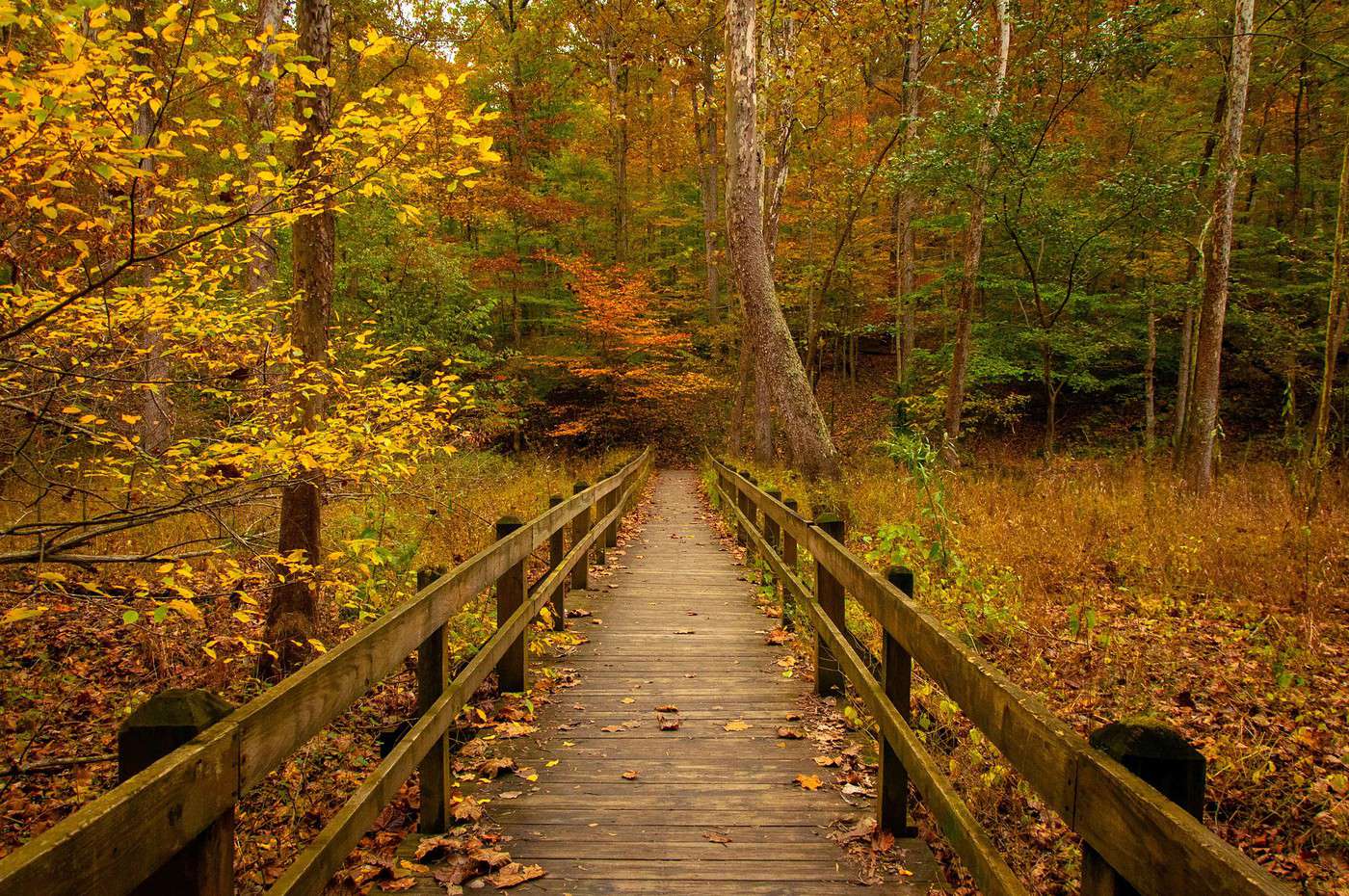
Mostly flat and rural, with its population concentrated around a few urban centers, Indiana is in many ways representative of the Midwest. Far from being a must-see tourist destination, it still has a few natural attractions, primarily the Brown County State Park (in the south) and the Indiana Dunes State Park (along Lake Michigan), which draw a local crowd for outdoor activities.
Iowa
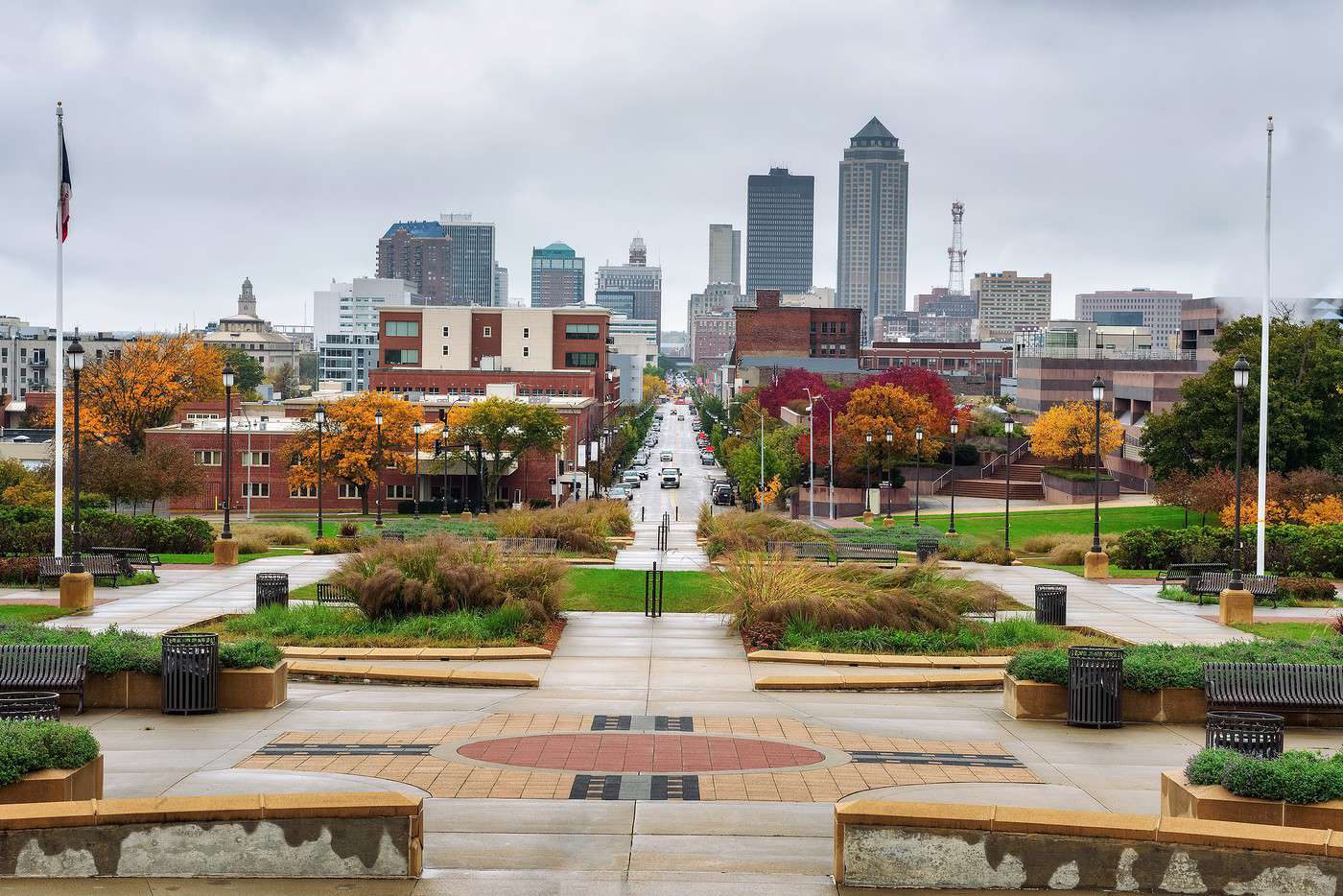
This state, which the world mostly hears about every four years when the U.S. presidential primaries kick off, is first and foremost a vast, flat, rural expanse where corn and soybeans grow in abundance, dotted with a few mid-sized cities (by American standards), including its capital, Des Moines. Tourism-wise, Iowa remains one of the least visited states in the Union.
Michigan
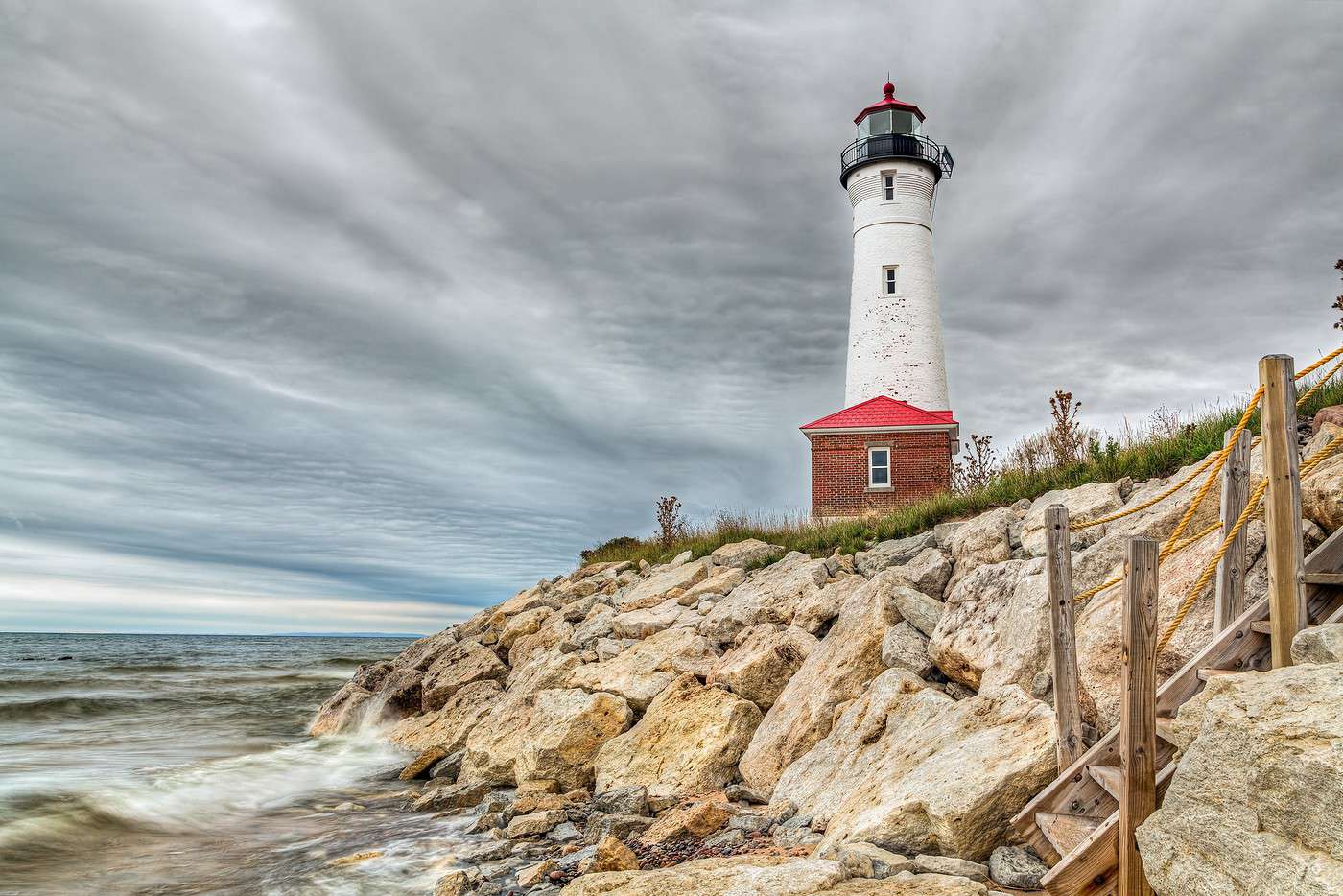
These two massive peninsulas surrounded by Lakes Erie, Superior, Michigan, and Huron are a wild land (especially the "Upper Peninsula"), offering stunning landscapes with forests, rivers, thousands of small inland lakes, and miles of coastline with beaches. No wonder the region is a hotspot for outdoor tourism, though its visitors are overwhelmingly North American rather than international. And in the middle of it all, the Detroit metro area, home to most of the state’s population despite its less-than-stellar economic situation...
Minnesota
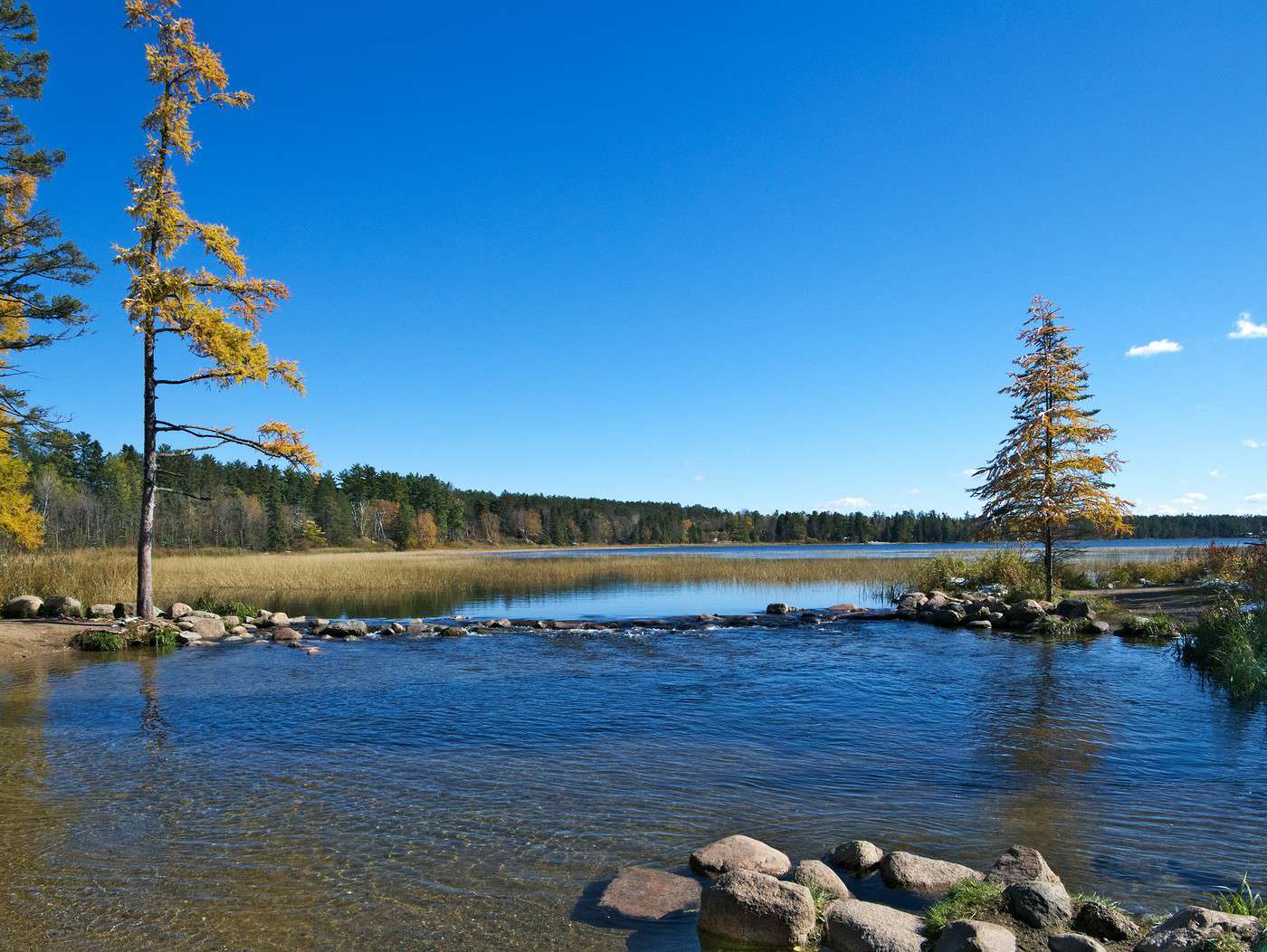
On the Canadian border (Ontario and Manitoba) and along Lake Superior, the "Land of 10,000 Lakes," as it’s sometimes nicknamed, is a paradise for nature and adventure lovers. Though foreign tourists overlook it, many North American visitors come to admire its forests, rivers, waterfalls, and lakes—especially in the northeast—and to enjoy the full range of summer and winter outdoor activities this environment offers. As for urban life, Minnesota is primarily the "Twin Cities," referring to the paired cities of Minneapolis–Saint Paul, where most of the state’s residents live and where its economic and cultural activity is concentrated.
Missouri
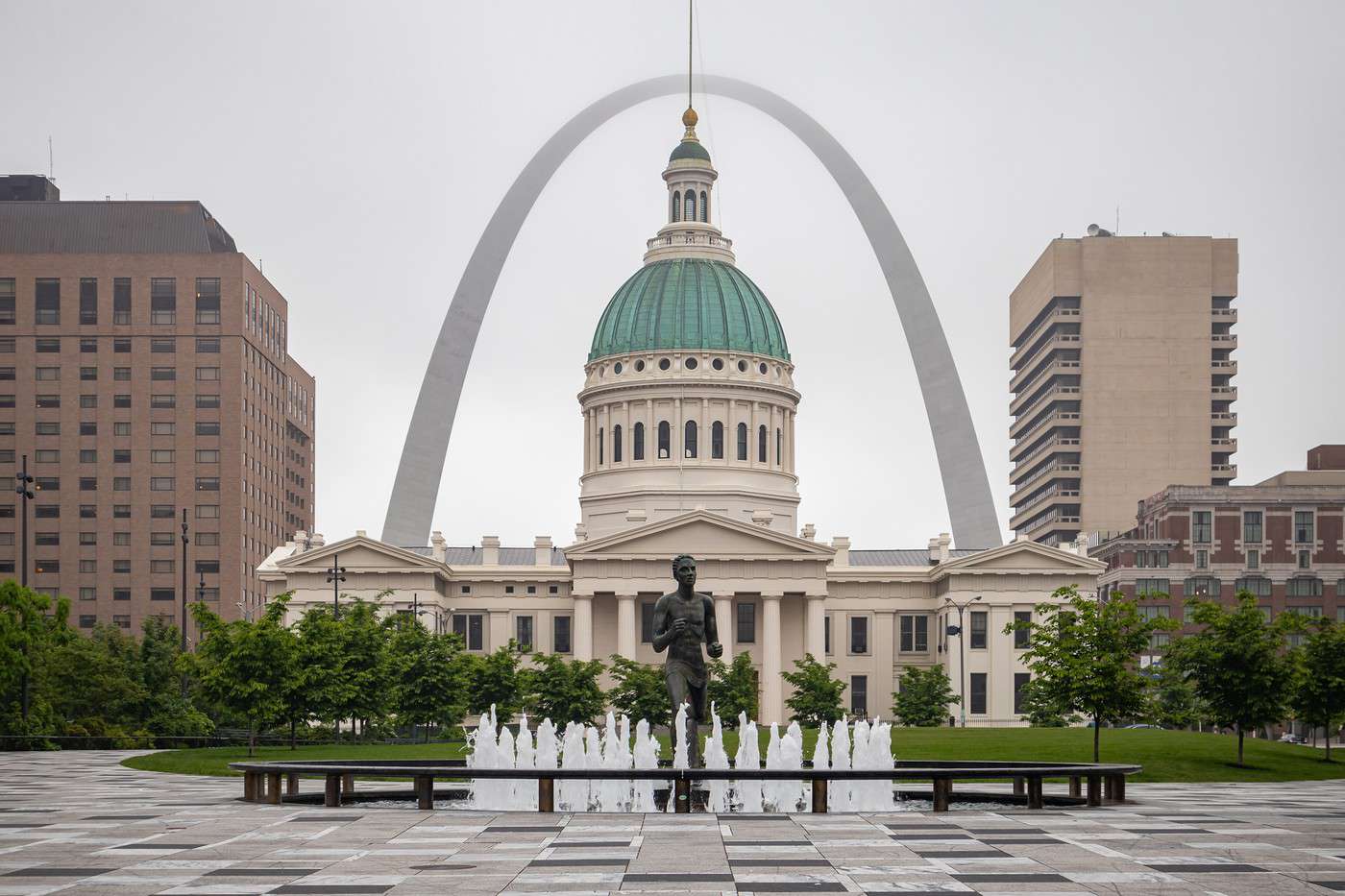
This state, long seen as the "frontier" between the East and West of the country, isn’t heavily visited, especially by foreign tourists—at least not outside Branson, which draws millions of visitors (exclusively American) each year with its attractions and performance venues. Beyond that, St. Louis with its famous arch and Kansas City with its architecture attract some interest. As for nature, while the state is mostly flat and monotonous, the Ozark Mountains in the southwest offer hiking, canoeing, and fishing in a landscape of rolling rivers and lakes.
Ohio
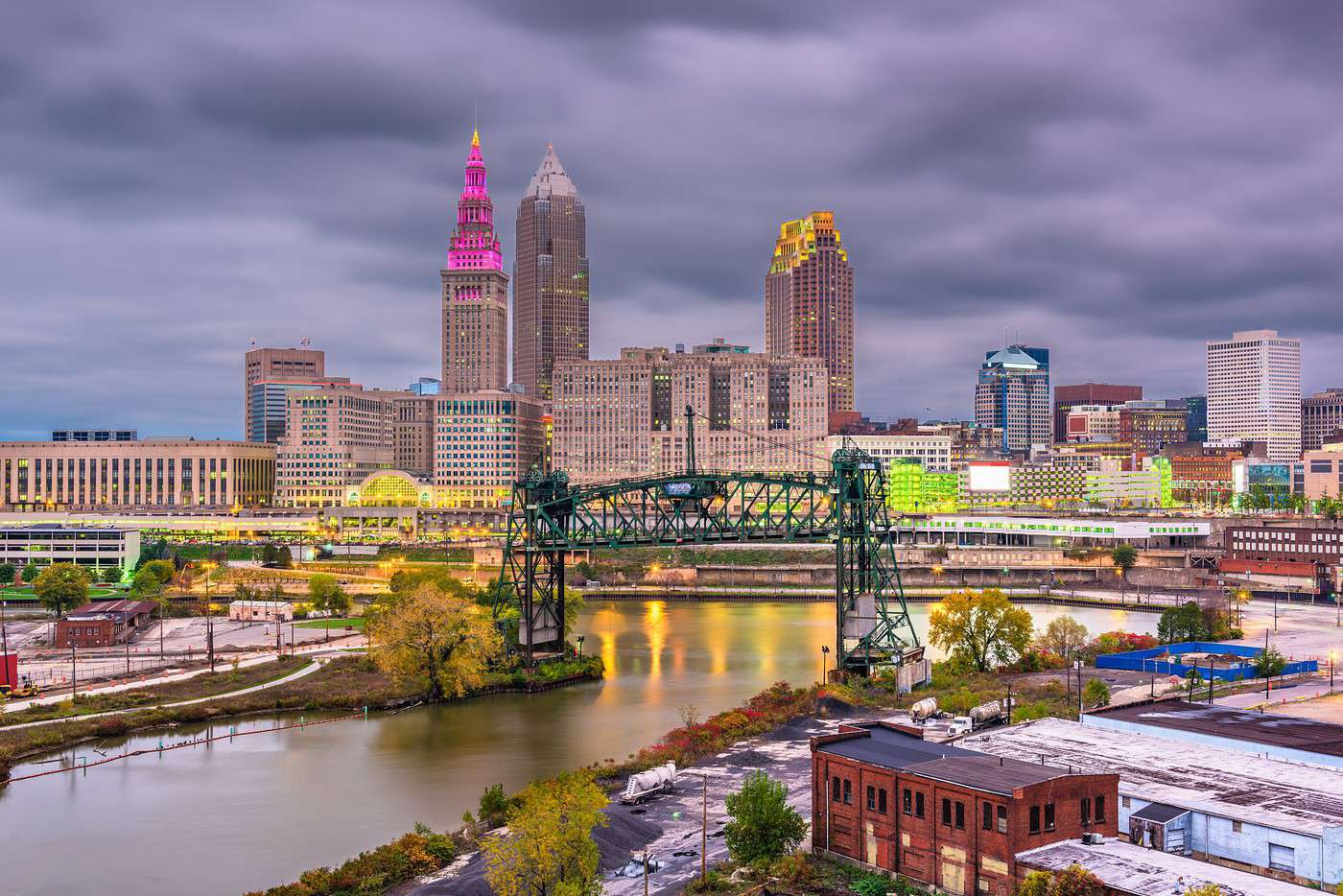
Between New York and Chicago, Ohio has always been seen as an industrial and commercial hub, with its three major cities: Cleveland, Columbus, and Cincinnati. That’s why the state is better known for business than tourism, though it does have a few attractions. Among them: the Lake Erie Islands, popular for their beaches and scenery, and the Cuyahoga Valley National Park for its caves, rivers, waterfalls, and small villages. Also worth mentioning is the Holmes County, home to the world’s largest concentration of Amish and Mennonite communities, with tourism centered around these groups.
Wisconsin
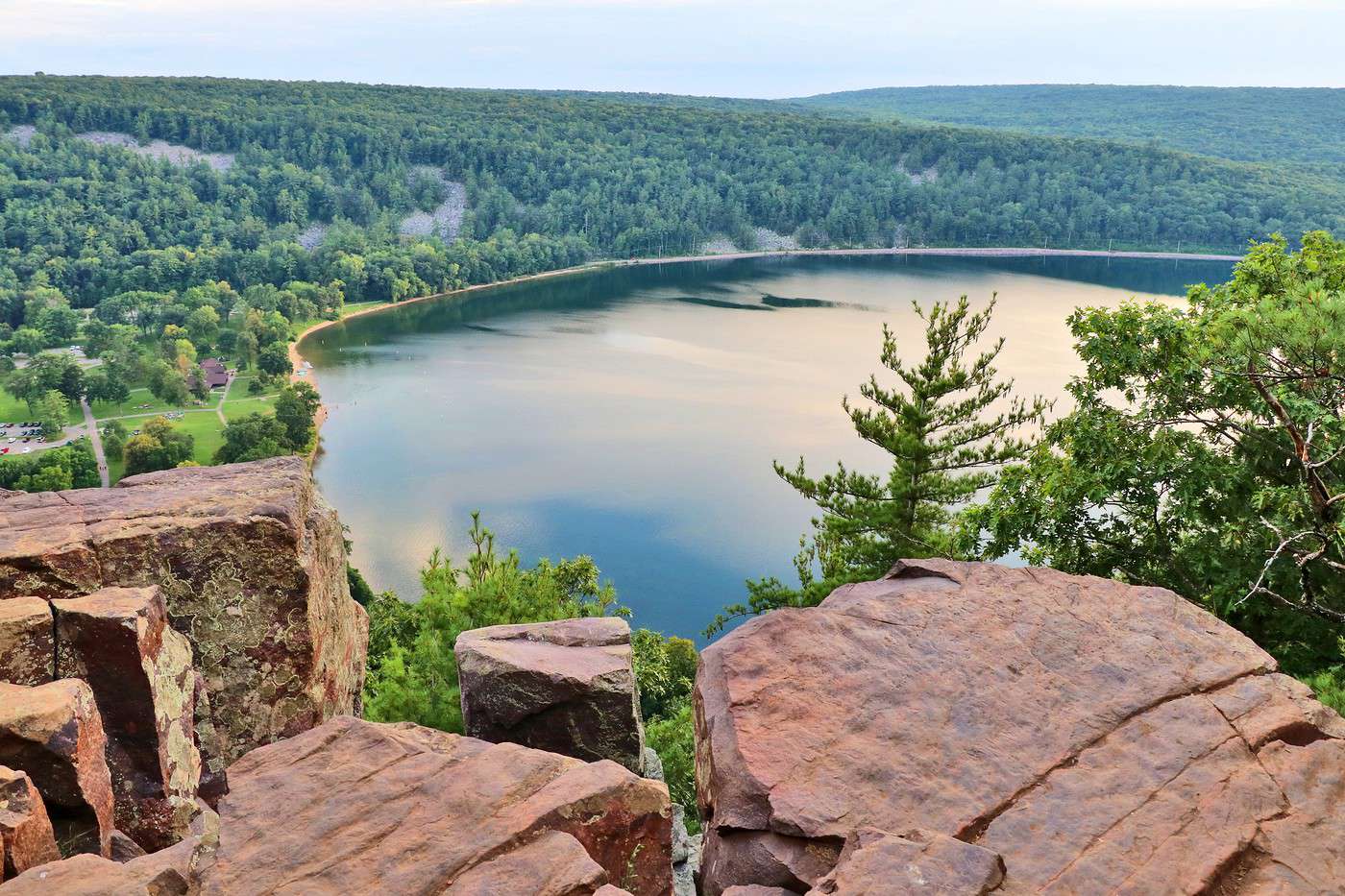
Between Lake Superior and Lake Michigan, Wisconsin, though very rural, finds its tourist appeal in its hundreds of miles of coastline, where stunning landscapes meet beaches and hiking trails. Like the northern parts of neighboring Minnesota and Michigan, the upper region of Wisconsin has become a favorite for outdoor tourism, overwhelmingly among North American visitors. This is most evident in the Door County, the vast peninsula jutting into Lake Michigan.
Great Plains
North Dakota
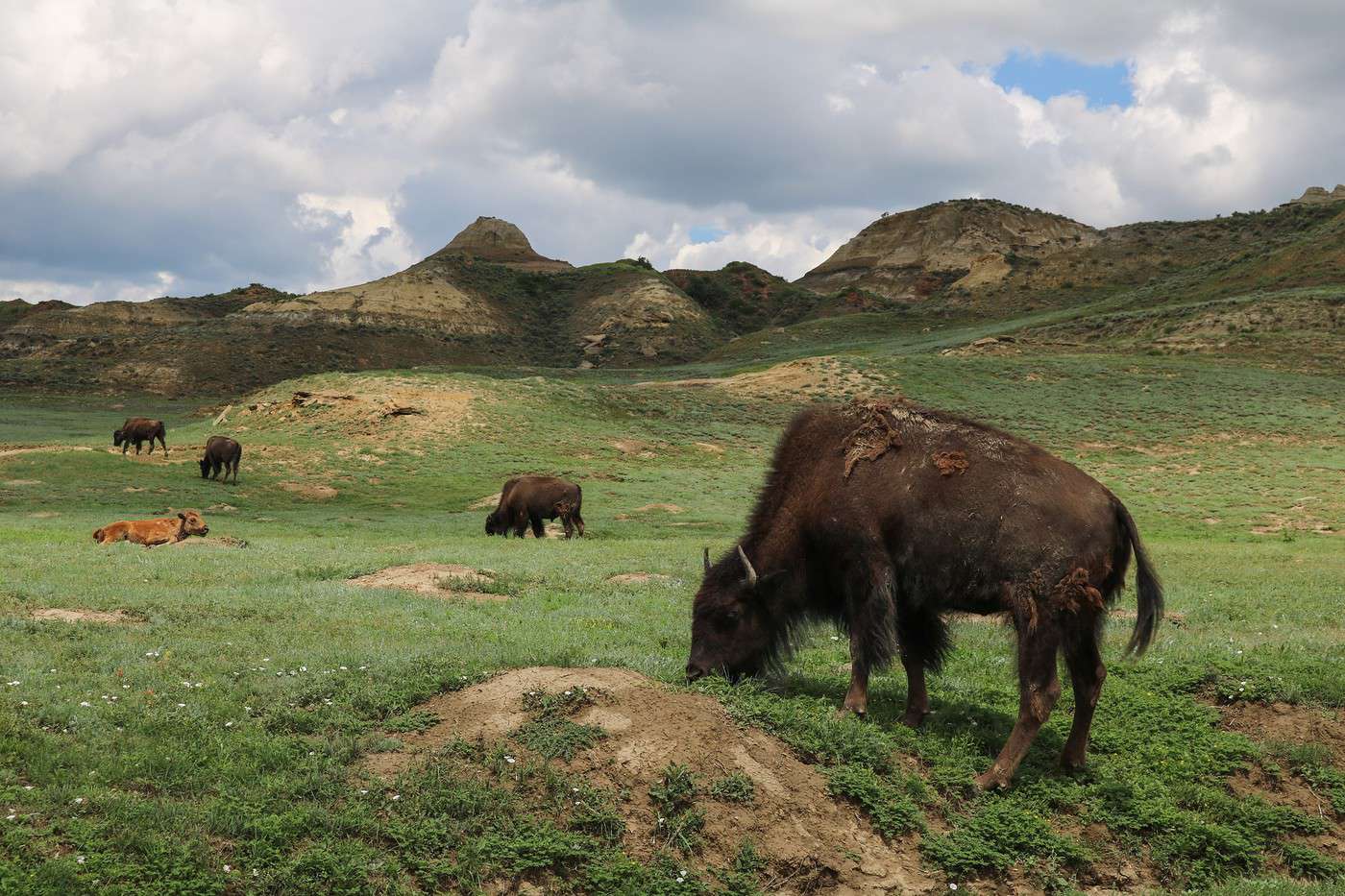
On the Canadian border, this vast agricultural state with fewer than a million residents is the least visited in the U.S. While its location and lack of "mainstream" tourist sites largely explain this, this Native American land embodies the landscapes and environment of the Great Plains—a landscape, however, increasingly threatened in some areas by the over-exploitation of shale gas.
South Dakota
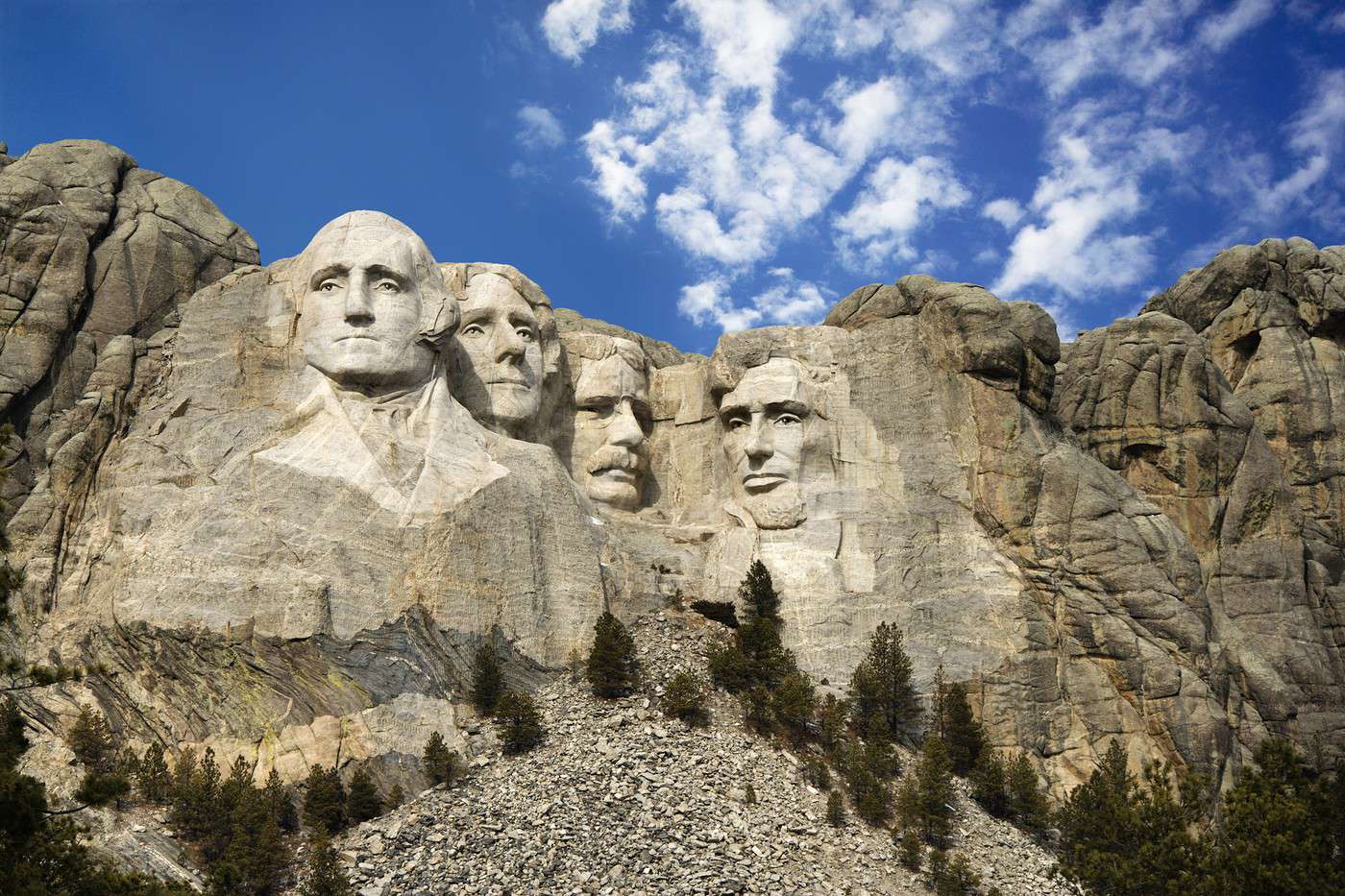
Quite similar in many ways to its northern neighbor, South Dakota is far more tourist-friendly. Traces of the Old West, Native American history, and the Indian Wars are well represented (Crazy Horse Memorial, Deadwood...), along with various natural sites worth exploring, like the Badlands National Park, the Black Hills, and the Custer State Park. But South Dakota is best known for the Mount Rushmore, famous worldwide for the faces of four U.S. presidents carved into the cliffside.
Kansas
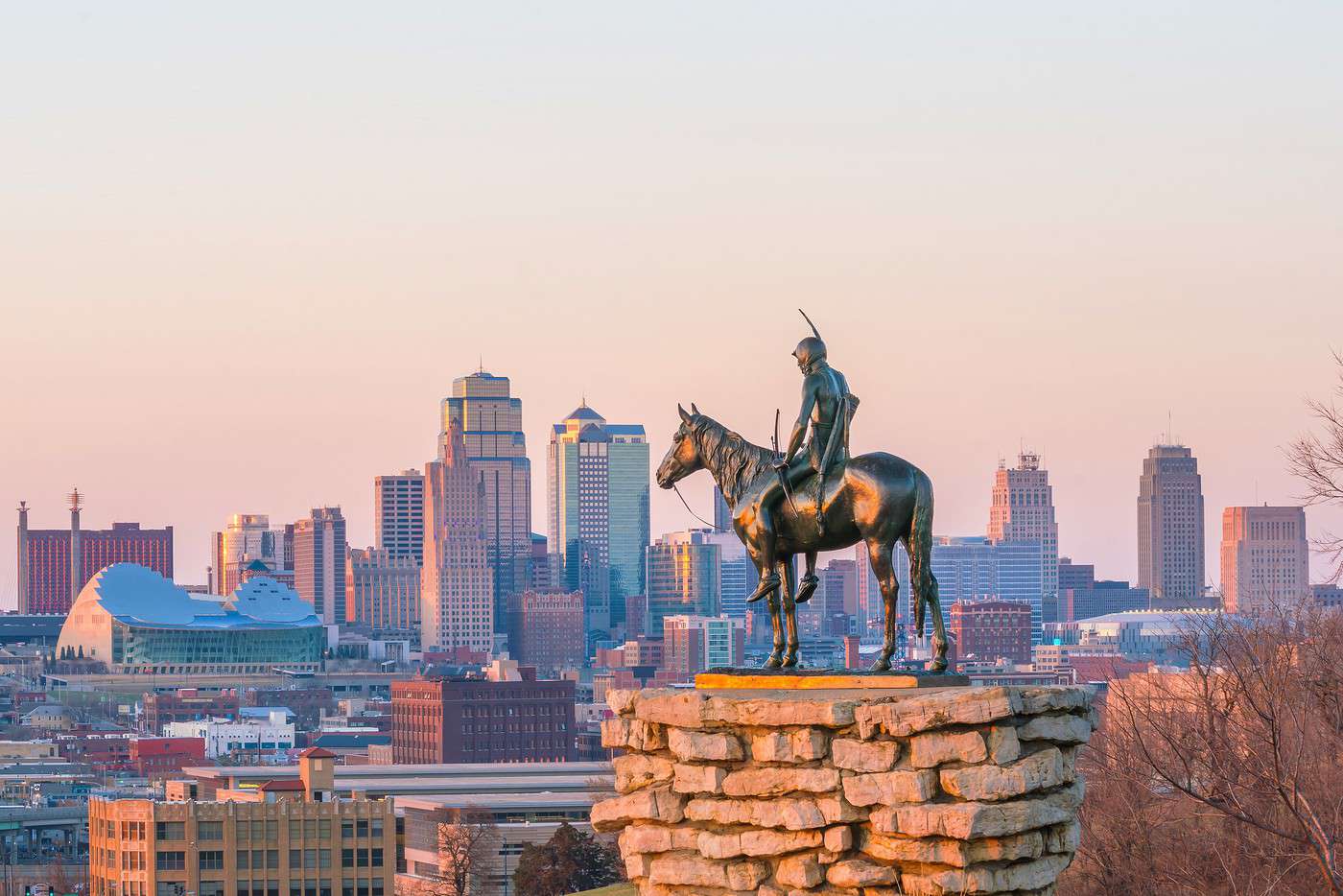
Considered the geographic center of the U.S., this agricultural state of plains and low hills doesn’t draw crowds of tourists, though a few cities like Kansas City (partly in Missouri) and Dodge City (the quintessential "Western" town) hold some appeal.
Nebraska
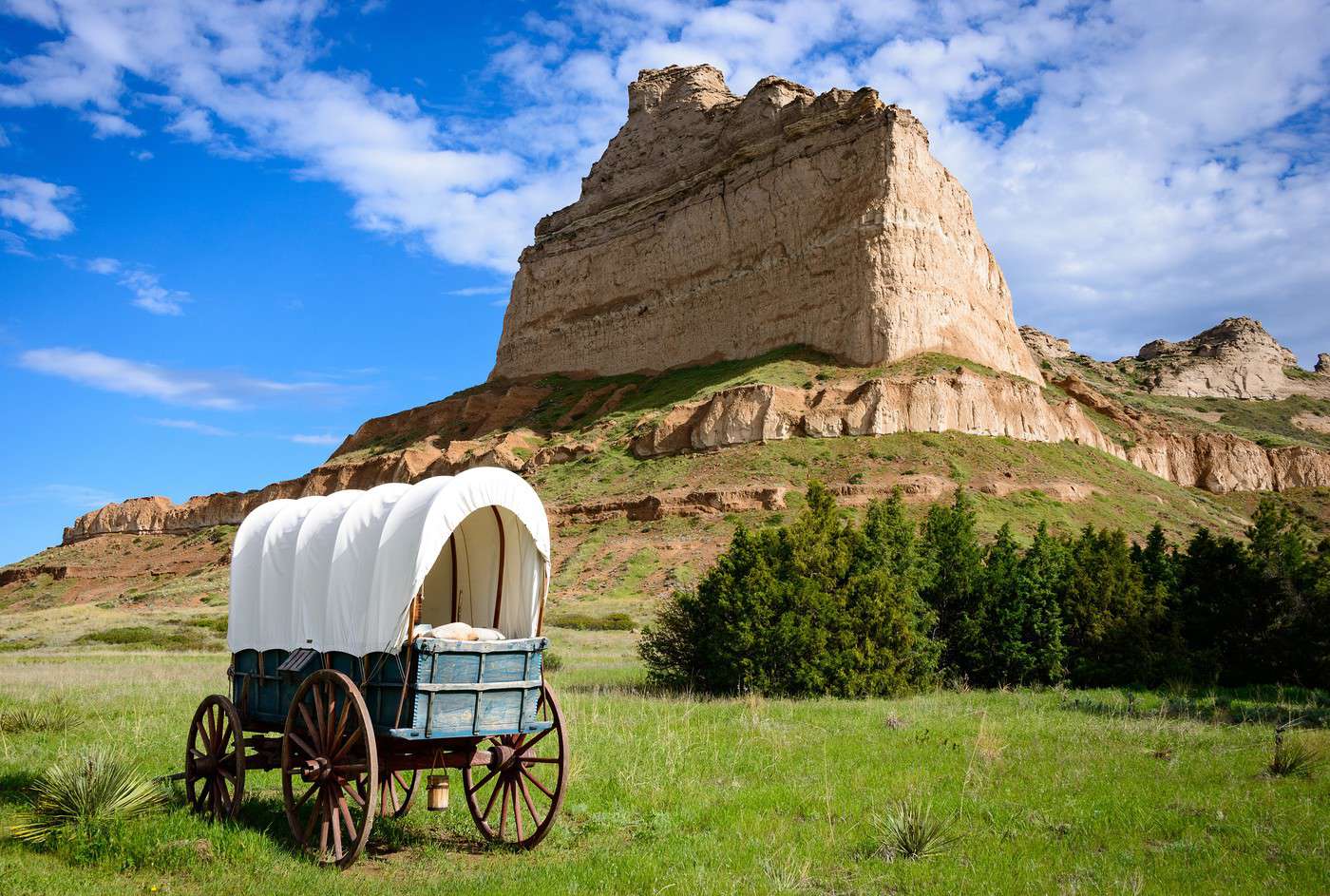
At the heart of America, this vast rural state is relatively sparsely populated outside the Omaha area, its largest city. It has a reputation for being "flat and monotonous," though that’s not entirely true everywhere. Still, it attracts few tourists, especially foreigners, who usually just pass through or stick to the Panhandle region, known for its unique geological formations.
Oklahoma
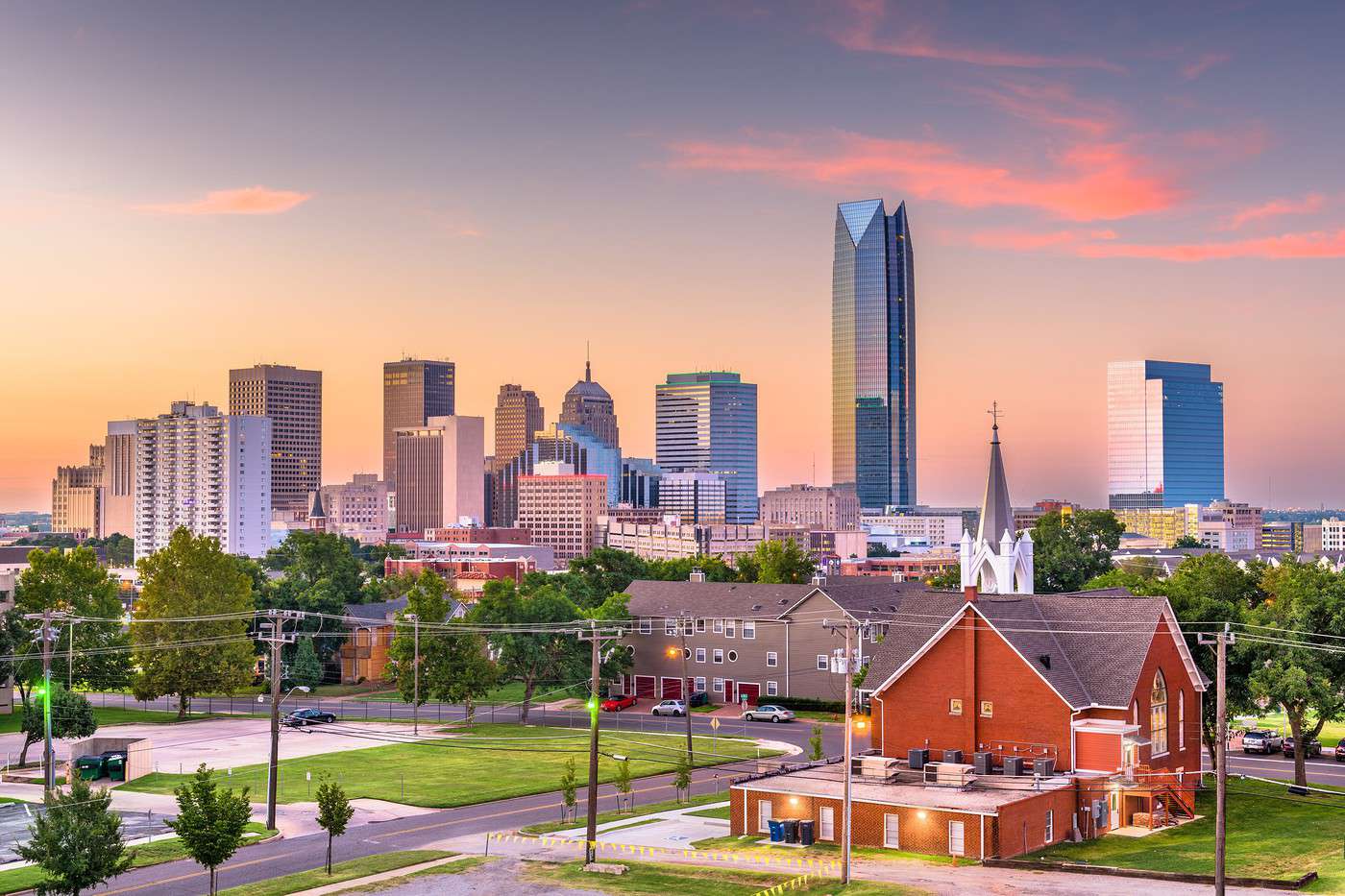
This former Native American territory, where nearly 10% of the population claims Indigenous ancestry, still bears the marks of Native presence and culture, as seen in the Cherokee County. While not necessarily a "tourist attraction in itself," this remains the main draw for exploring the state, whose other highlights are mostly limited to the city of Tulsa and its Art Deco architecture—the largest concentration of such buildings in the U.S.