last edited Dec 11, 2019
Overview of Essaouira
Location Map of Essaouira
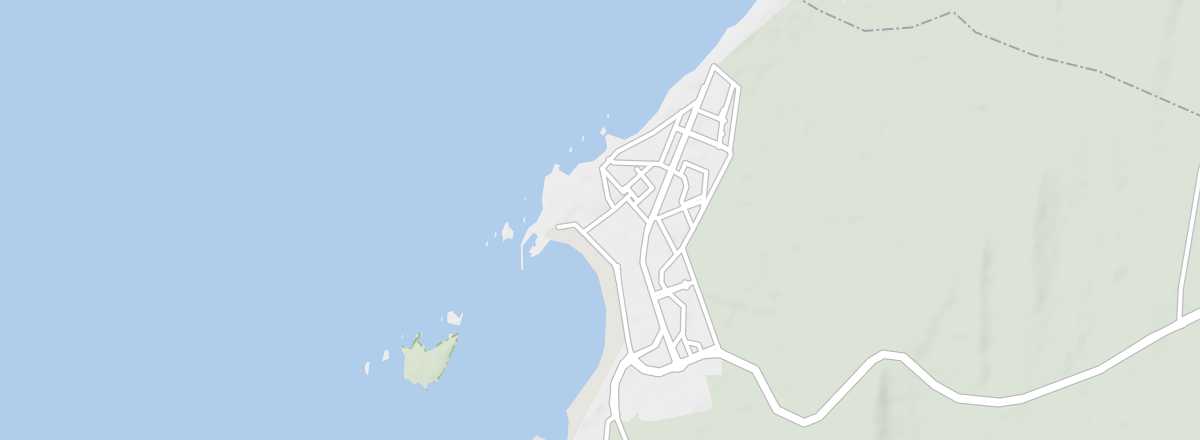 Essaouira
Open the interactive map
Overview of the city
Located on the edge of the Atlantic Ocean, Essaouira was called Mogador until the country's independence. Its history dates back to the Phoenicians and the Romans, but it was the Portuguese who left the most visible mark. From the early 16th century, they turned it into an important trading post surrounded by ramparts.
Until the mid-19th century, the city experienced tremendous economic growth, thanks in particular to a large Jewish community specialising in jewellery making. Essaouira was also for a long time the country's only port open to trade with foreign countries.
With the departure of the Jews and the opening of other ports to competition, the city gradually declined throughout the 20th century. It was not until the early 1990s that it regained a certain prominence thanks to tourism and cultural vitality. These two sectors complement the traditional activities of sardine fishing and craftsmanship (particularly woodwork). The lively atmosphere is also ensured by windsurfers, who have in their own way contributed to Essaouira's international reputation. The conditions along its vast beach are ideal, and the city's laid-back vibe is very appealing.
In short, Essaouira is a tourist city with a certain charm, and its medina is a UNESCO World Heritage site. Every year, it attracts thousands of visitors, especially during the summer months or during the Gnawa Music Festival, held at the end of June.
Essaouira is also the capital of the province of the same name, home to half a million inhabitants.
Key facts
- Type of place: city.
- Tourist interest: (must-see or highly recommended).
- Location: on the Atlantic coast, between Casablanca and Agadir.
- Distances: Agadir (175 km to the south), Casablanca (360 km to the north-east), Marrakech (180 km to the east), Safi (125 km to the north-east).
- Population: 77,966 inhabitants (2014).
- Area: 90 km².
- Altitude: sea level.
- Website: http://www.mogador-essaouira.com
History of Essaouira
Precautions
Staying in Essaouira does not require any special precautions; risks are very limited as long as you don’t do anything reckless (especially regarding drugs). The only things to really watch out for are the sometimes violent currents in certain coastal areas when swimming, and, secondarily, the two-wheelers that move around the old city.
Useful addresses
- Tourist Office: City Tourist Office, 10 Rue du Caire, Essaouira. Tel.: 044 78 35 32.
Services
- Local agencies:
- Banks: several banks and ATMs, notably at Place Moulay Hassan near the port.
- Hospital:
- Internet: there are several cybercafés in the old city.
- Laundries:
- Vehicle rental:
- Post office: Avenue Al-Moukaouama. On the outskirts of the medina, on an avenue parallel to the beach.