★ 1 · last edited Jul 1, 2020
Sète
Contributionsversion #5created Jul 1, 2020Report this pageLatest contributions in this guideContributors to this guide
Location verified location
 Sète
Open the interactive map
Sète
Open the interactive map
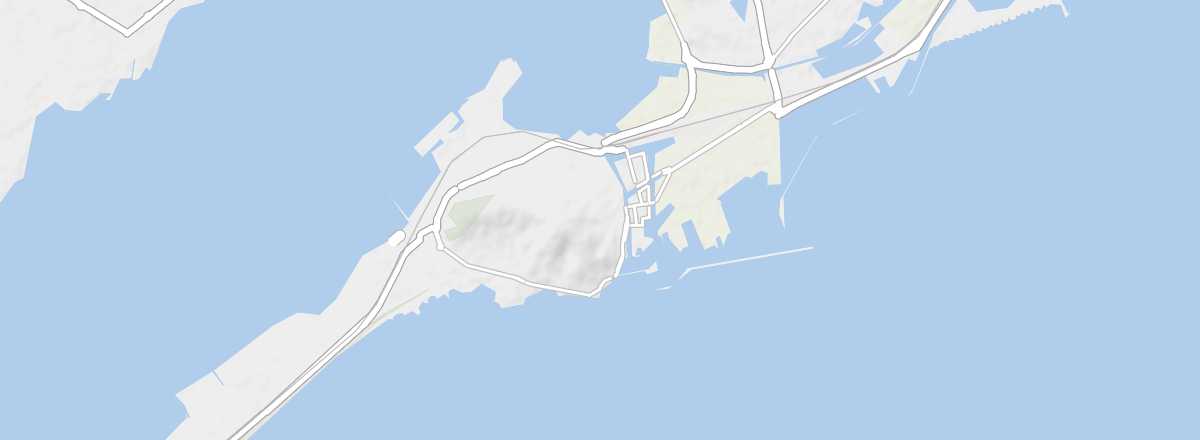
This dynamic port is also the third-largest urban area in the department. Visitors come to explore its city centre, canals, and especially its famous maritime cemetery. The town also boasts beautiful beaches and borders the Étang de Thau, the largest lagoon in the region.
Overview of Sète
This dynamic port is also the third-largest urban area in the department. Tourists come to explore its city centre, canals, and especially its famous maritime cemetery. The town also boasts beautiful beaches and borders the Lake Thau, the largest lagoon in the region.
Key facts
- Type of place: small town.
- Tourist interest: (worth a stop if you are in the area).
- Location:
- Distances:
- Local time: .
- Population: 43,229 inhabitants (2017).
- Area: 24.21 km².
- Altitude: sea level.
- Website: http://www.tourisme-sete.com
History of Sète
What to see in Sète
Maritime Cemetery
Also known as Saint-Charles Cemetery. This is the city's most famous site, dating back to the late 17th century. Facing the sea, it contains many graves, including those of Paul Valéry and Jean Vilar. Georges Brassens is buried in another cemetery in Sète (Le Py).
Also known as Saint-Charles Cemetery. This is the city's most famous site, dating back to the late 17th century. Facing the sea, it contains many graves, including those of Paul Valéry and Jean Vilar. Georges Brassens is buried in another cemetery in Sète (Le Py).
Mont Saint-Clair
Rising 175 m high, the hill overlooks the city, the sea, and the Étang de Thau, offering a lovely panorama. The Notre-Dame de la Salette chapel and the Mont Saint-Clair lighthouse are nearby.
Rising 175 m high, the hill overlooks the city, the sea, and the Étang de Thau, offering a lovely panorama. The Notre-Dame de la Salette chapel and the Mont Saint-Clair lighthouse are nearby.
Old Port
A few canals, colorful facades, and bars and restaurants for the liveliest part of the city.
A few canals, colorful facades, and bars and restaurants for the liveliest part of the city.
Museums
Georges Brassens Space
Both a museum and a cultural space dedicated to Georges Brassens, who was born and buried in the city.
Both a museum and a cultural space dedicated to Georges Brassens, who was born and buried in the city.
MIAM
Also known as the International Museum of Modest Arts. It showcases toys, figurines, gadgets, and other assorted objects typical of outsider art, naïve art, or folk art.
Also known as the International Museum of Modest Arts. It showcases toys, figurines, gadgets, and other assorted objects typical of outsider art, naïve art, or folk art.
Sea Museum
The museum showcases the history of the port of Sète, its people, and traditions like Languedocian jousting through objects, documents, and photographs from the 18th century onward.
The museum showcases the history of the port of Sète, its people, and traditions like Languedocian jousting through objects, documents, and photographs from the 18th century onward.
Paul Valéry Museum
Situé à proximité du mont Saint-Clair, c'est un musée dédié à l'écrivain-philosophe enterré au cimetière marin de Sète. Il comporte également un fond sur les arts et traditions populaires locales.
Situé à proximité du mont Saint-Clair, c'est un musée dédié à l'écrivain-philosophe enterré au cimetière marin de Sète. Il comporte également un fond sur les arts et traditions populaires locales.
What to do in Sète
Climate and weather in Sète
The town has a Mediterranean climate, with plenty of sunshine, mild winters, and hot, dry summers. Rainfall occurs mainly in autumn, particularly in October and November. The wind is also a common feature and can sometimes blow in strong gusts.
Sea temperature throughout the year
| Jan. | Feb. | Mar. | Apr. | May | Jun. | Jul. | Aug. | Sep. | Oct. | Nov. | Dec. | |
|---|---|---|---|---|---|---|---|---|---|---|---|---|
| Sète | 13 | 12 | 13 | 14 | 16 | 20 | 22 | 23 | 22 | 19 | 16 | 14 |
Transport
Getting there
Getting around
Accommodation
Eating out
Useful addresses
Nearby
Some interesting sites to see around Sète:
Agde
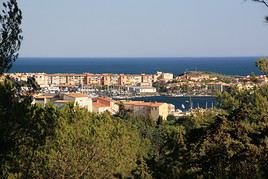
With the creation of Cap d'Agde in the 1970s, the town became one of the main marinas on the Mediterranean coast and a highly popular seaside resort.
With the creation of Cap d'Agde in the 1970s, the town became one of the main marinas on the Mediterranean coast and a highly popular seaside resort.
Béziers
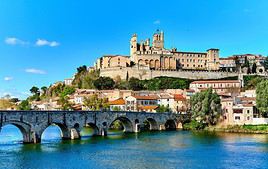
The second-largest urban area in Hérault boasts a charming centre, notably featuring significant religious heritage, with its cathedral towering over the city.
The second-largest urban area in Hérault boasts a charming centre, notably featuring significant religious heritage, with its cathedral towering over the city.
Lake Thau
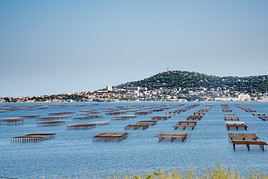
The largest body of water in Occitanie is a major tourist site in the region. Beyond beach activities, it is home to several charming small towns along its shores, most notably Sète.
The largest body of water in Occitanie is a major tourist site in the region. Beyond beach activities, it is home to several charming small towns along its shores, most notably Sète.
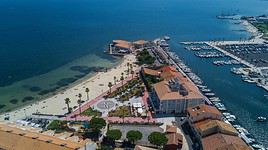
Mèze
A small town on the Thau lagoon with old quarters, remnants of ramparts, a 17th-century château, beaches, and a marina.
A small town on the Thau lagoon with old quarters, remnants of ramparts, a 17th-century château, beaches, and a marina.
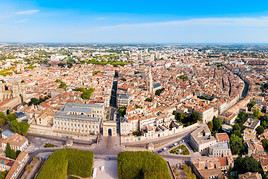
Montpellier
The city boasts a beautiful and lively historic centre around Place de la Comédie, as well as more modern and "designer" districts like Antigone.
The city boasts a beautiful and lively historic centre around Place de la Comédie, as well as more modern and "designer" districts like Antigone.
Bagnas National Nature Reserve
A wetland of ponds and marshes on the outskirts of Agde and extending from the Étang de Thau. The area is renowned for its birdlife.
A wetland of ponds and marshes on the outskirts of Agde and extending from the Étang de Thau. The area is renowned for its birdlife.
Further reading
Worth a look / Other
Marine Cemetery (Sète)
★★ Also known as Saint-Charles Cemetery. This is the city's most famous site, dating back to the late 17th century. Facing the sea, it…
Old Port (Sète)
★★ A few canals, colorful facades, and bars and restaurants for the liveliest part of the city.
Georges Brassens Space
★ Both a museum and a cultural space dedicated to Georges Brassens, who was born and buried in the city.
MIAM
★ Also known as the International Museum of Modest Arts. It showcases toys, figurines, gadgets, and other assorted objects typical of…
Mont Saint-Clair
★ Rising 175 m high, the hill overlooks the city, the sea, and the Étang de Thau, offering a lovely panorama. The Notre-Dame de la Salette…
Maritime Museum (Sète)
★ The museum showcases the history of the port of Sète, its people, and traditions like Languedocian jousting through objects, documents, and…
Paul Valéry Museum
★ Situé à proximité du mont Saint-Clair, c'est un musée dédié à l'écrivain-philosophe enterré au cimetière marin de Sète. Il comporte…