Overview
Neighborhoods and Tourist Areas
Like Los Angeles, Miami is primarily a city of neighborhoods (or outlying localities), each with its own distinct features and characteristics, including in terms of tourism.
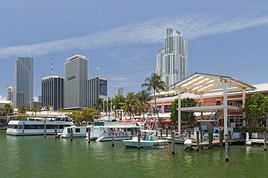
Bayside Marketplace
It faces Biscayne Bay. One of the city’s main shopping centers, it also has a lively atmosphere that makes it a popular spot.
It faces Biscayne Bay. One of the city’s main shopping centers, it also has a lively atmosphere that makes it a popular spot.
Coconut Grove
This southern part of Miami is its "historic district," with its beautiful homes and buildings in diverse, classic styles. It’s also now a well-known spot for its lively atmosphere, especially at night, enjoyed by both locals and tourists.
This southern part of Miami is its "historic district," with its beautiful homes and buildings in diverse, classic styles. It’s also now a well-known spot for its lively atmosphere, especially at night, enjoyed by both locals and tourists.
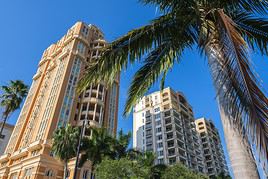
Coral Gables
It's a "neighborhood" (though officially a city) in the upscale southern part of Miami. Beyond its reputation for shopping with its pedestrian zones, it’s known for being built in architectural styles from around the world, including the "Norman" style.
It's a "neighborhood" (though officially a city) in the upscale southern part of Miami. Beyond its reputation for shopping with its pedestrian zones, it’s known for being built in architectural styles from around the world, including the "Norman" style.
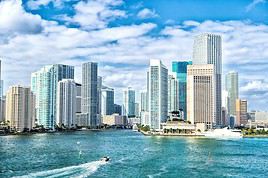
Downtown Miami
This is the city's business hub (and administrative center), and one of the most important in the entire country. Beyond the latest skyscrapers, you can also find some older buildings with beautiful architecture. Like many business districts, it’s primarily lively during the day and on weekdays.
This is the city's business hub (and administrative center), and one of the most important in the entire country. Beyond the latest skyscrapers, you can also find some older buildings with beautiful architecture. Like many business districts, it’s primarily lively during the day and on weekdays.
Lincoln Road
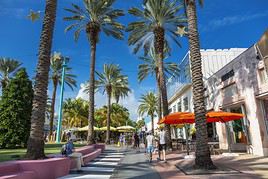
With its pedestrian zone, this Miami Beach thoroughfare is the most commercial in the entire metropolitan area.
With its pedestrian zone, this Miami Beach thoroughfare is the most commercial in the entire metropolitan area.
Little Haiti
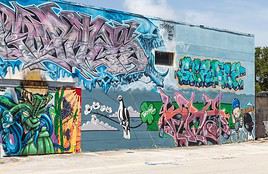
This is the (low-income) "Haitian-Creole" neighborhood of Miami with its Caribbean architecture, shops, and murals.
This is the (low-income) "Haitian-Creole" neighborhood of Miami with its Caribbean architecture, shops, and murals.
Little Havana
This is the Cuban district of Miami. Known through literature and film, "Little Havana" has become a tourist spot (especially around Calle Ocho), with its specific festivals and events, Latino shops, murals, and its famous "domino players" at Maximo Gomez Park.
This is the Cuban district of Miami. Known through literature and film, "Little Havana" has become a tourist spot (especially around Calle Ocho), with its specific festivals and events, Latino shops, murals, and its famous "domino players" at Maximo Gomez Park.
Miami Beach
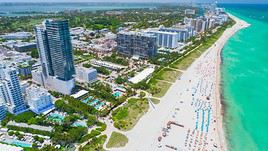
Though it is a separate municipality, Miami Beach is entirely connected to its neighbor, if only by the bridges linking the two cities. A seaside resort since 1930, it embodies all the clichés (or "expectations") one might have of Miami: beaches, Art Deco buildings, luxury tourism, lively and trendy spots, and more.
Though it is a separate municipality, Miami Beach is entirely connected to its neighbor, if only by the bridges linking the two cities. A seaside resort since 1930, it embodies all the clichés (or "expectations") one might have of Miami: beaches, Art Deco buildings, luxury tourism, lively and trendy spots, and more.
Miami Springs
This suburb, located next to the airport, was built in the 1930s with a Mexican village theme for its architecture. You can see some beautiful buildings in this style.
This suburb, located next to the airport, was built in the 1930s with a Mexican village theme for its architecture. You can see some beautiful buildings in this style.
South Beach
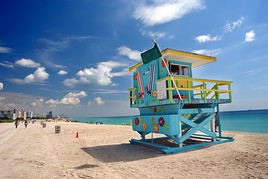
This is the southern part of Miami Beach and a microcosm of everything you might expect or find there. It’s also the most touristy area in the city, thanks in particular to its beach and the beautiful Art Deco district along Ocean Drive.
This is the southern part of Miami Beach and a microcosm of everything you might expect or find there. It’s also the most touristy area in the city, thanks in particular to its beach and the beautiful Art Deco district along Ocean Drive.
Washington Avenue
This is the lively spot for evenings and party nights in Miami. The avenue is in Miami Beach.
This is the lively spot for evenings and party nights in Miami. The avenue is in Miami Beach.
Landmarks and Architectural Complexes
The Barnacle Historic State Park
Built in 1891 in the Coconut Grove neighborhood, this 5-hectare property is considered one of the oldest in the area and a symbol of Miami’s early development.
Built in 1891 in the Coconut Grove neighborhood, this 5-hectare property is considered one of the oldest in the area and a symbol of Miami’s early development.
Venetian Pool
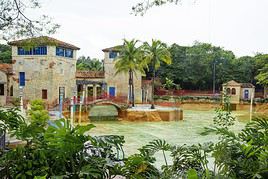
This large Coral Gables pool is famous for its Venetian decor (hence its name). Built in 1923, it also has the unique feature of being fed by spring water.
This large Coral Gables pool is famous for its Venetian decor (hence its name). Built in 1923, it also has the unique feature of being fed by spring water.
Villa Vizcaya
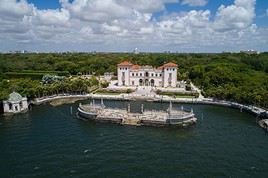
Built in 1912 in the style of a 16th-century Italian villa, it is one of Miami’s most famous (if not most frequented) landmarks. Its interior blends Renaissance, Baroque, Rococo, and Neoclassical styles and is open to visitors, as are the stunning French-style gardens that extend over nearly 10 acres.
Built in 1912 in the style of a 16th-century Italian villa, it is one of Miami’s most famous (if not most frequented) landmarks. Its interior blends Renaissance, Baroque, Rococo, and Neoclassical styles and is open to visitors, as are the stunning French-style gardens that extend over nearly 10 acres.
Museums
Frost Museum of Science
Also known as PPFMOS, this venue combines a science museum, a planetarium, and an aquarium.
Also known as PPFMOS, this venue combines a science museum, a planetarium, and an aquarium.
HistoryMiami
This is the story of South Florida, from its earliest inhabitants to the present day, including the Spanish presence and the wars against the Seminole Indians.
This is the story of South Florida, from its earliest inhabitants to the present day, including the Spanish presence and the wars against the Seminole Indians.
Miami Museum of Contemporary Art
Also known as MoCA. It features collections of 20th-century works, as well as temporary exhibitions.
Also known as MoCA. It features collections of 20th-century works, as well as temporary exhibitions.
Pérez Art Museum Miami
PAMM is a space dedicated to modern and contemporary art, showcasing both American and European artists.
PAMM is a space dedicated to modern and contemporary art, showcasing both American and European artists.
Parks, Gardens, and Natural Spaces
Bayfront Park
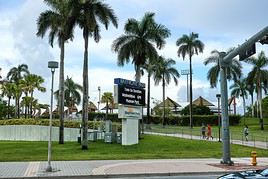
As its name suggests, this landscaped park (fountains, sculptures, performance spaces, etc.) spans 13 hectares along Biscayne Bay.
As its name suggests, this landscaped park (fountains, sculptures, performance spaces, etc.) spans 13 hectares along Biscayne Bay.
Haulover Sandbar
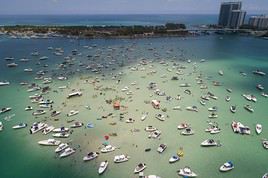
This is a sandbar north of the city, popular with families (and partiers on Saturdays) for spending the day on a small boat (of any kind). The spot can get quite crowded on weekends.
This is a sandbar north of the city, popular with families (and partiers on Saturdays) for spending the day on a small boat (of any kind). The spot can get quite crowded on weekends.
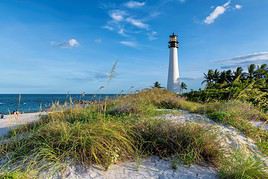
Key Biscayne
South of Miami Beach, the large island is popular for its beaches and slightly wild nature just a stone's throw from Miami. Unsurprisingly, it gets quite busy on weekends.
South of Miami Beach, the large island is popular for its beaches and slightly wild nature just a stone's throw from Miami. Unsurprisingly, it gets quite busy on weekends.
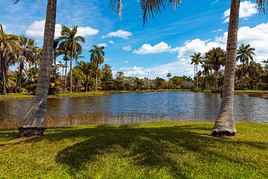
Fairchild Tropical Botanic Garden
Located on the outskirts of Miami (in the municipality of Coral Gables), this is the largest garden in the country in its category, spanning 30 hectares, with a dozen lakes and 2,500 varieties of trees and plants.
Located on the outskirts of Miami (in the municipality of Coral Gables), this is the largest garden in the country in its category, spanning 30 hectares, with a dozen lakes and 2,500 varieties of trees and plants.
Jungle Island
A family-friendly eco-adventure park. Spread over 9 hectares of artificial jungle, you can see 2,000 plant species, around a thousand exotic birds, and many other animals (monkeys, tigers, crocodiles, reptiles, etc.). The site also has a beach for swimming.
A family-friendly eco-adventure park. Spread over 9 hectares of artificial jungle, you can see 2,000 plant species, around a thousand exotic birds, and many other animals (monkeys, tigers, crocodiles, reptiles, etc.). The site also has a beach for swimming.