last edited Dec 11, 2019
Tunisian Gastronomy
Location Map of Tunisia
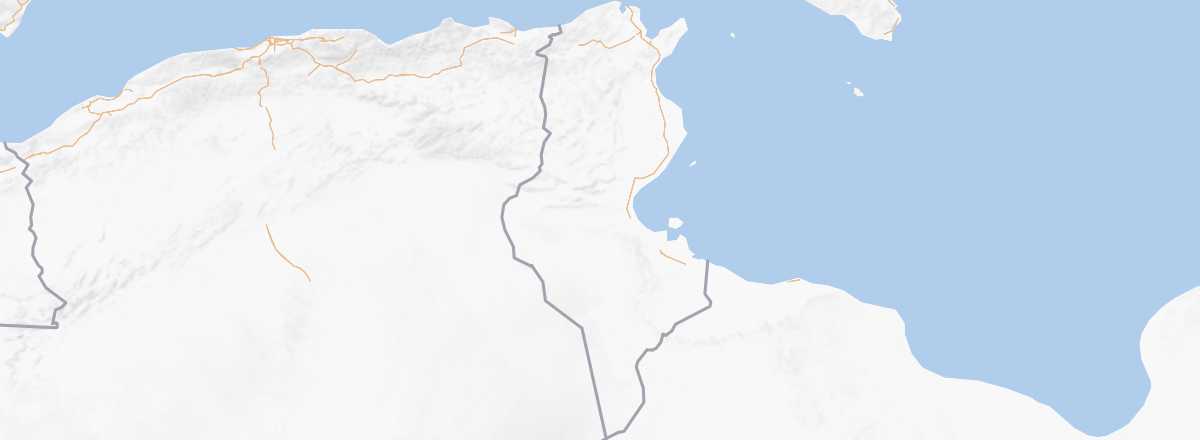 Tunisia
Open the interactive map
Tunisia
Open the interactive map
Local Cuisine
Perhaps due to the long French presence in the country, Tunisia has a strong culinary culture. Tunisian gastronomy makes extensive use of olive oil, tomatoes, spices, seafood, and lamb. But it’s not just about couscous...
Other Cuisines
Beyond local specialties, you’ll also find high-quality French cuisine, and the baguettes and croissants are just as delicious. Otherwise, in Tunis and tourist areas, you’ll find almost every type of cuisine—from exotic Chinese restaurants to pizzas or burgers.
Specialties
Among the main specialties, note:
Starters
- Brick: very common on menus, bricks are thin fried pastries filled with egg and stuffing or tuna, served with lemon.
- Chorba: a traditional soup with small pasta and sometimes meat, making for an economical meal.
- Salade méchouia: a salad of grilled tomatoes and hot peppers mixed with garlic and olive oil.
- Tunisian salad: tomatoes, onions, peppers, and cucumber.
Main Dishes
- Couscous: the most famous dish in North Africa and Tunisia’s signature specialty. It can be made with lamb, chicken, or fish.
- Melloukhia: a beef or lamb stew cooked in a sauce, often flavored with dried mint or orange peel. Generally, there are dozens of types of stews in Tunisian cuisine.
- Pasta: of all kinds, it’s the most commonly eaten main dish in Tunisia. It can be eaten alone, with meat, fish, and/or vegetables, or even in soup.
- Fish and seafood: specialty restaurants serve various fish and seafood. Fish may be served with garlic, onions, and potatoes, all drizzled with olive oil, or prepared in sauce or fried with a side salad.
- Tunisian sandwich: a hearty sandwich with tuna, tomatoes, peppers, and olive oil.
- Tajines: unlike those in other Maghreb countries, the Tunisian tajine is a thick oven-baked omelet with meat pre-cooked in sauce, vegetables, grated cheese, and eggs. That said, there are many variations.
Desserts
Most are small pastries dripping with sugar and/or honey, like baklava and makroudh, often containing dried fruits (dates, almonds, hazelnuts, etc.). Tunisia also abounds in fresh fruit: melons, oranges, peaches, grapes, etc. And of course, dates.
Drinks
Where to Eat
You can eat well in Tunisia for very little, and there’s no shortage of places to dine. From small local eateries to restaurants catering to tourists, as well as street stalls, cafés, tea salons, or pastry shops, everyone will find something to suit their taste—whether for a full meal or a quick snack.
Common thread: very affordable prices. Expect to pay around 5 € for a meal in local establishments (though hygiene can sometimes be a concern) and a good dozen euros in more touristy spots. For breakfast, count 1.5 to 2 € locally and 2 to 5 € for a "continental" style.