
Overview
UNESCO World Heritage

Amiens Cathedral (1981)
It is the largest cathedral in France by its interior volume and one of the finest examples of Gothic art. This is why it is a UNESCO World Heritage site.
It is the largest cathedral in France by its interior volume and one of the finest examples of Gothic art. This is why it is a UNESCO World Heritage site.
Sites, monuments and architectural ensembles
Amiens Cathedral
It is the largest cathedral in France by its interior volume and one of the finest examples of Gothic art. This is why it is a UNESCO World Heritage site.
It is the largest cathedral in France by its interior volume and one of the finest examples of Gothic art. This is why it is a UNESCO World Heritage site.
Jules Verne Circus
Over a century old, the building is listed as a historic monument for its architectural quality. With its rich programming, it is part of the French National Circus Hub.
Over a century old, the building is listed as a historic monument for its architectural quality. With its rich programming, it is part of the French National Circus Hub.
Saint-Leu District
This district, redeveloped in the 1990s, lies at the foot of the Cathedral. With its canals, timber-framed houses, and numerous bars and restaurants, it has become a picturesque and lively part of Amiens life.
This district, redeveloped in the 1990s, lies at the foot of the Cathedral. With its canals, timber-framed houses, and numerous bars and restaurants, it has become a picturesque and lively part of Amiens life.
Perret Tower
Named after its architect, Auguste Perret, this 100-metre-high concrete residential tower (which is not open to visitors) symbolises the post-war reconstruction of the city alongside the station opposite. In recent years, it has been lit up at night.
Named after its architect, Auguste Perret, this 100-metre-high concrete residential tower (which is not open to visitors) symbolises the post-war reconstruction of the city alongside the station opposite. In recent years, it has been lit up at night.
Museums
Jules Verne House
This is where the writer lived from 1882 to 1900. The place evokes the life, work, and public activities of the author, who also served as a municipal councillor for the city of Amiens.
This is where the writer lived from 1882 to 1900. The place evokes the life, work, and public activities of the author, who also served as a municipal councillor for the city of Amiens.
Berny House Museum
It is dedicated to local art and regional history. It occupies a beautiful 17th-century private mansion.
It is dedicated to local art and regional history. It occupies a beautiful 17th-century private mansion.
Picardy Museum
This is a museum of art (both medieval and contemporary) and archaeology. Designed after the model of Napoleon III’s Louvre, it is considered one of the finest provincial museums.
This is a museum of art (both medieval and contemporary) and archaeology. Designed after the model of Napoleon III’s Louvre, it is considered one of the finest provincial museums.
Parks, gardens and natural spaces
La Madeleine Park Cemetery
This cemetery is primarily a wooded and rolling park. Much like the Père Lachaise in Paris, you can see remarkable gravestones and funerary monuments, most dating from the late 19th or early 20th century. It is at La Madeleine that Jules Verne is buried.
This cemetery is primarily a wooded and rolling park. Much like the Père Lachaise in Paris, you can see remarkable gravestones and funerary monuments, most dating from the late 19th or early 20th century. It is at La Madeleine that Jules Verne is buried.
Amiens Floating Gardens (Hortillonnages)
Unique in France, the Hortillonnages are 300 hectares of floating market gardens near the city centre, which you can explore by boat along a network of small canals or on foot along towpaths. Since 2017, there has also been a Hortillonnages museum in the commune of Rivery, which is home to part of the site.
Unique in France, the Hortillonnages are 300 hectares of floating market gardens near the city centre, which you can explore by boat along a network of small canals or on foot along towpaths. Since 2017, there has also been a Hortillonnages museum in the commune of Rivery, which is home to part of the site.
Saint-Acheul Archaeological Garden
A public garden designed to showcase the archaeological site that lent its name to a prehistoric culture: the Acheulean.
A public garden designed to showcase the archaeological site that lent its name to a prehistoric culture: the Acheulean.
Saint-Pierre Urban Park
A large landscaped park located in the extension of the Hortillonnages. It was designed inspired by the Picardy landscapes.
A large landscaped park located in the extension of the Hortillonnages. It was designed inspired by the Picardy landscapes.
In the surrounding area
Among the interesting sites to see around Amiens:
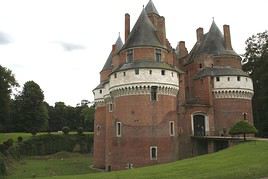
Rambures Castle
In the village of the same name, south of Abbeville, this is a superb (and small) 15th-century fortified castle with beautiful gardens.
In the village of the same name, south of Abbeville, this is a superb (and small) 15th-century fortified castle with beautiful gardens.
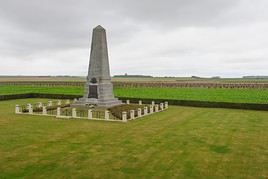
Remembrance Trail
Between Péronne and Albert, over roughly a hundred kilometres, you’ll find numerous memorials, museums, and other reminders of the 1916 Battle of the Somme.
Between Péronne and Albert, over roughly a hundred kilometres, you’ll find numerous memorials, museums, and other reminders of the 1916 Battle of the Somme.
Caves of Naours
In the municipality of the same name, this is an ancient underground city built during the Middle Ages by the region's inhabitants to protect themselves from invasions and looting.
In the municipality of the same name, this is an ancient underground city built during the Middle Ages by the region's inhabitants to protect themselves from invasions and looting.
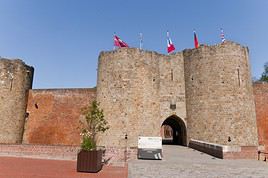
Great War Museum
Housed in a medieval castle in the town of Péronne, this is France’s main museum dedicated to the First World War and the starting point of the Remembrance Circuit.
Housed in a medieval castle in the town of Péronne, this is France’s main museum dedicated to the First World War and the starting point of the Remembrance Circuit.
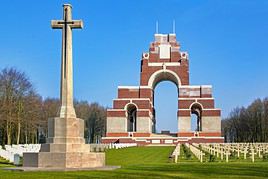
Thiepval Franco-British Memorial
This is the most imposing of the many World War I memorials found in northern France.
This is the most imposing of the many World War I memorials found in northern France.
Samara
Just a few kilometres from Amiens, this is an open-air leisure and museum park blending nature and archaeology, focusing on prehistory in the commune of La Chaussée-Tirancourt, which was once a Gallic site.
Just a few kilometres from Amiens, this is an open-air leisure and museum park blending nature and archaeology, focusing on prehistory in the commune of La Chaussée-Tirancourt, which was once a Gallic site.