last edited Mar 18, 2020
What to See in Budapest
Contributionsversion #5created Mar 18, 2020Report this pageLatest contributions in this guideContributors to this guide
Location Map of Budapest
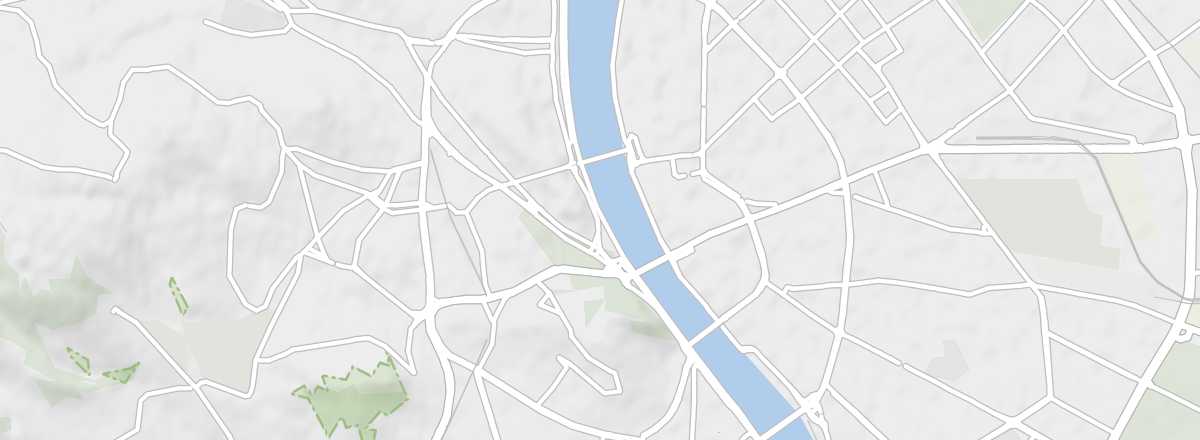 Budapest
Open the interactive map
Budapest
Open the interactive map
Overview
UNESCO World Heritage Sites
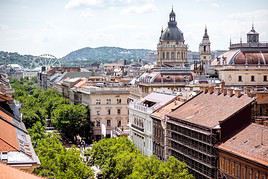
Historic Centre of Budapest
In the urban centre of the Hungarian capital, the banks of the Danube, Buda Castle District, and Andrássy Avenue are UNESCO-listed for their architectural significance.
In the urban centre of the Hungarian capital, the banks of the Danube, Buda Castle District, and Andrássy Avenue are UNESCO-listed for their architectural significance.
Monuments and Architectural Ensembles
Andrássy Avenue
With its beautiful buildings, villas, and townhouses, its shops, performance venues including the opera, and its museums, the avenue is considered the Champs-Élysées of the capital.
With its beautiful buildings, villas, and townhouses, its shops, performance venues including the opera, and its museums, the avenue is considered the Champs-Élysées of the capital.
Gellért Baths
Budapest is famous for its (many) baths. Of all, the Gellért Hotel thermal baths are the most beautiful and luxurious, with their Art Deco style featuring a glass roof, balconies, columns, and abundant ceramics.
Budapest is famous for its (many) baths. Of all, the Gellért Hotel thermal baths are the most beautiful and luxurious, with their Art Deco style featuring a glass roof, balconies, columns, and abundant ceramics.
Rudas Baths
They are a fine example of architecture from the city's Turkish era. Built in 1550, they still feature their original dome and octagonal pool. Other baths in the city, such as the Király Thermal Baths, share similar characteristics.
They are a fine example of architecture from the city's Turkish era. Built in 1550, they still feature their original dome and octagonal pool. Other baths in the city, such as the Király Thermal Baths, share similar characteristics.
Széchenyi Baths
Less luxurious than those at Gellért, these are the best-known, largest, most visited, and most touristy thermal baths in the capital.
Less luxurious than those at Gellért, these are the best-known, largest, most visited, and most touristy thermal baths in the capital.
Fisherman's Bastion
A beautiful neo-Romanesque terrace overlooking the city and the Danube, offering a lovely panorama of the area. It sits at the foot of Matthias Church.
A beautiful neo-Romanesque terrace overlooking the city and the Danube, offering a lovely panorama of the area. It sits at the foot of Matthias Church.
Historic Centre of Budapest
In the urban centre of the Hungarian capital, the banks of the Danube, Buda Castle District, and Andrássy Avenue are UNESCO-listed for their architectural significance.
In the urban centre of the Hungarian capital, the banks of the Danube, Buda Castle District, and Andrássy Avenue are UNESCO-listed for their architectural significance.
Buda Castle
Formerly the castle of the Kings of Hungary. In addition to enjoying the panoramic views and its exterior (the interior is not open to visitors), you can also discover the Budapest History Museum and the Hungarian National Gallery here.
Formerly the castle of the Kings of Hungary. In addition to enjoying the panoramic views and its exterior (the interior is not open to visitors), you can also discover the Budapest History Museum and the Hungarian National Gallery here.
Danube Promenade
A beautiful urban walk along the Danube. It offers a chance to discover the city and many of its stunning buildings.
A beautiful urban walk along the Danube. It offers a chance to discover the city and many of its stunning buildings.
Budapest National Opera
Like many major European cities, Budapest has a beautiful 19th-century neo-Renaissance opera house with sumptuous interiors. It can be visited.
Like many major European cities, Budapest has a beautiful 19th-century neo-Renaissance opera house with sumptuous interiors. It can be visited.
Central Market Hall, Budapest
This is the largest market in the city. Built at the very end of the 19th century, it is a vast metal hall behind a beautiful period façade.
This is the largest market in the city. Built at the very end of the 19th century, it is a vast metal hall behind a beautiful period façade.
Millennium Monument
This is a commemorative monument located in Heroes' Square in Budapest. It is recognizable by its tall column (36 m) topped with the Archangel Gabriel. It celebrates a thousand years of Magyar conquest in this part of Europe (not the turn of the year 2000).
This is a commemorative monument located in Heroes' Square in Budapest. It is recognizable by its tall column (36 m) topped with the Archangel Gabriel. It celebrates a thousand years of Magyar conquest in this part of Europe (not the turn of the year 2000).
Budapest Parliament
This immense neo-Gothic building from the late 19th century on the banks of the Danube has a slight resemblance to the British Parliament. Part of it is open for visits, allowing you to see the Crown Jewels and several remarkable rooms.
This immense neo-Gothic building from the late 19th century on the banks of the Danube has a slight resemblance to the British Parliament. Part of it is open for visits, allowing you to see the Crown Jewels and several remarkable rooms.
Chain Bridge
This suspension bridge spanning the Danube is one of the city's symbols. Nearly 400 metres long, it dates from the mid-19th century. In a different style but not far away, Liberty Bridge is another remarkable bridge in Budapest.
This suspension bridge spanning the Danube is one of the city's symbols. Nearly 400 metres long, it dates from the mid-19th century. In a different style but not far away, Liberty Bridge is another remarkable bridge in Budapest.
Religious Buildings
St. Stephen's Basilica
This is the largest Catholic church in the country. Built in the neo-classical style, it dates from the mid-19th century and has a beautiful interior.
This is the largest Catholic church in the country. Built in the neo-classical style, it dates from the mid-19th century and has a beautiful interior.
Kerepesi Cemetery
This old cemetery is something of Hungary’s national pantheon. Tombs, mausoleums, statues—the site "houses" many figures who played a significant role in the country’s history. A small museum on the grounds also showcases Hungarian funeral traditions and practices.
This old cemetery is something of Hungary’s national pantheon. Tombs, mausoleums, statues—the site "houses" many figures who played a significant role in the country’s history. A small museum on the grounds also showcases Hungarian funeral traditions and practices.
Matthias Church
This church, rebuilt many times and with origins dating back to the Middle Ages, is one of the city’s most beautiful, thanks to its stunning spire and roof covered in multicolored glazed tiles.
This church, rebuilt many times and with origins dating back to the Middle Ages, is one of the city’s most beautiful, thanks to its stunning spire and roof covered in multicolored glazed tiles.
Serbian Church
This charming little Baroque church is a testament to the presence of Serbs in the city, who fled the Turks and took refuge in Budapest from the late 17th century onwards.
This charming little Baroque church is a testament to the presence of Serbs in the city, who fled the Turks and took refuge in Budapest from the late 17th century onwards.
University Church
This is one of the most beautiful Baroque churches in the city. It dates from the early 18th century.
This is one of the most beautiful Baroque churches in the city. It dates from the early 18th century.
Great Synagogue of Budapest
The largest in Europe and the second largest in the world by capacity. It was built in the 1850s in the Moorish style. It has a very beautiful interior.
The largest in Europe and the second largest in the world by capacity. It was built in the 1850s in the Moorish style. It has a very beautiful interior.
Museums
Hungarian National Gallery
The venue houses the largest collection of Hungarian paintings and sculptures from the 19th century to the present day.
The venue houses the largest collection of Hungarian paintings and sculptures from the 19th century to the present day.
House of Terror
This site, which housed the headquarters of the Hungarian Nazi Party and later, from 1945 to 1956, the communist political police, traces the history of the fascist and communist regimes in Hungary and their countless victims.
This site, which housed the headquarters of the Hungarian Nazi Party and later, from 1945 to 1956, the communist political police, traces the history of the fascist and communist regimes in Hungary and their countless victims.
Holocaust Memorial
A museum and research centre dedicated to the Hungarian Jewish community victim of the Holocaust during the Second World War.
A museum and research centre dedicated to the Hungarian Jewish community victim of the Holocaust during the Second World War.
Museum of Fine Arts
Housed in a neoclassical building with Corinthian columns, this museum features works by European painters and sculptors from all periods, along with Greek, Egyptian, and Roman antiquities, plus a small contemporary art section.
Housed in a neoclassical building with Corinthian columns, this museum features works by European painters and sculptors from all periods, along with Greek, Egyptian, and Roman antiquities, plus a small contemporary art section.
Budapest History Museum
Also known as the "Castle Museum" (due to its location), it traces the city's history from the Middle Ages to the present day.
Also known as the "Castle Museum" (due to its location), it traces the city's history from the Middle Ages to the present day.
Military History Museum
This former barracks in the Buda Castle district is dedicated to Hungary's military history through the centuries. It is one of the most important of its kind in Europe.
This former barracks in the Buda Castle district is dedicated to Hungary's military history through the centuries. It is one of the most important of its kind in Europe.
Ludwig Museum of Contemporary Art
This is one of Europe’s most comprehensive and respected museums in its field, featuring works from Picasso to Andy Warhol, as well as Hungarian art from the 1960s to today.
This is one of Europe’s most comprehensive and respected museums in its field, featuring works from Picasso to Andy Warhol, as well as Hungarian art from the 1960s to today.
Hungarian National Museum
Hungary's history through the centuries, showcased in temporary exhibitions and permanent collections. The whole is housed in an imposing building reminiscent of a Roman temple.
Hungary's history through the centuries, showcased in temporary exhibitions and permanent collections. The whole is housed in an imposing building reminiscent of a Roman temple.
Vasarely Museum
The museum is dedicated to the works of the Franco-Hungarian painter and visual artist Victor Vasarely, whose foundation can also be seen in Aix-en-Provence.
The museum is dedicated to the works of the Franco-Hungarian painter and visual artist Victor Vasarely, whose foundation can also be seen in Aix-en-Provence.
Parks, Gardens, and Natural Spaces
Margaret Island
This large car-free island is a vast green, wooded space with various leisure facilities (swimming pool, thermal baths, etc.) and a few monuments. It’s a favorite spot for the city’s residents.
This large car-free island is a vast green, wooded space with various leisure facilities (swimming pool, thermal baths, etc.) and a few monuments. It’s a favorite spot for the city’s residents.
Gellért Hill
This is a distinctive wooded hill in Budapest offering panoramic views. It is home to a citadel and a monument commemorating the city’s liberation in 1945. At its base, fed by thermal springs, you can enjoy the Gellért and Rudas baths.
This is a distinctive wooded hill in Budapest offering panoramic views. It is home to a citadel and a monument commemorating the city’s liberation in 1945. At its base, fed by thermal springs, you can enjoy the Gellért and Rudas baths.
City Park
A lovely 120-hectare wooded park in the city centre, known for its setting as well as its winter ice rink, Széchenyi Thermal Baths, Vajdahunyad Castle, the zoo, the city circus, and several museums.
A lovely 120-hectare wooded park in the city centre, known for its setting as well as its winter ice rink, Széchenyi Thermal Baths, Vajdahunyad Castle, the zoo, the city circus, and several museums.
Additional Information
Must-see & highly recommended
Historic Centre of Budapest
★★★★ In the urban centre of the Hungarian capital, the banks of the Danube, Buda Castle District, and Andrássy Avenue are UNESCO-listed for…
Recommended
Gellért Baths
★★★ Budapest is famous for its (many) baths. Of all, the Gellért Hotel thermal baths are the most beautiful and luxurious, with their Art Deco…
Buda Castle
★★★ Formerly the castle of the Kings of Hungary. In addition to enjoying the panoramic views and its exterior (the interior is not open to…
Worth a look / Other
Széchenyi Baths
★★ Less luxurious than those at Gellért, these are the best-known, largest, most visited, and most touristy thermal baths in the capital.
St. Stephen's Basilica (Budapest)
★★ This is the largest Catholic church in the country. Built in the neo-classical style, it dates from the mid-19th century and has a…
Fisherman's Bastion
★★ A beautiful neo-Romanesque terrace overlooking the city and the Danube, offering a lovely panorama of the area. It sits at the foot of…
Danube Promenade
★★ A beautiful urban walk along the Danube. It offers a chance to discover the city and many of its stunning buildings.
Matthias Church
★★ This church, rebuilt many times and with origins dating back to the Middle Ages, is one of the city’s most beautiful, thanks to its…
Margaret Island
★★ This large car-free island is a vast green, wooded space with various leisure facilities (swimming pool, thermal baths, etc.) and a few…
House of Terror
★★ This site, which housed the headquarters of the Hungarian Nazi Party and later, from 1945 to 1956, the communist political police, traces…
Gellért Hill
★★ This is a distinctive wooded hill in Budapest offering panoramic views. It is home to a citadel and a monument commemorating the…
Millennium Monument
★★ This is a commemorative monument located in Heroes' Square in Budapest. It is recognizable by its tall column (36 m) topped with the…
Museum of Fine Arts (Budapest)
★★ Housed in a neoclassical building with Corinthian columns, this museum features works by European painters and sculptors from all periods…
Budapest Parliament
★★ This immense neo-Gothic building from the late 19th century on the banks of the Danube has a slight resemblance to the British Parliament…
City Park
★★ A lovely 120-hectare wooded park in the city centre, known for its setting as well as its winter ice rink, Széchenyi Thermal Baths…
Andrássy Avenue
★ With its beautiful buildings, villas, and townhouses, its shops, performance venues including the opera, and its museums, the avenue is…
Rudas Baths
★ They are a fine example of architecture from the city's Turkish era. Built in 1550, they still feature their original dome and octagonal…
Kerepesi Cemetery
★ This old cemetery is something of Hungary’s national pantheon. Tombs, mausoleums, statues—the site "houses" many figures who…
University Church (Budapest)
★ This is one of the most beautiful Baroque churches in the city. It dates from the early 18th century.
Serbian Church (Budapest)
★ This charming little Baroque church is a testament to the presence of Serbs in the city, who fled the Turks and took refuge in Budapest…
Hungarian National Gallery
★ The venue houses the largest collection of Hungarian paintings and sculptures from the 19th century to the present day.
Great Synagogue of Budapest
★ The largest in Europe and the second largest in the world by capacity. It was built in the 1850s in the Moorish style. It has a very…
Central Market Hall, Budapest
★ This is the largest market in the city. Built at the very end of the 19th century, it is a vast metal hall behind a beautiful period façade.
Holocaust Memorial (Budapest)
★ A museum and research centre dedicated to the Hungarian Jewish community victim of the Holocaust during the Second World War.
Budapest History Museum
★ Also known as the "Castle Museum" (due to its location), it traces the city's history from the Middle Ages to the present day.
Military History Museum (Budapest)
★ This former barracks in the Buda Castle district is dedicated to Hungary's military history through the centuries. It is one of the most…
Ludwig Museum of Contemporary Art
★ This is one of Europe’s most comprehensive and respected museums in its field, featuring works from Picasso to Andy Warhol, as well…
Hungarian National Museum
★ Hungary's history through the centuries, showcased in temporary exhibitions and permanent collections. The whole is housed in an imposing…
Vasarely Museum
★ The museum is dedicated to the works of the Franco-Hungarian painter and visual artist Victor Vasarely, whose foundation can also be seen…
Budapest National Opera
★ Like many major European cities, Budapest has a beautiful 19th-century neo-Renaissance opera house with sumptuous interiors. It can be…
Chain Bridge
★ This suspension bridge spanning the Danube is one of the city's symbols. Nearly 400 metres long, it dates from the mid-19th century. In a…
- Historic Centre of Budapest
- Kerepesi Cemetery
- Gellért Baths
- Széchenyi Baths
- Rudas Baths
- Budapest Parliament
- Buda Castle
- Museum of Fine Arts (Budapest)
- Andrássy Avenue
- City Park
- Gellért Hill
- Margaret Island
- Budapest National Opera
- Danube Promenade
- House of Terror
- St. Stephen's Basilica (Budapest)
- Matthias Church
- Chain Bridge
- Ludwig Museum of Contemporary Art
- Central Market Hall, Budapest
- Great Synagogue of Budapest
- Hungarian National Museum
- Hungarian National Gallery
- Millennium Monument
- Serbian Church (Budapest)
- University Church (Budapest)
- Military History Museum (Budapest)
- Budapest History Museum
- Holocaust Memorial (Budapest)
- Vasarely Museum
- Fisherman's Bastion