
Overview
Districts and Tourist Areas
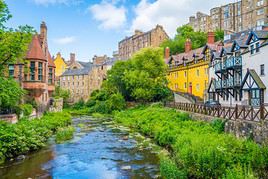
Dean Village
The former millers' village on the outskirts of Edinburgh is now a sought-after residential area, also serving as a walking spot for its "natural feel", tranquillity, and beautiful buildings.
The former millers' village on the outskirts of Edinburgh is now a sought-after residential area, also serving as a walking spot for its "natural feel", tranquillity, and beautiful buildings.
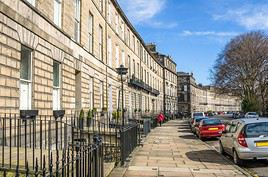
New Town
This part of the city, below the "Old Town", dates from the 18th century. The streets are wider, well-planned, and were originally built for the wealthiest residents. Less touristy than the Old Town, the area remains lively and pleasant, with plenty of green spaces, shops, pubs, and restaurants.
This part of the city, below the "Old Town", dates from the 18th century. The streets are wider, well-planned, and were originally built for the wealthiest residents. Less touristy than the Old Town, the area remains lively and pleasant, with plenty of green spaces, shops, pubs, and restaurants.
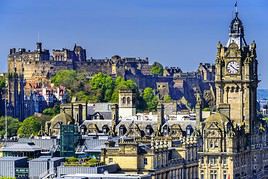
Old Town
This is the historic and tourist heart of the city, with its medieval old houses, narrow alleys, monuments, and castle overlooking the town. It is crossed by the Royal Mile, its main thoroughfare.
This is the historic and tourist heart of the city, with its medieval old houses, narrow alleys, monuments, and castle overlooking the town. It is crossed by the Royal Mile, its main thoroughfare.
Princes Street
This is Edinburgh’s main shopping street. It runs parallel to the Old Town and the castle, from which it is separated by Princes Street Gardens.
This is Edinburgh’s main shopping street. It runs parallel to the Old Town and the castle, from which it is separated by Princes Street Gardens.
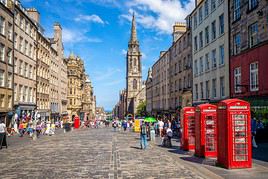
Royal Mile
This is Edinburgh’s most famous and lively street, with its monuments, historic buildings, shops, pubs, and restaurants. Stretching 1,814.2 metres (the length of the "Scottish mile"), it connects the Castle to Holyrood Palace.
This is Edinburgh’s most famous and lively street, with its monuments, historic buildings, shops, pubs, and restaurants. Stretching 1,814.2 metres (the length of the "Scottish mile"), it connects the Castle to Holyrood Palace.
Monuments and Architectural Landmarks
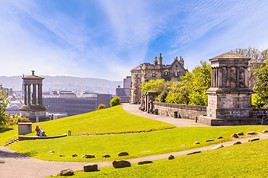
Calton Hill
Not far from New Town, Calton Hill is home to various monuments including the Nelson Monument, the National Monument (which resembles the Parthenon), Governor's House, the Astronomical Observatory, and a few others. It’s well-loved and offers a beautiful panoramic view of the city.
Not far from New Town, Calton Hill is home to various monuments including the Nelson Monument, the National Monument (which resembles the Parthenon), Governor's House, the Astronomical Observatory, and a few others. It’s well-loved and offers a beautiful panoramic view of the city.
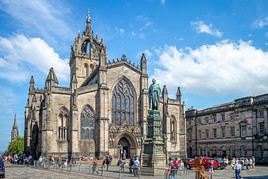
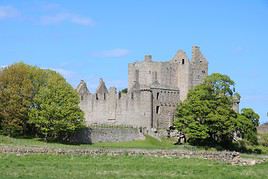
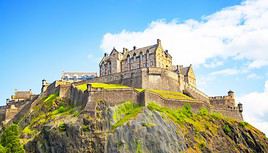
Edinburgh Castle
Perched on Castle Rock, it is one of the iconic sites of the Scottish capital. Beyond the panoramic views, you can explore the fortress buildings, St Margaret’s Chapel, the Scottish Crown Jewels, a Memorial, and the National War Museum.
Perched on Castle Rock, it is one of the iconic sites of the Scottish capital. Beyond the panoramic views, you can explore the fortress buildings, St Margaret’s Chapel, the Scottish Crown Jewels, a Memorial, and the National War Museum.
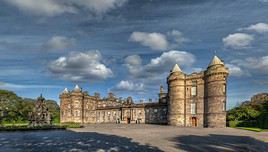
Palace of Holyroodhouse
This palace, whose construction spanned several centuries, is officially a royal residence. Visitors can explore its beautifully furnished and decorated interior.
This palace, whose construction spanned several centuries, is officially a royal residence. Visitors can explore its beautifully furnished and decorated interior.
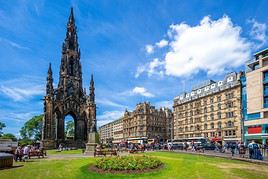
Scott Monument
A neo-Gothic "monument tower" around sixty metres tall, accessed via a narrow spiral staircase to enjoy the view. Built in 1846 in honour of the writer Walter Scott, a native of the city.
A neo-Gothic "monument tower" around sixty metres tall, accessed via a narrow spiral staircase to enjoy the view. Built in 1846 in honour of the writer Walter Scott, a native of the city.
Museums
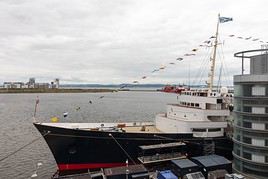
Britannia
Moored on the outskirts of the city, the Britannia is a royal yacht that served from 1953 to 1997. Visiting it offers not just a chance to explore the ship itself but also a glimpse into what life aboard the British monarchy was like.
Moored on the outskirts of the city, the Britannia is a royal yacht that served from 1953 to 1997. Visiting it offers not just a chance to explore the ship itself but also a glimpse into what life aboard the British monarchy was like.
The Camera Obscura
This is a "camera obscura" created in 1835, using optical effects to project multiple simultaneous views of the city. The attraction also includes holograms, 3D images, distorting mirrors, and more, all housed in the Outlook Tower, right next to the Castle.
This is a "camera obscura" created in 1835, using optical effects to project multiple simultaneous views of the city. The attraction also includes holograms, 3D images, distorting mirrors, and more, all housed in the Outlook Tower, right next to the Castle.
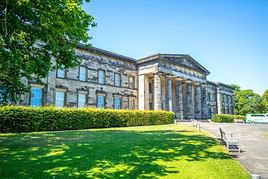
Scottish National Gallery of Modern Art
Two galleries in one, showcasing modern art from the 20th and 21st centuries.
Two galleries in one, showcasing modern art from the 20th and 21st centuries.

National Gallery of Scotland
It houses European sculptures and paintings from the Renaissance to the 20th century. Well-regarded, it is one of Scotland's main museums.
It houses European sculptures and paintings from the Renaissance to the 20th century. Well-regarded, it is one of Scotland's main museums.
Portrait Gallery
The Scottish National Portrait Gallery showcases Scotland's history through portraits (paintings, drawings, sculptures, etc.) of the nation's most notable figures from the 16th century to the present day.
The Scottish National Portrait Gallery showcases Scotland's history through portraits (paintings, drawings, sculptures, etc.) of the nation's most notable figures from the 16th century to the present day.
Georgian House
This restored late 18th-century townhouse offers a glimpse into the life of Edinburgh’s wealthy classes during the 19th century in the New Town.
This restored late 18th-century townhouse offers a glimpse into the life of Edinburgh’s wealthy classes during the 19th century in the New Town.
Mary King's Close
A "hidden underground labyrinth" beneath the main artery of the Old Town, the Royal Mile. This is where the poorest and the sick were once quarantined. A mix of museum and historical reenactment.
A "hidden underground labyrinth" beneath the main artery of the Old Town, the Royal Mile. This is where the poorest and the sick were once quarantined. A mix of museum and historical reenactment.
Edinburgh Museum
In a 16th-century townhouse on the Royal Mile, this museum is dedicated to the origins, history, and legends of the city.
In a 16th-century townhouse on the Royal Mile, this museum is dedicated to the origins, history, and legends of the city.
Museum of Childhood
Also known as "Museum of Childhood". It features games and toys for children created between the 18th and 21st centuries.
Also known as "Museum of Childhood". It features games and toys for children created between the 18th and 21st centuries.
National Museum of Scotland
The National Museum of Scotland is a free venue covering geology, archaeology, natural history, science, technology, art, and more. Quite the "catch-all," you can see collections on ancient Egypt as well as Elton John’s costume or even Dolly the cloned sheep.
The National Museum of Scotland is a free venue covering geology, archaeology, natural history, science, technology, art, and more. Quite the "catch-all," you can see collections on ancient Egypt as well as Elton John’s costume or even Dolly the cloned sheep.
People's Story
As the name suggests, this museum showcases the daily lives of the city’s residents from the 18th century to the present day. It is housed in a former late-17th-century prison.
As the name suggests, this museum showcases the daily lives of the city’s residents from the 18th century to the present day. It is housed in a former late-17th-century prison.
Parks, Gardens, and Natural Spaces
Holyrood Park
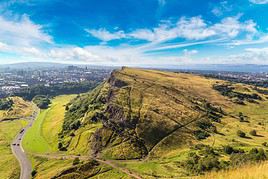
This is the largest park in Edinburgh (260 ha). Located in the city centre, it is close to the palace of the same name and the ruins of a 12th-century abbey. It features a pleasant mix of hills (ancient volcanoes), cliffs, small lakes, and gardens, with a stunning view over the city from its summit (251 m).
This is the largest park in Edinburgh (260 ha). Located in the city centre, it is close to the palace of the same name and the ruins of a 12th-century abbey. It features a pleasant mix of hills (ancient volcanoes), cliffs, small lakes, and gardens, with a stunning view over the city from its summit (251 m).
Royal Botanic Garden
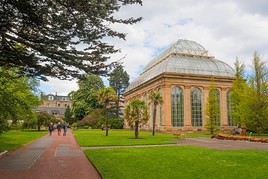
This 28-hectare historic garden features various themed areas and greenhouses housing thousands of plant species.
This 28-hectare historic garden features various themed areas and greenhouses housing thousands of plant species.
Princes Street Gardens
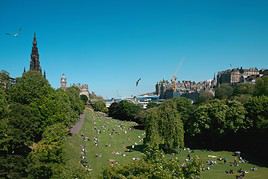
This is a public park in the city centre, at the foot of Edinburgh Castle. With a lively atmosphere and hosting various events, it’s a favourite spot for locals, who can also admire several monuments (including the Scott Monument).
This is a public park in the city centre, at the foot of Edinburgh Castle. With a lively atmosphere and hosting various events, it’s a favourite spot for locals, who can also admire several monuments (including the Scott Monument).
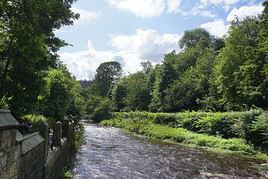
Water of Leith
A 15-kilometre urban walk (but in nature) along the River Leith on the outskirts of the city. It’s a great way to discover Dean Village in particular.
A 15-kilometre urban walk (but in nature) along the River Leith on the outskirts of the city. It’s a great way to discover Dean Village in particular.