
UNESCO World Heritage Sites
In addition to the "Struve Geodetic Arc", Finland has five sites inscribed on the UNESCO World Heritage list:
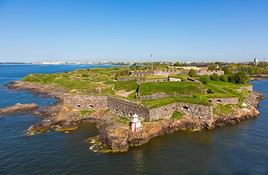
Suomenlinna Maritime Fortress (1991)
Built on six islands off the Finnish capital, this 18th-century fortress is a popular tourist site and a UNESCO World Heritage site.
Built on six islands off the Finnish capital, this 18th-century fortress is a popular tourist site and a UNESCO World Heritage site.
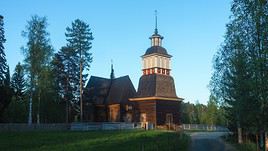
Petäjävesi Old Church (1994)
An 18th-century UNESCO-listed wooden church in a village in central Finland.
An 18th-century UNESCO-listed wooden church in a village in central Finland.
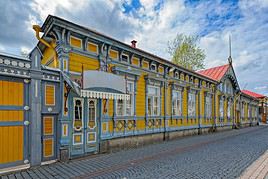
Rauma (1991)
This port city in southwestern Finland is undoubtedly the best-preserved example of wooden architecture in the country. It is listed as a UNESCO World Heritage Site for this very reason.
This port city in southwestern Finland is undoubtedly the best-preserved example of wooden architecture in the country. It is listed as a UNESCO World Heritage Site for this very reason.
Sammallahdenmäki (1999)
A collection of Bronze Age burial cairns located in southwestern Finland. It is a UNESCO World Heritage site.
A collection of Bronze Age burial cairns located in southwestern Finland. It is a UNESCO World Heritage site.
Verla Groundwood and Board Mill (1996)
In the municipality of Verla, in the southeast of the country, you can visit a UNESCO-listed old wood-processing mill.
In the municipality of Verla, in the southeast of the country, you can visit a UNESCO-listed old wood-processing mill.
Southern and Central Regions
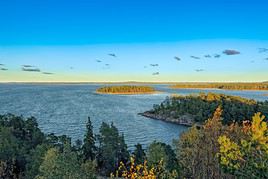
Åland
This vast archipelago between Sweden and Finland is an autonomous region where Swedish is the official language. Mariehamn is its main locality. Visitors come in season for hiking, cycling, beaches, and a relative tranquillity.
This vast archipelago between Sweden and Finland is an autonomous region where Swedish is the official language. Mariehamn is its main locality. Visitors come in season for hiking, cycling, beaches, and a relative tranquillity.
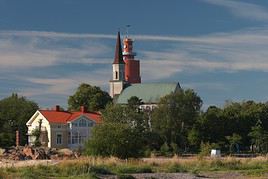
Hanko
It is the southernmost locality in the country. It has developed a tourist industry with its long beaches and, above all, the countless boaters who come to sail along its coast or between the dozens of islands that border it.
It is the southernmost locality in the country. It has developed a tourist industry with its long beaches and, above all, the countless boaters who come to sail along its coast or between the dozens of islands that border it.
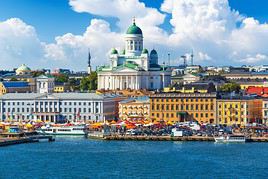
Helsinki
Finland’s capital, surrounded by its archipelago of small islands, offers striking architecture with various monuments (including the UNESCO-listed Suomenlinna fortress) and several museums. It’s also a gateway to the country for arrivals by ferry (Poland, Estonia).
Finland’s capital, surrounded by its archipelago of small islands, offers striking architecture with various monuments (including the UNESCO-listed Suomenlinna fortress) and several museums. It’s also a gateway to the country for arrivals by ferry (Poland, Estonia).
Jalasjärvi
This former municipality (it merged with others) is known for housing Europe’s largest "Devil’s Cauldron" (geological pothole), which has become a local attraction.
This former municipality (it merged with others) is known for housing Europe’s largest "Devil’s Cauldron" (geological pothole), which has become a local attraction.
Jyväskylä
It's a fairly large city in the central region, with modern architecture, where you can see many works by the architect Alvar Aalto.
It's a fairly large city in the central region, with modern architecture, where you can see many works by the architect Alvar Aalto.
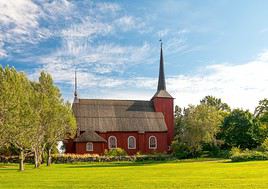
Kuopio
A major university city in central Finland with historic buildings and lakeside walks nearby.
A major university city in central Finland with historic buildings and lakeside walks nearby.
Kuusamo
Close to the Russian border, in a vast taiga zone, the locality partly lives off tourism, both winter (skiing at the Ruka resort) and summer, thanks to the proximity of Oulanka National Park (trekking, canoeing, wildlife, etc.).
Close to the Russian border, in a vast taiga zone, the locality partly lives off tourism, both winter (skiing at the Ruka resort) and summer, thanks to the proximity of Oulanka National Park (trekking, canoeing, wildlife, etc.).
Lappeenranta
A city in southeastern Finland near Russia, featuring a 17th-century fortress and surrounding lakes (including Lake Saimaa) to explore.
A city in southeastern Finland near Russia, featuring a 17th-century fortress and surrounding lakes (including Lake Saimaa) to explore.
Mikkeli
Touristically, this town in the southeast offers several museums and sites that bear witness to its military activity during the Second World War.
Touristically, this town in the southeast offers several museums and sites that bear witness to its military activity during the Second World War.
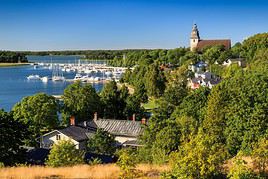
Naantali
Near Turku, this small municipality is one of Finland’s most popular local tourist destinations, thanks to its amusement park, rural surroundings, and chain of small islands.
Near Turku, this small municipality is one of Finland’s most popular local tourist destinations, thanks to its amusement park, rural surroundings, and chain of small islands.
Porvoo
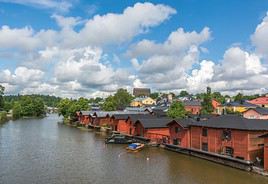
Charming old town east of the capital with its historic wooden houses along a river where you can go canoeing.
Charming old town east of the capital with its historic wooden houses along a river where you can go canoeing.
Rauma
This port city in southwestern Finland is undoubtedly the best-preserved example of wooden architecture in the country. It is listed as a UNESCO World Heritage Site for this very reason.
This port city in southwestern Finland is undoubtedly the best-preserved example of wooden architecture in the country. It is listed as a UNESCO World Heritage Site for this very reason.
Sammallahdenmäki
A collection of Bronze Age burial cairns located in southwestern Finland. It is a UNESCO World Heritage site.
A collection of Bronze Age burial cairns located in southwestern Finland. It is a UNESCO World Heritage site.
Savonlinna
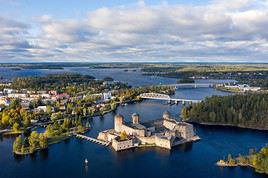
The city, known for its classical music festival, boasts a charming medieval castle and the world’s largest wooden church in Kerimäki, located on its outskirts. Savonlinna is also at the heart of a lake region where you can explore both on land and water.
The city, known for its classical music festival, boasts a charming medieval castle and the world’s largest wooden church in Kerimäki, located on its outskirts. Savonlinna is also at the heart of a lake region where you can explore both on land and water.
Tampere
La troisième agglomération du pays est construite entre deux lacs. C'est une ville universitaire, commerciale et industrielle plus que touristique.
La troisième agglomération du pays est construite entre deux lacs. C'est une ville universitaire, commerciale et industrielle plus que touristique.
Turku
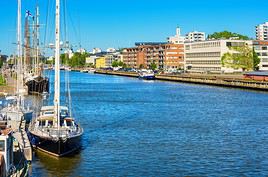
This port city, once the capital, offers a pleasant setting with its castle and cathedral. Ferries to the Åland Islands, Sweden, plus access to the Turku Archipelago and its thousands of small islands just across the way.
This port city, once the capital, offers a pleasant setting with its castle and cathedral. Ferries to the Åland Islands, Sweden, plus access to the Turku Archipelago and its thousands of small islands just across the way.
Verla
In the municipality of Verla, in the southeast of the country, you can visit a UNESCO-listed old wood-processing mill.
In the municipality of Verla, in the southeast of the country, you can visit a UNESCO-listed old wood-processing mill.
Natural Heritage
Turku Archipelago
Also known as the "Finnish Archipelago," this is a collection of thousands of small islands off the coast of the city of Turku, popular with boaters and appreciated for their landscapes and charming villages. They neighbor the Åland Archipelago.
Also known as the "Finnish Archipelago," this is a collection of thousands of small islands off the coast of the city of Turku, popular with boaters and appreciated for their landscapes and charming villages. They neighbor the Åland Archipelago.
Liminka Bay
South of the city of Oulu, on the Gulf of Bothnia, the bay and its coastline are one of Europe’s top birdwatching hotspots.
South of the city of Oulu, on the Gulf of Bothnia, the bay and its coastline are one of Europe’s top birdwatching hotspots.
Ekenäs Archipelago National Park
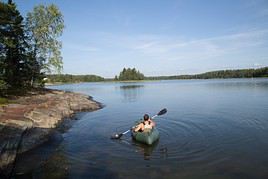
A primarily marine park on Finland’s southern coast, popular with sailors and kayakers. Seals and moose can be spotted here. On the mainland, the former town of Ekenäs (now called Raseborg) has an old centre.
A primarily marine park on Finland’s southern coast, popular with sailors and kayakers. Seals and moose can be spotted here. On the mainland, the former town of Ekenäs (now called Raseborg) has an old centre.
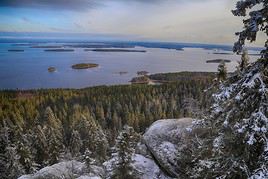
Koli National Park
A lakes and forests area in North Karelia. Hiking and skiing are available at two resorts.
A lakes and forests area in North Karelia. Hiking and skiing are available at two resorts.
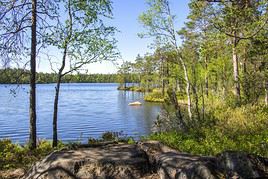
Nuuksio National Park
Just outside Helsinki, this forested area offers some climbing and hiking opportunities.
Just outside Helsinki, this forested area offers some climbing and hiking opportunities.
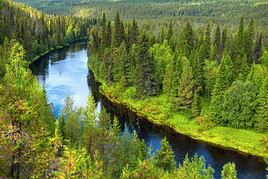
Oulanka National Park
On the border with Lapland, this beautiful park attracts many visitors for its hiking opportunities (including the famous "Bear Circuit"), fishing, canoeing, skiing (Ruka resort), and its wildlife (birds, reindeer, bears, wolves...).
On the border with Lapland, this beautiful park attracts many visitors for its hiking opportunities (including the famous "Bear Circuit"), fishing, canoeing, skiing (Ruka resort), and its wildlife (birds, reindeer, bears, wolves...).
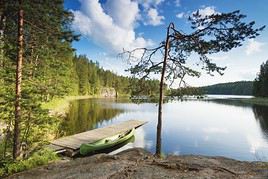
Repovesi National Park
This is an area of lakes and forests "typical" of Finland, east of Helsinki. You can hike or take boat and canoe trips here.
This is an area of lakes and forests "typical" of Finland, east of Helsinki. You can hike or take boat and canoe trips here.
Lapland
Inari
This large town in the far north is the heart of Sámi culture, home to a dedicated museum. The lakes and nature reserves (including Lemmenjoki) surrounding the municipality are ideal for outdoor sports and activities. Thanks to its location well above the Arctic Circle, Inari is also a prime spot for midnight sun and the northern lights.
This large town in the far north is the heart of Sámi culture, home to a dedicated museum. The lakes and nature reserves (including Lemmenjoki) surrounding the municipality are ideal for outdoor sports and activities. Thanks to its location well above the Arctic Circle, Inari is also a prime spot for midnight sun and the northern lights.
Ivalo
This is the main administrative and commercial centre of the far north. It also serves as a base for various outdoor sports activities, including skiing and sledding at the nearby Saariselkä resort in winter, and hiking, canoeing, or fishing in summer.
This is the main administrative and commercial centre of the far north. It also serves as a base for various outdoor sports activities, including skiing and sledding at the nearby Saariselkä resort in winter, and hiking, canoeing, or fishing in summer.
Kemi
This port at the far end of the Gulf of Bothnia is famous for its winter icebreaker cruises (unique in the world) on the Baltic Sea. It is also in Kemi that the world's largest snow castle is built every year (complete with a hotel, restaurant, and church).
This port at the far end of the Gulf of Bothnia is famous for its winter icebreaker cruises (unique in the world) on the Baltic Sea. It is also in Kemi that the world's largest snow castle is built every year (complete with a hotel, restaurant, and church).
Kilpisjärvi
This Sámi village (the most isolated in Finland) is located at the borders with Sweden and Norway. It typically serves as a base for numerous hikes in the surrounding area.
This Sámi village (the most isolated in Finland) is located at the borders with Sweden and Norway. It typically serves as a base for numerous hikes in the surrounding area.
Levi
Finland’s largest winter sports resort, offering a wide range of winter and summer activities as well as a lively nightlife scene.
Finland’s largest winter sports resort, offering a wide range of winter and summer activities as well as a lively nightlife scene.
Rovaniemi
Santa Claus’s hometown is the largest city in Lapland and a major university hub. Rebuilt after the war, Rovaniemi, despite its superb Arctic Museum and Santa Claus Village, is primarily a base for exploring nature and outdoor activities in the surrounding area, both in summer and winter.
Santa Claus’s hometown is the largest city in Lapland and a major university hub. Rebuilt after the war, Rovaniemi, despite its superb Arctic Museum and Santa Claus Village, is primarily a base for exploring nature and outdoor activities in the surrounding area, both in summer and winter.
Tankavaara
This small gold prospectors' village, lost on the road heading north, offers a museum and activities related to this theme.
This small gold prospectors' village, lost on the road heading north, offers a museum and activities related to this theme.
Ylläs
A major ski resort (primarily cross-country) with opportunities for trekking, mountain biking, and canoeing in the summer.
A major ski resort (primarily cross-country) with opportunities for trekking, mountain biking, and canoeing in the summer.
Natural Heritage
Urho Kekkonen National Park
Bordering Russia, this area of forests, tundra, and marshes is home to a rich variety of birds, reindeer, foxes, and bears.
Bordering Russia, this area of forests, tundra, and marshes is home to a rich variety of birds, reindeer, foxes, and bears.
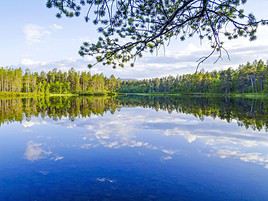
Lemmenjoki National Park
Finland’s largest national park, a mix of forests, marshes, hills, tundra, and rivers. You can hike, take boat trips, and observe wildlife such as reindeer, wolves, and bears. The park is also an active gold-panning area in summer.
Finland’s largest national park, a mix of forests, marshes, hills, tundra, and rivers. You can hike, take boat trips, and observe wildlife such as reindeer, wolves, and bears. The park is also an active gold-panning area in summer.
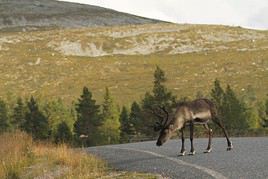
Pallas-Yllästunturi National Park
In northwestern Lapland, it’s a vast area offering trekking, canoeing, and cross-country skiing opportunities.
In northwestern Lapland, it’s a vast area offering trekking, canoeing, and cross-country skiing opportunities.