
UNESCO World Heritage Sites
Malawi has 2 sites inscribed on the UNESCO World Heritage list:
Chongoni
This site includes over 120 areas of prehistoric rock art and is a UNESCO World Heritage Site.
This site includes over 120 areas of prehistoric rock art and is a UNESCO World Heritage Site.
Lake Malawi National Park
On the southern shore of the lake, this park—both aquatic and terrestrial—is home to unique wildlife (including baboons) and flora. It is a UNESCO World Heritage Site.
On the southern shore of the lake, this park—both aquatic and terrestrial—is home to unique wildlife (including baboons) and flora. It is a UNESCO World Heritage Site.
Cities and Cultural Heritage
Blantyre
It is the most populous city and the country's economic hub. Until 1975, it was also the capital of Malawi.
It is the most populous city and the country's economic hub. Until 1975, it was also the capital of Malawi.
Cape Maclear
This fishing village at the southern tip of Lake Malawi (within the eponymous park) has become Malawi’s main "beach resort." You can enjoy its beaches and nearby islands, as well as hiking, diving, and various water activities.
This fishing village at the southern tip of Lake Malawi (within the eponymous park) has become Malawi’s main "beach resort." You can enjoy its beaches and nearby islands, as well as hiking, diving, and various water activities.
Chongoni
This site includes over 120 areas of prehistoric rock art and is a UNESCO World Heritage Site.
This site includes over 120 areas of prehistoric rock art and is a UNESCO World Heritage Site.
Likoma and Chizumulu Islands
These are two islands located in the Mozambican part of Lake Malawi but still belonging to Malawi. Their isolated, timeless charm is what makes them special.
These are two islands located in the Mozambican part of Lake Malawi but still belonging to Malawi. Their isolated, timeless charm is what makes them special.
Lilongwe
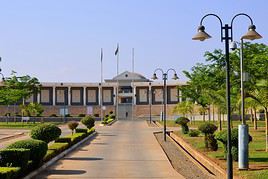
It is the country’s capital, with an "old" part and a newer one. The city is home to the "Lilongwe Wildlife Centre," which works to protect endangered animals.
It is the country’s capital, with an "old" part and a newer one. The city is home to the "Lilongwe Wildlife Centre," which works to protect endangered animals.
Livingstonia
This northern town is home to one of the oldest (late 19th century) and most impressive missions in this part of Africa. Its charm lies in its perch above Lake Malawi.
This northern town is home to one of the oldest (late 19th century) and most impressive missions in this part of Africa. Its charm lies in its perch above Lake Malawi.
Monkey Bay
The other major lakeside resort on Lake Malawi, not far from Cape Maclear. Beaches, diving, and kayaking on the agenda.
The other major lakeside resort on Lake Malawi, not far from Cape Maclear. Beaches, diving, and kayaking on the agenda.
Mua
This village southeast of the capital is home to an old Catholic mission (1902) linked to the KuNgoni Centre of Culture and Art, which showcases local culture and history.
This village southeast of the capital is home to an old Catholic mission (1902) linked to the KuNgoni Centre of Culture and Art, which showcases local culture and history.
Nkhata Bay
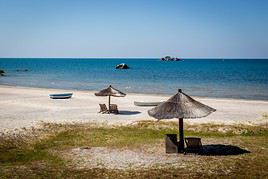
One of the main ports on Lake Malawi and a beach resort. You can dive here or explore the surrounding tea, coffee, and rubber plantations.
One of the main ports on Lake Malawi and a beach resort. You can dive here or explore the surrounding tea, coffee, and rubber plantations.
Nkhotakota
A few kilometres from the park of the same name, the small town serves more or less as a resort with its beautiful beaches along Lake Malawi.
A few kilometres from the park of the same name, the small town serves more or less as a resort with its beautiful beaches along Lake Malawi.
Zomba
This southern city, where some old colonial-era buildings still stand, primarily serves as a base for exploring the nearby Zomba Plateau.
This southern city, where some old colonial-era buildings still stand, primarily serves as a base for exploring the nearby Zomba Plateau.
Natural Heritage
Lake Malawi
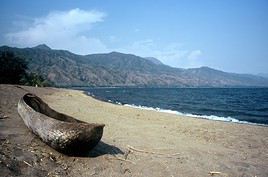
It is shared between Tanzania, Mozambique, and Malawi, with ferries available for crossing. By far, the Malawian side is the most tourist-friendly, featuring beaches, "beach resorts," and even cruise possibilities. Meanwhile, the Mozambican side (and similarly in Tanzania) is less visited but still accessible, with beautiful beaches near Metangula, birdwatching opportunities, and some hiking options.
It is shared between Tanzania, Mozambique, and Malawi, with ferries available for crossing. By far, the Malawian side is the most tourist-friendly, featuring beaches, "beach resorts," and even cruise possibilities. Meanwhile, the Mozambican side (and similarly in Tanzania) is less visited but still accessible, with beautiful beaches near Metangula, birdwatching opportunities, and some hiking options.
Mount Mulanje
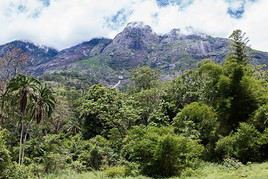
This mountain massif towers 3,000 m above the plain near Blantyre, renowned for trekking and climbing. Tea plantations in the surrounding area.
This mountain massif towers 3,000 m above the plain near Blantyre, renowned for trekking and climbing. Tea plantations in the surrounding area.
Kasungu National Park
A vast park bordering the Zambian border where you can see elephants, hippos, gazelles, and numerous birds between June and September.
A vast park bordering the Zambian border where you can see elephants, hippos, gazelles, and numerous birds between June and September.
Lake Malawi National Park
On the southern shore of the lake, this park—both aquatic and terrestrial—is home to unique wildlife (including baboons) and flora. It is a UNESCO World Heritage Site.
On the southern shore of the lake, this park—both aquatic and terrestrial—is home to unique wildlife (including baboons) and flora. It is a UNESCO World Heritage Site.
Lengwe National Park
This is a rather arid national park in the south of the country, home to elephants, crocodiles, and hippos.
This is a rather arid national park in the south of the country, home to elephants, crocodiles, and hippos.
Liwonde National Park
This park in the southern extension of Lake Malawi is home to a diverse range of wildlife. You can see elephants, hippos, zebras, gazelles, monkeys, crocodiles, and numerous birds on safari.
This park in the southern extension of Lake Malawi is home to a diverse range of wildlife. You can see elephants, hippos, zebras, gazelles, monkeys, crocodiles, and numerous birds on safari.
Nyika National Park
This is Malawi's largest park. It offers hiking, 4x4, mountain biking, and horseback riding, as well as safaris to discover its rich flora (including orchids) and abundant wildlife (elephants, leopards, lions, zebras, antelopes, birds, and more).
This is Malawi's largest park. It offers hiking, 4x4, mountain biking, and horseback riding, as well as safaris to discover its rich flora (including orchids) and abundant wildlife (elephants, leopards, lions, zebras, antelopes, birds, and more).
Majete Wildlife Reserve
A wildlife site in the south with elephants, leopards, zebras, monkeys, rhinos, hippos, crocodiles, birds...
A wildlife site in the south with elephants, leopards, zebras, monkeys, rhinos, hippos, crocodiles, birds...
Mwabvi Reserve
The country's smallest park, in the far south, yet with a fairly wide variety of animals, including a few lions. Hiking is possible here.
The country's smallest park, in the far south, yet with a fairly wide variety of animals, including a few lions. Hiking is possible here.
Nkhotakota Wildlife Reserve
A vast park in the heart of the country, not far from the shores of Lake Malawi. It is home to elephants and leopards. A few kilometres away, the small town of Nkhotakota serves more or less as a lakeside resort.
A vast park in the heart of the country, not far from the shores of Lake Malawi. It is home to elephants and leopards. A few kilometres away, the small town of Nkhotakota serves more or less as a lakeside resort.
Ntchisi Forest Reserve
One of the country's main forests where you can hike and observe birds and monkeys, among other wildlife.
One of the country's main forests where you can hike and observe birds and monkeys, among other wildlife.
Vwasa Reserve
A rarely visited and hard-to-reach reserve extending from Nyika Park. The wildlife is quite rich (elephants, buffalo, etc).
A rarely visited and hard-to-reach reserve extending from Nyika Park. The wildlife is quite rich (elephants, buffalo, etc).
Zomba Plateau
This massif near the city of the same name offers stunning landscapes to explore on foot or even on horseback. You can also go climbing here.
This massif near the city of the same name offers stunning landscapes to explore on foot or even on horseback. You can also go climbing here.