last edited Jun 8, 2020
What to See in Rome
Contributionsversion #10created Jun 8, 2020Report this pageLatest contributions in this guideContributors to this guide
Location Map of Rome
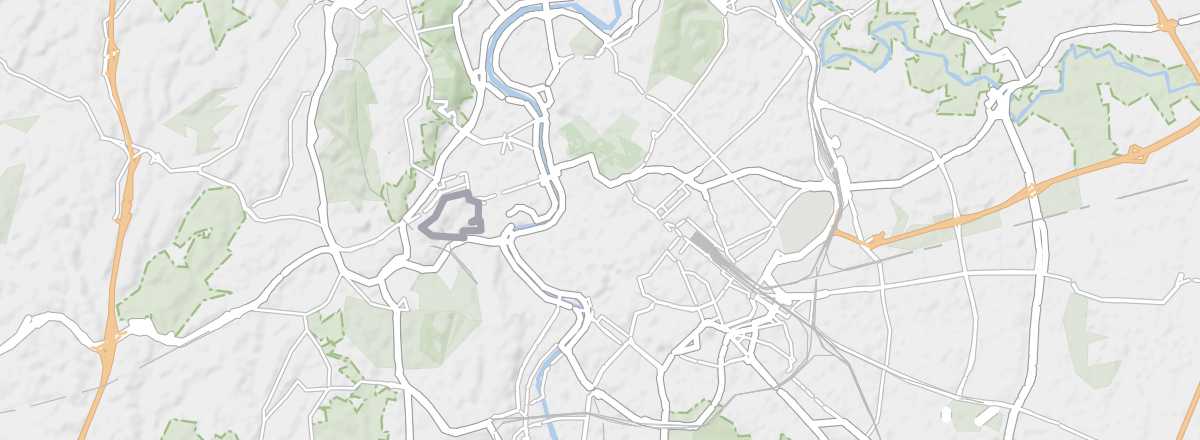 Rome
Open the interactive map
Overview
UNESCO World Heritage Sites

Historic Centre of Rome
The entire ancient part of the city of Rome (including the Vatican), with its most beautiful monuments, is a UNESCO World Heritage Site for its unique architectural quality.
The entire ancient part of the city of Rome (including the Vatican), with its most beautiful monuments, is a UNESCO World Heritage Site for its unique architectural quality.

Vatican
The world’s smallest state, nestled in the heart of Rome, is entirely listed as a UNESCO World Heritage site. St. Peter’s Square and its Basilica, as well as the Vatican Museums, are must-sees for any visit to Rome.
The world’s smallest state, nestled in the heart of Rome, is entirely listed as a UNESCO World Heritage site. St. Peter’s Square and its Basilica, as well as the Vatican Museums, are must-sees for any visit to Rome.
Tourist Sites and Areas
Historic Centre of Rome
The entire ancient part of the city of Rome (including the Vatican), with its most beautiful monuments, is a UNESCO World Heritage Site for its unique architectural quality.
The entire ancient part of the city of Rome (including the Vatican), with its most beautiful monuments, is a UNESCO World Heritage Site for its unique architectural quality.
EUR District
Originally, this district was meant to be the architectural showcase of Mussolini's Italy. Beyond the ideology, this urban project (continued after the war) offers architectural interest with its wide avenues, green spaces, museums, and imposing marble buildings inspired by an ancient Rome in a "futuristic style.".
Originally, this district was meant to be the architectural showcase of Mussolini's Italy. Beyond the ideology, this urban project (continued after the war) offers architectural interest with its wide avenues, green spaces, museums, and imposing marble buildings inspired by an ancient Rome in a "futuristic style.".
Trastevere
A lively and trendy district with its cobbled streets, squares, fountains, colorful old facades, bars, restaurants, and shops of all kinds. You’ll also find plenty of churches (including Santa Maria), Renaissance palaces and villas, and one of the city’s flea markets.
A lively and trendy district with its cobbled streets, squares, fountains, colorful old facades, bars, restaurants, and shops of all kinds. You’ll also find plenty of churches (including Santa Maria), Renaissance palaces and villas, and one of the city’s flea markets.
Via Veneto
One of Rome’s most famous streets, which enjoyed its heyday in the 1950s–60s as the gathering place for figures from the arts and showbiz. Today, it’s still home to numerous cafés, restaurants, and grand hotels.
One of Rome’s most famous streets, which enjoyed its heyday in the 1950s–60s as the gathering place for figures from the arts and showbiz. Today, it’s still home to numerous cafés, restaurants, and grand hotels.
Also...
Vatican
The world’s smallest state, nestled in the heart of Rome, is entirely listed as a UNESCO World Heritage site. St. Peter’s Square and its Basilica, as well as the Vatican Museums, are must-sees for any visit to Rome.
The world’s smallest state, nestled in the heart of Rome, is entirely listed as a UNESCO World Heritage site. St. Peter’s Square and its Basilica, as well as the Vatican Museums, are must-sees for any visit to Rome.
Monuments and Architectural Ensembles
Capitoline Hill
One of Rome's seven hills. Today, the site—or rather the eponymous square designed by Michelangelo—houses stunning buildings such as the Palazzo Senatorio (Rome City Hall), the Palazzo dei Conservatori, and the Palazzo Nuovo. The latter two are home to the famous Capitoline Museums, the oldest in the world (1471).
One of Rome's seven hills. Today, the site—or rather the eponymous square designed by Michelangelo—houses stunning buildings such as the Palazzo Senatorio (Rome City Hall), the Palazzo dei Conservatori, and the Palazzo Nuovo. The latter two are home to the famous Capitoline Museums, the oldest in the world (1471).
Trevi Fountain
Immortalisée dans le film la Dolce Vita c'est la plus grande et la plus célèbre des fontaines de Rome. Adossée à un palais, elle date du XVIIIe siècle et demeure unique de par ses statues et son architecture baroque. Seul inconvénient: trop de monde en (quasi) permanence.
Immortalisée dans le film la Dolce Vita c'est la plus grande et la plus célèbre des fontaines de Rome. Adossée à un palais, elle date du XVIIIe siècle et demeure unique de par ses statues et son architecture baroque. Seul inconvénient: trop de monde en (quasi) permanence.
Tiber Island
This small island on the Tiber is connected to the rest of the city by two ancient bridges dating back to Roman times. You can visit the charming little basilica of San Bartolomeo all'Isola.
This small island on the Tiber is connected to the rest of the city by two ancient bridges dating back to Roman times. You can visit the charming little basilica of San Bartolomeo all'Isola.
Victor Emmanuel II Monument
Extending from the vast Piazza Venezia, this imposing white marble edifice, recognizable by its long staircase, columns, statues, and fountains, dates back to the late 19th century. Today, it houses the Museum of Italian Unification.
Extending from the vast Piazza Venezia, this imposing white marble edifice, recognizable by its long staircase, columns, statues, and fountains, dates back to the late 19th century. Today, it houses the Museum of Italian Unification.
Farnese Palace
One of Rome's most beautiful palaces, partly designed by Michelangelo, and the seat of the French Embassy in Italy. Visits are by prior reservation only.
One of Rome's most beautiful palaces, partly designed by Michelangelo, and the seat of the French Embassy in Italy. Visits are by prior reservation only.
Campo dei Fiori Square
A lively square known for its evening bars and morning fruit and vegetable market. It is surrounded by historic buildings and features a statue of Giordano Bruno, a Dominican monk who was burned there in 1600.
A lively square known for its evening bars and morning fruit and vegetable market. It is surrounded by historic buildings and features a statue of Giordano Bruno, a Dominican monk who was burned there in 1600.
Spanish Steps
Piazza di Spagna is famous for its monumental staircase of 174 steps leading from the Barcaccia Fountain to the Trinità dei Monti church. It's a pedestrian square surrounded by beautiful façades.
Piazza di Spagna is famous for its monumental staircase of 174 steps leading from the Barcaccia Fountain to the Trinità dei Monti church. It's a pedestrian square surrounded by beautiful façades.
Piazza Navona
This is one of the beautiful squares in Rome. Spacious, stunning, and lively (though touristy), it is surrounded by a magnificent ensemble of Baroque buildings featuring three fountains (including the one with the obelisk) and the church of Sant'Agnese in Agone.
This is one of the beautiful squares in Rome. Spacious, stunning, and lively (though touristy), it is surrounded by a magnificent ensemble of Baroque buildings featuring three fountains (including the one with the obelisk) and the church of Sant'Agnese in Agone.
People's Square
Better known as piazza del Popolo and recognisable by its obelisk. It is a major monumental pedestrian square in 19th-century neoclassical style. Around it, you can see the church of Santa Maria del Popolo, several fountains, and the Porta del Popolo, an ancient gate of Rome.
Better known as piazza del Popolo and recognisable by its obelisk. It is a major monumental pedestrian square in 19th-century neoclassical style. Around it, you can see the church of Santa Maria del Popolo, several fountains, and the Porta del Popolo, an ancient gate of Rome.
Quirinal Square
This is a square in Rome's historic centre. This vast space is lined with several palaces, including the Quirinal Palace (residence of the Italian presidency). At its centre, you can see the Fountain of the Dioscuri with its obelisk.
This is a square in Rome's historic centre. This vast space is lined with several palaces, including the Quirinal Palace (residence of the Italian presidency). At its centre, you can see the Fountain of the Dioscuri with its obelisk.
St. Peter's Square
This large Baroque-style esplanade is located in front of St. Peter's Basilica. Its vast size is designed to accommodate the faithful during Masses and papal blessings.
This large Baroque-style esplanade is located in front of St. Peter's Basilica. Its vast size is designed to accommodate the faithful during Masses and papal blessings.
Villa Farnesina
This is a typical Renaissance palace from the 16th century. You can visit its interior and gardens.
This is a typical Renaissance palace from the 16th century. You can visit its interior and gardens.
Ancient Ruins
Arch of Constantine
This triumphal arch dating from 315 AD stands next to the Colosseum. Impressive in size, it is also very well preserved.
This triumphal arch dating from 315 AD stands next to the Colosseum. Impressive in size, it is also very well preserved.
Area Sacra
This is a small archaeological complex that has uncovered the remains of four temples northwest of the city of Rome.
This is a small archaeological complex that has uncovered the remains of four temples northwest of the city of Rome.
Catacombs
These are the underground burial sites, sometimes decorated, where Christians in Rome laid their dead to rest. The city has several that can be visited, such as the Catacombs of Domitilla, Priscilla, San Sebastiano, and San Callisto (where 500,000 people were buried).
These are the underground burial sites, sometimes decorated, where Christians in Rome laid their dead to rest. The city has several that can be visited, such as the Catacombs of Domitilla, Priscilla, San Sebastiano, and San Callisto (where 500,000 people were buried).
Castel Sant'Angelo
This imposing Roman edifice was built as a mausoleum for Emperor Hadrian and his family before being transformed over the centuries into a fortress and later a prison. Its interior is remarkable, as is the view it offers over the city.
This imposing Roman edifice was built as a mausoleum for Emperor Hadrian and his family before being transformed over the centuries into a fortress and later a prison. Its interior is remarkable, as is the view it offers over the city.
Circus Maximus
Though its name remains one of the best-known from the Roman era, almost nothing is left of what was once the largest public building in ancient Rome, dedicated especially to chariot races and other circus games.
Though its name remains one of the best-known from the Roman era, almost nothing is left of what was once the largest public building in ancient Rome, dedicated especially to chariot races and other circus games.
Colosseum
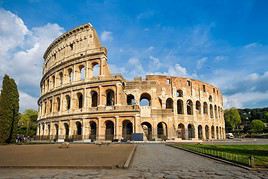
Completed in 80 AD, this was the largest amphitheatre in the Roman world (it could hold up to 50,000 people) and is also the symbol of the city and a must-see for any visit.
Completed in 80 AD, this was the largest amphitheatre in the Roman world (it could hold up to 50,000 people) and is also the symbol of the city and a must-see for any visit.
Roman Forum
Between the Capitoline and the Colosseum, this is the city’s most important archaeological site. A wealth of triumphal arches (Septimius, Titus...), columns, temples, and religious buildings (Concord, Vespasian...), paved walkways, and even more ancient ruins that tell twelve centuries of Roman history.
Between the Capitoline and the Colosseum, this is the city’s most important archaeological site. A wealth of triumphal arches (Septimius, Titus...), columns, temples, and religious buildings (Concord, Vespasian...), paved walkways, and even more ancient ruins that tell twelve centuries of Roman history.
Imperial Fora
Right next to the Roman Forum, and based on the same principle, these are vast spaces developed by various Roman emperors. You’ll find the Forum of Caesar, the Forum of Peace, and those of Augustus, Nerva, and Trajan.
Right next to the Roman Forum, and based on the same principle, these are vast spaces developed by various Roman emperors. You’ll find the Forum of Caesar, the Forum of Peace, and those of Augustus, Nerva, and Trajan.
Palatine Hill
Of all the hills in Rome, it is the most archaeologically significant, as it lies at the origins of the city. Here, you’ll find numerous ancient ruins (stadium, villas, gardens, etc.), along with the Palatine Museum, which houses frescoes, sculptures, and mosaics uncovered during excavations. The site is also a popular spot for a stroll.
Of all the hills in Rome, it is the most archaeologically significant, as it lies at the origins of the city. Here, you’ll find numerous ancient ruins (stadium, villas, gardens, etc.), along with the Palatine Museum, which houses frescoes, sculptures, and mosaics uncovered during excavations. The site is also a popular spot for a stroll.
Vatican Necropolis
This Roman burial site, housing both pagan and Christian tombs, is located beneath St. Peter's Basilica. It was uncovered during excavations conducted in the last century.
This Roman burial site, housing both pagan and Christian tombs, is located beneath St. Peter's Basilica. It was uncovered during excavations conducted in the last century.
Pantheon
This exceptionally well-preserved ancient religious building dates from the 1st century BC. Later converted into a church, it is notable for its granite columns and rich interior. Its side chapels house the tombs of several Italian painters and kings.
This exceptionally well-preserved ancient religious building dates from the 1st century BC. Later converted into a church, it is notable for its granite columns and rich interior. Its side chapels house the tombs of several Italian painters and kings.
Baths of Caracalla
They were once the largest and most luxurious baths of the Roman Empire (11 hectares accommodating nearly two thousand people). Their ruins, impressive, are still well preserved.
They were once the largest and most luxurious baths of the Roman Empire (11 hectares accommodating nearly two thousand people). Their ruins, impressive, are still well preserved.
Religious Buildings
Basilica of Saint John Lateran
One of Rome's four major basilicas, with origins dating back to 320 AD, though it has been rebuilt several times since. It is also one of the city's most beautiful churches, featuring a monumental interior, an interesting cloister, and a small museum for the "treasure.".
One of Rome's four major basilicas, with origins dating back to 320 AD, though it has been rebuilt several times since. It is also one of the city's most beautiful churches, featuring a monumental interior, an interesting cloister, and a small museum for the "treasure.".
Basilica of Saint Paul Outside the Walls
This is one of Rome's great basilicas, featuring a remarkable entrance portico and a grand interior where you can admire beautiful mosaics and rows of columns. According to its history, it was built on the burial site of the Apostle Saint Paul.
This is one of Rome's great basilicas, featuring a remarkable entrance portico and a grand interior where you can admire beautiful mosaics and rows of columns. According to its history, it was built on the burial site of the Apostle Saint Paul.
St. Peter's Basilica
It is the largest Christian edifice in the world. A pilgrimage site, it is a masterpiece of art both in its architecture and decoration, created by many Renaissance and Baroque artists (including Michelangelo). The basilica also houses a Papal Necropolis where the majority of popes in history are laid to rest.
It is the largest Christian edifice in the world. A pilgrimage site, it is a masterpiece of art both in its architecture and decoration, created by many Renaissance and Baroque artists (including Michelangelo). The basilica also houses a Papal Necropolis where the majority of popes in history are laid to rest.
Basilica of St. Mary of the Angels
It was built on part of the site of the Baths of Diocletian. While its exterior gives the impression of a ruin, the interior, in contrast, astonishes with its scale and, above all, its imposing wall frescoes and massive marble columns.
It was built on part of the site of the Baths of Diocletian. While its exterior gives the impression of a ruin, the interior, in contrast, astonishes with its scale and, above all, its imposing wall frescoes and massive marble columns.
Basilica of Saint Mary Major
It is one of the four major basilicas of Rome, recognizable by its tall bell tower. Its interior is a blend of decorations and styles, though dominated by the 18th century, when the building was fully restored.
It is one of the four major basilicas of Rome, recognizable by its tall bell tower. Its interior is a blend of decorations and styles, though dominated by the 18th century, when the building was fully restored.
Basilica of Santa Maria in Trastevere
This is one of Rome’s oldest churches, now located in the lively Trastevere district. It has retained a slightly medieval feel.
This is one of Rome’s oldest churches, now located in the lively Trastevere district. It has retained a slightly medieval feel.
Basilica of Santa Maria in Aracoeli
It stands at the top of the Capitoline Hill, behind the monument to Victor Emmanuel II. Behind a somewhat austere façade lies a beautifully decorated interior.
It stands at the top of the Capitoline Hill, behind the monument to Victor Emmanuel II. Behind a somewhat austere façade lies a beautifully decorated interior.
Sistine Chapel
It is one of the world's most famous religious buildings, notably thanks to its ceiling painted by Michelangelo. Built in the 15th century, it is a masterpiece of Renaissance art.
It is one of the world's most famous religious buildings, notably thanks to its ceiling painted by Michelangelo. Built in the 15th century, it is a masterpiece of Renaissance art.
Verano Cemetery
The Roman equivalent of Paris’s Père Lachaise, a “cemetery-museum” with the graves of many Italian figures.
The Roman equivalent of Paris’s Père Lachaise, a “cemetery-museum” with the graves of many Italian figures.
Church of the Gesù
This 16th-century church served as a model for many Jesuit churches around the world. Its richly decorated interior contrasts somewhat with the austere appearance of its façade.
This 16th-century church served as a model for many Jesuit churches around the world. Its richly decorated interior contrasts somewhat with the austere appearance of its façade.
Church of Santa Maria della Concezione
This small 17th-century church is notable for its crypt, where the bones of 4,000 Capuchin friars have been arranged over the centuries to create a "baroque-style ornamental ensemble.".
This small 17th-century church is notable for its crypt, where the bones of 4,000 Capuchin friars have been arranged over the centuries to create a "baroque-style ornamental ensemble.".
Santa Maria in Cosmedin Church
This medieval church is known for housing the Bocca della Verità (Mouth of Truth) on its door—a huge marble mask dedicated to the god of the sea.
This medieval church is known for housing the Bocca della Verità (Mouth of Truth) on its door—a huge marble mask dedicated to the god of the sea.
Tempietto
This small circular temple from the early 16th century was built in the courtyard of the church of San Pietro in Montorio. It is considered a masterpiece of Renaissance architecture.
This small circular temple from the early 16th century was built in the courtyard of the church of San Pietro in Montorio. It is considered a masterpiece of Renaissance architecture.
Museums
Among Rome's wide selection of museums:
Doria Pamphilj Gallery
This private museum is housed in the 16th-century Palazzo Doria Pamphilj, featuring stunning interiors. It holds one of Rome's richest collections of paintings and sculptures.
This private museum is housed in the 16th-century Palazzo Doria Pamphilj, featuring stunning interiors. It holds one of Rome's richest collections of paintings and sculptures.
National Gallery of Ancient Art
Over a century old, this gallery in the Barberini Palace (with an annex in the Corsini Palace) showcases works by Italian and European painters from the 13th to the 18th century.
Over a century old, this gallery in the Barberini Palace (with an annex in the Corsini Palace) showcases works by Italian and European painters from the 13th to the 18th century.
MACRO
This is Rome’s Museum of Contemporary Art. It primarily showcases works by internationally renowned Italian artists from the 1960s onward.
This is Rome’s Museum of Contemporary Art. It primarily showcases works by internationally renowned Italian artists from the 1960s onward.
MAXXI
This is the National Museum of 21st Century Arts (and Architecture). Opened in 2010, the venue is recognizable by its "modern" architecture and is dedicated to all forms of contemporary art.
This is the National Museum of 21st Century Arts (and Architecture). Opened in 2010, the venue is recognizable by its "modern" architecture and is dedicated to all forms of contemporary art.
Ara Pacis Museum
The Ara Pacis is the Altar of Peace of the Roman Emperor Augustus, dating from the 1st century BC. It is now housed in a modern building inaugurated in 2006, serving as a dedicated museum.
The Ara Pacis is the Altar of Peace of the Roman Emperor Augustus, dating from the 1st century BC. It is now housed in a modern building inaugurated in 2006, serving as a dedicated museum.
Museum of Roman Civilization
It features models and reproductions of sculptures and objects related to the civilization of ancient Rome. It is located in the EUR district.
It features models and reproductions of sculptures and objects related to the civilization of ancient Rome. It is located in the EUR district.
Luigi Pigorini Museum
More precisely the National Museum of Prehistory and Ethnography Luigi Pigorini. Founded by Luigi Pigorini in 1875, it houses Italian prehistoric collections and ethnological collections from around the world.
More precisely the National Museum of Prehistory and Ethnography Luigi Pigorini. Founded by Luigi Pigorini in 1875, it houses Italian prehistoric collections and ethnological collections from around the world.
Napoleonic Museum
Founded in 1927 by a descendant of the Emperor’s family, it is dedicated to the memory of the Bonaparte family in Italy.
Founded in 1927 by a descendant of the Emperor’s family, it is dedicated to the memory of the Bonaparte family in Italy.
National Museum of Popular Arts and Traditions
An ethnographic museum focusing on the daily life and culture of the Italian population from the 16th to the 20th century. Several themes are covered, including home life, clothing, work, transport, festivals and ceremonies, religion, and more.
An ethnographic museum focusing on the daily life and culture of the Italian population from the 16th to the 20th century. Several themes are covered, including home life, clothing, work, transport, festivals and ceremonies, religion, and more.
National Museum of the Palazzo Venezia
It houses paintings and decorative art collections (ceramics, bronzes, furniture, tapestries, etc.) from the medieval era and later.
It houses paintings and decorative art collections (ceramics, bronzes, furniture, tapestries, etc.) from the medieval era and later.
National Roman Museum
This is a major archaeological museum that brings together artifacts and sculptures related to the history and culture of the city during the Roman era. Its collections are spread across several locations: the Baths of Diocletian Museum, the Palazzo Massimo alle Terme, the Palazzo Altemps, and the Crypta Balbi.
This is a major archaeological museum that brings together artifacts and sculptures related to the history and culture of the city during the Roman era. Its collections are spread across several locations: the Baths of Diocletian Museum, the Palazzo Massimo alle Terme, the Palazzo Altemps, and the Crypta Balbi.
Vintage Car Museum
A collection of vintage vehicles from the 1700s to the 1900s displayed over 3,000 m².
A collection of vintage vehicles from the 1700s to the 1900s displayed over 3,000 m².
Capitoline Museums
This is a complex of art and archaeology museums located in the Piazza del Campidoglio in Rome. Dating back to the 15th century, they are the oldest museums in the world. Their collections include statues (including the famous "Capitoline Wolf"), paintings, mosaics, and inscriptions from Rome and its surrounding region.
This is a complex of art and archaeology museums located in the Piazza del Campidoglio in Rome. Dating back to the 15th century, they are the oldest museums in the world. Their collections include statues (including the famous "Capitoline Wolf"), paintings, mosaics, and inscriptions from Rome and its surrounding region.
Vatican Museums
This is a remarkable collection of 12 museums primarily located within the Vatican Palace. Among them are the Pio-Clementino and Chiaramonti Museums (Greek and Roman periods), the Vatican Pinacotheca (Italian painting from the 11th to the 19th century), the Collection of Modern Religious Art, and the Vatican Historical Museum (which includes the carriage pavilion).
This is a remarkable collection of 12 museums primarily located within the Vatican Palace. Among them are the Pio-Clementino and Chiaramonti Museums (Greek and Roman periods), the Vatican Pinacotheca (Italian painting from the 11th to the 19th century), the Collection of Modern Religious Art, and the Vatican Historical Museum (which includes the carriage pavilion).
Villa Borghese
This is both a magnificent 80-hectare urban park and a site that brings together several museums (including the Borghese Gallery and the National Gallery of Modern Art), the city’s zoo (the "Bioparco") with its zoology museum, as well as the famous Renaissance Villa Medici, home to the French Academy in Rome.
This is both a magnificent 80-hectare urban park and a site that brings together several museums (including the Borghese Gallery and the National Gallery of Modern Art), the city’s zoo (the "Bioparco") with its zoology museum, as well as the famous Renaissance Villa Medici, home to the French Academy in Rome.
Villa Giulia
Or more precisely, the National Etruscan Museum of Villa Giulia. Housed in a 16th-century papal villa, this site is dedicated to Etruscan civilisation and is even the world’s most important museum in this field.
Or more precisely, the National Etruscan Museum of Villa Giulia. Housed in a 16th-century papal villa, this site is dedicated to Etruscan civilisation and is even the world’s most important museum in this field.
Parks, Gardens, and Natural Spaces
Janiculum
This hill, crowned by a monument dedicated to Garibaldi, is considered the eighth hill of Rome. It towers 85 metres above the city and offers a lovely panorama. It is also a popular spot for Romans to take a stroll.
This hill, crowned by a monument dedicated to Garibaldi, is considered the eighth hill of Rome. It towers 85 metres above the city and offers a lovely panorama. It is also a popular spot for Romans to take a stroll.
Botanical Garden
Located on the slopes of the Janiculum, it is home to over 3,000 plant species, including several monumental greenhouses, across around a dozen hectares. The site is popular with walkers.
Located on the slopes of the Janiculum, it is home to over 3,000 plant species, including several monumental greenhouses, across around a dozen hectares. The site is popular with walkers.
Farnese Gardens
These are terraced gardens dating back to 1550. Located on Palatine Hill, they offer a beautiful panorama of the Roman Forum and the Colosseum.
These are terraced gardens dating back to 1550. Located on Palatine Hill, they offer a beautiful panorama of the Roman Forum and the Colosseum.
Vatican Gardens
They alone cover half the area of Vatican City. Their origins date back to the medieval period (some remains are still visible). These are landscaped gardens featuring fountains, sculptures, and artificial grottos, and can only be visited on an organized tour.
They alone cover half the area of Vatican City. Their origins date back to the medieval period (some remains are still visible). These are landscaped gardens featuring fountains, sculptures, and artificial grottos, and can only be visited on an organized tour.
Savello Park
Also known as the Garden of the Orange Trees. This 8-hectare park (with many orange trees) on the Aventine Hill offers a beautiful view of the city.
Also known as the Garden of the Orange Trees. This 8-hectare park (with many orange trees) on the Aventine Hill offers a beautiful view of the city.
Villa Borghese
This is both a magnificent 80-hectare urban park and a site that brings together several museums (including the Borghese Gallery and the National Gallery of Modern Art), the city’s zoo (the "Bioparco") with its zoology museum, as well as the famous Renaissance Villa Medici, home to the French Academy in Rome.
This is both a magnificent 80-hectare urban park and a site that brings together several museums (including the Borghese Gallery and the National Gallery of Modern Art), the city’s zoo (the "Bioparco") with its zoology museum, as well as the famous Renaissance Villa Medici, home to the French Academy in Rome.
Additional Information
Must-see & highly recommended
St. Peter's Basilica (Vatican)
★★★★ It is the largest Christian edifice in the world. A pilgrimage site, it is a masterpiece of art both in its architecture and decoration…
Capitoline Hill (Rome)
★★★★ One of Rome's seven hills. Today, the site—or rather the eponymous square designed by Michelangelo—houses stunning buildings…
Historic Centre of Rome
★★★★ The entire ancient part of the city of Rome (including the Vatican), with its most beautiful monuments, is a UNESCO World Heritage Site for…
Sistine Chapel
★★★★ It is one of the world's most famous religious buildings, notably thanks to its ceiling painted by Michelangelo. Built in the 15th century…
Colosseum (Rome)
★★★★ Completed in 80 AD, this was the largest amphitheatre in the Roman world (it could hold up to 50,000 people) and is also the symbol of the…
Roman Forum
★★★★ Between the Capitoline and the Colosseum, this is the city’s most important archaeological site. A wealth of triumphal arches…
Capitoline Museums
★★★★ This is a complex of art and archaeology museums located in the Piazza del Campidoglio in Rome. Dating back to the 15th century, they are…
Vatican Museums
★★★★ This is a remarkable collection of 12 museums primarily located within the Vatican Palace. Among them are the Pio-Clementino and…
Vatican
★★★★ The world’s smallest state, nestled in the heart of Rome, is entirely listed as a UNESCO World Heritage site. St. Peter’s…
Villa Borghese
★★★★ This is both a magnificent 80-hectare urban park and a site that brings together several museums (including the Borghese Gallery and the…
Recommended
Basilica of Saint John Lateran
★★★ One of Rome's four major basilicas, with origins dating back to 320 AD, though it has been rebuilt several times since. It is also one of…
Catacombs (Rome)
★★★ These are the underground burial sites, sometimes decorated, where Christians in Rome laid their dead to rest. The city has several that…
Trevi Fountain
★★★ Immortalisée dans le film la Dolce Vita c'est la plus grande et la plus célèbre des fontaines de Rome. Adossée à un palais, elle date du…
Imperial Fora
★★★ Right next to the Roman Forum, and based on the same principle, these are vast spaces developed by various Roman emperors. You’ll…
Palatine Hill
★★★ Of all the hills in Rome, it is the most archaeologically significant, as it lies at the origins of the city. Here, you’ll find…
National Roman Museum
★★★ This is a major archaeological museum that brings together artifacts and sculptures related to the history and culture of the city during…
Pantheon (Rome)
★★★ This exceptionally well-preserved ancient religious building dates from the 1st century BC. Later converted into a church, it is notable…
Piazza Navona
★★★ This is one of the beautiful squares in Rome. Spacious, stunning, and lively (though touristy), it is surrounded by a magnificent ensemble…
St. Peter's Square (Vatican)
★★★ This large Baroque-style esplanade is located in front of St. Peter's Basilica. Its vast size is designed to accommodate the faithful…
Trastevere
★★★ A lively and trendy district with its cobbled streets, squares, fountains, colorful old facades, bars, restaurants, and shops of all kinds…
Worth a look / Other
Arch of Constantine (Rome)
★★ This triumphal arch dating from 315 AD stands next to the Colosseum. Impressive in size, it is also very well preserved.
Basilica of Saint Paul Outside the Walls
★★ This is one of Rome's great basilicas, featuring a remarkable entrance portico and a grand interior where you can admire beautiful mosaics…
Basilica of St. Mary of the Angels
★★ It was built on part of the site of the Baths of Diocletian. While its exterior gives the impression of a ruin, the interior, in contrast…
Basilica of Saint Mary Major
★★ It is one of the four major basilicas of Rome, recognizable by its tall bell tower. Its interior is a blend of decorations and styles…
Castel Sant'Angelo
★★ This imposing Roman edifice was built as a mausoleum for Emperor Hadrian and his family before being transformed over the centuries into a…
Gesù Church (Rome)
★★ This 16th-century church served as a model for many Jesuit churches around the world. Its richly decorated interior contrasts somewhat with…
Vatican Gardens
★★ They alone cover half the area of Vatican City. Their origins date back to the medieval period (some remains are still visible). These are…
Victor Emmanuel II Monument
★★ Extending from the vast Piazza Venezia, this imposing white marble edifice, recognizable by its long staircase, columns, statues, and…
National Museum of Popular Arts and Traditions (Rome)
★★ An ethnographic museum focusing on the daily life and culture of the Italian population from the 16th to the 20th century. Several themes…
Spanish Steps (Rome)
★★ Piazza di Spagna is famous for its monumental staircase of 174 steps leading from the Barcaccia Fountain to the Trinità dei Monti church…
EUR District
★★ Originally, this district was meant to be the architectural showcase of Mussolini's Italy. Beyond the ideology, this urban project…
Baths of Caracalla
★★ They were once the largest and most luxurious baths of the Roman Empire (11 hectares accommodating nearly two thousand people). Their…
Villa Giulia
★★ Or more precisely, the National Etruscan Museum of Villa Giulia. Housed in a 16th-century papal villa, this site is dedicated to Etruscan…
Area Sacra
★ This is a small archaeological complex that has uncovered the remains of four temples northwest of the city of Rome.
Basilica of Santa Maria in Trastevere
★ This is one of Rome’s oldest churches, now located in the lively Trastevere district. It has retained a slightly medieval feel.
Basilica of Santa Maria in Aracoeli
★ It stands at the top of the Capitoline Hill, behind the monument to Victor Emmanuel II. Behind a somewhat austere façade lies a beautifully…
Verano Cemetery
★ The Roman equivalent of Paris’s Père Lachaise, a “cemetery-museum” with the graves of many Italian figures.
Circus Maximus
★ Though its name remains one of the best-known from the Roman era, almost nothing is left of what was once the largest public building in…
Church of Santa Maria della Concezione
★ This small 17th-century church is notable for its crypt, where the bones of 4,000 Capuchin friars have been arranged over the centuries to…
Santa Maria in Cosmedin Church
★ This medieval church is known for housing the Bocca della Verità (Mouth of Truth) on its door—a huge marble mask dedicated to the god…
Doria Pamphilj Gallery
★ This private museum is housed in the 16th-century Palazzo Doria Pamphilj, featuring stunning interiors. It holds one of Rome's richest…
National Gallery of Ancient Art (Rome)
★ Over a century old, this gallery in the Barberini Palace (with an annex in the Corsini Palace) showcases works by Italian and European…
Tiber Island
★ This small island on the Tiber is connected to the rest of the city by two ancient bridges dating back to Roman times. You can visit the…
Janiculum
★ This hill, crowned by a monument dedicated to Garibaldi, is considered the eighth hill of Rome. It towers 85 metres above the city and…
Botanical Garden (Rome)
★ Located on the slopes of the Janiculum, it is home to over 3,000 plant species, including several monumental greenhouses, across around a…
Farnese Gardens
★ These are terraced gardens dating back to 1550. Located on Palatine Hill, they offer a beautiful panorama of the Roman Forum and the…
MACRO
★ This is Rome’s Museum of Contemporary Art. It primarily showcases works by internationally renowned Italian artists from the 1960s…
MAXXI
★ This is the National Museum of 21st Century Arts (and Architecture). Opened in 2010, the venue is recognizable by its "modern" architecture…
Ara Pacis Museum
★ The Ara Pacis is the Altar of Peace of the Roman Emperor Augustus, dating from the 1st century BC. It is now housed in a modern building…
Museum of Roman Civilization
★ It features models and reproductions of sculptures and objects related to the civilization of ancient Rome. It is located in the EUR…
Vintage Car Museum (Rome)
★ A collection of vintage vehicles from the 1700s to the 1900s displayed over 3,000 m².
Luigi Pigorini Museum
★ More precisely the National Museum of Prehistory and Ethnography Luigi Pigorini. Founded by Luigi Pigorini in 1875, it houses Italian…
Napoleonic Museum
★ Founded in 1927 by a descendant of the Emperor’s family, it is dedicated to the memory of the Bonaparte family in Italy.
National Museum of the Palazzo Venezia (Rome)
★ It houses paintings and decorative art collections (ceramics, bronzes, furniture, tapestries, etc.) from the medieval era and later.
Vatican Necropolis
★ This Roman burial site, housing both pagan and Christian tombs, is located beneath St. Peter's Basilica. It was uncovered during…
Farnese Palace
★ One of Rome's most beautiful palaces, partly designed by Michelangelo, and the seat of the French Embassy in Italy. Visits are by prior…
Savello Park
★ Also known as the Garden of the Orange Trees. This 8-hectare park (with many orange trees) on the Aventine Hill offers a beautiful view of…
Campo dei Fiori Square
★ A lively square known for its evening bars and morning fruit and vegetable market. It is surrounded by historic buildings and features a…
People's Square
★ Better known as piazza del Popolo and recognisable by its obelisk. It is a major monumental pedestrian square in 19th-century neoclassical…
Quirinal Square
★ This is a square in Rome's historic centre. This vast space is lined with several palaces, including the Quirinal Palace (residence of the…
Tempietto
★ This small circular temple from the early 16th century was built in the courtyard of the church of San Pietro in Montorio. It is considered…
Via Veneto
★ One of Rome’s most famous streets, which enjoyed its heyday in the 1950s–60s as the gathering place for figures from the arts…
Villa Farnesina
★ This is a typical Renaissance palace from the 16th century. You can visit its interior and gardens.
- Historic Centre of Rome
- National Roman Museum
- Villa Giulia
- Capitoline Museums
- Villa Borghese
- National Museum of Popular Arts and Traditions (Rome)
- National Gallery of Ancient Art (Rome)
- MAXXI
- Museum of Roman Civilization
- EUR District
- Ara Pacis Museum
- Doria Pamphilj Gallery
- Luigi Pigorini Museum
- Napoleonic Museum
- National Museum of the Palazzo Venezia (Rome)
- MACRO
- Vintage Car Museum (Rome)
- Janiculum
- Trastevere
- Botanical Garden (Rome)
- Farnese Gardens
- Savello Park
- Capitoline Hill (Rome)
- Palatine Hill
- Trevi Fountain
- Colosseum (Rome)
- Roman Forum
- Castel Sant'Angelo
- Victor Emmanuel II Monument
- Area Sacra
- Catacombs (Rome)
- Circus Maximus
- Campo dei Fiori Square
- Spanish Steps (Rome)
- Piazza Navona
- Quirinal Square
- Basilica of Saint John Lateran
- Basilica of Saint Paul Outside the Walls
- Basilica of St. Mary of the Angels
- Basilica of Saint Mary Major
- Basilica of Santa Maria in Trastevere
- Church of Santa Maria della Concezione
- Santa Maria in Cosmedin Church
- Pantheon (Rome)
- Gesù Church (Rome)
- Arch of Constantine (Rome)
- Imperial Fora
- Baths of Caracalla
- Basilica of Santa Maria in Aracoeli
- Villa Farnesina
- Farnese Palace
- People's Square
- Verano Cemetery
- Tempietto
- Tiber Island
- Via Veneto