

Travel guide · Italy
Italy
While its beach scene may be slightly less developed than Spain’s or France’s, Italy boasts stunning coastal and mountain landscapes—and above all, an incredible cultural heritage—that keep it among the world’s top tourist destinations.
Overview of Italy
Central Italy : With Rome, Florence, Pisa, Siena, and Tuscany as a whole, this region boasts some of the country’s most beautiful cities and remarkable sites. Additionally, central Italy offers several natural spaces perfect for swimming or outdoor…
Regions of Italy
Vallée d'Aoste, Italie Sea, mountains, lakes, and a few interesting cities—northwest Italy is a favorite among visitors. Outdoor enthusiasts can enjoy the Aosta Valley at the foot of Mont Blanc. The lake region (Como, Maggiore, etc.), as well as the…
Geography and Environment of Italy
Country Physiography
Natural Regions

Wildlife and Flora
Italy: Climate and Weather
Climate Overview

Best Time to Visit Italy
| Jan. | Feb. | Mar. | Apr. | May | Jun. | Jul. | Aug. | Sep. | Oct. | Nov. | Dec. | |
|---|---|---|---|---|---|---|---|---|---|---|---|---|
| North | ||||||||||||
| Central | ||||||||||||
| South/Sicily |
: very favorable | : favorable | : moderately favorable | : unfavorable.
Sea Temperatures Throughout the Year
While Sicily allows for swimming during much of the year, the period from mid-spring to mid-autumn remains the most pleasant for the rest of the country.
| Jan. | Feb. | Mar. | Apr. | May | Jun. | Jul. | Aug. | Sep. | Oct. | Nov. | Dec. | |
|---|---|---|---|---|---|---|---|---|---|---|---|---|
| Northern Mediterranean | 13 | 12 | 13 | 14 | 16 | 20 | 22 | 23 | 21 | 19 | 17 | 14 |
| Adriatic | 12 | 11 | 12 | 14 | 17 | 20 | 23 | 24 | 22 | 19 | 16 | 13 |
| Sicily | 15 | 14 | 14 | 15 | 17 | 21 | 24 | 25 | 24 | 22 | 19 | 16 |
Climate and Weather by Region
Northern Region (Milan)
Central Region (Rome)
Sicily (Palermo)
Additional Information
History of Italy
The History of Italy

Key Dates
Culture and Customs of Italy
Arts, Crafts, and Architecture
Arts
Crafts
Architecture
Museums
Customs and Traditions
Local Traditions
Etiquette
Dress and Behavior
Sensitive or Taboo Topics
Languages
Glossary
A few local words or expressions useful to know when traveling:
Festivals and Celebrations
Major Events and Public Holidays
Books, Films, and Music
What to See in Italy
UNESCO World Heritage Sites
With over fifty sites inscribed on the UNESCO World Heritage list, Italy is the country with the most in the world. Quite logically, given its extraordinary history and heritage, these are primarily historic urban centres (Rome, Naples, Florence, Venice...), religious buildings, and archaeological sites such as Pompeii, which make up the bulk of this classification.
By Region
Each region of Italy is very rich in terms of sites and other places to discover:
- What to See in Northwest Italy: this is the border area with France, including the Aosta Valley, Turin, Genoa and the Mediterranean Riviera, the famous Cinque Terre, the lake region (Maggiore, Garda, Como...), Gran Paradiso National Park, and Stelvio National Park.
- What to See in Northeast Italy: the unmissable Venice, as well as the cities of Bologna, Ferrara, Modena, Trieste, Verona, and the stunning Dolomites mountain range.
- What to See in Central Italy: including Rome and the Vatican, Gran Sasso National Park and Abruzzo National Park, plus all of Tuscany with the cities of Florence, Pisa, Siena, and the islands of the Tuscan Archipelago.
- What to See in Southern Italy: Naples and its stunning bay, the islands of Capri and Ischia, the Amalfi Coast, Pollino and Gargano National Parks, not to mention the sites of Pompeii and Herculaneum near Italy’s most famous volcano, Mount Vesuvius.
- What to See in Sicily: notably Syracuse, Catania, Palermo, the Baroque towns of the Noto Valley, the Aeolian Islands, and Mount Etna.
- What to See in Sardinia: the medieval town of Alghero, the Maddalena Islands, Gennargentu National Park, plus what makes the island unique, with the Costa Smeralda and Costa Verde for beaches and seaside resorts.
Things to Do in Italy
Beaches and Seaside Resorts

Water Activities
Diving:
Water Sports:
Sailing:
Thalasso and Wellness
Hiking

Hiking
Cycling
Horseback Riding
Skiing and Winter Activities

Outdoor Sports
Golf
Whitewater Activities
Climbing and Mountain Activities
Paragliding and Aerial Sports
Caving
Hunting and Fishing
Cultural Life and Activities
Nightlife and Going Out
Types of Travel in Italy
Travel Themes
- Interests (out of ): Nature / ; Adventure / ; Culture ; Relaxation-holidays
| Nature | Adventure | Culture | Relaxation-holidays | |
|---|---|---|---|---|
| Northeast Italy | / | |||
| Northwest Italy | ||||
| Sardinia | ||||
| Sicily | / | |||
| Southern Italy | / | |||
| Tuscany and Central Italy |
Nature-Adventure
Culture
Relaxation-Holidays
Independent Travel
Like the rest of Europe, Italy is a very easy destination for independent travel.
Organised Travel
All-Inclusive
Family
To Do
To Avoid
Senior Travellers
Women Travellers
Gay, Lesbian
Travellers with Disabilities
When and Where to Go in Italy
Best Times to Visit Italy
Finding the best time to visit means balancing climate conditions with crowd levels and the most attractive prices for travel and on-site expenses.
| Jan. | Feb. | Mar. | Apr. | May | Jun. | Jul. | Aug. | Sep. | Oct. | Nov. | Dec. | |
|---|---|---|---|---|---|---|---|---|---|---|---|---|
| Climate North | ||||||||||||
| Climate Centre | ||||||||||||
| Climate Sicily | ||||||||||||
| Avoid crowds | ||||||||||||
| Low prices |
: very favourable | : favourable | : moderately favourable | : unfavourable.
Where to Go by Travel Style and Interest
Flying to Italy
General information
Types of flights
Local airlines
Charter, scheduled and low-cost flights
Promotions and special offers
By region
Each Italian region has its own or several air arrival points. This means that, at least from France, there are numerous direct arrival options, both from Paris and most major provincial cities. In detail:
- Flying to North-west Italy: to/from primarily Milan's airports, but also Turin, Genoa or Bergamo.
- Flying to North-east Italy: to/from Venice airport and nearby Bologna, Verona, Treviso or Trieste.
- Flying to Central Italy: to/from Rome's airports for a wide choice, as well as Florence and Pisa for Tuscany.
- Flying to Southern Italy: to/from Naples airport, as well as Bari, Brindisi or Lamezia.
- Flying to Sicily: to/from Catania, Palermo or Trapani airports.
- Flying to Sardinia: to/from Cagliari, Alghero and Olbia airports.
Additional information
Getting to Italy by Land or Sea
By Land
By Road
By Train
By Sea
Ferries
Cargo
Sailboats
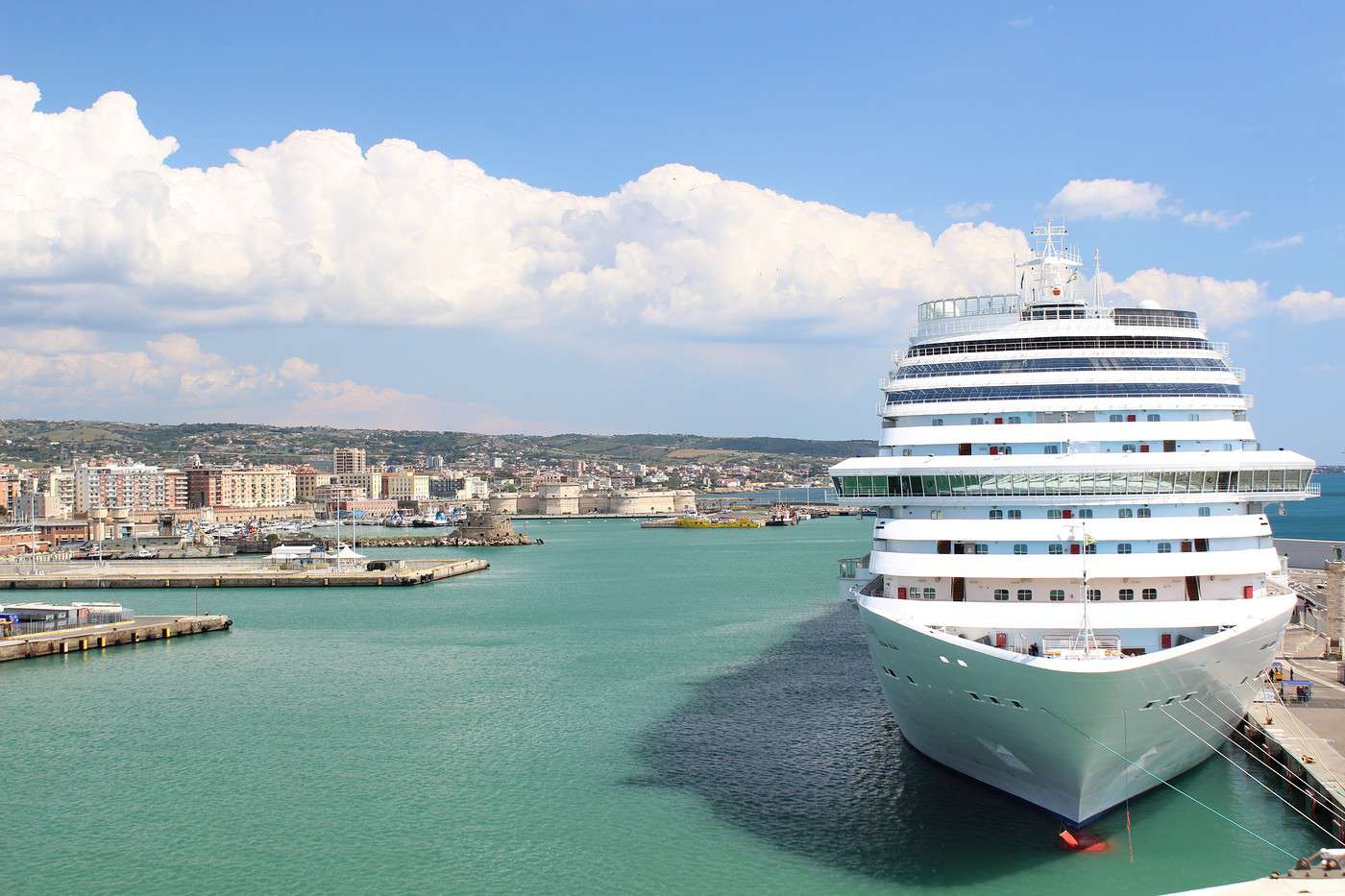
Cruises
Getting Around Italy
Road Network, Traffic
Car, Camper Van
Rental
Bus
Two Wheels
Motorcycle
Bicycle
Hitchhiking
Trains
Boats
Domestic Flights
In Town
Taxis
Other Means
What to Choose for Getting Around?
Distances Between Cities
Distances (km) between the main cities and tourist sites in the country:
| Bari | Bologna | Bolzano | Catania | Florence | Genoa | Milan | Naples | Palermo | Rome | Turin | Venice | |
|---|---|---|---|---|---|---|---|---|---|---|---|---|
| Bari | ||||||||||||
| Bologna | ||||||||||||
| Bolzano | ||||||||||||
| Catania | ||||||||||||
| Florence | ||||||||||||
| Genoa | ||||||||||||
| Milan | ||||||||||||
| Naples | ||||||||||||
| Palermo | ||||||||||||
| Rome | ||||||||||||
| Turin | ||||||||||||
| Venice |
Entry Requirements and Visa for Italy
People
For tourist travel purposes.
For French Citizens
A valid passport or national identity card is sufficient. That said, Italy is part of the Schengen Area and is therefore theoretically border-control-free when arriving from another member country.
Other Nationalities
The same applies to Canadians, Swiss nationals, European Union citizens, and a few other nationalities. For other visitors, a Schengen visa valid for all 26 member countries is required for a tourist stay of less than 3 months.
Long Stays
In Case of Offense
Vehicles
No special requirements for vehicles already circulating within the Schengen Area.
Consulates
In France
Consulates Outside Paris
Other Countries
Belgium:
Canada:
Switzerland:
Money, Budget, and Shopping in Italy
Money
Currency
- Currency: Euro (100 cents).
- Notes: 5, 10, 20, 50, 100, 200 and 500 €.
- Coins: 1, 2, 5, 10, 20 and 50 cents + 1 and 2 €.
- Exchange:
The euro replaced the Italian lira, which had been in circulation since 1861, in 2002.
Exchange
For those outside the eurozone, banks and exchange bureaus accept major currencies. ATMs are also widely available.
Payment Methods
You can pay in cash or by card (no fees for euro-denominated accounts), just like in France.
Budget
What Can Be Expensive
What Can Be Affordable
Price Range
- Double room in a budget hotel:
- Double room in a tourist hotel:
- Snacks, local restaurant meals:
- Tourist restaurant meals:
- Budget car rental:
- 100 km by bus:
- 100 km by train:
- Urban taxi:
- Urban bus:
Bargaining and Tipping
Shopping and Souvenirs
What to Bring Back
Health and Safety in Italy
Official Recommendations
In France, both for individuals and professionals, the "travel advice" from the Ministry of Foreign Affairs regarding precautions for each country has legal value. A similar online travel advice system exists in several countries:
Health
No vaccinations are mandatory to enter the country, though it is still advisable to be up to date with your "basic vaccinations."
Illnesses and Hygiene
Nothing specific to report.
Local Healthcare Facilities
Local infrastructure is good. For medical care, nationals of countries in the European Economic Area must present their European Health Insurance Card (formerly form E-111), which guarantees the same rights to everyone—otherwise, they may have to pay for medical expenses. Other visitors will need to rely on their insurance or pay the full cost of care.
Safety
Crime and Delinquency
Scams and "Tourist" Harassment
Socio-Political Risks and Terrorism
Climate, Nature, and Animals
Foreign Consulates on Site
If you encounter problems while traveling abroad, your country’s consular services can assist you. It’s also worth noting that if you are a national of the European Union and your country is not represented, you may contact any other EU member state’s representation.
France
Other Consulates
Other Countries
Belgium:
Canada:
Switzerland:
Other Practical Information for Italy
Luggage and Equipment to Bring
Communications
Phone
Internet
As in the rest of Europe, the internet is well developed, and Wi-Fi is increasingly available in many hotels, bars, restaurants, and other public places.
Post
Time Difference
Local time: .
Italy, like France and its other neighbors, is on UTC+1 with daylight saving time. There is therefore no time difference between them.
Electricity
230 V (50 Hz) with "French-style" plugs (officially type F or L), which will require an adapter for North American plugs.
Opening Hours
Laundromats
Local Tourist Offices
Weights and Measures
Italy uses the metric system, just like France.
French Language Use
Press and Media
Something wrong or out of date? Report this page