
UNESCO World Heritage Sites
Central Italy has 13 sites inscribed on the UNESCO World Heritage list, with more than half located in Tuscany.
Lazio:

Historic Centre of Rome (1980)
The entire ancient part of the city of Rome (including the Vatican), with its most beautiful monuments, is a UNESCO World Heritage Site for its unique architectural quality.
The entire ancient part of the city of Rome (including the Vatican), with its most beautiful monuments, is a UNESCO World Heritage Site for its unique architectural quality.
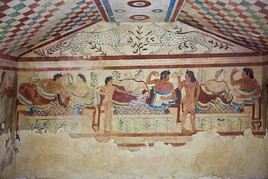
Necropolises of Cerveteri and Tarquinia (2004)
These are Etruscan ruins just a few kilometres apart. Both sites are UNESCO World Heritage sites.
These are Etruscan ruins just a few kilometres apart. Both sites are UNESCO World Heritage sites.
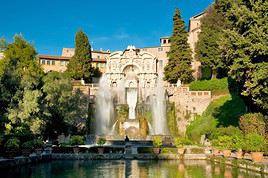
Tivoli (1999/2000)
Just a few kilometres from Rome, Tivoli offers two tourist sites: Hadrian’s Villa, a Roman villa, and the 16th-century Villa d’Este. Both are UNESCO-listed.
Just a few kilometres from Rome, Tivoli offers two tourist sites: Hadrian’s Villa, a Roman villa, and the 16th-century Villa d’Este. Both are UNESCO-listed.
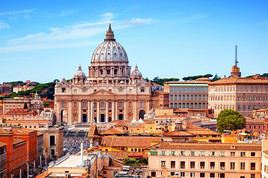
Vatican (1980)
The world’s smallest state, nestled in the heart of Rome, is entirely listed as a UNESCO World Heritage site. St. Peter’s Square and its Basilica, as well as the Vatican Museums, are must-sees for any visit to Rome.
The world’s smallest state, nestled in the heart of Rome, is entirely listed as a UNESCO World Heritage site. St. Peter’s Square and its Basilica, as well as the Vatican Museums, are must-sees for any visit to Rome.
Marche:
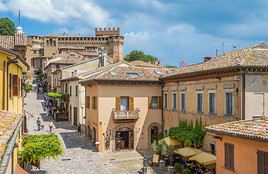
Urbino (1998)
The fortified city features a charming historic centre from the Renaissance period, dominated by its Ducal Palace, which has earned it UNESCO World Heritage status.
The fortified city features a charming historic centre from the Renaissance period, dominated by its Ducal Palace, which has earned it UNESCO World Heritage status.
Umbria:
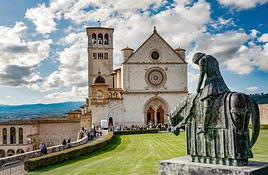
Assisi (2000)
The city of Saint Francis boasts exceptional architectural and cultural heritage, earning it UNESCO status for its Basilica and other Franciscan sites. It is also a highly frequented pilgrimage destination.
The city of Saint Francis boasts exceptional architectural and cultural heritage, earning it UNESCO status for its Basilica and other Franciscan sites. It is also a highly frequented pilgrimage destination.
Tuscany:
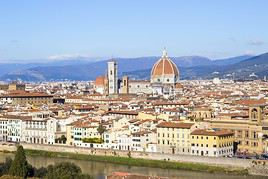
Historic Centre of Florence (1982)
With the famous Ponte Vecchio, its palaces, squares, and religious buildings, the entire old centre of the city is a UNESCO World Heritage site for its architectural quality.
With the famous Ponte Vecchio, its palaces, squares, and religious buildings, the entire old centre of the city is a UNESCO World Heritage site for its architectural quality.
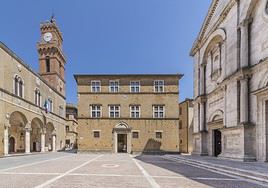
Historic Centre of Siena (1995)
Considered a masterpiece of architectural art, the medieval centre of the city is a UNESCO World Heritage site.
Considered a masterpiece of architectural art, the medieval centre of the city is a UNESCO World Heritage site.
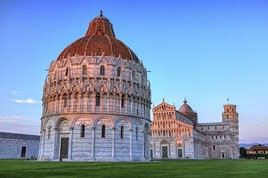
Piazza del Duomo in Pisa (1987)
This square is home to the monuments that form the religious heart of the city, foremost among them one of the most famous buildings in the world: the Leaning Tower of Pisa.
This square is home to the monuments that form the religious heart of the city, foremost among them one of the most famous buildings in the world: the Leaning Tower of Pisa.
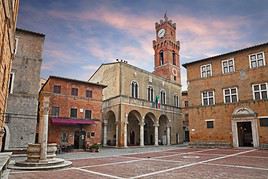
Pienza (1996)
A large village in the Val d'Orcia whose historic center is a UNESCO World Heritage site.
A large village in the Val d'Orcia whose historic center is a UNESCO World Heritage site.
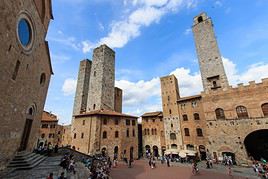
San Gimignano (1990)
A stunning medieval hill town between Siena and Florence, listed as a UNESCO World Heritage site for its historic centre encircled by walls and dotted with tall towers.
A stunning medieval hill town between Siena and Florence, listed as a UNESCO World Heritage site for its historic centre encircled by walls and dotted with tall towers.
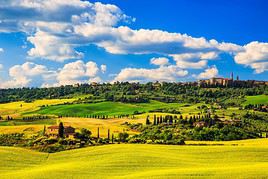
Val d'Orcia (2004)
This vast valley near Siena embodies the rolling landscapes typical of Tuscany, dotted with small medieval villages (Pienza, San Quirico, Montalcino, etc.). It is for this reason that the valley is a UNESCO World Heritage site.
This vast valley near Siena embodies the rolling landscapes typical of Tuscany, dotted with small medieval villages (Pienza, San Quirico, Montalcino, etc.). It is for this reason that the valley is a UNESCO World Heritage site.
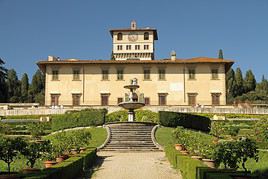
Medici Villas in Tuscany (2013)
Around twenty villas and gardens built around Florence by the Medici family from the late 14th century. Much of this collection is part of the UNESCO World Heritage site.
Around twenty villas and gardens built around Florence by the Medici family from the late 14th century. Much of this collection is part of the UNESCO World Heritage site.
Abruzzo
L'Aquila
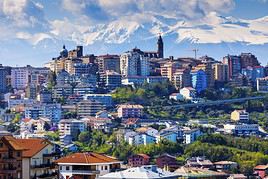
The capital of Abruzzo boasts a very beautiful historic centre, though some buildings have been affected by earthquakes in recent years.
The capital of Abruzzo boasts a very beautiful historic centre, though some buildings have been affected by earthquakes in recent years.

Pescara
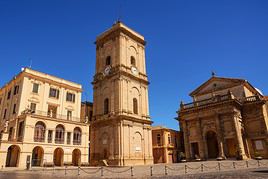
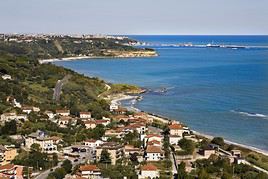
It's a large coastal city with a small historic centre. You can enjoy several beaches in the surrounding area.
It's a large coastal city with a small historic centre. You can enjoy several beaches in the surrounding area.

Natural Heritage
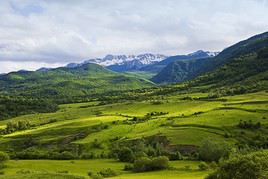
Abruzzo National Park
This vast mountainous park spans Abruzzo, Lazio, and Molise. It is home to rich wildlife (wolves, bears, chamois, birds) amid beautiful landscapes and is popular with outdoor sports enthusiasts (hiking, mountain biking, canoeing, skiing).
This vast mountainous park spans Abruzzo, Lazio, and Molise. It is home to rich wildlife (wolves, bears, chamois, birds) amid beautiful landscapes and is popular with outdoor sports enthusiasts (hiking, mountain biking, canoeing, skiing).
Majella National Park
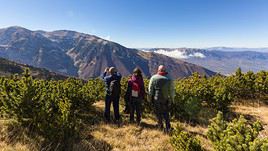
This natural area offers over 500 km of hiking trails. The Cavallone Cave within the park is the deepest in Europe open to the public.
This natural area offers over 500 km of hiking trails. The Cavallone Cave within the park is the deepest in Europe open to the public.
Gran Sasso e Monti della Laga National Park
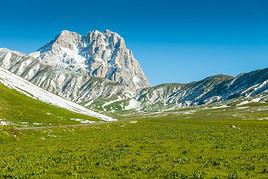
This lovely mountainous park, spanning three regions in central Italy, is one of the richest in the country for wildlife (chamois, wolves, birds, etc.). It’s also renowned for its outdoor sports opportunities (hiking, mountain biking, horseback riding, skiing, canoeing).
This lovely mountainous park, spanning three regions in central Italy, is one of the richest in the country for wildlife (chamois, wolves, birds, etc.). It’s also renowned for its outdoor sports opportunities (hiking, mountain biking, horseback riding, skiing, canoeing).
Lazio (and Vatican)
Anzio
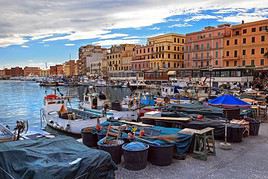
This fishing port/seaside resort is the departure point for ferries to the Pontine Islands. The town is also home to several World War II military cemeteries.
This fishing port/seaside resort is the departure point for ferries to the Pontine Islands. The town is also home to several World War II military cemeteries.
Bomarzo
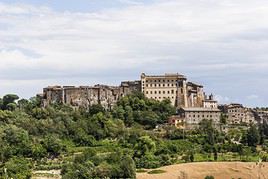
This village is famous for the Gardens of Bomarzo (or Monster Park due to its sculptures), which are a stunning example of Renaissance gardens.
This village is famous for the Gardens of Bomarzo (or Monster Park due to its sculptures), which are a stunning example of Renaissance gardens.
Castelli Romani
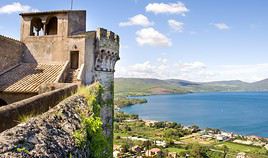
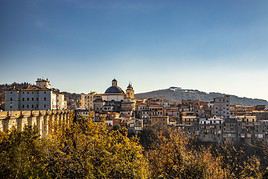
This small volcanic area south of Rome, made up of forests and small lakes, is home to 13 historic villages such as Castel Gandolfo (where the Pope’s summer residence is located), Frascati, Tuscolo, and others. It’s a popular outing for Romans.
This small volcanic area south of Rome, made up of forests and small lakes, is home to 13 historic villages such as Castel Gandolfo (where the Pope’s summer residence is located), Frascati, Tuscolo, and others. It’s a popular outing for Romans.
Civita di Bagnoregio
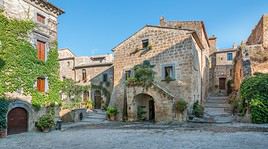
This small village perched on its promontory is one of "Italy’s most beautiful villages.".
This small village perched on its promontory is one of "Italy’s most beautiful villages.".
Civita Castellana
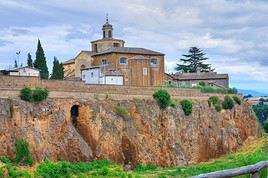
A medium-sized inland town known for its cathedral and the remains of a medieval fortress.
A medium-sized inland town known for its cathedral and the remains of a medieval fortress.

Civitavecchia
This is a port city with ferry connections to Corsica and Sardinia, as well as a well-developed cruise industry due to its proximity to Rome. On site, you’ll also find a cathedral and a few ancient ruins.
This is a port city with ferry connections to Corsica and Sardinia, as well as a well-developed cruise industry due to its proximity to Rome. On site, you’ll also find a cathedral and a few ancient ruins.
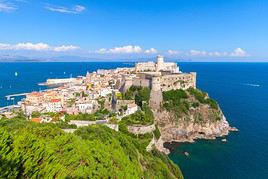
Gaeta
Between Rome and Naples, the city with its historic centre is also one of the main seaside resorts on the coast.
Between Rome and Naples, the city with its historic centre is also one of the main seaside resorts on the coast.
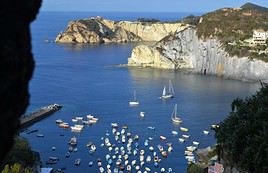
Pontine Islands
This is a group of six small volcanic islands, part of which is a marine reserve. The main island, Ponza, is a popular destination for its landscapes, caves, and coves.
This is a group of six small volcanic islands, part of which is a marine reserve. The main island, Ponza, is a popular destination for its landscapes, caves, and coves.
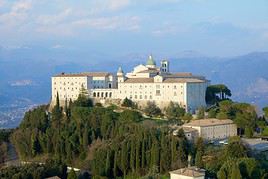
Monte Cassino
Located between Rome and Naples, this hill is home to an ancient abbey and a Polish military cemetery dating from the 1944 battle that took place here.
Located between Rome and Naples, this hill is home to an ancient abbey and a Polish military cemetery dating from the 1944 battle that took place here.
Necropolises of Cerveteri and Tarquinia
These are Etruscan ruins just a few kilometres apart. Both sites are UNESCO World Heritage sites.
These are Etruscan ruins just a few kilometres apart. Both sites are UNESCO World Heritage sites.

Ostia Antica
This is a vast Roman archaeological site on the outskirts of the capital. In ancient times, it was the port of Rome.
This is a vast Roman archaeological site on the outskirts of the capital. In ancient times, it was the port of Rome.
Rome
With its vibrant energy and immense cultural heritage, the Italian capital is one of the world’s most visited cities. Its historic centre and countless monuments have earned it UNESCO World Heritage status.
With its vibrant energy and immense cultural heritage, the Italian capital is one of the world’s most visited cities. Its historic centre and countless monuments have earned it UNESCO World Heritage status.
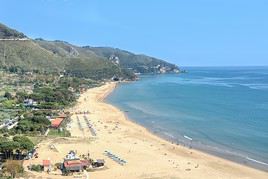
Sperlonga
It is one of Italy’s "most beautiful villages" and also a seaside resort with a long beach.
It is one of Italy’s "most beautiful villages" and also a seaside resort with a long beach.
Sutri
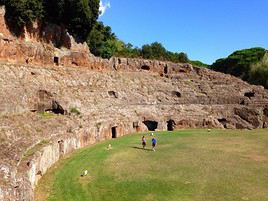
About fifty kilometres north of Rome, these are fairly significant ancient Roman and Etruscan ruins.
About fifty kilometres north of Rome, these are fairly significant ancient Roman and Etruscan ruins.
Tivoli
Just a few kilometres from Rome, Tivoli offers two tourist sites: Hadrian’s Villa, a Roman villa, and the 16th-century Villa d’Este. Both are UNESCO-listed.
Just a few kilometres from Rome, Tivoli offers two tourist sites: Hadrian’s Villa, a Roman villa, and the 16th-century Villa d’Este. Both are UNESCO-listed.

Appian Way
This was the first paved Roman road, connecting Rome to Capua. Many remnants of this road can still be seen, particularly in the area around Rome.
This was the first paved Roman road, connecting Rome to Capua. Many remnants of this road can still be seen, particularly in the area around Rome.
Also...
Vatican
The world’s smallest state, nestled in the heart of Rome, is entirely listed as a UNESCO World Heritage site. St. Peter’s Square and its Basilica, as well as the Vatican Museums, are must-sees for any visit to Rome.
The world’s smallest state, nestled in the heart of Rome, is entirely listed as a UNESCO World Heritage site. St. Peter’s Square and its Basilica, as well as the Vatican Museums, are must-sees for any visit to Rome.
Natural Heritage
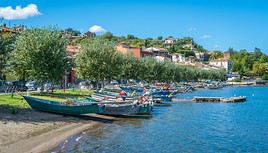
Lake Bolsena
This is a large volcanic lake north of Rome. With its two islands and the small towns around its shores, it’s a locally popular spot for walks and camping.
This is a large volcanic lake north of Rome. With its two islands and the small towns around its shores, it’s a locally popular spot for walks and camping.
Abruzzo National Park
This vast mountainous park spans Abruzzo, Lazio, and Molise. It is home to rich wildlife (wolves, bears, chamois, birds) amid beautiful landscapes and is popular with outdoor sports enthusiasts (hiking, mountain biking, canoeing, skiing).
This vast mountainous park spans Abruzzo, Lazio, and Molise. It is home to rich wildlife (wolves, bears, chamois, birds) amid beautiful landscapes and is popular with outdoor sports enthusiasts (hiking, mountain biking, canoeing, skiing).
Gran Sasso e Monti della Laga National Park
This lovely mountainous park, spanning three regions in central Italy, is one of the richest in the country for wildlife (chamois, wolves, birds, etc.). It’s also renowned for its outdoor sports opportunities (hiking, mountain biking, horseback riding, skiing, canoeing).
This lovely mountainous park, spanning three regions in central Italy, is one of the richest in the country for wildlife (chamois, wolves, birds, etc.). It’s also renowned for its outdoor sports opportunities (hiking, mountain biking, horseback riding, skiing, canoeing).
Marche
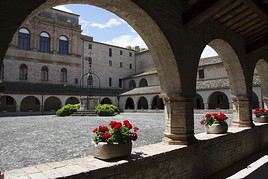
Fiastra Abbey
One of Italy’s best-preserved Cistercian abbeys. Right next door, the archaeological park of Urbs Salvia houses Roman ruins.
One of Italy’s best-preserved Cistercian abbeys. Right next door, the archaeological park of Urbs Salvia houses Roman ruins.
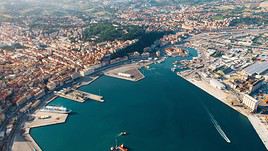
Ancona
The leading port on the Adriatic, with heavy ferry traffic to destinations including Croatia and Greece. Several beaches (Portonovo, Sirolo, etc.) nearby.
The leading port on the Adriatic, with heavy ferry traffic to destinations including Croatia and Greece. Several beaches (Portonovo, Sirolo, etc.) nearby.
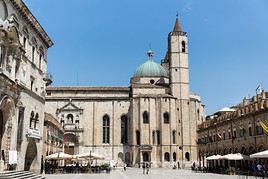
Ascoli Piceno
A large city with a charming medieval center, notably featuring a stunning central square.
A large city with a charming medieval center, notably featuring a stunning central square.
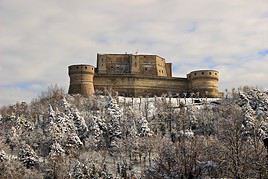
Rocca di San Leo Castle
A hilltop fortress in the Urbino region, now a museum. It dates back to the 10th century.
A hilltop fortress in the Urbino region, now a museum. It dates back to the 10th century.
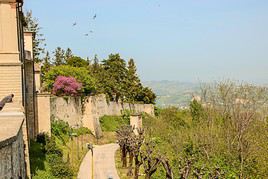
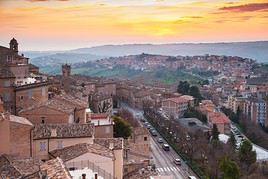
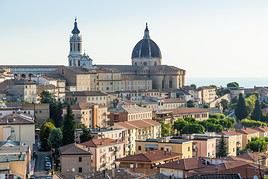
Loreto
This town is home to one of the most famous sanctuaries dedicated to the Virgin Mary, featuring the imposing Basilica of Our Lady of Loreto.
This town is home to one of the most famous sanctuaries dedicated to the Virgin Mary, featuring the imposing Basilica of Our Lady of Loreto.
Senigallia
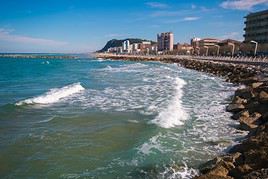
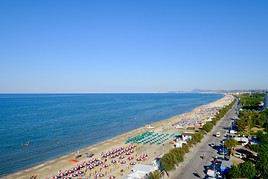
On the Adriatic coast, it is a major seaside resort in the region, located northwest of Ancona.
On the Adriatic coast, it is a major seaside resort in the region, located northwest of Ancona.
Urbino
The fortified city features a charming historic centre from the Renaissance period, dominated by its Ducal Palace, which has earned it UNESCO World Heritage status.
The fortified city features a charming historic centre from the Renaissance period, dominated by its Ducal Palace, which has earned it UNESCO World Heritage status.
Natural Heritage
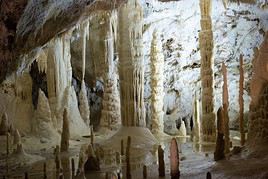
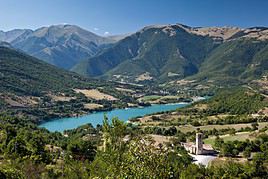
Sibillini Mountains National Park
This is a protected mountainous area where you can hike or enjoy outdoor sports (rafting, white-water activities, etc.) and discover several historic villages (Amandola, Montemonaco, etc.).
This is a protected mountainous area where you can hike or enjoy outdoor sports (rafting, white-water activities, etc.) and discover several historic villages (Amandola, Montemonaco, etc.).
Gran Sasso e Monti della Laga National Park
This lovely mountainous park, spanning three regions in central Italy, is one of the richest in the country for wildlife (chamois, wolves, birds, etc.). It’s also renowned for its outdoor sports opportunities (hiking, mountain biking, horseback riding, skiing, canoeing).
This lovely mountainous park, spanning three regions in central Italy, is one of the richest in the country for wildlife (chamois, wolves, birds, etc.). It’s also renowned for its outdoor sports opportunities (hiking, mountain biking, horseback riding, skiing, canoeing).
Umbria
Assisi
The city of Saint Francis boasts exceptional architectural and cultural heritage, earning it UNESCO status for its Basilica and other Franciscan sites. It is also a highly frequented pilgrimage destination.
The city of Saint Francis boasts exceptional architectural and cultural heritage, earning it UNESCO status for its Basilica and other Franciscan sites. It is also a highly frequented pilgrimage destination.
Bevagna
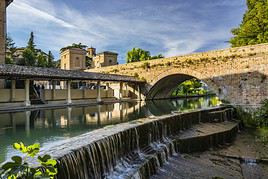
This is a town in Umbria with a historic centre labelled "one of Italy’s most beautiful villages".
This is a town in Umbria with a historic centre labelled "one of Italy’s most beautiful villages".
Gubbio
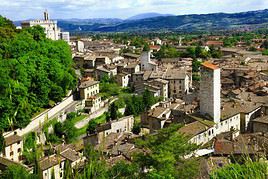
The town, located in the northeast of the province of Perugia, boasts one of the most beautiful medieval centers in the country.
The town, located in the northeast of the province of Perugia, boasts one of the most beautiful medieval centers in the country.
Orvieto
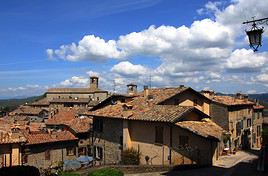
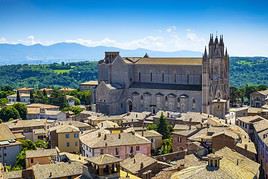
The city boasts a stunning cathedral and an underground section that has become a tourist attraction.
The city boasts a stunning cathedral and an underground section that has become a tourist attraction.
Perugia
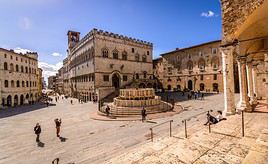
The capital of Umbria, known as Perugia in Italian, offers a stunning medieval urban centre.
The capital of Umbria, known as Perugia in Italian, offers a stunning medieval urban centre.
Natural Heritage
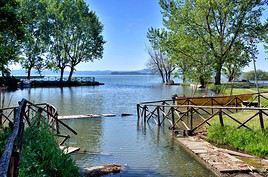
Lake Trasimeno
This large lake is a local favourite for walks, beaches, and camping. A few interesting villages with medieval origins dot the shoreline, such as Castiglione, Vernazzano, and Panicale.
This large lake is a local favourite for walks, beaches, and camping. A few interesting villages with medieval origins dot the shoreline, such as Castiglione, Vernazzano, and Panicale.
Sibillini Mountains National Park
This is a protected mountainous area where you can hike or enjoy outdoor sports (rafting, white-water activities, etc.) and discover several historic villages (Amandola, Montemonaco, etc.).
This is a protected mountainous area where you can hike or enjoy outdoor sports (rafting, white-water activities, etc.) and discover several historic villages (Amandola, Montemonaco, etc.).
Tuscany

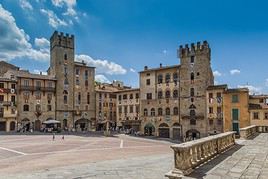
Arezzo
A large city southeast of Florence with a rather beautiful historic centre, a testament to its past splendour.
A large city southeast of Florence with a rather beautiful historic centre, a testament to its past splendour.

Carrara
World-famous for its marble, the city has a historic centre with quite a few religious buildings.
World-famous for its marble, the city has a historic centre with quite a few religious buildings.
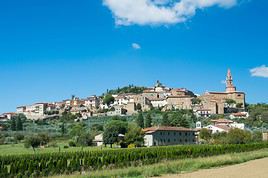
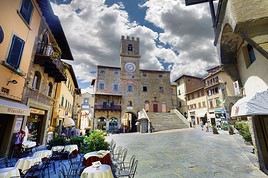
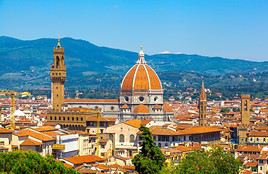
Florence
Tuscany’s capital deserves a trip all its own, with its museums and stunning historic centre, a UNESCO World Heritage site.
Tuscany’s capital deserves a trip all its own, with its museums and stunning historic centre, a UNESCO World Heritage site.
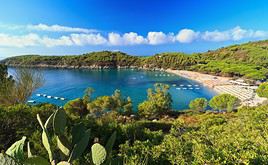
Elba Island
The largest—and most famous thanks to Napoleon—of the Tuscan Archipelago islands. A national park like the rest of the archipelago, it offers stunning landscapes with rugged terrain. It’s a top spot for diving and hiking.
The largest—and most famous thanks to Napoleon—of the Tuscan Archipelago islands. A national park like the rest of the archipelago, it offers stunning landscapes with rugged terrain. It’s a top spot for diving and hiking.
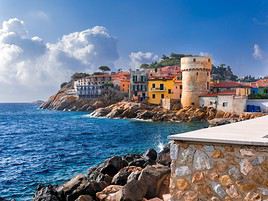
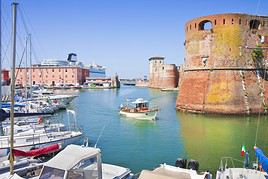
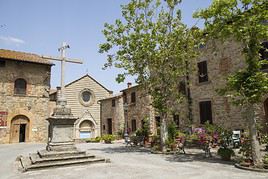
Livorno
It’s one of the most important ports on the Italian west coast, with heavy ferry traffic (Corsica, Sardinia, etc.). The city has a few historic buildings and a district (Venezia Vecchia) that slightly resembles Venice.
It’s one of the most important ports on the Italian west coast, with heavy ferry traffic (Corsica, Sardinia, etc.). The city has a few historic buildings and a district (Venezia Vecchia) that slightly resembles Venice.
Lucca
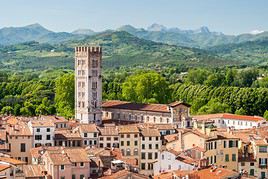
A large city (called Lucca in Italian) located southeast of Florence. It has a beautiful old center that gives it a certain charm.
A large city (called Lucca in Italian) located southeast of Florence. It has a beautiful old center that gives it a certain charm.
Maremma
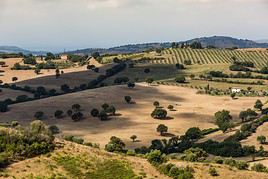
The southern part of the Tuscan coastline below Livorno, featuring beautiful, rather wild landscapes, beaches, cliffs, and numerous small villages nestled inland. Great for hiking.
The southern part of the Tuscan coastline below Livorno, featuring beautiful, rather wild landscapes, beaches, cliffs, and numerous small villages nestled inland. Great for hiking.
Montalcino
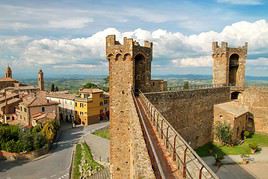
One of the medieval towns of Val d'Orcia, with its ancient fortress overlooking the village.
One of the medieval towns of Val d'Orcia, with its ancient fortress overlooking the village.
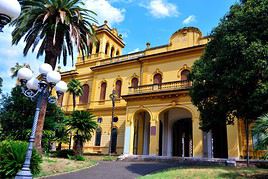
Montecatini Terme
It’s one of Italy’s leading spa towns, with the "traditional" architecture of 19th-century watering places.
It’s one of Italy’s leading spa towns, with the "traditional" architecture of 19th-century watering places.
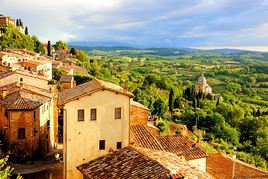
Montepulciano
This small town with Renaissance-style architecture is also renowned for its Tuscan wine production.
This small town with Renaissance-style architecture is also renowned for its Tuscan wine production.
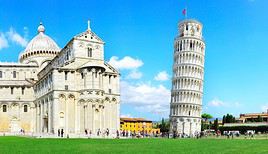
Pisa
Certainly one of Italy’s most famous cities abroad thanks to its UNESCO-listed Leaning Tower. But beyond the landmark, Pisa also boasts a beautiful historic centre around the Piazza del Duomo, which is also a UNESCO World Heritage site.
Certainly one of Italy’s most famous cities abroad thanks to its UNESCO-listed Leaning Tower. But beyond the landmark, Pisa also boasts a beautiful historic centre around the Piazza del Duomo, which is also a UNESCO World Heritage site.
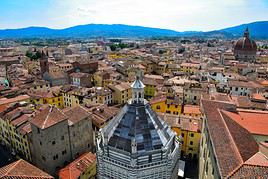
Pitigliano
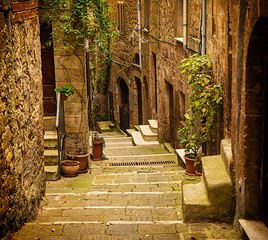
Perched on its rocky outcrop, the town is one of the finest examples of medieval architecture, with its old buildings and narrow streets.
Perched on its rocky outcrop, the town is one of the finest examples of medieval architecture, with its old buildings and narrow streets.
Poppi
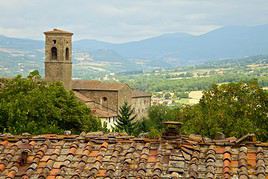
A 13th-century castle, a hermitage, and various religious buildings in this town about forty kilometres east of Florence.
A 13th-century castle, a hermitage, and various religious buildings in this town about forty kilometres east of Florence.
San Gimignano
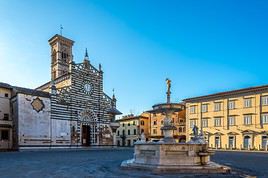
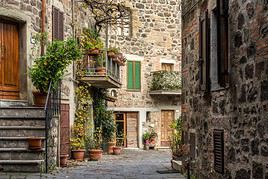
A stunning medieval hill town between Siena and Florence, listed as a UNESCO World Heritage site for its historic centre encircled by walls and dotted with tall towers.
A stunning medieval hill town between Siena and Florence, listed as a UNESCO World Heritage site for its historic centre encircled by walls and dotted with tall towers.
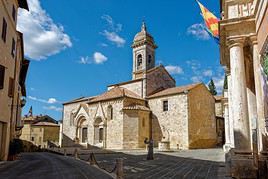
San Quirico d'Orcia
This is a charming ancient village in the Val d'Orcia, in the province of Siena.
This is a charming ancient village in the Val d'Orcia, in the province of Siena.
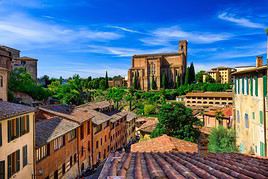
Siena
This city south of Florence is famous for its artistic heritage, which has earned its historic centre a UNESCO listing, as well as for the "palio", a spectacular traditional horse race.
This city south of Florence is famous for its artistic heritage, which has earned its historic centre a UNESCO listing, as well as for the "palio", a spectacular traditional horse race.
Medici Villas in Tuscany
Around twenty villas and gardens built around Florence by the Medici family from the late 14th century. Much of this collection is part of the UNESCO World Heritage site.
Around twenty villas and gardens built around Florence by the Medici family from the late 14th century. Much of this collection is part of the UNESCO World Heritage site.
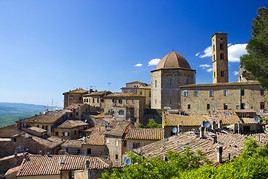
Natural Heritage
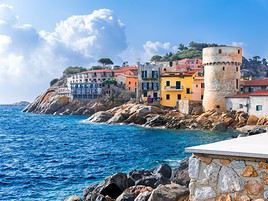
Tuscan Archipelago National Park
This is a group of islands (Elba, Giglio, Montecristo, Capraia, etc.) between the mainland and Corsica. They offer beautiful landscapes with some historical remains, as well as opportunities for hiking and water activities.
This is a group of islands (Elba, Giglio, Montecristo, Capraia, etc.) between the mainland and Corsica. They offer beautiful landscapes with some historical remains, as well as opportunities for hiking and water activities.
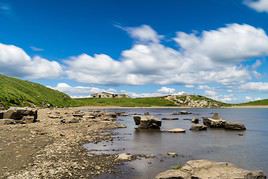
Tuscan-Emilian Apennines National Park
A mountain park with small lakes, waterfalls, and peaks over 2,000 m where you can hike.
A mountain park with small lakes, waterfalls, and peaks over 2,000 m where you can hike.
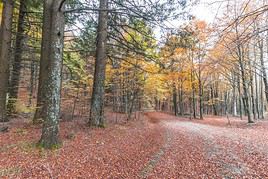
Casentinesi Forest, Monte Falterona and Campigna National Park
A mid-mountain natural park perfect for hiking.
A mid-mountain natural park perfect for hiking.
Val d'Orcia
This vast valley near Siena embodies the rolling landscapes typical of Tuscany, dotted with small medieval villages (Pienza, San Quirico, Montalcino, etc.). It is for this reason that the valley is a UNESCO World Heritage site.
This vast valley near Siena embodies the rolling landscapes typical of Tuscany, dotted with small medieval villages (Pienza, San Quirico, Montalcino, etc.). It is for this reason that the valley is a UNESCO World Heritage site.