
Re: Burma as we had dreamed it
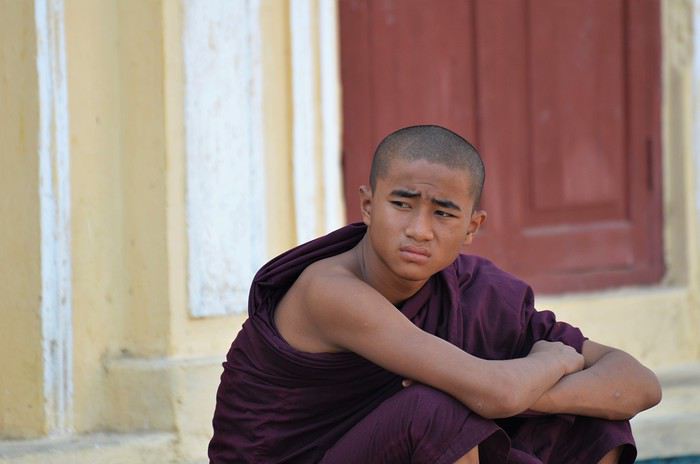
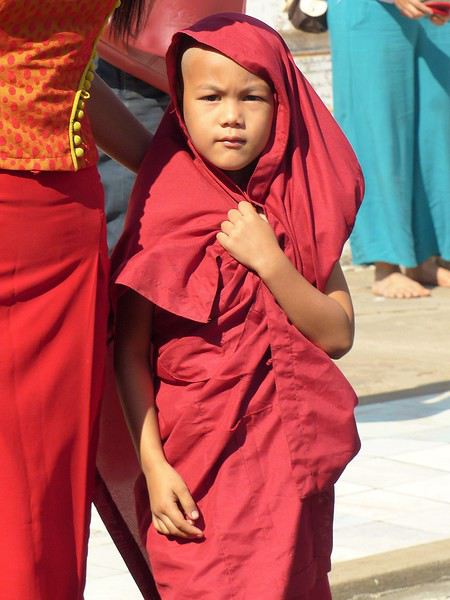
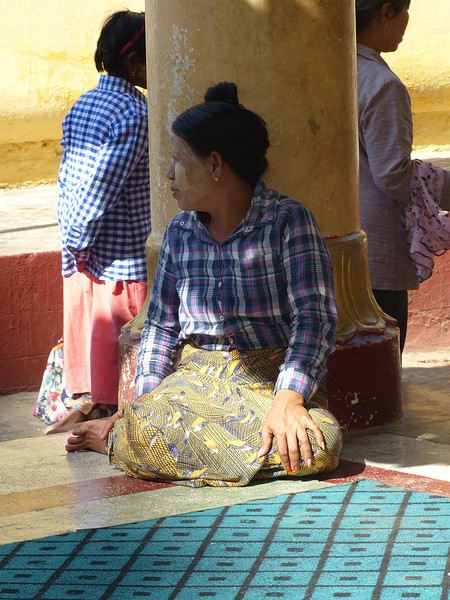
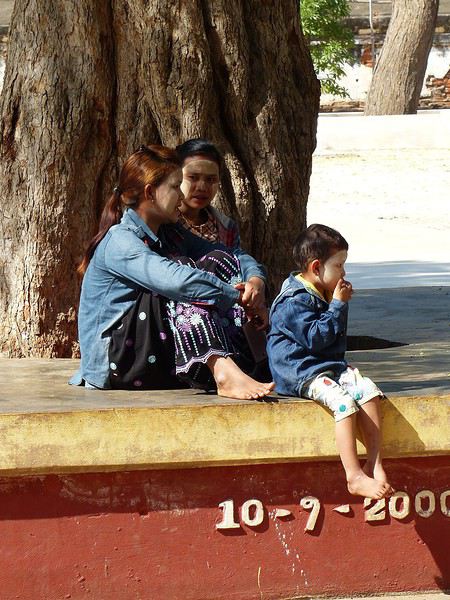
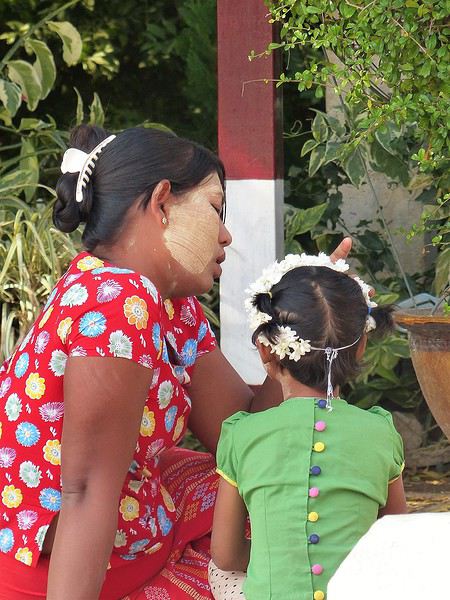
But Bagan isn’t an open-air museum—it’s a living place, with several villages and people who, sure, work in tourism during the high season, but spend the rest of the year doing other things. The horse-cart driver I chatted with told me that for the rest of the year, he and his whole family work with bamboo (harvesting it and making fences, partitions, and bamboo furniture).
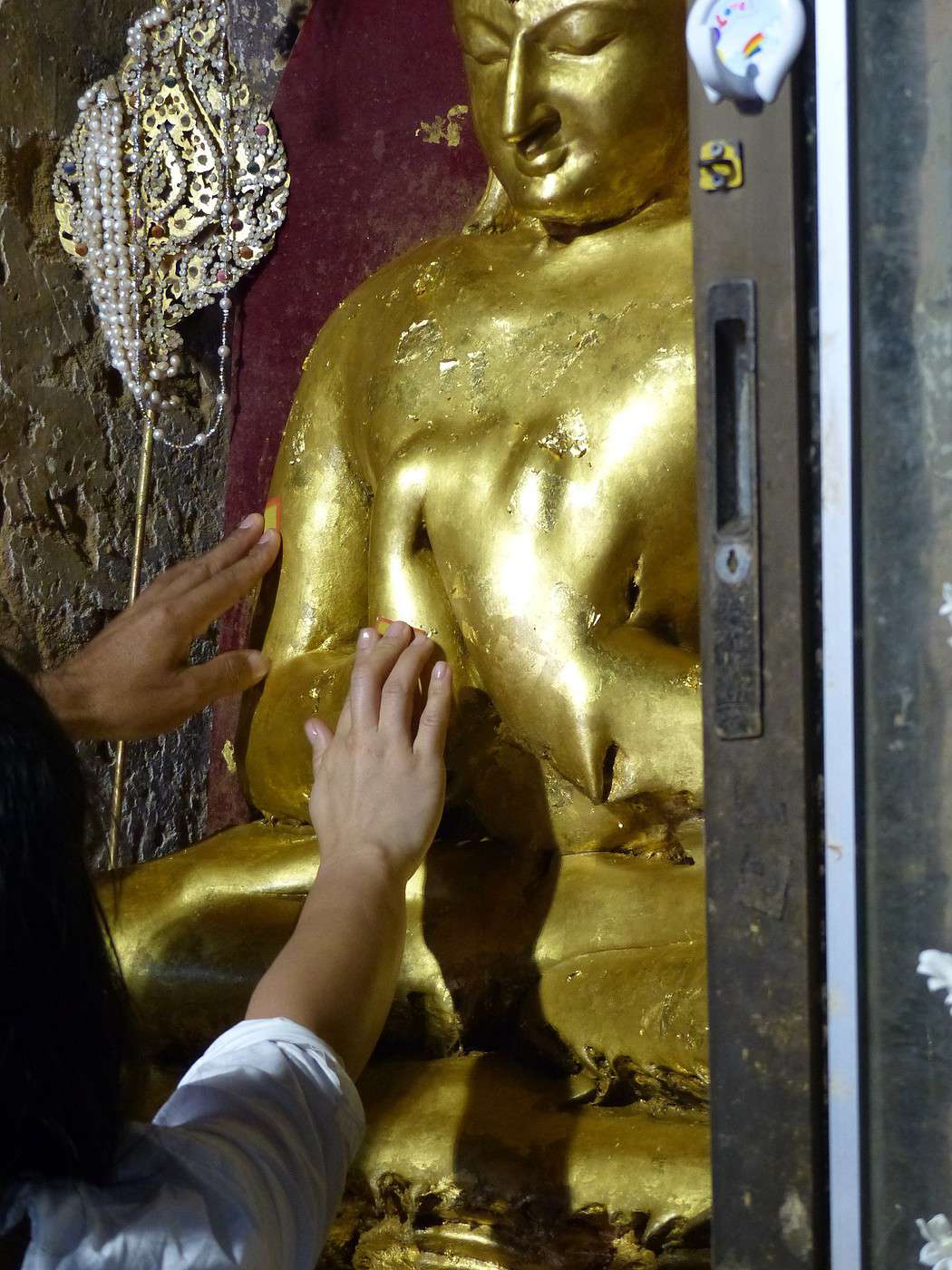
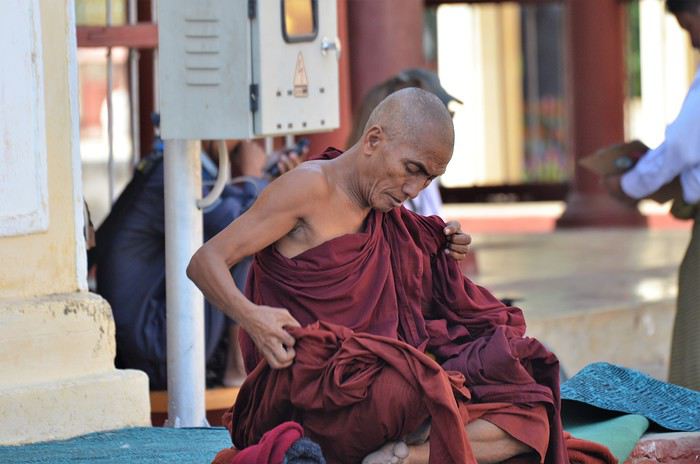
Because of the local population, a number of temples and pagodas are still used as places of worship. Some are very famous and attract lots of devotees.
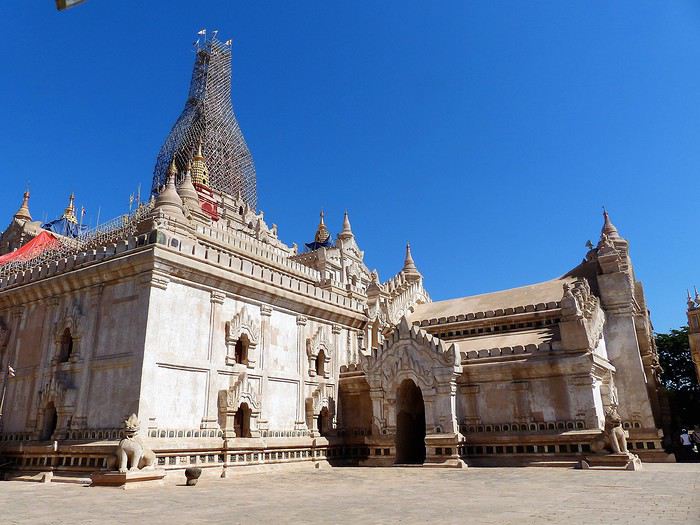
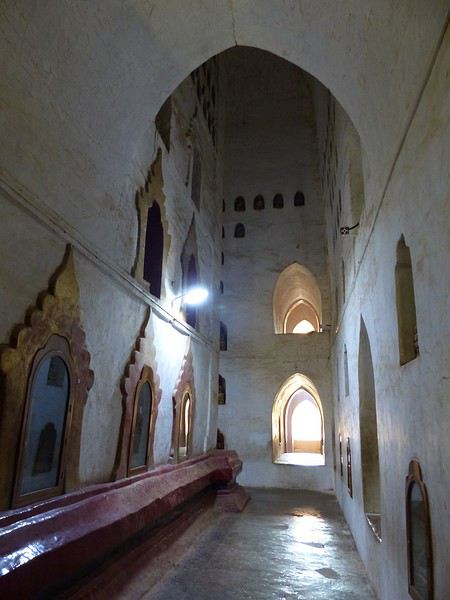
A personal favorite: the Ananda Temple, built in 1105.
A deeply respected sanctuary, its grand entrance portals lead to four halls, each housing a nearly 10-meter-tall gilded teak Buddha.
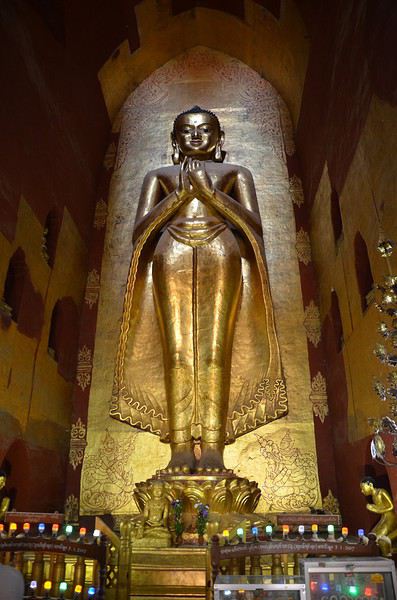
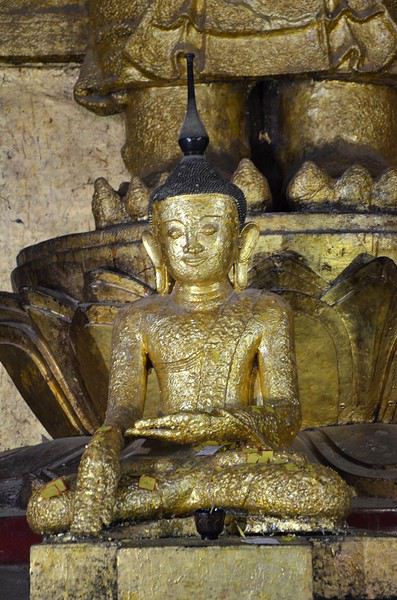
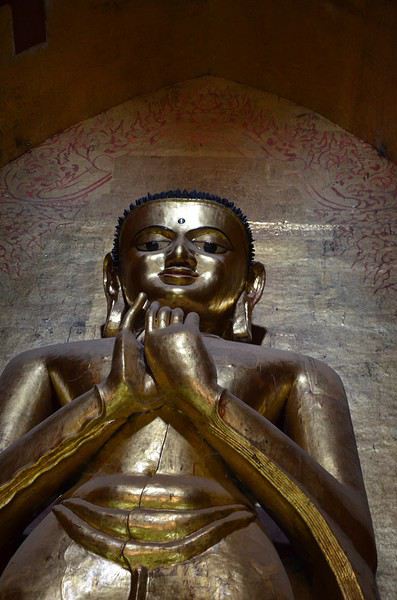
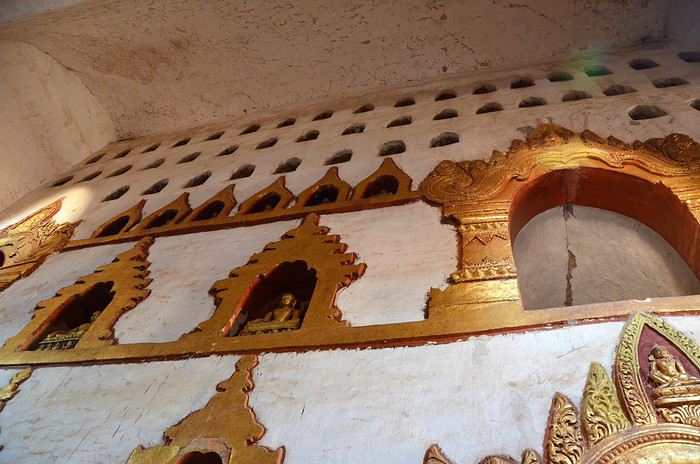
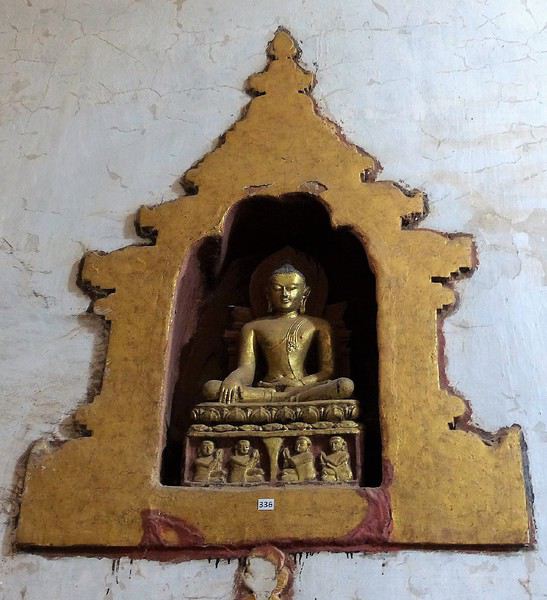
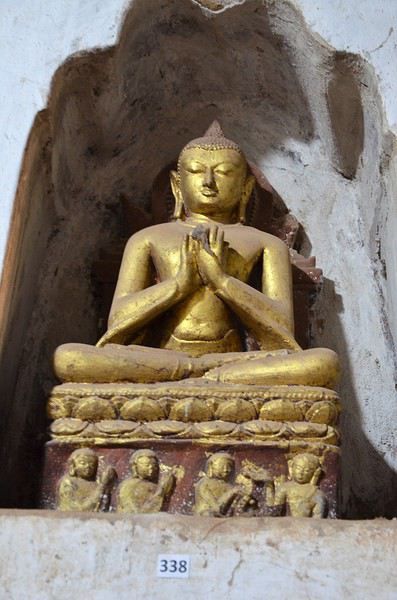
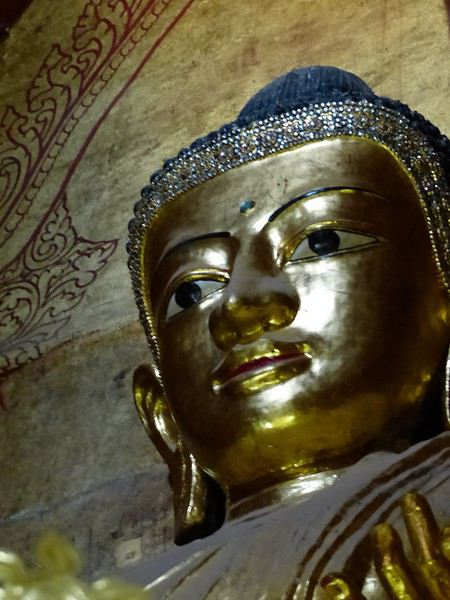 A double gallery encircles the temple’s center, one of which is pierced with hundreds of niches, each holding a Buddha.
 Beautiful frescoes are still visible here and there, even if some have partly faded away.
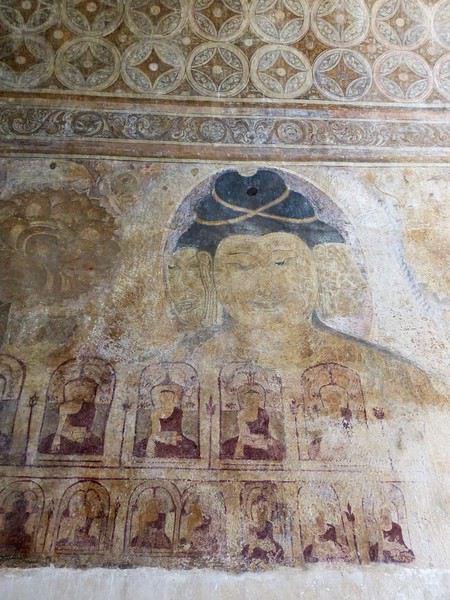 For fresco lovers, many temples and pagodas contain them—some just traces, but others have entire walls and ceilings.
Another very popular pagoda is Shwezigon, built in 1102. The "bell" of its golden stupa was under renovation, and here it is, all wrapped up in tarps above the bamboo scaffolding.
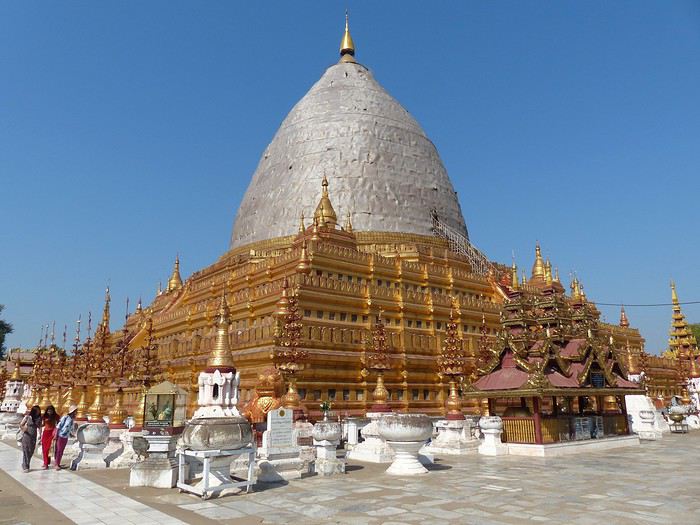
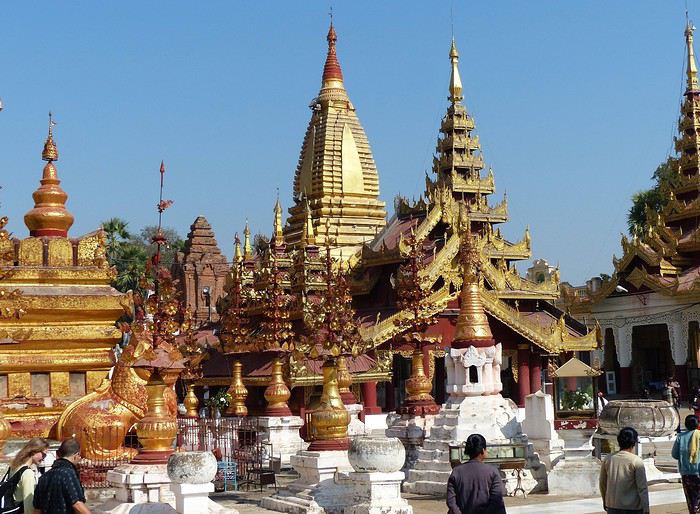
The complex includes many pavilions where the Nats are "staged." As we’d seen earlier in our trip, their worship is very much alive. Devotees crowd around them, call out their names, and leave offerings.
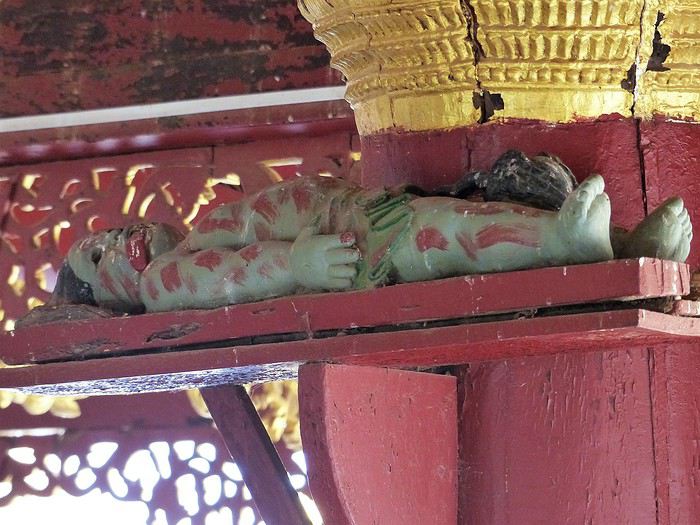
 Can anyone tell me who this figure is in the Buddhist pantheon or mythology? We saw him depicted in several pagodas—clearly in bad shape (greenish complexion, wounds, bulging eyes, tongue hanging out), being devoured in the liver or entrails by a vulture. And don’t tell me it’s Prometheus...
To be continued: more Buddhas—we saw so many different ones right here in Bagan...
Because of the local population, a number of temples and pagodas are still used as places of worship. Some are very famous and attract lots of devotees.
A personal favorite: the Ananda Temple, built in 1105.
A deeply respected sanctuary, its grand entrance portals lead to four halls, each housing a nearly 10-meter-tall gilded teak Buddha.
For fresco lovers, many temples and pagodas contain them—some just traces, but others have entire walls and ceilings.Another very popular pagoda is Shwezigon, built in 1102. The "bell" of its golden stupa was under renovation, and here it is, all wrapped up in tarps above the bamboo scaffolding.
The complex includes many pavilions where the Nats are "staged." As we’d seen earlier in our trip, their worship is very much alive. Devotees crowd around them, call out their names, and leave offerings.
To be continued: more Buddhas—we saw so many different ones right here in Bagan...