Nuang MoyEverything’s going well this morning for the group, even if Nathalie looks like she’s just come from a yellow-vest protest. After breakfast, we head to the pier to take the local boat to
Nong Khiaw. The ticket office clerk tells us the departure is scheduled for 11 a.m. That’s a bit late, so we prefer to negotiate with a private boat ready to leave immediately. Six hundred thousand (600,000) kips round-trip, which is 24 € for the whole group—deal.
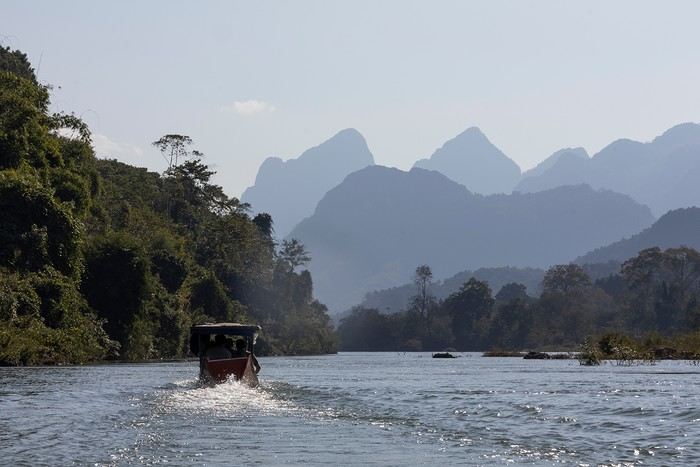
The boat is cramped, not very comfortable, and pretty slow. The trip will take over an hour.
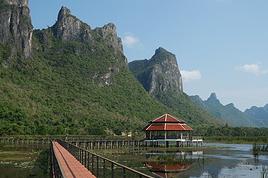
Little by little, the sun breaks through the mist, gently warming our bodies chilled by the morning cool. The curtain of the theater slowly rises, revealing the deep blue of the sky and the greens of the forest. The river and its banks teem with life: fishermen’s boats, seabirds, water buffaloes… In this stretch of the river, the horizon widens, unveiling its karst mountains with shapes that are both vigorous and rounded. It’s a postcard-perfect landscape, but for me, it’s the iconic image of Southeast Asia as I imagined it. Rocked by the boat’s swaying and the steady hum of the motor, everyone silently drifts into their own daydreams. A true luxury-free cruise, because the real luxury is elsewhere—in these serene landscapes, in these scenes of animal life where water buffaloes laze on the banks or seabirds take flight with a powerful beat of their wings as we pass.
An hour can feel long sometimes. Waiting at the dentist’s, a boring professor’s lecture… Not here. Each of us, depending on our experiences and feelings at the moment, will have found their own highlight of the trip. This one will be mine.
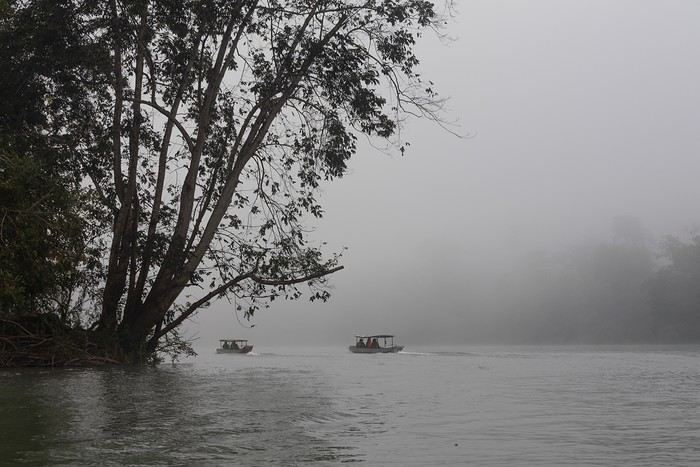
We arrive at the
Nuang Moy pier at 10 a.m. The boatman offers to return around 3 p.m. Too short? Too long? Okay, that should work.
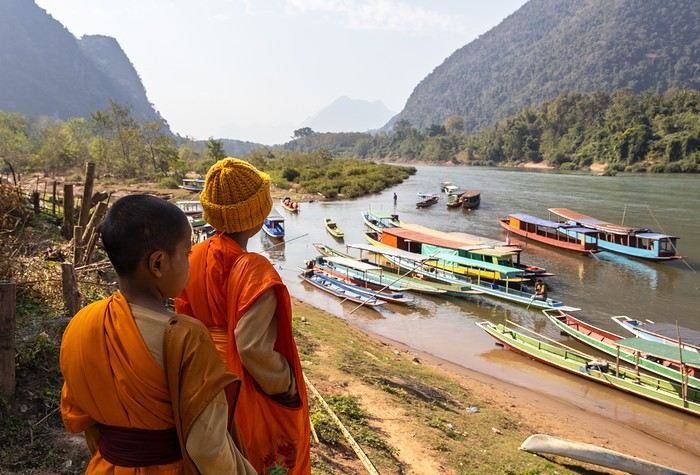
The site, overlooking the
Nam Ou River dotted with colorful boats and surrounded by mountains plunging into the water, is absolutely stunning.
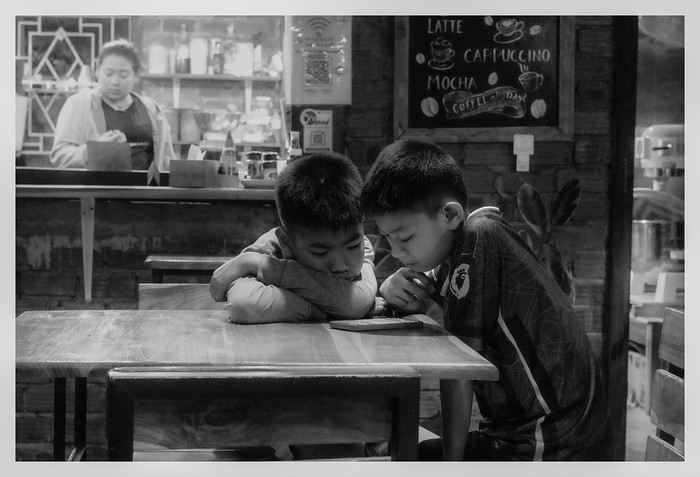
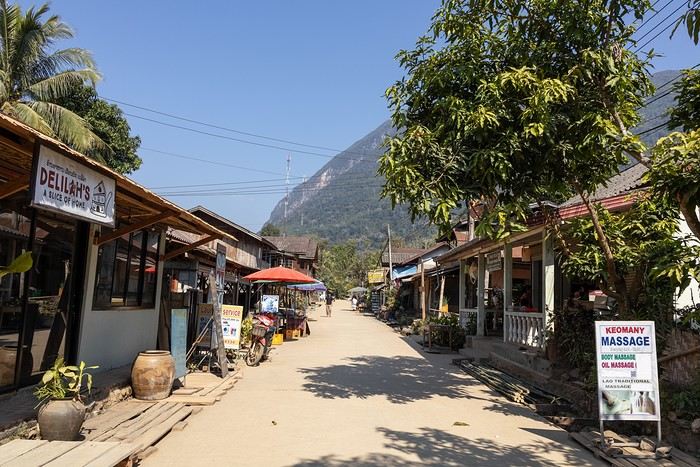
But what about the village itself? Tiny, it seems to revolve around a long, straight cement road lined with various shops: souvenir stores, little restaurants, local agencies for treks, massage parlors. The place is clearly set up for tourism, which appears to be one of the main sources of income for the locals. We see a lot of young Westerners sitting at the small terraces of guesthouses and cafés—backpacks, hiking shoes, socks drying…
Nuang Moy is indeed a starting point for many treks to villages further north.
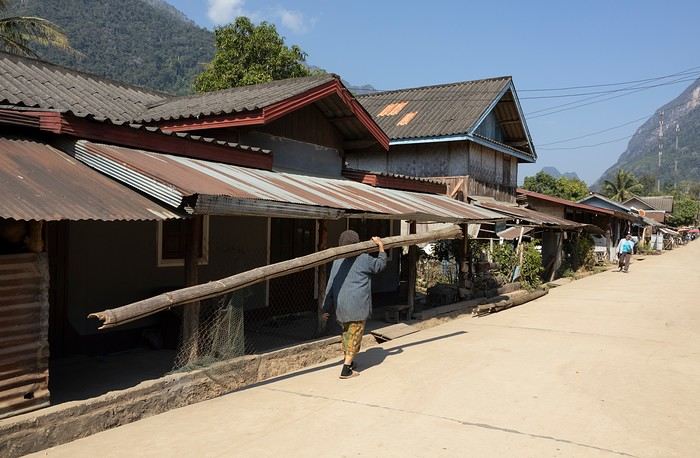
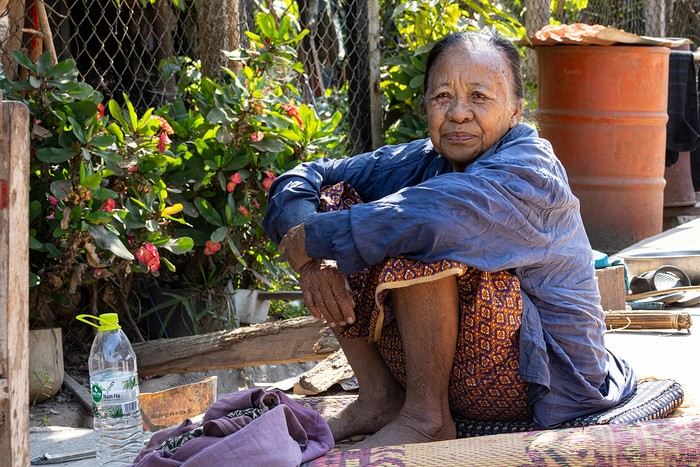
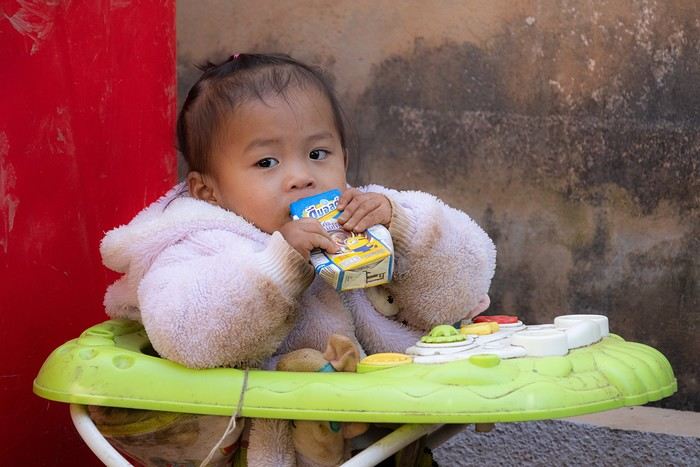
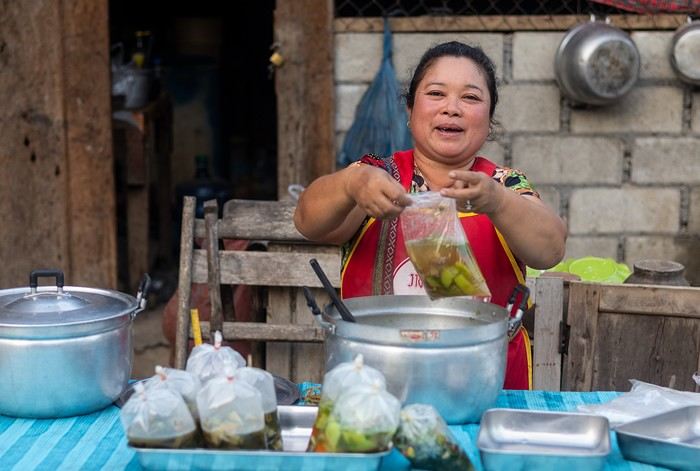
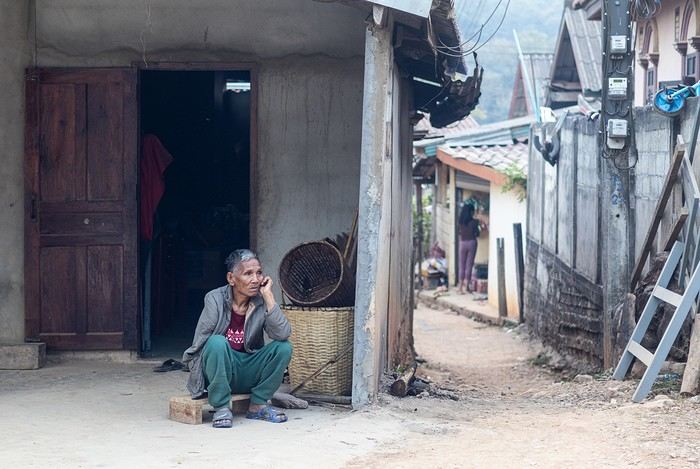
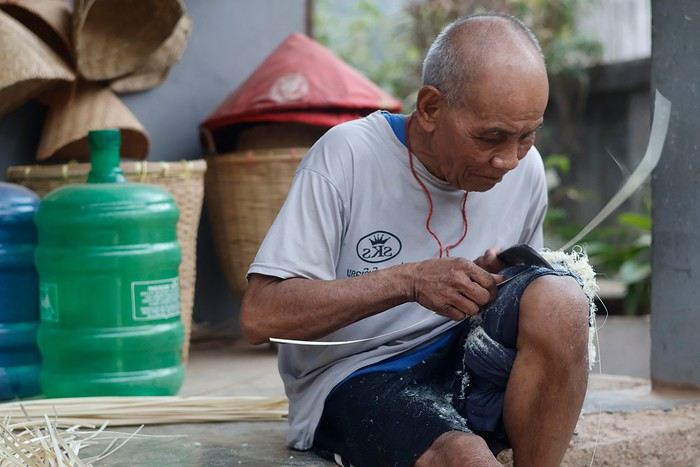
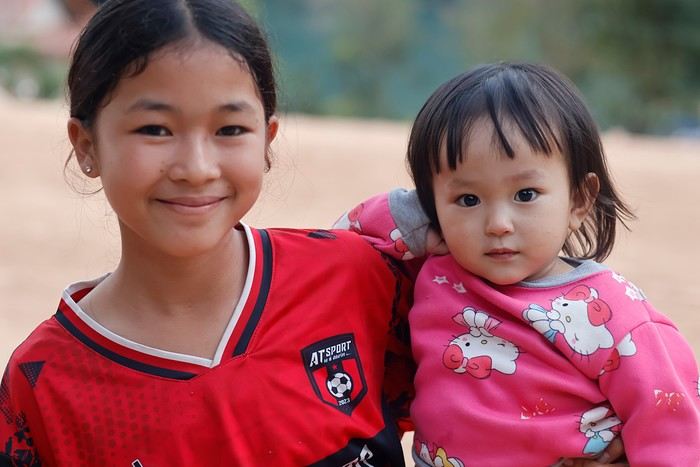
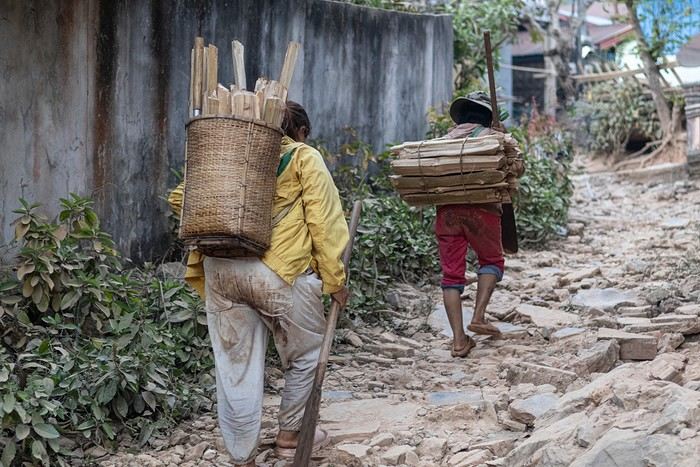
There’s still local life to be found, though, which we discover better by venturing into the few side streets off the main avenue.
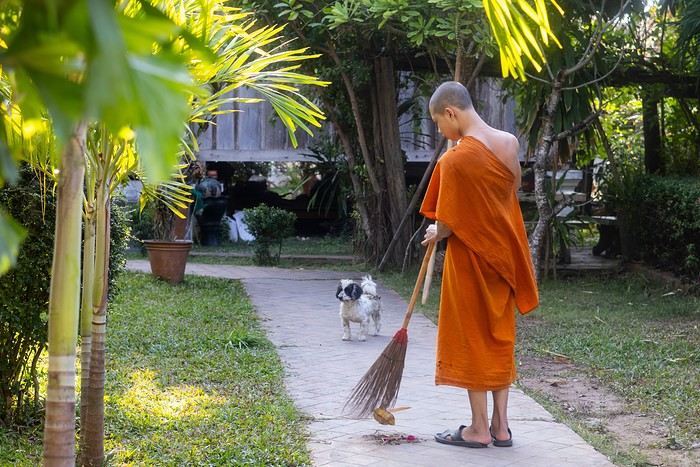
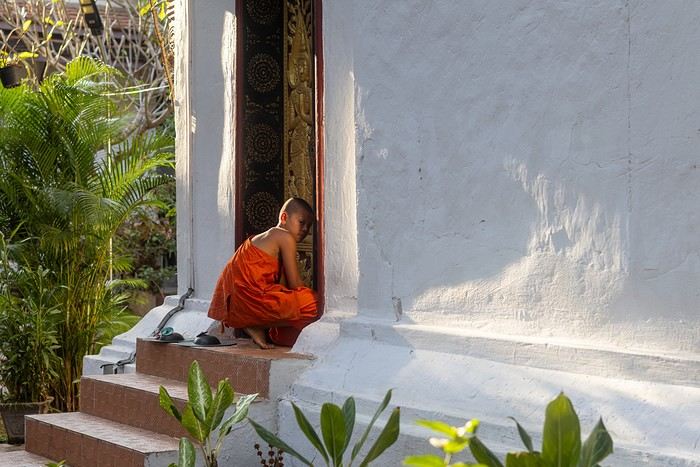
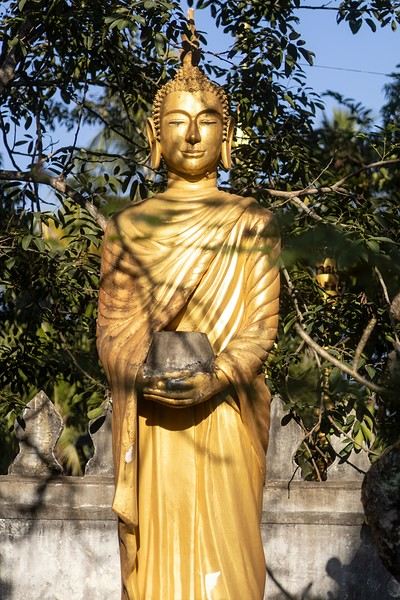
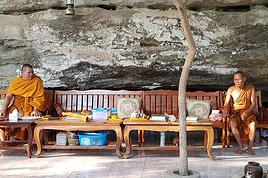
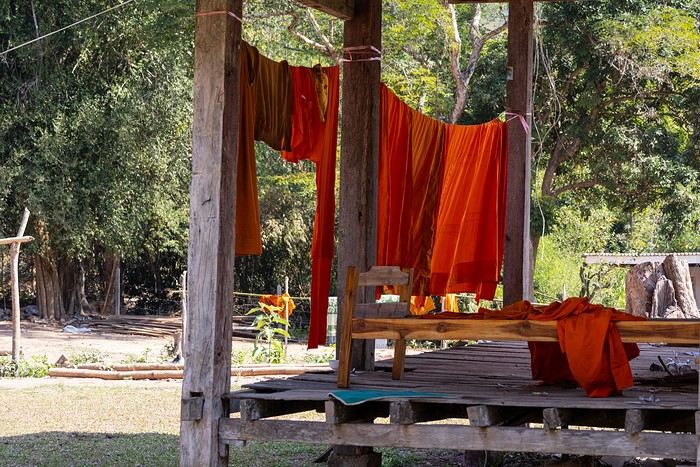
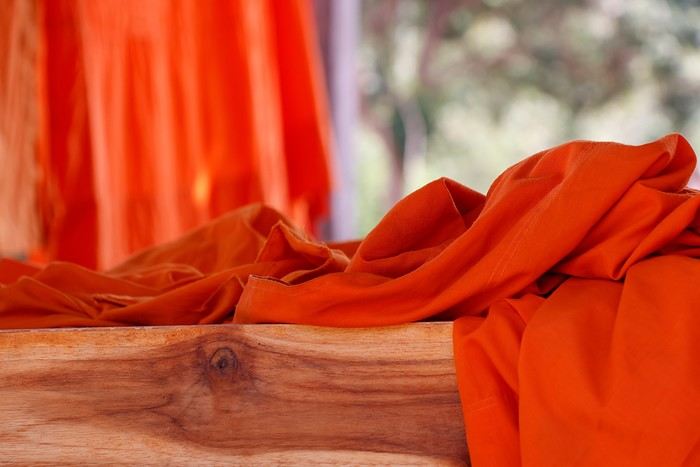
Crossing a small bridge, we come across a large area covered with colorful buildings. We’re in a Buddhist sanctuary, and it seems active, judging by the many saffron robes drying in the sun. The monks are doing their laundry! A little further along a dusty path, we find a small school. It’s closed, but that’s normal—the guide from
Nong Khiaw had told me we were in the middle of school holidays. Too bad…
The day stretches on, and we board the boat again in the mid-afternoon to return to
Nong Khiaw.
Final aperitif in a pub where we meet our driver from the way here, who came from
Luang to pick us up tomorrow morning. He greets us warmly.
Sabaïdii! He’s surrounded by a group of friends, young like him, and they seem ready to have a great evening together. Don’t drink too much, Alec—the road will be long tomorrow!