Skip to content
From Bangkok to Krabi, Thailand by Car!
Thailand › Travel journals Attila

From Bangkok to Krabi, Thailand by Car!

Translated into English.
Add a reply…

Sign in to reply

Your reply to “From Bangkok to Krabi, Thailand by Car!” is one step away. We’ll bring you right back to it.

Create a free account

Why become a member?

316 replies

Marien33· 2 years ago
Yes, it seems Marien spent ages preparing for his trip, it's true 😮 and when I say "organized for you," I actually mean that this trip seems more "smooth" and goes as planned, whereas Marien's feels a bit more "chaotic" in how it unfolded. But it's probably just the way it's written that gives that impression.


This is really funny what you two are saying, because I just posted a message in my travel journal where I said I was pretty disorganized since I decided not to prepare anything and to improvise once I got there. I asked a lot of questions, sure, but in the end, I didn’t really prepare anything—I just told myself I’d figure it out on the spot. I’d only booked my hotel rooms, that’s it. On the other hand, yes, I did a lot of reading: travel journals, blogs, paper guides, but in the end, nothing was really planned or set in stone, and I left on an adventure… without really knowing what I was going to do or see. A little off-topic postscript to say I don’t remember suffering from the heat (or the so-called pollution). And I didn’t use the AC in my apartment in Bangkok (or anywhere else) except once or twice, and just for a few minutes after a day of walking between 12 and 15 km minimum.
AttilaOP· 2 years ago
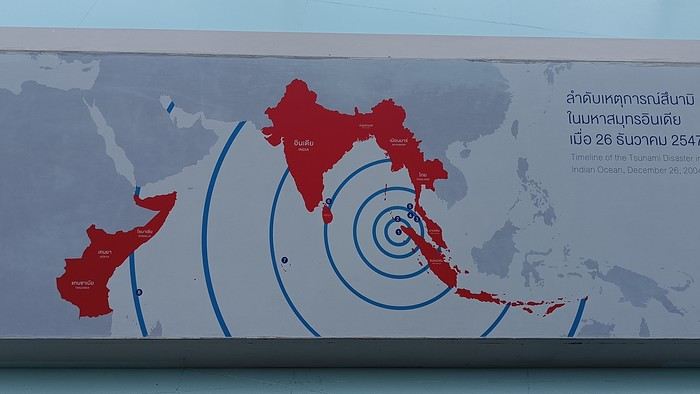
On December 26, 2004, at 07:58:53 local time, a 9.1-magnitude earthquake struck off the coast of Sumatra, triggering a tsunami that would soon sweep over all the land from western Indonesia to eastern Africa.


The wave reached 35 meters high in Banda Aceh and caused the deaths of at least 250,000 people.

The lack of an early warning system was responsible for part of this tragic toll, as some coasts were devastated hours after the initial earthquake, which would have given authorities plenty of time to warn people.

---/---

That same day, around 11 a.m. in the Khao Lak area.
Animals were agitated, and both vacationers and locals were surprised by the ocean’s retreat.

Some took advantage of this low tide to walk on the exposed shore or to capture this strange sight.

Others were wary of the unusual phenomenon but didn’t flee.

A handful understood what was about to happen, but it was soon too late.

A massive wave surged offshore and crashed onto the coast, flooding the land up to 2 kilometers inland.

Around 4,000 victims were counted in this highly touristic area, including many Germans and Scandinavians.

---/---

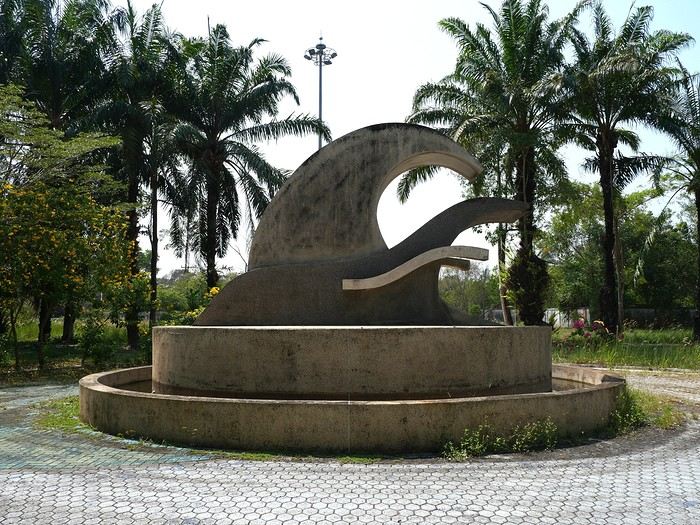
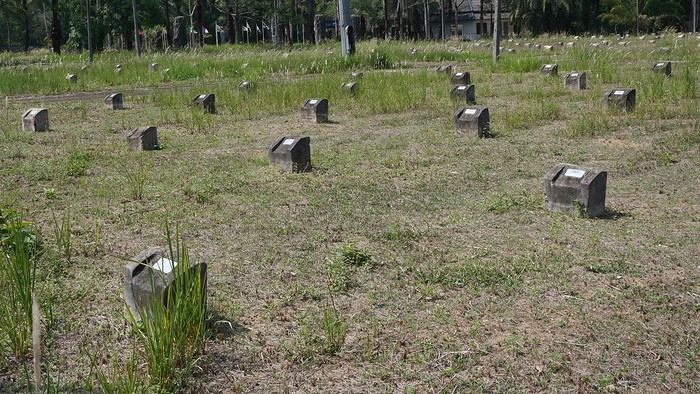
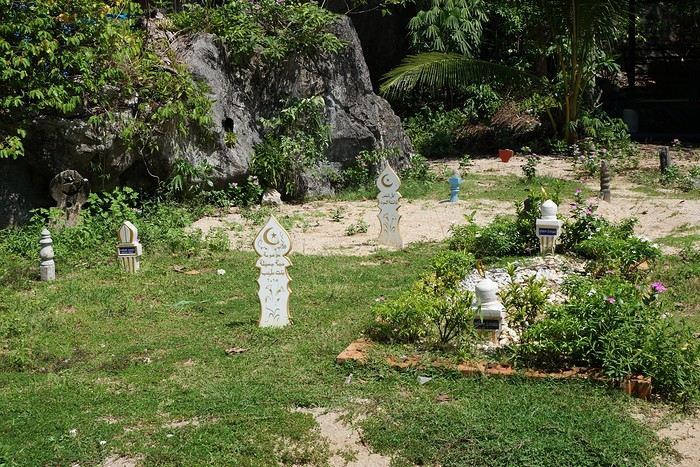
March 2025, not all bodies have been identified yet, and the remains of these unknown victims rest in a cemetery not far from the coast.

Thailand seems eager to turn the page on this dark past.

The cemetery is neglected, and a smelly landfill sits across the road.

Sadness overwhelms us when thinking of all these forgotten souls.


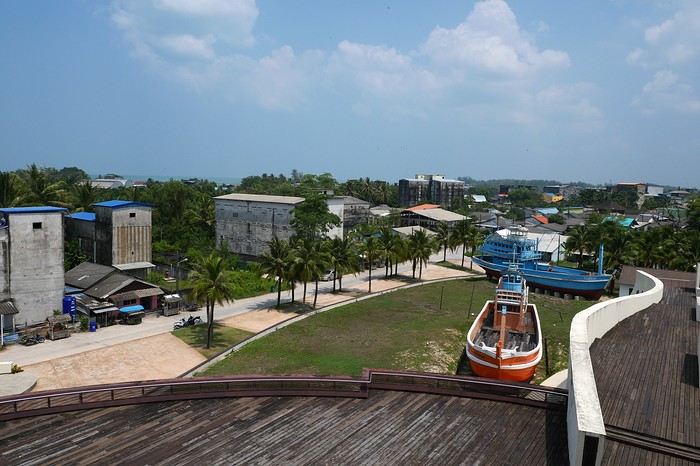
A few kilometers away, the Ban Nam Khem Tsunami Museum offers a much better tribute to the victims of this disaster.

One of the boats on display was hurled here by the force of the elements, while the building’s outer wall represents the height of the wave in this village.

From the rooftop terrace, the ocean is barely visible, and it’s hard to imagine that it once surged this far inland.


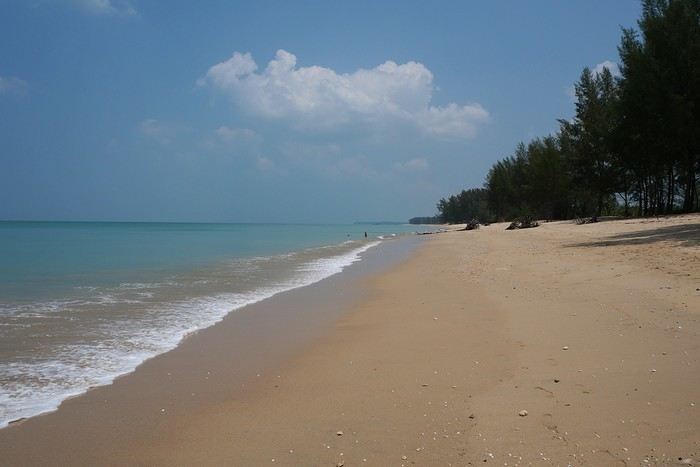
We’re now on the beach.

The sea is warm and inviting.

The palm trees provide welcome shade, and the sand isn’t cluttered with sun loungers.


We take a dip while occasionally casting a suspicious glance toward the open sea.
AttilaOP· 2 years ago
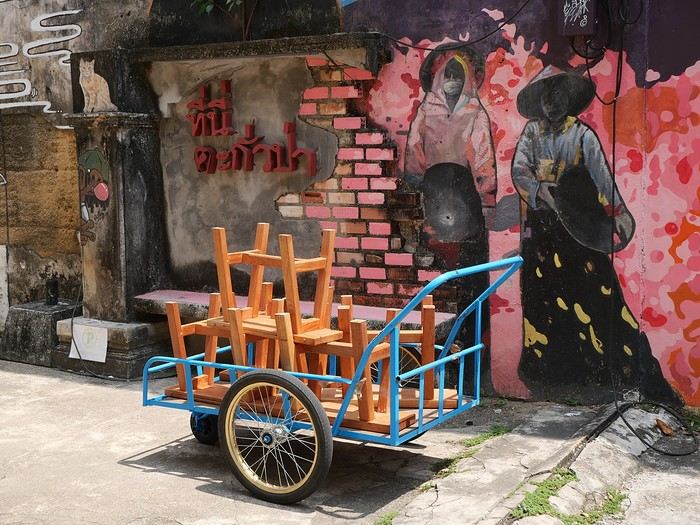
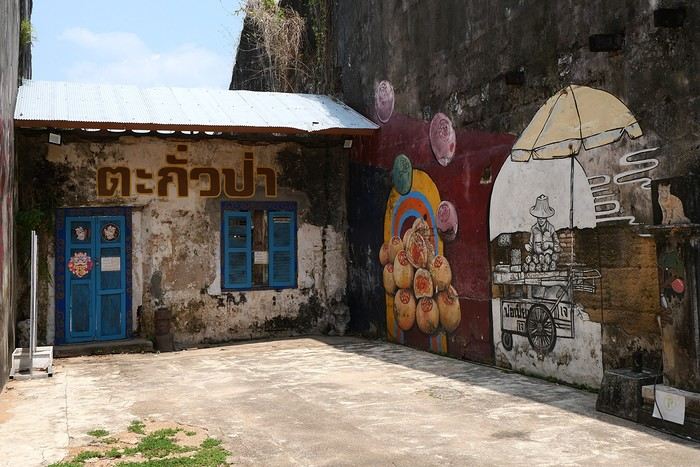
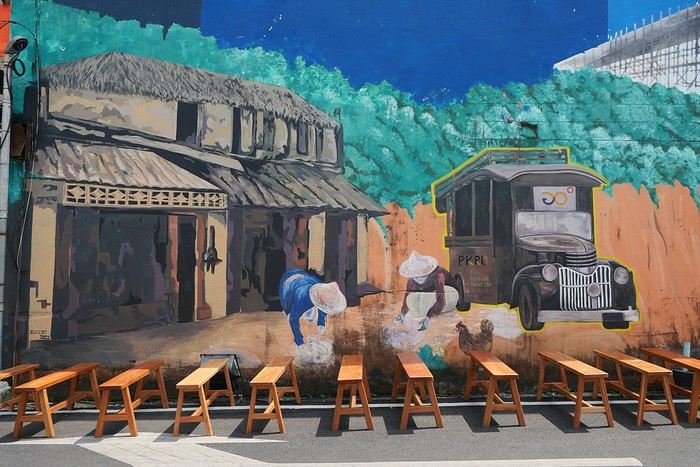
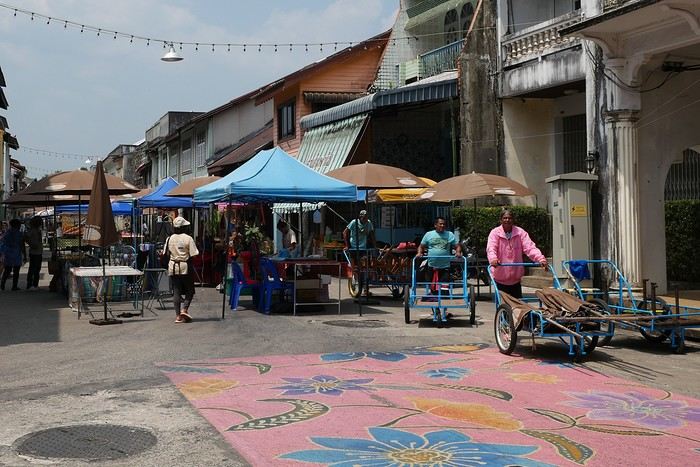
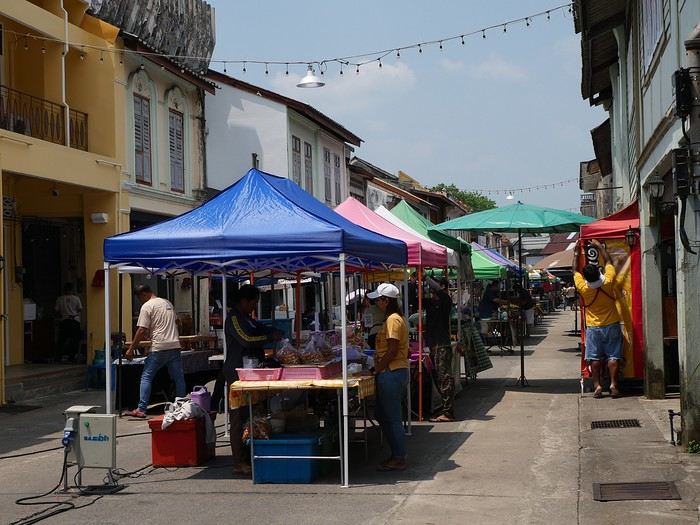
The sun finishes drying us off as we hit the road again, heading toward the old town of Takua Pa, whose historic center buzzes with activity on Sundays—market day.

Wait, isn’t it Sunday today?

We arrive too early; the street, already closed to traffic, is deserted.


We grab lunch at a cozy café and watch vendors start setting up.


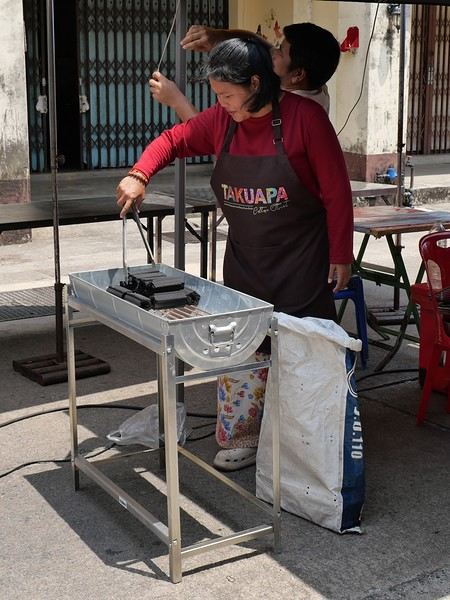
Two hours later, the road has vanished under stalls. Barbecues are fired up, and skilled hands dive into preparing food.


We won’t wait for the crowd—we want to reach Phang Nga, our next stop, before dark! !
AttilaOP· 2 years ago
The hotel we booked is a bit outside the city center.

The room is pretty decent, but the AC is acting up...

How about we get some fresh air elsewhere?

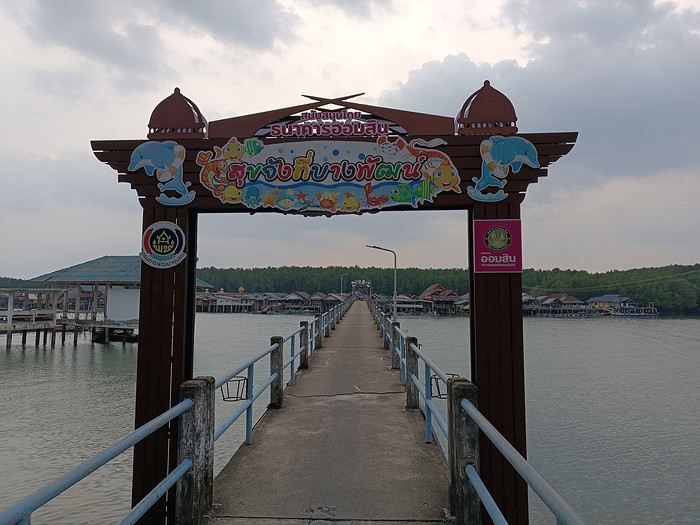
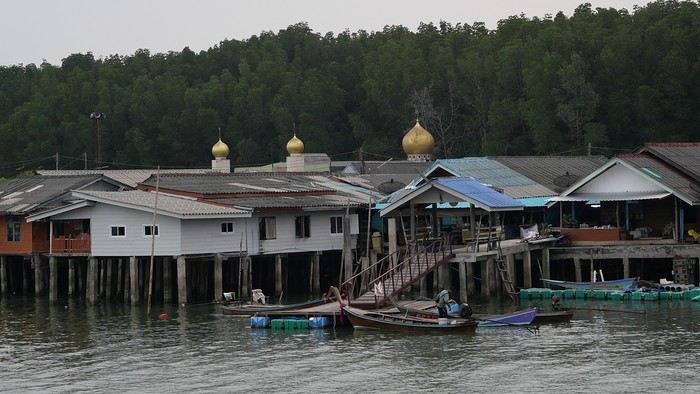
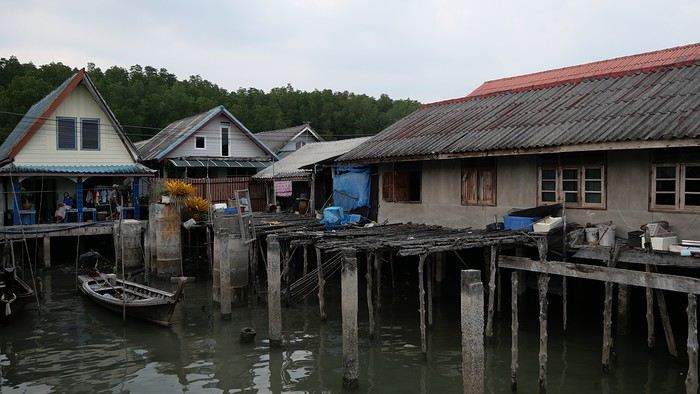
So we hit the road again, heading to the floating village of Ban Bang Phat.

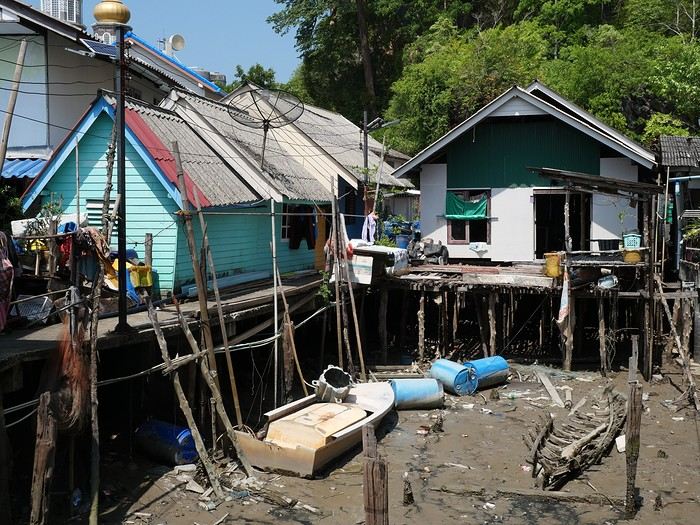
A pedestrian bridge gives access to this Muslim fishing village built on the mangrove.


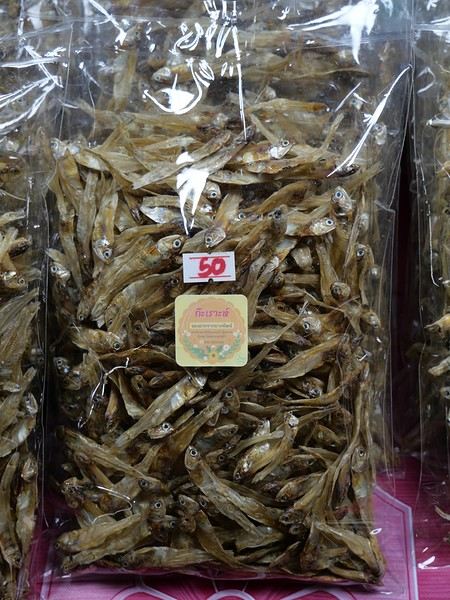
While the destination is quite touristy, given the number of souvenir stalls and restaurants, it still feels authentic...


Clouds are gathering overhead, so we head back just before the rain starts.

The storm kicks in as we leave for dinner, and we’re soaked to the bone by the time we step into the restaurant.

Most travelers visit the bay from Phuket or Krabi, so Phang Nga is still a Thai town rather than an international tourist hub.

The menu is in English, but the staff either don’t know the language or barely speak it.

So when it comes time to order an aperitif—something not on the menu but visible on the shelves—it turns into quite the comedy sketch!

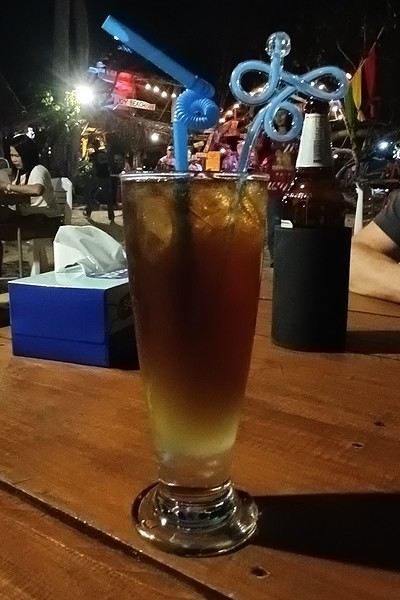
Thanks to translation tools, I eventually manage to make myself understood—well enough to learn I’ll be served a white alcohol with fresh orange juice...

It’s definitely way easier when you’re a beer lover!

Ah, here’s my rum and orange!

Not bad!

I’ll leave you to your dinner and catch up with you tomorrow...😉
AttilaOP· 2 years ago
The rain stopped with the night, and the sun is shining intensely in the morning.

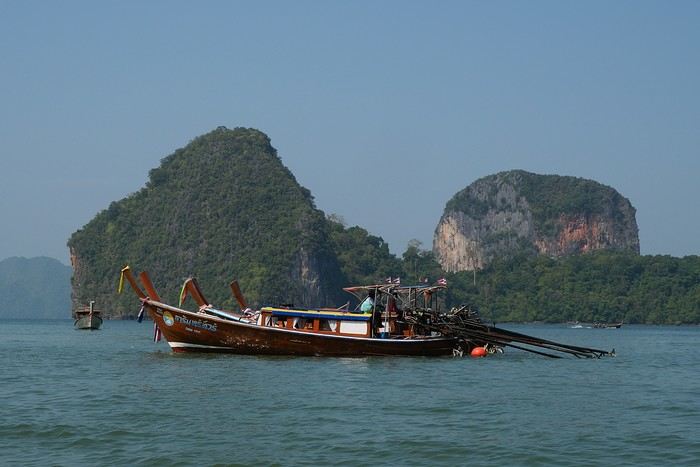
Without delay, we head to the Ngop-Ko Tapu pier, located about ten kilometers from Phang Nga.

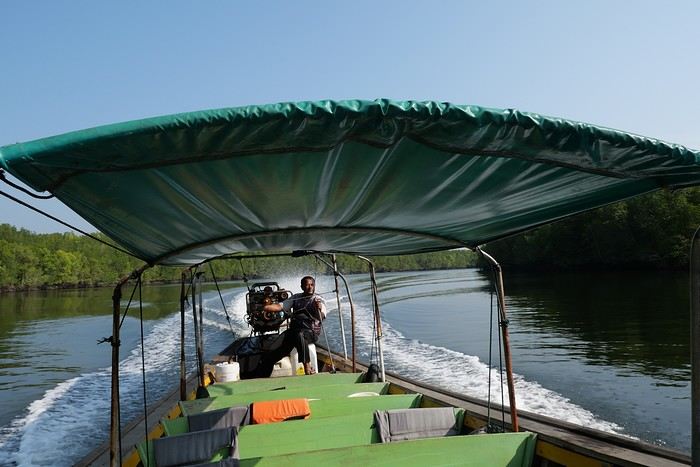
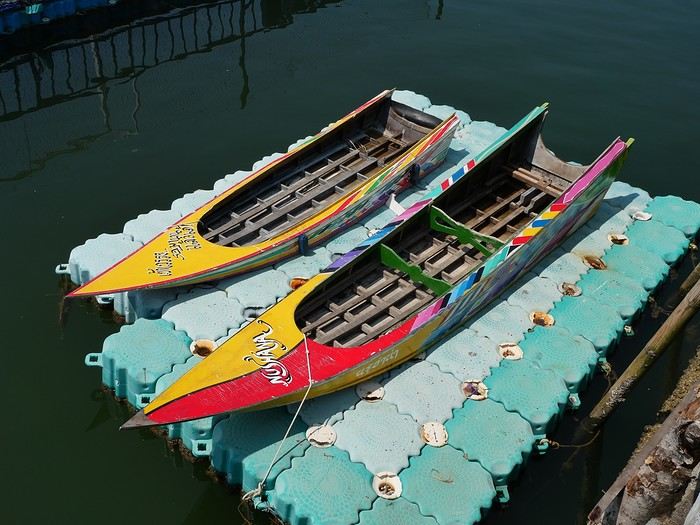
From there, travelers can rent a boat to visit the bay.

The advantage? We’re much closer to the site than if we’d left from Phuket or Krabi—and best of all, there’s almost no one here!

We park the car—no paid parking around here—then head to the thatched hut serving as an improvised office for the boatmen.

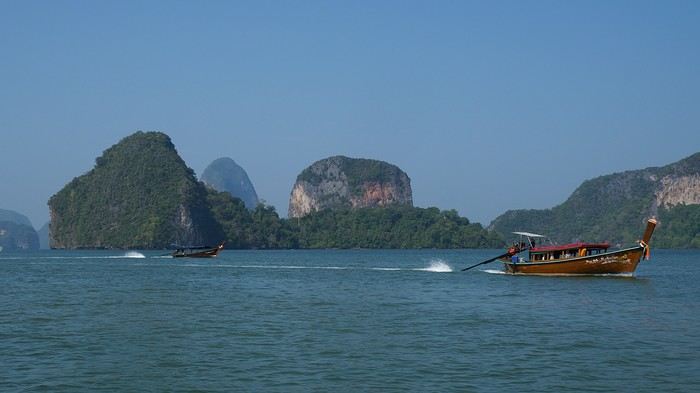
We take the classic tour for 2000 bahts for about 3 hours and board right away.

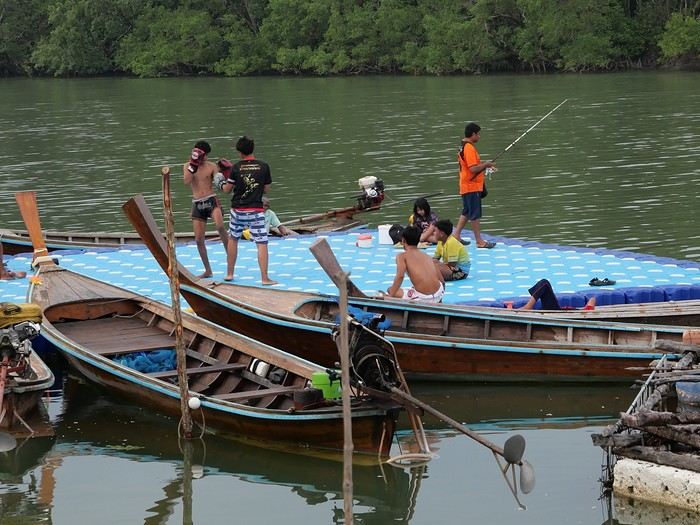
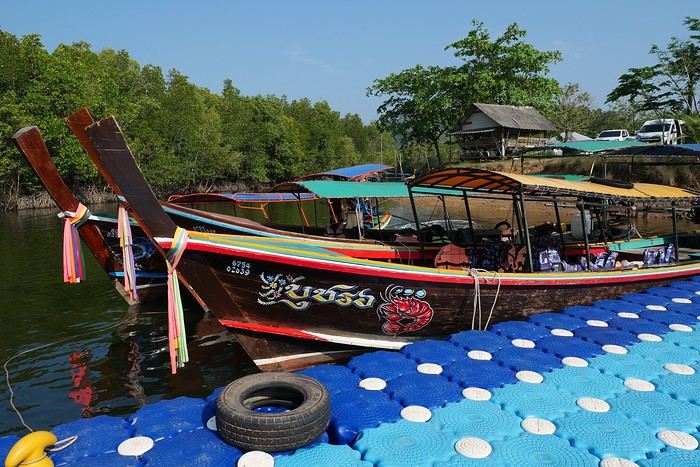
This port isn’t a tourist factory. Just a short floating jetty, a few longtails, some basic toilets, and that’s it!


Perfect for those who don’t like crowds.

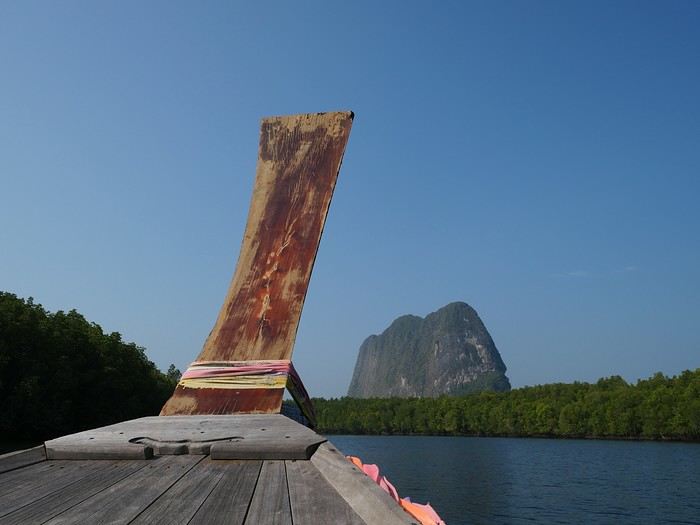
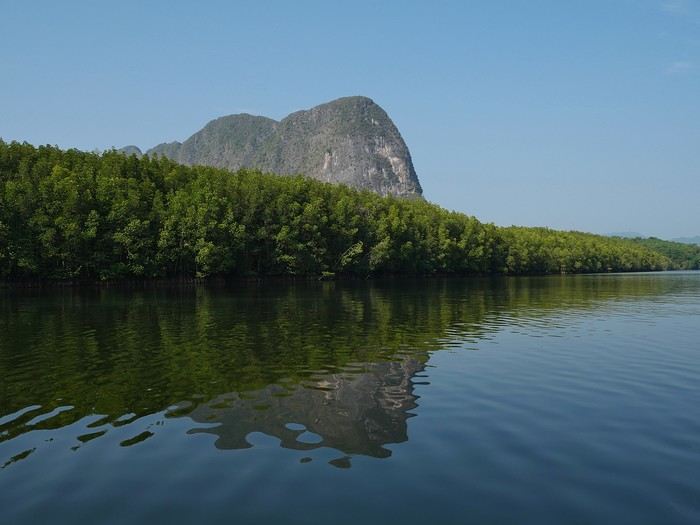
The ride begins with a crossing through the mangrove.

The engine isn’t as powerful as the one on the boat we rented on the lake. The noise level is, to our great relief, much more bearable.

Plus, we’re the only ones on the canals—what bliss!


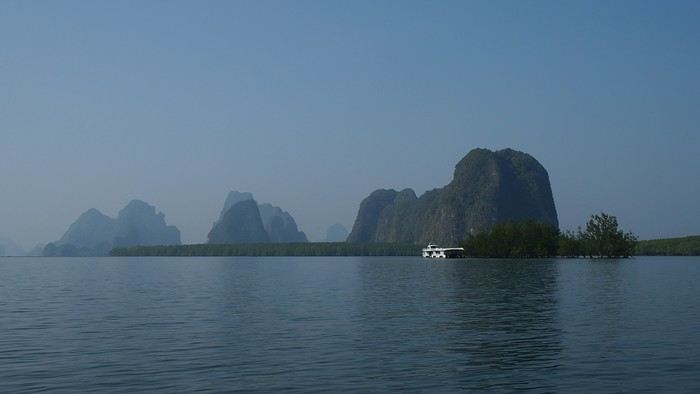
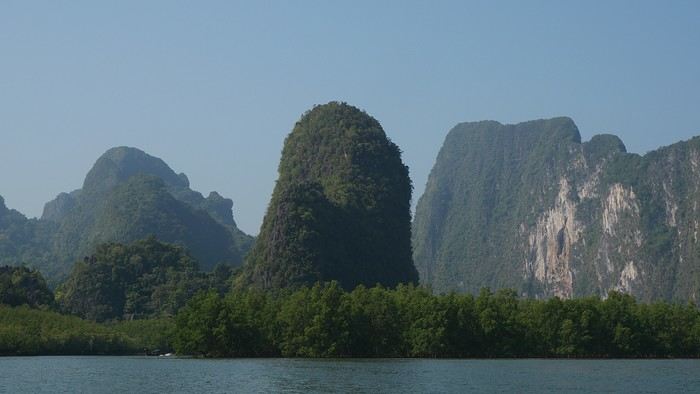
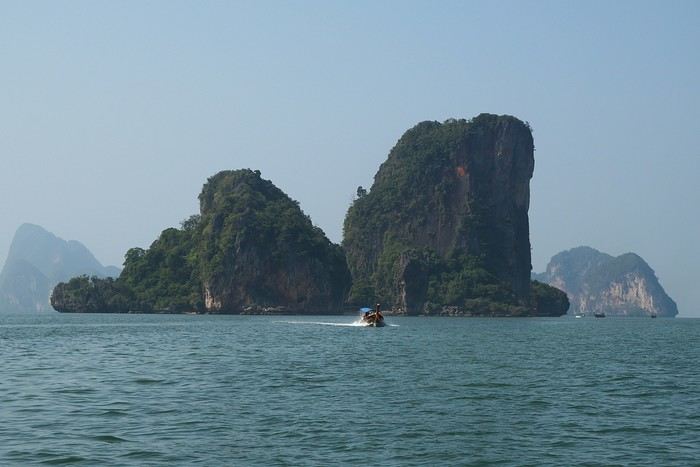
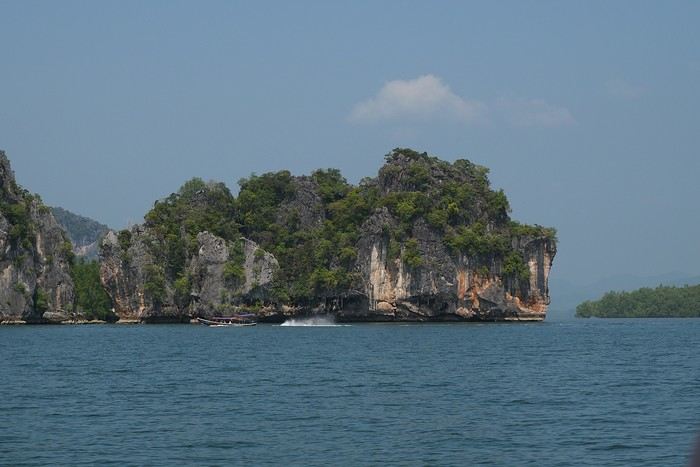
The labyrinth between the mangroves soon opens up to Phang Nga Bay and its countless islands and islets.


We decline the canoe tour offers and continue our pleasant cruise toward James Bond Island.


The closer we get to the island, the more longtails and speedboats there are.
AttilaOP· 2 years ago
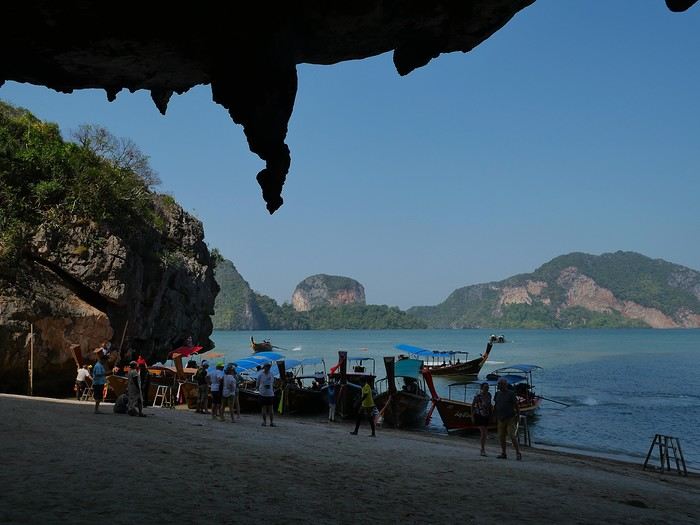
The boatman drops us off on the beach and heads out to anchor in the open sea.


There are, in fact, far too many boats at this site for all of them to stay on the small beach.

Tourists are quickly dropped off and told to return at a specific time to be just as quickly re-embarked...

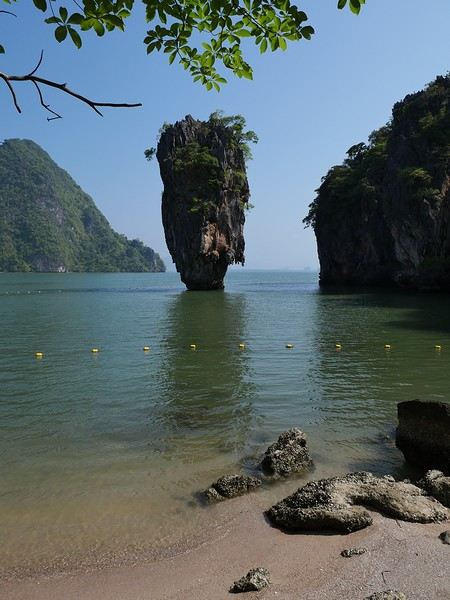
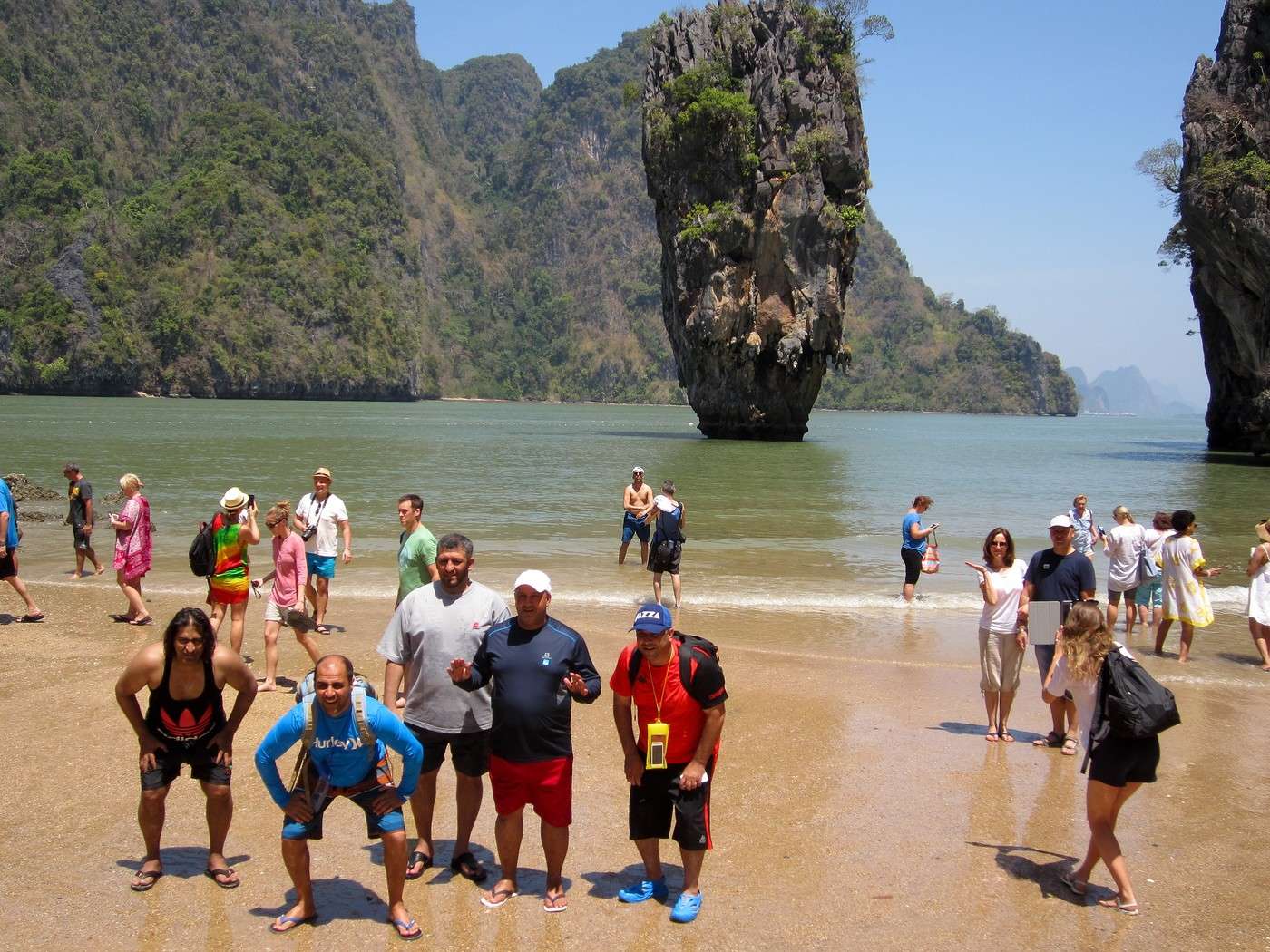
We weave our way through the groups—individual travelers seem rare here—until we reach the iconic karst pinnacle just a few fathoms from the shore.


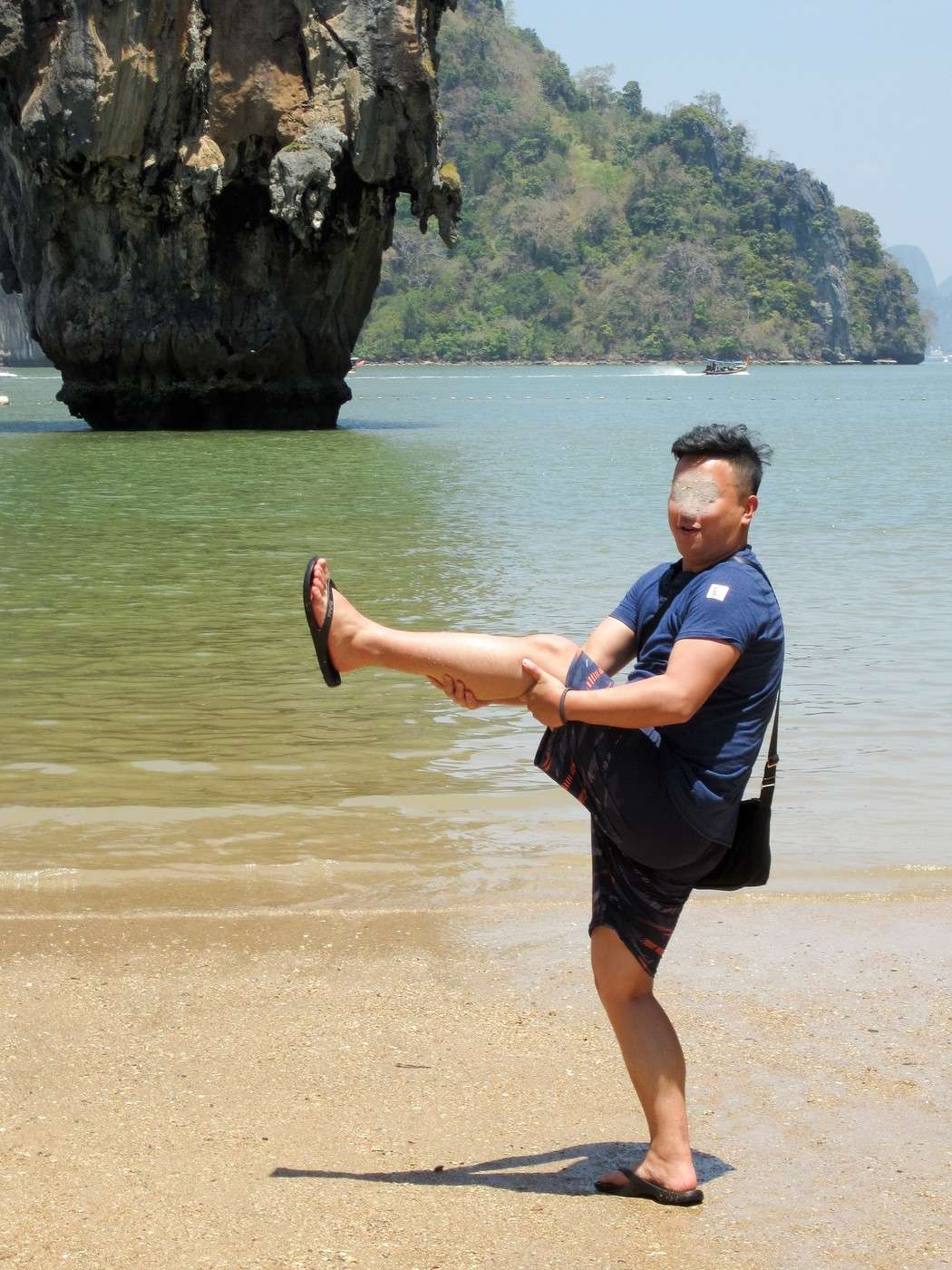
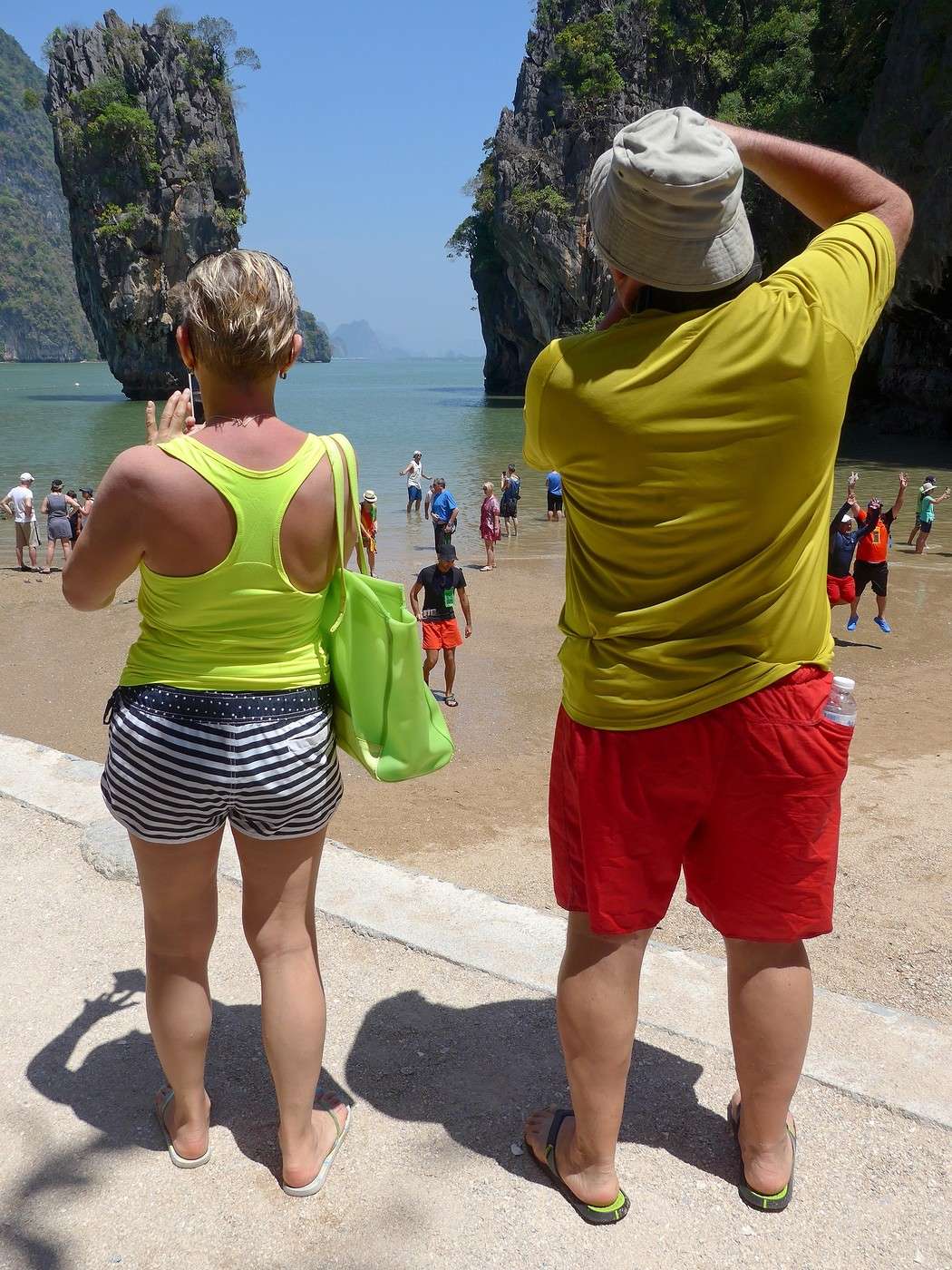
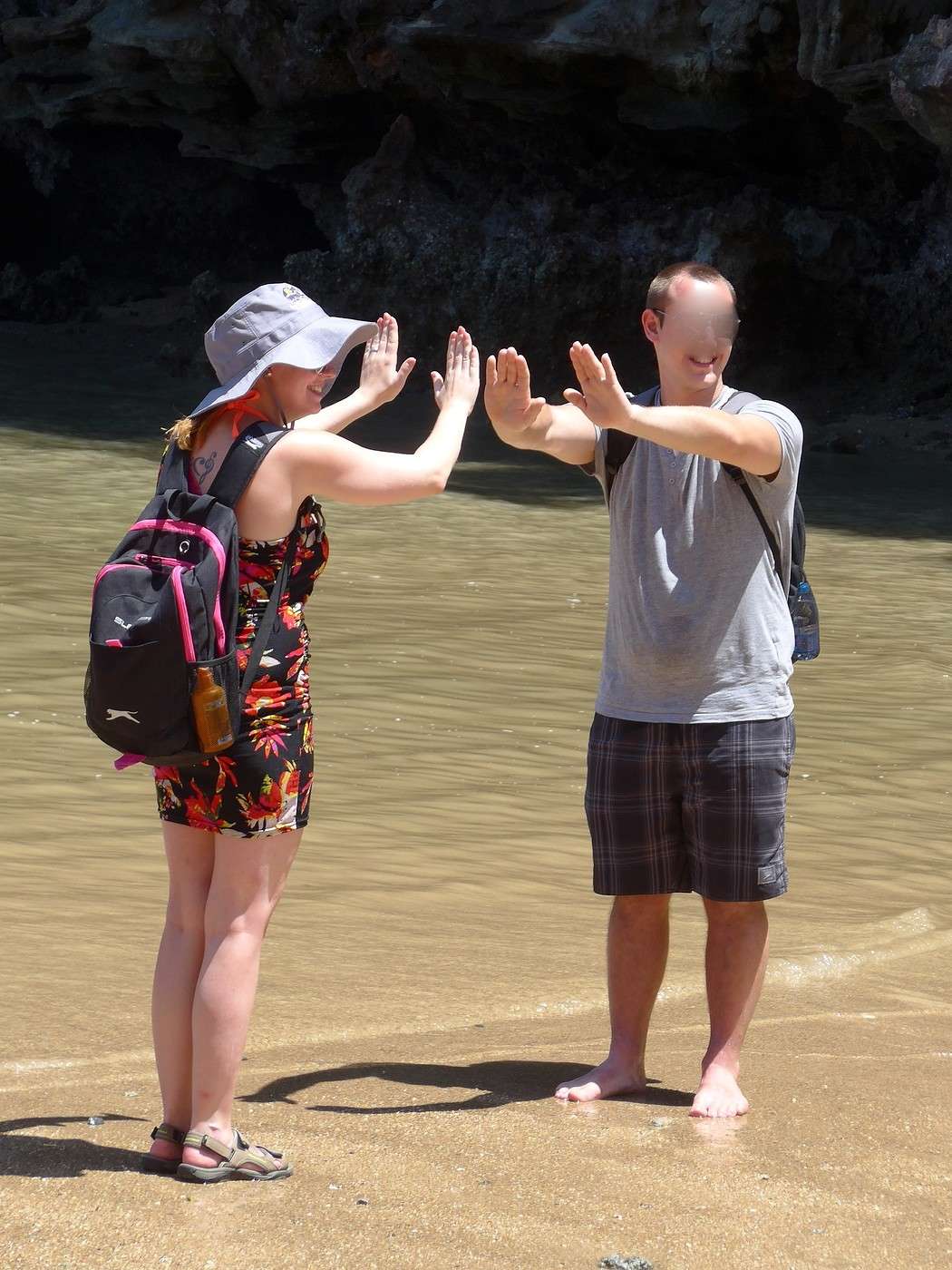
In some photos, the magic works, but it’s better not to look behind the scenes.


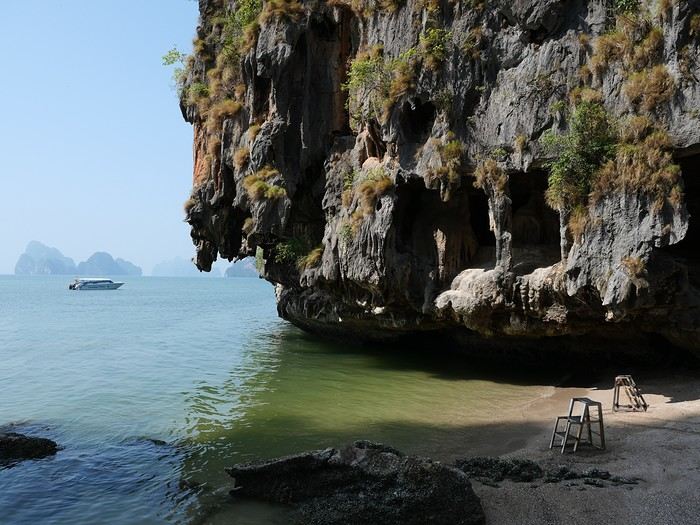
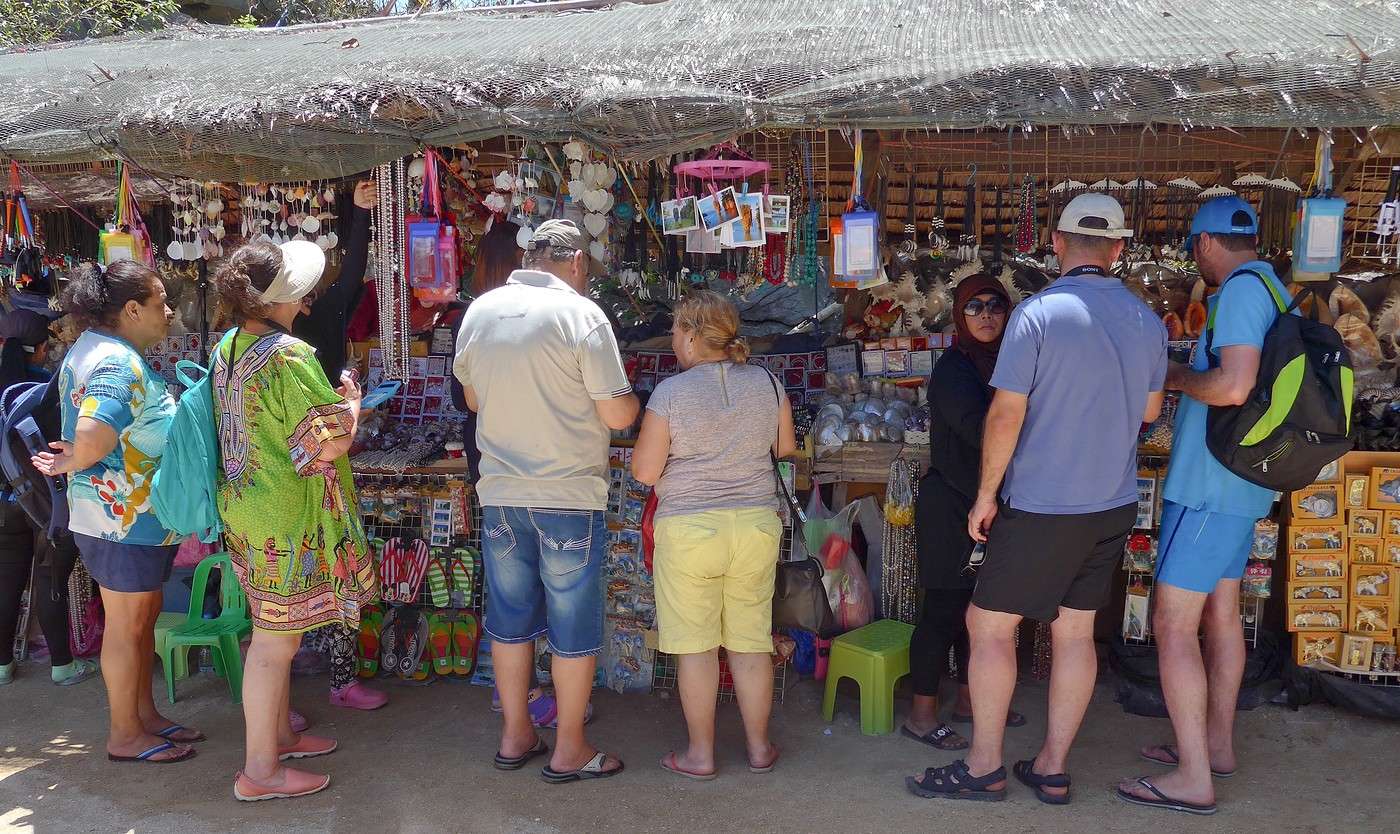
The dubious souvenir shops, the concrete sprawl, and the selfie circus have stripped this island of its charm—once chosen as the wild setting for the James Bond film *The Man with the Golden Gun*.

To dock or not? In hindsight, I’m not sure. The stop still costs 600 bahts in entrance fees (2x300) for a short walk in the crowd. Once might be enough, but there’s no need to repeat the experience.

I didn’t remember such crowds during my first visit in 2001.

I must say, what stuck with me more was the mode of transport we used back then—a majestic junk—rather than the landscapes we passed...

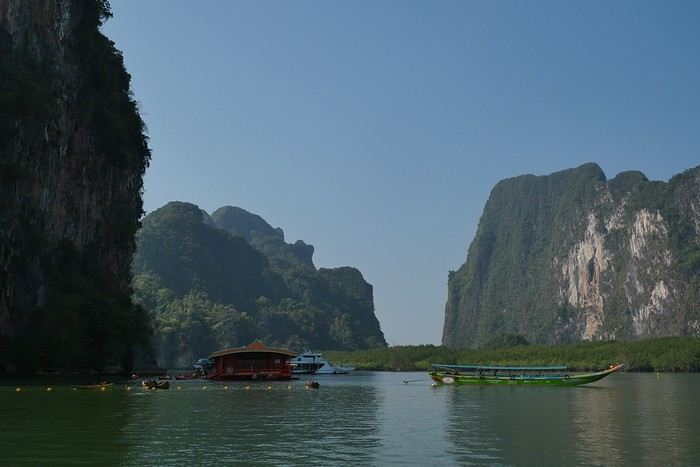
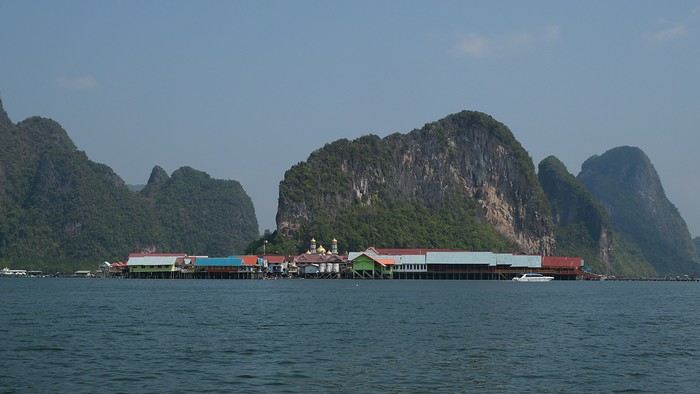
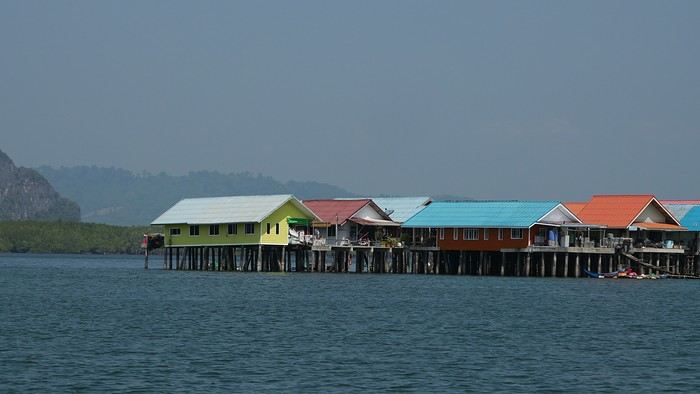
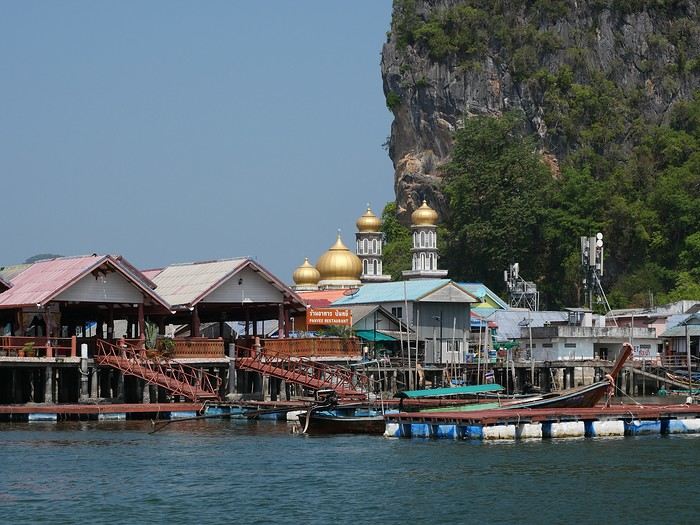
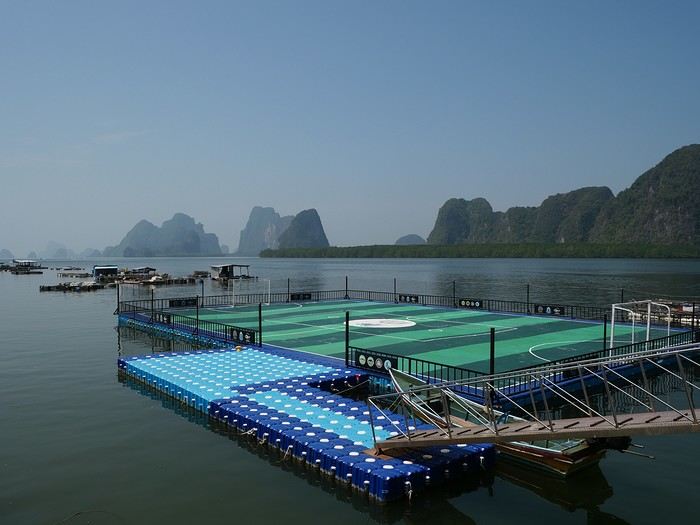
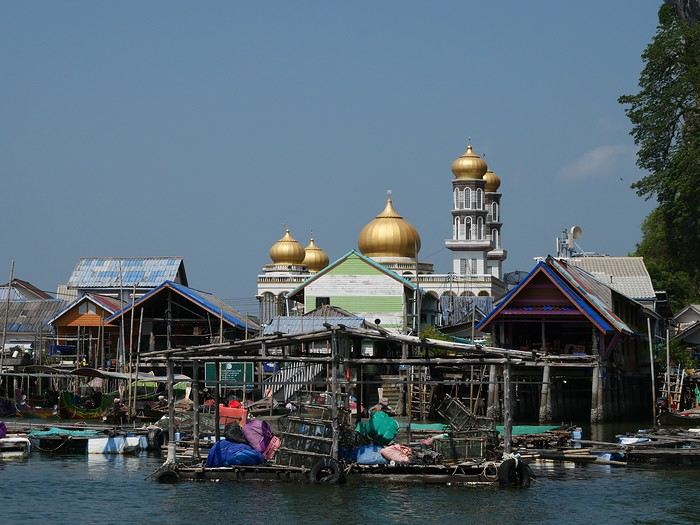
Back in the longtail boat, we’re now heading toward Koh Panyee and its famous floating village.


This village, built in the late 18th century by nomadic fishermen from Java, now earns most of its income from tourism rather than fishing.


So, we’ll find restaurants and shops there.

But not the crowds!

Since it’s too early for lunch, the organized tours aren’t lingering yet, leaving the island to its residents and a few rare travelers.

Like us...
AttilaOP· 2 years ago
We happily strolled along the piers to the iconic mosque, which must serve as a landmark for all the sailors in the area...


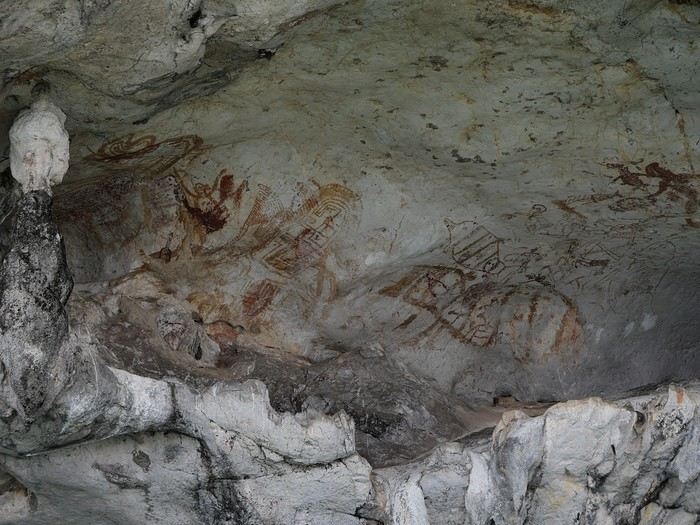
The boatman then took us to admire some cave paintings before the tour ended as it began: in the mangroves.


Overall, this excursion was very positive despite the heavy tourist pressure on this bay.

However, it’s best to take this tour on a private boat...

Our next stop isn’t far—just a meal and 90 kilometers away.

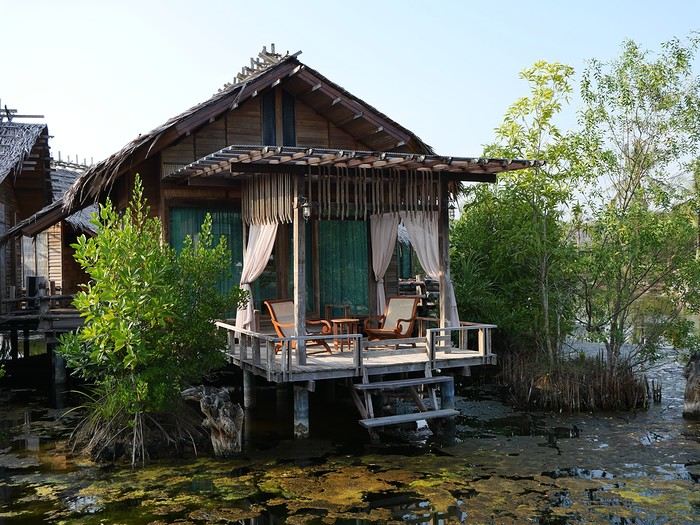
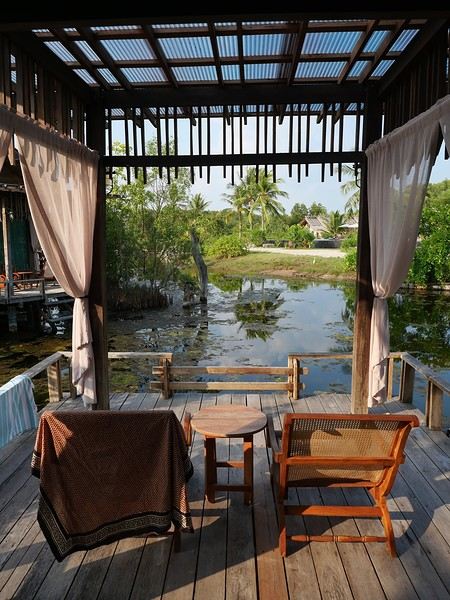
We arrived in the mid-afternoon at this little paradise tucked away in the hinterland of Ao Nam Mao Beach.


I hesitated for a long time about choosing this hotel. I wanted something quiet, charming, and beachfront with easy parking.

Since I didn’t want to spend more than 120 € per night, I had to let go of some criteria...

Beach access was the trade-off, but otherwise, the villa website photos didn’t lie.

There’s a downside, though—the strict Muslim influence in the area...

No alcohol is served at the restaurant or bar.

However, you’re allowed to bring and enjoy your favorite drink anywhere on the property.

I knew this before arriving, but some guests were disappointed...

This strictness affects the beautiful hotel, as guests often leave in the evening to dine at more welcoming restaurants.

Some people simply don’t book for this reason...

So, the place is absolutely peaceful!

No partiers, low occupancy—what more could you ask for?

Well, for the hotel owner’s revenue, it’s probably an issue...
AttilaOP· 2 years ago
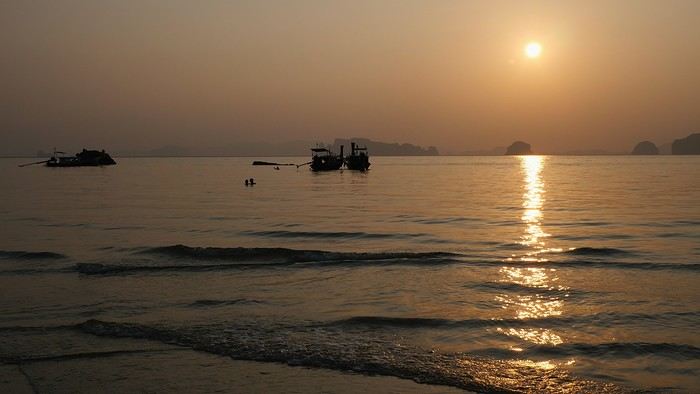
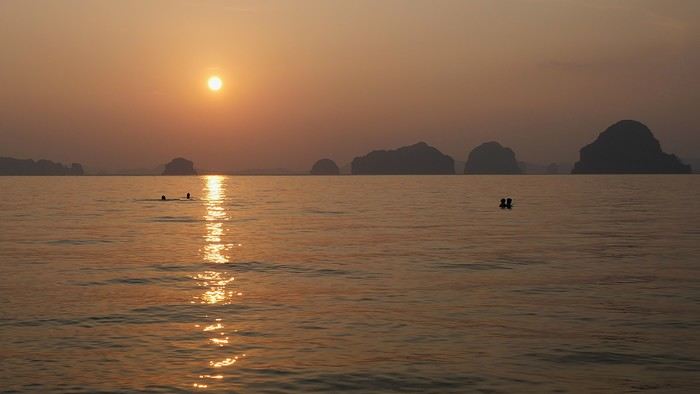
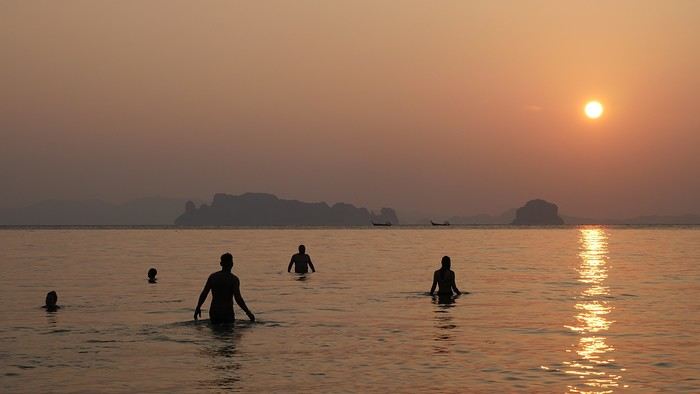
The sun will set in an hour.

How about heading to Tubkaek Beach to enjoy the show?

To get there, we make the unforgivable mistake of going through Ao Nang.

Like in Hua Hin, over-tourism has turned the village into a bubbling cauldron packed with hotels, restaurants, bars, massage parlors, travel agencies, scooter rentals, and more.

It takes us ages to escape this trap, nearly making us miss the sunset.

The next beach, Klong Muang, hasn’t escaped the sea, sex, and sun boom either.

I stayed here a good ten years ago.

Back then, aside from the Sofitel where we slept, there wasn’t much around!

Today, buildings have sprouted like mushrooms after the rain—I barely recognize the place!

The shock is even greater at Tubkaek...

Access to the beach has become nearly impossible, with upscale hotel complexes blocking the way.

Pretty "no parking" signs line the road, funneling drivers toward a small paid parking lot...

Given the time, we ignore them and quickly park on the side of the road...

Still, tourism development isn’t all bad—the beach is pristine, regularly maintained by hotel staff.


And the main attraction hasn’t changed: the sunset is still breathtaking!


If you can afford it, I’d recommend staying here during a trip to Krabi. Just make sure to rent a car since the area is remote! (The hotels have parking lots.)

Back at our base, we head out for dinner.

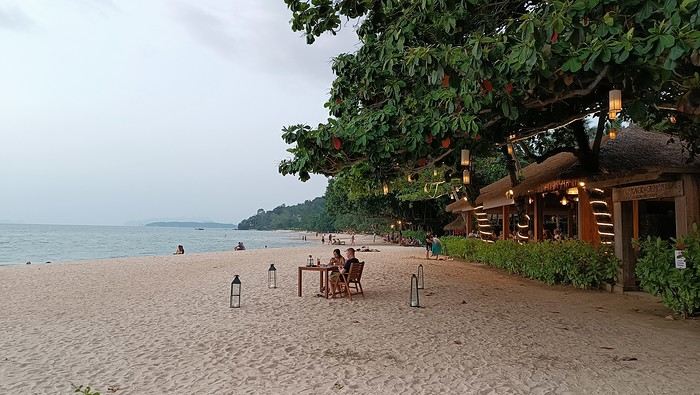
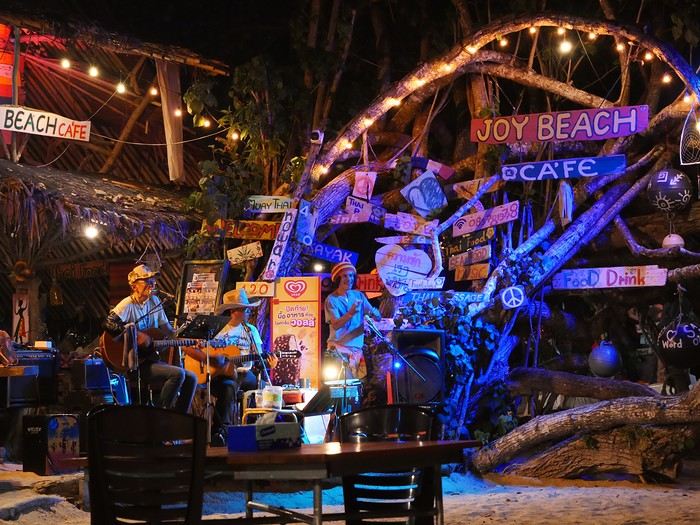
We pick a beachfront restaurant, Joy Beach Café.

A band provides live music, we’re sitting with our feet in the sand, the drink menu is extensive, and the food is decent.


What more could you ask for to end such a lovely day?
Herodotos· 2 years ago
In some photos, the magic works, but it's better not to look behind the scenes.


Well, I, on the other hand, *did* look!

AttilaOP· 2 years ago
That’s pretty spot-on! 😄

Missing the heavily made-up girl, fresh off a hyaluronic acid lip injection, dressed more for a nightclub in St Tropez than a beach... 😏
Show 10 more replies
Muriel18· 2 years ago
Well, I think I’ll pick another spot for the beach part 🤪 (especially since in January or February, it’s likely to be even worse in terms of crowds 😕). Oh well for the landscapes (though they’re spectacular)
AttilaOP· 2 years ago
You can head towards Khao Lak, aiming for the northernmost area possible 😉.

But don’t throw the baby out with the bathwater. You can rent a boat like I did and just do the sea trip without making the stops. Or leave *super* early!

Actually, it’s best to always rent a private boat and set off at dawn... But it can be pretty expensive in some places.

This part of Thailand is like the Mediterranean coast in August in terms of crowds.

It’s better to avoid all the well-known beach resorts... Unless you love lively atmospheres...

The next two days should convince you not to head toward Krabi... (It must be the same, if not worse, in Phuket and Phi Phi)
Muriel18· 2 years ago
I was just wondering if it was possible to leave really early (though you’d need accommodation not too far away... and not sure that’d be enough to avoid the crowds 🤪). I was thinking of Koh Lanta or the mainland beaches east of K Lanta (so we could drive there). Otherwise, like you said, north of Kao Lak (or, in the same area, heading back to Ko Phra Thong with a transfer from Kao Sok... but then I’d have to rethink the car rental...) Still looking forward to the rest of the Krabi adventures 😉
AttilaOP· 2 years ago
We could’ve left way earlier, but I really struggle to get up at the crack of dawn...🤪

All the organized group tours leave at roughly the same times and follow the same route, so either very early or late afternoon has to be way better!

Phang Nga town is really close to the pier we picked for visiting the bay. You could make it a stopover and then head somewhere else for some beach time.

I have serious doubts about how quiet Koh Lanta is, since the island is still super well-known. You’d definitely need to pick your beach carefully.

The best move is probably to go off-season (my trip 10 years ago was in May—hardly anyone around and prices plummeted).
Kate· 2 years ago
Hi Muriel,

I think you can find quiet beaches almost anywhere—you just have to be willing to walk a bit. That’s what I did in Koh Lanta back in 2010, though things might’ve changed since then 😕 A few kilometers from where I live, the beaches (Valras, Sérignan, Portiragnes…) get *packed* in July and August—barely 1 square meter per person to sit down. But I know where to go for space in beautiful spots; the downside is parking farther away and walking. That way, you avoid the big family groups with coolers and umbrellas, people who have trouble moving around, and the lazy folks. Selection by effort 😉
Jojoone1· 2 years ago
Hello,

Koh Lanta has been somewhat colonized by Swedes.

You're absolutely right to advise avoiding ultra-touristy spots. There are quite a few downsides. I admit it's easier to say when you've already seen them once or twice before. Many places, like Ao Nang, are a bit quieter off-season, but it's a bit of a gamble because of the weather.

As I mentioned elsewhere, Thailand has over 3,000 km of coastline, and I can tell you there are endless wonderful spots to discover if you take the time to study Google Maps, where most tourist spots are located. On Google, you can also find pretty much every existing hotel in any area. It's not uncommon at all to find guesthouses (sometimes with a pool) in lovely off-the-beaten-path spots run by Franco-Swiss-Belgian-German/Thai couples. Super handy for exchanges, tips, and excursions. Of course, you have to dare to rent a vehicle and get around with it. Financially, it's not *that* much more expensive than looking for a taxi or a private driver. In terms of freedom and comfort, there's no comparison.
AttilaOP· 2 years ago
Hey Joël,

Yeah, there are still some pretty wild spots along the coast in Thailand. Around Chumphon, for example.

But different strokes for different folks, right? Some people would find places with no nightlife, no jet skis, etc., awful.

Personally, I like something in between. A spot with a few charming little hotels, a couple of restaurants, and the rest a real village.

Tourism around Krabi has taken on a whole new dimension. I’ve never seen anything like what I’ll describe in the last day in that area.

It’s really become an industry now! !
Muriel18· 2 years ago
Hello Kate

I agree with you: it’s often possible to find pretty quiet spots just by stepping a little off the beaten path. Or, for tourist sites, visiting early in the morning or late in the afternoon—outside the hours of the day tours, as Agnès mentioned.

Anyway, I’ll keep exploring the Thai coasts (.... and it’s a long job! 😏)
Herodotos· 2 years ago
Hi Muriel,

there’s often a way to find quieter spots by just stepping off the beaten path.


Of course!

Excerpt from my travel journal:

"On the way back from the visit (James Bond Island, see my photos above), there were only three or four boats moored, and a relative calm seemed to have settled over the place. But where did all those tourists go? They simply went for lunch—it’s noon! And where? Ah yes, there’s that island you can see in the distance: Ko Panyi, a stilted fishing village backed by a huge rock. This village is home to Sea Gypsies, Muslims who came from Java and settled on this island. They now mainly live off tourism and fishing, having opened restaurants and shops for visitors. I didn’t check our itinerary in detail, but I was worried for a moment that our captain would take us there. Phew! He didn’t—he set a course southeast toward Ko Yao Noi, or more precisely, toward the small, rarely visited islands north of the main island: Ko Roi and Ko Kudu. The first is home to hundreds of bats screeching and clinging to mangrove branches in a mangrove hong. We’ll spend the rest of the day on one of the deserted beaches of these islands."

But that was in 2016—things may have changed since then...
Muriel18· 2 years ago
Hi Michel (we sure keep running into each other lately! 😉)

But that was in 2016, things may have changed since...


Probably... but it’s also probably quieter than the touristy (marine) highways. Besides, Ko Yao Noi and Ko Yao Yai are still on my list of potential beach spots (though I found very little recent info, which might be a good sign 🙂)

You might also like