After letting our backpacks gather dust for several years, we’ve decided to set off on another adventure—this time as a family, with our 10- and 12-year-old kids!
We’re planning a trip from mid-June to the end of July, with two stops: Cambodia (2 weeks) and Indonesia (4 weeks). But before diving into the details, we’ve got quite a few questions and doubts.
About Cambodia:
We know this period is the rainy season. Is it really a good idea to go then? And if so, is it better to start with Cambodia and then move on to Indonesia, or does the order not matter from a climate perspective?
Here are the activities and sites we’ve shortlisted:
· The Mekong and Irrawaddy dolphins: do we actually have a chance of seeing them?
· The Mondulkiri Project (elephant sanctuary): is this an ethical project? We want to avoid any form of animal exploitation.
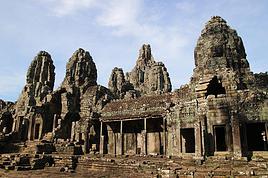
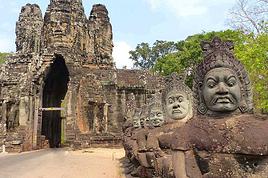
· The temples of Angkor: are 2 or 3 days enough to fully enjoy them?
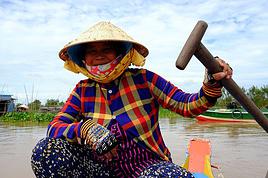
· Floating villages: where should we go for an authentic experience? Is it possible to spend the night there?
· Hikes with waterfalls, lakes, etc.: are there any must-do treks?
· And most importantly, what activities or sites would appeal to kids?
For Indonesia:
We were there 15 years ago and loved our itinerary: Yogyakarta / Borobudur → Bromo → Kawah Ijen → Bali → Gili Trawangan.
This time, we’re torn:
· Retracing part of that route to share it with our kids (even if revisiting the same places isn’t super appealing),
· Or exploring new regions.
What’s almost certain is that we’d like to spend about two weeks in Raja Ampat.
For the other two weeks, we’re undecided. We’re looking for kid-friendly ideas for places and activities, while avoiding too many connections for budget and environmental reasons. Since we’ll already see temples in Cambodia, we’d like to mix things up.
And finally…
On our last trip to the region, we traveled without kids and went super free-spirited: only the round-trip tickets were booked, and we improvised the rest day by day without any major issues finding accommodation, food, or accessing the activities we’d spotted.
Do you think this style of travel is still doable with two kids? Or has it become too risky or stressful?
Are there regions where the "backpacker" approach is still possible, and others where it’s better to book in advance?
And for certain activities or sites, is it recommended to hire guides?
In June, we’re gently entering the rainy season. Nothing too bad—just evening thunderstorms with heavy downpours that last about an hour. The rest of the day is sunny. On average, there are two or three showers a week, though this can vary from year to year.
In July, there’s a bit more rain—let’s say every other day. Again, these are still late-afternoon or evening storms that don’t last long and cool the air nicely for the night. The rain is warm, and all the kids run from puddle to puddle! The days are usually sunny, and the landscapes and rice fields are lush and green.
Personally, I much prefer this time of year to the second half of the dry season (February to April), when the heat is hard to bear and even a passing truck kicks up a cloud of dust because it hasn’t rained since November.
It’s really only from mid-August (until now, mid-October) that the weather gets rainier, with several showers a day—often not even stormy—gray skies, and a gloomy atmosphere!
So, should you start with Cambodia? Honestly, it doesn’t make much difference. There are more tourists (Europeans and Americans) in July than in June because of summer vacations.
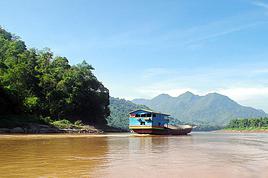
- Irrawaddy dolphins in Kratie: yes, you should normally see them. From a distance, though, as the boats don’t get too close to avoid disturbing them, even with an electric motor.
- Mondulkiri Project: the elephants wander down at their own pace into a valley where tourists come to feed them sugarcane stalks or other treats. Then, if you want, you can swim in the river—or just watch the elephants from the bank. As far as I know, there’s no elephant riding.
Think of it for what it is: a business that lets local indigenous communities (the Bunongs) earn a little money—though probably less than the agencies organizing the tours—and gives the elephants a peaceful retirement instead of making them haul logs in the forest.
There’s also a sanctuary near Siem Reap, the Kulen Elephant Forest Sanctuary (started by a young Franco-Khmer, I think). Some of the elephants there used to carry tourists around the Bayon and up Phnom Bakheng a few years ago. A well-deserved retirement for them too.
- Angkor Temples: three days is good for a solid overview and to visit the main temples. To fully enjoy them and explore the more remote temples and dozens of lesser-known ones outside the small and grand circuits, you’ll need at least a 7-day pass.
- Tonlé Sap Lake: there are floating villages and stilt villages. Often, the stilt houses line a road that’s exposed at the end of the dry season/start of the rainy season and submerged the rest of the year. At the end of the road, you can see the floating houses.
Kampong Phluk, near Siem Reap, with its flooded forest, has become quite touristy. Hotel owners usually recommend going further east to Kampong Khleang, a larger village with fewer tourists (I’ve never been). I think there are guesthouses there (on stilts) where you can stay.
The ideal option—but in June-July, there won’t be enough water—is to travel from Siem Reap to Battambang via Tonlé Sap Lake, passing through floating villages and then going up the Sangker River to Battambang.
There’s also Kampong Luong, a large floating village on the route between Battambang and Kampong Chhnang, on the south shore of the lake, but I don’t think it fits into your itinerary if you’re already planning to go to Kratie and maybe Mondulkiri.
- Treks: you can do some around Sen Monorom in Mondulkiri—it’s hilly and still quite preserved. You can even combine a trek with an elephant encounter. You can also take a day trip to Phnom Kulen (River of a Thousand Lingas, Kulen Waterfall, a few viewpoints) from Siem Reap.
- Activities/sites for kids: other forum members might have better suggestions than me. There are all kinds of activities in Siem Reap (aquarium, Samatoa lotus farm, Apopo mine-detecting rats, Phare Ponleu Circus in the evening, water park, etc.), dolphins and elephants, an evening stroll at the confluence of the Mekong and Tonlé Sap rivers in Phnom Penh, bike rides on the Mekong islands in Kampong Cham or Kratie.
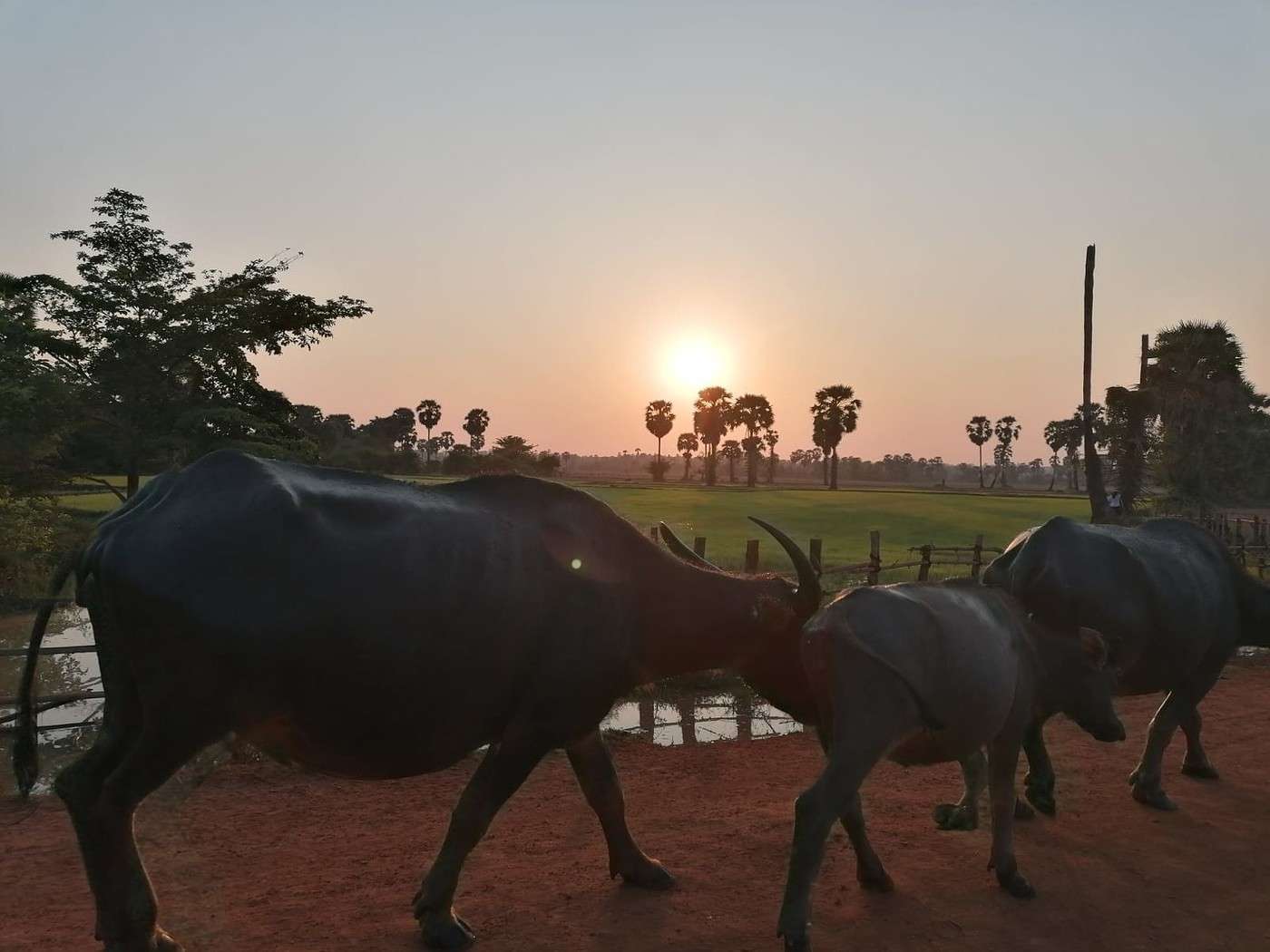
Don’t hesitate to take a tuk-tuk and ask the driver to take you for a ride through the countryside between rice fields to local villages. In the late afternoon, you’ll see herds of cows and water buffaloes heading home—great photo opportunities! !
We know this period corresponds to the rainy season. Is it really reasonable to go at this time? And if so, is it better to start with Cambodia and then move on to Indonesia, or doesn’t the order matter from a climate perspective?
June and July aren’t the wettest months of the year, but July is a little rainier than June. While it’s not ideal, going during this period isn’t unreasonable as long as you don’t plan on trekking through remote trails deep in the countryside. Plus, post-storm skies sometimes offer stunning light you’d never see in the dry season.
In terms of tourist crowds, Indonesia is quieter in June than in July-August.
The Mekong and Irrawaddy dolphins: do we actually have a chance of seeing them?
You’re most likely to spot them during the dry season when they’re more concentrated.
The Irrawaddy dolphin is an endangered species.
If your goal is to show your kids dolphins in their natural habitat, next time (and during our winter), head to New Zealand, Kaikoura—there, both adults and kids can even swim with them in a very supervised* way, wearing wetsuits to protect against the cold water. Same opportunities and conditions* for swimming with seals (they’re not dangerous as long as they’re in their element). It’s also easy to observe* whales, but from a boat.
*In NZ, they let you experience nature but never allow reckless behavior when approaching wildlife.
Back to Cambodia and Indonesia.
The temples of Angkor: are 2 or 3 days enough to fully enjoy them?
Three days is a reasonable minimum. But visiting Angkor is tiring, and some people can get overwhelmed by all the ancient stones. I’d recommend breaking up those 3 days with one or two "off" days away from the ruins to rest and/or explore other sights. The 3-day pass (usable non-consecutively within a 7-day period) gives you that flexibility.
We were there 15 years ago and loved our itinerary: Yogyakarta / Borobudur → Bromo → Kawah Ijen → Bali → Gili Trawangan.
This time, we’re hesitating:
· Retracing part of this route to share it with our kids (even if revisiting the same places doesn’t thrill us much),
Now that you’ve explored East Java, maybe it’s time to tackle the West? Look into Ujung Kulon National Park, Bogor, Puncak Pass and the Bandung area, Cirebon, Pangandaran and its surroundings...
about two weeks in Raja Ampat.
(...)
for budget and ecological footprint reasons.
I’m not familiar with those islands, but I know the flight to get there takes 3–4 hours depending on the departure city, and staying there is expensive.
Are there regions where the "backpacker" approach is still possible, and others where it’s better to book in advance?
Even though the backpacker approach is becoming less common (since travelers are getting more cautious), most cities and places are still accessible without booking accommodations in advance.
And for certain activities or sites, is it recommended to hire guides?
At a few rare sites, a guide is mandatory. At others, one is recommended to avoid getting lost in nature or to access remote locations—nothing new. For the rest, like visiting ruins, if you’re sure you’ll retain more than 10% of what they tell you, you can hire one. Personally, I never do. For Angkor, for example, what my simple moto-taxi driver told me about each site was more than enough.
Don’t hesitate to take a tuk-tuk and ask the driver to take you for a ride along the paths between the rice fields to villages in the countryside. In the late afternoon, you’ll come across herds of cows and water buffalo heading back to the barn—great photo ops!
Kids laughing and chatting as they walk home from school, bringing life to the village or hamlet that’s otherwise quiet during the day, people taking advantage of the cooler temperatures to step out and chat or do their shopping for dinner, farmers bathing their buffaloes in the river, small afternoon markets opening up...
Moments not to be missed, even if for this kind of ride I prefer to find a bike—rarely an issue.
I’m researching Tbong Khmum, and on Wikipedia I learn it’s a province. The photo they use to illustrate it is the Kampong Cham bridge over the Mekong, which surprised me—I recognized it right away! When I crossed it from the city to wander along the paths on the east bank of the river, I had no idea I’d actually crossed into another province.
Yes, Kampong Cham province, the most populous in the country and quite extensive from west to east, was split into two 12 years ago. The western half kept the name Kampong Cham on the west side of the Mekong, while the eastern half became Tbong Khmum.
At the time, it was mainly political because the western part of the province voted massively for the CNRP opposition, whereas the east was more moderate and leaned toward the ruling CPP party. So, instead of losing seats in Kampong Cham province, the CPP divided it in two to secure the next elections in the new Tbong Khmum province.
Tbong Khmum was already the name of the region in the early days of the French protectorate in the late 19th century, one of the five major regions of Cambodia, covering all lands east of the Mekong up to Sambor in the north (Stung Treng was in Lao territory, and the current provinces of Mondolkiri and Ratanakiri were occupied by highland ethnic groups not under the Kingdom of Cambodia’s control).
Tons of PDFs with accounts from French explorers, missionaries, and officials in Cambodia at that time here (a real goldmine if you're interested!):
https://www.aefek.fr/premiersregardscoloniaux.html
In particular, the writings of Etienne Aymonier.
Two days in Angkor will be a bit rushed—three days seems good, even though you could easily stay longer.
In Indonesia, skip Java and Bali since you already know them. Your kids will have plenty to marvel at elsewhere.
The Raja Ampat: as you planned, 15 days is the minimum, so keep that idea.
That leaves you with two weeks, so I’d consider:
- South Sulawesi since there are flights from Sorong ("RA gateway") to Makassar: Toraja country for 5 days and the south. Don’t go to the Togians after Raja Ampat—it’ll be disappointing. Even though the Togians are stunning, Raja Ampat is so exceptional that anything else will feel like settling for "just beautiful" 🙂
- Or a direct flight from Sorong to Manado for North Sulawesi (Minahasa country), then Toraja country, and depart from Makassar. Same advice—skip the Togians. Bunaken is doable for 2 days since it’s only 40 minutes from Manado, and the drop-off is really amazing.
- Or Flores from Maumere to Labuan Bajo, but flights from Sorong are a bit tricky. For Komodo, same as the Togians (beautiful but hard to appreciate after Raja Ampat).
- Or the Moluccas, but I don’t think there are flights from Sorong to Ternate. In the north, the "volcano islands": Ternate with its sultanate, Tidore the Catholic, Halmahera the wild, and the "unnamed archipelago." Transportation is complicated, not always reliable, and accommodations are limited, but the locals are extremely friendly. It’s a 100% nature trip with zero tourists.
In Kratie, there’s a really nice guesthouse that organizes kayaking trips (completely safe even for kids).
The team is fantastic at helping us spot the dolphins.
The ride in the back of the truck with the kayaks and other participants will definitely be a hit with teens—the group dynamic clicks instantly.
Halfway through the kayak trip, there’s a little break on a sandbank where you can swim in clear water just past the flooded forest. A small snack is served.
We were there last February and we’re going back in February 2026.
We saw lots of dolphins, but it’s not easy to photograph them from the kayak—you’ve got to watch the paddle and, most importantly, not drop the camera in the Mekong! 😅
It’s a well-run, very clean place, and from the upstairs dining room, you can enjoy the sunset...
https://soryaguesthouse.com/gallery/
Best regards, Joël
Based on the different opinions you’ve shared and the other posts we’ve found on the forum, we’re reassured about the weather.
We’ll start with Cambodia, though, just to stack the odds in our favor.
So here’s the plan: Cambodia for 1 week around Siem Reap, then 1 or 1.5 weeks to be decided. For elephants, the Kulen Elephant Forest Sanctuary seems like a really interesting option. That’s why we’re seriously considering heading east—especially since we talked to friends this weekend who went to Kratie and weren’t blown away by the few dolphins they spotted. On the other hand, they really enjoyed Battambang. I’ve also heard about Virachey National Park, where we could see gibbons (I know, I’m contradicting myself about going east, but I *love* watching primates!). Anyway, it sounds great, but it also seems tricky to access, and I’m not sure if there’s much else to do/see nearby?
For Indonesia, we haven’t made much progress yet. We’re thinking of spending 1.5 to 2 weeks somewhere, then wrapping up with 2 weeks in Raja Ampat. We’ll look into your suggestions in detail and keep searching for our ideal itinerary.
Virachey is quite hard to access from Banlung. The roads are poor, and you then have to cross the Tonlé San, a major tributary of the Mekong. Many treks offered by tours don’t actually enter the national park but take place before the entrance, between the river and the first hills (Virachey’s highest point is over 1,400m, in Stung Treng province, right near the Laotian border).
I might be a bit biased since I live in this area, but for me, eastern Cambodia—beyond the Mekong—is the most amazing part of the country. However, in terms of tourist infrastructure (Western restaurants, hotels with pools, transport services, minimarts, English spoken), it’s nowhere near Siem Reap or Kampot! That said, you can still find accommodation easily, especially in Khmer homestays—perfect for immersion.
If you have 10 days instead of a week, it’s totally doable to combine Banlung and Sen Monorom (Mondolkiri), with a stop along the Mekong in Kratie or Kampong Cham.
A week in Siem Reap is great—there’s plenty to see and do in the area, on top of the Angkor temples.
For Indonesia, we haven’t made much progress. We’re thinking of spending 1.5 to 2 weeks somewhere, and ending with 2 weeks in Raja Ampat.
In remote areas like—among many others—the one where Raja Ampat is located, it’s not uncommon for flights to be canceled. So it’s wise not to schedule the return flight on the same day or even the day before your flight back to France. It’s better to leave at least a small buffer of 2-3 days. The same goes for inter-island flights in the Sunda Islands (from Lombok to Flores and Timor), which rarely run more than 3-4 times a week, with a non-negligible risk of cancellation.
Maybe consider placing Raja Ampat *before* the "1.5 to 2 weeks somewhere" if the latter isn’t remote itself.
In Java, we spent a night with our kids in Meru Betiri National Park to see turtles laying eggs on the beach. The place is really nice because you can also spot monkeys.
After Siem Reap, we’ll make a stop in Battambang, then spend a few days WWOOFING at a community school, I SEE I DO, near Takeo (anyone familiar with it?). Next, we’ll head to Phnom Penh before flying to Singapore, where we’ll likely spend three days.
A big thank you to everyone who shared tips about other regions in Cambodia we unfortunately won’t get to visit this time. We had to make some tough choices, but that just gives us a great excuse to come back!
From there, our journey will take us to Manado, where we’ll explore North Sulawesi for a few days before heading to Sorong to discover Raja Ampat. We’ll wrap up our trip with a few days in Bali before returning to France. As Songsam wisely suggested, this stop in Bali will give us a little breathing room before our flight to Paris.
For accommodations, we’re planning to book only the first nights after our flights since it still seems easy to find places on the spot.
The only exception might be Raja Ampat, where we’re considering booking everything in advance. What do you think? Any recommendations for places to stay?
We’re imagining moving around regularly to explore different sites but would also like to settle somewhere for 3 or 4 days to relax a bit.
We’re not looking for luxury, but we wouldn’t say no to a room with our feet in the water, facing a breathtaking view—while still having activities nearby for the kids (markets, small temples, playing soccer with local kids, etc.).
Finally, we’d love to hear your last bits of advice about North Sulawesi and Raja Ampat: what are the must-see sites or experiences in your opinion?
Thanks again for all your help and invaluable tips!
Hi, I’m jumping into the discussion a bit late. Have you already booked all your flight tickets? If so, I’ll have a bit of trouble helping you out.
Otherwise, don’t just go to Sulawesi for a few days. This island deserves at least 6 weeks, more if possible. Given your plans, the best option would be to spend
3 weeks in Cambodia and 3 in Raja Ampat—that’s the ideal duration.
For bookings, it’s all about adaptability and expectations. In Cambodia back in 2015 (when I last traveled there), you could book day by day. Ten years later, that’s something to check... For Raja Ampat, July isn’t the busiest month, but be careful—it’s a destination that’s gaining popularity. If you want a minimum of comfort and accommodations like Turtle on Kri, it’s better to book ahead. Check out Stay Raja Ampat for reservations, and take a look at my 2024 trip report as well as Eiger’s post on this site.
https://forumvoyage.forumactif.com/t4177-de-retour-des-raja-ampathttps://forumvoyage.forumactif.com/t3713-decouvrir-l-indonesie-les-raja-ampat#56001
Maman célibataire de 2 enfants (9 ans et 5 ans), je souhaite réaliser un grand rêve: un voyage de 3 semaines cet été, probablement en août. Mais où? Aidez-moi,…
Voyager avec des enfants › Cambodge / Vietnam / Indonésie · 2 replies
Je pars 3 mois en Asie avec ma fille de 4 ans et je me pose une petite question: lorsque vous partez longtemps mangez vous 3 repas par jours au Resto ou est ce…
Lecteur assidu du forum pour préparer mes voyages passés je me lance à demander vos avis pour un circuit de 12 jours prévus au Cambodge car beaucoup de choses…
Ayant presque trouvé mes billets d'avion, j'en profite pour commencer sérieusement mon itinéraire. Date: du 15 au 31 octobre 2020 Qui: moi +lui + 2 nenettes de…
N'ayant pas trouvé toutes mes réponses en cherchant dans le forum, je me permets de poster ce nouveau topic. J'ai donc arrêté notre itinéraire avec des points…
We’re planning our second trip to Thailand (2 weeks on-site, late April/early May) as a family with our kids.
On our first trip, we visited Bangkok, Ayutthaya, the River Kwai, Koh Lipe, Koh Phi Phi, and Khao Lak. We especially loved Koh Phi Phi for its limestone cliffs and lush vegetation, as well as Koh Lipe for its crystal-clear waters and snorkeling.
This time, we’d like a trip more focused on nature. We don’t want to visit any cities (maybe a floating market if it’s really worth the detour).
We’re looking for:
- Spectacular jungle;
- Animals in their natural habitat;
- Beautiful hikes or boat rides;
- Paradise-like beaches;
- Turquoise water with excellent snorkeling, preferably directly from the beach (turtles, tropical fish, etc.).
We’re thinking of including Khao Sok, but we’re unsure which islands to combine with this park.
Do you have any suggestions for 2-week itineraries with reasonable travel times? We’re prioritizing landscapes, nature, and the sea above all else.
I’d love some advice on choosing a Christmas destination for a trip with my partner and our two kids, aged 10 and 12.
We’re looking for a place where we can enjoy great, easy snorkeling with the kids—ideally from the beach or in shallow water.
And if possible, a beautiful spot to explore, with nature, hikes, and a more laid-back, backpacker-friendly vibe than big resorts or mass tourism.
A "reasonable" flight time and not too much jet lag would be ideal!
I’ve been considering Mauritius, Zanzibar (plus possibly Tanzania), Martinique, or Guadeloupe—but maybe you have other suggestions or thoughts on these options?
After scouring the forum without managing to decide, I thought I’d ask for your advice!
Before becoming a mom, we traveled for a year from Iran to Indonesia, and now my partner and I are finally ready to take our first big one-month trip with our kids.
We’d like 2 or 3 places to visit, settle in, and explore the surrounding area.
We’re looking for a destination that’s fairly easy (since our kids aren’t always easy themselves), but I’m hesitant about Thailand (which I didn’t enjoy because it felt too touristy at the time).
I was thinking about Vietnam, which I don’t know at all. Maybe Laos, but spending a few days near a nice beach would be relaxing with two little ones full of energy…
We don’t want to rush through crowded, commercial sites—we want to take our time and discover beautiful places.
I’ve read the forum a lot and found a wealth of information. I’ve tried to compile all of it into our itinerary and would love your feedback to finalize the bookings (we’re planning this *very* last-minute).
Here’s what we’re thinking of doing:
22 July: arrival in Johannesburg
Night of 22–23: Johannesburg
Nights of 23–26: Marloth Park (with Kruger visits on the 24th, 25th, and a crossing visit on the 26th)
Nights of 26–28: Graskop (visiting the canyon and Panorama Road on the 27th and 28th)
Nights of 28–30: Hoedspruit (visiting the central area of Kruger on the 29th?)
Nights of 30 July–1 August: Balule Park (private reserve with safari)
Nights of 1–5 August: flight from Hoedspruit to Cape Town, then 2 days in Cape Town, 1 day on the peninsula, and 2 days for wine (just the route) or something else based on your advice (we don’t know where to stay—whether to stay all 5 nights in Cape Town and where in the city, or do 2 nights in Cape Town and 3 nights nearby—but where?)
Night of 5–6 August: Kelders for penguins and whales
Nights of 6–8 August: Tsitsikamma (what is there to do/see?)
Nights of 8–10 August: Addo Park on the 9th
10 August: flight from Port Elizabeth to Johannesburg and back home
What do you think?
Is there a lot of driving time?
We’d really appreciate your comments and suggestions.
Thanks!
I wanted to share our experience after a 5-day trip to Armenia with my wife and our 8-month-old baby.
It’s a destination that’s still relatively unknown, but it’s really worth the trip, especially if you enjoy cultural, spiritual, historical, and human-centered travel.
We were looking for a change of scenery but not too complicated with a baby—and easy to organize (even though our travel agency helped us a lot, thanks to them! 😊). In the end, Armenia was a wonderful surprise. It’s not a "postcard-perfect" destination. It’s a raw, mountainous, ancient country with real depth.
And most importantly: Armenians *love* children.
That’s probably what surprised us the most. In restaurants, waitresses, owners, or even other customers would naturally come over to play with our baby, hold them for a few minutes, smile at them, or keep them entertained while we ate.
It wasn’t intrusive. It was very natural, very family-oriented. You can tell that children have a real place in society. For parents traveling with a baby, it’s honestly a pleasure.
Day 1 — Yerevan
We started with Yerevan, a pleasant capital that’s quite easy to explore with a child.
The city isn’t huge. You can stroll around Republic Square, visit cafés, discover markets, and walk at a relaxed pace.
With a baby, it’s pretty practical: you can easily take breaks, return to the hotel, or go back out in the evening. The vibe is laid-back, family-friendly, and we felt safe.
In the evening, Yerevan is very lively. The restaurants are welcoming, and almost everywhere, our baby drew smiles.
Day 2 — Etchmiadzin and Khor Virap
On the second day, we headed to Etchmiadzin, the spiritual heart of Armenia. It’s an important place for understanding the country and its Christian identity.
Then, we visited Khor Virap, facing Mount Ararat.
It’s probably one of the most striking places on the trip. The monastery, the plain, the distant Ararat—everything is visually and symbolically powerful.
With a baby, you just need to plan a relaxed pace, avoid rushing, and take your time.
Day 3 — Garni and Geghard
The third day was one of our favorites.
We visited the Temple of Garni, very different from the monasteries, with a stunning setting in the mountains.
Then we went to Geghard, a monastery partially carved into the rock.
The atmosphere is incredible. It’s quiet, mineral, almost timeless. Even if you’re not very religious, you feel something.
With a child, the visit goes well, but again, it’s best not to overload the day. The key is to keep a flexible pace.
Day 4 — Noravank
On the fourth day, we headed to Noravank.
The road itself is an experience: dry landscapes, mountains, red rocks, valleys. The monastery is surrounded by impressive cliffs.
It’s one of the most beautiful sites we saw in Armenia.
You really get the sense that Armenian monasteries were built in impossible places—between sky, stone, and mountain.
Along the way, you can also pass through the Areni region, known for its wine. With a baby, we mostly prioritized simple breaks, relaxed meals, and uncompressed travel times.
Day 5 — Lake Sevan and return to Yerevan
For the last day, we went to Lake Sevan.
The lake is vast, bright, and surrounded by mountains. The Sevanavank Monastery, up high, offers a beautiful view.
It’s a gentler stop, perfect for ending the trip.
Then we returned to Yerevan for a final dinner. Once again, the welcome in restaurants stood out. In Armenia, traveling with a baby isn’t seen as a hassle. On the contrary, people spontaneously come up to the child.
Our overall impression
In 5 days, you obviously don’t see all of Armenia. To reach Tatev, Dilijan, Haghpat, or Sanahin, you’d need more like 7 to 10 days.
But for a first visit, 5 days are enough to feel the essence: Yerevan, the major monasteries, Mount Ararat, the landscapes, the Christian history, and the Armenian hospitality.
What we loved most:
- the kindness of people toward our baby;
- the very family-friendly atmosphere;
- the monasteries in incredible landscapes;
- the view of Mount Ararat from Khor Virap;
- the atmosphere of Geghard;
- the cliffs of Noravank;
- the food;
- the feeling of safety;
- the fact that the country is still relatively untouched by mass tourism.
What to know when traveling with a baby:
- distances can be longer than expected;
- some roads are mountainous;
- avoid overloading the day;
- it’s better to have a driver or a car;
- plan for breaks, water, diapers, baby meals;
- a stroller isn’t always practical on ancient sites;
- a baby carrier can be very useful.
Recommended 5-day itinerary
For a first trip, I’d suggest:
Day 1: Yerevan
Day 2: Etchmiadzin + Khor Virap
Day 3: Garni + Geghard
Day 4: Noravank + Areni
Day 5: Sevan + return to Yerevan
It’s balanced, not too tiring, and gives a great first impression of the country.
Conclusion
Armenia is a wonderful destination with a baby, as long as you travel slowly and don’t try to see everything.
What touched us most, beyond the landscapes and monasteries, was the attitude toward children. There, you feel that babies are welcomed with real tenderness. In restaurants, people naturally helped us, played with our child, and gave us a few minutes to breathe.
That’s rare, and it makes a big difference in the travel experience.
Armenia isn’t a destination you consume quickly.
It’s a country that you *feel*.
For those who love cultural, spiritual, historical, family, and human-centered travel, I highly recommend it.
Hi everyone,
We're heading to Colombia soon for two weeks as a family with our two 10-year-old boys. I'm a bit behind on planning our itinerary and could really use your advice!
We arrive in Cartagena, where we'll spend 3 nights.
Next, we're heading to the Tayrona area for 3 nights. Could you recommend a nice hotel with a pool, ideally family-friendly? Unfortunately, Senda Watapuy and Senda Koguiwa are already fully booked for our dates.
After that, we were thinking of spending a few days in Minca. Is that a good idea in late July/early August? How many nights would you recommend?
Finally, we're looking for a last stop before returning to France. We've heard about Mompox, but we're hesitant because it seems like a big detour. We love nature, animals, beautiful landscapes, beaches, and authentic places. Do you think Mompox is worth the detour with two kids, or would you recommend another destination (Palomino, Barú, La Guajira...) instead?
We don’t want to take any domestic flights.
Thanks in advance for all your tips and experiences!
This summer, we’ve decided to do a 3-week road trip starting from Nice and heading down to Ksamil in Albania.
We’re leaving from Nice, and our route is already pretty much set:
Nice - Verona (Italy) - Rijeka (Croatia) - Zadar - Split - Budva (Montenegro) - Shkodër (Albania) - Ksamil, then back through Italy via Bari.
The itinerary is packed! 🙂
Do you have any suggestions for things to see—visits, beaches, viewpoints, villages, or excursions—to make the most of our journey?
Hi there, we're planning our vacation in Indonesia. We're a family with two kids aged 11 and 14. We leave on July 26th and return on August 17th, 2026.
We initially planned to visit Bali, Komodo, and Flores, but after looking into it more, we came across Sumatra, which is less touristy... a real plus for us. However, skipping Bali might be a shame.
I was wondering if spending 12 days in Sumatra and finishing with about 7 days in Bali is a doable plan.
Hi,
I’m traveling with my 5-year-old son this summer to Northern Thailand, Northern Vietnam, Yunnan, and Indonesia. I plan to equip him with a GPS tracker, but the SIM cards come with a contract. Do you know what the options are in Asia?
Thanks,
Nora
Hi there,
We’d like to spend 2 days in Lyon in May with our 8- and 12-year-old kids, exploring the city on foot.
We’ll arrive on day 1 around 11 AM and leave on day 2 around 6 PM.
I’ve mapped out two routes and was wondering if they’re doable in our 2 days, and if you have any tips or info on visit prices.
We’re not sure where to stay yet, but we’d like to optimize by booking accommodation (hotel or Airbnb) between the two routes, maybe?
Hi there!
I’m planning a trip with my wife and our three kids (ages 9, 6, and 3) from April 16 to May 6.
I’ve started sketching out the itinerary, trying to alternate between visits, hikes, safaris, and downtime. I want to keep the pace relaxed given the kids’ ages.
Could you let me know what you think of this route? I removed Nuwara Eliya, which I had originally planned before Ella, to cut down on stops. I was also wondering if I should break up the Arugam Bay to Colombo leg with an overnight in Galle, since it’s a long drive.
Thanks in advance for your feedback!
Day 1 – 04/16: Wilpattu
Arrival at the airport (08:00) + transfer to Wilpattu (180 km, 4–5 h) + afternoon safari
Overnight: Wilpattu
Day 2 – 04/17: Wilpattu
Morning & afternoon safari
Overnight: Wilpattu
Day 3 – 04/18: Trincomalee
Transfer Wilpattu → Trincomalee (200 km, 4–5 h) + beach relaxation
Overnight: Trincomalee
Day 4 – 04/19: Trincomalee
Nilaveli Beach
Overnight: Trincomalee
Day 5 – 04/20: Trincomalee
Pigeon Island snorkeling
Overnight: Trincomalee
Day 6 – 04/21: Trincomalee
Fort Frederick & relaxation
Overnight: Trincomalee
Day 7 – 04/22: Sigiriya
Transfer Trincomalee → Sigiriya (120 km, ~3 h) + visit to Dambulla
Overnight: Sigiriya
Day 8 – 04/23: Sigiriya
Sigiriya Rock
Overnight: Sigiriya
Day 9 – 04/24: Sigiriya
Minneriya safari
Overnight: Sigiriya
Day 10 – 04/25: Sigiriya
Polonnaruwa & village tour
Overnight: Sigiriya
Day 11 – 04/26: Ella
Transfer Sigiriya → Ella (230 km, 5–6 h) + rest
Overnight: Ella
Day 12 – 04/27: Ella
Little Adam’s Peak & Nine Arches Bridge
Overnight: Ella
Day 13 – 04/28: Ella
Ella Rock
Overnight: Ella
Day 14 – 04/29: Ella
Tea Factory & relaxation
Overnight: Ella
Day 15 – 04/30: Yala
Transfer Ella → Yala (110 km, 2–3 h) + afternoon safari
Overnight: Yala
Day 16 – 05/01: Arugam Bay
Transfer Yala → Arugam Bay (80 km, 2.5–3 h) + beach time
Overnight: Arugam Bay
Day 17 – 05/02: Arugam Bay
Surfing & relaxation
Overnight: Arugam Bay
Day 18 – 05/03: Arugam Bay
Local exploration
Overnight: Arugam Bay
Day 19 – 05/04: Colombo
Transfer Arugam Bay → Colombo (320 km, 7–8 h) + rest
Overnight: Colombo
Day 20 – 05/05: Colombo
City tour & shopping
Overnight: Colombo
Day 21 – 05/06: Colombo
Morning return flight from Colombo
We’re heading to Sri Lanka for three weeks in July with two kids (ages 6 and 13).
We’ve drafted a rough itinerary but would love to hear from those who’ve already been there 😊
Of course, we want to see everything, but we have to make choices—even though three weeks on the ground lets us do quite a bit.
We originally planned a schedule that felt too packed, so we had to cut one stop. We decided to skip Tangalle, even though we were really tempted. The monsoon won’t let us swim there, and the weather in the south is too uncertain, so we preferred to keep our stops on the east coast. Plus, we don’t think it’s reasonable to cut nights from other places.
We’ve added a stop in Batticaloa, which we think will be a nice break between Arugam Bay and Sigiriya. What do you think?
We’re also debating between Batticaloa and Passikudah.
Does the itinerary seem logical to you?
Here it is:
Sri Lanka Itinerary
Day 1
Arrival around 1 PM at the airport
Night in Negombo
Day 2
Drive from Negombo to Galle
Visit Galle and surrounding areas
Night in Galle
Day 3
Visit Galle and surrounding areas
Night in Galle
Day 4
Visit Galle and surrounding areas
Drive from Galle to Udawalawe
Night in Udawalawe
Day 5
Visit Udawalawe National Park
Night in Udawalawe
Day 6
Drive from Udawalawe to Ella
Night in Ella
Day 7
Ella Rock
+ Nine Arch Bridge
Night in Ella
Day 8
Visit Haputale
Lipton’s Seat and Dambatenne Tea Factory
Train ride back from Haputale to Ella
Night in Ella
Day 9
Little Adam’s Peak
+ drive from Ella to Arugam Bay
Night in Arugam Bay
Day 10
Visit Arugam Bay and surrounding areas
Night in Arugam Bay
Day 11
Visit Arugam Bay and surrounding areas
Night in Arugam Bay
Day 12
Drive from Arugam Bay to Batticaloa
Night in Batticaloa
Day 13
Visit Batticaloa
Night in Batticaloa
Day 14
Drive from Batticaloa to Sigiriya
Night in Sigiriya
Day 15
Lion Rock and Pidurangala
Night in Sigiriya
Day 16
Visit Dambulla
Drive from Sigiriya to Trincomalee
Night in Trincomalee
Day 17
Visit Trincomalee and surrounding areas
Night in Trincomalee
Day 18
Visit Trincomalee and surrounding areas
Night in Trincomalee
Day 19
Drive from Trincomalee to Anuradhapura
Night in Anuradhapura
Day 20
Visit Anuradhapura
Night in Anuradhapura
Day 21
Visit Mihintale
Drive from Anuradhapura to Negombo
Night in Negombo
Day 22
Day in Negombo and return flight
We’d love to hear your thoughts and tips! Thanks in advance!
We’re planning a 4-month trip in spring 2027. We’re looking for a third destination that optimizes transport costs. Ideally, somewhere very different from the other two (Polynesia and Indonesia). Thanks
Hi everyone!
We’re so excited to be heading to Italy for the first time this April with our two kids for a week. We’ve booked our round-trip flight, and we’ll be arriving and departing from Pisa.
Our rough plan so far includes visiting Pisa, taking the train to Florence, and exploring the Cinque Terre. Last night, a friend also suggested adding Siena to the list.
Our kids are 12 and 9 and are used to walking, but we’re not looking to rush around too much. We’d love any advice, especially about accommodation. Should we stay in Pisa and take day trips by train, or split our nights between a couple of different places?
We’re just starting our research, so any tips would be amazing! 😉
Thanks in advance!
Hi everyone.
A few days ago, I asked my 14-year-old son to pick a destination for a trip, and he chose Germany. So, we’re heading to Berlin for four days in February. The catch is that I don’t know this city (or this country) at all—I hadn’t even considered visiting just a month ago .
Could you please share some suggestions to make this first mother-son trip abroad a success? 🙂
Thanks for your tips and great deals.
Nanyne
Next summer, we (2 adults and a 12-year-old child) have decided to visit Japan.
Admittedly, it’s still early to plan everything, but my wife will soon need to request her vacation time—either in August or July... and we’re hesitating.
I know summer isn’t the ideal time to visit Japan, but we don’t really have a choice... It’s either July or August. On one hand, I’d love to experience the O-Bon festivities from August 14th to 16th, and I’ve drafted an initial itinerary that would let us experience the Gujo Hachiman Bon Odori, possibly visit the Okunoin Cemetery in Koyasan, and be in Kyoto on the 16th for the Gozan Okuribi fires. But on the other hand, I’m worried it’ll be *packed*, especially in Kyoto, and less enjoyable than in July. So, have any of you experienced these celebrations? Are they worth it? Too crowded? Do you know of other celebrations or festivals in July?
Thanks for your input!
I’m reaching out because I’ve already read tons of info from other forums (thanks a million, by the way!) and blogs, but now I’m overwhelmed with details and have so many questions. I’m really hoping you can help us figure this out! Here’s the plan:
We’re leaving France for Senegal in our camper van (with two kids, aged 4 and 7), then shipping the van to South Africa before heading to Namibia. We’re planning to leave this summer and should arrive in South Africa in early September. The goal is to reach Réunion by early December, which gives us 3 months to explore Southern Africa. Originally, we wanted to pick up the van in Cape Town, head up to Namibia, and visit the main parks and iconic spots, then go north to Botswana (Etosha Park) and Zimbabwe (Victoria Falls) before heading back down to South Africa to enjoy the milder temperatures while exploring the country. But now we’re wondering how to get back to South Africa. We’ve come up with three options:
- Head back down through Botswana: I’ve read everywhere that Botswana isn’t recommended for kids under 6 (most parks) because it can be potentially dangerous—few enclosures for animals (even though we have a camper van with "secure" beds), and the agencies we’ve contacted don’t recommend it. Plus, southern Botswana is tough to navigate in a camper van.
- Return from central Botswana (Maun) to Windhoek and drive back to Cape Town via Namibia.
- Cross Zimbabwe and potentially Mozambique to head down to Kruger Park and Johannesburg.
Anyone familiar with this region have any recommendations?
Also, is it necessary to book accommodations in advance? Is that only required in certain countries (maybe Botswana/Zimbabwe)? We’d like a mix of camping and lodges.
Hi there,
We’re planning a two-week trip to Colombia with our two kids at the end of July – early August, with a round-trip flight to Cartagena.
What itinerary would you recommend, knowing we’d prefer to avoid domestic flights?
We were thinking of Cartagena, Tayrona Park, Mompox, and maybe an island.
Do you think it’s a shame to skip big cities like Bogotá or Medellín?
Thanks so much in advance for your help!
Good morning! We're heading to Cape Verde for 2 weeks at the end of April—São Vicente, Boa Vista, and Santiago. We’re a family of 5: 3 kids (4, 6, and 12) and 2 adults.
My questions revolve around beaches (a spot with interesting snorkeling and safe swimming for the kids), accommodation (kid-friendly, parks nearby, pool, beach, or nature—more like guesthouses or family-run pensions), hikes (accessible for kids), and whether renting a car makes sense depending on the island, even though local buses are an adventure in themselves.
**Santiago:**
- Beach & snorkeling: Tarrafal, Quebra Canela in Praia, Ribeira da Barca (okay for kids?), Águas Belas?
- Any nice places to stay?
- Hikes: Malagueta?, Baobab Boa Entrada, Pico António (accessible? elevation gain, time to climb, difficulty, interest for kids?)
**Boa Vista:**
- Beach + snorkeling: Santa Mónica, Praia de Chaves, Gatas, ... Estoril Beach in Sal Rei maybe?
- Can we swim at Turtle Bay to see the turtles even though it’s not nesting season?
- Any nice places to stay?
- Hikes: Viana Desert? Can we explore it solo by renting a 4x4 and easily find the points of interest?
- Is it worth renting a 4x4 for our stay in Boa Vista?
**São Vicente:**
- Beach + snorkeling: Laginha, Porto Grande, Praia Grande, Baía das Gatas, São Pedro...? (safe, good snorkeling?)
- Any nice places to stay?
- Hikes: cliffs?, Monte Verde?
Thanks for your feedback, great tips—especially for accommodation where we’re totally in the dark! And your thoughts on whether renting a car is a good idea and which beaches are safest for kids.
Hi,
We’d like to visit the Alpes de Haute-Provence for 2 weeks with our 2 (adult) kids.
Any ideas for things to see and do?
Where should we choose our accommodation (house only) to be centrally located for sightseeing? We’re looking for villages with restaurants and bakeries.
Thanks in advance for your tips!
Best regards
Hi there, we’re heading to Tuscany in the second half of August with two kids (8 and 6 years old).
We’ve zeroed in on the area around Siena and Florence for now.
I’m looking for recommendations on places to stay and things to see that are great for families.
Also, just to add, we’ll be traveling by train and plan to rent a car once we’re there—any tips on car rental companies?
Hello everyone,
We’ve decided to head to Quebec next year—it’s been a dream for the whole family (after watching so many travel shows and the like...). There’ll be five of us: 2 adults, 2 teens (16 and 13), and a child (8 years old). We’re all pretty good walkers, though maybe the teens a little less so—it’s just that age, you know? 😊 That said, they’ve got no problem doing 15 km hikes, just not every single day.
We’re planning to go from July 23 to August 14, arriving and departing from Montreal, so almost 3 weeks.
I’ve started looking into logistics and accommodation prices, but before I dive into bookings, I’d love some advice on the itinerary. I’ve read a few threads here and there.
Our idea is to visit between 3 and 5 different places over the 3 weeks, so that means the same number of accommodations. The goal is to optimize travel as much as possible—I’ve realized that getting around can take a long time.
I think the first two days will be in Montreal to adjust to the time difference, and the last two in Quebec City, though that’s not set in stone.
Anyway, I’m not really sure about the route. I’ve got time to plan everything, but I know the longer we wait, the more expensive and scarce accommodations will get.
Same goes for budget—we’ve set aside a mid-range budget, flights included: 3k per person (1k for the flight). So if you’ve got any great tips or advice, we’re all ears!
I was thinking of going up the St. Lawrence River, but I’m not sure how long that takes or where to stop. Maybe there are other places worth visiting farther away...
Anyway, thanks for reading this far! If you’ve got any questions, don’t hesitate.
I hope you're starting this new year with your head full of travel memories or plans!!
I’d love to spend a week in July on a Greek island with my 8-year-old son. I’m totally in love with Amorgos, but not all the beaches are accessible for him. I’ve been to Santorini and Naxos before and don’t want to go back. Would you have an island to recommend that’s not too crowded 😕, with a few accessible beaches and where we won’t have to fight to get around or park?
A few months ago, I posted a message in the Southern Africa section about a family trip in July/August. In the end, since I had too much trouble deciding on the destination and procrastinated too much with the planning 😎, I changed my mind and we’re going for a completely different trip—to Madagascar, a country we already know a bit since we’ve traveled there several times for 4 to 6 months each time, though our last visit was back in 2012!
The tickets are booked: 19 days on the ground (excluding arrival and departure days in Tana), spanning July and August.
We’re not looking to rack up landscapes (and kilometers). The kids really want to see lots of animals, while we mostly want to show them what daily life is like in Malagasy villages. So ideally, we’d like a trip split into two parts:
- For 8/10 days, a hiking portion. The idea isn’t to do a tough trek in very remote areas but rather to walk from one village to another. Let’s say 3-4 hours a day. And when we arrive in each village, we’d have time to explore a bit, chat with the locals, let our kids play with the village children, etc. Stay with locals when possible. Move to a new village every day or every 2-3 days.
- A few days visiting 1 or 2 national parks (with lemurs if possible to keep everyone happy!)
- With the inevitable travel days, we’ll quickly hit 19 days.
Does this kind of trip sound doable (and fun) to you? Do you know of any villages that would fit our hiking plans?
I don’t have a preferred region yet, except that very dry landscapes appeal to me less. My real love from past trips was the highlands and their bright green rice paddies against red earth, but I’m a bit worried about the cold at this time of year.
After my initial research (thanks to this forum), I get the impression that the Ambalavao/Ambohimahamasina area might meet our criteria. I saw there are "accueil paysan" (farm stays) in that area, which could match what we’re looking for and would let us visit Andringitra National Park and Ranomafana on the way there or back.
But I’m open to all your more original ideas!
For logistical questions (transport, guides, accommodations, etc.), I’ll tackle those later—it’ll depend on the area we choose.
We’re a family with young kids (6 years old, 3 years old, and a newborn) and we’d like to spend about ten days in Aquitaine (in Gironde or Les Landes).
We’d love to be near pretty villages to visit and, if possible, close to the sea.
We’re planning to stay at a campsite with a pool so the kids can play.
Could you recommend any places/villages/campsites for us?
We don’t know the region at all.
We’re a family of five (our kids are 6, 15, and 19) and we’d love to go somewhere warm with our feet in the water during the first two weeks of August 2026. We’d also like to do some cultural visits and a bit of hiking. We were thinking of Guadeloupe—I know it’s not the ideal time of year, but we don’t have much flexibility. Is it really a bad idea, or can we still enjoy it despite the weather?
Another option for us would be Madeira, which seems more reliable weather-wise, but it sounds like the beaches are less accessible and not as nice.
We haven’t really looked elsewhere because everything else (except the Canary Islands, Balearics, or Corsica) seems way too expensive. But if you’ve got any recommendations, don’t hesitate—we’re just starting to look into it.
Hi,
This summer, we’re spending a month in Malaysia. There are 3 adults and two kids in our group. I’ve just finished planning our itinerary and I’d love to get your thoughts on whether it feels "coherent."
Thanks in advance for your feedback!
Christelle
07/07 Depart France 10:30 AM
08/07 Arrive KL 7:50 PM
09/07 KL
10/07 KL / Batu Caves
11/07 KL
12/07 KL → Kuching (flight)
13/07 Kuching
14/07 Bako National Park
15/07 Bako → Kuching
16/07 Semenggoh Reserve
17/07 Kuching → Mulu (flight)
18/07 Mulu National Park
19/07 Mulu → Kota Kinabalu (flight)
20/07 Kota Kinabalu → Sandakan (flight)
21/07 Kinabatangan
22/07 Kinabatangan → Sandakan / Sandakan → KL (flight)
23/07 Malacca
24/07 Malacca → Chin Swee Caves Temple
25/07 Chin Swee Caves Temple → Kuala Tahan / Taman Negara Park
26/07 Taman Negara Park
27/07 Kuala Tahan → Kuala Besut
28/07 Perhentian Islands
29/07 Perhentian Islands
30/07 Perhentian Islands
31/07 Perhentian → George Town
01/08 George Town / Penang
02/08 George Town / Penang
03/08 Ipoh
04/08 Cameron Highlands
05/08 Return to KL
06/08 Return to France
Hi everyone,
I’m planning a 3-week trip to Malaysia this July with my 6-year-old son.
I’d thought we’d go this year, but we ended up returning to Samui instead.
I’ve decided to limit it to 4 stops to avoid moving around too often and to fully enjoy each place without rushing. The travel times between each spot aren’t too long, except for the one between Sandakan and Langkawi.
* 05: Arrival in KL in the afternoon.
06: Day in KL. I’ve been there a few times and know the city a bit.
* 07: Head to Kota Kinabalu
08 – 09: In KK
* 10: Flight from Sandakan to Sepilok
11: In Sepilok
* 12: Flight to Kinabatangan
13 – 14: In Kinabatangan
* 15: Head to Langkawi
15 – 21: In Langkawi
* 22: Return to KL
23 – 24: In KL
* 25: Return flight
Any thoughts on this itinerary? I have a rough idea of what we’ll do at each stop after checking online and with ChatGPT.
We’re heading out at the end of February for a road trip with our two kids, ages 3 and 7. Our itinerary includes Ait Ben Haddou, Tizi-n-Tichka, Sourate, Tinghir, Zagora, Ouarzazate, Ouzoud, and Essaouira. I’d love recommendations for accommodations, restaurants, and typical/spectacular spots to visit. We’d like to spend a night in the Zagora desert. We’re looking for authenticity and a friendly vibe—not tourist traps—for our trip. We’ll be there during Ramadan—any tips?
Thanks in advance!
Your fellow globetrotter’s perspective is invaluable.
Wednesday, March 4 – Friday, March 6 — Sine-Saloum
Drive to Toubacouta via the Trans-Gambian Highway (Gambia)
Stay with a local host / camp on the bolongs
Activities: pirogue ride in the delta, Serer villages, biking, handicraft discovery
Overnights: Sine-Saloum (3 nights)
Saturday, March 7 – Sunday, March 8 — Petite Côte
Drive to Somone / Ngaparou (~3 hours)
Stay with a local host
Activities: beach, safari at Bandia Reserve, kayaking on the lagoon, craft market
Overnights: Petite Côte (2 nights, including Sunday, March 8, to enjoy the full day before the nighttime departure)
Monday, March 9 — Departure
Transfer to Blaise Diagne International Airport (~45 minutes)
Flight leaves at 2:00 AM
I’ve got a few questions:
- Is an afternoon on Gorée Island worth it? I really want to go, but the ferry departure days are a bit limiting.
- How easy is it to get around between these different stops? Can we find a taxi that fits all five of us?
- Do you have any accommodation recommendations? I’d love to stay with locals as much as possible—we’re not looking for luxury, just a bed and a shower.
- February 28 is my birthday, and I’d love to do something “special”: any ideas for a nice place to stay, a great restaurant, or an out-of-the-ordinary activity? We’ll be around Cap Skirring.
- Does this itinerary seem coherent? I really want to visit Casamance, and we’d prefer to stay no more than 3 nights in the same place.
Don’t hesitate to share your tips! Thanks so much!