Après avoir voulu prendre un peu de recul, voilà mes impressions quelques mois plus tard :
J'ai été très déçu par le Laos où j'ai voyagé 3 semaines à vélo dans le nord en aout dernier (j'avais prévu 4 semaines mais j'ai préféré abrégé le séjour).
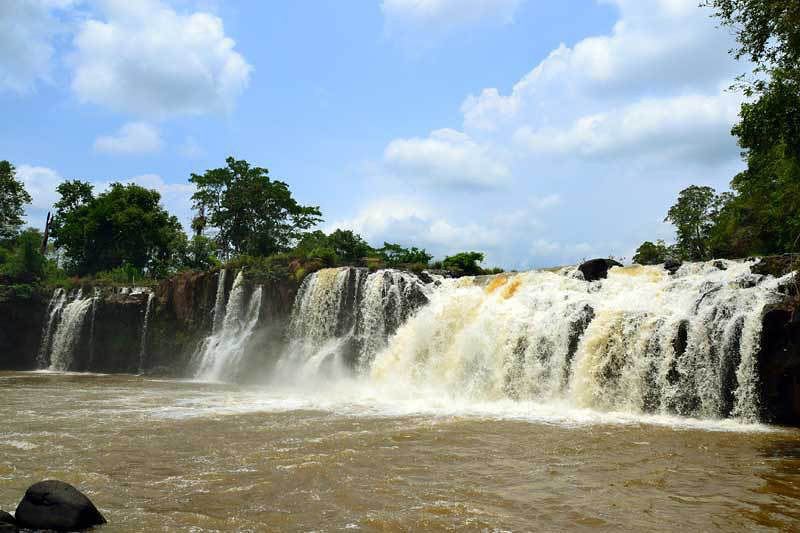
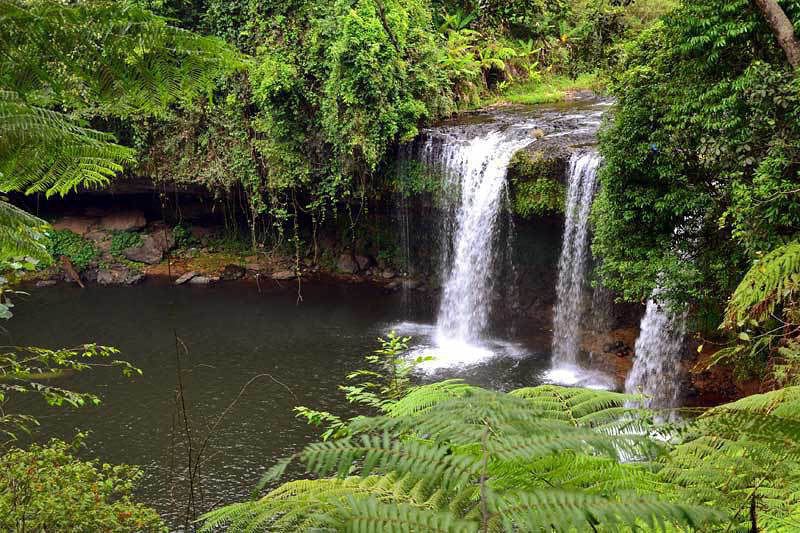
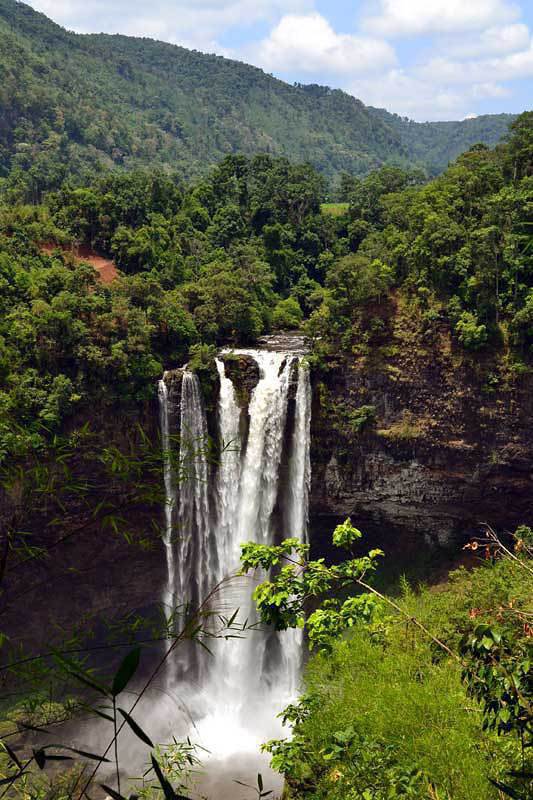
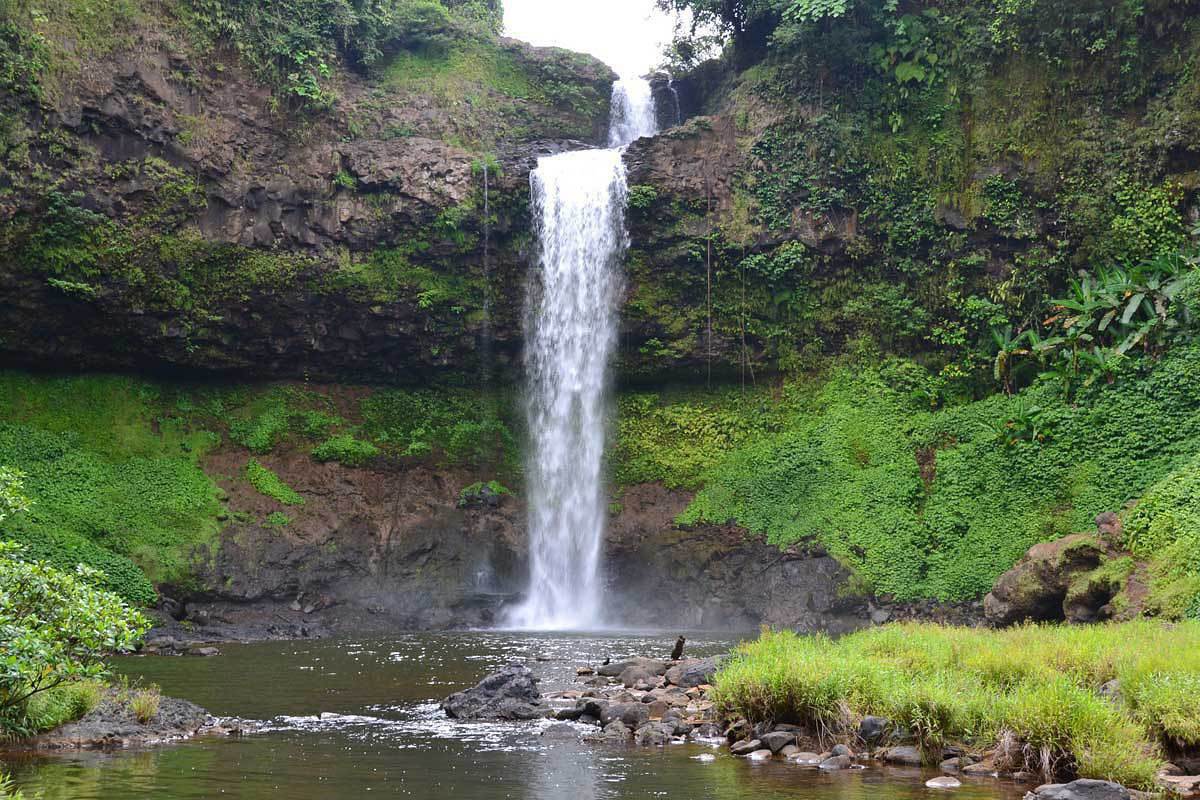
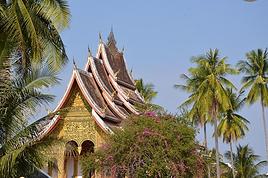
Le Laos est pour le touriste le règne du tout et n'importe quoi payant. Par exemple, il faut payer pour voir une cascade de quelques mètres de haut mais également pour stationner son vélo au bout du chemin menant à cette cascade. Il faut même payer pour aller dans des chiottes publiques completement crasseuses, délabrées et puantes . c'est tout dire! Je pense que les pouvoirs publics du Laos ont oublié qu'il faut toujours une contre partie au paiement. Ils ne doivent pas oublié non plus que les touristes viennent de pays où il existe des sites naturels remarquables gratuits (les Alpes, grandiose, non?) ou un patrimoine architectural exceptionnel (entre un petit temple payant de LP et ND de Paris au surplus gratuit mon choix est vite fait!).
Les services publics du Laos, c'est pas mieux. Tu passes la frontière après 18 h00 ou la samedi ou le dimanche, c'est 1 USD par tête ou 10000 kips (il vaut mieux donc payer en dollars) alors que tu payes déjà ton visa.
Quant aux prix des restos et de l'hébergement demandés aux étrangers (je devrais dire exigés, parce qu'on ne se discute pas ou si peu!), surtout en dehors des grands centres touristiques, ils sont à prestation égale beaucoup plus chers que dans le nord de la Thailande. En plus, autre avantage de la Thailande tu te fais arnaquer mais tu as droit un sourire, pas au Laos où tu as le droit à la gueule en prime.
Au bout du compte, le problème vient probablement en grande partie des personnes en contact avec les touristes (J'ai tout de même rencontré quelques personnes sympas et désinteressées).
Quant à ce qu'il y a à voir ...; A part le zoo humain (la visite des "cultural village", ça me choque mais on ne se refait pas), je cherche toujours.
Côté positif, voyager à vélo au Laos, c'est sympa. Peu de circulation, du dénivellé, ...
Le plus curieux de l'histoire, c'est que bcp de touristes rencontrés pensaient comme moi mais que je n'ai jamais rien lu à ce sujet.
D'où ce témoignage.
A+
PS : je précise que je voyage depuis une quarantaine d'années avec le plus souvent un budget limité, que je reste toujours très discret et que cela faisait bien longtemps qu'un pays ne m'avait pas déçu autant.
Ah je ne vois pas ou est la grosse arnaque ou alors tu n'as pas regardé la définition du mot 🙂 ... trop souvent utilisé sur ce forum des que quelque chose n'est pas "comme dab" suis surpris de tes commentaires pour quelqu'un qui voyage bcp
- sinon oui il y a des pratiques propres a ce pays ( et d'autres) pour moi c'est tout !
PS je précise j'étais au Laos en début d'année
Bon voyage et surtout voyagez zen!
Michel France (85)
des sites naturels remarquables gratuits (les Alpes, grandiose, non?)
Les montagnes du Nord du Laos s offrent aussi gratuitement aux yeux des voyageurs 🙂
(entre un petit temple payant de LP et ND de Paris au surplus gratuit mon choix est vite fait!)
ND peut se le permettre avec tous les financements publiques qu elle recoit 🙂
il faut payer pour voir une cascade de quelques mètres de haut mais également pour stationner son vélo au bout du chemin menant à cette cascade.
Il faut bien entretenir les abords de celle ci. La aussi il n y a pas de fonds publiques pour ce faire. Il y a un tas de cascades au Laos ou il n y a pas de droits d entree.
La vie est plus chere au Laos qu en Thailande. C est un pays qui n a pratiquement pas d industrie, pas d agriculture a grande echelle, un pays qui importe beaucoup.
Quant à ce qu'il y a à voir ...; A part le zoo humain
J ai vecu plus d un an au Laos, j etais journaliste pour Champa Holiday the lao airline inflight magazine. J ai parcouru tout le pays, je ne me retrouve pasdans votre commentaire.
Mais si vous avez suivi le "banana pancake tour'' alors oui je peux comprendre.
Certes, on peut être en désaccord mais vous confirmez qu'il y a des choses dont "on" ne doit pas parler sous peine d'être disqualifié par des réponses comme les votres.
En effet, vos commentaires sur ma personne sont d'une suffisance qui me laisse pantois.
Vu le niveau, je pourrais vous demander : qu'est ce qui vous plait au Laos : les prestations de luxe pour pas trop cher pendant que la populace crève de faim, la came bon marché ou la Lao à vil prix? Vous vaudrez vous dans la bière chaque soir comme le majorité des néocoloniaux, non pardon des occidentaux, que j'ai pu voir?
Mais non je ne vous demande rien de tout cela. Le sens de mon message initial est l'accueil des étrangers au Laos.
Merci de vos retours d'expériences; bien évidemment dans un sens comme dans l'autre.
PS ; Concernant LP, je signale que cette ville bénéficie déjà d'un financement international
Tu vires parano Pierlu. Mais, c'est vrai que tu n'est pas aidé.
D'un côté, un prof (Michelzen) qui donne des leçon de vocabulaire et qui pratique la langue de bois (" il y a des pratiques propres a ce pays". Si il se fait casser la gueule dans le métro, ce sera juste une pratique propre à Paris; tant mieux parce qu'avec ça la délinquance n'existe plus )
Il y a ensuite Madaviet qui se vante d'être un "journaliste" pour Champa Holiday . Champa Holiday est un espèce de dépliant publicitaire à la gloire du tourisme au Laos. Madaviet est probablement un journaliste d'investigation. Madaviet, tu devrais mettre en ligne tes articles sur l'extermination des Hmongs qui ont pour seul défaut d'être les enfants de ceux qui ont combattu avec les américains pendant la guerre du vietnam. Ou tes articles sur les persécutions des chrétiens (il est interdit à l'évêque de LP de posséder une maison, il vit dans une guesthouse). Ou tes articles sur la corruption qui mine le régime. Mais biensur je suis sur que ces articles, tu ne les a pas écrits. Tu n'as rien vu. La petite arnaque au quotidien tu ne la vois pas non plus.
Oui Pierlu a raison. j'ai ouïe dire aussi qu'il arrivait que des bus de nuit s'arrêtent en pleine cambrousse et demandent 20 ou 30 dollars de supplément. Sinon, t'es planté sur place! C'est même dans le lonely planet.
Merci de nous avoir partagé votre avis subjectif sur cette destination.
Le contenu de votre récit est intéressant et a retenu mon attention.
Mais je rejoins l'avis du membre Michelzen "Où est la grosse arnaque" ?
Tu vires parano Pierlu. Mais, c'est vrai que tu n'est pas aidé.
D'un côté, un prof (Michelzen) qui donne des leçon de vocabulaire et qui pratique la langue de bois (" il y a des pratiques propres a ce pays". Si il se fait casser la gueule dans le métro, ce sera juste une pratique propre à Paris; tant mieux parce qu'avec ça la délinquance n'existe plus )
Il y a ensuite Madaviet qui se vante d'être un "journaliste" pour Champa Holiday . Champa Holiday est un espèce de dépliant publicitaire à la gloire du tourisme au Laos. Madaviet est probablement un journaliste d'investigation. Madaviet, tu devrais mettre en ligne tes articles sur l'extermination des Hmongs qui ont pour seul défaut d'être les enfants de ceux qui ont combattu avec les américains pendant la guerre du vietnam. Ou tes articles sur les persécutions des chrétiens (il est interdit à l'évêque de LP de posséder une maison, il vit dans une guesthouse). Ou tes articles sur la corruption qui mine le régime. Mais biensur je suis sur que ces articles, tu ne les a pas écrits. Tu n'as rien vu. La petite arnaque au quotidien tu ne la vois pas non plus.
Oui Pierlu a raison. j'ai ouïe dire aussi qu'il arrivait que des bus de nuit s'arrêtent en pleine cambrousse et demandent 20 ou 30 dollars de supplément. Sinon, t'es planté sur place! C'est même dans le lonely planet.
Toto
vos commentaires sur ma personne sont d'une suffisance qui me laisse pantois.
Pouvez-vous citer les commentaires incriminés en question ?
Je me suis posée la même question... Mais sans doute Pierlu n'a pas très bien lu 😛
Ceci dit je trouve intéressant ce retour d'impressions, de ressentis. C'est dit sans haine et assez argumenté et je ne crois pas que l'intention était de défaire une destination. Au mauvais endroit au mauvais moment ? Manque de bol ?
Quant aux petites arnaques en tous genres c'est le lot de beaucoup de pays qui s'ouvrent au tourisme...
Ce qui m'étonne le plus c'est quand Pierlu dit que les laotiens ne sont pas souriants. J'avais entendu le contraire ou plutôt que ce peuple était timide mais très agréable.
PS @Fexon: je ne m'en souvenais plus de ceux-là, super ! 😄
vos commentaires sur ma personne sont d'une suffisance qui me laisse pantois.
Pouvez-vous citer les commentaires incriminés en question ?
Pour Michelzen
"alors tu n'as pas regardé la définition du mot 🙂 ... trop souvent utilisé sur ce forum des que quelque chose n'est pas "comme dab" suis surpris de tes commentaires pour quelqu'un qui voyage
bcp"
Pour Madaviet
"Mais si vous avez suivi le "banana pancake tour'' alors oui je peux comprendre"
C'est méprisant et ça n'apporte rien à la discussion.
Concernant le titre de mon post, il est accrocheur. C'est le but. Mais il correspond aussi à la réalité que j'ai vécue. J'ai trouvé qu'il existait un contraste important entre ce qu'on lit dans les guides ou les forums et la réalité. Je rappelle que j'ai voyagé en vélo. Discrétement. Peut-être que si effectivement j'étais resté dans le circuit touristique classique en lachant des dollars par ci pour un scooter, par là pour un trek ou encore par là pour un bateau, j'aurais vécu les choses différemment ... D'ailleurs, je ne critique pas, c'est un tourisme que je pratique aussi ...
Salut,
Je n'ai pas fait de vélo au Laos mais à plusieurs endroits ( surtout au nord) j'ai parcouru les sentiers à pied et logeant dans les villages.. j'ai aussi fait du tourisme classique ( descente de la Nam Ou en pîrogue depuis Phongsally) et Luang-Prabang Vientiane par la route.
Ayant beaucoup apprécié ce pays je suis très surpris de tes commentaire surtout si tu dis avoir beaucoup voyagé. Comme dans de nombreux pays en voie de développement il existe des tas de sites inintéressants une grotte par-ci une cascade par là avec un accès payant ( généralement somme très modique) alors qu'il existe une multitude d'autres sites où personne ne viendra te réclamer un seul Kip..
Il faut même payer pour aller dans des chiottes publiques completement crasseuses, délabrées et puantes
Alors que c'est gratuit en pleine nature!
Je suis allé dans le nord aussi.. Phongsally où j'ai randonné pendant 4 jours dans les villages en amont de la Nam Ou et personne ne m'a rien réclamé.. je suis passé ( assez vite) à Vang Vieng très très touristique là encore je n'ai pas eu à payer quoi que ce soit.. J'ai donné une fois une modique somme pour quitter Muang Ngoy ( sur la Nam Ou) vers les villages environnants; il y avait un "péage" proche d'une grotte ( sans intérêt) pour qui voulait s'aventurer plus loin..ça m'a coûté 2 euros je crois, pas de quoi appeler celà une arnaque encore moins une grosse arnaque! à mon avis...
En plus, autre avantage de la Thailande tu te fais arnaquer mais tu as droit un sourire, pas au Laos où tu as le droit à la gueule en prime.
Au bout du compte, le problème vient probablement en grande partie des personnes en contact avec les touristes (J'ai tout de même rencontré quelques personnes sympas et désinteressées).
Je le pense aussi.. Le Thaïs eux ça fait longtemps qu'ils sont habitués aux touristes occidentaux et à leurs "bonnes manières" tandis que pour les Laotiens c'est encore tout frais! Et j'en ai vu de ces énergumènes ..à Vang Vieng par exemple!
"Mais si vous avez suivi le "banana pancake tour'' alors oui je peux comprendre"
C'est méprisant et ça n'apporte rien à la discussion.
Ce n est en rien meprisant. Juste pour dire que comme partout dans le monde on est souvent sollicites dans les endroits touristiques et que les relations avec les locaux est differente car souvent interessees.
Champa Holiday est un magazine de voyage. Ce n est pas un magazine politique. Bien qu on ai parle du sort des Hmong :
Je suis allé au Laos l'hiver dernier et je n'ai pas vraiment ressenti ce que tu décris ...
C'est vrai que bon, on est pris un peu pour des nababs mais bon, pas plus ni moins qu'ailleurs je trouve....J'ai même été un peu plus gavé par le Vietnam en la matière mais quand même rien à voir avec l'Afrique...
Après, heu
Les services publics du Laos, c'est pas mieux. Tu passes la frontière après 18 h00 ou la samedi ou le dimanche, c'est 1 USD par tête ou 10000 kips (il vaut mieux donc payer en dollars) alors que tu payes déjà ton visa.
Je peux t'assurer que dans pas mal de pays, tu paieras bien plus cher que ça ( tente le coup dans un pays de l'Afrique noire pour voir 😛)...et en Europe, il me semble que passé l'heure...tu repasses le lendemain...Je suis d'accord avec toi sur le principe que c'est casse bonbon mais 1 dol c'est dans les prix les plus bas dont j'ai pris connaissance...
Je comprends ton avis sur ces pratiques mais pas de là à employé le mot arnaque, et n'oublions pas qu'on se fait bien plus fouetter le derche chez nous sans nous en rendre compte ou sans rien dire...
Bonsoir Pierlu je comprends ce que tu dis mais je n'emploierai pas le mot arnaque.
En début d'année j'ai fait à vélo un tour du Mékong Thaïlande Laos. On m'avait énormément vanté le Laos sans doute trop. Je suis descendu du nord jusqu'à Paksé puis la frontière retour en Thaïlande en 28 jours. Comme avant j'avais remonté la Thaïlande de Ubon jusqu'au nord, je peux comparer les prestations entre les deux pays. Effectivement les rapports coûts qualité sont incomparables, la Thaïlande est bien au-dessus, bien que le pays soit beaucoup plus riche. Mais le passé (et le présent) communiste du Laos l'explique.
Une fois un hôtelier a cherché à" m'arnaquer" en essayant de ne pas me rendre la monnaie, il me volait peut-être trois euros mais devant mon insistance il me les a rendus, question de principe je les ai réclamés autrement je les aurais sans doute laissés. A part ça dans les villes touristiques où nous nous sommes arrêtés les prix étaient un peu plus chers. Lorsque nous y étions c'était le nouvel an chinois et les Chinois avec grosses BMW, Audi ou Mercedes étaient légion. Un habitué du coin m'a dit que le Laos était en train de changer de stratégie et qu'il voulait remplacer les touristes occidentaux à petit budget par une clientèle plus aisée ou qui lâche plus facilement ses pesos.
Le zoo humain comme tu dis cela m'a aussi interpelé mais ça doit leur rapporter quelque argent. Ca m'a rappelé le village ethnique à Bucarest à l'époque où Ceaescescu obligeait des représentants des différentes régions à se tenir dans leurs différentes habitations spécifiques.
Mais globalement je garde un bon souvenir, cependant pas à la hauteur de ce qu'on m'avait prédit. Horrible à dire mais les plus beaux contacts que j'ai eus c'est avec les Martiens à vélo, deux solitaires qui arrivaient d'une traversée de l’Himalaya, l'un rentrait en Allemagne l'autre en Catalogne, tous deux par la route, un couple de Belges sur un tandem qui dans leur tour du monde venait de traverser l'Outback australien, un couple de Néo-zélandais avec qui j'ai gardé le contact en vue balades ultérieures, et un certain nombre d'autres ravagés de la pédale!
Si vous pensez revenir au Laos, je vous suggere une magnifique boucle a faire au depart de LP. C est la boucle des 3 frontieres : Chine, Birmanie, Thailande. Magnifique. Ce fut l objet d un article qui est parut dans le dernier numero de Champa mag
J'ai demandé à l'administrateur du site de supprimer mes messages de ce fil. En effet, mon but n'était pas de polémiquer mais de débttre. Comme je constate que le fil existe toujours quelques observations :
Sur le mot "Arnaque" : en langage familier, il s'agit d'une tromperie; par rapport à tous ce que vante les sites et les forums, il y a effectivement une énorme distortion entre le mythe et la réalité; pour ne prendre que l'exemple de Luang Prabang, il s'agit d'une sorte de lunapark dédiée entièrement au tourisme; tout y est faux. ce n'était d'ailleurs pas un but de mon voyage mais juste une étape (j'ai suis resté 2 jours en grandre partie pour reprendre des forces avant de continuer pédaler vers le nord);
Sur les interventions de Madaviet : il me semble que le journalisme soit antinomique avec le travail pour la revue publicitaire d'une compagnie aérienne (dont le rôle est de promouvoir le tourisme) et encore plus antinomique avec le Laos.
S'agissant de la liberté de la presse, Reporter sans Frontière classe le Laos au 168° rang (sur 178!!!). Pour mémoire, le 4 juin 2003, deux journalistes indépendants basés à Bangkok, Thierry Falise, journaliste belge et collaborateur régulier de l’hebdomadaire français L’Express, et Vincent Reynaud, cameraman français, ont été arrêtés dans la province de Xieng Khuang (nord-est de Vientiane) en compagnie du Révérend Naw Karl Mua, un citoyen nord-américain d’origine Hmong. Ils étaient en train d’achever un reportage sur la situation de la minorité Hmong. Leurs guides Thao Moua et Pa Phue Khang ont été respectivement condamnés à 12 et 15 ans de prison. Dans ces conditions le "reportage" sur les hmongs de votre revue prête à sourire.
L'excellent reportage sur les hmongs fait par M6, certes un peu pleurnichard mais très instructif, est ici :
Quant à la balade en moto, je préferère le vélo. Je pense qu'apès un millier de kilomètres à appuyer sur les pédales au Nord Laos, j'ai une petite idée des paysages de cette région.
Sur les judicieuses observations de Baroud35 : effectivement, il ya bien "pire" qu'au Laos; le Laos n'a rien à voir par exemple avec le Maroc (où j'ai habité); mais, s'agissant d'un pays d'Asie, je ne m'attendais pas à ça
Sur le non moins excellent message de Lucbertrand : dans un régime autoritaire (je ne dis pas totalitaire pour ne pas exciter les adeptes de la langue de bois), je doute que l'idée des visites des "cultural village" ait germé dans la tête des villageois pour qui le concept même de trek, au surplus éco, doit être complétement étranger; j'ai tendance à penser que, pour faire rentrer des devises, le régime a décidé d'ouvrir des zoos humains; mais là c'est juste une hypothèse ...
Pour finir, je rappelle que, comme je l'ai indiqué dans mon messge initial, "au bout du compte, le problème vient probablement en grande partie des personnes en contact avec les touristes (J'ai tout de même rencontré quelques personnes sympas et désinteressées)".
Et je garde une profonde affection pour les peuples et les civilisations du Sud Est asiatique.
Luang Prabang, il s'agit d'une sorte de lunapark dédiée entièrement au tourisme; tout y est faux.
J'ai trouvé Luang Prabang magnifique et d'ailleurs ce n'est pas pour rien que c'est la ville la plus visitée du Laos. Mais au fait qu'est ce qui est faux?
Pour le Laos en général je ne parlerai que des sites des montagnes des paysages de la population Laotienne..Pour ce qui concerne le régime politique je ne me prononce pas n'ayant pas suffisamment d'éléments pour en discuter.
A Phongsally vers 05h30 /06h du matin j'ai été réveillé par des hauts parleurs sous les fenêtres de ma guesthouse qui n'ont cessé durant la matinée de débiter des discours politiques ( selon le proprio de l'hotel) entrecoupés de chants patriotiques.
Luang Prabang, il s'agit d'une sorte de lunapark dédiée entièrement au tourisme; tout y est faux.
J'ai trouvé Luang Prabang magnifique et d'ailleurs ce n'est pas pour rien que c'est la ville la plus visitée du Laos. Mais au fait qu'est ce qui est faux?
Ce qui est faux? mais TOUT!!! Luang Prabang (je ne parle pas des faubourgs) est une succession de restaurants, hotels et autres guesthousse avec quelques maisons coloniales mises en valeur (ça ne manque pas de sel d'ailleurs pour un régime anticolonial) et, le soir, un gigantesque marché pour touriste. Presque aucun laotien n'y vit. Les commerces pour beaucoup sont aux mains d'étrangers, notamment de chinois.
Cela étant, il y a un côté très agréable; les rues sont (assez) propres; il n'y a pas de cochons noirs ou d'enfants qui déféquent dans la rue; pas de boue ou de poussière non plus; c'est joli; la vue ur les fleuves est magnifique; on y bouffe bien; c'est un peu Vang Vieng en joli et sans le côté trash. En un mot, LP, c'est reposant. Mais pas du tout à l'image du reste du nord du Laos (je ne suis pas allé au sud)
je comprends ta déception de LP, j'y suis allé il a 7 ans et malgré qu'aucun vol direct depuis l'europe n'existait (et sans tour opérator) c'était déjà rempli de touristes………… ceci dit j'ai adoré cette ville………
elle n'est pas factice, juste rempli de touristes comme venise par exemple……
par contre ce n'est pas las vegas……… où tout est faux ……… (ce qui fait son charme d'ailleurs)
elle n'est pas factice, juste rempli de touristes comme venise par exemple……
C'est certain!
Que ça soit rempli de touristes sans doute mais ça n'enlève rien au charme de cette ville il me semble. Elle est d'ailleurs classée au patrimoine mondial de l'Unesco ( ?) Pas plus que pour Venise rien n'est factice même si c'est une destination phare en Italie...Qui dirait qu'à Venise tout est faux?!!
Encore un qui s'est contenté de suivre l'autoroute des moutons tracée pour lui par son guide de voyage et qui vient ensuite se plaindre des inconvénients de la chose...🤪🏴☠️
Luang Prabang (je ne parle pas des faubourgs) est une succession de restaurants, hotels et autres guesthousse avec quelques maisons coloniales mises en valeur (ça ne manque pas de sel d'ailleurs pour un régime anticolonial) et, le soir, un gigantesque marché pour touriste. Presque aucun laotien n'y vit. Les commerces pour beaucoup sont aux mains d'étrangers, notamment de chinois.
Difficile de dire le contraire. C'est aussi la réflexion que je me suis fait : comme je ne voyais que restau, hôtels, guesthouses, bars, boutiques, où dorment les laotiens ? OK, les moines dorment dans les nombreux temples (au passage, la plupart sont en accès gratuit, mais rarement visités car moins beaux que les "vedettes").
En fait, il y a quelques rues d'habitat local, en parallèle des rues touristiques. C'est par exemple dans de telles rues que l'on trouve la blanchisserie qui bosse pour les guesthouses du quartier. Mais la plupart des laotiens me semblent dormir à l'extérieur de la presqu'île, dans les faubourgs. En me baladant à vélo, c'est en effet là que j'ai vu des habitations sans aucun affichage touristique.
Luang Prabang est un incontournable du tourisme mondial, et c'est justifié esthétiquement. Mais c'est un peu comme un musée de plein air incluant l'infrastructure touristique associée. Infrastructure extrêmement dense et j'avoue que cela m'a un peu gêné. D'autant que je venais de Muang Khua où j'avais passé 3 jours plus proche du laotien de base.
Mais je participais moi-même à cette dérive touristique. Y compris l'aumône matinale, même si j'ai évité de flasher à 50 cm des moines comme c'est malheureusement le cas.
On peut quand même aller petit-déjeuner laotien au marché du matin. Au risque d'être observé comme une attraction par les touristes occidentaux qui passent.
Fabrice
S'exposer à l'Etranger lointain amène à mieux connaître et comprendre sa propre Culture.
Quant à ce qu'il y a à voir ...; A part le zoo humain (la visite des "cultural village", ça me choque mais on ne se refait pas), je cherche toujours.
Pour ma part, j'ai adoré les paysages karstiques le long de la Nam Ou. Certes, la petite pirogue était remplie d'occidentaux, mais il y avait tout de même quelques autochtones. Qui seraient bien en mal si ces occidentaux ne justifiaient pas le maintien de ce transport fluvial depuis que les routes sont construites : pas sympa pour les villages le long du fleuve et loin de la route.
Lors de mon "trek" autour de Muang Khua, je n'ai pas eu l'impression de visiter un zoo humain. Plutôt une découverte mutuelle. Dans cette relation, c'était les villageois, jeunes et moins jeunes, qui mataient le plus l'étranger que j'étais. Jusqu'à la femme du chef demandant si la couleur de mes cheveux (blanchis par l'âge) était naturelle : la dernière fois qu'ils ont eu la visite d'un occidental, c'était 11 mois auparavant, et l'accès étant uniquement pédestre et un peu pentu, les visiteurs sont généralement plutôt jeunes.
Des témoignages que j'ai pu recueillir, les treks autour de Luang Nam Tha sont plus "industrialisés". Mais il semble que cela reste beaucoup plus respectueux que les pratiques courantes dans le Nord de la Thaïlande. Qui là justifieraient parfaitement l'appellation de "zoos humains".
En plus, autre avantage de la Thailande tu te fais arnaquer mais tu as droit un sourire, pas au Laos où tu as le droit à la gueule en prime.
Au bout du compte, le problème vient probablement en grande partie des personnes en contact avec les touristes (J'ai tout de même rencontré quelques personnes sympas et désinteressées).
Comme tu l'écris, les professionnels du tourisme ne sont pas représentatifs de la population et de sa culture. Comme dans tous les pays. Le pire étant à mon avis les chauffeurs de taxi.
J'ai eu la chance d'avoir de bonnes relations avec les laotiens côtoyés. Peut-être l'avantage d'avoir appris un peu de vocabulaire. Sans doute aussi parce que j'ai réussi la plupart du temps à rester à l'écart des professionnels du tourisme et que mes hébergements ne figuraient généralement pas dans les guides.
Au Laos, je n'ai pas trop eu l'impression d'être un paquet d'euros sur pattes. En tout cas, beaucoup moins qu'en Inde du Nord.
Fabrice
S'exposer à l'Etranger lointain amène à mieux connaître et comprendre sa propre Culture.
Le Laos est un pays de 236 800 km2 et vos griefs se concentrent sur la zone la plus touristique du pays, sur une des villes les plus visitees d Asie du Sud Est, une zone de 3km2.
Hormis Luang Prabang ou avez vous ete au Laos ?
Il y a des centaines de cascades au Laos dommage de s etre rendue ou elles etaient payantes.
- En 2006, Nord Laos, au coeur de la province de Phongsaly : 34 jours de balades, seul et à pied, en compagnie des minorités ethniques (voir http://voyageforum.com/v.f?post=830899).
- En 2007, Nord Laos, 40 jours à pied, seul, sans guide, vers les confins de la province de Phongsaly (voir http://voyageforum.com/v.f?post=1495745).
- En 2009, Trafic d'opium et cætera : un mois à pied dans les montagnes du nord Laos, province de Phongsaly (voir http://voyageforum.com/v.f?post=3178775).
On est loin des rues touristiques de Luang Prabang, même on peut y approcher la culture des tribus montagnardes au musée "Traditional Arts and Ethnology Centre".
Fabrice
S'exposer à l'Etranger lointain amène à mieux connaître et comprendre sa propre Culture.
Perso ce qui m'avais étonné (sans plus) c'est certains ponts a péage
Les ponts ne sont pas finances, entretenuscomme en France par le conseil regional, par le departement.
Il m'est également arrivé de me faire arrêter par une banderole en travers de la route et que des villageois me demandent quelques kips pour leur temple ou leur école... 😏
Plusieurs témoignages d'arnaques au vol de scooter ou moto à Paksé, quand est il exactement? Et sur le plateau des Bolavens? Etant bien entendu que comme…
Une arnaque plutôt désagréable à Luang Prabang vécue plusieurs fois en moins de deux semaines: Dans les "petites boutiques" de taux de change situées dans le…
Je viens apporter mon témoignage concernant une arnaque de vol de scooter. Tout d'abord merci à Roxchart qui nous a apporté des infos très utiles. Nous avons…
Soyez vigilants dans les bus entre Vientiane et vang vieng. Nous nous sommes fait dérober dans la soute du bus dans chaque bagage fermé à clé un appareil photo…
Je dois aller au laos en partent de thailand, et apparament plusieur personnes ne se sont fait fair tamponet leurs visa en entren au laos, donc si quelqun peux…
hello à tous. Je vais partir en solo en février et je vous place une idée de mon voyage. Celà tient il la route?
ps: je ne suis pas amateur de plages
J1 Départ le 17 février 2027
J2 arrivée Kuala lumpur- balade chinatown et tours petronas
J3 : kuala lumpur : marché chow kit, batu caves, little india, centre ville bukit bintang
J4 : bus vers Malacca tot matin. Balade dans Malacca aprem et soir
J5 : encore 2 à 3h dans Malacca au matin puis retour bus vers Kuala lumpur. Zone merdeka square. Loger chinatown
J6 : trajet bus vers kuala tahan. Night tour
J7 : le matin : rando canopy, bukit terisek. L’aprem : vers lata berkoh
J8 et J9 : trek 2j ds la jungle du parc taman negara
J10 : vers Cameron highlands
J11 : matin rando dans les plantations. L’aprem à définir
J12 : le matin : excursion a mossy forest et plantation sungei. Aprem bus vers Ipoh
J13 : matin : zone mirror lake/ sam poh temple. L’aprem: balade au centre de Ipoh
J14 : matin train vers Penang. Aprem : balade georgetown
J15 : matin penang hill et temple keh loh. Aprem: Georgetown
J16: bus vers butterfly garden et spice garden. Fin aprem : temples birman et thai
J17: matin envol vers Singapour. Aprem: chinatown et tour de la baie
J18 : matin zone gardens by the bay. Aprem : boat quay- clarke quay- kampong glam
J19 : matin : zone the ridges et botanical garden. Aprem: little india et retour Chinatown avant vol retour de 23h15
J20 : arrivée matin
First stop on our discovery of the peninsula: Amphawa. It’s our first night in Thailand (we arrived at Suvarnabhumi at 8:50 AM).
Our initial plan was to explore the area before heading further south. The Mae Klong Railway Market is tempting... but what else is there to do????
We’ll be there on a Wednesday, and from what I’ve read on the forum, some say there’s absolutely nothing to do during the week—no floating market, barely any shops open, no restaurants, etc.
Others, though, say the place is actually more charming without the weekend crowds.
Could you share your thoughts? Missing the floating market is one thing, but if it’s really a ghost town on Wednesdays, I might just drop our bags somewhere else.
Amphawa seemed like a good first stop, just 1.5 hours from the airport, but I’d still like to settle somewhere a bit lively for our first evening.
We’ll be there at the end of October.
Thanks!
Hi,
I wanted to visit the plantations in the morning with GetYourGuide or by just showing up.
How much time should I really plan for?
I’d like to catch either the 3 PM or 5 PM bus back to KL.
Thanks
Hi,
I wanted to get some info about the cable car and the bridge—I see lots of different options...
How much time should we allow for these two activities? If we arrive around 4 PM, will we have enough time to visit without rushing?
Thanks
Hi there,
I didn’t plan to return to Thailand this year, but my health conditions mean it’ll be the best place for me to stay between two trips to India. The tourism setup there is so well-organized that it’s the most "comfortable" country for a short visit. Thailand feels too sanitized for my taste, and there’s too much religion, Buddha, and the King, but it’s still the best option given how my health has been evolving. I’d considered two weeks in ThaTon for hiking, but I got too sick from the burn-offs during my trips to the mountains around Chiang Rai. So I’m not sure where to go this year. Definitely not the sea, touristy spots, or the mountains with burn-offs...
Hi,
On September 1st, we're heading to Kalimantan for six weeks, probably from Pontianak to the Derawan Islands.
I've scoured this site, which is usually my go-to 😉, and others like VoyageForum, but recent info is pretty scarce.
I'd love any tips on places you've visited—our itinerary is still a work in progress.
We're two couples traveling with backpacks, using buses, boats, guesthouses, and homestays.
Thanks in advance!
Hi fellow travelers,
First trip to Vietnam.
We’ll be arriving in Ho Chi Minh City during Tet.
Is it complicated to find accommodation and get around during this period?
Any tips would be welcome.
Thanks for your replies.
Hi! I’d like to split my trip into two parts: 15 days in Phuket and 15 days in Krabi. Do you know if I can rent a car and drop it off in Krabi when I fly back to France?
Thanks for your feedback!
Have a great Sunday!
Martine
Hello,
After 1 night in Khao Sok, I’d like to find a 2 Days 1 Night package on the lake.
After reading a lot, I decided to "break the bank" and treat ourselves to a private tour—mainly to avoid the crowds.
But after contacting several operators, they offer "private tours" that are very expensive (around 700 €), yet in the details, the boats can only leave from the pier at 10 AM like everyone else. (I was hoping to leave much earlier.) The morning program is the same for everyone too (private or not). They drop us off at noon at our floating hotel (I’d chosen Phupha Waree). Free afternoon (swimming or kayaking in front of the hotel). We head back by boat for a 1-hour sunset ride. And the next morning, we leave the hotel at 8 AM to be at the pier by 9:30 AM at the latest—end of the trip.
So basically, we’re paying a lot for a private tour just to do the same thing as everyone else at the same time.
Or maybe I just had bad luck in my search.
I contacted Panida Ladi, who’s very popular on forums. We’d agreed on a private tour that matched my request (departure from the pier at 8 AM, very personalized itinerary). We settled on the itinerary and price, she asked for a Wise transfer for a 30% deposit, confirmed receipt of the deposit. Then 30 minutes later, she messaged me to say she was canceling everything because it was impossible to do the requested tour—and promised a quick refund of my deposit.
So here’s my question: Who’s done a *real* private tour on this lake? Who can recommend a reliable agency? Is it even really possible to do a private tour here?
I’m searching for a real gem for my 3rd stay in Koh Lanta: a lovely, high-quality hotel right by an easily accessible beach in a lively spot.
If you know of anything that fits what I’m looking for and want to share, don’t hesitate!
Hi, is anyone there in Flores right now? According to some websites, everything is closed and the situation is tough. But our guide says it's fine. Who should we believe? We're supposed to leave on September 2nd. Thanks to anyone in Flores at the moment!
Hi dear community,
I'm planning to visit Cambodia this winter, right after Christmas, for my first solo trip and my first trip to Asia. For two weeks (yes, I know it's short, but I really can't do more...). I have two main desires: Siem Reap and the countryside, the villages, the Mekong...
What do you think of this itinerary? Arrival in Siem Reap, departure from Phnom Penh.
SR: 5 days (1 day for arrival, 3 for the temples, 1 for the lake and its villages)
Kratie (stop on the way to Mondolkiri): 3 days (1 day of travel, 2 days there)
Mondolkiri/Sen Monorom: 4 days (1 day of travel, 1 day there, 2 days of treks)
PP: 3 days (1 day of travel, 2 days of sightseeing)
I think I need to cut one day somewhere if I travel from Saturday to Saturday or Sunday to Sunday. In Kratie, maybe? Or in PP? And I'll miss the boat trip that everyone recommends (SR-Battambang), but I don't see where to fit it in. Unless I do a PP-PP loop starting in the east, skip Kratie or just stay one night, then SR, then PP.
In my timing, Mondolkiri seems closer than Ratanakiri, which also tempted me a lot! Will it be too complicated alone? I'm thinking of using local guides or a small local agency for a nature and village getaway.
I've read that Siem Reap is very crowded between Christmas and New Year's. I could also do the circuit in the opposite direction. But I thought it would be easier to get familiar with the country by arriving in a touristy area—I might be wrong...
Thanks for your advice and opinions!
Hi everyone.
I’m planning my trip, and based on all the posts I’ve read, this country is amazing.
Of course, I’ve got a ton of questions for you.
Here’s a possible itinerary: Vientiane - Vang Vieng - Phonsavan - Sam Neua - Nong Khiaw + villages - Phongsali - Luang Namtha and the area - Udomxai - Huay Xai - Luang Prabang and back to Vientiane.
What do you think?
We’re planning to prioritize local transport—is it possible to do this loop?
We’d also love to go kayaking, but I’m not sure if the season’s right or where the best spot is.
For trekking—I read that Phongsali is the most authentic spot to visit villages and see wildlife. Do you know of a reliable agency and a guesthouse with reasonable prices?
Is it worth taking a slow boat for a stretch on the Mekong, and if so, which route?
For accommodations, is it better to book through Booking.com and Agoda or look when we arrive?
Are mosquitoes bad in Laos, and should we take malaria prophylaxis?
What’s the average daily budget (accommodation, food, visits)?
Is renting scooters a good option for exploring towns, and if so, which ones?
From what I’ve read, it’s best to carry cash—euros or dollars? Is it risky to walk around with that much cash?
I’ve still got tons of questions. Thanks to anyone who can help, and I’m open to all tips, info, etc.
Thanks again
Hi there,
I’m planning a trip to Vietnam in February, specifically Da Nang and Hoi An.
Does anyone know a French-speaking guide in the area?
Thanks for your help
Hi there,
I’m planning a family trip (my wife and I, both 47, and our two sons, aged 5 and 12) to Malaysia for the last week of June and the first two weeks of July 2027.
We used to love road trips as a couple, then as a trio, but since our second child arrived, we’ve taken a break with "camping village" style trips.
Now feels like the right time to get back to our old habits, while adjusting the pace for the kids.
We’re craving Asia. We’ve been lucky enough to visit Thailand, Indonesia (Bali and Lombok), and Sri Lanka before.
Friends have raved about Malaysia, so we’re definitely tempted.
For those who know and love Malaysia, what would be a good itinerary starting from Kuala Lumpur, with a maximum of 3-4 stops? We’d like a mix of culture, nature, and relaxation (just to clarify, we’re not big beach fans). All of this without rushing, of course.
Hello,
We’re a family of four with two teens aged 16 and 18. We’re heading to Thailand this summer. We’ll arrive in Bangkok and plan to take a flight to Luang Prabang.
I’ve seen there are some great visits and excursions to do (temples, markets, waterfalls) and maybe even venture a bit north to places like Nong Khiaw, Muang Xay, Muang Ngoy, or Oudom Xay.
But I’ve also heard about the Bokeo region with the Gibbon Experience.
Since we won’t be able to do everything, I’d love to hear about your experiences, impressions, and advice on the two options I’m considering, especially since we’ll be meeting family in Chiang Mai, Thailand, afterward.
Option 1: A loop from Luang Prabang heading slightly north, then a flight from Luang Prabang to Chiang Mai.
Option 2: A few days in Luang Prabang, exploring within a few dozen kilometers around, then heading to Bokeo province for the 2-day/1-night Gibbon Experience. For this option, I saw on Rome2Rio that it’s possible to book a ferry trip on the Mekong from Luang Prabang to Huay Xay—they mention about 8 hours. But is that realistic? What type of boat is it?
Then, to get to Chiang Mai, there aren’t many options—bus or minivan—but how does crossing the border work?
Finally, for those of you who’ve been to Laos in August, what was the weather like?
We’ve already visited Thailand, Vietnam, and Cambodia during the same period over the past four years and weren’t really bothered by bad weather.
I’m starting a discussion about guides in the Mekong Delta because we’ve just finished our trip in this region and had a hard time finding a French-speaking guide. We had Thanh—she speaks French really well and travels all over the delta region, including Ho Chi Minh City. She’s super friendly and flexible. I recommend her wholeheartedly. If it can help someone...
Feel free to contact us for her number.
Hi everyone,
I couldn’t find any recent info on Kuching.
Can anyone recommend a hotel or guesthouse for under 100 RM that’s nice and affordable? No dorms, please.
Also, does it rain a lot in November, and is it still worth visiting Semenggoh or Bako?
We’ll be arriving in Phnom Penh this coming January and we’re thinking of starting our trip with a stop in Kampong Cham, then Kratie.
After Kratie, we’re considering heading toward Siem Reap with a stop in Kampong Thom.
That said, I’m not really sure how long the Kratie–Kampong Thom journey might take or how complicated it is.
Does this stop on the way to Siem Reap seem like a good idea to you?
If we don’t visit the Sambor Prei Kuk site, are there still any walks or sights worth checking out in Kampong Thom?
Silly question—backpack or hard-shell suitcase for the Sepilok, Kinabatangan, Tioman, KL trip?
I’m struggling to fit all my son’s and my stuff into the 70L backpack... and I’m thinking a suitcase would be easier, but I’m not sure if it’ll work for getting around.
After a stay on Koh Phayam this coming November, I’d like to spend 2 or 3 days on Koh Phra Thong before heading further south.
Do you think it’s doable to leave Koh Phayam early enough to catch the 10 AM boat from Khura Buri to Koh Phra Thong? The next one isn’t until 4 PM, which would cost me a whole day.
I’m planning a trip to Indonesia, specifically Sulawesi and Java, in September for 10 days.
I don’t know this part of the world at all—any advice is welcome!
I’ll be traveling solo and would also love tips on meeting other travelers or locals.
Hello everyone,
Not long ago, I used to travel as a couple, but my husband has since passed away, and I’ve decided to set off again. The trip I took to Cambodia in January 2025 did me a world of good.
I’m now considering Thailand, a destination we never included in our plans because even 15 years ago, people said it was too touristy. Still, I’m thinking about the itinerary below, but I don’t feel up to arranging buses, trains, or guides on my own while I’m there. I’m looking for one or more drivers and have been in touch with an agency, but their offers are just copy-paste group tours that I don’t want.
So, if you have any contacts, experiences, or advice, I’d be so grateful if you’d share them with me. Here’s my rough plan:
Arrival in Bangkok
Ayutthaya (2 nights)
Kanchanaburi (2 or 3 nights)
Sangkhlaburi/Sai Yok (3 nights)
Sukhothai (2 nights)
Lampang (I’ve planned 3 nights, but that might be a bit much—it depends on what time I arrive in the city)
Chiang Mai
Chiang Dao
Pai
Chiang Rai
I was thinking about the Mae Hong Son loop—thoughts?
What do you think about staying overnight at the Golden Triangle?
When I look online, of course, I can find agencies that organize tours to national parks, etc.
I’m retired but in great physical shape. I’d rather go hiking than sit in hot springs with crowds of tourists who’ve all arranged meet-ups. I don’t want to spend a day at an elephant camp, and I don’t want to visit Karen villages.
I’d love to hear your advice.
Thank you all,
Hi everyone,
Could you share your thoughts on my 3-week itinerary?
We’re a small group (family + friends) of 12 people, planning to leave around January 21, 2027.
Here’s my itinerary:
3 nights in Bangkok
4 nights in Chiang Mai
3 nights on Koh Samui
3 nights on Koh Phangan
4 nights in Krabi
4 nights in Phuket
I’m also open to any great tips you might have...
Thanks, everyone! Alain.
Hi there,
We’re planning a 3-week family trip next summer with our three kids, who’ll be 8, 8, and 7 years old.
After some research, we’re leaning toward Malaysia to combine nature/forests and paradise beaches. The idea is to introduce our kids to the country’s culture, nature, and wildlife.
We want a great trip but without splurging on luxury options like high-end lodges and resorts. We’re looking for comfort with a touch of authenticity—basically, a good middle ground.
I’ve started putting together an itinerary and would love your expert advice and tips to help us build this amazing trip with our little ones.
Day 1: Departure from France
Day 2: Kuala Lumpur
Stay at a hotel near the airport or KL Sentral.
Just one night.
Day 3: Morning flight to Sandakan (Borneo).
Stay in Sepilok
Day 4: Sepilok:
* Orangutan Center
* Malayan Sun Bear Center
* Rainforest Discovery Centre
Day 5: Depart for Kinabatangan.
Boat safari in the late afternoon.
Day 6: Sunrise safari.
Jungle walk.
Evening safari.
Day 7: Final safari.
Return to Sandakan.
Flight to Kuala Lumpur, then to Kota Bharu (or overnight transit depending on schedules).
Day 8: Transfer to the port.
Boat to the Perhentian Islands.
Days 9 to 13: Perhentian Besar
5 full days.
* Snorkeling
* Hiking
* Turtle watching
* Wild beaches
* Relaxation
Day 14: Return to the mainland.
Bus or private car to Taman Negara.
Summer seems to be the best time weather-wise for Bali.
And since summer’s when we can take a long trip, let’s go for Bali... even though we know it’ll be *packed* with people!
So we’ll steer clear of the island’s south...
Our current plan (19 days on the ground, 7 stops):
- 4 Nights (3 days) in Ubud
2 days for rice terraces / activities (Tegallalang, Campuhan Ridge, Monkey Forest, Bird Park, coffee plantation, market (?), dance "pestacle," cooking class and/or spa)
1 day with a driver for the Temples (Pura Gunung Kawi, Tirta Empul Spring, Pura Mengening, Goa Gajah...)
- 2 nights in Sidemen (1 day for Pura Kehen + Batur Caldera + Pura Besakih and 1 day to relax in the rice terraces)
- 3 nights on Gili Meno (Rest and beaches) from Padangbai
- 2 nights in Amed (1 day from Padangbai with the Abang rice terrace and Tirta Gangga baths, and the next day a boat tour in Amed)
- 4 nights in Pemuteran (1 day for transfer and rest, 1 day to visit Kawah Ijen, and 2 days of snorkeling at Menjangan Island)
- 2 nights in Munduk (1 day with the Dayang rice terrace and the 3-waterfall hike, 1 day at Pura Ulun Danu Bratan)
- 2 nights in Jatiluwih (1 day in the rice terraces, and on the last day, we’ll stop by Pura Taman Ayun in Mengwi and Pura Tanah Lot before catching our red-eye flight).
Accommodations in homestays or hotels.
Transportation to be arranged on-site with the lodgings (?)
Boat to Gili Meno to book in advance (?)
Kawah Ijen excursion to plan ahead (?)—check with the homestay (?)
Thanks for your thoughts/comments to help us explore this destination...
After reading and researching, we're planning the following stops in Cambodia in January 2027:
- Phnom Penh
- Kampong Cham
- Kratie
- Siem Reap
- Battambang
- Kampot (round trip)
I'm wondering about the direction of these stops, which could also influence our international flights.
Either a round trip from Phnom Penh in the order above.
Or landing in Siem Reap with the following order:
This second option would save us the Battambang - PP - Kampot trip but means doing a round trip to Battambang from Siem Reap and placing the "highlight of the trip" (Angkor) at the beginning of our stay.
Hi there,
We’re planning to travel from Chiang Rai to Luang Prabang next November.
We’d like to take a slow boat from Chiang Khong—or rather from Huay Xai in Laos—with an overnight stop in Pakbeng.
Could you let us know if the boat still leaves Huay Xai in the late morning? If so, what time roughly, and what’s the price for the trip?
Thanks for your help!
Alod