Back to the discussion

in Entre deux voyages › Carnets de voyage

Densha Otaku - Lesser-Known Regions (page 2 of 2)

Discussion started by Serow on 2026-06-02

33 replies

This thread has been translated into English.


Train Enthusiast - Lesser-Known Regions

Serow · 2026-06-05 · Message 21 of 34

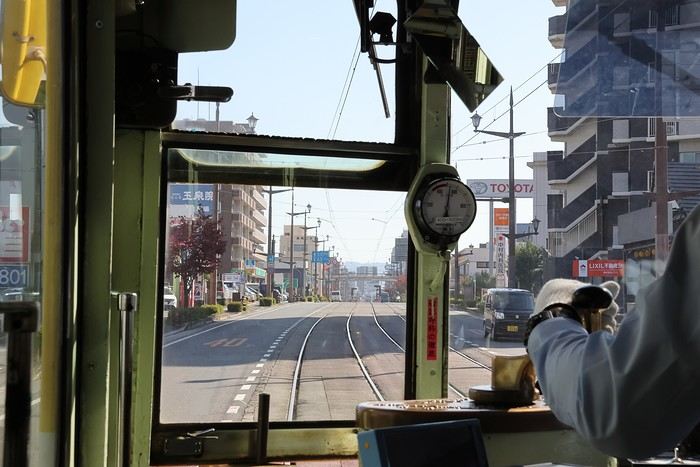
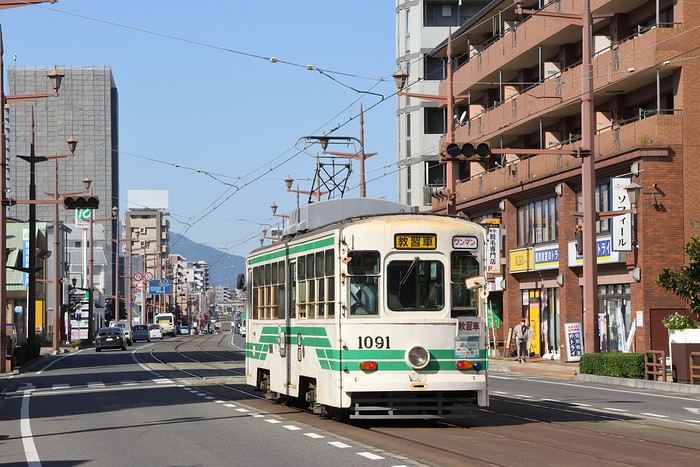
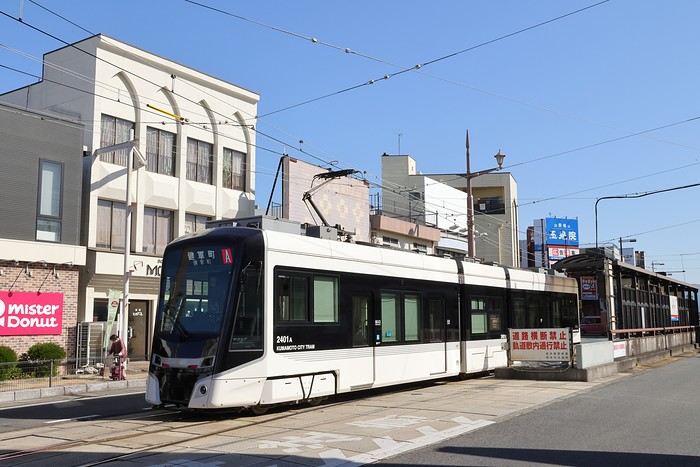
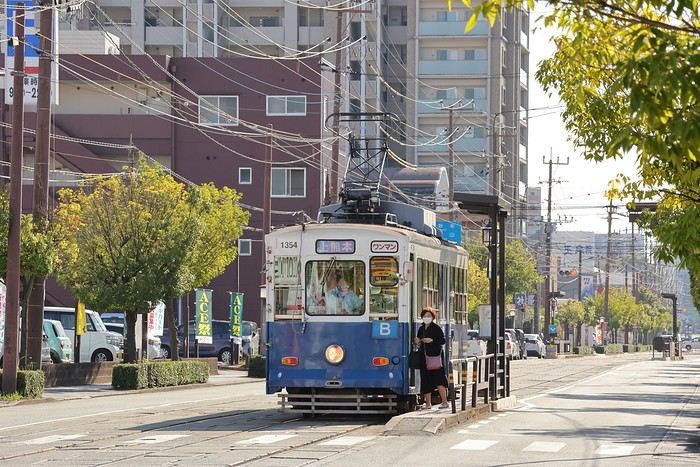
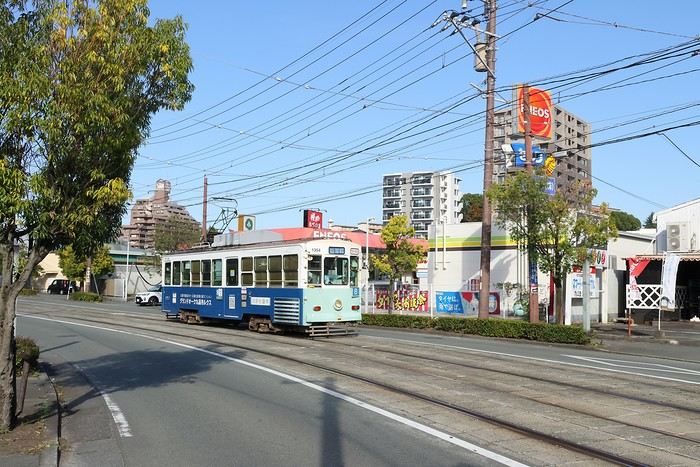
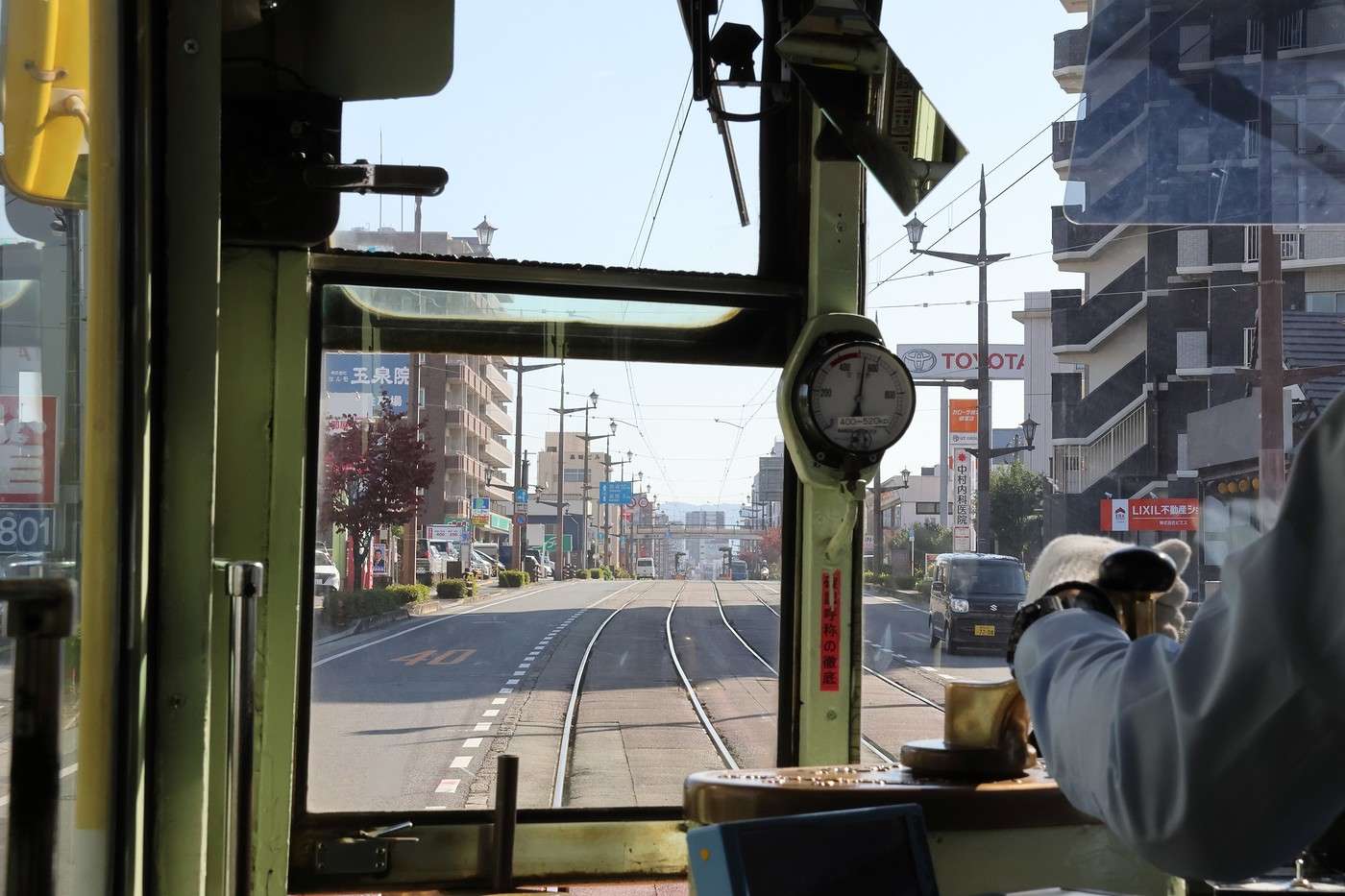
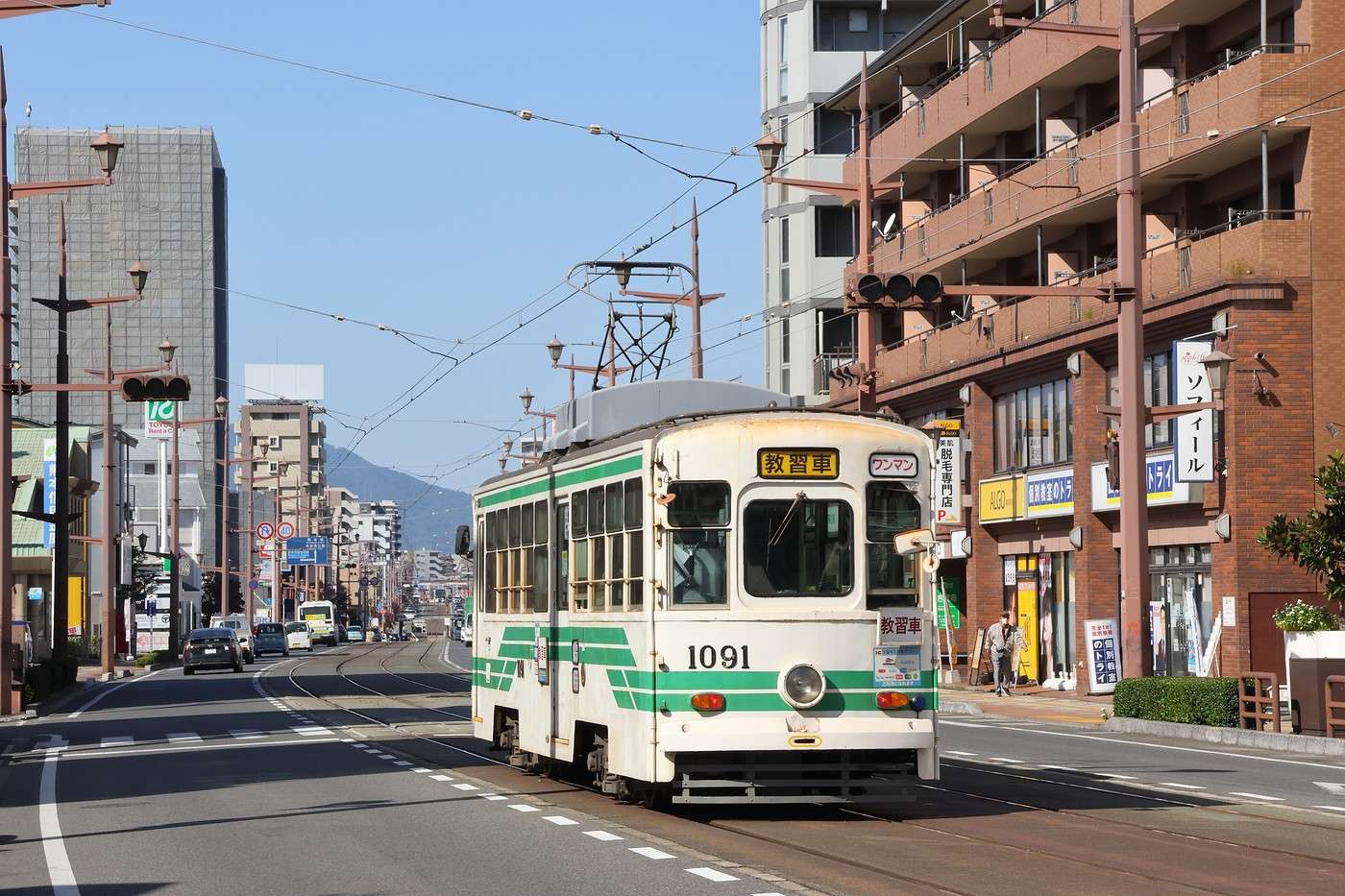
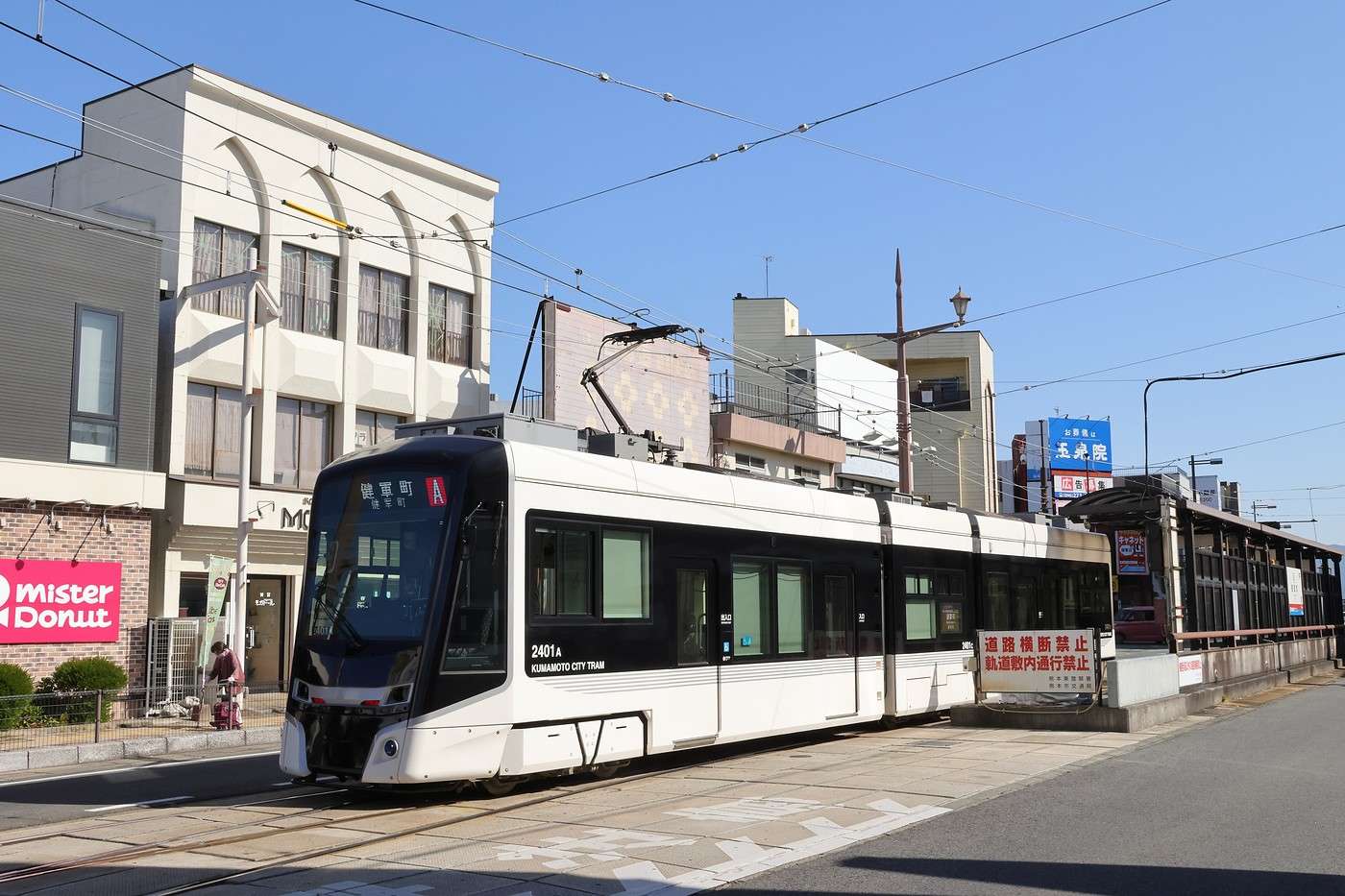
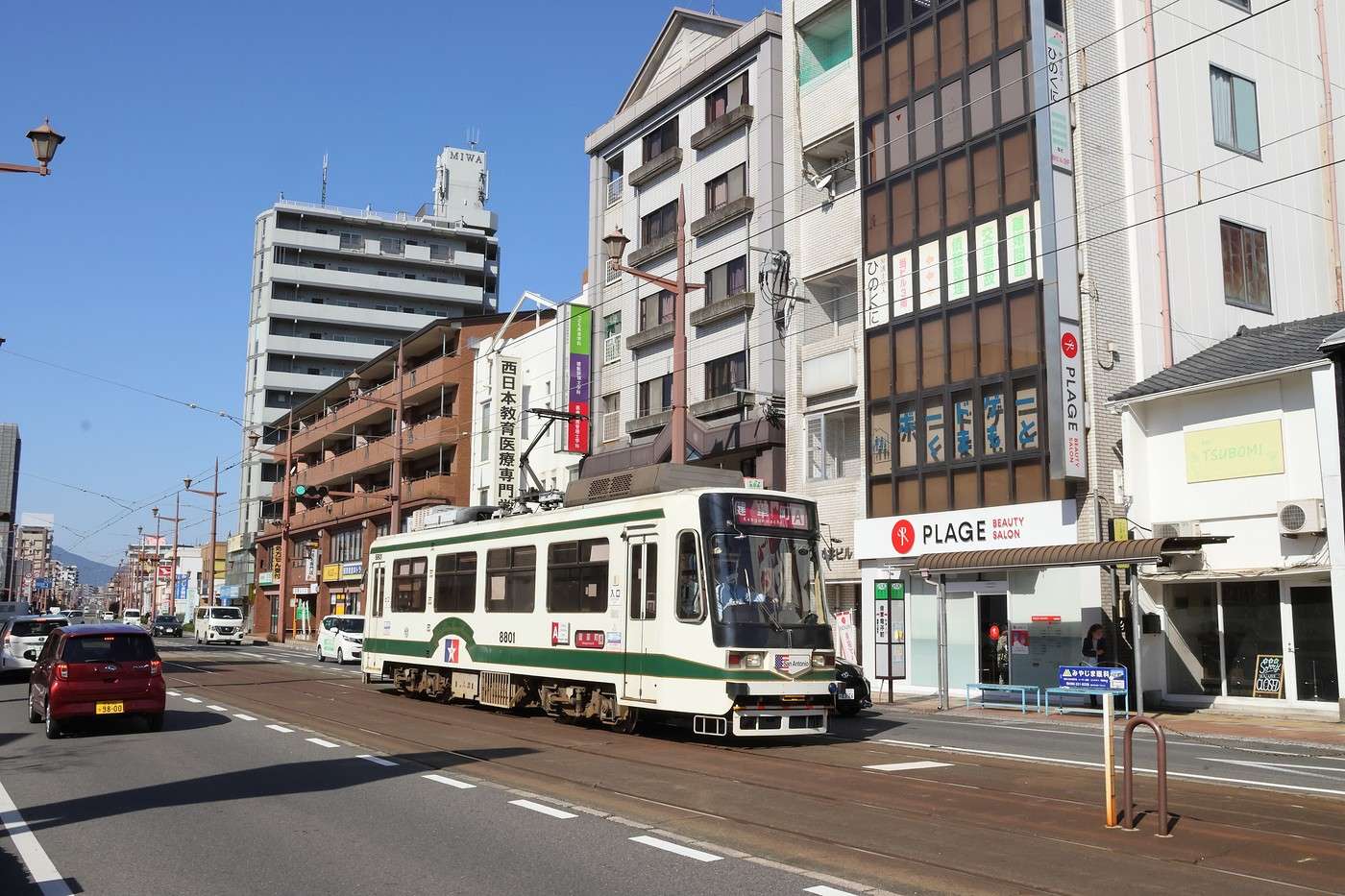
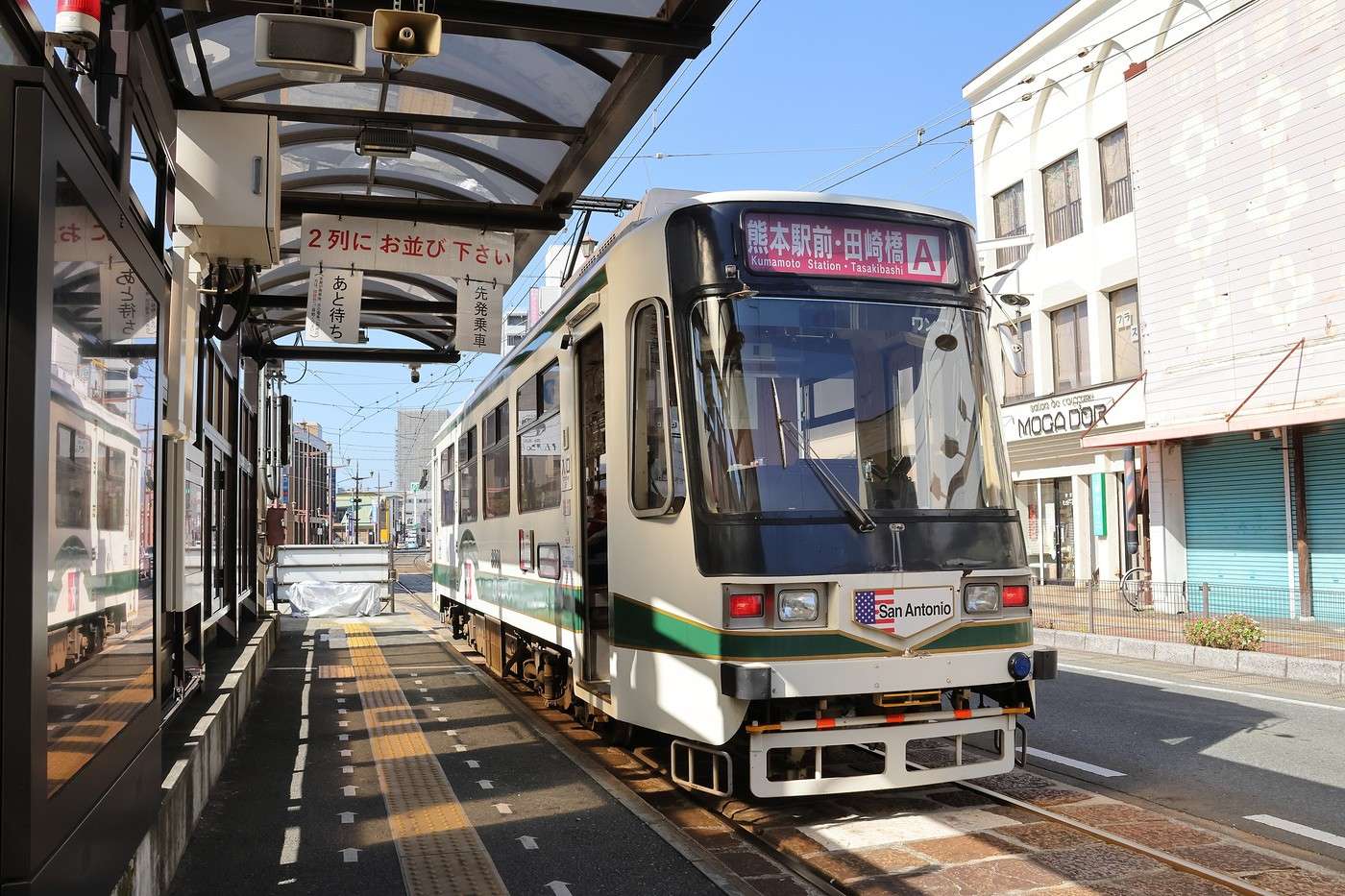
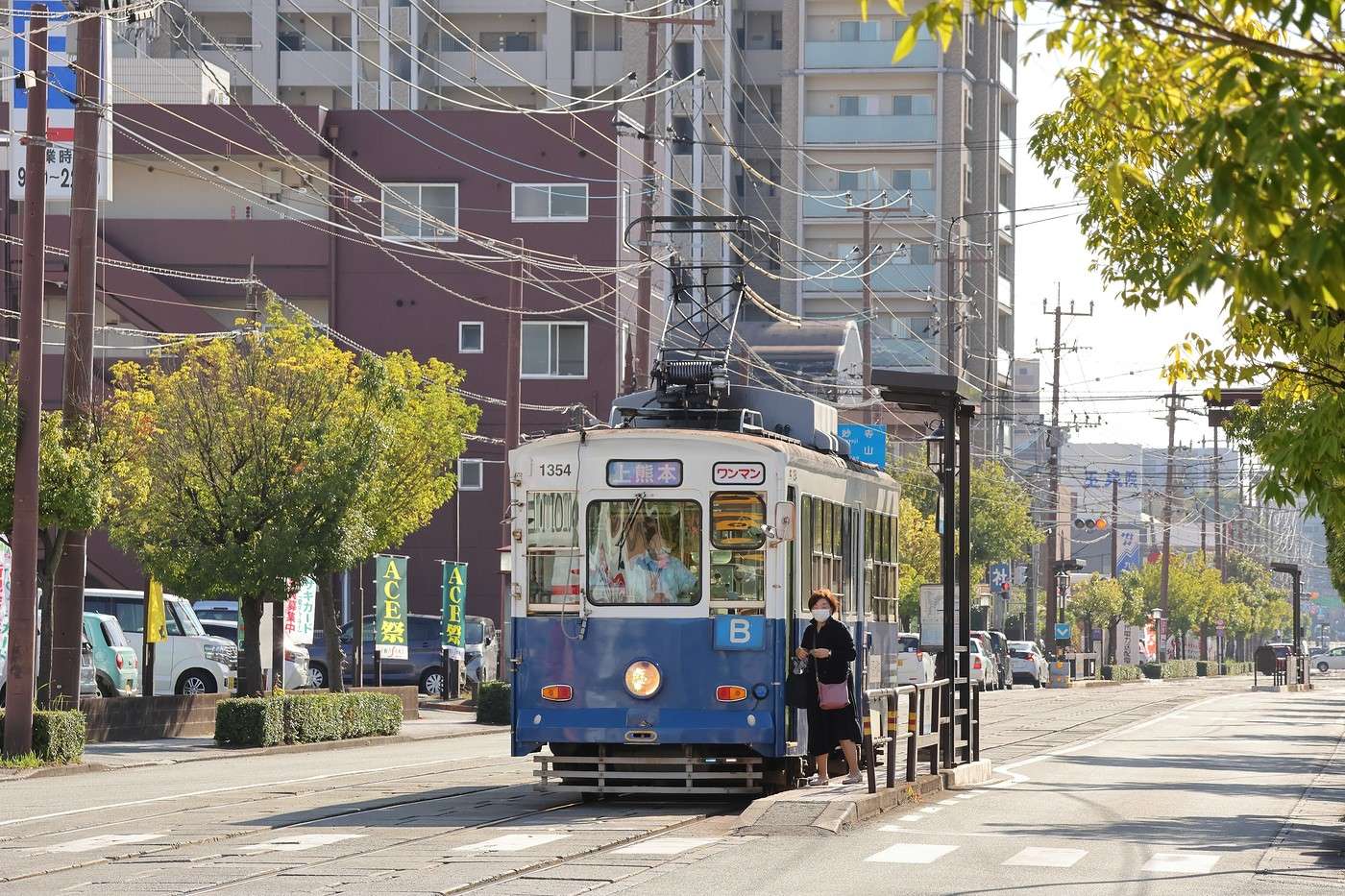
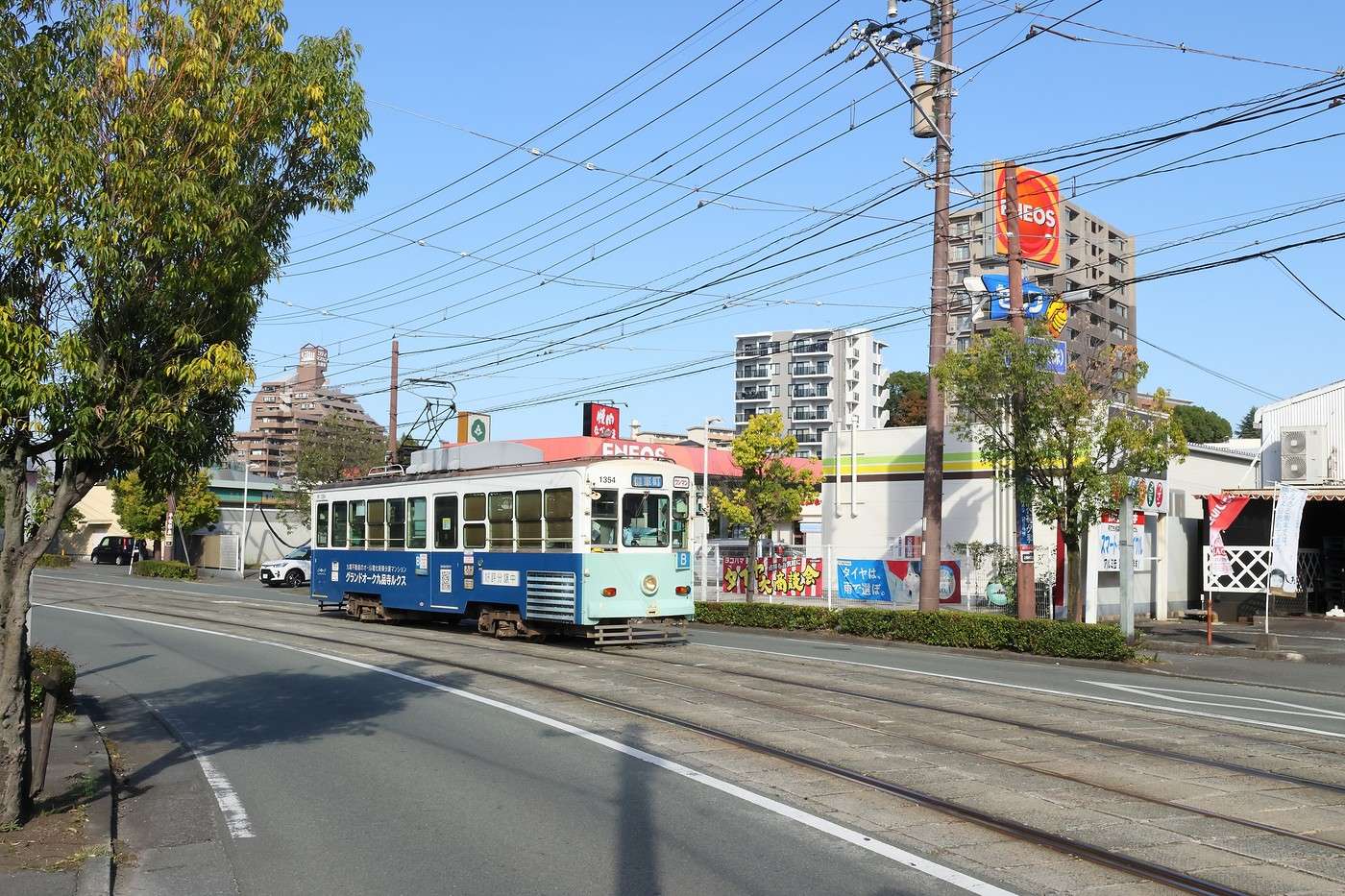
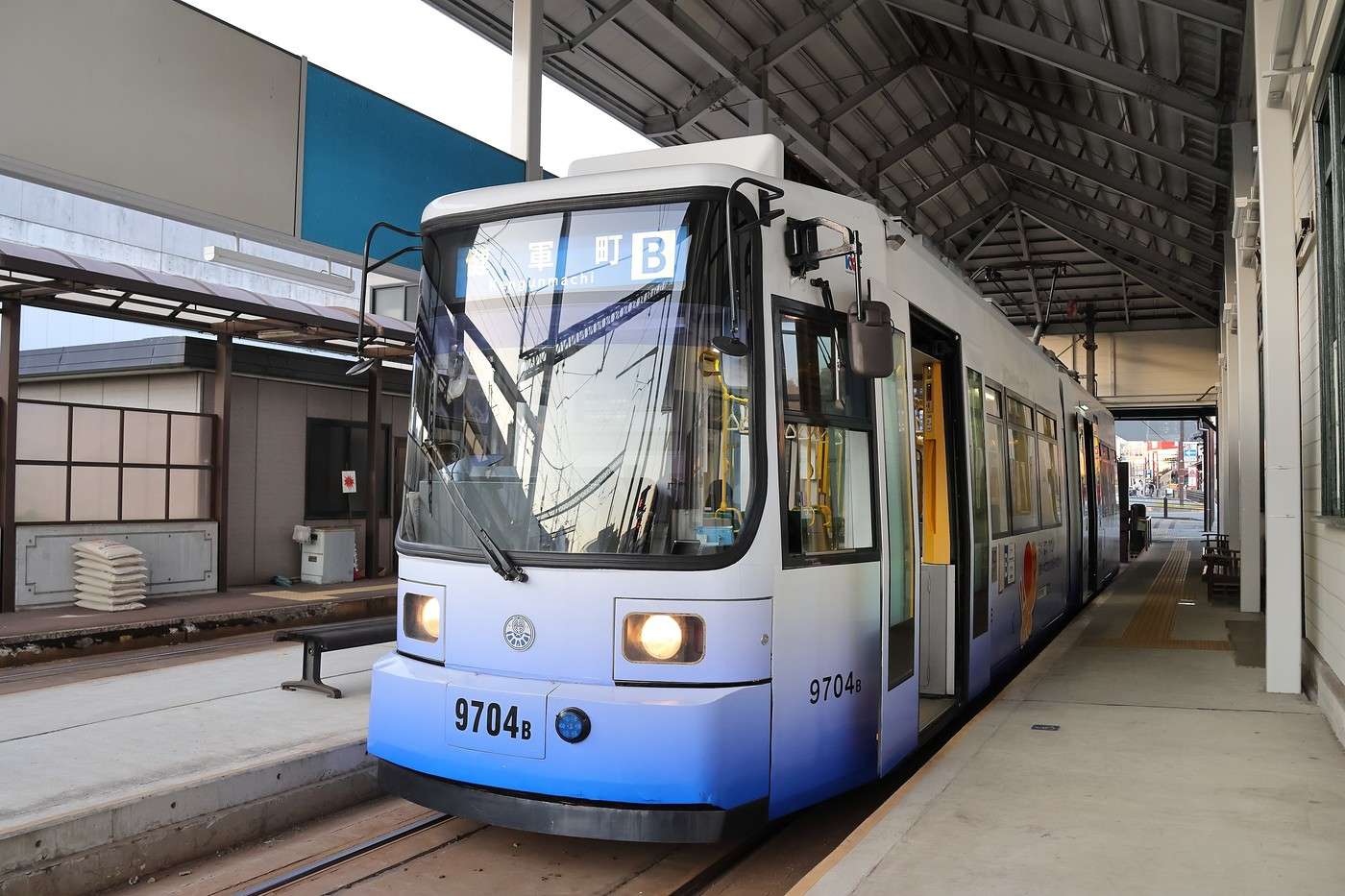
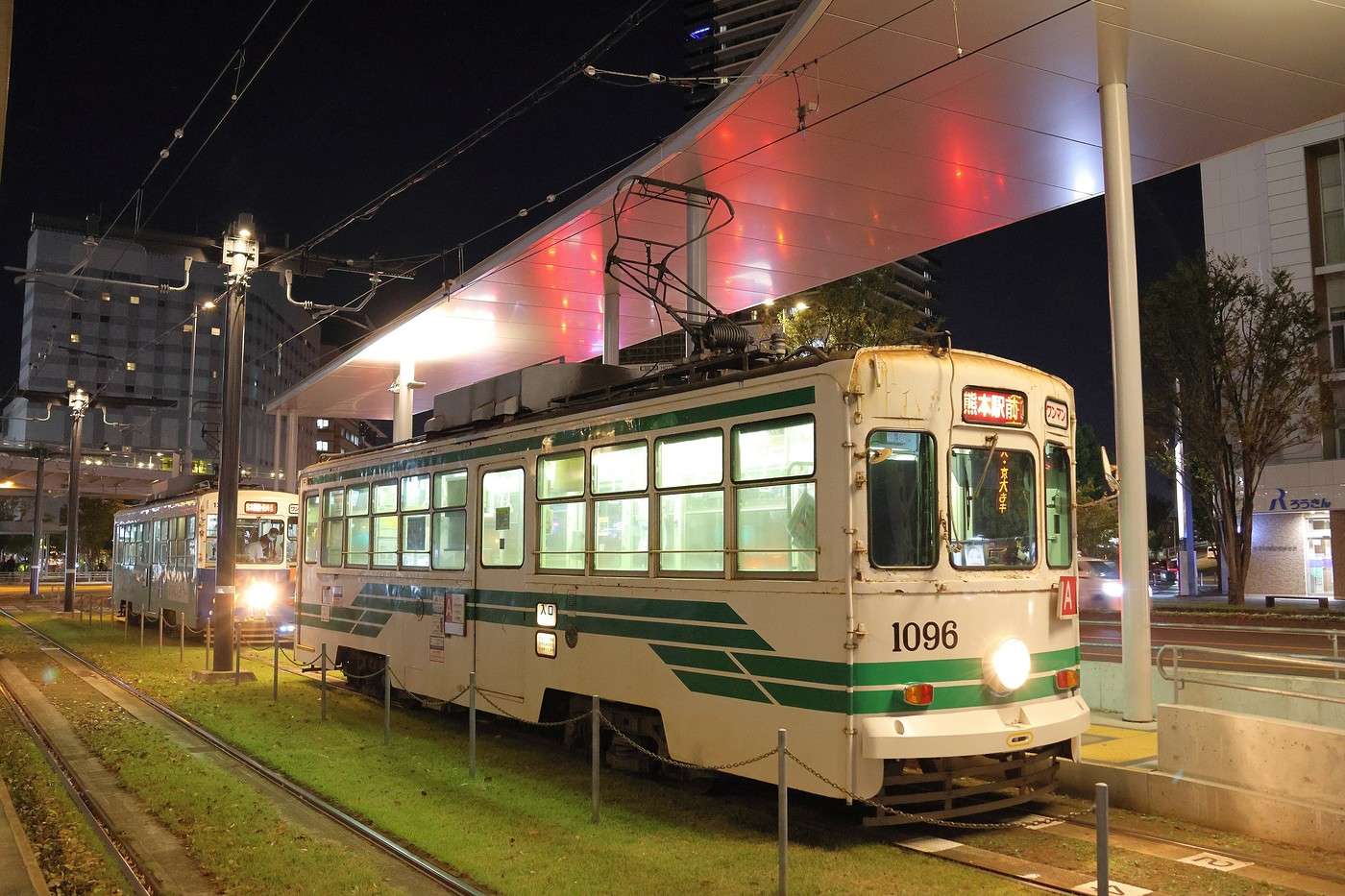
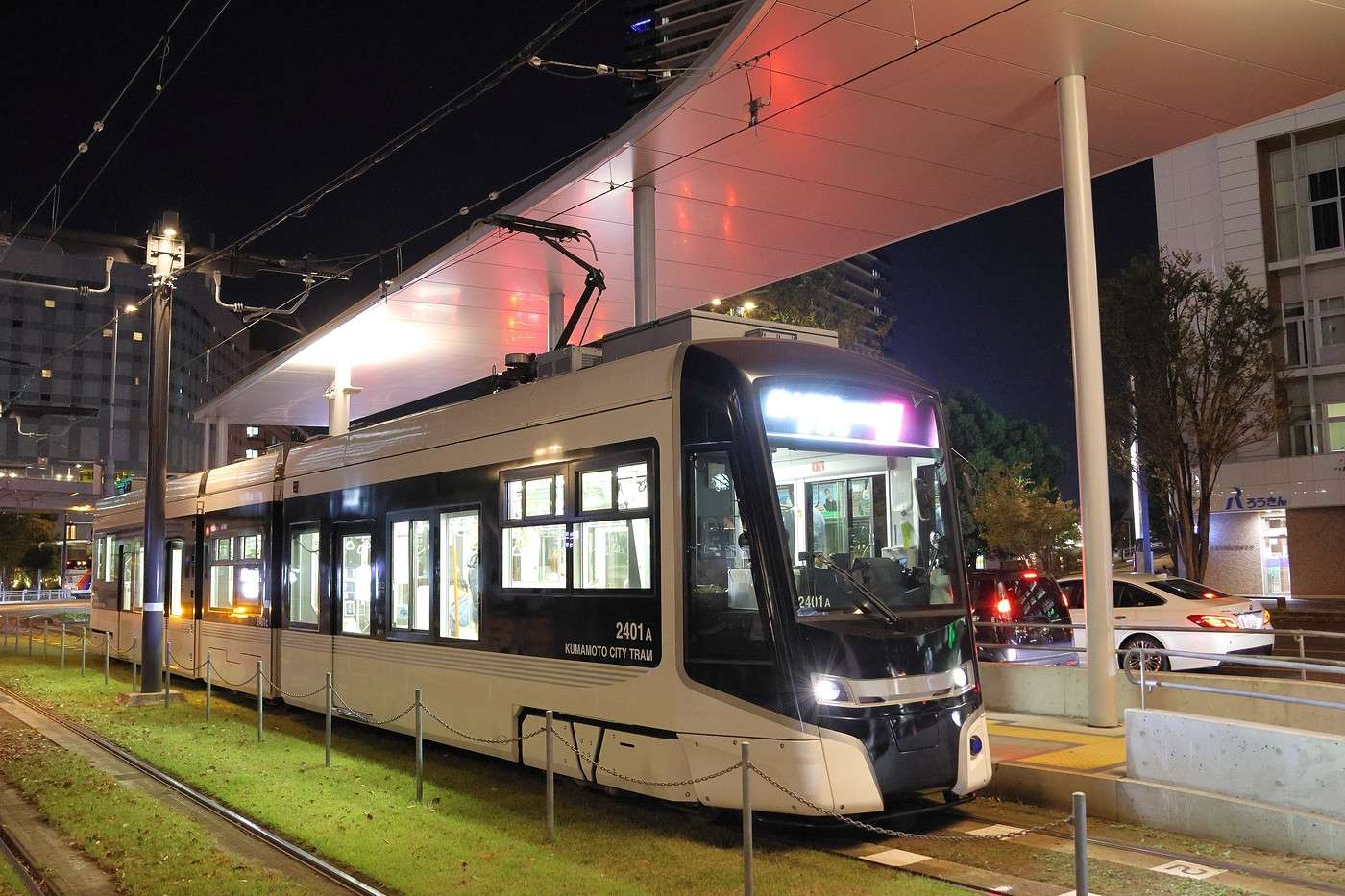
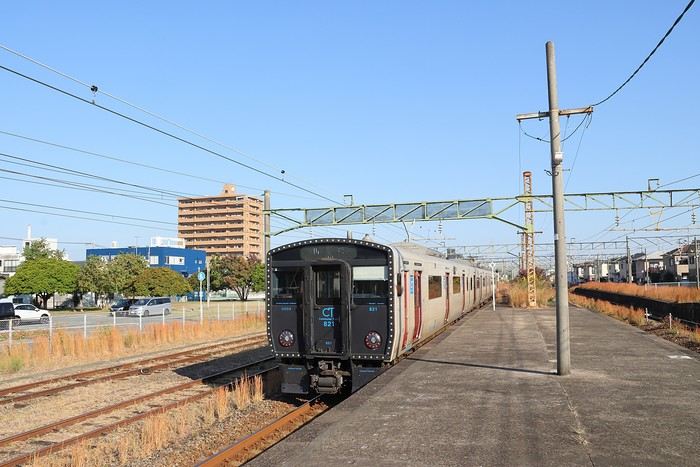
Kumamoto today.

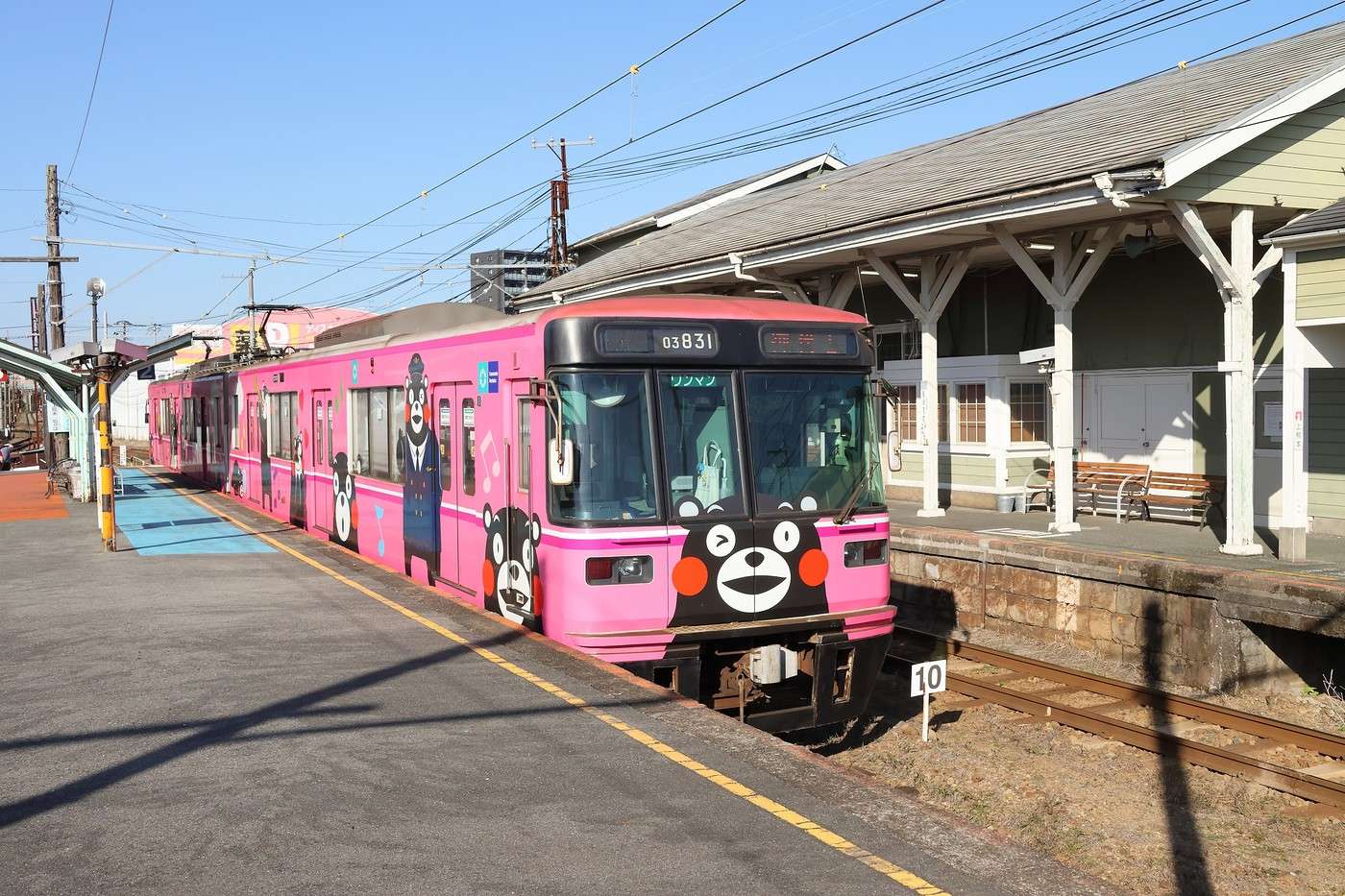
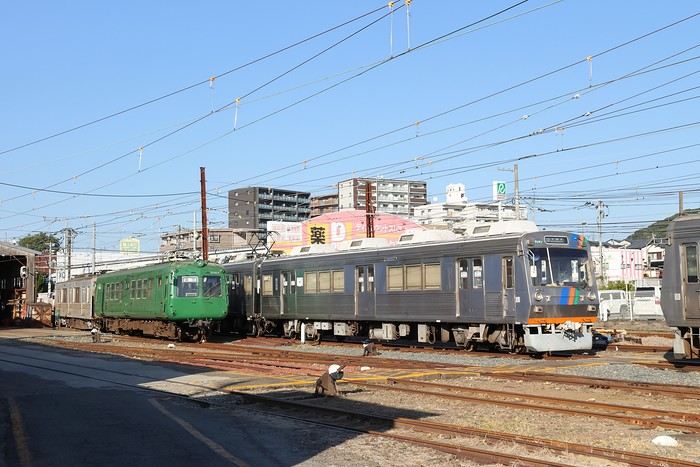
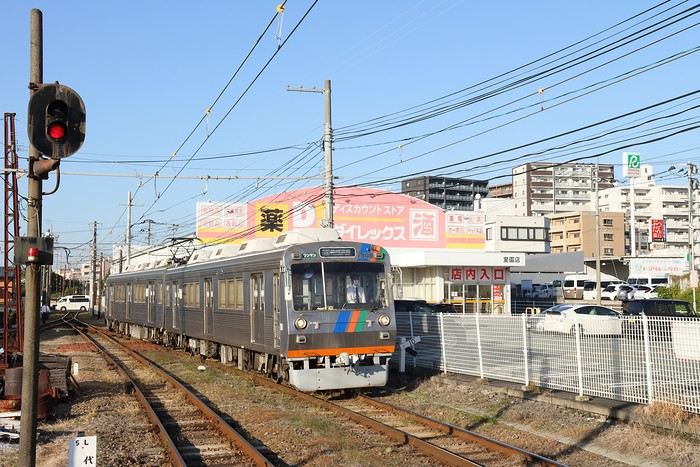
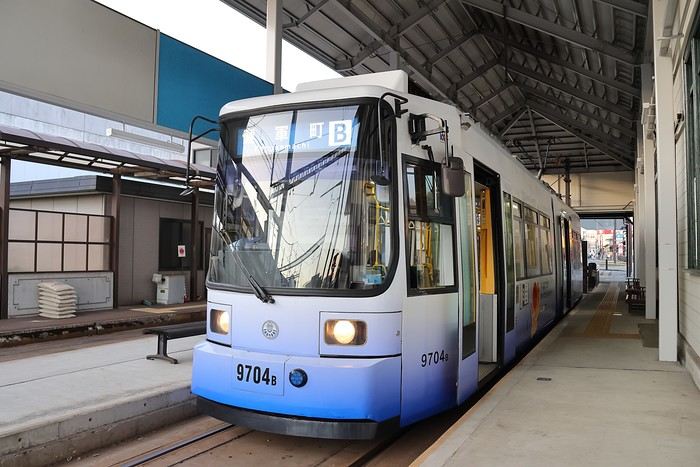
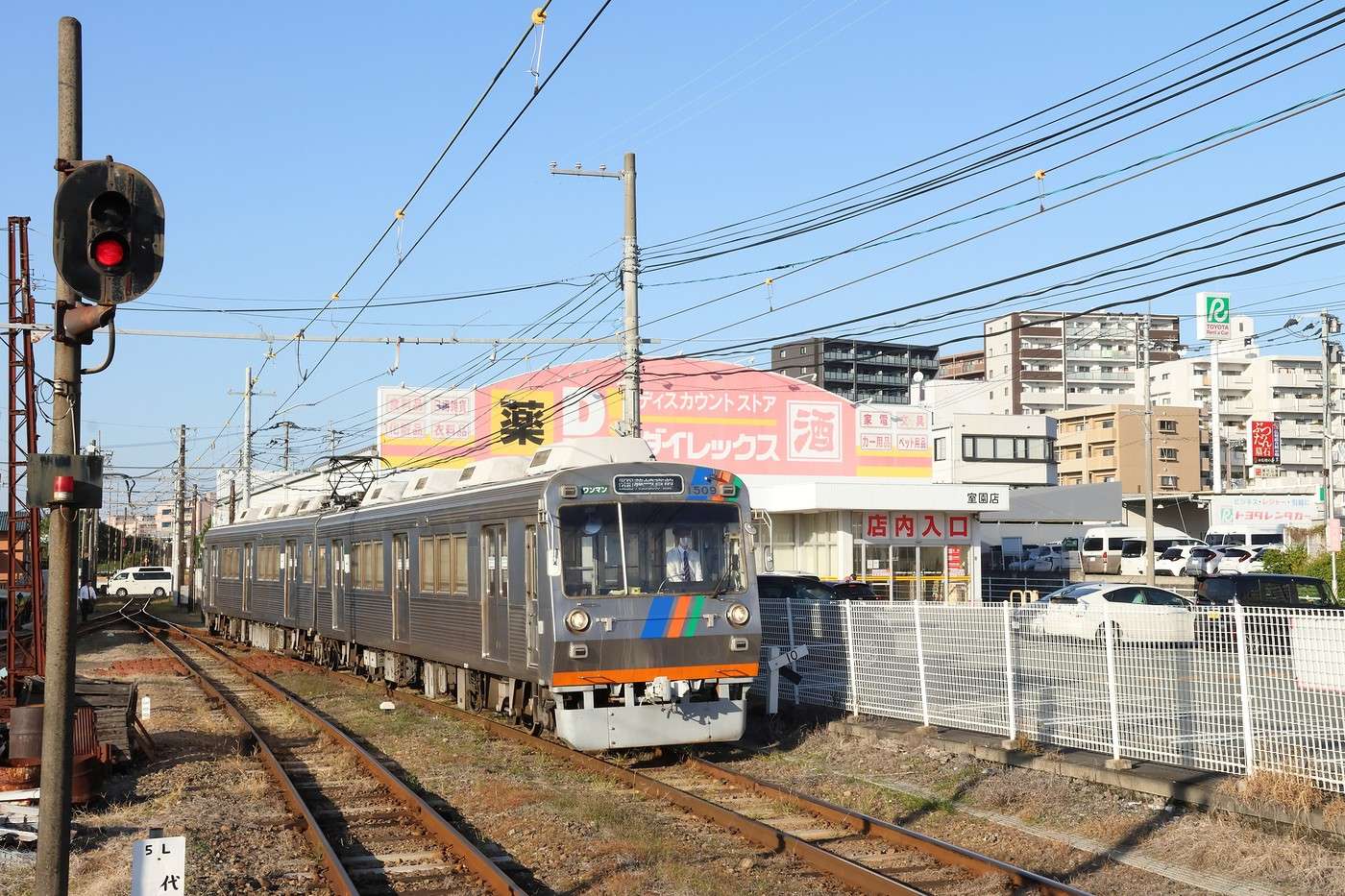
A few updates on the tram scene. Among other things, an interesting new articulated three-car tram.


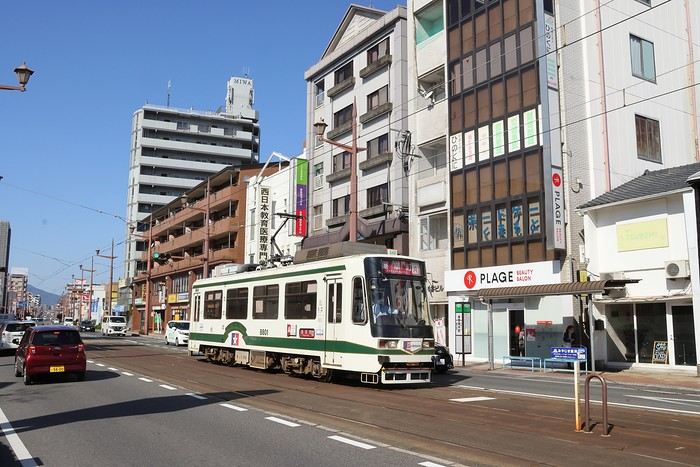
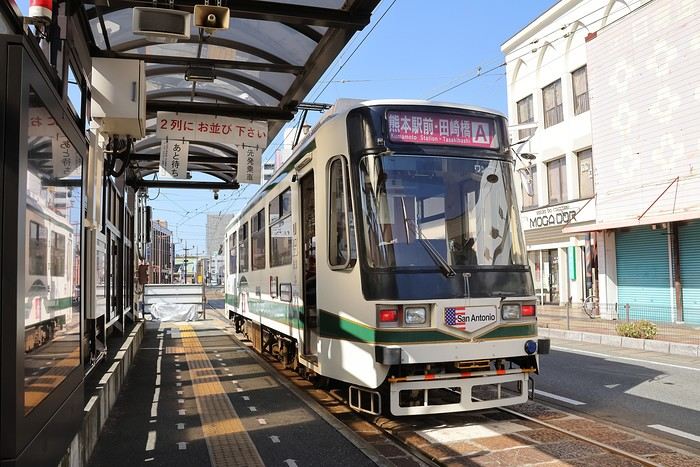
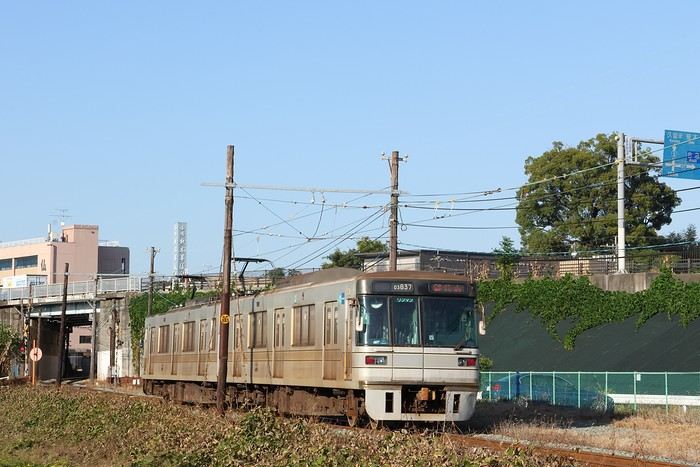
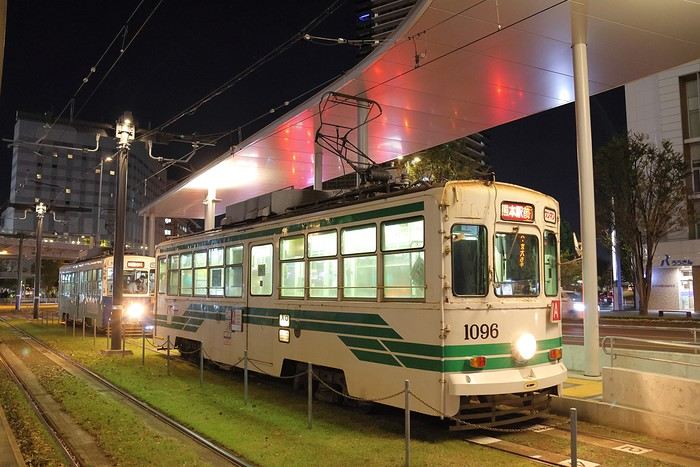
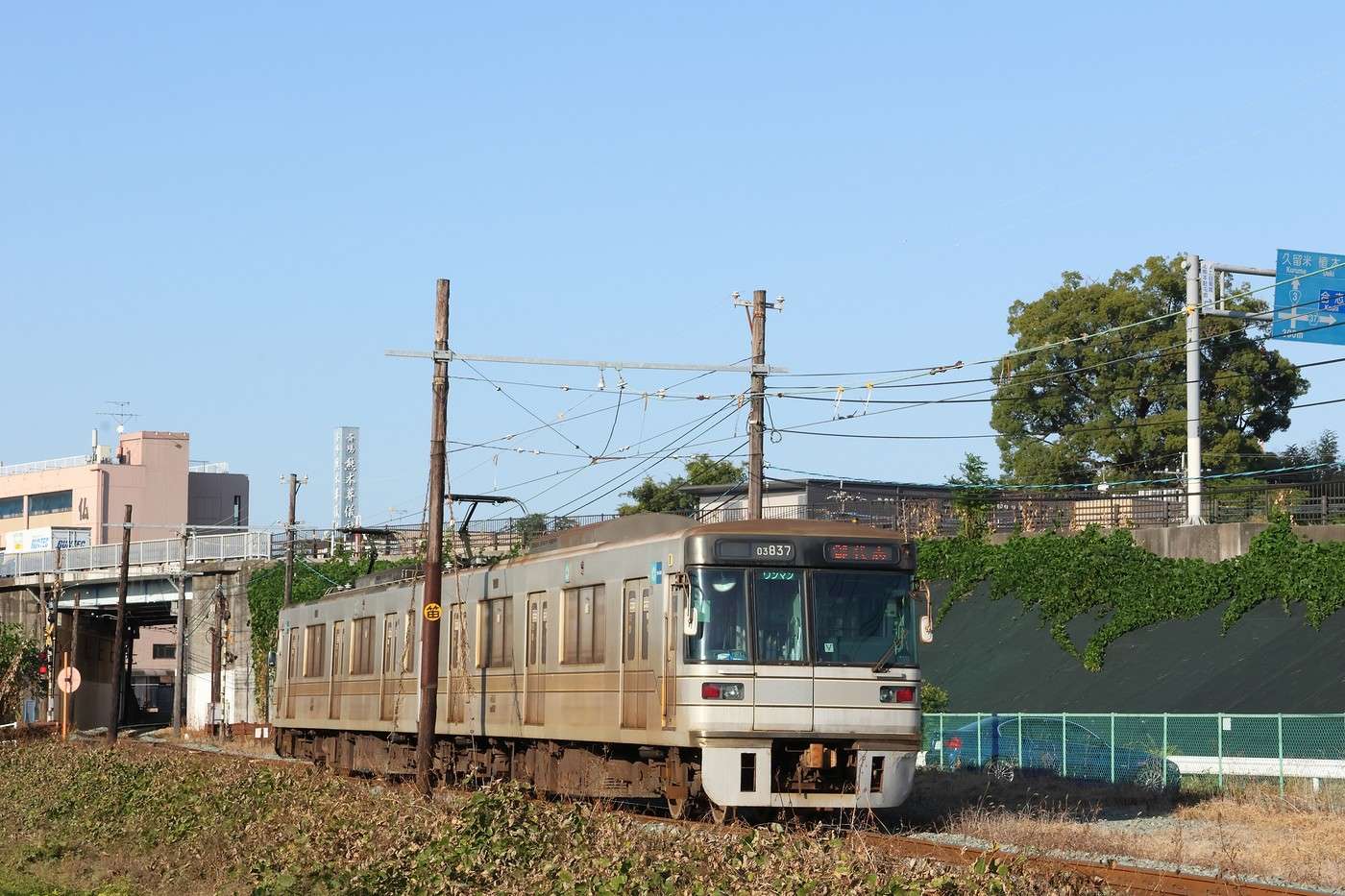
One that won’t be running anymore—it was recently retired. It originally came from Kitakyushu.


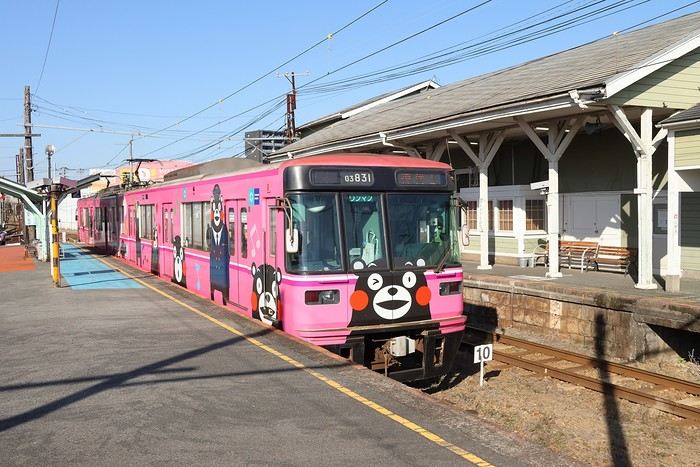
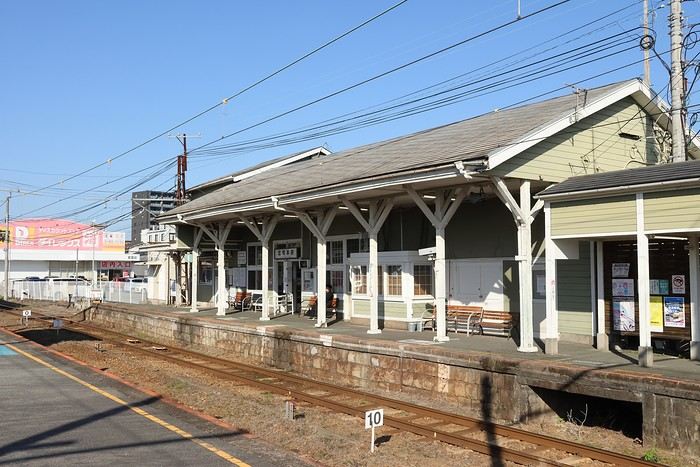
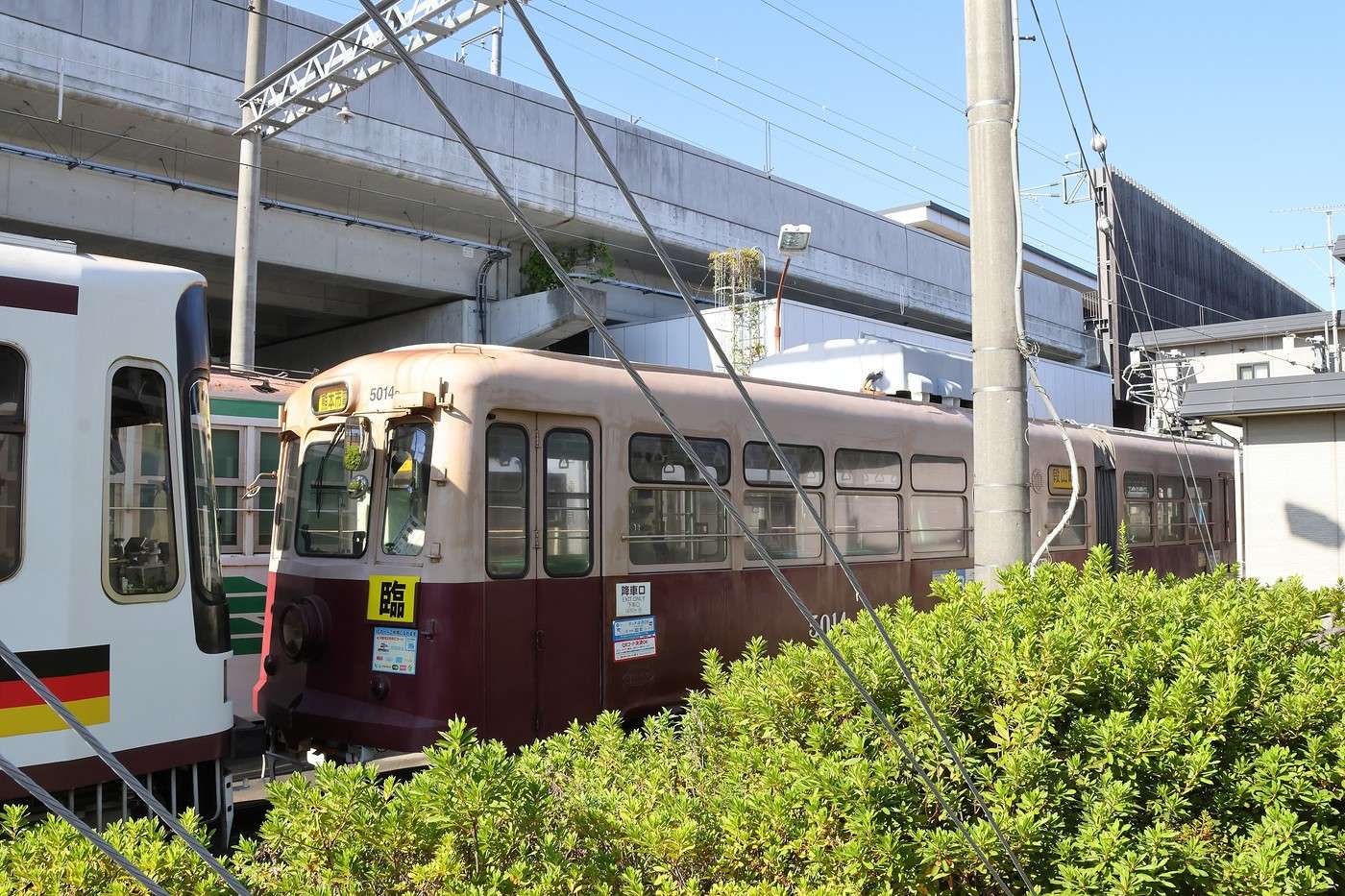
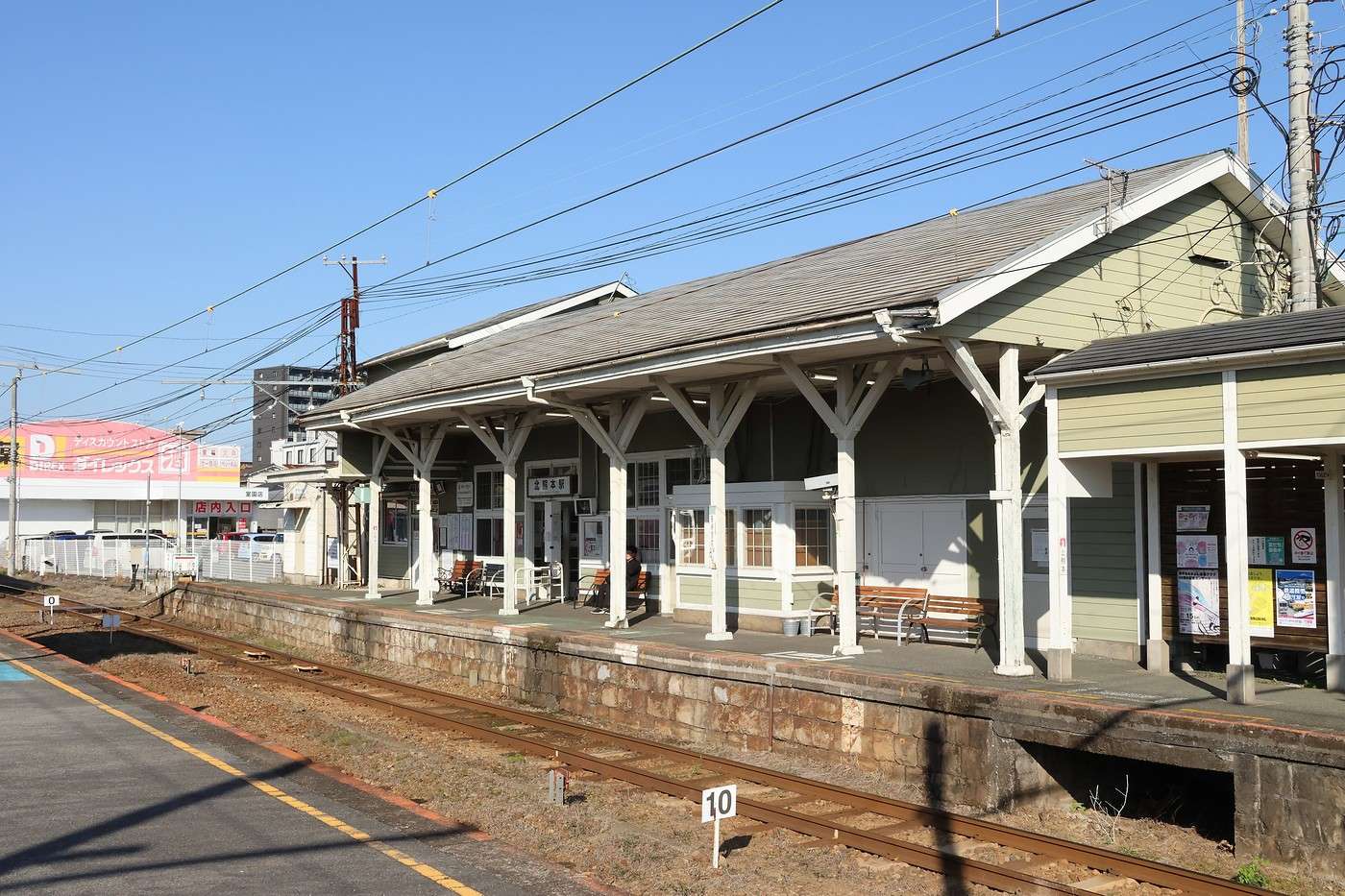
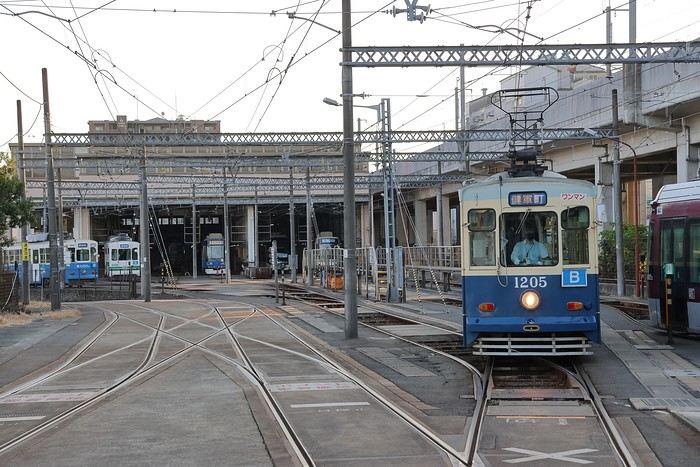
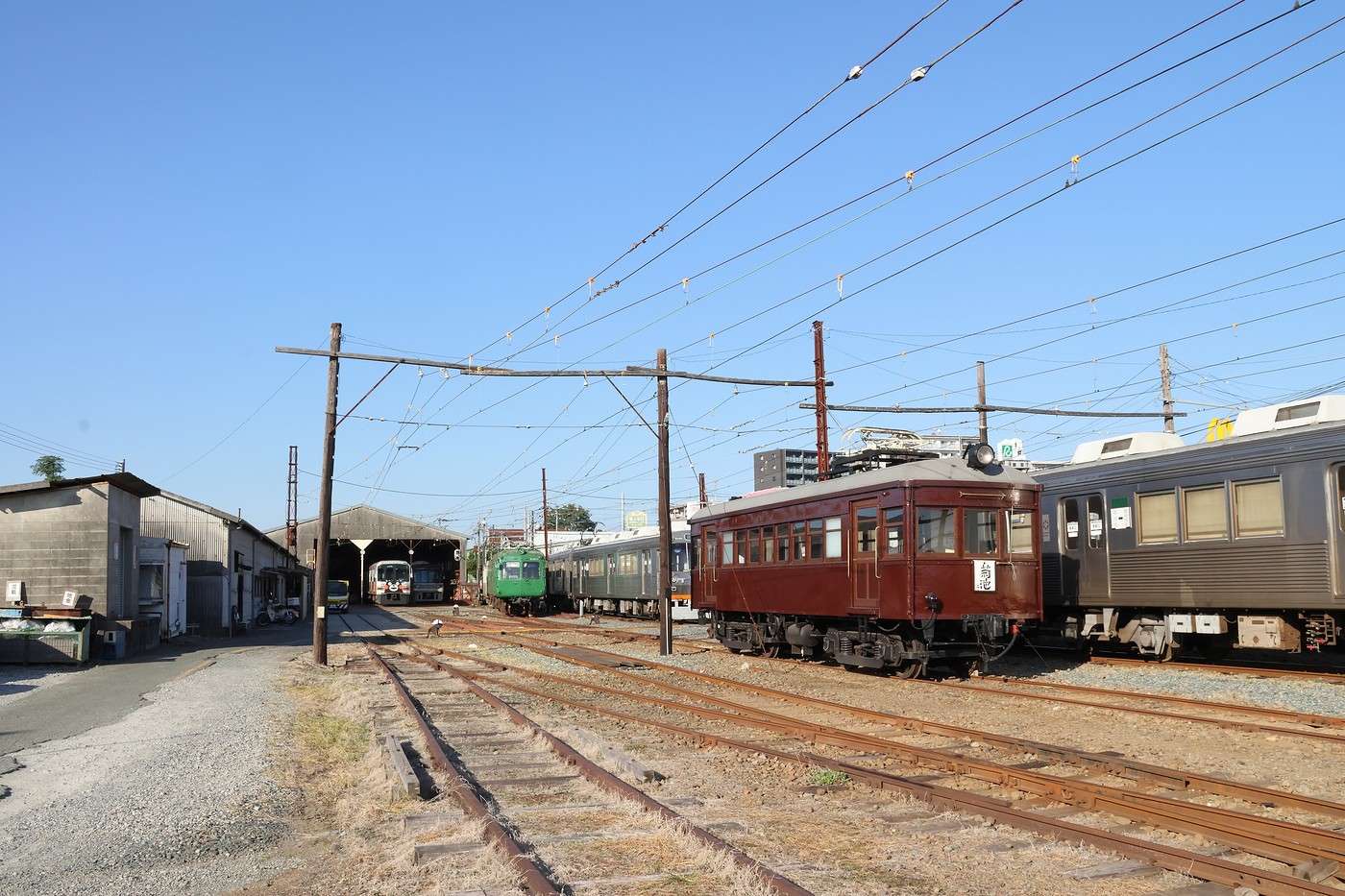
Then we head to the Kumaden depot.


Densha Otaku - Lesser-Known Regions

Serow · 2026-06-05 · Message 22 of 34

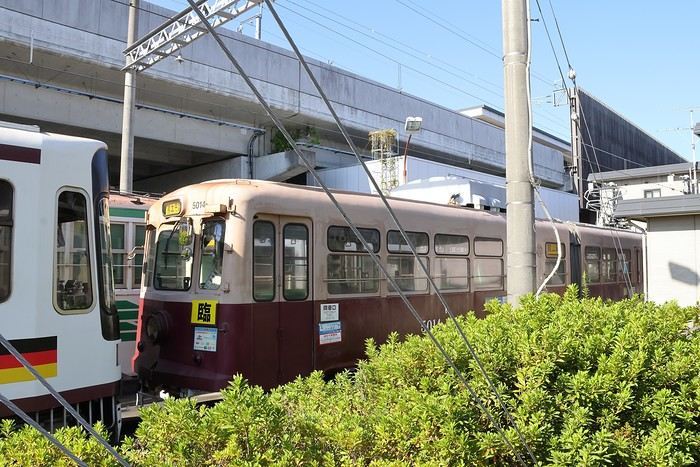
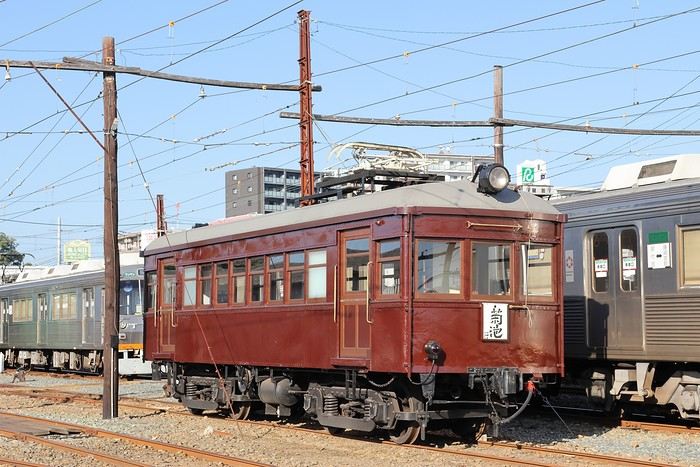
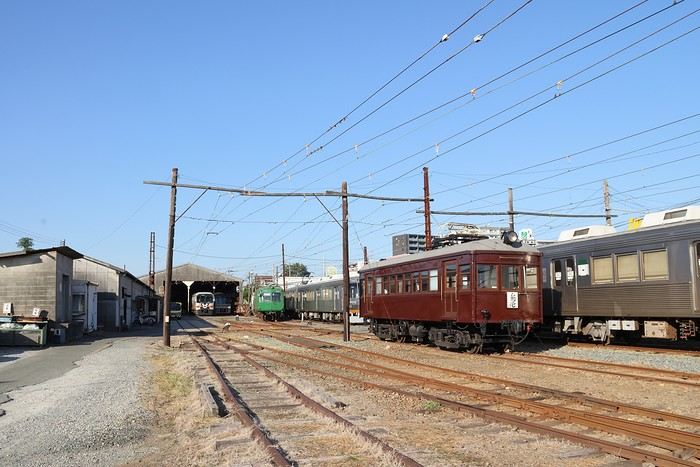
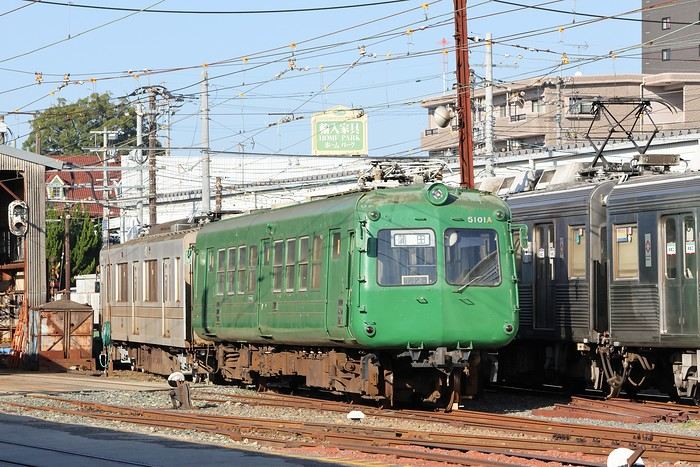
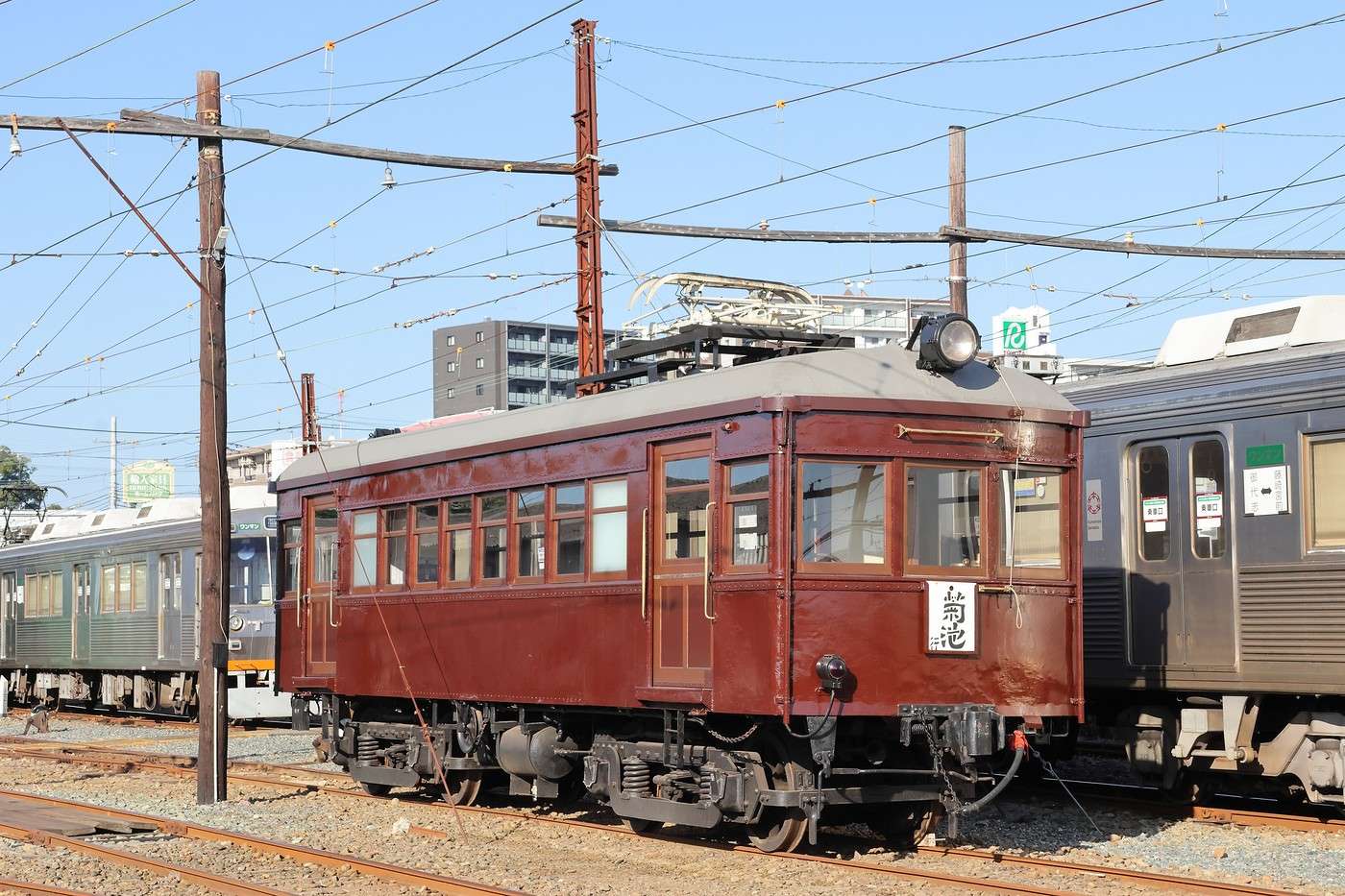
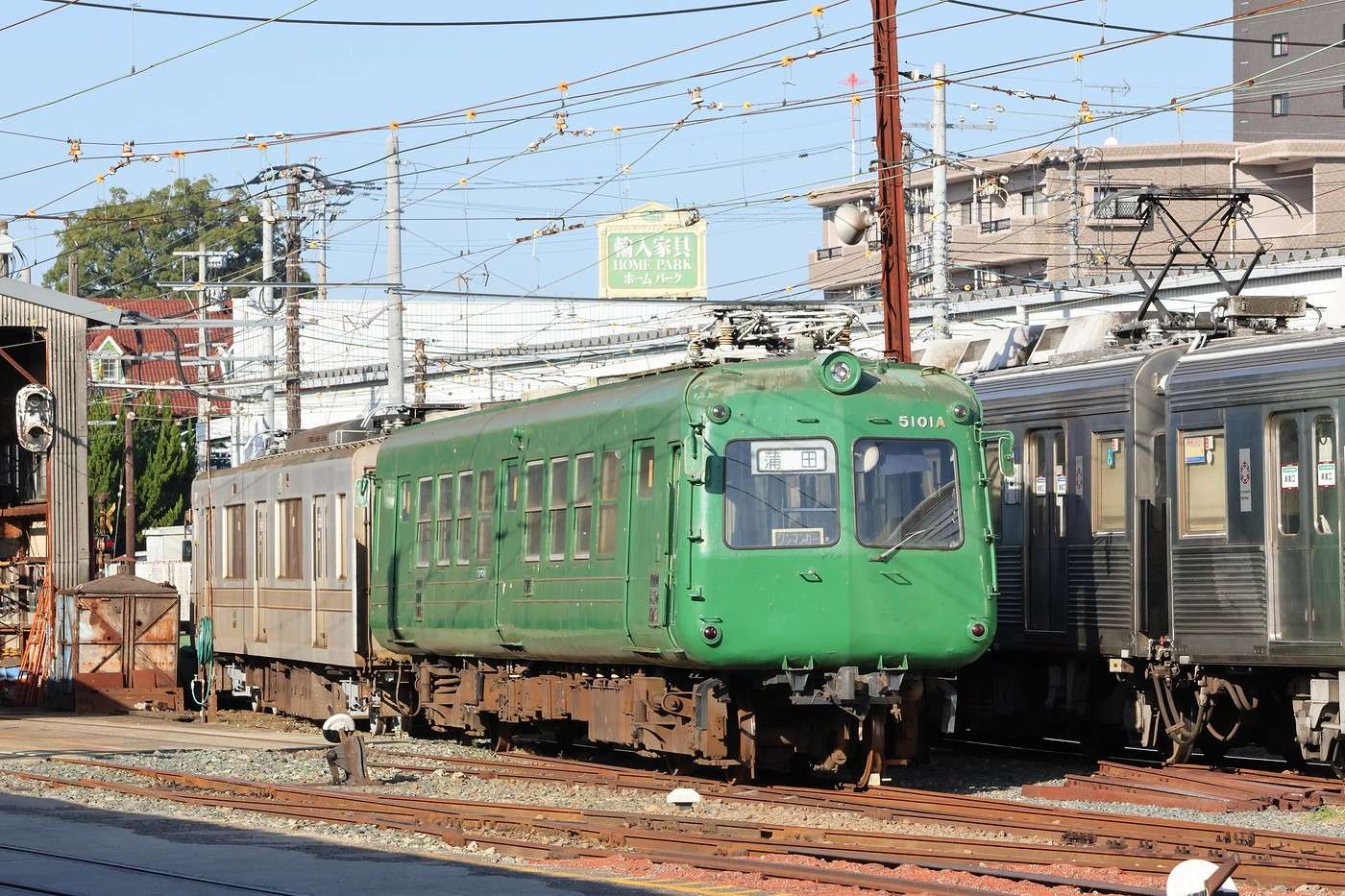
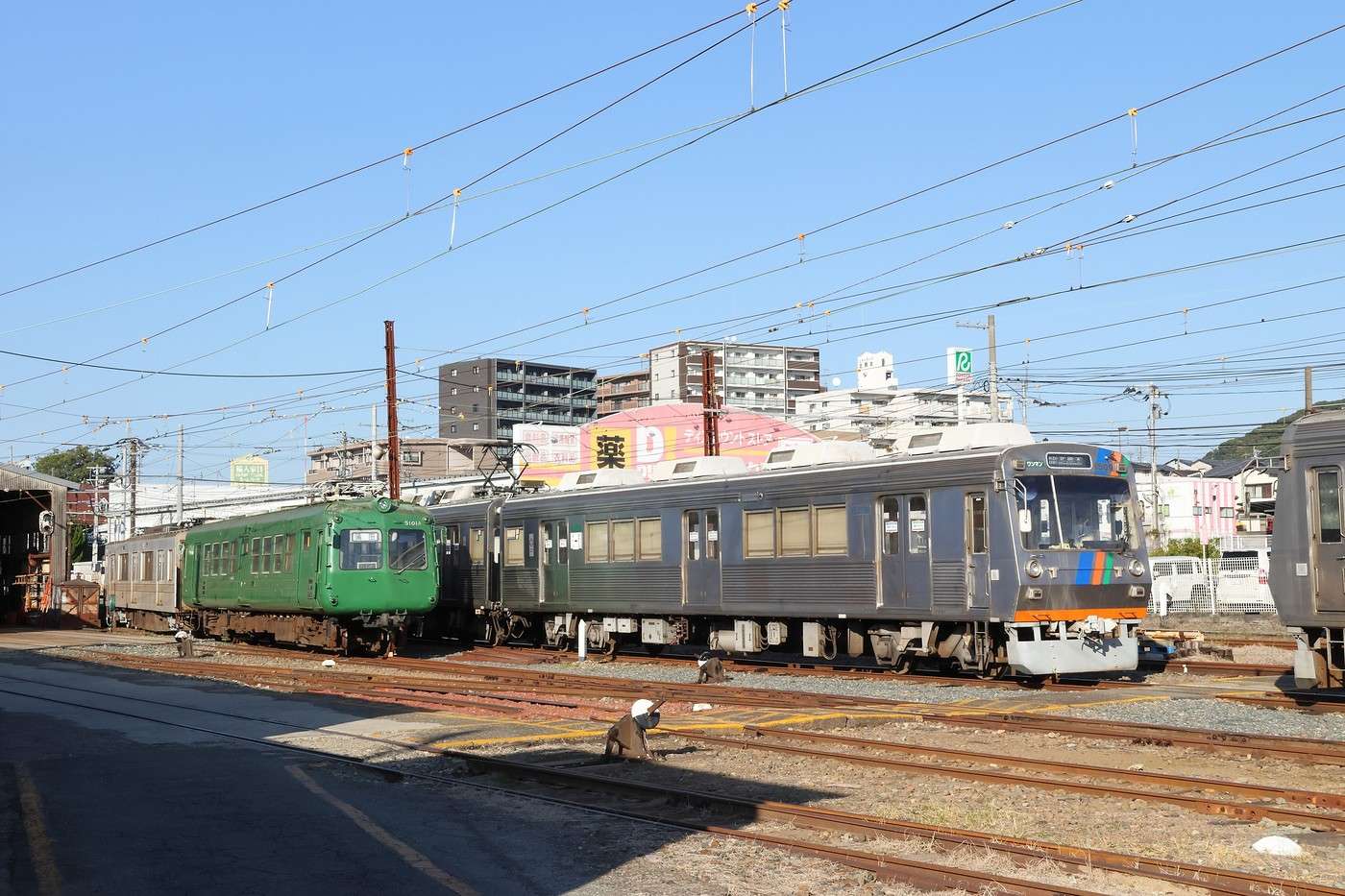
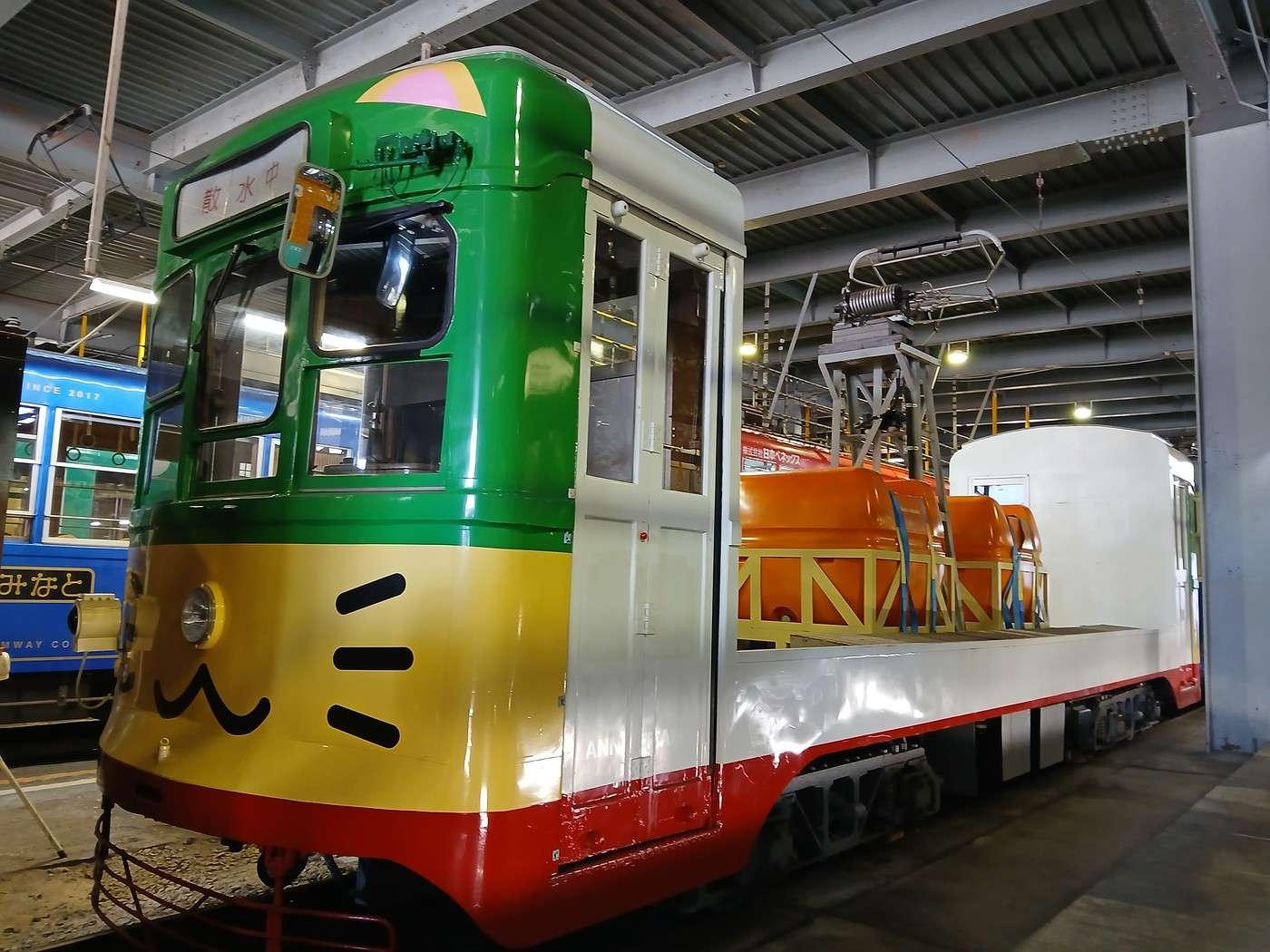
A pleasant surprise—the old railcar that was in bad shape in a corner of the depot has been restored, at least on the outside. Walking around the depot, we find it beautifully positioned in the sun. The green "frog" isn’t in bad condition either.


Back to Kami Kumamoto and then to the station.


We arrive at the station during rush hour. An impressive line is waiting to board the tram. We watch for a bit to see how things unfold and how they’ll handle the crowd.


To our amazement, a few extra trams and the new three-car railcar clear the line in 20 minutes. Efficient organization!

Densha Otaku - Lesser-Known Regions

Serow · 2026-06-05 · Message 23 of 34

Today was an interesting day in more ways than one. We're going to places where there are never any non-Japanese tourists.

When I plan a trip, I send my itinerary to our best contact in Tokyo. He forwards it to his acquaintances all over the country. And it's not the first time someone has reached out saying they want to meet us or help us visit certain places. For today, it's Yasuto, the owner of the miniature railway company One Mile, who's going to accompany us.

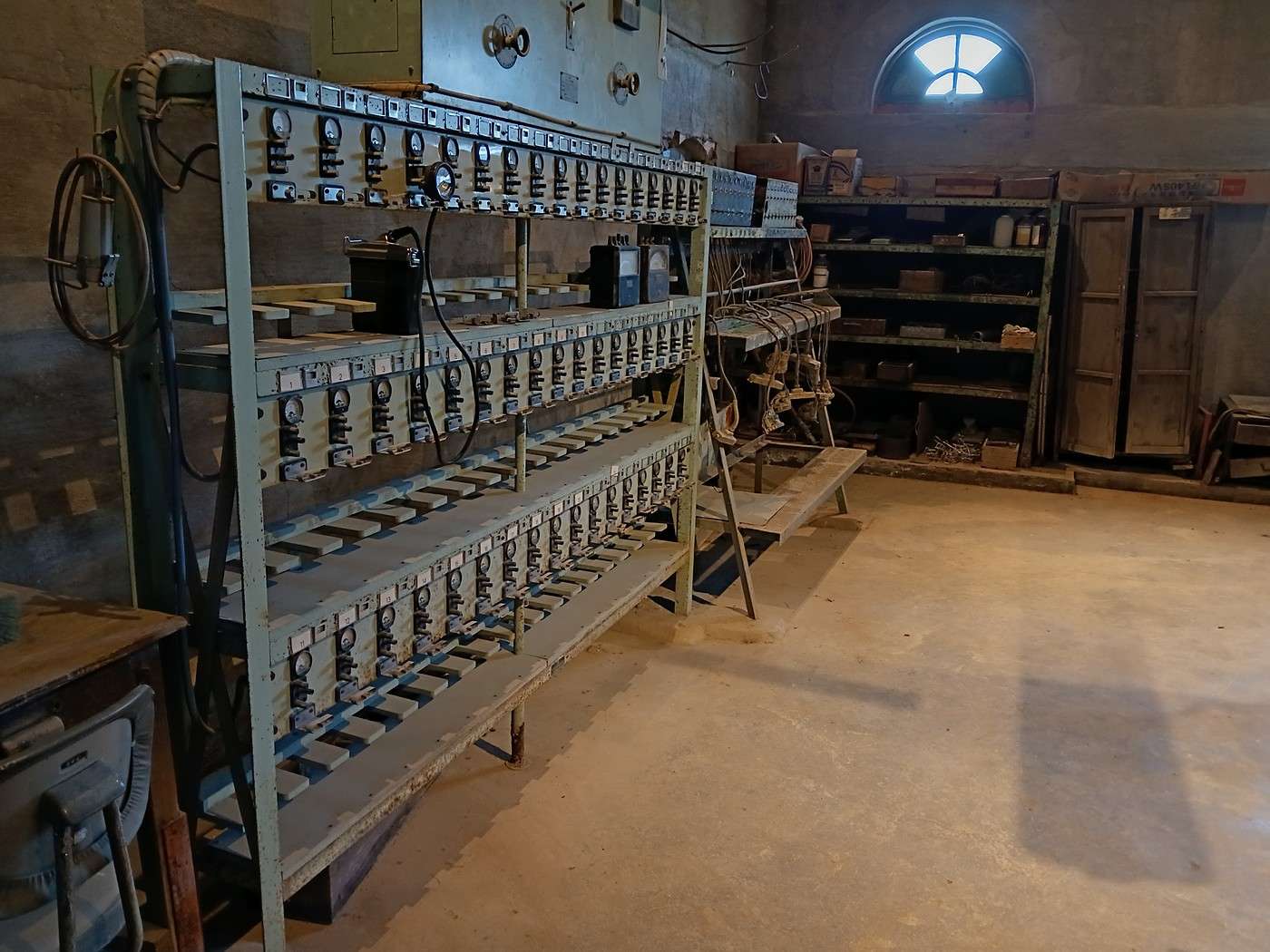
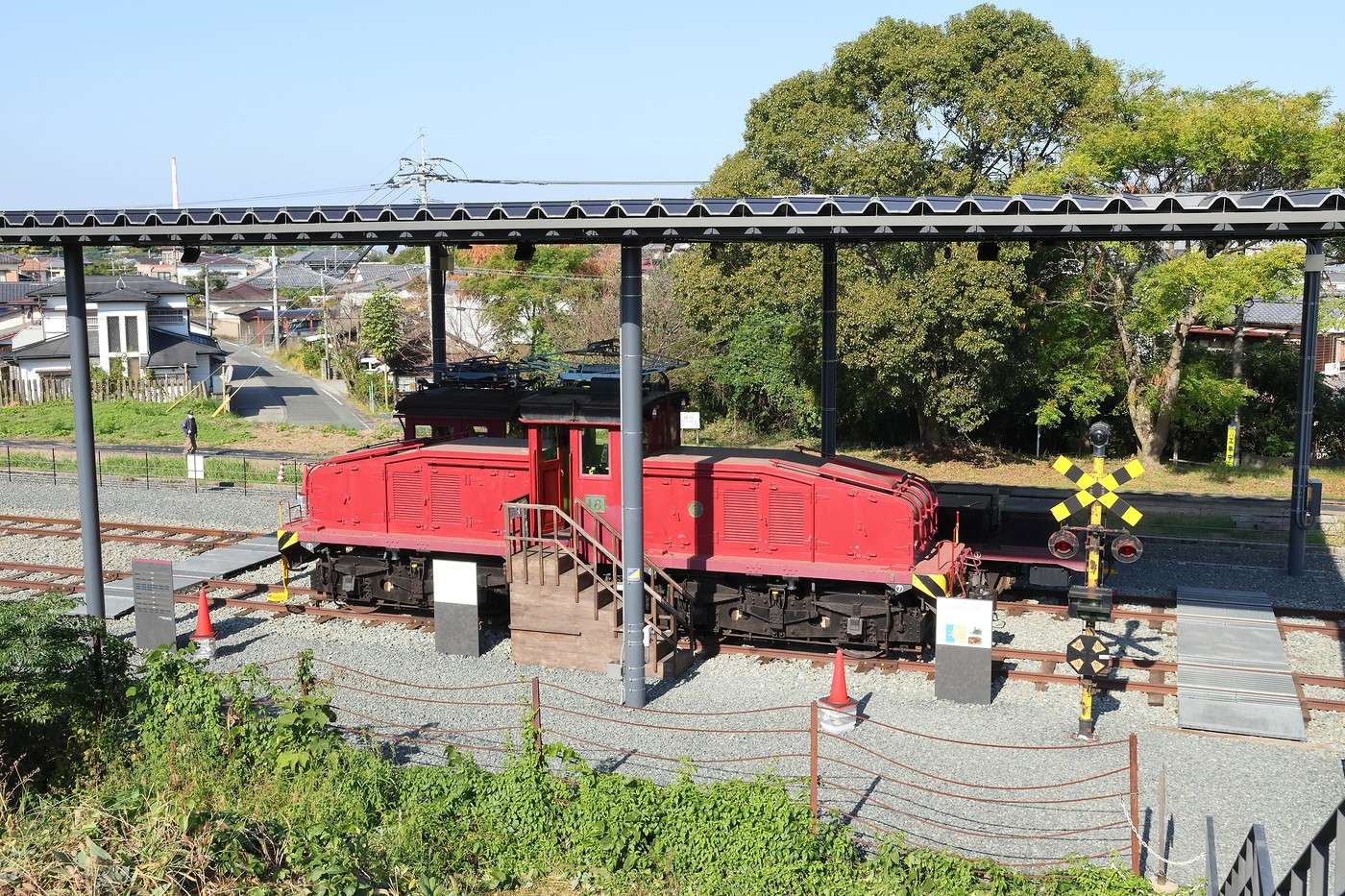
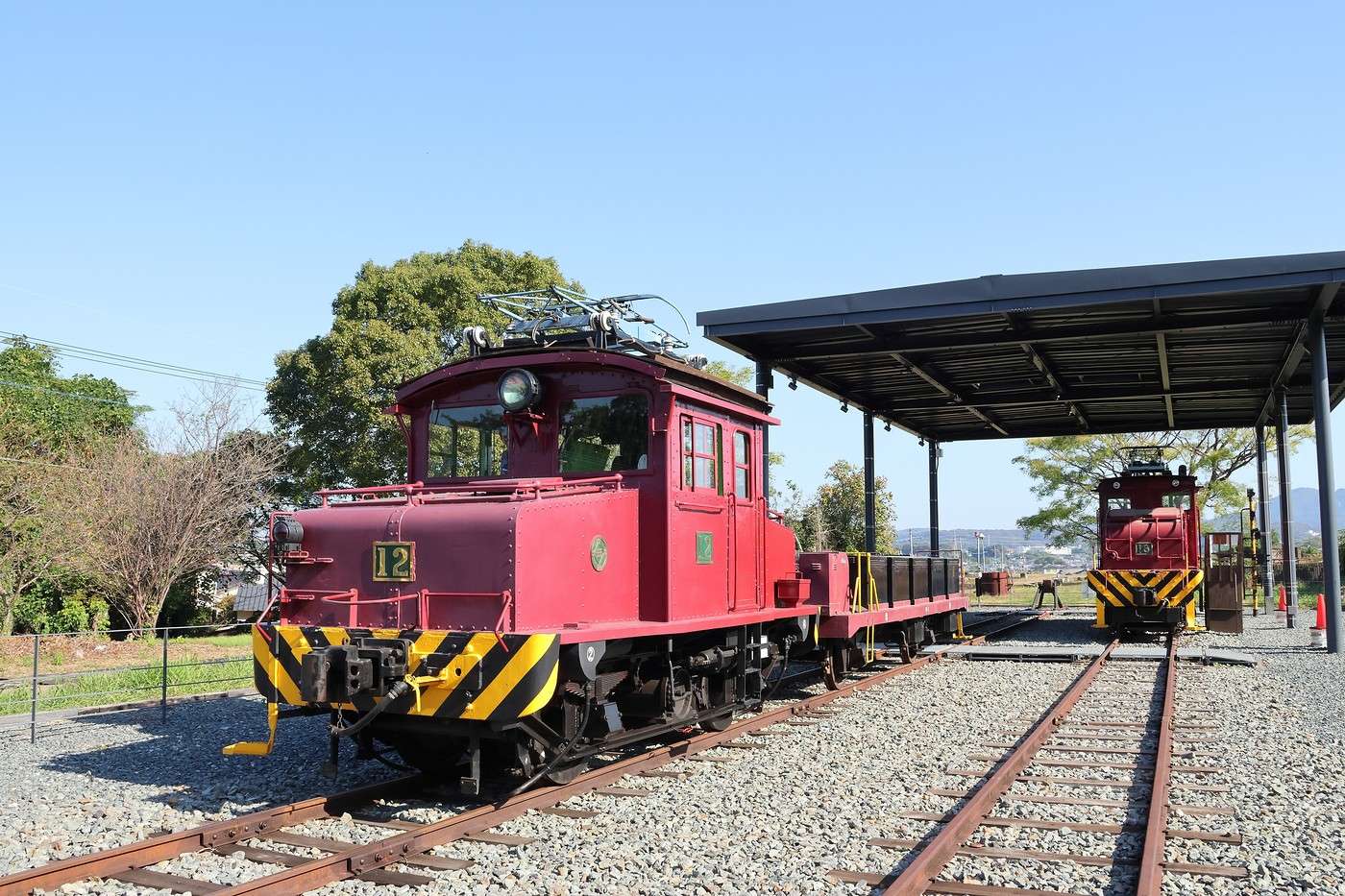
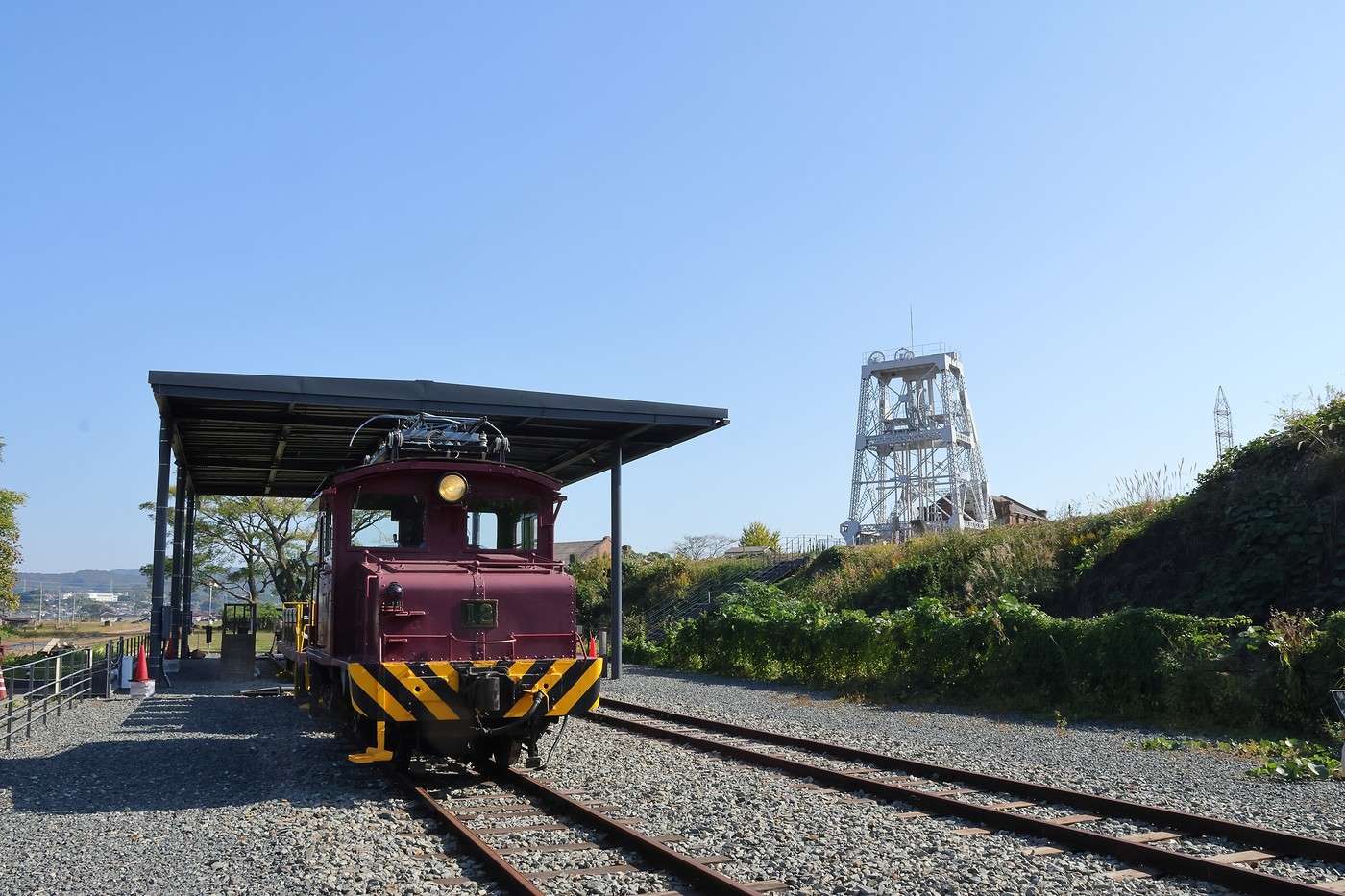
Since the 2000s, I've been following the news of the industrial railway company in the Omuta region. A large coal network that was reduced to serving a chemical plant until it disappeared in 2022. It's quite remarkable that all the surviving locomotives from that era have found a new home, been restored, and are stored under cover. Mindsets are slowly changing, and that's a good thing this time.


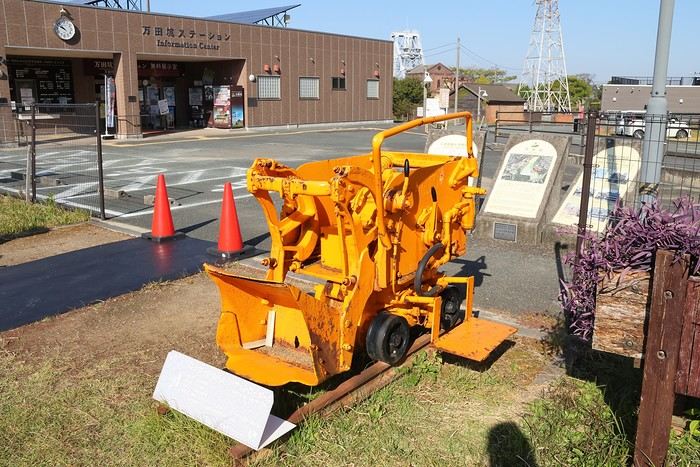
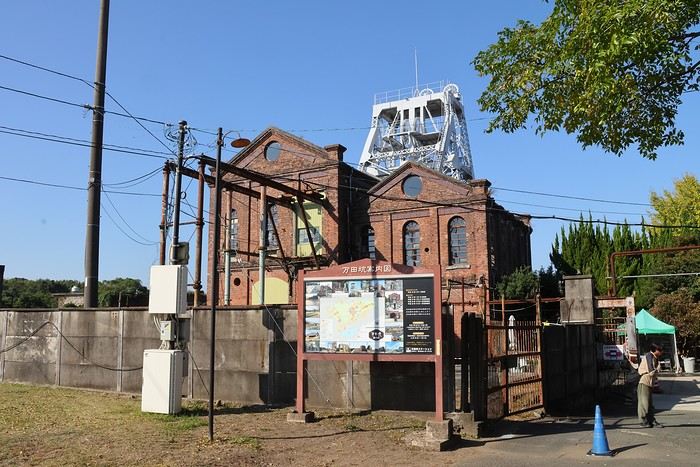
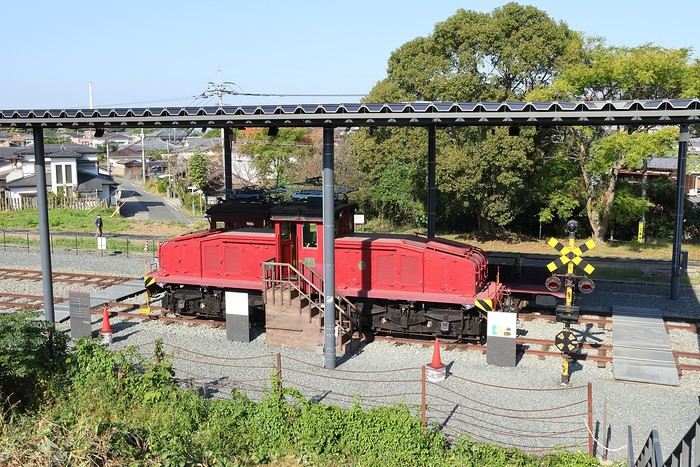
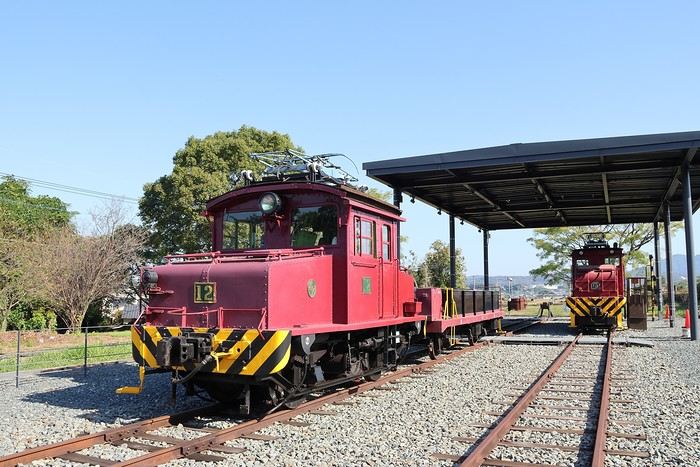
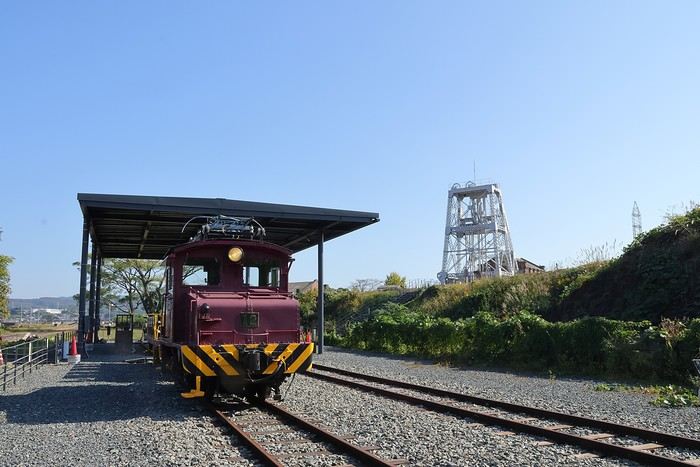
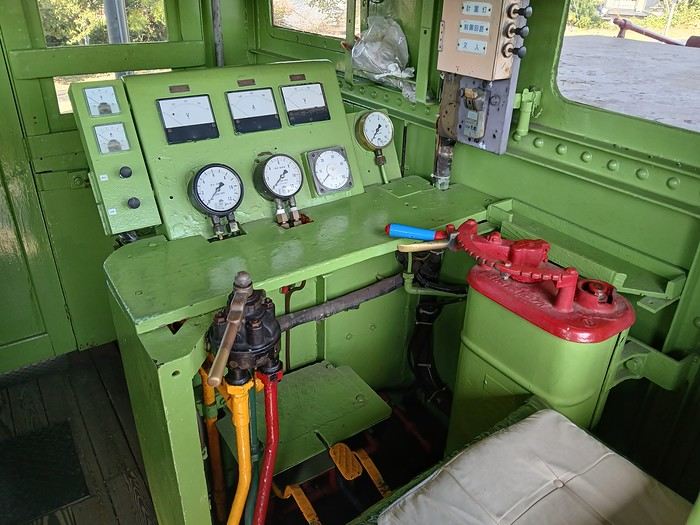
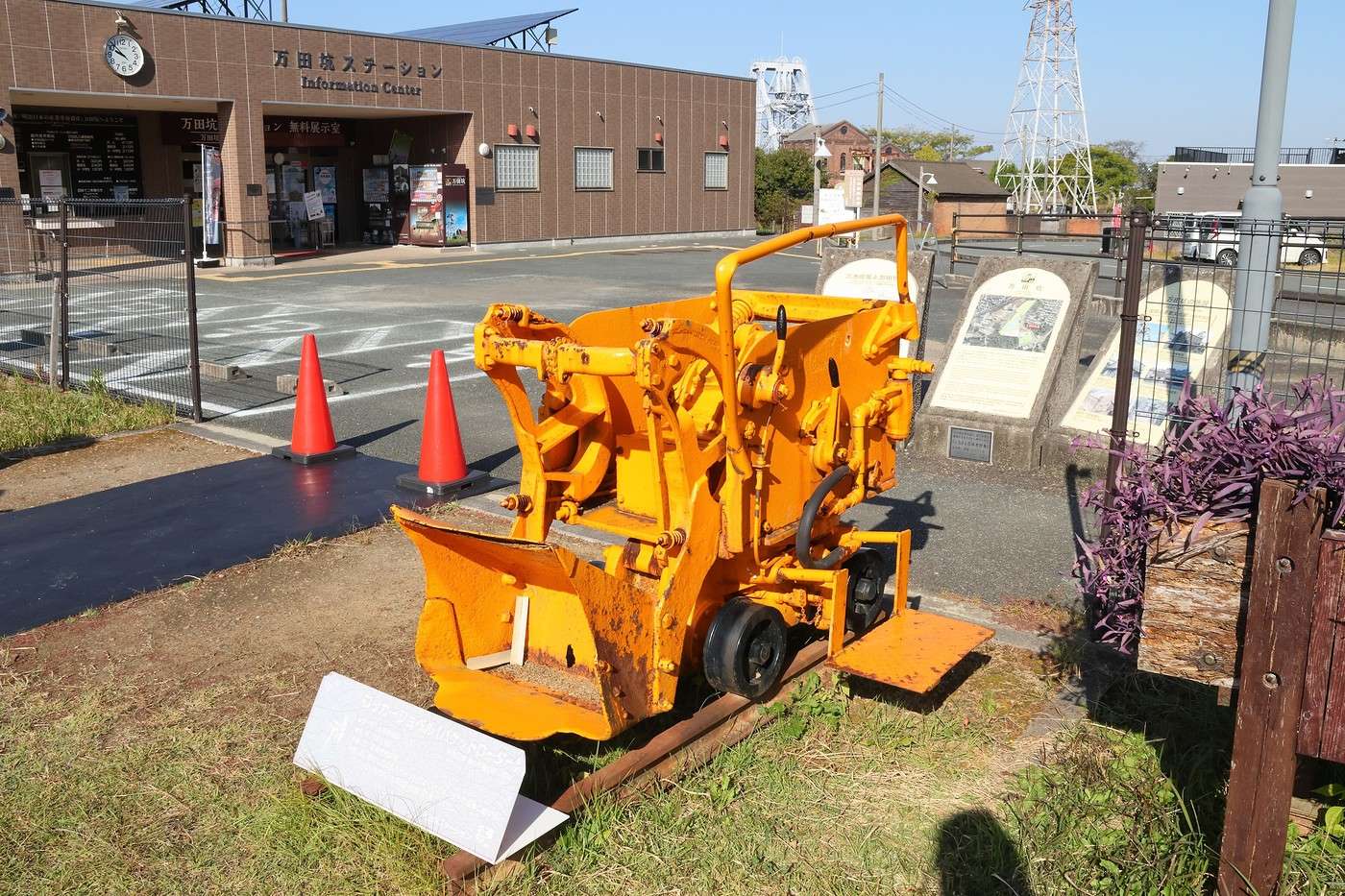
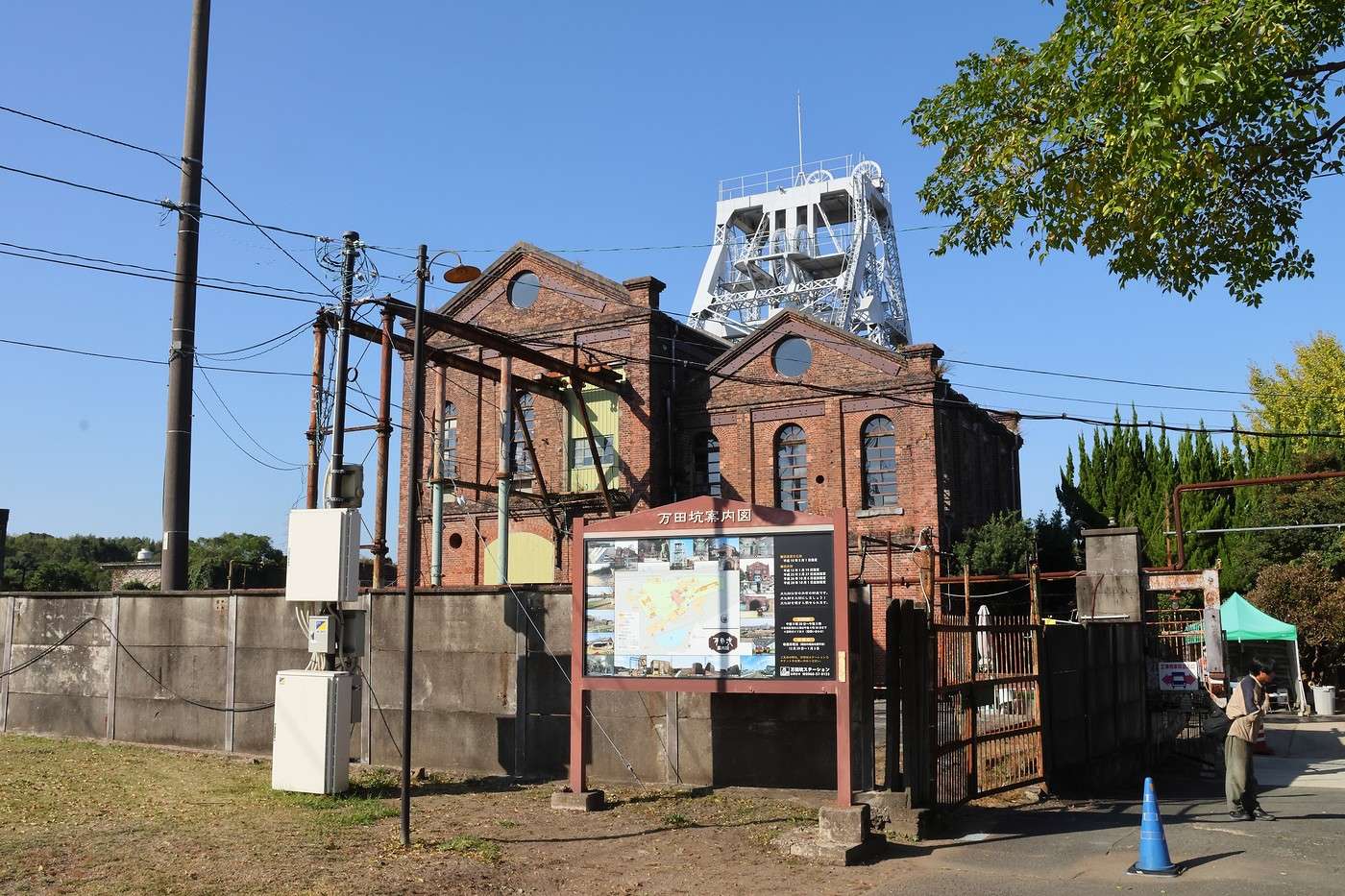
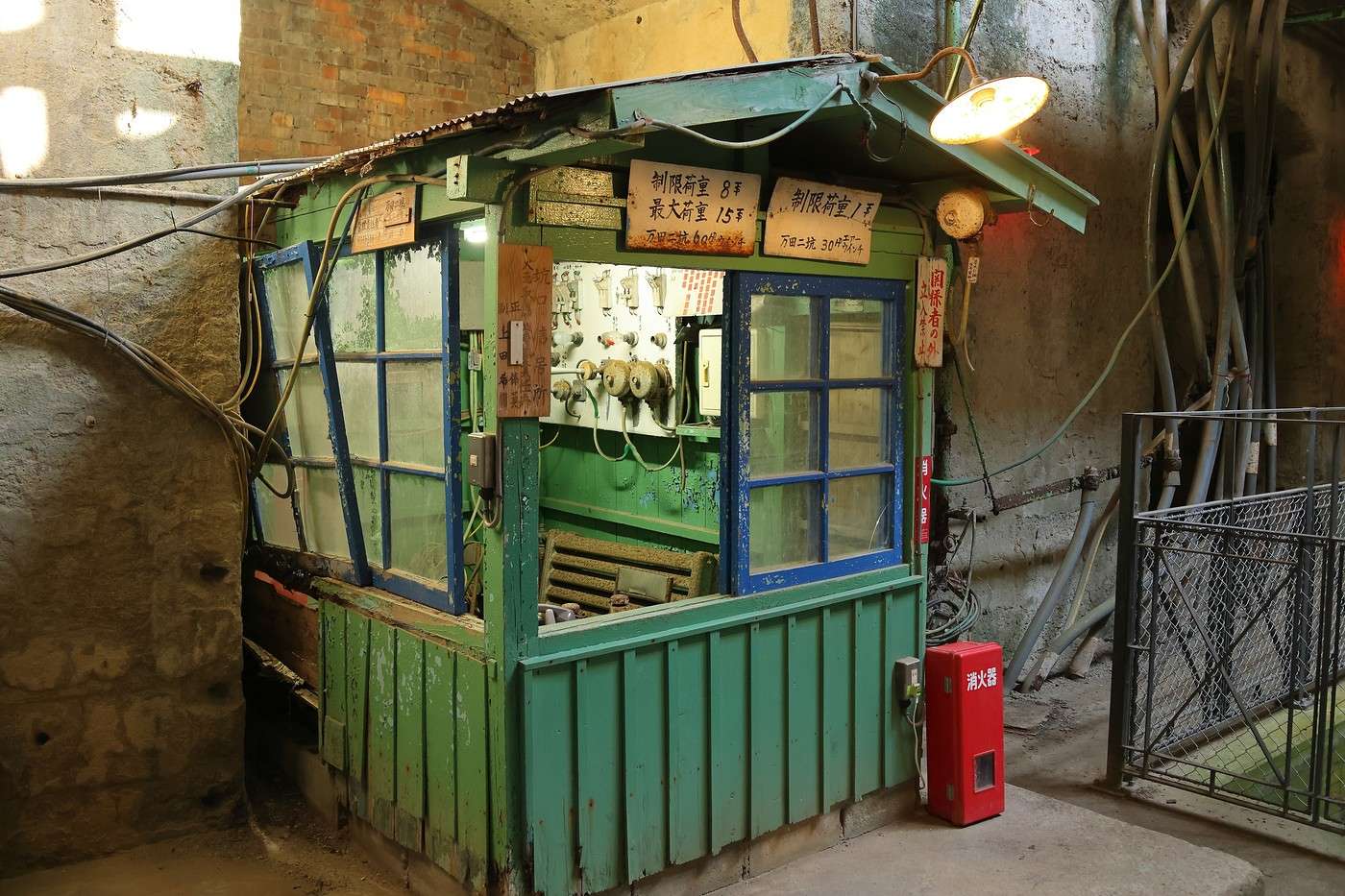
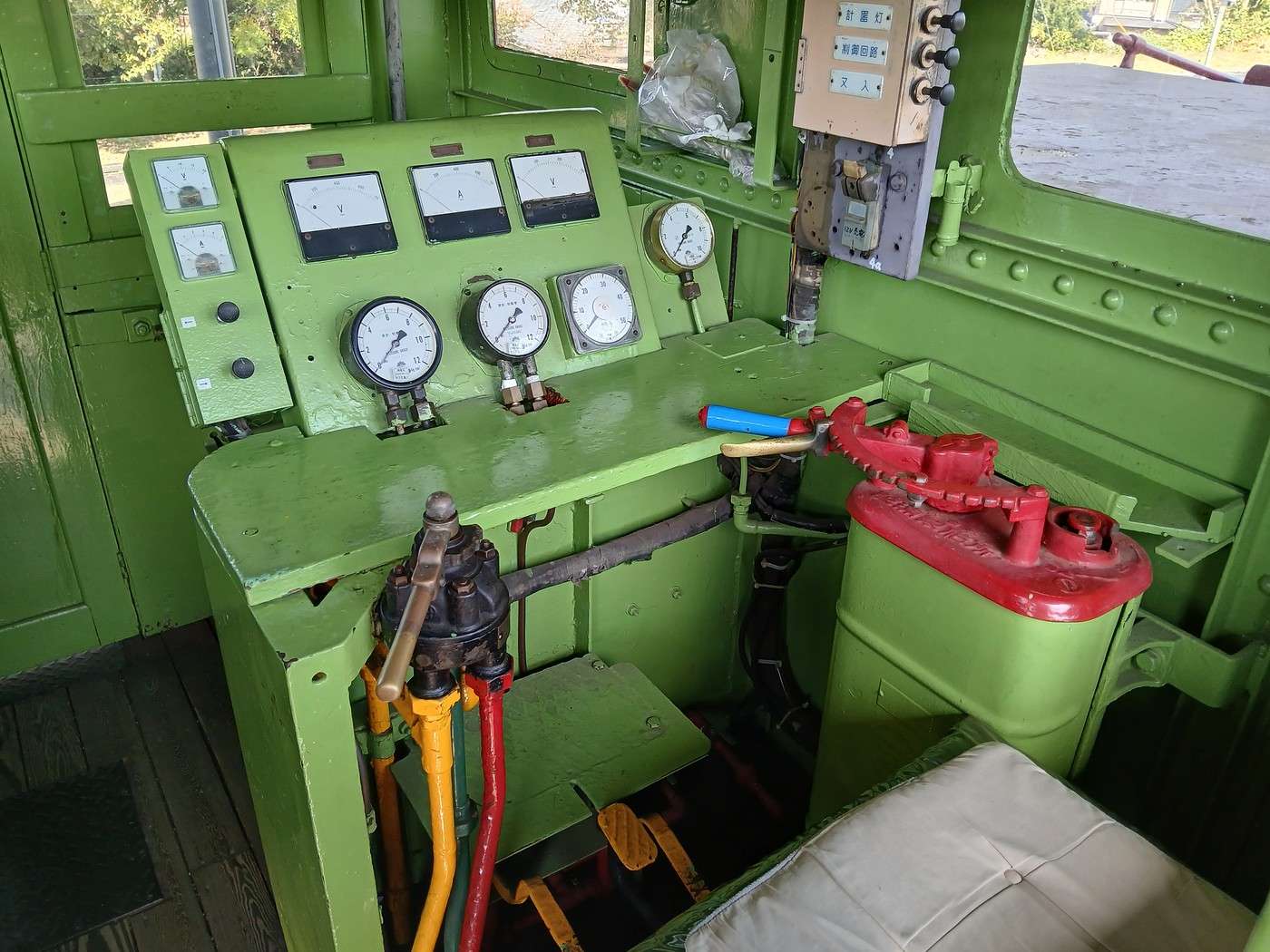
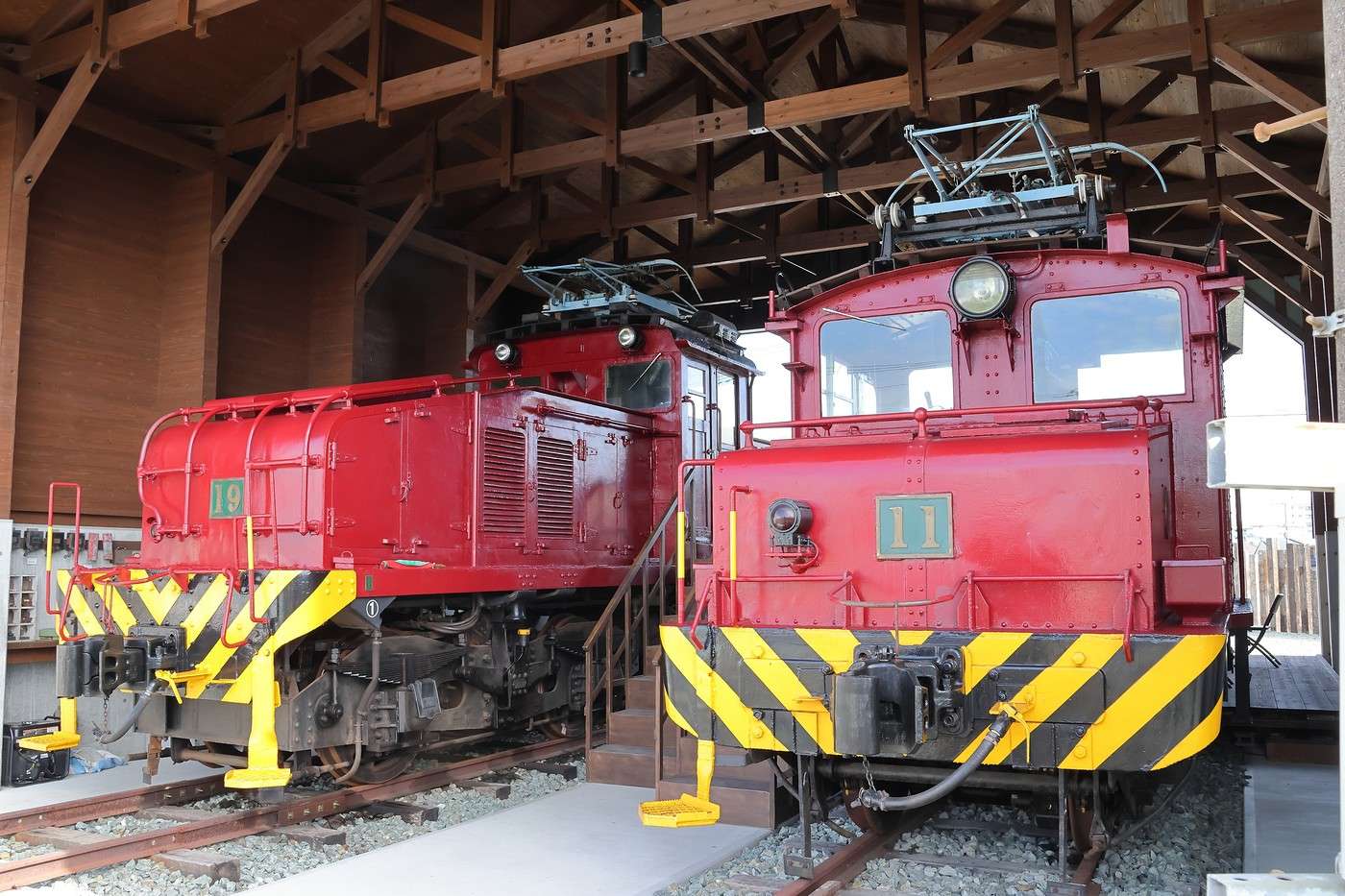
The first place to visit is the Manda extraction pit in Arao. The mine is now a museum, and a shelter has been built along the former railway line that used to transport the coal. There are only 50 meters of track, but thanks to a battery-powered wagon, the smaller of the two locomotives can move a few meters without needing overhead wires. Note that the battery wagon isn't an amateur DIY job—it was created to serve the chemical plant. So, it's perfectly historical and representative of a certain era in the locomotive's life. That's also great because I hate it when museum vehicles are modified or misrepresented.


Train Enthusiast - Lesser-Known Regions

Serow · 2026-06-05 · Message 24 of 34

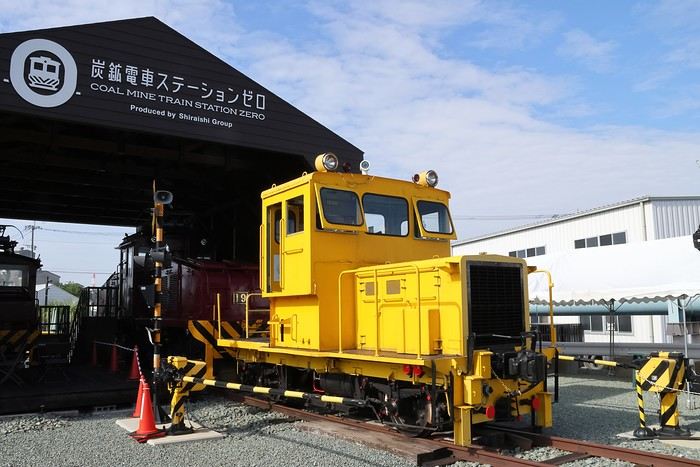
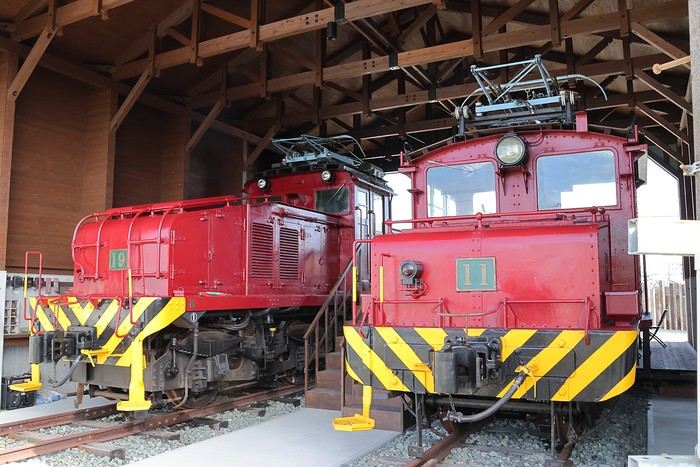
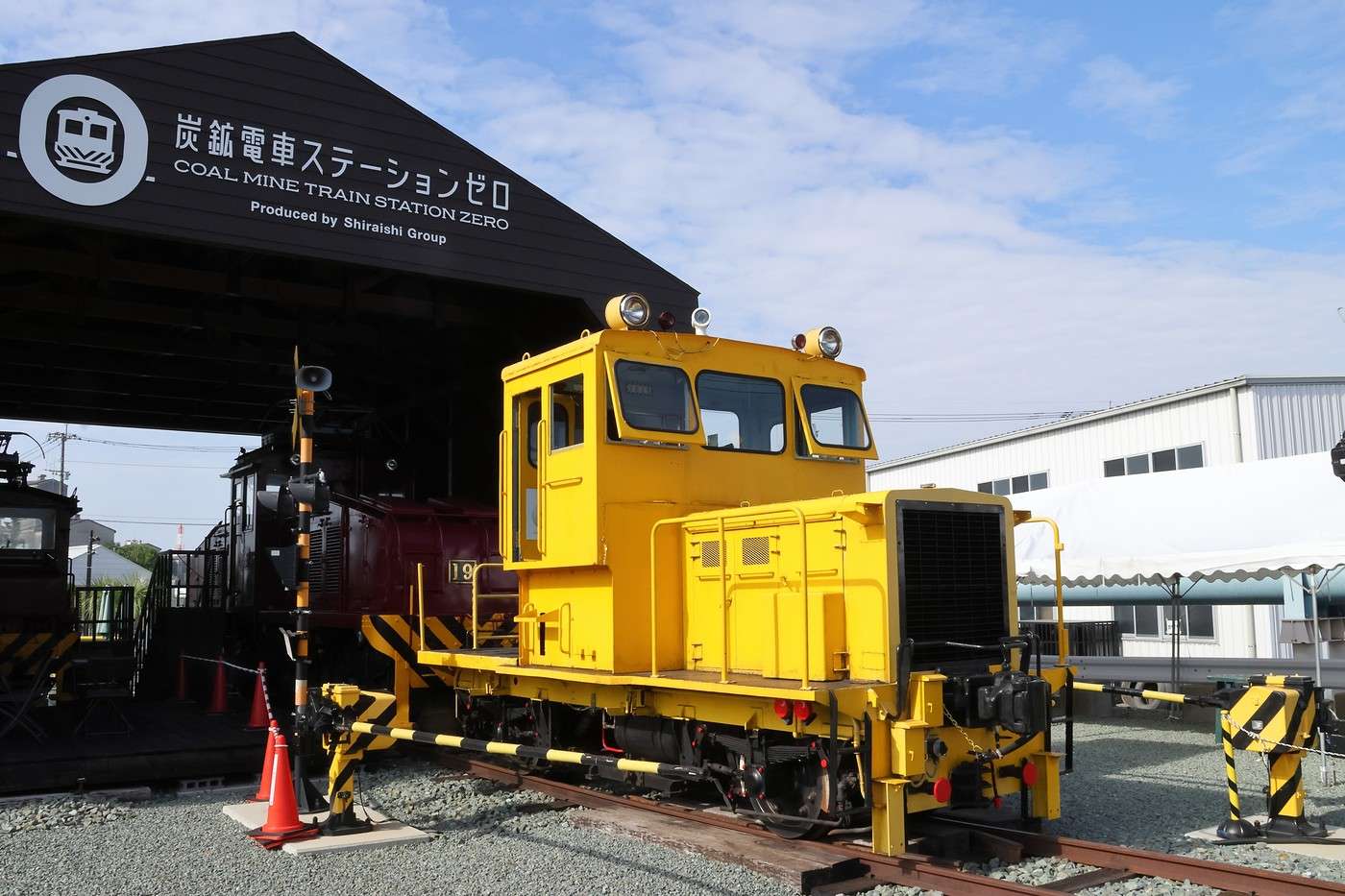
Second place to visit: Kilometer 0. Historically, this is where the line started and where coal was loaded onto boats. Nothing remains to recall that era, but it was here that they decided to build a small museum. The electric locomotives are static, but the yellow shunter does demonstrations.


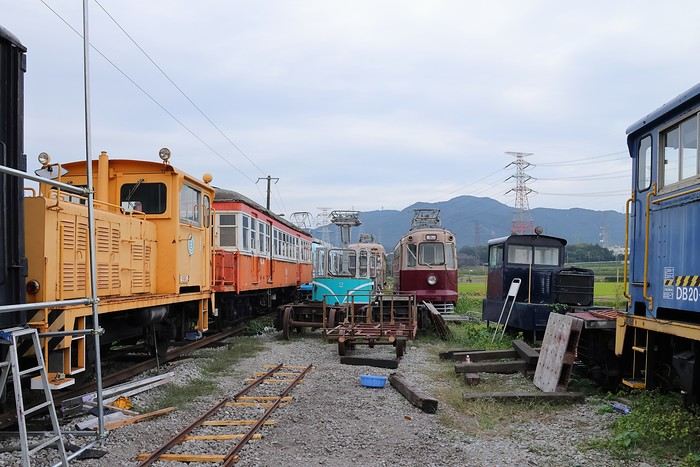
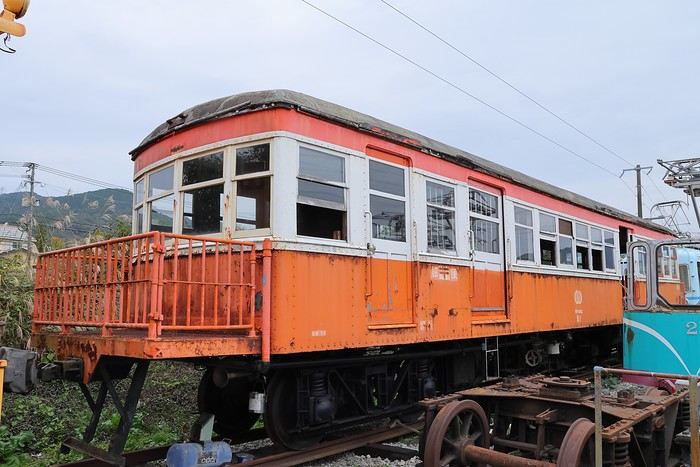
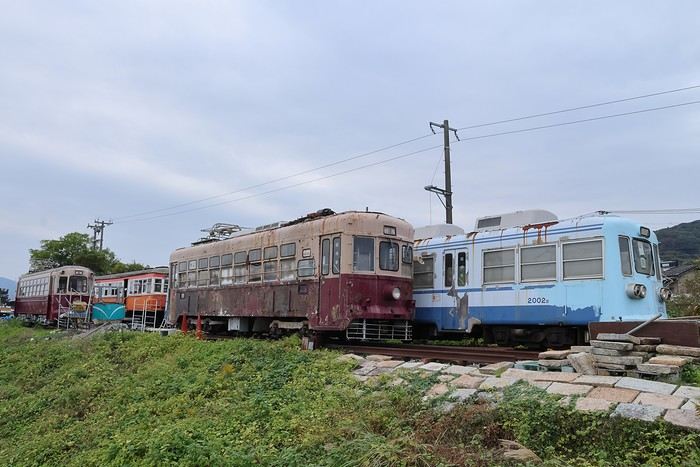
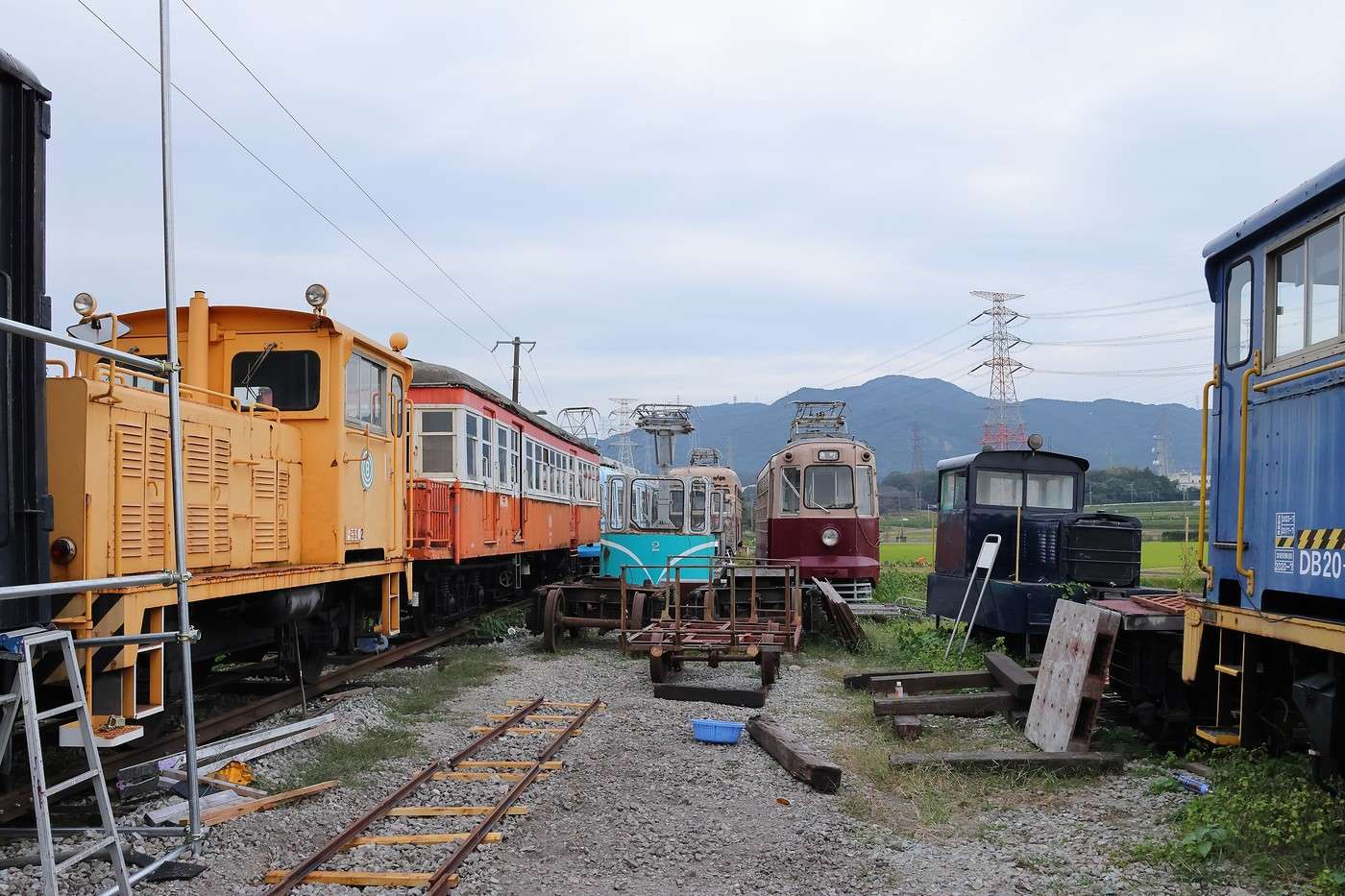
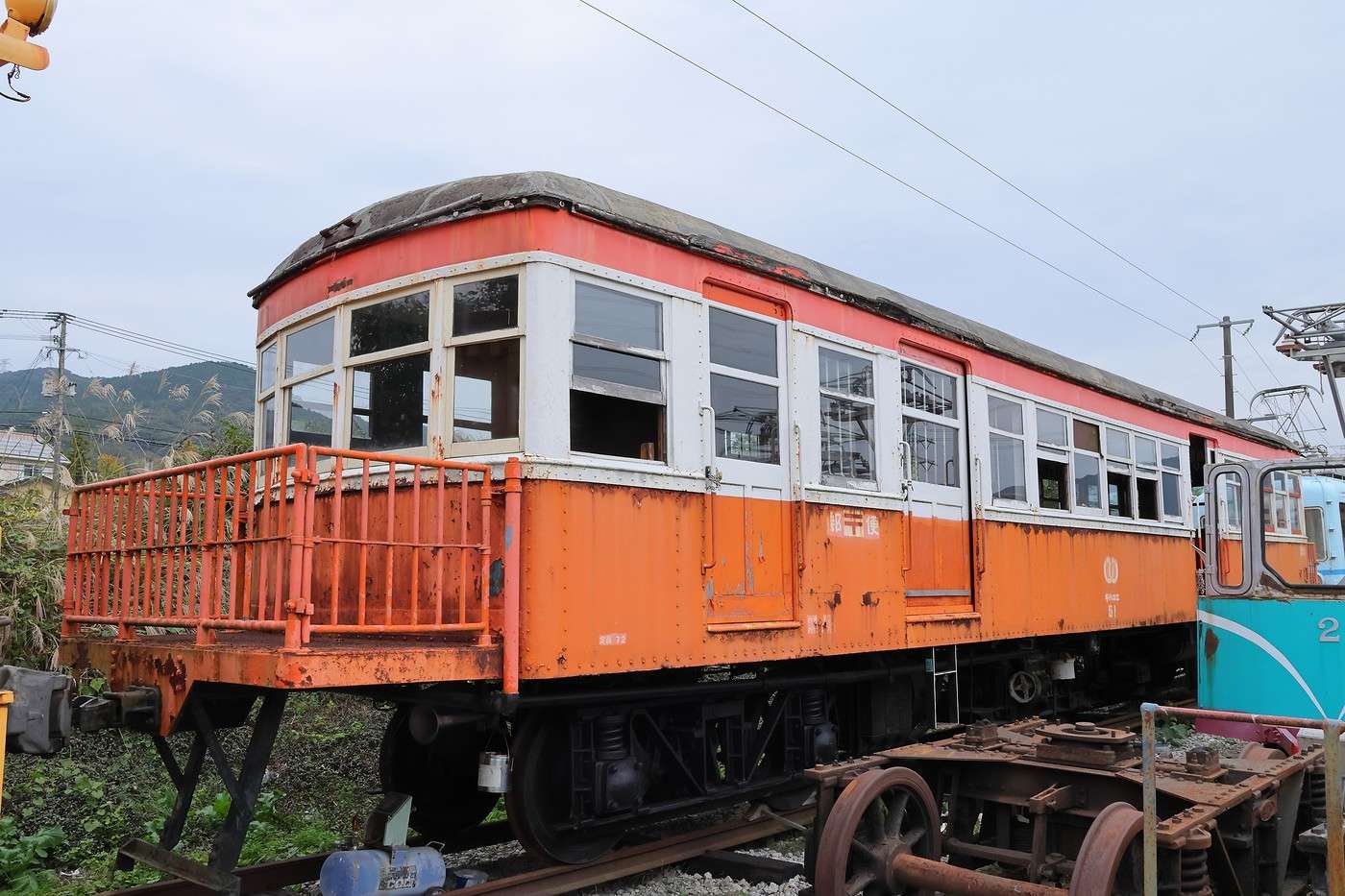
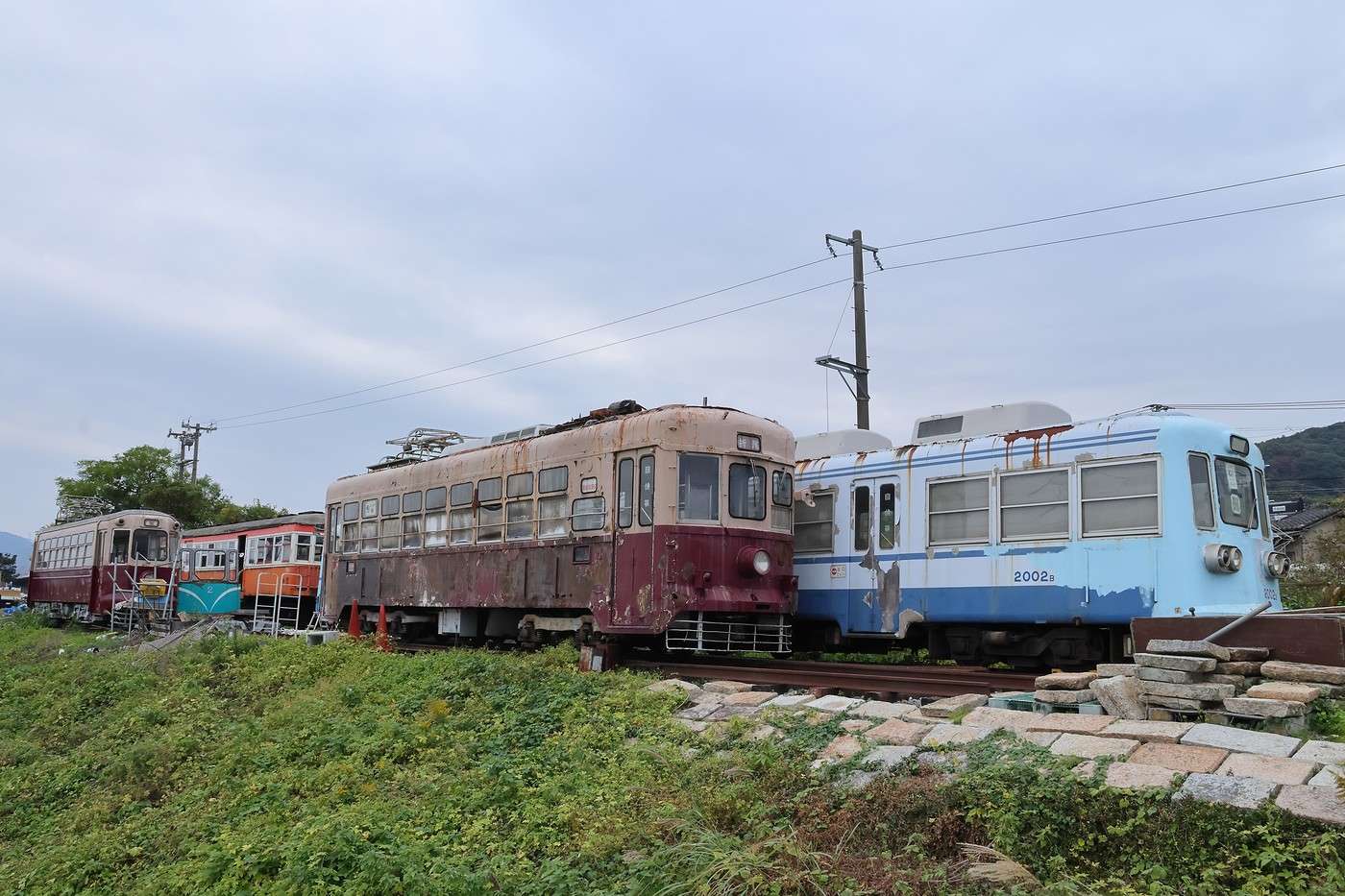
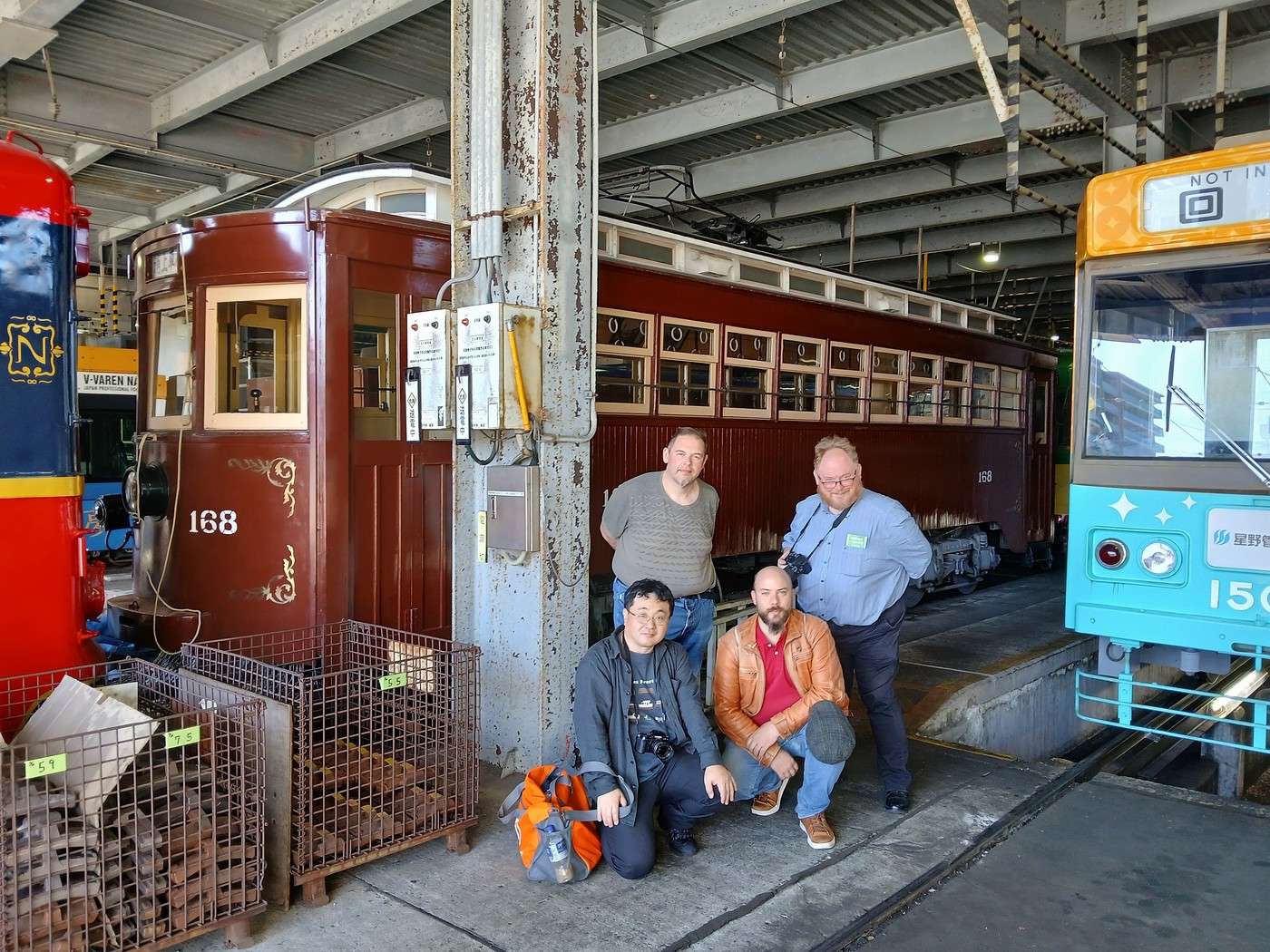
Then we continue on foot, take the Nishitetsu train, another Nishitetsu train, and a bus to get near Chikuzen-Yamae Station. There, Yasuto has personally preserved some vehicles. I’m not sure what to think about this initiative. If he hadn’t done it, these vehicles would have been destroyed. But stored in precarious conditions, they’re slowly deteriorating. The most troubling part is that he wants to buy the neighboring land to save more vehicles, while that money could be invested in building a shelter and later restoring some of the vehicles. It’s the same problem in museums worldwide: time, money, space, and making reasonable choices.

Yet, it’s certain there are still some beautiful pieces that could be saved.


Then everyone goes their own way. For us tonight, it’ll be toward our hotel in Karatsu.


Train Enthusiast - Lesser-Known Regions

Serow · 2026-06-05 · Message 25 of 34

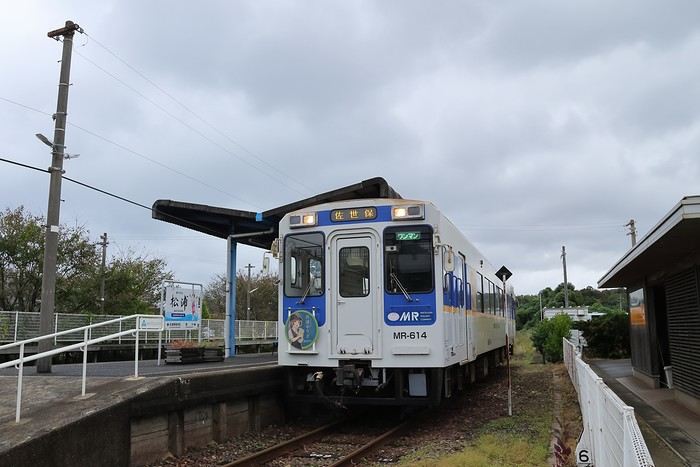
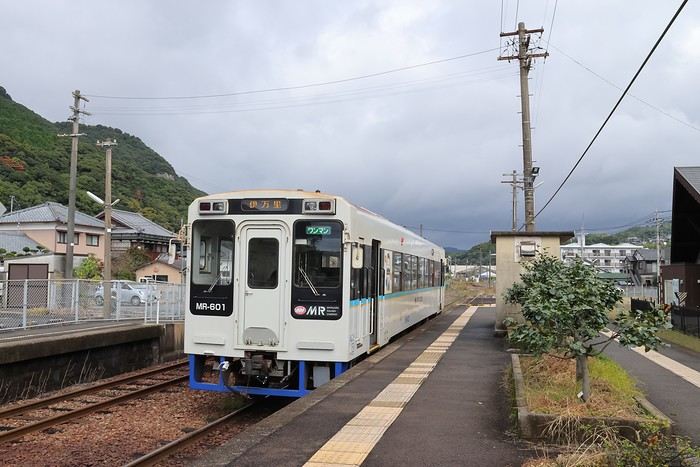
There are places to visit that we always put off. Today, we're heading to the Matsuura Railway. It's been easily 10 years that I've been telling myself I should go there.

As often happens, a first visit gives you a glimpse, but you'd need a second trip to really explore.

I would've loved to visit the castle, the Takatori residence, and one or two temples, but we didn’t really plan for that. Plus, with the rain...


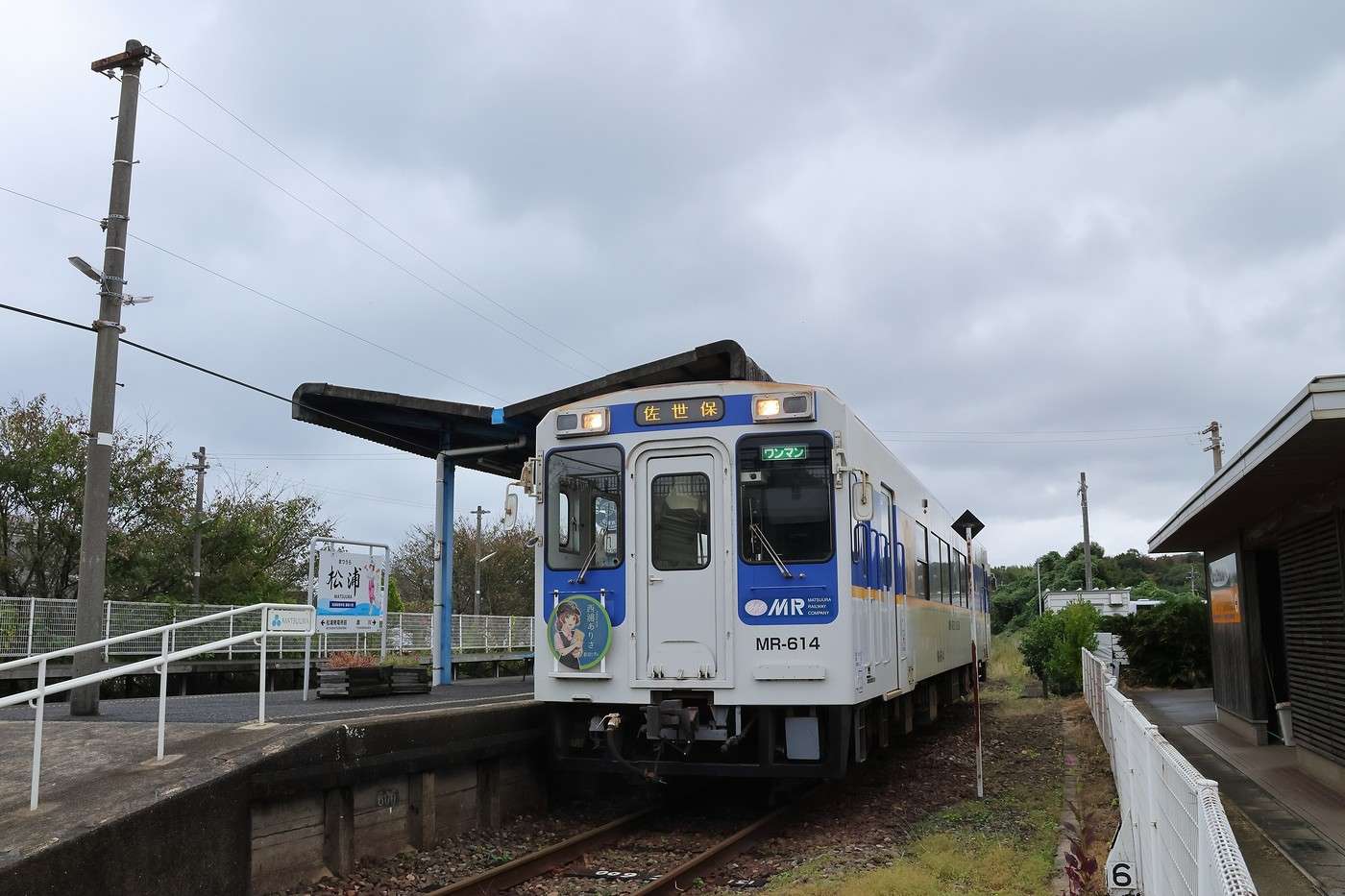
Departure from Karatsu in the rain.


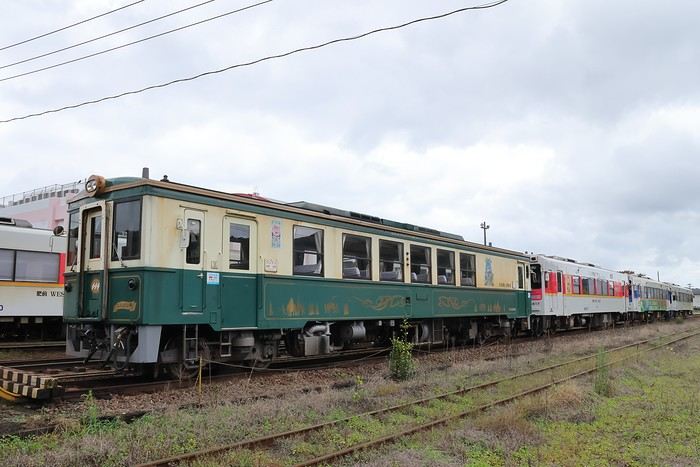
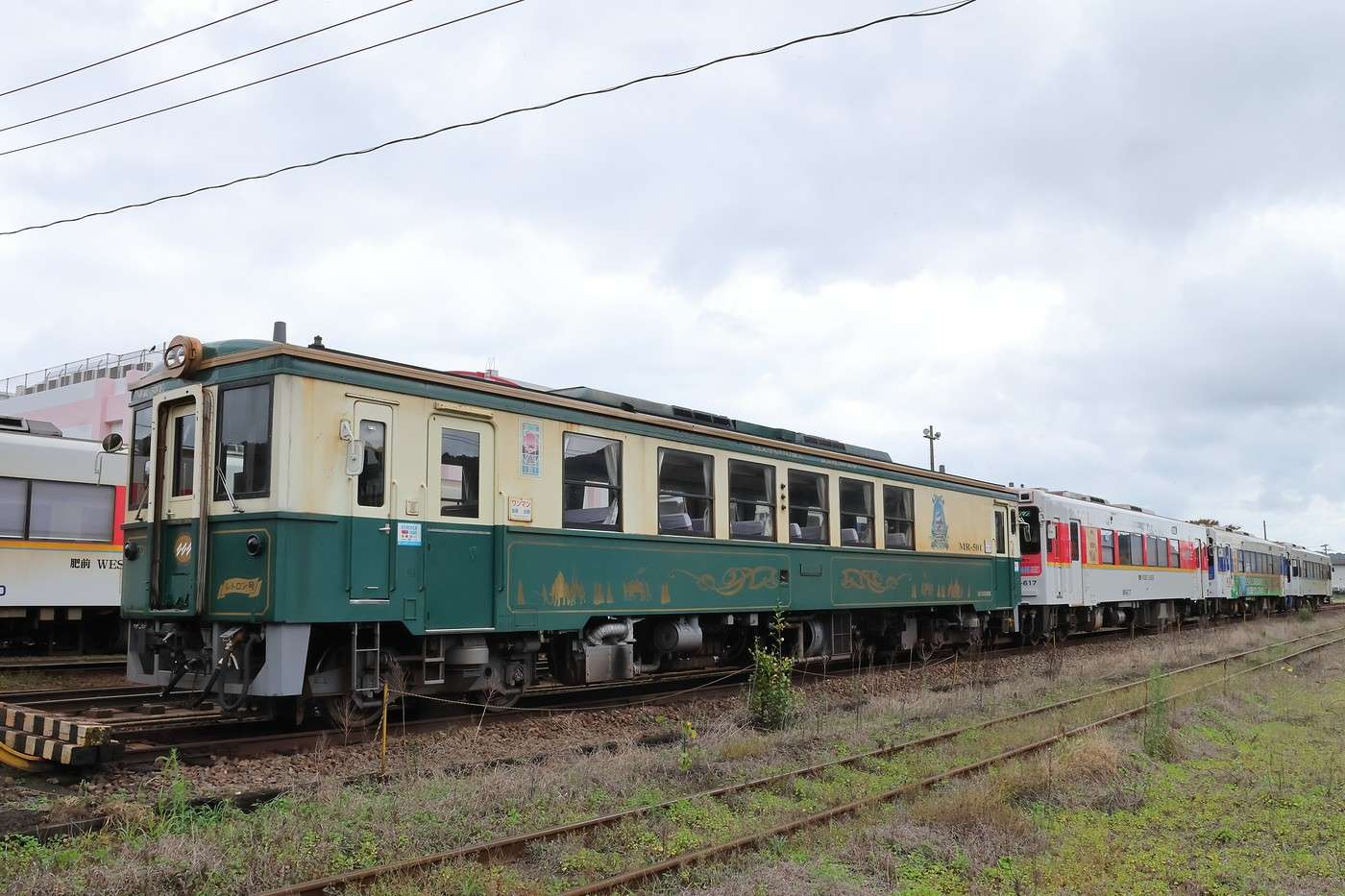
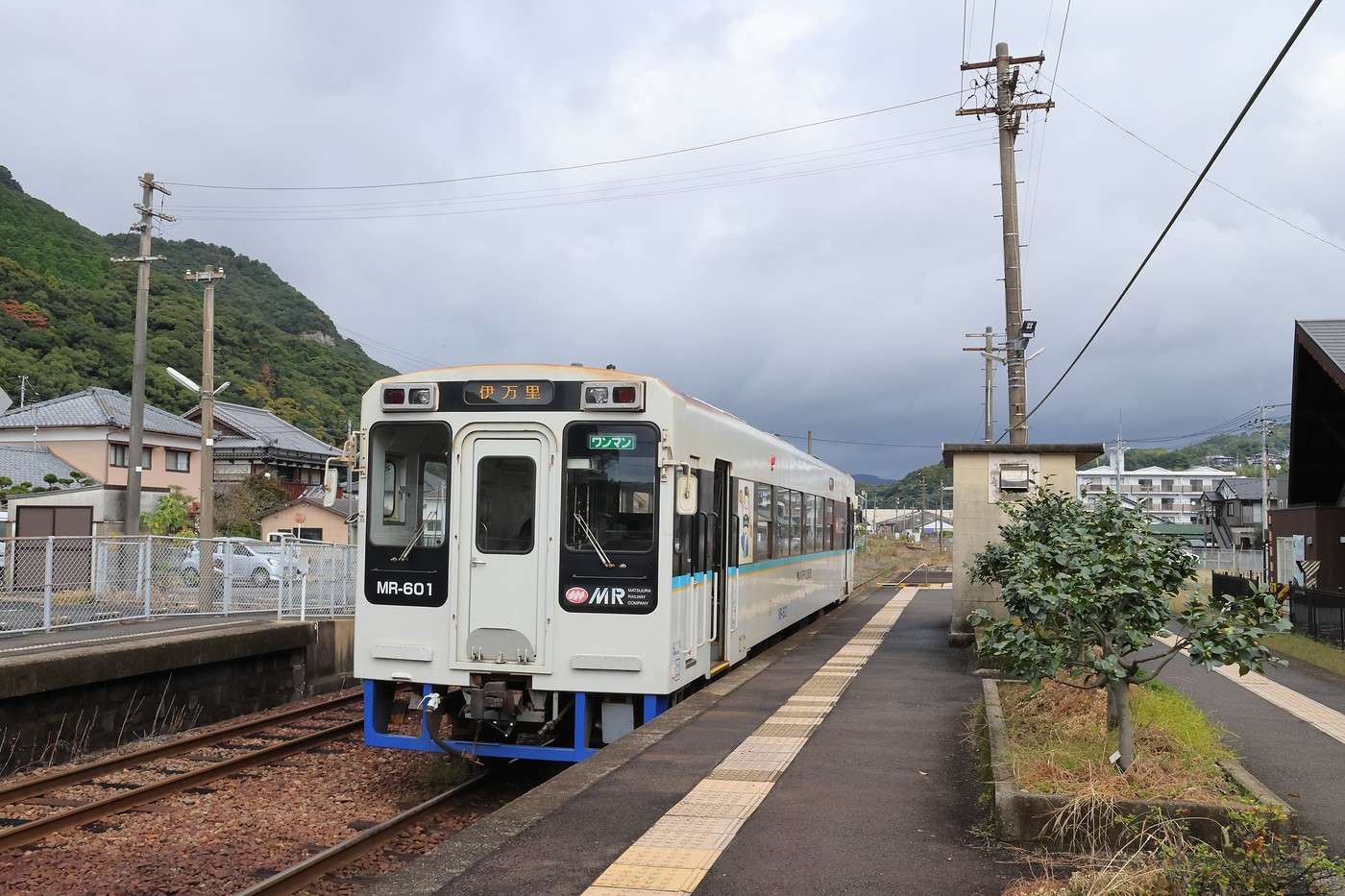
Then the Matsuura Railway to the Saza depot.


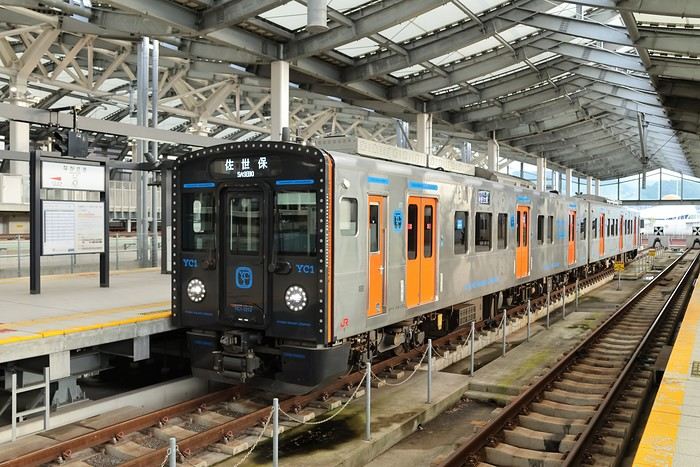
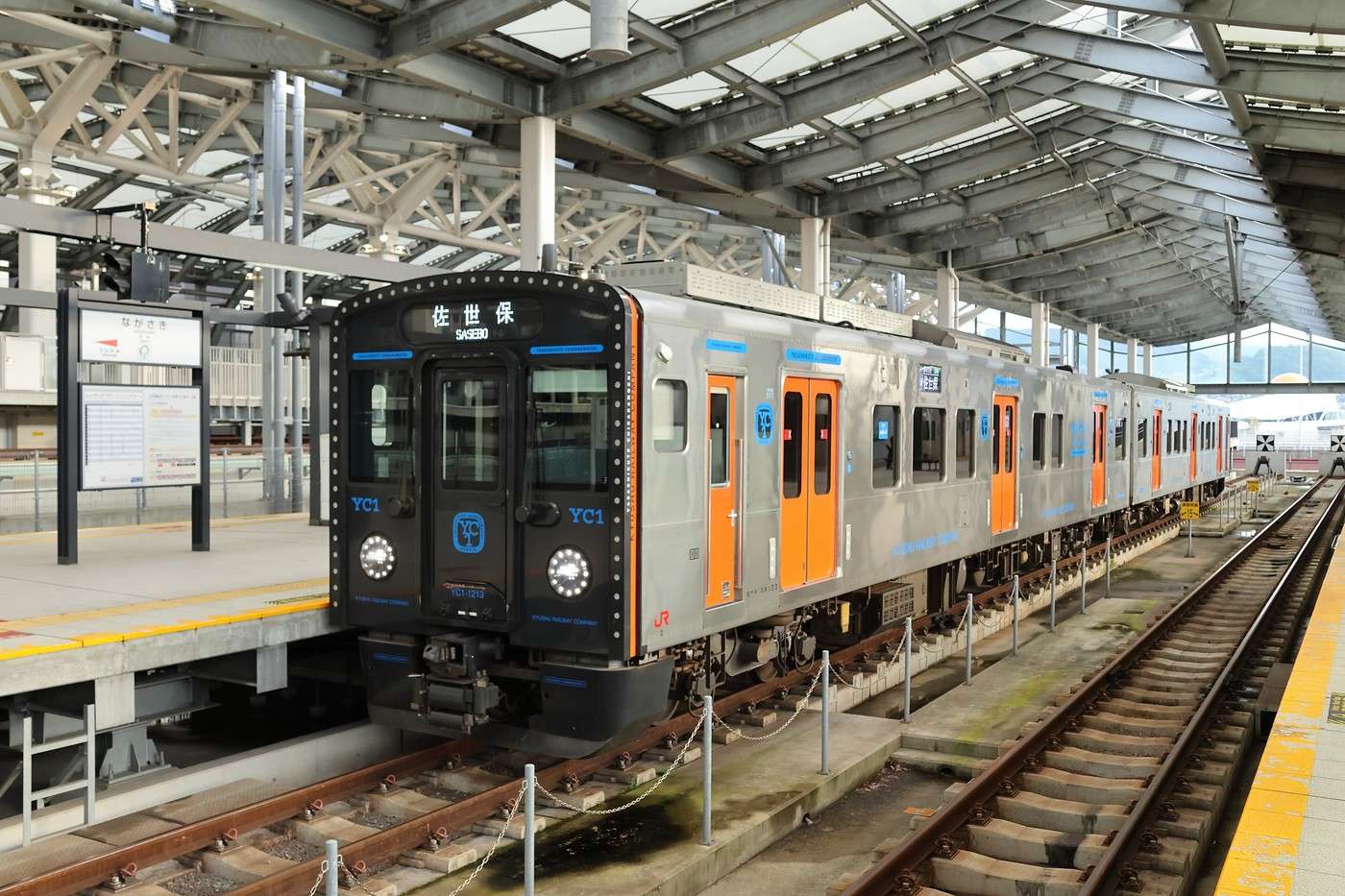
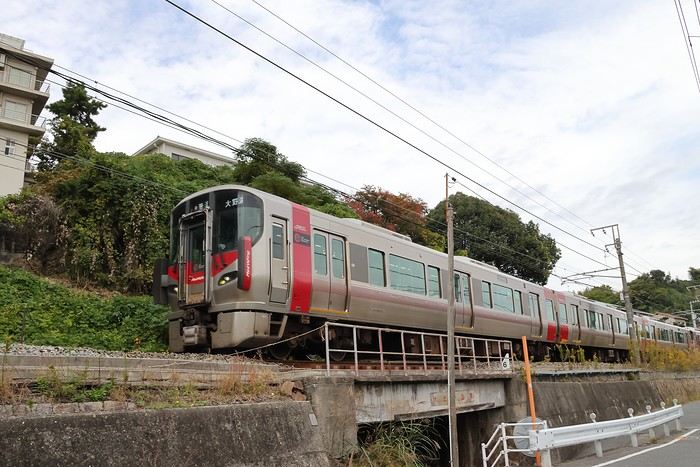
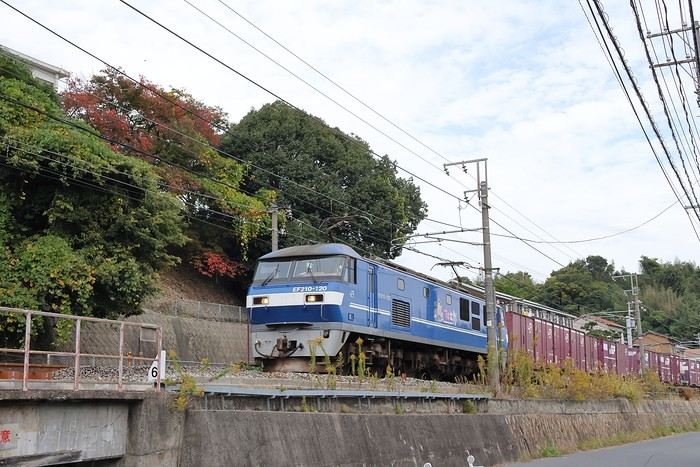
And finally, Sasebo to Nagasaki via the coastal line.


I’ve spotted a few places that I’d love to visit. Something to plan for my next trip.

Train Enthusiast - Lesser-Known Regions

Serow · 2026-06-05 · Message 26 of 34

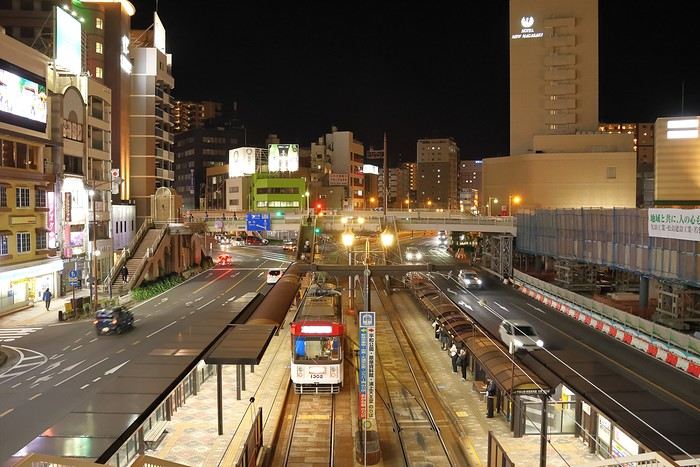
Nagasaki: I’ve honestly lost count of how many times I’ve been to Nagasaki—probably 4 or 5 by now. Glover Garden, the Atomic Bomb Museum, and Dejima are already checked off. It’s not that we don’t want to do other tourist activities, but either the reviews are mixed or you have to book in advance. Gunkanjima comes to mind, for example.

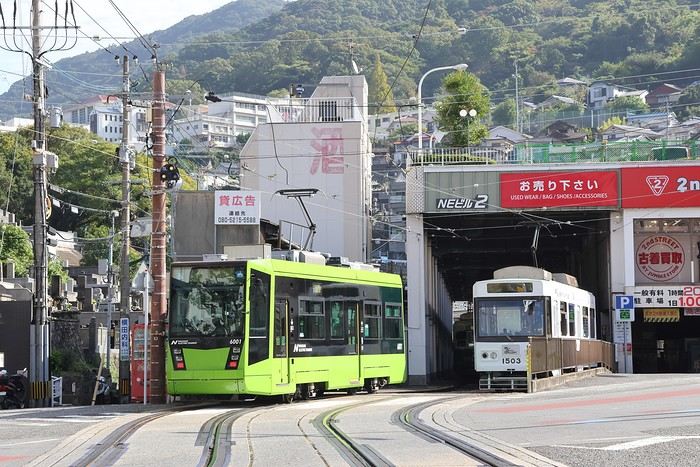
This year, in addition to wandering around the city, we’re going to try to get into the Urakami tram depot. What a headache, though—and for what result?

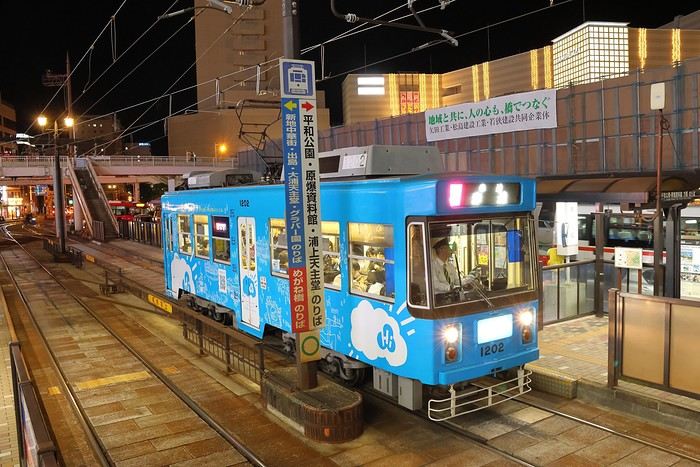
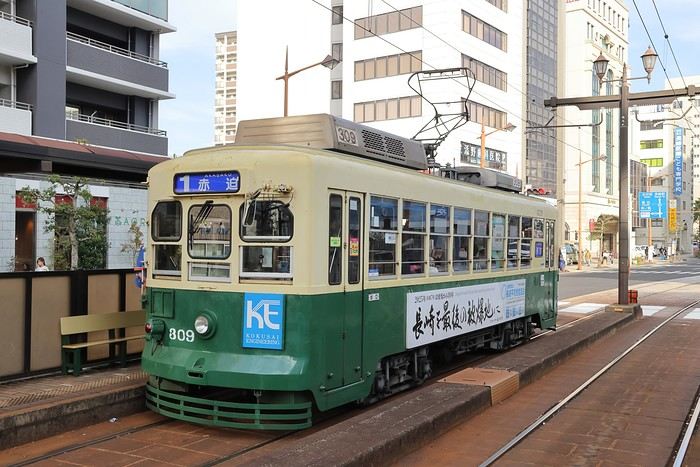
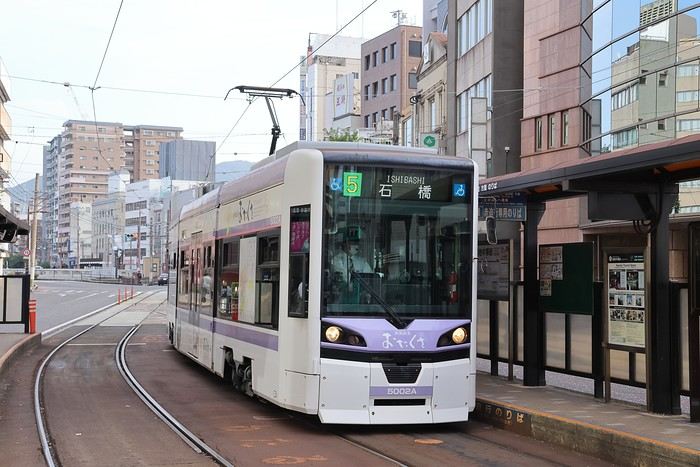
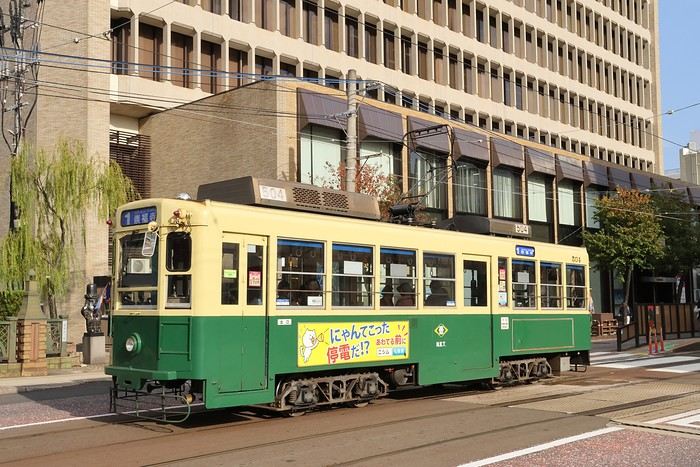
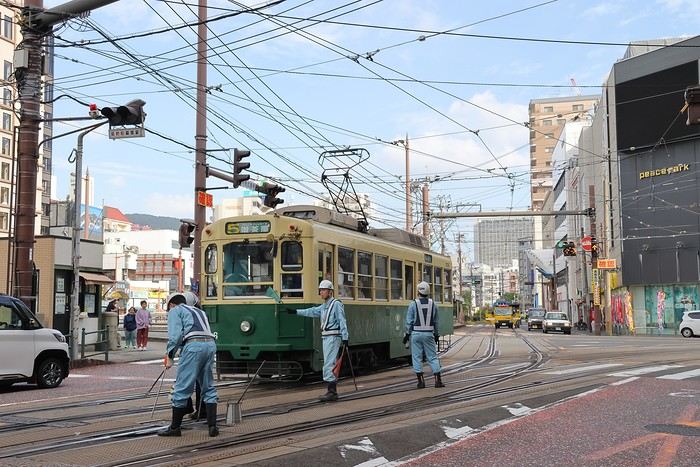
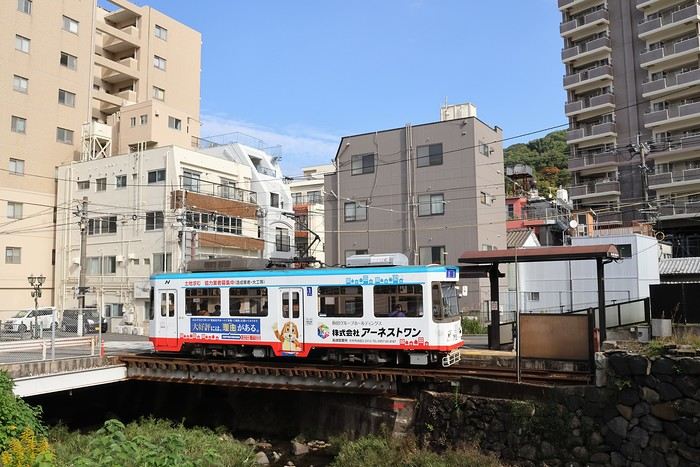
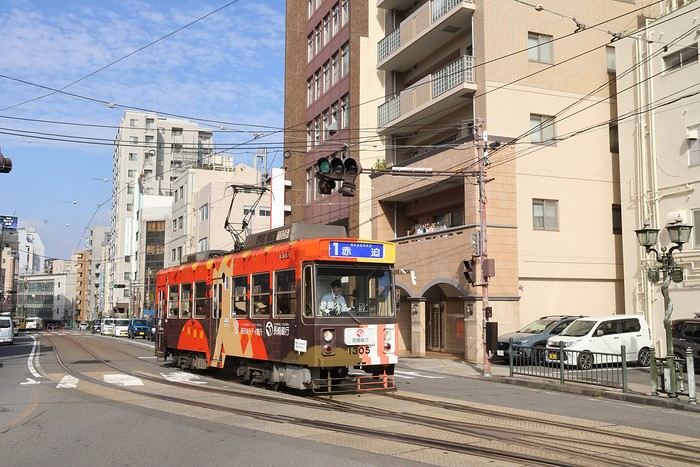
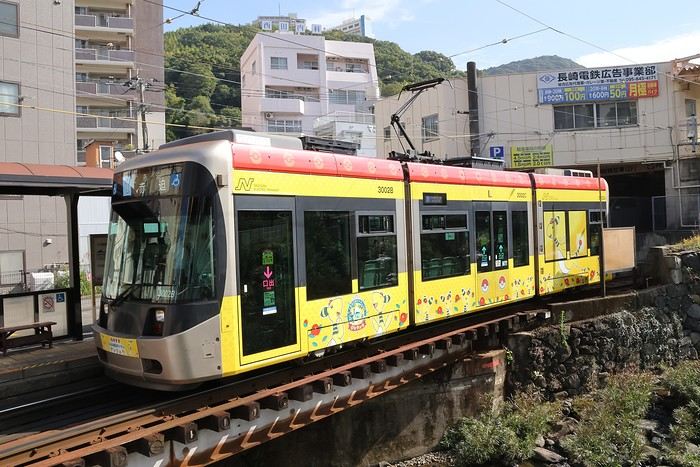
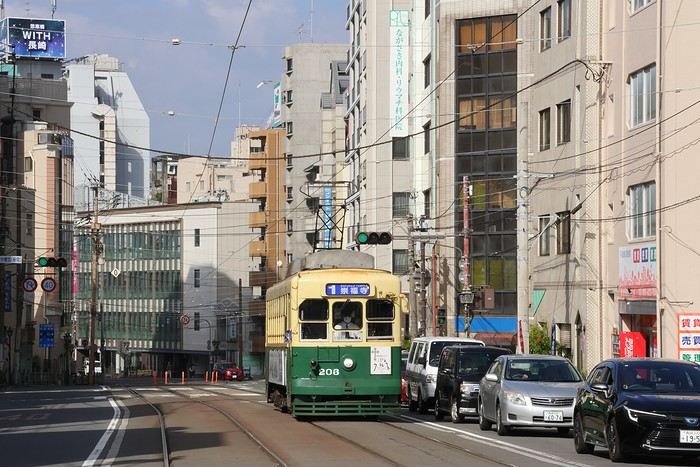
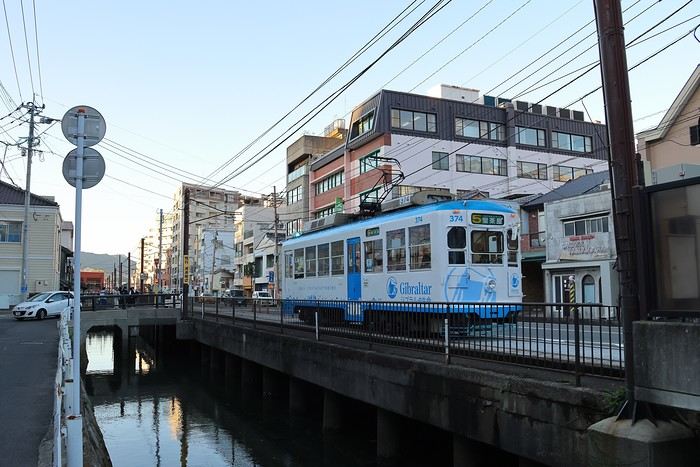
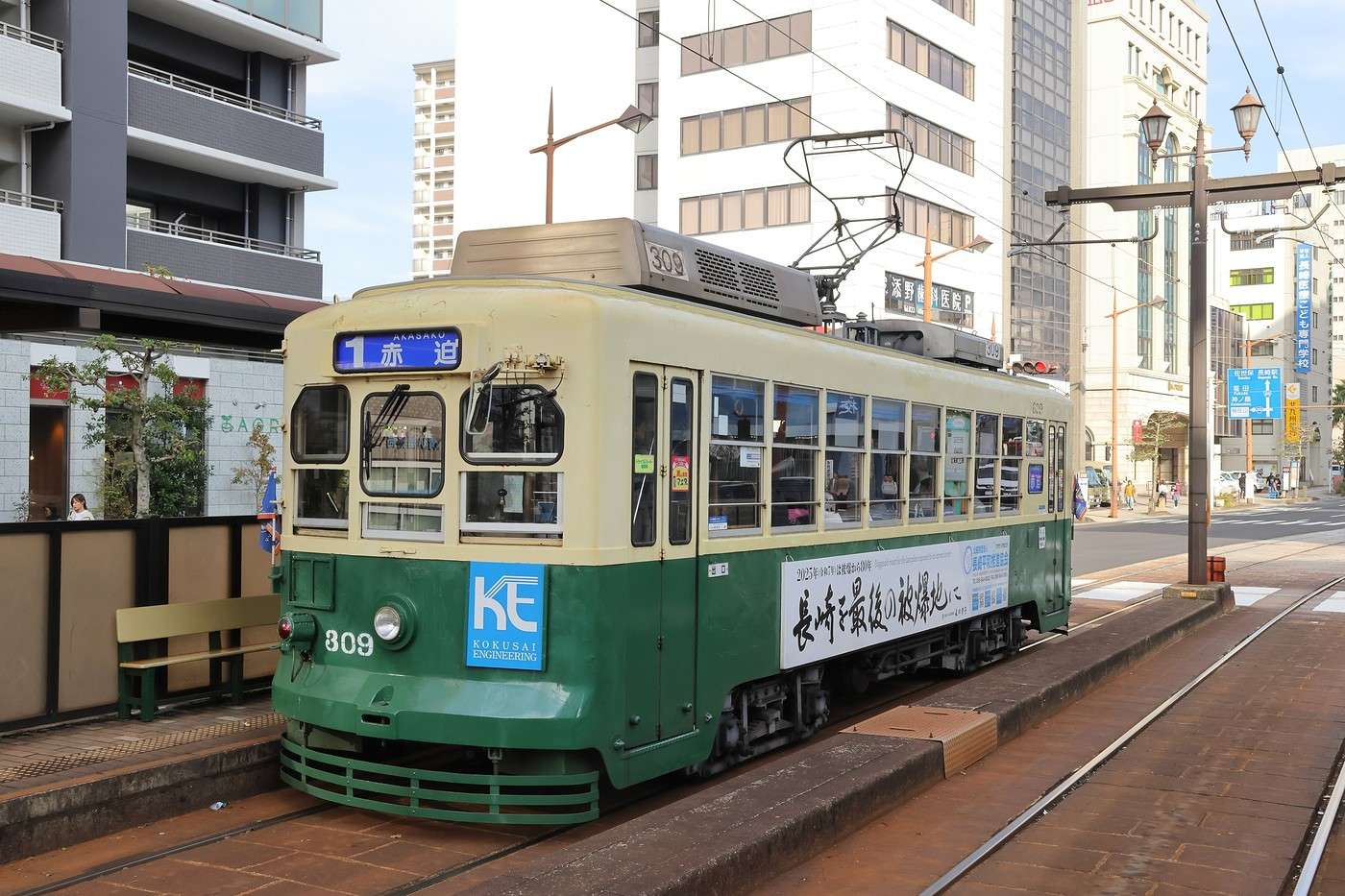
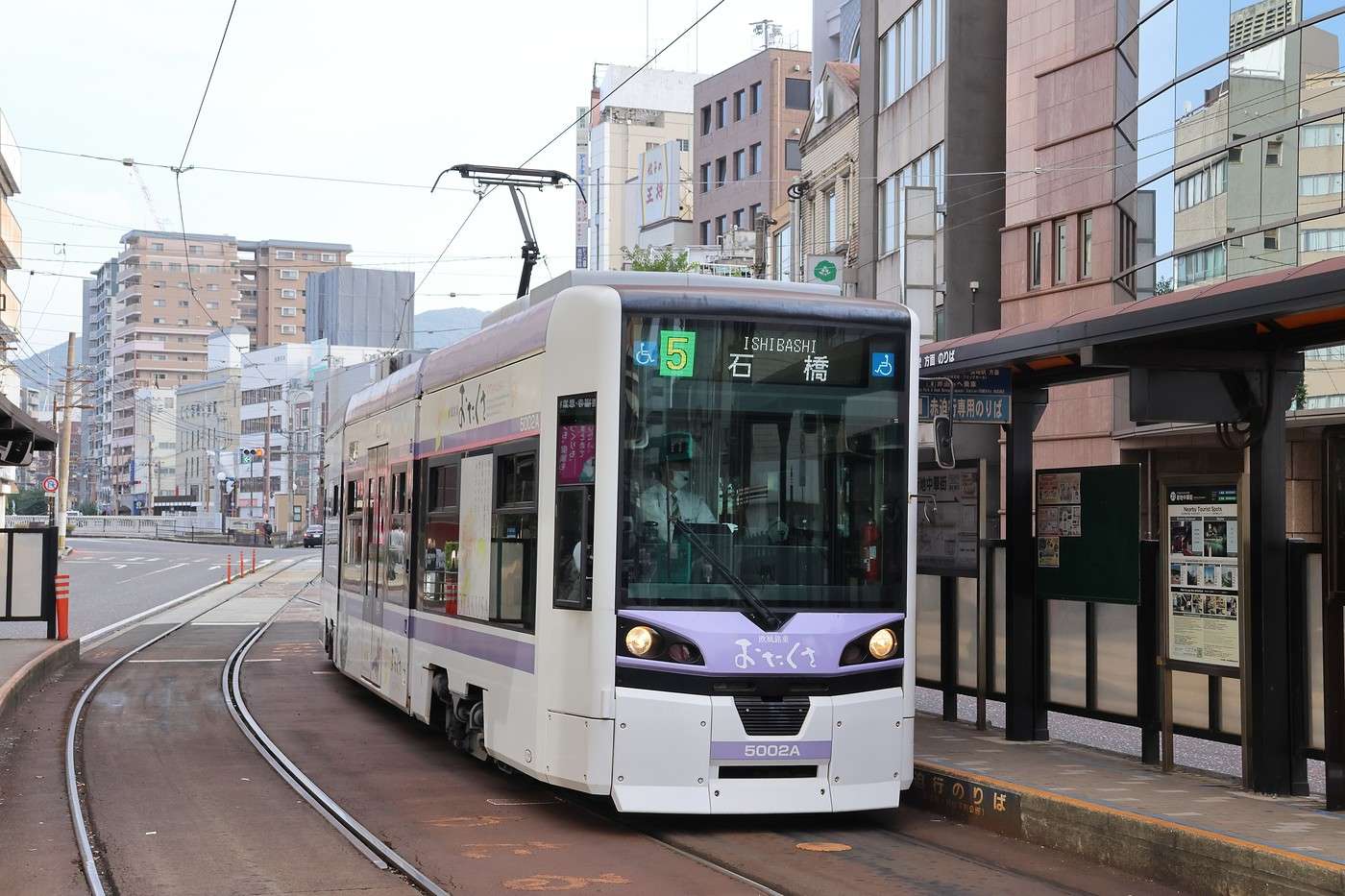
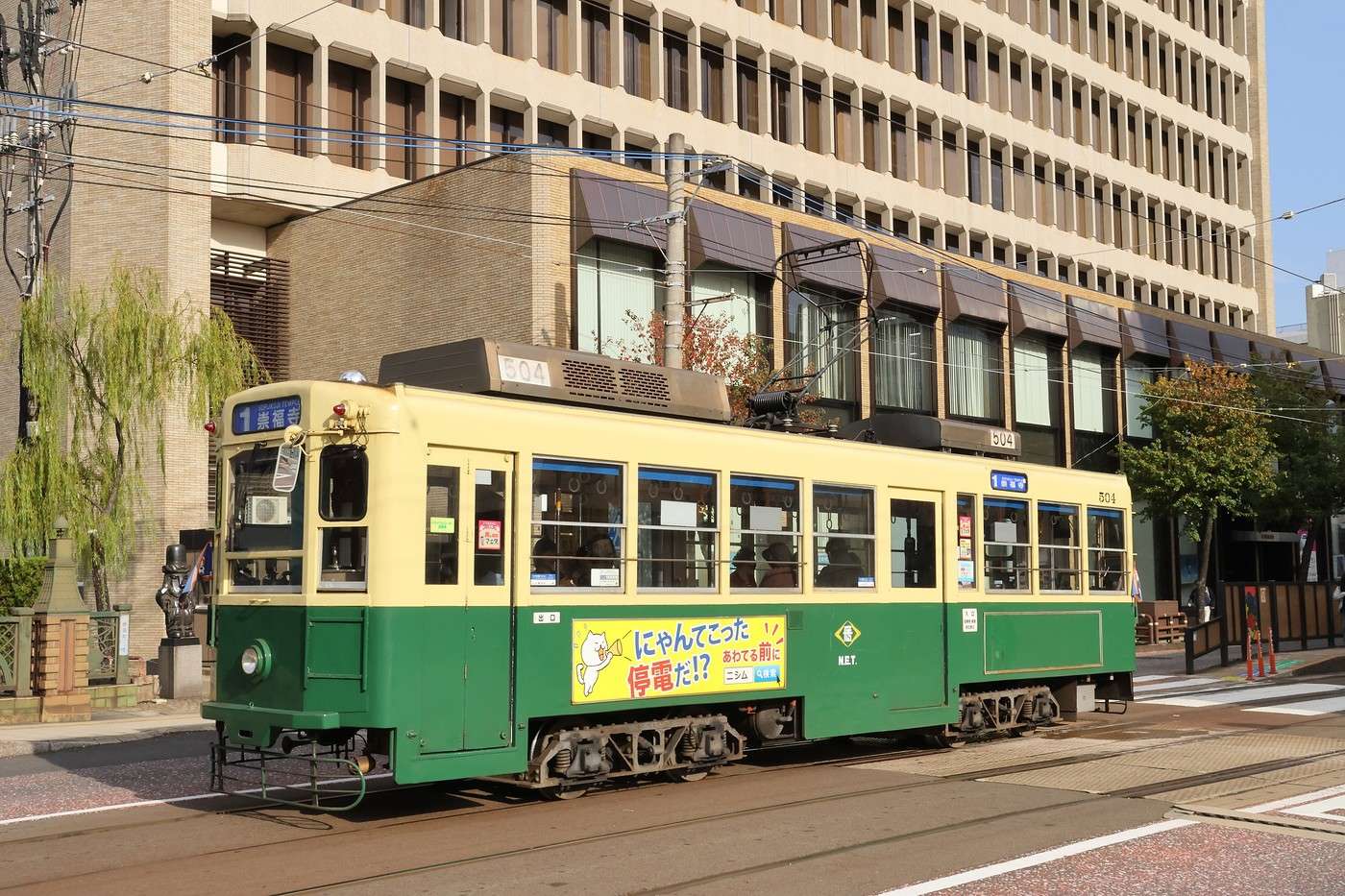
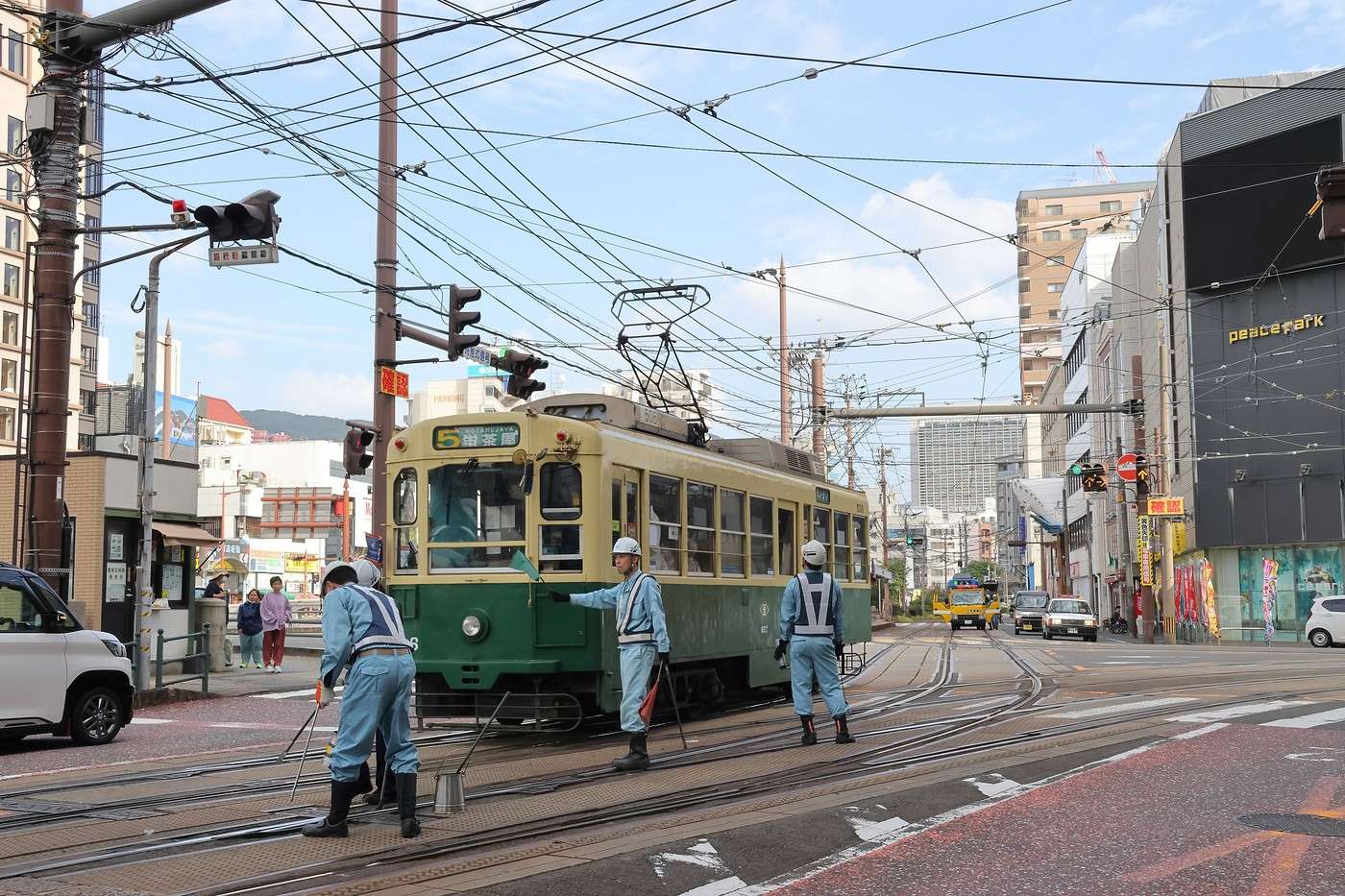
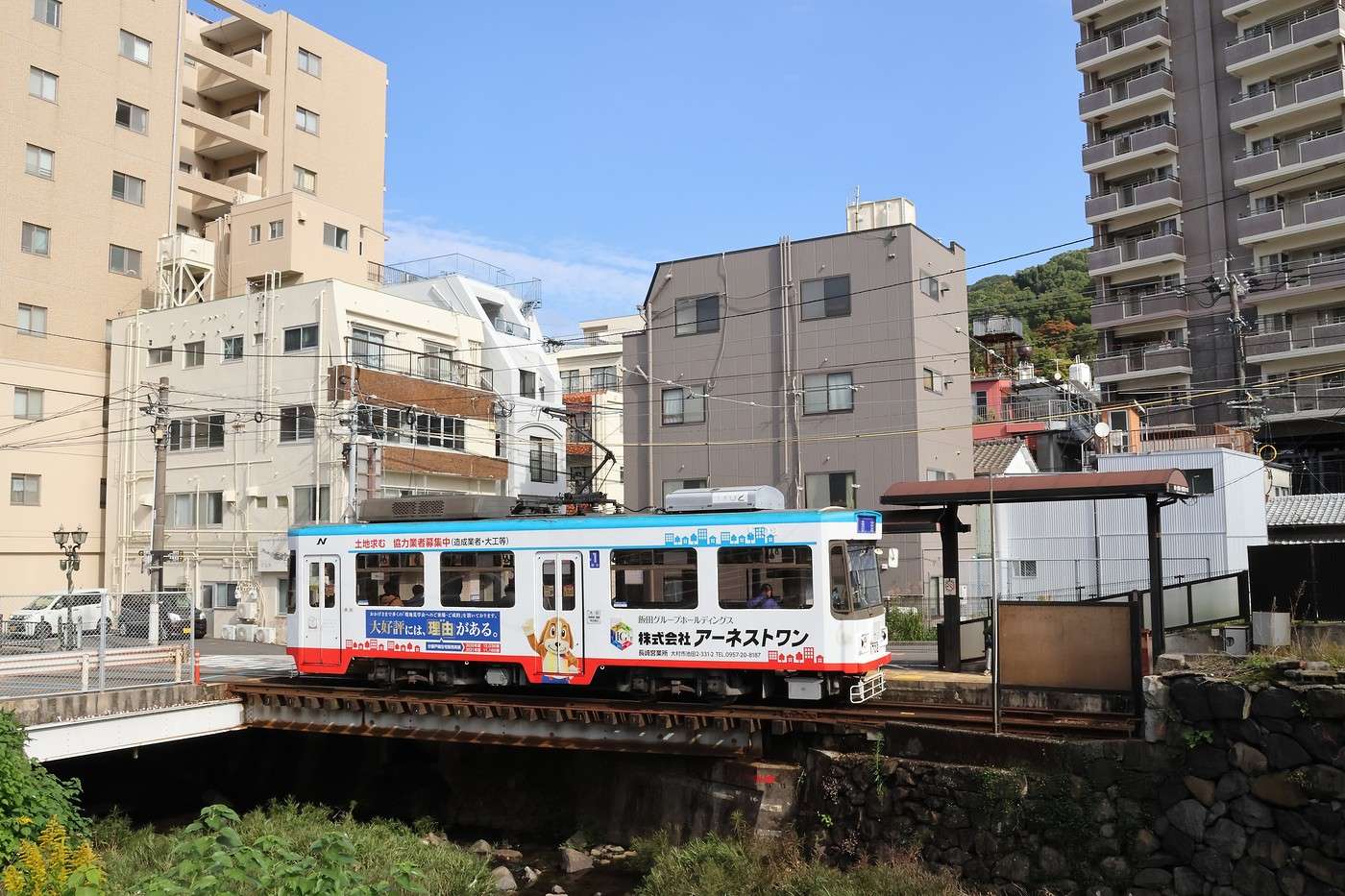
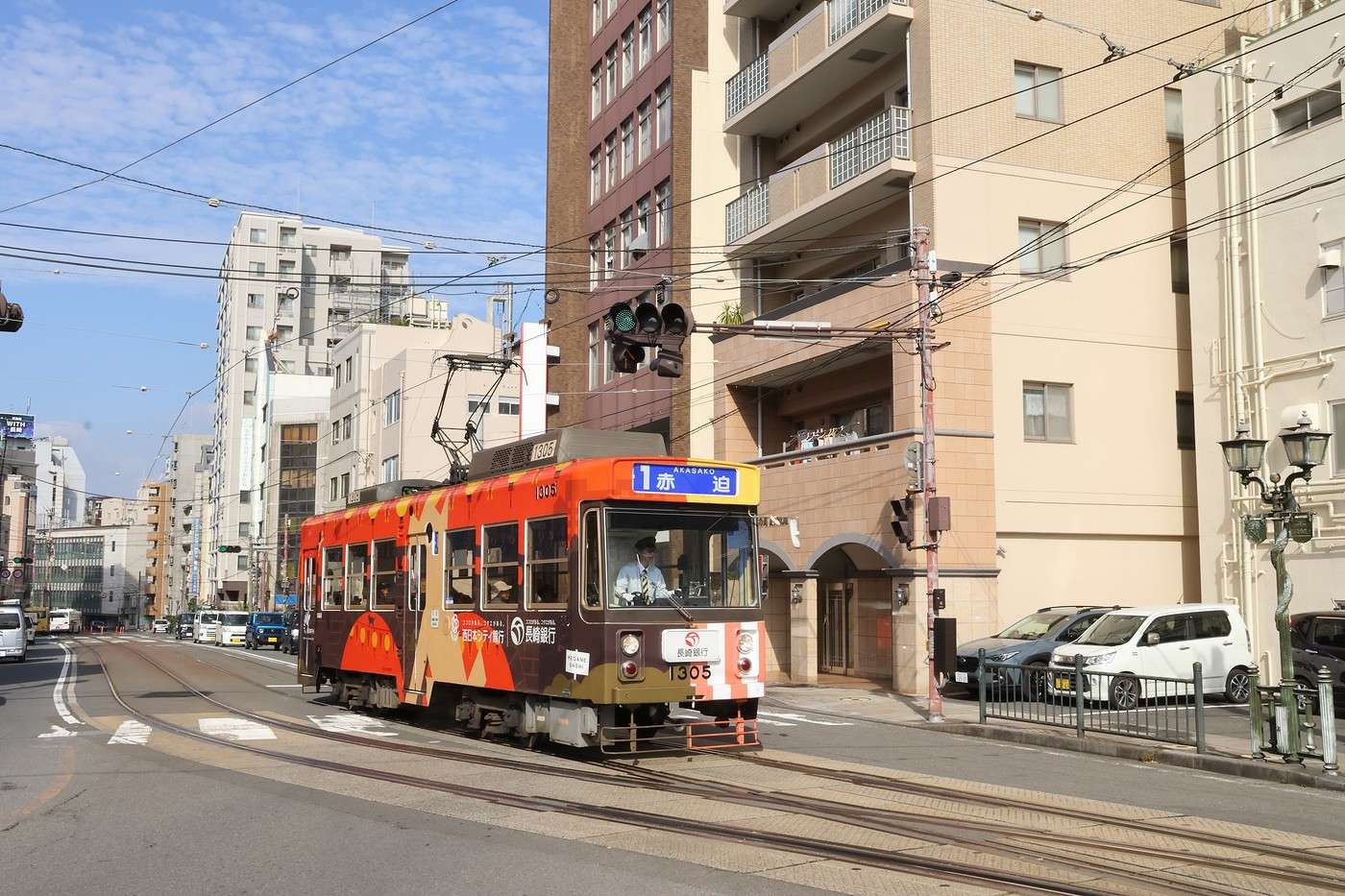
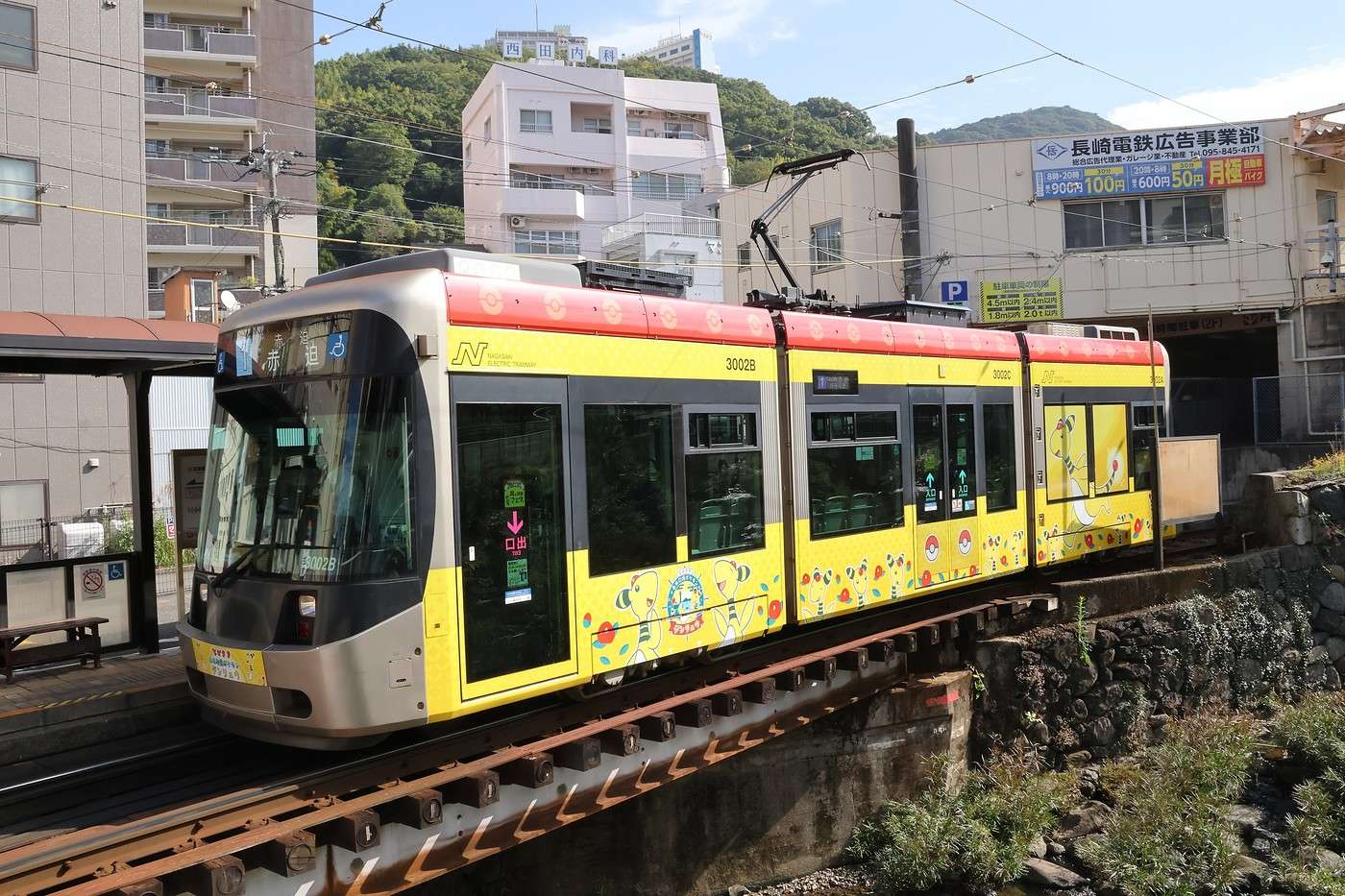
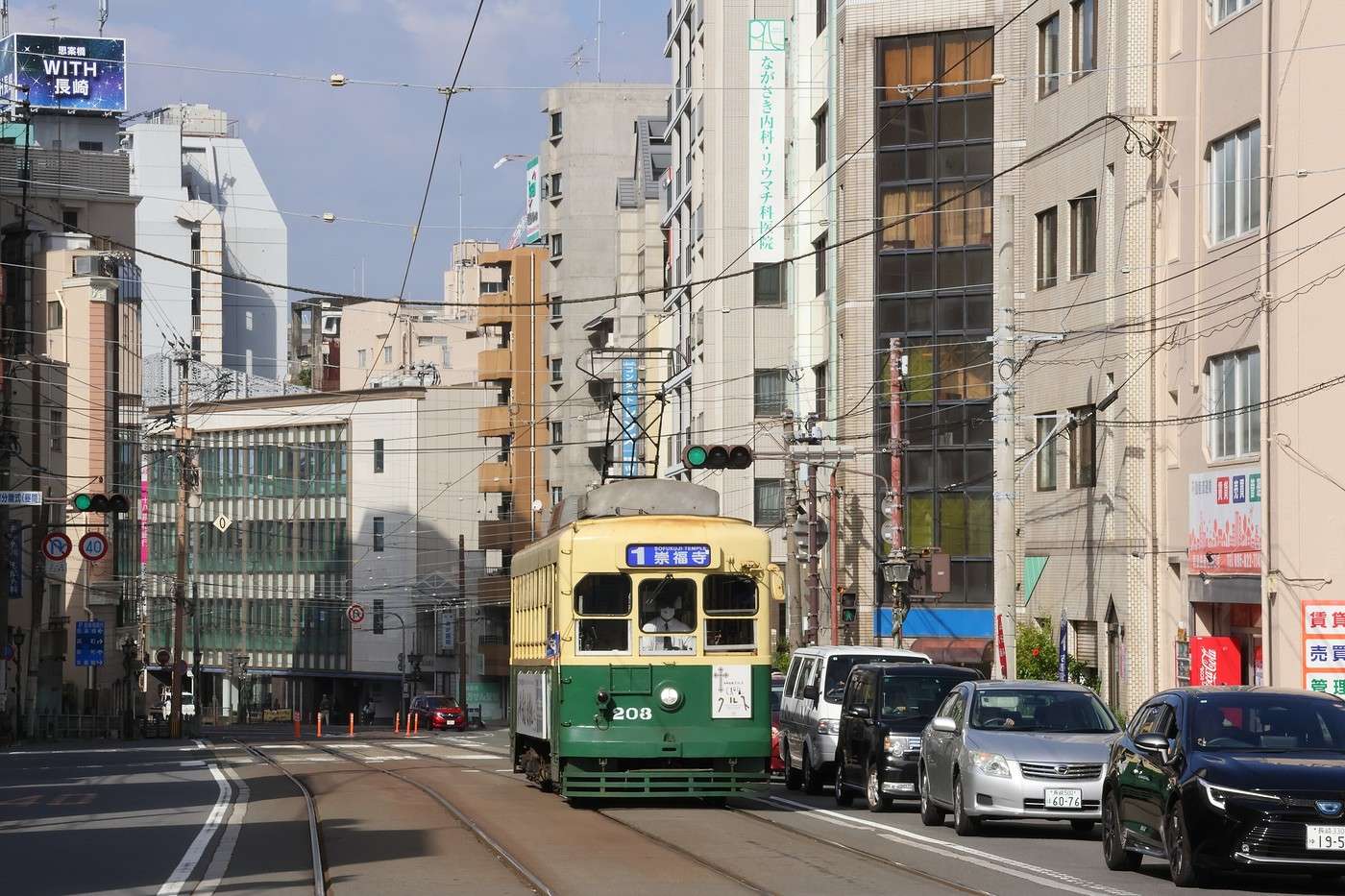
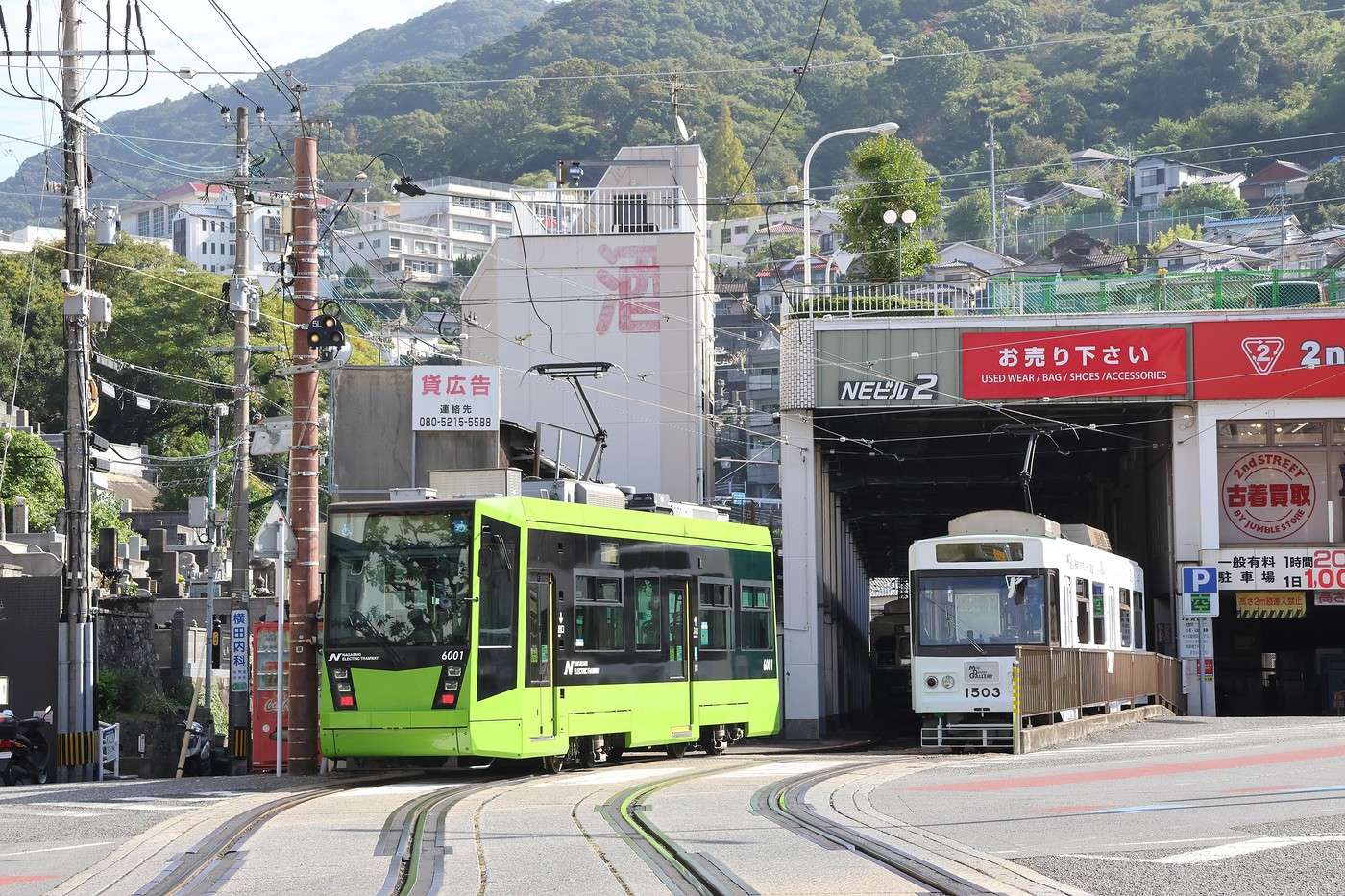
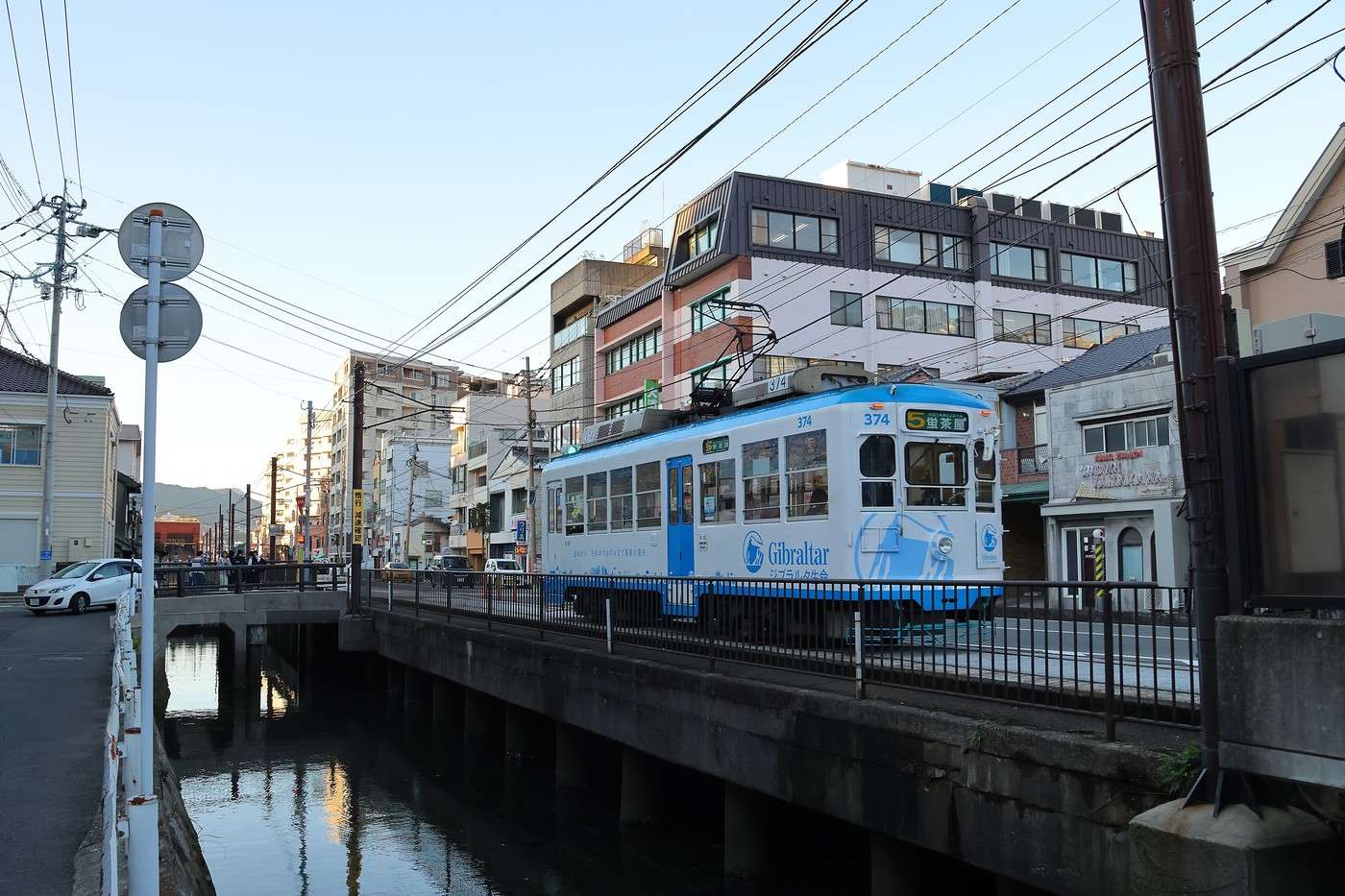
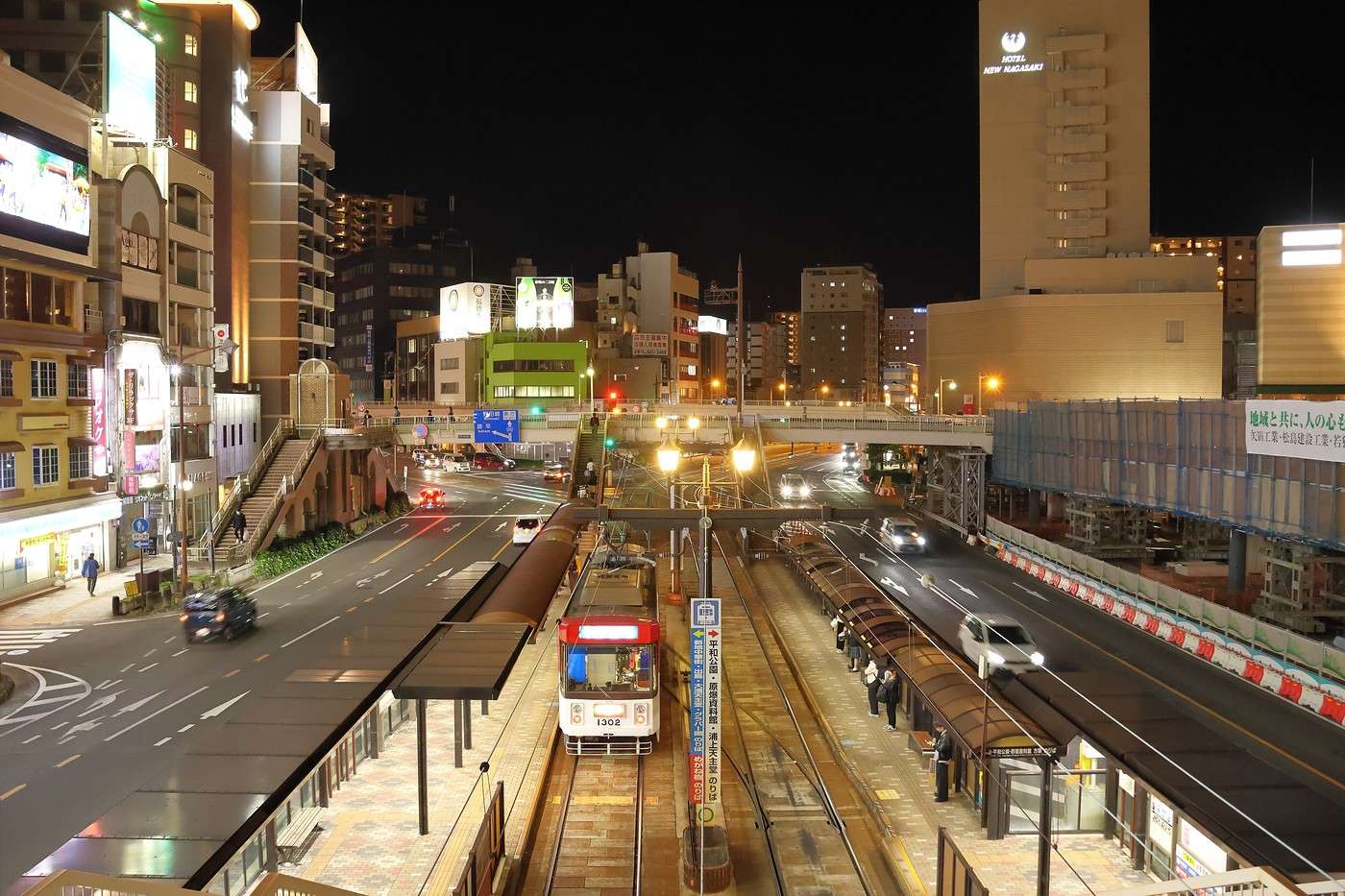
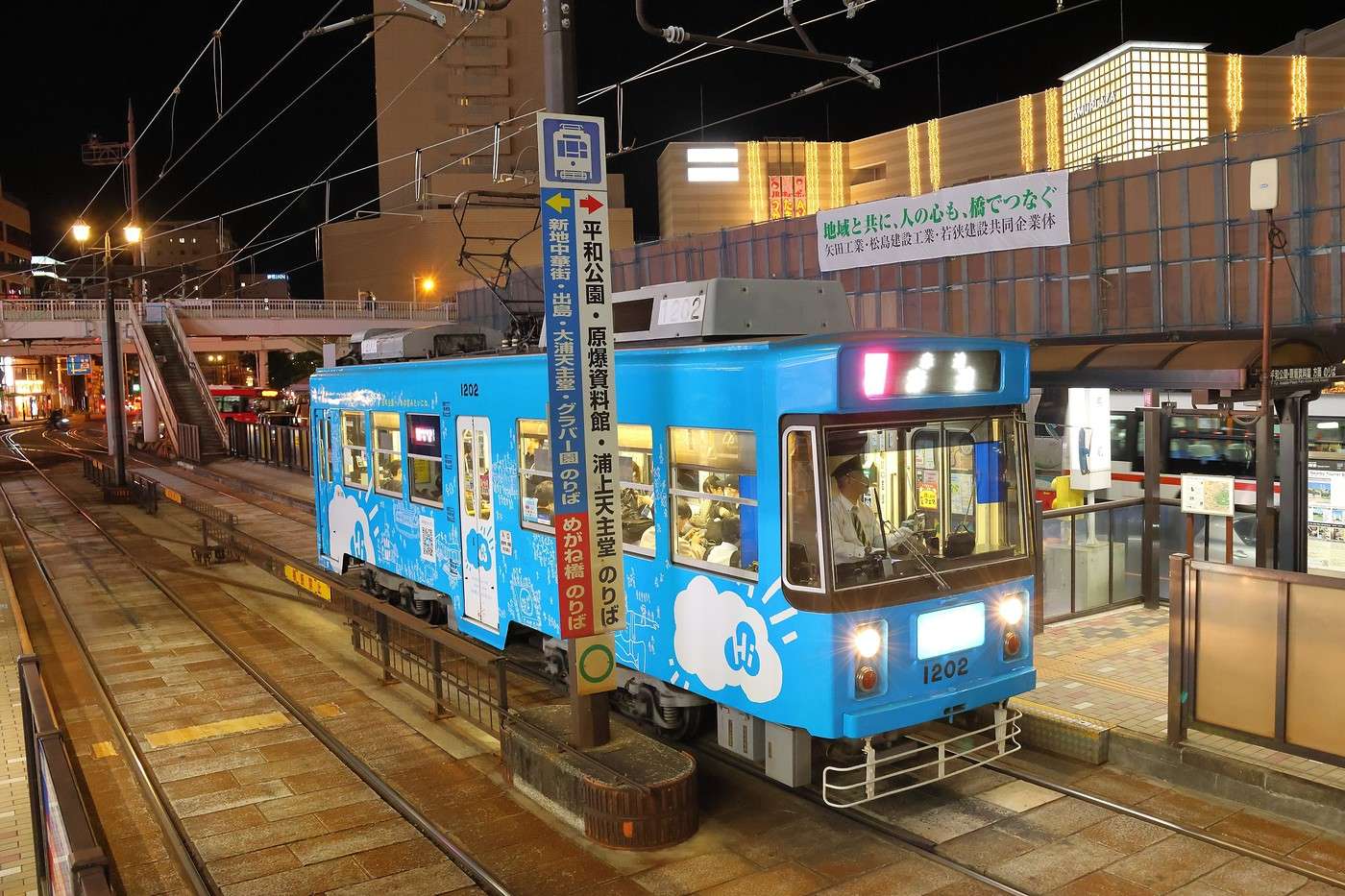
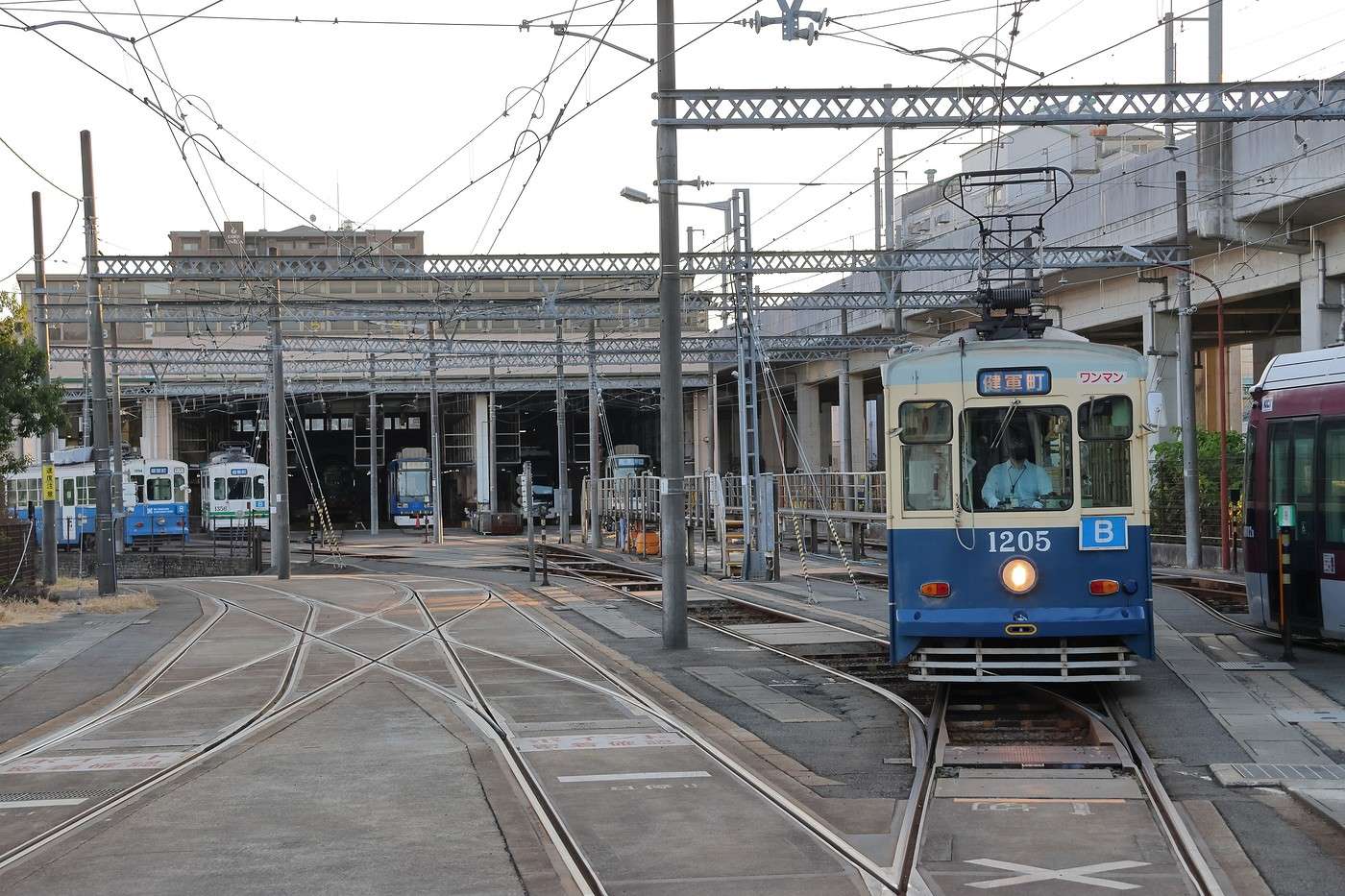
Nagasaki still has a great and interesting tram network, with a mix of old and new rolling stock.


Train Enthusiasts - Lesser-Known Regions

Serow · 2026-06-05 · Message 27 of 34

In 2025, Nagasaki was celebrating the 110th anniversary of its trams. That’s actually quite young—most places around the world are celebrating their 150th anniversaries these days.

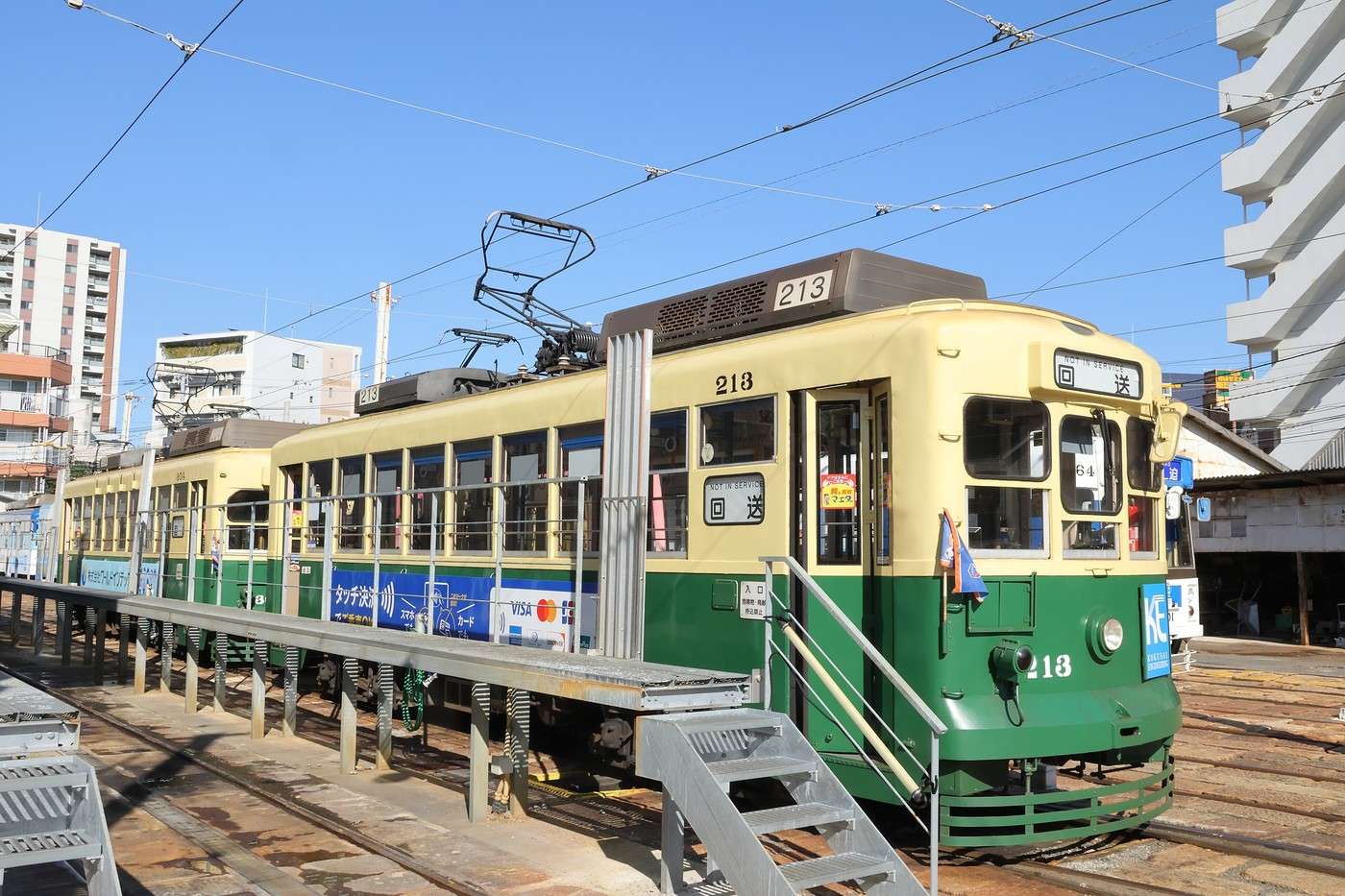
A few weeks before our trip, my friend and colleague from the Thuin museum came up with an idea. Since Nagasaki was celebrating, there must be festivities or events. If we reached out as fellow professionals, maybe we could take part in something. The idea was good, but who do we contact, and how? No one in our network knew. As a last resort, we emailed the address we found on their website. Our request was simple: to visit the depot and see the oldest tram in particular.

Apparently, the email landed with someone who didn’t understand our approach. We were told visits were only allowed for school groups. We replied that wasn’t the point—we explained that we operate vintage trams, run them on an 8km line, and since Nagasaki boasts a workshop with the skills to maintain old vehicles, we wanted to see their methods and how they tackle problems that must partly overlap with ours.

Once our Tokyo friend (who’s also the curator of the Odakyu Railway Museum) heard about our efforts, he decided to join us and travel back to Tokyo with us.

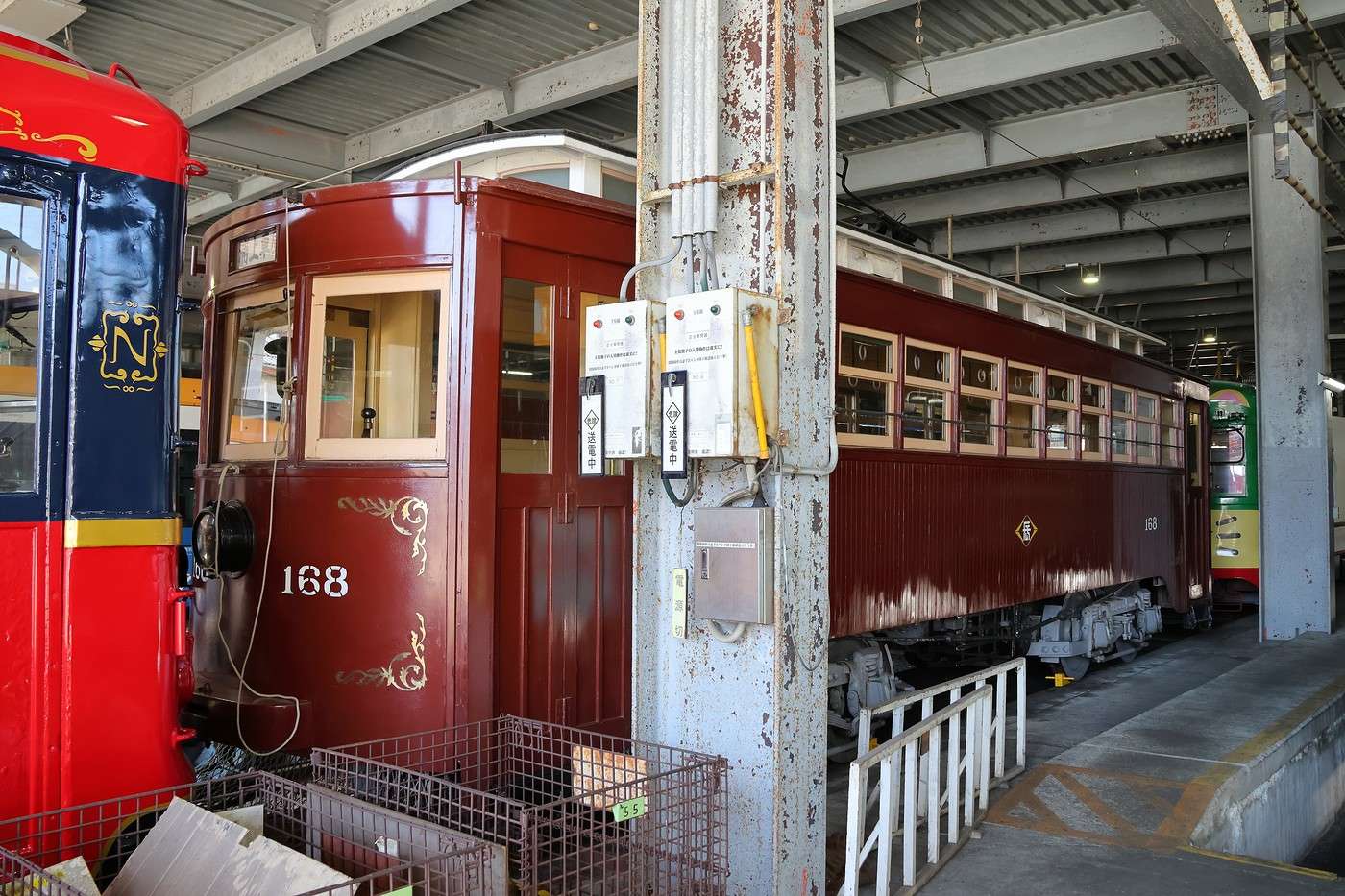
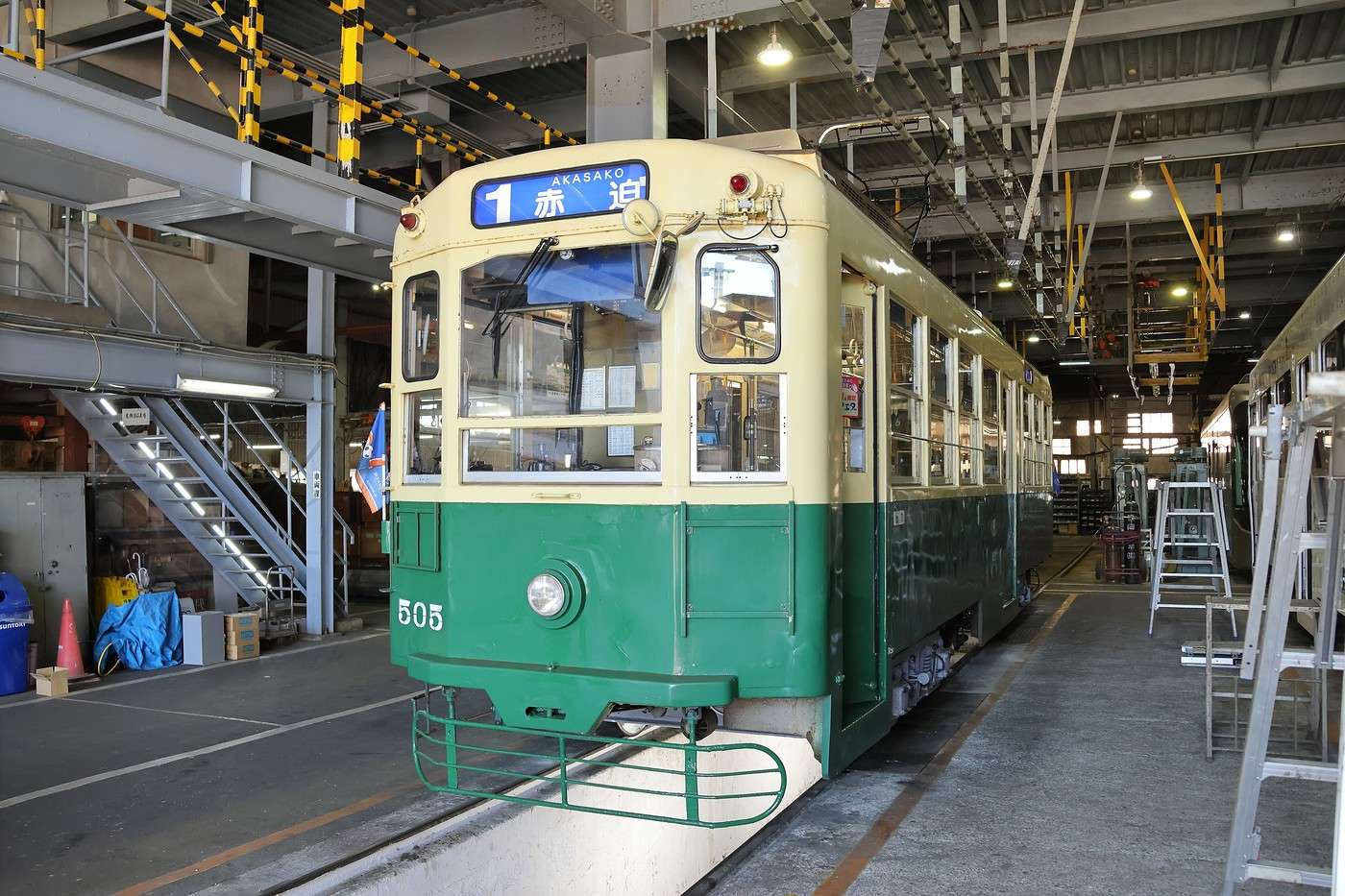
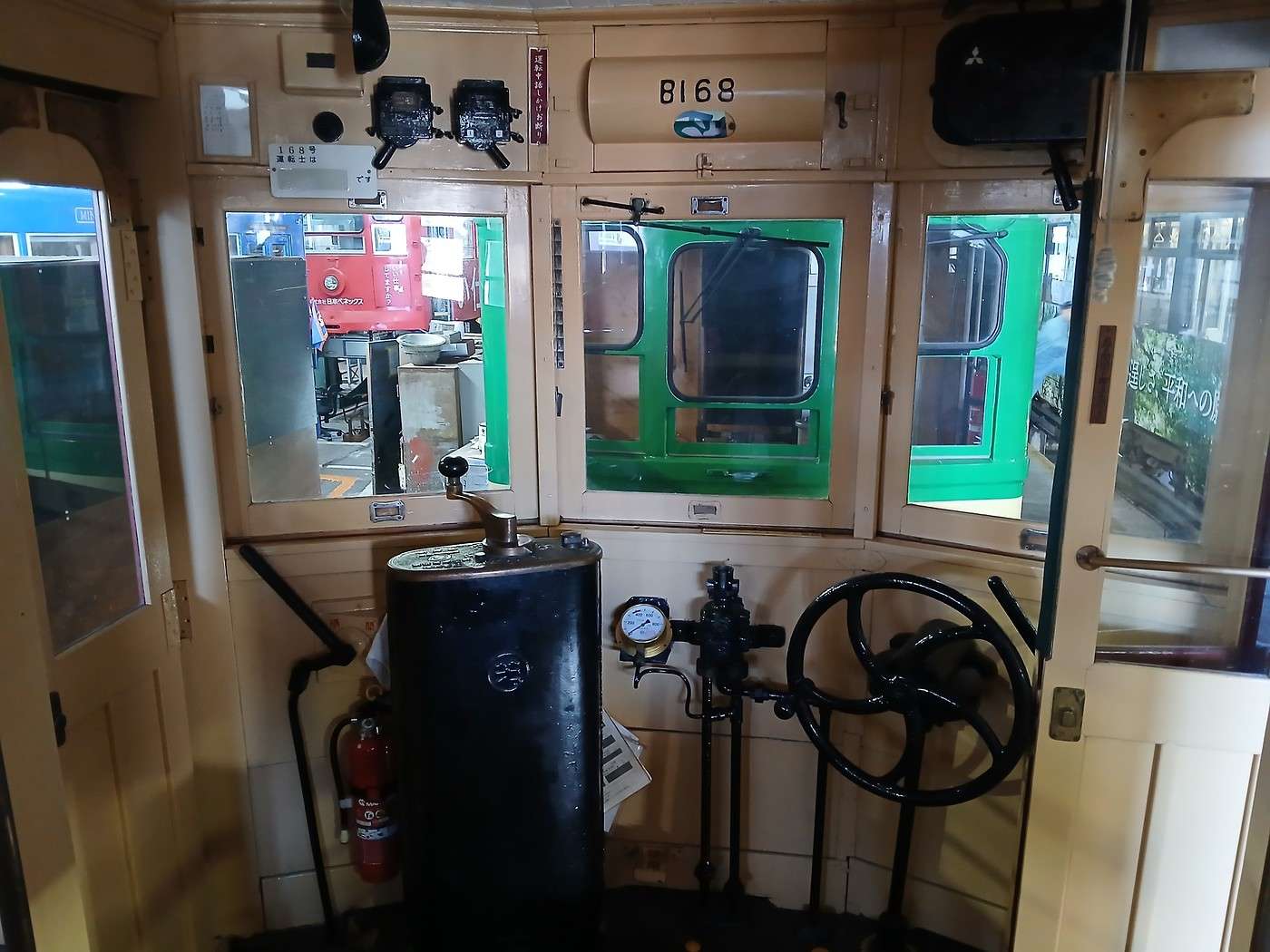
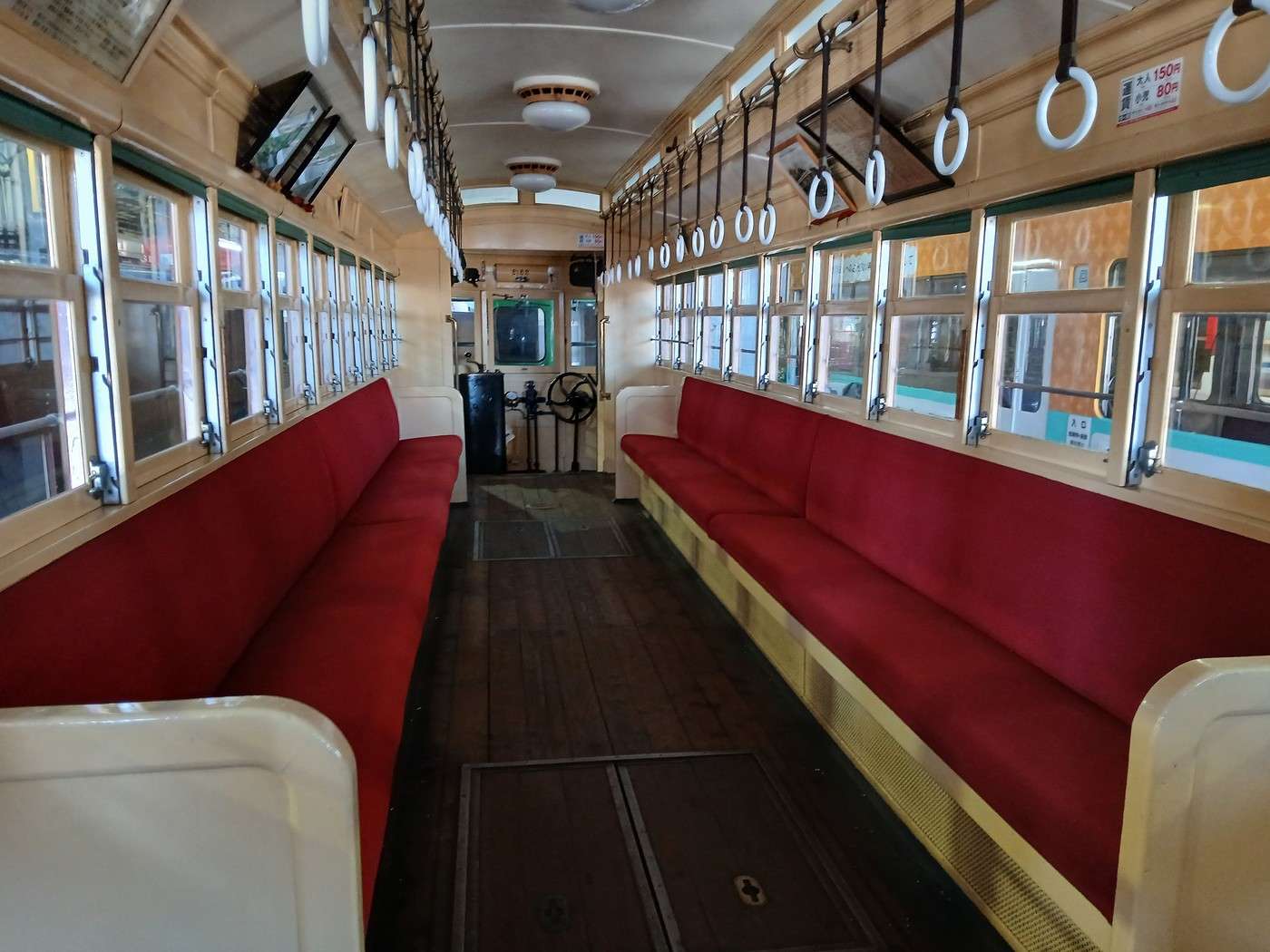
The result? A bare-minimum visit. Clearly, they weren’t interested. We went, we saw a little, but either they didn’t get it or didn’t want to. It’s a bit disheartening to go through all that effort for so little.
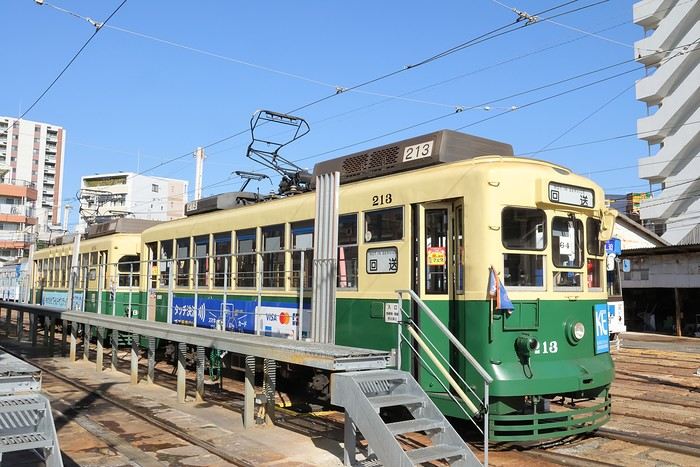
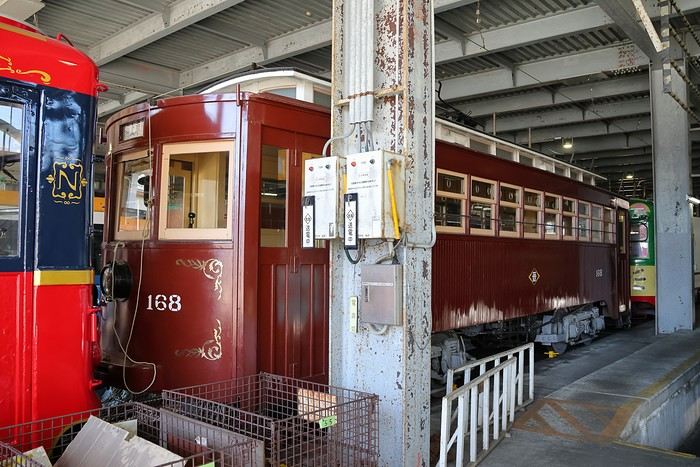
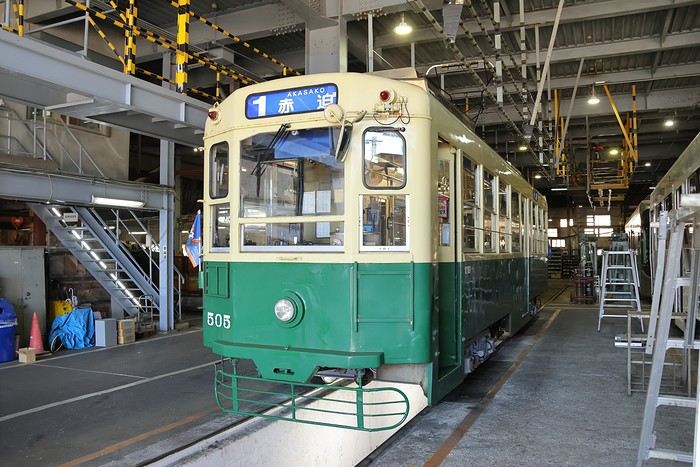
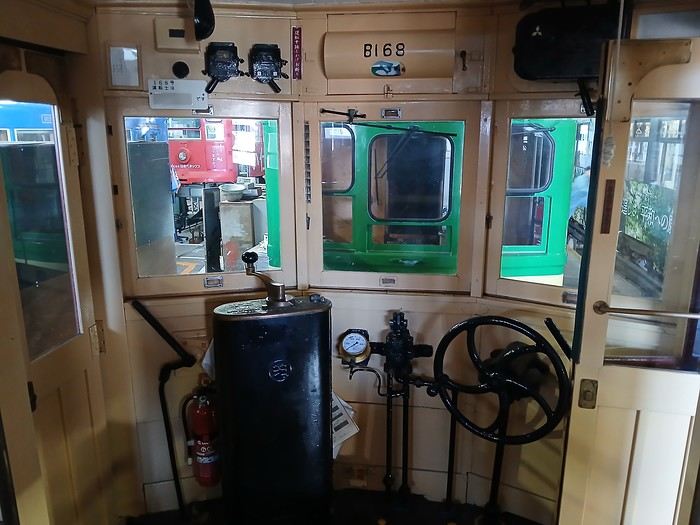
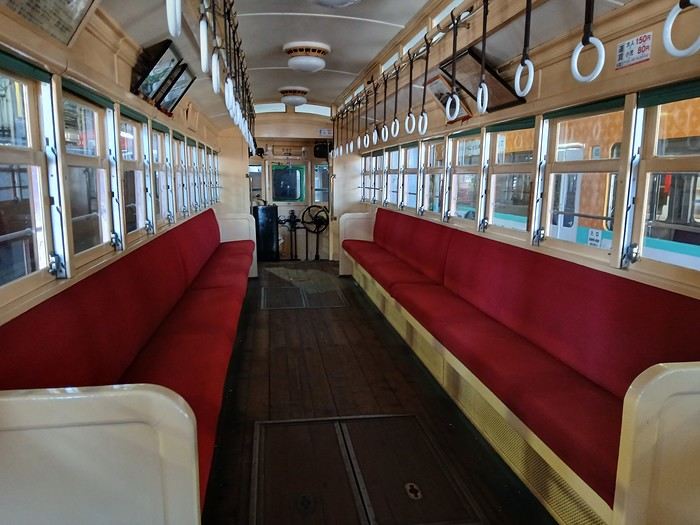
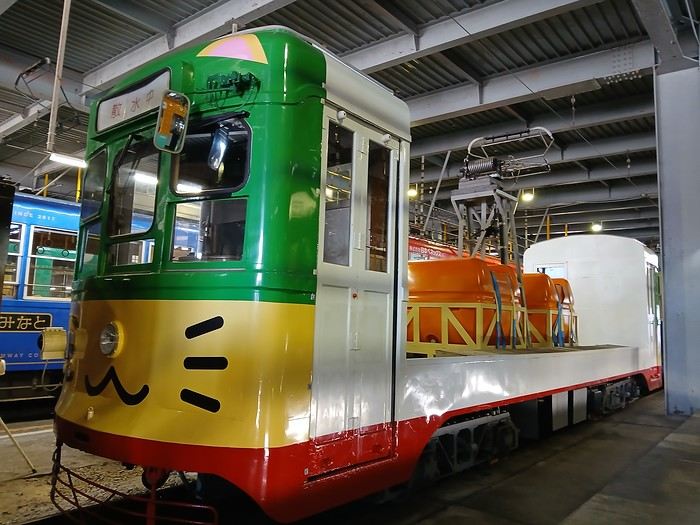


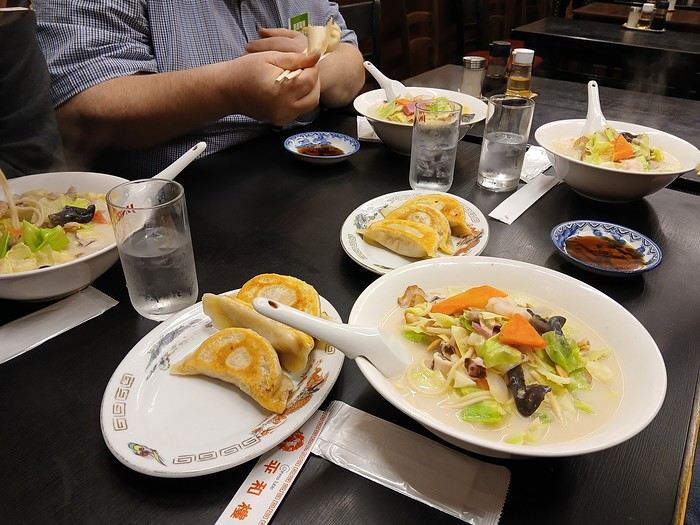
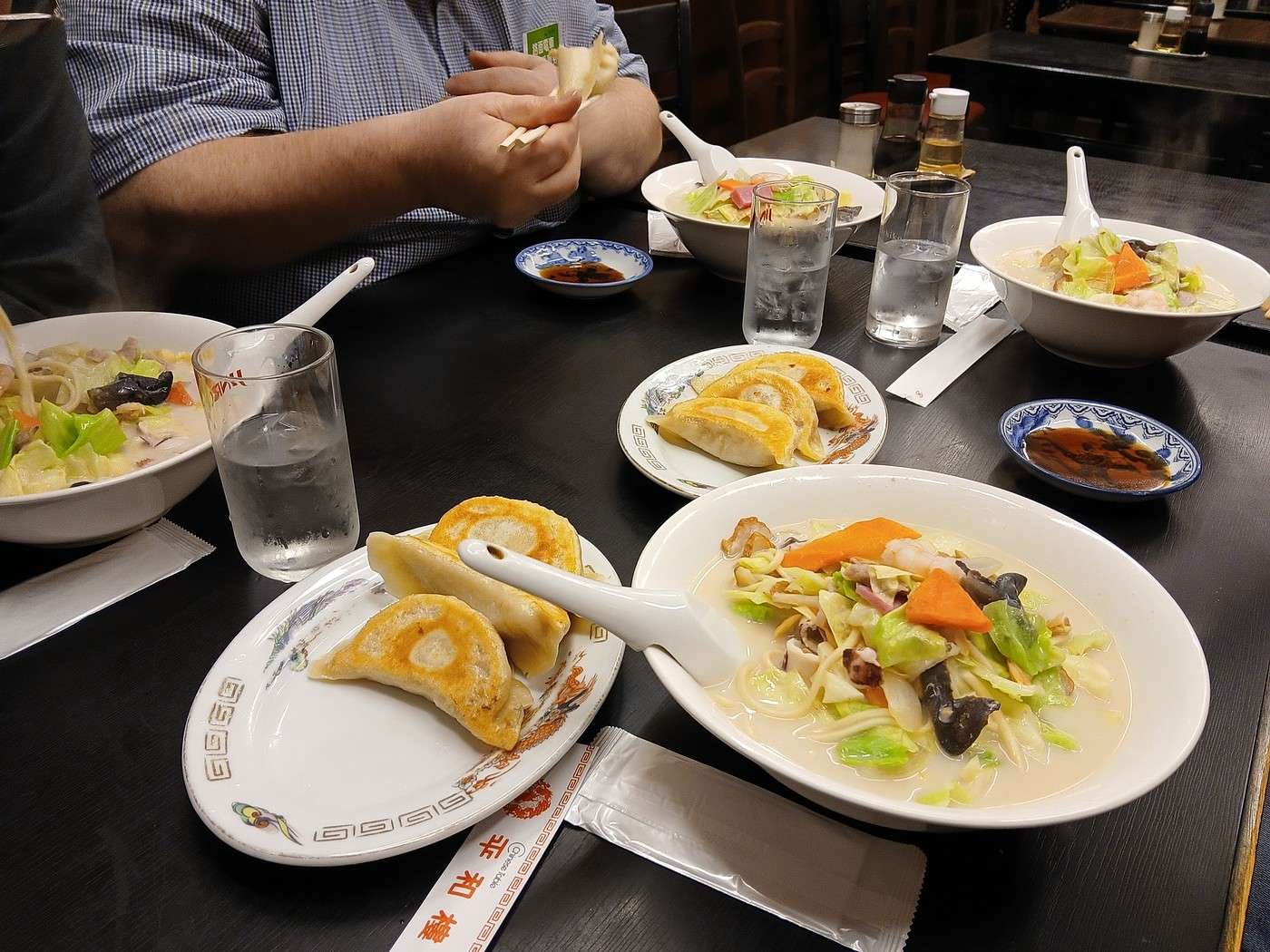
A few photos at Akasako, then we headed to the city center for a meal.


Densha Otaku - Lesser-Known Regions

Serow · 2026-06-05 · Message 28 of 34

At some point, we really need to start thinking about heading back. First, to stay within the validity of our Japan Rail Pass, and then to have a free day in Tokyo for shopping.

What’s the most interesting tram destination between Nagasaki and Tokyo? No question—it’s Hiroshima. Seiichi will be our guide. Even though he hasn’t set foot in the city for a few years, he has a strong connection to the place as a descendant of hibakusha.

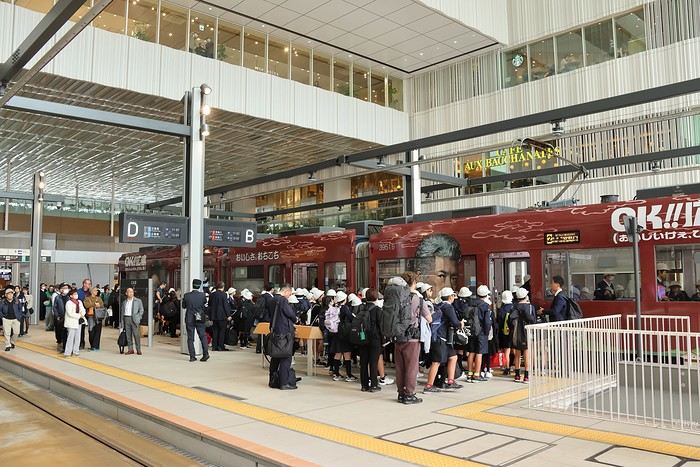
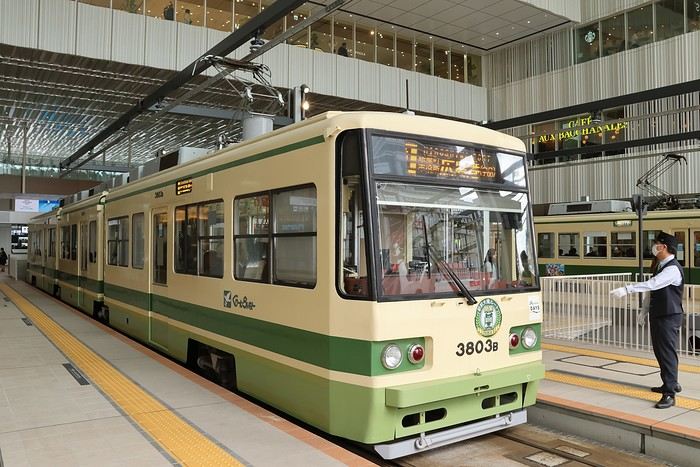
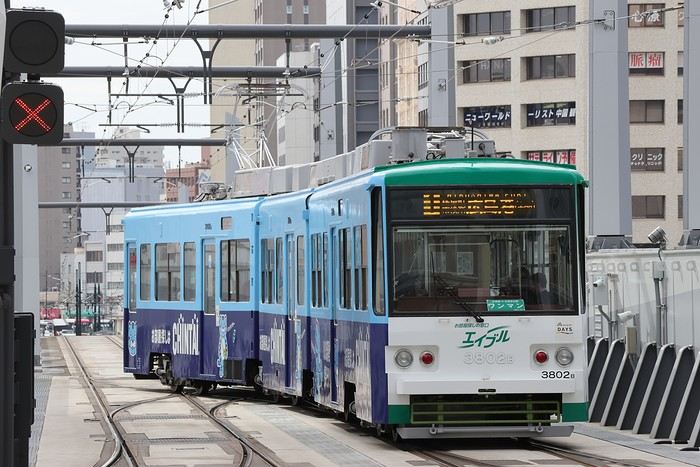
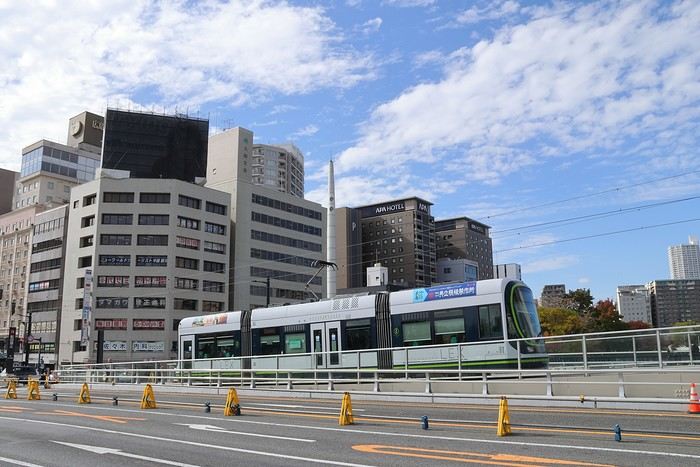
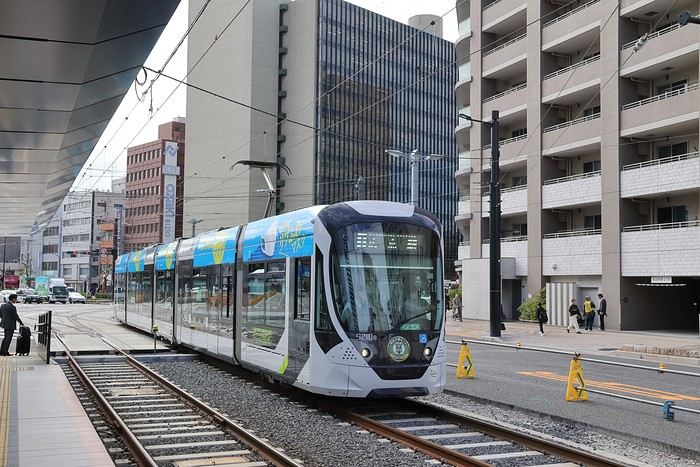
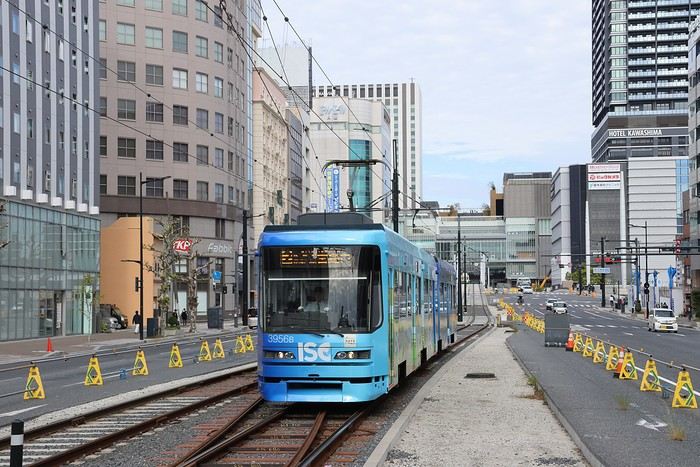
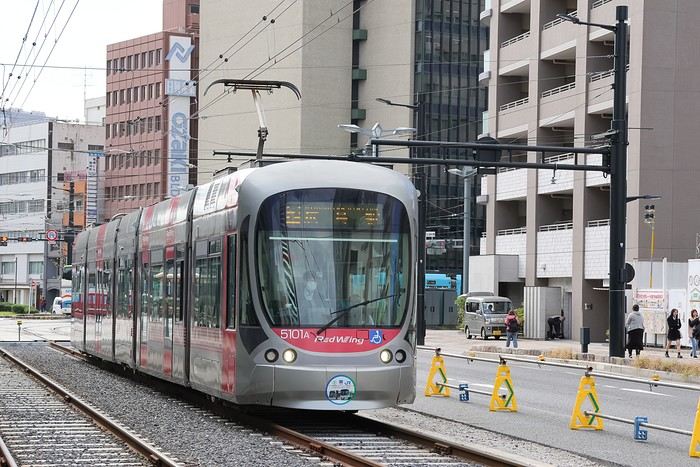
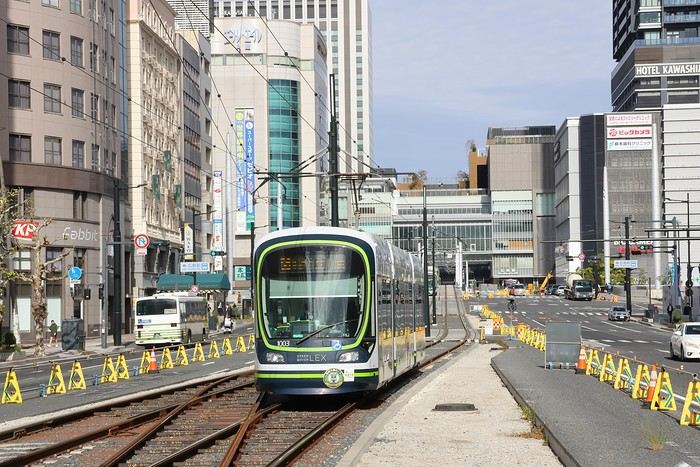
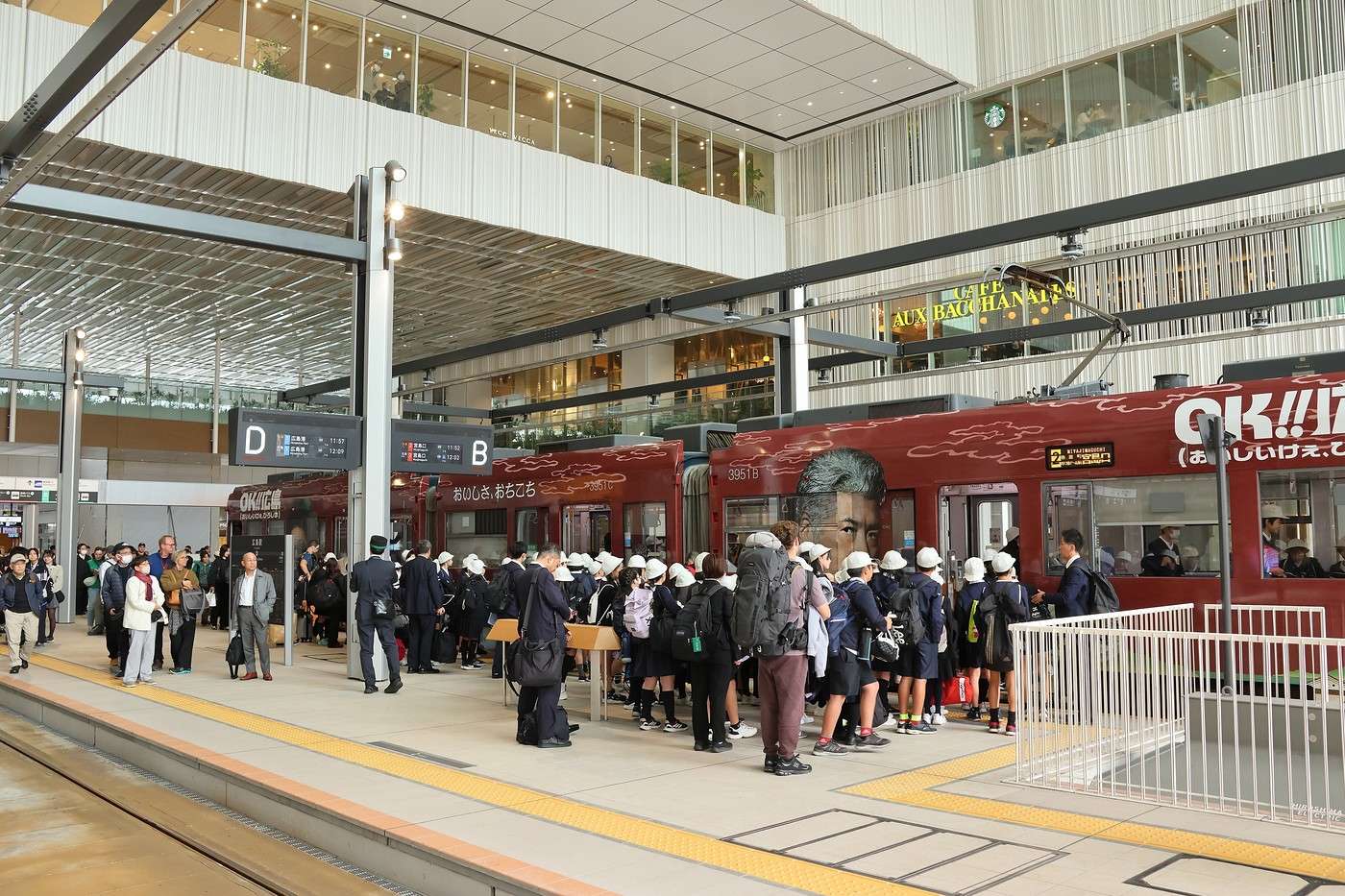
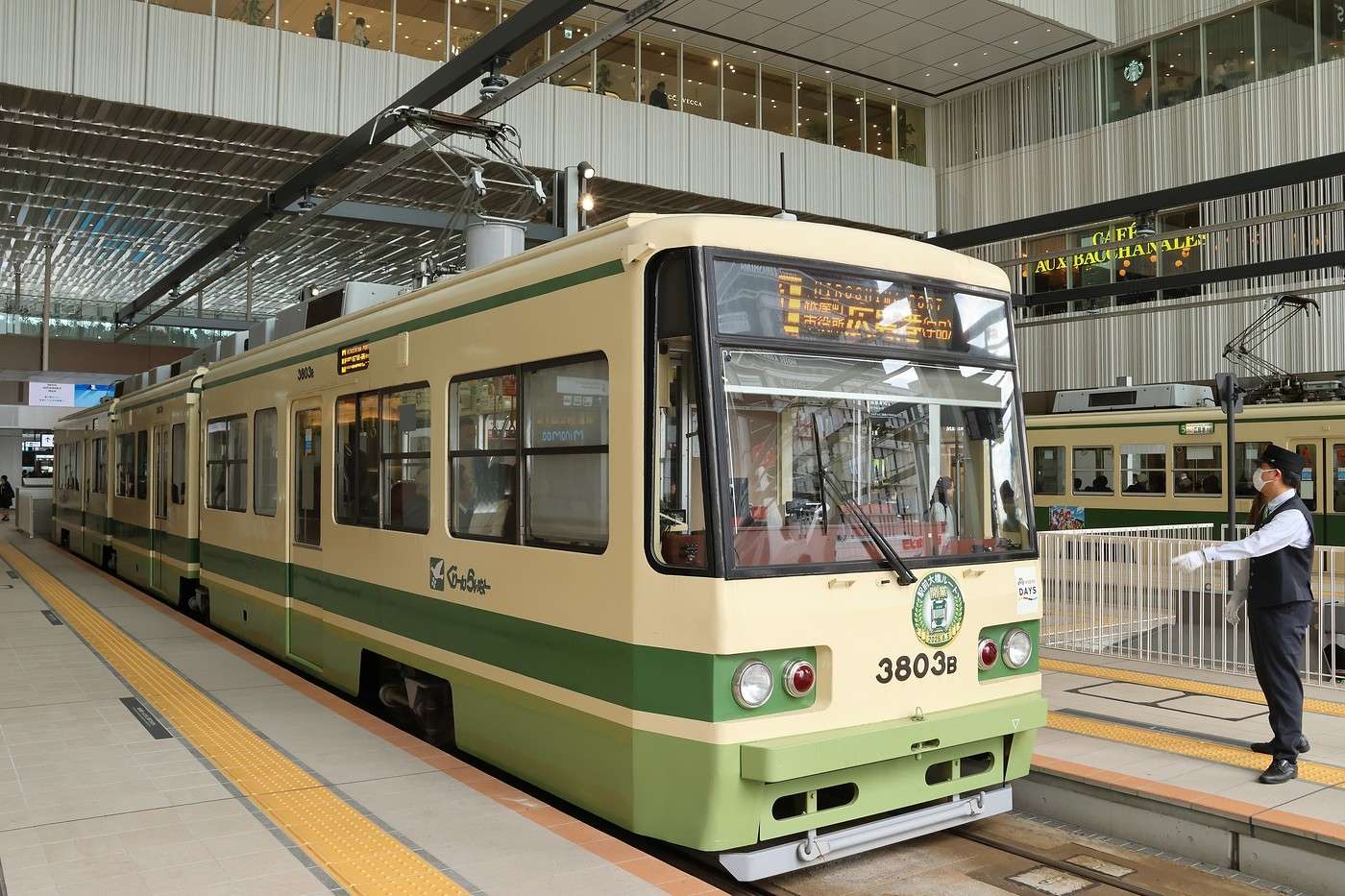
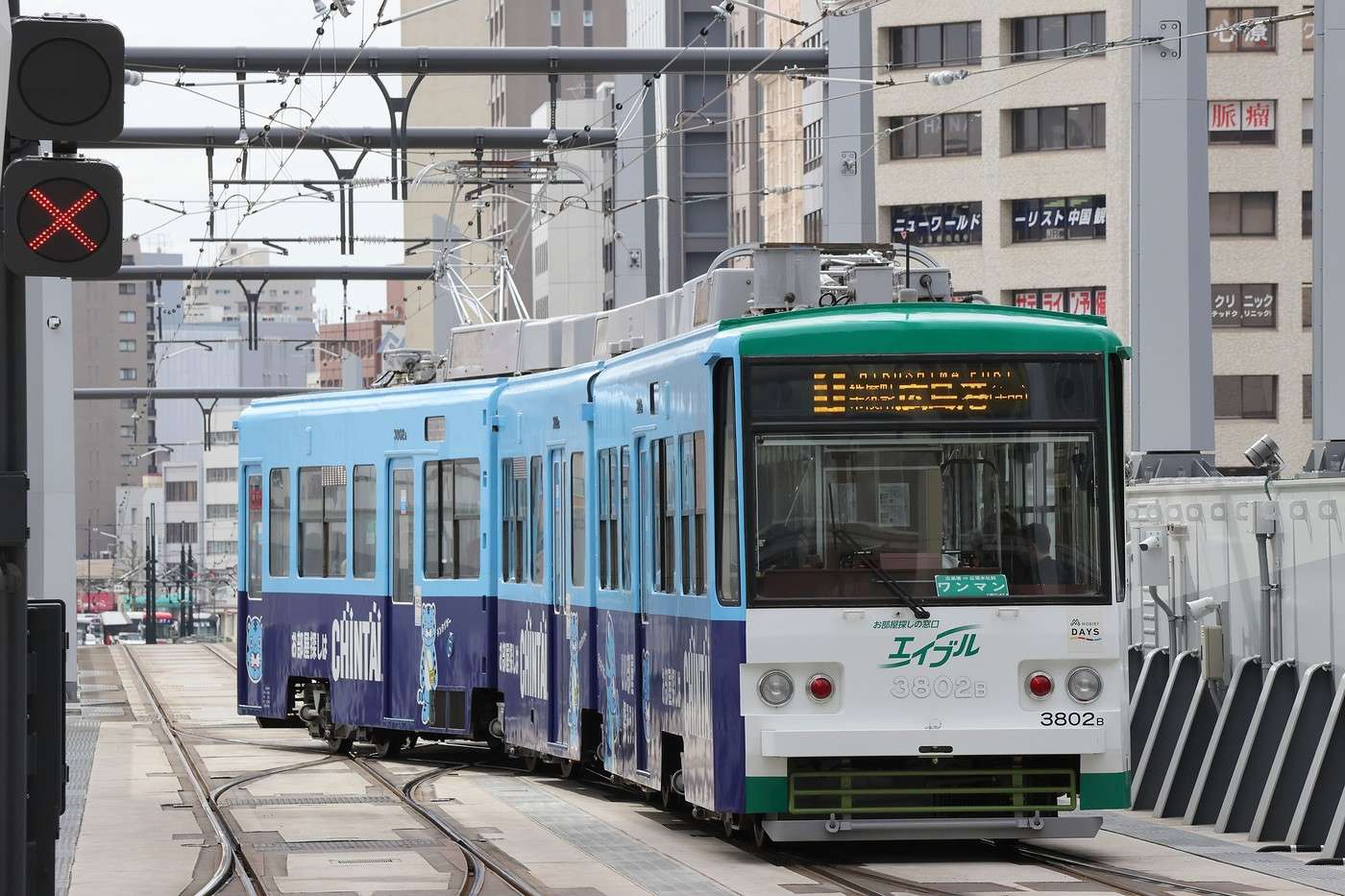
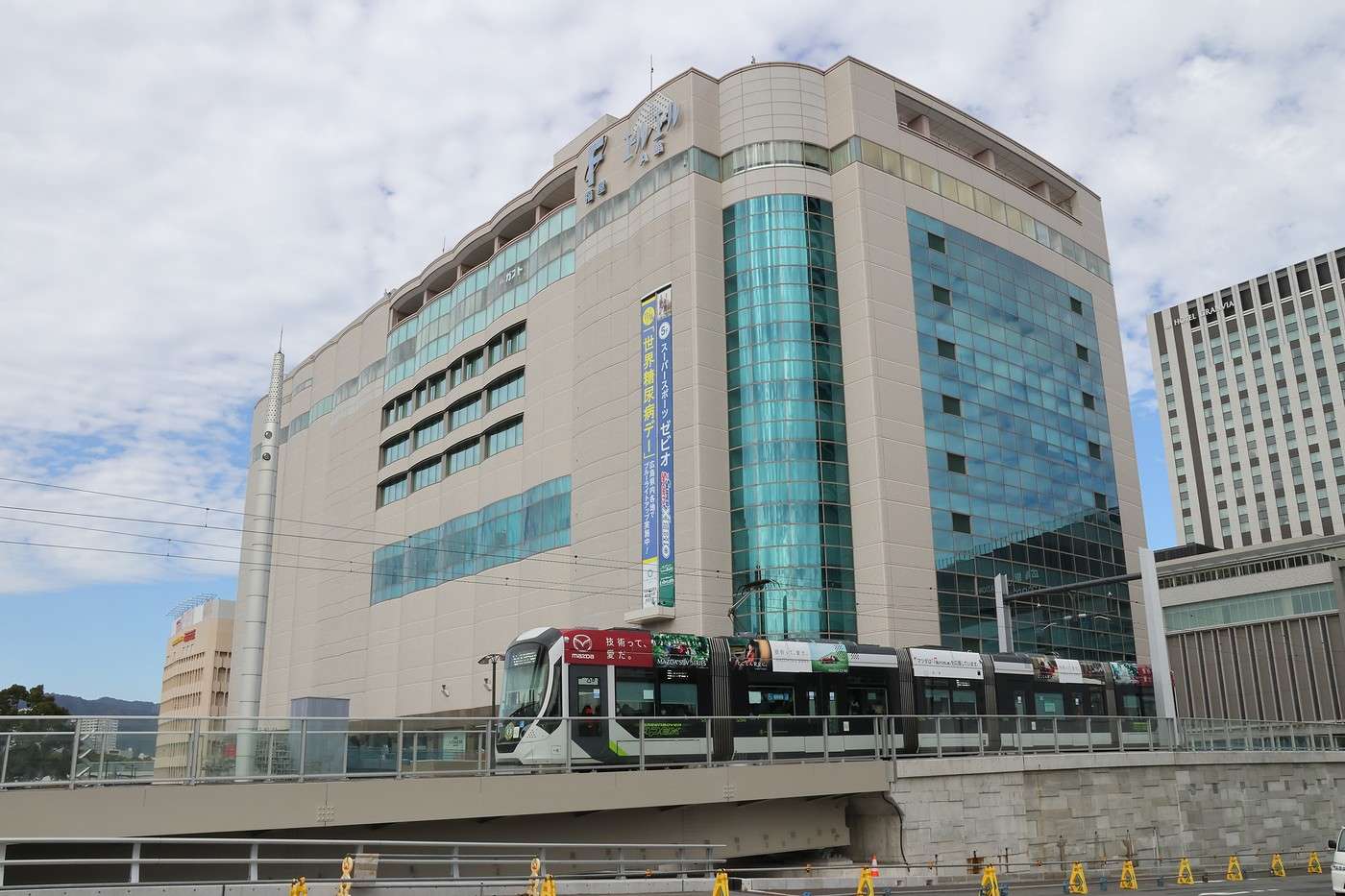
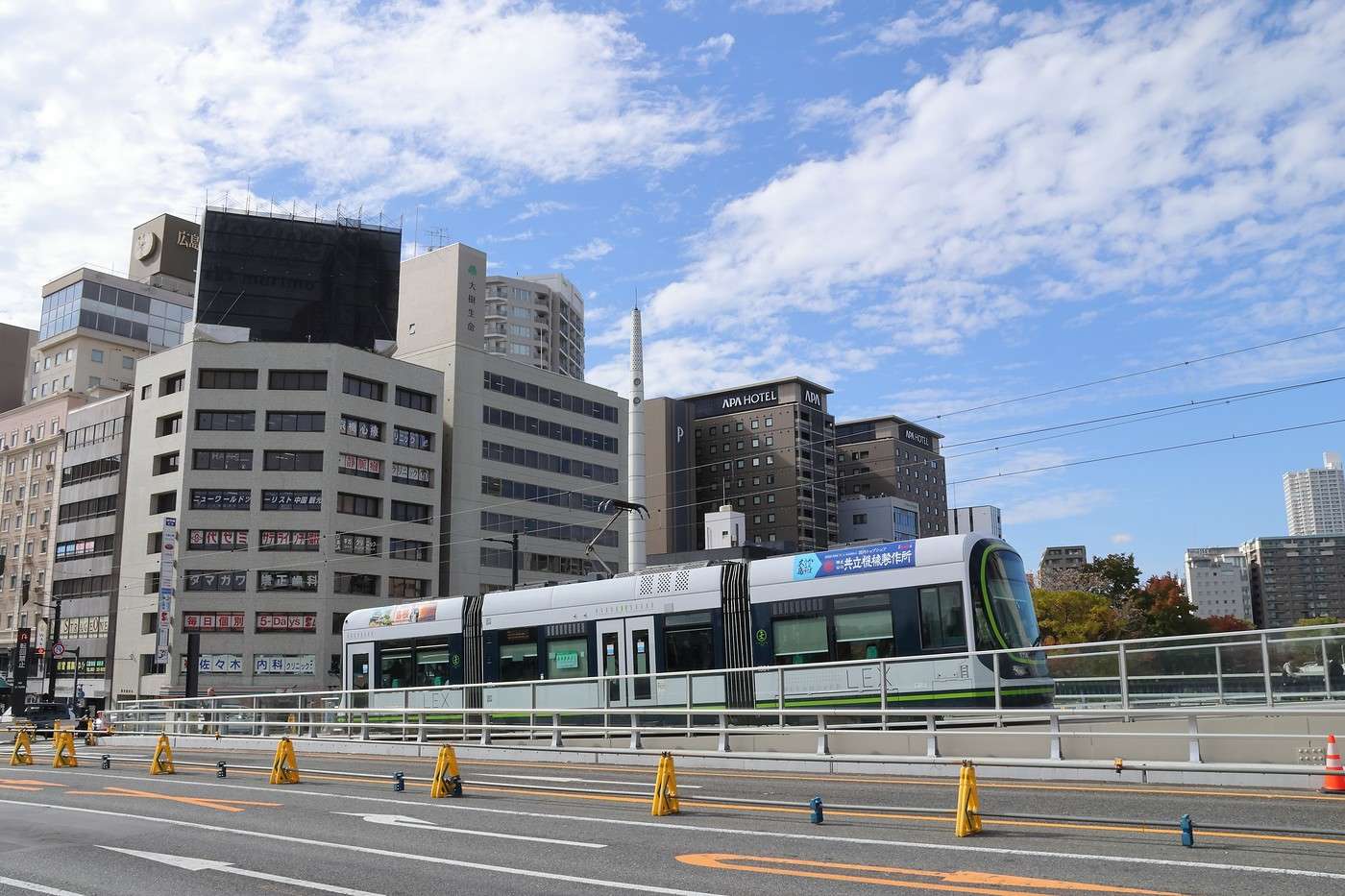
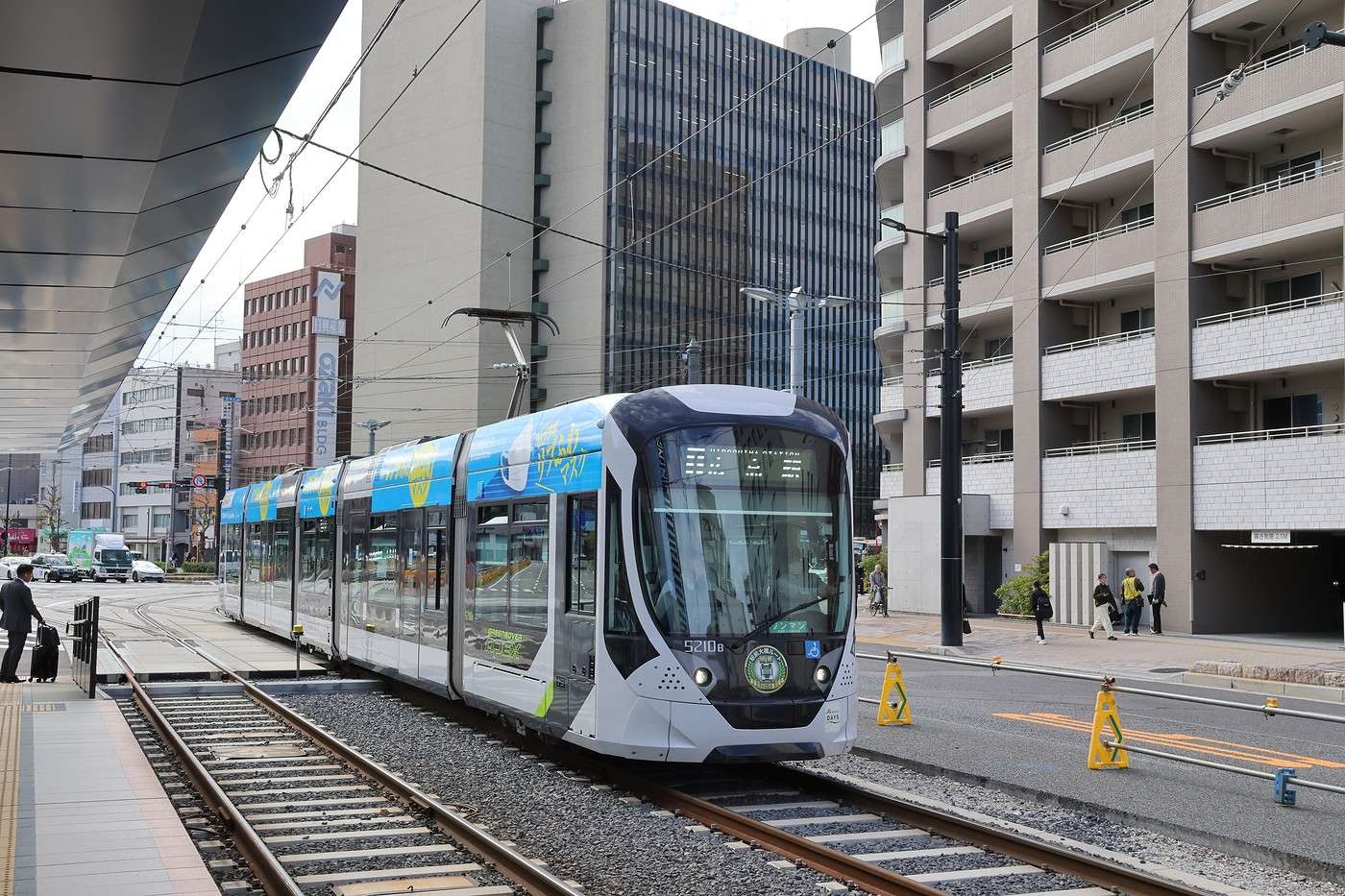
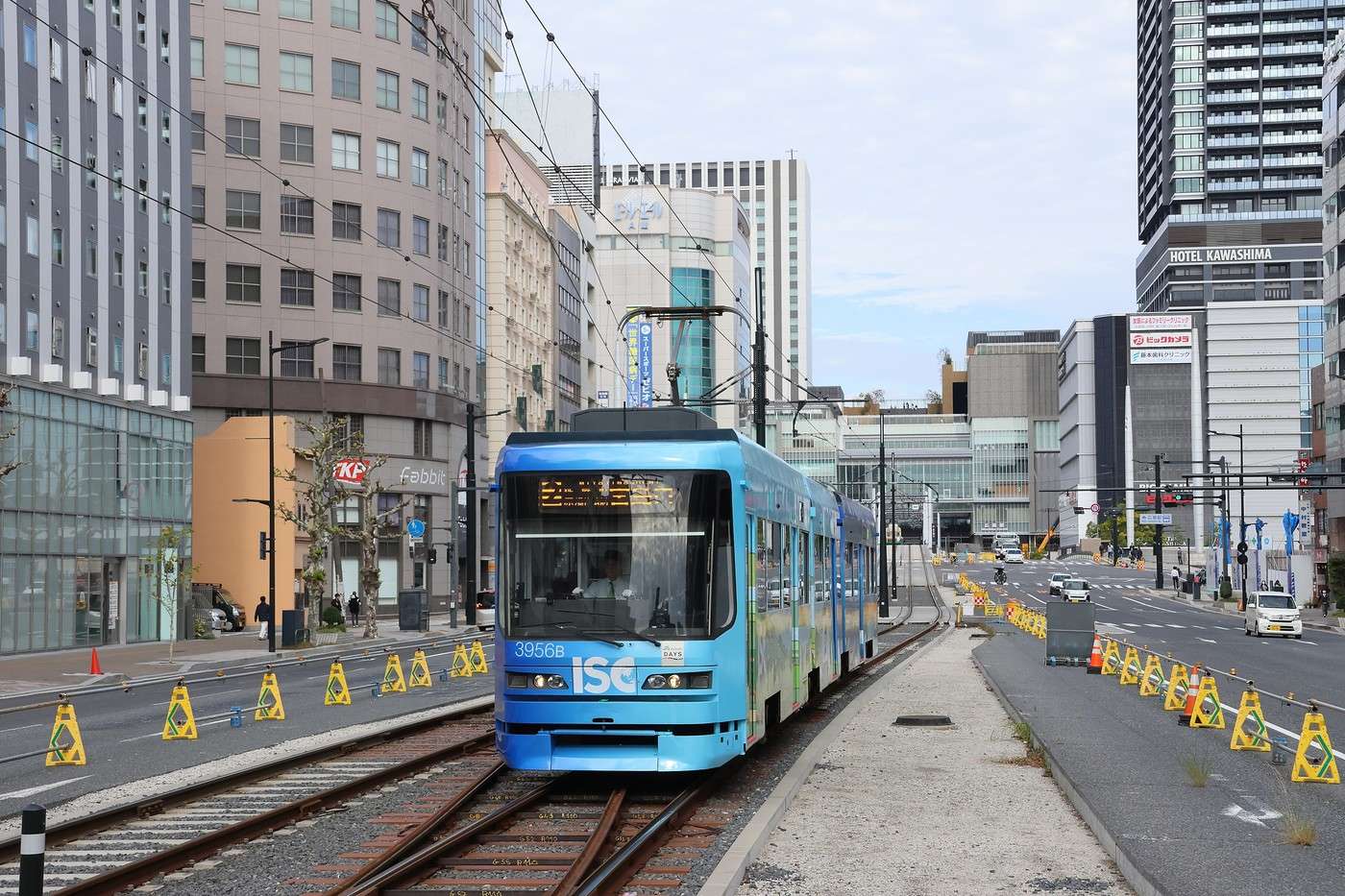
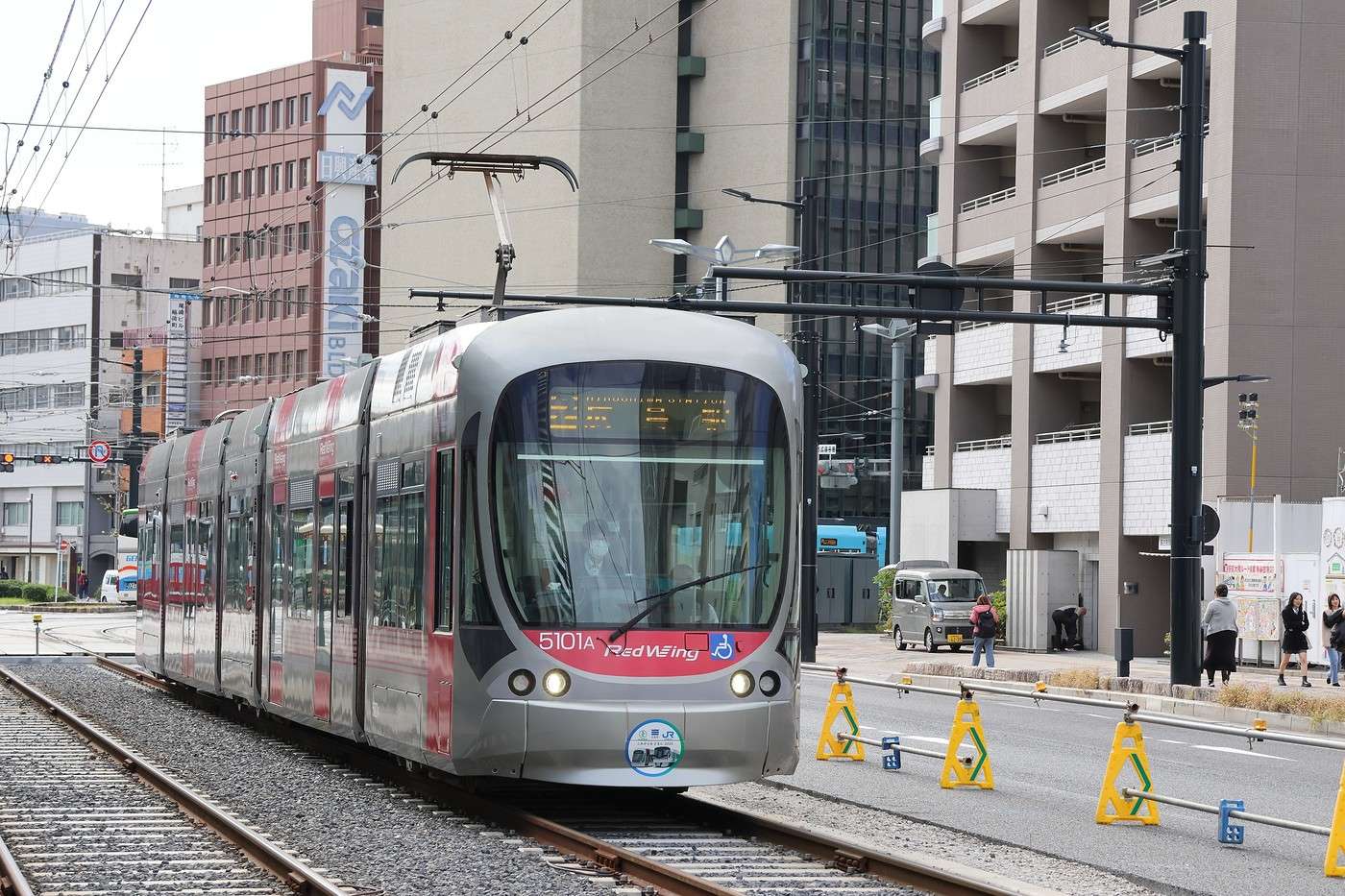
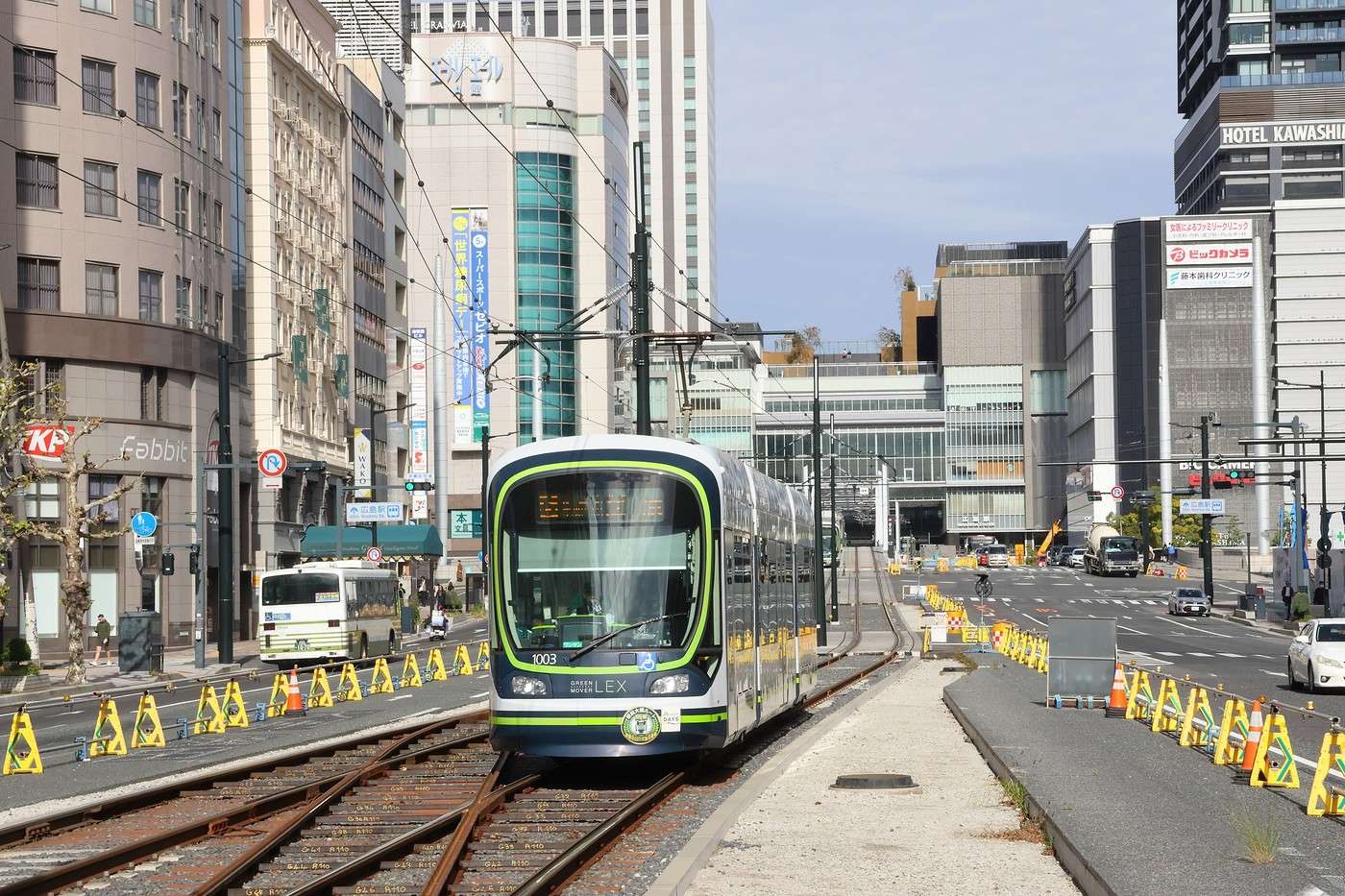
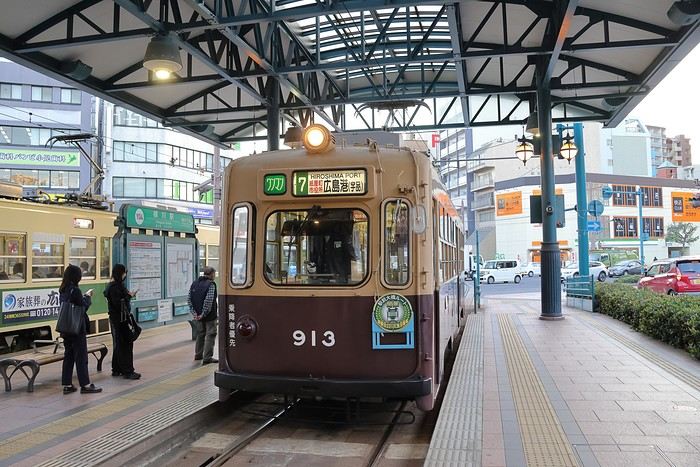
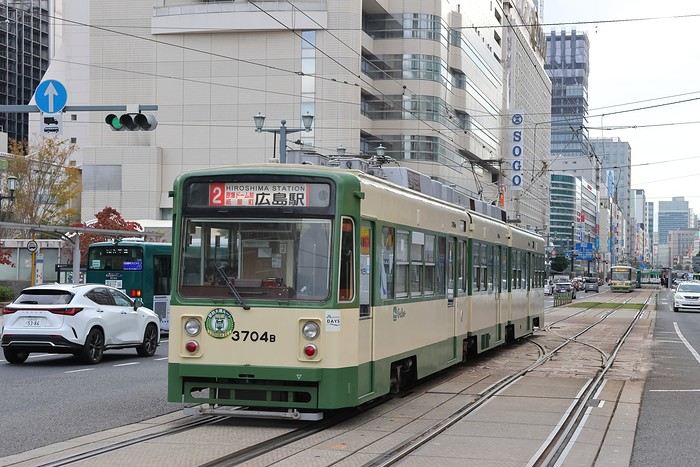
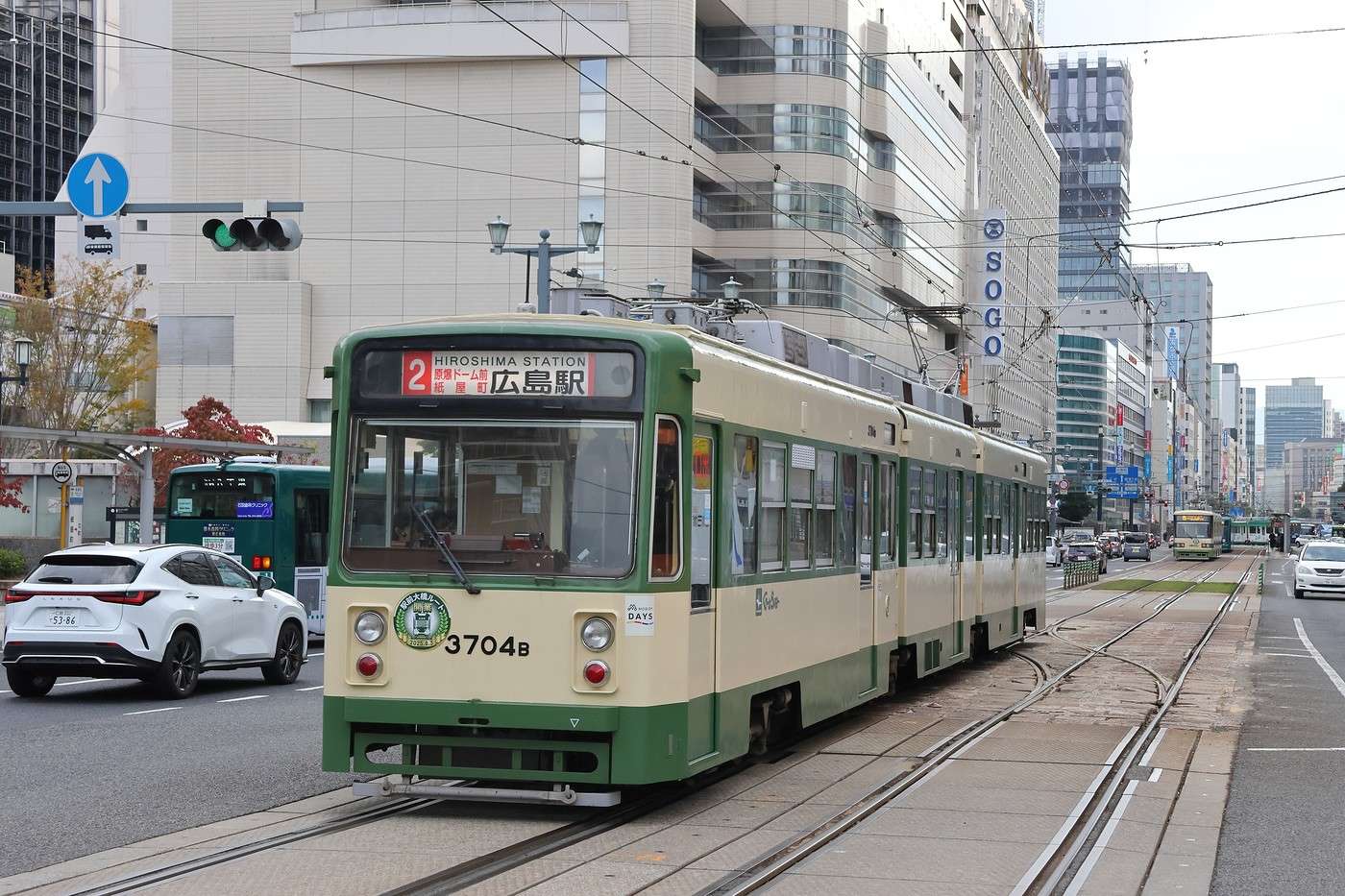
Hiroshima is a modern city, but above all, it’s a real rail museum—if you know where to go and when. During the day, it’s a bit monotonous, with mostly modern or semi-old equipment, though some new series add a bit of variety. But in the early morning and late evening, it’s a whole different story. You’d need several days there to see everything.

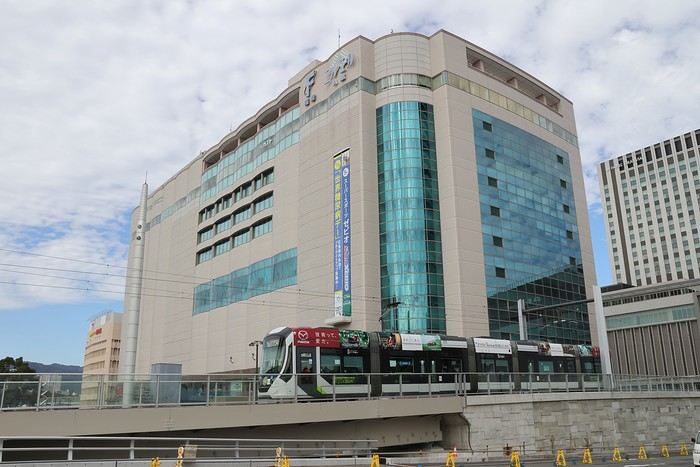
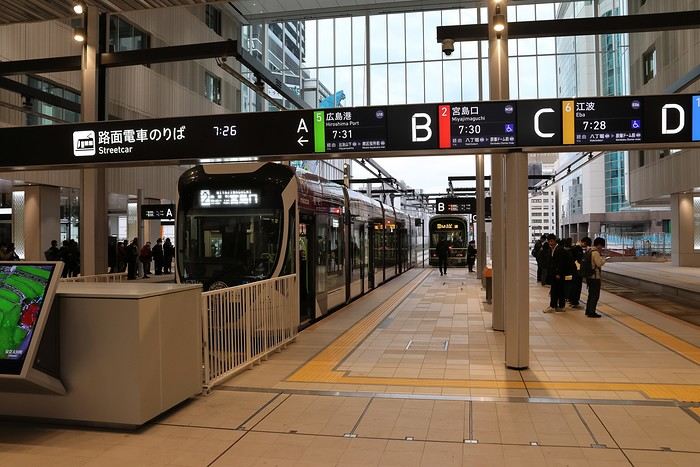
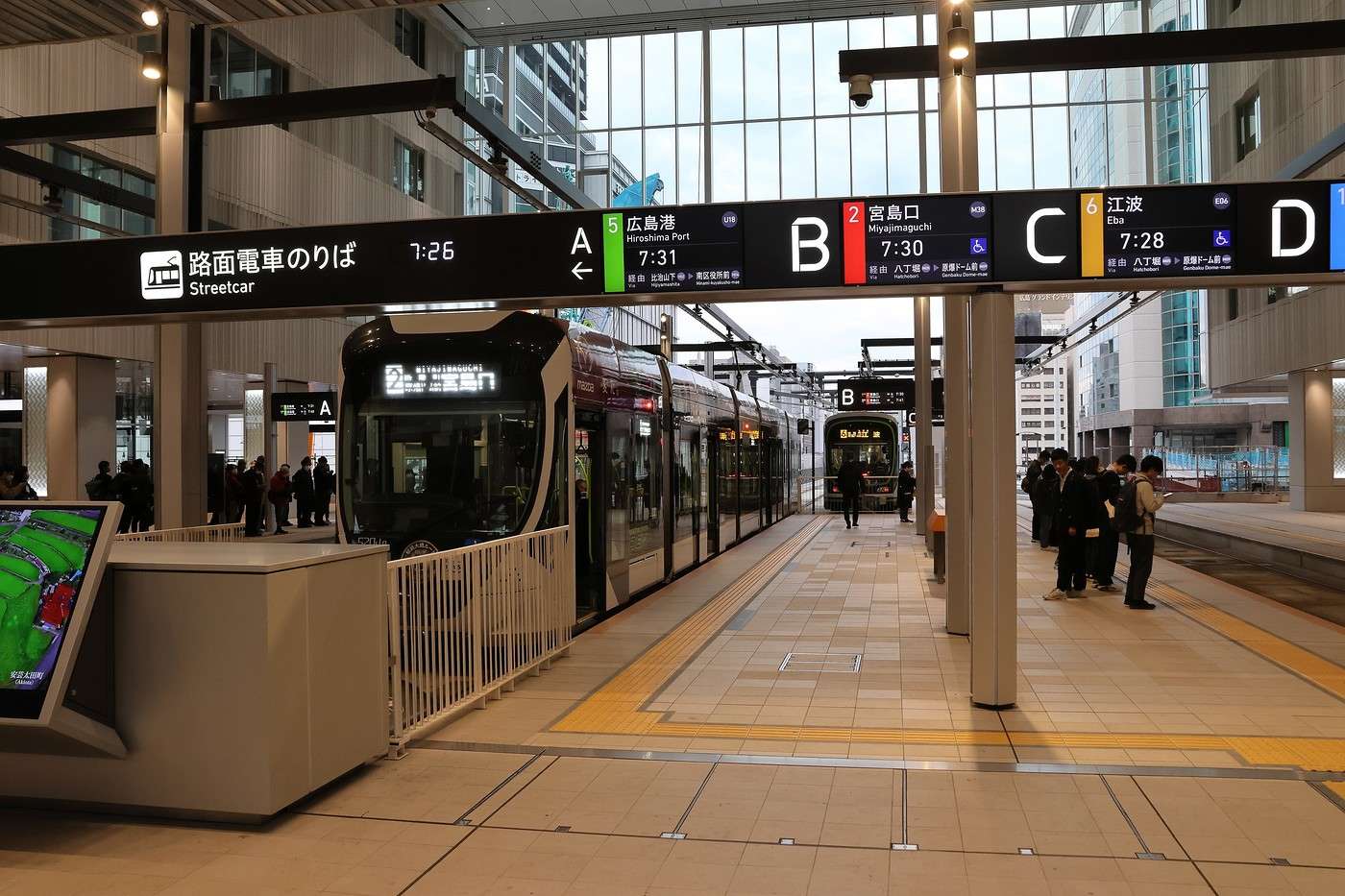
Let’s start with the new station and the new line leading to it. The urban loop isn’t operational yet at this time.


Densha Otaku - Lesser-Known Regions

Serow · 2026-06-05 · Message 29 of 34

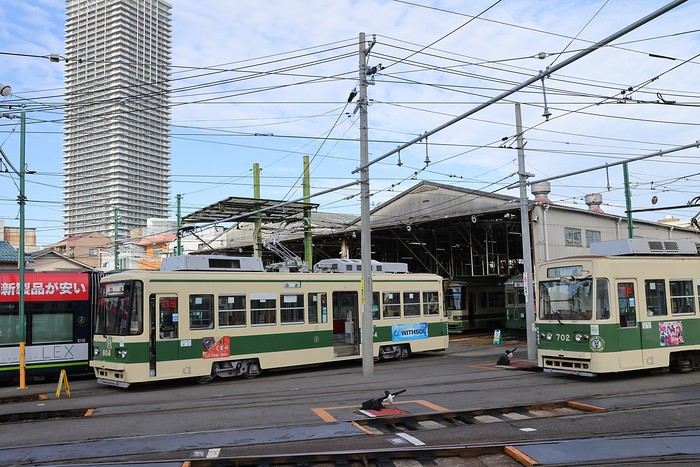
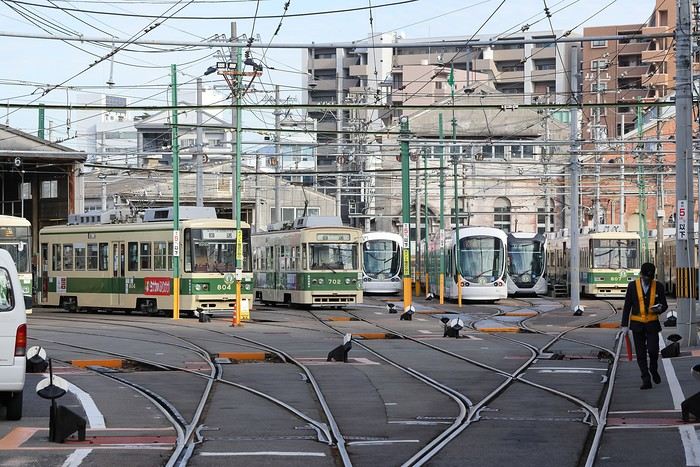
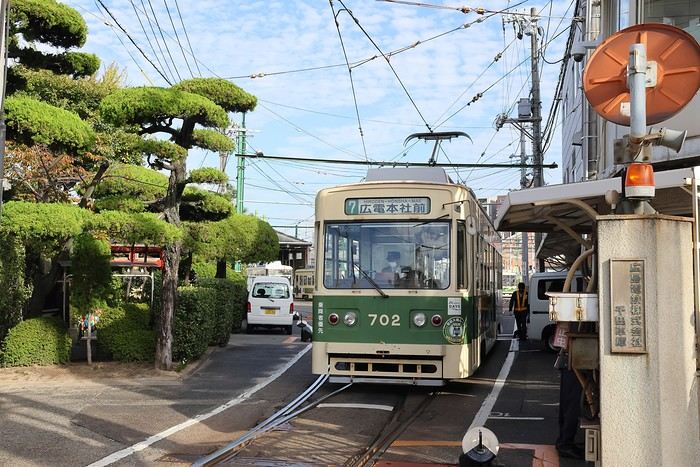
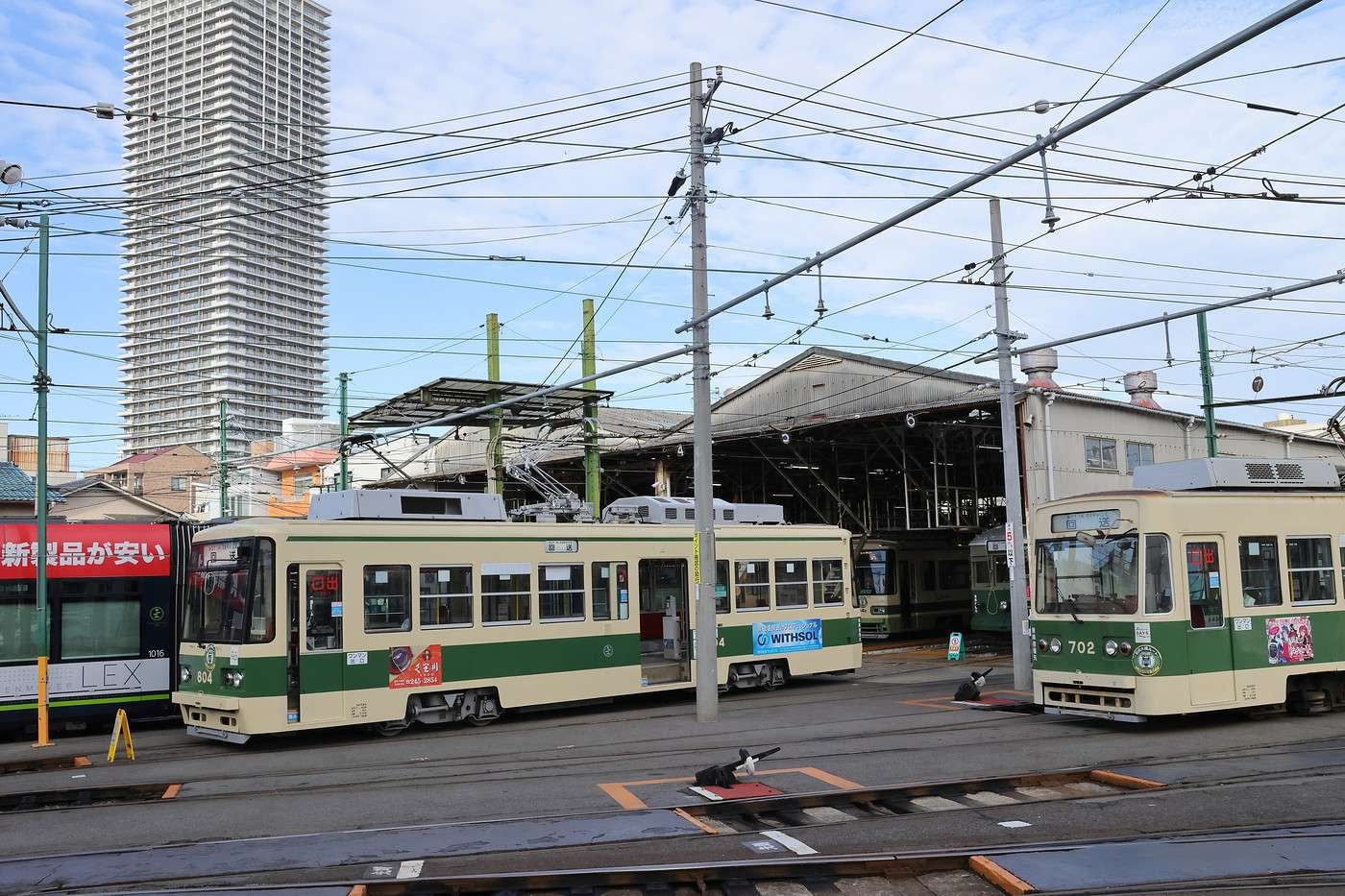
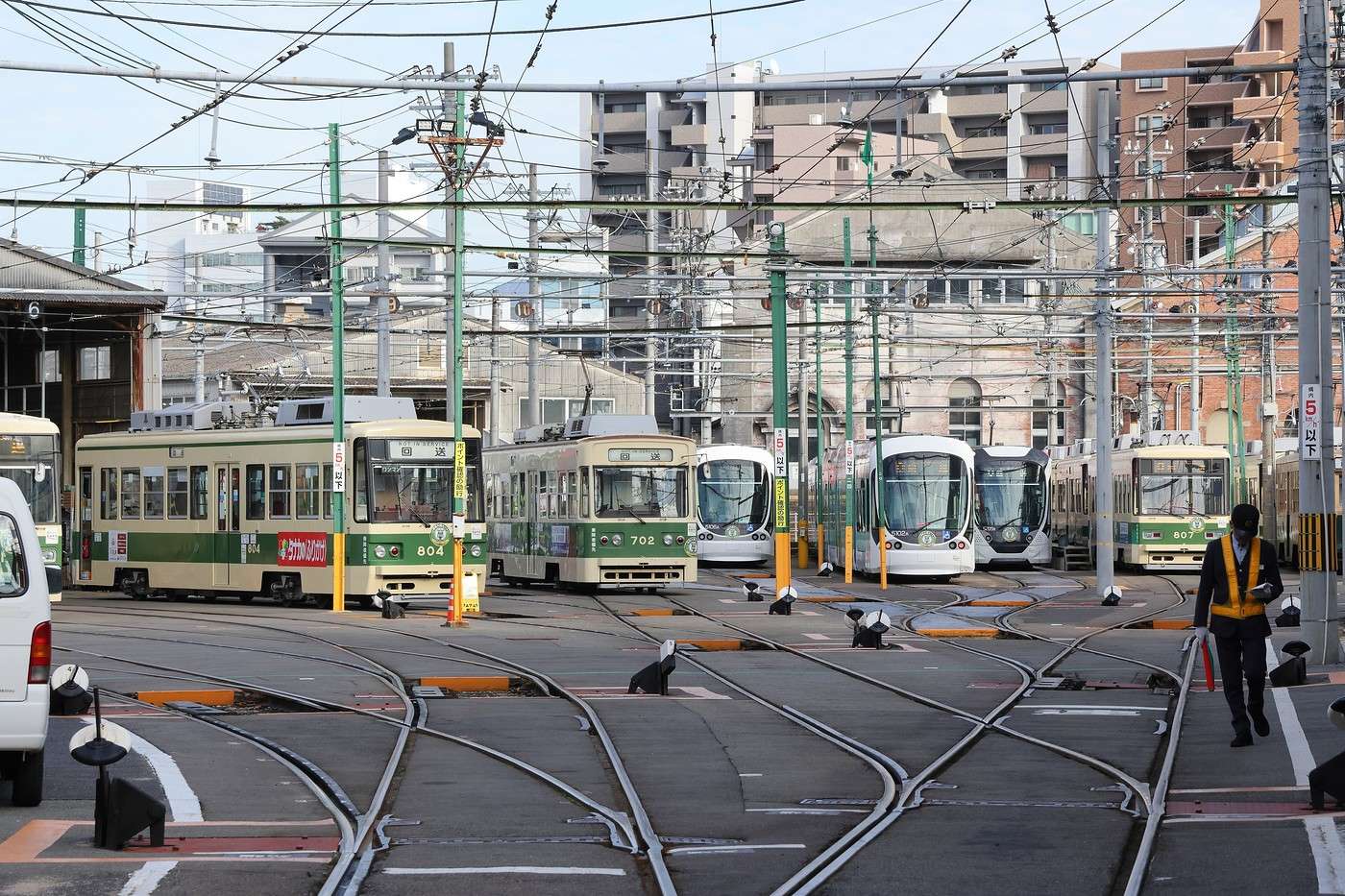
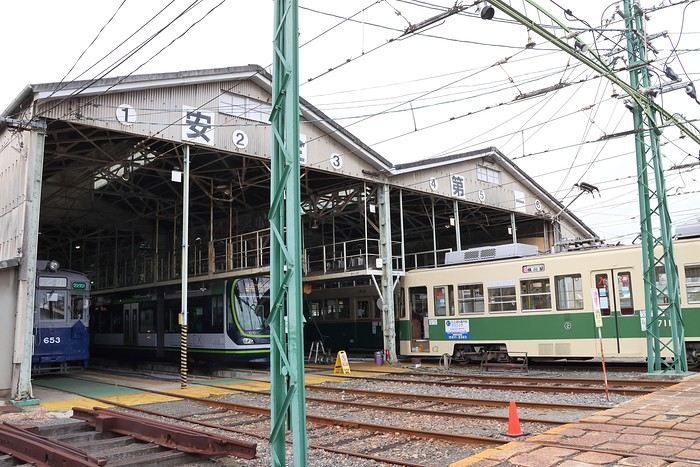
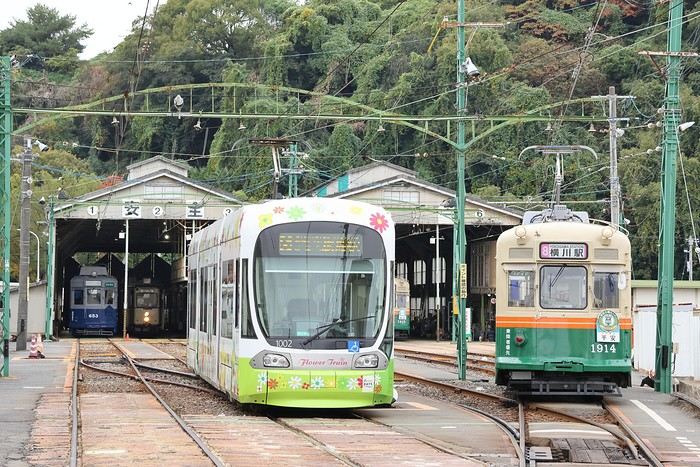
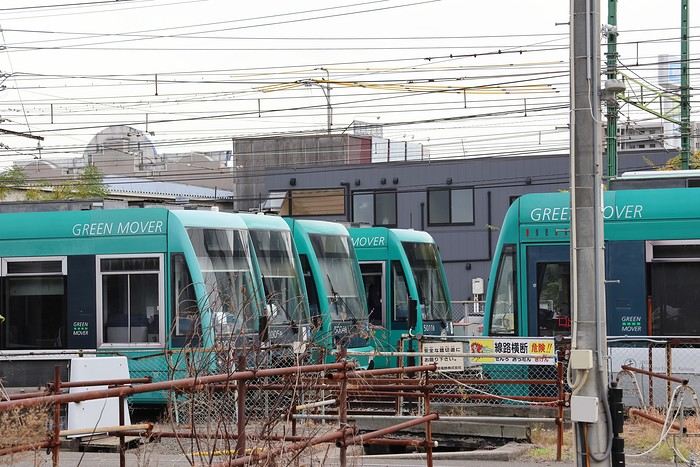
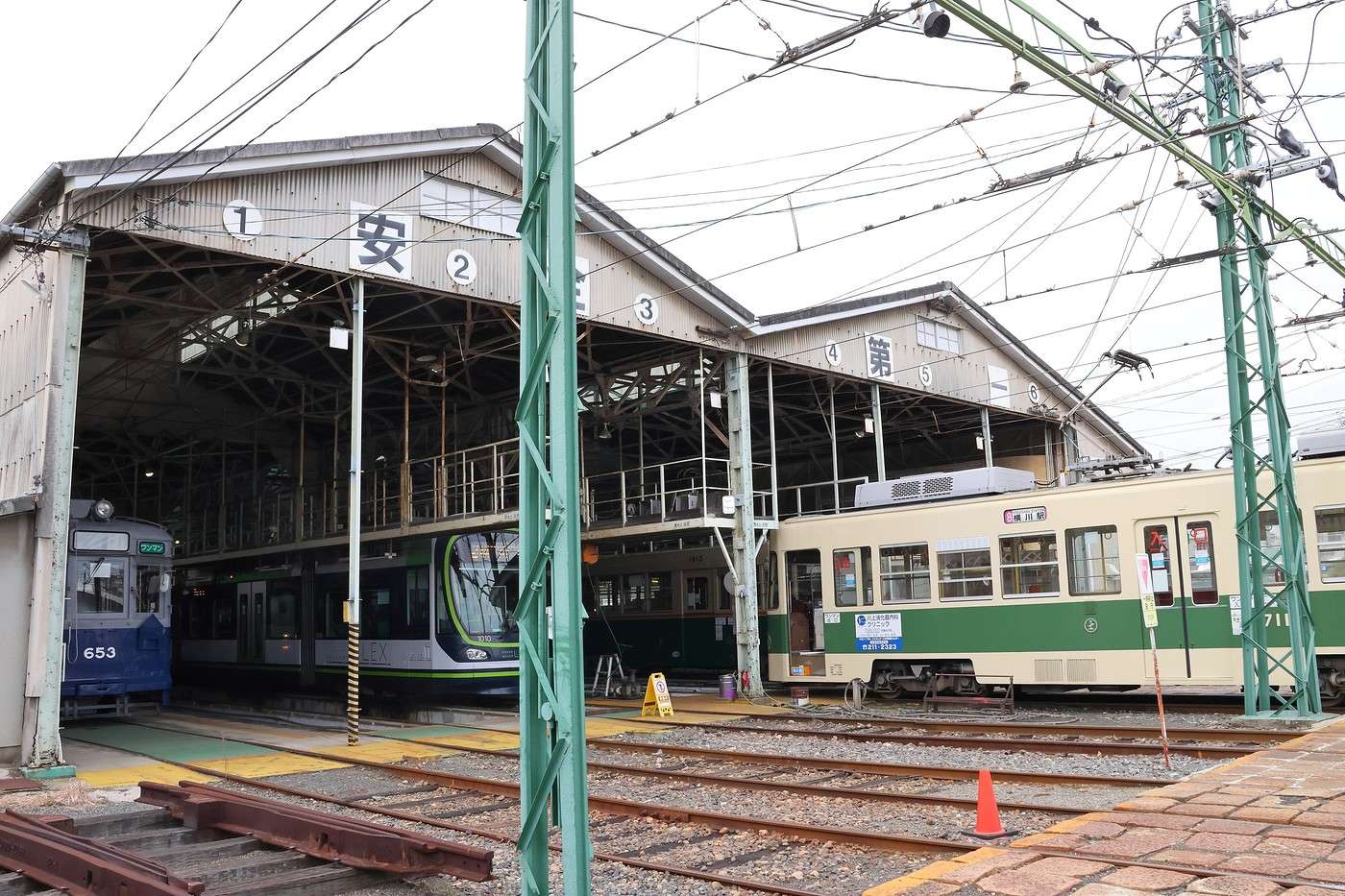
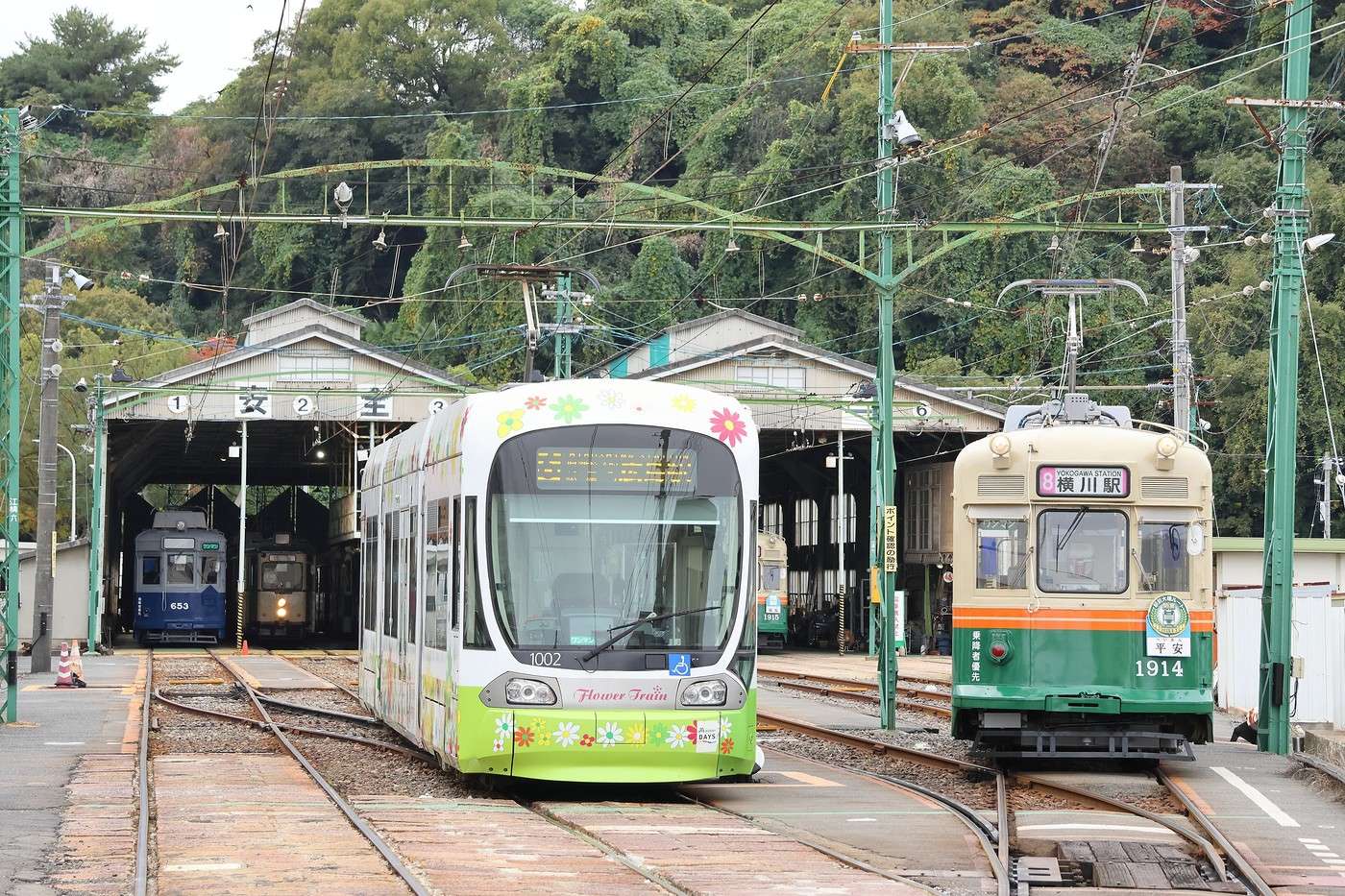
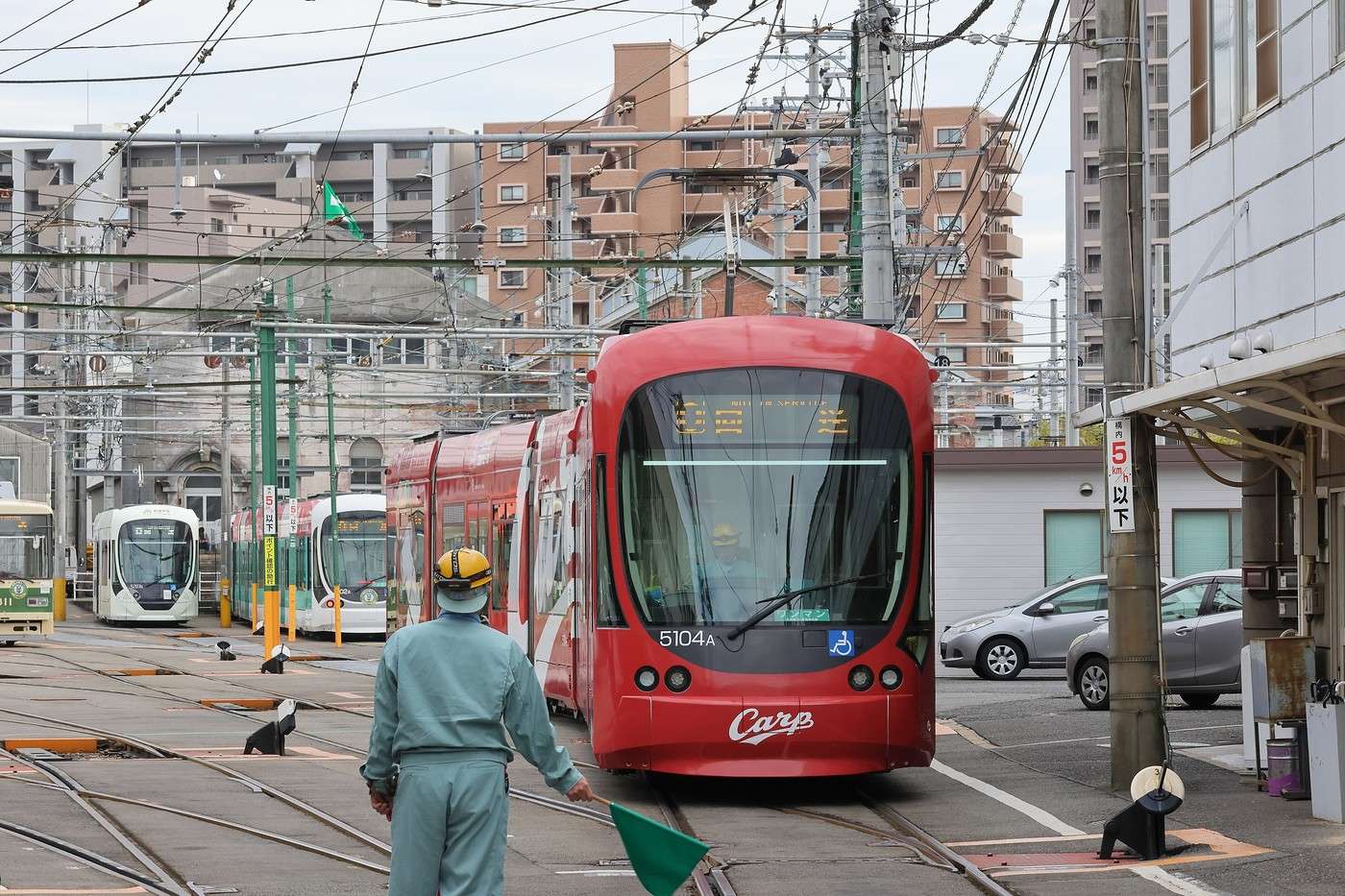
We head to the main depot just before the start of the evening rush hour. An observation platform has been set up for a better view of the depot.


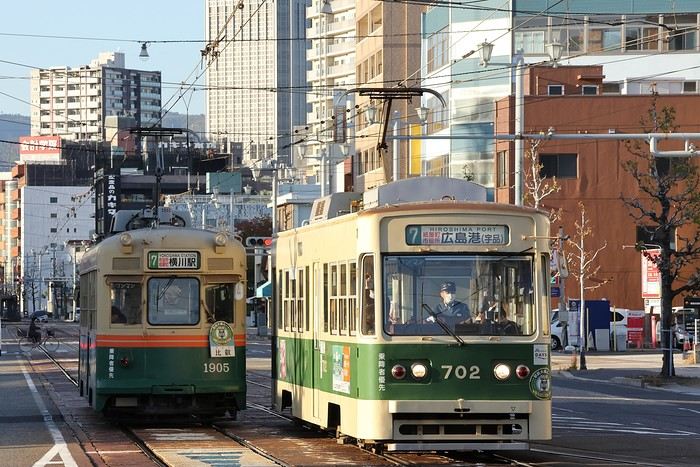
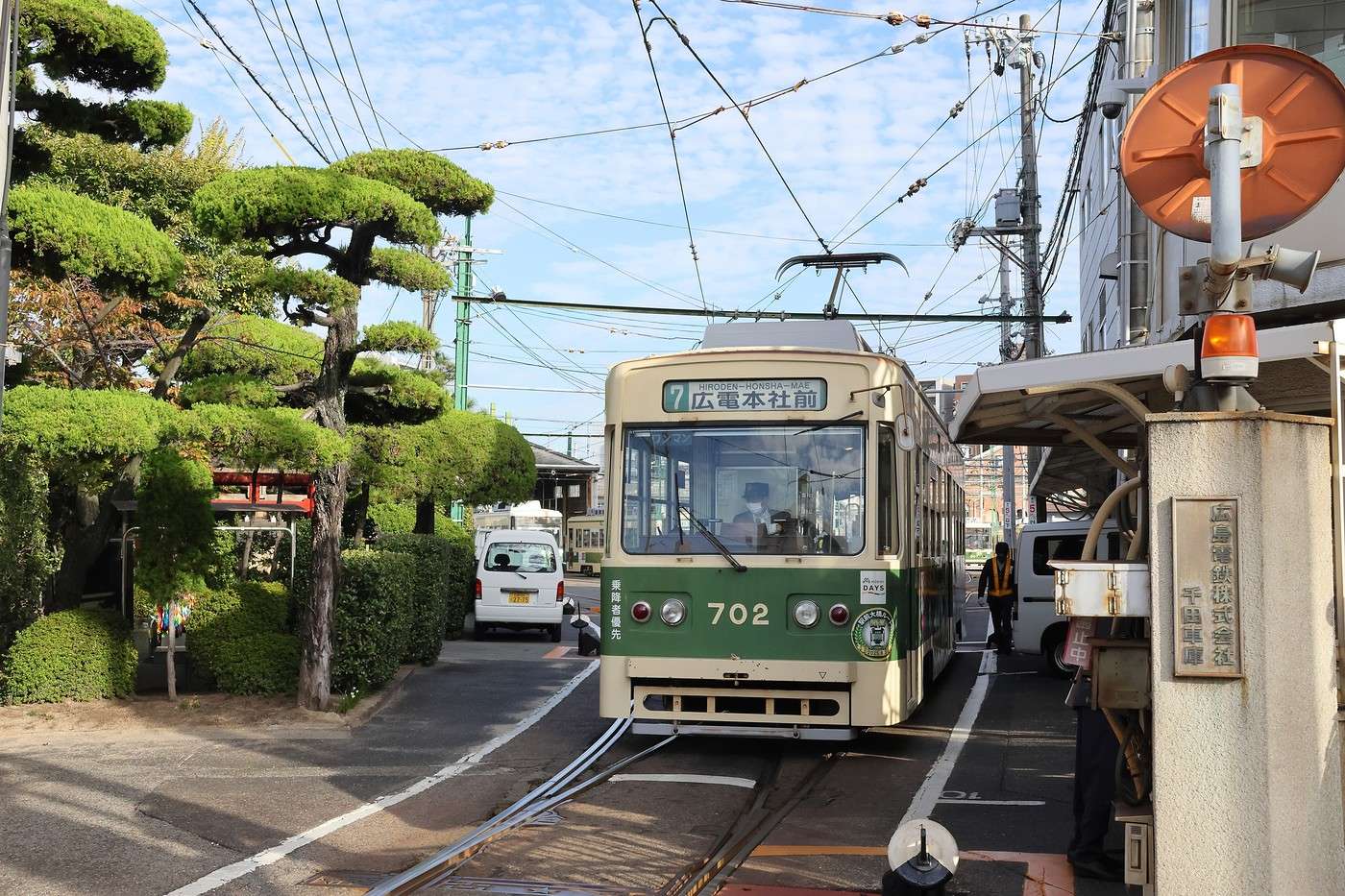
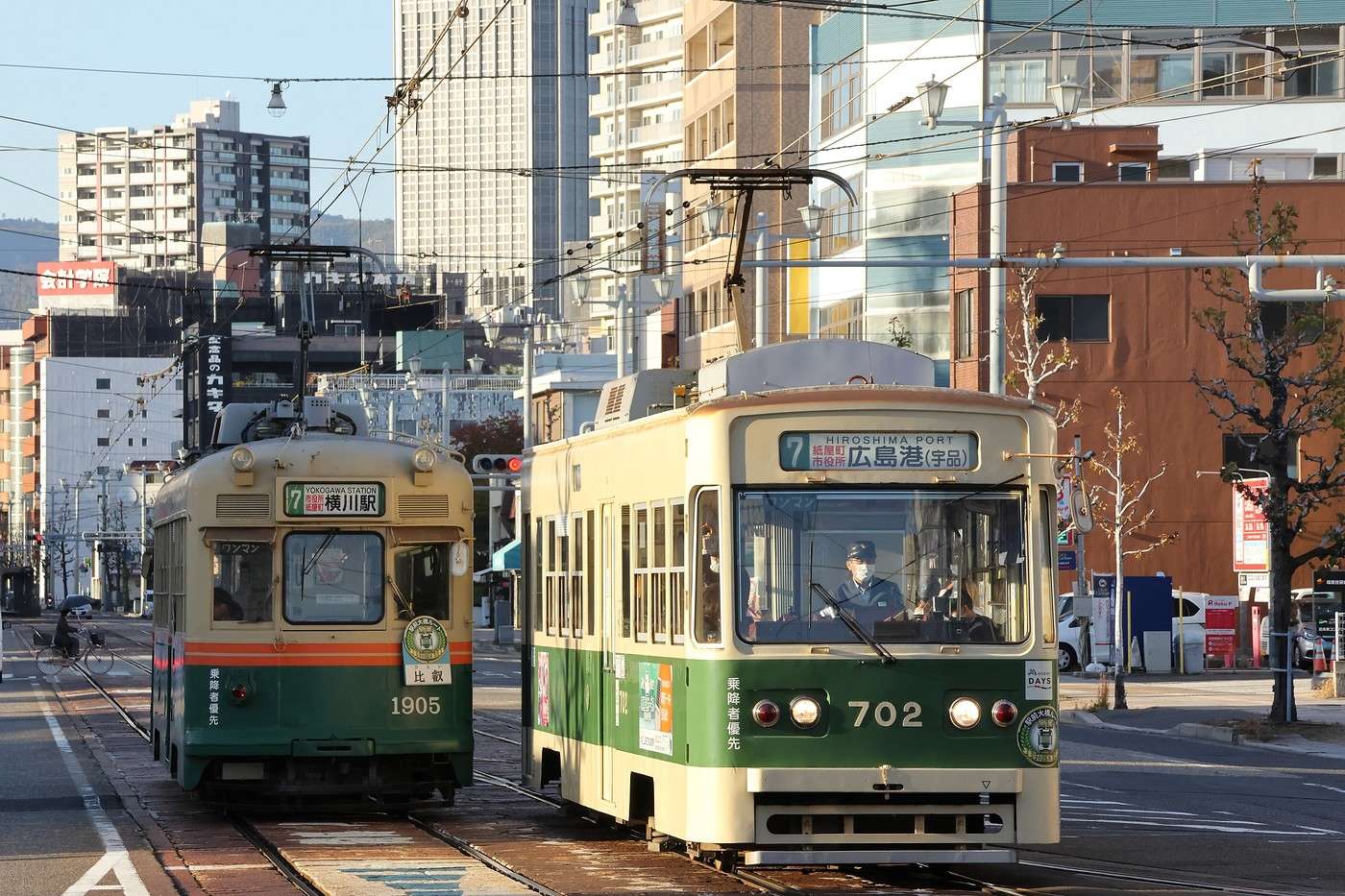
The 702 waits for its departure time at the street front.

Since the yardmaster is there to give orders to the drivers, we ask him to take a quick look at the departure board. Now we know what to expect and where!

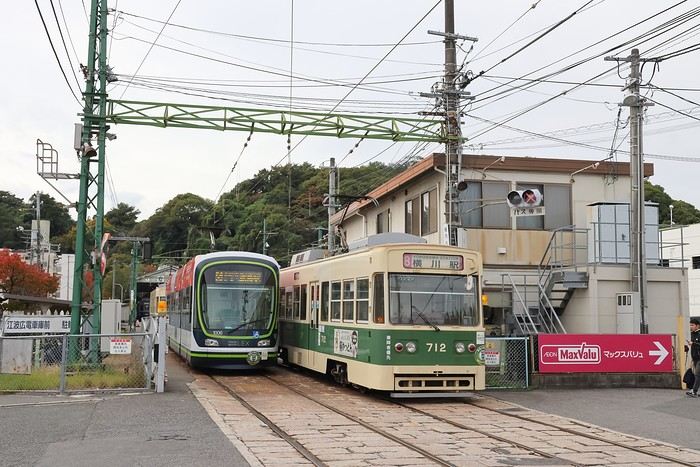
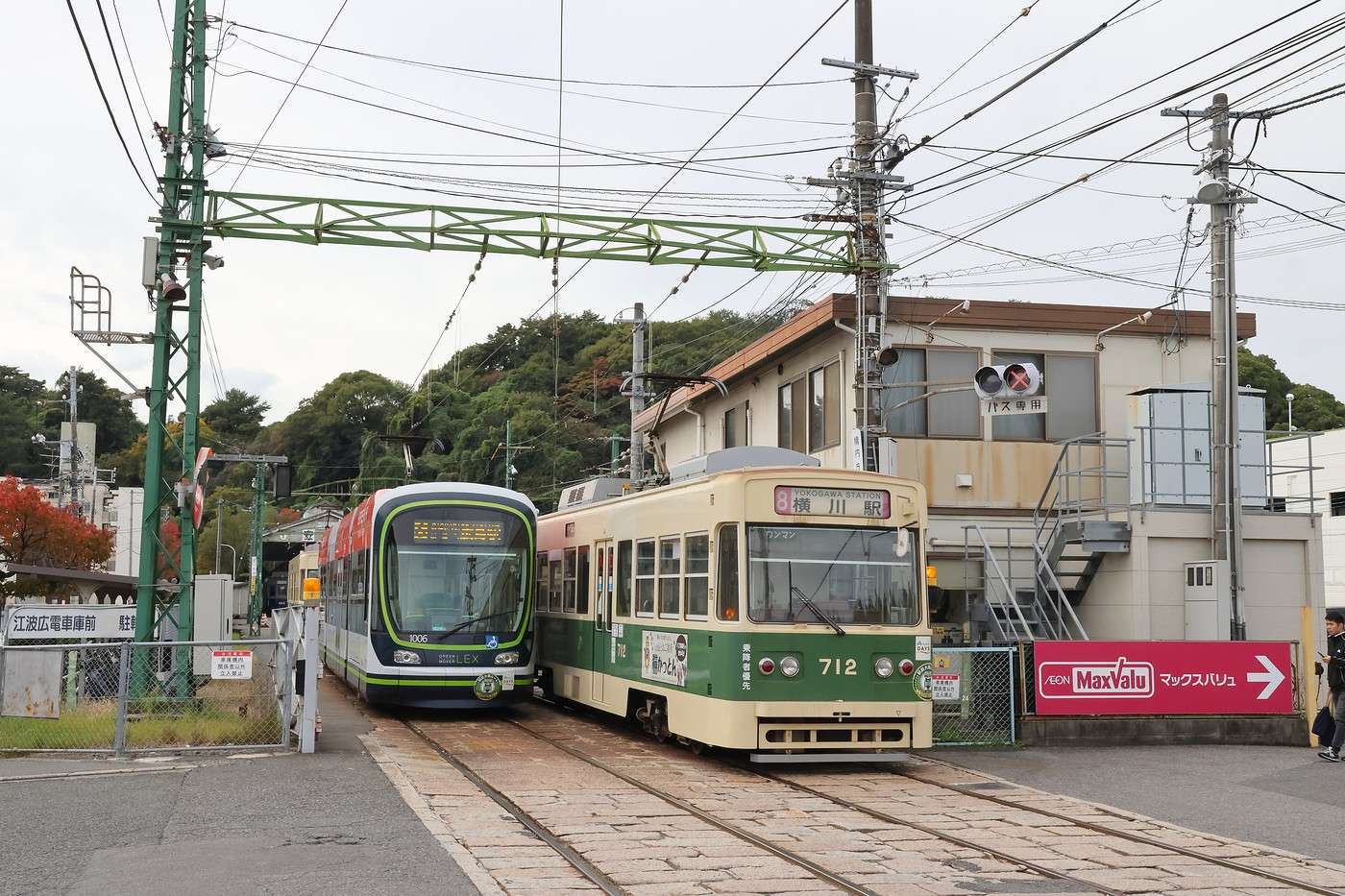
First, let's head to Ujina.


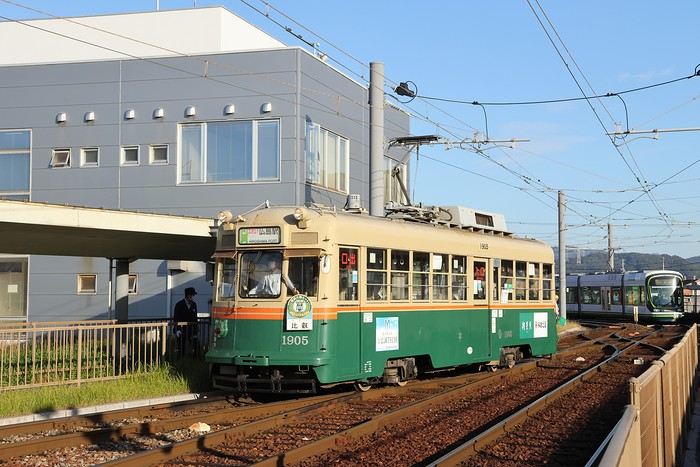
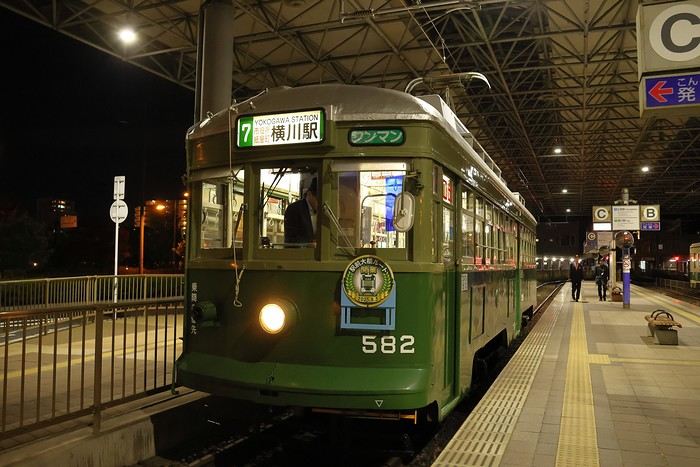
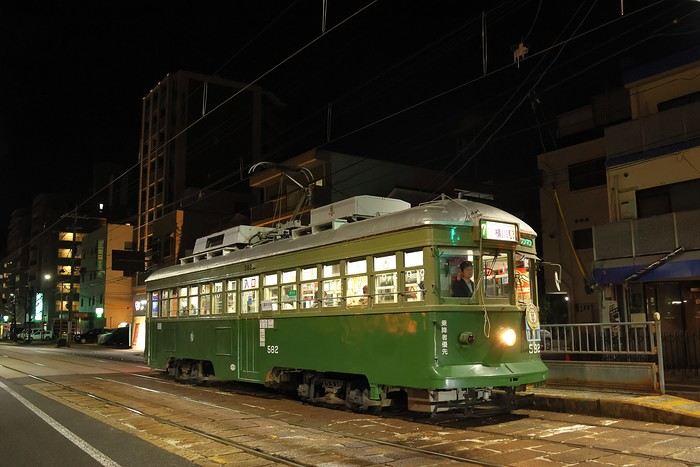
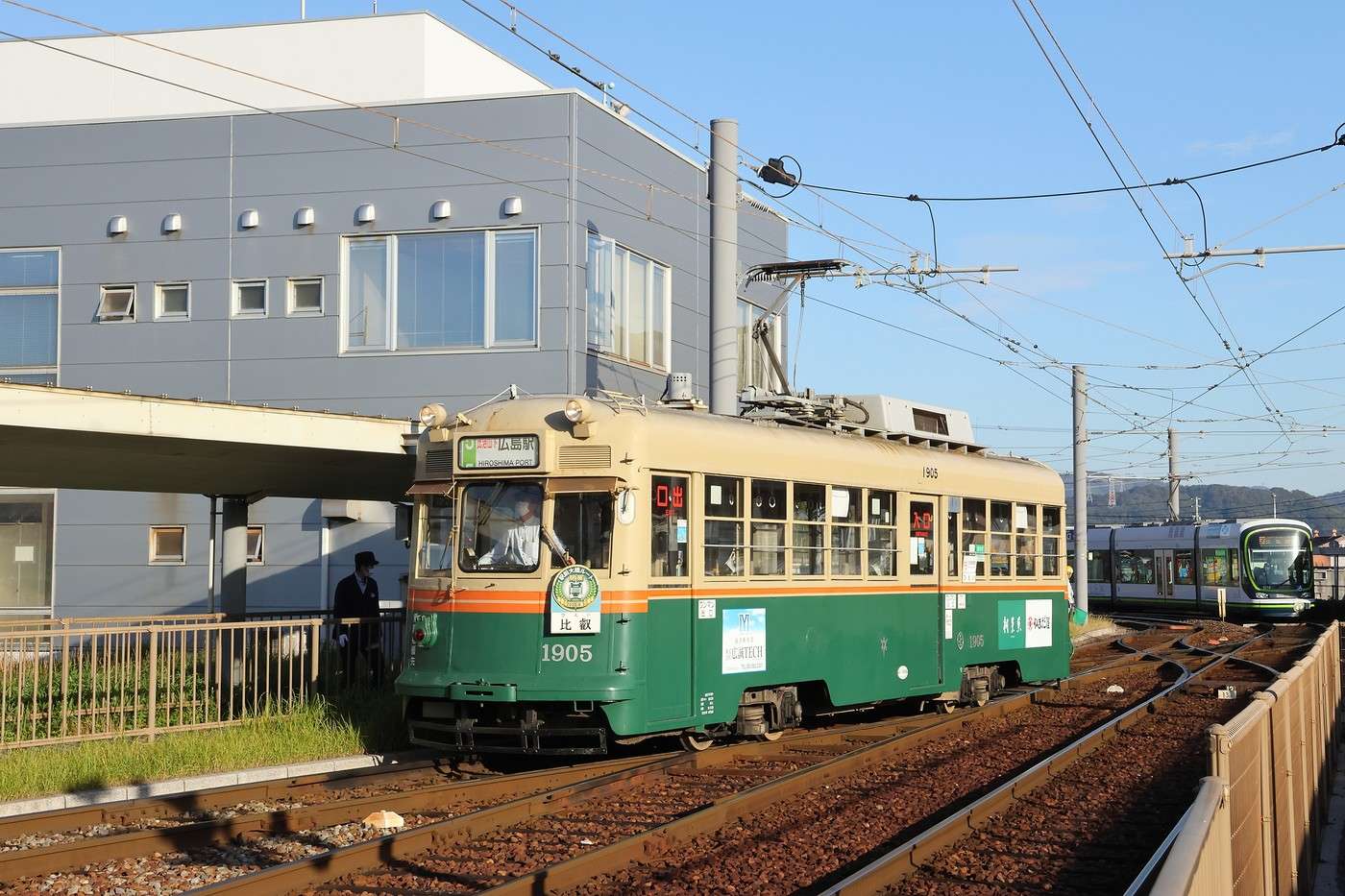
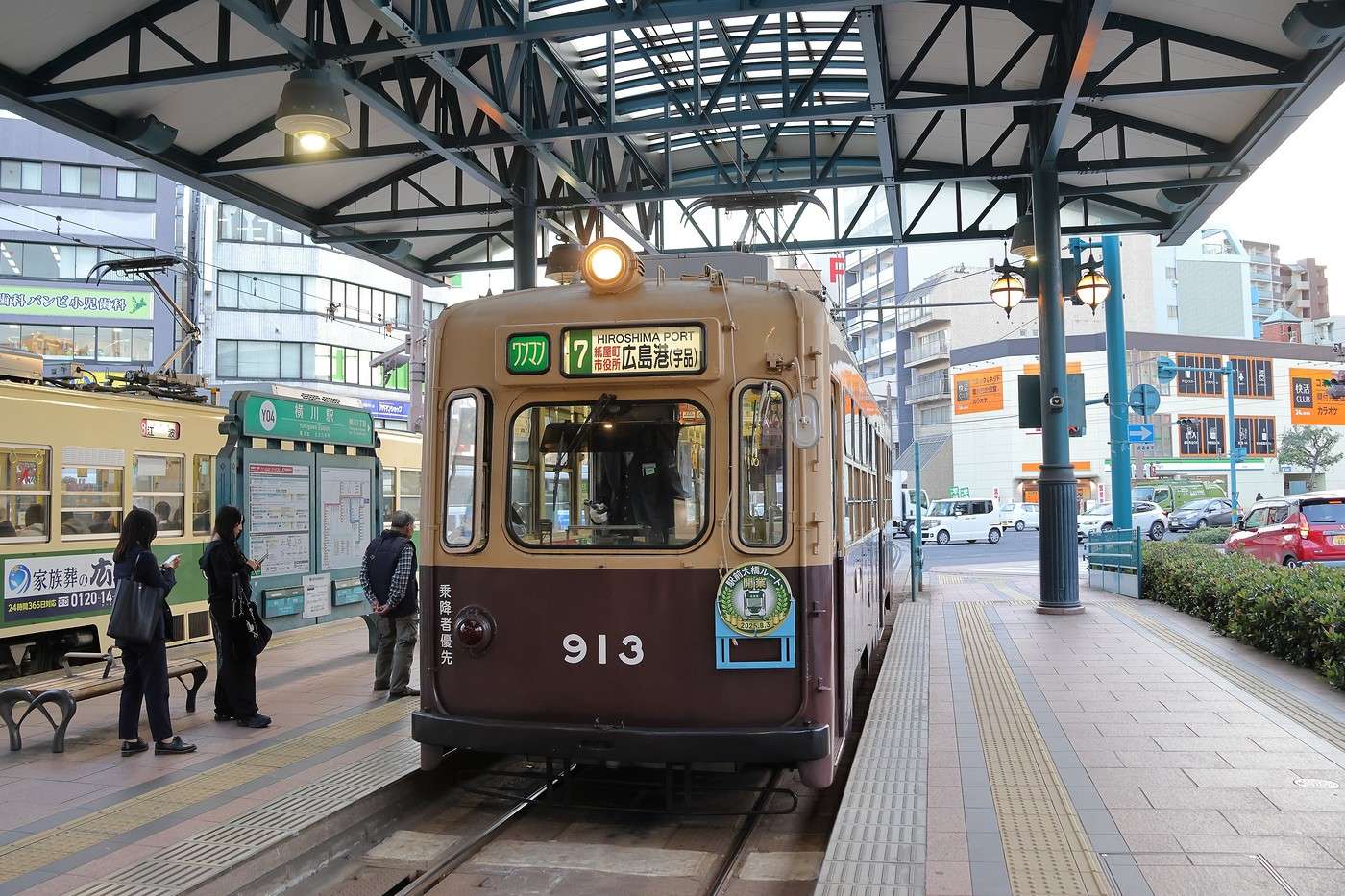
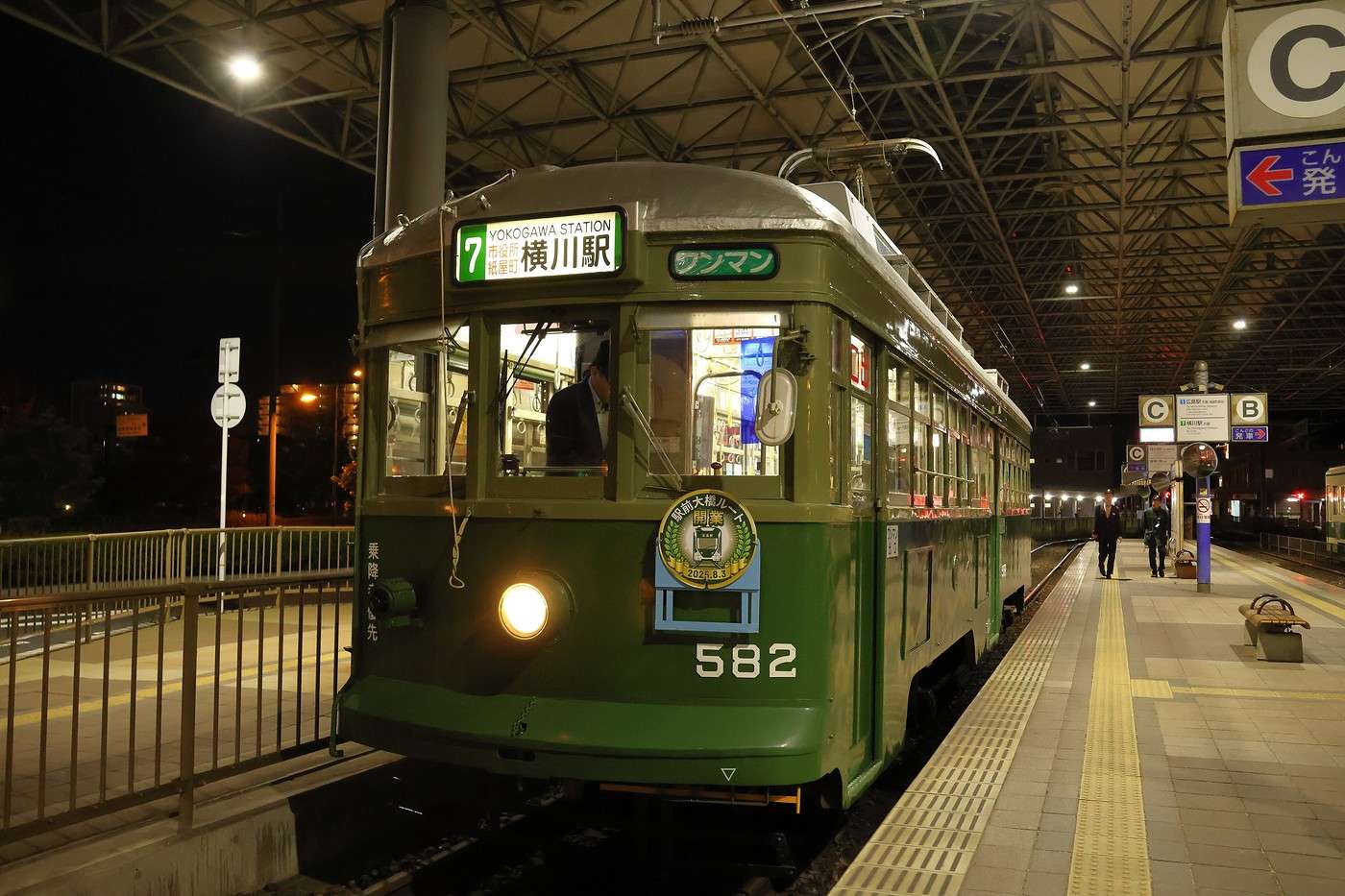
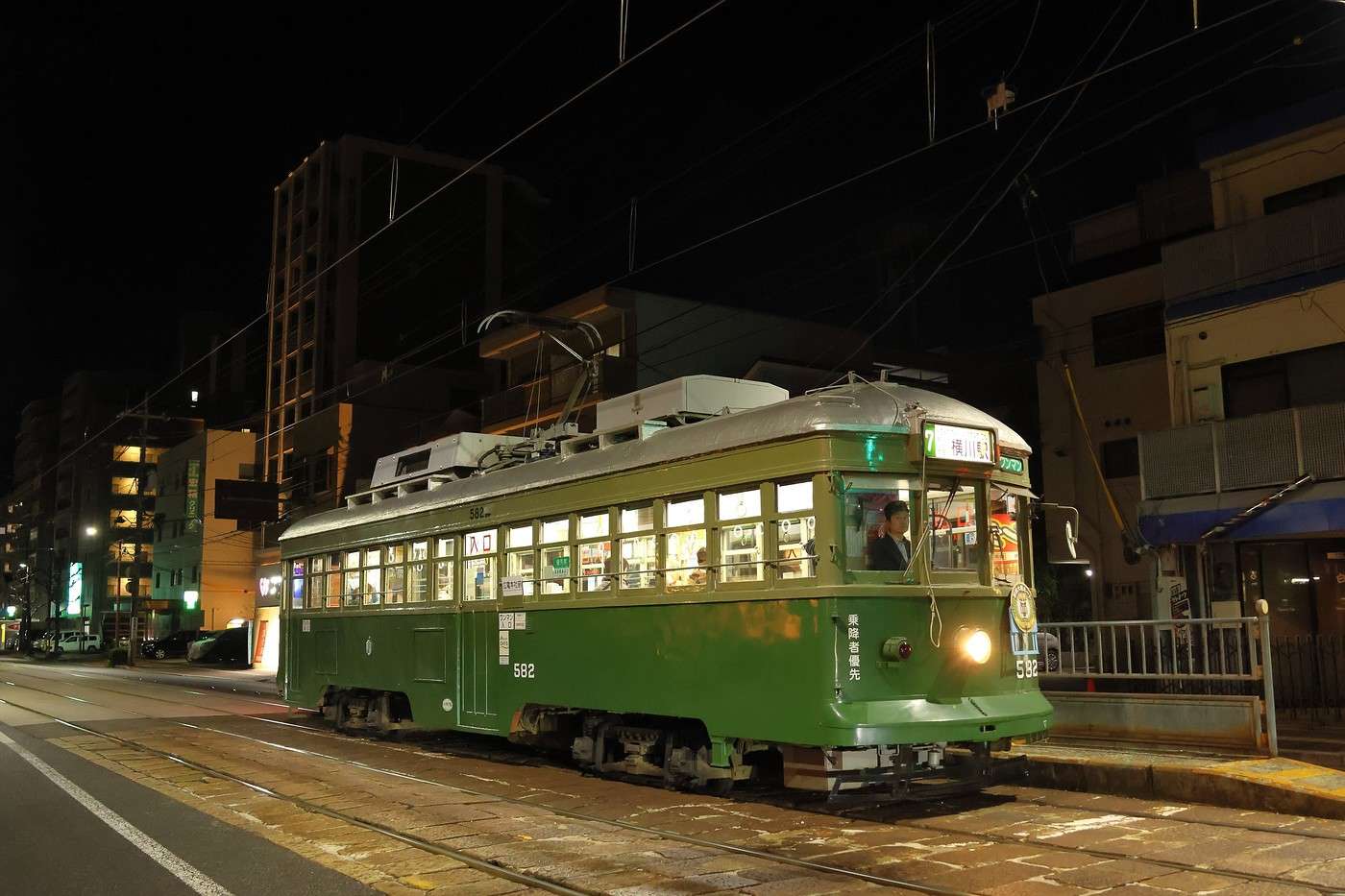
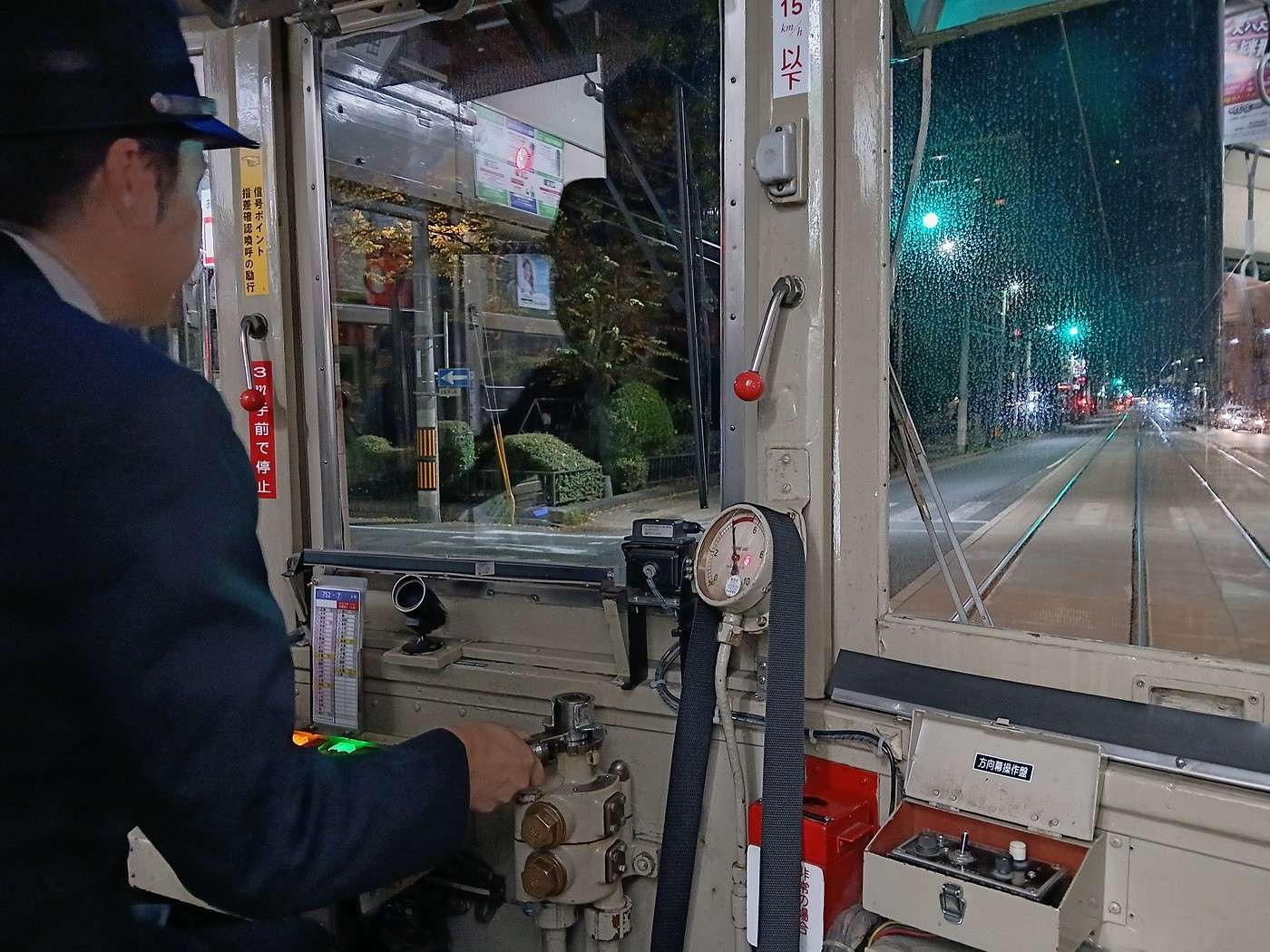
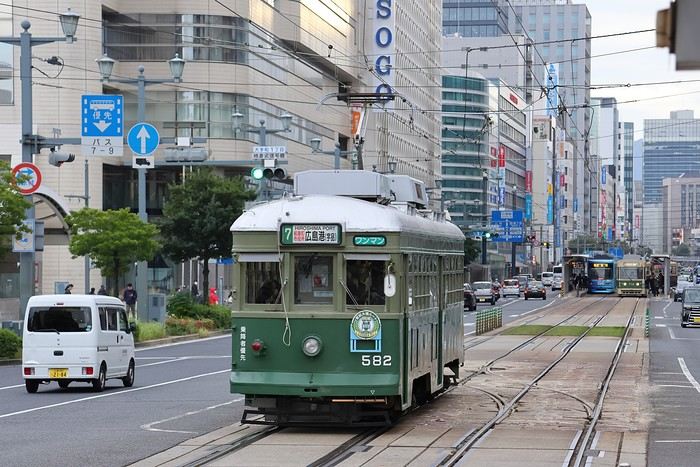
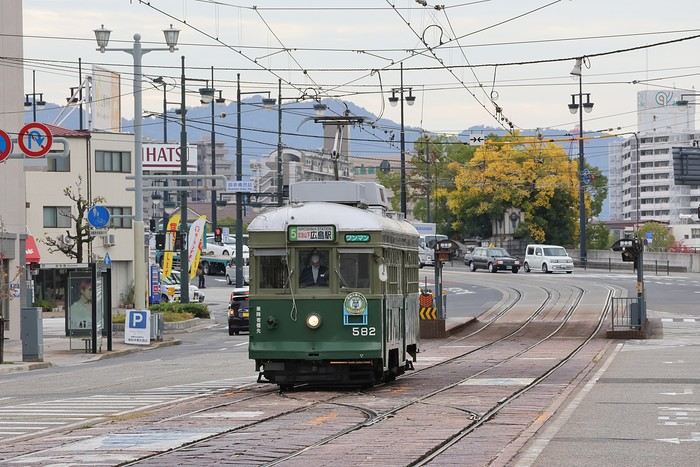
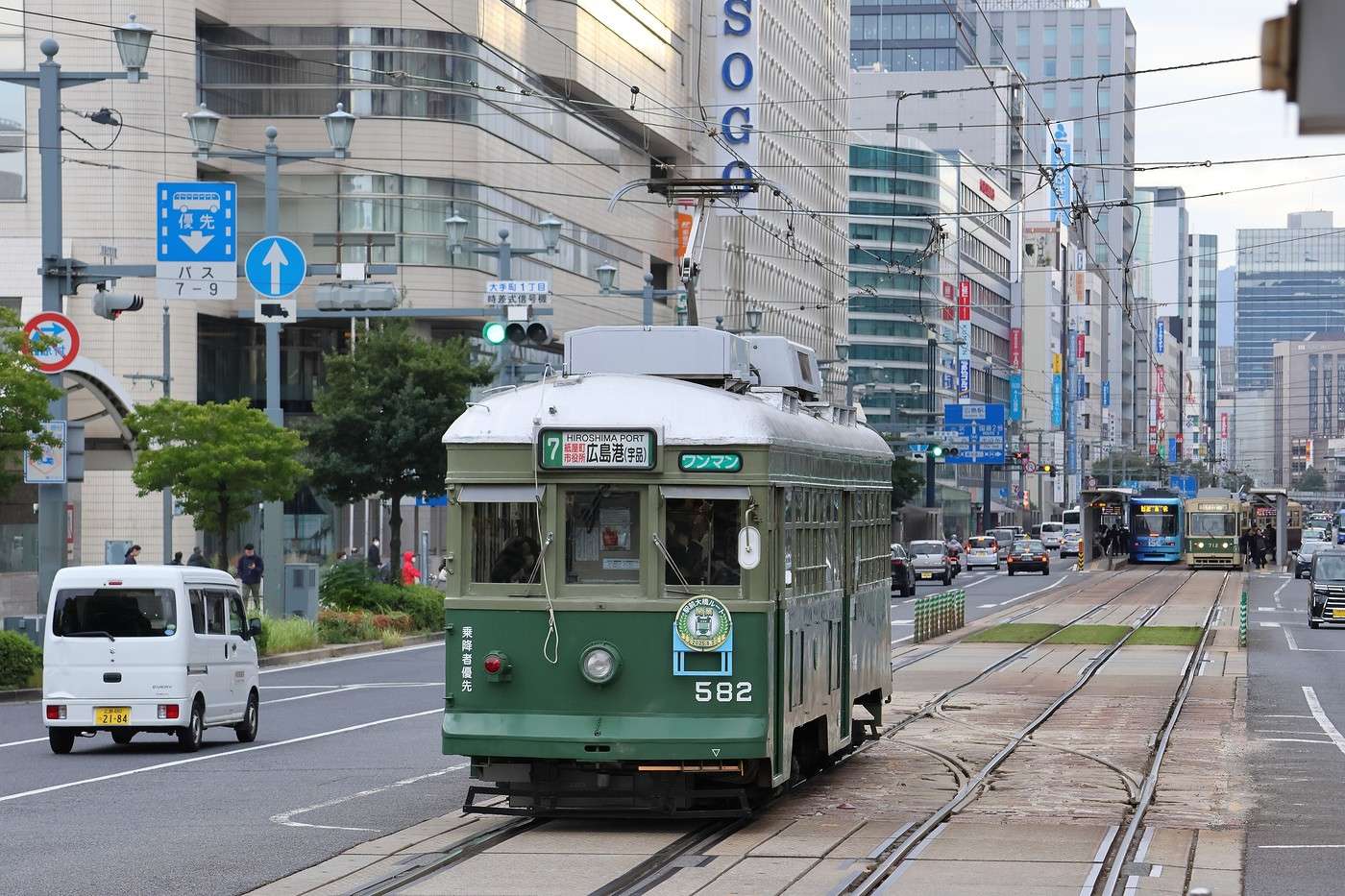
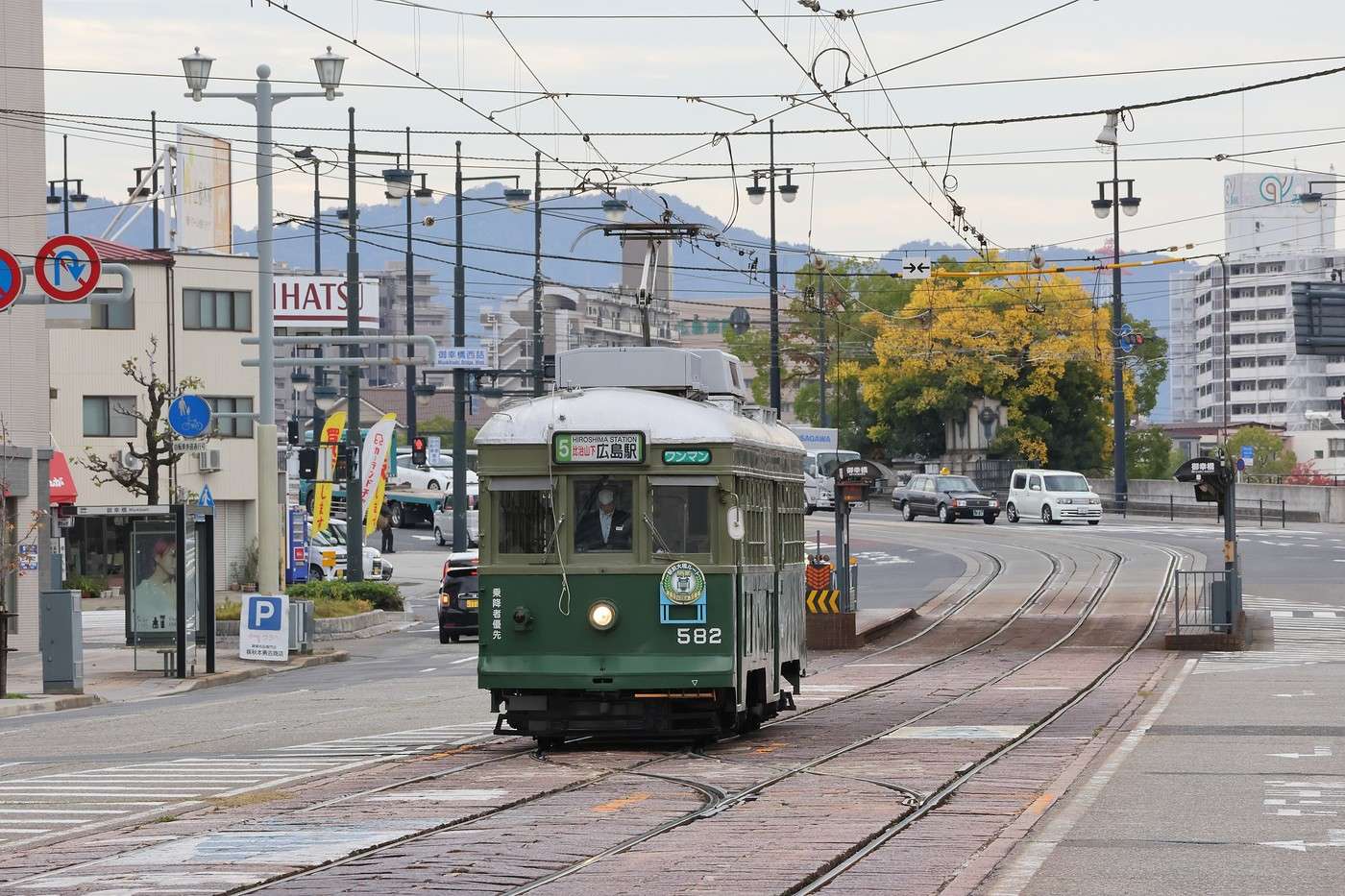
Then Yokogawa, where we wait for the 582. A Type J originally from Kobe, built in 1926 and the oldest tram still in regular service in Japan.


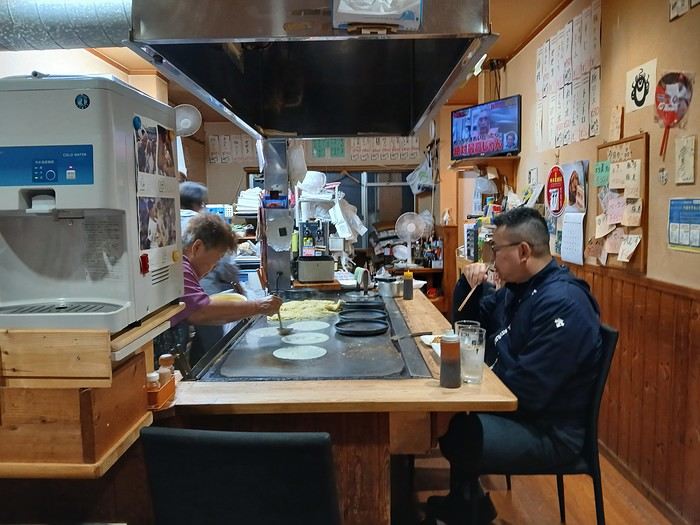
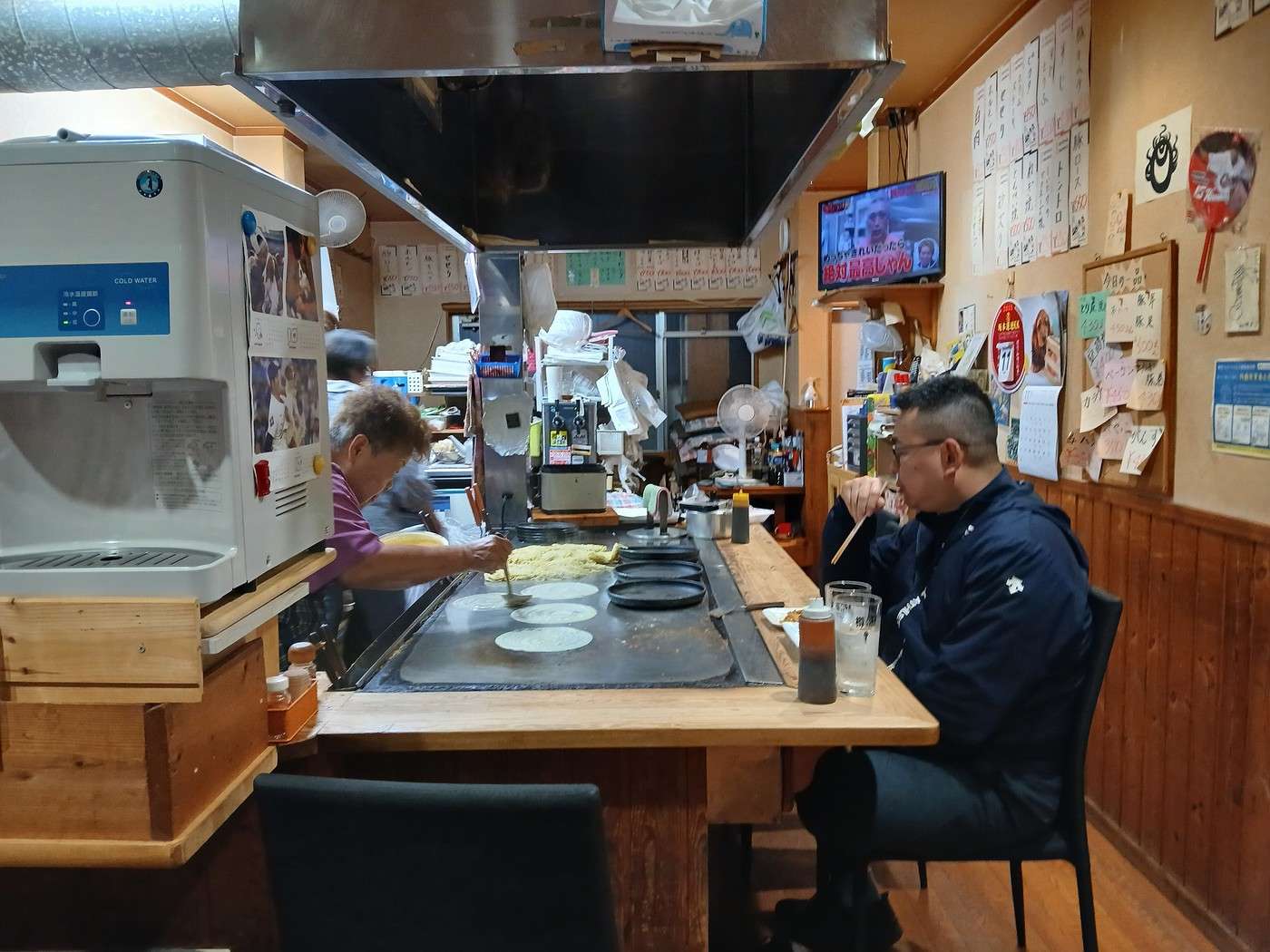
We leave it at Ujinasanchome to grab some okonomiyaki at a very simple but excellent neighborhood restaurant.


Densha Otaku - Lesser-Known Regions

Serow · 2026-06-05 · Message 30 of 34

Hiroshima day 2, mostly dedicated to the morning rush hour.

Which means getting up early. I’m alone with Seiichi this morning; my two buddies are still in bed.

Meet-up at the station


In a strategic spot to see a bit of everything go by.


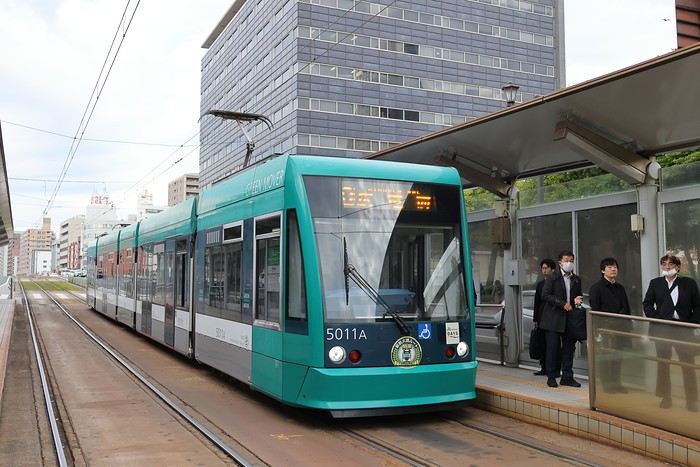
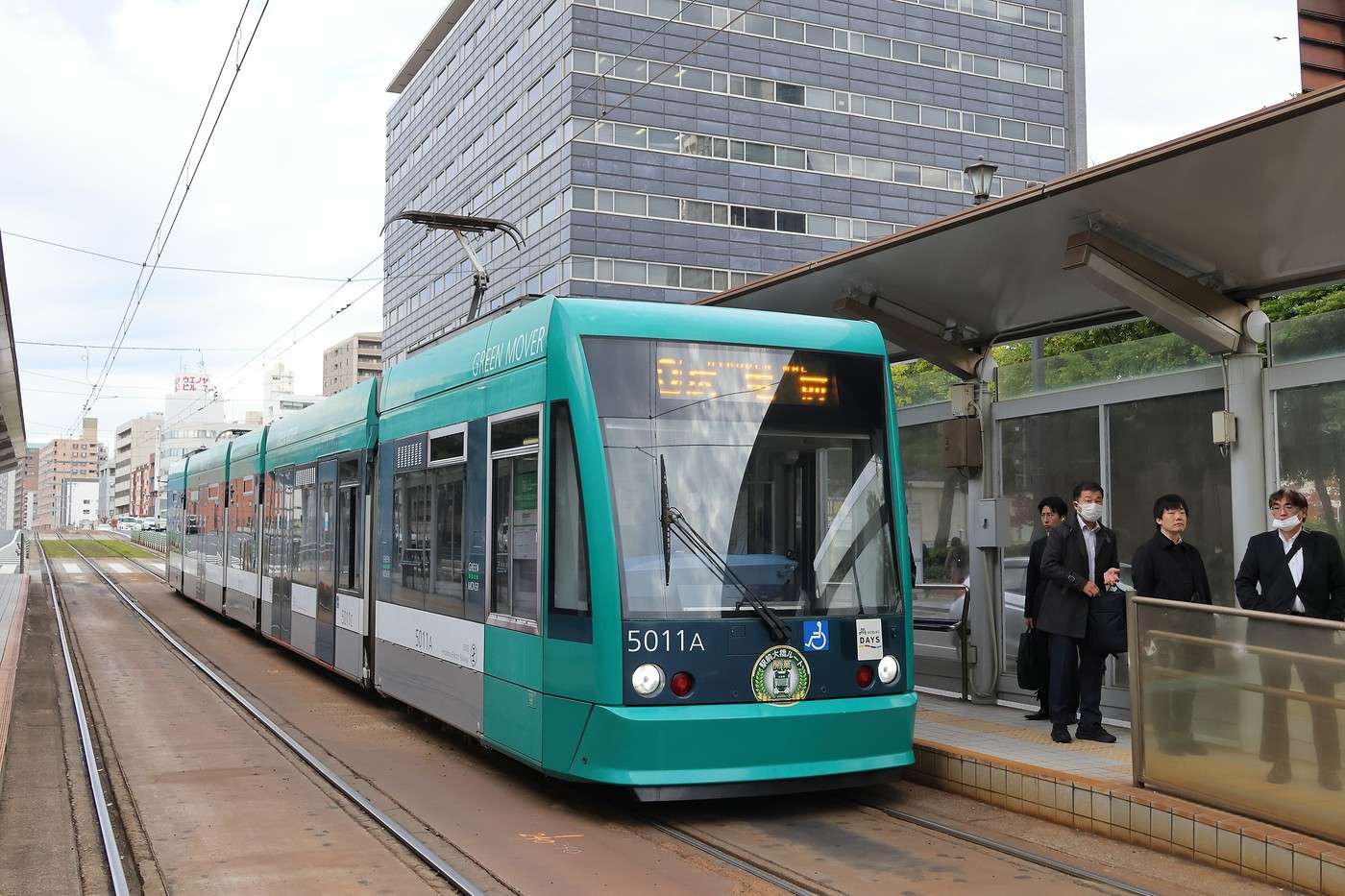
A Combino—now that’s modern. Is it interesting? Actually, these vehicles, which are 20 years old, have such serious issues with their body structure and parts availability that they run as little as possible.


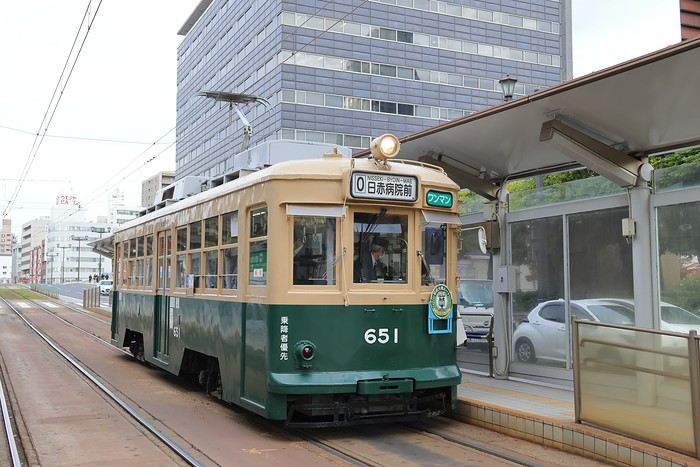
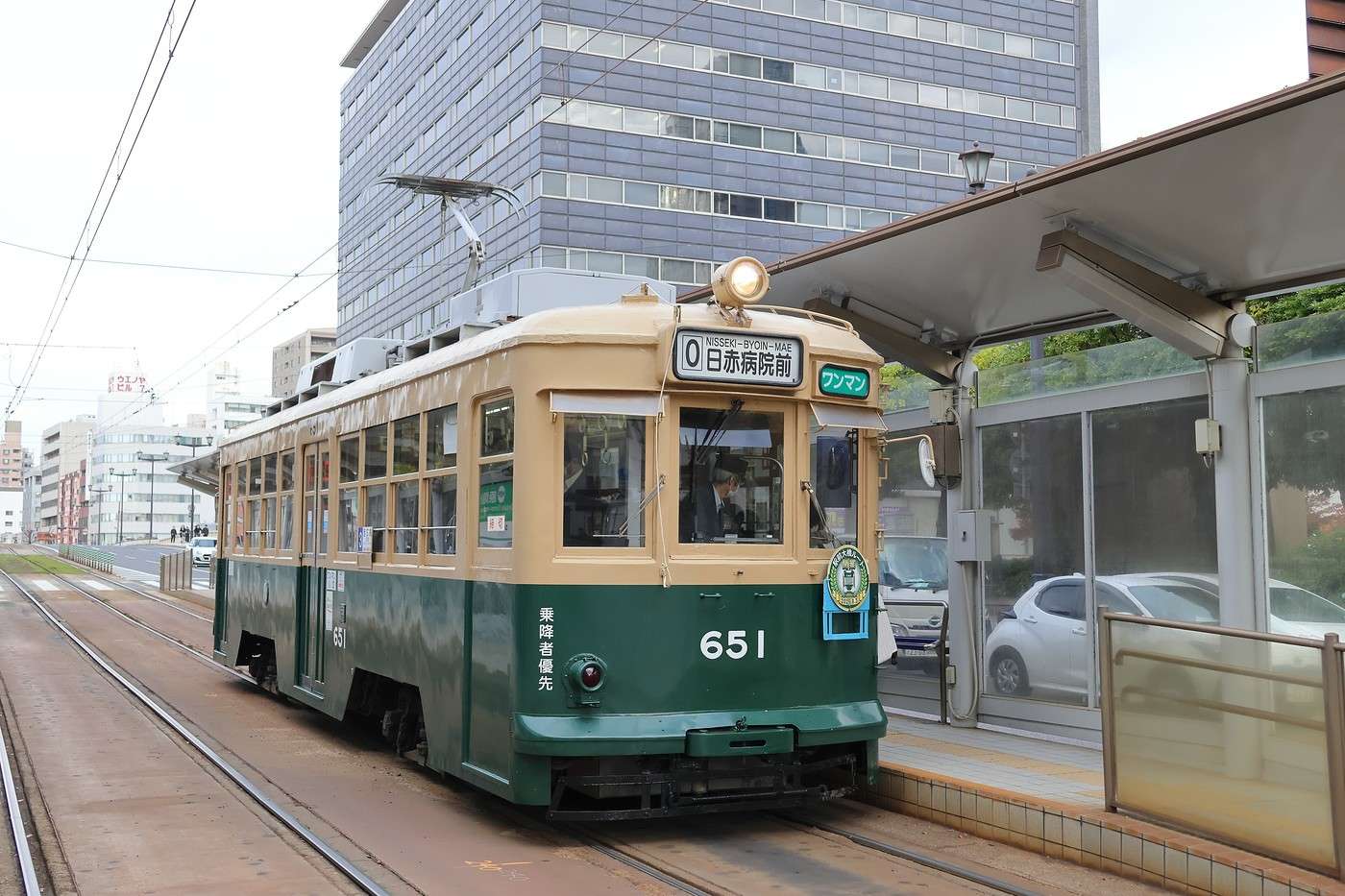
One of the 2,650 in regular service. The ultimate iconic vehicle. Built in 1943, they survived the atomic bombing. Depending on the damage they sustained, they were either rebuilt or restored, and they’re part of every commemoration—especially when they cross paths on Aoiobashi at the time of the detonation. Only four remain, with two available for regular service and one for special services.

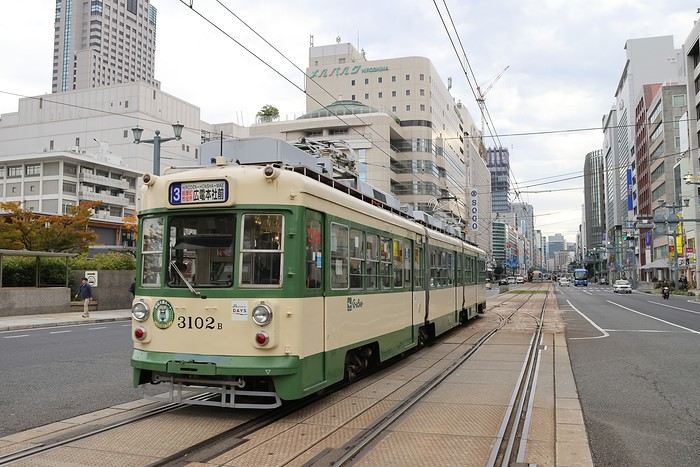
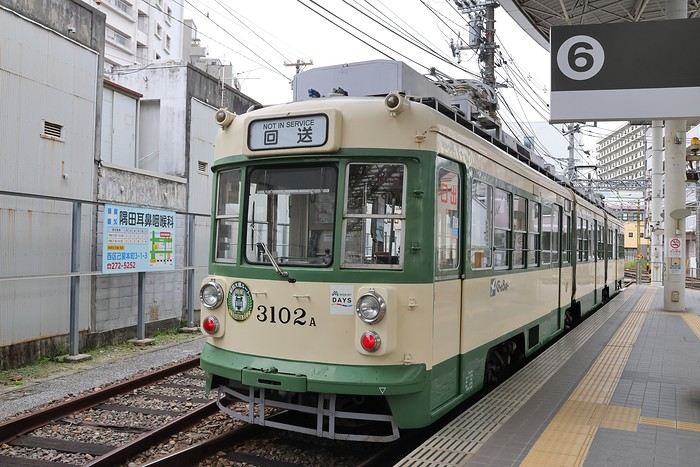
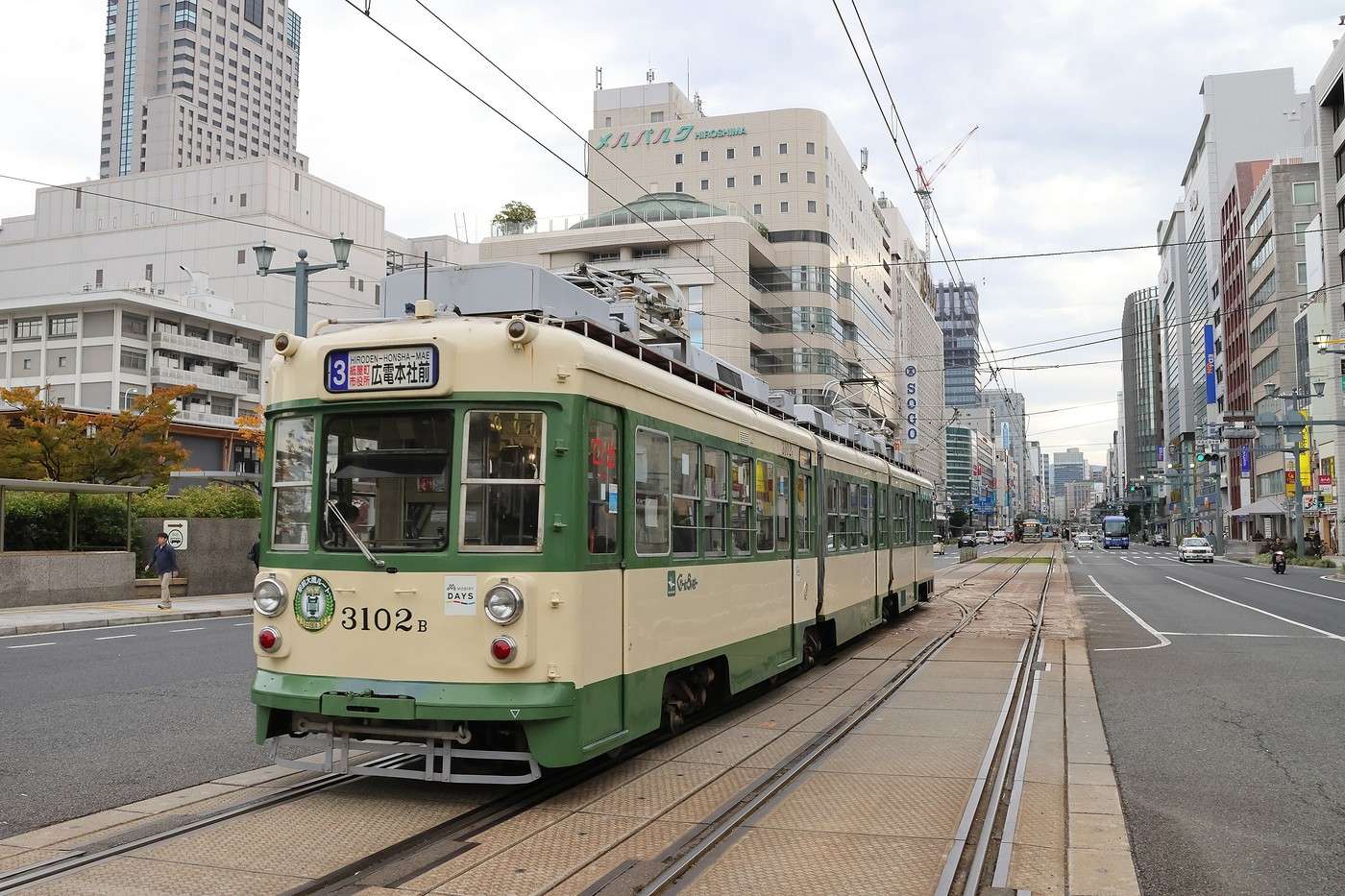
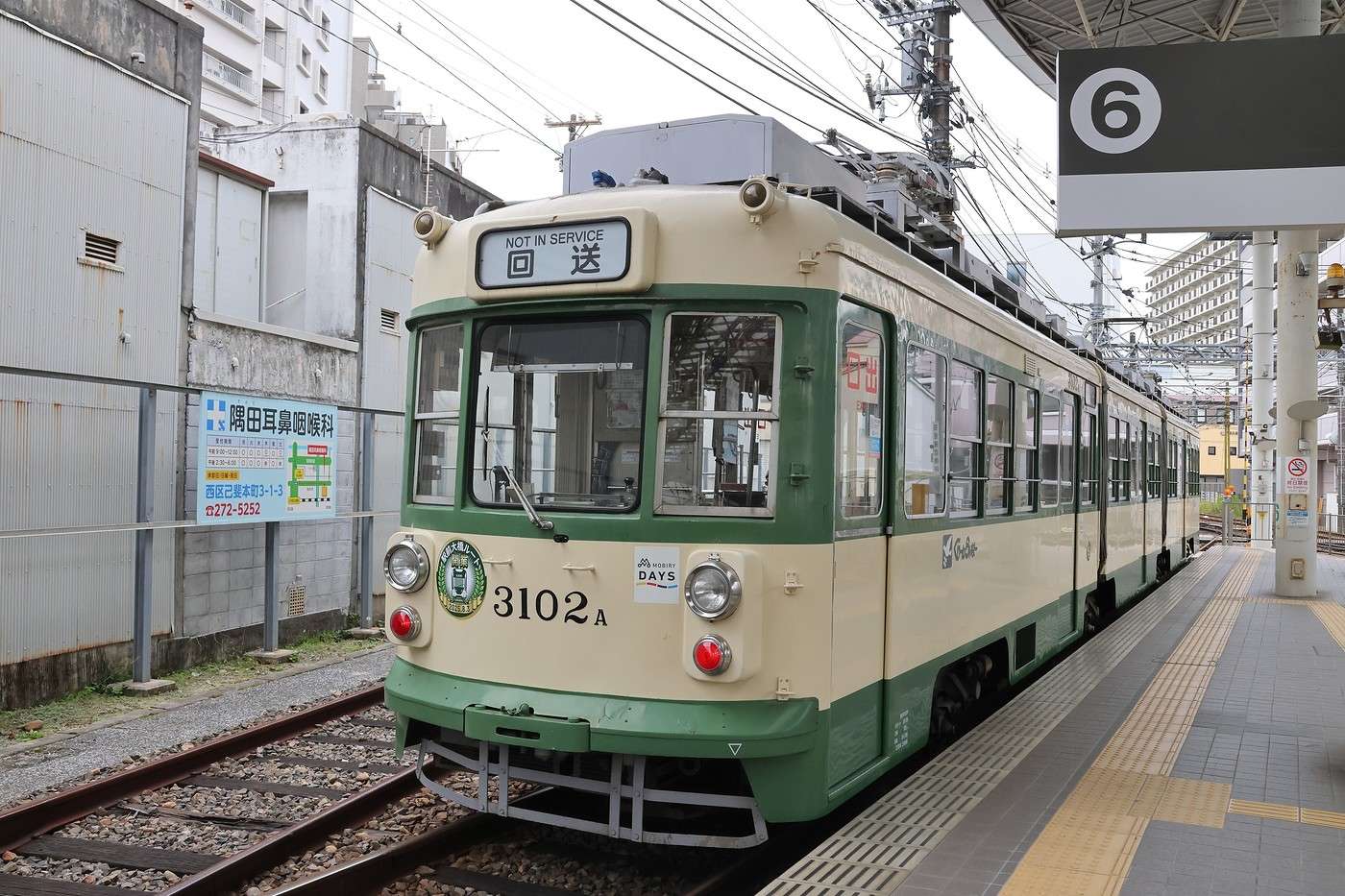
The 3102 has finished its rush-hour shift and is heading back "out of service" to the Arate depot.


Back to the main depot with the Type J, which has also wrapped up for the morning and is starting its return maneuver.


Densha Otaku - Lesser-Known Regions

Serow · 2026-06-05 · Message 31 of 34

Next, we head to the Eba depot. We check it out from the outside, but it’s not possible to go in, even after asking. The officer on duty explains that while it used to be allowed, there were thefts (committed by local amateurs), and since then, it’s been off-limits. Seiichi asks us to hand over our business cards with our museum roles, but nothing works. Orders are orders.

The key takeaway, though, is that you can request access in advance by writing. And since we now have a contact there, that’s something to keep in mind for the future.


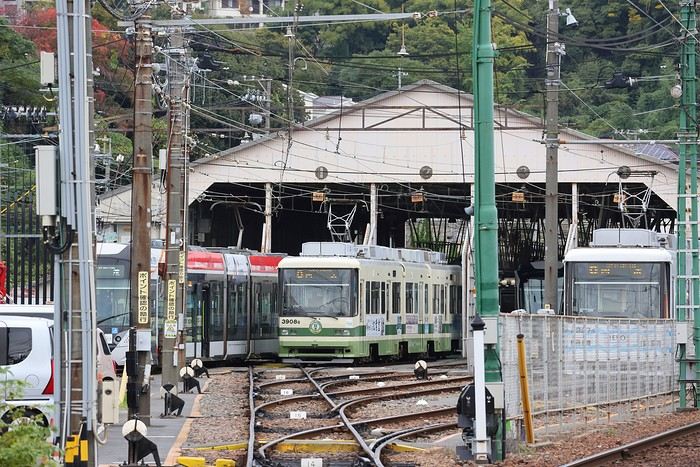
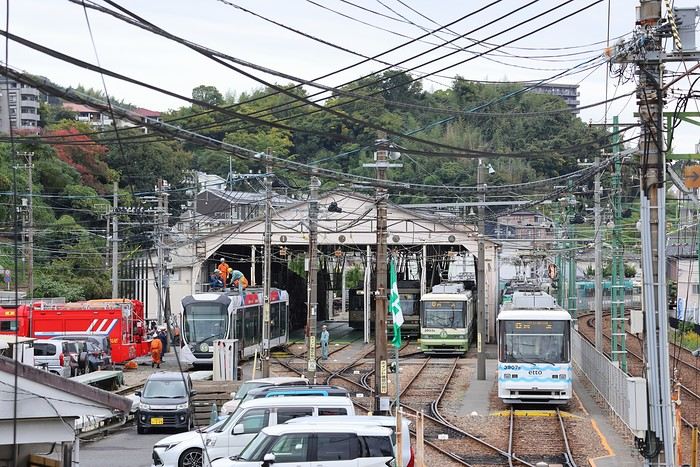
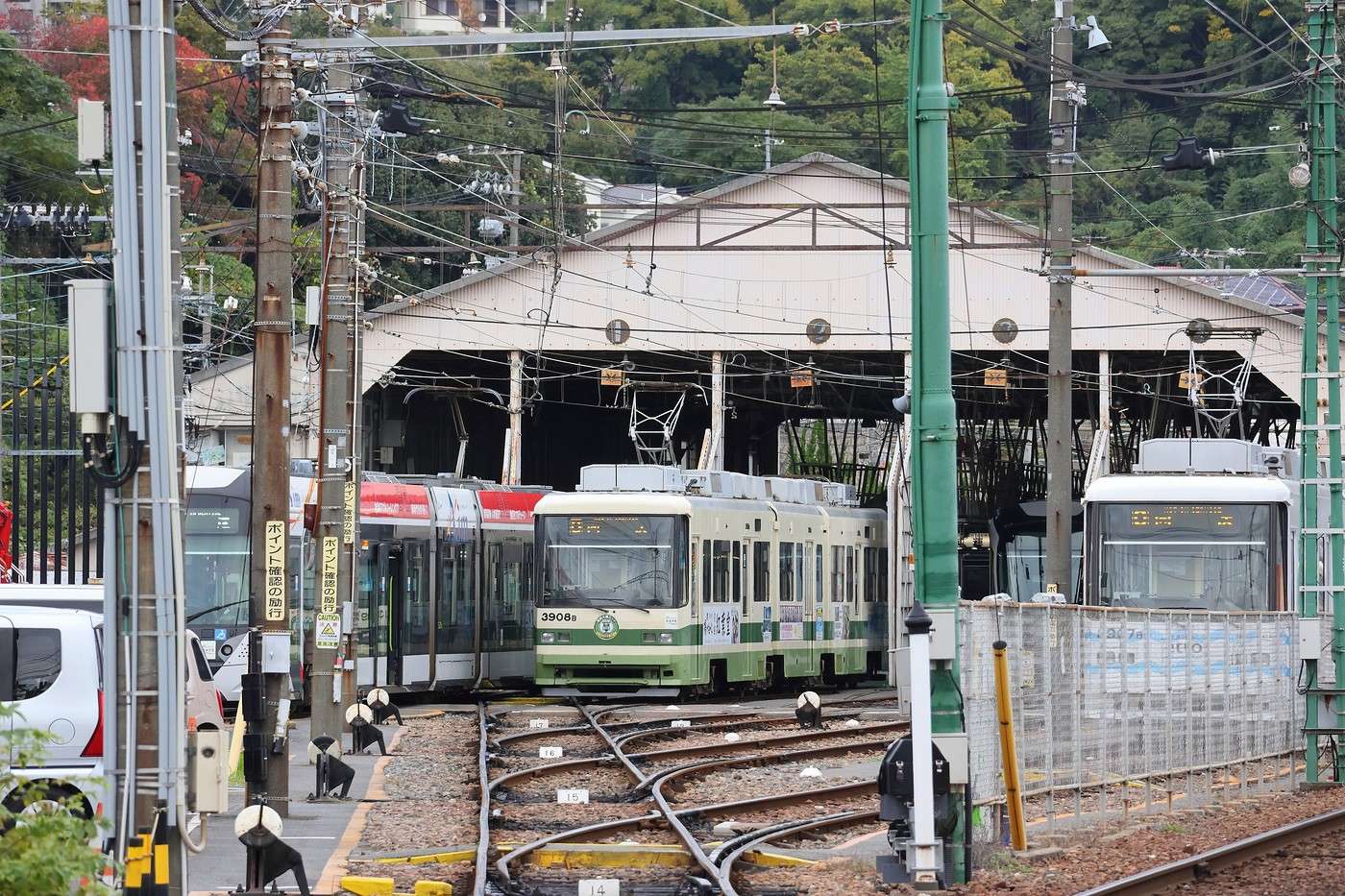
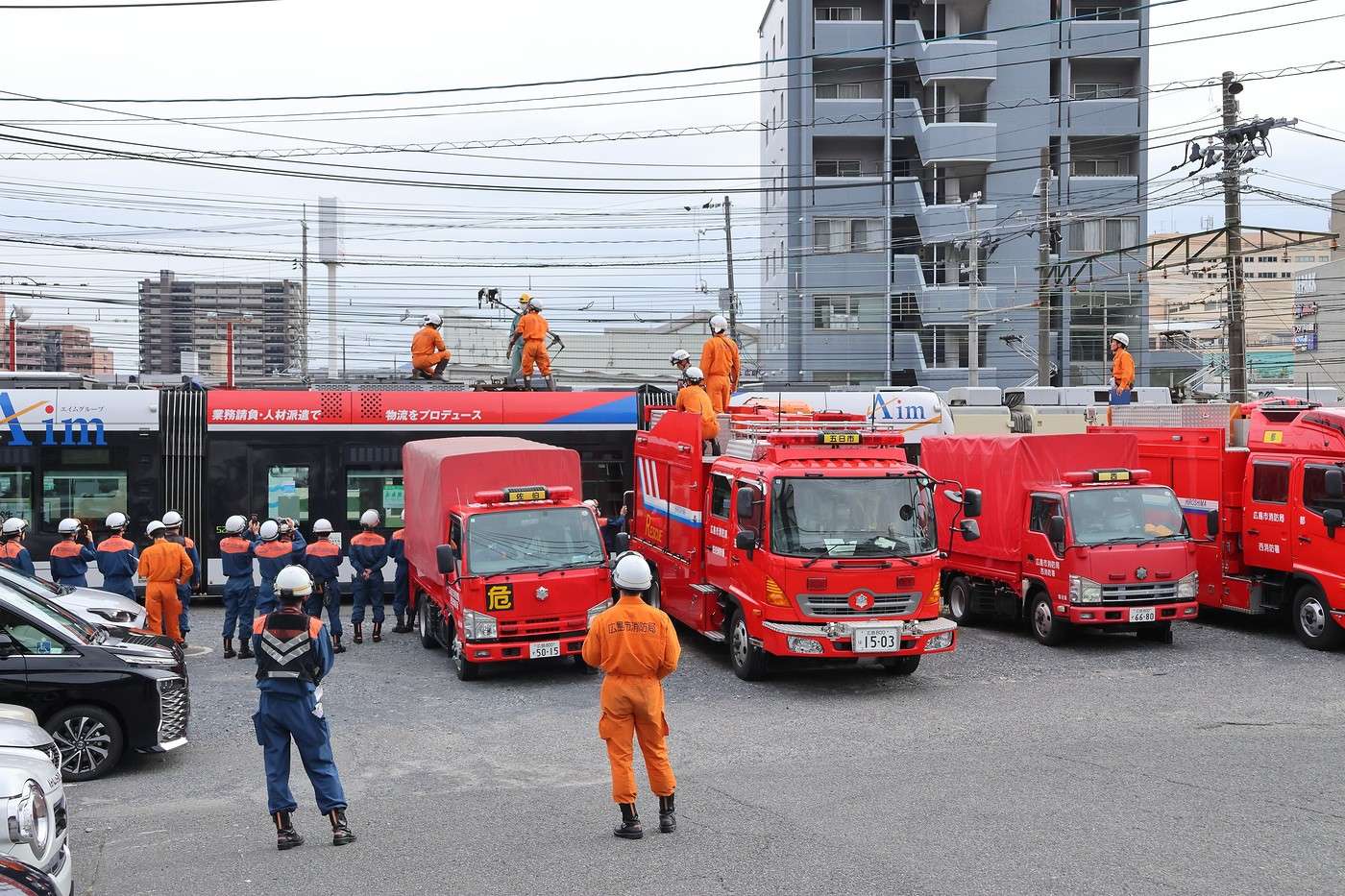
Then, the Arate depot.


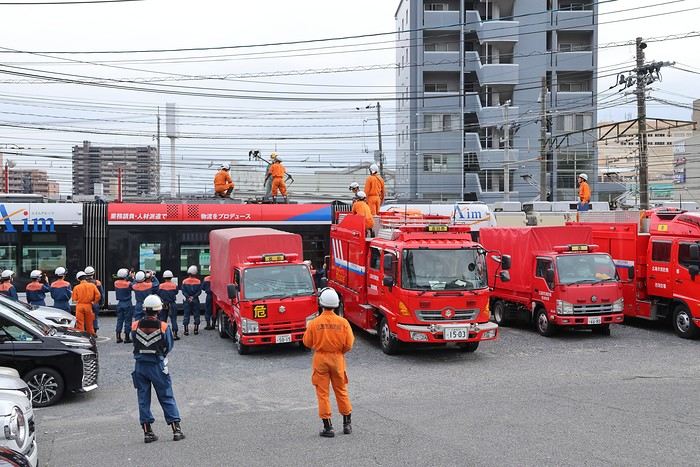
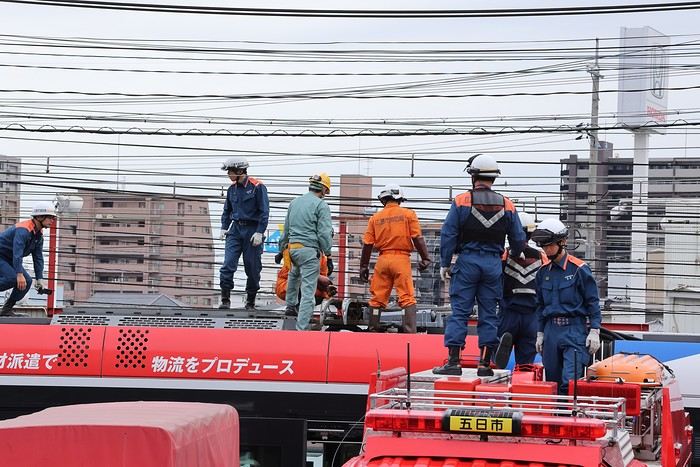
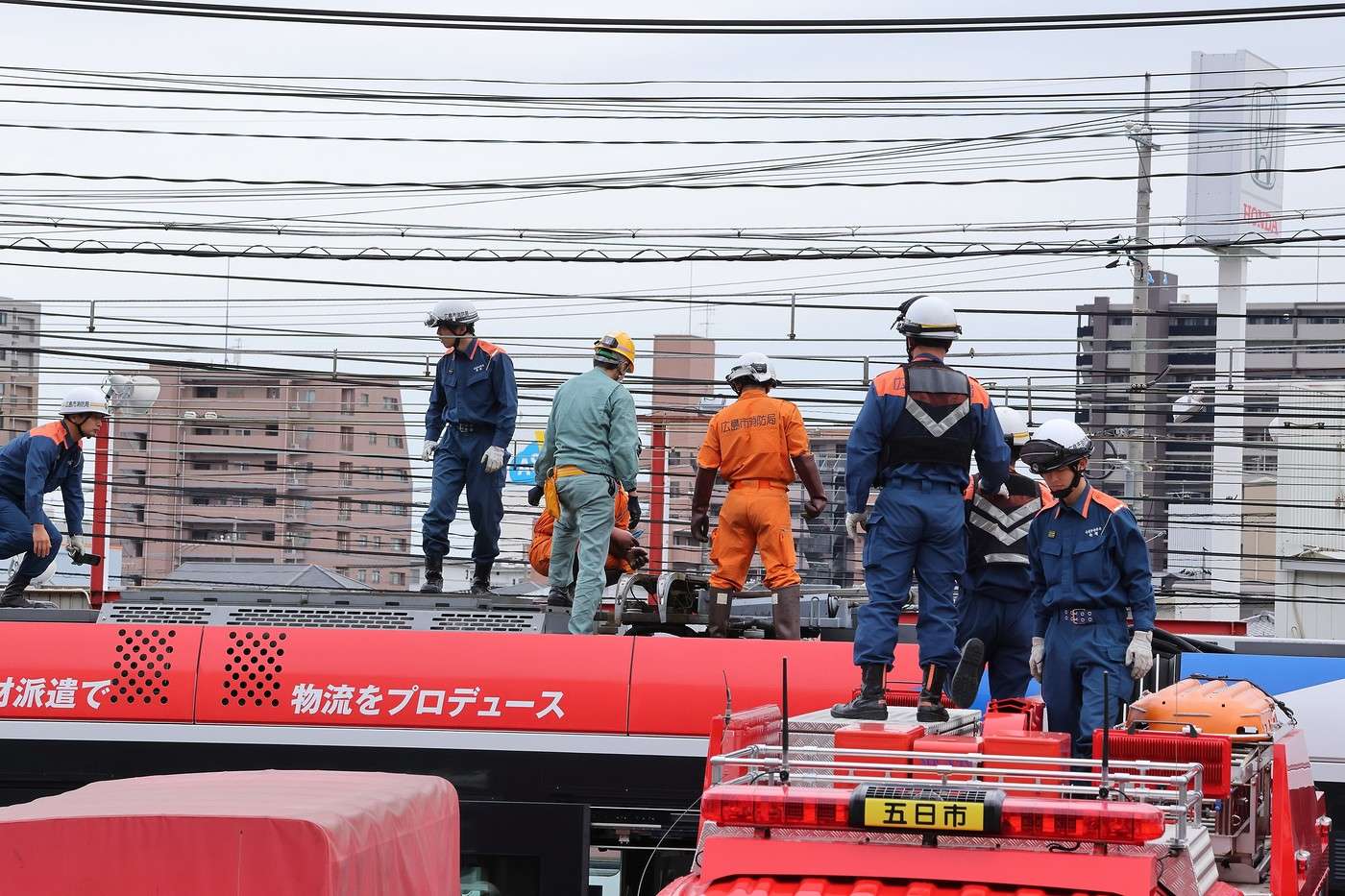
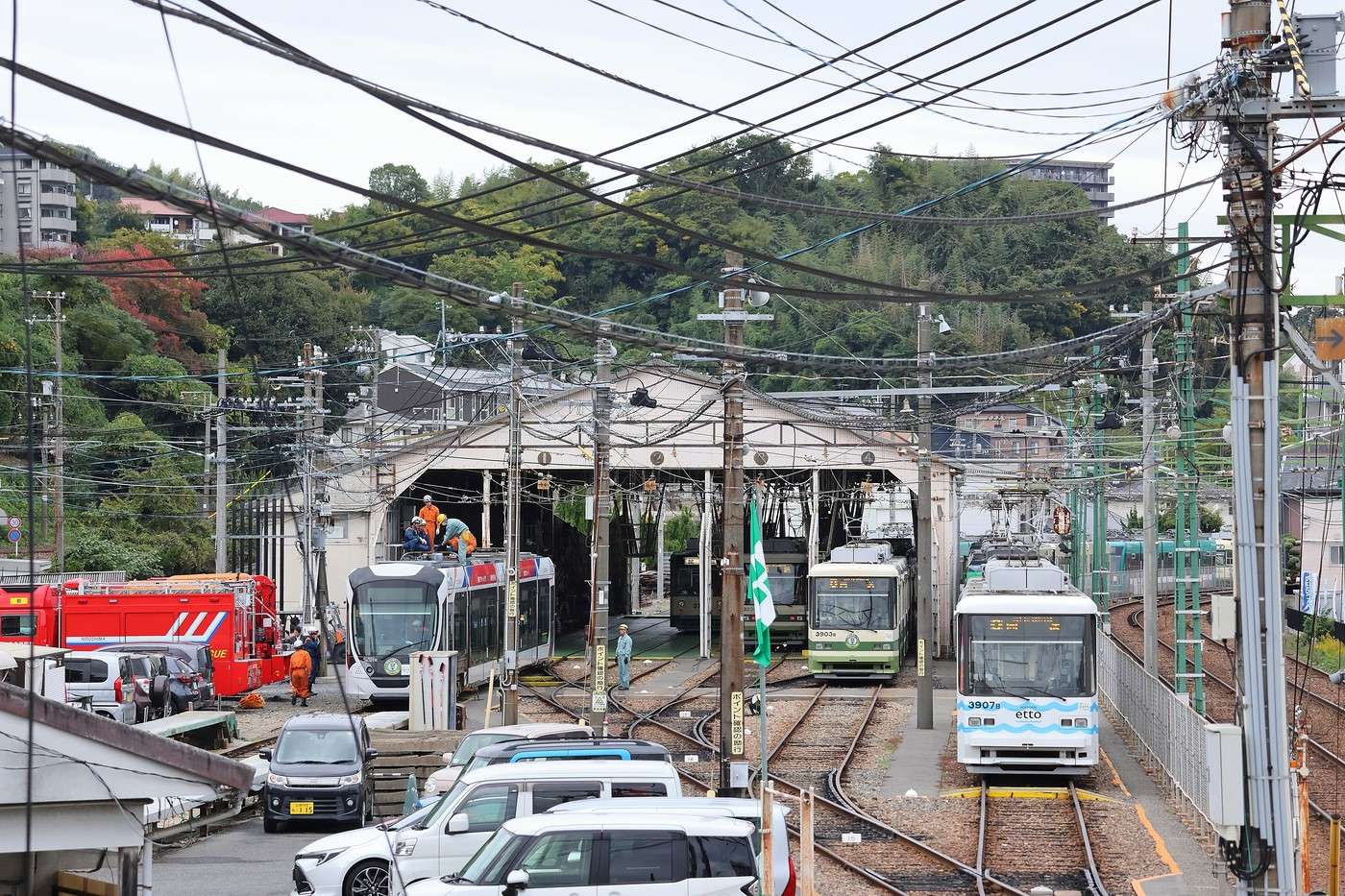
We arrive in the middle of a firefighter exercise, clearly focused on electrical safety.


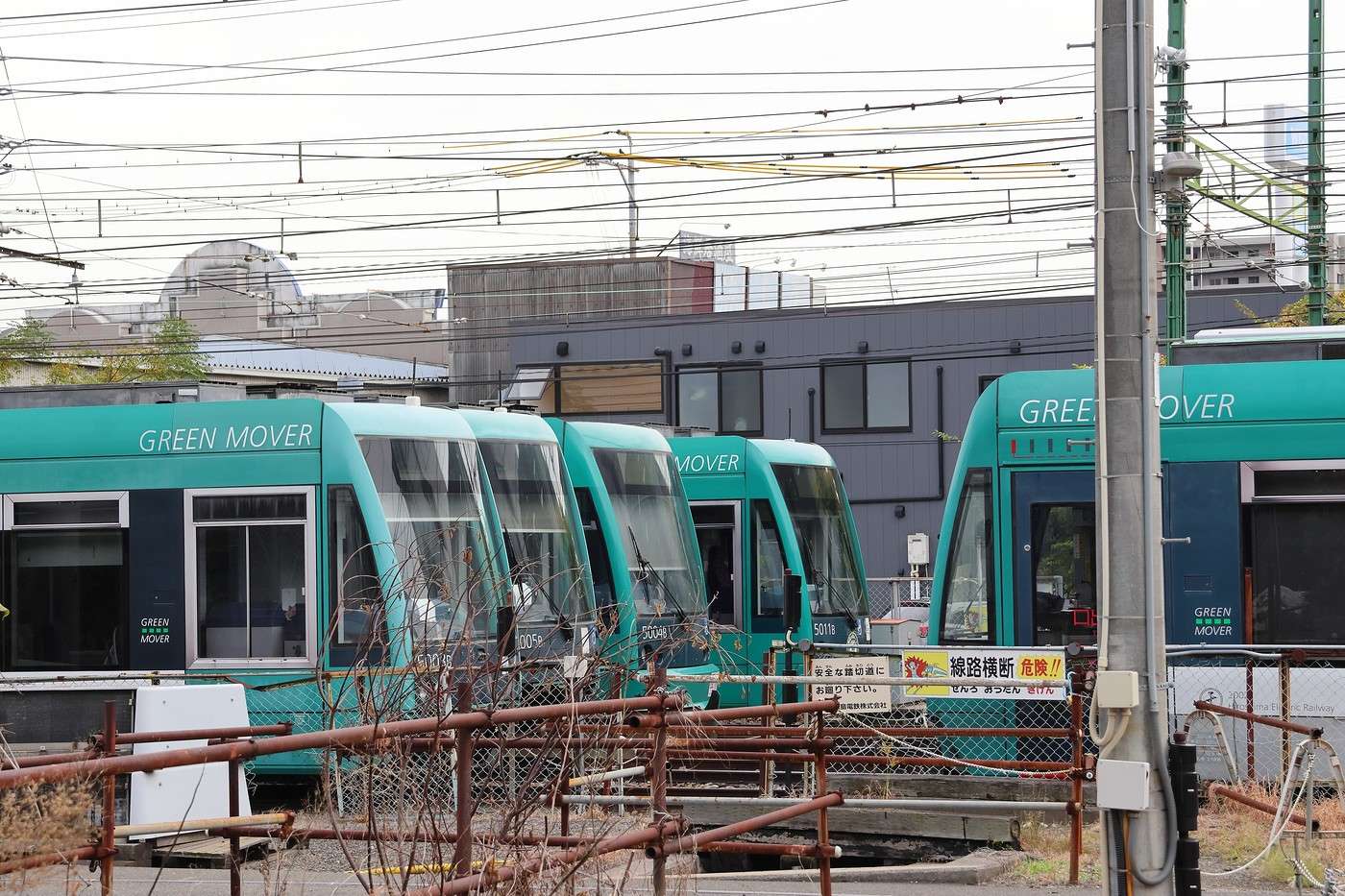
The other decommissioned Combino trams.


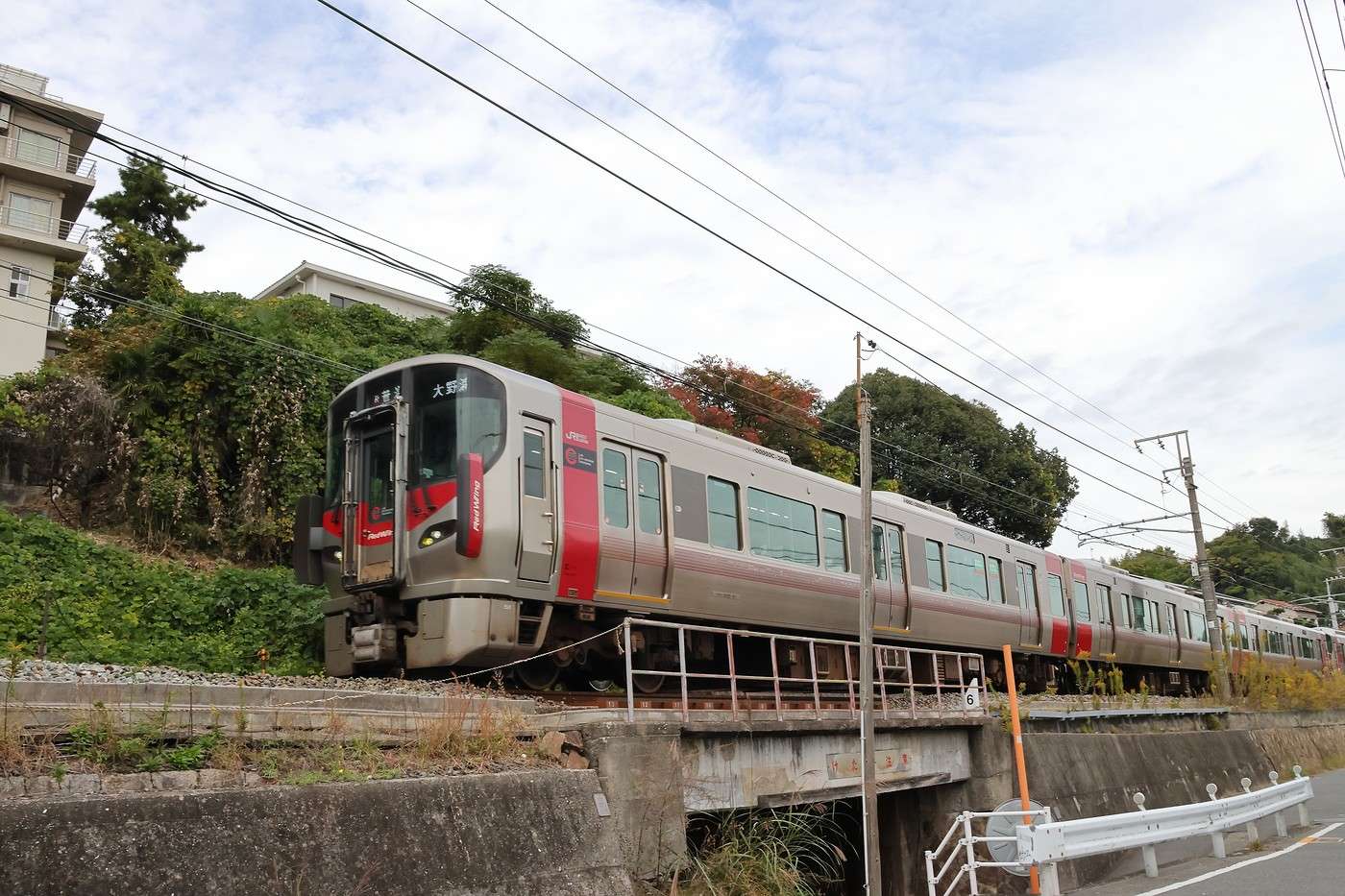
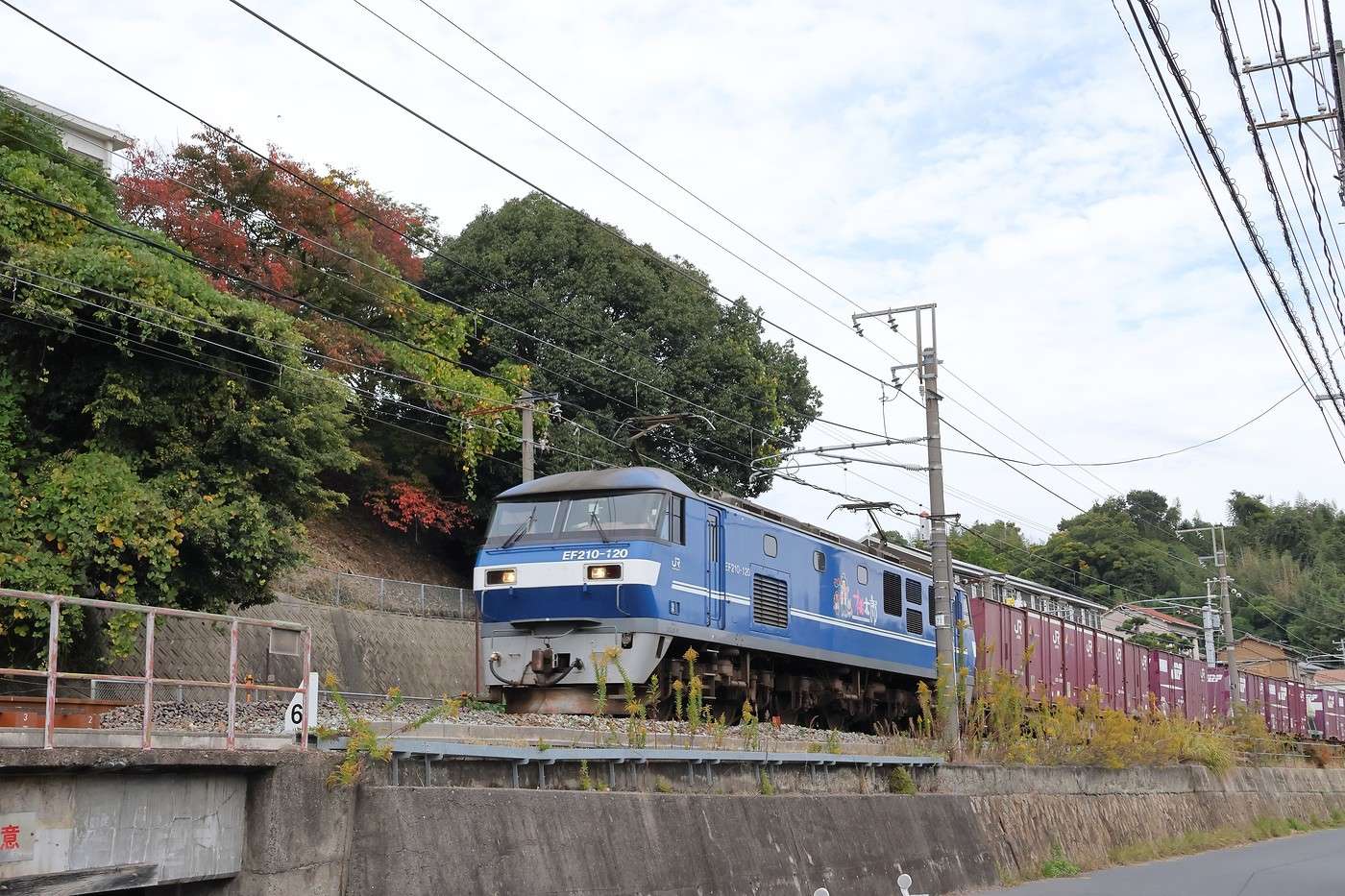
The depot right near the railway line.


Densha Otaku - Lesser-Known Regions

Serow · 2026-06-05 · Message 32 of 34

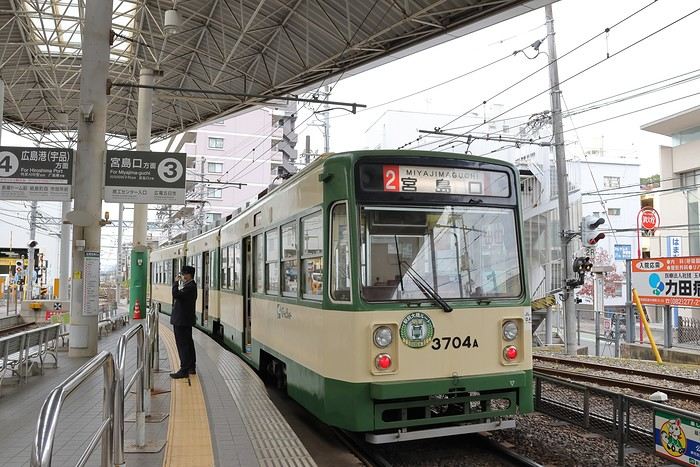
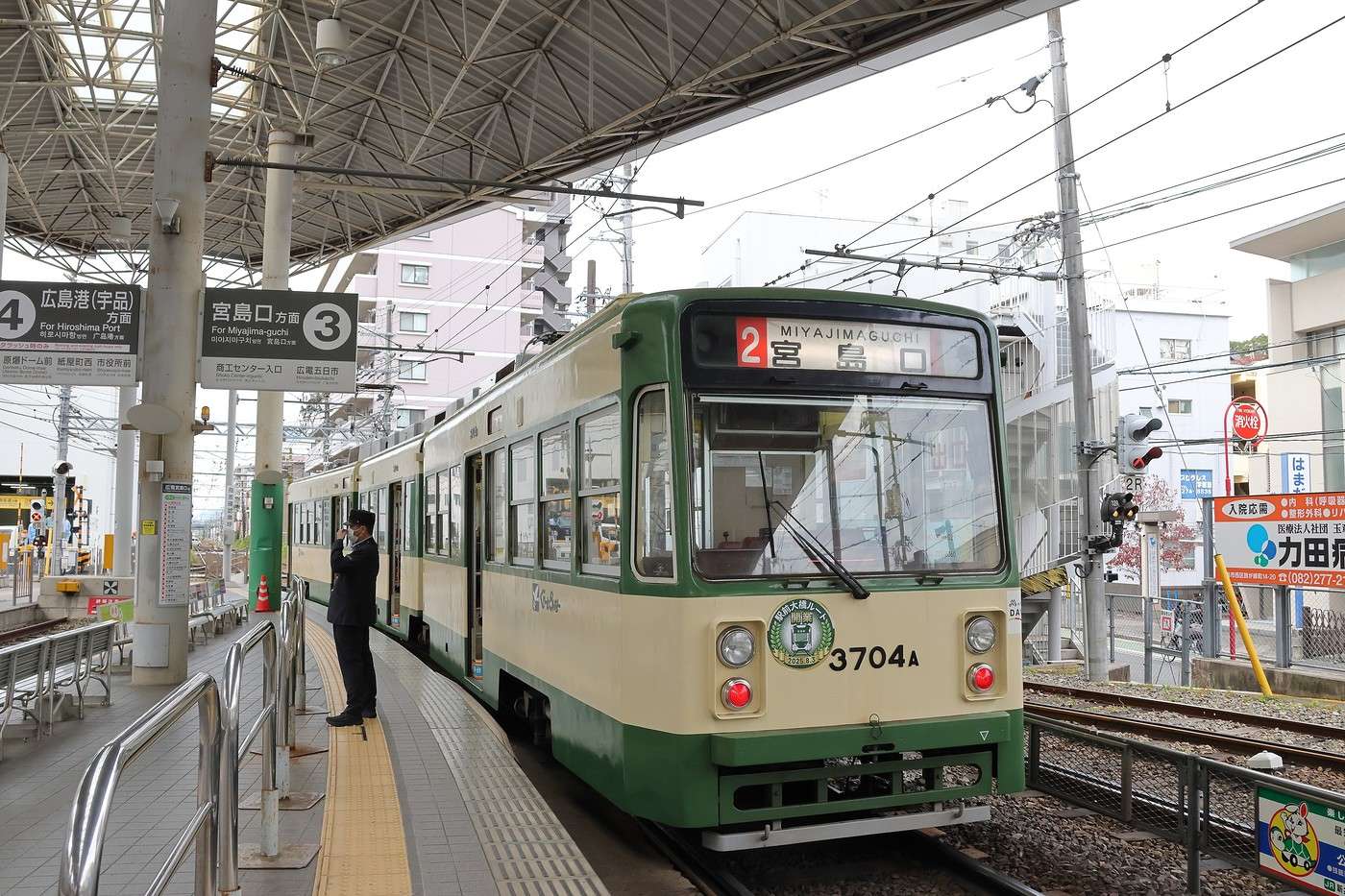
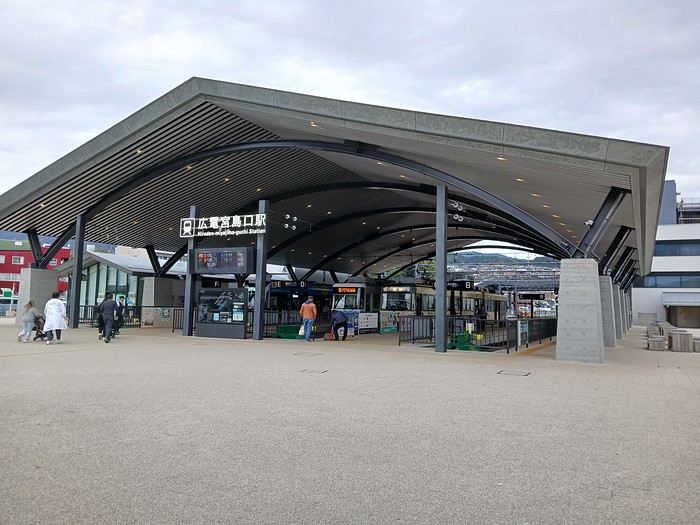
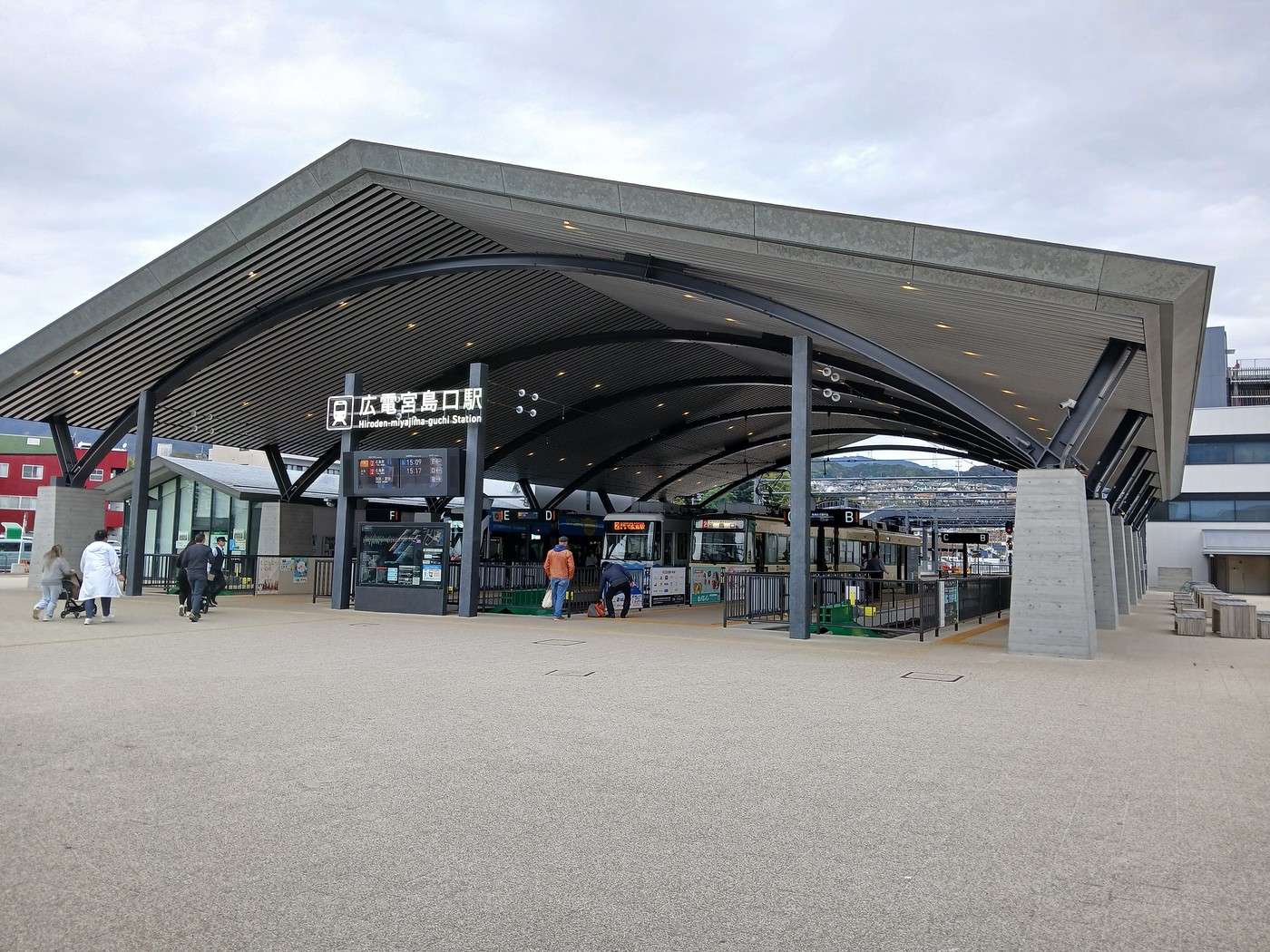
While we're at it, we'll push on to Miyajimaguchi.


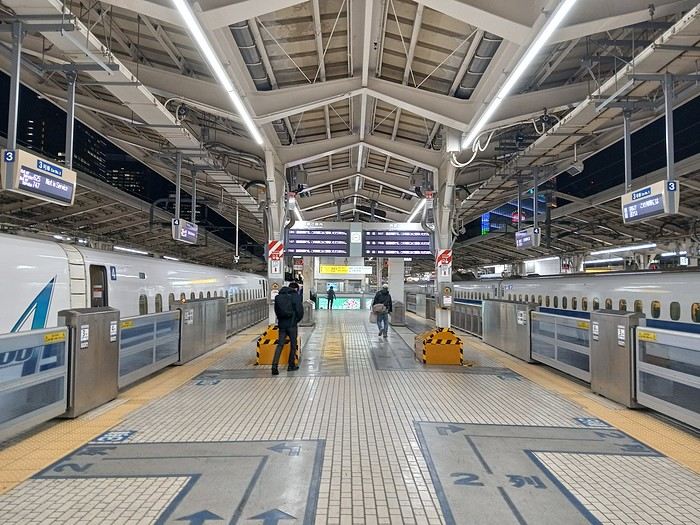
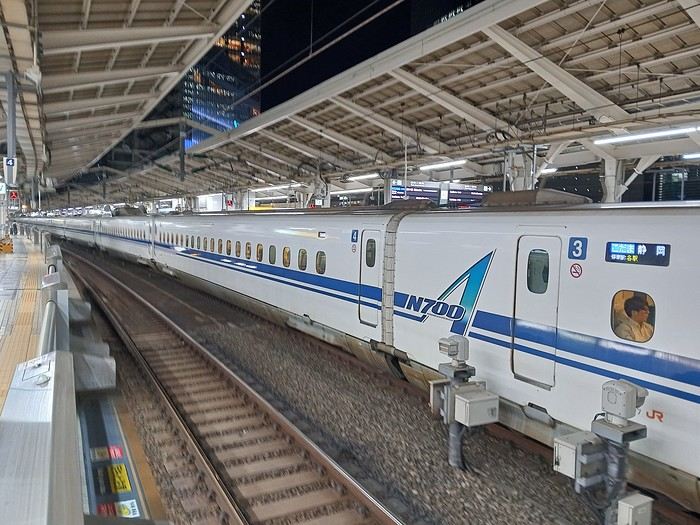
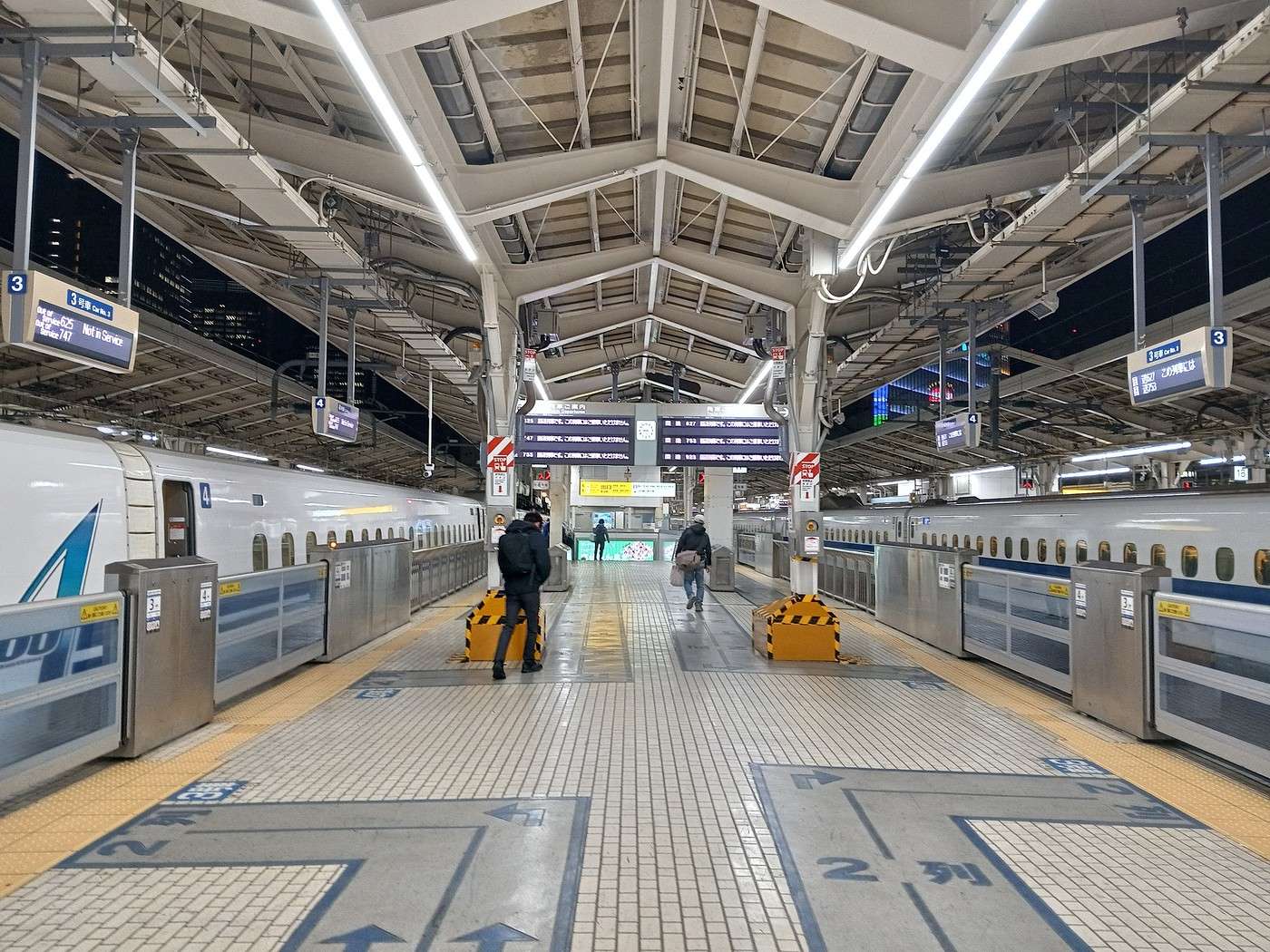
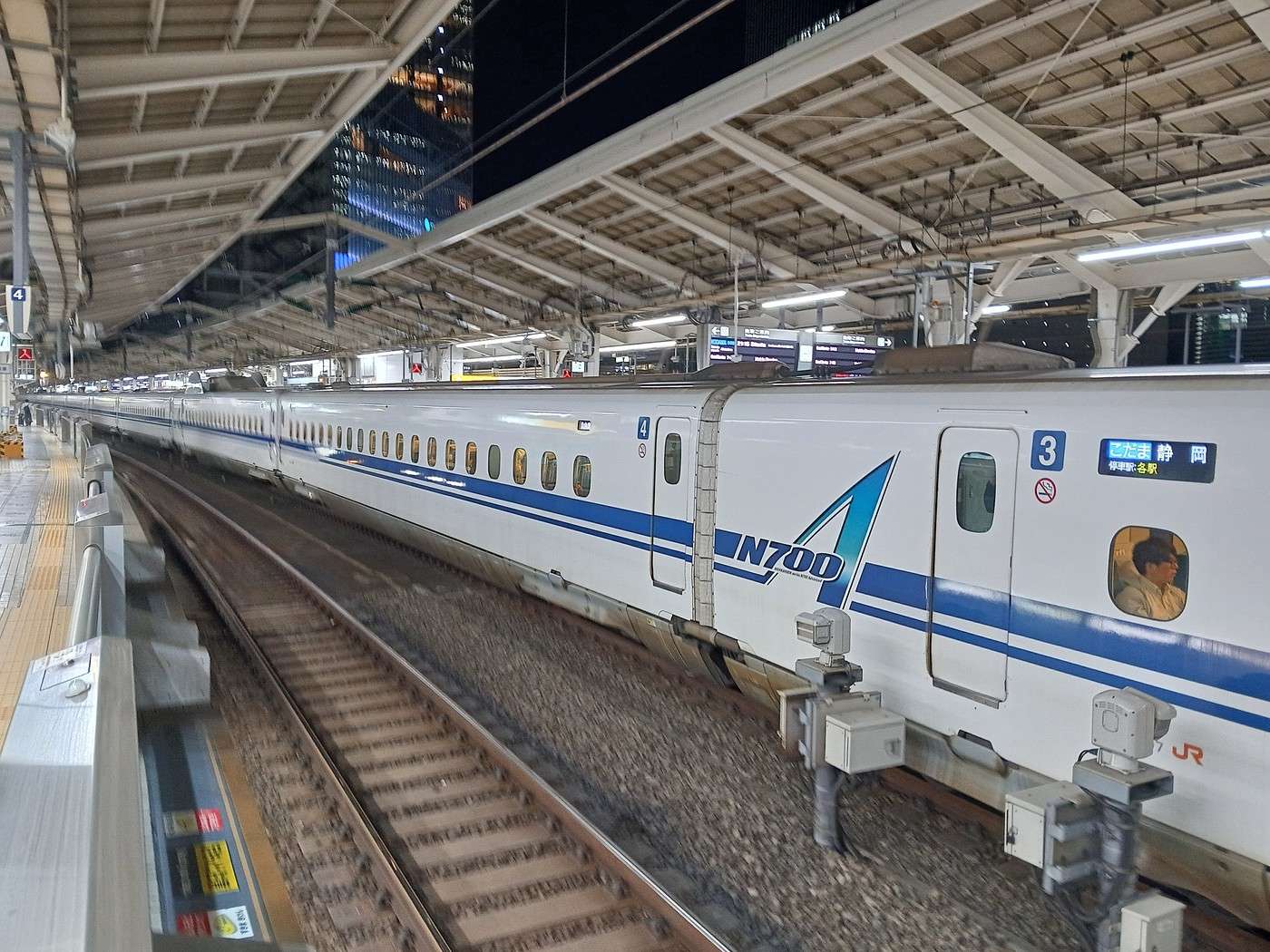
Then it's a long shinkansen ride back to Tokyo.


Densha Otaku - Lesser-Known Areas

Serow · 2026-06-05 · Message 33 of 34

A day and an afternoon of shopping in Tokyo, then off to Narita with the Narita Express 45. Japan is done for me, but I’ll still add the last day of the trip for you.

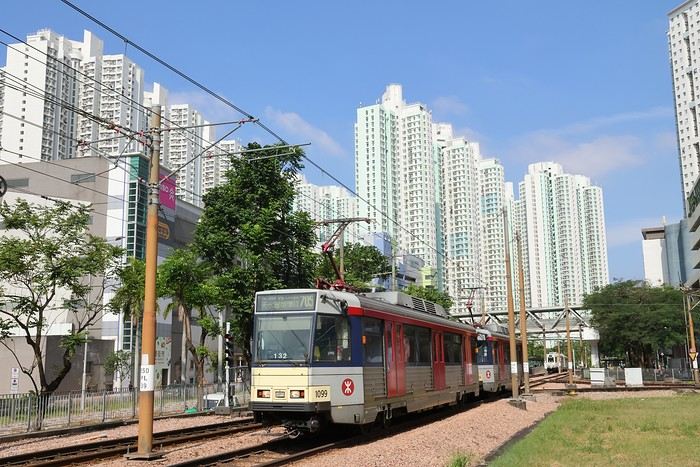
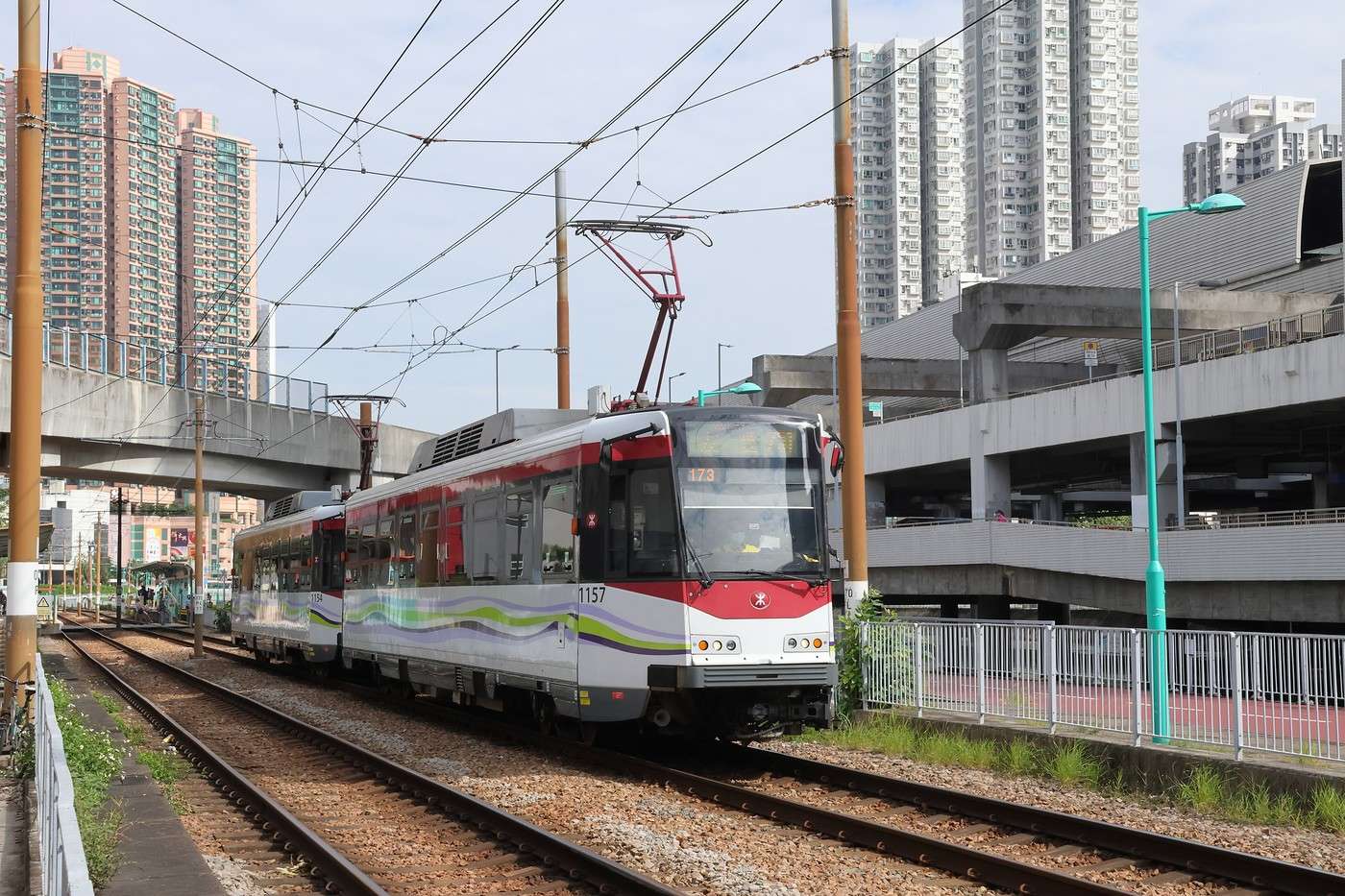
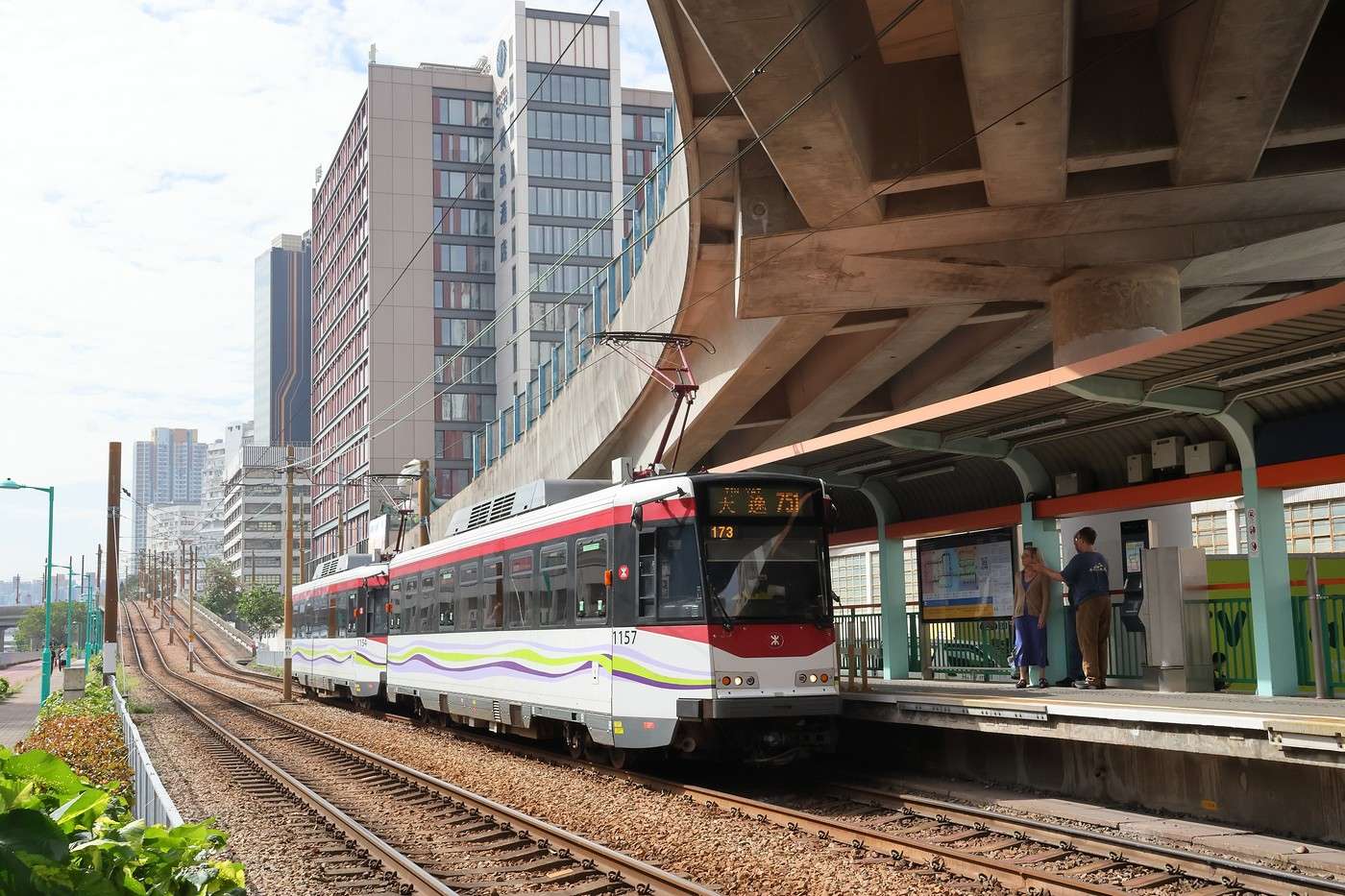
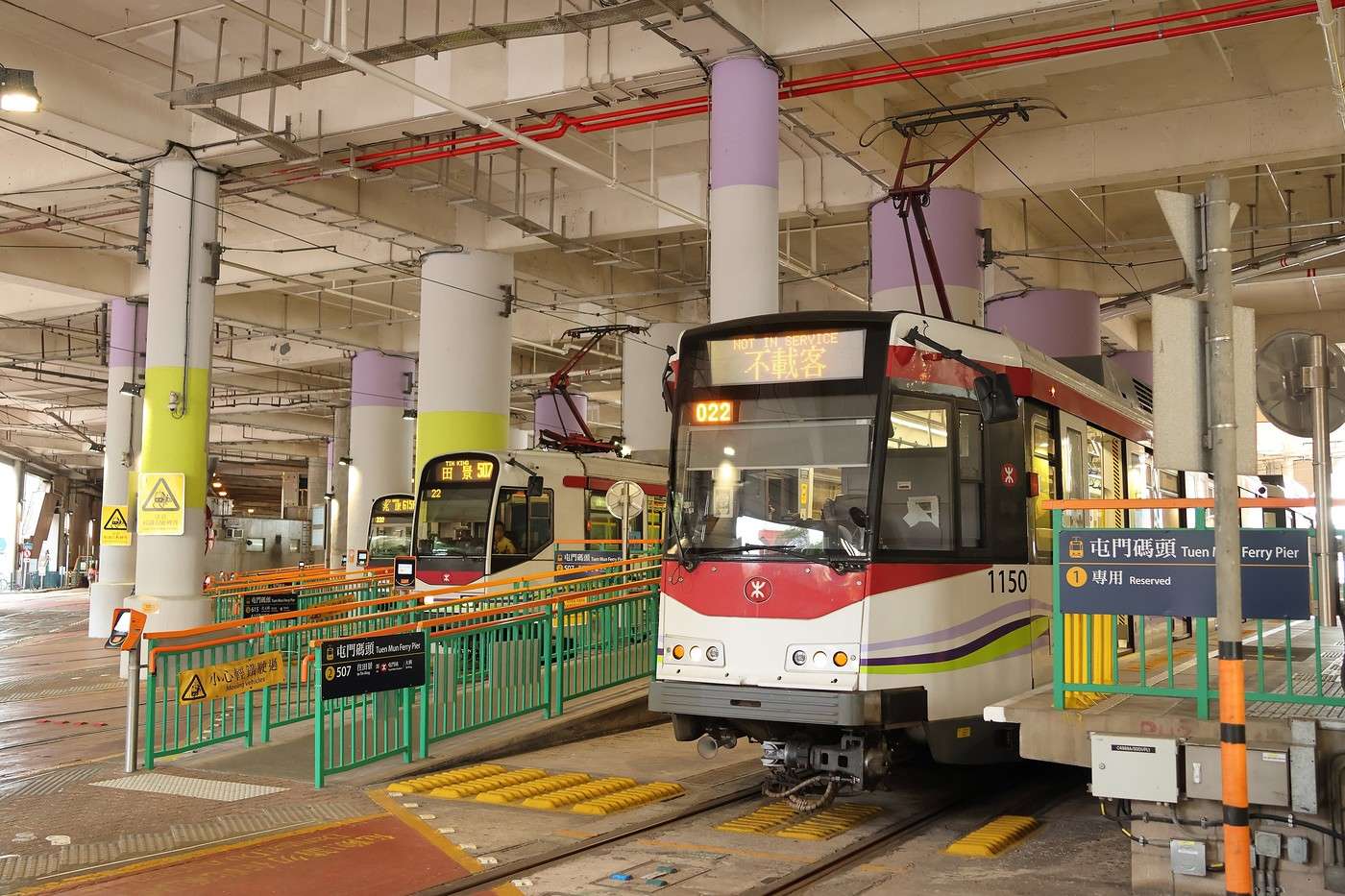
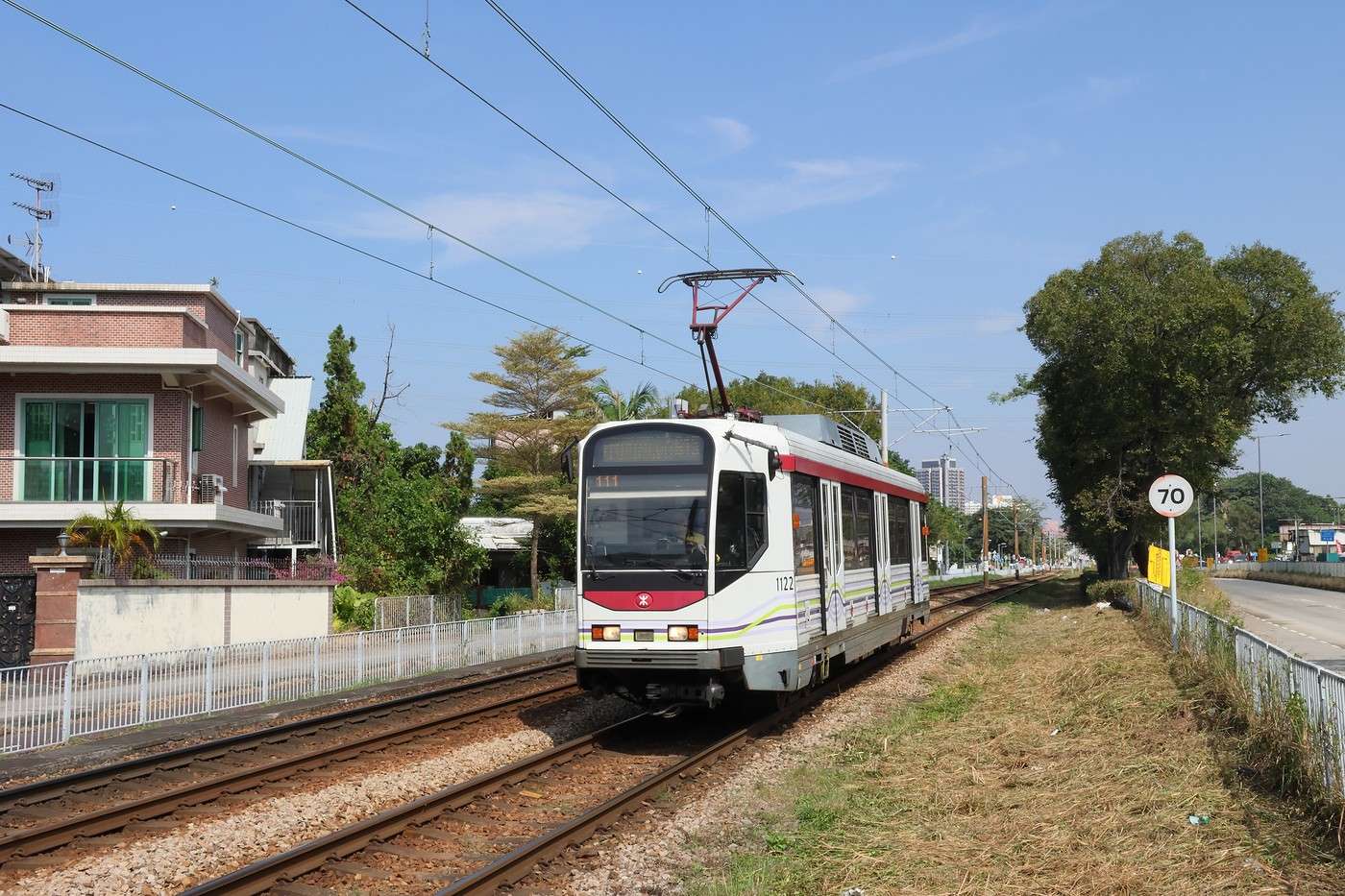
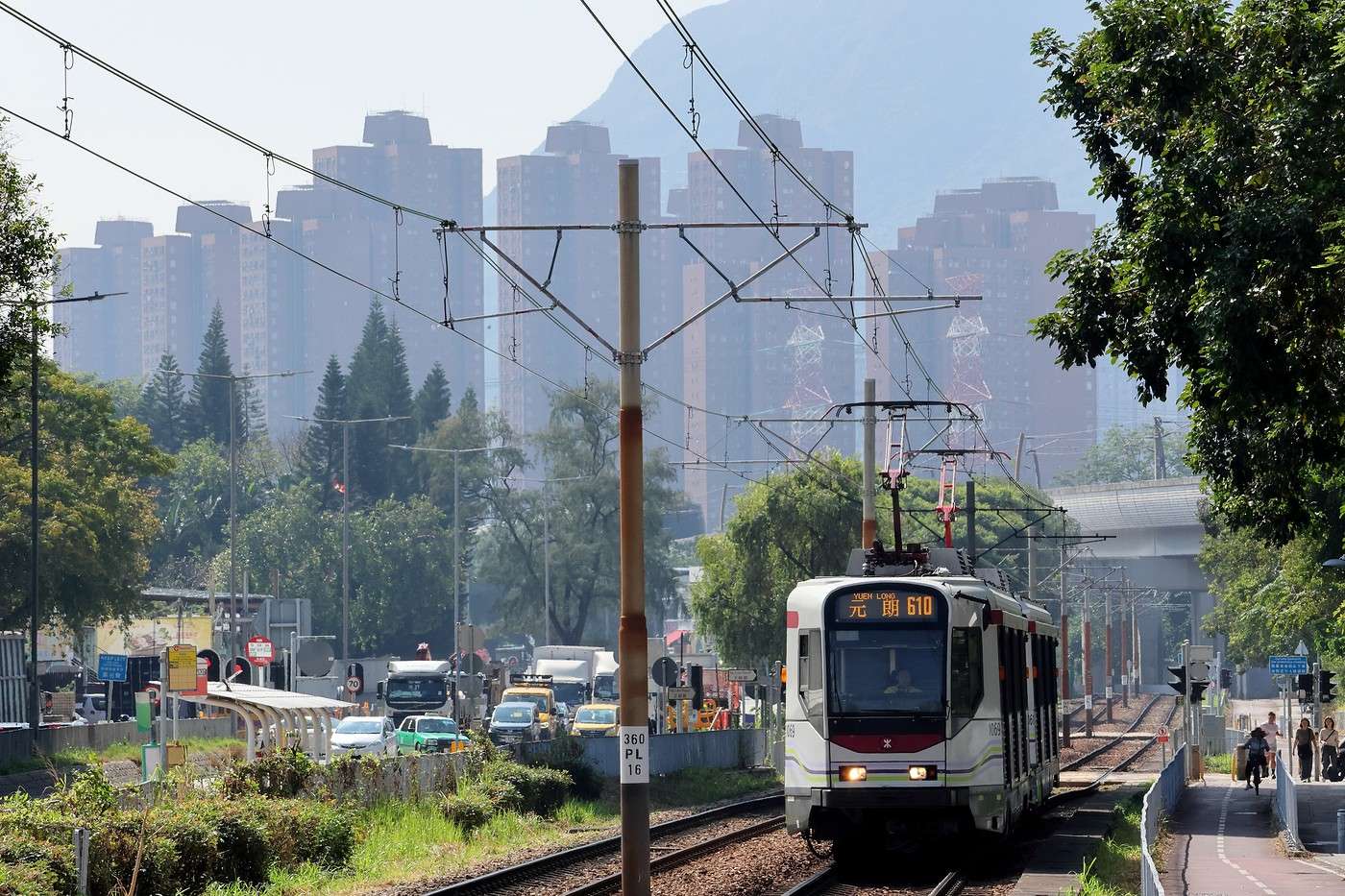
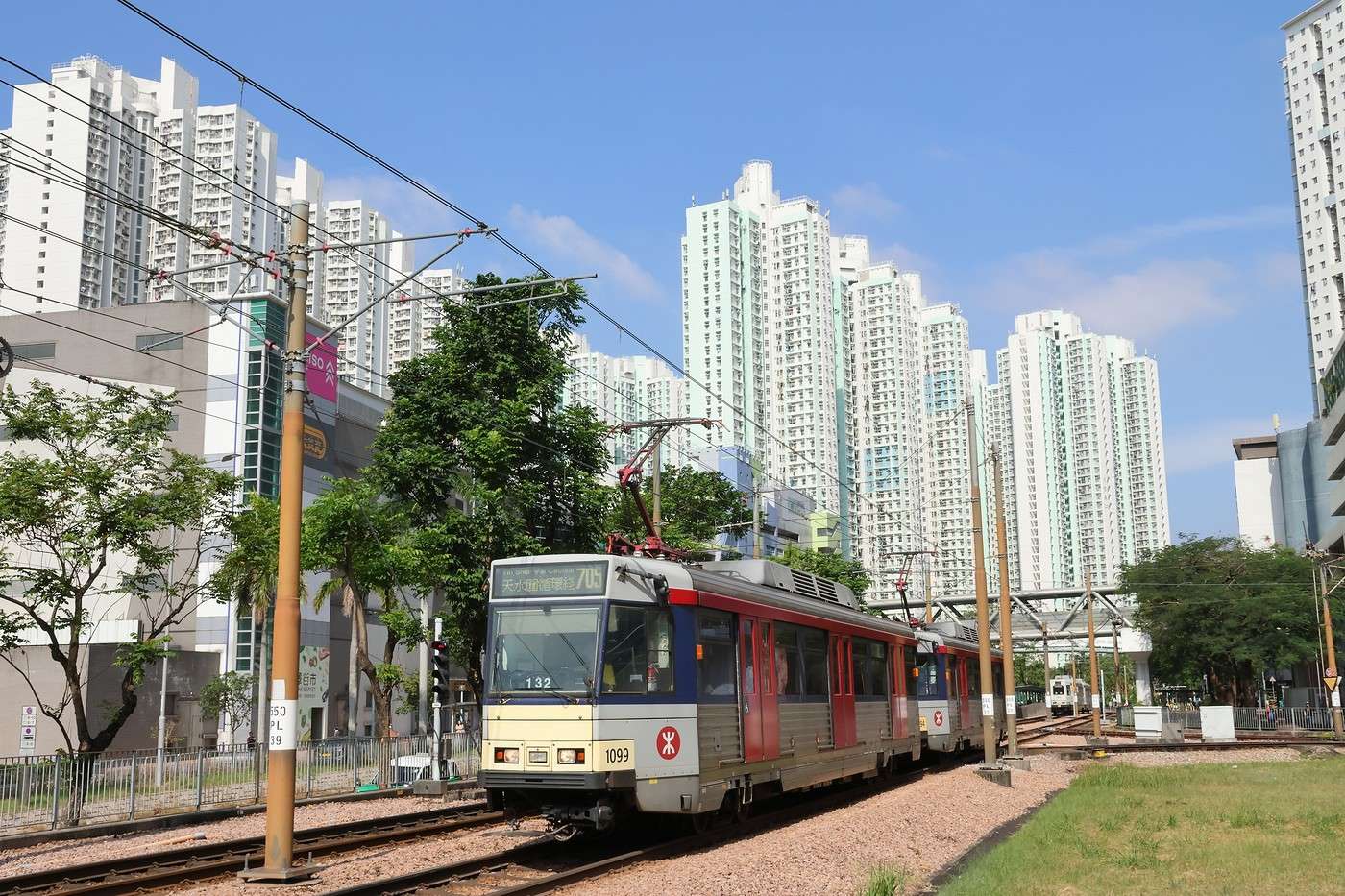
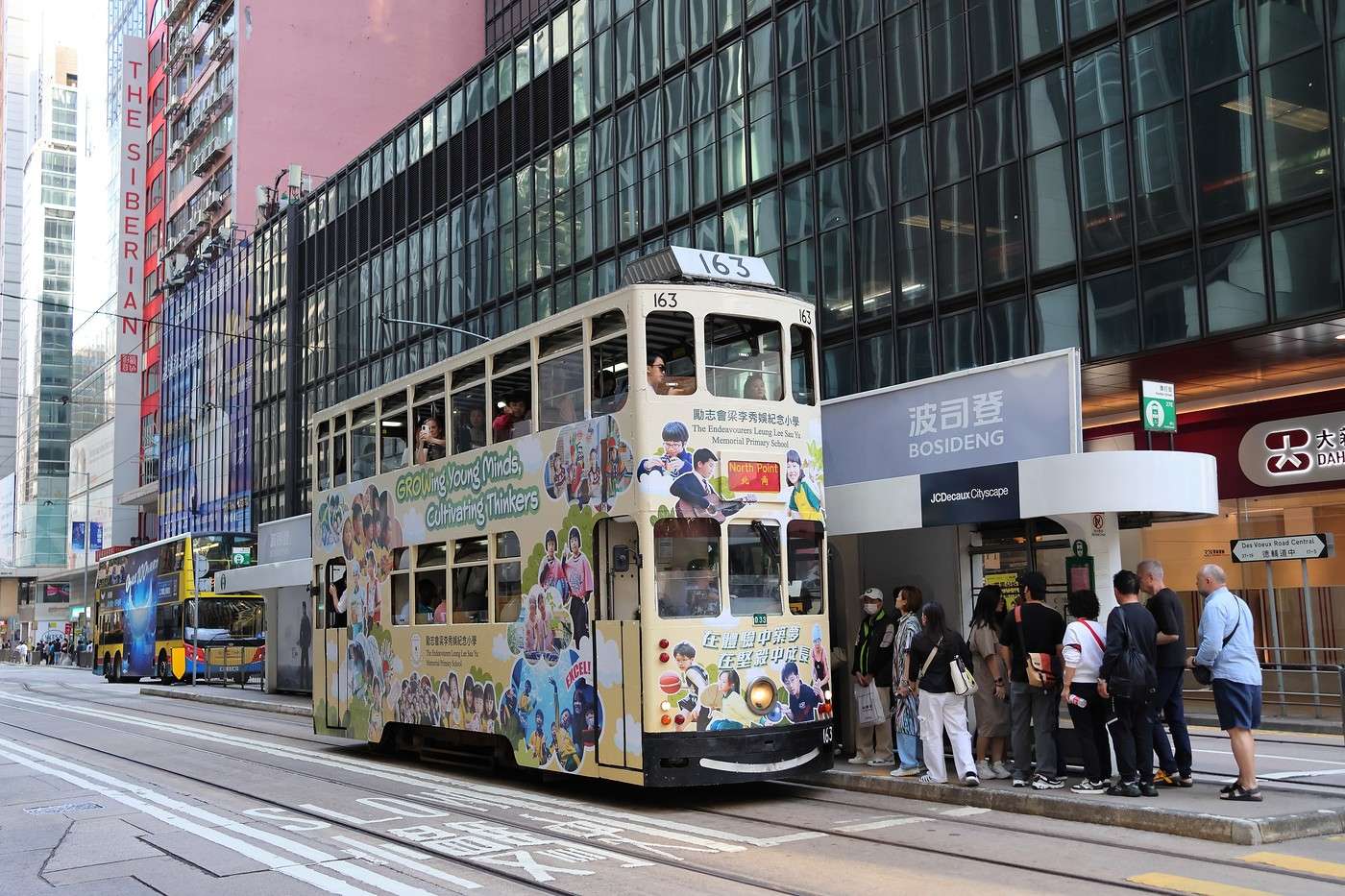
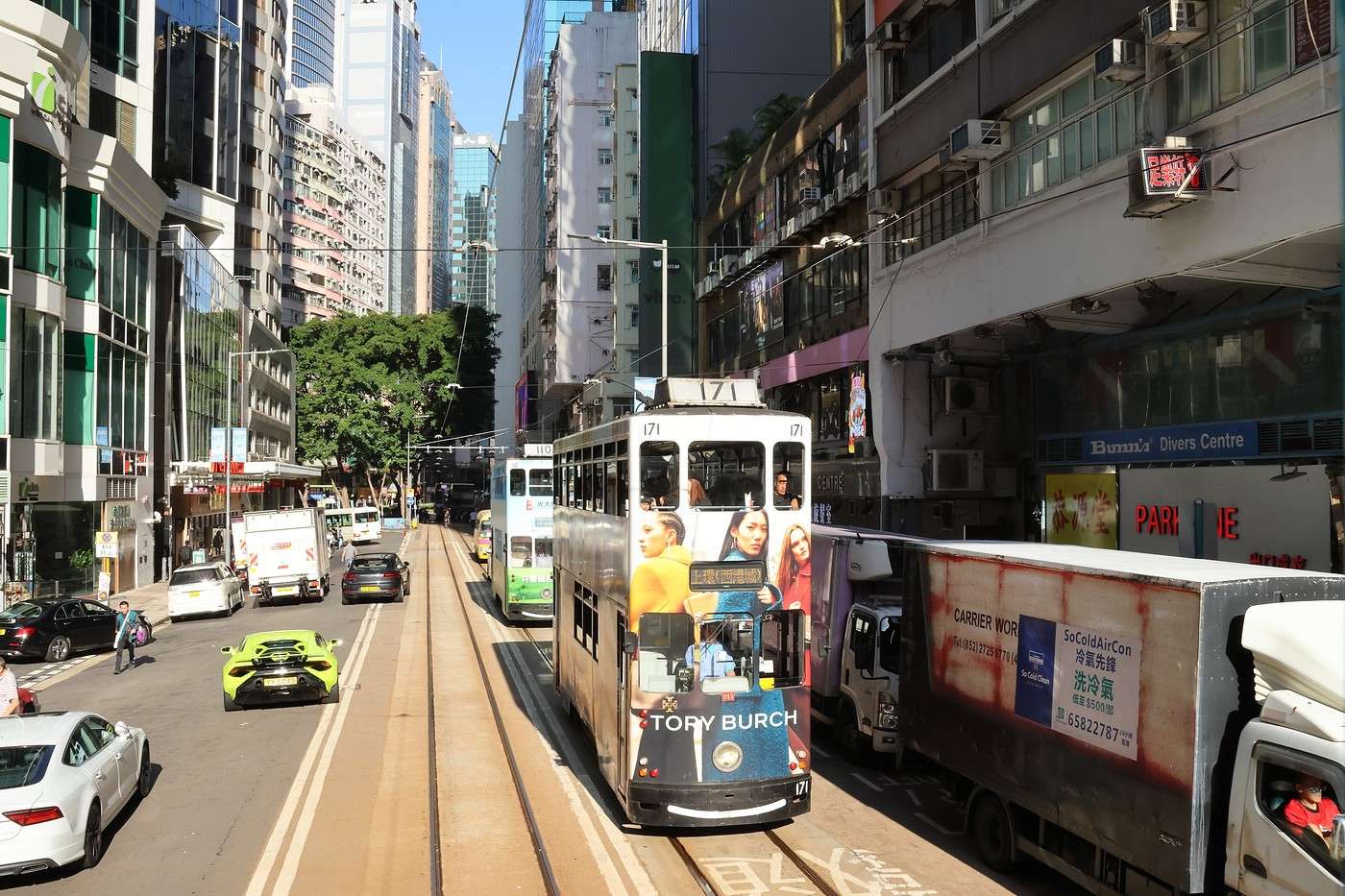
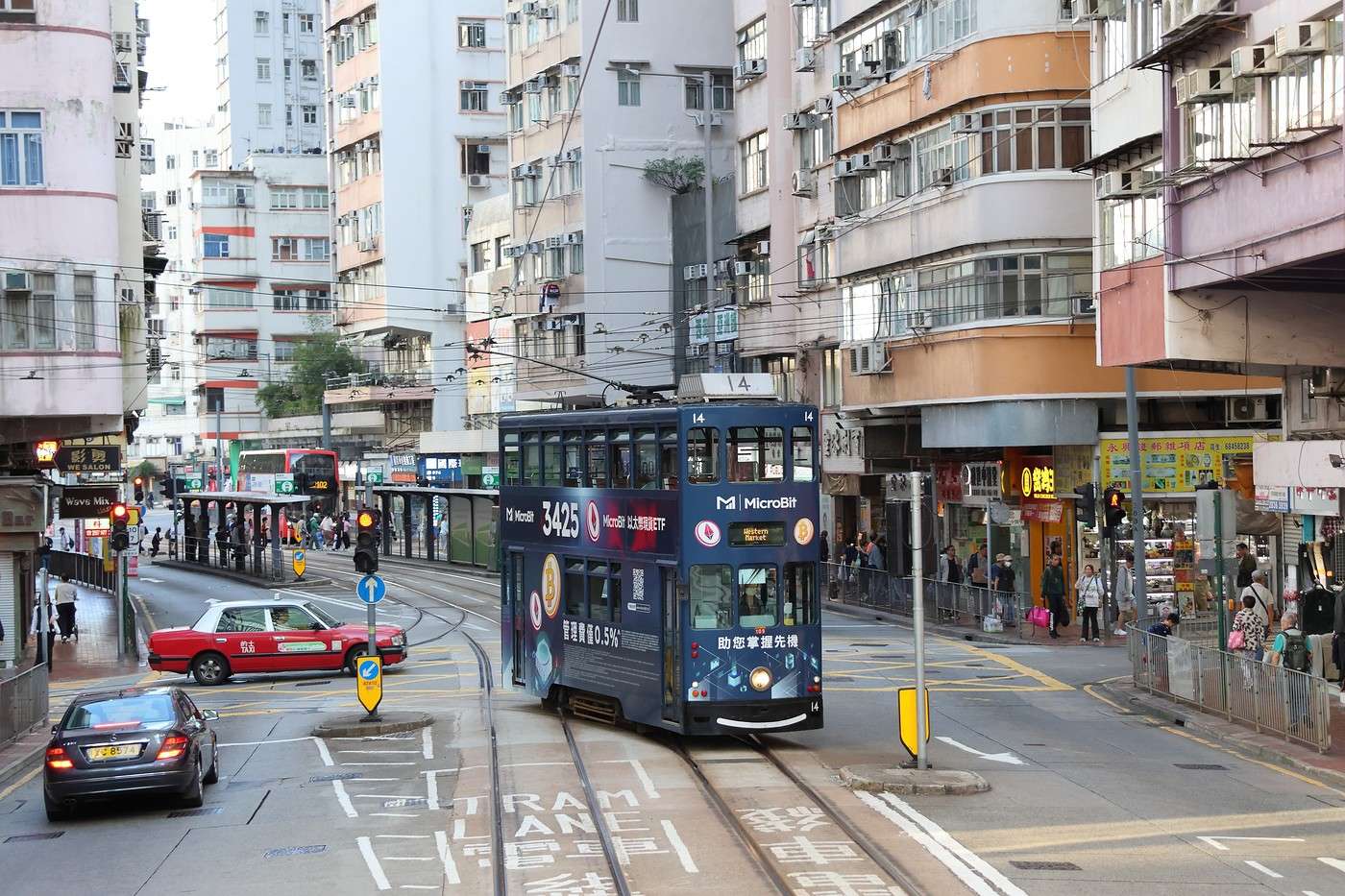
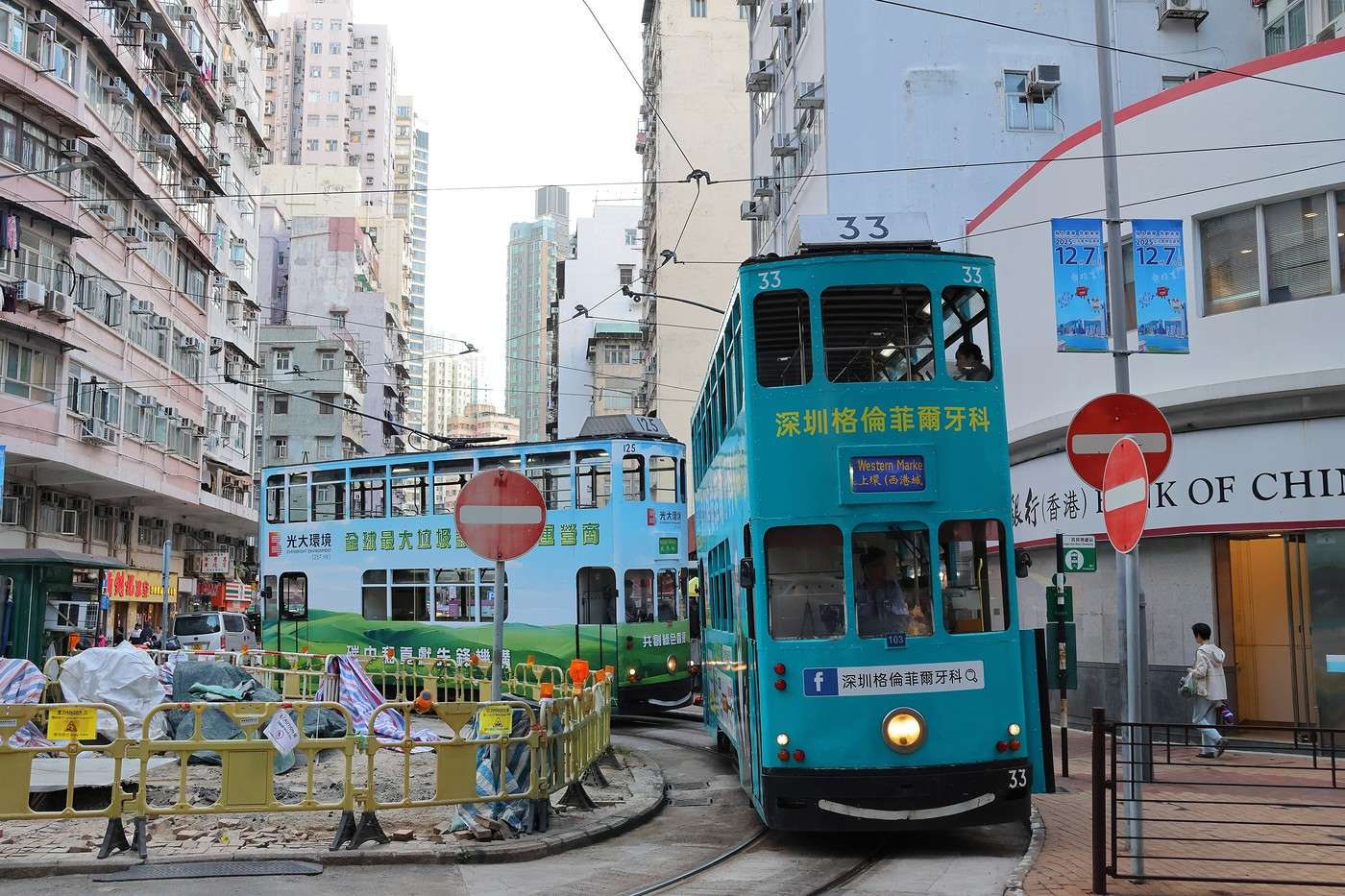
Arrived in Hong Kong at 2 AM, quick pass through controls with no formalities since we’re staying in Hong Kong and our stopover is less than 24 hours. Taking off again at 12:30 AM the next day.

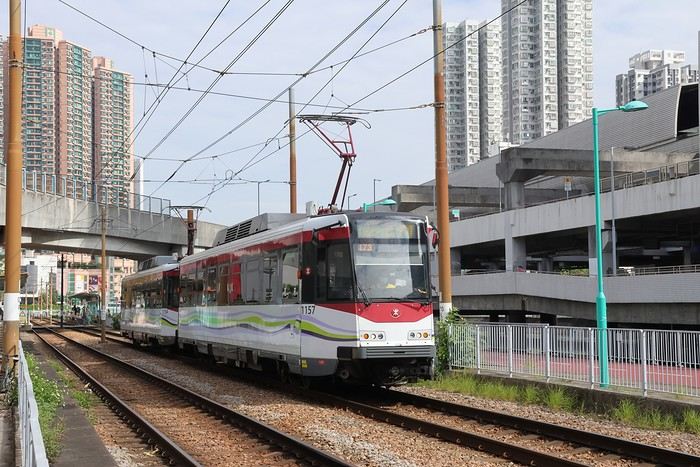
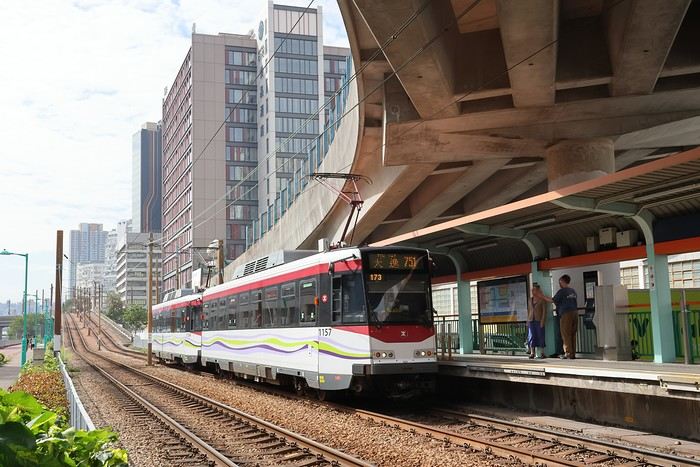
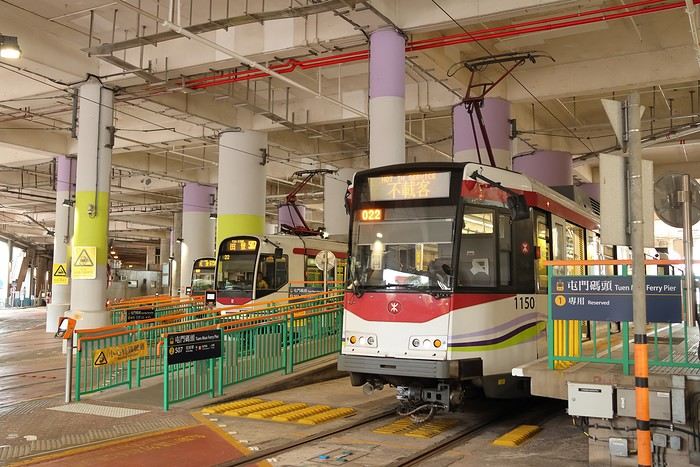
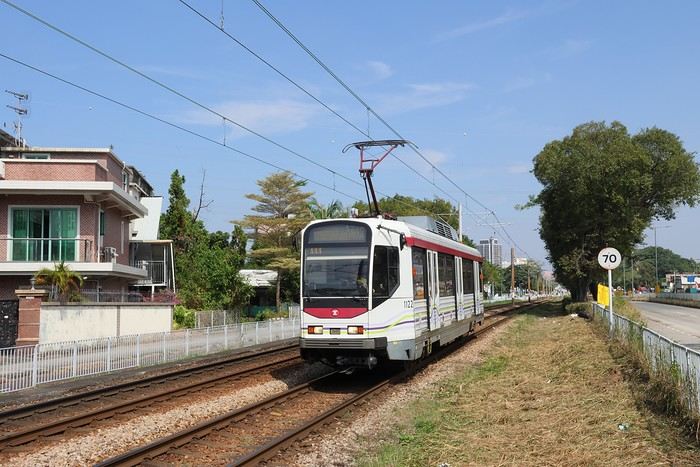
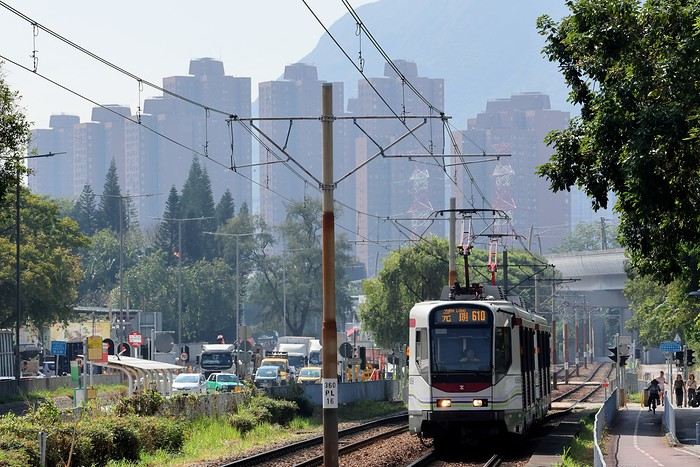
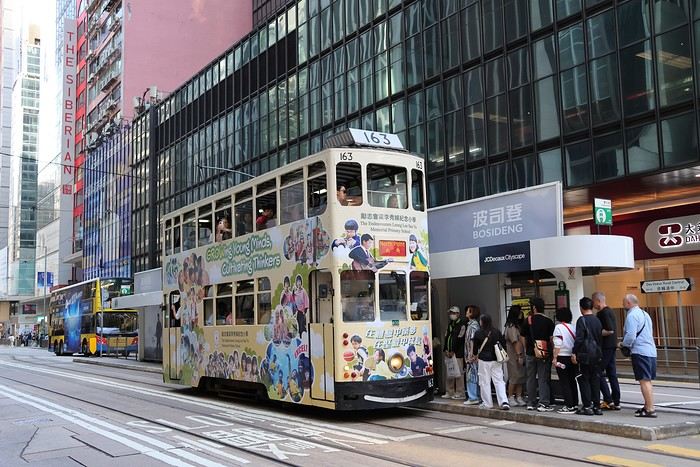
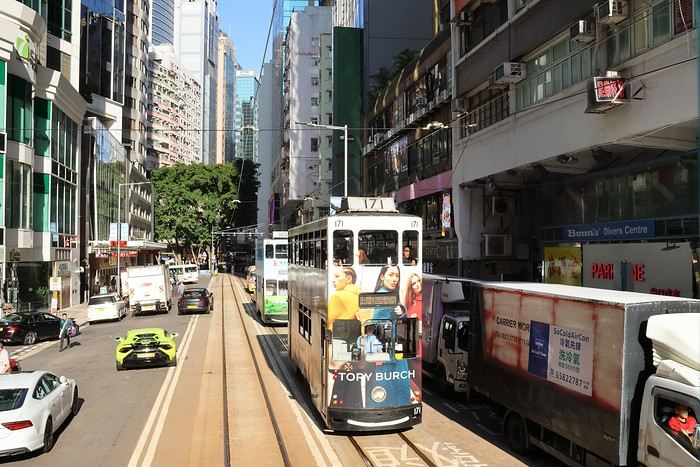
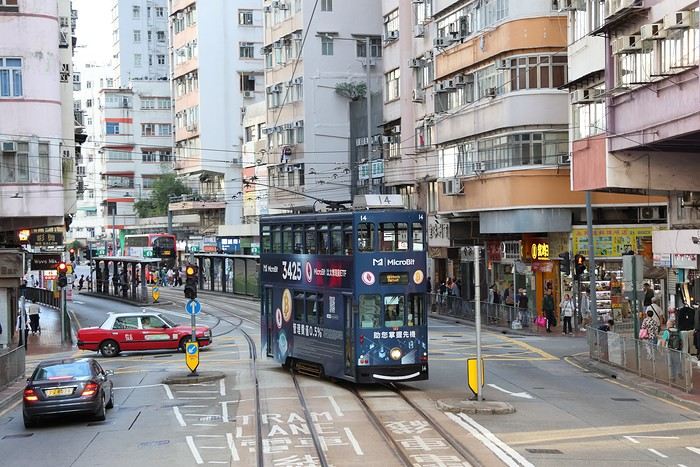
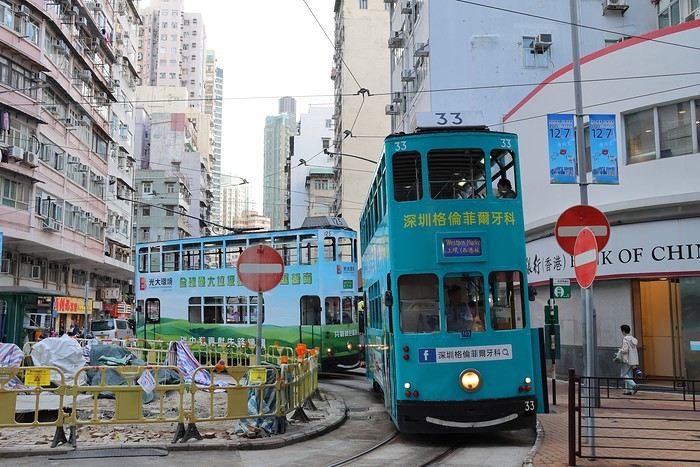
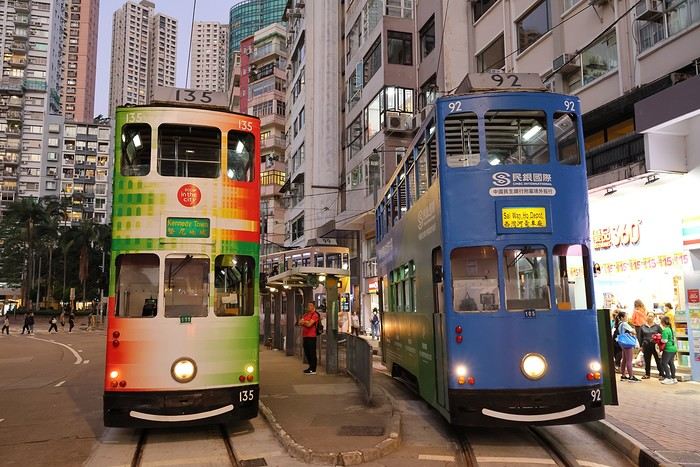
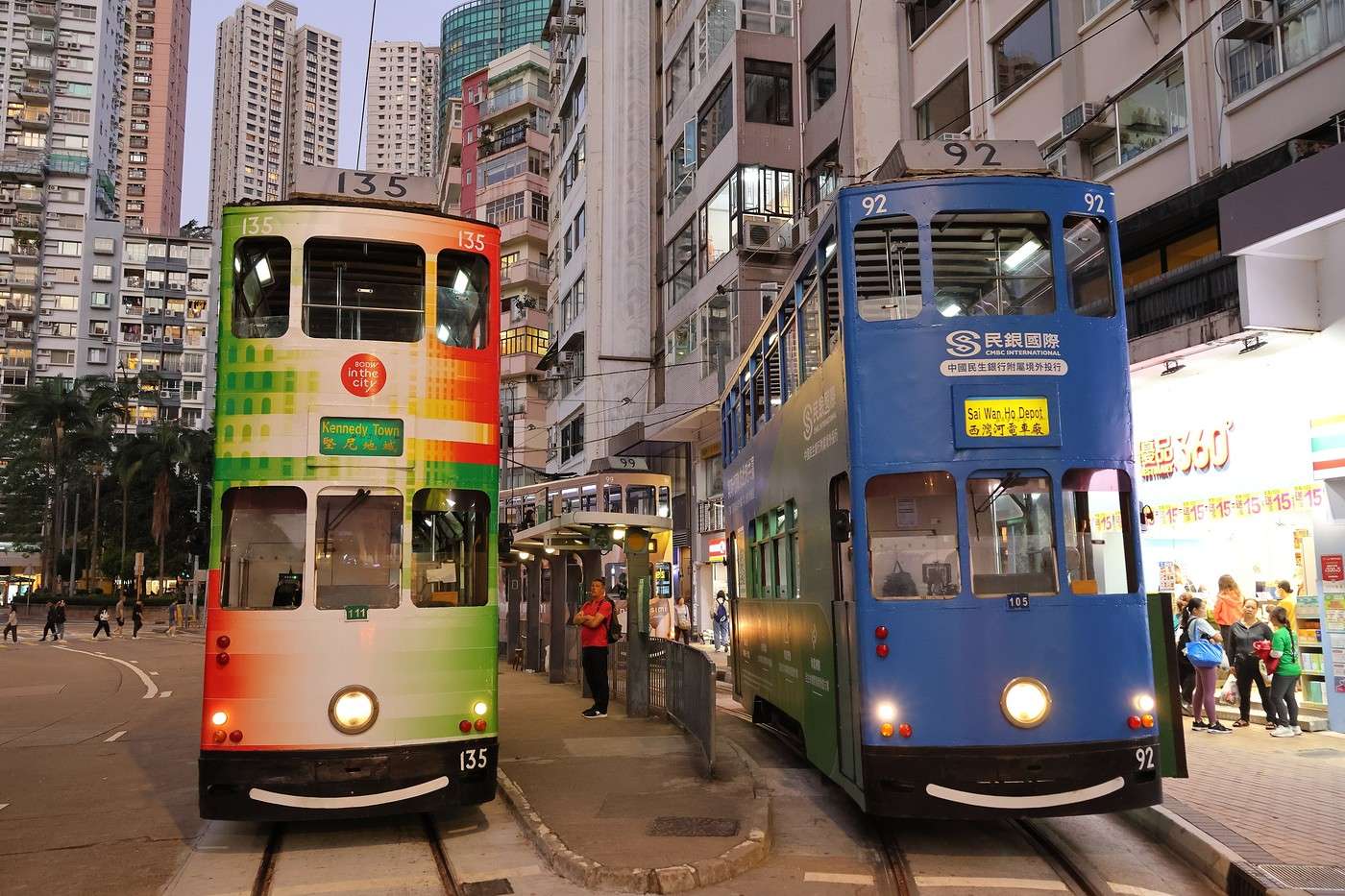
It’s short, but it’s the longest layover I could get without changing the price of the ticket. Pre-booked a ride to our strategically chosen hotel in Tuen Mun, in the New Territories. With so little time, we planned a loop that would bring us back to the airport by evening. The goal: the New Territories tram and the old Hong Kong tram. One line and vehicles that are totally legendary.

I had no idea what to expect, and honestly, I wasn’t disappointed.


Densha Otaku - Lesser-Known Regions

Serow · 2026-06-05 · Message 34 of 34

After a long stretch on the subway, we finally arrive at Central.


Hoi Foo Street Shau ​Kei Wan

And to finish up, Happy Valley


We only managed to do half of what we wanted, and I’ve since discovered even more things to do. One conclusion: we’ll have to go back. Like I said, it always takes a first visit to really make the most of a return trip.
This wraps up my 11th trip to Japan.

What’s next? We’ll have to wait a bit, but mostly wait for news from Japan. Line closures? Threats of closures? Opening dates for museums? End-of-service date for the last shinkansen 500? We’ll keep an eye on all of that, but it’ll likely be for 2027.

Thanks for reading all the way through to those who are interested in this incredibly special country in their own way.

VoyageForum — the largest community of French-speaking travellers.