Densha Otaku - Lesser-Known Regions
FR

Translated into English.

Original post
SE
Autumn 2025 marks my 11th trip to Japan. I’ve neglected the south for too long, so like last year, it’s my main destination again.

We’ll revisit some familiar spots, but of course, we’ll also try plenty of new things. This trip feels a bit strange—no more of that initial magic, but on the other hand, we’ve really explored some off-the-beaten-path and private locations. The variety of regions, landscapes, and vehicles I’ve photographed is pretty remarkable. In search of vintage trains and threatened lines, I think my future trips will follow the same vibe.

After the 2017 and 2024 travel journals, it’s time to dive into Japan’s lesser-known side—all by public transport, of course. Day 1, arrival in Tokyo

The timing won’t be like other years since we arrive at Narita in the mid-afternoon after a layover in Hong Kong.

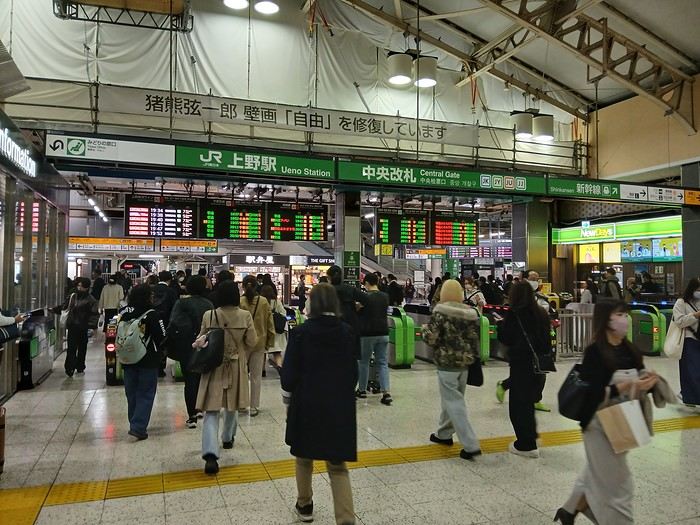
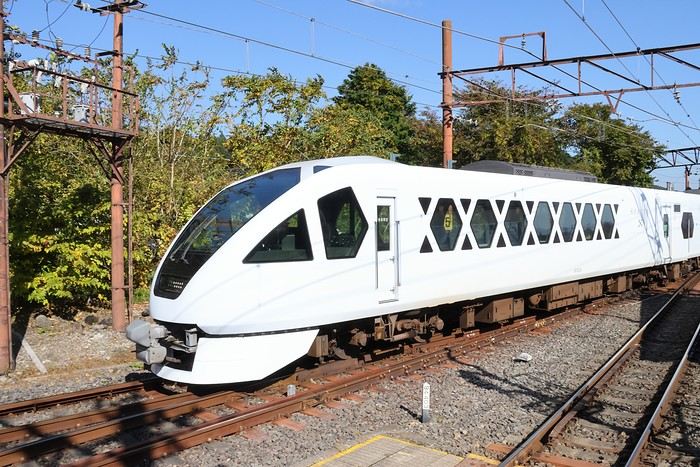
The only real mission for this afternoon is picking up tickets for the next day. And already, the first travel stress: I’ll have to rewrite the entire day because the Revaty Kinu 109 to Kinugawaonsen is fully booked, just like all the morning trains. So instead of a relaxed start exploring Ueno, I’m back to scrutinizing schedules. I manage to snag something last-minute after struggling for hours. Then, I wait for a message from Seiichi to meet up for dinner. Meeting friends on the first day and staying up late with jet lag—like I said, this trip isn’t like the others.

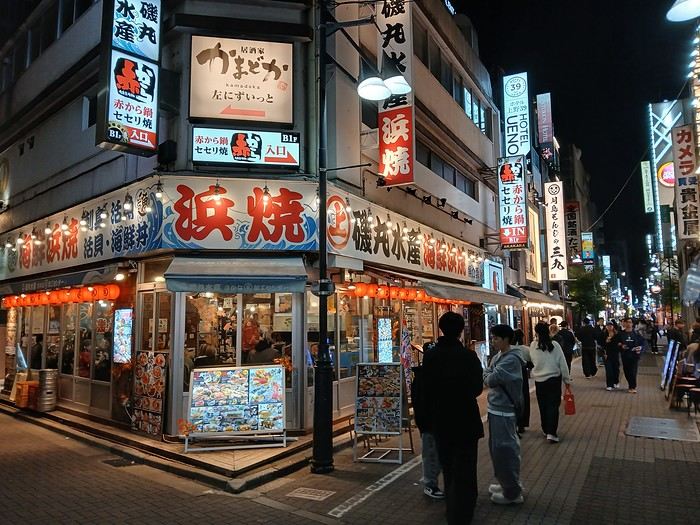
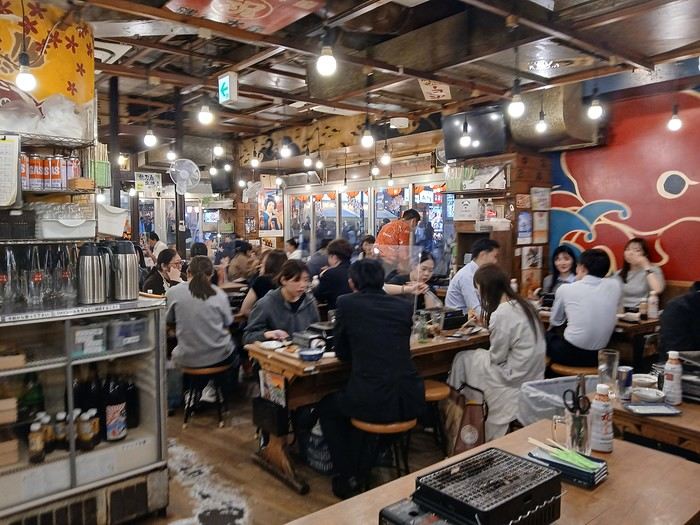
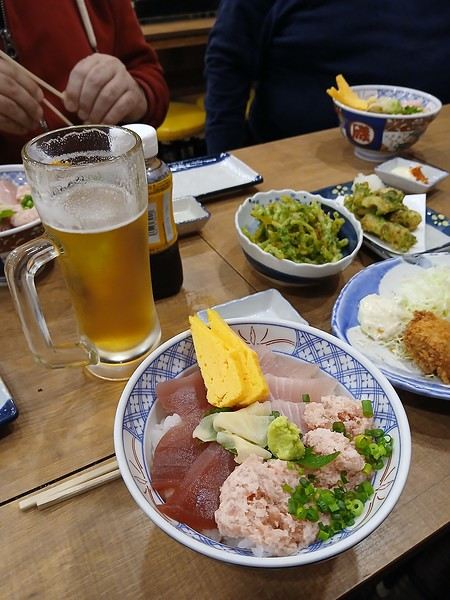
A great evening at a place I love.


SE Serow Veteran ·
So on this first morning, nothing goes according to our initial itinerary. And even what I’d replanned the night before didn’t pan out. In the end, it wasn’t such a bad thing—we discovered things we wouldn’t have tried otherwise. But for a first day, we could’ve done without a bit of that stress.


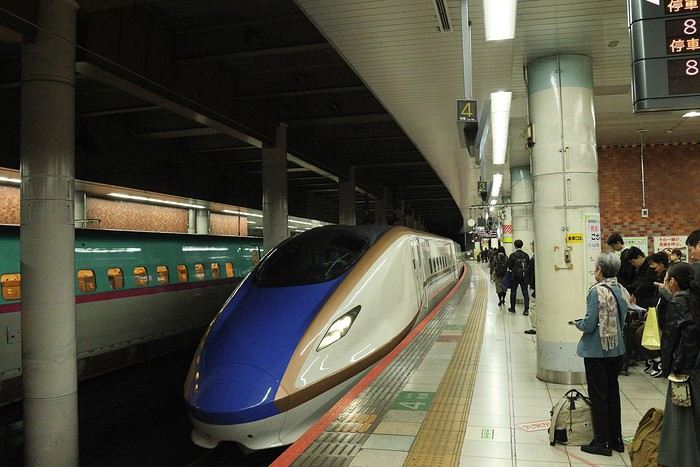
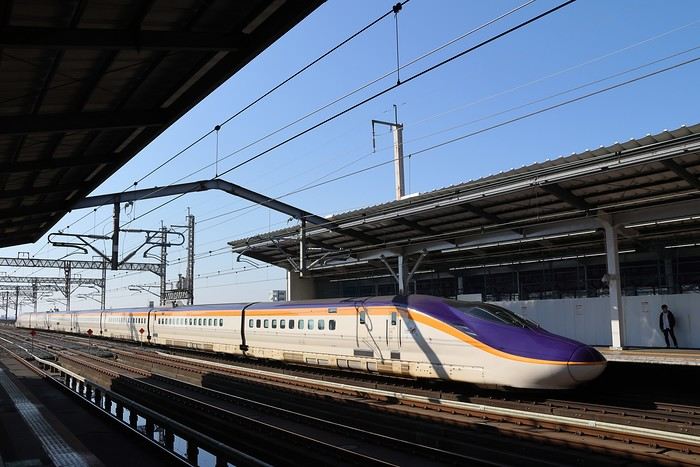
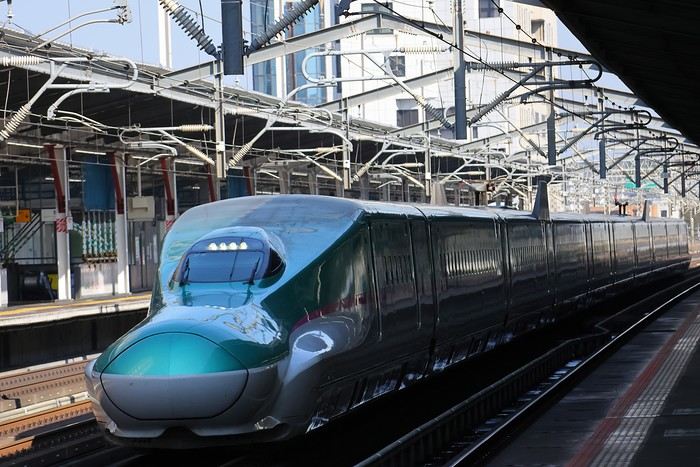
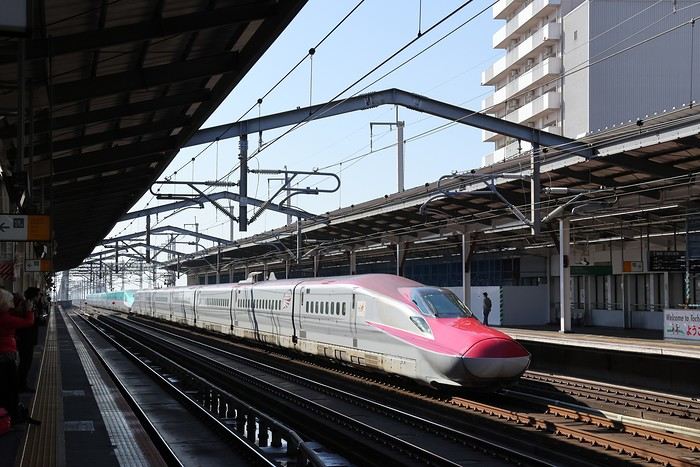
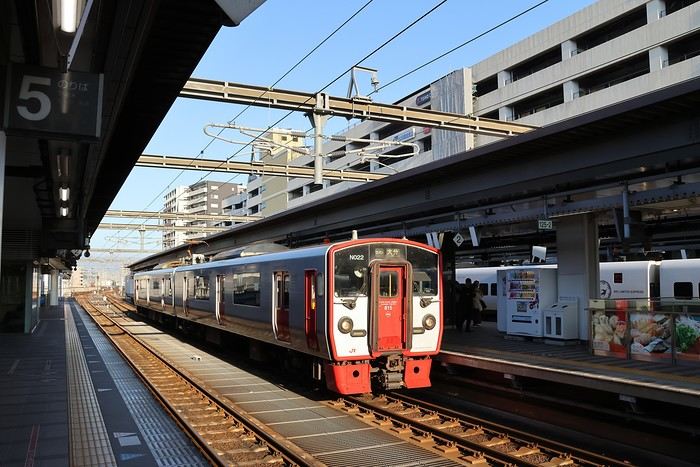
In the end, it’ll be Ueno – Utsunomiya – Nikko JR. First leg by shinkansen to Utsunomiya. A friend asks if we have time to take photos of the shinkansen. I glance quickly at the scribbled schedule on a scrap of paper and tell him yes, of course. Later, we realize I mixed up the lines, miss the connection, and have to improvise all over again. So even after spending so much time in Japan, we still manage to get our wires crossed.

At least the weather’s nice. And taking photos of shinkansen isn’t as easy as it sounds. Usually, the station and track architecture make it hard to get good shots. Here, the sun’s in a decent position, and there’s almost no one around to block the view. We take advantage of it.


Anyway, we had to get to Nikko, so off we go—we’ll figure out the rest later.
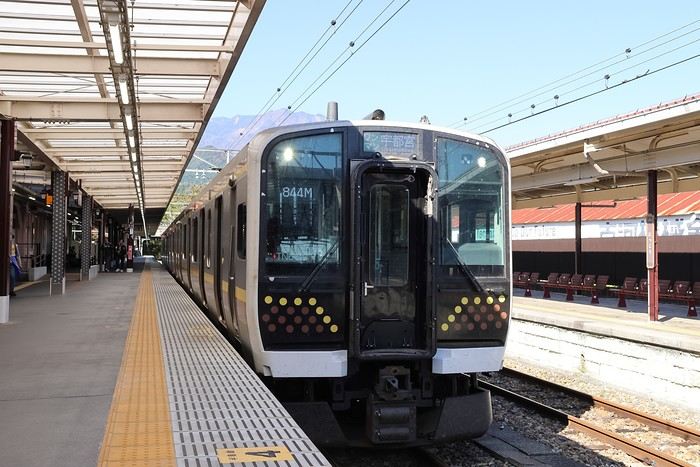


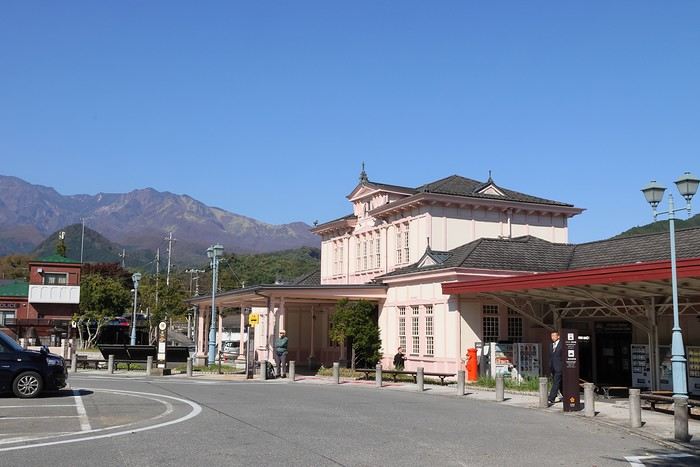
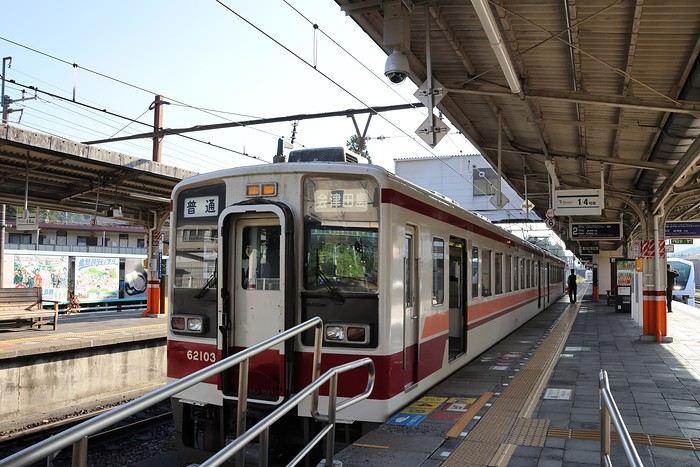
Then we head on foot toward Tobu Nikko, just a few hundred meters away.

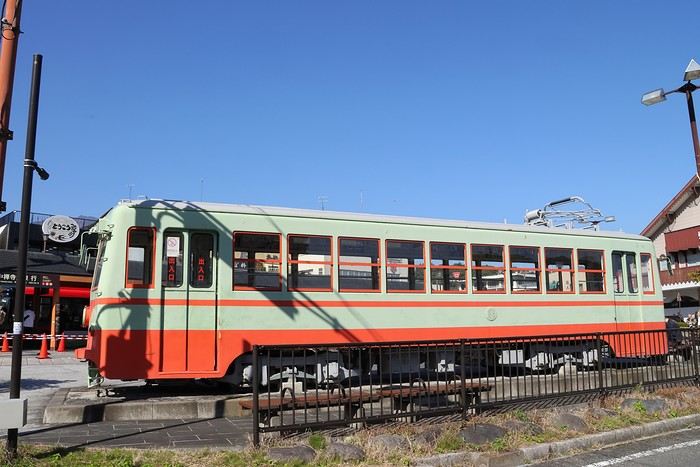
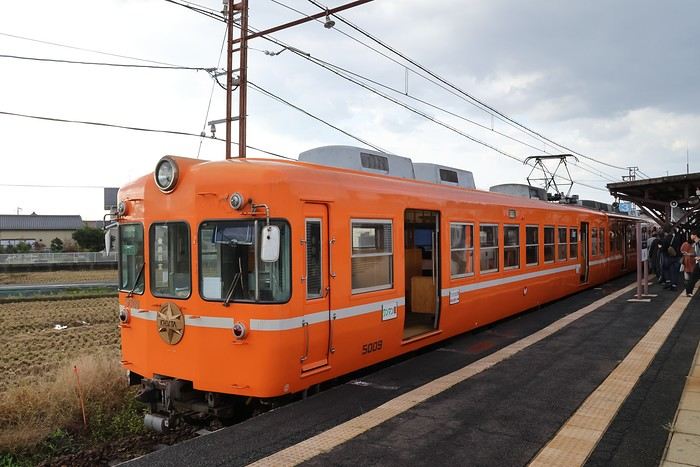
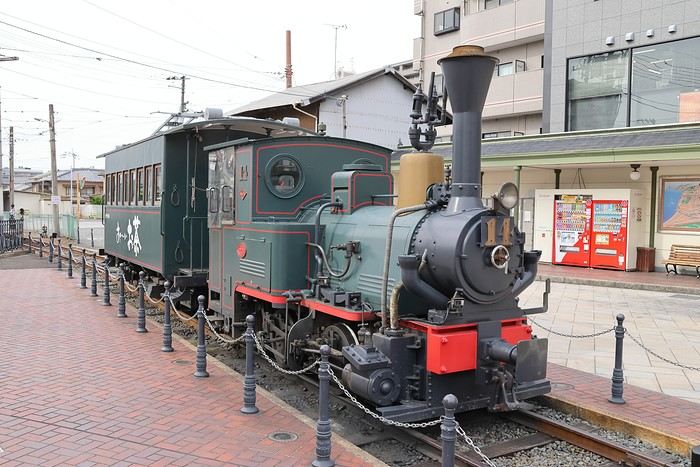
In the station square, there’s an old Nikko tram engine on display as a monument. After a second career in Okayama, it returned to its hometown. Looking at the archive photos, the line must’ve been really charming. Unfortunately, exposed to the elements without any shelter, it’s already showing signs of rust.
SE Serow Veteran ·
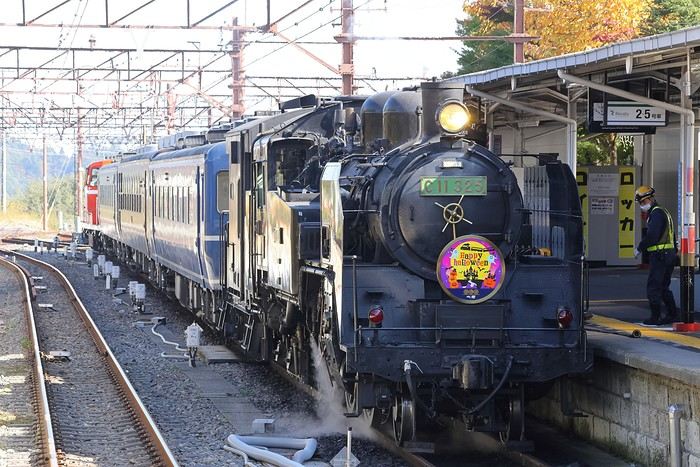
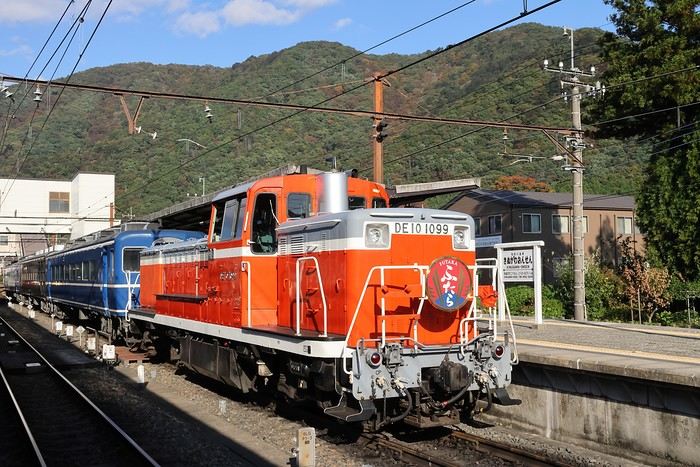
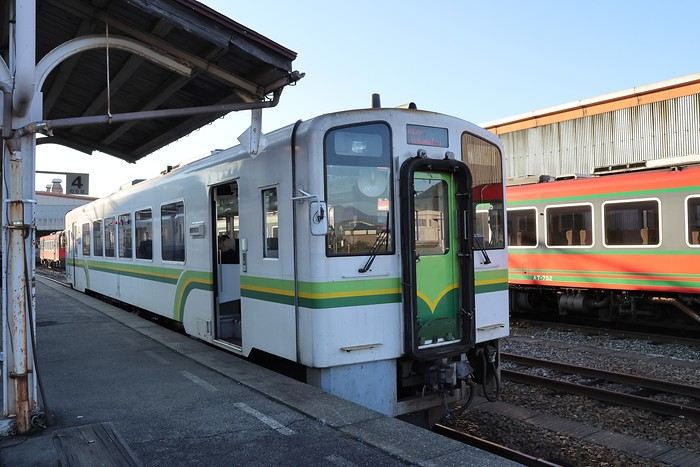
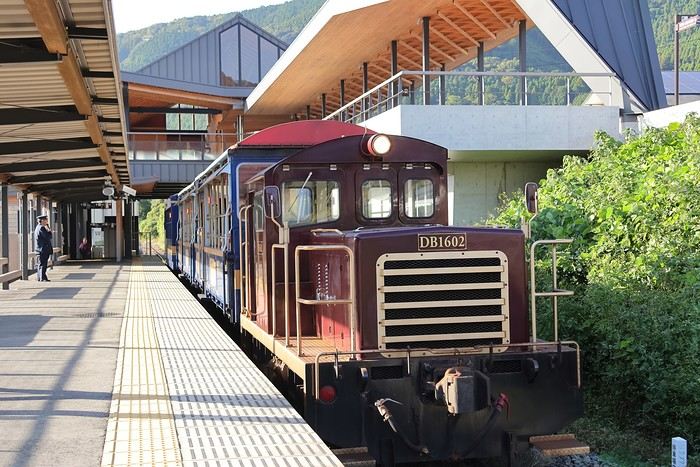
The plan was to go from Kinugawa Onsen to Aizu-Tajima, then to Aizu-Wakamatsu to stay overnight and visit the castle. When we went to get information at the ticket counters, we saw a special steam locomotive train announced on the departure board. Anyway, given the time, visiting the castle was already out of the question, so we might as well try the steam train and make the most of it. Like all the steam trains running in Japan, it's pretty but more for tourists and families than for reliving a bygone-era journey. There you go, we did it. It wasn't unpleasant, but there's no denying it's too touristy.


Connection with the Yagan Railway

Then the Aizu Railway


We arrive in Aizu-Wakamatsu as night is almost falling.


This time, it's time to rest—the train tomorrow morning leaves at 6 a.m.
SE Serow Veteran ·
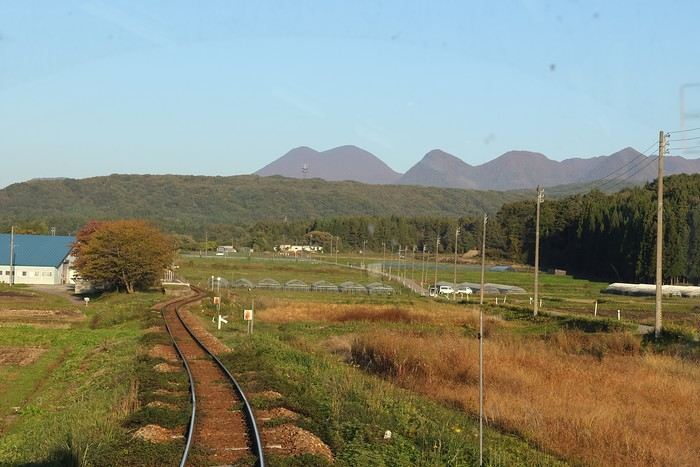
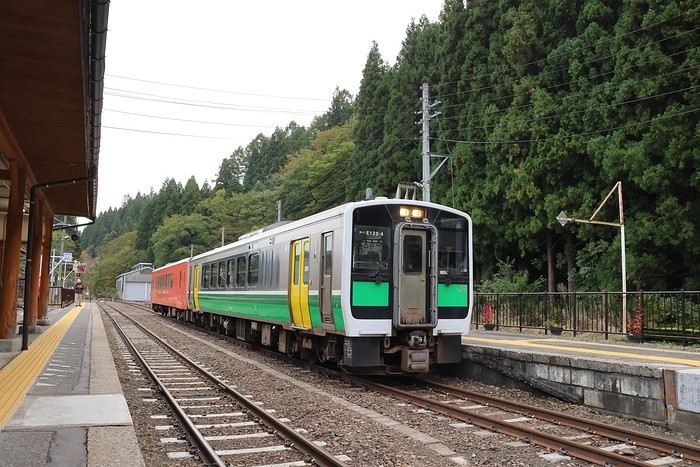
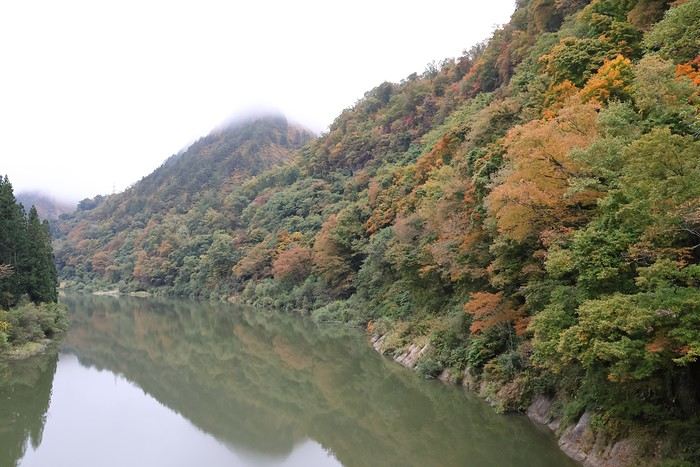
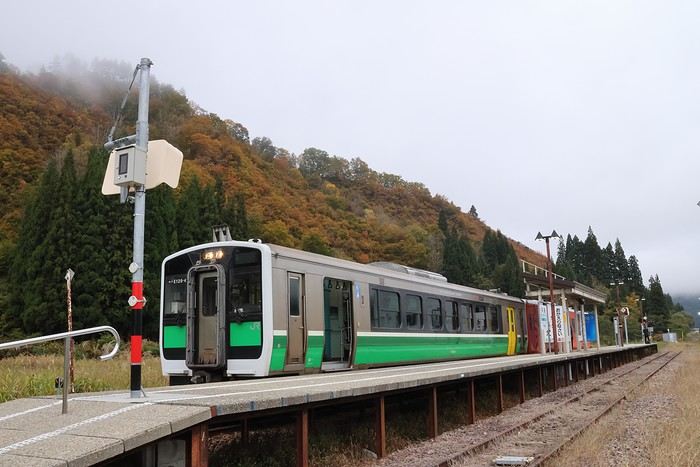
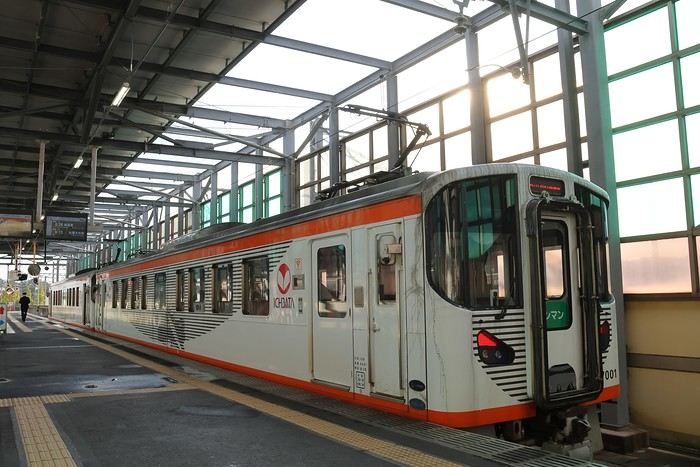
Off we go for a morning on the Tadami Line. A stunning mountain railway I’d already ridden back in 2008. Since then, it had endured years of closure due to severe weather and was only miraculously reopened the previous year. Locals and artists rallied to save it, and the media coverage brought in a flood of visitors. Of course, that’s great for the line—but not so great for photography, since there’s always someone lingering in the frame.


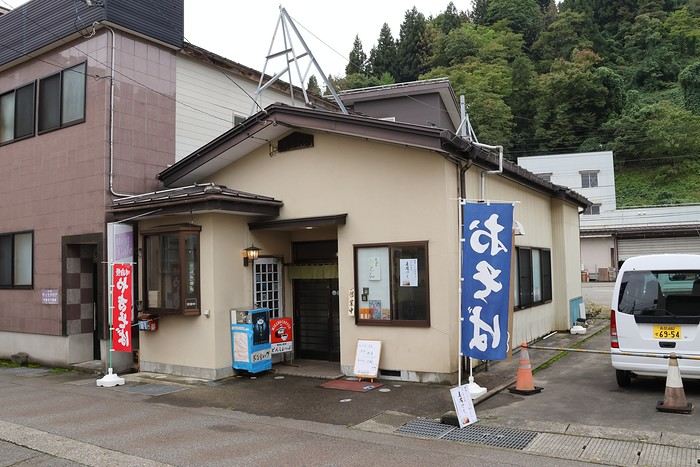
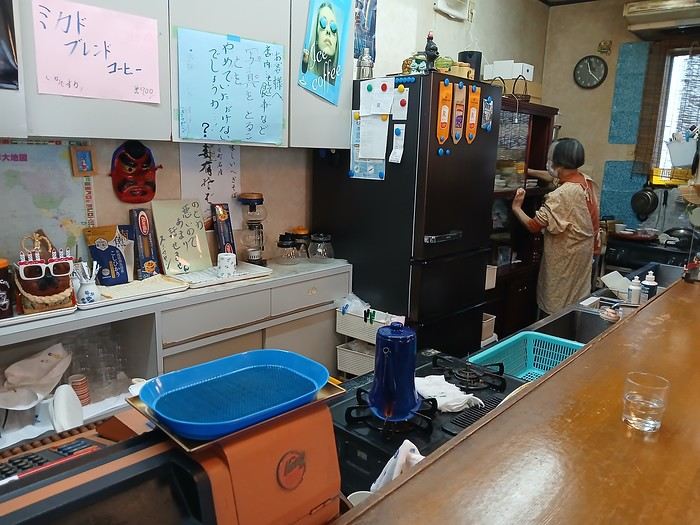
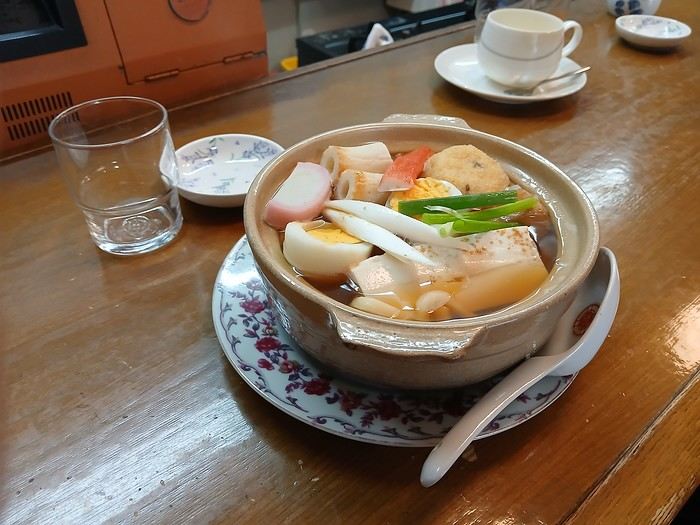
For the route we want to take, connections at Koide are terrible. Plus, Koide itself is a bit of a backwater—the station’s a long way from town, so walking isn’t really an option. In short, we’ve got a few hours to kill. Let’s start by exploring the station area and look for somewhere to grab a coffee. We end up in a tiny place run by an elderly woman. At first, she’s a little hesitant about three foreigners walking into her shop, but after a few bows, some polite gestures, and a smartphone translator, we manage to get our coffee. Other customers come in and order food, so we decide to do the same. It turns into a fantastic experience and a throwback to the Japan I first discovered 33 years ago.


SE Serow Veteran ·
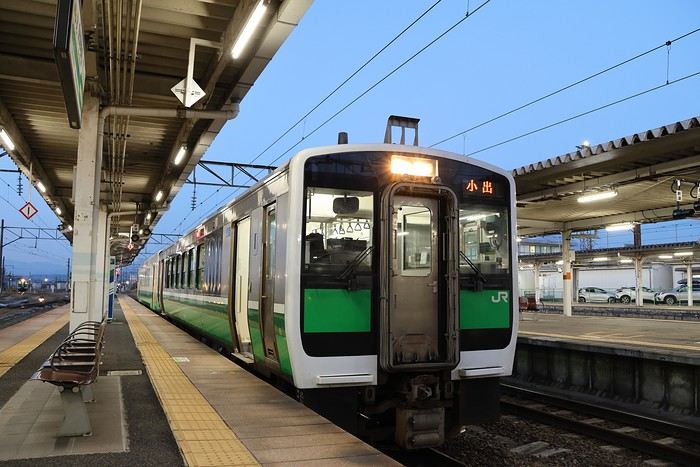
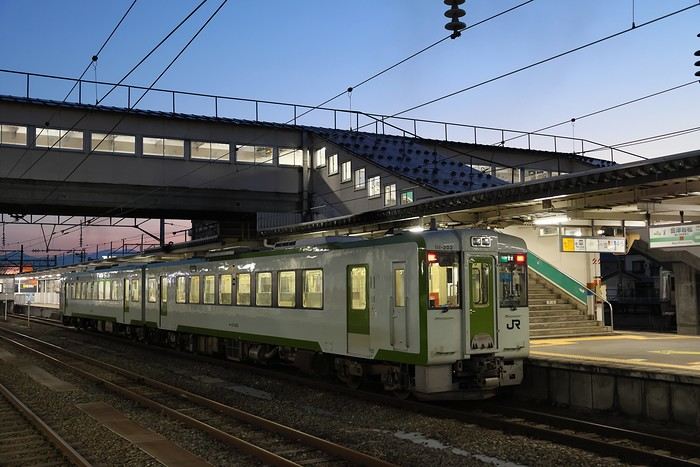
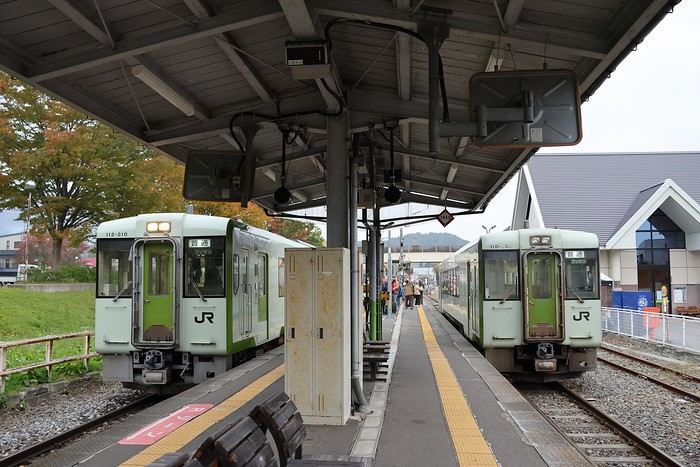
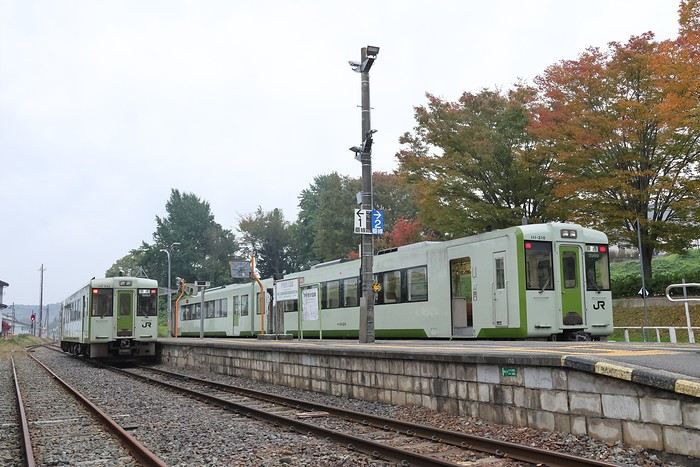
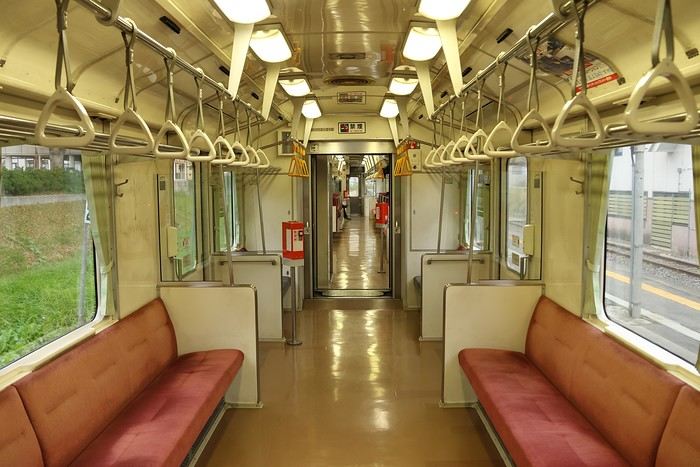
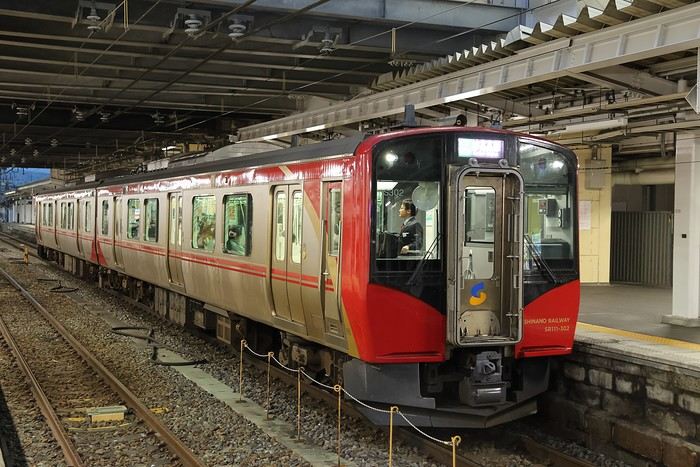
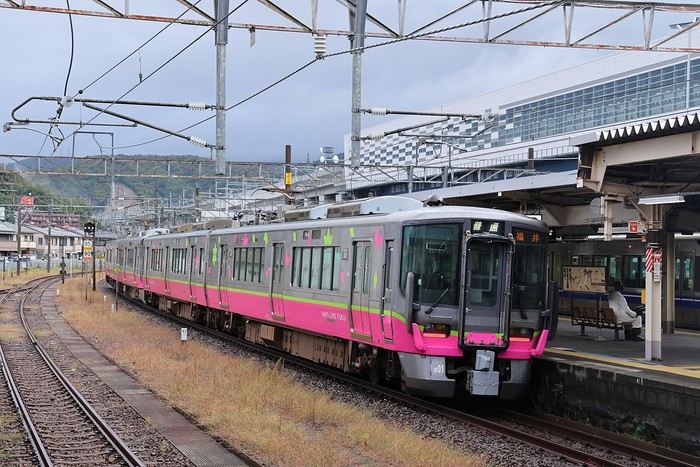
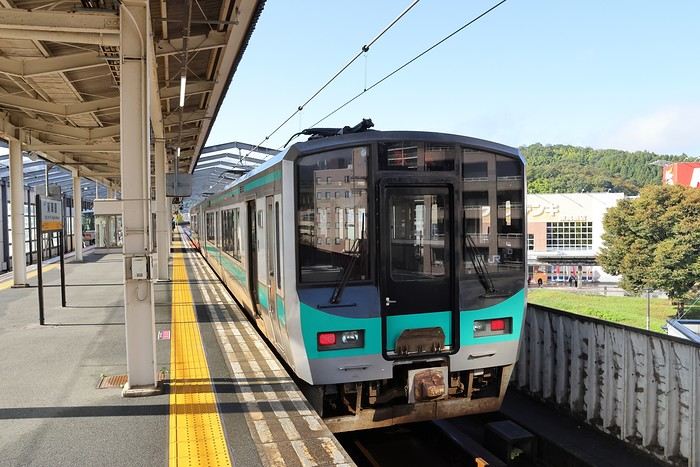
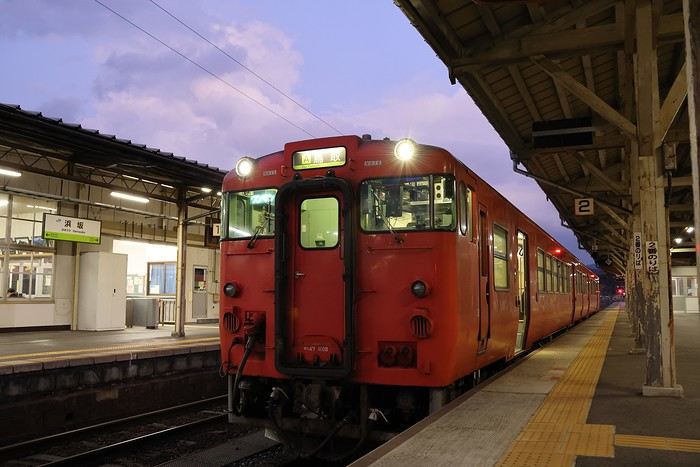
Next up is Echigo-Kawaguchi – Echigo-Kawaguchi – Nagano – Tsuruga. First by kiha 110, then by 112, and finally by shinkansen for the last segment.


SE Serow Veteran ·
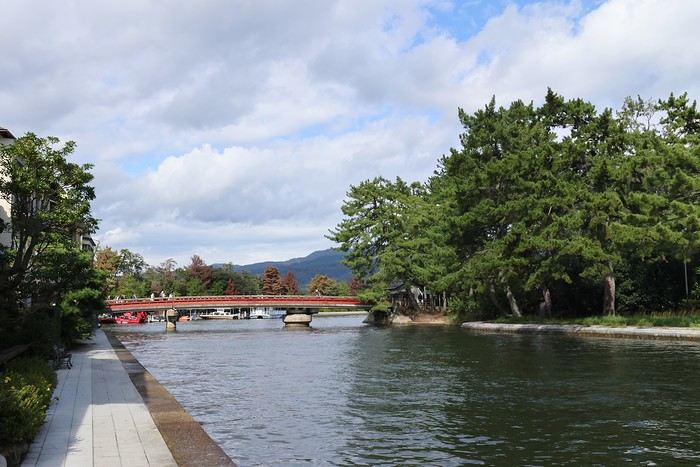
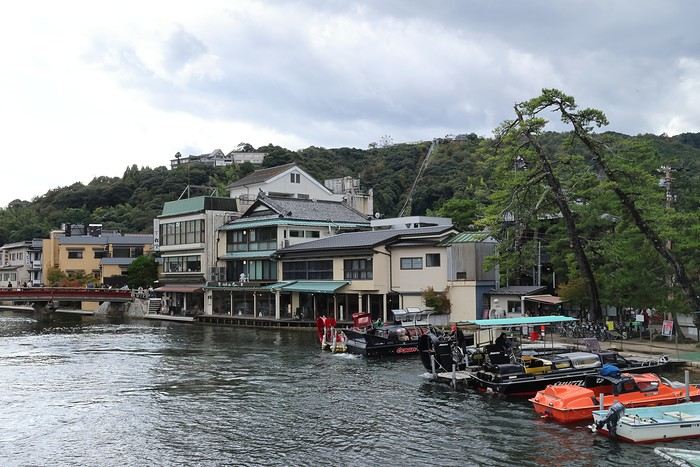
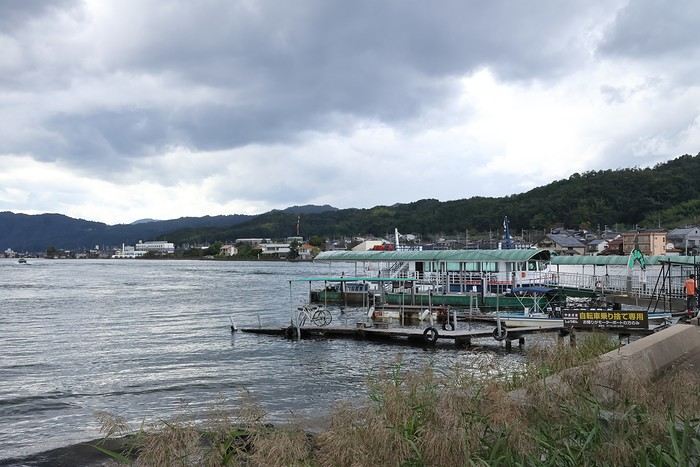
Today, it's a bit of train travel and a bit of sightseeing. Actually, more sightseeing than train travel! On the way to Izumoshi, we're visiting Amanohashidate.

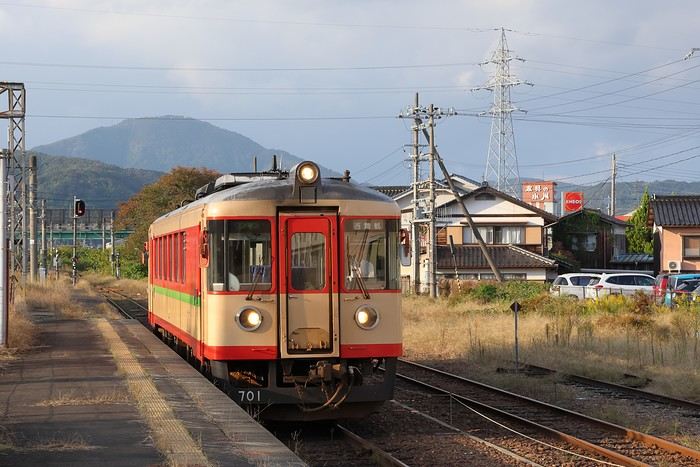
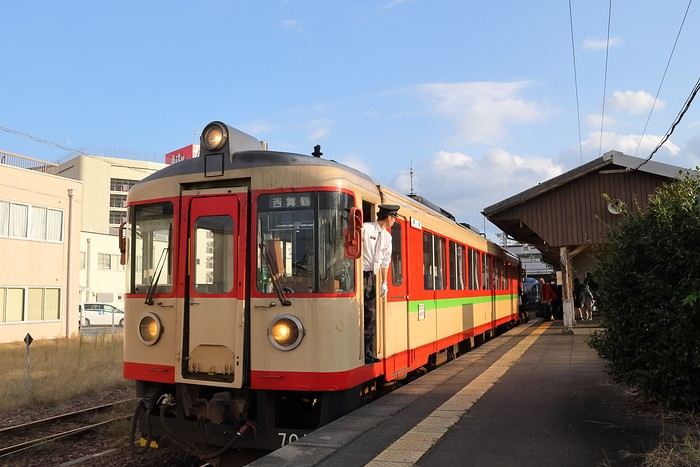
To get there, it's Tsuruga - Higashi-Maizuru - Nishi-Maizuru (7-minute trip and an illogical transfer that costs an hour) - Amanohashidate.


An afternoon of exploring, strolling, temples, and boats.


SE Serow Veteran ·


SE Serow Veteran ·
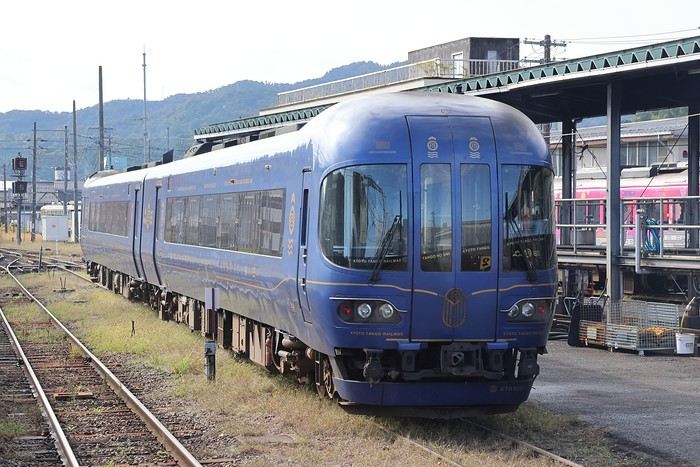
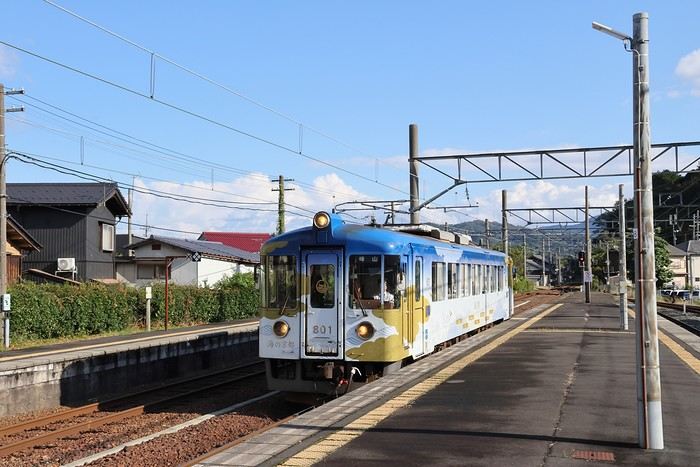
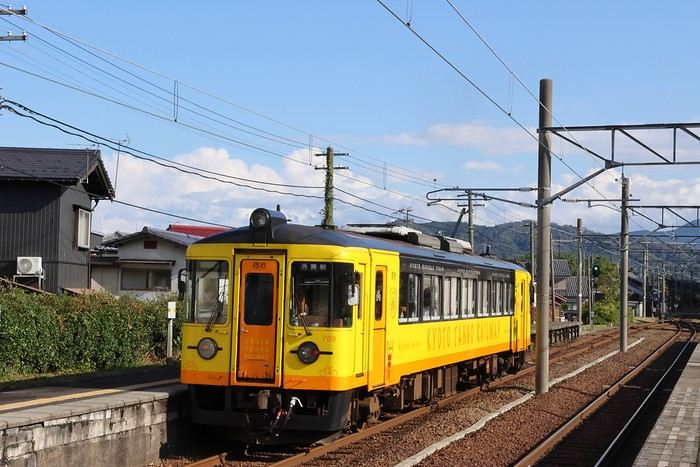
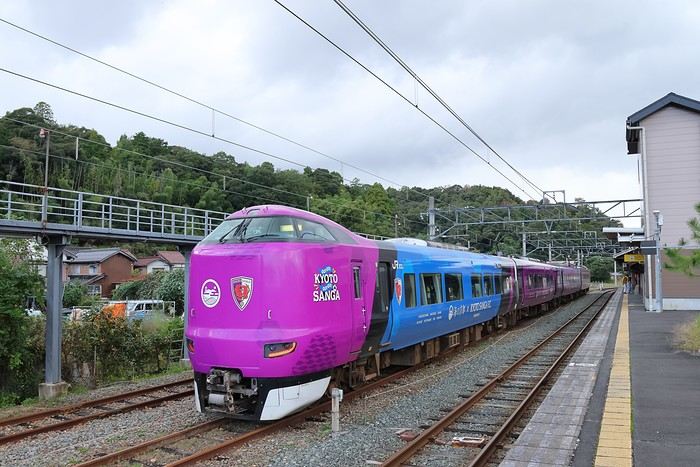
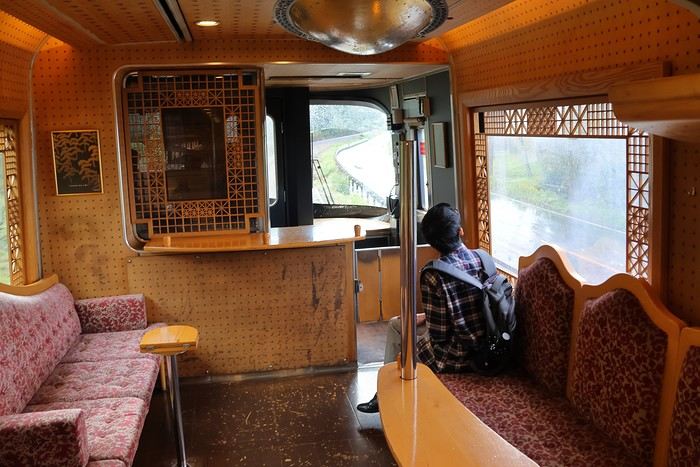
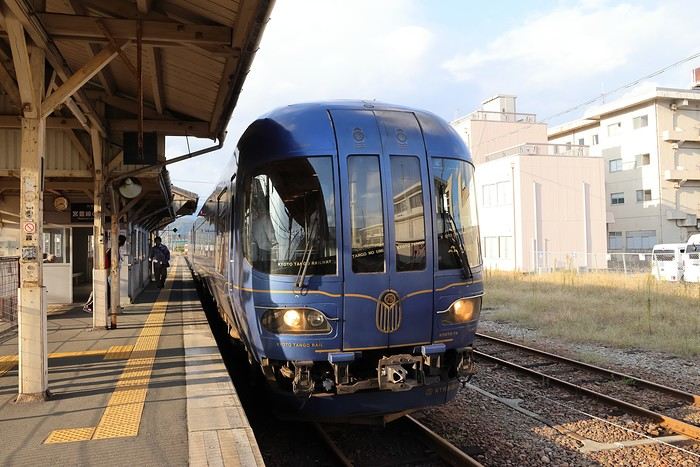
Then continuing the journey with the LTD EXP on the Kyoto Tango Railway to Fukuchiyama.


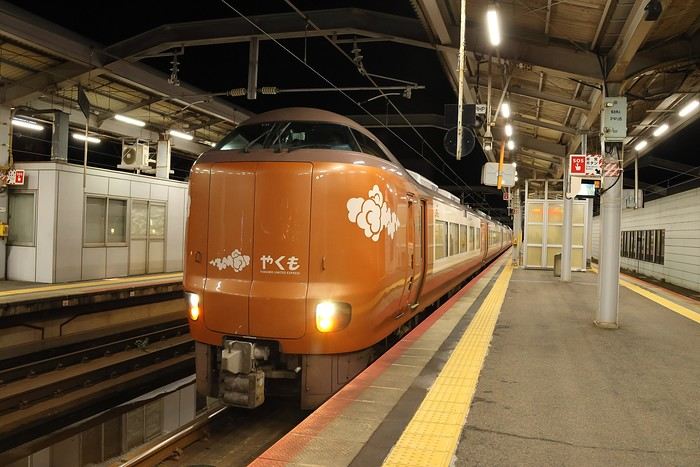
Next up, heading to Izumoshi via Kinosakionsen – Hamasaka - Tottori. It’s familiar territory, but mostly in the dark this time. Not the most interesting part, but you’ve got to keep moving.


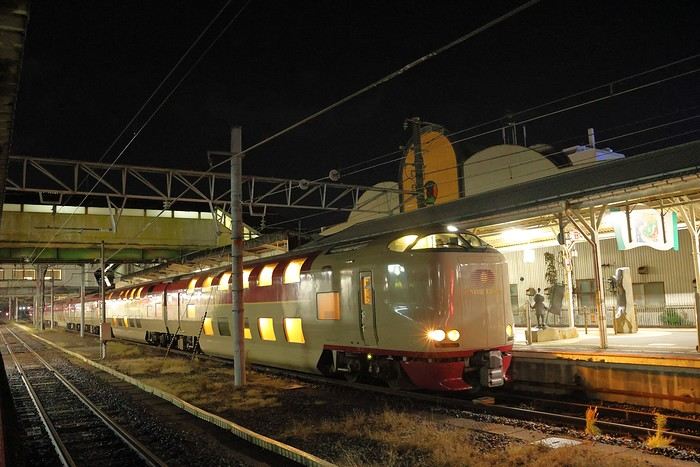
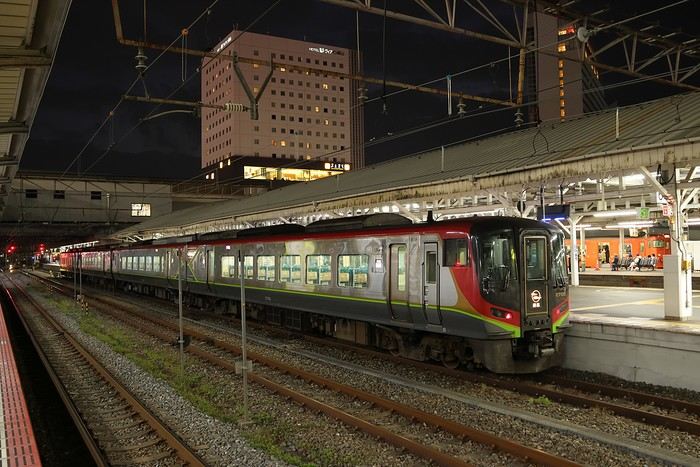
When I see "Sunrise" on the display, I realize I’d forgotten about that one. It’s still a beautiful train, and especially the last overnight service.


SE Serow Veteran ·
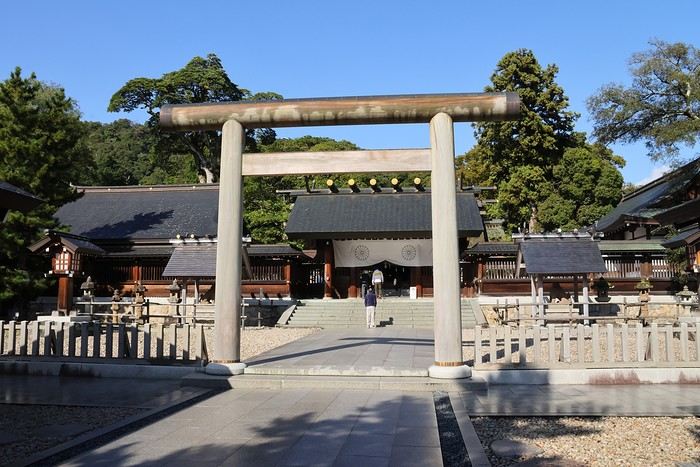
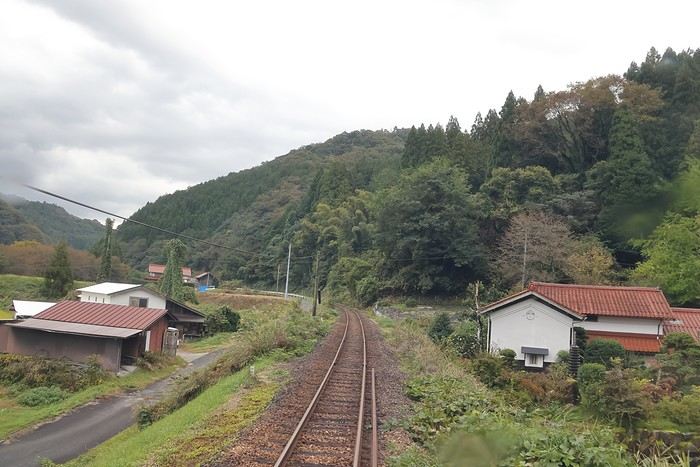
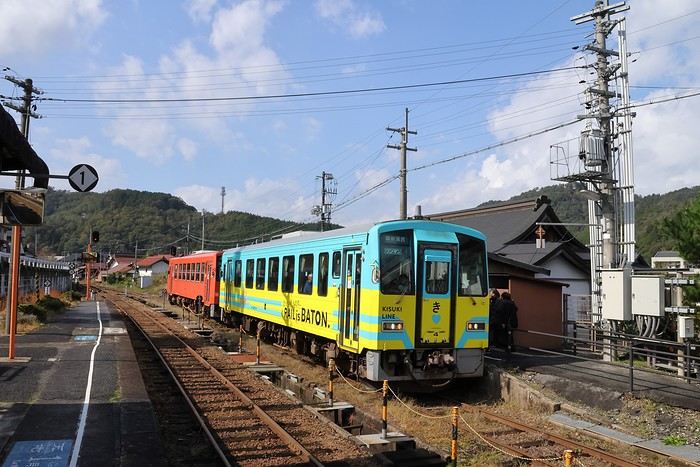
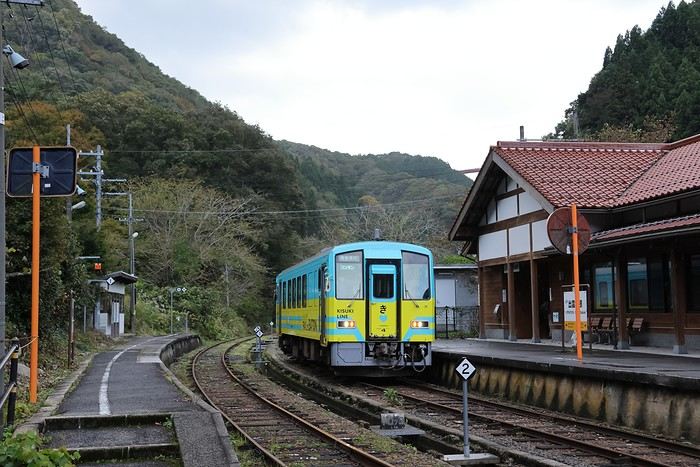
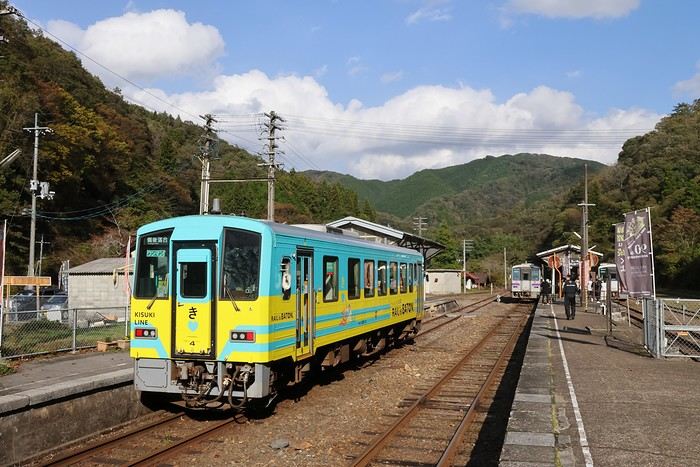
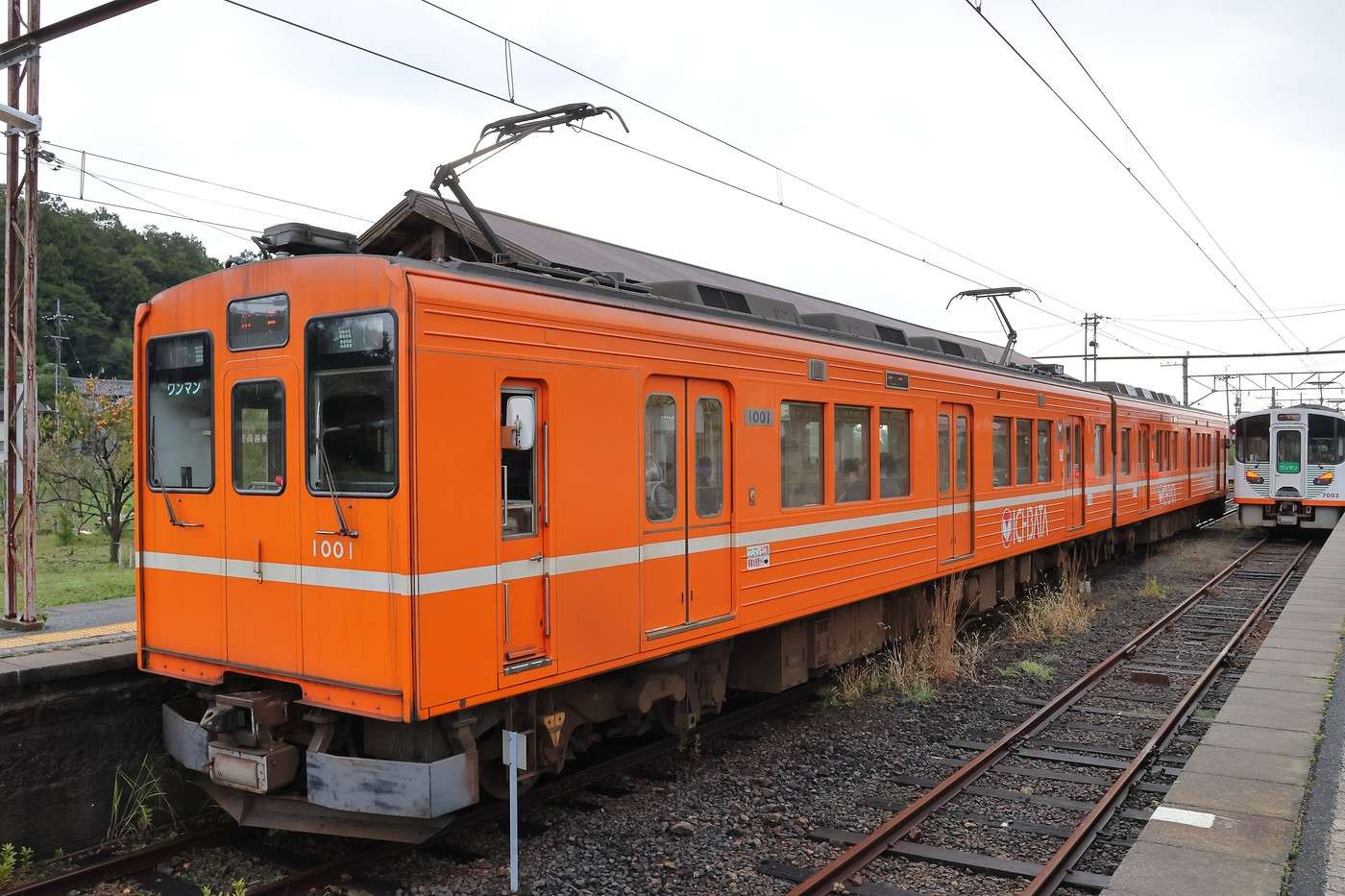
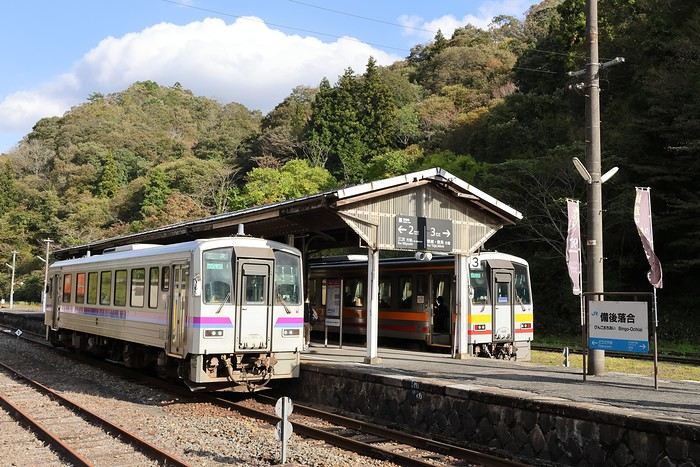
Another day riding lines I’ve already done. But what a line, what an atmosphere! A stunning route through the mountains. That said, there were quite a few people on board, mostly tourists. We’re not complaining—it’s good for the line’s survival—but once again, it’s so much easier when there aren’t too many passengers. We start just 200m from our hotel at Izumoshi’s Ichibata Station. Since we’ve got time this morning, we’ll make a little detour via Matsue.


Transfer at Shinji

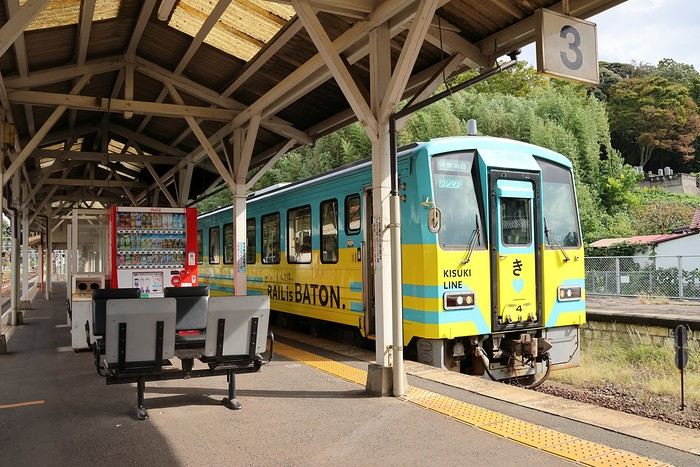
Then the Kisuki Line


Transfer at Bingo-Ochiai
SE Serow Veteran ·


Then Niimi before heading back down to the plains of Okayama.

SE Serow Veteran ·
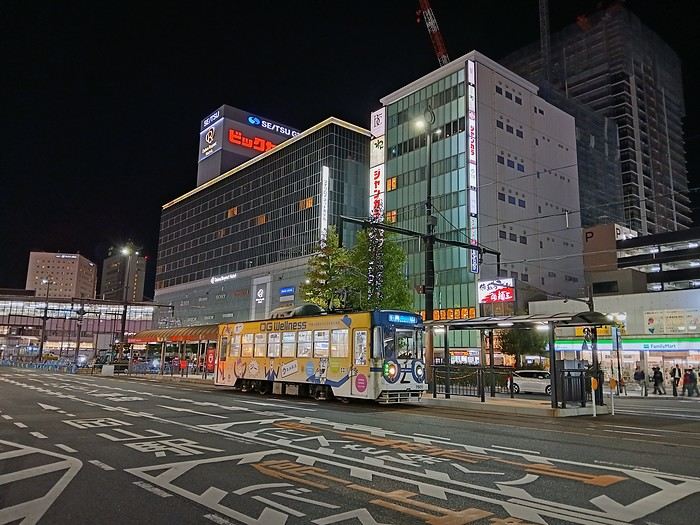
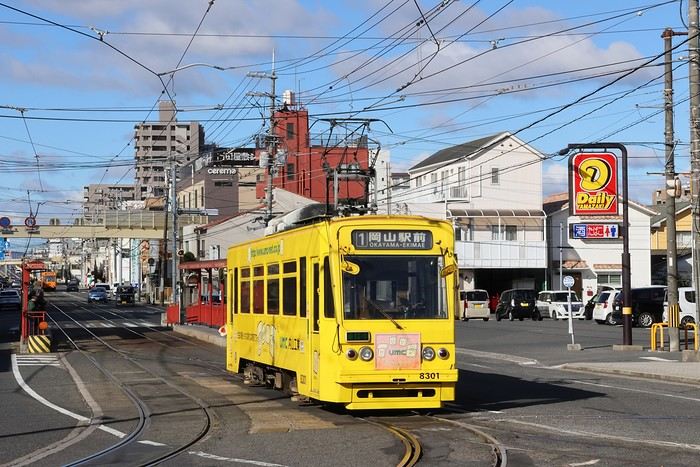
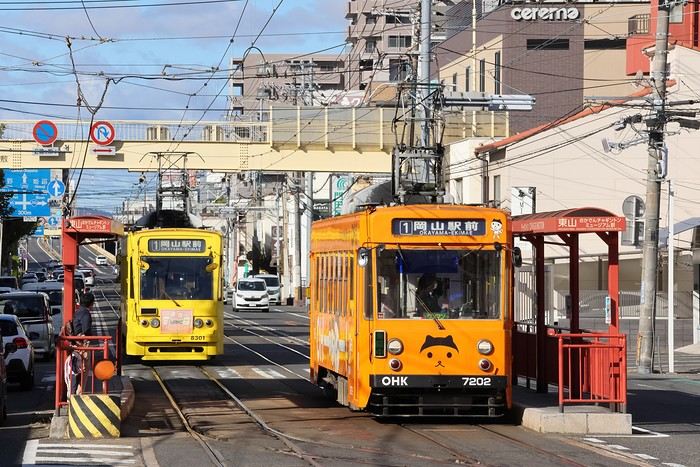
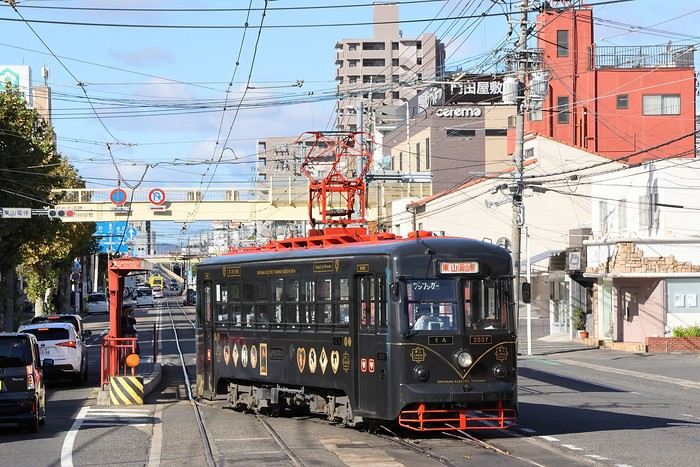
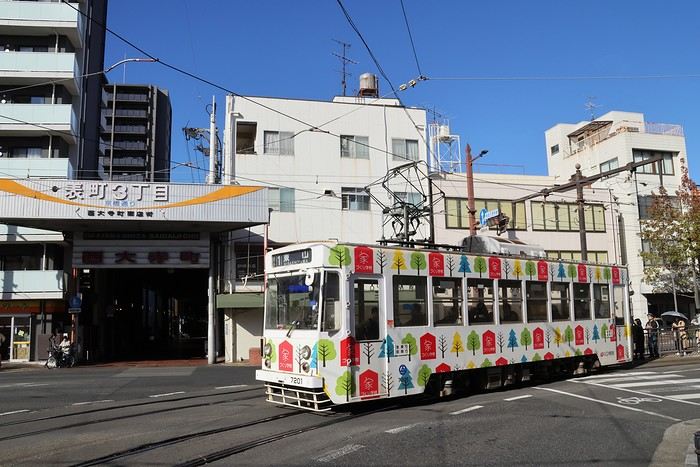
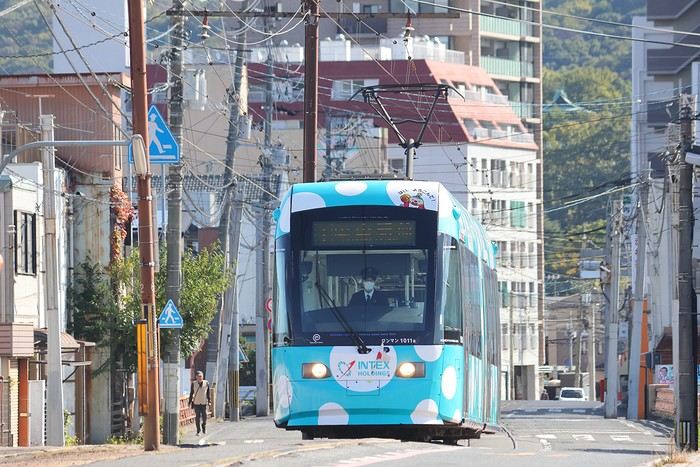
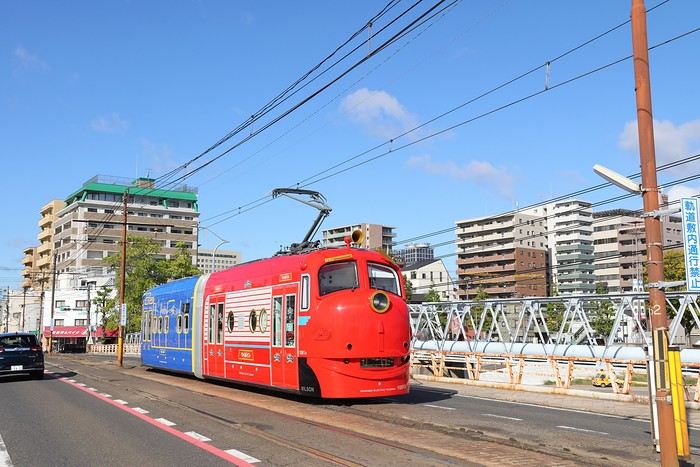
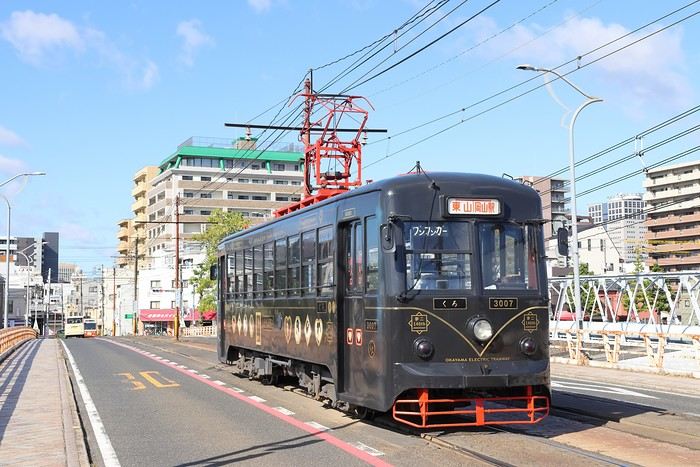
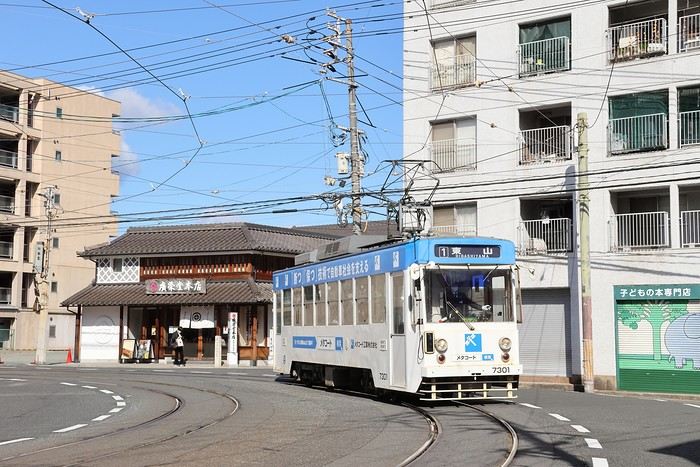
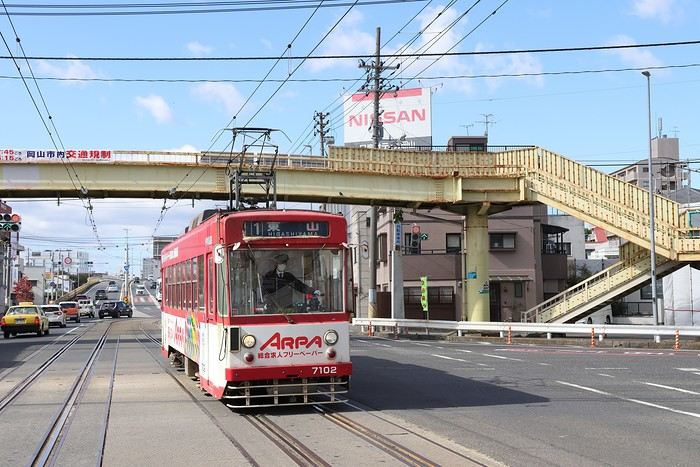
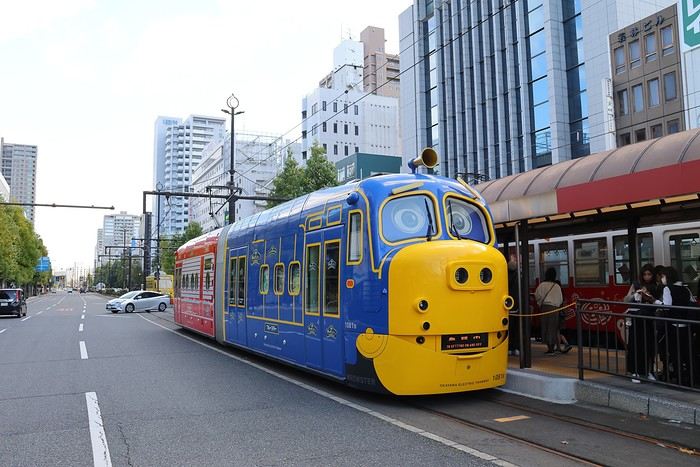
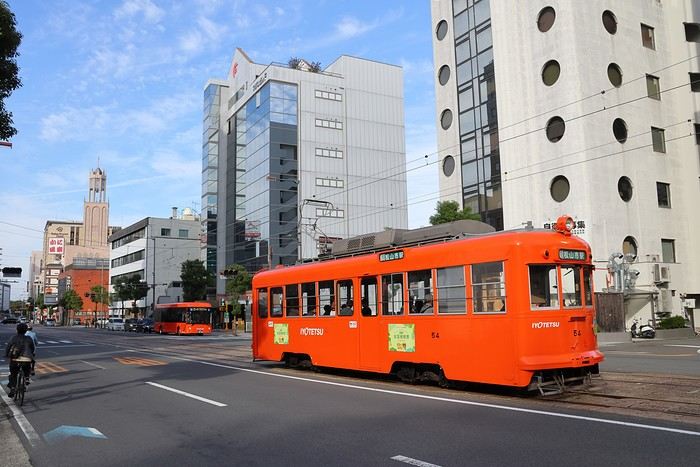
Another day packed with unexpected twists, but with an excellent surprise. In the morning, we visited the trams in Okayama. Not much has changed since our last visit, so it should have been quick, but since the weather is really nice, we decided to take as many good photos as possible. The first surprise came when we stopped by the depot—a driver was putting the motorcar called ‘Kuro’ into service, an old motorcar originally from Nikko. I would’ve preferred the other one that kept its original color and layout, but it’s still pretty cool. We thought we’d wait to see if it would come out. And sure enough, a classic motorcar arrived at its usual terminus, dropped off its passengers, and continued on the line to return to the depot. A few moments later, Kuro came out and took its place at the departure stop. We boarded. But wait—what day is it? November 3rd, Culture Day. That’s why they brought out this unusual vehicle. It’s also why the trams are free today.


SE Serow Veteran ·
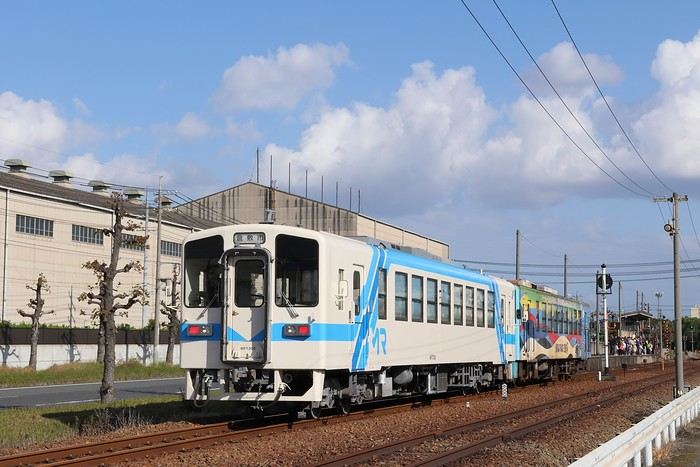
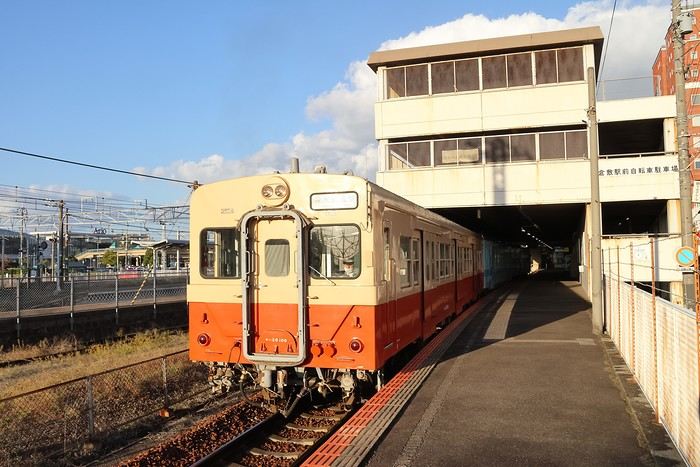
Okay, Okayama is done—what now? Tonight we need to be in Matsuyama, but until then, I’d love to check out a line I partly rode during my first trip. One of those things you didn’t know existed but wanted to try anyway, just to see. Back then, it was running with really old railcars from the Series 20. But what’s the deal now? Off to Kurashiki and the Mizushima Rinkai Railway.


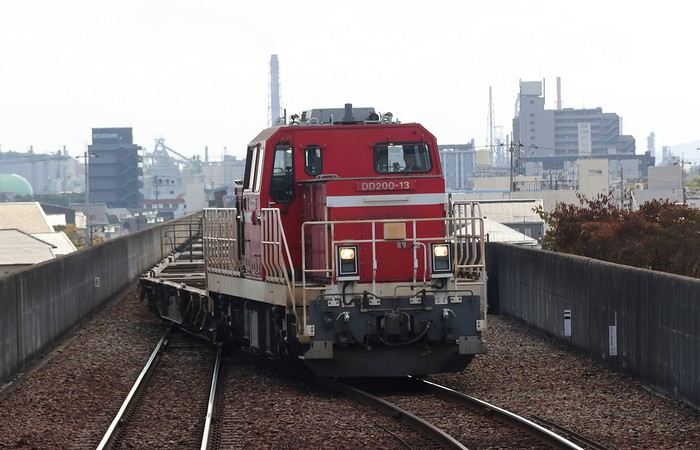
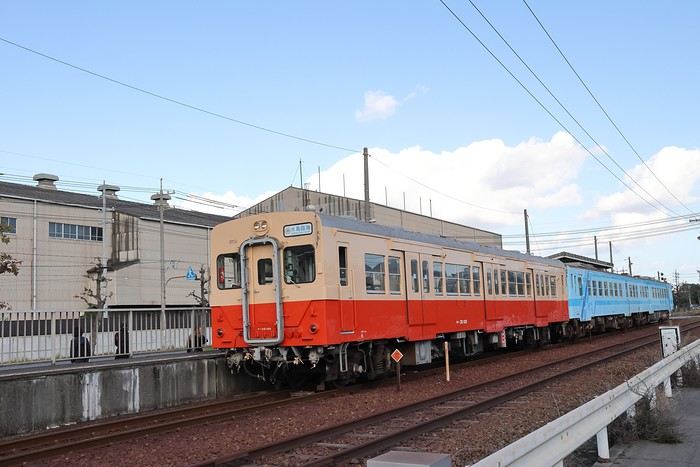
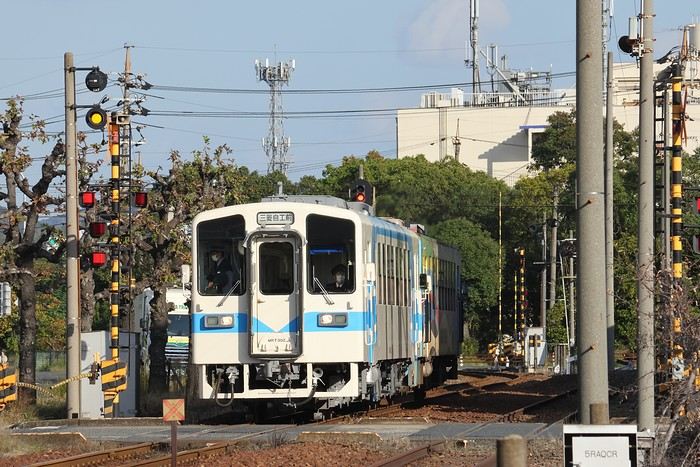
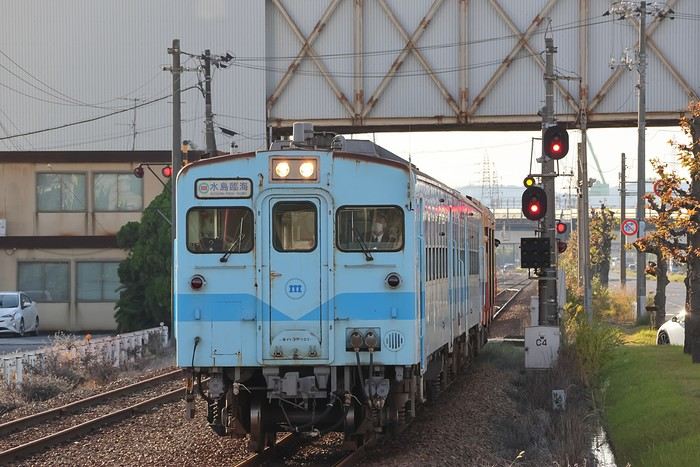
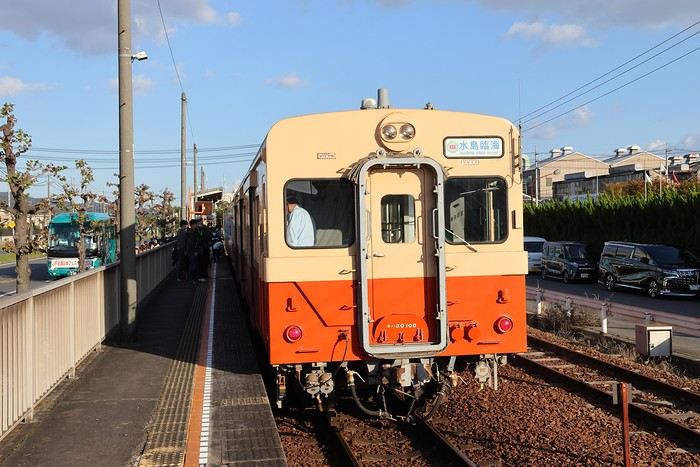
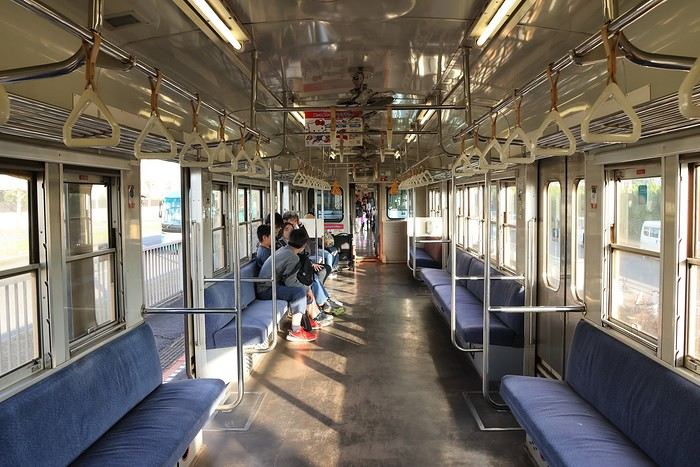
The railcars are way more modern now, there are quite a few travelers, and we’re heading toward the port and the industries. Then, in a totally unphotographable angle and full backlight, a KiHa 30 and two Series 20s appear. That’s some luck—but why are they out? Are they still running today? Anyway, the depot’s at the end of the line, and that’s our destination. We’ll see when we get there.


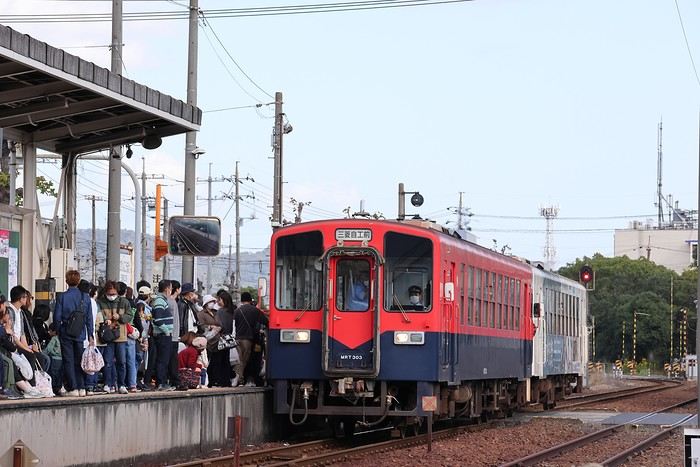
At the station, there’s a big crowd. Buses are waiting to take travelers somewhere—we’re not quite sure where. Eventually, we figure out it’s organized tours by a steelworks in the port. Too bad, you had to book in advance—it’s fully booked. We love trains, but we also love heavy industry. With so many people on the platform, the railway company sent staff to guide and inform travelers. We try our luck to get the schedule for the railcars we saw earlier. It’s not gonna be easy—no one in the company speaks English. Plus, they’ll probably wonder what foreigners are doing off the beaten path and why we care about a specific railcar’s schedule. They’ll likely just point us to the next departing train. Some days, though, you get lucky. They understand what we want—well, sort of—and scribble キハ 30 with terrible handwriting on a scrap of paper. Then they pull out the full timetable for the line. Stuff most travelers wouldn’t understand, have never seen, and couldn’t interpret. But for us? No problem. Between the one who works for Belgian railways and the other two who’ve spent a good chunk of their lives on trains in the most unexpected places around the world, reading a timetable is the bare minimum.
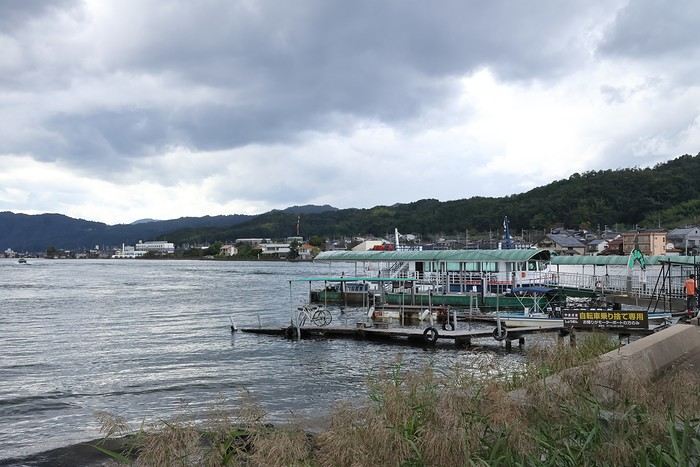
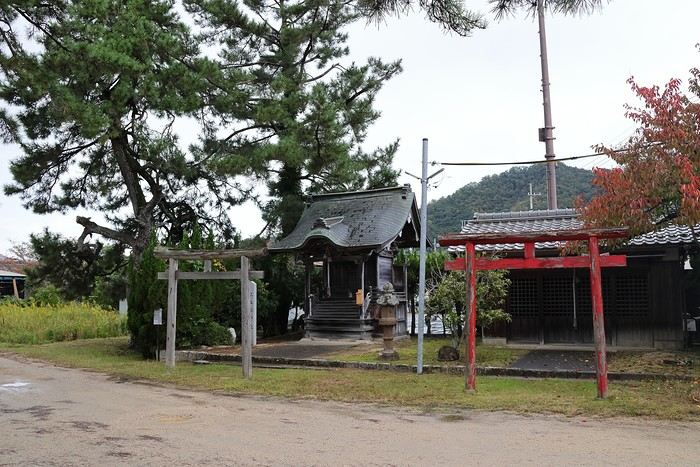
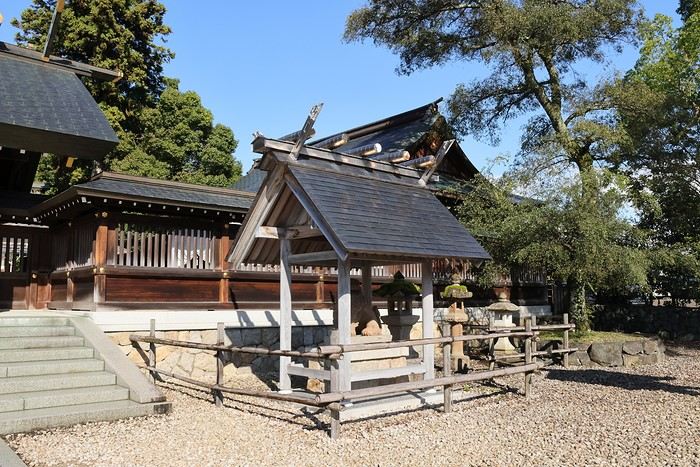
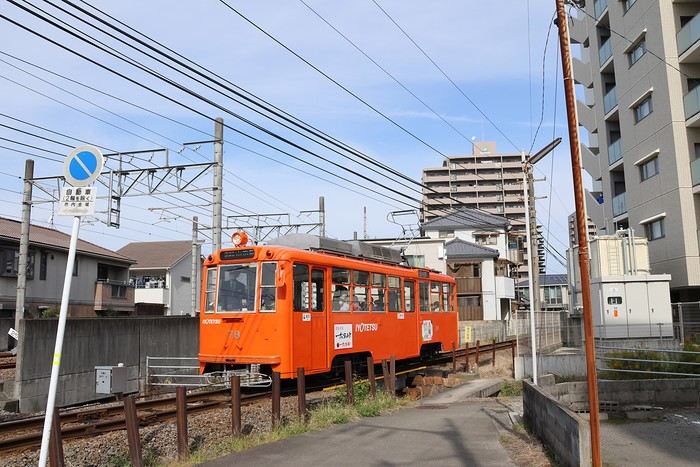


SE Serow Veteran ·
So, photos first, then back to Kurashiki with the museum railcar pairing.

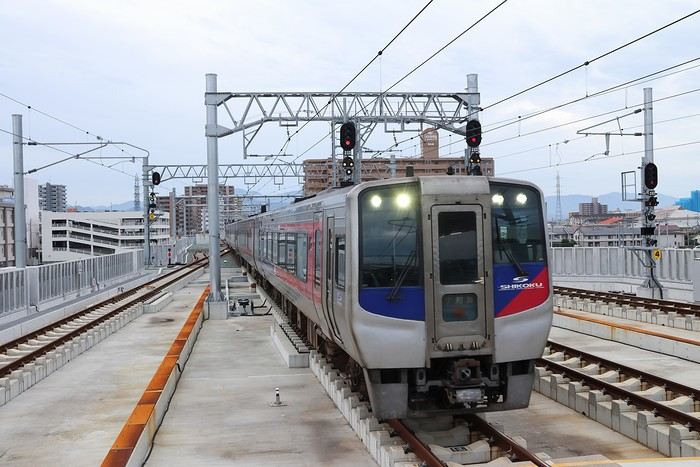
The Yosan Line to Matsuyama will be in the dark after crossing the Great Seto Bridge over the Inland Sea, but that’s no big deal—it’s a classic route you could take every day if you wanted.
SE Serow Veteran ·
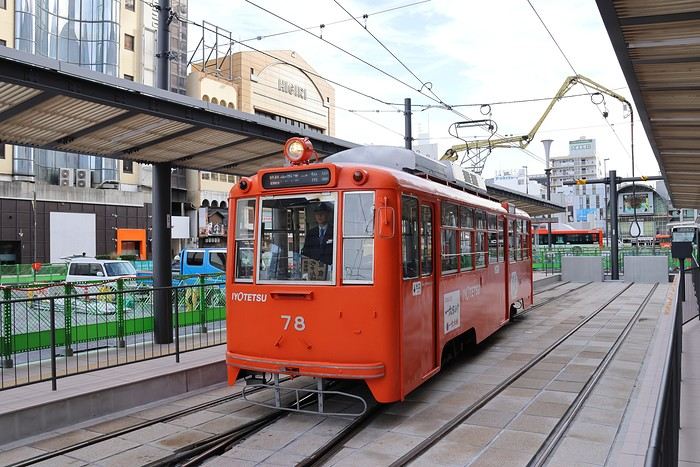
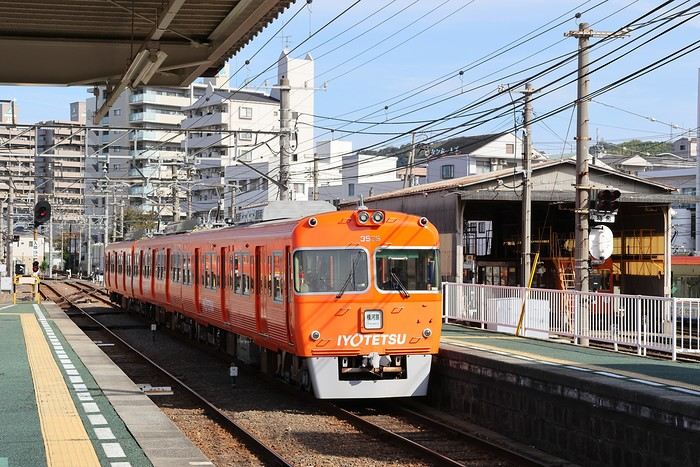
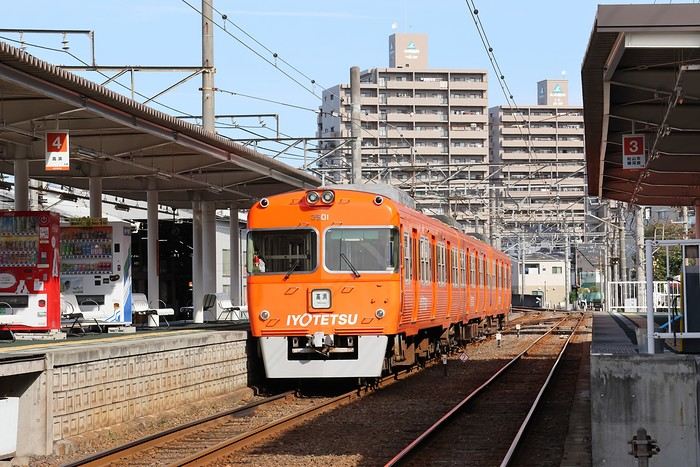
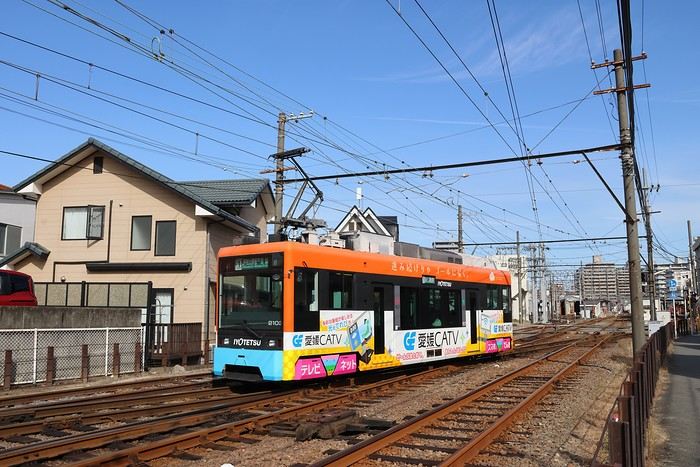
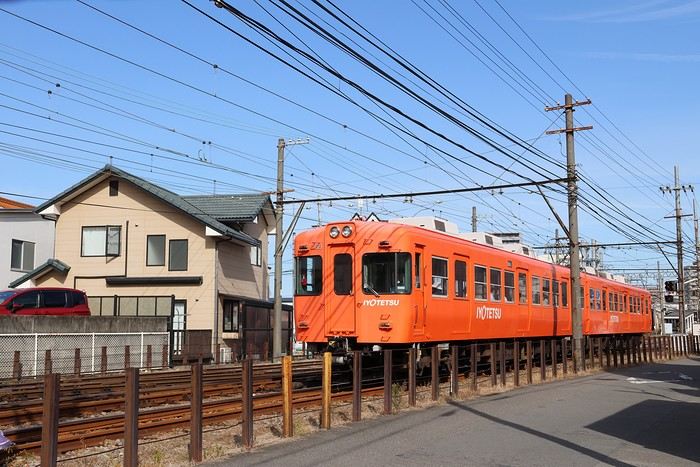
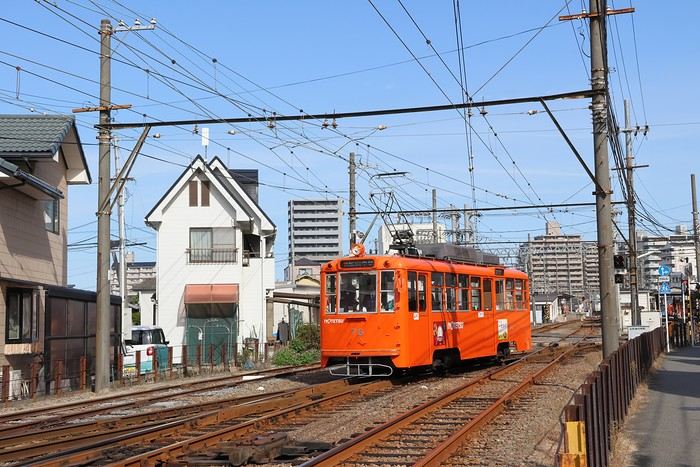
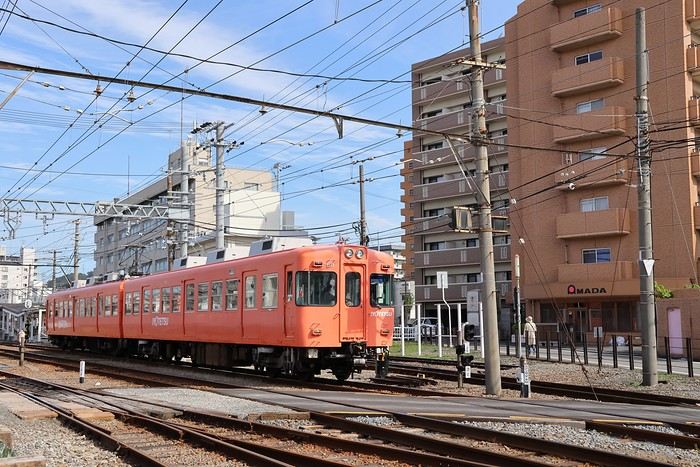
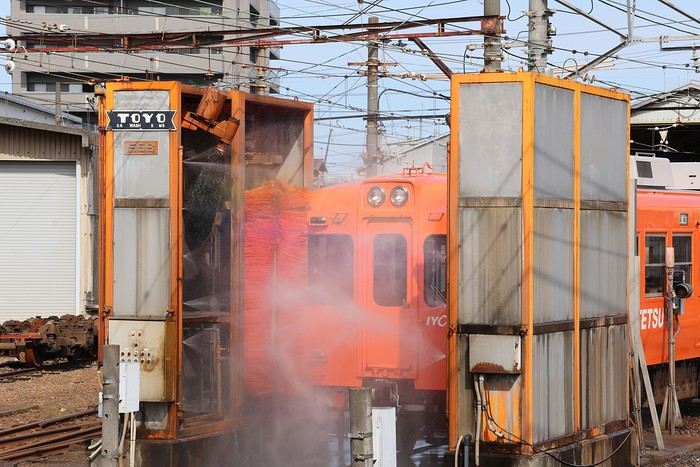
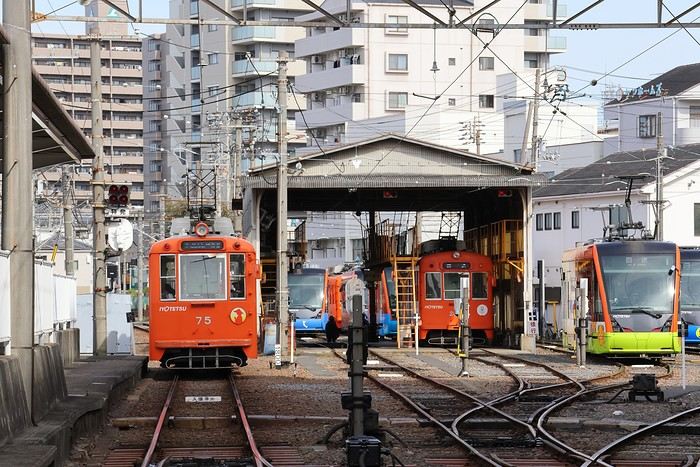
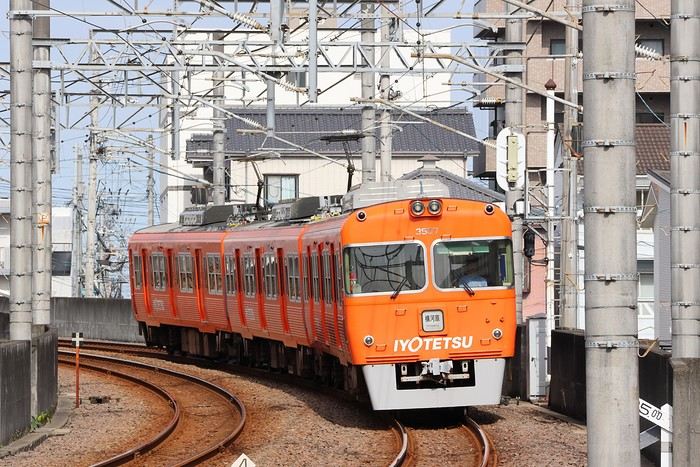
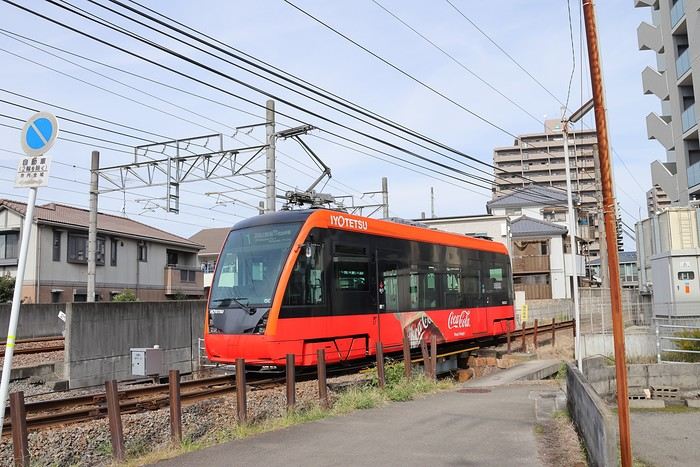
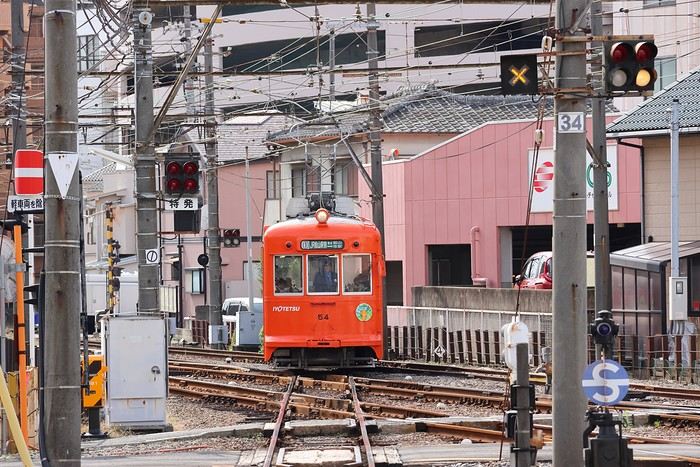
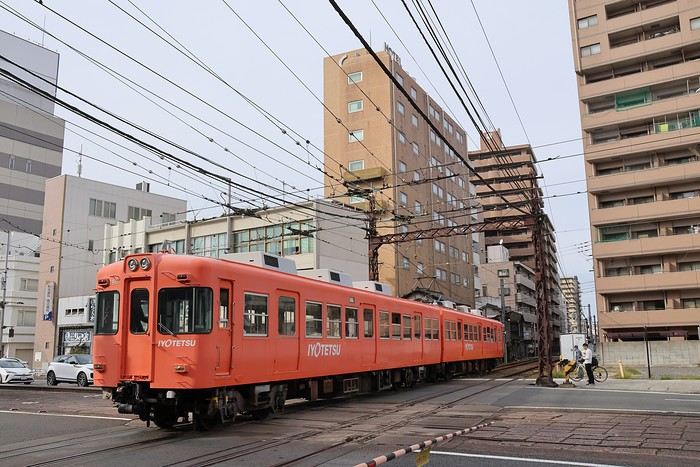
Spent the whole day in Matsuyama. Already done it before, but we're going to approach it differently this time. We'll set off pretty early and change locations often to make the most of the sunlight for photos, especially at the depot, which is impossible to photograph in the afternoon. The company that operates Matsuyama's urban transport is Iyotetsu. But it's also a local railway company. The train depot and the tram depot are in the same place. The lines cross at street level at the exit, and the interaction between train and tram is something really interesting to photograph.


SE Serow Veteran ·


The most interesting tram line in the area is the circular line, especially the section where it runs on its own right-of-way between the houses.
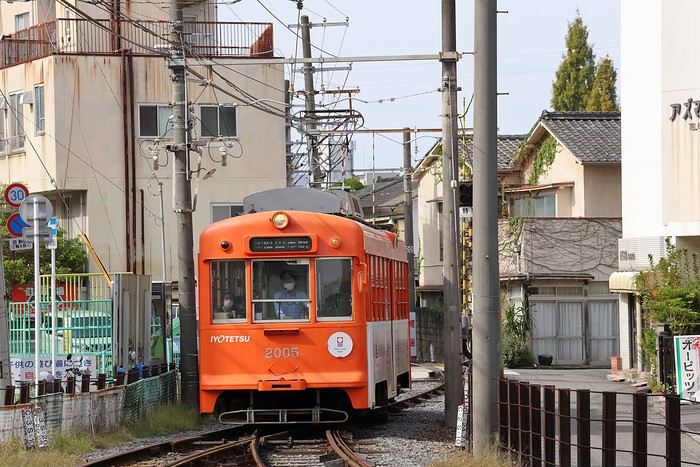
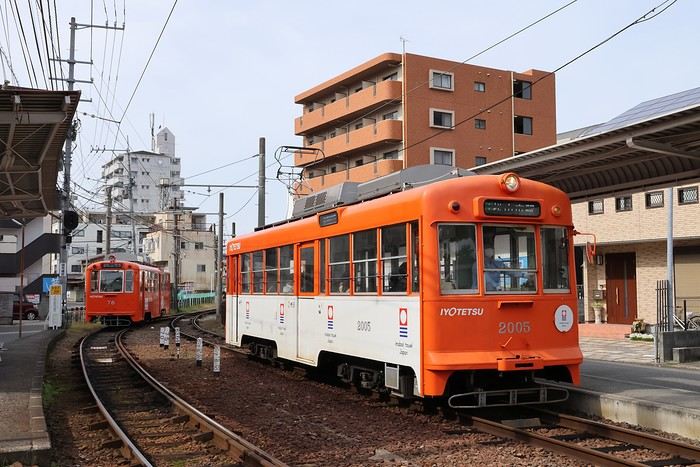
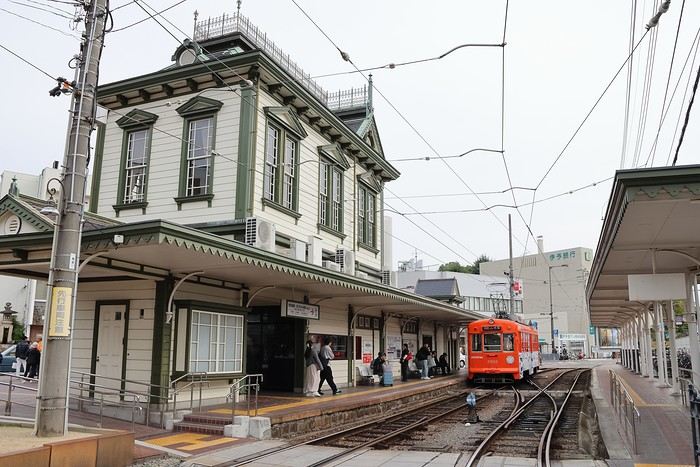
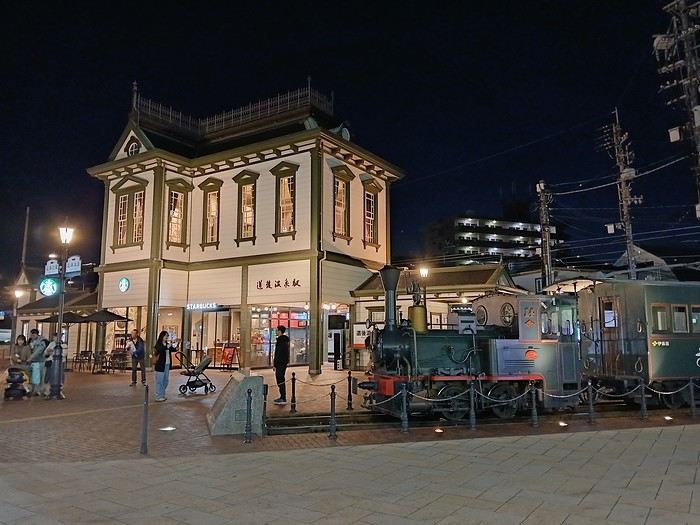
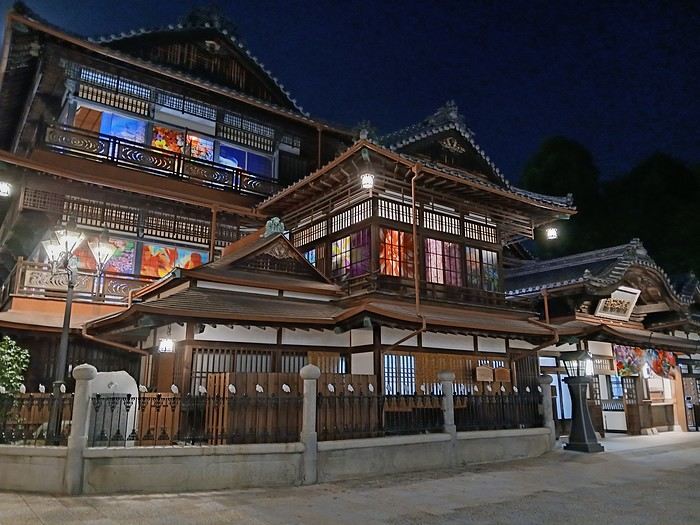
A stop at Dogo Onsen, a visit to the castle that we had to cut short because of closing time, then back to Dogo to eat and take some night photos of the onsen.


SE Serow Veteran ·


Not too tired, we figure we’ll head back to the hotel on the loop line in the evening—light traffic, not too many passengers. If we wait for an old motorcar and get lucky with a driver who likes to push the last notch on the controller, it should be fun. The old motorcars with small numbers aren’t speed-limited like the newer ones, and they’ve got a really nice engine sound. Unfortunately, we don’t always get that lucky. A nervous, inexperienced driver, almost unsure of himself and his movements. I would’ve loved to take his place—my left hand was itching to do it.
SE Serow Veteran ·
Here we go for a crazy day. A day where I copied kanji into my schedule so I could find my way or ask passersby for directions if needed.

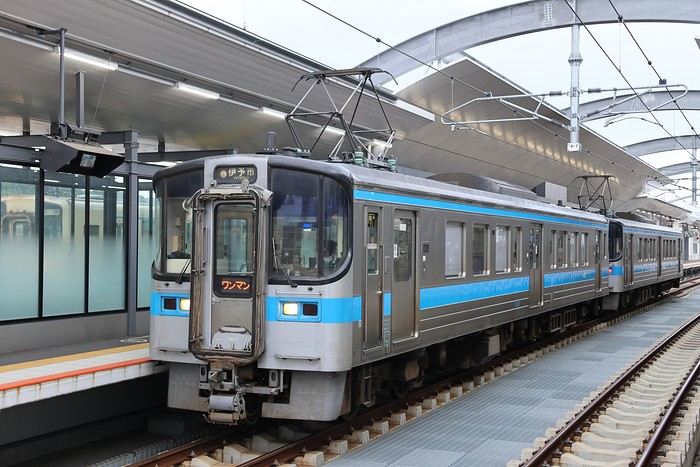
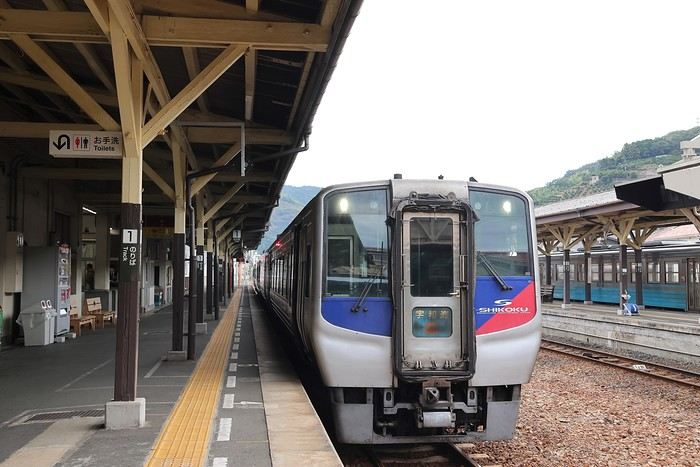
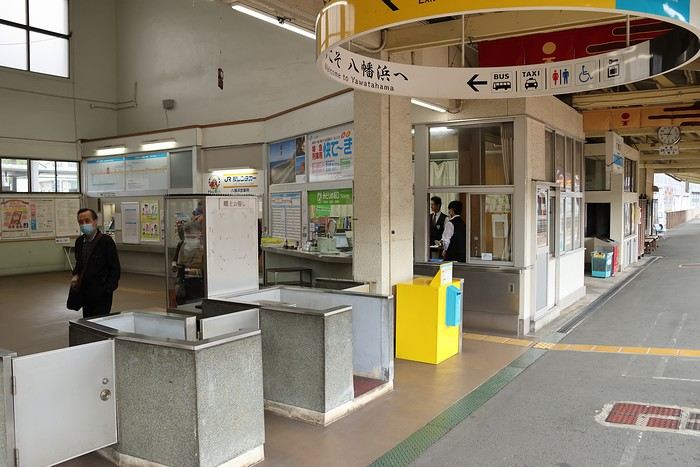
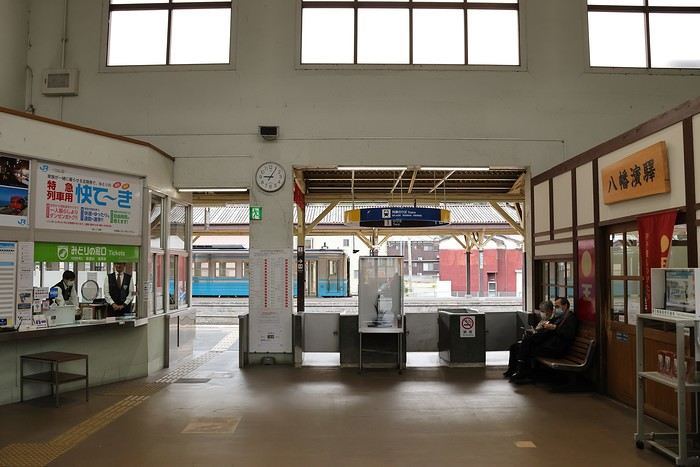
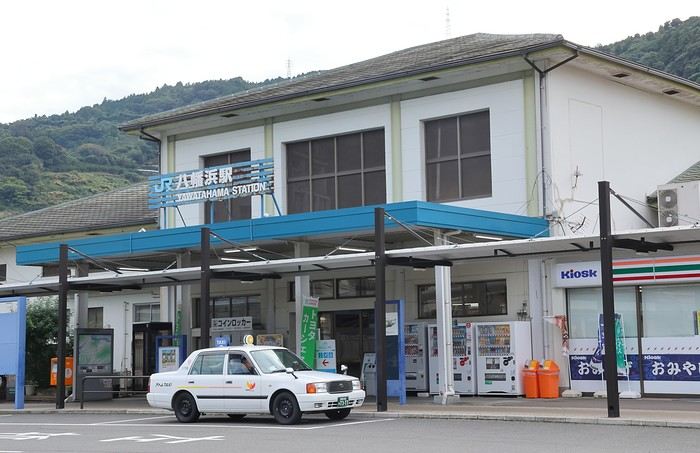
Departure from Matsuyama on the Yosan Line and stop at Yawatahama. Here too, it feels like stepping back in time.


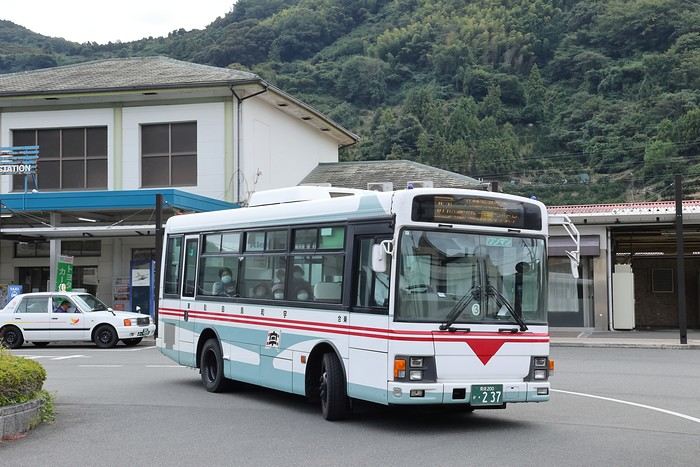
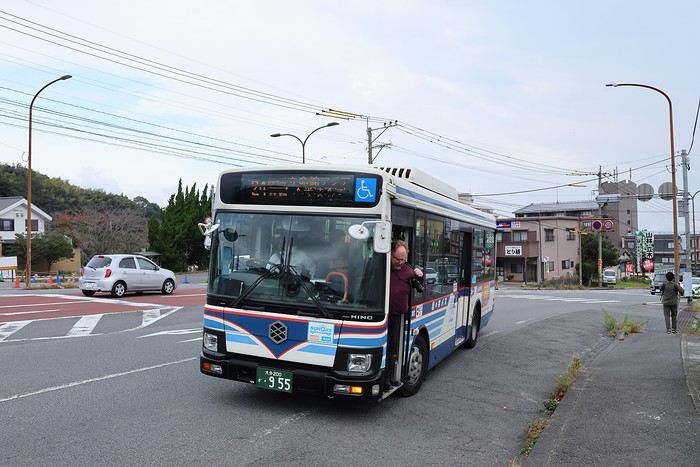
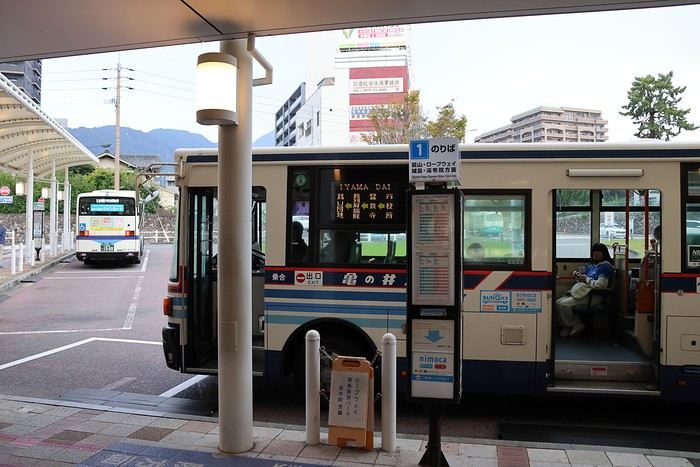
Now, head to the station square and find the right bus on the right platform. Nothing in romaji—back to my early experiences.


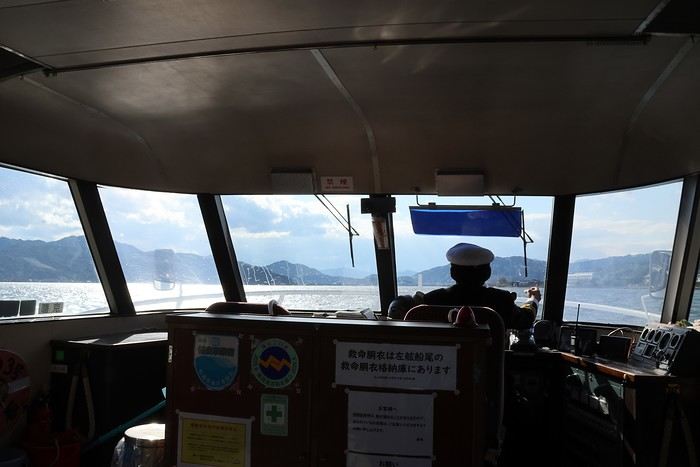
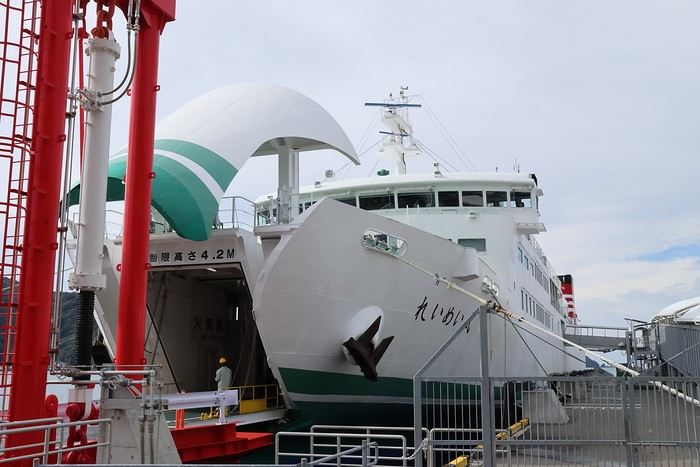
Get off at the port and take the boat—it’s well-organized and modern. No problem.


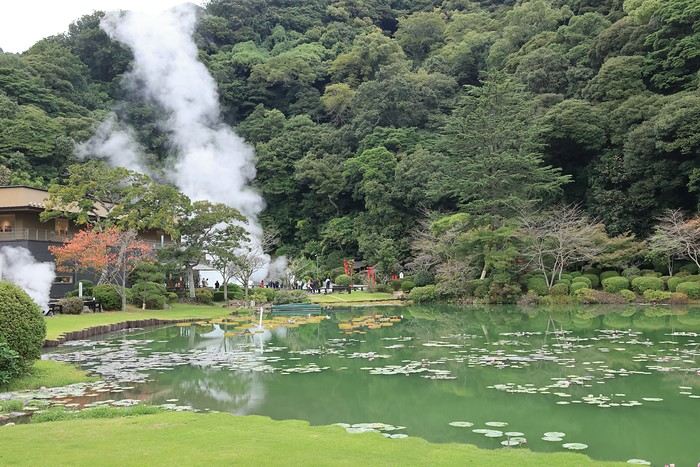
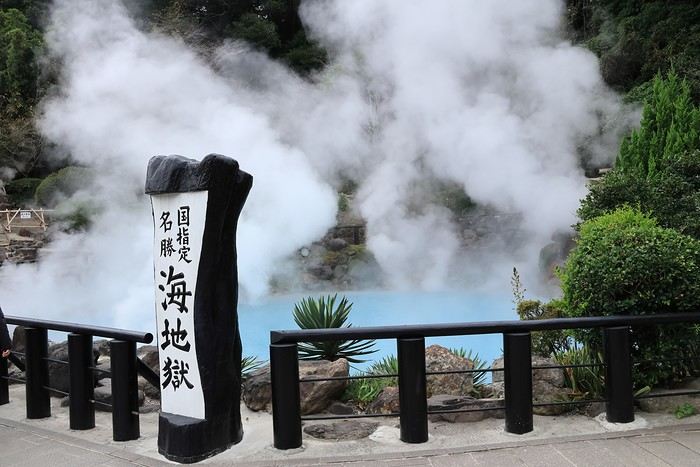
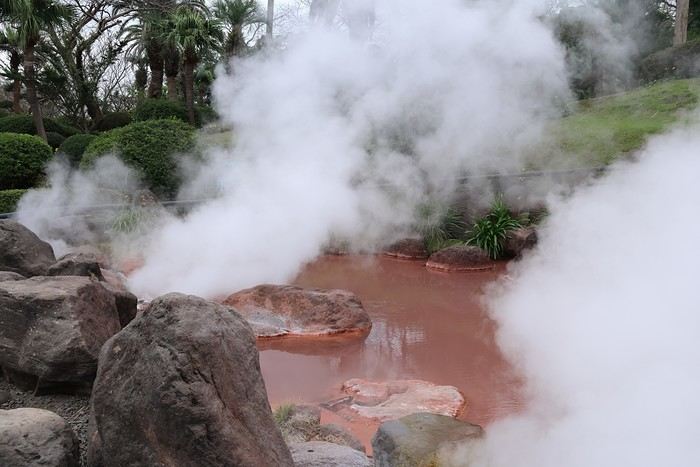
After a 2-hour-50-minute ride, we arrive at Beppu Kokusai Kanko. A 10-minute walk (why doesn’t the bus go to the port?) and we take the bus to the hells. Umijigoku mae—quite a few people get off, just follow them.

Tonight, we’re staying in Oita—bus and train, but we’re heading there in a light rain.
SE Serow Veteran ·


SE Serow Veteran ·
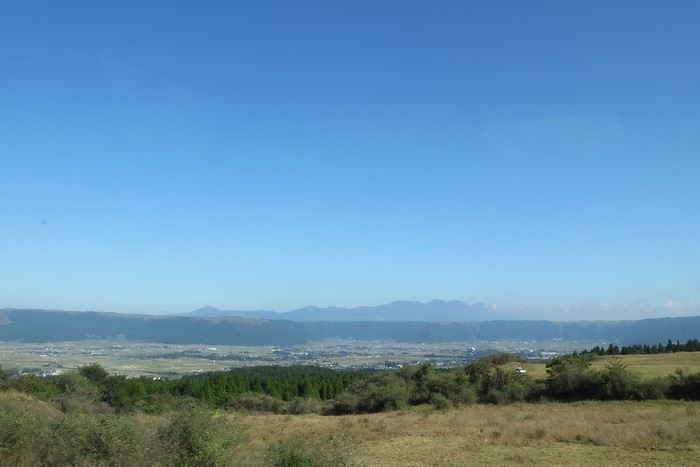
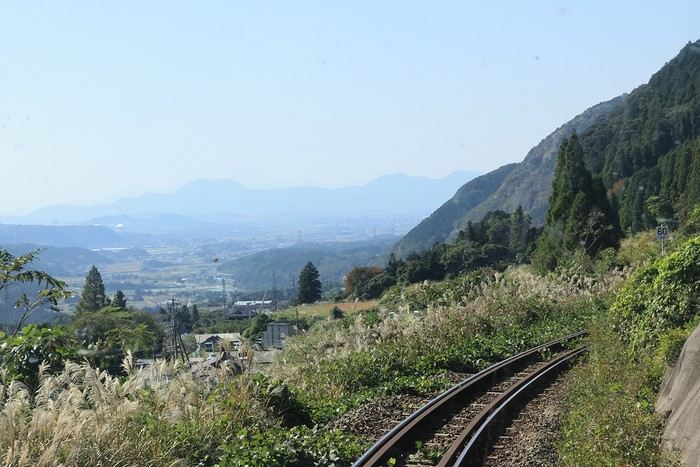
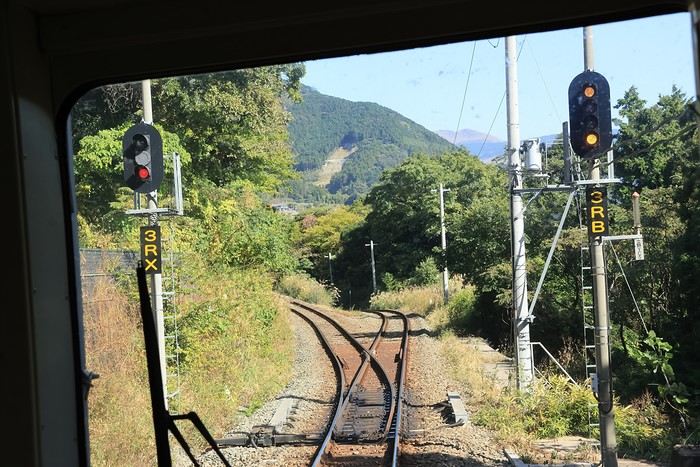
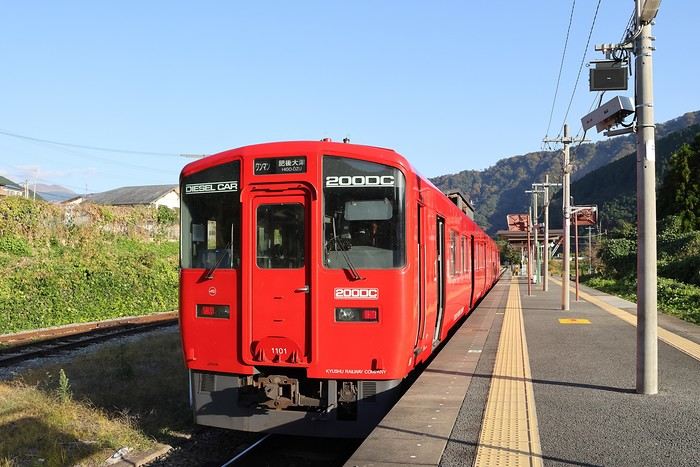
Simple plan for the day: leave Oita, head to Mount Aso, and stay in Kumamoto. We’re not feeling super motivated this morning, so we sit in the second car with our reserved seats. Too bad, because we could’ve gone to the front for a view of the driver’s cabin. The line was supposed to be interesting and scenic.

We get off at Aso to take the bus up to the volcano.
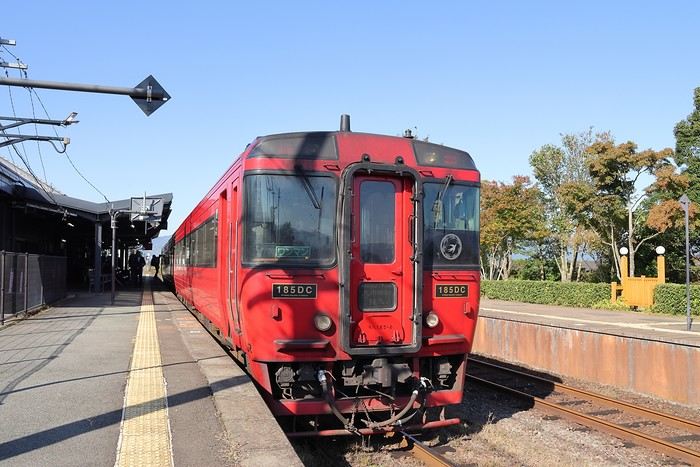
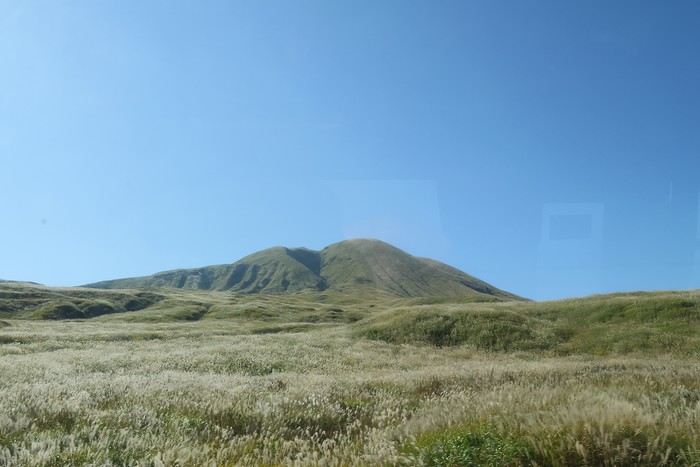
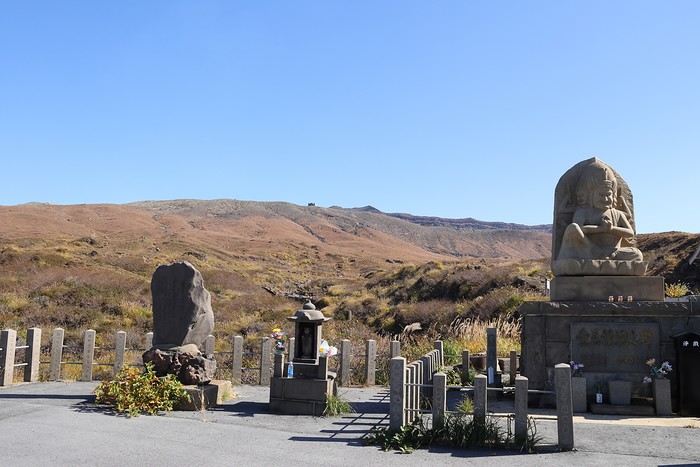
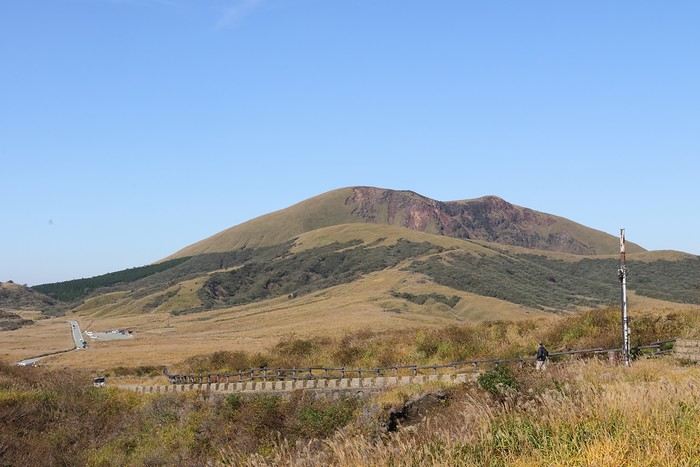
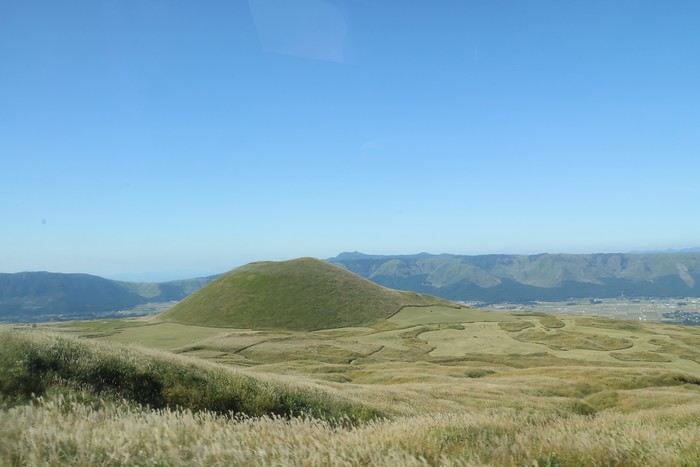
This was kind of the highlight of the day, but it didn’t quite work out. Access to the crater is closed due to toxic fumes. No luck, but we’ll still go as far as we can. The landscape is amazing. Still a shame about the crater, though.


Back at Aso Station, we continue along the line to the Tateno switchback.


SE Serow Veteran ·
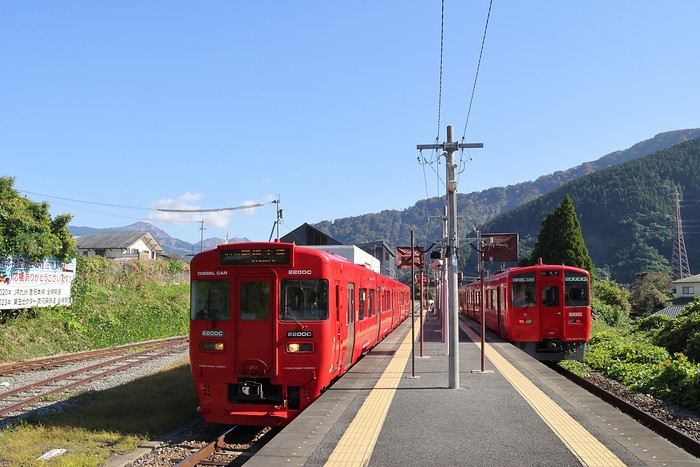
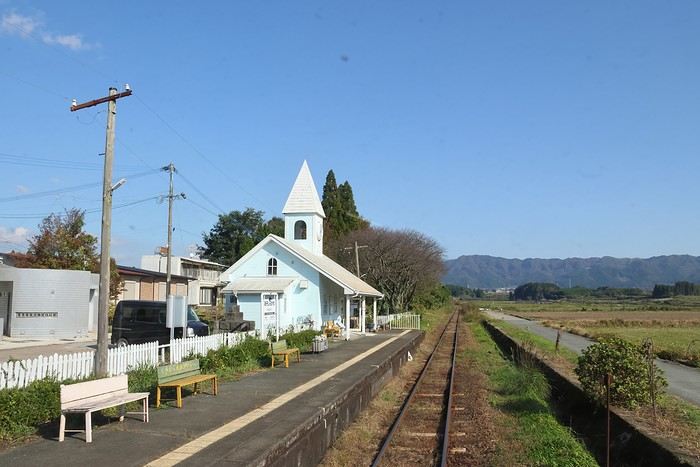
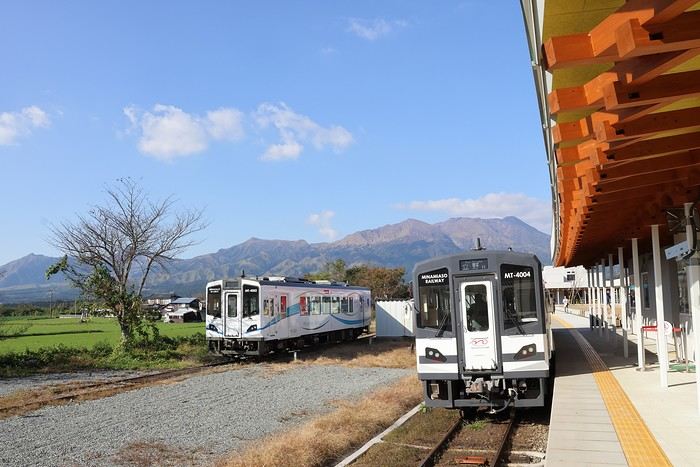
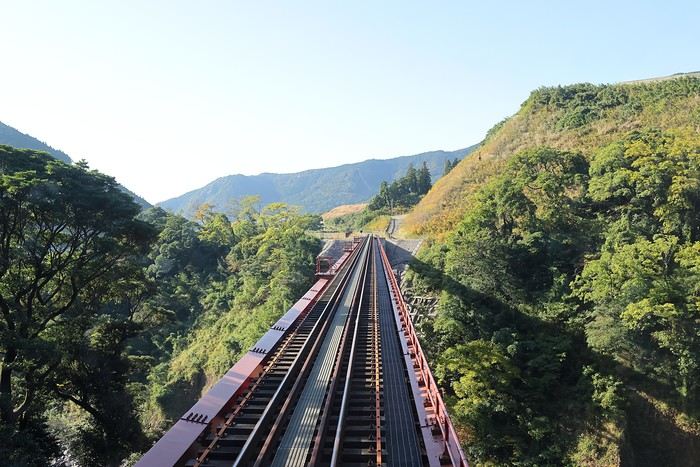
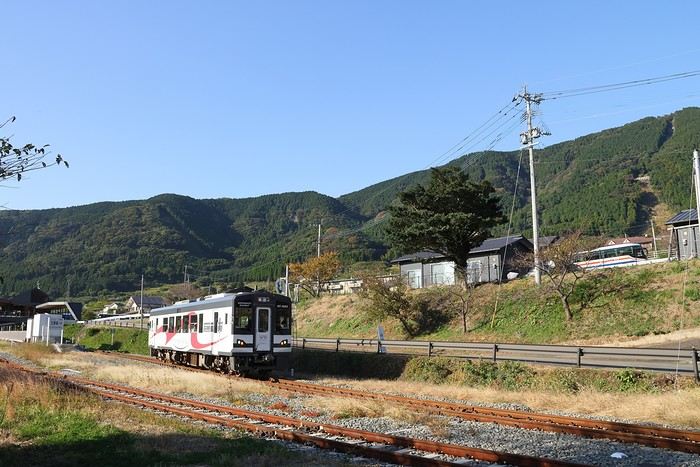
Tateno is also the starting point of the Minami Aso Railway line. This line was never completed—it was meant to reach Nobeoka but is now operated by a regional company as far as Takamori. It’s not uncommon for late-construction rail lines to begin with the easiest sections. The most difficult parts, often already underway, were abandoned when priorities shifted and continuing such a costly project no longer made economic sense.

The area is really pleasant, with quite a few travelers (often tourists). The infrastructure and stations are in great condition, and the rolling stock is almost new. That’s because the line was recently reactivated after significant damage from the 2016 earthquake.


Later in the day, the trip continues to Kumamoto.

Similar discussions

You might also like