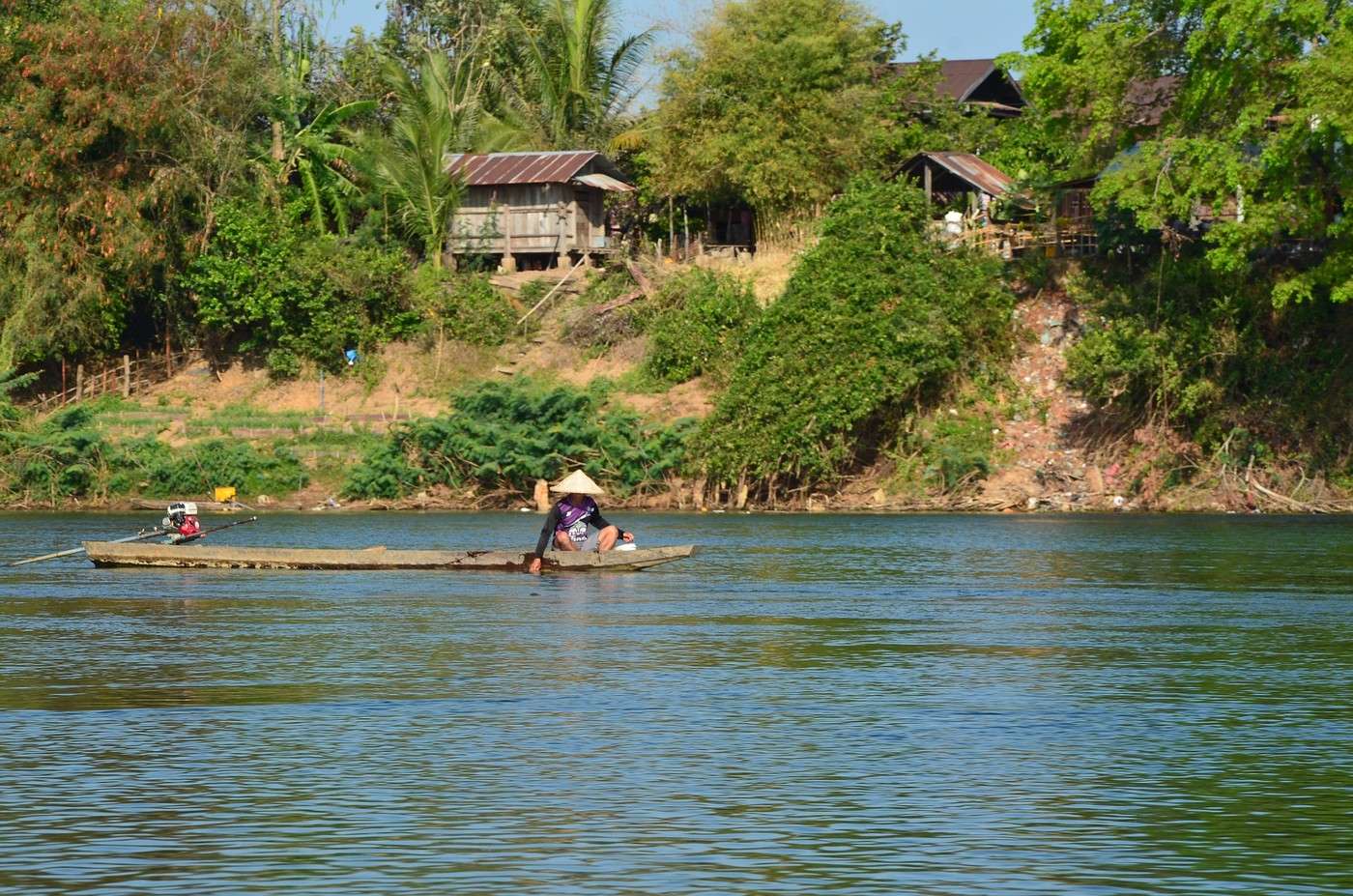
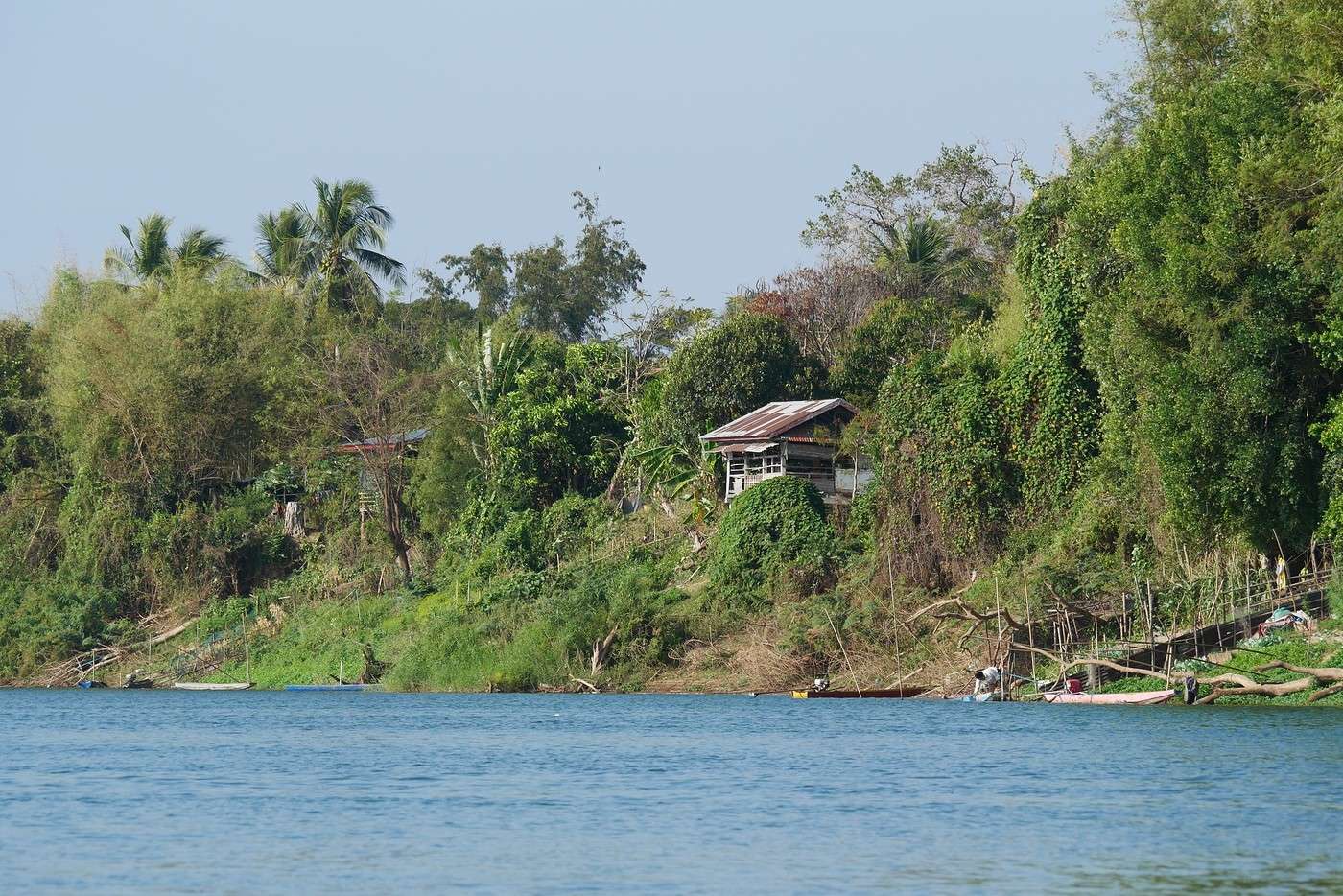
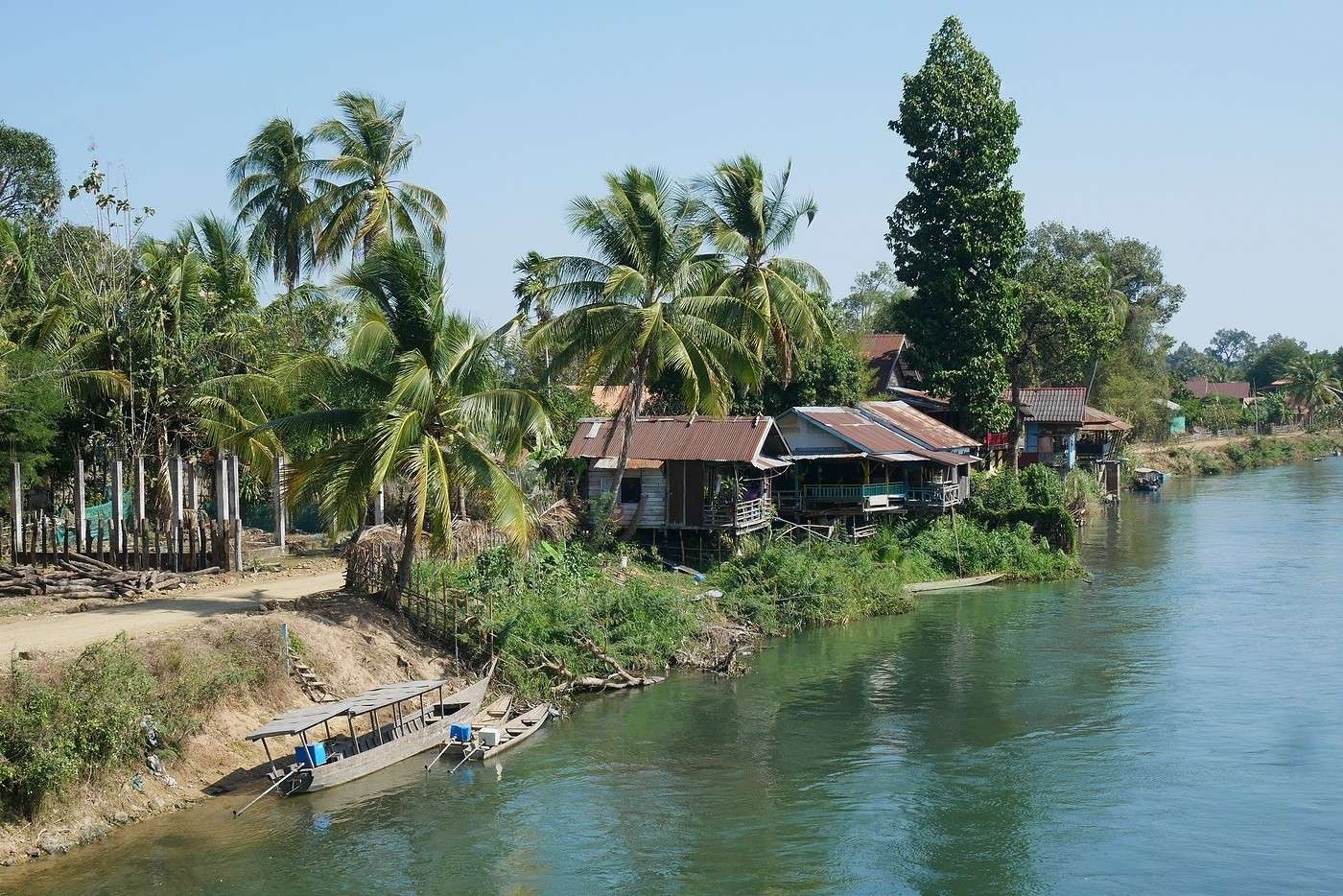
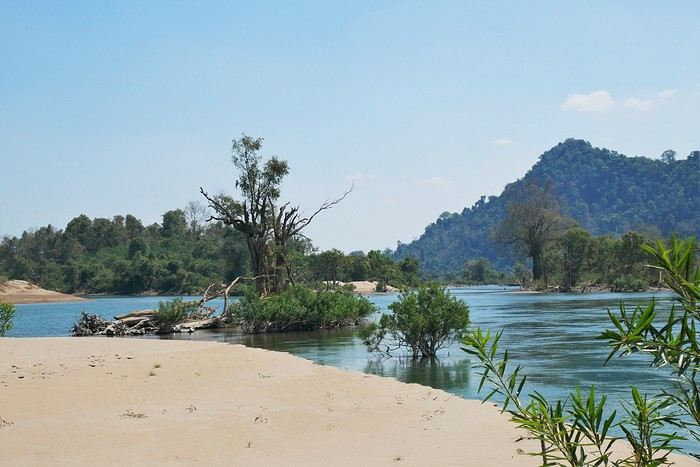
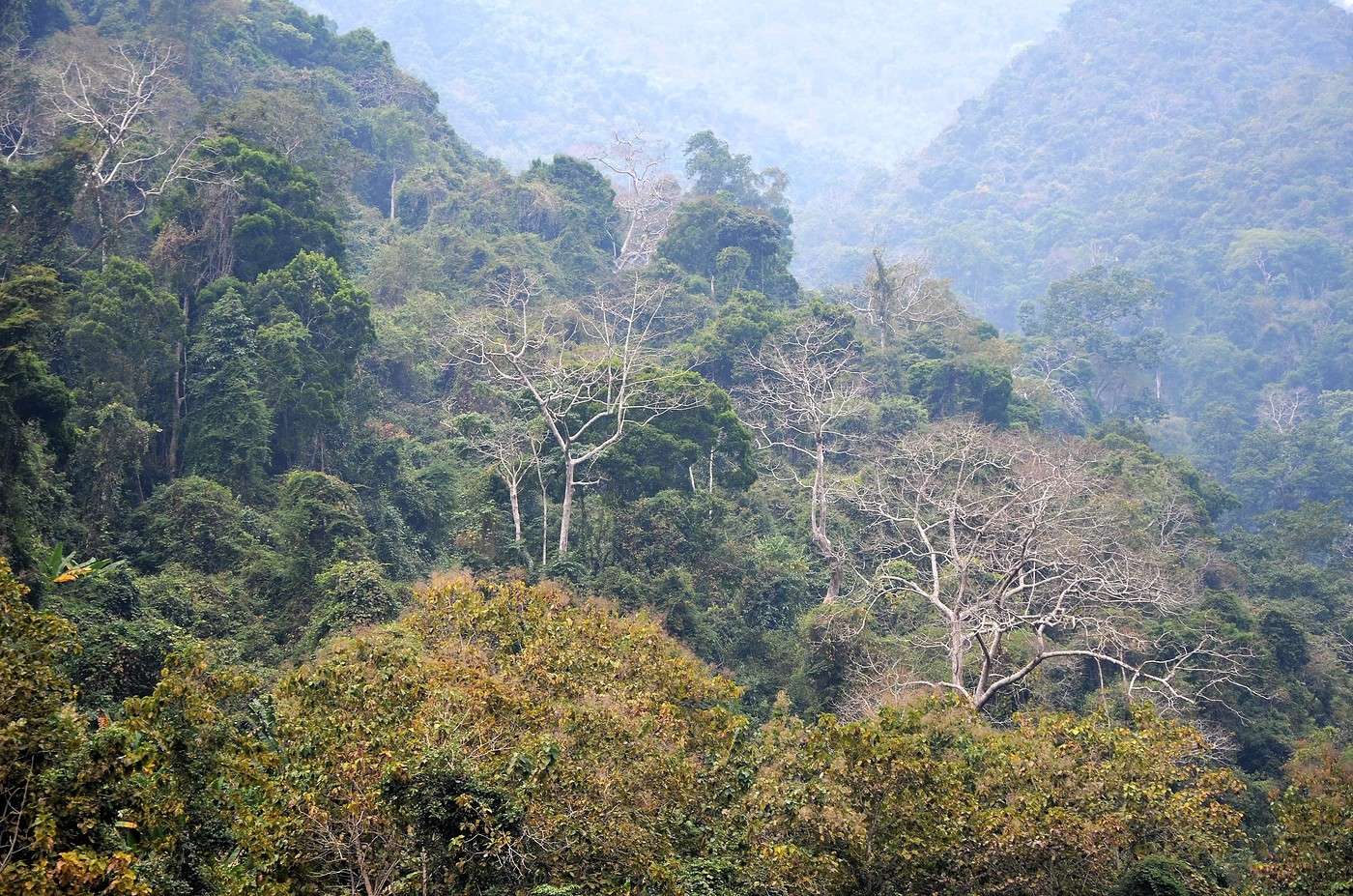
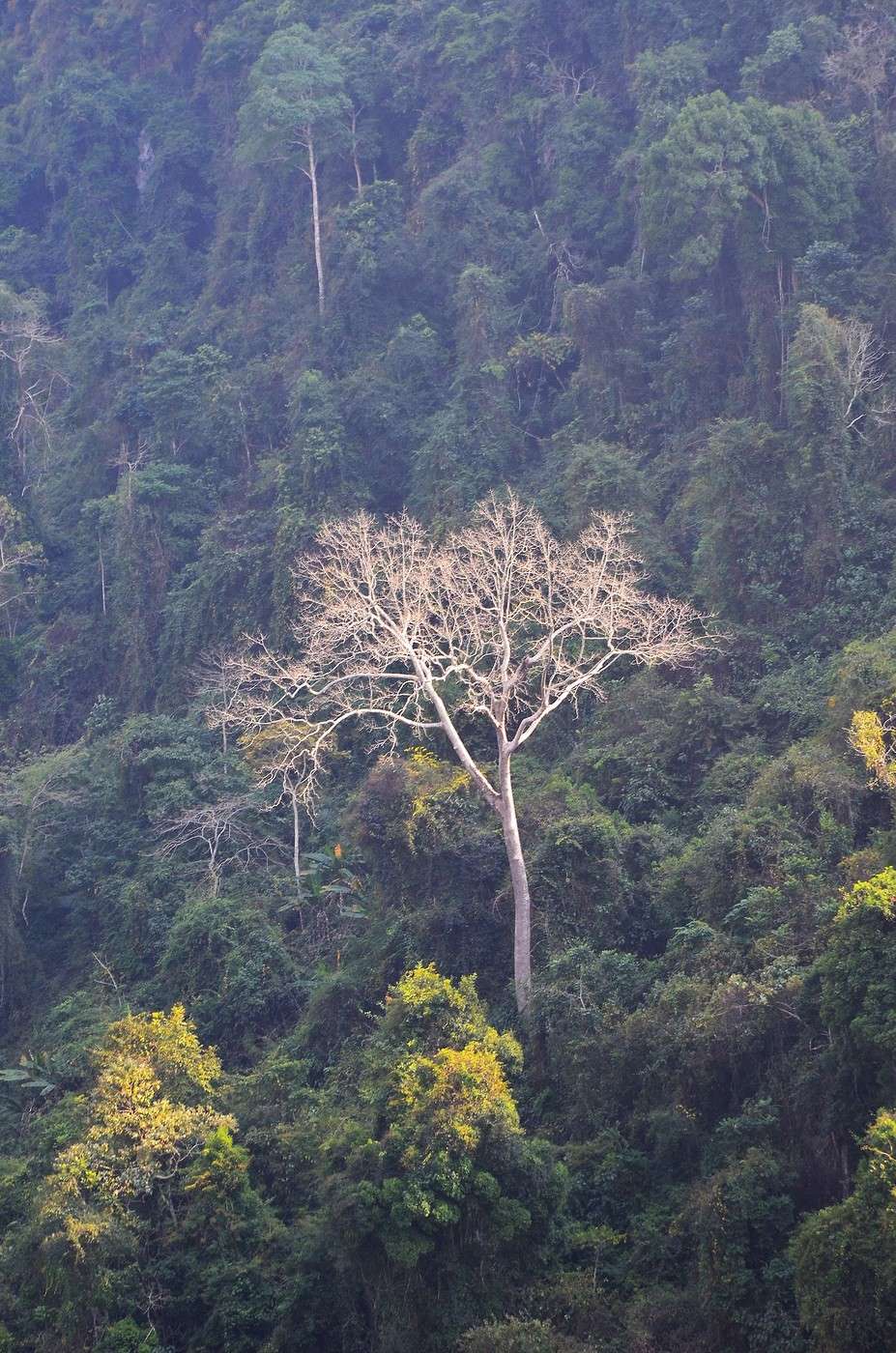
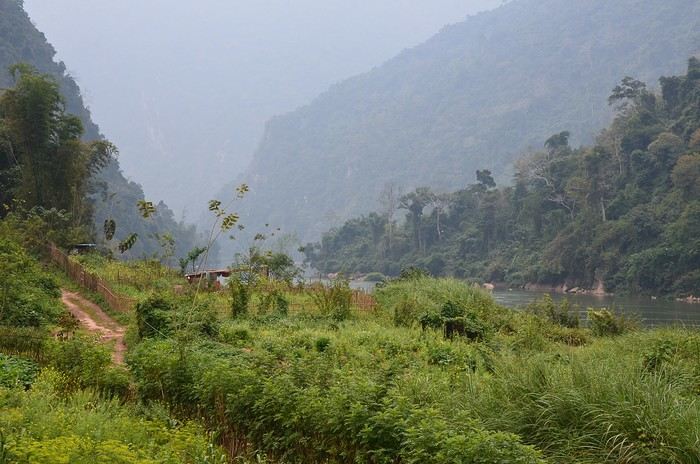
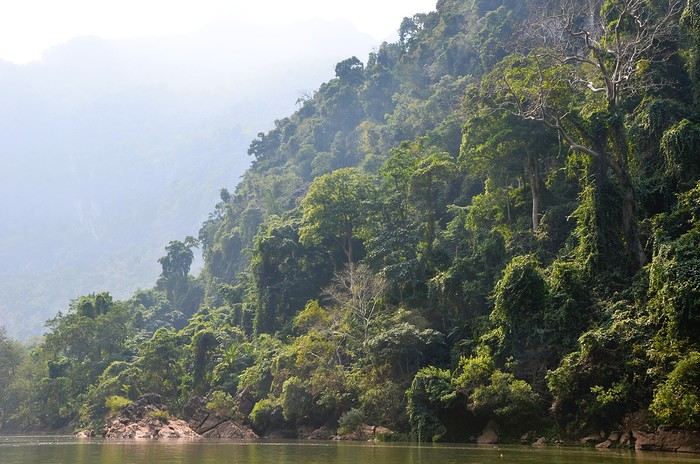
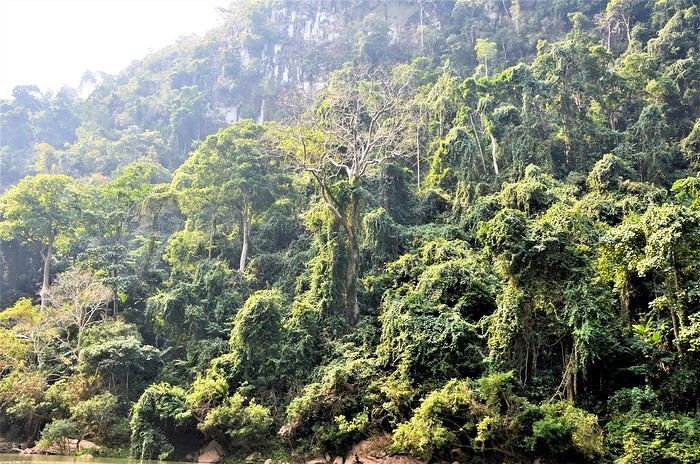
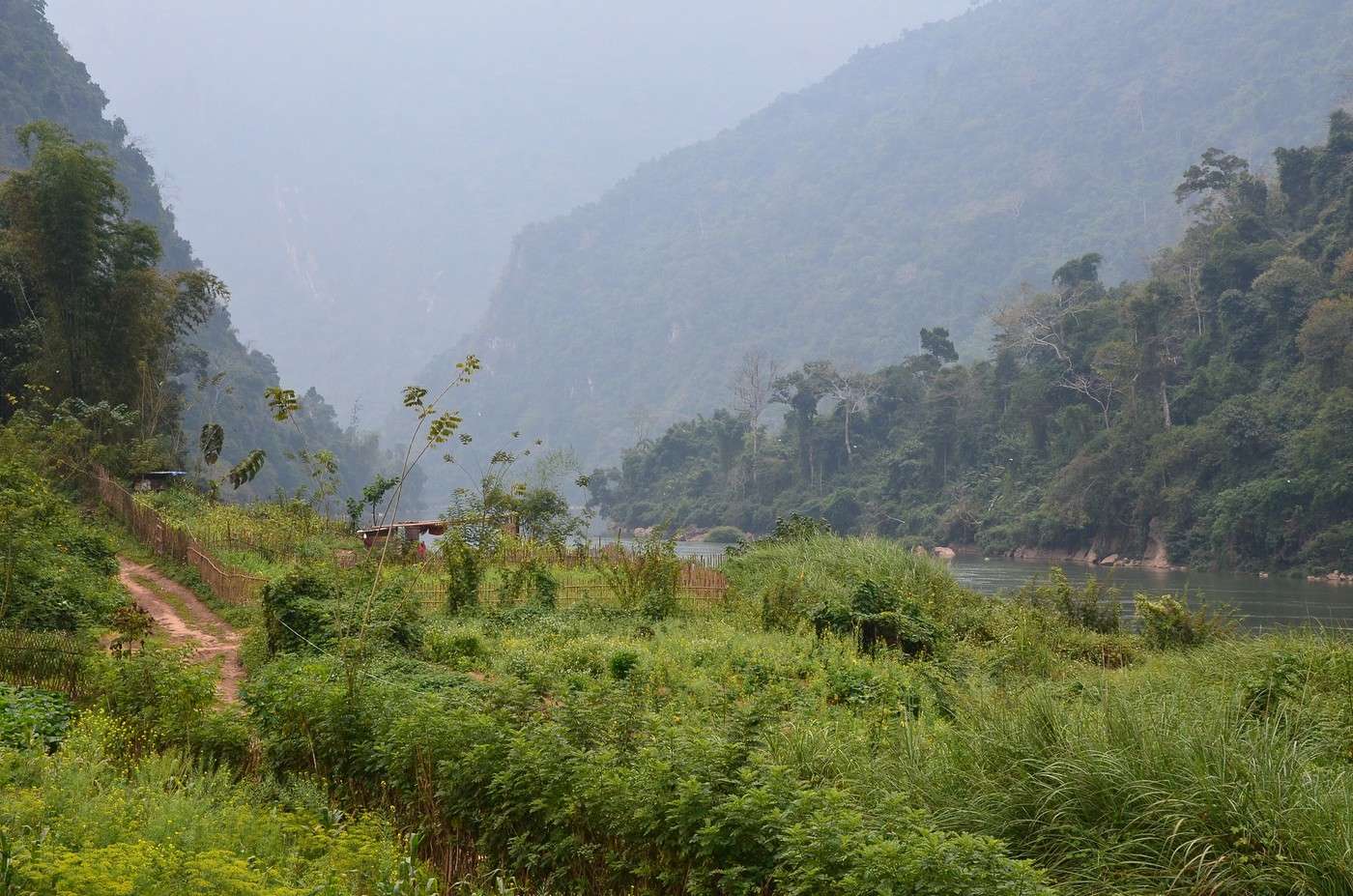
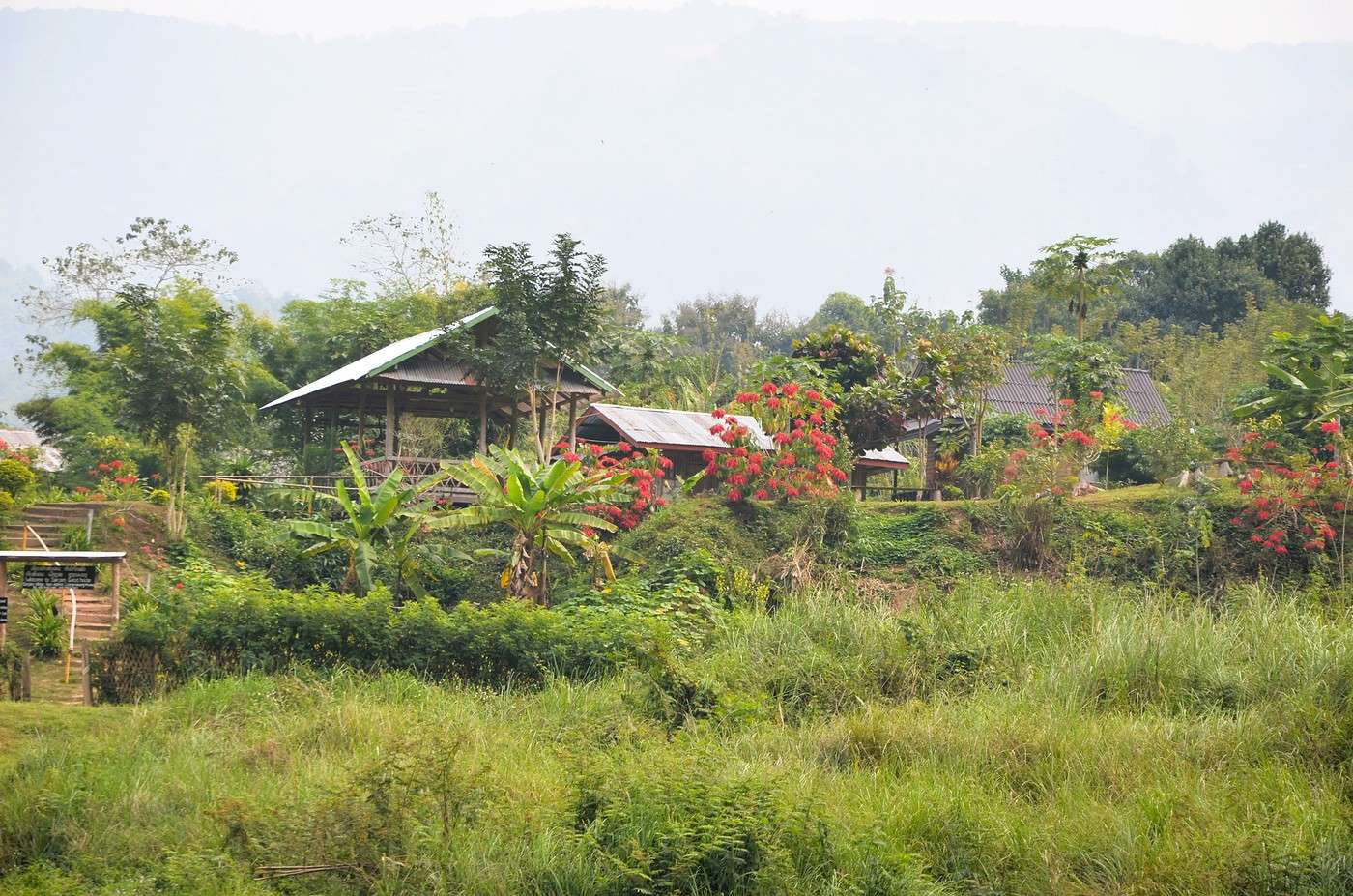
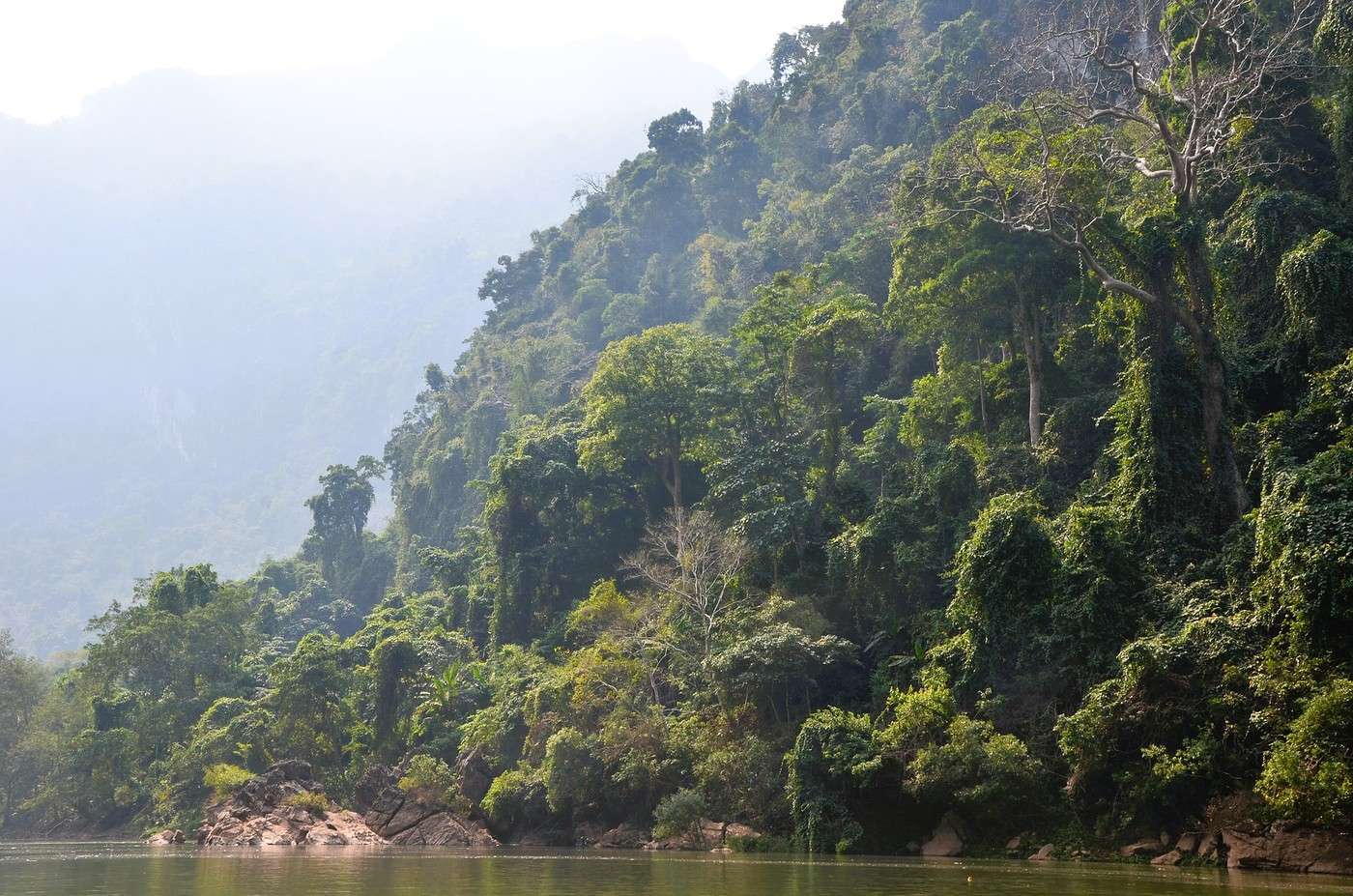
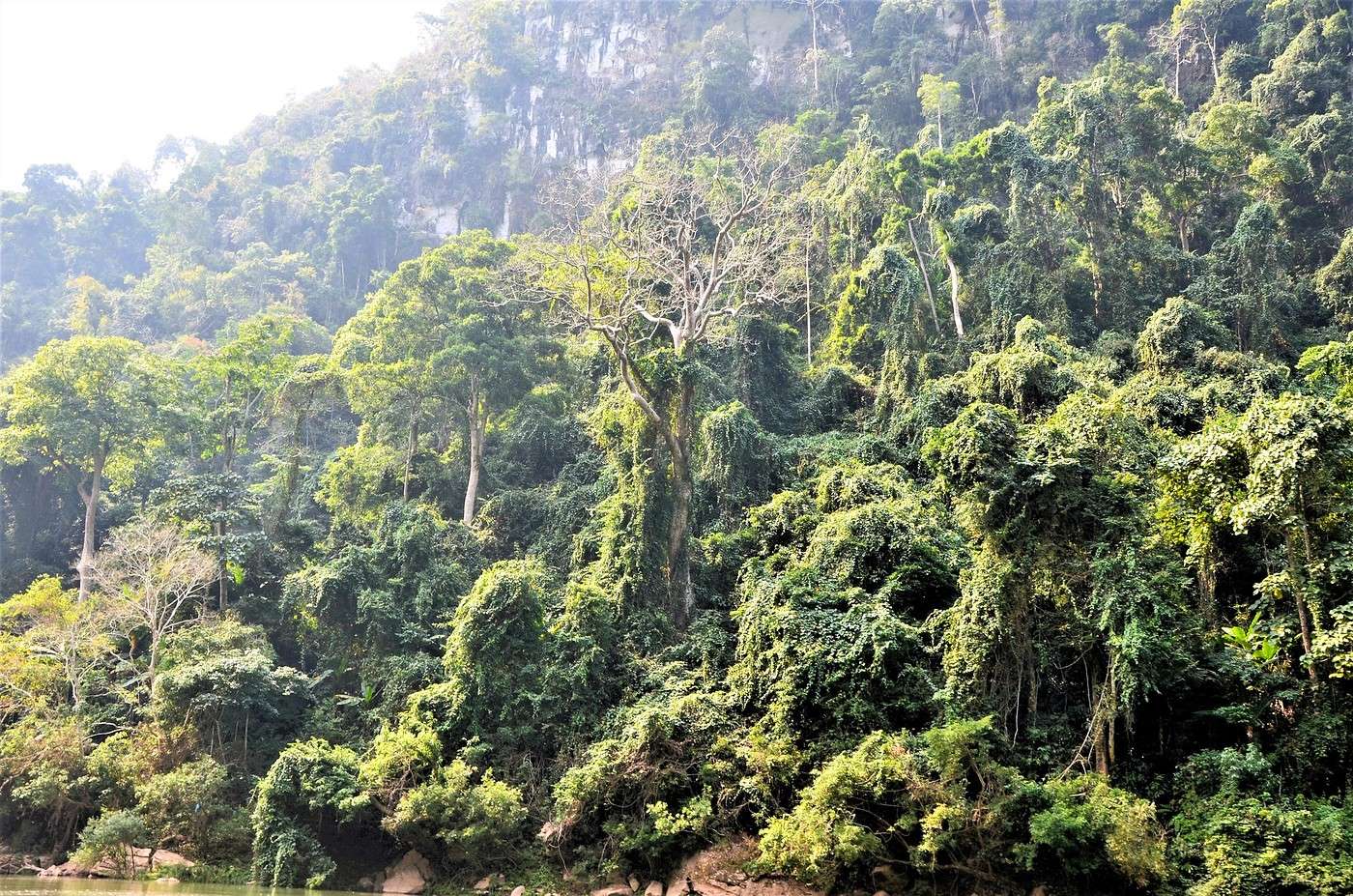
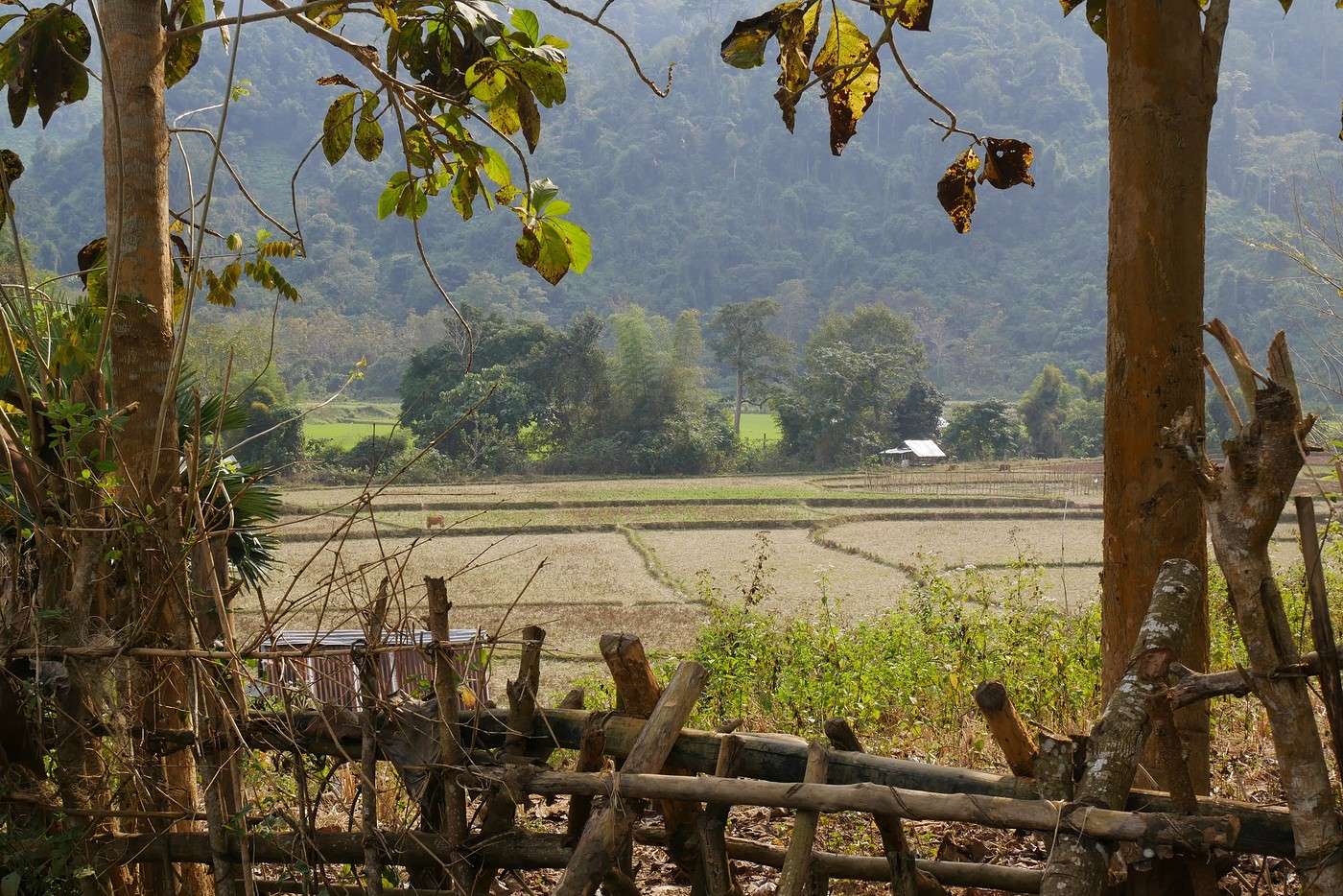
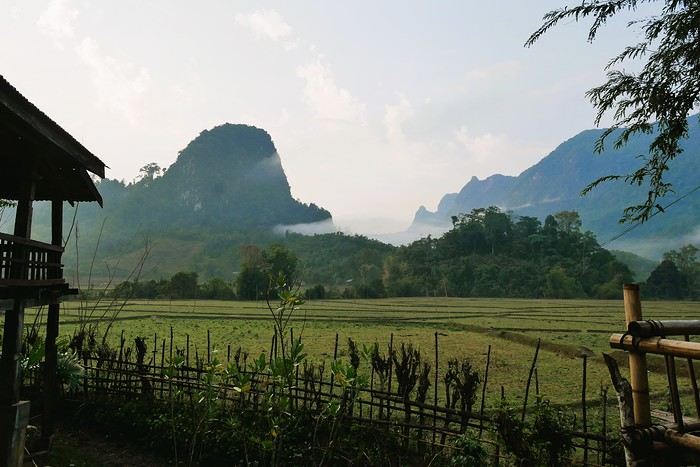
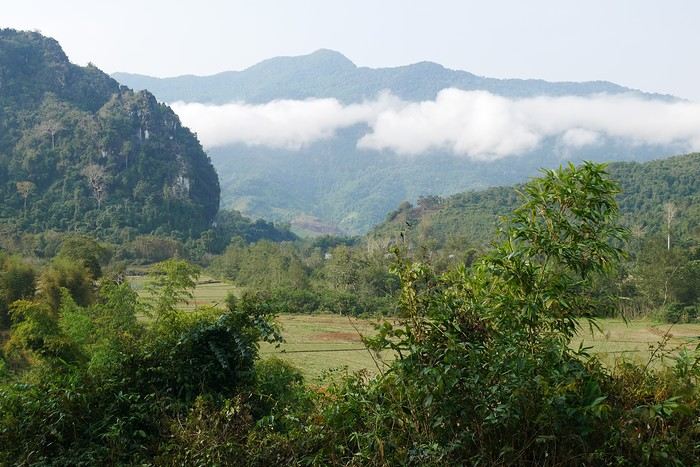
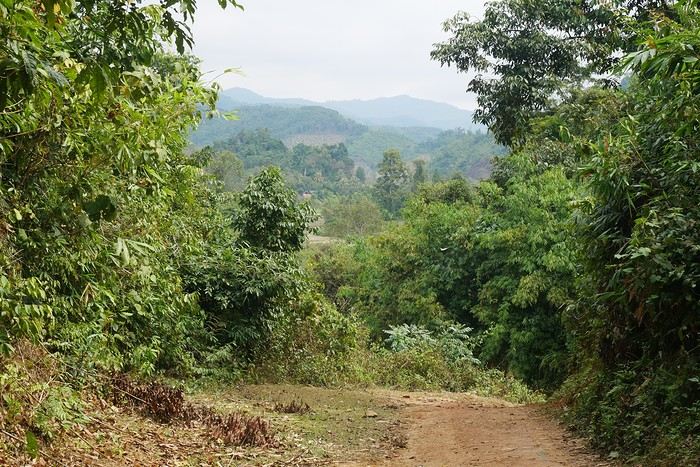
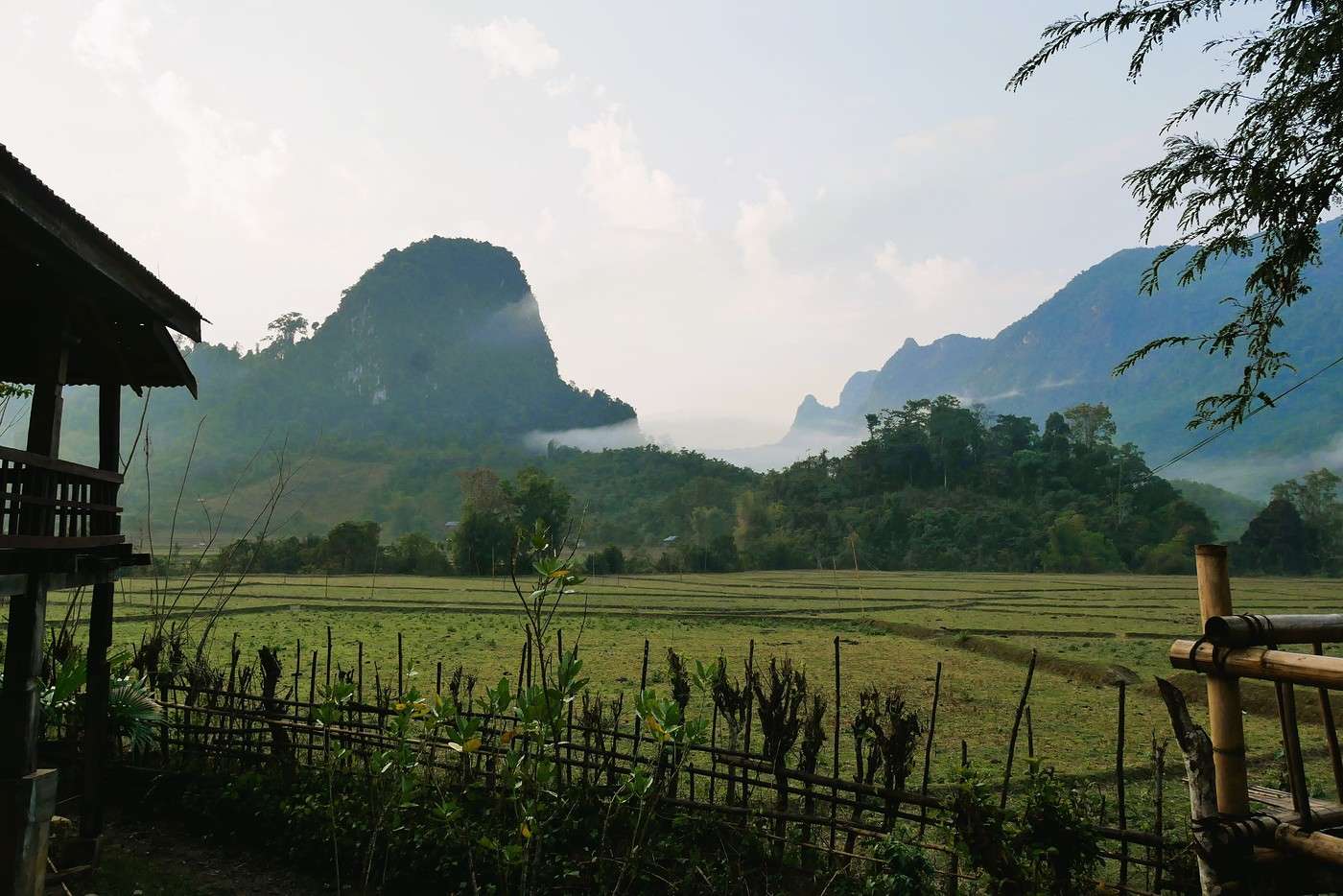
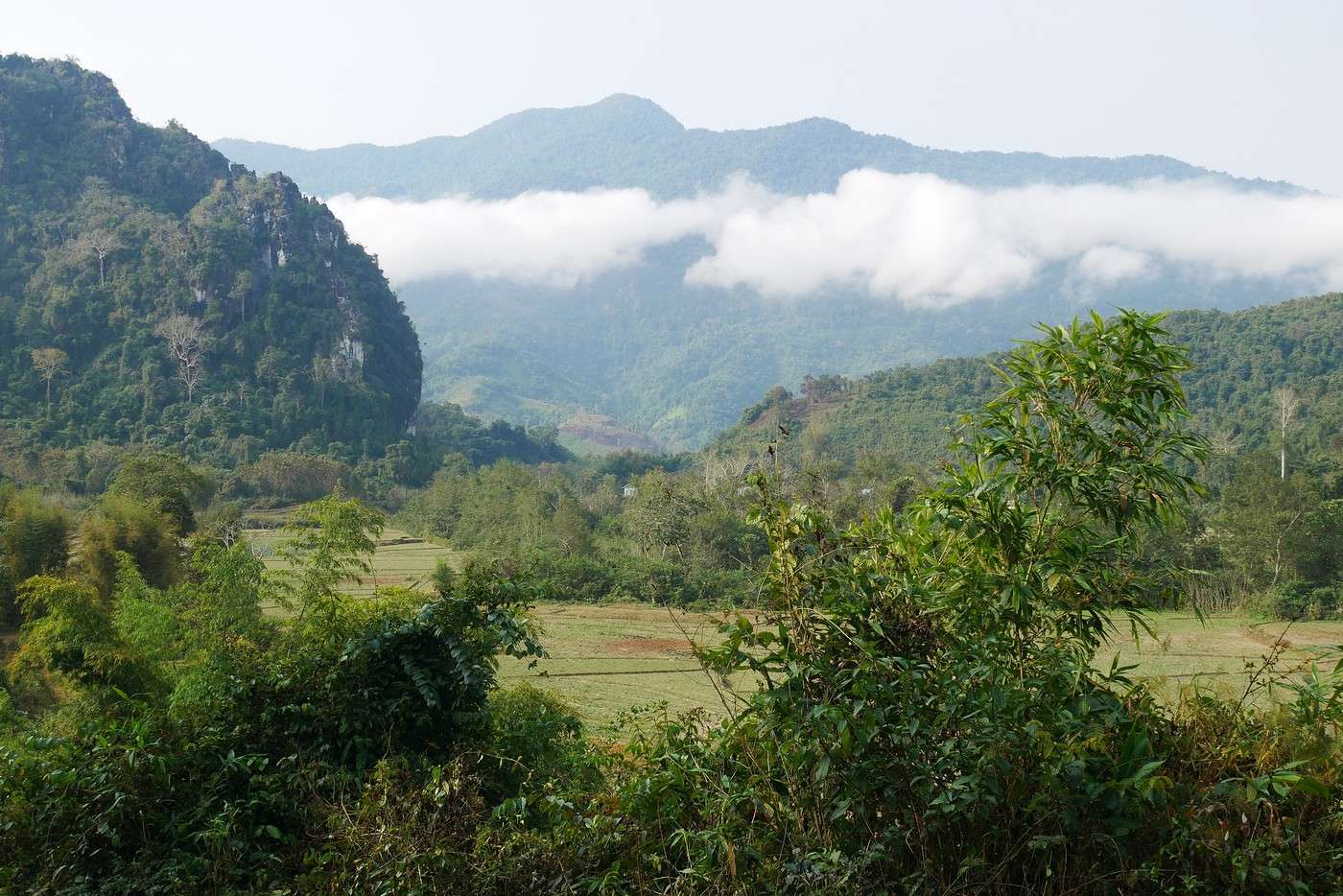
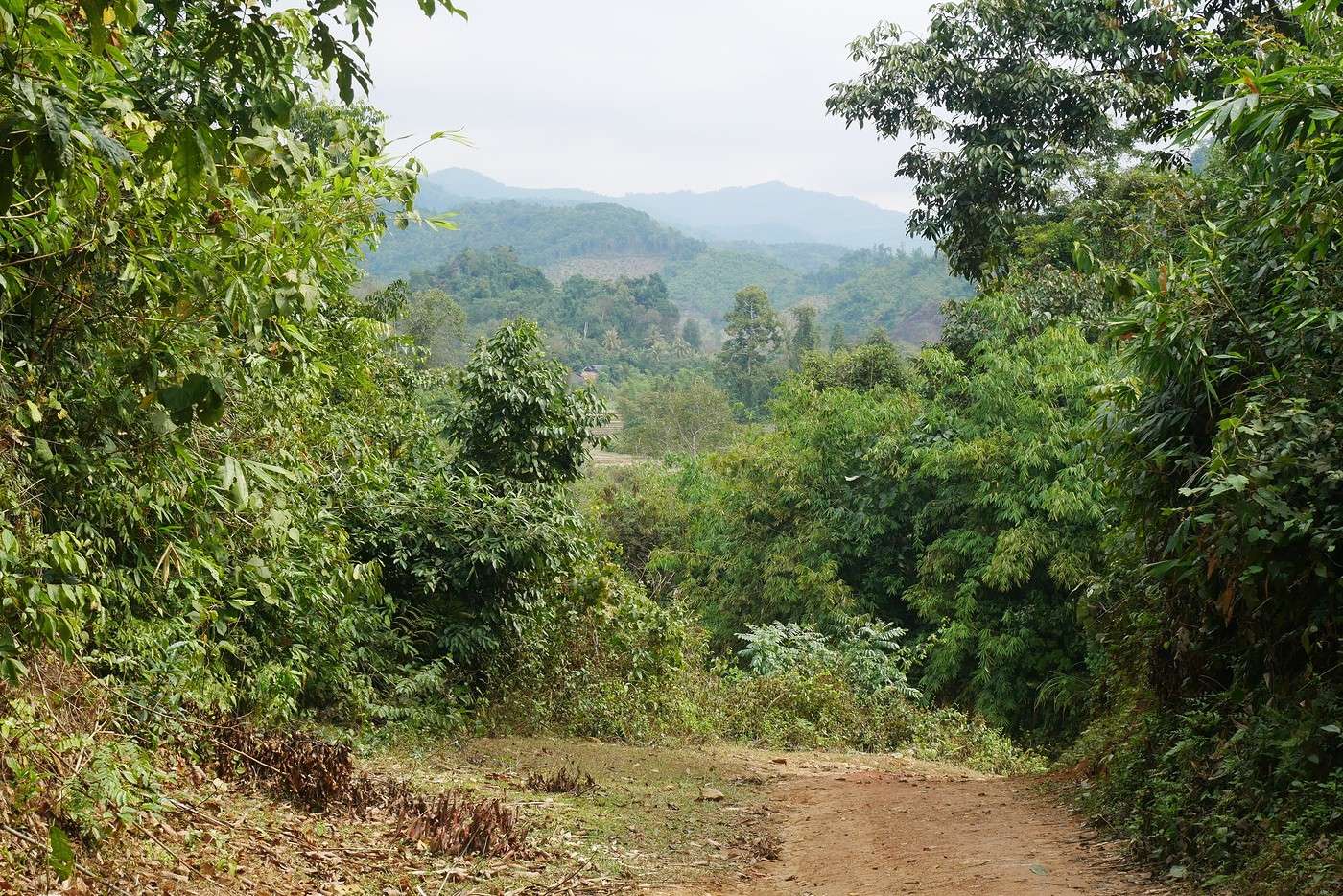
So here we are, setting off with Viengkam for an easy hike, with a small backpack for 2 nights, along a dirt road. Once we pass the last houses, we venture into a lovely countryside—wooded hills to our left, a small river to our right, and fields beyond.
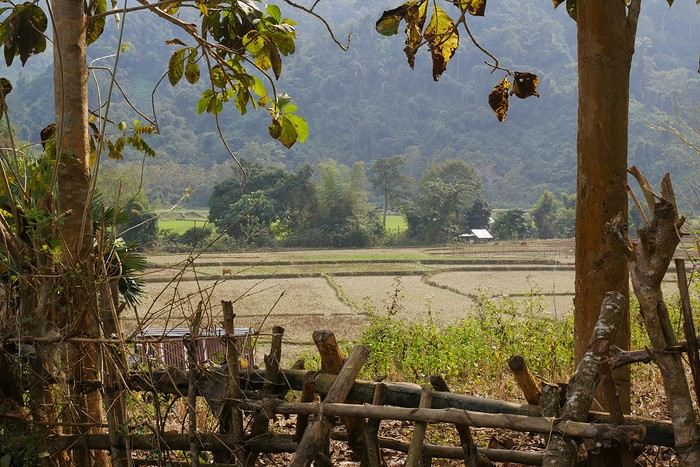
Along the way, we stop by a cave that served as shelter during the war. This gives Viengkam the chance to tell us about what Laotians call the “forgotten war.” Laos, which was home to many communists fighting alongside the Viet Cong, also suffered greatly: a rain of bombs fell on its soil, though less publicized than in Vietnam. A civil war broke out, pitting communists against the institutional monarchy established after independence, which was backed by Western powers. The Hmong ethnic group largely sided with the monarchy and the West. The communists ultimately won, leading to the exile of thousands of Hmong, some of whom took refuge in French Guiana, where the Hmong community is now very present.
In total, nearly 500,000 people died—15 to 20% of the country’s population at the time. Even today, demining continues in areas where buried munitions pose a major threat to wildlife and farmers, especially children.
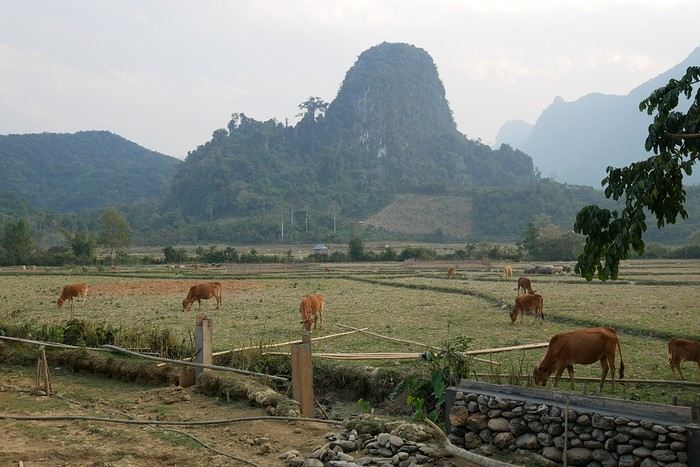
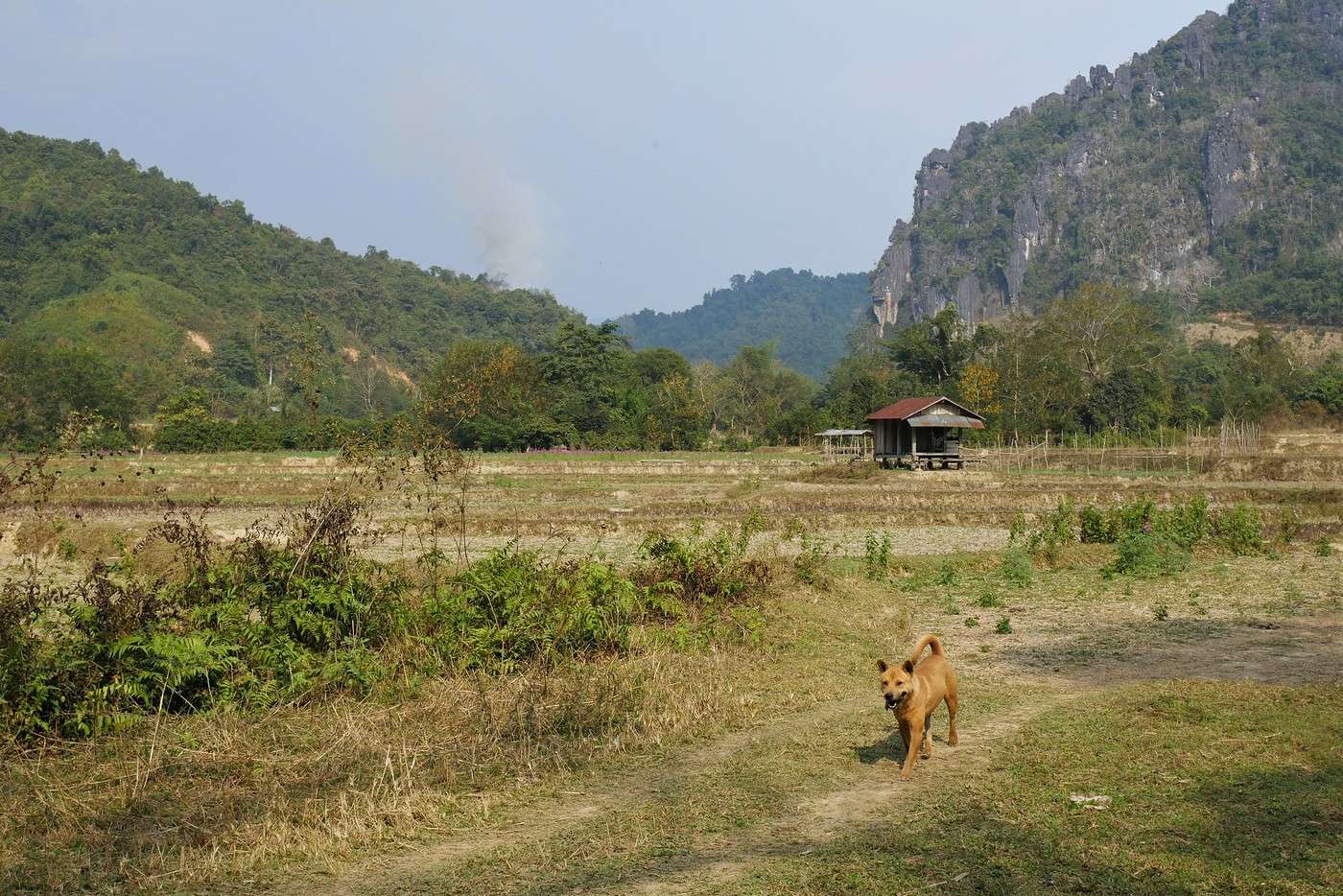
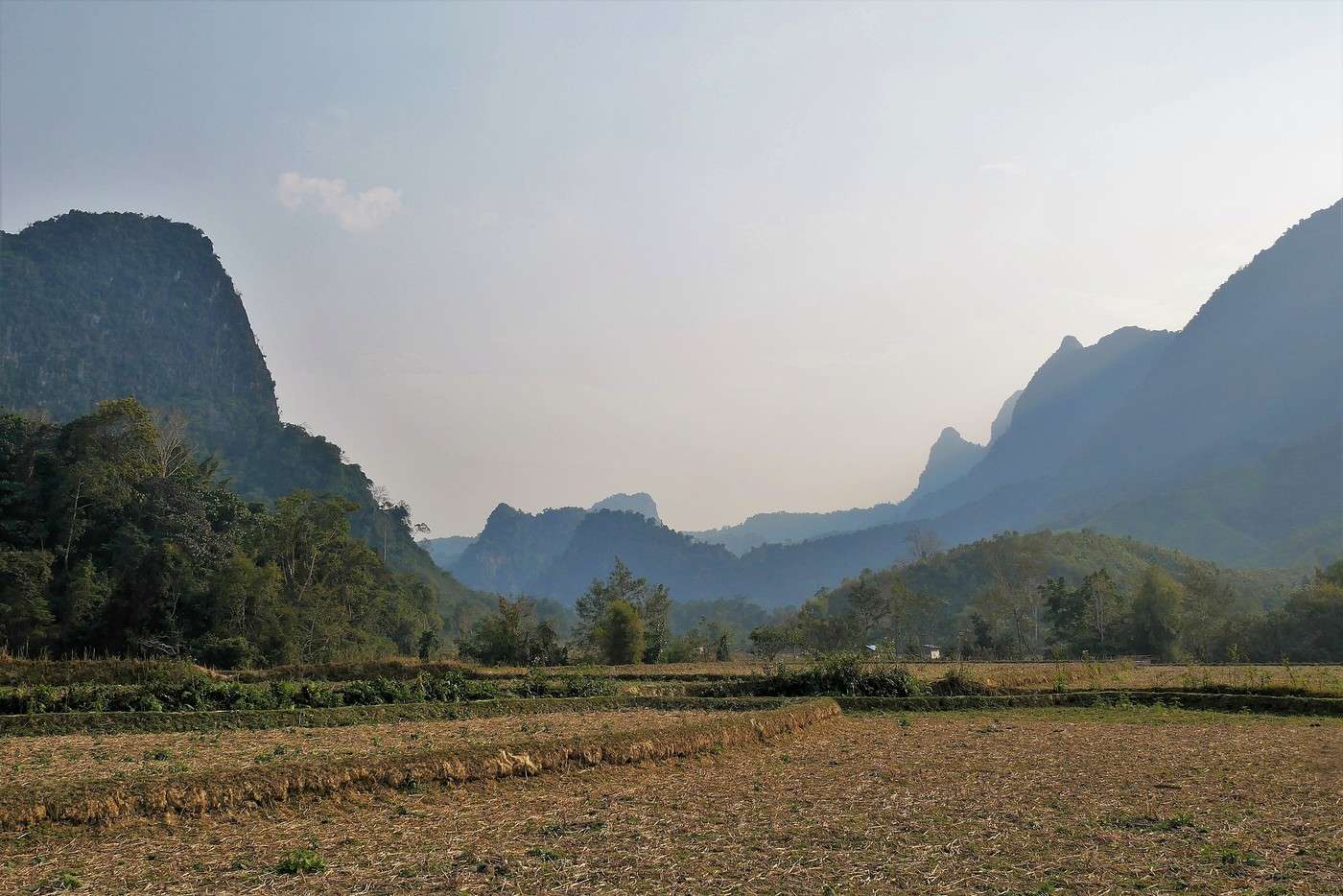
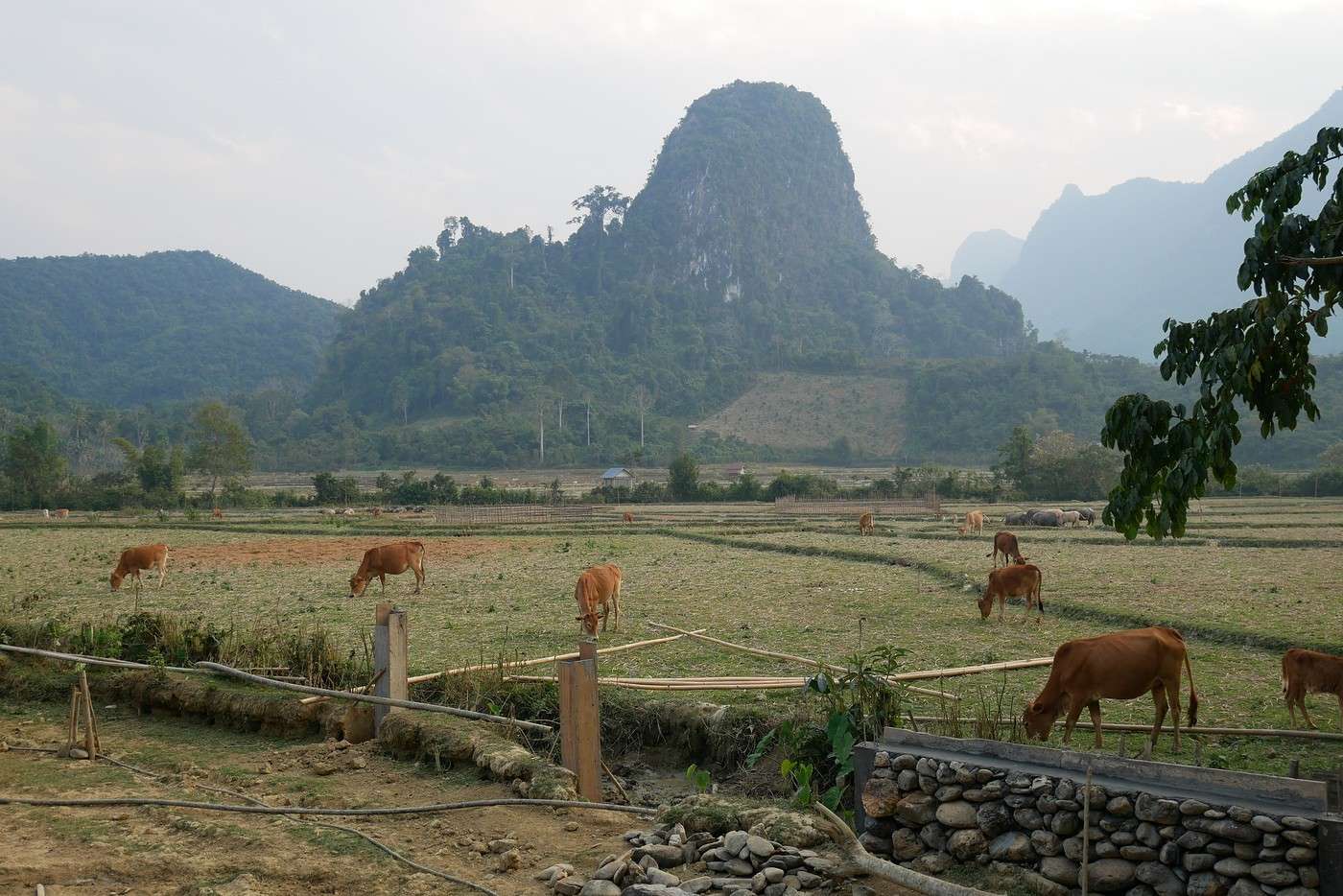
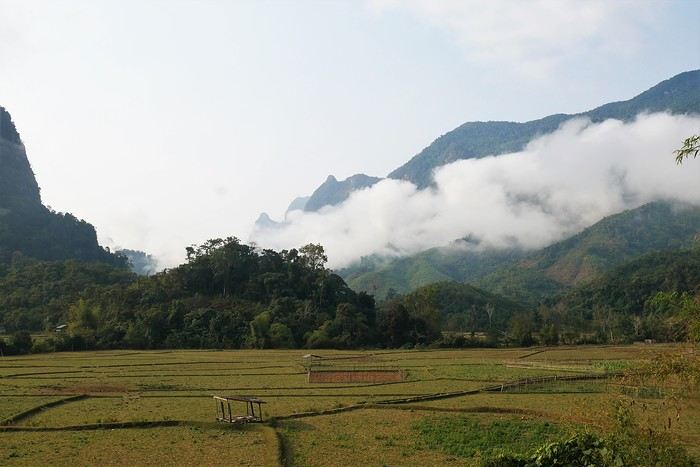
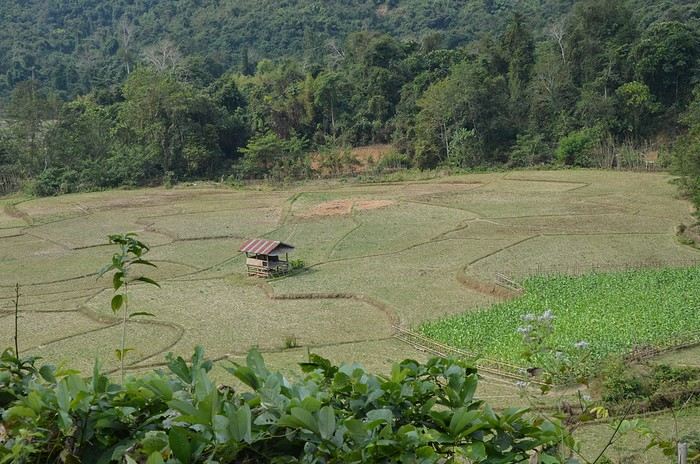
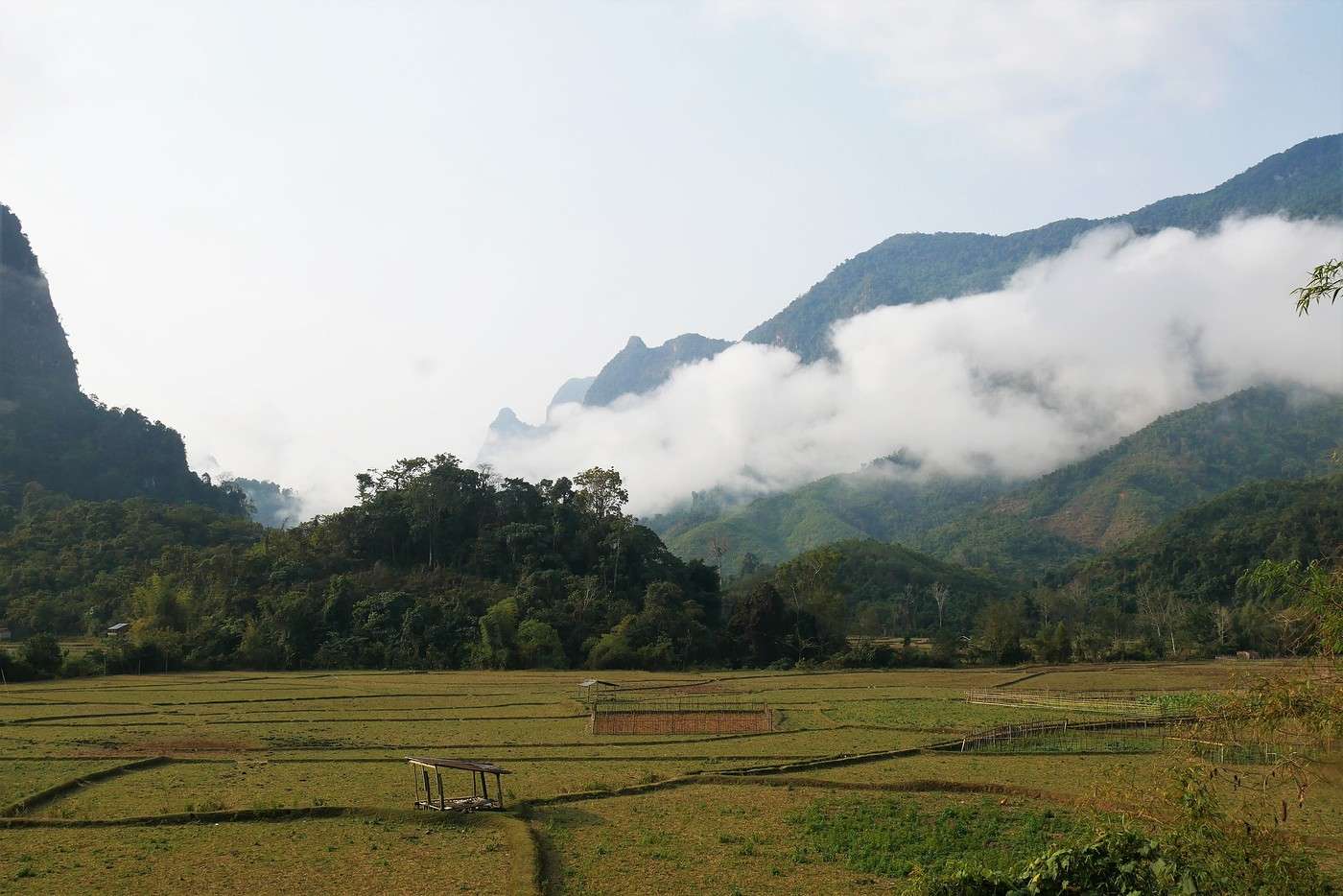
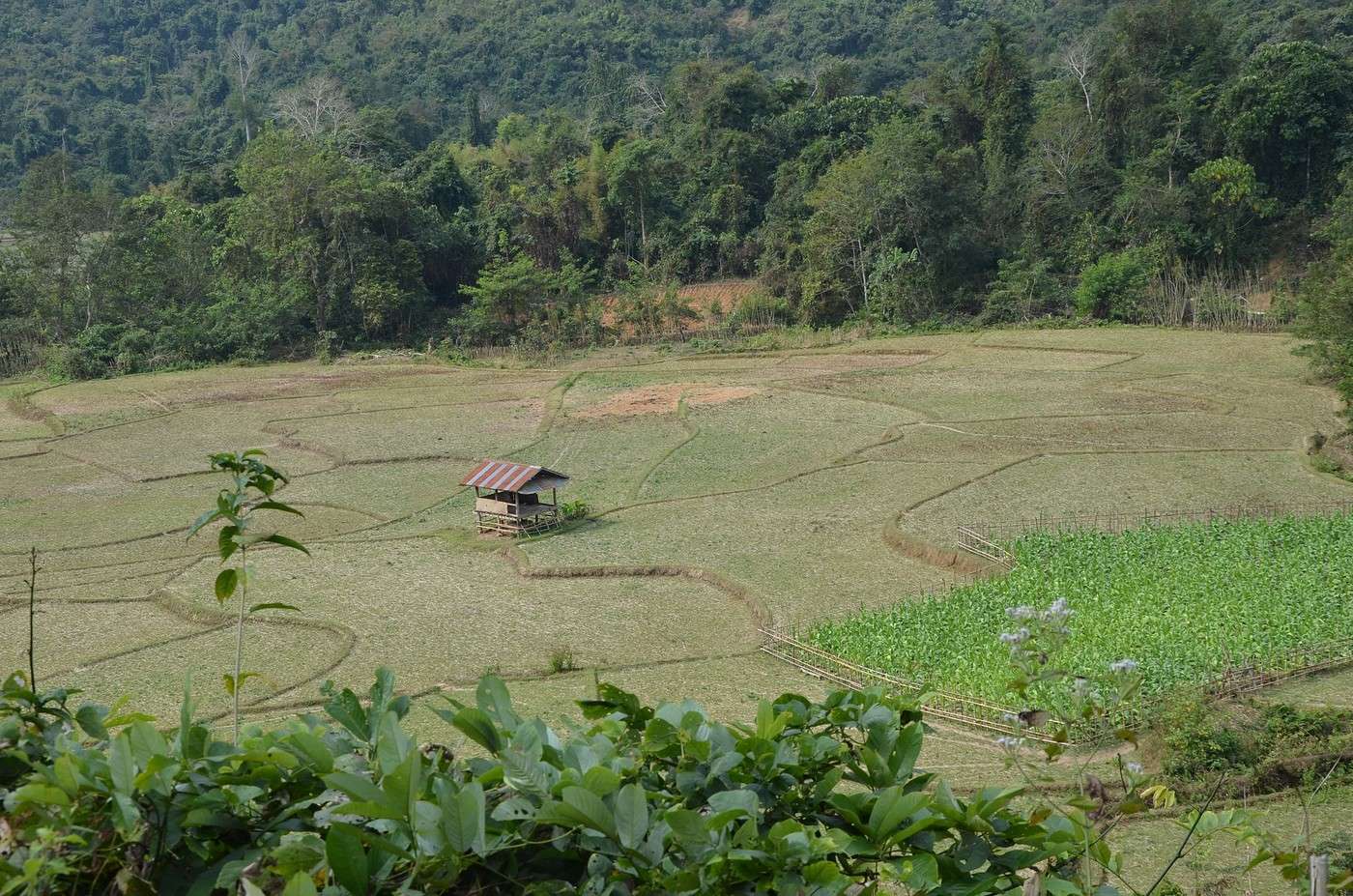
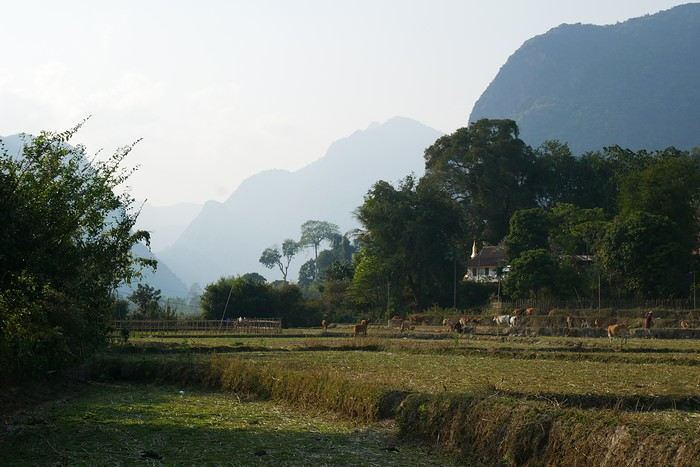
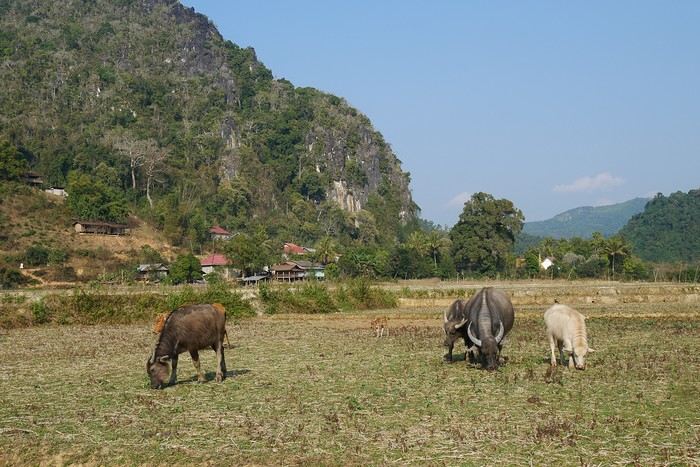
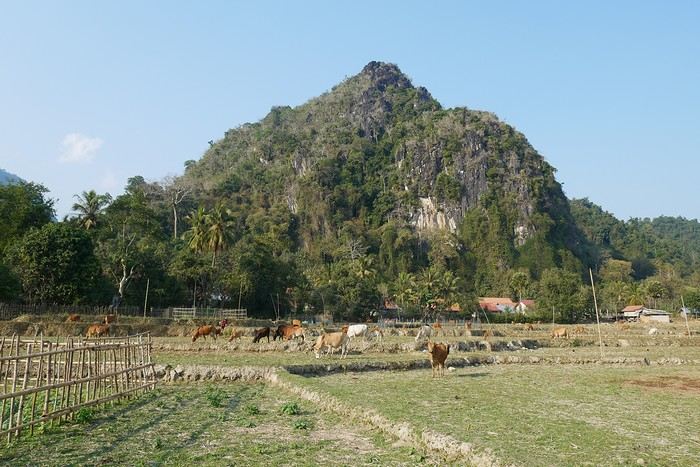
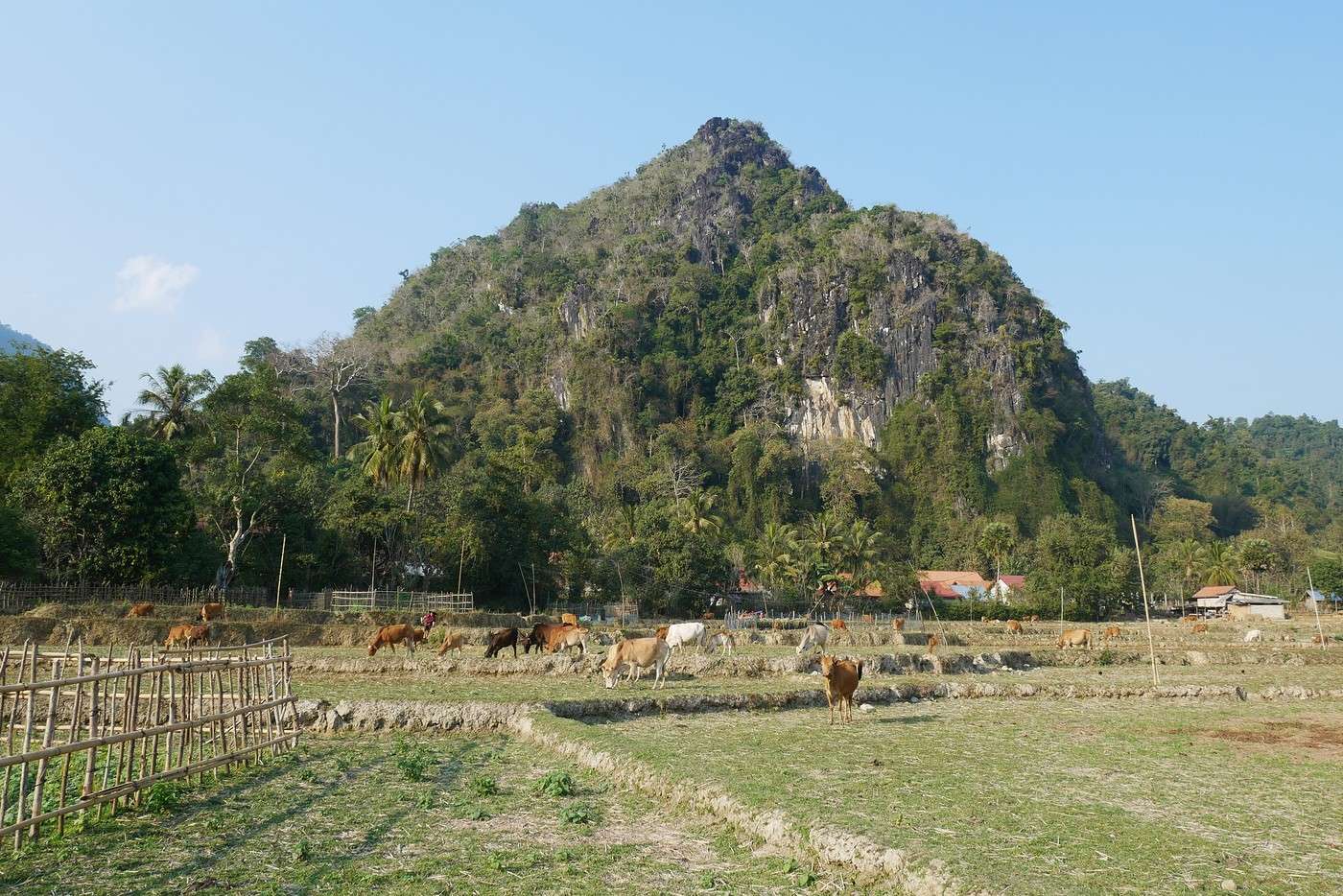
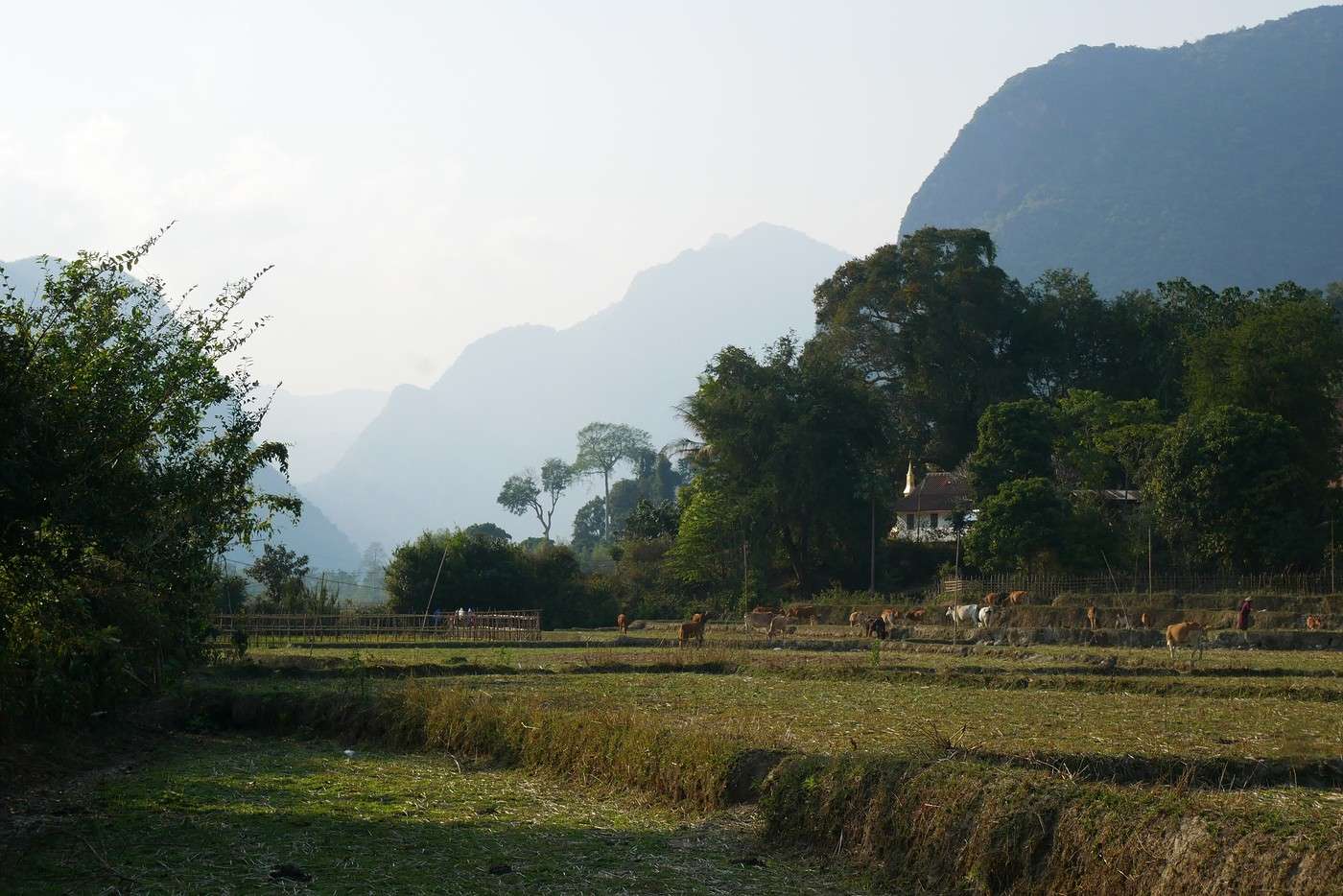
While discussing this war, we leave the forest and emerge into a vast agricultural area. These are rice fields—incidentally, “Ban Na,” the village we’re heading to, means “the village of the rice field.” At this time of year, it’s dry and yellow, but it must be stunning at the end of the rainy season!
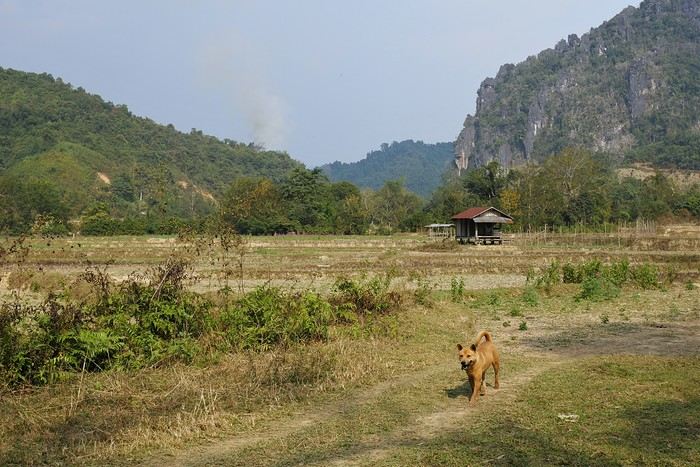
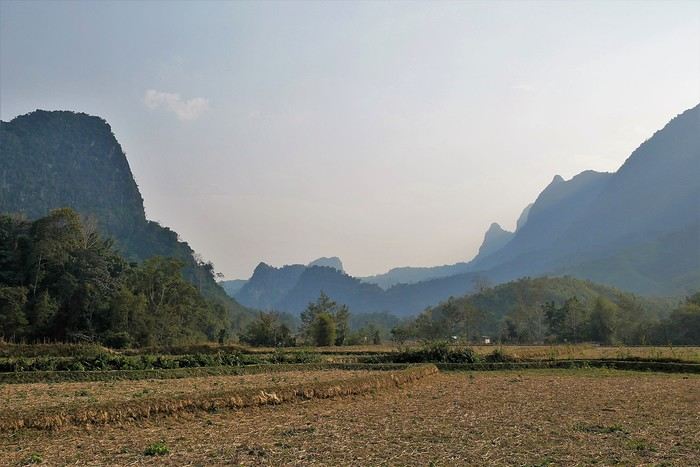
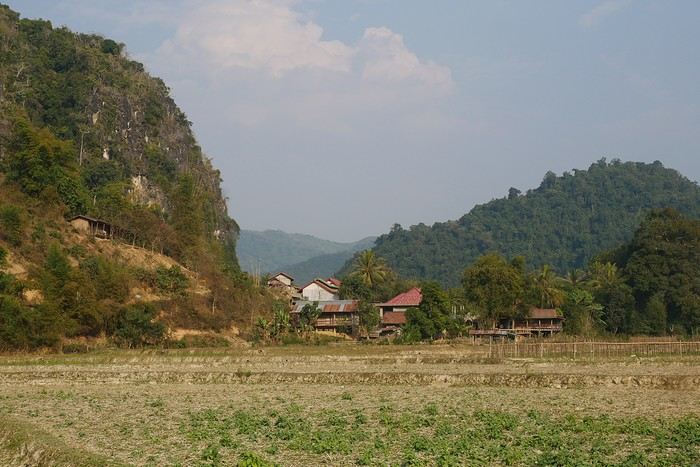
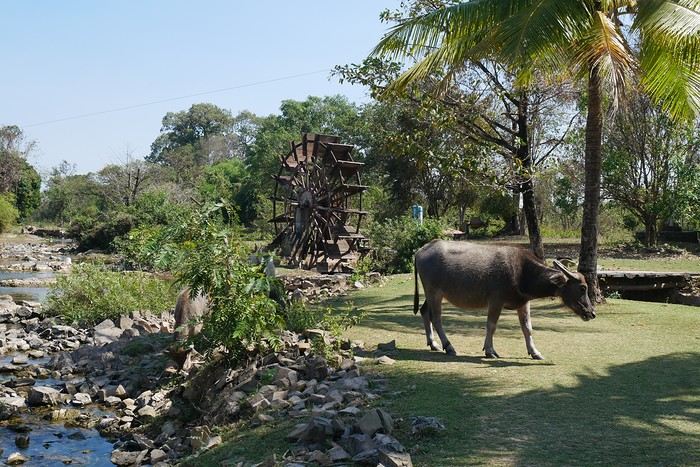
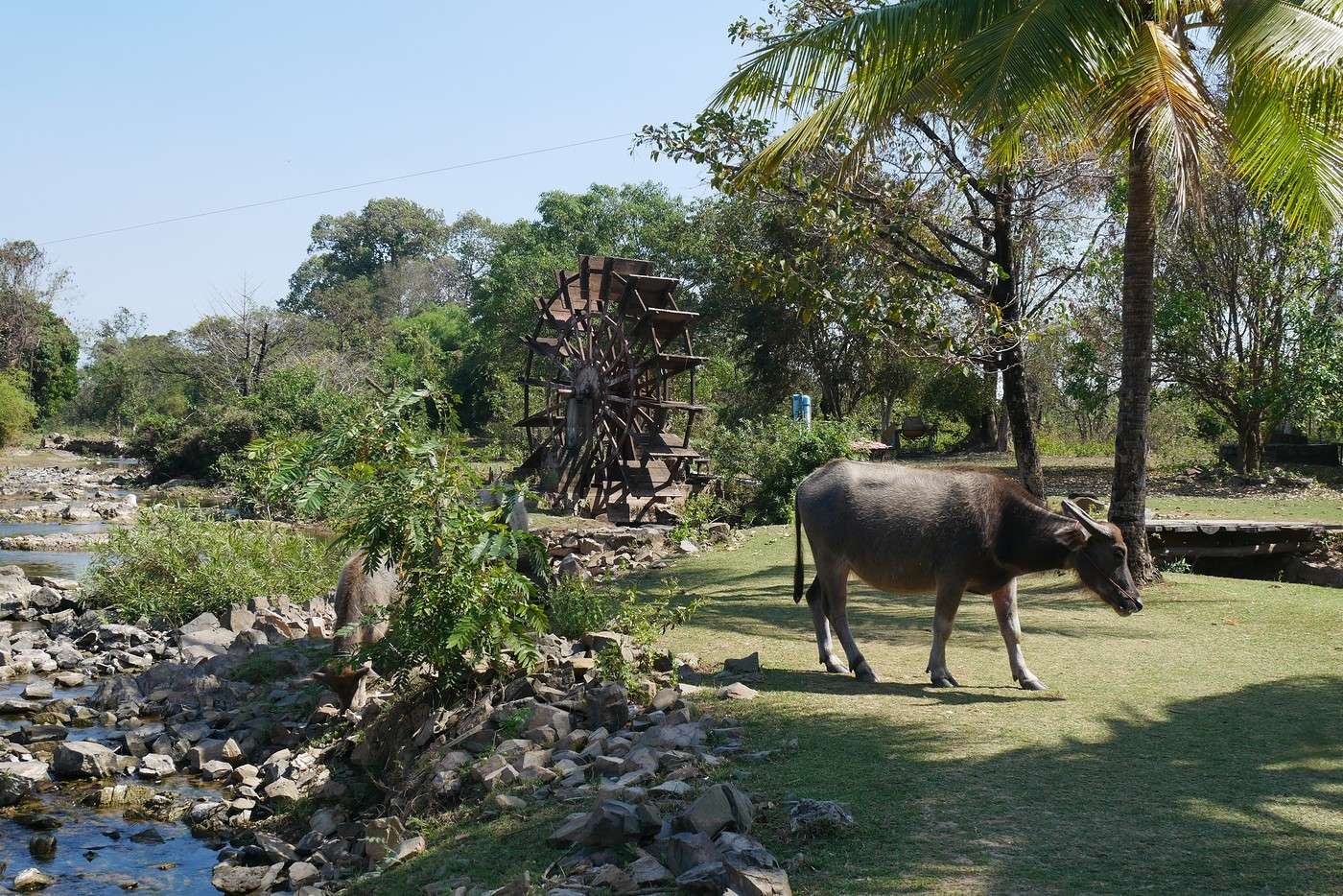
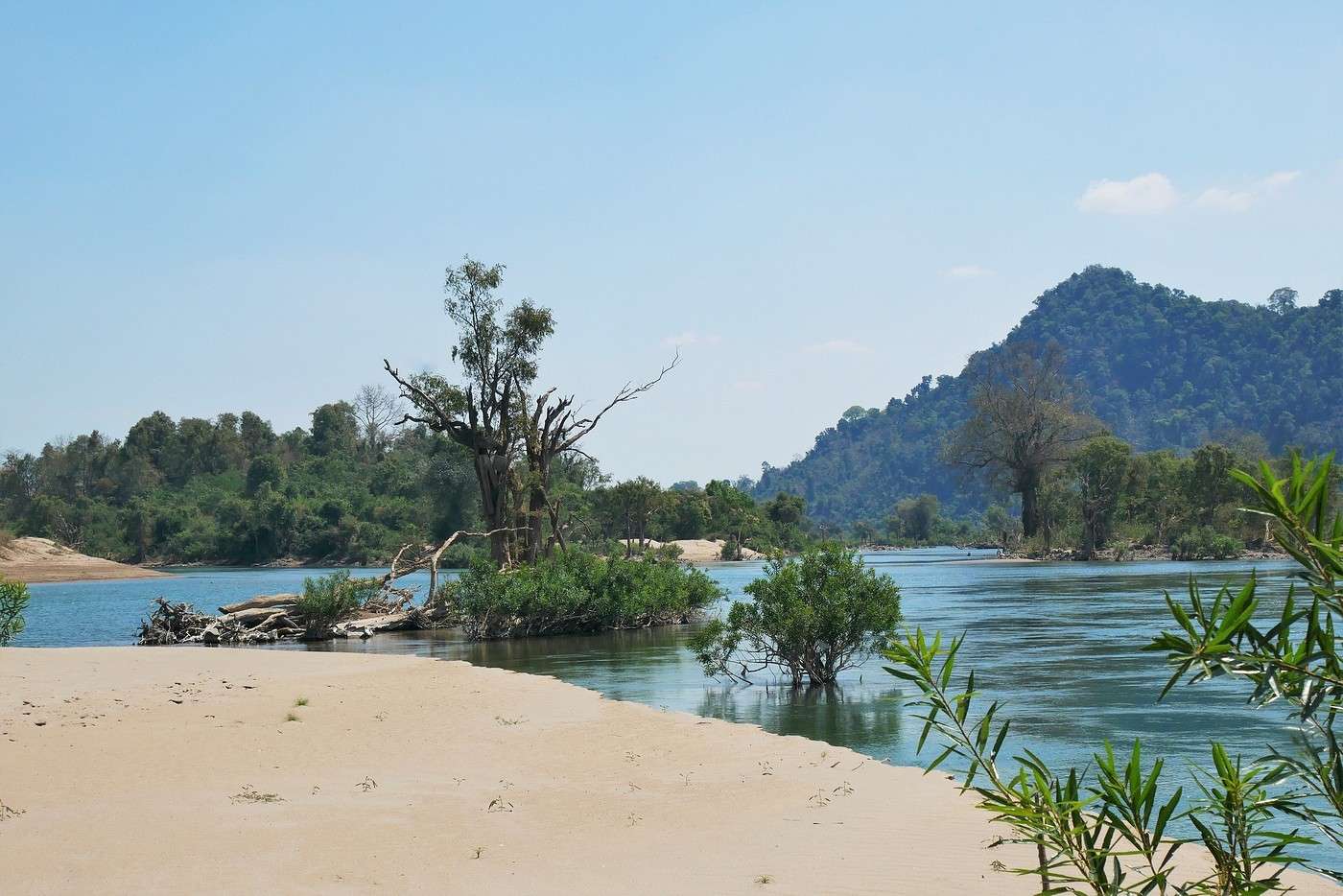
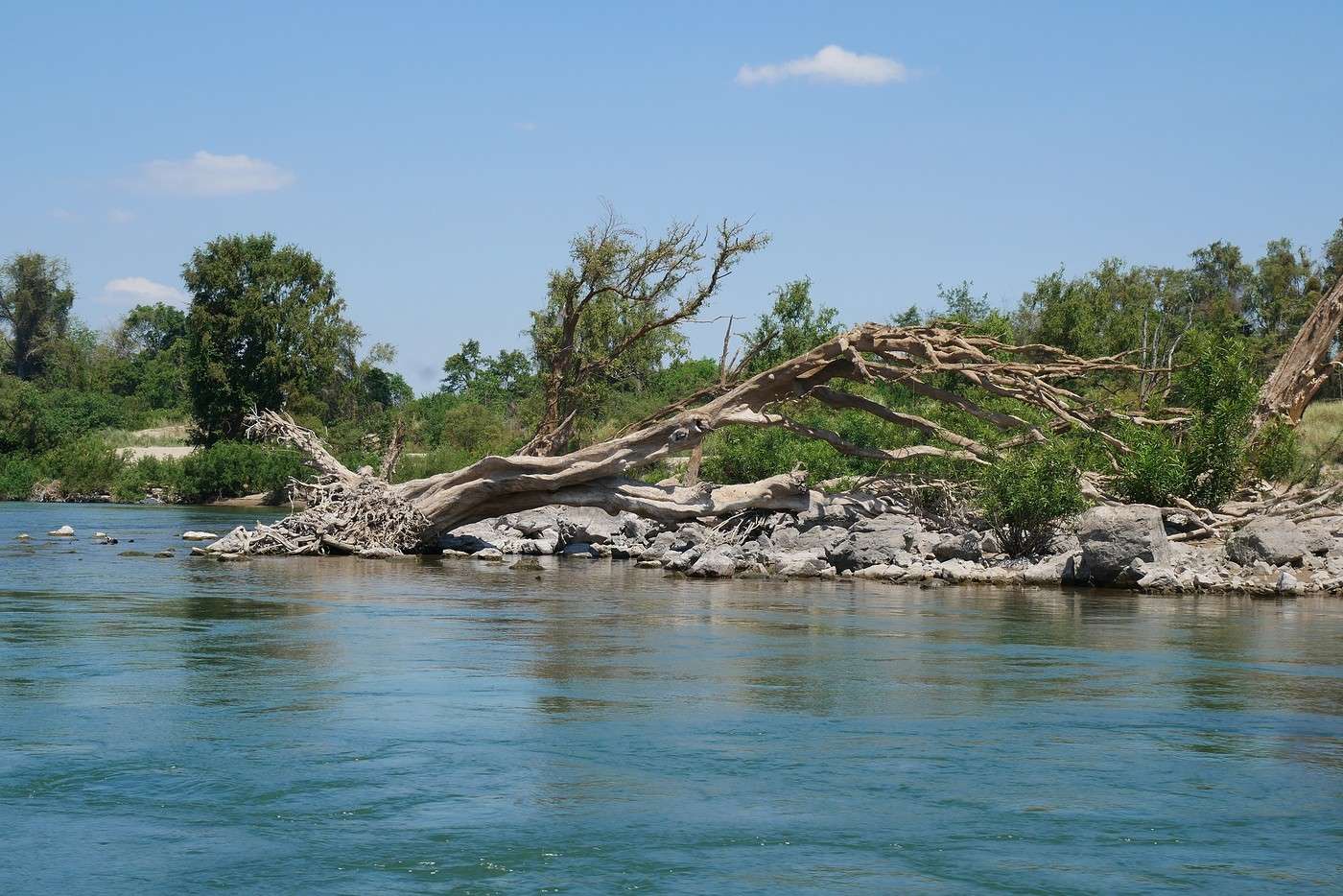
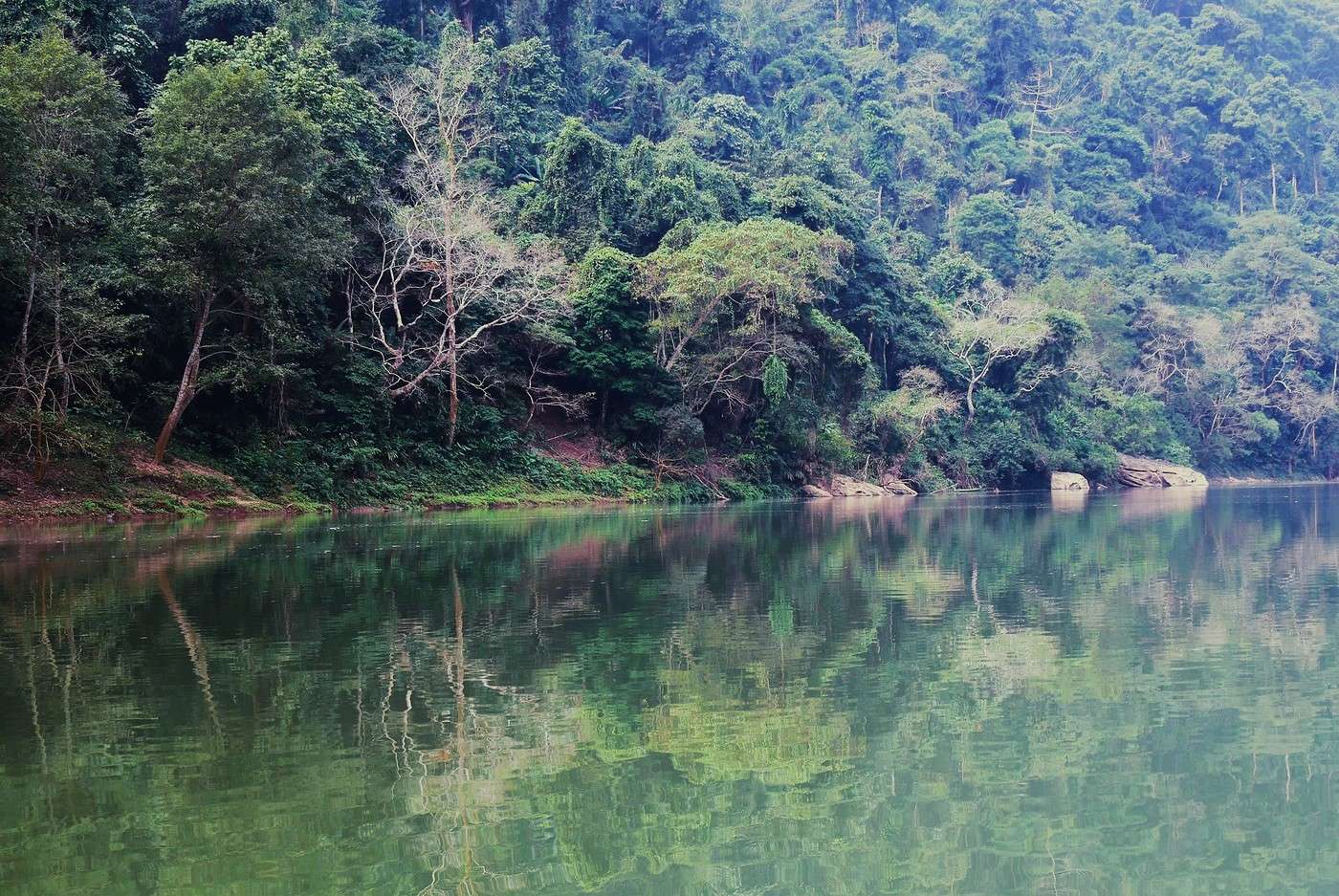
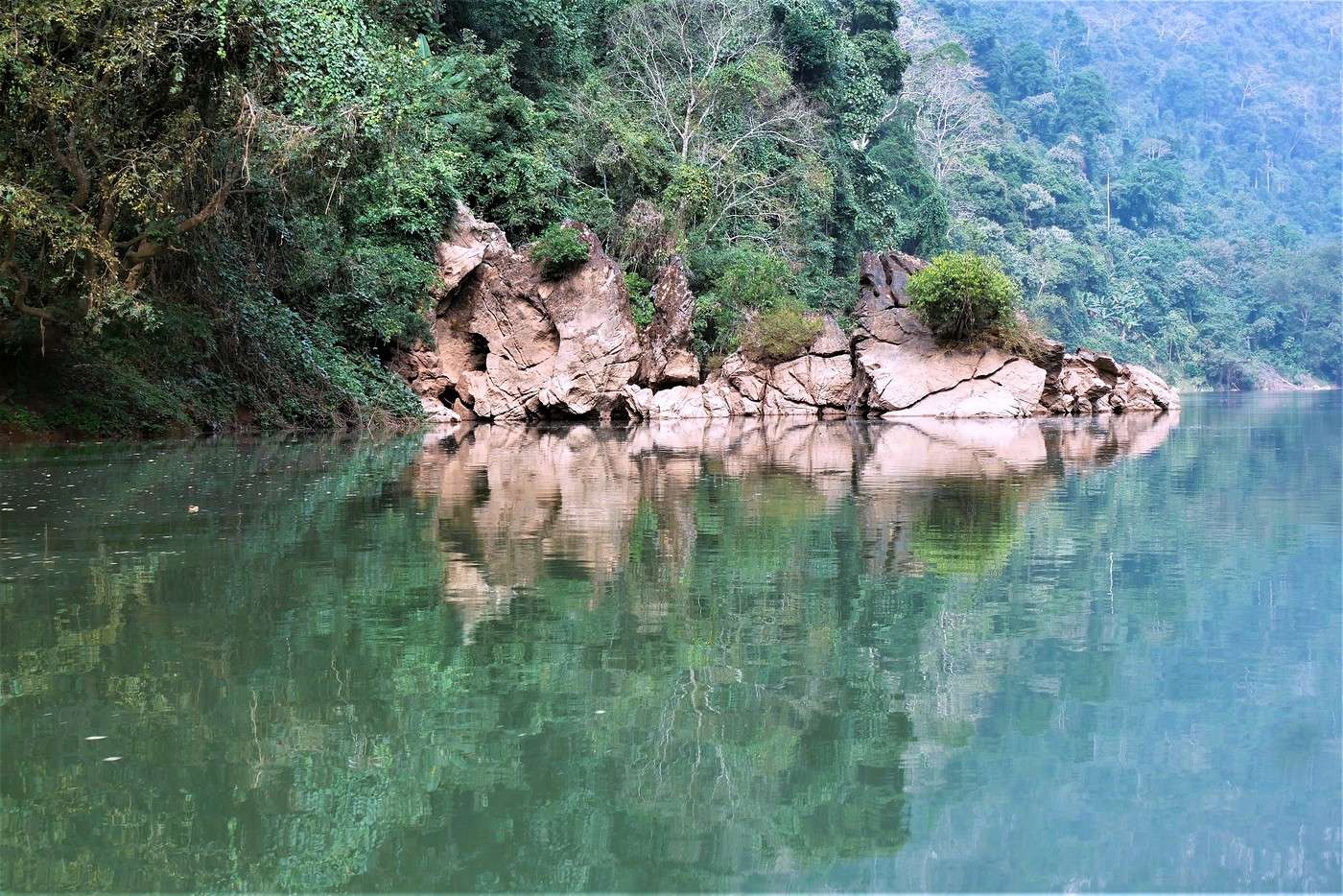
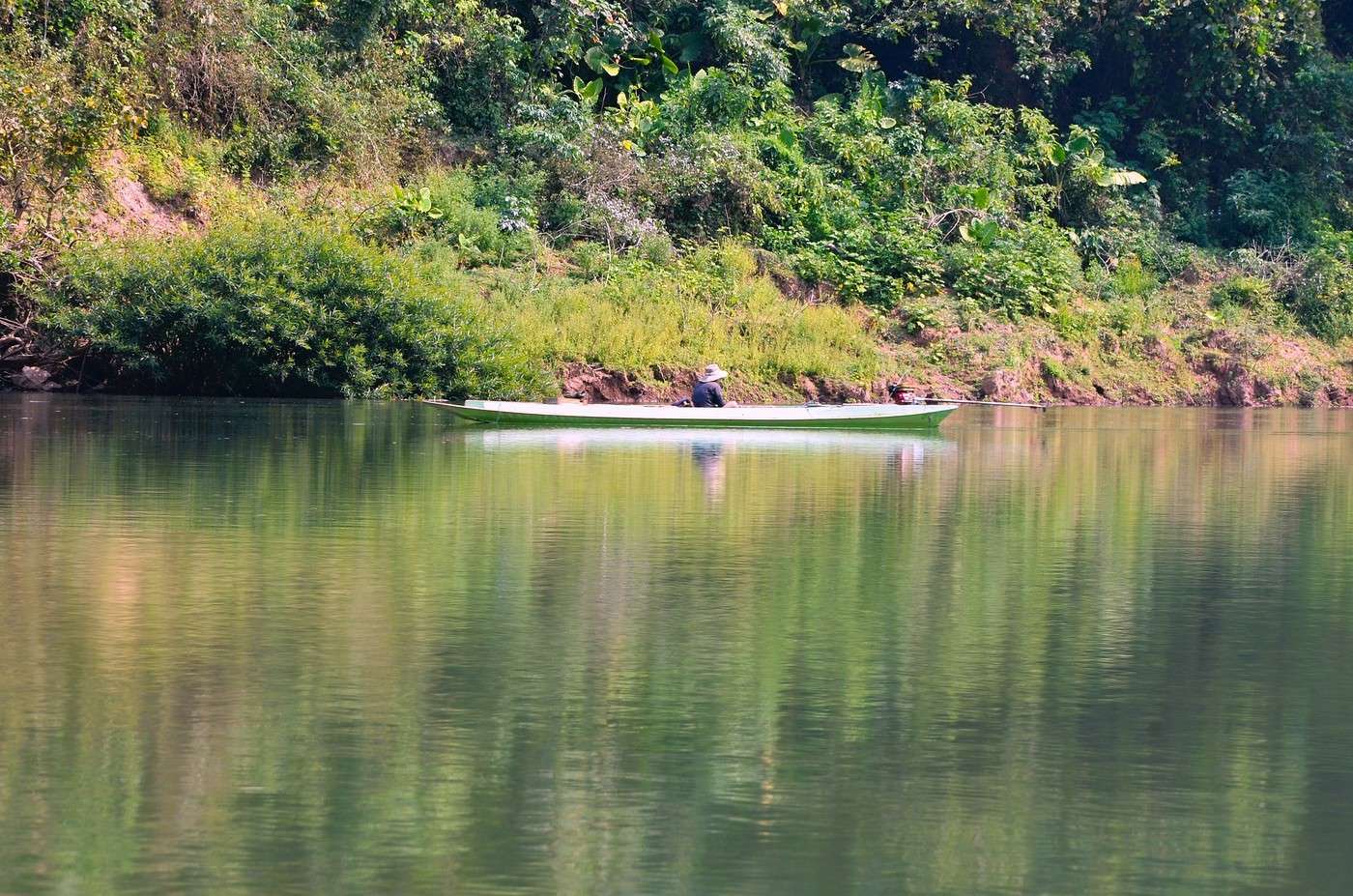
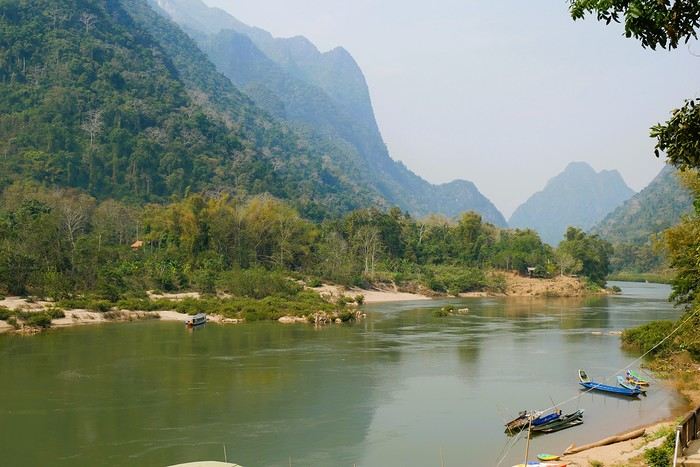
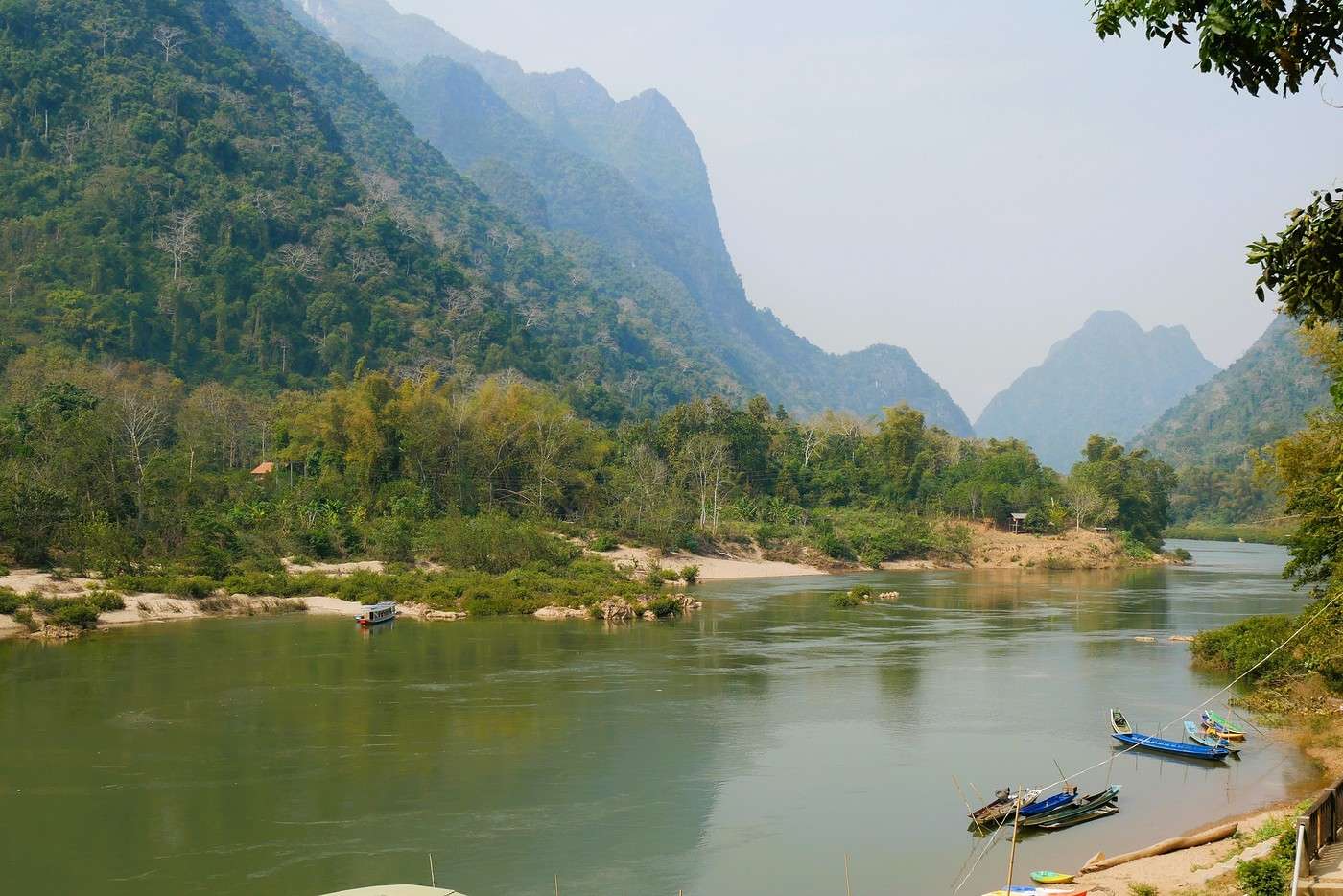
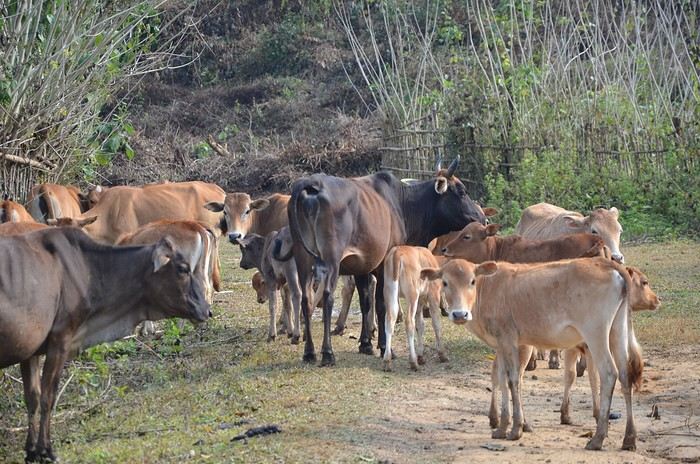
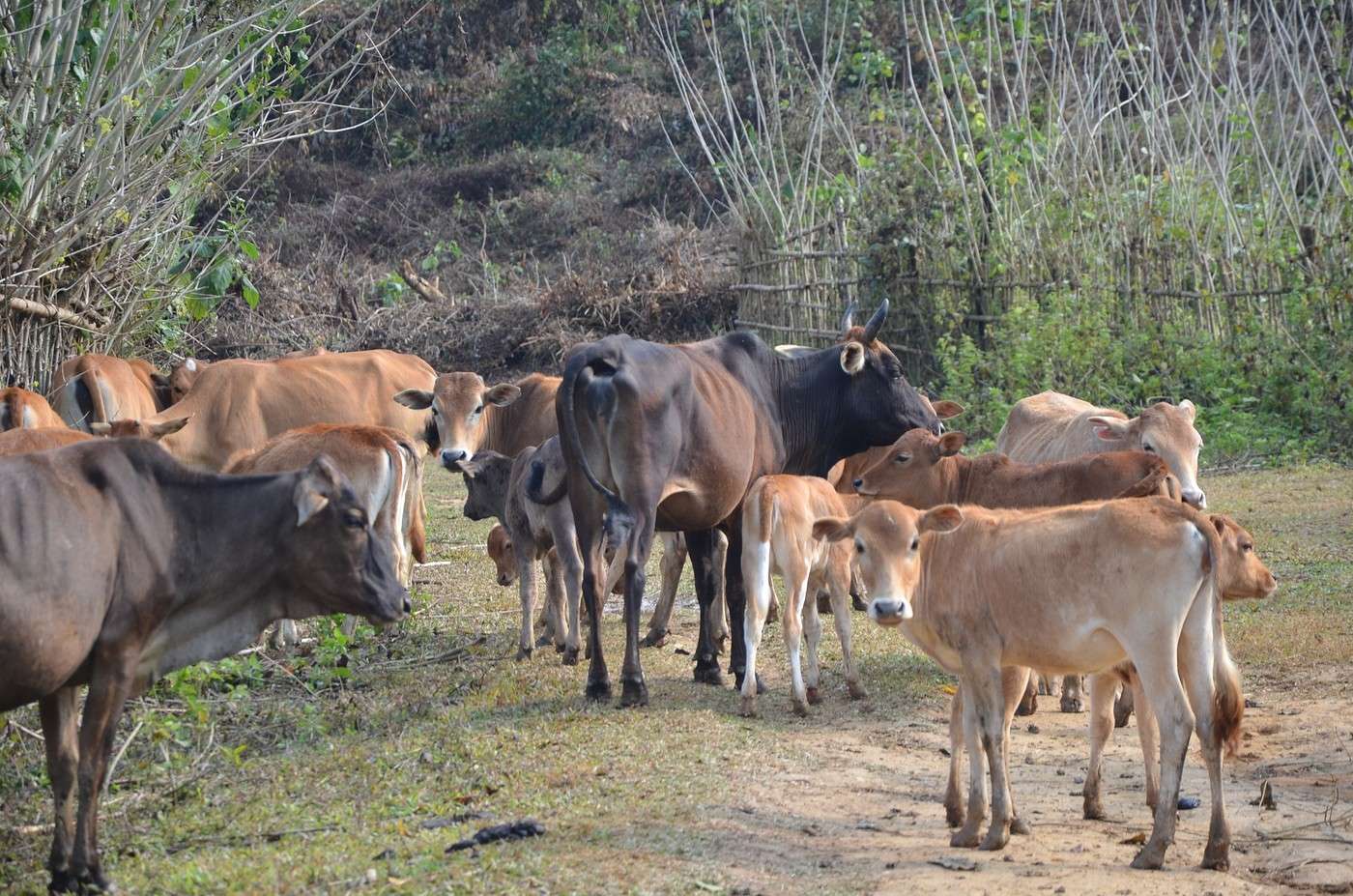
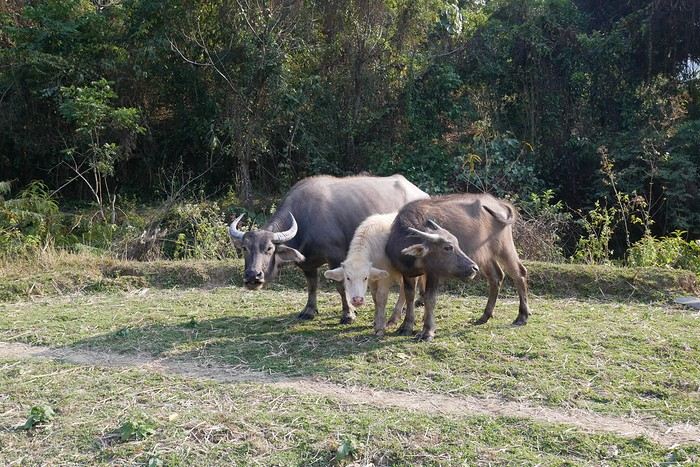
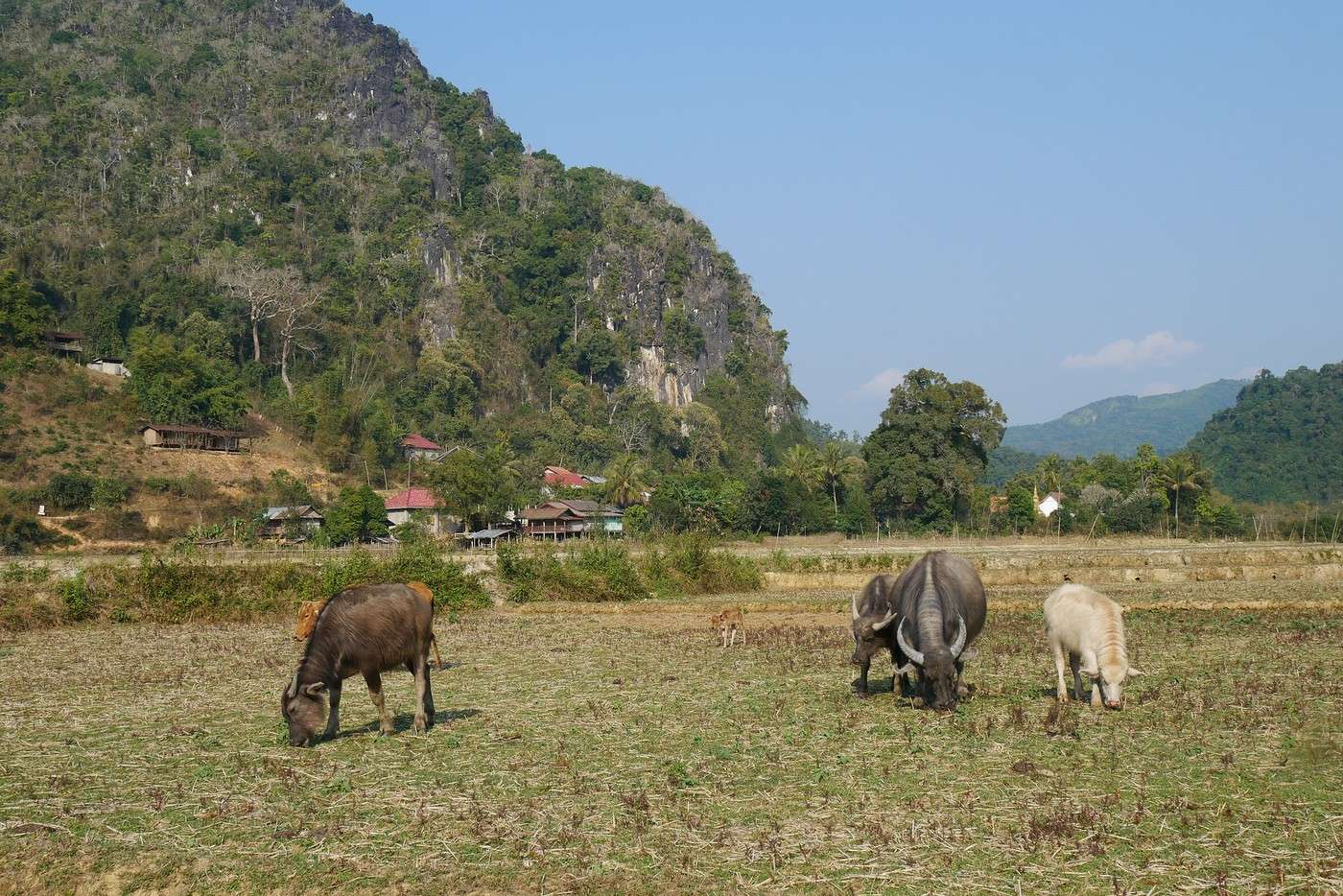
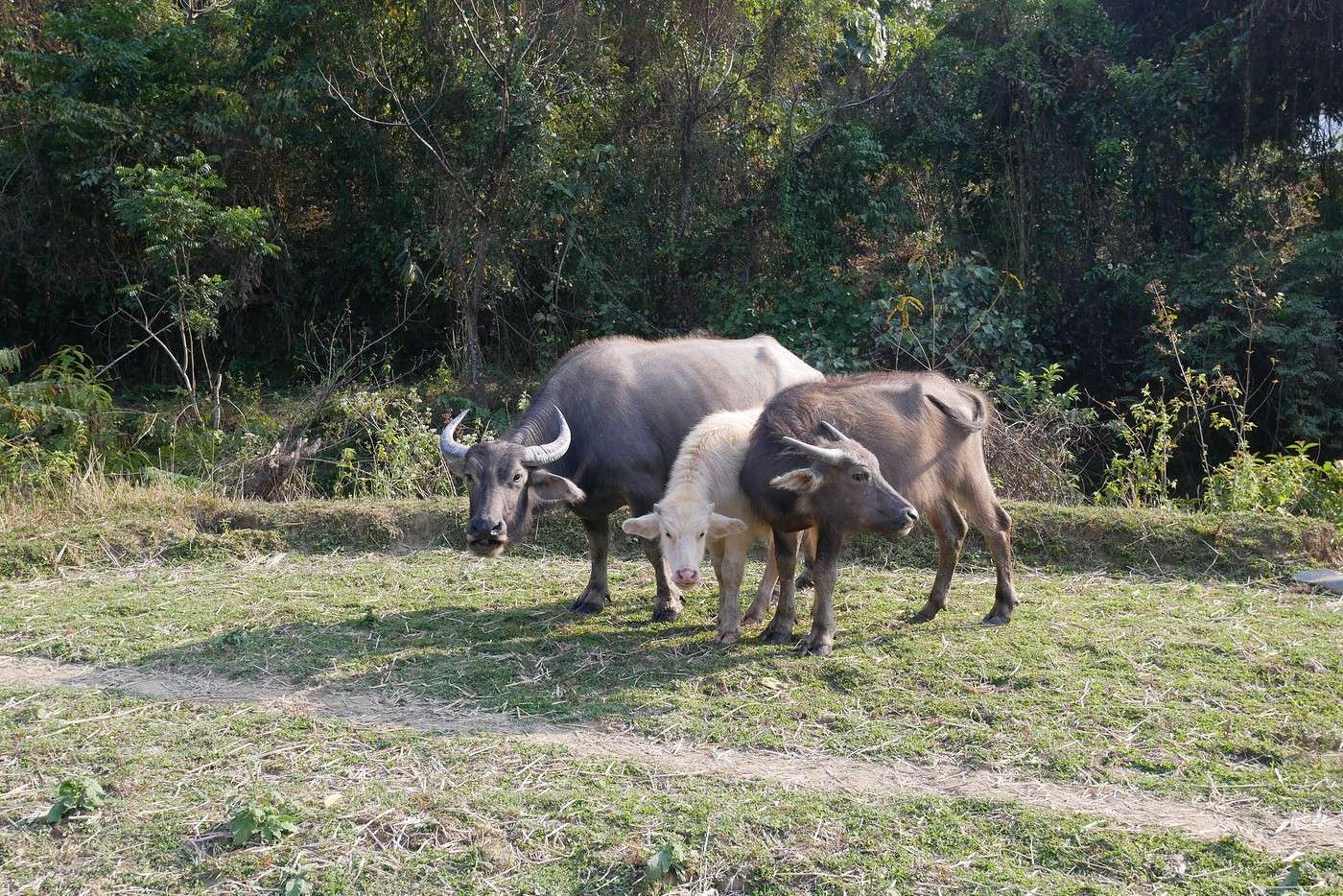
The landscape is still charming! We cross the fields, passing numerous cows and buffaloes. A river hums and winds at the foot of the hills.
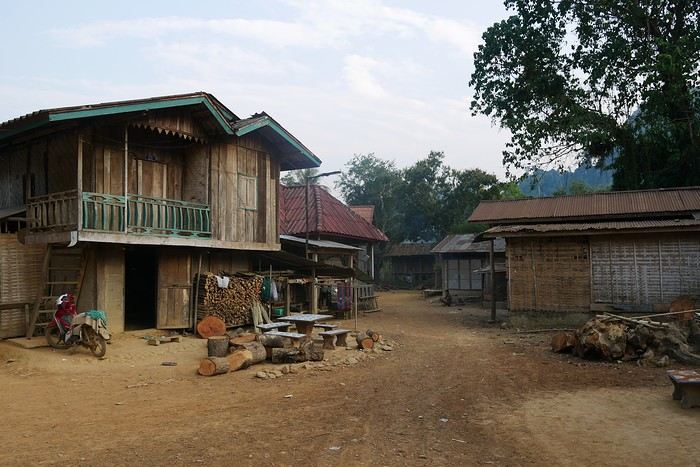
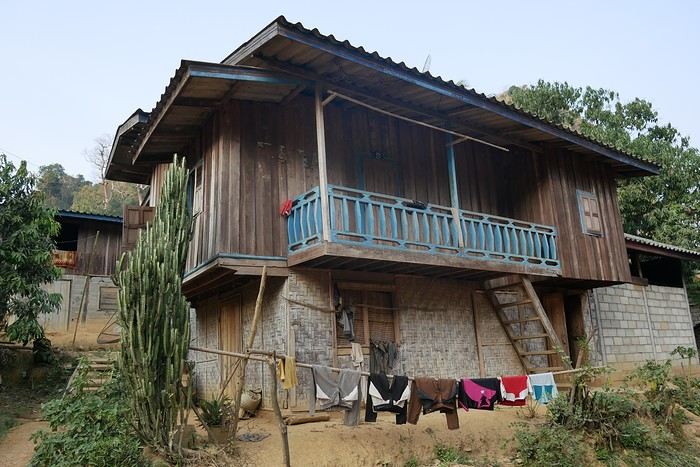
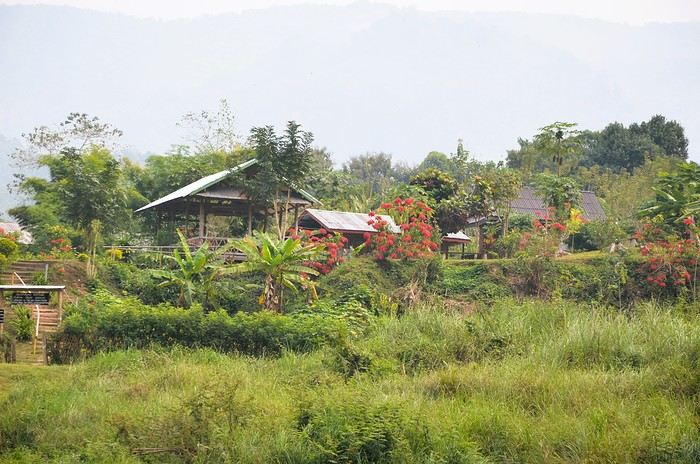
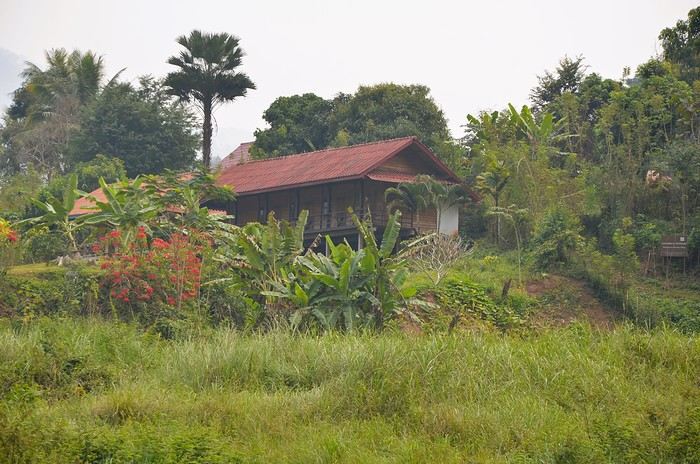
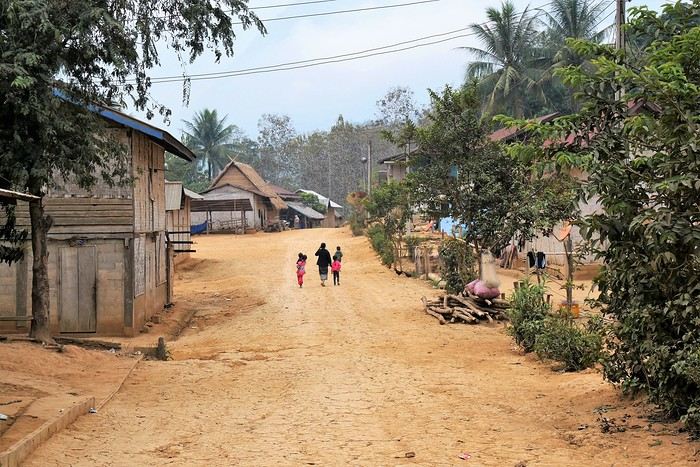
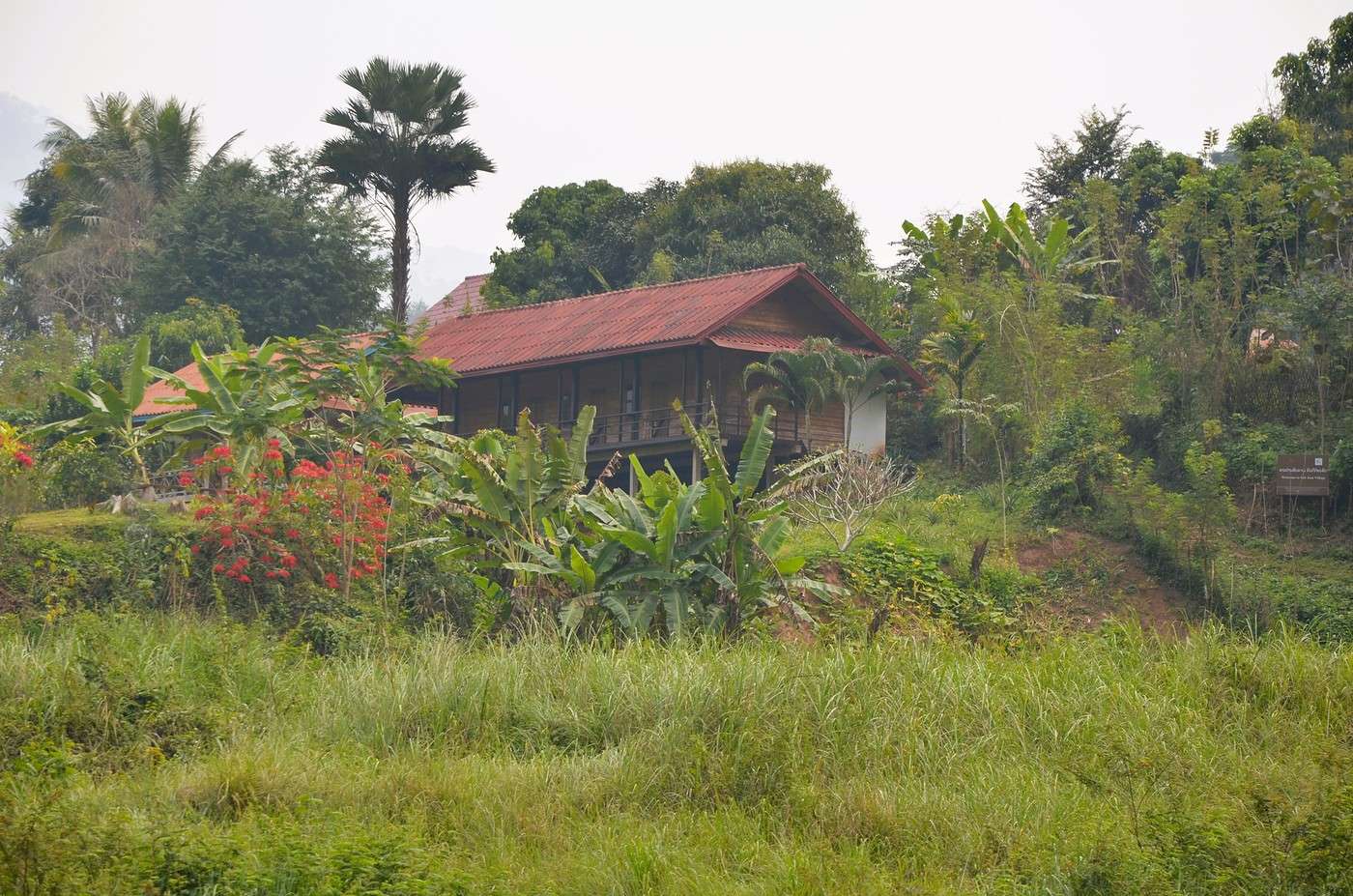
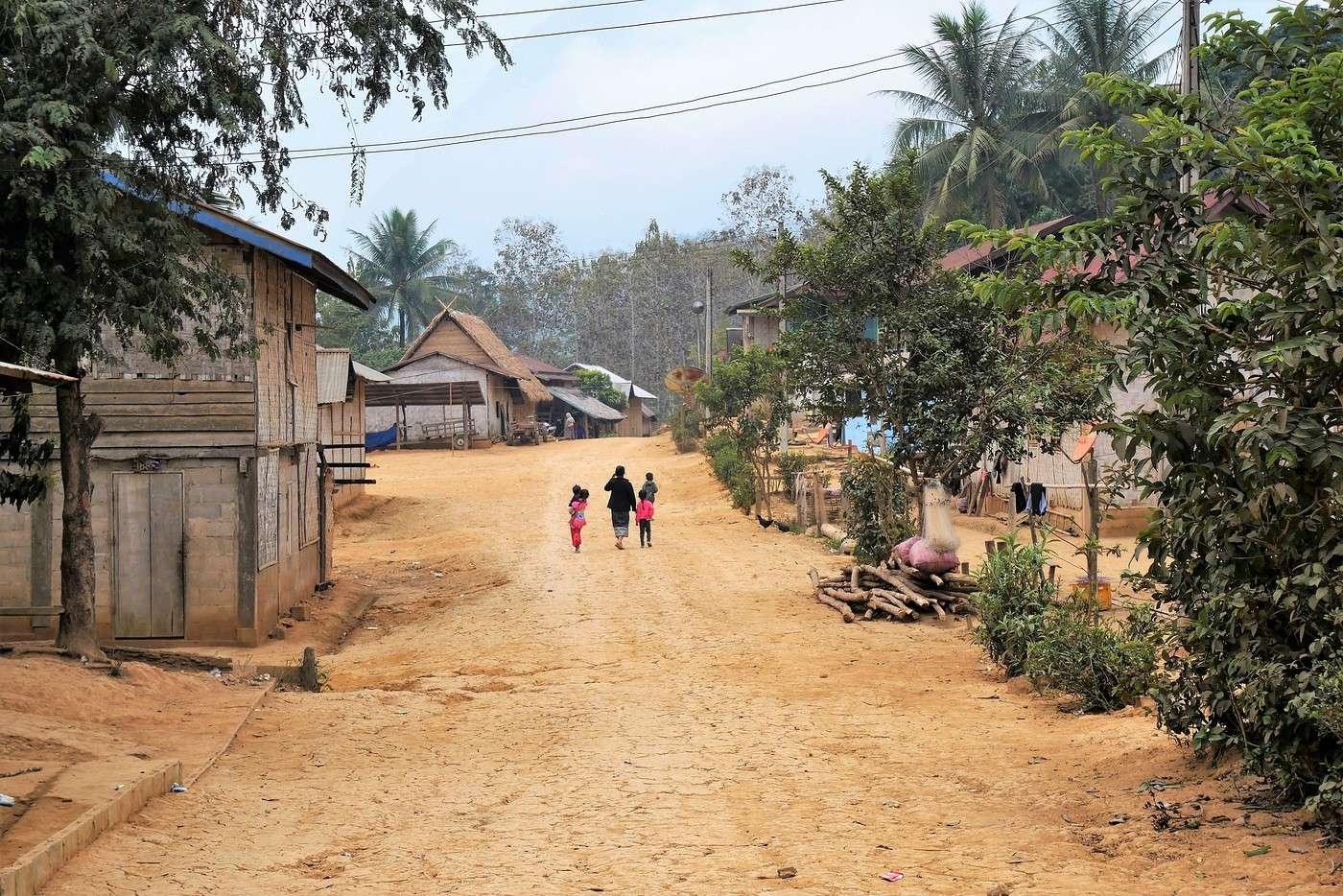
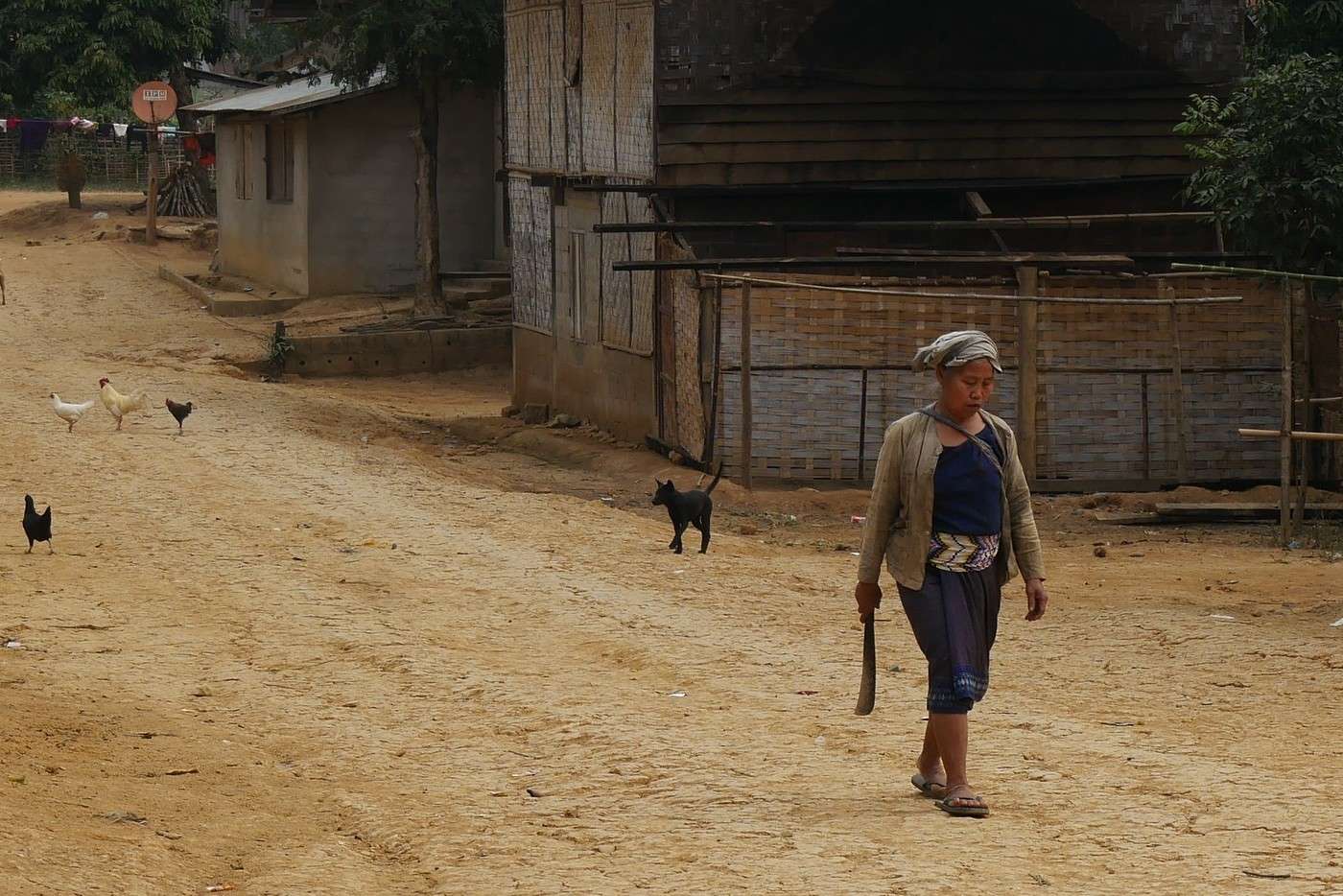
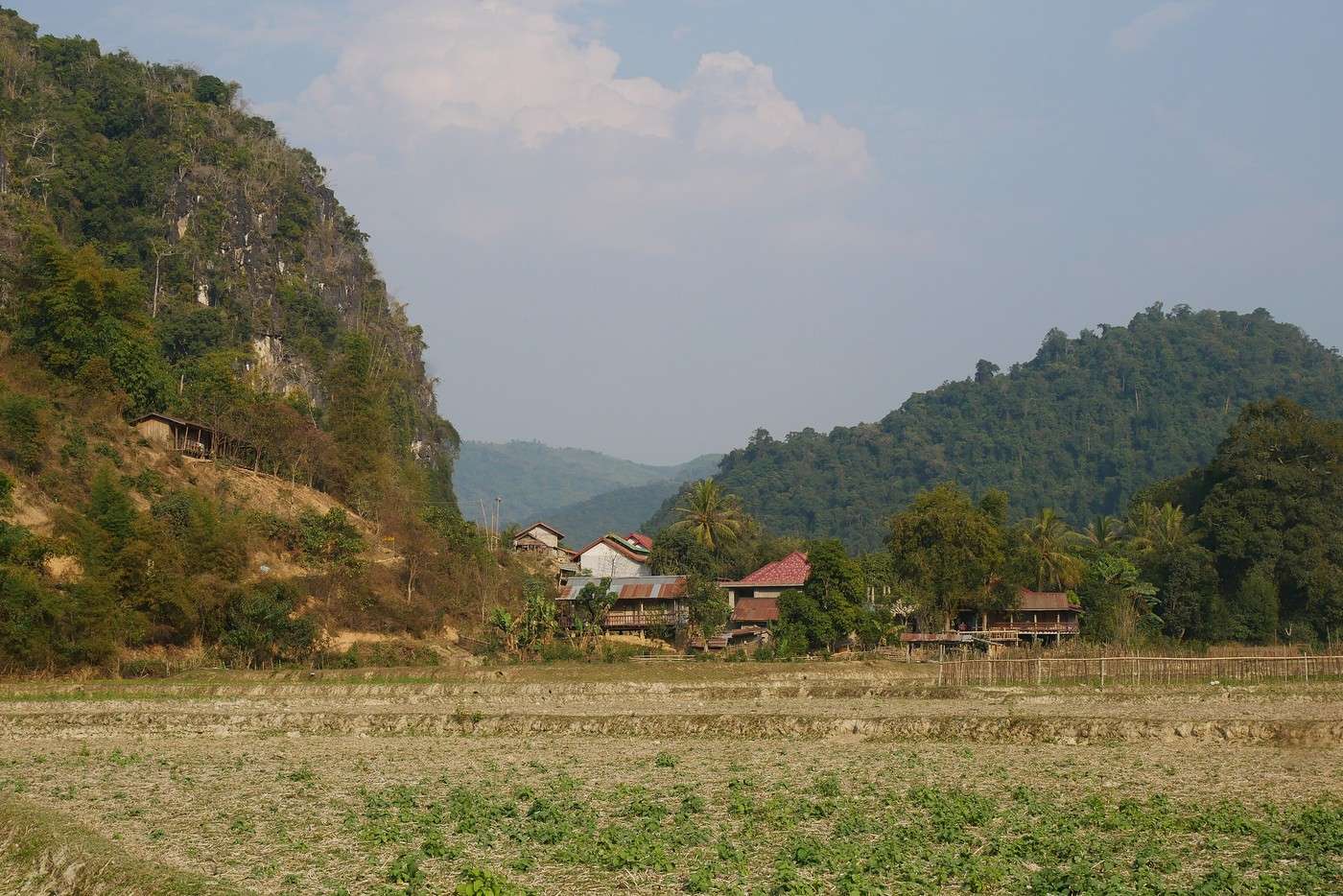
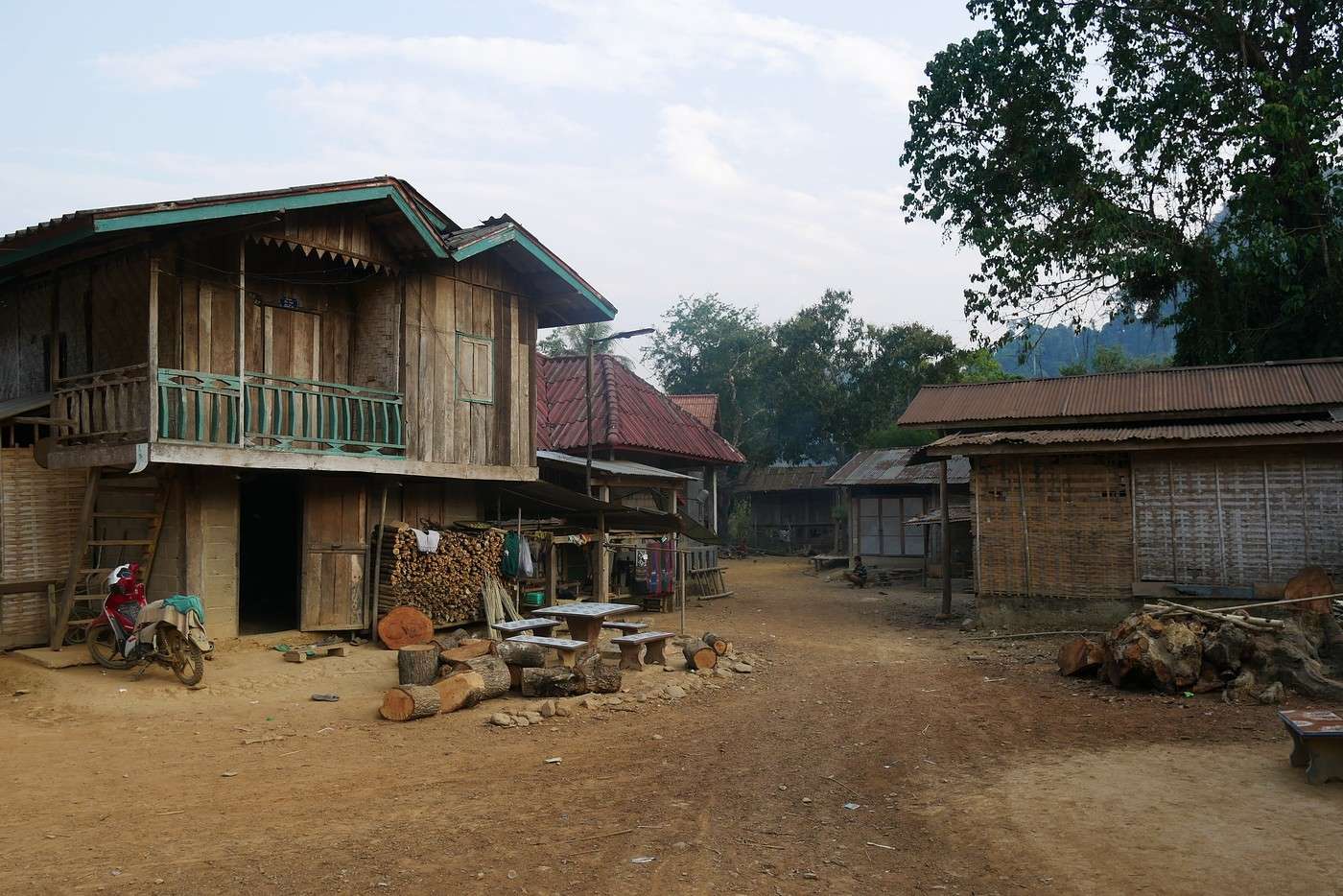
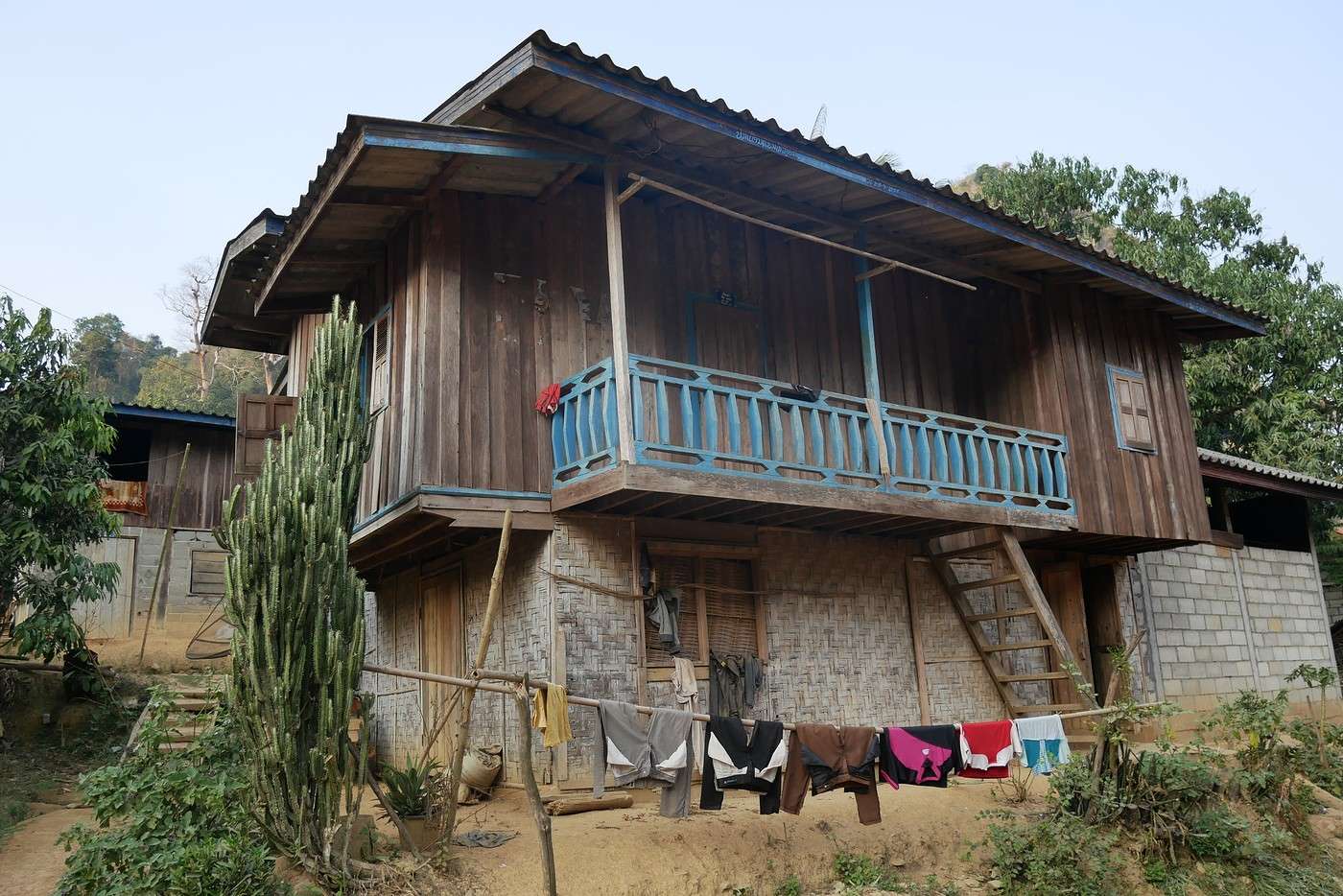
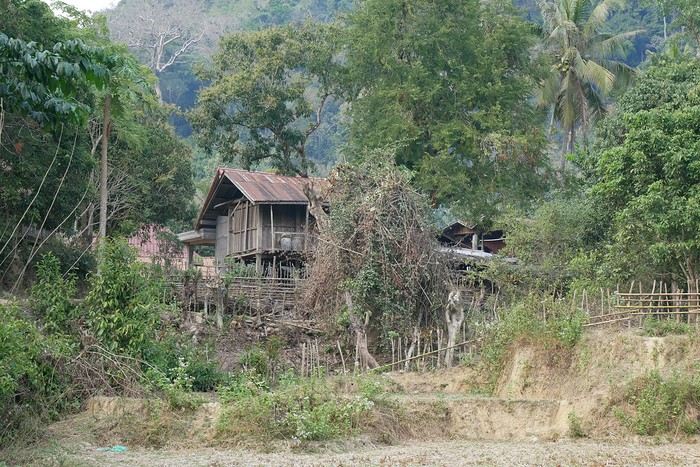
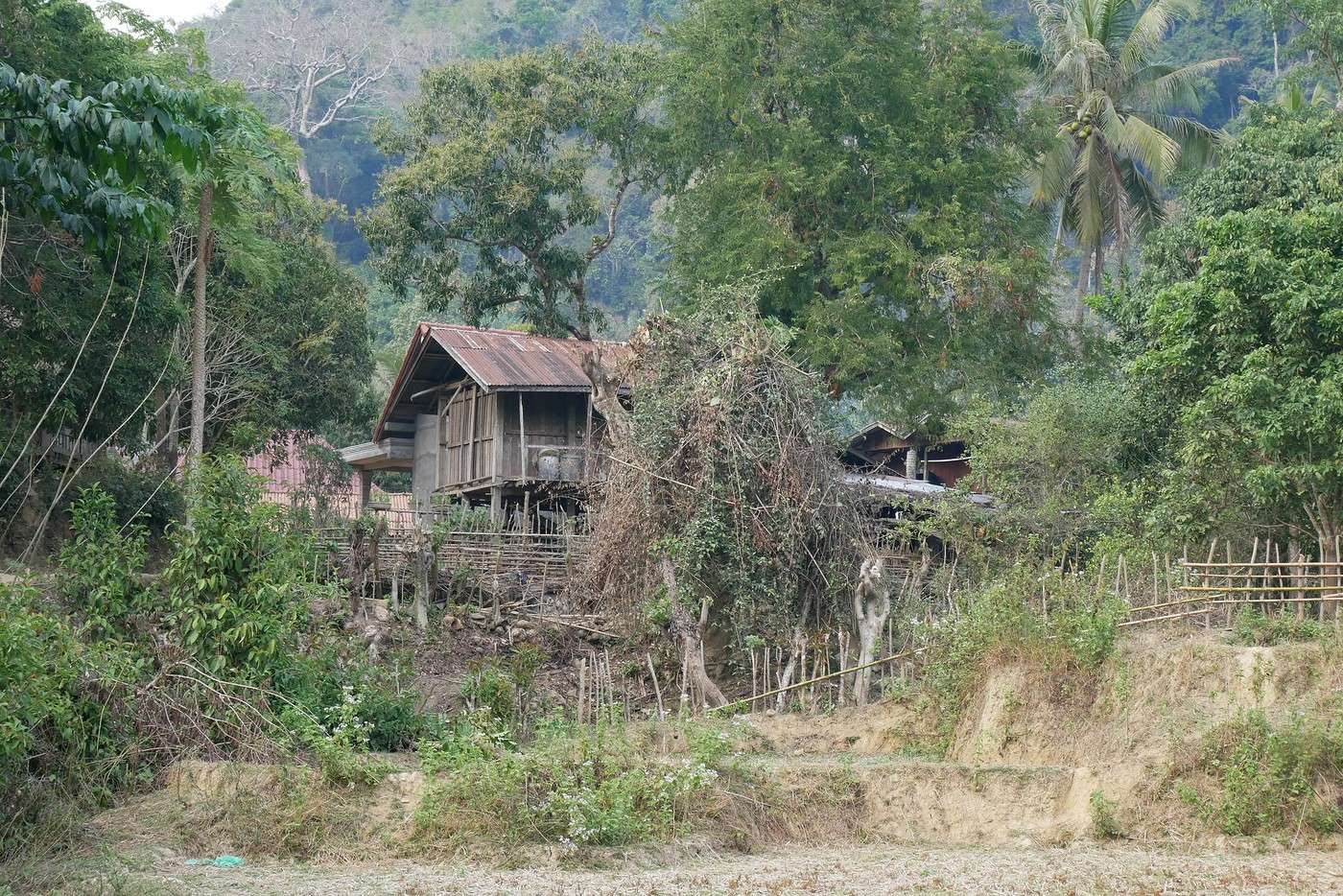
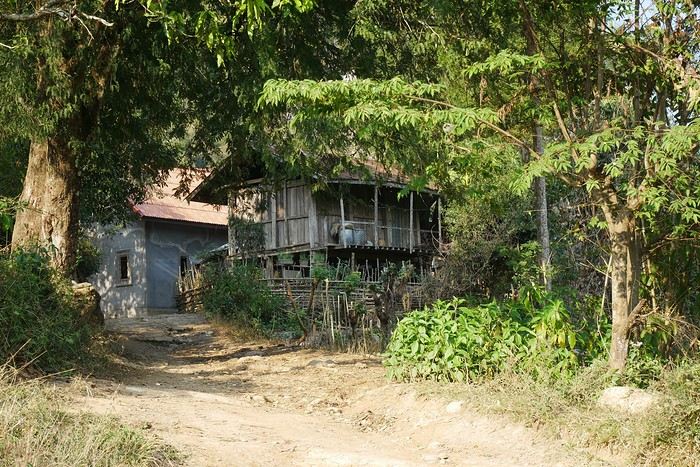
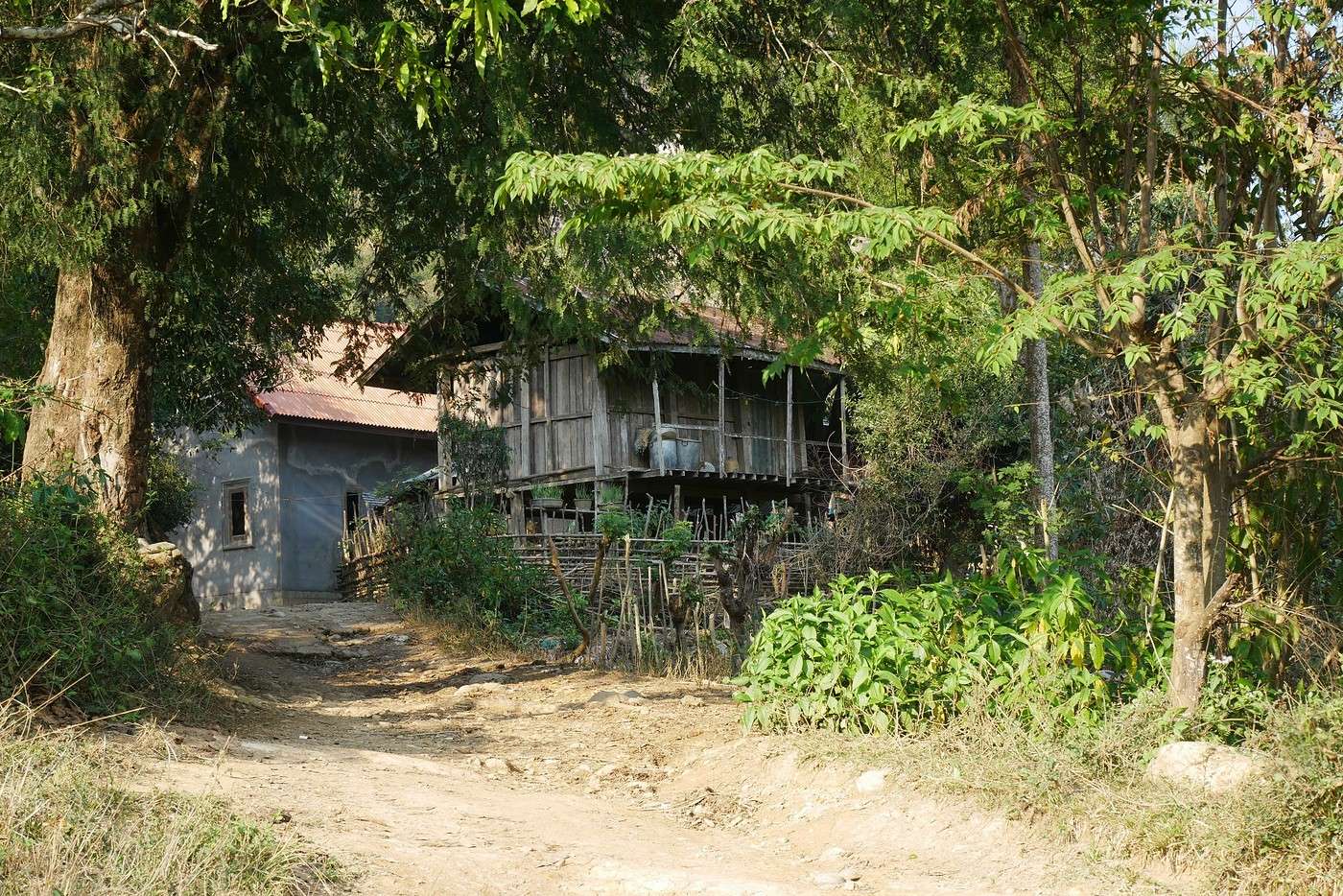
We arrive in Ban Na. The first house belongs to Mama Kham, our host. Mama Kham is a 70-year-old woman and a real entrepreneur! She runs her guesthouse with a firm hand, helped by her daughter-in-law. Her son is the village chief (elected, like a mayor), and her husband, a former chief himself, is a shaman in this animist village.
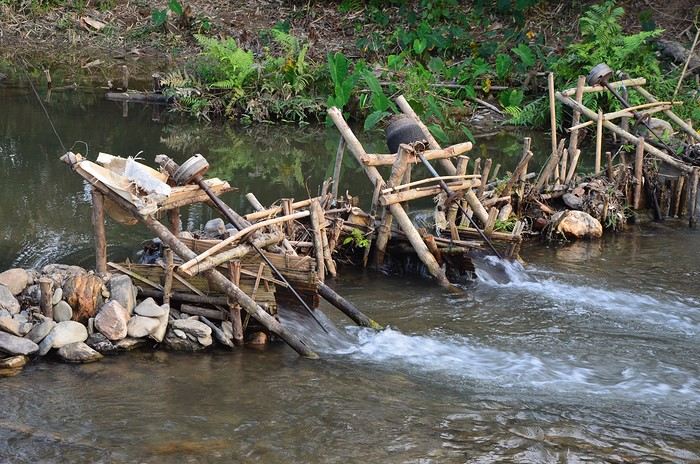
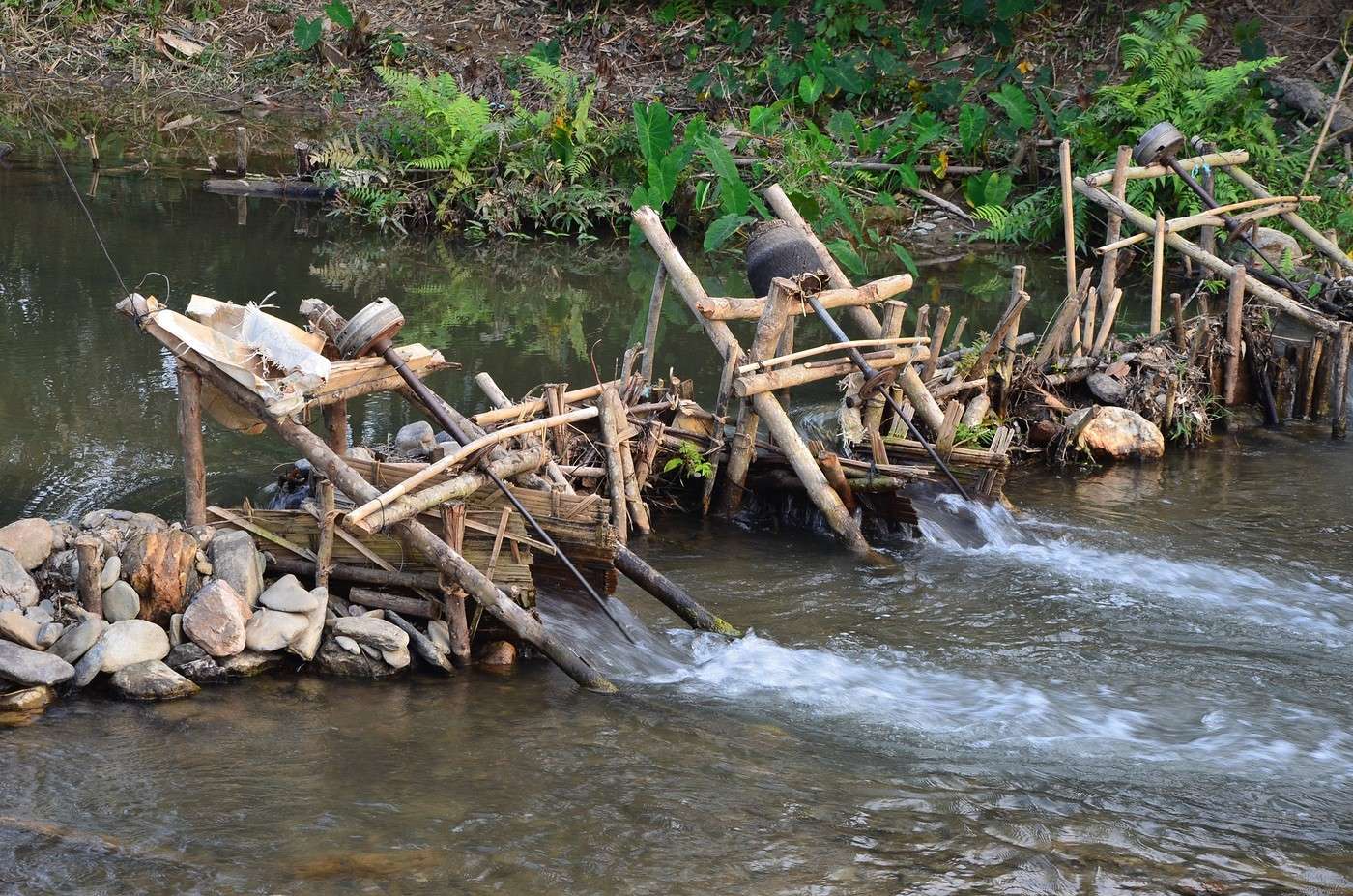
The “common room” is a covered terrace where you can admire the view, lounge in hammocks, or chat with other guests. The beer isn’t very cold, but that’s normal since the public electricity grid doesn’t reach the village—everyone generates their own power using small turbines placed in the river. Every house has at least one of these turbines, which explains the wires running from the river to the village! One turbine is enough for lighting, but you need several for other appliances.
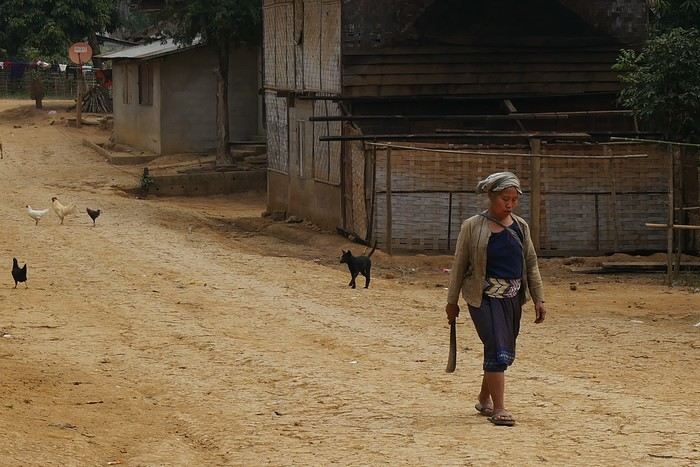
We immediately feel at home here. After a quick tour of the village, we settle onto the terrace: we watch the day fade and the cows and buffaloes leave the fields to return closer to the houses.
Tonight, the company will be lively. Among the guests we’ve met—mostly young Europeans (French, Italian, German)—I can’t resist introducing you to Margot and Louis, an extraordinary young couple. After saving up all their money for 3 years, they set off at the end of 2021 on a hitchhiking trip around the world: their rule is that they don’t pay for any transport (and they try to camp or get hosted as much as possible). They have an Instagram account that started as “onemap2bags” and is now called “Ziyouroam” (don’t ask me what it means), and I highly recommend checking it out. What interests them are the people they meet through hitchhiking (and cargo-hitching), and they create portraits of them. First, I must admit that with my well-established life as a 50-something, I initially looked at them with a bit of condescension, but I quickly changed my mind: they’re optimists and humanists, but not naive dreamers—they’re determined, resilient, courageous, extremely well-organized, and resourceful (to get a free ride on a cargo ship, you have to run a real marketing campaign). They know how to reach out to others and make connections, and they’ve learned to trust their intuition. I admire and respect them immensely.
For Laos, Louis’s mom was traveling with them, backpack and all. Since we met, they’ve first switched to bicycles for their North American crossing since hitchhiking is banned in the U.S. Then they resumed hitchhiking in Mexico and completed their loop in early 2025, returning to Paris. Margot gave birth to a beautiful baby conceived during their trip… and they set off again in March 2026, this time with their little one, heading to China (Chongqing, Sichuan, and Guizhou), favoring trains this time. Their approach remains the same: being open to encounters, without judgment.
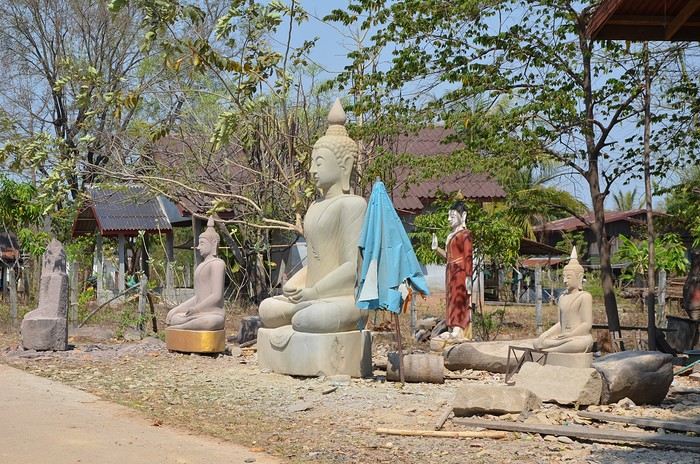
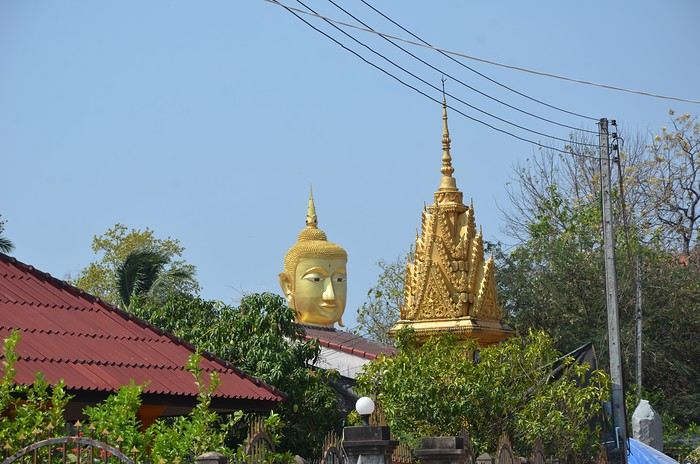
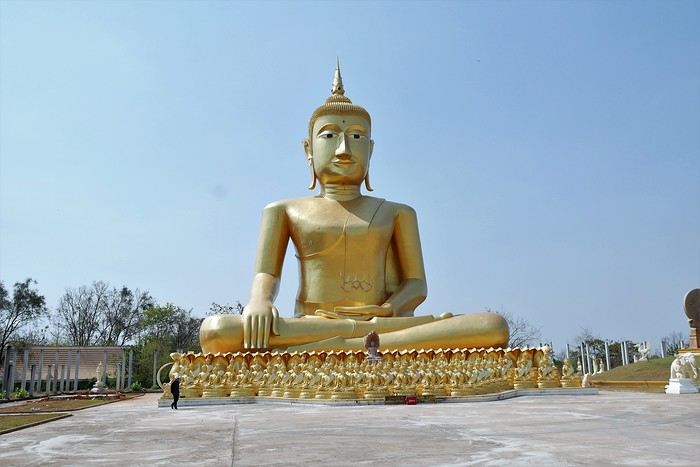
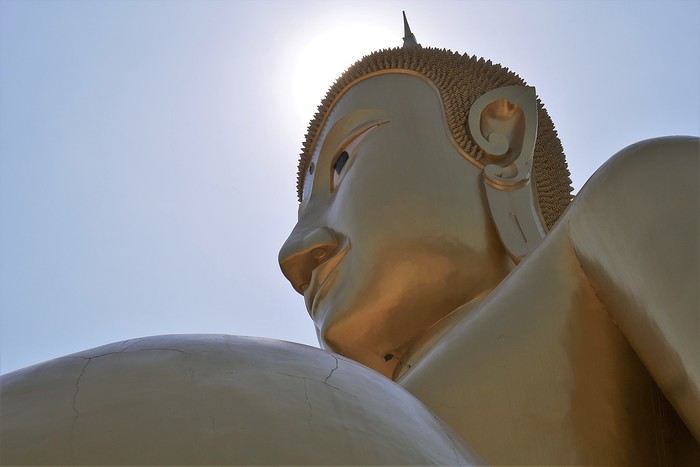
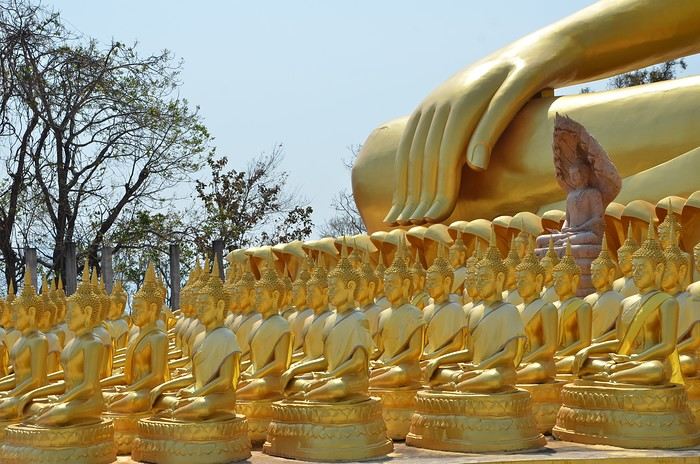
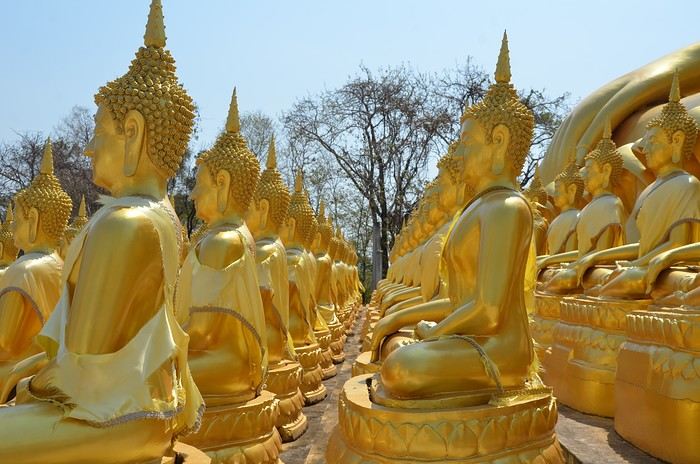
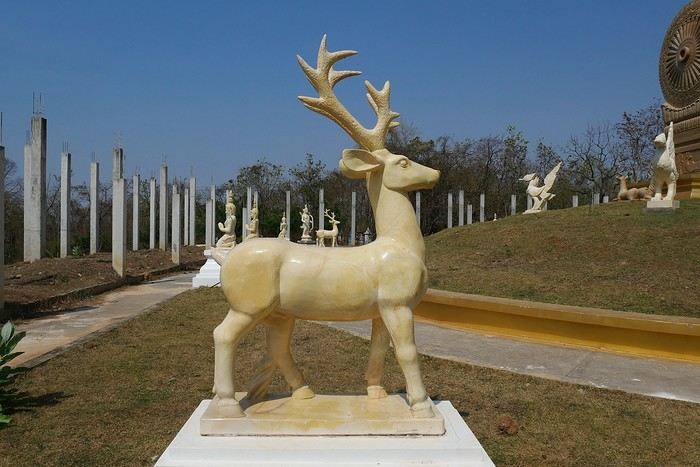
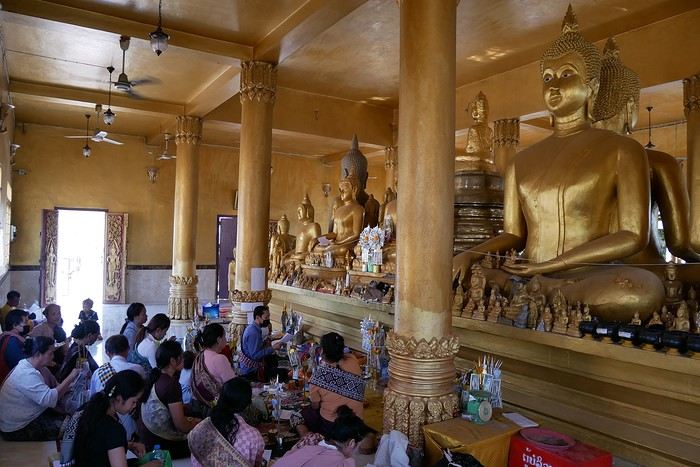
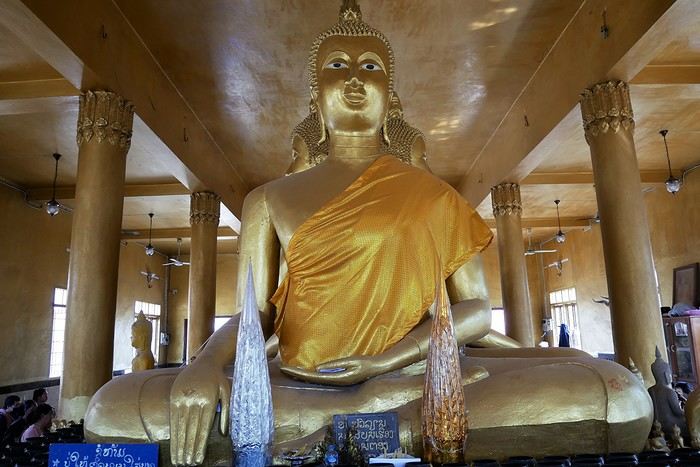
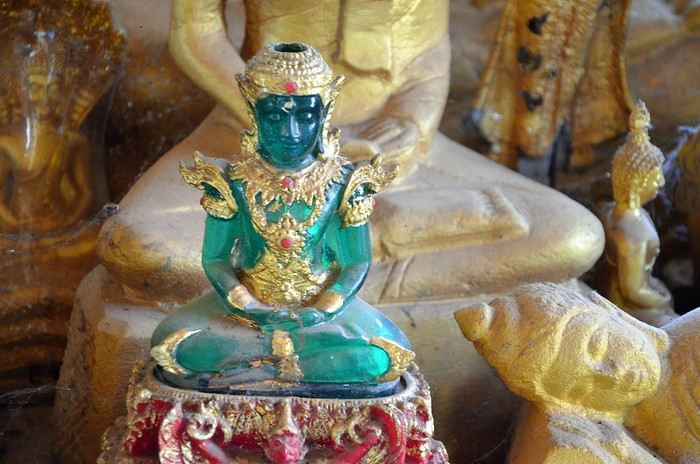
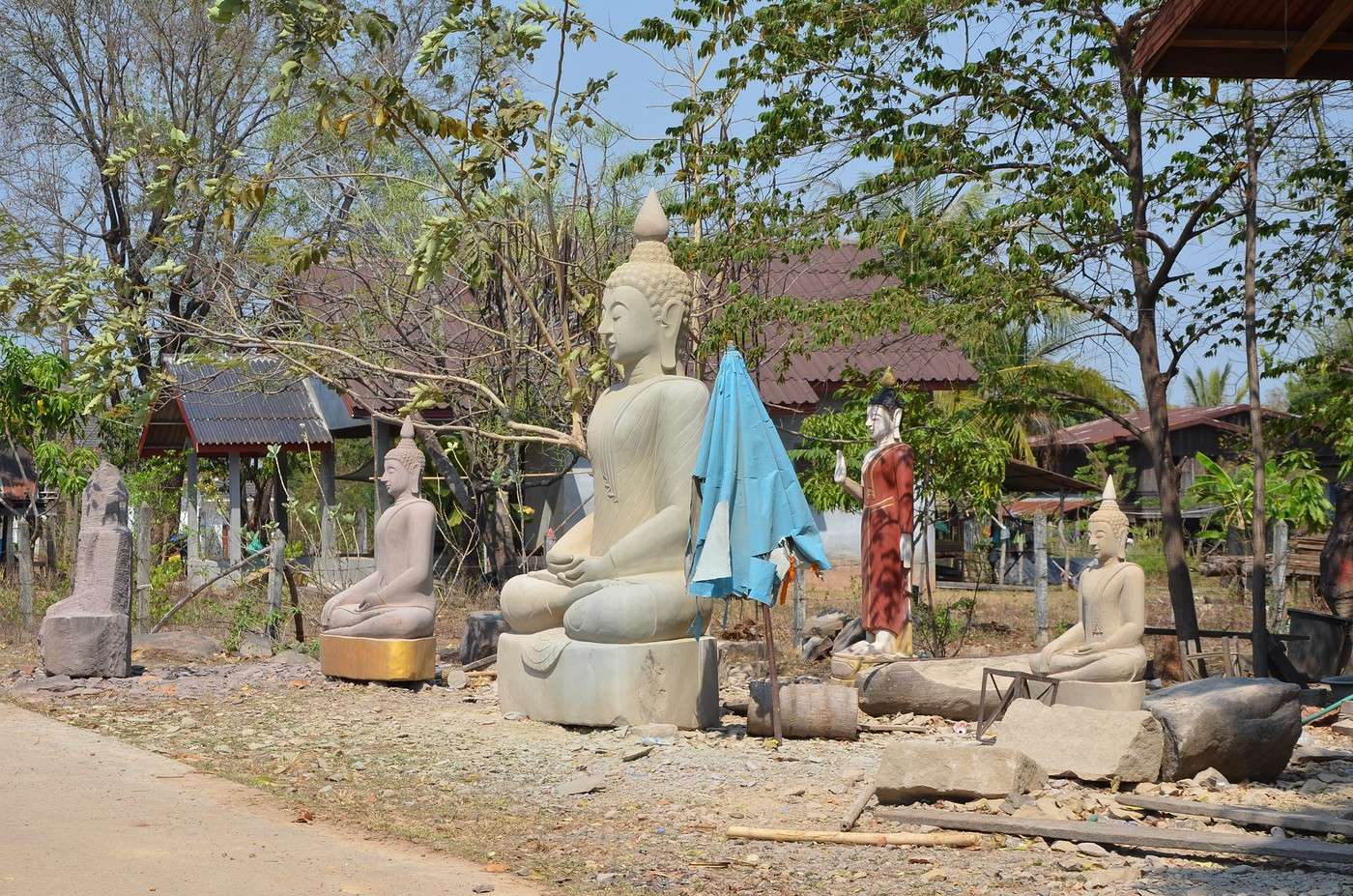
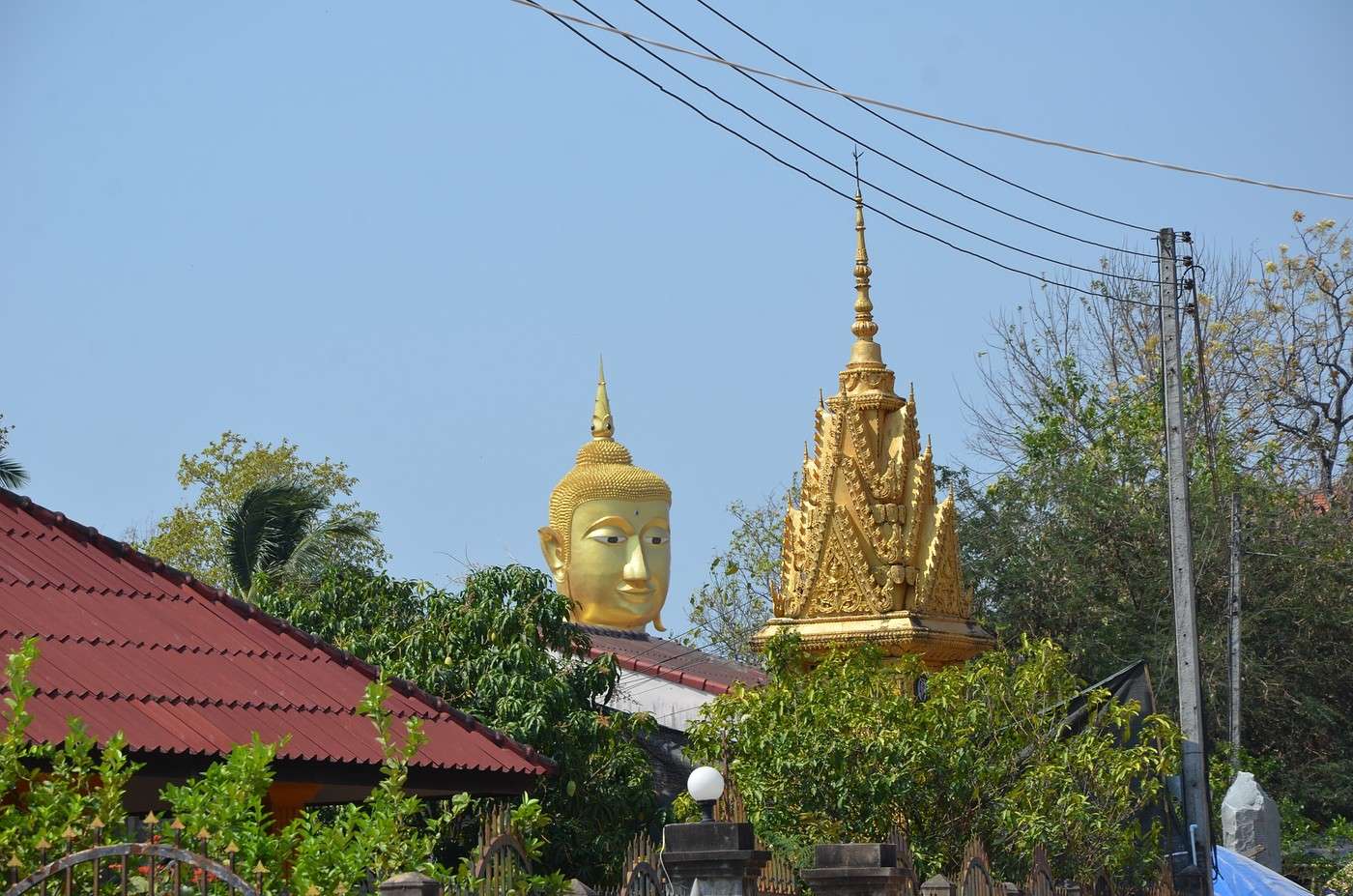
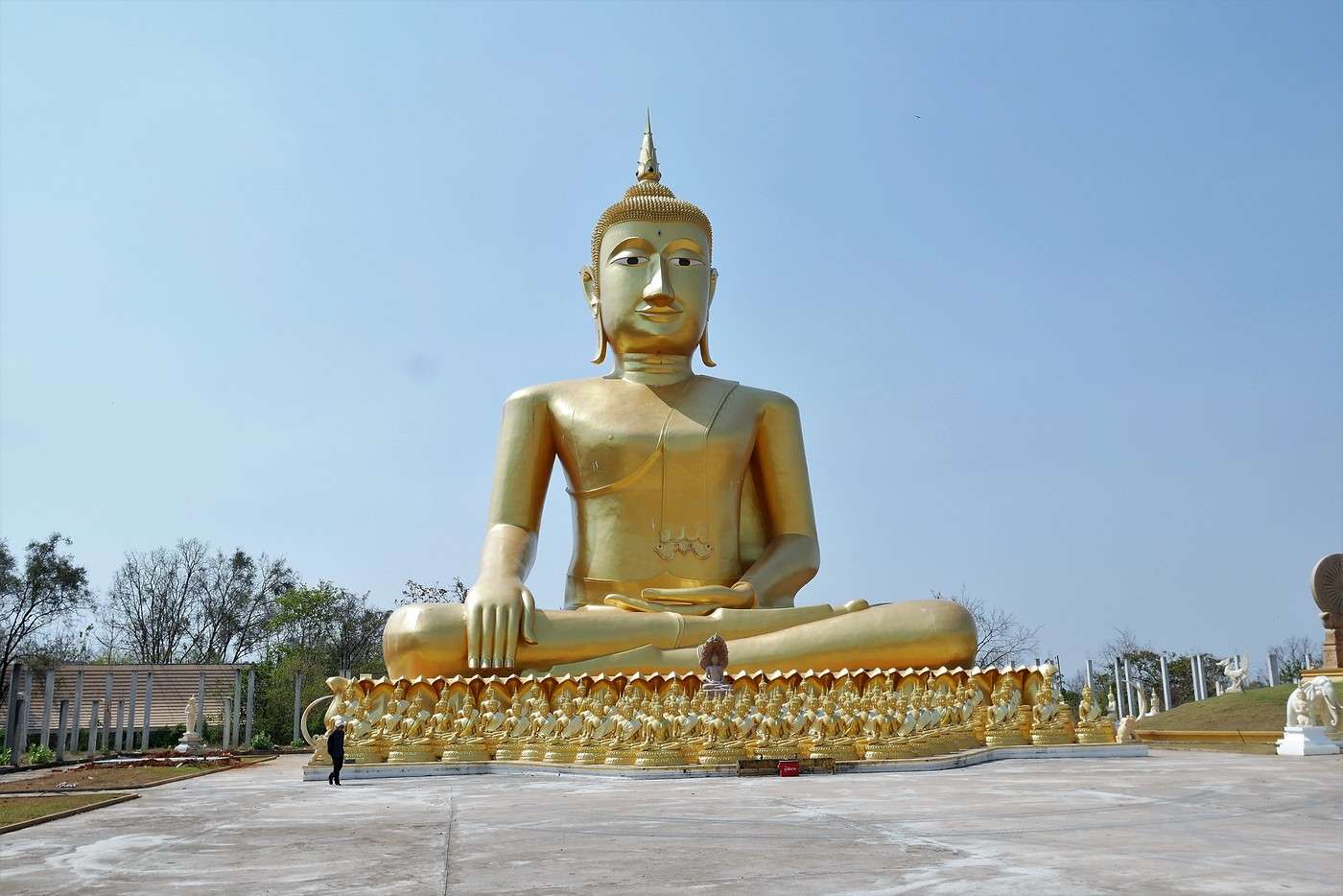
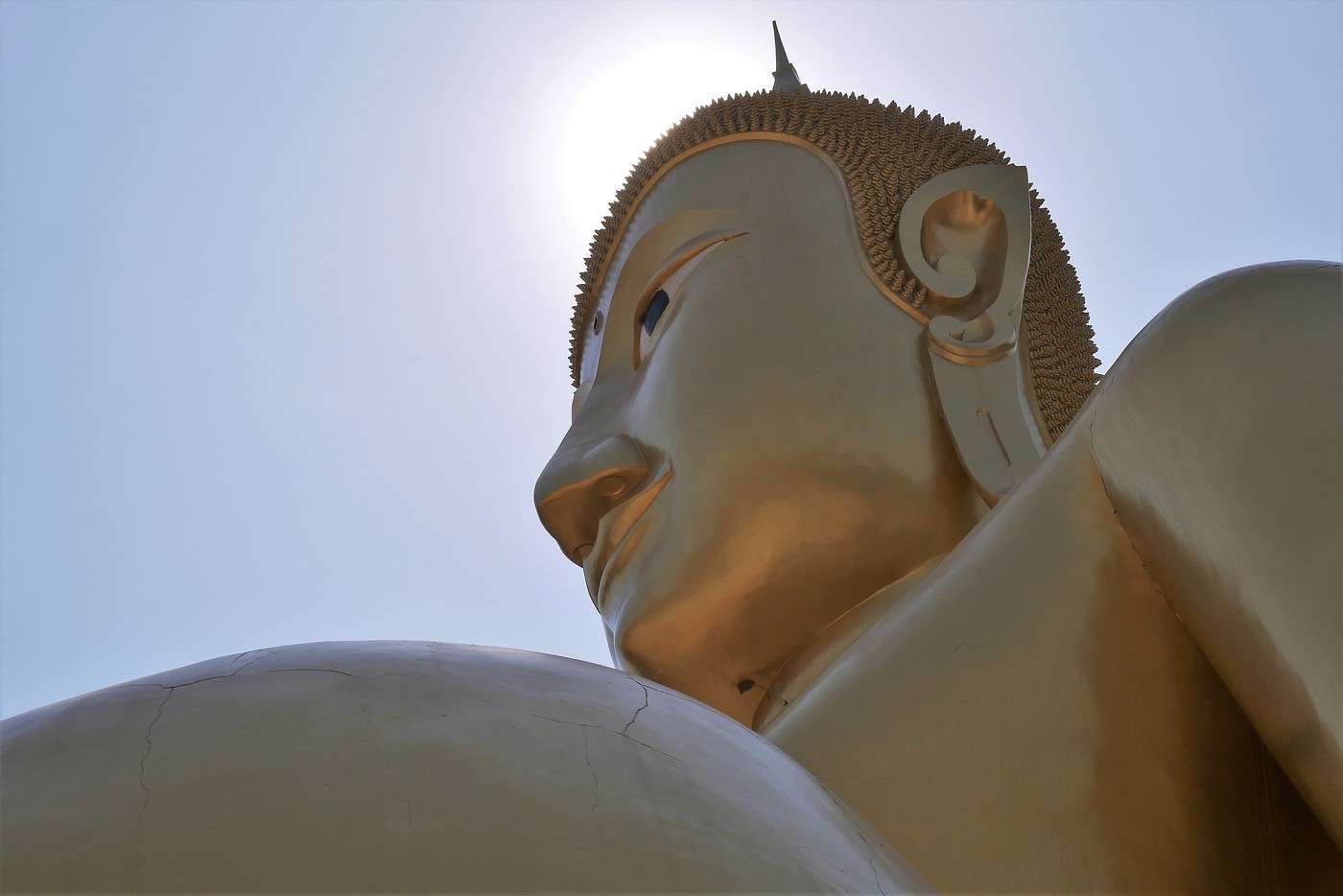
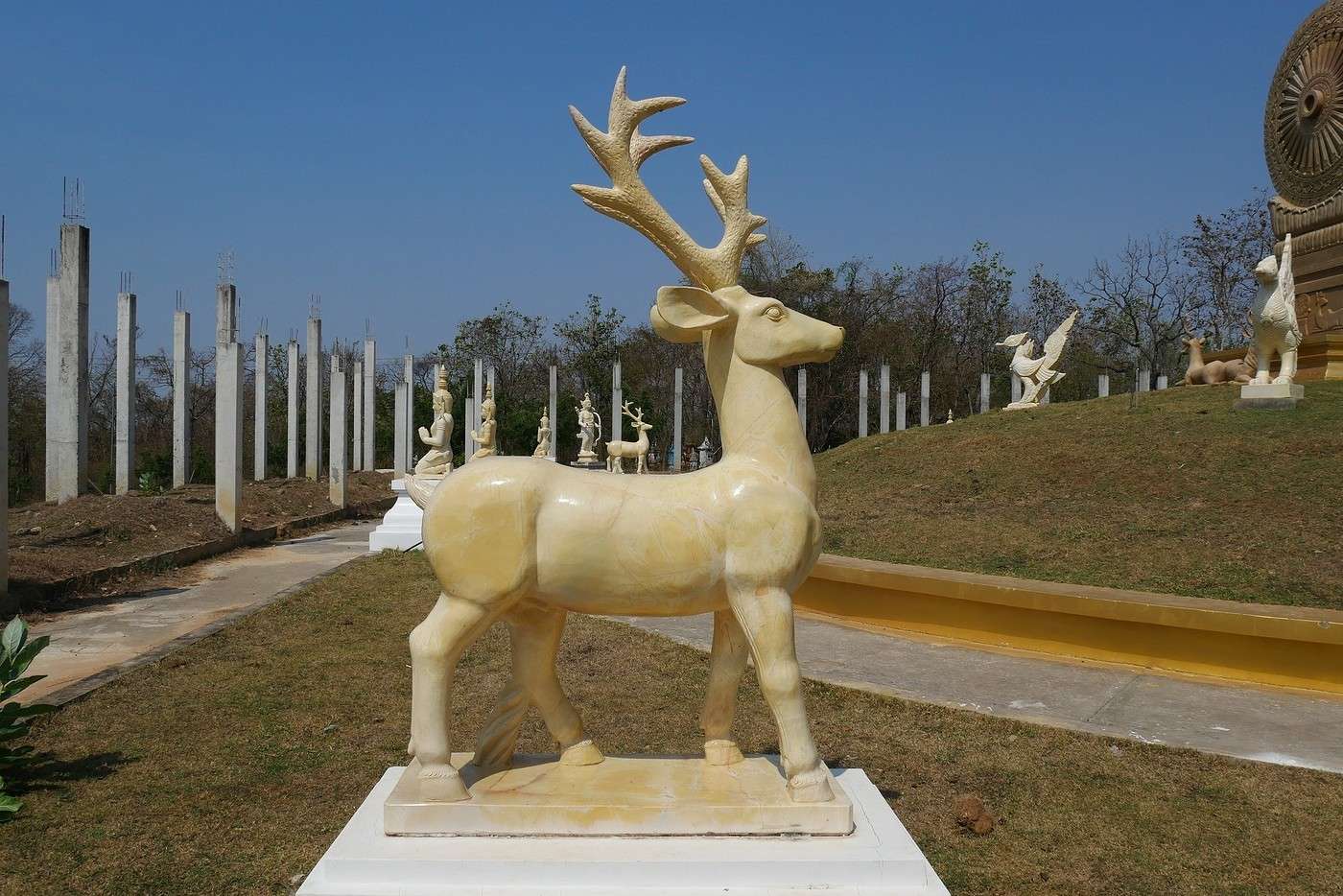
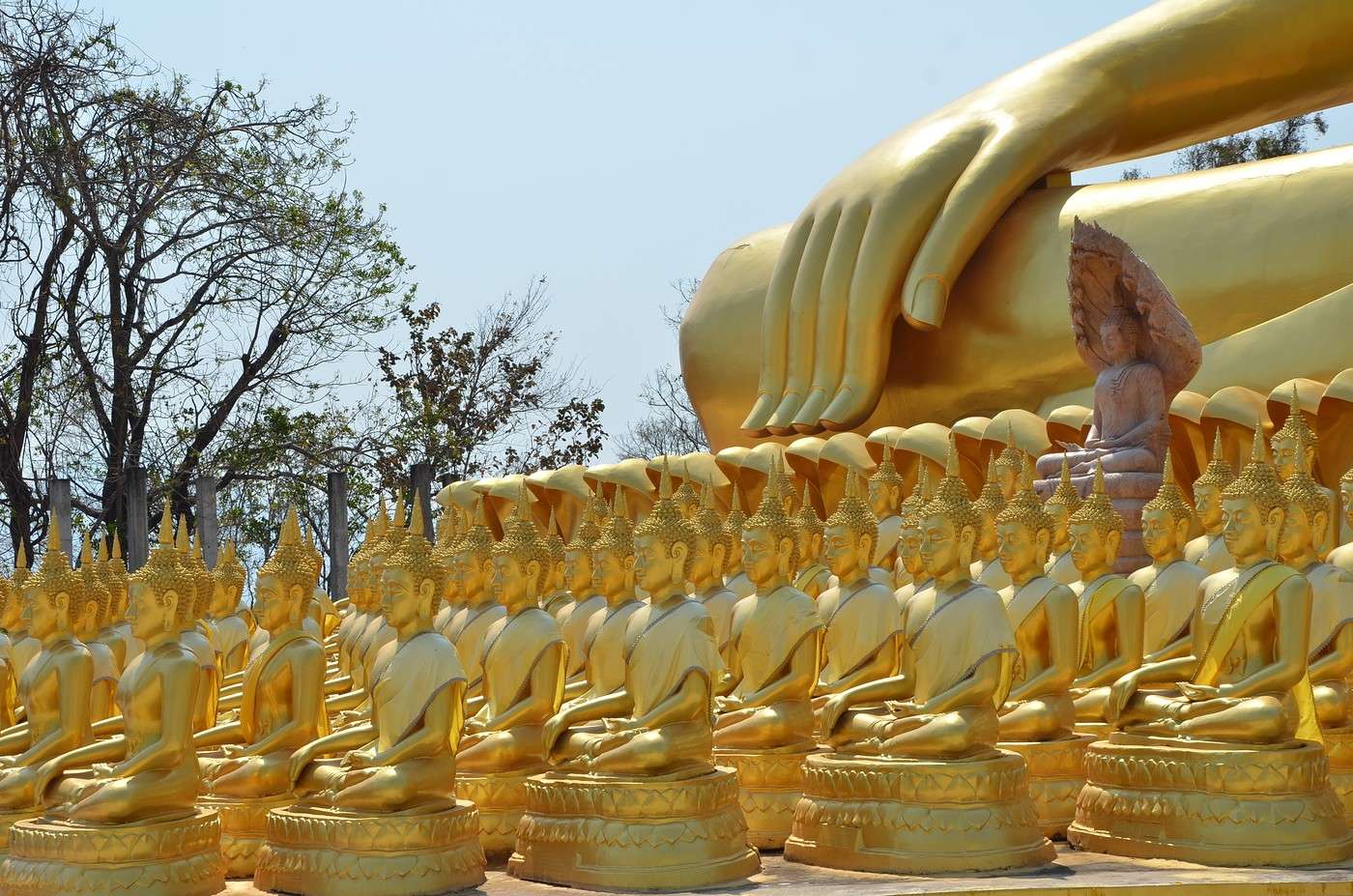
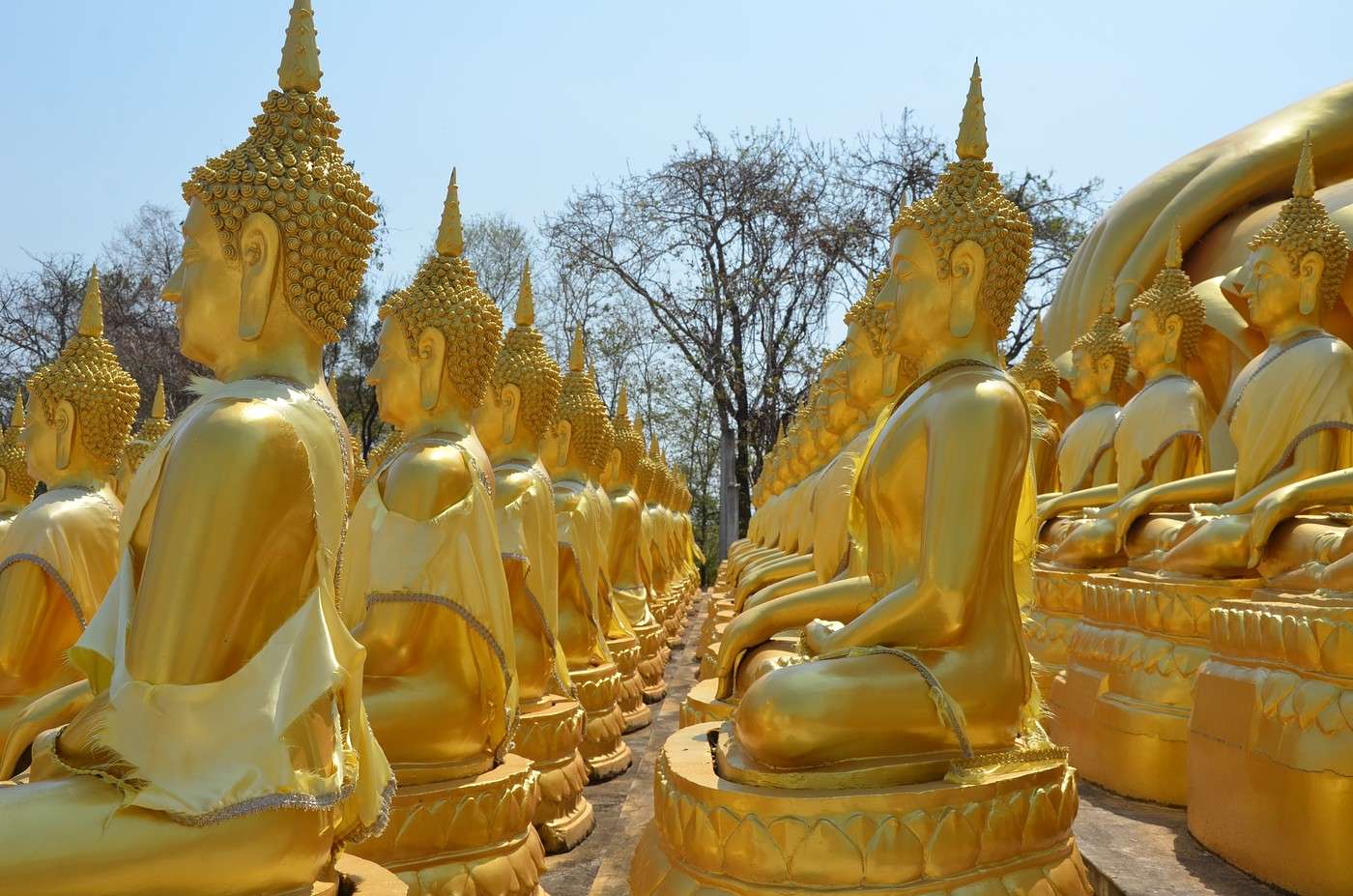
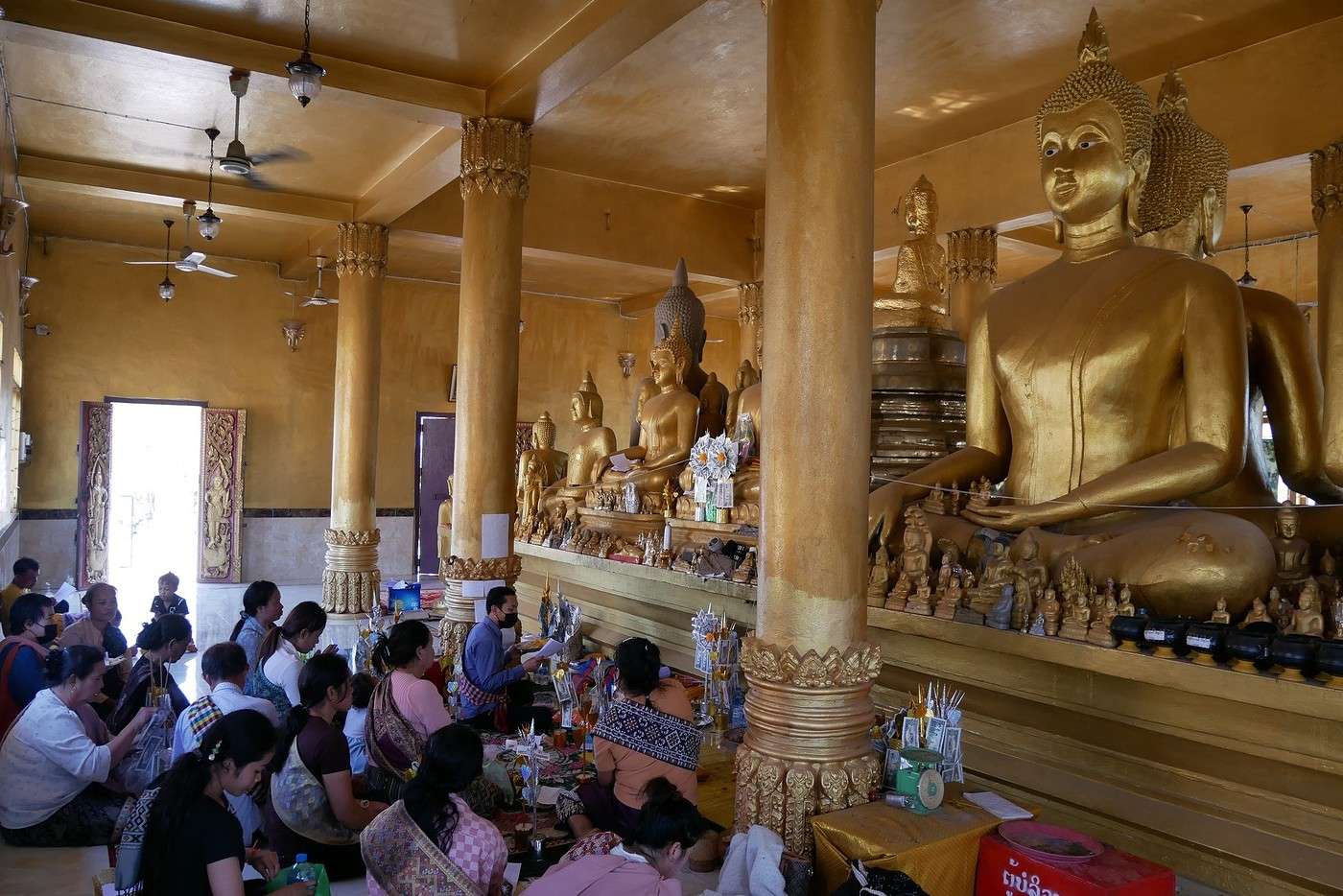
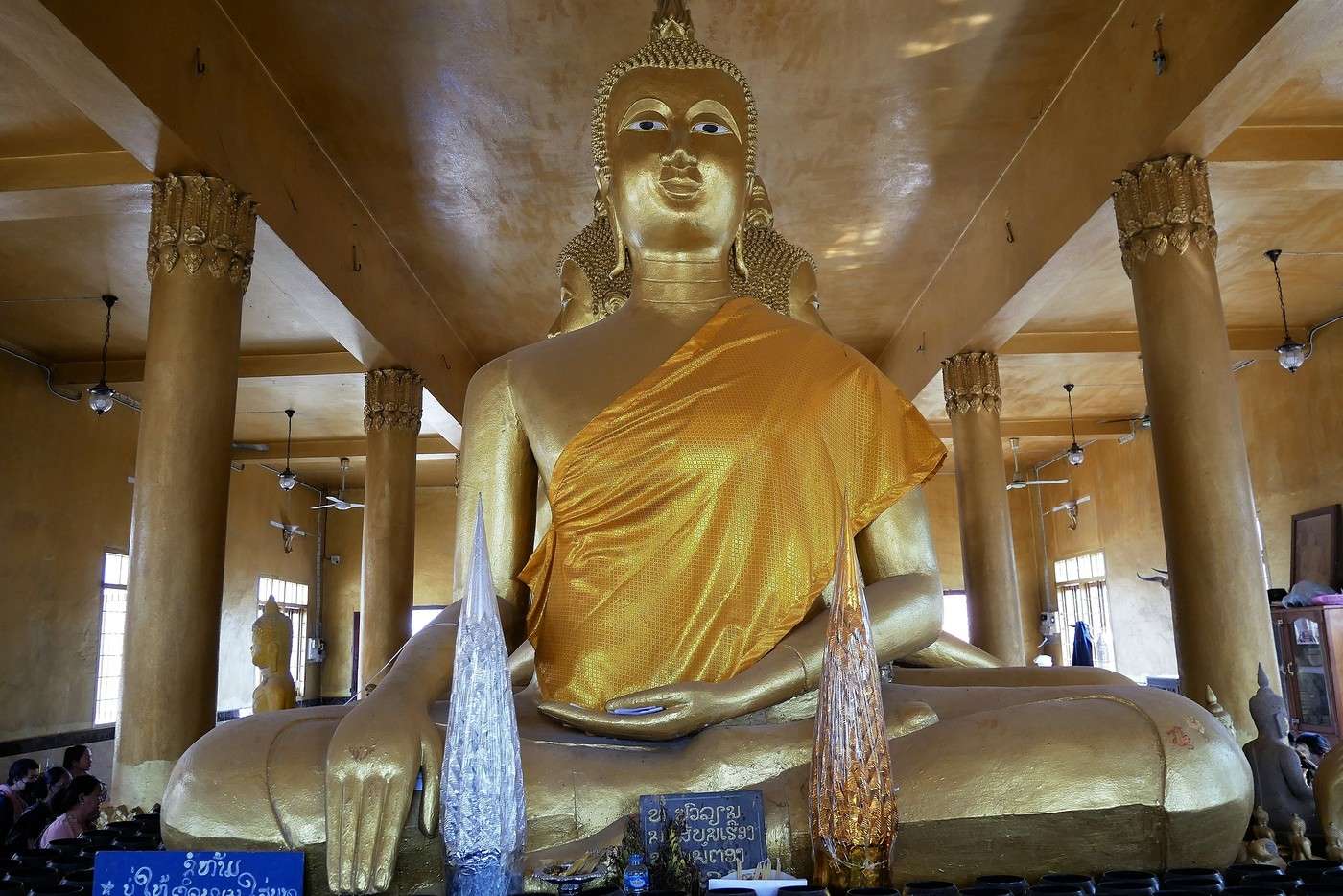
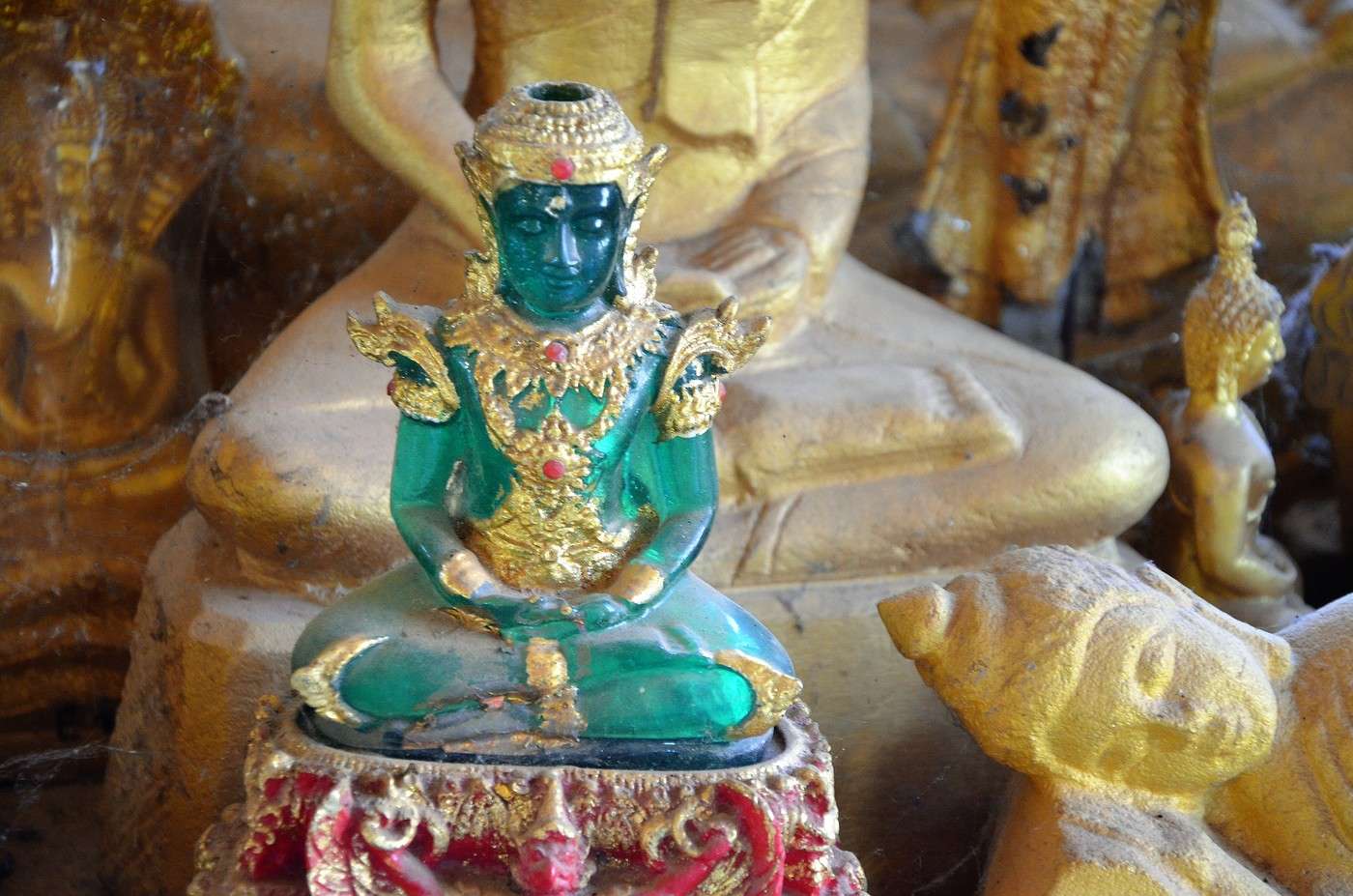
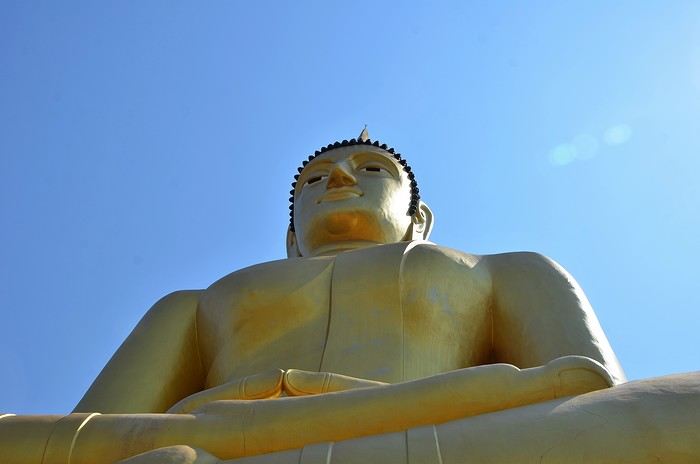
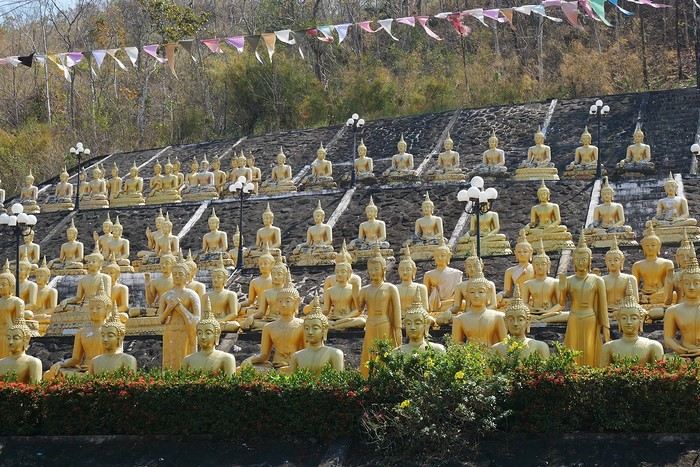
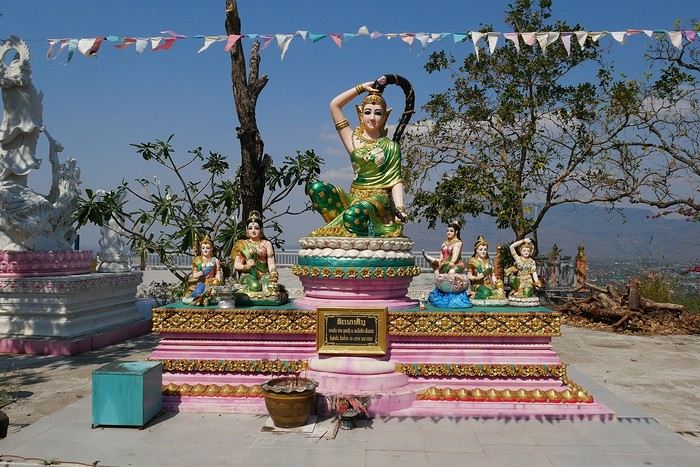
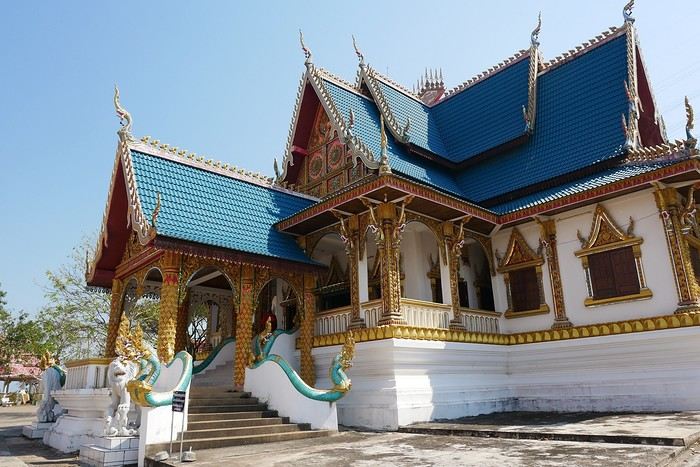
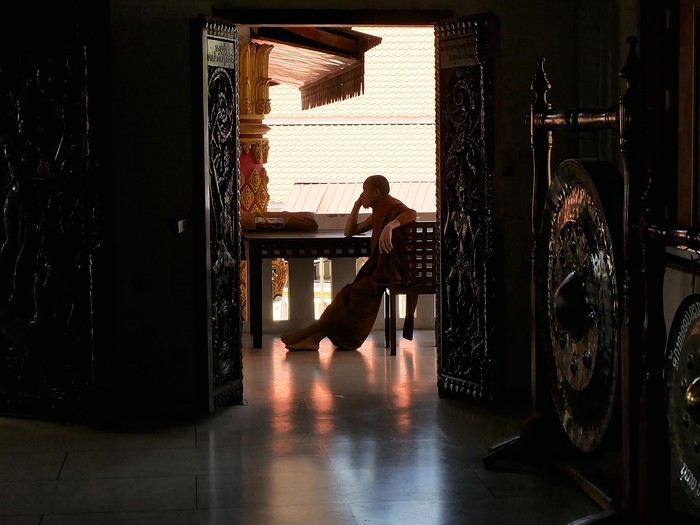
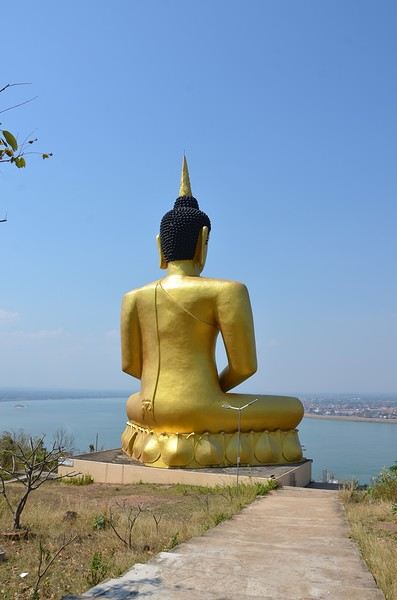
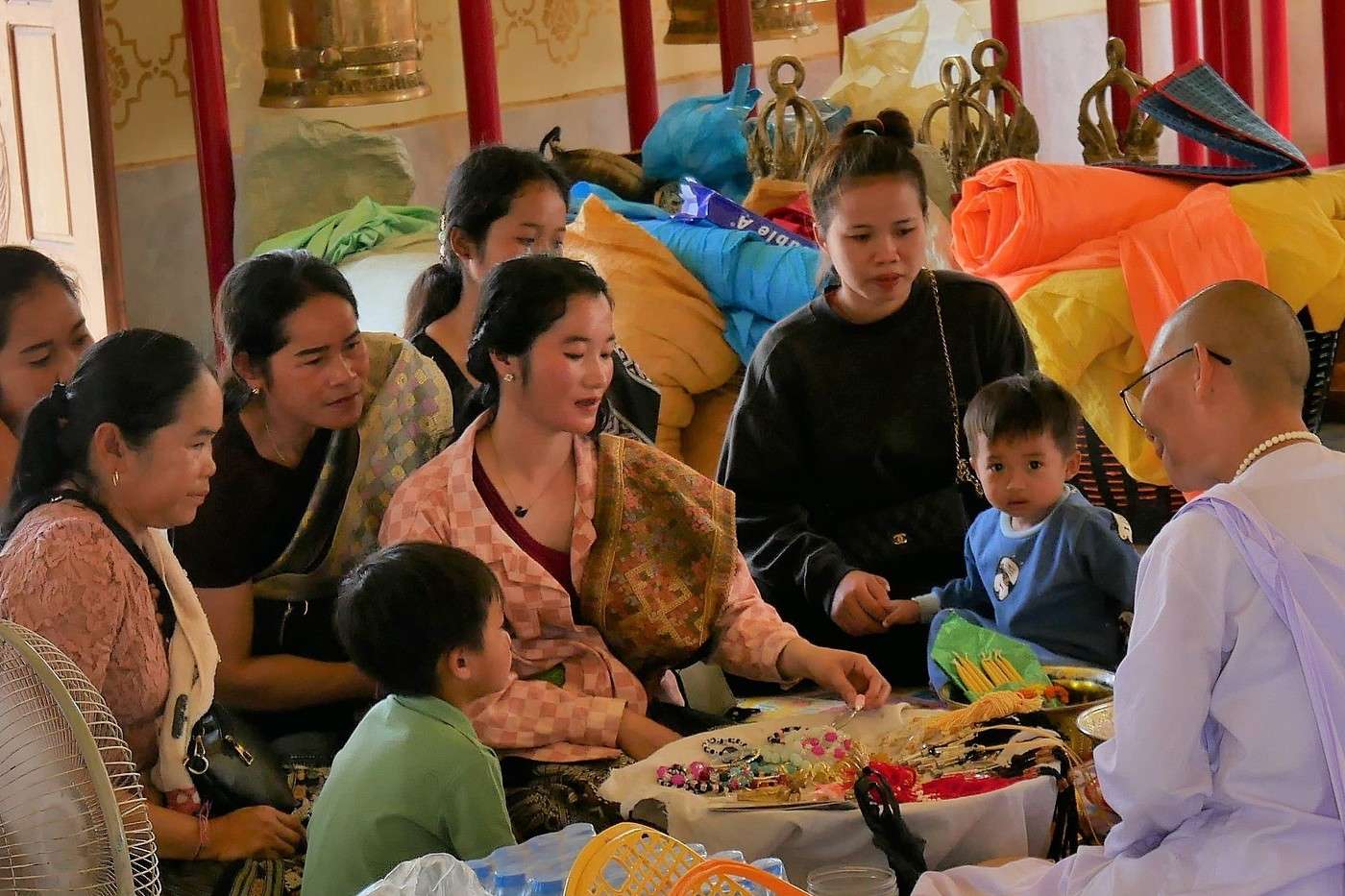
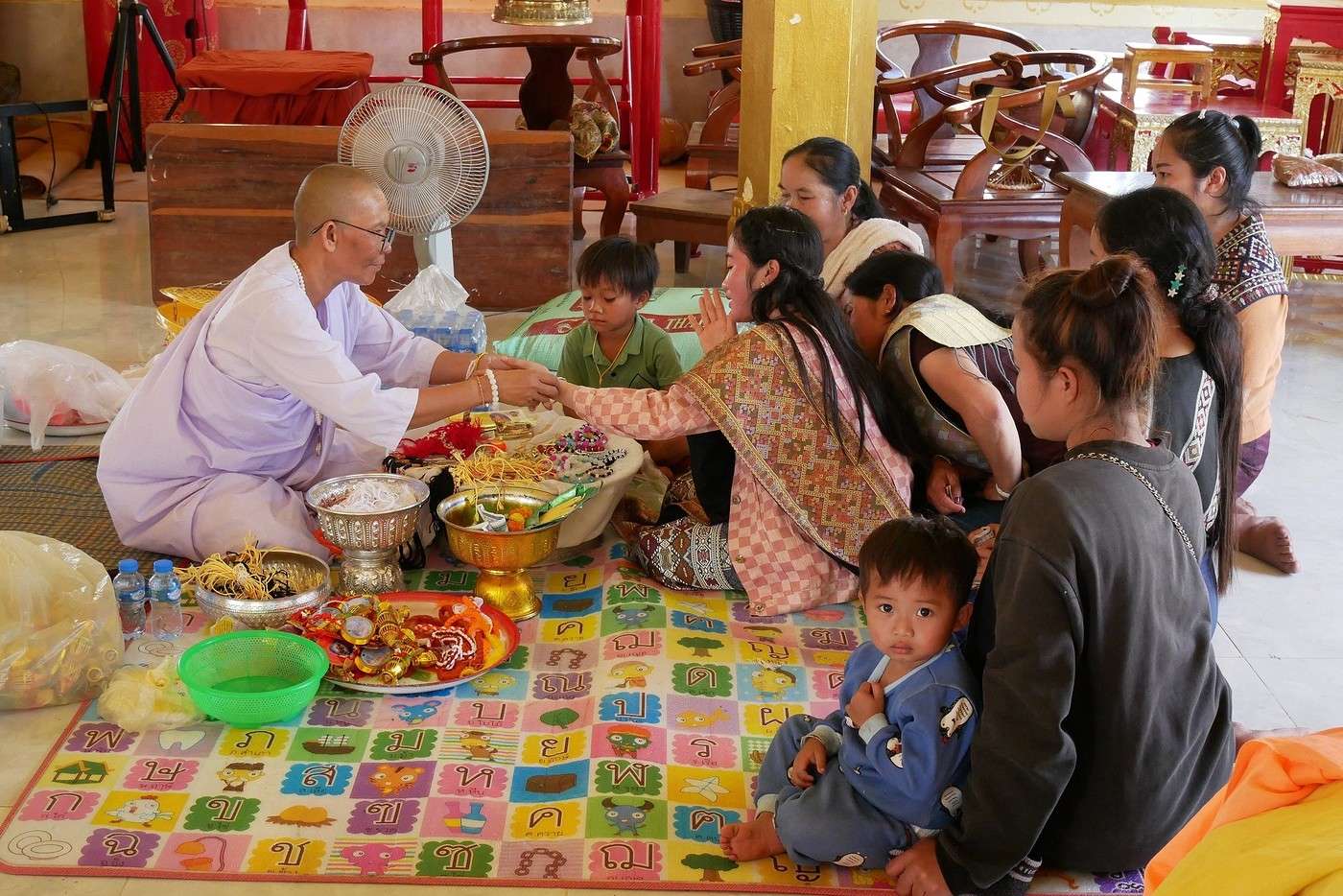
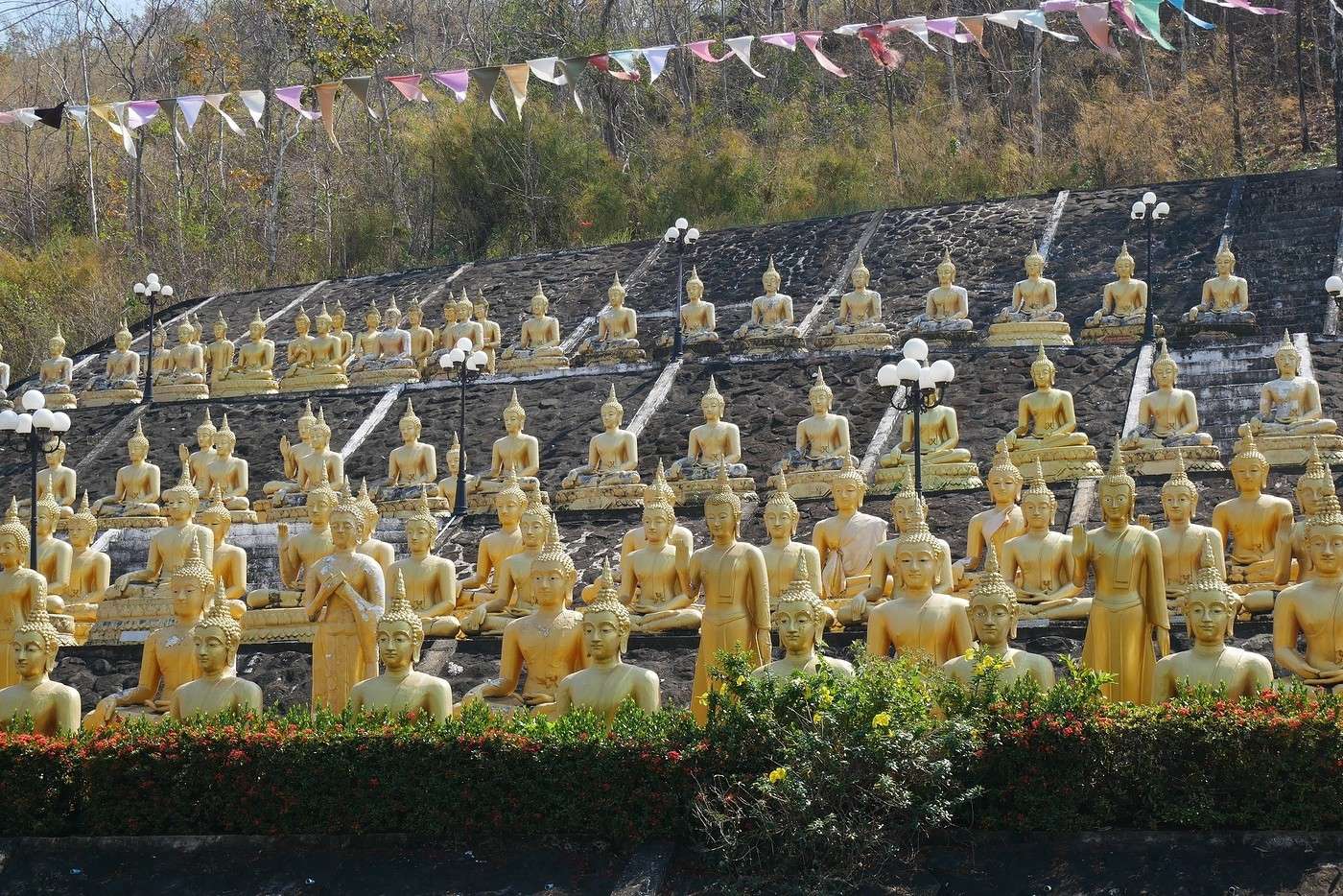
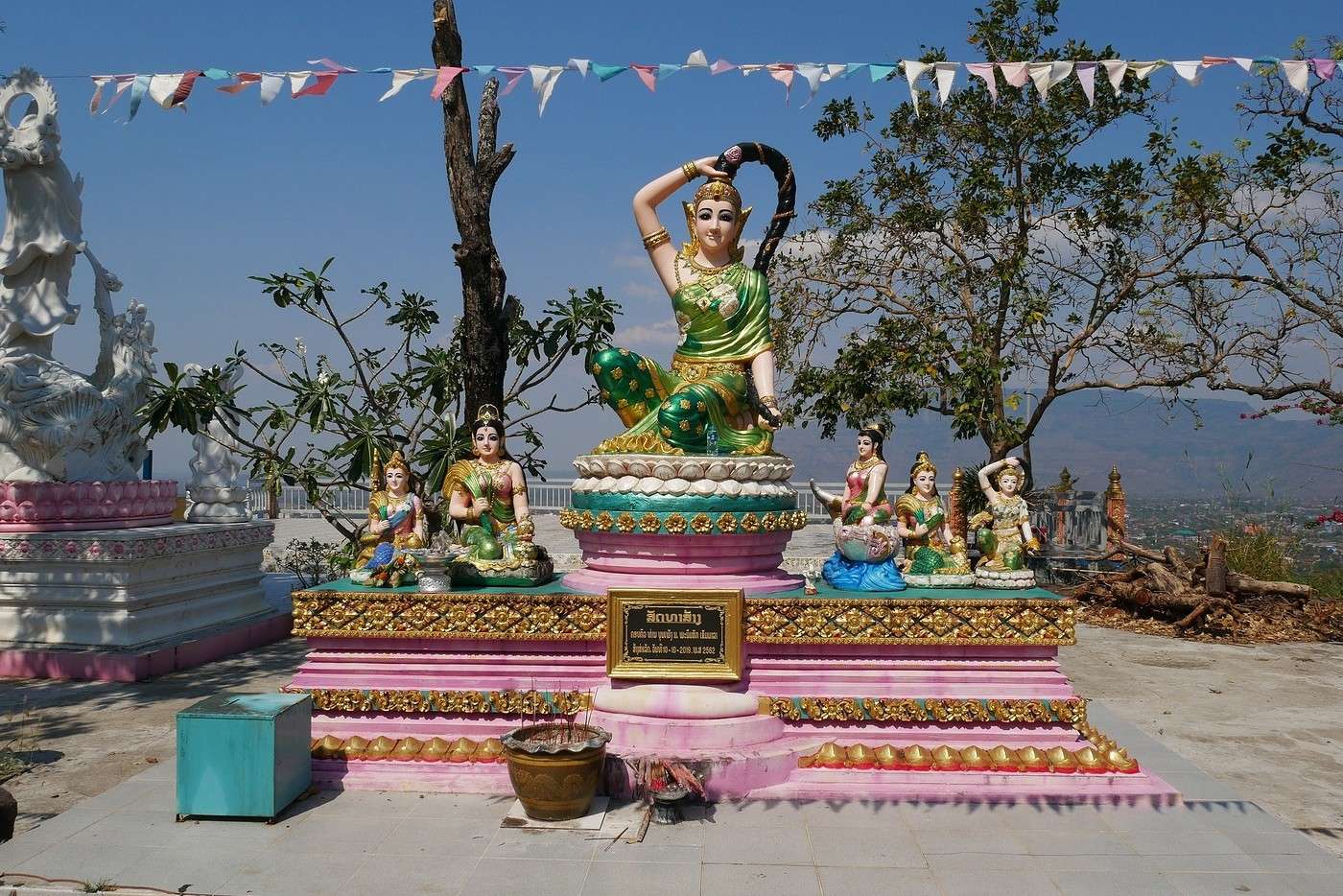
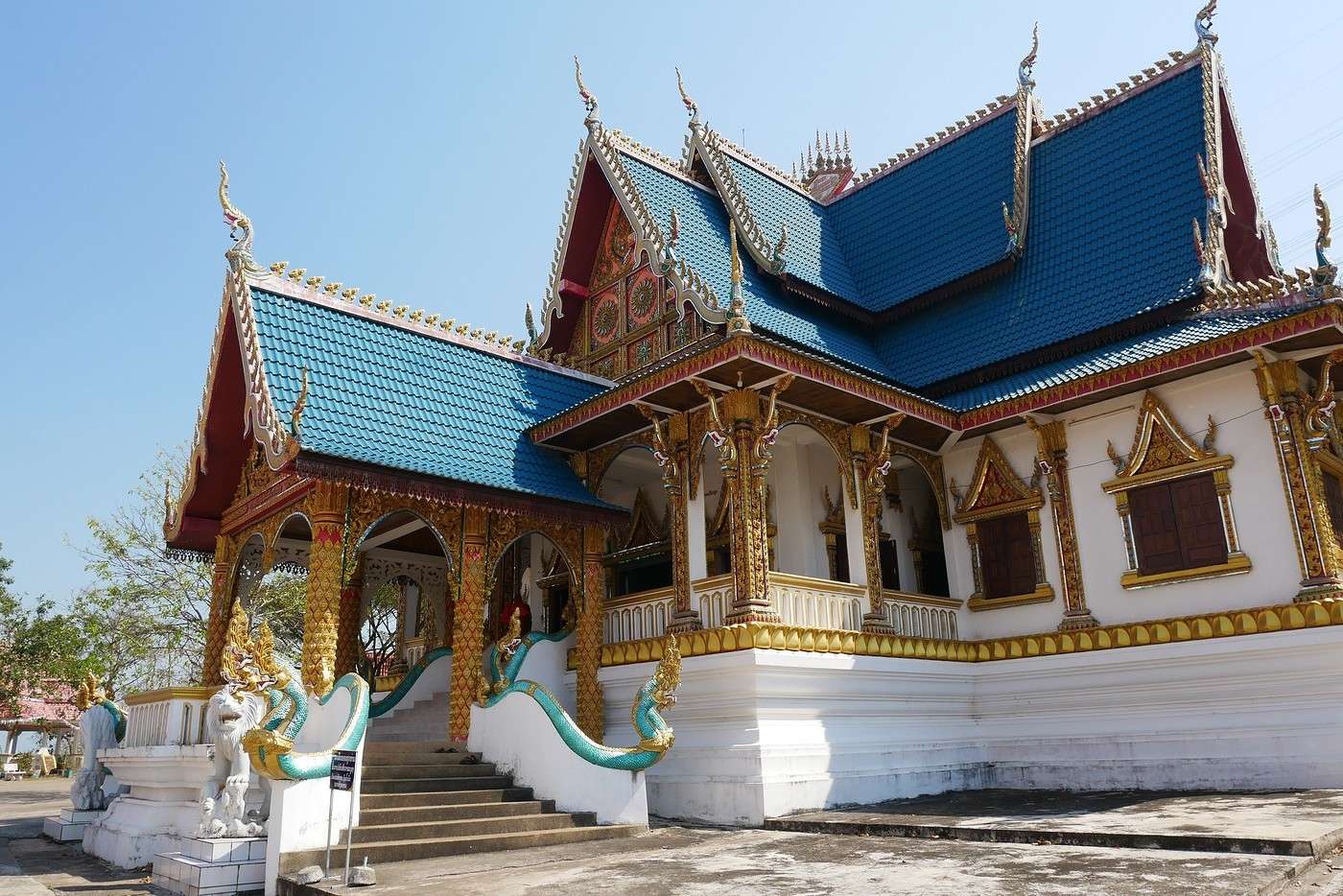
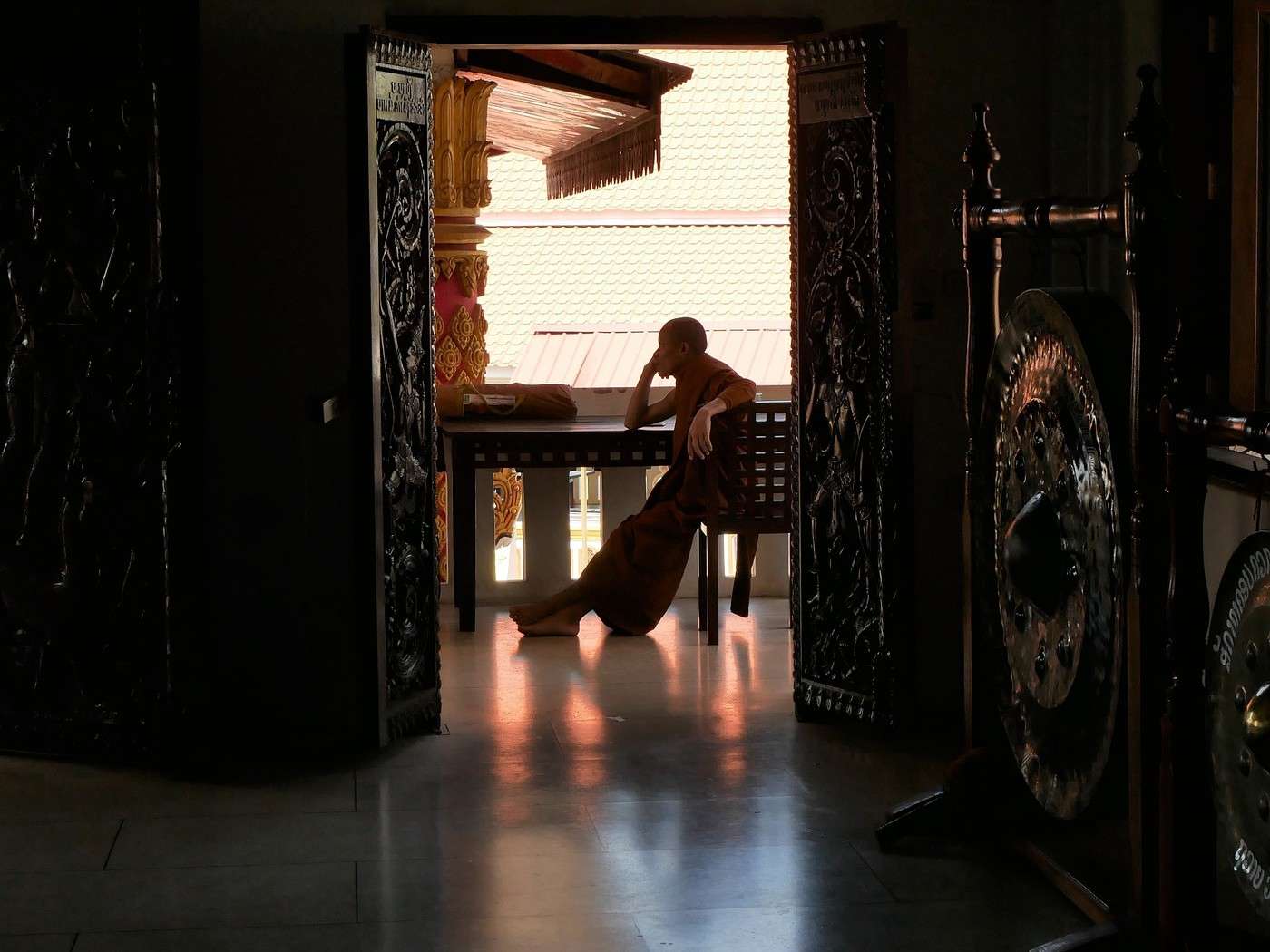

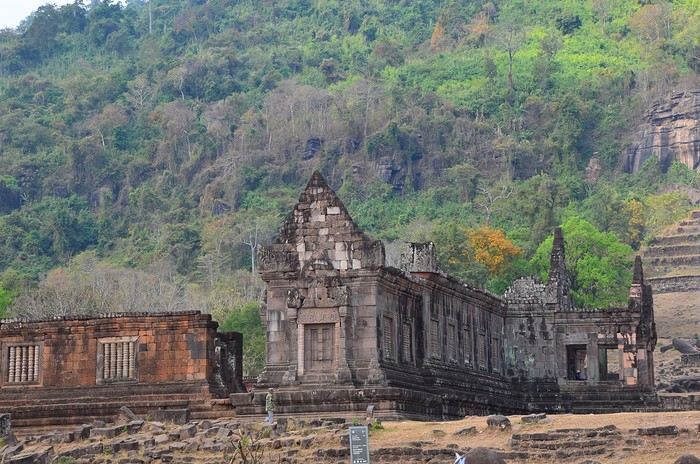
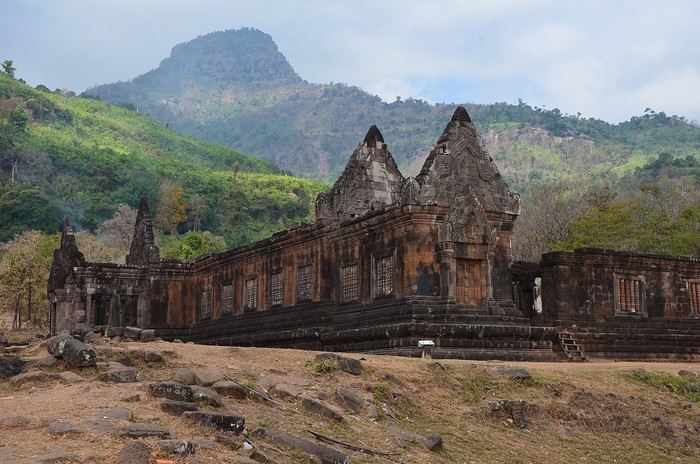
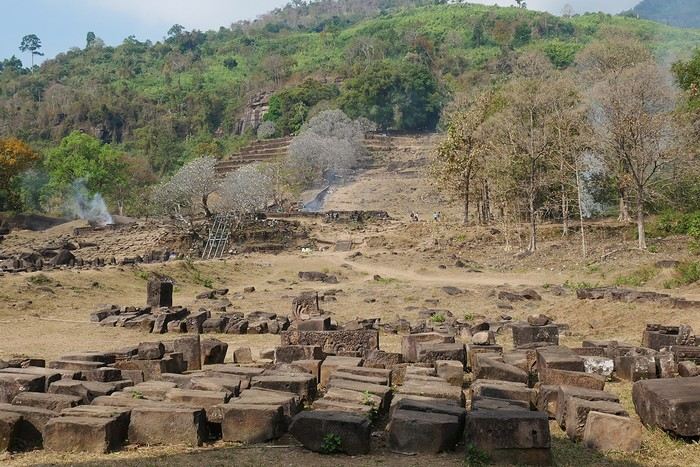
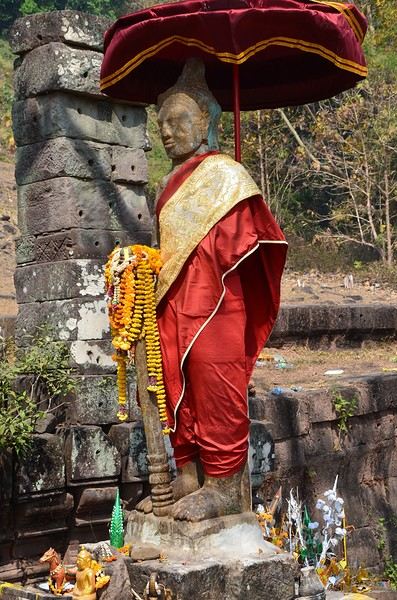
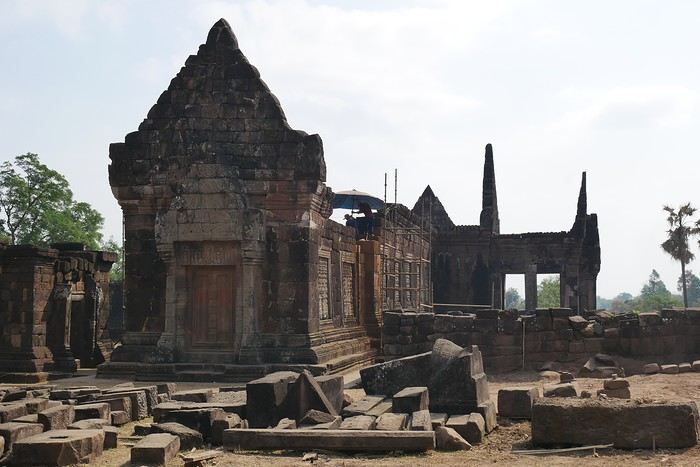
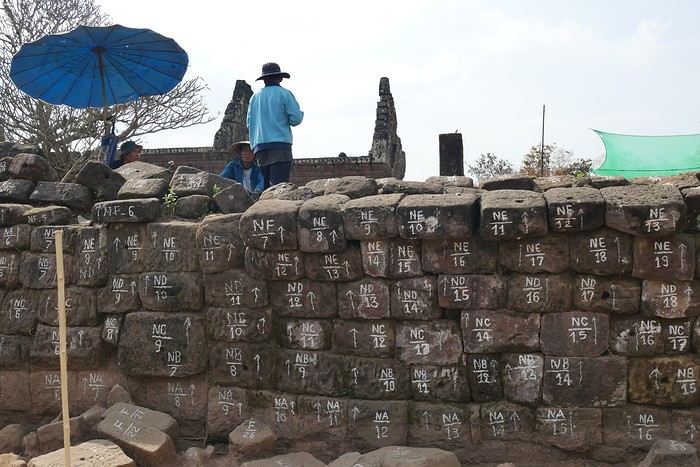
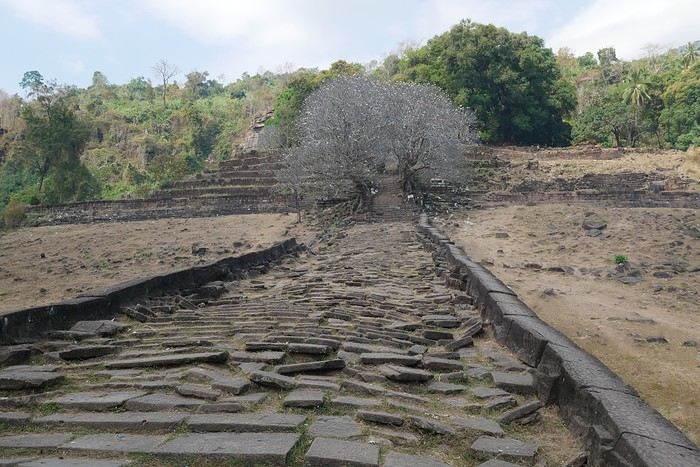
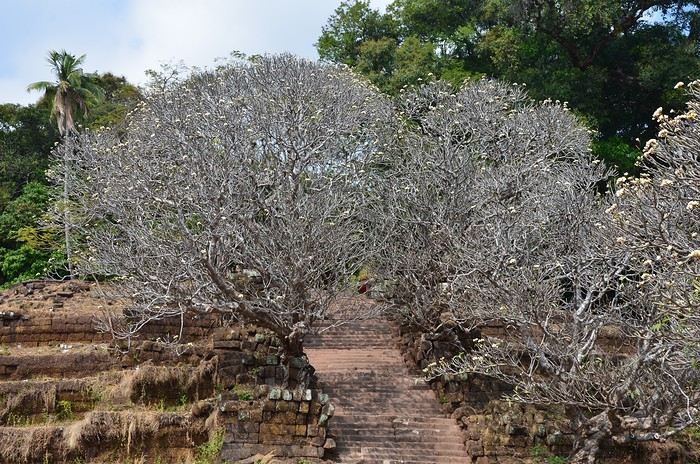
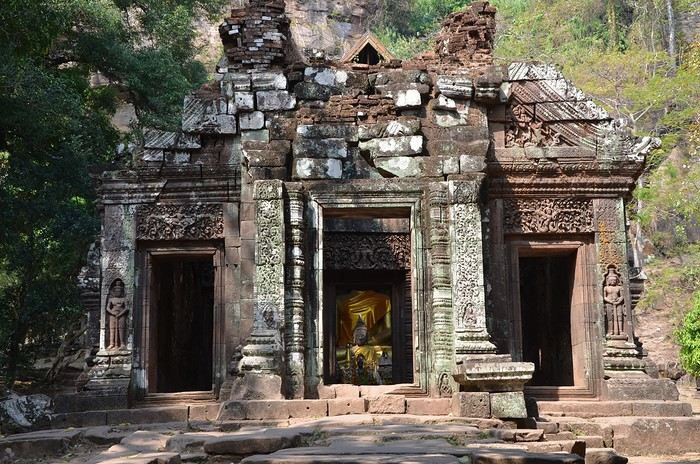
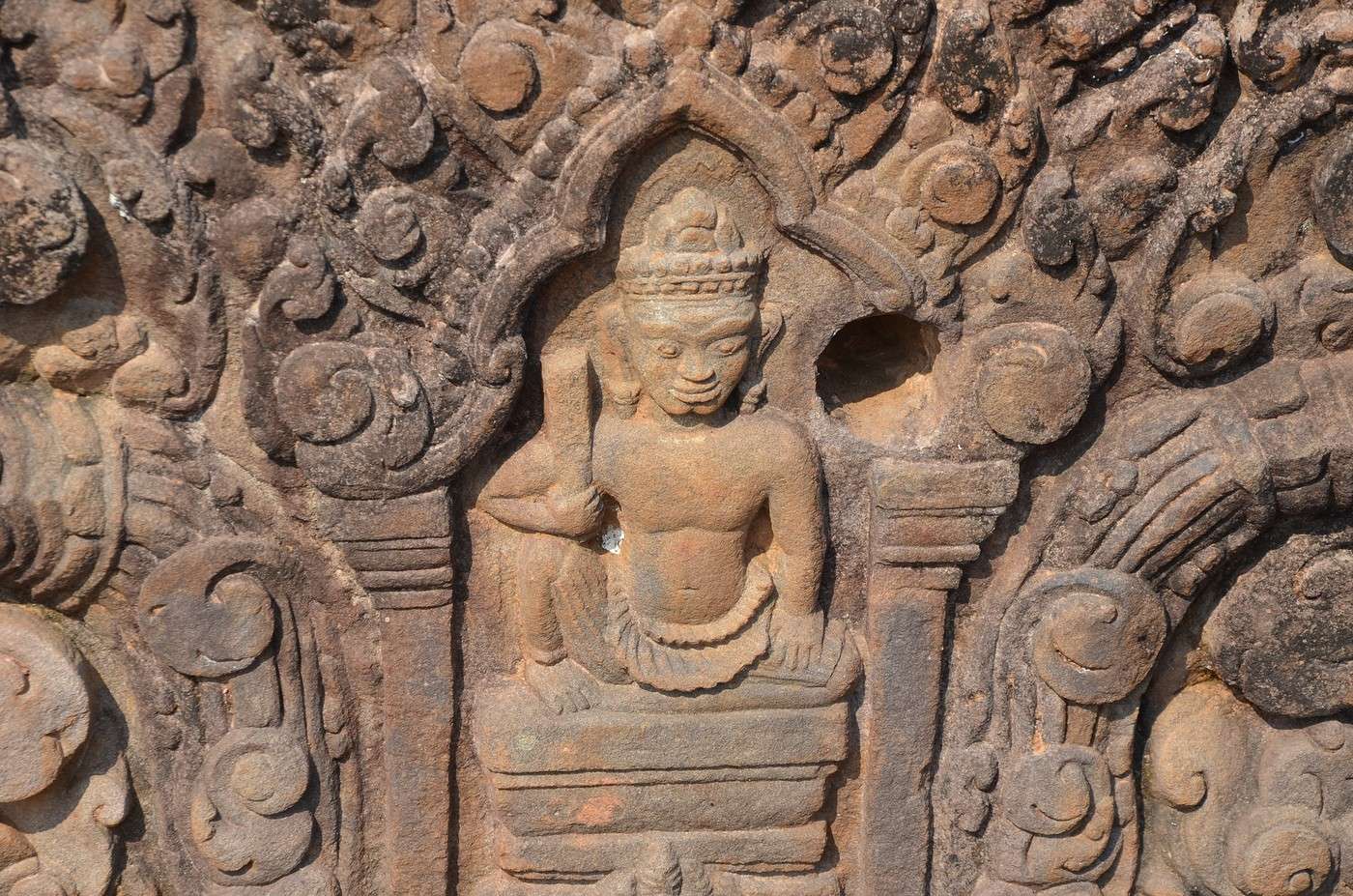
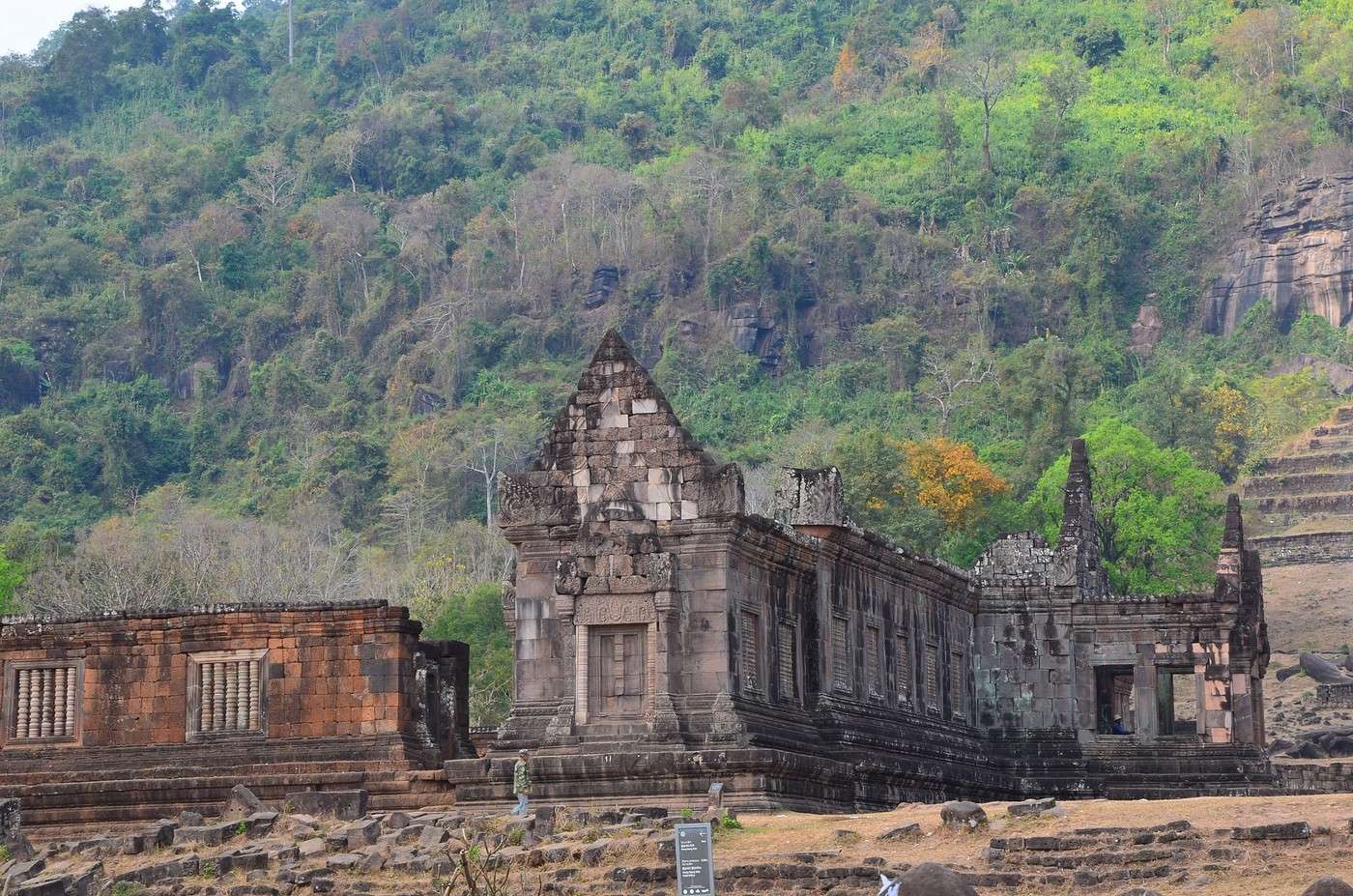
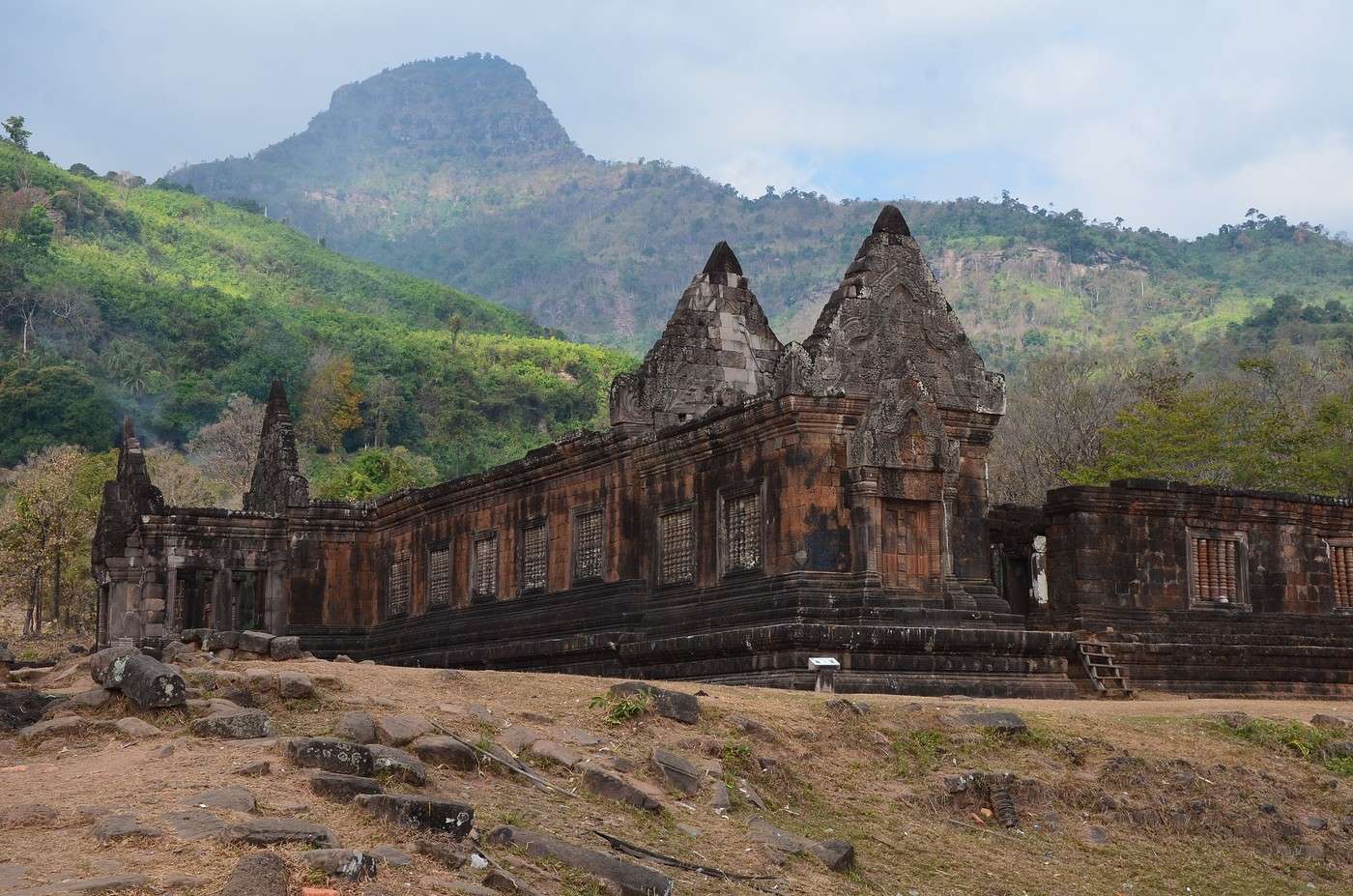
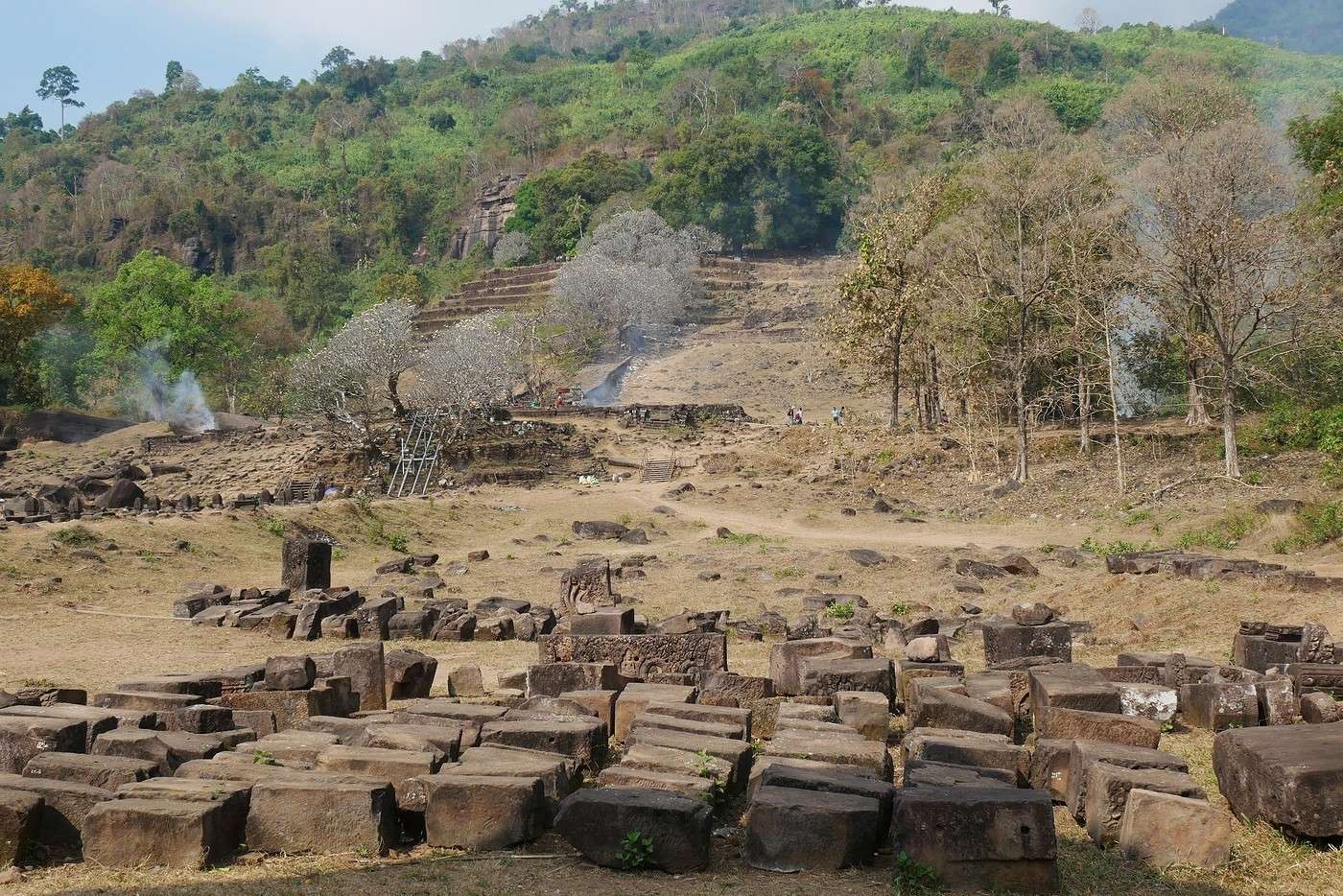
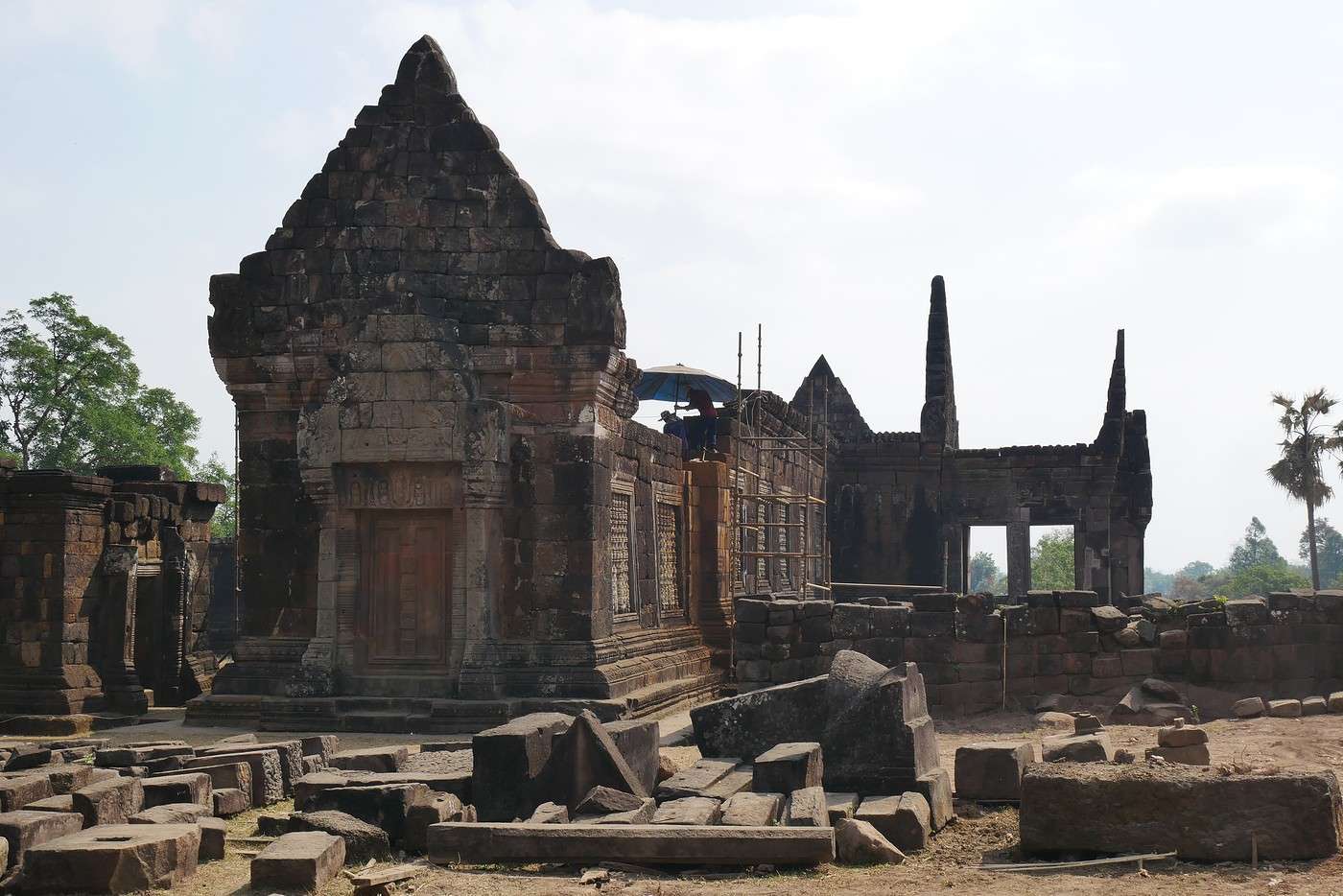
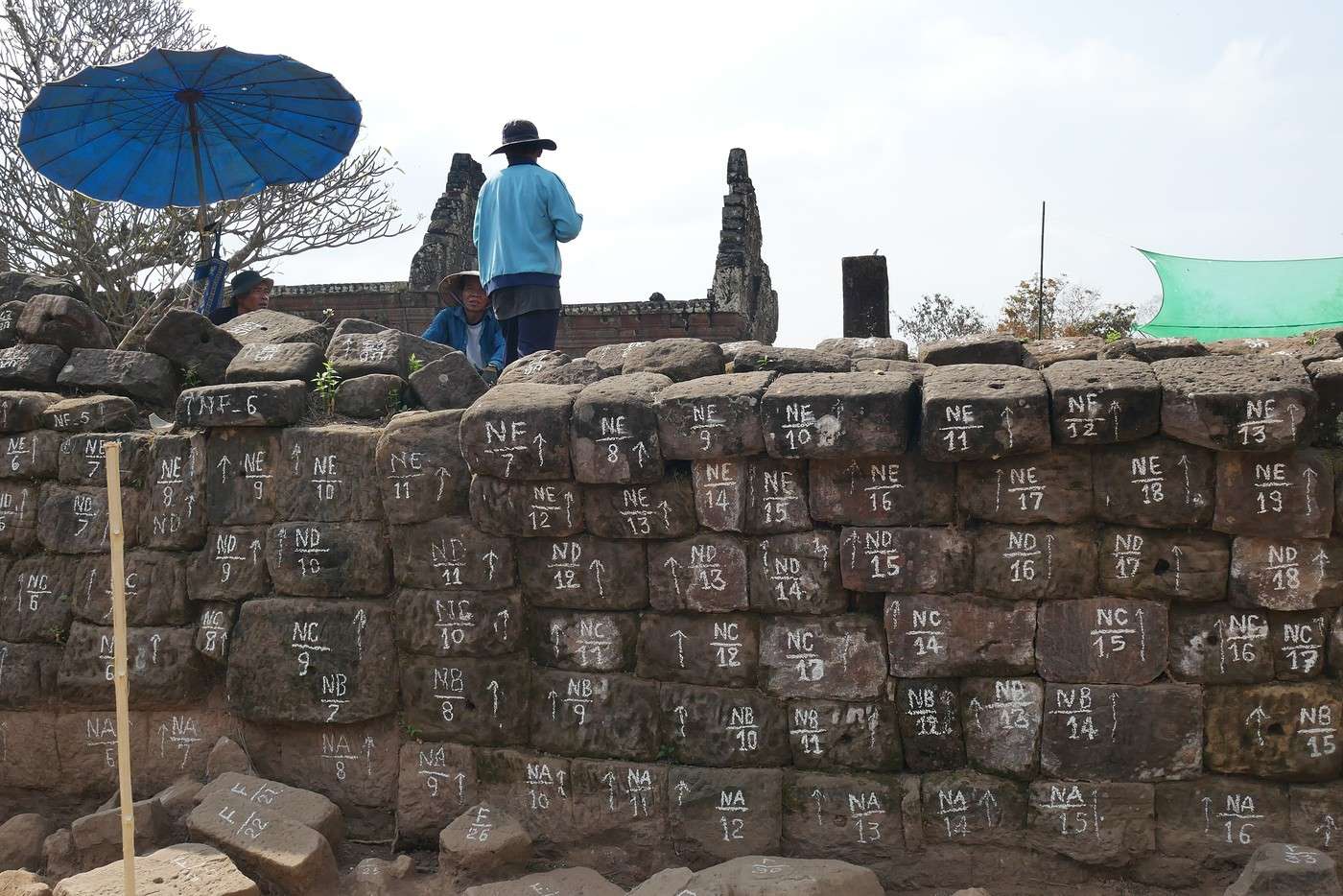
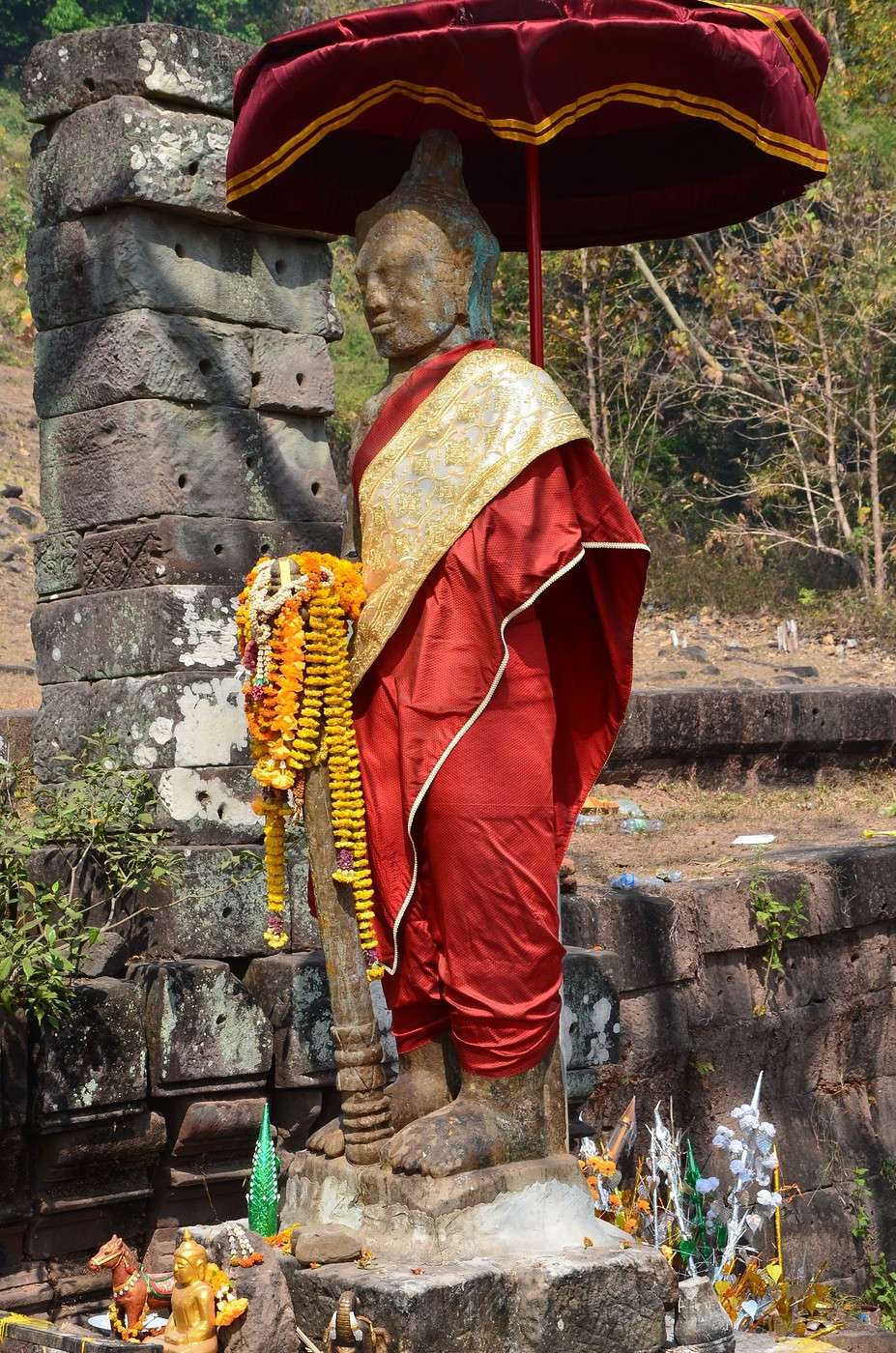
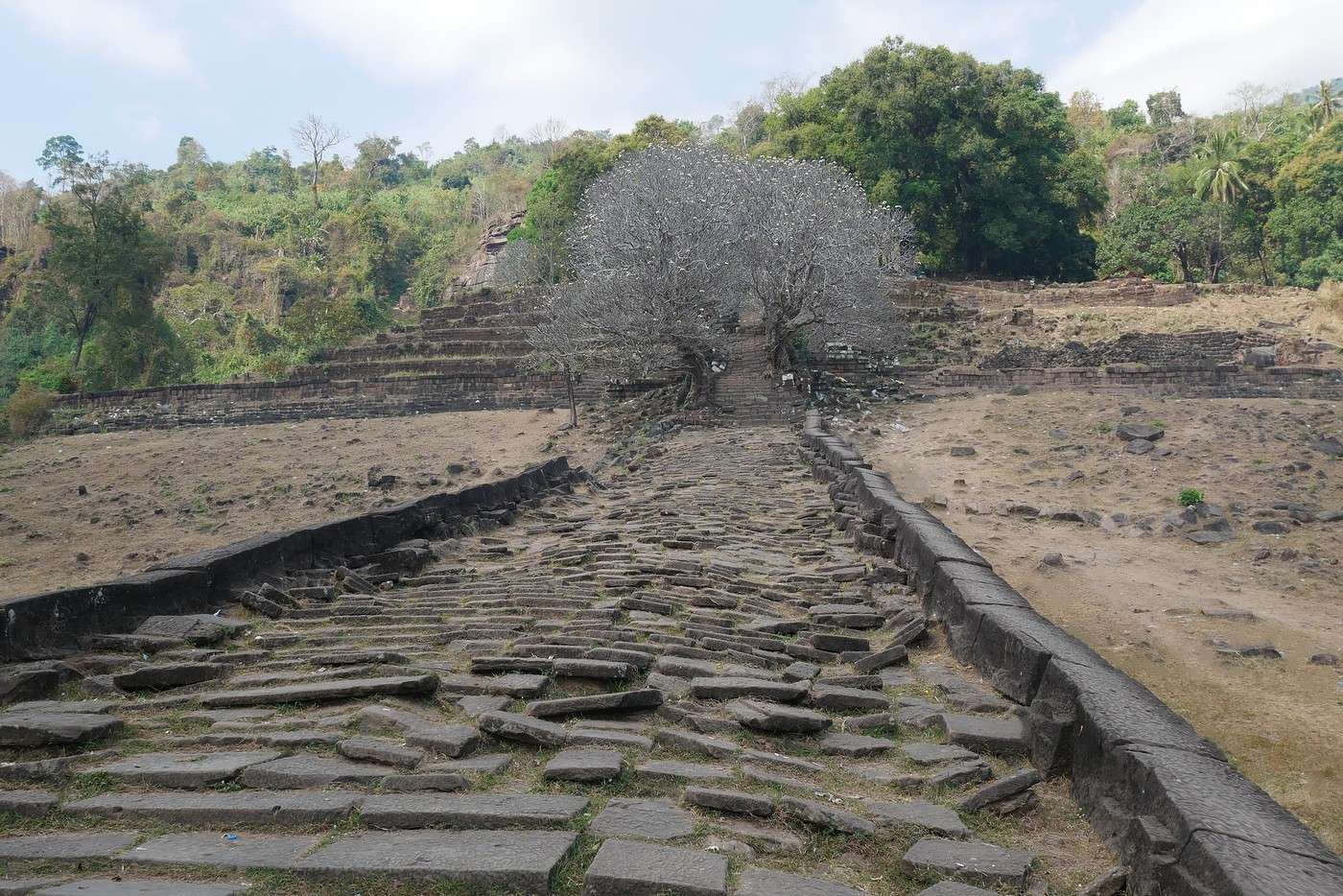
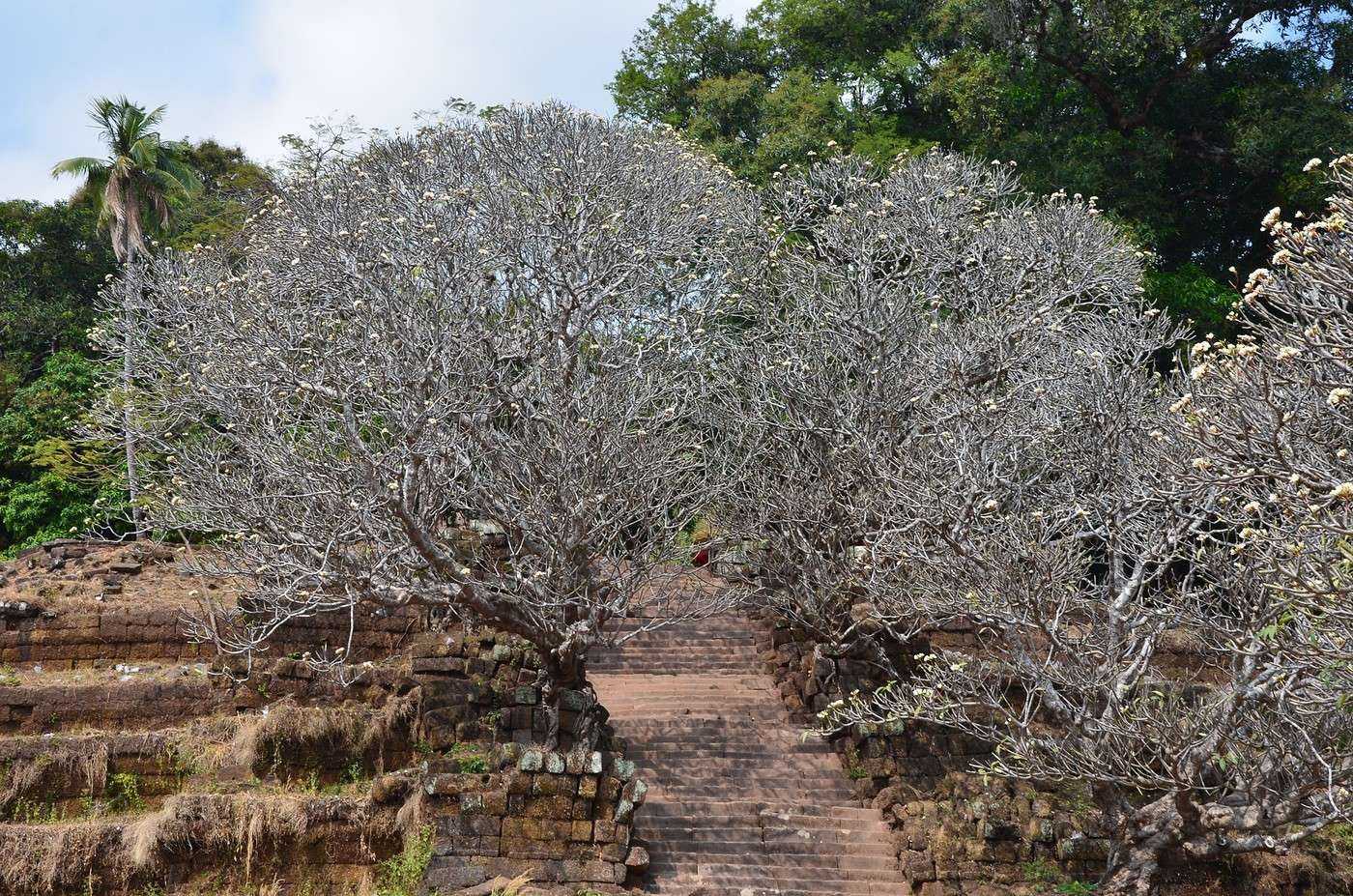
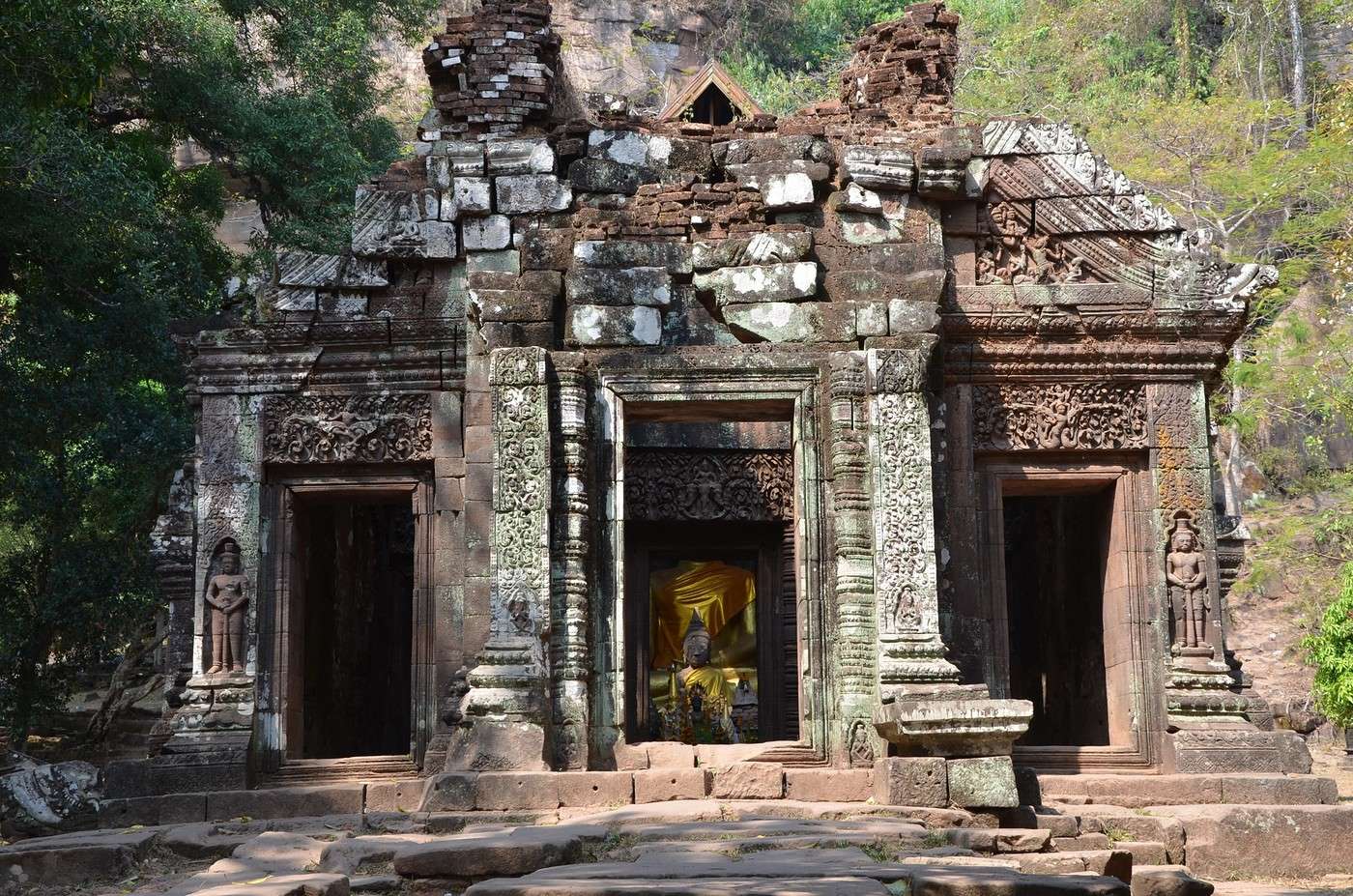
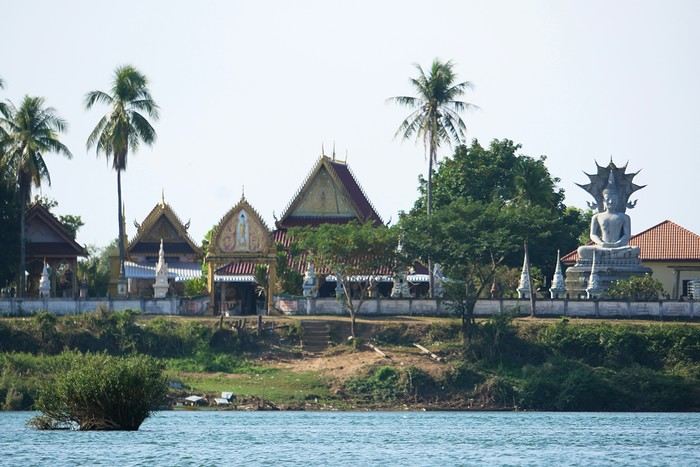
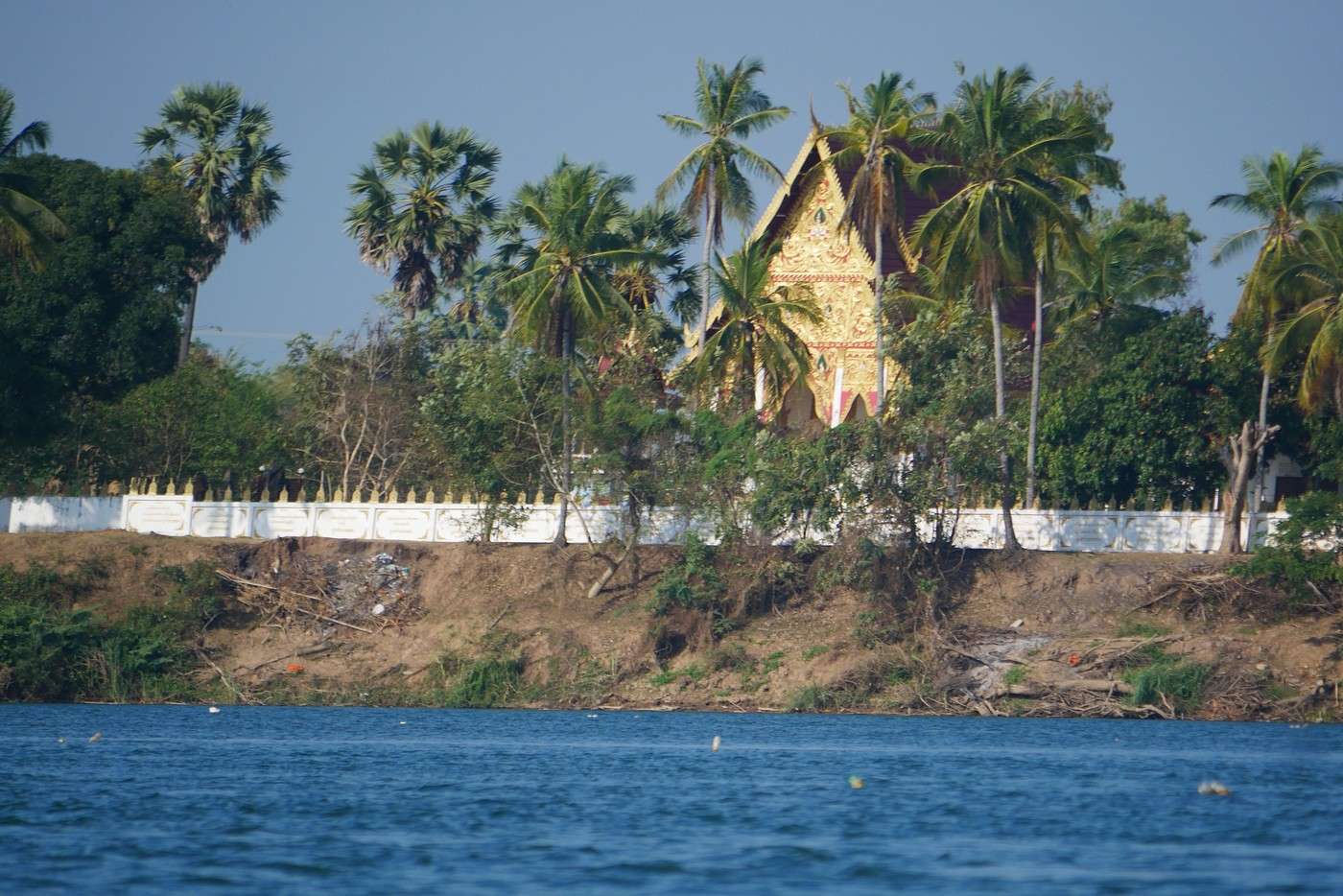
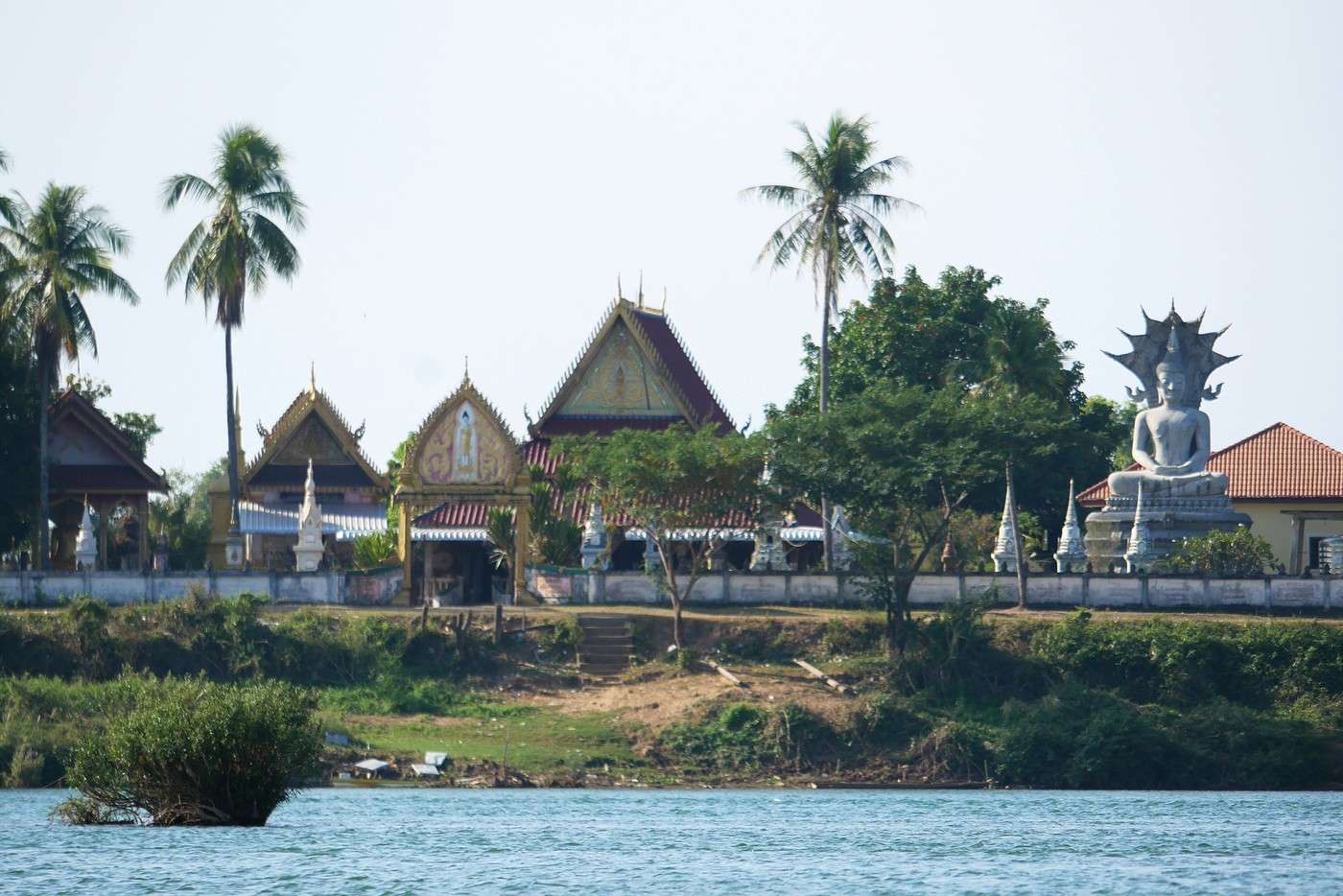
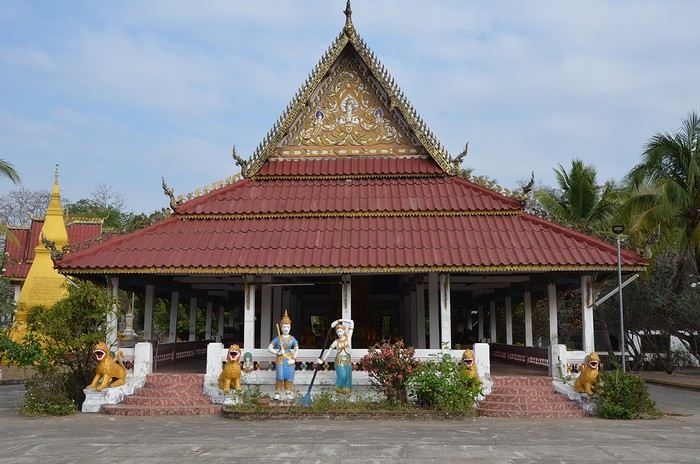
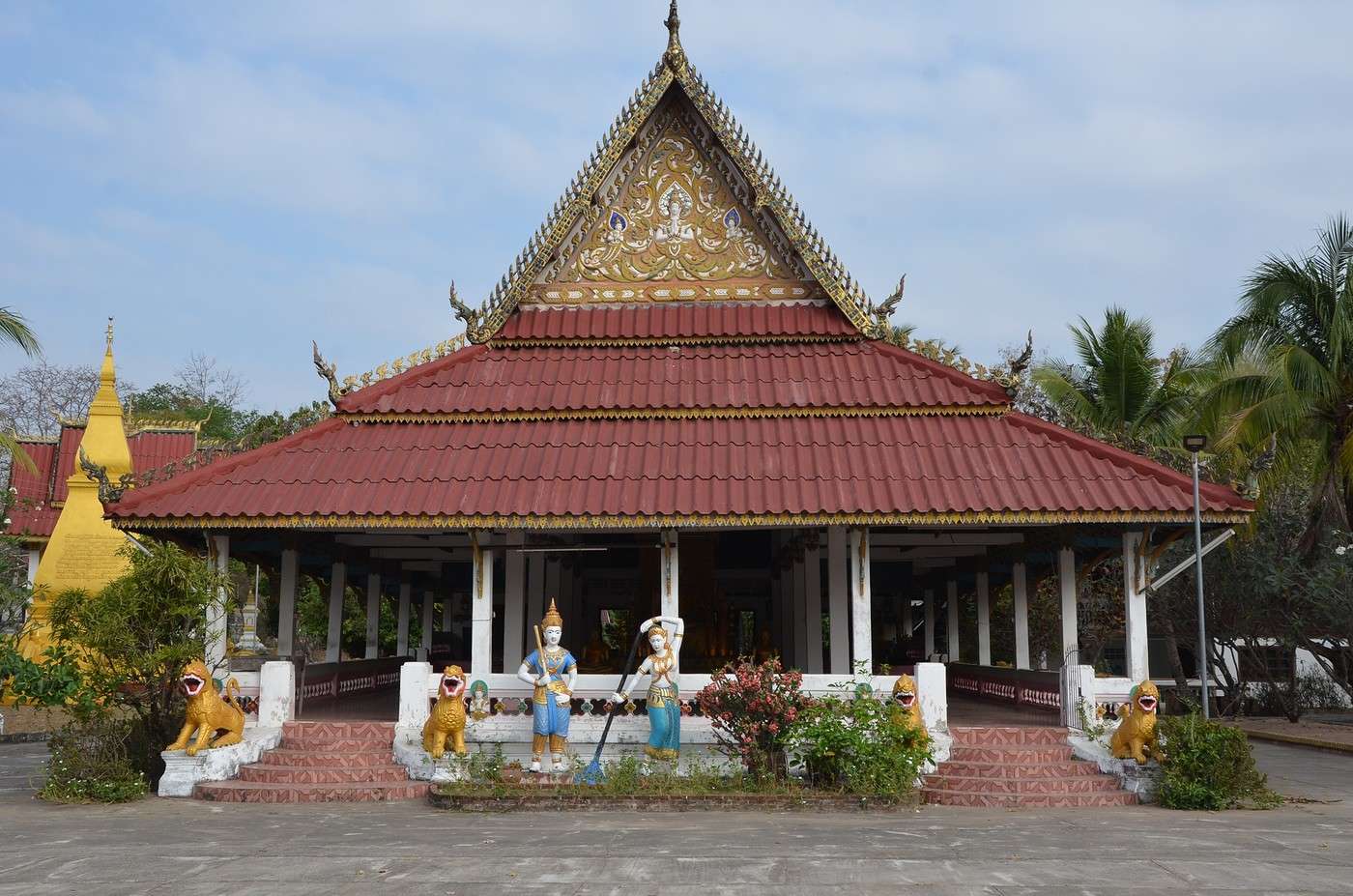
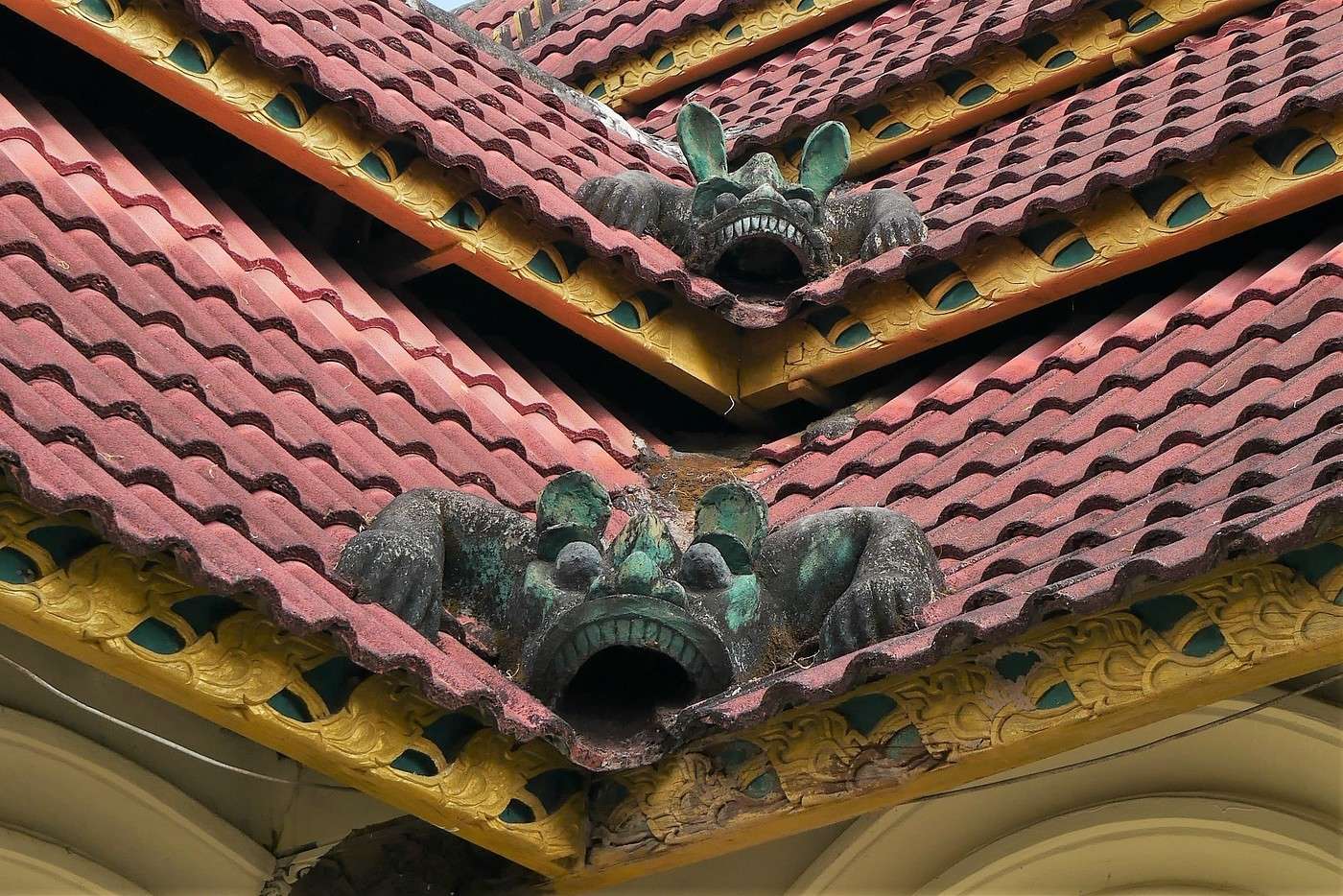
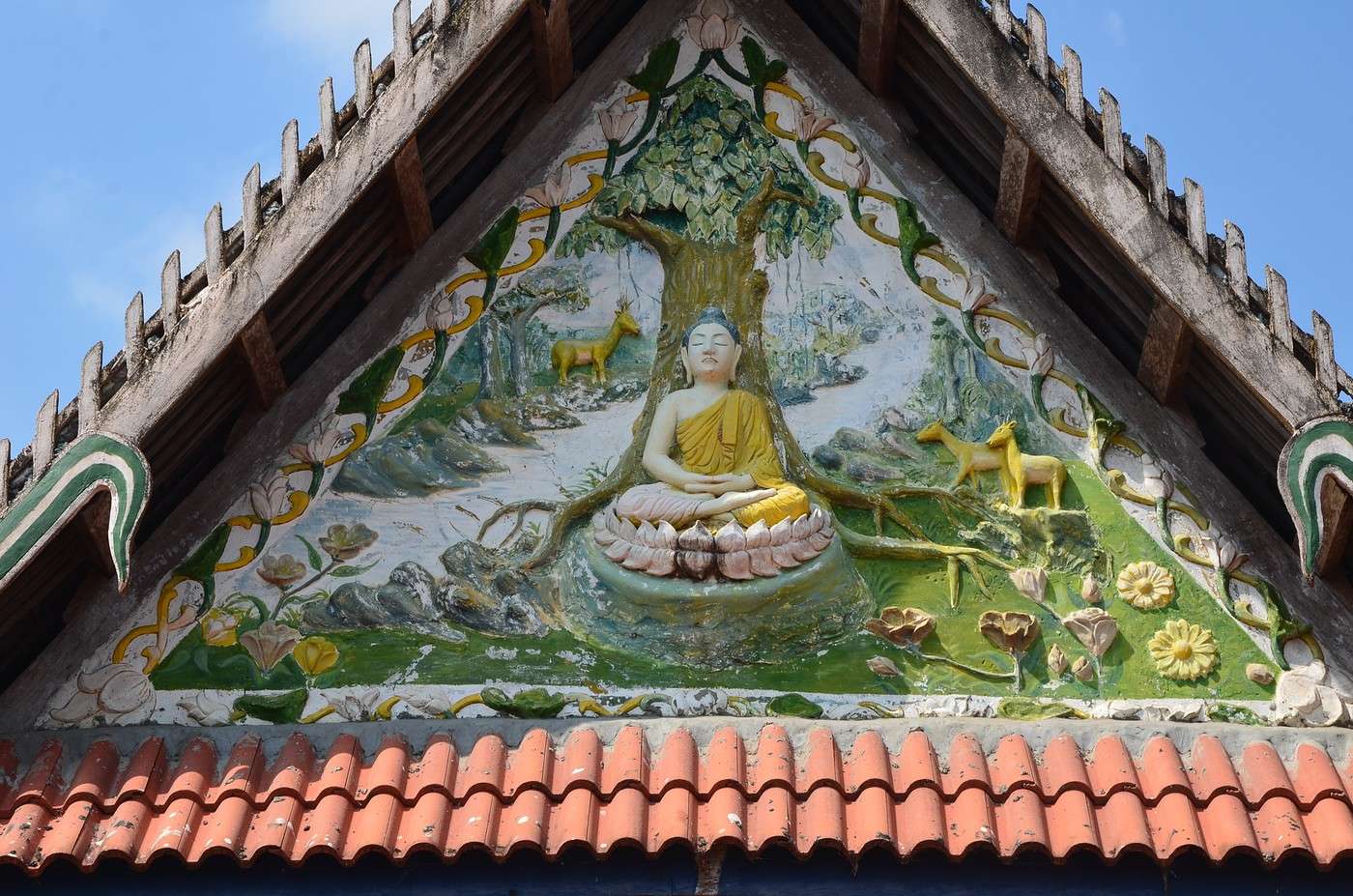
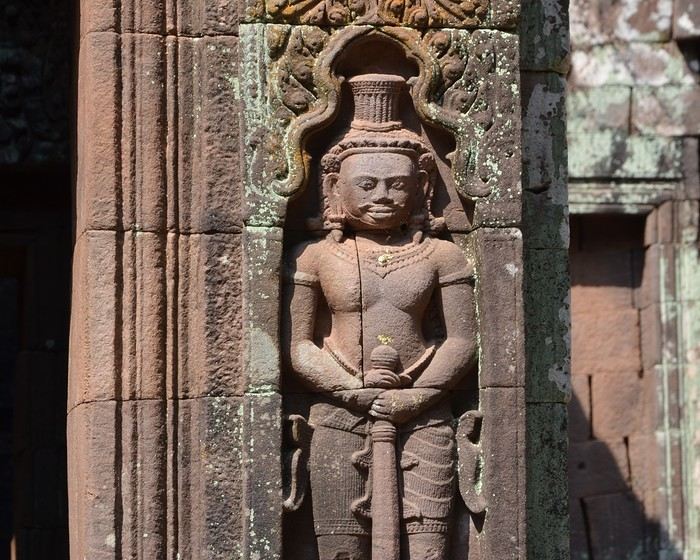
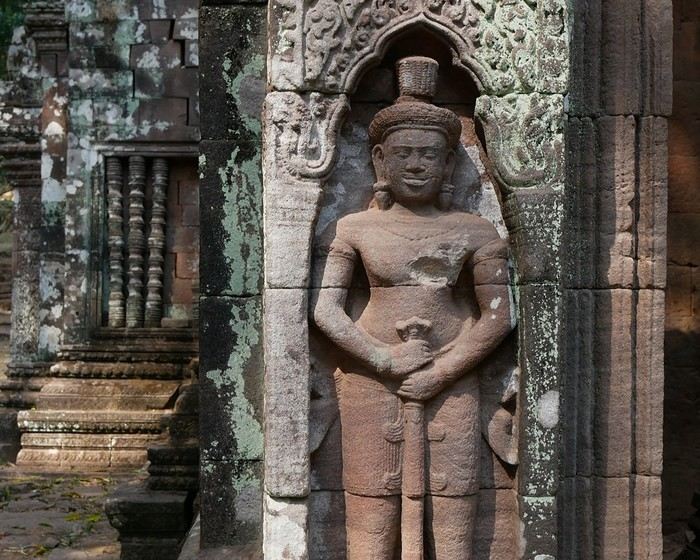
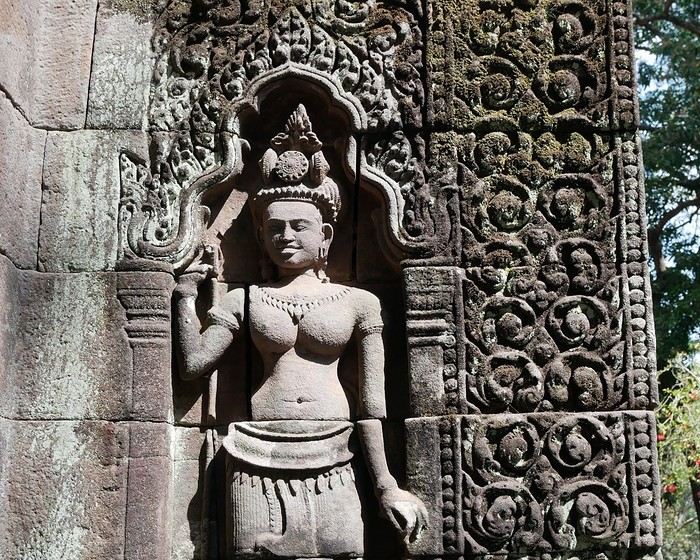
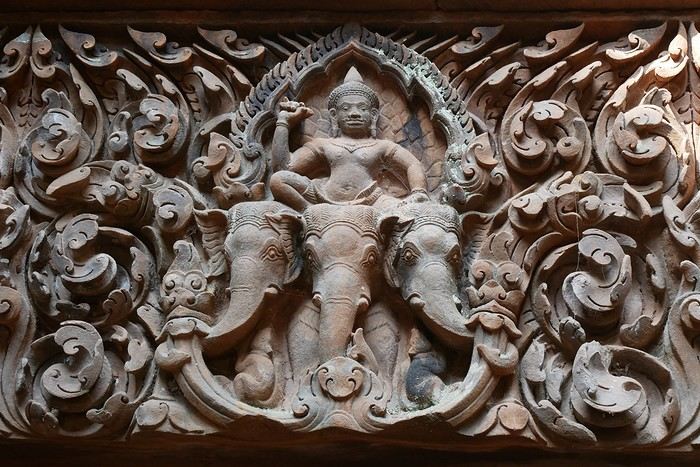
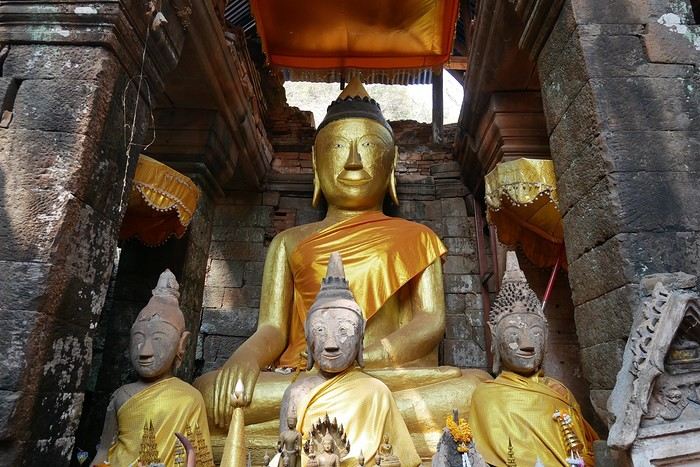
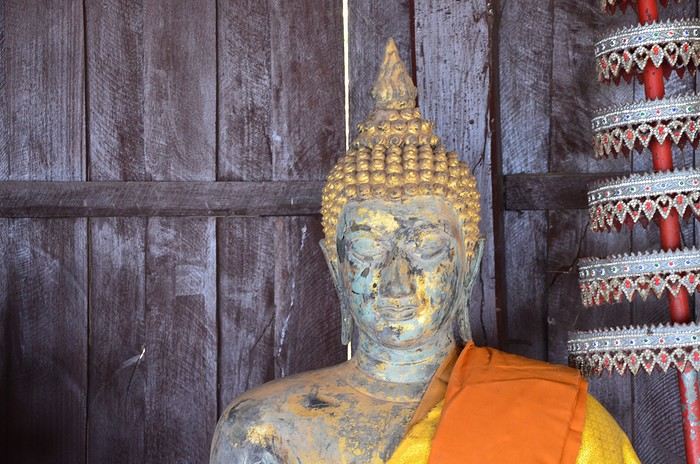
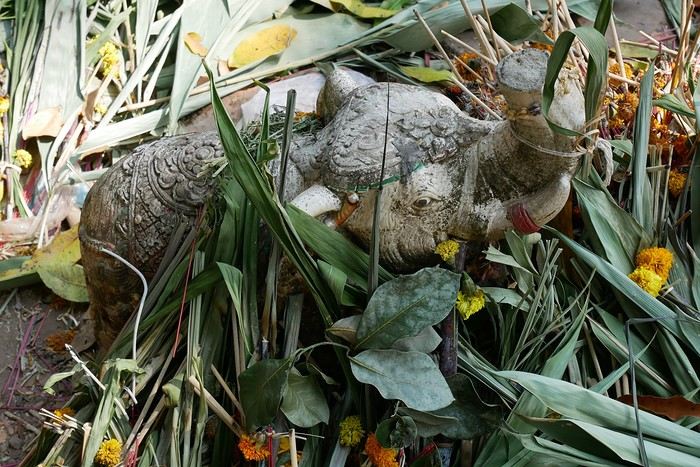
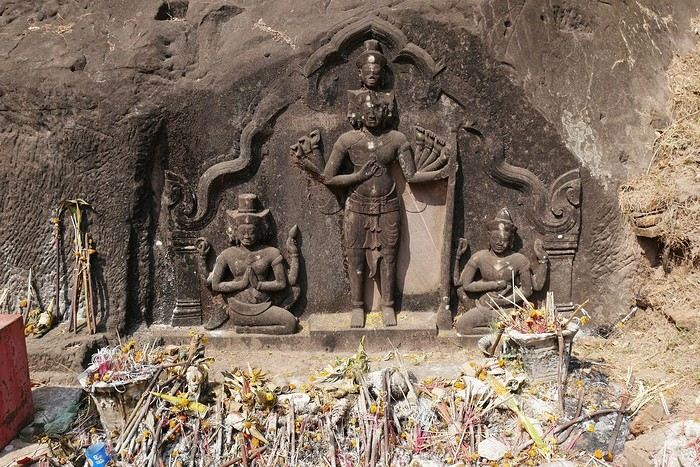
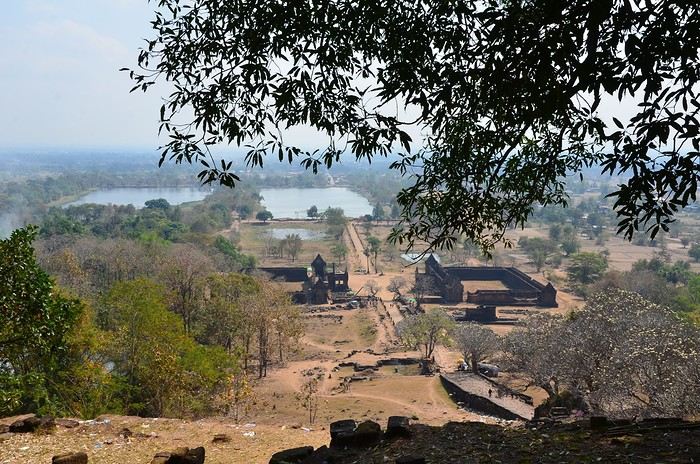
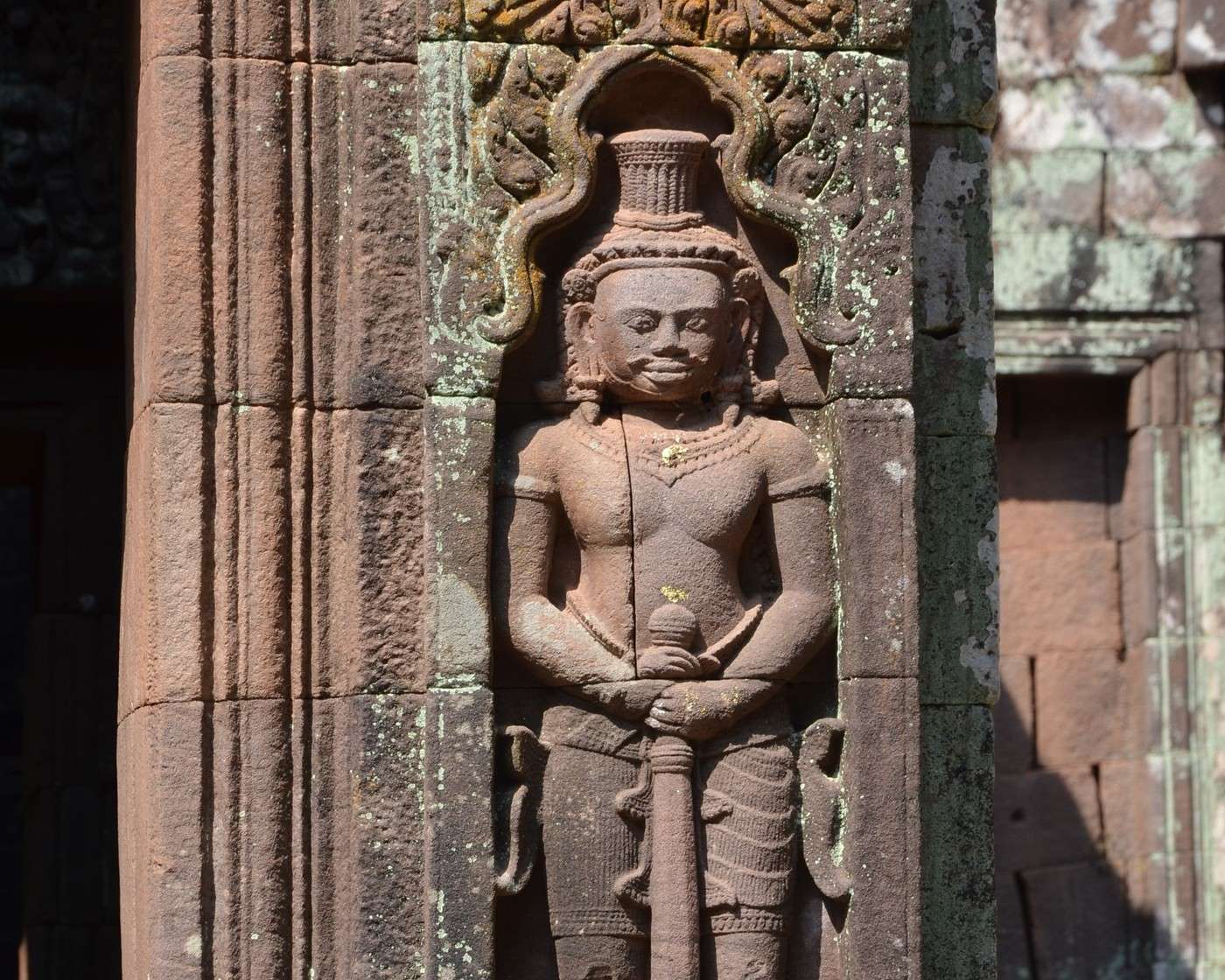
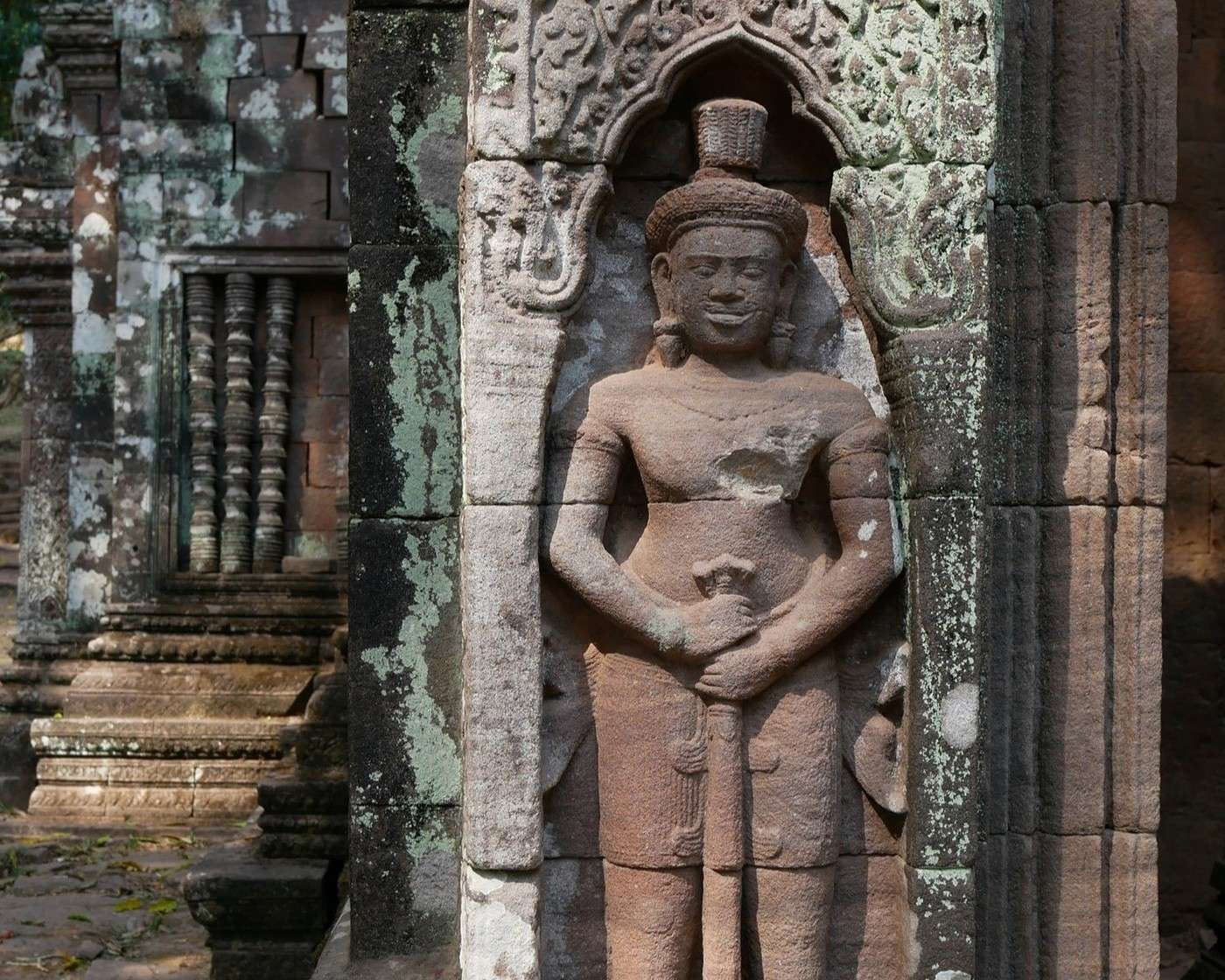
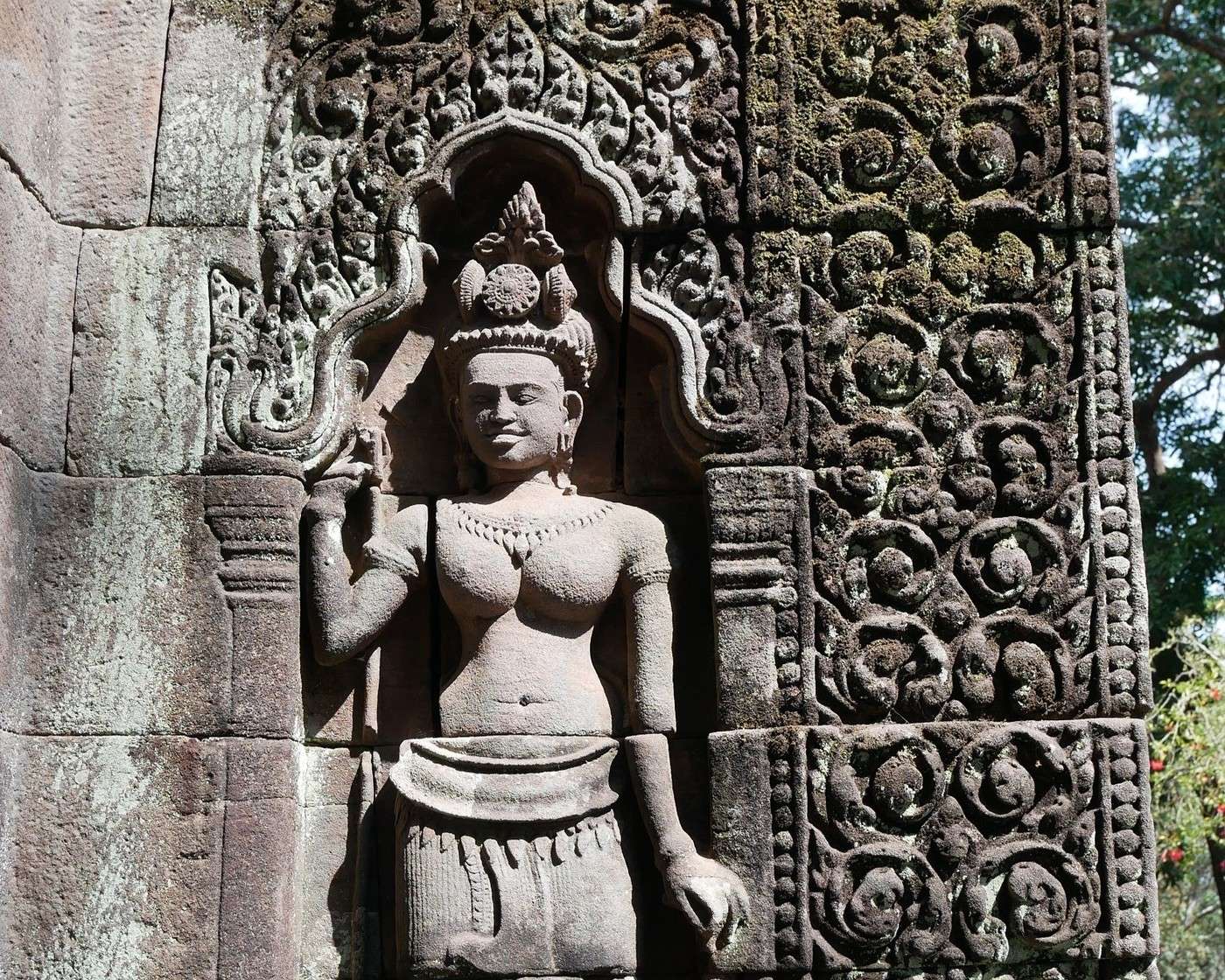
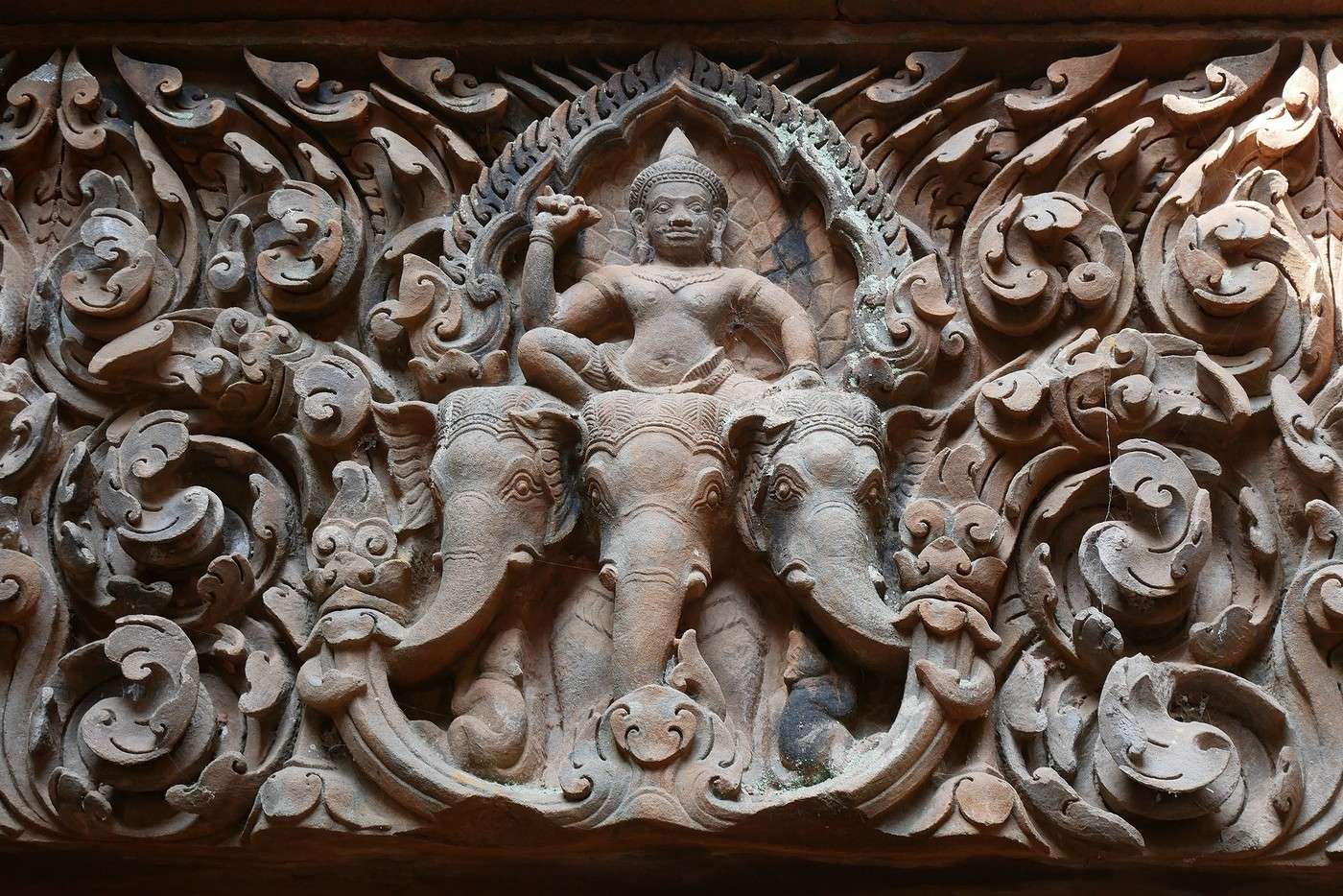
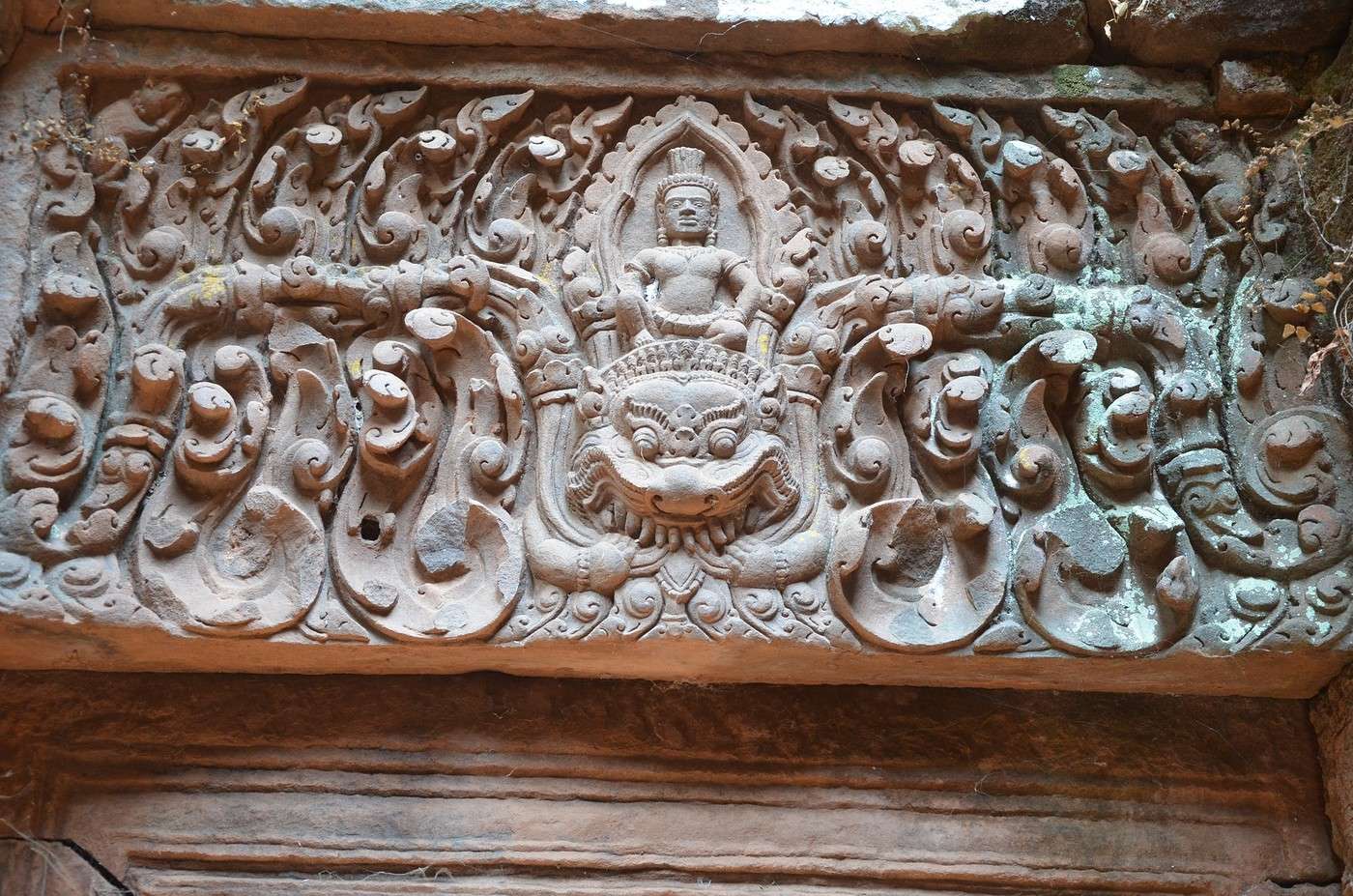
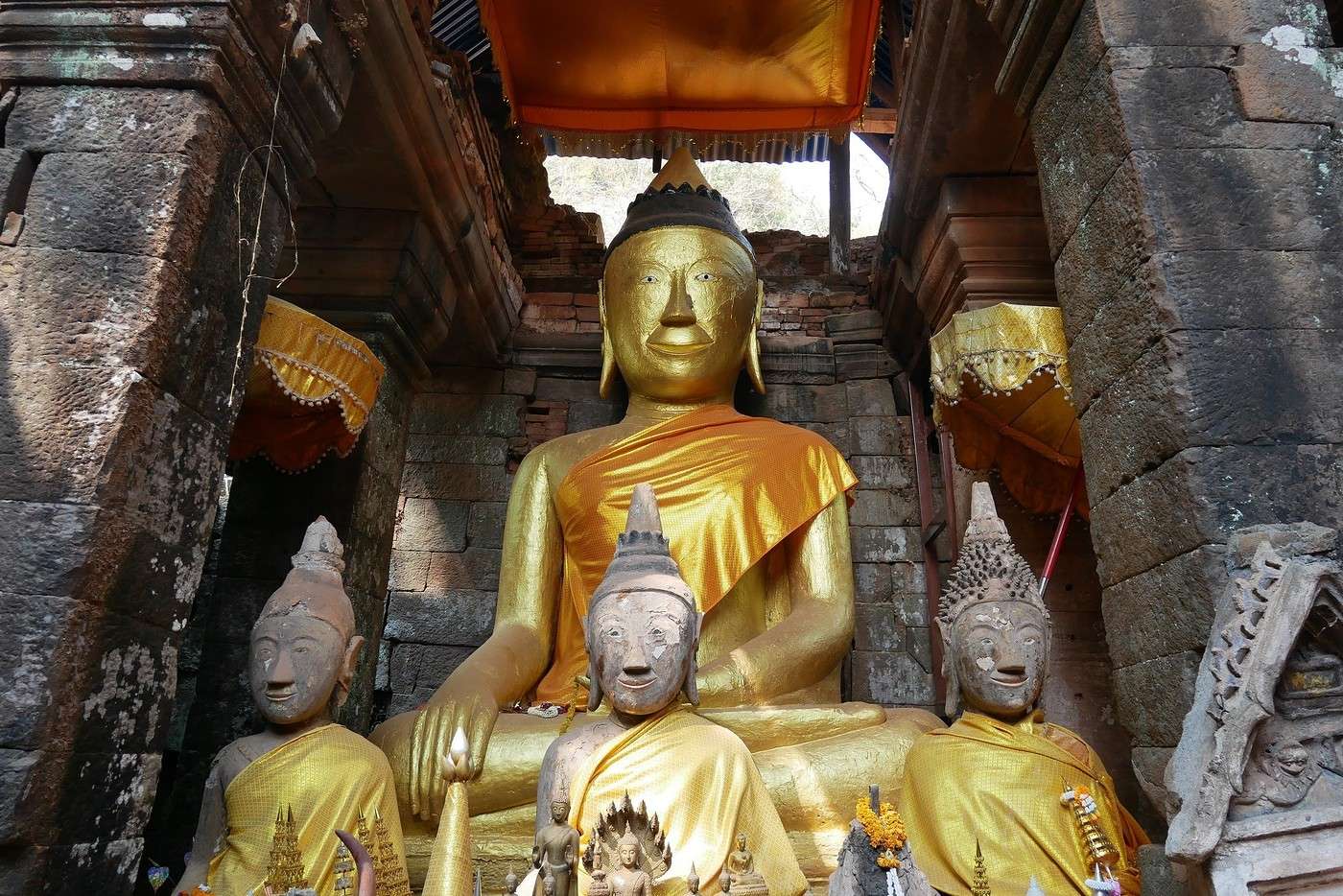
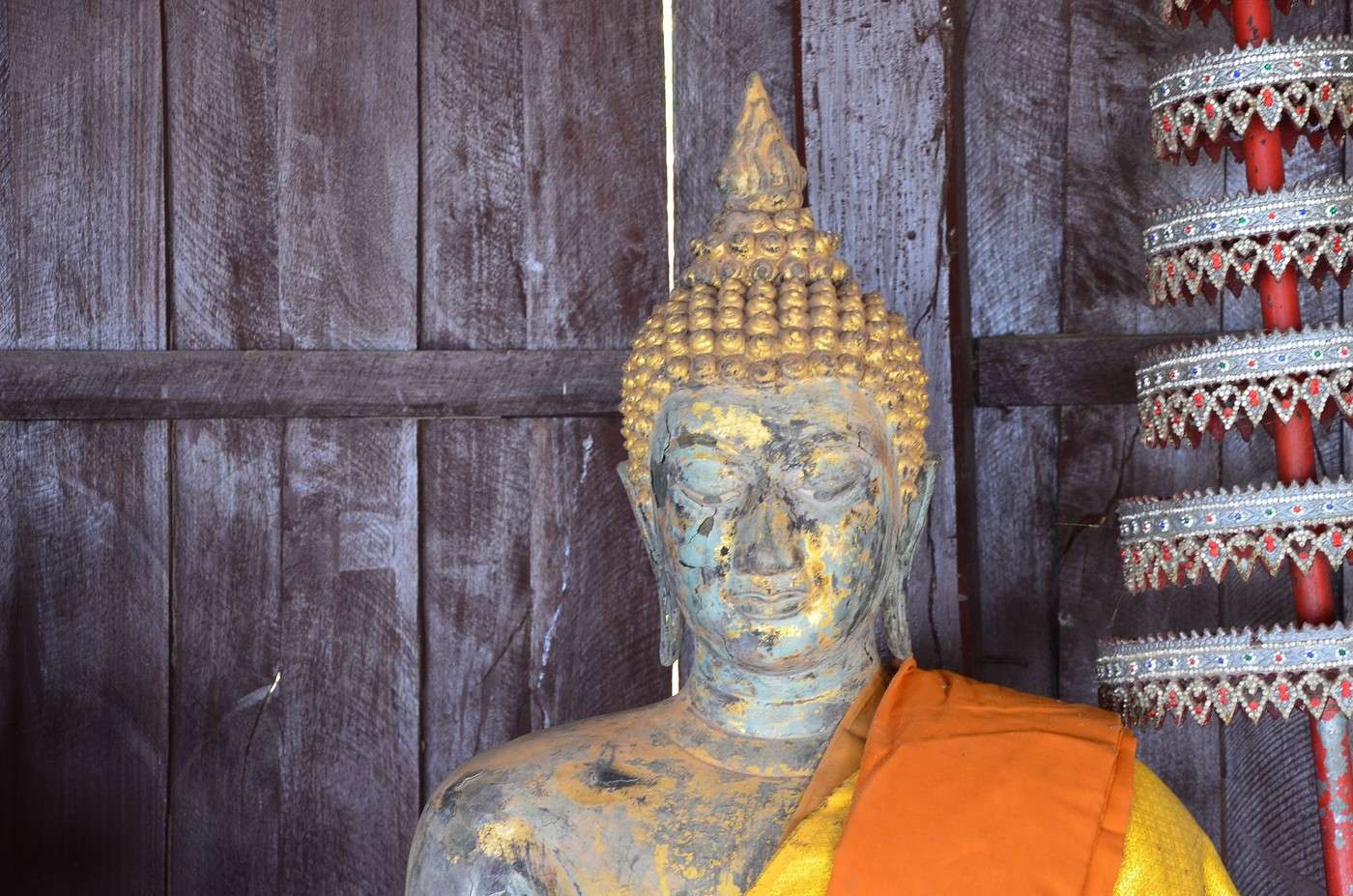
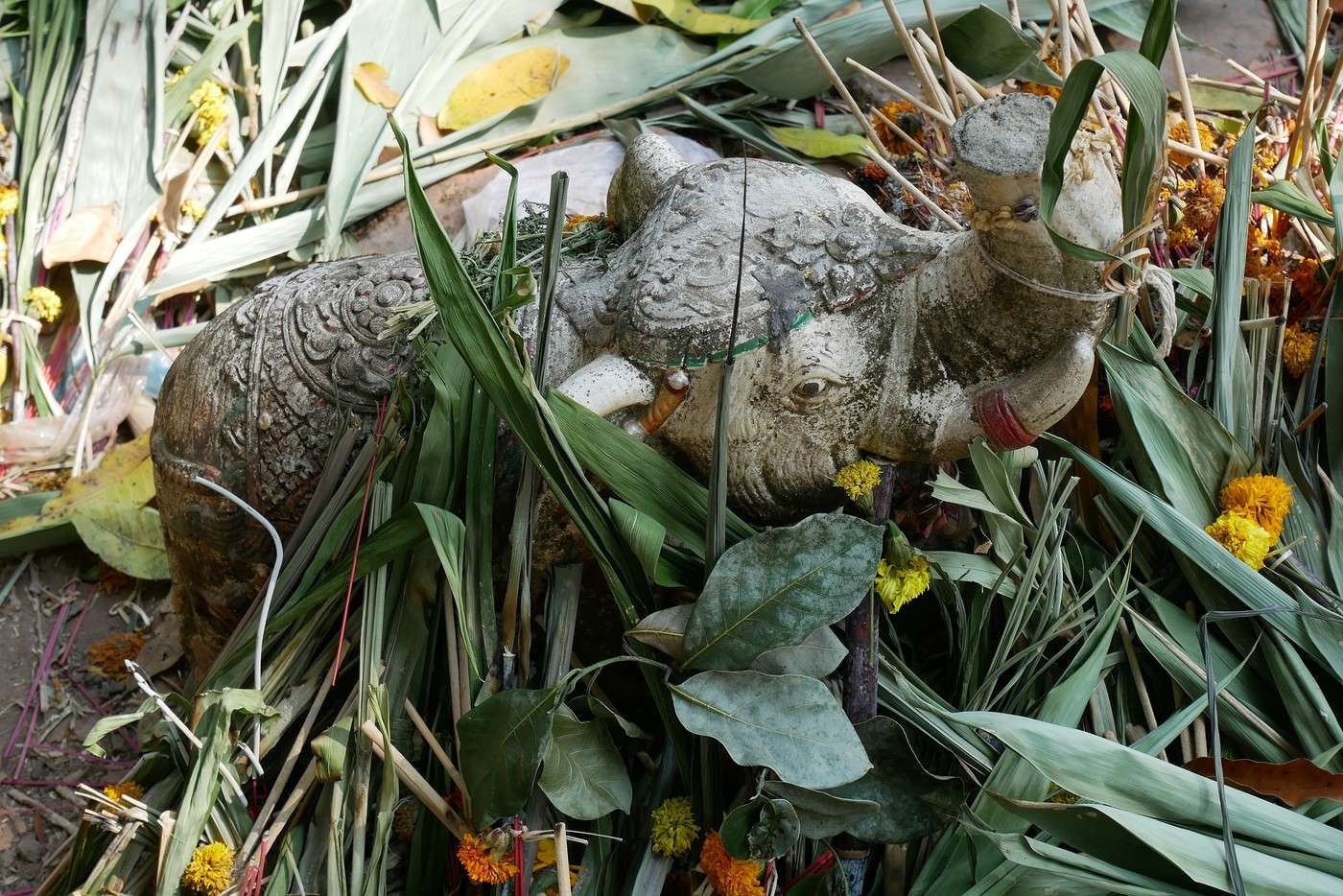
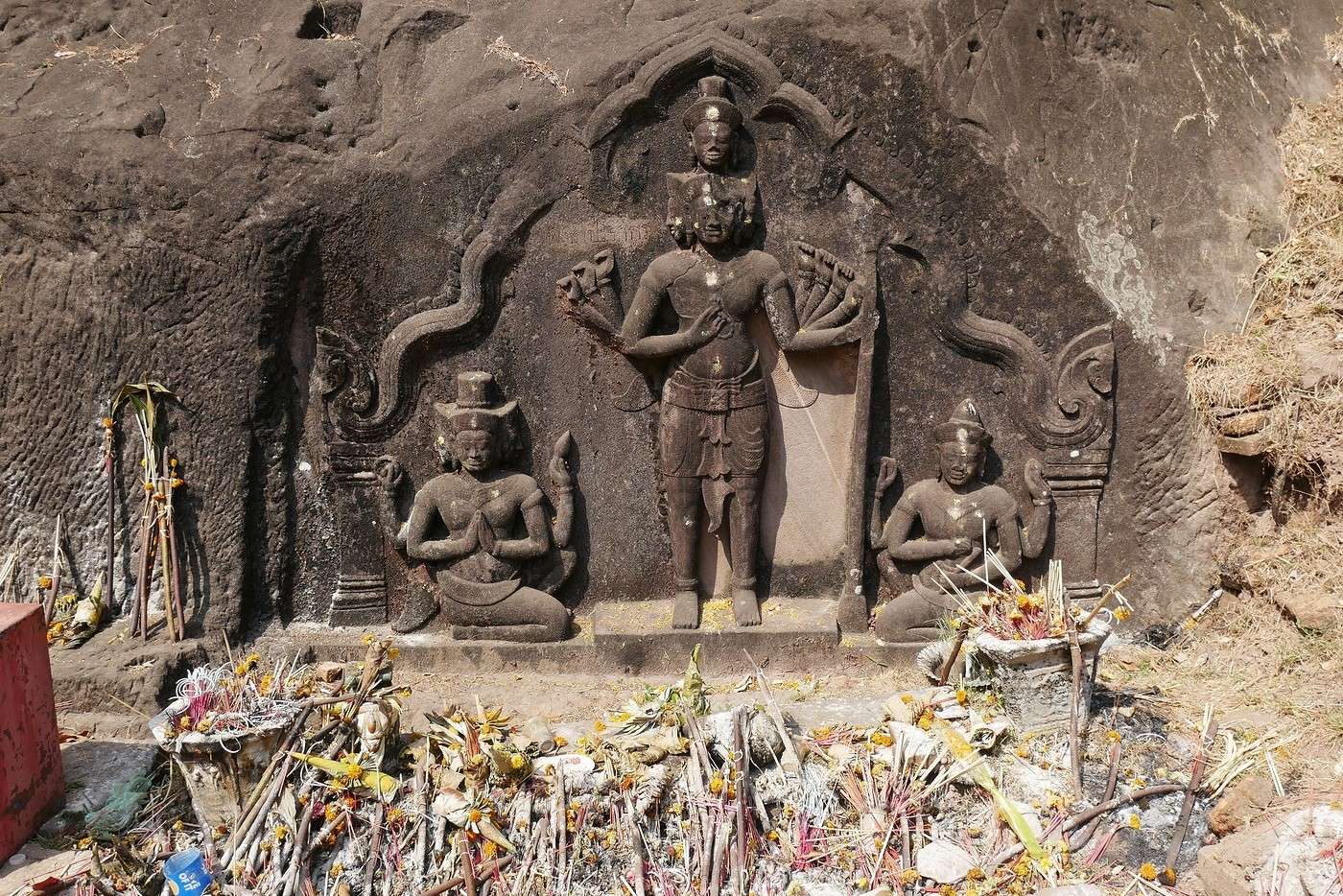
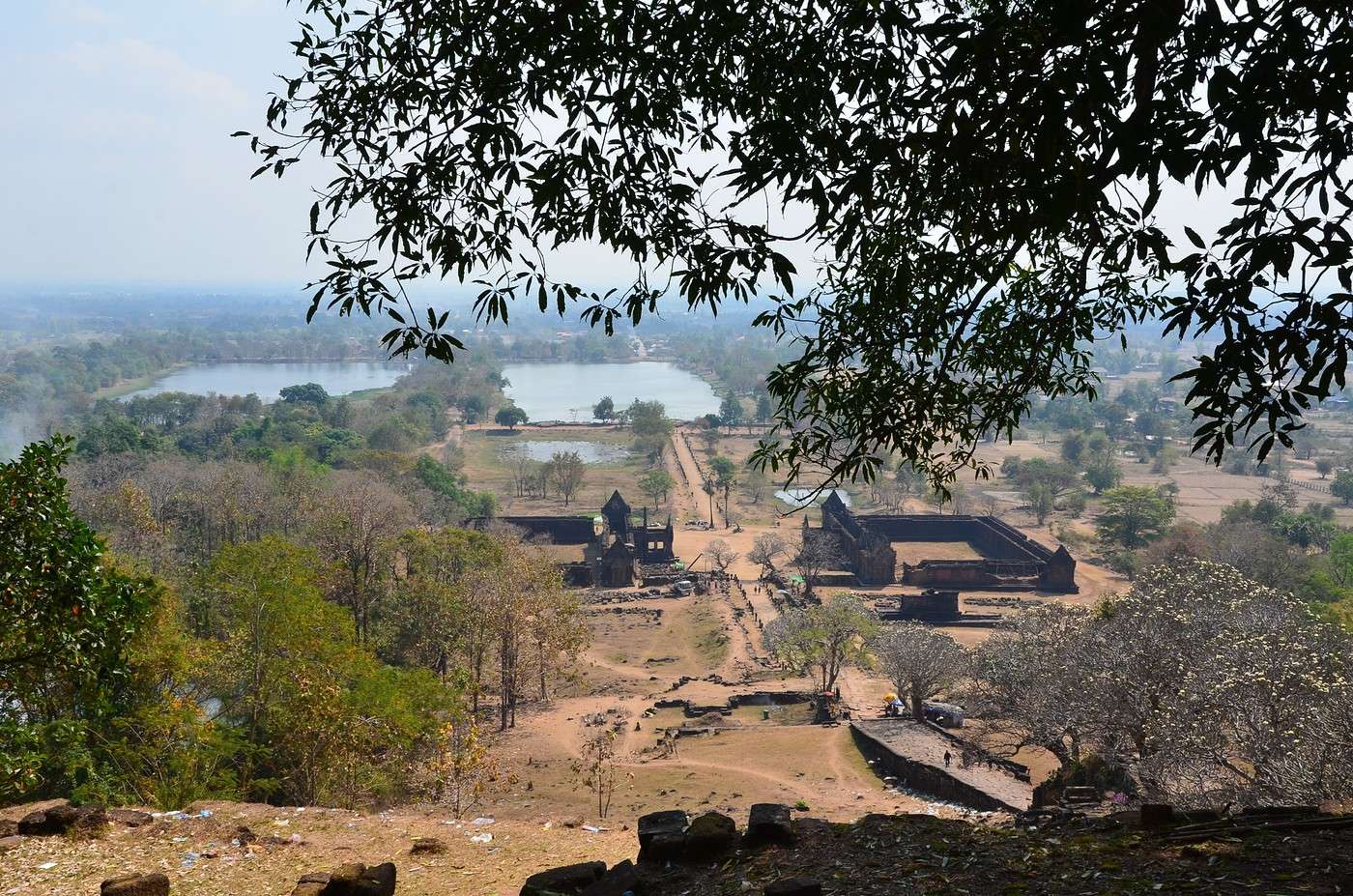
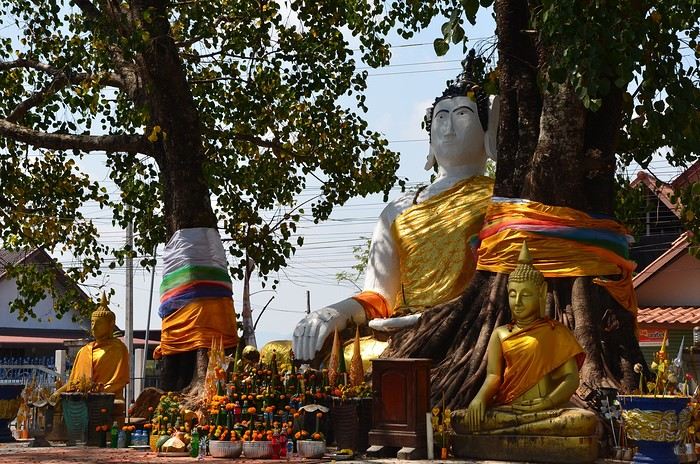
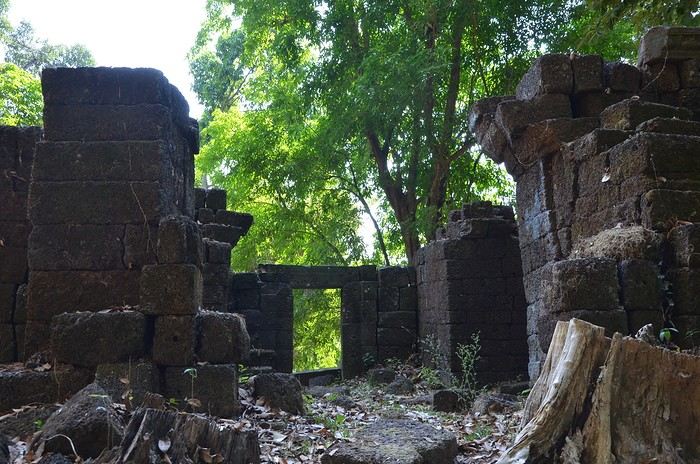
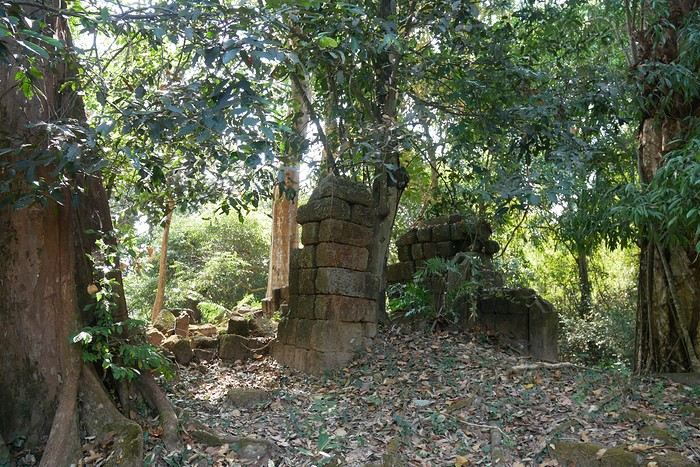
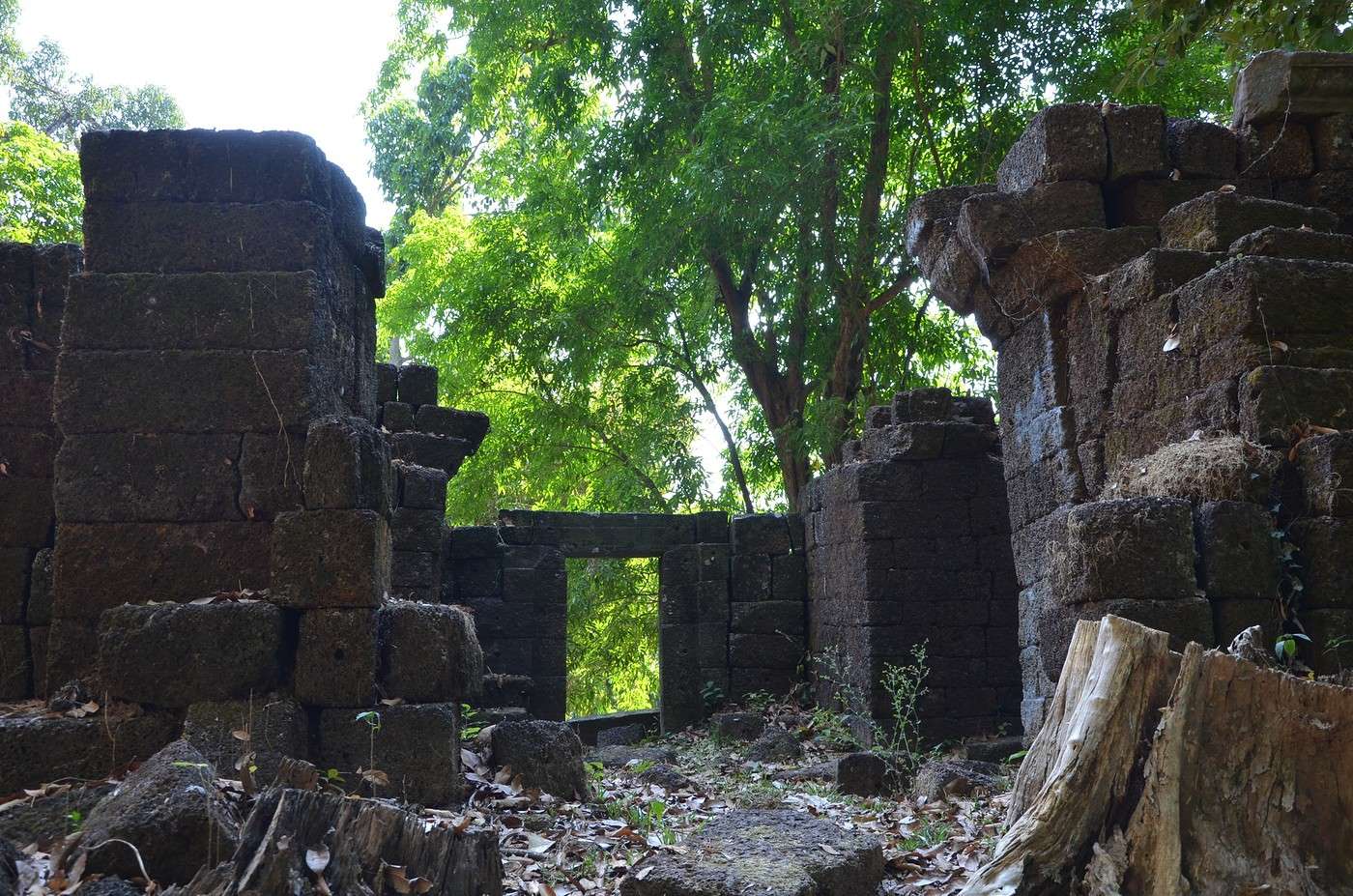
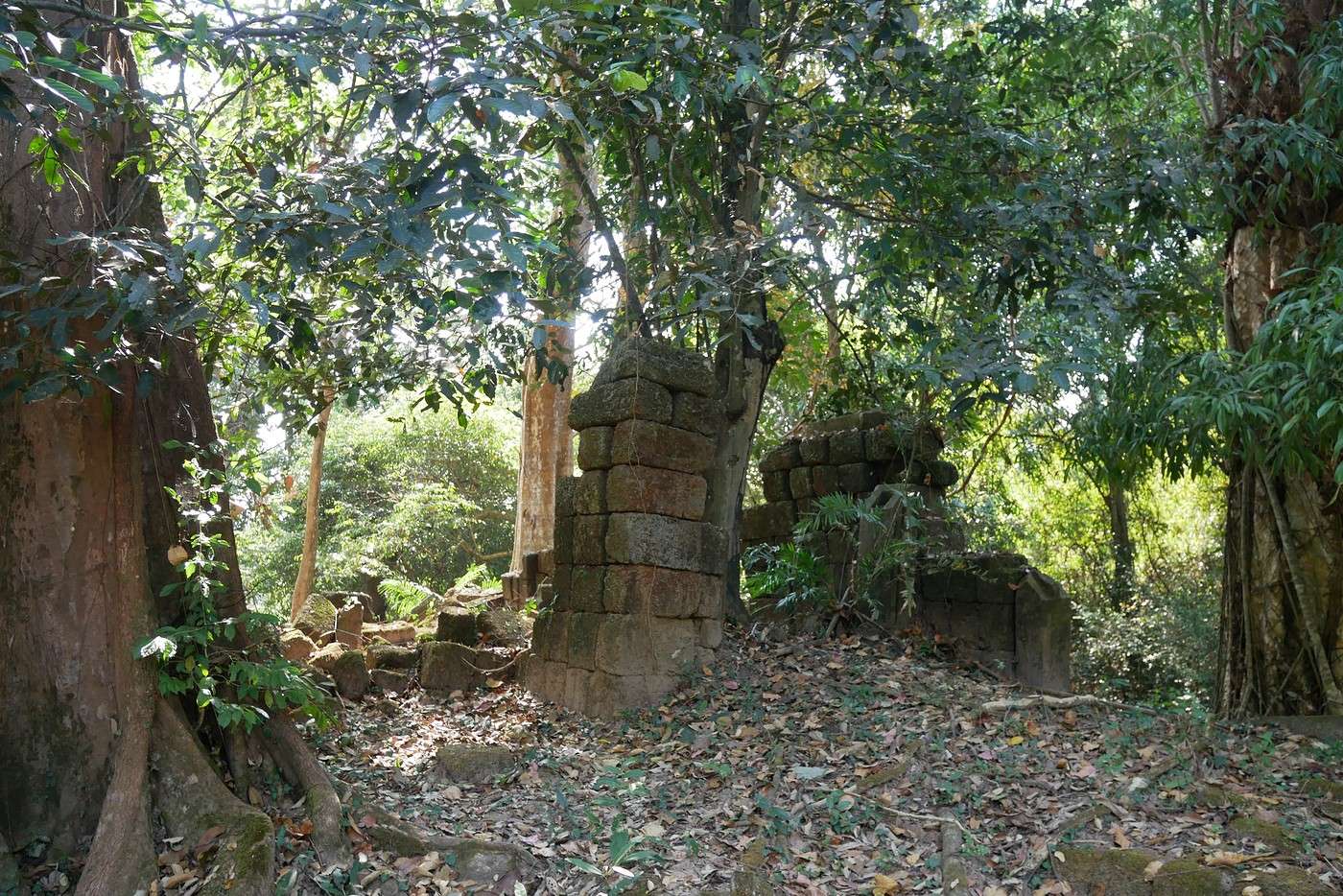
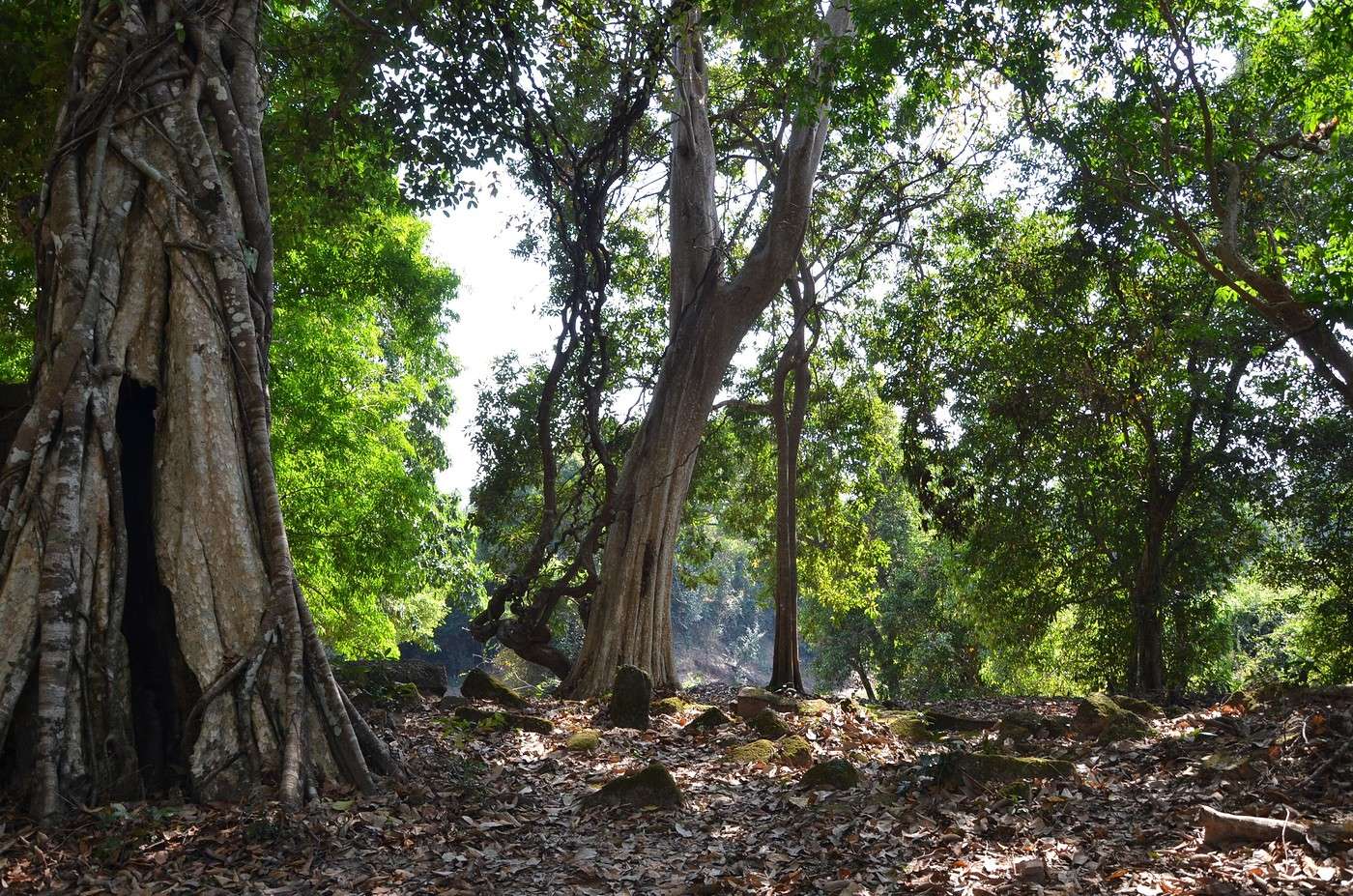
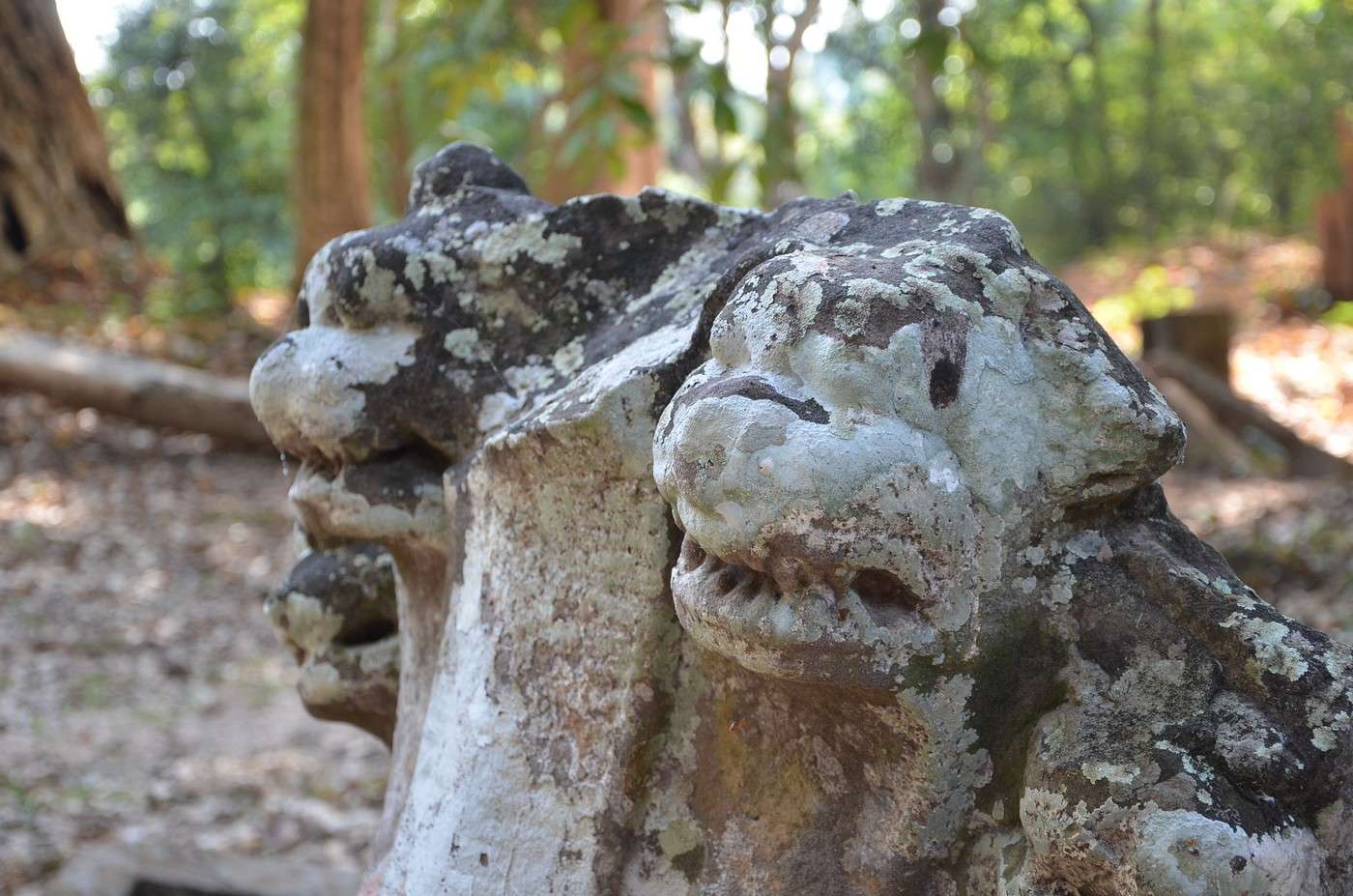
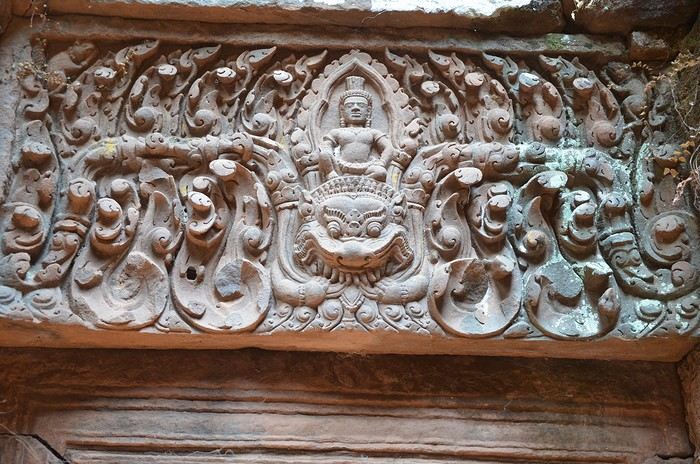 The statues and bas-reliefs transport us to Angkor...
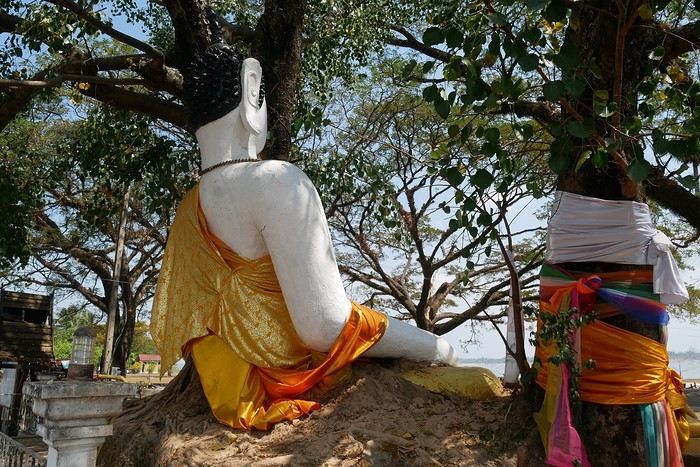
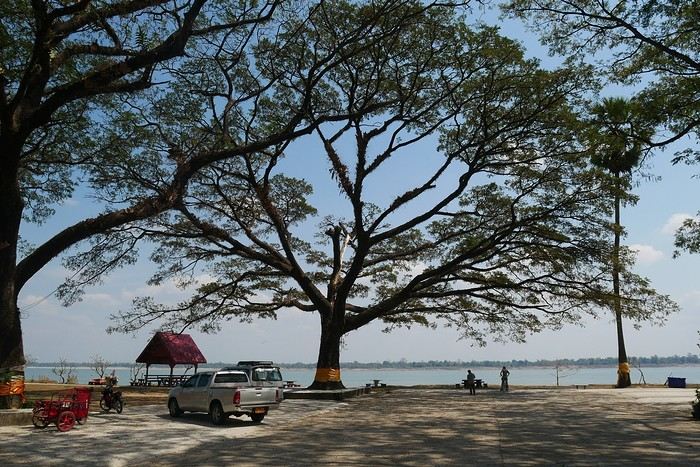
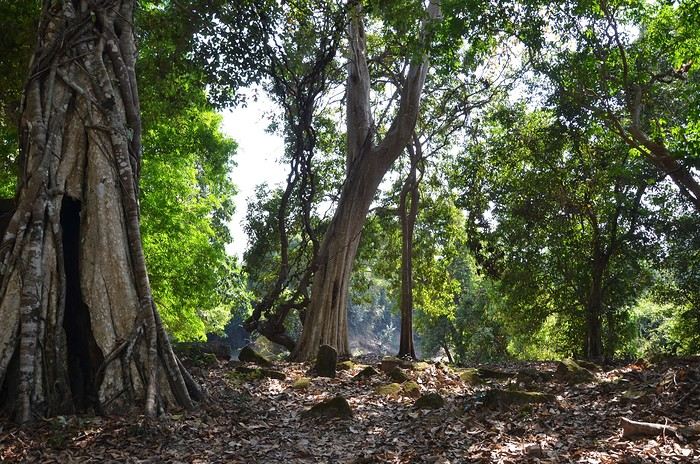
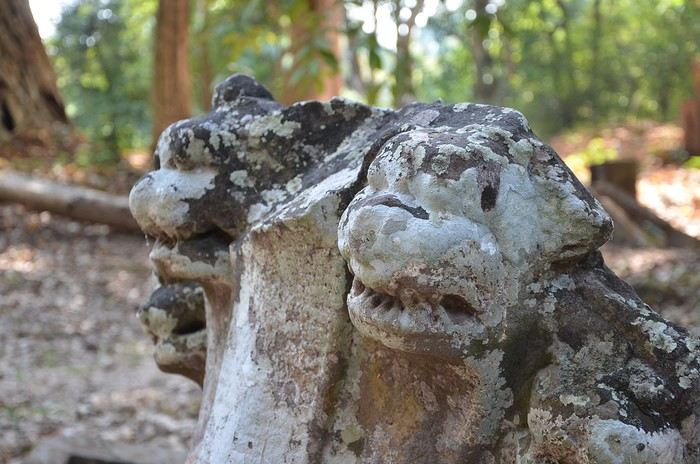
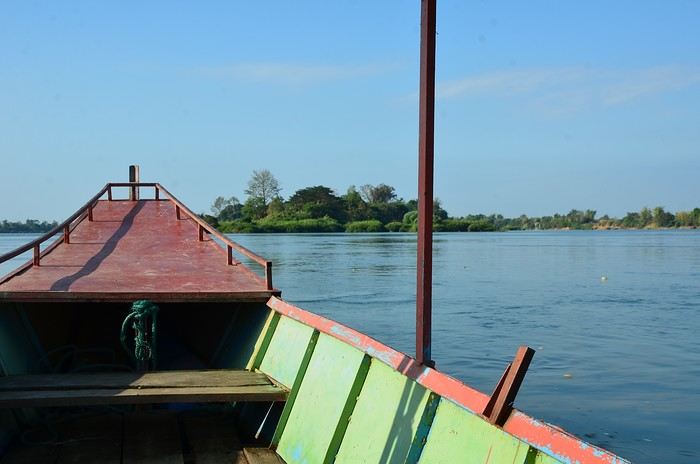
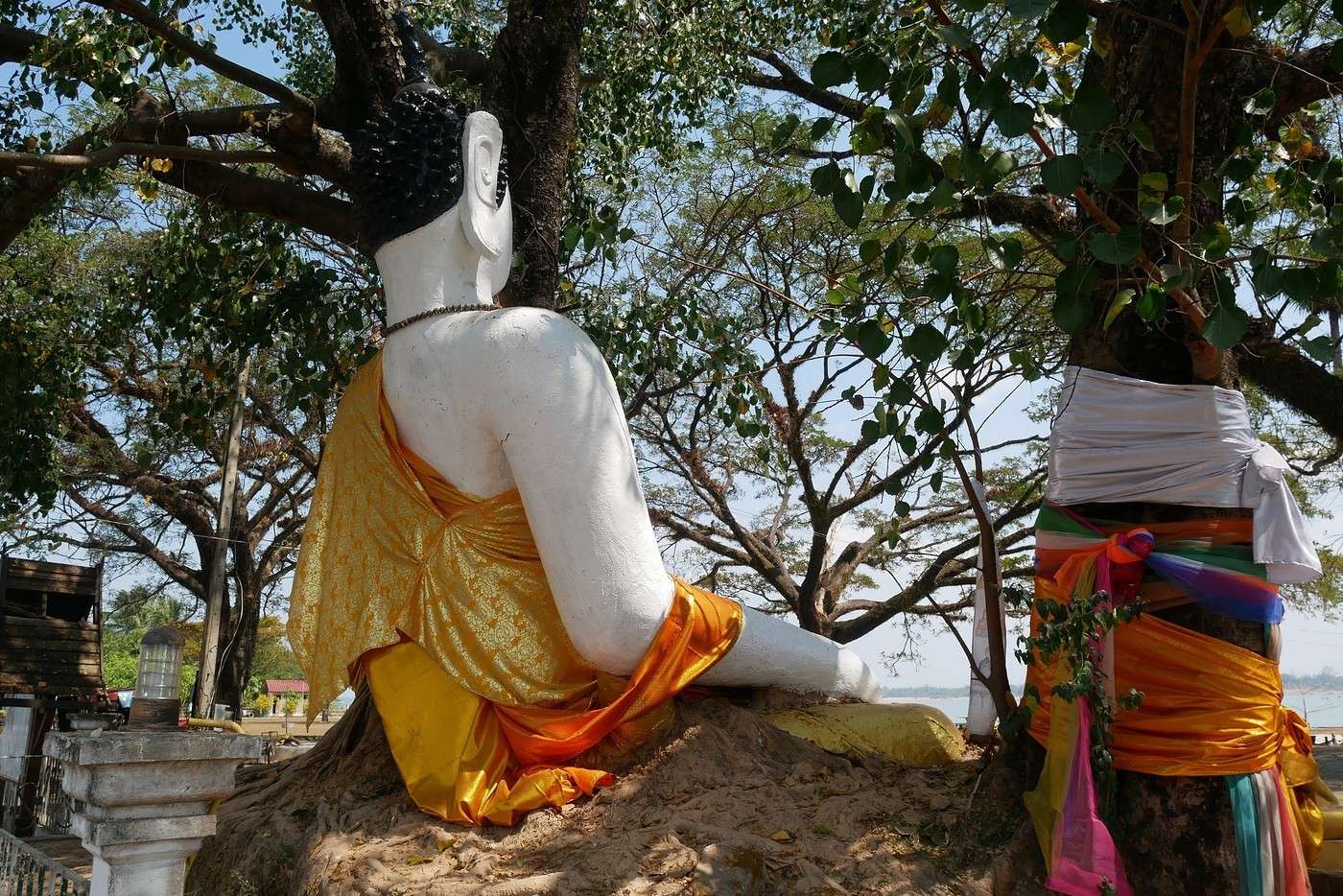
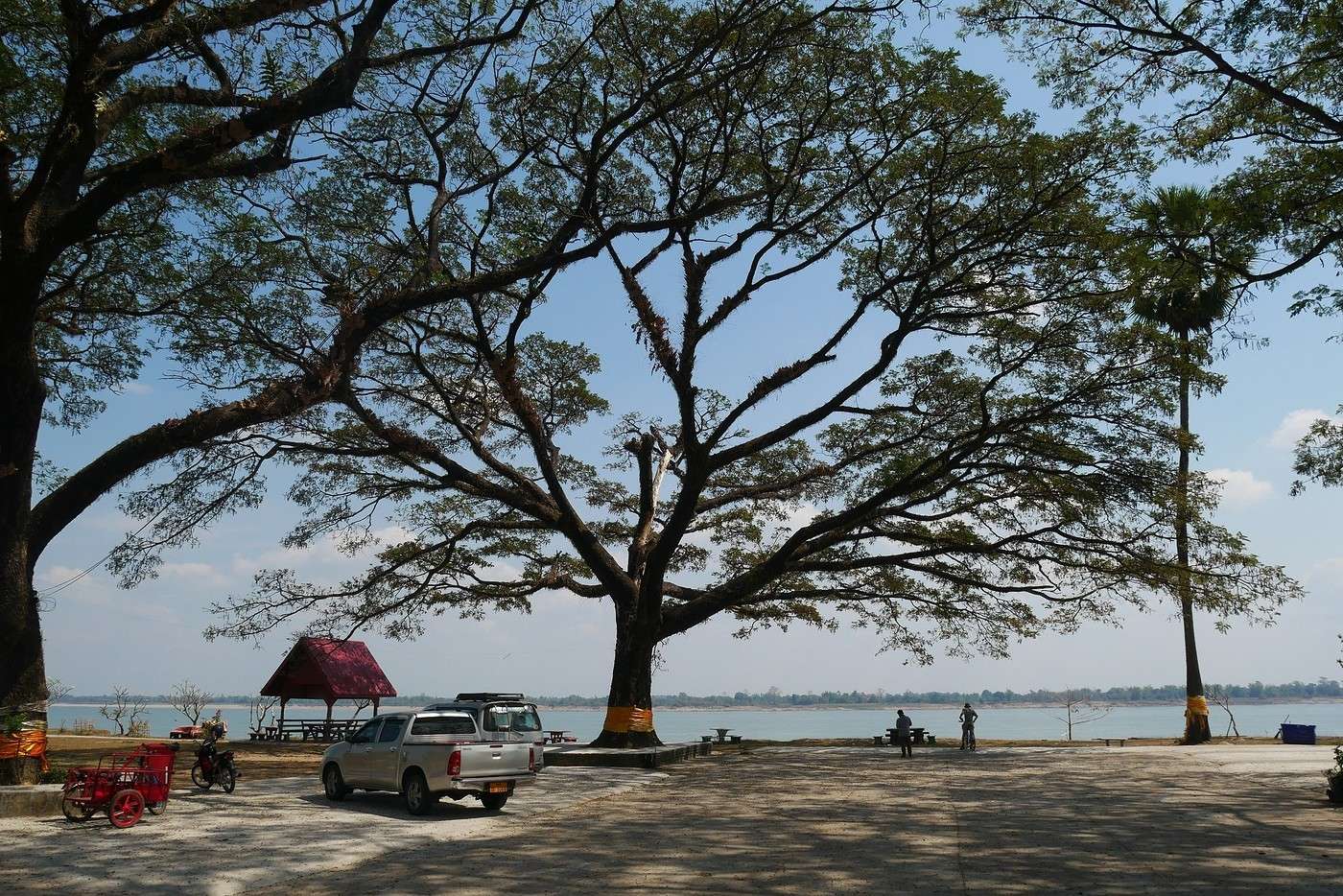
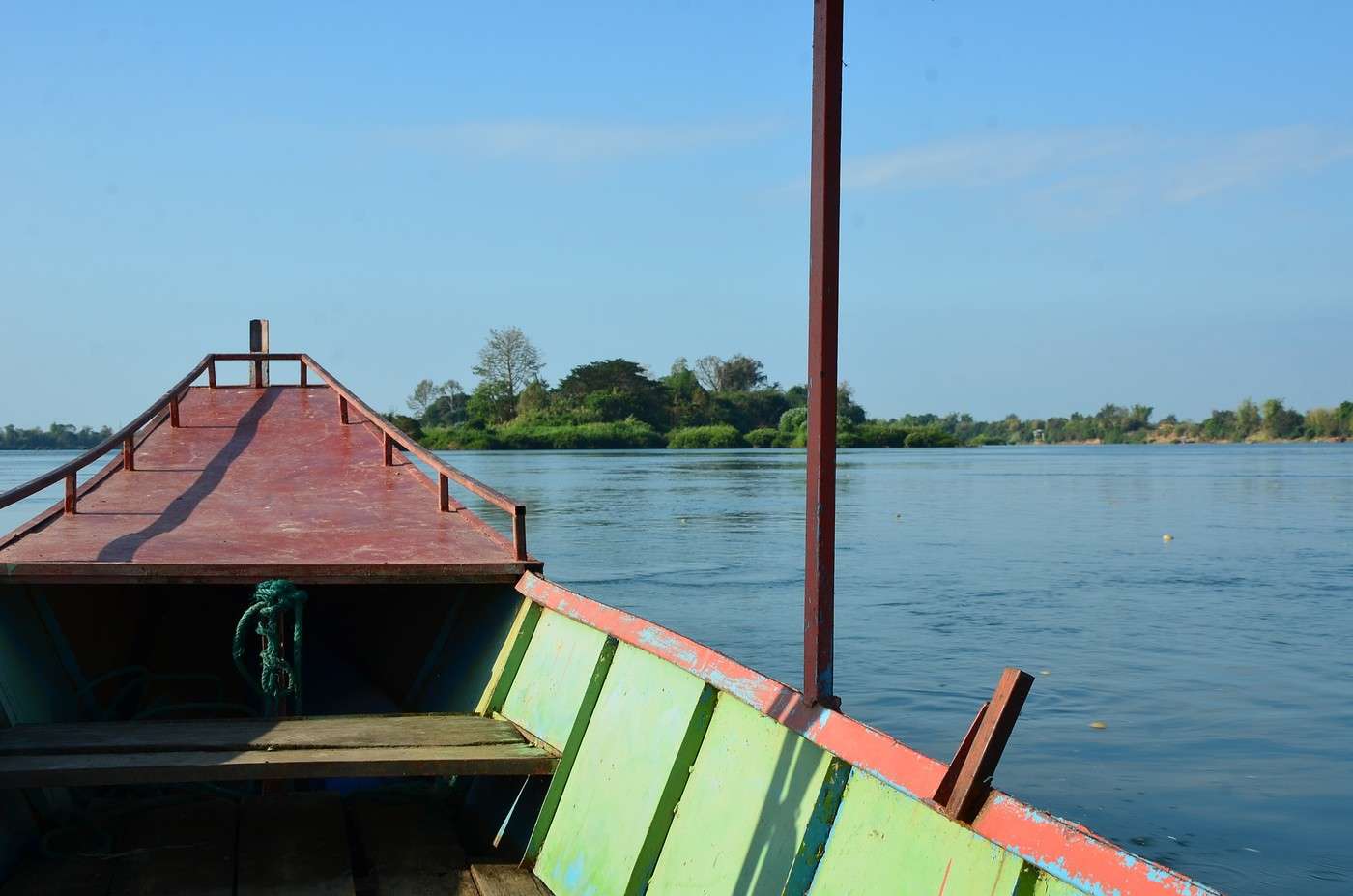
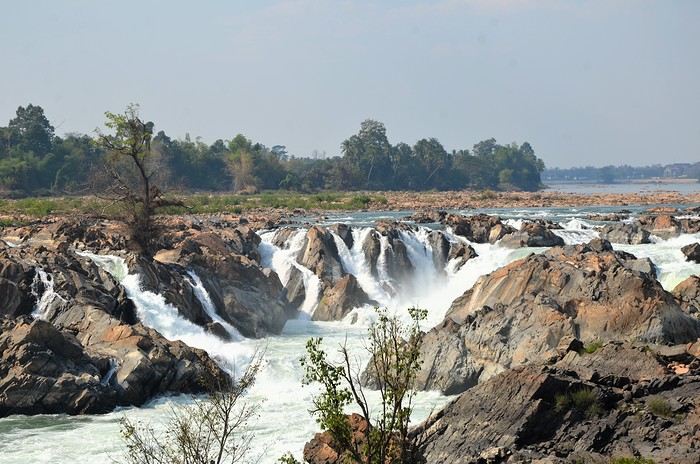
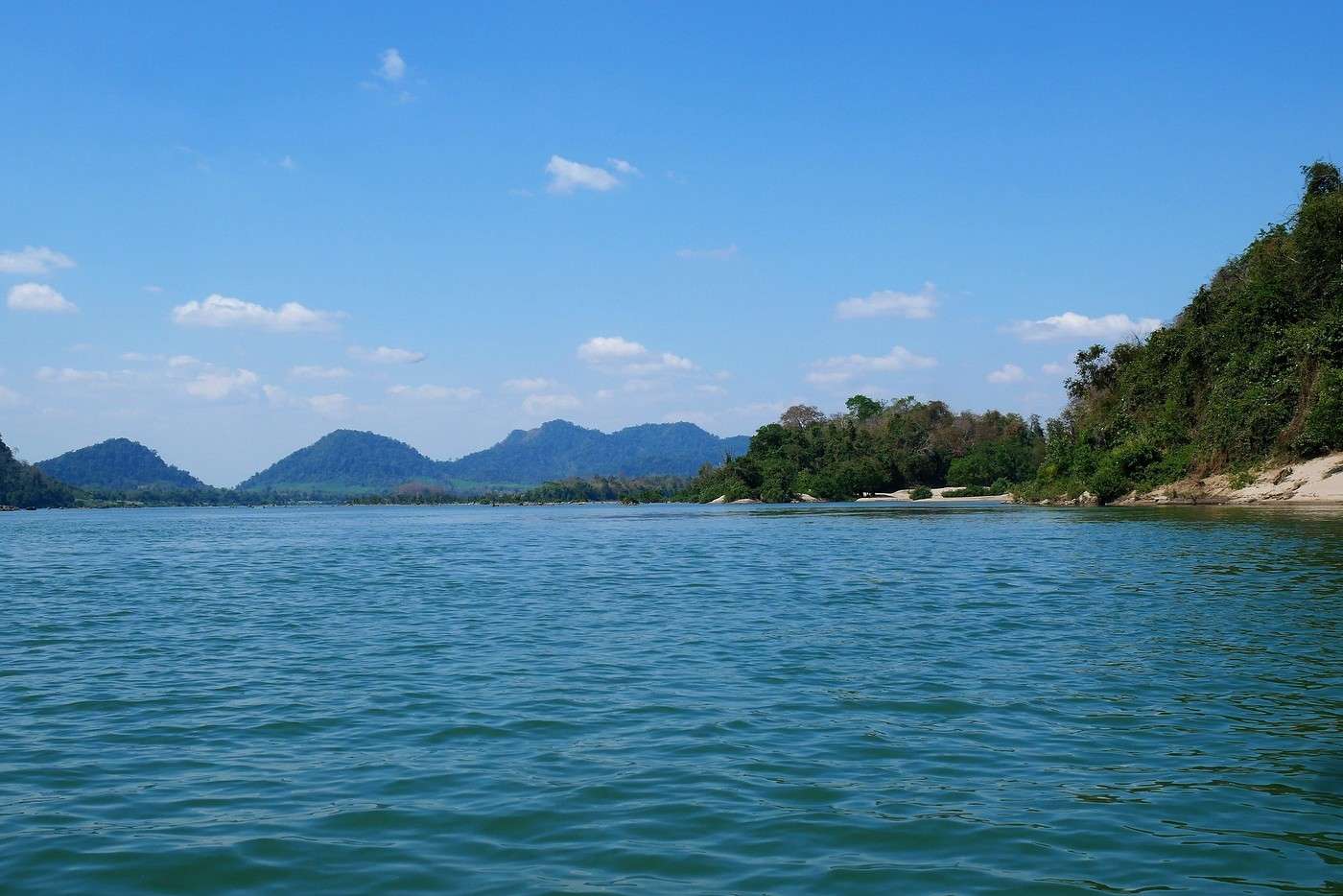
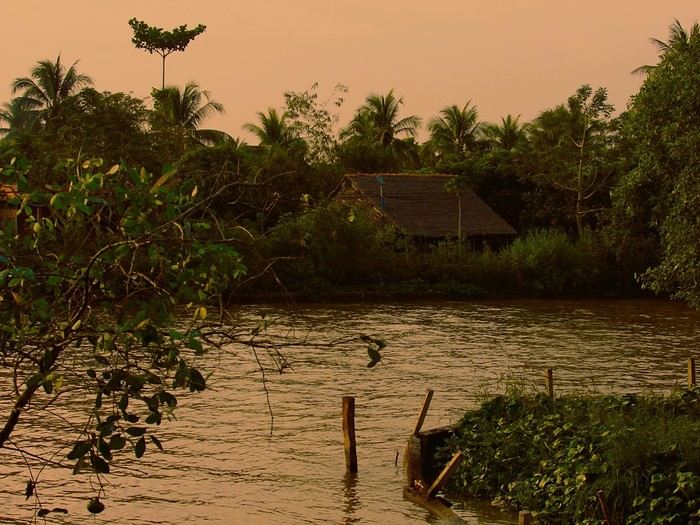
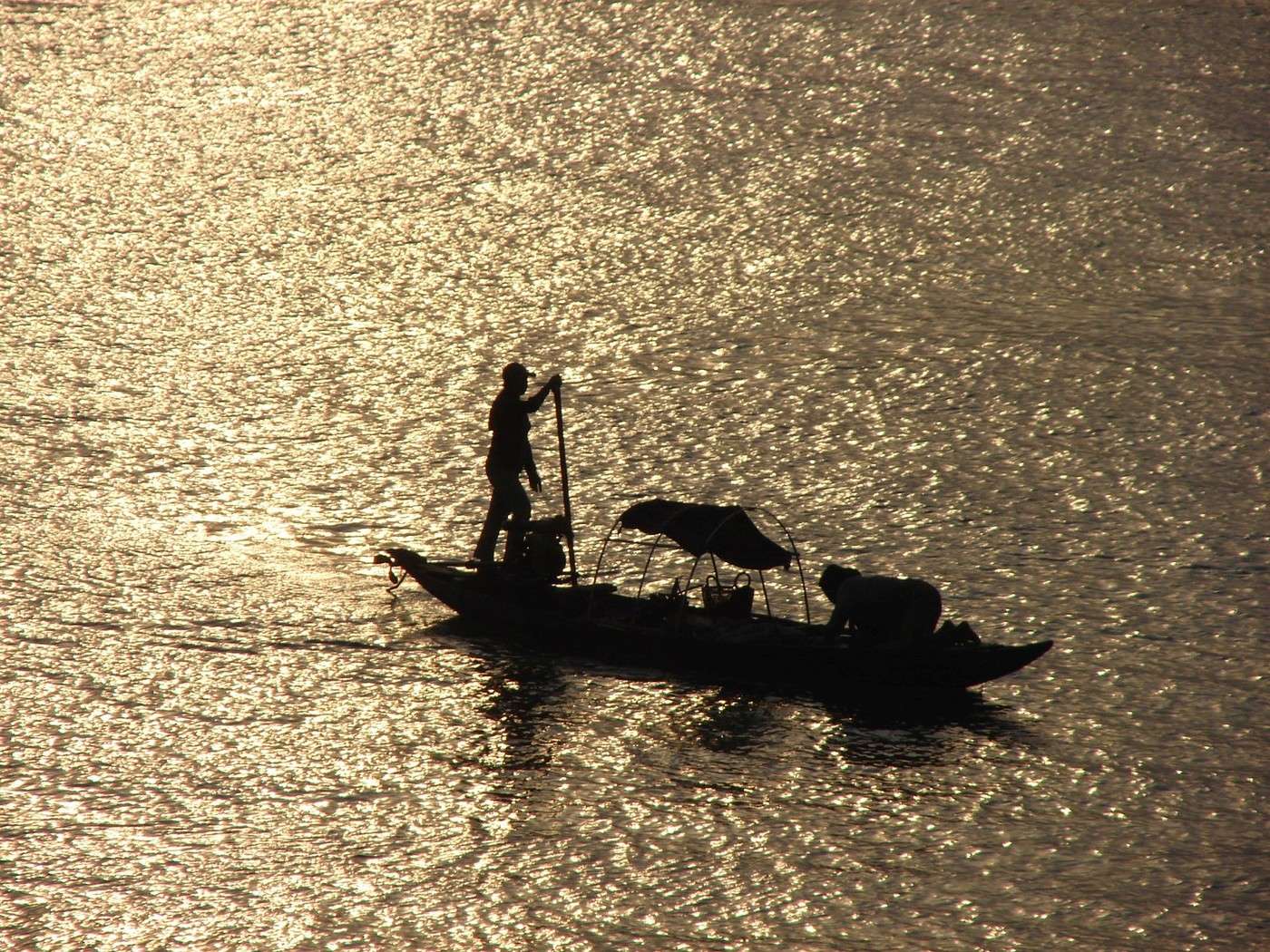
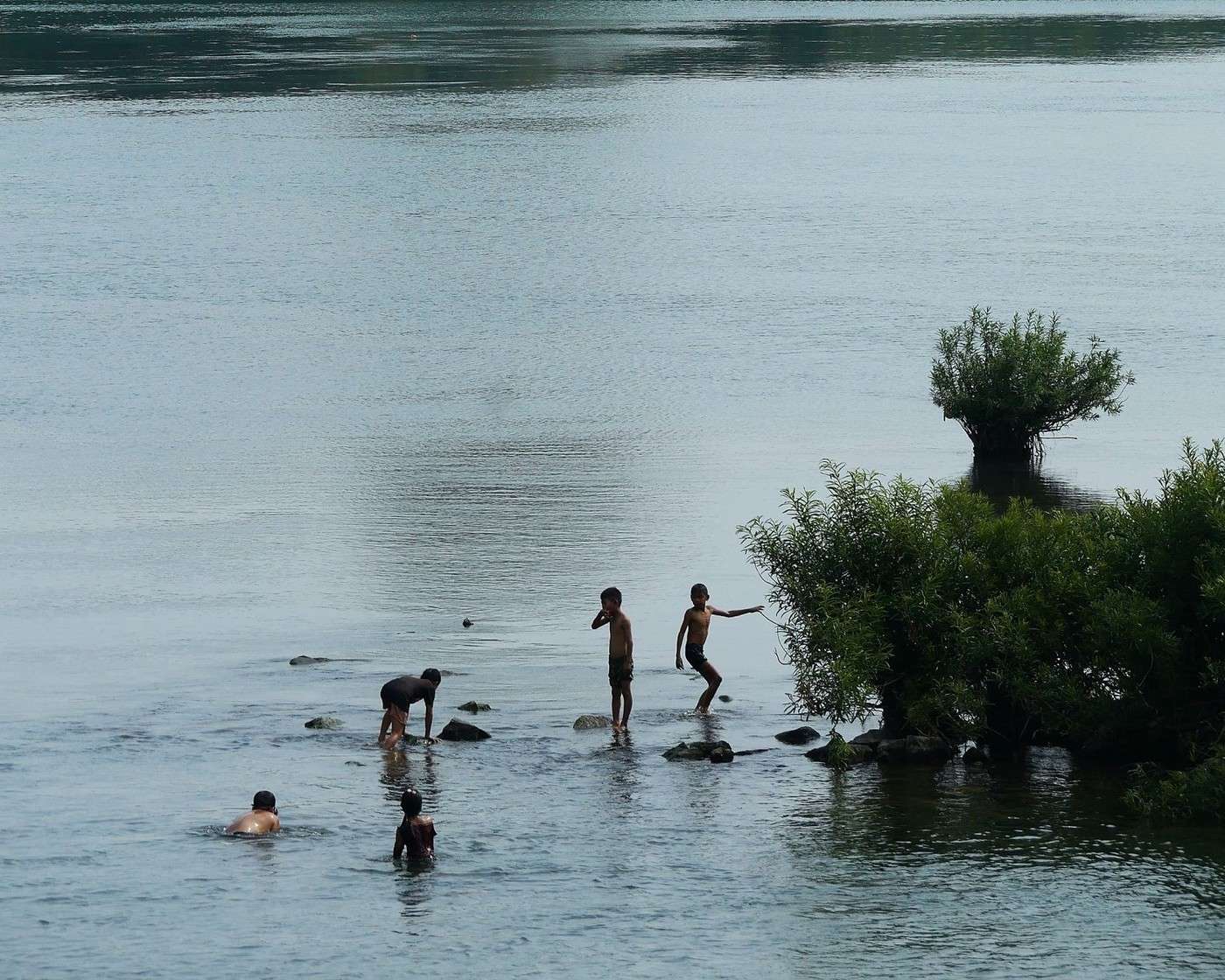
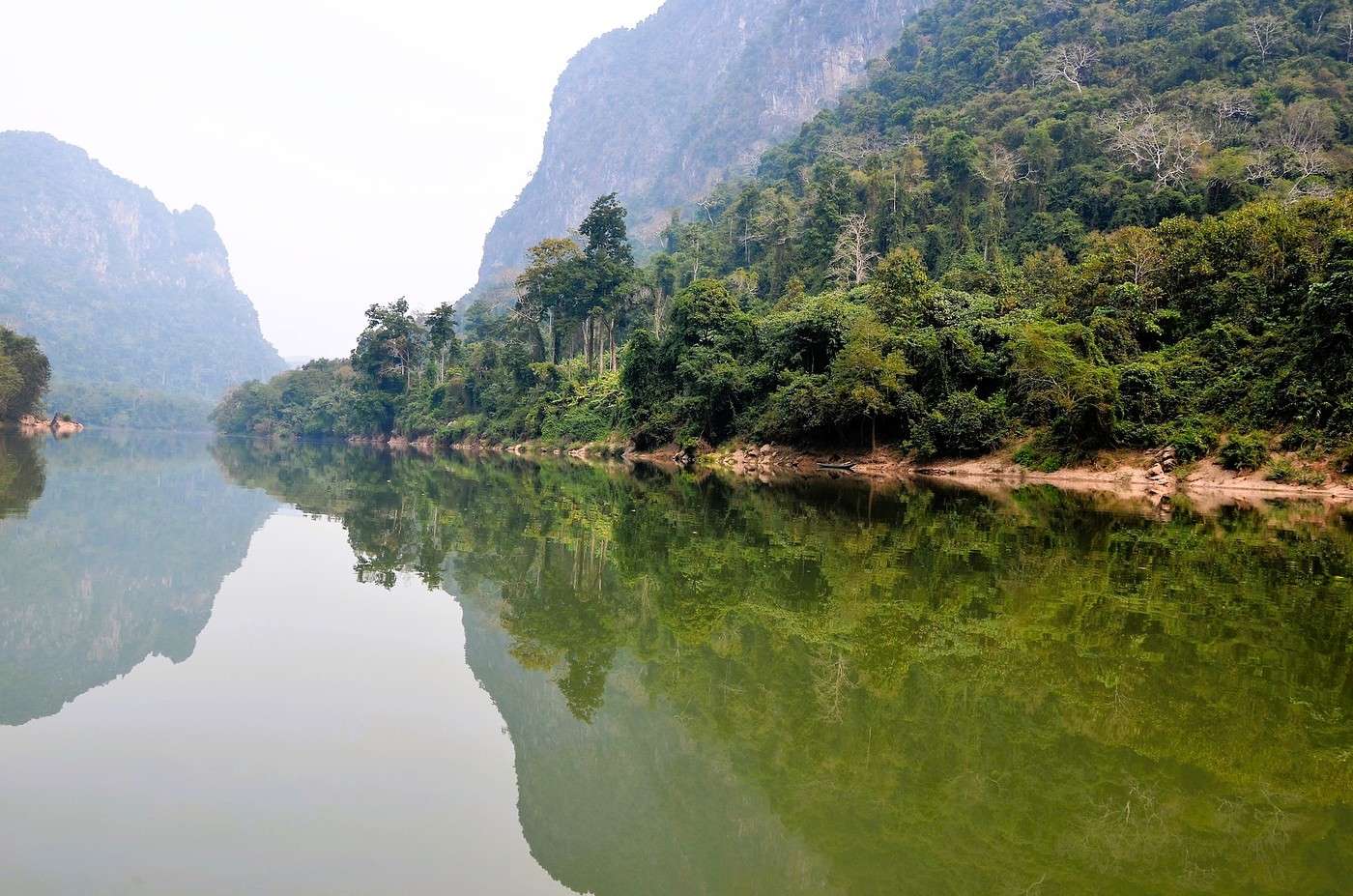
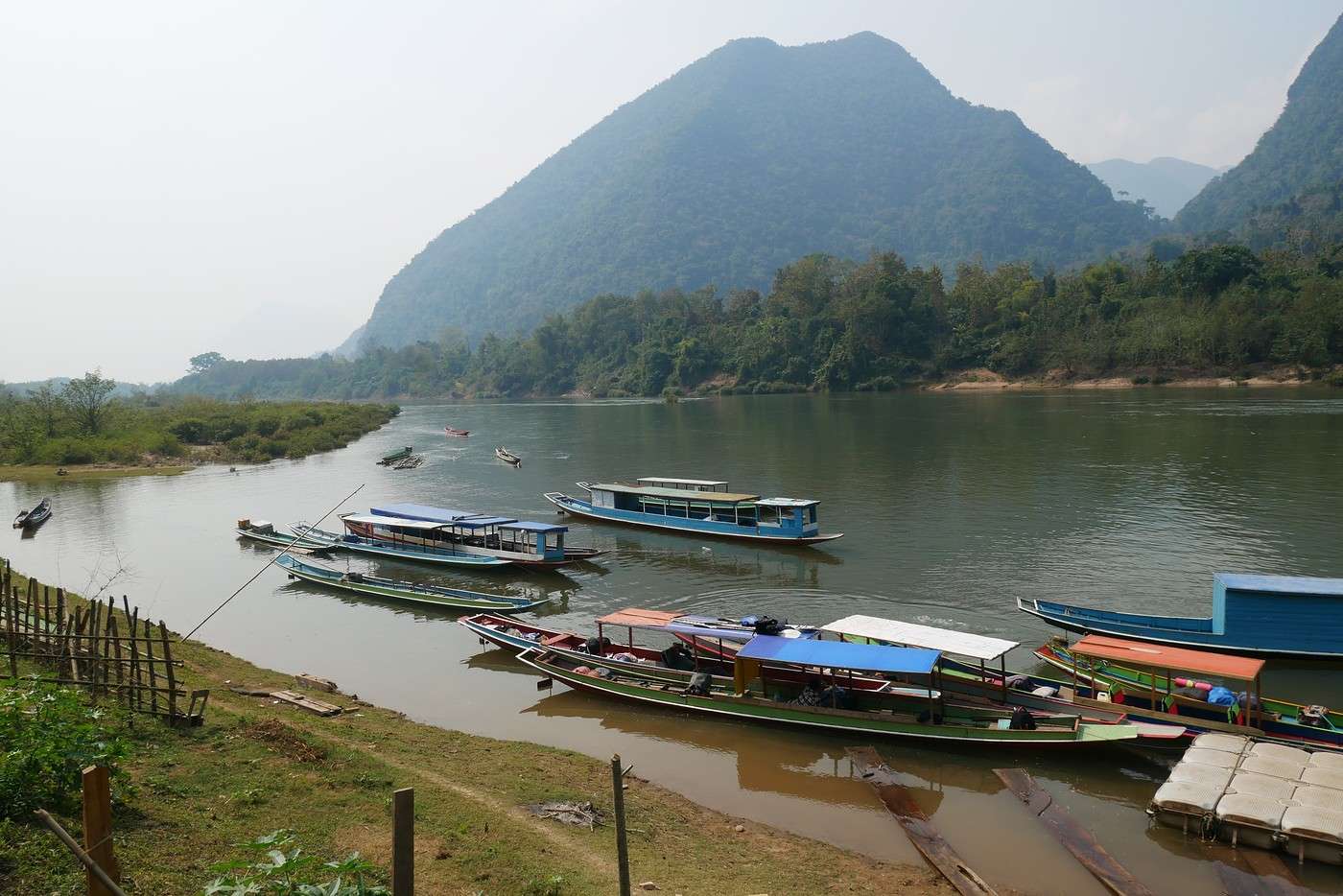
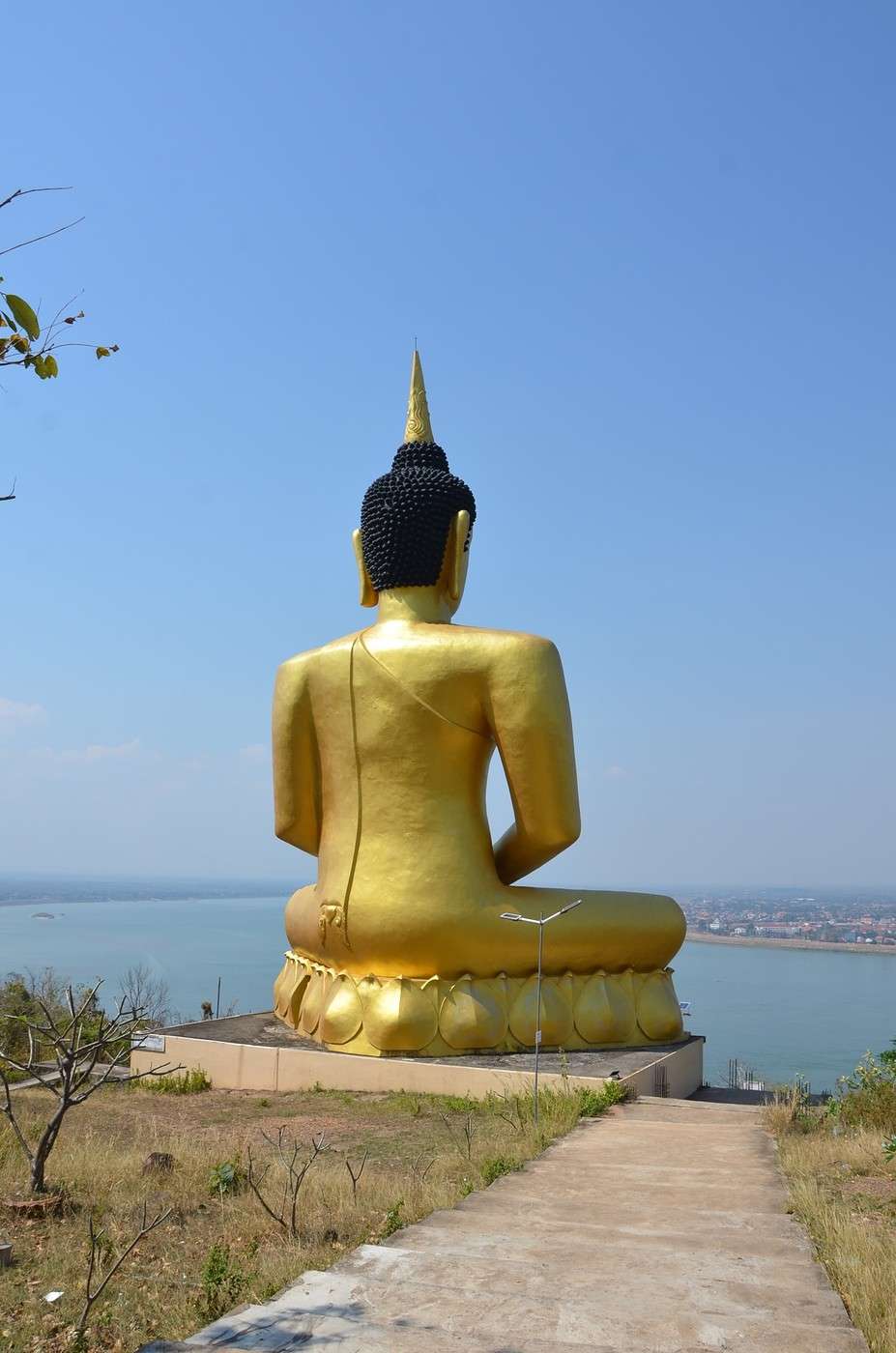
 Well, I don’t know if it happens to you too, but just saying "Mekong" transports me far away, like "Okavango", "Colorado", "Zambezi", "Nile", "Amazon"... and others... These legendary rivers, and all the myths and history they carry.