Sunday, April 5
The night was exhausting. Like the night before, construction work started around 9 PM, but this time it went on all night. Impossible to get any sleep. The noise was infernal: circular saws, dull thuds... a continuous chaos. This time, I wasn’t going to let it slide. I needed to sleep.
The reception was deserted, but I’d spotted where the receptionist was staying. I went and knocked loudly on his door. He assured me, in a not very convincing tone, that it would only last another half hour. Skeptical, I went back to my room. But the noise only got worse. I went back down. This time, he seemed to take the situation more seriously and made a call—probably to the hotel owner, who arrived quickly. He explained that the work was happening on the floor below and that he wasn’t responsible for it.
Two hours later, the racket was still going. At the end of my rope, I went back to see them: I wanted a solution. Finally, they agreed to intervene and asked for the work to stop. Silence returned at last. I went back to my room and could finally fall asleep.
At 6 AM, I left the hotel. Shashi, the driver, was already there to take me to the bus. He’s an excellent driver, both discreet and attentive. He’d been curiously interested in all the visits from the previous days. With Adam, they made a great team—complicit and efficient. While Adam explained the paintings and chatted with the women artists, Shashi took care of photographing and filming our visits. I really had a wonderful stay with them, and I hope to inspire other travelers to meet them.
The day was dedicated to the trip to Santiniketan. Several buses were needed: a first change in Asansol, then in Durgapur, before arriving in Bolpur. From there, I took an auto-rickshaw to the homestay, located near the university.
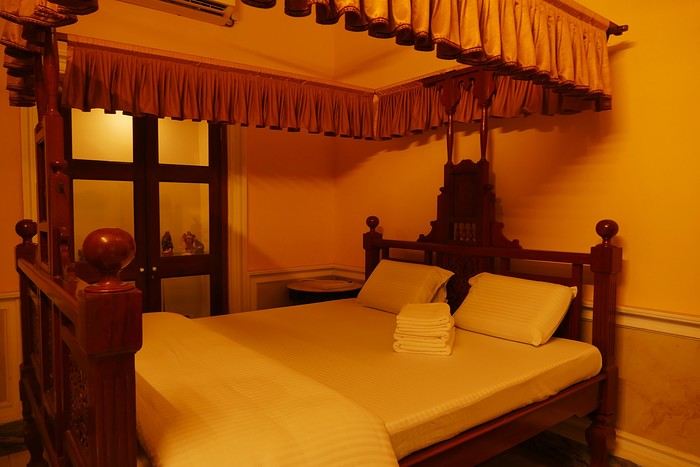
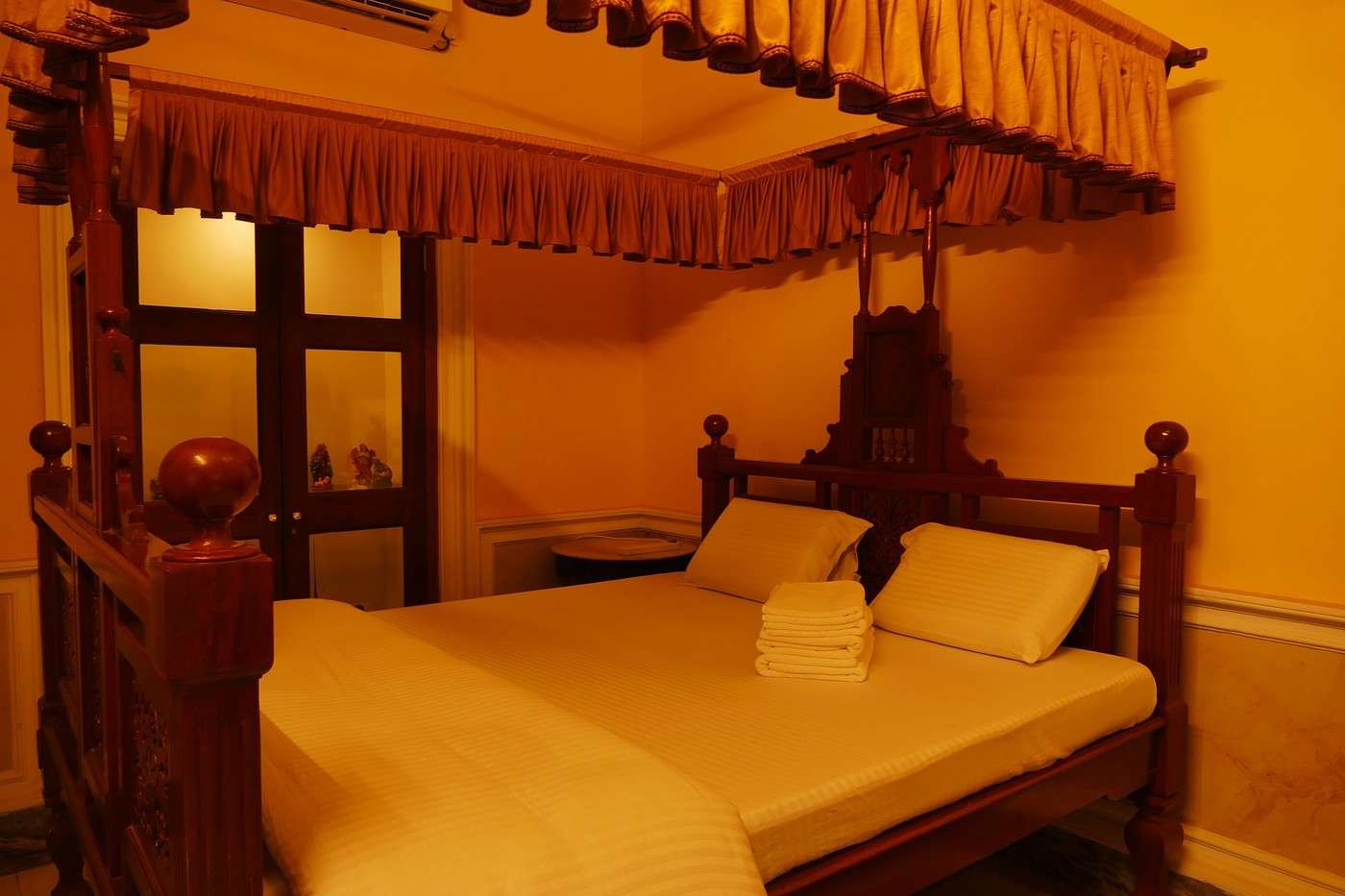
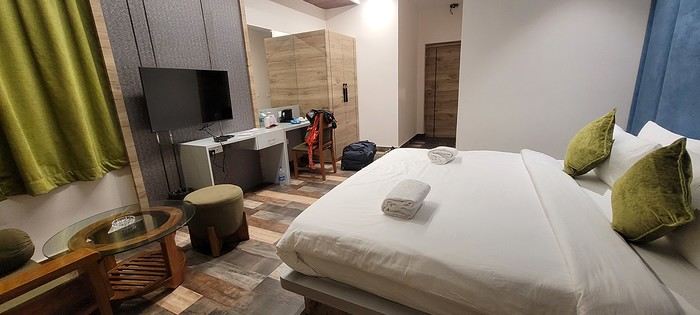
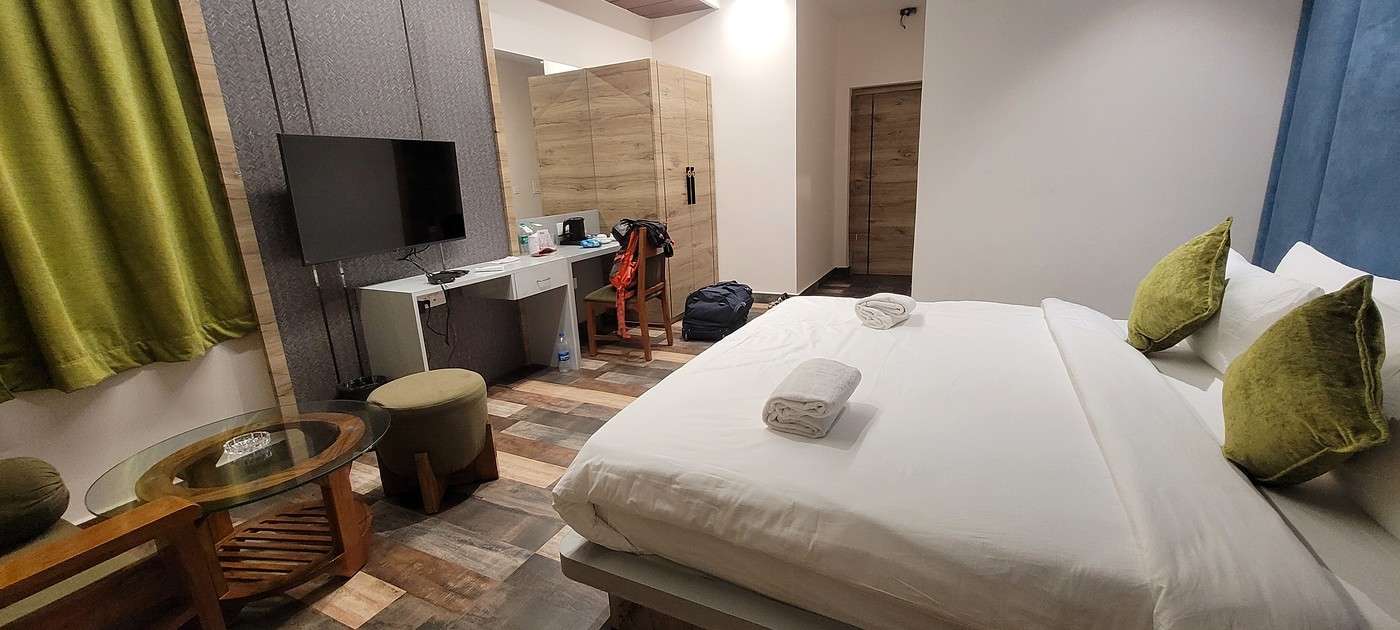
When I arrived, the owner seemed surprised: my reservation, made several months earlier, had been forgotten. Despite that, the welcome was warm. The room was simple but pleasant. I even had an entire floor to myself: a kitchen with a hot plate, a fridge, dishes, a living room, and a dining area. The house was very clean, comfortable, and at a very reasonable price.
Monday, April 6
Breakfast was included. The lady of the house brought me oil-soaked toast with an omelet. I couldn’t eat that. Seeing my hesitation, she kindly agreed to prepare a hard-boiled egg with toast, which was much more suited to my habits. Tea and coffee sachets were available, as well as filtered water.
The house offered bikes for rent, and I rented one for the day. Before leaving, I had to test it in the driveway, then watch a very thorough demonstration of the lock. I even had to prove I understood how it worked before being allowed to leave.
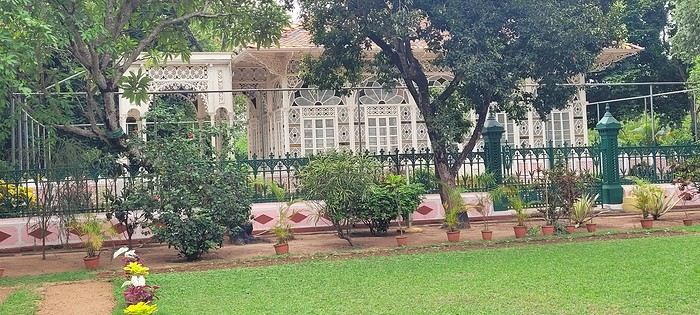
I rode along the university campus and passed by the Brahmamandir, an elegant and peaceful building.
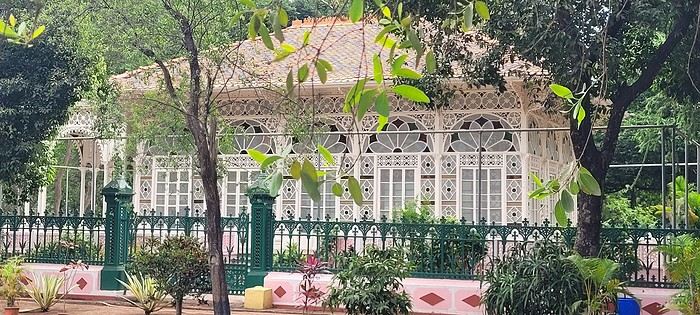
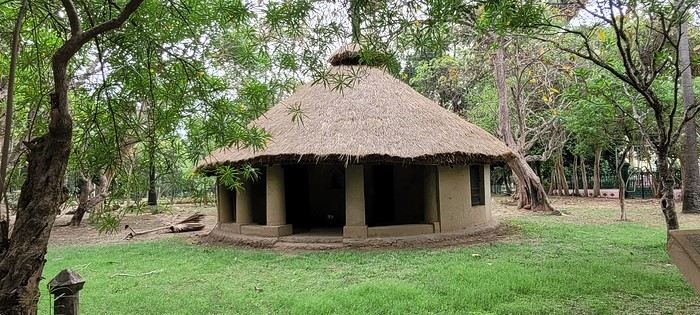
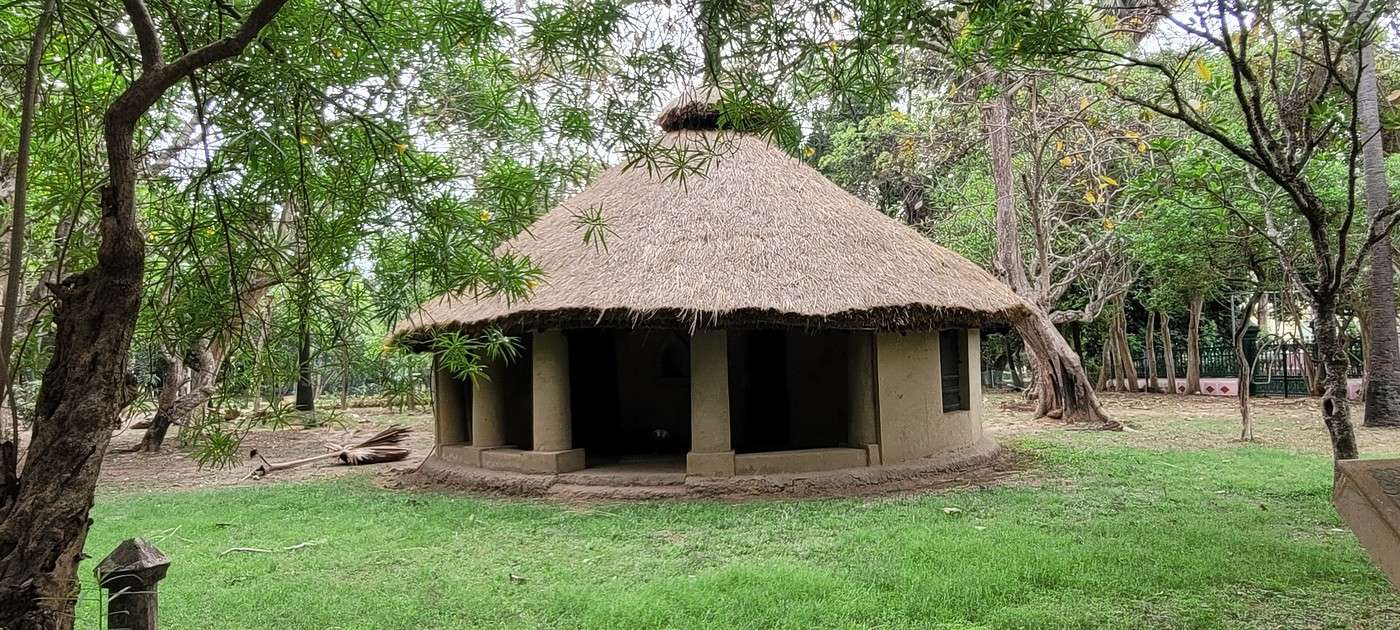
A little further on, another circular building caught my eye: a coconut tree grew in its center, piercing through the roof—a surprising and poetic sight.
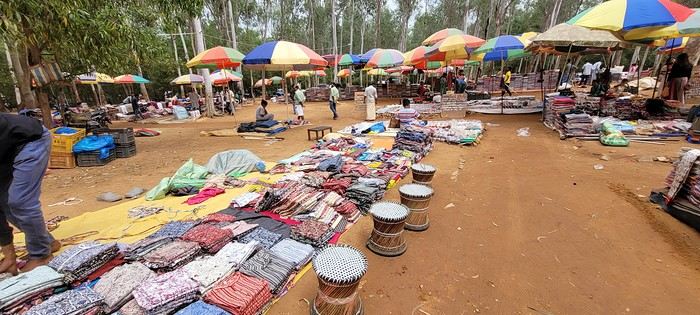
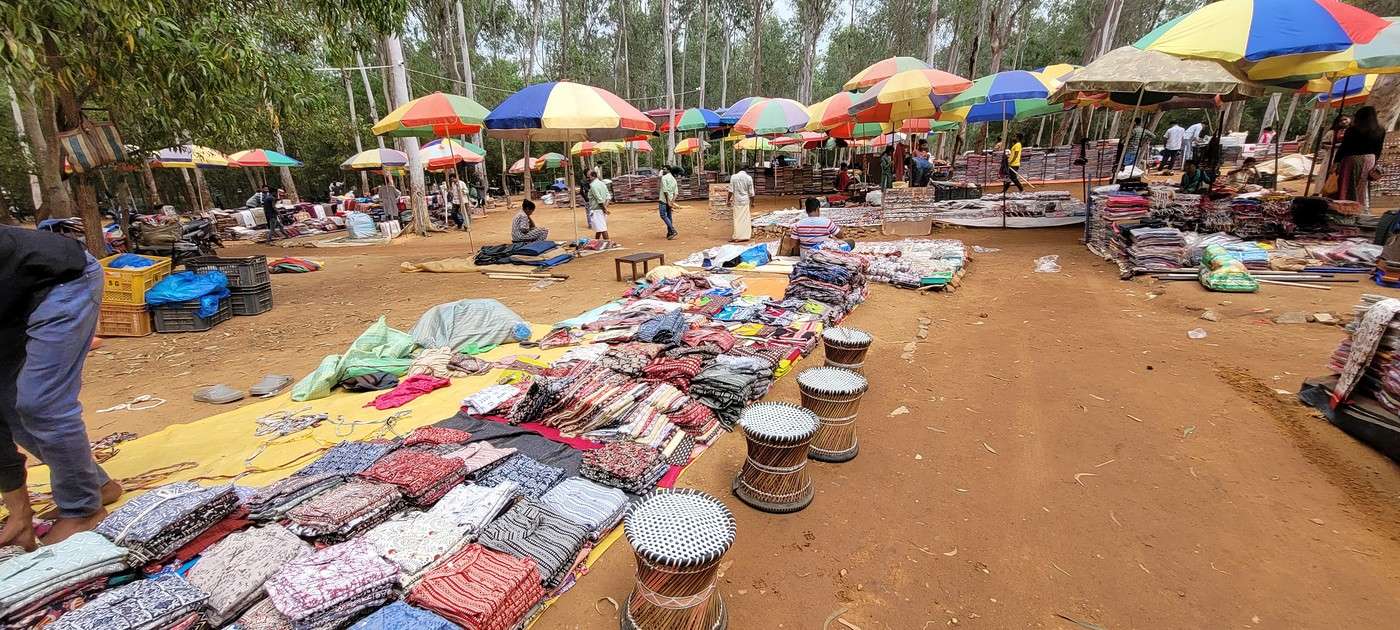
I continued on this road for about three kilometers to reach the Sonajhuri haat. The vendors were just setting up. Activity was still calm, but I knew it would pick up in the late afternoon, and I planned to come back. The market stretched along the road, in the heart of a sal forest. They sold saris, bags, clothes, decorative items... and you could also watch songs and dances by the Baul tribe.
I carried on to Surul, on a quiet and pleasant road. I was pedaling peacefully when a motorcycle stopped beside me. A young couple called out to me curiously: where was I from, how old was I, where was I going... A few questions exchanged with smiles, then they thanked me warmly and left, clearly delighted by this brief encounter. It’s in these simple moments that I realize how unique this country can be.
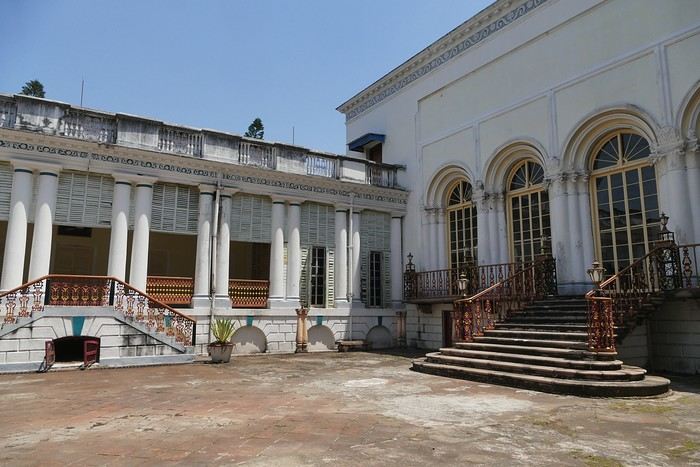
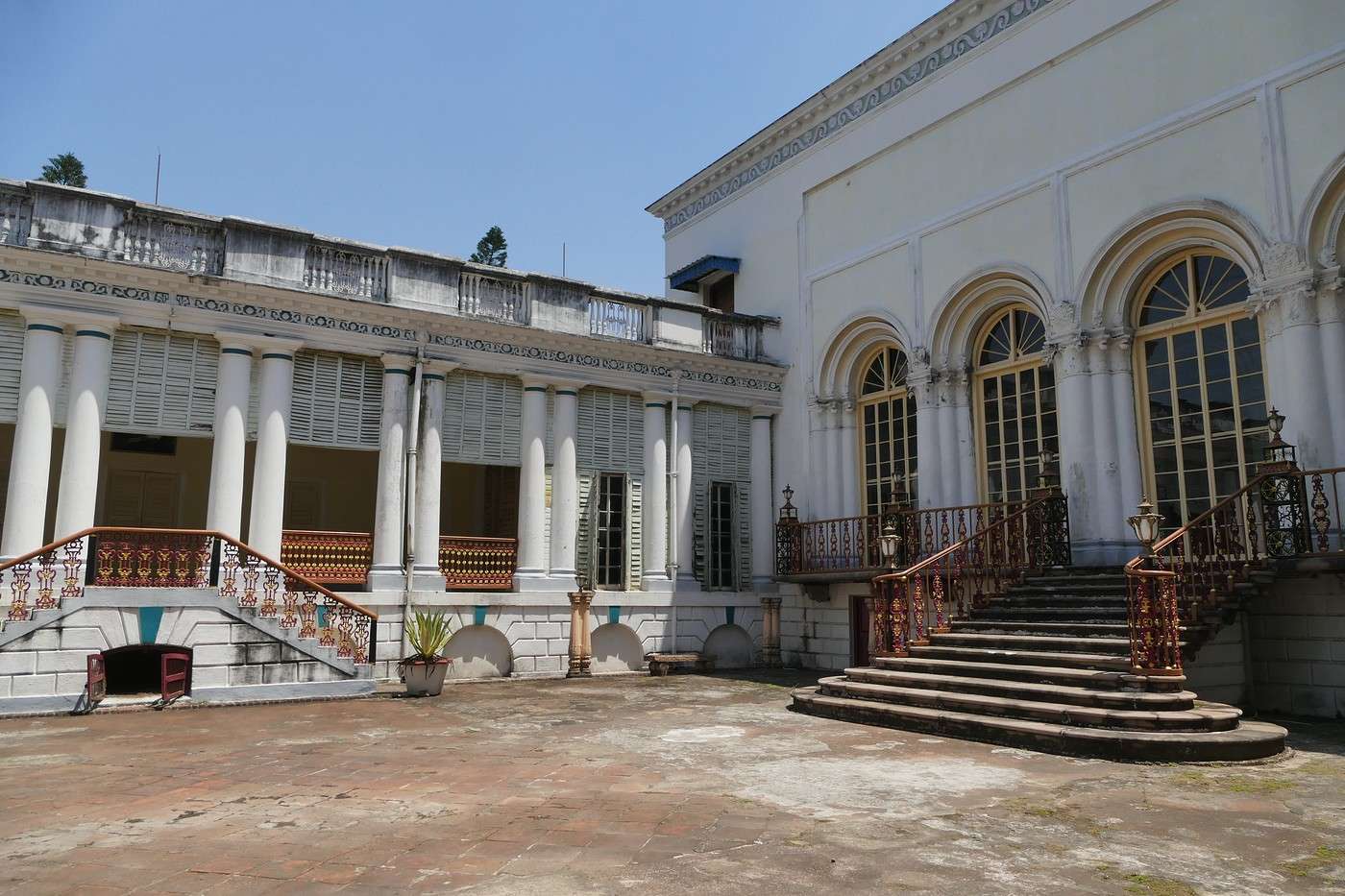
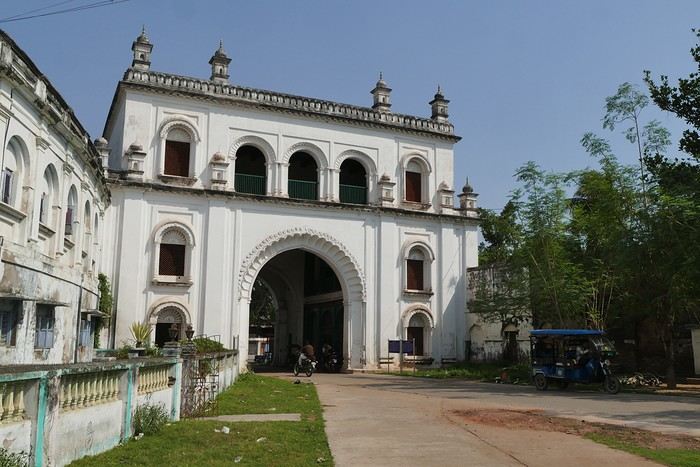
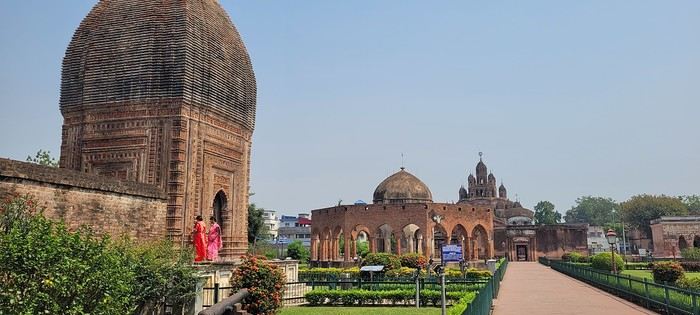
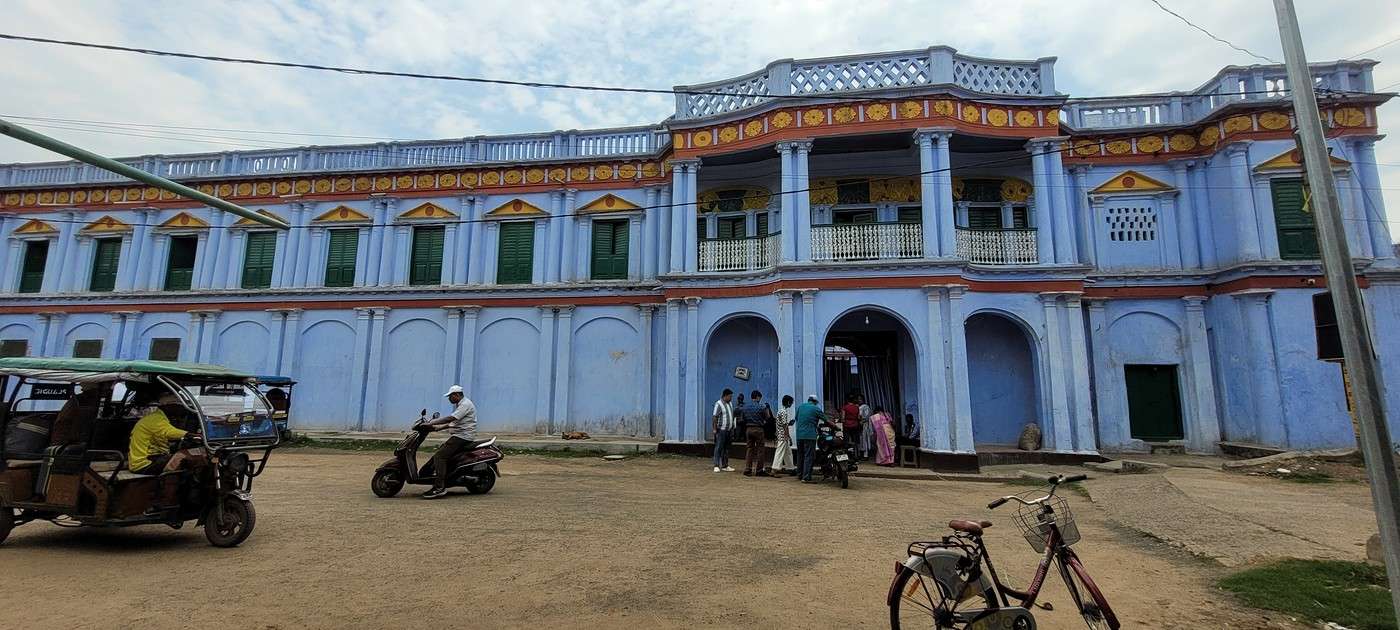
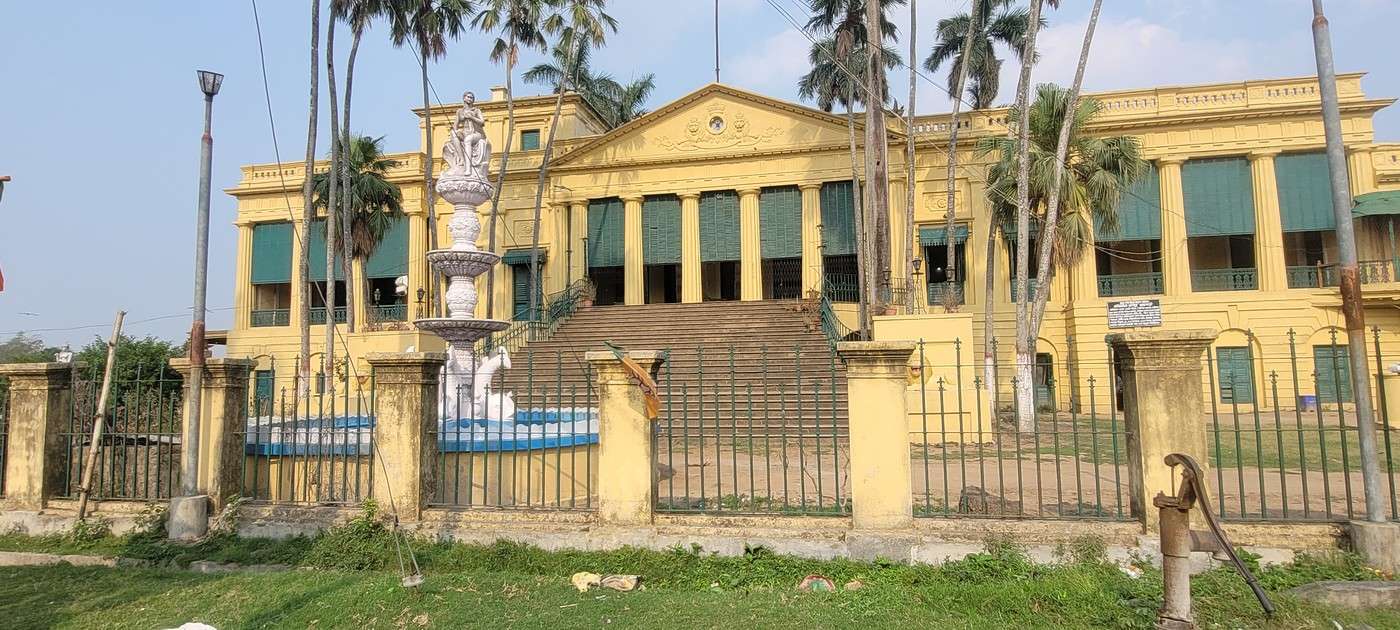
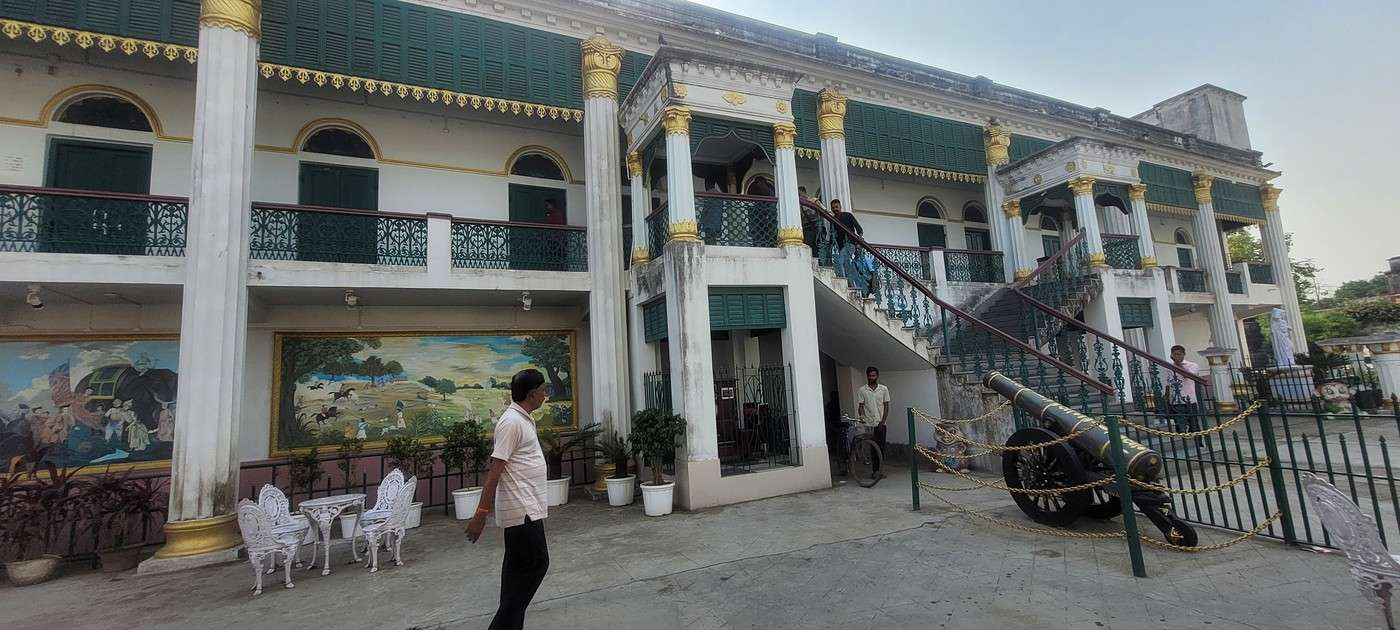
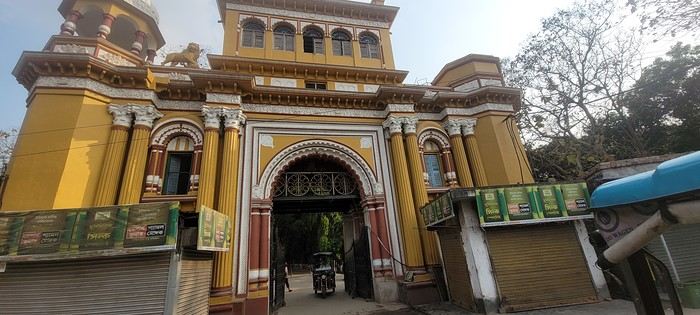
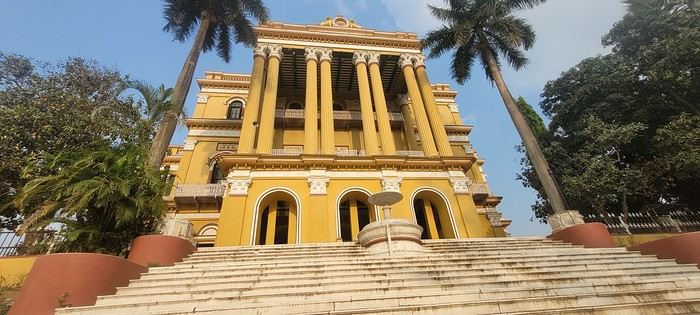
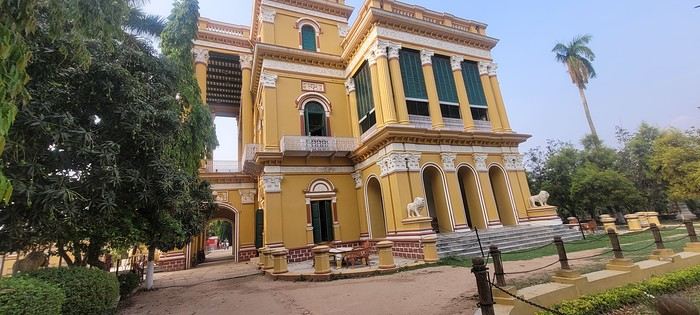
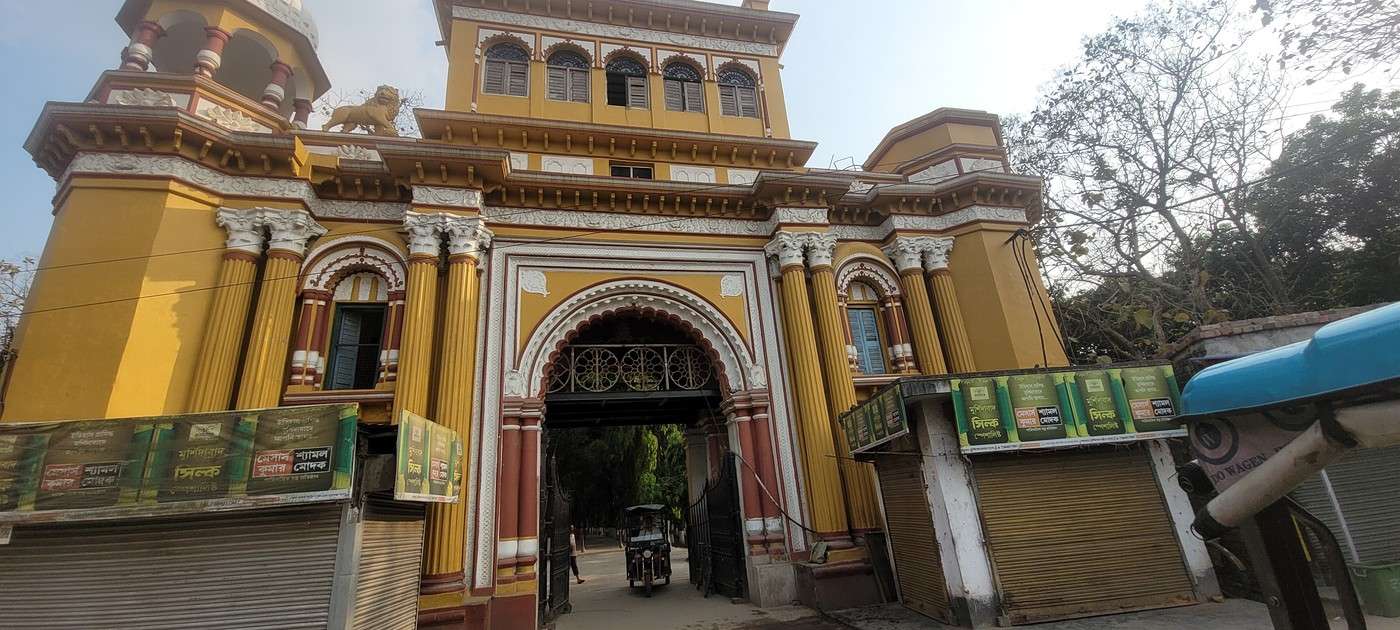
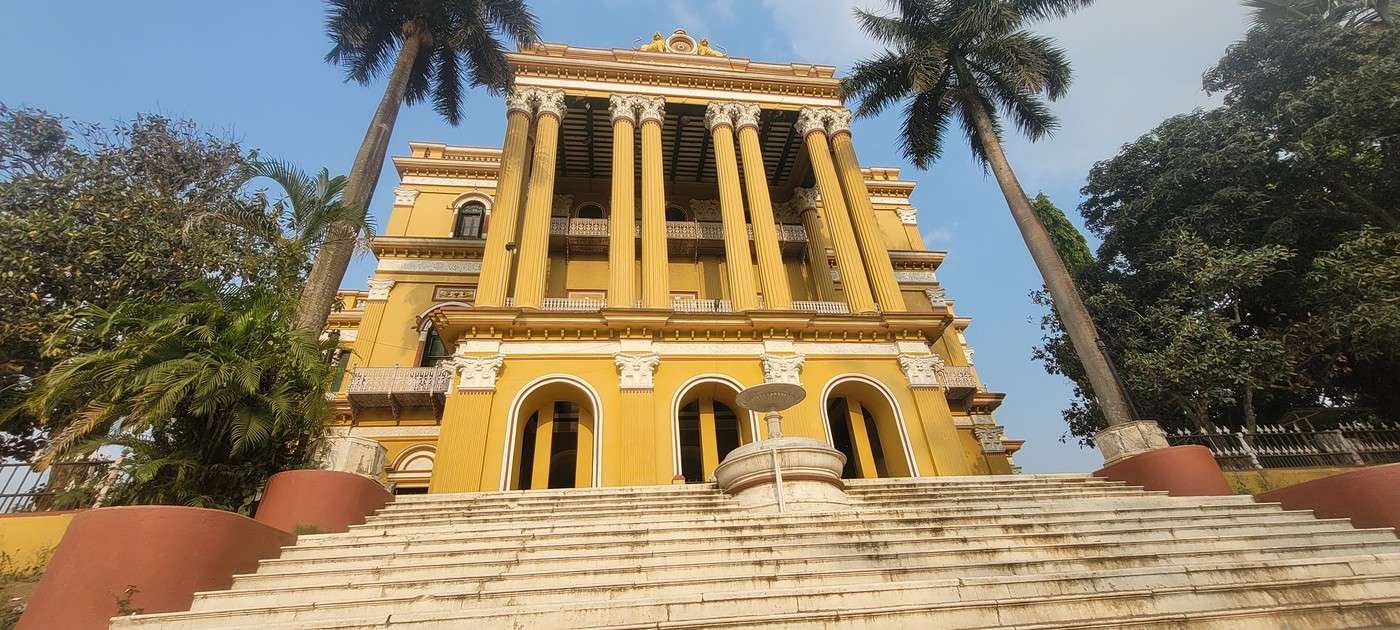
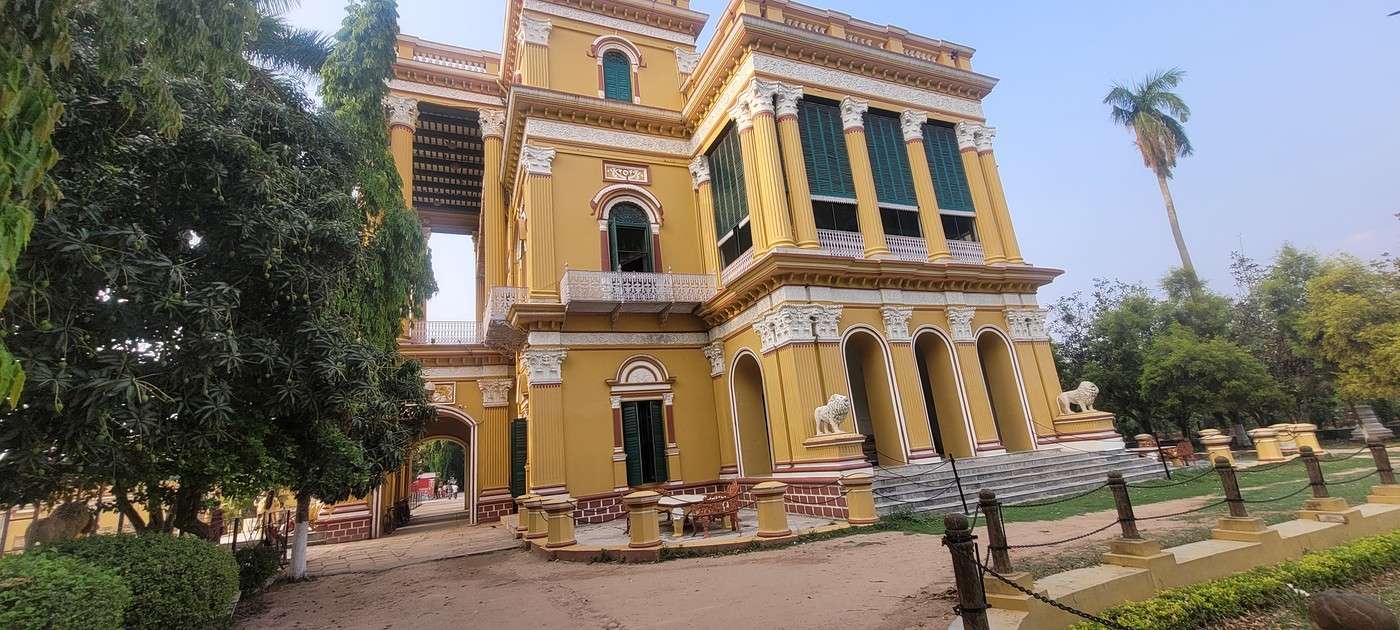
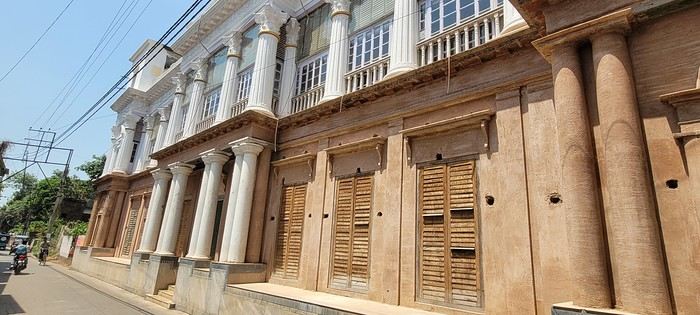
The Rajbari was easy to find. The building was immense and majestic, built by the Sakar family, wealthy merchants.
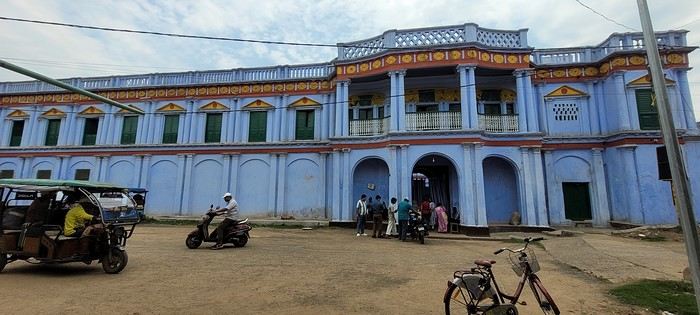
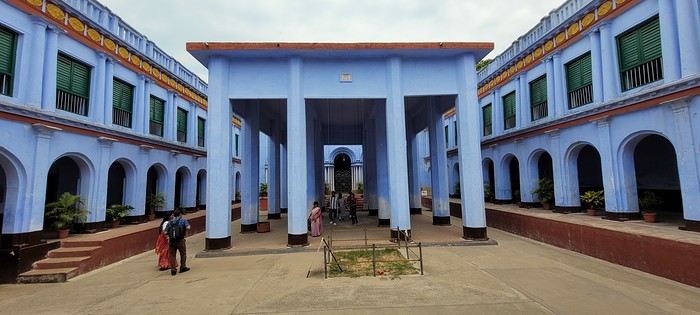
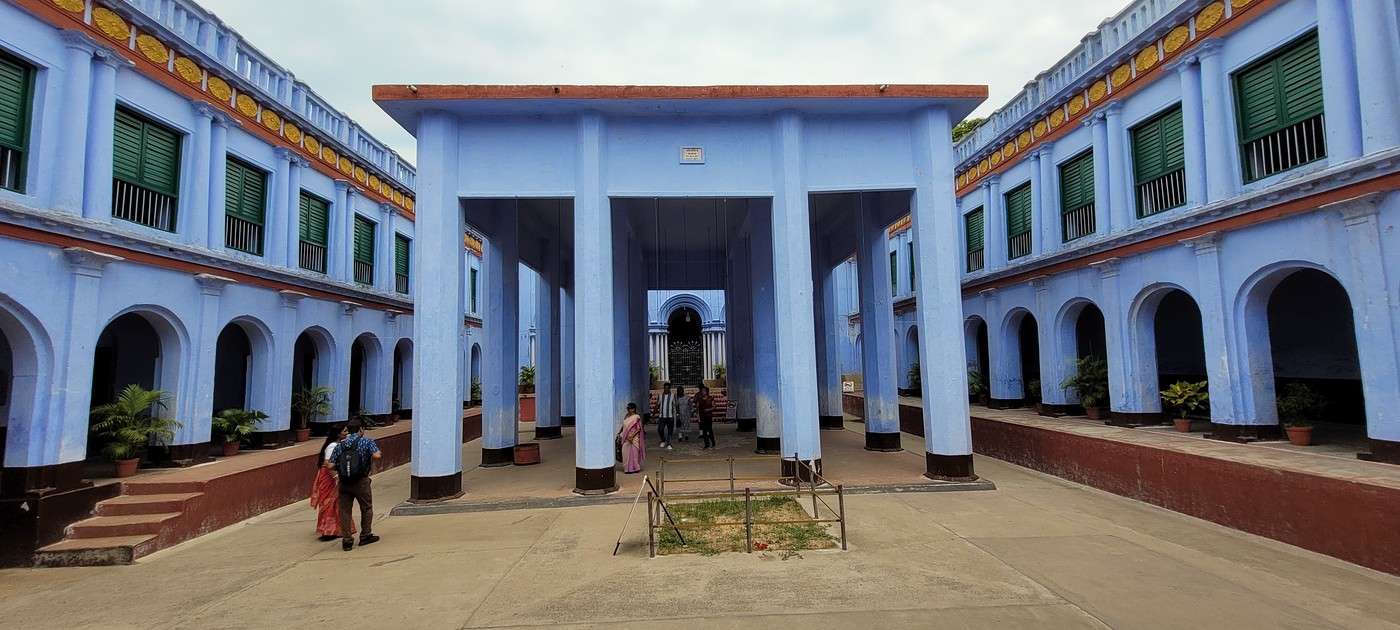
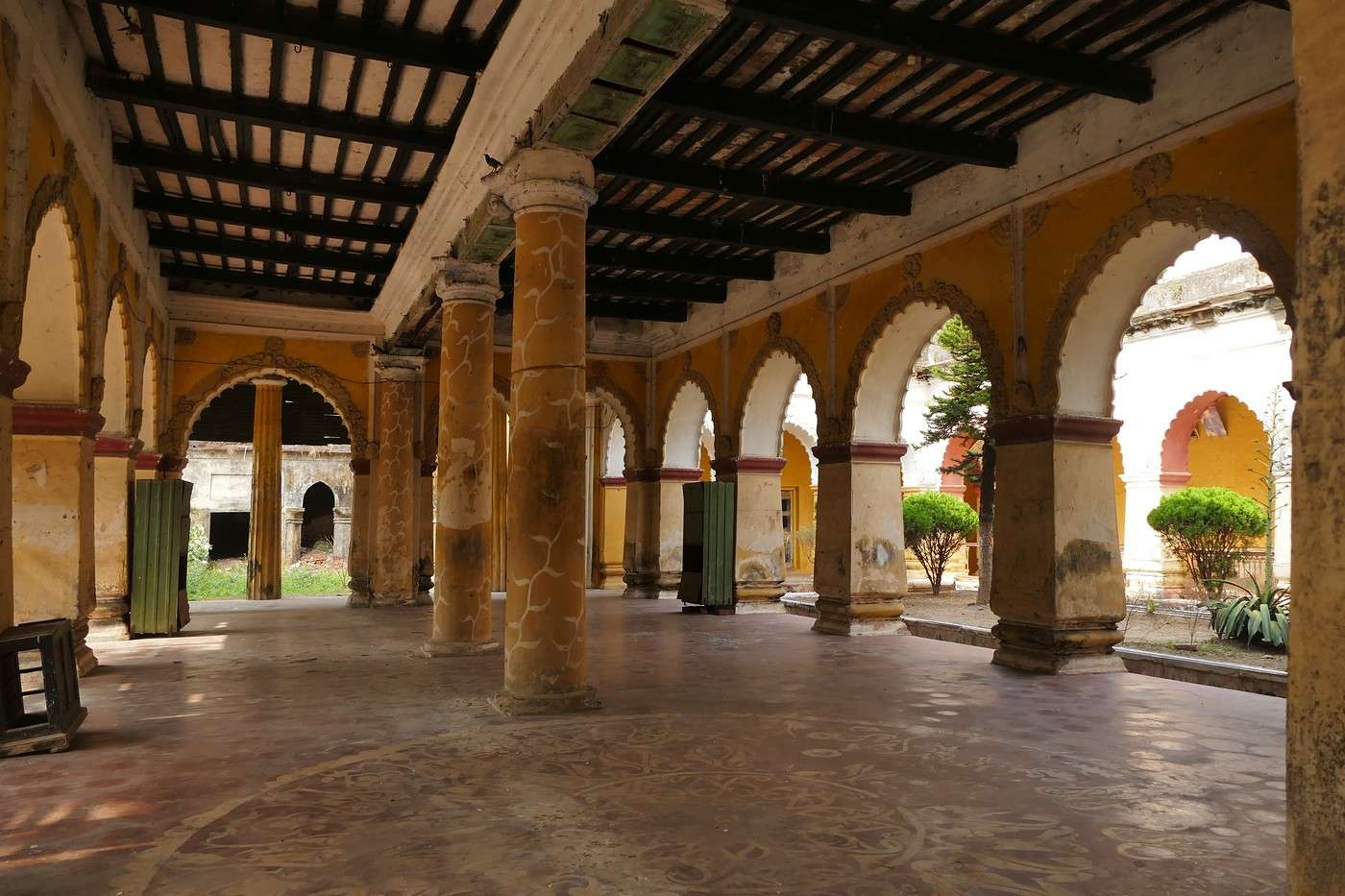
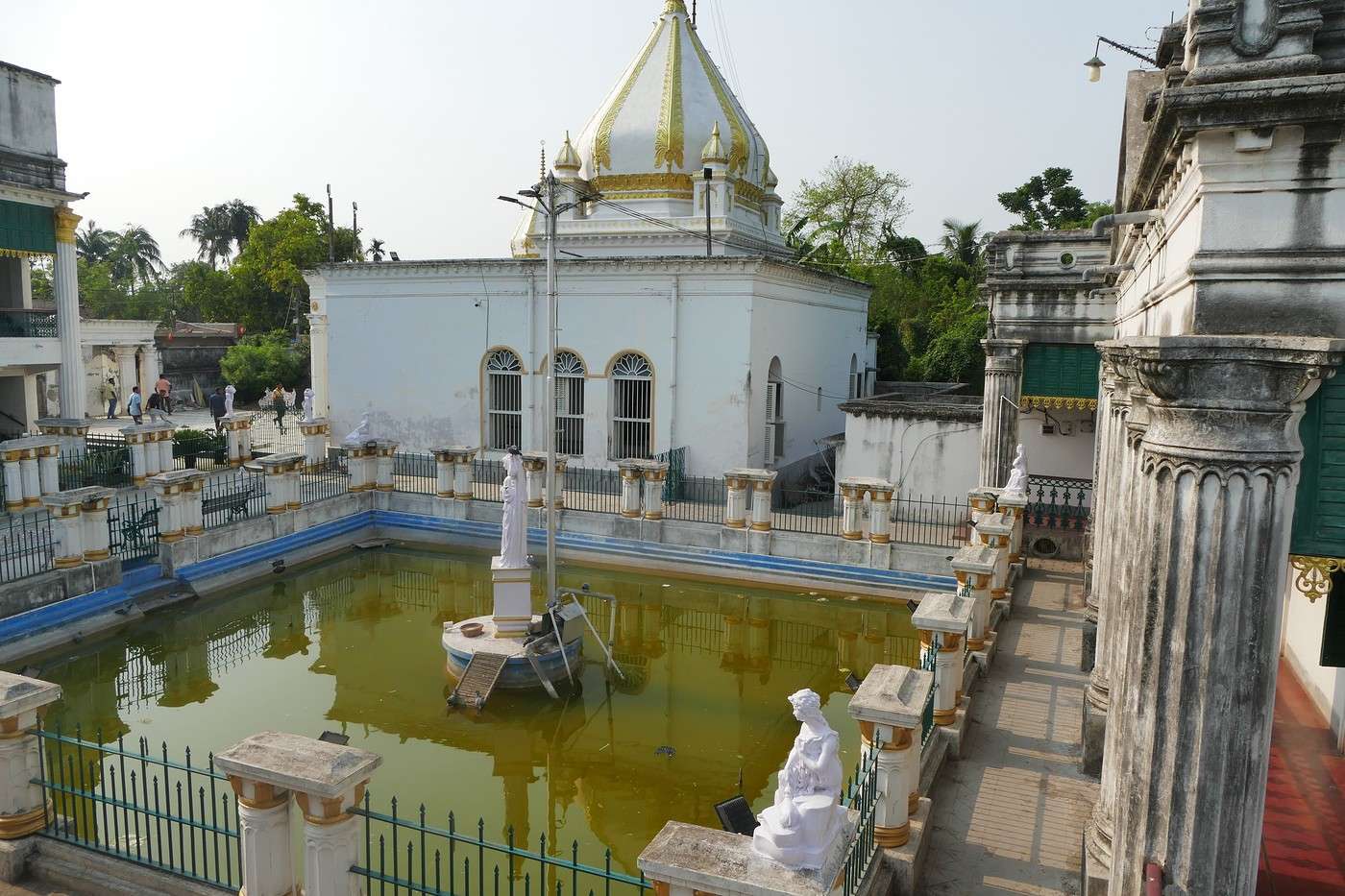
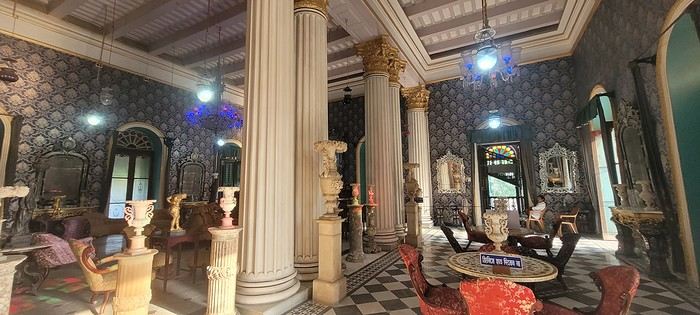
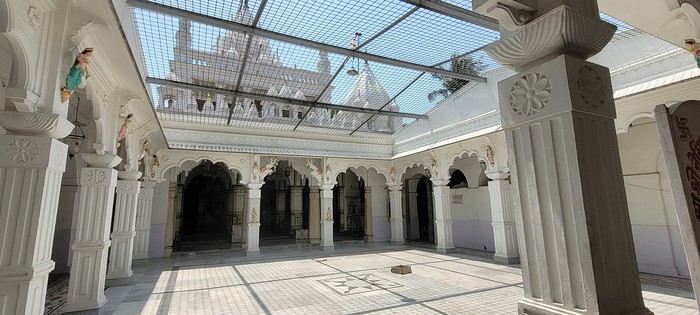
For a few rupees, you could enter and discover the inner courtyard, the Thakur Dalan, where Durga Puja celebrations take place. The courtyard, surrounded by pillars and arches, was bathed in bluish tones that gave it a soft and elegant atmosphere.
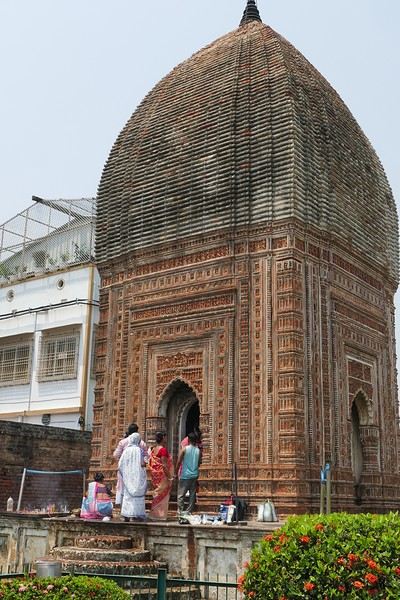
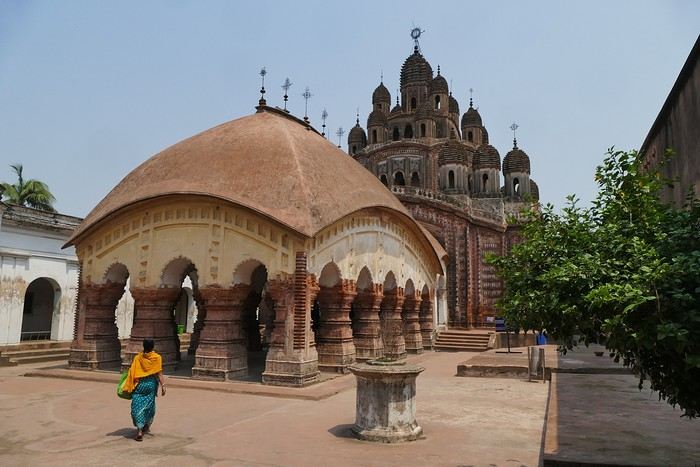
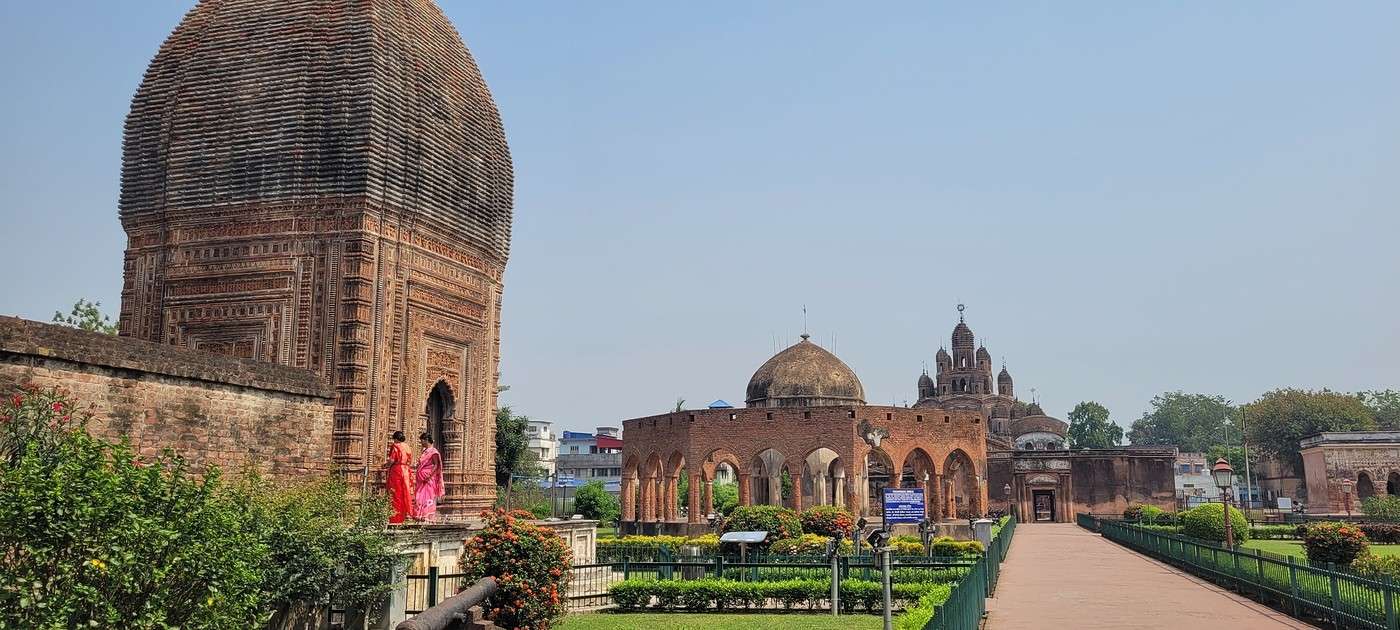
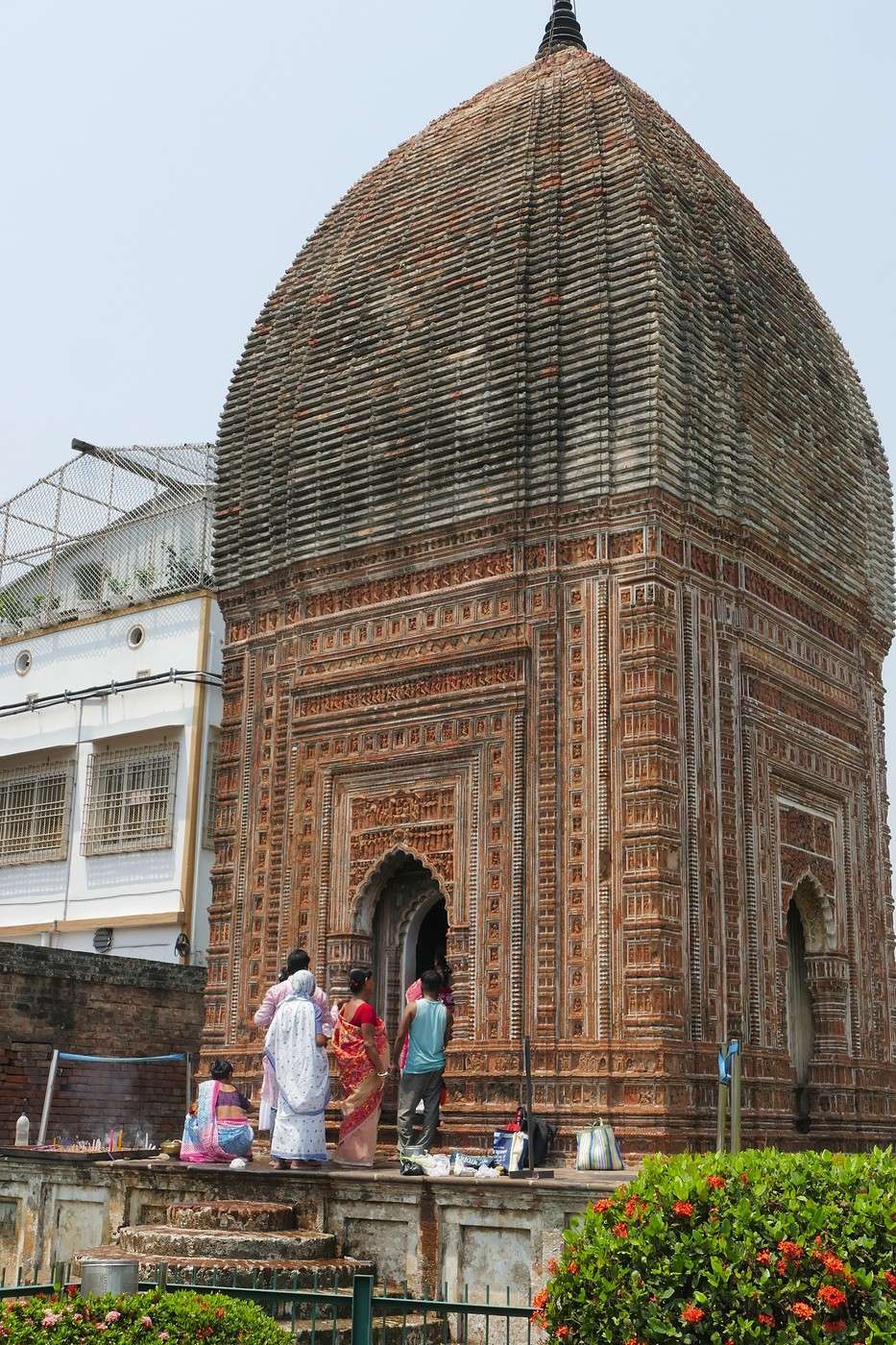
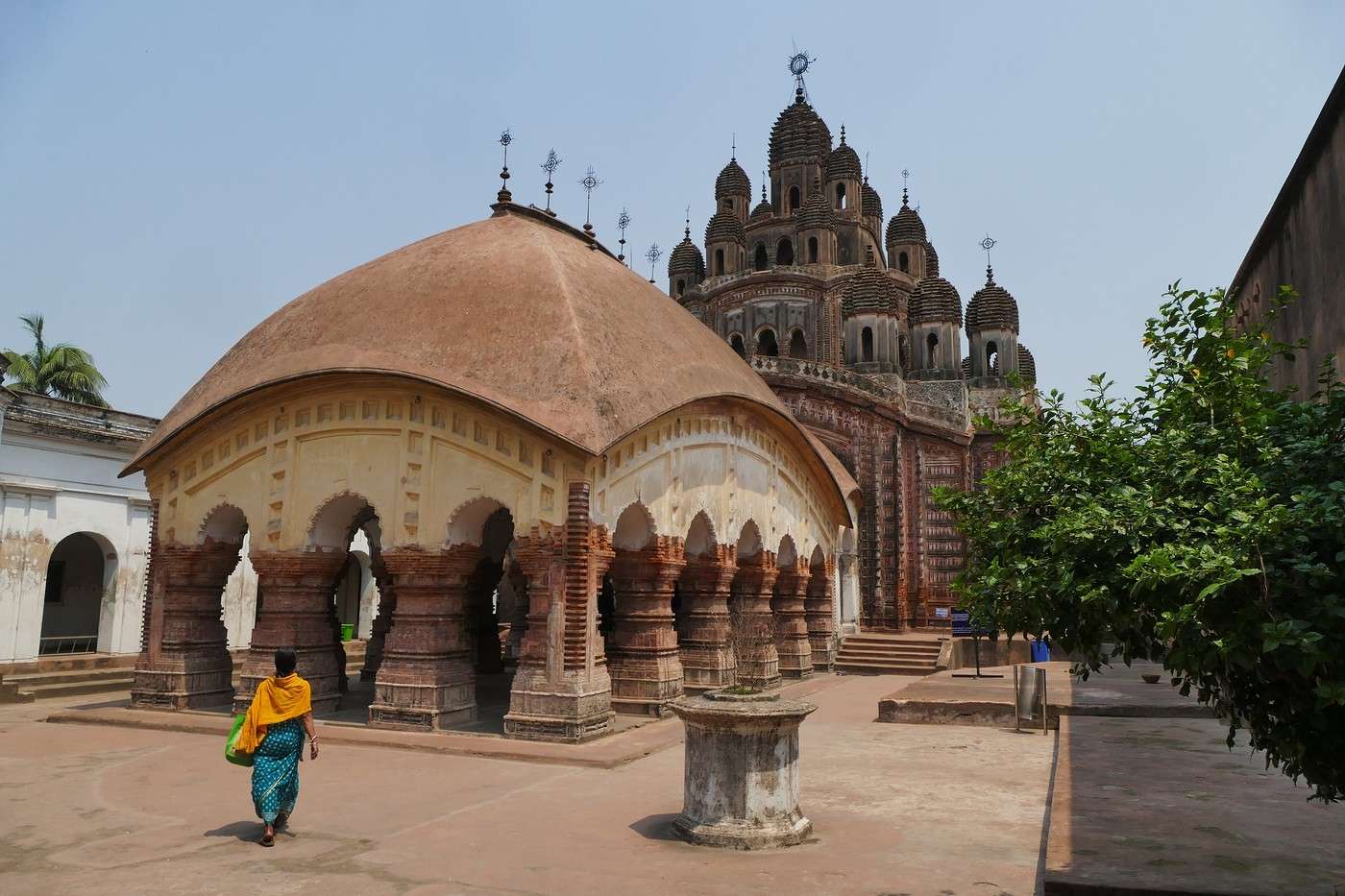
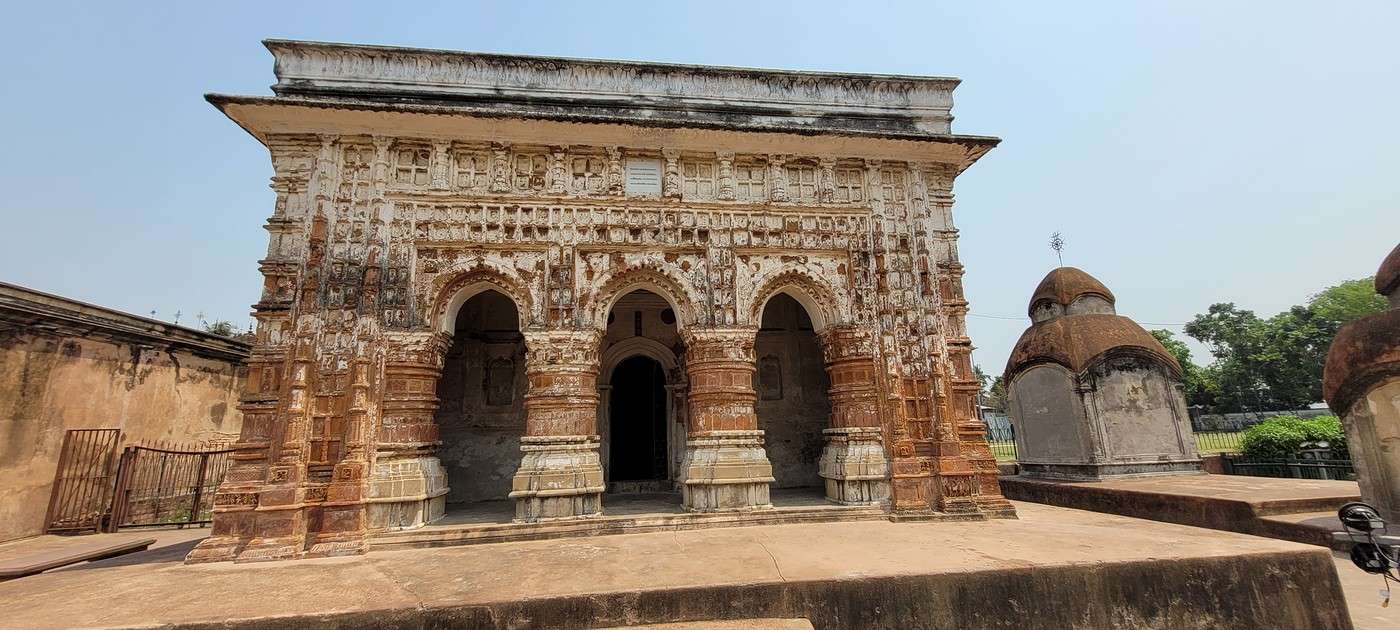
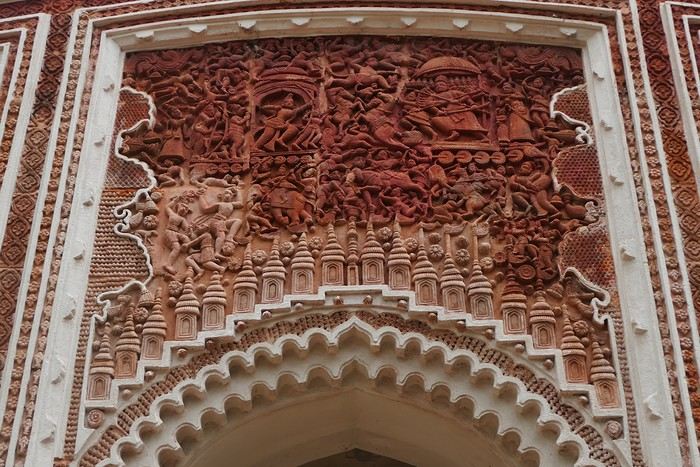
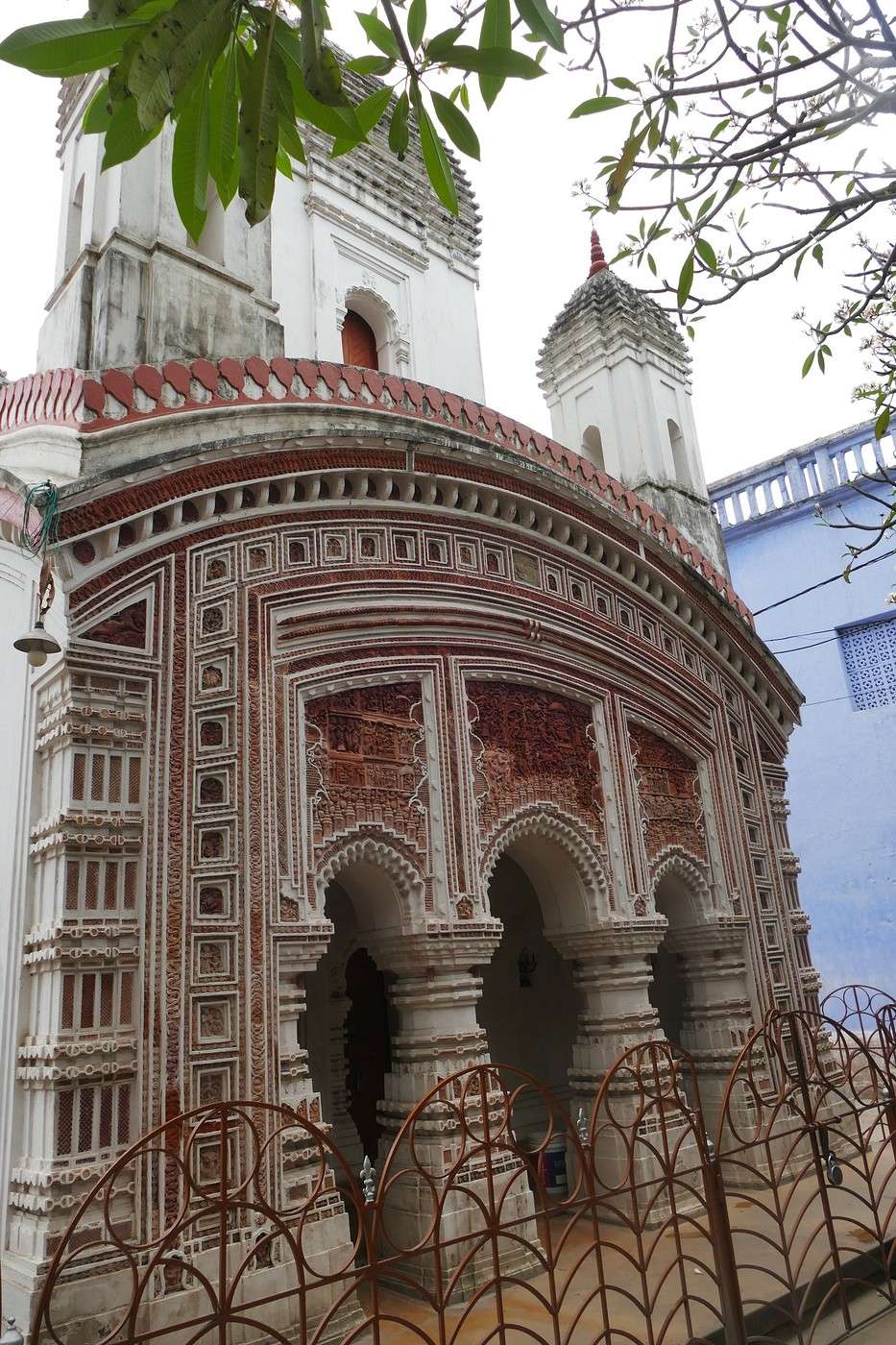
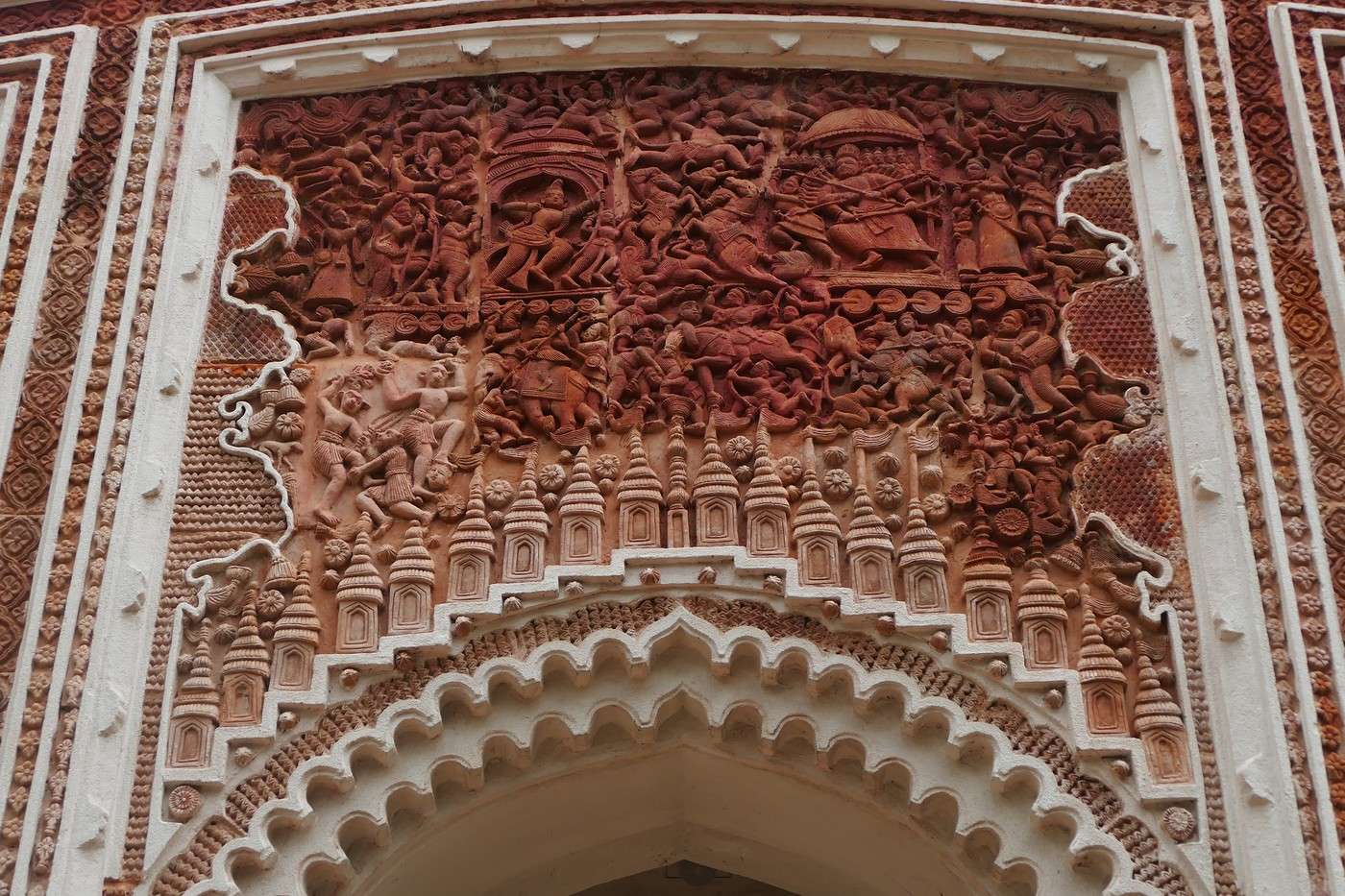
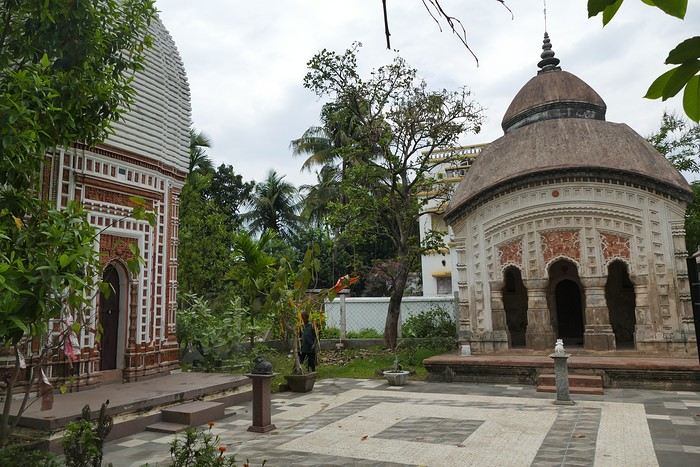
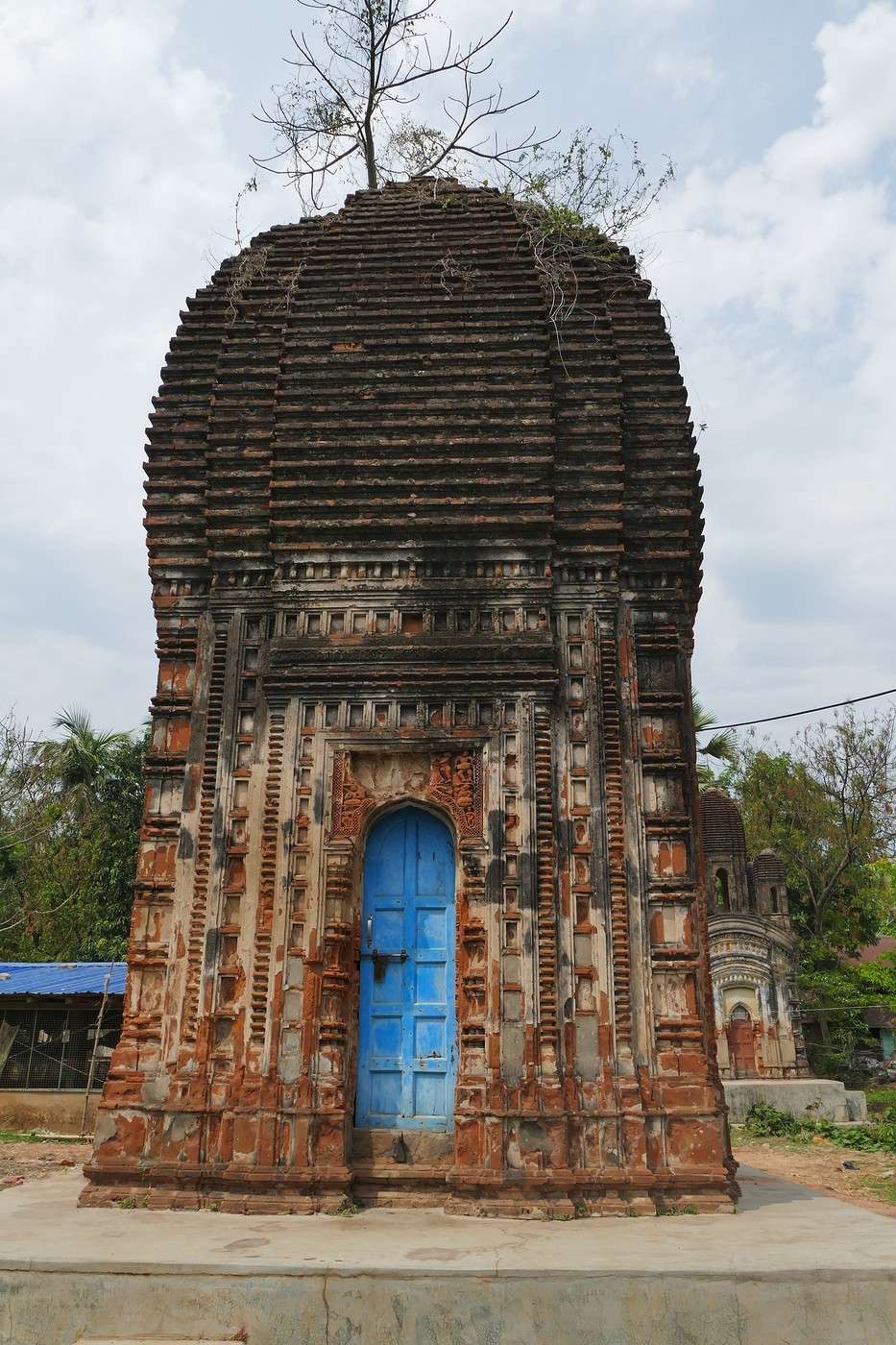
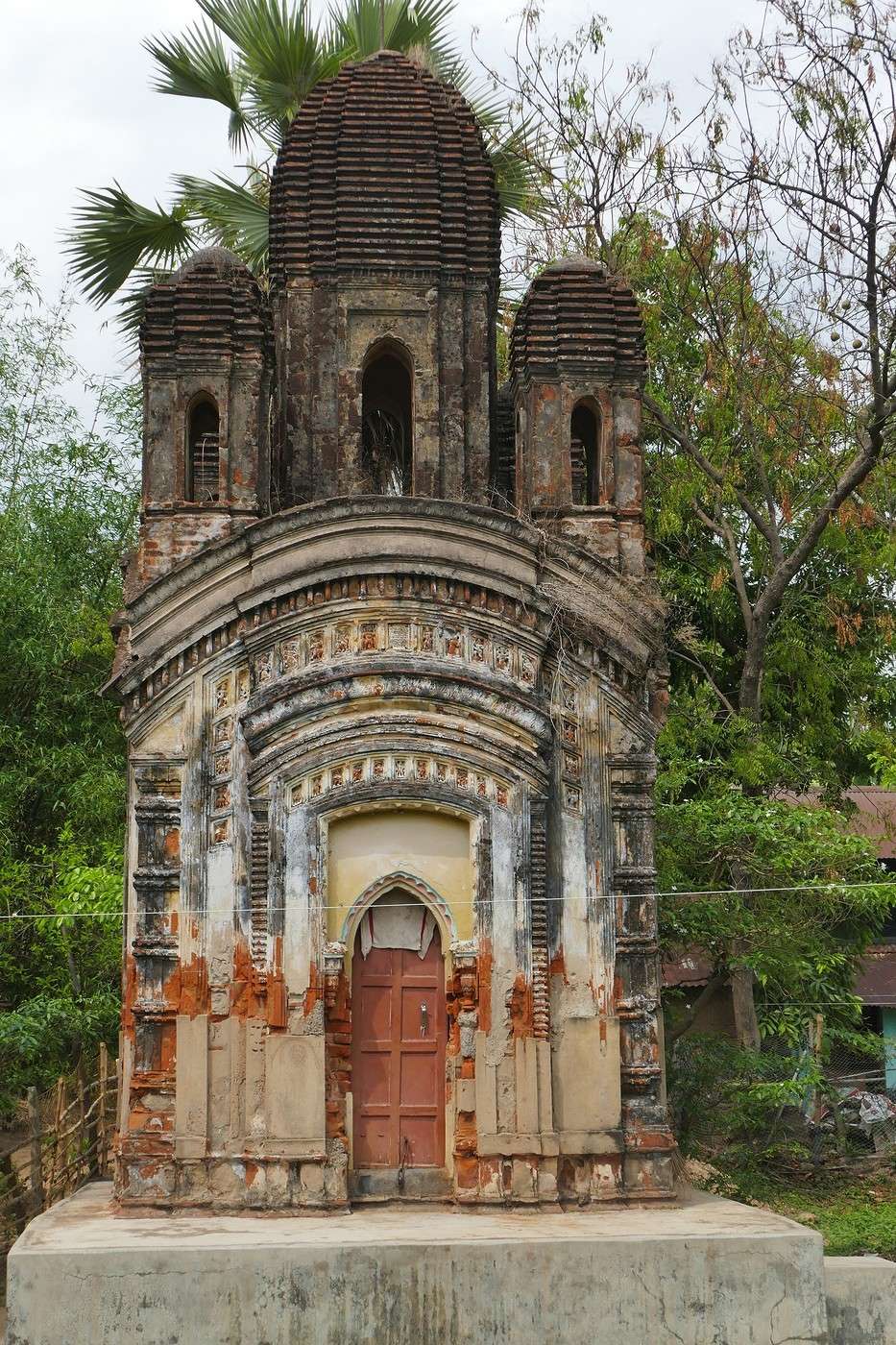
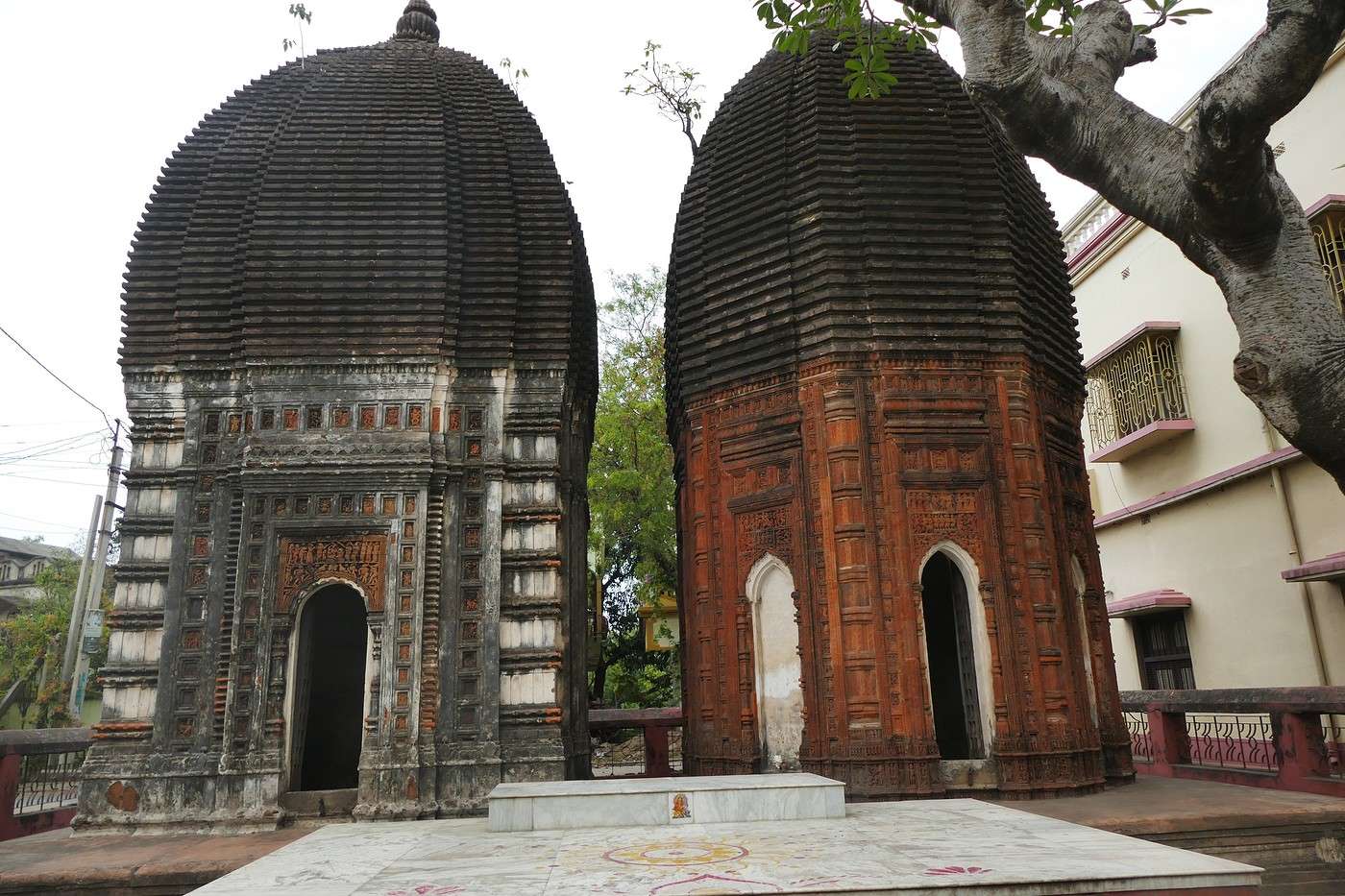
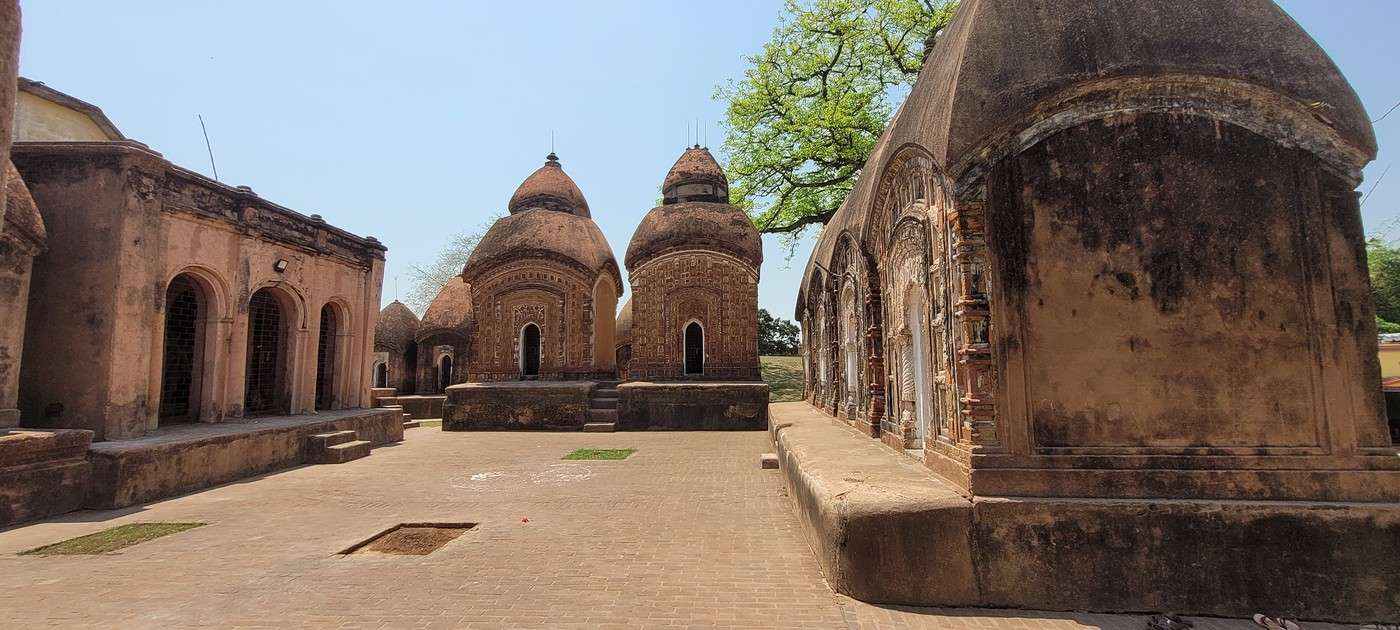
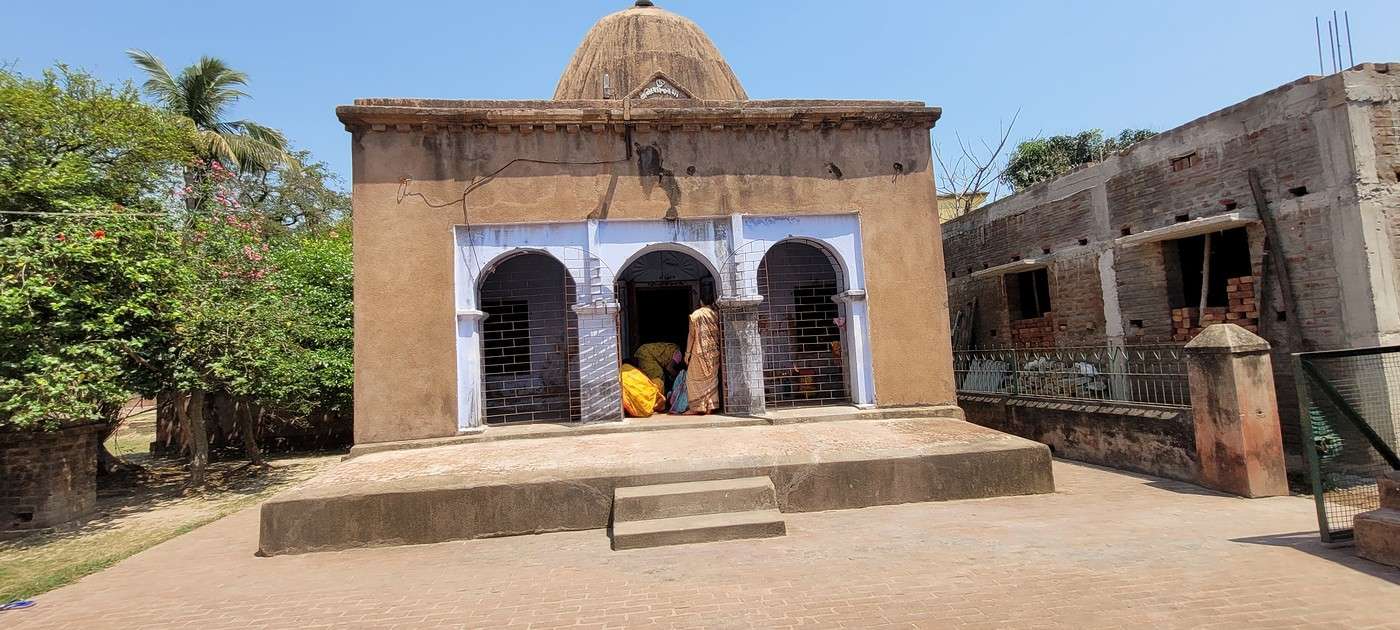
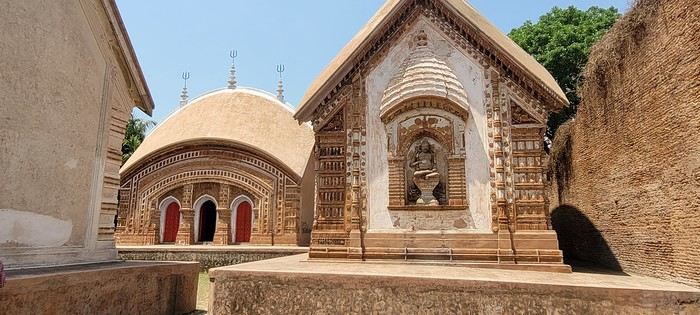
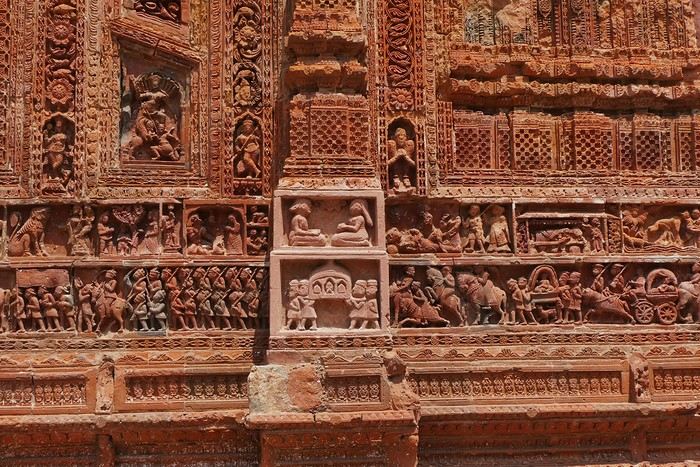
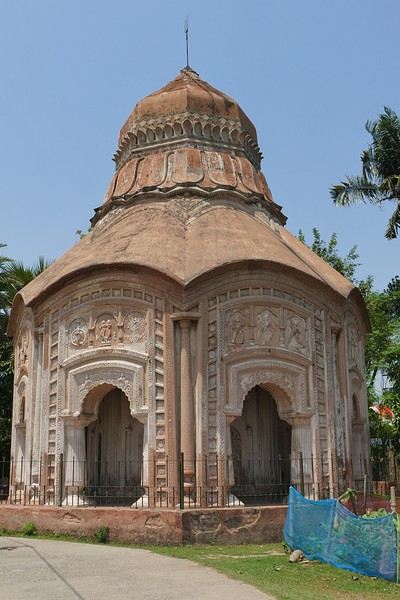
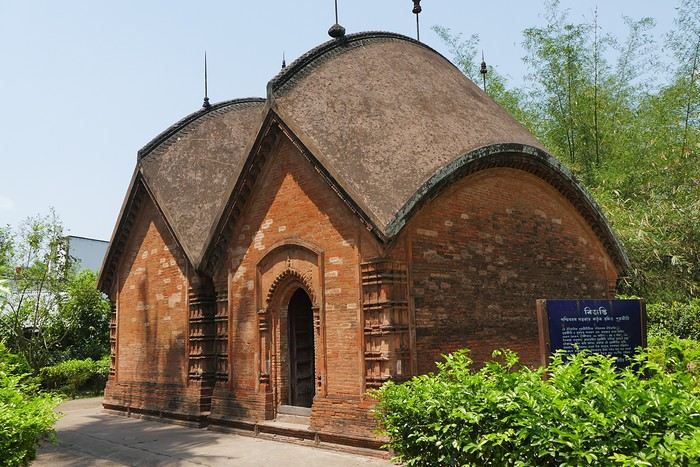
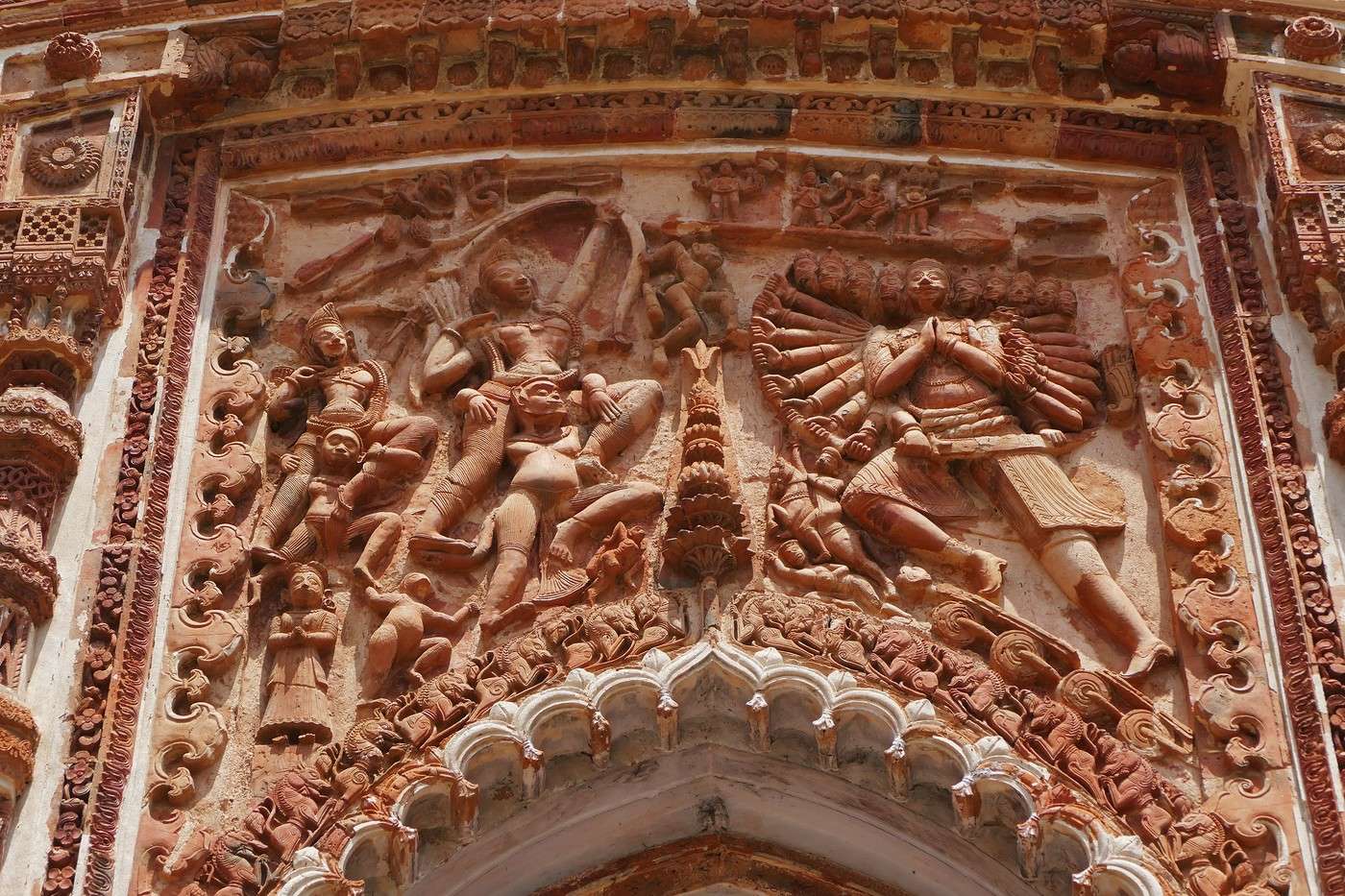
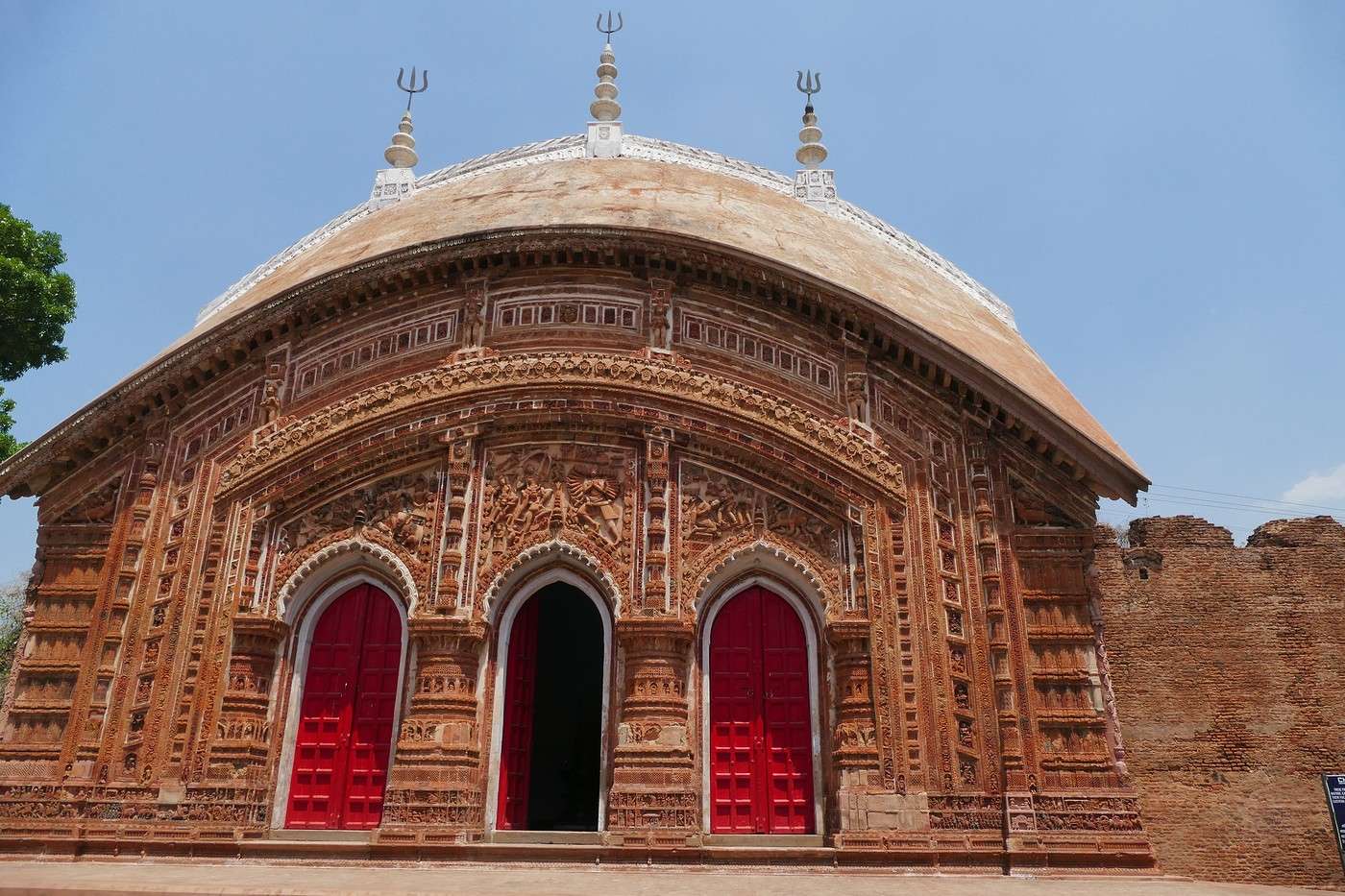
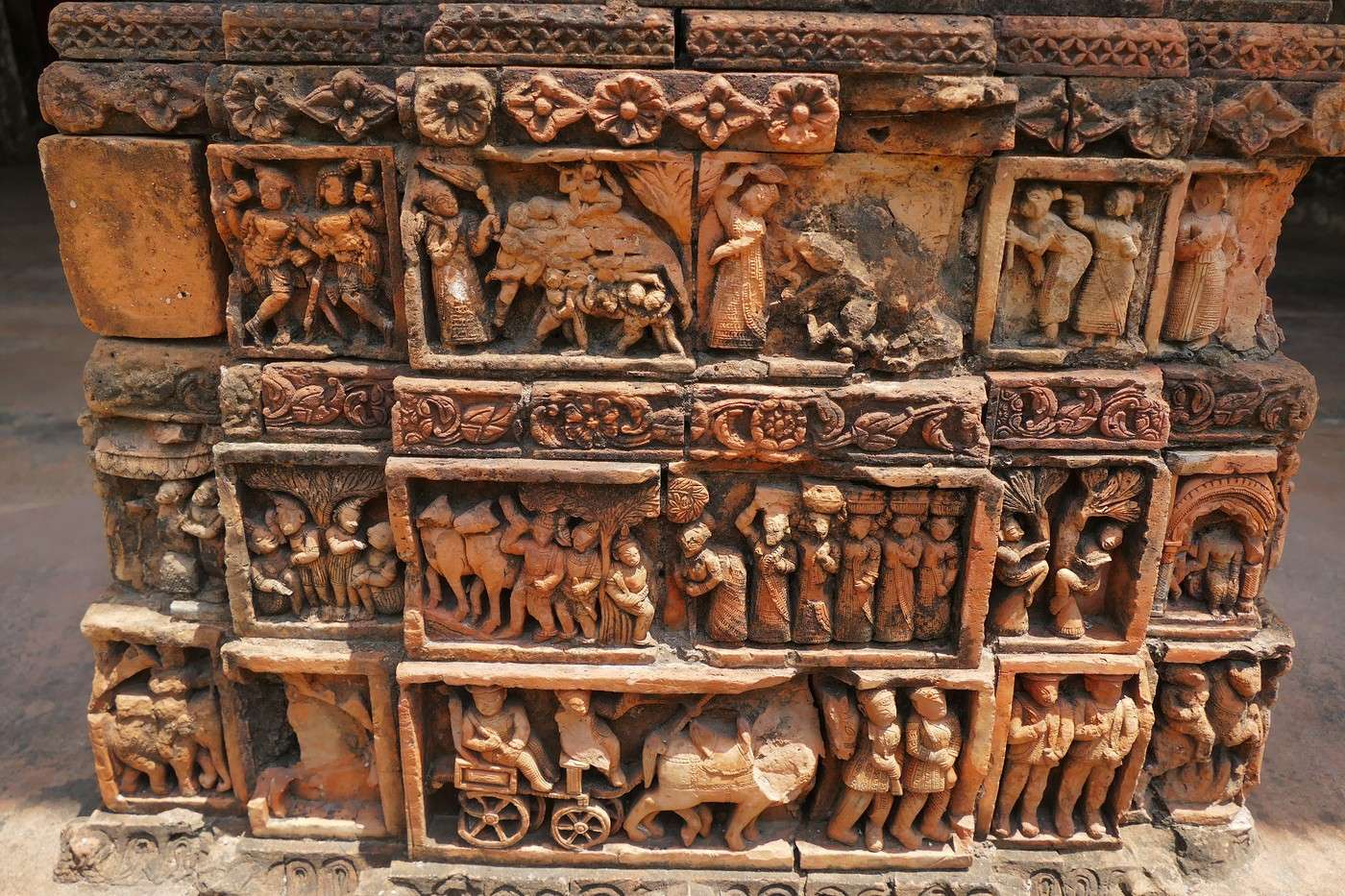
Outside the Rajbari, there were two temples. The Lakshmi Janarshan temple, with its five spires, immediately caught the eye. Its terracotta ornaments depicted scenes from the Ramayana. It had recently been restored by Muslim artists from Murshidabad, a beautiful example of artistic collaboration beyond religious traditions.
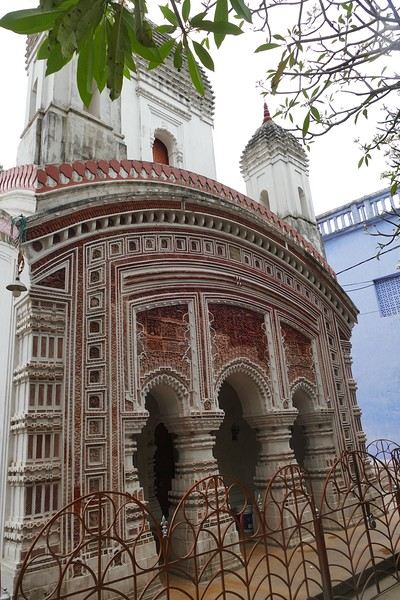
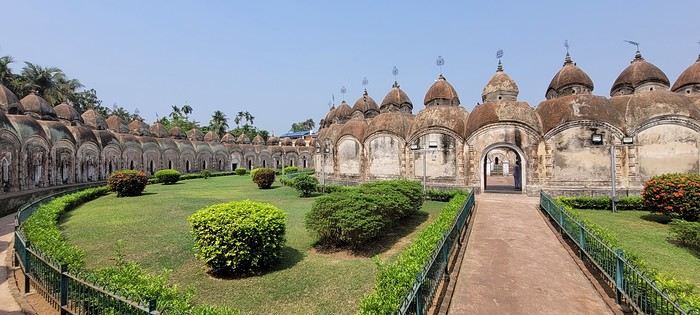
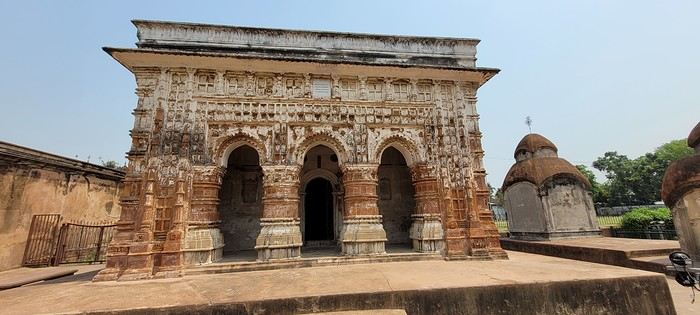
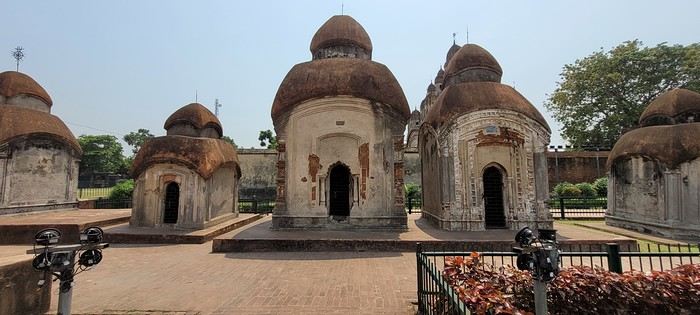
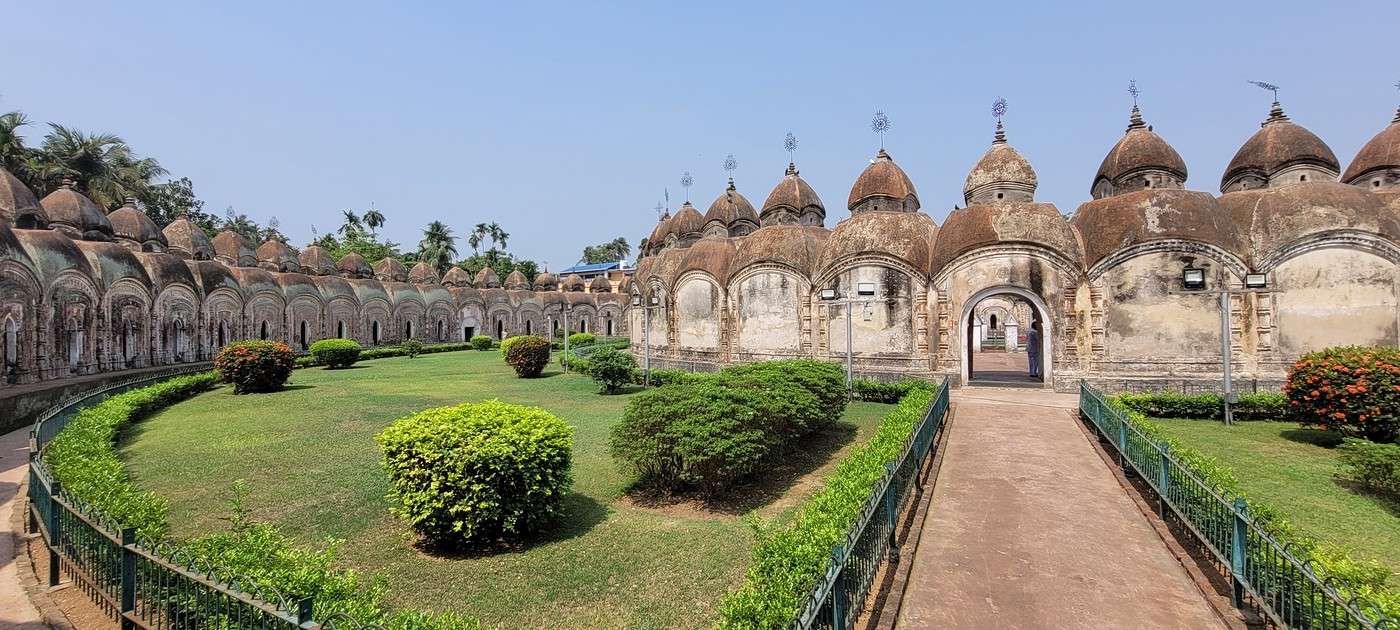
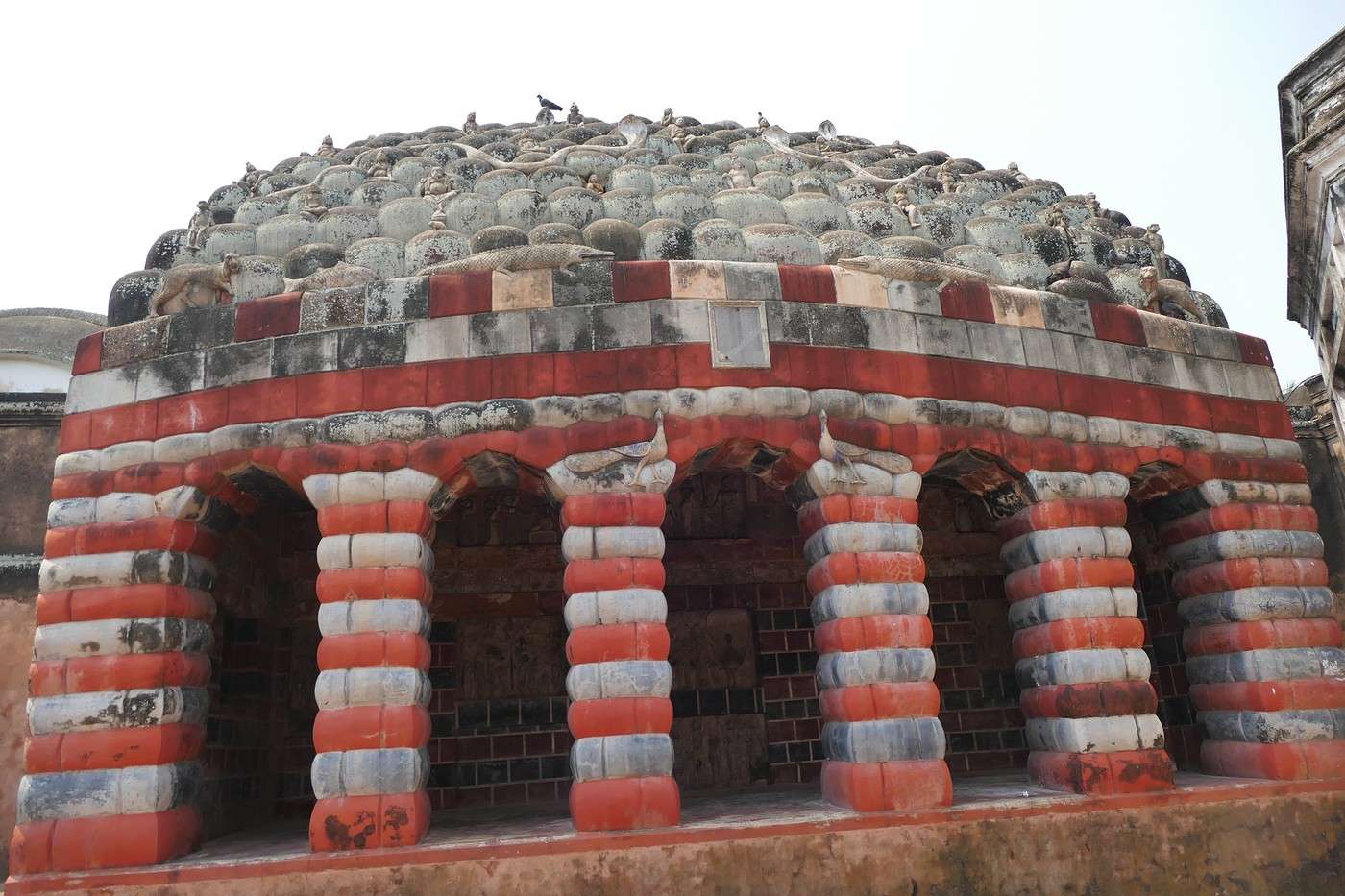
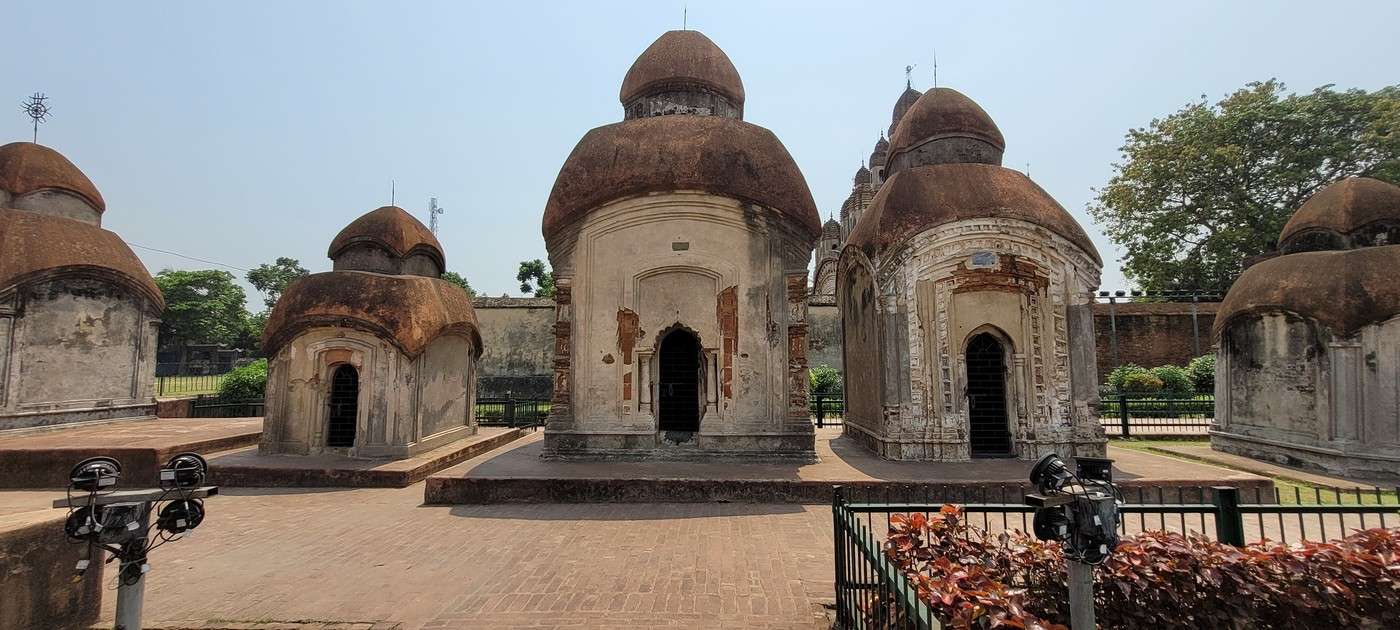
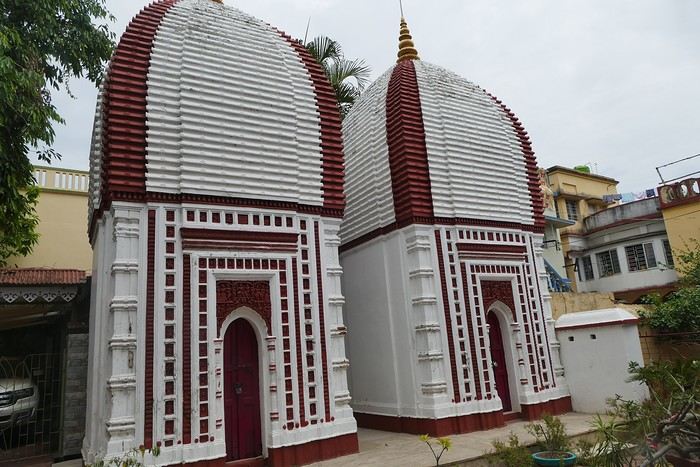
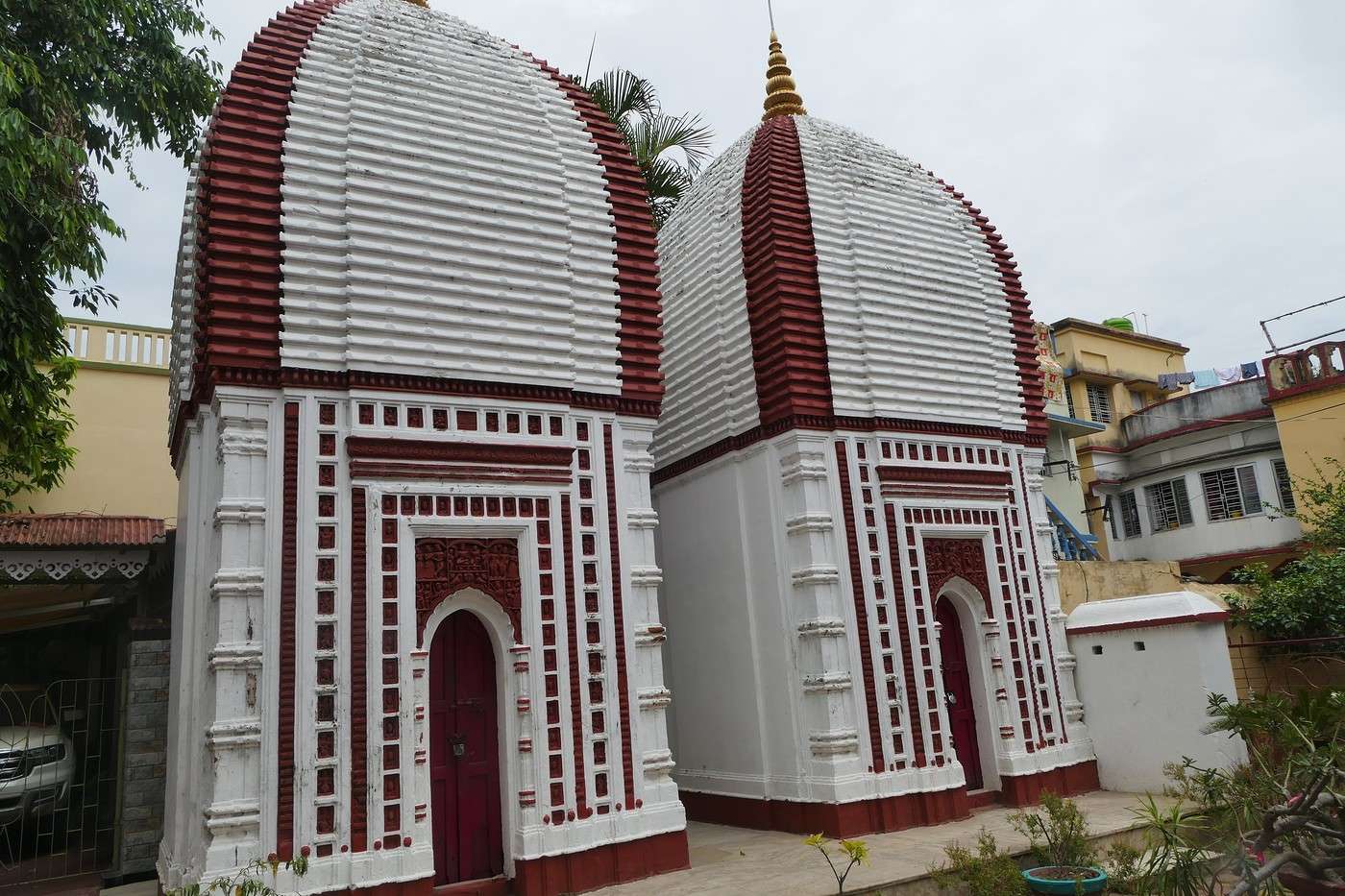
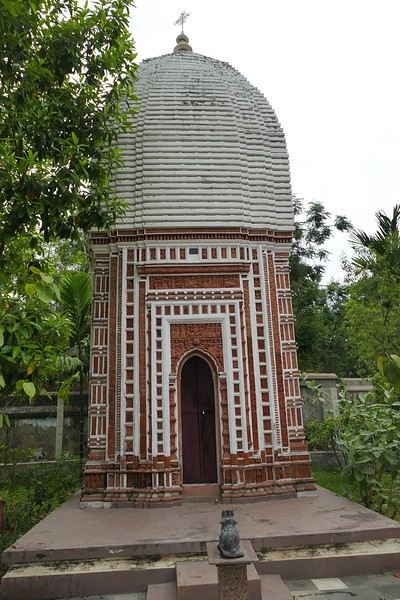
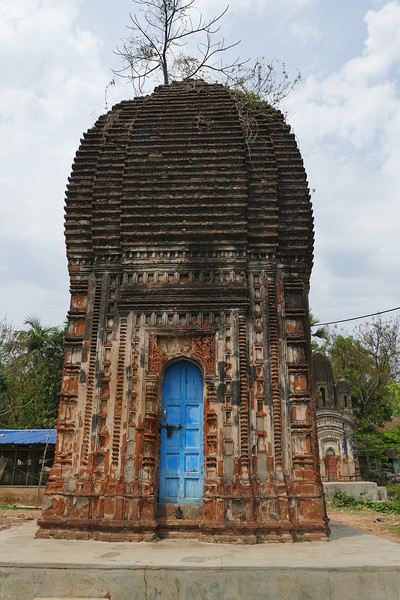
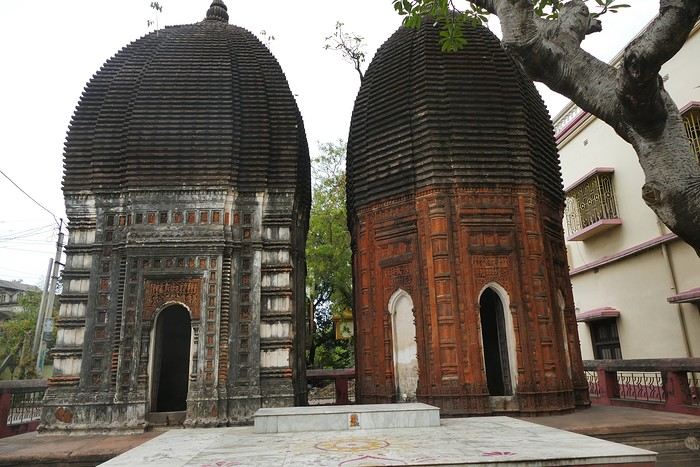
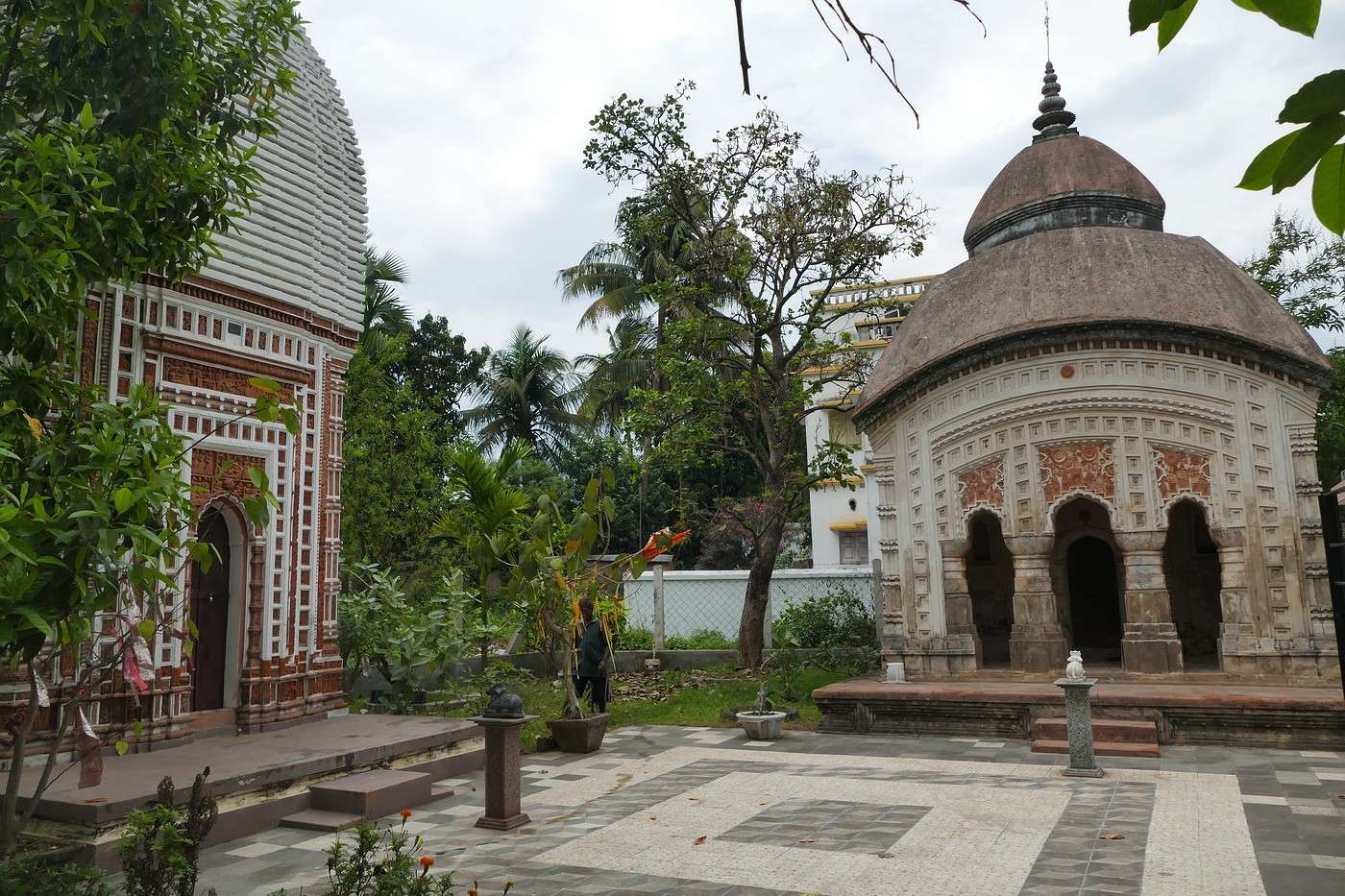
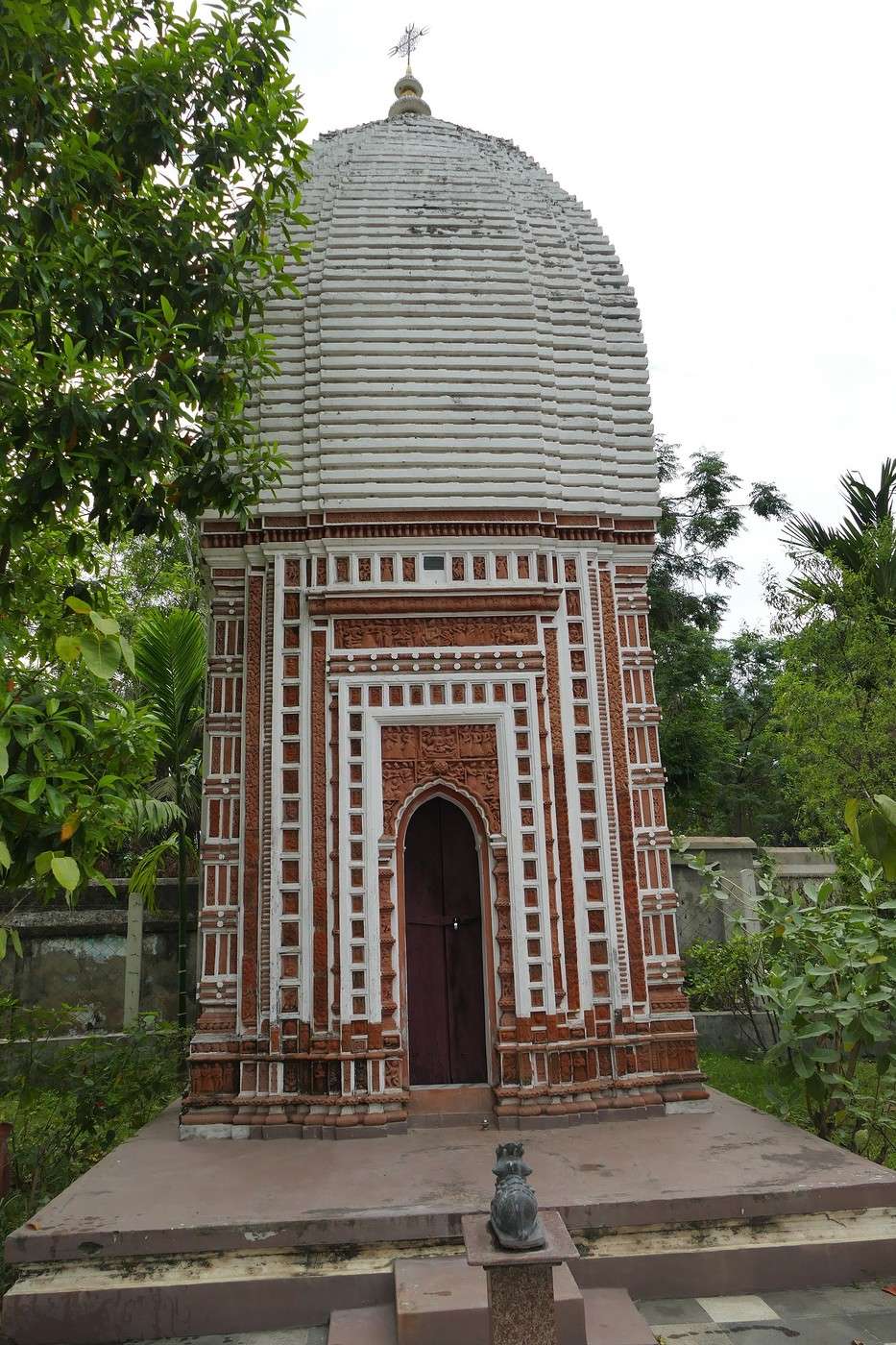
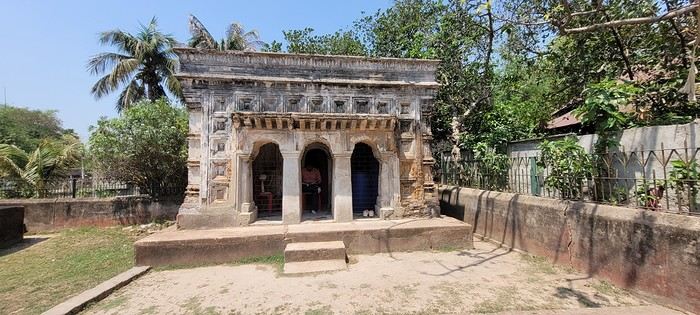
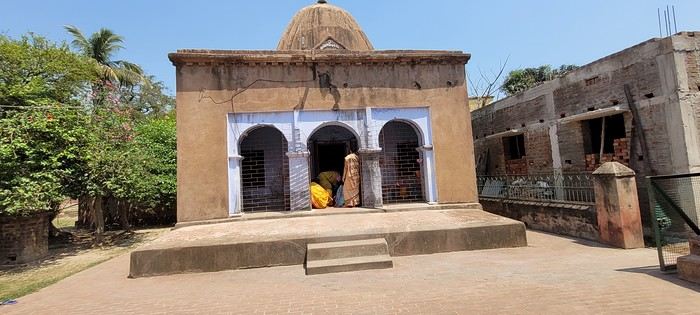
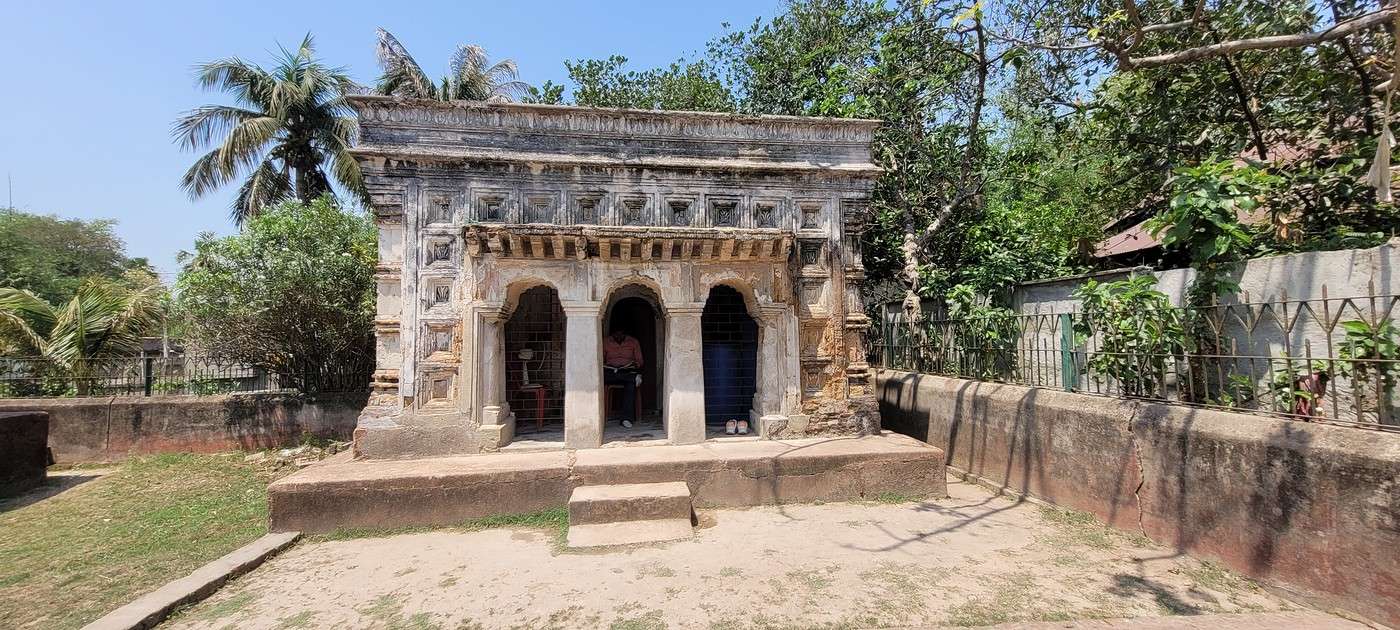
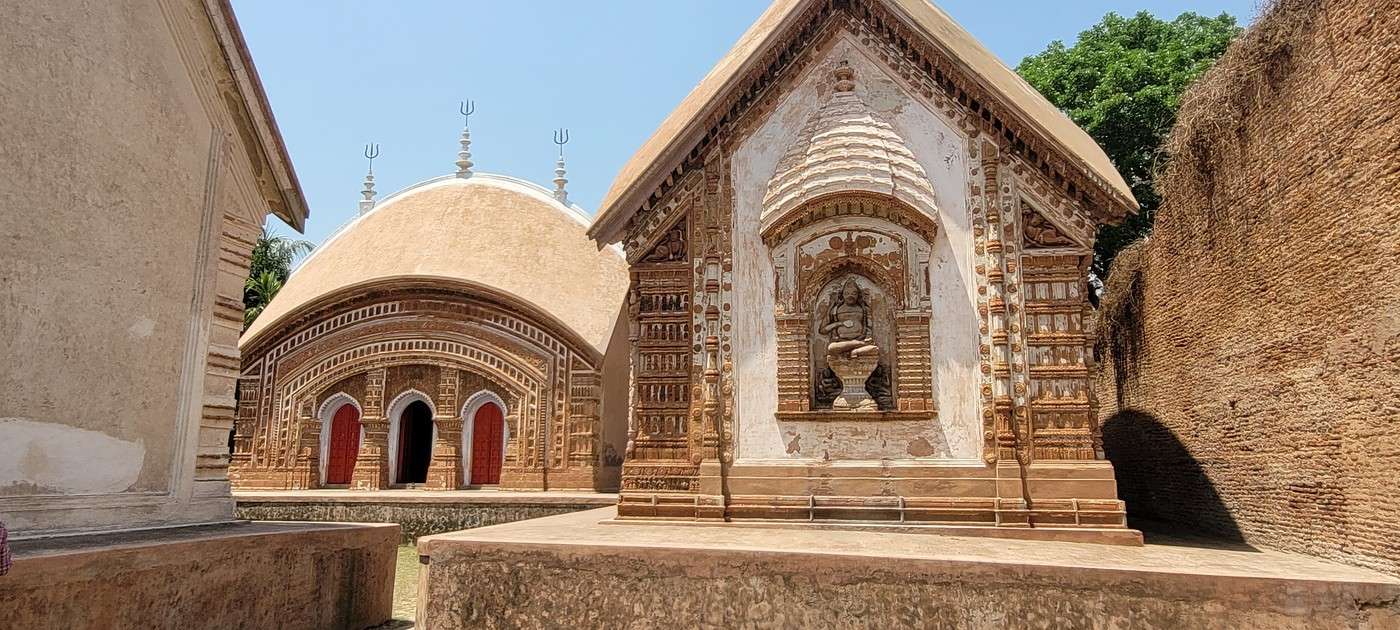
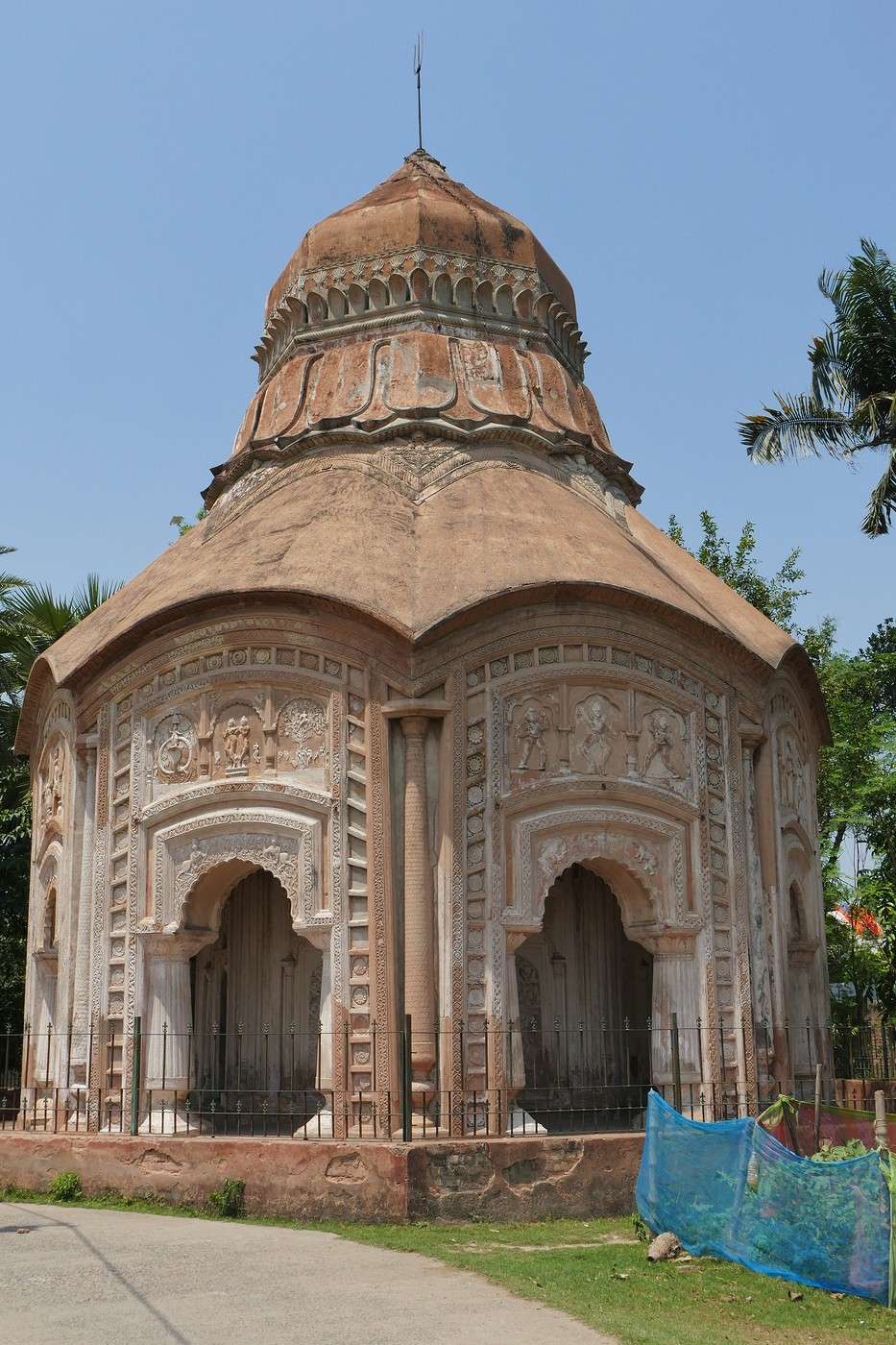
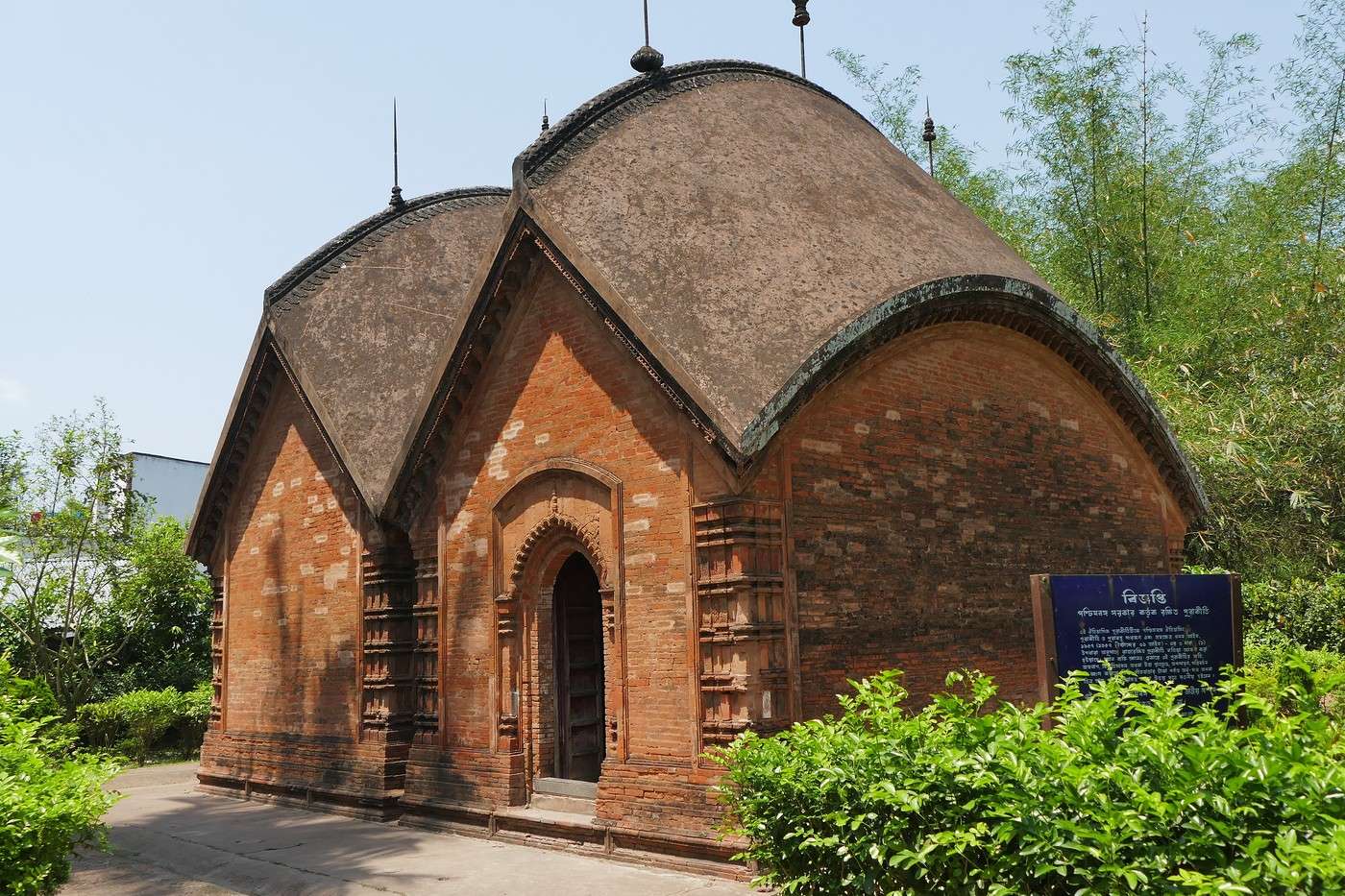
Nearby were the Shiva temples of Jora.
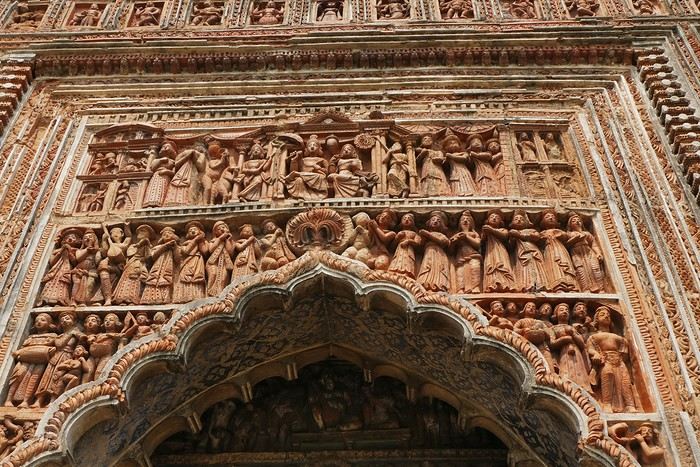
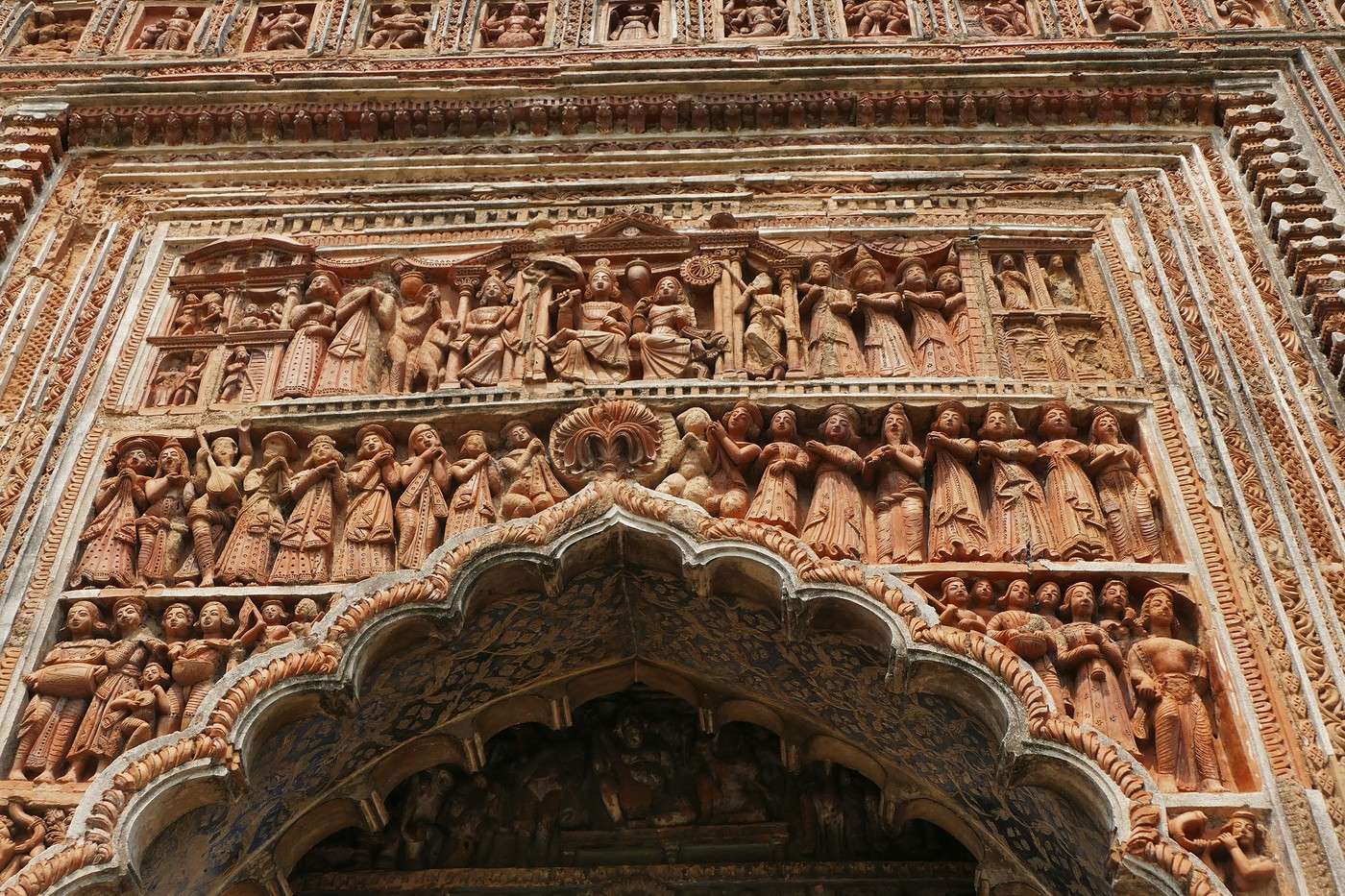
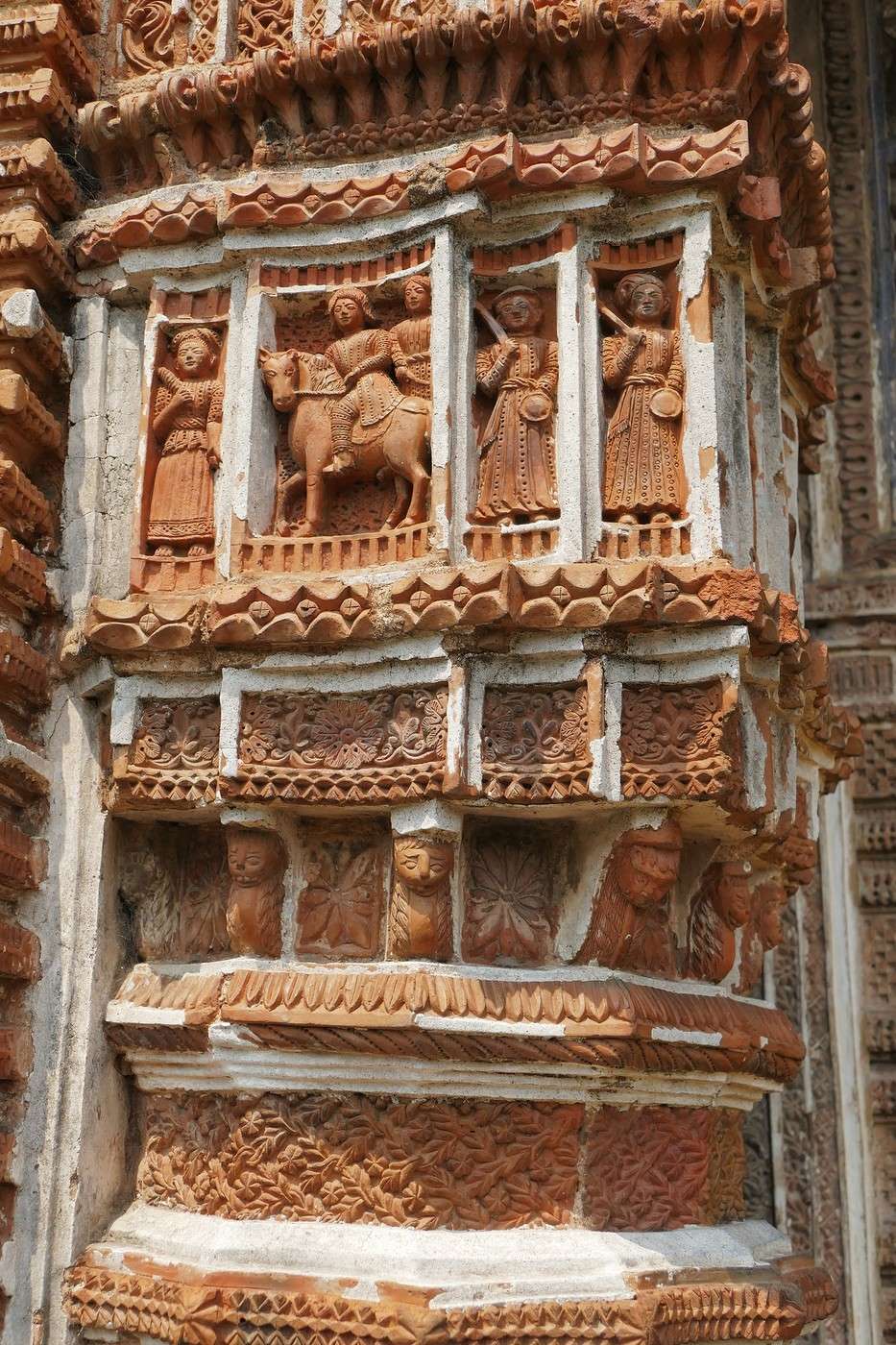
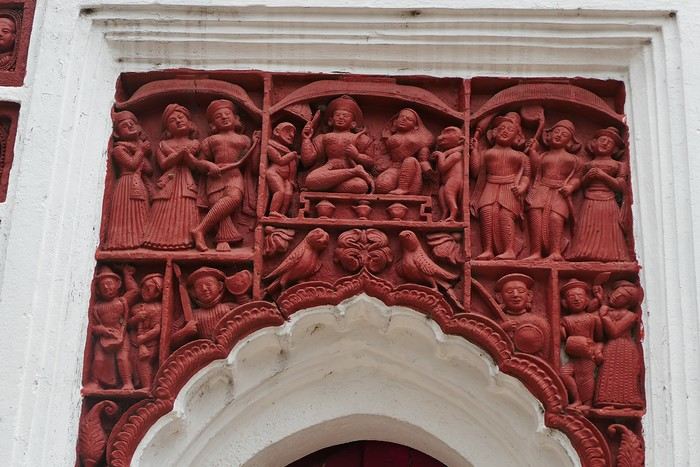
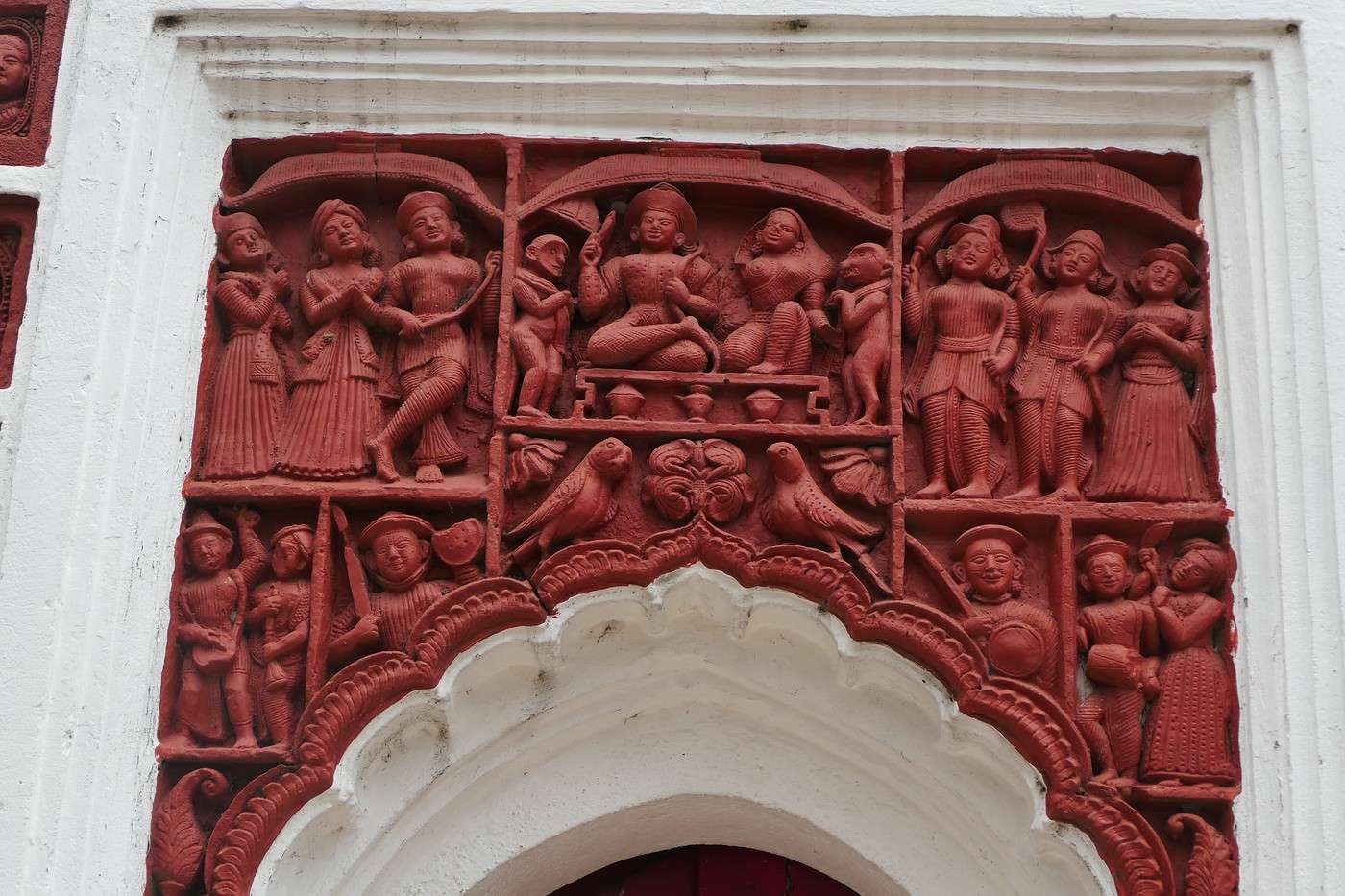
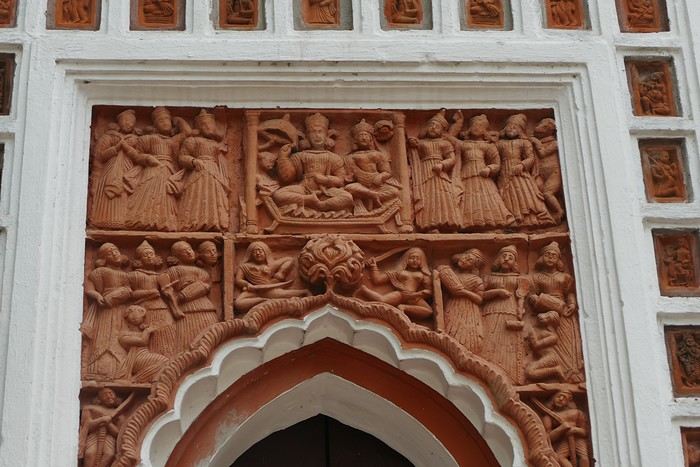
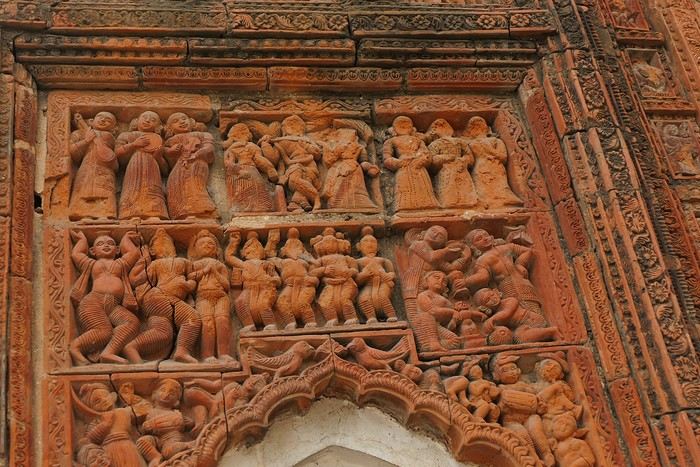
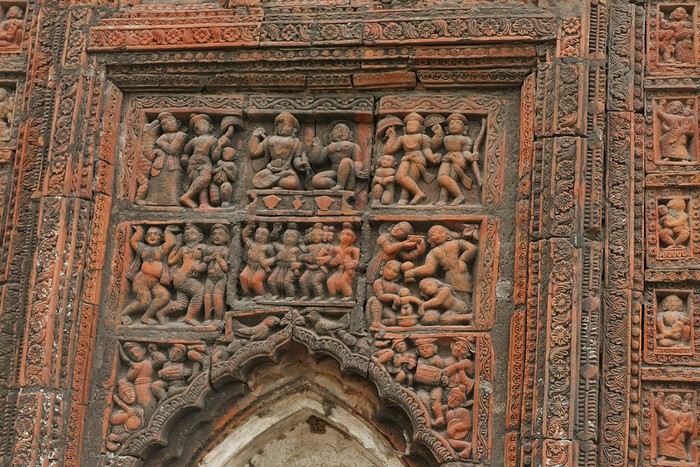
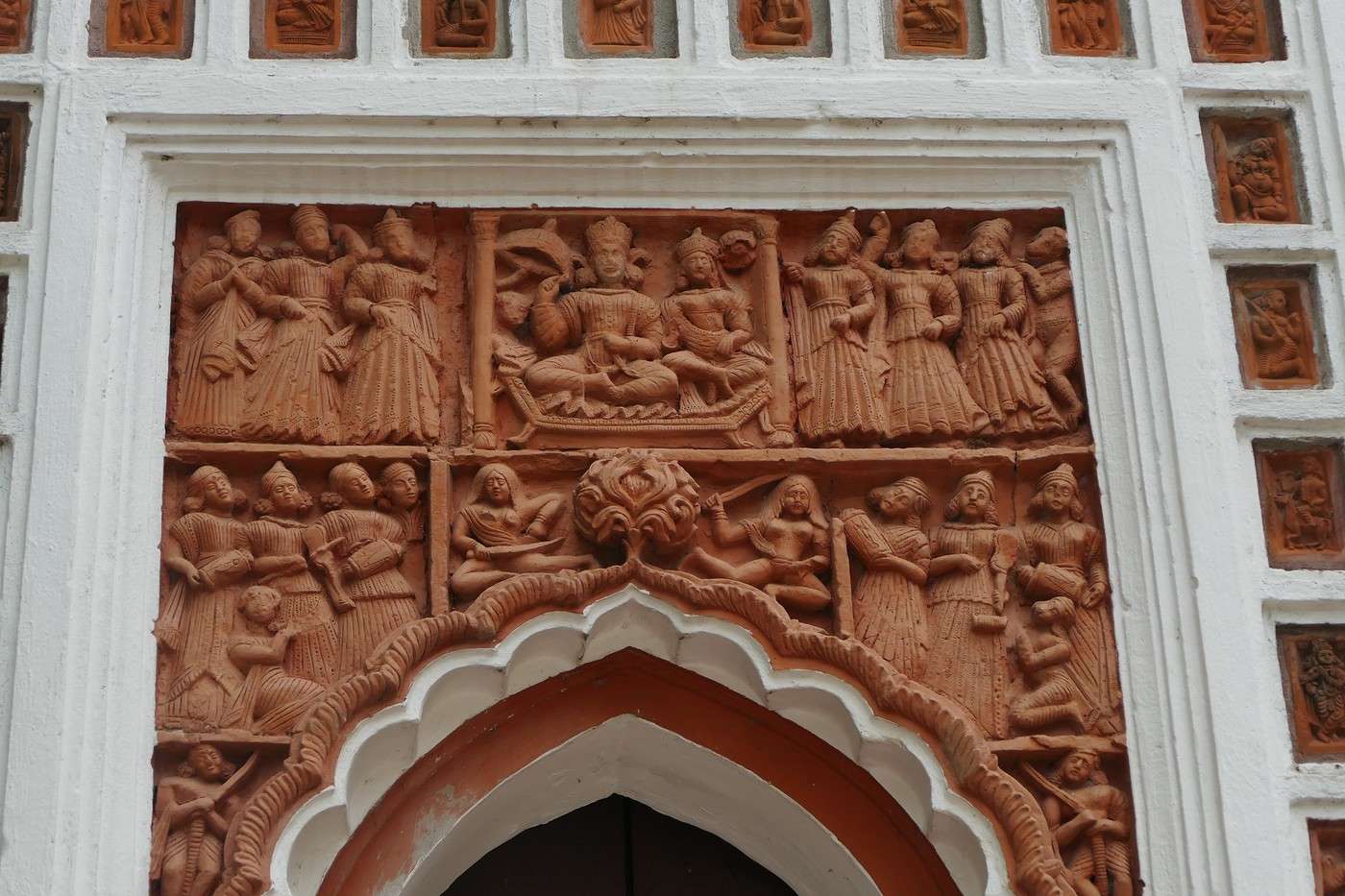
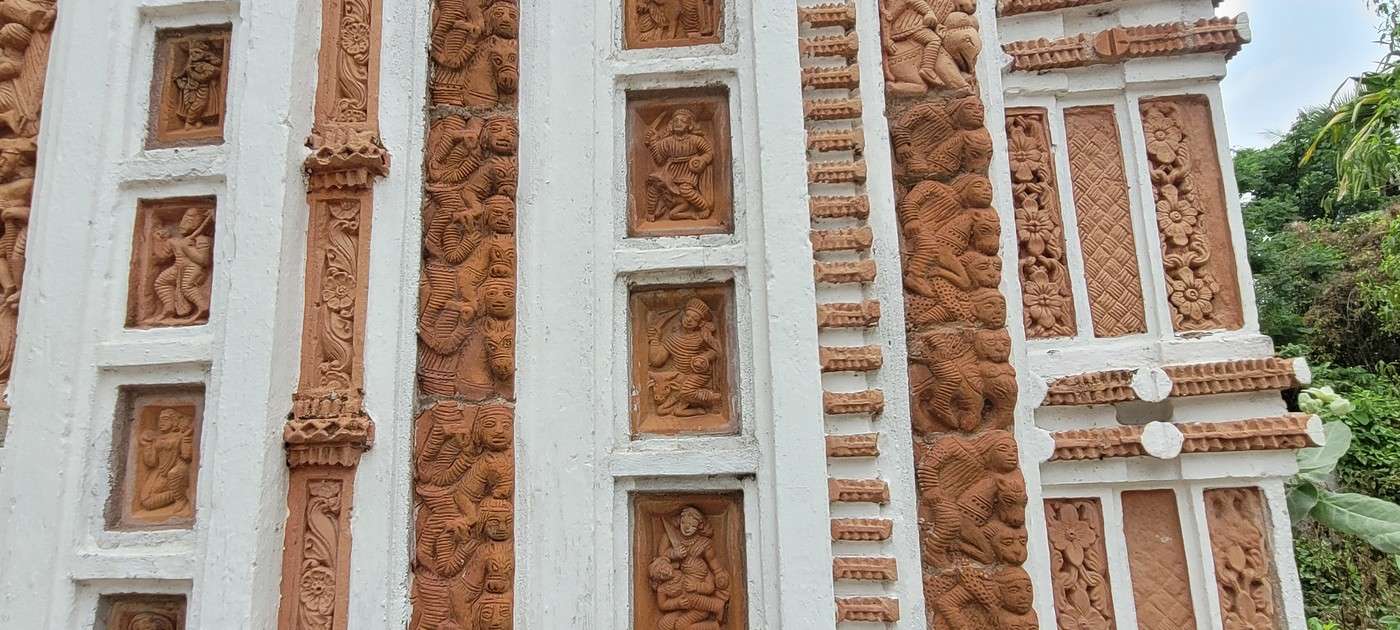
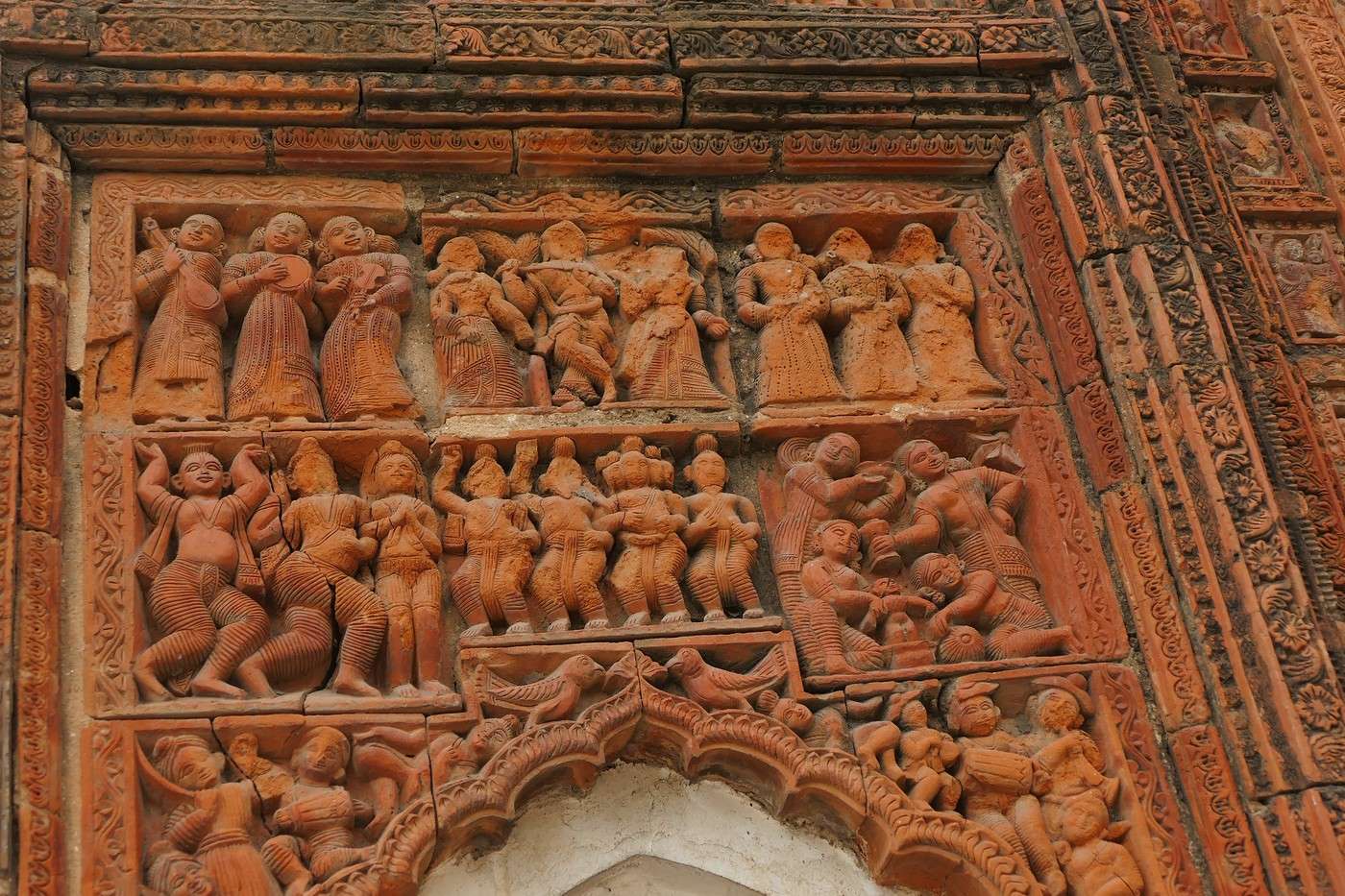
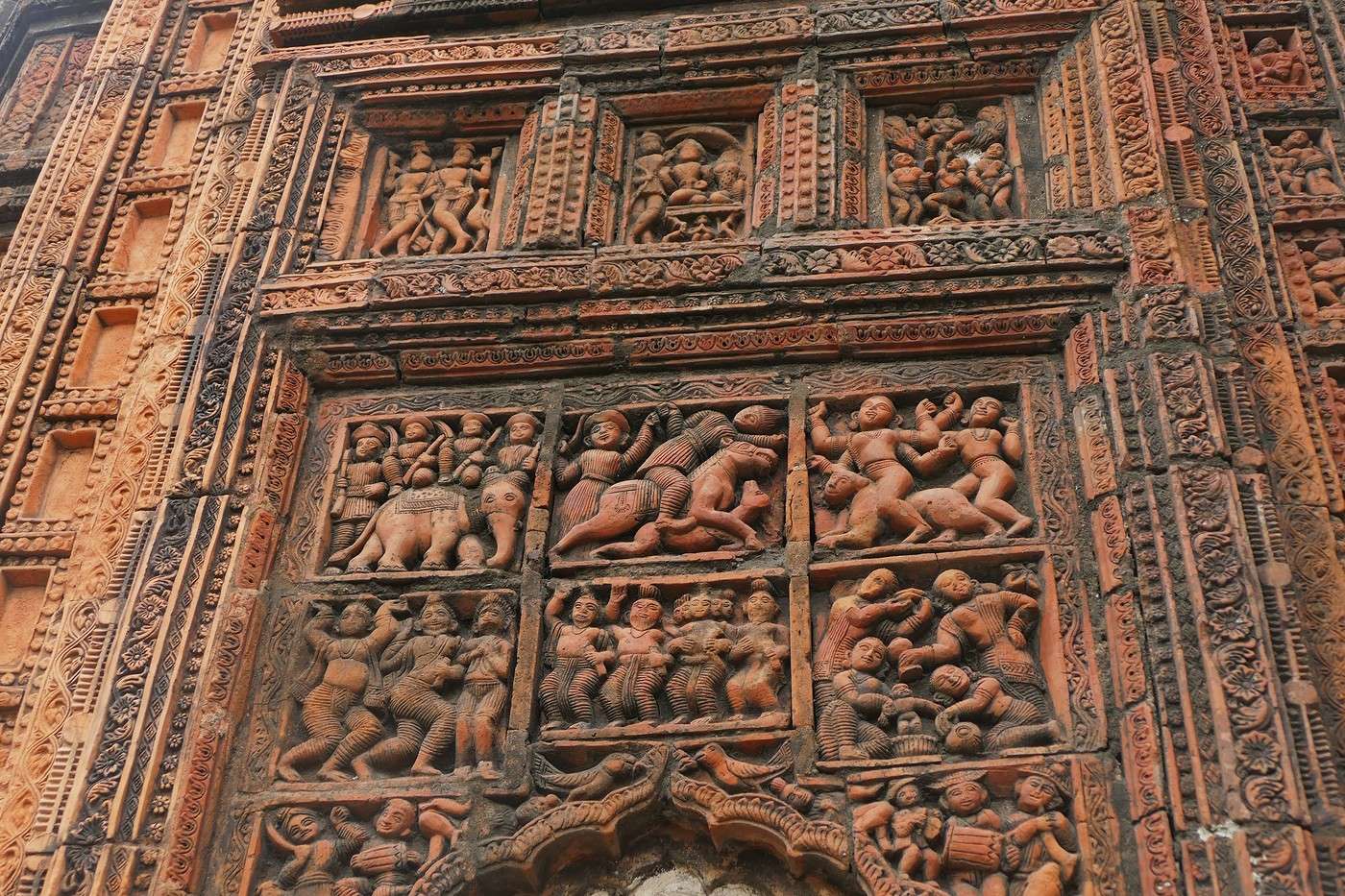
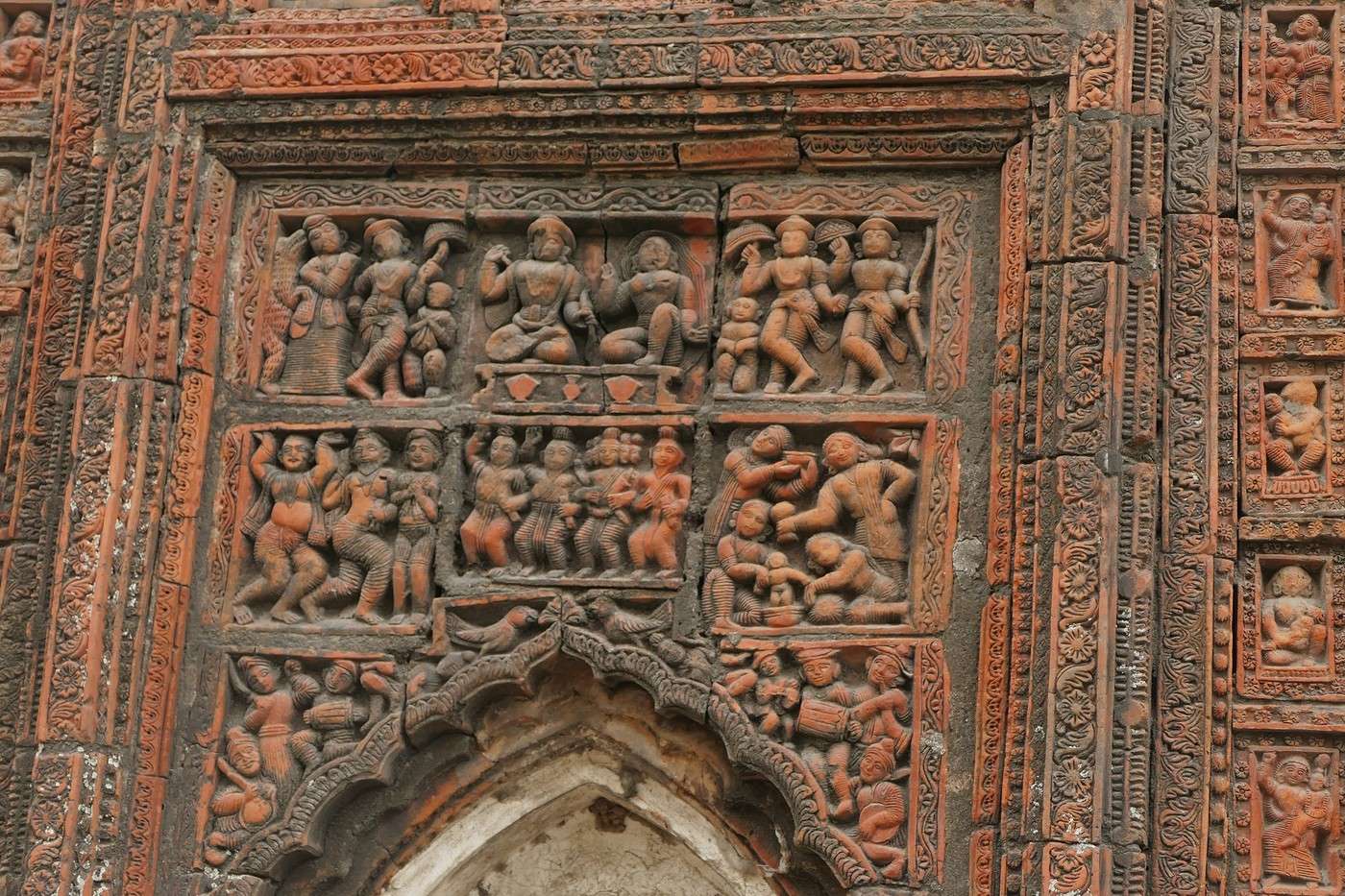
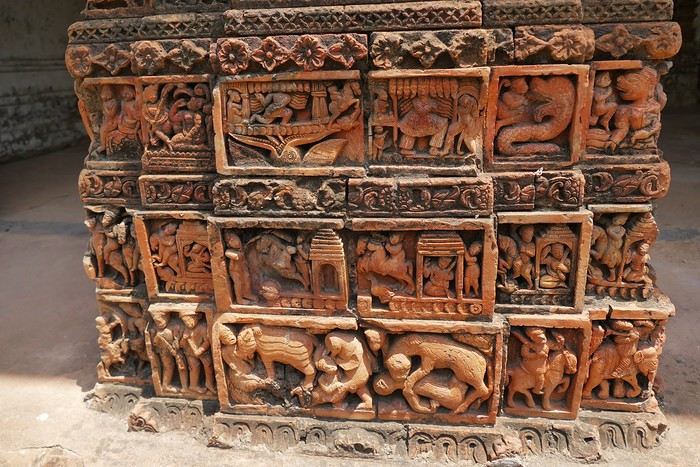
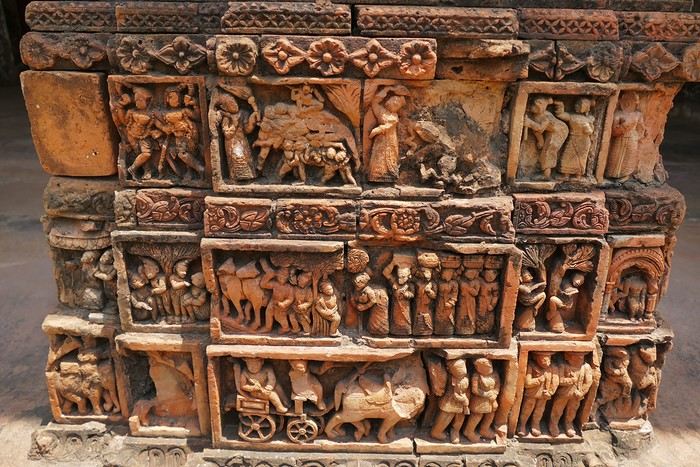
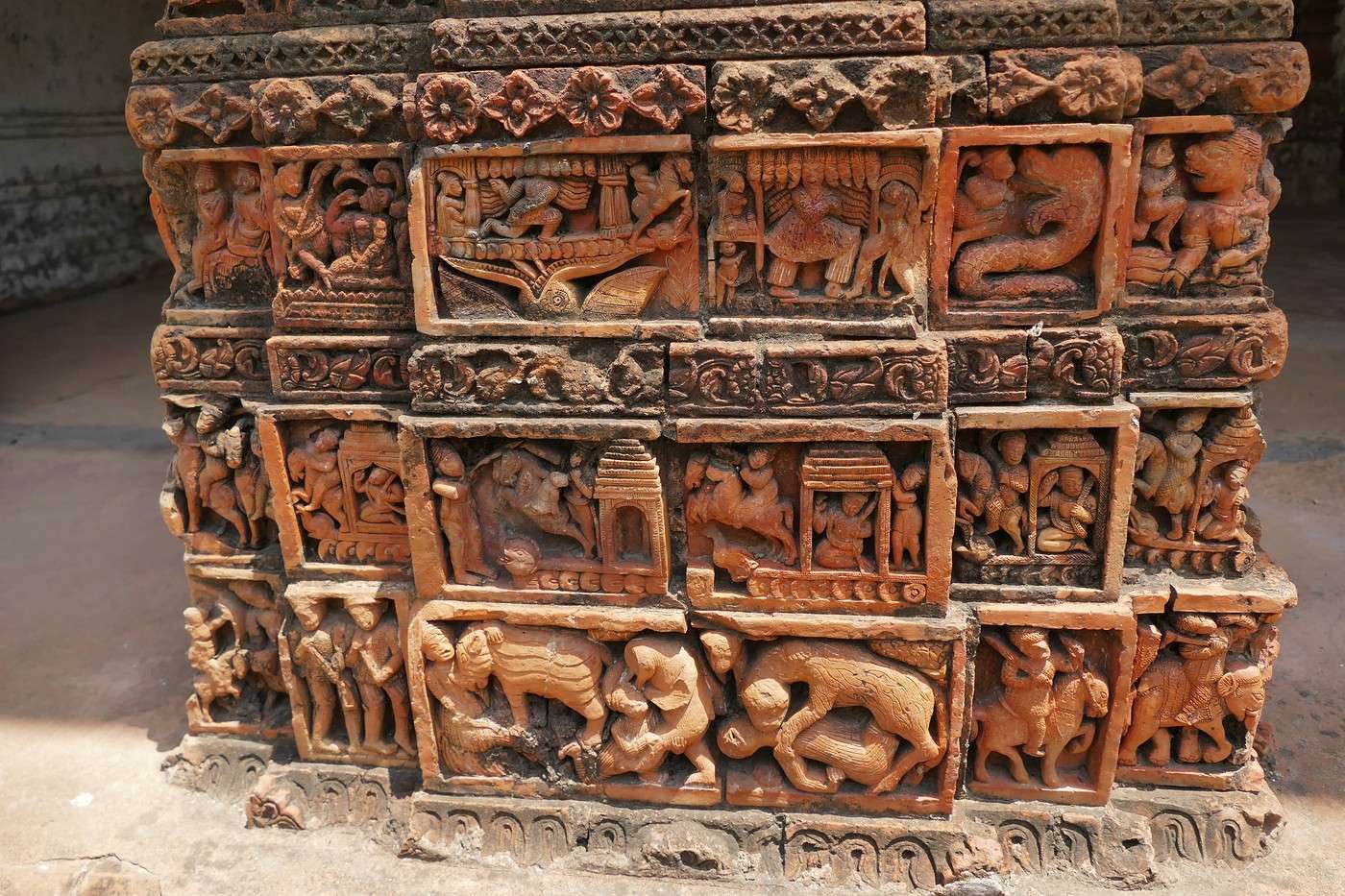
Above the arch, a terracotta panel caught my eye. The sculpted scenes unfolded like a living story: musicians, dancers, divine figures... In the center, two birds faced each other, framing a floral motif, a symbol of harmony. In these intricate reliefs, mythology and everyday life blended together, as if the sacred and the human world were one.
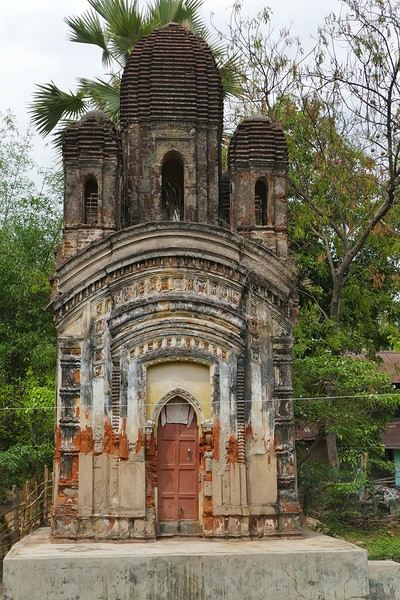
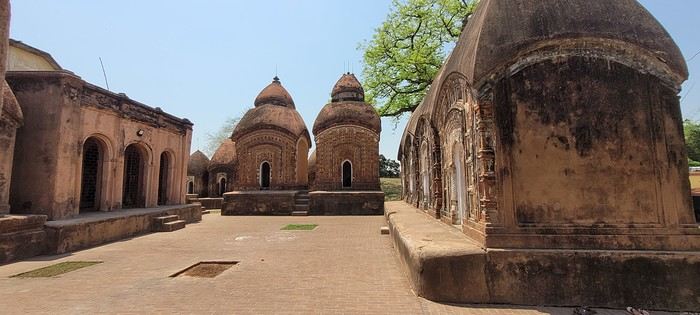
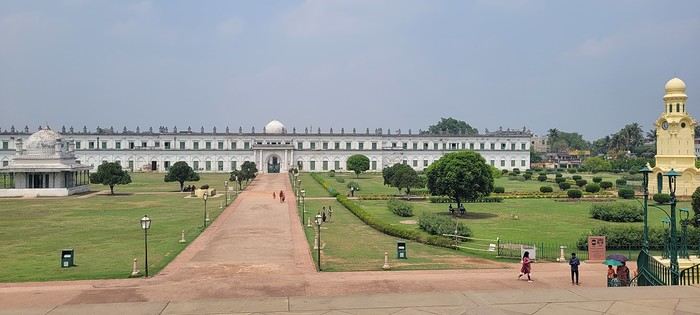
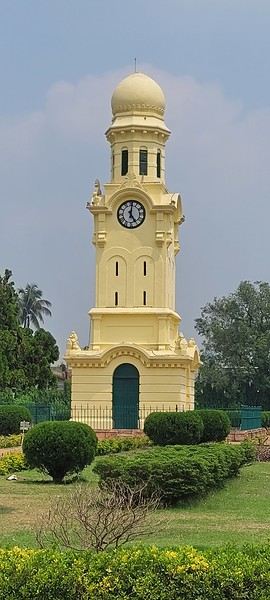
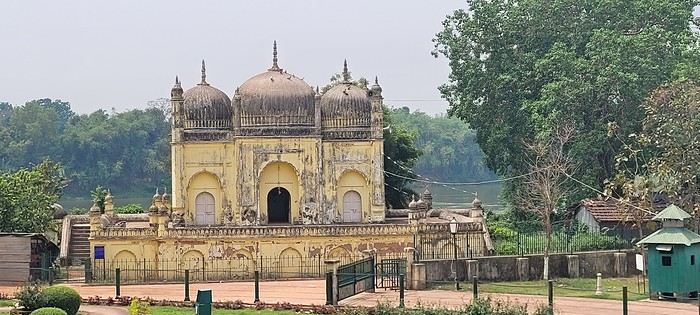
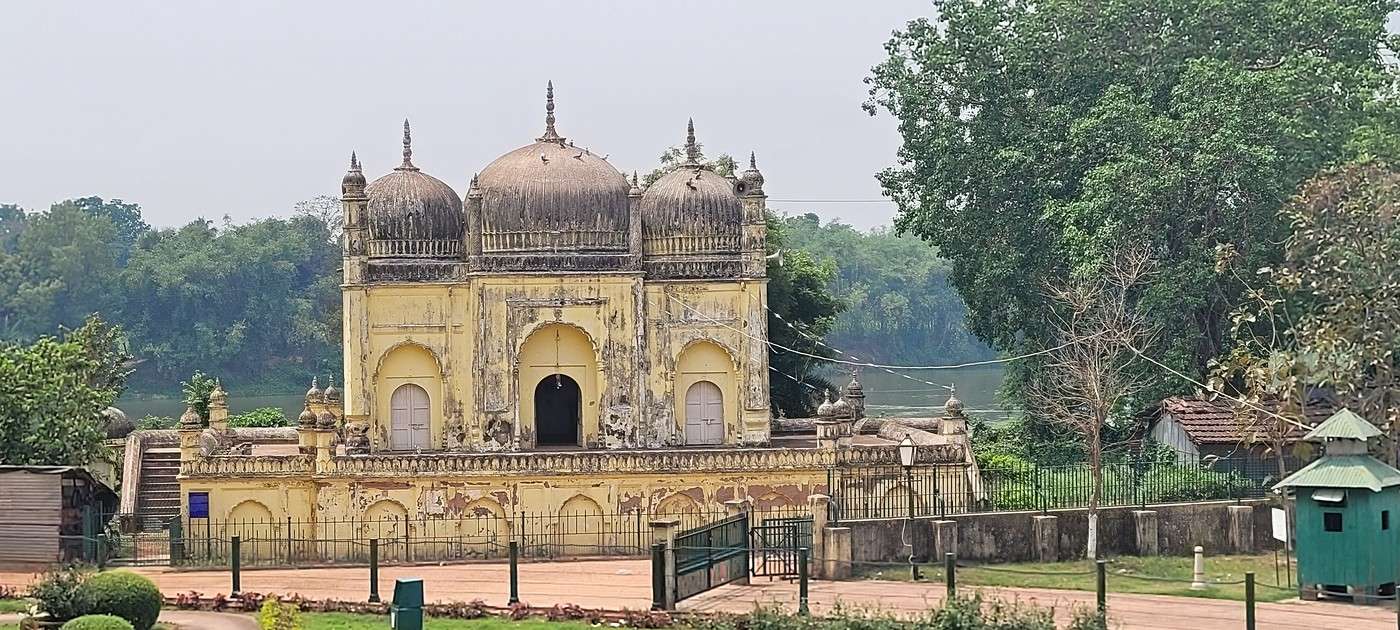
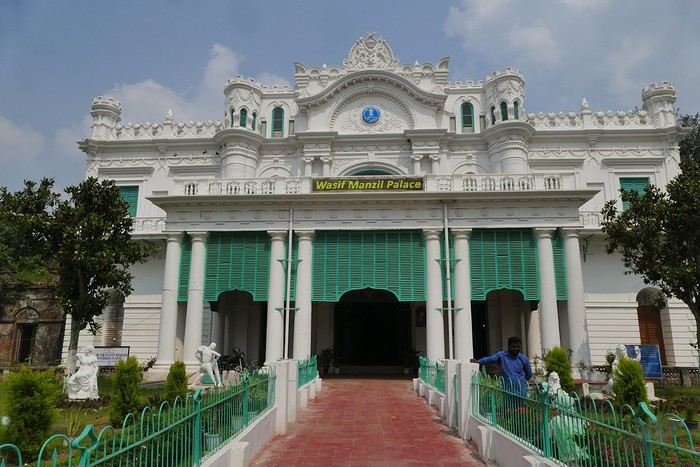
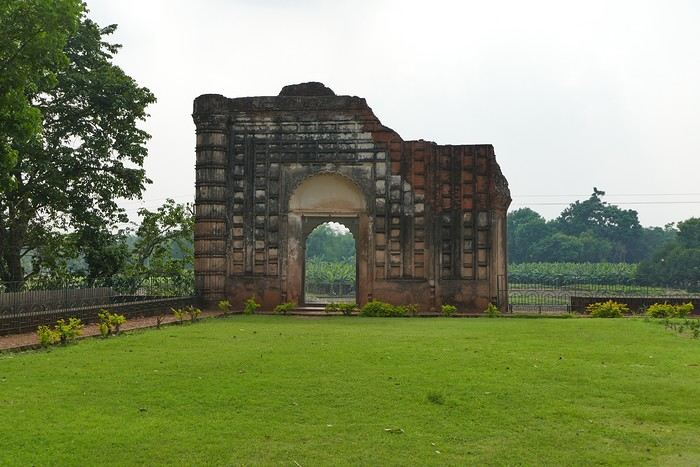
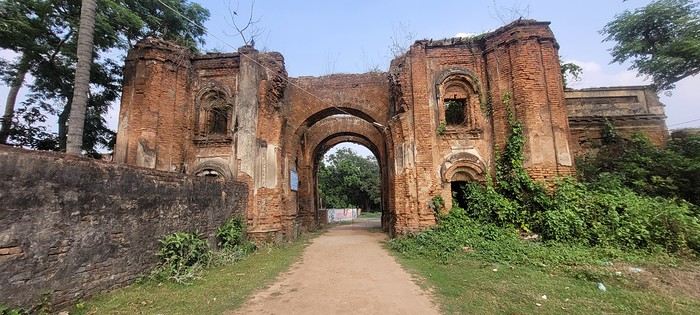
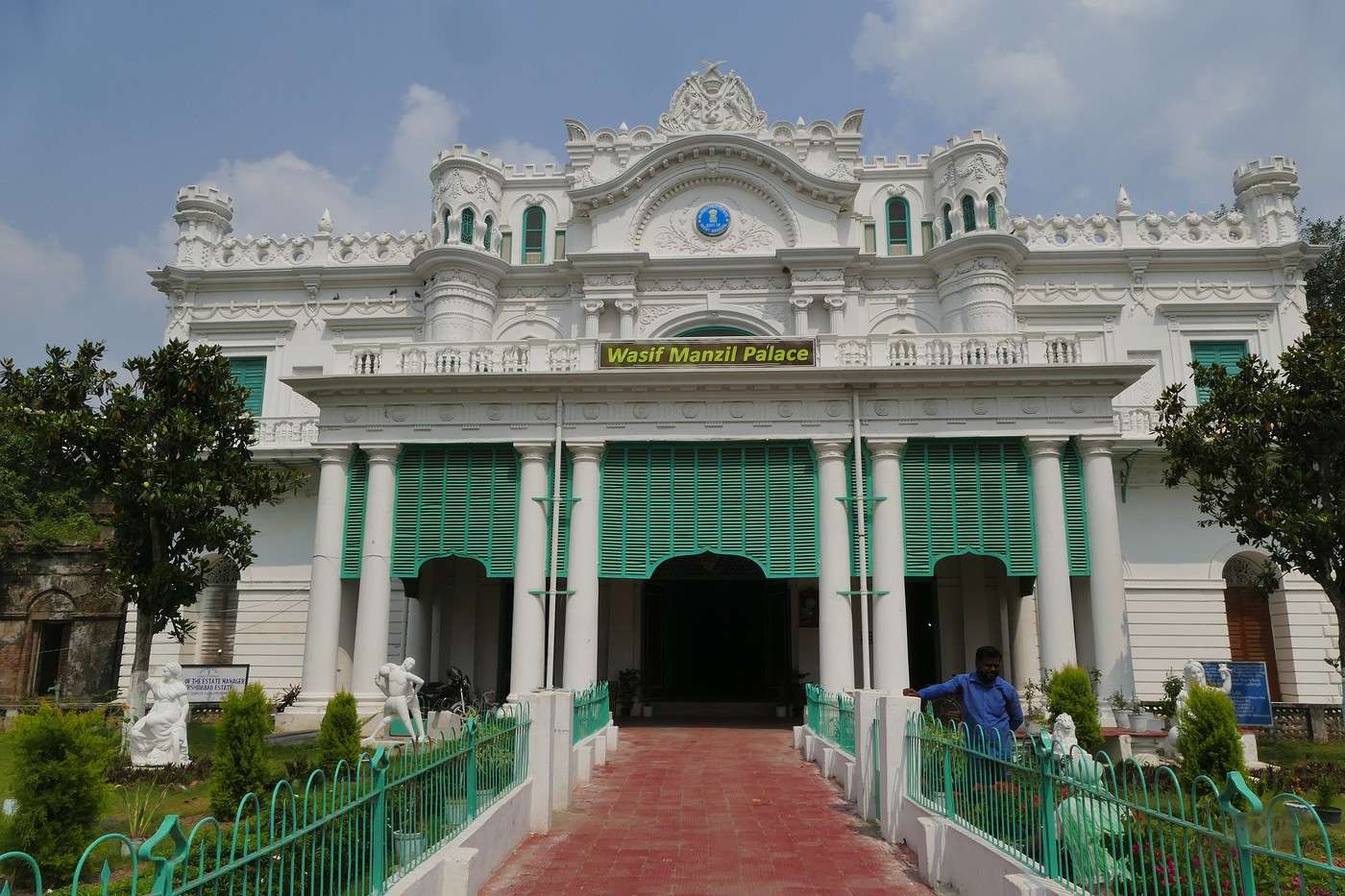
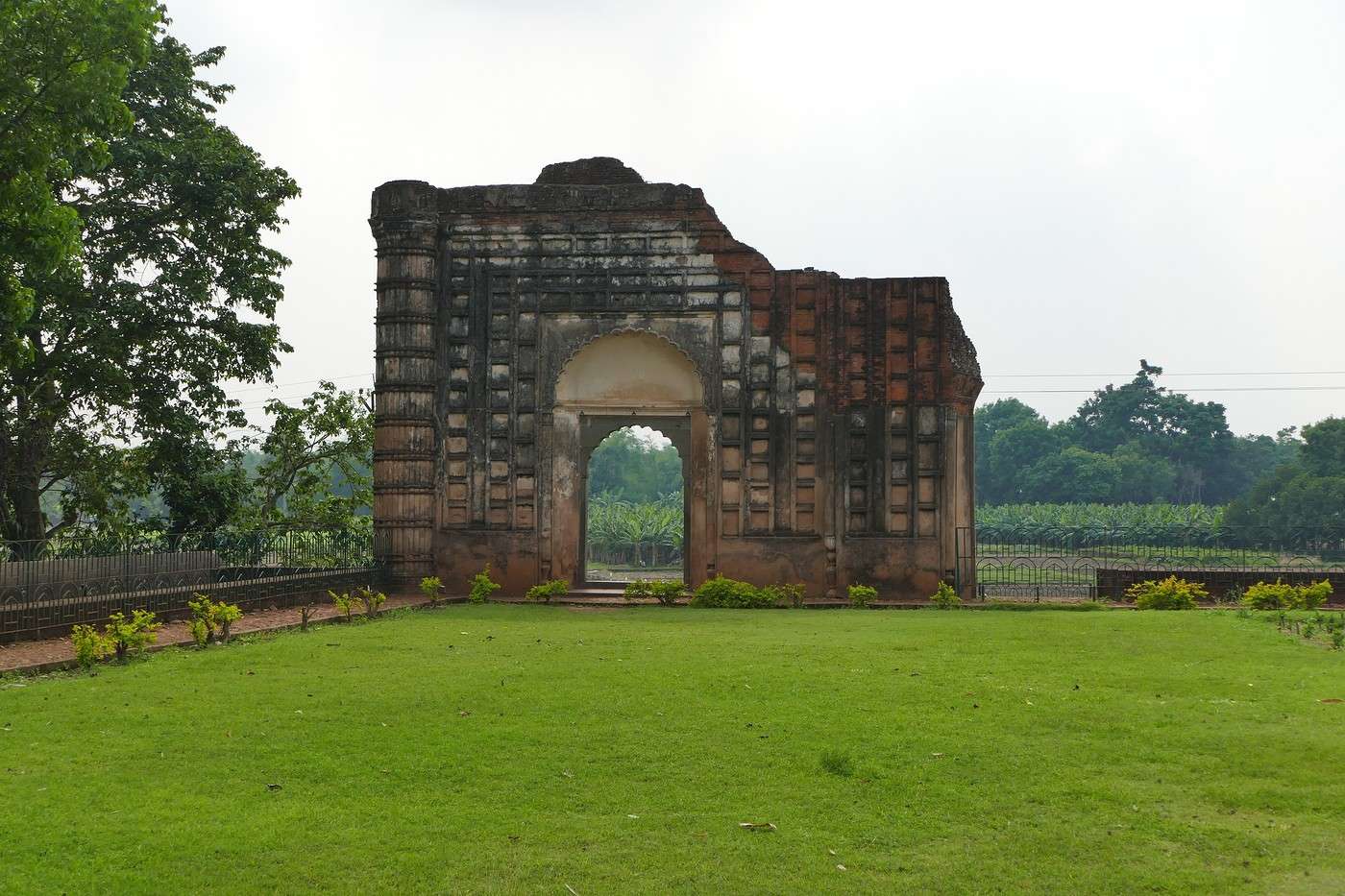
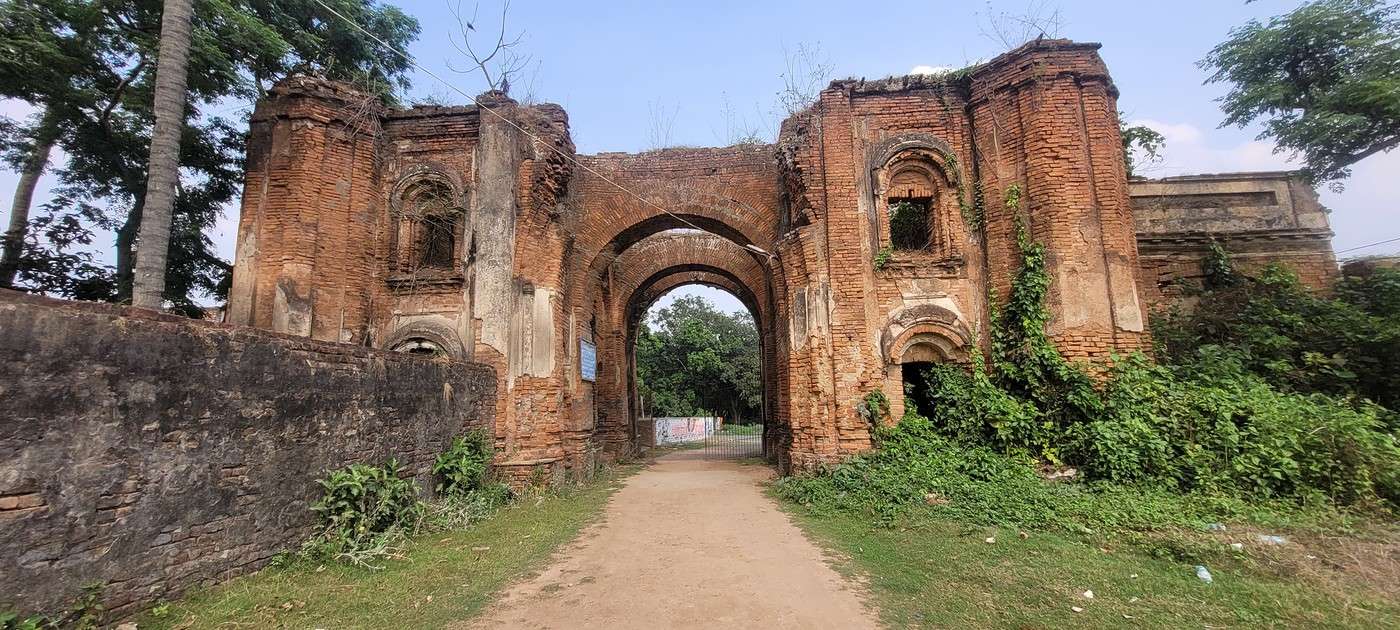
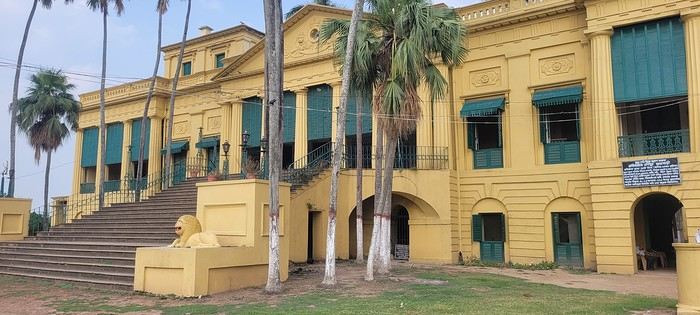
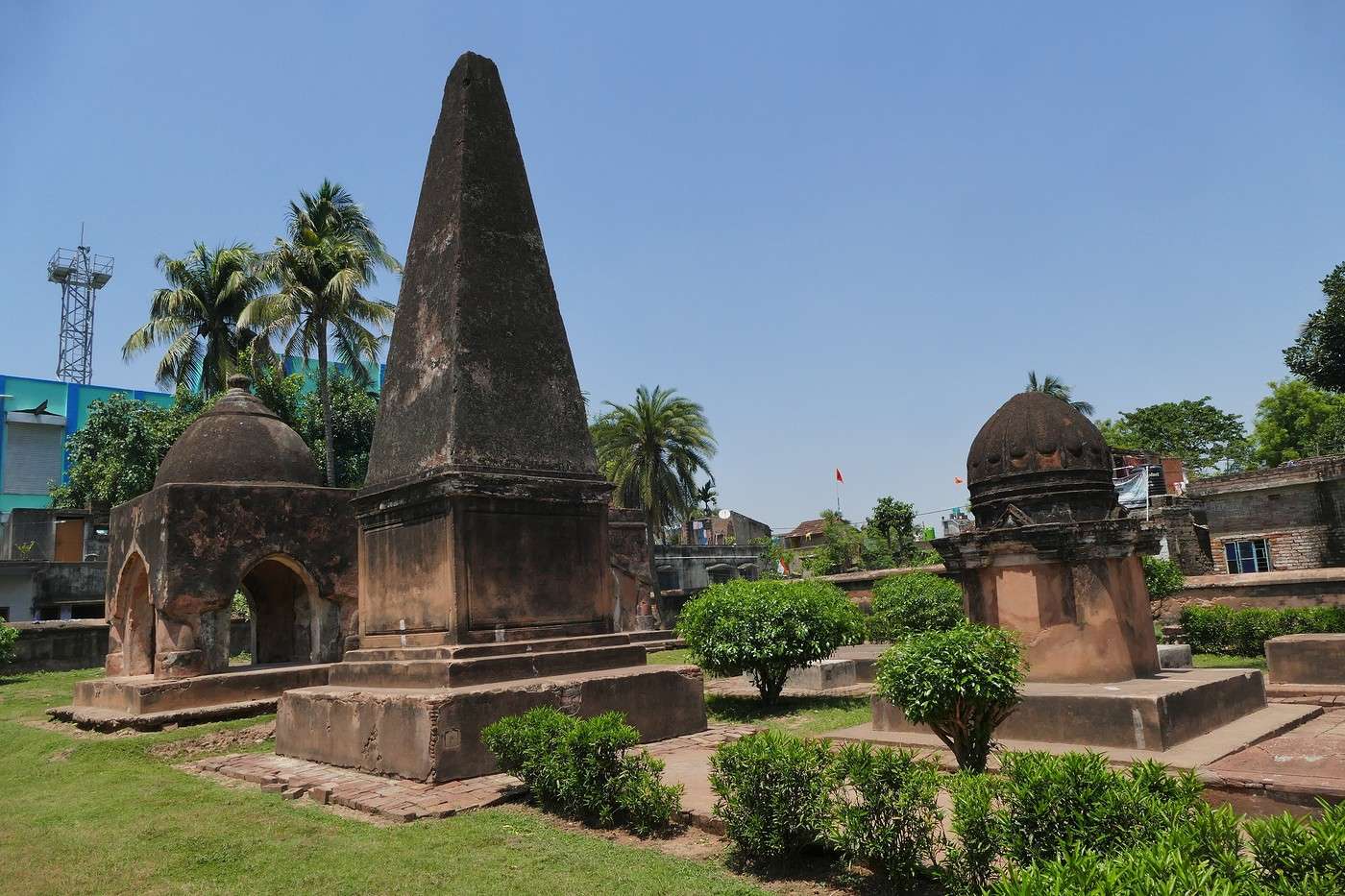
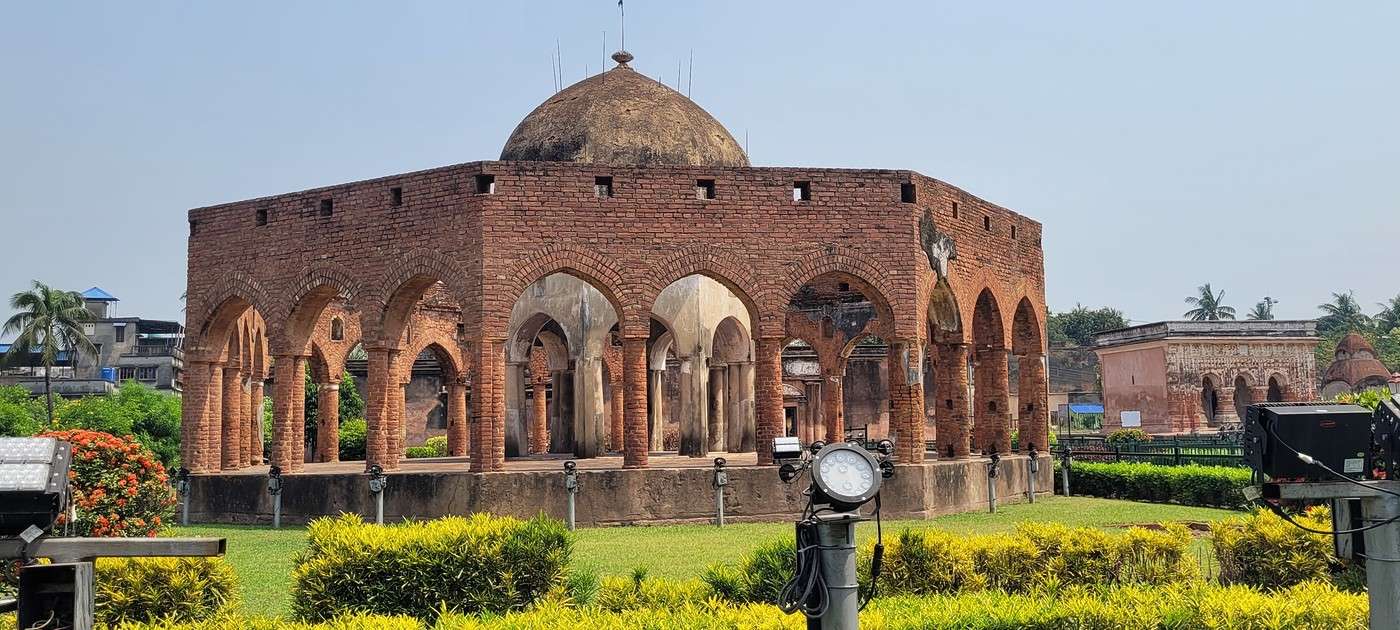
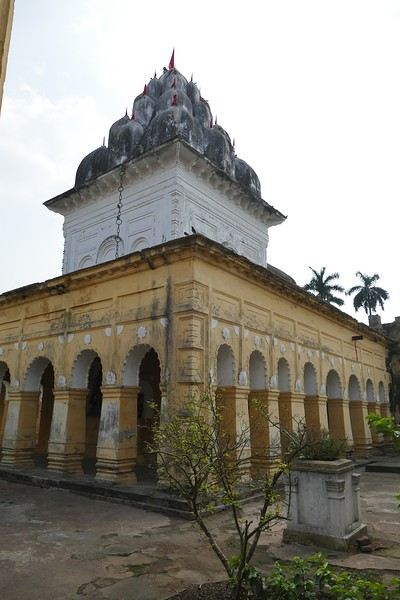
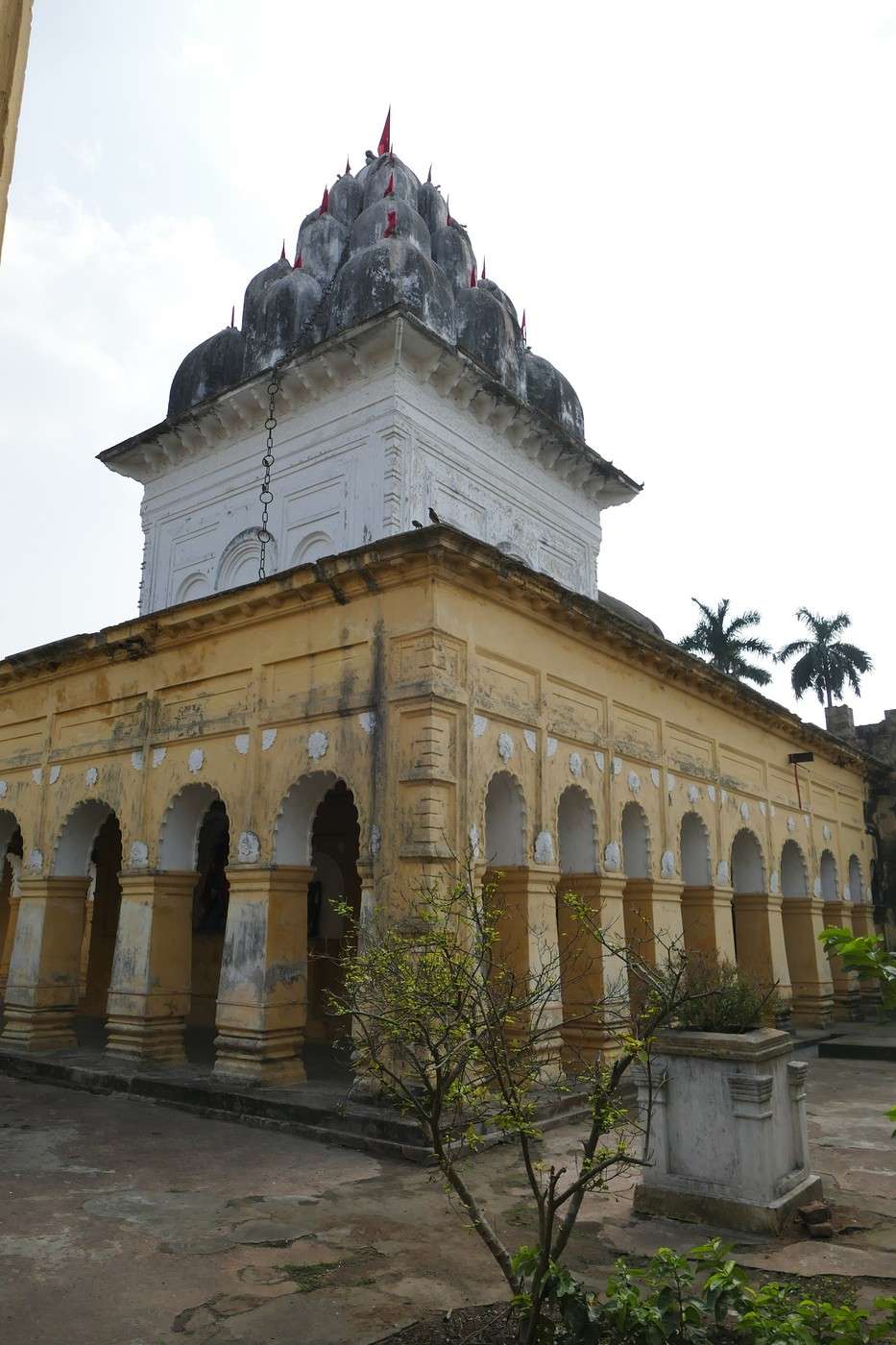
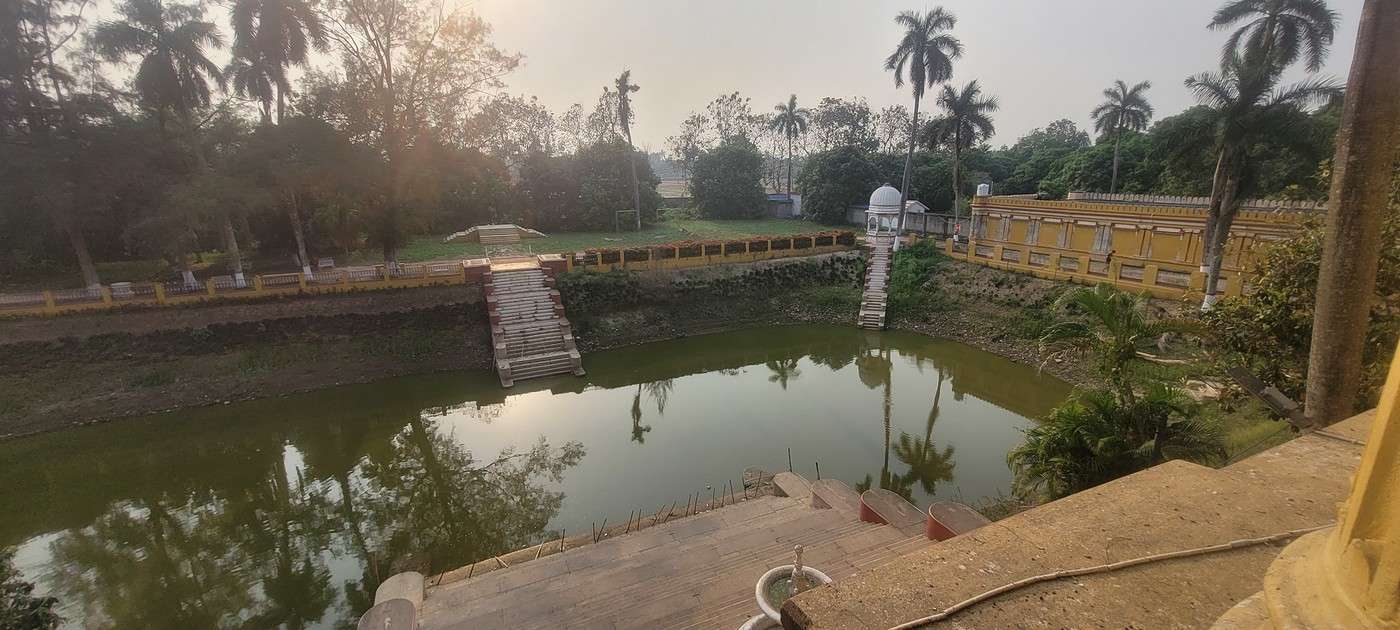
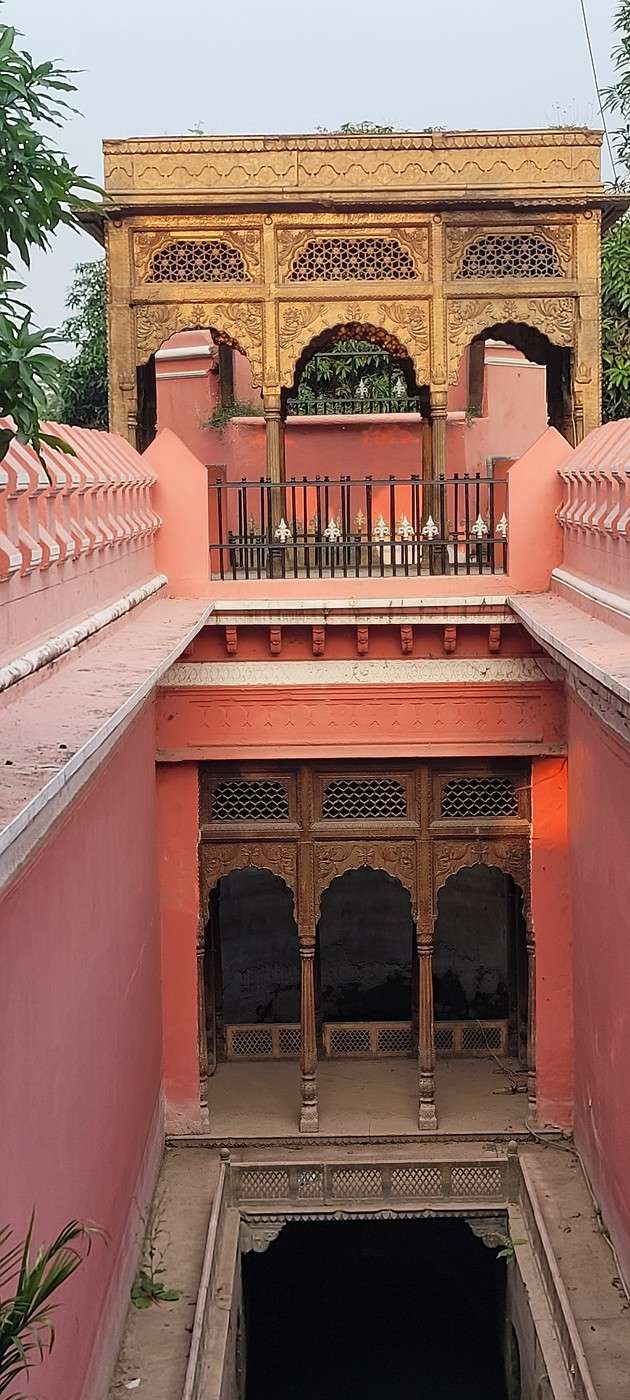
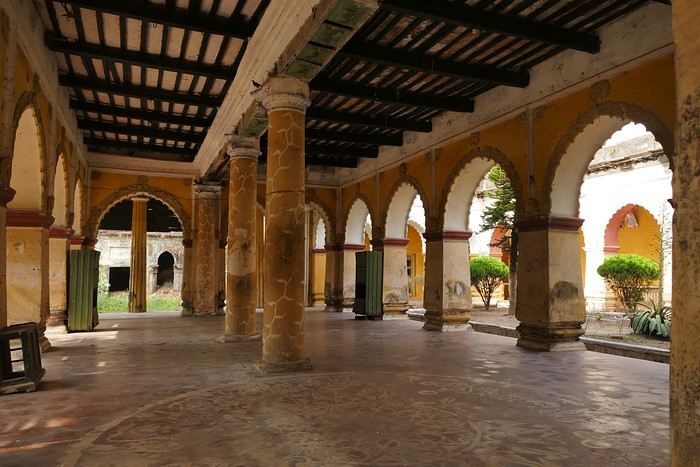 The arches, weathered by time with their yellow-orange hues, support a structure topped by a small temple whose whitewashed sacred part contrasts with the darkened domes crowned with red flags.
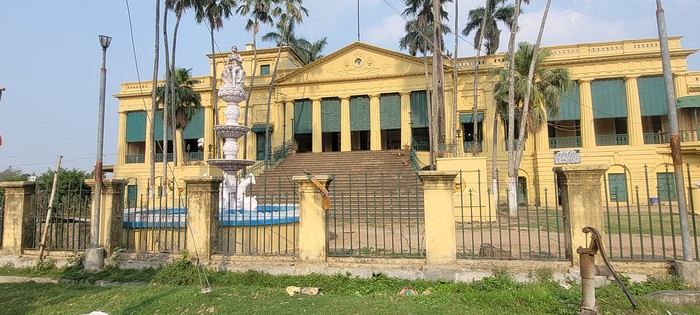
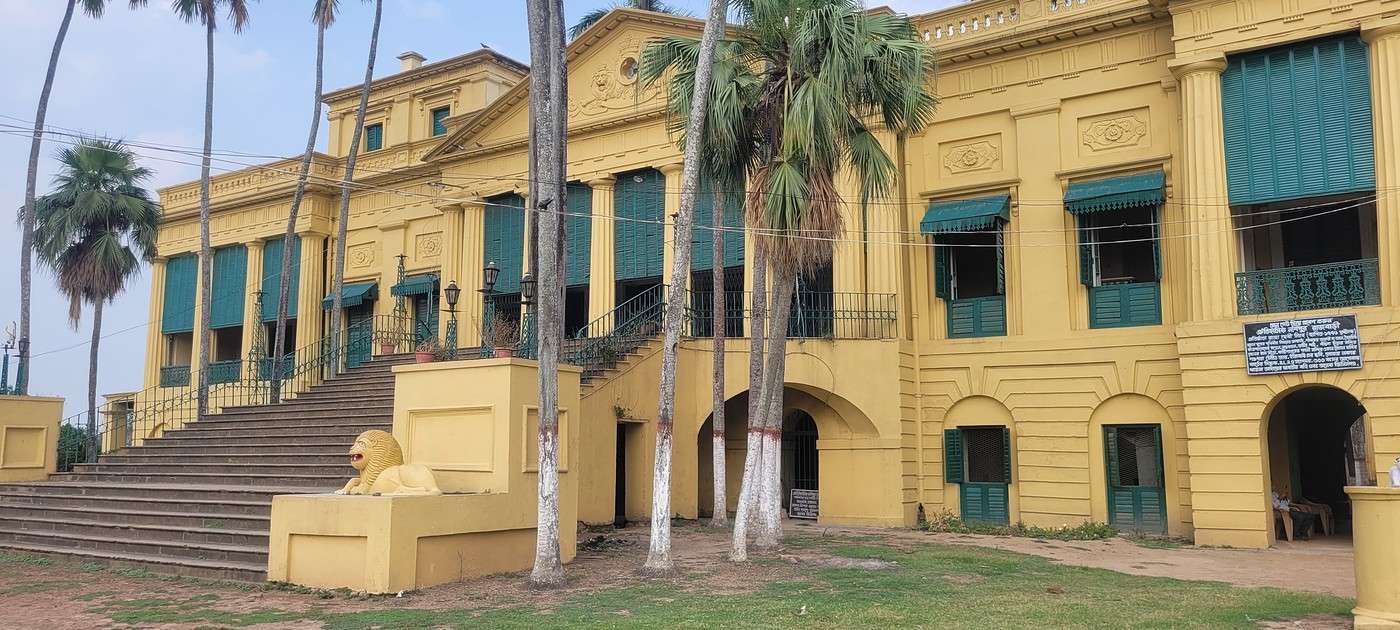
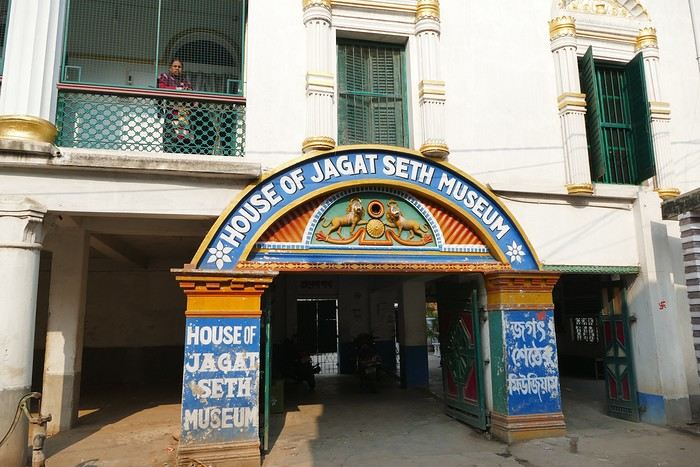
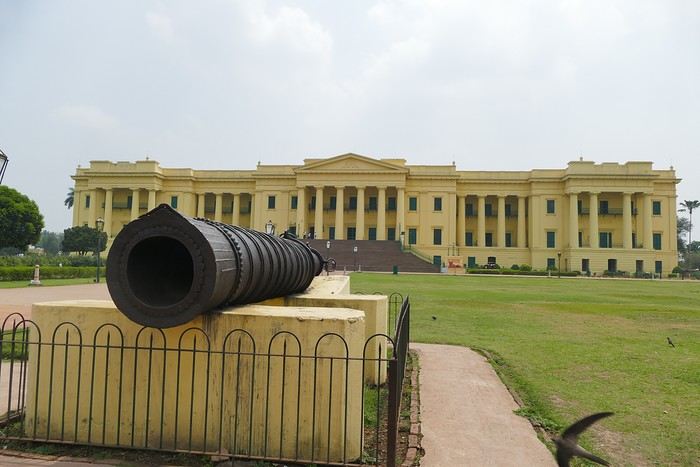
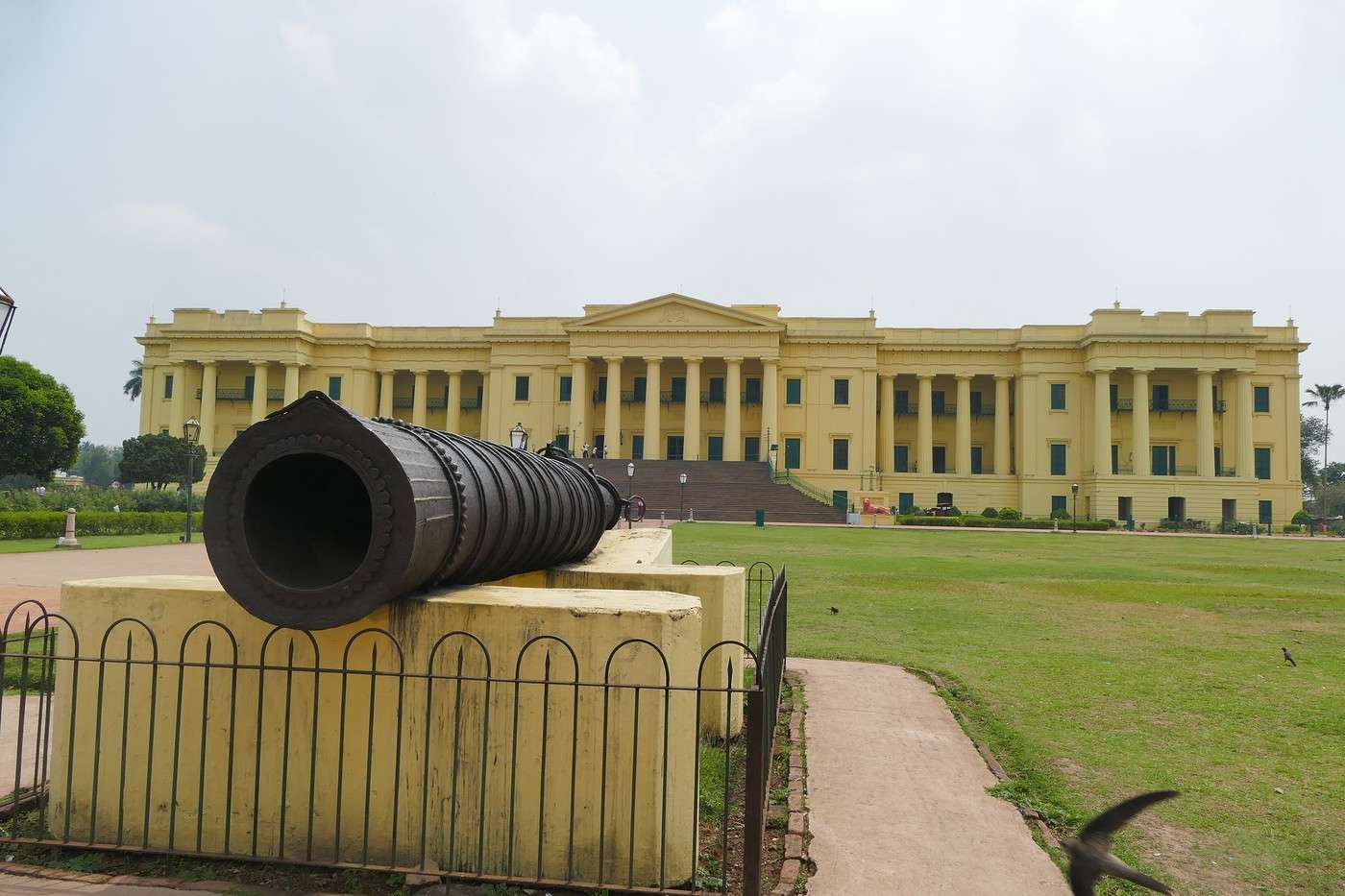
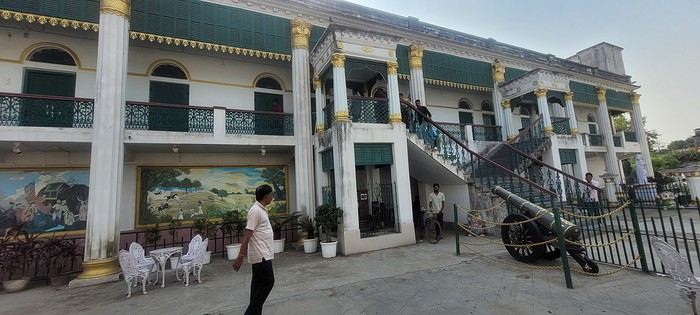
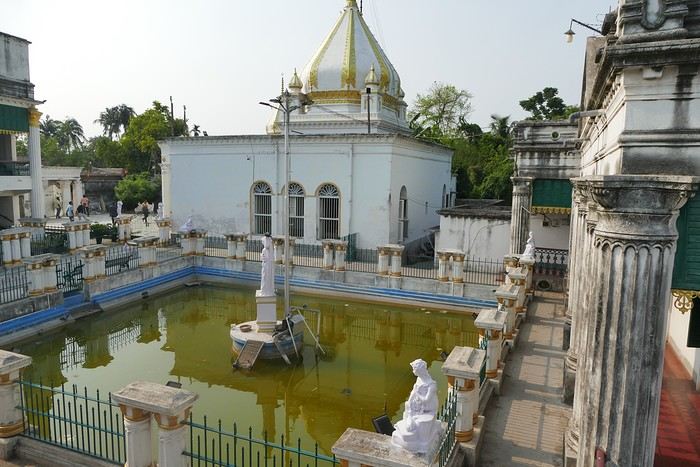 A cannon is displayed near the building, imposing with its tier, a reminder of the power and prestige of the place.
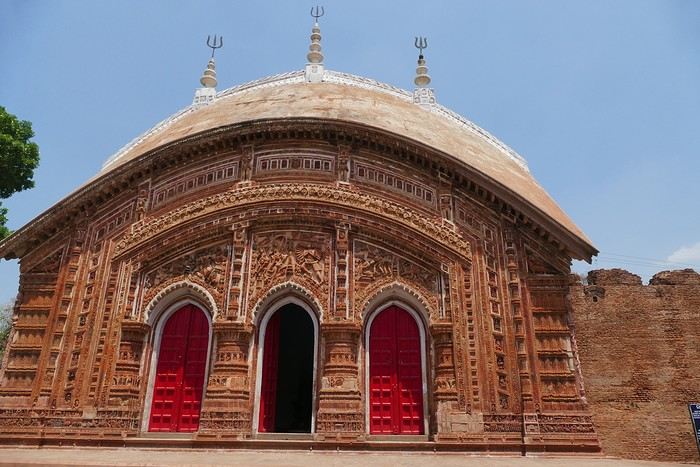
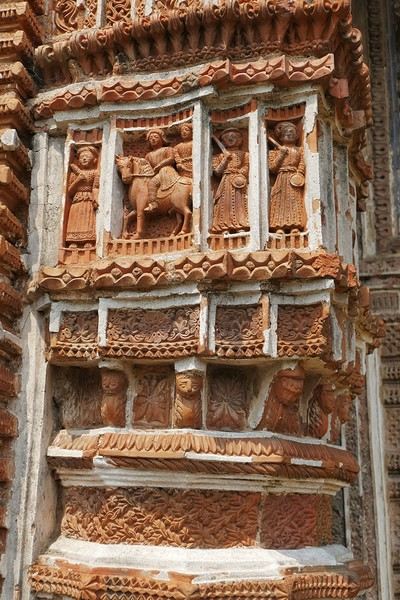
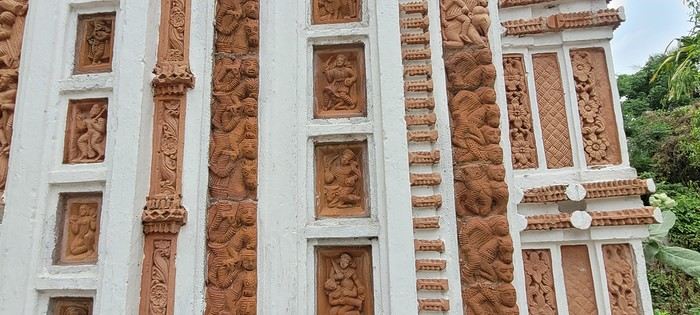
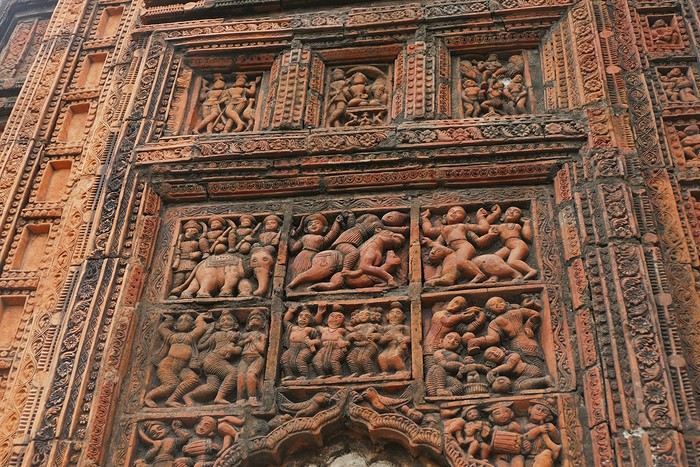
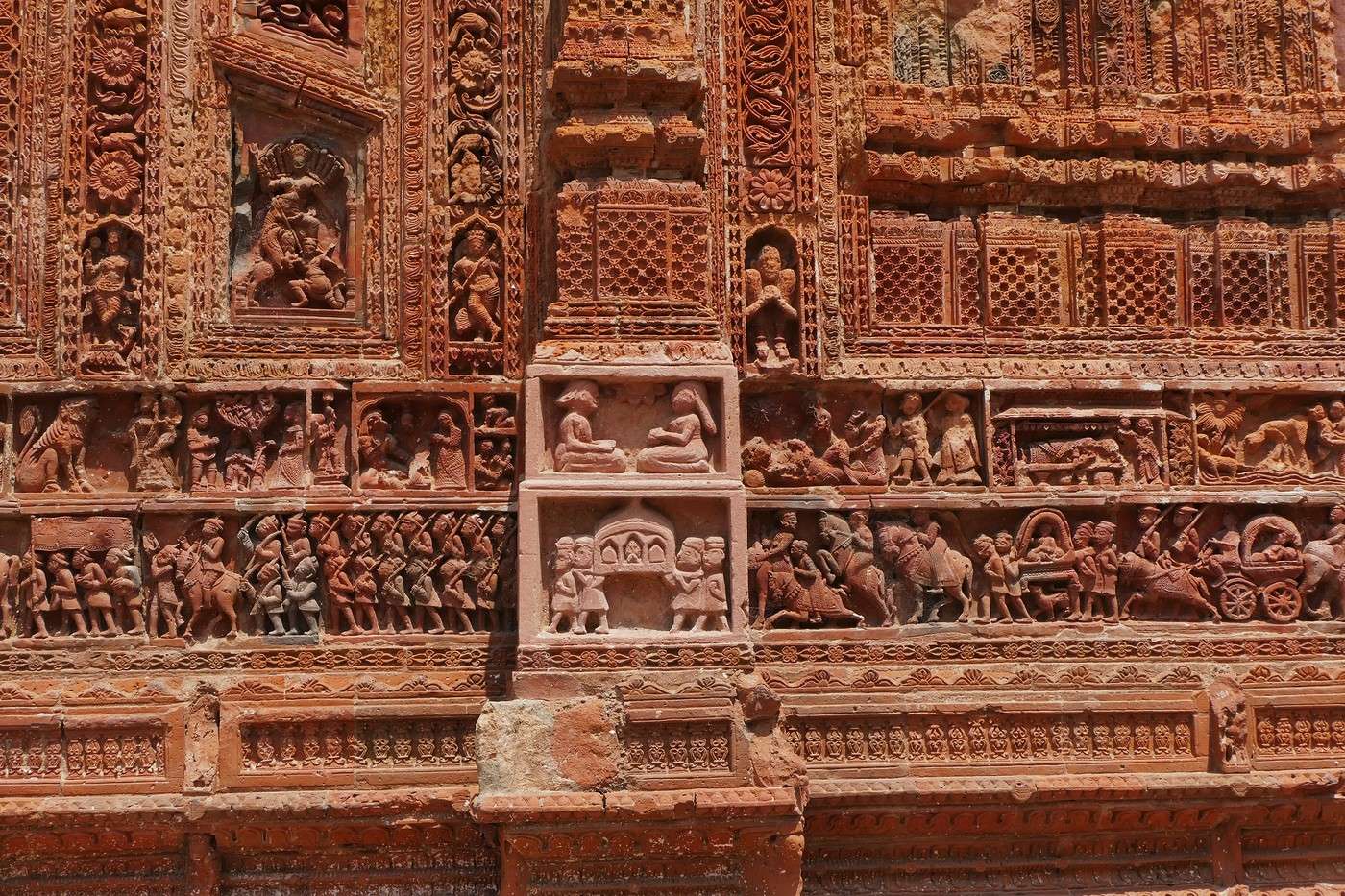
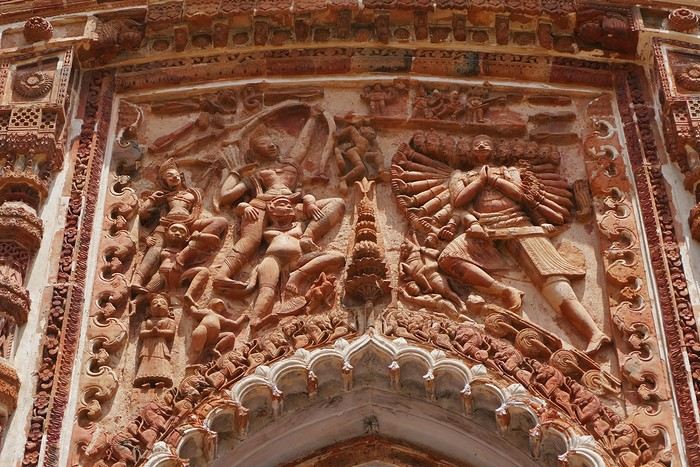 Other panels show scenes from daily life: people at work, musicians, animals, and even battle scenes. These small sculptures are true archives of 18th-century Bengali society.
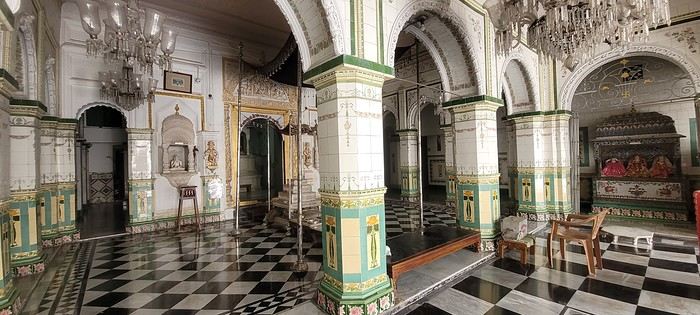
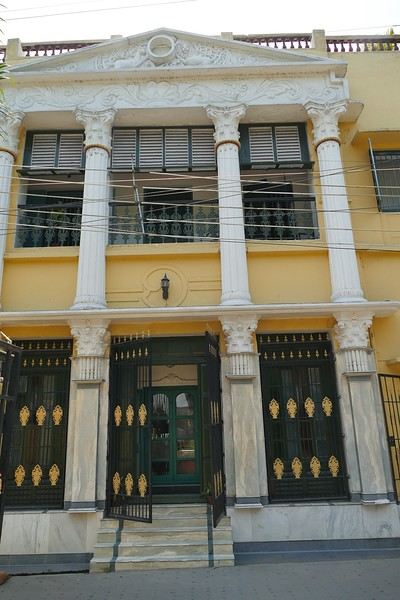
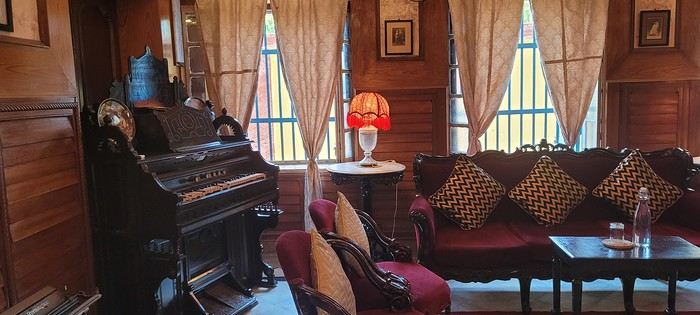
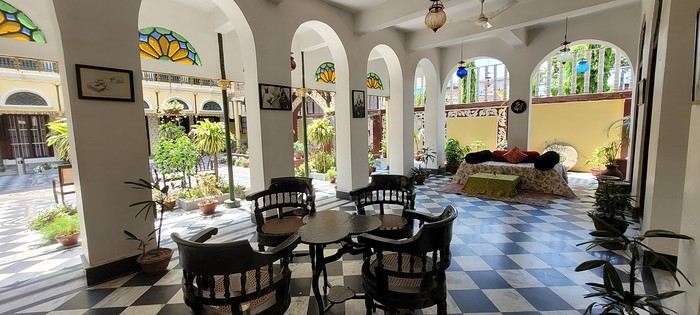
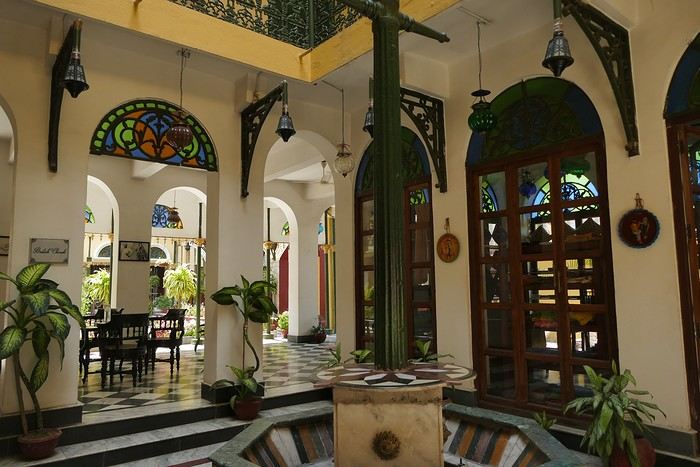
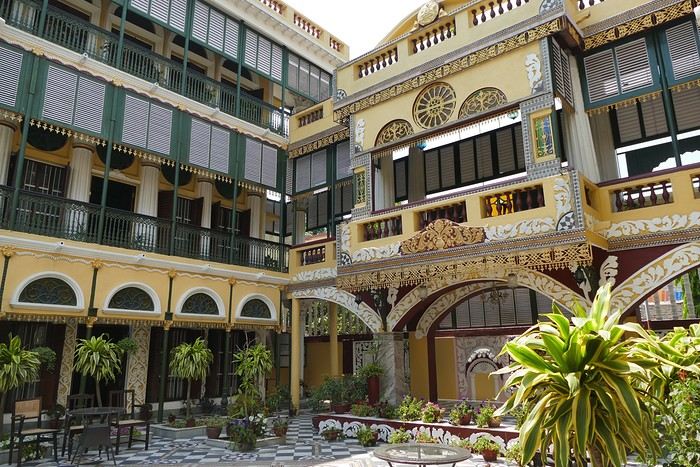
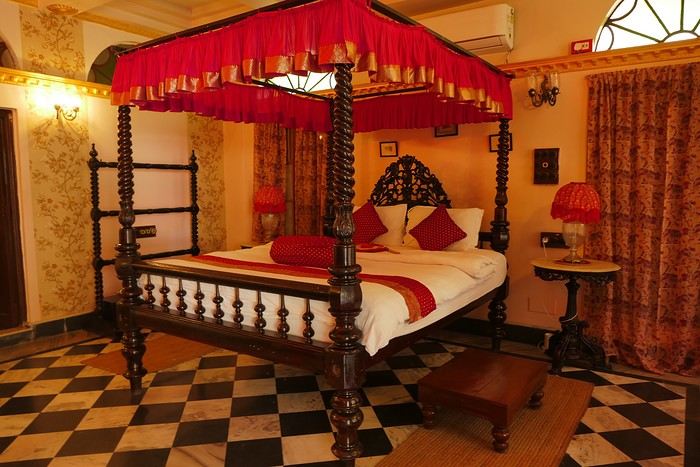
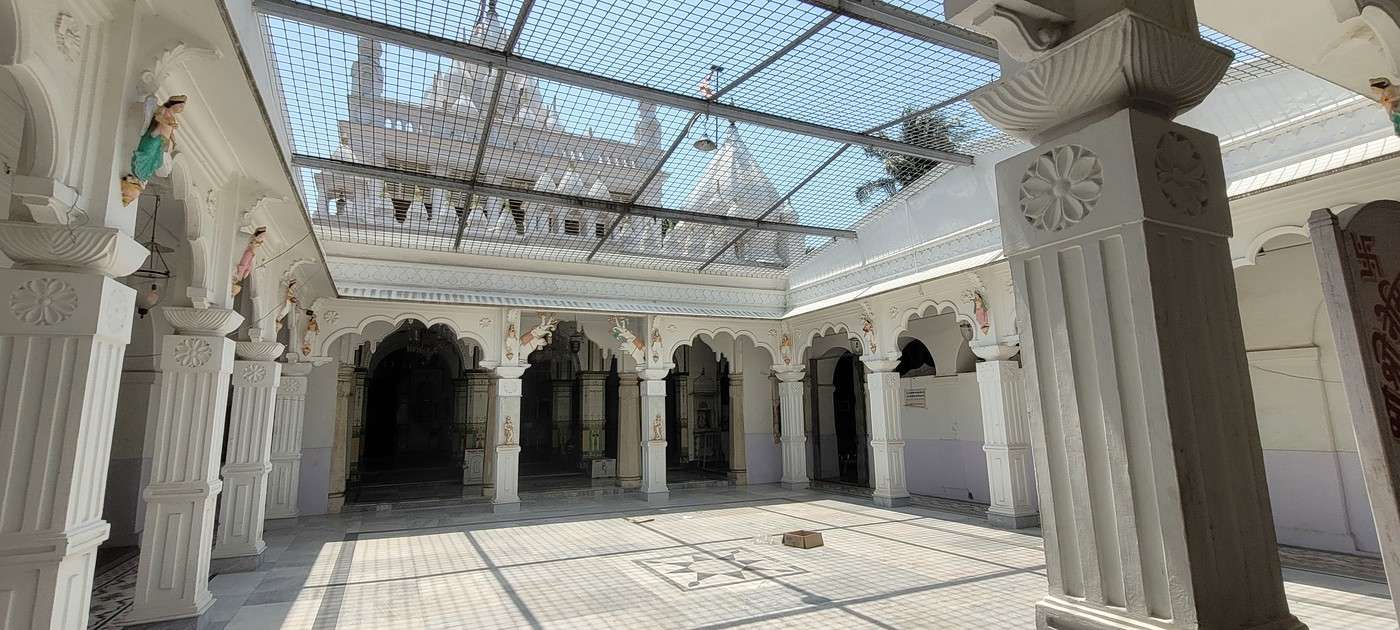
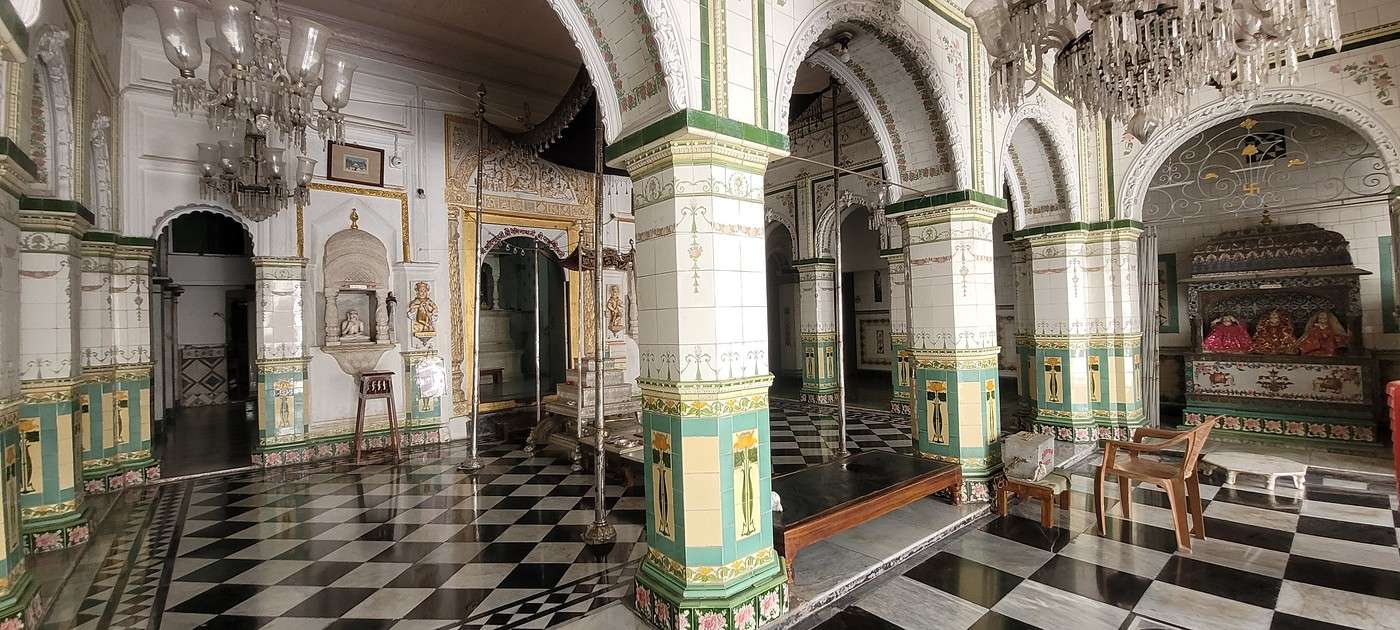
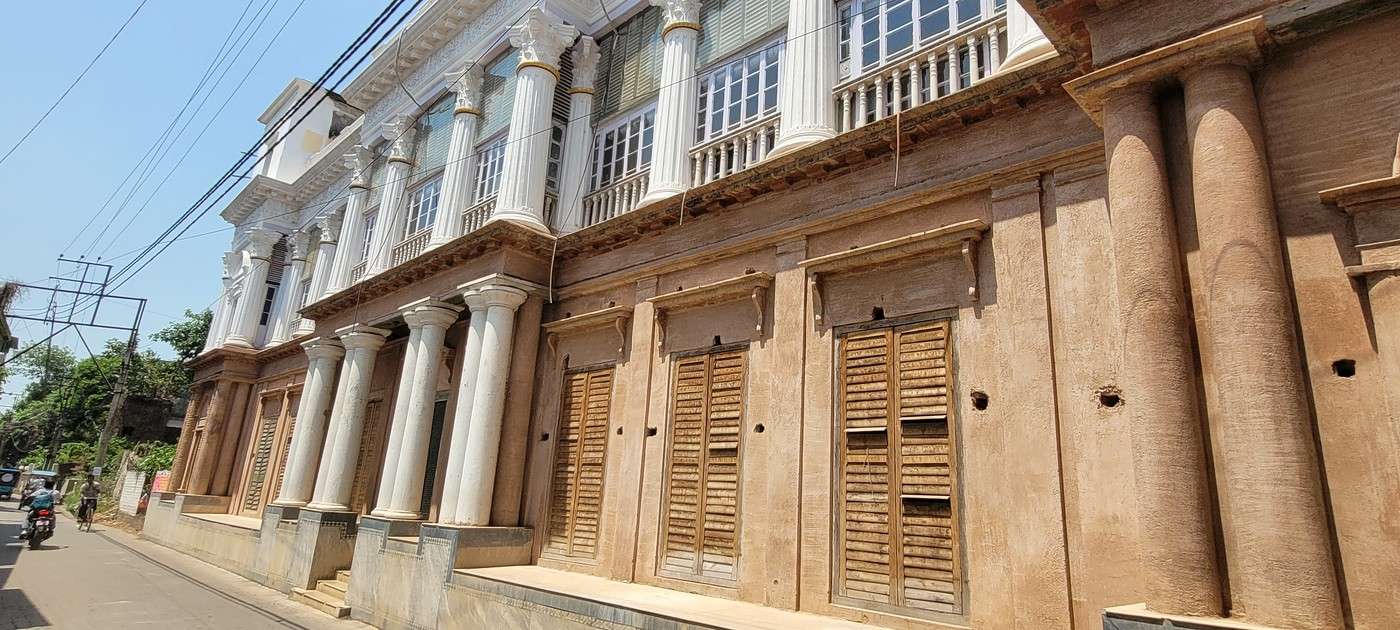
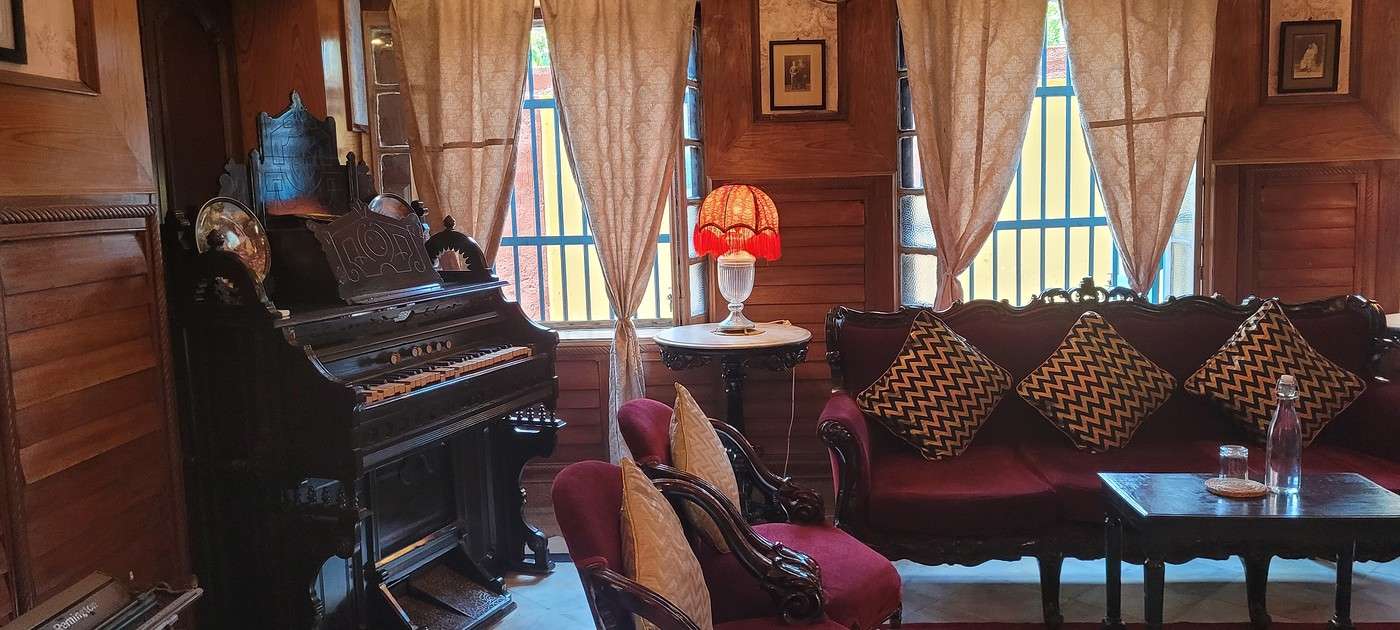
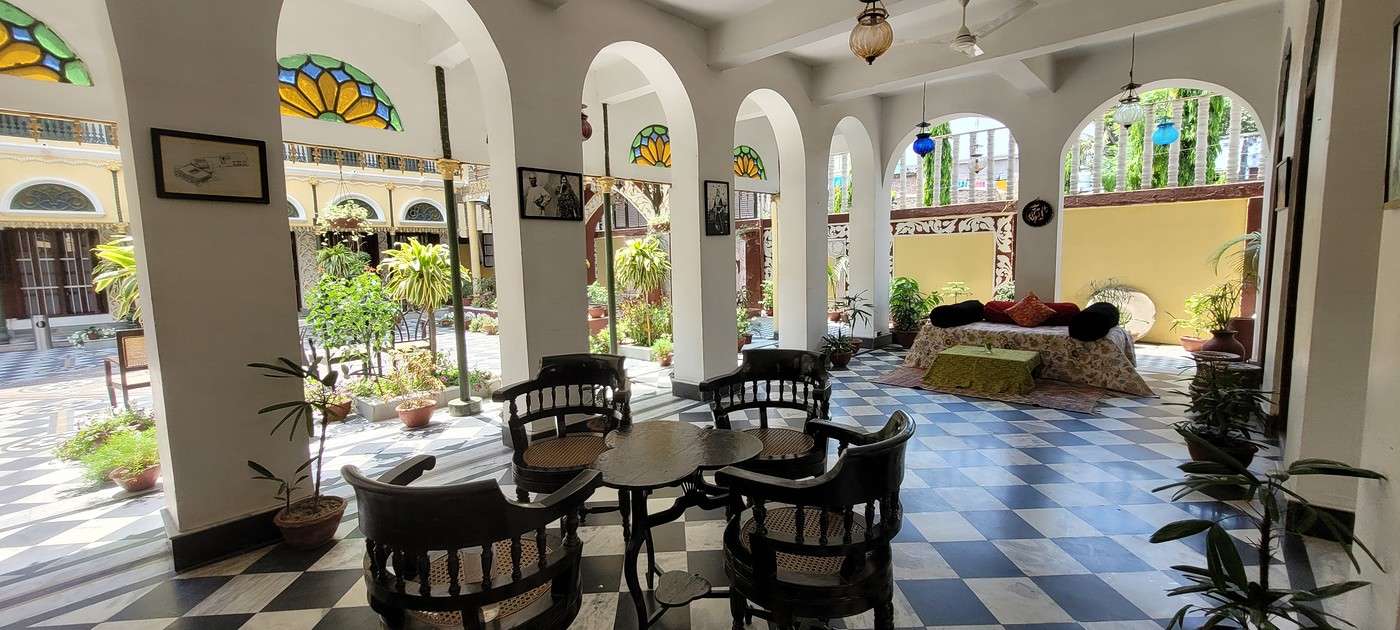
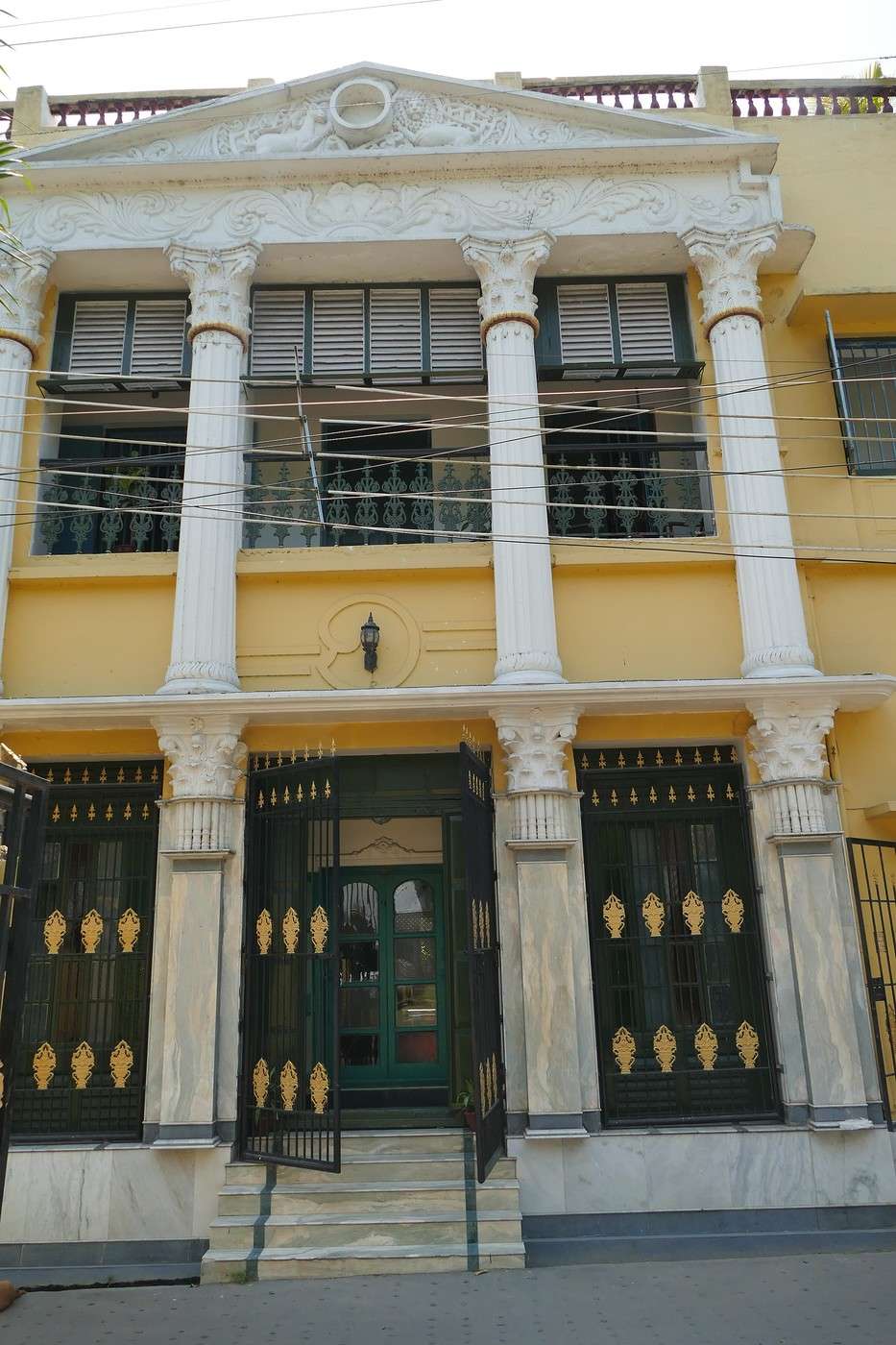
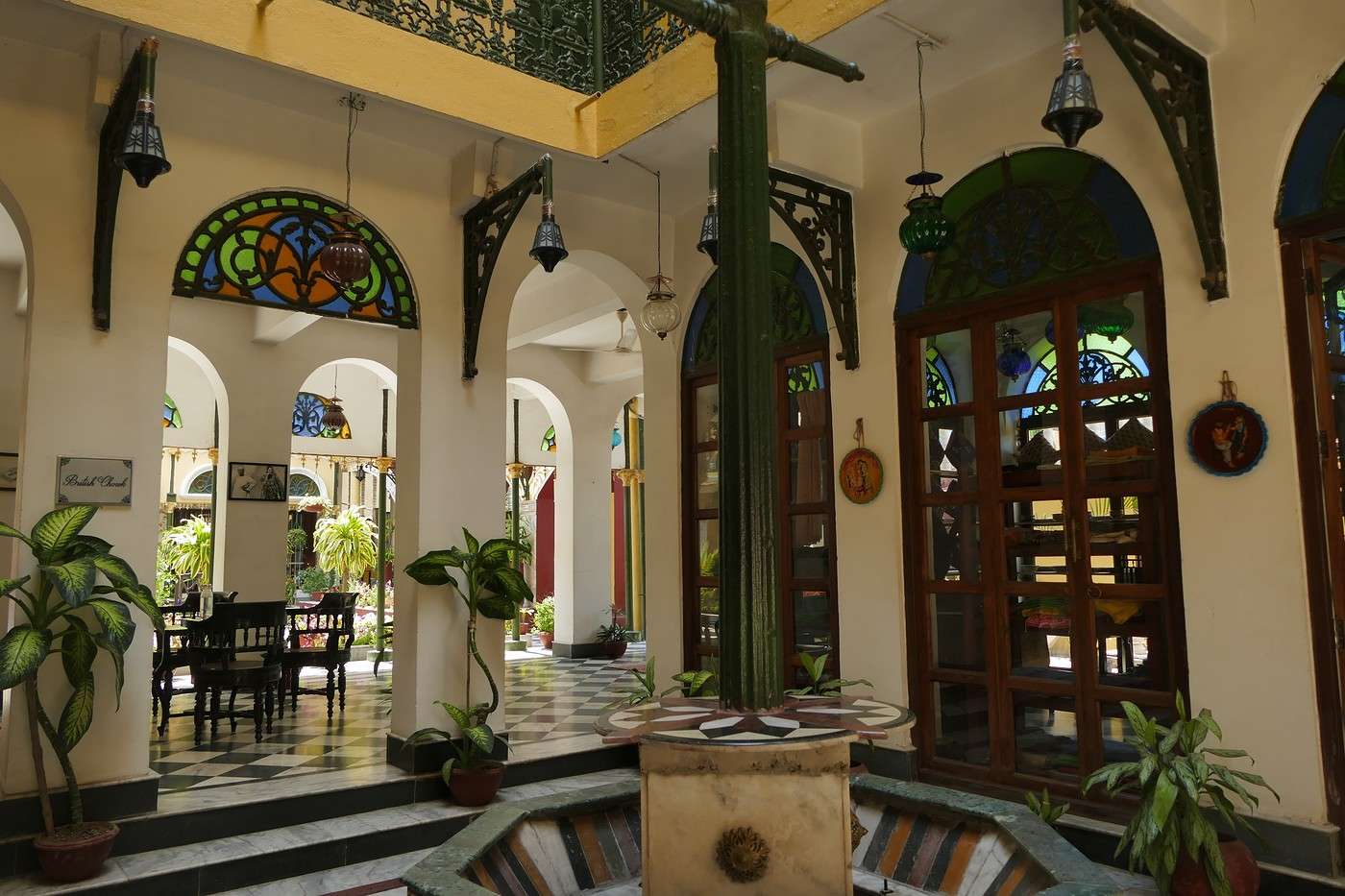
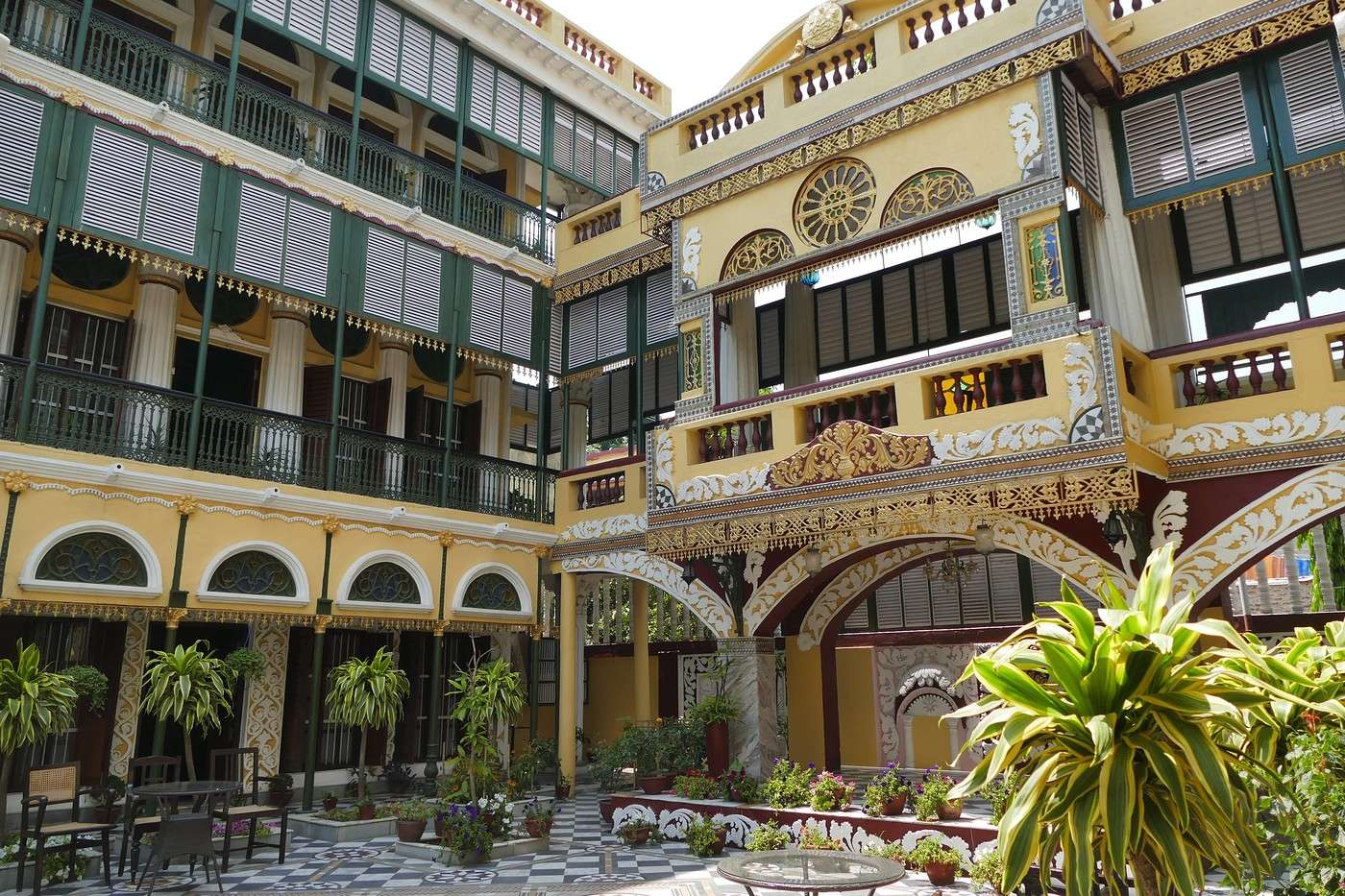
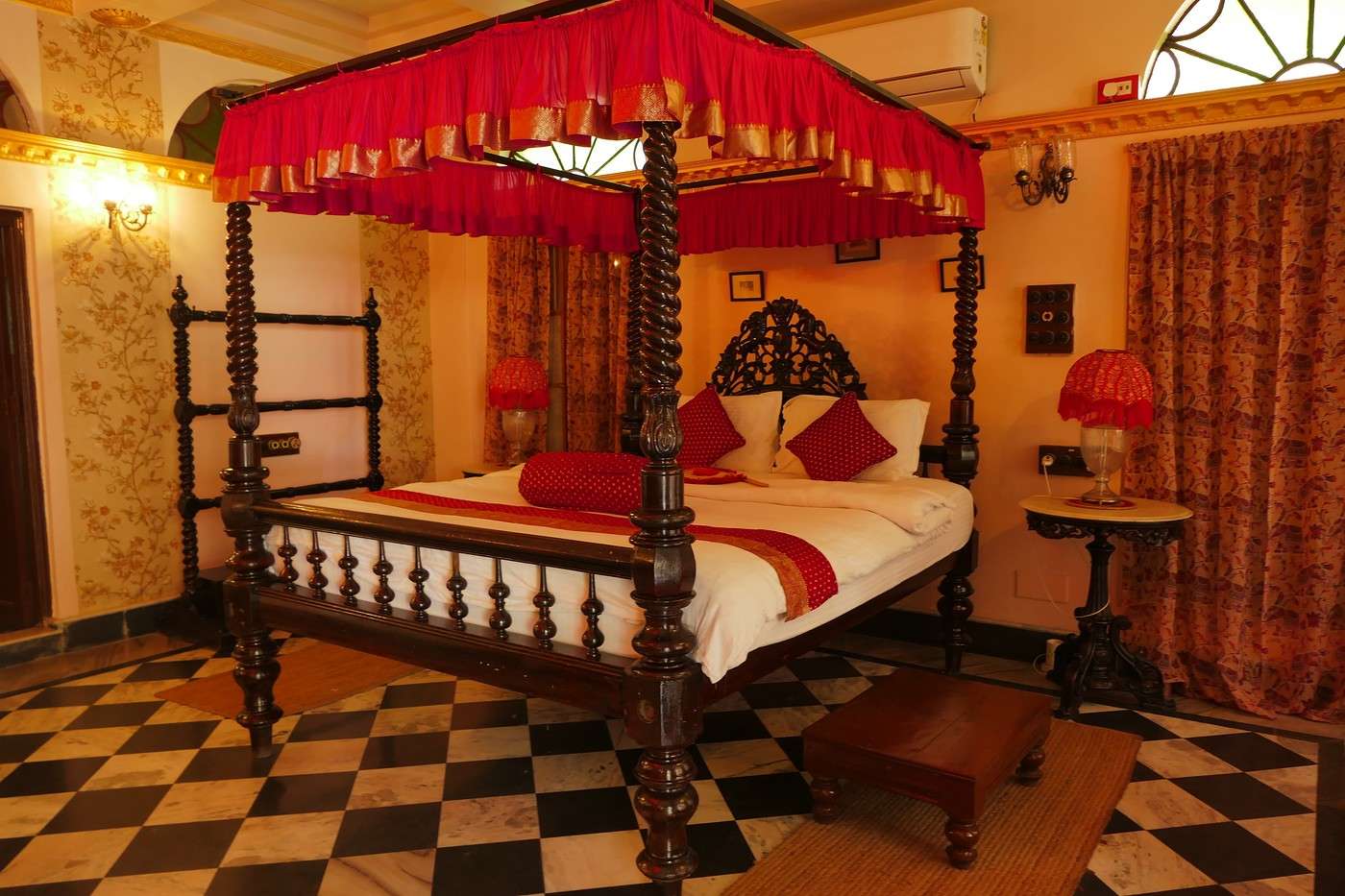

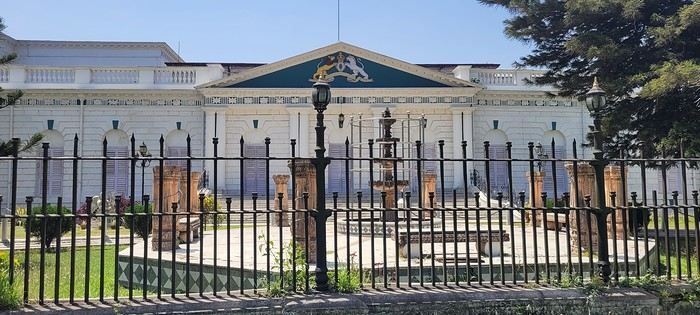
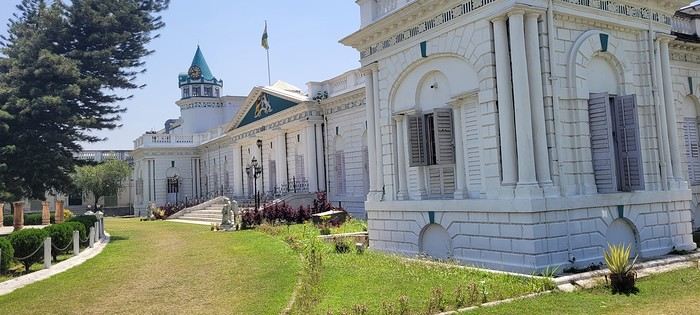
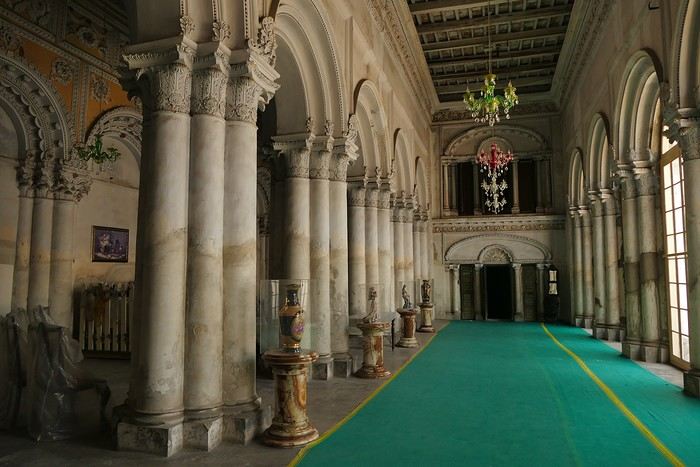
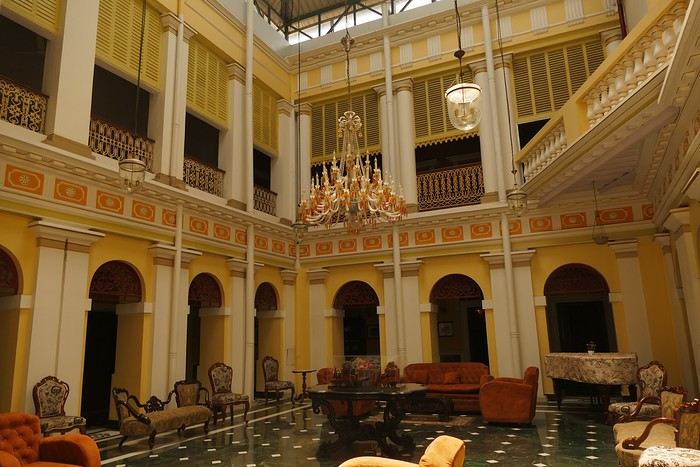
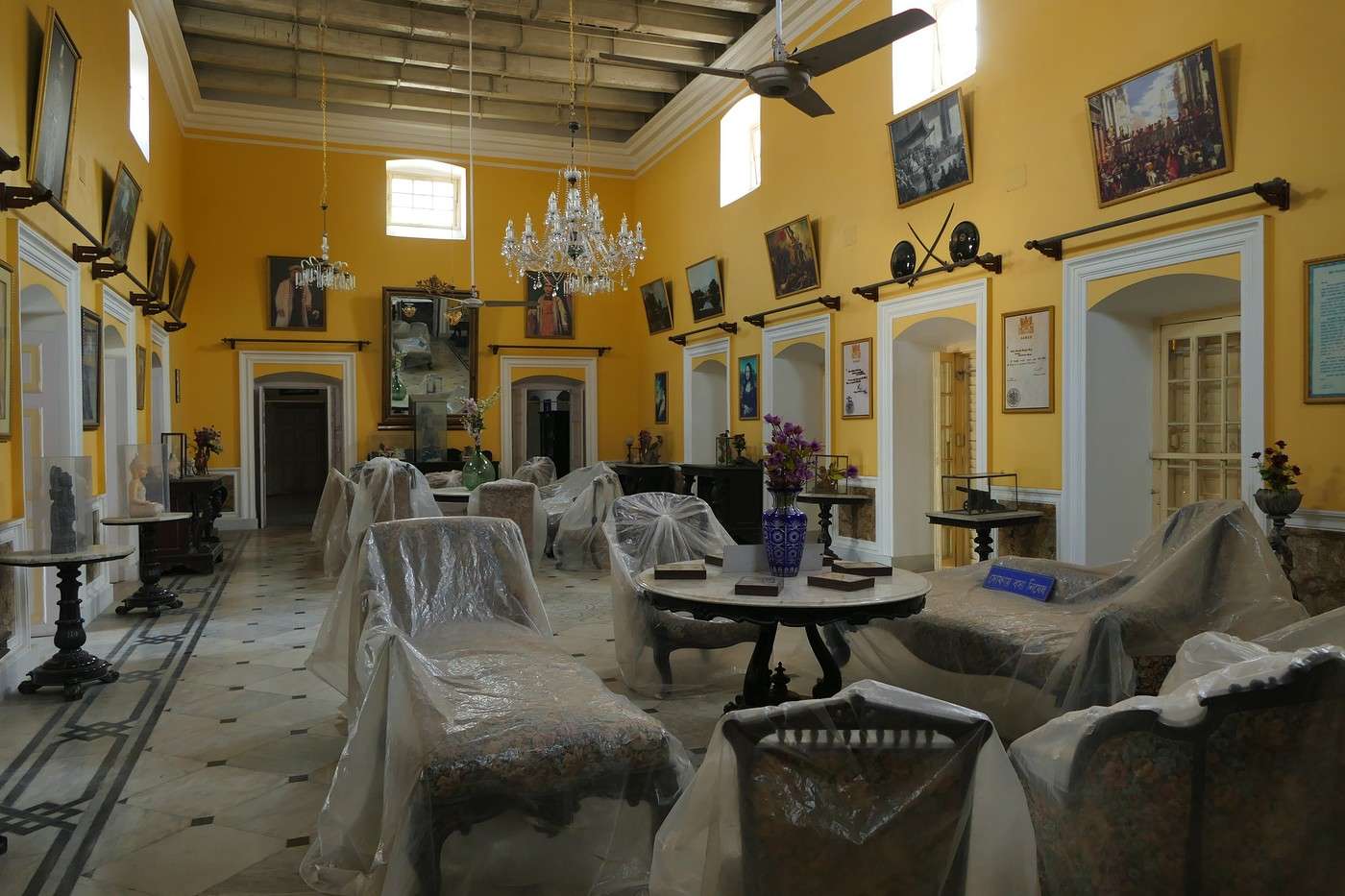
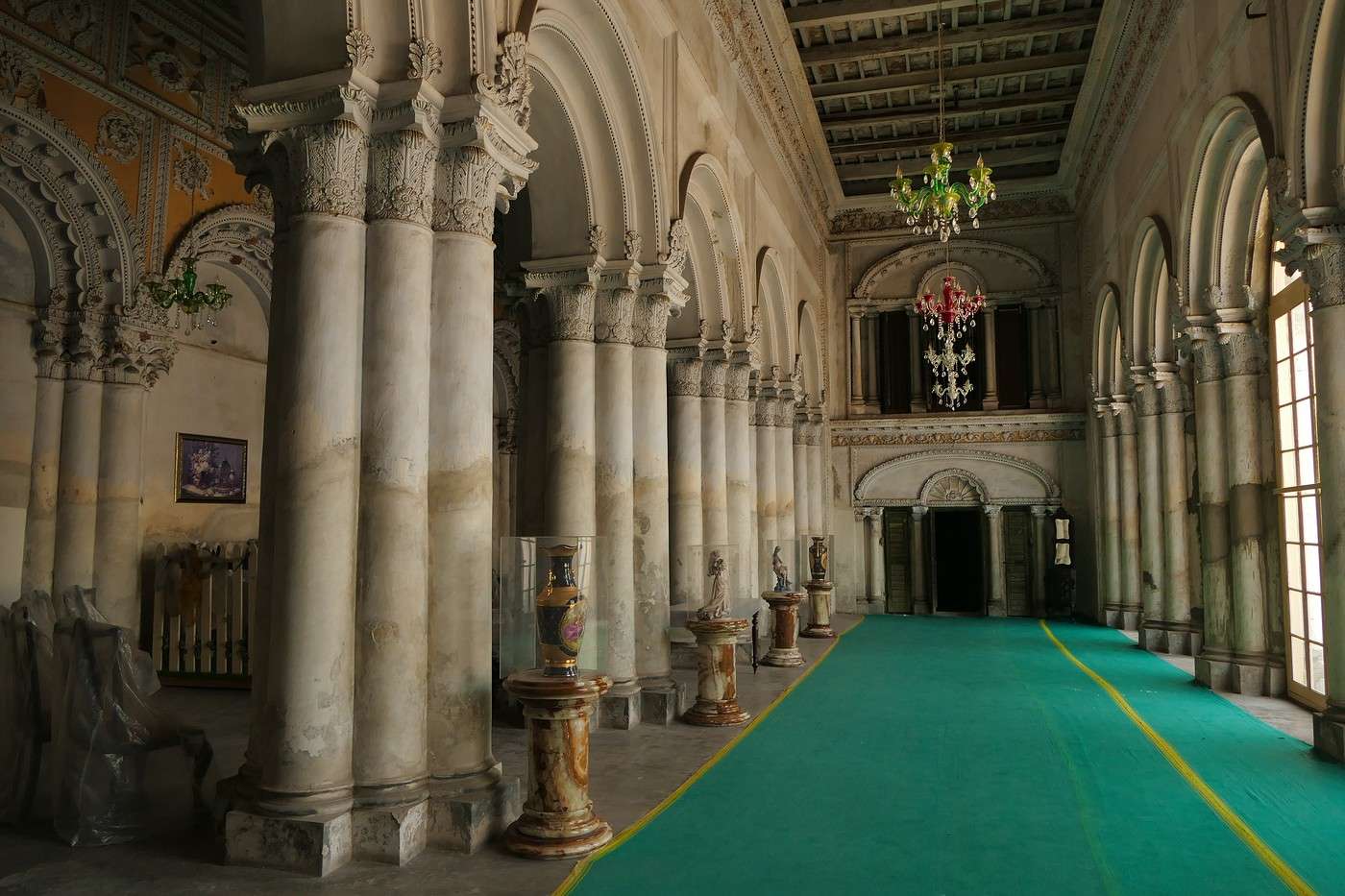
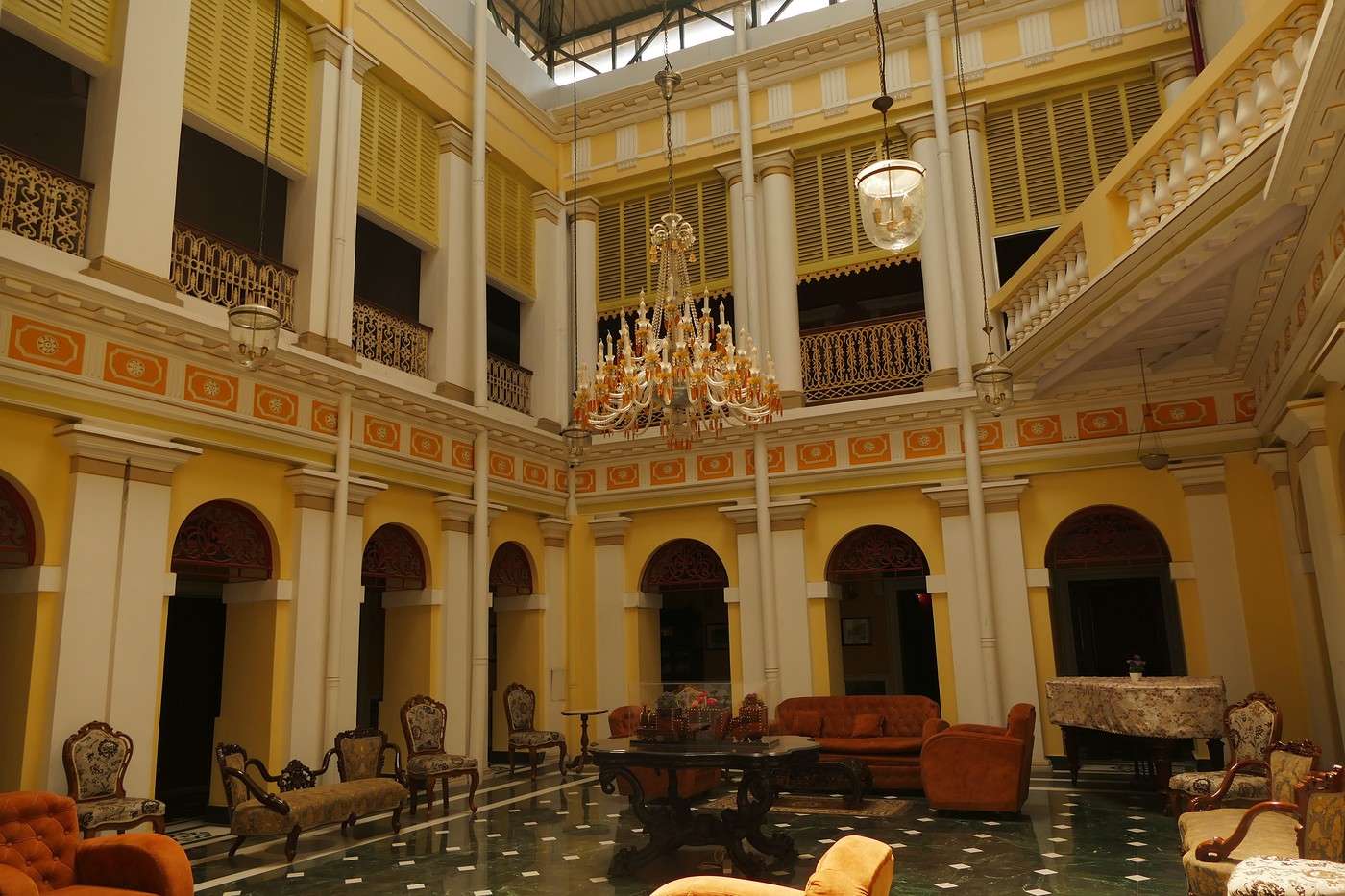
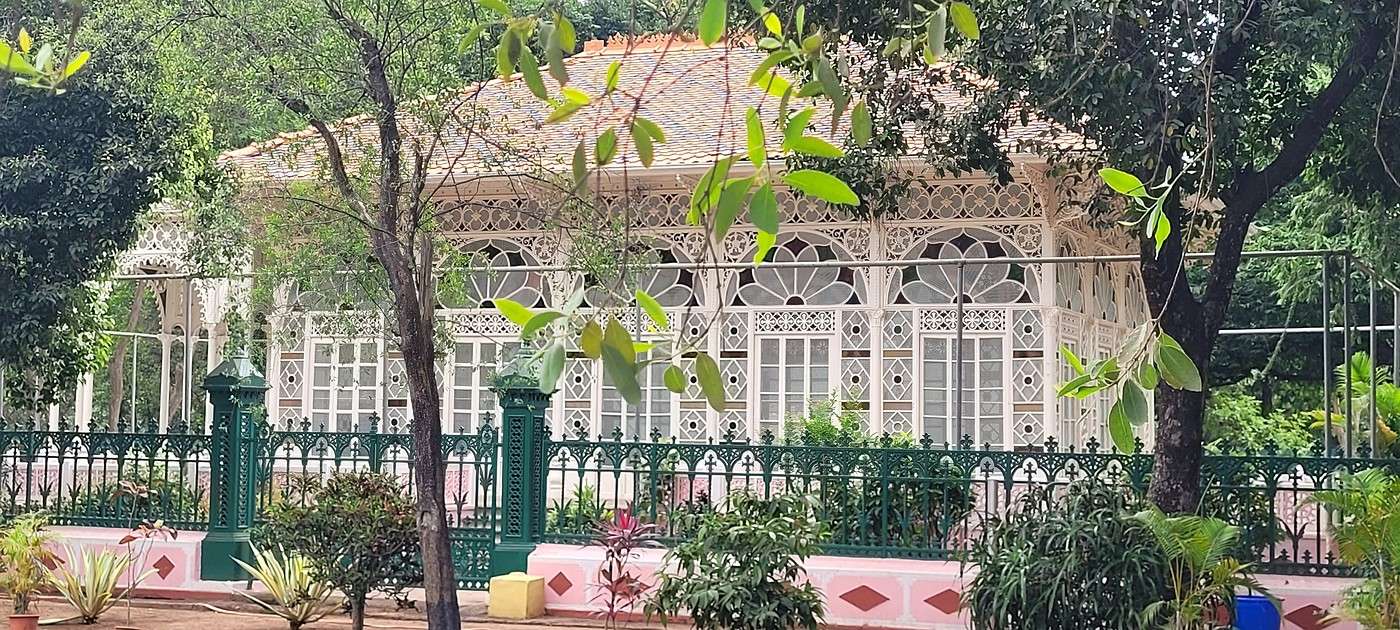
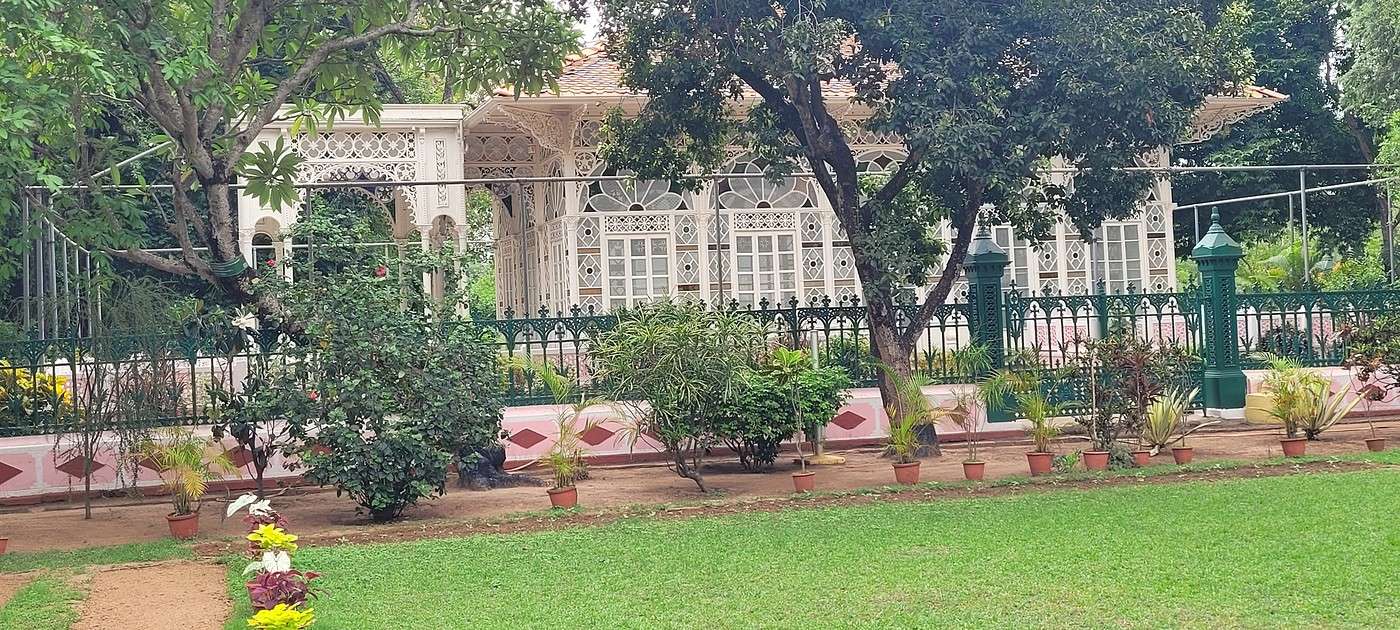
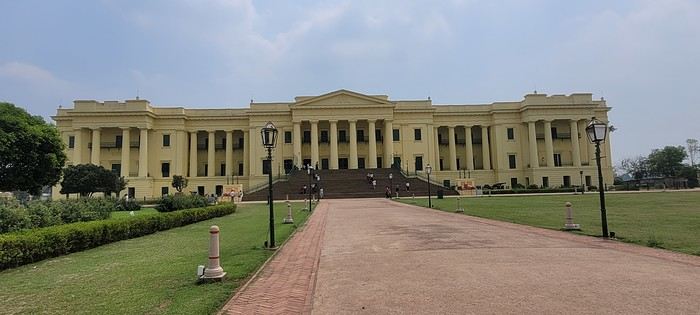
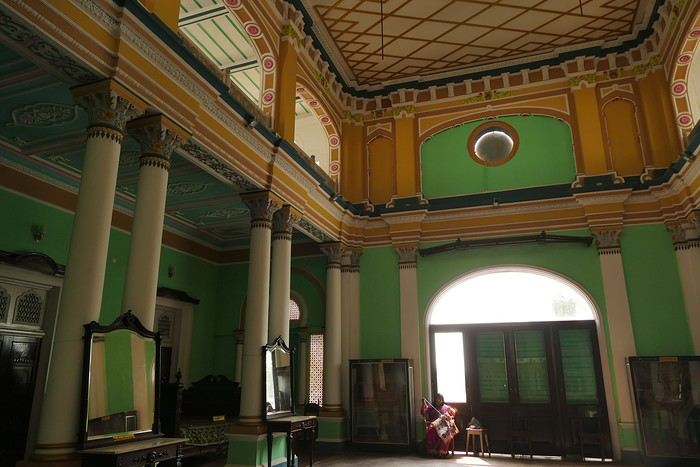
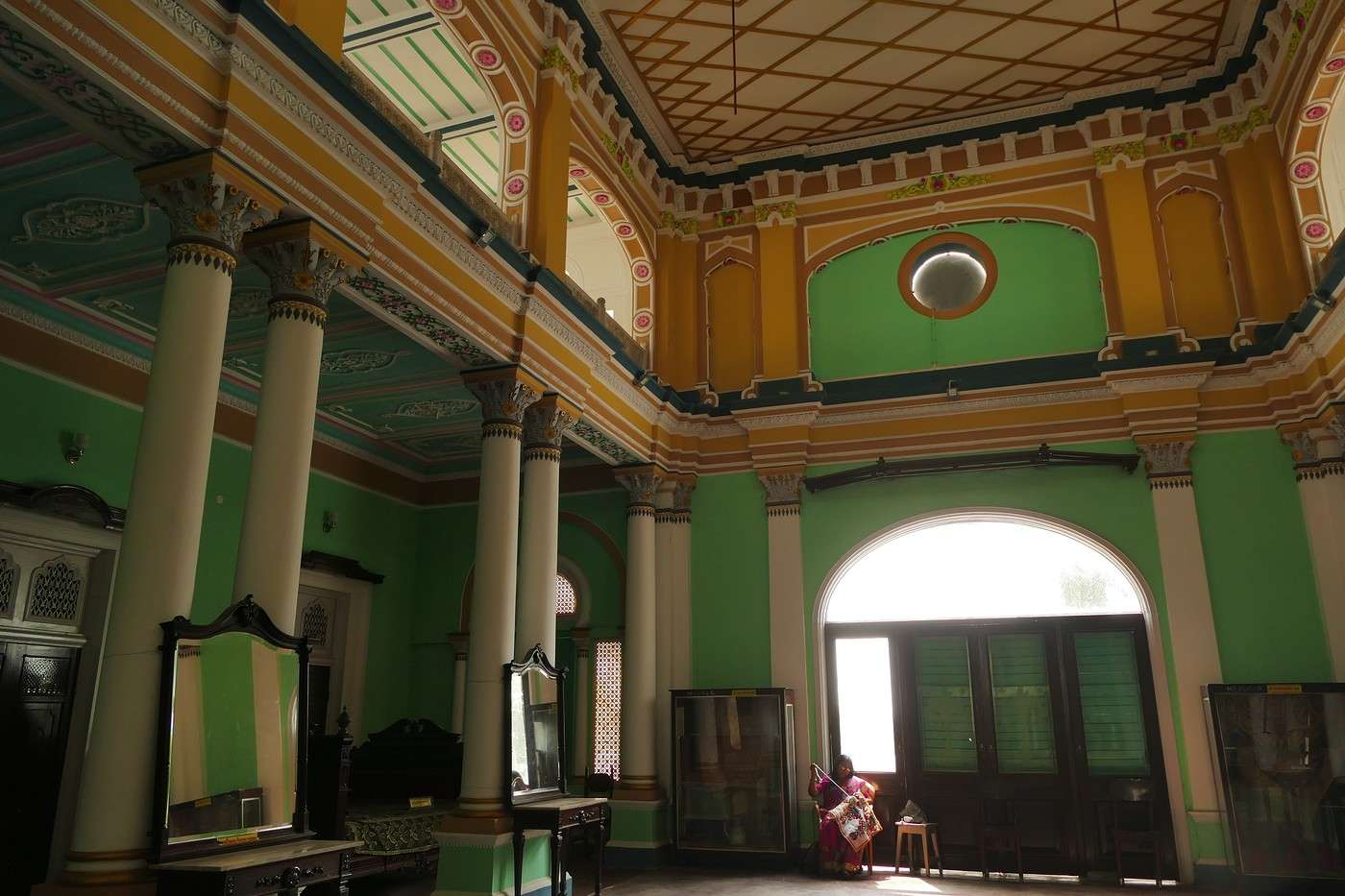
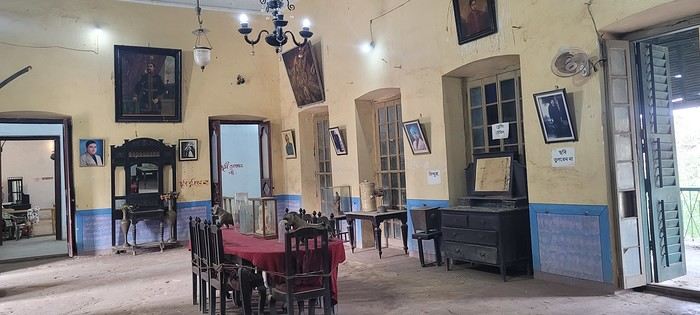
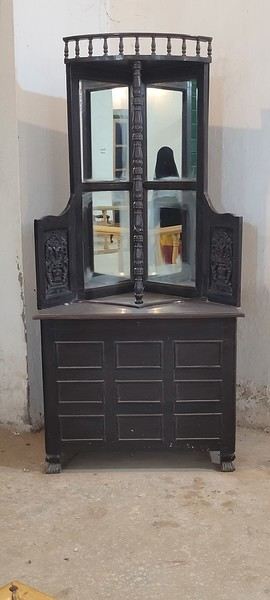
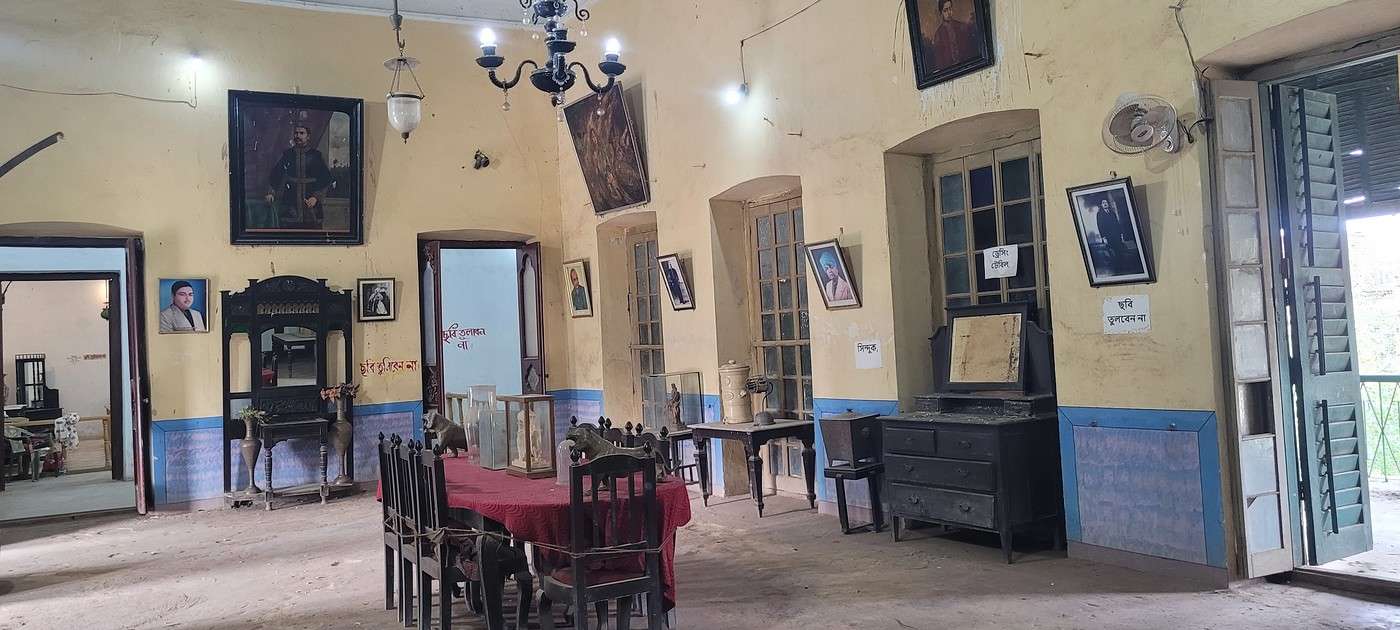
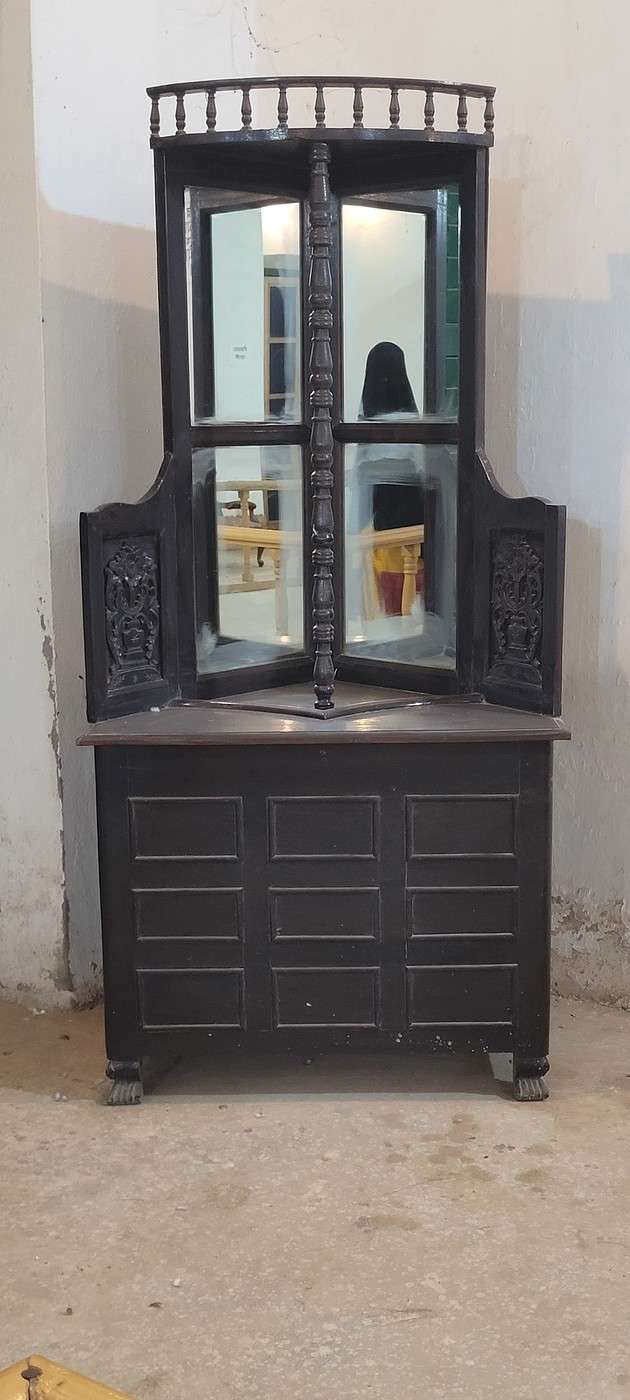
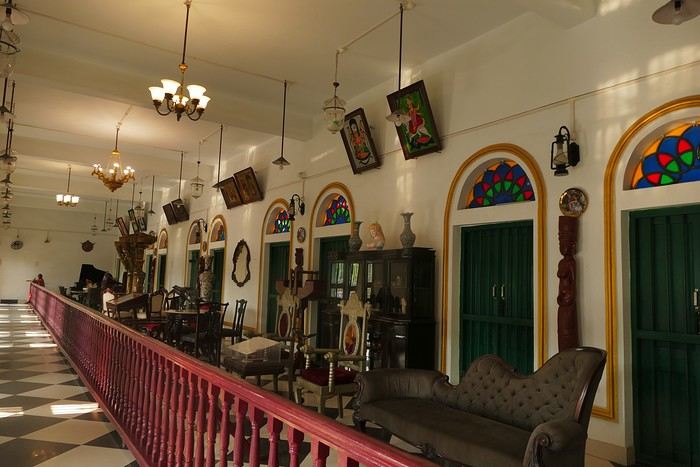
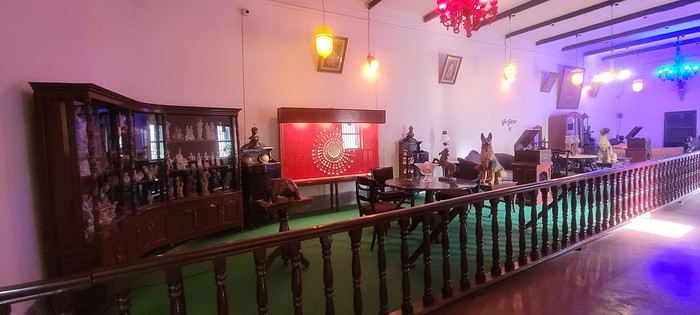
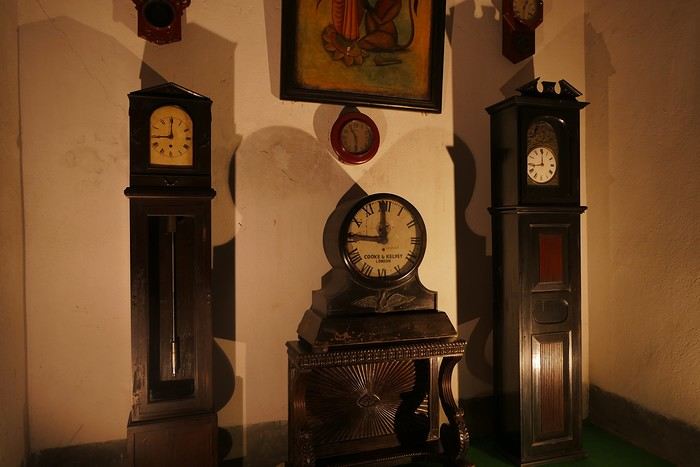
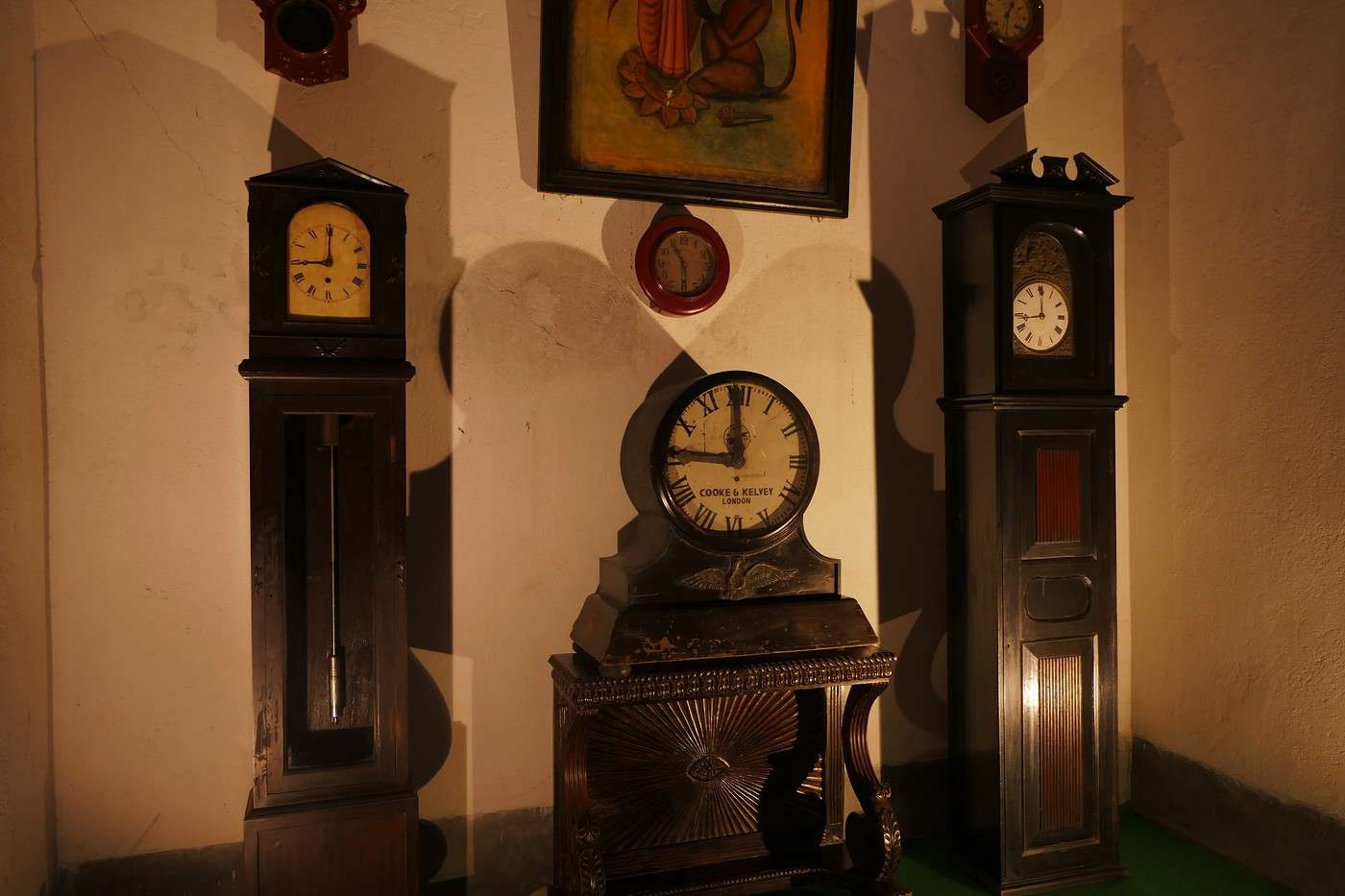
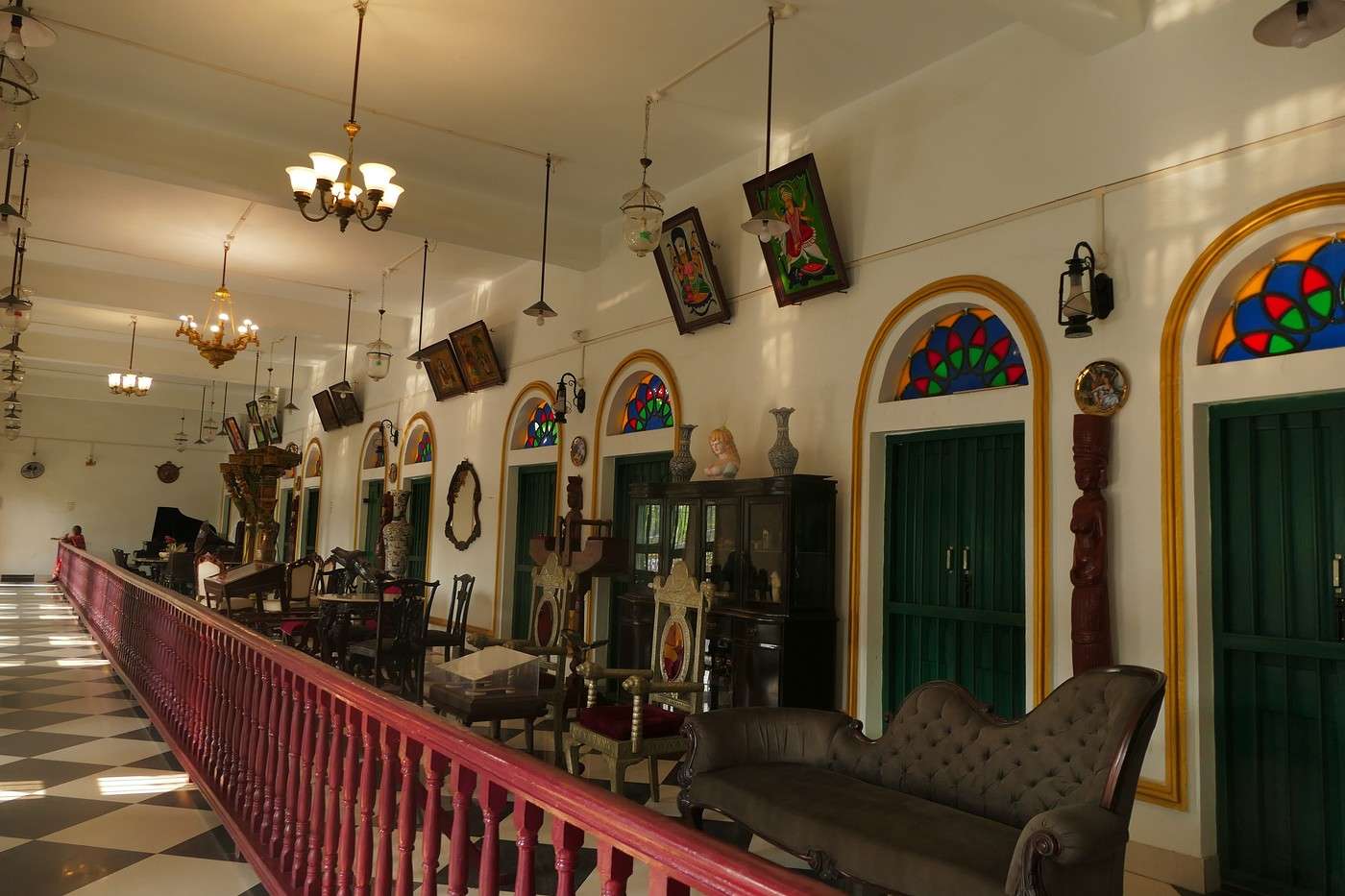
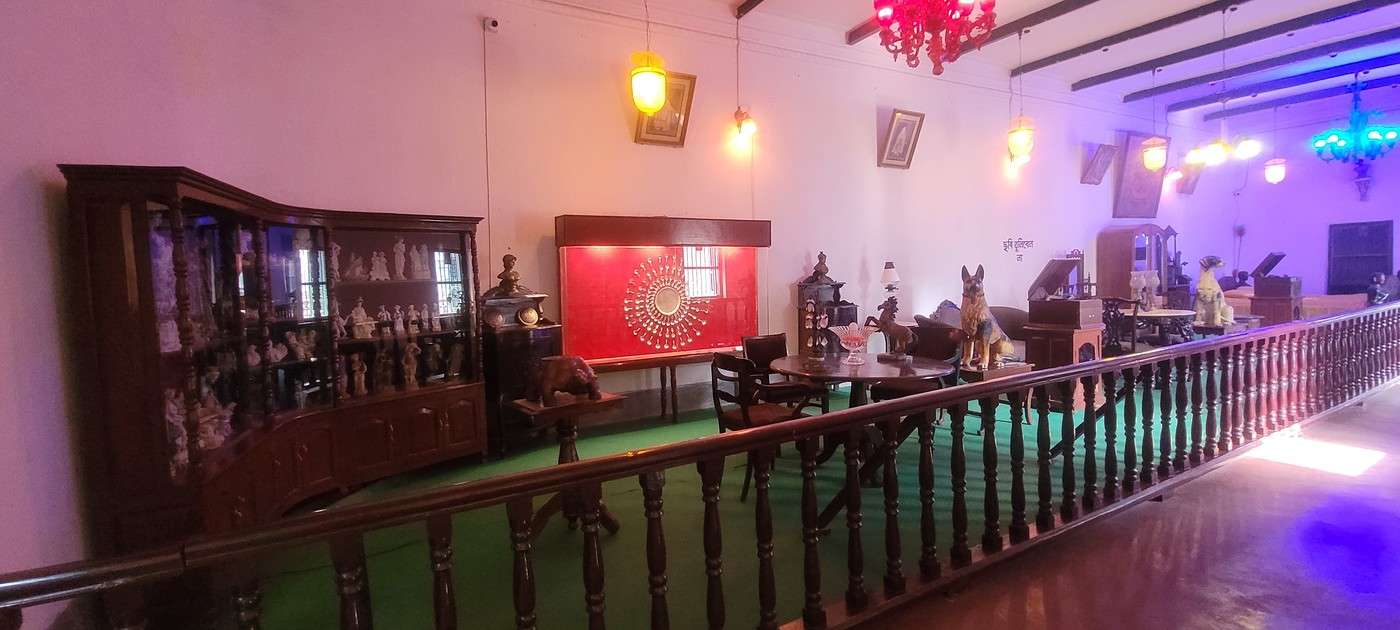
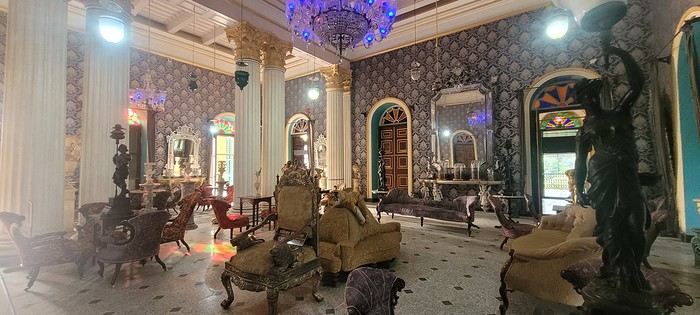
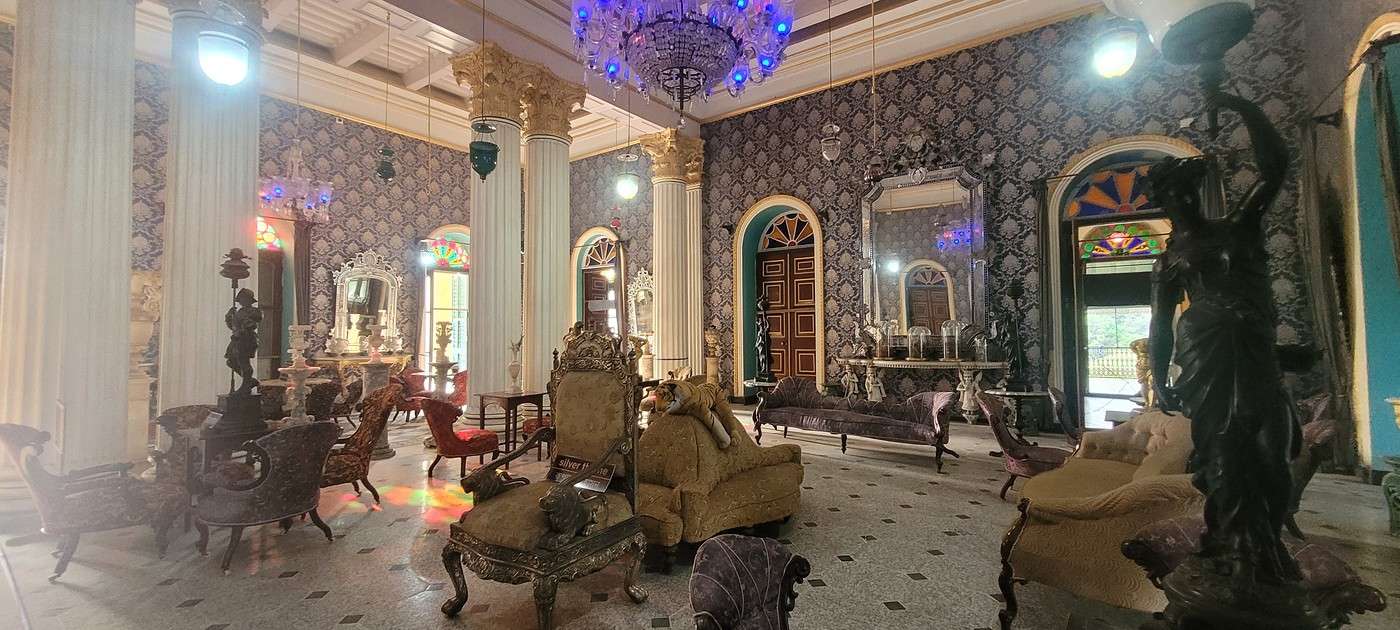
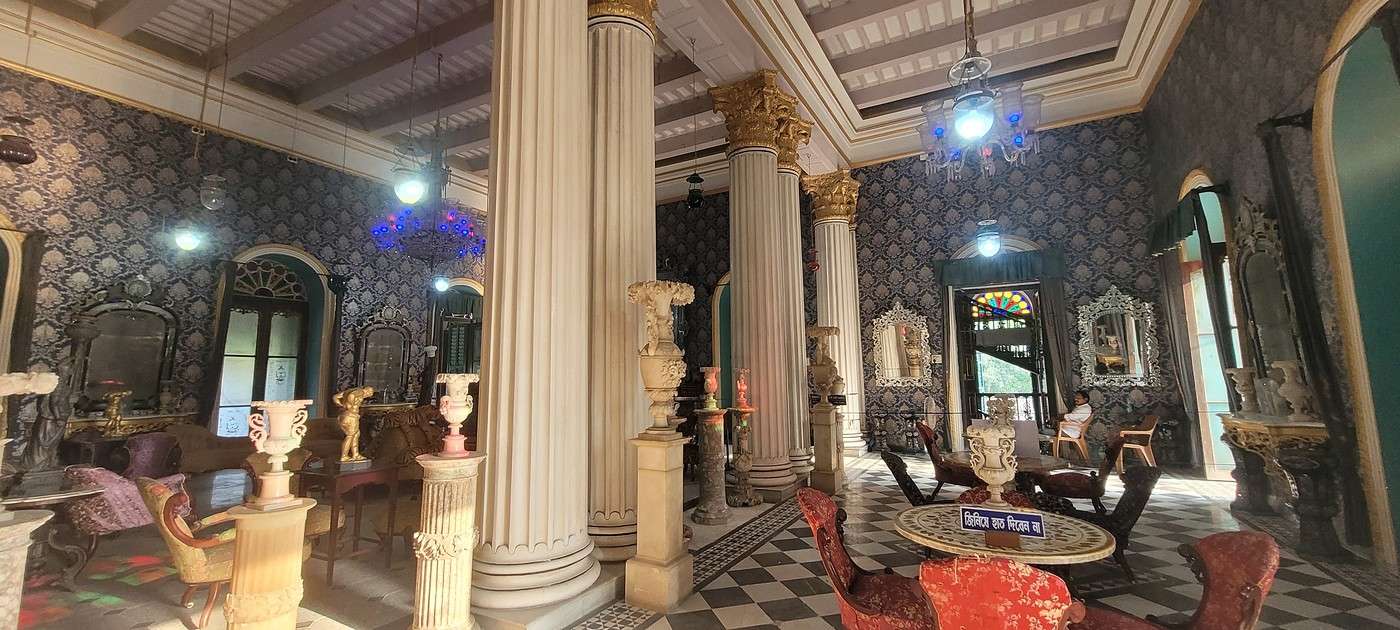
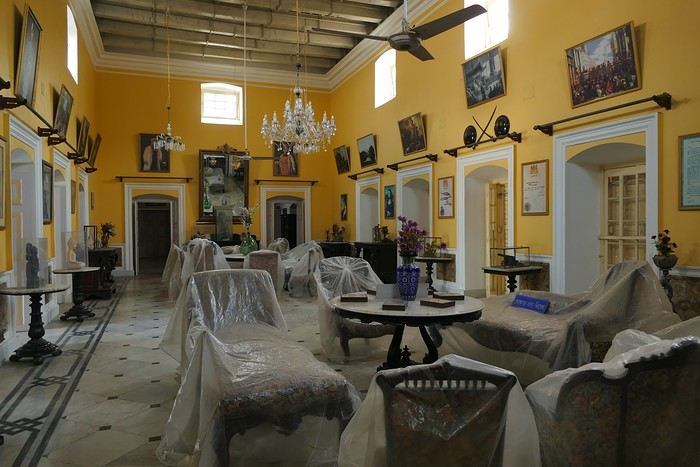 The rooms are furnished with Victorian furniture, the walls adorned with trophies, and heavy Belgian glass chandeliers hang from the ceiling. All the furniture is covered with clear plastic sheets, giving the whole place a strange, almost frozen atmosphere.