Back to the discussion

in Entre deux voyages › Carnets de voyage

Peru: A Childhood Dream Finally Fulfilled (page 2 of 4)

Discussion started by Larri on 2026-08-10

68 replies

This thread has been translated into English.


Peru: A childhood dream finally realized

Larri · 2026-08-17 · Message 21 of 69

Day 10 – Exploring Cusco’s historic center

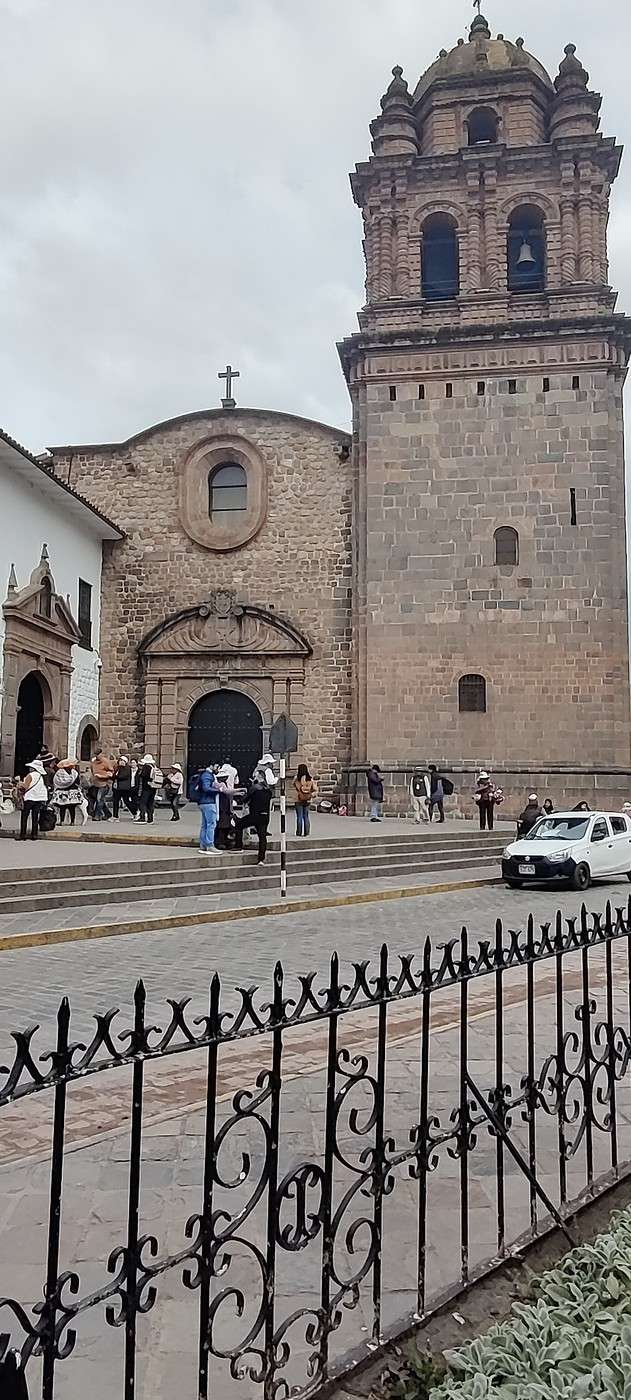
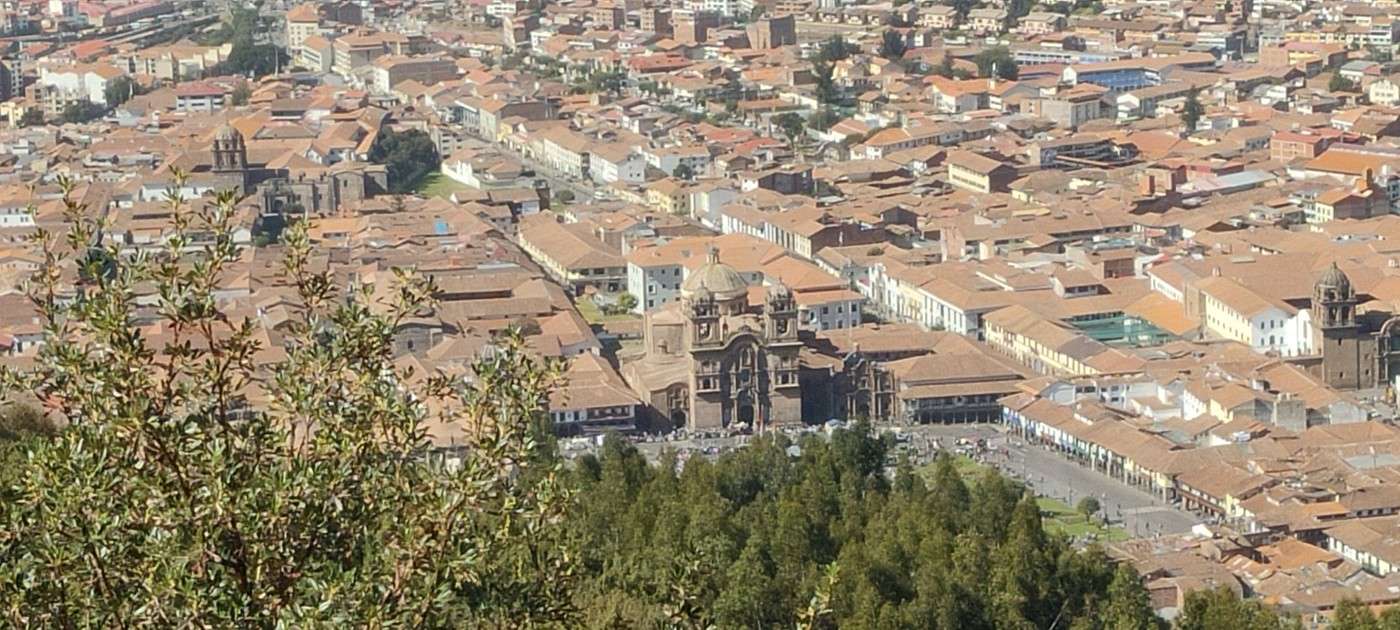
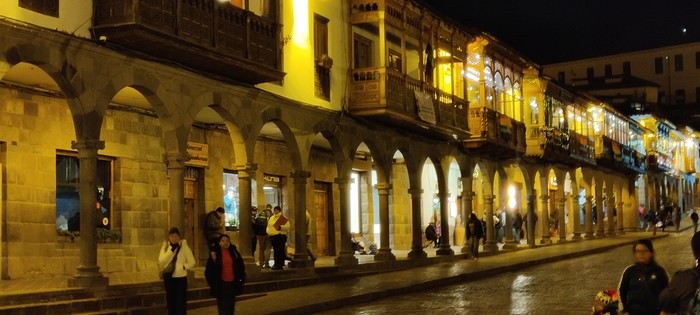
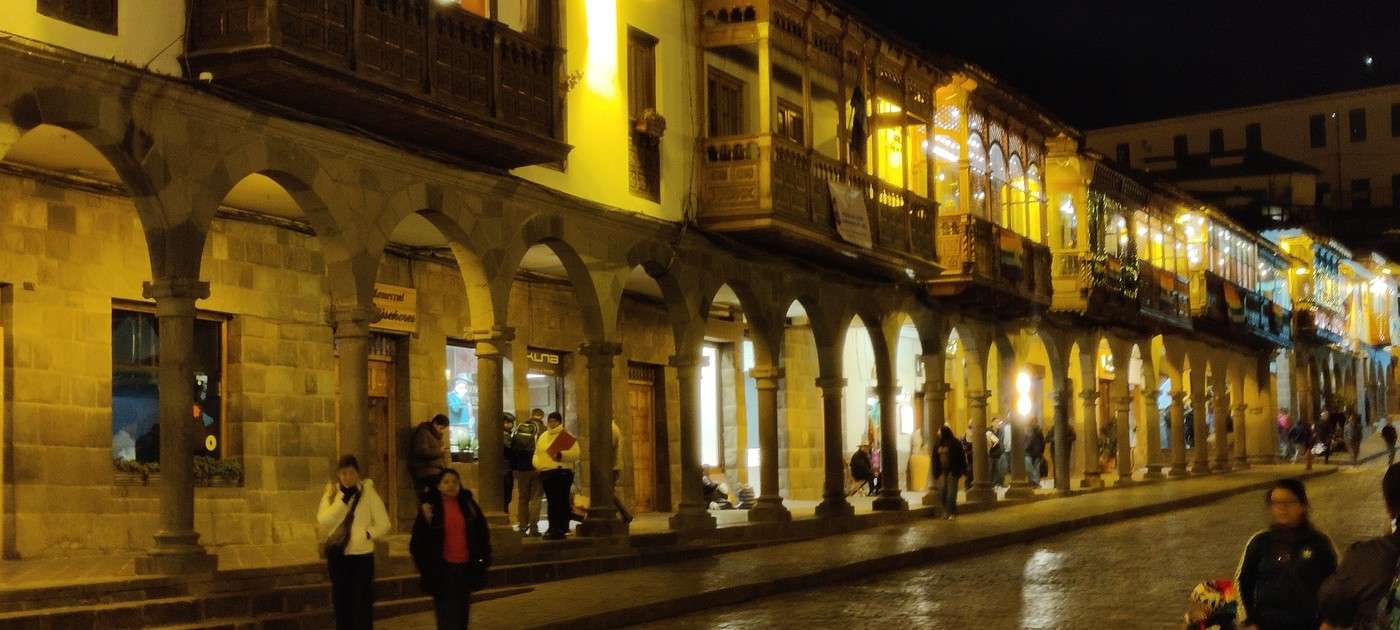
Today, we planned to visit Cusco’s historic center with Willi, a dynamic young guide with a strong Québécois accent he picked up during his studies in Canada. He’s passionate, knowledgeable, and funny—exactly the kind of guide you love. A quick word about the city. Cusco was the capital of the Inca Empire. Its name is traditionally interpreted as meaning "navel of the world" in Quechua. It boasts an extraordinary historical and cultural wealth, a blend of Inca and Spanish civilizations, with archaeological ruins and Hispanic architecture. This remarkable fusion earned it a spot on the UNESCO World Heritage list in 1983. The Plaza de Armas sits at the heart of the old city, with its arcades, colonial buildings, intricately carved wooden balconies, and sections of Inca-era walls. At its center stands a magnificent fountain topped with a bronze sculpture of Pachacútec, the ruler behind the expansion of the Inca Empire. The statue serves as a reminder of the Inca legacy. Surrounding the square are the imposing Cathedral of Our Lady of the Assumption and the Church of the Society of Jesus. Everywhere, Peruvian flags and Cusco’s multicolored flag flutter—so similar to the LGBT rainbow flag that you might mistake one for the other. But if you look closely, you’ll notice Cusco’s flag has seven colored stripes, while the LGBT rainbow flag has six. This June, Cusco celebrates the sun with Inti Raymi. Originating from Inca traditions, this festival was tied to the winter solstice in the Southern Hemisphere and honored Inti, the sun god, to ensure prosperity and good harvests. The modern celebration takes place every year on June 24th and marks the climax of a month-long festival in Cusco. Peruvians sing, dance, play music, and parade in vibrant processions. We’ll soak up this festive atmosphere throughout our stay in Cusco. That’s why the Plaza de Armas is always lively and often hard to access—numerous parades and events disrupt visits to religious sites. We’ll struggle, for example, to get into the cathedral. I’ll share more about these parades later—they’ll set the rhythm for all our days in Cusco. Next, we head to the Santo Domingo Convent.
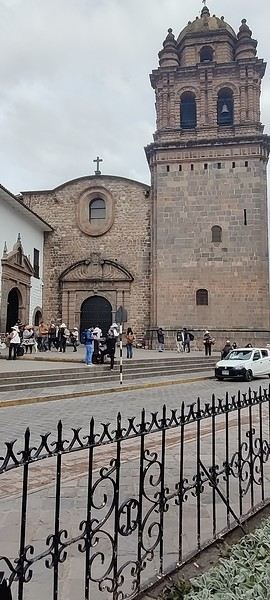
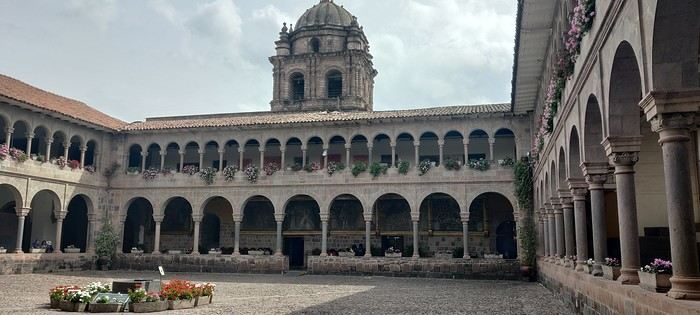


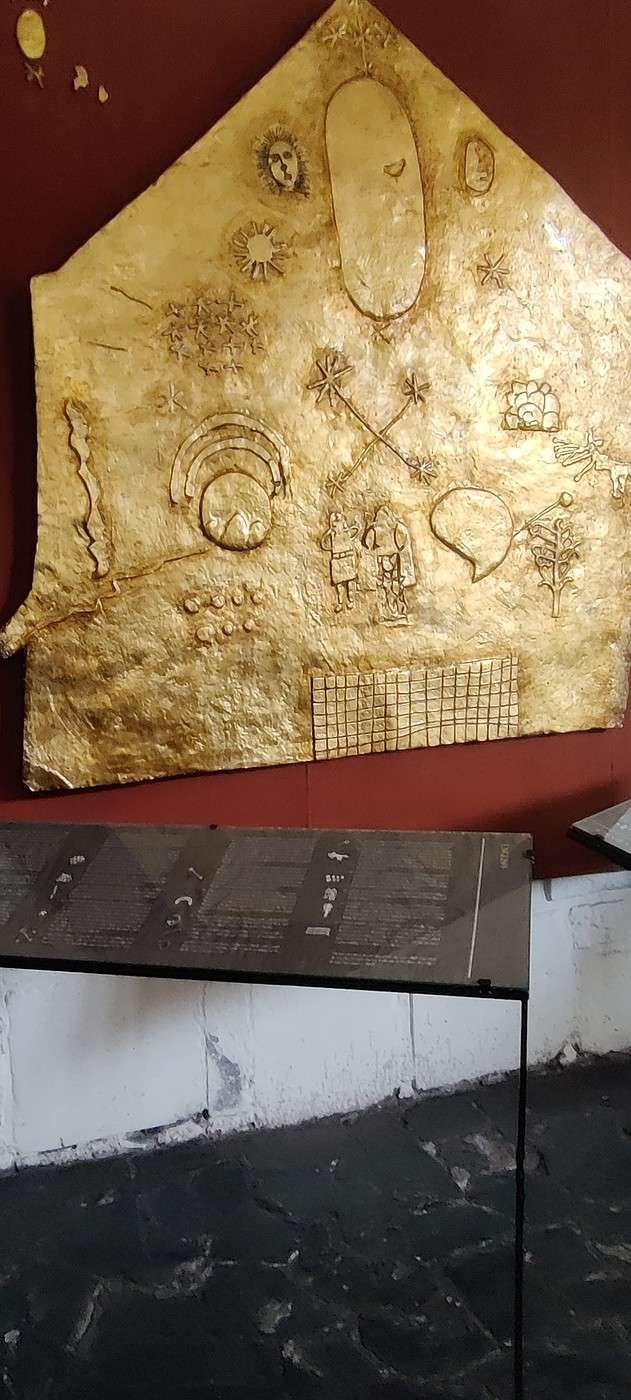
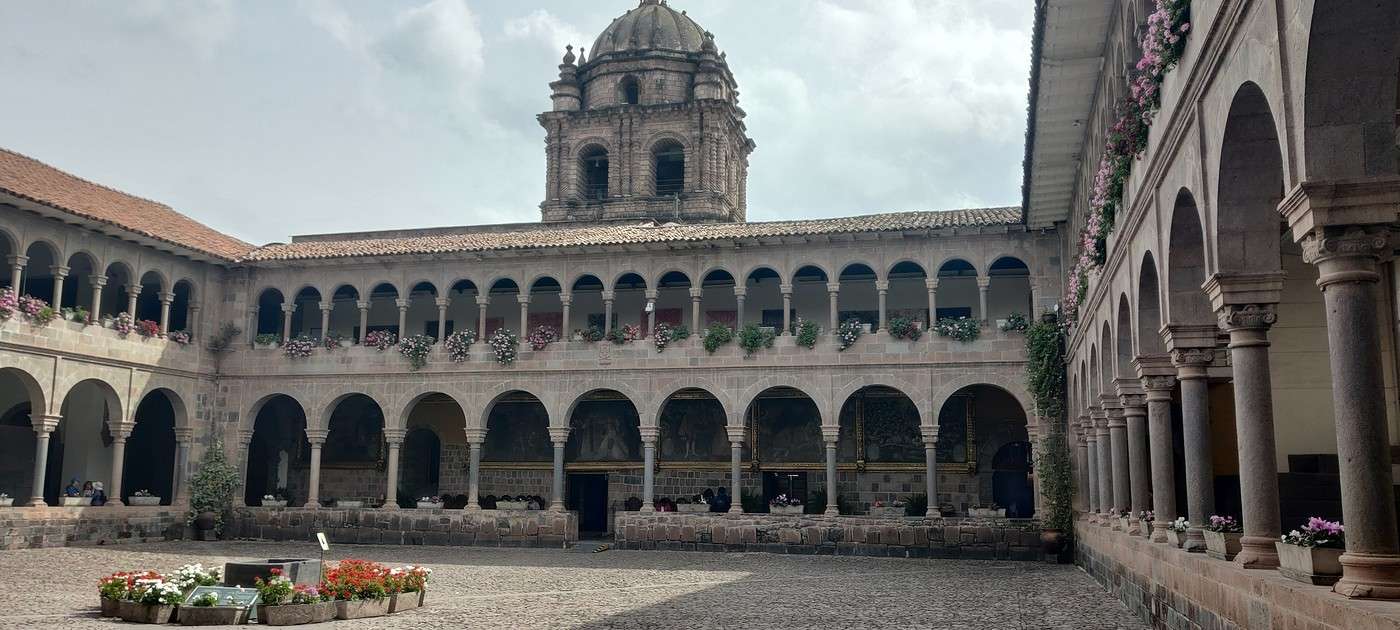
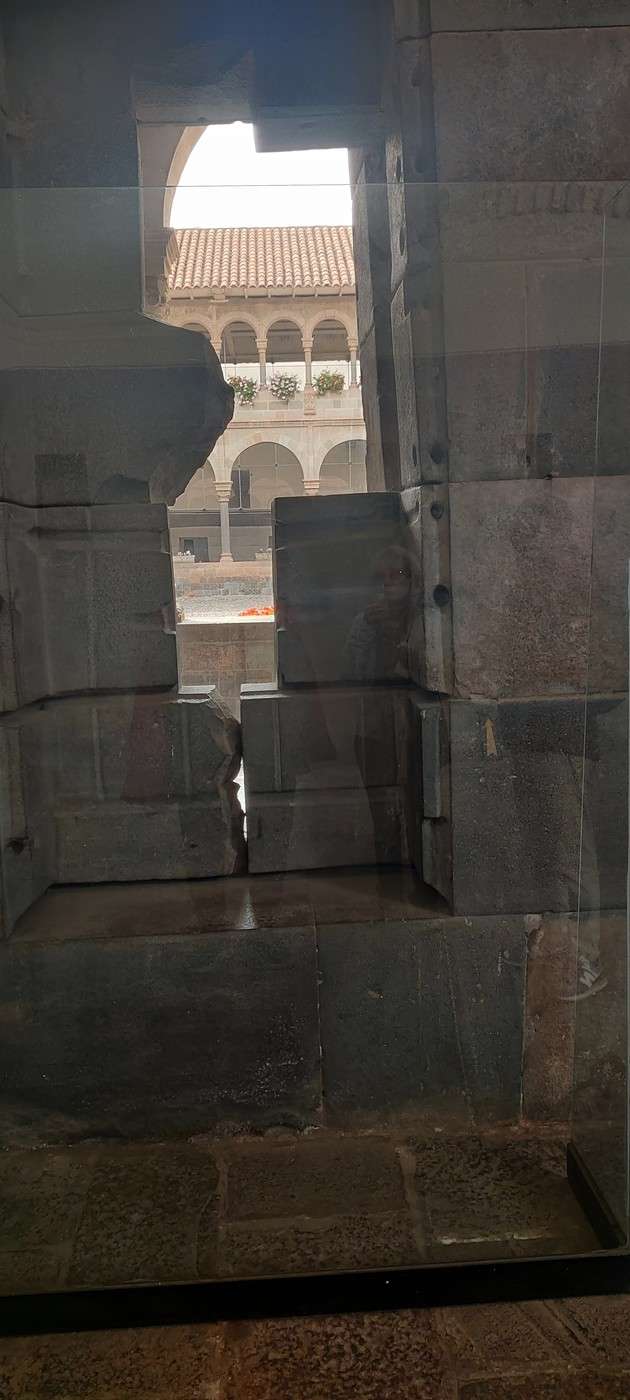
It was built on the site of the Temple of the Sun, Qoricancha in Quechua. After the Spanish conquest, much of the Inca temple was dismantled, and its materials were reused to construct the convent and church on its foundations. Remnants of the Inca walls were uncovered after earthquakes. Spanish chroniclers described the temple as a sumptuous building with walls covered in gold plates, symbolizing the power and wealth of the Incas and the sacredness of the site.
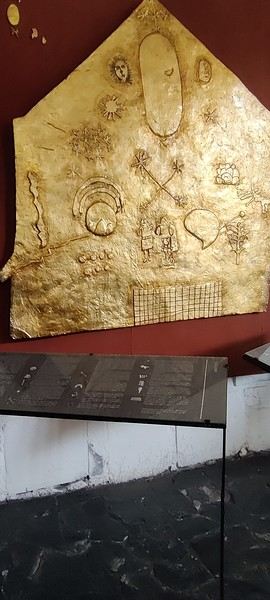
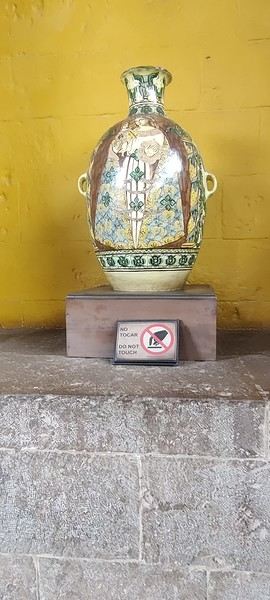


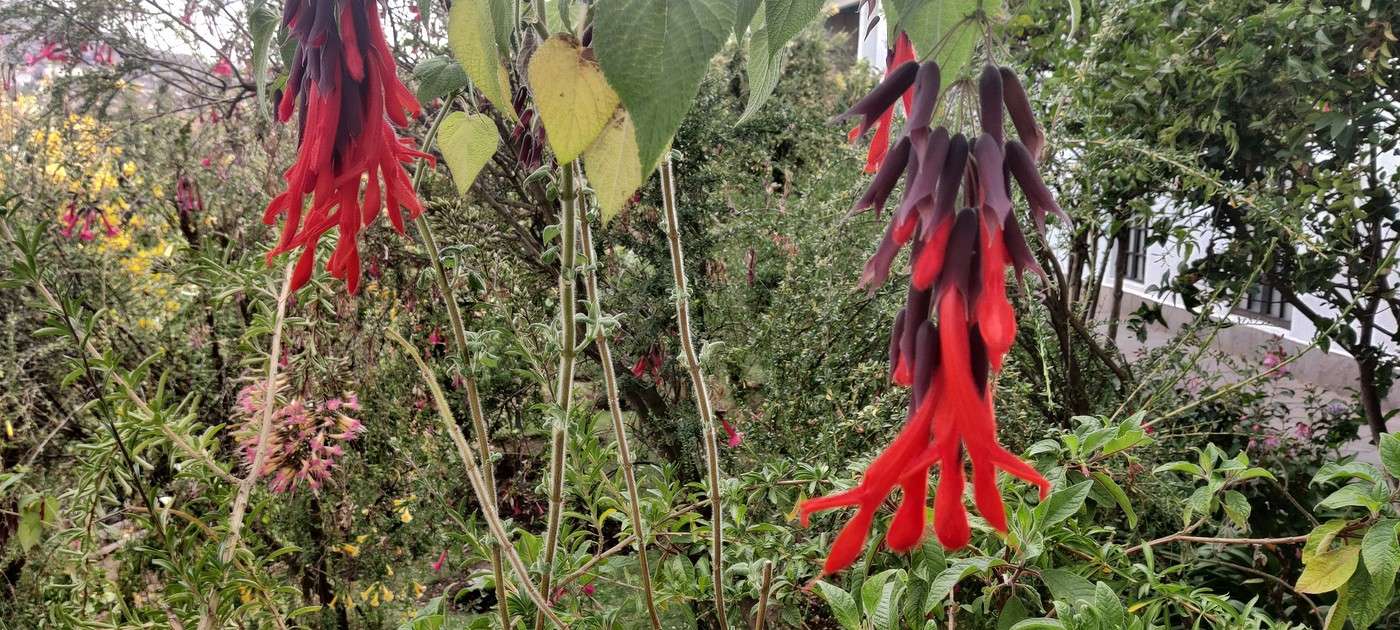
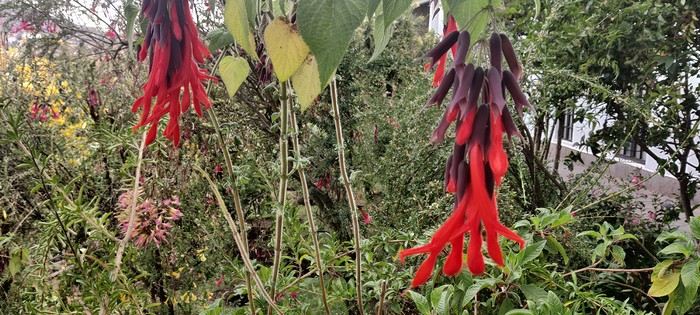
Here, you can see the incredible precision and ingenuity of the Incas in constructing buildings that withstand earthquakes better. Willi explains their beliefs, astronomical knowledge, calendar, and symbols. It’s fascinating, even if you don’t remember everything. This place alone embodies the entire history of Cusco: the splendor of the Inca capital, the Spanish conquest, and the layering of two civilizations. To wrap up, we discover the beautiful exotic garden overlooking the city.
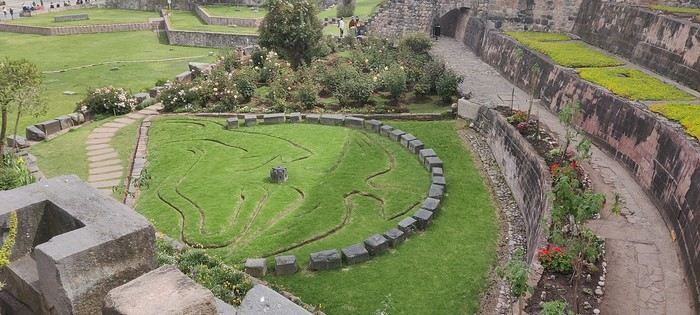


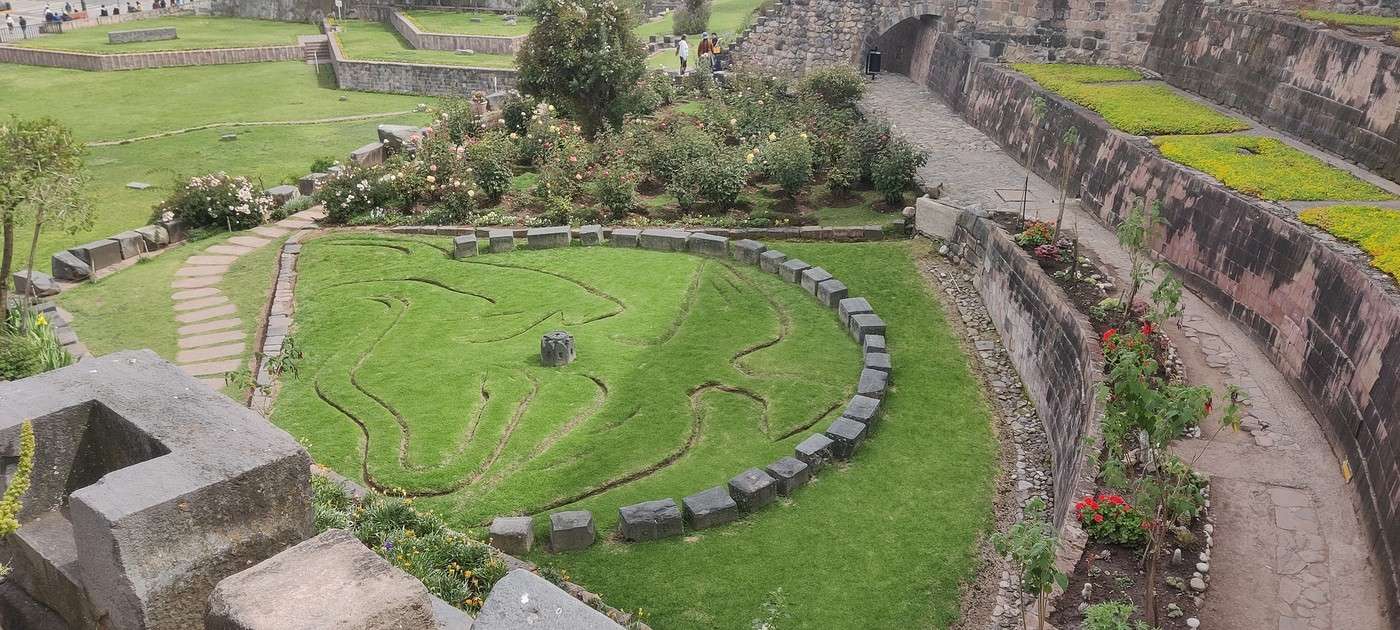
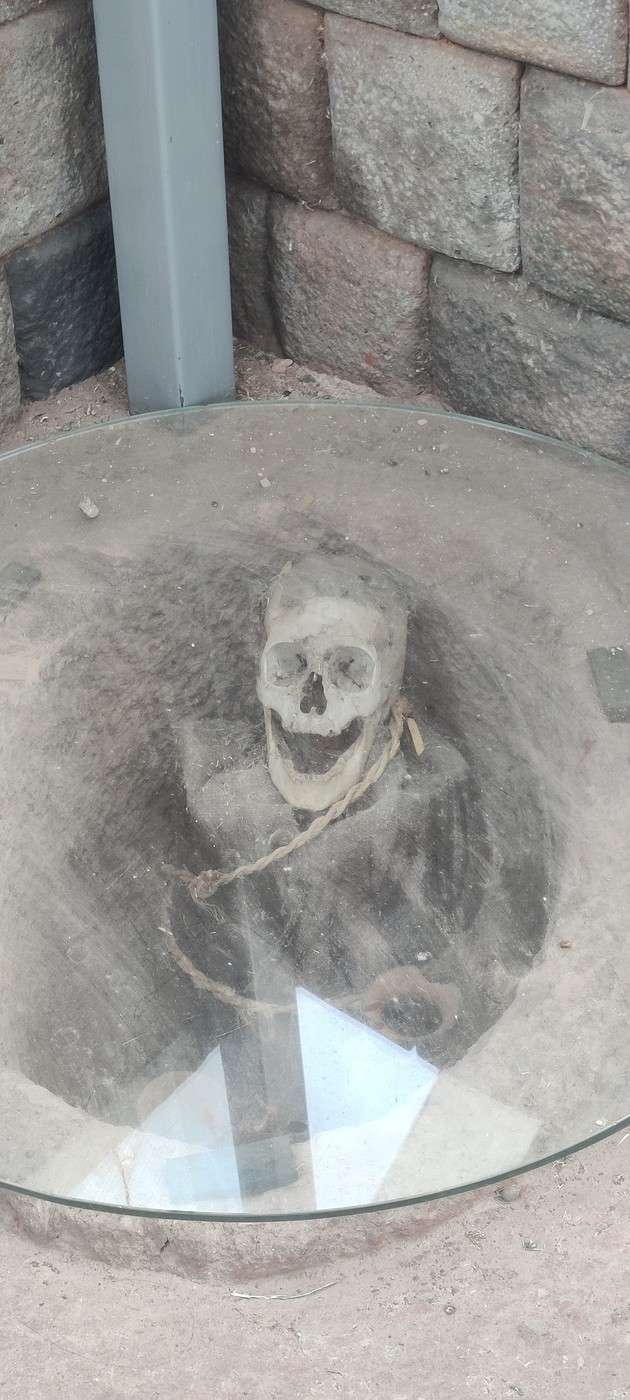
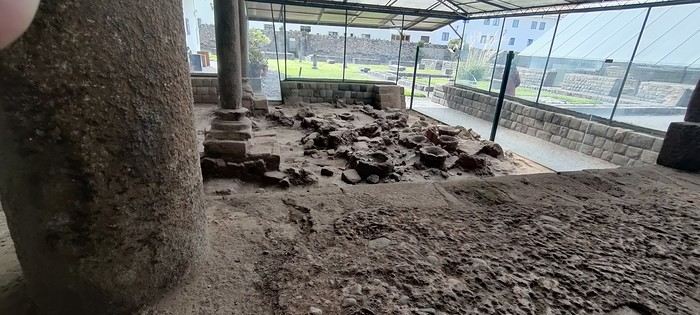
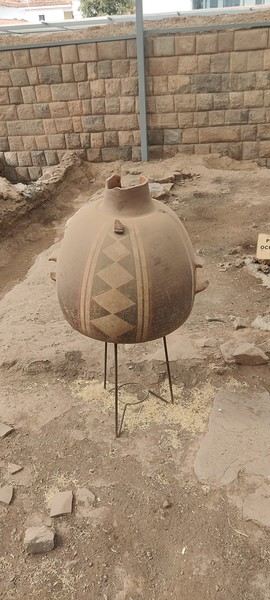
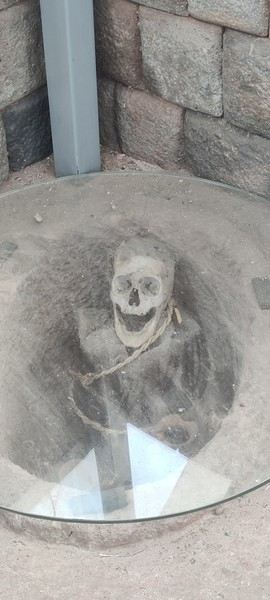
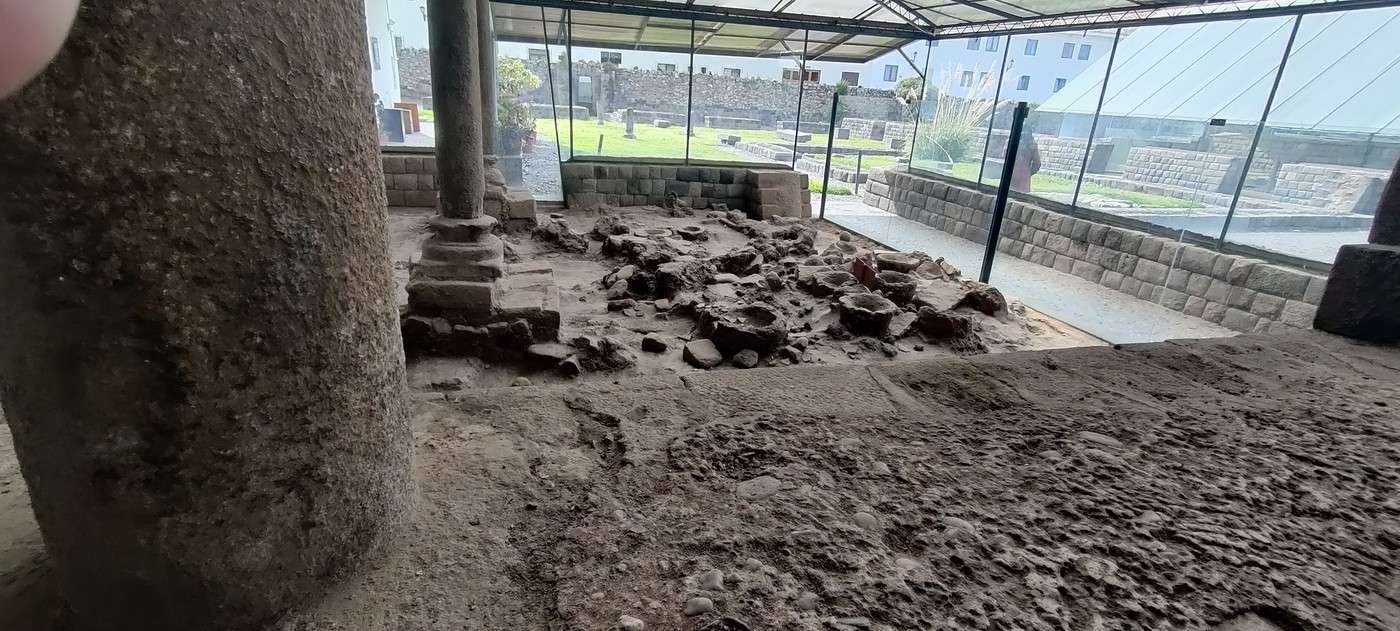
Willi then takes us to a site called "Kusicancha," an archaeological area in the heart of Cusco. It was once part of the Inca city, linked to a palace, and today appears as an open space surrounded by finely cut stone walls. Ongoing excavations have uncovered water channels, wells, inner courtyards, building foundations, and tombs. In one cavity, you can even see a mummy in the fetal position.


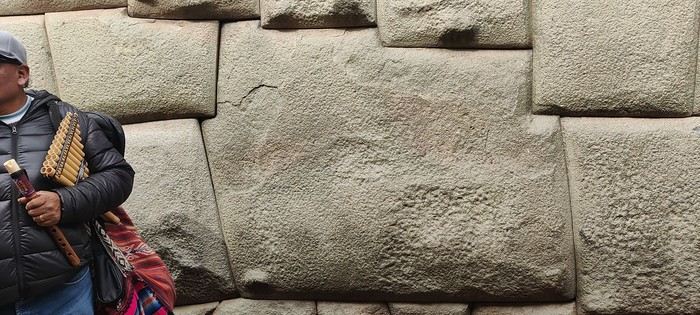
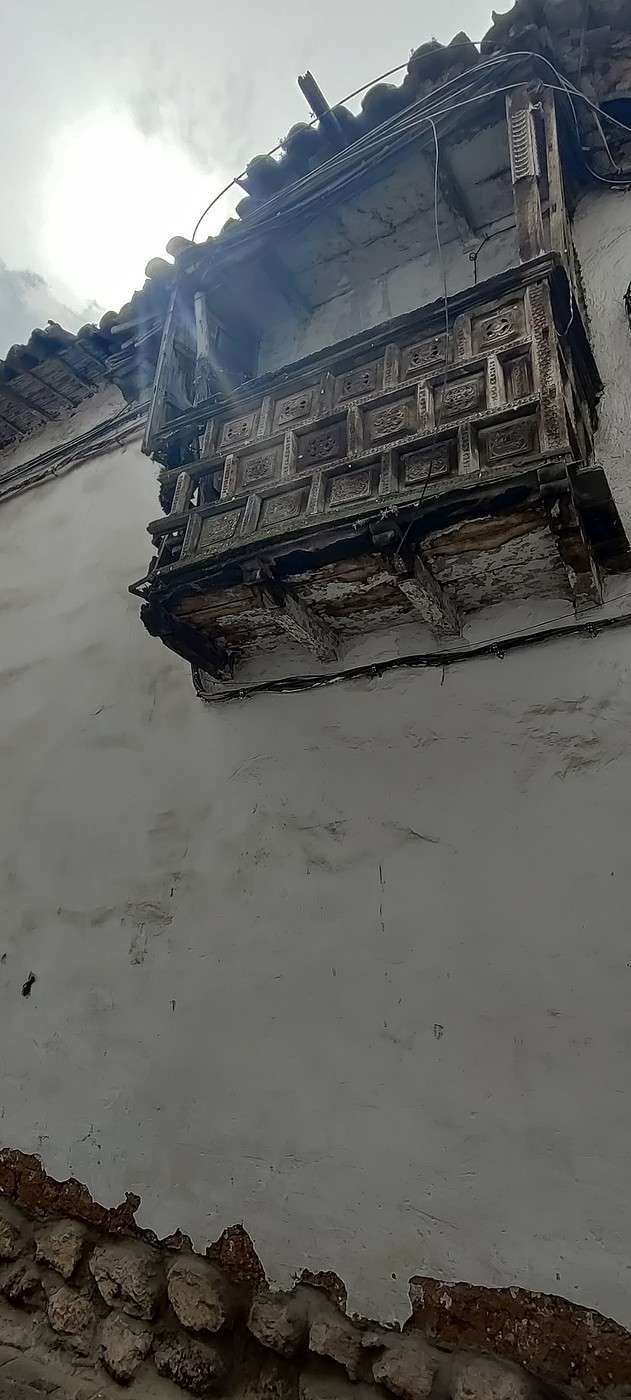
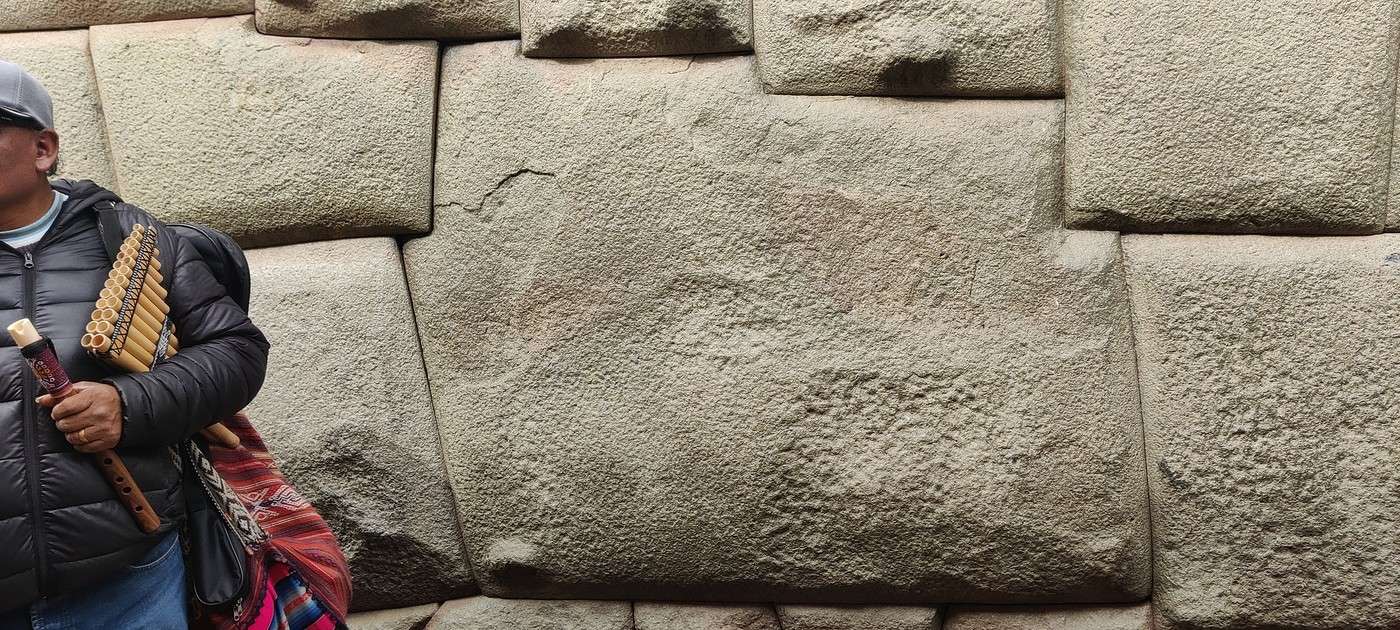
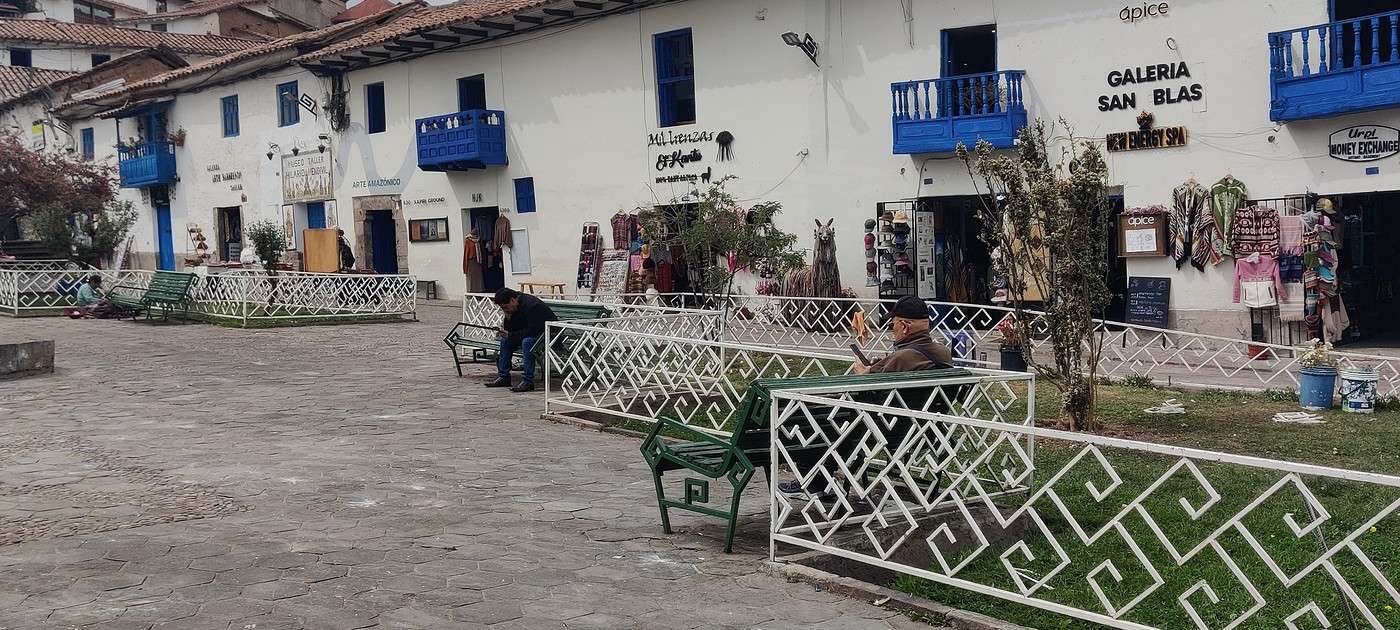
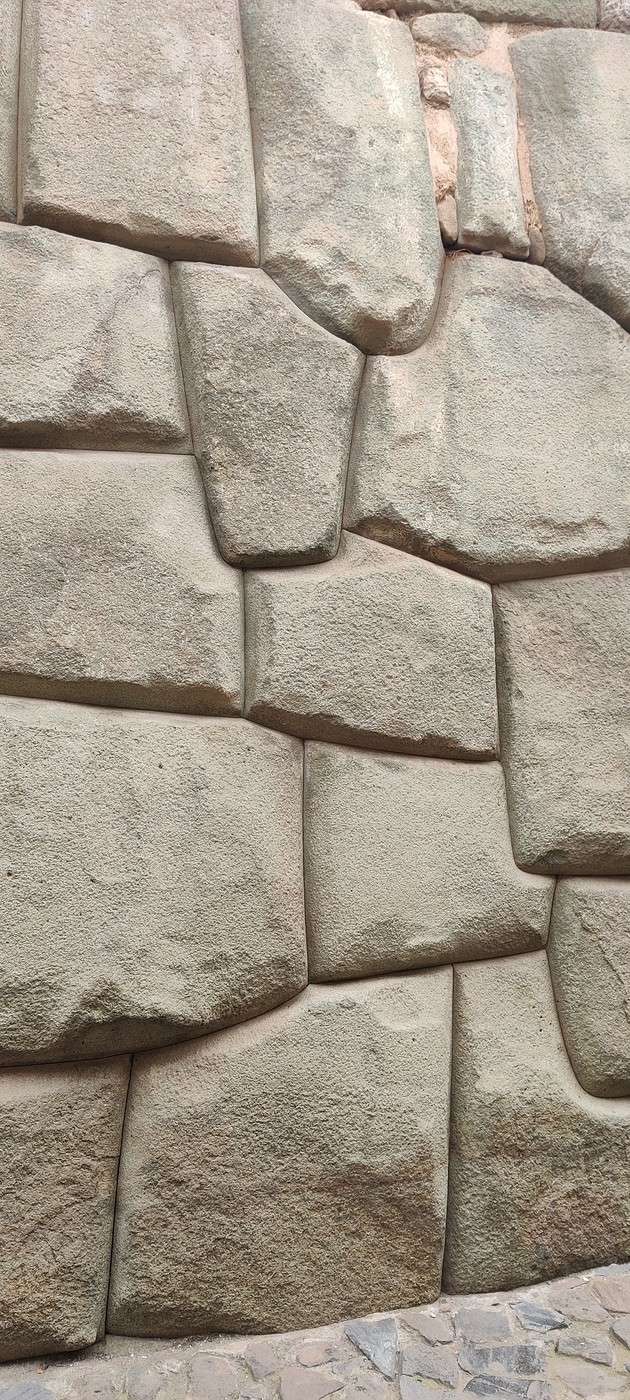
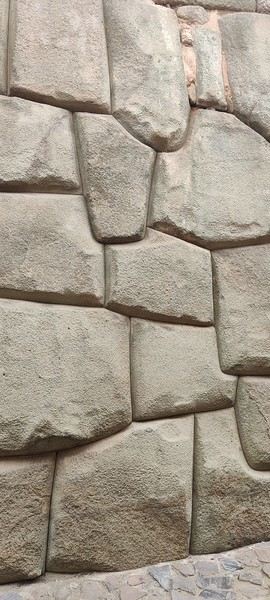
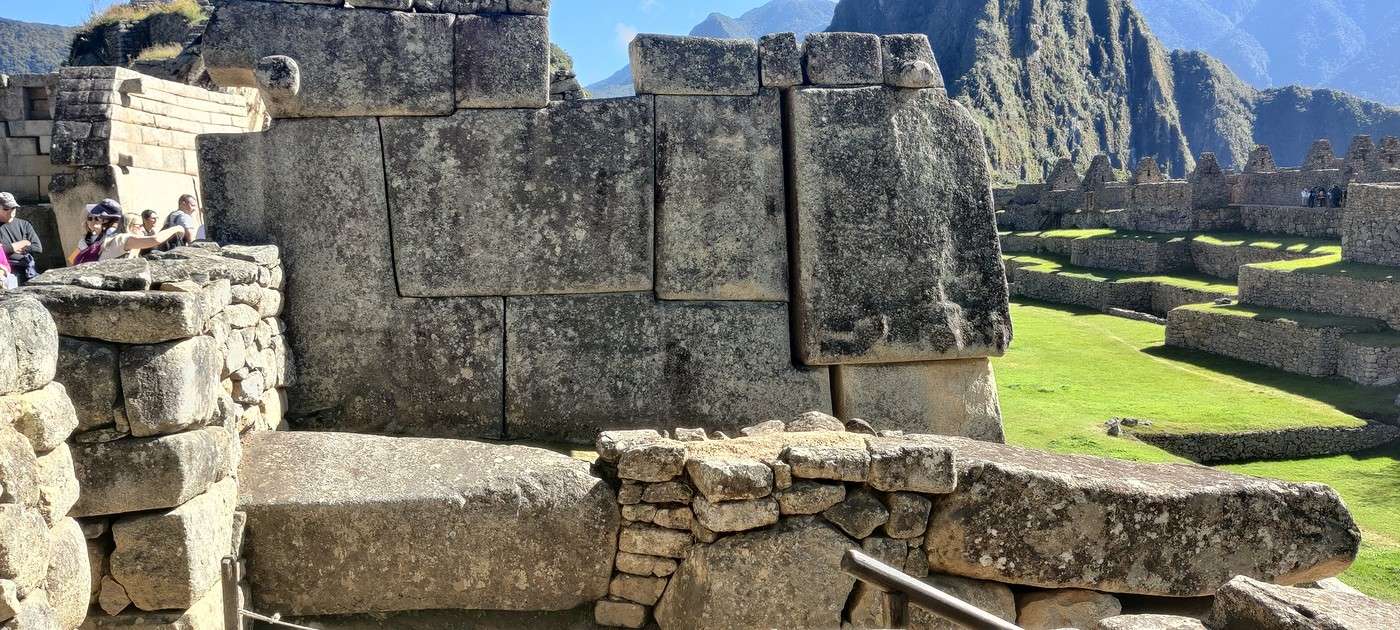
Next, we explore the San Blas neighborhood, with its shops, artisans, restaurants, market, and the famous Twelve-Angled Stone—a testament to the skill of Inca builders. The stone block was carved to fit perfectly with the surrounding stones, without mortar. It’s mind-blowing every time. Along the way, our guide explains the difference between Cusco’s many balconies. You’ll notice the closed, Andalusian-style balconies, a legacy of the Spanish era, designed for seeing without being seen, and the more recent open balconies, often featuring wrought iron. At the end of the tour—and at our request—Willi takes us to a typical Peruvian restaurant where we enjoy soup, a hearty meat dish with vegetables, and a drink—all for less than 5 € per person! He also gives us some sightseeing tips and recommends a few *picantarias*. Too bad he can’t join us for the next few days—he’s in high demand. The afternoon is already well underway. After a well-deserved nap, we set out to find a laundry. For 7 soles per kilo, we don’t hesitate to drop off all our dirty clothes. They’re returned to us 24 hours later, clean and neatly folded. We’ll take full advantage of this convenience and, for the first time, return from a trip with no dirty laundry! Tonight, we dine at a Japanese restaurant, Limo Peruano Nikkei, on the Plaza de Armas. We have the best sushi of our lives here. Plus, the service is worthy of a Michelin-starred restaurant. We’ll be back during our stay.
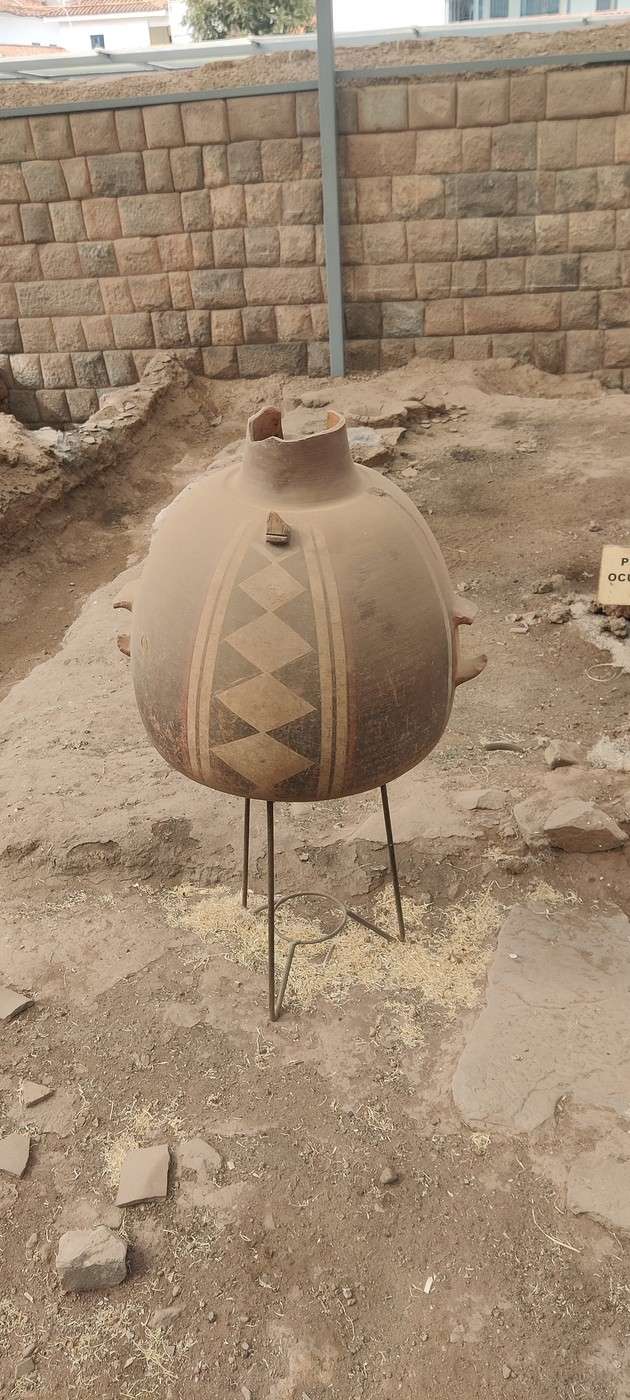
Peru: A childhood dream finally realized

Larri · 2026-08-17 · Message 22 of 69

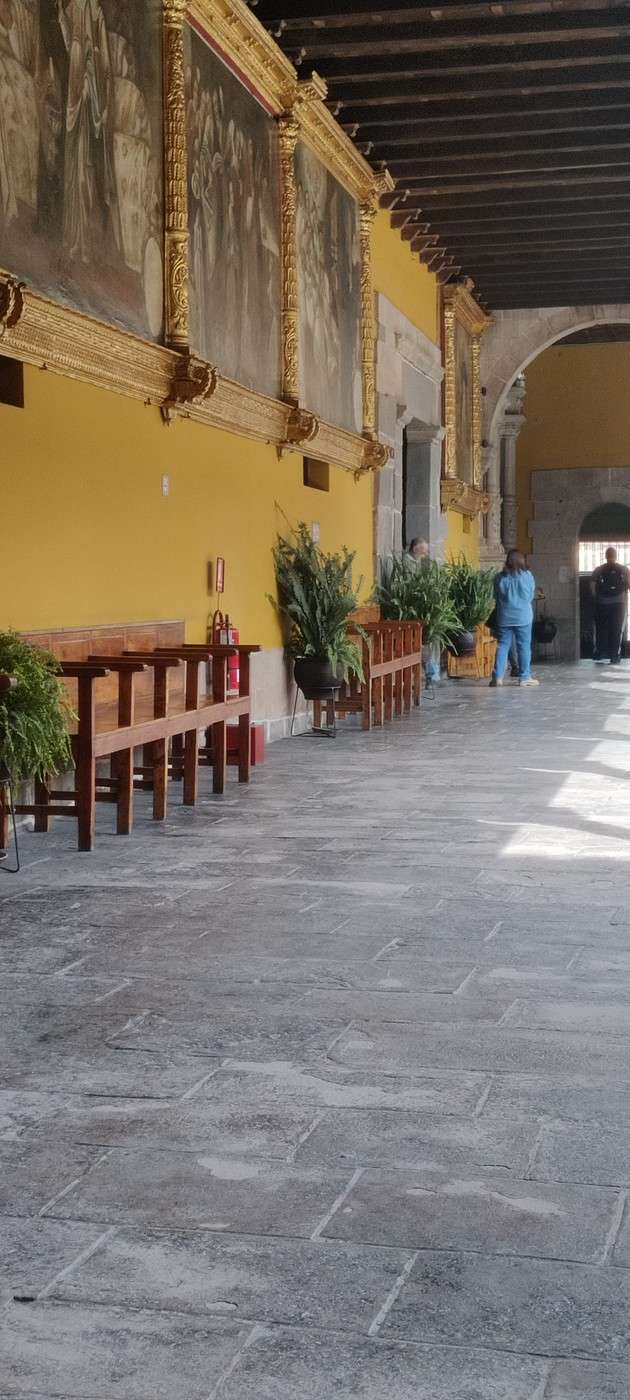
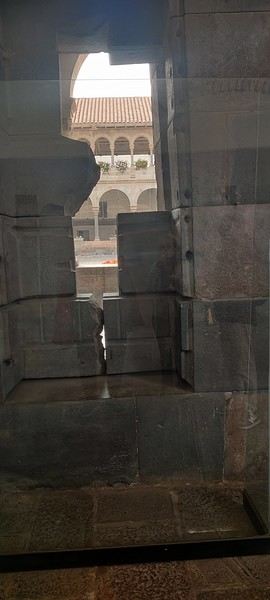
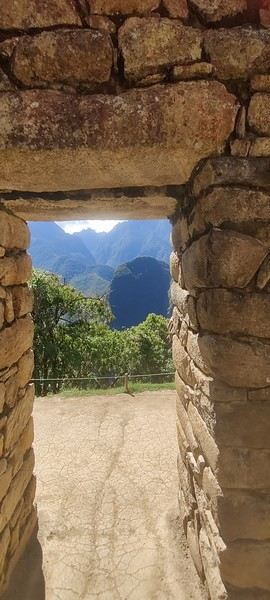
A few more photos of Cusco seen from the Santo Domingo cloister through a niche in the Temple of the Sun

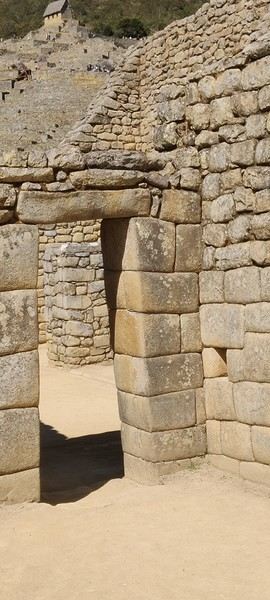
Inca structures, with the famous twelve-angled stone in the second photo


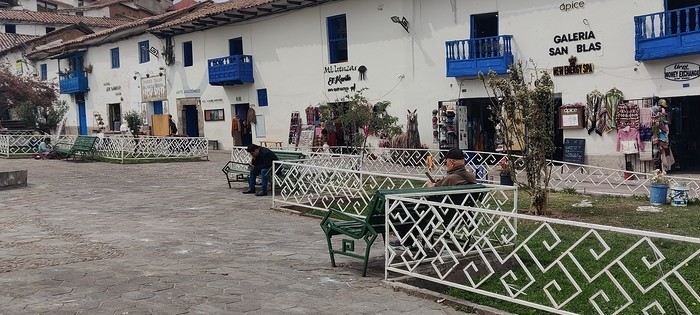
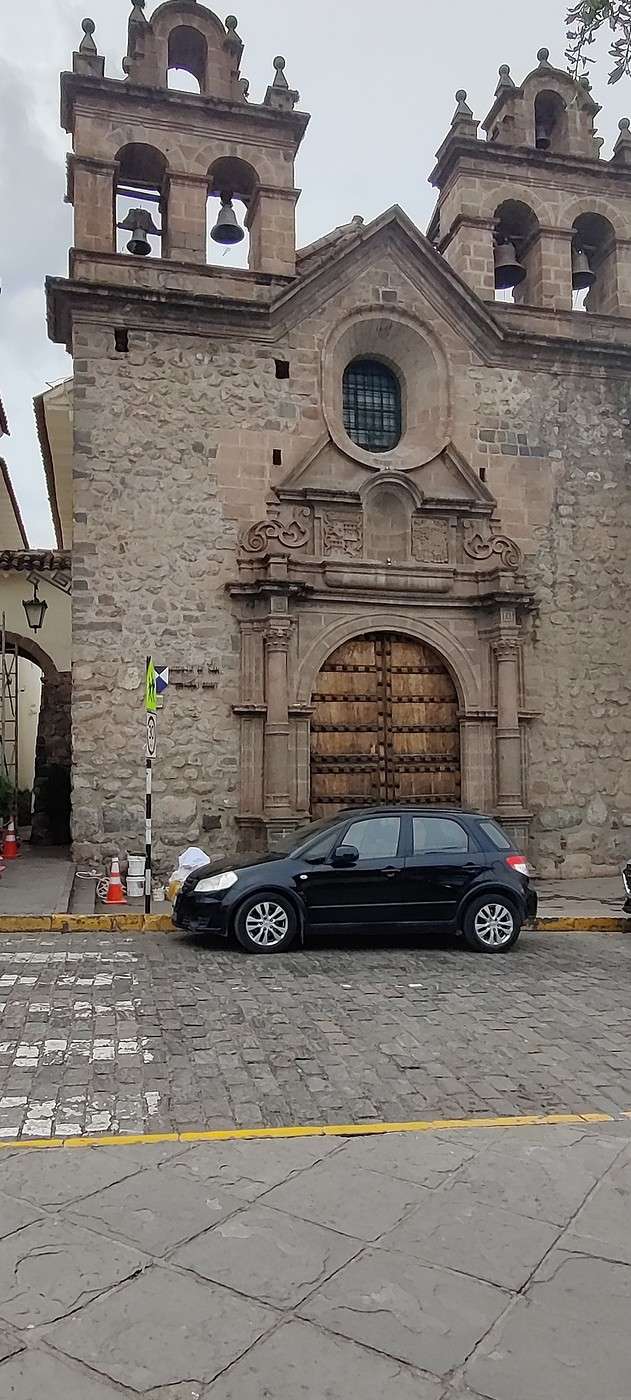
A picturesque alley in the San Blas neighborhood Saint Anthony Chapel on Plaza de las Nazarenas
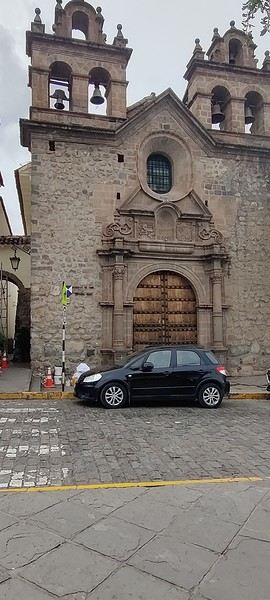
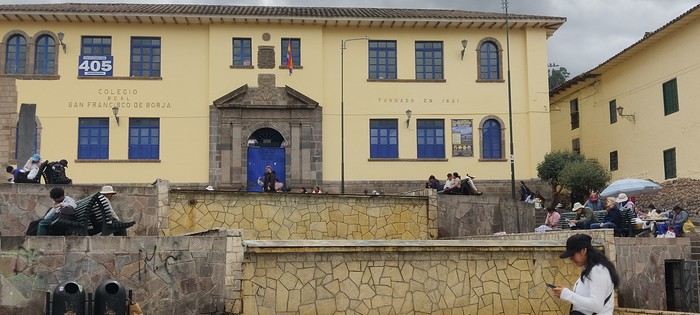
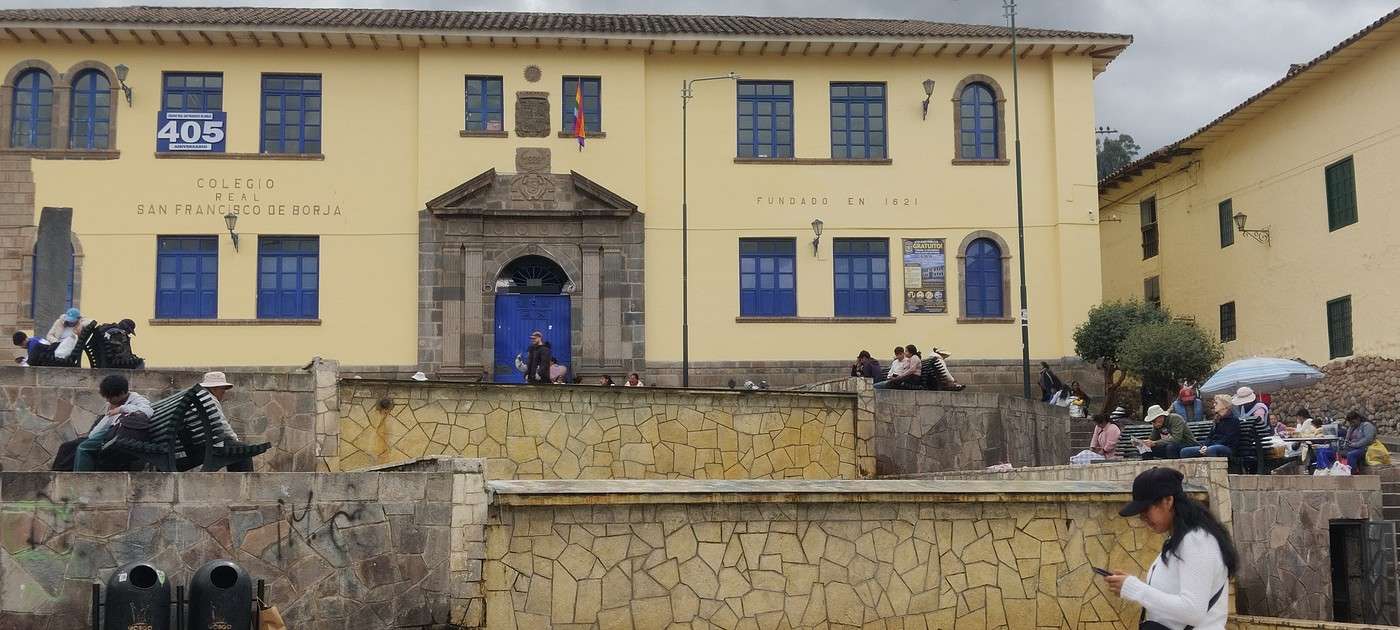
Royal College of San Francisco de Borja

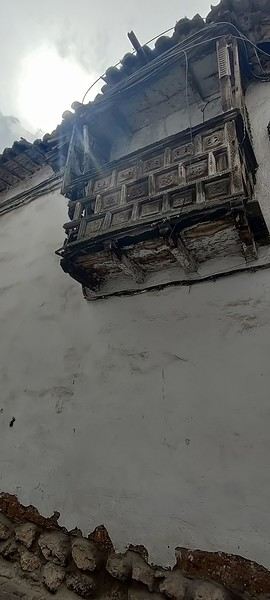
An old balcony

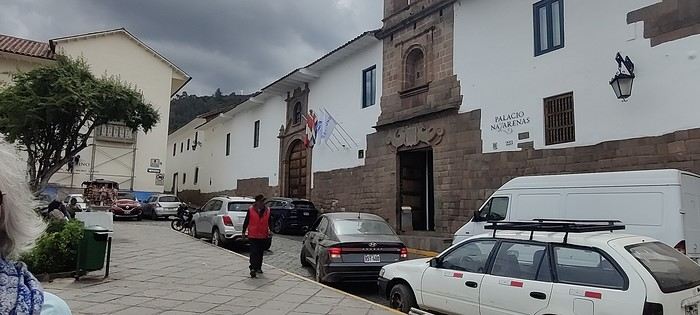
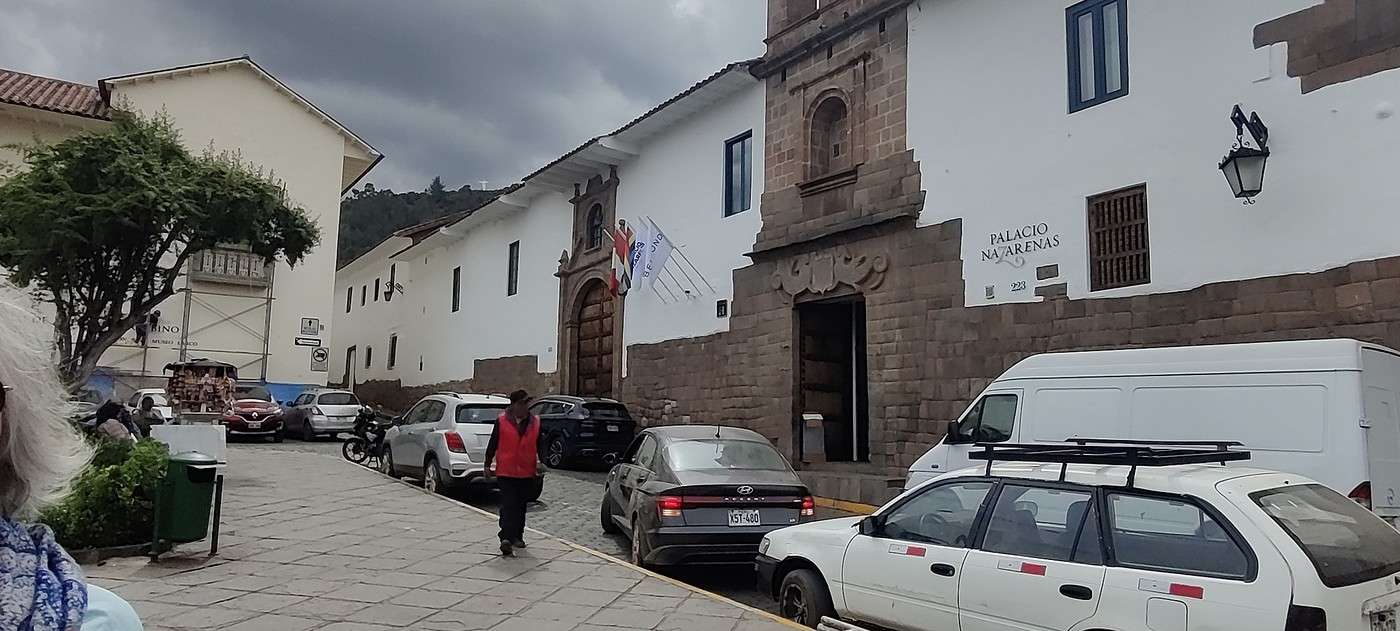
Facade of the Nazarenas Palace

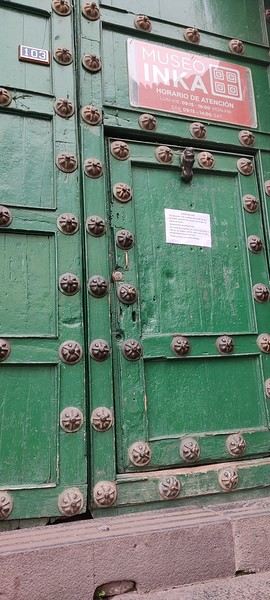
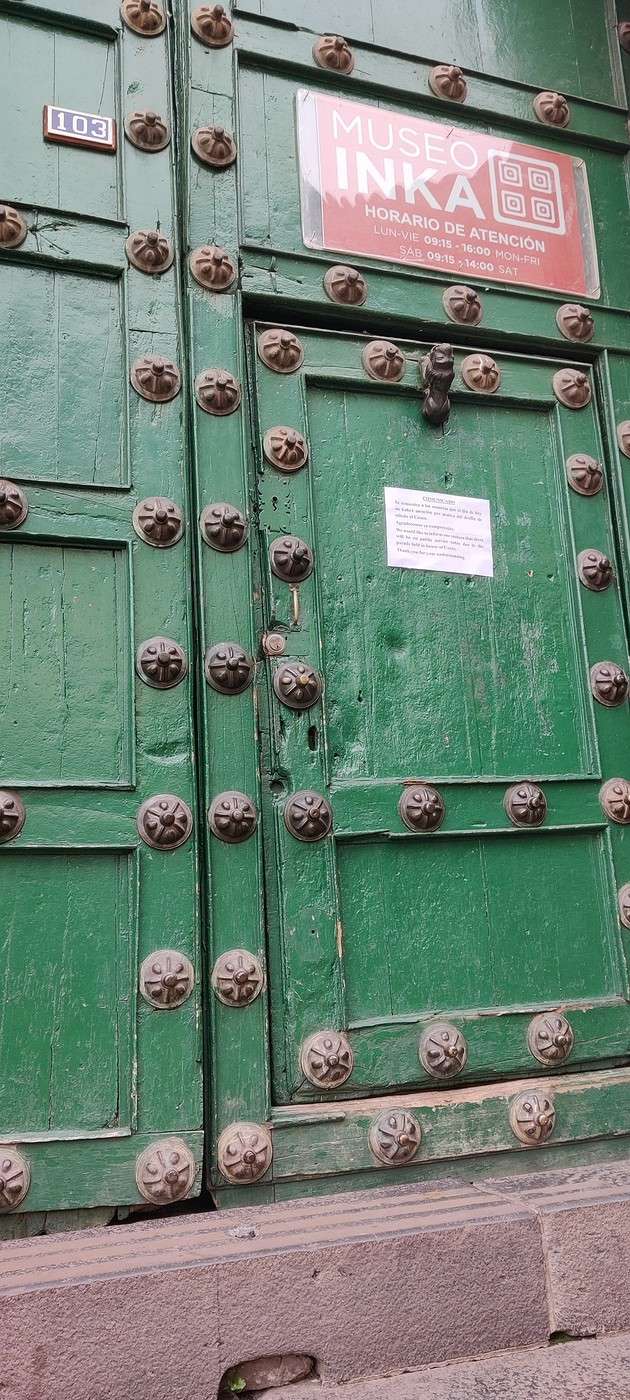
Door of the Inca Museum

Peru: A Childhood Dream Finally Fulfilled

Larri · 2026-08-21 · Message 23 of 69

Day 11 – Exploring the Southern Valley of Cusco
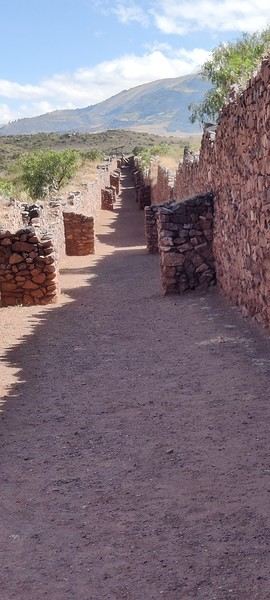
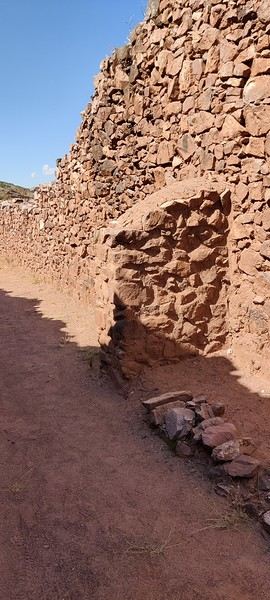
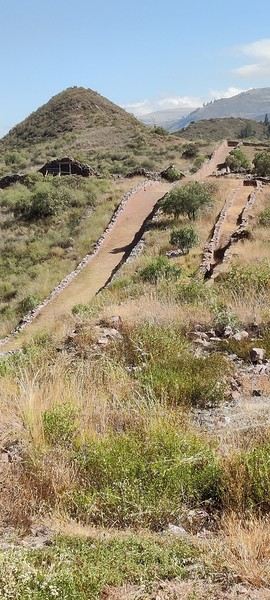
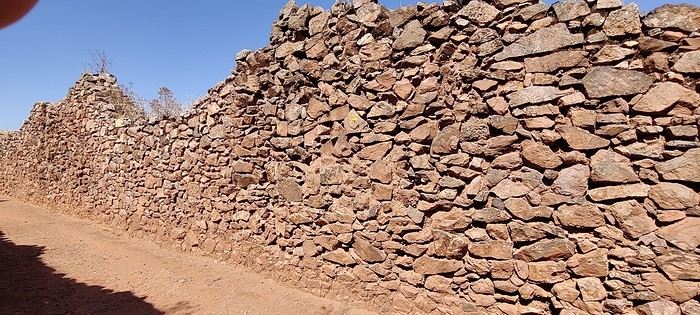
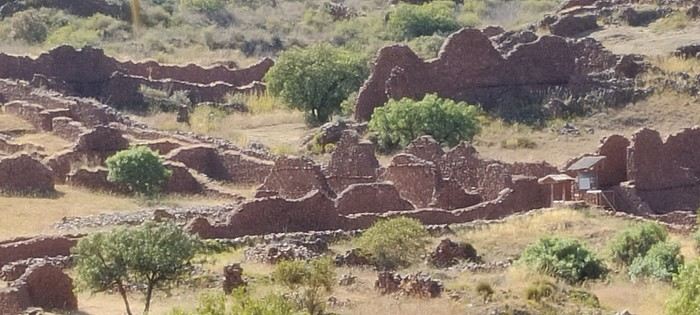
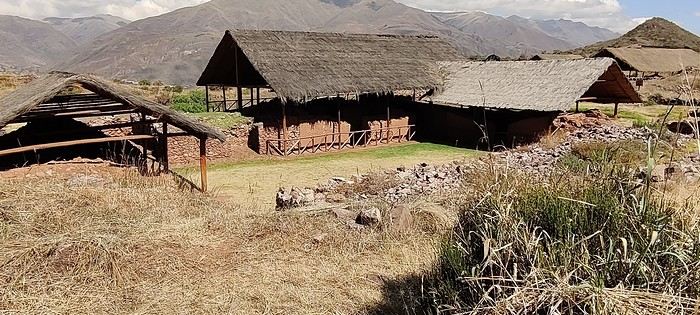
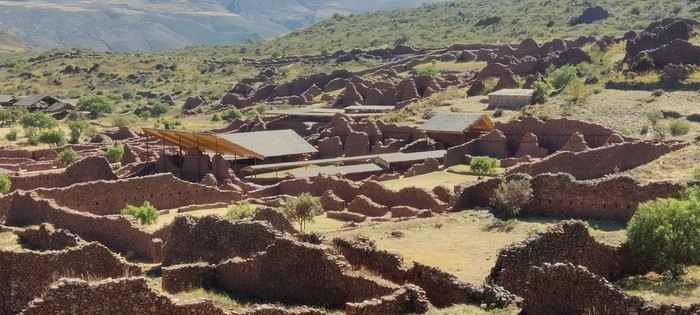
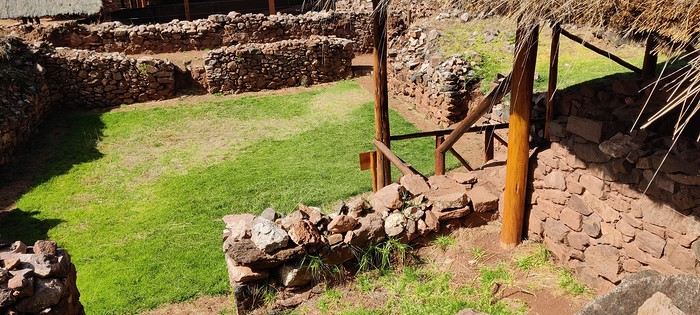
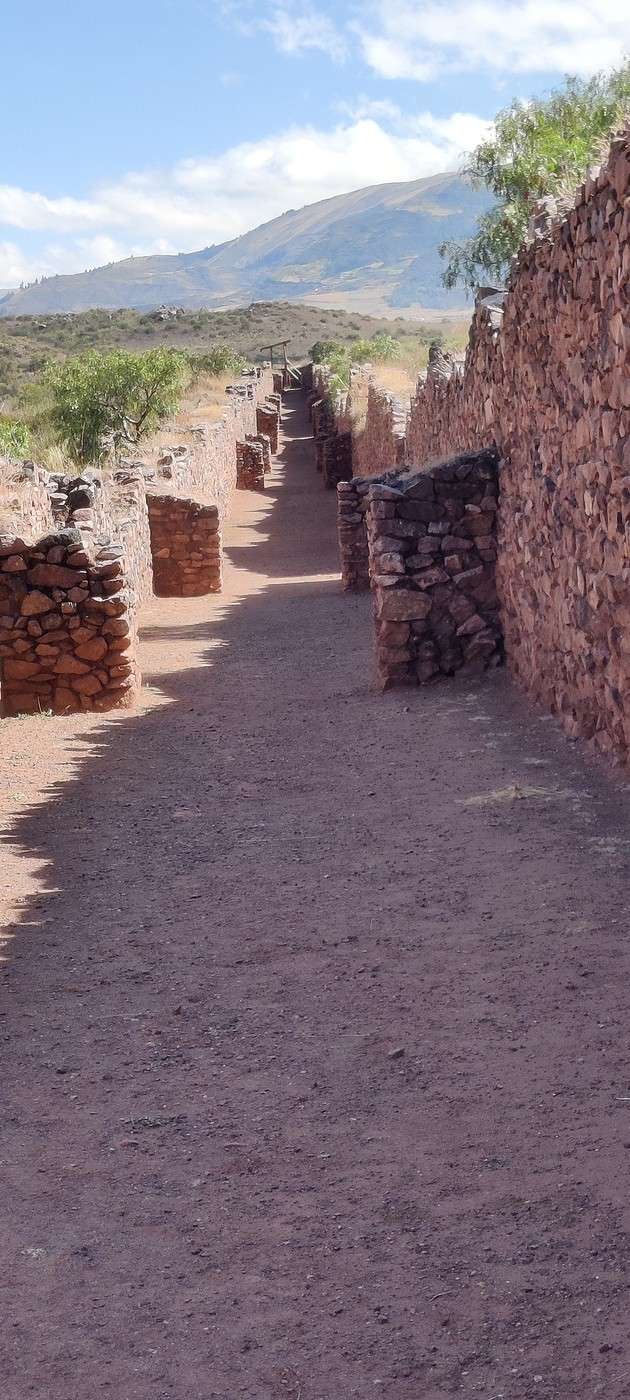
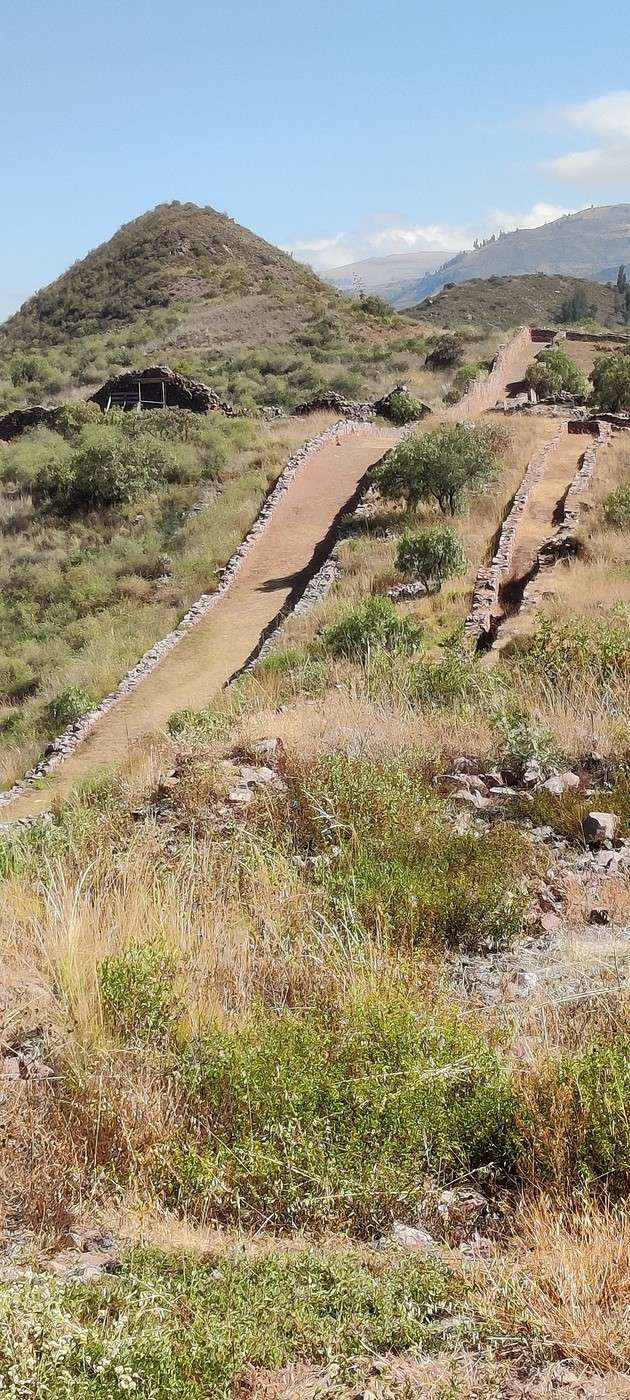
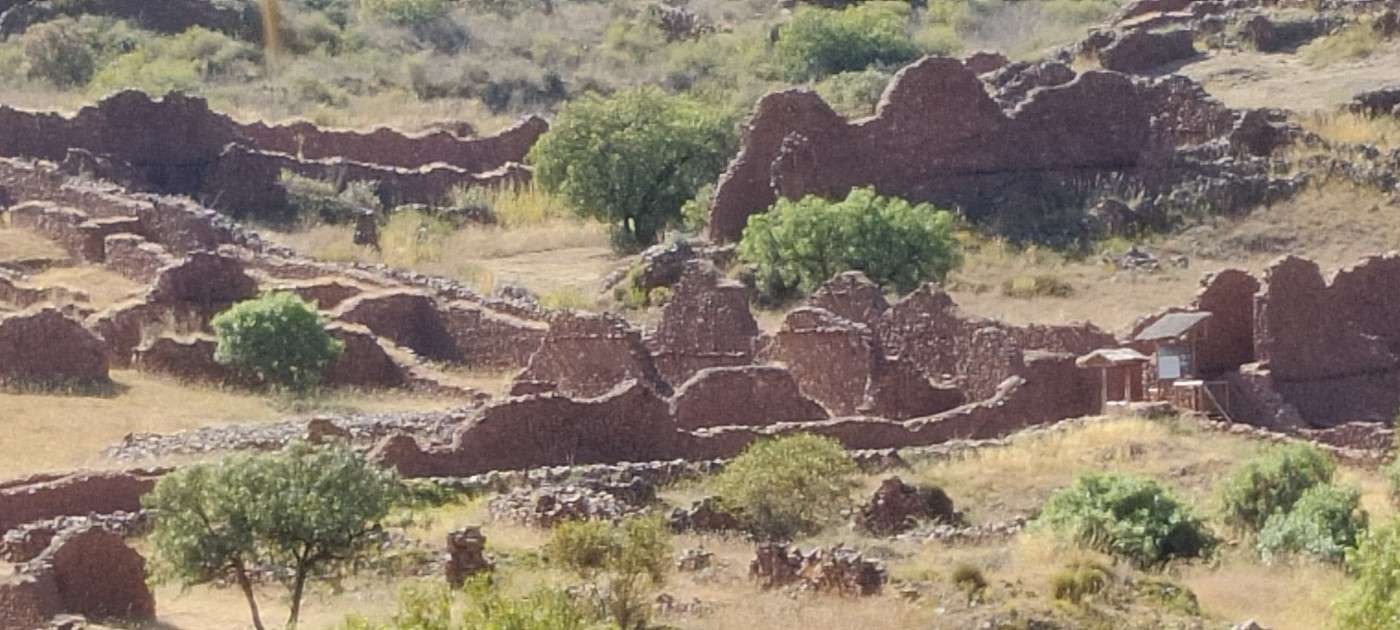
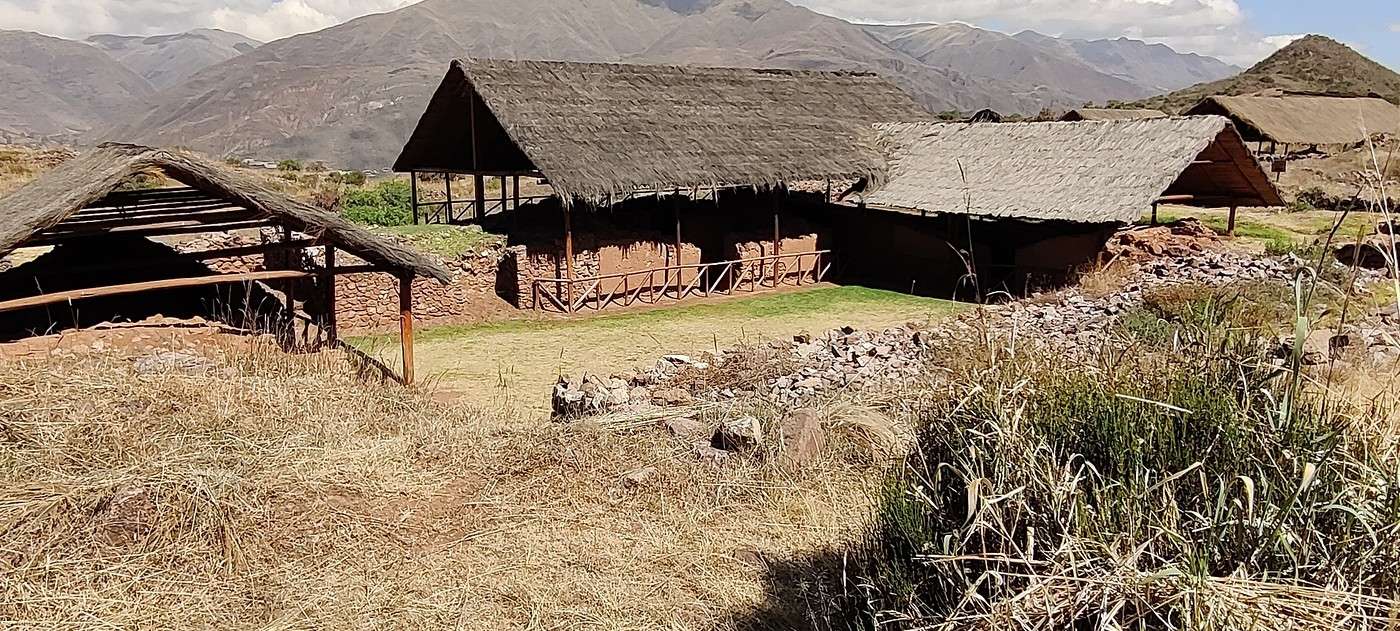
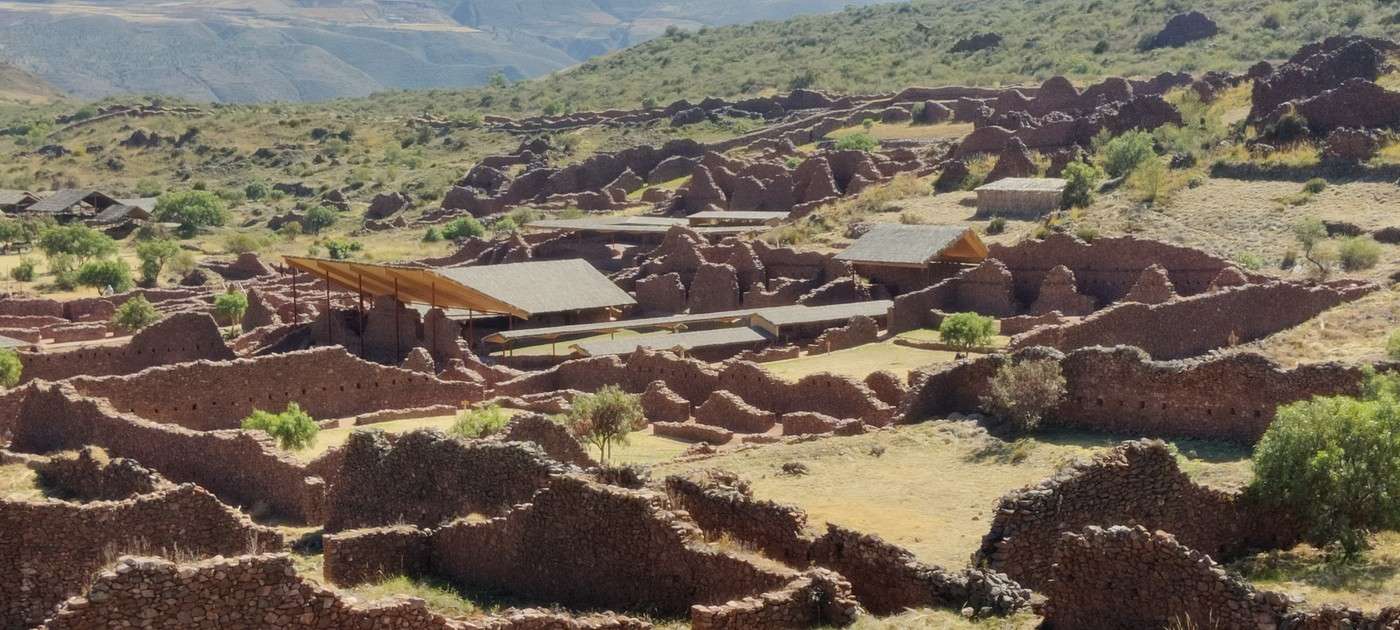
Today, we decided to explore the Southern Valley with Richard as our driver. We drove through the outskirts of Cusco, passed by the airport located within the city, and took the "gastronomy route." Why this name? Because each village we passed through has its own culinary specialty, its signature dish. One by one, we drove through: • Oropesa, known for making *chuta* bread—a round, slightly aniseed-flavored bread baked over a wood fire, • Saylla, famous for its crispy *chicharrón de cerdo* (fried pork), • Tipón, where guinea pig, the famous *cuy*, reigns supreme, • Lucre, known as the duck village, • And finally, Huacarpay, by the lagoon, offering Andean cuisine and trout. Our driver mentioned that Cusco locals often take weekend trips to these villages for lunch. But that’s not what we were after in this valley. Our goals were the pre-Inca city of Pikillacta and the terraces and canals of Tipón. While these sites are much less crowded than those in the Sacred Valley, they’re far from uninteresting. We followed the Huacarpay lagoon to reach Pikillacta, one of the most important cities of the Wari civilization, which dominated much of the Andes several centuries before the Incas. The city spans about 50 hectares and is surrounded by walls, with no fewer than 700 structures—some of which may have had up to three levels.


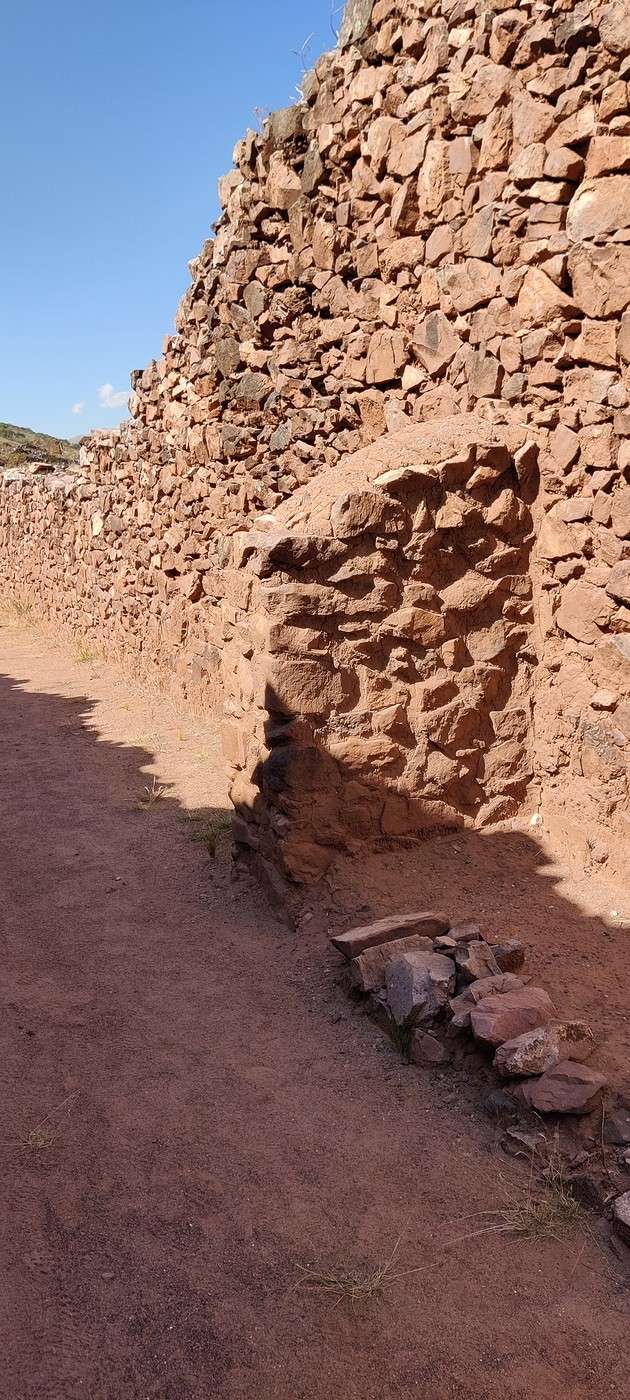
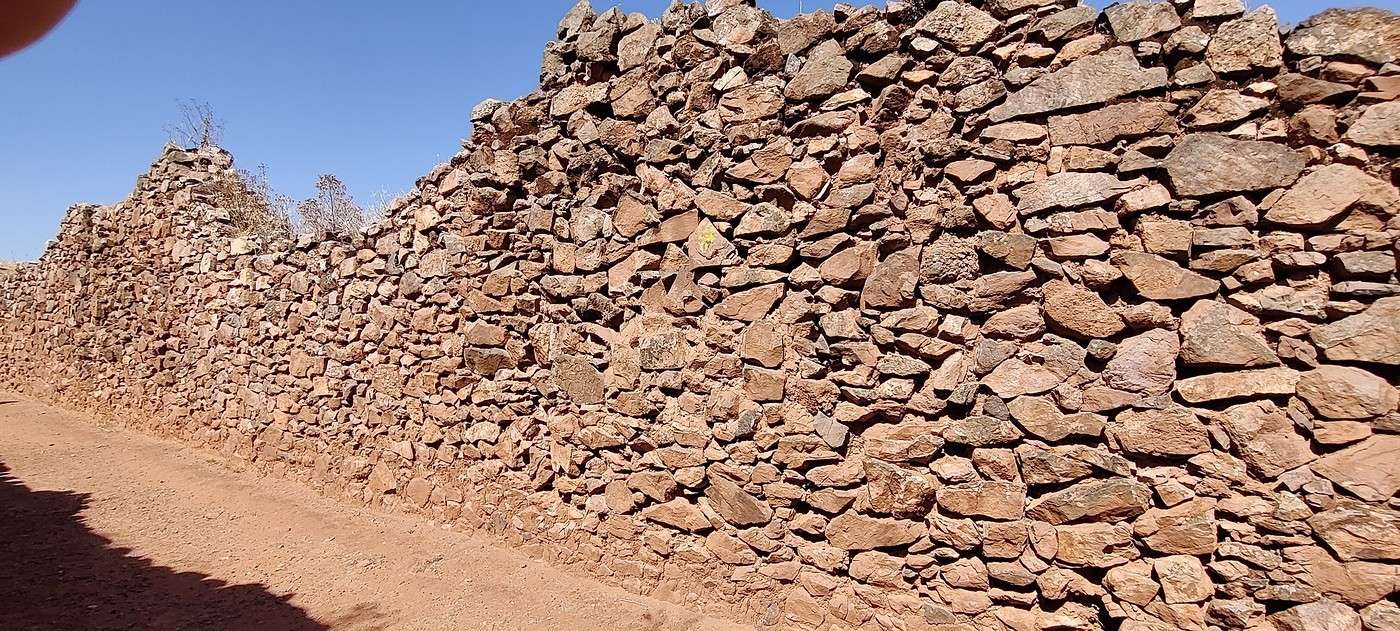
Unlike the Incas, who sought harmony with the landscape, the Wari adopted a much more rigorous urban plan, as evidenced by the straight streets and geometric layout of the city. Their construction techniques were also different: they primarily used roughly worked stones assembled with mortar, and their buildings had few openings. Pikillacta proves that large, organized cities existed in the Andes long before the Inca era. The city reached its peak between the 7th and 9th centuries before being gradually abandoned for reasons that are still debated.

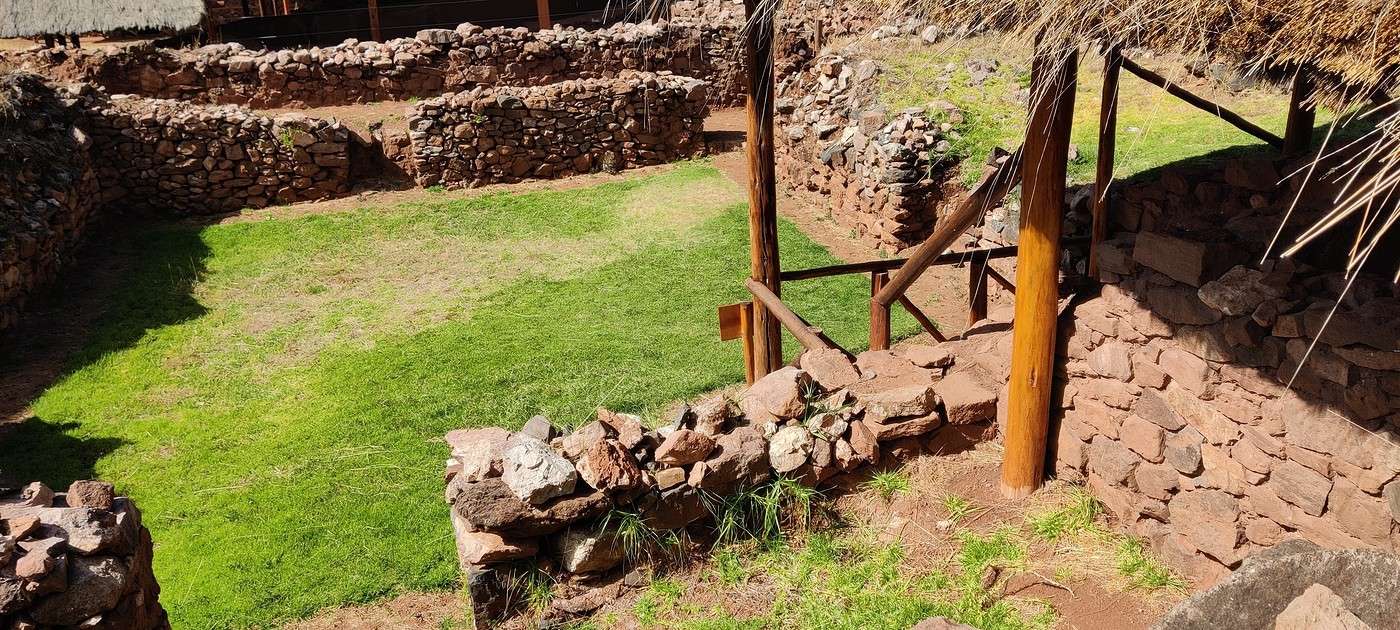
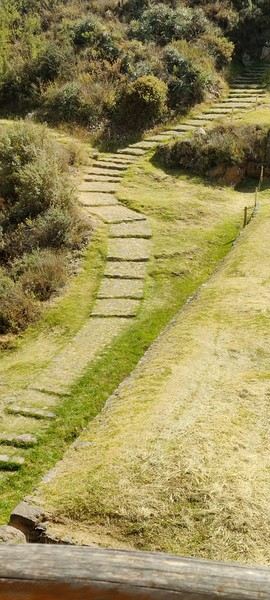
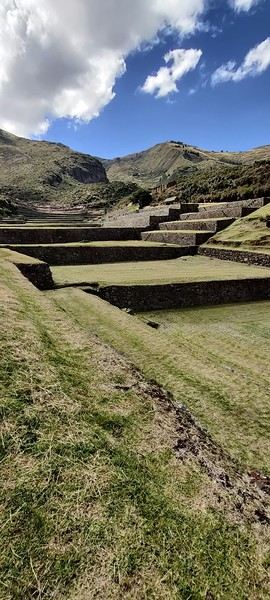
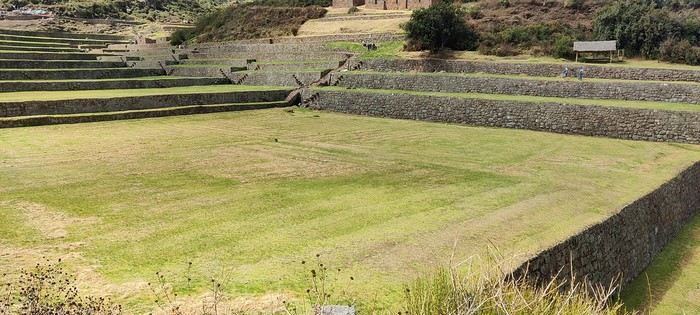
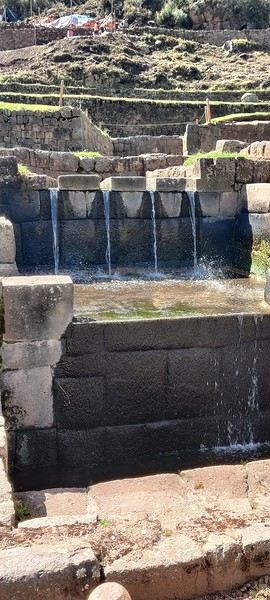
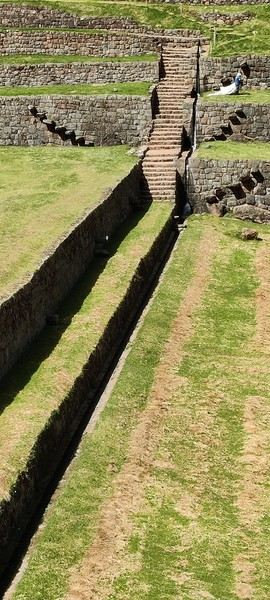
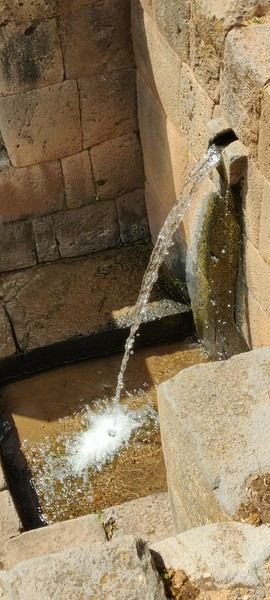
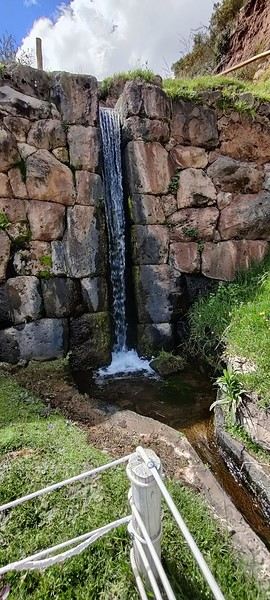
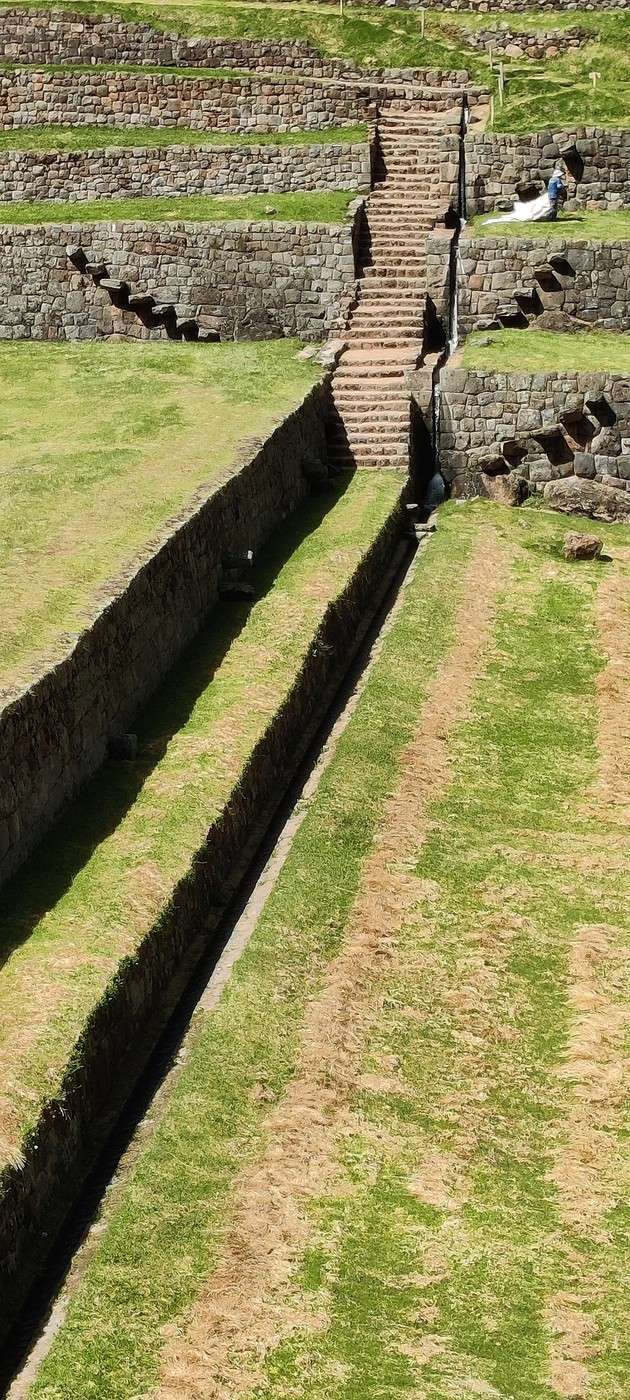
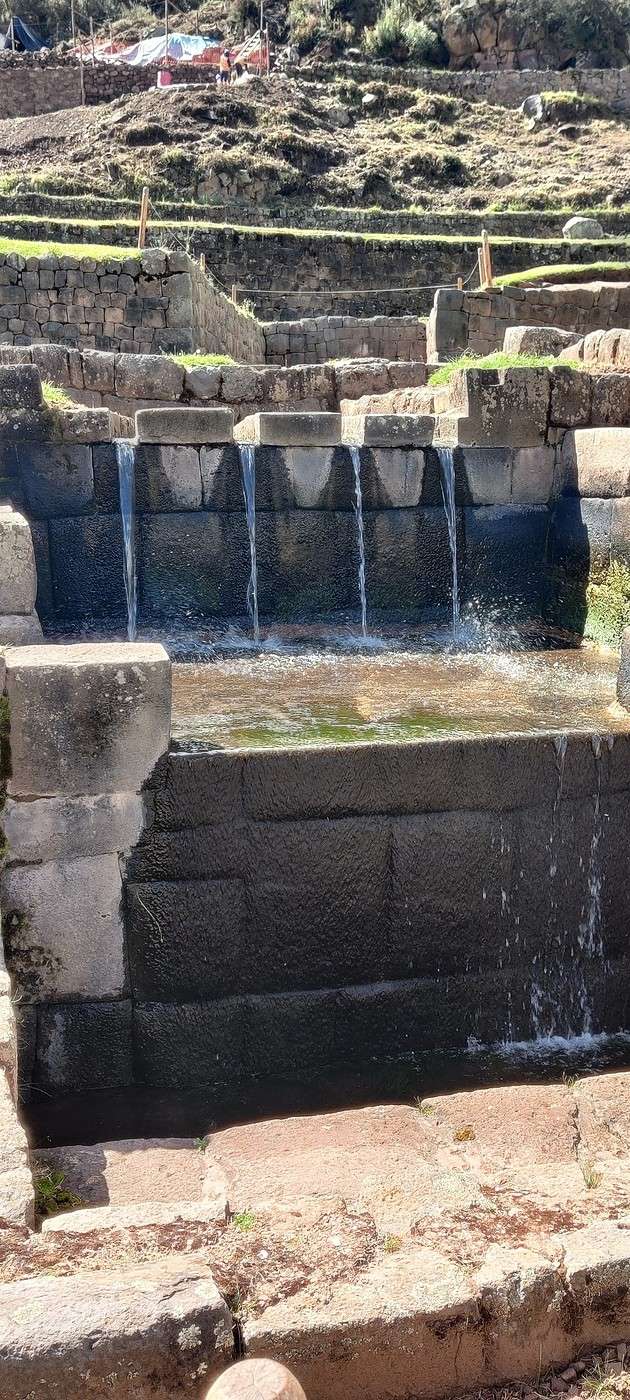
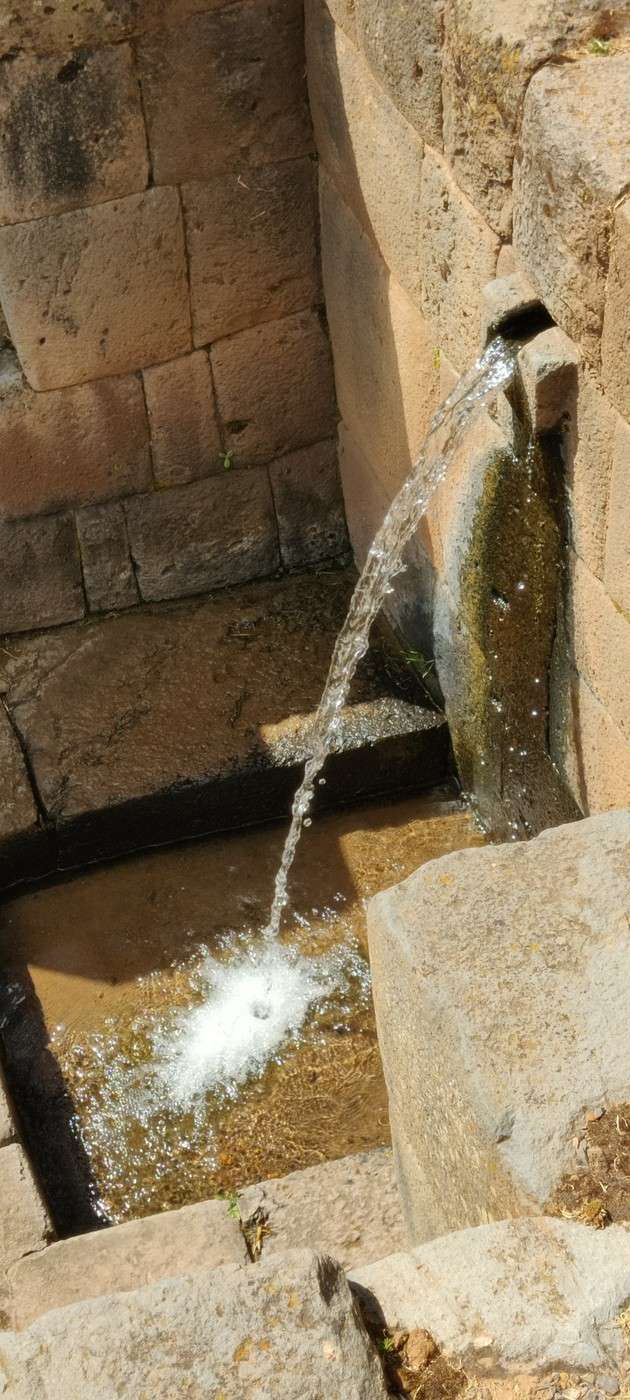
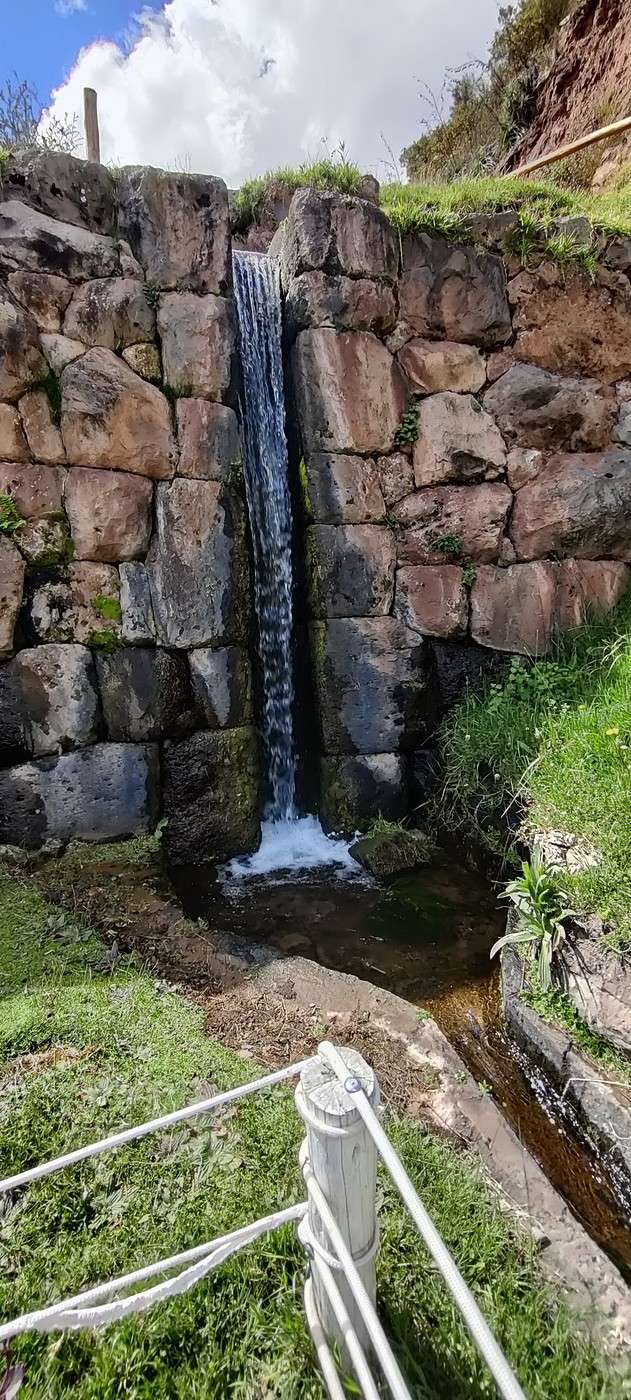
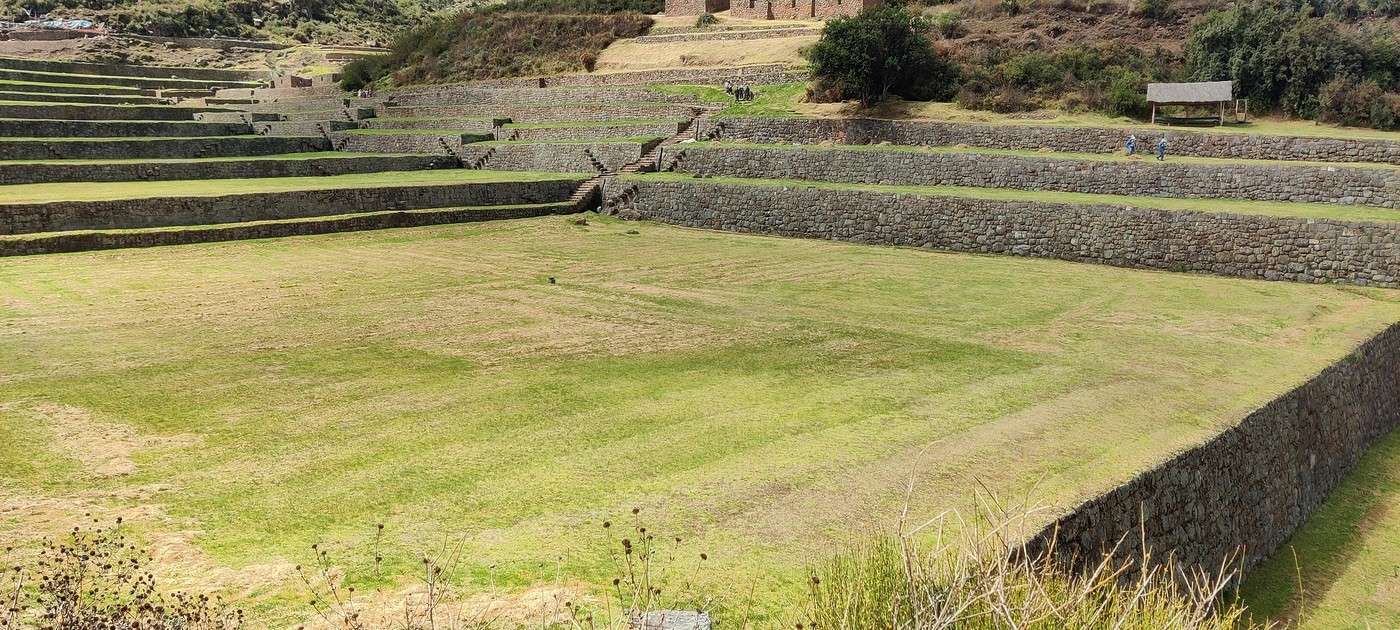
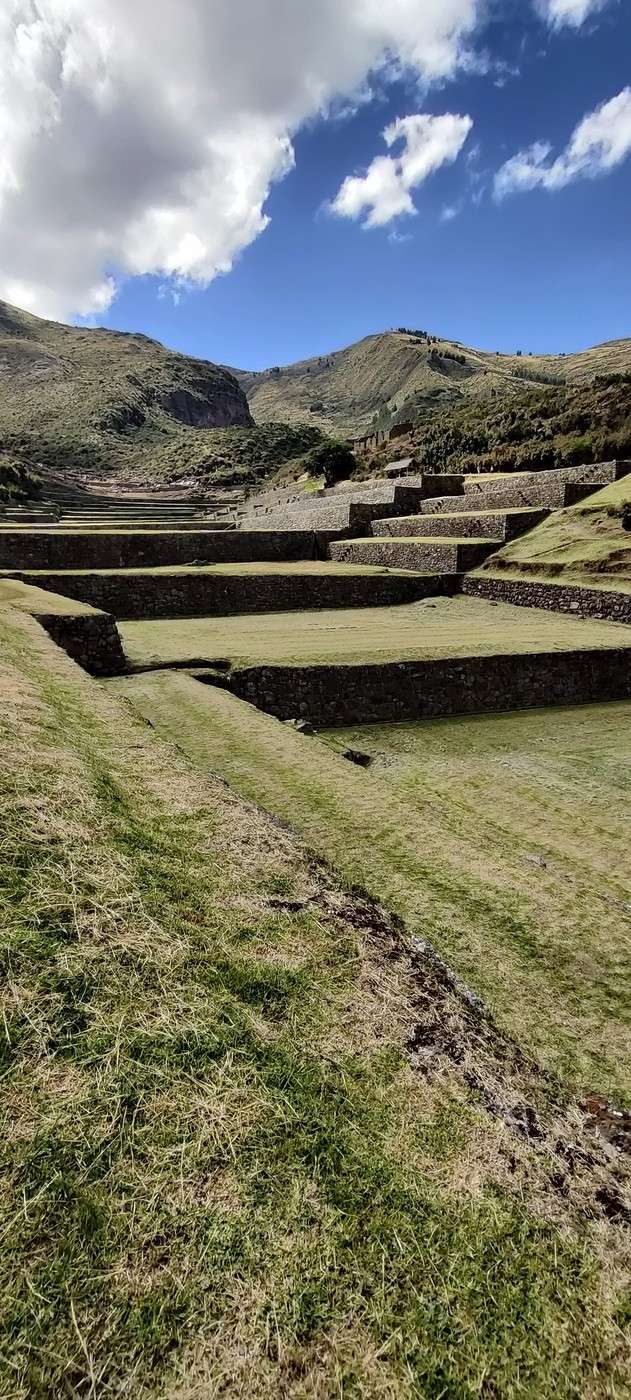
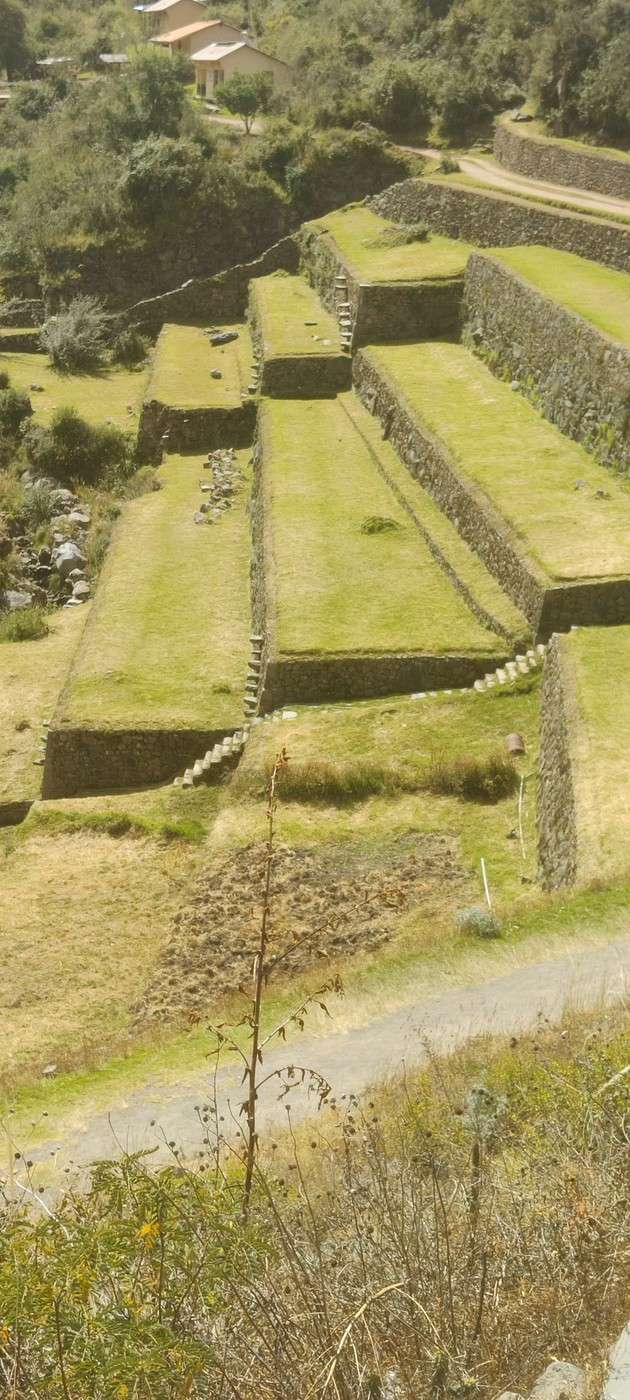
We wandered freely around this nearly empty site. We were actually surprised to find such an important city in almost complete tranquility. This peacefulness made the visit particularly enjoyable. Next, we headed to Tipón. On the heights overlooking the valley, the Incas demonstrated their remarkable mastery of hydraulic engineering. They captured water from natural springs and channeled it through a complex network of stone canals—some underground—to basins, fountains, and vast agricultural terraces. Some parts of this incredible hydraulic system still function today, nearly six centuries after their construction! Tipón was both an agricultural center and a ceremonial site where water played a key role. Though rarely visited, this archaeological complex is impressive and well worth lingering over. Once again, we were amazed by the Incas’ technical skill and their ability to integrate water, agriculture, and architecture into a single system. It’s in this same valley that you’ll find the famous "Sistine Chapel of the Andes" in Andahuaylillas. We returned to Cusco in the early afternoon and had lunch at a *picantaría*. The rest of the day was spent resting and strolling through Cusco before dinner at the restaurant Olivo.

Peru: A childhood dream finally realized

Larri · 2026-08-21 · Message 24 of 69

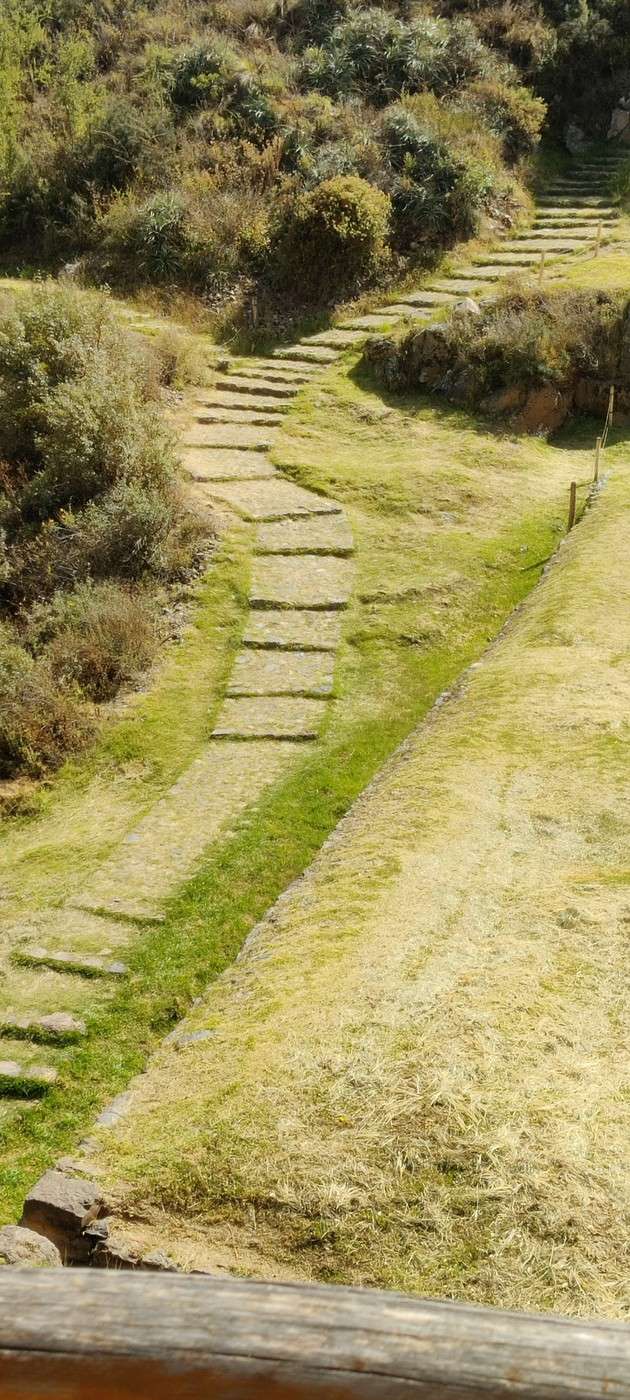
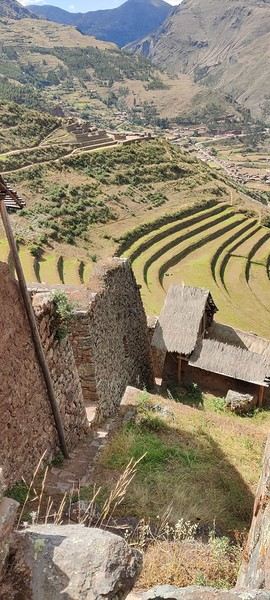
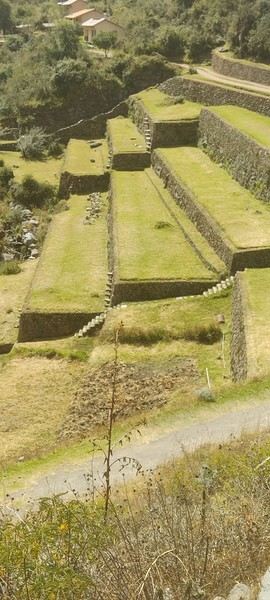
a few photos of Tipon:


Peru: A childhood dream finally realized

Larri · 2026-08-22 · Message 25 of 69

Day 12 – Visit to the Sacred Valley: Sacsayhuaman – Pisac – Moray

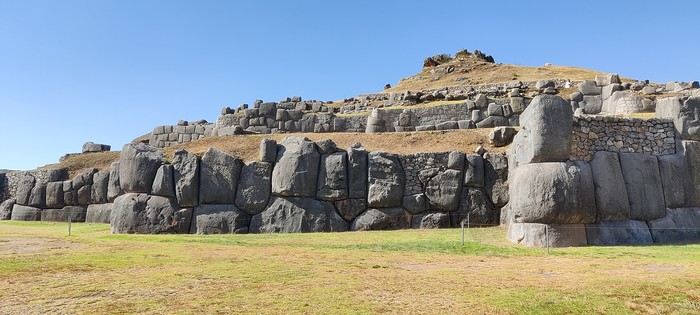
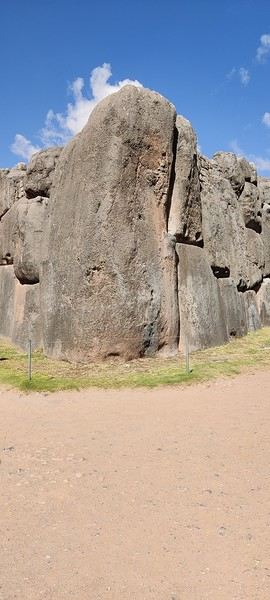
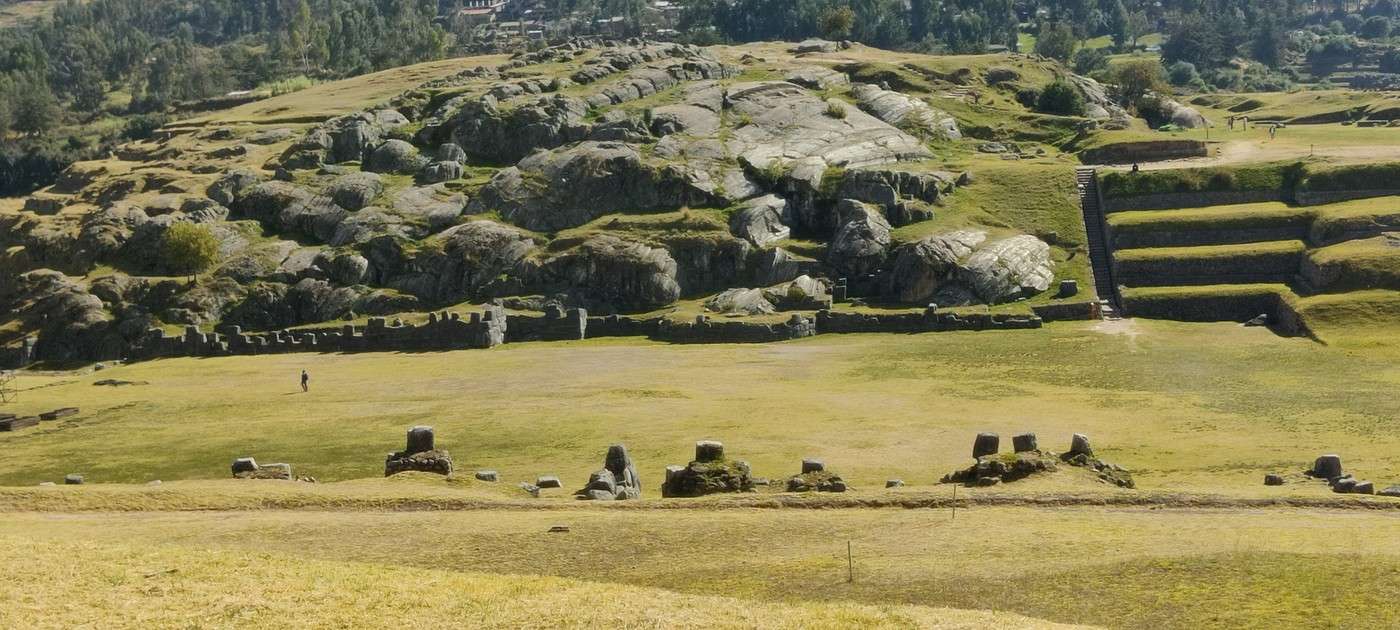
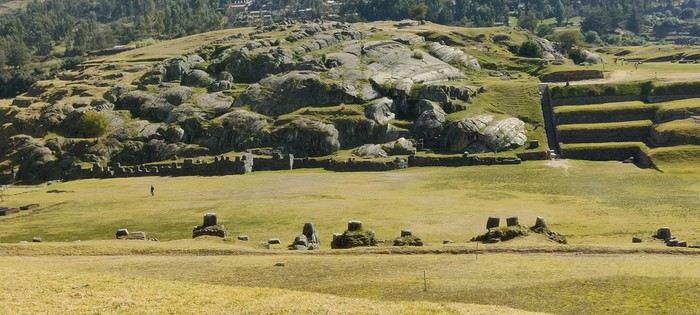
Off to part of the Sacred Valley. Richard is on time. He’s accompanied by a French-speaking guide whose name I unfortunately forgot. We don’t have a long drive—just about 2 km—to reach Sacsayhuaman. The bravest tourists walk there, taking about an hour from downtown Cusco. When you first see the site, it’s a visual knockout! You’re faced with a vast grassy expanse dotted with impressive Inca structures.

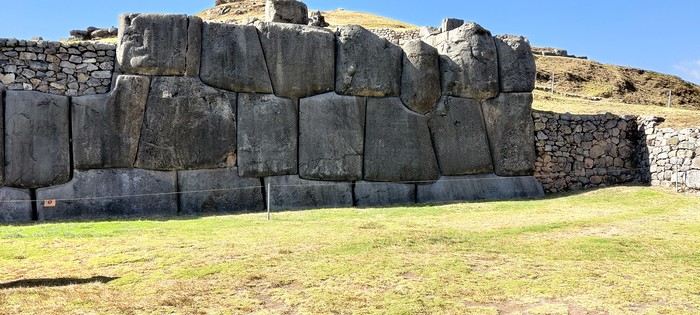
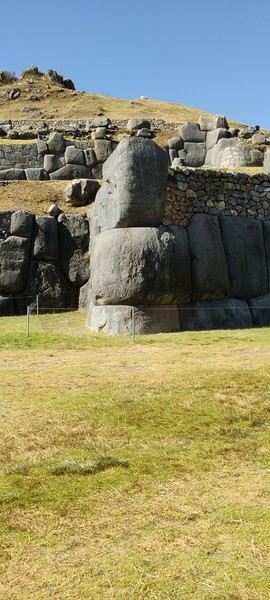
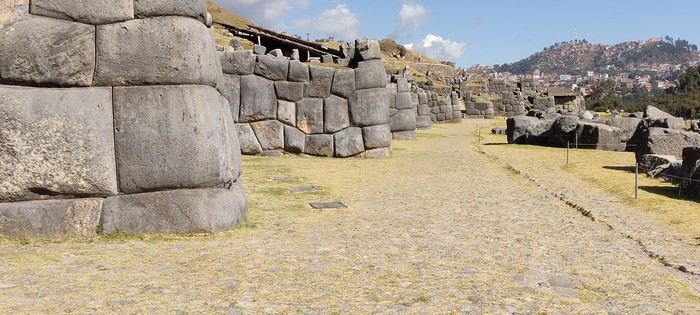
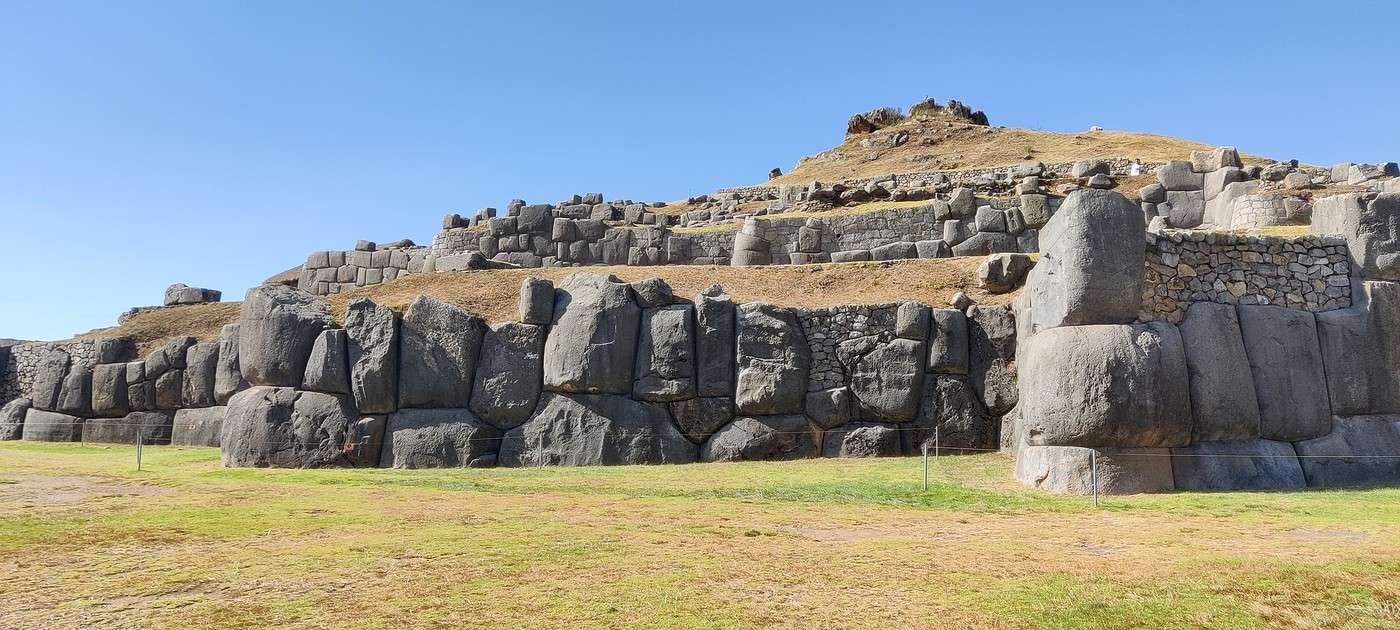
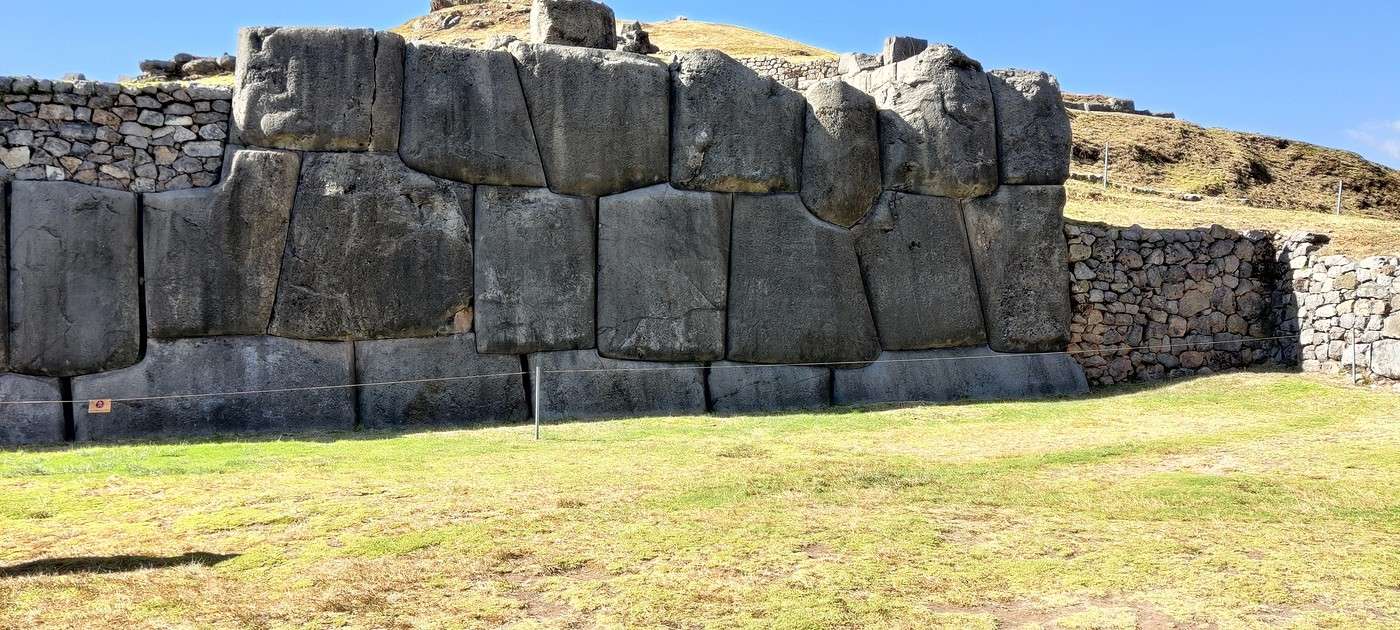
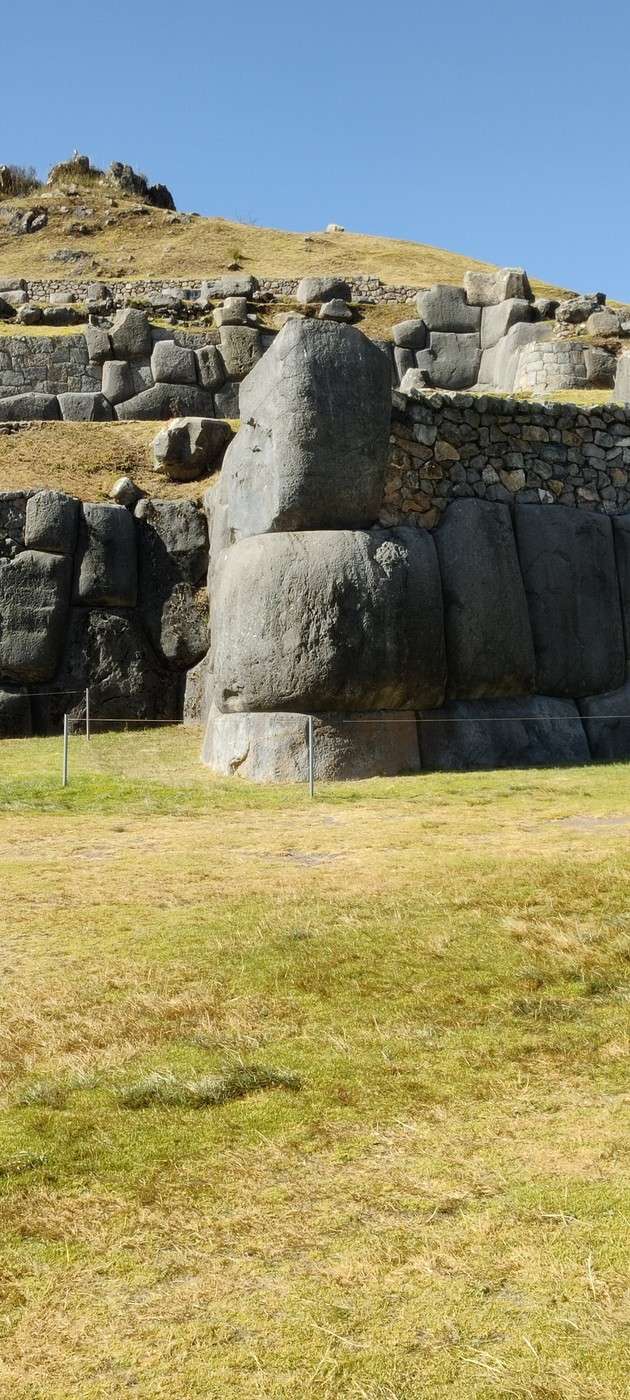
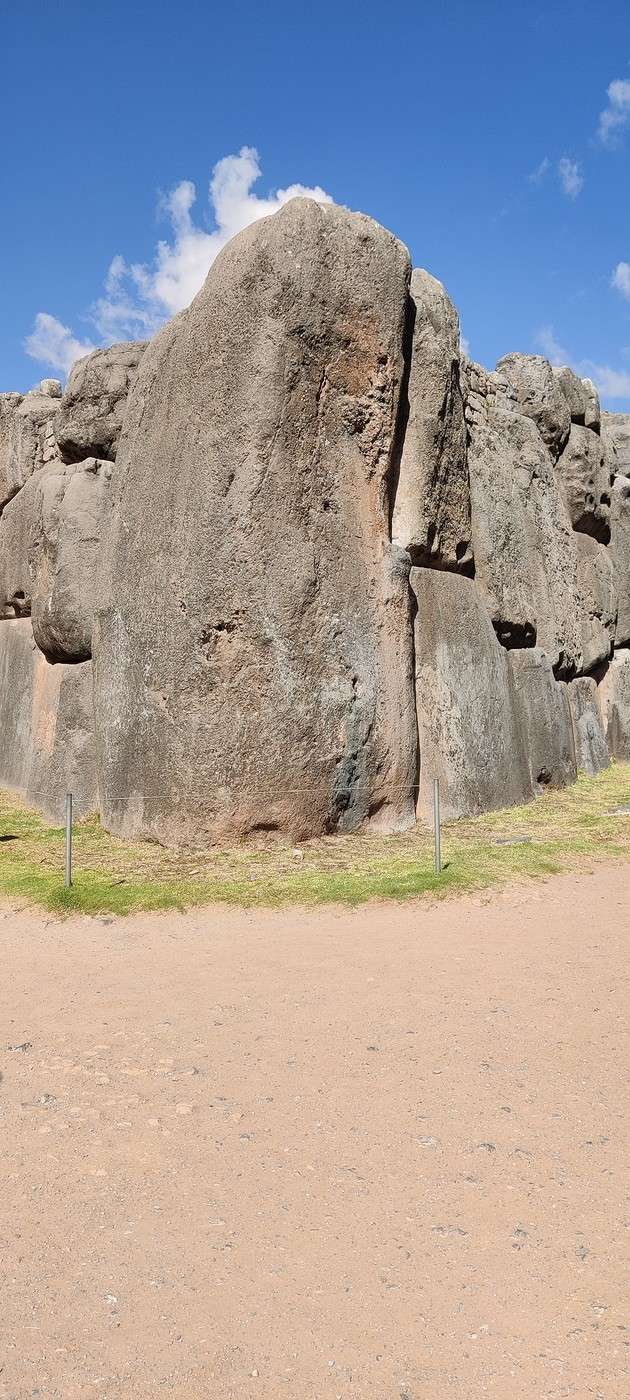
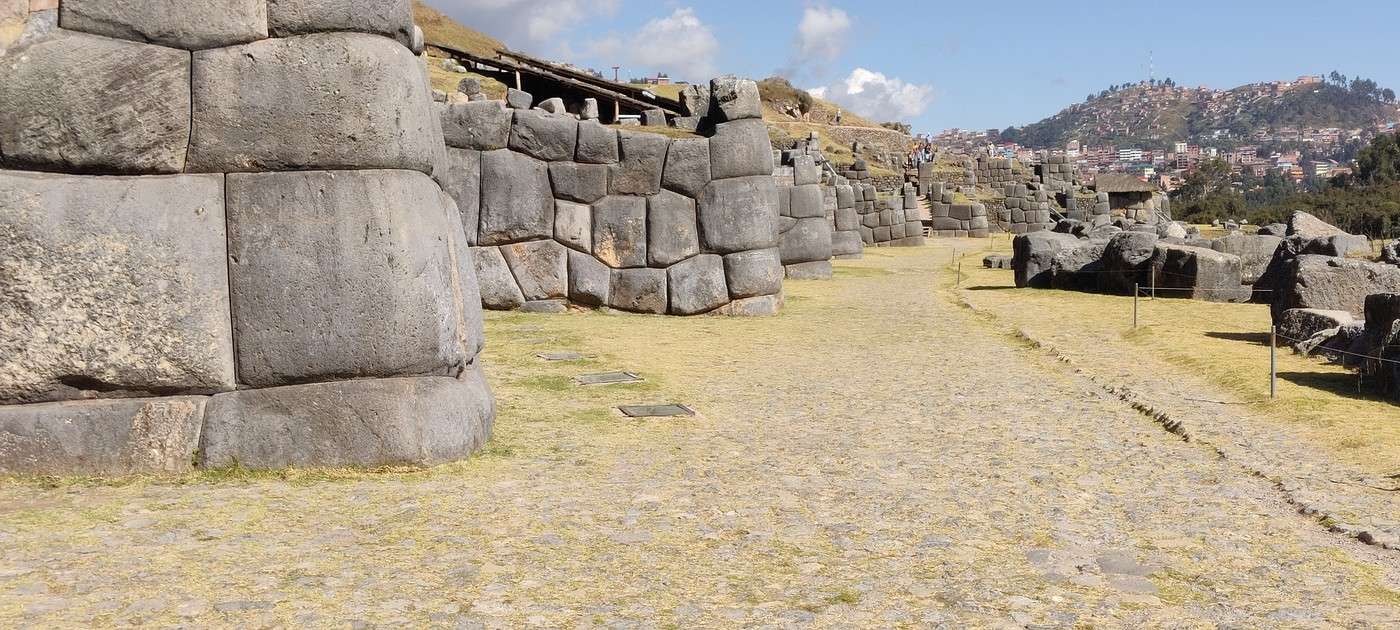
Construction began under Pachacútec’s reign and continued under his successors, reportedly involving thousands of workers from across the Empire. The Spanish later dismantled much of it to reuse the stones for building Cusco, leaving only the largest blocks they couldn’t move. Archaeologists still debate the site’s exact purpose: fortress or ceremonial space? Maybe both! Our eyes are drawn to the three spectacular parallel walls zigzagging for about 600 meters. This layout likely served a defensive purpose, allowing defenders to attack from multiple angles. The walls are made of massive stone blocks—some over 9 meters tall, with the heaviest estimated at dozens of tons, even up to 100 tons. They fit together perfectly.


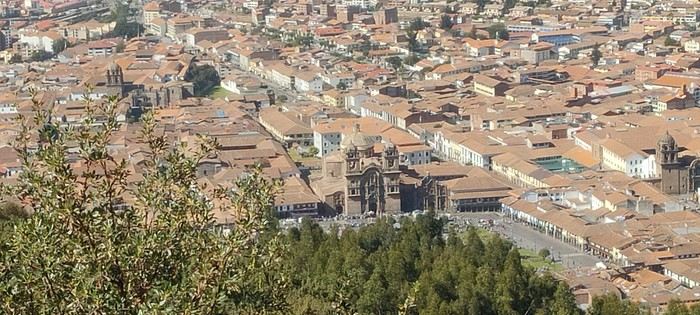
You can’t help but be awed by the precision of these colossal structures, built without mortar or cement. How did the Incas manage to extract, transport, and fit such massive blocks with the tools they had, especially since they didn’t even use the wheel? The question remains unanswered. You’ll also notice three main trapezoidal-shaped gates, a hallmark of Inca architecture, along with the remains of three towers. Don’t overlook the drainage channels and aqueducts that carried water to reservoirs, the open spaces, terraces, and a network of passages and tunnels completing the site. From the top, you get a breathtaking view of Cusco.


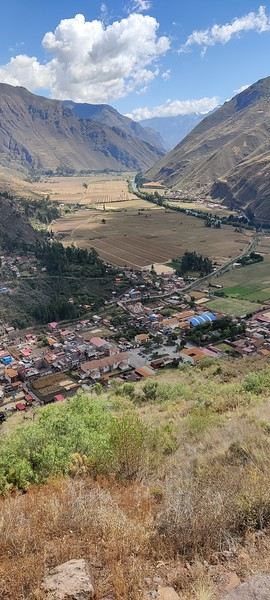
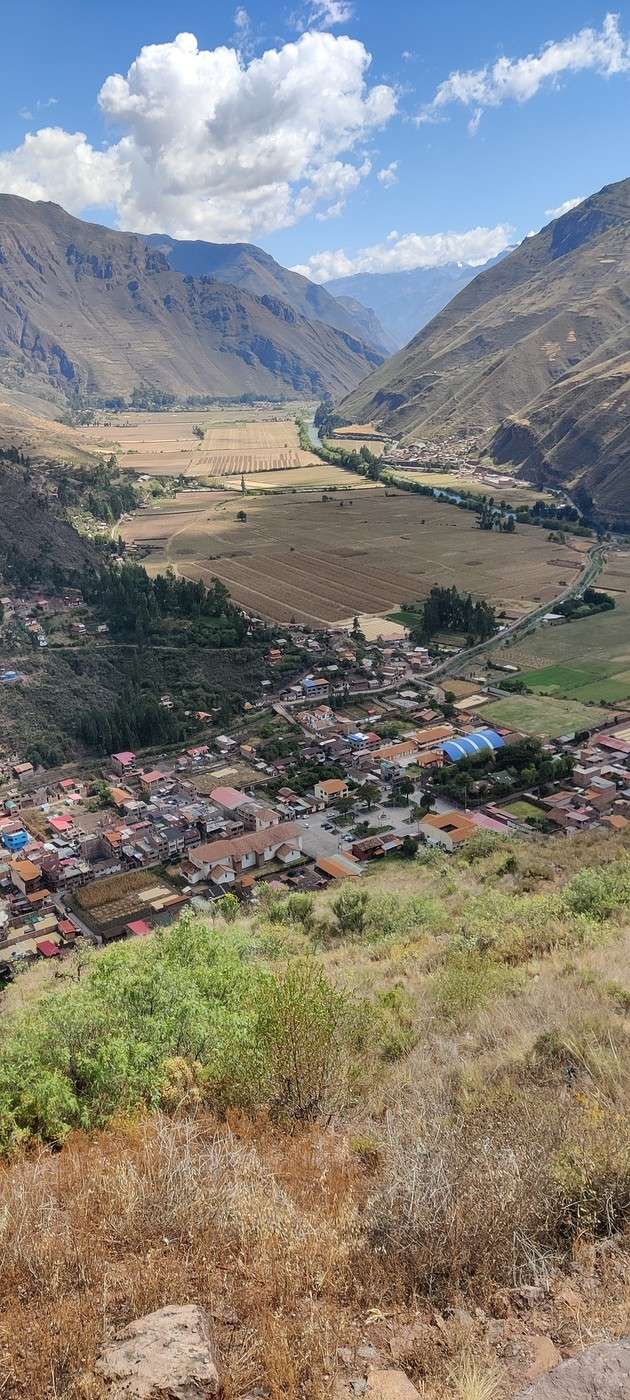
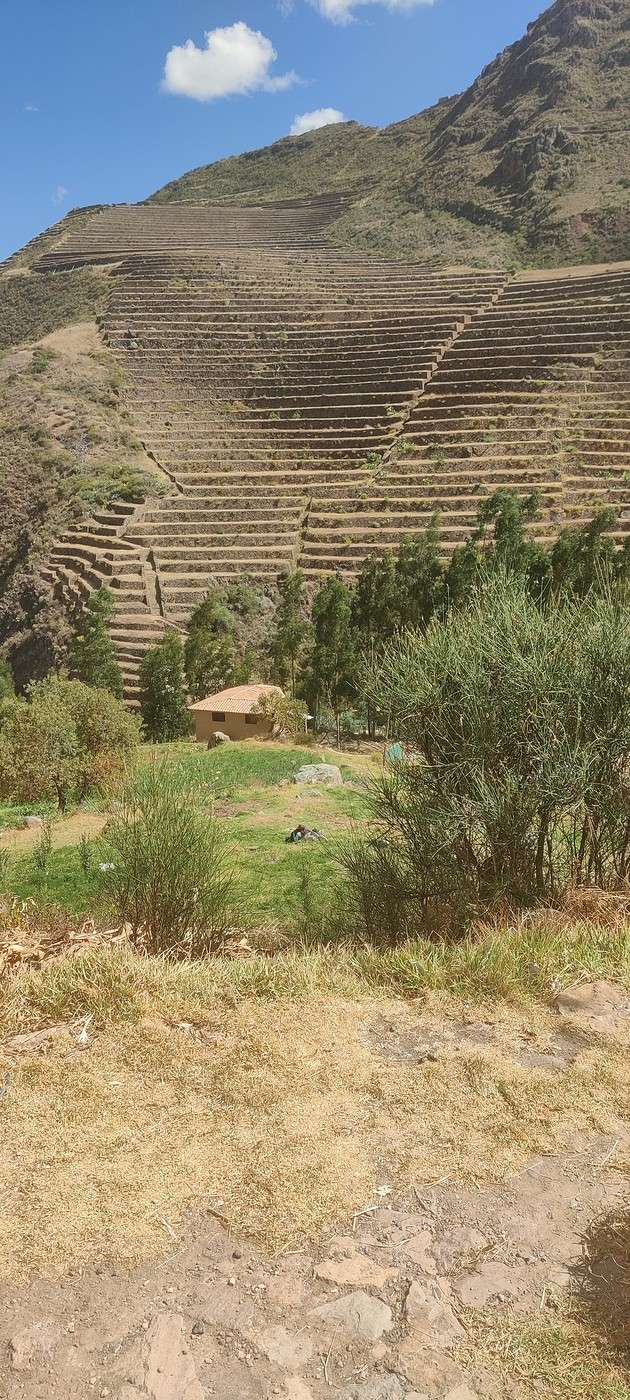
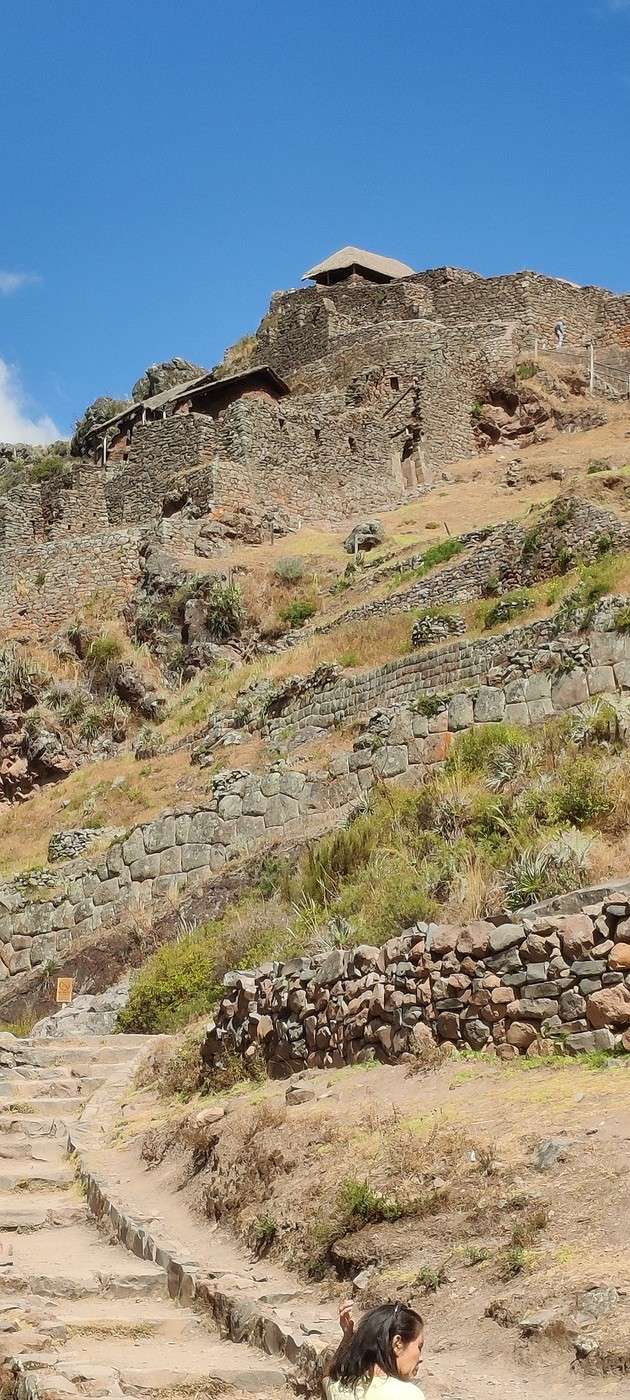
During our visit, they were setting up bleachers and stages on the grassy area for the Inti Raymi, the Festival of the Sun, scheduled for June 24th. Tens of thousands of people are expected. It really drives home how important this celebration is and why Cusco is so lively this time of year! Next, we head to Pisac. We drive through the Sacred Valley, a fertile corridor surrounded by mountains. The mild climate supports all kinds of crops and fruit trees. The archaeological site clings to the mountainside, overlooking the town and offering a stunning view of the Sacred Valley.


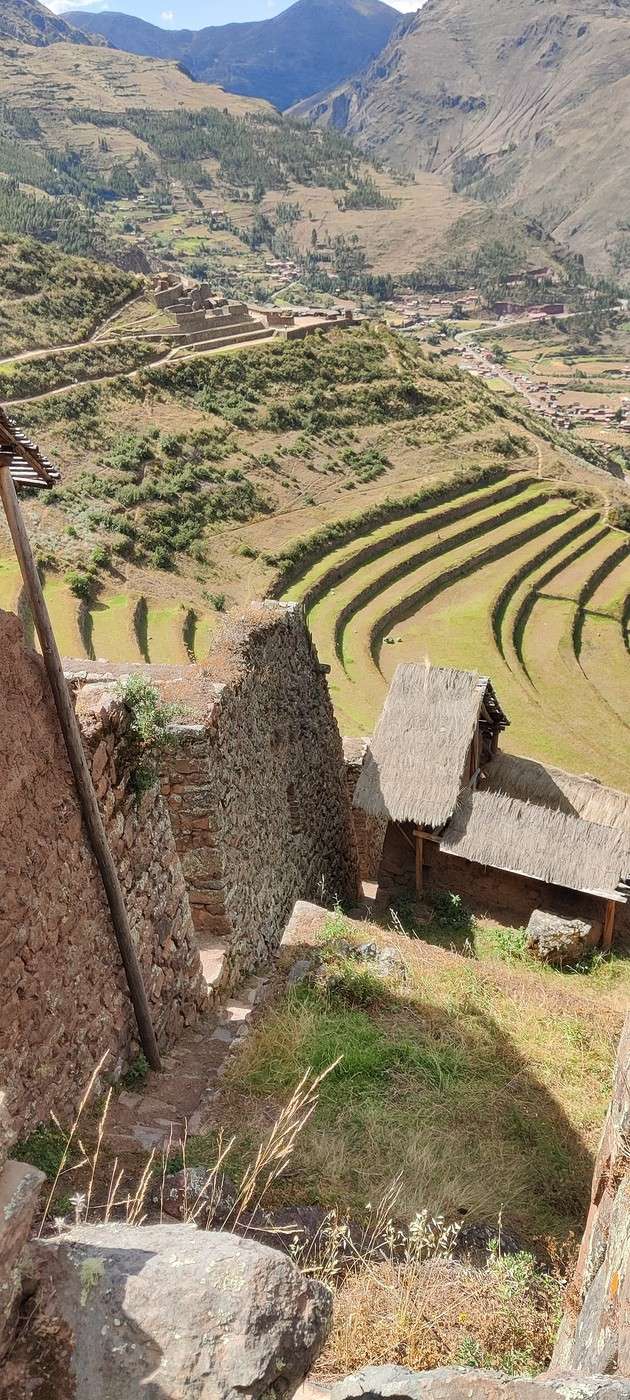
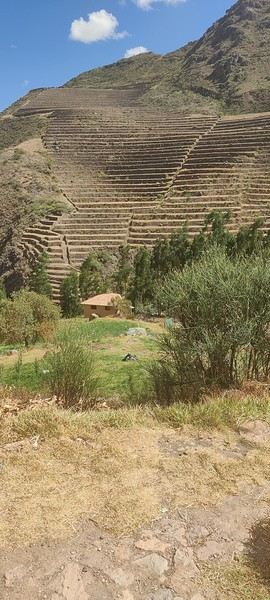
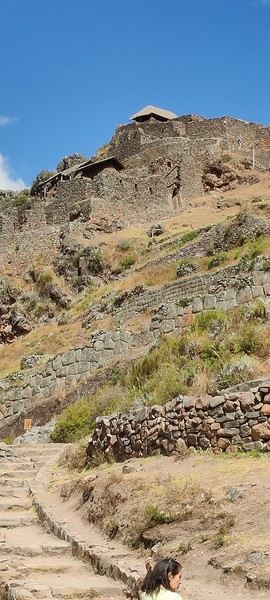
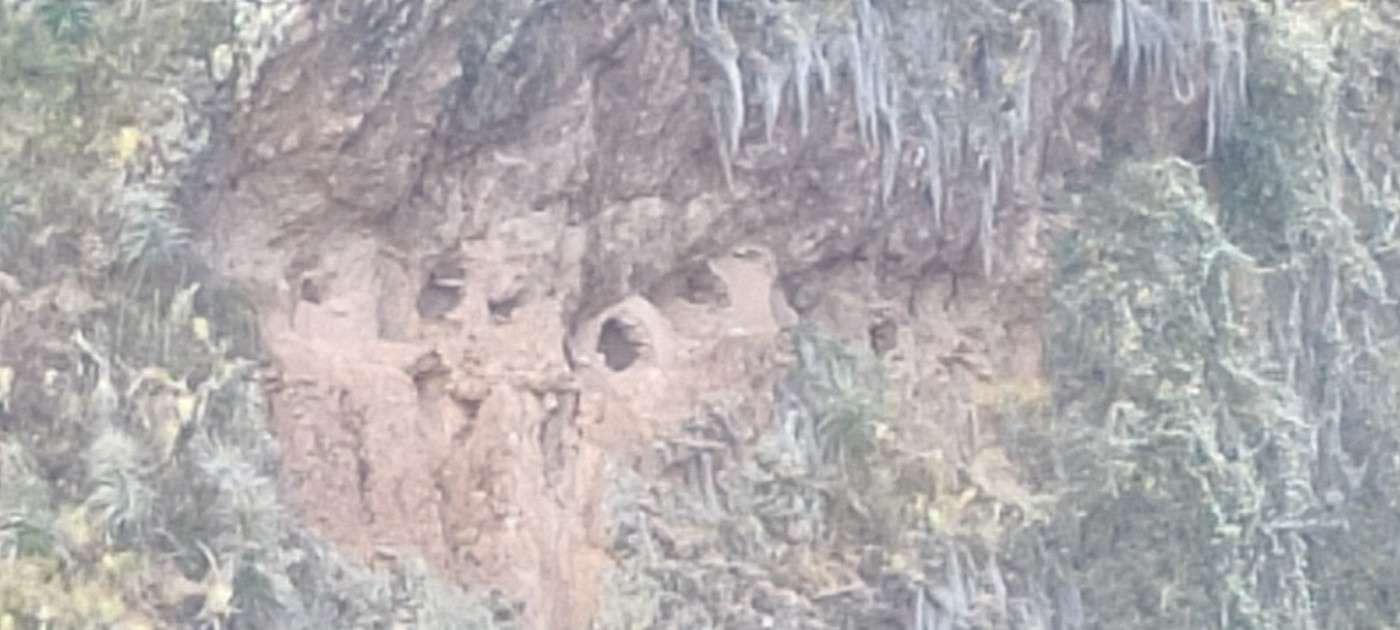
It’s said to have been founded by Pachacútec after his victory over local populations, mainly to monitor the valley’s entrance and routes to the Amazon region. This strategic role is evident from the defensive structures and watchtowers on the ridges. The site includes a citadel, a palace, and a ceremonial complex, all complemented by terraces that follow the natural contours and are irrigated by canals. These terraces were used to grow corn, quinoa, potatoes, and other crops while also preventing soil erosion. On the surrounding cliffs, you can spot an Inca cemetery with small funeral niches carved directly into the rock.


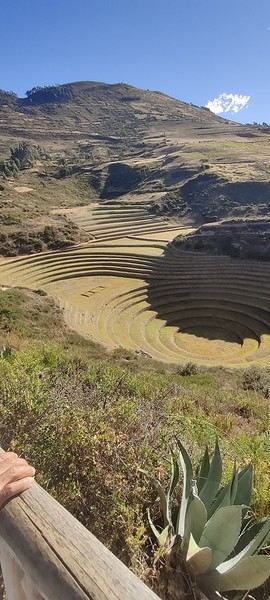
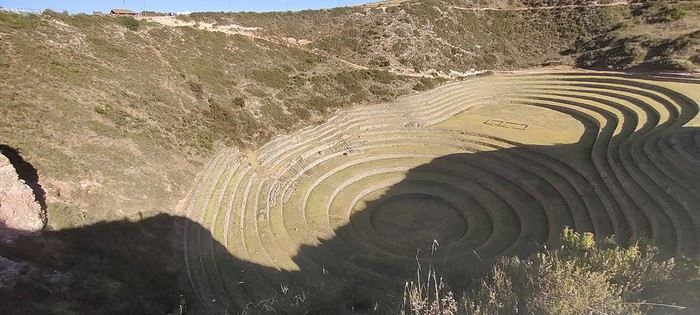
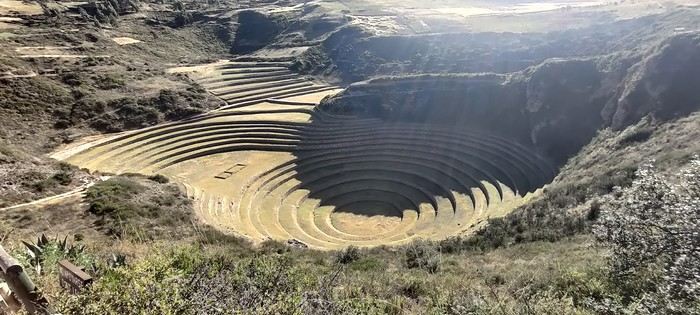
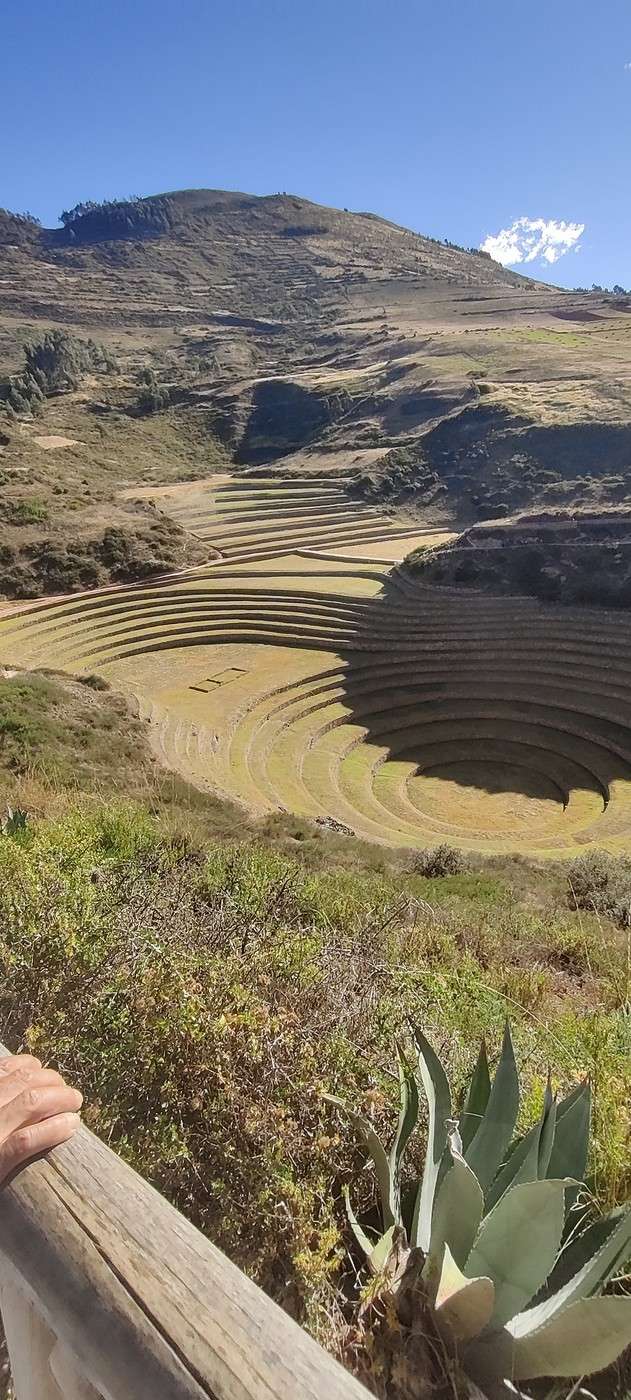
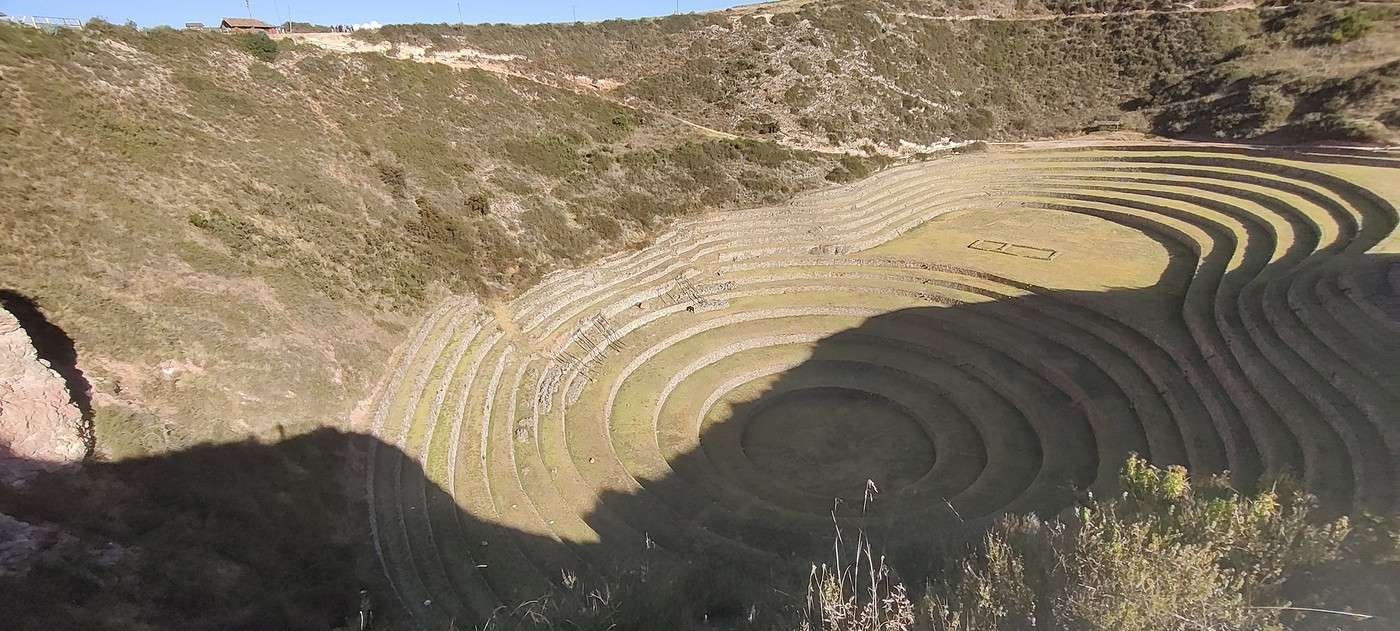
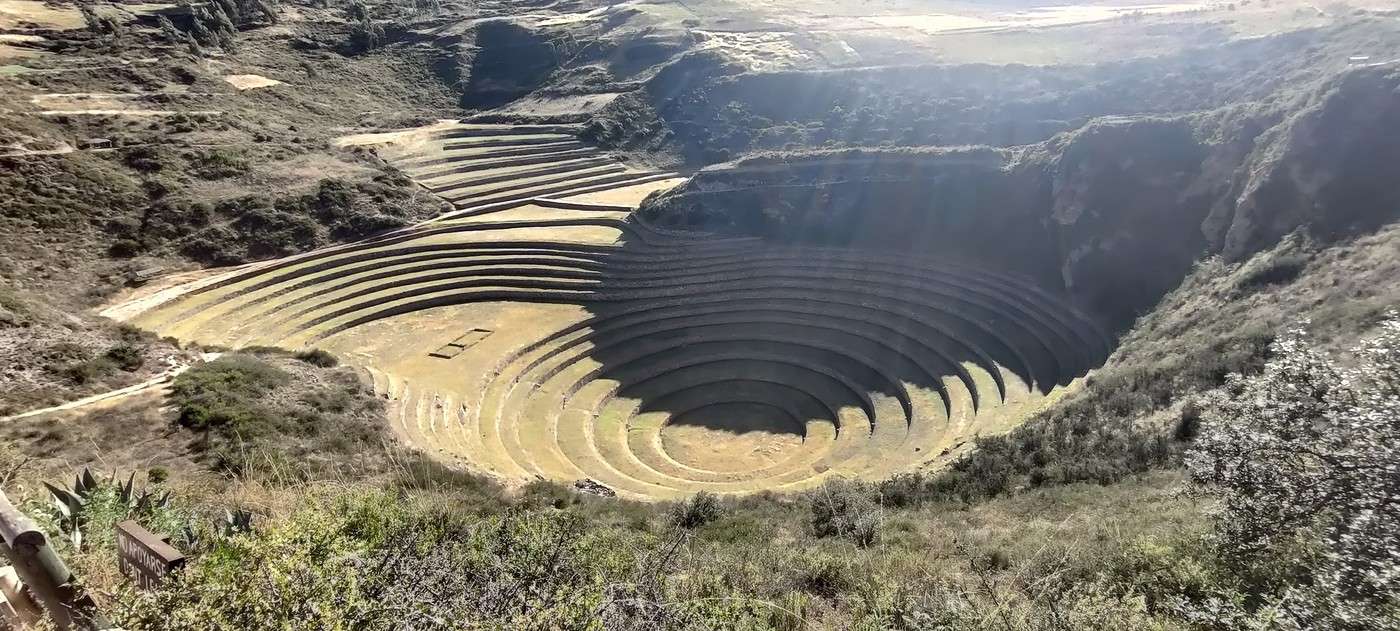
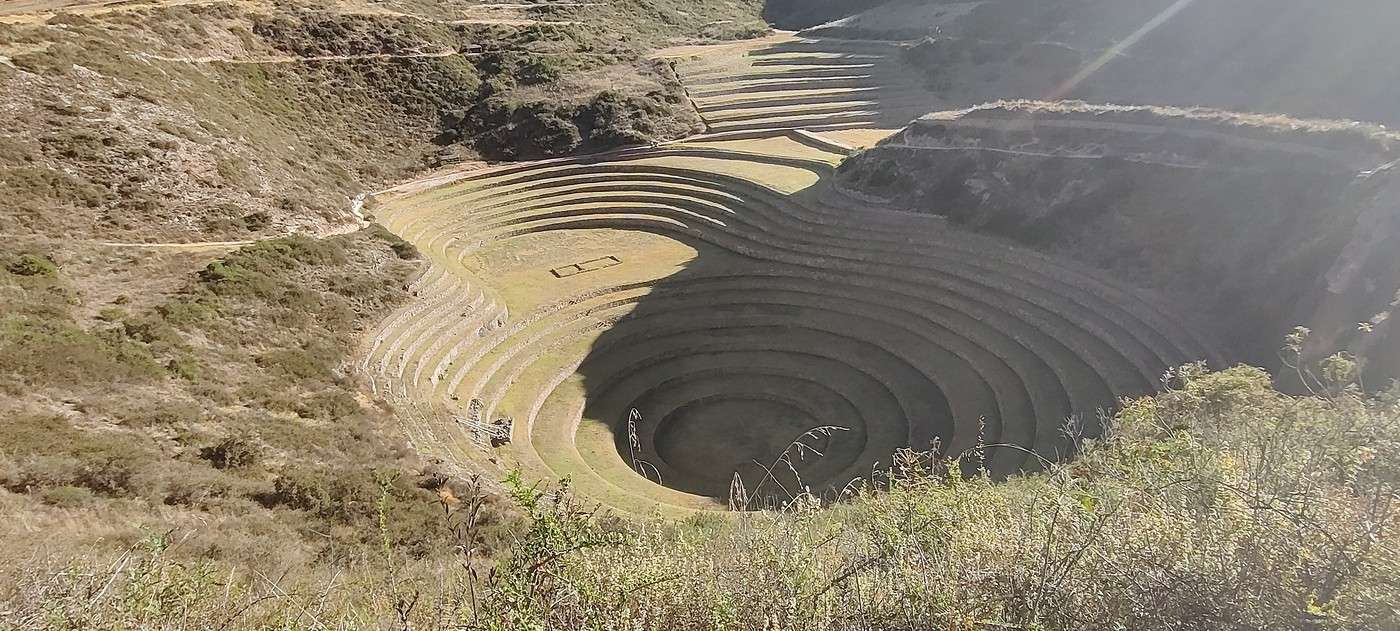
After lunch at a restaurant in Pisac, we don’t linger to visit its famous market. We still have a lot to see. Our next stop: Moray, famous for its circular terraces built into natural depressions shaped by the Incas. Three large sets of concentric terraces form giant amphitheaters. Each level is connected by stairs and canals for water distribution. Moray’s exact purpose is still debated. One long-standing theory suggests it was an agricultural laboratory. The different levels have slightly varying climates—temperature differences between the top and bottom create microclimates. The Incas may have used these variations to experiment with different crops or plant varieties before introducing them across the Empire. This interpretation is compelling, though archaeologists aren’t unanimous about the site’s exact function. One thing’s for sure: the irrigation mastery and terrace organization once again highlight the Incas’ remarkable agricultural and technical knowledge. A marked path lets you walk around and admire the different levels. We’re once more impressed by the precision of the construction and how seamlessly the site blends into its natural surroundings. After this long day, we return to Cusco. The narrow, steep streets of the city center are packed, and the noise from the festivities never stops. After the tranquility of Sacsayhuaman, Pisac, and Moray, the contrast is striking—Cusco seems to pulse with the rhythm of Inti Raymi, day and night.

Peru: A childhood dream finally realized

Larri · 2026-08-22 · Message 26 of 69

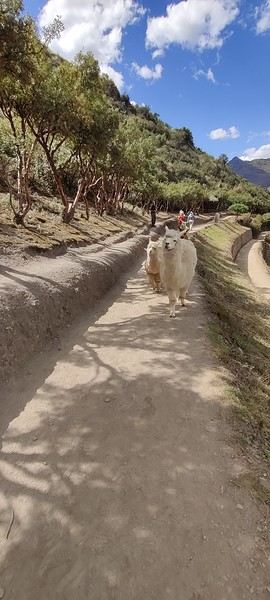
Photos of Pisac (continued) and Moray


Peru: A Childhood Dream Finally Realized

Larri · 2026-08-22 · Message 27 of 69

Day 13 – Chinchero, Maras, and Aguas Calientes

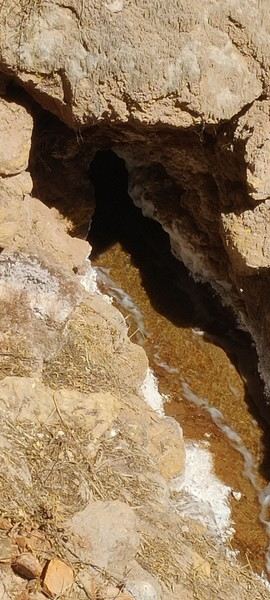
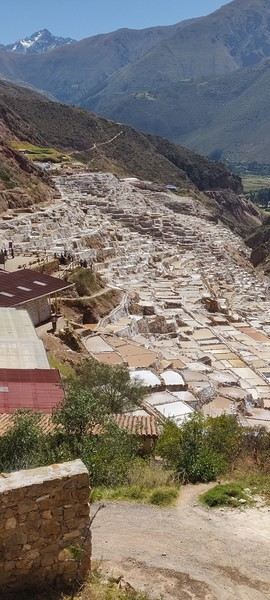
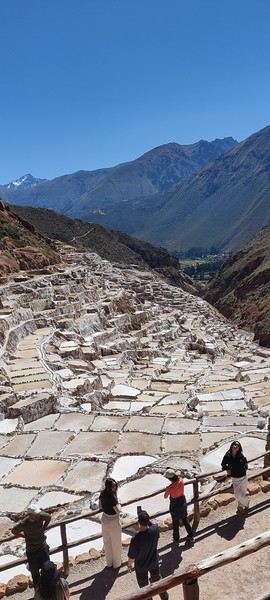
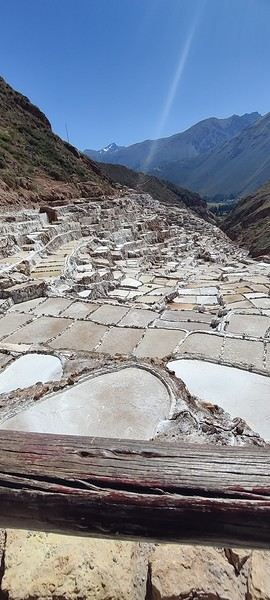
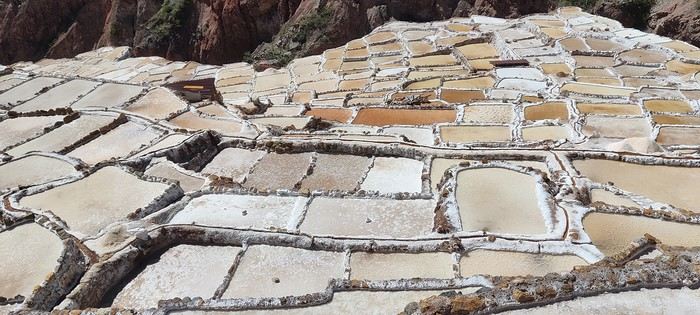
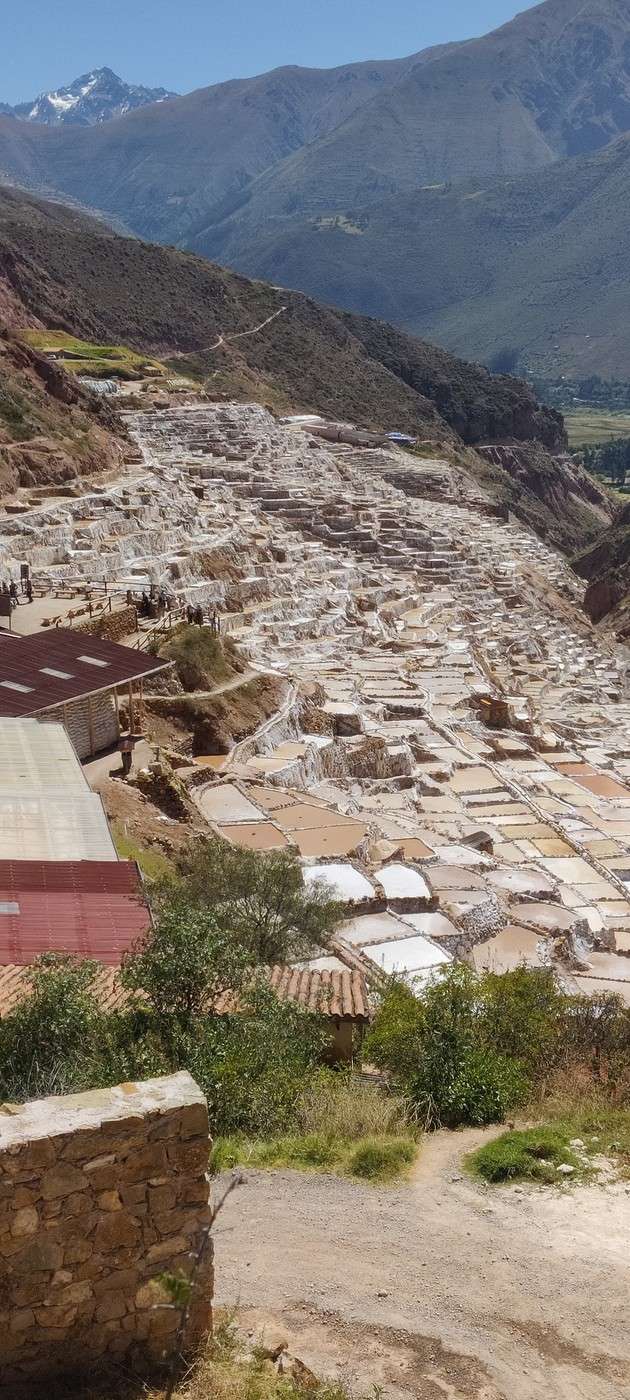
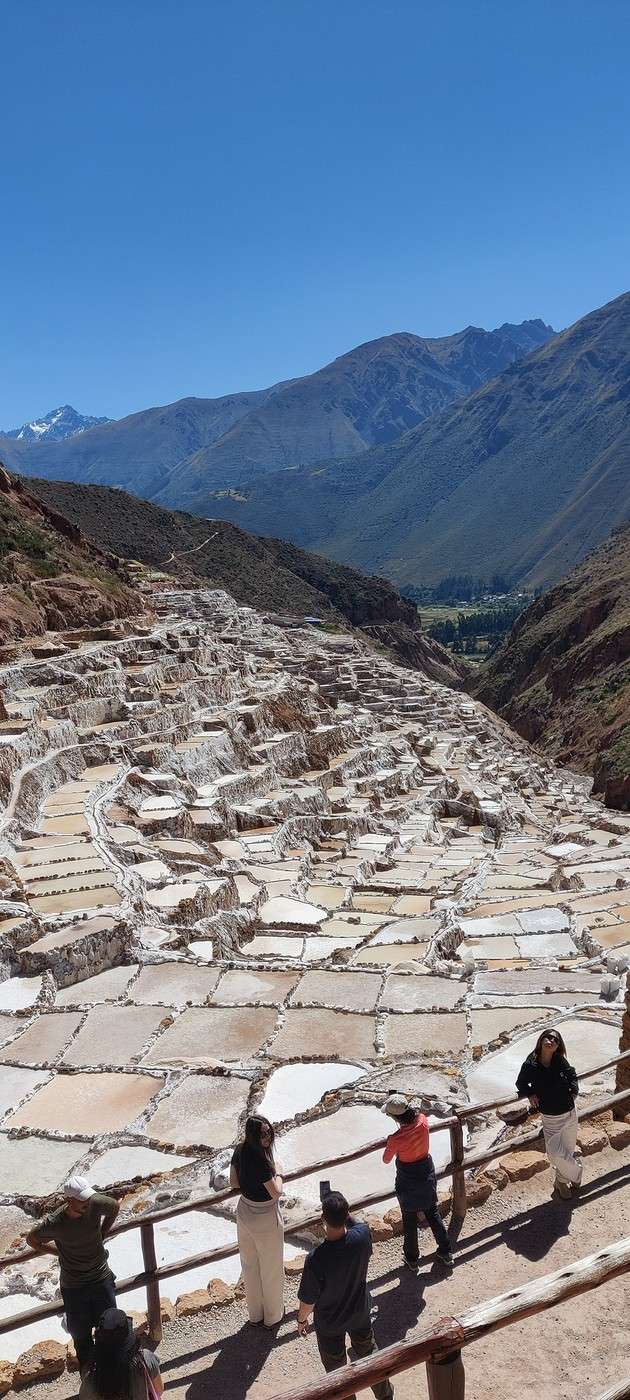
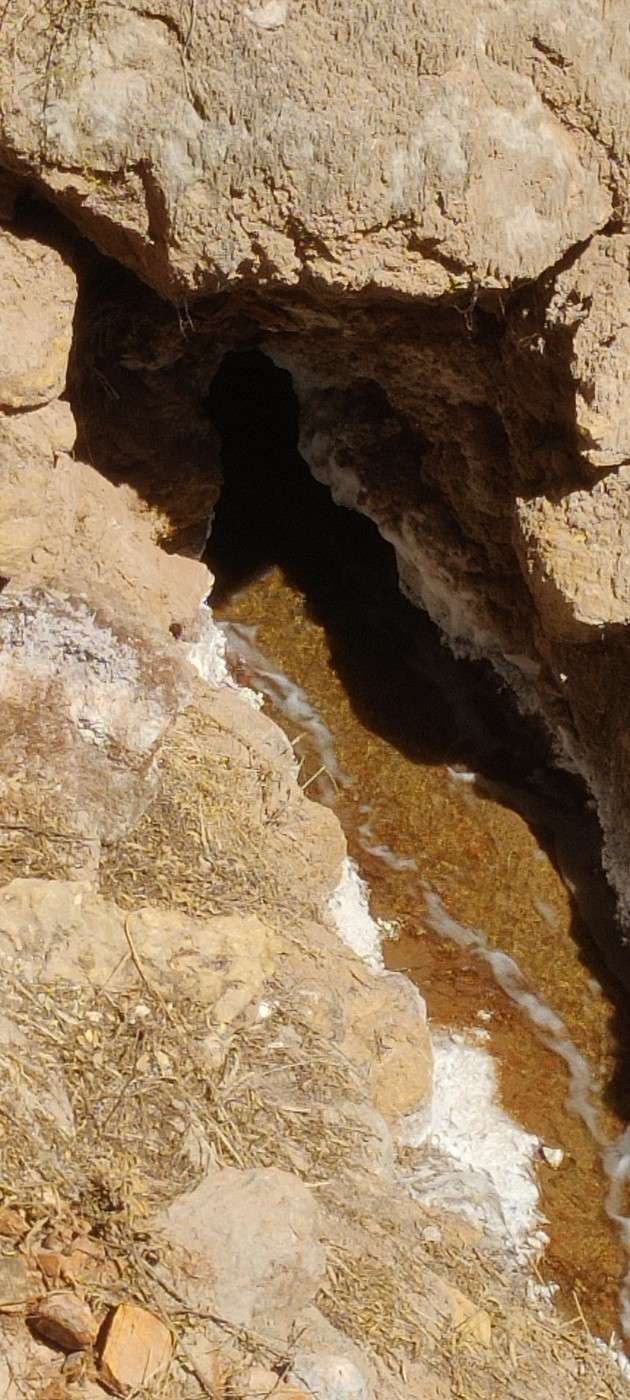
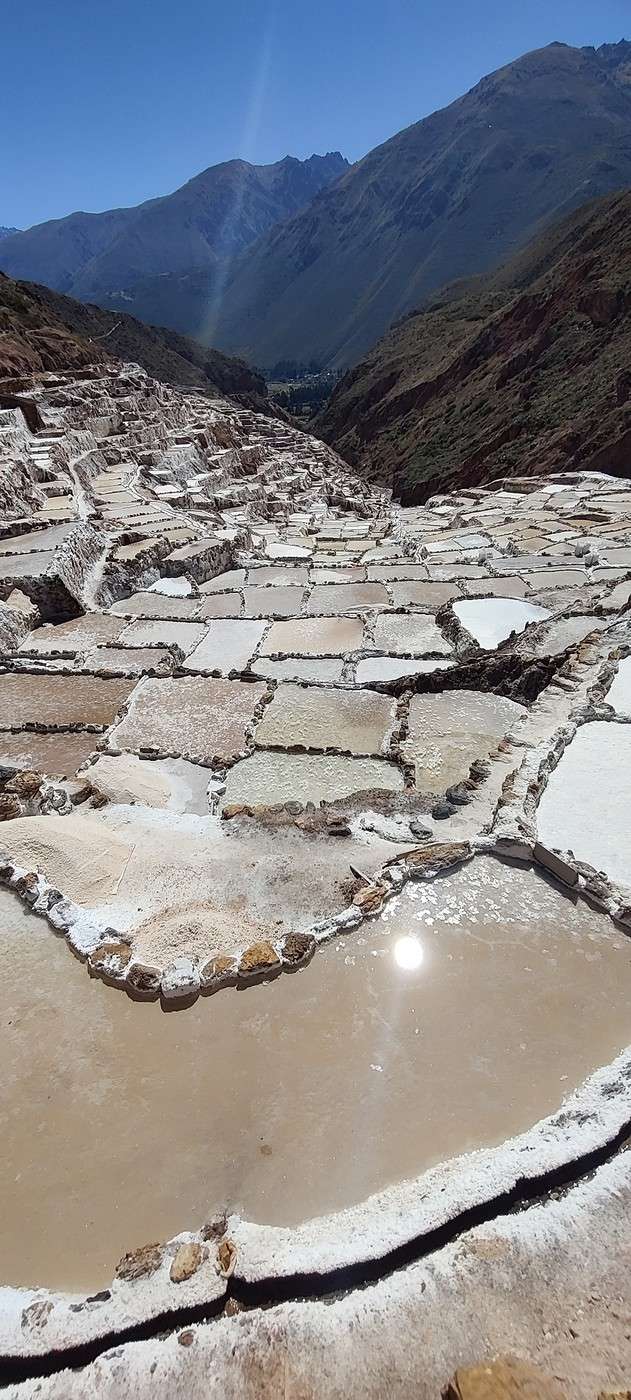
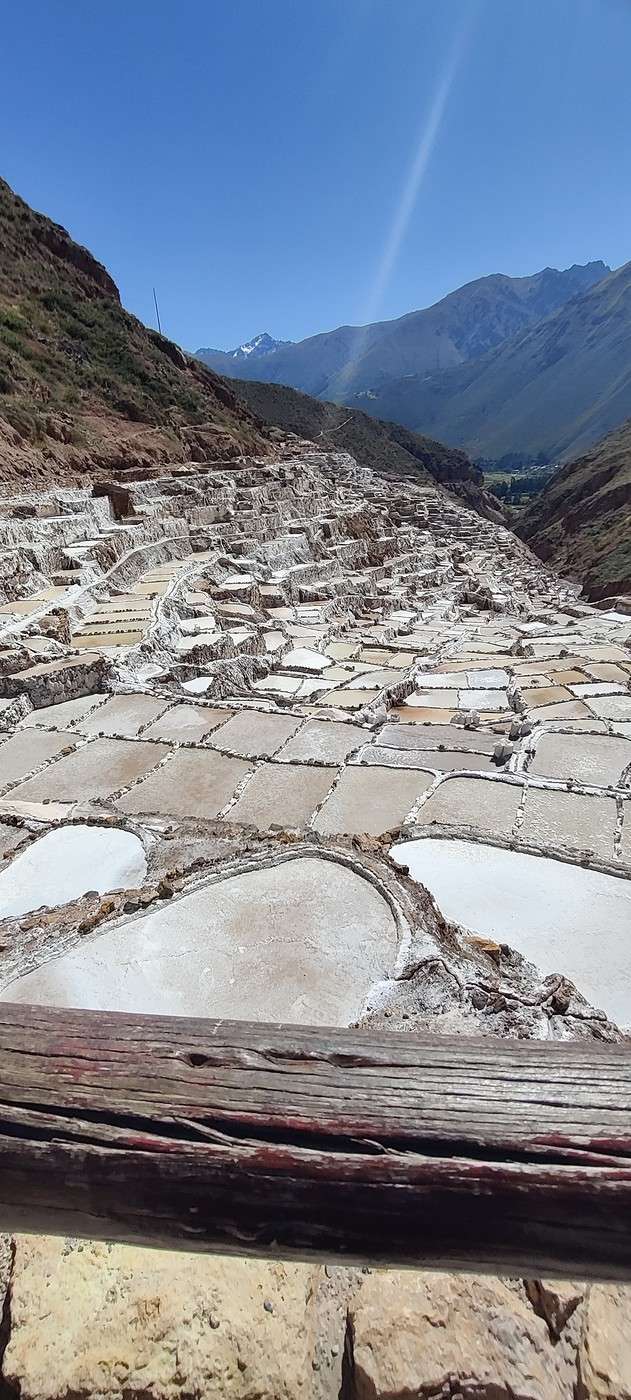
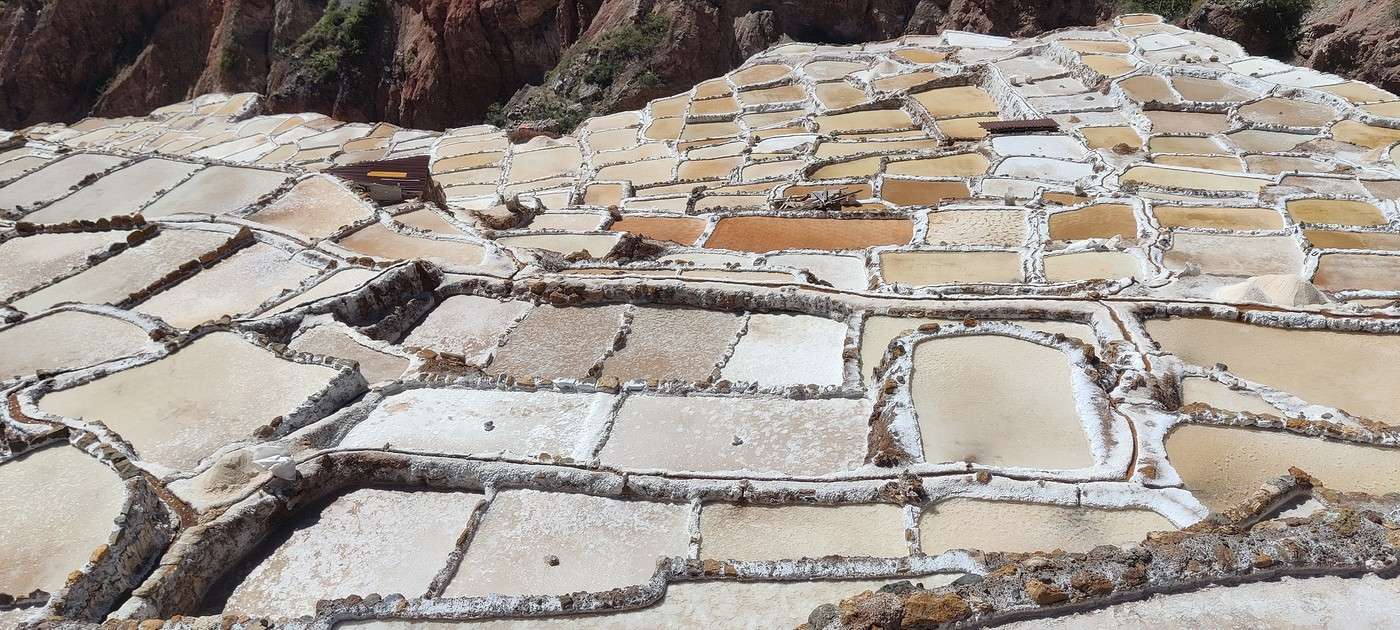
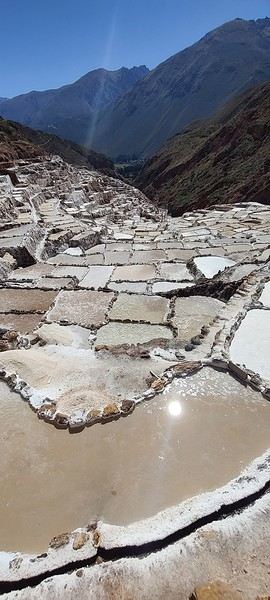
Let’s be honest, the visit to Chinchero didn’t leave me with an unforgettable memory. After weaving our way through the village’s shops, we arrived at the church of Chinchero. It doesn’t look like much from the outside, but the interior is stunning: fully painted walls, religious paintings, an intricately carved ceiling, and a gilded altar. Behind one side of the church, we discovered an archaeological site made up of terraces, canals, staircases, stone walls, and niches. The whole thing is a testament to the site’s importance during the Inca era. It’s worth noting that near Chinchero, construction on a new international airport is well underway. It’s eventually supposed to replace the one in Cusco and become the main air gateway to the region. During our trip, it was set to open in 2027, but the timeline has since been pushed back—Peruvian authorities now expect it to be operational in 2029. Next, we headed to the Maras salt mines. This isn’t an archaeological site but a natural curiosity and, above all, a remarkable example of traditional salt extraction in the Sacred Valley. The site has been in use since pre-Hispanic times and continues to this day. The pools are still managed by local communities, who pass down production techniques from generation to generation. Clinging to the mountainside and stretching down to the valley floor, the salt mines consist of thousands of pools. Official sources count around 4,500 of them. They’re fed by a natural saltwater spring, distributed through an ingenious network of small canals.


The water evaporates under the sun, leaving behind a layer of salt that’s harvested by hand. The salinity level, water quantity, and sunlight exposure give the pools different hues, making the place incredibly photogenic. No wonder the Salineras de Maras are one of the must-see sights in the Sacred Valley.


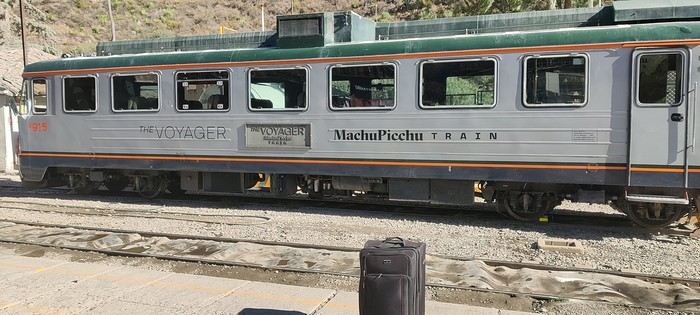
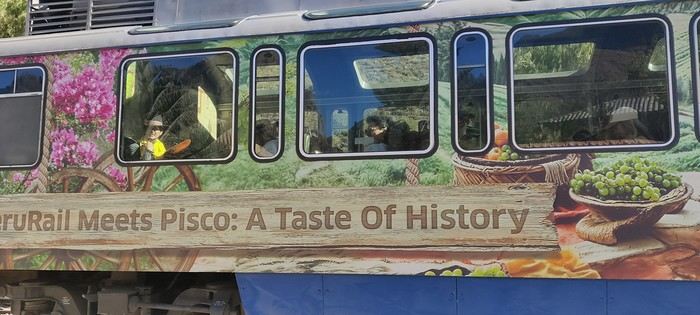
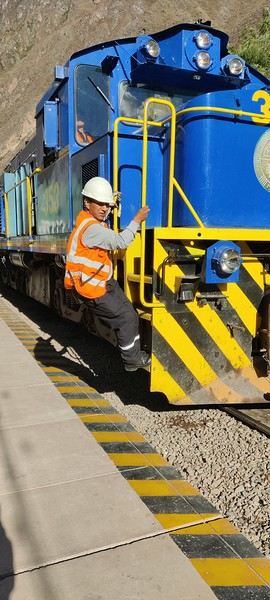
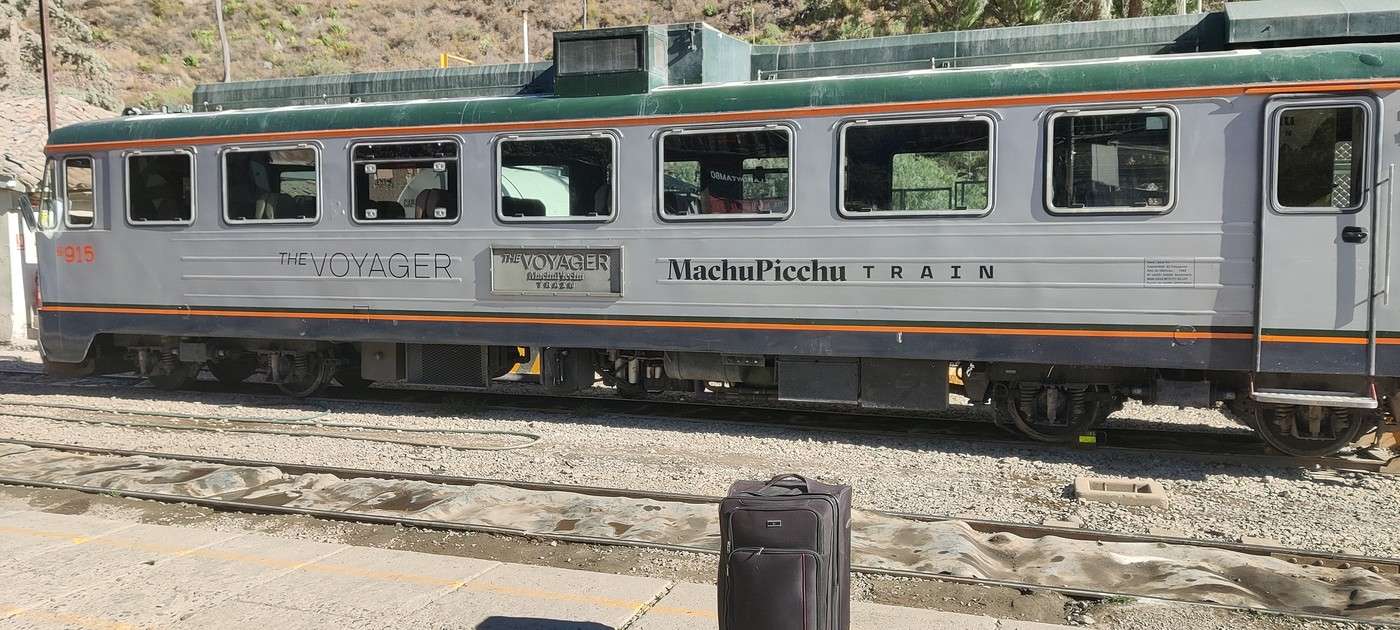
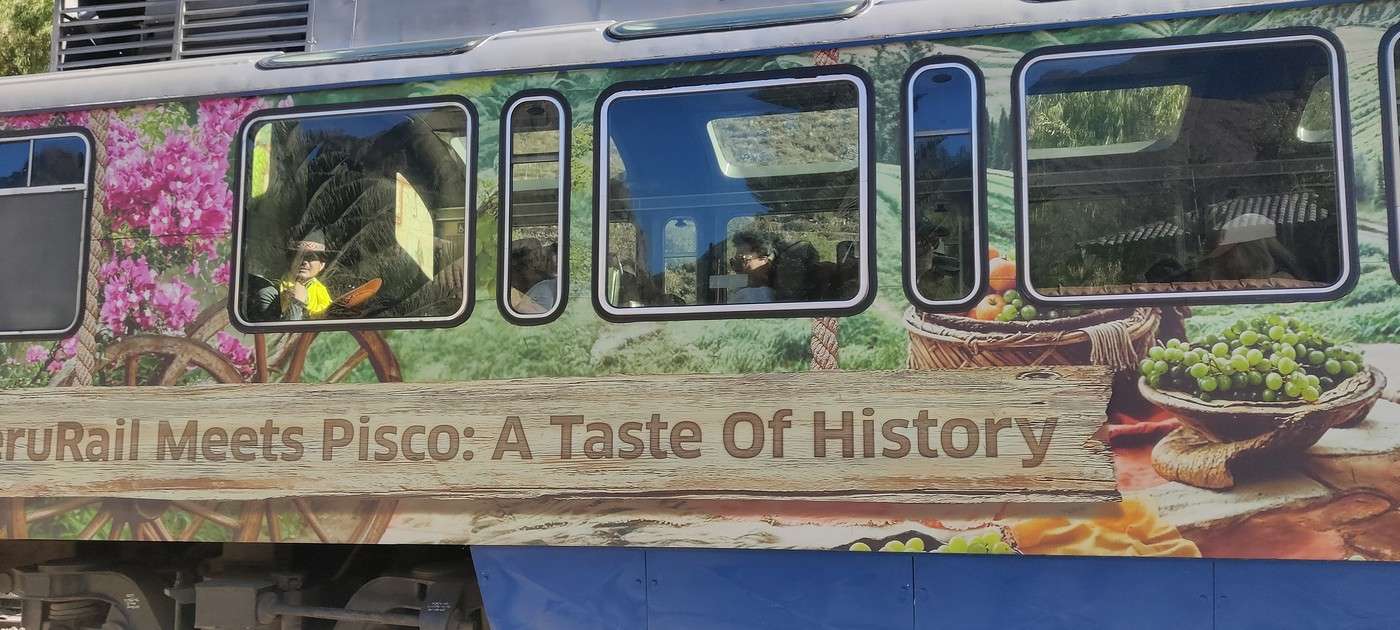
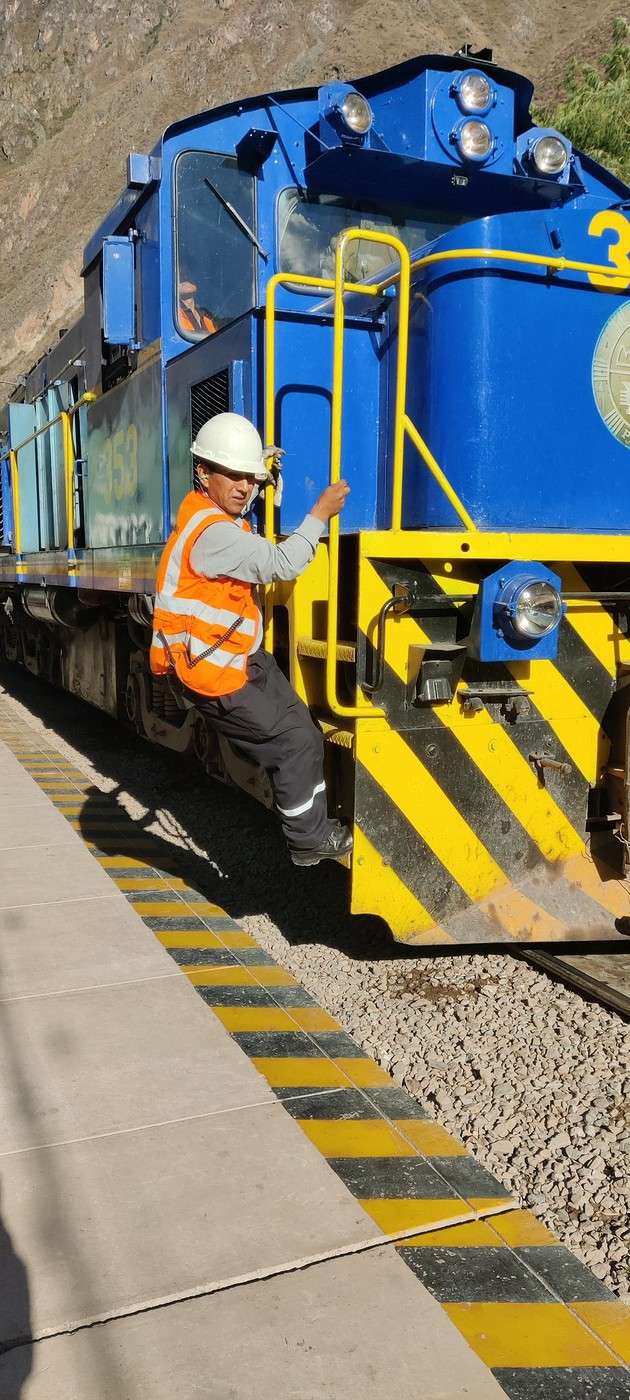
Note that due to some tourists’ behavior, it’s now forbidden to walk freely between the pools. You have to stick to the designated paths to protect this fragile system. Our train to Aguas Calientes was scheduled for 4 p.m., so we made our way to Ollantaytambo and its station. Richard dropped us off on the street leading there before heading back to Cusco. We used the remaining time to grab lunch at one of the many restaurants lining the road while we waited for our train. We then headed to the station. What a mess! At first, we couldn’t make sense of the organization, but boarding eventually went smoothly. While we waited, we checked out the locomotives and carriages—now almost legendary for travelers heading to Machu Picchu.


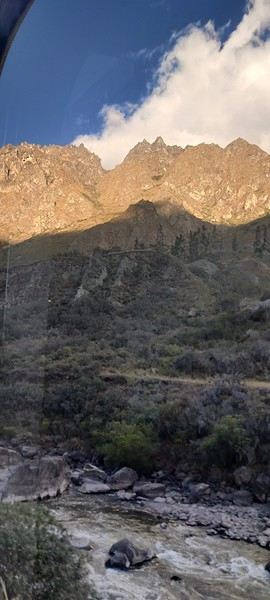
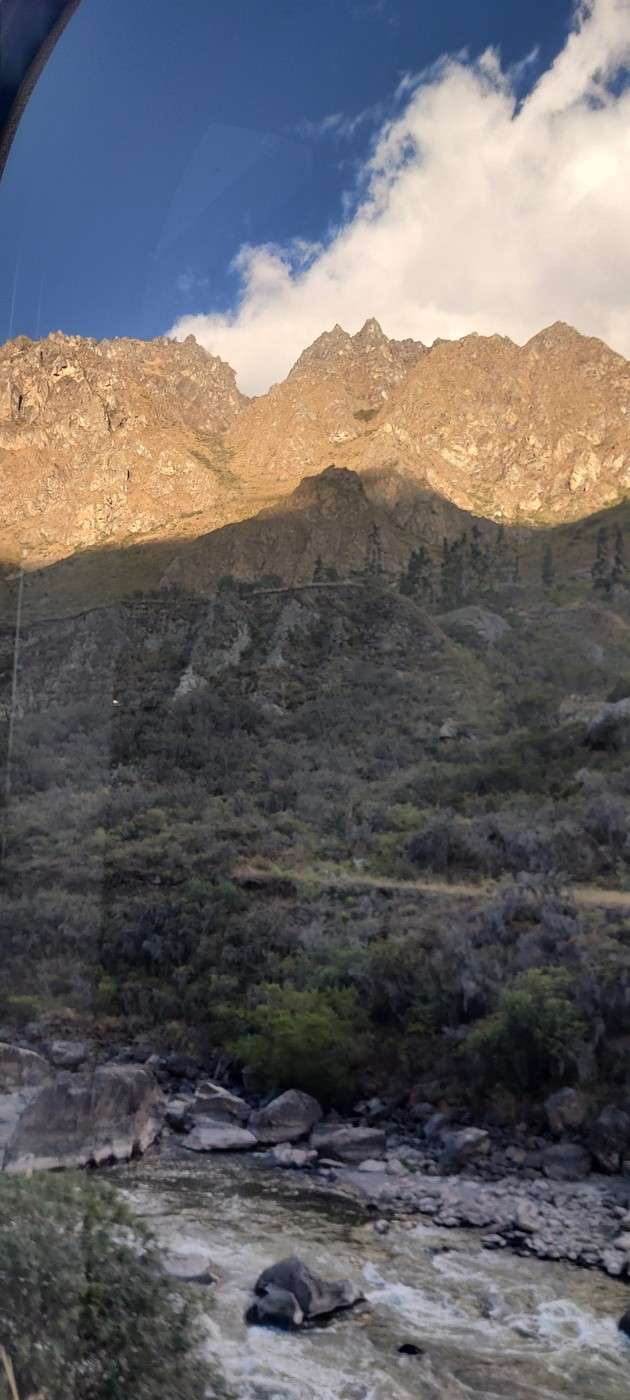
When the train started moving, we felt a little pang in our hearts—this time, we were *really* on our way to Machu Picchu. We followed the river, squeezed between the mountainsides, and crossed a valley that was still fairly open and fertile. The scenery was nice, but not as spectacular as we’d been led to believe. As we got closer to the end of the line, the river turned into a torrent, and the gorges narrowed.


The vegetation also became denser and more lush. We could tell we were entering a much more tropical environment, right at the edge of the Amazon rainforest. When we got off the train, we had no choice but to walk through a massive, sprawling market of shops aimed at tempting tourists. It was hard to avoid—the commercial maze seemed like part of the journey. Next, we explored Aguas Calientes, officially called Machupicchu Pueblo, nestled between the mountains and the Río Urubamba. The streets, often steep, were lined with restaurants, shops, and hotels. The whole town is geared toward visitors coming to see Machu Picchu. First, we looked for the ticket office for the buses the next day, then our hotel. Our choice turned out to be a good one: it was slightly below the center, away from the noise, and our room had a terrace overlooking the river. On the receptionist’s recommendation, we had dinner at Indio Feliz. The decor was unique, the food hearty and delicious, and the price seemed reasonable. We didn’t linger, though. Tomorrow’s wake-up call was early—the big moment of our trip was almost here.

Peru: A childhood dream finally realized

Holigirl · 2026-08-23 · Message 28 of 69

What a shame we can't wander freely through the salt flats anymore. But if it helps protect the site, it's a necessary trade-off. Can't wait to see if Machu Picchu lived up to its promises.

Peru: A childhood dream finally realized

Larri · 2026-08-23 · Message 29 of 69

Thanks for continuing to follow along. I’ll answer your question today or at the latest tomorrow!

Peru: A Childhood Dream Finally Fulfilled

Larri · 2026-08-23 · Message 30 of 69

J14 – Machu Picchu (1)

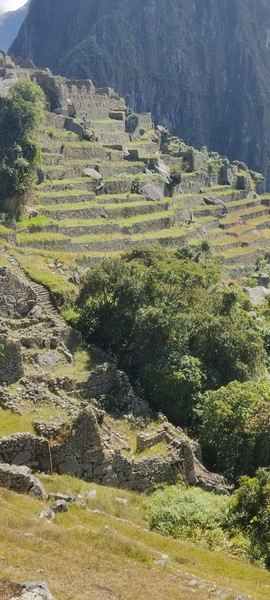
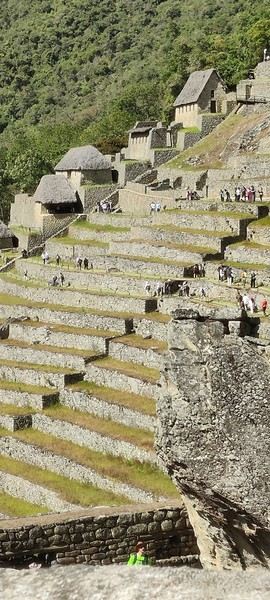
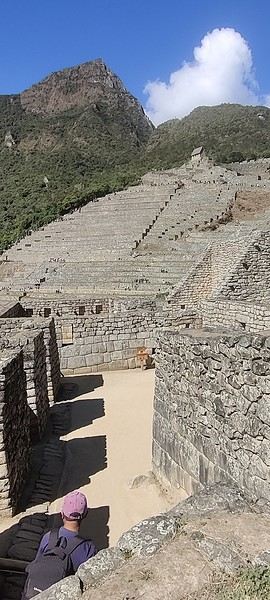
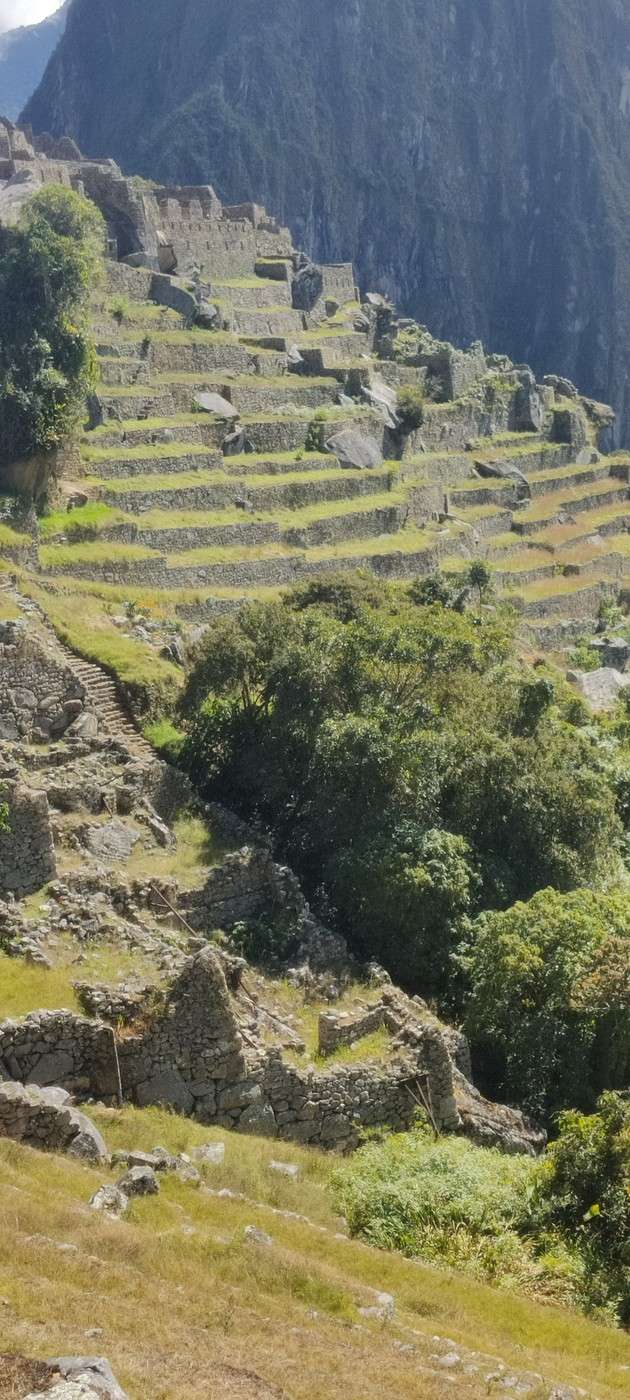
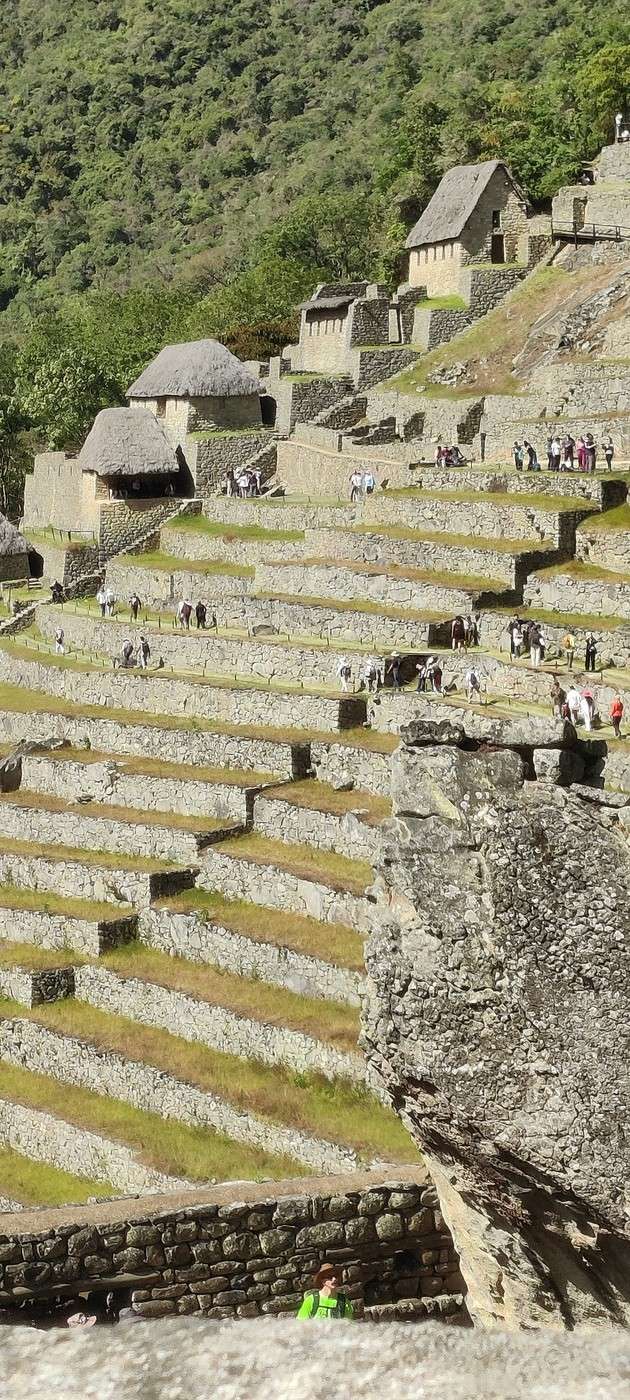
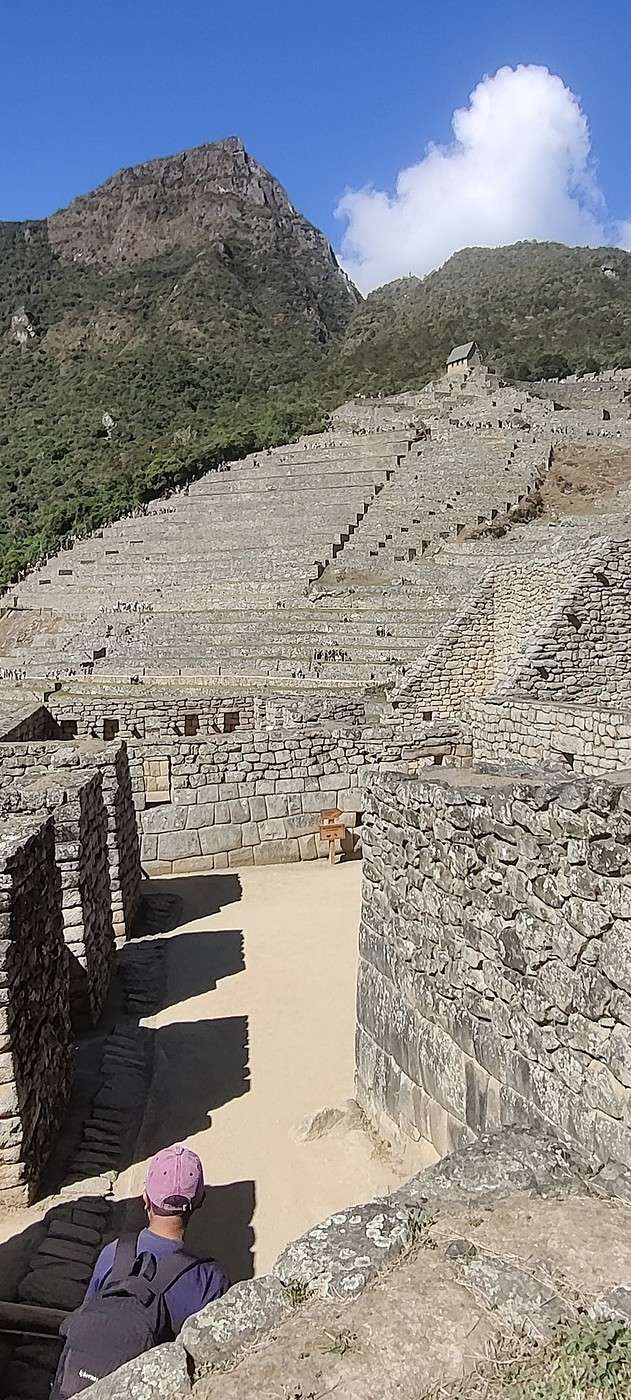
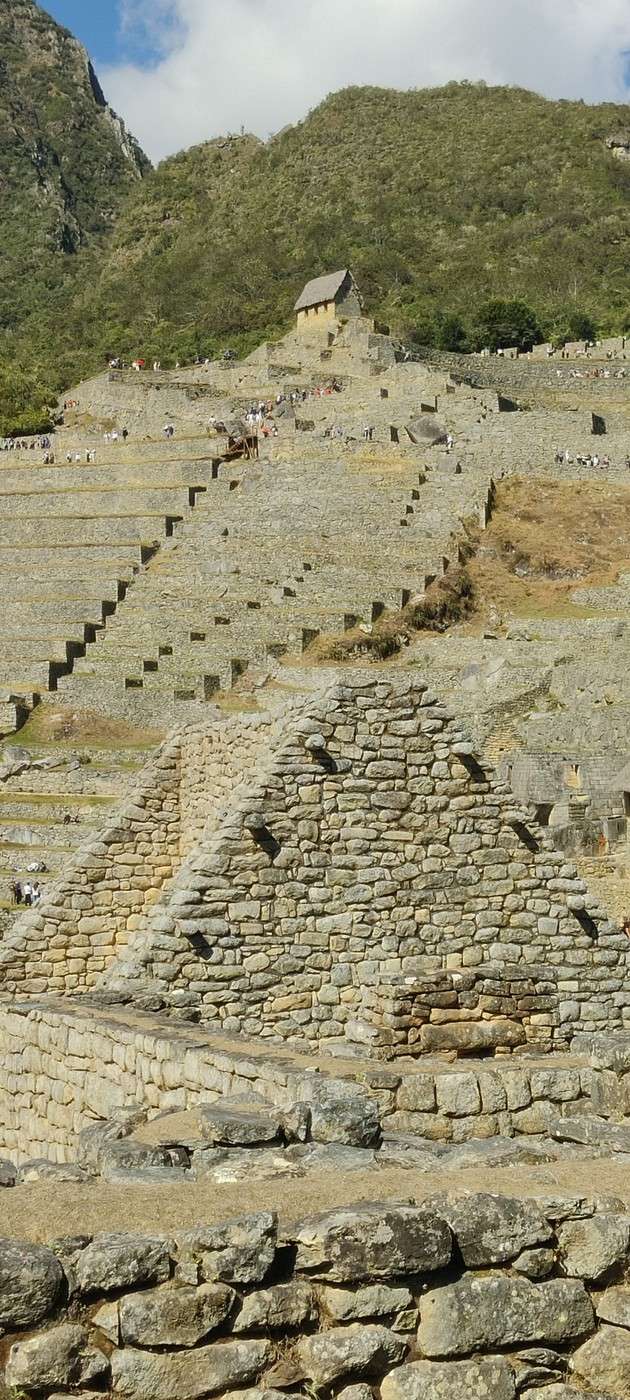
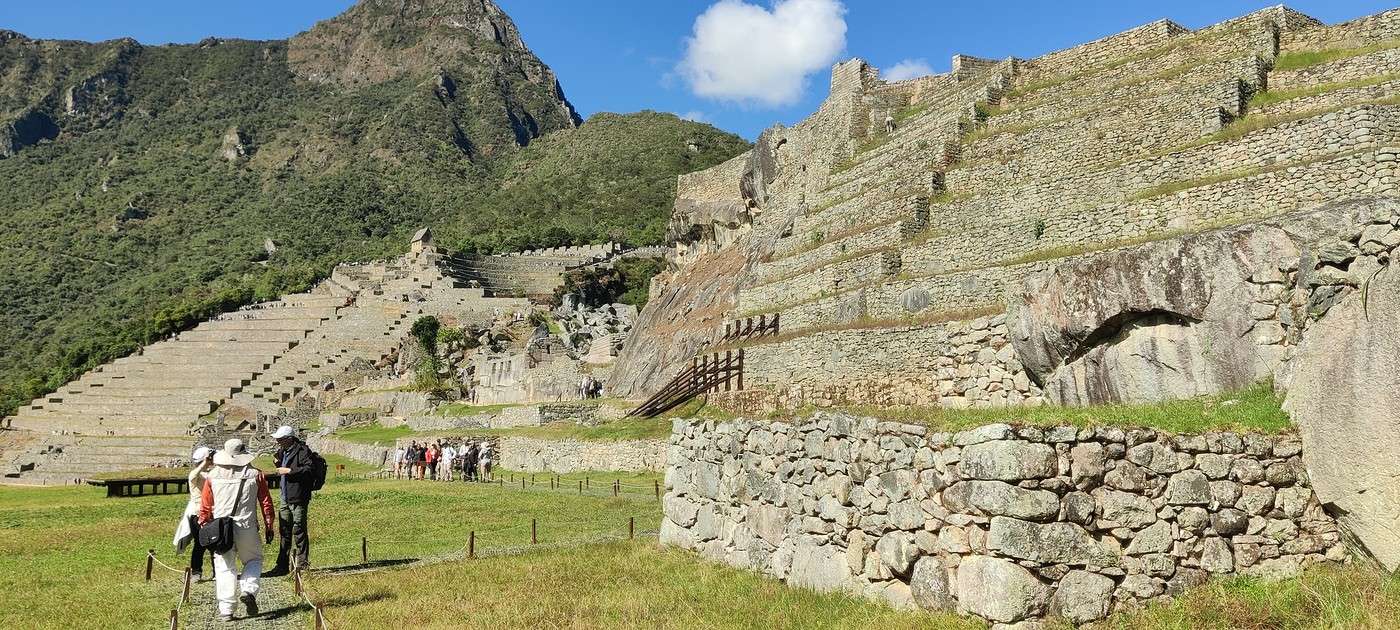
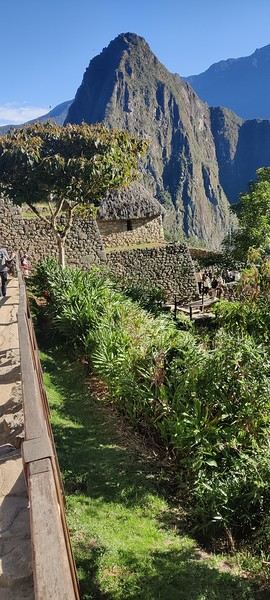
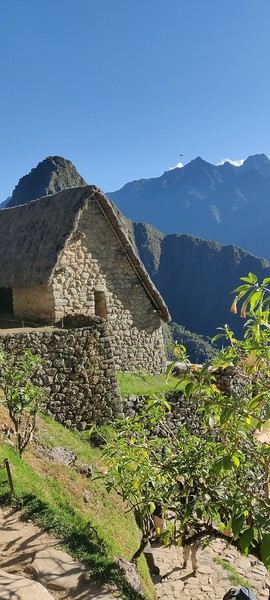
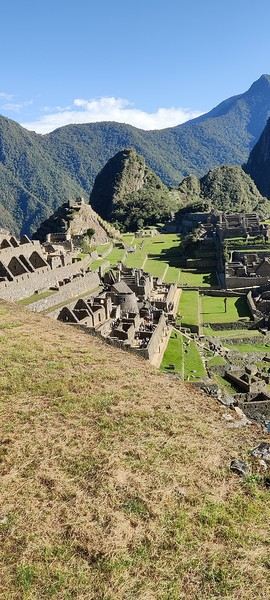
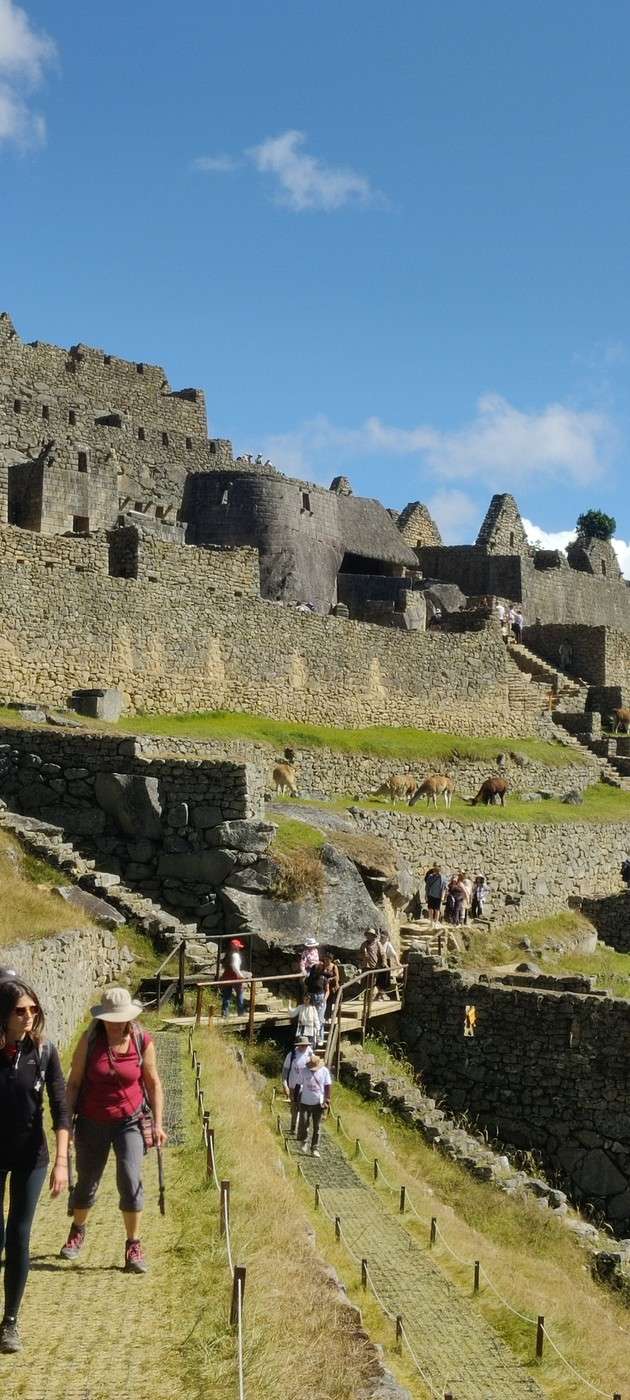
We’re meeting our guide at 8 a.m., which means we need to catch a bus around 7 a.m. The alarm goes off at 5:30 a.m. After a hearty breakfast, we head up the street toward the bus stop. The line is already long, and the buses are coming one after another at a frantic pace. Here too, everything seems improvised, but the ballet is carefully orchestrated. At each checkpoint, we have to show our ticket and passport. The road winds through the mountains amid lush vegetation. Between the bends, you can glimpse the trails that the bravest tourists take to reach Machu Picchu on foot. The crowd is packed into the square that serves as the terminus, and we struggle to find our guide. Following Laurent’s advice, we booked Circuit 2, now called “Classic Machupicchu,” which offers a fairly complete tour of the site. And there it is—the big moment has arrived. Welcome to Machu Picchu! Luckily, the weather is gorgeous, and the flow through the site remains relatively smooth despite the crowds. Let’s say it right away: the visit exceeded our expectations. It’s bigger and, above all, much more beautiful than we’d imagined. The site encapsulates and concentrates much of the Incas’ ingenuity. All the techniques we’d discovered during our trip seem to come together here, taken to an impressive level of perfection.

Our guide’s explanations It all started with the choice of location. This was likely the result of several considerations: • The sacred nature of the landscape, with the surrounding mountains, the *apus*, considered protective powers; • A rocky ridge offering a stable foundation for construction, with granite available right on site; • A location allowing for astronomical observations and markers; • The presence of a spring and a water supply system; • Finally, a site that was difficult to access, naturally protected by its terrain and particularly spectacular, making it suitable for a royal domain and a display of the Inca’s power.

Construction began in the 15th century, probably around 1450, under the reign of Pachacuti, though the exact function of the site and the precise circumstances of its construction are still debated. UNESCO describes it as a vast religious, ceremonial, astronomical, and agricultural complex built on a steep ridge.

The Incas focused especially on what isn’t visible. A significant part of the work was dedicated to preparing the terrain, building retaining walls, terraces, and drainage systems. Studies estimate that about 50 to 60% of the construction effort was devoted to these foundational, stabilization, and underground drainage works.

The reason: the terraces play a crucial role. They’re not just for agriculture—they also stabilize the slopes and drain water. Beneath the cultivated surfaces, layers of materials are arranged to facilitate drainage. A true engineering masterpiece, largely invisible to visitors.

This helps explain how, after nearly six centuries, the site has maintained remarkable stability in an environment prone to heavy rains, landslides, and earthquakes. The real genius of the Inca builders may lie less in the walls themselves than in everything designed beneath our feet to keep the whole structure standing.

All that was left, so to speak, was to build the temples, dwellings, agricultural terraces, and the water supply system. The latter includes a network of canals and fountains fed by a spring. Here again, the Incas demonstrated remarkable hydraulic expertise.


After these factual considerations, our guide shared a more debatable theory: several major archaeological sites around the world are supposedly arranged according to specific distances or alignments.

In my opinion, we can observe similarities between certain civilizations: the pyramids of Egypt find echoes, in very different forms, in the pyramids of Guatemala, Mexico, or Peru, particularly at Caral and Túcume. It’s also notable that many great monuments were built with consideration for the movements of the Sun or other celestial phenomena.

But jumping to the idea of a hidden order connecting great civilizations, suggesting they coordinated their constructions on a global scale, is a big leap that nothing currently supports. Architectural similarities can also be explained by common constraints: the pursuit of spectacular monumentality. Many great monuments were indeed built in alignment with the Sun’s path and certain astronomical phenomena.

Peru: A childhood dream finally realized

Larri · 2026-08-23 · Message 31 of 69

Day 14 – Machu Picchu (2)

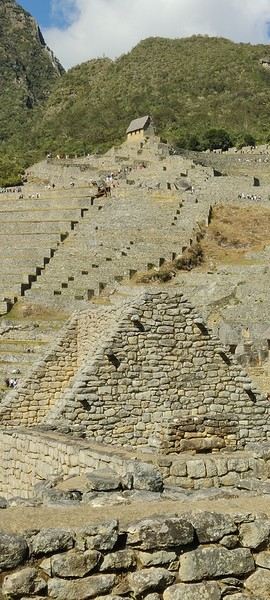
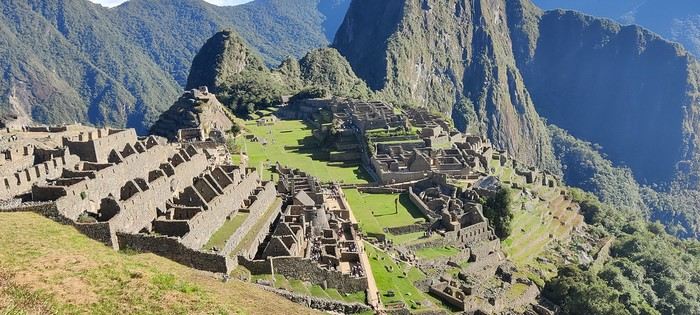
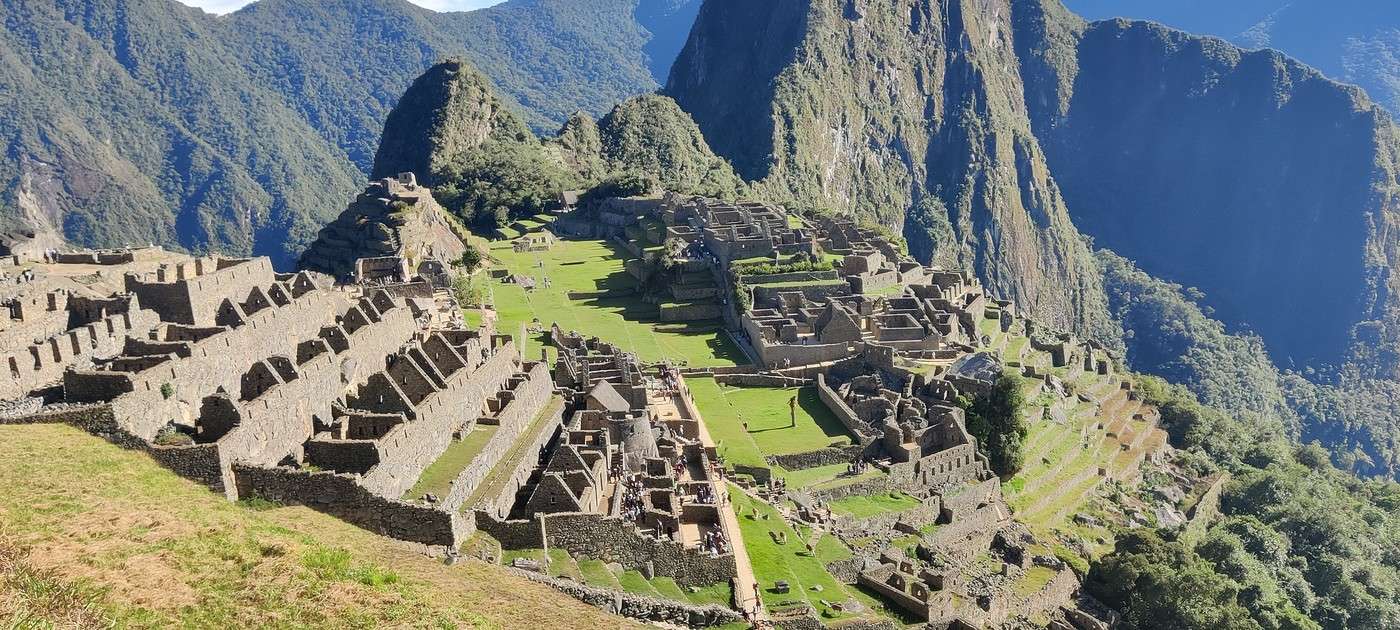
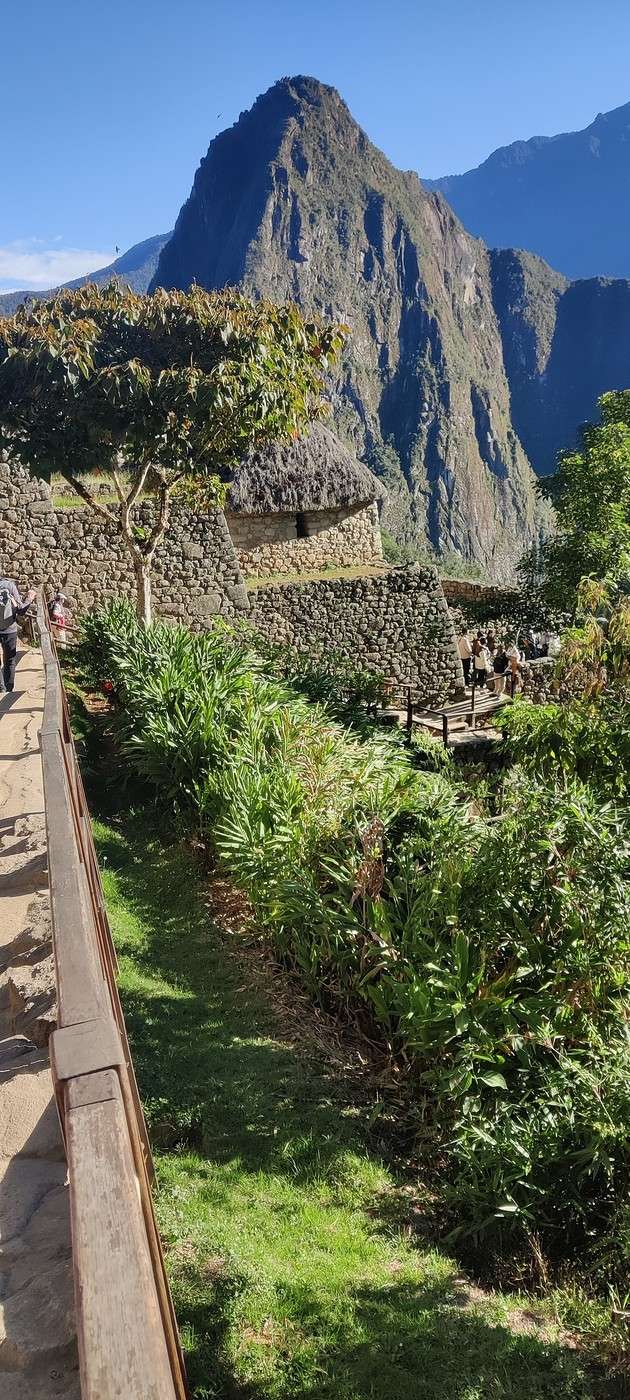
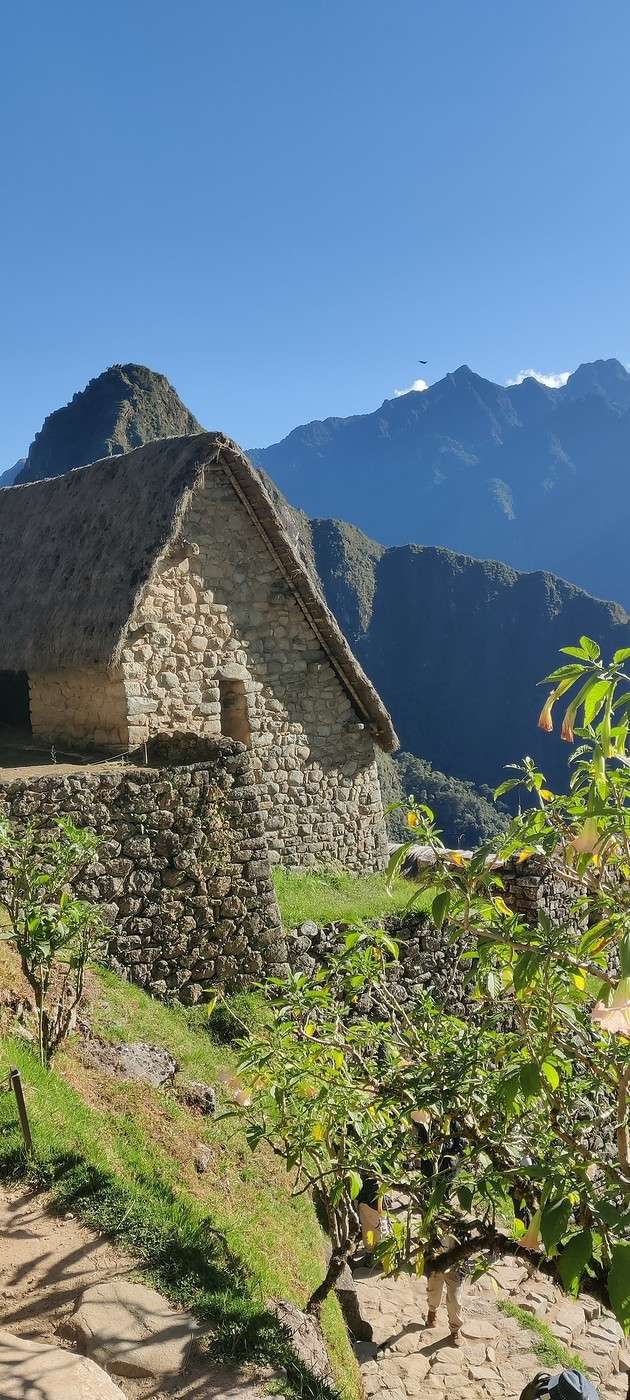
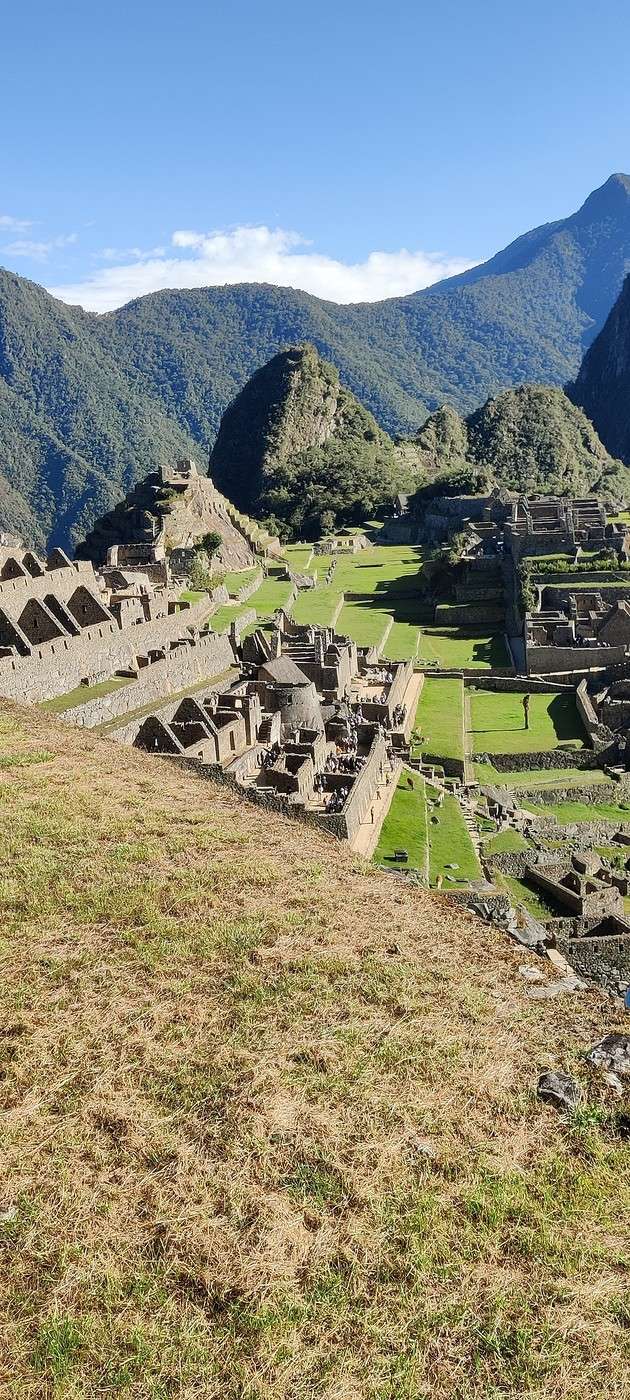
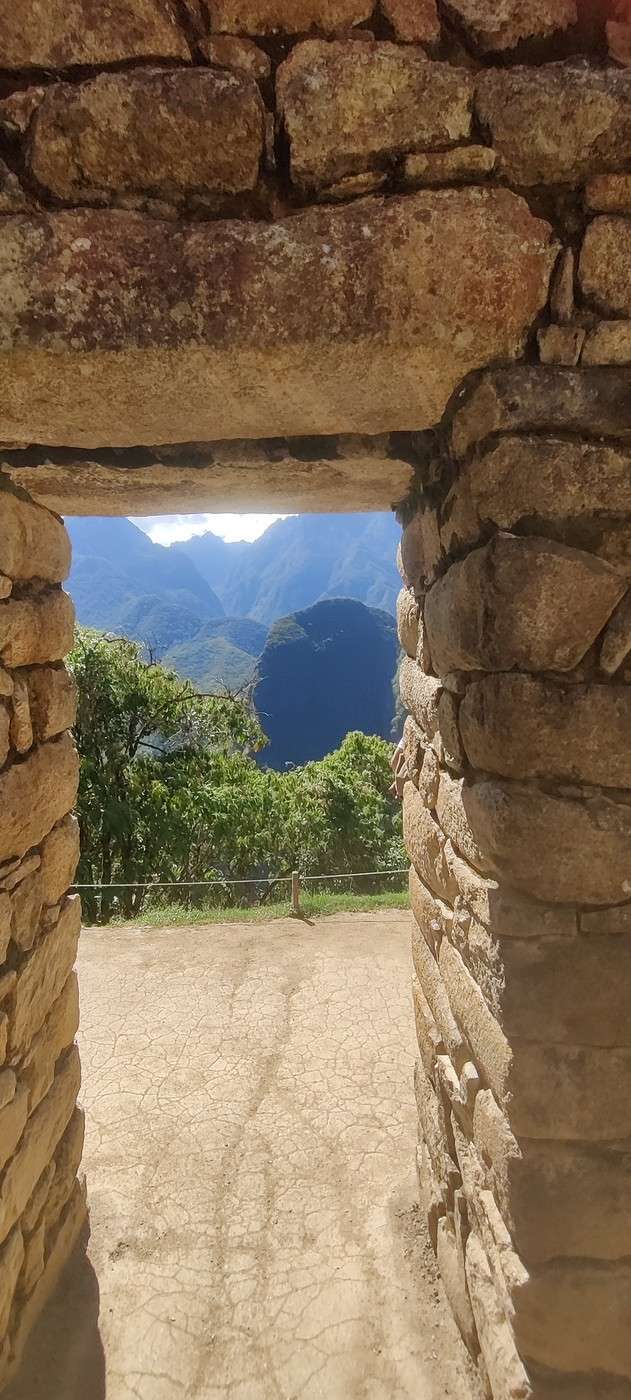
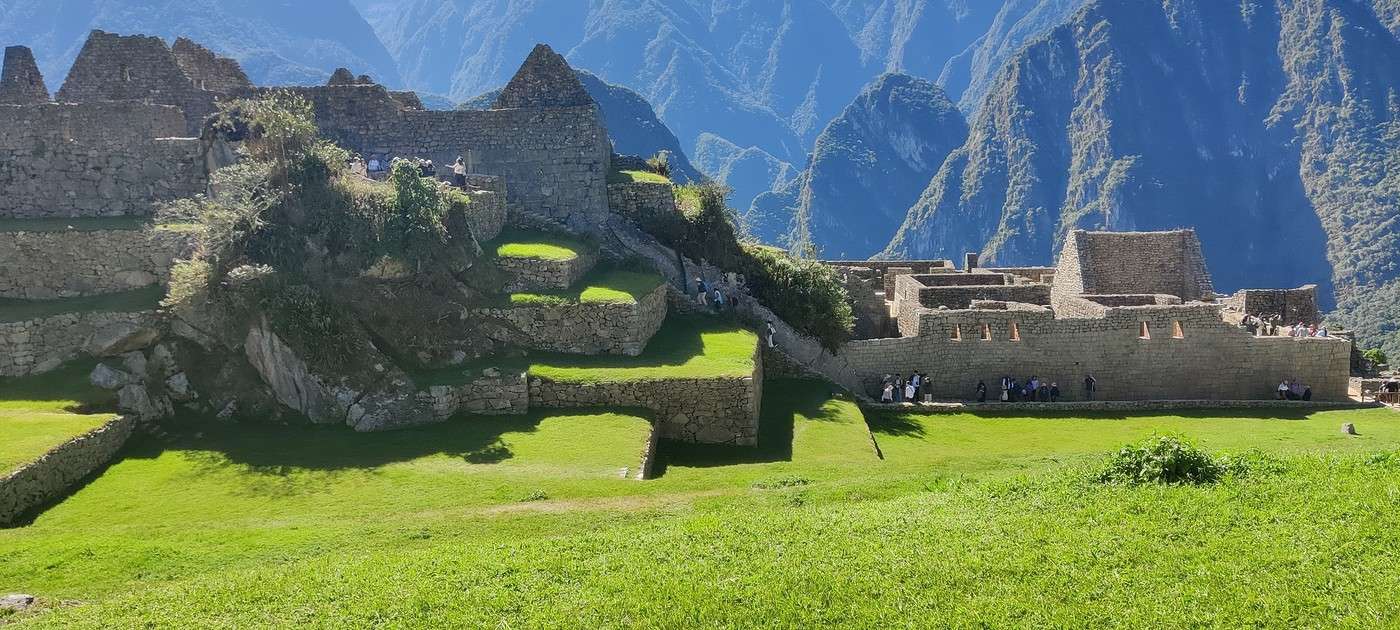
We start by climbing up to the guardian’s house, where we get an exceptional viewpoint over the entire site. This is where we take the famous panoramic and iconic photo of Machu Picchu.


We then walk along the quarries where the Incas extracted some of the stones used for the constructions, before descending toward the heart of the city to explore the religious and residential sectors.


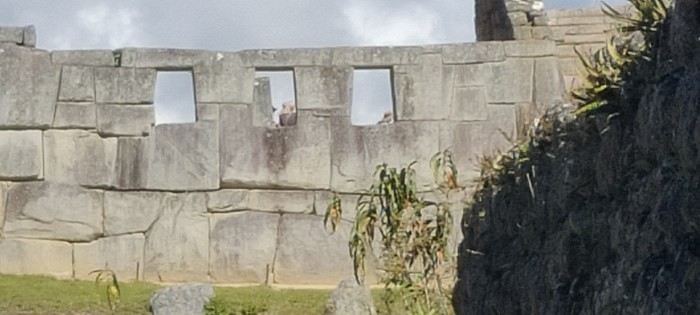
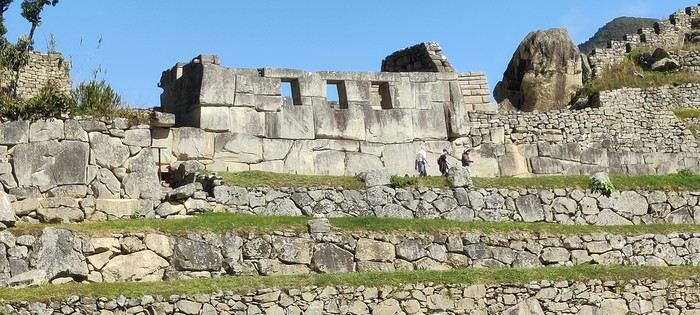
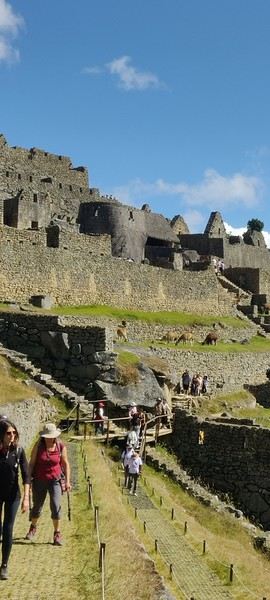
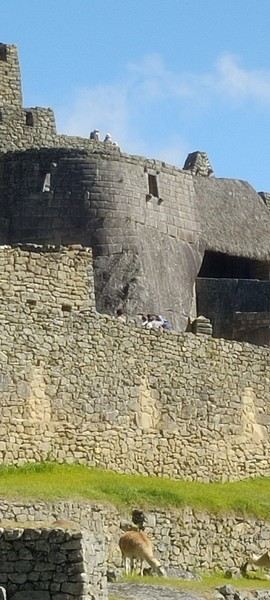
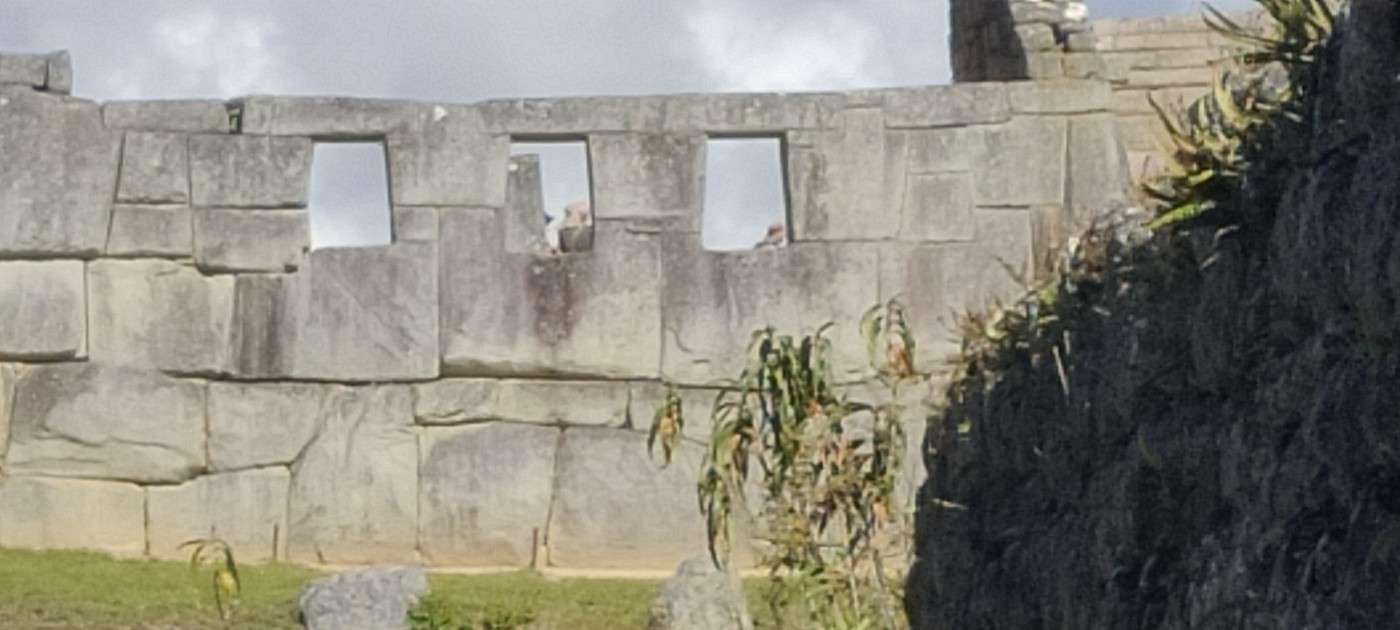
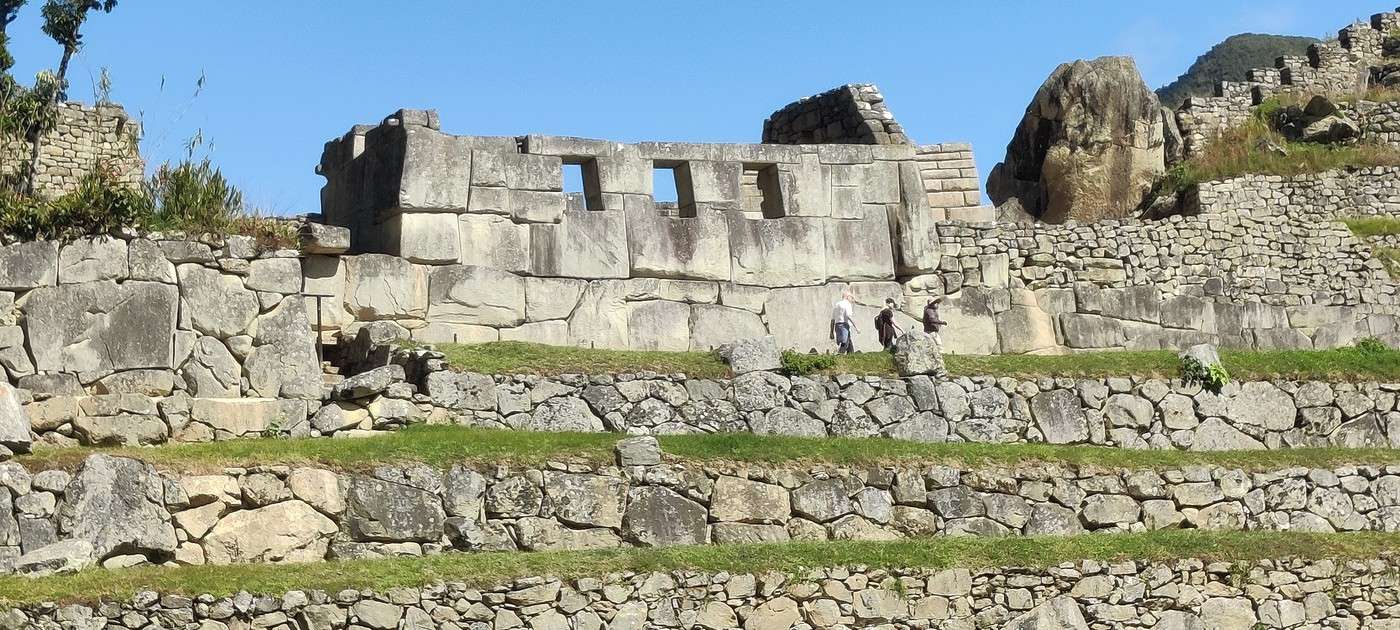
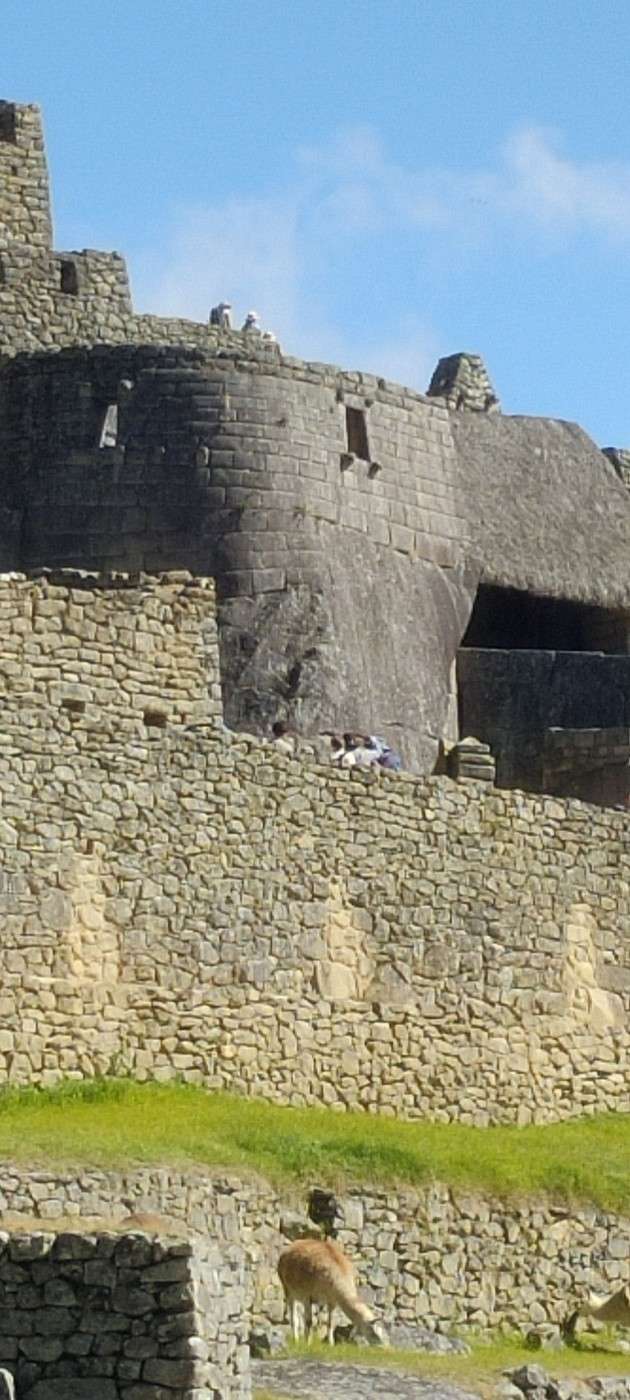
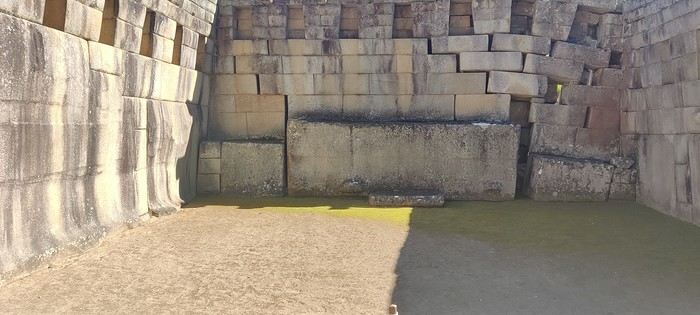
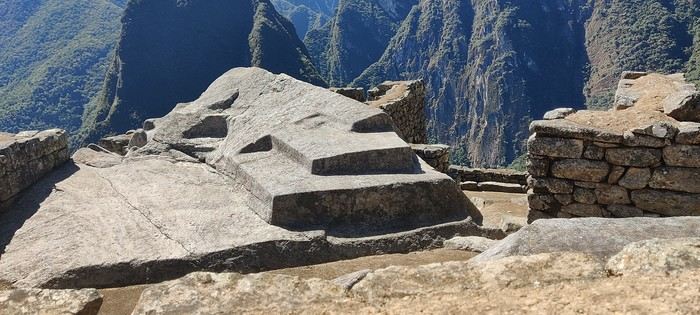
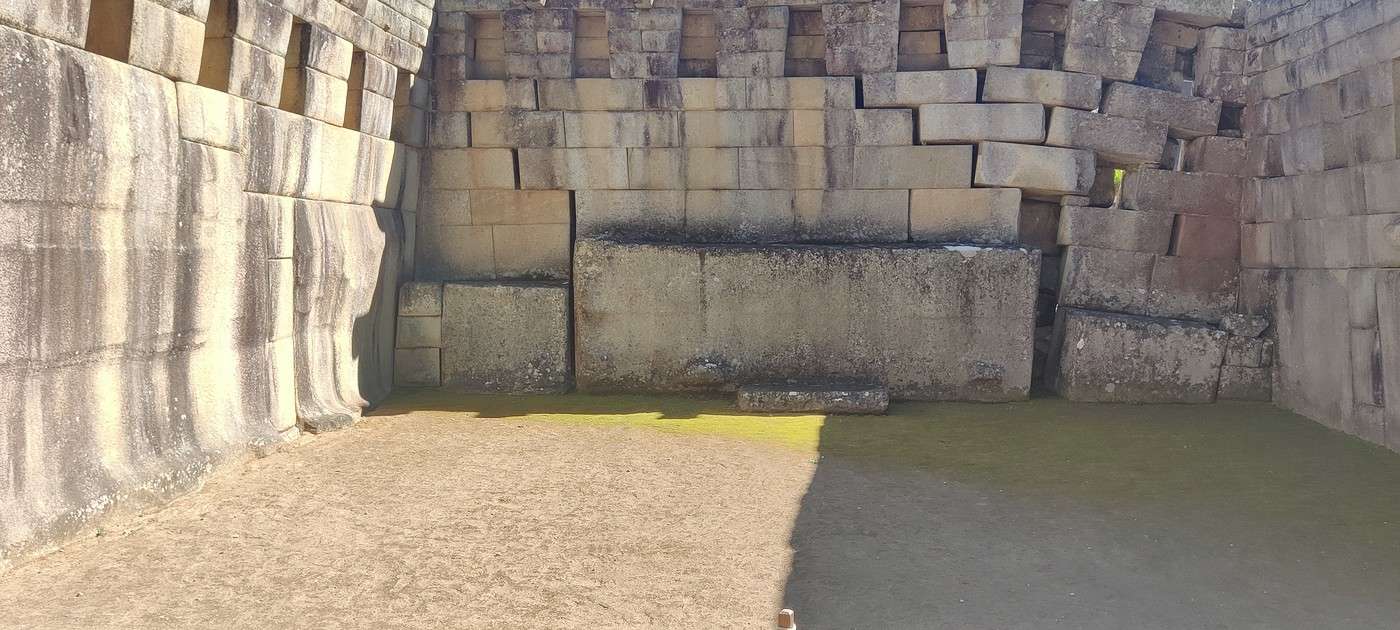
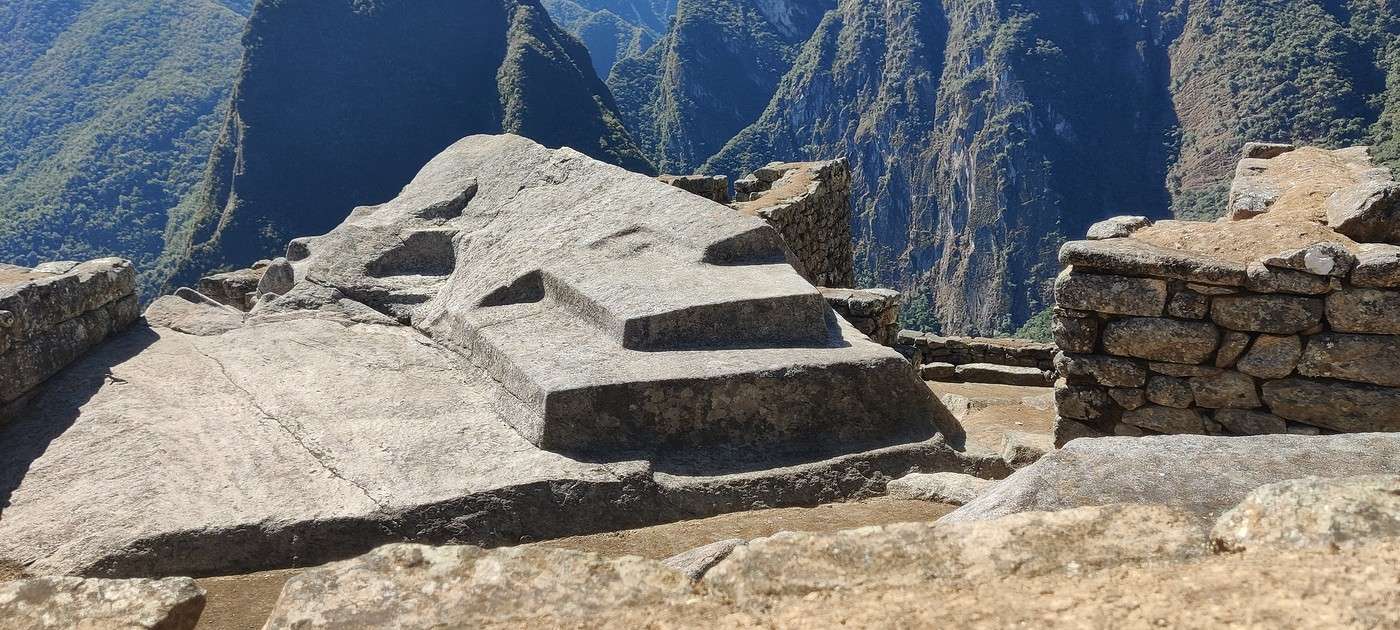
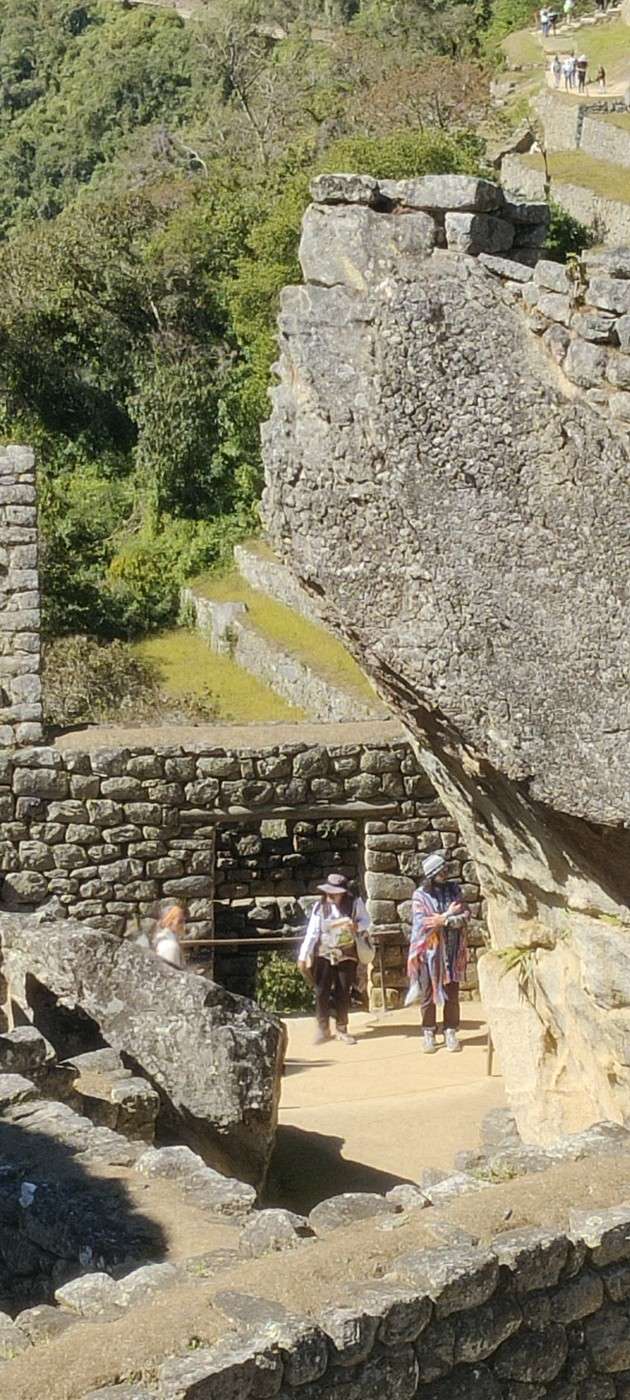
We cross the sacred square and discover the Temple of the Three Windows, then the Temple of the Sun, recognizable by its semi-circular shape. It’s built above a huge natural rock and features particularly refined architecture. Its orientation and design notably reflect the importance given to astronomical observations and the ritual calendar.


Peru: A childhood dream finally realized

Larri · 2026-08-24 · Message 32 of 69

Machu Picchu (3)

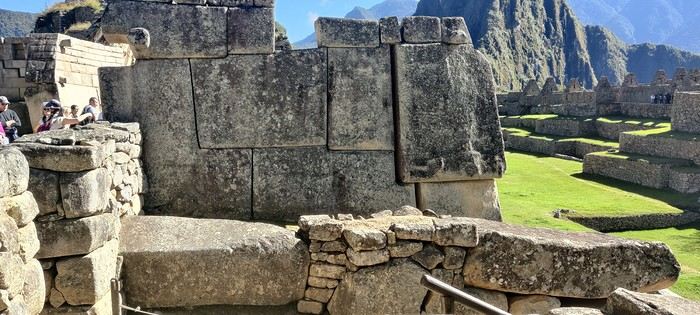
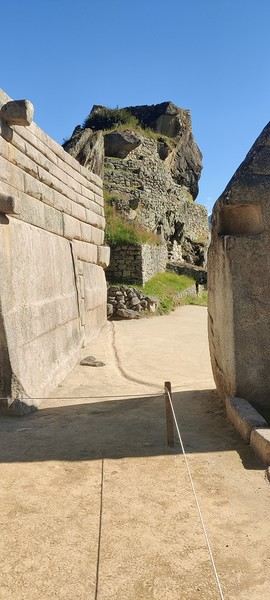
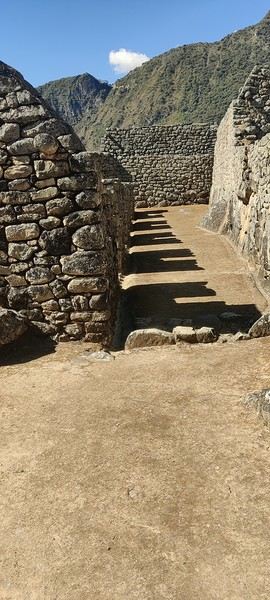
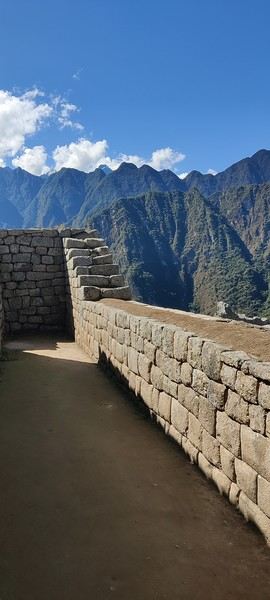
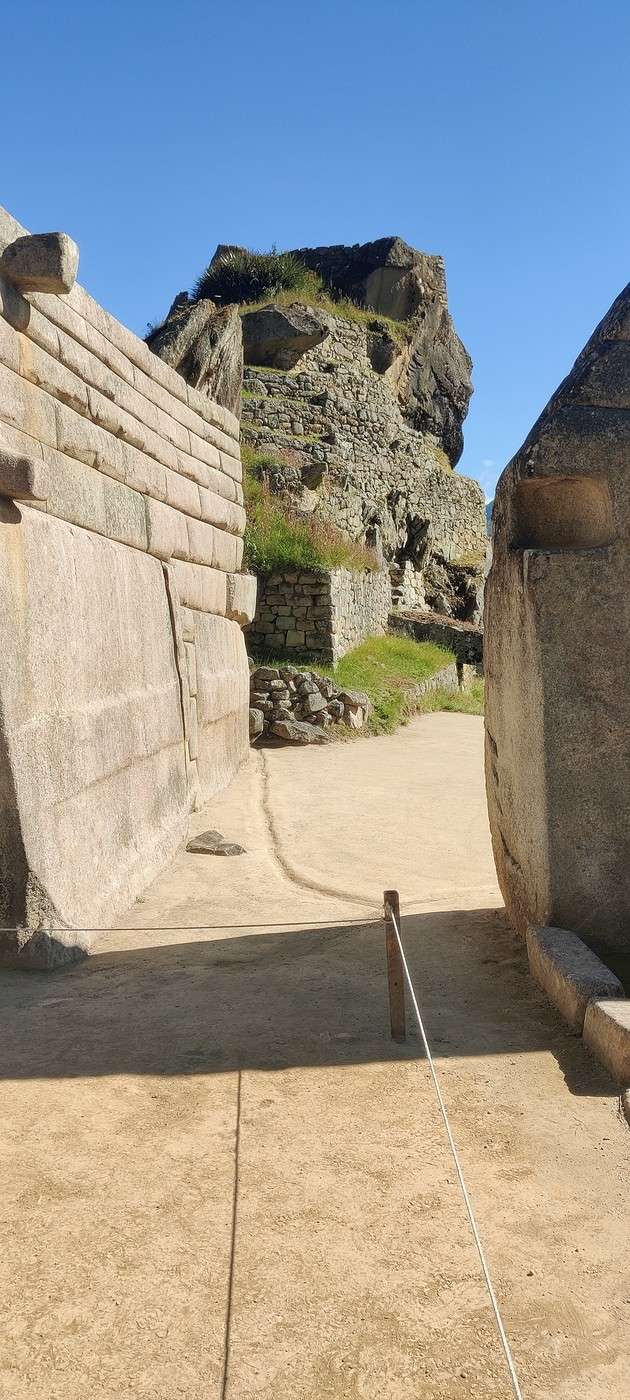
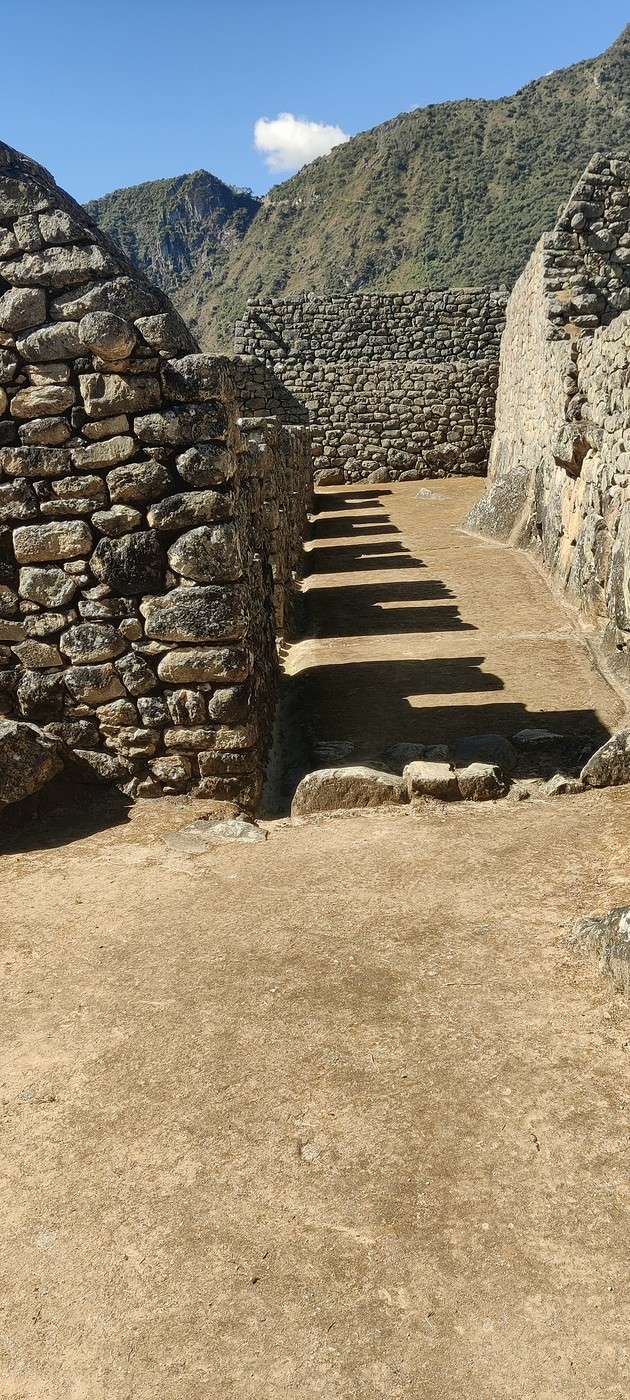
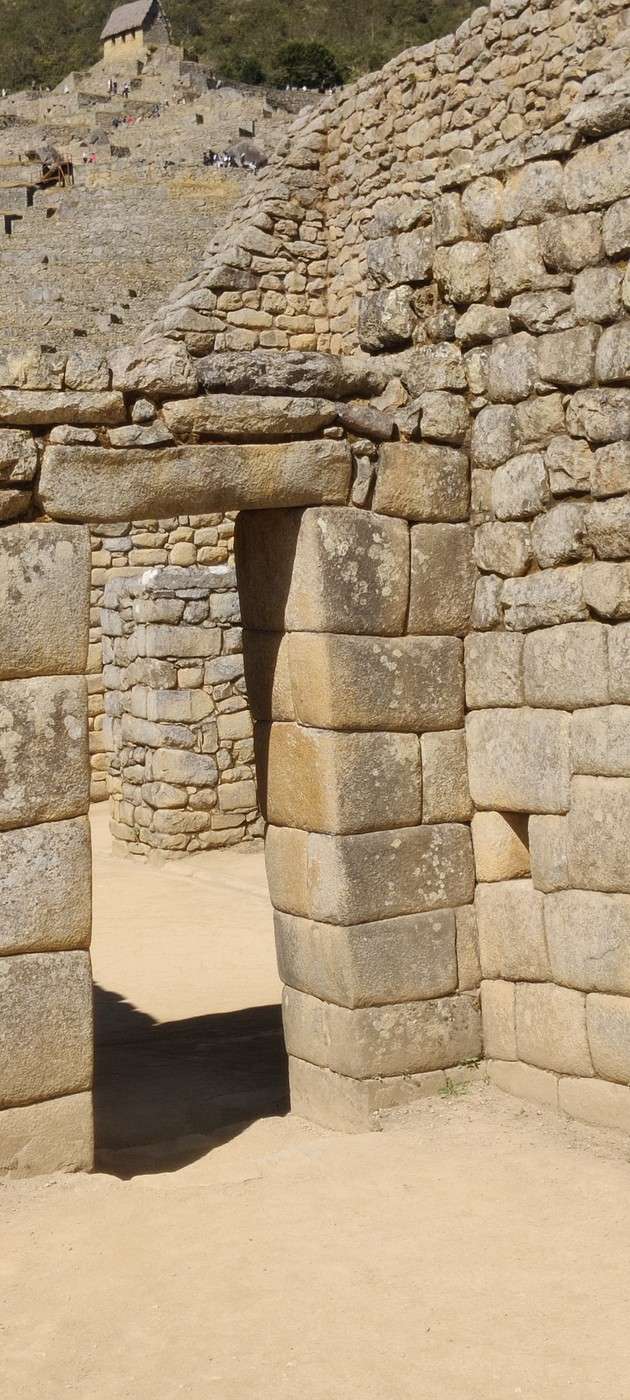
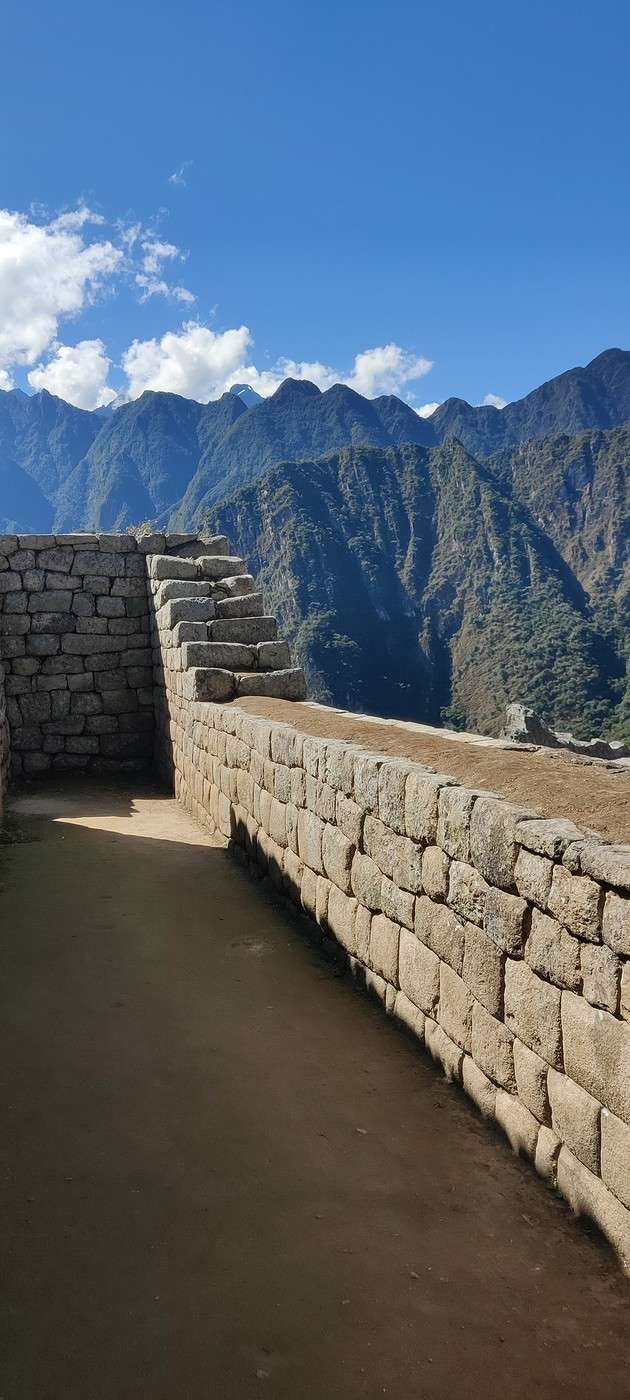
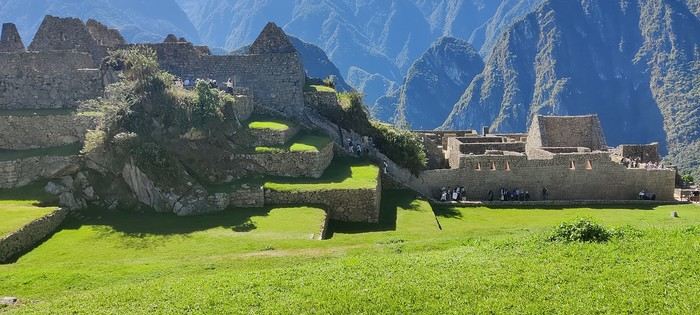
Everywhere, you notice how the buildings adapt to the terrain. The walls are slightly inclined inward, a feature that contributes to their stability. It’s easy to see why so many structures have withstood centuries and seismic movements.


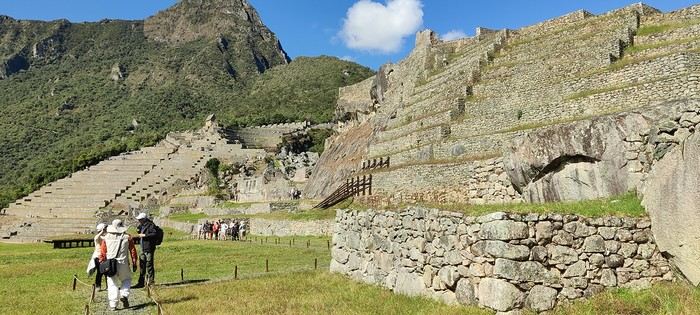
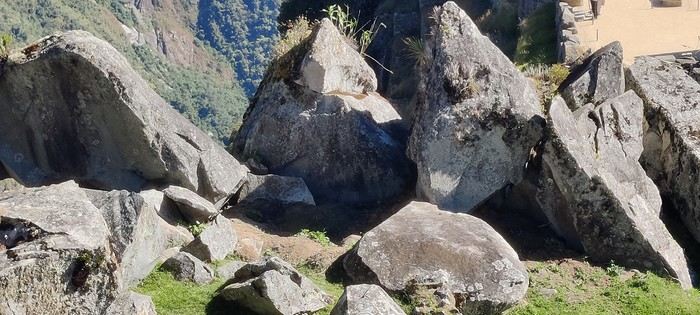
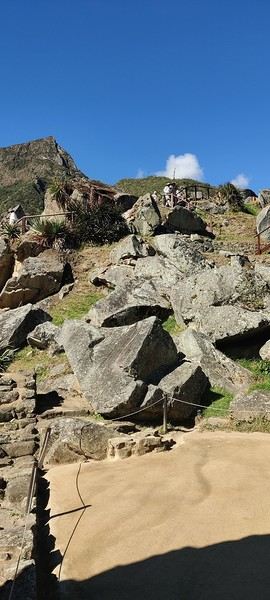
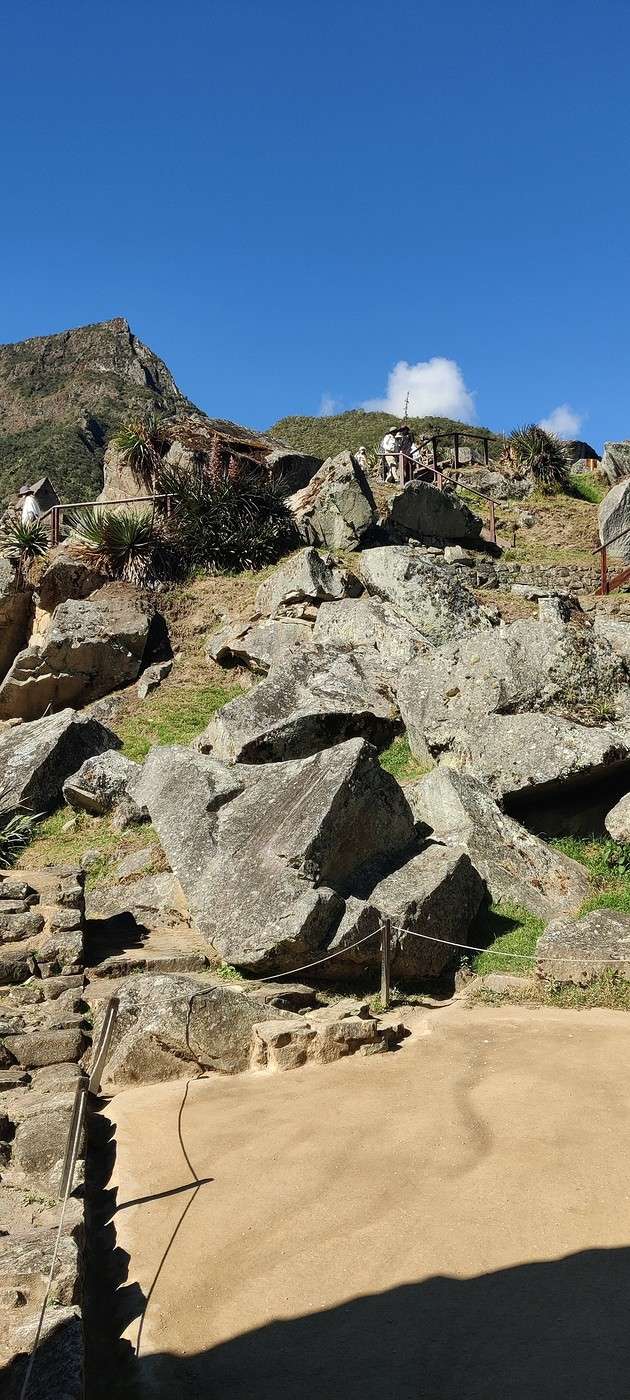
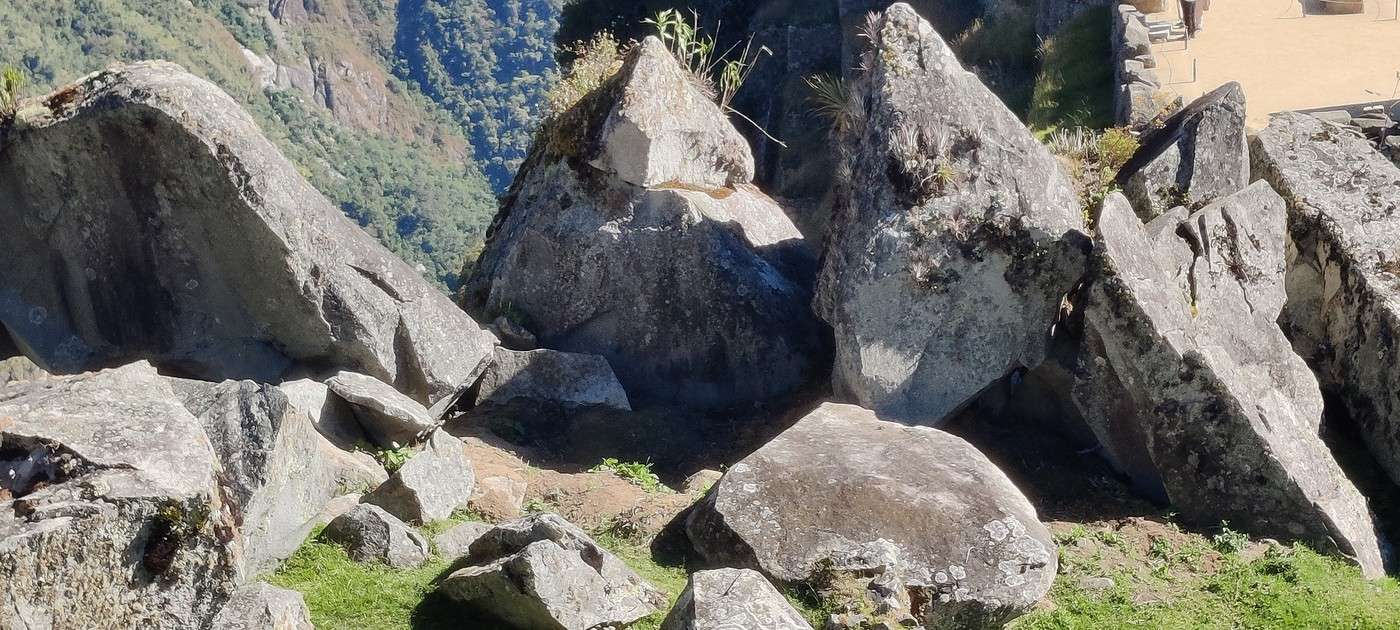
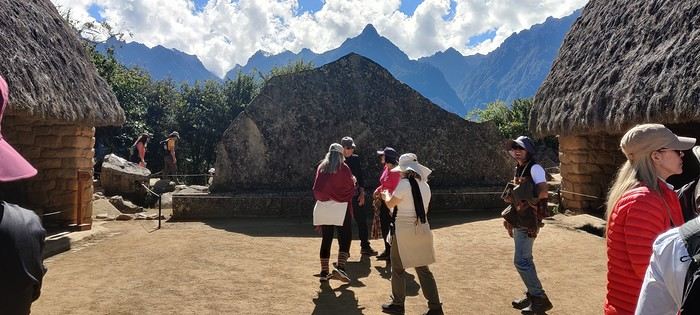
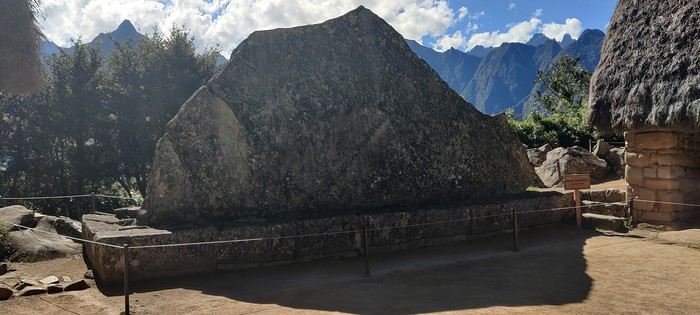
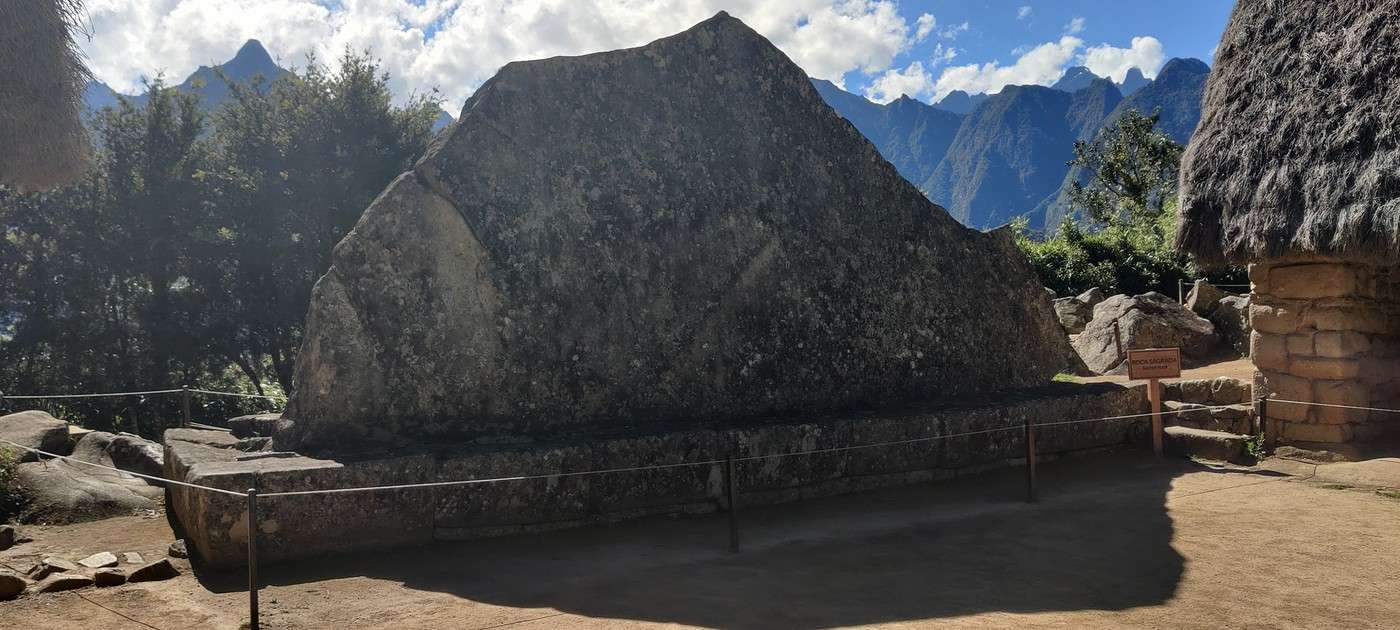
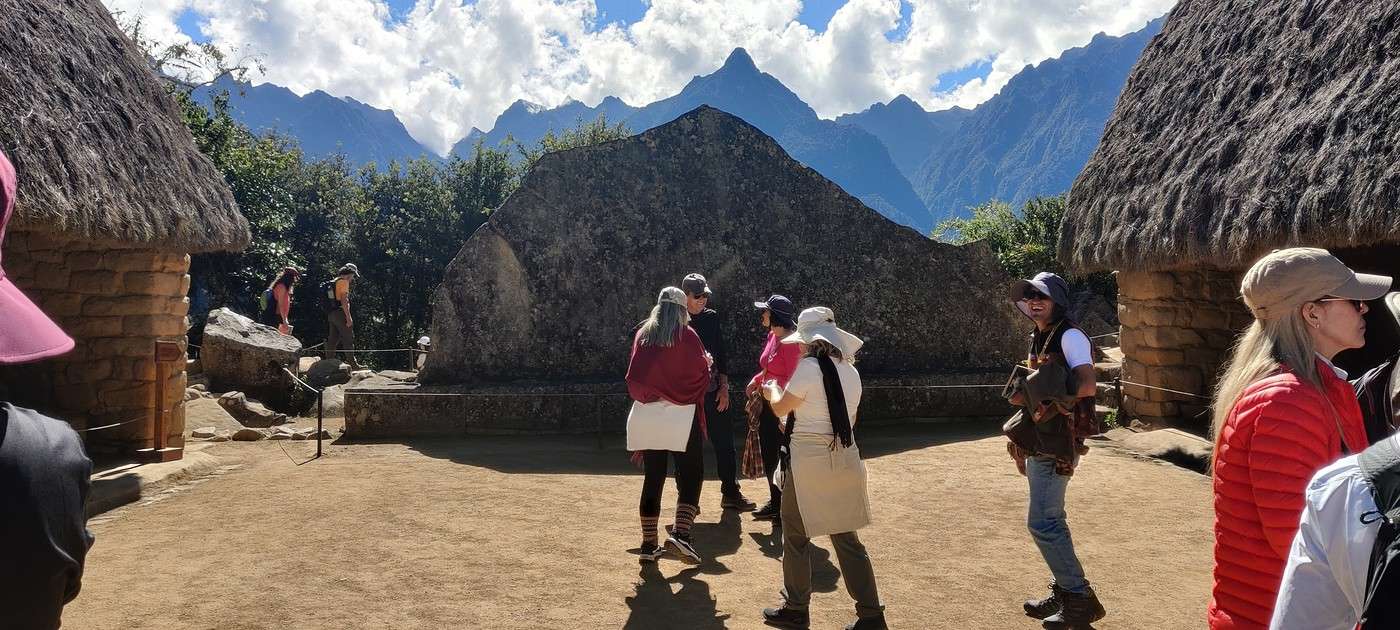
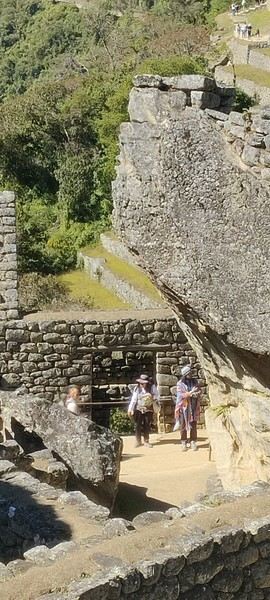
We pass by the sacred rock, a large block whose shape mirrors the mountain rising behind it. This relationship between the carved rocks and the surrounding landscape is particularly fascinating: for the Incas, some natural formations were themselves considered sacred. So the rock could be more than just a building material.


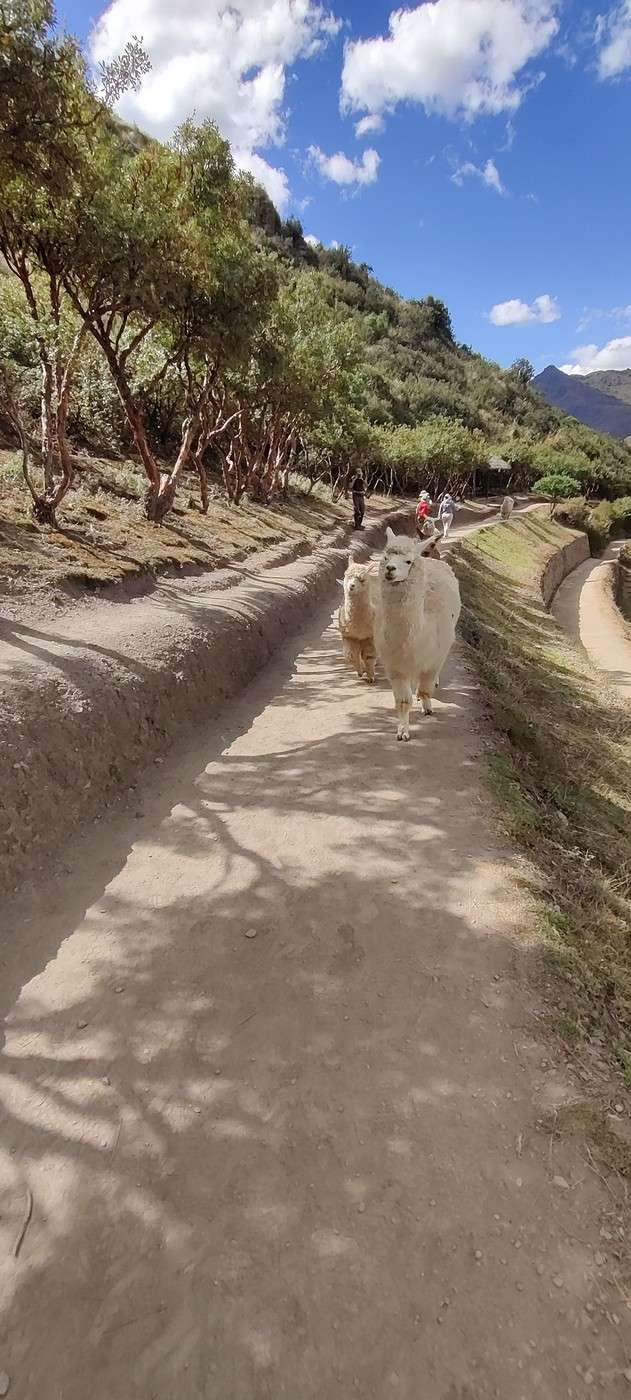
We then cross the agricultural terraces where a few llamas are grazing before heading toward the residential area and the exit. We wander through the ruins, explore this legendary place, and fully soak in the incredible opportunity of being here.

Peru: A childhood dream finally realized

Larri · 2026-08-24 · Message 33 of 69

Machu Picchu (4)

Later, a question crossed my mind: why, unlike other great civilizations, did the Incas not leave behind colossal statues or develop monumental sculpture comparable to that of the Egyptians or the Mayas? It certainly wasn’t due to a lack of technical skill. The Incas mastered stone carving and assembly perfectly. Their concept of beauty seems to have been expressed primarily through architecture: the precision of the assemblies, the geometry of the walls, and the integration of structures into the landscape. Religion likely provides another explanation. The sacred world of the Incas was deeply tied to the forces of nature: the Sun, the Earth, mountains, springs, and rocks. The *huacas*, sacred places or objects, could take many forms. Some were mountains, springs, or natural rocks. It wasn’t always necessary to represent a deity in human form—the landscape itself could embody the sacred. Maybe some of you can add other insights?

Visit summary It far exceeded my expectations. No matter how much you’ve read or seen documentaries about this site, the reality is so much more beautiful. You could write endlessly about the beauty of Machu Picchu. It’s a masterpiece of architecture, landscape integration, and engineering. Its UNESCO World Heritage status and reputation as one of the world’s wonders are well deserved. What more is there to say? Nothing, except that we were truly amazed by such a marvel.


Peru: A childhood dream finally come true

Larri · 2026-08-24 · Message 34 of 69

Day 14 – Back to Ollantaytambo

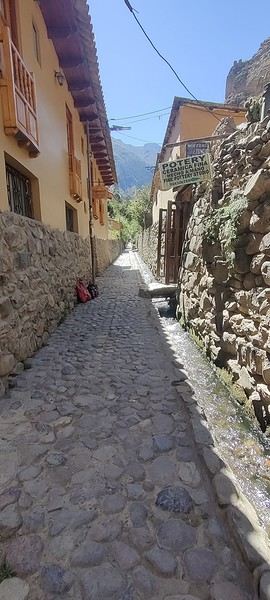
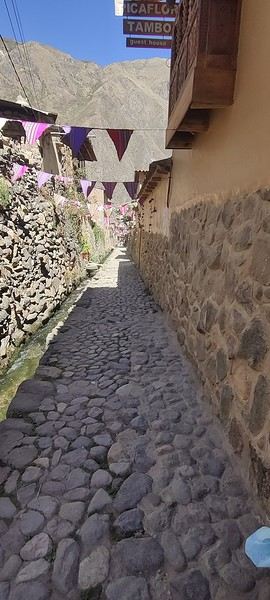
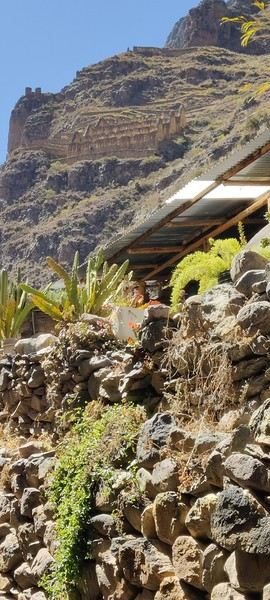
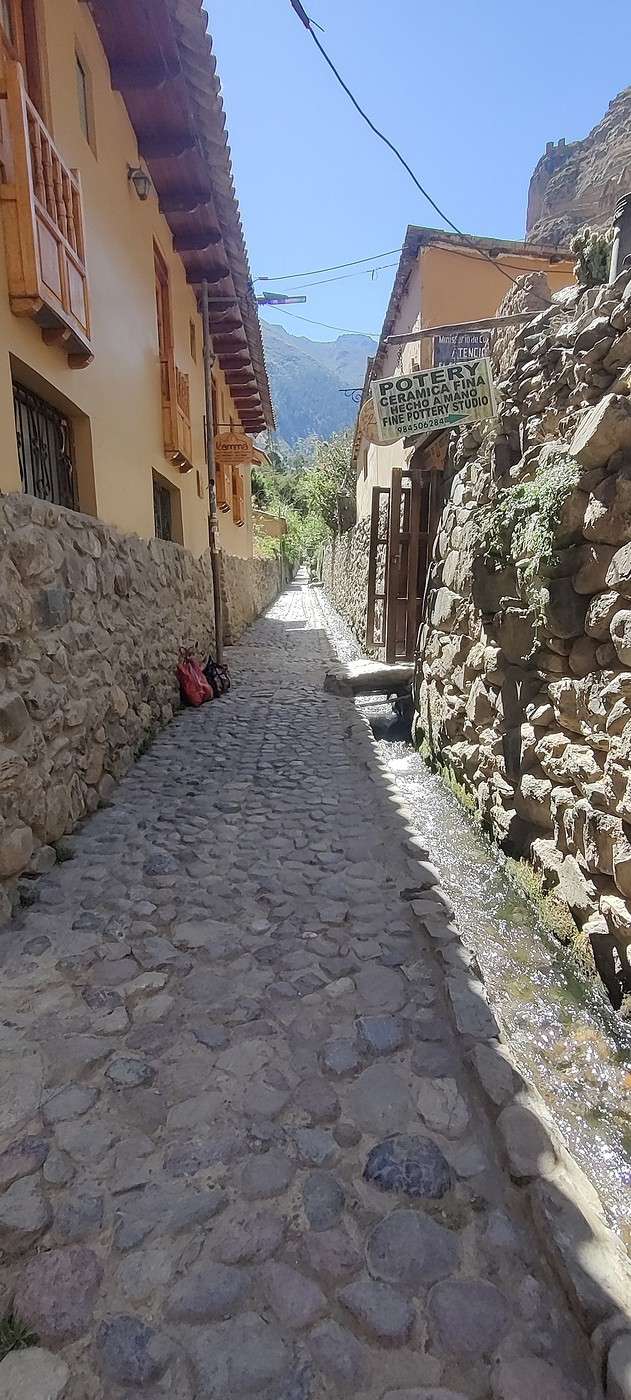
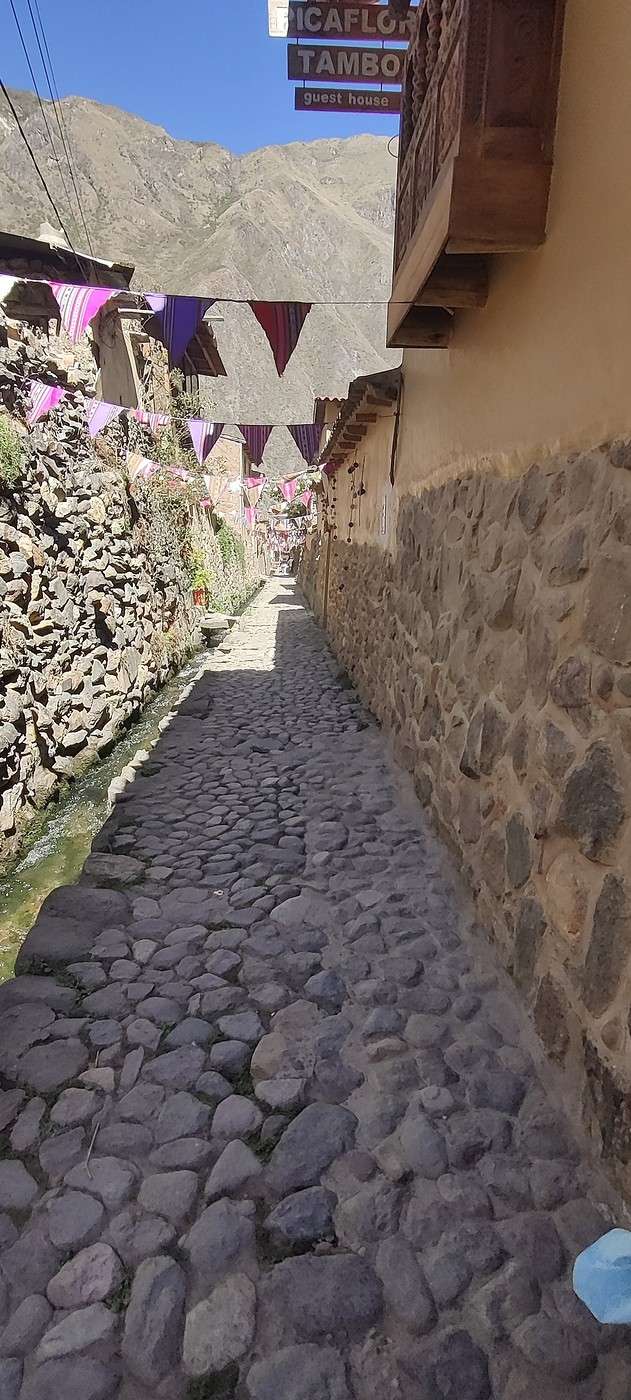
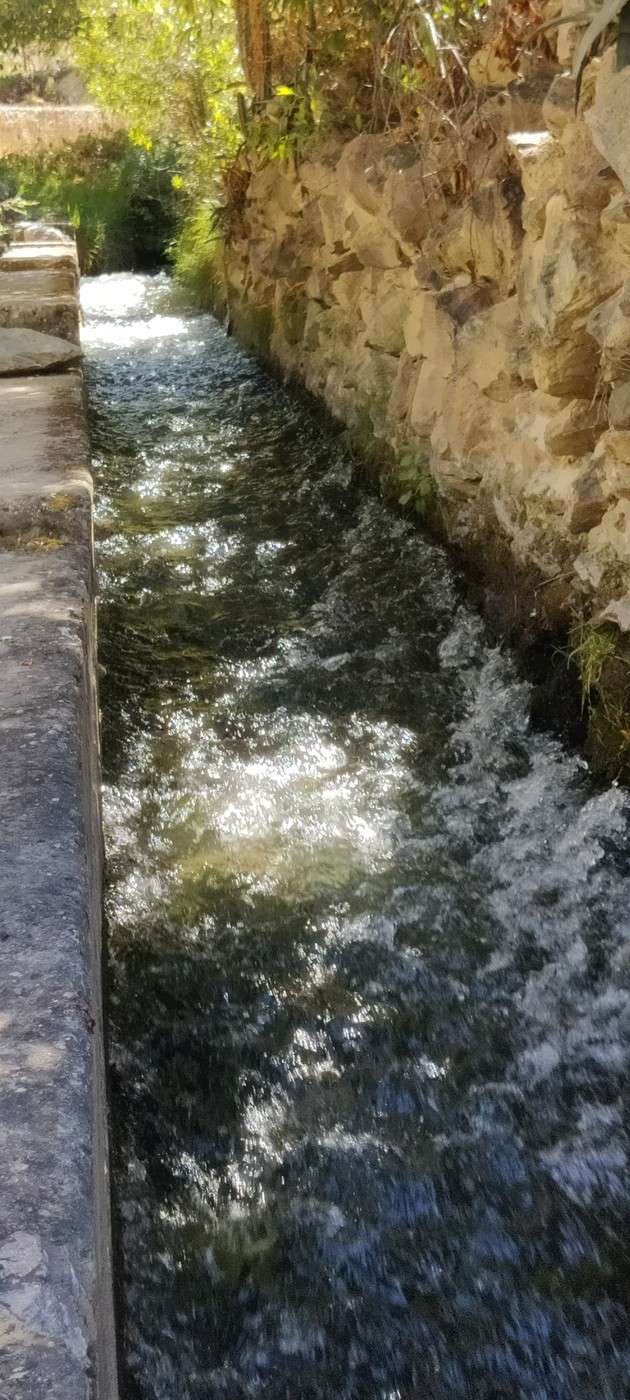
We really have to resign ourselves to leaving this magical place. The shuttle service makes it easy to reach Aguas Calientes quickly. The town is quieter in the early afternoon. We wander the streets looking for a restaurant, then take the train to Ollantaytambo. The village turns out to be charming with its central square and cobbled streets. It’s really worth taking the time to explore—there’s a special atmosphere in this remarkably well-preserved Inca village. We "get lost" in the little alleys and admire the canal system. Luckily, the Incas didn’t design these streets wide enough for cars to pass through!


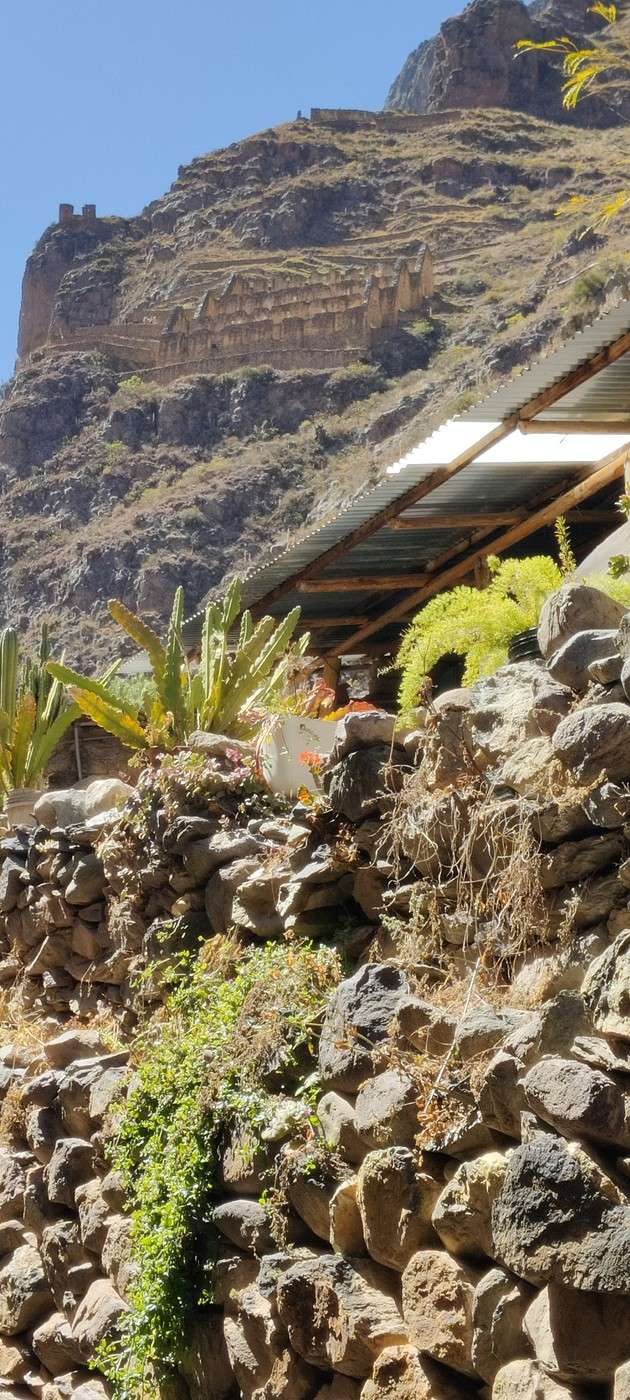
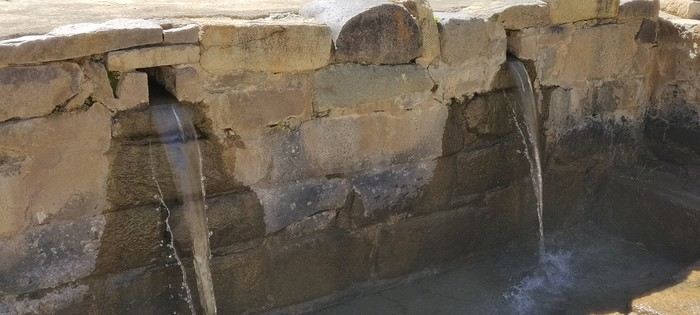
The water system designed in Inca times is still partly functional. It’s another example of the ingenuity and sustainability of Inca hydraulic engineering. As we walk through the streets, we’re lulled by the murmur of water. We head back to our lovely guesthouse, Picaflor Tambo, tucked away at the end of one of these alleys, not far from the central square. From our room, we have a great view of the Inca granaries clinging to the mountainside. The path to these ruins is just nearby.


Since the day’s been long and tiring, we take a little rest before setting out to find a good restaurant. We end up at Inka Nato Restaurante—great choice! What a day! It’ll stay in our memories for a long time.

Peru: A childhood dream finally realized

Larri · 2026-08-26 · Message 35 of 69

Day 15: Ollantaytambo and return to Cusco

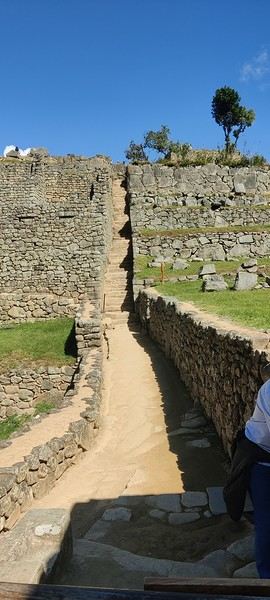
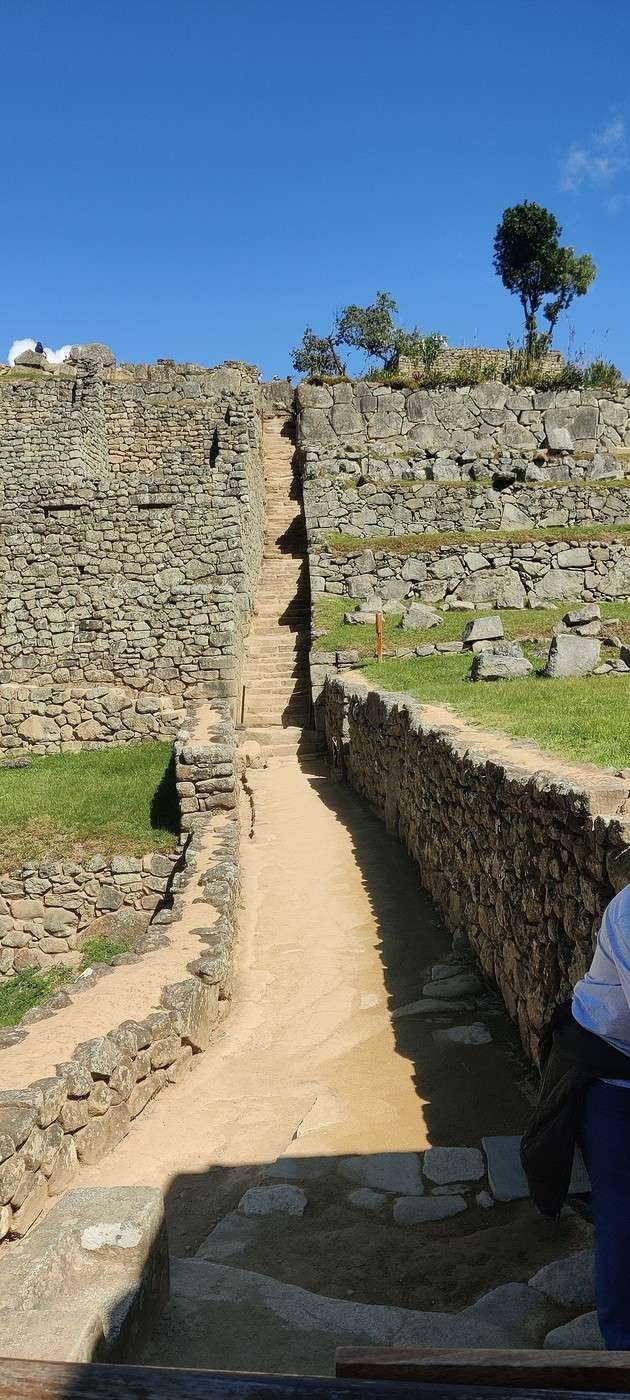
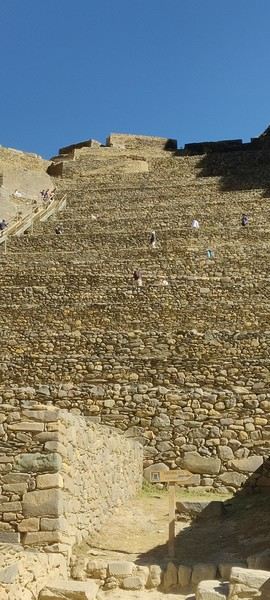
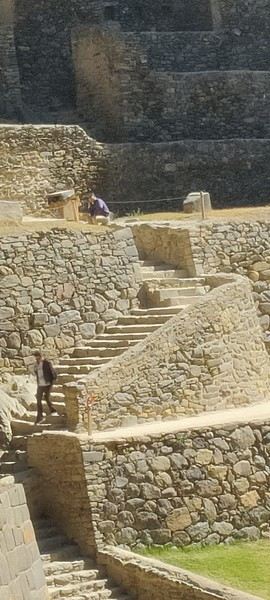
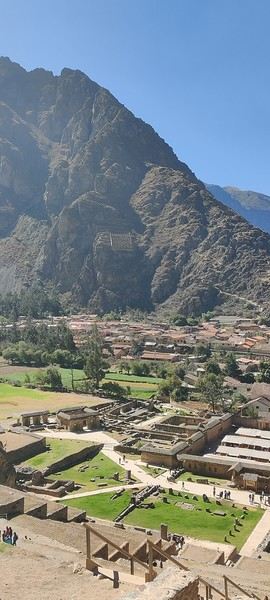
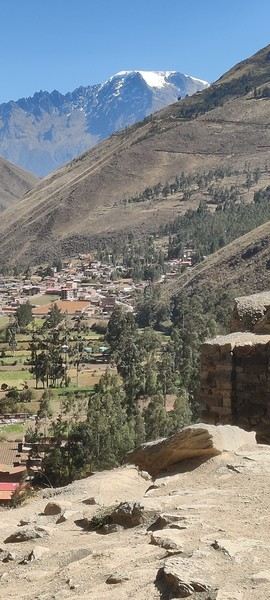
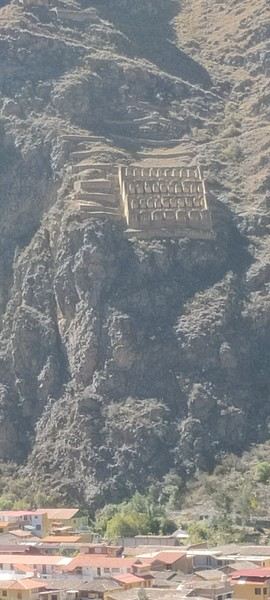
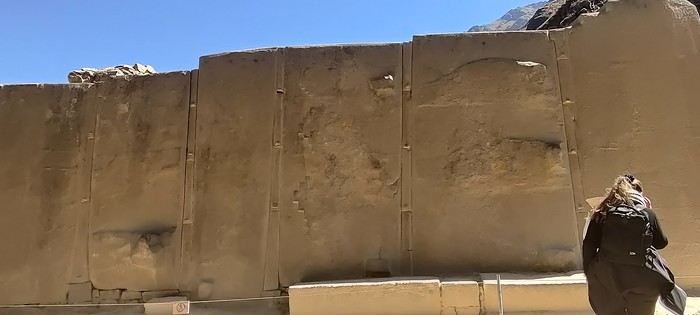
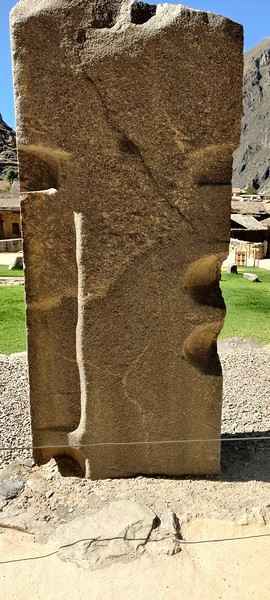
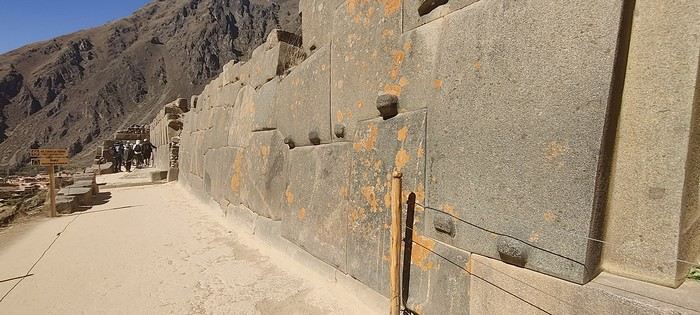
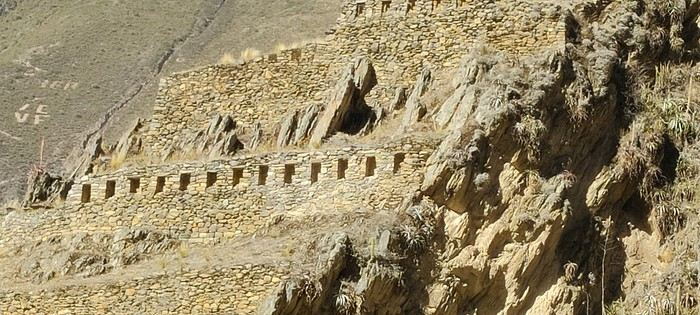
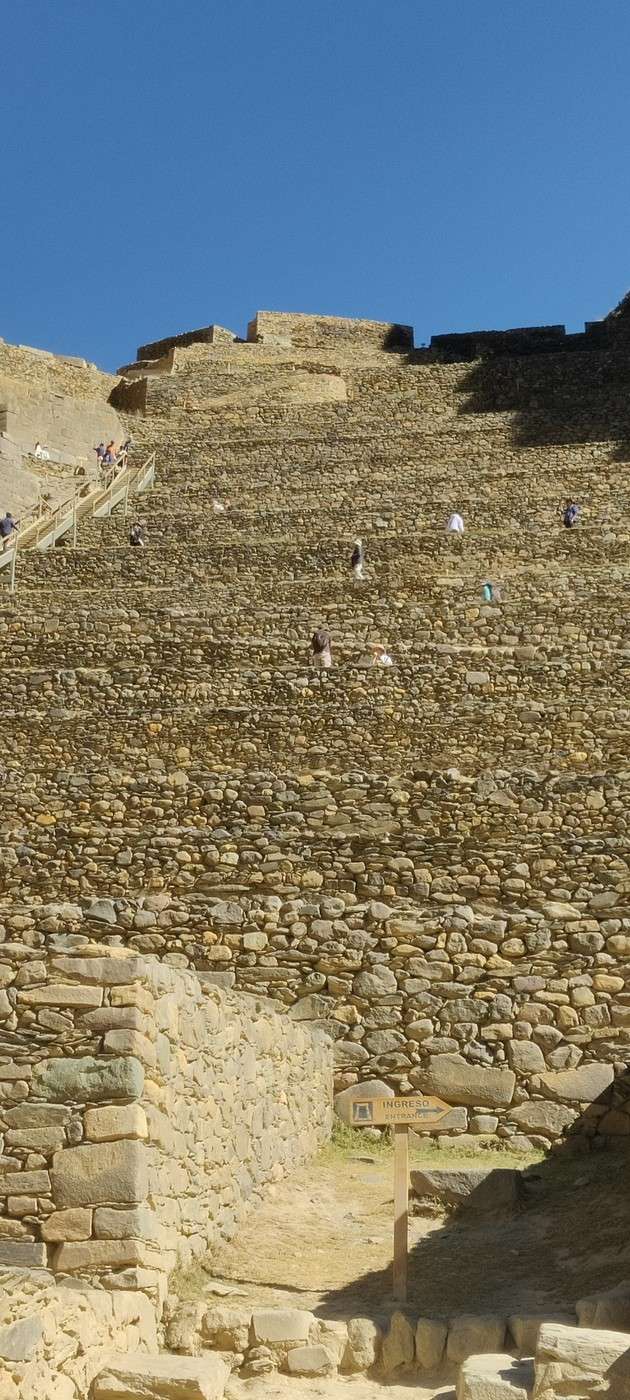
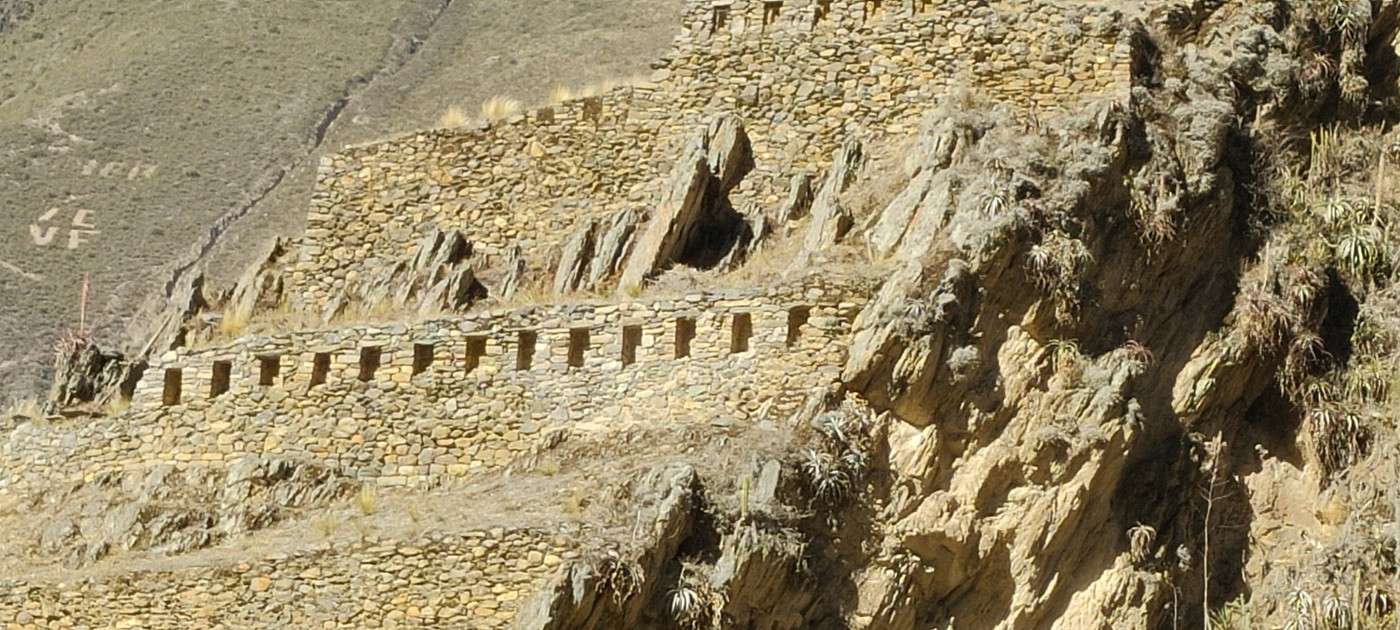
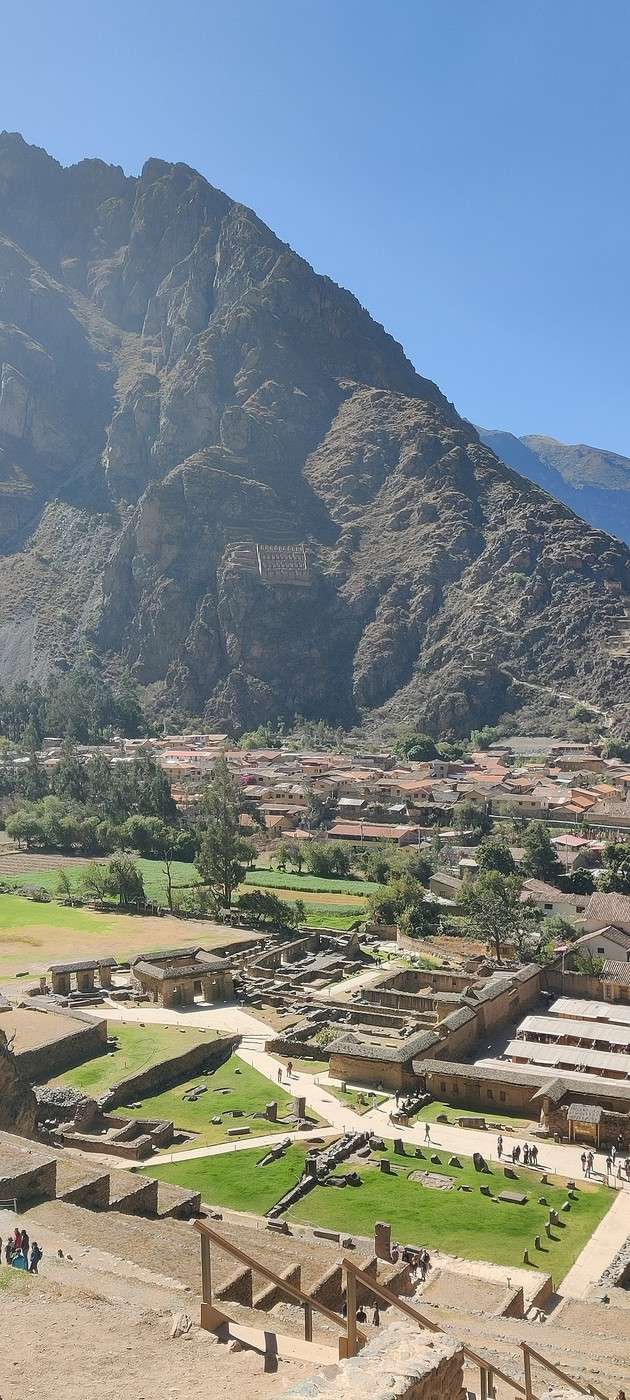
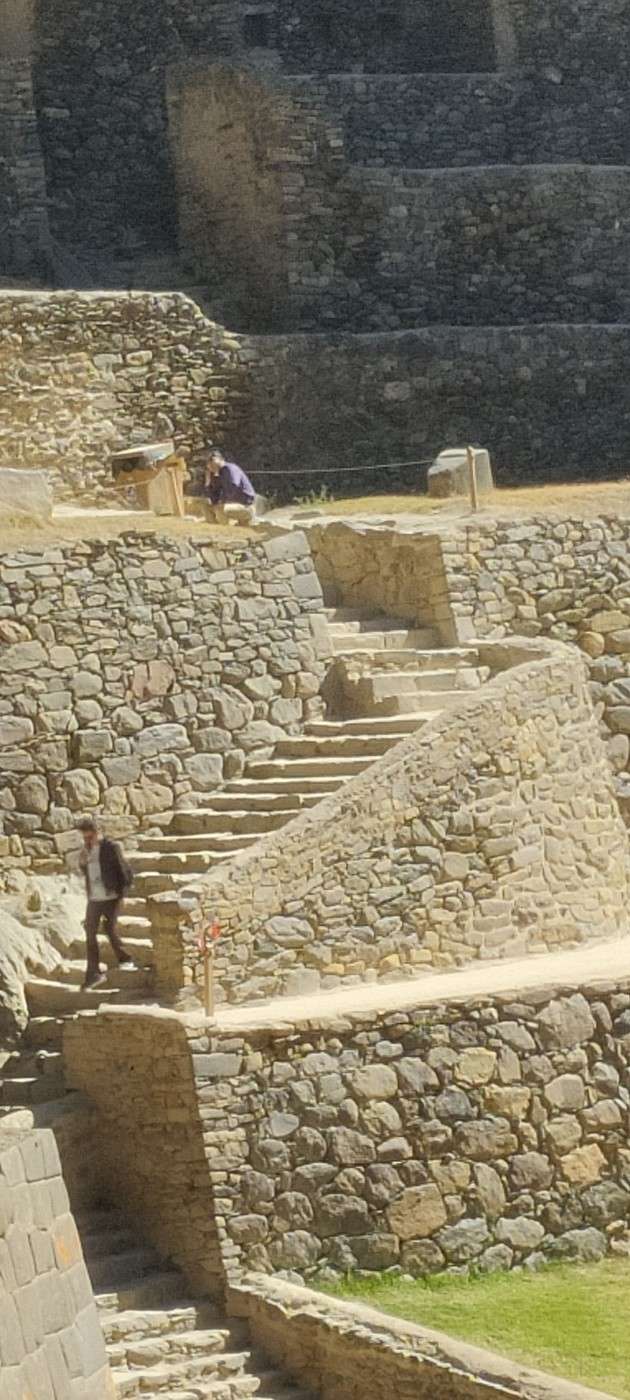
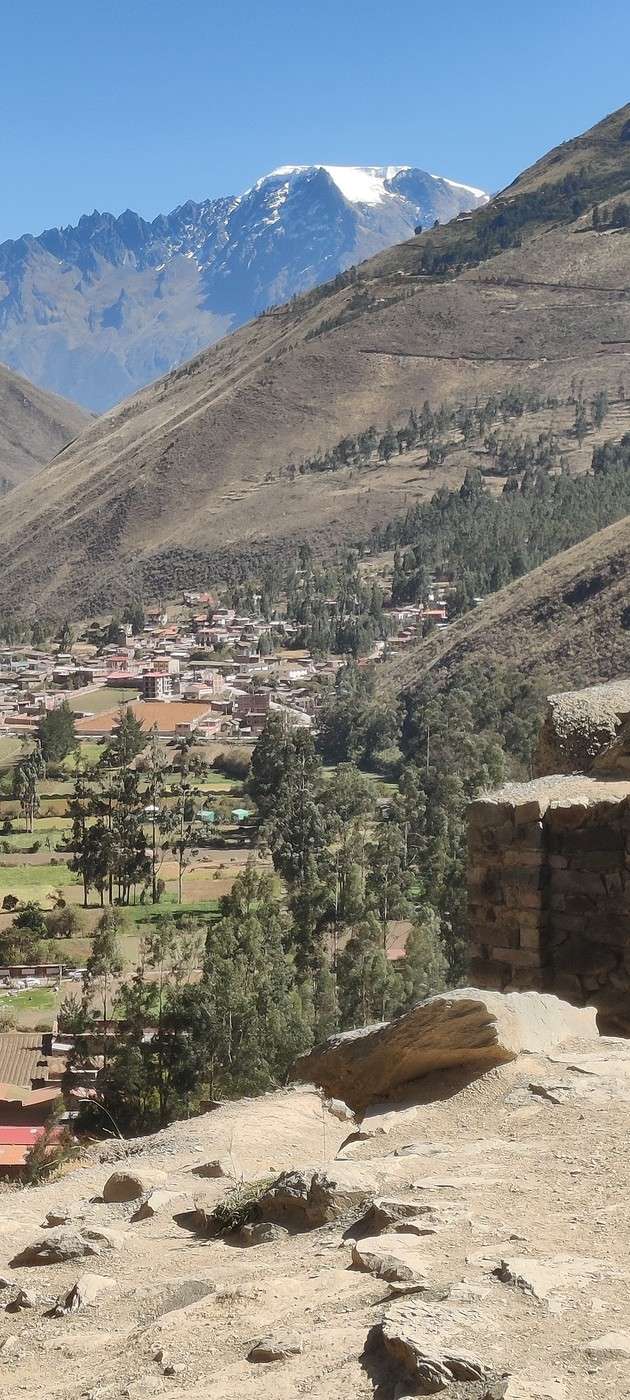
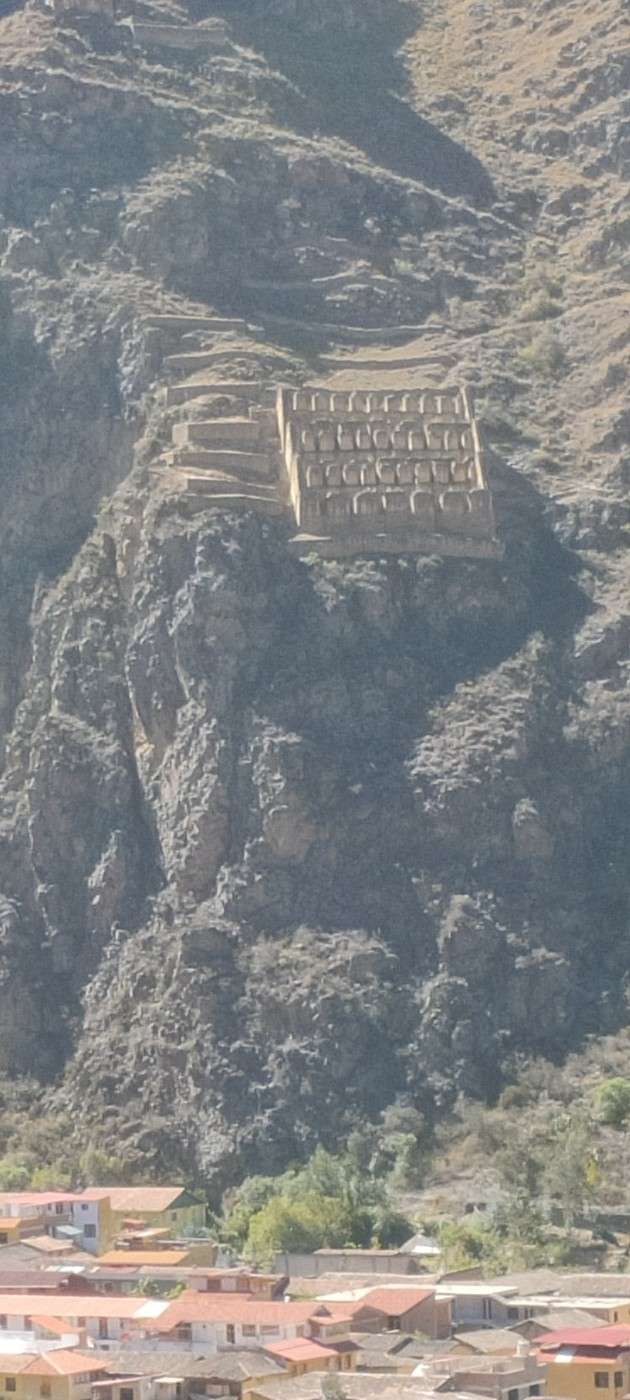
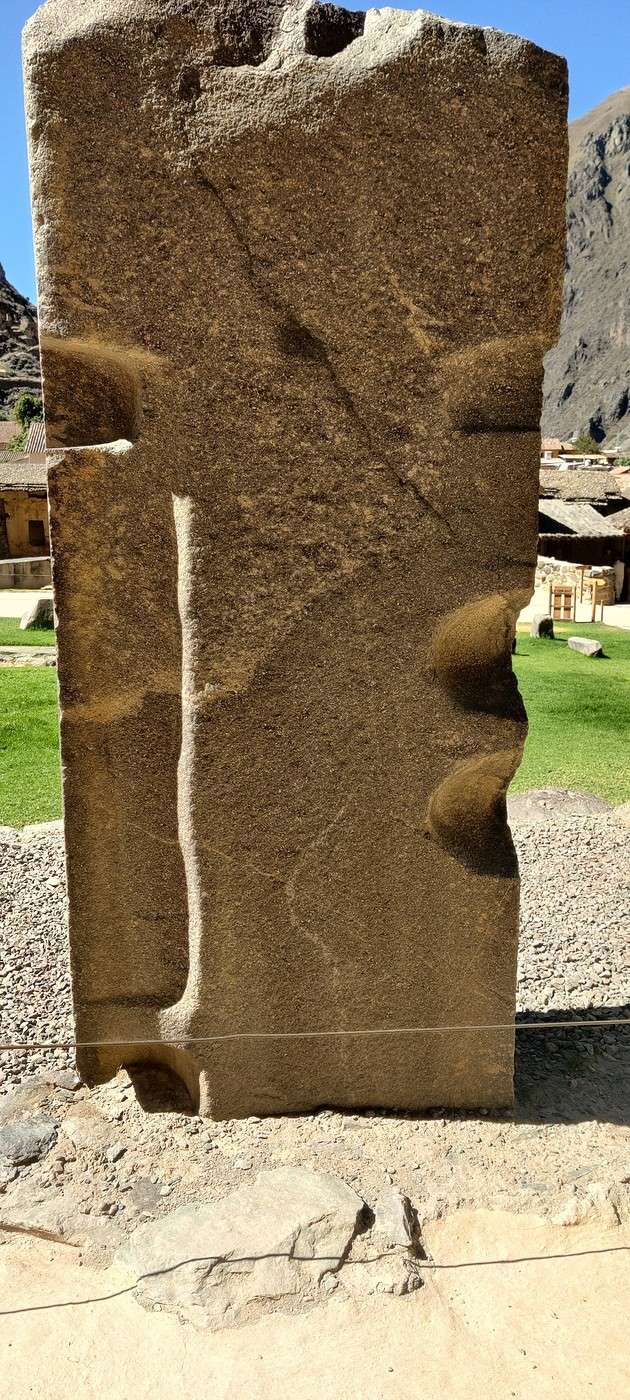
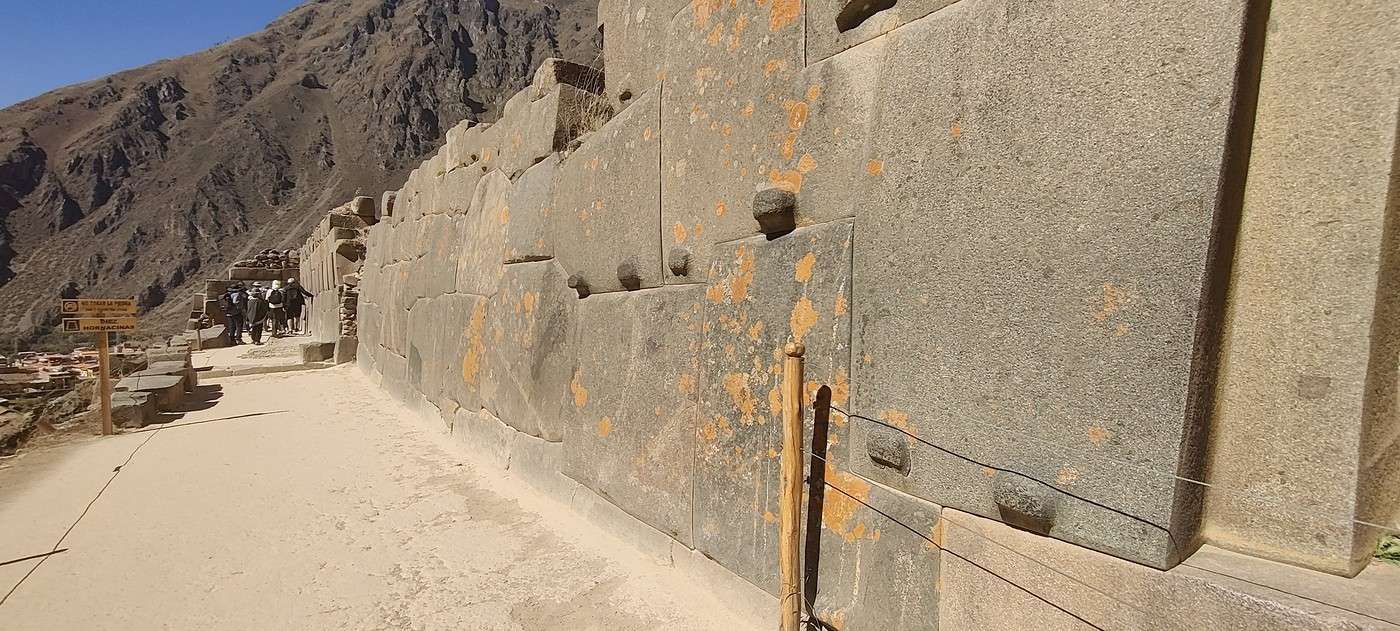
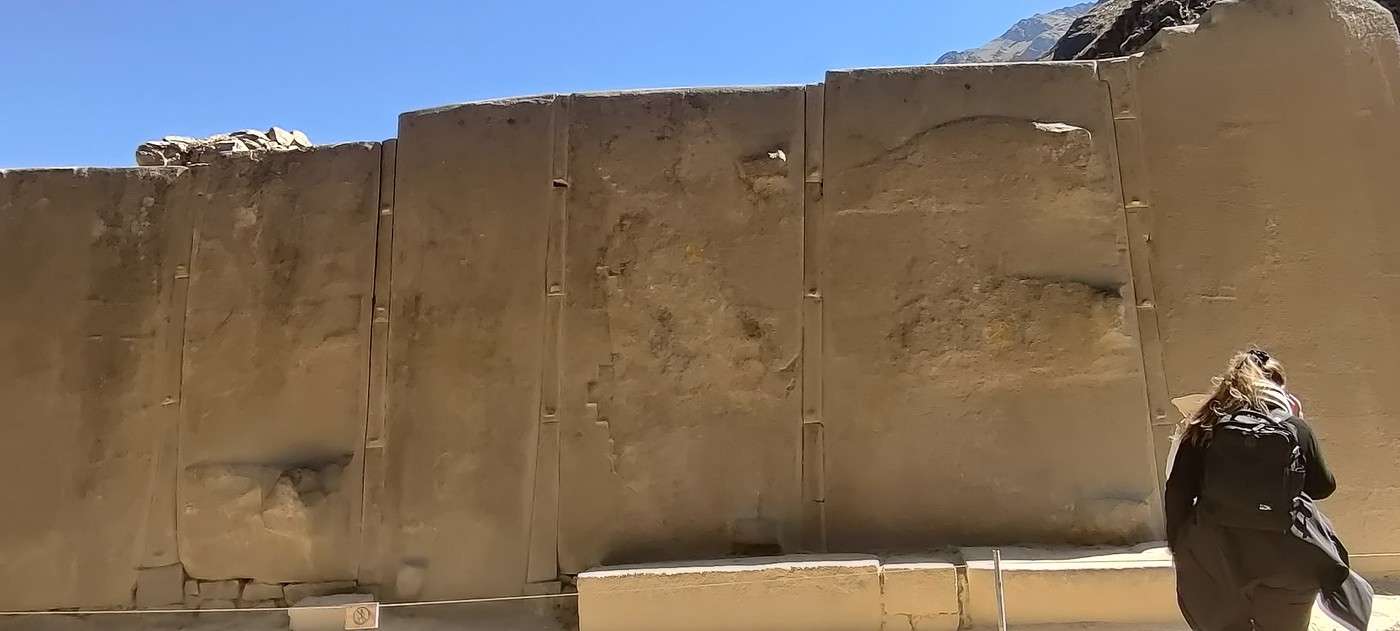
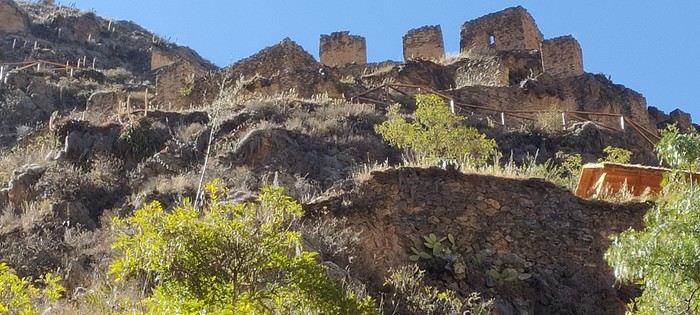
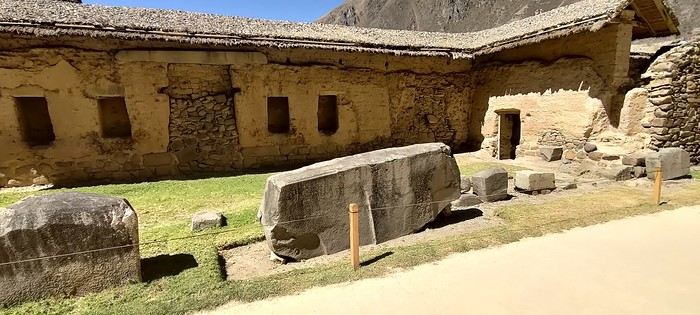
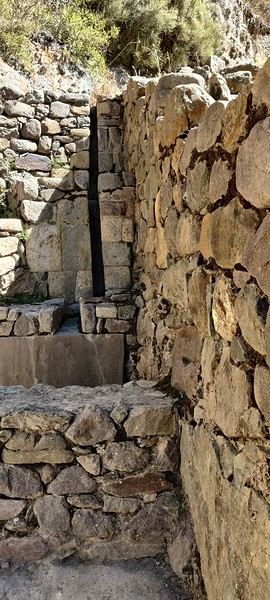
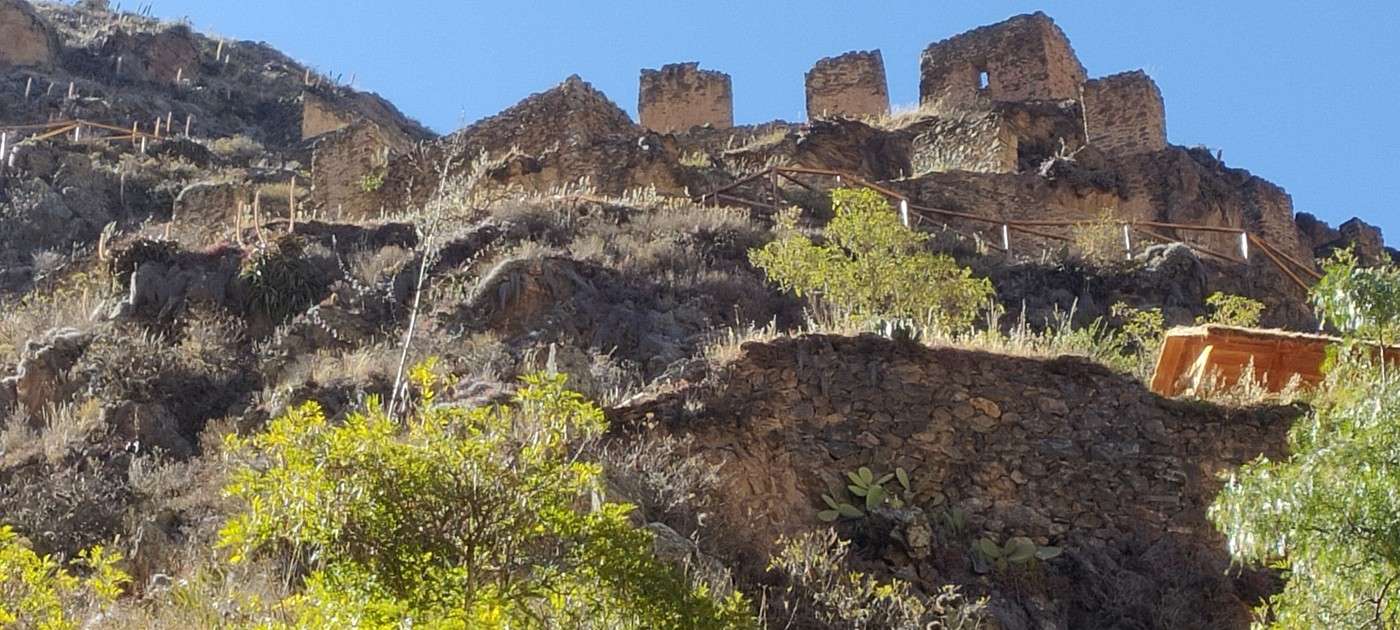
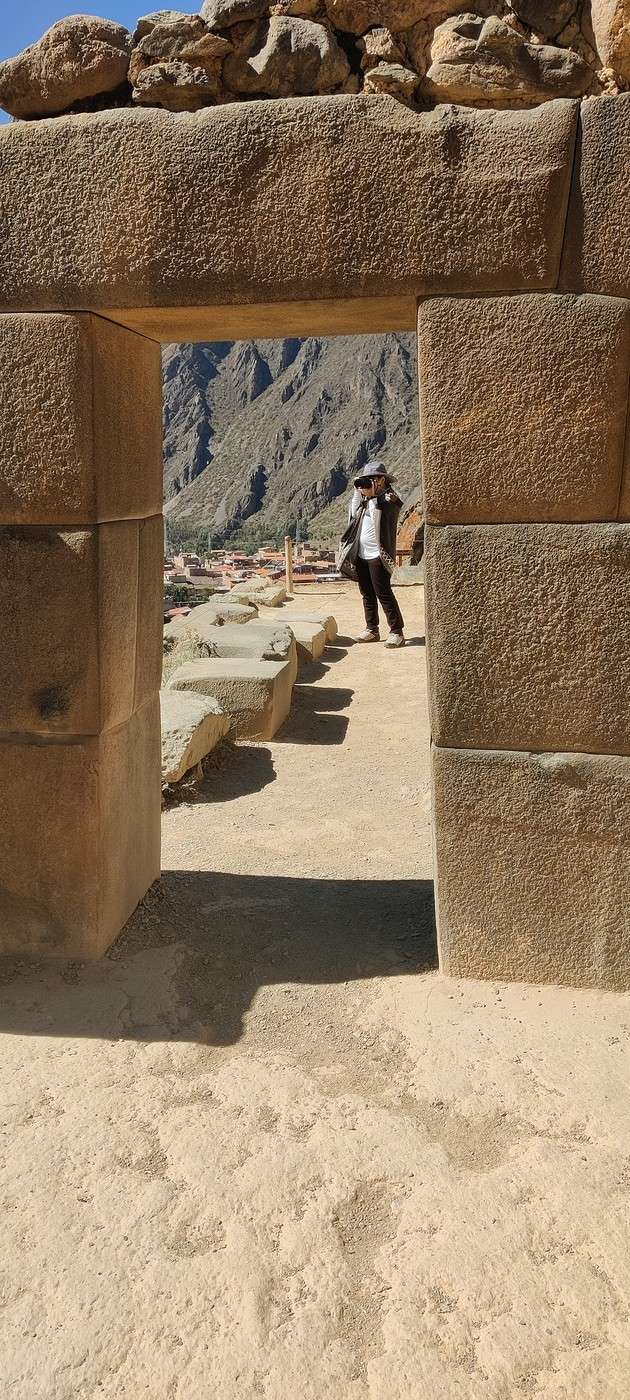
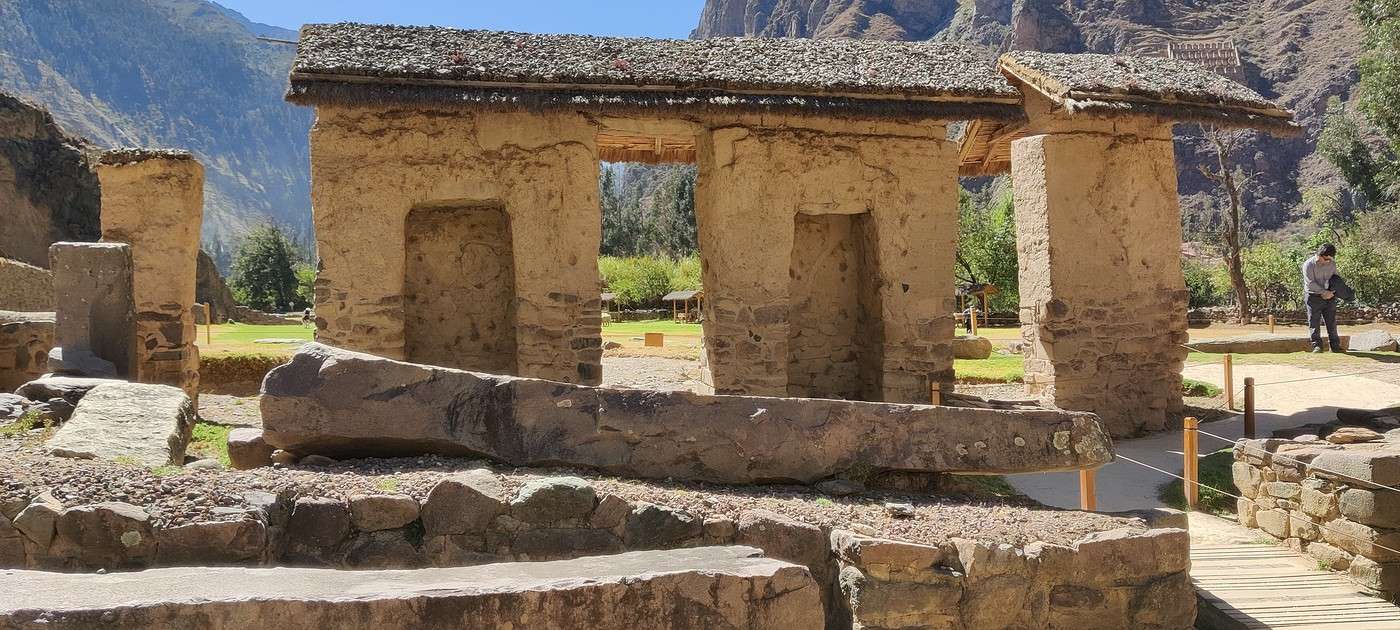
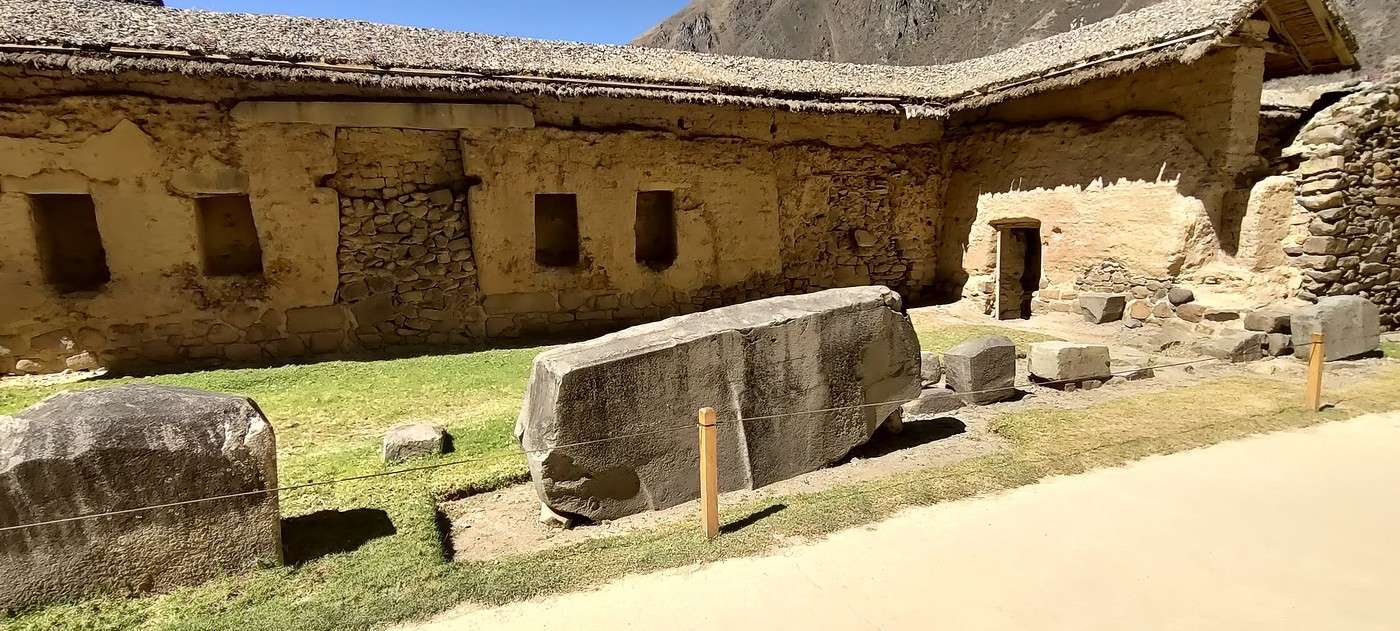
This morning, no early wake-up call. We enjoy the nice breakfast served to us, then head to the fortress. We decided to skip visiting the Pinkuylluna granaries to save our energy. Still, it’s worth mentioning: these are a set of four-story agricultural warehouses designed so that natural ventilation helps preserve the harvests. The site is free to access, but the path up is very steep. Ollantaytambo is best known for its impressive complex of terraces and structures towering above it. Historically, this citadel, built by Pachacútec on Wari-era foundations, protected the entrance to the Sacred Valley and monitored the route to Machu Picchu. The complex served as a strategic military stronghold, a religious center, and a major agricultural hub. It was the site of the Incas’ last great victory over the conquistadors in 1536. By flooding the plain, Emperor Manco Inca managed to resist the Spaniards’ initial assaults. He continued the fight against the conquistadors before ultimately being defeated elsewhere. The main access is via a monumental staircase leading to seventeen stacked terraces. From the bottom, reaching the top seems daunting—it’s so steep! But by taking it step by step and stopping on the terraces, the climb is actually quite manageable. These agricultural terraces served multiple purposes: farming at high altitudes, preventing erosion, managing runoff water, and stabilizing the mountainside. Trust me, the hundreds of steps are worth it. At the top, we take in the view of the Urubamba River, three valleys, and the Inca village below. On the opposite mountain, we spot the ancient warehouses clinging to the slope. Next, we discover the Temple of the Sun, made up of six monoliths of pink porphyry. The temple was left unfinished, as evidenced by the bumps still visible on the stones. These were used to secure lifting ropes and were never polished—a sign the construction was cut short.


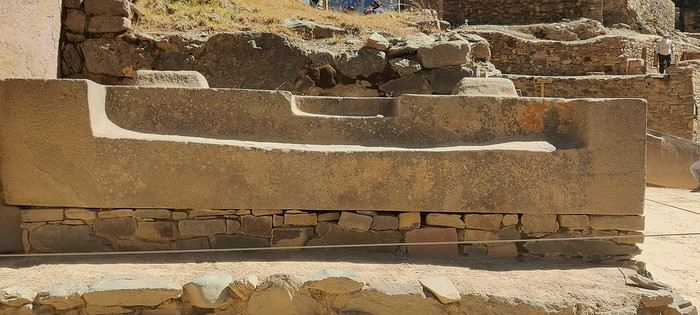
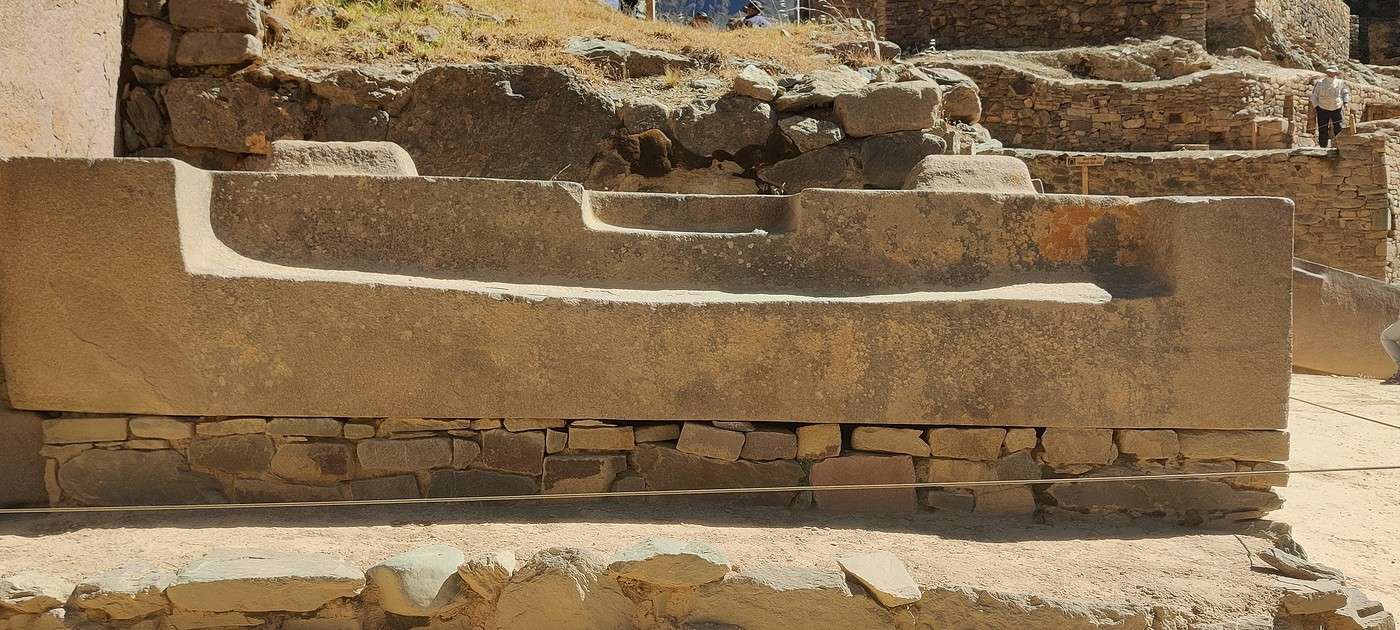
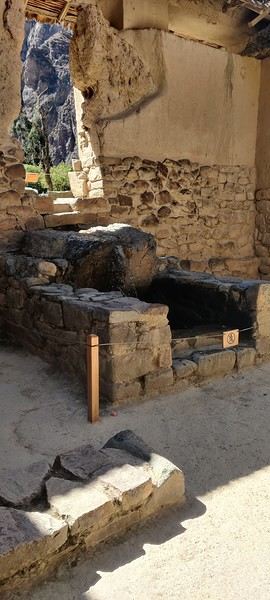
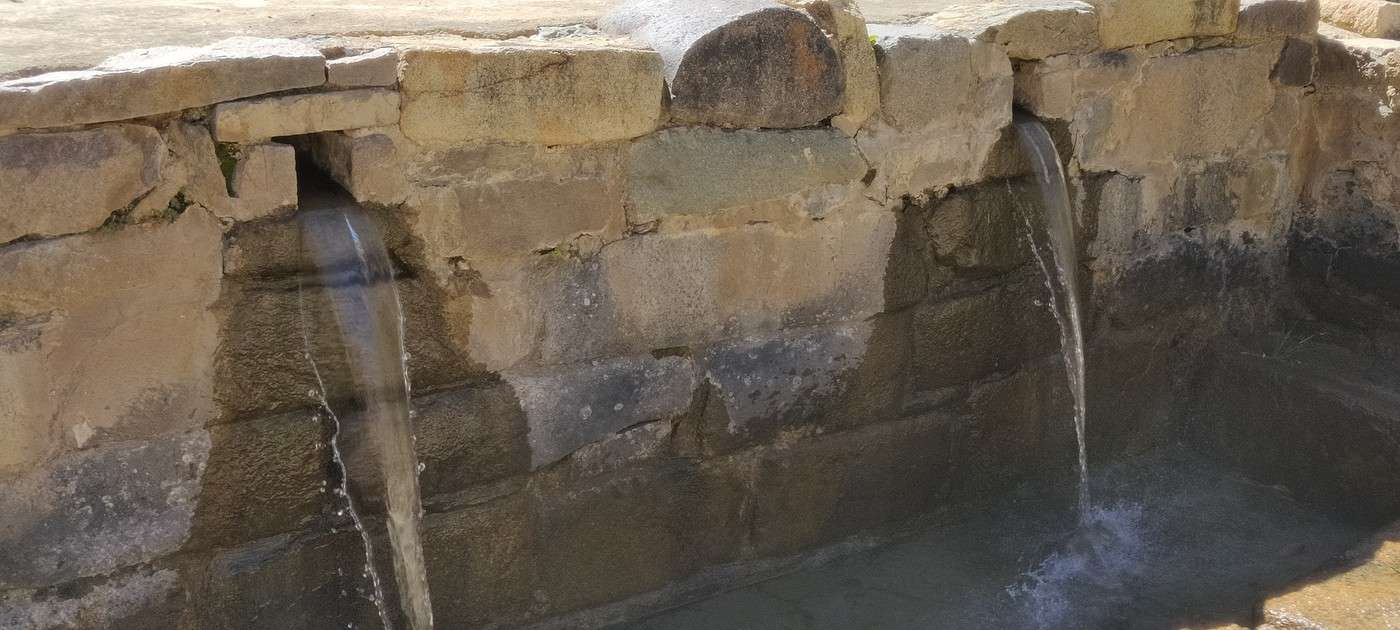
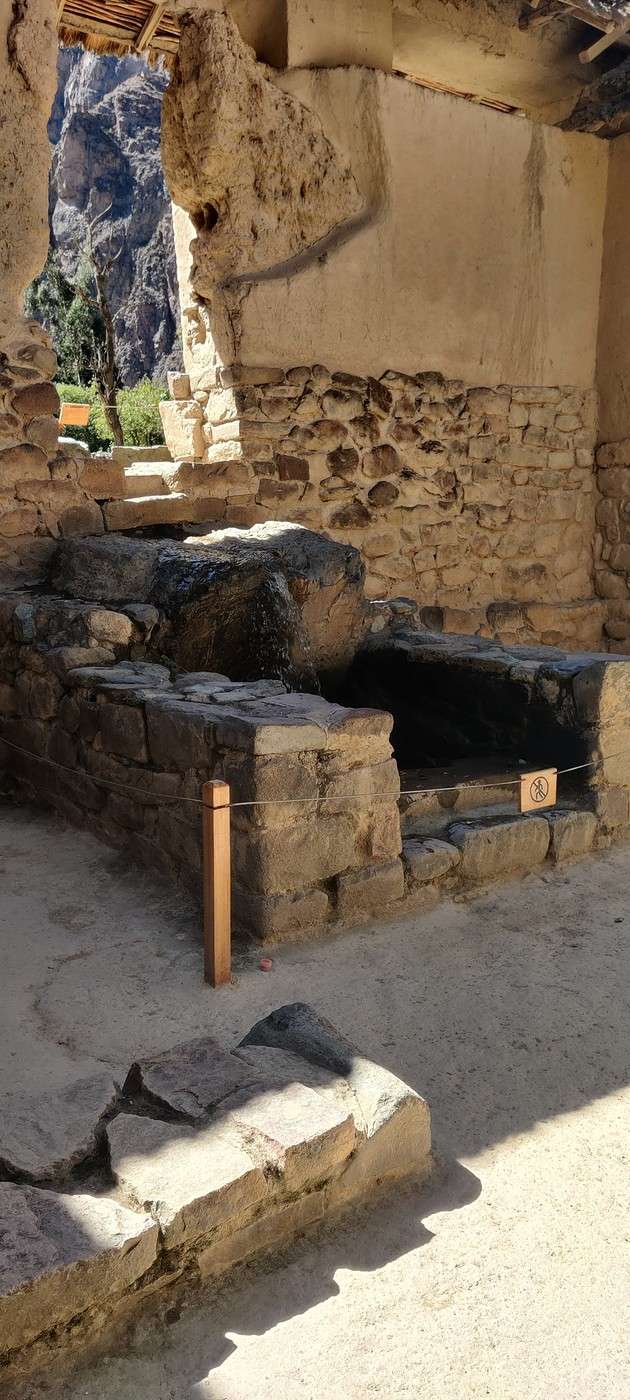
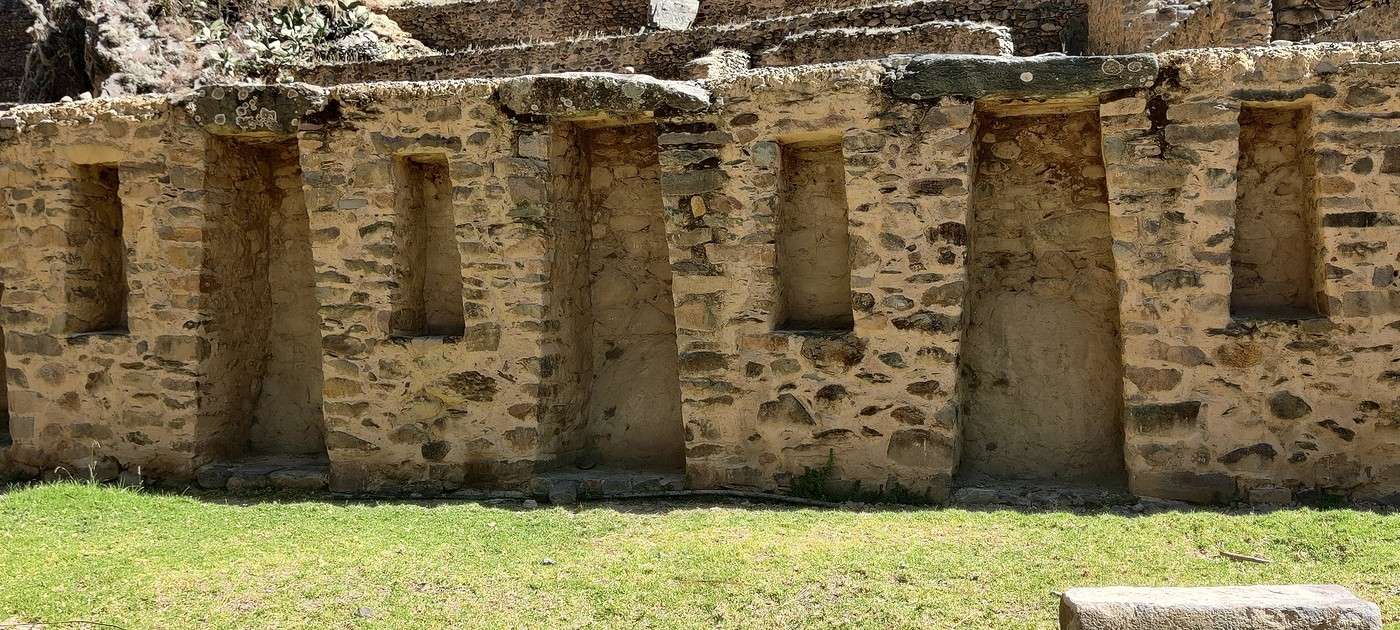
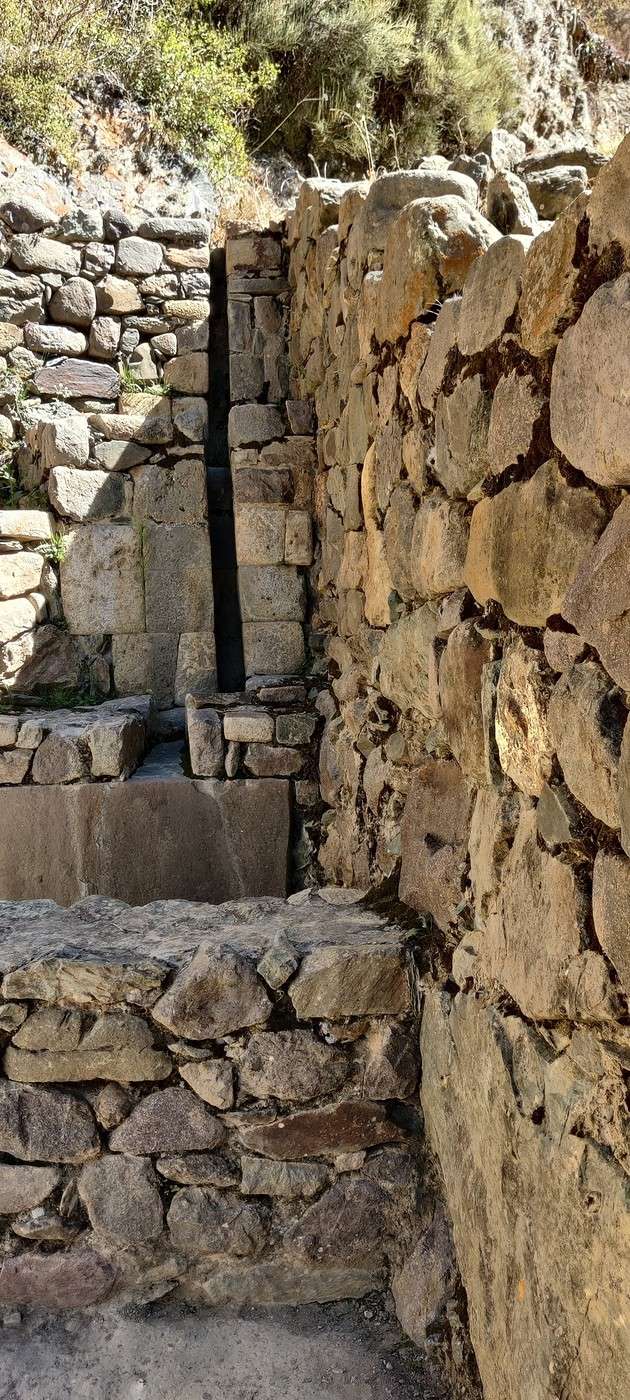
The stones came from the Cachicata quarry, about 6 km away on the opposite mountainside. Visible ramps were used to lower them into the valley. To cross the Urubamba, the Incas diverted part of its flow. Along the way, some stones—too heavy or damaged—were abandoned. Everything here gives the impression of a construction site abruptly interrupted by the arrival of the Spaniards. At the top, you’ll find the Temple of the Ten Niches and an unfinished monumental gate, further proof the work was halted. At the base of the hill, in a peaceful park, we admire the Temple of Water, the Ñusta Fountain (carved from a single block of stone and integrated into the temple), and various canals following the natural contours of the land. The whole system still functions today.

Ollantaytambo is a must-see in the Sacred Valley. The fortress isn’t its only draw—the town itself is worth exploring. Its layout, cobbled streets, stone walls, and houses built on ancient Inca foundations reflect the continuity between the town of yesterday and today. Its train station also makes it a starting point for many travelers, especially those hiking the famous Inca Trail. We have lunch in the village square while waiting for the driver to take us back to Cusco. On the way back, he takes a route we haven’t tried before. Along the road, we see many hitchhikers. He explains that since it’s Sunday, there’s no public transport, and people have no other choice but to hitch rides. One observation: these last two days have been amazing. To top it off, we dine once again at the Japanese restaurant.

Peru: A childhood dream finally realized

Larri · 2026-08-26 · Message 36 of 69

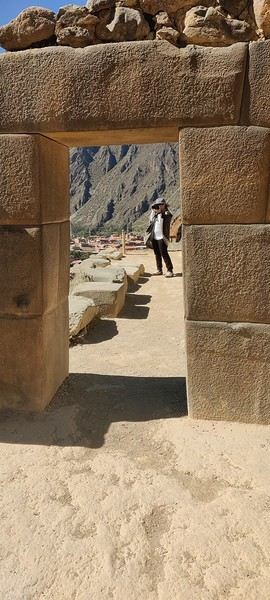
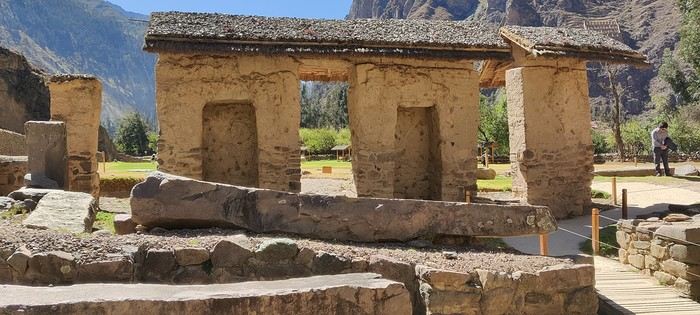
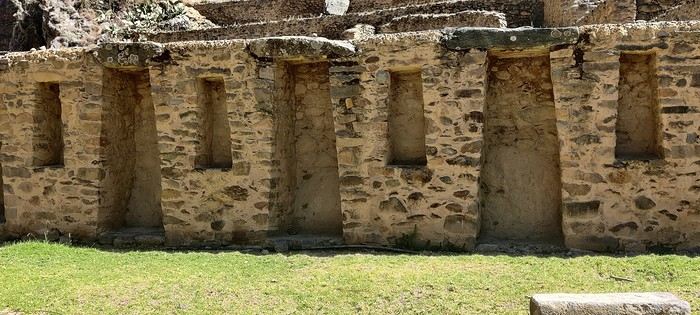
Ollantaytambo: a few random photos


Peru: A childhood dream finally realized

Holigirl · 2026-08-26 · Message 37 of 69

Two truly beautiful days with a perfectly blue sky. Thanks for all these details that teach us so much about this civilization. It’s impressive :)

Peru: A childhood dream finally realized

Larri · 2026-08-27 · Message 38 of 69

Hi Pascale,

Yes, those 2 days were amazing! We were spoiled by the weather. The good weather didn’t leave us during our entire stay. Not a drop of rain! Thanks for letting me know you’re around; at least this travel journal interests one person. It’s coming to an end.

Peru: A childhood dream finally come true

Larri · 2026-08-28 · Message 39 of 69

The Festival of the Sun in the streets of Cusco
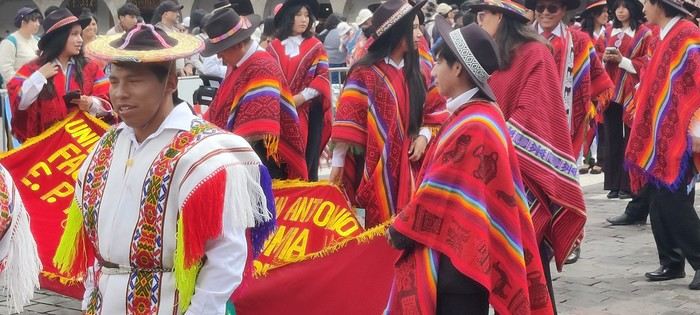
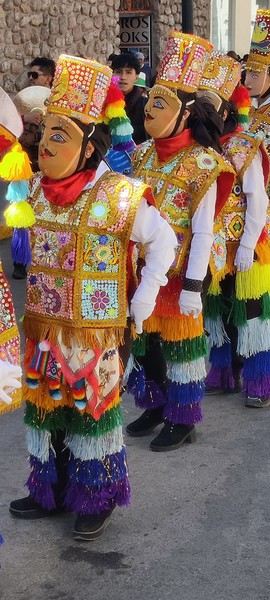
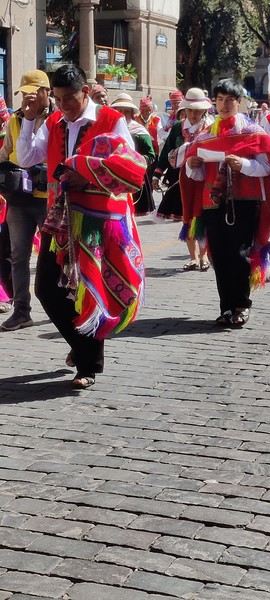
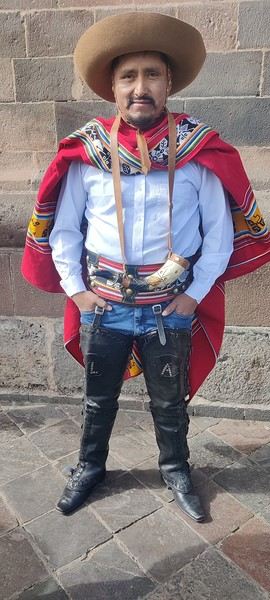
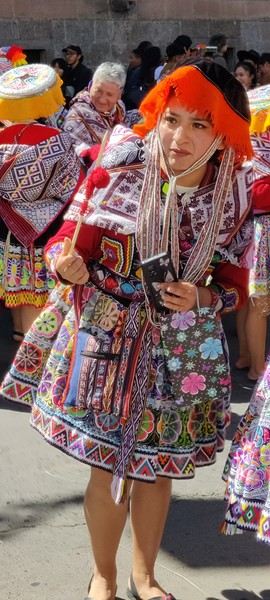
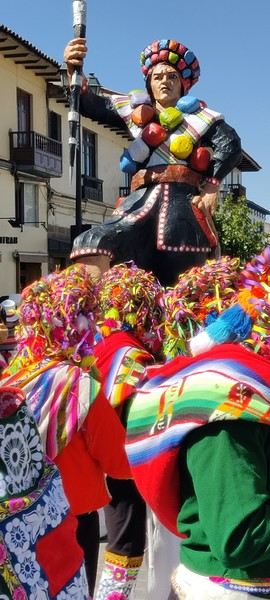
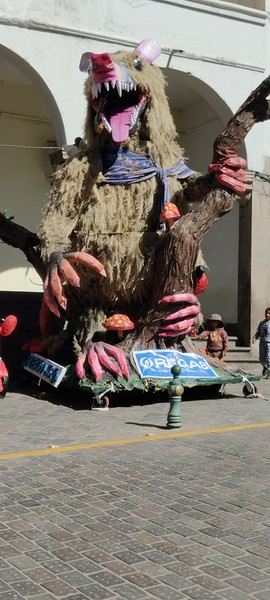
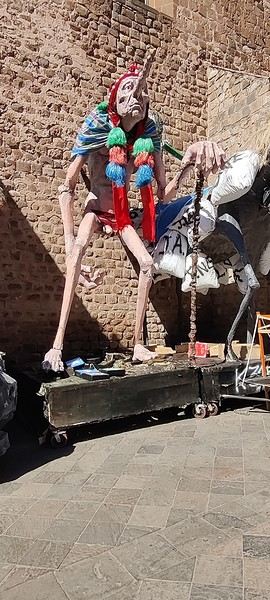
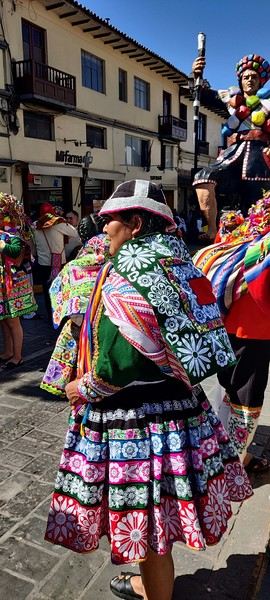
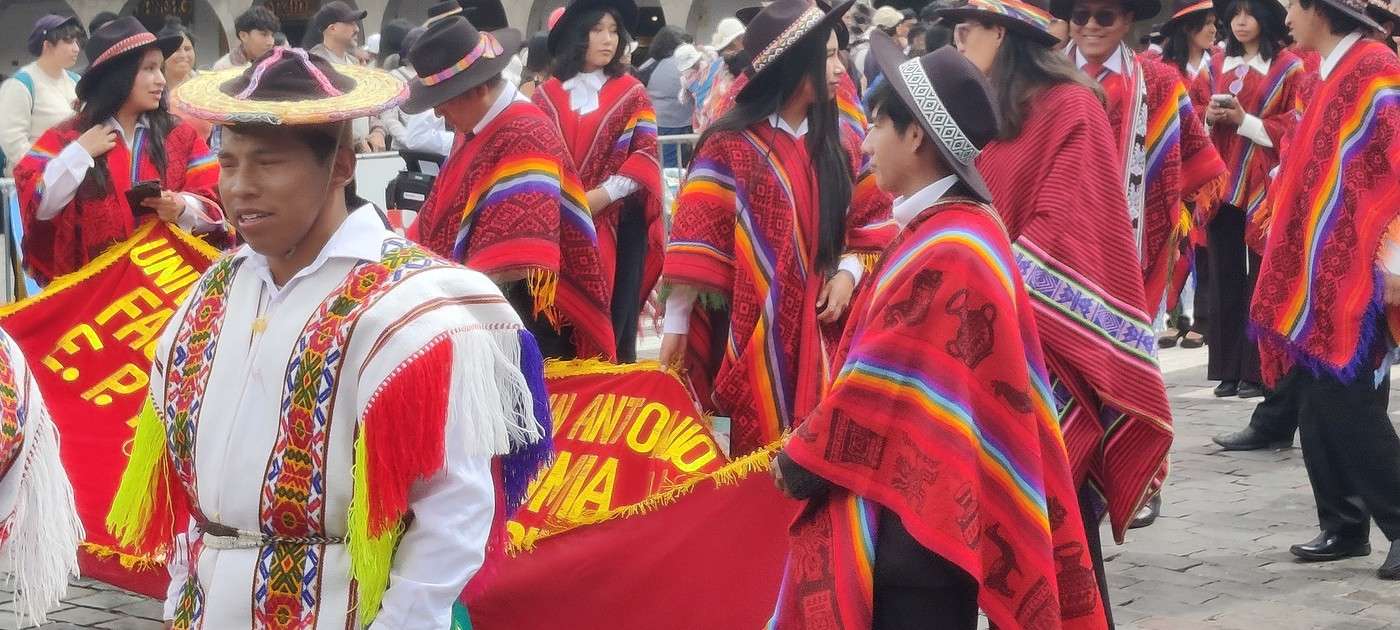
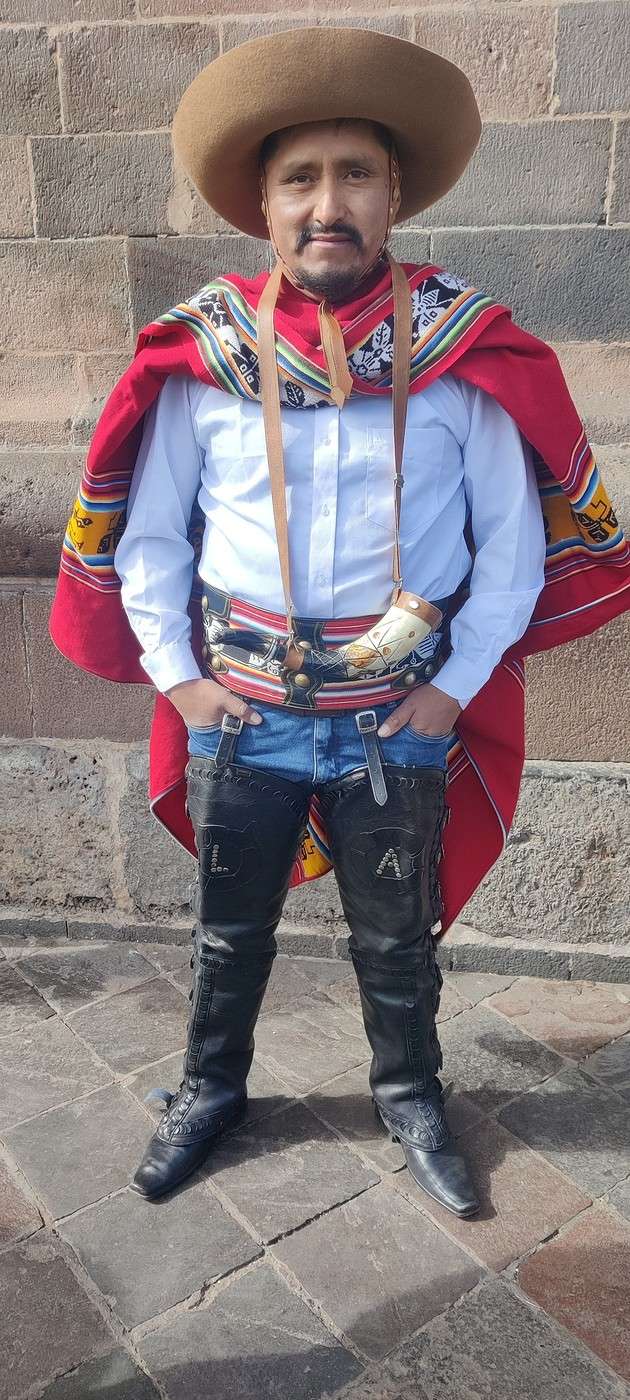
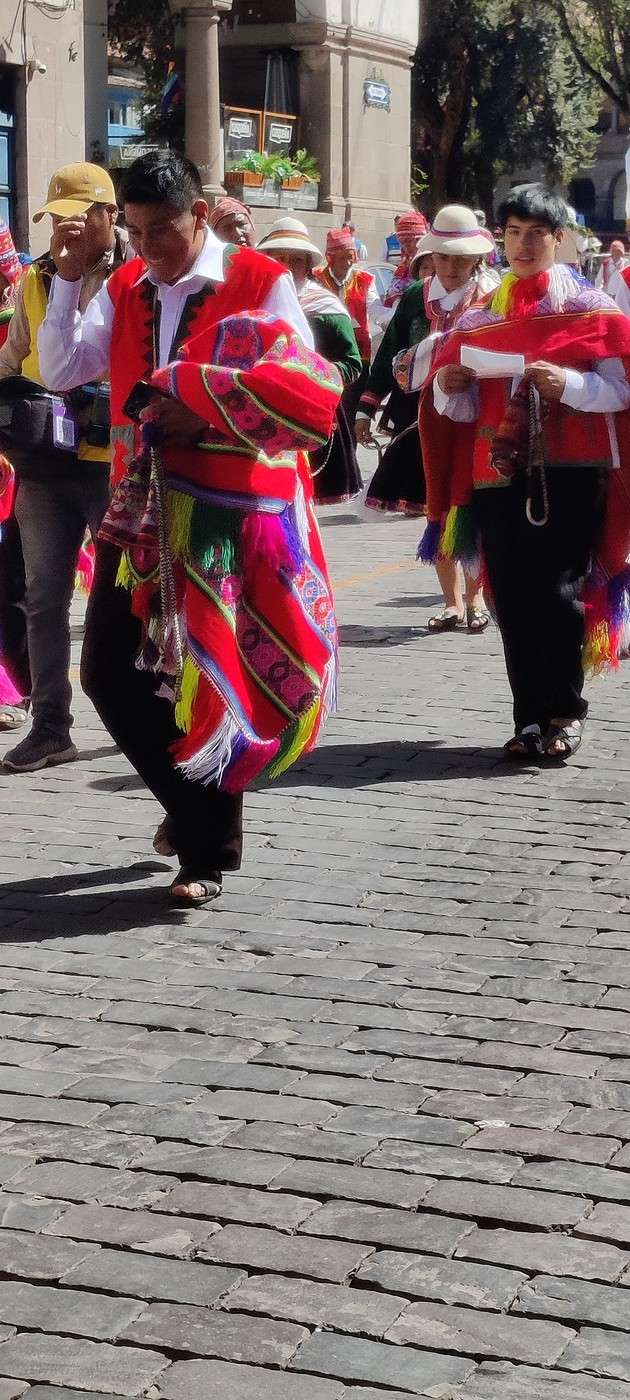
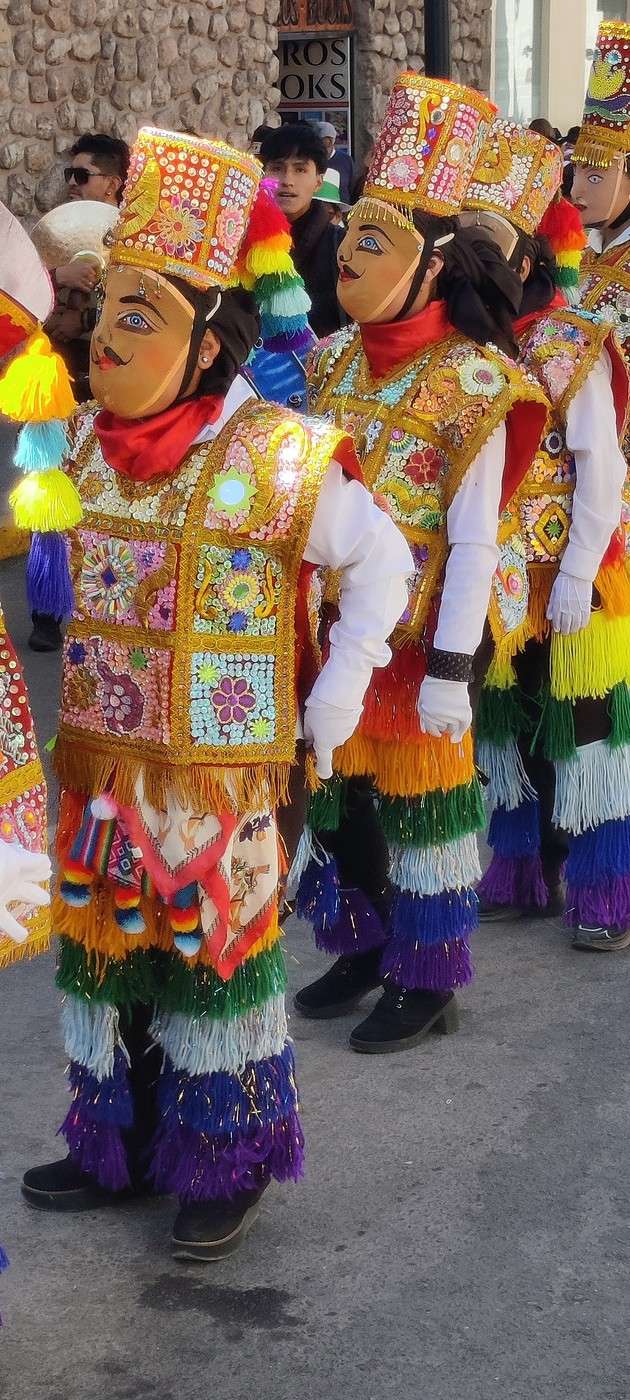
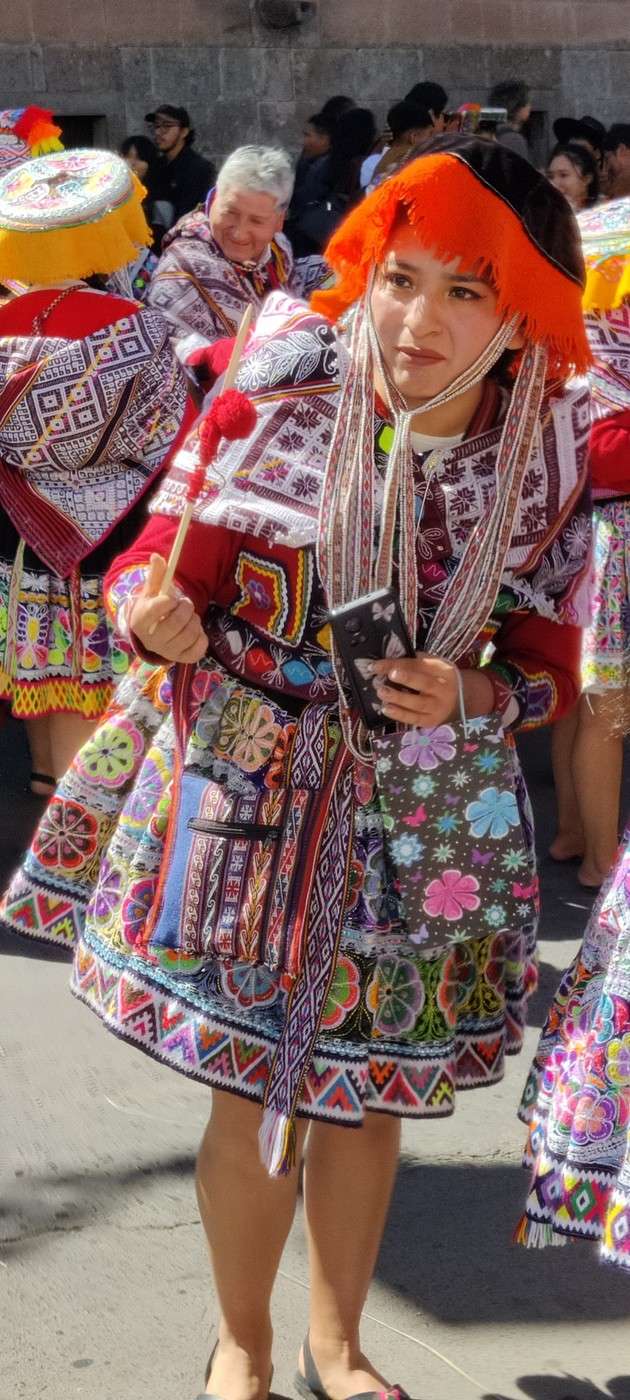
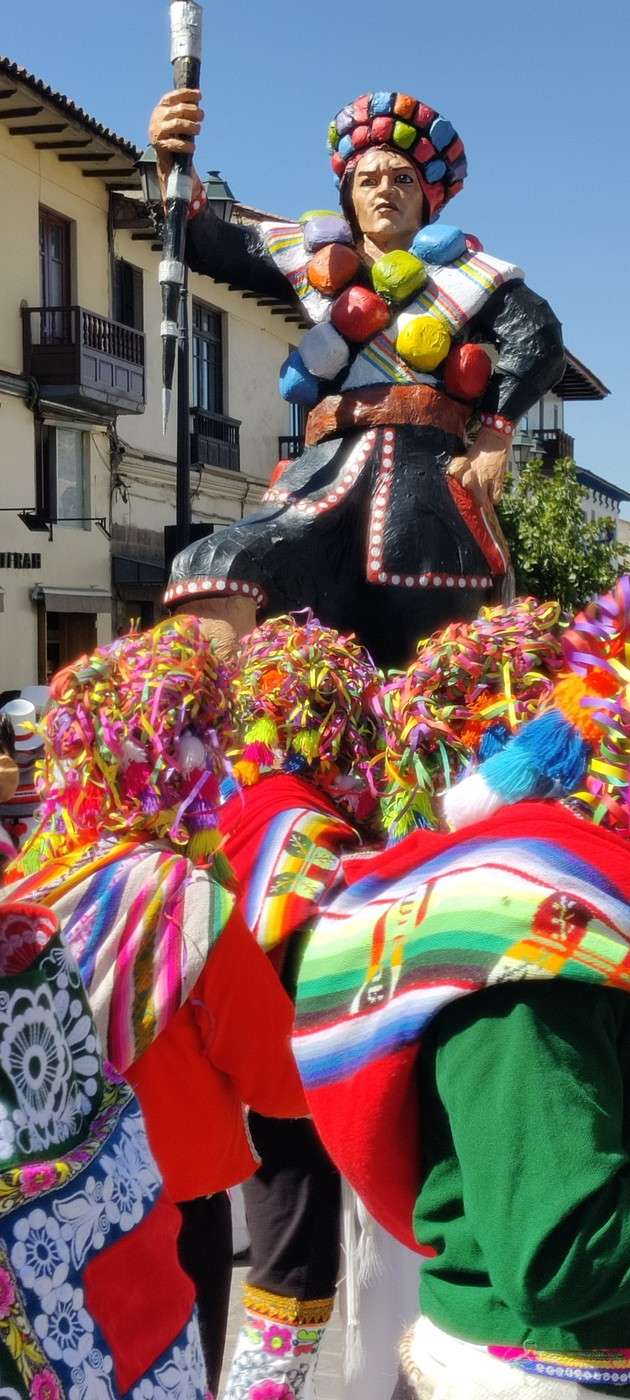
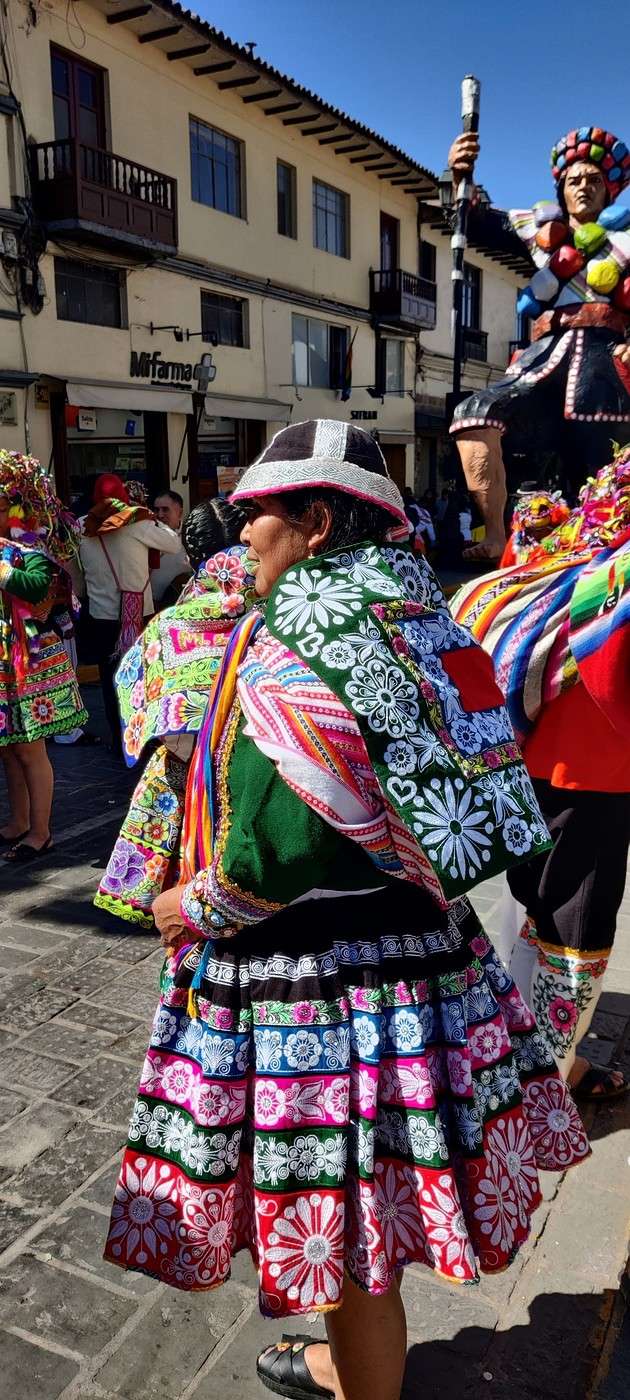
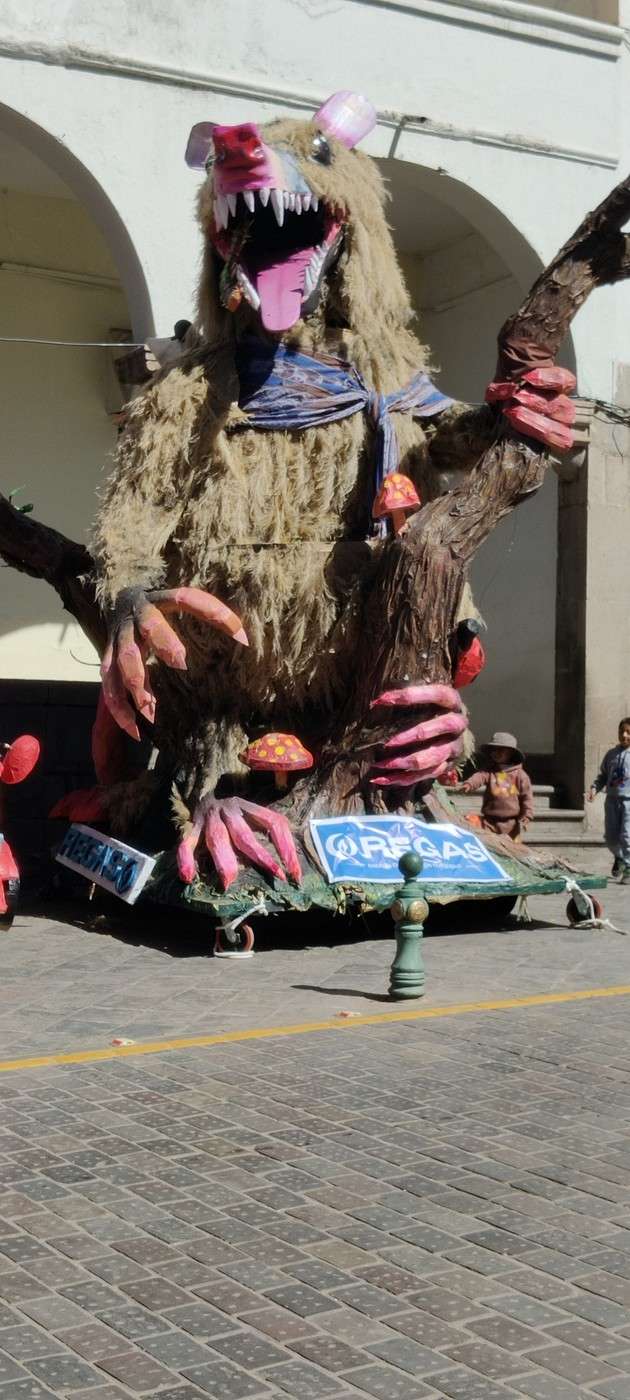
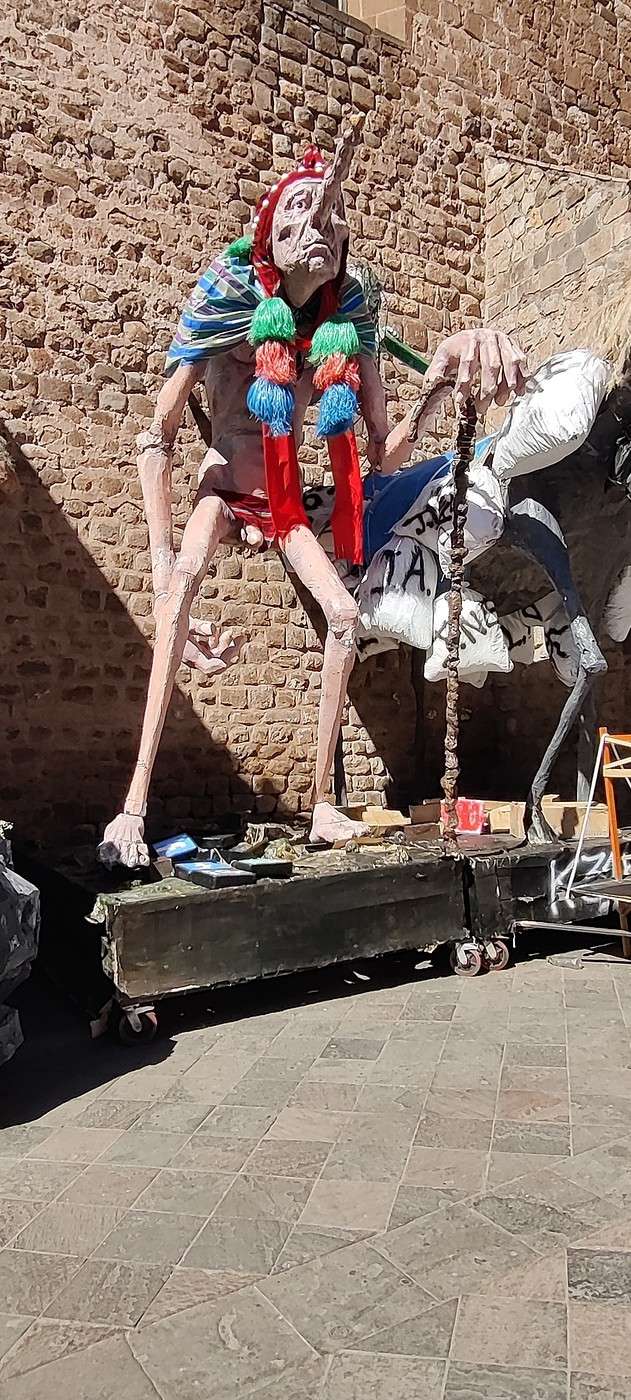
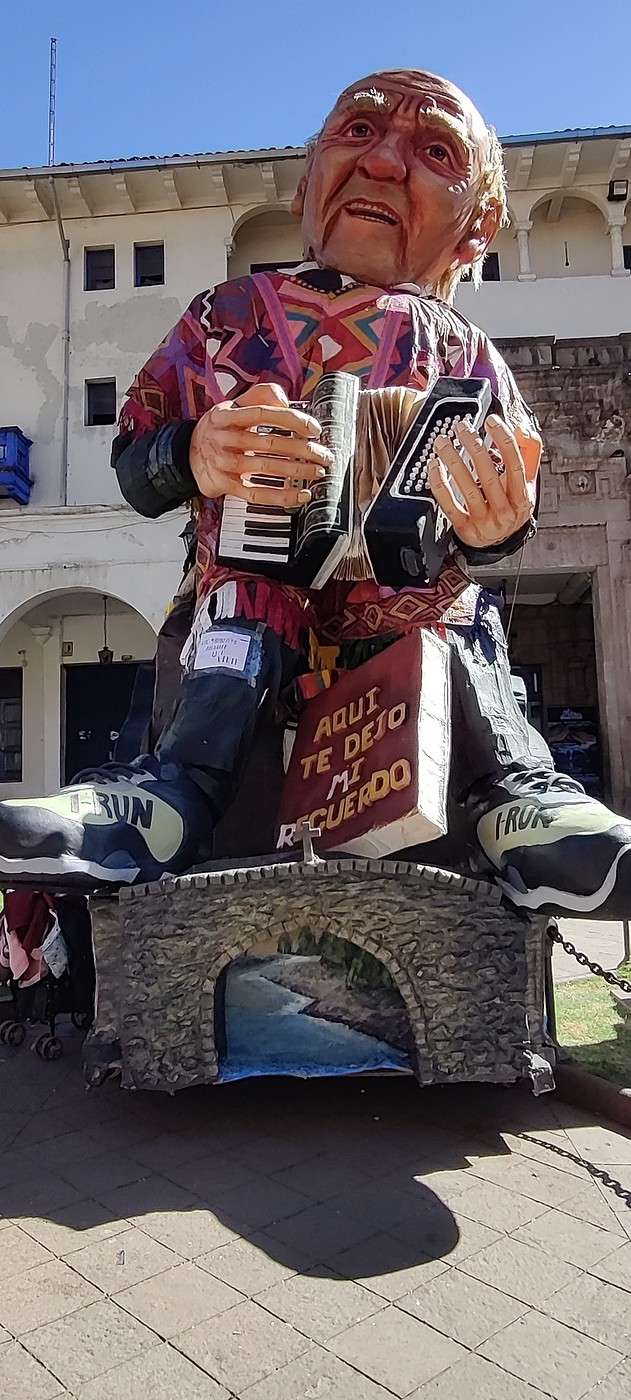
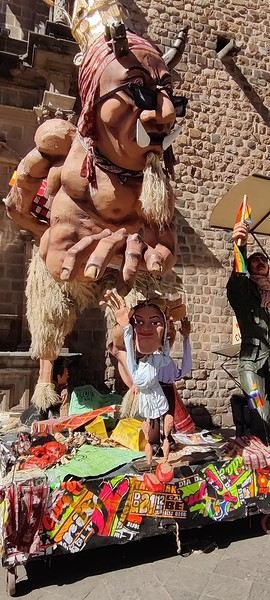
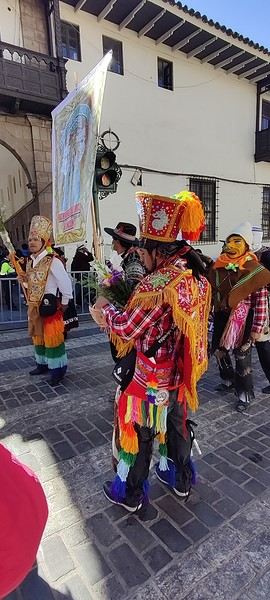
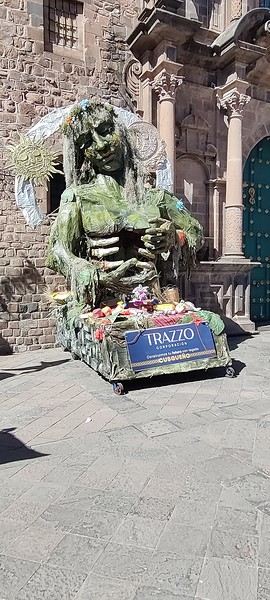
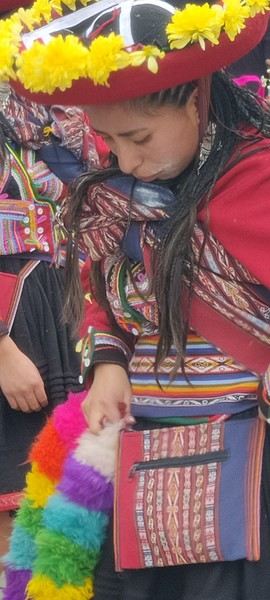
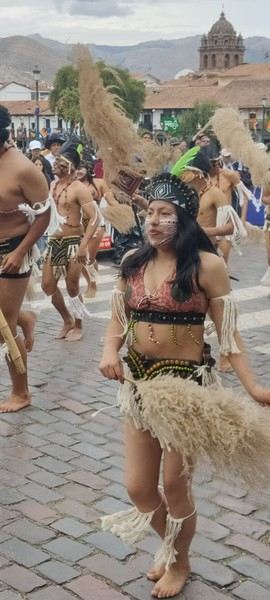
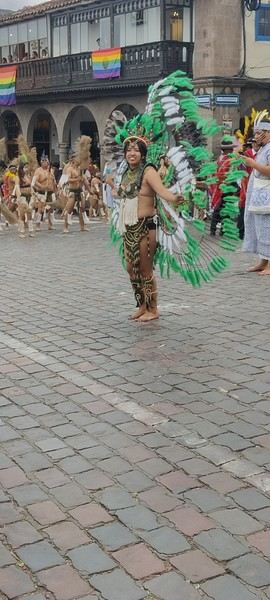
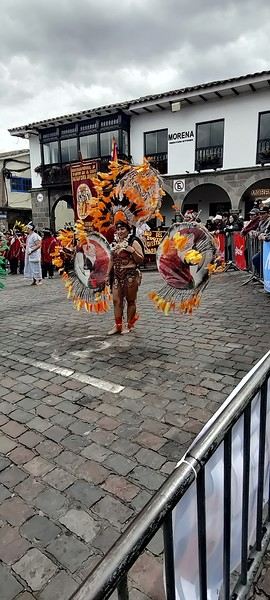
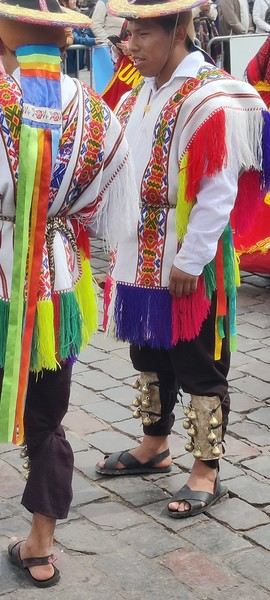
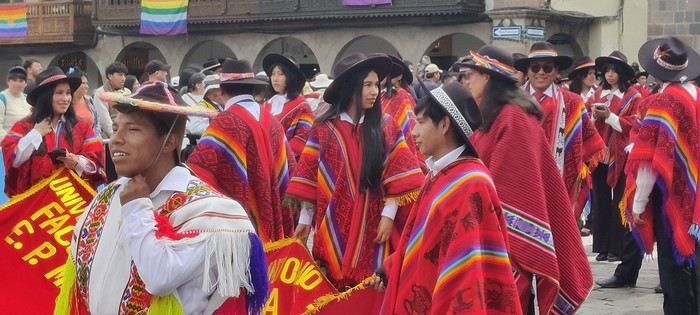
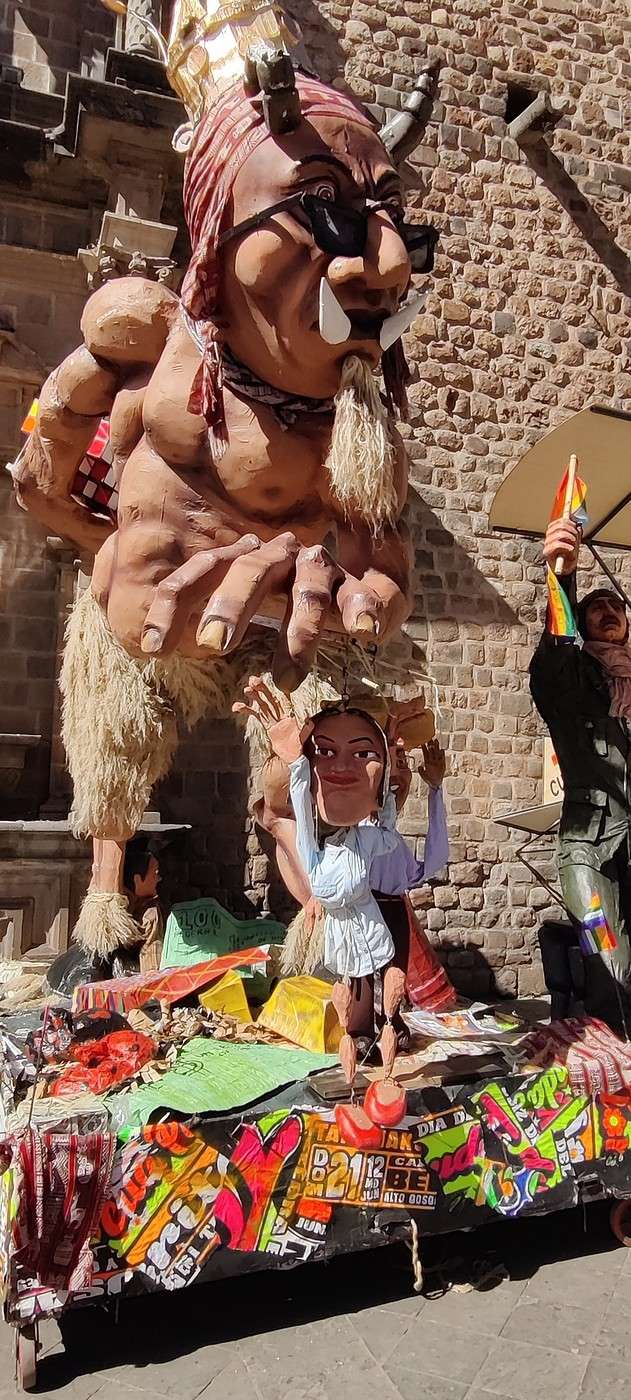
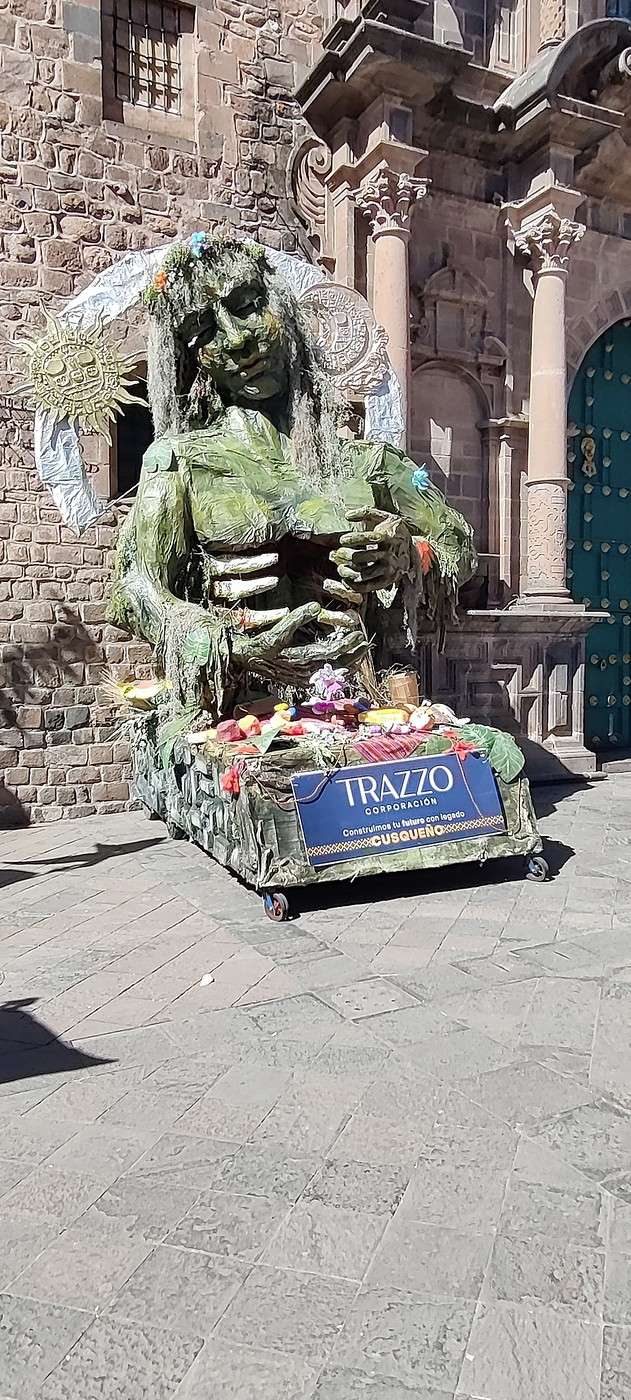
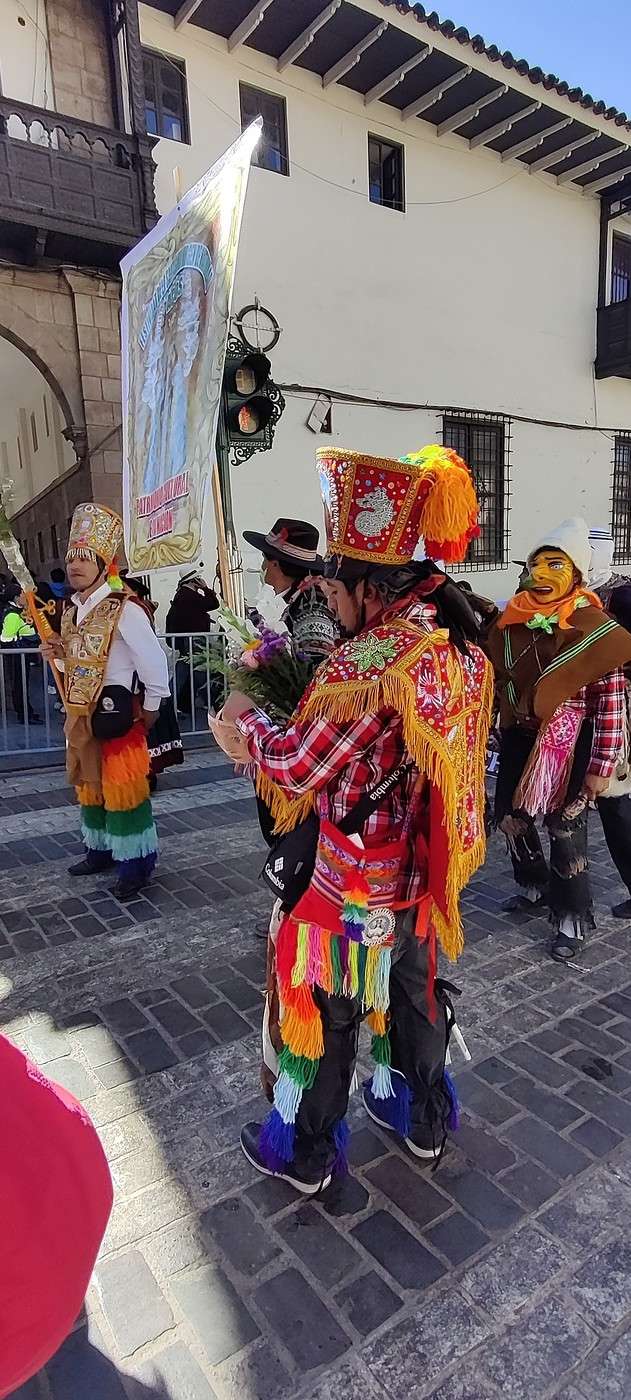
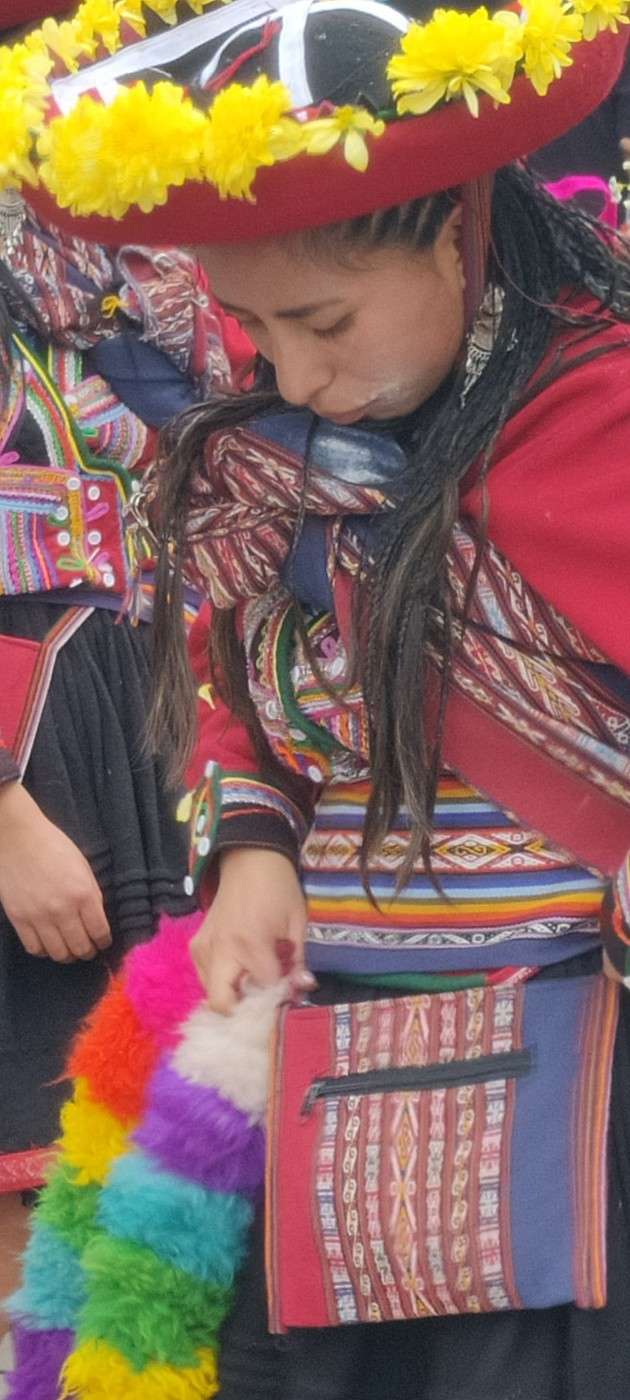
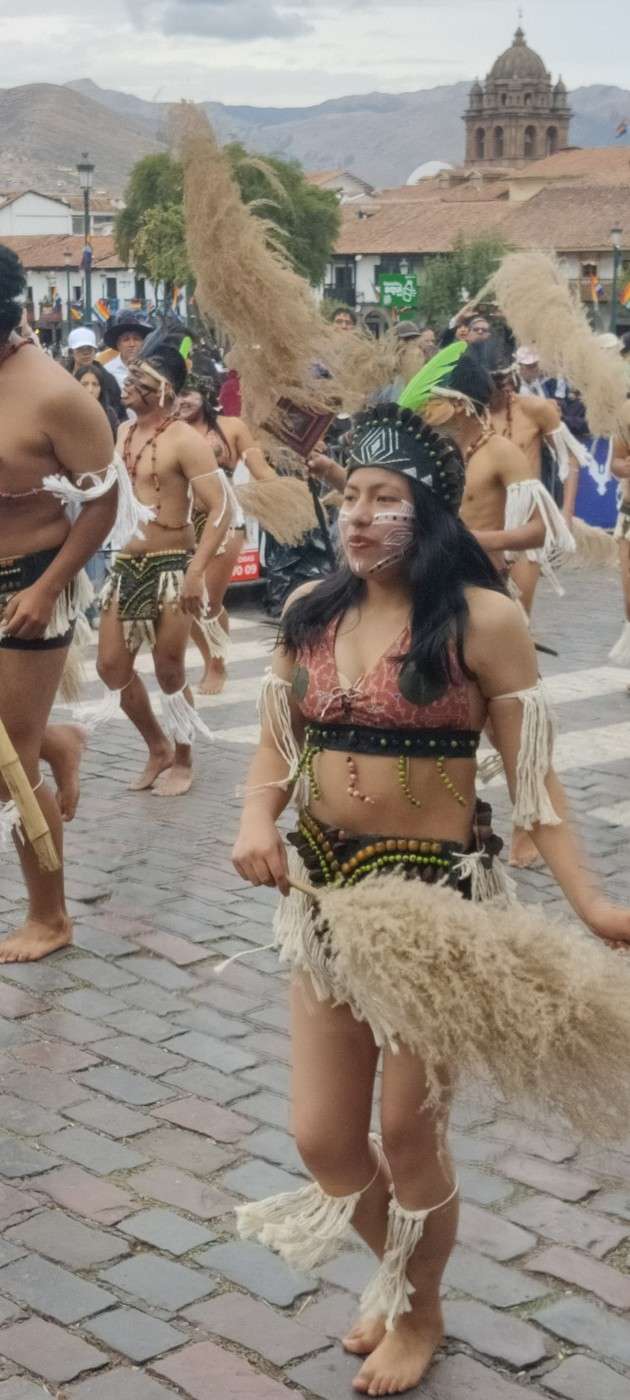
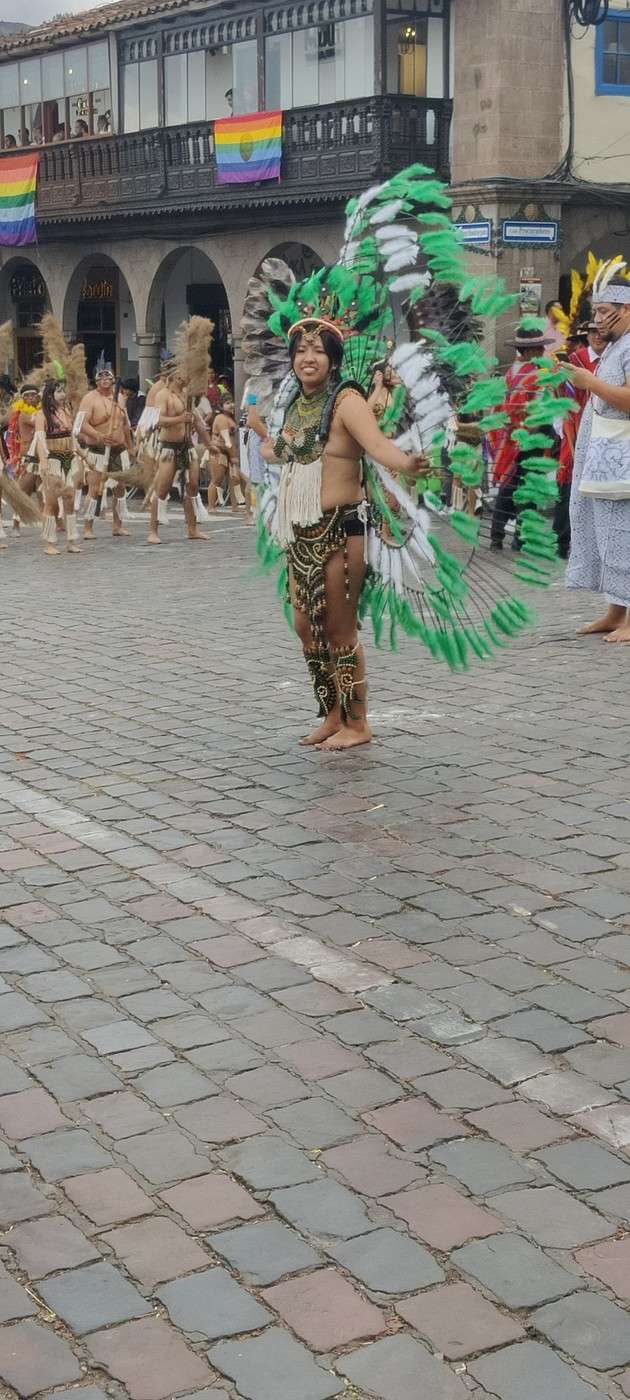
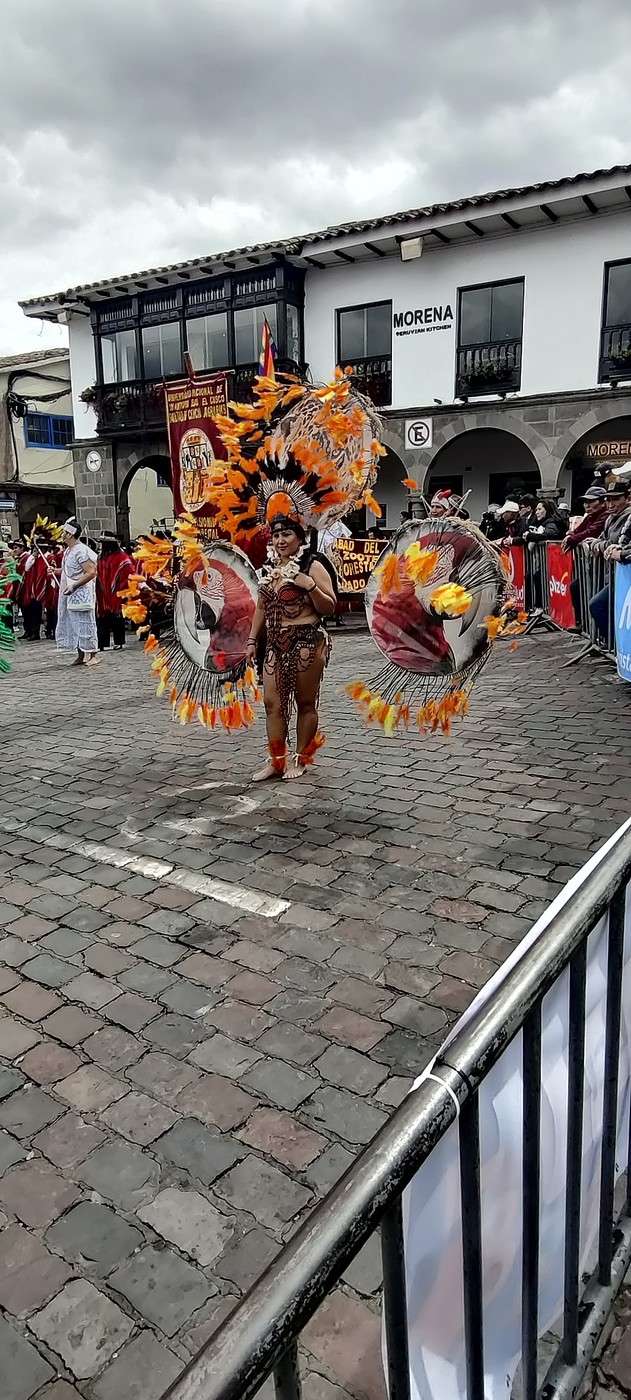
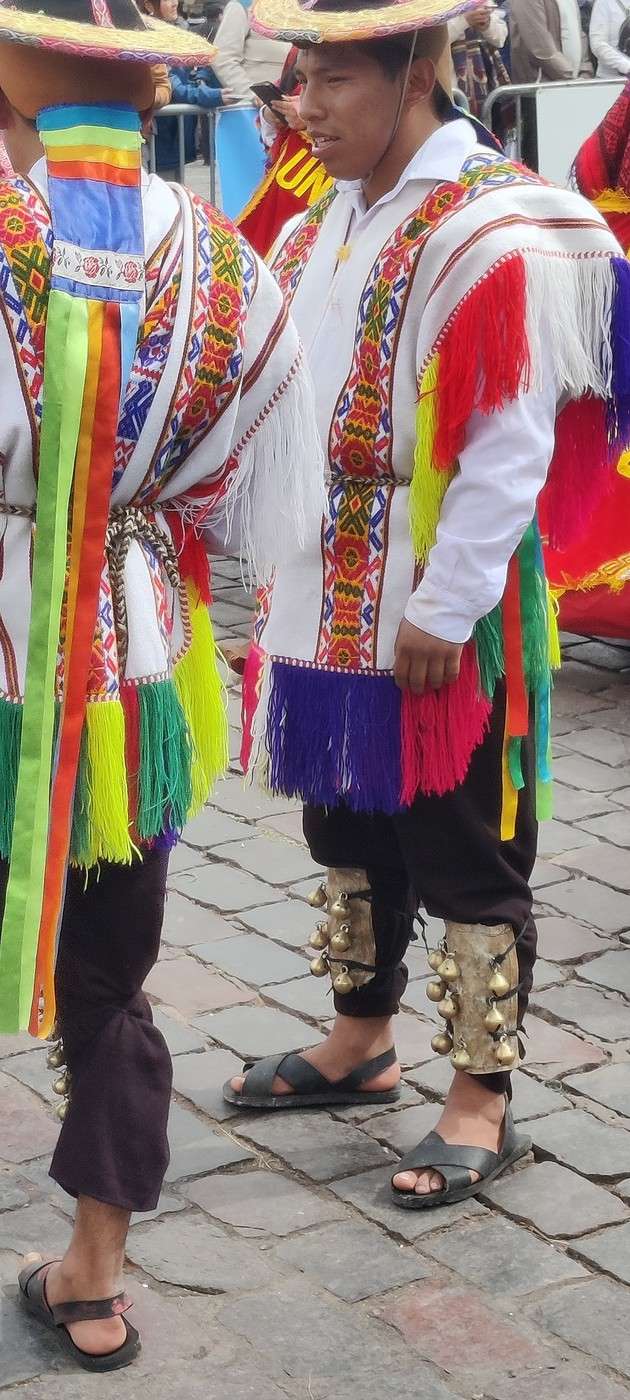
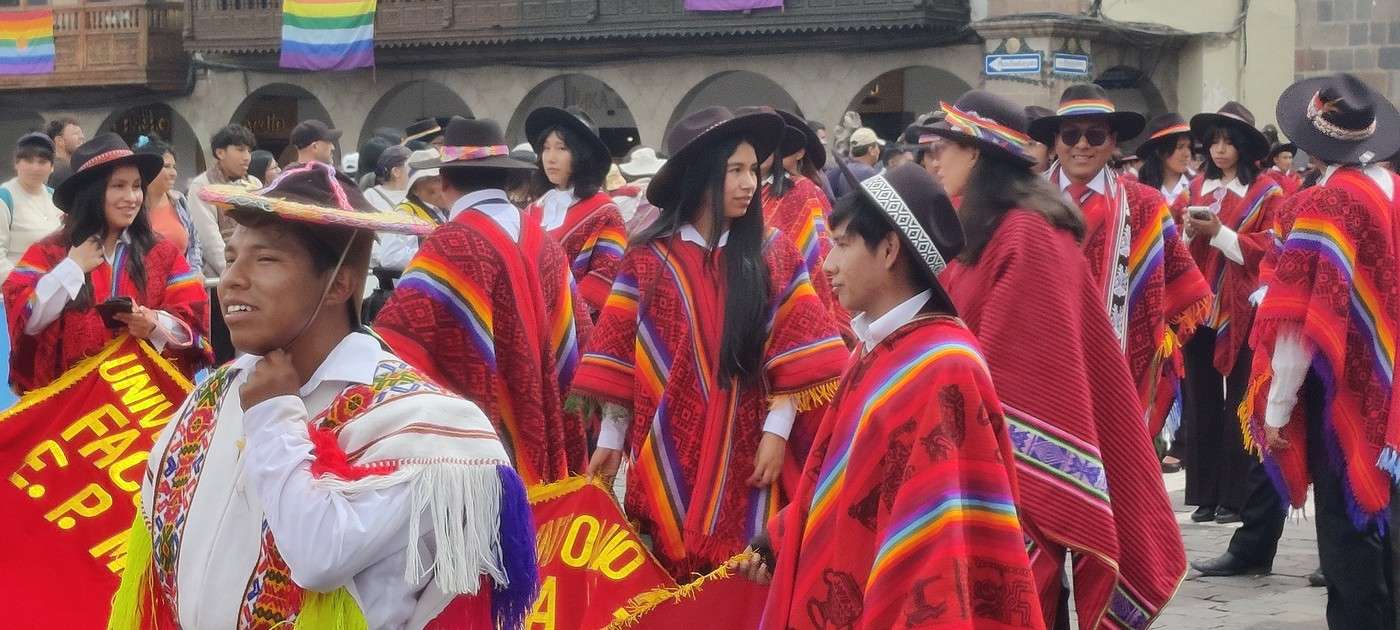
I’ve told you about the festivities that bring Cusco to life throughout June, culminating in the winter solstice ceremonies on June 24th. During this time, the city is in a constant buzz. Dances, folk parades, floats, and concerts follow one after another, all day and late into the night. Schools, villages, and different provinces compete with creativity: dazzling costumes, vibrant colors, music, and dances take over the streets and squares of Cusco. You can travel from one village to another without even leaving the main square! But don’t be fooled—these celebrations aren’t just a show for tourists. They reflect the region’s cultural richness and the Peruvians’ deep connection to their Andean identity and Inca heritage. When night falls, the costumes light up, and the music fills the streets, the spectacle becomes truly mesmerizing. But instead of long descriptions, the photos will give you a better sense of this vibrant festival.


Peru: A childhood dream finally realized

Larri · 2026-08-28 · Message 40 of 69

The Festival of the Sun in the streets of Cusco (continued)


VoyageForum — the largest community of French-speaking travellers.