This morning...
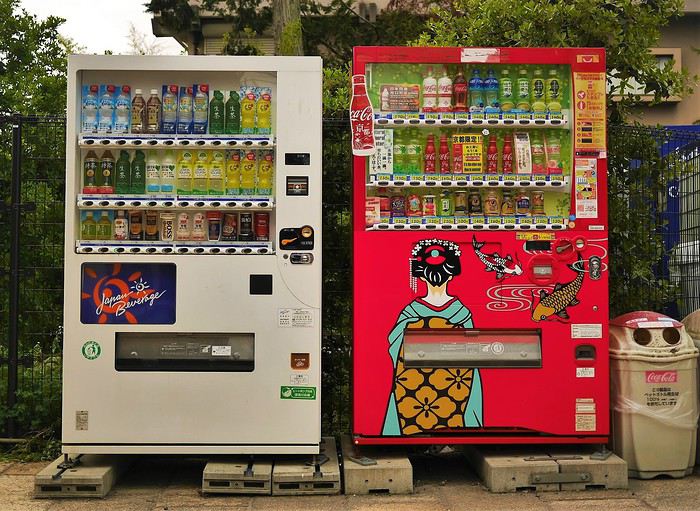
... a good drink
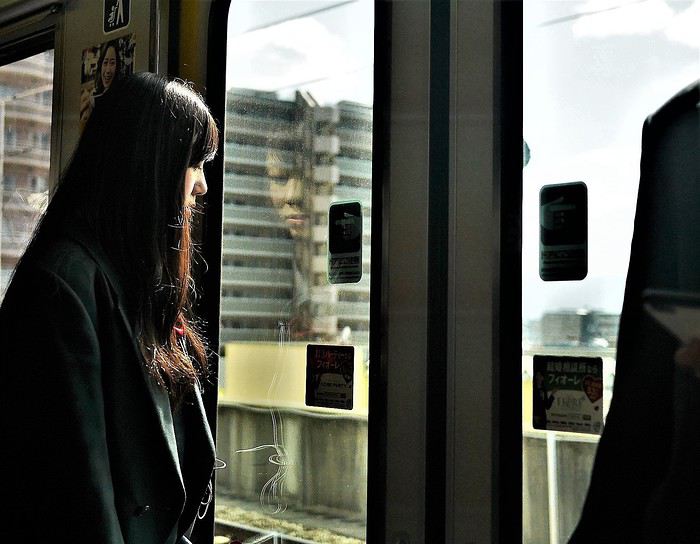
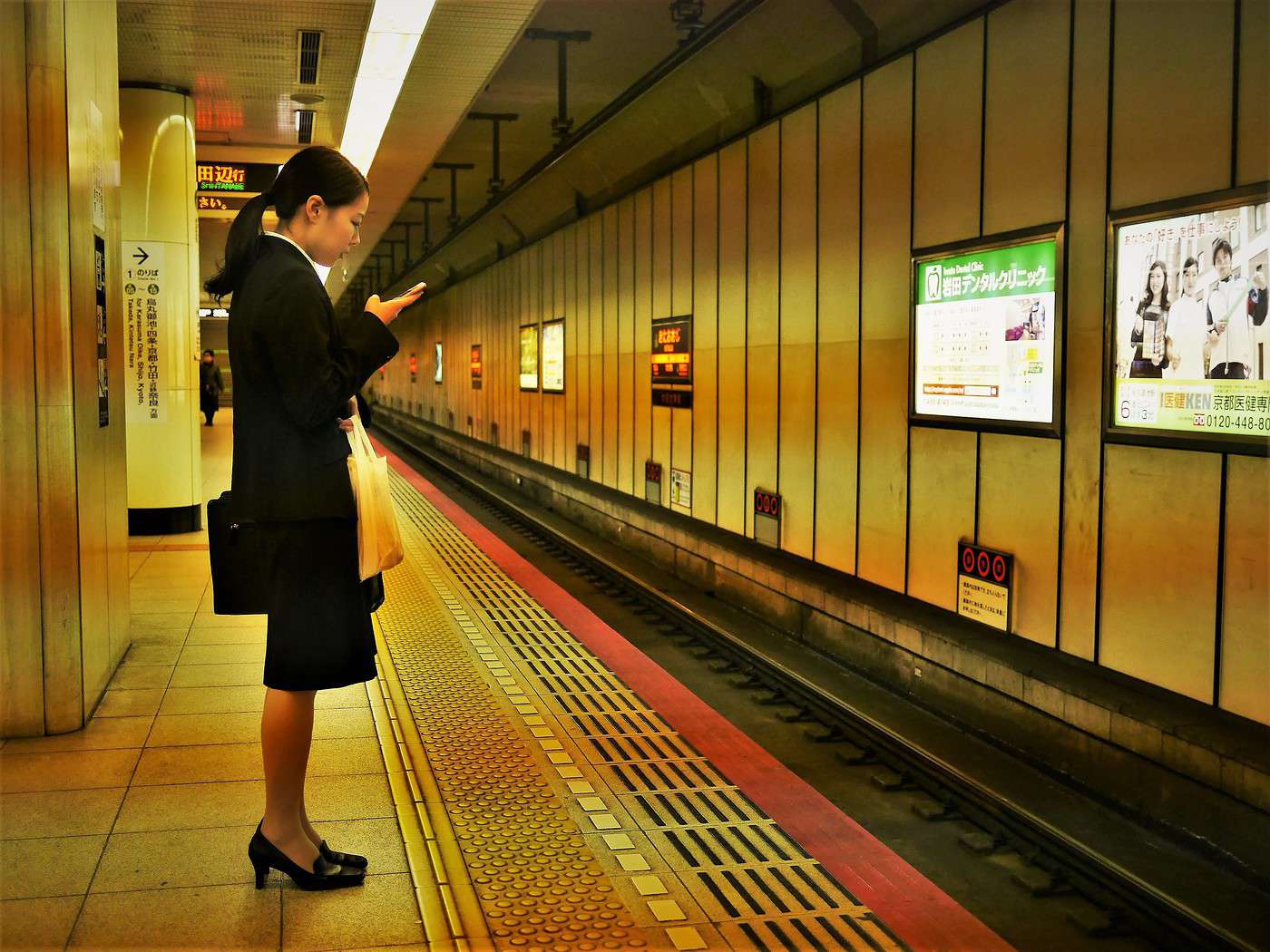
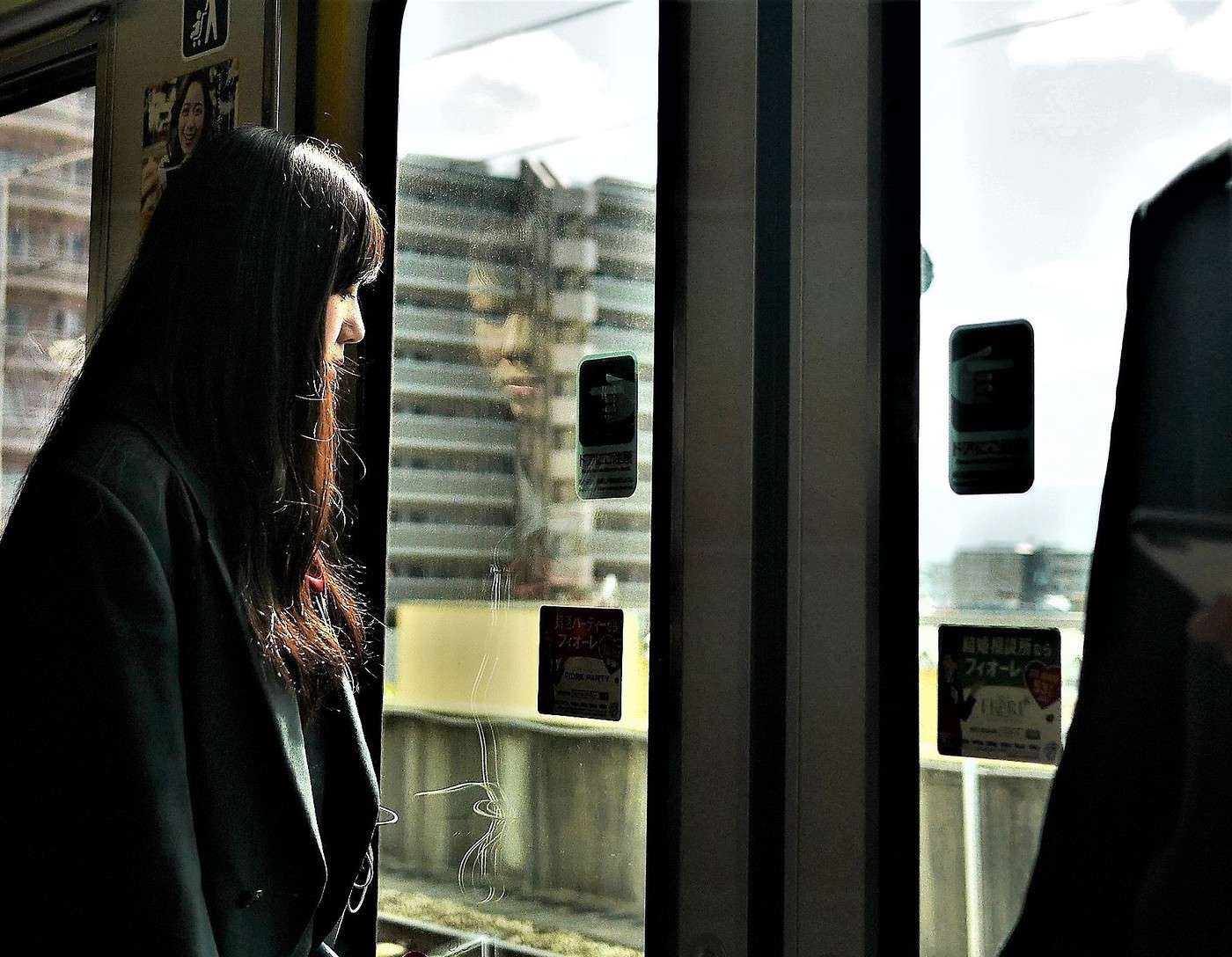
... we come across a pensive young woman on public transport
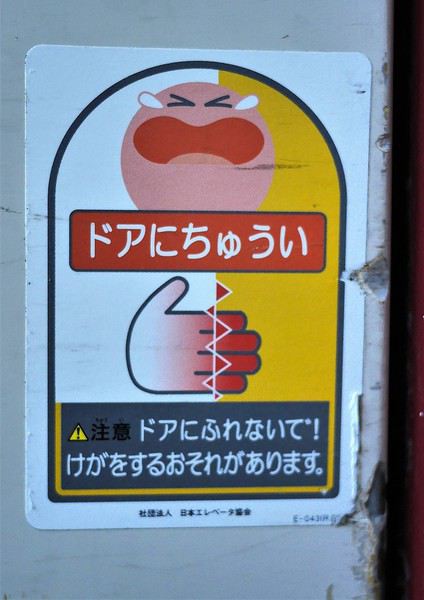
and above all, we avoid getting pinched really hard.
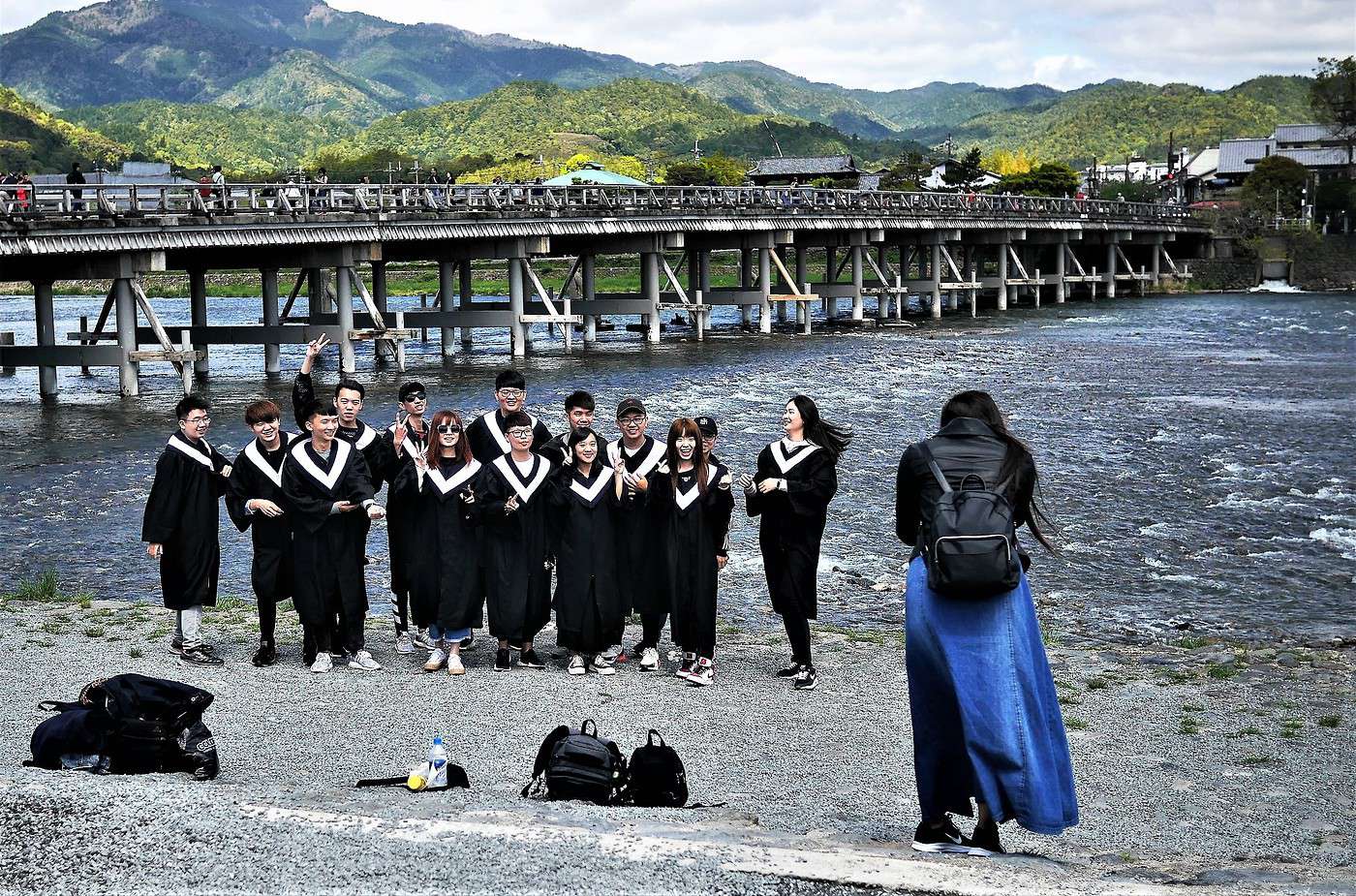
Bamboo groves, monkeys, and temples. Arashiyama, west of Kyoto, brings together several facets of "mainstream Japan." The Togetsukyo, or "Moon Crossing Bridge," connects the Monkey Park to the shopping district. In the latter, nothing that might shock tourists: luxury boutiques, charming trinkets, and conventional restaurants. One curiosity—the bamboo root is perfectly edible. As for the taste, opinions are divided, but hey, it’s edible.
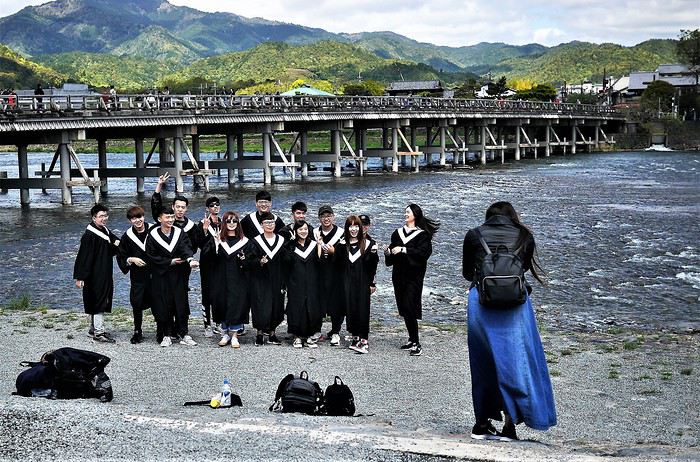
Class photo near the Moon Crossing Bridge
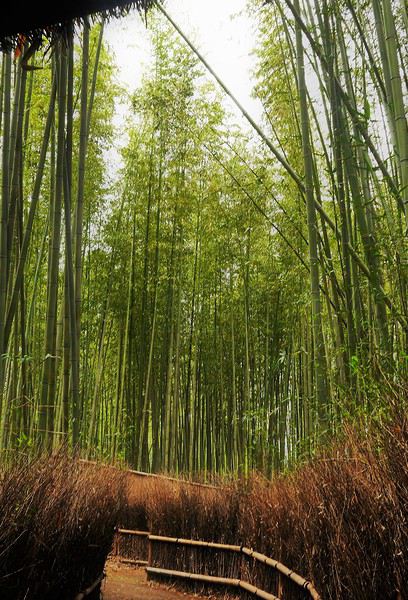
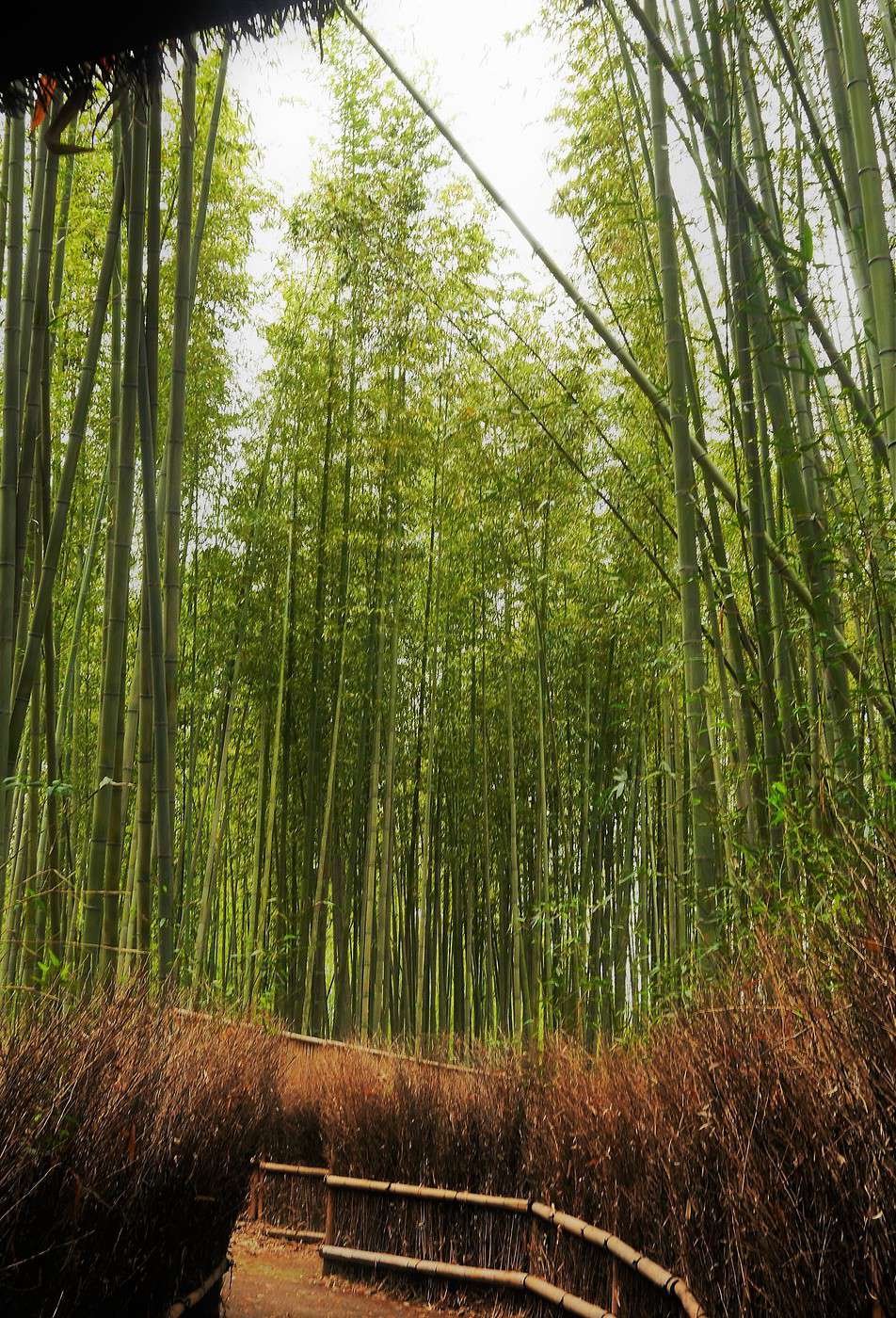
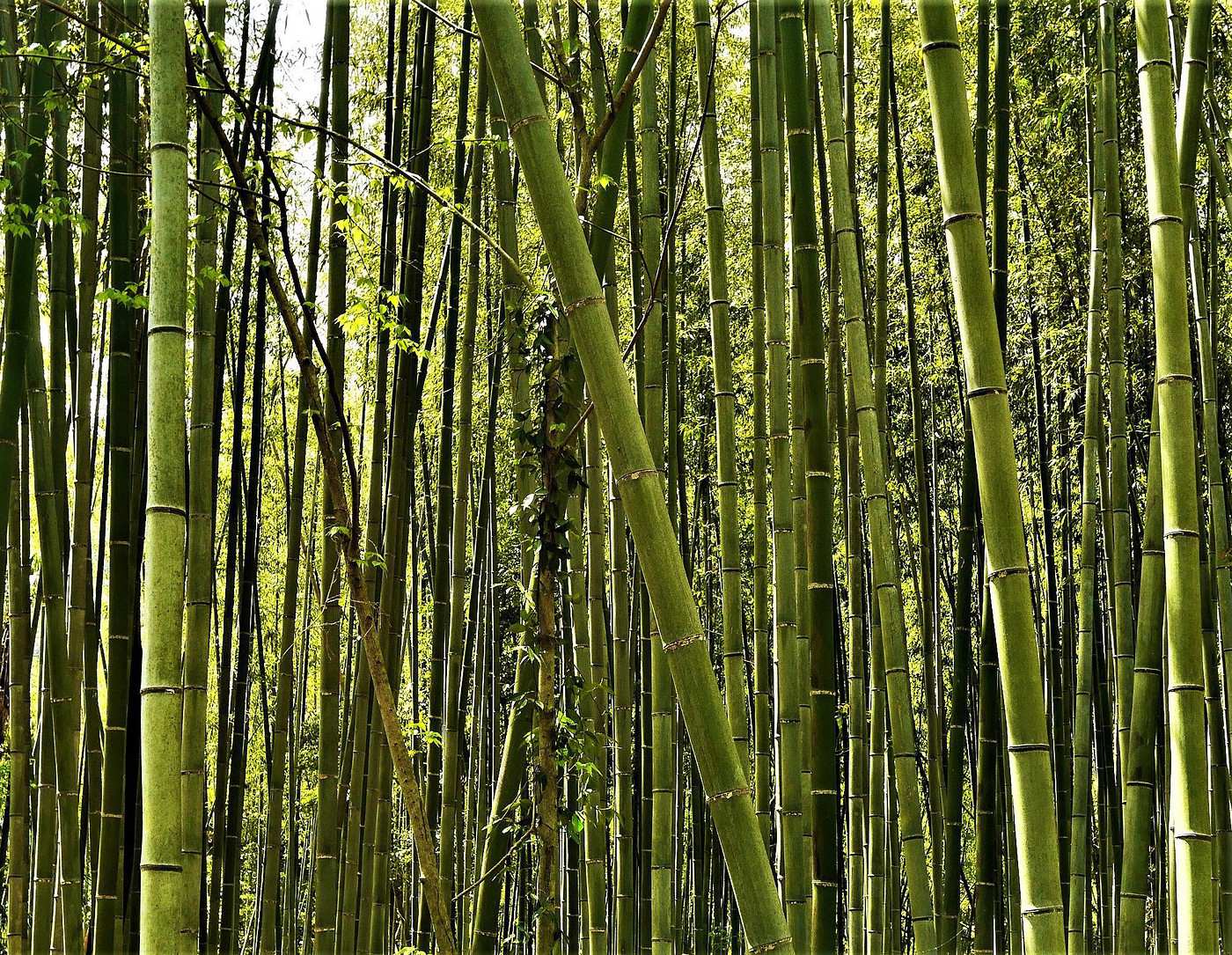
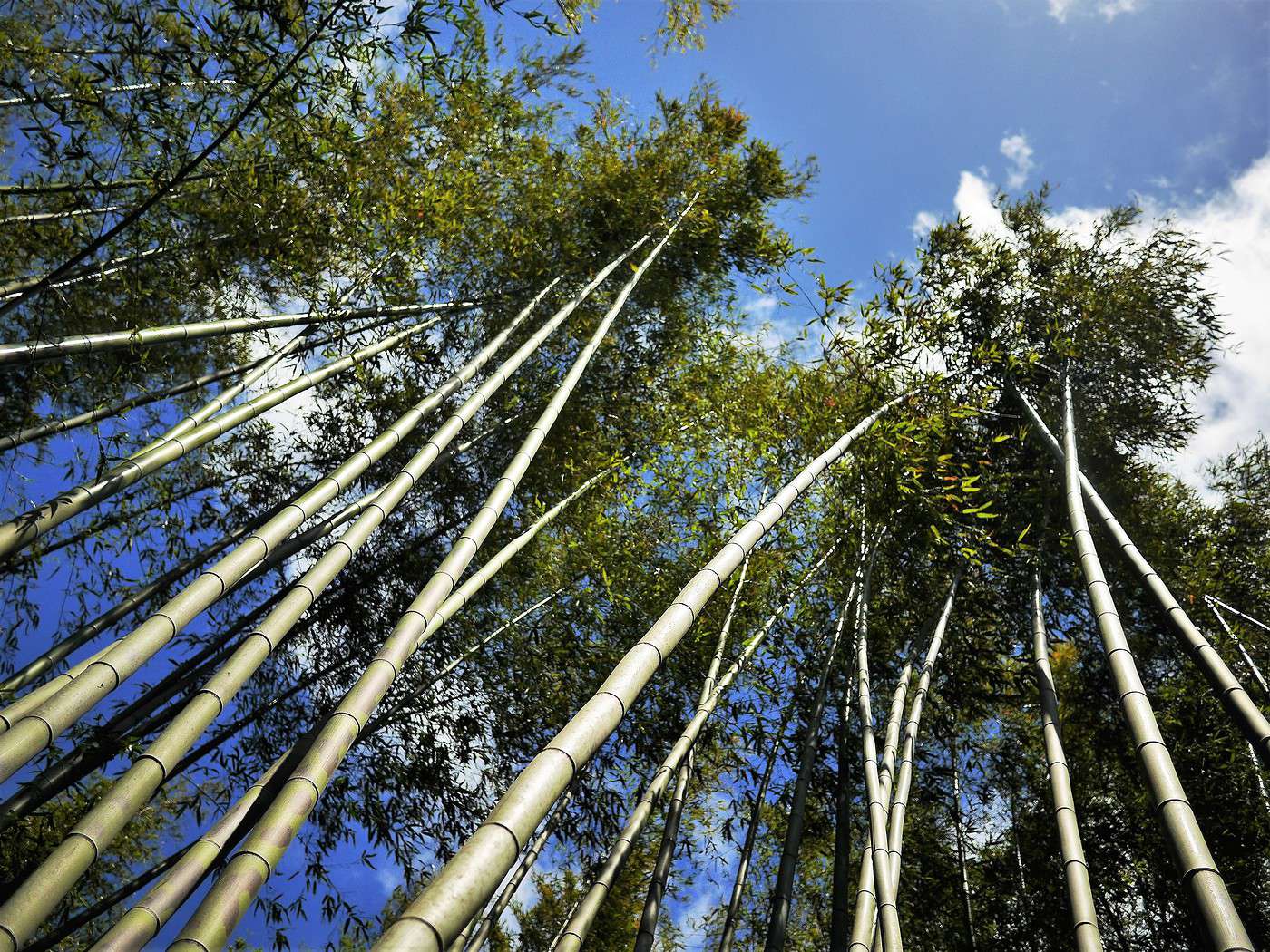
The bamboo grove is a 15-minute walk from the bridge. It’s beautiful, filled with the secret charm that in this country elevates even the most natural things. Of course, it’d be much nicer without the crowds armed with selfie sticks.
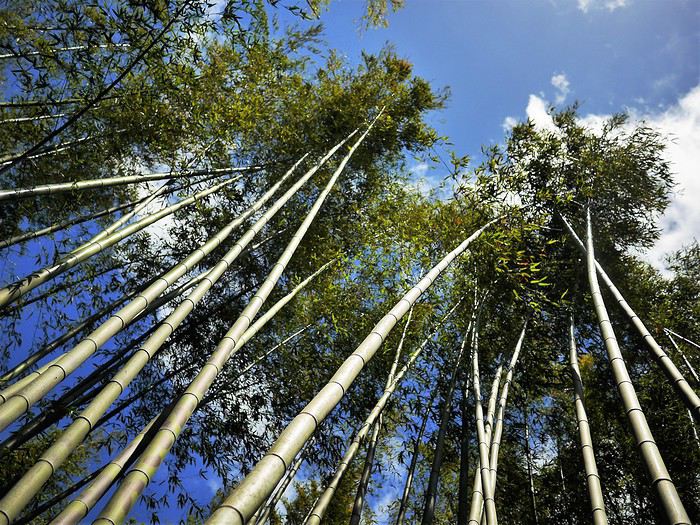
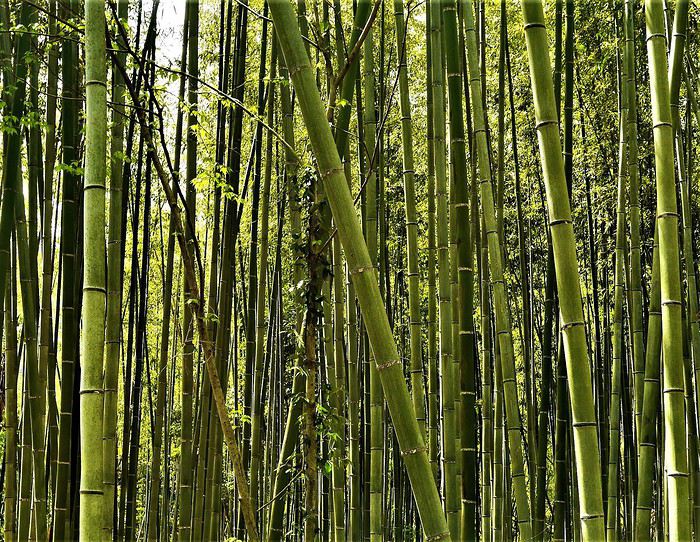
Bamboo groves
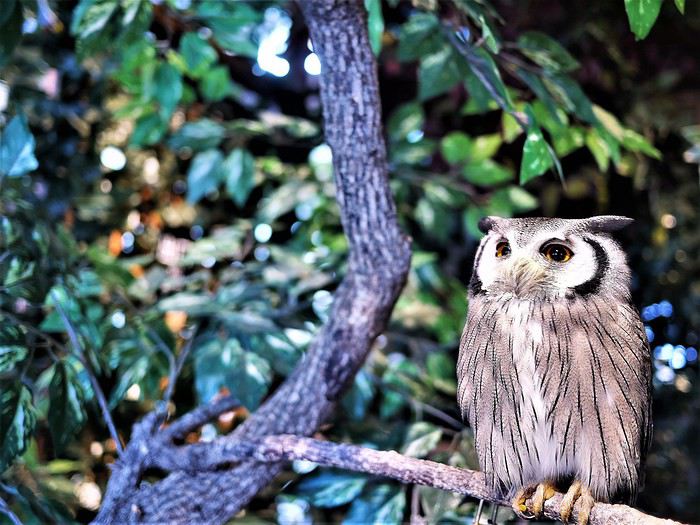
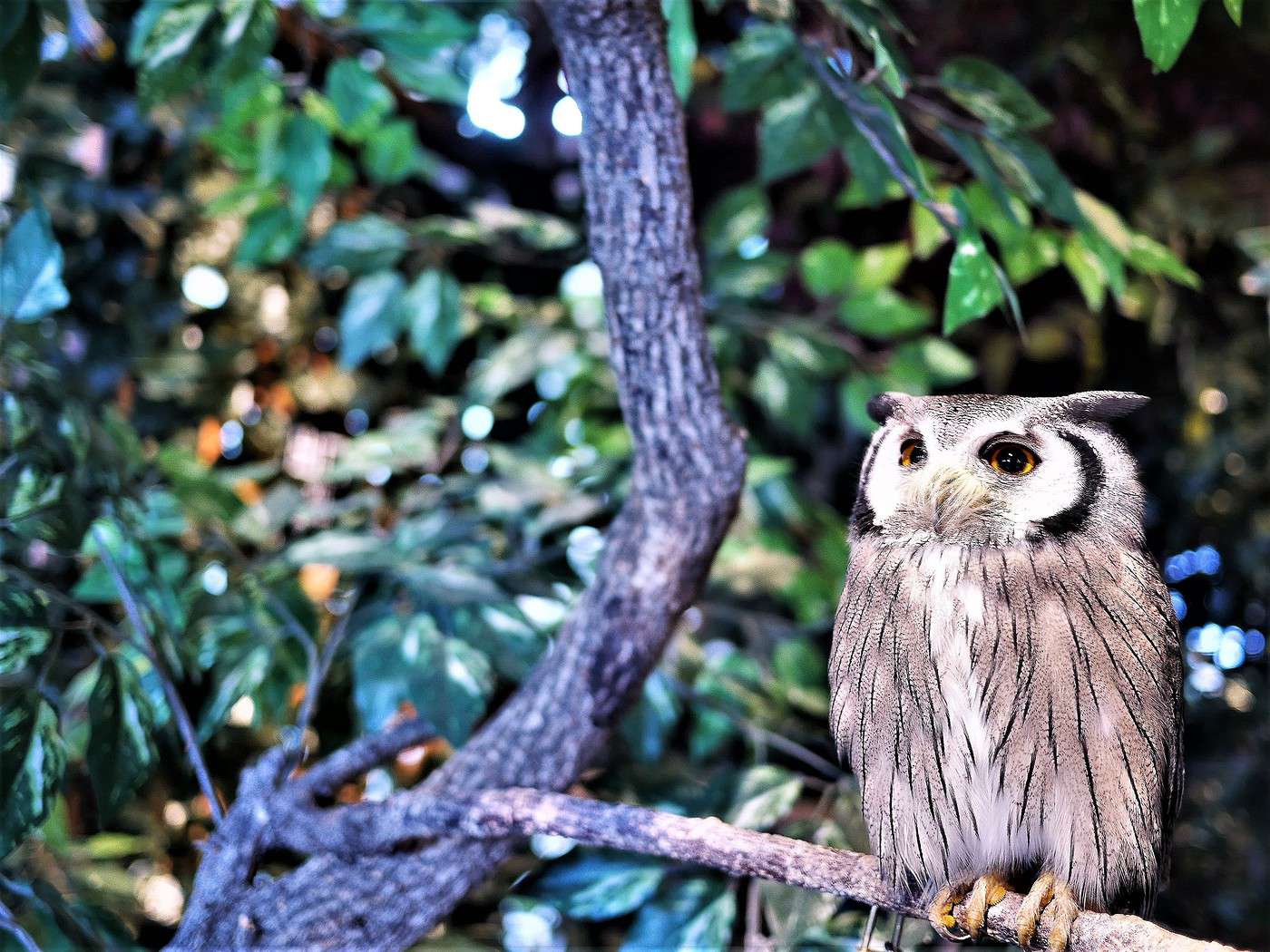
Bird of prey gallery
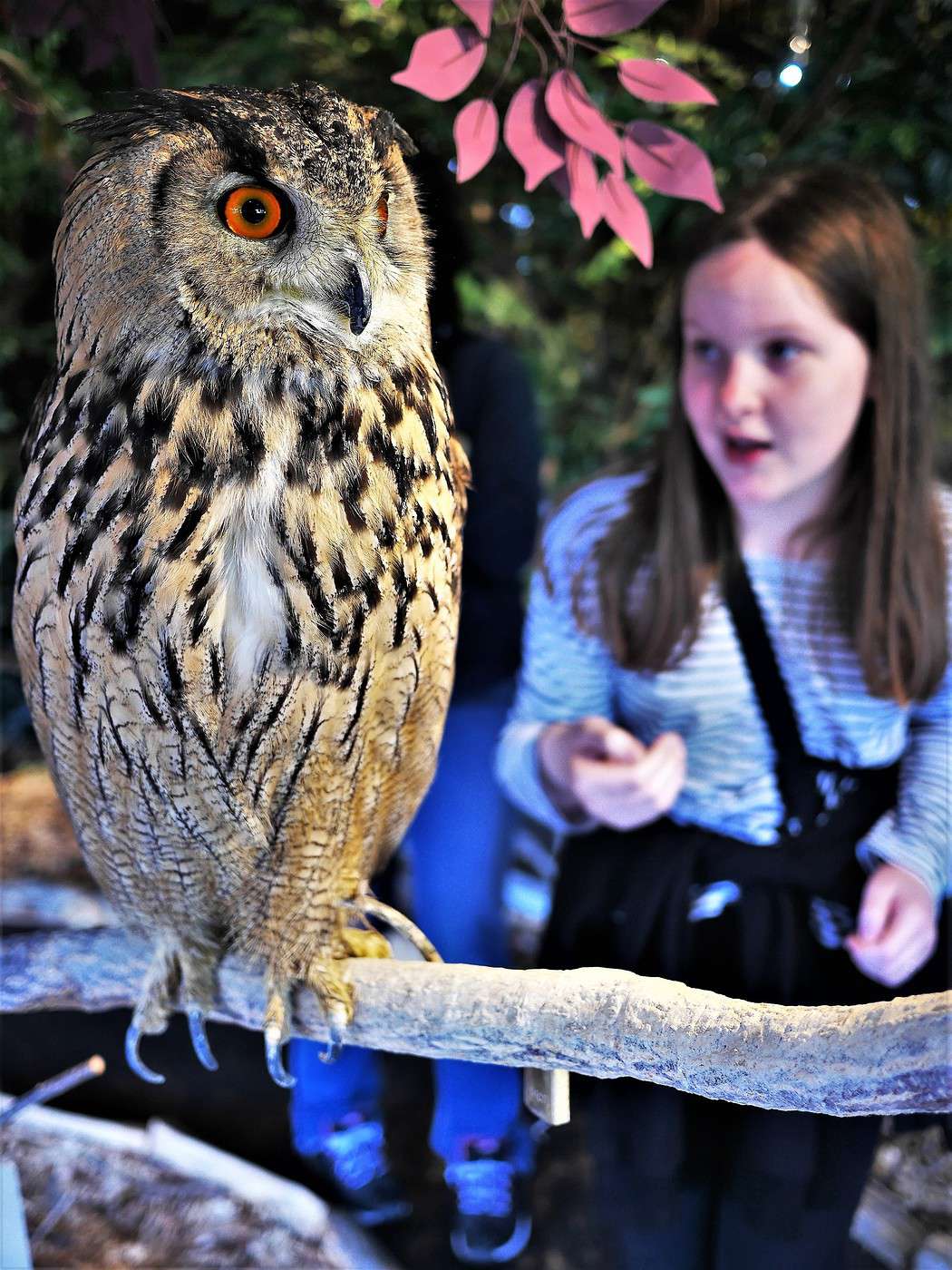
On the way back to the bridge, a gallery invites visitors to pet owls. It’s a rare opportunity—after all, how often do you get to run your hand through the feathers of an owl, whether it’s small, medium, or large? But be careful, warns the attendant after pocketing a modest fee. You must present the back of your fingers, palm facing upward, at the level of the bird’s head, and gently stroke down its back. Got it! Otherwise? Otherwise, who knows. I didn’t try it—I couldn’t imagine explaining to a Japanese emergency room that I’d been attacked by a poorly petted little owl.
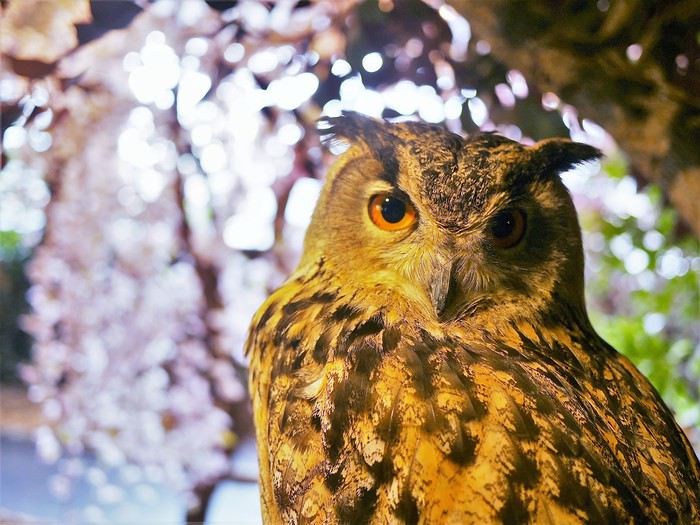
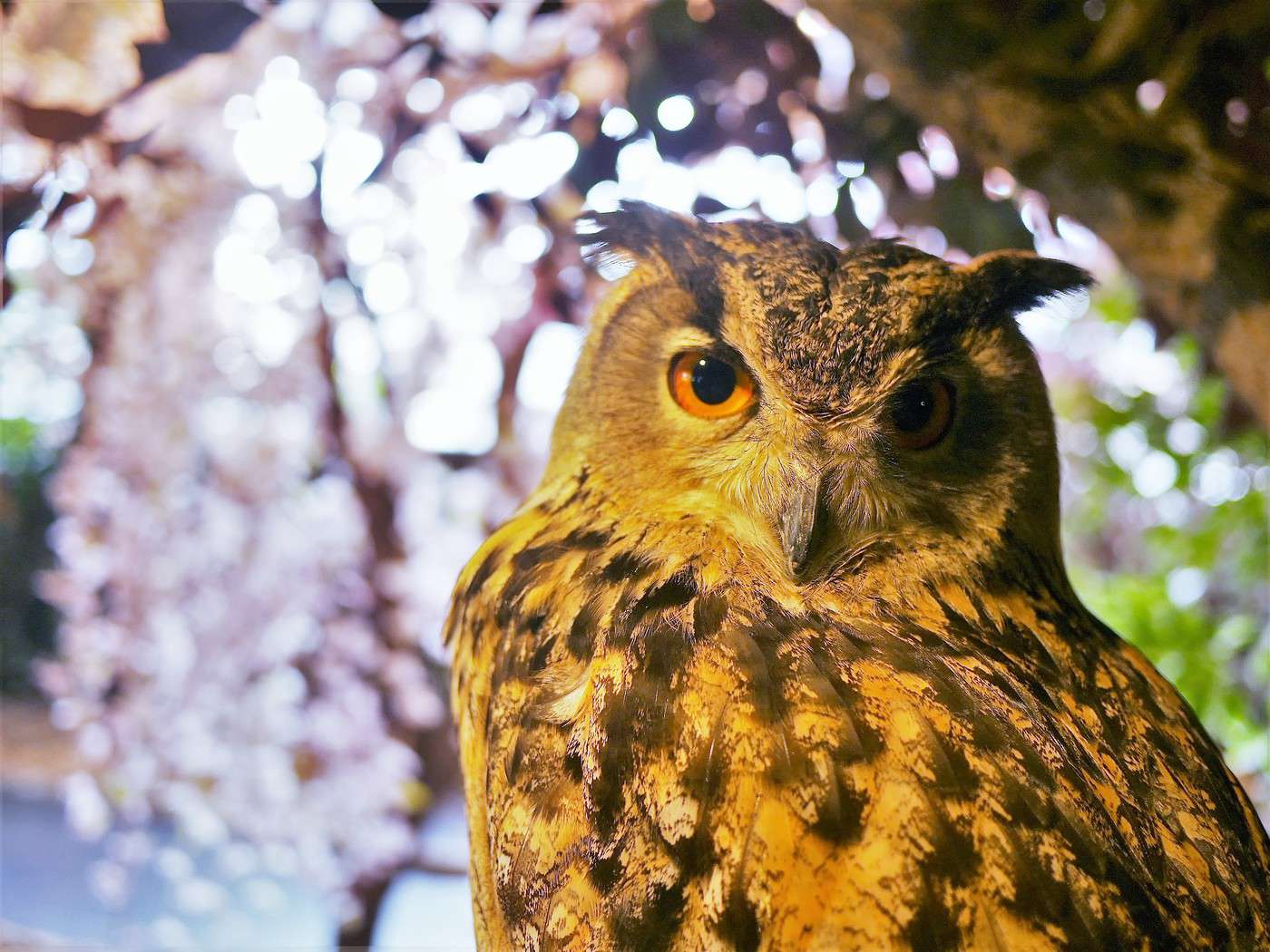
Big eyes
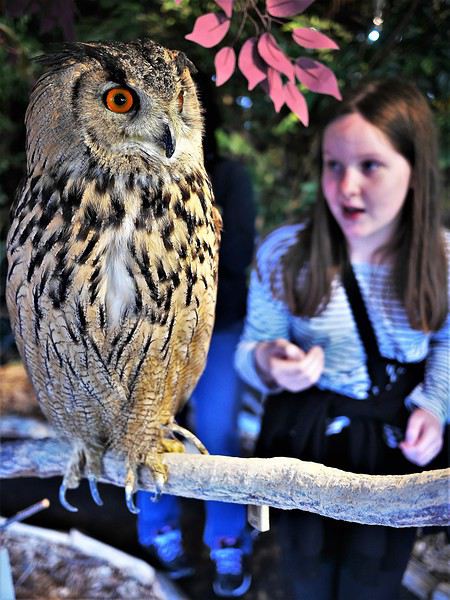
A round with a Great Horned Owl
It’s a pleasant experience—the birds let you pet them—but it’s punctuated by a little shiver when the raptor turns its head toward you and locks eyes with you. That’s the downside of not living in a Walt Disney or *kawaii* universe: a bird’s face remains forever expressionless, and to ward off the possibility of a violent reaction, the petter prefers to stop there.
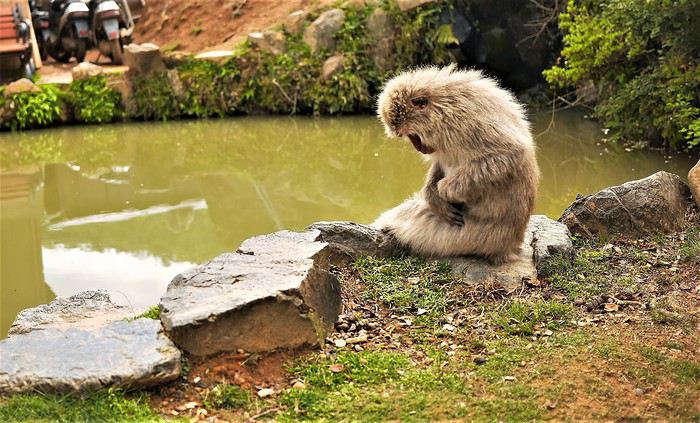
Our animal friends
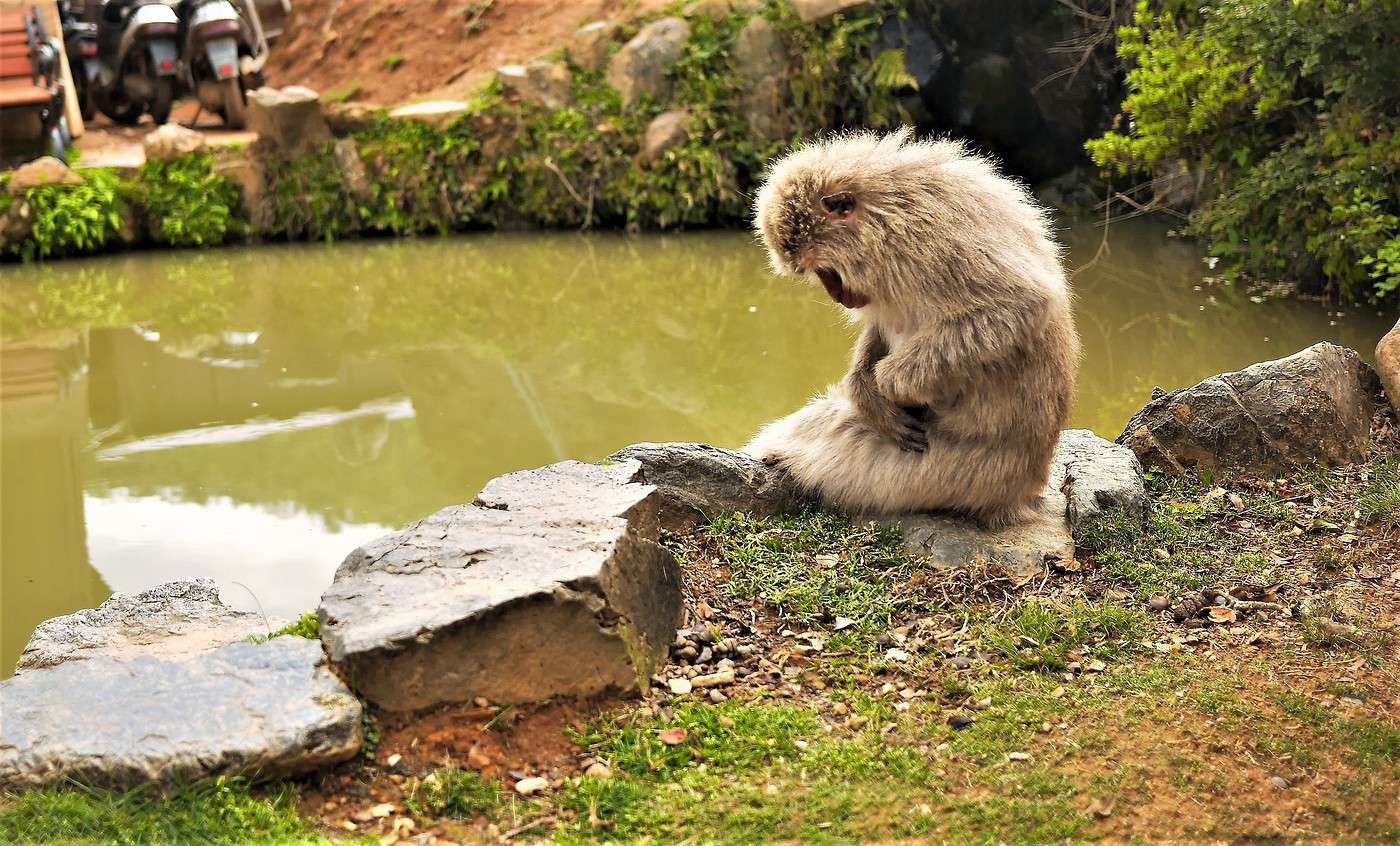
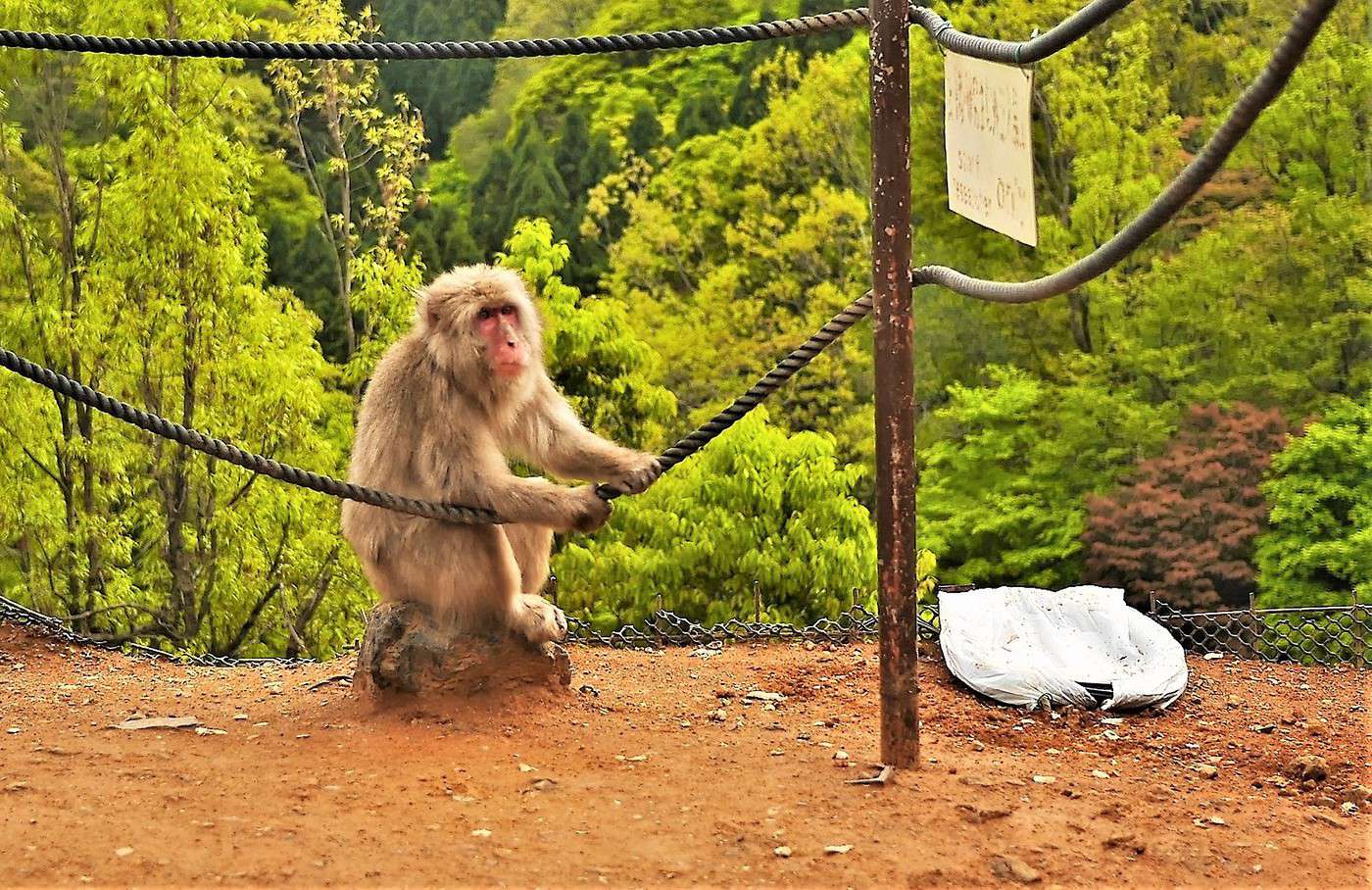
The monkey park, on the other side of the bridge, brings us back into the world of mammals. It’s not a zoo—the macaques are at home here, free to roam. A sign tells us no primate lives farther north than this. We reach their habitat after a 20-minute climb. The animals are indeed there, sprawled on the grass, lounging on tree branches, or grooming each other.
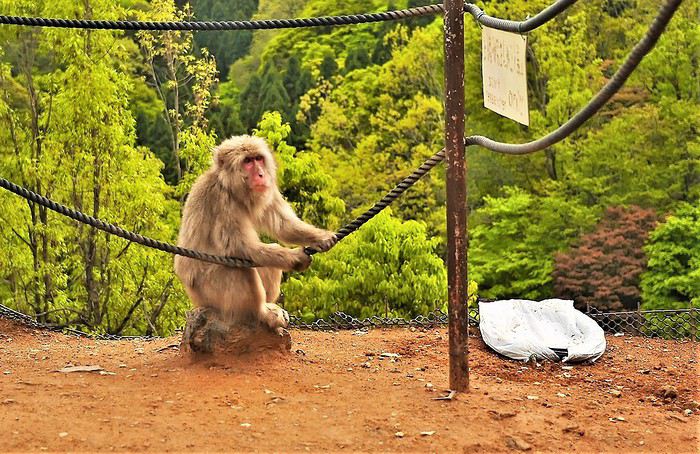
A task they’re well-suited for
The monkeys ignore the humans—after all, this is their home, and if they tolerate us, it’s because of the promise of effortless food. You *can* feed the primates with apples or peanuts, but only under strict rules: food is handed over through a wire mesh and under the watchful eyes of guides.
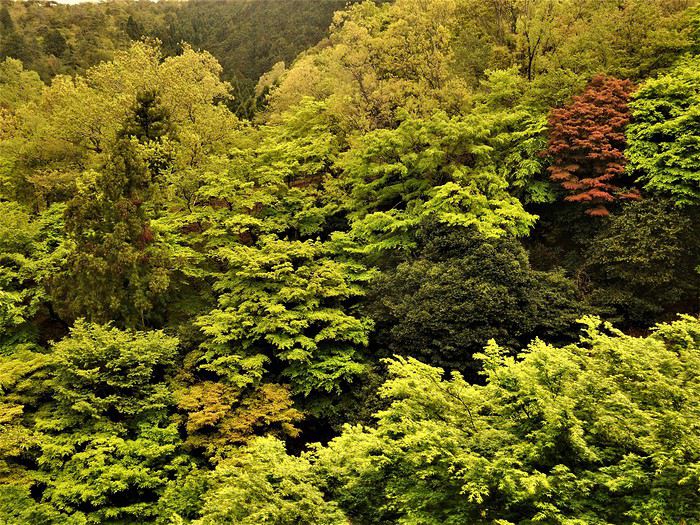
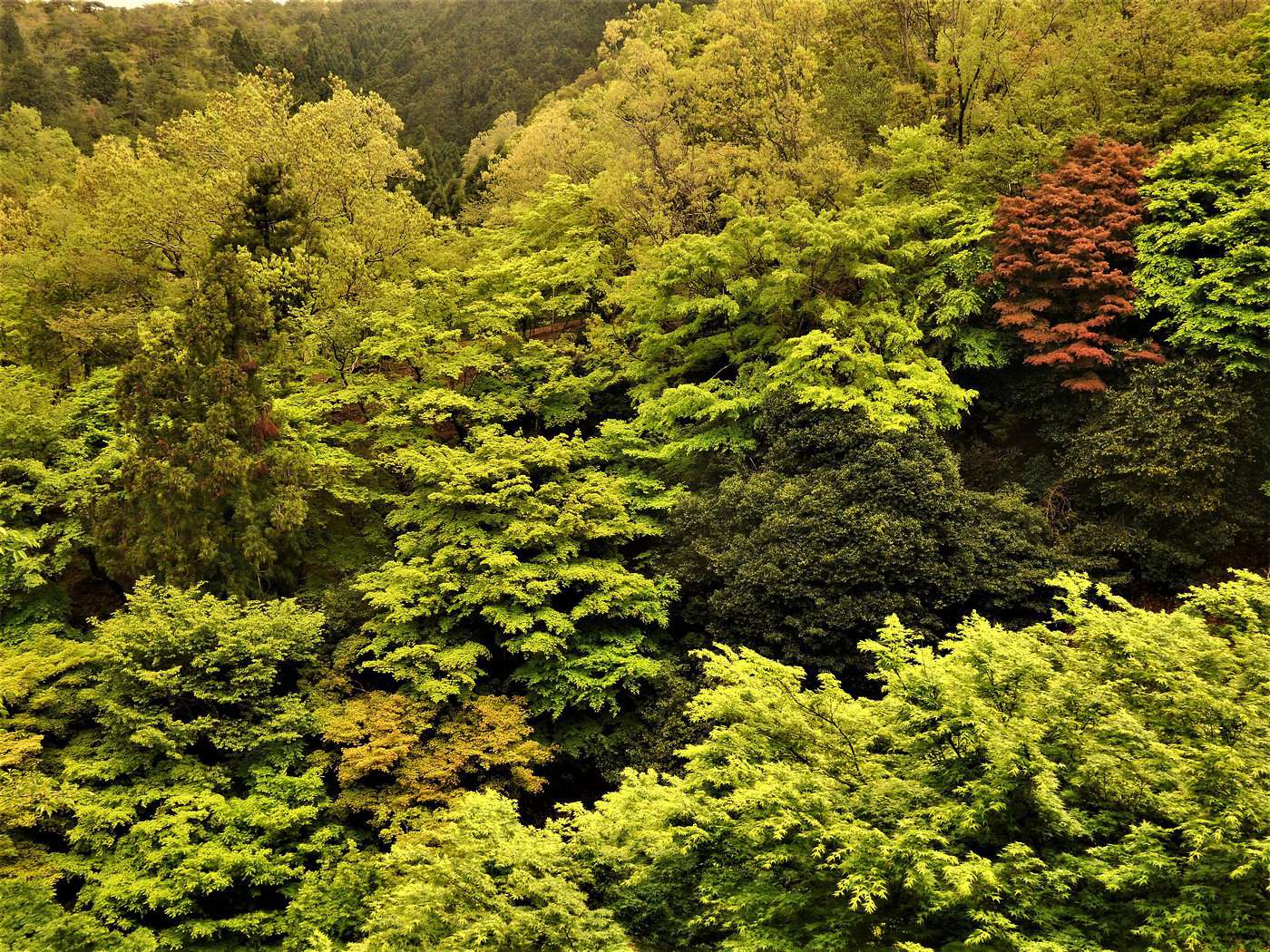
Essences
The descent back to the human world offers views of vibrant landscapes, which must be unforgettable in early autumn.
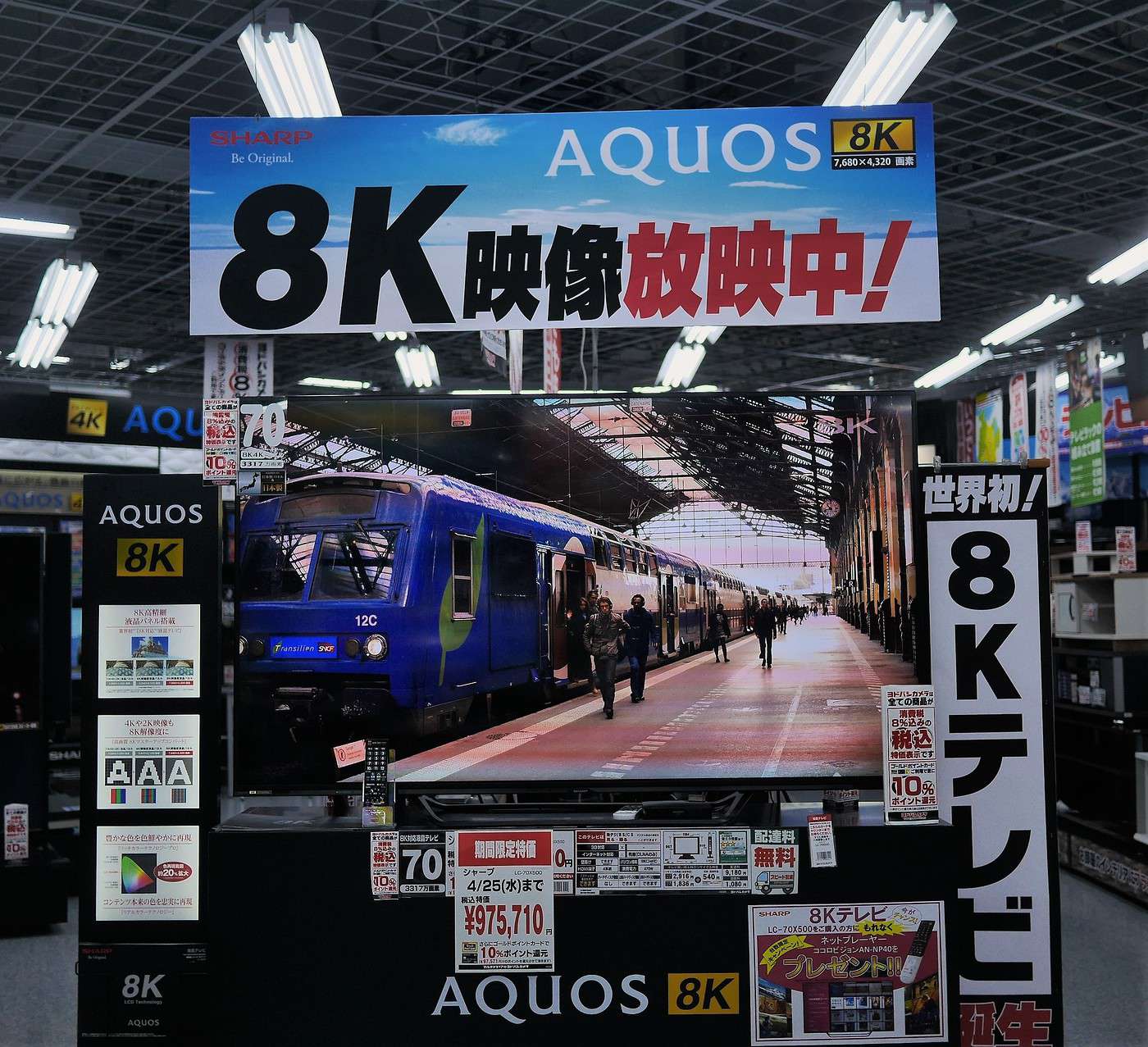
Before leaving Kyoto, a quick visit to the Yodobashi department store near the station. Electronics, household goods, and smart gadgets. A giant TV screen shows images of France, featuring a report on our dear old Transilien—probably the last thing you’d expect to see in a country so proud of its punctual transport. But I guess it’s exotic here.
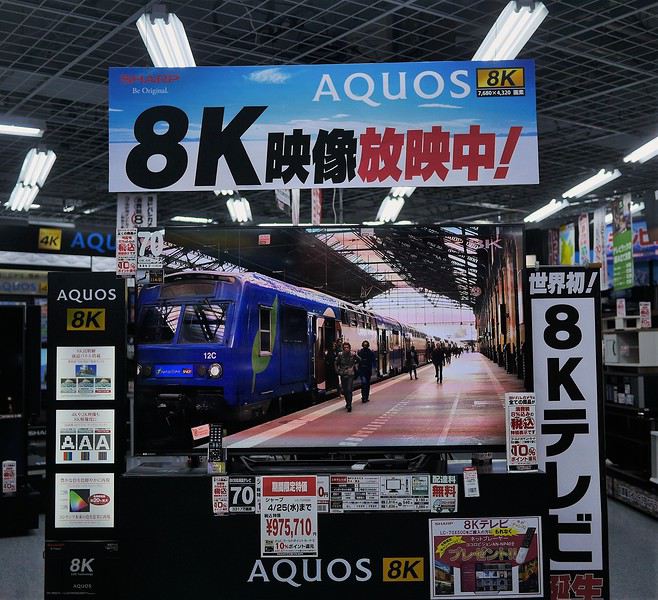
An 8K TV to watch the Transilien
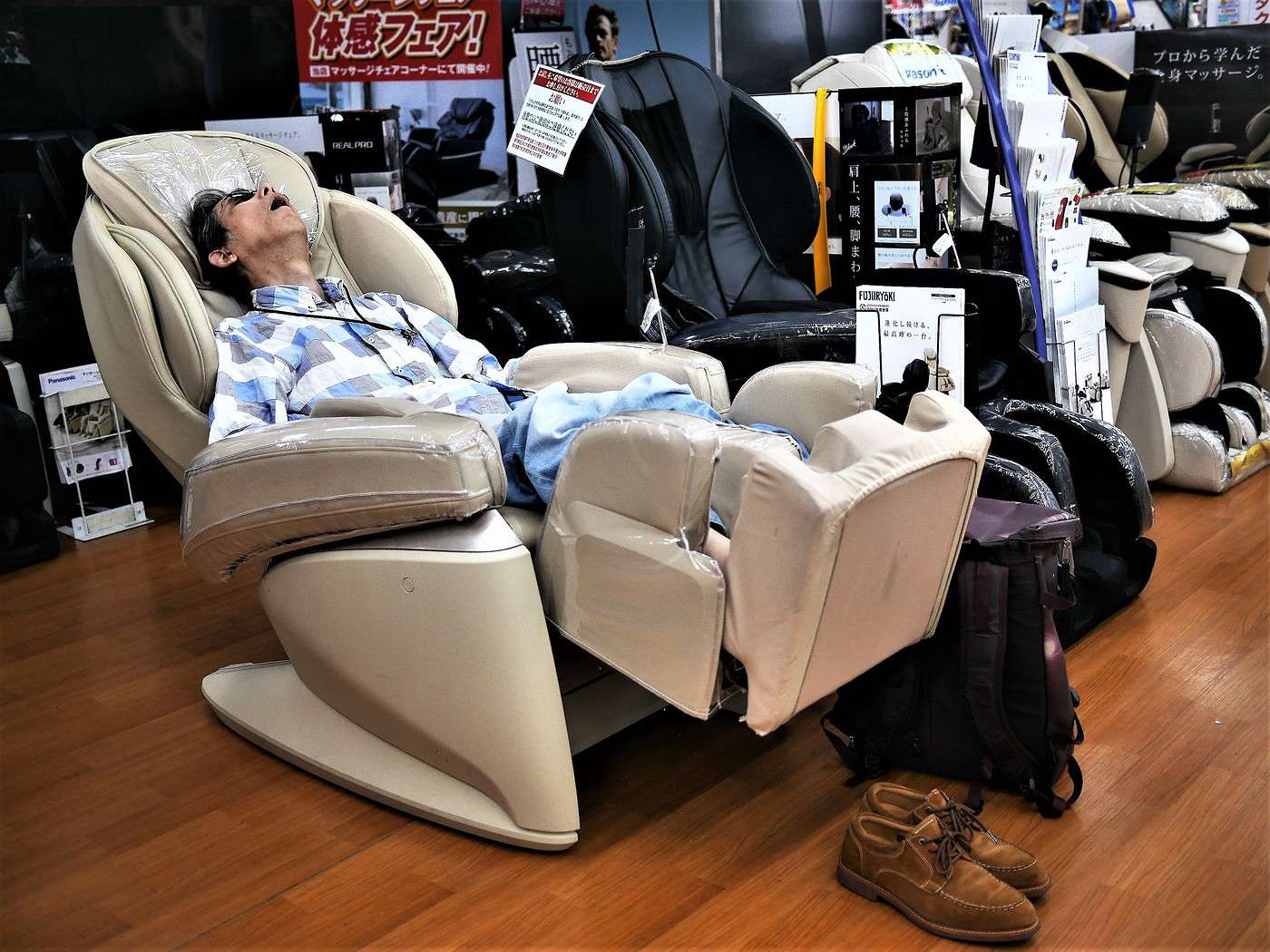
Nearby, a super-comfortable anti-stress bed seems to deliver on its promise, judging by the blissful sleep of a customer who came just to try it out.
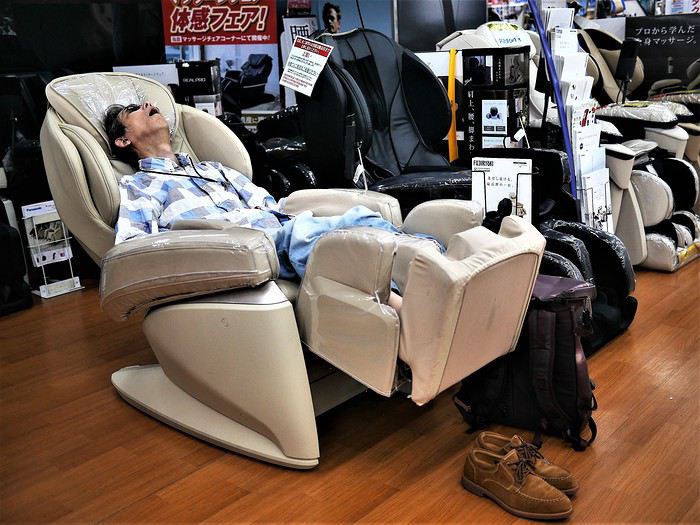
Trial in progress
I tiptoe out of Yodobashi, careful not to disturb this perfectly contented man’s rest.
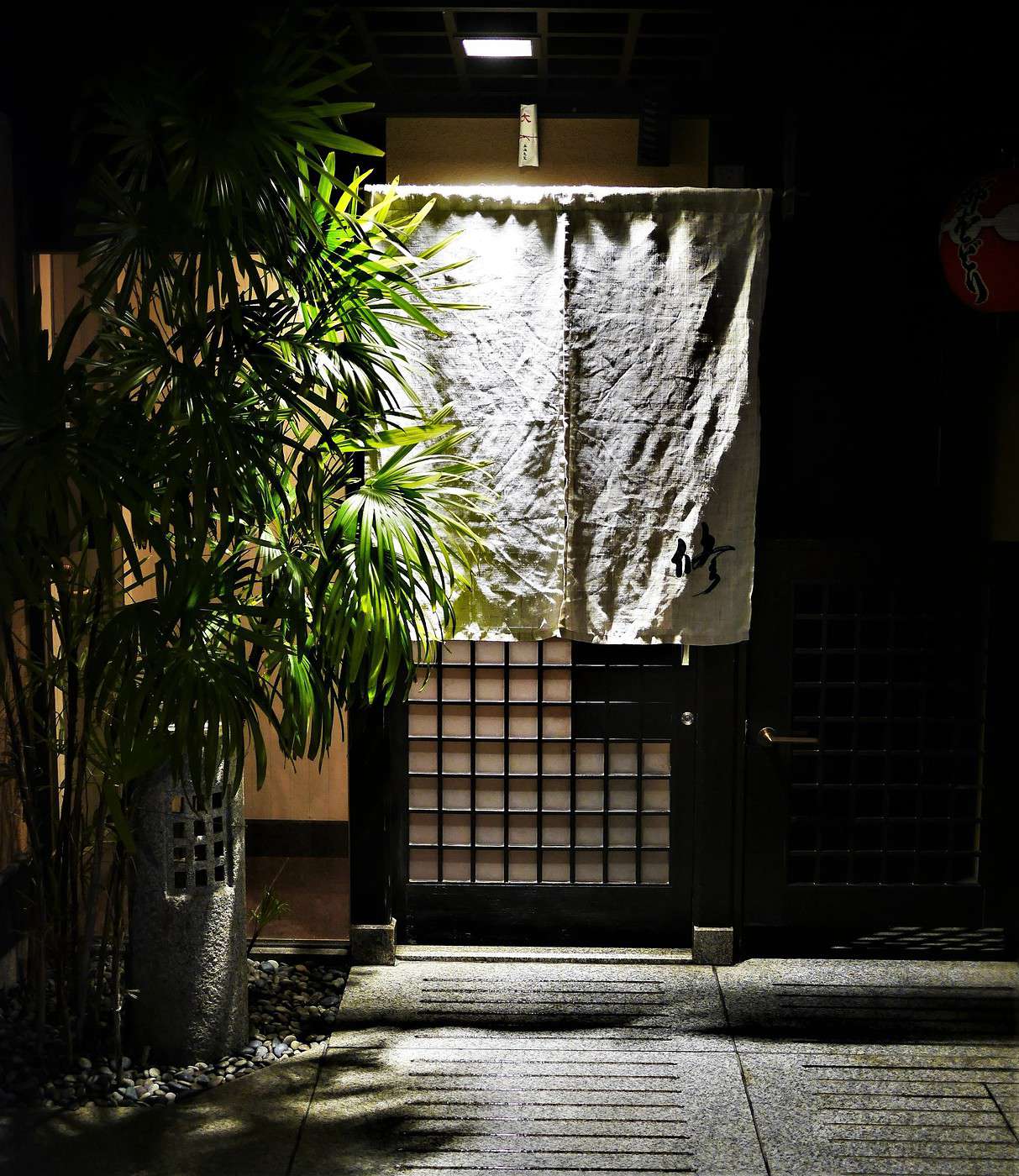
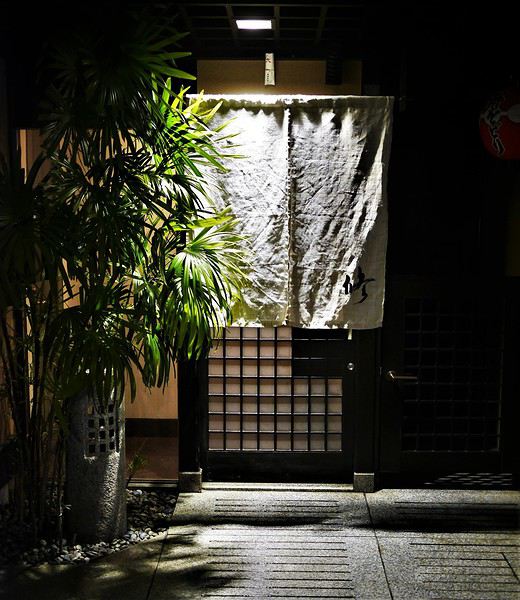 Gion at night
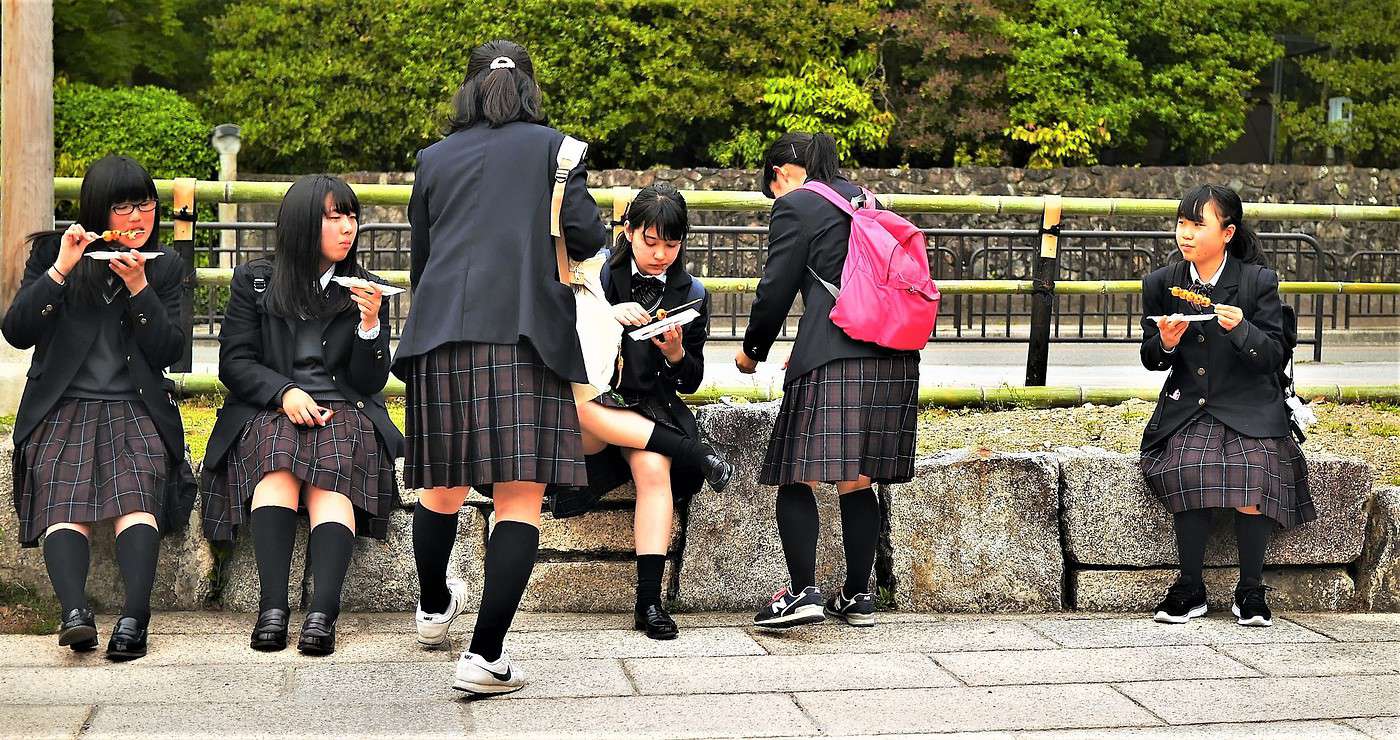
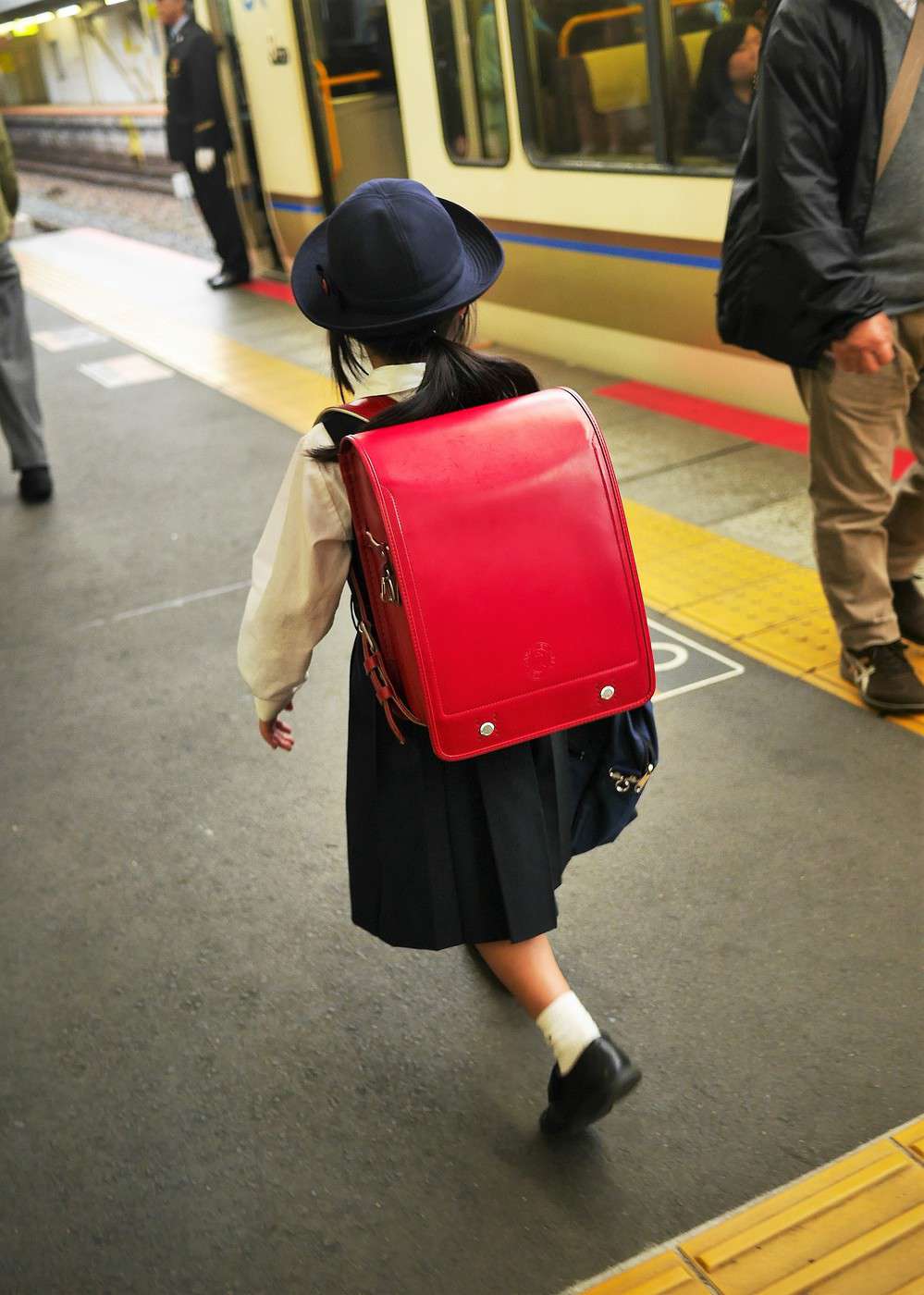
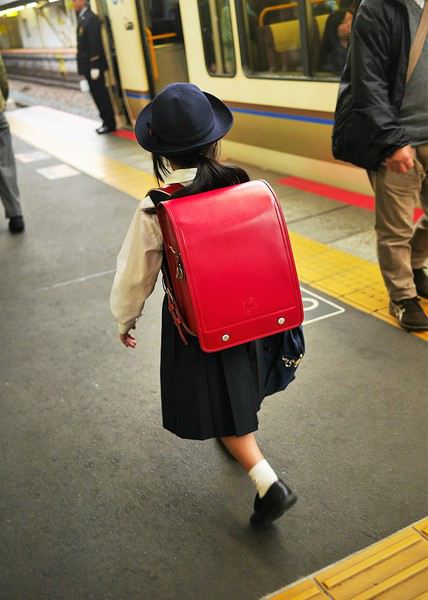 The way to school
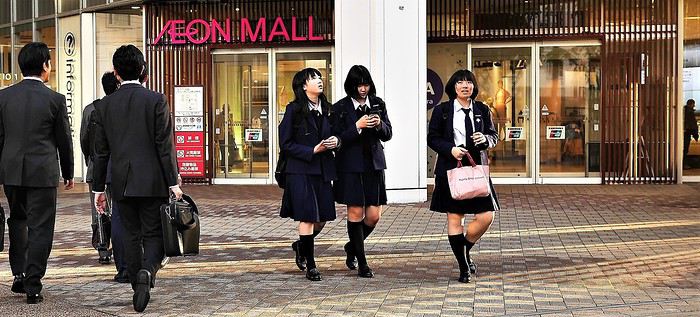 After school
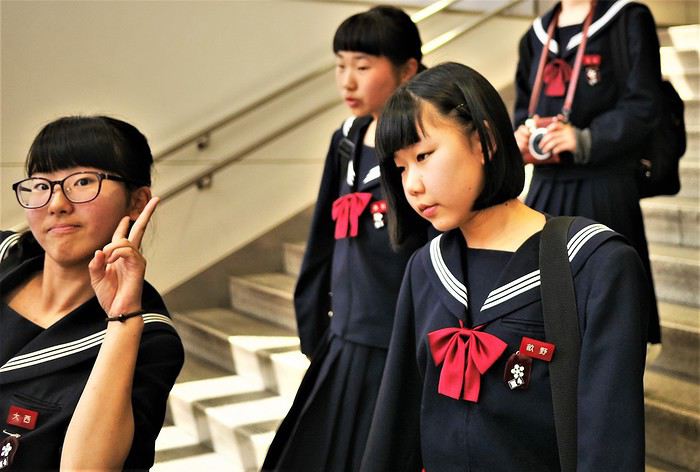 Hello Kitty !
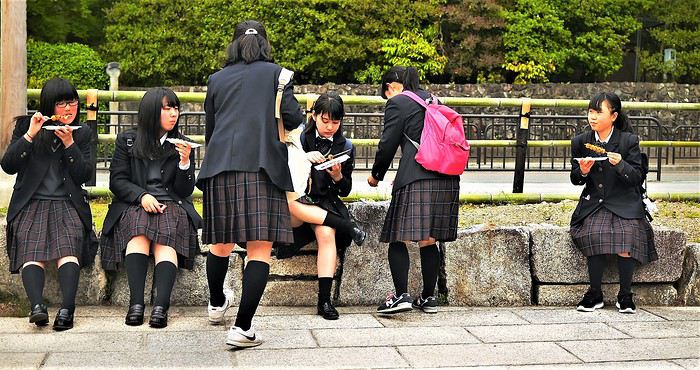 Neat rows
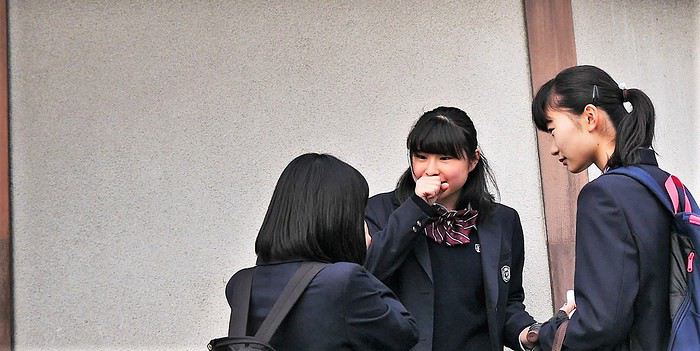 Secrets of the day
Like their elders, students often wear masks covering their mouth and nose and carry translucent umbrellas.
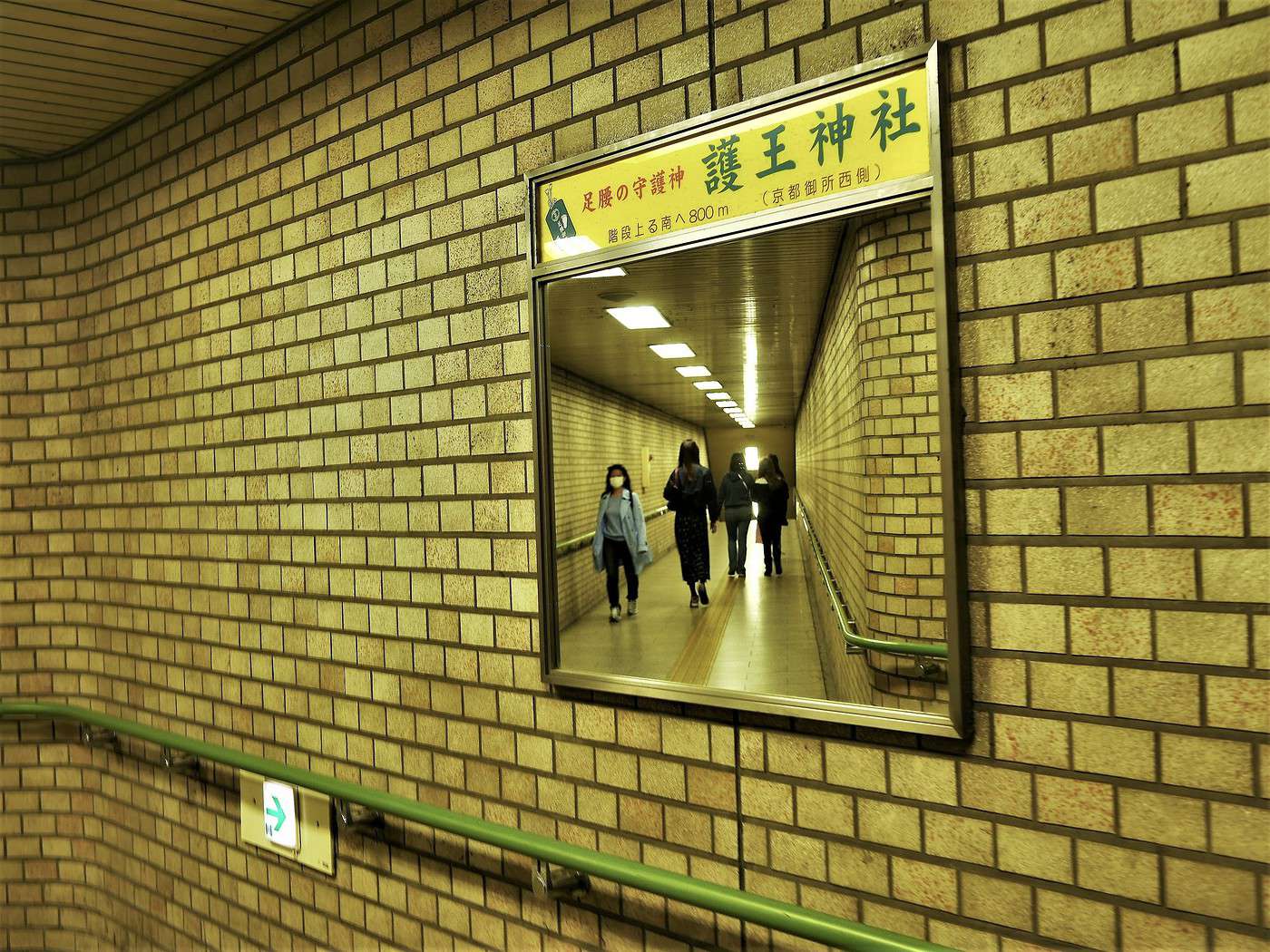
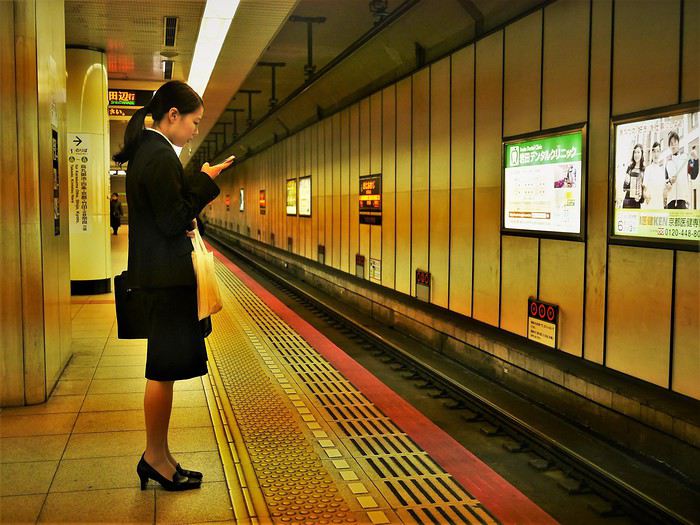 Asia in the subway
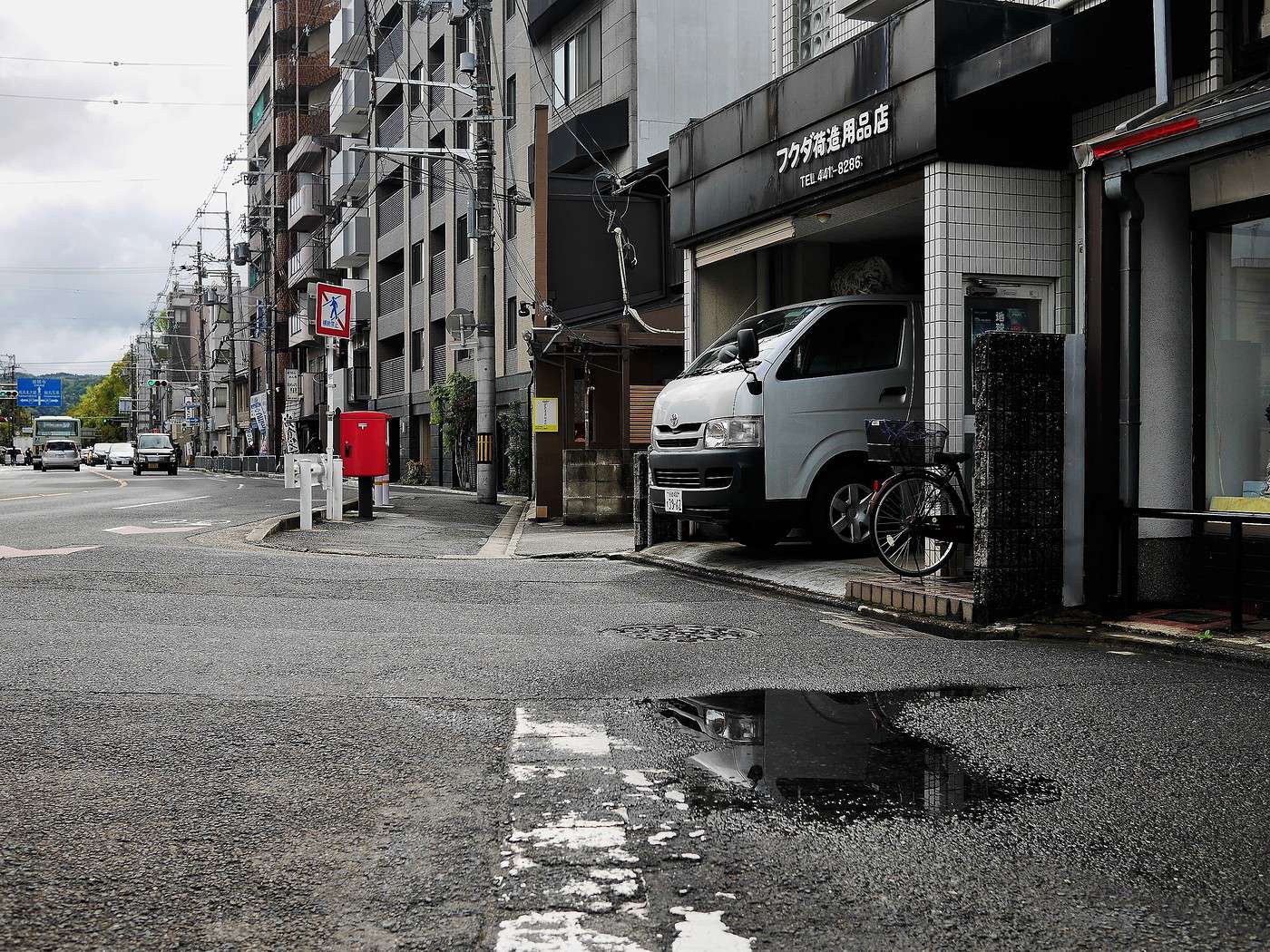
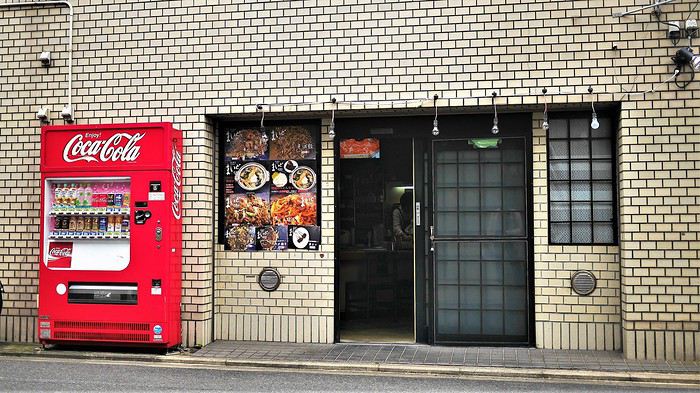 Small deliveries
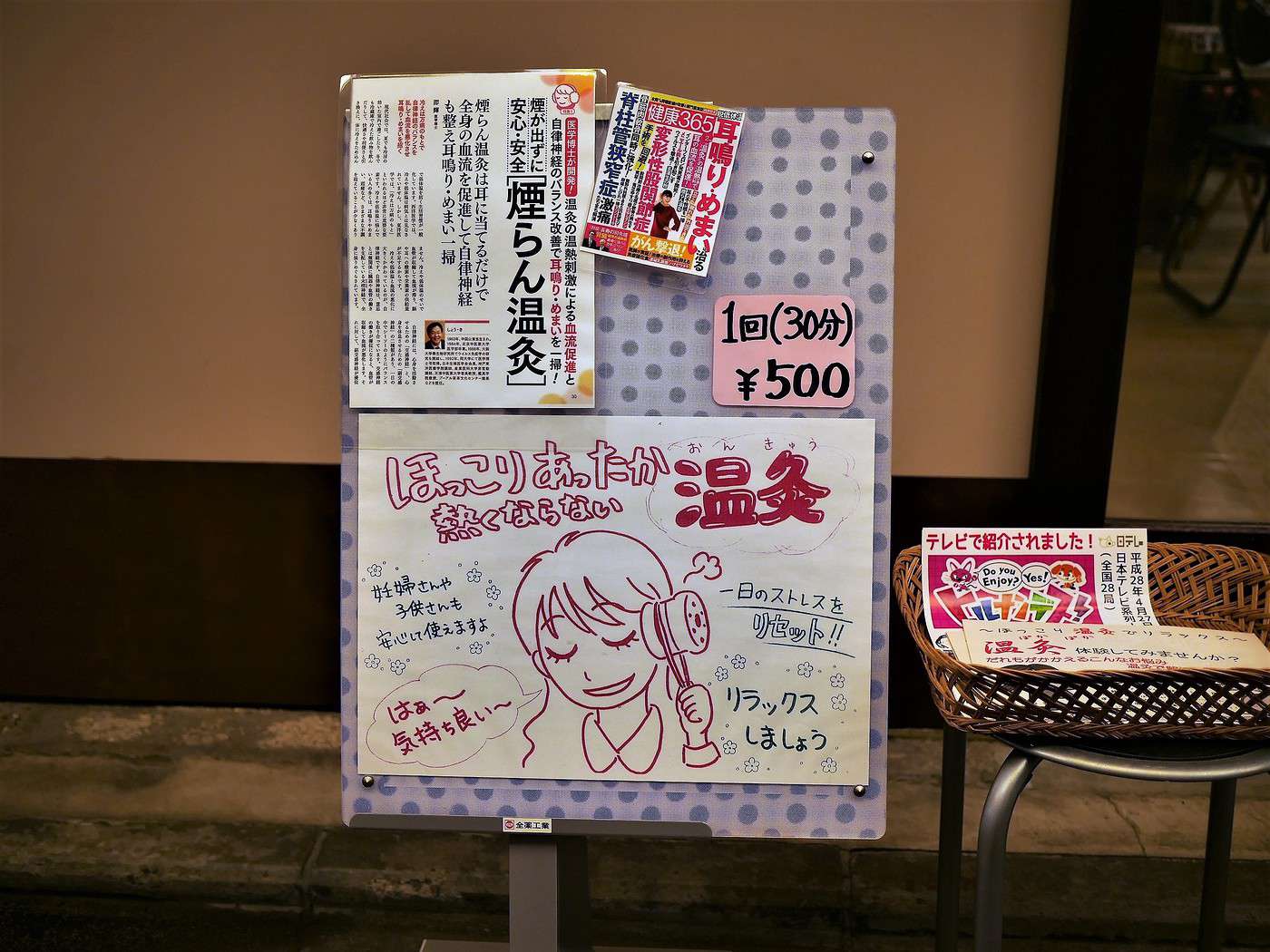
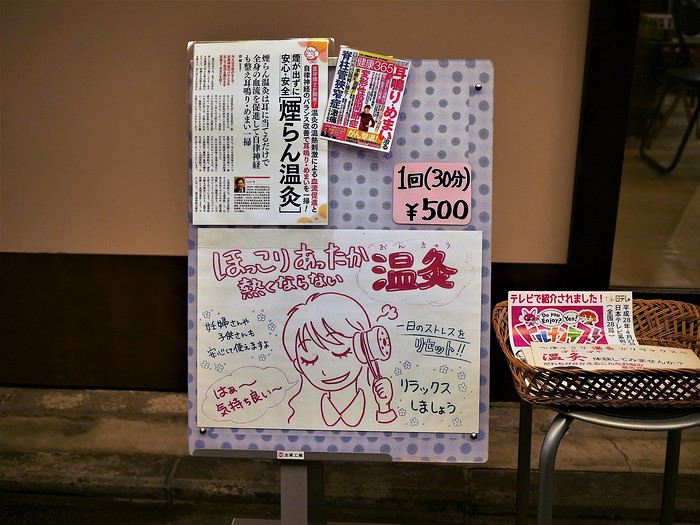 Anti-migraine?
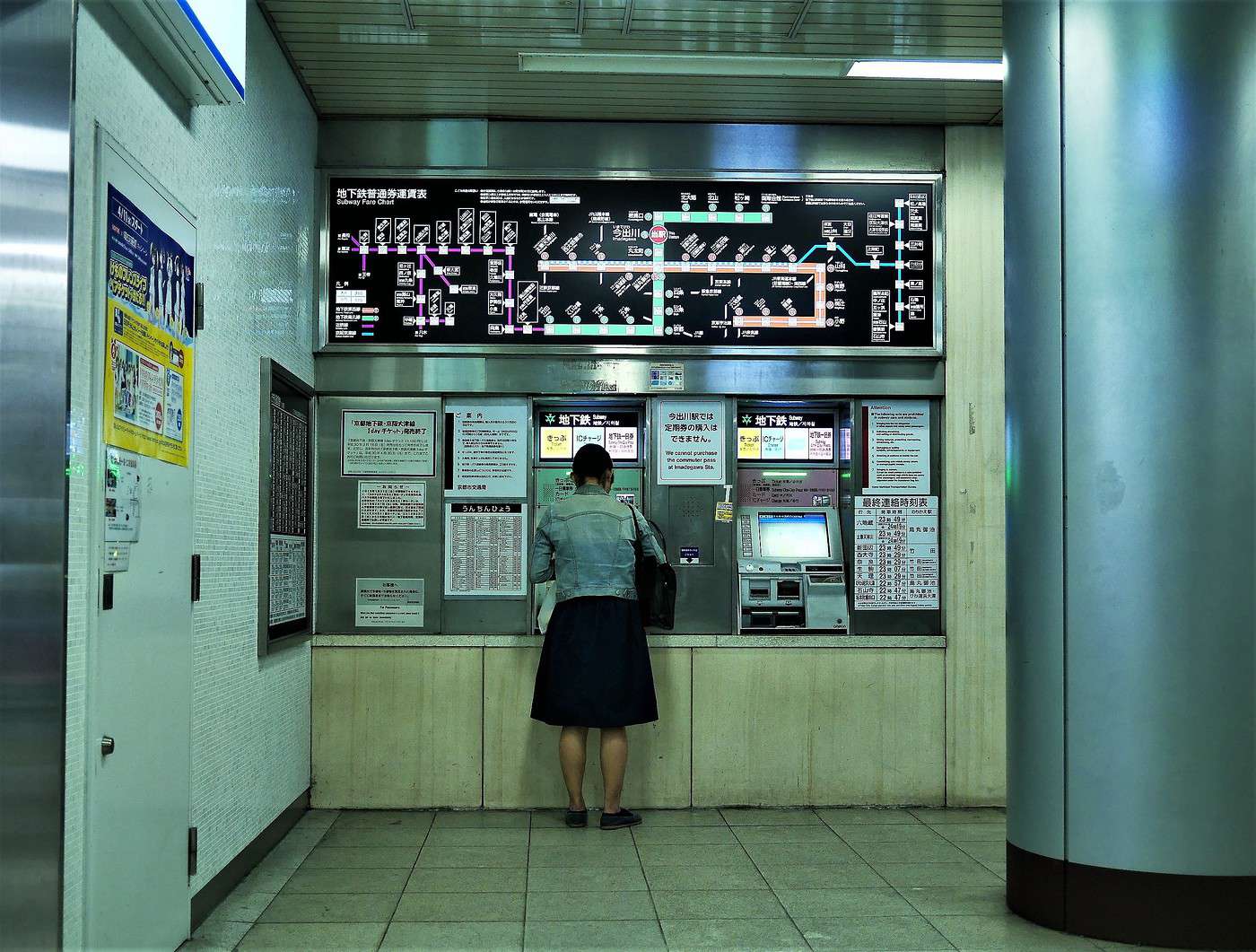
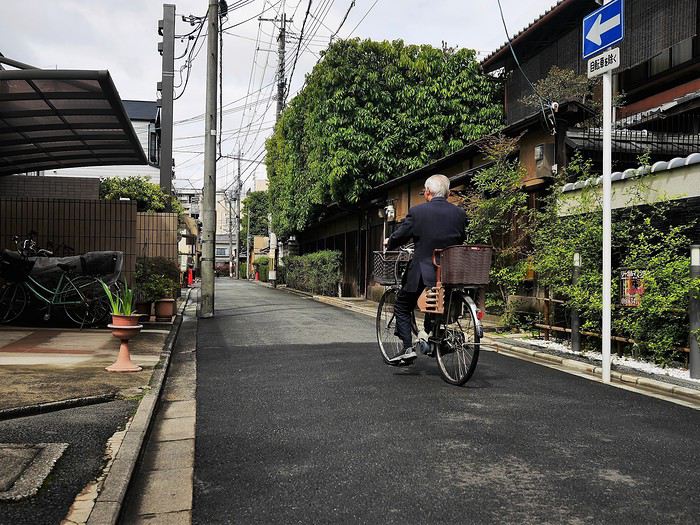 Imadegawa
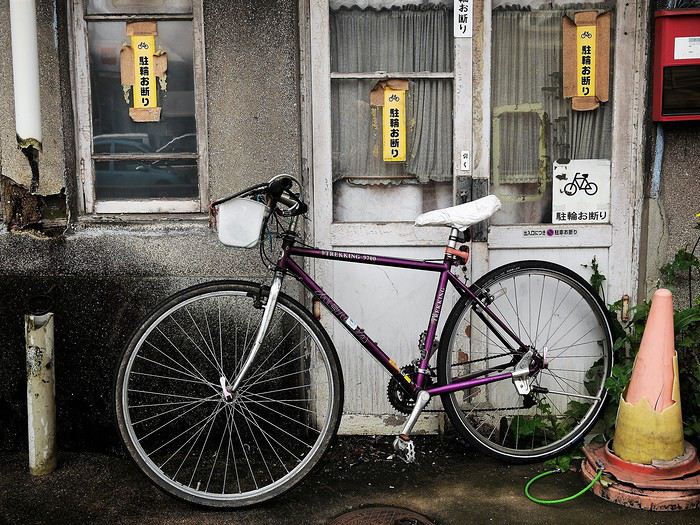
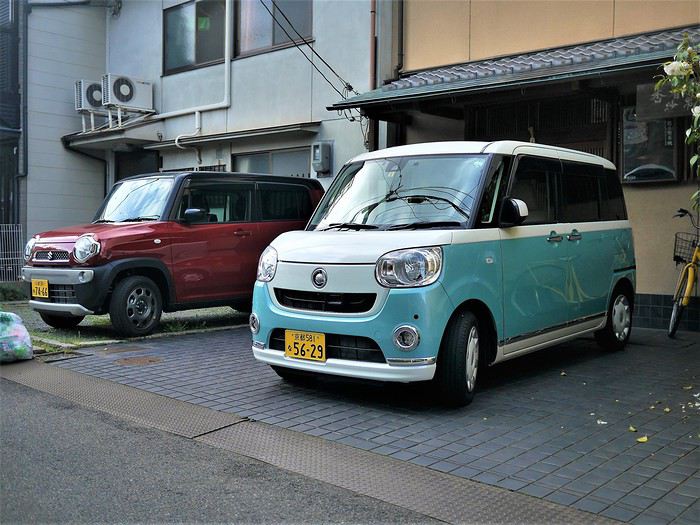 Horizontal ranking
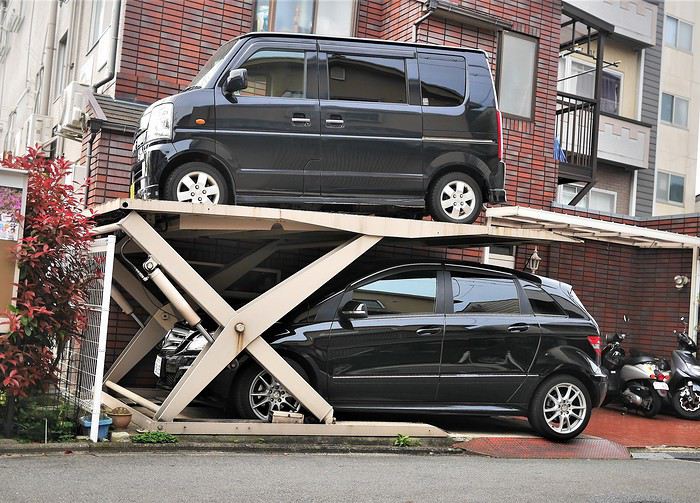 ...and vertical
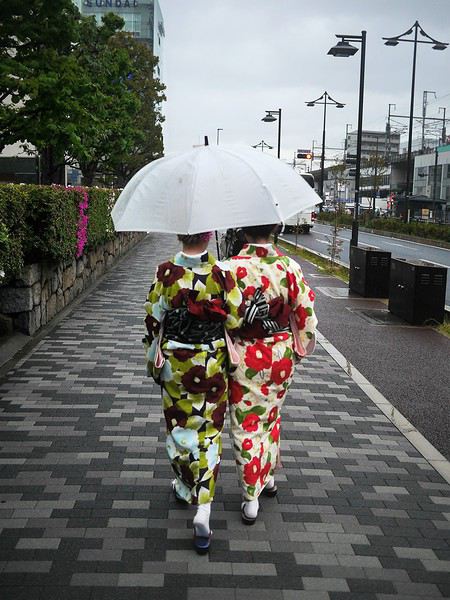 A little corner of paradise
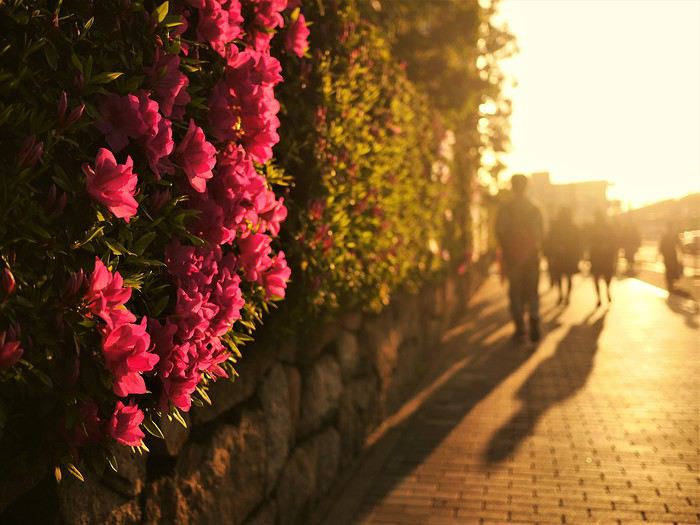 At sunset
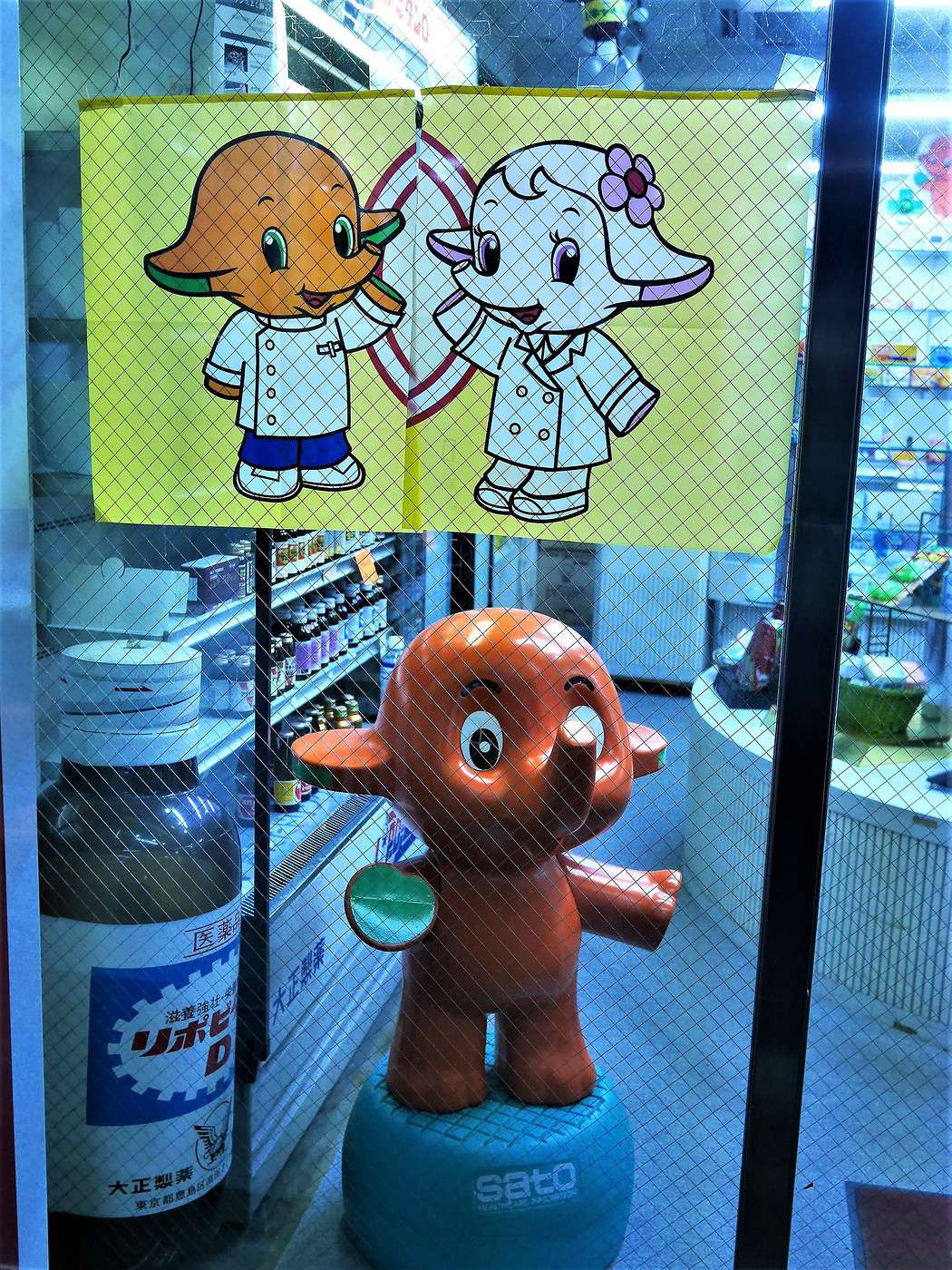
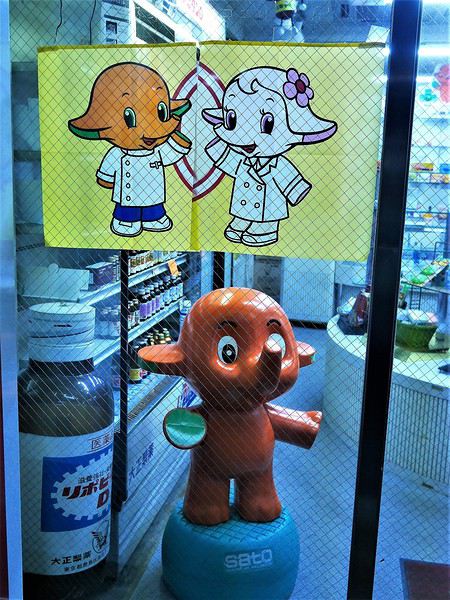 Kawaii elephants
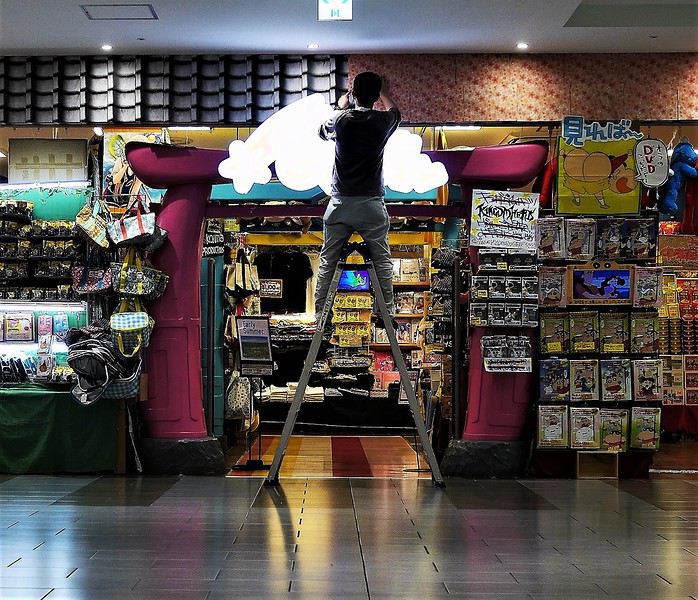 Kawaii shop
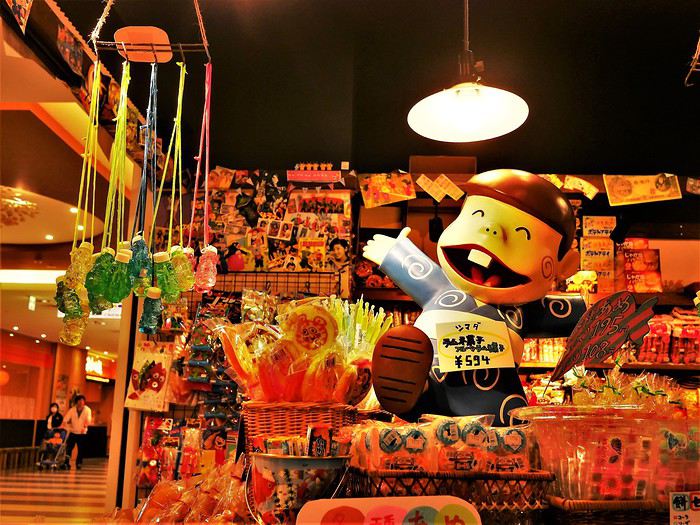 Kawaii dwarf
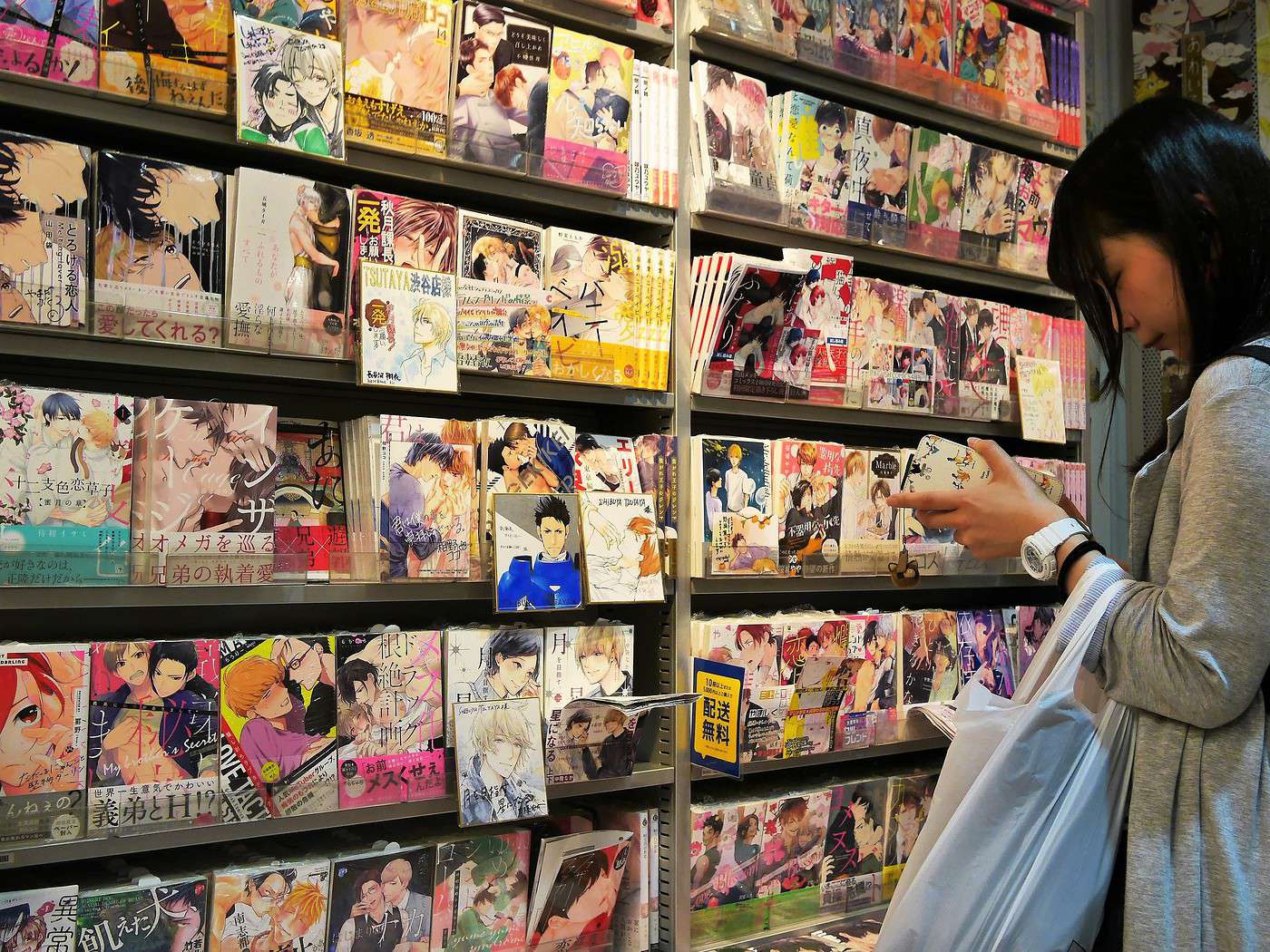
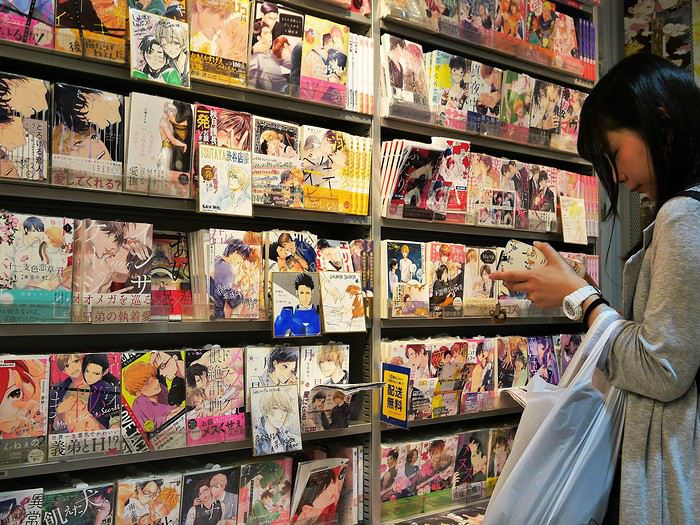 Kawaii bookstore
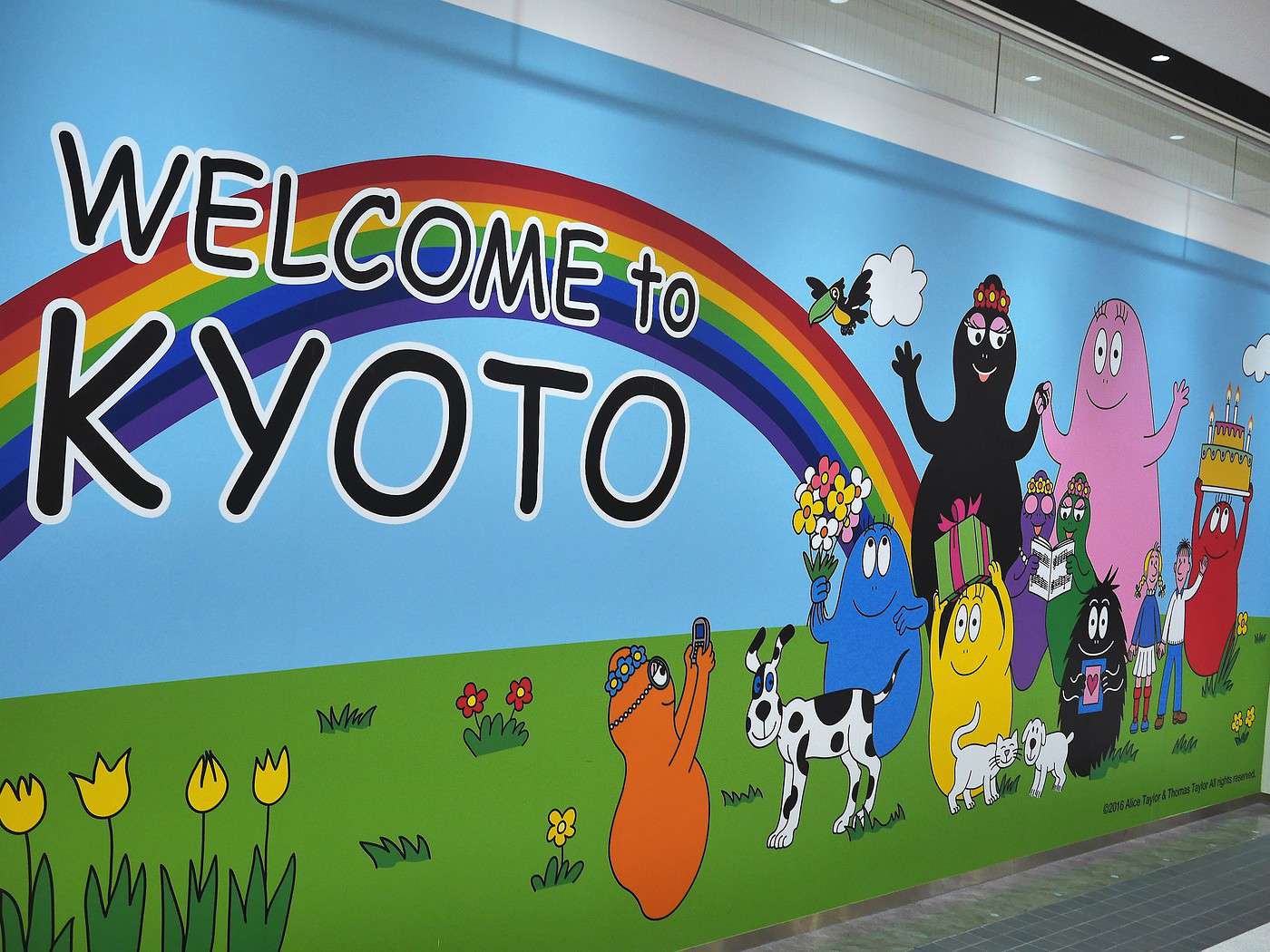
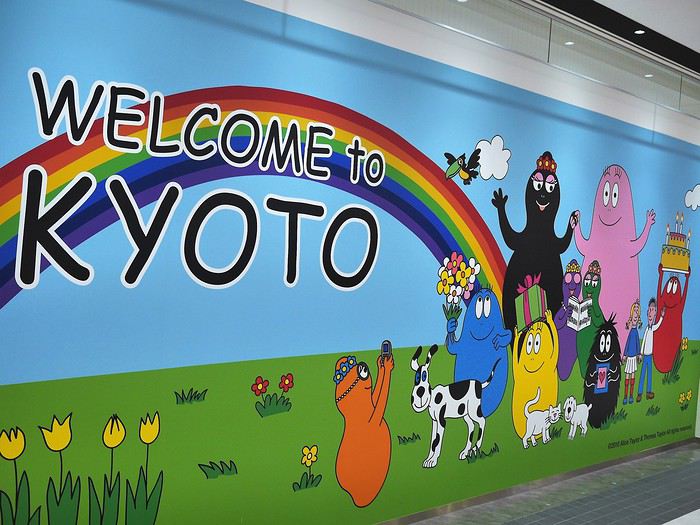 Barbapapa in the land of *Fulguropoing*
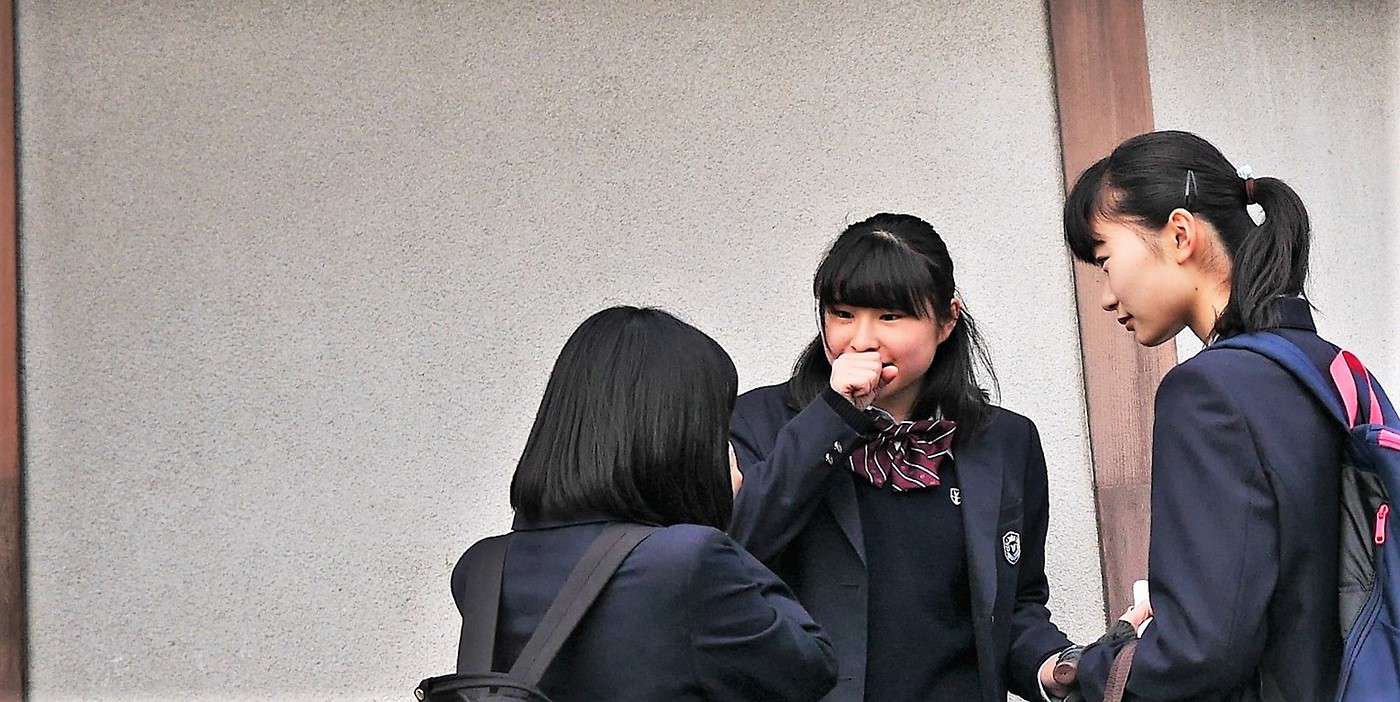
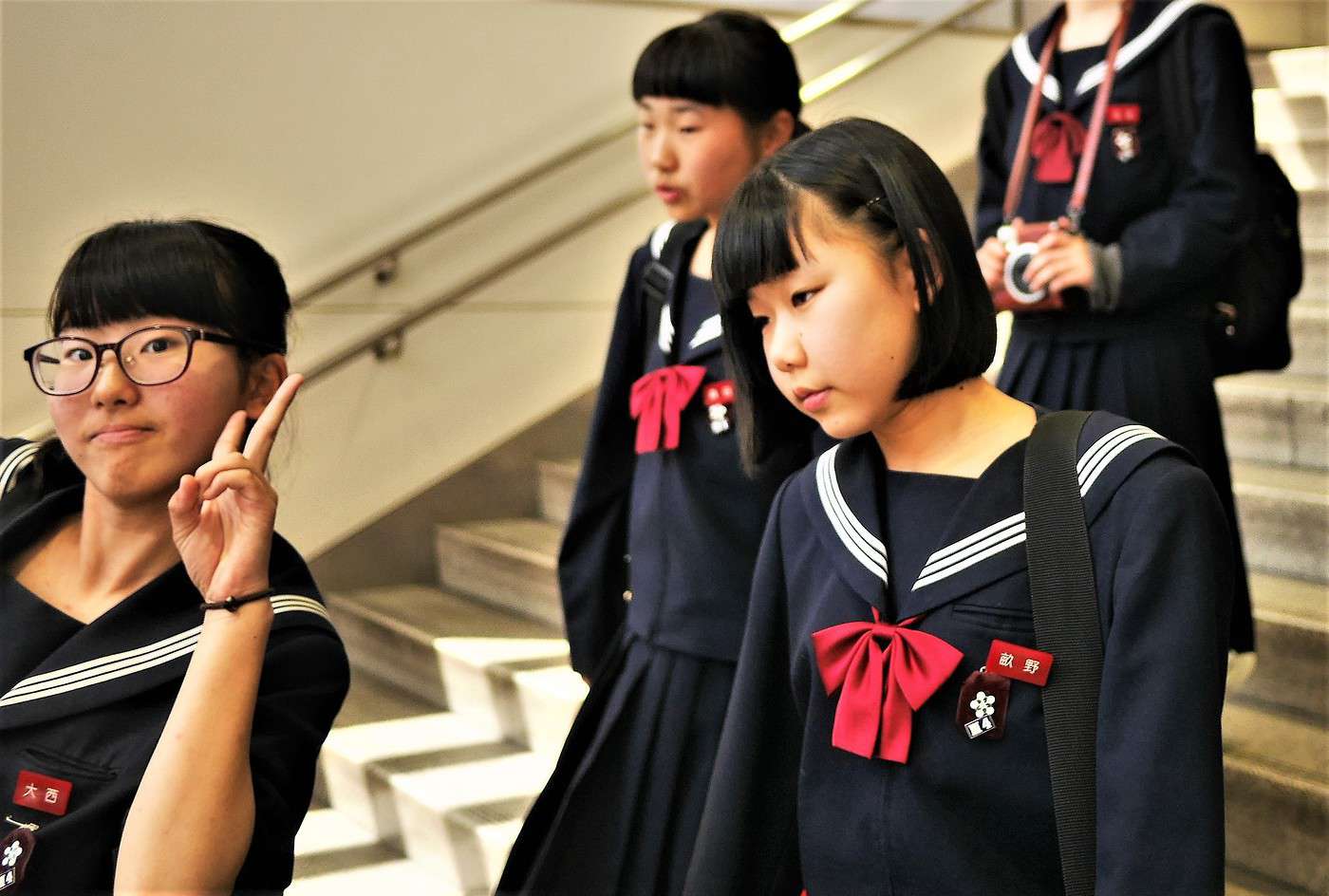
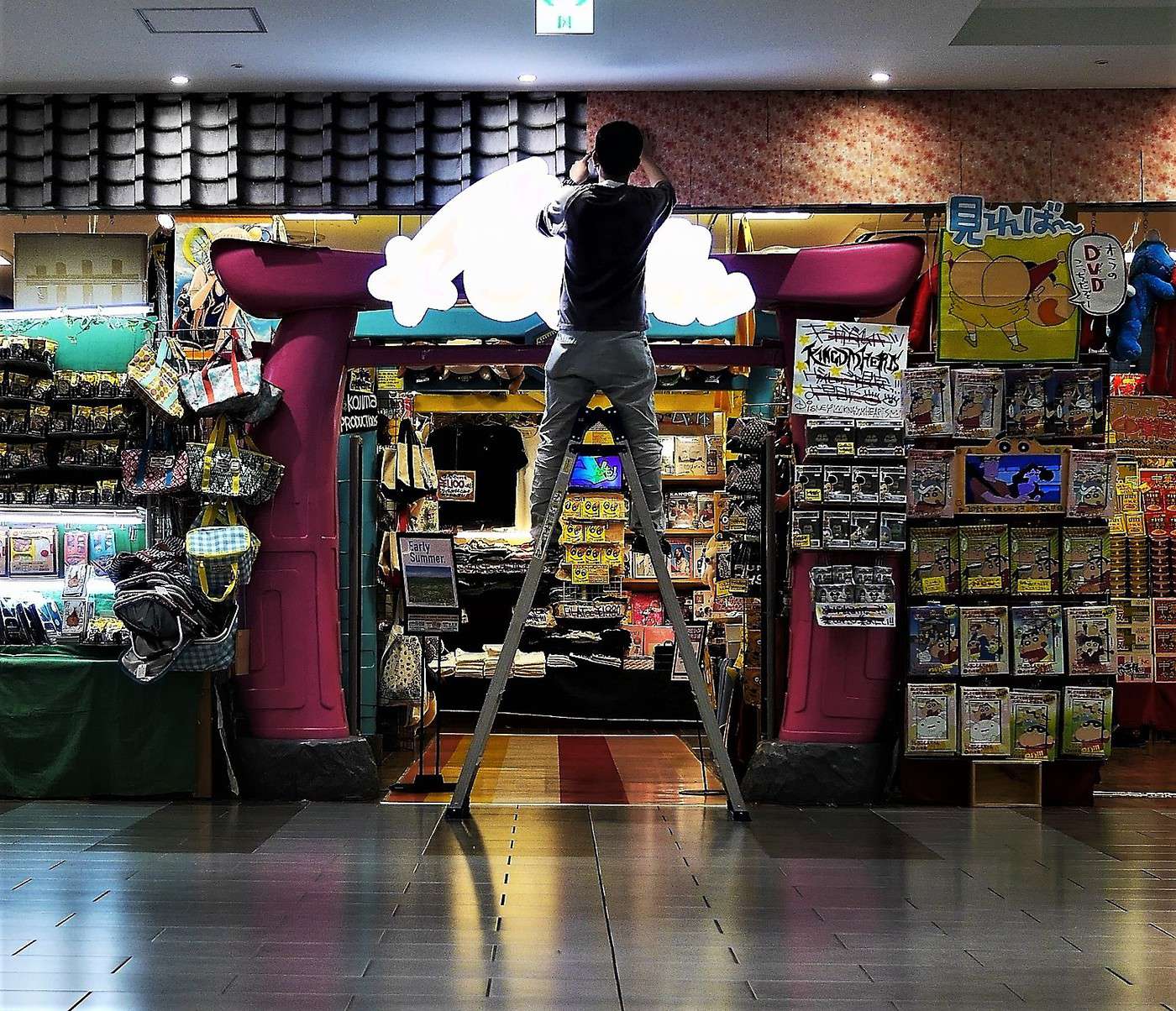
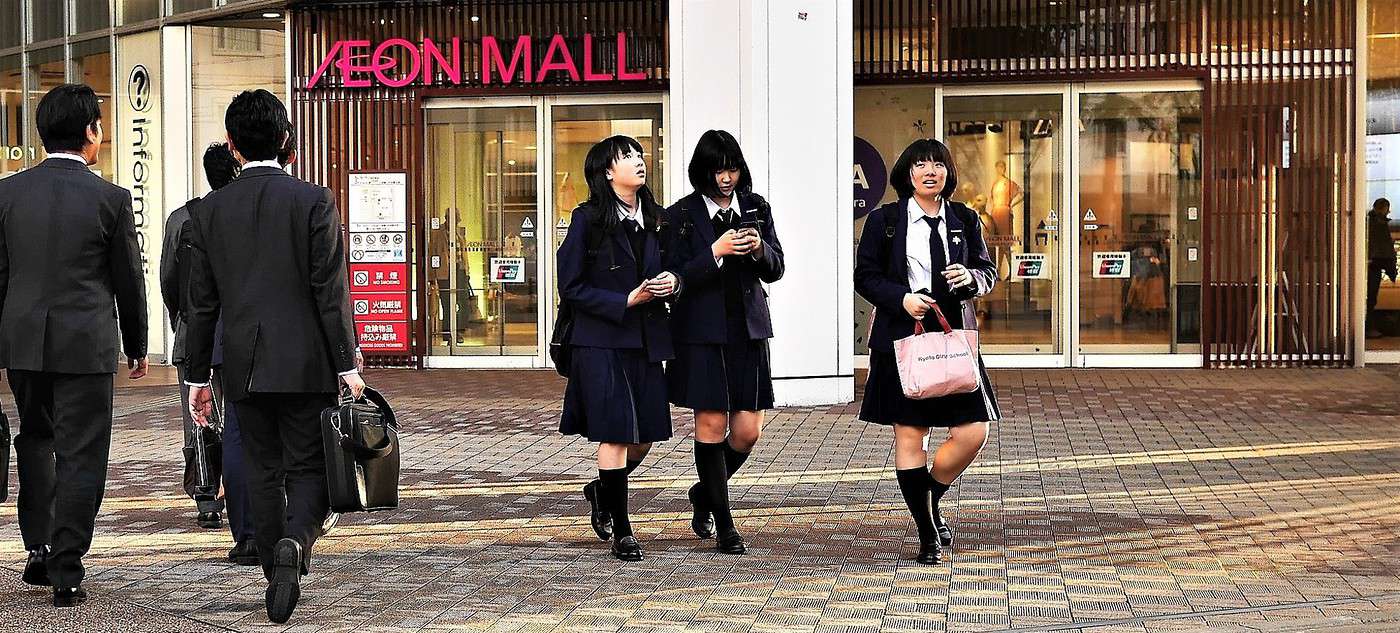
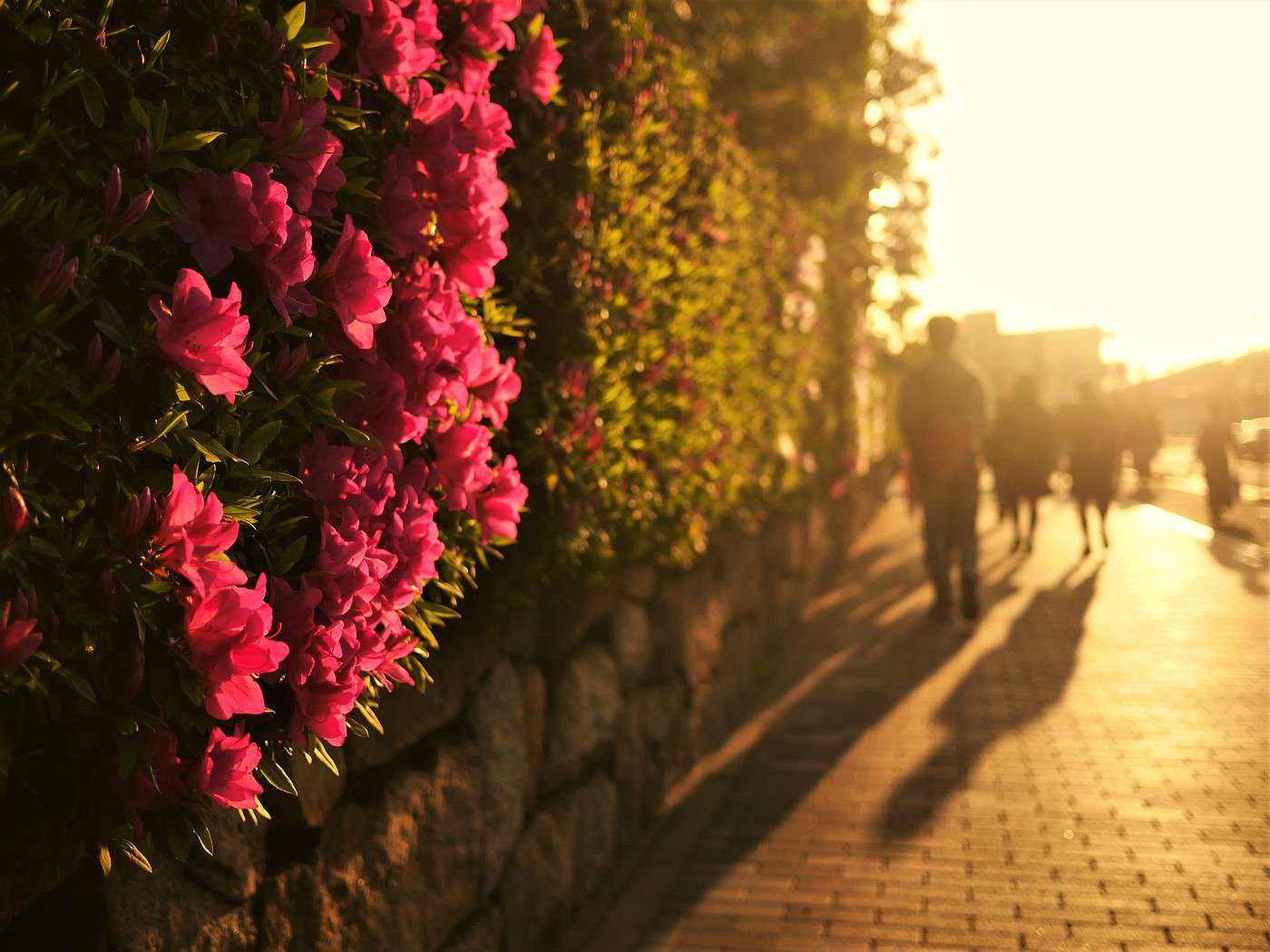
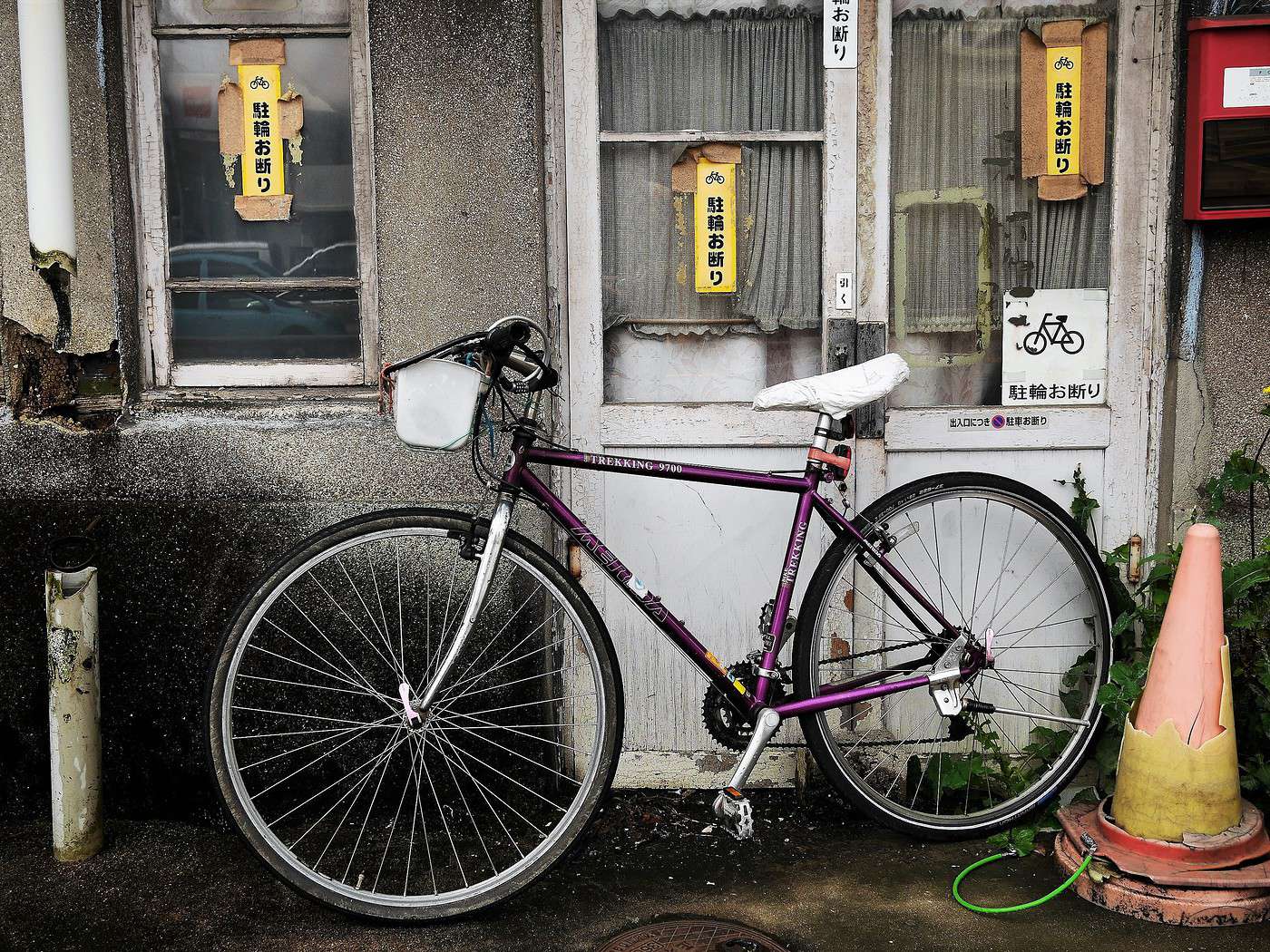
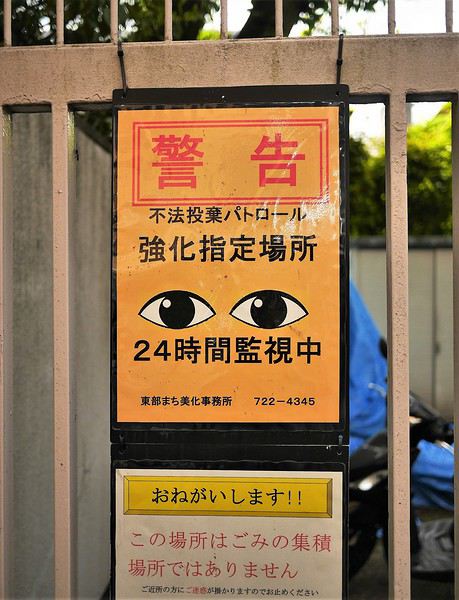 Surveillance?
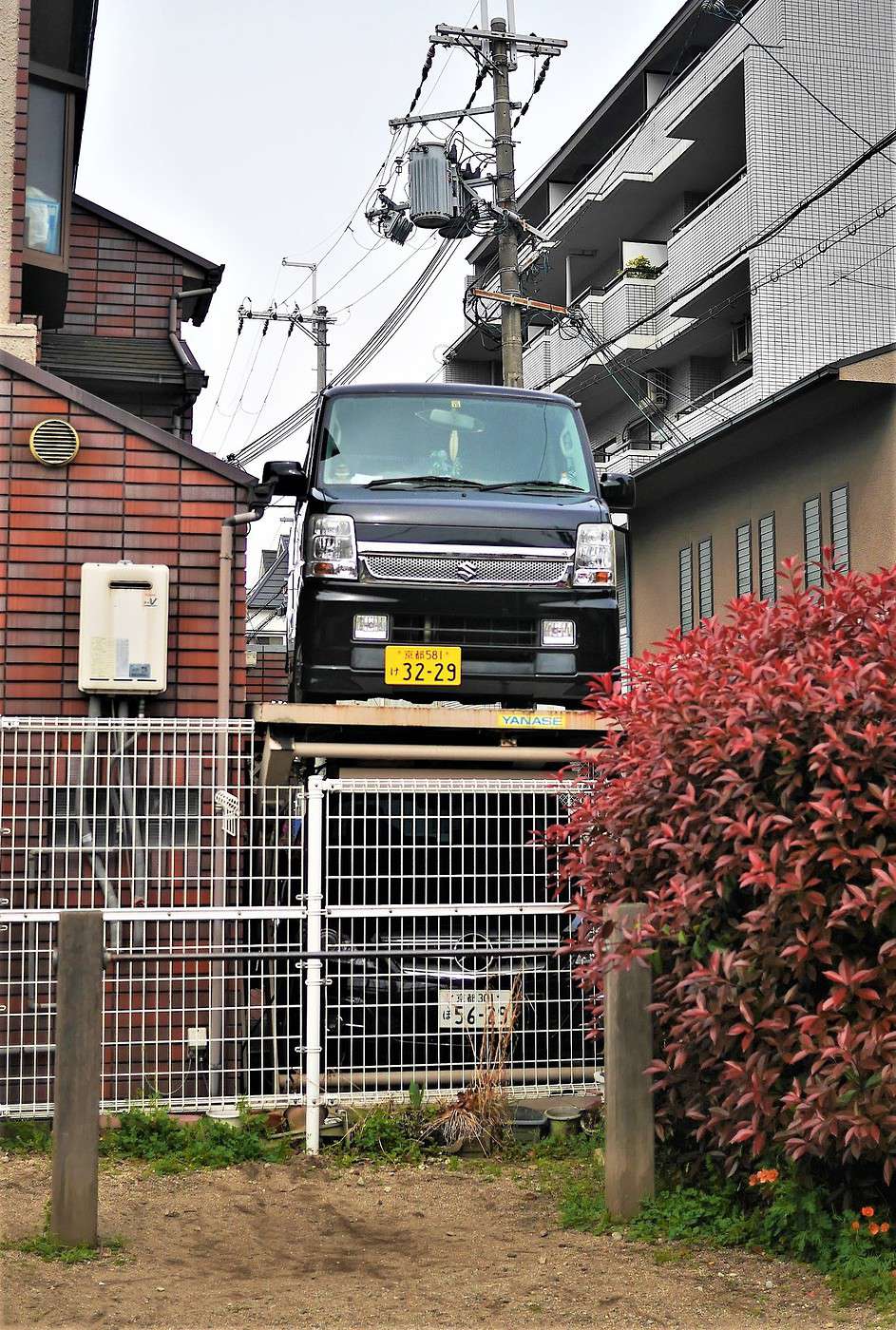
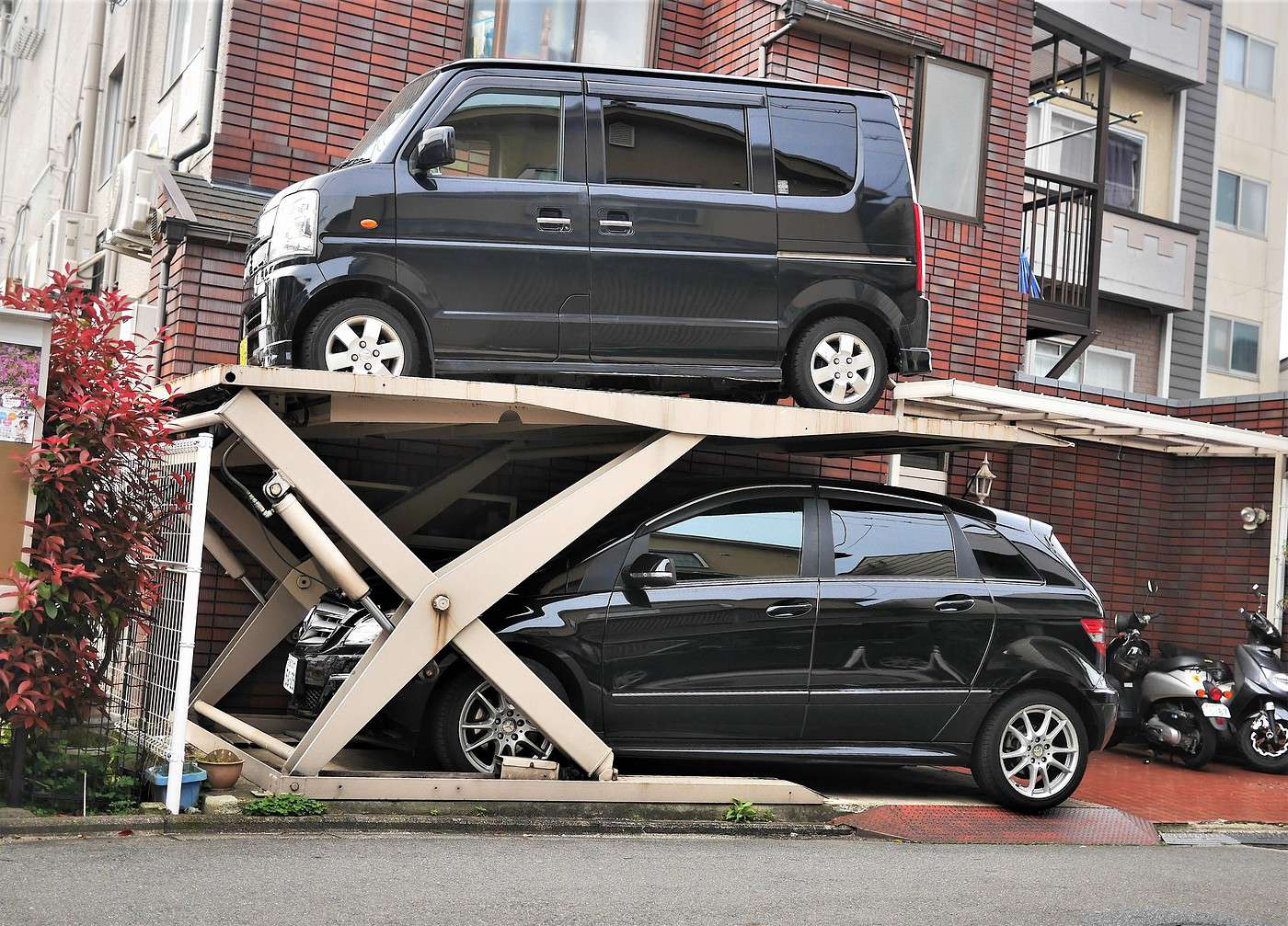
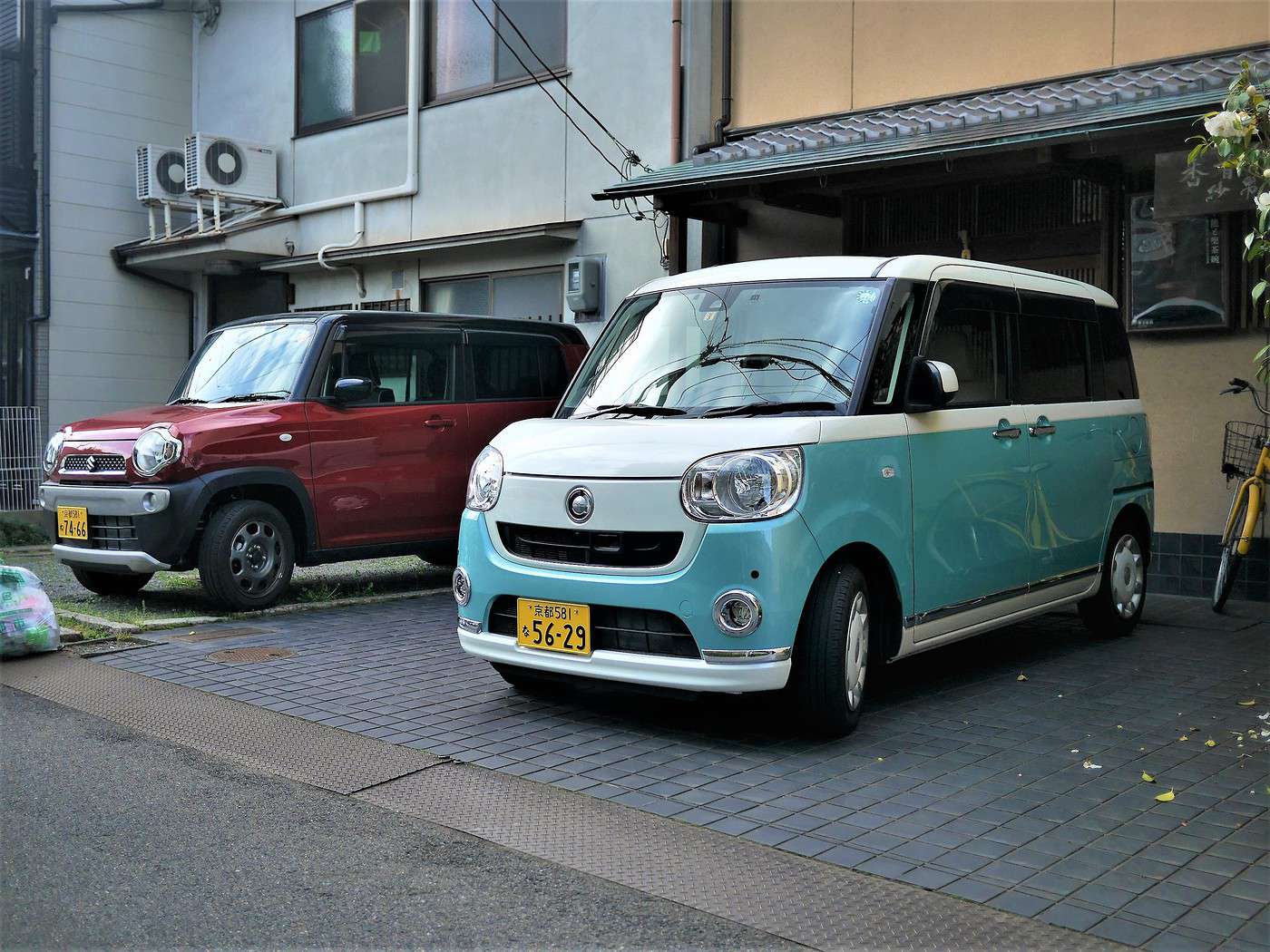
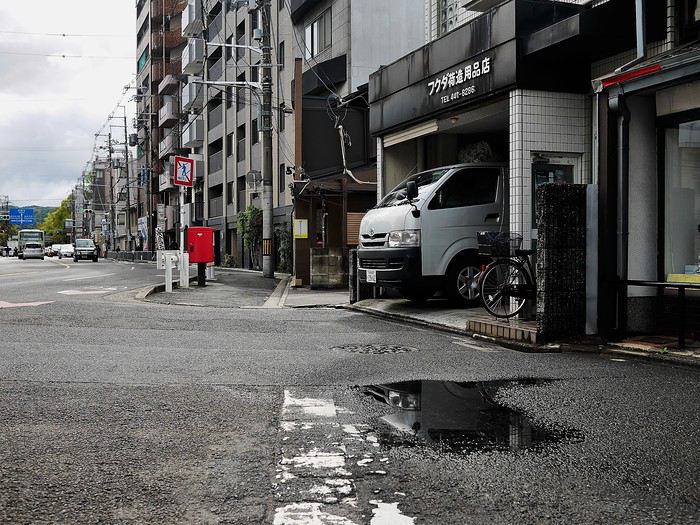 More of those cubic vehicles
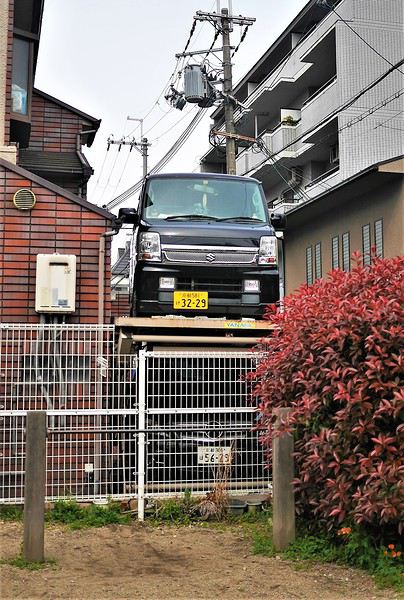 sometimes perched high up
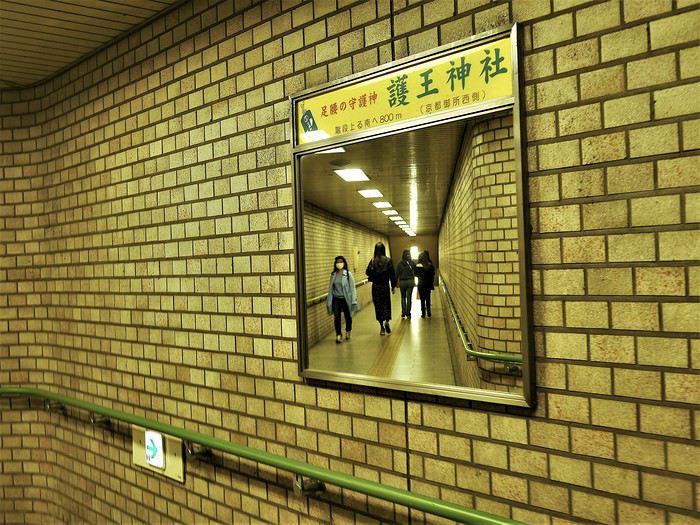 Taking the subway
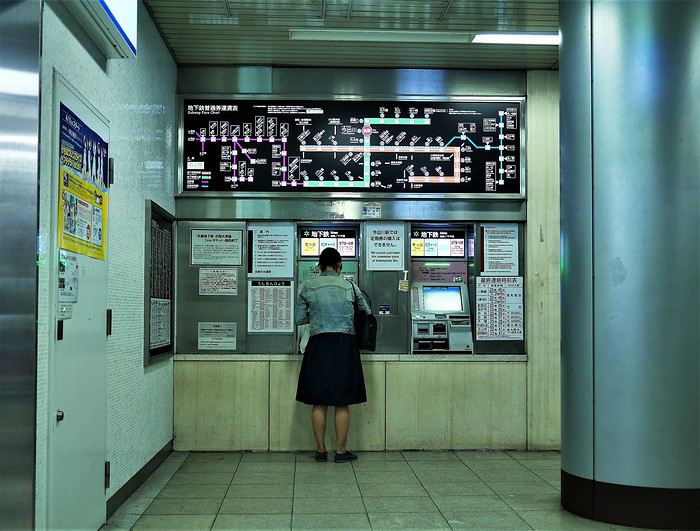 Recharging Suica
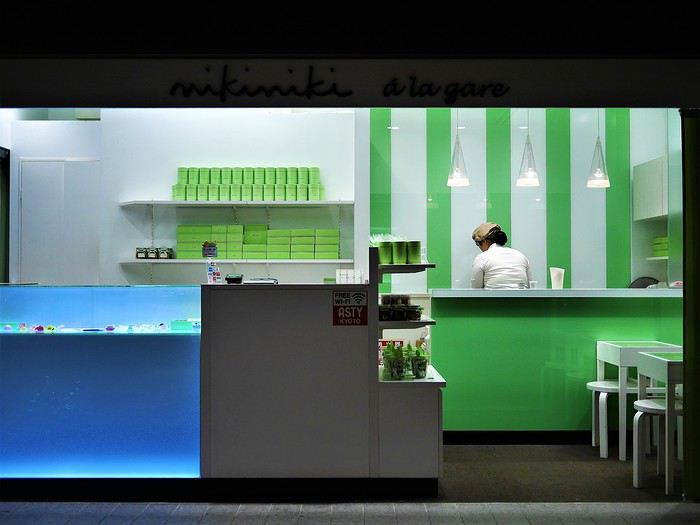 Underground shop
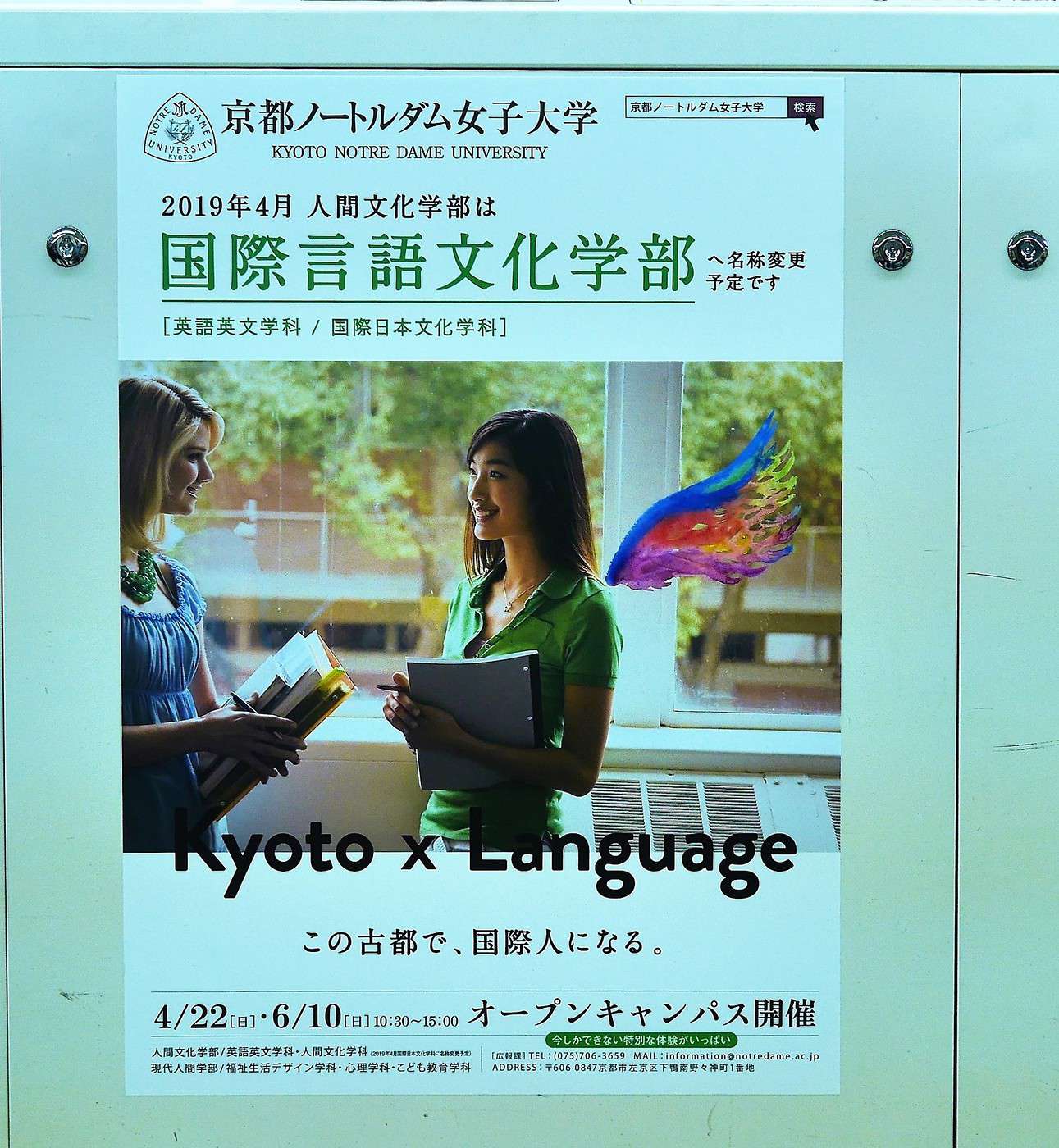
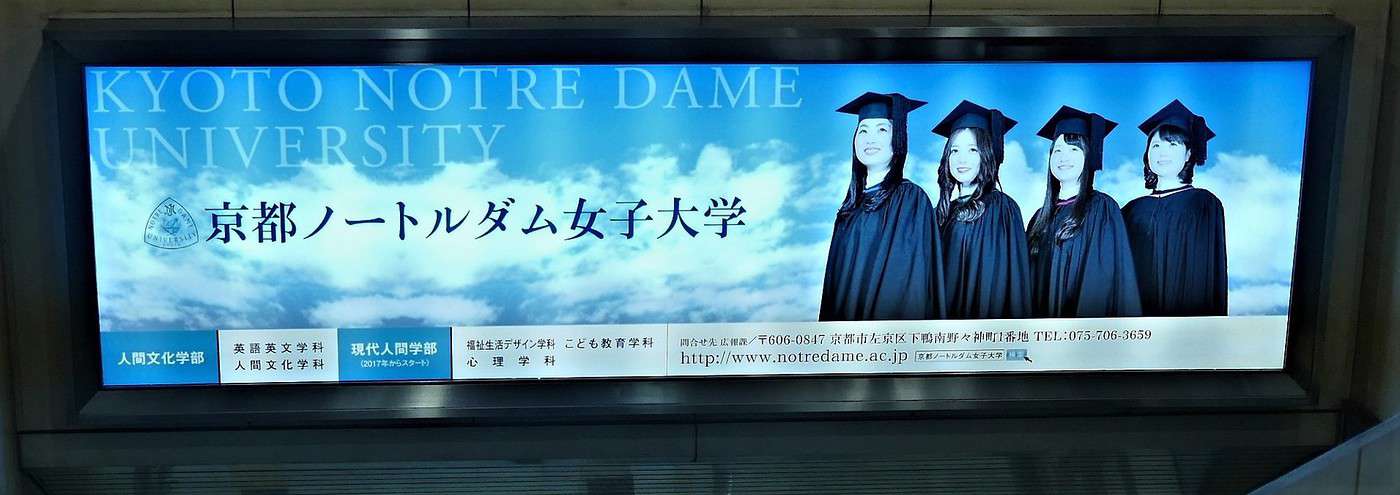
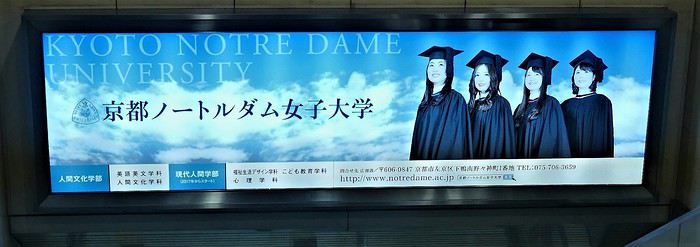 Ad... Catholic?
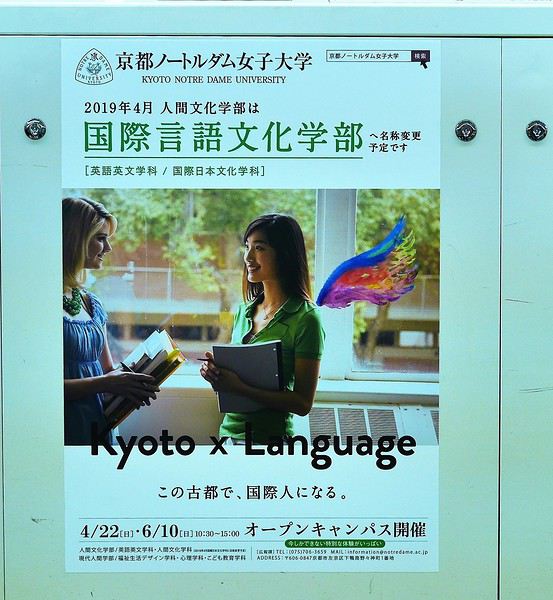 And an angel at school?
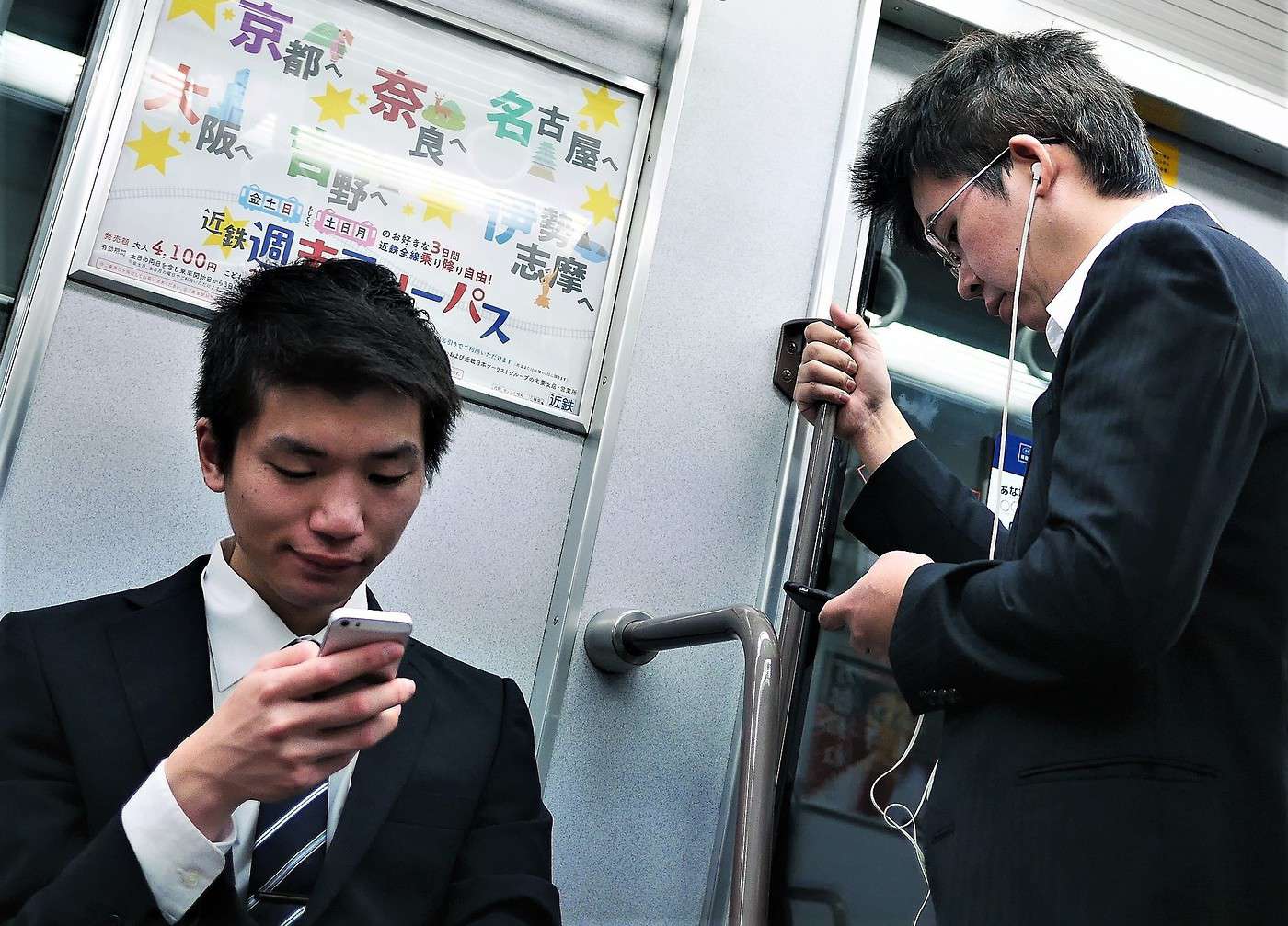
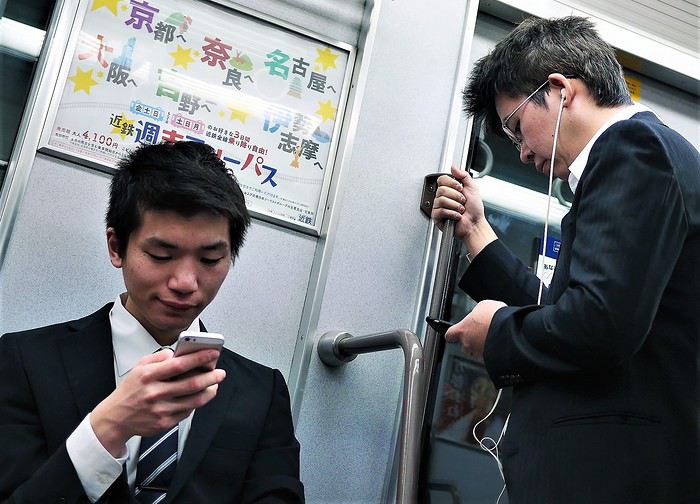 Passengers
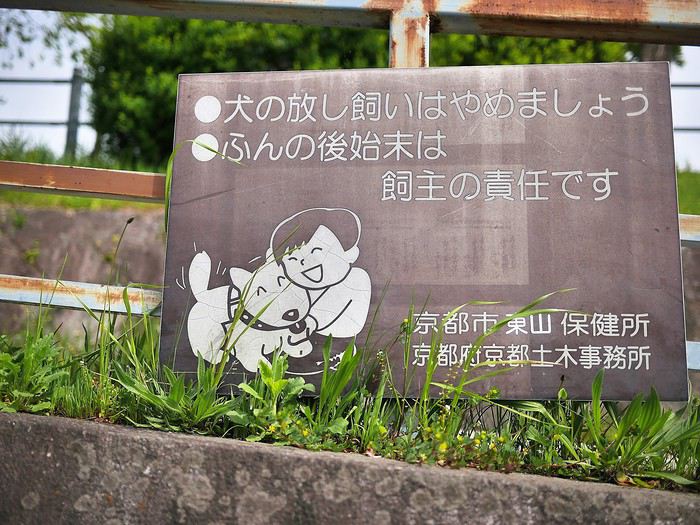 Outdoors, we cherish nature
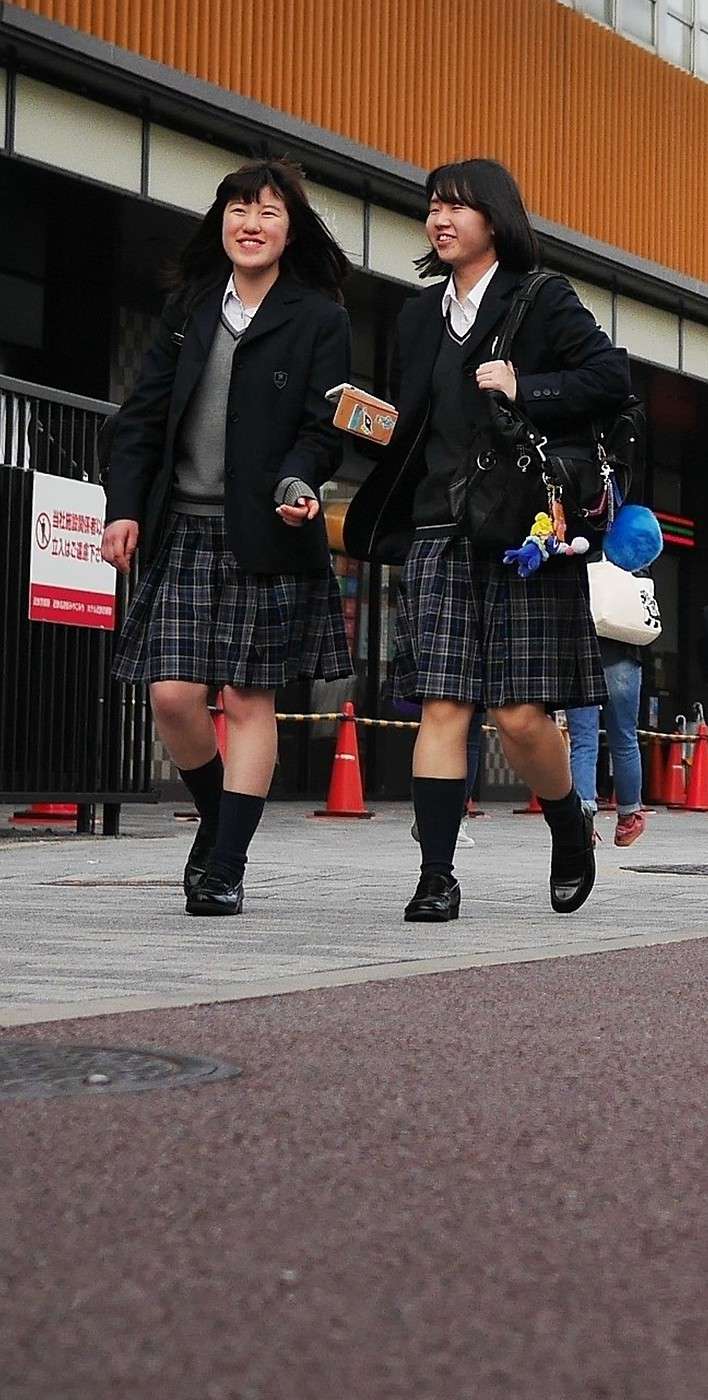
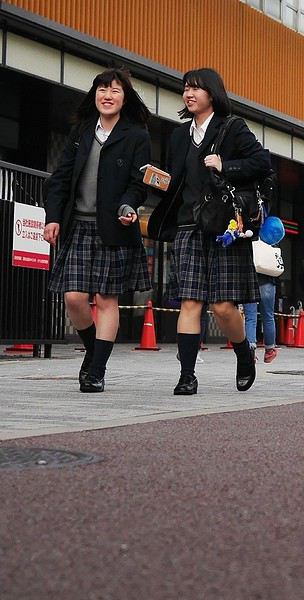 and the joy of passersby.