Back to the discussion

in Entre deux voyages ‹ Carnets de voyage

In the Land of the Tswana (Botswana) (page 2 of 10)

Discussion started by OldPlatypus on 2019-11-13

182 replies

This thread has been translated into English.


In the Land of the Tswana (Botswana)

Girardinpho · 2019-12-04 · Message 21 of 183

Hi Ludo,

I’ve finally caught up on my backlog!

More amazing encounters! 🤗 This time, we’re definitely heading to this region next year!

I have three quick questions:

1. Is it possible to restock food supplies in Hukuntsi? Or do we absolutely have to go to Ghanzi?

2. Why did you enter the Central Kalahari through Tsau Gate instead of Xade Gate?

One last question for anyone who can answer:

3. Do you think it’s possible to make the trip from Xade Gate to Kaa Gate in one day?

In the Land of the Tswana (Botswana)

OldPlatypus · 2019-12-04 · Message 22 of 183

If you paid close attention, on the day of 09/18/2019, we had already spotted a leopard—and even observed it really well. If that hadn’t been the case, I think we would’ve been pretty frustrated to have only seen this one behind tall grass. But the trip isn’t over yet... 😉

In the Land of the Tswana (Botswana)

OldPlatypus · 2019-12-04 · Message 23 of 183

Hi Nathalie, In response to your questions...

1. Although we didn’t stop there, Hukuntsi is a real small town where we spotted one or two supermarkets (and gas stations). So it seems entirely possible to skip Ghanzi.

2. From Ghanzi, the distance is roughly the same between Tsau Gate and the CKGR entrance via Xade. Since there’s a large stretch of paved road to the north, it’s probably faster to reach the Central Kalahari that way. That said, I’d read here and there that you don’t see many animals outside Passarge Valley and Deception Valley, and that the tracks to the south are lined with vegetation that doesn’t offer great visibility (though I’ll admit the arrival via Tsau Gate isn’t great either). Honestly, I don’t have a strong reason—just that it was our first trip to Botswana, and we wanted to get to the essentials. Gotta save something for the next trip! 😎

3. That sounds tough! You know the CKGR pretty well, so you’re aware the tracks aren’t exactly smooth, with some deep ruts. Not to mention the animals you’ll definitely see and stop for, for varying lengths of time. So I’ll turn the question back to you: you usually take your time—why rush such a long drive in a single day? 😉

In the Land of the Tswana (Botswana)

Girardinpho · 2019-12-04 · Message 24 of 183

😅 A mistake slipped into my question 3!

I wanted to know if it’s possible to do Xade Gate (CKGR) to Kaa Gate (KTP) in one day, not Xade Gate to Tsau Gate. 😅 I’ve corrected it in my first question.

Otherwise, thanks for the other answers!

In the Land of the Tswana (Botswana)

AirOne · 2019-12-04 · Message 25 of 183

It’s indulgent but doable. I’m asking myself the same question for my trip there in April-May. We’re doing Kang-Piper Pan, which is pretty much the same route in reverse. Instead of taking the road toward Ghanzi, though, we’ll take the cutline that starts 20 km north of Kang and meets the CKGR fence, which we’ll then follow north all the way to Tsau. People who’ve been that way told me the western track to Tsau Gate is really rough, but the cutline is good, as is most of the track along the fence.

In the Land of the Tswanas (Botswana)

Girardinpho · 2019-12-04 · Message 26 of 183

It’s indulgent but doable. I’m asking myself the same question for my trip there in April-May. We’re doing Kang-Piper Pan, which is roughly the same route but in the opposite direction. However, instead of taking the road toward Ghanzi, we’re going to take the cutline that starts 20 km north of Kang and meets the CKGR fence, which we’ll then follow north all the way to Tsau. People who’ve been that way told me the western track to Tsau Gate is really rough, but the cutline is good, as is most of the track along the fence.

Thanks, I’ll take this info into account!

Otherwise, we’d thought about doing the trip in two days, but looking at the remaining bookings at KTP, we’d have to arrive a day earlier at Kaa Gate, and we’re not too keen on skipping a night in the CKGR.

In the Land of the Tswana (Botswana)

OldPlatypus · 2019-12-04 · Message 27 of 183

It's hard for me to answer about the route between Xade Gate (CKGR) and Kaa Gate (KTP) because I don’t know the condition of the track leaving Xade Gate.

In the Land of the Tswana (Botswana)

AirOne · 2019-12-04 · Message 28 of 183

Here’s the discussion on 4x4 Community: https://www.4x4community.co.za/forum/showthread.php/314368-Mabuasehube-Hukuntsi-Polentswa/page2

Drove 33 km to Kang, fueled up, and then north on the tar road for 51 km to the next cut line, heading easterly toward the SW point of the CKGR park. Had coordinates from T4A. Not signposted but obvious. This section was sandy for about 5 km, with a few farm roads leading off, but great after that for 35 km from the tar road. At this point, we reached a T-junction and turned north along a new cut line on the western border of CKGR.

This cut line is 121 km long and mostly undriven and smooth, sandy with a few sections of corrugations. At about 86 km from the T, there’s a pan with quite a lot of game, typical of CKGR—Pipers or Phokoje Pans. Nice area to stop and maybe wild camp if needed, though off the pan is suggested. At 93 km, a very sandy section where the track was difficult to drive, sometimes requiring low ratio, but you could drive on the side of the twin track in the firebreak area, which was grassy and sometimes bushy. A bit tricky since the bushes hid the driving surface, posing a modest risk of punctures. This section was about 25 km long, with heavy fuel consumption as you switched from side to side. Eventually, you hit a farm and a small corrugated, uneven, and sandy section, after which much of the same as the rough bit at 93 km, but mostly better.

Then we reached the east-west route to Xade. From the intersection, it was 25 km to Xade, with about 20 km absolutely terrible—very broken, uneven, corrugated, sandy, and cross-axle. Not a great drive. We were told the route west from the cut line is tough, with very poor soft sand sections requiring low-low dune-like tire pressures, diff locks, low ratio, and more. We didn’t see or drive this, though.

In the Land of the Tswana (Botswana)

OldPlatypus · 2019-12-06 · Message 29 of 183

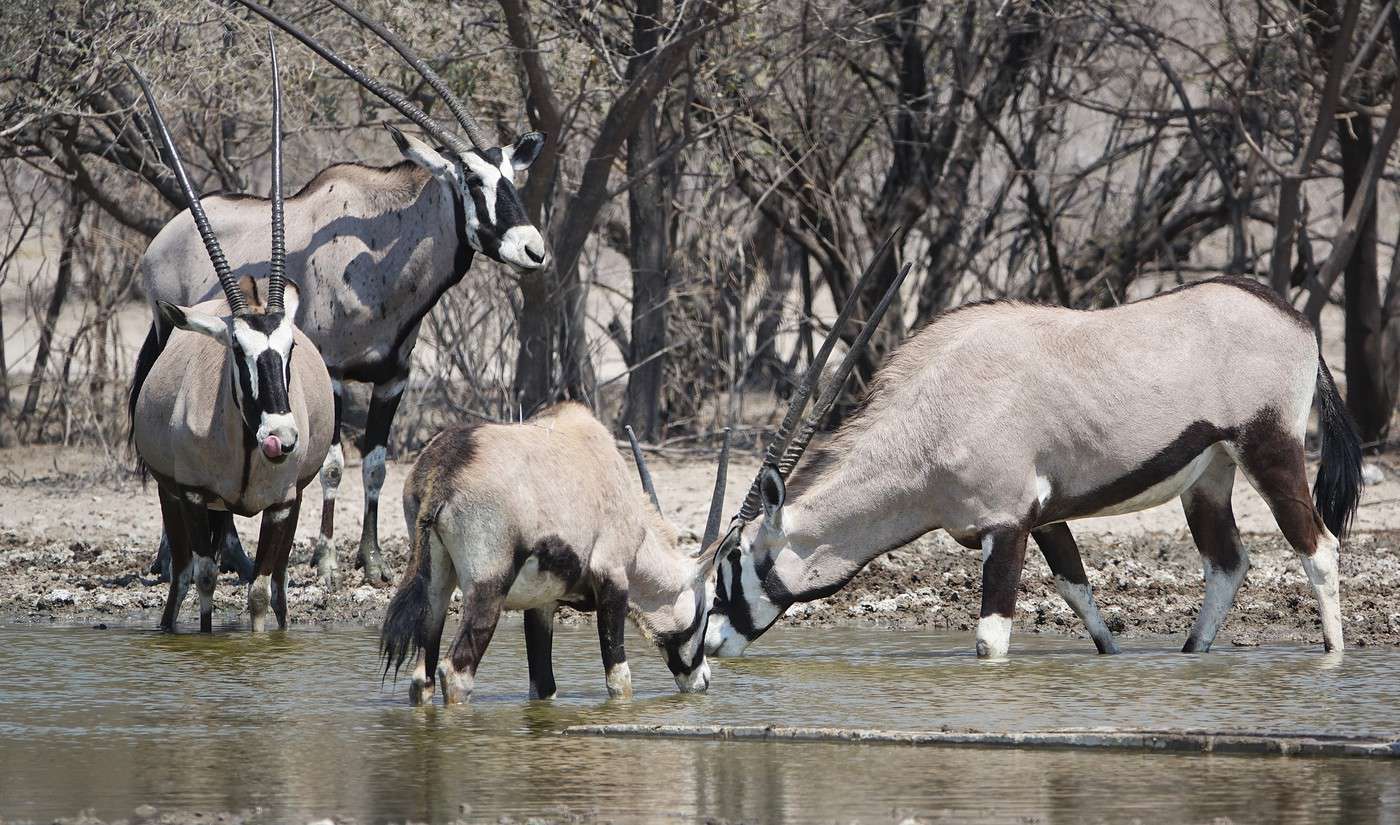
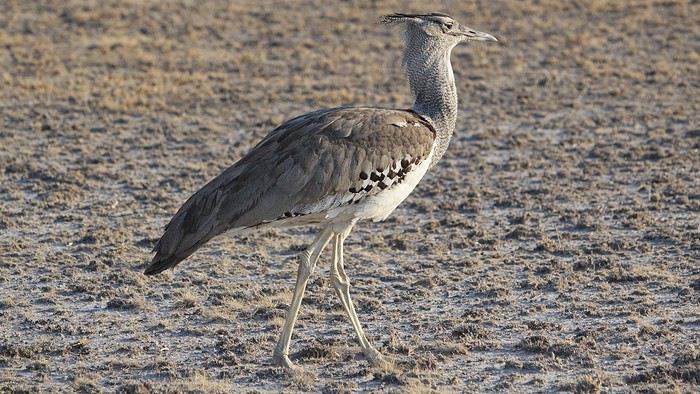
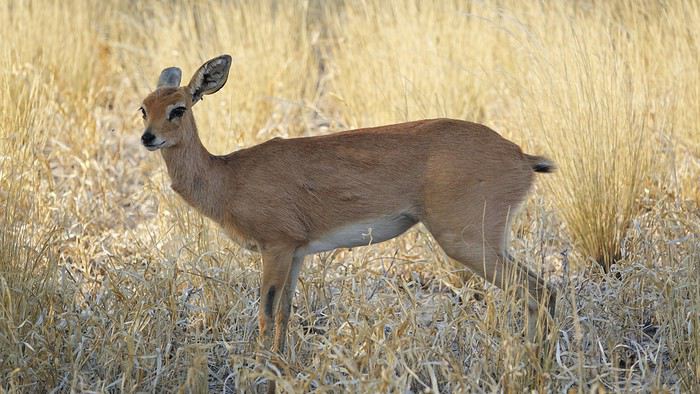
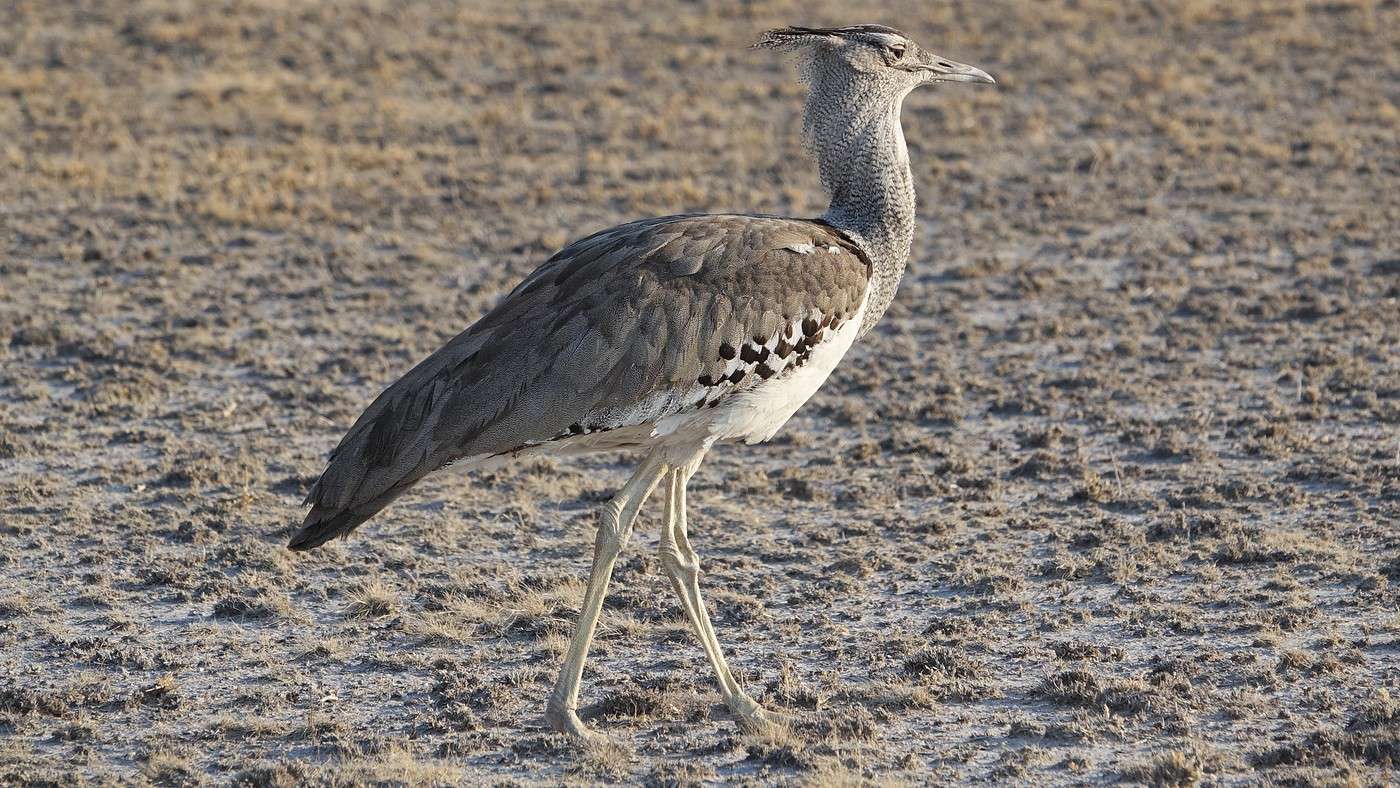
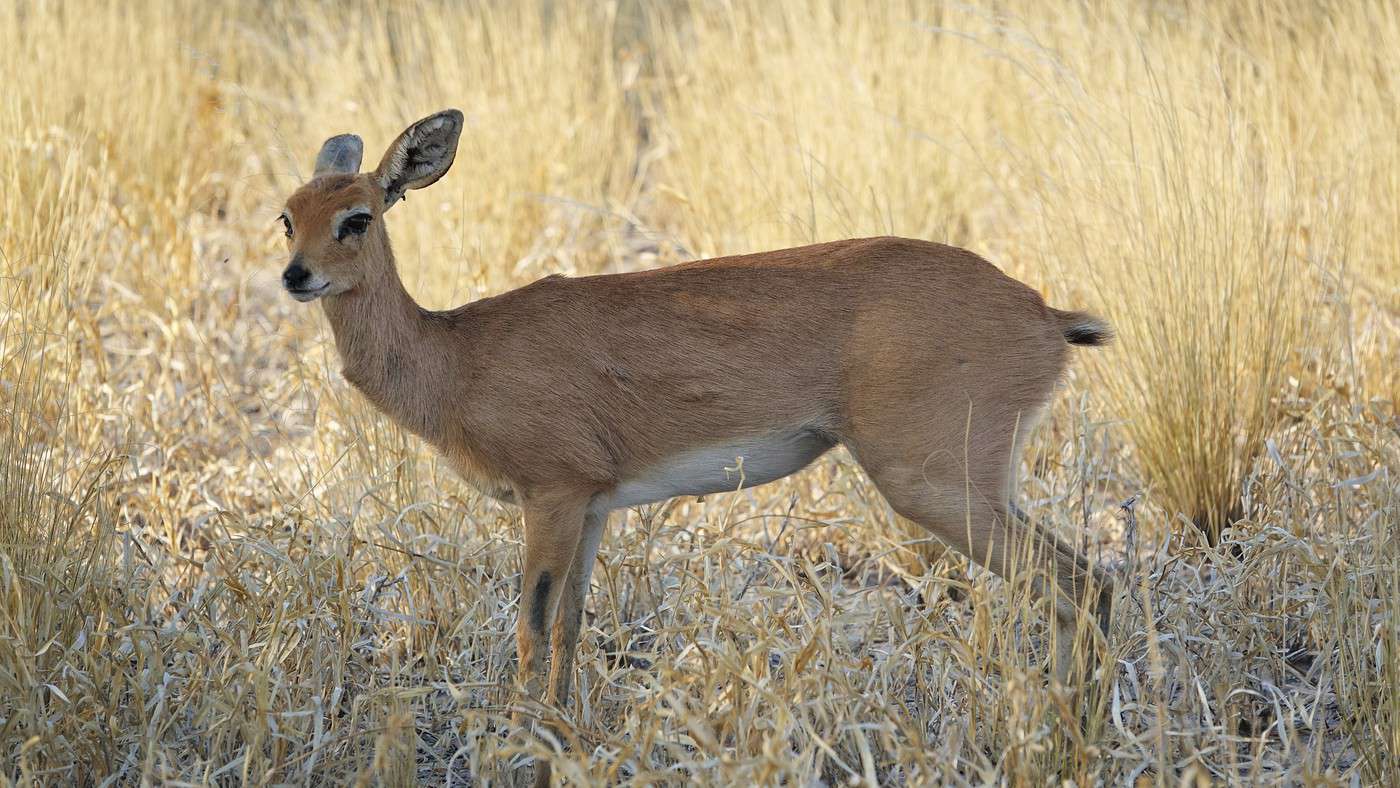
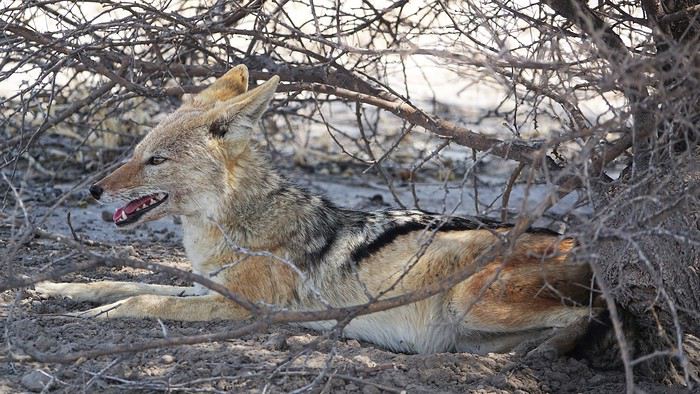
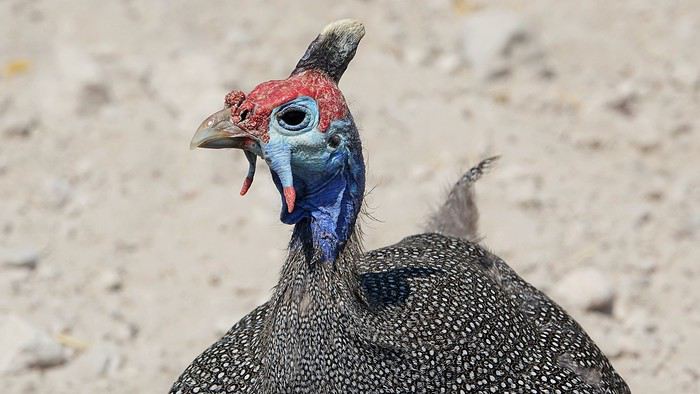
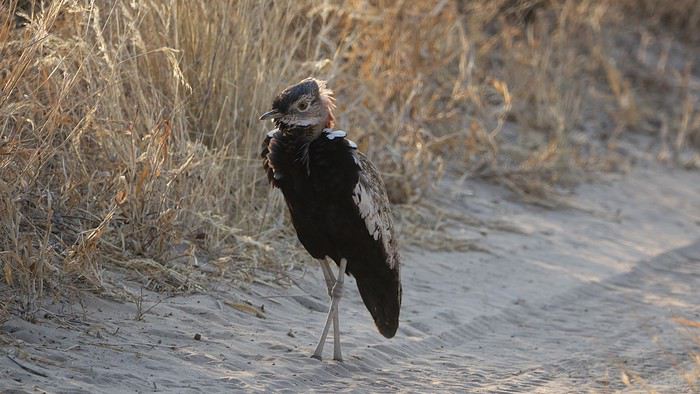
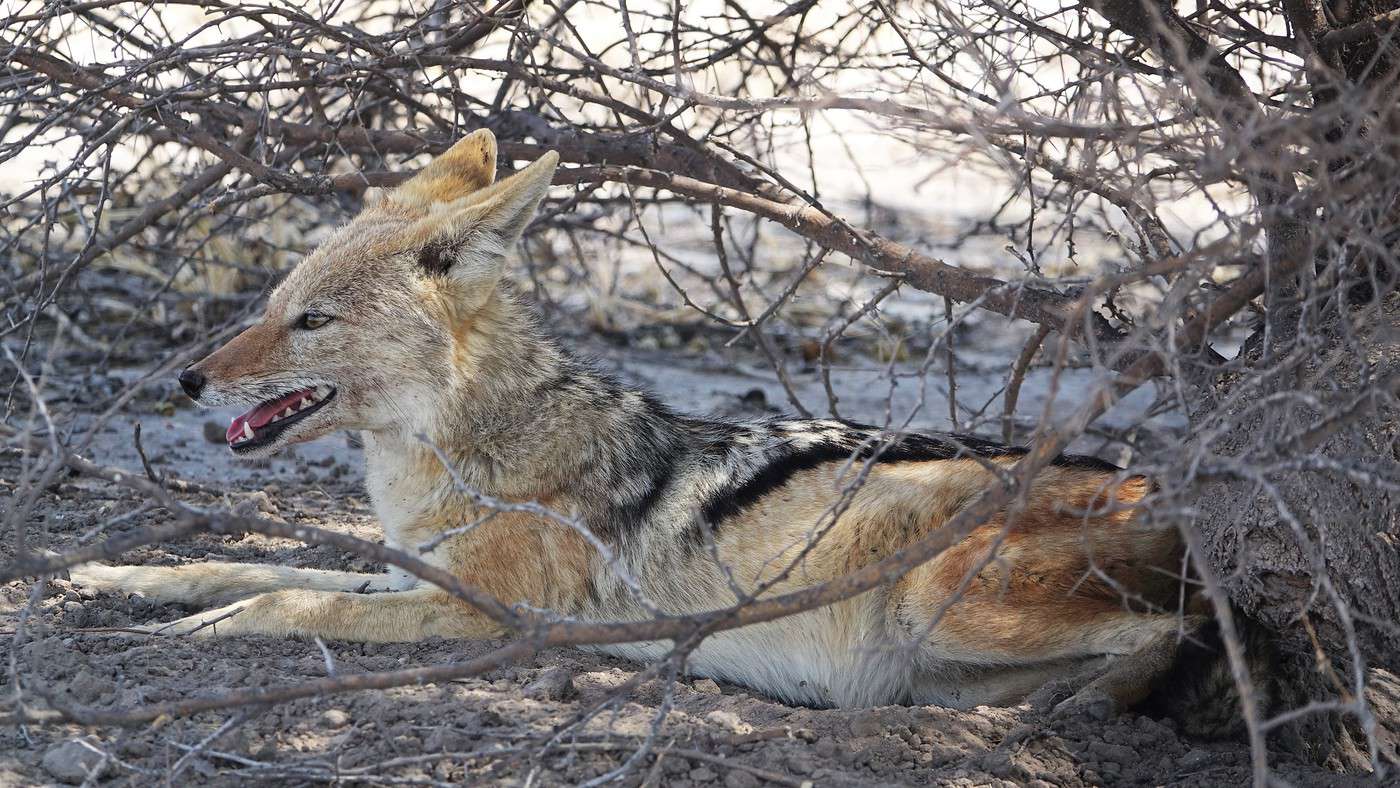
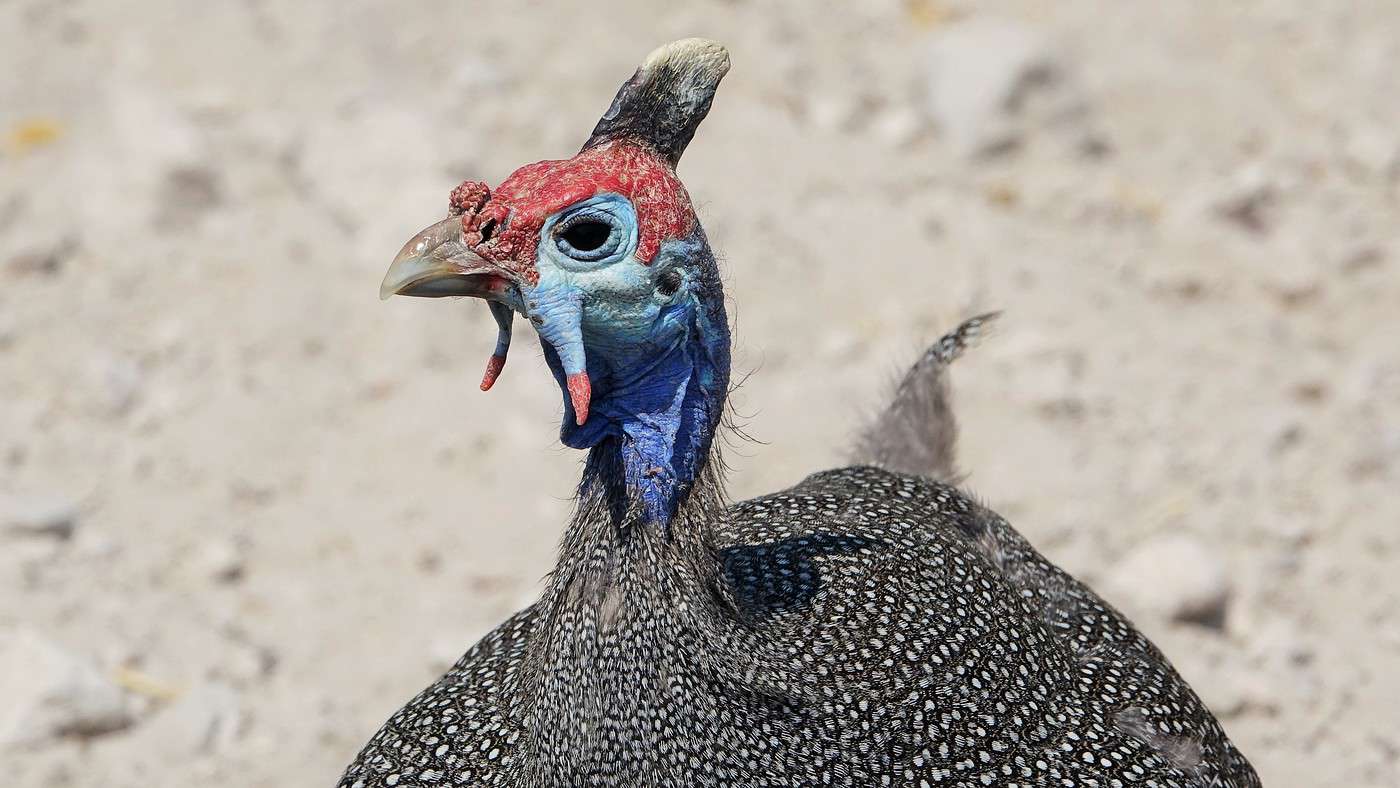
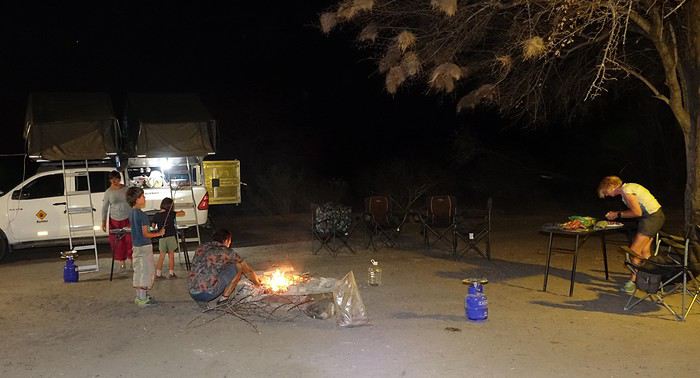
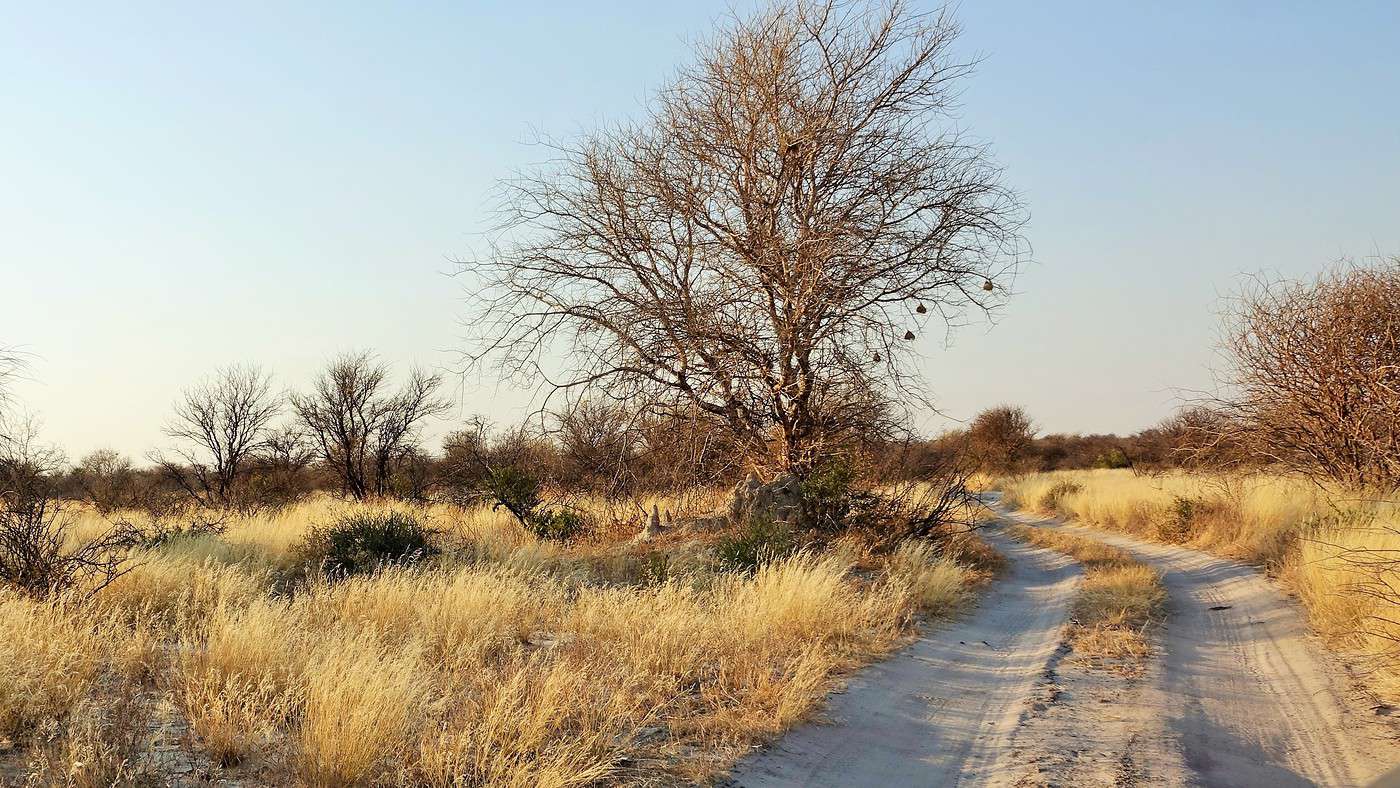
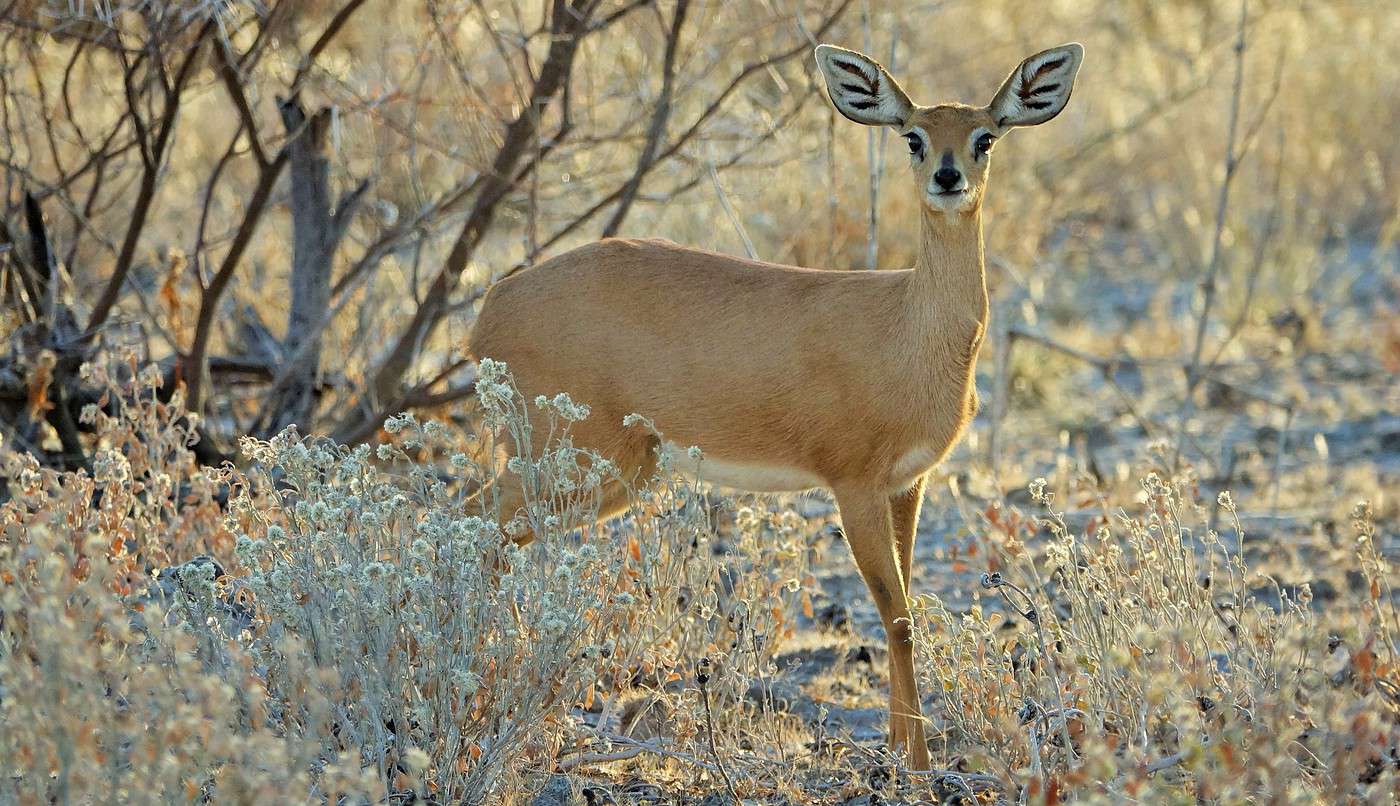
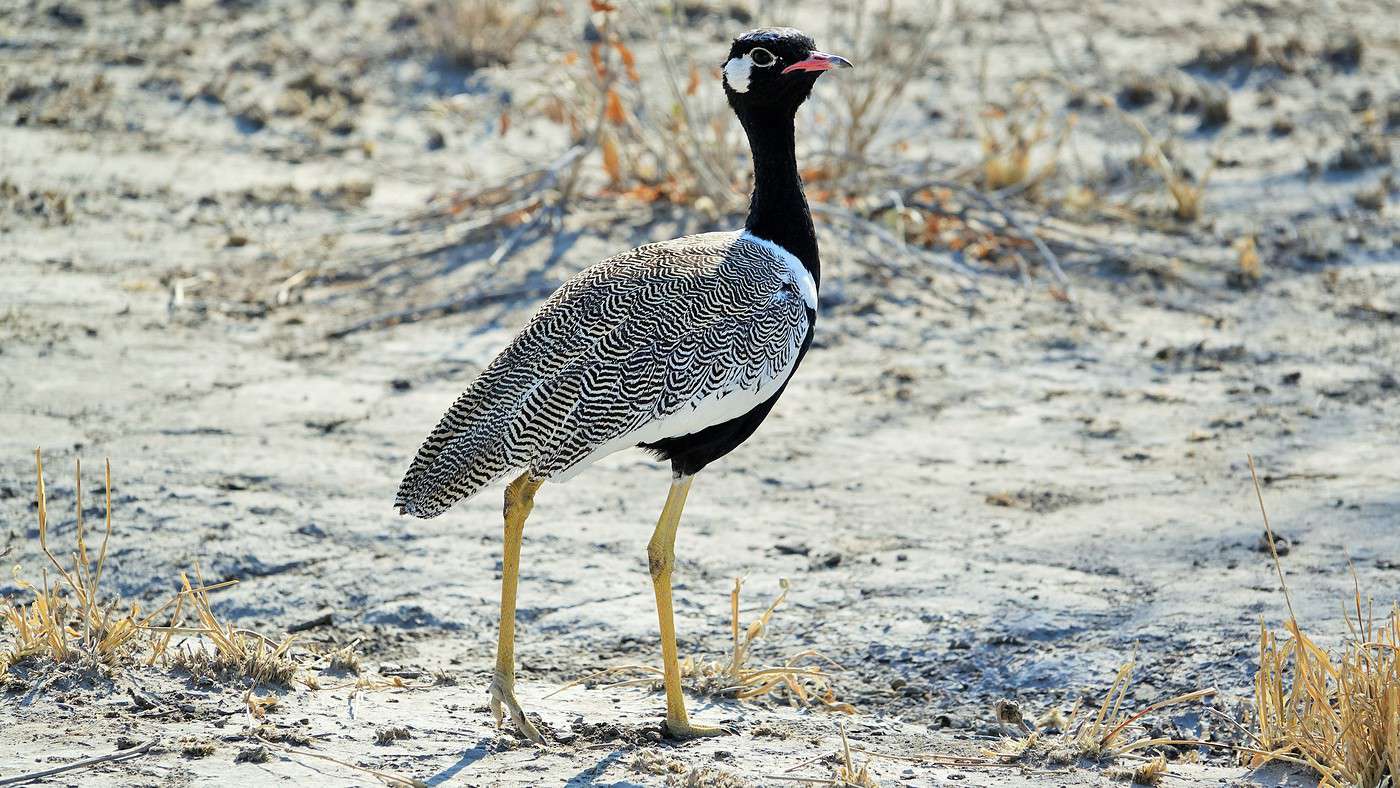
09/21/2019: Central Kalahari Up at dawn, we’re not in the Central Kalahari for relaxation! The night was absolutely quiet: not a single insect buzz, no bird calls, not even a lion’s roar. As the sun barely rises, we head toward Sunday Pan Waterhole! The track is pretty rough—narrow and full of ruts. It takes us twice as long as expected to reach the watering hole. Wildlife is already active: jackals, steenboks, bustards, gemsboks, guinea fowl, and more.
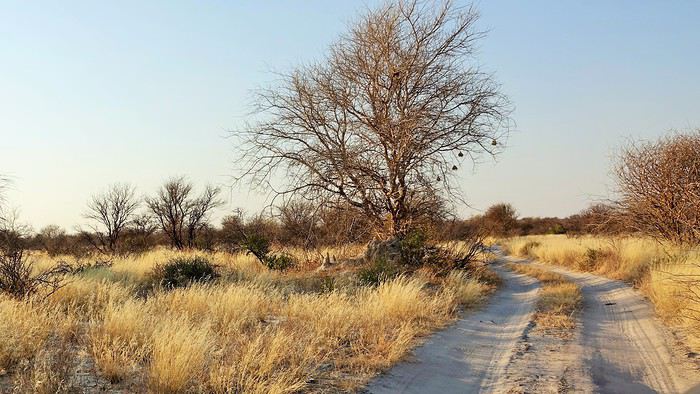
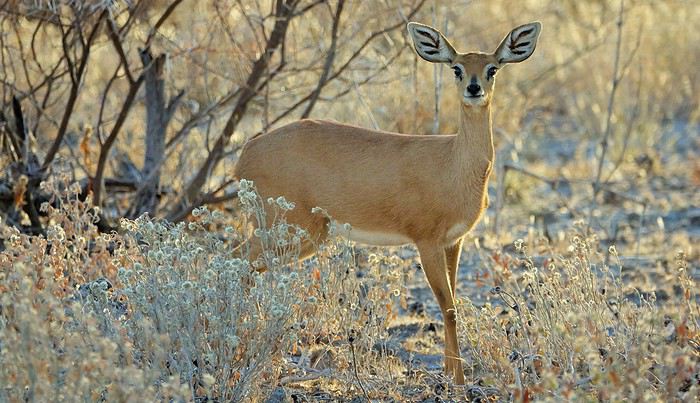
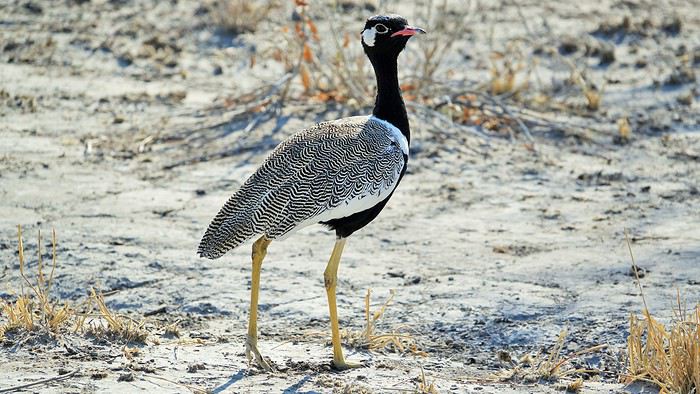


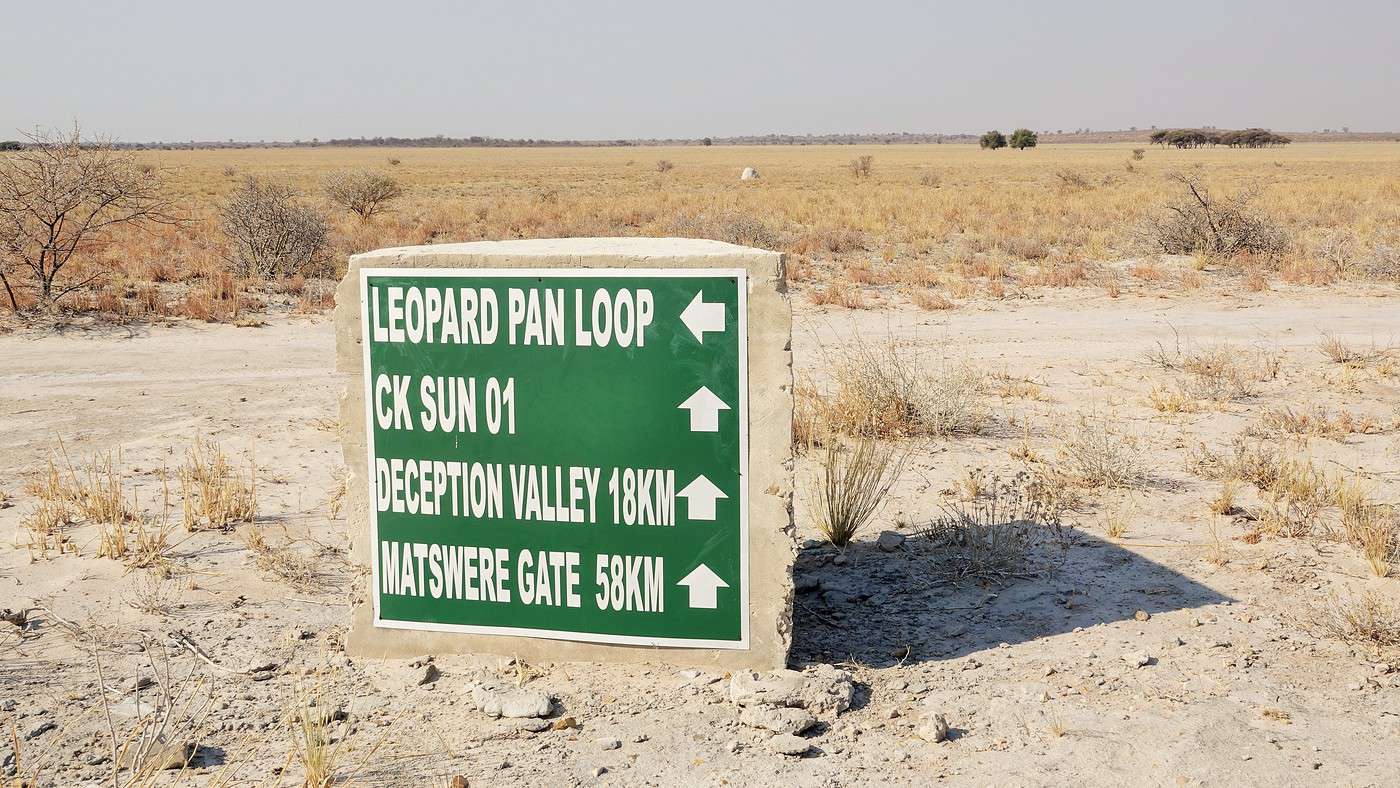
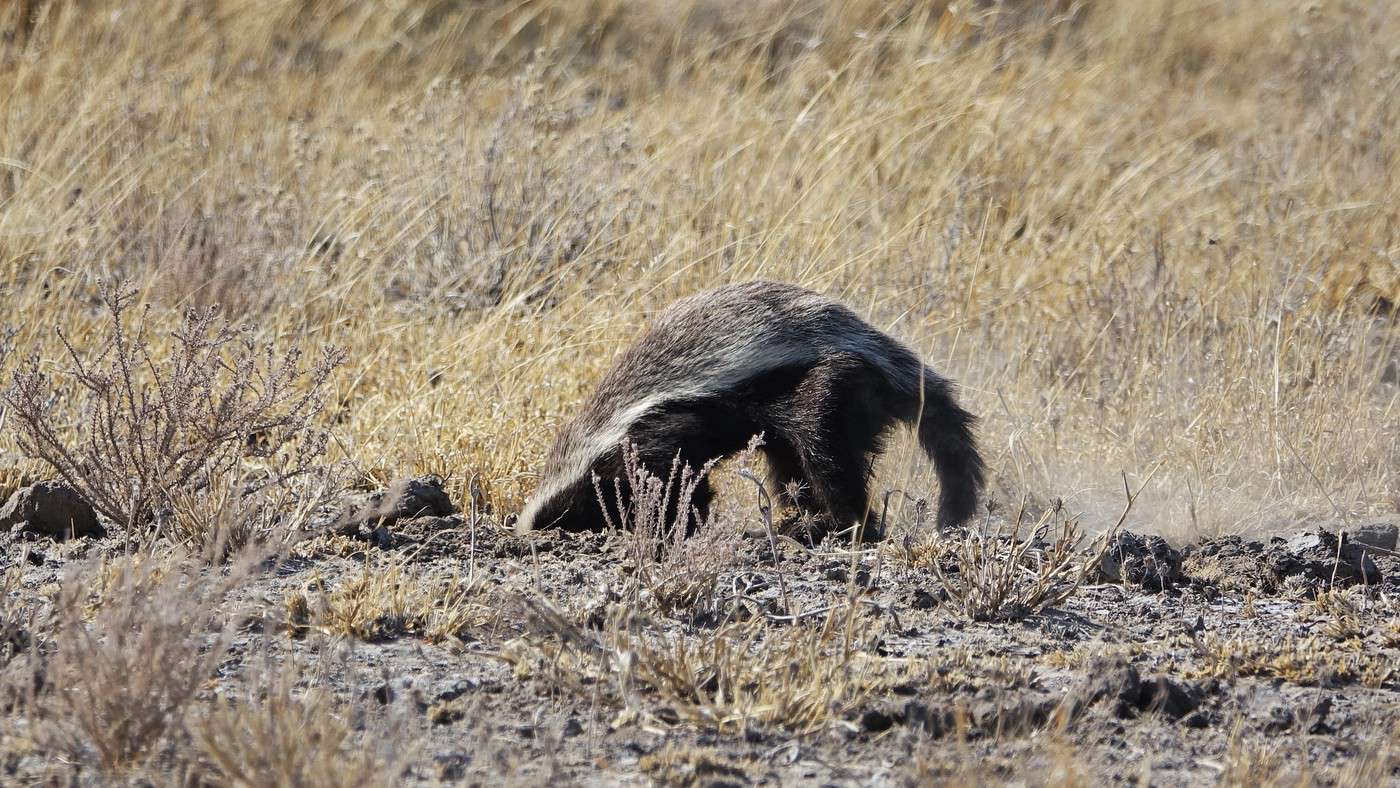
Just before arriving, we spot fresh feline tracks on the track. They can’t be far—maybe at the waterhole… But no! The waterhole is huge, yet there’s not a single animal, not even an antelope. What a letdown! We backtrack, drawn by the name of the place: we head out to circle Leopard Pan. We see a honey badger digging in a hole, probably searching for food.
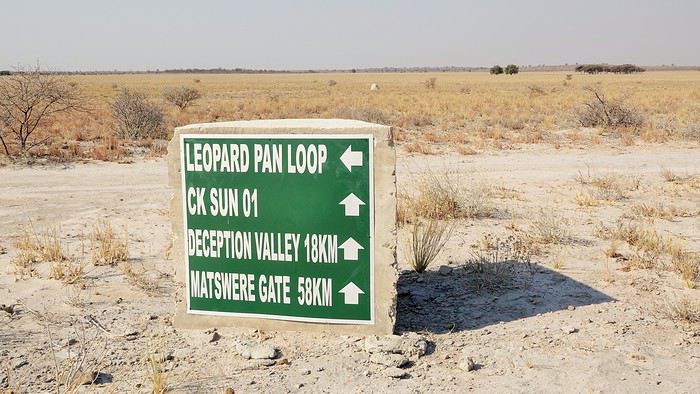
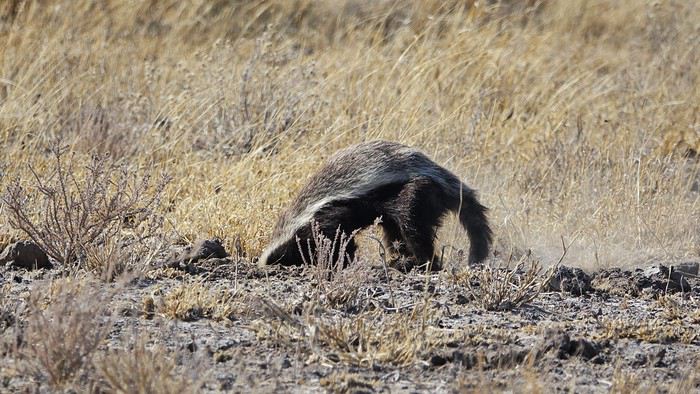


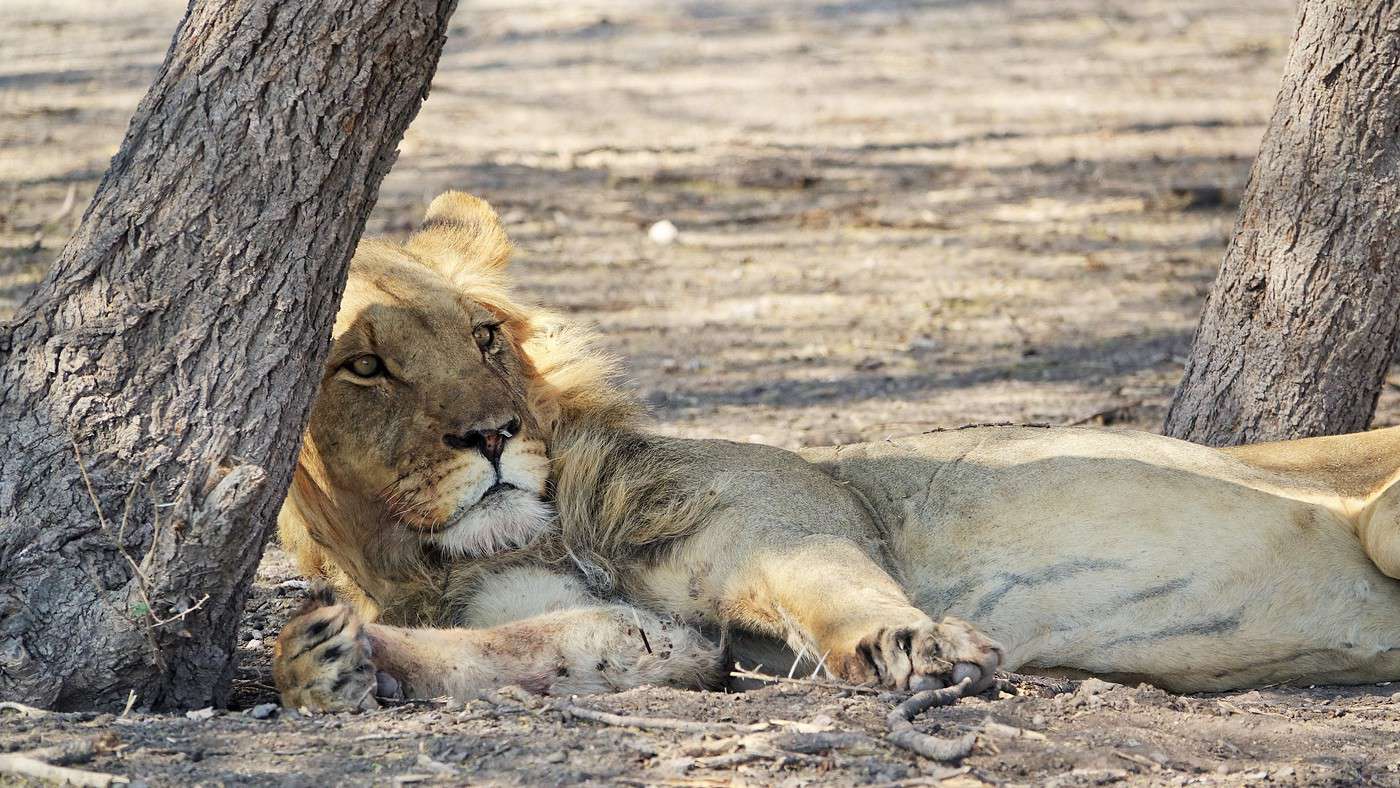
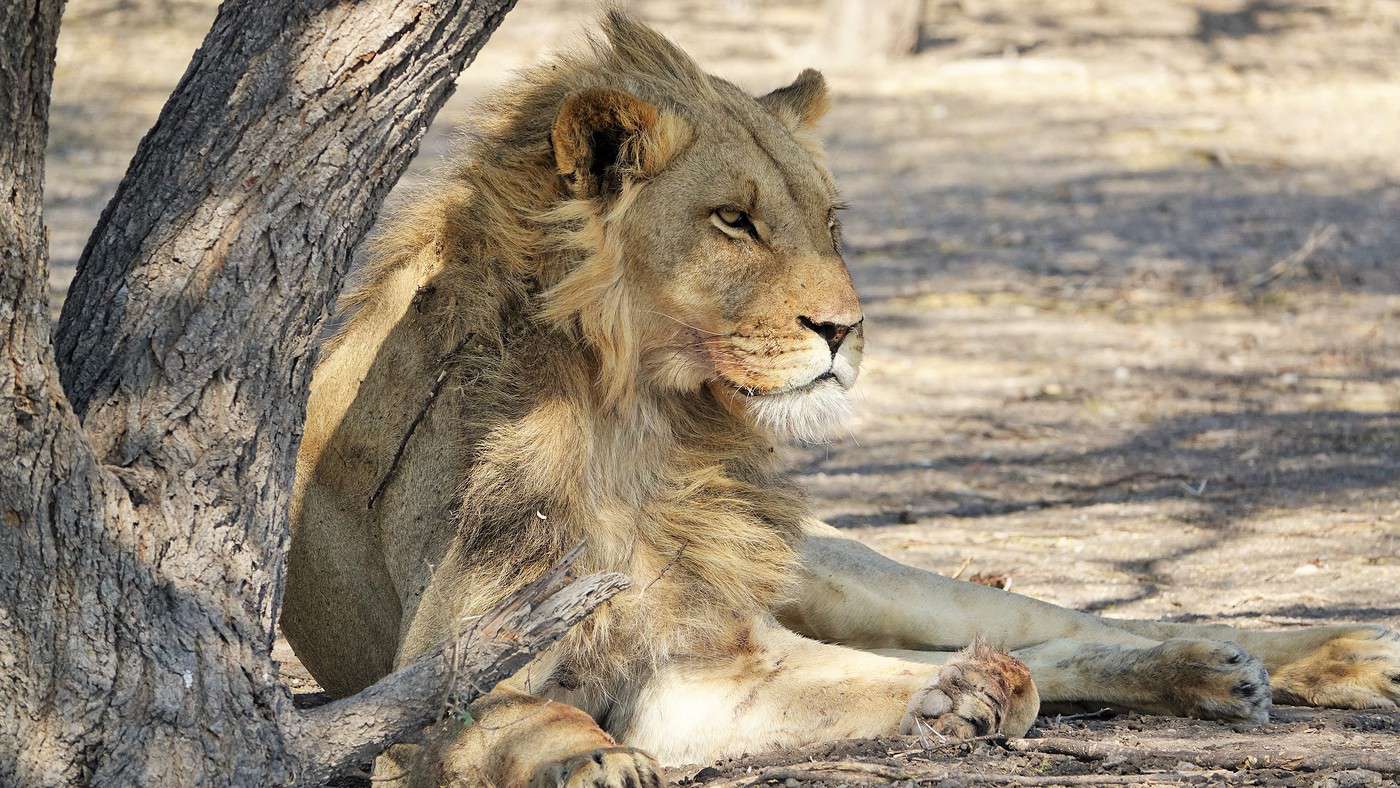
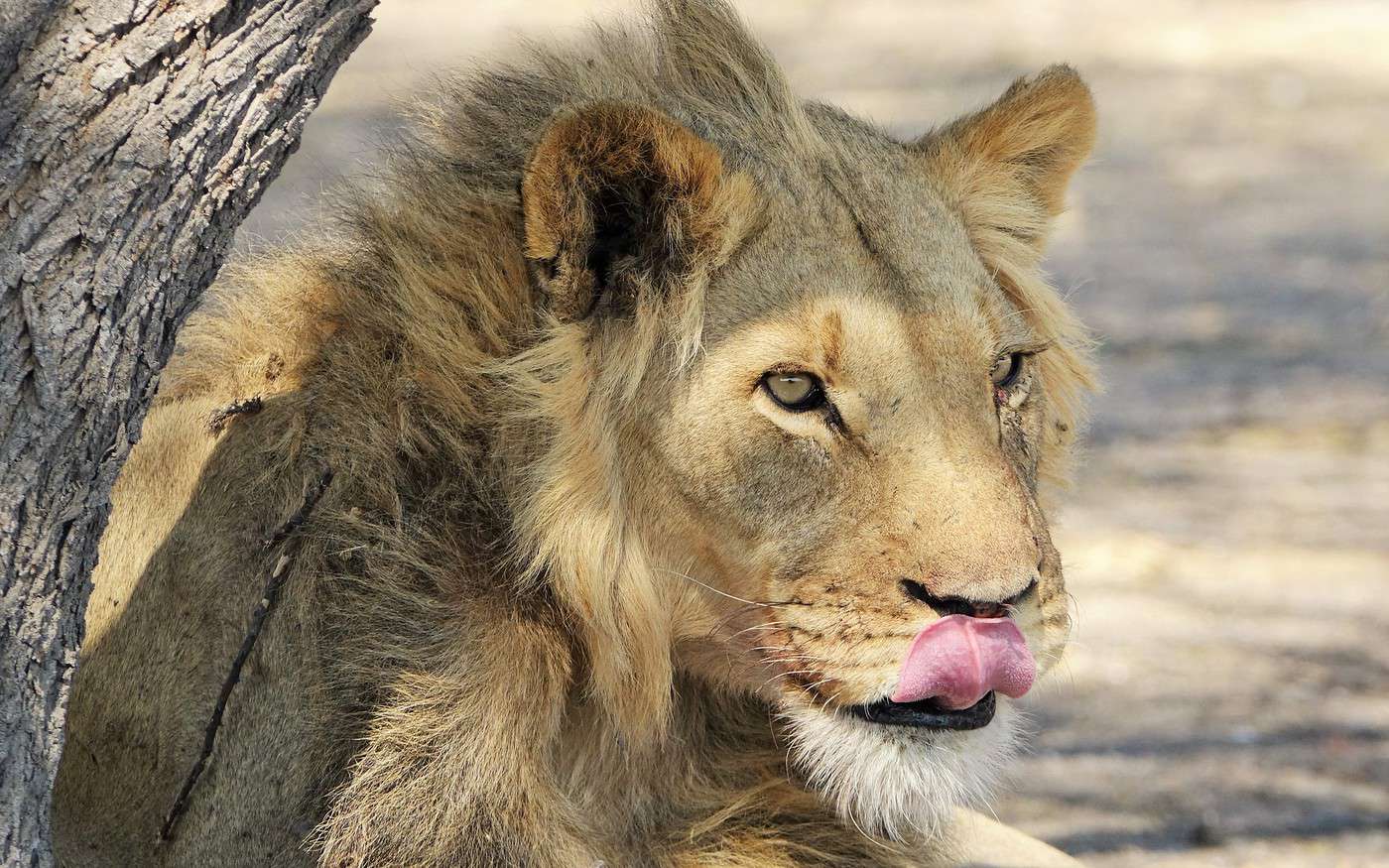
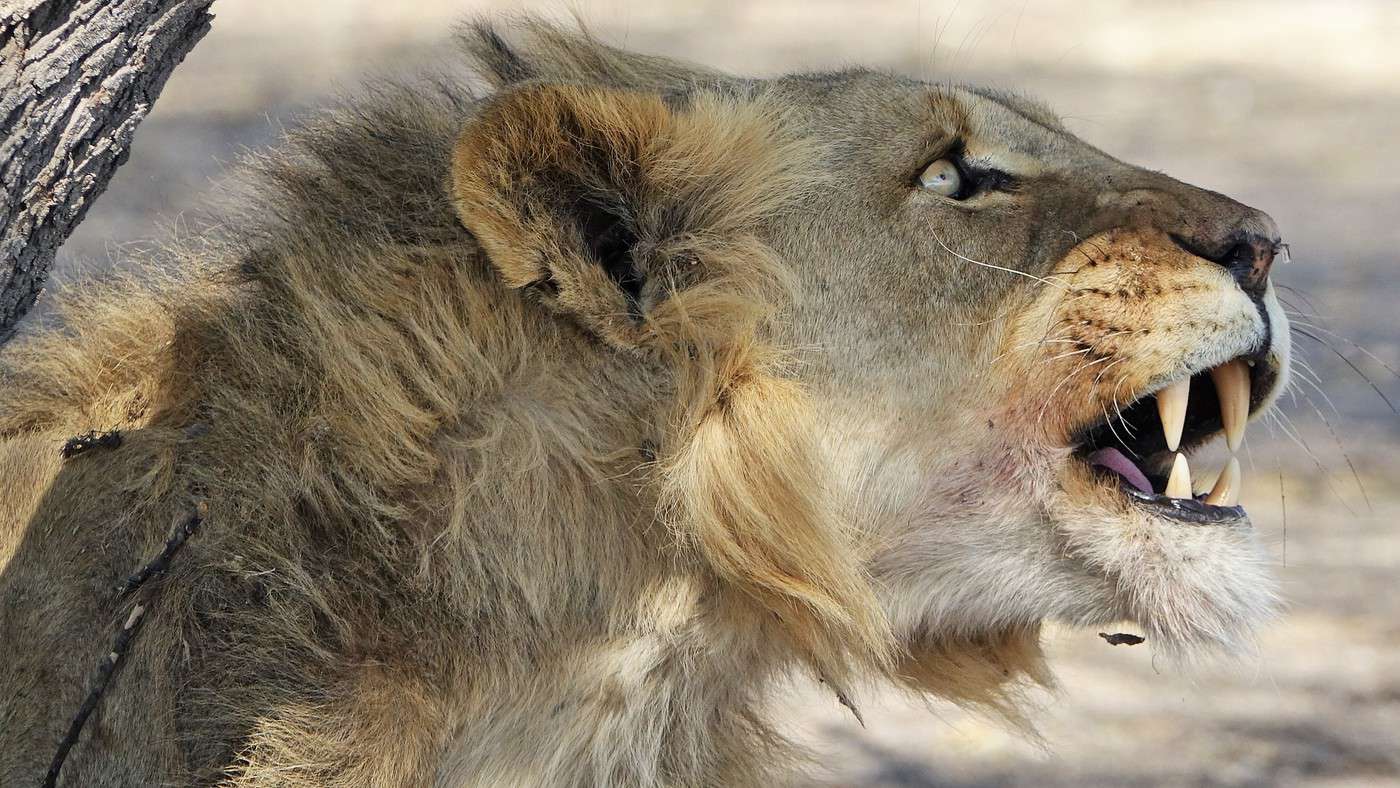
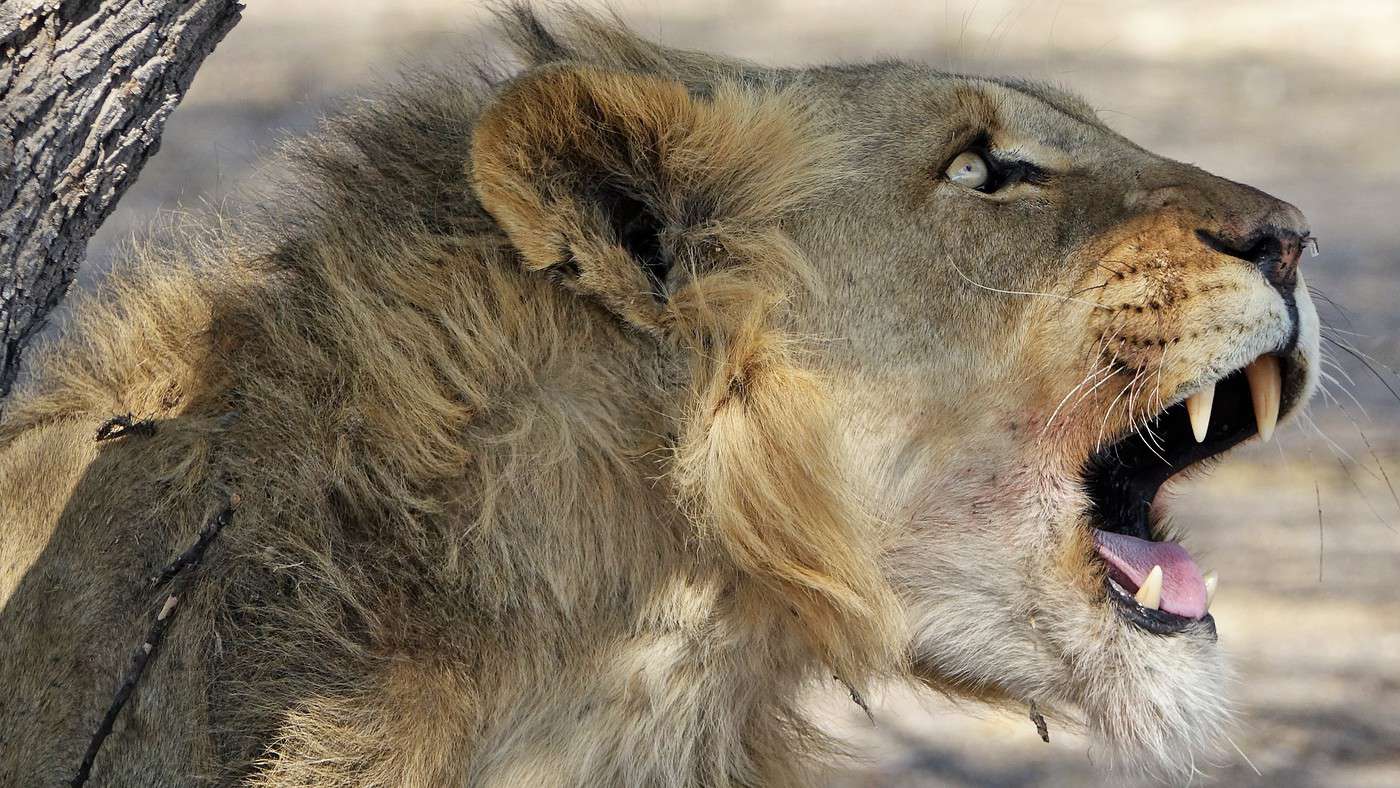
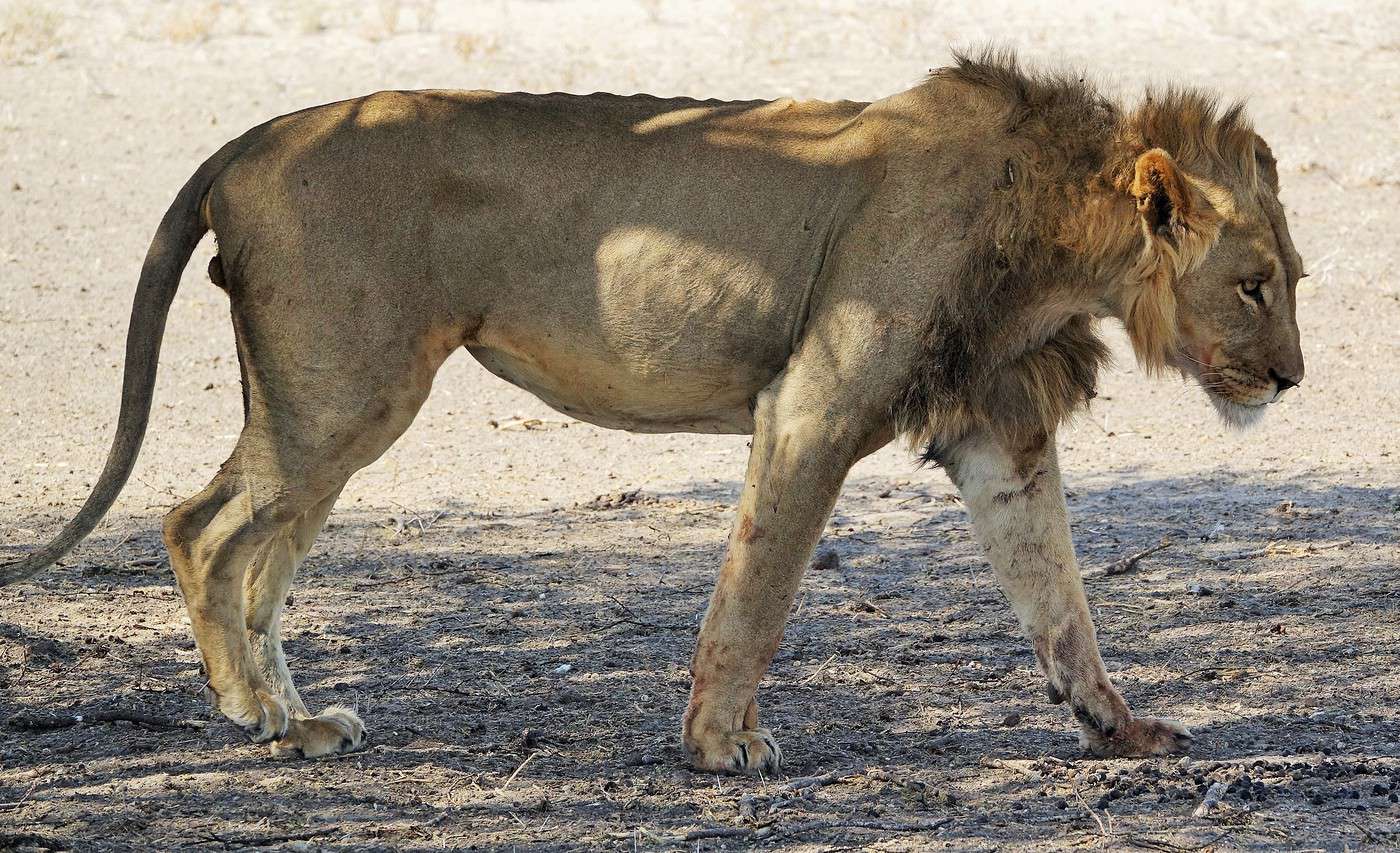
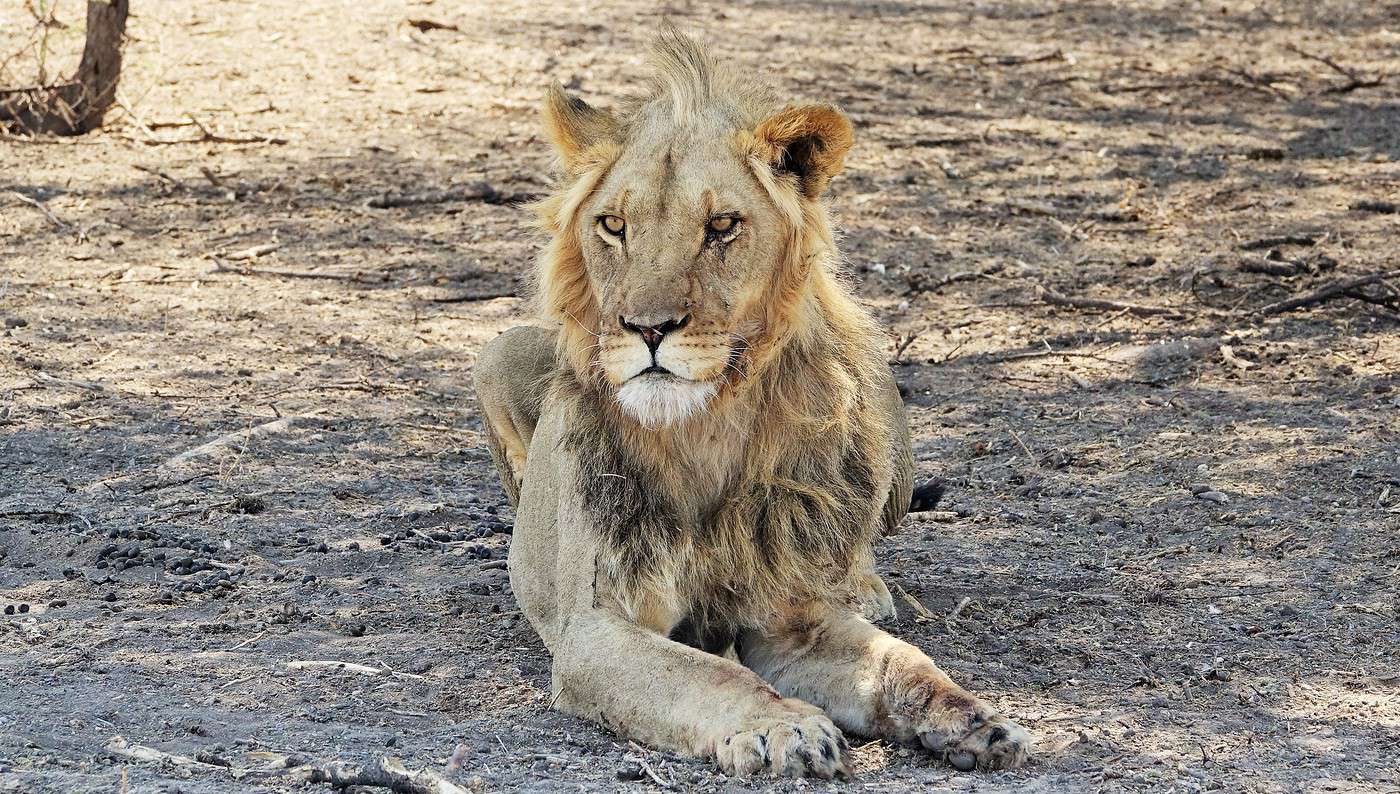
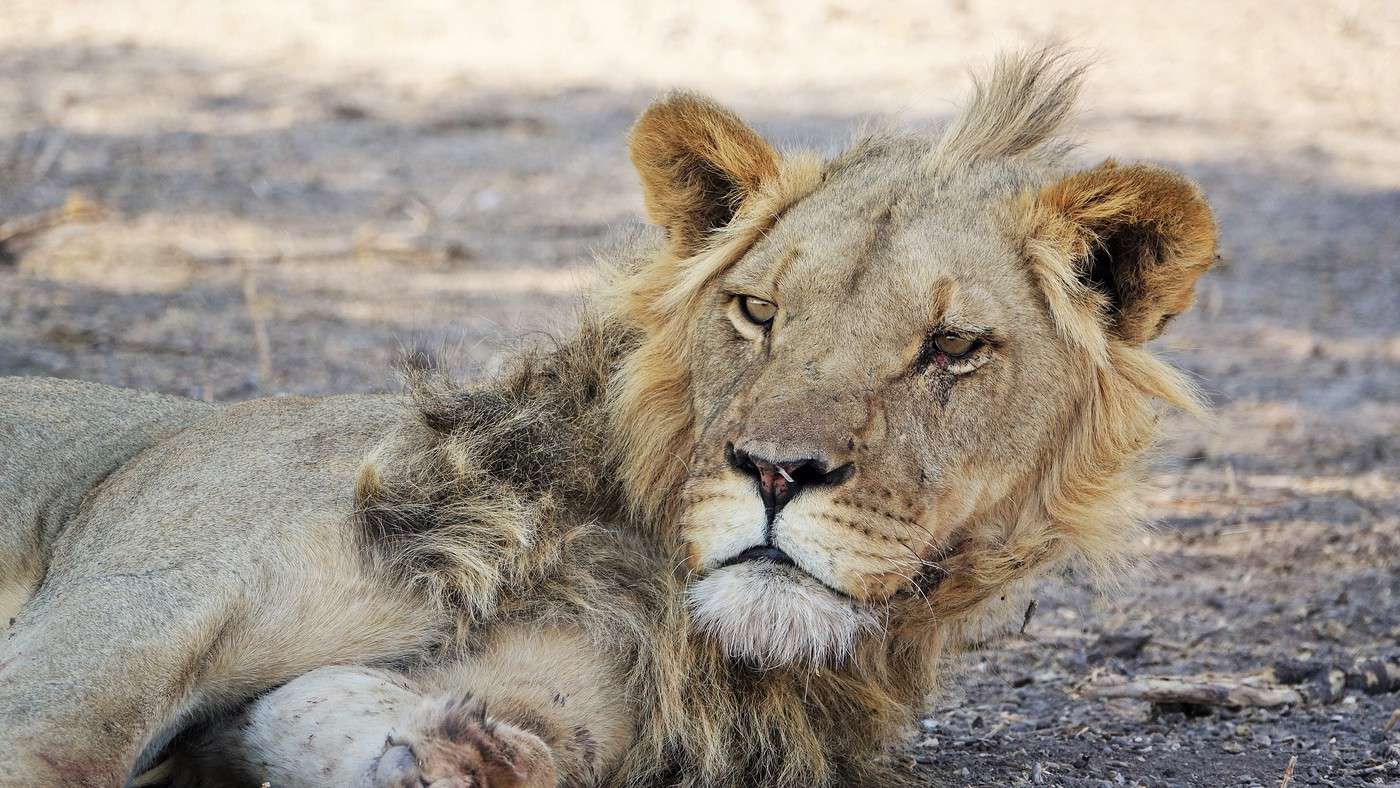
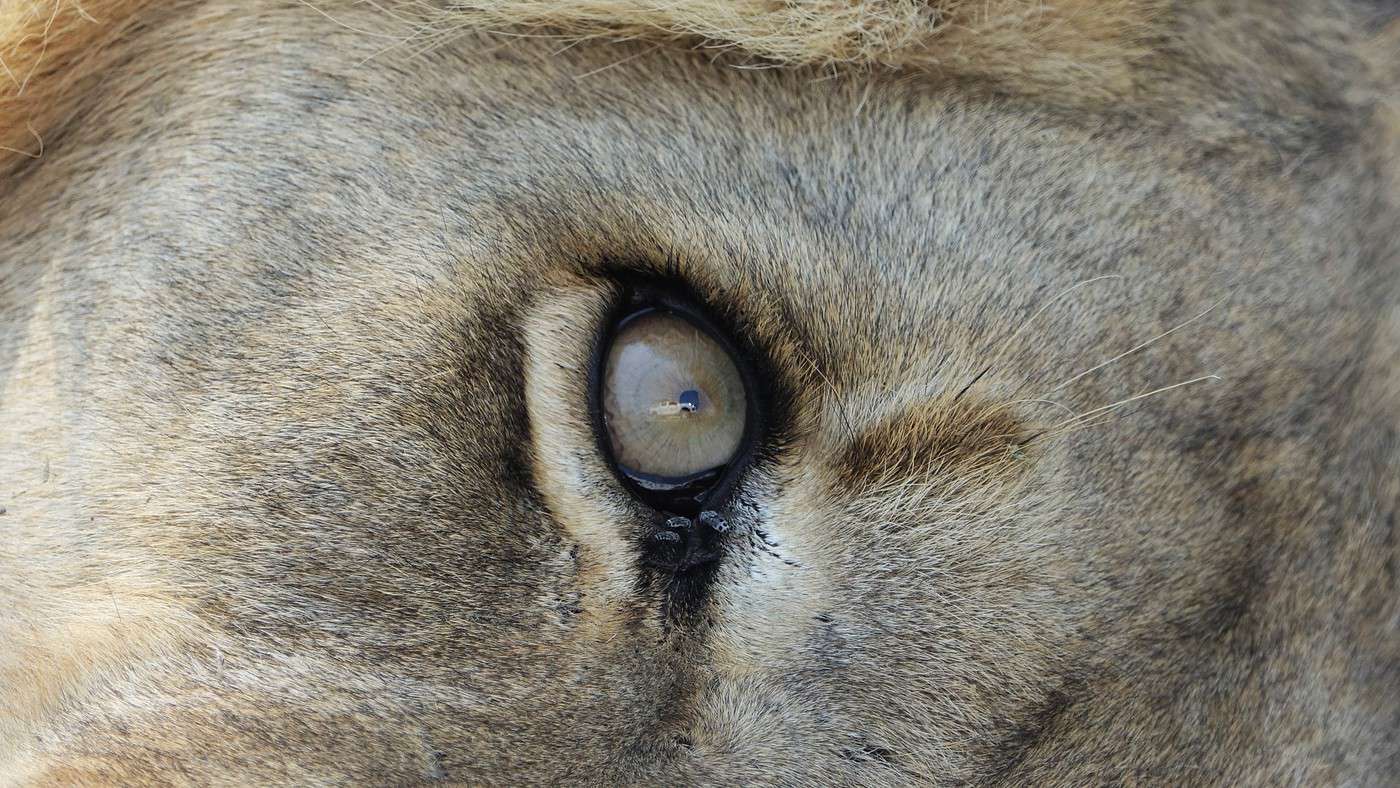
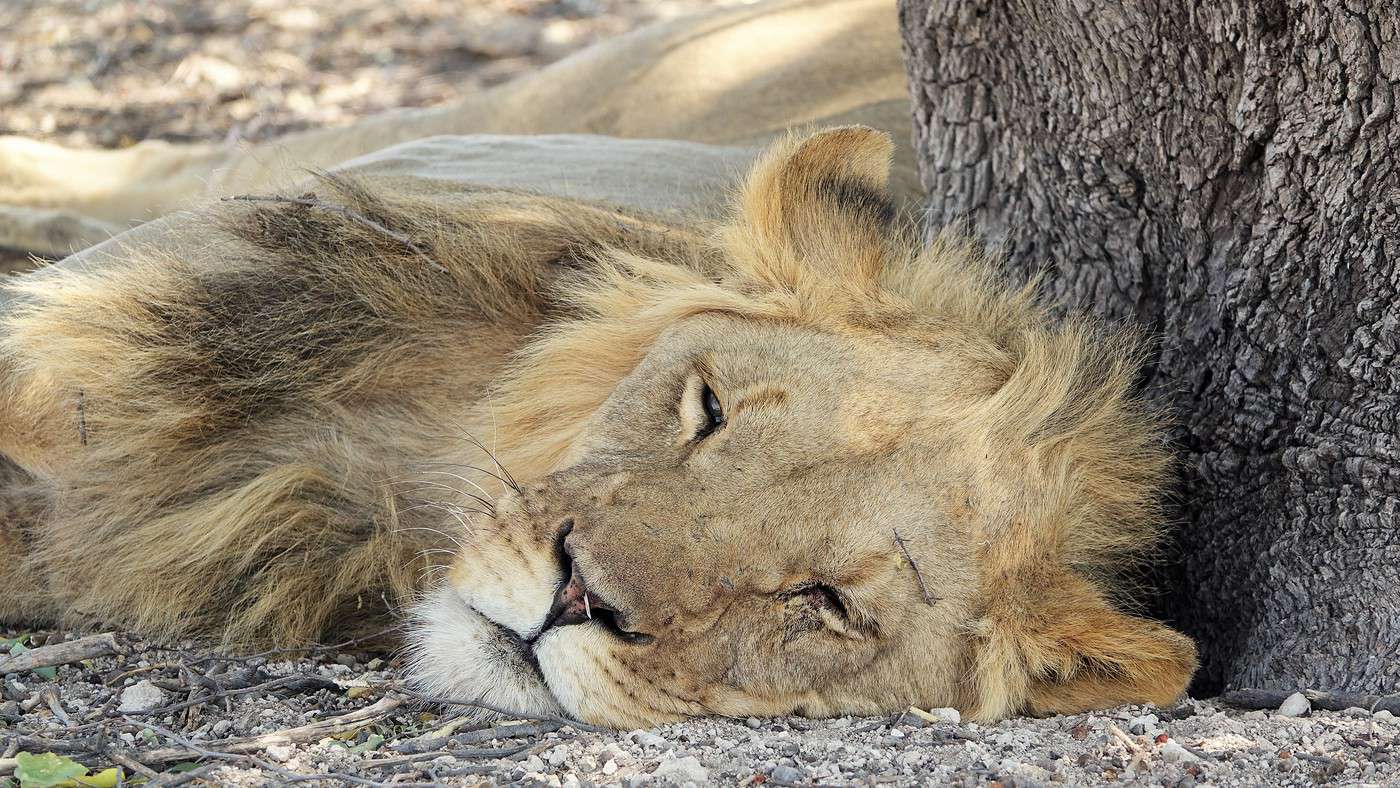
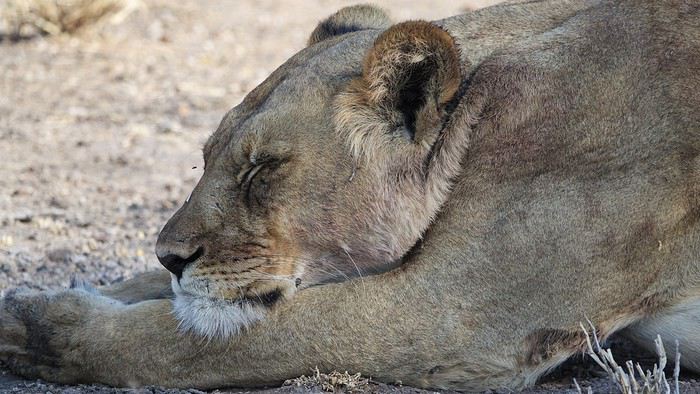
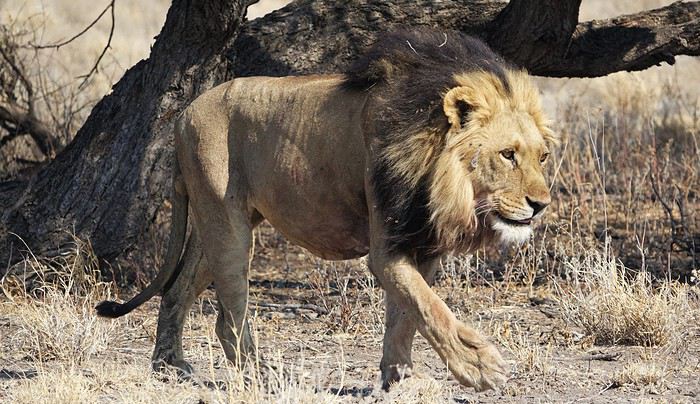
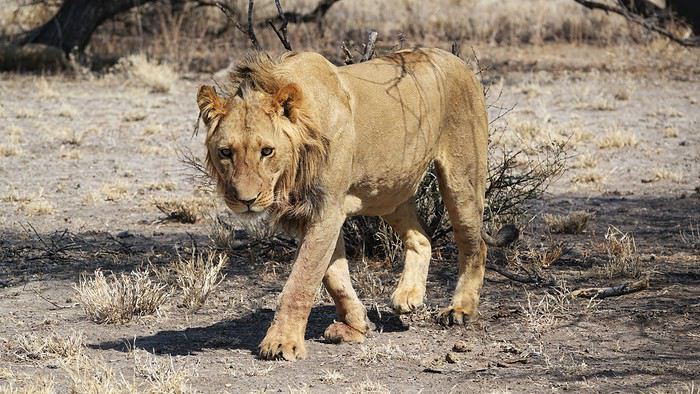
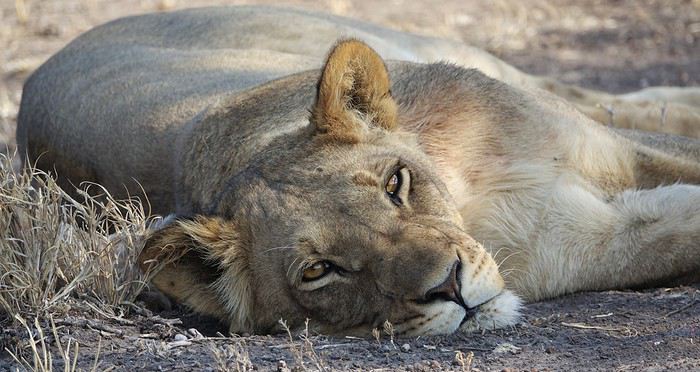
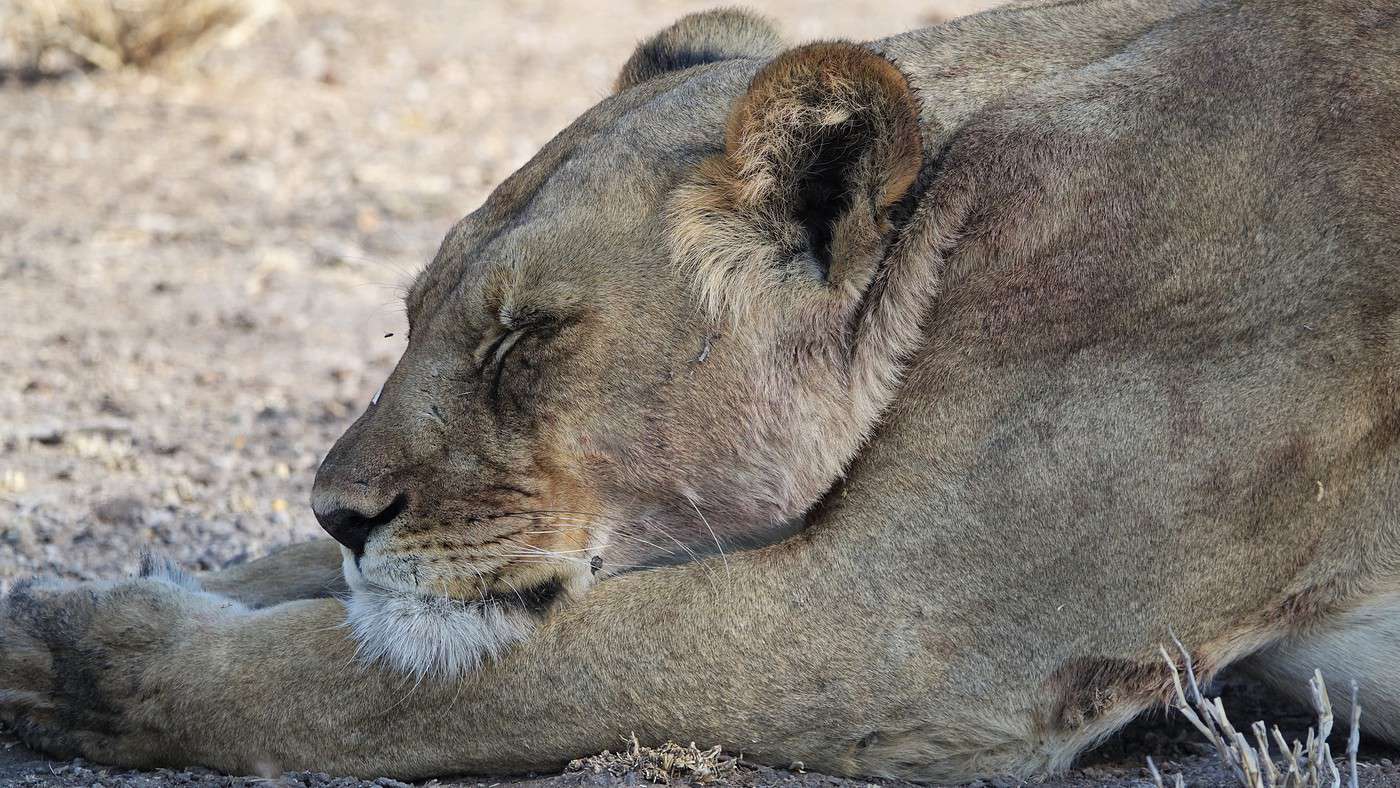
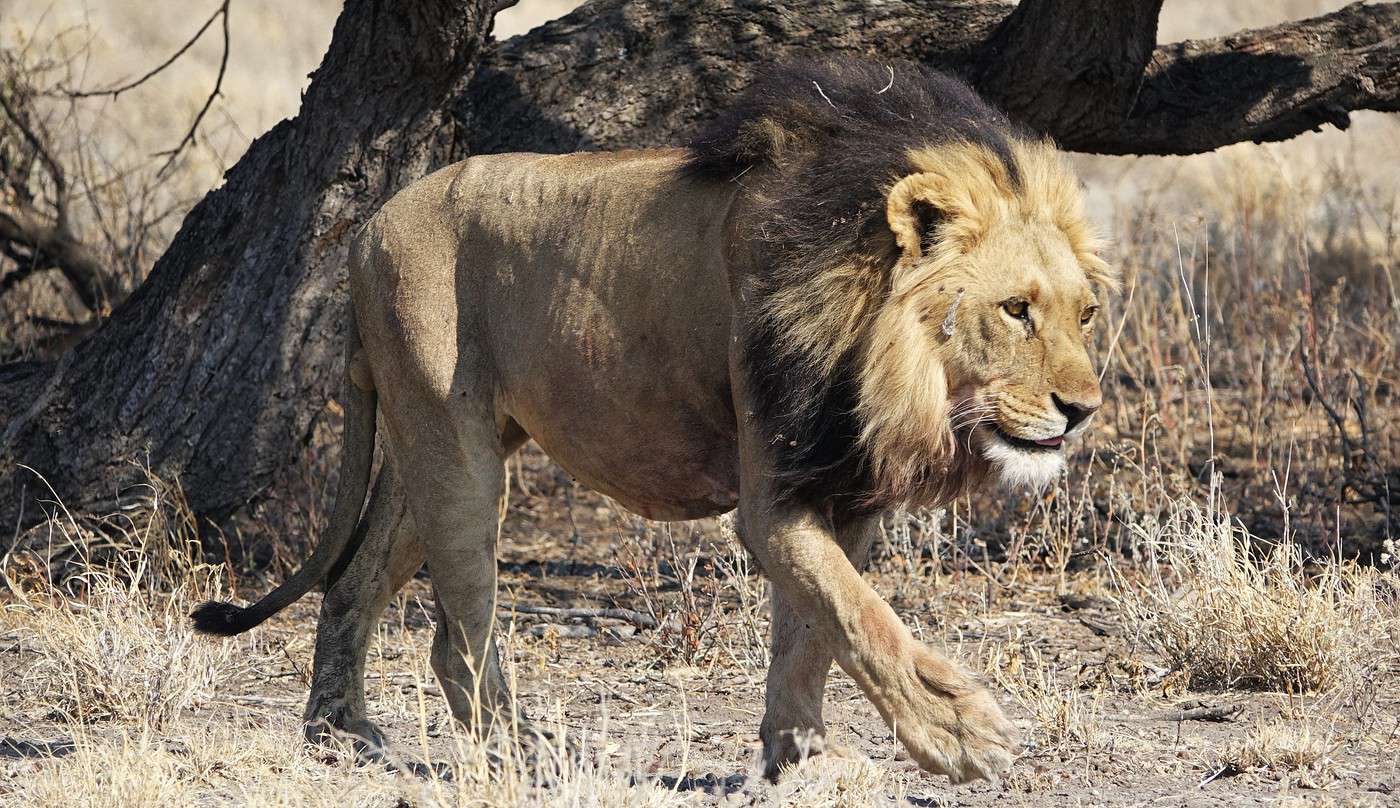
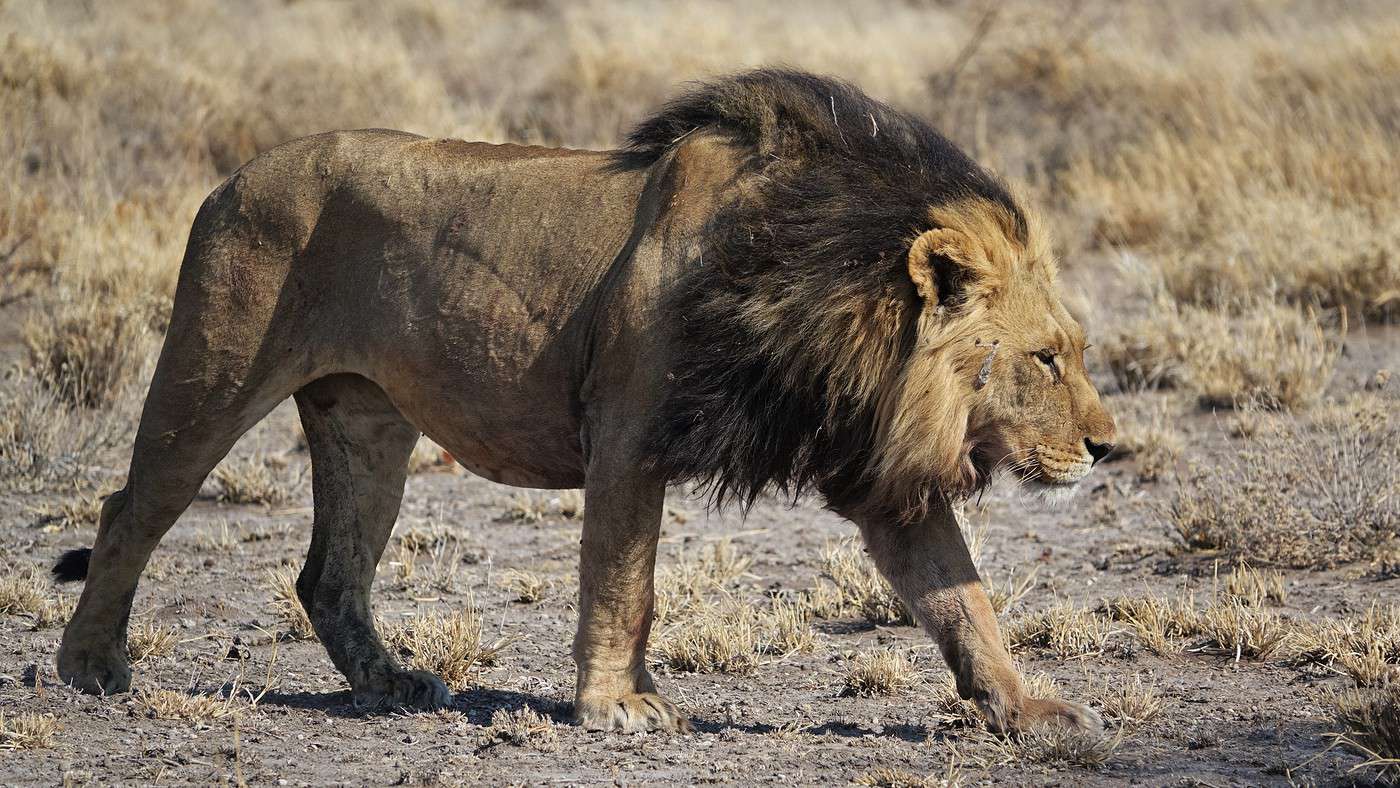
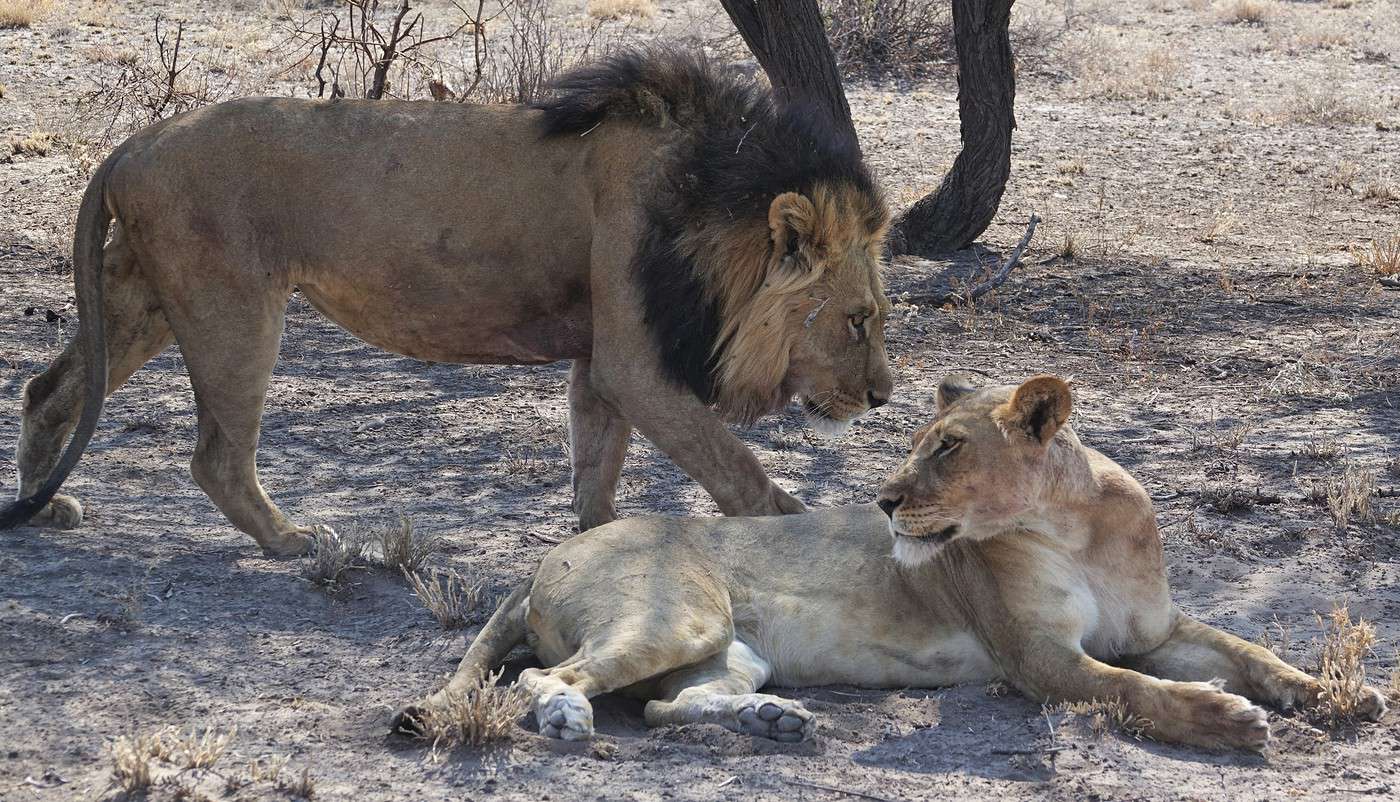
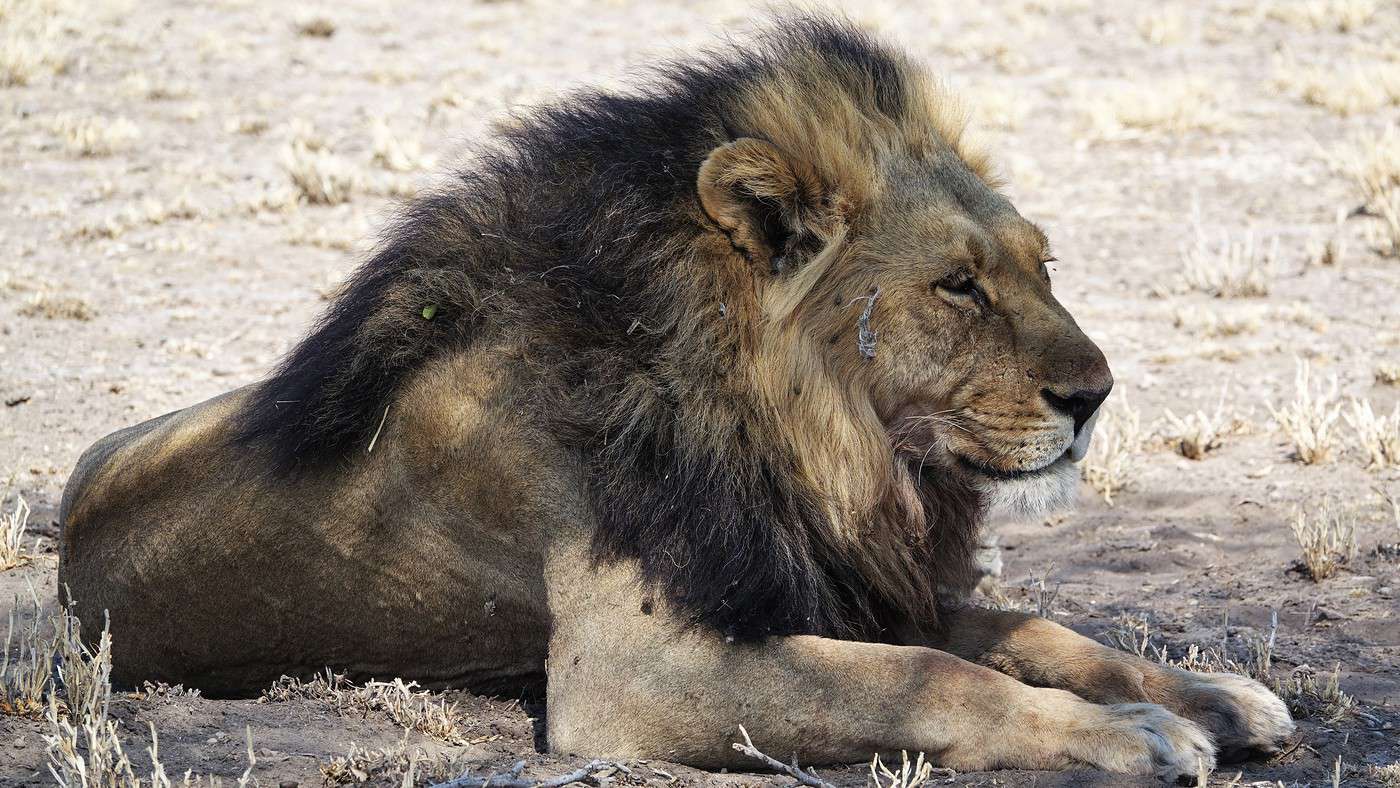
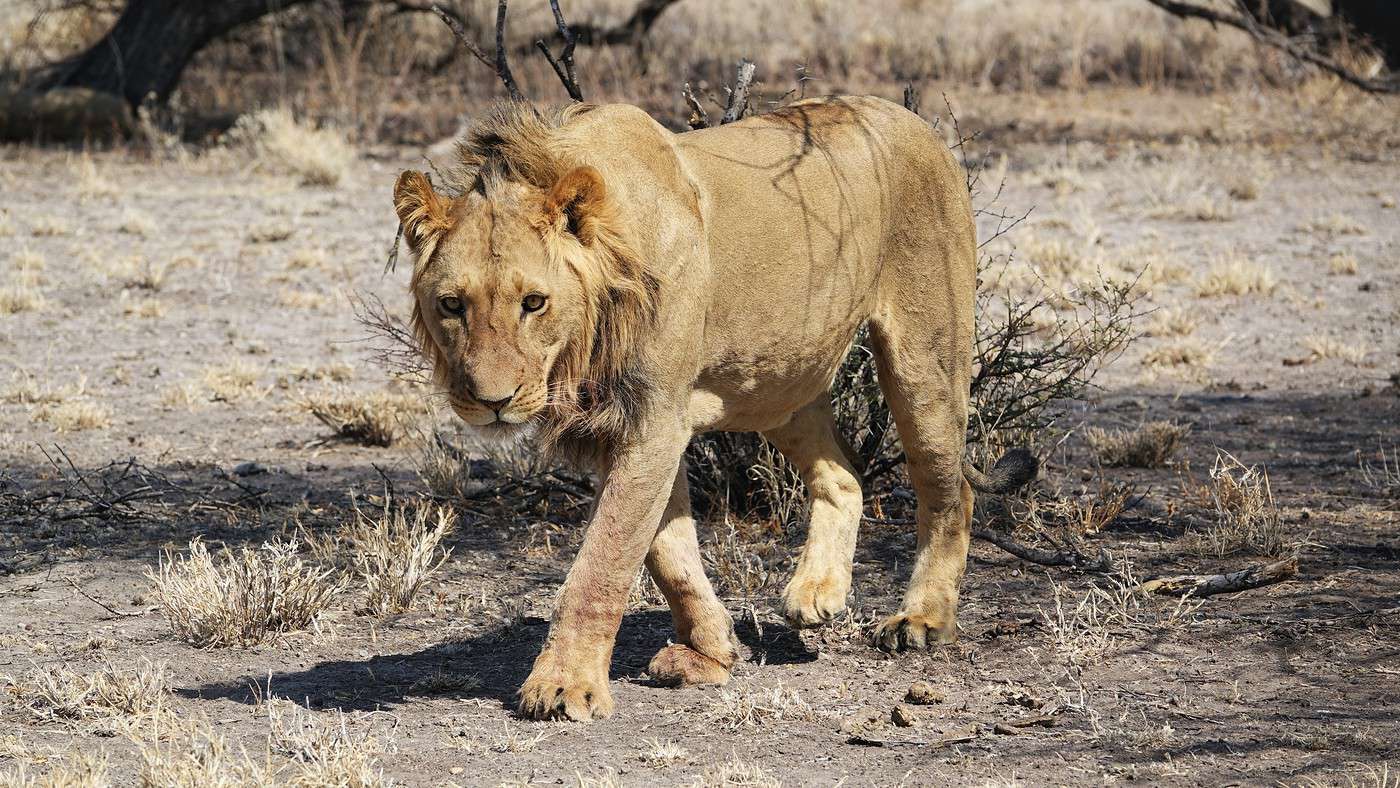
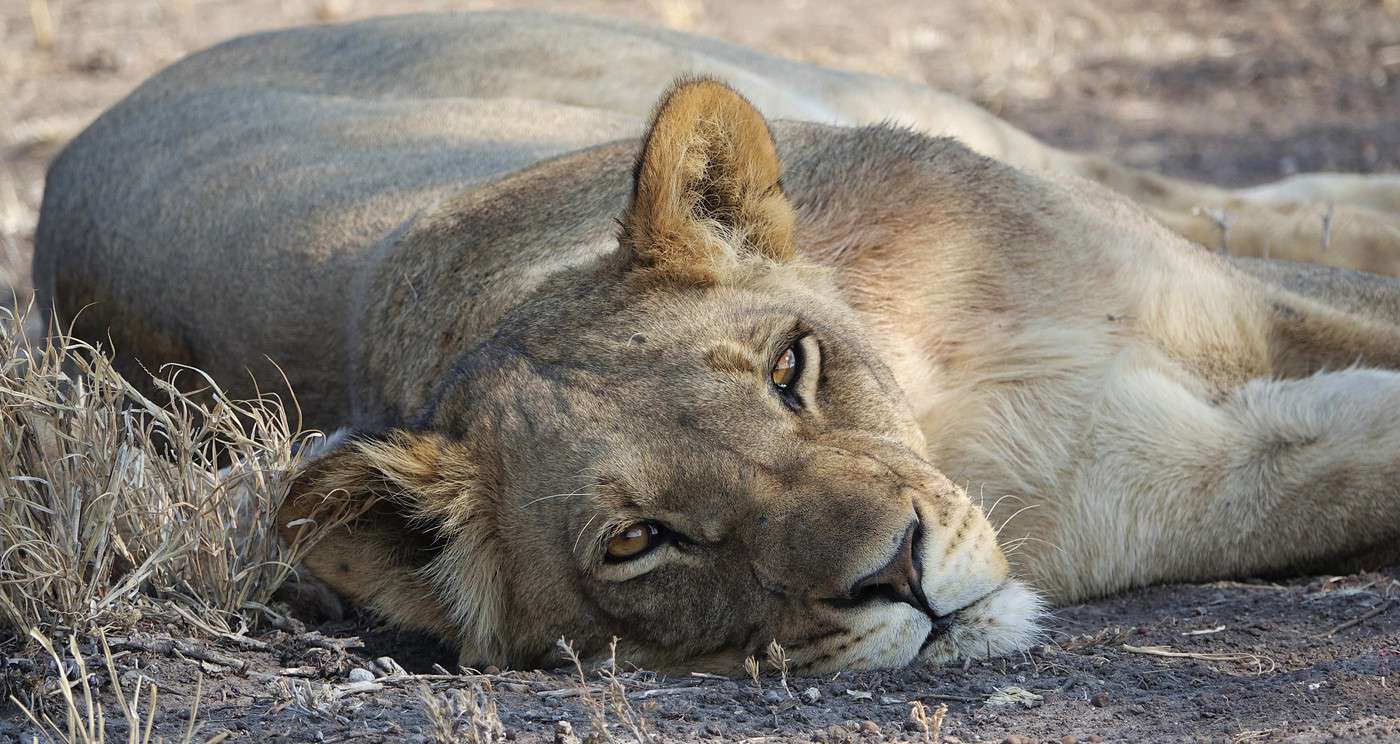
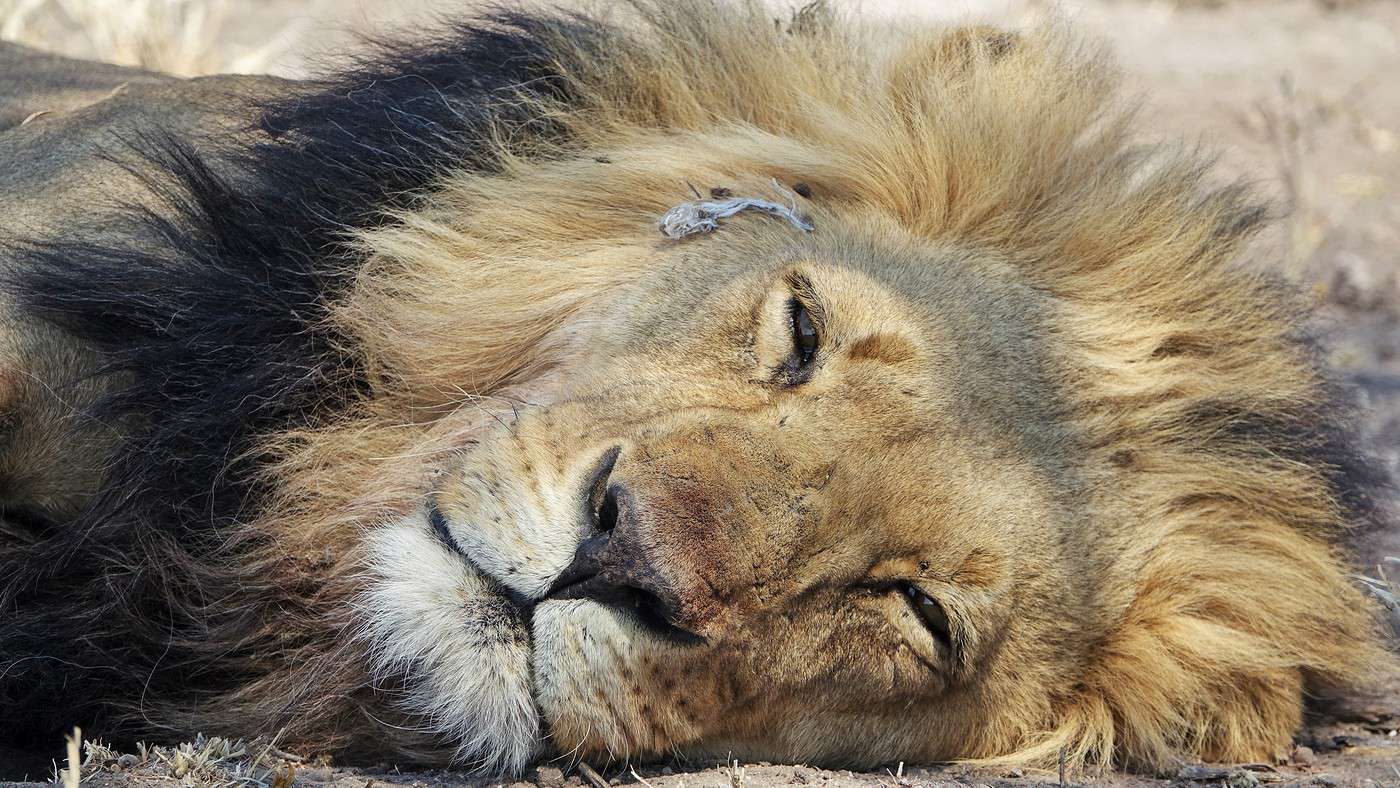
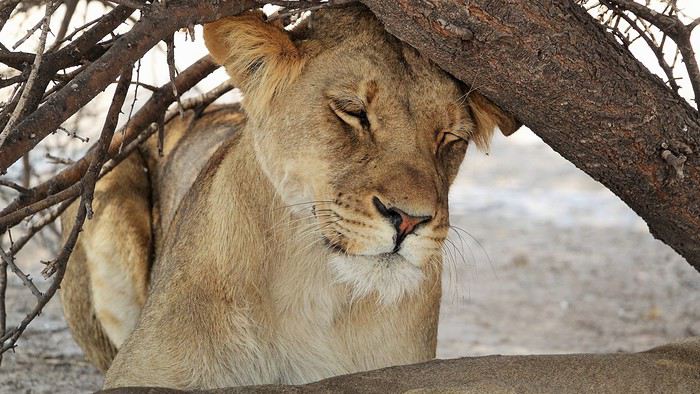
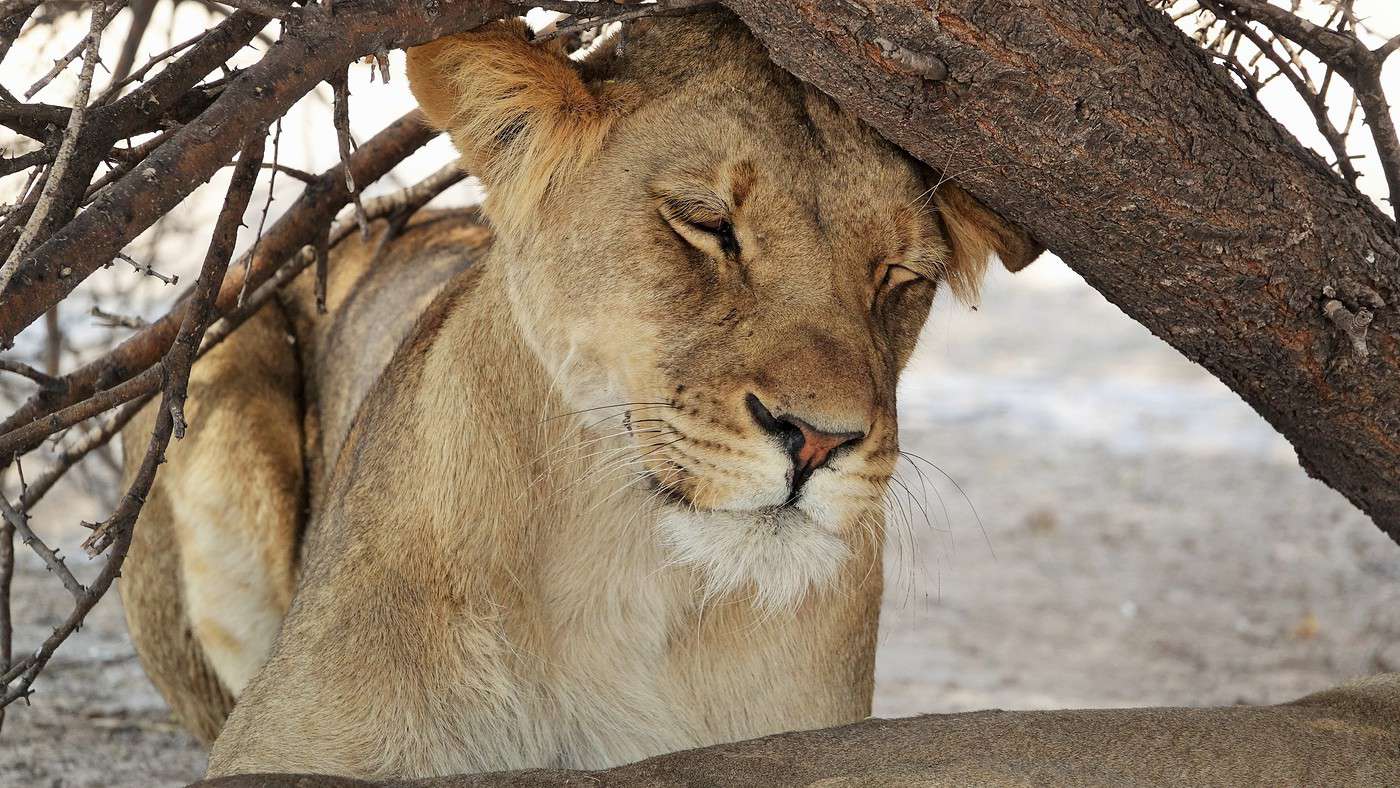
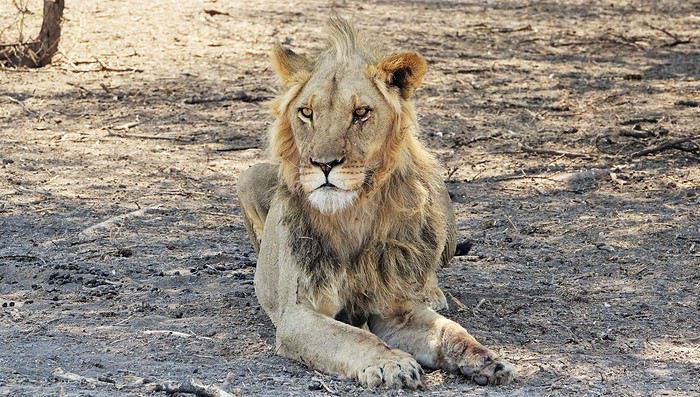
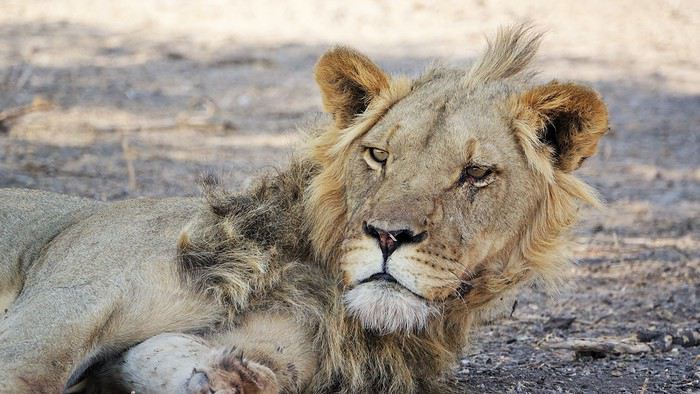
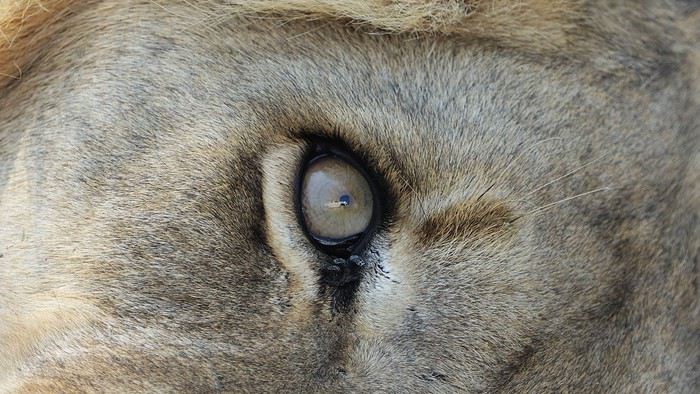
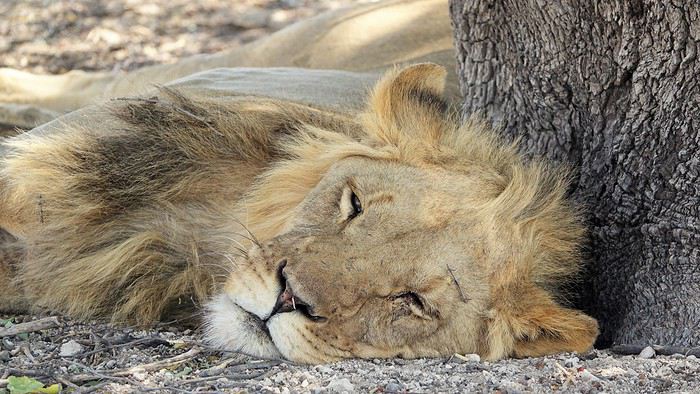
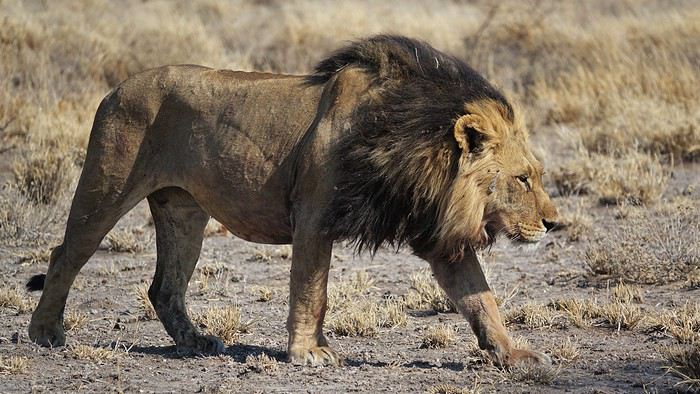
To the south of the pan, a short track leads into a cluster of trees, then a second one a bit farther. No leopard here, but a young lion is lying in the second grove. He seems to be waking up. Just a few meters away, we watch him stretch and yawn. Then he stands, walks about ten meters, and lies down again. We’re alone with the big cat, and selfishly, we appreciate this encounter even more.
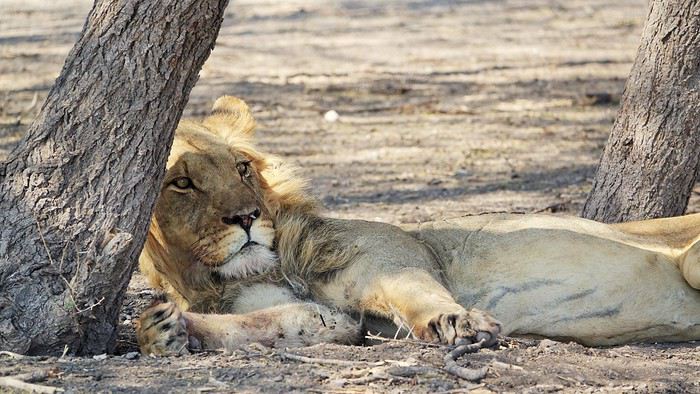
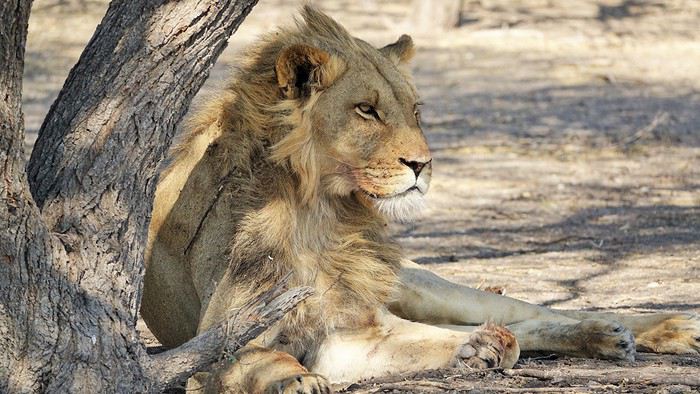
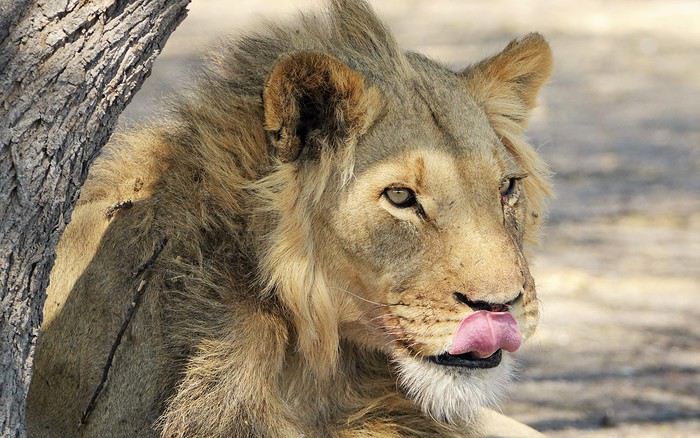
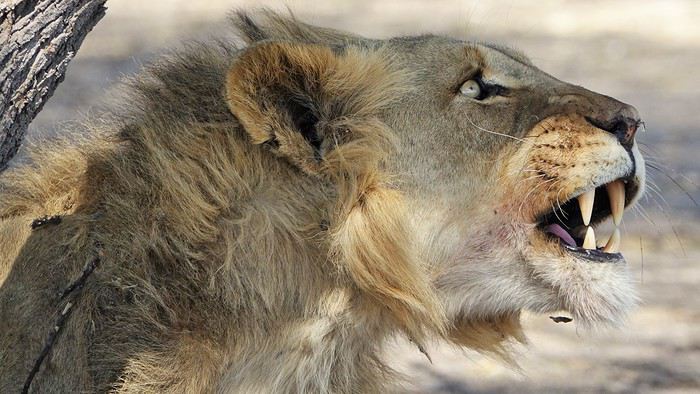
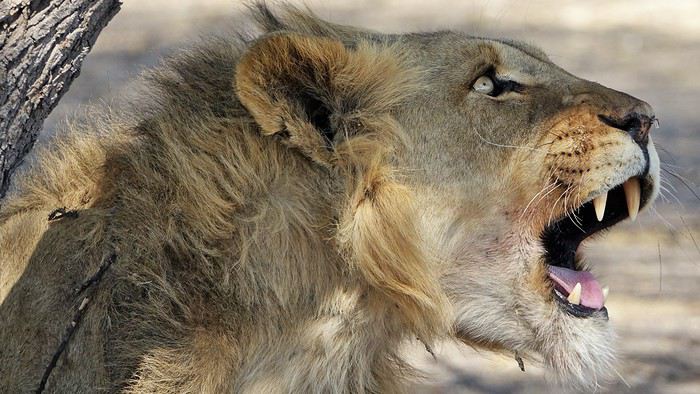
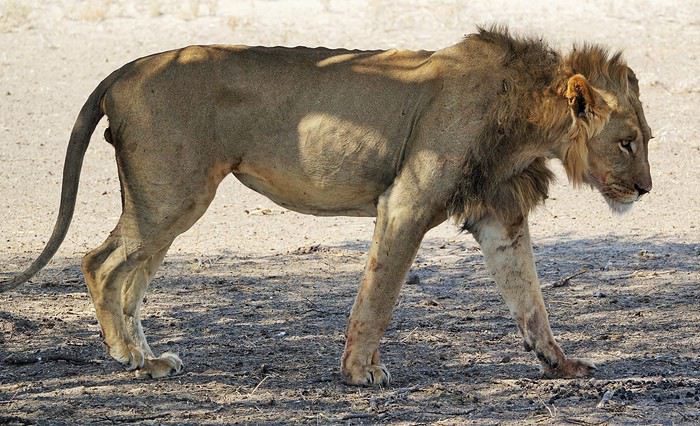


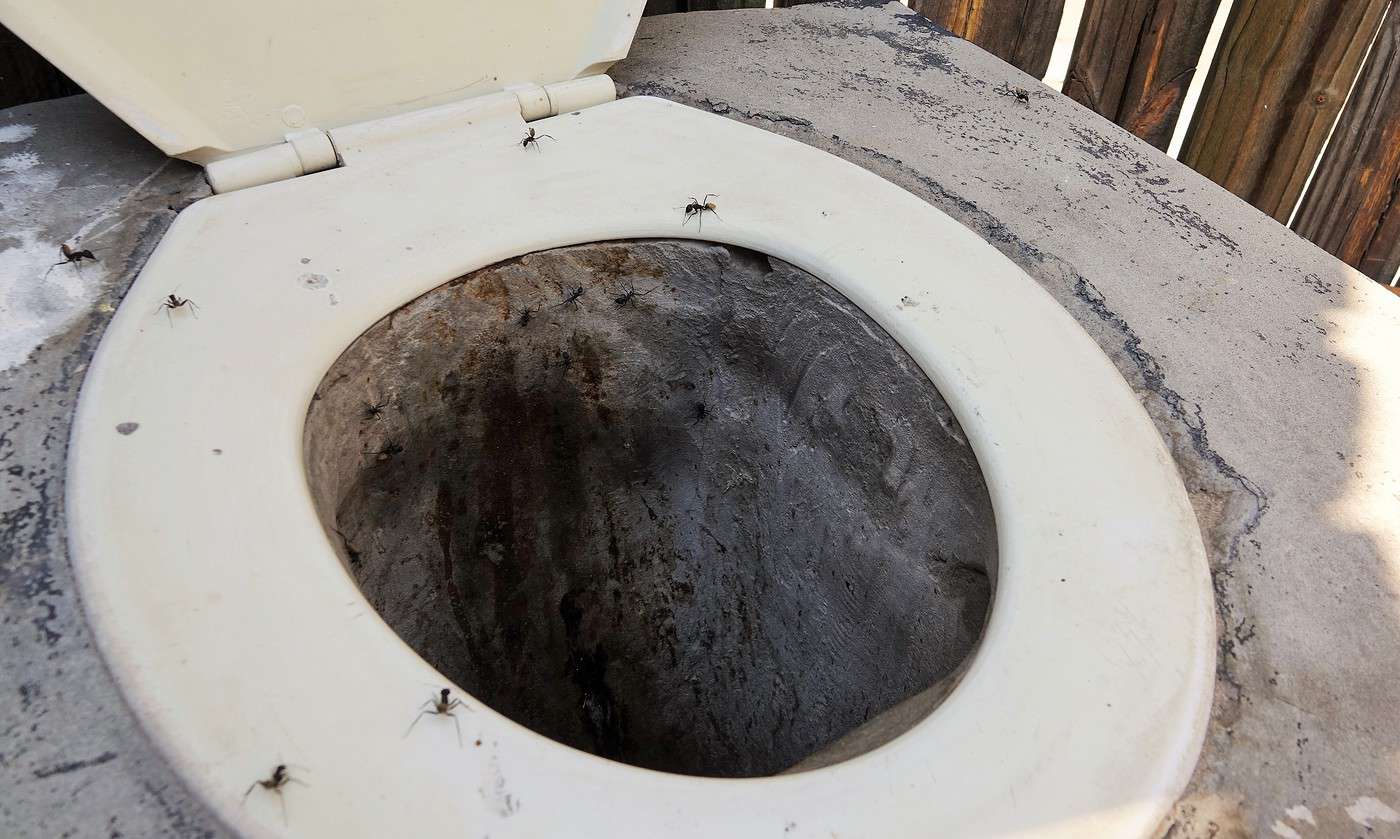
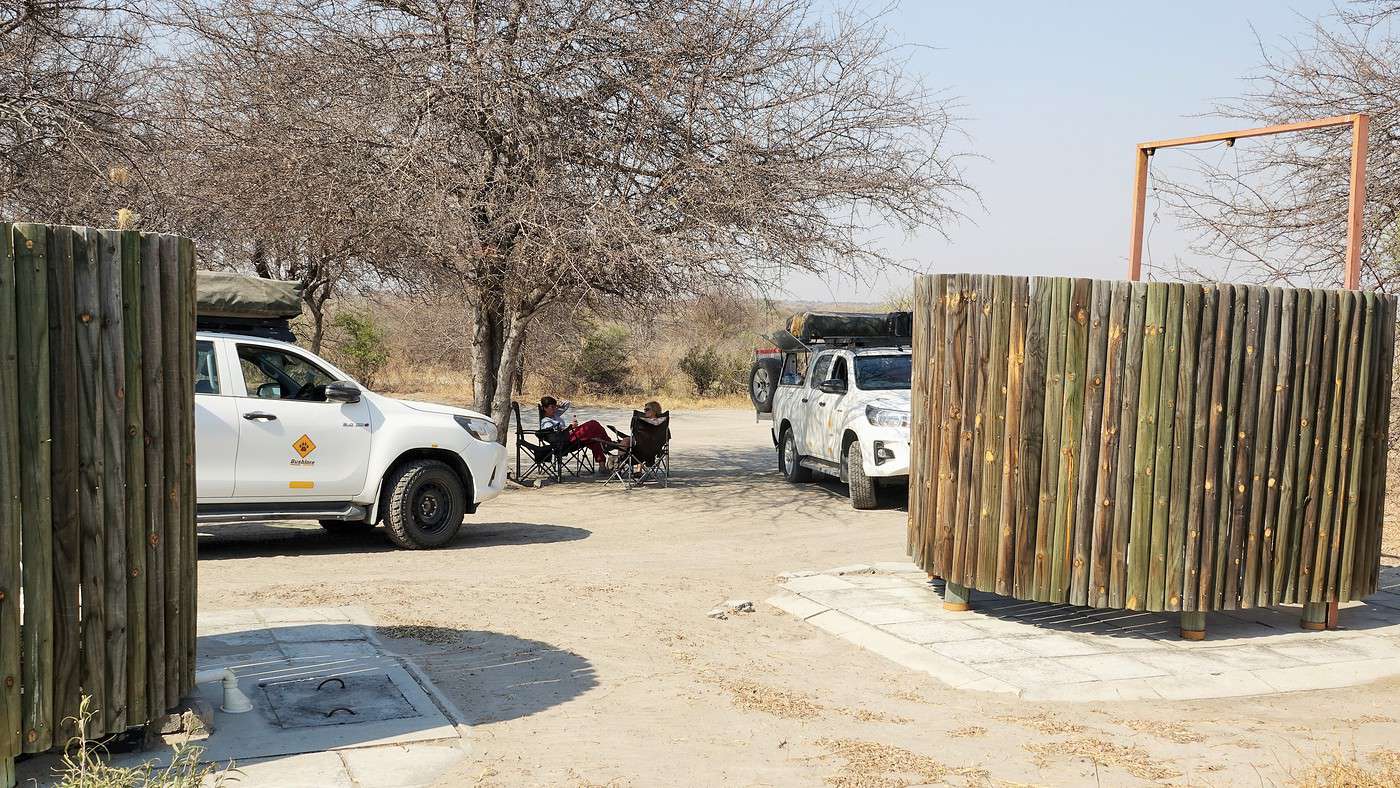
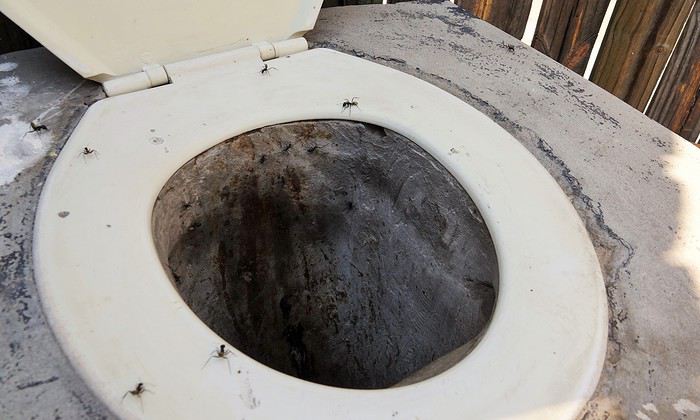
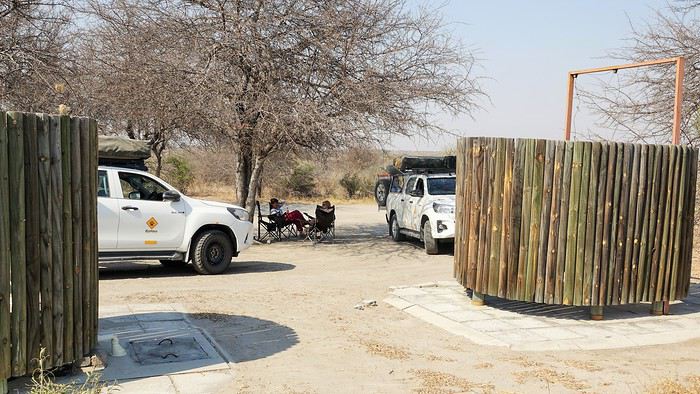
Our campsite for the next night isn’t far, so we go check it out. At CKSUN1, it’s also dry toilets and a bucket shower out of service, but we paid less than 12 €. In the CKGR, some sites like yesterday’s have been privatized and cost 10 times more than those still managed by Botswana’s national parks, like today’s—yet the facilities are identical. Let’s talk about the toilets: not exactly clean, and especially with huge ants constantly crawling in and out of the bowl—total mood killer!


After this little break, we go back to see “our” lion since it’s so close. He hasn’t moved an inch! A car enters the pan via the small track, circles the first grove, then turns back without continuing to the second cluster of trees. Too bad for them!


With the lion completely inactive, we head back to Sunday Pan Waterhole. This time, large herds of springboks and gemsboks take turns at the waterhole.
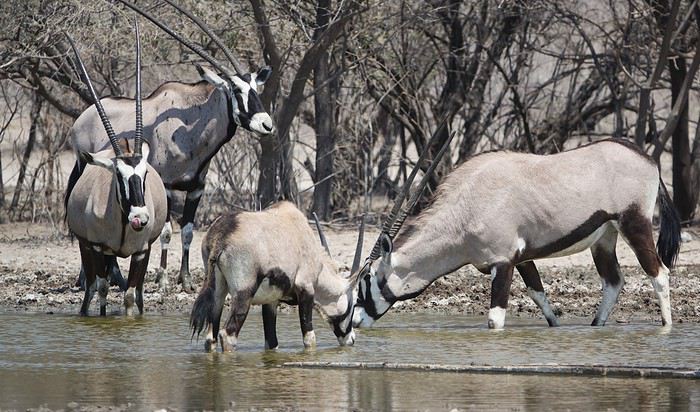


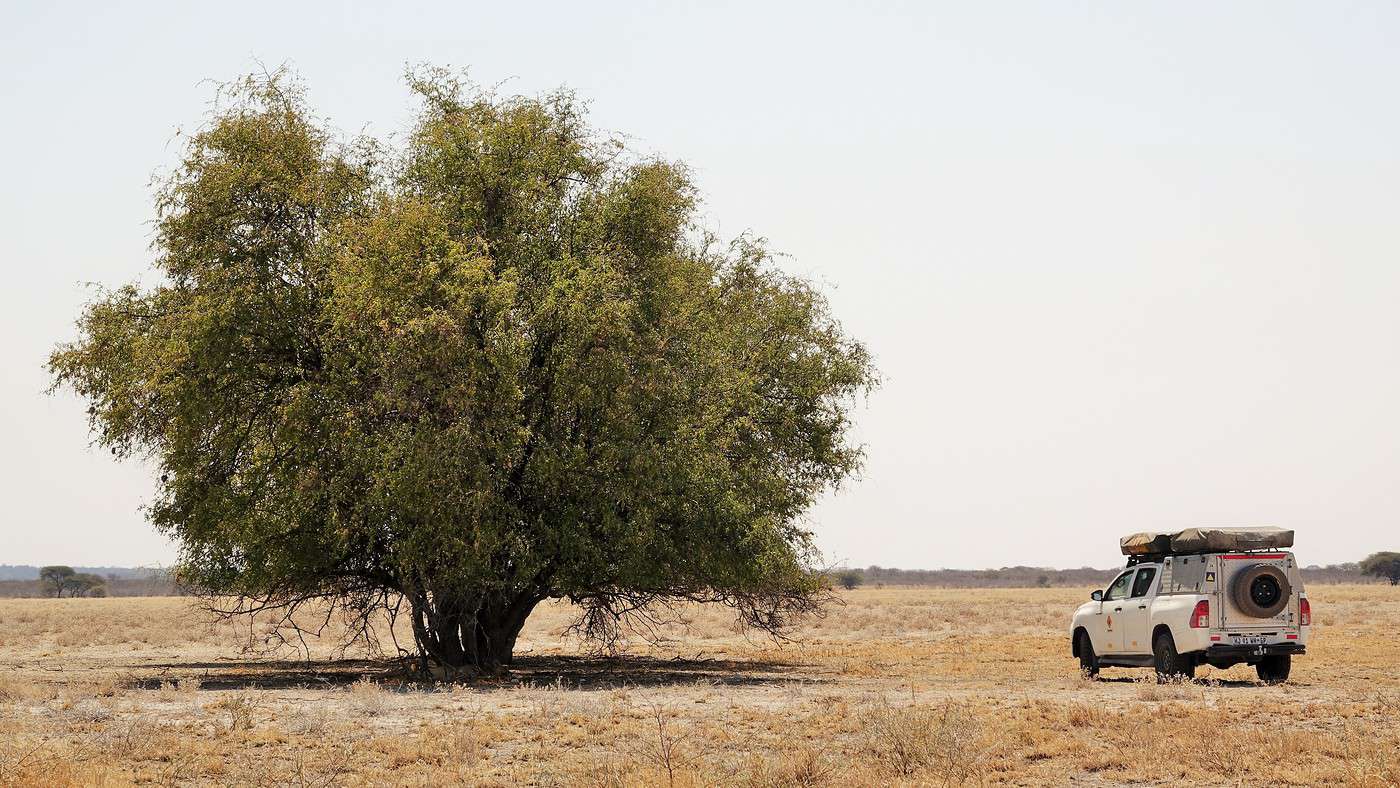
We continue south and complete a big loop, returning to Leopard Pan. The track is in really bad shape, and in the hottest hours, there’s little wildlife to observe. For a moment, we think “our” lion has left, but he’s just moved twenty meters away, into the shade of an isolated tree in the pan. We drive slightly off the track to get closer. He’s still just as lethargic, so we head back to Sunday Pan Waterhole again. Waterholes are so rare in the CKGR that we hope it’ll be a parade of animals, but it’s not really the case—just a few gemsboks. However, we run into our friends. We tell them there’s a lion in Leopard Pan and guide them there.
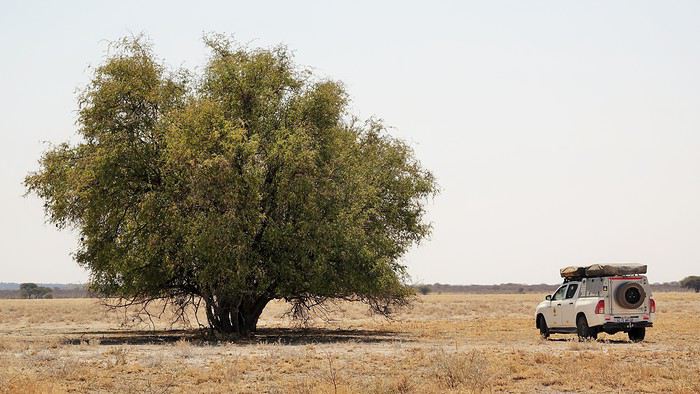


We circle the pan again—the light is gorgeous. Then we go set up at our campsite. As the crow flies, the lion is only a kilometer away, and he’s probably not alone, so we stay alert and don’t linger outside too long in the evening.
In the Land of the Tswana (Botswana)

Muriel18 · 2019-12-07 · Message 30 of 183

Hi Ludo

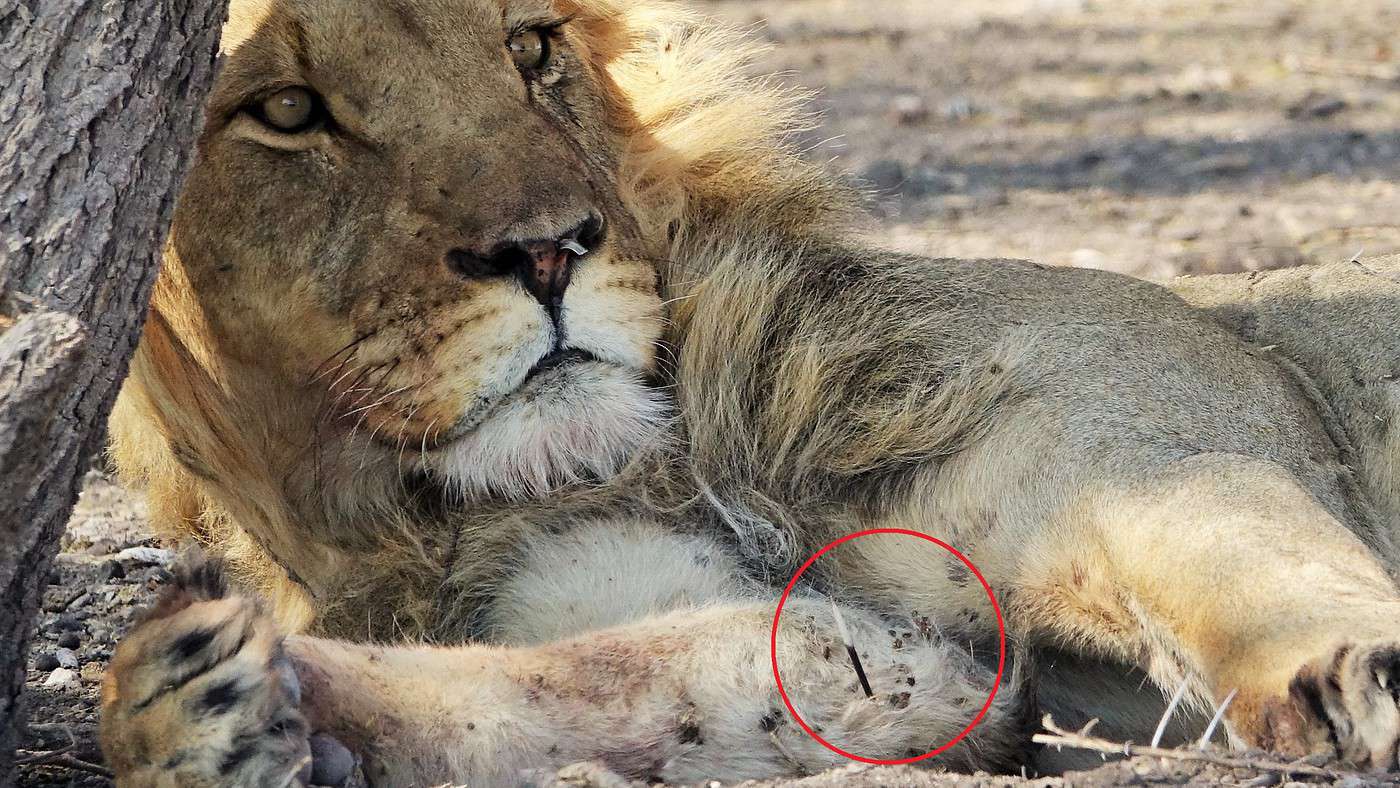
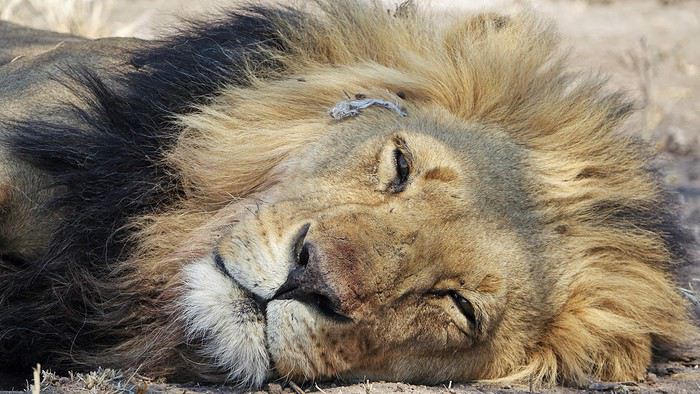
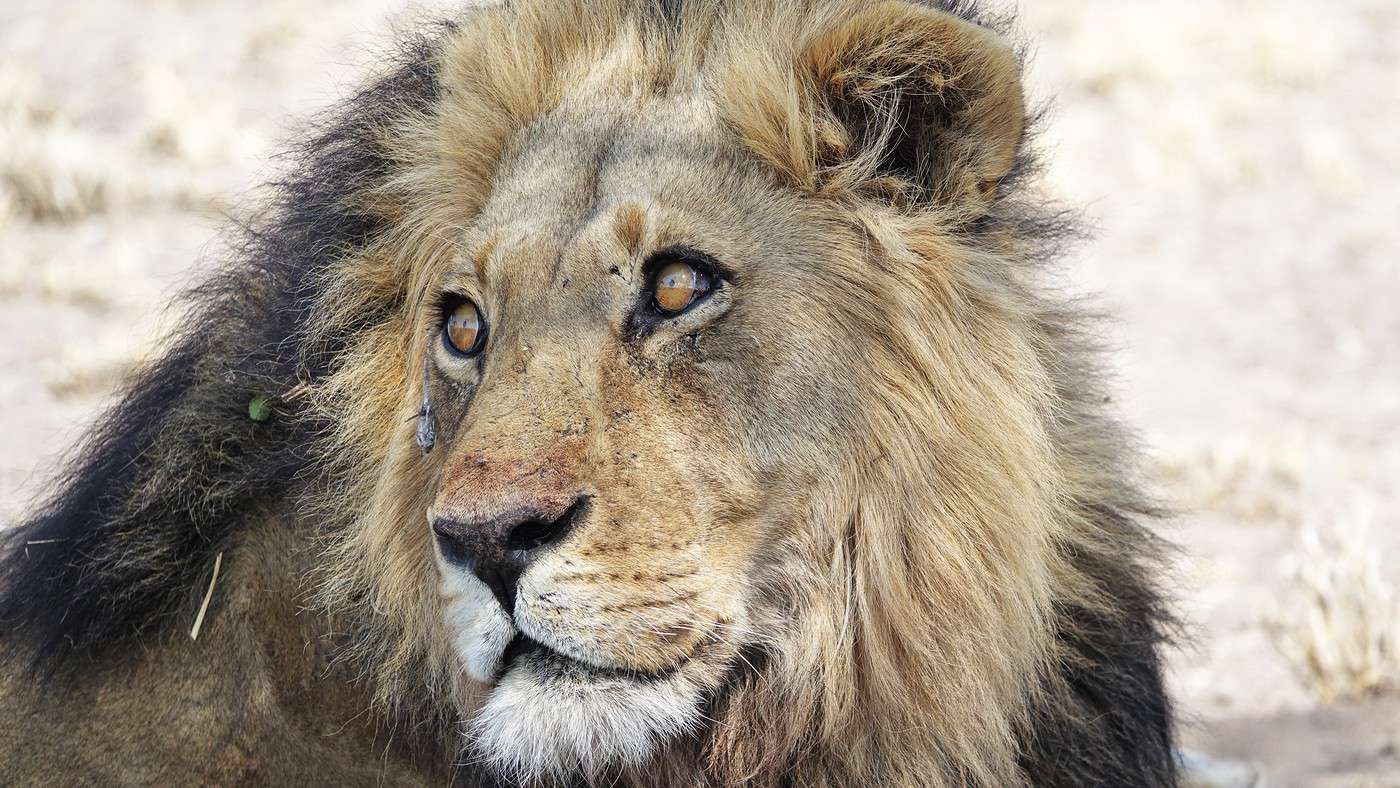
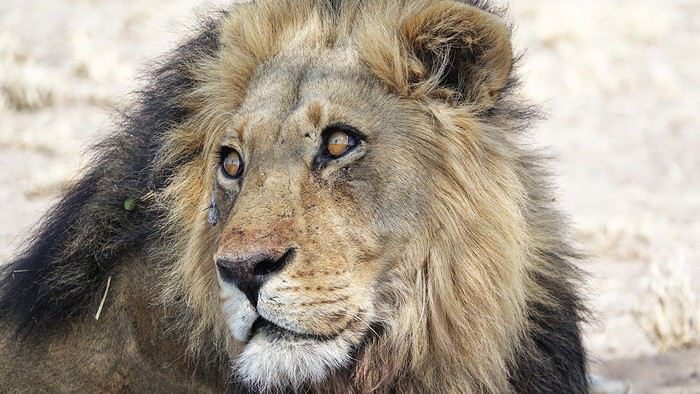
That lion doesn’t look well at all ðŸĪŠ. I think he’s really thin.... and aren’t those porcupine quills stuck in his neck? Muriel

In the Land of the Tswana (Botswana)

OldPlatypus · 2019-12-09 · Message 31 of 183

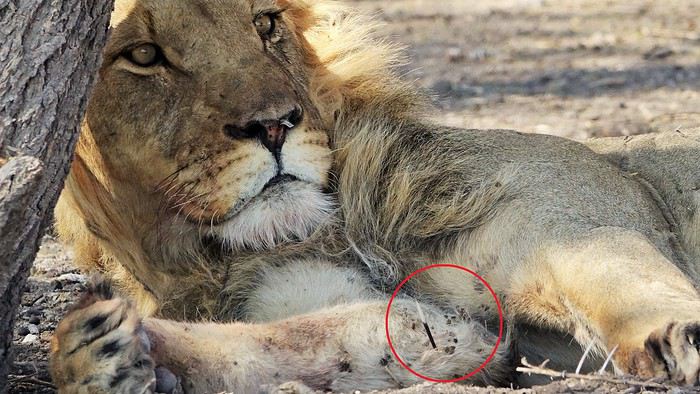
Hi Muriel. After carefully reviewing all the lion photos, there’s no porcupine quill stuck in its neck, but when you zoom in on one of the shots, you can clearly see one lodged in its front paw.


In the Land of the Tswana (Botswana)

OldPlatypus · 2019-12-10 · Message 32 of 183

09/22/2019 (Part 1): Central Kalahari

This morning again, we're up at dawn and leave camp as the sun is just rising. Our friends are struggling to keep up with our pace and decided to get up later. We heard some hyena calls during the night, but no visitors to report. So we head out alone toward Deception Valley—it's just 9°C (48°F).


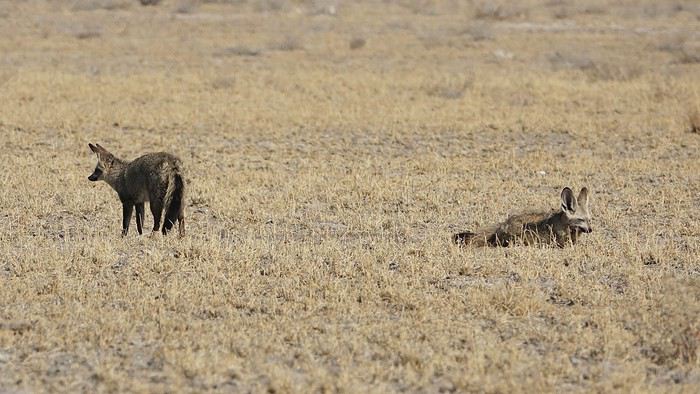
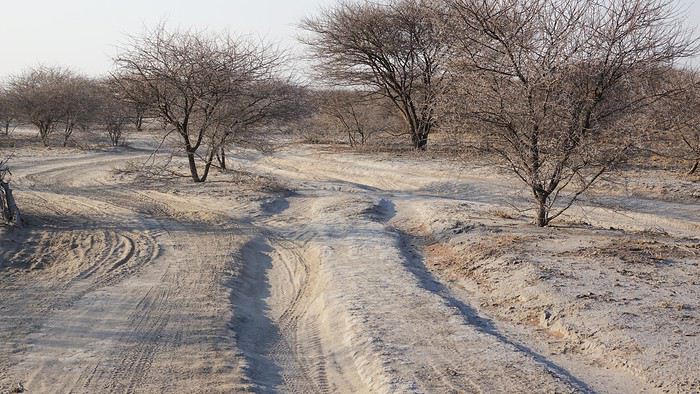
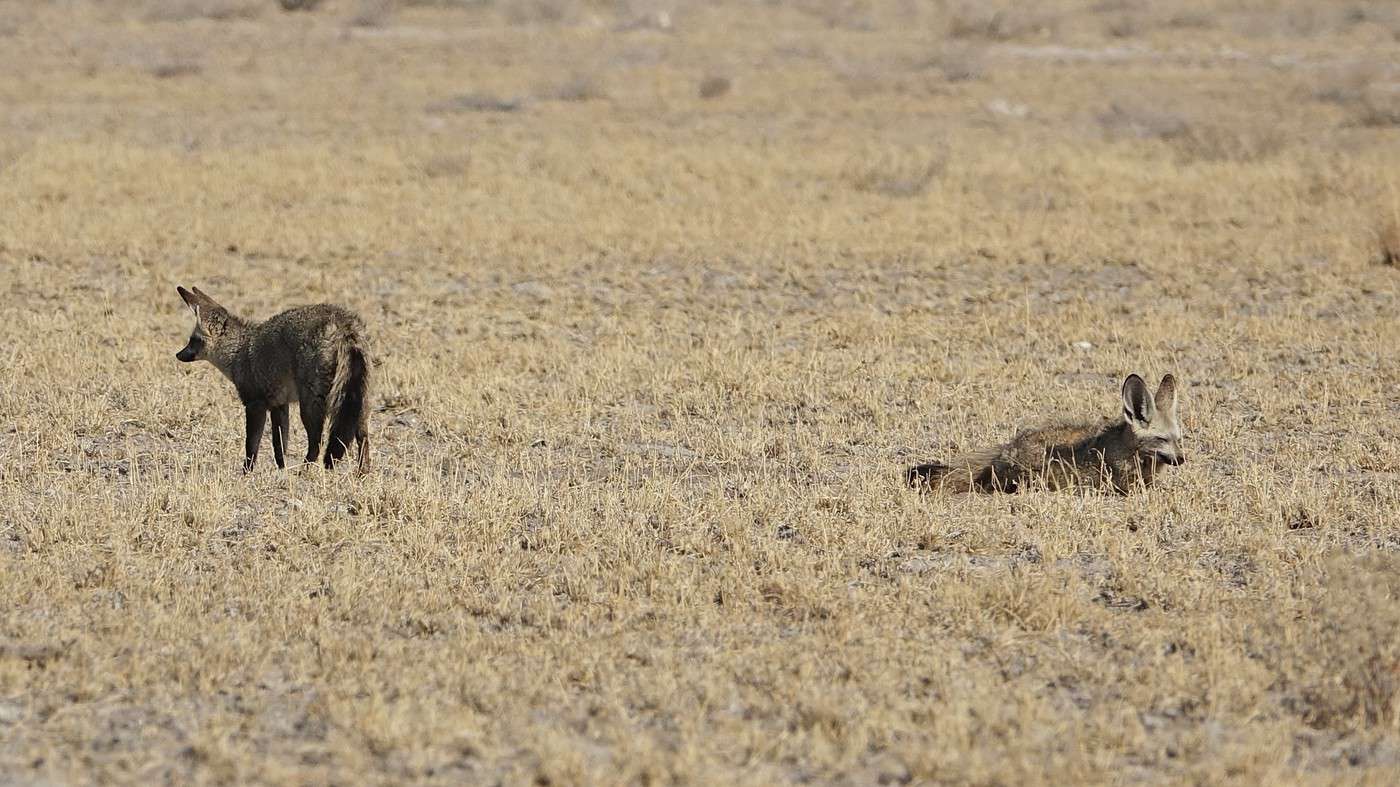
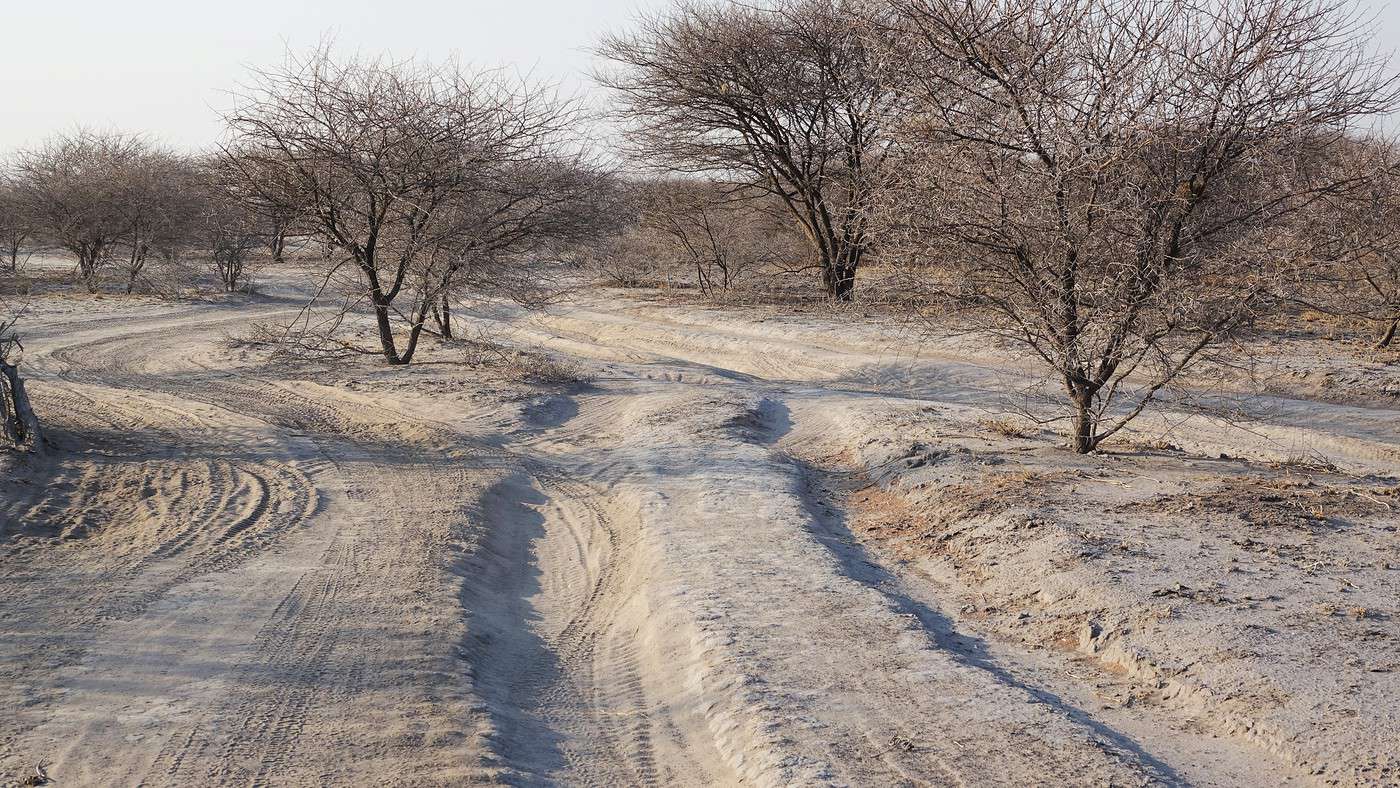
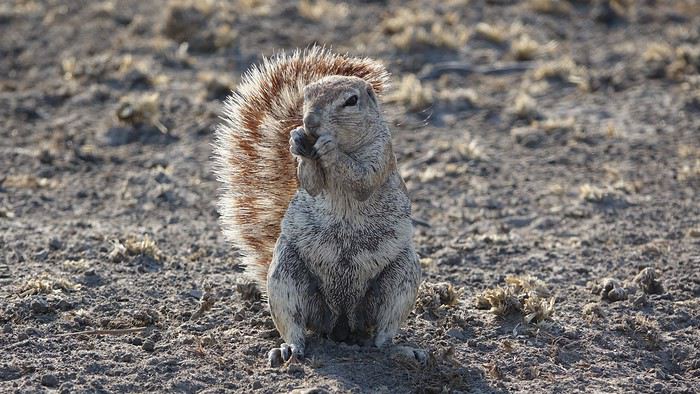
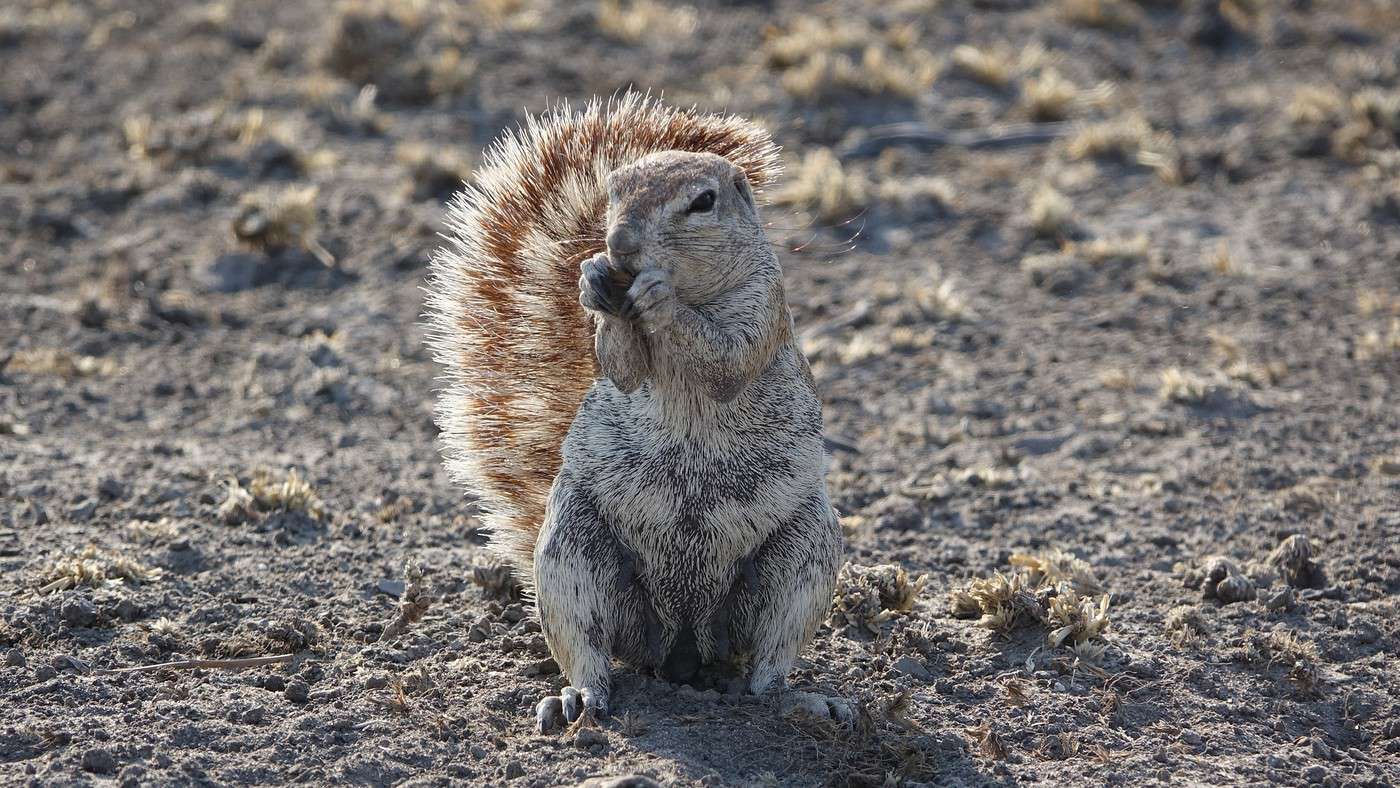
The track is in really bad shape, forcing us to stop regularly to pass very slowly. We spot some bat-eared foxes, unfortunately quite far away. Also jackals, ground squirrels, and korhaans. We pass by the site where the OWENS couple settled in the 1970s to study the Kalahari’s wildlife. Their fascinating book, *The Cry of the Kalahari*, is of course in our luggage, and we try to imagine what their life was like for seven years in this wild environment.


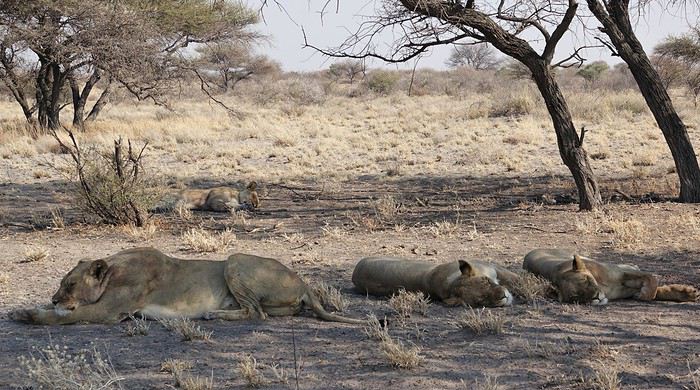
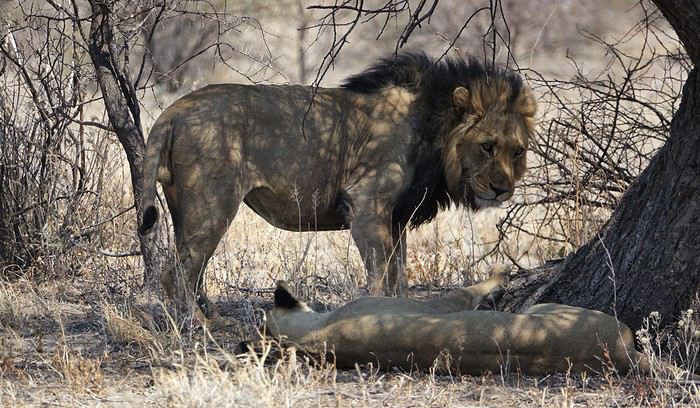
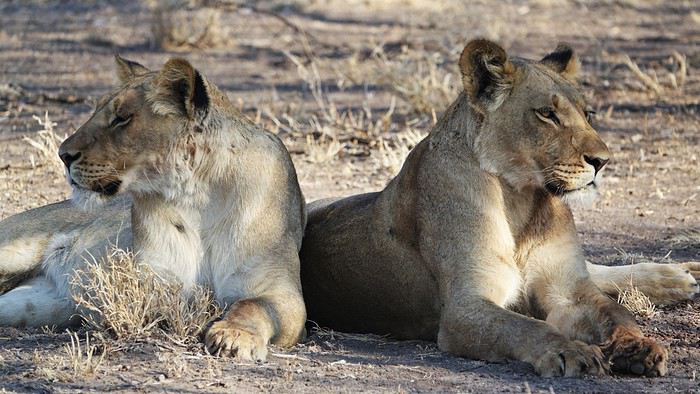
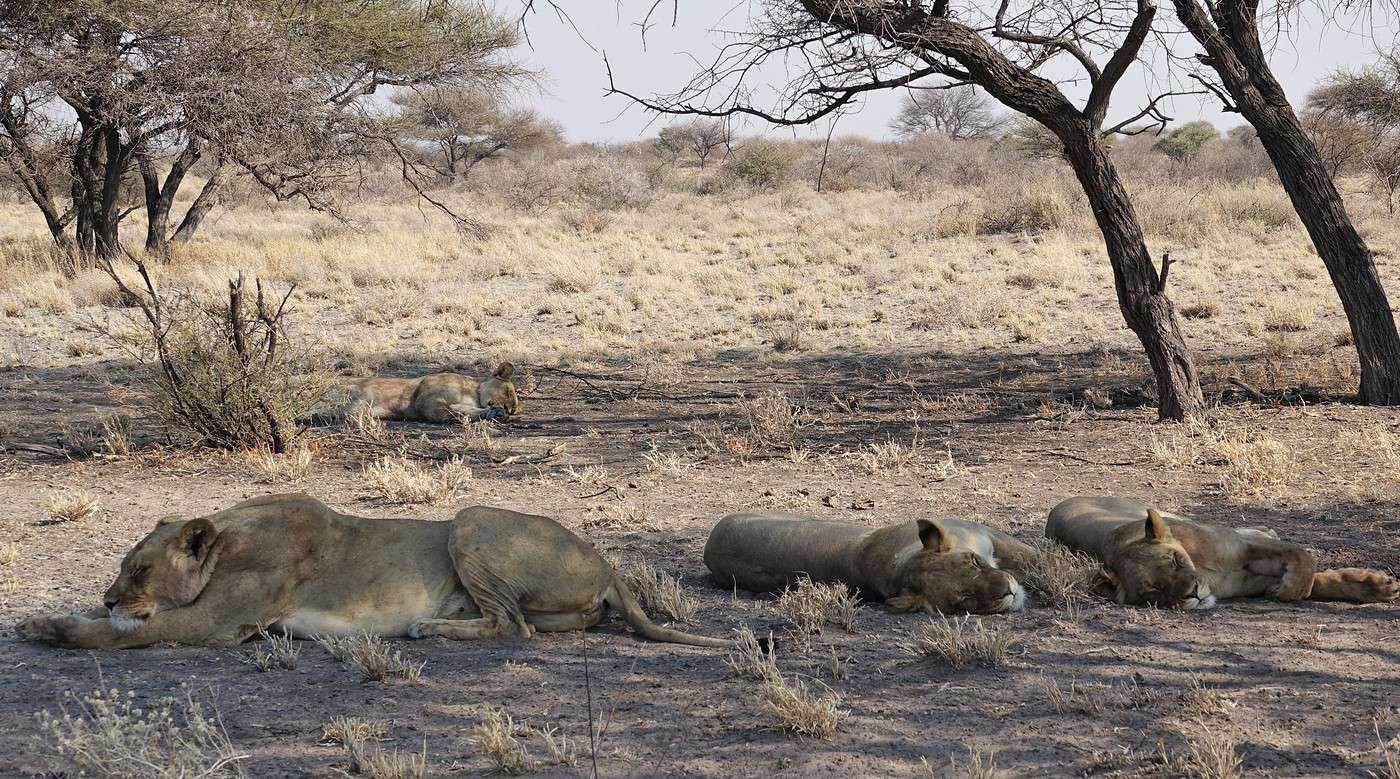
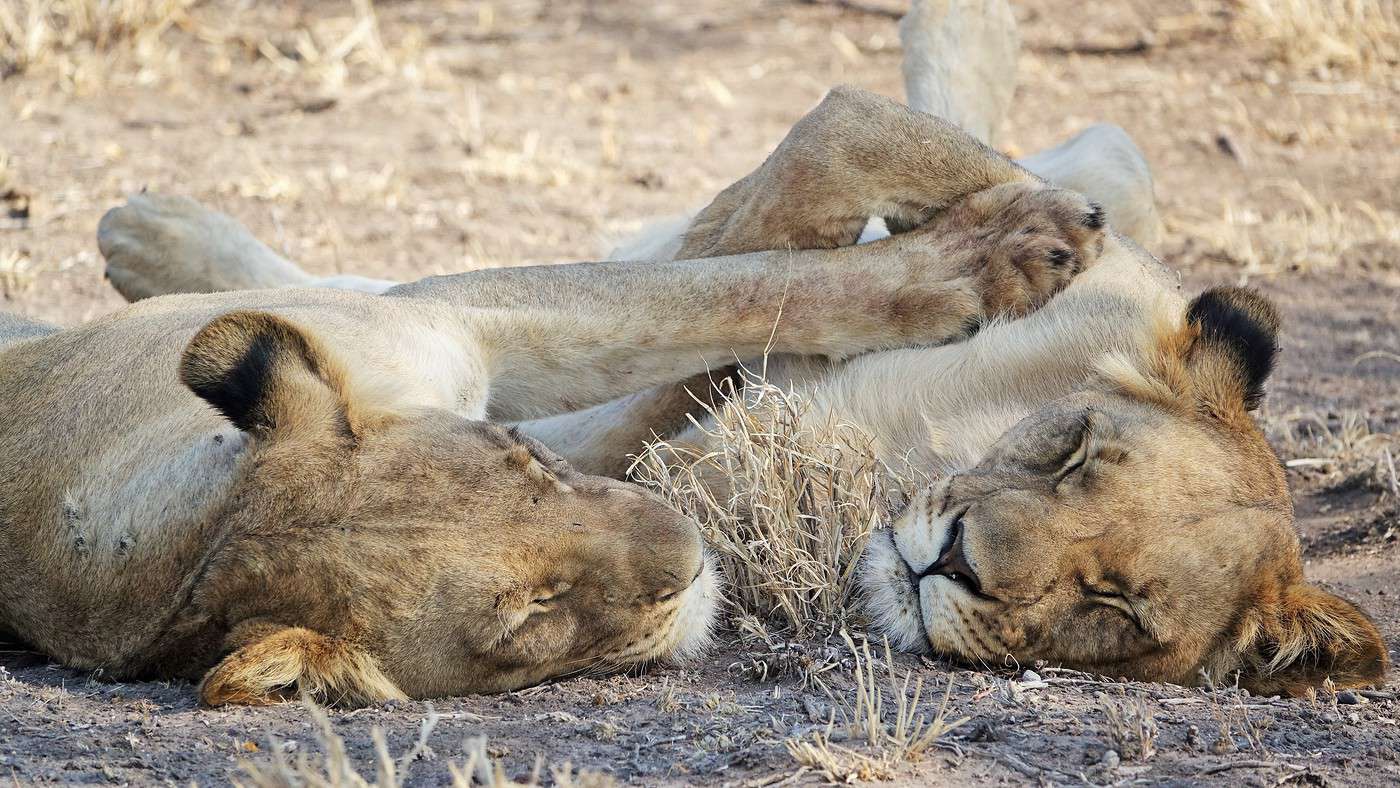
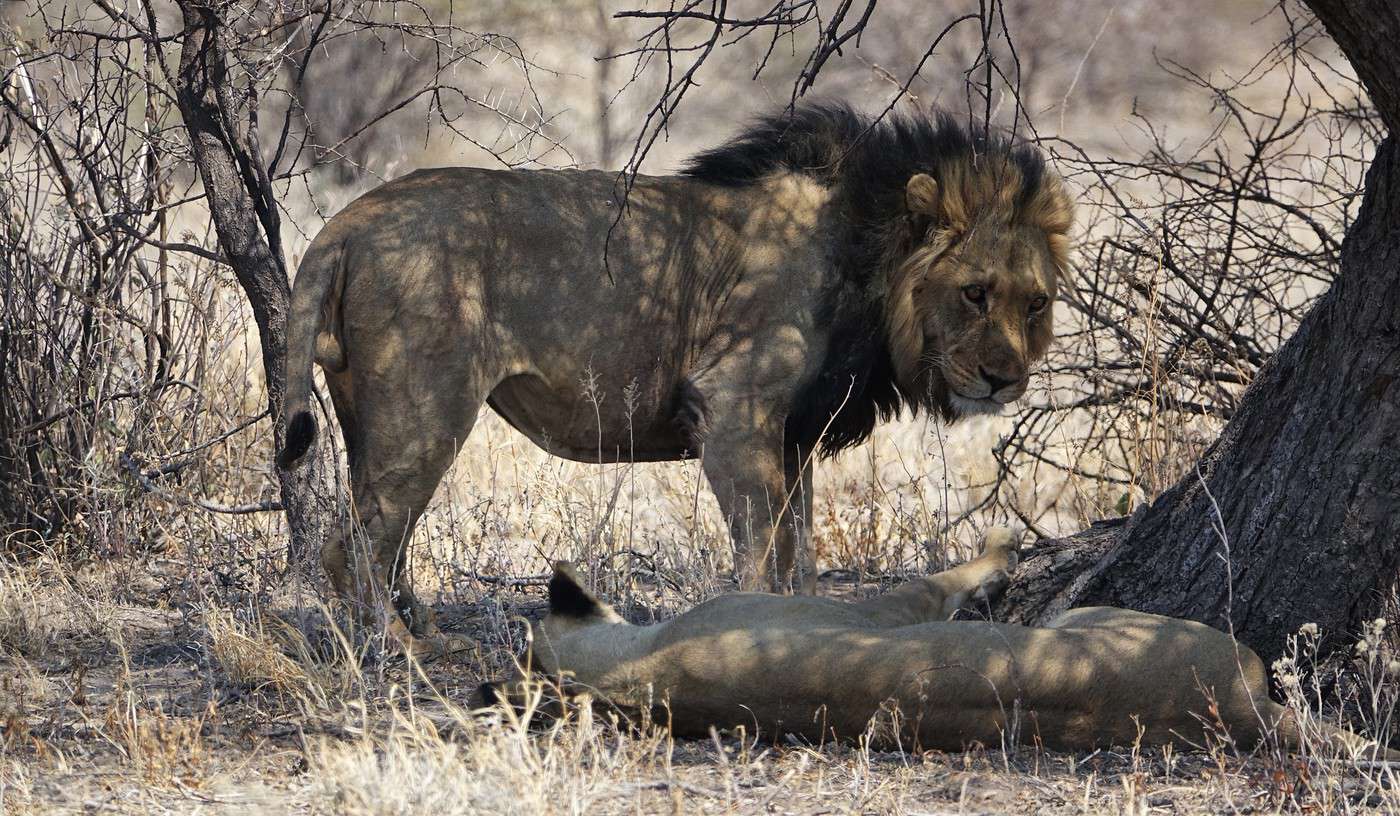
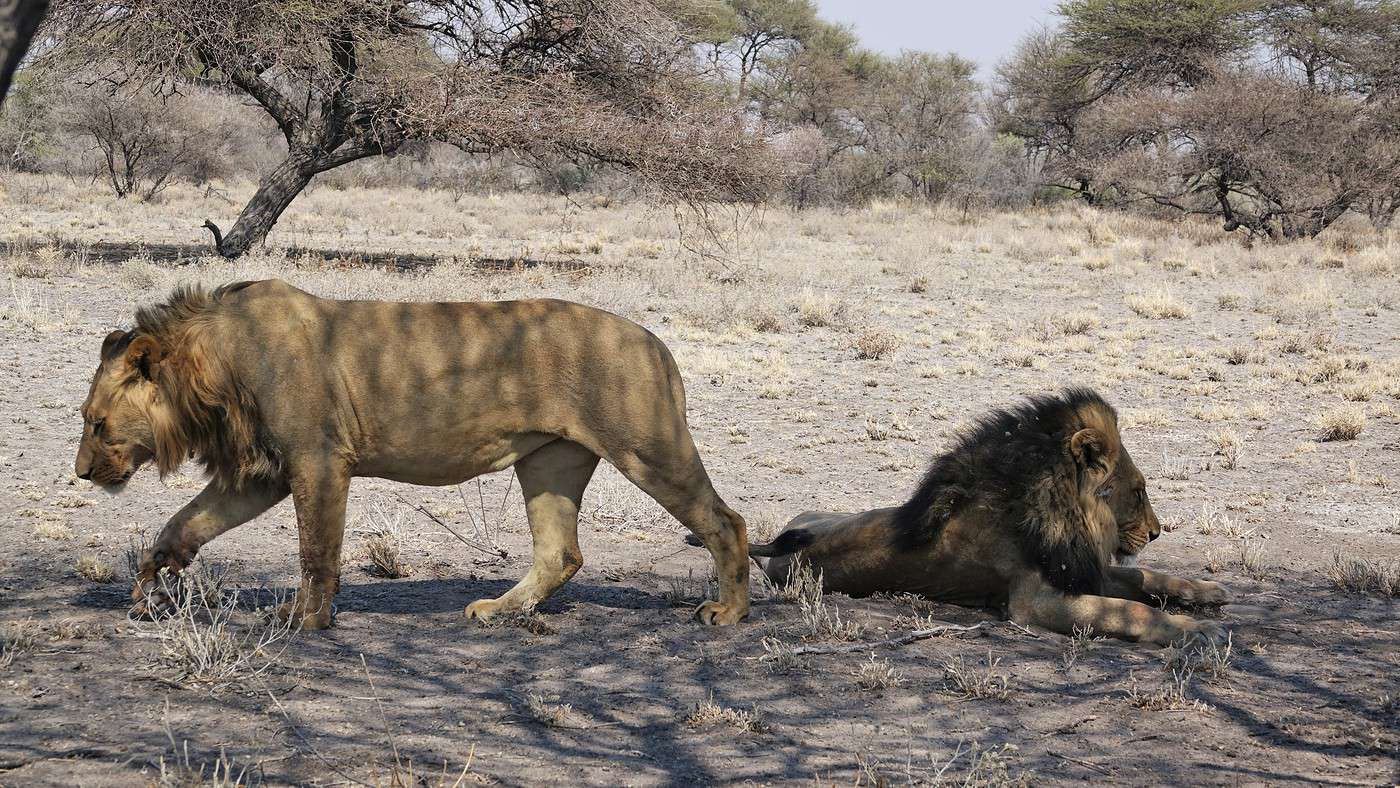
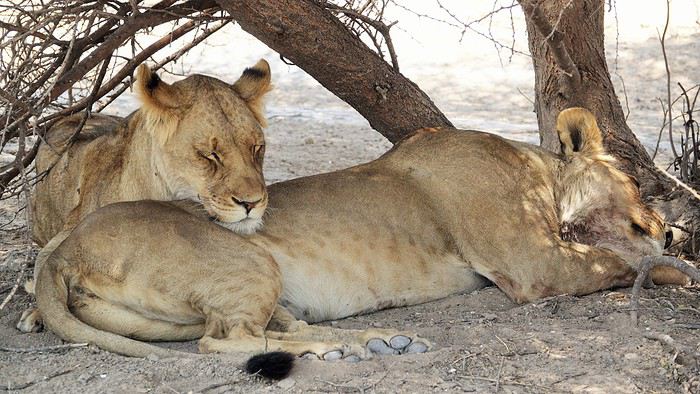
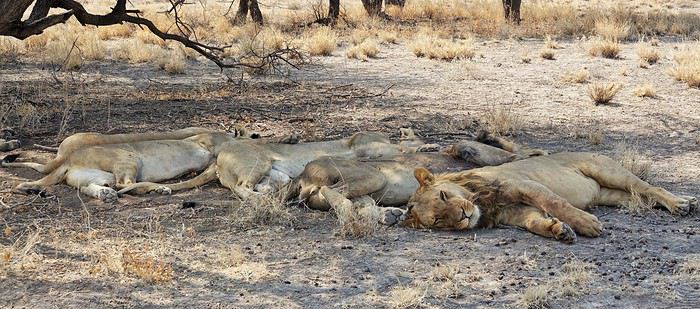
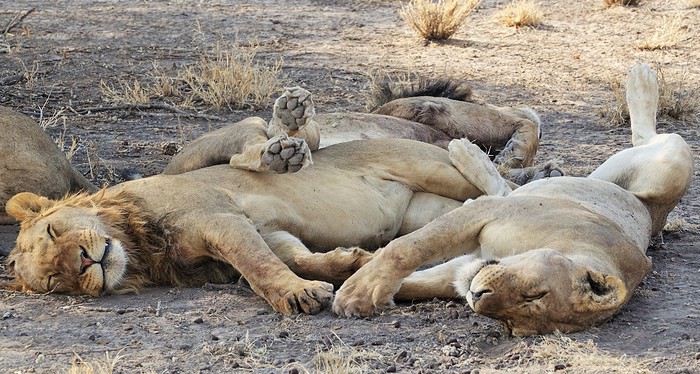
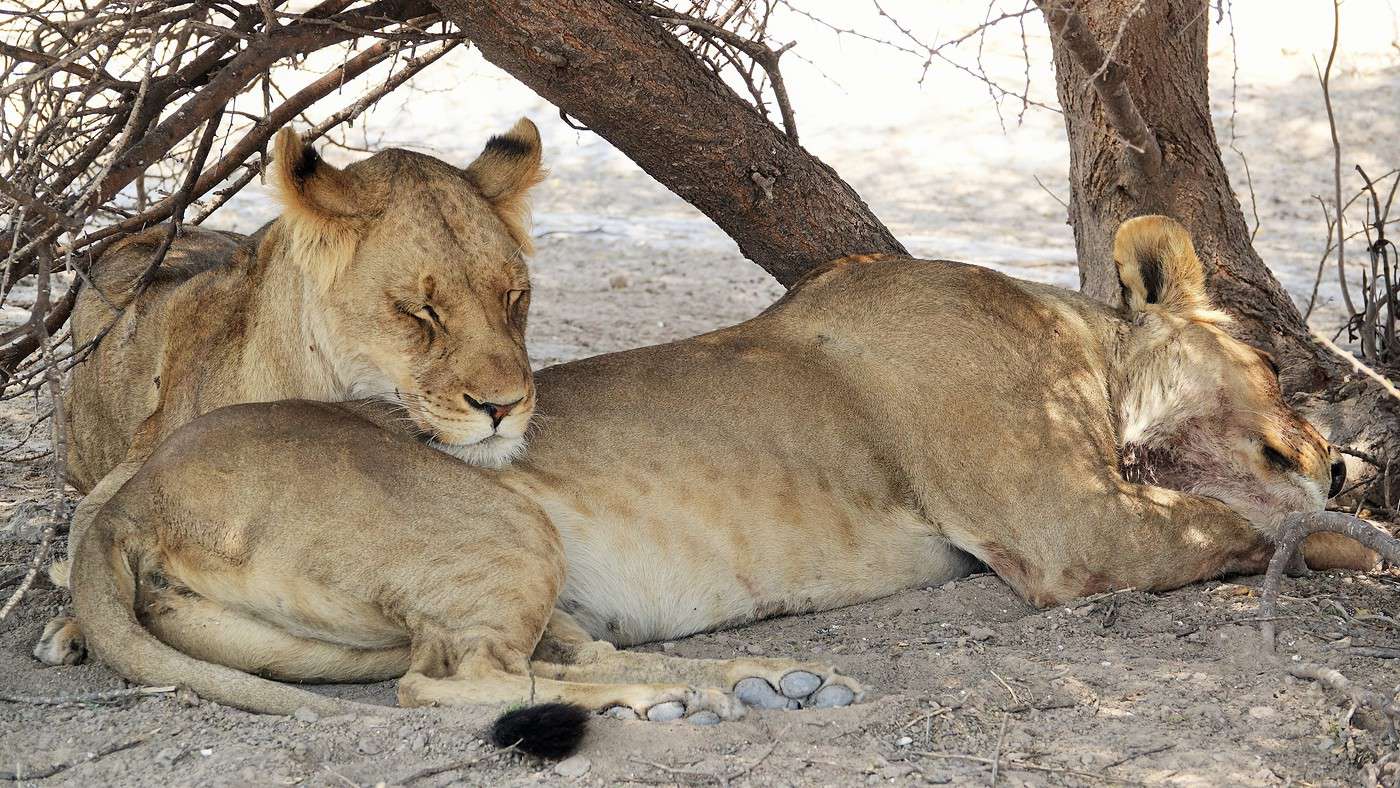
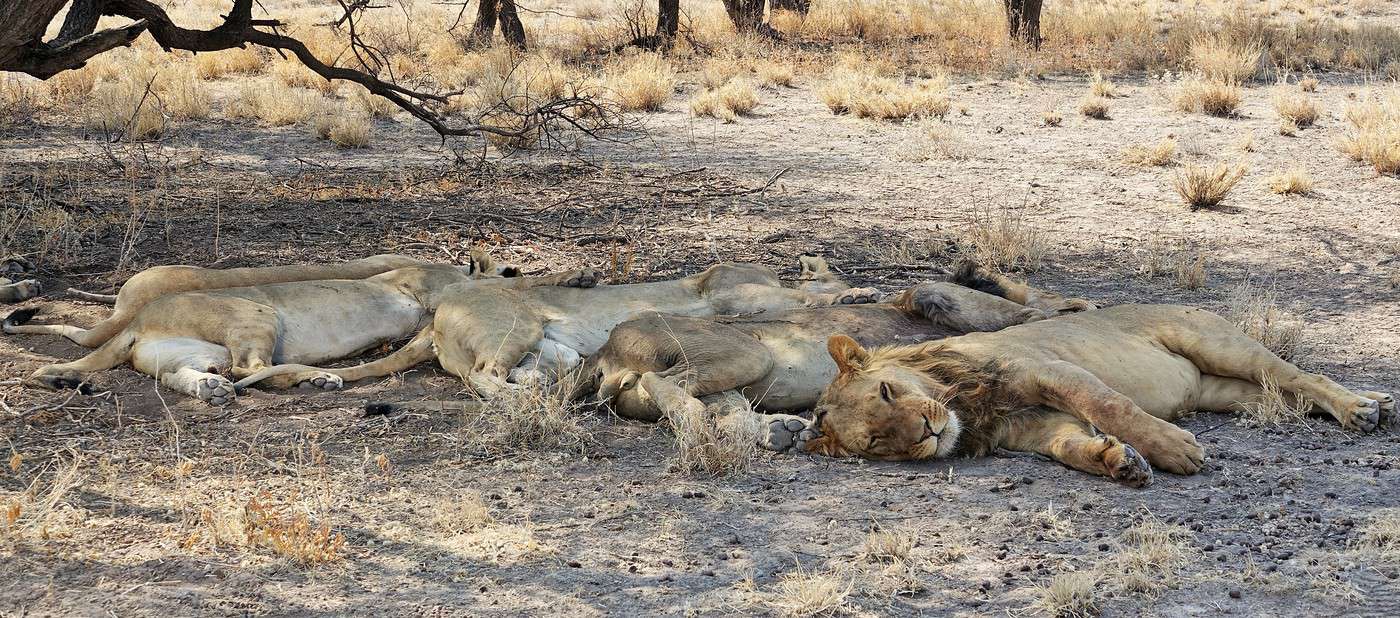
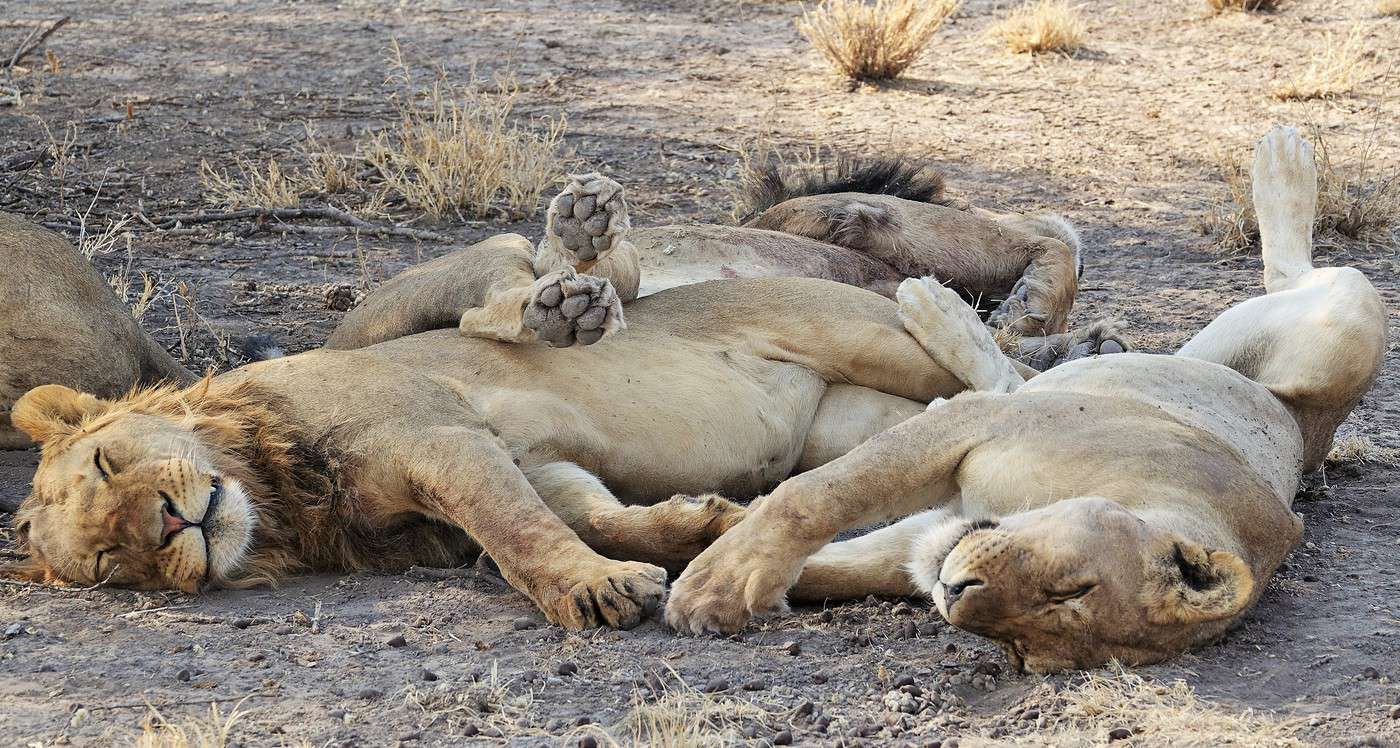
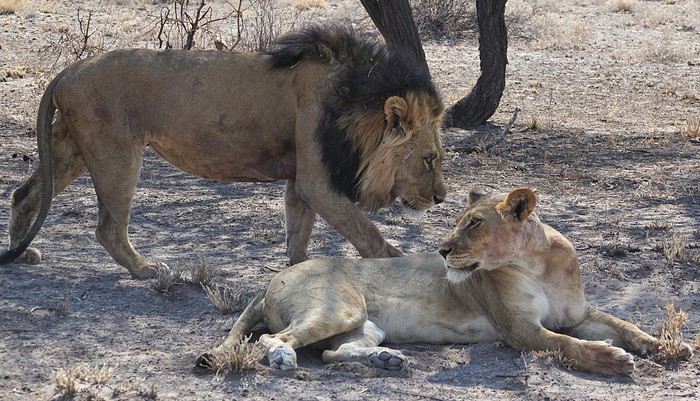
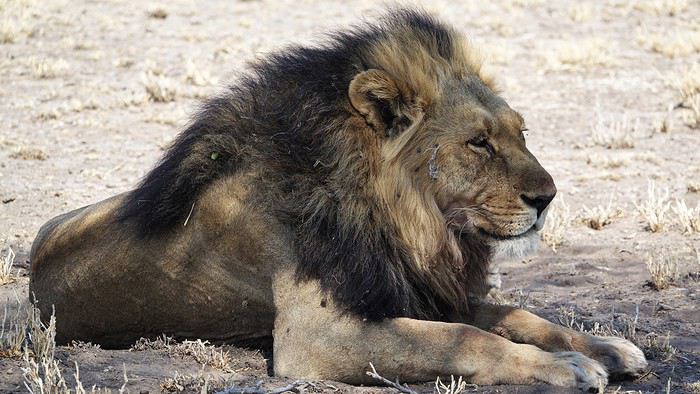
Every now and then, we stop and scan the distance with binoculars to see if a big cat isn’t lounging under a tree… Usually, it’s just a log, but this time I shout, "Here, three lions!" After double-checking, my co-pilot confirms. Small problem: they’re about 200 meters off the track, and the reserve’s rules say you have to stay on the tracks. Oh well, the temptation’s too strong—and besides, we haven’t seen a single vehicle all morning. So we break the rules and slowly approach the lions. Turns out there aren’t three but six—two male lions and four lionesses!


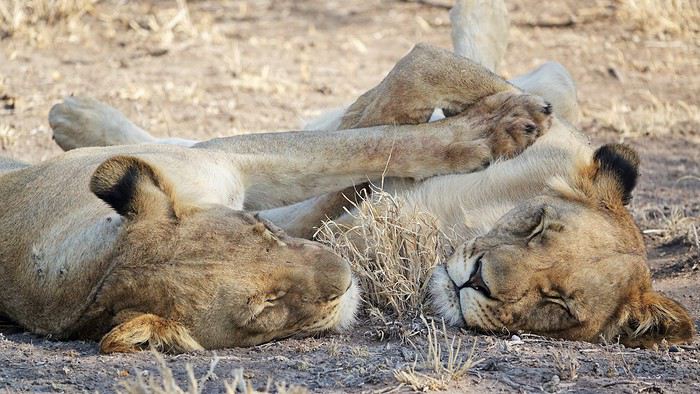
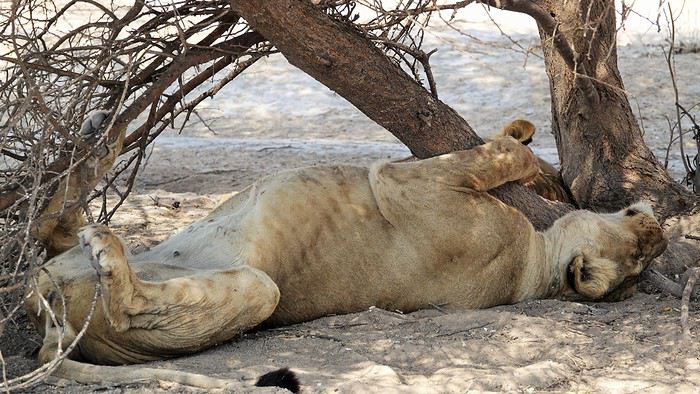
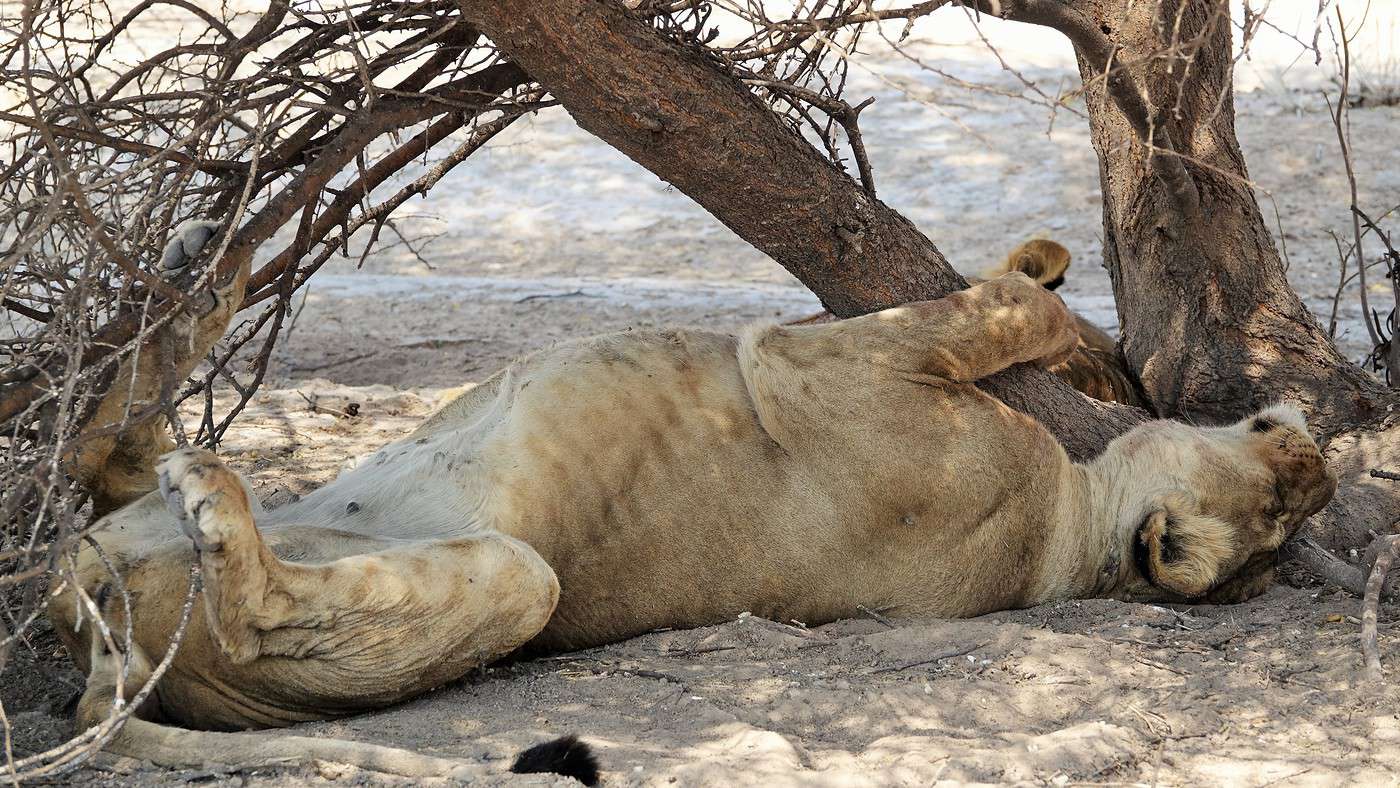
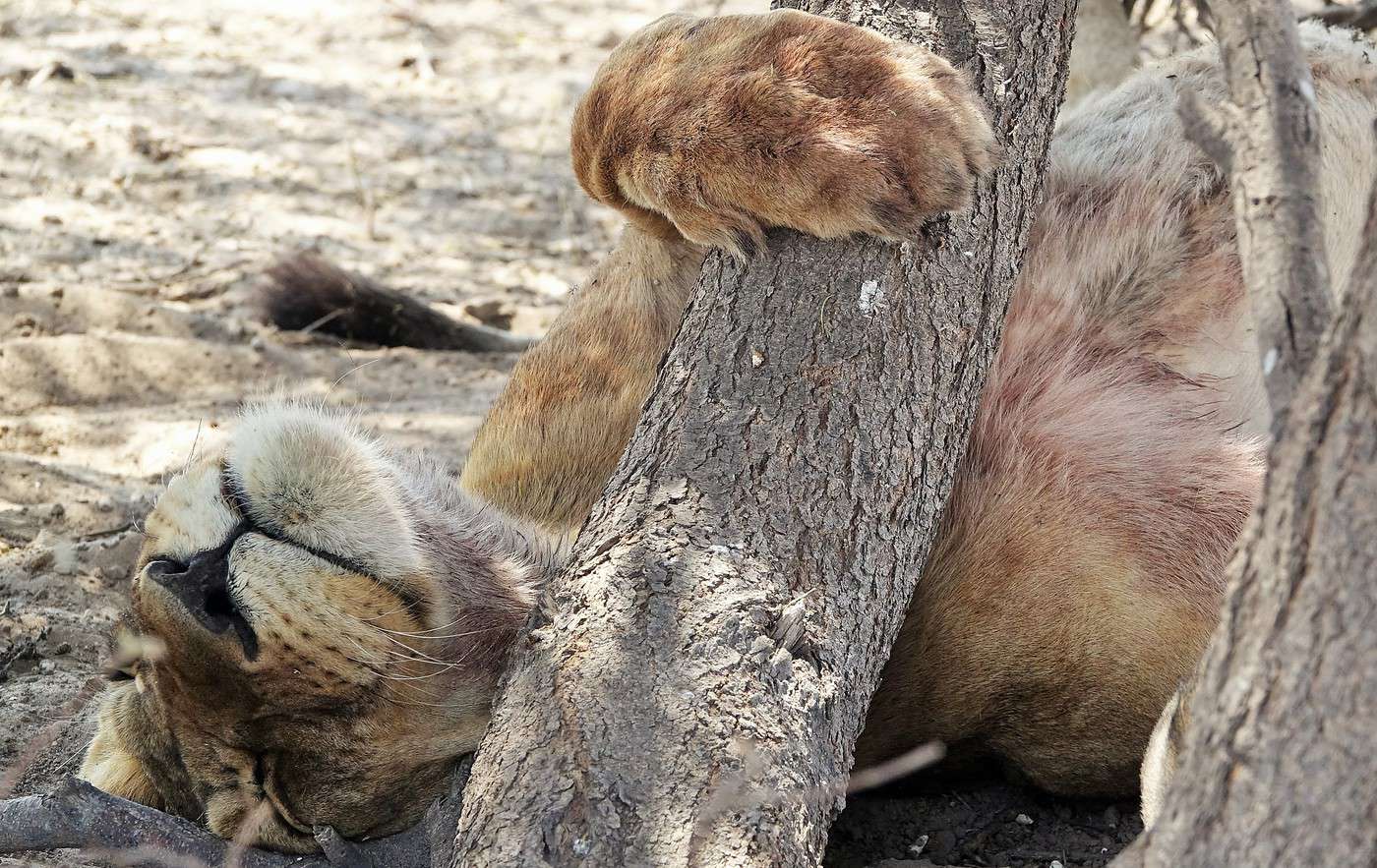
We feel a little surge of pride for having found this group of big cats, and selfishly, we enjoy the moment even more because we’re alone with them. It’s not even 9 AM, but they’re already dozing. Well, not *that* dozy—whenever the sun hits their bodies, they get up, move a few meters, and lie back down. So they’re actually pretty active, shifting around and cuddling.


In the Land of the Tswana (Botswana)

Rouquine38 · 2019-12-10 · Message 33 of 183

Wow! So many lions in just two days, but I guess it’s not over yet ;) 😎

In the Land of the Tswana (Botswana)

OldPlatypus · 2019-12-10 · Message 34 of 183

09/22/2019 (Part 2): Central Kalahari

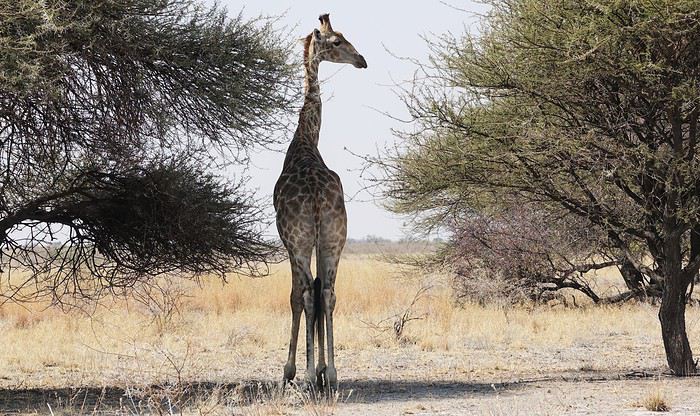
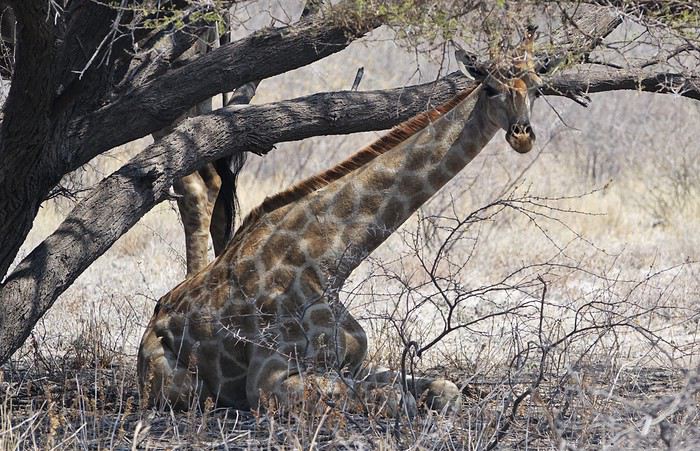
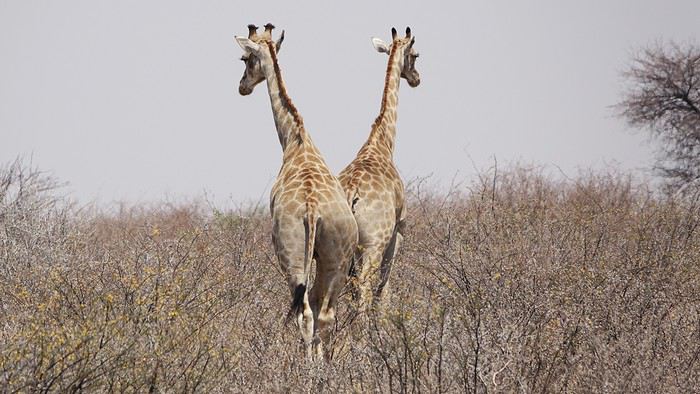
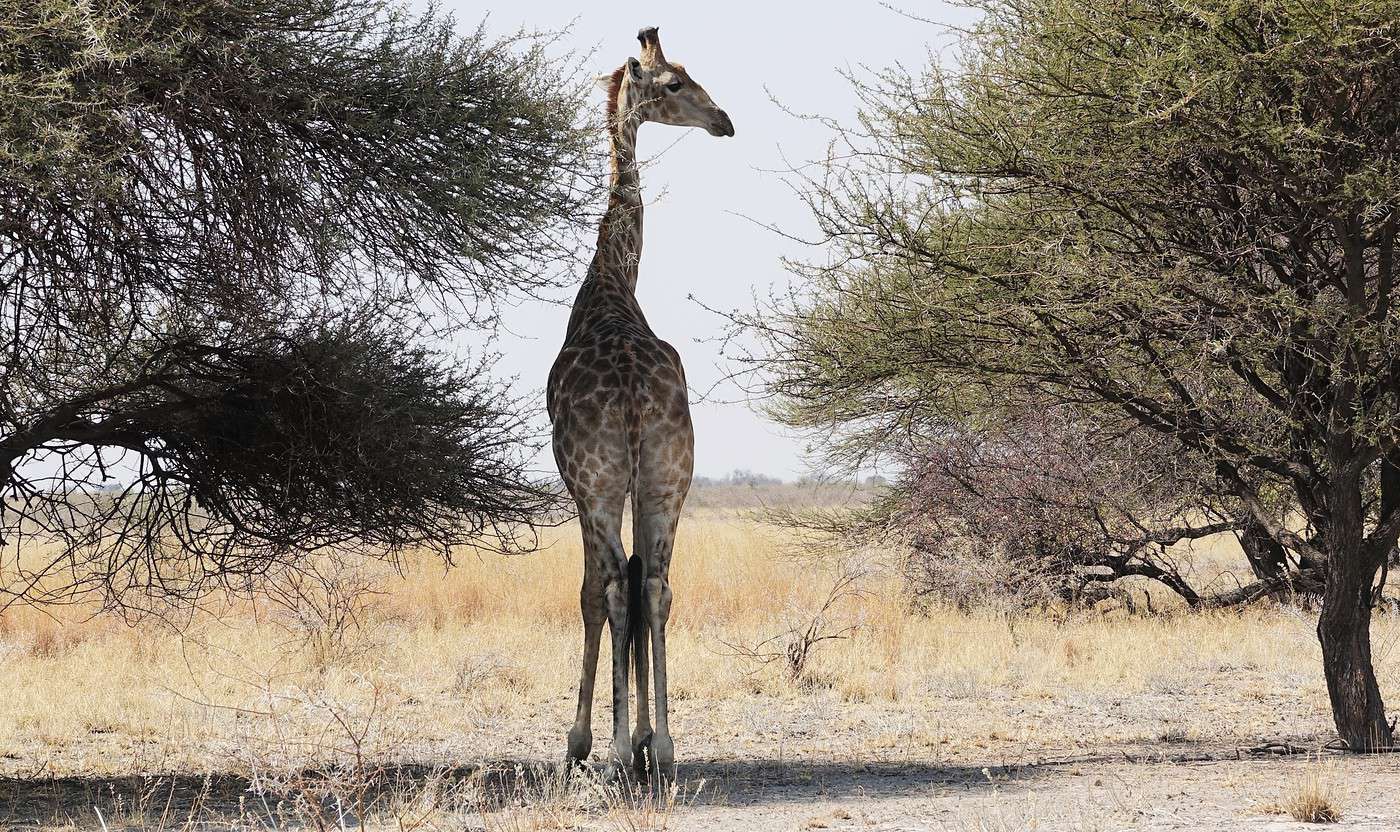
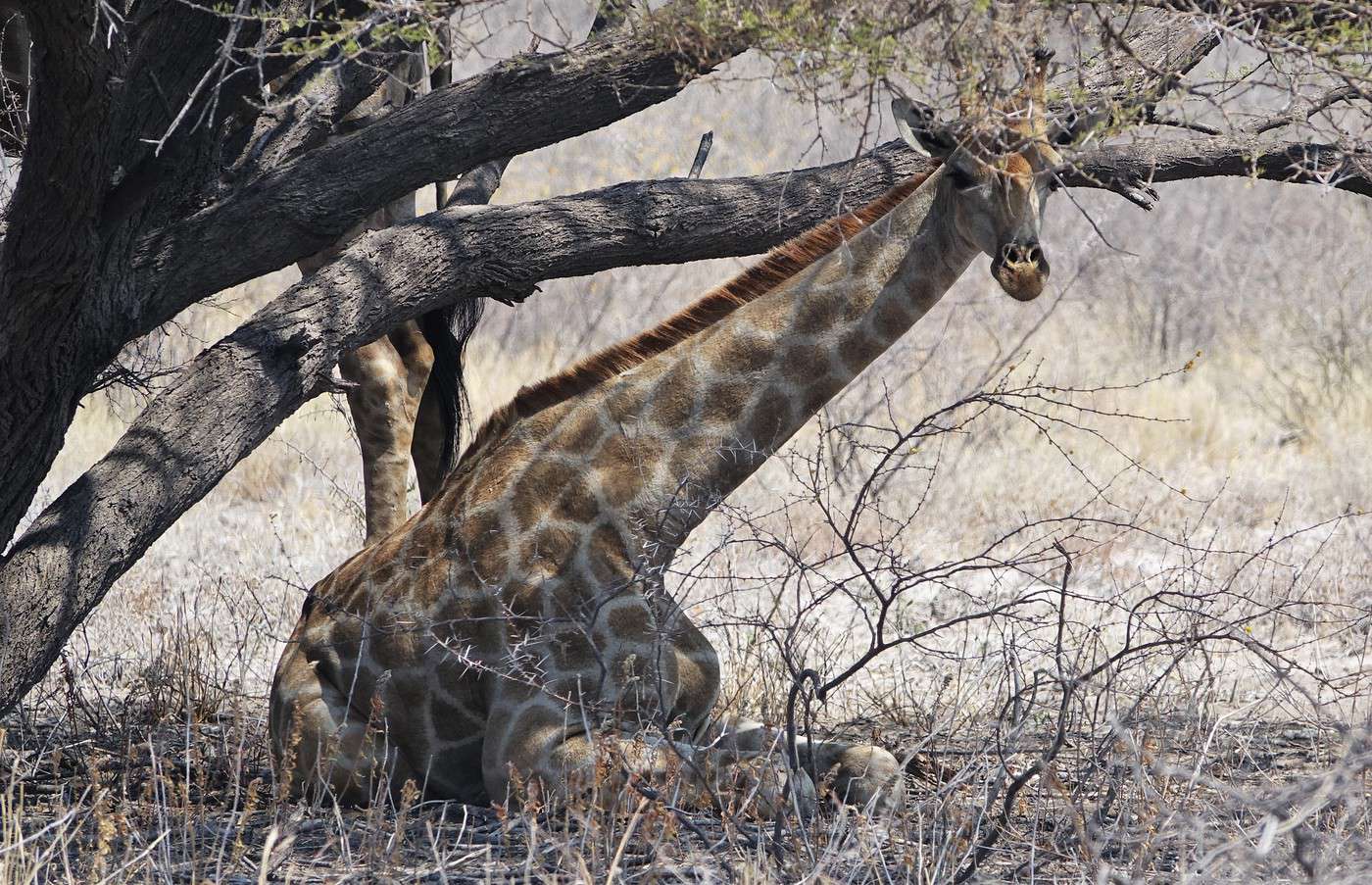
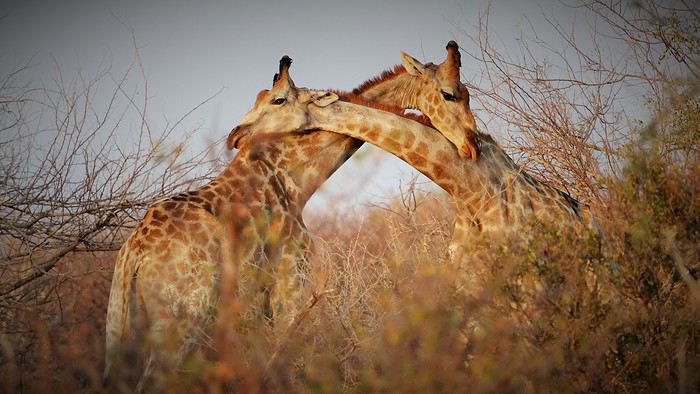
We’ve been watching the six lions for nearly two hours when a car approaches—the first we’ve seen since leaving camp about four hours ago. It’s our friends, who spotted us from the track and figured if we were there, there must be a good reason. We stay with them for a few minutes, then leave and continue west along Deception Valley, which today is living up to its name rather poorly. We spot several groups of giraffes, most of them standing in the shade of thickets—it’s already very hot. At Letiahau Waterhole, the wildlife is sparse: just some guinea fowl. We stop for a bit anyway, but no other animals come to drink.


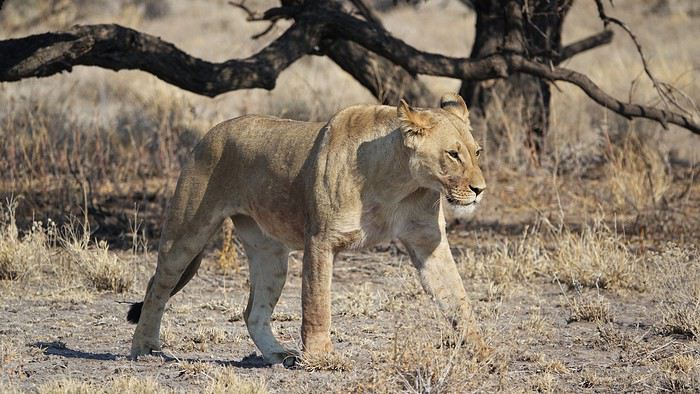
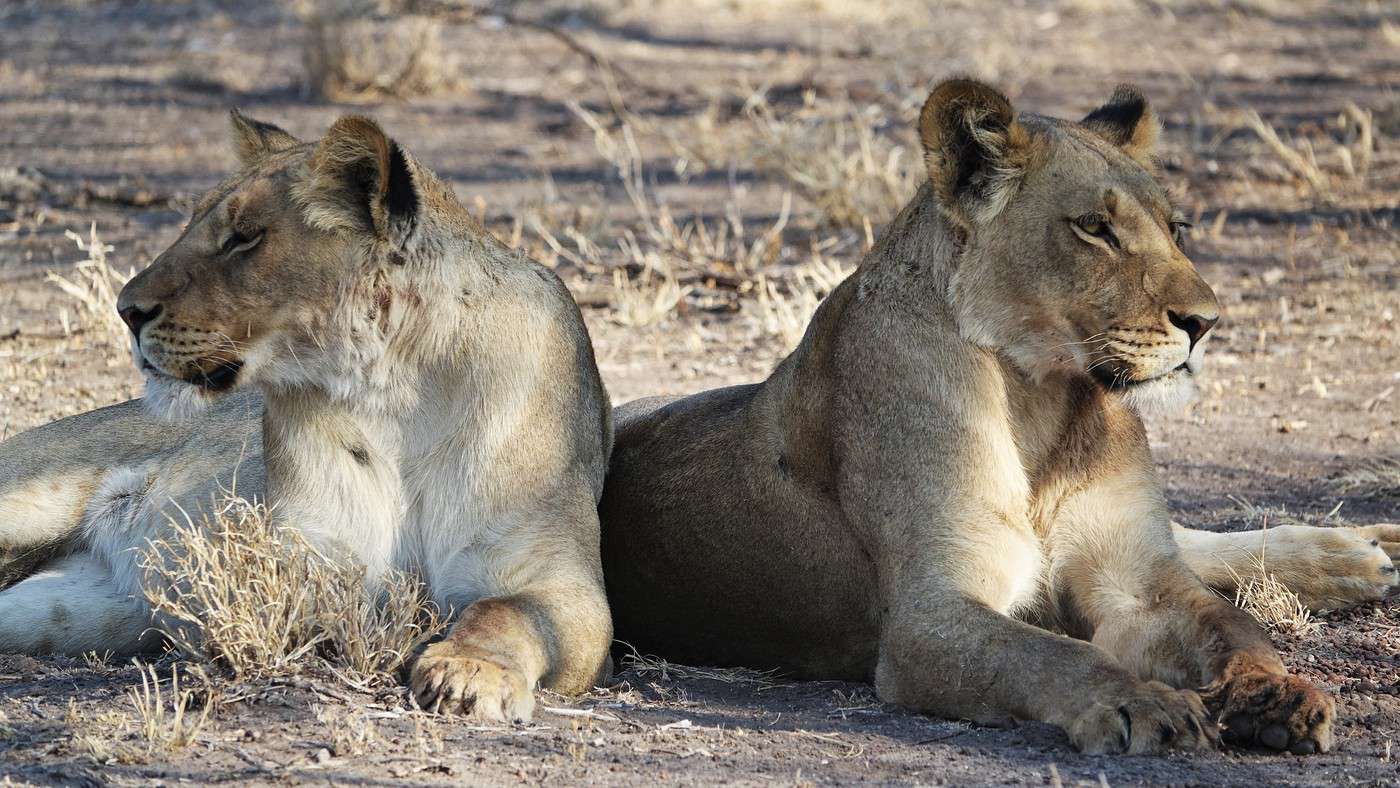
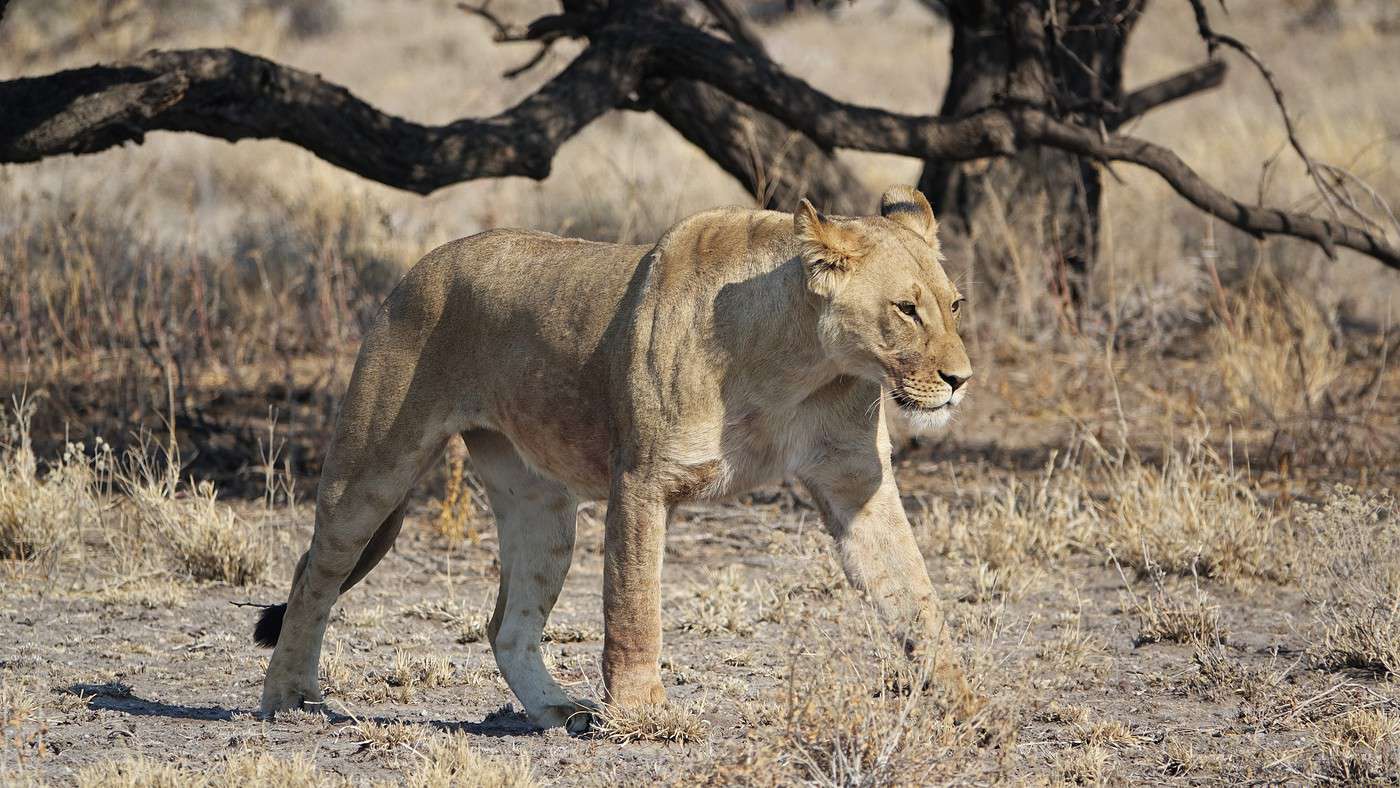
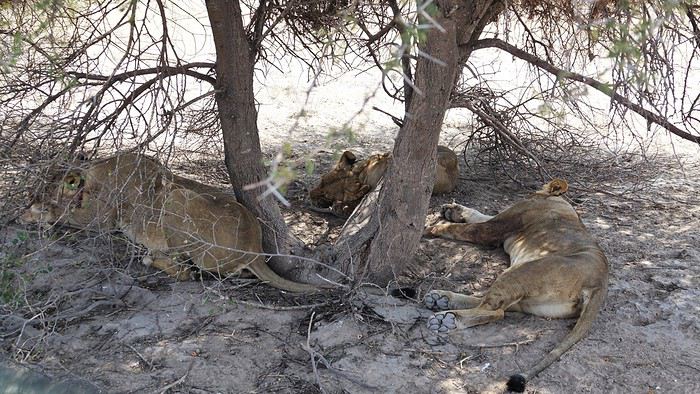
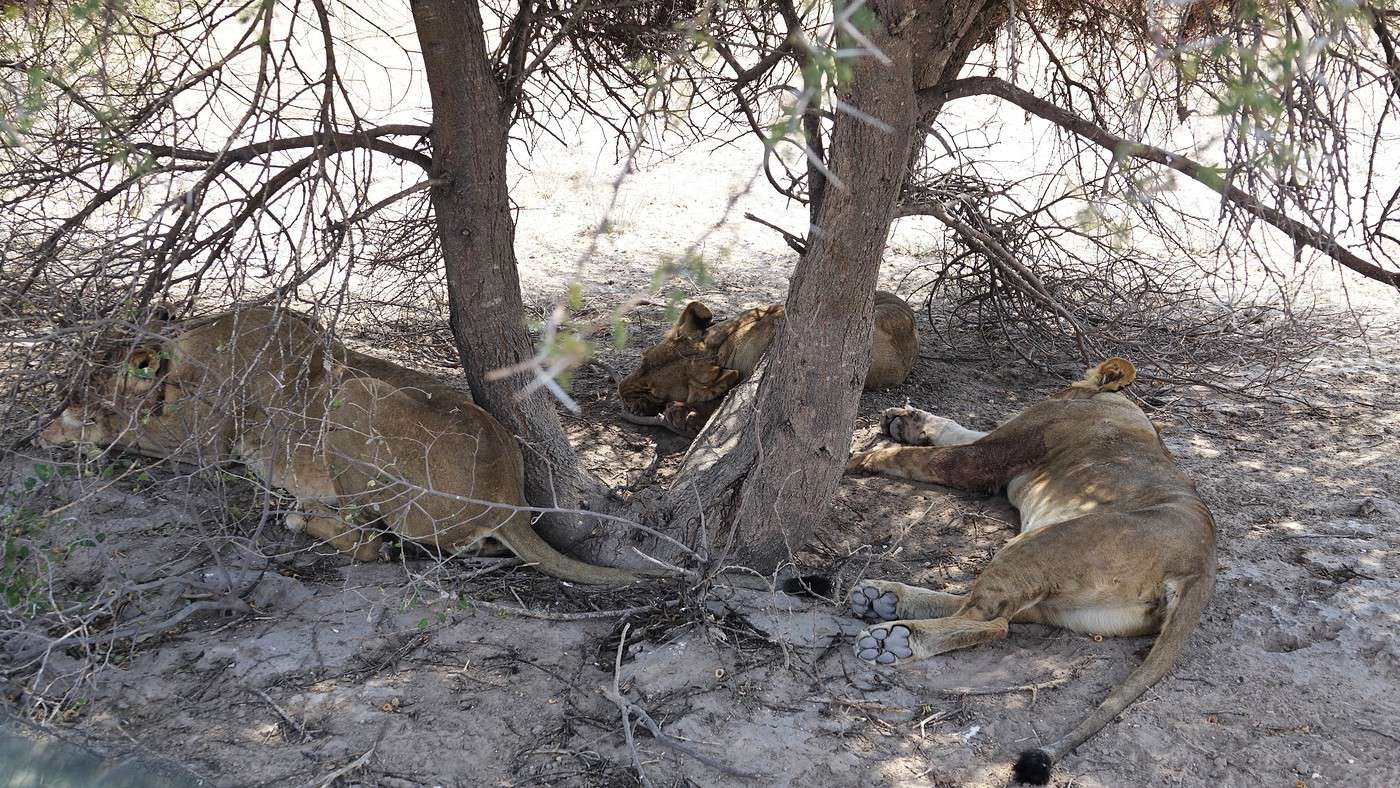
A little further west (as Professor Calculus would say), we come across three lionesses lying under acacia trees right by the track. They’re not completely lethargic, though not very active either, so we watch them for a good while.


We continue a bit further west, but with so few animals around (it’s really hot at this time of day!), we decide to turn back. We pass by the three lionesses again and can’t help but watch them once more.


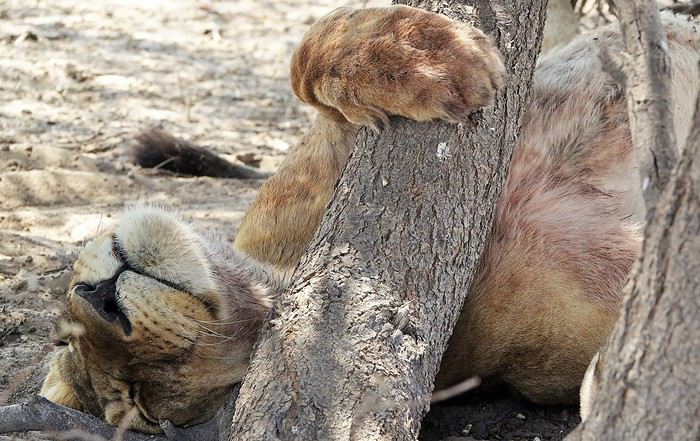
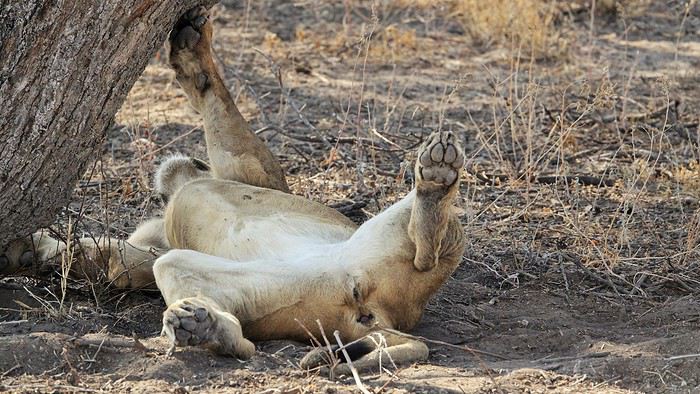
The same goes for the group of six lions further on—they haven’t moved much since the morning. Their positions are really funny: sprawled on top of each other or asleep with all four paws in the air.
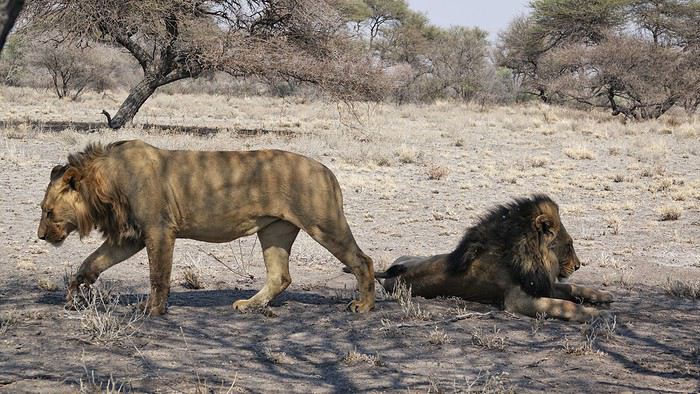


The day is already well underway, and since we passed through earlier, we know the track to our campsite tonight is rough and full of ruts. Still, never satisfied, we leave the main track to circle Deception Pan, where we see a few antelopes and some ground squirrels.


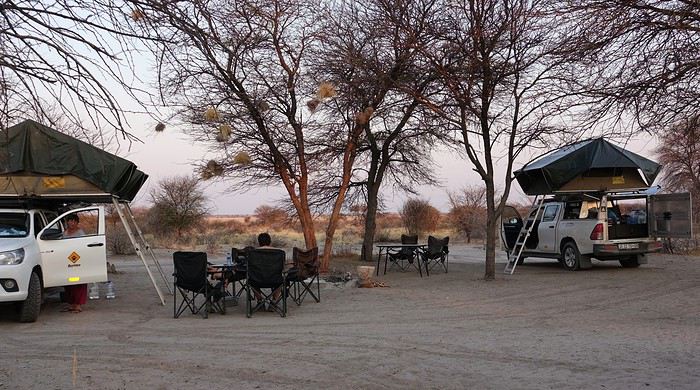
In the late afternoon, we settle in at Kori Campsite #4 (CKKOR4). The bucket shower is out of order again, but the view is relatively open, and the spot is pretty nice.

In the Land of the Tswana (Botswana)

OldPlatypus · 2019-12-10 · Message 35 of 183

And the record day is still to come! Patience... 😉

In the Land of the Tswana (Botswana)

Girardinpho · 2019-12-10 · Message 36 of 183

And yet, the record day is still to come! Patience... 😉

I'm already speechless! 🤯

In the Land of the Tswana (Botswana)

OldPlatypus · 2019-12-18 · Message 37 of 183

09/23/2019: Central Kalahari - Makgadikgadi

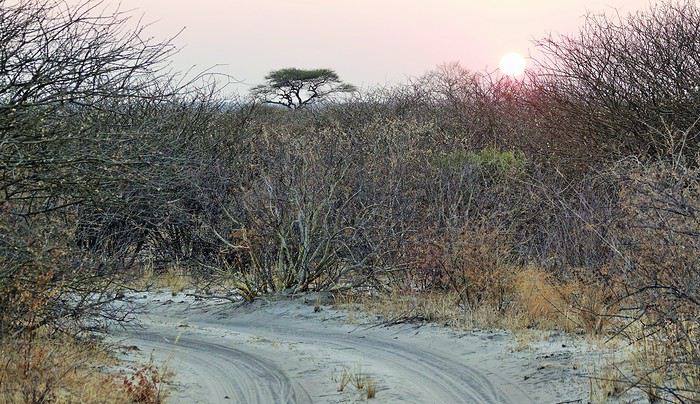
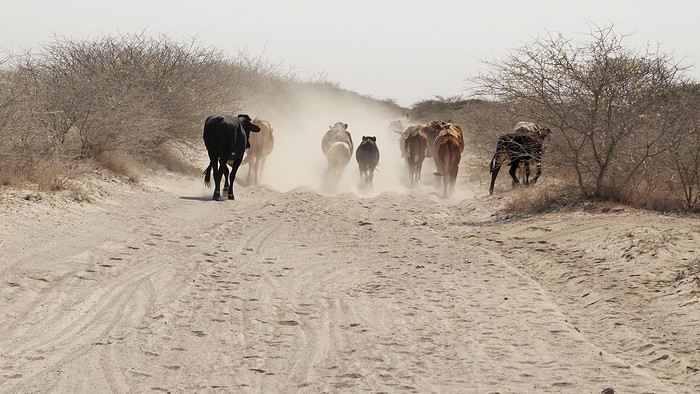
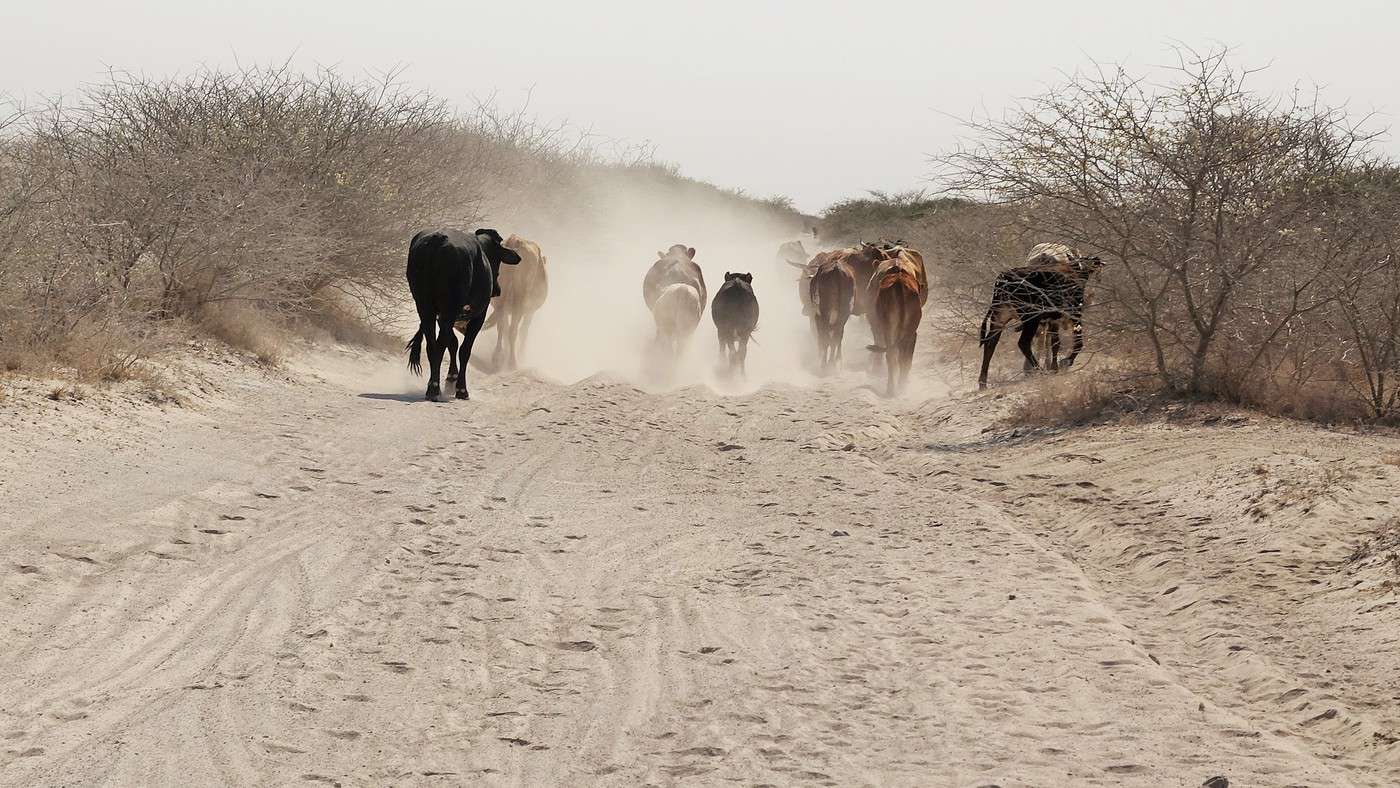
We’re up bright and early and head toward Matswere Gate. We leave the Central Kalahari with a bit of regret, even though the lack of showers is starting to get to us. ðŸĪŠ At the gate, the welcome is as friendly as ever, and we’re asked to report if we’ve seen any lions, leopards, or other rare animals. Outside the reserve, the track is a little better, but still sandy. We spot a few more antelopes, but it’s mostly large herds of cattle that slow us down.


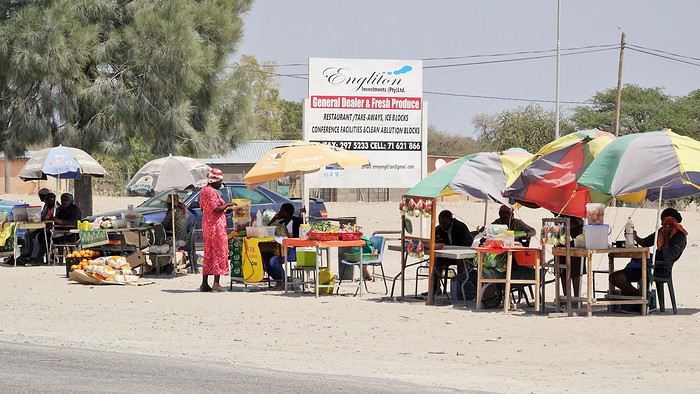
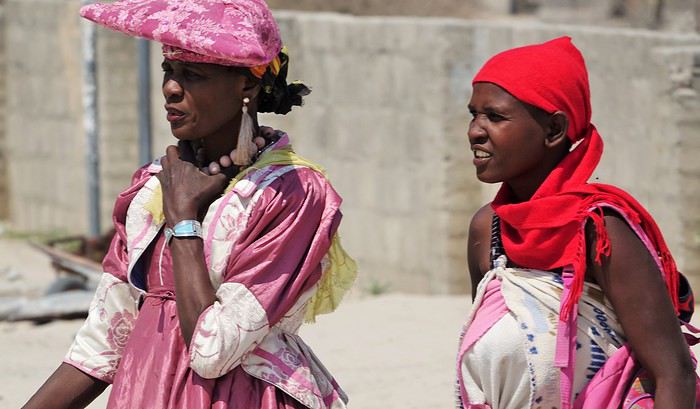
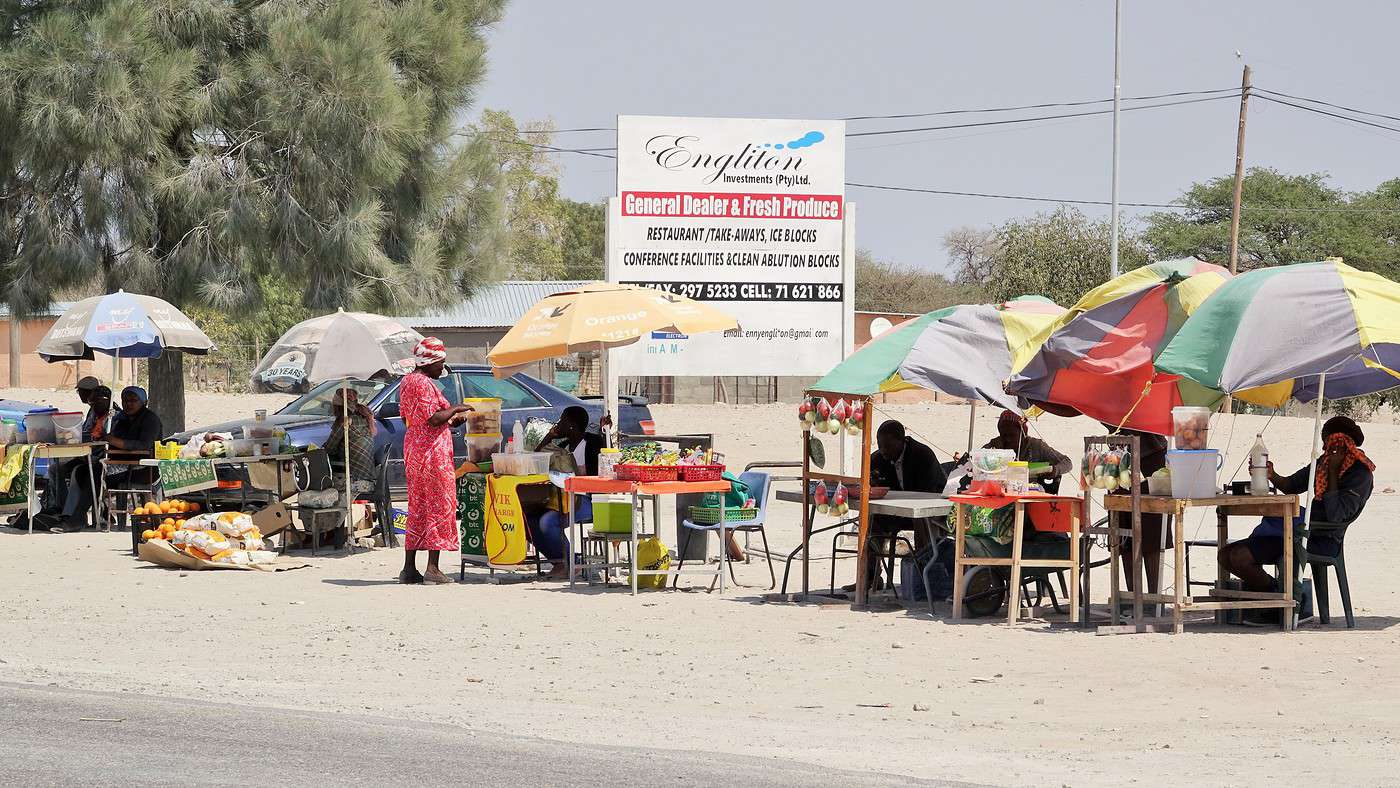
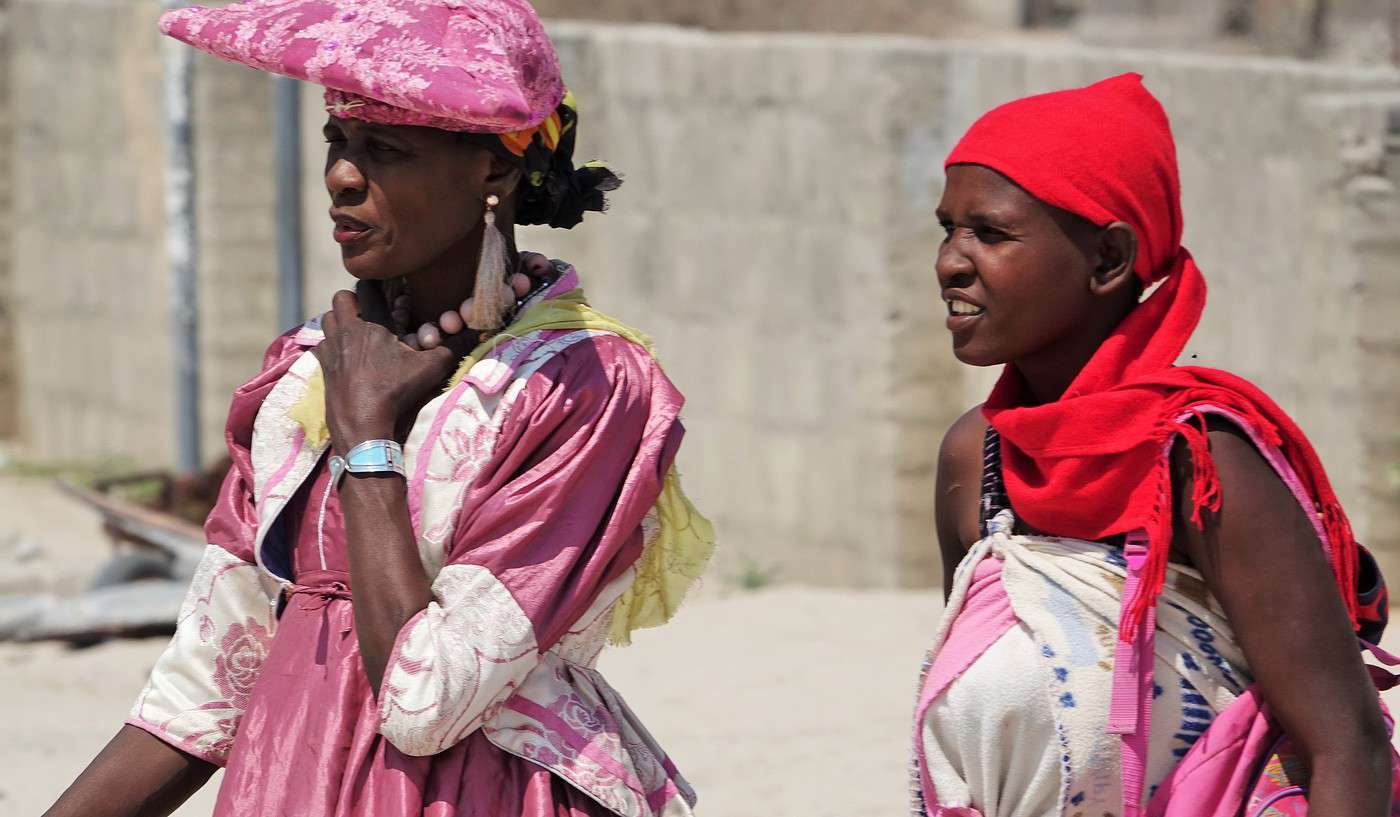
We reach the paved road at Rakops, where we inflate the tires and fill up on diesel. This big village seems very lively: there’s a market and lots of people in the streets, including Herero women dressed in their stunning traditional outfits. Our food supplies are still plentiful, which is just as well since the shops are pretty poorly stocked. At the butcher’s right across from the gas station, there’s no meat for sale, and in another similar shop, just frozen chickens. We were hoping for better!


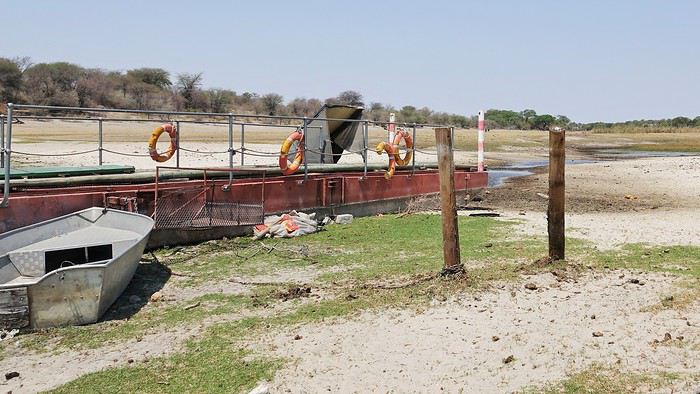
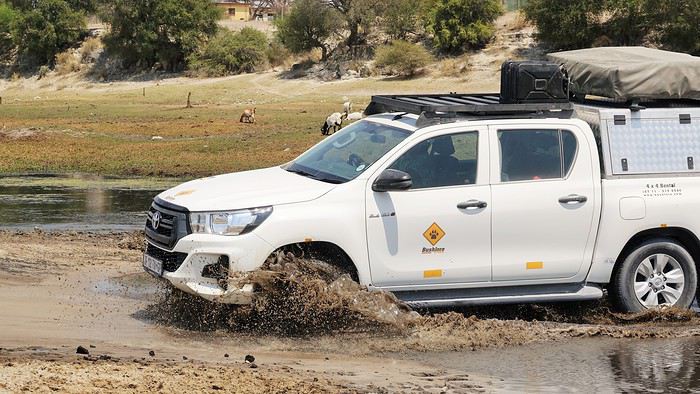
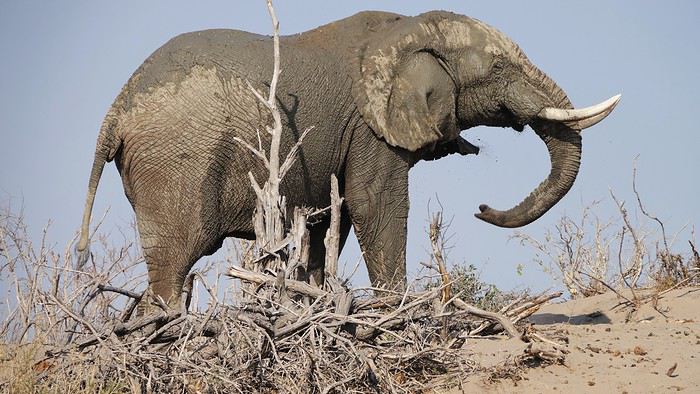
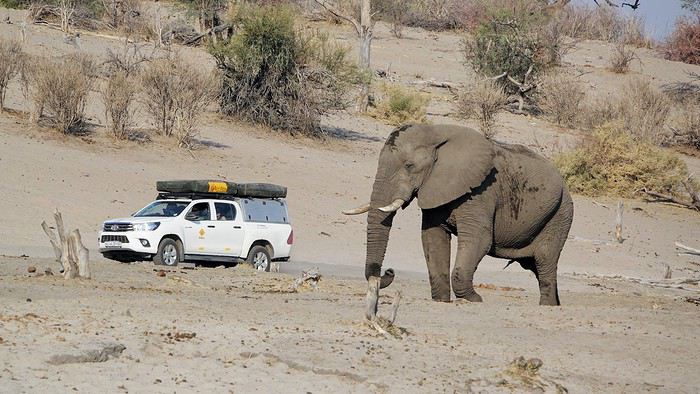
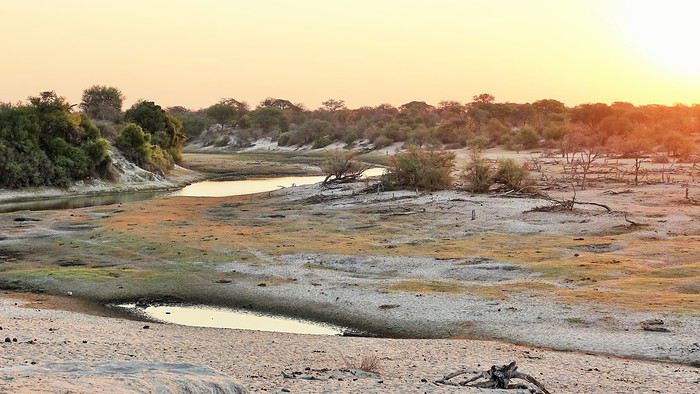
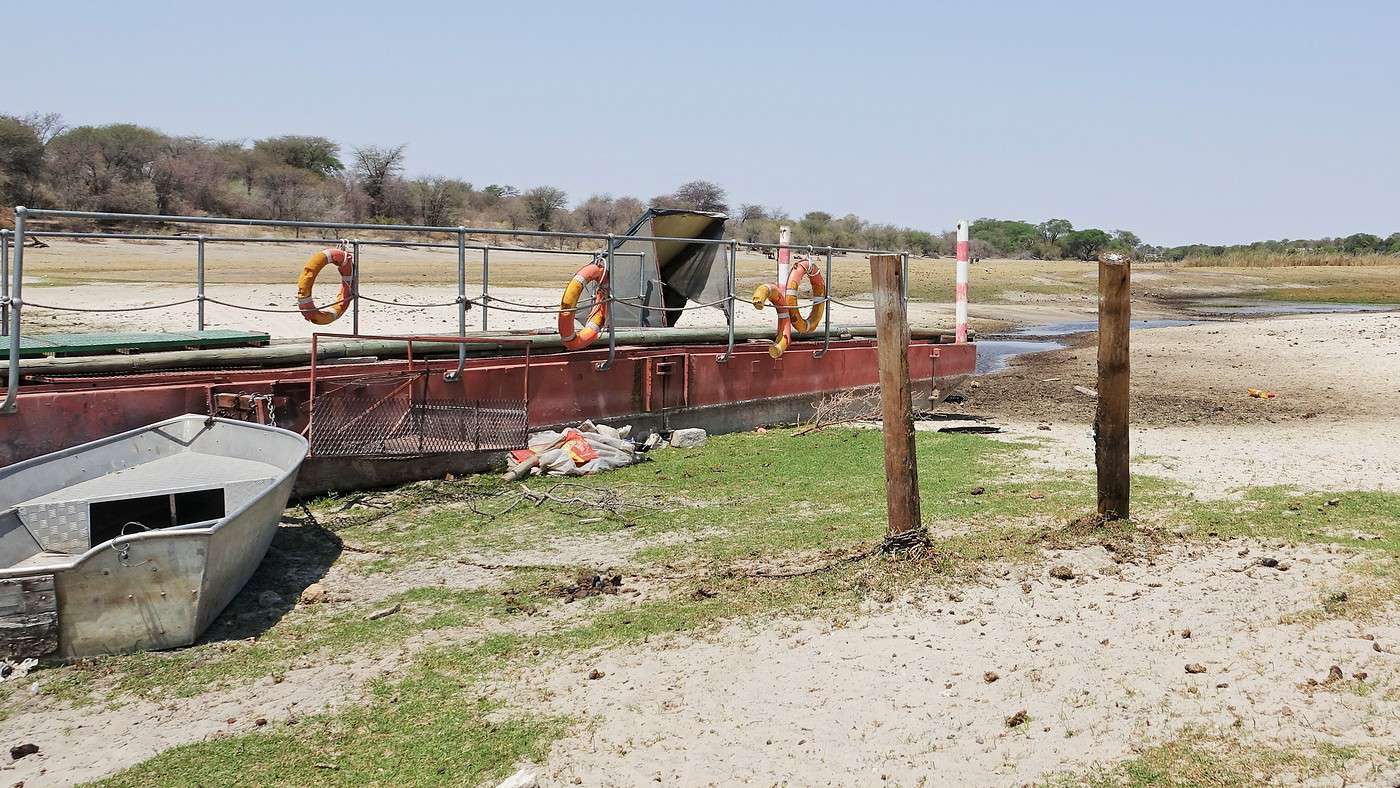
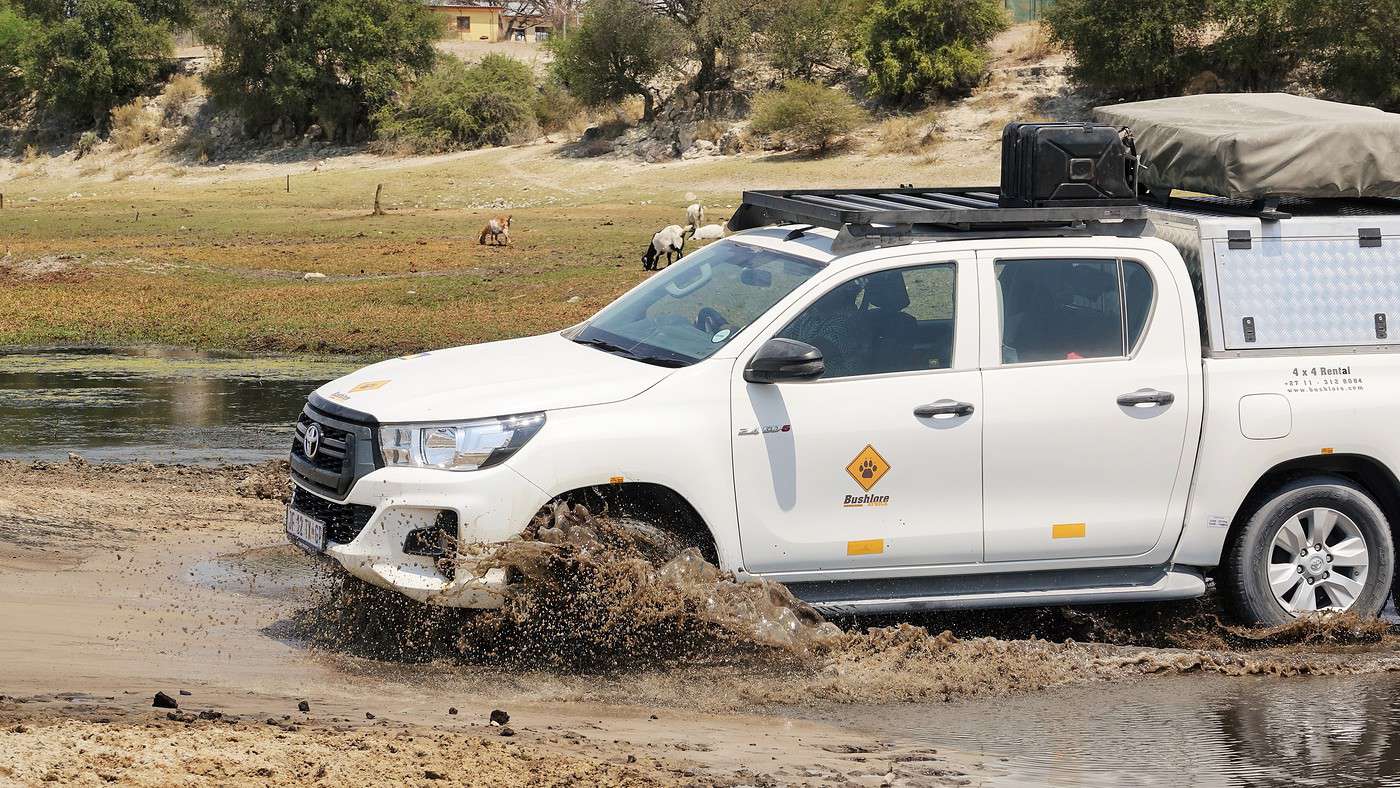
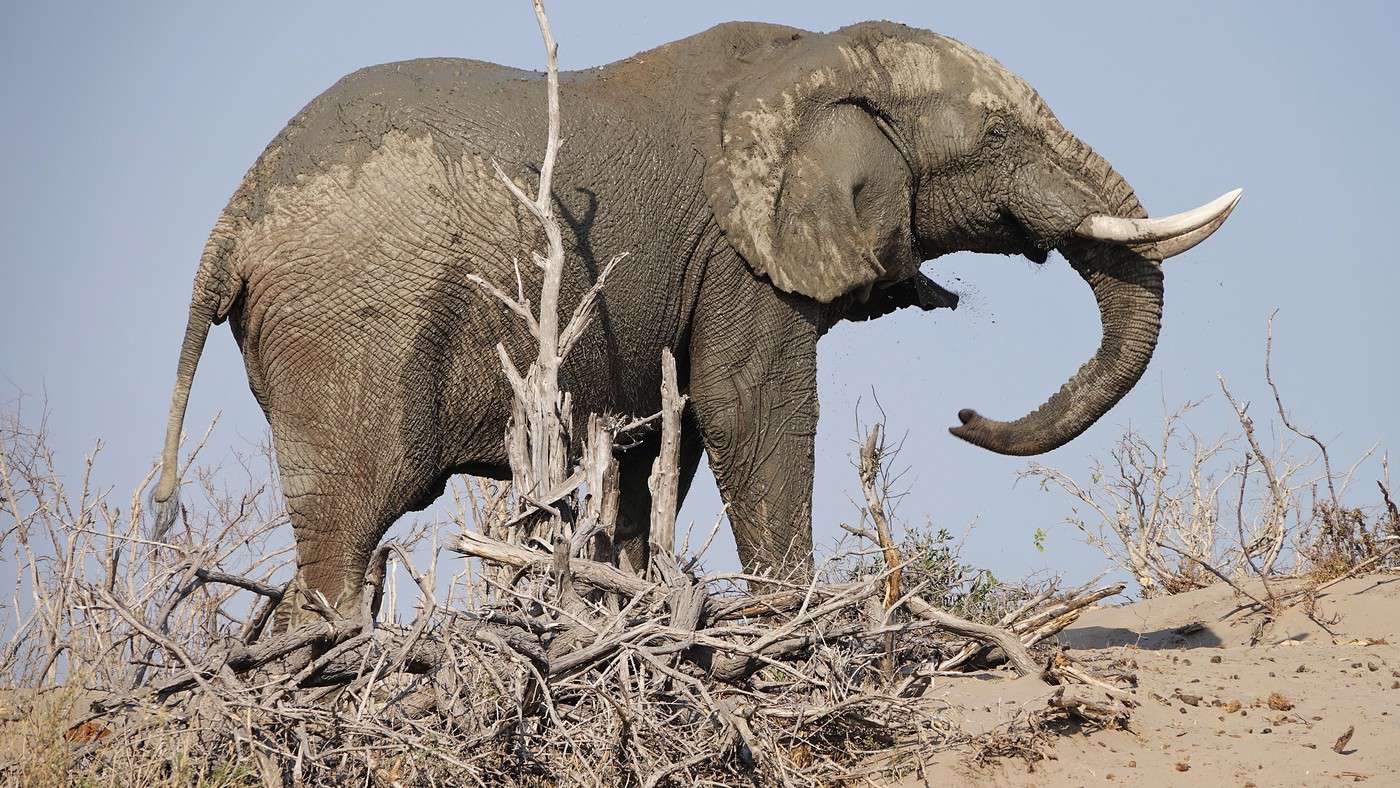
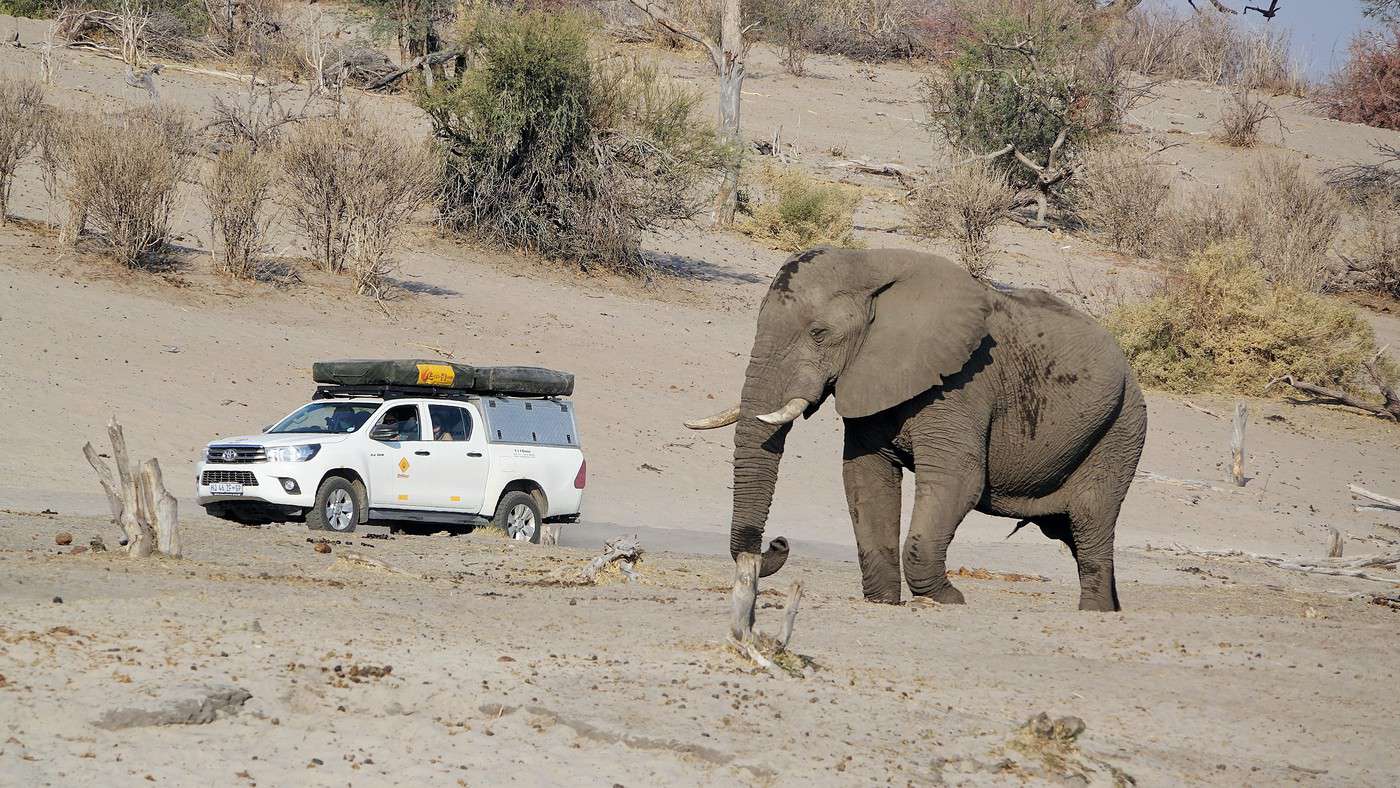
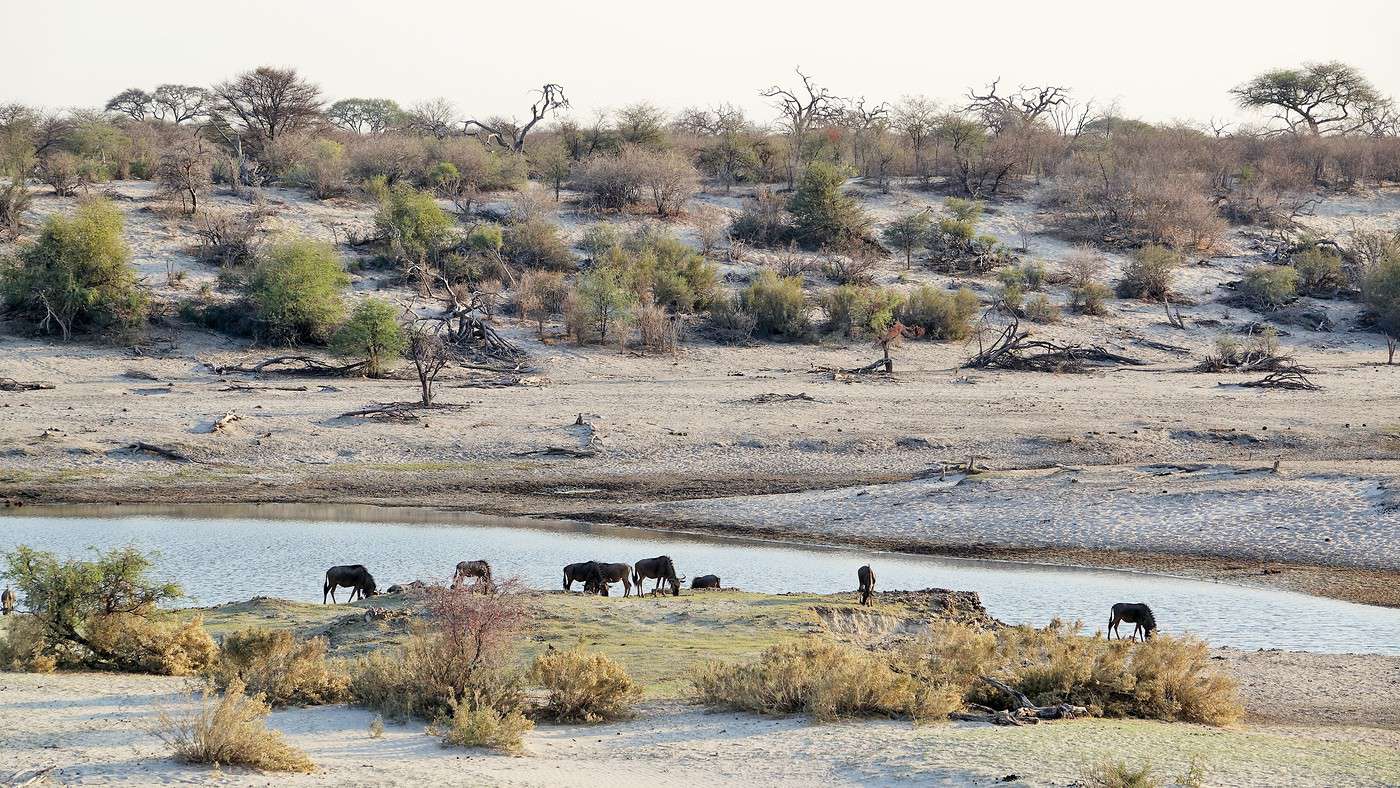
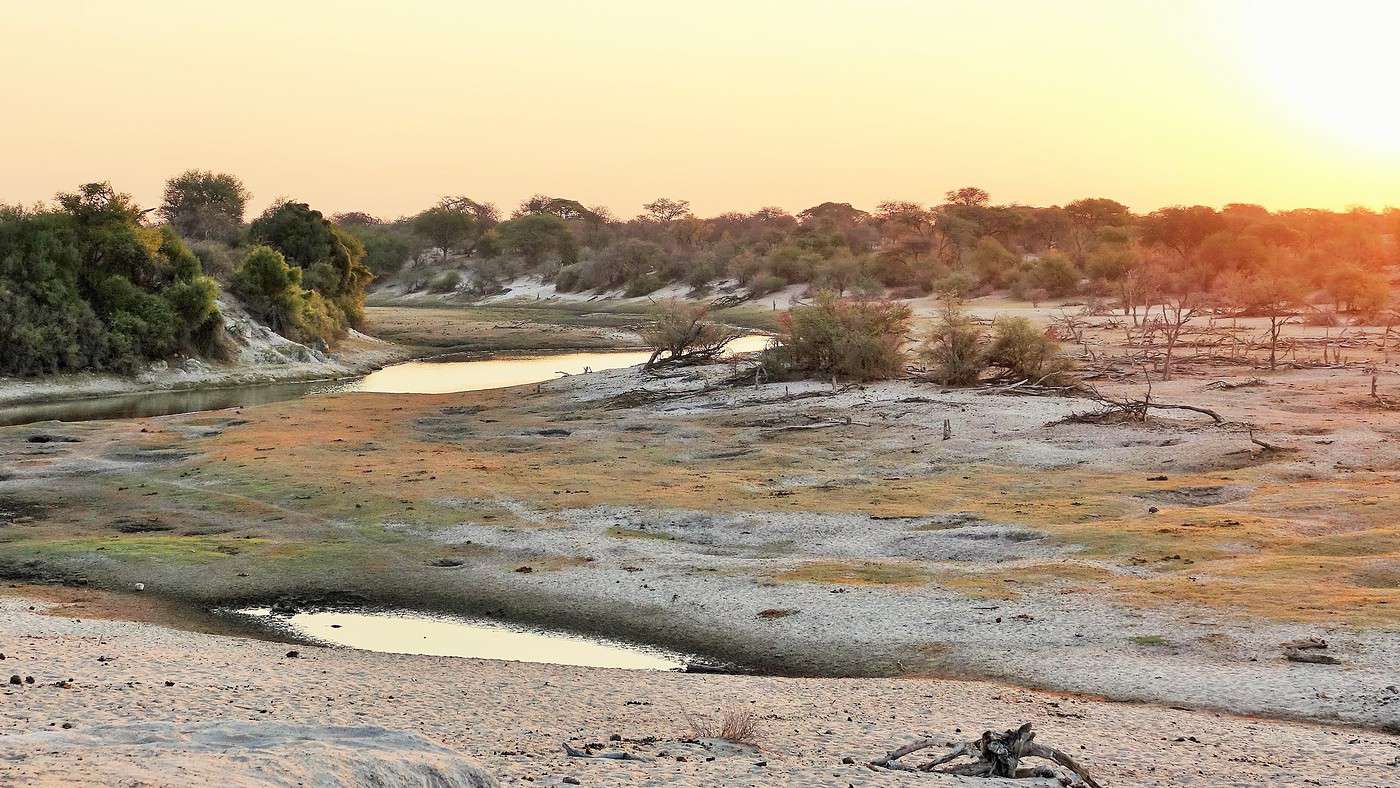
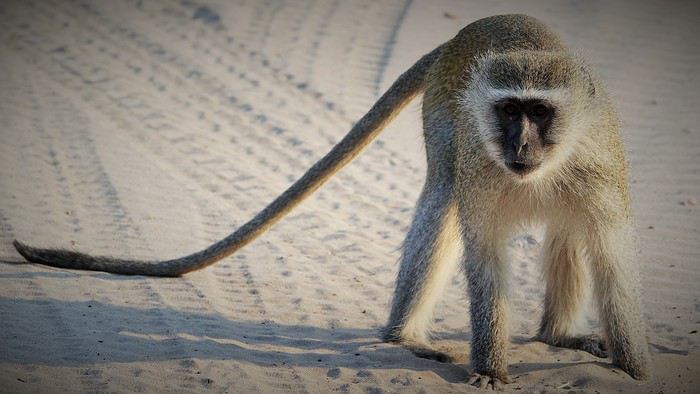
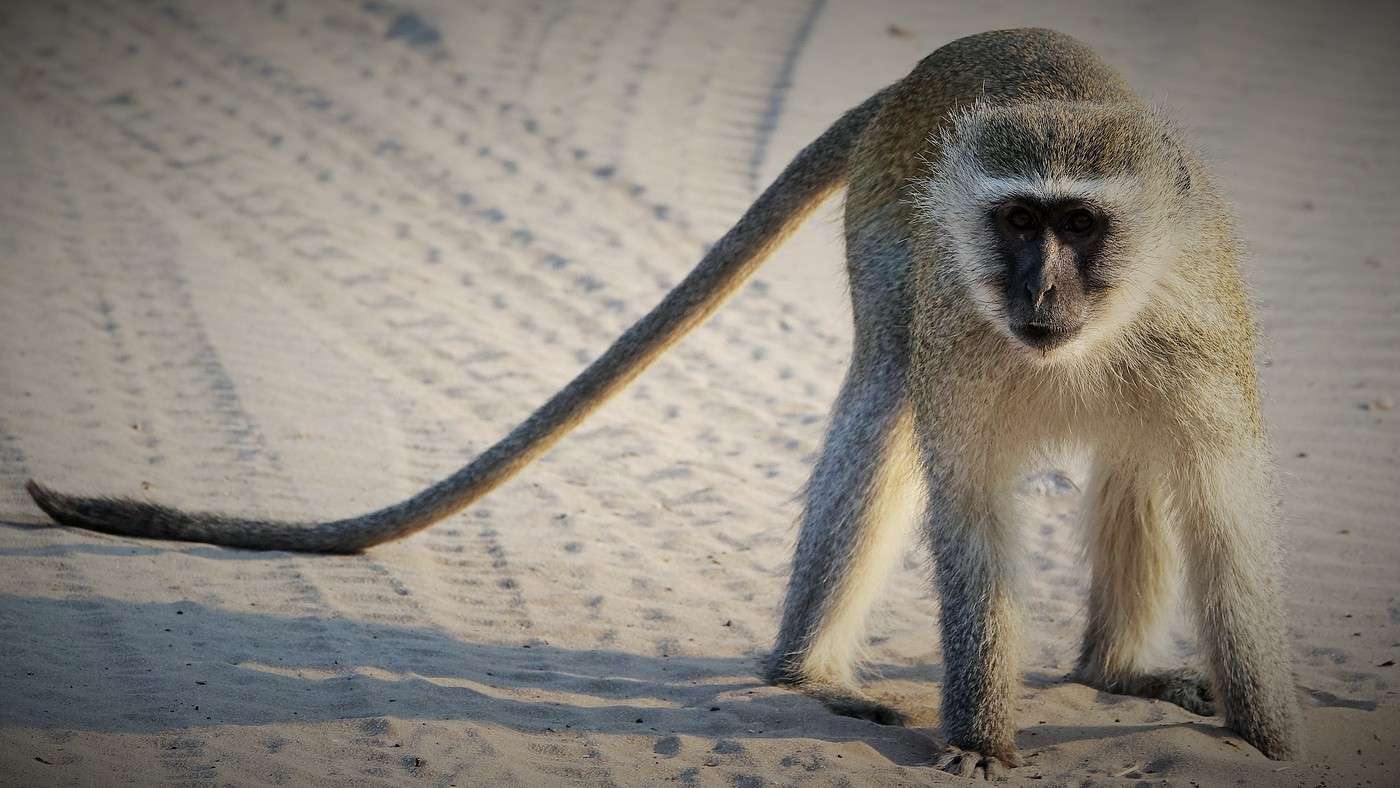
We hit the road again toward Khumaga. It’s a relief not to be driving in sand and dust anymore, but we know it won’t last. Suddenly, we slam on the brakes—there are three elephants right by the side of the road! In Khumaga, we turn off toward Makgadikgadi Pans National Park. The Boteti River is dry, and it’s hard to imagine it ever being full of water. Anyway, the ferry is there, stranded on the ground, and we cross a small waterhole without any trouble to reach the opposite bank. The park entrance is right there, and we’re warned to watch out for vervet monkeys—they’re big thieves.


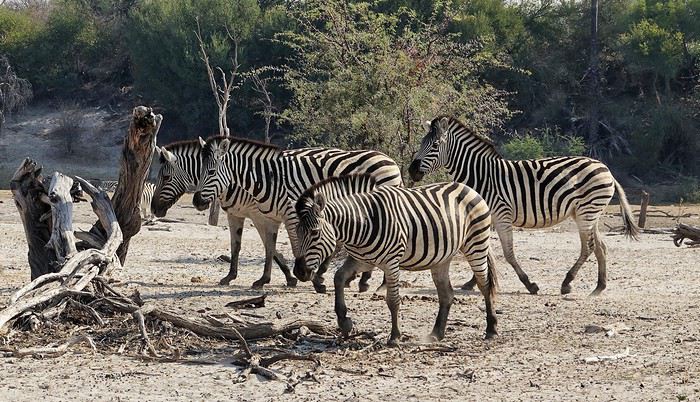
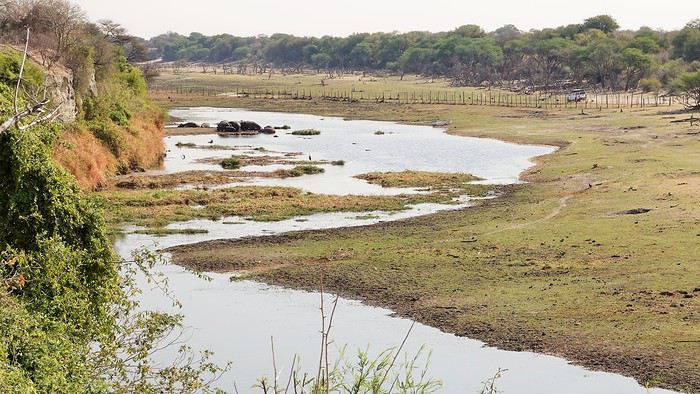
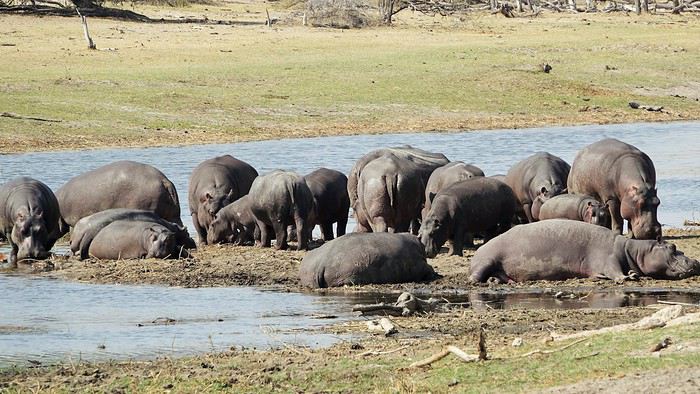
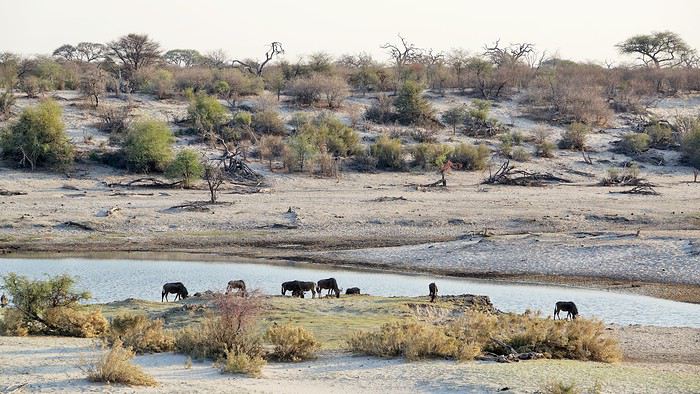
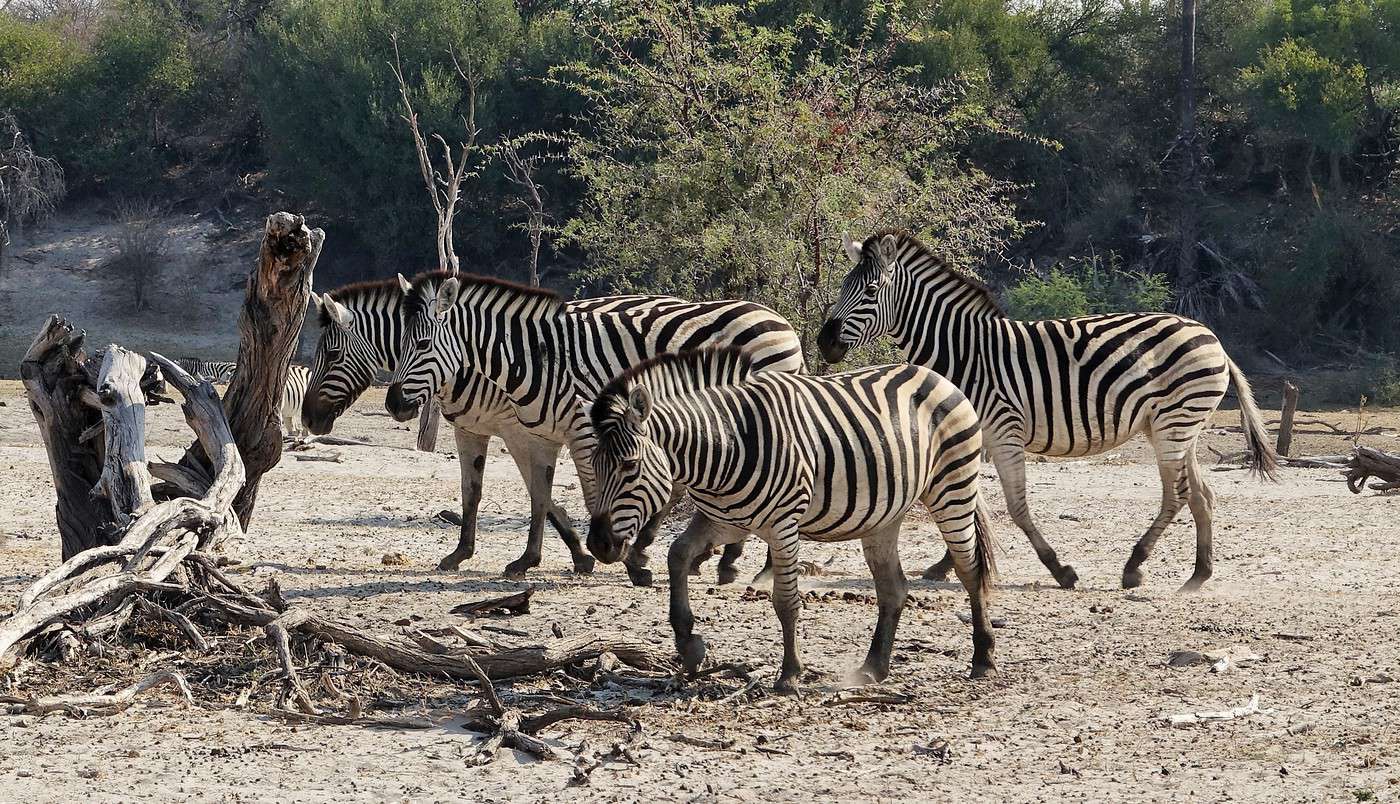
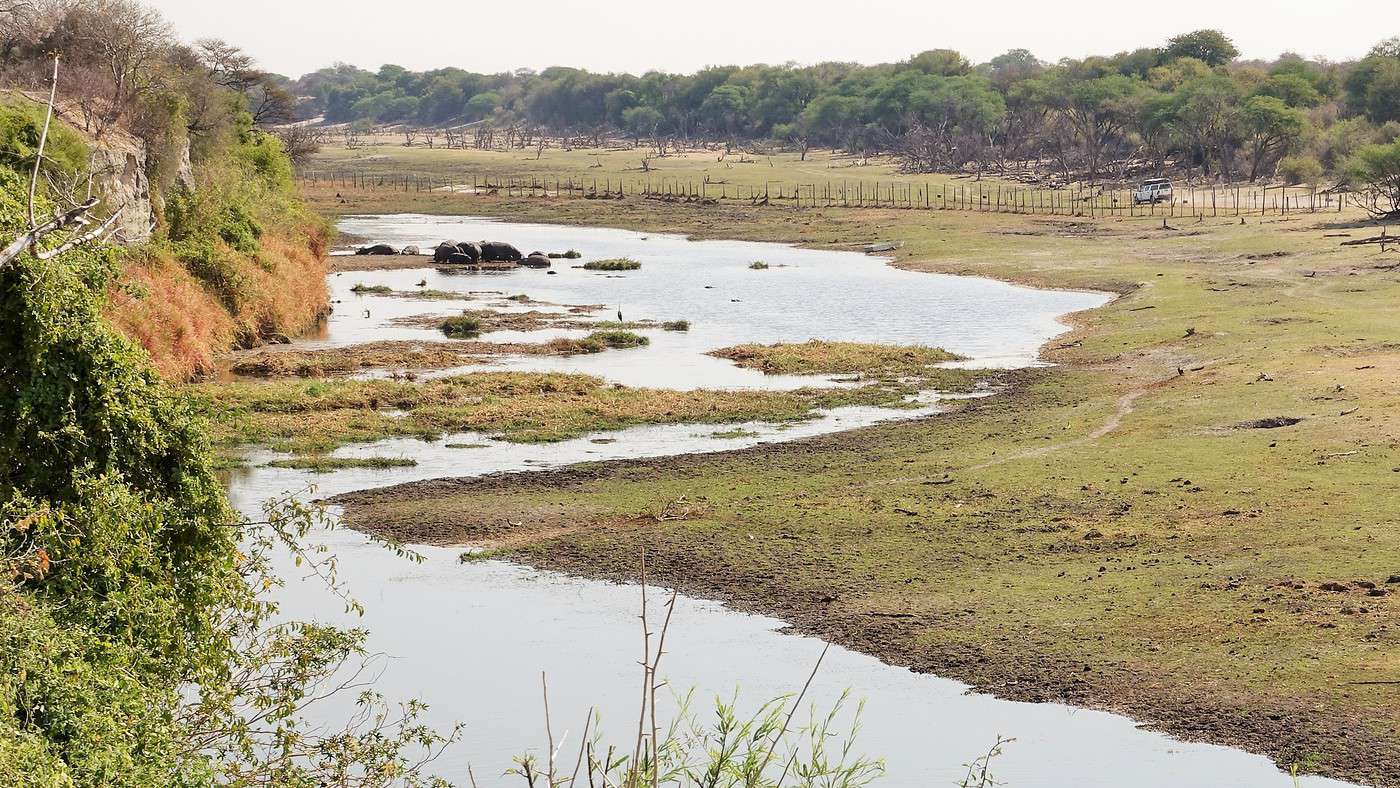
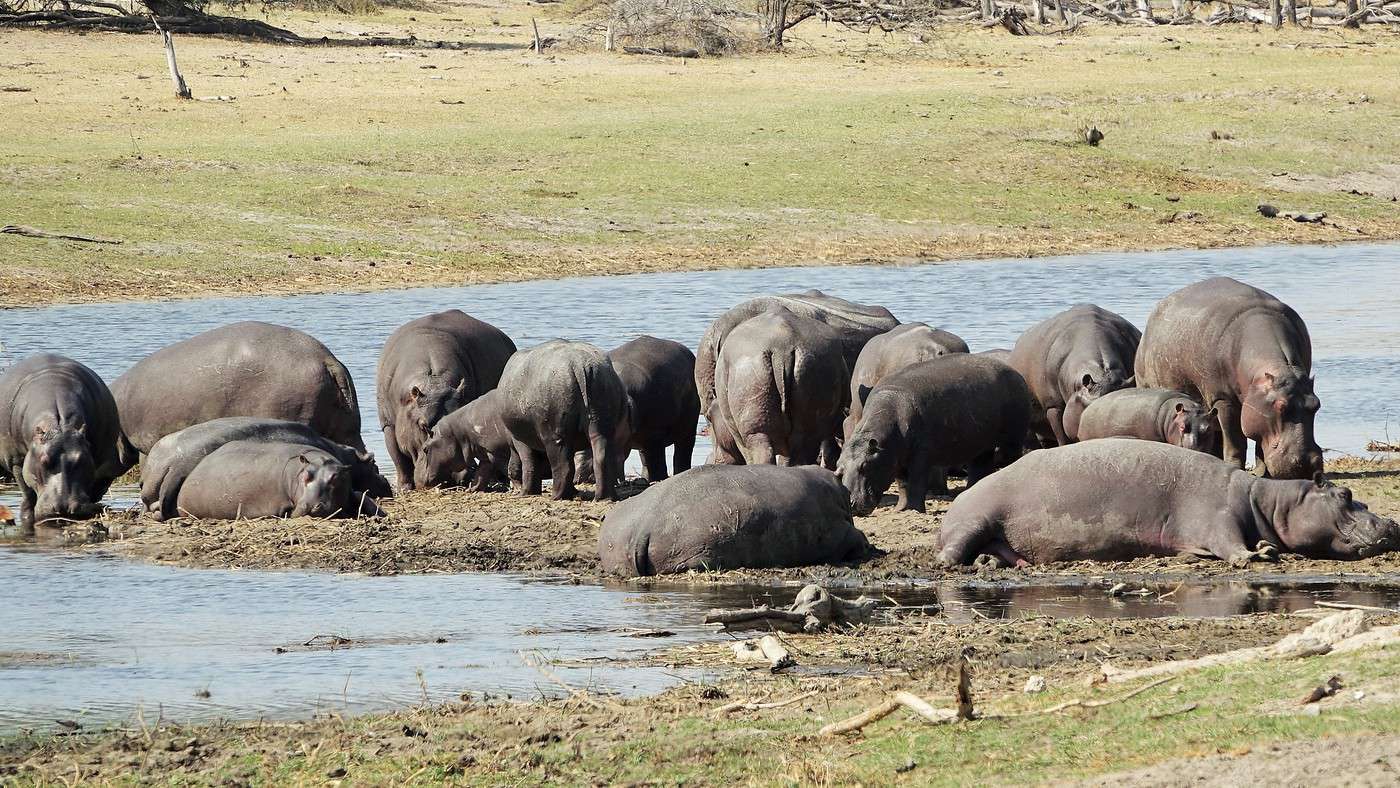
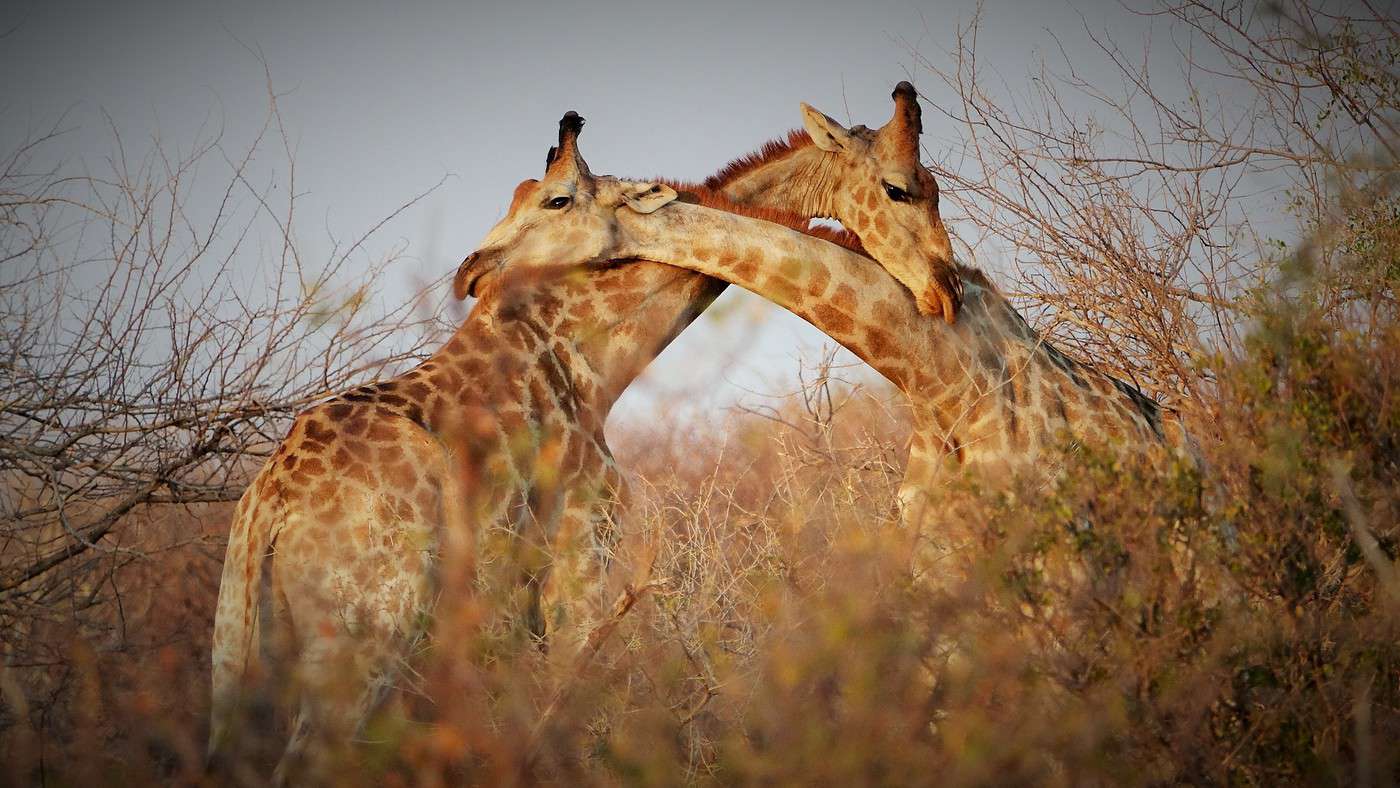
Zebras, wildebeest, kudus, and impalas—the herbivores are already very visible. But before exploring the Boteti River, we stop at the campsite for a bit, since a shower is absolutely necessary. The track overlooking the river is in deep sand, and we have to watch out for zebras and impalas darting out. Taking a small side track to the left, we end up right above a large group of hippos lying by the water. Even better, we can climb down into the riverbed!


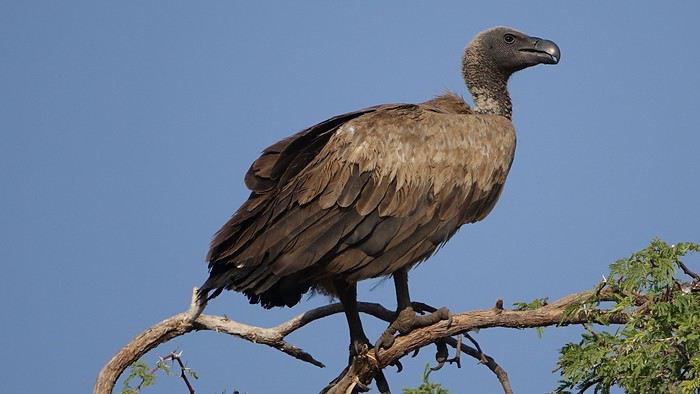
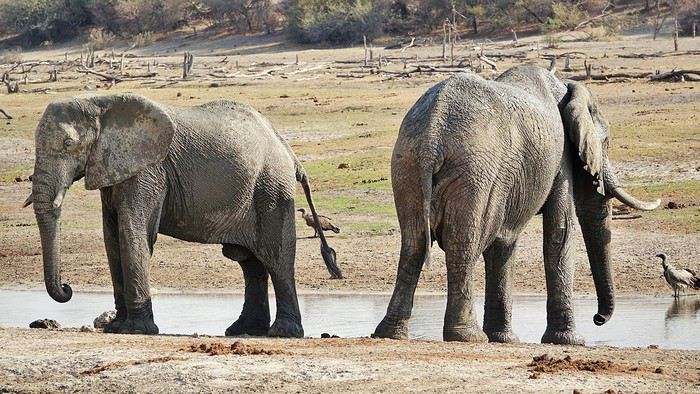
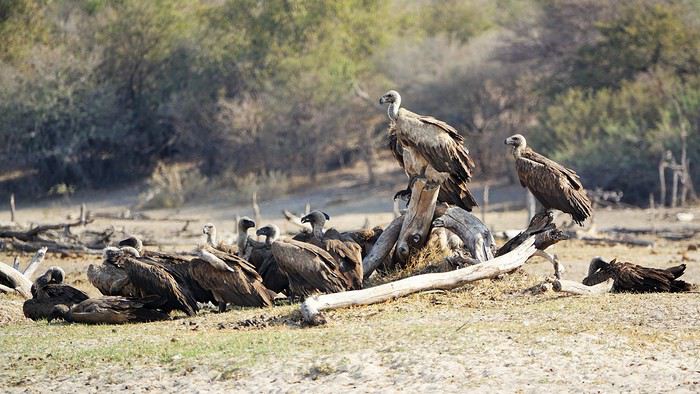
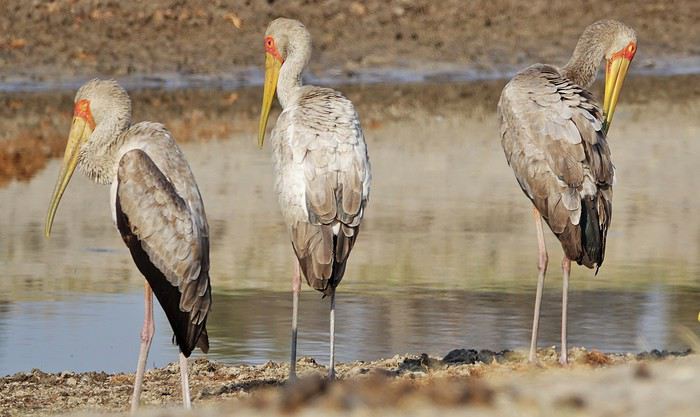
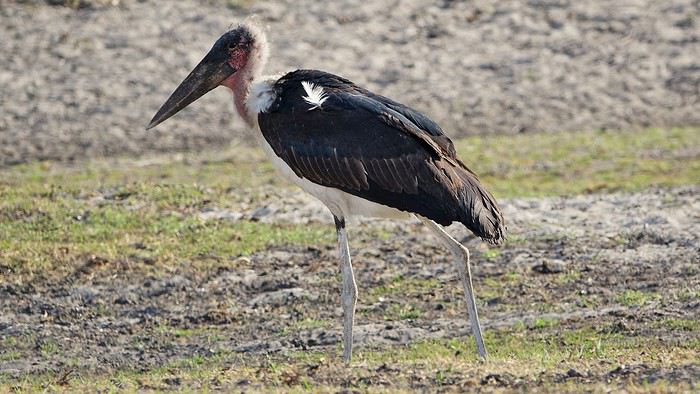
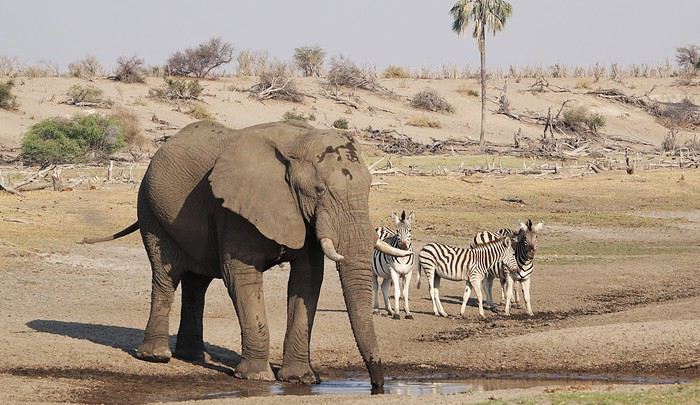
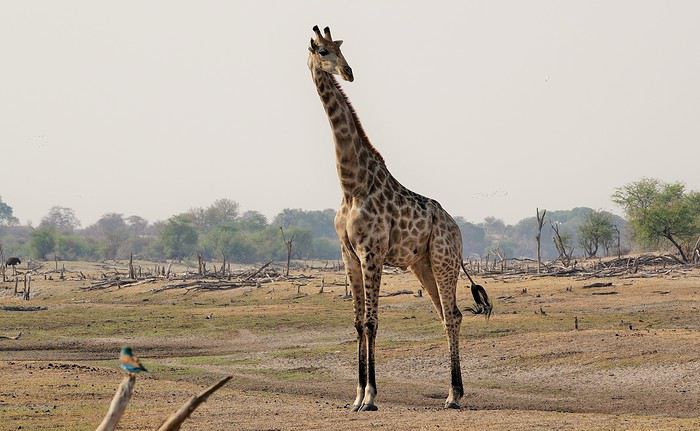
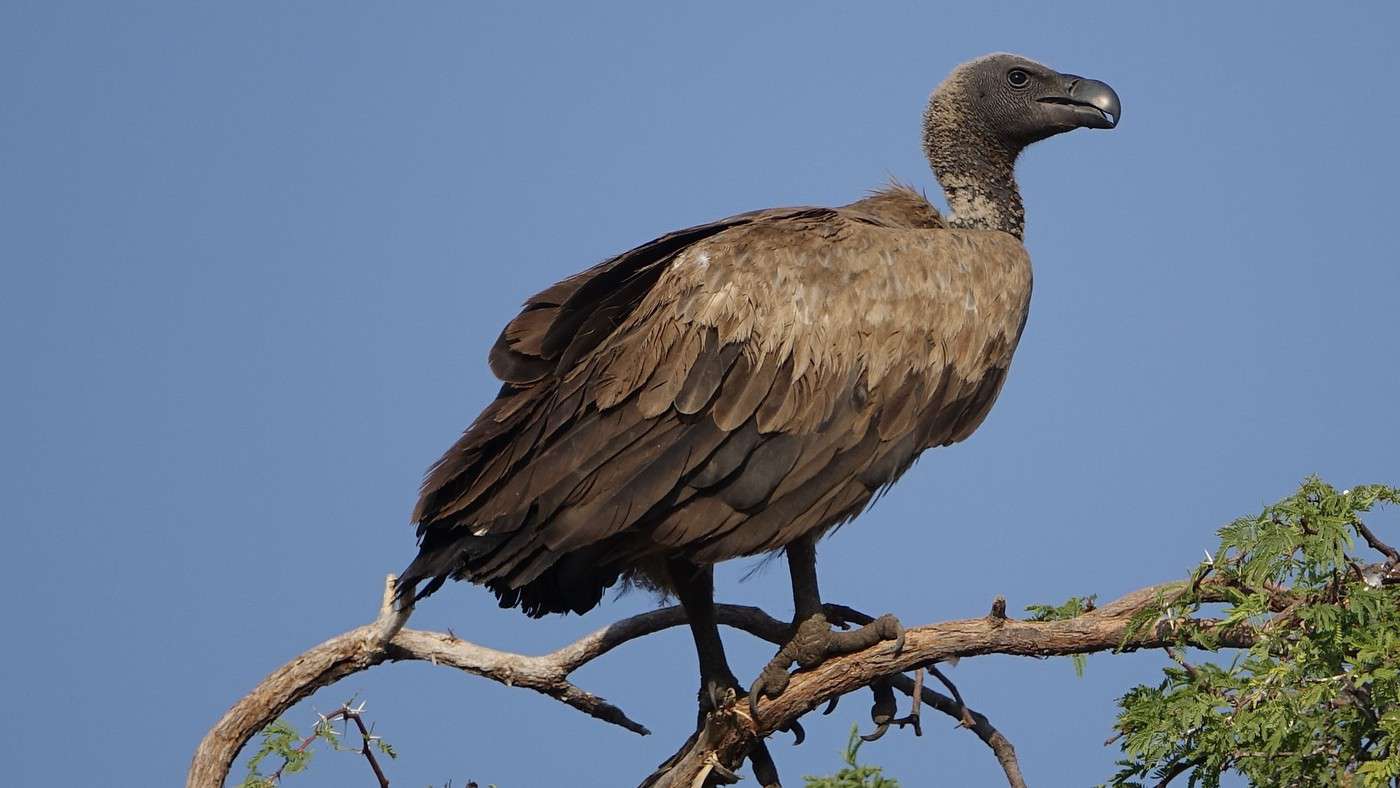
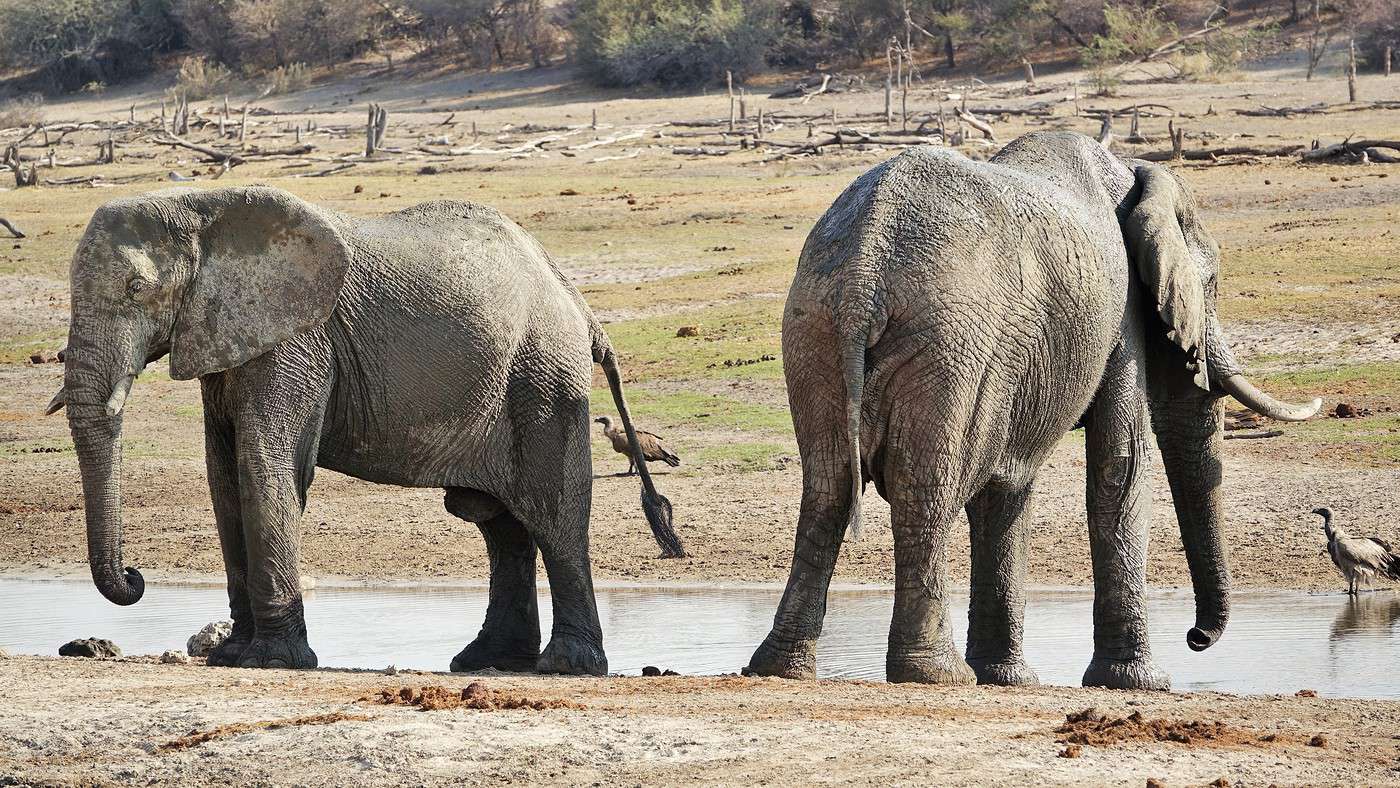
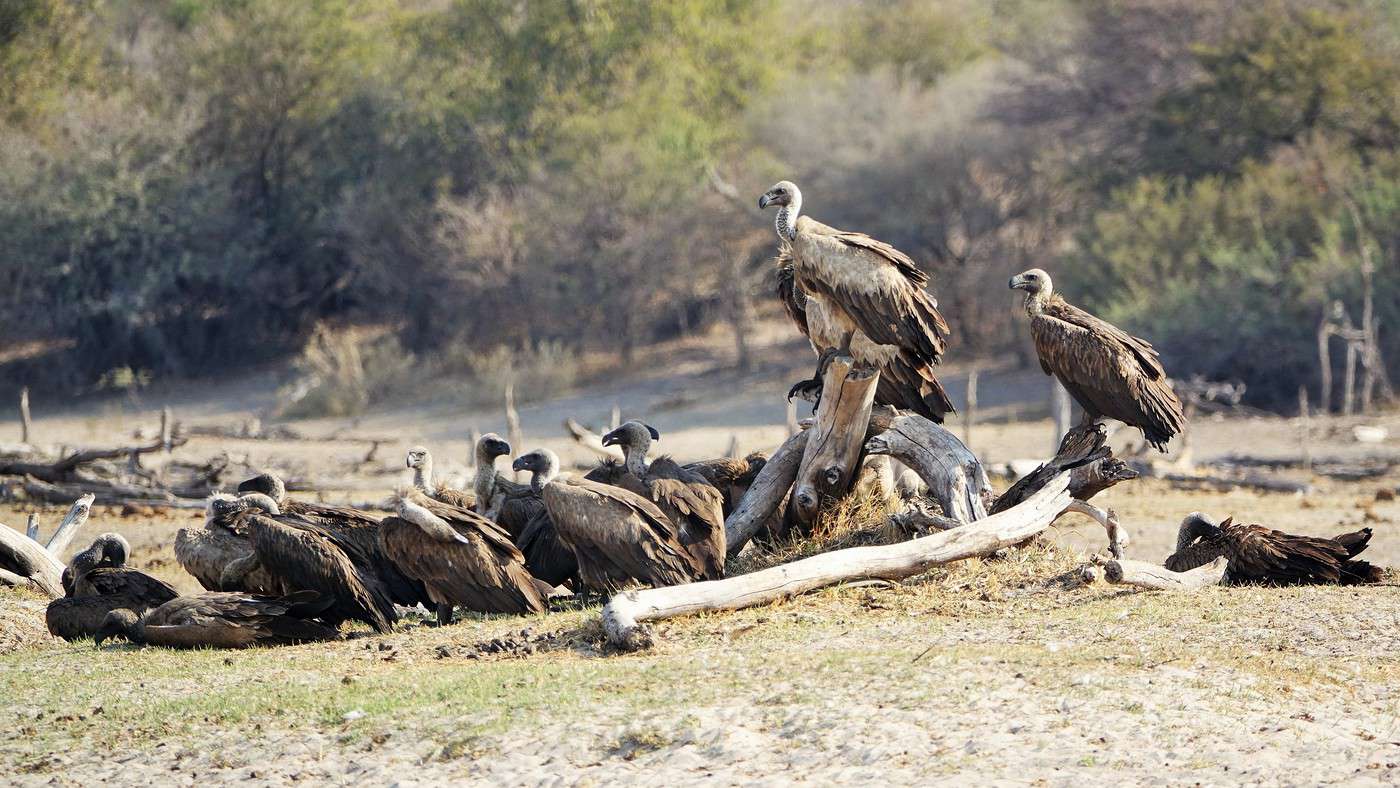
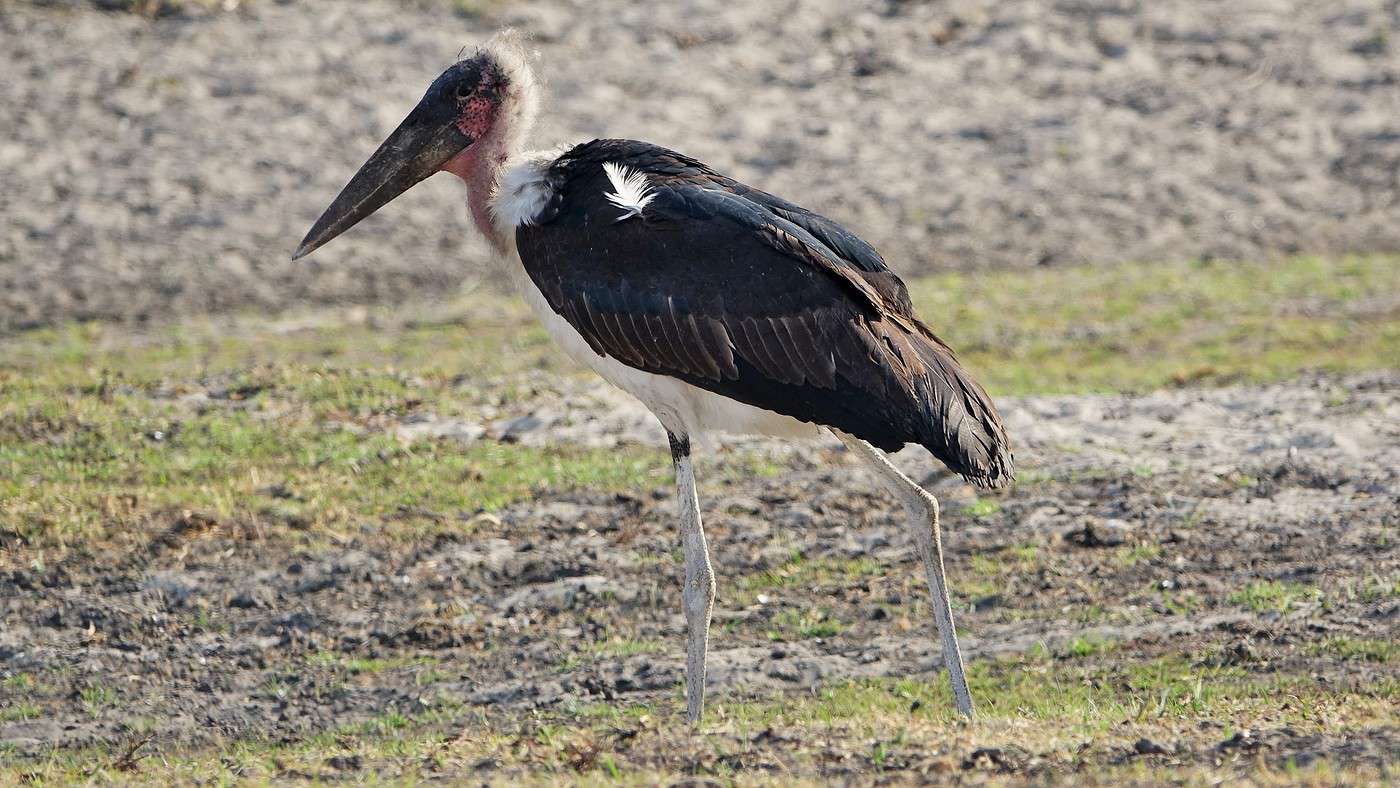
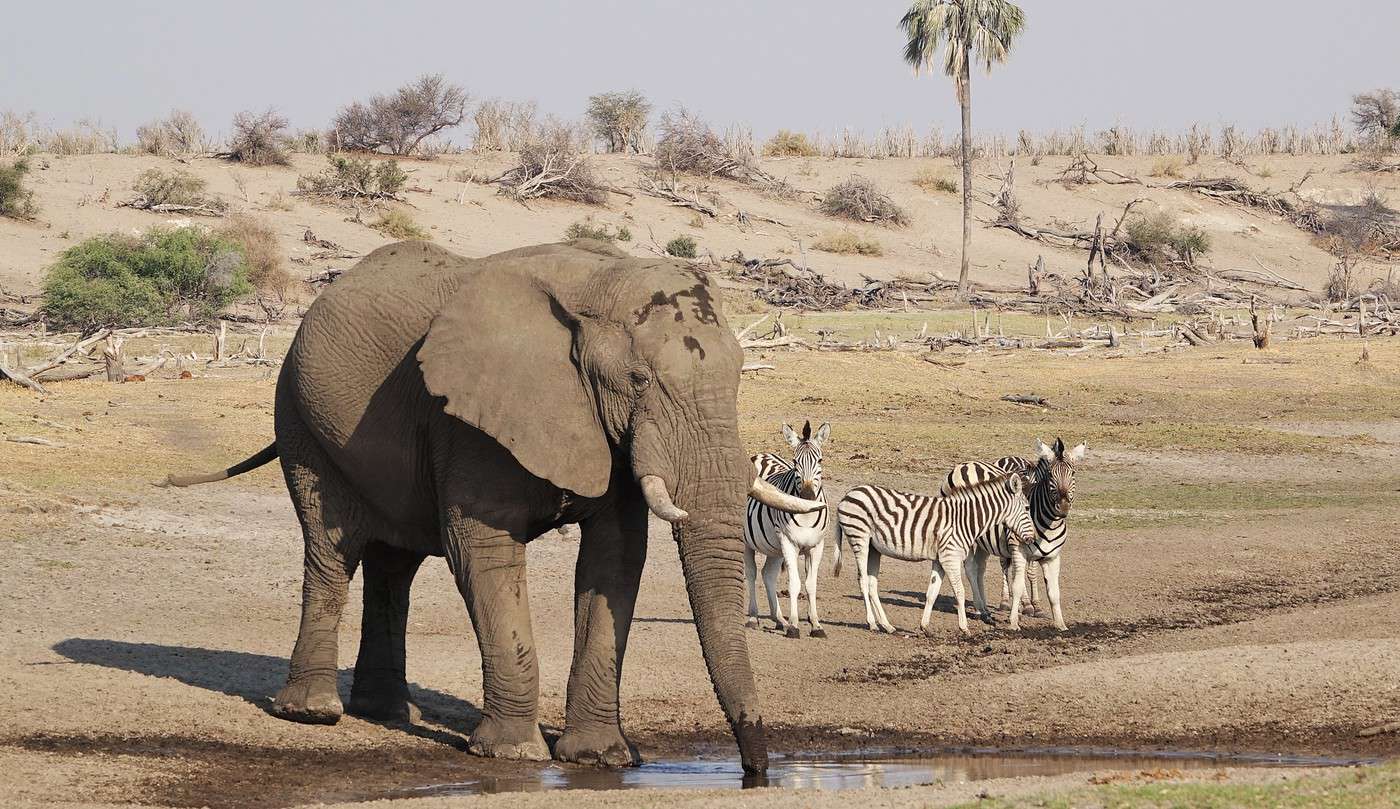
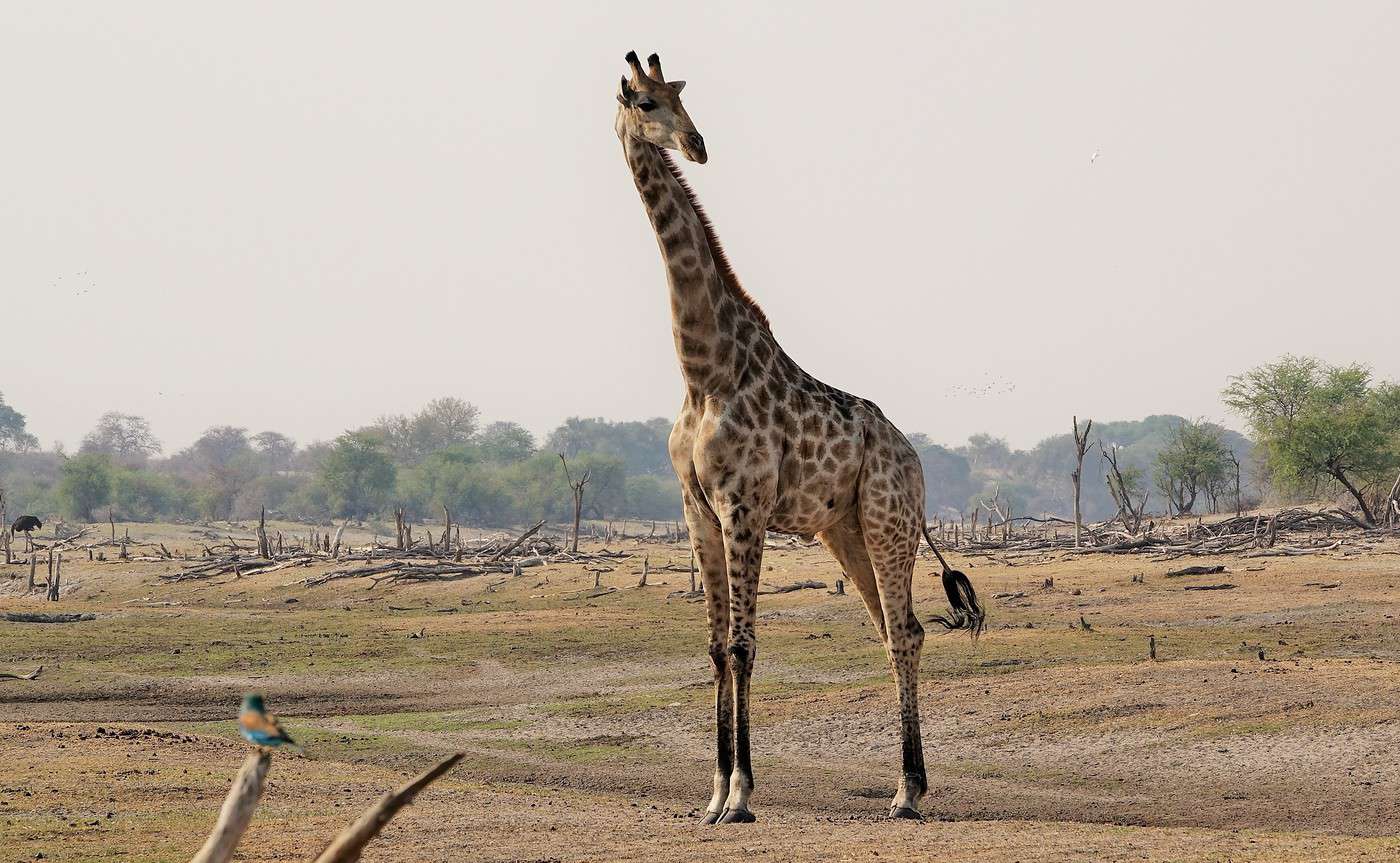
Though there’s generally little water, we find the landscape much greener compared to the yellowed vegetation of the Central Kalahari. The wildlife is abundant: giraffes, large herds of zebras and wildebeest, as well as many elephants and various bird species (vultures, marabous, ibises, etc.). We’re truly amazed by this stunning natural setting. We watch the elephants for a long time, keeping a reasonable distance—though not everyone does. We drive a bit randomly through the riverbed, of course being careful not to scare the animals or get stuck in the mud.
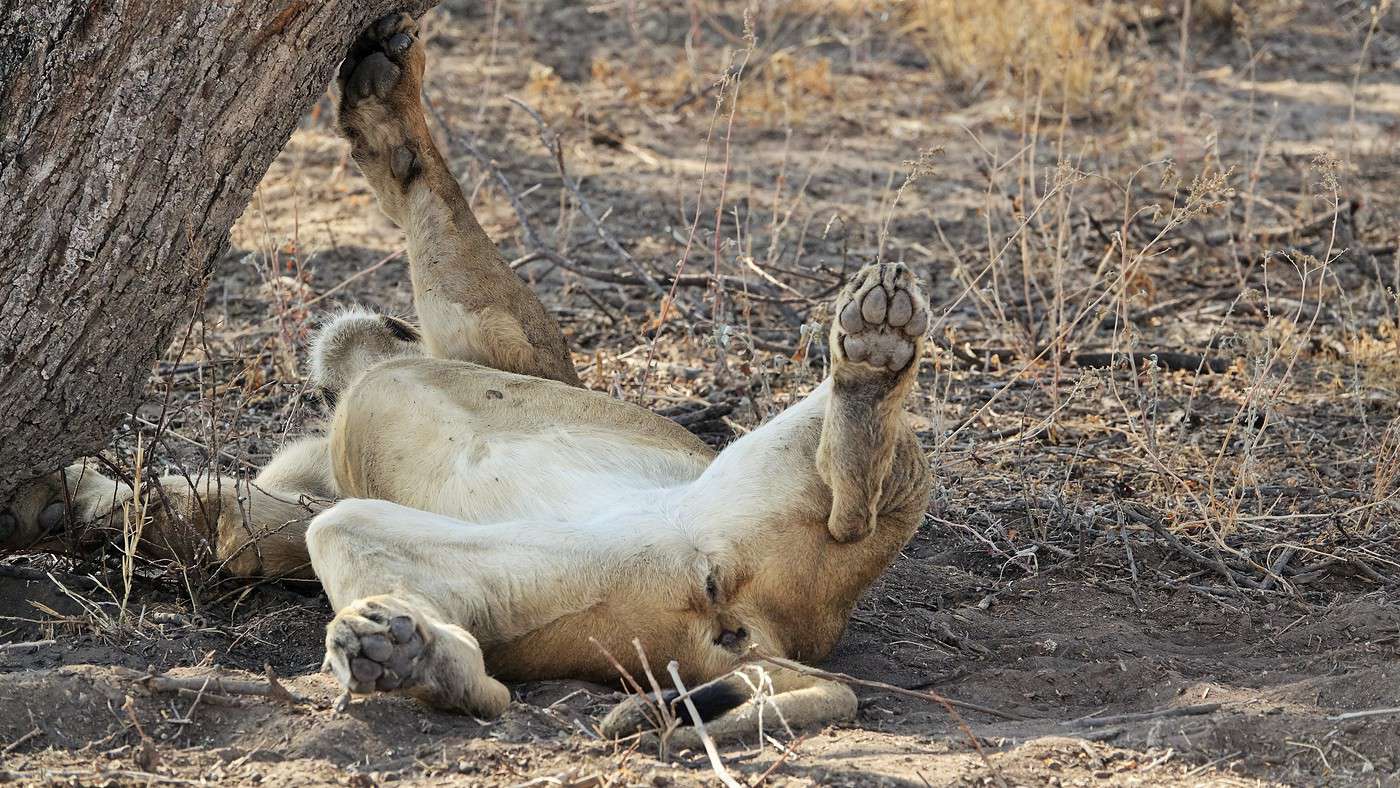


To climb back up the riverbank, we shift into low gear for the first time—the slope is steep and the sand very soft. It works! We’re getting better at driving the 4x4, but we’re still a bit out of our league for the Dakar! 😉 We continue along the track overlooking the river, then head back to camp just before nightfall.


In the Land of the Tswana (Botswana)

OldPlatypus · 2019-12-26 · Message 38 of 183

09/24/2019: Makgadikgadi - Nxai This morning, the vervet monkeys invaded the camp. We stay vigilant when packing our things because they quickly sneak into the cars to swipe something.
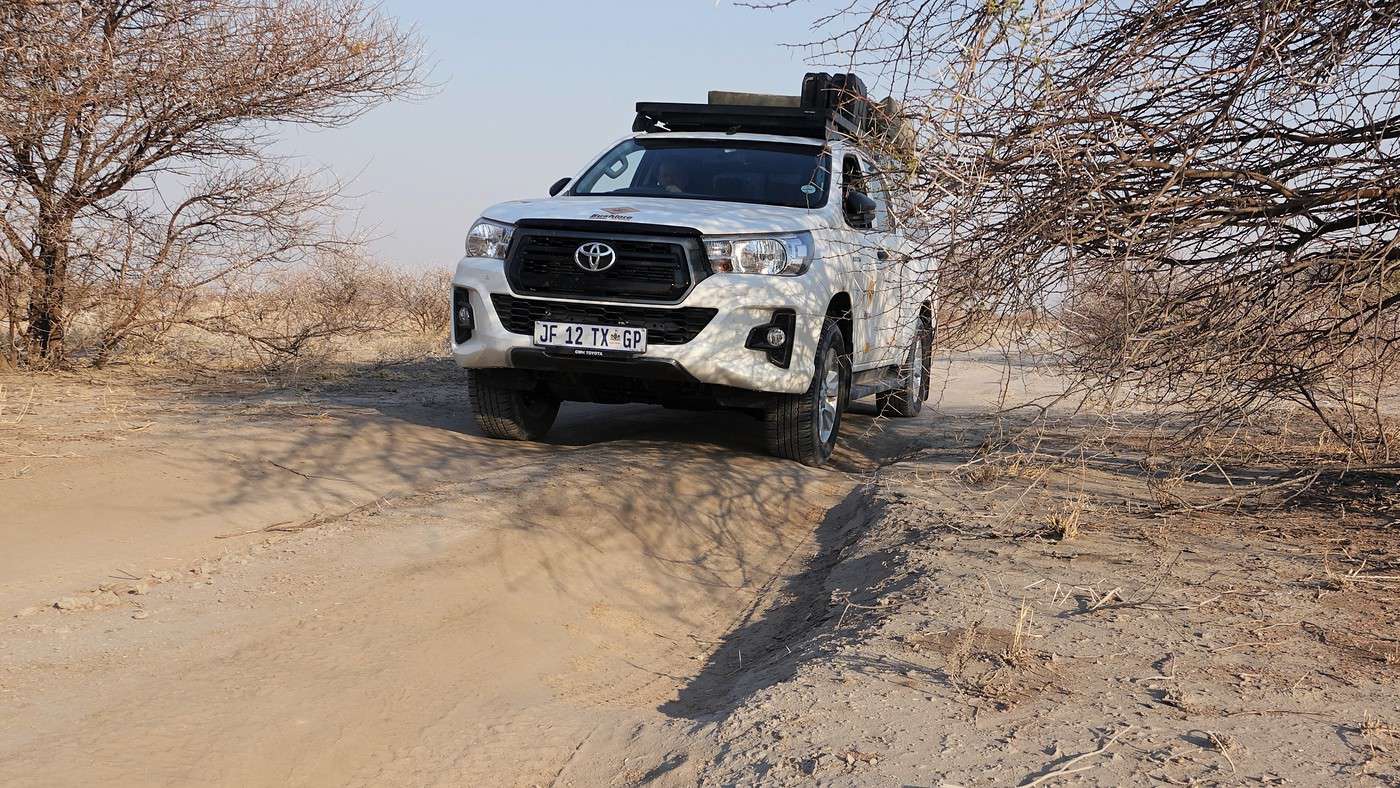


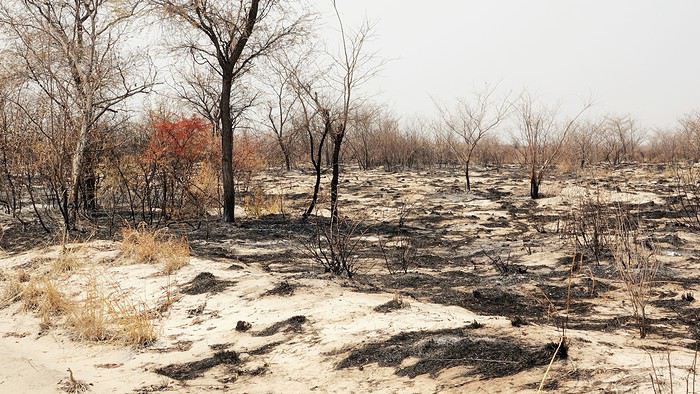
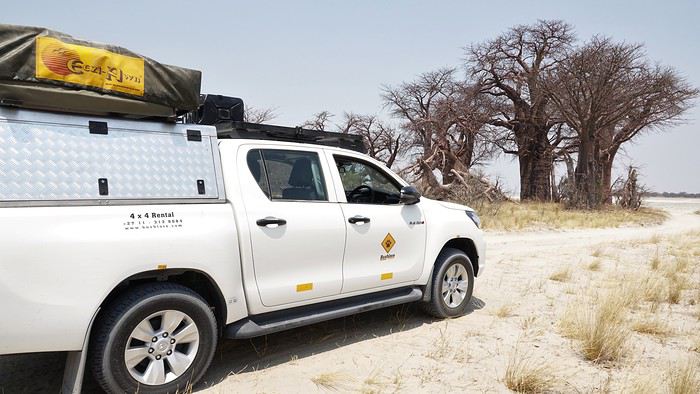
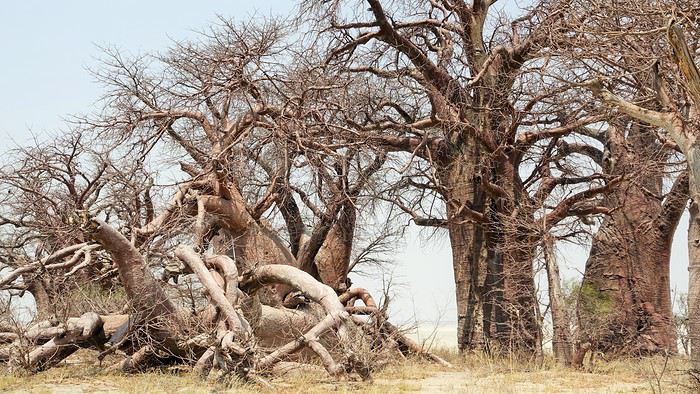
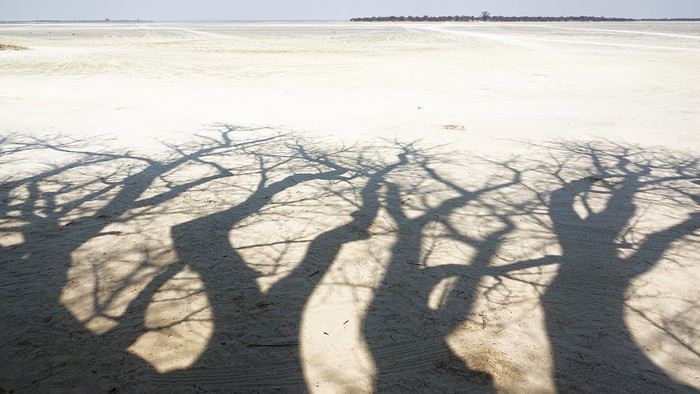
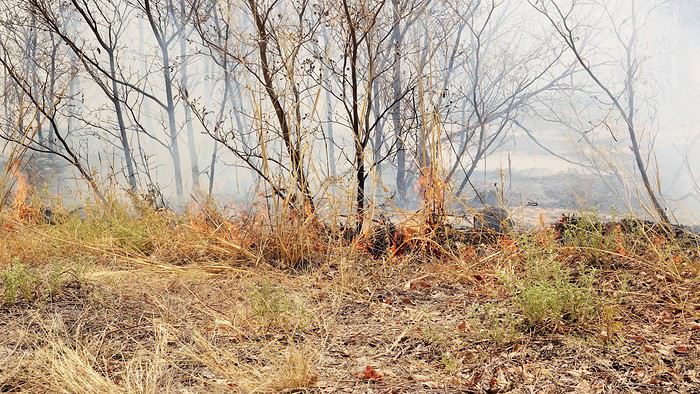
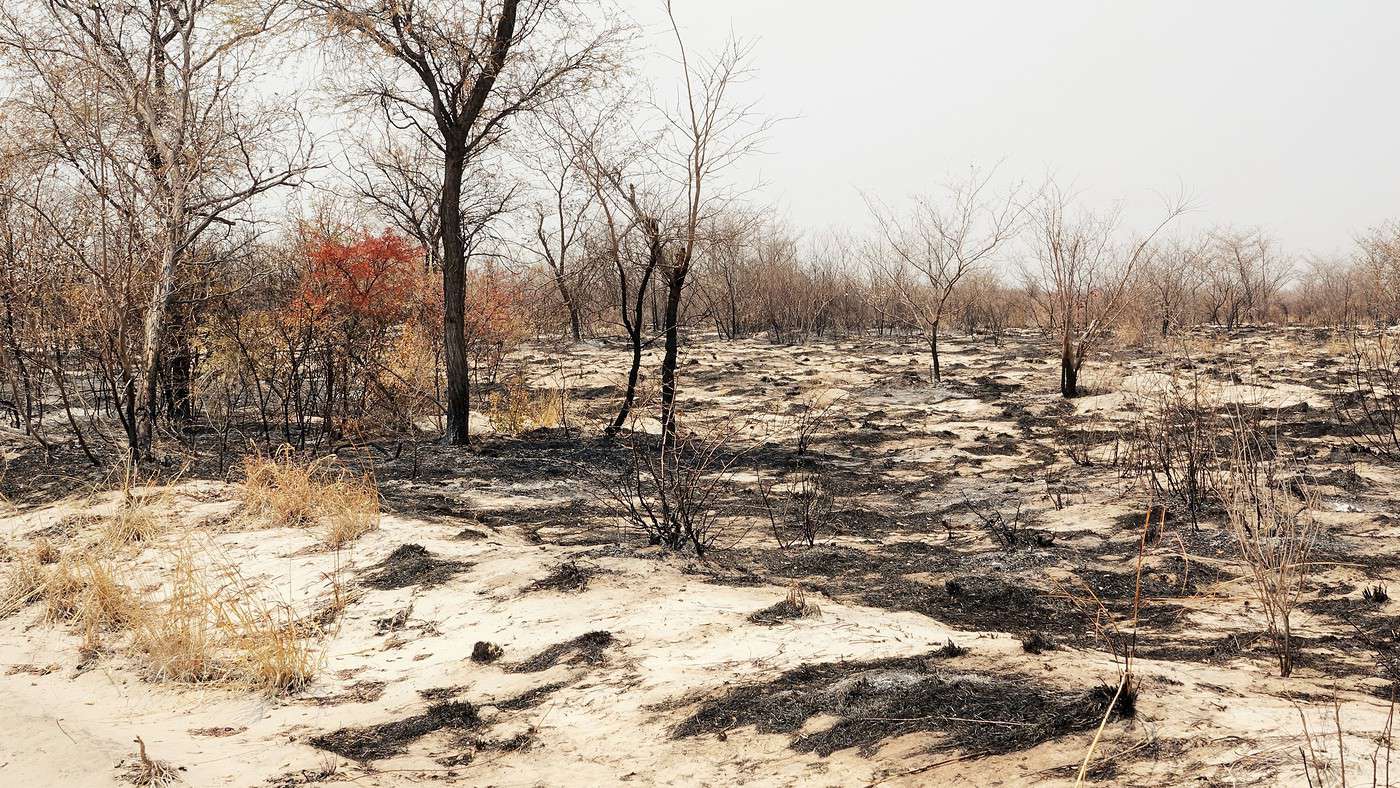
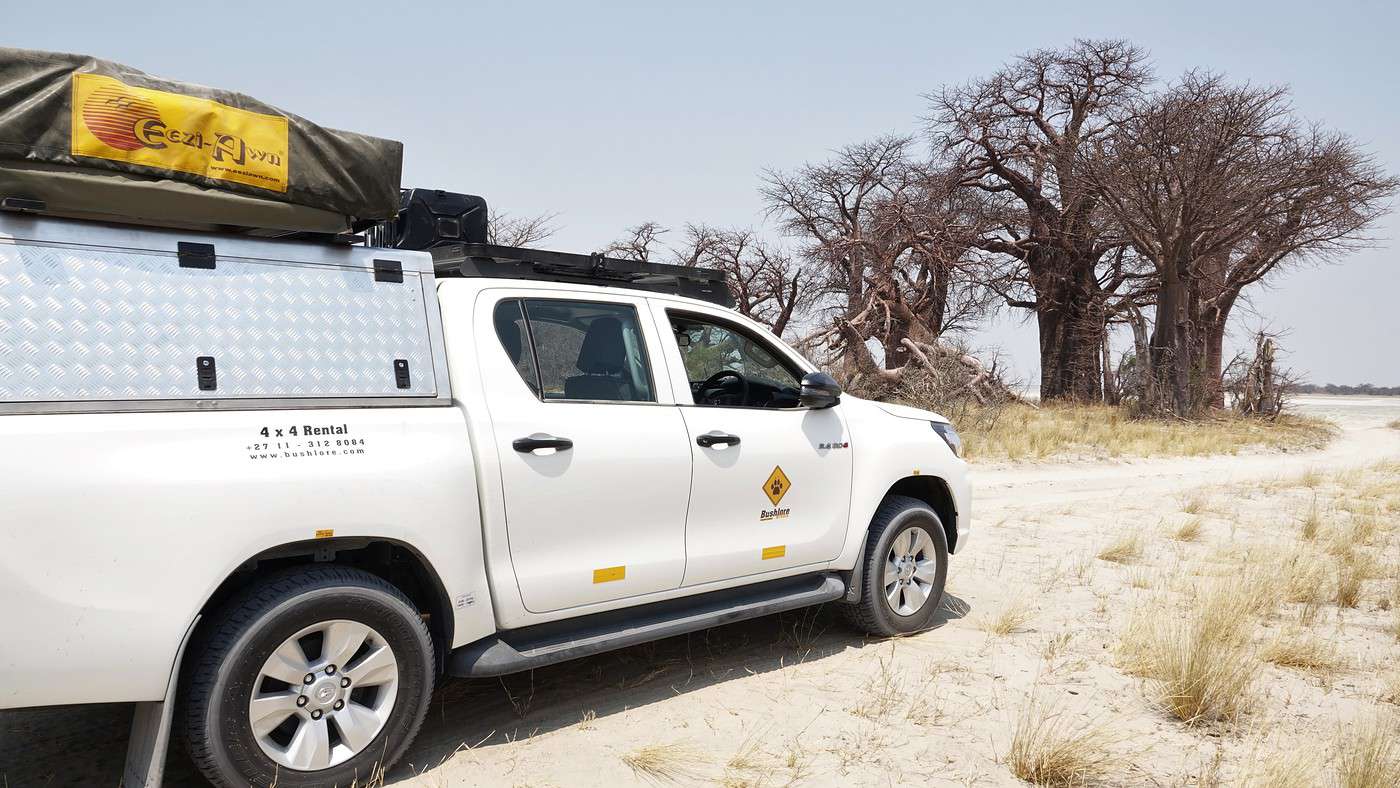
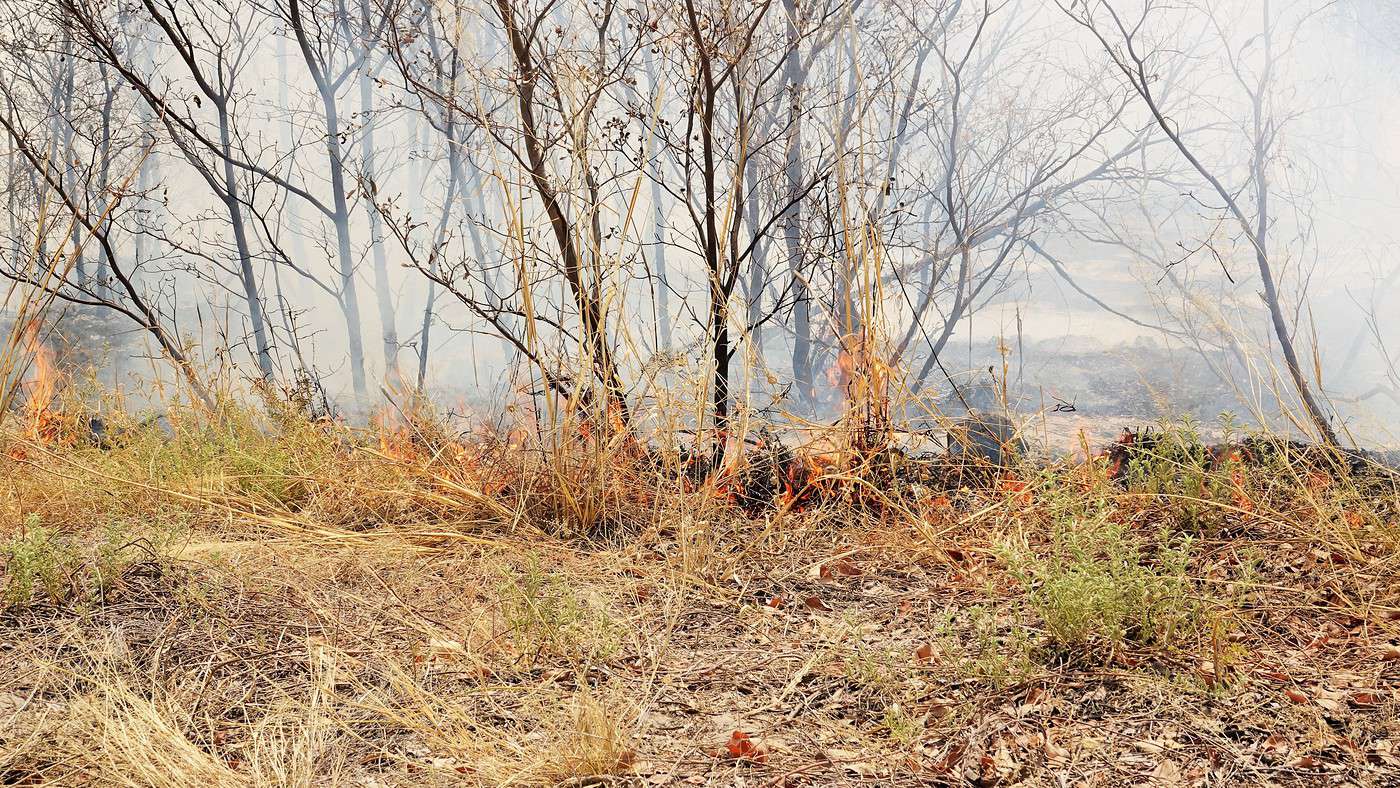
We return to the Boteti River bed. Activity is much quieter than the day before, but we still spot giraffes, wildebeest, impalas, and several bird species. So, we don’t linger too long here and head toward Phuduhudu Gate in the north of the park. The sand is still deep, so we keep our speed very moderate. Despite a few tricky spots, we don’t get stuck. The vegetation is dense, and we see few animals. As always when leaving reserves, we sign the register: we’re the first to exit this way today. We reach the paved road connecting Maun to Nata, but for the ten kilometers needed to get to the entrance of Nxai Pan National Park, we don’t have the energy to reinflate the tires. I’ll say it again—the welcome at the park entrance is very warm. The rangers even try a few words of French. The track heading north is wide but quickly becomes boring. After about twenty kilometers, we turn toward the Baines Baobabs area. The partly charred vegetation and smell of smoke indicate the area recently had a fire.
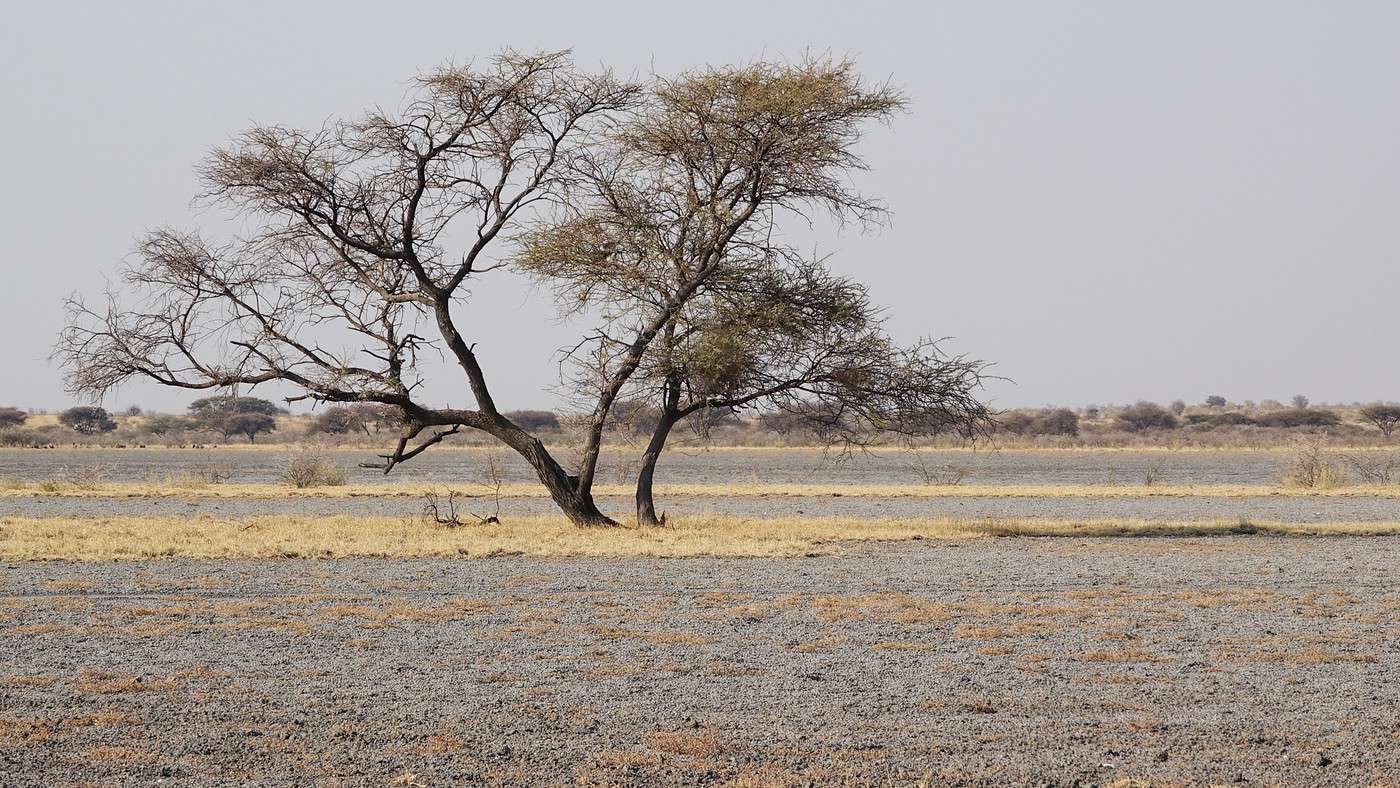


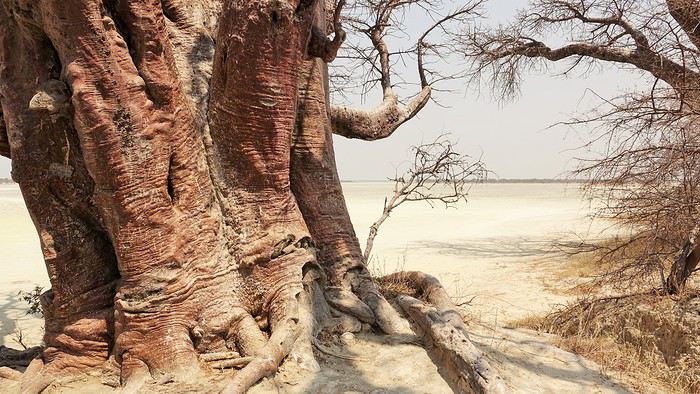
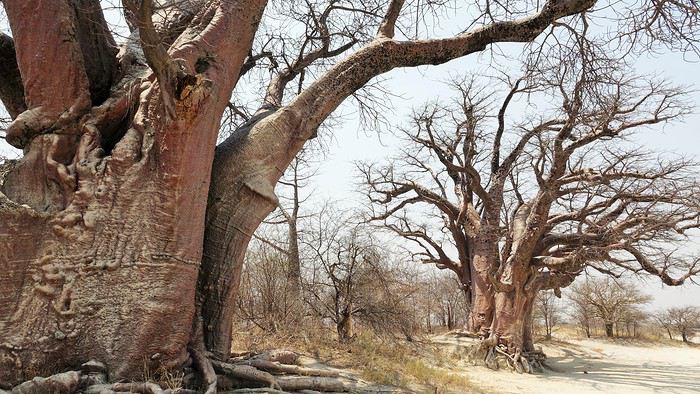
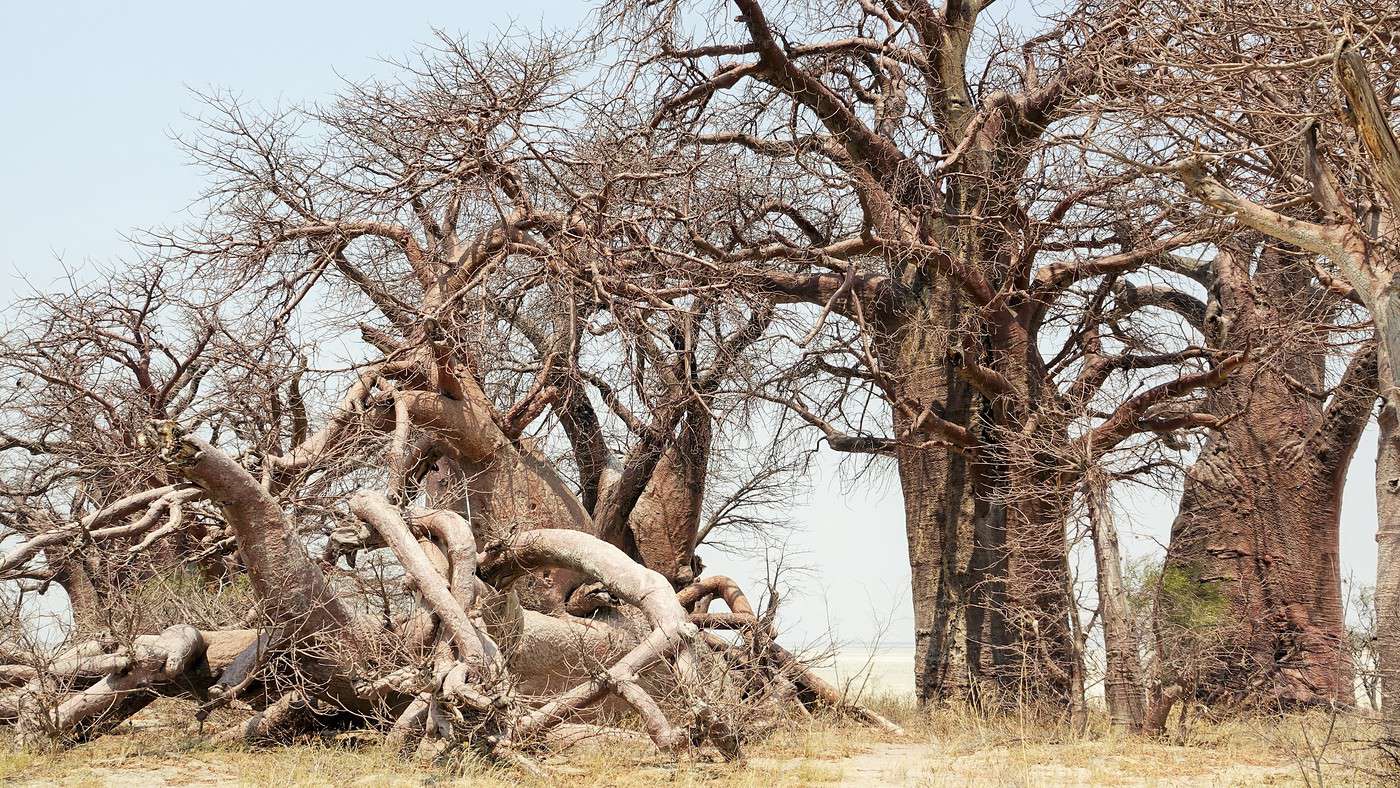
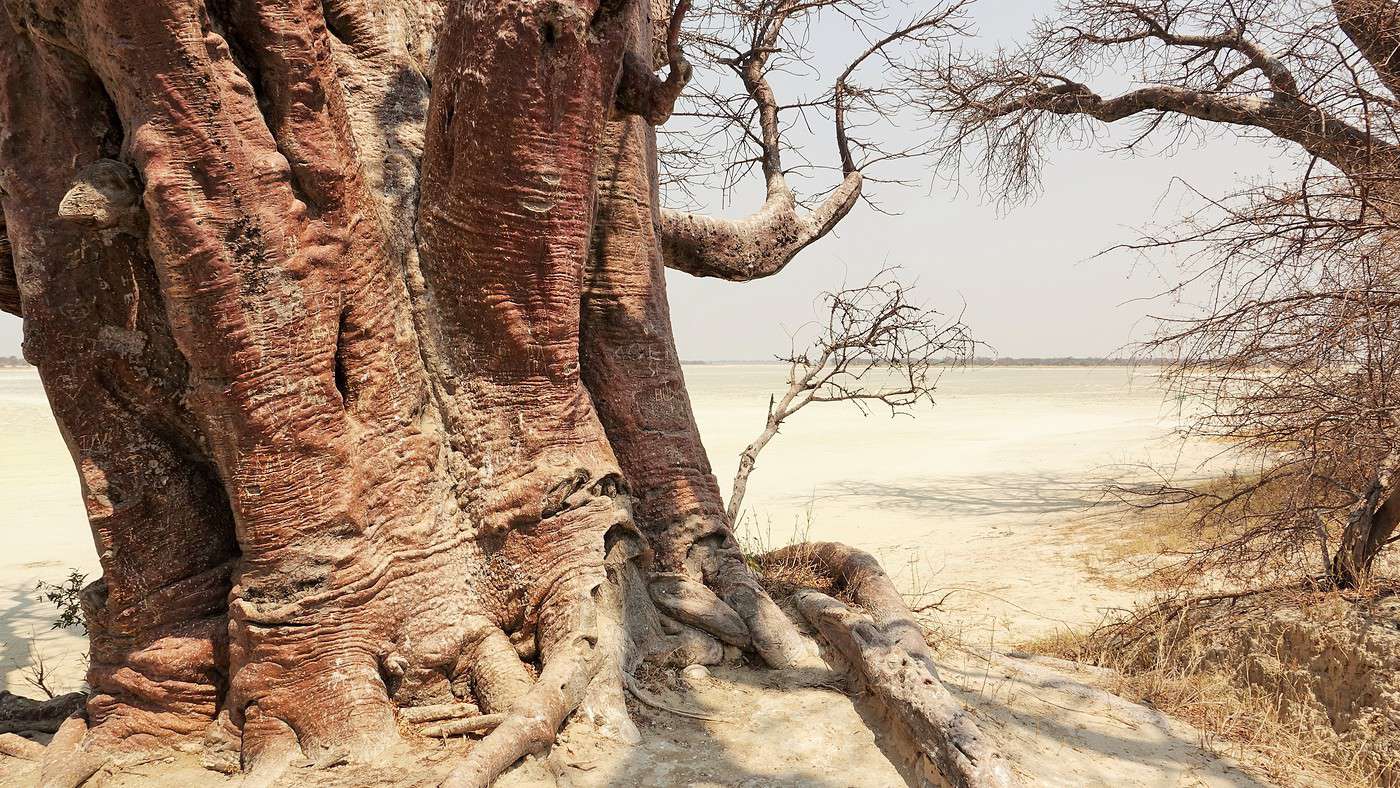
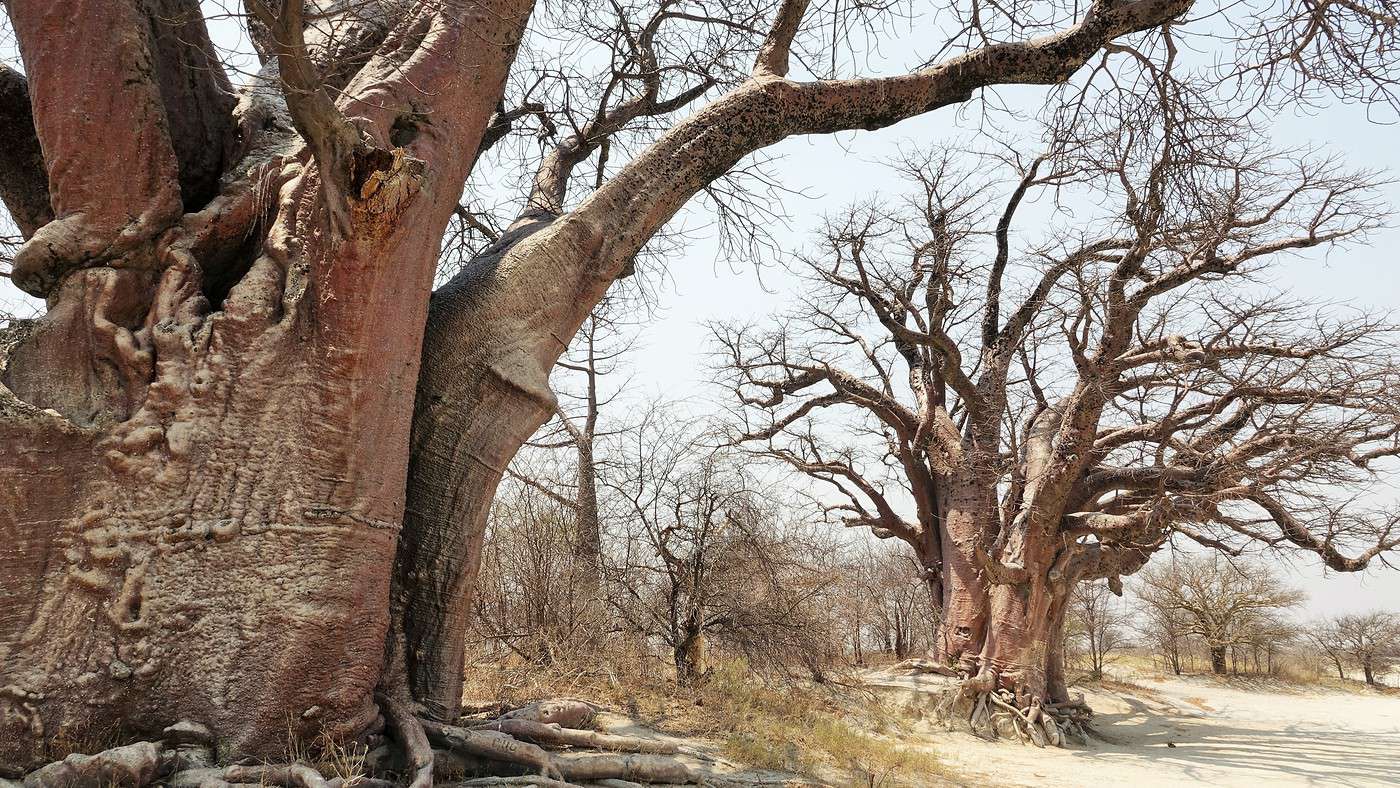
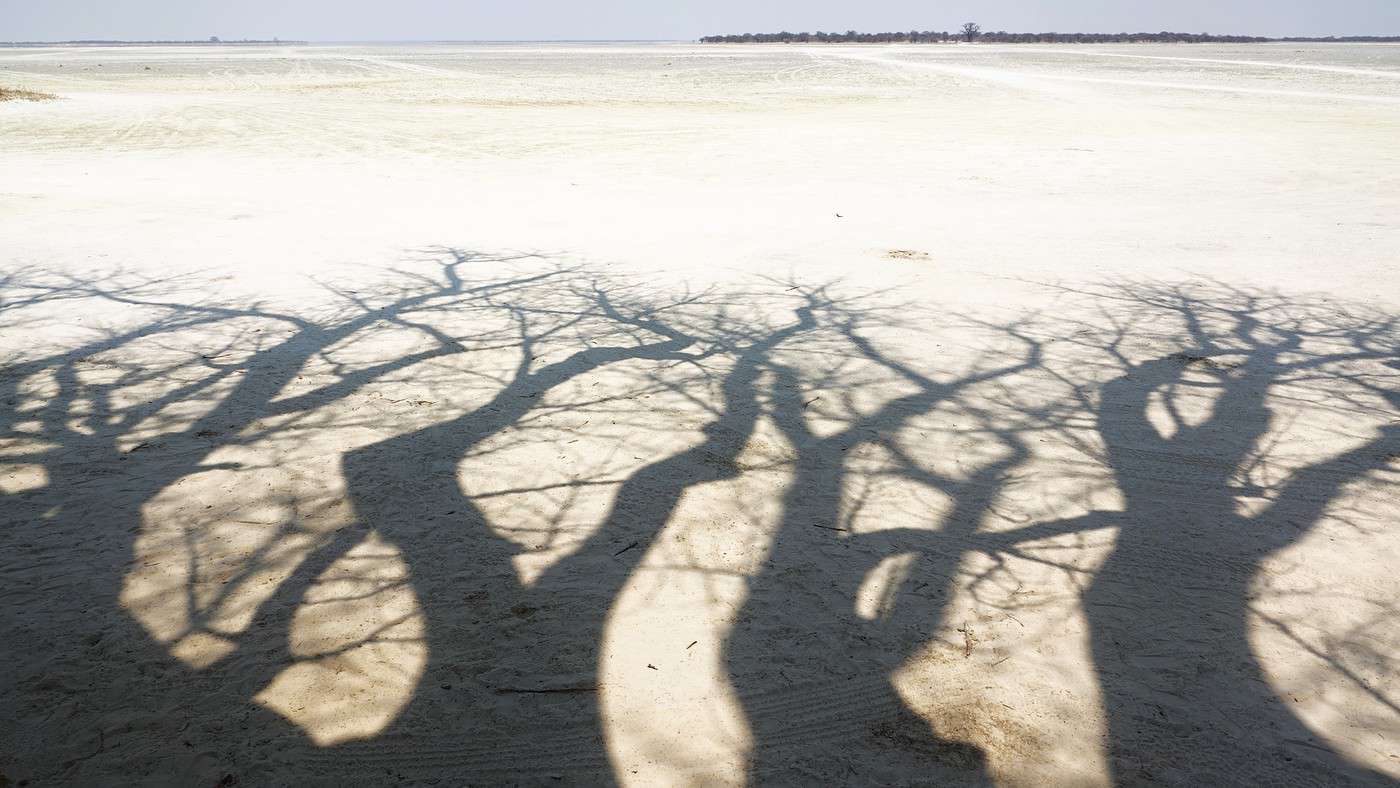
The drive feels really long, but discovering the giant baobabs along the edge of the vast pan quickly makes us forget the monotony of the track and the near absence of animals. The sense of isolation is immense. However, at this time of day, the light isn’t ideal for photos.


It would’ve been nice to sleep around here, but we chose to stay at South Camp. We find the track heading north just as uninteresting, and right along the edge, the savanna is on fire.


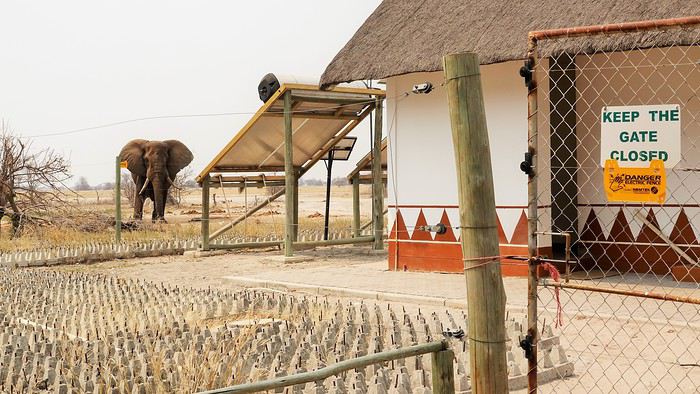
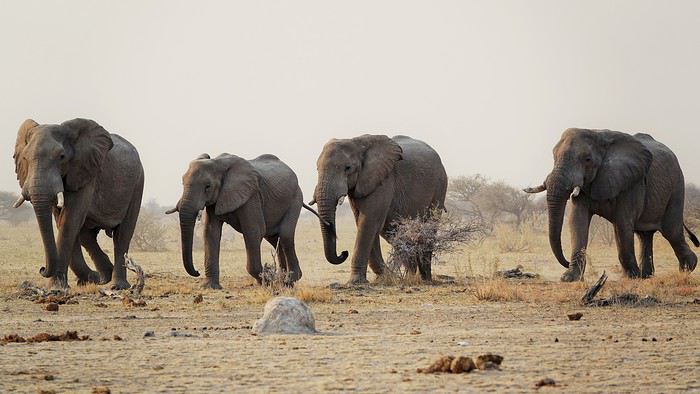
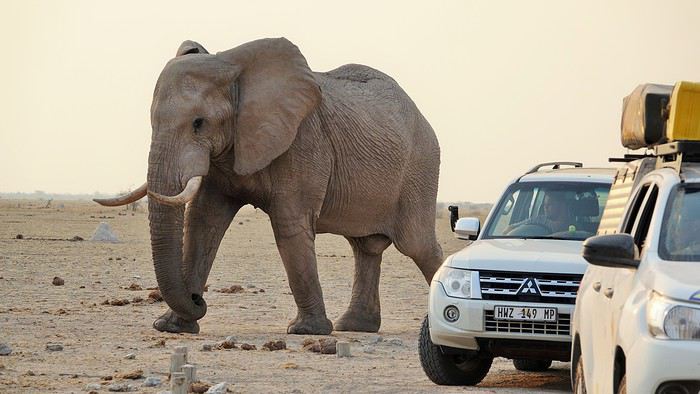
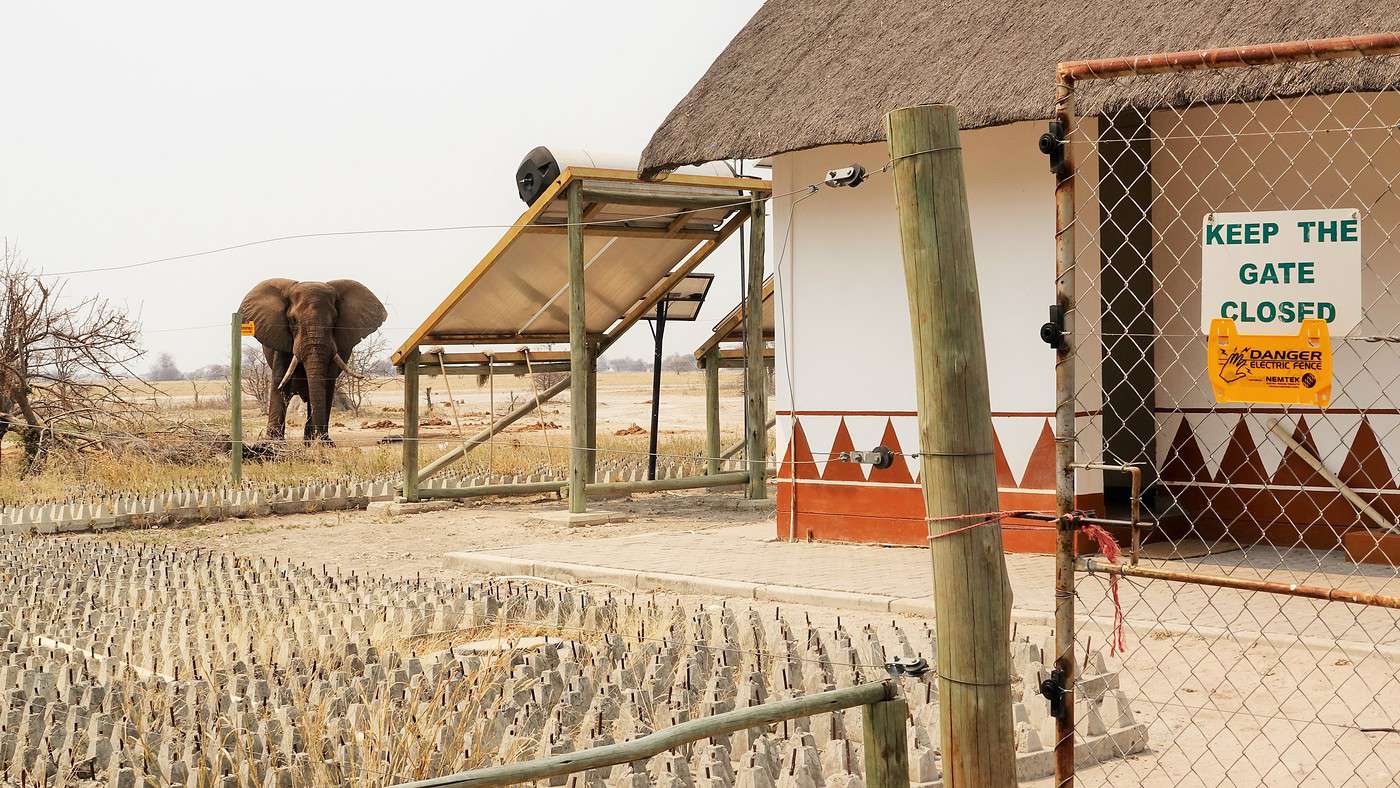
When we arrive at South Camp, the regular presence of elephants is obvious—there’s so much dung. Not to mention the restrooms, which are surrounded by a barrier to keep the pachyderms out. An elephant is right there, next to the toilets, siphoning the wastewater! After a short break, we head out to explore the park’s tracks.


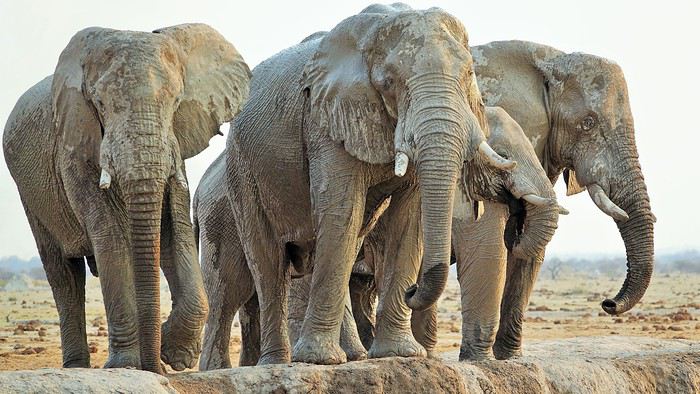
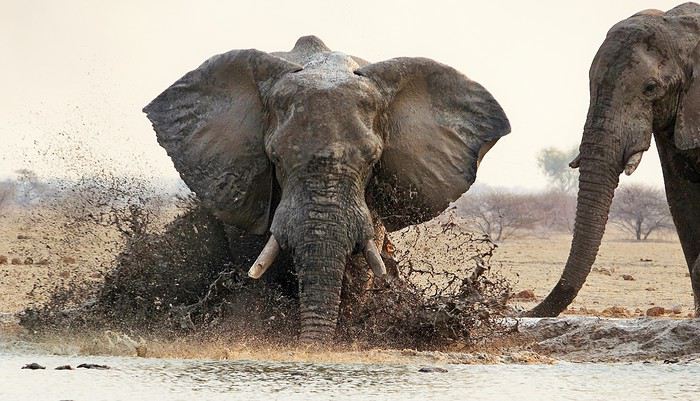
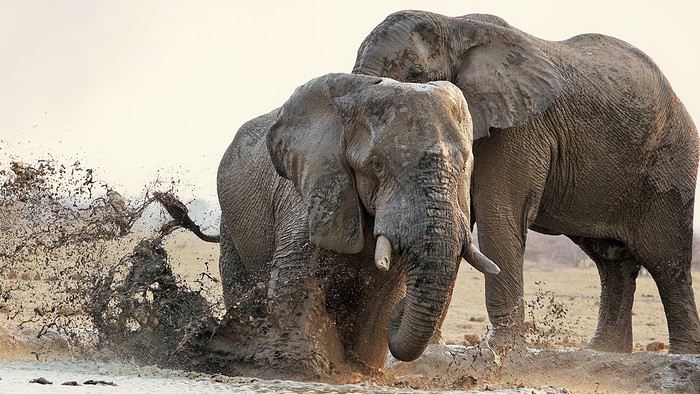
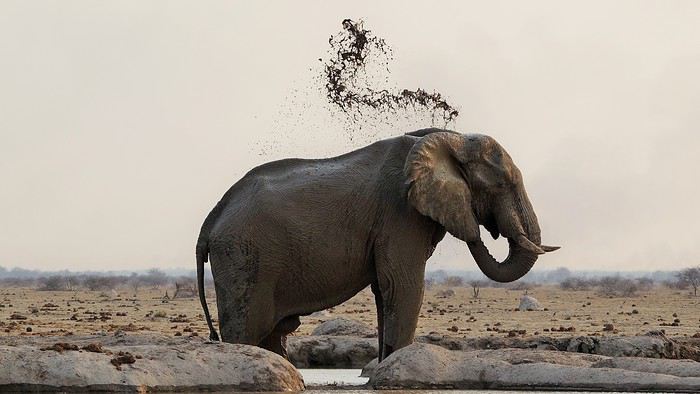
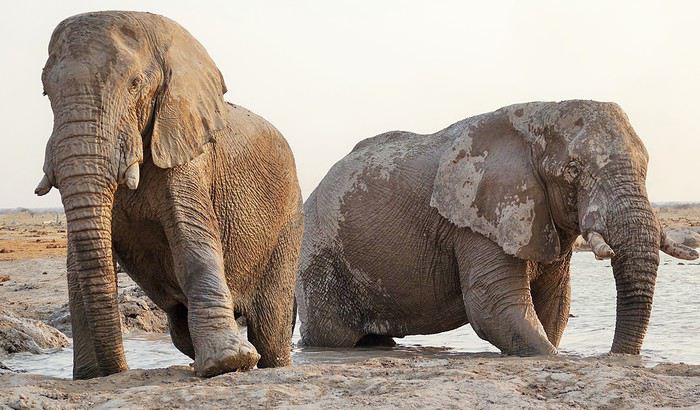
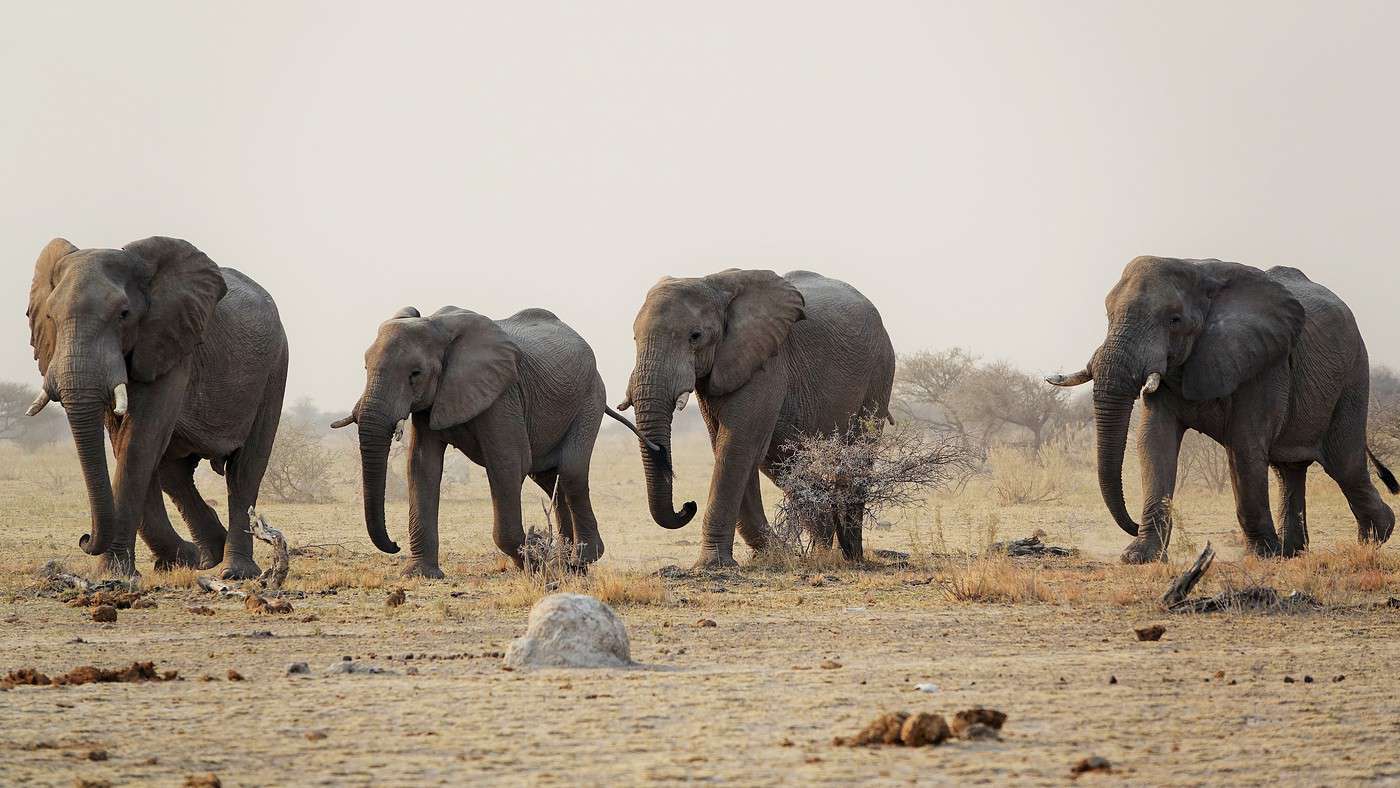
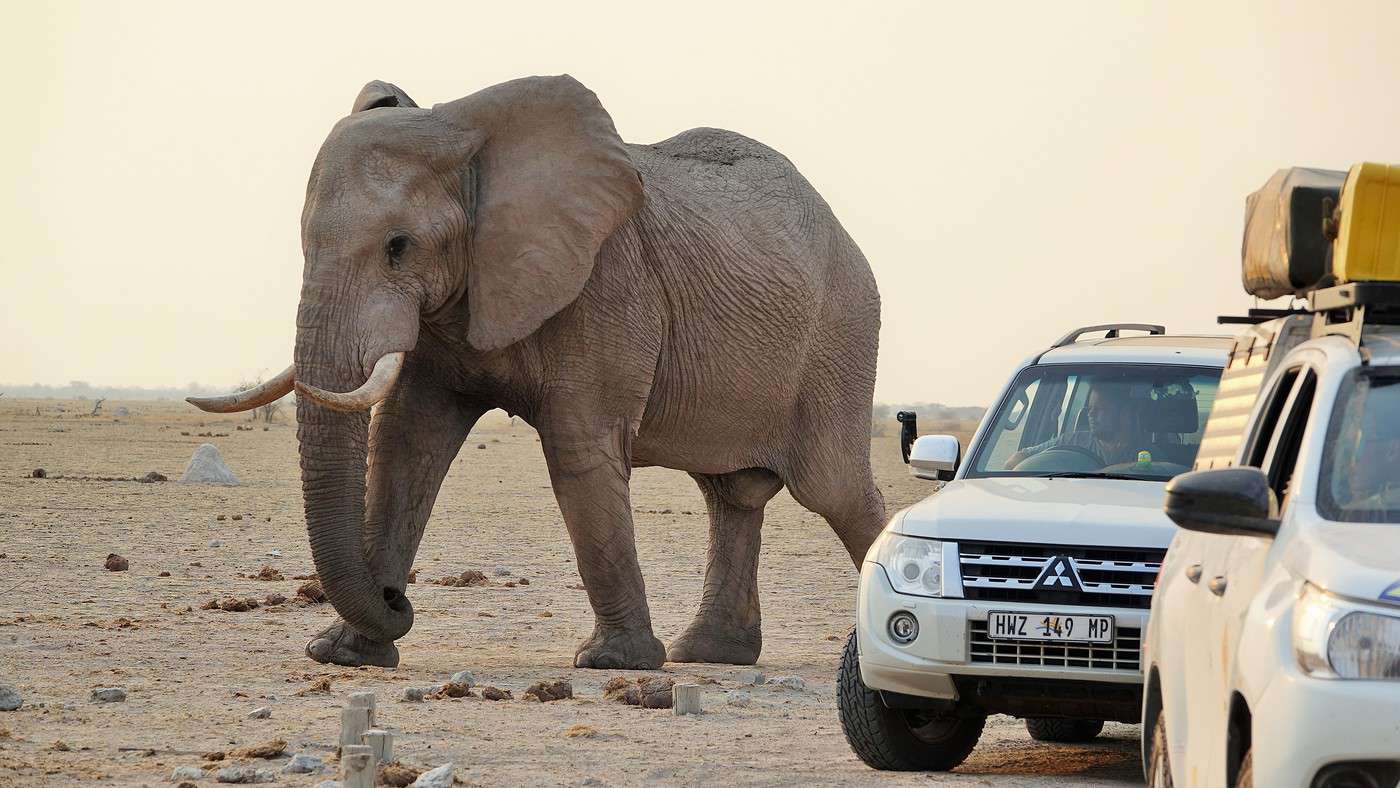
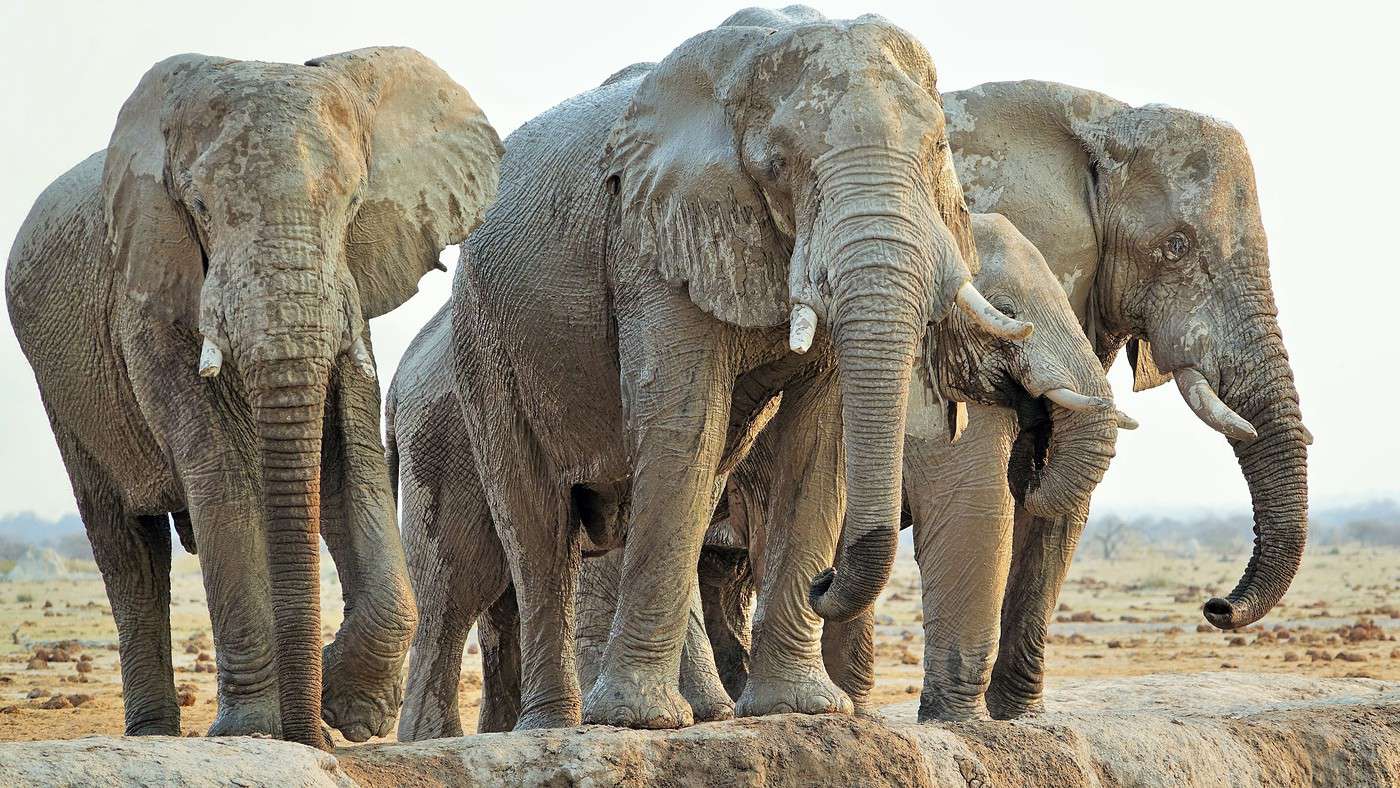
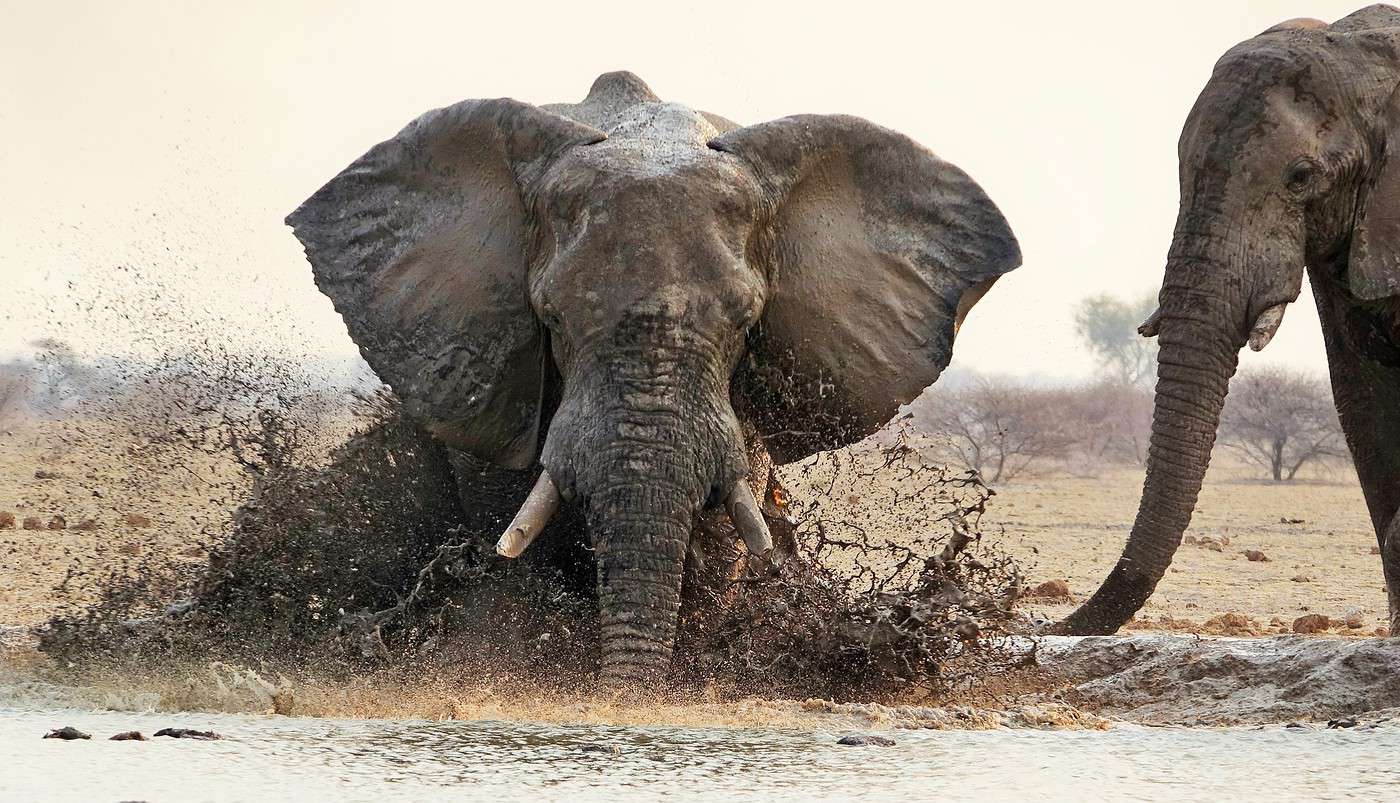
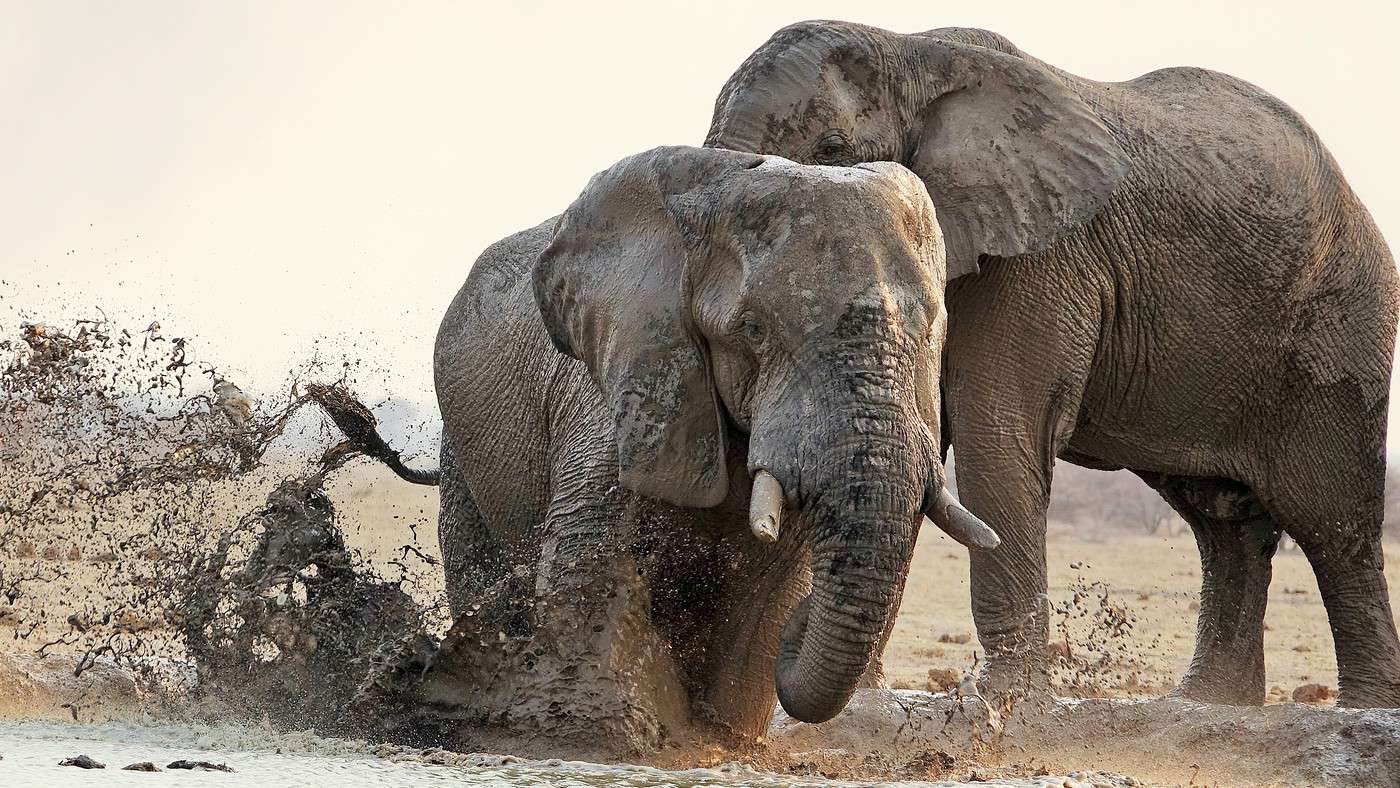
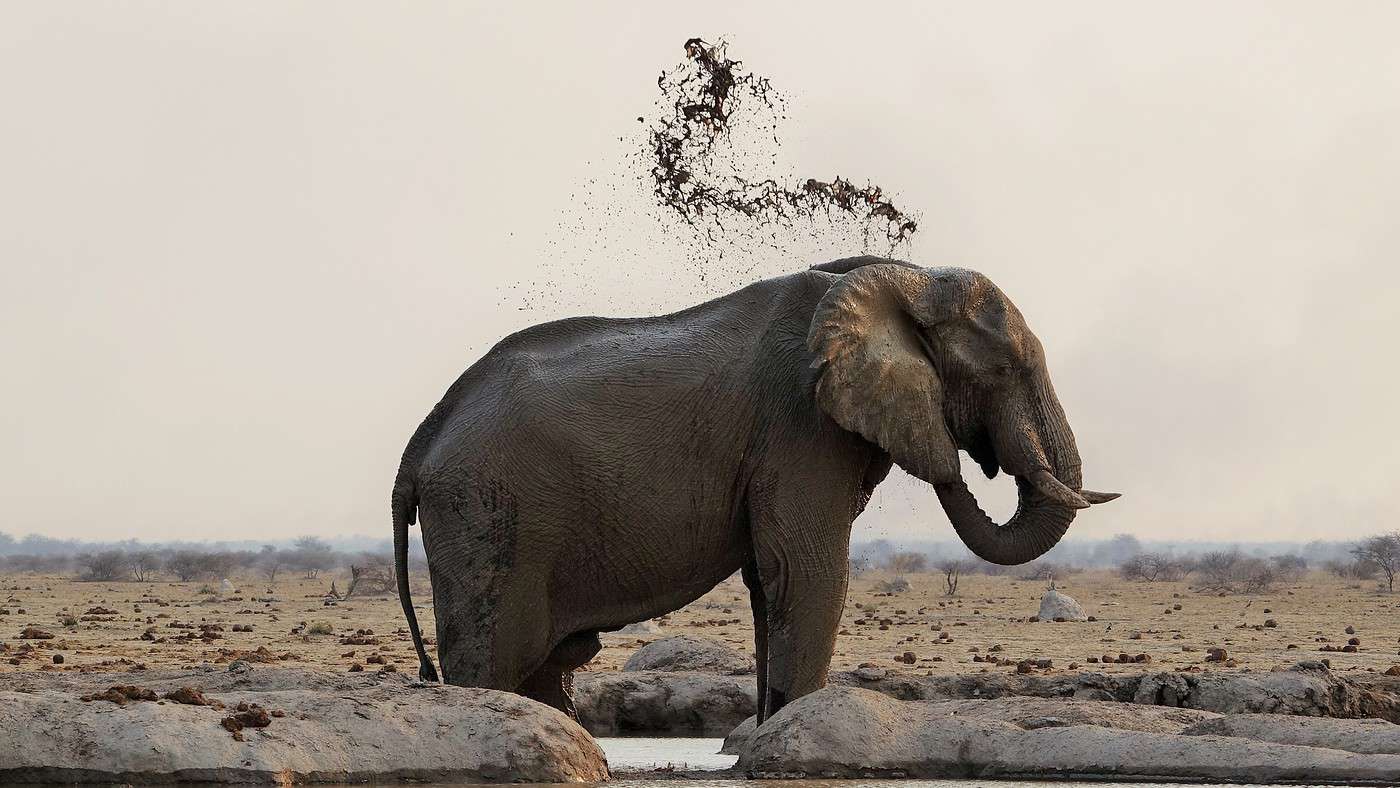
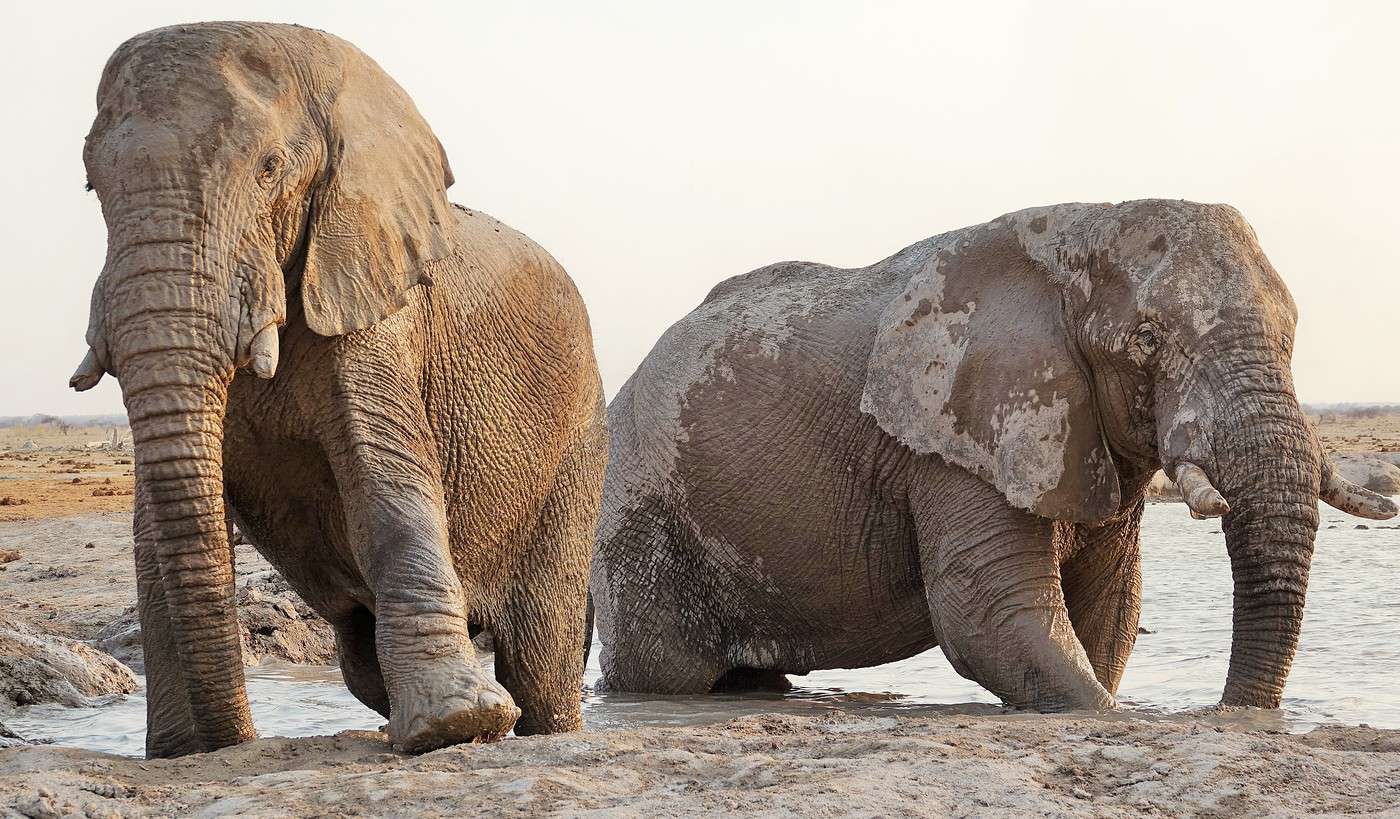
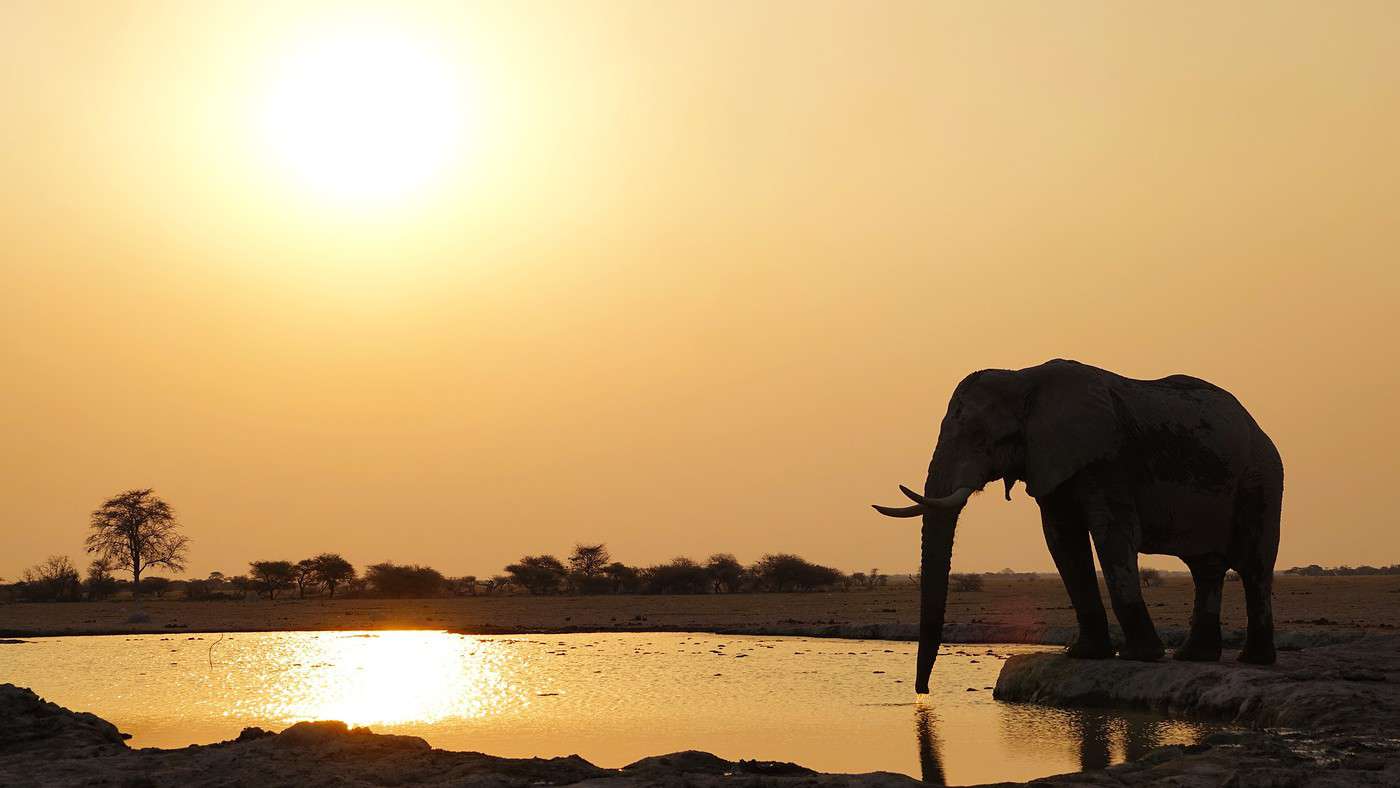
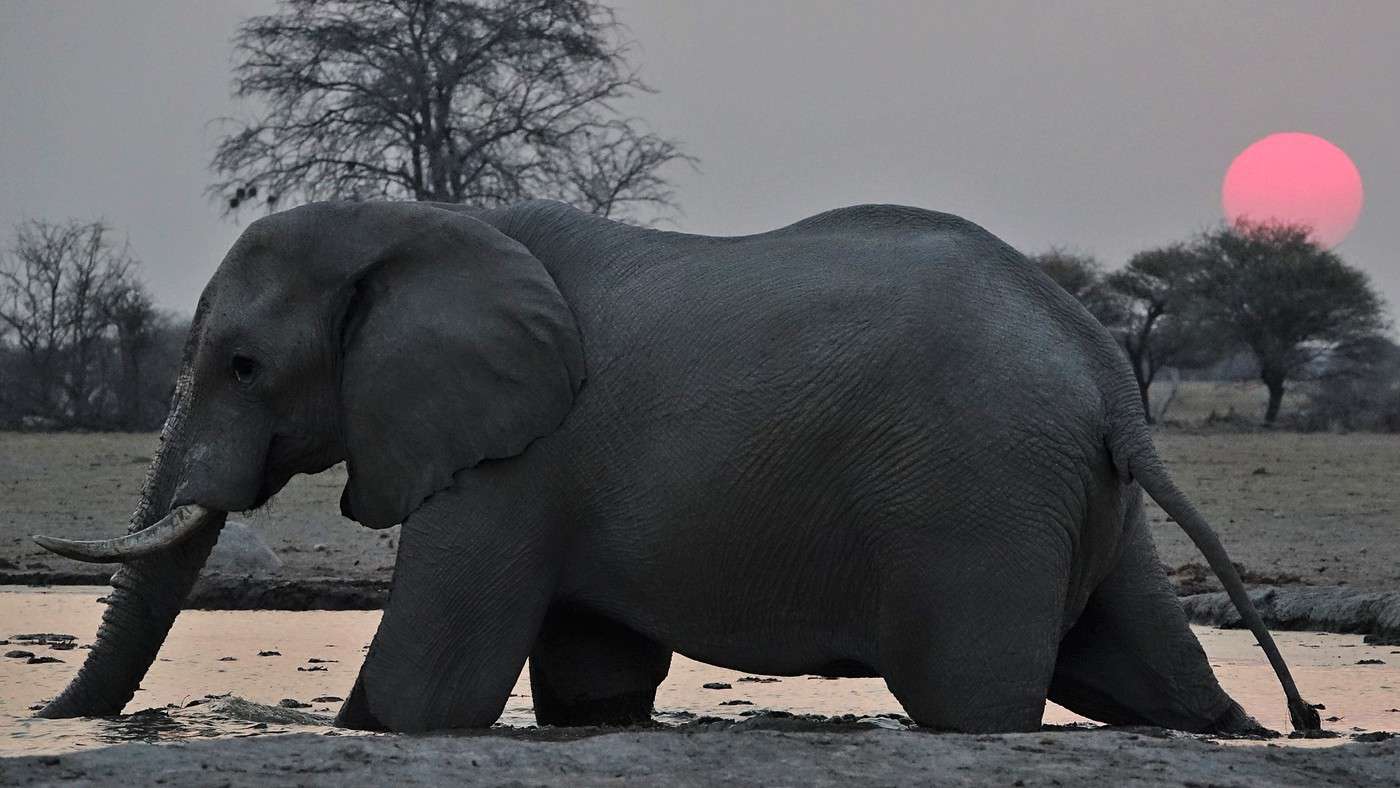
With the smoke from the fires, the sky looks strange—completely opaque. Wildlife is really scarce, but elephant dung is everywhere. We head to the only permanent waterhole. When we arrive, a large elephant is drinking. Then, a continuous parade of elephant groups follows. Two giraffes try to approach but eventually give up. There are lots of cars, as if this were the only place to see animals. We watch the pachyderms bathe, splash, and play noisily in the water for a long time. We’re in the front row—maybe even a little too close when some of them decide to leave the waterhole. We make a quick exit!


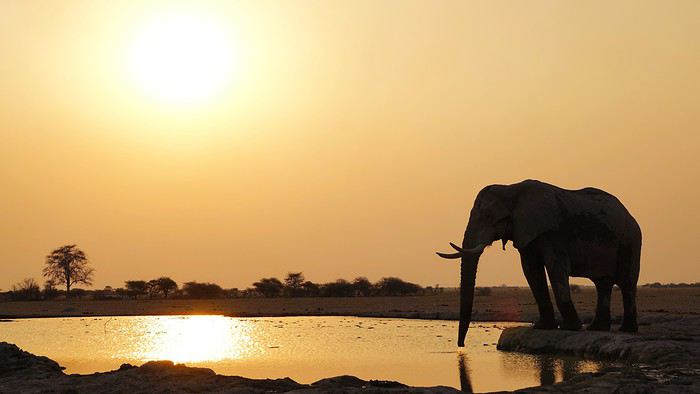
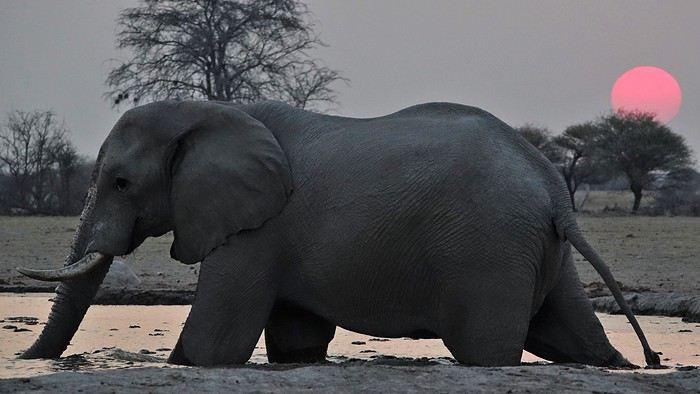
After a quick spin on other tracks, we return to the waterhole for sunset—absolutely stunning! We stay almost until nightfall.


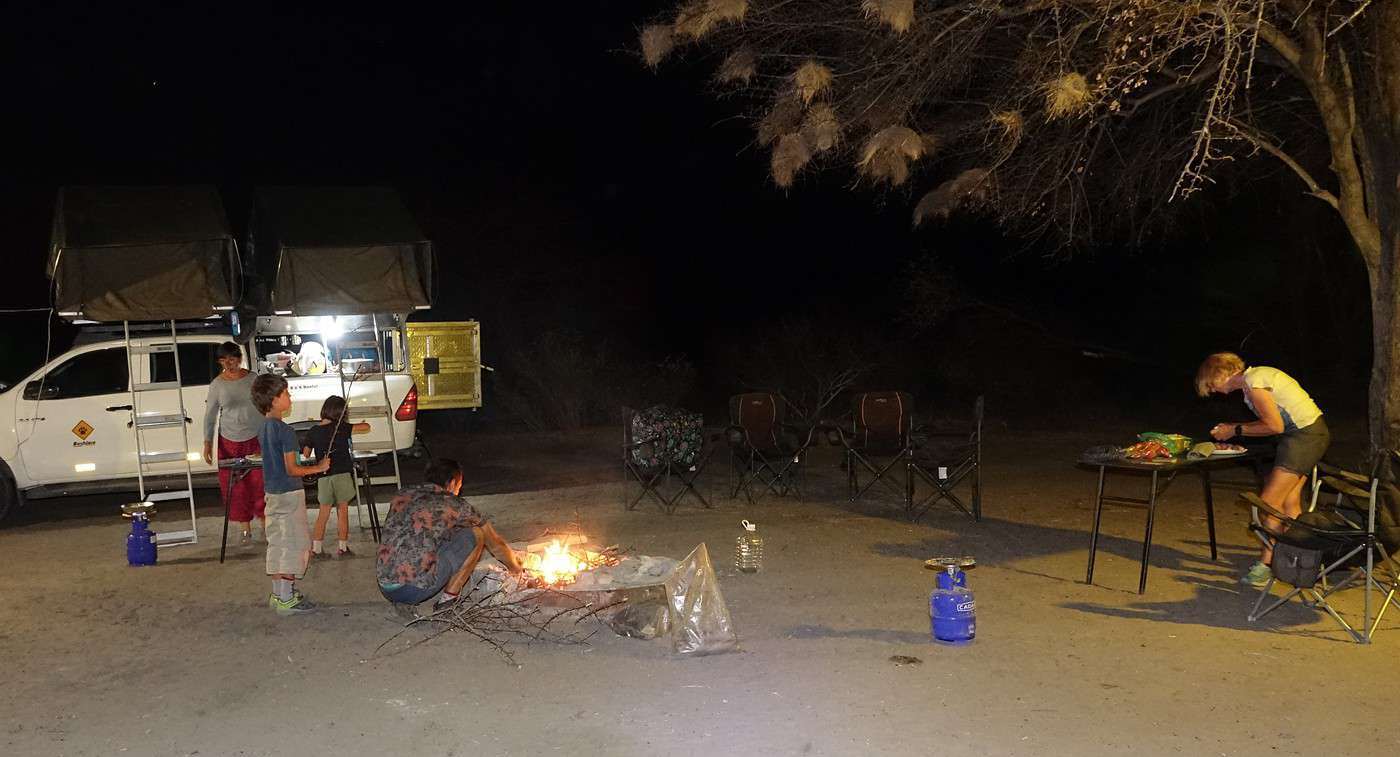
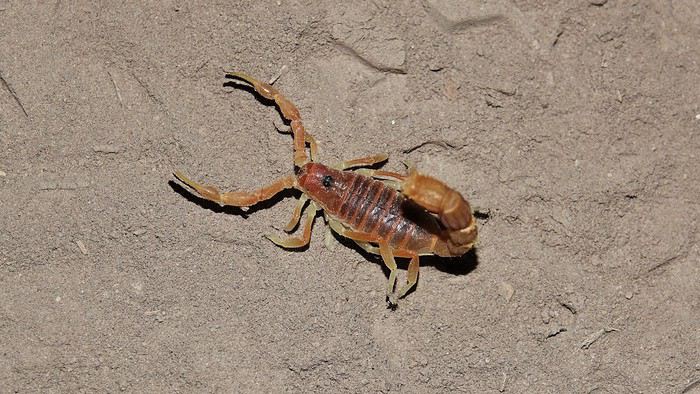
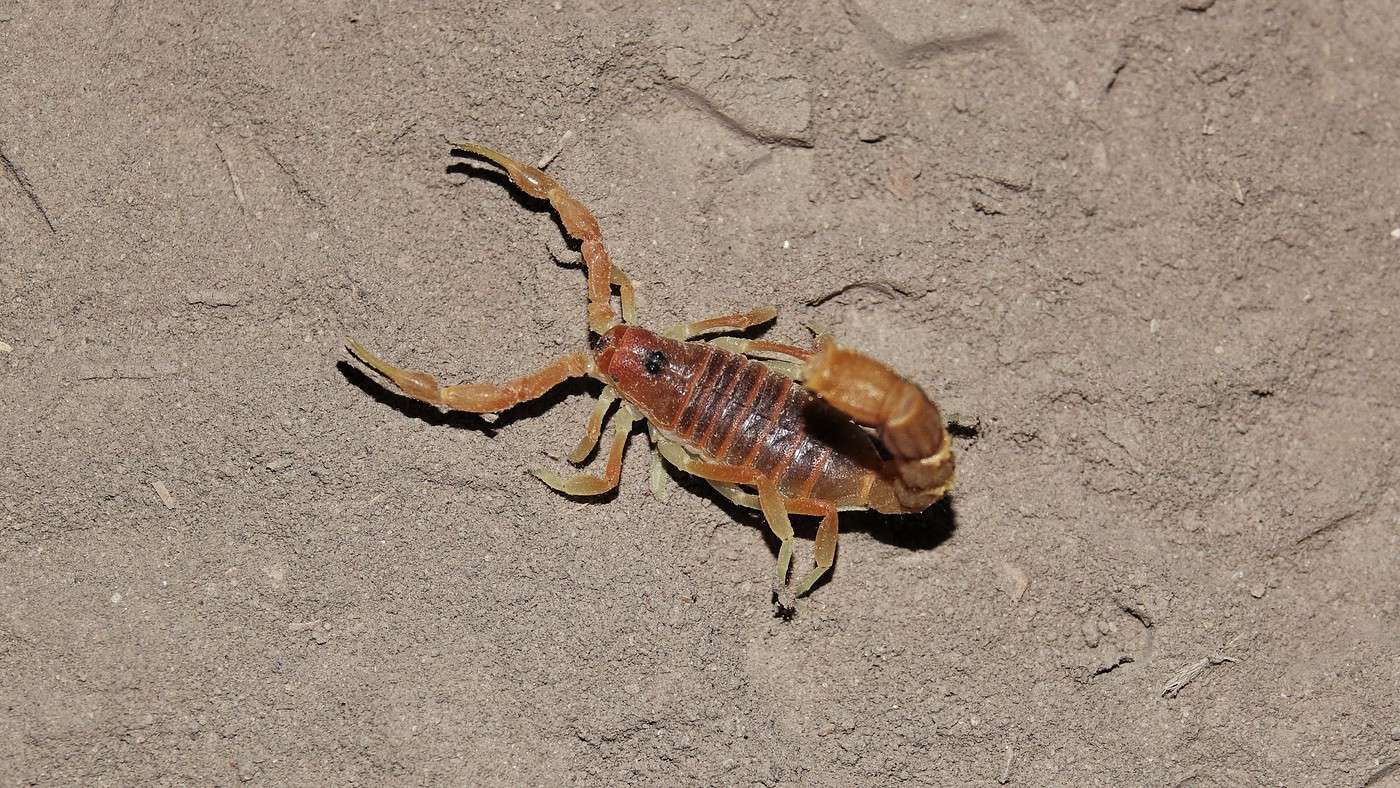
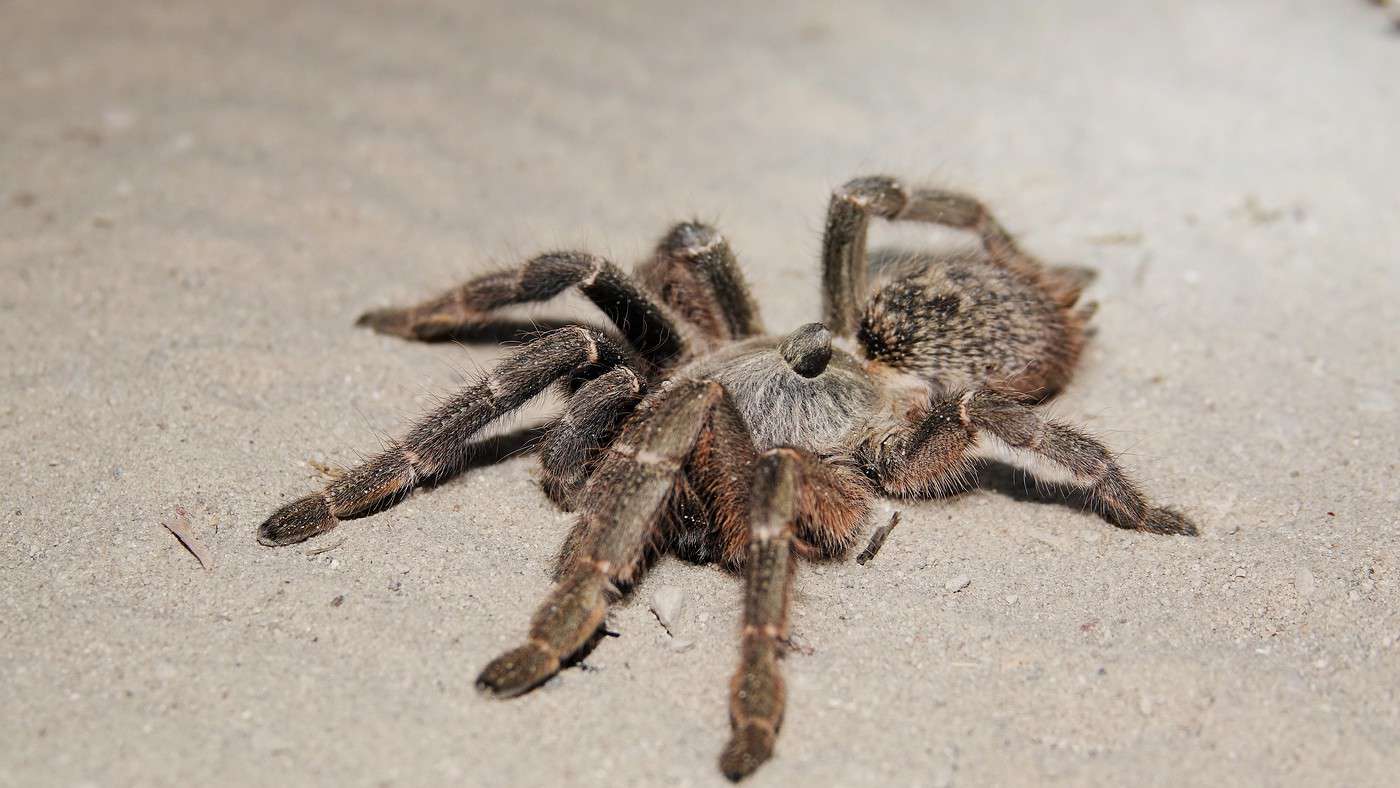
Back at camp, while we’re preparing dinner, an elephant passes just ten meters away. To save some wood, we burn dung. During dinner, we spot a bright yellow spider just a meter from our table, then a yellow scorpion walks by our feet. Later, we also find a tarantula and a black scorpion right in front of the toilets. This place is a little sketchy! ðŸĪŠ Especially since the bushfire isn’t far—we can see the glow of the flames.

https://voyageforum.com/images/posts/small/1577362592-02KtmmtVhRF33MO.jpg

In the Land of the Tswana (Botswana)

Torpan · 2020-01-03 · Message 39 of 183

This story is really interesting! I know Namibia and South Africa a bit, but not Botswana. It’s giving me ideas! 😉

In the Land of the Tswana (Botswana)

OldPlatypus · 2020-01-03 · Message 40 of 183

Glad my travel journal’s giving you some trip ideas! Sorry I’m not posting my story faster—I’m a little short on time these days...

VoyageForum — the largest community of French-speaking travellers.