Hi everyone,
So great to be back on this forum😉
I just lightened my wallet by 3000 € for 3 tickets: Paris > Tokyo > Osaka > Paris (well, not just mine—I’m exaggerating, there are two of us). For my daughter’s 10th birthday, we’re heading to Japan—it’s her "decade gift," though I thought she’d pick London🏴☠️. But I’ve been dreaming of going back to Japan since my 2013 trip, so I’ll admit this trip is (a lot) for me too.
We’re traveling during school holidays, so the ticket prices are unfortunately sky-high. Maybe I could’ve gotten a better deal if I’d waited, but who knows... oh well, it’s done now.
We leave at the end of October, so we still have a few months to prepare. That said, I’d rather start early to make sure we don’t miss anything (like the Ghibli Museum—I couldn’t go last time, and anyway, I’ll have to wait until September to book).
Last time, there were three adults, so it was pretty straightforward. Eleven years later, well, now it’s two adults with a 10-year-old😛.
So I’m wondering how many days to spend in Tokyo. My daughter idealizes the city (that’s why she wants to go to Japan), and she’s really drawn to Japanese culture and food. Actually, what first got her interested in Japan were all the *kawaii* character products...
Tokyo is such a fascinating city, but it can also be exhausting—especially for a kid, and I’m not sure what to expect.
Beyond Tokyo, honestly, I’m not entirely sure. I was thinking of Hakone and maybe stopping by Fujikyu Highlands. Then heading down to Osaka for a few days in Kyoto before flying home (our return flight is from Osaka).
We only have 11 days there (not counting the arrival day, and since our flight leaves at 11:30 PM on departure day, we’ll have the whole day), so it’s not a ton of time. I already spent a week in Kyoto on my last trip (huge crush on it), and I’d love to have two months there, but... well, you know how it is.
For example:
5 days in Tokyo
2 days in Hakone
4 days in Osaka/Kyoto
What do you think? If you’ve done this trip with kids, do you have any tips for family-friendly accommodations in Tokyo and Hakone? My daughter would love to try an onsen. We have a decent budget, but it’s not unlimited. We’d like to book as we go to spread out the costs a bit.
Thanks in advance for your thoughts
hi
I booked my trip from May 5 to 26, 2027. I’m starting to plan my itinerary and look for hotels (I know it’s early!). While I’ve found some in Seoul and Busan, I’m noticing that elsewhere—like Yeosu—most hotels aren’t available (on Booking.com, for example, almost all are unavailable). AI tells me not to worry because hotels in South Korea only open bookings 6 months in advance, so it’s normal to see most of them unavailable on booking sites.
Could you confirm this for me and, of course, reassure me (!)? Thanks so much. philippe
I booked my trip from May 5 to 26, 2027. I’m starting to plan my itinerary and look for hotels (I know it’s early!). While I’ve found some in Seoul and Busan, I’m noticing that elsewhere—like Yeosu—most hotels aren’t available (on Booking.com, for example, almost all are unavailable). AI tells me not to worry because hotels in South Korea only open bookings 6 months in advance, so it’s normal to see most of them unavailable on booking sites.
Could you confirm this for me and, of course, reassure me (!)? Thanks so much. philippe
Hi there, I’m going on an organized trip to Japan in April and will have two free days in Tokyo. I’d love some tips on what to do during those two days.
Thanks
Hi there,
We’ll be in Tokyo for two full days (not counting the arrival and departure days), while waiting to board a cruise in Japan.
We’ll be staying right next to the port of Yokohama. Are there any agencies offering guided tours of the city? Any other suggestions?
Thanks
We’ll be in Tokyo for two full days (not counting the arrival and departure days), while waiting to board a cruise in Japan.
We’ll be staying right next to the port of Yokohama. Are there any agencies offering guided tours of the city? Any other suggestions?
Thanks
Hello,
What a joy to be back on this forum that I’ve browsed for so many years :-)!
I’m heading to Japan with my partner in November 2025. This will be my second trip there and his first.
I was planning to go from Tokyo to Matsumoto, which I haven’t visited before, and from there, check out Shirahone Onsen and then hike from Magome to Tsumago. However, after reading several travel journals, I’ve realized that the village of Shirakawa-go and its surroundings look amazing. Back in 2006, I visited Takayama, which I loved, but I don’t want to stay there again.
To visit the places mentioned above (Shirahone Onsen, Shirakawa-go, Magome, and Tsumago), I’m thinking that a car might be more convenient than public transport, especially for getting from Shirakawa-go to Magome. Could you confirm if that’s the case? If so, is it easy to rent a car for a few days to do a loop starting from Matsumoto?
Thanks in advance for your valuable tips.
Have a great evening
What a joy to be back on this forum that I’ve browsed for so many years :-)!
I’m heading to Japan with my partner in November 2025. This will be my second trip there and his first.
I was planning to go from Tokyo to Matsumoto, which I haven’t visited before, and from there, check out Shirahone Onsen and then hike from Magome to Tsumago. However, after reading several travel journals, I’ve realized that the village of Shirakawa-go and its surroundings look amazing. Back in 2006, I visited Takayama, which I loved, but I don’t want to stay there again.
To visit the places mentioned above (Shirahone Onsen, Shirakawa-go, Magome, and Tsumago), I’m thinking that a car might be more convenient than public transport, especially for getting from Shirakawa-go to Magome. Could you confirm if that’s the case? If so, is it easy to rent a car for a few days to do a loop starting from Matsumoto?
Thanks in advance for your valuable tips.
Have a great evening
Hi everyone,
I’ve been planning several itineraries for a trip to Japan with my wife but would love your insights before we start booking!
In short, we want to go during Golden Week, see late-blooming cherry trees, and have the freedom to get around with a rental car.
Here’s the plan:
18-day itinerary in Japan (April 25 → May 12)
Goal: freedom, late cherry blossoms, culture & nature
---
Days 1–3: Tokyo (April 25–27) Arrival and adjustment (no car needed yet). Neighborhoods to visit: Shinjuku, Asakusa, Meiji Jingu, Shibuya, Odaiba. Suggested activities: Ghibli Museum, Sumida River cruise, izakaya meals. Late cherry blossoms (yaezakura) possible at Shinjuku Gyoen. Pick up the rental car on the morning of April 27.
---
Days 4–5: Mount Fuji & Hakone (April 27–28) Route: Tokyo → Kawaguchiko/Hakone (~2 h).
Activities: Lake Kawaguchi, Chureito Pagoda (Fuji views + late cherry blossoms) Onsen baths, Hakone Open-Air Museum. Stay: ryokan with onsen and views of Mount Fuji.
---
Days 6–7: Takayama & Shirakawa-go (April 29–30) Route: Hakone → Takayama (~4 h).
Activities: Preserved old town, sake breweries, UNESCO village of Shirakawa-go. Stay: traditional minshuku (thatched-roof house). Cherry blossoms are finishing at this altitude — beautiful mountain/nature contrasts. ---
Days 8–10: Kyoto & Nara (May 1–3) Route: Takayama → Kyoto (~4 h 30).
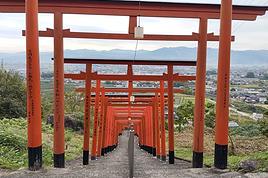
Activities in Kyoto: Fushimi Inari (red torii gates), Golden Pavilion, Arashiyama, Gion (geisha district).
Day trip to Nara: Free-roaming deer in Nara Park, Todai-ji Temple, Kasuga Taisha Shrine. Stay: Kyoto (3 nights).
---
Day 11: Osaka or Himeji (May 4) Route: Kyoto → Osaka (~1 h) or Himeji (~1 h 30).
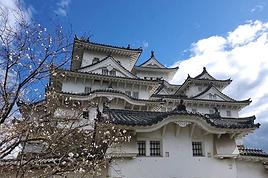
Option 1: Osaka → modern vibe, street food, castle. Option 2: Himeji → stunning UNESCO-listed castle. Stay: Osaka.
---
Days 12–13: Kanazawa (May 5–6) Route: Osaka → Kanazawa (~4 h 30).
Activities: Kenroku-en Garden (gorgeous in spring), Omicho Market, samurai district. Stay: Kanazawa.
---
Days 14–15: Northern Japan – Aomori / Hirosaki (May 7–8) Route: Kanazawa → Aomori (~7 h, possible to break via Sendai).
Activities: Hirosaki Castle Park (peak bloom early May). Northern onsen (e.g., Sukayu). Stay: Hirosaki or Aomori.
---
Days 16–17: Nikko (May 9–10) Route: Aomori → Nikko (~6 h).
Activities: Toshogu Shrine, Kegon Falls, Lake Chuzenji. Stay: Nikko.
---
Day 18: Return to Tokyo & Relax in Kamakura (May 11–12) Route: Nikko → Kamakura (~3 h) → Tokyo (~1 h).
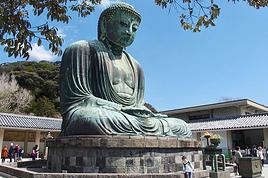
Activities: Great Buddha, Zen temples, seaside at Enoshima. Final night: Tokyo before the return flight.
Thanks in advance for your feedback!
---
Days 1–3: Tokyo (April 25–27) Arrival and adjustment (no car needed yet). Neighborhoods to visit: Shinjuku, Asakusa, Meiji Jingu, Shibuya, Odaiba. Suggested activities: Ghibli Museum, Sumida River cruise, izakaya meals. Late cherry blossoms (yaezakura) possible at Shinjuku Gyoen. Pick up the rental car on the morning of April 27.
---
Days 4–5: Mount Fuji & Hakone (April 27–28) Route: Tokyo → Kawaguchiko/Hakone (~2 h).
Activities: Lake Kawaguchi, Chureito Pagoda (Fuji views + late cherry blossoms) Onsen baths, Hakone Open-Air Museum. Stay: ryokan with onsen and views of Mount Fuji.
---
Days 6–7: Takayama & Shirakawa-go (April 29–30) Route: Hakone → Takayama (~4 h).
Activities: Preserved old town, sake breweries, UNESCO village of Shirakawa-go. Stay: traditional minshuku (thatched-roof house). Cherry blossoms are finishing at this altitude — beautiful mountain/nature contrasts. ---
Days 8–10: Kyoto & Nara (May 1–3) Route: Takayama → Kyoto (~4 h 30).
Activities in Kyoto: Fushimi Inari (red torii gates), Golden Pavilion, Arashiyama, Gion (geisha district).
Day trip to Nara: Free-roaming deer in Nara Park, Todai-ji Temple, Kasuga Taisha Shrine. Stay: Kyoto (3 nights).
---
Day 11: Osaka or Himeji (May 4) Route: Kyoto → Osaka (~1 h) or Himeji (~1 h 30).
Option 1: Osaka → modern vibe, street food, castle. Option 2: Himeji → stunning UNESCO-listed castle. Stay: Osaka.
---
Days 12–13: Kanazawa (May 5–6) Route: Osaka → Kanazawa (~4 h 30).
Activities: Kenroku-en Garden (gorgeous in spring), Omicho Market, samurai district. Stay: Kanazawa.
---
Days 14–15: Northern Japan – Aomori / Hirosaki (May 7–8) Route: Kanazawa → Aomori (~7 h, possible to break via Sendai).
Activities: Hirosaki Castle Park (peak bloom early May). Northern onsen (e.g., Sukayu). Stay: Hirosaki or Aomori.
---
Days 16–17: Nikko (May 9–10) Route: Aomori → Nikko (~6 h).
Activities: Toshogu Shrine, Kegon Falls, Lake Chuzenji. Stay: Nikko.
---
Day 18: Return to Tokyo & Relax in Kamakura (May 11–12) Route: Nikko → Kamakura (~3 h) → Tokyo (~1 h).
Activities: Great Buddha, Zen temples, seaside at Enoshima. Final night: Tokyo before the return flight.
Thanks in advance for your feedback!
Hi there,
I’d love to get some feedback on our 30-day / 29-night itinerary in China. We’ll be there in September as a family with two kids (6 and 10 years old). Do you think I should cut a few nights between Wulingyuan (Avatar Mountain) and Yangshuo? I’ve planned 15 nights total there. We’ll be on a round-the-world trip starting May 2026 and will need to do schoolwork with the kids. Hoping to fit it in during train rides!! Ever since I started planning this China itinerary, I’ve been discovering completely mind-blowing places I’d never heard of before—30 days feels way too short for China!!!
Here’s our itinerary:
Beijing - 4 nights Forbidden City Great Wall of China Temple of Heaven
Xi’an - 3 nights Terracotta Army Muslim Quarter & Great Mosque
Chengdu - 3 nights Zoo - Research Base of Giant Panda Breeding Wenshu Yuan Temple
Wulingyuan (Avatar Mountain) - 3 nights "Avatar Mountains"
Zhangjiajie - 2 nights Tianmen Mountain
Furong Town - 2 nights
Fenghuang - 2 nights
Guilin - 2 nights Chuanshan Park Guilin Yaoshan Scenic Attraction Reed Flute Cave
Yangshuo - 4 nights Biking along the Yulong River Moon Hill Ruyi Peak Xianggong Hill
Shanghai - 4 nights Shanghai Disneyland Yu Garden / Yuyuan Garden Yuyuan Bazaar
Thanks! Cédric
I’d love to get some feedback on our 30-day / 29-night itinerary in China. We’ll be there in September as a family with two kids (6 and 10 years old). Do you think I should cut a few nights between Wulingyuan (Avatar Mountain) and Yangshuo? I’ve planned 15 nights total there. We’ll be on a round-the-world trip starting May 2026 and will need to do schoolwork with the kids. Hoping to fit it in during train rides!! Ever since I started planning this China itinerary, I’ve been discovering completely mind-blowing places I’d never heard of before—30 days feels way too short for China!!!
Here’s our itinerary:
Beijing - 4 nights Forbidden City Great Wall of China Temple of Heaven
Xi’an - 3 nights Terracotta Army Muslim Quarter & Great Mosque
Chengdu - 3 nights Zoo - Research Base of Giant Panda Breeding Wenshu Yuan Temple
Wulingyuan (Avatar Mountain) - 3 nights "Avatar Mountains"
Zhangjiajie - 2 nights Tianmen Mountain
Furong Town - 2 nights
Fenghuang - 2 nights
Guilin - 2 nights Chuanshan Park Guilin Yaoshan Scenic Attraction Reed Flute Cave
Yangshuo - 4 nights Biking along the Yulong River Moon Hill Ruyi Peak Xianggong Hill
Shanghai - 4 nights Shanghai Disneyland Yu Garden / Yuyuan Garden Yuyuan Bazaar
Thanks! Cédric
hi there
we’re planning a 4-week trip in March—
have any of you been to one of these three regions in March? Any feedback on weather, prices, or other tips?
We’re used to renting a scooter in Asia to explore for 3 or 4 days at a time— is it possible to rent a scooter in these regions?
Thanks so much for your advice!
philippe
We’re used to renting a scooter in Asia to explore for 3 or 4 days at a time— is it possible to rent a scooter in these regions?
Thanks so much for your advice!
philippe
Hi everyone,
I’m planning a trip to Taiwan in a few months. After spending a few days in Taipei, I’d like to explore the rest of the country. Could anyone share contact details for local agencies in Taipei?
Is English enough to get by outside of Taipei?
Thanks in advance!
Tara
I’m traveling to Japan with a young adult with autism (ASD) from July 28 to August 8, following a pretty classic route: Osaka, Hiroshima, Kyoto, and Tokyo. I’m looking for a schedule of the most spectacular fireworks displays during that time. So far, the dates for the major *hanabi* events aren’t available online yet. If anyone has them, I’d really appreciate it if you could share!
Hi there,
Since I’m completely unfamiliar with Japanese culture—we’ll be visiting in May—I have this question that might seem silly, but I’d rather not take any chances: I’m planning to wear long shorts (Bermuda shorts) during our trip. Could this be offensive or cause issues for certain visits?
The thing is, I’ll have to wear a knee brace, and it doesn’t stick well to pants but works much better directly on my skin. Since it’s too thick to wear underneath, Bermuda shorts seem like the perfect solution—case closed! Any thoughts?
Best, Caussat
Since I’m completely unfamiliar with Japanese culture—we’ll be visiting in May—I have this question that might seem silly, but I’d rather not take any chances: I’m planning to wear long shorts (Bermuda shorts) during our trip. Could this be offensive or cause issues for certain visits?
The thing is, I’ll have to wear a knee brace, and it doesn’t stick well to pants but works much better directly on my skin. Since it’s too thick to wear underneath, Bermuda shorts seem like the perfect solution—case closed! Any thoughts?
Best, Caussat
We just spent three weeks in Yunnan.
I’ve started writing up a travel journal about the trip.
Hi everyone, we’re planning a trip to Taiwan in April. I’ll be joining my son, who’s a teacher there, for about 21 days total (including travel). We’d like to spend around 8–10 days in Taiwan, and then we have another 8–10 days to explore somewhere else. We’re torn between Japan, Vietnam, or another country—I haven’t booked my flight yet, but I know I shouldn’t wait too long. Which country would work well for all three of us for 8–10 days? Japan is tempting, but I’m hesitant because of the logistics and the higher budget. Any other ideas for a good compromise?
Thanks so much for your insights! 😊
Thanks so much for your insights! 😊
Hi there,
A quick recap of our 19-day trip to China – classic itinerary, half-family: dad and 13-year-old son, August 2025.
Arrived in Shanghai, the idea was to explore the city in the evening to help with jet lag. Day 1: Maglev (50 CNY), then metro to the hotel, night cruise on the Huangpu River, admiring the skyline. Day 2: Yuyuan Garden (meh), Lujiazui district, sunset from the top of Jinmao Tower, stroll along the Bund, admiring the skyline. Day 3: Chaos at the Shanghai Museum – should’ve booked in advance. Backup plan: Longhua Temple (nice), Tianzi Fang district (great). Day 4: Aquarium (okay), Pearl Tower, Fake Market (top), then flight to Guilin. Taxi from Guilin to Yangshuo (400 CNY arranged by the hotel). Verdict: Maybe one day too many. Late mornings (jet lag) kept us from visiting the water town. Day 5: Yangshuo – scooter ride (40 CNY) along the Yulong River. Day 6: Early Didi (30 min) to the top of Xiang Gong Shan (ideally for sunrise). Then a walk through the countryside to the Li River, crossing by boat (10 CNY) to Xingping. You can shorten the walk by flagging down a mini-shuttle that shuttles Chinese tourists in the opposite direction. Explored Xingping, scooter ride, 20 CNY viewpoint, sunset from Laozhai Hill, back to Yangshuo. Day 7: Scooter ride to spots we missed on Day 5. Verdict: It’s stunning. Might be worth staying in Guilin the first night and booking a cruise to Yangshuo the next day on the Li River. Day 8: Bus (4/5h, 100 CNY) to Longji/Dazhai. Hotel in Tianzhouzai – I think it’s better to stay in Ping’an, it’s more typical. Dazhai is generally overdeveloped. Day 9: Full-day hike from Dazhai to Ping’an, then bus back to Dazhai. Super nice walk, only crossed paths with 4 people. Day 10: Walk around the top of Dazhai, but the trails are poorly maintained – no loop possible. Verdict: Gorgeous, probably one day too many, but the area is very rainy, so it’s good to have a buffer. Day 11: Private taxi (4/5h, 200 €) to Fenghuang. Explored the town in the evening – really nice. Day 12: Short visit to Fenghuang during the day, then train to Zhangjiajie and Wulingyuan. Hotel pool. Day 13: Early start: Zhangjiajie Park via Wulingyuan entrance, Route A (starting with the cable car). Fabulous. If I did it again, I’d take Route B to get early access to the section near the giant elevator. Day 14: Early start: Zhangjiajie Park via the south entrance – superb. Day 15: Wulingyuan Grand Canyon, glass bridge – nice but not essential. Day 16: Tianmen Mountain in the afternoon. You can leave your luggage at the entrance. Routes A and B sell out quickly. Note that Route C no longer uses buses to the top – there’s a brand-new cable car instead, which I think is actually better than A and B. Really nice, worth doing. Evening flight to Beijing. Verdict: The canyon could be done the same morning as Tianmen Mountain, or even skipped. Day 17: Visited the Forbidden City (book a week in advance!), missed the entry slot for Tiananmen Square (book in advance!) due to security checks. Visited the Lama Temple. Stayed in a hutong. Day 18: Great Wall at Mutianyu. Private taxi (100 € round trip – probably overpaid) to arrive before 7 AM. Then back to Beijing, Temple of Heaven, and finally the modest skyline from the mall at Guomao metro station. Day 19: Fake markets (pointless – they’re stripped of their usual goods compared to Shanghai’s), Summer Palace, then Wangfujing Street. Headed to the airport. Verdict: 3 days is too short for Beijing.
Overall impressions: Highlights: Incredible places (cities and landscapes), often vast and fascinating, a total change of scenery. Very easy and smooth to travel despite the clear language barrier. Excellent food, very affordable, very few scams. Lowlights: Intense heat and humidity in August, *way* too many tourists (99.9% Chinese), a real circus that makes the trip exhausting. Walking is tiring in the long run (even though we’re very active) because it’s all on stone paths and stairs. To avoid crowds, you’d need to wake up early every day – tough with kids, especially with jet lag.
Logistics: - Buses and private taxis arranged last-minute through hotels. - Didi is widely available everywhere, plentiful, and cheap. - Flights and trains booked on Trip.com a month in advance (fills up fast). - Hotels on Booking and Trip.com. Only the one in Yangshuo was booked well in advance – hotel capacity is huge everywhere. - Apps: Didi, Alipay, WeChat, Maps.me, Google Translate. Free 35 GB data plan, SIM card from the airport.
A quick recap of our 19-day trip to China – classic itinerary, half-family: dad and 13-year-old son, August 2025.
Arrived in Shanghai, the idea was to explore the city in the evening to help with jet lag. Day 1: Maglev (50 CNY), then metro to the hotel, night cruise on the Huangpu River, admiring the skyline. Day 2: Yuyuan Garden (meh), Lujiazui district, sunset from the top of Jinmao Tower, stroll along the Bund, admiring the skyline. Day 3: Chaos at the Shanghai Museum – should’ve booked in advance. Backup plan: Longhua Temple (nice), Tianzi Fang district (great). Day 4: Aquarium (okay), Pearl Tower, Fake Market (top), then flight to Guilin. Taxi from Guilin to Yangshuo (400 CNY arranged by the hotel). Verdict: Maybe one day too many. Late mornings (jet lag) kept us from visiting the water town. Day 5: Yangshuo – scooter ride (40 CNY) along the Yulong River. Day 6: Early Didi (30 min) to the top of Xiang Gong Shan (ideally for sunrise). Then a walk through the countryside to the Li River, crossing by boat (10 CNY) to Xingping. You can shorten the walk by flagging down a mini-shuttle that shuttles Chinese tourists in the opposite direction. Explored Xingping, scooter ride, 20 CNY viewpoint, sunset from Laozhai Hill, back to Yangshuo. Day 7: Scooter ride to spots we missed on Day 5. Verdict: It’s stunning. Might be worth staying in Guilin the first night and booking a cruise to Yangshuo the next day on the Li River. Day 8: Bus (4/5h, 100 CNY) to Longji/Dazhai. Hotel in Tianzhouzai – I think it’s better to stay in Ping’an, it’s more typical. Dazhai is generally overdeveloped. Day 9: Full-day hike from Dazhai to Ping’an, then bus back to Dazhai. Super nice walk, only crossed paths with 4 people. Day 10: Walk around the top of Dazhai, but the trails are poorly maintained – no loop possible. Verdict: Gorgeous, probably one day too many, but the area is very rainy, so it’s good to have a buffer. Day 11: Private taxi (4/5h, 200 €) to Fenghuang. Explored the town in the evening – really nice. Day 12: Short visit to Fenghuang during the day, then train to Zhangjiajie and Wulingyuan. Hotel pool. Day 13: Early start: Zhangjiajie Park via Wulingyuan entrance, Route A (starting with the cable car). Fabulous. If I did it again, I’d take Route B to get early access to the section near the giant elevator. Day 14: Early start: Zhangjiajie Park via the south entrance – superb. Day 15: Wulingyuan Grand Canyon, glass bridge – nice but not essential. Day 16: Tianmen Mountain in the afternoon. You can leave your luggage at the entrance. Routes A and B sell out quickly. Note that Route C no longer uses buses to the top – there’s a brand-new cable car instead, which I think is actually better than A and B. Really nice, worth doing. Evening flight to Beijing. Verdict: The canyon could be done the same morning as Tianmen Mountain, or even skipped. Day 17: Visited the Forbidden City (book a week in advance!), missed the entry slot for Tiananmen Square (book in advance!) due to security checks. Visited the Lama Temple. Stayed in a hutong. Day 18: Great Wall at Mutianyu. Private taxi (100 € round trip – probably overpaid) to arrive before 7 AM. Then back to Beijing, Temple of Heaven, and finally the modest skyline from the mall at Guomao metro station. Day 19: Fake markets (pointless – they’re stripped of their usual goods compared to Shanghai’s), Summer Palace, then Wangfujing Street. Headed to the airport. Verdict: 3 days is too short for Beijing.
Overall impressions: Highlights: Incredible places (cities and landscapes), often vast and fascinating, a total change of scenery. Very easy and smooth to travel despite the clear language barrier. Excellent food, very affordable, very few scams. Lowlights: Intense heat and humidity in August, *way* too many tourists (99.9% Chinese), a real circus that makes the trip exhausting. Walking is tiring in the long run (even though we’re very active) because it’s all on stone paths and stairs. To avoid crowds, you’d need to wake up early every day – tough with kids, especially with jet lag.
Logistics: - Buses and private taxis arranged last-minute through hotels. - Didi is widely available everywhere, plentiful, and cheap. - Flights and trains booked on Trip.com a month in advance (fills up fast). - Hotels on Booking and Trip.com. Only the one in Yangshuo was booked well in advance – hotel capacity is huge everywhere. - Apps: Didi, Alipay, WeChat, Maps.me, Google Translate. Free 35 GB data plan, SIM card from the airport.
Hi,
Over the past few months, I’ve been noticing more and more reports about safety issues in Tokyo and Osaka targeting tourists. I knew the local population didn’t want tourists—or at least a lot fewer—under the previous prime minister’s policies. Right now, some friends are in Tokyo—four guys traveling together—and this is what happened to them: a Japanese guy approached them in Akihabara with a map, pretending to ask for directions. Then, eight others came from behind, beat them up, stole their phones, and 30,000 yen. They ran off, and all this happened around 6:00 PM.
They went to the *koban* (police station), but the police just laughed at them. Luckily, two of the phones had trackers, which they mentioned to the police, but the cops didn’t do anything. So, they called the French embassy. The next day, they had a meeting with an embassy delegate at the police station, but nothing happened for 24 hours. Then, two days later, they were summoned back to the police station, and to their shock, the police offered them a deal: they’d get their phones and the 30,000 yen back if they withdrew their complaint. In the end, they got their phones back (one with a cracked screen) and the 30,000 yen without withdrawing their complaint.
Before leaving their hotel for Osaka, they received a letter saying they could be banned from the country for three years. When they arrived in Osaka, their ATM withdrawals with their card were limited to 20,000 yen. They asked the Japanese postal agent why, and the response was, "You’re flagged in the deportable travelers registry." Their hotel canceled their reservation, and the embassy is now taking over by involving the justice system. (more below)
They went to the *koban* (police station), but the police just laughed at them. Luckily, two of the phones had trackers, which they mentioned to the police, but the cops didn’t do anything. So, they called the French embassy. The next day, they had a meeting with an embassy delegate at the police station, but nothing happened for 24 hours. Then, two days later, they were summoned back to the police station, and to their shock, the police offered them a deal: they’d get their phones and the 30,000 yen back if they withdrew their complaint. In the end, they got their phones back (one with a cracked screen) and the 30,000 yen without withdrawing their complaint.
Before leaving their hotel for Osaka, they received a letter saying they could be banned from the country for three years. When they arrived in Osaka, their ATM withdrawals with their card were limited to 20,000 yen. They asked the Japanese postal agent why, and the response was, "You’re flagged in the deportable travelers registry." Their hotel canceled their reservation, and the embassy is now taking over by involving the justice system. (more below)
Hi there,
My girlfriend (23) and I (24) are heading to Japan for the first time from October 20th to November 6th. Here’s our itinerary:
6 nights in Tokyo 1 night in Hakone (ryokan already booked) 4 nights in Kyoto (hotel already booked) 2 nights in Osaka 4 nights back in Tokyo I’d like to book hotels for Tokyo (both stays) and Osaka, but I’ve gotten so many different recommendations.
I’ve read that Shinjuku is the place to be for its huge hub, accessibility, and things to do, but I’ve also heard about Shibuya, Asakusa, and Ueno. I’ve looked at hotels, and first off, I’m surprised by the prices compared to what I’ve seen on forums (I guess inflation’s hit here too… and maybe I’m late to the booking game?). I’m feeling a bit overwhelmed with all the options.
For our first stay in Tokyo, I’d prefer a hotel (not a residence or Airbnb) since we’ll be arriving at night, and it’s our first time in Japan. It’d be great to have a place with a reception, staff who speak at least a little English, and can give us some guidance. For the second stay, we could consider other options if it’s better. Budget-wise, we can go up to 150–180 € per night, but if we can save some money to spend elsewhere, that’d be amazing!
I’m open to all recommendations, hotel suggestions, or any other tips for Tokyo (first stay), Osaka, and Tokyo (second stay).
Thanks so much!
6 nights in Tokyo 1 night in Hakone (ryokan already booked) 4 nights in Kyoto (hotel already booked) 2 nights in Osaka 4 nights back in Tokyo I’d like to book hotels for Tokyo (both stays) and Osaka, but I’ve gotten so many different recommendations.
I’ve read that Shinjuku is the place to be for its huge hub, accessibility, and things to do, but I’ve also heard about Shibuya, Asakusa, and Ueno. I’ve looked at hotels, and first off, I’m surprised by the prices compared to what I’ve seen on forums (I guess inflation’s hit here too… and maybe I’m late to the booking game?). I’m feeling a bit overwhelmed with all the options.
For our first stay in Tokyo, I’d prefer a hotel (not a residence or Airbnb) since we’ll be arriving at night, and it’s our first time in Japan. It’d be great to have a place with a reception, staff who speak at least a little English, and can give us some guidance. For the second stay, we could consider other options if it’s better. Budget-wise, we can go up to 150–180 € per night, but if we can save some money to spend elsewhere, that’d be amazing!
I’m open to all recommendations, hotel suggestions, or any other tips for Tokyo (first stay), Osaka, and Tokyo (second stay).
Thanks so much!
Hi there,
I’ve heard about the city of Gunsan (on the Yellow Sea coast) and I’m not sure if it’s worth the trip. I’d be using public transport, and it seems like a bit of a trek from Seoul.
I’ve heard about the city of Gunsan (on the Yellow Sea coast) and I’m not sure if it’s worth the trip. I’d be using public transport, and it seems like a bit of a trek from Seoul.
Hi everyone,
I’ve traveled a lot outside Europe before Covid, usually organizing my trips myself. In recent years, I’ve focused on Europe, which I’d neglected before. Now, I’d like to get back to long-haul trips and fill in some gaps on my world map.
At the moment, I’m considering a route in China—I’ve only been to Hong Kong (which isn’t really China)—for late April/early May 2026. Here’s a first draft:
D1: Departure D2: Arrive in Beijing in the morning – hutongs – night in Beijing D3: Forbidden City – Temple of Heaven – night in Beijing D4: Great Wall – night in Beijing D5: Summer Palace – (Ming Tombs?) – night in Beijing D6: Train to Datong – Yungang Grottoes – night in Datong D7: Train to Pingyao – visit – night in Pingyao D8: Train to Xi’an – Wild Goose Pagoda – night in Xi’an D9: Terracotta Army – Xi’an city walls – night in Xi’an D10: Flight to Zhangjiajie (or the night before) – Tianzi Mountain – night in Wulingyuan D11: National park – night in Wulingyuan D12: National park – night in Wulingyuan D13: Train to Chongqing – night in Chongqing D14: Explore Chongqing – night in Chongqing D15: Return flight
I know it’s tight, but what do you think? For the Great Wall section, what do you recommend? Jinshanling seems like the best option, or Simatai, but it’s far. For the budget, I’m planning on 2,500 € per person. Thanks for your feedback! Phil
I’ve traveled a lot outside Europe before Covid, usually organizing my trips myself. In recent years, I’ve focused on Europe, which I’d neglected before. Now, I’d like to get back to long-haul trips and fill in some gaps on my world map.
At the moment, I’m considering a route in China—I’ve only been to Hong Kong (which isn’t really China)—for late April/early May 2026. Here’s a first draft:
D1: Departure D2: Arrive in Beijing in the morning – hutongs – night in Beijing D3: Forbidden City – Temple of Heaven – night in Beijing D4: Great Wall – night in Beijing D5: Summer Palace – (Ming Tombs?) – night in Beijing D6: Train to Datong – Yungang Grottoes – night in Datong D7: Train to Pingyao – visit – night in Pingyao D8: Train to Xi’an – Wild Goose Pagoda – night in Xi’an D9: Terracotta Army – Xi’an city walls – night in Xi’an D10: Flight to Zhangjiajie (or the night before) – Tianzi Mountain – night in Wulingyuan D11: National park – night in Wulingyuan D12: National park – night in Wulingyuan D13: Train to Chongqing – night in Chongqing D14: Explore Chongqing – night in Chongqing D15: Return flight
I know it’s tight, but what do you think? For the Great Wall section, what do you recommend? Jinshanling seems like the best option, or Simatai, but it’s far. For the budget, I’m planning on 2,500 € per person. Thanks for your feedback! Phil
Hi everyone,
I’m planning a 3-week solo trip to South Korea in April/May 2025. Here’s my current wishlist on the map—I need to check how realistic it is.
Questions: The DMZ: I haven’t planned to go, and I’m struggling to see the appeal. What do you think? Jeju: I’m on the fence about Jeju. It seems like the *place to be*, but I’m not sure what makes it so charming or what’s really a must-do there?
On my map, I’m hesitating about Hahoe. I’m definitely going to Jeonju because there are several sites in that area. For Hahoe, I’m unsure because I’d need to stop overnight and arrange transfers between Andong and Hahoe. Is Hahoe the same as Jeonju? (Hanok village)—if so, I’ll skip Hahoe.
Last question: In the south, there are lots of sites that interest me, but I’m wondering about transportation. Can I stay in one place for several days and do day trips to each site? Is that possible with buses?
Anyway, thanks in advance for your tips! Sabrina
I’m planning a 3-week solo trip to South Korea in April/May 2025. Here’s my current wishlist on the map—I need to check how realistic it is.
Questions: The DMZ: I haven’t planned to go, and I’m struggling to see the appeal. What do you think? Jeju: I’m on the fence about Jeju. It seems like the *place to be*, but I’m not sure what makes it so charming or what’s really a must-do there?
On my map, I’m hesitating about Hahoe. I’m definitely going to Jeonju because there are several sites in that area. For Hahoe, I’m unsure because I’d need to stop overnight and arrange transfers between Andong and Hahoe. Is Hahoe the same as Jeonju? (Hanok village)—if so, I’ll skip Hahoe.
Last question: In the south, there are lots of sites that interest me, but I’m wondering about transportation. Can I stay in one place for several days and do day trips to each site? Is that possible with buses?
Anyway, thanks in advance for your tips! Sabrina
Hey everyone,
Next year, we’re celebrating 20 years of marriage (and travel 🙂), and we’re looking for something new, pretty legendary, and something the teens will enjoy too.
The family council has settled on Japan for now. And it’d have to be a summer trip—no choice there.
The catch: I keep reading that August isn’t the right season for southern Japan. It’s hot, humid, and there’s a risk of typhoons… Okay, but what does that *actually* mean in practice? Are there any travelers who’ve been there during this time? Is it *that* unbearable? We’re pretty familiar with Southeast Asia—last year, we dealt with scorching heat in Vietnam and insane humidity, plus a typhoon we experienced from a distance, and visiting Angkor in the blazing sun. Is it worse than that?
Thanks for your feedback 😉
Next year, we’re celebrating 20 years of marriage (and travel 🙂), and we’re looking for something new, pretty legendary, and something the teens will enjoy too.
The family council has settled on Japan for now. And it’d have to be a summer trip—no choice there.
The catch: I keep reading that August isn’t the right season for southern Japan. It’s hot, humid, and there’s a risk of typhoons… Okay, but what does that *actually* mean in practice? Are there any travelers who’ve been there during this time? Is it *that* unbearable? We’re pretty familiar with Southeast Asia—last year, we dealt with scorching heat in Vietnam and insane humidity, plus a typhoon we experienced from a distance, and visiting Angkor in the blazing sun. Is it worse than that?
Thanks for your feedback 😉
Hi there,
We’re arriving as a group of three in Tokyo on Saturday, October 17th, then heading straight to Kyoto by direct train. On Sunday and Monday, we’ll explore Kyoto, and in the evening, we’ll take a train to Osaka to spend the night. On Tuesday, we’ll pick up a rental car at Itami Airport for a 6-day/5-night road trip around Shikoku: - 2 nights in the Iya Valley - Thursday morning, we’ll head to Matsuyama for 2 nights. - Saturday, we’ll visit Mima (town, a few temples + overnight stay) and return on Sunday to drop off the car in Osaka. We’ll leave very early on Monday the 26th by plane for Aomori in northern Honshu, where we’ll pick up another rental car at the airport for a 5-day/4-night trip: - Day 1: Tsugaru Peninsula (Takayam Inari, Cape Tappi, Kanita); overnight in Kanita - Day 2: Ferry transfer to the Mutsu Peninsula (cliffs, Lake Usori); overnight in Shimofuro - Day 3: Head to the Hakkoda Mountains and onsens galore; overnight TBD - Day 4: Return the car in Aomori by noon and explore the city before taking the train to Tokyo in the evening We’ll spend Friday night in Tokyo, wander around on Saturday, and head home on Sunday.
Thoughts on the road feasibility of this trip? We’ll be there right in the middle of Koyo season, so it’ll be busy... I know it’s a lot of driving, but there are two of us who can take turns. We’re not afraid of driving, even in the mountains and on the left side! Just wondering, are we going to be rushing, or is this manageable? AI says it’s all good, but it’s not the one driving... Any tips for booking accommodations in the Iya Valley? Not many places have email addresses or websites (I know Booking.com exists, but not all listings are on there... and given the season, I think it’s better to book ahead!). Same question applies for northern Honshu. For the rental car, I’m thinking of going with Alamo since at least it’s in French and straightforward, but are there any direct rental companies with user-friendly websites (Toyota Rentacar, ugh... 🏴☠️)? Another question: With so many trains, is it even necessary to book them in advance? Can we just go to the ticket counter and grab seats on the spot? For paying for the rental car, do we need a credit or debit card?
Thanks for your help!
We’re arriving as a group of three in Tokyo on Saturday, October 17th, then heading straight to Kyoto by direct train. On Sunday and Monday, we’ll explore Kyoto, and in the evening, we’ll take a train to Osaka to spend the night. On Tuesday, we’ll pick up a rental car at Itami Airport for a 6-day/5-night road trip around Shikoku: - 2 nights in the Iya Valley - Thursday morning, we’ll head to Matsuyama for 2 nights. - Saturday, we’ll visit Mima (town, a few temples + overnight stay) and return on Sunday to drop off the car in Osaka. We’ll leave very early on Monday the 26th by plane for Aomori in northern Honshu, where we’ll pick up another rental car at the airport for a 5-day/4-night trip: - Day 1: Tsugaru Peninsula (Takayam Inari, Cape Tappi, Kanita); overnight in Kanita - Day 2: Ferry transfer to the Mutsu Peninsula (cliffs, Lake Usori); overnight in Shimofuro - Day 3: Head to the Hakkoda Mountains and onsens galore; overnight TBD - Day 4: Return the car in Aomori by noon and explore the city before taking the train to Tokyo in the evening We’ll spend Friday night in Tokyo, wander around on Saturday, and head home on Sunday.
Thoughts on the road feasibility of this trip? We’ll be there right in the middle of Koyo season, so it’ll be busy... I know it’s a lot of driving, but there are two of us who can take turns. We’re not afraid of driving, even in the mountains and on the left side! Just wondering, are we going to be rushing, or is this manageable? AI says it’s all good, but it’s not the one driving... Any tips for booking accommodations in the Iya Valley? Not many places have email addresses or websites (I know Booking.com exists, but not all listings are on there... and given the season, I think it’s better to book ahead!). Same question applies for northern Honshu. For the rental car, I’m thinking of going with Alamo since at least it’s in French and straightforward, but are there any direct rental companies with user-friendly websites (Toyota Rentacar, ugh... 🏴☠️)? Another question: With so many trains, is it even necessary to book them in advance? Can we just go to the ticket counter and grab seats on the spot? For paying for the rental car, do we need a credit or debit card?
Thanks for your help!
Hi,
While researching South Korea, I came across the term "templestay," which refers to a Korean program that lets you stay in a traditional temple to discover Buddhism and Korean culture by living like the temple residents and doing activities like making lanterns. A templestay isn’t just for foreign tourists—on the booking site, I saw that some temples are more geared toward foreigners, with English-speaking monks.
I was wondering if it’s still worth it, especially in temples where the monks don’t speak English?
While researching South Korea, I came across the term "templestay," which refers to a Korean program that lets you stay in a traditional temple to discover Buddhism and Korean culture by living like the temple residents and doing activities like making lanterns. A templestay isn’t just for foreign tourists—on the booking site, I saw that some temples are more geared toward foreigners, with English-speaking monks.
I was wondering if it’s still worth it, especially in temples where the monks don’t speak English?
Hello,
We’re planning a 17-day trip to South Korea in October 2026 with my husband and our daughters, who’ll be 9 years old.
I’d love to get your thoughts on our draft itinerary.
First, some key details:
1/ Jeju Island is a must for us. I’ve personally dreamed of going there for years after reading a novel about it. 2/ Our girls are used to road-trip style travel since they were born, so this kind of trip won’t be an issue for them. 3/ We plan to travel by train, except on Jeju where we’ll rent a car (we already have an international driver’s permit).
Itinerary:
Seoul: 1 arrival day at 10 AM + 4 full days Gyeongju: 2 days Busan: 3 days Jeju: 4 days Seoul: 2 days
Thanks for your feedback! Have a great day,
Sabrina
We’re planning a 17-day trip to South Korea in October 2026 with my husband and our daughters, who’ll be 9 years old.
I’d love to get your thoughts on our draft itinerary.
First, some key details:
1/ Jeju Island is a must for us. I’ve personally dreamed of going there for years after reading a novel about it. 2/ Our girls are used to road-trip style travel since they were born, so this kind of trip won’t be an issue for them. 3/ We plan to travel by train, except on Jeju where we’ll rent a car (we already have an international driver’s permit).
Itinerary:
Seoul: 1 arrival day at 10 AM + 4 full days Gyeongju: 2 days Busan: 3 days Jeju: 4 days Seoul: 2 days
Thanks for your feedback! Have a great day,
Sabrina
Hi there.
We’re planning a month in November to visit several places in China.
This time, though, we’d like to do it with a car and driver (unlike our last trip to Sichuan, where we went on our own).
Thanks in advance and have a great day! !
Thanks in advance and have a great day! !
Hi everyone,
This trip report covers a journey along the Silk Road in China (see detailed description below) undertaken in October 2025. The goal isn’t to recount the trip but to provide information that might help those who want to take a similar journey. Much of the information is valid for any trip to China.
Who we are: a retired couple, aged 63 and 65 (age gives discounts on entry to various sites and museums in China, which is why I won’t list prices here—I don’t know them, but you can easily find them online). We’re used to traveling independently. We speak English, which is the only foreign language spoken in China, though by very few people. I speak and read a little Chinese, which helped, but you can easily get by without it (without any English at all, I think it would be more difficult).
Period: We arrived just after "Golden Week," when all of China is on vacation, and after the summer, when schools are out, so we encountered very few tourists (99.99% of whom were Chinese). Our experience with booking visits in advance (which we didn’t need to do) isn’t representative for those who want to travel in the summer! The October-November period was perfect for our trip—it wasn’t too hot or too cold (one day of snow on the Tibetan Plateau), though it was only a few degrees on the Tibetan part, with altitudes between 2,000 and 3,000 meters. The trees were beautifully colored.
General remarks: Everyone we dealt with was very kind and perfectly honest. If you order a meal without really understanding what to do and the person modifies your order, trust them—the result is what you need. If a taxi driver signals that they’ll wait for you to finish your visit and pick you up afterward, trust them. It means there aren’t many taxis where you are, and it’ll be more convenient. For prices at street vendors, we always found the right ballpark, and sometimes they even added a little extra to please us. A taxi driver treated us to lunch, and an employee drove us back to the hotel after a visit because there were no taxis. If you struggle to buy a ticket online because there’s no counter, someone will come to help. People even spontaneously ask if everything’s okay and if you need anything.
Everywhere we went was very clean, including restrooms (trains, stations, hotels, museums, tourist sites) and streets. The old stereotypes about this no longer apply.
The trip can be challenging for those who have difficulty walking. The distances to cover on foot in stations, to access sites, and within the sites themselves can sometimes be really long.
We used the Lonely Planet guide in English (published at the end of August 2025) a little for preparation, but mostly relied on the internet.
Before leaving: No visa is needed for French citizens for stays under 30 days. You get a stamp on your passport upon arrival and departure, and the formalities themselves are very quick in both directions (excluding any potential queues). Just a photo and fingerprints upon arrival, and welcome to China’s facial recognition system.
Money: All your payments (see below) will go through your Visa card—there will be hundreds, including many payments of 20 cents to a few euros. So, you need an international option that allows unlimited card transactions. Since cash is rarely needed, the allowed number of ATM withdrawals can be low. We made 3 withdrawals totaling 800 € for a month and could have managed with just 2. The exchange rate charged on our Visa card was 12 € for 100 RMB (yuan).
Install the following apps on your smartphone before leaving (otherwise, you’ll only have access to the Chinese versions, if available): - Alipay, which is used to pay everywhere in China (details below). You need to link it to your credit card, then provide proof of identity by uploading a passport photo and completing a facial recognition session. Alipay gives access to Didi (China’s Uber), public transport (metro/bus), and can also translate phrases. - WeChat (Weixin in Chinese, pronounced *weishin*), which is also used for payments but also replaces WhatsApp. Unfortunately, to activate your account, you need someone who already has WeChat to sponsor you (preferably a Chinese person). We asked someone at our first accommodations to do this—no problem. By sharing your WeChat number with accommodations, they can send you messages that are automatically translated, and you can communicate with people thanks to the translation (translation to French is very poor; it’s much better in English, but unfortunately, WeChat detects your phone’s language). Alipay and WeChat are accepted almost everywhere, but some places only accept WeChat. - Amap, the international version of Baidu Maps, which replaces Google Maps (not at all up-to-date in China). The English names of hotels often have little to do with the Chinese names except for a phonetic resemblance. To find them on Amap, it’s best to copy the Chinese name found on your Trip reservation under "show address in Chinese." - A VPN. We had CyberGhost, which didn’t work, but according to other travelers, NordVPN and Windscribe do. Without a VPN, you can’t access Google services, on WhatsApp you can send and receive text but not photos, and you can’t send or receive emails on Gmail addresses. We managed without a VPN by using Firefox as a browser and Bing as a search engine. - Trip, for booking trains and accommodations, and buying some tickets. It’s the equivalent of Booking for accommodations, but Booking has very few listings in China, while Trip has hundreds in every city. Most hotels and trains are exchangeable and refundable until the day before, with no or minimal fees.
You don’t need contactless (NFC) payment on your phone. Either you scan a barcode and enter the amount to pay, or you display a barcode, and they scan it with a scanner, and the amount is deducted directly.
Upon arrival: - Buy a Chinese SIM card: 100 RMB for 300 GB of data and several hours of talk time (we didn’t use it). Set the Chinese number as a reference on Alipay, WeChat, and Amap. - Find someone to sponsor you on WeChat.
Transportation: - **Plane**: China Eastern, Paris-Canton then Canton-Urumqi on the way out, and Xian-Canton then Canton-Paris on the way back. International flights were smooth, but the schedules for the two domestic flights were changed. It was fine on the way out because we had some leeway, but on the way back, we were notified the morning of that our flight was canceled and replaced with one that didn’t allow for the connection. We called and changed to an earlier flight (I think we were lucky to find available seats). - **Train**: Most long distances were covered by high-speed trains (called D or G in China) at 240 or 300 km/h. Second class is perfect—just as comfortable and clean as our TGVs. The only advantage of first class is the wider seats for larger people, but the downside is that seats are often booked in advance and thus less available. You can book trains long in advance on Trip, but they only go on sale in China 15 days before departure, so that’s when you’ll know if you have a ticket. Initially, we booked first class, but there were no seats available on the day, so we ended up booking everything in second class, which was perfect. There’s no paper ticket—if you’ve bought one, you go to the station, show your passport, and enter. You do the same to access the platform 15 minutes before the train, and that’s it. Our train was canceled twice, but no problem—we went to the ticket counter, got a refund, and were offered a replacement. It didn’t delay us by more than an hour (maybe it would be harder in peak season). For prices, check Trip.com, but it’s significantly cheaper than in France. - **Bus**: We took the bus between Xining and Tongren, Tongren to Xiahe, and Hezuo to Lanzhou—about 3 hours each time for 200 km, 6 € per person, and departures were right on time. - **Taxi**: For trips between the station and hotel, or hotel and visits. If you take a Didi via the Alipay app, you activate your location, enter your destination, and it offers several taxis. You accept, and you get the car’s license plate and its real-time position on the map. When you get in, the driver often asks for the last four digits of your phone number to confirm. Otherwise, you go to the taxi stand outside the station. The price per kilometer is around 20 cents, so for a 30 km trip from the station to the hotel, you’ll pay about 6 €. We never tried to save more by taking local buses, but since the metro in Xian costs 25 cents per trip, it’s probably in the same ballpark. Amap provides public transport routes like Google Maps. - **Driver**: We hired a taxi/driver for the day several times for sightseeing. Prices ranged from 350 to 1,000 RMB (the most expensive was arranged through the Sofitel Xining concierge) for trips ranging from a few hours to a full day, sometimes covering over 300 km (see the detailed trip description).
Accommodations: All booked in advance on Trip, but several were changed during the trip. Off-season, there were no issues. We mostly stayed in upscale places, but in China, that means 50 to 60 € per night in the most central or convenient neighborhood. Note: Almost all hotels have a 5/5 rating on Trip, but it seems the Chinese avoid giving lower ratings to be polite. So, you have to read the comments to realize that in France, we might have given a 2 or 3!
Food: At the table, you’re served hot water or a hot infusion, presumably made with purified water. We never got sick from drinking it, but don’t drink tap water. Purified or mineral water is easy to find.
In restaurants, you can manage by pointing to the dish you want from another diner, on the wall where there are photos, or on the menu with pictures. The food in the region isn’t often spicy, and people usually ask or signal before adding the red spicy sauce, so you should be able to handle it if you don’t like chili at all.
The "fake old quarters" in several cities are great places to find all kinds of restaurants (see detailed trip below).
Like Google Maps, Amap can show you nearby restaurants.
Shopping: For dried fruits, buy them in Turfan—you won’t find the same variety and quality even in Xian. Generally, if you like something, buy it. If you wait, you might not find it outside the region where you are.
In Xian, there’s a "Tea City" where you can find all kinds of tea (from cheap to very expensive).
The trip in more detail: I won’t dwell on the beauty or interest of the sites here since that’s a matter of personal taste. However, I will do so for lesser-known places to give an idea to those who might be interested.
For many sites, there are shuttles (sometimes not included in the ticket price but costing around 1 €) that take you to the interesting spots. We always took them—it saves you from walking past countless shops or along uninteresting paths.
- **Urumqi**: We spent only one night there, arriving in the middle of the afternoon and leaving the next morning. We stayed at the Dana Hotel in the bazaar. Given the size of the city, it’s a good option because I don’t think there are many other interesting places. The bazaar is brand new and not at all "typical" (Turfan’s bazaar is infinitely more interesting), but the dining area is very nice.
- **Turfan**: Stayed at the New Dap Hostel, which was great. The neighborhood is nice, not far from the city, and easy to find food. The museum is closed until 2026 (Amap provides museum hours and closures). We took a day trip (for the two of us) with a driver to the Bezeklik Caves, Flaming Mountains, the abandoned city of Gaochang, the Tuyuk Village Museum, and the Emin Minaret for 500 RMB from 9 AM to 8 PM (arranged by the hostel). The landscape during the excursion was quite fabulous. We also visited the Karez Museum and the abandoned city of Jiaohe on our own the next day. At this time of year, the sun sets around 6 PM, and there’s often haze after 5 PM, so for Jiaohe, for example, which takes about 3 hours to visit, it’s best to be there by 1 or 2 PM at the latest.
The Dahua Market area is perfect for dried fruits (including the famous grapes), and you can eat there among locals in their traditional costumes. Next to it, there are buildings full of shops selling made-in-China items—it kept us busy for a good half-day, if not more.
- **Dunhuang**: Stayed in a guesthouse near the dunes—the city center isn’t far but seems quite artificial. Visited the dunes, with a ticket valid for 3 days. Lots of Chinese tourists—very typical and interesting from an ethnological perspective 😊. We got up early one morning to climb the highest dune, just beyond the one everyone goes to. It’s a bit long and tiring, but the view is worth it. Visited the Mogao Caves, buying the ticket on-site (no chance in season without booking in advance). We met two other French people and got a French-speaking guide (by pretending not to understand English). It was really worth it—a group of 4 instead of 20, and they took their time (2 hours) for the visit. We took a day trip to the Yulin Caves (2.5 hours by road and 160 km one way) with a driver for 350 RMB. We liked it a lot, but if the Mogao Caves are enough for you, it’s not very different.
- **Jiayuguan**: Stayed in a city-center hotel. Visited the Wei and Jin tombs (actually just one)—that’s where we were told the taxi should wait to take us back to the city. We went down into a crypt with lots of decorated bricks from the 3rd century. We really liked it, but it’s not as spectacular as the fort if you’re not a fan. Visited the Jiayuguan Fort and, with the same ticket, climbed a small section of the Great Wall 10 km away. Plan at least 3 good hours for all this—there’s plenty to see.
- **Zhangye**: Stayed at The Silk Road Travelers Hostel, rustic but very nice and organizes excursions. Visited the Danxia (colored mountains)—just as spectacular as the photos. You can easily spend 3 hours there, so plan to finish before sunset to avoid the haze (you can always stay longer for the sunset if the weather’s nice). The next day, visited the Mati Si Temple in the cliff. The 10,000 Buddha Caves are under renovation, but the setting and the main temple are well worth the visit (the paths through the cliff tunnels must be hellish in peak season). You can probably organize these two excursions yourself by asking any taxi driver. Also visited the Giant Buddha Temple in the city center—really worth it.
- **Xining**: Stayed in a city-center hotel. Visited the Tibetan Medicine Museum to see the world’s largest thangka (1 km long), made over 40 years by renowned artists. It’s absolutely magnificent, on par with the virtuosity (but over 1 km) of the thangkas painted by famous artists in Xiahe (see below). Hired a female taxi driver for the day to visit Kumbum Monastery (Ta’er Si in Chinese) and the Danxia area in Guide, 50 km beyond the monastery. It’s less spectacular than Zhangye’s Danxia, but we really liked it (including the journey’s landscape). The next day, visited the old Ming-era Qutan Monastery—no visitors, with beautiful murals (half under renovation). Accessible by train to Haidong or Ledu, then a taxi. Xining’s mosque is of no interest, but there’s a pedestrian street with food stalls nearby that’s very nice.
- **Tongren**: Stayed near the main monastery. Visited Longwu Monastery (several hours), with lots of nice shops along the street leading to it. Then visited Wutun Monastery, which is less lively but beautiful and close to thangka workshops. You can go in and watch the painters at work. For a thangka made by a renowned artist, count about a year of work for 1 m² and around 10,000 €.
- **Xiahe**: Stayed in a city-center hotel. Visited Labrang Monastery—very nice but not as much as Tongren’s because many halls were closed. I think it’s better to go in season and take an English-guided tour (but it’s still worth the trip, even off-season).
- **Langmusi**: Took a taxi, but you can also take a bus (though very early in the morning and longer). Particularly beautiful for us because we woke up to bright sunshine and 5 cm of snow everywhere. Visited the two temples (really nice) and did the classic hike in the gorges starting at the Fairy Cave. For those interested, we continued along the canyon path, and after the meadow where marmots are clearly visible in summer, we climbed toward a pass on the left at 3,800 meters. The view of Langmusi and, above all, the vast grasslands and distant mountains was fabulous (3 hours round trip from the temple). You could probably reach the 4,000-meter summit by continuing up the valley instead of turning left, but according to guides, it’s better to count 7 hours round trip (no technical difficulty). You can leave Langmusi by bus, but off-season, you first have to take a taxi to a stop outside the city and wait for the bus. We didn’t try and took a taxi to Hezuo instead.
Note on this region: A high-speed train is under construction from Xining to Langmusi and beyond (never seen such an impressive construction site!). When it’s operational (in one or two years, I think), access to the area will be revolutionized, and perhaps some of the charm will be lost.
- **Hezuo**: Stopped on the way from Langmusi to Lanzhou. Visited the Milarepa Pagoda, entirely destroyed during the Cultural Revolution and since rebuilt. We liked it since we were passing through, but it doesn’t necessarily justify a long detour.
- **Lanzhou**: Reached by one of the many buses from Hezuo. Stayed in the "fake old quarter," which is extremely pleasant, especially in the evening with restaurants, groups of Chinese women dancing to loud music, etc. Visited Bingling Si with a driver, 120 km away—the landscape and site are absolutely magnificent, with no one around at our time of year. Visited the Gansu Museum (where the famous Flying Horse is, but it’s a replica). We bought the ticket on entry, but in season, you probably need to book in advance.
- **Yinchuan**: Stayed in the city center. A city we discovered by chance in the Lonely Planet—worth it if you have time. On the way, we stopped for a few hours in Zhongwei, where there’s an incredible Taoist temple (I’ll let you be surprised). Visited the Western Xia tombs—we took the short option, which visits Tomb 3. We think the others are similar but less impressive. The surrounding landscape and site are quite spectacular. Visited the film sets (really fun if you like Chinese movies), the short but interesting Ningxia Museum, and finally the modern art museum. The architecture is avant-garde, and there are some beautiful works (we like it, but it’s far from the center—hire a driver who waits, or you might have to wait for an employee to offer a ride back).
- **Tianshui**: Stayed in the suburbs, but you should find a hotel near the "fake old quarter" between the Fu Xi Temples and the Taoist temple—it’s a very nice area, and the two temples (especially the Taoist one) are within walking distance. Visited the Maijishan Caves—the ticket includes the shuttle to get there. Took a taxi from Lanzhou for about 10 € in 45 minutes. We found these caves fabulous.
- **Xi’an**: Stayed 500 meters from the Bell Tower at Hantang Inn—very convenient. We’d been before, so we didn’t revisit the Terracotta Army. The calligraphy district is worth it, as is the Muslim Quarter, though it’s very touristy. The area indicated on the Lonely Planet’s walking tour near the old fruit and vegetable market isn’t very interesting. To buy tea, you can go to the Northwest International Tea City, with dozens of shops. We chose one at random, tasted, and bought various teas. There’s everything from cheap to extremely expensive, but you can find reasonable prices even in seemingly luxurious shops. Along the street north of this area, there are large stores with tons of Chinese goods selling dishes, wedding items, etc. We spent hours there. In the city center, there are only malls with more or less international brands.
- **Longmen Grottoes**: Visited as a round trip by high-speed train from Xian—1 hour 15 minutes to Longmen’s high-speed train station, and the site entrance is 15 minutes by taxi.
We didn’t go to Mount Hua Shan, but there’s a high-speed train station nearby, and there were people on the train who were clearly going there. So, you can probably do this excursion in a day from Xian as well.
Conclusion: We hope this report makes you want to go or helps you if you’re already planning to. If you have questions that you can’t find the answer to by searching properly online and we can answer, don’t hesitate.
This trip report covers a journey along the Silk Road in China (see detailed description below) undertaken in October 2025. The goal isn’t to recount the trip but to provide information that might help those who want to take a similar journey. Much of the information is valid for any trip to China.
Who we are: a retired couple, aged 63 and 65 (age gives discounts on entry to various sites and museums in China, which is why I won’t list prices here—I don’t know them, but you can easily find them online). We’re used to traveling independently. We speak English, which is the only foreign language spoken in China, though by very few people. I speak and read a little Chinese, which helped, but you can easily get by without it (without any English at all, I think it would be more difficult).
Period: We arrived just after "Golden Week," when all of China is on vacation, and after the summer, when schools are out, so we encountered very few tourists (99.99% of whom were Chinese). Our experience with booking visits in advance (which we didn’t need to do) isn’t representative for those who want to travel in the summer! The October-November period was perfect for our trip—it wasn’t too hot or too cold (one day of snow on the Tibetan Plateau), though it was only a few degrees on the Tibetan part, with altitudes between 2,000 and 3,000 meters. The trees were beautifully colored.
General remarks: Everyone we dealt with was very kind and perfectly honest. If you order a meal without really understanding what to do and the person modifies your order, trust them—the result is what you need. If a taxi driver signals that they’ll wait for you to finish your visit and pick you up afterward, trust them. It means there aren’t many taxis where you are, and it’ll be more convenient. For prices at street vendors, we always found the right ballpark, and sometimes they even added a little extra to please us. A taxi driver treated us to lunch, and an employee drove us back to the hotel after a visit because there were no taxis. If you struggle to buy a ticket online because there’s no counter, someone will come to help. People even spontaneously ask if everything’s okay and if you need anything.
Everywhere we went was very clean, including restrooms (trains, stations, hotels, museums, tourist sites) and streets. The old stereotypes about this no longer apply.
The trip can be challenging for those who have difficulty walking. The distances to cover on foot in stations, to access sites, and within the sites themselves can sometimes be really long.
We used the Lonely Planet guide in English (published at the end of August 2025) a little for preparation, but mostly relied on the internet.
Before leaving: No visa is needed for French citizens for stays under 30 days. You get a stamp on your passport upon arrival and departure, and the formalities themselves are very quick in both directions (excluding any potential queues). Just a photo and fingerprints upon arrival, and welcome to China’s facial recognition system.
Money: All your payments (see below) will go through your Visa card—there will be hundreds, including many payments of 20 cents to a few euros. So, you need an international option that allows unlimited card transactions. Since cash is rarely needed, the allowed number of ATM withdrawals can be low. We made 3 withdrawals totaling 800 € for a month and could have managed with just 2. The exchange rate charged on our Visa card was 12 € for 100 RMB (yuan).
Install the following apps on your smartphone before leaving (otherwise, you’ll only have access to the Chinese versions, if available): - Alipay, which is used to pay everywhere in China (details below). You need to link it to your credit card, then provide proof of identity by uploading a passport photo and completing a facial recognition session. Alipay gives access to Didi (China’s Uber), public transport (metro/bus), and can also translate phrases. - WeChat (Weixin in Chinese, pronounced *weishin*), which is also used for payments but also replaces WhatsApp. Unfortunately, to activate your account, you need someone who already has WeChat to sponsor you (preferably a Chinese person). We asked someone at our first accommodations to do this—no problem. By sharing your WeChat number with accommodations, they can send you messages that are automatically translated, and you can communicate with people thanks to the translation (translation to French is very poor; it’s much better in English, but unfortunately, WeChat detects your phone’s language). Alipay and WeChat are accepted almost everywhere, but some places only accept WeChat. - Amap, the international version of Baidu Maps, which replaces Google Maps (not at all up-to-date in China). The English names of hotels often have little to do with the Chinese names except for a phonetic resemblance. To find them on Amap, it’s best to copy the Chinese name found on your Trip reservation under "show address in Chinese." - A VPN. We had CyberGhost, which didn’t work, but according to other travelers, NordVPN and Windscribe do. Without a VPN, you can’t access Google services, on WhatsApp you can send and receive text but not photos, and you can’t send or receive emails on Gmail addresses. We managed without a VPN by using Firefox as a browser and Bing as a search engine. - Trip, for booking trains and accommodations, and buying some tickets. It’s the equivalent of Booking for accommodations, but Booking has very few listings in China, while Trip has hundreds in every city. Most hotels and trains are exchangeable and refundable until the day before, with no or minimal fees.
You don’t need contactless (NFC) payment on your phone. Either you scan a barcode and enter the amount to pay, or you display a barcode, and they scan it with a scanner, and the amount is deducted directly.
Upon arrival: - Buy a Chinese SIM card: 100 RMB for 300 GB of data and several hours of talk time (we didn’t use it). Set the Chinese number as a reference on Alipay, WeChat, and Amap. - Find someone to sponsor you on WeChat.
Transportation: - **Plane**: China Eastern, Paris-Canton then Canton-Urumqi on the way out, and Xian-Canton then Canton-Paris on the way back. International flights were smooth, but the schedules for the two domestic flights were changed. It was fine on the way out because we had some leeway, but on the way back, we were notified the morning of that our flight was canceled and replaced with one that didn’t allow for the connection. We called and changed to an earlier flight (I think we were lucky to find available seats). - **Train**: Most long distances were covered by high-speed trains (called D or G in China) at 240 or 300 km/h. Second class is perfect—just as comfortable and clean as our TGVs. The only advantage of first class is the wider seats for larger people, but the downside is that seats are often booked in advance and thus less available. You can book trains long in advance on Trip, but they only go on sale in China 15 days before departure, so that’s when you’ll know if you have a ticket. Initially, we booked first class, but there were no seats available on the day, so we ended up booking everything in second class, which was perfect. There’s no paper ticket—if you’ve bought one, you go to the station, show your passport, and enter. You do the same to access the platform 15 minutes before the train, and that’s it. Our train was canceled twice, but no problem—we went to the ticket counter, got a refund, and were offered a replacement. It didn’t delay us by more than an hour (maybe it would be harder in peak season). For prices, check Trip.com, but it’s significantly cheaper than in France. - **Bus**: We took the bus between Xining and Tongren, Tongren to Xiahe, and Hezuo to Lanzhou—about 3 hours each time for 200 km, 6 € per person, and departures were right on time. - **Taxi**: For trips between the station and hotel, or hotel and visits. If you take a Didi via the Alipay app, you activate your location, enter your destination, and it offers several taxis. You accept, and you get the car’s license plate and its real-time position on the map. When you get in, the driver often asks for the last four digits of your phone number to confirm. Otherwise, you go to the taxi stand outside the station. The price per kilometer is around 20 cents, so for a 30 km trip from the station to the hotel, you’ll pay about 6 €. We never tried to save more by taking local buses, but since the metro in Xian costs 25 cents per trip, it’s probably in the same ballpark. Amap provides public transport routes like Google Maps. - **Driver**: We hired a taxi/driver for the day several times for sightseeing. Prices ranged from 350 to 1,000 RMB (the most expensive was arranged through the Sofitel Xining concierge) for trips ranging from a few hours to a full day, sometimes covering over 300 km (see the detailed trip description).
Accommodations: All booked in advance on Trip, but several were changed during the trip. Off-season, there were no issues. We mostly stayed in upscale places, but in China, that means 50 to 60 € per night in the most central or convenient neighborhood. Note: Almost all hotels have a 5/5 rating on Trip, but it seems the Chinese avoid giving lower ratings to be polite. So, you have to read the comments to realize that in France, we might have given a 2 or 3!
Food: At the table, you’re served hot water or a hot infusion, presumably made with purified water. We never got sick from drinking it, but don’t drink tap water. Purified or mineral water is easy to find.
In restaurants, you can manage by pointing to the dish you want from another diner, on the wall where there are photos, or on the menu with pictures. The food in the region isn’t often spicy, and people usually ask or signal before adding the red spicy sauce, so you should be able to handle it if you don’t like chili at all.
The "fake old quarters" in several cities are great places to find all kinds of restaurants (see detailed trip below).
Like Google Maps, Amap can show you nearby restaurants.
Shopping: For dried fruits, buy them in Turfan—you won’t find the same variety and quality even in Xian. Generally, if you like something, buy it. If you wait, you might not find it outside the region where you are.
In Xian, there’s a "Tea City" where you can find all kinds of tea (from cheap to very expensive).
The trip in more detail: I won’t dwell on the beauty or interest of the sites here since that’s a matter of personal taste. However, I will do so for lesser-known places to give an idea to those who might be interested.
For many sites, there are shuttles (sometimes not included in the ticket price but costing around 1 €) that take you to the interesting spots. We always took them—it saves you from walking past countless shops or along uninteresting paths.
- **Urumqi**: We spent only one night there, arriving in the middle of the afternoon and leaving the next morning. We stayed at the Dana Hotel in the bazaar. Given the size of the city, it’s a good option because I don’t think there are many other interesting places. The bazaar is brand new and not at all "typical" (Turfan’s bazaar is infinitely more interesting), but the dining area is very nice.
- **Turfan**: Stayed at the New Dap Hostel, which was great. The neighborhood is nice, not far from the city, and easy to find food. The museum is closed until 2026 (Amap provides museum hours and closures). We took a day trip (for the two of us) with a driver to the Bezeklik Caves, Flaming Mountains, the abandoned city of Gaochang, the Tuyuk Village Museum, and the Emin Minaret for 500 RMB from 9 AM to 8 PM (arranged by the hostel). The landscape during the excursion was quite fabulous. We also visited the Karez Museum and the abandoned city of Jiaohe on our own the next day. At this time of year, the sun sets around 6 PM, and there’s often haze after 5 PM, so for Jiaohe, for example, which takes about 3 hours to visit, it’s best to be there by 1 or 2 PM at the latest.
The Dahua Market area is perfect for dried fruits (including the famous grapes), and you can eat there among locals in their traditional costumes. Next to it, there are buildings full of shops selling made-in-China items—it kept us busy for a good half-day, if not more.
- **Dunhuang**: Stayed in a guesthouse near the dunes—the city center isn’t far but seems quite artificial. Visited the dunes, with a ticket valid for 3 days. Lots of Chinese tourists—very typical and interesting from an ethnological perspective 😊. We got up early one morning to climb the highest dune, just beyond the one everyone goes to. It’s a bit long and tiring, but the view is worth it. Visited the Mogao Caves, buying the ticket on-site (no chance in season without booking in advance). We met two other French people and got a French-speaking guide (by pretending not to understand English). It was really worth it—a group of 4 instead of 20, and they took their time (2 hours) for the visit. We took a day trip to the Yulin Caves (2.5 hours by road and 160 km one way) with a driver for 350 RMB. We liked it a lot, but if the Mogao Caves are enough for you, it’s not very different.
- **Jiayuguan**: Stayed in a city-center hotel. Visited the Wei and Jin tombs (actually just one)—that’s where we were told the taxi should wait to take us back to the city. We went down into a crypt with lots of decorated bricks from the 3rd century. We really liked it, but it’s not as spectacular as the fort if you’re not a fan. Visited the Jiayuguan Fort and, with the same ticket, climbed a small section of the Great Wall 10 km away. Plan at least 3 good hours for all this—there’s plenty to see.
- **Zhangye**: Stayed at The Silk Road Travelers Hostel, rustic but very nice and organizes excursions. Visited the Danxia (colored mountains)—just as spectacular as the photos. You can easily spend 3 hours there, so plan to finish before sunset to avoid the haze (you can always stay longer for the sunset if the weather’s nice). The next day, visited the Mati Si Temple in the cliff. The 10,000 Buddha Caves are under renovation, but the setting and the main temple are well worth the visit (the paths through the cliff tunnels must be hellish in peak season). You can probably organize these two excursions yourself by asking any taxi driver. Also visited the Giant Buddha Temple in the city center—really worth it.
- **Xining**: Stayed in a city-center hotel. Visited the Tibetan Medicine Museum to see the world’s largest thangka (1 km long), made over 40 years by renowned artists. It’s absolutely magnificent, on par with the virtuosity (but over 1 km) of the thangkas painted by famous artists in Xiahe (see below). Hired a female taxi driver for the day to visit Kumbum Monastery (Ta’er Si in Chinese) and the Danxia area in Guide, 50 km beyond the monastery. It’s less spectacular than Zhangye’s Danxia, but we really liked it (including the journey’s landscape). The next day, visited the old Ming-era Qutan Monastery—no visitors, with beautiful murals (half under renovation). Accessible by train to Haidong or Ledu, then a taxi. Xining’s mosque is of no interest, but there’s a pedestrian street with food stalls nearby that’s very nice.
- **Tongren**: Stayed near the main monastery. Visited Longwu Monastery (several hours), with lots of nice shops along the street leading to it. Then visited Wutun Monastery, which is less lively but beautiful and close to thangka workshops. You can go in and watch the painters at work. For a thangka made by a renowned artist, count about a year of work for 1 m² and around 10,000 €.
- **Xiahe**: Stayed in a city-center hotel. Visited Labrang Monastery—very nice but not as much as Tongren’s because many halls were closed. I think it’s better to go in season and take an English-guided tour (but it’s still worth the trip, even off-season).
- **Langmusi**: Took a taxi, but you can also take a bus (though very early in the morning and longer). Particularly beautiful for us because we woke up to bright sunshine and 5 cm of snow everywhere. Visited the two temples (really nice) and did the classic hike in the gorges starting at the Fairy Cave. For those interested, we continued along the canyon path, and after the meadow where marmots are clearly visible in summer, we climbed toward a pass on the left at 3,800 meters. The view of Langmusi and, above all, the vast grasslands and distant mountains was fabulous (3 hours round trip from the temple). You could probably reach the 4,000-meter summit by continuing up the valley instead of turning left, but according to guides, it’s better to count 7 hours round trip (no technical difficulty). You can leave Langmusi by bus, but off-season, you first have to take a taxi to a stop outside the city and wait for the bus. We didn’t try and took a taxi to Hezuo instead.
Note on this region: A high-speed train is under construction from Xining to Langmusi and beyond (never seen such an impressive construction site!). When it’s operational (in one or two years, I think), access to the area will be revolutionized, and perhaps some of the charm will be lost.
- **Hezuo**: Stopped on the way from Langmusi to Lanzhou. Visited the Milarepa Pagoda, entirely destroyed during the Cultural Revolution and since rebuilt. We liked it since we were passing through, but it doesn’t necessarily justify a long detour.
- **Lanzhou**: Reached by one of the many buses from Hezuo. Stayed in the "fake old quarter," which is extremely pleasant, especially in the evening with restaurants, groups of Chinese women dancing to loud music, etc. Visited Bingling Si with a driver, 120 km away—the landscape and site are absolutely magnificent, with no one around at our time of year. Visited the Gansu Museum (where the famous Flying Horse is, but it’s a replica). We bought the ticket on entry, but in season, you probably need to book in advance.
- **Yinchuan**: Stayed in the city center. A city we discovered by chance in the Lonely Planet—worth it if you have time. On the way, we stopped for a few hours in Zhongwei, where there’s an incredible Taoist temple (I’ll let you be surprised). Visited the Western Xia tombs—we took the short option, which visits Tomb 3. We think the others are similar but less impressive. The surrounding landscape and site are quite spectacular. Visited the film sets (really fun if you like Chinese movies), the short but interesting Ningxia Museum, and finally the modern art museum. The architecture is avant-garde, and there are some beautiful works (we like it, but it’s far from the center—hire a driver who waits, or you might have to wait for an employee to offer a ride back).
- **Tianshui**: Stayed in the suburbs, but you should find a hotel near the "fake old quarter" between the Fu Xi Temples and the Taoist temple—it’s a very nice area, and the two temples (especially the Taoist one) are within walking distance. Visited the Maijishan Caves—the ticket includes the shuttle to get there. Took a taxi from Lanzhou for about 10 € in 45 minutes. We found these caves fabulous.
- **Xi’an**: Stayed 500 meters from the Bell Tower at Hantang Inn—very convenient. We’d been before, so we didn’t revisit the Terracotta Army. The calligraphy district is worth it, as is the Muslim Quarter, though it’s very touristy. The area indicated on the Lonely Planet’s walking tour near the old fruit and vegetable market isn’t very interesting. To buy tea, you can go to the Northwest International Tea City, with dozens of shops. We chose one at random, tasted, and bought various teas. There’s everything from cheap to extremely expensive, but you can find reasonable prices even in seemingly luxurious shops. Along the street north of this area, there are large stores with tons of Chinese goods selling dishes, wedding items, etc. We spent hours there. In the city center, there are only malls with more or less international brands.
- **Longmen Grottoes**: Visited as a round trip by high-speed train from Xian—1 hour 15 minutes to Longmen’s high-speed train station, and the site entrance is 15 minutes by taxi.
We didn’t go to Mount Hua Shan, but there’s a high-speed train station nearby, and there were people on the train who were clearly going there. So, you can probably do this excursion in a day from Xian as well.
Conclusion: We hope this report makes you want to go or helps you if you’re already planning to. If you have questions that you can’t find the answer to by searching properly online and we can answer, don’t hesitate.
Hi,
Just so you know, when you take the JR from the airport to central Tokyo, the company has introduced a baggage fee of 900 yen (5.50 €) per person for foreigners. There’s a dedicated line for this, and you’re directed by a JR agent.
If you take the Keisei network from Narita, there’s no fee for now.
As a reminder, the JR Pass has tripled in price since October 2023. It’s not essential if you’re staying less than 3 weeks—consider the bus instead, which is much cheaper. Sure, it takes longer, but it’s budget-friendly.
Since October 1, 2024, agents have been handing out flyers to tourists at airport arrivals with recommendations about theft in hotels. Over the past few months, there’s been a rise in stolen phones, laptops, and other electronics from rooms. The advice is to lock everything in a suitcase with a key or code when you’re not around to avoid issues. Japan’s economy isn’t doing well right now, and some locals are struggling financially, blaming tourists for rising prices. Of course, the current exchange rate is great for us—165 yen to the euro lets us eat ramen for next to nothing—but inflation has hit them hard.
Since October 1, 2024, agents have been handing out flyers to tourists at airport arrivals with recommendations about theft in hotels. Over the past few months, there’s been a rise in stolen phones, laptops, and other electronics from rooms. The advice is to lock everything in a suitcase with a key or code when you’re not around to avoid issues. Japan’s economy isn’t doing well right now, and some locals are struggling financially, blaming tourists for rising prices. Of course, the current exchange rate is great for us—165 yen to the euro lets us eat ramen for next to nothing—but inflation has hit them hard.
Voici quelques conseils suite à notre voyage de 6 semaines (été 2026) en Chine, Vietnam & Cambodge. Nous sommes partis à 4 avec deux enfants de 15 et 12 ans.
J'espère que ces quelques notes aideront d'autres voyageurs.
CHINE Général Il faut télécharger et préparer des applis : - Alipay et Wechat pour payer (je n'ai jamais retiré un seul billet de tout le séjour) - Didi pour les taxis - Amap = Maps chinois (qui marche très bien, surtout les métros) - une application de traduction (on avait Papago mais elle racontait des choses bizarres parfois) - Google Lens pour traduire des menus ou pancartes est très pratique. - helloride pour les vélos - Gemini et ChatGPT pour tout : comprendre le quotidien, améliorer les visites, demander la météo, trouver certaines choses. - Homeexchange si vous voulez baisser un peu le coût du voyage (peu d'annonces en Asie sauf dans les grandes villes, souvent des expatriés) - Trip.com est très utile voire indispensable pour les trains, les vols intérieurs et les hôtels. Comme sur Booking.com, plus on achète chez eux, plus on a d'avantages. Donc je vous invite même à regarder l'achat de vos billets d'avion sur ce site, même si c'est un peu plus cher. Néanmoins, l'achat des billets train est compliqué car (1) cela n'ouvre que 15 jours avant, et (2) c'est pris d'assaut. Trip ne fait que vous promettre d'acheter dès l'ouverture mais il n'y arrive pas toujours. C'est stressant et peut obliger à modifier des étapes, surtout si vous visez un wagon-lit et qu'il n'y a au final plus de places. Attention aux noms des gares il y a souvent plusieurs gares par ville dont une TGV à l'extérieur. Pour Internet, on avait pris le forfait Asie chez Holafly. Il a toujours marché mais ça semblait tellement plus lent que l'internet chinois. J'ai regretté de ne pas avoir acheté une carte SIM chinoise. Car quand on n'a pas d'internet en chine tout est TRÈS compliqué (argent, transport ...)
Pour le pare-feu on avait ExpressVPN, pas toujours efficace. Un peu déçu. Demandez à ChatGPT des conseils avec capture d'écran pour améliorer les paramètres.
Comme on n'avait qu'une seule carte SIM avec internet on n'a jamais pu louer des vélos en libre-service. Si c'était à refaire je prendrais une carte SIM par personne, même pour les enfants car les distances en ville sont grandes, voire immenses. On a beaucoup, beaucoup marché. De même, prendre le bus n'est pas évident avec un seul accès internet. Il vaut mieux avoir un téléphone par personne avec internet. Réserver le plus possible vos visites à l'avance, c'est souvent complet. Attention aux batteries externes : s'il n'y a pas écrit explicitement "3C", ils vont vous la confisquer. Même s'il y a un petit logo avec un avion.
Shanghai Le soir, il y avait tellement de monde dans les rues pour accéder au Bund depuis le métro que la police était présente en force et bloquait les rues. Il faut arriver tôt. Nous sommes passés par le haut, au nord.
Suzhou Attention, 2 gares (comme souvent en chine) et celle du TGV est à 45-50 min de la vieille ville. Tellement de monde au jardin de l'humble administrateur, nous vous déconseillons cette visite. Ça fait une journée marathon depuis Shanghai (depuis notre hôtel jusqu'au jardin de Suzhou, on a presque mis 4h).
Pekin Cité interdite : n'y allez pas, je sais c'est dommage mais il y a trop de monde. Je n'ai pas réussi à acheter les billets sur le site officiel à cause des passeports des enfants. On a pris du coup une visite guidée, seul moyen d'entrer (car les places partent vite). Visite très décevante à la fois en raison du guide pas terrible, mais surtout de la foule immense. Il faudra faire beaucoup la queue pour entrer et voir certains lieux. Vous serez beaucoup contrôlés, donc choisissez bien ce que vous mettrez dans vos sacs. Muraille de chine à Mutyanu : Beaucoup de monde. 2h de bus et pourtant, à notre arrivée (matinale), des gens redescendaient déjà ! Je crois vraiment que la meilleure solution est de laisser vos gros bagages à Pékin et d'aller dormir près de la muraille. Ainsi vous en profiterez un peu plus seuls. Le transport : descendre au métro Tianmen Square et chercher les bus avec des guides officiels portant des gilets jaune-vert fluo. Inutile d'acheter les billets avant sur internet ; ils m'ont fait annuler les miens pour en reprendre. Quand le bus est plein, il part et un autre se remplit. Attention sur place le téléphérique et le télécabine sont des remontées distinctes et indépendantes. Si vous voulez monter à gauche et redescendre à droite il faudra des billets différents. Sachez que la queue interminable pour faire la descente en luge nous a dissuadés. Petit conseil baignade incroyable à Pékin : sur la rive nord du lac Houhai, il est possible de se baigner en passant la barrière. On l'a fait 2 fois avec une petite dizaine de personnes. Génial, donc prenez un maillot.
Désert de Shapotou Génial, évidemment il fait très chaud l'après midi. On avait pris la tente, et non un bungalow climatisé, dans laquelle il est impossible de passer l'après midi. On a stagné dans le restaurant. Les activités payantes sont amusantes sauf les chameaux qui font peine à voir. C'est la soirée et le coucher de soleil qui valent le coup. La déception reste de ne pas pouvoir s'aventurer loin et seul dans le désert, ils ne proposent de louer un 4x4 par exemple. On avait réservé chez "The desert camping hotel of the proprietress of Shapotou". Ils sont adorables.
Zhongwei Temple de Gaomiao et son Souterrain : c'est rigolo et court, on y voit des peintures loufoques des enfers bouddhistes.
Xi'an Armée des soldats de terre cuite : on y est allés en Didi car à 4, le prix d'une voiture peut vite rejoindre le prix de 4 places dans une navette. Sur place, beaucoup de monde, c'est la cohue pour voir correctement. On a fait les salles dans l'ordre 3, 2 puis 1, ce qui reste un bon choix. Hua Shan mountains : partis en Didi avant le soleil pour arriver dès l'ouverture des guichets (7h je crois). Nous étions sidérés de voir autant de personnes déjà en train de redescendre. 45 min de bus pour atteindre le téléphérique ouest, puis 15 min d'ascension. On a fait les pics ouest, sud, est, central, puis nord (dans cet ordre) avant de rentrer par l'autre téléphérique (le billet peut se prendre en haut). Une très belle journée. En ville, passez voir le
Chengdu Centre de recherche sur les pandas : comme pour les hua Shan, on calcule pour arriver à l'ouverture des guichets. Déjà énormément de monde, et ça avance très vite pour voir les gros pandas avant leur sieste. Il faut se faire déposer à l'entrée ouest (et non sud) sinon vous allez devoir tout traverser à pieds et en montée. La visite du Giant Bouddha de Leshan est intéressante. Le trajet est un peu long néanmoins (métro puis train puis bus de ville puis navette dans le site). Nous n'avons pas choisi la version bateau mais à pieds. Au final, on ne reste que quelques minutes aux pieds du fameux Bouddha mais c'est une belle journée. Conseil hôtel : Panda Enjoy Home Hotel Apartments (Chengdu East Railway Station Dongda Road Branch). La vue est démente et le quartier hyper pratique, sympa. 646 CNY pour 2 nuits Baignade : la piscine municipale est une expérience intéressante, mais n'espérez pas nager car personne ne le fait. Tout le monde barbote en ayant pied. Les horaires sont un peu bizarres avec une pause en fin d'après-midi.
Kunming La piste cyclable le long du lac Dian est jolie et souvent bien protégée des voitures. Mais comme partout en chine, il y a énormément de monde. Peu de conseils pour vos visites car le marché aux fleurs est un marché de gros, pas très intéressant au final. Quant au musée des minorités, il a fermé devant nous. Tous les grands centres commerciaux sont de bons lieux pour vos achats.
Dali On croyait pouvoir faire le tour du lac en 2 jours en moto. C'est doublement faux. Tout d'abord le "bord" du lac est bloqué à la circulation, et se voit réservé aux vélos (ou des sortes de mini-bus touristiques). Il reste donc la grande route d'où on ne voit jamais le lac, avec tous les camions et les voitures. Les 120 km comme ça n'auraient aucun sens selon nous. Les rizières autour sont bien mais nettement moins qu'ailleurs, donc ça ne mérite pas d'aller à Dali pour ça. Quant à la vieille ville, tout restaurée, c'est assez joli mais il y a des milliers et milliers de personnes, surtout le soir.
Hekou (frontière avec le Vietnam) Train confortable depuis Kunming. Sur le parking un bus (pas très bien indiqué mais il y a des Didi au pire) vous emmènera en 15-20 min à la frontière. Peu d'attente aux 2 postes frontière. Amusant de constater sur le pont les 2 lampadaires proches du trait marquant la frontière : celui chinois est neuf, moderne, avec une caméra de surveillance (évidemment), alors que celui vietnamien est vieux et un peu rouillé.
VIETNAM Généralités : - il faut l'appli Grab pour les taxis - très déçu par 12Go, qui n'affiche pas tous les bus, qui ne met jamais en relation avec la compagnie, et refuse tout remboursement. Essayer plutôt direct des compagnies comme FUTA bus. - le paiement par CB est souvent accepté (supermarché et magasins modernes), sinon il faut de l'espèce
Lao Cai 2km entre la frontière et la gare. Le bus couchette vers Hanoï avec la compagnie Sao Viet est bien organisée, ça va.
Hanoï Mausolée d'Ho Chi Minh ferme très tôt (10h30 je crois). Musée des femmes : très bien, pas très long Temple de la littérature : très beau, assez rapide C'est à Hanoï que vous devriez faire vos achats de souvenirs, vêtement et contrefaçons car les prix sont corrects et les vendeurs plus sympas qu'ailleurs. On recommande Cho Dong Xuan.
Tu Long Bay Partis 2 jours 1 nuit (donc en réalité 24h sur le bateau) avec l'agence Parfum d'automne (francophone) qui nous a mis sur un bateau de chez Cycad Cruise. Coût 300€ par personne, c'est cher mais c'était génial, super luxe, et les repas-buffet délicieux. On ne regrette pas cet effort budgétaire. Seul regret, il n'y a aucune baignade dans la baie (mais il y a une piscine sur le bateau). Pour se baigner il faut prendre 3 jours 2 nuits et aller dans un secteur qui n'est pas protégé par le parc maritime.
Phong Nha Si vous n'avez pas fait les montagnes du nord par manque de temps ou pour des raisons météo (comme nous), Phong Nha est une belle étape pour se balader en moto. C'est très beau, surtout les montagnes à l'ouest de la ville, vers les grottes. Il y a deux (petites) baignades au Botanic Garden qui est une balade agréable de 45 min sans pause. Conseil hôtel : sunbeam village (très gentils, piscine, petit déjeuner au bord du fleuve, location de moto)
Da Nang Conseil hôtel : Meridians by Hsuite, car vous aurez une plage presque pour vous. Il faudra néanmoins marcher 15-20 min pour aller dans la zone hyper-touristique si vous voulez louer des planches de surf par exemple (150 à 200k DNG de l'heure). La plage est belle et l'eau est à 30°C, c'est une bonne halte sur un long voyage, d'autant que tous les transports passent par Da Nang.
Hoi An À 45 min de Da Nang, donc se fait bien à la journée, d'autant que la ville n'est pas si grande et qu'il y fait très chaud. Cours de cuisine : MS Hanh cooking class, super (seule la visite du marché est un peu inutile). On déconseille le tour en "basket boat", un peu tristounet sur une grosse mare marron guidés par des personnes bien âgées.
Ho Chi Minh ville Le marché de Ben thanh est un enfer : les prix de départ sont exorbitants et les vendeurs agressifs. N'y allez pas. Le musée de la guerre peut être vraiment dur pour les enfants.
Can tho Ville à éviter. Ne faites pas notre erreur d'y aller pour espérer voir le marché flottant.
Chau doc A priori pas de Grab dans la ville, mais des taxis normaux. 1 journée sur place peut suffire en allant tôt voir la forêt, et la montagne en fin d'après-midi. 250k / pers la forêt et ses canaux (à 45 min en moto) Le coucher de soleil au Victoria Nui Sam peut être magnifique si les nuages sont sympas. Resto pas cher et bon : Quan Nem Nuong Sau Hiep Conseil hôtel : Homestay Khoa (2 250 000 DNG pour 3 nuits), hôtesse adorable et pleine de conseils, chambres propres.
Le speedboat vers le Cambodge est plus confortable qu'un bus . À réserver sur Hangchau quelques jours avant, paiement en espèces le jour J (1,640,000đ)
CAMBODGE Généralités : - Difficultés avec l'appli "bakong touristes", il a fallu aller dans une grande banque pour mettre de l'argent sur l'appli. Ensuite on s'en est peu servi.
Phnom Penh Selon nous, 1 jour et demi peut suffire si vous voulez accorder plus de temps ailleurs. Les marchés ferment tôt vers 18h, mais sont moins intéressants qu'à Hanoï par exemple. Le Palais royal fait une pause de 11 à 14h, mais pas grand monde l'après midi
Siem Reap Trajet avec la compagnie Capitol, le bus est simple, sommaire mais pas cher. Départ 10h15, durée 7h Prix entrée Angkor : 62 USD par personne pour le pass 3 jours. Les tickets sont à retirer à Angkor Entreprise. Location de deux motos 125cc : 2 fois 10 USD, et comptez 7 USD pour l'essence En vélo, j'ai mis 25min pour rejoindre les bassins d'Angkor Wat. La location d'un vélo simple de ville était à 1 dollar de l'heure. Petit circuit fait en moto (à l'envers) : on a mis 7h en s'arrêtant partout Grand tour, fait en tuktuk : seulement 5 temples, fait en 4h30 Si vous voulez voir plein de singes, ils sont regroupés à l'ouest du Bayon. Pour les temples, nous demandions à chaque arrêt à Gemini (IA) de nous indiquer des détails susceptibles d'intéresser des enfants (qui peuvent se lasser de la redondance des temples). Il vous donnera des détails rigolos, des particularités à chercher, c'est appréciable pour les plus jeunes. Conseil hôtel : the five senses, tenu par un français Bruno, qui connaît le Cambodge parfaitement et organise des tours. Conseil resto : Wild (que des rouleaux de printemps, mais hyper variés dans leur contenu. C'est délicieux et pas cher) Attention 1h de route jusqu'à l'aéroport, à 50km de la ville Conseil spectacle : the Phare Circus
CHINE Général Il faut télécharger et préparer des applis : - Alipay et Wechat pour payer (je n'ai jamais retiré un seul billet de tout le séjour) - Didi pour les taxis - Amap = Maps chinois (qui marche très bien, surtout les métros) - une application de traduction (on avait Papago mais elle racontait des choses bizarres parfois) - Google Lens pour traduire des menus ou pancartes est très pratique. - helloride pour les vélos - Gemini et ChatGPT pour tout : comprendre le quotidien, améliorer les visites, demander la météo, trouver certaines choses. - Homeexchange si vous voulez baisser un peu le coût du voyage (peu d'annonces en Asie sauf dans les grandes villes, souvent des expatriés) - Trip.com est très utile voire indispensable pour les trains, les vols intérieurs et les hôtels. Comme sur Booking.com, plus on achète chez eux, plus on a d'avantages. Donc je vous invite même à regarder l'achat de vos billets d'avion sur ce site, même si c'est un peu plus cher. Néanmoins, l'achat des billets train est compliqué car (1) cela n'ouvre que 15 jours avant, et (2) c'est pris d'assaut. Trip ne fait que vous promettre d'acheter dès l'ouverture mais il n'y arrive pas toujours. C'est stressant et peut obliger à modifier des étapes, surtout si vous visez un wagon-lit et qu'il n'y a au final plus de places. Attention aux noms des gares il y a souvent plusieurs gares par ville dont une TGV à l'extérieur. Pour Internet, on avait pris le forfait Asie chez Holafly. Il a toujours marché mais ça semblait tellement plus lent que l'internet chinois. J'ai regretté de ne pas avoir acheté une carte SIM chinoise. Car quand on n'a pas d'internet en chine tout est TRÈS compliqué (argent, transport ...)
Pour le pare-feu on avait ExpressVPN, pas toujours efficace. Un peu déçu. Demandez à ChatGPT des conseils avec capture d'écran pour améliorer les paramètres.
Comme on n'avait qu'une seule carte SIM avec internet on n'a jamais pu louer des vélos en libre-service. Si c'était à refaire je prendrais une carte SIM par personne, même pour les enfants car les distances en ville sont grandes, voire immenses. On a beaucoup, beaucoup marché. De même, prendre le bus n'est pas évident avec un seul accès internet. Il vaut mieux avoir un téléphone par personne avec internet. Réserver le plus possible vos visites à l'avance, c'est souvent complet. Attention aux batteries externes : s'il n'y a pas écrit explicitement "3C", ils vont vous la confisquer. Même s'il y a un petit logo avec un avion.
Shanghai Le soir, il y avait tellement de monde dans les rues pour accéder au Bund depuis le métro que la police était présente en force et bloquait les rues. Il faut arriver tôt. Nous sommes passés par le haut, au nord.
Suzhou Attention, 2 gares (comme souvent en chine) et celle du TGV est à 45-50 min de la vieille ville. Tellement de monde au jardin de l'humble administrateur, nous vous déconseillons cette visite. Ça fait une journée marathon depuis Shanghai (depuis notre hôtel jusqu'au jardin de Suzhou, on a presque mis 4h).
Pekin Cité interdite : n'y allez pas, je sais c'est dommage mais il y a trop de monde. Je n'ai pas réussi à acheter les billets sur le site officiel à cause des passeports des enfants. On a pris du coup une visite guidée, seul moyen d'entrer (car les places partent vite). Visite très décevante à la fois en raison du guide pas terrible, mais surtout de la foule immense. Il faudra faire beaucoup la queue pour entrer et voir certains lieux. Vous serez beaucoup contrôlés, donc choisissez bien ce que vous mettrez dans vos sacs. Muraille de chine à Mutyanu : Beaucoup de monde. 2h de bus et pourtant, à notre arrivée (matinale), des gens redescendaient déjà ! Je crois vraiment que la meilleure solution est de laisser vos gros bagages à Pékin et d'aller dormir près de la muraille. Ainsi vous en profiterez un peu plus seuls. Le transport : descendre au métro Tianmen Square et chercher les bus avec des guides officiels portant des gilets jaune-vert fluo. Inutile d'acheter les billets avant sur internet ; ils m'ont fait annuler les miens pour en reprendre. Quand le bus est plein, il part et un autre se remplit. Attention sur place le téléphérique et le télécabine sont des remontées distinctes et indépendantes. Si vous voulez monter à gauche et redescendre à droite il faudra des billets différents. Sachez que la queue interminable pour faire la descente en luge nous a dissuadés. Petit conseil baignade incroyable à Pékin : sur la rive nord du lac Houhai, il est possible de se baigner en passant la barrière. On l'a fait 2 fois avec une petite dizaine de personnes. Génial, donc prenez un maillot.
Désert de Shapotou Génial, évidemment il fait très chaud l'après midi. On avait pris la tente, et non un bungalow climatisé, dans laquelle il est impossible de passer l'après midi. On a stagné dans le restaurant. Les activités payantes sont amusantes sauf les chameaux qui font peine à voir. C'est la soirée et le coucher de soleil qui valent le coup. La déception reste de ne pas pouvoir s'aventurer loin et seul dans le désert, ils ne proposent de louer un 4x4 par exemple. On avait réservé chez "The desert camping hotel of the proprietress of Shapotou". Ils sont adorables.
Zhongwei Temple de Gaomiao et son Souterrain : c'est rigolo et court, on y voit des peintures loufoques des enfers bouddhistes.
Xi'an Armée des soldats de terre cuite : on y est allés en Didi car à 4, le prix d'une voiture peut vite rejoindre le prix de 4 places dans une navette. Sur place, beaucoup de monde, c'est la cohue pour voir correctement. On a fait les salles dans l'ordre 3, 2 puis 1, ce qui reste un bon choix. Hua Shan mountains : partis en Didi avant le soleil pour arriver dès l'ouverture des guichets (7h je crois). Nous étions sidérés de voir autant de personnes déjà en train de redescendre. 45 min de bus pour atteindre le téléphérique ouest, puis 15 min d'ascension. On a fait les pics ouest, sud, est, central, puis nord (dans cet ordre) avant de rentrer par l'autre téléphérique (le billet peut se prendre en haut). Une très belle journée. En ville, passez voir le
Chengdu Centre de recherche sur les pandas : comme pour les hua Shan, on calcule pour arriver à l'ouverture des guichets. Déjà énormément de monde, et ça avance très vite pour voir les gros pandas avant leur sieste. Il faut se faire déposer à l'entrée ouest (et non sud) sinon vous allez devoir tout traverser à pieds et en montée. La visite du Giant Bouddha de Leshan est intéressante. Le trajet est un peu long néanmoins (métro puis train puis bus de ville puis navette dans le site). Nous n'avons pas choisi la version bateau mais à pieds. Au final, on ne reste que quelques minutes aux pieds du fameux Bouddha mais c'est une belle journée. Conseil hôtel : Panda Enjoy Home Hotel Apartments (Chengdu East Railway Station Dongda Road Branch). La vue est démente et le quartier hyper pratique, sympa. 646 CNY pour 2 nuits Baignade : la piscine municipale est une expérience intéressante, mais n'espérez pas nager car personne ne le fait. Tout le monde barbote en ayant pied. Les horaires sont un peu bizarres avec une pause en fin d'après-midi.
Kunming La piste cyclable le long du lac Dian est jolie et souvent bien protégée des voitures. Mais comme partout en chine, il y a énormément de monde. Peu de conseils pour vos visites car le marché aux fleurs est un marché de gros, pas très intéressant au final. Quant au musée des minorités, il a fermé devant nous. Tous les grands centres commerciaux sont de bons lieux pour vos achats.
Dali On croyait pouvoir faire le tour du lac en 2 jours en moto. C'est doublement faux. Tout d'abord le "bord" du lac est bloqué à la circulation, et se voit réservé aux vélos (ou des sortes de mini-bus touristiques). Il reste donc la grande route d'où on ne voit jamais le lac, avec tous les camions et les voitures. Les 120 km comme ça n'auraient aucun sens selon nous. Les rizières autour sont bien mais nettement moins qu'ailleurs, donc ça ne mérite pas d'aller à Dali pour ça. Quant à la vieille ville, tout restaurée, c'est assez joli mais il y a des milliers et milliers de personnes, surtout le soir.
Hekou (frontière avec le Vietnam) Train confortable depuis Kunming. Sur le parking un bus (pas très bien indiqué mais il y a des Didi au pire) vous emmènera en 15-20 min à la frontière. Peu d'attente aux 2 postes frontière. Amusant de constater sur le pont les 2 lampadaires proches du trait marquant la frontière : celui chinois est neuf, moderne, avec une caméra de surveillance (évidemment), alors que celui vietnamien est vieux et un peu rouillé.
VIETNAM Généralités : - il faut l'appli Grab pour les taxis - très déçu par 12Go, qui n'affiche pas tous les bus, qui ne met jamais en relation avec la compagnie, et refuse tout remboursement. Essayer plutôt direct des compagnies comme FUTA bus. - le paiement par CB est souvent accepté (supermarché et magasins modernes), sinon il faut de l'espèce
Lao Cai 2km entre la frontière et la gare. Le bus couchette vers Hanoï avec la compagnie Sao Viet est bien organisée, ça va.
Hanoï Mausolée d'Ho Chi Minh ferme très tôt (10h30 je crois). Musée des femmes : très bien, pas très long Temple de la littérature : très beau, assez rapide C'est à Hanoï que vous devriez faire vos achats de souvenirs, vêtement et contrefaçons car les prix sont corrects et les vendeurs plus sympas qu'ailleurs. On recommande Cho Dong Xuan.
Tu Long Bay Partis 2 jours 1 nuit (donc en réalité 24h sur le bateau) avec l'agence Parfum d'automne (francophone) qui nous a mis sur un bateau de chez Cycad Cruise. Coût 300€ par personne, c'est cher mais c'était génial, super luxe, et les repas-buffet délicieux. On ne regrette pas cet effort budgétaire. Seul regret, il n'y a aucune baignade dans la baie (mais il y a une piscine sur le bateau). Pour se baigner il faut prendre 3 jours 2 nuits et aller dans un secteur qui n'est pas protégé par le parc maritime.
Phong Nha Si vous n'avez pas fait les montagnes du nord par manque de temps ou pour des raisons météo (comme nous), Phong Nha est une belle étape pour se balader en moto. C'est très beau, surtout les montagnes à l'ouest de la ville, vers les grottes. Il y a deux (petites) baignades au Botanic Garden qui est une balade agréable de 45 min sans pause. Conseil hôtel : sunbeam village (très gentils, piscine, petit déjeuner au bord du fleuve, location de moto)
Da Nang Conseil hôtel : Meridians by Hsuite, car vous aurez une plage presque pour vous. Il faudra néanmoins marcher 15-20 min pour aller dans la zone hyper-touristique si vous voulez louer des planches de surf par exemple (150 à 200k DNG de l'heure). La plage est belle et l'eau est à 30°C, c'est une bonne halte sur un long voyage, d'autant que tous les transports passent par Da Nang.
Hoi An À 45 min de Da Nang, donc se fait bien à la journée, d'autant que la ville n'est pas si grande et qu'il y fait très chaud. Cours de cuisine : MS Hanh cooking class, super (seule la visite du marché est un peu inutile). On déconseille le tour en "basket boat", un peu tristounet sur une grosse mare marron guidés par des personnes bien âgées.
Ho Chi Minh ville Le marché de Ben thanh est un enfer : les prix de départ sont exorbitants et les vendeurs agressifs. N'y allez pas. Le musée de la guerre peut être vraiment dur pour les enfants.
Can tho Ville à éviter. Ne faites pas notre erreur d'y aller pour espérer voir le marché flottant.
Chau doc A priori pas de Grab dans la ville, mais des taxis normaux. 1 journée sur place peut suffire en allant tôt voir la forêt, et la montagne en fin d'après-midi. 250k / pers la forêt et ses canaux (à 45 min en moto) Le coucher de soleil au Victoria Nui Sam peut être magnifique si les nuages sont sympas. Resto pas cher et bon : Quan Nem Nuong Sau Hiep Conseil hôtel : Homestay Khoa (2 250 000 DNG pour 3 nuits), hôtesse adorable et pleine de conseils, chambres propres.
Le speedboat vers le Cambodge est plus confortable qu'un bus . À réserver sur Hangchau quelques jours avant, paiement en espèces le jour J (1,640,000đ)
CAMBODGE Généralités : - Difficultés avec l'appli "bakong touristes", il a fallu aller dans une grande banque pour mettre de l'argent sur l'appli. Ensuite on s'en est peu servi.
Phnom Penh Selon nous, 1 jour et demi peut suffire si vous voulez accorder plus de temps ailleurs. Les marchés ferment tôt vers 18h, mais sont moins intéressants qu'à Hanoï par exemple. Le Palais royal fait une pause de 11 à 14h, mais pas grand monde l'après midi
Siem Reap Trajet avec la compagnie Capitol, le bus est simple, sommaire mais pas cher. Départ 10h15, durée 7h Prix entrée Angkor : 62 USD par personne pour le pass 3 jours. Les tickets sont à retirer à Angkor Entreprise. Location de deux motos 125cc : 2 fois 10 USD, et comptez 7 USD pour l'essence En vélo, j'ai mis 25min pour rejoindre les bassins d'Angkor Wat. La location d'un vélo simple de ville était à 1 dollar de l'heure. Petit circuit fait en moto (à l'envers) : on a mis 7h en s'arrêtant partout Grand tour, fait en tuktuk : seulement 5 temples, fait en 4h30 Si vous voulez voir plein de singes, ils sont regroupés à l'ouest du Bayon. Pour les temples, nous demandions à chaque arrêt à Gemini (IA) de nous indiquer des détails susceptibles d'intéresser des enfants (qui peuvent se lasser de la redondance des temples). Il vous donnera des détails rigolos, des particularités à chercher, c'est appréciable pour les plus jeunes. Conseil hôtel : the five senses, tenu par un français Bruno, qui connaît le Cambodge parfaitement et organise des tours. Conseil resto : Wild (que des rouleaux de printemps, mais hyper variés dans leur contenu. C'est délicieux et pas cher) Attention 1h de route jusqu'à l'aéroport, à 50km de la ville Conseil spectacle : the Phare Circus
Hi there,
We’re thinking of spending 3 weeks in Asia this fall to visit some of the major capitals on this vast continent. We’d like to get a (very rough) sense of just how fast Asia is moving compared to what we see in the West (we’re from Quebec). For now, our very preliminary list includes Tokyo, Hong Kong, and Singapore. There are obviously plenty of other options—Seoul, Shanghai, etc.
What do you think? Thanks in advance!
We’re thinking of spending 3 weeks in Asia this fall to visit some of the major capitals on this vast continent. We’d like to get a (very rough) sense of just how fast Asia is moving compared to what we see in the West (we’re from Quebec). For now, our very preliminary list includes Tokyo, Hong Kong, and Singapore. There are obviously plenty of other options—Seoul, Shanghai, etc.
What do you think? Thanks in advance!
Hi there,
These cities aren’t in the guidebooks much, but they’re absolutely worth a detour—just 180 km from Osaka and perfect for a stop on your way back from the south or heading down from Osaka. I’ve been here for five days, and the autumn colors are simply stunning: bright reds, vibrant yellows, deep maroons, and lush greens against a crystal-blue sky. Fall here is magical. Plus, the canal in central Okayama (Nishigawa) is all lit up. Hardly any Western tourists stop here, but there are plenty of Japanese visitors.
Hello everyone,
Like Cedric13600, I’ve booked a flight ticket for 30 days / 29 nights in September 2026, from Beijing to Shanghai. We’re a couple in our sixties who love independent road trips.
I’d like to draw inspiration from the following private itinerary suggested by a travel agency:
Day 1: Arrival in Beijing Day 2 to 4: Beijing Day 5: Datong Day 6 & 7: Pingyao Day 8 to 10: Xi'an Day 11: Luoyang Day 12: Dengfeng flight Day 13 & 14: Chongqing flight Day 15 & 16: Lijiang Day 17: Dali Day 18: Kunming Day 19: Jianshui Day 20 & 21: Yuanyang Day 22: Travel via Guilin Day 23 & 24: Yangshuo Day 25: Guilin Day 26 & 27: Zhangjiajie flight Day 28 & 29: Shanghai Day 30: Departure from Shanghai
But to do this itinerary independently: 1. This schedule seems very ambitious to me—what do you think? 2. If it’s too packed, what would you remove as a priority? Thanks so much in advance for your help.
Day 1: Arrival in Beijing Day 2 to 4: Beijing Day 5: Datong Day 6 & 7: Pingyao Day 8 to 10: Xi'an Day 11: Luoyang Day 12: Dengfeng flight Day 13 & 14: Chongqing flight Day 15 & 16: Lijiang Day 17: Dali Day 18: Kunming Day 19: Jianshui Day 20 & 21: Yuanyang Day 22: Travel via Guilin Day 23 & 24: Yangshuo Day 25: Guilin Day 26 & 27: Zhangjiajie flight Day 28 & 29: Shanghai Day 30: Departure from Shanghai
But to do this itinerary independently: 1. This schedule seems very ambitious to me—what do you think? 2. If it’s too packed, what would you remove as a priority? Thanks so much in advance for your help.