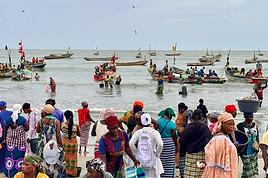
Hey there, it's me again—back with my usual travel journal share for our loved ones, from our 15-day trip in October 2019.
"Ah, here it is at last—that sweet scent of elsewhere so dear to Cricri and Lulu’s noses, that mix of apprehension and desire when facing the unknown.
We’re really diving into the unknown this time, taking you to the island of SAO TOMÉ... also known as the island:
*‘Wait, what did you say?’* 😄.
Because apparently, no one’s heard of Sao Tomé—except our Portuguese friends.
It’s an archipelago of three islands smack in the middle of the world, right on the equator, off the coast of Gabon.
No, these aren’t the sun-soaked, Polynesian lagoon islands. Here, *‘it rains, it pours...’* pretty much all the time, it seems.
There’s not much to *‘see’* in the traditional tourist sense—EXCEPT for stunning landscapes, lush vegetation, a few beaches with golden or black sand, colonial buildings still in their original state, a single main road, and plenty of *‘tracks’* that are more or less drivable. All this surrounded by an African population that speaks Portuguese and is known for its warm welcome.
Well, that should be enough for our happiness—and hopefully yours too! 😊
Hi there,
I just got back from a trip to Sri Lanka from December 18th to January 1st with 2 adults and 2 kids (12 years old).
If it helps, here’s my itinerary.
We left on December 18th from Madrid with Qatar Airways. No complaints. I booked my tickets back in March for 800 € per person. (I flew from Madrid because I live near the Spanish border and was too worried about strikes in France.)
We arrived on December 19th at 4 PM (local time). Before leaving France, I’d booked a taxi through MyTransfer for 59 € to Sigiriya. A van was waiting for us at the airport exit.
A never-ending 3-hour drive to Sigiriya. We stayed at Samana Guesthouse—very simple, clean, with a pool and an excellent Sri Lankan breakfast. Shower and straight to bed.
Friday, December 20th: Beautiful weather, but very humid and hot. We visited Lion Rock (36 € for adults) and then Pidurangala.
I loved both sites—they’re a must-do in my opinion.
Spent the late afternoon by the pool.
Saturday, December 21st: Another gorgeous day. The guesthouse manager offered us a free 2-hour tuk-tuk tour. We first visited a lake, rice fields, the temple, and the Sigiriya market, plus the usual tourist trap—the botanical garden (no pressure to buy anything at the end).
Then we took a tuk-tuk to Dambulla Temple, the Golden Buddha, and the wholesale market.
Sunday, December 22nd: Still beautiful weather. I’d booked a taxi for 8 AM. We did all the long trips by taxi to save time. I’d ask for prices from 2 or 3 WhatsApp taxi agencies 2 days or the day before—super responsive, always got replies within 5 minutes. We headed to Ella (4-hour drive) for 22,000 LKR.
Arrived in the afternoon at Rest Full Homestay—a small, family-run guesthouse. Clean, cozy, and an amazing Sri Lankan breakfast.
In the afternoon, we went to Nine Arches Bridge. It was a Sunday, a Sri Lankan holiday, so it was *packed*—mostly locals and very few white tourists! Even though it was crowded, it was cool because it was all Sri Lankans. We waited an hour for the train. It’s worth seeing, but honestly, I didn’t think it was that amazing.
Then we headed to the station to check if we needed to book tickets for the train to Haputale—turns out, no.
Monday, December 23rd: Beautiful weather. We hiked Ella Rock—a gorgeous trek. The final stretch is steep but shaded, so it wasn’t as tough as I’d read. The whole hike is stunning from start to finish. We saw the train pass twice (one blue, one red) and lots of women picking tea.
After that, we did Little Adam’s Peak. It’s not hard, but it was *packed* with tourists—meh. Luckily, at the top, you can walk a bit farther (down one side and back up) to get some space to yourself.
What I *didn’t* like was the commercial vibe at the big café/restaurant with a pool at the entrance of Little Adam’s Peak. Loud music, all that money being made right next to little souvenir stands run by Sri Lankans or tea-picking women. Felt off.
Ended the day buying souvenirs at one of the few shops we found during the trip.
Tuesday, December 24th: Beautiful weather. Took the train to Haputale. We got to the station 30 minutes before the 9:30 AM train. We could’ve taken 2nd or 3rd class—I went with 2nd (160 LKR per person).
It was crowded, but we managed to get seats—first 2, then 3. Only a 1-hour ride, but I *loved* it—windows and doors open the whole time.
Arrived in Haputale around 11 AM, and the mist was already rolling in.
We walked to our guesthouse, The Mist Holiday Bungalow. Simple but clean, with a great view of the tea plantations. The owner’s wife is Vietnamese and used to work for French tour operators, so her French is still pretty good—helpful for us since our English is terrible. They booked us a tuk-tuk for 4:45 AM the next day (2,000 LKR) to Lipton’s Seat.
Spent the afternoon wandering around Haputale. Not much charm, but there’s a nice fruit and veggie market and a short walk through the tea plantations.
Wednesday, December 25th: Beautiful weather. The tuk-tuk was on time to take us to Lipton’s Seat. We were the first ones there—the sky was just starting to turn pink. In the end, only about ten of us watched the sunrise. The guesthouse had packed us breakfast, and we walked back down (half on the road, half through the plantations). Didn’t see any tea picking since it was Christmas, but the walk was still incredible. We took detours through villages full of kids.
After that, we visited the tea factory. The tour was really interesting, and we took the bus back down to Haputale. Such a great moment—whole families were heading to mass, dressed up and made up. All so beautiful.
At noon, we left for Udawalawe National Park. Taxi for 14,000 LKR. Stayed at River Inn Safari Cottage. *Warning*: It’s the same place as Eagle Safari Cottage. I don’t recommend it. We’d always stayed with families before, but here it was just staff—totally different vibe. The pool was nice but not very clean (water was murky). The bungalow was big and fine, but it was brand new—so new the asphalt floor wasn’t fully dry. It’s in the middle of nowhere, so we had to eat on-site. Couldn’t leave a review on Booking because they never confirmed we’d stayed, and they canceled our reservation the next day.
Thursday, December 26th: Beautiful weather. I’d booked a safari through the hotel for 5:30–10 AM for 54 USD. Honestly, yes, there are a lot of jeeps, but it was great. The kids loved it—we saw everything there was to see.
Left by taxi at 11:30 AM for Welligama (12,000 LKR).
We didn’t stay in Welligama city but at Coconut Beach, between Welligama and Midigama. *Total crush* on the guesthouse: Sky Mountain Café with View. Such a lovely family. The mom makes amazing meals at reasonable prices. The view from the hill over the sea is unreal.
Spent the afternoon walking along the beach.
Friday, December 27th: Beautiful weather. My kids are surfers. Unfortunately, there weren’t any boards their size to rent at Coconut, so we took a tuk-tuk to Welligama Bay (1,000 LKR). They surfed from 8 AM to 5 PM—rental was 5,000 LKR for the day. Meanwhile, we walked the beach and swam. Water was 29°C.
Saturday, December 28th: Beautiful weather, rain from 4 PM until midnight. Same surf day. They were so well-behaved the whole trip, so this was their reward.
Sunday, December 29th: Beautiful weather. Beach day at Coconut. *Warning*: It’s a reef break. For surfers, there are three spots (Coconut Left, Middle, and Right). The boys bodysurfed (with fins) all morning, and at 1 PM, we took the bus to Hikkaduwa.
Stayed at Hotel Universal Beach. Nothing special—right on the water, but the rooms were dark even though they were clean. The manager was super nice, but the rest was meh, and breakfast was mediocre compared to what we’d had before (2 eggs and 3 slices of toast). Plus, it was late—8 AM.
First impression of Hikkaduwa wasn’t great—way too many Russians for our taste.
Monday, December 30th: Beautiful weather. Spent the whole day exploring. Turtle Beach, then the other side of the beach (toward Galle) near the fishing port. The beach there is much wider, with scattered hotels and super quiet. It’s beautiful—I should’ve booked somewhere in that area. Ended up having a great day away from the crowds.
Tuesday, December 31st: Overcast, then beautiful, rain at 4 PM. Had to end the year (and the trip) with some surf. Rented boards for the kids (3,000 LKR per board for the day). Bad luck—the waves were on a reef break but small. Not great for them, but no big deal. They still got out of the water by 2 PM. Walked the beach (which is gorgeous), had a juice, and went for a swim. Then back to surfing in the rain at 4 PM.
Wednesday, January 1st: Left by taxi at 5 AM (18,000 LKR). Flight at 10 AM. Arrived in Madrid at 8 PM.
Sunday, October 1st, 2023
Mulhouse-London
We dumped our trash on our neighbors. We hugged, overflowing with emotion. Then Léa from Taxis S showed up. She knows us well. For ages, she’s been our driver. She was practically the official taxiwoman for the trips of the company where Dom and I met. She knew us when we were single! Almost teenagers! She knows everyone and fills in the biographies of people we’d forgotten.
Across the street, while we loaded the luggage, S., perched in his window frame, waved a handkerchief. This wasn’t just any trip.
Then things got tricky. It’s funny how fate sinks its teeth into our happy moments—there’s this whole intermediate phase where the poison seeps in unnoticed because you’re still in the dark...
First, there was a delay on our flight to London. Dom immediately went on high alert, while I stayed calm. In my mind, we had two hours. I knew we had to go from Terminal 5 to Terminal 4, but two hours—come on, that’s plenty, right?
Bad calculation! Because those two hours were between the first flight’s landing and the second’s takeoff. But flights close at least half an hour before departure.
Getting from one terminal to another means taking a shuttle bus. We waited for the one going to Terminal 4... until a young guy paid to direct people (who hadn’t seen us) informed us it was no longer possible to access Terminal 4 without going through Terminal 2 first for a connection!
That really cranked up the pressure. We started installing a mental countdown with a programmed explosion at the end—guaranteed stress with added beads of sweat. The terminal bus was driven by a young Pakistani guy. We were *so* tense we bombarded him with our frantic, repetitive questions. “So? When are we getting there? What’s happening? Why aren’t we moving?” Our eyes were glued to our watches. The poor guy knew. Perfectly. Because it was obvious—no way around it. We weren’t going to make it. It was impossible. But Dom and I stubbornly refused to believe it.
Then the kid stopped the bus. Me, hysterical: “What are you doing? What’s going on? Our plane takes off in... in... 4 minutes!!!! We’re gonna miss iiiiiit!” He wasn’t calm either. “You’ve already missed it!” He explained we had to cross a zone that required an escort car to clear a path through the runways. Impossible to do without. It’s forbidden. We had to WAIT (!!!). Then he got a radio call—he had to rush to Terminal 3 to pick up a passenger who was *super* tight on time. “Amir!!!! It’s RIGHT NOW!” they yelled in his already-red ears, thanks to the complaints of two hysterical Frenchies.
Dom and I were in overdrive, hallucinating! We wanted to stop him, maybe even hit him to prevent him from turning around. He picked up the girl, whom we instantly hated like the most despicable witch. I turned on my data, searched for Malaysia Airlines’ number at Terminal 4, called, and actually got someone—quite a feat. A woman cut off my frantic rambling with a blunt “It’s over, the check-in is closed, the plane is about to take off.” I heard her but refused to accept it. I yelled, “We’re coming!” She shot back her monolithic “It’s over.”
Finally at the doors of that damn Terminal 4, we ran—*really* ran—a marathon, Gate 6, security checks, pat-downs, “Take off your belts,” we asked questions, everyone seemed confident, we ran with one hand holding up our pants, the other clutching our belt, Gate 6—the room was empty. A girl was sitting there, calmly on the phone. We pounced on her. She calmed us down. Little by little, the light came back. Our brains rebooted. We finally understood it was over. We’d have to start crafting a new plan with the new reality.
It started with a return to Terminal 5 to talk to British Airways, which took a good hour. With the same driver as before. We were alone with him. He took the time to apologize, to assure us it wasn’t his fault, that our problem had no solution, that nothing could’ve changed the outcome.
At BA, we were exhausted. We were greeted by a handsome young man in a navy-blue uniform with gold stripes everywhere. We could’ve made a scene, but we were just relieved to find someone who’d take charge of our story. It was a minimal response, but it was *a* response. I suppose we could’ve demanded a business-class upgrade or a free trip, but we were just happy with a few vouchers for food, a hotel room with breakfast, and a little bag with plastic toys, a razor, toothbrush, hygiene products, and a T-shirt... Trinkets... But we were fine with it all—we said thank you eagerly because the essential was assured. He found us seats on flights tomorrow. *Tomorrow.* We were afraid to hope! We had the exact same flights but a day later. The same crappy times, but it was all good. We felt saved from the shipwreck, like survivors.
- And what about the luggage?
- .... !!!!
Monday, October 2nd, 2023
London - Kuala Lumpur
It wasn’t the Ritz, but with exhaustion on our side, we slept well. The continental breakfast was way better than we’d expected from an Ibis Budget. Still, it wasn’t enough to restore my joy for life. The course correction had turned into an arduous obstacle course. I scoured the car rental site every which way. Couldn’t reschedule the car. I’d done it before, but this time... Not to mention the laptop battery was complaining—the Brits have this quirk of making their power outlets incompatible with our chargers. Frustrated, I called them but ended up with a girl who declared herself incompetent and offered to have someone from Avis in Perth call me back—someone who’d supposedly handle rentals better. I decided to wait while taking a bath. Barely settled in, the phone rang. I was soaking wet, of course, and asked Dom to answer. Unfortunately, she’s known for disliking my phone, and in a clumsy move, she hung up. We got annoyed. She put dry towels on the edge of the bathtub, but—another false move—they fell in the water. The phone rang again...
I completely redid the plans for the next two days, then transferred the files to my phone to consult them later offline. I plugged in my USB cable... *Plop!* The battery died abruptly—my PC shut down without any of the usual polite warnings! I looked around, hoping to find someone to strangle...
Long story short, you can tell the day started under the worst omens. I was in a foul mood and spread my bad vibes to Dominique, who was initially in much better spirits...
I called Mastercard, hoping to get a refund for the non-refundable night in Perth we’d already paid for. Same old song: “We’ll call you back”...
Then... I’ll cut it short—buses, trains, lots of waiting... We rushed to reach the infamous Terminal 4.
We tried new options and convinced ourselves that a delayed departure flight is unrecoverable, no matter the scenario. We were furious that BA hadn’t bothered to tell us, leaving us to run around like rats in a burning house.
Tuesday, October 3rd, 2023
Kuala Lumpur-Perth
The flight was pretty nice. 13 hours, though. Dom and I were facing each other across the aisle. We could get up easily whenever we wanted without bothering anyone and chat when we felt like it. Besides, their chicken was amazing. They were kind enough to offer Dom a truly remarkable glass of rum. Good movies too, including the excellent *Prisoners* by Denis Villeneuve.
At KL, during boarding, we developed a nagging worry about our luggage. We checked with some Malaysian Airlines staff. I sensed their hesitation. They made calls. Then changed their minds, giving us smiles and thumbs up...
Wednesday, October 4th, 2023
Perth
*Happy is the man who, like Ulysses, has had a fine voyage.*
Well, for us, it wasn’t that.
Finally arrived, we experienced the loneliness of tourists watching the baggage carousel spin, emptying of its precious containers one by one, until only a handful of travelers were left, staring at each other in disbelief. Without luggage, you’re kinda screwed. Not even a change of socks—our feet had been swimming in the same shoes for 3 days. No adapter, so no laptop. No toiletries. We could’ve cried!
The lost luggage guy played his part. If you want compensation, fill out the disclaimer on the website made for that. And then, “Don’t worry, your luggage will arrive tomorrow!”
“Don’t worry?!” From the start of the trip, we’ve been jerked around, fed lies. Tomorrow is the *absolute* last chance to get them back. Beyond that, we’d have to scramble a whole new trip. And lose a lot in the process! I have no idea how to go about it. Tomorrow... OMG... Tomorrow...
We landed at 1 AM. Avis, the car rental place, opens at 6:30. Luckily, we found some decent breakfast. It cheered us up and gave us a second wind. Incorrigible, we started believing again!
Well, then we just killed time. What else was there to do?
In front of Avis’s little shack, we were freezing. We’d been there since dawn. The girl who showed up, a Latina, immediately saw us as a nuisance who’d ruin her hopes of a peaceful start. Her face and tone were as unwelcoming as possible. You know us—it ended with hugs. She gave us a gorgeous, brand-new car! A hybrid with ultra-sophisticated features, all buttons you shouldn’t touch if you want to drive this thing without causing irreparable damage!
We’re off! Driving on the left is easy at first. You think about it constantly. It’s counterintuitive, it takes effort. It’s later, when you get used to it and confidence sets in, that it becomes dangerous—old reflexes can send you into a wall. Anyway, the car and I immediately clicked.
In Perth, underground parking next to the hotel, friendly welcome—we ended up forgetting all the morning’s mishaps. Should we go sightseeing?
Important: I’ve been living in Myanmar for several years now, and I speak and write Burmese correctly (though I still have a strong French accent).
I really don’t want this post to make you think that traveling in Myanmar right now is easy.
It’s crucial to understand that the country is unstable—this isn’t the place for a relaxing vacation.
The security situation and areas open to tourists are constantly changing.
I started my trip in Bagan. Flights were fully booked, so I took a VIP overnight bus from Yangon. Along the way, we encountered 4 checkpoints run by the military. The bus conductor announces that it’s forbidden to use your phone during these stops. Each time, the conductor hands over the passenger list to the checkpoint, and sometimes one or two passengers are asked to step out for questioning before we’re allowed to continue. I didn’t have to interact directly with the soldiers.
In Bagan, there are quite a few local visitors but very, very few foreign tourists... I remember my trip in December 2019 when I’d hear French spoken regularly...
I’m staying at the Bagan Thande Hotel for 130,000 kyats, or about thirty dollars at the current exchange rate.
October 7, 2023, is a sunny day in Milan. Since morning, in this light, I’m WhatsApping with Afrooz in Tehran, and I decide to call her. A lively, joyful conversation—French with that Farsi accent becomes a wonderful language. Suddenly, everything feels possible. Isfahan, Shiraz, Damavand, Yazd, Yazd, Yazd—a delicious word savored endlessly—become within reach. Iran, so longed for, is finally here. Pure joy, absolute enthusiasm. Six months to plan and relish a trip before living it.
Frozen.
Empty.
No.
We decide to wait, not to give up right away, pretending to believe—just a little, just to keep from collapsing—that with this wretched human race, the worst isn’t necessarily certain.
It is.
So... meh, Madeira? The Azores? Uzbekistan (a pale substitute)? New Zealand?
Greece. Again, always. Nestling into the only European promise we’ve been given. Indulging in illusions, for the pleasure of it.
So, train from Milan to Ancona (9 AM–12 PM), a typically Marchigiano lunch (Italy is paradise for food lovers), a stroll through the city, then at 4 PM boarding the *Olympic Champion*. Arrival in Patras the next afternoon, car rental, and off to Lepanto—Nafpaktos today—to reminisce about glorious victories and pay tribute to Cervantes, who lost a hand there before writing.
That’s the plan, anyway. The train is unusually on time. The ferry, replaced in the meantime by the *Hellenic Spirit* (why not? Even if it’s less suited to the season), is 3 hours late, then 4, no 5, then finally 6—oh wait, 7. And on top of that, it’s pouring rain in Ancona, and the port waiting room closes at 6 PM. Great...
At 11 PM, the ferry’s lights emerge in the pitch-black night. We jostle through the downpour, board, and sleep well in a cozy cabin with the white noise of the engines. Then:
Thursday, Oct 23. Left home at 8:25 AM, took the bus from St Cyp to Perpignan, then a BlaBlaBus to Barcelona airport. Last night, a huge storm crossed France, and the bus was an hour late. We finally left at 11 AM. At the Spanish border, we were checked—several Africans were traveling on the bus, and their document verification took quite a while. In the end, everything was in order, and we set off again a good half-hour later.
We finally arrived at Barcelona airport after 2 PM, but no stress since my flight was scheduled for 4:30 PM with Saudia. At check-in, the hostess told me there’d be a 1-hour delay due to bad weather in France and Belgium. In the end, the flight didn’t just have a 1-hour delay but a 5-hour one because of a technical issue. The next flight wouldn’t wait for us. When we arrived in Jeddah, they gave us another ticket for the following day—the flight to Bangkok was scheduled for 11:55 AM. The airline assigned us a room, which was good news since I was exhausted. Friday morning, the flight was still scheduled for 11:55 AM, but the gate wasn’t displayed. It was announced with a 1-hour delay, but that stretched to 4 hours. They handed out drinks and a snack—again, the delay was due to technical problems. In Bangkok, I had a connecting flight to Chiang Rai, where I’d also booked a room—I lost everything.
We finally arrived in Bangkok on Saturday at 4 AM. I had to buy another ticket for a 7 AM flight. The formalities were quick, and my flight went smoothly. A taxi took me to Bus Terminal 1, where I caught a bus leaving at 10 AM, and we arrived at the Thailand-Laos border. I shared a taxi with other travelers, which took us to Houay Xai. The guesthouse I’d booked was right across from the stop—that was great. I exchanged some money and bought a SIM card at the guesthouse. Despite the fatigue, I needed to stretch my legs, so I walked down the street to the temple.
and continued to Fort Carnot, built by the French.
The views of the Mekong are beautiful for a first glimpse of the country.
yum-yum, bon appétit!
At 6:30 PM, I went to dinner at a restaurant across from the guesthouse—a chicken curry with vegetables.
I didn’t linger and went back to bed. I slept well, even if I woke up often.
This travel journal summarizes a trip I took in March to Argentine and Chilean Patagonia. It starts in El Calafate and ends in Ushuaia. During my planning, I considered looking into the Australis cruise from Punta Arenas to Ushuaia, as well as the W trek in Torres del Paine National Park. In both cases, I was put off by the prices. Instead of the cruise, I found two interesting wildlife excursions from Punta Arenas: whale watching in the Strait of Magellan and observing king penguins in Tierra del Fuego. The journey to Ushuaia was by bus. For Torres del Paine, things were a bit confusing, so I reached out to two agencies. In the end, I went with a rental car option, overnight stays on-site, and day hikes. I shared my full itinerary with the agency and ended up being taken care of by a local Argentine agency and a Chilean one.
So, here we go...
We stayed on the island of Gran Canaria during the first three months of 2024. It’s the third Canary Island we’ve visited, after Tenerife and Lanzarote.
We rented an apartment in Temisas. By staying in the same place for such a long period, the total price dropped by 50%.
We also rented a vehicle to make getting around the island easier.
Why the Canary Islands, and Gran Canaria in particular? For its pleasant climate, the nature and diversity of its landscapes, the charming villages, and especially the beauty of its many beaches.
In this travel journal, you’ll find a list of the many activities we did during our stay to explore the different attractions of this island.
These attractions are categorized to make it easier to find what interests you.
Videos are included throughout the summary. Click on the image to start the video.
To jump to a specific post, here are the relevant links:
HIKES:
Roque Nublo
Maspalomas Dunes - Part 1
Maspalomas Dunes - Part 2
Los Azulejos de Veneguera
Barranco de Las Vacas
Ventana del Bentayga (Arco del Aserrador)
Caves of the King
Ventana de Morro (Ventana de la Ganifa)
The Dog of Bentayga
Cave of the Four Doors
Ventana del Nublo
Artenera - Caves of Acusa Seca
Temisas - El Gigante Cave
Fortress of Ansite
Puerto de Las Nieves - Roque de Las Nieves
Temisas - Cuevas de la Audiencia
Roque Bentayga
Guayadeque Ravine (Guayadeque Hermitage)
Guayadeque Ravine (Cueva de Bartalo)
El Zumacal - Barranco Tauco
Casablanca Dam (Los Dolores Dam)
Ayagaures - La Angostura Dam & Gambuesa Dam
Santa Brígida - Alonso Ravine & Centennial Dragon Tree Pino Santo
Hike in the Azuaje Ravine
Gáldar - Red Lands of Samarrita
Tejeda - Charco de La Paloma
Bandama Boiler (Camino Borde de Caldera Bandama)
Teror - Alamo Ravine Trail – SL-4
Telde - Calasio Caves
Special Natural Reserve of Los Tilos de Moya
Los Azulejos - Charco de Las Aneas
Fataga Ravine
Arinaga Military Battery Trail
Maspalomas - Las Fuentes and del Canizo Ravines
Mogán - Tauro Mountain Trail
Tamabada - Llanos de La Mimbre & Sobre la Cueva Viewpoints Trail
Hike to the Coronadero Arch via Barranco Hondo
Barranco de Silva - Hike to the Jerez Caves
Gáldar - Samson Cave - La Atalaya Peak
Agaete - Roque Guayedra and Guayedra Ravine
Artenara - Caballero Caves
Arucas - Bufadero Salt Flats
Barranco de Pino Gordo - Natural Pools
Telde - Los Cernícalos Ravine
Las Cruces - Toba Caves & Picón
Puerto de Las Nieves - Moro Cave
Agüimes - Morros de Ávila Caves
Juncalillo del Sur - Laguna & Salinas de Abajo
Caves of Camino de San Felipe
Cruz de Tejeda, Cruz Chico and Degollada Viewpoint
Hike on the Patalavaca Circuit
Motor Grande - Puerto Rico Arch
El Montañón - Los Hornos Dam
Seafront Walk - Amadores Beach – Puerto Rico Beach
Las Niñas Dam
El Hornillo - Omega & Omicron Caves
Arteara Necropolis
Mogán - El Mulato Dam
Las Garzas - El Regante Dam
La Plata Route - Cho Flores Dam & El Charco Hondo
Vega de Acusa - La Candelaria Dam
Candelaria Hermitage – Acusa Seca Viewpoint
Valsequillo de Gran Canaria – Roque La Vela
Ayagaures Dam – GC-602
Lomo del Palo - Monte Pavón Trail
Lugar La Laguna - Levada
Fataga Dam & Ravine
BEACHES:
Mogán Beach
Taurito Beach
Tauro Beach
Amadores Beach
Puerto Rico Beach
Anfi del Mar Beach
Patalavaca Beach
Meloneras Beach
Maspalomas Beach
English Beach (Playa del Inglés)
Las Burras Beach
San Agustin Beach
Las Alcaravaneras Beach
Las Canteras Beach (La Cicer)
Las Canteras Beach (La Puntilla)
Las Canteras Beach (Santa Catalina)
Aquamarina Beach
El Agujero - Bocabarranco Beach
Hoya Del Pozo Beach
Hoya Del Pozo Beach - Lizard with amputated tail
El Cabron Beach
Ojos de Garza Beach
El Burrero Beach
NATURAL POOLS:
Charco Azul - El Risco
Agaete Salt Flats
Charco de Los Espejos - Sardina del Norte
Natural Pools of Punta de Gáldar
Snorkeling in the natural pool of Punta de Gáldar
Natural Pool La Furnia o El Clavo - Gáldar
Natural Pool of Los Dos Roques
Emiliano Natural Pool - El Agujero
Natural Pool of El Agujero
Natural Pools of Roque Prieto
Natural Pool El Altillo
Los Charcones de Bañaderos – Arucas
Natural Pools of El Charco de Las Palomas – Arucas
Natural Pools of La Laja - Las Palmas de Gran Canaria
Cueva de la Reina Mora - La Garita
Natural Pools of Castillo del Romeral
TOWNS:
Center
Santa Brigida
Vega de San Mateo
Tejeda
Artenara
Vallesco
Teror
Southwest
Santa Lucia de Tirajana
Fataga
San Bartolomé de Tirajana
Puerto de Mogán
La Aldea de San Nicolas
North
Arucas
Firgas
Moya
Santa Maria de Guia
Gáldar
Agaete
Puerto de Las Nieves
East
Vegueta - Las Palmas de Gran Canaria
Triana - Las Palmas de Gran Canaria
Ciudad Jardin - Las Palmas de Gran Canaria
Canteras - Las Palmas de Gran Canaria
Telde
Valsequillo de Gran Canaria
Ingenio
Agüimes
Temisas
VIEWPOINTS:
GC-60 Route (or nearby)
GC-210 Route (or nearby)
GC-210 Route between the tunnel and La Aldea de San Nicolás
GC-215 & GC-65 Routes (or nearby)
GC-200 Route (or nearby)
GC-130 Route (or nearby) & GC-605
GC-70 Route (or nearby) & GC-21
Sheep herd on GC-70 Route
GC-150, GC-240, GC-305, GC-350 & GC-301 Routes
GC-606, GC-295, GC-231 and GC-41 Routes (or nearby)
Viewpoints – GC-1 Route (or nearby)
Viewpoints - Las Palmas de Gran Canaria
Viewpoints - GC-2, GC-21, GC-15, GC-216 and GC-132 Routes (or nearby)
Viewpoints - GC-503 & GC-217 Routes
Viewpoints - GC-604, GC-505, GC-132, GC-42 and GC-802 Routes
MISCELLANEOUS:
San Rafael Aqueduct - Telde
Abandoned San Rafael Estate - La Higuera
Cenobio de Valerón
La Cesta - Tejeda
Puerto de la Aldea
Scenic Route GC-671 to El Espinillo
Scenic Route GC-607 to El Chorrillo
The Galdar Cube (Santiago Quarry)
Scenic Route GC-504 to Ayagaures
Abandoned seaside resort in the Azuaje Ravine
El Bufadero de La Garita – Telde
GC-505 Route
Abandoned Finca Las Haciendas (Los Mocanes) – Las Vegas de Valsequillo
Ruins of San Juan Battery - Las Palmas de Gran Canaria
Viera y Clavijo Canarian Botanical Garden - Las Palmas de Gran Canaria
Tenefé Salt Flats
Los Pérez, Lugarejos & Las Hoyas Dams
Monte Pavón, Gran Canaria’s little Ireland
Valleseco Lagoon Recreational Area
Climbing - Fataga Ravine
Surfing – El Agujero
El Cairete Restaurant - Carrizal de Tejeda
Paragliding flight observation - Los Giles
La Cuevita Ayagaures Restaurant
Statues and Murals - Cruce de Arinaga
Aviation Monument (Las Majoreras) & Murals – Carrizal
Artistic recycling by Antonio Peñita - Ojos de Garza
Rainbows
Hi there!
It’s been nearly 6 years since I last posted here or on my travel blog. But I’m back, at least for one post! I’m returning with a dream trip we took in April 2023: a stay at Walt Disney World in Florida.
We went for 10 days. Ten days at an amusement park might seem like a lot, but you should know that Disney isn’t just one park—it’s 4 parks and 2 water parks (only one was open during our trip). So we split those 10 days across 5 parks, which worked out to about 2 days per park.
The four main parks each have a different vibe:
Magic Kingdom: The most famous one, the one that most resembles our Disneyland Paris. It’s home to several "lands" (Adventureland, Frontierland, Fantasyland, Tomorrowland, Liberty Square, and Main Street USA). This is the park where you’ll find the iconic castle, the symbol of the parks.
Disney’s Hollywood Studios: It’s a bit like the studios at Disneyland Paris, with the well-known Tower of Terror and Toy Story Land. It also features the stunning Star Wars: Galaxy’s Edge (a must-see, even if you’re not a Star Wars fan).
Animal Kingdom: A very nature-focused park, divided into several sections, including representations of Africa and Asia, as well as the breathtaking Pandora – The World of Avatar.
Epcot: The park of countries, where different nations are represented around a large circular lake—including France!
The water park that was open during our stay was Typhoon Lagoon. We spent a morning there lounging and swimming before heading to Disney Springs (the equivalent of Disney Village in France). We’re not big on pools or chilling out, so we didn’t stay long, but there was no time limit.
We chose to stay at the Disney’s Art of Animation hotel, a Resort (huge, like everything there!) with 4 themed areas: Nemo, Cars, The Lion King, and The Little Mermaid (where the rooms for 4 people or fewer are located).
Here’s the itinerary we followed for those 10 days:
Day 1: Flight at 7:35 AM–4:40 PM (with a layover in London), stroller pickup, then shuttle bus to our hotel
Day 2: Day at Magic Kingdom
Day 3: Day at Hollywood Studios
Day 4: Day at Animal Kingdom
Day 5: Day at Epcot
Day 6: Day at Hollywood Studios
Day 7: Relaxing day at Typhoon Lagoon and Disney Springs
Day 8: Day at Magic Kingdom
Day 9: Day at Epcot
Day 10: Day at Magic Kingdom
Day 11: Morning at Hollywood Studios, then shuttle bus to the airport, stroller return at the airport, flight at 7:05 PM–1:50 PM (next day)
We rented the stroller from Kingdom Stroller. The rental process was super easy—everything was done online. On the day we arrived and the day we left, there was no staff at the counter, but the stroller was ready with a tag bearing our name. When we left, we just dropped it off at the designated spot, still with no one checking...
We used the Mears Connect shuttle: you pick a day and time for them to pick you up at the airport and your hotel. Everything went smoothly, no surprises.
For planning, you’ll need to decide in advance which parks you’ll visit each day because a reservation is required (just like in Paris now). I’d recommend making a schedule ahead of time.
Same goes for restaurants—figure out which ones you’d like to eat at beforehand. Some work like fast food and don’t require reservations, while others, the "Table Service" restaurants, operate like traditional restaurants and need to be booked in advance to guarantee a spot. These can be reserved 60 days before the first day of your visit, and that applies to all the restaurants for your entire stay (e.g., if you’re going from February 1st to 11th, you can make reservations for the whole trip 60 days before February 1st).
Not essential, but we found them super handy: MagicBands. These are connected bracelets you buy on-site (not cheap, of course) that let you, once linked to your account in the app, open your hotel room, enter the parks, validate Lightning Lane reservations at attraction entrances, and even make purchases (if you’ve linked a credit card). We got the cheapest ones and loved them!
As for the trip’s wrap-up, if I were to do it again,
... I’d do almost everything the same: The schedule and restaurant reservations I planned were perfect!
... I’d change one thing: Maybe I wouldn’t plan two full days at Epcot because it was the park we enjoyed the least. Some attractions (like the amazing Guardians of the Galaxy: Cosmic Rewind) were great, but it was really hot, the park isn’t shaded, and it felt stifling when the weather was scorching. That said, I don’t regret it because a big storm hit on our second day, forcing us back to the hotel.
That’s all for now—I’ll be back soon with photos from each park and the hotel. You’ll see, it was incredible!
See you soon! :)
Hi everyone,
The years go by and Machu Picchu has been on our "to-do list" for a few decades now...
But Peru is, fortunately, so much more than this legendary site...
We went as a couple for a 15-day trip.
For the first time, we delegated the logistics to a local agency (Paprika in Arequipa). This agency offers "classic" small-group tours and the option to do it privately, which we chose.
No complaints—they were perfect for organizing transportation, hotels, and French-speaking guides.
The "classic" southern Peru loop is: Lima, Paracas, Nazca, Arequipa, Colca, Titicaca, Cusco, Sacred Valley, Cusco. Nothing very original... but why get creative when there’s already so much beauty to discover?
We opted for a shorter loop, skipping Paracas/Nazca because the small planes in Nazca weren’t a unanimous hit, and it saved us dozens of hours on the bus.
But we added a stop at Palccoyo (the rainbow mountains) between Titicaca and Cusco.
It might seem like a shame, but we don’t regret it at all.
After visiting Newfoundland Island, we took the ferry to Blanc-Sablon, a municipality located on the Lower North Shore in Quebec, Canada.
Instead of heading back to Quebec via Sydney in Nova Scotia, we decided to explore the Lower North Shore—the least-known region of Quebec—as well as Labrador, which is part of the province of Newfoundland and Labrador.
From Blanc-Sablon, we drove to the municipality of Vieux-Fort via Route 138. This road ends in that municipality.
Afterward, we crossed Labrador to return to the Old Capital. Only one road allows this route. It wasn’t fully paved during our trip, but it is now.
We made stops in different areas to go on hikes that let us discover some incredible landscapes.
I hope this travel journal inspires you to venture into these stunning regions.
Videos are embedded throughout the summary. Click on the image to start the video.
Lower North Shore:
Lower North Shore - Blanc-Sablon - Brador Falls Lookout
Lower North Shore - Blanc-Sablon - Astragalus Trail (Milk-Vetch Trail)
Lower North Shore - Bonne-Espérance - Granny Hill Trail
Labrador:
Red Bay - Tracey Hill Trail
Mary's Harbour - White Water Falls Trail
Mary's Harbour - Gin Cove Hiking Trail
Mary's Harbour - Dr. Moret Hiking Trail
Happy Valley-Goose Bay - Birch Island Walk
North West River - Sunday Hill Lookout Trail
Churchill Falls - Bowdoin Canyon Nature Trail
Labrador City - Tanya Lake Loop Trail
Labrador City - Crystal Falls Hiking Trail
North Shore
North Shore - Manic 2, 3, 5 Hydroelectric Plants and Daniel-Johnson Dam
Baie-Comeau - Pioneers Park
Tadoussac Village
**********
More landscapes of the Lower North Shore, Labrador, and the North Shore
And off we go again for what’s certainly our last trip to the American West... After the disaster of September 2022, the diabetes flare-up, and the pulmonary embolism, we’re spending ten days in the spots we missed and some unlikely places.
After flying over Scotland, still English,
Greenland, still Danish,
And Lake Huron, still half Canadian,
We land early in Detroit... a nightmare of an airport. A long, dreadful baggage check process, but we still make it to gate A10 just in the nick of time—only for disaster to strike!
My passport has my first and last name, my boarding pass has my first and last name, BUT not on Delta’s computer—so we’re denied boarding!
We head to the Air France-Delta-KLM desk, where an employee listens to us sympathetically. He books us two seats on an 8:30 AM flight to SF...
Then passes us off to two colleagues who offer us a night in a hotel... and send a message to the baggage service to keep our checked luggage safe...
In the end, we go to bed earlier, wake up earlier, but since we’ll still get some sleep on the plane, we might be able to look back on this whole mess with a smile... well, we hope so, anyway.
10:17 PM in Detroit—time to sleep. Our clean clothes and toiletries are in the plane.
We’ll bounce back!!;
My train to Mathura is at 2 PM, and we’ll arrive an hour late—all good. I booked a hotel on booking, but unfortunately, it’s really far from the ghats. Walking there is out of the question—what a shame.
The hotel itself is fine, and there are several restaurants right across the street, which will be handy for dinner. This won’t be an exception, though—starting at 10 PM, they must wake up because I can hear them talking loudly, and music is playing along. My room faces the entrance, so it’s going to be tough. At midnight, I ask them to lower the volume, but they don’t listen. By 1 AM, I lose my temper, and this time, everything stops. Finally, I can get some sleep—until 4 AM, when they start up again for a little while before quiet returns until 6 AM. But when do they sleep? The noise never seems to bother them—it’s unbelievable, and I’m finding it harder and harder to tolerate. It makes a huge difference.
The next morning, as I leave, they tell me they’ll give me another room for the following night. Oh, two nights like that wouldn’t be possible—I’m exhausted.
I head out to explore the ghats and take a rickshaw, which I share with a family, to Vrindavan, a city of temples dedicated to Krishna. I visit several while wandering through the lively streets, surrounded by a crowd of devotees. By 1 PM, I’m near the Bankey Bihari Temple, but I can’t go in—it just closed. Nearby, there are restaurants, so I take the opportunity to grab my usual aloo paratha with a lassi.
The work women do here is incredibly hard, and their pay must be miserable.
I want to leave Vrindavan for Govardhan.
Two young guys on a motorcycle in front of the temple approach me, and the driver offers to take me part of the way. I’m pretty skeptical, but he insists, and I eventually agree. I didn’t fully understand what was happening. Once on the bike, his friend hops on too, and suddenly I’m sandwiched between them for a multi-kilometer ride—*travel Indian-style*. We quickly drop off the friend, and I breathe easier for the rest of the trip. At an intersection, he stops—Govardhan is straight ahead, but to get to his village, he needs to turn right. We wait for the bus for a few minutes, and he flags it down so I can hop on and continue my journey. What an adventure.
March 2nd — Departure by bus from Latour at 6:50 AM. The journey isn’t direct: we pass through Elne then Corneilla. In Perpignan, I switch to a BlablaBus heading to Barcelona’s northern bus station. Before reaching Le Perthus, French police stop us to check IDs. Several people aren’t in order, but after about fifteen minutes, we’re on our way again. We’re checked again at La Jonquera: this time, the wait lasts almost forty-five minutes while police identify those in violation and wait for a vehicle to pick them up. The driver then tries to make up for lost time; we finally arrive at our destination half an hour late.
I quickly head to the Arc de Triomphe metro station, located 200 meters away: you have to cross the bridge along the bus parking lot, then walk through a large garden; the station is on the right before the garden entrance. The trip to the airport isn’t direct: I have to change at Tomasso and take the line to the airport, where I arrive at 1 PM.
At the Emirates counter, I learn my flight was just canceled due to the war in Iran; they offer me another flight for the next day. I have to wait at the airport until 7 PM before being taken to a hotel; the next morning, I’ll take a flight to Vienna (with an 8-hour layover), then an Air India flight to Delhi, and finally a flight to Kolkata. I agree: I don’t know Vienna, so it’ll be an unexpected discovery.
At 7 PM, a small group is taken to the hotel, 35 minutes from the airport, where we’re served a light dinner upon arrival.
March 3rd — A taxi picks me up at 6:30 AM; the flight to Vienna takes off at 9:30 AM and arrives at noon. I’m free until 7 PM; the metro is direct to the city center. The weather is pleasant and not too cold, luckily, since my clothes are light.
When I exit the metro, I spot the St. Stephen’s Cathedral tower in the distance and approach it: the roof, made of glazed tiles, is remarkable.
Entry is free, and the interior, a mix of Gothic and Baroque styles in the center, is stunning.
Not far from there is St. Anne’s Church
, also Baroque, adorned with beautiful frescoes
—a music concert adds an enchanting atmosphere to the visit.
I continue my walk at random through the pedestrian streets lined with magnificent buildings: I’m charmed by the city.
Before heading back to the airport, I stop at a lovely tea salon. My flight will eventually leave with a delay.
Wednesday, March 4th — Delhi and a little luggage scare
We arrive in Delhi shortly after noon. Immigration is quick, and good news: my bag was checked through from Barcelona to Kolkata. I head to the connecting terminal and arrive half an hour before boarding: the flight goes smoothly. Upon arrival, the luggage comes out quickly… except mine. After filing a report, I’m told my bag is in Delhi—I have to retrieve it before taking another flight. I didn’t know (or had forgotten): with the delays, I wouldn’t have had time to pick it up and make the connection.
I take a taxi to the Ichamati Hotel. The welcome is warm, and the room is clean but very small. Without my bag, I feel a bit lost—I have nothing to change into.
Tonight, I’m dining with Raja and his friends at a beautiful restaurant, an old colonial house turned into a hotel.
We’re happy to see each other and have a comforting evening together.
Summer 2022 left me with a sense of unfinished business, so here I am back in Swedish Lapland for summer 2024, ready to attempt the Sarek crossing again—and this time, tackle part of the Kungsleden too.
After much hesitation, my partner Jean Marie and I decided to start with the Kungsleden, which is, from what we’ve read, stunning but very busy (and it really is!!), and finish with the wilder option: SAREK! This park is known as Europe’s last true wilderness—sounds like a dream, right?!
The downside of this plan is that there’s no way to resupply in Sarek, and the Kungsleden isn’t exactly set up for long-distance trekking either, so we’ll have to carry a lot of food for the first part of the trip with Sarek in mind. Oh well, we’re motivated!
Our plan is to start in Abisko (the classic route), head to Vakkotavare (also classic, but with some variations to avoid the official trail and the crowds), then continue the Kungsleden from Saltoluokta. Before reaching Aktse, we’ll set off on an east-to-west crossing of Sarek (weather-dependent, since aside from the Skarja hut in the center of the park, there’s no shelter if conditions turn bad).
At least we’ll be on the right side of the park to climb Skierfe and enjoy the jaw-dropping view of Rappaladen if we have to bail on Sarek.
All in all, that’s 17 days of trekking, including 1 rest day and 1 buffer day for weather delays.
So if you’re interested, I invite you to follow our fully packed backpacks!
08/03 - Abisko – 5km before Abiskojaure
Some info (guides we used for prep, SFT map, sending food to Saltoluokta)
08/04 – 5km before Abiskojaure - on the east shore of Lake Alisjavri
08/05 – East shore of Lake Alisjavri – just before Tjaktja
08/06 – Just before Tjaktja – above the Salka hut via Nallo
08/07 - Salka – just past Singi + side trip to Djalson Lake
08/08 - Singi – Teusajaure
08/09 - Teusajaure - Vakkotavare (end of the first section of the Kungsleden)
08/10 – rest day in Saltoluokta + round trip to the Sámi village of Pietjaure
08/11 – Saltoluokta – Sitojaure
08/12 - Sitojaure - Skierfe - Sarek or no Sarek?
08/13 – Skierfe – somewhere above Rapadalen
08/14 – Somewhere above Rapadalen – above the Skarki hut
08/15 – Above the Skarki hut - Skarja
08/16 – Camping at Skarja
08/17 – Ruohtesvagge
08/18 – Ruohtesvagge - Padjelantaleden
08/19 – Padjelantaleden - Ritsem – End of the trek
08/20–24 - End of the trip (Lullea - Stockholm)
And of course, the recap
Let’s be clear—it was a fantastic time to visit, and Jordan is an amazing country!
100% sunshine and temperatures between 25 and 35°C, depending on the altitude.
No stress at all: Jordanians live up to their reputation as a charming, helpful, and fun-loving people. No hassles, no pushy sales—just pure joy sharing time and laughter with them.
Over 11 days, we intentionally skipped the north to spend more time in Petra, Wadi Rum, Dana, and diving in Aqaba. No regrets whatsoever 😄
Practical tips at the end of the travel journal.
Road trip:
Arrived at 10 PM (Nantes-Frankfurt/Amman in under 9 hours). Spent the night near the airport.
Day 1: Left at 8 AM for Mount Nebo and the Dead Sea Center—picnic in the middle of the lovely Wadi Himara (great spot, 2-hour round trip—thanks to the GPS coordinates from the agency. It takes guts to leave your car parked alone with all the luggage inside, but honestly, no stress at all).
Afternoon at the Movenpick (pricey but nice) to enjoy the Dead Sea. Dinner on-site. Perfect relaxation for a first day.
Day 2: Drove south along the Dead Sea. First stop at Wadi Mujib (great, fun, and full of water—max 2-hour round trip). Then a second swim in the Dead Sea, 10 km past the Wadi Mujib Center, which we preferred over the Movenpick spot because it felt wilder. Just pull over when you see tents along the road where you can take a shower after swimming (a must! Cost: 3 JOD per shower). The scenery is stunning, and the swim feels more natural than at the hotels. A really cool experience.
Around 3 PM, took the scenic route after the Dead Sea toward Little Petra (1.5 hours). Don’t take the King’s Highway directly—instead, continue on the Wadi Arabia road, then turn left (Route 60) after the town of Feifa and the ‘Jo Petrol’ gas station. Worth it!
Visited Little Petra in the late afternoon and had dinner + stayed overnight at the Seven Wonder Luxury Camp. TOP: warm welcome and great advice on the best order for hikes in Petra based on sunlight and avoiding backtracking. We regretted not staying two nights…
Day 3: PETRA
Petra info: Not many people around, so we really enjoyed it (thanks to the geopolitical situation). We’ll share the times of our circuits since we were able to catch the sun on the key sites (9:30 AM for the Treasury).
As amateur photographers, we took our time on all the visits and circuits—you can shave off about 25% of the suggested times.
But rushing can ruin Petra’s magic! For us, two full days is the minimum.
First day in Petra with arrival at 7:30 AM. Free parking in front of the visitor center… Program: Siq, Khazneh (40 min), then the amazing “High Place of Sacrifice” circuit between 9:30 AM and 12:30 PM, starting directly to the left before the theater. This avoids climbing in the sun (great tip from our camp host the night before!).
Arrived at the Great Temple, lunch at the ‘The Bassin’ self-service (17 JOD per person!). Expensive, but it’s a good place to rest 😉
Then visited the churches with viewpoints over the temples, accompanied by two friends 🙂, the Colonnaded Street, and the tombs (in the sun at 4 PM), the Theater… then back via the Khazneh and the Siq (another 40 min!).
Arrived at the Seven Wonder Hotel in Petra at 5 PM, exhausted!! Good hotel, simple room, but an amazing rooftop with a pool—perfect for relaxing after Petra. A car is necessary to reach the visitor center and possibly downtown for dinner (the hotel dining room isn’t cozy at all).
Two great places to eat:
Mr. Falafel for lunch or dinner (also makes takeaway meals for 4 JOD)—simple but delicious!
My Mom's Recipe Restaurant—great decor on the terrace and really tasty food.
Day 4: Little Petra to the Monastery circuit. You need a special ticket issued on the road to Little Petra (you can get there by taxi from the visitor center for 10 JOD or by shuttle), where they take you in a 4x4 to the start of the trail. This saves an hour of walking in the sun but costs 5 JOD per person. Started the trail around 8:30 AM. Count 3 hours to get all the way down. Great circuit that avoids climbing the 800 steps (just descending them!).
Before reaching the Monastery, tea break at the “End of the World Coffee” following the “best view” sign—the name isn’t exaggerated!!!! Breathtaking desert views in a charming setting. We could’ve stayed forever!
Great tip: Picnic at Petra (free tables available next to the BASIN restaurant, and sandwiches for sale—though not great—if you didn’t bring your own).
Then we wandered around the site: a small circuit behind the Nabatean Restaurant with a view of the entire site, returning via the path that runs above Qasr al-Bint, the Great Temple, and the Colonnaded Street to reach the Street of Facades. This path offers another stunning view overlooking the temples and tombs. We took our time, and it was amazing…
Back to Seven Wonder by 3:30 PM… The call of the pool, and we were exhausted!
Day 5: Last day in Petra with the Al Khubtha Trail circuit to see the Khazneh from above. Really fun to do (2.5-hour round trip, including 30 minutes of contemplation 😊. Best in the morning to see the Khazneh in the sun 👉 9:15 AM). Return via the tombs, and we recommend going straight up while staying left of the main path (amazing circuit with the best view of the theater—gorgeous).
Back to the car at 1 PM, lunch at Mr. Falafel, and headed to Aqaba via Little Petra and the Dead Sea (the Wadi Arabia road we loved!) to take the “Rift Valley—West Route” to Aqaba. The scenery loses its charm once you hit Route 65—we ended up regretting not taking the shorter route… but if you haven’t taken the Wadi Arabia road before, don’t miss it!
Arrived at the Bedouin Garden Village at 5 PM (Aqaba, South Beach), and diving briefing 😊! Simple hotel with a great vibe and a nice little pool. However, not the cleanest (rooms and common areas)—you can tell there’s been a lack of guests lately, which is a shame because the location, decor, and atmosphere are all great.
On the other hand, disappointed by the southern beaches—dirty and almost deserted, with nothing open for dinner in the evening.
Day 6-7: Morning dives (great marine life, easy shore dives with unique wrecks—cargo ship, tank, plane sunk near the shore). Lots of colorful fish, though small.
Afternoons and evenings in Aqaba, which turned out to be a lively and pleasant city. Sunset drinks by the embankment near the giant flag—a great mix of local life, loud racing boats, music… we loved it.
Dinner at Al Shami Restaurant—delicious, affordable, and a really nice terrace with a view of the beautiful Sharif Hussein bin Ali Mosque. Perfect lemon-mint juice!
Day 8: Two final dives in the morning, then drove to Wadi Rum (1 hour). Welcomed by Khaled and Claire from Mars on Earth (a top agency we highly recommend—they put together a “semi-custom” stay based on our schedule and desire to avoid crowds. Claire is French, which makes booking and planning ahead via email much easier).
Afternoon in a private 4x4 in northern Wadi Rum to see the most famous and visited sites (lots of improbable selfies 😠!). Gorgeous sunset with Bedouin tea over the fire. Khaled is amazing, with a beautiful smile… Arrived at the tent camp for the night. Great location, unique dinner, and a fun evening around the fire with Khaled leading cool games that got everyone chatting. Beautiful tent with a view of the stars…
Day 9: Trek to Burdah Rock Bridge (3 hours)—for sporty types only, as it’s a tough climb and descent with no protection or pitons… basically climbing with just a 3-meter rope held by our guide to help us! But what an amazing memory, incredible views, and a real adventure for my 57 years! Would do it again in a heartbeat 😊!
Then headed south in Wadi Rum. Let’s just say it was our favorite area… we strongly recommend spending a full day there… Wild, red, and empty—another planet! Salem, our climbing guide, took us to wonderful spots with breathtaking views. We wished the day could’ve lasted 48 hours!
End of the day: sunset, Bedouin tea, beautiful views… Just the classics 😉, but we loved it!
Then spent the night under the stars. Salem set up comfortable mattresses and thick blankets, prepared tea and dinner over the wood fire. An amazing experience—like being a kid again, with a sky so stunning we fought sleep just to keep our eyes open.
Day 10: Woke up around 7 AM after a great night under the stars! Breakfast… and then it was time to head back to Claire and Khaled’s to pick up our car.
Drove to Wadi Ghuweir (2.5 hours from the King’s Highway). A truly magnificent wadi reached after a steep descent (don’t take a Fiat 500 for the climb back up!). Make sure to hike 2 hours in to reach a lush oasis with water where you can swim in the middle of the wadi… We didn’t know and stopped 15 minutes too early… I still regret it!! If there’s no water at the start of the hike, it’s because it’s flowing underground—don’t give up thinking the wadi is dry! That’s why it’s Claire’s and Family in Jordan’s favorite wadi. A must-do!
Picnic in the wadi.
Around 4 PM, headed to Dana—visited this tiny, unique village, half in ruins and half restored while keeping its old-world charm.
Stayed overnight and had dinner at Dana Luxury Huts (amazing view with a private balcony, great triangular rooms—though the bathroom is tiny). Run by a family. Delicious food cooked by the mom. Bedouin tea after dinner around the fire—such a nice moment.
Day 11: “Sheq Al Reesh” trek in Dana Valley booked through the Luxury Huts hotel. Four hours in a totally different landscape from the desert—unique and guided by a fantastic guide who prepared a memorable lunch over a fire on the cliffside. We really loved this hike and the peacefulness of Dana. A great stop to break up the long drive back to the airport.
Left Dana at 2 PM for Kerak Castle (2.5-hour drive). Nice visit, especially the underground passages.
Then drove to Madaba (1.5 hours) to explore the city by night, do some last-minute shopping, and wait for our 3:30 AM flight… not fun!
Good to know:
Late October was a perfect time—temperatures between 25 and 35°C depending on location (mountains or sea), with lows of 13°C at night in Wadi Rum 👉 A fleece is enough; it’s not that cold in the desert, and the blankets are amazing. Eleven days is the perfect amount of time to take it slow, stop for "Bedouin tea" invitations in unexpected places, and soak in the colors!
We don’t regret doing the trip "backwards"—starting with the Dead Sea and ending with Wadi Rum and Dana (usually, people start with the King’s Highway).
We recommend the ‘Family In Jordan’ guide for those who want an easy way to find trailheads and routes.
Don’t hesitate to explore multiple wadis—not just Wadi Mujib!
We highly recommend Mars on Earth for organizing your Wadi Rum stay. Very professional, with great bivouac and camp locations.
No pushy salespeople. Jordanians are very respectful (especially toward women), super smiley, and helpful. We felt completely at ease—almost too much so 😉
Renting a car is a great option, but if possible, choose a mid-size category with a "real" engine and check the tires. The hills are tough, and some roads turn into semi-off-road for 500 meters… No issues driving—roads are in good condition. The only problem is the aggressive speed bumps everywhere. The Dana-Madaba King’s Highway is long (4 hours).
Budget varies a lot depending on your choices: from a simple lunch for 4 JOD to a dinner for 30 JOD, depending on how touristy the restaurant is… On average, 8–10 JOD for a good local or seafood dish + drink, and 30–40 JOD for a night in a hotel (except the Movenpick, unfortunately ☹). Watch out for Fridays—it’s really hard to find picnic supplies!
If you’re still hesitant, the Jordan Pass is a must and very cost-effective since it includes your visa. Get it online.
Consider hubs like Madrid or Frankfurt—often faster and cheaper than flying via Paris and Air France if you live in the provinces!
SIEM REAP
You can now rent scooters just about everywhere in Siem Reap, but at rip-off prices—$15–18 a day instead of $5–10 like everywhere else in Indochina. The best options are tuk-tuks or, even better, electric bikes ($12, but with a 50 km range, so they won’t let you go to Banteay Srei or the River of a Thousand Lingas in the Kulen Massif, which are too far). **WARNING:** Wear a helmet, or they *will* catch you. Scooters are banned from going from SR to the stunning temple of Koh Ker in the northeast and continuing to Battambang; no idea why!
My favorite little hotel in Siem Reap? The Neth Socheata, tucked in an alley off Thnou St near the market—lovely rooms, and the owner speaks great English. Then there’s the Ivy Guesthouse with its little garden, but it’s “always full,” according to the owner. For something upscale but still affordable, a fantastic spot is the Pavillon Indochine, tucked away on a quiet side street on the way to the airport—elegant, with incredible attention to decor, a terrace restaurant, garden, pool, etc. Everything you’d want for $70 including breakfast. I also spotted a hostel for backpackers, the Angkor Thom Hostel, with small 6-bed dorms for $4 with a fan or $6 with AC (18 Wat Bo St).
Food-wise, it’s all amazing! Pub Street has turned into a noise nightmare, with speakers blasting what’s supposed to be music but is just *boom, boom, boom, boom, boom*—run away, even though the pizzas at the Italian place Il Forno are really good. The famous and excellent Tigre de Papier has changed its name to Paper Tiger and is still just as good (lunch only, though, because across the street there’s a huge bar blasting *boom boom boom*, so you won’t be able to hear each other during dinner). On the other hand, the Italian-Cambodian El Toro on Pub Street is perfect, with fantastic pizzas and divine lasagna (go to the first-floor dining room—there’s a big bar across the street blasting *boom boom boom*, but at least you can still talk). Due to the lack of customers during COVID, all the French restaurants—Barrio (three times alas!), Les Deux Sœurs, Le Bel Air, and Le Mozart—have closed. The only one left is L’Olivier, which is pricey. I also discovered a great Moroccan restaurant (though run by a Sudanese man and his French wife), Le Tajine, on Strung Thmei St, 09 68 89 78 27. **WARNING:** For tagines and couscous, you need to order at least in the morning; wine and beer are fine. To get there, turn at the corner of the Cineplex behind the big market at the start of Sivatha Boulevard.
I finally went to the Khmer dance show. Beautiful dancers and dances, but **EAT BEFORE OR AFTER**—the meal is so awful that most Westerners leave it on their plates.
THE ANGKOR TEMPLES
Use the excellent *Routard Cambodia* guide. Just a few tips:
- Start with the pre-Angkorian Roluos group, 15 km before Siem Reap on the road to PP—it’s the “ancestor” of the temples.
- To avoid the big crowds at Angkor Wat, Bayon, and Ta Prohm, go between noon and 2 PM when everyone’s having lunch.
- Speaking of lunch, the crowds flock to the hundred or so mediocre food stalls on the left side of Angkor Wat. Instead, head to Angkor Thom after the stunning Pre Rup temples, all the way to the small Sras Srang basin. Along the basin, there are several restaurants with terraces offering first-floor views of the water, and no crowds. Afterward, cross to the other side of the basin—you’ll end up in the countryside with charming villages where locals seem to live as they did during the temples’ golden age (at its peak, the population was estimated at 600,000–800,000, making it the largest city in the world. The theory for the abandonment is water shortages caused by overpopulation).
- I climbed Phnom Bakheng for the famous sunset, but the crowd was so ridiculous that instead of seeing the temple at sunset, you just see the heads and shoulders around you.
- There are tons of small temples that most people skip, and they’re missing out. My favorites: Thommanon, Neak Pean, Ta Som, and especially Pre Rup, an amazing brick complex with 14 towers.
**Big disappointment:** You can no longer climb to the first floor of Bayon, where you used to stand magically among the giant head statues. So, admire the beautiful bas-reliefs on the outside, but there’s no point going inside—you’ll just see a dark, square corridor with nothing interesting.
ANGKOR FURTHER AFIELD
The wonderful Banteay Srei temple. A gem! I couldn’t find the bas-relief stolen by Malraux in the 1920s (fun fact: what he was doing in Indochina—stealing a bas-relief to sell for a fortune in France to cover his massive gambling debts on the stock market, where he ruined his very wealthy American wife—was an open secret. But the French authorities in Saigon, who hated him for his leftist views, decided to let him do it and catch him red-handed, which worked perfectly. He avoided jail only because all the leftist intellectuals in Saint-Germain, Sartre, Beauvoir, and co. cried scandal—though the real scandal was the looting).
30 km of excellent paved road further north, a great spot: the Kulen Massif and the River of a Thousand Lingas (at one point, you’ll come to a T-junction—turn left). Along the road at the foot of the massif, on your right, there’s a great restaurant, Bourey Sovann (where the food is excellent). The trail to the river starts just before it on the left. **Warning:** There are two sites for the River of a Thousand Lingas. One is accessible via a private road, so there’s a $20 toll, and you need to arrive before 11 AM because the road is narrow and traffic flows downhill after that. You’ll end up in a site full of shops, snack stalls, and two good restaurants, including one by a beautiful waterfall. However, the thousand lingas aren’t as spectacular there.
Banteay Srei + the River of a Thousand Lingas makes for a fantastic day. **WARNING:** You used to be able to go to the river and waterfall by scooter or tuk-tuk, but it’s now forbidden. So **go by taxi**—otherwise, you’ll be hiking 12 km round trip up a steep trail.
If you leave Siem Reap early, you can even add Beng Mealea temple on the way back, making a triangular route: SR-BS-Khulen-BM-SR (or the reverse).
If you have time, visit Banteay Samré temple, 10 km west of the Angkor Thom complex. A lovely site with very few visitors.
I’ve never been to the famous Preah Khan on a hill overlooking Thailand. There’s a big dispute between the two countries—the Thais insist the temple belongs to them because the entrance is in their country. There have been serious clashes in the recent past, and landmines are still abundant off the marked paths. They even claim the entire Siem Reap province is theirs and should be returned, arguing it was Thai in the past. It takes two days (6–7 hours each way), with an overnight stay in the nearby village (small hotels and one luxury option with a garden and pool, but it’s expensive).
TONLE SAP
People talk about “floating villages,” but that’s a big mistake—these are actually villages of astonishing stilt houses, 4 meters high or more, due to the lake’s major floods. The most famous is Chong Khneas, which I skipped because it’s packed with tourists. Instead, I really liked Kampong Phluk, which is much quieter. To get there, continue on the road past the Roluos group until you reach a parking lot with pirogues lined up. They’ll take you down the river, stop at this amazing village for a walk, and then take you to the Tonle Sap, a true inland sea. At one point, you’ll pass through a flooded forest that you can explore by small boat. At the junction of the river and the Tonle Sap, and on the lake itself, there are floating restaurants where the food is great. Note that in the dry season, you can reach the village by scooter.
BACK TO PHNOM PENH AND ON TO SOUTHERN VIETNAM
Since I’d planned at least 15 days in the Mekong Delta between Chau Doc and Saigon, I skipped Battambang, etc. With no desire to endure the dusty road from SR to PP again, I simply loaded my bike onto a bus with the great company Rith Monty (book at their office in SR on the small square at the start of Sivatha Boulevard—$10 for the bike and $6 for me), also known as Paramount. Their buses stop on 136 St right in the middle of PP. I’ll also mention the excellent Giant Ibis, with big modern buses that always leave on time—unlike the others.
I spent the night in PP, and the next morning took the fast boat from PP to Chau Doc with Hang Chau Tourist (buying the ticket the day before is recommended—$25—either at your hotel or the port, and they’ll pick you up at your hotel by tuk-tuk to take you to the port). Departure from PP at noon, arrival in Chau Doc around 4 PM. The boat is great—comfortable and fast. A crew member takes your passports for Cambodian exit formalities, and you handle Vietnamese immigration yourself—it all takes 15–20 minutes. The route isn’t on the Mekong but on the Bassac River to the border, then a wide north-south canal to Chau Doc (the arrival is really nice). In the Chau Doc-PP direction, the boat leaves Chau Doc at 7:30 AM.
Hello,
We’re back from an amazing 18-day solo trip in the Sultanate of Oman.
Here’s all the practical and useful info (I think).
Flights with Oman Air from CDG Paris – on time – good meals – screen.
**Phone**: I got the Oman pass from Orange for 29.99 € before leaving – valid for 30 days with 20GB – SMS, etc.
Everyone uses WhatsApp there.
**Car**: Booked with Travz Car Rental – 18 days – 175 rials – no deposit – delivered to the airport at P1, Level 1 – Tel. +968 9536 1234 – return at P1, Level 4 – all at your convenience and no waiting. I recommend, a brand-new sedan (1,300 km on the odometer) – enough for everything (even Jebel Shams but not Jebel Hajar and the desert).
Fuel at 0.229 rials per liter and available everywhere, car wash for 1.5 rials.
**Exchange**: We went near the Grand Mosque to exchange money at Unimoni – tel. +968 99326724 – the exchange rate is around 1%.
**Hotels**:
**Muscat**: Haffa House Hotel (Ruwi) – 54.09 rials – 3 nights with breakfast included – very good hotel – pool – I recommend, and lots of restaurants nearby.
**TIWI**: Night at Tiwi Pearl – great welcome even though it wasn’t easy to find – 21.12 rials + breakfast – tel +968 98046446 – I recommend.
**SUR**: Zaki Hotel – well located – breakfast and restaurant – tel. +968 79011186 – nice room – I recommend.
**RAS AL HADD**: Super OYO 110 – located at the end of the track – tel. +968 93612026 – ask for rooms with a balcony on the 2nd floor – 17 rials with breakfast.
**ROMAIL**: Oriental Nights – tel. +968 92896363 – 2 nights for 47 rials without breakfast (2 rials per person, while everywhere else it’s 1 to 1.5 max). The room is very nice. Avoid the food, which is poor and expensive for the country, but there’s nothing else around.
**SINAW**: Ain Safnan – tel +968 90627212 – 16.17 rials without breakfast – nothing extraordinary, but there aren’t many choices. However, it’s very well located.
**NIZWA**: Nima Guesthouse – very well located in the center – tel +968 90919095 – 2 nights for 45.05 rials + breakfast at 1.5 rials.
**AL HAMRA**: Dar Al Hamra – 3 nights for 47.20 rials + breakfast at 1.5 rials – a peaceful haven in the middle of the palm grove with a pool. I recommend.
**IZKI**: Cloudy Cloud – a bit isolated but a restaurant 2 minutes away – very nice room – tel. +968 95087776 – 20.08 rials per night.
**SEEB**: Al Waves Hotel – 27 rials per night with breakfast – restaurant – 10 minutes from the airport, a very nice Thai/Chinese hotel – beautiful pool and terrace with sea views.
That’s the essential info and quick contacts.
For more, send me a private message.
Happy travels!
Jacquesler
Back in 2009, I spent a day there, and since then... I’ve tried several times to go back.
The park isn’t very big—nowhere near as lush as Kruger—but it has a lot going for it.
Even back then, there was a split between the western section, where you wouldn’t find any “dangerous” animals like elephants or buffalo (though rhinos were around), and the eastern section, the Big Five zone.
Nowadays, the western part is open to mountain biking, and the campsite is completely unfenced, which pretty much confirms that the big animals aren’t there—no rhinos either (I didn’t see a single dung pile).
The western section didn’t seem all that interesting to me... with vervet monkeys everywhere in the campsite.
In the eastern part, there’s the Topli tented camp, right by a dam. It’s small but charming, with a great view and a loosely fenced perimeter (there are now lions and wild dogs in this area).
No facilities—no restaurant, no pool (except at the campsite), no shop, no fuel, nothing...
View from the “chalet” terrace... nice and relaxed...
So, a terrace with a view for the lucky ones...
Bedroom and bathroom, separate and equipped kitchen. It can get windy. It must be cold in winter... but it’s hot this October.
Some lovely little roads... though some sections are 4x4-friendly.
A viewpoint at the top—you’re supposed to see the vulture colony from there... still haven’t seen it, as far as I’m concerned.
My partner and I traveled from Sunday, July 5, 2026, to Wednesday, July 22, 2026.
We spent a long time debating whether to rent a car or use public transportation. In the end, after reading so many posts about travelers getting scammed by police or rental companies—even those recommended by blogs and reviews—we decided to stick with public transport. It worked out really well. Sure, we had a little less freedom to go where we wanted, but it was way less stressful for us.
Sunday, July 5:
Arrived at Cancun Airport. Withdrew cash from the ATM in the terminal just before exiting. The ADO bus counter (they pronounce it "A-Jee-O") is right behind you when you're facing the ATM. Bus to downtown Cancun cost 145 pesos per person.
Stayed at "Rose 5," booked on Booking. The studio was super clean and perfect for one night. The owner’s instructions for accessing the place were very precise, with photos included. Check-in was self-service with a code. The ADO bus terminal isn’t far, and there are shops and restaurants nearby. We really appreciated that the AC was already on when we arrived. By the way, I’d recommend always booking places with AC—it’s *really* hot in Mexico.
Monday, July 6:
Bought a SIM card with data from a TELCEL store. My partner, who’s on Free Mobile, was able to use her regular plan. Just so you know, I found the network pretty unstable. As soon as we left the cities, neither of us—me with TELCEL or her with Free—had any signal.
Another thing to watch out for: roaming charges. I had to turn my SIM back on for less than 30 seconds to get a bank SMS code, and my phone apparently connected to the internet—resulting in an 8-euro roaming fee.
Left on an ADO bus to Chiquila for 278 pesos per person. During our trip, ADO buses were always on time, comfortable, and clean. The AC is *cranked* though, so bring something to cover up with—it gets cold. Some routes were fully booked even in the low season, so try to reserve 1 or 2 days in advance either via the app (when it works) or at the counter.
When we arrived at the ADO terminal in Chiquila, the ferry company counters were right next to it. Ferries leave every 30 minutes, alternating between companies, so no need to book ahead. Just take whichever one is leaving next (330 pesos per person).
When we got to Holbox (pronounced "Hol-bosh"), we’d booked a place via Booking called "Casa de Nana." It was a huge studio with a fridge, cooking plate, and utensils. The best part? The *location*. It was 100 meters from the beach and 200 meters from a Chedraui supermarket. They provided bath towels and beach towels, and the AC worked perfectly. There’s a key box so you can leave your keys inside when you go out. The only downside was that no one was there to let us in when we arrived, so we had to wait a while. The Wi-Fi was good, which was lucky because during our 4-day stay in Holbox, the phone network *never* worked. According to locals, that’s pretty common in Holbox, along with water outages.
Luckily, I’d had the good idea to download an offline map, which helped us find our way back to the place more easily. You can walk there from the dock.
The restaurant next to our place (La Barracuda) was great if you like seafood—I’d recommend their octopus dishes.
Tuesday, July 7:
We did a kayak tour in Holbox’s mangroves at 6 AM. We were looking for a sunrise kayak tour with a French-speaking guide. That’s exactly what we got with "Kayaking Holbox," where Diego, the owner, speaks English and French. He was joined by Gustavo, another guide.
We’d booked for a group tour, but we were the only ones. Diego still went ahead with it instead of canceling due to lack of participants, so we got a private tour at the group rate—really professional of him. They showed us this amazing ecosystem for over 3 hours. We saw all kinds of birds: pink flamingos, pelicans, egrets, frigatebirds... rays, a horseshoe crab, and a little crocodile that was *so* well hidden. Diego and Gustavo have a real eye for spotting animals—I could’ve passed by the crocodile 100 times and never seen it, it blended in so well. Their explanations about the flora and fauna were super interesting. We also got a little break where we tasted mangoes and bananas that taste *nothing* like the ones in France. A real treat—those little Mexican yellow mangoes! I’d definitely recommend Diego and his agency for a French-language kayak tour (1000 pesos per person).
In the evening, we walked to Punta Coco to see the bioluminescence. No need for a guided tour—if you really don’t want to walk, you can take a taxi. At Punta Coco, you have to pass the beach bar/restaurant and then go left into a kind of inlet that forms a lagoon. You have to wiggle your feet or move your hands in the water to create movement, which makes the light appear. Just don’t expect the kind of photos you’ve seen online—they’re all edited! It’s fun to see, but you won’t be dazzled by the light...
Wednesday, July 8:
Whale shark tour with "My Holbox Tours." Why recommend this agency over others for swimming with whale sharks? Simply because Valérie surrounds herself with top professionals to make your experience unforgettable. We were with Captain Fernando, who does everything to position the boat perfectly and make your swim easier. In the water, we were with Humberto, who also goes above and beyond to make sure you have an incredible time. He doesn’t just "supervise" like some guides from other companies who leave you on your own. No, Humberto reads the whale shark’s trajectory and guides you—all you have to do is follow him. He really puts in the effort, even holding your hand to guide you through this quick but intense encounter. Humberto also films the moment and will offer to show you the videos and sell them to you. His footage is really high quality.
Fernando and Humberto also prepared food for us. Special mention for their guacamole! Valérie is there to make sure everything goes smoothly on the boat and to answer your questions in French, English, or Spanish about these animals. If you choose My Holbox Tours, you can be sure you’ll get a top-notch experience.
About the tour itself: before you go, you should know that the sharks can be *really* far away. The day we went, it took 3.5 hours by boat to reach them. The boats are small, and let me tell you—on the way there, when we weren’t going with the waves, it was *rough*. Out of 9 passengers, 4 got seasick. But once you’re face-to-face with the shark, you forget all about that. Even if swimming with a whale shark isn’t exactly a walk in the park—they swim pretty fast, so you need some endurance to keep up. You’ll usually get 2 turns. Our first swim lasted a little over 4 minutes, and the second about 2 minutes because the shark was moving fast and we were still tired from the first swim. It might seem short, but when you’re swimming, it feels *long*. Either way, it’s an experience you *have* to do—but choose your company wisely. On the way back, there’s a stop at Cabo Catoche. Honestly, the snorkeling is pretty disappointing if you’ve done it elsewhere in the world. But the lunch stop at Cabo Catoche is really nice for relaxing (white sand and hammocks).
Thursday, July 9:
Short morning walk to Punta Mosquito at 6 AM. Really nice.
Ferry to Chiquila (330 pesos per person) + ADO bus to Valladolid (300 pesos per person).
In Valladolid, we booked "Casa Lucia" via Booking. The hotel is gorgeous, with a colonial style, and very close to the ADO bus terminal and downtown. It’s super quiet and clean. There’s a shared kitchen you can use with a fridge, microwave, and water dispenser, plus a big table by the pool and a nice indoor terrace. Breakfast was simple but included. The only small downsides were the tiny room and bathroom, no mirror in the room, and a noisy fan.
Friday, July 10:
Not far from the ADO bus terminal is the colectivo station for Chichen Itza. They offer a round-trip to Chichen Itza with an option to stop at Ik Kil cenote on the way back and then drop you off in Valladolid for 370 pesos per person (Ik Kil entrance included).
For the Chichen Itza visit, we’d booked a tour with a guide often mentioned in groups—his name is Juan Pat. He’s a Maya who lives near the site and speaks excellent French. He reserves spots in advance for you and queues up to be the first on-site. It cost 500 pesos per person + entrance fees. His tour lasts 2 hours and focuses mainly on the main pyramid and the ball court. He’s passionate and fascinating, even if some of his claims, as a Maya, might be a little biased. I think it’s *really* important to have a guide—otherwise, you’ll miss so much. You can contact Juan Pat on WhatsApp at +52 985 121 2381.
Afterward, we went to Ik Kil cenote (showers and life jackets mandatory, lockers available). It’s *very* crowded, but still really beautiful with its lush vegetation.
Saturday, July 11:
Since we didn’t have a car but still wanted to visit other cenotes that seemed hard to reach by public transport, we decided to book a taxi for the day. We agreed on 1200 pesos to take us to 3 different cenotes and wait for us at each one. (To find taxis, just look where they park near the ADO bus station.)
He picked us up at Zaci cenote, which we’d walked to. We got there at opening time and were the first ones there—had the place to ourselves for a while! 150 pesos per person. A pretty cenote in the city center with lush vegetation. It’s a bit like Ik Kil but without the deep cylindrical effect.
Cenote Xcanahaltun: the most beautiful cenote we visited. Entry 250 pesos per person. It’s a closed cenote with a hole that lets light in—a cave-like setting. You can kayak inside. There are little fish at the edge that nibble dead skin off your feet. Since it’s closed, the water is *freezing*!
Cenote Palomitas: entry 250 pesos per person. Another stunning closed cenote, even more enclosed than Xcanahaltun. The hole in the ceiling is smaller, so it was pretty dark when we arrived—kind of an eerie vibe. But when the staff turned on the lights, it looked like a "Gothic cathedral" full of bright stalactites.
Cenote Sac Aua: entry 290 pesos per person. The ticket includes a guided cave tour (tip-based). This cenote is really unique with its central island and way less crowded than Suytun. Just so you know, the water is *really* cold in cenotes. In these three, in July, we had the place to ourselves for a while and never saw more than 2 families at once—so peaceful!
Sunday, July 12:
ADO bus to Bacalar (536 pesos per person).
In Bacalar, we stayed via Airbnb with a host named Luli, who offers several rooms with shared bathroom and kitchen.
The room is nicely decorated in a pleasant setting. It’s ideally located near the lagoon and downtown. The shared kitchen is handy. The mosquito net over the bed is useful because there are *a lot* of mosquitoes in Bacalar. Luli provides a water jug, which is really nice. The only big downside is the lack of water pressure in the shower—we had to rinse off by filling a bucket. Also, there’s no real door separating the room from the bathroom. We never met Luli in person, but she was very responsive via messages. The terrace in the middle of the vegetation is lovely.
From the ADO terminal to the place, we took a taxi for 40 pesos. Since this driver was honest about the price (we’d checked beforehand), we decided to use him every time we needed a taxi in Bacalar. Here’s his WhatsApp: +52 983 184 3585.
Monday, July 13:
We did a boat tour on the lagoon with "Bacalar Francophone Activities." Since we were just the two of us, it cost 3500 pesos. If we’d managed to be 4 people, it would’ve been 1000 pesos per person.
We had a private 4-hour tour on the lagoon with Steeve and his very comfortable boat. He’s from Quebec, so his French is perfect. During those 4 hours, Steeve showed us the lagoon’s iconic spots *and* places other boats don’t go. He told us about the lagoon’s history and gave great tips on where to go and where to eat. As a little bonus, he gave us a video taken with his drone during our swimming break.
Tuesday, July 14:
We went to Los Rapidos by taxi (400 pesos round trip) and entry was 225 pesos per person. It’s *very* touristy but really beautiful. You can eat there (expensive), relax, and go down the "rapids" as many times as you want. It’s worth it if you spend a few hours there. You can’t bring in food or drinks—you leave them at the entrance and pick them up on the way out.
Wednesday, July 15:
On Wednesdays, navigation is banned on Bacalar Lagoon, so we’d planned another excursion.
Visit to Calakmul from Bacalar with ABCtours (WhatsApp +52 983 319 8359).
This agency organized a trip from Bacalar to Calakmul with a French-speaking guide. Communication beforehand via WhatsApp was smooth. Mr. Checo, the driver, and Fernando, the guide (who spoke great French), picked us up on the day. Mr. Checo drove very carefully on the long road and always made sure we were comfortable. Fernando is passionate about flora and fauna—he’s a biologist with a degree in ornithology, so he knows *everything* about animals. The slightest sound or song, and he knows what it is. He’s got an eye for spotting them, from the biggest to the smallest.
During the trip, we stopped at km 27 for a short forest walk, then went to see the two main pyramids on the site. On the way back, we stopped at the bat cave for the magical spectacle of millions of bats flying out at dusk. In the end, we saw or glimpsed (some briefly) spider monkeys, howler monkeys, a toucan, 2 tapirs, turkeys, 2 deer, and lots of birds. If, like us, you’re more into flora and fauna than archaeology, I’d *highly* recommend this agency and tour with Fernando.
It’s not cheap, but the road between Bacalar and the site is *long* (3.5 hours). Price: 3900 pesos per person for 2 (3500 for 3, 3200 for 4).
Thursday, July 16:
ADO bus to Playa del Carmen (614 pesos per person).
In Playa del Carmen, we stayed in an Airbnb. The building is on the town hall square, next to the casino.
The best thing about this place is the *location*—super close to Fifth Avenue (La Quinta). The kitchen is pretty basic, but the fridge works well. There are supermarkets nearby. The rooftop pool is really nice. The two big downsides, though, are the soundproofing (you can *hear* the neighbor’s alarm and all the events on the square) and the *total* lack of water pressure in the shower. We had to fill a trash can with water to pour over ourselves. When we told the owner, he said it wasn’t normal and someone would come fix it, but we never heard back. Based on previous reviews, this seems to be a known issue that never gets resolved.
Playa del Carmen is *very* touristy on Fifth Avenue, but in a fun, musical vibe—we never felt unsafe. There are *tons* of little souvenir shops for tourists on this street. There’s a beautiful monumental sculpture on the beach (the two figures meeting in the air), next to which you can see the Voladores show (men climbing a pole, tying themselves with ropes, and descending headfirst while "flying" around the pole). The show is tip-based and happens several times a day. In our opinion, Calle 38 is prettier than Fifth Avenue—it’s lush, green, and quieter, with the sea at the end. Great for an early evening stroll. We had really good meals at great prices at "El Tio Noy" tacos, just a few meters from Fifth Avenue in a side street.
For souvenirs, we’d recommend going to Walmart instead of Fifth Avenue—you’ll find skulls, tequila, mezcal, keychains, mugs, glasses... at good, fixed prices.
Friday, July 17:
We did the excursion to Isla Contoy. Isla Contoy is an uninhabited, highly protected island. Only 200 people are allowed to land per day on a rotating basis, so only a few companies have permission to dock there. Most agencies subcontract the day to a third-party company.
We booked through VRM (Viviendo Riviera Maya), but it was Ocean Tours Mexico that handled the tour. Contoy is a little paradise. We were accompanied by multilingual guides, including French speakers, throughout the day. Steffy gave us info about the island during a short walk on the marked trails, and Leño Tlatemoa kept the mood up on the boat rides with music and dancing. Isla Contoy is *truly* stunning, and the lunch was delicious: grilled fish and chicken, guacamole and tortilla chips, rice, fruit, drinks (everything is brought and taken back by the guides). The snorkeling part was pretty disappointing if you’ve done it in Cozumel, though. The stop at Isla Mujeres isn’t very interesting either—it’s too short to explore, and the island is *extremely* touristy. Still, the excursion was very well organized, and we had a great day (2970 pesos per person).
Saturday, July 18:
We wanted to go snorkeling in Cozumel but thought the prices from French-speaking agencies were too high. Plus, for snorkeling, we figured we didn’t *need* a French-speaking guide.
So we found a much cheaper solution by taking the ferry from Playa del Carmen ourselves and choosing an agency in Playa. The round-trip ferry cost 663.50 pesos per person. Then we took a taxi to the snorkeling boat (100 pesos). The agency we chose is called Mystic Snorkel—they don’t have a physical office. The tour cost 1400 pesos per person. It was a small boat, but that day we were the only ones, so we got a private tour at the group rate. We stopped at 4 different sites, all very different and beautiful. We saw all kinds of fish, corals, a nurse shark, and turtles. El Cielo, with its huge starfish, is *exceptional*. If you’re going snorkeling in the Yucatan Peninsula, this is *the* tour to do—the other sites are pretty "poor" in comparison.
Sunday, July 19:
Morning dive with Triton Diving. I chose the Cozumel dive option. Great experience.
Booking via WhatsApp was easy. On the day of the dive, Selene, who speaks French, was our guide. She’s *very* attentive to the group’s safety. The briefings are clear and precise. In Cozumel, we did 2 very different sites: the first was a drift dive with lots of life—beautiful corals and fish. The second was a wreck, the C53, a 56-meter boat you can enter. Not much marine life, but a beautiful wreck intentionally sunk for divers—still in great condition. An unforgettable moment. Selene even took videos during the dive, which the club sends you for free afterward. I’d *highly* recommend this club.
Just so you know, in Playa del Carmen, the beaches were full of sargassum during our stay, despite barriers and daily cleanup. Locals told us the problem is getting worse and the sargassum is arriving earlier in the season. Tourism has taken a *big* hit this summer, and they’re wondering if tourism can even survive the sargassum season anymore. A lot of tourists are heading to the islands—Isla Mujeres and Cozumel—to enjoy the beaches, as the west side of those islands is sargassum-free.
Monday, July 20:
Colectivo to Puerto Morelos. First, a colectivo toward Cancun that drops you off between Puerto Morelos town and Puerto Morelos beach (40 pesos per person), then another from that junction to the beach (10 pesos per person).
In Puerto Morelos, we’d booked a room via Airbnb at "Piedra del Caribe." *Best* place we stayed in Mexico. It’s an aparthotel. Our room was ready before check-in, so they let us in early. The place matched the description—spacious, with a comfortable king-size bed. The shower had *great* pressure, which isn’t a given in Mexico. The staff was super friendly and welcoming. They let us use the pool, restrooms, and rooftop shower after check-out while we waited for our ride to Cancun Airport. They even kept our luggage. I *highly* recommend this place.
In Puerto Morelos, there was *way* less sargassum than in Playa del Carmen—it was actually swimmable.
We did the snorkeling tour with the fishermen’s cooperative for 450 pesos per person for 2 hours. The reef is close to the beach (you’re not allowed to swim there), so the boat ride is short. It’s not as pretty as Cozumel, but it’s nice and affordable. On Puerto Morelos’s page, you can also access a small, not-very-well-preserved reef. There’s also a cenote in the sea where fresh water mixes with saltwater—the water is murky there. We had a great dinner and excellent cocktails at "La Choza del Puerto."
Tuesday, July 21:
Wandered around Puerto Morelos (check out the church and read everything—it’s entertaining!), relaxed by the hotel pool, and left for Cancun Airport by taxi (400 pesos) booked via InDrive to head back to France.
Our highlights:
- Holbox
- The whale shark tour
- The cenotes
- The local flora and fauna (so present!)
- Isla Contoy
- Cabo Catoche (except for the snorkeling)
What we liked least:
- The bioluminescence (barely visible despite good conditions)
- The food—we found it not very diverse in taquerias
- The constant tipping
- The lack of water pressure in showers (fixed, wall-mounted, no hose or showerhead)
Don’t hesitate to ask if you have any questions while it’s still fresh in our minds.
Hi there,
Here’s a recap of a trek through the Balkans covering three countries: Albania, Montenegro, and Kosovo. I was with a friend, and we didn’t do the full route (only one day in Kosovo).
It was a wonderful trek through snow-capped mountains and vast flower-filled meadows, meeting incredibly welcoming people.
At the end of the travel journal, I’ll share what I loved and what I liked less.
Day 1: Flight from Paris-Beauvais to Tirana with Wizz Air.
Since Albania isn’t part of Europe when it comes to phone service (at least not yet! :-)), we had to buy a physical SIM card—otherwise, the bill would’ve been sky-high if we’d used our French plan! We got one from Vodafone AL at the airport. You can buy online before leaving with a virtual SIM (e-SIM) for compatible phones, so you don’t have to swap cards. But given the uncertainty about choosing a plan online, we preferred buying one directly at Tirana Airport. Cost: 31 € for 100 GB. That’s way too much—100 GB is overkill. For 40 GB, it’s 27 €, and the plan lasts 21 days. The price difference isn’t huge, and it was cheaper than online. This plan covers all the countries along the Balkan range.
Money tip: All guesthouses and accommodations accept euros. The local currency in Albania is the LEK. In Montenegro, it’s the euro. Bank fees for withdrawing money from an ATM in Albania are pretty steep: 8 € for a withdrawal of 600–700 LEK (about 200 €)! So it’s better to withdraw cash (euros) in France. Oh, and we booked all our accommodations before leaving, but payment is always in cash. Budget around 400–500 € for 9 days of trekking.
Then, a transfer the same day to Shköder, about a 2-hour bus ride. Cost: 10 € per person. Tickets bought directly on the bus. We spent the night in Shköder at a very clean guesthouse, Open Doors B&B. It had a small balcony overlooking the city.
I really liked Shköder, especially its pedestrian street lined with restaurants and lit up at night. It’s a great place to stroll and eat. The food isn’t expensive—two big salads and two beers: 14 € :-) . Fruit prices are also very reasonable: 3 € for a kilo of cherries, compared to 9–10 € in France.
Religions coexist peacefully in these countries—Catholics and Muslims. From our balcony, my friend heard the call to prayer for the first time, coming from one of the city’s mosques.
Day 2: Bus ride to Theth, about 1,100 meters in elevation gain, the starting point for our hike the next day.
The trip took 2 hours and 40 minutes with a break in the middle. The bus was affordable, but taxis also make the trip—though they’re very expensive.
We slept in the heights of Theth at a new guesthouse, "Mountain Vista Shkafi," with an amazing view.
The family was adorable. The husband is a handyman and built almost everything himself. Their baby is named "Sky"—such a cute name, right? :-) Throughout the trek, I found the guesthouses very clean, and the hosts think of everything—no need to bring soap or shampoo; they provide it.
Lunch in Theth at a traditional restaurant on the main road. We tried "Tave Dheu," an Albanian dish with beef, cabbage (very common), and cottage cheese. Delicious but not quite filling enough. For dessert, a honey cake that was perfectly moist—such a treat! Desserts like this are rare; sometimes they serve watermelon instead.
We took a small private bus for 5 € to the "Blue Eye" parking lot, then walked for about 45 minutes to reach a stunning natural site—a kind of lagoon with incredibly blue water. The bravest can swim, but the water’s freezing!
That evening, we dined at "La Montagne Blanche"—excellent! A delightful mix of grilled meats with potatoes and grilled peppers. Some watermelon slices (which I’m not a fan of) and the famous Raki, a brandy served in Turkey and the Balkans! It was my first time drinking brandy "bottoms up." 😉
In the summer of 2022, we spent 14 nights in Greece with an itinerary built around three hubs:
- Skopelos (Sporades Islands): 5 nights at the Aperitton Hotel on Skopelos
- Meteora: 2 nights at the Doupiani House Hotel in Kastraki
- Pelion: 2 nights at Karavia Lux Inn in Afissos + 5 nights at Akro Rooms Hotel in Agios Ioannis and 1 night in Volos before taking the boat back
We traveled with Transavia (Paris/Skiathos).
From there, we took a boat to Skopelos, then another to Volos, and a return boat to Skiathos.
Thoughts on our hotels:
Aperitton: Not bad, well-located but a bit "dated"
Doupiani: Amazing, top-notch staff, dreamy breakfasts with a view of Meteora
Karavia: Luxury, peace, and bliss (plus a great-value dinner option on-site)
Akro: Simple and nice, breakfast on the terrace just above the beach
Our highlights:
- The magic of Meteora
- Exploring Skopelos by scooter, beach to beach
- Karavia
- The villages of Pelion (Pinakates, Milies, Tsagkarada, Portaria, and Makrinitsa...)
- The beaches around Agios Ioannis
- Octopus and fish at the local fishermen’s restaurants
Car rental in Volos from Aegean Car Rent: a beat-up 207—avoid!
For accommodation prices and restaurant picks, we followed the *Routard* guide’s advice.
And since a picture’s worth a thousand words, here’s Skopelos to start:
What we commonly call "Halong Bay" is actually made up of three bays. From south to north:
- The small Lan Ha Bay, south and east of Cat Ba Island, inaccessible to large cruise junks because the channels aren’t deep enough for big boats—so it’s more intimate and, above all, cleaner;
- Halong Bay itself, north of Cat Ba, also very beautiful but crowded with tourists since it can accommodate large boats (up to 35 cabins), making it very dirty due to many Asian tourists—except for the Japanese—who throw everything into the water: cigarette butts, bags, empty cans, etc.;
- The large Bai Tu Long Bay, north of Halong Bay, characterized by larger islands with beautiful beaches and fewer tourists since it ideally takes 3 days to explore all three bays.
PRIORITIZE LAN HA BAY FOR 2 DAYS AND BAI TU LONG BAY FOR THREE.
Some travelers want to visit the bay in just one day. Strongly discouraged ! In fact, you need to allow 7 to 8 hours for the round trip between Hanoi and the bay; adding boarding time, you’ll only spend a few hours on a boat and barely scratch the surface of the bay. Plus, one of the most magical moments of the cruise is waking up in the morning surrounded by limestone karsts. Two days/1 night on a junk is the minimum to enjoy the enchanting landscapes.
AVOID cheap junks! There’s no secret: cheap = limited comfort, laughable food, and service that’s barely acceptable. Never forget this is a unique site in the world, so it’s worth visiting under the best conditions.
Don’t confuse Halong Bay with the "terrestrial Halong Bay" in Ninh Binh (Tam Coc). The first is 110 km north of Hanoi, the second 100 km south, right in the Red River Delta. Both are magnificent, and it’s now possible to take a direct bus from one to the other.
To visit the bays, you have two options:
- Travel to Cat Ba Island or Halong City on your own and book a junk on-site. We don’t recommend this, as there are many issues—especially overcharging for foreign tourists in ground transport and shortened cruises, not to mention you don’t speak Vietnamese. You’ll end up paying at least the same price as through a Hanoi agency, likely more, since you’re at high risk of being ripped off.
- Book an organized tour in Hanoi with a good agency. Given the complexity of traveling from Hanoi to Halong and renting a junk on-site, this is by far the easiest option, with countless possibilities—from private junks (more expensive but with huge advantages) to luxury, superior, and standard group junks. Benefits: with a good agency, you’ll have a hassle-free cruise with no scams, and everything is included in the price: round-trip transfers from your hotel to the boat, guide, junk, all meals, site entries, kayaking, etc.
When it comes to choosing a junk, there are also two options:
A private junk is by far the best for many reasons:
- You’re the only passengers on board
- Smaller than group junks, a private junk can navigate channels inaccessible to large boats and stop at small beaches also off-limits to big vessels
- Private junks can anchor wherever the captain chooses, so in a quiet little bay, whereas all large junks are required to spend the night in the same big bay by local police order
- Better service and food
Of course, these advantages come at a cost—but after all, Halong is a once-in-a-lifetime trip!
For luxury private junks, I recommend Bhaya Cruises and Indochina Junks. For superior, one of the best is Oriental Sun (2 cabins/2 bathrooms), owned by the excellent agency Oriental Bridge Travel. Also excellent are the two Dai Duong junks—the 02 with 2 cabins and the 03 with 3.
Group junks range from Deluxe to Superior. Choose a medium-sized junk (8-12 cabins). Among the Deluxe, Bhaya Cruises and Indochina Junks are flawless. For Budget, the superior Swan, Cozy Boutique, and Ocean 7 are great.
Warning: While group junks can be booked once in Hanoi (except during peak season), private junks must be reserved well in advance, especially in high season.
To make your choice and booking easier, the best is to contact Oriental Bridge Travel, which, unlike other agencies that offer every junk imaginable (from the best to the worst), has carefully selected 2 or 3 in each category. Check their website and, in the menu, click all the "Halong" links from "Luxury Private Junks" to "Superior Group Junks."
TRANSPORT TO HALONG BAY
Cruise prices include round-trip transfers between Hanoi and Cat Ba City or Hon Gai. If you want to go to Halong on your own, there are three departure ports for cruises: Cat Ba Island (especially for Lan Ha Bay), Halong City/Bai Chay port (Lan Ha, Halong, and Bai Tu Long), and Cai Rong, which serves only Bai Tu Long Bay.
From Hanoi: To Cat Ba, take the Hanoi-Haiphong bus and the Haiphong-Cat Ba speedboat (3-hour journey). This is the fastest option since the boat arrives directly in Cat Ba City. Buy a combined ticket for Hanoi-Haiphong + Haiphong-Cat Ba speedboat. For Halong City, there are frequent direct buses.
From other cities: Direct buses from Haiphong or Cat Ba City to Ninh Binh and Sapa. WHERE TO STAY IN CAT BA?
If you spend a night in Cat Ba (not essential), there are more and more hotels. Here are the ones I liked among those I’ve visited:
2-star: Cat Ba Dream
Impeccable, with a large terrace overlooking Cat Ba Bay, and unbeatable prices: $15-20 for a single/double/twin, $30 for a large triple. The owner is a great cook.
3-star: Hung Long Harbour
Brand new and spotless, overlooking Cat Ba Bay. Ask for rooms with a balcony (the suites have very large terraces). Great value for the quality! Single/double: Standard 65 $, Deluxe 80 $, Suite 100 $, extra person: 30 $
There are also several bungalow hotels on the beach: on Monkey Island (3 km from Cat Ba City), the Cat Ba Monkey Island Resort; another on a different island 5 km south of Cat Ba City, the Cat Ba Ocean Beach Resort; and a third, the Cat Ba Beach Resort. In the mountains inside the island, you can stay at the Cat Ba Suoi Goi Resort and the Cat Ba Whisper Bungalows.
RESTAURANTS
In Cat Ba City, I’ve tried quite a few restaurants—more bad than good. Two excellent floating restaurants in Cat Beo, especially the one on the left.
WHAT TO DO?
Beyond cruises, there are some interesting sites to visit on the island:
· Visit the Cannon Fort: No one goes there, and everyone’s wrong! It’s not far, just behind Cat Ba City on Nui Ngoc Road, the street leading to Cat Beo. You climb to 177 m altitude at the top of a hill with a superb panoramic view of Halong and Lan An Bays. In 1942, the French installed an artillery fort with three 137 mm cannons controlling the passages in the bay; two remain, along with the casemates. It later became an anti-aircraft post during the Vietnam War. Unfortunately, the last time I went, the road was blocked. Still worth a try—great views from the climb. Entry: 50,000 dong, and it’s worth it!
· The national park: It covers three-quarters of the island. You can simply stroll or go trekking, especially the 15 km to Viet Hai village. No animals in sight. Just before the park entrance, visit the Viet Hospital, a series of caves remarkably set up as a hospital during the Vietnam War (there was even a natural pool and a cinema room).
· The beaches (Cat Cô): The three beautiful beaches in coves at the southern end of Cat Ba City’s esplanade are taken—the first by a children’s water park and the other two by a huge hotel complex.
The latest travel journal about Turkmenistan dates back to 2019. Here’s a quick update on this vast desert country, which is now a bit easier to visit than before.
This is my first travel journal. If you have any questions, don’t hesitate to ask. The country is slowly opening up, but it’s still possible to visit sites where you’ll be completely alone. In five days, I saw two Hongkongers, a few Germans, and a Chilean at the crater, ten Chinese people in a capital bazaar, and that’s it!
It’s possible to visit Turkmenistan from Uzbekistan. The easiest and most economical way is to take a taxi to the border from Bukhara. The trip takes a little over an hour.
Crossing the border takes quite a while because many Turkmen bring back items bought in Uzbekistan to resell in Turkmenistan. For example, diapers, baby products, or beauty products.
It took me over 2.5 hours to cross the border. To visit Turkmenistan, it’s mandatory to have a guide and go through a travel agency. British agencies often offer three-, five-, or seven-day trips for over 1,500 or 2,000 €.
But if your budget is more limited, you can contact a few Turkmen agencies directly by email, and they’ll make you an offer between 700 and 1,300 € for three to seven days. I took a five-day trip from Turkmenabat in the northeast of the country to Dashoguz in the north. The goal was to visit the main UNESCO-listed sites, including Merv, and archaeological sites like Nisa or Gonur Tepe.
Your guide will also be your driver. They’ll pick you up at the border. The formalities are very long because customs officers have to stamp multiple documents, and obtaining the visa you previously requested from your travel agency requires several checks. But the process goes relatively smoothly, even if each step takes a while.
Once on the other side, the first surprise is the brand-new highway all the way to Turkmenabat. A very long line of trucks stretches for several kilometers on the Turkmen side to cross the border into Uzbekistan. According to my guide, Turkmen trucks transport gas and cotton (though not this season, since the harvest is in September), but they mainly fill up their tanks because fuel is much cheaper in Turkmenistan. A full tank for a car costs about 3 €, which is unbeatable.
From the Farap border post, the goal is to reach the city of Mary, which is home to the UNESCO-listed site of Merv in its suburbs, about thirty kilometers away. This city is known as a foundation by Alexander the Great in the 4th century BC under the name Alexandria of Margiana. Several fortresses are visible.
After more than three hours on the road, we have lunch at a Turkish restaurant called Aladdin. Several quotes from the president are visible along the highway, but the road is in good condition, and we move along easily. This will be by far the best road in the country—things will get much worse later.
Roundabouts are particularly interesting because they feature emblems of Turkmen culture, like the dog, a carpet, the Ahal Teke horse, or Muslim symbols, even though the presence of Islamic artifacts is quite limited.
Hello and welcome aboard this travel journal.
We’re heading to Slovakia together!
Why this country?
After visiting Hungary, Slovenia, Romania, and Poland in recent years, I’ve fallen in love with Eastern European countries. I adore the Slavic soul, its Austro-Hungarian villages, the gentle landscapes, the Carpathian Mountains, and that slightly mysterious atmosphere.
Slovakia evokes a certain imagination with its deep forests, medieval castles, and cobbled villages.
After seeing photos of the High Tatras—especially Lake Štrbské Pleso and Spiš Castle—I thought, "Let’s do it! We’re going!"
So, will Slovakia live up to what I imagine?
We’ll find out together.
We decided to travel as a group of six (five adults and a six-year-old child), by car (we needed two).
Here’s the day-by-day itinerary for this family trip, which started with a 3-day stay in Vienna (see the dedicated travel journal):
The itinerary:
Day 1: Drive from Vienna to Banská Štiavnica and visit the town, then drive to Handlová
Day 2: Bojnice Castle, the village of Čičmany, and a walk in the treetops at Bojnice, return to Handlová
Day 3: Depart for Orava, visit Orava Castle and the Orava Skansen, drive to Veľký Slavkov
Day 4: Visit Slovak Paradise—its gorges, lakes, and ice cave—overnight in Veľký Slavkov
Day 5: Visit Bardejov, the "Death Road," wooden churches, and Ľubovňa Castle, overnight in Veľký Slavkov
Day 6: Walks and hikes in the High Tatras, Lake Štrbské Pleso, Solisko summit, treetop walk in Ždiar, overnight in Veľký Slavkov
Day 7: Drive to Košice, visit Spiš Castle, Tokaj wine route in Veľká Trňa, overnight in Košice
Day 8: Visit Košice, overnight in Košice
Day 9: Drive to Bratislava, stop at the Aragonite Cave in the Slovak Karst, overnight in Bratislava
Day 10: Visit Bratislava, overnight stay
Day 11 and 12: Return to France
Budget:
I’m giving prices for 2 adults / 1 child.
Slovakia is more expensive than it seems, and some expenses shouldn’t be underestimated.
Transportation:
Tolls and gas from France: 500 € round trip
Slovak vignette for one month: 17.10 €
Gas is fixed at 1.49 € per liter (E10)
Parking at sites (all paid by the day, even in the most remote villages, even if you stay for just an hour). Payment is often required in cash upon arrival: total 63 €
We didn’t pay at Spiš (we arrived before the cashier) or Ľubovňa (we arrived after the cashier left). Parking at Orava Village was free. In Košice and Bratislava, we parked for free at our accommodations.
Public transport in Bratislava and Košice: 1-1.2 € for a bus ticket. Vending machines are available at some stops; otherwise, buy via SMS (Slovak phones only) or official sales points.
Accommodation:
We mostly chose houses so we could cook ourselves and save on food. I’ve rated our satisfaction with these accommodations from 1 to 5 stars.
Padua: DC Hotel: 1 night, 77 € *****
Handlová: Chata Remata: 2 nights, 120 € *****
Veľký Slavkov: Aplend: 4 nights, 220 € **
Košice: Luxury Old Town Loft 320m²: 2 nights, 120 € *****
Bratislava: Hotel Viktor: 2 nights, 138 € ***
Brescia: Hotel Antica Fonte: 1 night, 82 € *****
Total: 757 €
Food:
Groceries at Lidl for 5 meals for 3: 100 € (really cheap)
Restaurants: 10-15 € per dish, ice cream 1-2.4 € per scoop, crêpes 8-12 €, a glass of wine 6-10 €... total: 500 €
Visits:
There are discounts for seniors and children, which is great.
We spent nearly 600 € in total, which is a lot.
However, it’s a cultural destination with many castles, museums, caves, wine cellars, and nature activities: cable cars, canopy walks, paid hikes (Slovak Paradise gorges)...
In the end, this trip to Slovakia cost nearly 2500 € for 3.
We also need to add the Vienna portion to that.
Now, here’s the day-by-day account of this beautiful journey.
Saturday, November 9, 2024
We left the house in the late morning, heading to the nearby airport parking lot, shuttle, formalities, and a quiet flight on a half-empty plane. Three hours eastward, we arrived in pitch-black night. Like everywhere in the world, we entered the city by crossing a vast, garish commercial zone, then the roads turned into streets, then alleys. Eventually, our driver had to stop to move poorly parked scooters so his oversized minibus could pass. We arrived in the middle of the old town, in a huge old house. We’re thrilled. The neighborhood is lively, full of atmosphere. Hungry and exhausted, we ate (very well) at the hotel restaurant, then strolled around. First impressions are promising!
Sunday, November 10, 2024
Antalya
In this part of the world, there are some quirks that don’t always suit us infidels! Here in Antalya, the religious influence is still pretty light. You can drink freely, girls can save a lot on fabric—it’s all good, no one’s gonna say anything. But there’s the muezzin. That lanky guy who belts out his tune five times a day from the top of his minaret didn’t spare us this morning. Just a heads-up, we’ve got a two-hour time difference, and this guy starts his serenade at 4 AM, right in the middle of the night. That’s early!
Anyway, we recover, have breakfast, and realize that in terms of revered figures, Atatürk doesn’t take a backseat to the prophet responsible for our nighttime disturbances. We’d already been surprised by how ubiquitous his portrait is, but on the restaurant terrace, we see it’s a full-blown cult. There’s a little altar with rose petals under his portrait. First thing in the morning, the staff lines up to pay their respects, then sings a stirring hymn while some customers stand, hand on heart.
Right after breakfast, we set off like explorers through the old town. It’s incredible how many walls, monuments, and statues have survived from the glorious Greek and Roman eras. Back then, they built things to last!
In these post-COVID years, South Africa (SA) has drawn me back again...
The long-time forum members will say I'm a bit obsessed (I've now surpassed 20 trips to this country, including 2 in Namibia)...
But new readers can find my old travel journals and enjoy this new installment.
So, three new trips... each lasting a month... always too short.
I’ll try to be pragmatic.
Let’s start with the basics!
You can plan your trip from your couch with complete peace of mind.
Through any Booking site or directly (sometimes cheaper), I’ve never had any issues with my direct bookings—they’ve always matched what was promised.
For national parks outside KwaZulu-Natal (where it’s KZN Wildlife), use the SANparks website, or Nature Reserve for that type of "accommodation."
Air France, Lufthansa, or KLM... depending on the year and circumstances.
Most flights are overnight, allowing you to arrive early in Joburg and... leave this city I don’t much like as quickly as possible.
KLM offers a daytime flight to Cape Town... just arrange your first night’s stay.
You drive on the left in SA (you knew that, right?)... you get used to it.
Passport: must still be valid for 6 months with several blank pages...
Car rental?
A car is pretty much essential, whether for short or long trips. It’s safer too. Aside from the secure Gautrain in Joburg and Cape Town (CT from now on), I don’t take the train.
Except for the red bus drop-off/pick-up in CT, I don’t take the bus. In this specific case, it’s practical because you can access all of CT’s spots—including the famous Lion’s Head—without worrying about parking or traffic.
These past three years, I’ve chosen Around About Cars as my rental company. I’m very satisfied with them.
What kind of car?
It depends on what you’re doing and your budget. The vast majority of roads don’t require a special vehicle.
In a park, the "high ground clearance" of SUVs lets you see animals better and helps avoid potholes (the SA version—ostrich-sized), speed bumps (our "sleeping policemen" with a big belly), and tackle the last few kilometers or 100 meters that can be a bit rough with complete peace of mind.
Do your research.
For me, it’s 4x2 or 4x4 depending on...
South Africans drive fast... and I feel safer that way.
International driver’s permit? Legally required! Never asked for by a rental company, only once by the police—but I stood my ground, confident, and it went smoothly.
Road checks? Yes, often—at least two every time, but they’re relaxed...
Note that if a police officer wants to give you a fine, it must be done at the police station—insist on going there... they’ll usually drop it.
If they suggest paying on the spot in cash to "make things easier"... it’s just for their pocket. There’s a special "police alert" number—remind them of it!
The rand is the South African currency.
Nowadays, cards work in many places. But note: a car rental company will ask for a credit card, not a debit card.
Be careful: cash is no longer accepted in SANparks camps and other places (entrances, etc.)! It’s card only!
I always carry some cash. I order it from Yeschange (sounds dodgy, but it’s very reliable).
Phew...
What an introduction!
Hello and welcome aboard this new travel journal!
We’re heading off to Ireland together—a country I’ve wanted to explore for a very long time.
The moment has finally arrived.
We’ll be traveling as a family—my wife, my husband, and our 7-year-old daughter.
Here’s our itinerary:
24/07: Flight from Marseille to Dublin, overnight in Dublin
25/07: Dublin, overnight in Dublin
26/07: Dublin, overnight in Dublin
27/07: Pick up rental car, drive to Dingle, overnight near Tralee on the peninsula
28/07: Visit the Ring of Kerry
29/07: Adare, Bunratty Castle, Galway, overnight in Outheragh, near Galway
30/07: Cliffs of Moher, overnight in Outheragh
31/07: Connemara, overnight in Outheragh
01/08: Drive to Sligo via Westport and Downpatrick Head, overnight in Sligo
02/08: Slieve League, Silver Strand Beach, Glencolmcille, overnight in Sligo
03/08: Drive to Derry via Glenveagh National Park, overnight in Derry
04/08: Giant’s Causeway, Dunluce Castle, Portrush, Derry, overnight in Derry
05/08: Drive to Belfast, visit Belfast, overnight in Lisburn (Belfast suburbs)
06/08: Game of Thrones filming locations: Dark Hedges, Carrick-a-Rede, Ballintoy, etc., overnight in Lisburn
07/08: Drive to the Wicklow Mountains, visit Wicklow Mountains National Park, overnight in Blessington
08/08: Drive back to Dublin and return to Marseille.
Cost breakdown:
Flights:
Outbound flights with KLM via Amsterdam for 3: 175 € + 40,000 Flying Blue miles (so essentially a free ticket)
Return flight with Aer Lingus for 3: 489 €
Rental car:
10 days booked with Enterprise via Carigami: 443 € including zero-excess insurance.
Accommodation:
Dublin: 3 nights at Maldron Hotel New Cross: 394 €
Tralee: 2 nights in a caravan (Ocean Trail Oasis): 292 €
Outheragh: 3 nights Airbnb, family room with private bathroom: 430 €
Sligo: 2 nights at Clayton Hotel: 456 €
Derry: 2 nights at Belfray Inn: 255 €
Lisburn: 2 nights at Temple Golf Club: 232 €
Blessington: 1 night at Baltyboys Lodges B&B: 158 €
That brings our total to 3,325 € for three.
On the ground, visits, fuel, and food cost around 2,500 €.
So this was quite an expensive trip.
A few price examples:
1 liter of unleaded fuel: 1.89 €
3-day pass in Dublin: 18 €
1 scoop of ice cream: 5 to 6.5 €
Castle visit: 15 € per person
A coffee: 3-4 €
A glass of wine at a restaurant: 8-10 €
A half-pint of Guinness: 7-12 €
Now, here’s the day-by-day account of our adventure in Ireland:
We're a family of five: one dad, one mom, and three kids aged 10, 15, and 18.
Before diving into each stop in more detail, here are a few general thoughts:
We wanted to sample a bit of everything Japan has to offer in terms of landscapes, accommodation, and transport. We were after walks, temples, restaurants, shopping, and some downtime—but no "all-inclusive experiences" or museums for this first visit.
Three medium-sized (60x42x25) canvas suitcases, plus a duffel bag and a few small backpacks. 23 kg in the hold on the way out, 60 kg on the way back. 36 kg of shopping, without even trying. I think this is the maximum suitcase size if you don’t want to stress on the Shinkansen: they fit easily in the overhead racks.
Round-trip with Cathay Pacific, layover in Hong Kong: no need to collect luggage in Hong Kong—we checked it in at departure and picked it up in Tokyo, and the same on the way back (checked in Osaka, picked up at our final destination). This let us explore Hong Kong without worrying about our bags. Food and entertainment were pretty good—meals included a little Häagen-Dazs on each flight, and the entertainment had way more Asian cinema than you’d find on a Western airline, which was a nice way to see how much weight Western culture carries in Asia.
The original plan was to fly directly from Ishigaki to Hong Kong, but due to Typhoon Dolphin, we had to cancel the Ishigaki leg. Cathay didn’t bat an eye about swapping the Ishigaki-HK flight for an Osaka-HK one, even though it was twice as long.
We were a bit too attached to the idea of ending the trip with some beach time and replaced Ishigaki with Shirahama. It was a mistake—we should’ve visited Hiroshima or spent a little more time in Tokyo instead.
Here’s the itinerary for a ten-day trip through Slovenia and Northern Italy using local transport.
Saturday, May 2: Arrival
Arrived in Ljubljana on a Transavia flight from Paris. I’d spotted a bus connection to the city center, but it’s worth noting there’s no dedicated line—most buses stopping at the airport come from Bled. On a sunny Saturday afternoon, the bus was already packed with people who’d headed to the lake for some fresh air. I ended up taking a shared van, with drivers actively offering transfers to travelers. I paid 12 € for the ride to the train station, then walked 15 minutes to Hotel Celica. It lives up to its description as a former prison turned hotel—close to the city center, clean, with a hearty breakfast. The rooms are basic, with beds 3 meters off the ground, accessible by a wooden ladder. For dinner, I opted for an Indian restaurant.
Sunday, May 3: Urban marathon
Good news: museums are free on the first Sunday of the month. I started with the National Gallery, then took a stroll through Tivoli Park, enjoying the outdoors. I tried grilling in the park before heading to the Museum of Modern Art and the eclectic National Museum of Slovenia, which was interesting for its architecture. Next up was the castle—you can enter the grounds for free; the only reason to pay is to access the keep for the city views.
Monday, May 4: Bled
I spent the morning exploring Ljubljana’s architecture but was disappointed by the Krakovo district, which guidebooks had hyped up.
In the afternoon, I took the bus to Bled. The hostel was right at the bus station, and I soon realized I’d be the only guest—the owner was struggling to attract visitors. I walked around the lake and searched for the viewpoint access. It’s a steep climb with a staircase, but worth it.
Tuesday, May 5: Vintgar Gorge
I headed to the gorges early in the morning via a shuttle, then walked back to Bled. It was stunning—it reminded me a bit of the Samaria Gorge I’d visited last year.
The bus took me straight to Stara Fužina near Lake Bohinj, where I stayed in a homestay. I loved it, even though there wasn’t much interaction with the hosts.
The weather was overcast and misty, giving the lake a Scottish vibe.
Wednesday, May 6: Bohinj
Rainy day, so I took the bus to Ukanc at the far end of the lake and walked back.
Thursday, May 7: Mostnica Gorge and the auto-train
I set off on foot for the gorges from Stara Fužina, taking a detour up to Planina Uskovnica, a steep and rarely used trail. The views of Triglav and the traditional alpine huts were incredible.
I then took the auto-train to Most na Soči. The passenger section has compartments, and the windows can be opened. The ride through the gorges was breathtaking. I stayed at a family-run guesthouse near the Most na Soči station—authentic and cozy.
Friday, May 8: Tolmin Gorge and Nova Gorica
I took the bus to Tolmin, then walked 30 minutes to the gorges. The trail is well-maintained but short, so I extended my hike with a scenic loop through the gorges and nearby villages.
A quick train ride later, I was in Nova Gorica for the night, positioning myself to reach the Adriatic coast the next day. I explored at a fast pace—Villa Raffut on the Slovenian side, then crossed the border to visit Palazzo Attems-Petzenstein and grab an aperitivo in the main square. You could tell I was in Italy just by the vibe. The old border checkpoint is still there.
Saturday, May 9: Piran
Three trains and a bus later, I arrived. The journey was scenic, and it was worth it.
Piran is touristy but manageable. It feels like a mix of Croatia and Italy, with both influences evident. The maritime museum was fascinating, with its detailed ship models. There’s still a local feel—there was even a great blues concert by the harbor that evening.
Sunday, May 10: Piran
I walked to Izola along the coast—a beautiful route with paths, roads, and lakes. It was Sunday, and the tip of the village was lively with families picnicking. I decided to take the bus to Koper. The regional museum was quiet, but the garden was stunning.
Monday, May 11: Trieste
The bus connection from Koper was frequent and easy. Trieste is very open to the sea. I visited the castle and the massive Revoltella Museum—good timing, since it was raining. The collection spans everything from classical to contemporary art.
I missed my connection to Stresa later that day, so I had to improvise a night in a dorm near Milan’s train station.
Tuesday, May 12: Stresa
I came mainly for the Borromean Islands. First impressions weren’t great—crowded at the dock and windy. I didn’t like Isola Bella—too many people and too flashy. I much preferred Isola Madre, with its peaceful gardens where you can find solitude. On the way back, I stopped at Isola dei Pescatori after some hesitation, and it was worth it. Finally, I explored Stresa, with its colorful houses and grand palaces.
Wednesday, May 13: Heading to the Jura
I wrapped up my trip by taking the EuroCity train from Milan to Geneva via the Simplon Pass. From there, I headed to my vacation spot, taking the train from Nyon to La Cure (on the border). The rest of the journey was private.
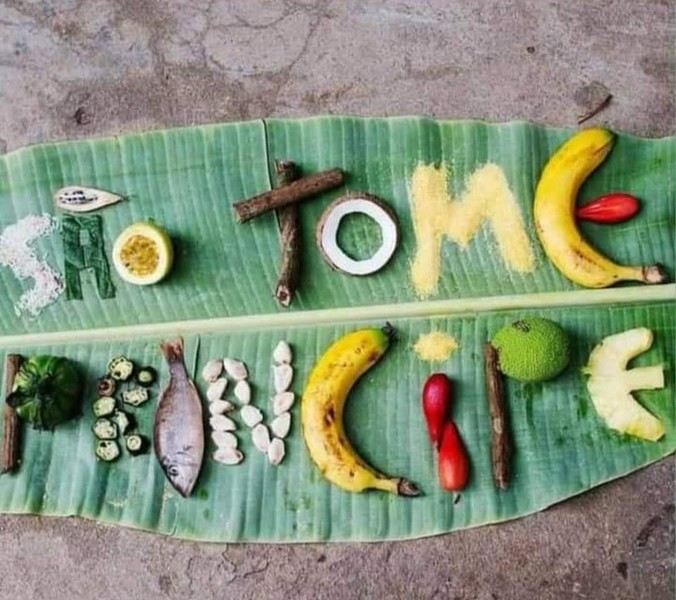
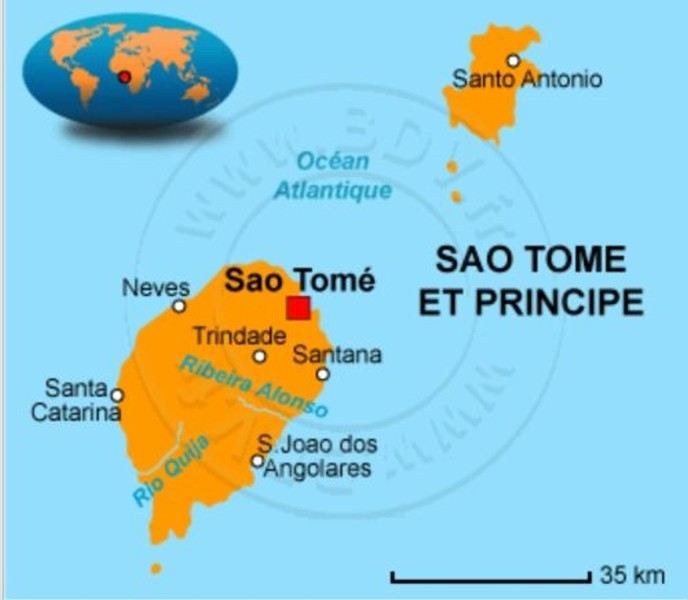
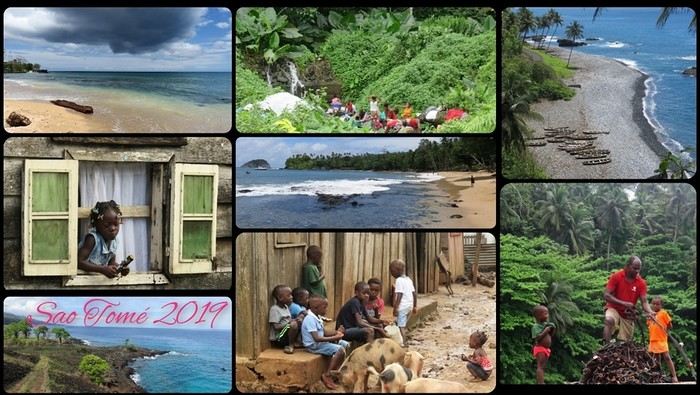
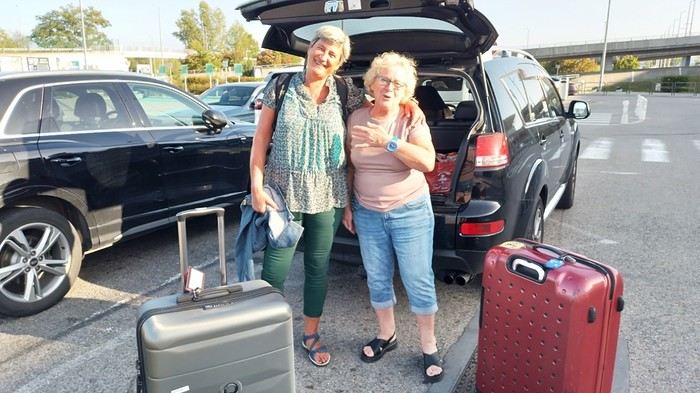 Across the street, while we loaded the luggage, S., perched in his window frame, waved a handkerchief. This wasn’t just any trip.
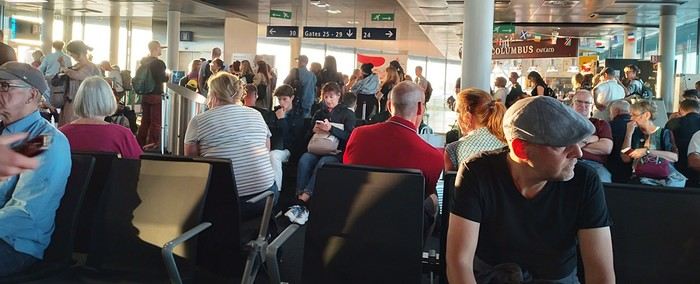 Then things got tricky. It’s funny how fate sinks its teeth into our happy moments—there’s this whole intermediate phase where the poison seeps in unnoticed because you’re still in the dark...
First, there was a delay on our flight to London. Dom immediately went on high alert, while I stayed calm. In my mind, we had two hours. I knew we had to go from Terminal 5 to Terminal 4, but two hours—come on, that’s plenty, right?
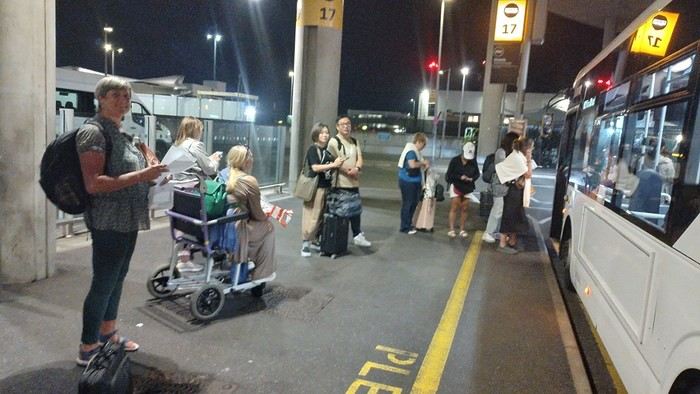


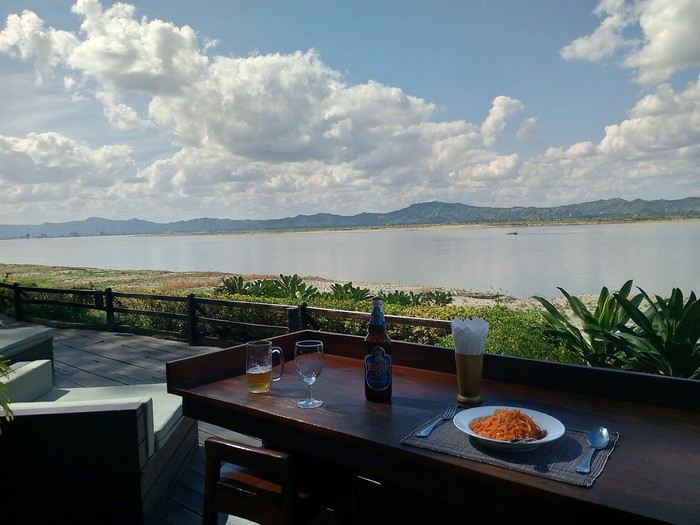
 23 hours of rest. Of forgetting.
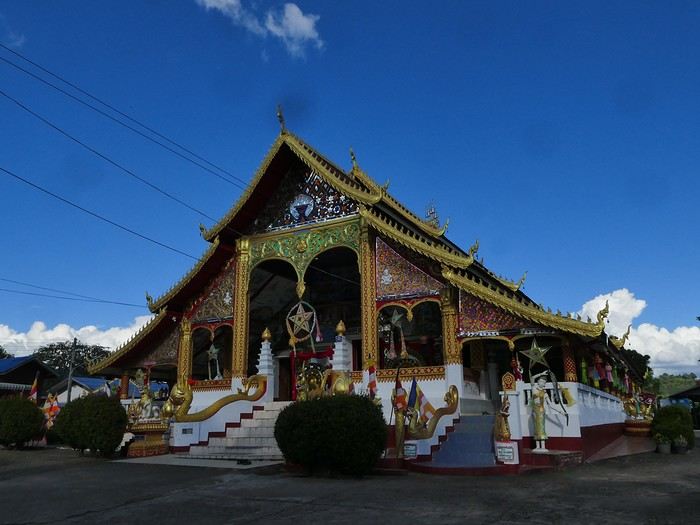
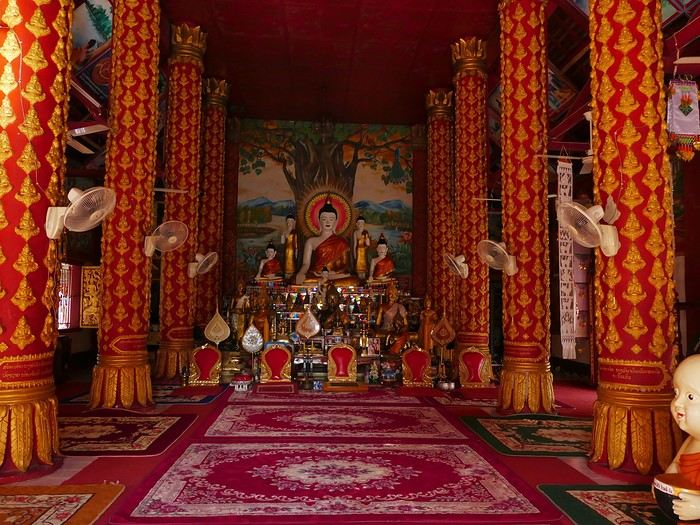
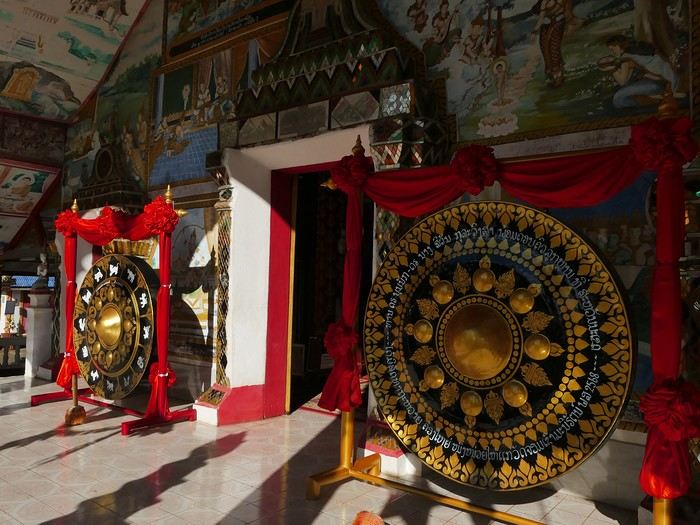
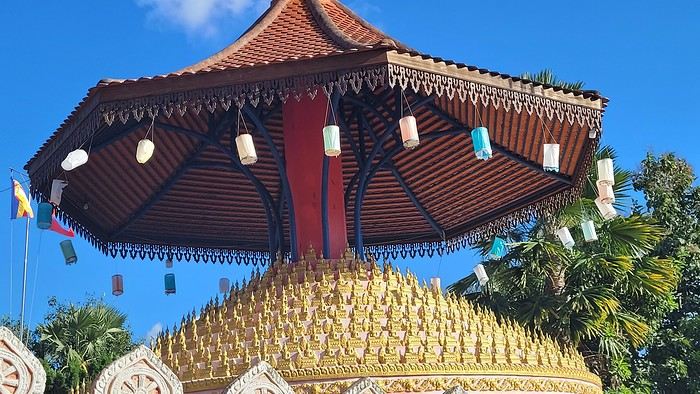
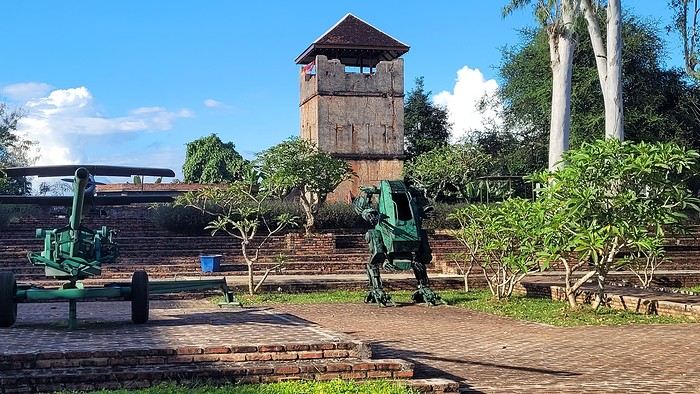
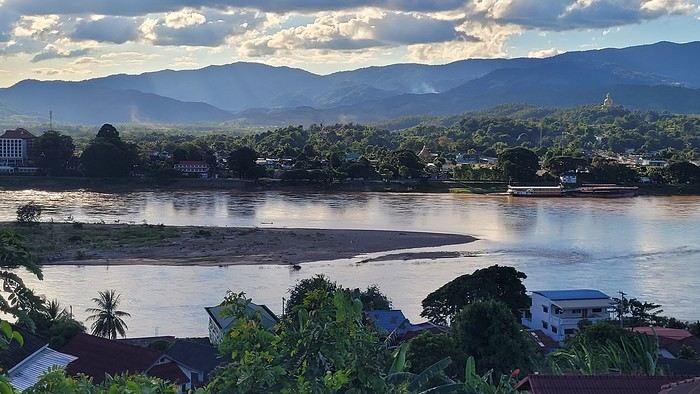
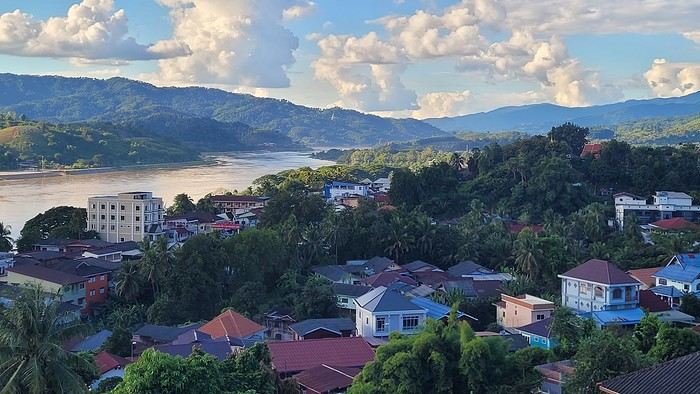
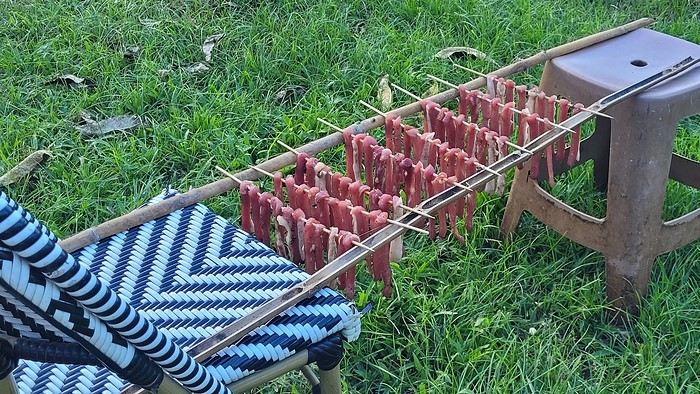
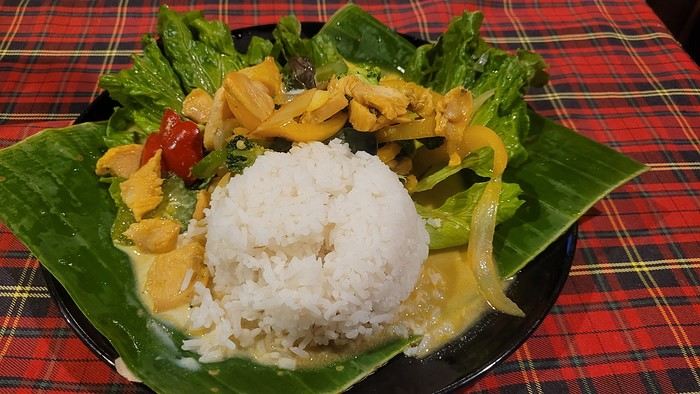
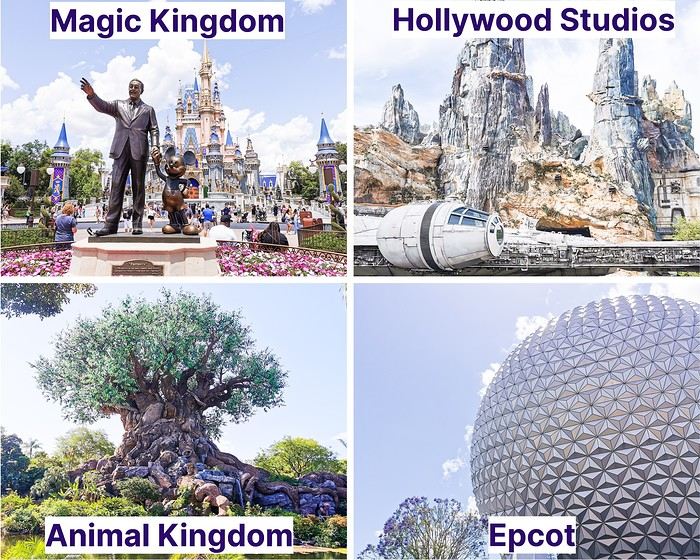 The water park that was open during our stay was Typhoon Lagoon. We spent a morning there lounging and swimming before heading to Disney Springs (the equivalent of Disney Village in France). We’re not big on pools or chilling out, so we didn’t stay long, but there was no time limit.
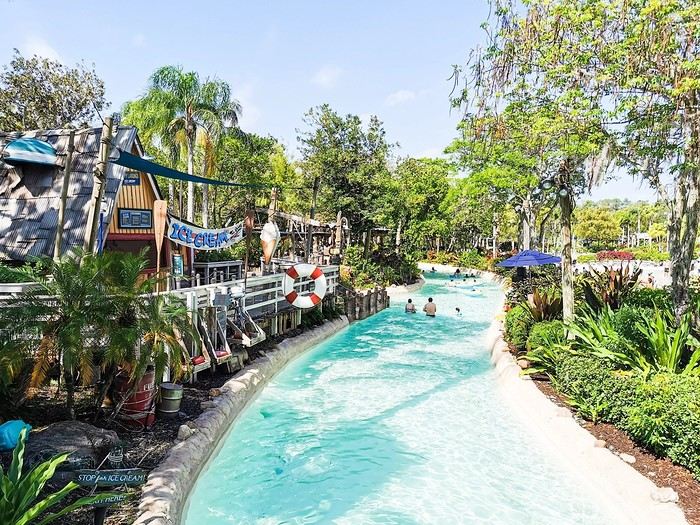 We chose to stay at the Disney’s Art of Animation hotel, a Resort (huge, like everything there!) with 4 themed areas: Nemo, Cars, The Lion King, and The Little Mermaid (where the rooms for 4 people or fewer are located).
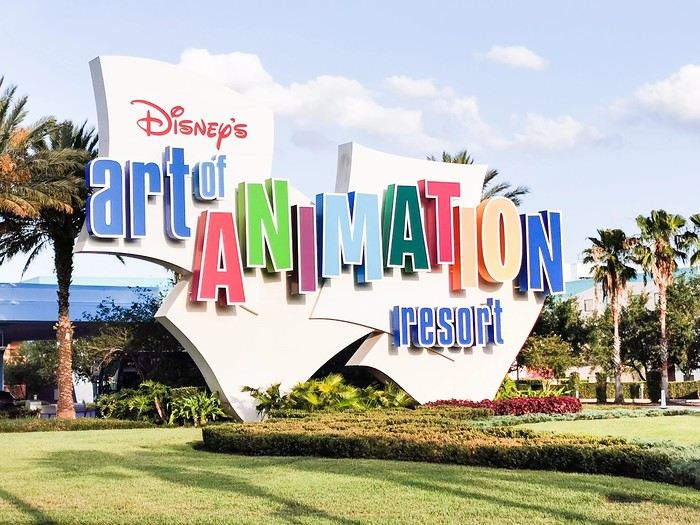
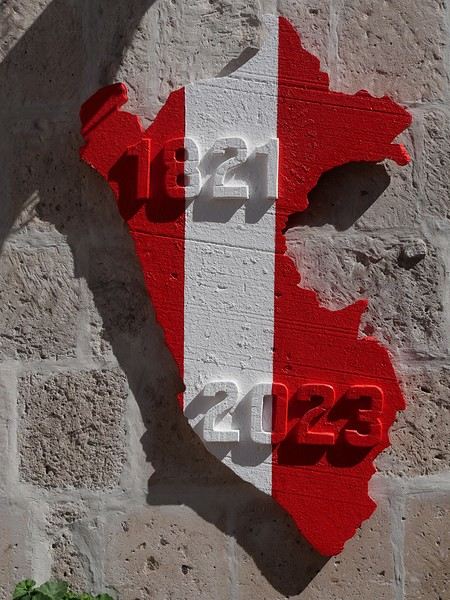
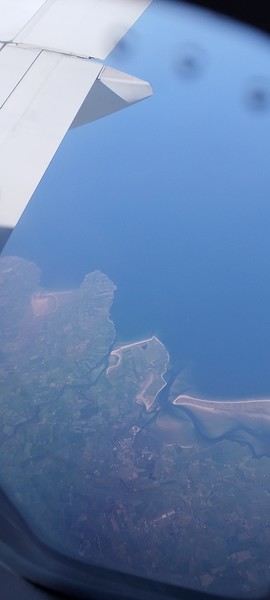 Greenland, still Danish,

 We land early in Detroit... a nightmare of an airport. A long, dreadful baggage check process, but we still make it to gate A10 just in the nick of time—only for disaster to strike!
My passport has my first and last name, my boarding pass has my first and last name, BUT not on Delta’s computer—so we’re denied boarding!
We head to the Air France-Delta-KLM desk, where an employee listens to us sympathetically. He books us two seats on an 8:30 AM flight to SF...
Then passes us off to two colleagues who offer us a night in a hotel... and send a message to the baggage service to keep our checked luggage safe...
In the end, we go to bed earlier, wake up earlier, but since we’ll still get some sleep on the plane, we might be able to look back on this whole mess with a smile... well, we hope so, anyway.
10:17 PM in Detroit—time to sleep. Our clean clothes and toiletries are in the plane.
We’ll bounce back!!;

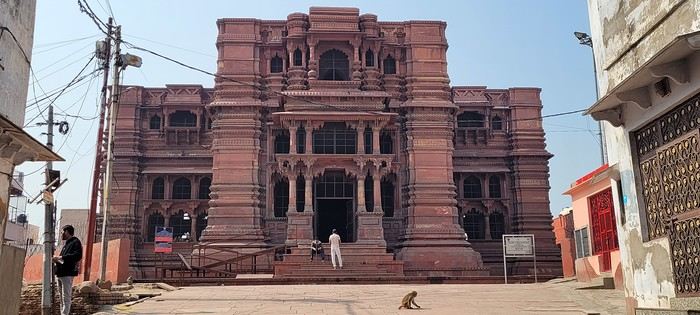

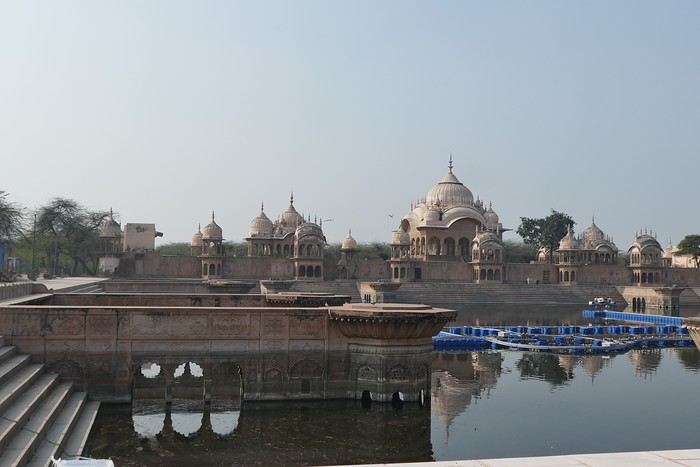
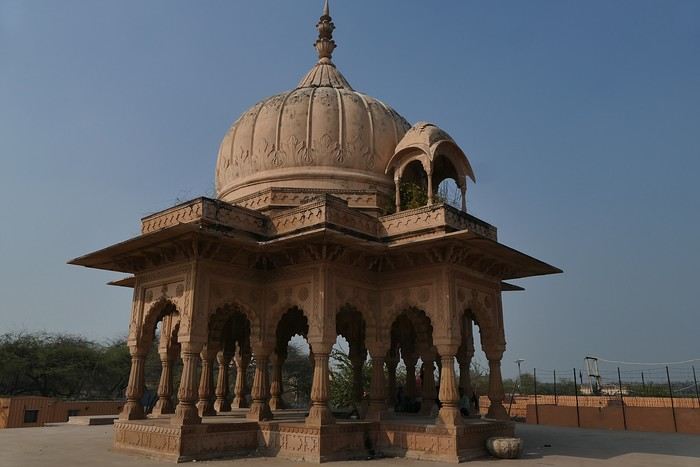
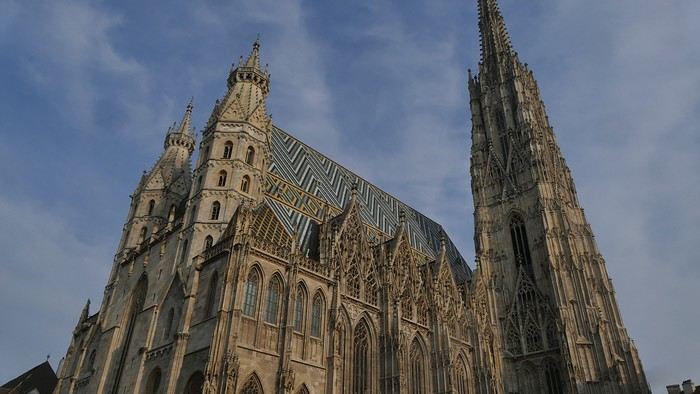
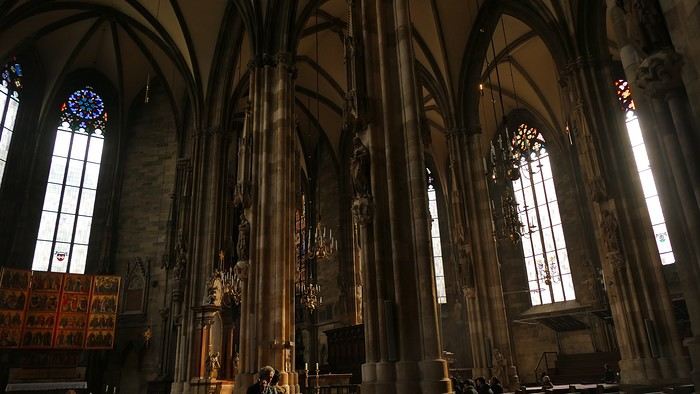
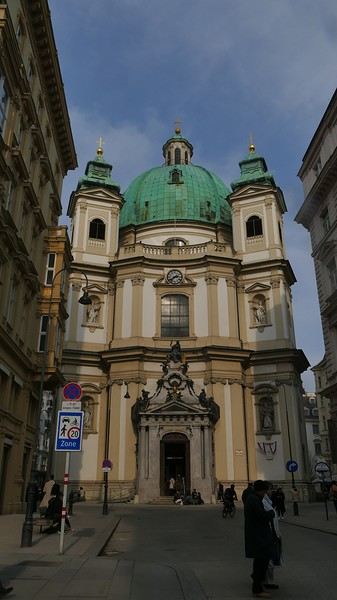
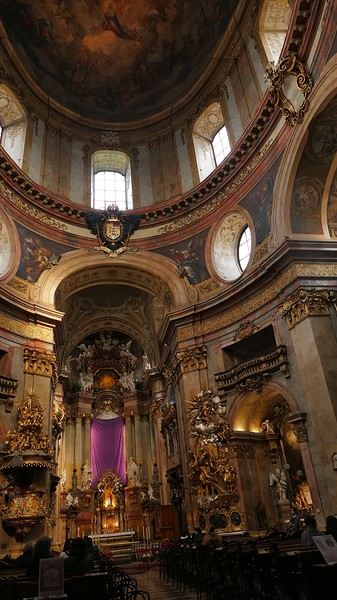
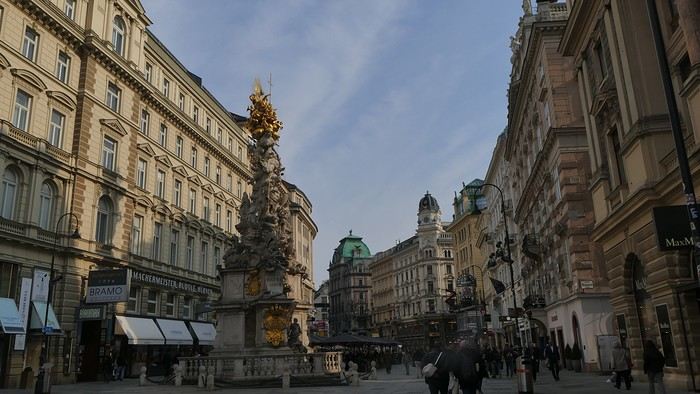
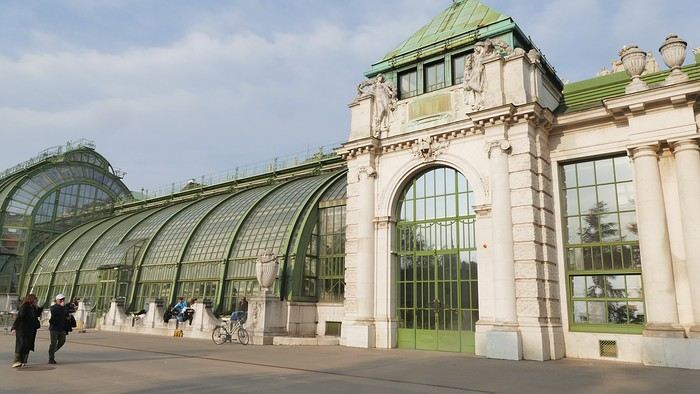
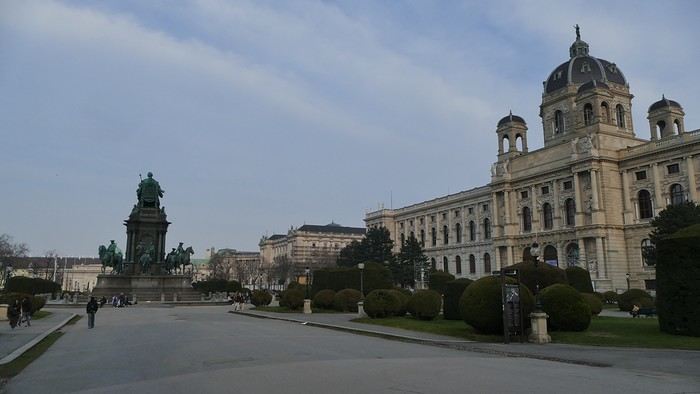
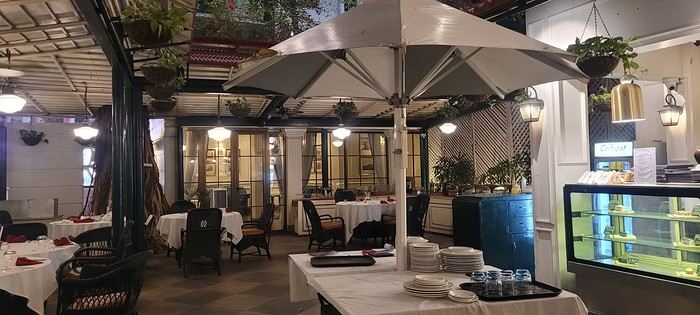
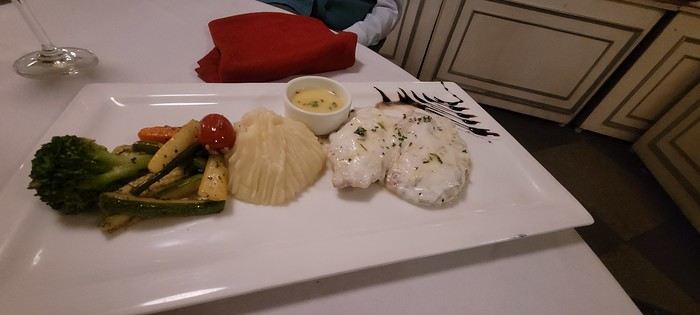


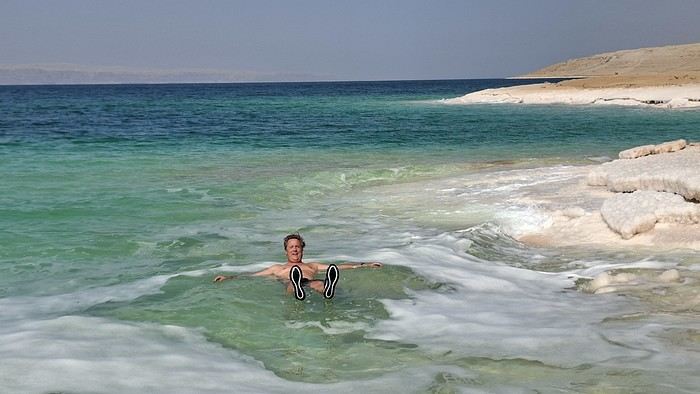


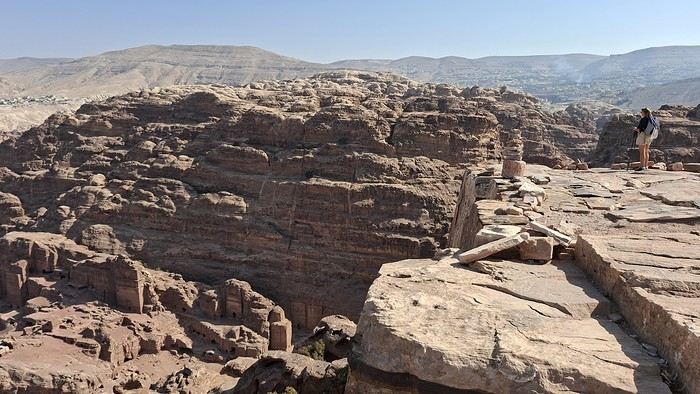
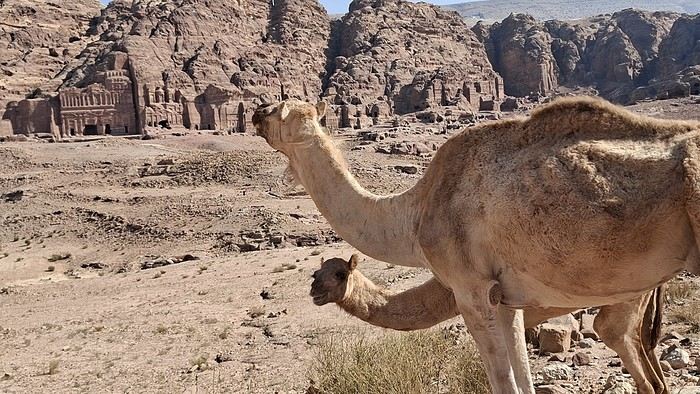
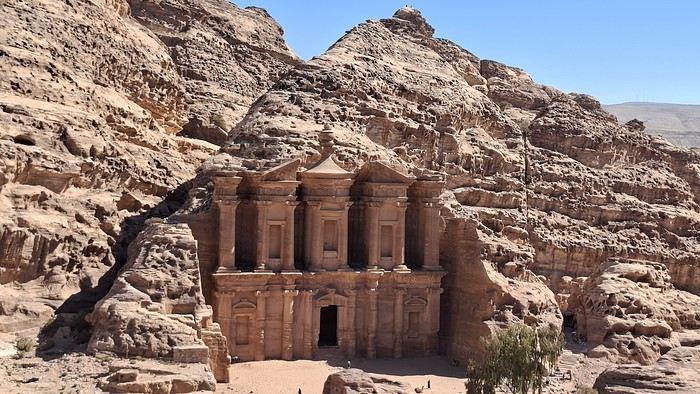
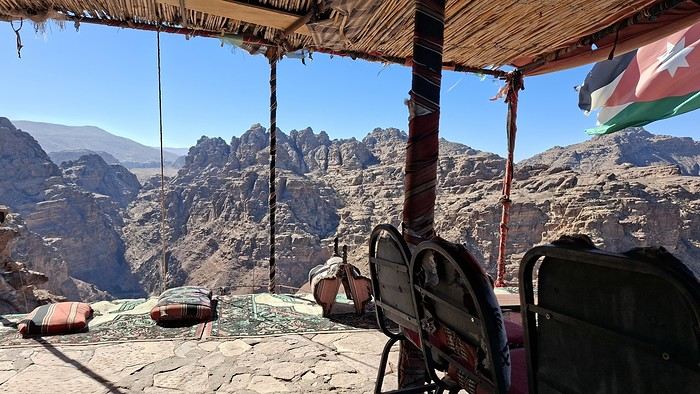
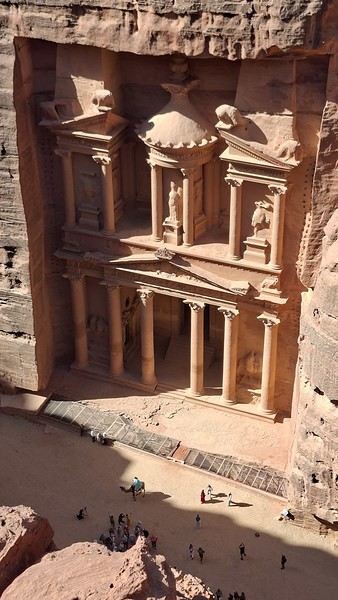
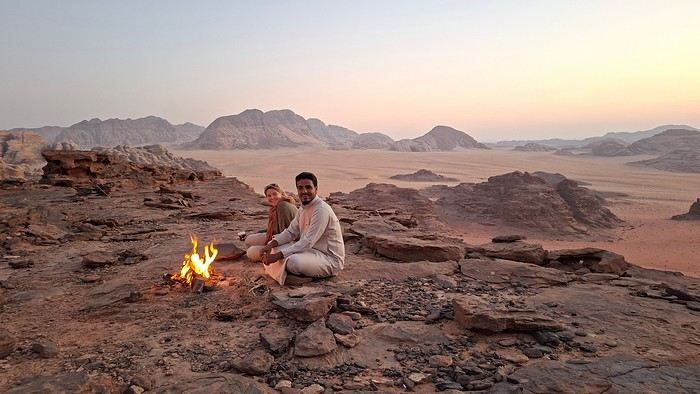
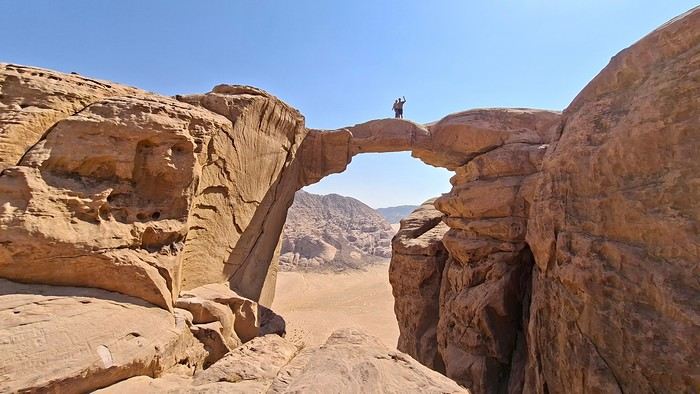
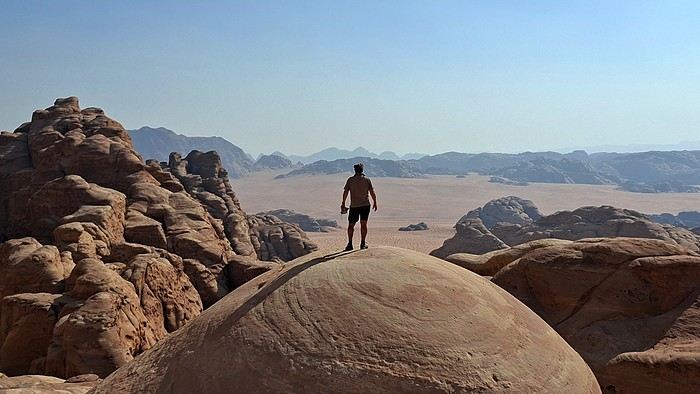
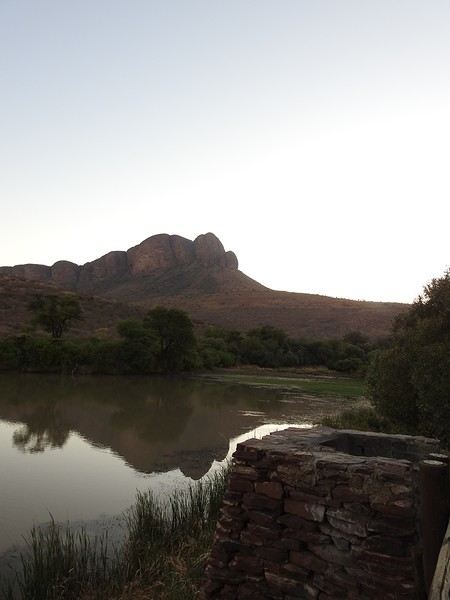

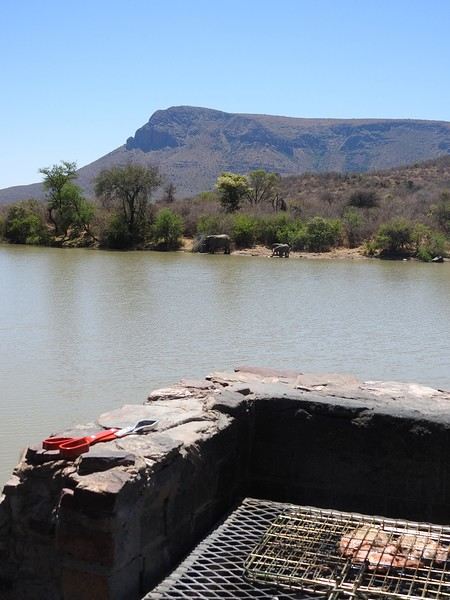


 Since Albania isn’t part of Europe when it comes to phone service (at least not yet! :-)), we had to buy a physical SIM card—otherwise, the bill would’ve been sky-high if we’d used our French plan! We got one from Vodafone AL at the airport. You can buy online before leaving with a virtual SIM (e-SIM) for compatible phones, so you don’t have to swap cards. But given the uncertainty about choosing a plan online, we preferred buying one directly at Tirana Airport. Cost: 31 € for 100 GB. That’s way too much—100 GB is overkill. For 40 GB, it’s 27 €, and the plan lasts 21 days. The price difference isn’t huge, and it was cheaper than online. This plan covers all the countries along the Balkan range.
Money tip: All guesthouses and accommodations accept euros. The local currency in Albania is the LEK. In Montenegro, it’s the euro. Bank fees for withdrawing money from an ATM in Albania are pretty steep: 8 € for a withdrawal of 600–700 LEK (about 200 €)! So it’s better to withdraw cash (euros) in France. Oh, and we booked all our accommodations before leaving, but payment is always in cash. Budget around 400–500 € for 9 days of trekking.
 I really liked Shköder, especially its pedestrian street lined with restaurants and lit up at night. It’s a great place to stroll and eat. The food isn’t expensive—two big salads and two beers: 14 € :-) . Fruit prices are also very reasonable: 3 € for a kilo of cherries, compared to 9–10 € in France.
Religions coexist peacefully in these countries—Catholics and Muslims. From our balcony, my friend heard the call to prayer for the first time, coming from one of the city’s mosques.
 We slept in the heights of Theth at a new guesthouse, "Mountain Vista Shkafi," with an amazing view.
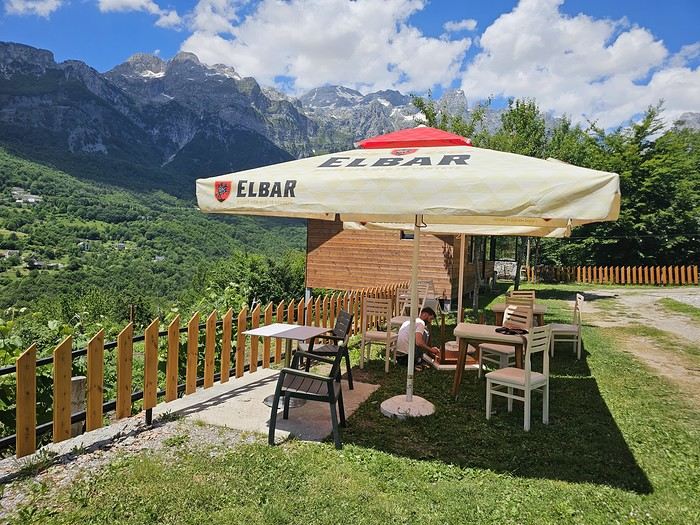
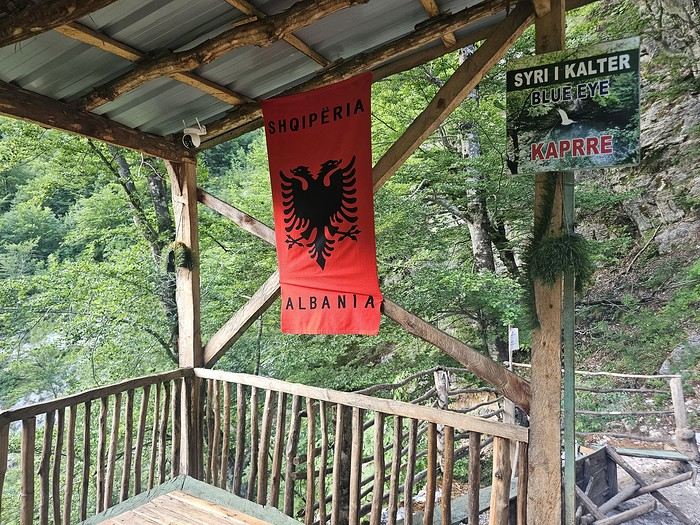
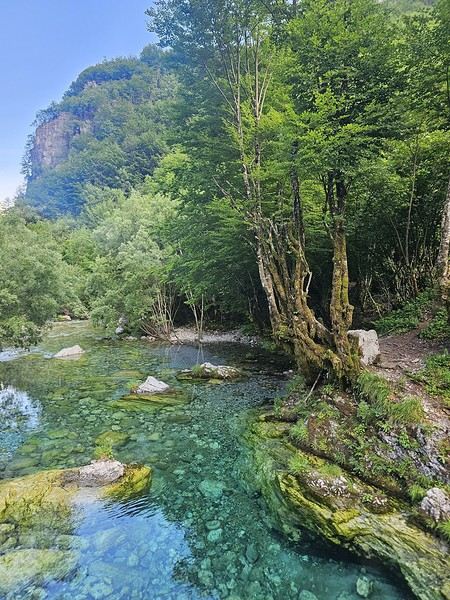
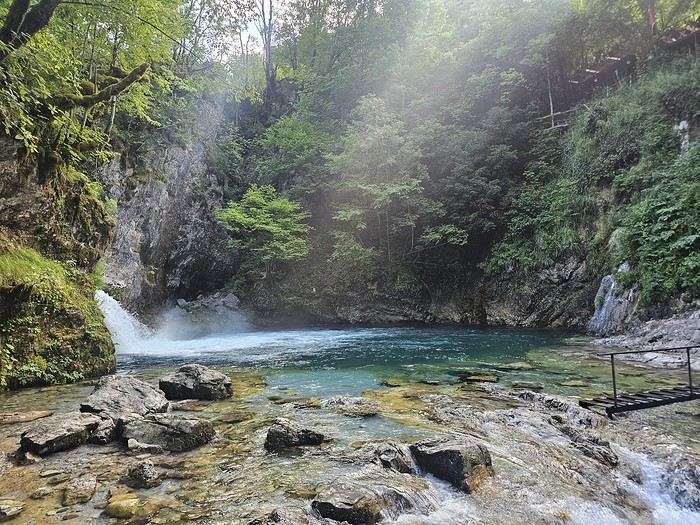
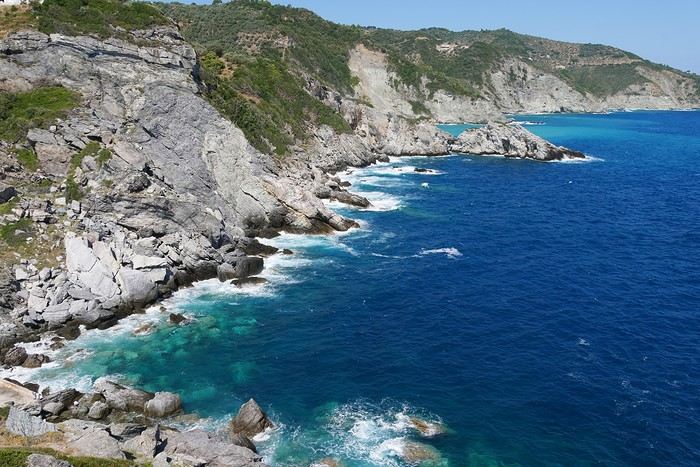
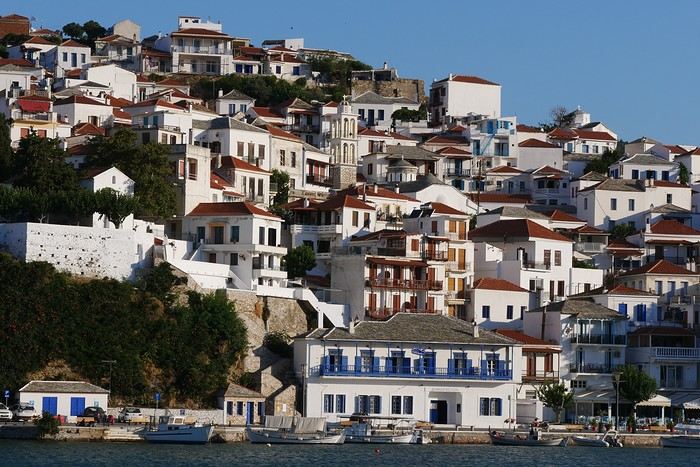
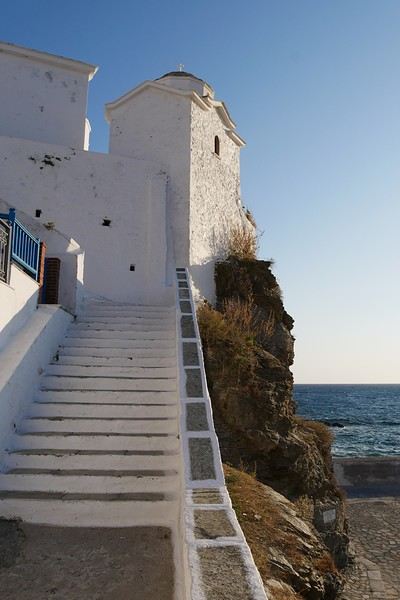
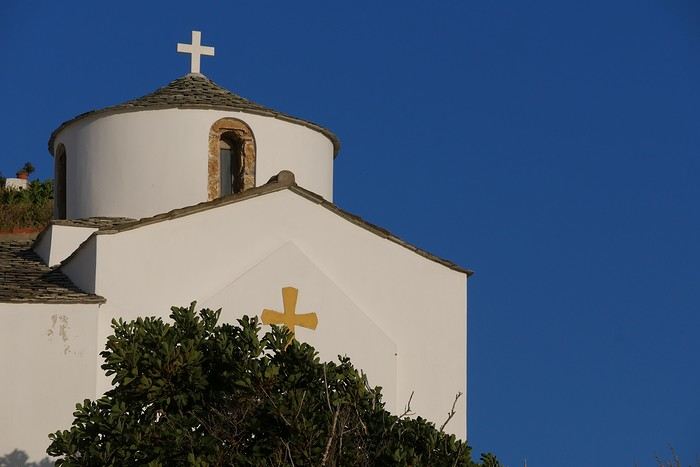
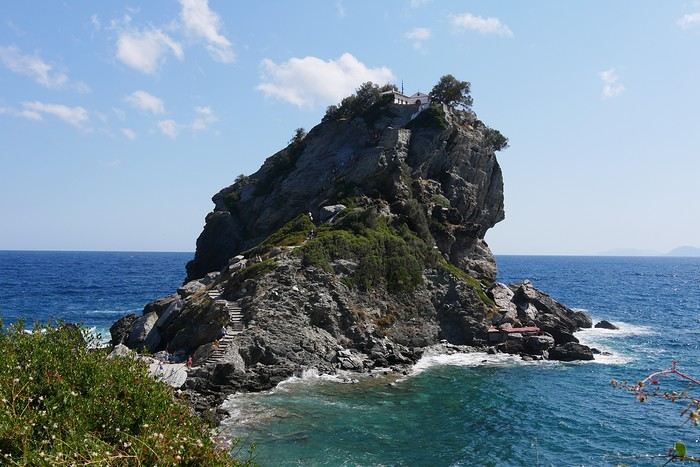
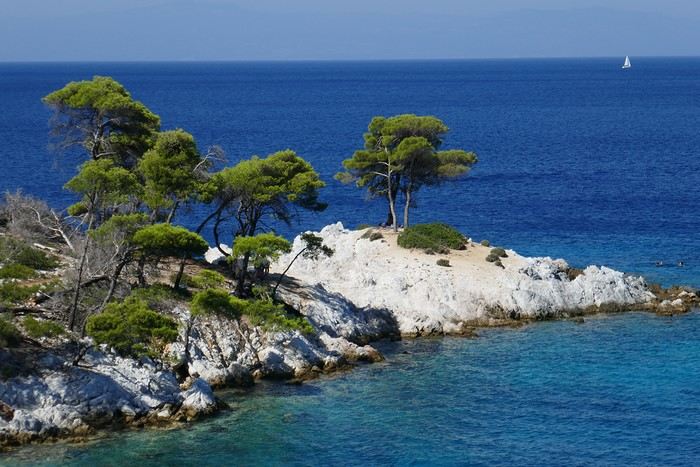
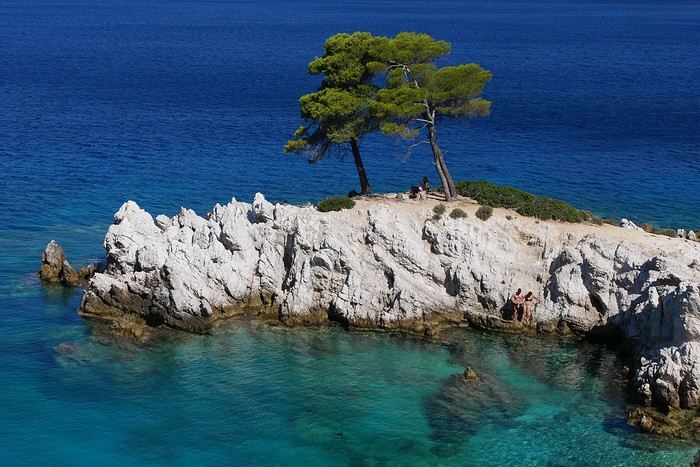
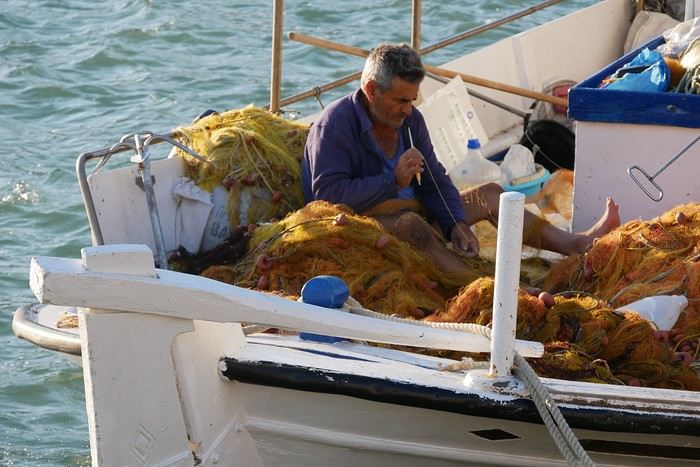







 Roundabouts are particularly interesting because they feature emblems of Turkmen culture, like the dog, a carpet, the Ahal Teke horse, or Muslim symbols, even though the presence of Islamic artifacts is quite limited.

 Why this country?
After visiting Hungary, Slovenia, Romania, and Poland in recent years, I’ve fallen in love with Eastern European countries. I adore the Slavic soul, its Austro-Hungarian villages, the gentle landscapes, the Carpathian Mountains, and that slightly mysterious atmosphere.
Slovakia evokes a certain imagination with its deep forests, medieval castles, and cobbled villages.
After seeing photos of the High Tatras—especially Lake Štrbské Pleso and Spiš Castle—I thought, "Let’s do it! We’re going!"
So, will Slovakia live up to what I imagine?
We’ll find out together.
We decided to travel as a group of six (five adults and a six-year-old child), by car (we needed two).
Here’s the day-by-day itinerary for this family trip, which started with a 3-day stay in Vienna (see the dedicated travel journal):