I'm starting a new travel journal in Italy.
It's about a month-long trip (from September 3, 2025, to October 4, 2025), or rather a part of it. This section matches the title: an opera festival in Verona (one evening) and the Dolomites in the Veneto region.
I'm posting the part of the trip I think will interest French-speaking readers the most (since this is where I saw the most French travelers).
Here’s a quick summary:
- Trip in September 2025
- Solo travel with camping (caravan)
- Small geographic area: besides Verona, the surroundings of the Marmolada massif and Cortina d'Ampezzo.
- Main but not exclusive activity: hiking.
Since I have limited internet access where I am now, I’ll be writing slowly.
Here we go!
Day 1: Thursday, September 4, 2025
I arrived in Veneto under the sun and with warm weather. I drove to Verona and tried to find a spot at the campsite (Verona Village) located south of the city. Unfortunately, it was full. Booking on the website was mandatory, but when I tried to reserve a few days ago, the site never moved from the "reservation" step to the "payment" step (I don’t know why—it’s always like that in these cases).
I found another solution over the phone; the drive from southern Verona to the northeast was a bit long, but I finally settled at the "Oro Verde" campsite. It’s an "agricampeggio" (farm camping or rural campsite) on the outskirts of the city, and its name (green gold) suggests they produce olives there.
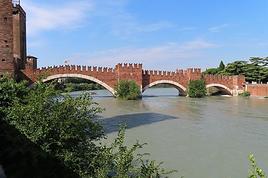
Since it wasn’t late, I biked to the Adige River, following the recommended route into the city.
24 similar discussions in English
Hi, I need your help because I’m stuck. I booked 6 flight tickets to Palermo on August 6th through the Lastminute site. The flight is operated by Air France, and I just realized my name is wrong. I immediately contacted Air France, who told me it’s up to Lastminute to make the change, but they say it’s Air France’s responsibility. I’m really anxious because I’m traveling with my two kids. Can you help me?
Thanks
Hi everyone!
We’re so excited to be heading to Italy for the first time this April with our two kids for a week. We’ve booked our round-trip flight, and we’ll be arriving and departing from Pisa.
Our rough plan so far includes visiting Pisa, taking the train to Florence, and exploring the Cinque Terre. Last night, a friend also suggested adding Siena to the list.
Our kids are 12 and 9 and are used to walking, but we’re not looking to rush around too much. We’d love any advice, especially about accommodation. Should we stay in Pisa and take day trips by train, or split our nights between a couple of different places?
We’re just starting our research, so any tips would be amazing! 😉
Thanks in advance!
Hi everyone,
What a joy to be back here and pick up where we left off after all these months of hiatus.
I hope you’ll enjoy the story of this little trip around the Eastern Mediterranean. This cruise was the perfect way to satisfy our longing to return to Greece and Istanbul. The end of the season, until late November, is the best time to visit the Mediterranean in my opinion—when climate disruptions don’t get in the way.
Departing from Trieste, our stops were Katakolon, Piraeus, Kusadasi, Istanbul, Corfu, and Bari, before returning to Trieste and then Venice, where we planned a very short 24-hour stay.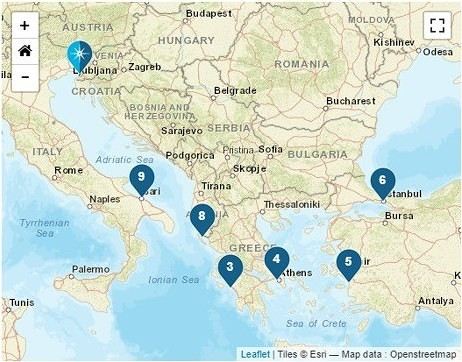
We left home at 6:15 AM—our first cruise departure since moving to Normandy. What I miss most about living in the Gard is how close we were to Marseille Airport. No more hopping over to Marignane in an hour; now we have to plan for a three-hour trip to CDG, even under the best conditions on an early Sunday morning.
It was impossible to book a hotel night before our flight because, starting in April, the Ibis was priced at 450 € per night, and the Mercure was flirting with 800 €—breakfast not included, of course. 😏
I had a feeling there must’ve been a conference or something going on… Turns out, it was just the auto show. They simply adjusted the room prices to match the cost of the cars. 😛
Our flight took us to Venice, where we caught a FlixBus to Trieste. We arrived at Trieste’s train station in the afternoon and walked to our hotel in the city center.
After treating ourselves to an amazing pizza at a restaurant (Di Napoli Maestri Pizzaioli, Via Armando Diaz 10) for a very reasonable price, we enjoyed the mild evening temperature while exploring the stunning buildings of this charming city by night. These magnificent structures are a testament to the city’s past. Trieste became Austrian in 1382 due to its complicated relationship with Venice, and it wasn’t until 1918, at the end of World War I, that it became Italian again. The city’s lighting beautifully highlights the architecture of the buildings.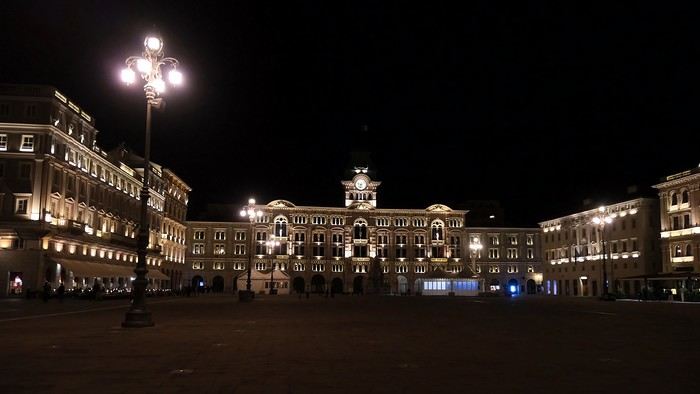
The terraces were lively, and the atmosphere was so warm and inviting that we wanted to stay out even longer.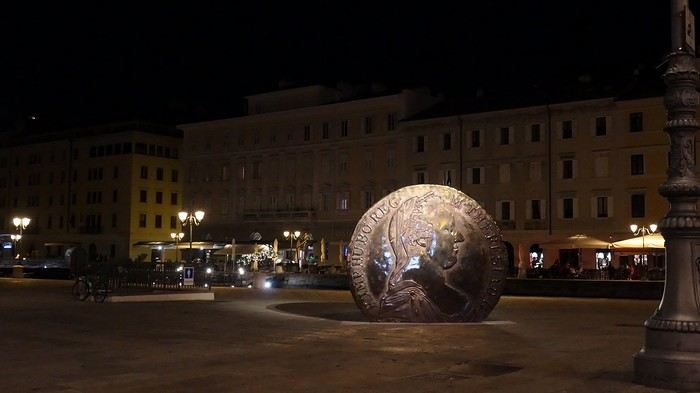
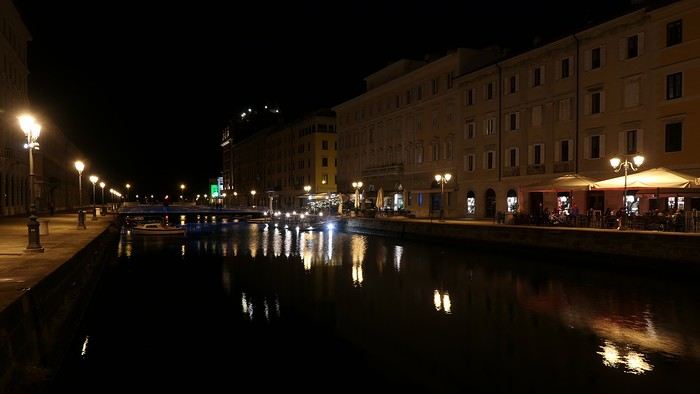
But we’d been up since 4 AM, so we were happy to retreat to the quiet of our hotel, located in the pedestrian center just a few steps from the port (Urban Hotel Design—highly recommended).
More to come soon.
What a joy to be back here and pick up where we left off after all these months of hiatus.
I hope you’ll enjoy the story of this little trip around the Eastern Mediterranean. This cruise was the perfect way to satisfy our longing to return to Greece and Istanbul. The end of the season, until late November, is the best time to visit the Mediterranean in my opinion—when climate disruptions don’t get in the way.
Departing from Trieste, our stops were Katakolon, Piraeus, Kusadasi, Istanbul, Corfu, and Bari, before returning to Trieste and then Venice, where we planned a very short 24-hour stay.
We left home at 6:15 AM—our first cruise departure since moving to Normandy. What I miss most about living in the Gard is how close we were to Marseille Airport. No more hopping over to Marignane in an hour; now we have to plan for a three-hour trip to CDG, even under the best conditions on an early Sunday morning.
It was impossible to book a hotel night before our flight because, starting in April, the Ibis was priced at 450 € per night, and the Mercure was flirting with 800 €—breakfast not included, of course. 😏
I had a feeling there must’ve been a conference or something going on… Turns out, it was just the auto show. They simply adjusted the room prices to match the cost of the cars. 😛
Our flight took us to Venice, where we caught a FlixBus to Trieste. We arrived at Trieste’s train station in the afternoon and walked to our hotel in the city center.
After treating ourselves to an amazing pizza at a restaurant (Di Napoli Maestri Pizzaioli, Via Armando Diaz 10) for a very reasonable price, we enjoyed the mild evening temperature while exploring the stunning buildings of this charming city by night. These magnificent structures are a testament to the city’s past. Trieste became Austrian in 1382 due to its complicated relationship with Venice, and it wasn’t until 1918, at the end of World War I, that it became Italian again. The city’s lighting beautifully highlights the architecture of the buildings.
The terraces were lively, and the atmosphere was so warm and inviting that we wanted to stay out even longer.
But we’d been up since 4 AM, so we were happy to retreat to the quiet of our hotel, located in the pedestrian center just a few steps from the port (Urban Hotel Design—highly recommended).
More to come soon.
Hi there,
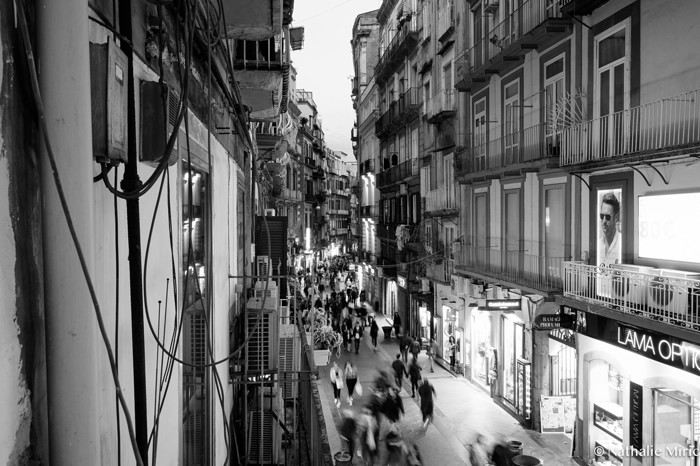
There have already been quite a few travel journals about Naples, so this is more of a photographic stroll. There aren’t too many practical tips, but feel free to ask! This trip took place in May 2019.
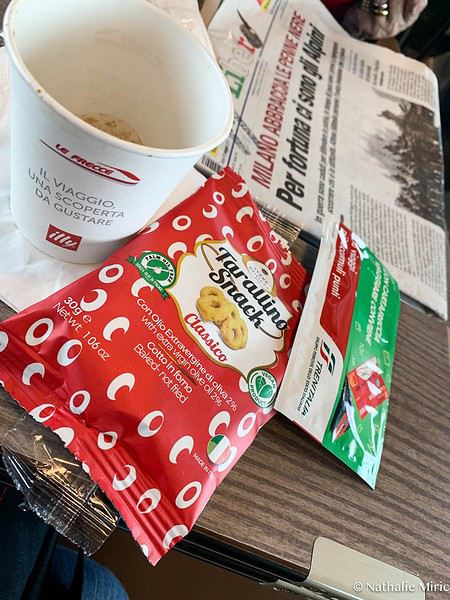
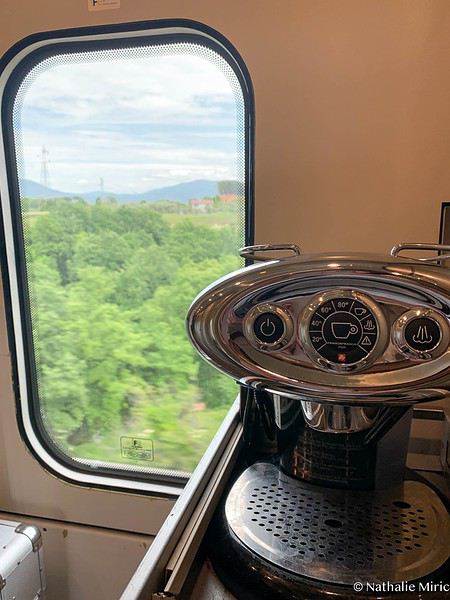
It’s the day before departure, and I’m excited as can be! I’ve wanted to see Naples and its region for a while—this city everyone calls bubbling with life. While I’m packing my bags, I get a message from the airline saying there’s going to be an air traffic controllers’ strike and my flight might not take off... What? How? You’re kidding, right? I’ve been waiting for this trip for weeks. I check online, and yes, it’s true... What to do?!? I look up the train schedule and find out the train leaves a few hours earlier, with a stop in Milan and then straight to Naples. Decision made—I’m taking the train; it’s a new experience. I leave at 5 AM on an almost empty train, arrive in Milan 4.5 hours later, and rush to catch the train to Naples. This is my first time taking the train in Italy, and I love it. After an hour of travel, a gentleman arrives with a small cart and an authentic coffee machine on top. He asks me: *caffè, signora?* Si, si, si! And he starts the machine—here’s my first Italian espresso with little biscuits.
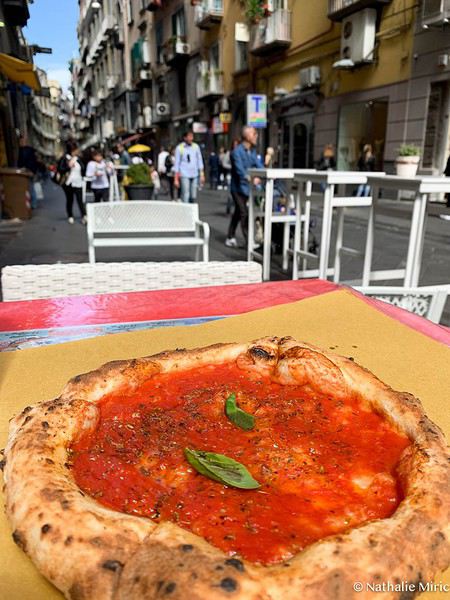
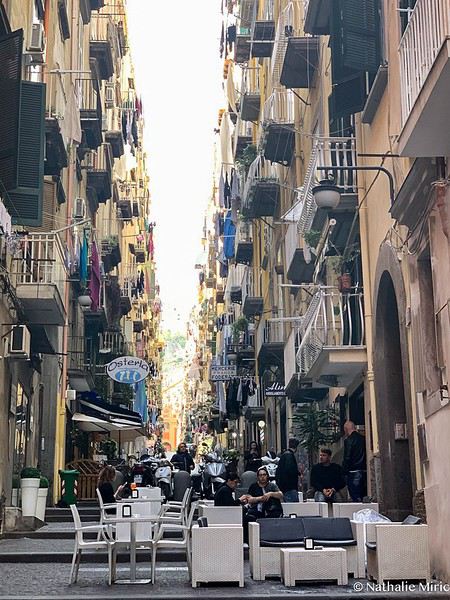
I arrive in Naples in the early afternoon. The station is packed, cars everywhere, and I’m already soaking up the atmosphere. I drop my things off at the B&B and head out to explore the city. There are incredible crowds everywhere, noise, food on every street corner, and every scene is a real photographic delight :) I’m in the Chiaia neighborhood and try my first street pizza, made right in front of me—how can I say it? Excellent. In the late afternoon, I wander through the streets before grabbing an aperitivo on one of the many terraces.
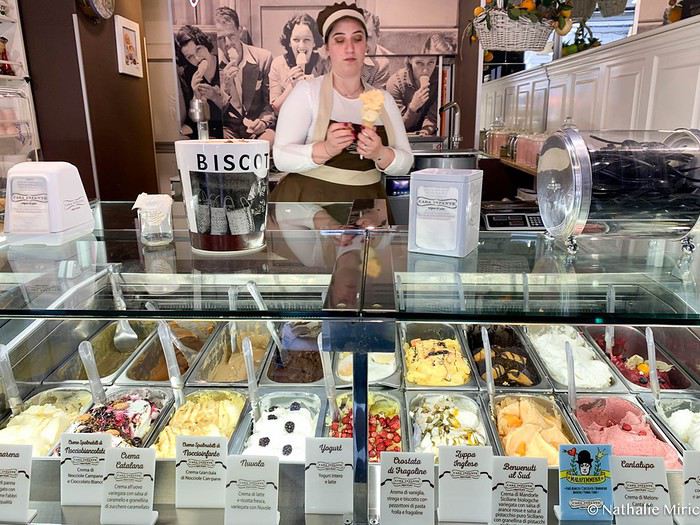
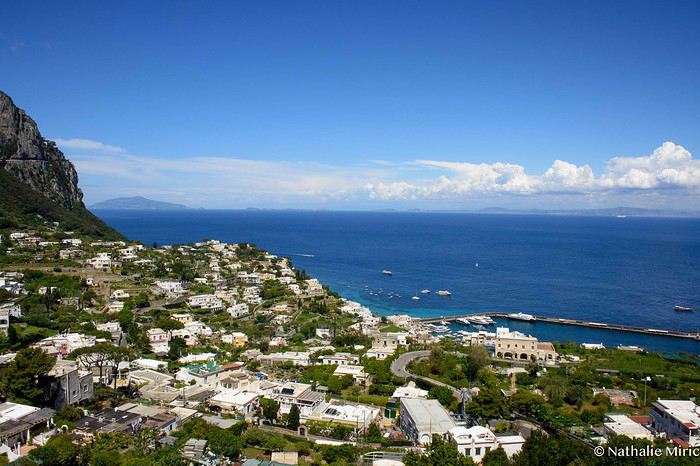
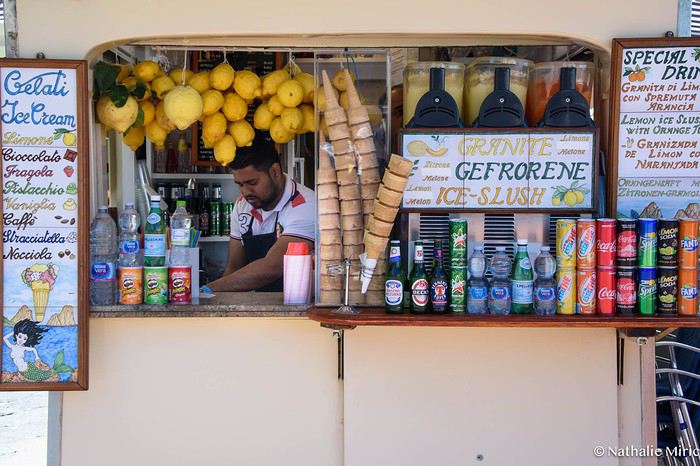
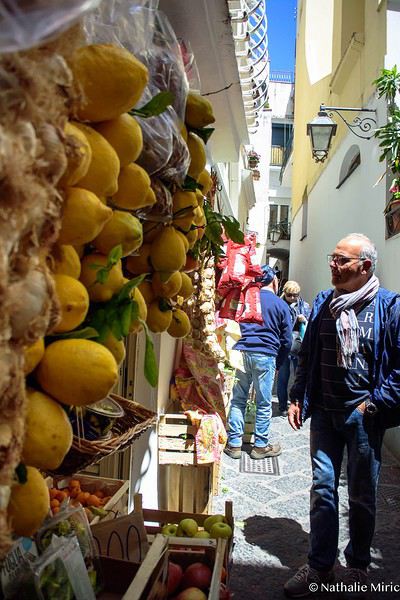
The next day, I head to Capri... It’s true, Capri is very touristy, but it’s worth seeing once in your life. After a choppy crossing, I’ve earned a good shower, a plate of pasta, and a limoncello. Then I set off for a walk through the little streets that go up and down endlessly. The view is stunning, and the kilometers add up... I’ve definitely earned a break by the pool with a gelato :)
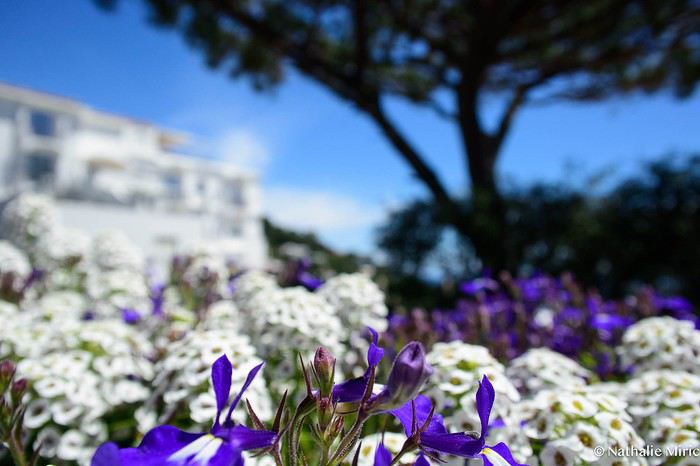
There have already been quite a few travel journals about Naples, so this is more of a photographic stroll. There aren’t too many practical tips, but feel free to ask! This trip took place in May 2019.
It’s the day before departure, and I’m excited as can be! I’ve wanted to see Naples and its region for a while—this city everyone calls bubbling with life. While I’m packing my bags, I get a message from the airline saying there’s going to be an air traffic controllers’ strike and my flight might not take off... What? How? You’re kidding, right? I’ve been waiting for this trip for weeks. I check online, and yes, it’s true... What to do?!? I look up the train schedule and find out the train leaves a few hours earlier, with a stop in Milan and then straight to Naples. Decision made—I’m taking the train; it’s a new experience. I leave at 5 AM on an almost empty train, arrive in Milan 4.5 hours later, and rush to catch the train to Naples. This is my first time taking the train in Italy, and I love it. After an hour of travel, a gentleman arrives with a small cart and an authentic coffee machine on top. He asks me: *caffè, signora?* Si, si, si! And he starts the machine—here’s my first Italian espresso with little biscuits.
I arrive in Naples in the early afternoon. The station is packed, cars everywhere, and I’m already soaking up the atmosphere. I drop my things off at the B&B and head out to explore the city. There are incredible crowds everywhere, noise, food on every street corner, and every scene is a real photographic delight :) I’m in the Chiaia neighborhood and try my first street pizza, made right in front of me—how can I say it? Excellent. In the late afternoon, I wander through the streets before grabbing an aperitivo on one of the many terraces.
The next day, I head to Capri... It’s true, Capri is very touristy, but it’s worth seeing once in your life. After a choppy crossing, I’ve earned a good shower, a plate of pasta, and a limoncello. Then I set off for a walk through the little streets that go up and down endlessly. The view is stunning, and the kilometers add up... I’ve definitely earned a break by the pool with a gelato :)
Quick recap of a getaway to Sicily (June 3–13, 2022).
Day 1: Transavia flight to Palermo from Lyon Day 2: Zingaro Reserve (14 km coastal trail round-trip, about 4 hours of hiking + coves) / Evening in Scopello Day 3: Segesta + Erice via cable car + evening in Trapani (free parking at Piazza Vit. Emmanuele) Day 3: Bike day in Favignana (Cala Rosa, Cala Azzurra) Day 4: Marsala (quick stop at the salt flats), Selinunte, and sleepover in Agrigento Day 5: Day in Agrigento: Valley of the Temples, Temple of Concordia, Temple of Hercules, Temple of Juno, Temple of Castor and Pollux Day 6: Villa Romana del Casale and Cefalù in the late afternoon Day 7: Relaxing beach day in Cefalù Day 8: Mosaics in Monreale Cathedral, then Palermo Day 9: Palermo Day 10: Return to Lyon
8 days on the ground covering 650 km, scorching heat all week (37°C in Zingaro), and a ridiculously expensive car rental (Sicily by Car).
Some truly great accommodations:
- Tre Giummare in Scopello (despite the AC breaking down the night before) - Laurus Apartments in Trapani (perfect for the Favignana ferry) - Terrazze di Montelusa in Agrigento (worth seeing—very unique!) - Rurale, Via Lancenia 22 in Cefalù (for the pool view!) - Il Giardino di Ballarò in Palermo (charming and right in the heart of the city)
Our top picks:
- Favignana (by far the highlight of the trip) - The temples in Agrigento - Palermo - The food here is amazing
No real disappointments, but Erice didn’t quite live up to expectations, and we were frustrated by the car rental prices.
Side note: make sure to specify that your card is a *credit* card (not debit). Ours was a deferred debit card, and our bank had the sense to label it "credit card"—otherwise, you’d be on the hook for an extra 200 €... those Southern Italians!
Hike in Zingaro:
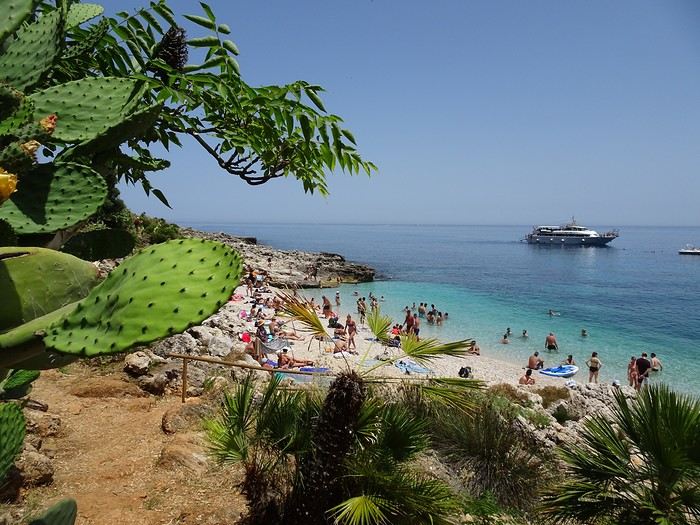
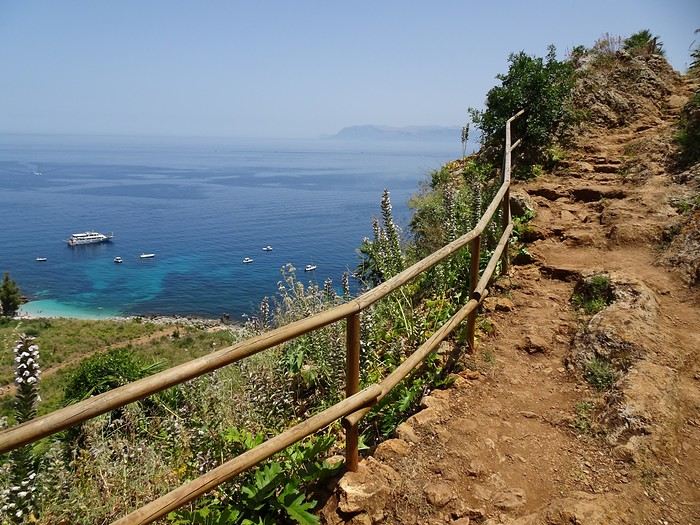
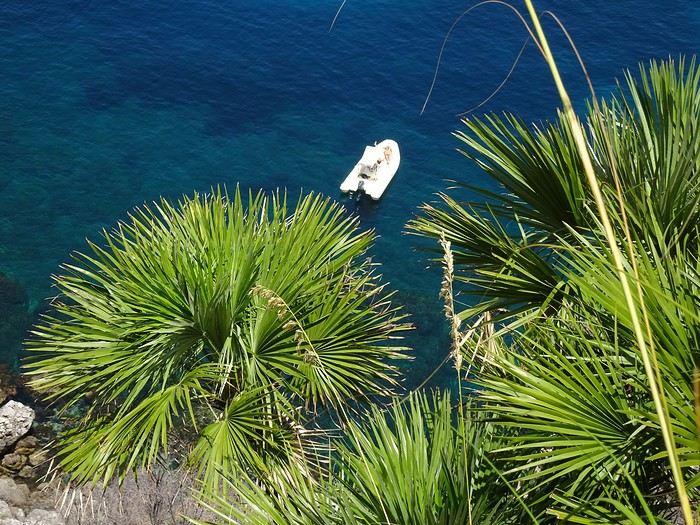
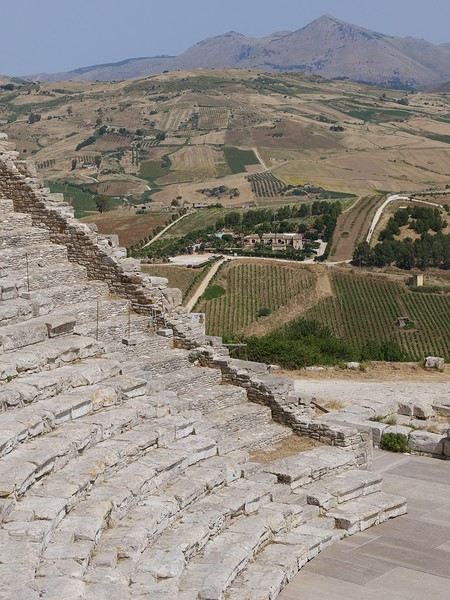
Segesta:
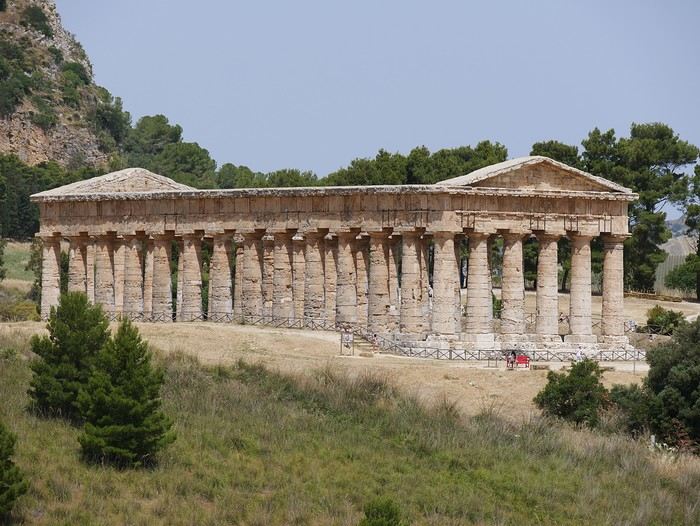
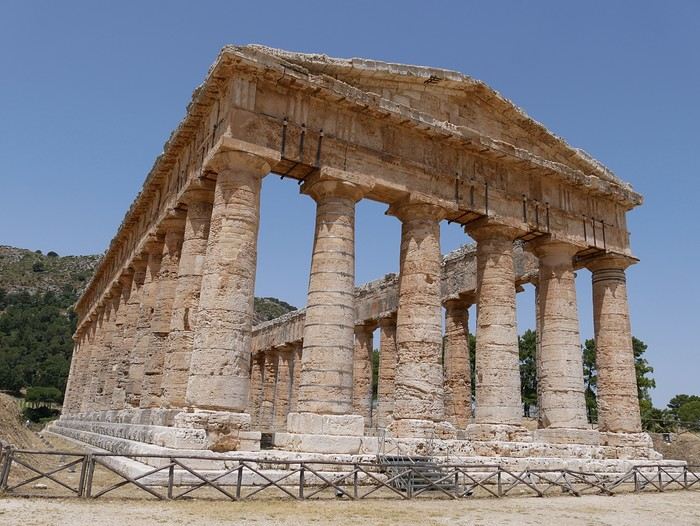
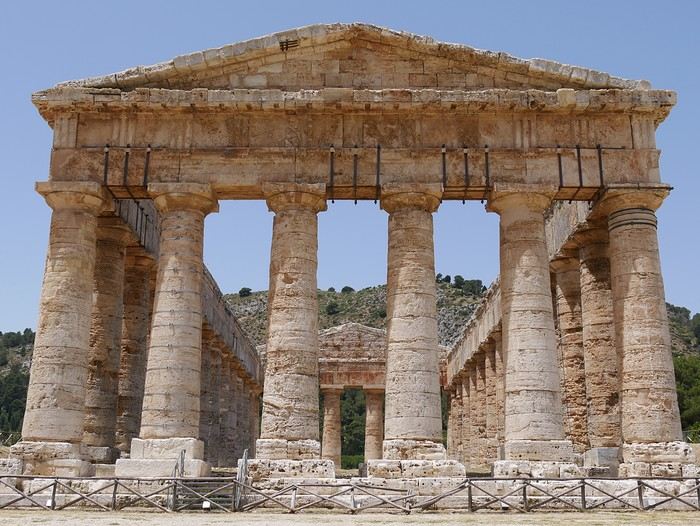
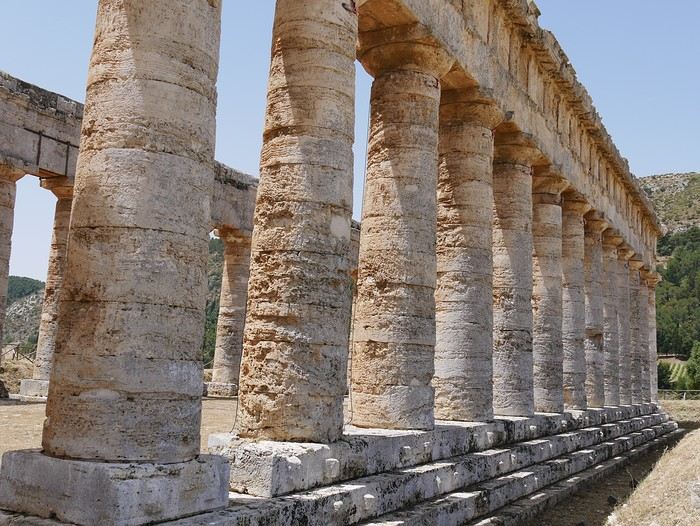
Day 1: Transavia flight to Palermo from Lyon Day 2: Zingaro Reserve (14 km coastal trail round-trip, about 4 hours of hiking + coves) / Evening in Scopello Day 3: Segesta + Erice via cable car + evening in Trapani (free parking at Piazza Vit. Emmanuele) Day 3: Bike day in Favignana (Cala Rosa, Cala Azzurra) Day 4: Marsala (quick stop at the salt flats), Selinunte, and sleepover in Agrigento Day 5: Day in Agrigento: Valley of the Temples, Temple of Concordia, Temple of Hercules, Temple of Juno, Temple of Castor and Pollux Day 6: Villa Romana del Casale and Cefalù in the late afternoon Day 7: Relaxing beach day in Cefalù Day 8: Mosaics in Monreale Cathedral, then Palermo Day 9: Palermo Day 10: Return to Lyon
8 days on the ground covering 650 km, scorching heat all week (37°C in Zingaro), and a ridiculously expensive car rental (Sicily by Car).
Some truly great accommodations:
- Tre Giummare in Scopello (despite the AC breaking down the night before) - Laurus Apartments in Trapani (perfect for the Favignana ferry) - Terrazze di Montelusa in Agrigento (worth seeing—very unique!) - Rurale, Via Lancenia 22 in Cefalù (for the pool view!) - Il Giardino di Ballarò in Palermo (charming and right in the heart of the city)
Our top picks:
- Favignana (by far the highlight of the trip) - The temples in Agrigento - Palermo - The food here is amazing
No real disappointments, but Erice didn’t quite live up to expectations, and we were frustrated by the car rental prices.
Side note: make sure to specify that your card is a *credit* card (not debit). Ours was a deferred debit card, and our bank had the sense to label it "credit card"—otherwise, you’d be on the hook for an extra 200 €... those Southern Italians!
Hike in Zingaro:
Segesta:
Here’s the itinerary for a ten-day trip through Slovenia and Northern Italy using local transport.
Saturday, May 2: Arrival
Arrived in Ljubljana on a Transavia flight from Paris. I’d spotted a bus connection to the city center, but it’s worth noting there’s no dedicated line—most buses stopping at the airport come from Bled. On a sunny Saturday afternoon, the bus was already packed with people who’d headed to the lake for some fresh air. I ended up taking a shared van, with drivers actively offering transfers to travelers. I paid 12 € for the ride to the train station, then walked 15 minutes to Hotel Celica. It lives up to its description as a former prison turned hotel—close to the city center, clean, with a hearty breakfast. The rooms are basic, with beds 3 meters off the ground, accessible by a wooden ladder. For dinner, I opted for an Indian restaurant.
Sunday, May 3: Urban marathon
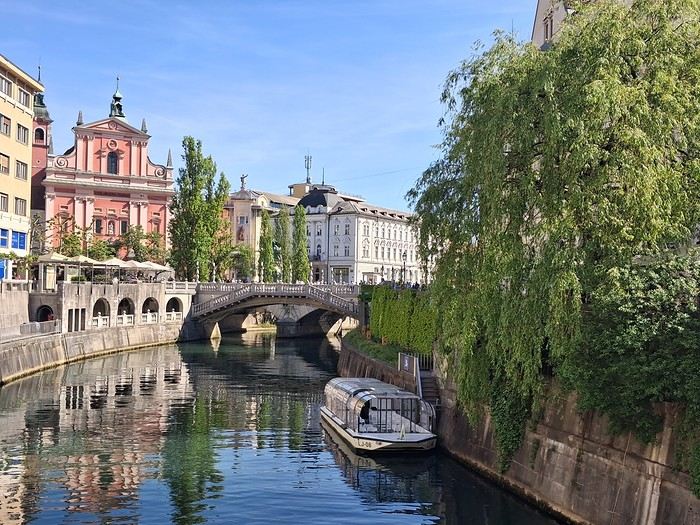
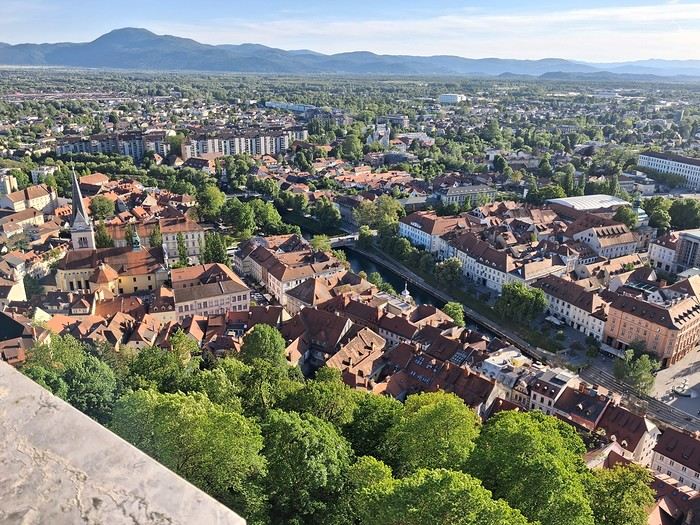
Good news: museums are free on the first Sunday of the month. I started with the National Gallery, then took a stroll through Tivoli Park, enjoying the outdoors. I tried grilling in the park before heading to the Museum of Modern Art and the eclectic National Museum of Slovenia, which was interesting for its architecture. Next up was the castle—you can enter the grounds for free; the only reason to pay is to access the keep for the city views.
Monday, May 4: Bled
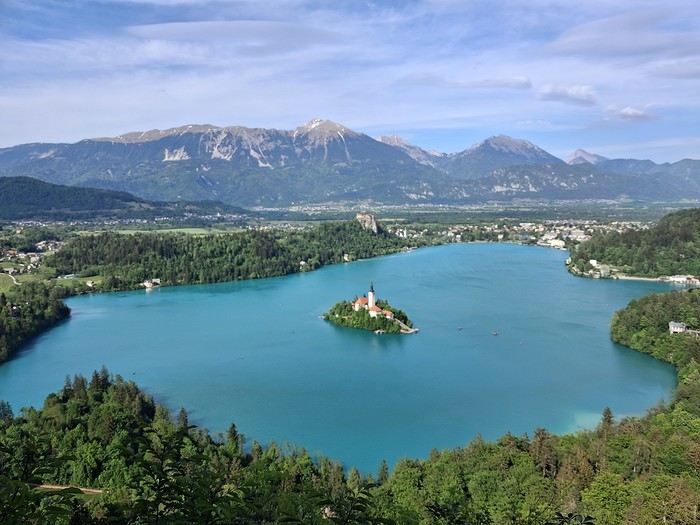
I spent the morning exploring Ljubljana’s architecture but was disappointed by the Krakovo district, which guidebooks had hyped up.
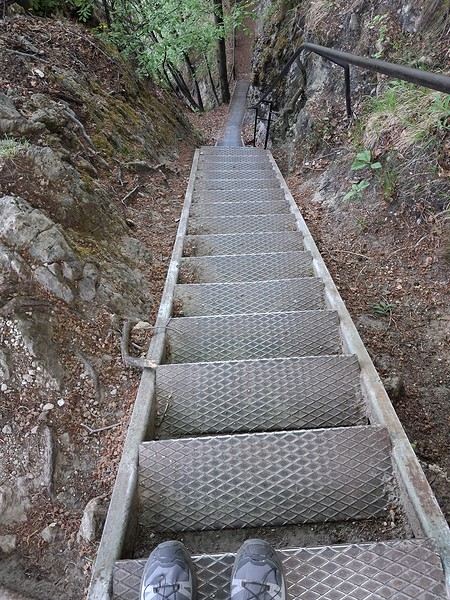
In the afternoon, I took the bus to Bled. The hostel was right at the bus station, and I soon realized I’d be the only guest—the owner was struggling to attract visitors. I walked around the lake and searched for the viewpoint access. It’s a steep climb with a staircase, but worth it.
Tuesday, May 5: Vintgar Gorge
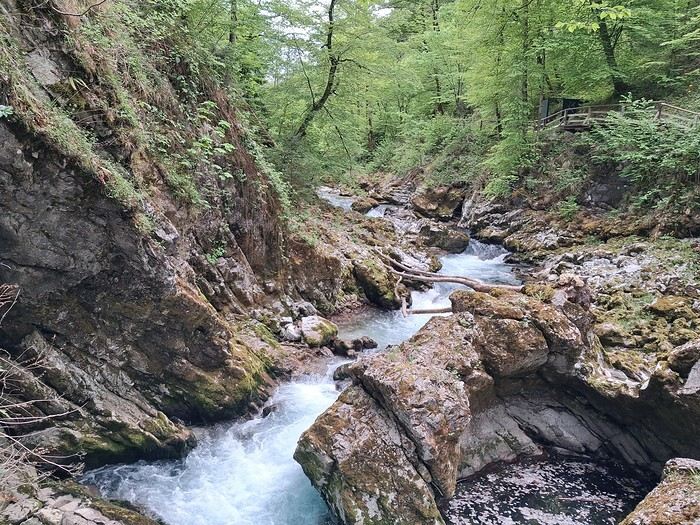
I headed to the gorges early in the morning via a shuttle, then walked back to Bled. It was stunning—it reminded me a bit of the Samaria Gorge I’d visited last year.
The bus took me straight to Stara Fužina near Lake Bohinj, where I stayed in a homestay. I loved it, even though there wasn’t much interaction with the hosts.
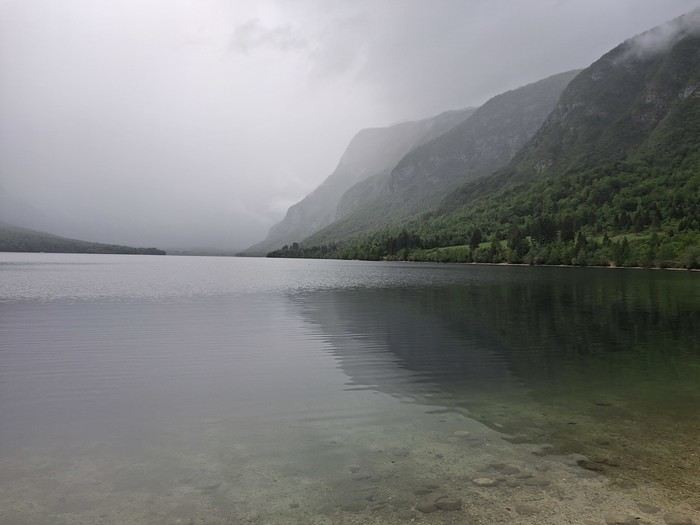
The weather was overcast and misty, giving the lake a Scottish vibe.
Wednesday, May 6: Bohinj
Rainy day, so I took the bus to Ukanc at the far end of the lake and walked back.
Thursday, May 7: Mostnica Gorge and the auto-train
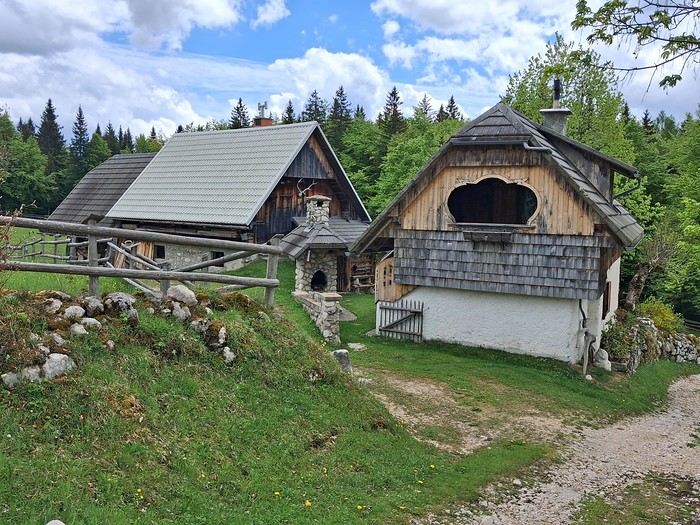
I set off on foot for the gorges from Stara Fužina, taking a detour up to Planina Uskovnica, a steep and rarely used trail. The views of Triglav and the traditional alpine huts were incredible.
I then took the auto-train to Most na Soči. The passenger section has compartments, and the windows can be opened. The ride through the gorges was breathtaking. I stayed at a family-run guesthouse near the Most na Soči station—authentic and cozy.
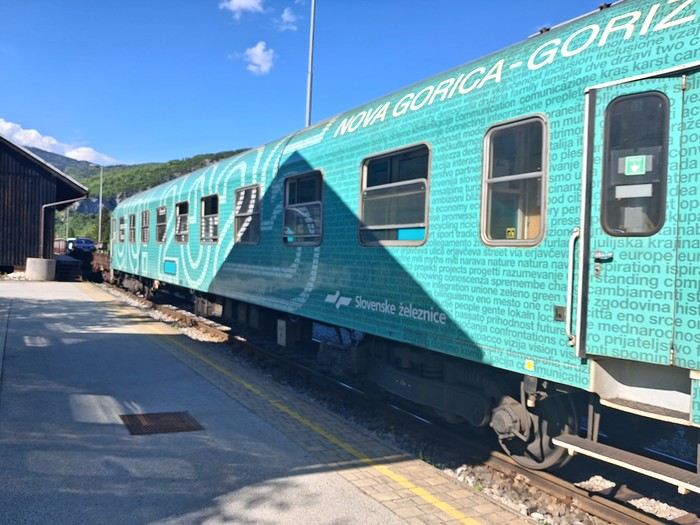
Friday, May 8: Tolmin Gorge and Nova Gorica
I took the bus to Tolmin, then walked 30 minutes to the gorges. The trail is well-maintained but short, so I extended my hike with a scenic loop through the gorges and nearby villages.
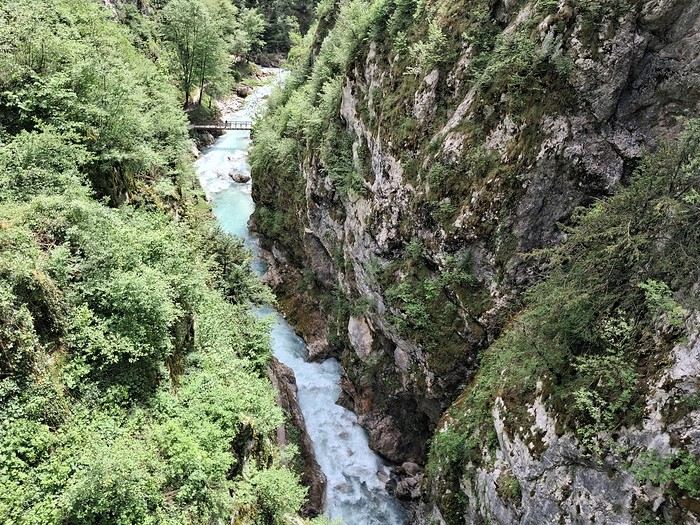
A quick train ride later, I was in Nova Gorica for the night, positioning myself to reach the Adriatic coast the next day. I explored at a fast pace—Villa Raffut on the Slovenian side, then crossed the border to visit Palazzo Attems-Petzenstein and grab an aperitivo in the main square. You could tell I was in Italy just by the vibe. The old border checkpoint is still there.
Saturday, May 9: Piran
Three trains and a bus later, I arrived. The journey was scenic, and it was worth it.
Piran is touristy but manageable. It feels like a mix of Croatia and Italy, with both influences evident. The maritime museum was fascinating, with its detailed ship models. There’s still a local feel—there was even a great blues concert by the harbor that evening.
Sunday, May 10: Piran
I walked to Izola along the coast—a beautiful route with paths, roads, and lakes. It was Sunday, and the tip of the village was lively with families picnicking. I decided to take the bus to Koper. The regional museum was quiet, but the garden was stunning.
Monday, May 11: Trieste
The bus connection from Koper was frequent and easy. Trieste is very open to the sea. I visited the castle and the massive Revoltella Museum—good timing, since it was raining. The collection spans everything from classical to contemporary art.
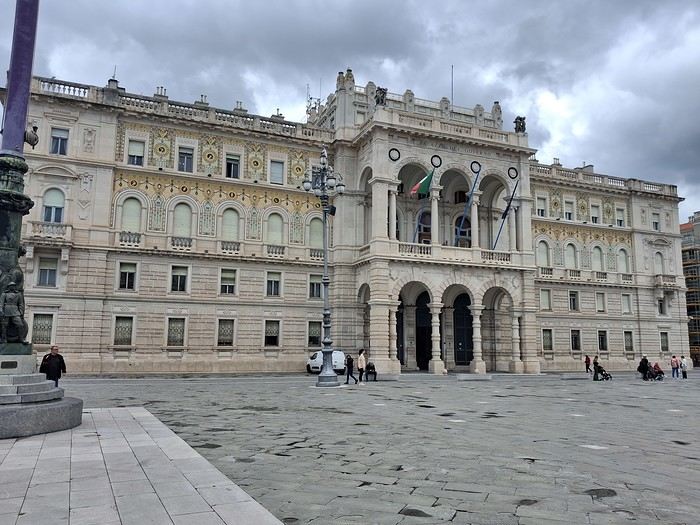
I missed my connection to Stresa later that day, so I had to improvise a night in a dorm near Milan’s train station.
Tuesday, May 12: Stresa
I came mainly for the Borromean Islands. First impressions weren’t great—crowded at the dock and windy. I didn’t like Isola Bella—too many people and too flashy. I much preferred Isola Madre, with its peaceful gardens where you can find solitude. On the way back, I stopped at Isola dei Pescatori after some hesitation, and it was worth it. Finally, I explored Stresa, with its colorful houses and grand palaces.
Wednesday, May 13: Heading to the Jura
I wrapped up my trip by taking the EuroCity train from Milan to Geneva via the Simplon Pass. From there, I headed to my vacation spot, taking the train from Nyon to La Cure (on the border). The rest of the journey was private.
Saturday, May 2: Arrival
Arrived in Ljubljana on a Transavia flight from Paris. I’d spotted a bus connection to the city center, but it’s worth noting there’s no dedicated line—most buses stopping at the airport come from Bled. On a sunny Saturday afternoon, the bus was already packed with people who’d headed to the lake for some fresh air. I ended up taking a shared van, with drivers actively offering transfers to travelers. I paid 12 € for the ride to the train station, then walked 15 minutes to Hotel Celica. It lives up to its description as a former prison turned hotel—close to the city center, clean, with a hearty breakfast. The rooms are basic, with beds 3 meters off the ground, accessible by a wooden ladder. For dinner, I opted for an Indian restaurant.
Sunday, May 3: Urban marathon
Good news: museums are free on the first Sunday of the month. I started with the National Gallery, then took a stroll through Tivoli Park, enjoying the outdoors. I tried grilling in the park before heading to the Museum of Modern Art and the eclectic National Museum of Slovenia, which was interesting for its architecture. Next up was the castle—you can enter the grounds for free; the only reason to pay is to access the keep for the city views.
Monday, May 4: Bled
I spent the morning exploring Ljubljana’s architecture but was disappointed by the Krakovo district, which guidebooks had hyped up.
In the afternoon, I took the bus to Bled. The hostel was right at the bus station, and I soon realized I’d be the only guest—the owner was struggling to attract visitors. I walked around the lake and searched for the viewpoint access. It’s a steep climb with a staircase, but worth it.
Tuesday, May 5: Vintgar Gorge
I headed to the gorges early in the morning via a shuttle, then walked back to Bled. It was stunning—it reminded me a bit of the Samaria Gorge I’d visited last year.
The bus took me straight to Stara Fužina near Lake Bohinj, where I stayed in a homestay. I loved it, even though there wasn’t much interaction with the hosts.
The weather was overcast and misty, giving the lake a Scottish vibe.
Wednesday, May 6: Bohinj
Rainy day, so I took the bus to Ukanc at the far end of the lake and walked back.
Thursday, May 7: Mostnica Gorge and the auto-train
I set off on foot for the gorges from Stara Fužina, taking a detour up to Planina Uskovnica, a steep and rarely used trail. The views of Triglav and the traditional alpine huts were incredible.
I then took the auto-train to Most na Soči. The passenger section has compartments, and the windows can be opened. The ride through the gorges was breathtaking. I stayed at a family-run guesthouse near the Most na Soči station—authentic and cozy.
Friday, May 8: Tolmin Gorge and Nova Gorica
I took the bus to Tolmin, then walked 30 minutes to the gorges. The trail is well-maintained but short, so I extended my hike with a scenic loop through the gorges and nearby villages.
A quick train ride later, I was in Nova Gorica for the night, positioning myself to reach the Adriatic coast the next day. I explored at a fast pace—Villa Raffut on the Slovenian side, then crossed the border to visit Palazzo Attems-Petzenstein and grab an aperitivo in the main square. You could tell I was in Italy just by the vibe. The old border checkpoint is still there.
Saturday, May 9: Piran
Three trains and a bus later, I arrived. The journey was scenic, and it was worth it.
Piran is touristy but manageable. It feels like a mix of Croatia and Italy, with both influences evident. The maritime museum was fascinating, with its detailed ship models. There’s still a local feel—there was even a great blues concert by the harbor that evening.
Sunday, May 10: Piran
I walked to Izola along the coast—a beautiful route with paths, roads, and lakes. It was Sunday, and the tip of the village was lively with families picnicking. I decided to take the bus to Koper. The regional museum was quiet, but the garden was stunning.
Monday, May 11: Trieste
The bus connection from Koper was frequent and easy. Trieste is very open to the sea. I visited the castle and the massive Revoltella Museum—good timing, since it was raining. The collection spans everything from classical to contemporary art.
I missed my connection to Stresa later that day, so I had to improvise a night in a dorm near Milan’s train station.
Tuesday, May 12: Stresa
I came mainly for the Borromean Islands. First impressions weren’t great—crowded at the dock and windy. I didn’t like Isola Bella—too many people and too flashy. I much preferred Isola Madre, with its peaceful gardens where you can find solitude. On the way back, I stopped at Isola dei Pescatori after some hesitation, and it was worth it. Finally, I explored Stresa, with its colorful houses and grand palaces.
Wednesday, May 13: Heading to the Jura
I wrapped up my trip by taking the EuroCity train from Milan to Geneva via the Simplon Pass. From there, I headed to my vacation spot, taking the train from Nyon to La Cure (on the border). The rest of the journey was private.
Hi there,
To get to Rome from a small village near Cambrai, what are the different transport options for 4 people, including 2 seniors?
Thanks in advance!
Cloclo
Hi there,
I’m looking for someone to travel with me to Venice from February 6th to 13th, 2026—we’d share a hotel room with twin beds, of course.
I’ll be flying from Marseille with Ryanair.
Otherwise, maybe next year.
Otherwise, maybe next year.
Hi,
We arrive at Rome airport from Lyon Sunday morning at 9:30 AM and have a layover until 11:45 AM for our flight to Jeddah (Saudi Arabia).
We need to collect our luggage at T1 to head to T3.
Will we have enough time?
Thanks for your feedback.
Puglia, with its charming white villages, Bari—still relatively undiscovered—and Lecce, an architectural gem, has become very popular with tourists. After discovering it in 2018, I wanted to go back.
Instead of taking a low-cost flight, I chose to travel by train. It was 26 hours of pure pleasure in every way, which I share in an article on my blog.
https://travels-of-a-life.com/les-pouilles-en-train-depuis-paris/
Important: my blog isn’t sponsored. It’s strictly personal and aims to help fellow travelers.
Instead of taking a low-cost flight, I chose to travel by train. It was 26 hours of pure pleasure in every way, which I share in an article on my blog.
https://travels-of-a-life.com/les-pouilles-en-train-depuis-paris/
Important: my blog isn’t sponsored. It’s strictly personal and aims to help fellow travelers.
After a pretty disastrous weather-wise trip to Gran Canaria, we’re hoping this time the sun will shine in Puglia.
It’s not a sure thing, though—the weather’s been awful all over Europe in early May.
For those who’d like to (re)read the story without the digressions, it’s here.
Saturday, May 16: This time we’re flying out of Charleroi (Brussels South): the ticket prices, flight times, and proximity all worked for us. The airport (Ryanair) was recently renovated... but it’s still not very well organized. There are hardly any seats in the boarding areas, and... the restrooms cost money!!! The flight goes smoothly, though, and we land in Bari a little late.
We quickly pick up our rental car, a very local-looking Pandina (even more so than the Fiat 500 in this region), and hit the Italian roads... and their unique driving quirks (like the fact that the countless road signs along the streets and in towns are purely decorative 😏, and that Italian cars don’t have turn signals 😮... except for rental cars).
About an hour later, we arrive at our first accommodation, right in the middle of the countryside near Monopoli. The owner isn’t there, but they’ve left us a ton of info via messages and even turned on the space heater, which is a nice touch. We explore the property:
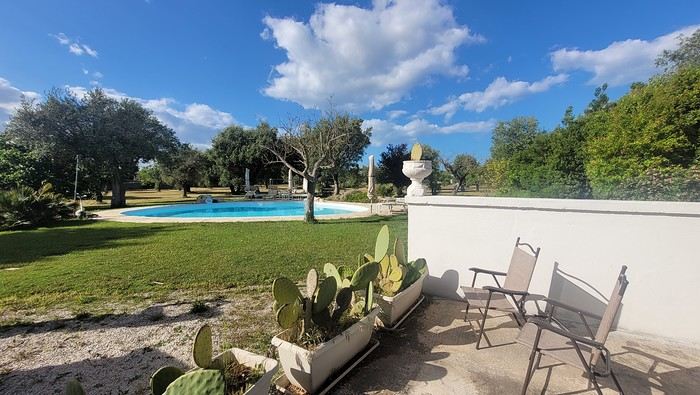
And the next morning before breakfast, its immediate surroundings:
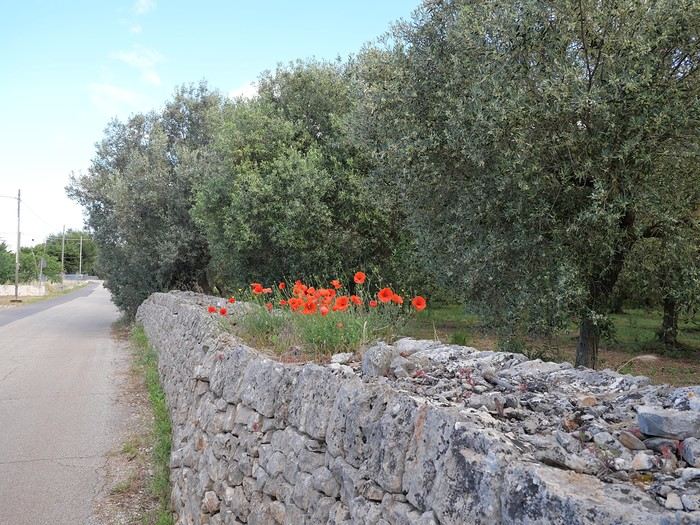
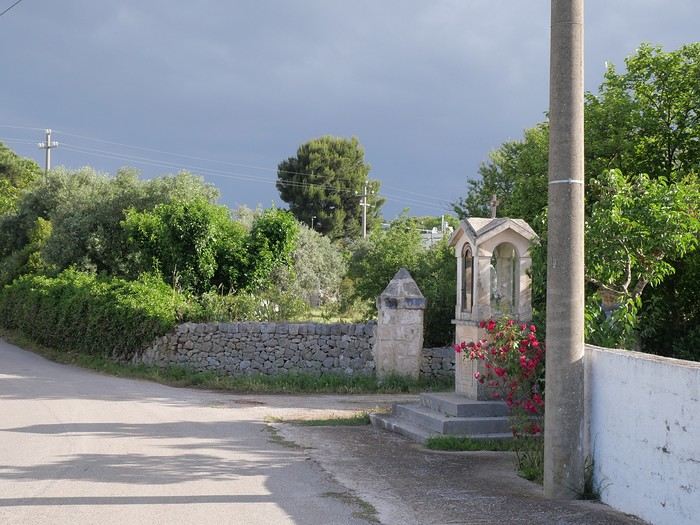
Sunday, May 17: After our "seaside" experience in Gran Canaria last weekend (packed with people and locals), we decide to start inland. After a hearty breakfast,
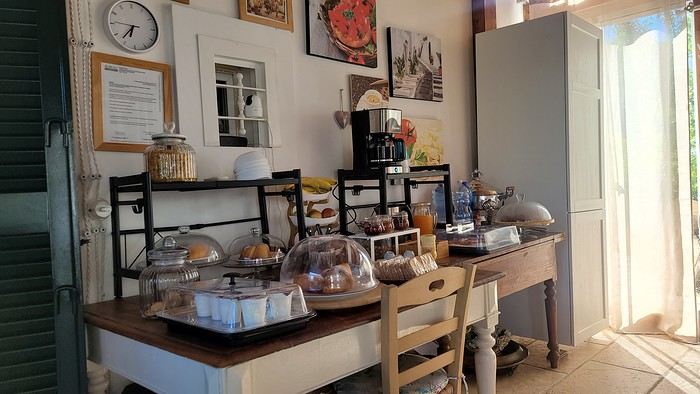
we head toward Alberobello, a super touristy village famous for its trulli—those stone houses with conical roofs. We easily find a free parking spot on a street near the Aia Piccola district, where some trulli are still lived in year-round.
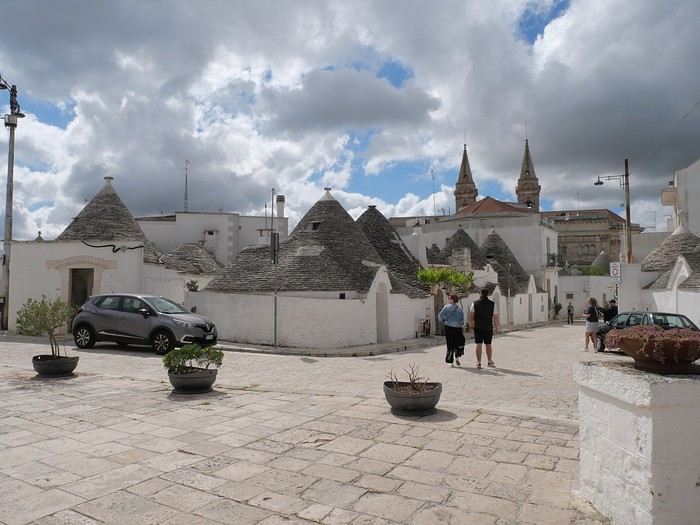
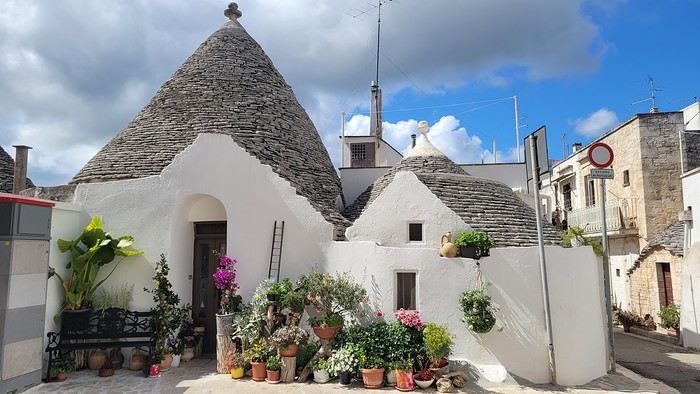
We almost immediately come across the Trullo Sovrano (the only two-story one), which you can visit (but we skip it—it’s opening time, and there’s already a line).
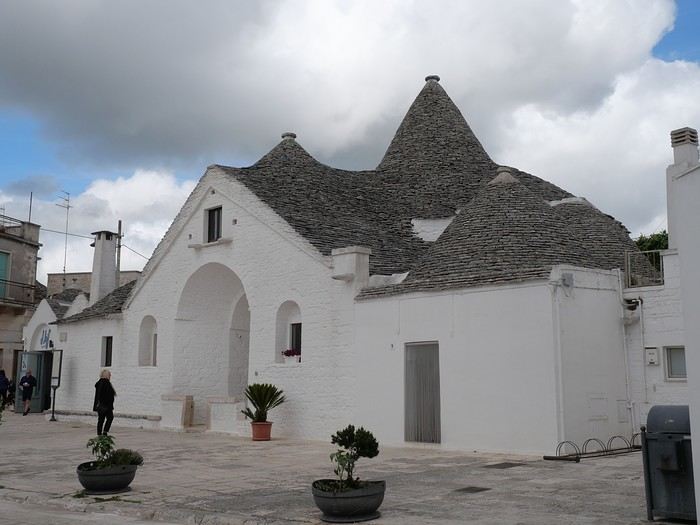
From there, we head down toward the Basilica of Cosma e Damiano... but we don’t go in because there’s a mass.
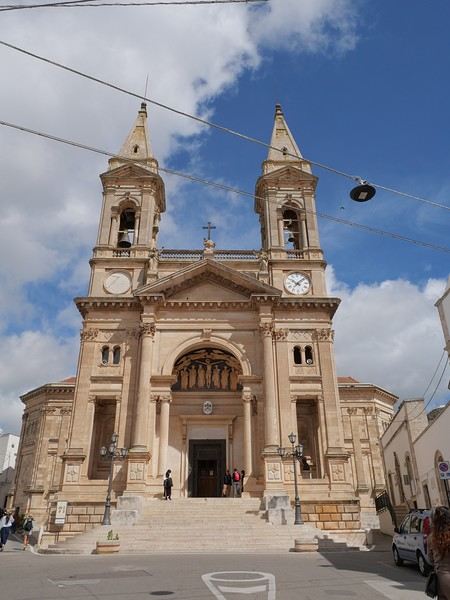
Now we’re on the main Piazza del Popolo, which connects the two districts of Alberobello: Rione Aia Piccola and Rione Monti, the more touristy one.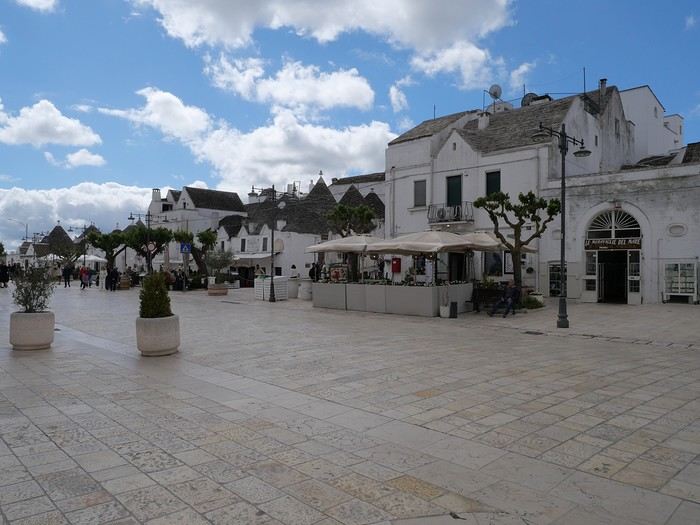
For those who’d like to (re)read the story without the digressions, it’s here.
Saturday, May 16: This time we’re flying out of Charleroi (Brussels South): the ticket prices, flight times, and proximity all worked for us. The airport (Ryanair) was recently renovated... but it’s still not very well organized. There are hardly any seats in the boarding areas, and... the restrooms cost money!!! The flight goes smoothly, though, and we land in Bari a little late.
We quickly pick up our rental car, a very local-looking Pandina (even more so than the Fiat 500 in this region), and hit the Italian roads... and their unique driving quirks (like the fact that the countless road signs along the streets and in towns are purely decorative 😏, and that Italian cars don’t have turn signals 😮... except for rental cars).
About an hour later, we arrive at our first accommodation, right in the middle of the countryside near Monopoli. The owner isn’t there, but they’ve left us a ton of info via messages and even turned on the space heater, which is a nice touch. We explore the property:
And the next morning before breakfast, its immediate surroundings:
Sunday, May 17: After our "seaside" experience in Gran Canaria last weekend (packed with people and locals), we decide to start inland. After a hearty breakfast,
we head toward Alberobello, a super touristy village famous for its trulli—those stone houses with conical roofs. We easily find a free parking spot on a street near the Aia Piccola district, where some trulli are still lived in year-round.
We almost immediately come across the Trullo Sovrano (the only two-story one), which you can visit (but we skip it—it’s opening time, and there’s already a line).
From there, we head down toward the Basilica of Cosma e Damiano... but we don’t go in because there’s a mass.
Now we’re on the main Piazza del Popolo, which connects the two districts of Alberobello: Rione Aia Piccola and Rione Monti, the more touristy one.
Hi everyone,
I’d love to get your thoughts on the following itinerary (late May). I like to take my time in ruins and museums, and beaches don’t interest me. I’ll be staying in hostels and using public transport. Do you see any major omissions or things that aren’t worth it? Thanks!
Day 1: Arrival in CATANIA Day 2: Catania – visit (fish market, cathedral, Biscarri Palace, etc.) Day 3: Mount Etna (day trip)
Day 4: Morning trip to TAORMINA, visit the town Day 5: Alcantara Gorge (day trip) + more time in Taormina
Day 6: Trip to SYRACUSE, visit Ortigia Day 7: Ortigia Day 8: NOTO (day trip) (or another Baroque town?) Day 9: Syracuse Archaeological Park + more time in Ortigia (or leave for Enna?)
Day 10: Transport via Enna? TO BE RESOLVED (long, 2 or 3 changes, limited accommodation in Enna...)
Day 11: AGRIGENTO: town and Scala dei Turchi (optional) Day 12: Valley of the Temples + archaeological museum
Day 13: Departure for TRAPANI (4h), afternoon: town (+ salt flats?) Day 14: Segesta (day trip) + town/Erice Day 15: Monte Cofano Nature Reserve (hike + summit) (day trip) Day 16: Zingaro Nature Park (coastal route out, ridge route back) (day trip)
Day 17: Departure for the AEGADIAN ISLANDS: Levanzo and Favignana (bike), overnight if possible Day 18: Egadi Islands
Day 19: Departure for PALERMO + first visits Day 20: The city Day 21: The city (Monreale?) Day 22: Options: - Capo Gallo hike (3.5h round trip) (via Mondello) - Cefalù (45 min by train) Day 23: Return flight
I’d love to get your thoughts on the following itinerary (late May). I like to take my time in ruins and museums, and beaches don’t interest me. I’ll be staying in hostels and using public transport. Do you see any major omissions or things that aren’t worth it? Thanks!
Day 1: Arrival in CATANIA Day 2: Catania – visit (fish market, cathedral, Biscarri Palace, etc.) Day 3: Mount Etna (day trip)
Day 4: Morning trip to TAORMINA, visit the town Day 5: Alcantara Gorge (day trip) + more time in Taormina
Day 6: Trip to SYRACUSE, visit Ortigia Day 7: Ortigia Day 8: NOTO (day trip) (or another Baroque town?) Day 9: Syracuse Archaeological Park + more time in Ortigia (or leave for Enna?)
Day 10: Transport via Enna? TO BE RESOLVED (long, 2 or 3 changes, limited accommodation in Enna...)
Day 11: AGRIGENTO: town and Scala dei Turchi (optional) Day 12: Valley of the Temples + archaeological museum
Day 13: Departure for TRAPANI (4h), afternoon: town (+ salt flats?) Day 14: Segesta (day trip) + town/Erice Day 15: Monte Cofano Nature Reserve (hike + summit) (day trip) Day 16: Zingaro Nature Park (coastal route out, ridge route back) (day trip)
Day 17: Departure for the AEGADIAN ISLANDS: Levanzo and Favignana (bike), overnight if possible Day 18: Egadi Islands
Day 19: Departure for PALERMO + first visits Day 20: The city Day 21: The city (Monreale?) Day 22: Options: - Capo Gallo hike (3.5h round trip) (via Mondello) - Cefalù (45 min by train) Day 23: Return flight
I just got back from Sardinia 2 and wanted to share my little recap with you.
It’s a stunning country, and the people are so welcoming.
We were lucky to see it at the end of April—I wouldn’t go in July or August because it gets overcrowded and loses its charm!!!
SARDINIA 2: 10 days
-Departure from Geneva to Olbia on Friday, 04/12/24 with EasyJet: 1h30 flight -Return from Cagliari to Geneva on Sunday, 04/21/24 with EasyJet: 1h40 flight (Round-trip price: 314 €) -Car rental with Locauto: 250 €, including 51 € for "full" insurance + 87 € (drop-off at a different airport) -Accommodation every night via Booking 13: room + kitchen *OLBIA: Arrival at the airport… wasted time at Locauto because there was only one person at the desk (you can check in online and send the driver’s license and ID, but it was impossible to do!) Headed to our lodging. *COSTA SMERALDA: The part we liked the least… everything feels artificial since the billionaires moved in (Porto Rotondo, Porto Cervo, Baia di Sardinia). We regret not stopping at Golfo Aranci to see its underwater art museum, Mumart. *ARZACHENA and its archaeological park (Tomba dei Giganti: Coddu Ecchju, Li Muri, Nuraghe la Prisgiona) to see in beautiful nature. Coastal road toward Palau (lagoons with lots of birds). *PALAU: Ferries to La Maddalena Island every 15/30 minutes (37 € for 2 people + 1 car). *** La Maddalena is part of an archipelago with 7 large islands and small islets… absolutely stunning… views of Corsica! *** -La Maddalena: A charming little town with narrow streets. -Follow the scenic coastal road that loops around the island for 21 km (gorgeous). -On the east side of the island, take a 600m bridge to Caprera Island (lots of great hiking trails). -Lots of beaches with granite rocks and wild coves. -Return by ferry to Palau. *SANTA TERESA GALLURA: Departure for Bonifacio 2, 4 km to Capo Testa (cape with a lighthouse… granite rocks). Here, there were Roman quarries. *Drive down a beautiful road along the Costa Paradiso (red trachyte). *CASTELSARDO: A fortified hilltop town worth seeing. *PORTO TORRES: Visit the Basilica San Gavino. *STINTINO and its beaches, including La Pelosa with its Genoese tower… too crowded for us! *Viewpoint at Capo Falcone with a view of Parco dell’Asinara (we didn’t have time to go, but it’s a must). *Drive down to Argentiera via small coastal roads (old lead, zinc, and silver mines). A "ghost town" with a museum that’s apparently only open on weekends at this time of year. *Small road (with stunning sea views) toward Grotta di Nettuno (you get there by a long staircase, but it was too windy and closed!). Capo Caccia. *Drive down (along lagoons with birds, including pink flamingos) toward Alghero (historic center: ramparts, bell tower, churches). The city of coral and lobsters! *Drive along the sea to Bosa, a colorful little town (Malvasia vineyards) between the Temo River and the sea. *Road to Montiferru Castle on a volcanic massif—ruins of the castle with a beautiful panorama of rolling hills (cork oak forests, chestnut trees, oaks) and cultivated plots. *** Cuglieri: Olive oil museum *** *Santa Caterina di Pittinuri, S’Archittu (many beaches with limestone cliffs) (many archaeological sites). *SINIS PENINSULA: Cabras and its lagoons with lots of pink flamingos. Archaeological museum with its Nuragic giants. *Archaeological site of Tharros. *ORISTANO: Not much visited, but it has some beautiful buildings. A traditional Sardinian pastry shop—an absolute delight (DELIGIA, Via Figoli 61). *Road surrounded by marshes, along the coast with beautiful little beaches. *Arrival at Costa Verde: The Piscinas dunes and beaches are stunning. Miniera Montevecchio and the surrounding old mines (Iglesiente road) (Naracauli, Ingurtosu). *** Near Guspini, in the mountains, visit the village of Arbus, where many Sardinian knife makers are based. But make the detour to meet Paolo Pusceddu, the master knife maker who opens his workshop and created the *Museo del Coltello Sardo* Via Roma, 15 · +39 349 053 7765. Absolutely fascinating and super interesting… he also sells his knives at very reasonable prices. *Masua (mines) then Pan di Zucchero. *Porto Flavia: Transport of minerals from a port carved into the cliff with two 600m tunnels… the visit is a must. *IGLESIAS: Worth visiting. *ISOLA DI SANT’ANTIOCO: A bridge connects it to Sardinia 2. Drive around the island via small roads. Calasetta (white and blue houses), Nido del Passeri, Cala Lunga, Capo Sperone, Turri. Beautiful beaches and stunning views. *Road to Teulada, then Chia (see the small road from Chia to Tuerredda). *PULA: Archaeological site of Nora. *CAPOTERRA: We ended our trip with a night at an agriturismo in the middle of olive groves, "Azienda Agricola Corte degli Ulivi" (Pixina Sa Murta, Marco: +39 347 246 2361). Unforgettable welcome, eco-friendly place (wooden house with water and electricity self-sufficiency). *Cagliari airport. In total, 1000 km, and we still didn’t finish exploring (the area south of Olbia and the interior are still on the list). The Sardinians are very welcoming. Sardinia 2 is diverse (beaches, countryside, towns, archaeological sites…). We were lucky to visit at the end of April—summer must be awful with the heat and tourist crowds! Easy to visit with kids.
-Departure from Geneva to Olbia on Friday, 04/12/24 with EasyJet: 1h30 flight -Return from Cagliari to Geneva on Sunday, 04/21/24 with EasyJet: 1h40 flight (Round-trip price: 314 €) -Car rental with Locauto: 250 €, including 51 € for "full" insurance + 87 € (drop-off at a different airport) -Accommodation every night via Booking 13: room + kitchen *OLBIA: Arrival at the airport… wasted time at Locauto because there was only one person at the desk (you can check in online and send the driver’s license and ID, but it was impossible to do!) Headed to our lodging. *COSTA SMERALDA: The part we liked the least… everything feels artificial since the billionaires moved in (Porto Rotondo, Porto Cervo, Baia di Sardinia). We regret not stopping at Golfo Aranci to see its underwater art museum, Mumart. *ARZACHENA and its archaeological park (Tomba dei Giganti: Coddu Ecchju, Li Muri, Nuraghe la Prisgiona) to see in beautiful nature. Coastal road toward Palau (lagoons with lots of birds). *PALAU: Ferries to La Maddalena Island every 15/30 minutes (37 € for 2 people + 1 car). *** La Maddalena is part of an archipelago with 7 large islands and small islets… absolutely stunning… views of Corsica! *** -La Maddalena: A charming little town with narrow streets. -Follow the scenic coastal road that loops around the island for 21 km (gorgeous). -On the east side of the island, take a 600m bridge to Caprera Island (lots of great hiking trails). -Lots of beaches with granite rocks and wild coves. -Return by ferry to Palau. *SANTA TERESA GALLURA: Departure for Bonifacio 2, 4 km to Capo Testa (cape with a lighthouse… granite rocks). Here, there were Roman quarries. *Drive down a beautiful road along the Costa Paradiso (red trachyte). *CASTELSARDO: A fortified hilltop town worth seeing. *PORTO TORRES: Visit the Basilica San Gavino. *STINTINO and its beaches, including La Pelosa with its Genoese tower… too crowded for us! *Viewpoint at Capo Falcone with a view of Parco dell’Asinara (we didn’t have time to go, but it’s a must). *Drive down to Argentiera via small coastal roads (old lead, zinc, and silver mines). A "ghost town" with a museum that’s apparently only open on weekends at this time of year. *Small road (with stunning sea views) toward Grotta di Nettuno (you get there by a long staircase, but it was too windy and closed!). Capo Caccia. *Drive down (along lagoons with birds, including pink flamingos) toward Alghero (historic center: ramparts, bell tower, churches). The city of coral and lobsters! *Drive along the sea to Bosa, a colorful little town (Malvasia vineyards) between the Temo River and the sea. *Road to Montiferru Castle on a volcanic massif—ruins of the castle with a beautiful panorama of rolling hills (cork oak forests, chestnut trees, oaks) and cultivated plots. *** Cuglieri: Olive oil museum *** *Santa Caterina di Pittinuri, S’Archittu (many beaches with limestone cliffs) (many archaeological sites). *SINIS PENINSULA: Cabras and its lagoons with lots of pink flamingos. Archaeological museum with its Nuragic giants. *Archaeological site of Tharros. *ORISTANO: Not much visited, but it has some beautiful buildings. A traditional Sardinian pastry shop—an absolute delight (DELIGIA, Via Figoli 61). *Road surrounded by marshes, along the coast with beautiful little beaches. *Arrival at Costa Verde: The Piscinas dunes and beaches are stunning. Miniera Montevecchio and the surrounding old mines (Iglesiente road) (Naracauli, Ingurtosu). *** Near Guspini, in the mountains, visit the village of Arbus, where many Sardinian knife makers are based. But make the detour to meet Paolo Pusceddu, the master knife maker who opens his workshop and created the *Museo del Coltello Sardo* Via Roma, 15 · +39 349 053 7765. Absolutely fascinating and super interesting… he also sells his knives at very reasonable prices. *Masua (mines) then Pan di Zucchero. *Porto Flavia: Transport of minerals from a port carved into the cliff with two 600m tunnels… the visit is a must. *IGLESIAS: Worth visiting. *ISOLA DI SANT’ANTIOCO: A bridge connects it to Sardinia 2. Drive around the island via small roads. Calasetta (white and blue houses), Nido del Passeri, Cala Lunga, Capo Sperone, Turri. Beautiful beaches and stunning views. *Road to Teulada, then Chia (see the small road from Chia to Tuerredda). *PULA: Archaeological site of Nora. *CAPOTERRA: We ended our trip with a night at an agriturismo in the middle of olive groves, "Azienda Agricola Corte degli Ulivi" (Pixina Sa Murta, Marco: +39 347 246 2361). Unforgettable welcome, eco-friendly place (wooden house with water and electricity self-sufficiency). *Cagliari airport. In total, 1000 km, and we still didn’t finish exploring (the area south of Olbia and the interior are still on the list). The Sardinians are very welcoming. Sardinia 2 is diverse (beaches, countryside, towns, archaeological sites…). We were lucky to visit at the end of April—summer must be awful with the heat and tourist crowds! Easy to visit with kids.
Hi everyone!!!
I’m finally getting around to writing about this 20-day trip to southern Italy: we didn’t travel this summer, and luckily, we found beautiful light and dreamy weather there at the end of September.
First, here’s the context of the trip: we’re both "confirmed seniors" but still curious and alert enough to enjoy the itinerary we’d imagined! We wanted a mix of discoveries—culture, cities, and nature—with guaranteed sunshine and the occasional short hike... We’re flying to Naples, round-trip, because the flight times work better for us. We rented a car online, picked it up at the airport (details to come... and it won’t be the highlight of the trip!), and booked our hotels in advance.
A quick overview of the itinerary: leaving Naples on September 15th, early in the morning, we’ll drive straight across the boot of Italy to Bari. After 11 days in Puglia, we’ll head back toward our starting point, taking our time: Matera in Basilicata, Maratea by the sea, and finally Paestum with its incredible temples.
Day 1: Brussels-Naples flight (Brussels Airlines) went smoothly; it landed an hour early, and we were thrilled, thinking we could use that time for a quick visit or two... Everything went well until we left the airport. We took the shuttle to the car rental offices, and at first glance, we realized this wouldn’t be smooth sailing!!! In front of every office (they’re side by side), there were already lines and kids sitting on suitcases—everyone looked exhausted... We resigned ourselves to waiting: nothing moved until tempers flared at the counters, and two people nearly came to blows. Things sped up a little, and after 2 (two...) hours of waiting, we finally got our chariot: a black Fiat Tipo, dirty, with a few dents and scratches that we made sure to note in the contract... but it ran!
Off to Bari, then: no time for sightseeing along the way! From there, we headed straight to our hotel in the countryside near Polignano a Mare.
A recurring detail: this happened constantly during our travels. We’d installed our own GPS, fully updated... In recent years, many dirt roads have become drivable, and lots of hotels and hostels have opened in the outskirts of towns. It was extremely rare for our ‘guide’ to recognize the street—let alone the number—we entered. Often, we got by calling the hotel reception: it might seem like a small thing, but it happened so often it became frustrating. In hindsight, it seems like without Google Maps, we’d have been lost!
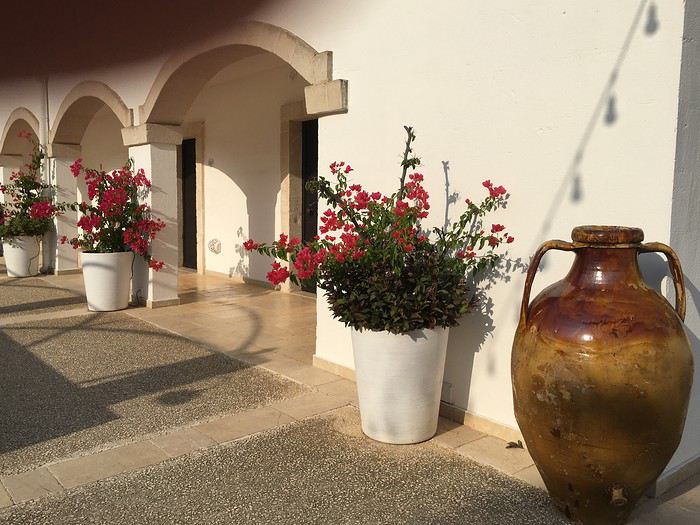
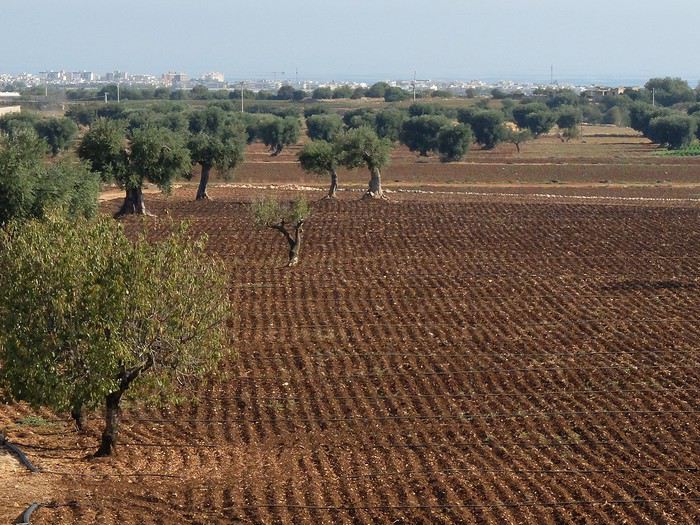
Anyway, we were beautifully settled, with a terrace overlooking olive groves and the sea in the distance: all was well.
To be continued...
I’m finally getting around to writing about this 20-day trip to southern Italy: we didn’t travel this summer, and luckily, we found beautiful light and dreamy weather there at the end of September.
First, here’s the context of the trip: we’re both "confirmed seniors" but still curious and alert enough to enjoy the itinerary we’d imagined! We wanted a mix of discoveries—culture, cities, and nature—with guaranteed sunshine and the occasional short hike... We’re flying to Naples, round-trip, because the flight times work better for us. We rented a car online, picked it up at the airport (details to come... and it won’t be the highlight of the trip!), and booked our hotels in advance.
A quick overview of the itinerary: leaving Naples on September 15th, early in the morning, we’ll drive straight across the boot of Italy to Bari. After 11 days in Puglia, we’ll head back toward our starting point, taking our time: Matera in Basilicata, Maratea by the sea, and finally Paestum with its incredible temples.
Day 1: Brussels-Naples flight (Brussels Airlines) went smoothly; it landed an hour early, and we were thrilled, thinking we could use that time for a quick visit or two... Everything went well until we left the airport. We took the shuttle to the car rental offices, and at first glance, we realized this wouldn’t be smooth sailing!!! In front of every office (they’re side by side), there were already lines and kids sitting on suitcases—everyone looked exhausted... We resigned ourselves to waiting: nothing moved until tempers flared at the counters, and two people nearly came to blows. Things sped up a little, and after 2 (two...) hours of waiting, we finally got our chariot: a black Fiat Tipo, dirty, with a few dents and scratches that we made sure to note in the contract... but it ran!
Off to Bari, then: no time for sightseeing along the way! From there, we headed straight to our hotel in the countryside near Polignano a Mare.
A recurring detail: this happened constantly during our travels. We’d installed our own GPS, fully updated... In recent years, many dirt roads have become drivable, and lots of hotels and hostels have opened in the outskirts of towns. It was extremely rare for our ‘guide’ to recognize the street—let alone the number—we entered. Often, we got by calling the hotel reception: it might seem like a small thing, but it happened so often it became frustrating. In hindsight, it seems like without Google Maps, we’d have been lost!
Anyway, we were beautifully settled, with a terrace overlooking olive groves and the sea in the distance: all was well.
To be continued...
Hi there,
I’ll be traveling to Tuscany with my family (my wife and two kids, aged 6 and 8) from April 26 to May 5. Here’s a rough draft of our potential itinerary—I’d love to hear your thoughts and suggestions so I can tweak and improve it. We haven’t finalized our accommodations yet, but they’ll likely be near Florence (2 nights), Lucca (2 nights), Monteriggioni (2 nights), Pienza, Montalcino, and Greve in Chianti.
- April 26: o Arrival in Florence around 12:00 PM - April 27: o Florence - April 28: o Florence – Pistoia – Lucca - April 29: o Lucca – Pisa – Lucca - April 30: o Lucca – Volterra – San Gimignano – Monteriggioni - May 1: o Monteriggioni – Siena – Monteriggioni - May 2: o Monteriggioni – Abbey of Santa Maria di Monte Oliveto – Baccoleno – Castelmuzio – Chapel of Madonna di Vitaleta (San Quirico d’Orcia) – Pienza - May 3: o Pienza – Montepulciano – Montichiello – Abbey of Sant’Antimo – Bagno Vignoni Thermal Baths – Montalcino - May 4: o Montalcino – Castellina in Chianti – Radda in Chianti – Badia a Coltibuono – Volpaia – Montefioralle – Greve in Chianti - May 5: o Greve in Chianti – Florence airport
Thanks for any insights! 😉
I’ll be traveling to Tuscany with my family (my wife and two kids, aged 6 and 8) from April 26 to May 5. Here’s a rough draft of our potential itinerary—I’d love to hear your thoughts and suggestions so I can tweak and improve it. We haven’t finalized our accommodations yet, but they’ll likely be near Florence (2 nights), Lucca (2 nights), Monteriggioni (2 nights), Pienza, Montalcino, and Greve in Chianti.
- April 26: o Arrival in Florence around 12:00 PM - April 27: o Florence - April 28: o Florence – Pistoia – Lucca - April 29: o Lucca – Pisa – Lucca - April 30: o Lucca – Volterra – San Gimignano – Monteriggioni - May 1: o Monteriggioni – Siena – Monteriggioni - May 2: o Monteriggioni – Abbey of Santa Maria di Monte Oliveto – Baccoleno – Castelmuzio – Chapel of Madonna di Vitaleta (San Quirico d’Orcia) – Pienza - May 3: o Pienza – Montepulciano – Montichiello – Abbey of Sant’Antimo – Bagno Vignoni Thermal Baths – Montalcino - May 4: o Montalcino – Castellina in Chianti – Radda in Chianti – Badia a Coltibuono – Volpaia – Montefioralle – Greve in Chianti - May 5: o Greve in Chianti – Florence airport
Thanks for any insights! 😉
Hi there, 🙂
I’m about to book 4 nights in the Italian capital and I’m wondering where the best place to stay would be.
- A neighborhood that’s not too noisy - A neighborhood well served by public transport (airport and the city’s main sights) - A neighborhood with restaurants and supermarkets - A neighborhood with relatively reasonable prices
Public transport is essential. We gave this trip as a gift to someone who won’t be able to walk long distances like we usually do.
I also don’t want to be too far from the historic center.
Termini and Monti seem to fit these criteria? Is Termini a bit sketchy? But sketchy like dangerous or sketchy like homeless people just looking for a place to sleep?
We’ll be traveling off-season.
Thanks for your ideas !
I’m about to book 4 nights in the Italian capital and I’m wondering where the best place to stay would be.
- A neighborhood that’s not too noisy - A neighborhood well served by public transport (airport and the city’s main sights) - A neighborhood with restaurants and supermarkets - A neighborhood with relatively reasonable prices
Public transport is essential. We gave this trip as a gift to someone who won’t be able to walk long distances like we usually do.
I also don’t want to be too far from the historic center.
Termini and Monti seem to fit these criteria? Is Termini a bit sketchy? But sketchy like dangerous or sketchy like homeless people just looking for a place to sleep?
We’ll be traveling off-season.
Thanks for your ideas !
Hi there,
I’m starting this thread to ask for your advice on a tricky situation I recently ran into. Maybe you’ve been through something similar?
After booking my tickets for this summer, I realized I never received an email, payment confirmation, or reservation number (well, the number did appear on the page after payment, but I didn’t write it down, assuming I’d get it in the confirmation email that usually arrives right after). Even though I was charged, I have no other proof of purchase since I don’t have anything to back it up...
At the time, I wasn’t too worried—email delays had happened to me before. Worst case, I’d get it an hour later.
Except after a full day, I still hadn’t received anything, and the reservation still doesn’t show up in my personal account on the airline’s website.
What should I do?
I contacted support via message: still no reply (and they guarantee a response within two hours). I called them, but no one picked up (and on top of that, I was charged 7.5 € for 15 minutes on hold). Now I’m starting to lose my patience...
Has this ever happened to you?
Thanks in advance,
I’m starting this thread to ask for your advice on a tricky situation I recently ran into. Maybe you’ve been through something similar?
After booking my tickets for this summer, I realized I never received an email, payment confirmation, or reservation number (well, the number did appear on the page after payment, but I didn’t write it down, assuming I’d get it in the confirmation email that usually arrives right after). Even though I was charged, I have no other proof of purchase since I don’t have anything to back it up...
At the time, I wasn’t too worried—email delays had happened to me before. Worst case, I’d get it an hour later.
Except after a full day, I still hadn’t received anything, and the reservation still doesn’t show up in my personal account on the airline’s website.
What should I do?
I contacted support via message: still no reply (and they guarantee a response within two hours). I called them, but no one picked up (and on top of that, I was charged 7.5 € for 15 minutes on hold). Now I’m starting to lose my patience...
Has this ever happened to you?
Thanks in advance,
Hi everyone! 👋
So happy to be back in this lovely space for meeting and chatting 😊
I’m planning a 5-6 day trip to the Cinque Terre between September and October, focusing on using the train to get between the villages. I’m coming from Nice, so I could head to Genoa first… Has anyone done this route? I’d love to hear your feedback, tips, and—of course—any great deals you’ve found! Thanks so much in advance 😊
Since then, I’ve traveled all over the world and would be thrilled to help others with just as much JOY 🤗
Hi everyone,
Le Marche? Where’s that?
 That’s what we hear more than 9 times out of 10... This region is actually little-known, or at least only its Adriatic coastline, just below Rimini, rings a bell.
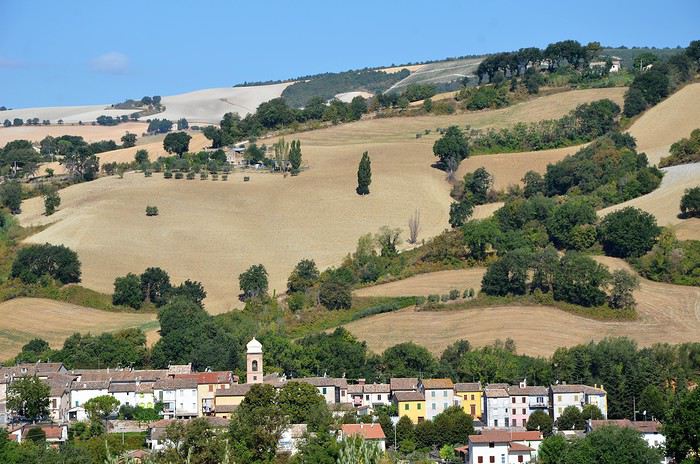
Yet it’s a beautiful region, bordered to the east by the Adriatic Sea and to the west by the Apennine Mountains, with thousands of hills in between—many topped with charming little villages. A very rural area, quite affordable, starting to showcase its heritage, and not yet overrun by tourists... so what are you waiting for?
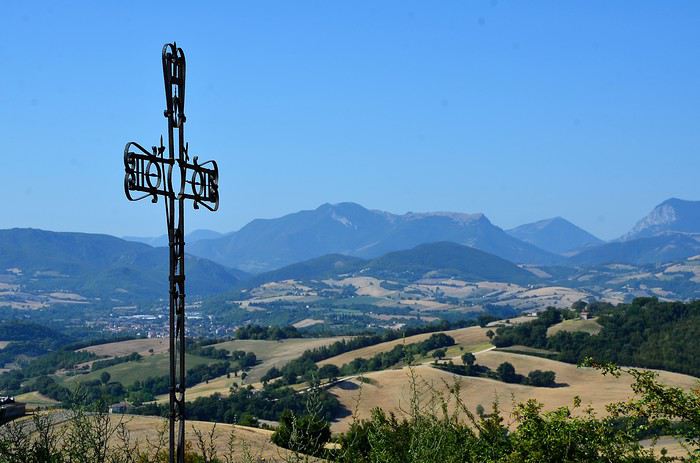
The distances look short, but the roads are long: aside from the fairly fast routes running from the hinterland down to the coast, following the paths of small rivers that rise in the Apennines and flow into the Adriatic, all the other roads—especially the cross-country ones—wind and twist. They reveal stunning landscapes at every turn but also force you to adjust your sense of time. We stayed in two different spots, each about 30 or 40 km from the coast—first in the north of Le Marche, near Fossombrone, at Isola di Fano, and then in the south, at Montalto delle Marche.
Since this region is still a bit "under the radar," I had some trouble finding information while planning the trip... So this travel journal aims to introduce you to the region through photos and share a few tips along the way.
First up, some views of the landscapes!
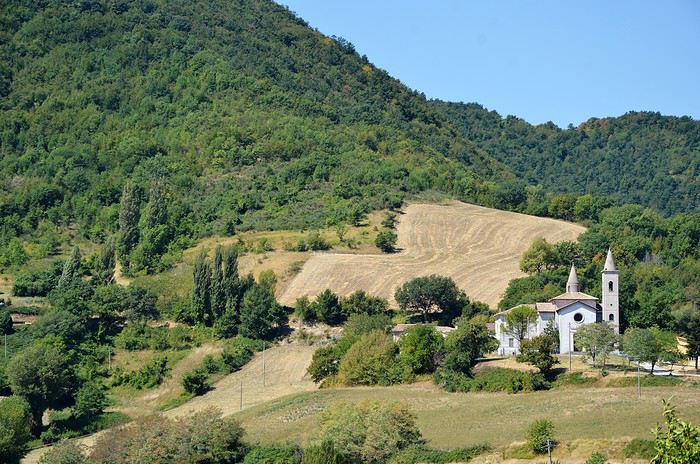
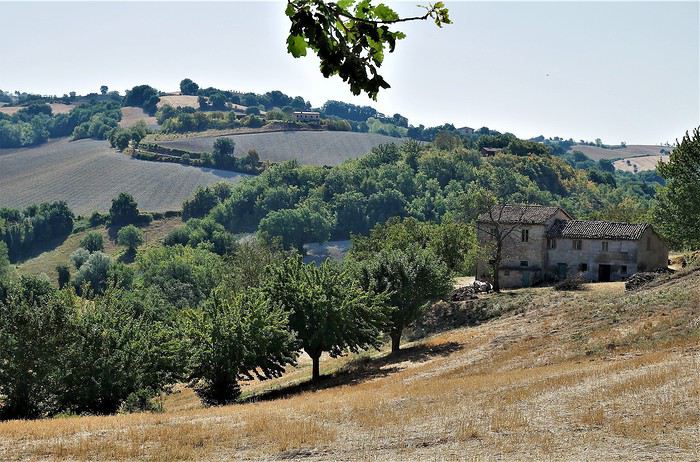
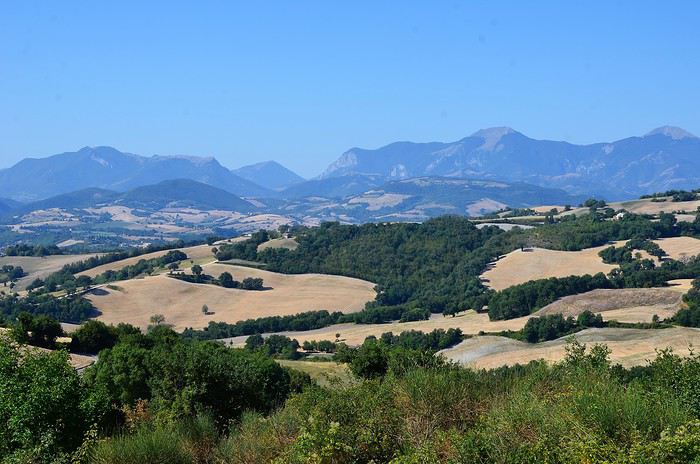
More to come in the next post!
Le Marche? Where’s that?
That’s what we hear more than 9 times out of 10... This region is actually little-known, or at least only its Adriatic coastline, just below Rimini, rings a bell.Yet it’s a beautiful region, bordered to the east by the Adriatic Sea and to the west by the Apennine Mountains, with thousands of hills in between—many topped with charming little villages. A very rural area, quite affordable, starting to showcase its heritage, and not yet overrun by tourists... so what are you waiting for?
The distances look short, but the roads are long: aside from the fairly fast routes running from the hinterland down to the coast, following the paths of small rivers that rise in the Apennines and flow into the Adriatic, all the other roads—especially the cross-country ones—wind and twist. They reveal stunning landscapes at every turn but also force you to adjust your sense of time. We stayed in two different spots, each about 30 or 40 km from the coast—first in the north of Le Marche, near Fossombrone, at Isola di Fano, and then in the south, at Montalto delle Marche.
Since this region is still a bit "under the radar," I had some trouble finding information while planning the trip... So this travel journal aims to introduce you to the region through photos and share a few tips along the way.
First up, some views of the landscapes!
More to come in the next post!
Hi everyone,
Since I had a fantastic week in Puglia, and it's such a nearby and easily accessible destination from France,
I invite you to check out the article I wrote about it on my blog: www.philippebasset.com/puglia.html
I highly recommend visiting this coastal region along the Adriatic Sea for so many reasons: diverse landscapes, refined and varied cuisine, a very pleasant climate, a discreet and welcoming population, no mafia (it’s sad to say, but many Italian cities are plagued by this scourge, which brings insecurity, filth, and extortion...), and apart from July-August, there’s no risk of mass tourism!
*Dolce vita* guaranteed!
I’m happy to help if you’d like tips or recommendations :)


And plenty more photos to discover—hopefully, it’ll make you want to book a flight to Bari!
Since I had a fantastic week in Puglia, and it's such a nearby and easily accessible destination from France,
I invite you to check out the article I wrote about it on my blog: www.philippebasset.com/puglia.html
I highly recommend visiting this coastal region along the Adriatic Sea for so many reasons: diverse landscapes, refined and varied cuisine, a very pleasant climate, a discreet and welcoming population, no mafia (it’s sad to say, but many Italian cities are plagued by this scourge, which brings insecurity, filth, and extortion...), and apart from July-August, there’s no risk of mass tourism!
*Dolce vita* guaranteed!
I’m happy to help if you’d like tips or recommendations :)
And plenty more photos to discover—hopefully, it’ll make you want to book a flight to Bari!
Hey there, beautiful and diverse travel community,
With just one day left (if that!) before I arrive in Florence for a quick getaway, I’m throwing this message into the (Mediterranean) sea in the hope of walking a few steps (wearing out my shoes?) alongside a fellow traveler eager to soak up the scents of Florence—a still-vibrant relic of the Renaissance era. It’d be a sensory awakening without which we’d miss the very essence of discovering lands we too rarely consider.
Open-mindedness, tolerance, a touch of madness (big or small), and Difference are all welcome—even actively sought after!
To keep it simple and less psychedelic, here are the key points of my autumn trip to Tuscany: - Arriving in Florence on the morning of Friday, October 9th - Leaving on Sunday evening, October 11th, to head back to my native Bouches-du-Rhône. That leaves just under three full days to soak up the intensity of Florence and the historical heritage of this famously romantic city. - Since I booked this trip last-minute, I’ll be staying in a youth hostel for both nights. - My sightseeing plans are flexible but will definitely include museums, gardens, and squares/fountains. I fell in love with the Villa Medici in Rome during a previous trip in 2025, so I’d love to continue in that vein.
I didn’t mention it earlier, but I’m traveling solo. I’m 38 years old, but with fewer stardust particles than light-years of flight hours under my belt. I speak Shakespeare’s language moderately well (but compared to my Spanish, it could be worse!) and can handle Cervantes’ language well enough that I’m not terrified of tackling Italy with nothing but Don Quixote’s idioms as my linguistic weapons! Luckily, with my basic grasp of Molière’s language, I might just avoid the Devil and dream of Olympus and the Colosseum (or Olympique de Marseille and Michael Olisé ⚽).
To anyone interested in making this early autumn anything but dull: let’s connect! If I come off as too much, I’ll dial it back—no need to play the tough guy or pull a Sylvester Stallone act if we cross paths. Otherwise, I might end up annoying you to the point of cracking (like a cricket?) or wearing you down (like the cicada—"igual"?), and I’d really rather not end up... alone (thankfully, I don’t have a clone). ;-)
Ciaooo bello/a(s) Reachable via private message or phone during the day to gauge compatibility. Florence: "I think, therefore I (follow) you." Italy, you haunt me, so I’m diving in! LaurENT, take me as I am or leave me
With just one day left (if that!) before I arrive in Florence for a quick getaway, I’m throwing this message into the (Mediterranean) sea in the hope of walking a few steps (wearing out my shoes?) alongside a fellow traveler eager to soak up the scents of Florence—a still-vibrant relic of the Renaissance era. It’d be a sensory awakening without which we’d miss the very essence of discovering lands we too rarely consider.
Open-mindedness, tolerance, a touch of madness (big or small), and Difference are all welcome—even actively sought after!
To keep it simple and less psychedelic, here are the key points of my autumn trip to Tuscany: - Arriving in Florence on the morning of Friday, October 9th - Leaving on Sunday evening, October 11th, to head back to my native Bouches-du-Rhône. That leaves just under three full days to soak up the intensity of Florence and the historical heritage of this famously romantic city. - Since I booked this trip last-minute, I’ll be staying in a youth hostel for both nights. - My sightseeing plans are flexible but will definitely include museums, gardens, and squares/fountains. I fell in love with the Villa Medici in Rome during a previous trip in 2025, so I’d love to continue in that vein.
I didn’t mention it earlier, but I’m traveling solo. I’m 38 years old, but with fewer stardust particles than light-years of flight hours under my belt. I speak Shakespeare’s language moderately well (but compared to my Spanish, it could be worse!) and can handle Cervantes’ language well enough that I’m not terrified of tackling Italy with nothing but Don Quixote’s idioms as my linguistic weapons! Luckily, with my basic grasp of Molière’s language, I might just avoid the Devil and dream of Olympus and the Colosseum (or Olympique de Marseille and Michael Olisé ⚽).
To anyone interested in making this early autumn anything but dull: let’s connect! If I come off as too much, I’ll dial it back—no need to play the tough guy or pull a Sylvester Stallone act if we cross paths. Otherwise, I might end up annoying you to the point of cracking (like a cricket?) or wearing you down (like the cicada—"igual"?), and I’d really rather not end up... alone (thankfully, I don’t have a clone). ;-)
Ciaooo bello/a(s) Reachable via private message or phone during the day to gauge compatibility. Florence: "I think, therefore I (follow) you." Italy, you haunt me, so I’m diving in! LaurENT, take me as I am or leave me
Hey there, VF crew!
After wrapping up our travel journal on Java (link below), we’re now diving into our recent adventure in Puglia! Happy reading... Off we go on an adventure in Java (and a bit of Bali) | Travel journal > Indonesia | Voyage Forum
Day 1 - October 19
When you tell your friends and family you’re itching to escape to the other side of the planet to mingle with the Mongols, you can usually expect a barrage of questionable jokes and terrible puns. For this new adventure, it’s a different destination but the same old story—this time, we’re visiting the "pouilleux" (the "scruffy" ones). We’re taking off straight for Puglia! If you need a cheat sheet to remember where this oddly named place is on a world map, just think of it this way: Puglia is the maiden name on the ID card of the heel of the Italian boot! Personally, I prefer to remember it as the land of creamy burrata, the smell of focaccia fresh from the oven, orecchiette shaped by mamas, golden olive oil that shines like the sun (which beams down here 300 days a year), amaretto that makes you happy, and those famous trulli—those little hobbit-like dry-stone houses straight out of a movie set...
But I’ll stop spoiling the rest of our trip and focus on a factual rundown of this first Puglian day. So, are you joining us on this new adventure beyond our Gallic borders? Either way, Sasha (my youngest) and Luna (Flo’s daughter) didn’t need much convincing to stick with us and keep up the pace!
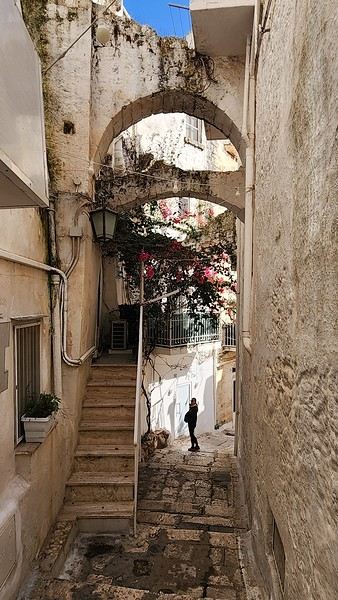
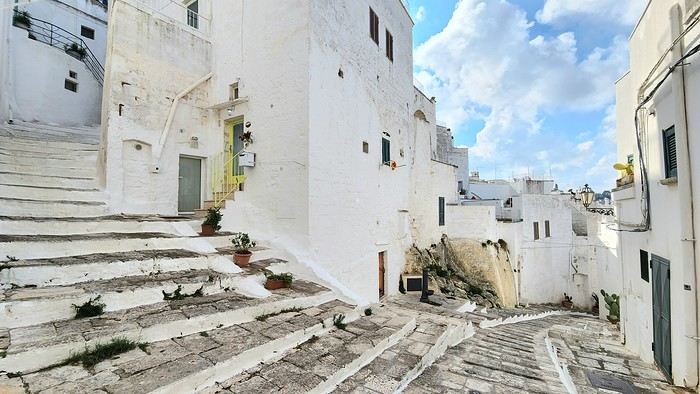
Our plane drops our little crew in Bari, the site of a famously tragic battle lost in 1991. But revenge is sweet! After renting a motorized carriage, we escape the landing zone and head to our military base of operations: Ostuni, a strategic little town where we’ll set up camp for the next four days. Why Ostuni? First, for its central location, which lets us explore a region packed with must-see gems. Second, for its vibe and beauty, which have earned it quite the reputation. Perched high on a hill, the *città bianca* (the "White City") lives up to its nickname. It literally dazzles visitors. The reason? The whitewashed facades of its houses, a testament to the region’s rich architectural heritage.
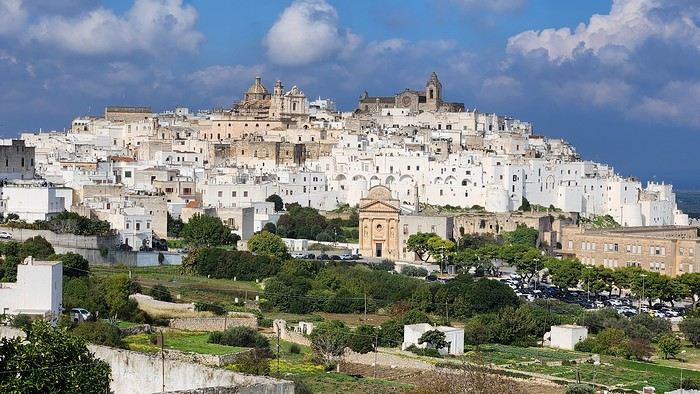
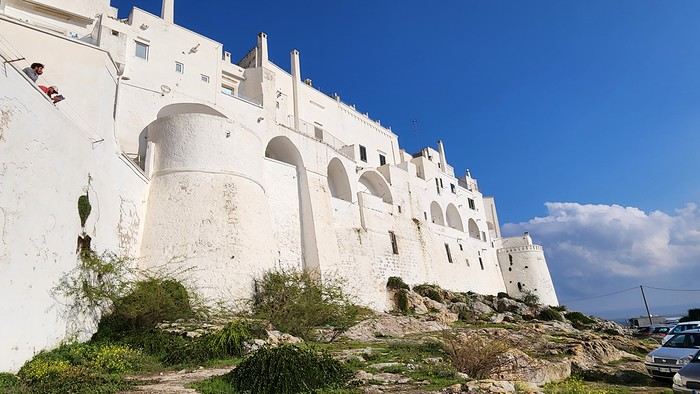
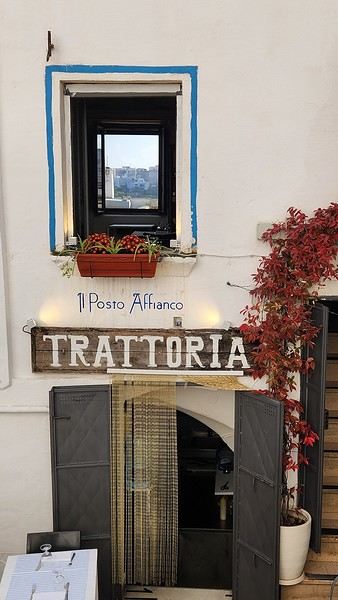
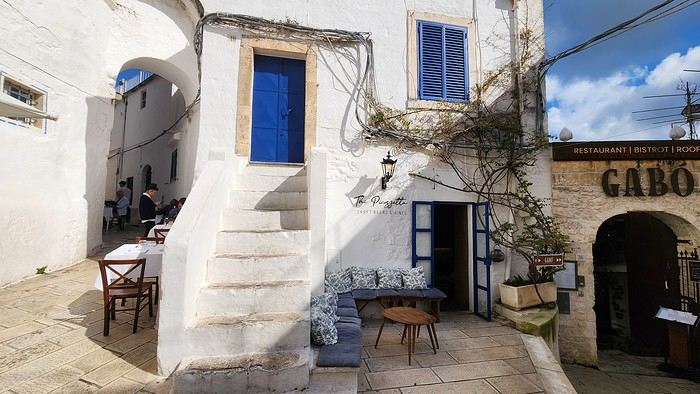
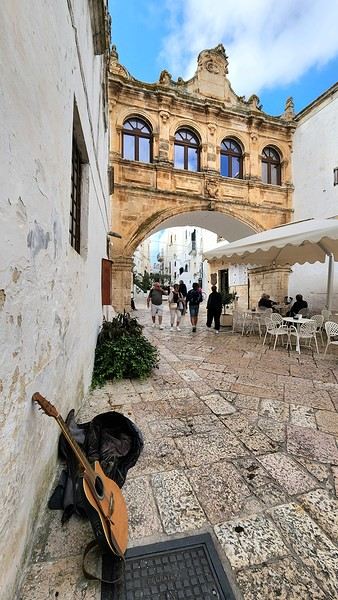
We arrived late last night, so only the two bravest soldiers volunteered to scout ahead at dawn, while the younger recruits stayed behind—for now. But not for long! After the first wave of streets and the next round of exploration, headquarters made the inevitable call to retreat. Reinforcements were needed! A few strategic errands, a breakfast ration, and our battalion marched in tight formation, flag held high, to conquer Ostuni the White! *Charge!* In my squadron leader’s memoirs, I’ll write that I didn’t expect Ostuni to put up such a fight. What I thought would take two hours to conquer turned into a humbling experience—we could only bow in respect to its beauty, its relentless charm. The alleys are whiter, more labyrinthine, narrower, and more photogenic than the last. *Veni, vidi, vici*—but what an entrance, my troops!
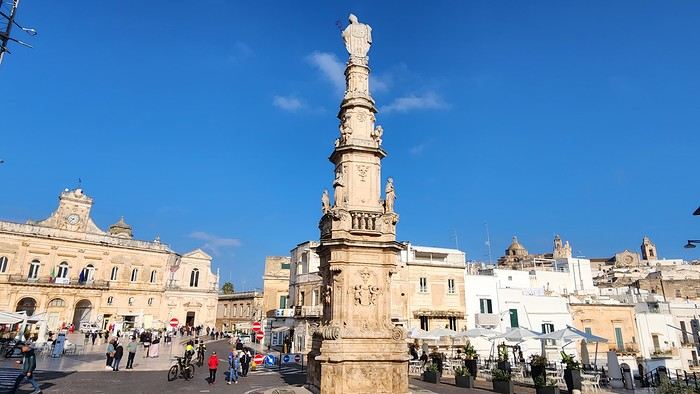
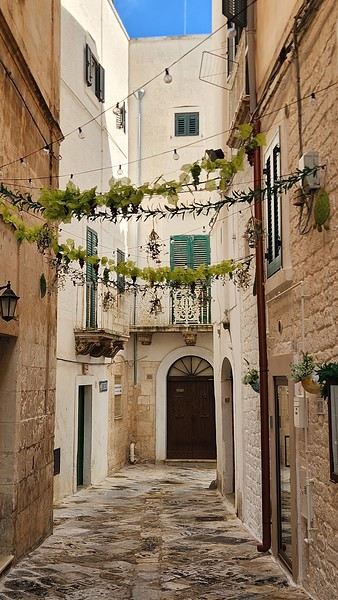
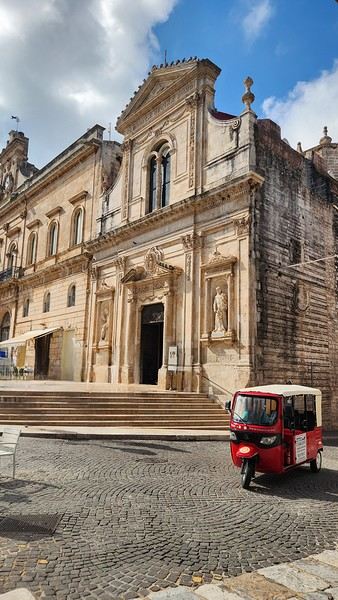
After wrapping up our travel journal on Java (link below), we’re now diving into our recent adventure in Puglia! Happy reading... Off we go on an adventure in Java (and a bit of Bali) | Travel journal > Indonesia | Voyage Forum
Day 1 - October 19
When you tell your friends and family you’re itching to escape to the other side of the planet to mingle with the Mongols, you can usually expect a barrage of questionable jokes and terrible puns. For this new adventure, it’s a different destination but the same old story—this time, we’re visiting the "pouilleux" (the "scruffy" ones). We’re taking off straight for Puglia! If you need a cheat sheet to remember where this oddly named place is on a world map, just think of it this way: Puglia is the maiden name on the ID card of the heel of the Italian boot! Personally, I prefer to remember it as the land of creamy burrata, the smell of focaccia fresh from the oven, orecchiette shaped by mamas, golden olive oil that shines like the sun (which beams down here 300 days a year), amaretto that makes you happy, and those famous trulli—those little hobbit-like dry-stone houses straight out of a movie set...
But I’ll stop spoiling the rest of our trip and focus on a factual rundown of this first Puglian day. So, are you joining us on this new adventure beyond our Gallic borders? Either way, Sasha (my youngest) and Luna (Flo’s daughter) didn’t need much convincing to stick with us and keep up the pace!
Our plane drops our little crew in Bari, the site of a famously tragic battle lost in 1991. But revenge is sweet! After renting a motorized carriage, we escape the landing zone and head to our military base of operations: Ostuni, a strategic little town where we’ll set up camp for the next four days. Why Ostuni? First, for its central location, which lets us explore a region packed with must-see gems. Second, for its vibe and beauty, which have earned it quite the reputation. Perched high on a hill, the *città bianca* (the "White City") lives up to its nickname. It literally dazzles visitors. The reason? The whitewashed facades of its houses, a testament to the region’s rich architectural heritage.
We arrived late last night, so only the two bravest soldiers volunteered to scout ahead at dawn, while the younger recruits stayed behind—for now. But not for long! After the first wave of streets and the next round of exploration, headquarters made the inevitable call to retreat. Reinforcements were needed! A few strategic errands, a breakfast ration, and our battalion marched in tight formation, flag held high, to conquer Ostuni the White! *Charge!* In my squadron leader’s memoirs, I’ll write that I didn’t expect Ostuni to put up such a fight. What I thought would take two hours to conquer turned into a humbling experience—we could only bow in respect to its beauty, its relentless charm. The alleys are whiter, more labyrinthine, narrower, and more photogenic than the last. *Veni, vidi, vici*—but what an entrance, my troops!
The title might surprise you, but you’ll understand my point of view.
1/ MEAL STRUCTURE I’m talking about the standard meal, not the one for those who have to budget for financial reasons (generally fewer in northern and central Italy than in France, but more in the south, which makes up 35% of Italy—Eurostat figures), nor for those (mostly women) watching their figure.
The tradition (once the meal of the well-off, widespread among the general population in the 1950s) starts with soup or pasta (or rice, gnocchi, ravioli, lasagna)—this is the *primo piatto*.
Next comes meat or another animal-based product (fish, cured meats, eggs, etc.)—the *secondo piatto*, which can be replaced by cooked vegetables (the only known example in France: eggplant parmesan).
If the meat dish doesn’t already include vegetables, one is served. Salads, whether green or tomato-based, are side dishes, not starters.
The meal ends with dessert—no difference from French habits: cheese, fruit, or sweets.
*Antipasti* (appetizers) are reserved for festive meals or receptions and are served *in addition* to the main courses at the start.
4 practices unknown in France: - If the menu includes pasta and ham, you start with the pasta. - If the menu includes pasta with a meat sauce and fish, you start with the pasta too. - Pasta is never a side dish for meat. - It’s not unusual for Italians to start with pasta in a meat sauce and then have a meat dish—most do this several times a week.
Modern adaptations: - People eat pasta less often (on average 5 times a week, according to recent figures) and soups, which are being replaced by *antipasti*. - The main meal is now mostly dinner, so it’s much heartier, while lunch isn’t usually eaten at home.
2/ THE CUISINE What do we know in France? Pizza, pasta Bolognese, carbonara, arrabbiata, ravioli, and lasagna. Fried scampi, Milanese or Bolognese cutlets, carpaccio, and finally tiramisu.
In short, a few basic dishes, but nothing of the gastronomy—whether regional traditions or high-end restaurants.
2 anecdotes: **Bolognese sauce** In Italy, the most common homemade sauce is a meat-and-tomato-based sauce called *ragù* (pronounced *ragoo*). Every region, even every town and family, as well as every restaurant, has its own recipe. *Ragù alla bolognese* is just one of these countless *ragù*—and no one in France knows the real recipe (I can share it with those interested). The name *bolognese* given abroad to any *ragù* comes from a canned sauce manufacturer who once branded their product that way. Until the early 1960s, it was called *sauce à la viande* (meat sauce).
**Pizza** Before World War II, it was practically unknown north of Rome. Today, Italy is one of the countries where it’s eaten the least (twice as much in France, four times as much in Germany).
1/ MEAL STRUCTURE I’m talking about the standard meal, not the one for those who have to budget for financial reasons (generally fewer in northern and central Italy than in France, but more in the south, which makes up 35% of Italy—Eurostat figures), nor for those (mostly women) watching their figure.
The tradition (once the meal of the well-off, widespread among the general population in the 1950s) starts with soup or pasta (or rice, gnocchi, ravioli, lasagna)—this is the *primo piatto*.
Next comes meat or another animal-based product (fish, cured meats, eggs, etc.)—the *secondo piatto*, which can be replaced by cooked vegetables (the only known example in France: eggplant parmesan).
If the meat dish doesn’t already include vegetables, one is served. Salads, whether green or tomato-based, are side dishes, not starters.
The meal ends with dessert—no difference from French habits: cheese, fruit, or sweets.
*Antipasti* (appetizers) are reserved for festive meals or receptions and are served *in addition* to the main courses at the start.
4 practices unknown in France: - If the menu includes pasta and ham, you start with the pasta. - If the menu includes pasta with a meat sauce and fish, you start with the pasta too. - Pasta is never a side dish for meat. - It’s not unusual for Italians to start with pasta in a meat sauce and then have a meat dish—most do this several times a week.
Modern adaptations: - People eat pasta less often (on average 5 times a week, according to recent figures) and soups, which are being replaced by *antipasti*. - The main meal is now mostly dinner, so it’s much heartier, while lunch isn’t usually eaten at home.
2/ THE CUISINE What do we know in France? Pizza, pasta Bolognese, carbonara, arrabbiata, ravioli, and lasagna. Fried scampi, Milanese or Bolognese cutlets, carpaccio, and finally tiramisu.
In short, a few basic dishes, but nothing of the gastronomy—whether regional traditions or high-end restaurants.
2 anecdotes: **Bolognese sauce** In Italy, the most common homemade sauce is a meat-and-tomato-based sauce called *ragù* (pronounced *ragoo*). Every region, even every town and family, as well as every restaurant, has its own recipe. *Ragù alla bolognese* is just one of these countless *ragù*—and no one in France knows the real recipe (I can share it with those interested). The name *bolognese* given abroad to any *ragù* comes from a canned sauce manufacturer who once branded their product that way. Until the early 1960s, it was called *sauce à la viande* (meat sauce).
**Pizza** Before World War II, it was practically unknown north of Rome. Today, Italy is one of the countries where it’s eaten the least (twice as much in France, four times as much in Germany).