Discussions similar to: Guide francophone Buenos Aires
FR

14 similar discussions in English

Solo traveler: Discovering Argentina differently
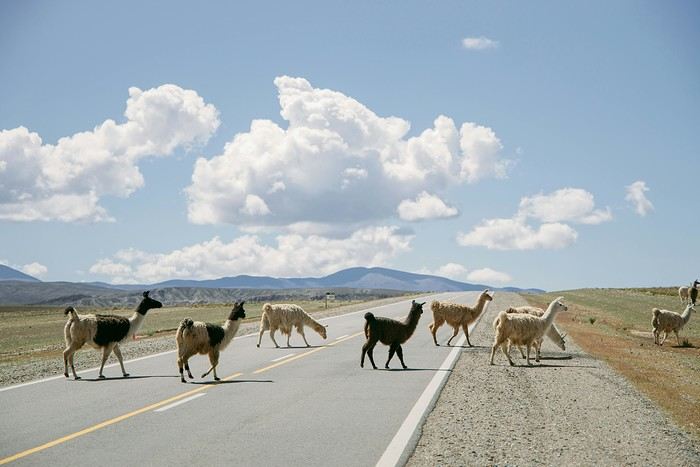
If you dream of an extraordinary adventure, you’ve come to the right place! Argentina, this land at the end of the world, offers a unique change of scenery and the perfect opportunity to travel solo. With its spectacular landscapes, stretching from the ends of Tierra del Fuego to the high Andean plateaus, this vast country captivates both nature lovers and those passionate about authentic encounters. Here, the notions of borders and distance fade away: the glaciers of Patagonia, the Iguazu Falls in the heart of the tropical forest, wild steppes, and Andean villages nestled in colorful valleys. In Argentina, you quickly forget the passing of time, as the human experience and the beauty of the places leave their mark on every moment.


The perfect place to escape mass tourism

When traveling solo, there’s nothing like Argentina to get off the beaten path and avoid the crowds. Of course, some iconic spots like the Perito Moreno Glacier in El Calafate or Tierra del Fuego National Park in Ushuaia attract travelers from all over the world. However, the country’s vastness offers plenty of opportunities to find yourself almost alone in nature. A sunrise over the Andes, an afternoon riding with gauchos in the pampa, or a hike deep in Patagonia—these suspended moments happen far from the crowds.

A country ideal for connecting with local communities

One of Argentina’s strengths is the warmth of its people. Deeply attached to their traditions and genuinely curious about visitors, Argentinians have a knack for breaking down barriers, whether linguistic or cultural. You might find yourself chatting in Spanish over a mate (the local herbal tea), joining an impromptu barbecue, or even trying a few tango steps in a milonga. Simply showing interest in their culture and history is often enough to start a conversation. With Argentinians’ innate sense of hospitality, you never feel alone, even as a solo traveler.

Meeting local communities: a unique human adventure

Traveling solo in Argentina also means encountering its diverse communities. Staying with a local family or in an estancia (an Argentine ranch) lets you dive into the daily lives of families who often live self-sufficiently. In the Northwest, for example, you can share the life of an Andean community and learn to cook delicious local specialties. In Bariloche, some stays even include discovering a Mapuche community, offering a chance to better understand their relationship with the land and the importance of their ancestral traditions.


Diverse experiences for an unforgettable trip

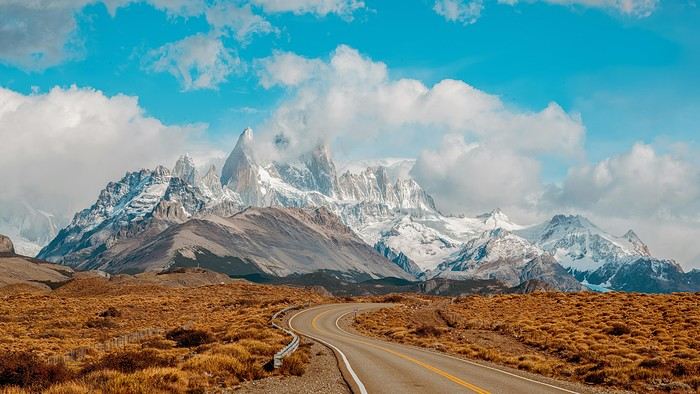
Argentina is a true playground for outdoor enthusiasts: hikes in the steppes, sailing on the Beagle Channel in Tierra del Fuego, whale watching in Puerto Madryn (from June to December), or exploring the Iguazu jungle to encounter its wildlife and flora. And just when you think you’ve seen it all, Argentina still has surprises in store. In the Salta region, the Quebrada de Humahuaca reveals mountains with seven colors that tell the geological history of the Andes. It’s a feast for the eyes!

Why not join a small group with Tierra Latina?

Traveling alone doesn’t mean you can’t share parts of your journey with other enthusiasts. That’s what Tierra Latina offers: small-group tours (between 2 and 12 people), designed to balance the freedom of traveling in a small group with the camaraderie of exchanges between travelers. Each itinerary is crafted to alternate highlights (like visiting must-sees: Buenos Aires, Ushuaia, Perito Moreno…) with more intimate moments, far from mass tourism.

The focus is on authentic encounters and respect for local communities—that’s Tierra Latina’s signature. For example, in northwestern Argentina, Tierra Latina offers the chance to spend time in an Andean community to learn about traditional dish preparation during a cooking workshop. It’s an opportunity to exchange recipes and knowledge passed down through generations. The goal: to go beyond simple sightseeing and experience true moments of sharing.

In a small group, you quickly feel like part of a family of travelers, all united by the beauty of the landscapes. You also benefit from French-speaking guides who share their tips and anecdotes while leaving plenty of free time to explore at your own pace. Whether you’re traveling solo, as a couple, or with friends, you’ll find the perfect balance between independence and the comfort of being surrounded.


Human connections at the heart of the journey

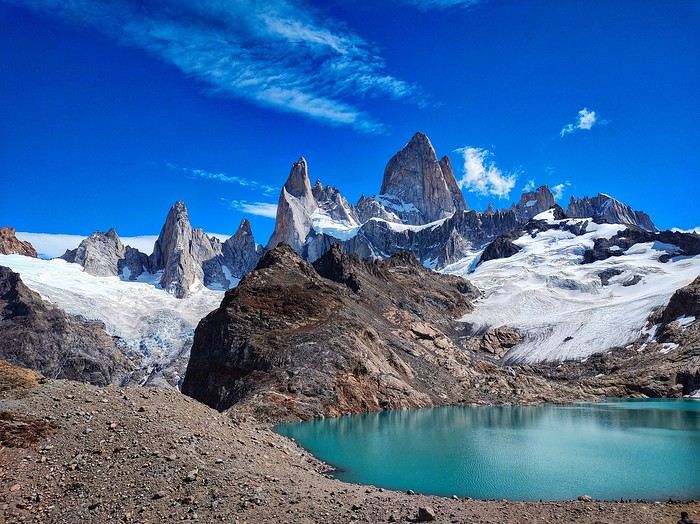
At Tierra Latina, the goal is to put people at the center of the experience. Accommodations are chosen for their authentic character, often tested and approved by the team itself. Whether you’re staying with an Andean family in a small village in the Quebrada de Humahuaca or in an estancia in the heart of the Patagonian steppe, you’ll take part in local life and contribute to the economy of these sometimes isolated regions.

This responsible approach to travel helps minimize environmental impact while maintaining a privileged connection with those who make Argentina so rich: its people. You’ll leave with intense memories, marked by moments of sharing that are hard to replicate elsewhere. So, ready to pack your bags? Follow the guide and fly off to this fascinating country—you’ll only want one thing: to come back!
Open
Questions about exploring the Carretera Austral
Hi there,

I’ve got my flight ticket sorted—departing in mid-November and returning in mid-March. I’ll arrive in Santiago and leave from Buenos Aires. I’ve already been to southern Argentina, specifically Torres del Paine National Park, and I’d love to go back to do the full W trek (I only did the shorter version last time). I also want to do some hiking and maybe even tackle a summit. I climb and occasionally do some mountaineering, so I’ll definitely be going with a guide.

I plan to start around Temuco in Chile, with the idea of heading toward the lakes, then taking the Carretera Austral. I’m not sure if I’ll go all the way to Ushuaia—it’s supposed to not be *that* worth it, except for the bragging rights of saying you’ve been to the end of the world.

I saw there are lakes in Argentina too.

I don’t have a precise itinerary, but what I’d love is, once I reach the southernmost point of my trip, to take a mini-cruise to see some wildlife. Any tips for that?

What kind of sleeping bag did you take? Is a 0°C (32°F) one enough? And one last question: white gas stove or can I get by with my gas stove?

Nath
Open
Demystifying Argentina’s Currency Exchange Puzzle
Everything You Need to Know About Argentina’s Currency Exchange Maze (2026 Edition) Hi fellow travelers,

Packing your bags for Buenos Aires? Watch out—here, money is a science almost as complex as the dance steps in a tango!

As of March 2026, the situation has shifted dramatically: the "Blue" (parallel) rate is now neck-and-neck with the official rate. To save you from losing your hard-earned euros in bureaucratic mazes or "disastrous" exchange rates, I’ve laced up my reporter boots and hit the famous Calle Florida for you.

In my latest video (and the accompanying article), I take you behind the scenes of currency exchange:

Arbolitos and Cuevas: Who are they, and can you still trust them? The Rate Showdown: Why Banco Nación is currently the worst place for your savings. Western Union: Why it’s often your best ally right now. Cash or Card? The little secret to getting an instant 10–15% discount at restaurants or hotels. The Bill Trap: Why your 500 € notes or stained dollars might stay in your wallet.

Argentina changes fast—*very* fast (by the end of March, today’s advice might already be old news!). So don’t leave without checking the market’s pulse.

Check out all my tips in the video here: https://www.youtube.com/watch?v=KKmKFux4fpQ

And remember: in Argentina, don’t exchange money on weekends—unless you want your cash to melt like snow in the sun!

Safe travels, and see you on the road! Hergé
Open
Which direction should I take for the Salta–Mendoza loop from and back to Buenos Aires?
Hi everyone,

I’m planning a trip to Argentina in February. I’ll be starting from Buenos Aires and want to do a loop that goes through Salta and Mendoza before returning to Buenos Aires. I’m still undecided on the direction: • Buenos Aires → Mendoza → Salta → Buenos Aires or • Buenos Aires → Salta → Mendoza → Buenos Aires.

I plan to explore each region, alternating between buses and a rental car.

In your opinion, which direction makes more sense for this itinerary (climate, roads, logistics, etc.)?

Thanks in advance for your tips! !
Open
Easter Island, Ushuaia, San Pedro de Atacama, Santiago Chile, Nov-Dec 2024, 28 days
A little recap of my 28-day solo trip from mid-November to mid-December 2024. CDG to Santiago with Air France, first night near the airport at City Express by Marriott Airport. No shuttle as planned, but I expected it, so on the advice of a kind Chilean, I took Trans Vip at the airport counter. It was great—I’ll download the app—easy, cheap, and on time. The hotel arranged the return trip to the airport the next morning for my flight to Easter Island. I booked my flight with Latam via Booking, as well as my accommodation: Hare o Koro (formerly Vai Kapua, French spoken). Warm welcome with a flower lei and a quick city tour with Marieta and her husband. The place was clean, well-located, and included breakfast. All the tours were done with the family for a very reasonable price (personalized service with fun anecdotes!!). They even gave me souvenirs for the trip back—a great place to recommend! 🙂.

Back to Santiago for a night at Quinta by Wyndham. Again, no shuttle, the room was very comfortable, but no hot water or breakfast due to an early departure. The airport shuttle was fine, but I won’t stay here again. Off to Ushuaia with Aerolíneas Argentinas—I booked the flight directly on their site with a longer layover due to a plane change (tip from a fellow traveler). Took a taxi to Isla Bella, which included lunch. The place was clean, heated, and a nice surprise—Monica speaks French! It’s 15 minutes from the center, but the way back is a steep climb. I booked 3 excursions with the agency Brasileiros em—great experience! Next door, there’s a clothing store where I rented waterproof shoes for the Laguna Esmeralda trek, and I’m glad I did!! After 4 nights, back to Santiago for 1 night at Happy Hostel (breakfast included).

For the experience, I took the Bus Ciktur to Calama—a 22h30 semi-cama ride with a toilet, movies, and TV in the evening, then a 1h30 bus to San Pedro de Atacama. Stayed at Hotel Sonchek, well-located, no breakfast but a shared kitchen with coffee and tea available. Moïssa speaks French and recommended the agency Gato Andino for my excursions—great choice! I ended with the Geysers del Tatio without taking altitude meds, just coca leaf tea! Spent 4 nights there, then back to Santiago with Sky Airlines. Returned to Happy Hostel since it’s well-located in the historic center.

Took the Turistik bus for 2 days (48 €), including the teleferico for Cerro San Cristóbal (the funicular wasn’t working). Valparaíso and Viña del Mar with the same agency—Valparaíso is stunning, but the guide wasn’t great. SKY COSTANERA had an impressive view (18 €). Near the hotel in the Brazil neighborhood, you can eat local and cheap at Foxtim Burger.

All in all, great encounters—the Chileans are friendly and helpful!!!!
Open
Grand tour of Argentina March 2025
My buddy Christian and I (Patrick) are off for 28 days in Argentina in March. We’ve already shared several trips as a duo (Bolivia Peru, Namibia, Laos, Costa Rica). Since we’re starting from the idea that at our age (65) we won’t be coming back here—there are just too many other corners of the world to discover—we did the "grand tour" of Argentina, with 6 domestic flights to make the most of our 28 days. Here are our stops: 1) Departure from Brussels to Buenos Aires via Madrid 2) Arrival and first contact with Buenos Aires 3) Early morning flight to Ushuaia. Boat trip on the Beagle Channel 4) Ushuaia: hikes in Tierra del Fuego National Park 5) Ushuaia: last hike and flight to El Calafate 6) El Calafate to El Chaltén by bus. First hike 7) El Chaltén: hike 8) El Chaltén: hike 9) El Chaltén: hike and bus back to El Calafate 10) El Calafate: Perito Moreno Glacier 11) Flight to Bariloche. Car rental and surrounding areas 12) Seven Lakes Region 13) Nahuel Huapi National Park region 14) Flight to Salta. Car rental 15) To Tilcara 16) To Humahuaca 17) To Purmamarca 18) To Jujuy via the salt flats 19) To Cafayate 20) Around Cafayate 21) To Cachi 22) Back to Salta 23) Flight to Iguazu 24) Waterfalls on the Argentine side 25) Waterfalls on the Brazilian side and flight to Buenos Aires 26) Buenos Aires 27) Return flight 28) Morning arrival Happy reading!..
Open
Travel companion for a mountain-bike crossing of the Atacama (Chile, Bolivia, Argentina) in October 2025
I’m planning a journey of about 2500 km starting from San Pedro de Atacama (duration: max. 2 months). This trip, almost entirely on remote trails, promises to be an extraordinary adventure.

Highlights of the trip - Crossing the Florido Desert (during the blooming season: October 15–30) - Hiking ascents of legendary volcanoes: - Ojos del Salado (6879 m) - Llullaillaco (6739 m) - Uturuncu (6008 m, with 5820 m reachable by mountain bike!) - A 300 km stage through the heart of the desert, with no resupply or habitation: the ultimate experience of solitude and self-transcendence.

Practical details - Daily distance: max. 100 km and 1000 m elevation gain per day - Average altitude: 4000 m (between 3500 and 5000 m) - Temperatures: ~15 °C during the day, down to -25 °C at night (in a tent) - Accommodation: ~50% in villages (with locals or small hostels), ~50% camping

Estimated budget - 1400 € for the flight ticket (including bike supplement) - 1000 € for on-the-ground expenses

Required equipment - Fatbike (essential for deep sand) - -25 °C comfort sleeping bag - Single-wheel trailer (indispensable for these tough terrains)

My experience In 2022, I completed a similar 1200 km trip north of San Pedro de Atacama: - Full crossing of the Salar de Uyuni (170 km) - Ascents of the Ollague (5868 m) and Aucanquilcha (6176 m) volcanoes - Two 200 km stages with no resupply or human presence Videos available for a glimpse of the adventure: - Atacama Crossing 2022 - Part 1 - Atacama Crossing 2022 - Part 2

Next steps If this adventure interests you, I suggest: 1. A first phone call to get to know each other 2. A meet-up over a drink or a test ride in the Bardenas Reales (similar terrain, and I live 100 km away)

Don’t hesitate to contact me for more info or to discuss the details!
Open
Argentine and Chilean Patagonia from El Calafate to Ushuaia
This travel journal summarizes a trip I took in March to Argentine and Chilean Patagonia. It starts in El Calafate and ends in Ushuaia. During my planning, I considered looking into the Australis cruise from Punta Arenas to Ushuaia, as well as the W trek in Torres del Paine National Park. In both cases, I was put off by the prices. Instead of the cruise, I found two interesting wildlife excursions from Punta Arenas: whale watching in the Strait of Magellan and observing king penguins in Tierra del Fuego. The journey to Ushuaia was by bus. For Torres del Paine, things were a bit confusing, so I reached out to two agencies. In the end, I went with a rental car option, overnight stays on-site, and day hikes. I shared my full itinerary with the agency and ended up being taken care of by a local Argentine agency and a Chilean one. So, here we go...
Open
Feedback on a Patagonia road trip itinerary
Hello, We’re planning a trip to Patagonia for November–December 2026. After reading forums, blogs, and guidebooks, we’ve sketched out a rough itinerary and would love to hear from experts. We initially wanted to rent a camper van, but it’s hard to find options and we have no idea about prices. We’ve settled on starting in Bariloche, crossing into Chile for the Carretera Austral, then back into Argentina before crossing into Chile again for Punta Arenas, and finally ending in El Calafate to drop off the car. We don’t want to make any advance reservations so we can stay flexible based on weather and road conditions. Do you think this route is reasonably doable? And if you have any idea about the cost of renting a car for 17 days with a different drop-off location and the paperwork needed for border crossings… Thanks a million in advance for your replies! Céline

Day 1: Flight – 24 hours of travel, overnight on the plane Day 2: Arrival in Buenos Aires, overnight in BA Day 3: BA, overnight in BA Day 4: BA, overnight in BA Day 5: Flight to Bariloche, overnight in Bariloche Day 6–7: Seven Lakes route, overnight in Bariloche Day 8: Drive to La Junta, overnight stop Day 9: Drive to Puerto Tranquilo, overnight in Puerto Tranquilo Day 10: Catedral de Mármol, overnight in Puerto Tranquilo Day 11: Drive to El Chaltén, overnight stop Day 12: Arrival in El Chaltén, overnight in El Chaltén Day 13: El Chaltén, overnight in El Chaltén Day 14: El Chaltén, overnight in El Chaltén Day 15: Drive to Punta Arenas, overnight in Punta Arenas Day 16: Punta Arenas, overnight in Punta Arenas Day 17: Punta Arenas, overnight in Punta Arenas Day 18: Drive to Torres del Paine, overnight in Torres Day 19: Torres del Paine, overnight in Torres Day 20: Torres del Paine, overnight in Torres Day 21: Drive to El Calafate, overnight in El Calafate Day 22: El Calafate, overnight in El Calafate Day 23: Flight to BA, overnight in BA Day 24: Flight to Paris
Open
Average cost for a trip from north to south in Chile and Argentina
Hello,

After putting off my trip to Chile (and Argentina) for several years (protests plus Covid 19/20/21...), I’d love to know what the average cost is now for a journey from north to south? (Public transport and "ordinary" hotels) If you have any recent info, thanks for taking the time to reply...

😉 Best regards,

Cruzo.
Open
Prices for visiting Perito Moreno Glacier (or another) in El Calafate
Hi there, we’re spending 2 full days in El Calafate and we’d like to visit Perito Moreno. The prices through agencies are sky-high, so I’m trying to figure out why by looking at the cost of the bus separately, park entry separately, and the boat separately. I’m still way off the total amount. From reading several blogs, it seems like we could do it ourselves by renting a car. What do you think?

After that, we saw that we could also visit other glaciers, but the agency prices for those are even more expensive. However, in this case, I don’t know if we can do it on our own...

Thanks for your help!
Open
40 days in Argentina and Uruguay: any recommendations?
Hi everyone, We’re planning 40 days in Uruguay and Argentina in February and March, trying to avoid as much rain as possible. We’re thinking of starting in Buenos Aires, then heading to Bariloche, and from there flying to Córdoba, Mendoza, or Salta. Maybe by bus or renting a car to explore each region. Do you have any suggestions or tips for us? We love picturesque, historic cities and landscapes. As seasoned travelers, we’re used to planning our trips ourselves. Thanks in advance!
Open

You might also like










