In 2017, struck by western addiction, our first road trip gave us an irresistible urge to return, which we did from September 2nd to 24th, 2019, on a loop from Denver to Denver via Yellowstone.
The westernmost point of this journey, which took us through the geographical center of the USA, brought us within about a hundred kilometers of Moab, which had been the easternmost point of our last trip.
We’ve been back for over a month now, and I realize I’m starting to forget some details—it’s high time I started my travel journal before my brain turns into Swiss cheese and lets everything slip away.
As I mentioned in my last story, it’ll take me quite a while to finish, so if any travelers have specific questions, don’t hesitate to message me privately.
Once again, I’d like to thank everyone who helped me (and there were many!) prepare our road trip, with a special shout-out to Disneydiddl, Hiacinthe, and Titou (ladies first) as well as Fred and Itat, whom I bombarded with questions for months and who always kindly and patiently gave me tons of great tips.
It’s thanks to all of you that this trip was such a success.
I was a little worried I wouldn’t recapture the emotion and enthusiasm of our 2017 trip, but this one was just as "Wow" as the last.
For those who don’t know us, let me introduce our little group.
We’re four friends in our sixties (this time, everyone made it, which let us score some "senior" discounts...). We live in the Var region, have known each other for over 20 years, and this was our second trip together to this magical West.
Mimi (Michèle): always the smallest and the funniest. Thank goodness she was there to speak English!
Maumau (Maurice): her husband, always with his white hair, his Gallic mustache, his humor, and his Southern accent. He drove every other day.
DD (André): the one with the beard, with whom I celebrated our 41st wedding anniversary at Yellowstone. Our second driver appreciated having a peaceful mind since he’s been retired since July.
Marcalamar (Martine): that’s me—still blonde with glasses, still talking a lot, and still terrified of messing up the organization of this trip despite all the hours spent on the forum.
Recognize us? Ha ha ha!!!! No, just kidding!!!!
That’s us!!!
Hello everyone! 🙂
So many silent months, and now Voyage Forum is accessible again. That’s cool because we can pick up our discussions for our mutual enjoyment.
I hope everyone is doing well and that you’ve been able to take some great trips, whether to the USA or elsewhere.
In September 2020, we had planned a round trip to explore Colorado, but unfortunately, a nasty virus messed up our plans, closing borders and keeping us stuck at home. Luckily for us, canceling the car, flights, and accommodations didn’t cost us a thing—everything was refunded.
In 2023, a loop from Las Vegas let us revisit places we’d seen in 2017 and discover new ones, this time spending more time at each stop with some lovely hikes.
In 2024, we finally revisited the 2020 plan, and I’ll start with that.
However, unforeseen circumstances mean I have much less time than before, so I’ll keep my trip reports shorter (ha ha ha—you’ll have less of my prose to endure).
Another change: for those who remember the "Gang of Four crazy sixty-somethings," it was just DD and me this time. Our dear Mimi and Maumau left the Var to focus on raising horses and can’t leave their little green paradise to join us anymore. We were unfortunately much tamer without them.
We traveled from September 11 to October 3.
The itinerary
Day 1: Flight Marseille-Paris-Denver, then Manitou Springs (133 km)
Day 2: Manitou Springs (49 km)
Day 3: Cripple Creek (104 km)
Day 4: Salida (254 km)
Day 5: Great Sand Dunes (231 km)
Day 6: Durango (283 km)
Day 7: Durango (Durango-Silverton train)
Day 8: Ouray (121 km)
Day 9: Ouray (Perimeter Trail hike)
Day 10: Cortez (213 km)
Day 11: Cortez (Mesa Verde National Park, 134 km)
Day 12: Monticello (268 km, detour to Chesler Park)
Day 13: Moab (171 km, Delicate Arch)
Day 14: Moab (98 km, Fisher Towers)
Day 15: Moab (171 km, Canyonlands)
Day 16: Fruita (210 km, Colorado National Monument)
Day 17: Crested Butte (224 km via Kebler Pass)
Day 18: Crested Butte (57 km)
Day 19: Glenwood Springs (150 km)
Day 20: Glenwood Springs (118 km, Rifle State Park)
Day 21: Georgetown (258 km via Independence Pass)
Day 22: Denver (123 km), then return flight
We speak very little English.
We spent 21 nights there and covered a 3,400 km loop by car and 160 km on foot (we’re still trying to hike while we’re in shape) from Denver in September 2024.
We wanted this road trip to help us explore Colorado a bit more—we’d only spent 6 nights there in 2019—and to see it during the fall foliage season. We also wanted to return to Utah (we love Moab) to enjoy its red rocks, which we adore.
In the prices you see (some in euros, others in dollars), I’ve included bank fees and exchange charges.
The flights, car, and parking were paid by credit card when we booked in February. Usually, we book around November, but some obligations kept us from doing it earlier.
We downloaded the MPC (Mobile Passport Control) app on our phone, which saved us time at immigration.
📊 **Budget: just under 8,500 € for both of us, all included**
📊 **Flights**
Marseille-Paris (CDG)-Denver: 2,152 € for both of us, with one checked bag each
📊 **ESTA and America the Beautiful Pass**
The ones from our 2023 road trip were still valid
📊 **Parking at Marseille airport: 122 €**
📊 **Car: Nissan Rogue (the French X-Trail) from Hertz: 1,165 €**
By booking through Air France (and earning miles), we got a 15% discount. Hertz offers a free Hertz Gold Plus Rewards program, which gives us priority counter service.
📊 **Accommodation: 3,050 €**
We stayed in motels and hotels of various ranges (from 100 € to 270 € per night, depending on the city), all booked through Hotels.com or Booking. Booking sometimes offers cheaper rates if you book via the "Booking mobile" app. We also got some preferential rates thanks to our Genius 2 status. Out of 21 nights, only one place didn’t include breakfast.
📊 **Other expenses (activities booked by credit card before leaving)**
Durango-Silverton train: 210 € (we booked the enclosed vintage coach in March)
Mesa Verde: Balcony House: 15.15 € (booked 14 days before the visit)
Timed-entry passes for Arches National Park: 6 € for 3 days (booked June 1 for September entries via http://récreation.gov/). We booked three different days to play with the weather.
📊 **Supplementary insurance with AVA: 204 €** (due to our age 😅 and the high cost of medical consultations in the USA)
📊 **Cash: 1,540 €**
We left with 1,000 € exchanged before departure and made two withdrawals (500 $ and 200 $).
This cash was used to pay for:
- Evening restaurants and tips (between 70 $ and 95 $ for two meals and two drinks)
- Two state parks: Dead Horse State Park (20 $) and Rifle State Park (10 $)
- The Monarch Pass gondola (24 $)
- Midday picnics
- Gas (slightly cheaper with cash): 204 $ for 3,400 km
- Personal souvenirs and little treats.
Like in our previous road trips, we didn’t rent a GPS. We used the offline GPS app Here We Go, for which we’d downloaded maps of Colorado and Utah from France, as well as a new offline app called Organic Maps as a backup—though we didn’t end up needing it.
❤️❤️❤️ **Highlights (there are so many!)**
📍 The stunning landscapes of Colorado, especially with the fall colors
📍 A step back in time at the old farm in Florissant Fossil Beds National Monument
📍 The prairies of Cripple Creek and the mining remnants of the Vindicator Trail
📍 The cheeky chipmunks in the ghost town of St. Elmo
📍 Great Sand Dunes and its soft sand
📍 The steam train between Durango and Silverton: we’re glad we chose the round-trip because it rained heavily on the way there, but we got to enjoy the scenery on the way back when the sun came out
📍 The unexpected meet-up with Michèle from the group outside a restaurant in Durango
📍 The hot springs in Ouray
📍 Mesa Verde and its still-vibrant past
📍 The red rocks of Moab and Delicate Arch at sunset
📍 The lace-like Fisher Towers and the view from the end of the trail
📍 The gorgeous Route 128 leading to Colorado National Monument—small, easy to visit, and so beautiful
📍 The colors of the fabulous Kebler Pass, Crested Butte, and especially the hike through the golden aspens (Lower and Upper Loop)
📍 The waterfalls at Rifle State Park
📍 The tundra of Independence Pass
📍 The Halloween decorations in Georgetown and Idaho Springs
😞😞 **Flops (there are very few!)**
📍 The viewpoints we missed because they weren’t well-marked or we didn’t see the signs
📍 The closure of some hiking trails (Hanging Lake and parts of Canyonlands) and the Sal Mountain Loop road, which kept us from accessing it
📍😢 The Chesler Park hike we had to cut short due to poor time management—180 km between our stop in Cortez meant we didn’t arrive until 10:30 AM, way too late for a 17 km hike.
Hope this helps!
Have a great evening, everyone, and see you soon! 😊
During our first road trip across the United States, we covered 23,000 km and crossed 28 states in 53 days.
Originally, we had planned to drive Route 66 all the way to Oatman in Arizona and visit various national parks in the American West over a two-month period.
This itinerary was planned before our departure, and all the relevant information had been gathered to stick to the schedule.
Everything went so smoothly that we finished visiting the national parks well ahead of our planned return date.
It helped that having a bed, a portable toilet, and a cooler in our vehicle gave us some autonomy since we didn’t have to worry about accommodation.
So, we decided to extend our road trip to the cities of Nashville and Memphis in Tennessee.
We then headed to Louisiana to visit Baton Rouge and New Orleans.
We crossed Mississippi and Alabama before driving along Florida’s west coast all the way to Key West.
We returned via Florida’s east coast and then crossed the eastern U.S. states to get back to Quebec through the Jackman border crossing in Maine.
So, I invite you to keep reading this long recap, which will let you discover the different attractions we visited throughout this amazing journey.
Videos are included throughout the recap. Click on the image to start the video.
To jump to a specific post, here are the relevant links:
Route 66 - Illinois & Missouri
Route 66 - St. Louis (Missouri) - Gateway Arch National Park
Route 66 - Cuba (Missouri) - City Murals
Route 66 - Springfield (Missouri) - Fantastic Caverns
Route 66 - Kansas & Oklahoma
Route 66 - Texas & Arizona
Route 66 - Texas - The Stations of the Cross in Groom
Route 66 - Texas - Panhandle - VW Slug Bug Ranch
Texas - Palo Duro Canyon State Park - Juniper Trails
Texas - Palo Duro Canyon State Park - The Lighthouse Trail
Route 66 - Texas - Amarillo - Cadillac Ranch
Route 66 - New Mexico - Santa Rosa Blue Hole
New Mexico - Bandelier National Monument - Alcove House Trail via Main Loop Trail
New Mexico - Bandelier National Monument - Tsankawi Ruins Trail
New Mexico - White Rock Overlook
Route 66 - New Mexico - Albuquerque - Old Town
New Mexico - White Sands National Park
New Mexico - White Sands National Park - Dune Life Nature Trail
New Mexico - White Sands National Park - Playa Trail
New Mexico - White Sands National Park - Interdune Boardwalk
New Mexico - Gila Cliff Dwellings National Monument
New Mexico - Grants - Ice Cave & Bandera Volcano
New Mexico - Gallup - Pyramide Rock Trail & Church Rock Trail
Arizona - Holbrook - Painted Desert
Arizona - Petrified Forest National Park - Puerco Pueblo & Newspaper Rock Viewpoint
Arizona - Petrified Forest National Park - Blue Mesa
Arizona - Petrified Forest National Park - The Teepees, Agate Bridge & Jasper Forest Overlook
Arizona - Petrified Forest National Park - Crystal Forest Trail
Arizona - Petrified Forest National Park - Giant Logs Trail
Arizona - Winslow - Two Guns Ghost Town
Arizona - Cameron - Little Colorado River Gorge Overlooks
Arizona - Grand Canyon National Park - Shoshone Point Trail
Arizona - Grand Canyon National Park - Desert View Drive
Arizona - Grand Canyon National Park - Rim Route (Orange) & Village Route (Blue)
Arizona - Grand Canyon National Park - Hermit Route (Red Line)
Route 66 - Arizona - Historic Town of Oatman
Arizona - Bullhead City Community Park
Nevada - Red Rock Canyon - Calico I & II & Sandstone Quarry
Nevada - Red Rock Canyon - Willow Springs
Nevada - Red Rock Canyon Lookouts
Nevada - Valley of Fire State Park - White Domes Trail
Nevada - Valley of Fire State Park - Seven Wonders Trail, Pink Canyon, Fire Wave
Nevada - Valley of Fire State Park - Rainbow Vista Trail
Nevada - Valley of Fire State Park - Mouse's Tank Trail
Nevada - Valley of Fire State Park - Rock Formations
Nevada - Valley of Fire State Park - Scenic Routes
Nevada - Cathedral Gorge State Park - Slot Canyons
Nevada - Cathedral Gorge State Park - Eagle Point & Miller Point
Utah - Bryce Canyon National Park - Mossy Cave & Tropic Ditch Waterfall Trail
Utah - Bryce Canyon National Park - Scenic Drive
Utah - Zion National Park - Pa'rus Trail
Utah - Zion National Park - Sand Bench Trail
Utah - Zion National Park - Emerald Pools Trail
Utah - Zion National Park - West Rim Trail (Trail connecting to Angels Landing)
Utah - Zion National Park - Riverside Walk
Utah - Zion National Park - Court of The Patriarchs & Big Bend
Utah - Zion National Park - Mount Carmel Highway Scenic Drive
Utah - Kanab - Jackson Flat Reservoir
Utah - Toadstools Trail in Grand Staircase-Escalante National Monument
Arizona - Page - Glen Canyon Dam Overlook
Arizona - Page - Glen Canyon National Recreation Area
Arizona - Page - Horseshoe Bend Overlook
Arizona - Page - Upper Antelope Canyon
Arizona - Page - Navajo Canyon Boat Tour at Lake Powell
Arizona - Page - Antelope Canyon X
Arizona - Canyon de Chelly National Monument - Chelly Canyon
Arizona - Canyon de Chelly National Monument - Canyon del Muerto
Arizona - Monument Valley Navajo Tribal Park
Utah - Mexican Hat
Utah - Mexican Hat - Goosenecks State Park
Utah - Mexican Hat - Valley of the Gods
Utah - The Moki Dugway Scenic Backway
Utah - Blanding - Natural Bridges National Monument
Utah - Lake Powell - Hite Crossing Bridge
Utah - Lake Powell - Glen Canyon National Recreation Area - Hite Overlook
Utah - Capitol Reef National Park - Chimney Rock Loop Trail
Utah - Capitol Reef National Park - Hickman Bridge Trail
Utah - Capitol Reef National Park - Grand Wash Trail
Utah - Capitol Reef National Park - Sunset Point Trail
Utah - Capitol Reef National Park - Goosenecks Trail
Utah - Capitol Reef National Park - Viewpoints - Fruita Area
Utah - Capitol Reef National Park - Viewpoints - Scenic Drive
Utah - Capitol Reef National Park - Cassidy Arch Trail
Utah - Capitol Reef National Park - On the way to Capitol Gorge Trailhead
Utah - Capitol Reef National Park - Capitol Gorge Trailhead
Utah - Monroe - Mystic Hot Springs
Utah - Scenic Overlooks on UT-24, UT-119 & I-70
Utah - Arches National Park - Park Avenue Trail
Utah - Arches National Park - Courthouse Towers Section's Viewpoints
Utah - Arches National Park - Balanced Rock, Pothole Arch, Ham Rock & Garden of Eden
Utah - Arches National Park - Double Arch Trail, Cove Arch, Cove of Caves & Panorama Point
Utah - Arches National Park - Windows Loop & Turret Arch Trail
Utah - Arches National Park - Delicate Arch Trail
Utah - Arches National Park - Upper Delicate Arch Viewpoint Trail
Utah - Arches National Park - Fiery Furnace Section - Viewpoints
Utah - Arches National Park - Sand Dune Arch Trail
Utah - Arches National Park - Skyline Arch Trail
Utah - Arches National Park - Devils Garden Trail
Utah - Dead Horse Point State Park - West Rim Trail
Utah - Dead Horse Point State Park - East Rim Trail
Utah - Moab - Utah State Route 279 (Potash Road)
Utah - Moab - Shafer Trail - Potash Evaporation Ponds
Utah - Moab - Potash Road Dinosaur Tracks and Petroglyphs
Utah - Moab - Potash Road - Corona, Bowtie & Pinto Arches Trail
Utah - Moab - Potash Road - Wall Street Climbing Area
Utah - Moab - Kane Springs Road
Utah - Moab - Kane Springs Road - Side By Side Adventure
Utah - Moab - Kane Springs Road to Moab
Utah - Canyonlands National Park - Island in the Sky - Mesa Arch Trail
Utah - Canyonlands National Park - Island in the Sky - Aztec Butte Trail
Utah - Canyonlands National Park - Island in the Sky - Whale Rock Trail
Utah - Canyonlands National Park - Island in the Sky - Upheaval Dome Trail
Utah - Canyonlands National Park - Island in the Sky - Grand View Point Overlook Trail
Utah - Canyonlands National Park - Island in the Sky - White Rim Overlook Trail
Utah - Canyonlands National Park - Island in the Sky - Overlooks
Utah - Moab - Wilson Arch
Utah - Monticello - Newspaper Rock State Historical Monument
Utah - Canyonlands National Park - The Needles - Road Side Ruin Trail
Utah - Canyonlands National Park - The Needles - Cave Spring Trail
Utah - Canyonlands National Park - The Needles - Pothole Point Trail
Utah - Canyonlands National Park - The Needles - Big Spring Canyon Overlook Trail
Utah - Canyonlands National Park - The Needles - Overlooks
Colorado - Mesa Verde National Park - Mesa Top Ruins Road
Colorado - Mesa Verde National Park - Chapin Mesa Road
Colorado - Mesa Verde National Park - Mesa Top Loop
Colorado - Mesa Verde National Park - Wetherill Mesa Road
Colorado - Great Sand Dunes National Park
Colorado - Mosca - Zapata Falls
Colorado - Colorado Springs - Garden of the Gods
Colorado - Black Canyon of the Gunnison National Park
Colorado - Gunnison - Curecanti National Recreation Area
Colorado - Gunnison - Blue Mesa Dam & Reservoir
Colorado - Lake Pueblo State Park (Pueblo Reservoir)
Kentucky - Mayfield, 5 months after an EF4 tornado
Tennessee - Nashville - Downtown Walking Tour
Tennessee - Graceland Mansion - Home of Elvis Presley
Tennessee - Graceland - Lisa Marie & Hound Dog II Jets
Tennessee - Graceland - Elvis Presley Automobile Museum & Exhibits
Tennessee - Exploring Memphis
Louisiana - Exploring Baton Rouge
Louisiana - Exploring Lafayette
Louisiana - Exploring Houma
Louisiana - New Orleans - French Quarter Tour
Louisiana - New Orleans - Garden District Tour
Louisiana - New Orleans - Creole Queen Mississippi River Cruise
Florida - Clearwater Beach
Florida - Sanibel Island - Bowman's Beach
Florida - Siesta Key Beach
Florida - Captiva Island - Turner Beach
Florida - Key Largo - Sunset
Florida - Key West - Smathers Beach
Florida - Miami Beach - Art Deco District
Florida - Miami Beach
South Carolina - Myrtle Beach
Virginia - Virginia Beach
Maine - Scarborough - Pine Point Beach
The Burst Hose.
The passenger is so impatient to arrive that the coachman whips a horse that barely tolerates the mistreatment. I can tell she’s gearing up for a kick, and suddenly, at full gallop, she stops responding. If I press the spur, she cuts out but accepts a half-pressed pedal.
She pulled this stunt last year, right in the middle of the Kalahari Desert, and I can guess the trick: she blew a hose!
An hour at a slow trot brings us to a Ford garage. A workshop manager, as sullen as he is efficient, has the necessary parts removed to reach the hose, then announces he doesn’t have the spare part and will need a week to get it. I suggest taking advantage of the access to make a temporary repair on the tear, but he refuses, arguing the pressure is so high that the patch would give way immediately—"It’s not a Testarossa, after all!" After reassembly, he refuses to charge us anything and advises us to head to the next town, 200 kilometers away—off we go for another four hours. Semi-trailers overtake us without mercy; I’m reminded of *Duel*.
At the Land Rover dealership, we learn the part will take two working days to arrive, and it’s Thursday. I decide to have the hose delivered to the house without wheels—I’ll change it myself.
Five hours later, climbing the pass in first gear, we reach the object of her desires.
*
Hide and Seek
In Brittany, my neighbor is a taciturn, touchy fisherman. He’s anchored his old boat in the middle of the estuary that separates two departments and uses it as a storage space. It’s a jumble of nets, buoys, and traps. The old wooden vessel is falling apart, and the hull’s paint is nothing but a distant memory—so much so that the Maritime Affairs Directorate of his department orders him to remove it or repaint it.
Asterix also runs a restaurant on the harbor, where he treats customers to his catch. One Sunday afternoon, we see him loading cooks, servers, and dishwashers armed with rollers, brushes, and paint cans into dinghies. Off they go for two hours of slapdash painting and laughter. Once the starboard side is done, everyone returns to prepare for the evening service. The port side will wait until the Maritime Affairs Directorate from the other department reacts.
This story came back to me when I got home: the side visible from the road had been repainted, but the other side was left as is.
*
The Blonde, the Red, the White, and the Black
Many workers are paid at the end of each week, but alcohol sales for takeaway are banned on Saturdays and Sundays. So, on Friday nights, the bars are packed, and liquor stores never empty—of people who are already full.
Their limited means reduce them to cheap, harsh wines or bland beers. Yet, they still end up wasted.
*
Seven
In mainland France, you can easily raise seven sheep per hectare. In the Great Karoo, it takes seven hectares of sparse but tasty vegetation to feed just one sheep. Not to mention the energy spent moving around. Add to that the fact that a French sheep produces about one and a half lambs per year, while here, between droughts and jackals, it’s closer to 0.7, and you’ll understand why, with a 7,000-hectare farm—the local basic unit—a South African farmer’s income barely exceeds that of a farm a hundred times smaller in Brittany.
This weekend, the annual agricultural show is taking place at the fairgrounds. Some come from far away, so a procession of pickups, trailers, and trucks loaded with sheep makes its way up the main street: we’re definitely in the Karoo. I expected a competition of lean, wiry ascetics, able to pass on traits useful to the environment, but I suspect these bodybuilder show animals don’t just graze on the bush and are doped with alfalfa. Besides, I caught a dealer red-handed with a bag of pellets.
*
They’re Not Dolls
Ken is a professional hunting guide, working independently. When it’s not hunting season, he goes fishing for clients, mainly in the United States. He says Trump’s election—whom he slightly resembles, though younger—would be good for his business, but he doesn’t like Trump, nor, it seems, his clients much. He wanted to be a farmer, but in the post-apartheid context, taking over a farm was a gamble. His wife, who’s more beautiful than Barbie and Melania, silently agrees.
*
Neighbors
That’s the problem with women: their *it girl* side. Within a year of her moving in, we got two new neighbors. One on the other side of the track, the other half an hour away (here, that’s *next door*).
One only travels at the controls of his black helicopter, the other aboard his private Boeing 737.
The first is a very wealthy farmer from the northeast of the country who’s expanding into the Karoo. He just bought two non-contiguous farms of 6,000 hectares each. I still don’t know what the owner of the farm in between is thinking. The newcomer plans to create a wildlife reserve for breeding purposes; our future neighbors will be giraffes, rhinos, and antelopes, including rare species like the Sable. They say he’s a man in a hurry, determined: when the municipality dragged its feet on his request to refurbish the public track that serves as our border, he just went ahead and did it himself. It was a historic farm, crossed by paths leading to other farms, home to a pond full of birds where water from the mountain ends up after the villagers have taken their share. That’s where the golf course I was about to become the 29th member of was located. Now, it’s all closed off, fenced, and lined with monumental gates. The Wild West in the Western Cape. Is it because his name ends in ‘-ski’ that rumors link him to Slavic mafias and advise against crossing him? The same rumors say he’s involved in the uranium market—well, there’s uranium in the Karoo’s subsoil.
The second neighbor is a Saudi prince who just bought a modestly sized farm—3,500 hectares—but don’t think he’s a minor prince. He paid four and a half times the market price to get it! The farm had been in the same family for two centuries, and the owners refused to even consider selling. The prince’s agent—money, in this case, black gold—kept coming back every week despite repeated refusals, finally saying his client wanted this farm at any price. A price they were asked to set. And that’s how you sell your ancestors’ graves.
There are plenty of huge farms for sale here, but the prince was looking for a property where he wouldn’t see any roads, tracks, or other houses or farms. He’ll come a few days a year to hunt. However, he’s annoyed: the runway at the nearest airport, two hours away, isn’t long enough for his private jet, so he’ll have to land in Cape Town, like me, and endure nearly two hours by helicopter.
That’s how it goes in South Africa. I’d be curious to know what Julius Malema, leader of the EFF (Economic Freedom Fighters), who advocates the Zimbabwean model of land redistribution, thinks about it.
*
Biko
The autobiography of a journalist and politician of European descent, South African, is published this week. In 1977, this rookie got her editor’s permission to investigate the death in detention of black leader Steve Biko. The apartheid regime’s political police claimed he had died from a hunger strike. The bold young woman discovered that the medical examiners reported a slightly overweight corpse, and later, it was revealed that Biko had died from abuse, if not torture.
Under pressure after publishing her investigation, Helen Zille, disillusioned, gave up journalism and turned to politics. She is one of the white South Africans who fought against apartheid, and it’s reassuring that some people have a conscience that transcends class or race.
*
You Have the Watches...
…we have the time. Anyone who’s worked with Africans knows this response they occasionally throw at us. Willem, the inconsistent gardener, couldn’t stand the observation: running around the place at top speed, even with a pitchfork over his shoulder, wasn’t getting the job done.
So Jan replaced him. We share the same first name—no doubt we’ll accomplish great things. He’s known to be reliable, meaning he shows up for work, and he only speaks Afrikaans. We communicate like at the circus: thumbs up, thumbs down. Jan has the build of a bushman but the bone structure and features of a mixed-race person—multiple mixes. He’s a sprite, always moving, sometimes without purpose or destination (the journey is the path). I lose sight of him—it’s not exactly a virgin forest—and he reappears elsewhere, busy.
Jan doesn’t understand wasted water—he must think the same of us trying to cultivate the desert. He’s a gardener like I’m a violinist, virtuosos of playback.
After a very light lunch, he lies down on the ground in the shadow of the stables and falls asleep.
If his arrival time in the morning is variable, it’s never before the agreed hour, but his departure time is unchanging: it’s 3 PM, no matter what. No point trying to fool him; he can count and shows me the fancy watch eating up his thin wrist.
*
Colours
Veldrift, Oyster Catcher, Lobster Red, Namib, Dune, Lion's Den, Kalahari, Bush Fire, Karoo Dawn, Cape Fynbos, Safari Trail, African Pan, Bushveld Plains, African Queen, Karoo Drift.
A bestiary? A herbarium? No, the colors offered by the country’s top paint manufacturer. All the shades of the continent from an armchair.
*
Pets
She loves three mastiffs, a meter tall at the withers. Is it for their beauty? Their breed? Their deterrent power, because knowing these beasts exist, no one would dare enter her property without an invitation?
A bit of all that, probably. She won’t say.
She loves pets but likes other people’s less, especially the poor ones. So, she actively participates in the campaign to sterilize dogs and cats in the neighboring township. Just think, the poor things can’t afford to feed or care for them, meaning they can’t ensure them a decent life.
She and others justify the pets section of the local mini-supermarket. Whether your pet is a puppy, adult, or mature, whether it likes fish or prefers beef (no one thought of a dog-based reference from the township?), you’ll find your happiness. While you order, many locals will only have access to the parking lot to beg.
*
Democracy in Africa
What would Tocqueville say about Democracy in America this fall? After the father, we had the son; after the husband, and by default, we might get the wife. No one else, really? Let’s not talk about France and its current vaudeville.
A Ivorian academic believes African peoples aren’t ready for "Western-style" democracy (caricatured as a free T-shirt buying a vote). Does he know the same is true elsewhere, where many voters vote not for a vision, a project, or convictions, but to protect their own interests?
Here in South Africa, national elections were held recently, confirming the ANC’s decline in favor of the Democratic Alliance (DA). Historically (since the end of apartheid) seen as the party of whites (who make up less than 10% of the population), it has managed to rally those disillusioned by the clientelism, incompetence, and corruption of Mandela’s unworthy heirs. The DA now governs five of the country’s six largest cities.
In the neighboring township, long after the vote ended, ANC and DA T-shirt wearers cross paths courteously.
Today, it’s different. The DA’s national leader is holding a rally in a vacant lot. A few hundred people are there, including a good third of children, three-quarters of them ragged. Not an ANC T-shirt in sight amid the smoke of braais and deafening music. Fewer than ten pale faces: the journalist I’m driving, a local official, and activists. A small convoy of limousines arrives—just four, fewer than any of President Zuma’s offspring’s private stables. The crowd stirs, flags wave, and ululations ring out. Mmusi Maimane is a light-skinned mixed-race man, towering over the assembly, which he gently parts, joining in the dances and posing for selfies. He’ll give his speech, half in English, half in Afrikaans, perched on a truck platform—the meeting’s cost must be bearable for taxpayers. A mediocre populist orator, no doubt, but skilled.
Two hours later, in the evening, another gathering. This time in a historic town property. A hundred and fifty people, casual chic, all white except for three mixed-race individuals... and the DA President. A Rotary Club vibe: everyone the town has in terms of farmers, shopkeepers, and entrepreneurs has paid their dues to honor Mmusi Maimane’s visit.
His admirers see him as a new Mandela or compare him to Obama; his opponents think he’s being manipulated, and his detractors call him a traitor. He’s under forty, intelligent, and his wife is white. The chance he’ll become President of South Africa isn’t zero.
*
Posh
Port Out, Starboard Home.
Sonja, who walks the desert at dawn, calls one of her acquaintances posh, meaning snobbish. She’s got a sharp tongue.
Wealthy English people (not the ones sent to Australia as convicts one-way) traveling to India would book their cabin on the port side on the way out and starboard on the way back. That way, they had a view of the coast throughout the journey instead of the ocean’s emptiness—whatever Kersauzon says.
I didn’t know that by choosing my seat on the plane, depending on the route and time, so the sun lights up the landscape instead of blinding me, I was being posh.
*
Cosmopolitan Wine Tasting
A pale lookalike of Jacob Zuma, a painter teaching his art in Europe; an Antwerp writer in South Africa; a desert gardener with a surfer look; an Irishwoman teaching yoga in the Karoo; an Afrikaner passionate about world history; another, our host, up to his neck in wine; and two French observers—observed observers. Conversations flow, then bottles, just before some hosts leave.
Recurring corruption scandals involving President Zuma and his inner circle. A Chenin Blanc. Napoleon, who could have changed the course of South African history. An unwooded Chardonnay. The snake, a puff adder, one found in her garden. A Sauvignon Blanc. The kudu hit by a car at the village exit, which didn’t survive. A Pinotage. The bloody Anglo-Boer War. A Shiraz named Down to Earth.
*
Little Patagonia
A story of pressure or depression, temperature differentials, or perhaps an age-old war between the elements—almost every day at the end of the afternoon, as if tucking in, the wind rushes down the mountain and gives a free haircut.
When it falls, you don’t know where, and you hope it hurt itself and won’t get back up.
I’m going to build a mast on the house, hoist the sails, trim them, and sail across the desert—it will remember the sea.
*
So, I’m putting into action an idea I had two years ago... I’m inviting anyone who’s interested to help build a beautiful collaborative project—a shared travel journal!!!
The concept: one post =
a photo you’ve taken in the American West that means something to you
and your thoughts on that photo or about it: where and when it was taken, the story behind it, why it’s special to you...
Grab your pens!!!!
(And I hope this doesn’t flop, but if it does, at least I’ll have tried!!!)
January 12, 2013, 5:30 AM, Flight BA043 London-Cape Town
Directly below, Windhoek glittered like a tangle of fairy lights still lit and tossed into a box.
The horizon, edged in purple, was setting up a backup fireworks display, and suddenly, like a cherry on the platter and with unbearable intensity, in less than two minutes the entire sun revealed a gray dam and then a vast, untouched massif.
A few more minutes and the glare to the east of the plane was total. In Africa, the sun is swift.
We still had a France to cross before landing, but it felt as if we were already there. To the west, the raking light revealed what looked like acne and long, swollen scars in a desert region that might be the Swartkloofberg. Further still, straight as far as the eye could see, the two parallel tracks of a dirt road.
At 11,500 meters altitude and 940 km/h, we had a sense of stillness until the Orange River appeared, an incongruous serpent, gray edged with green.
The first South African settlements were dotted with trees providing shade, then rivers highlighted by continuous lines of vegetation.
Water and shade that make life possible.
We’ll return here by the backroads.
Half an hour from Cape Town, the plane tilted toward the sea, crossing plantations (likely citrus) and then an explosion of cultivated greenery in circles on either side of an unruly river. Finally, the coastline was no longer just sand and water—a frothy hem, a suture?
A peninsula came into view, forming two magnificent bays, and... a flight attendant firmly instructed me to return to my seat: we’d arrived!
The Colors of Cape Town
The city was dressed up as I like them—deserted, fluid, free of its vendors.
In the parking lot of the endless beach next to the commercial port north of the city, about two hundred people were unloading their goods in front of their pickups or combis, none of which were from this century: mixed-race, ageless Black people, and white folks who looked like they’d stepped out of another era.
After a few minutes, intrigued, I played a game: first looking at the merchandise, then imagining who was selling it, and finally looking at who was actually manning the stall. Tall Black vendors were selling what they often sell in Europe—leather, sunglasses, watches; mixed-race folks offered discount bundles, and the tanned older white people seemed to have emptied their attics.
We left with an antique tin kettle for morning tea over an open fire, a pack of five exercise books (that’s 600 pages to fill), Bill Bryson’s earliest stories in English, some snoek rillettes (a local fish), and—never seen before—tuna biltong and snoek biltong.
In so-called advanced countries, Sunday is for sports: white cyclists dressed like pros sweating diligently, Black street vendors running in loops at red lights to sell trash bags that day; white golfers losing their balls, which a scantily clad Black man retrieves from the water; under the sails of kite surf boards, it’s all blondes, and in the foam, joyful splashes from a bunch of Black kids.
Searching for an unusual spot for lunch, we drove through the fishing port looking for a dive and, at the end of a dead-end road with no warning, we arrived at the Shimmy Beach Club—quite the program.
The place, open for just three weeks, aims to be ultra-trendy. You could be in San Francisco, Lisbon’s docks, or St. Barth. This time, the "visible" staff was diverse, but the clientele was exclusively white, except for one mixed-race couple.
For this Sunday lunch, the women had pulled out all the stops, and local starlets—who’d make ours look tame—were turning the terrace into a frenzy.
At Cape Town’s port, the girls have *port*. The trend seems to be crochet dresses over swimsuits.
For two hours, a team of employees watered and raked the sand, starting over when they finished. A child in a floaty pink dress and a gold headband, but a future adventurer, stepped onto the freshly raked artificial beach sand for the first time.
A lanky mixed-race man dragged a hose across the ground, followed by a white woman—enchanted?—who then started watering the sand herself, carelessly splashing the glass terrace her colleague had just swept. I suspect a tacit work arrangement to keep everyone employed.
A galleon packed with tourists (are there any in the hold? Does it take tourists to Robben Island?) left the port. A helicopter took off in its wake. Trawlers returned, cutting through a ballet of catamarans, their waterlines well above the water: a bad catch.
If there’s one country where you can’t pretend to ignore skin color, it’s this one. The question is in everyone’s mind, and here more than anywhere else, it’s a decisive economic and political factor.
Columbine of Brittany
200 km north of Cape Town and 9,000 km south of the Breton coast, but on the same cold ocean, we camped on the shore of the Columbine Cape Nature Reserve, sheltered by a rocky chaos that, at first light tomorrow, would transport us to Perros-Guirec.
Our first encounter with wild animals wouldn’t end well for them: it was crayfish season, and they were the size of lobsters at Lorient’s fish market. Bought for R60 (5.5 €) a pair from kids in Pater Noster, they’d end up between two rocks, over a fire. But first, we had to pair the Chenin blanc with some snoek biltong.
With no wood, I lit a fire at dawn with dried seaweed and kelp, as if petrified; it gave off a smell of court-bouillon and... tires. Two hundred fathoms away, on an outpost, an army of cormorants stood at attention, unmoved among the frolicking seals.
At the reserve’s exit, the guard spoke French; Patrick Mwanba had arrived from Congo three years earlier to study, but the cost of living here forced him to drop out. He’d like to return home because life is cheaper there, but the war made him hesitate.
Ding ding dong! Vroom! Arf arf, Woof! Buzz! (A night from hell!)
I’d long planned to visit Calvinia, the center of a region known for extensive sheep farming. An excellent provincial museum, run by an enthusiastic curator, kept us too late to start the drive north.
So we camped in a tiny, charming campsite set up in the garden of a house. A few trees, a patch of resilient grass, and a view of a pretty lit-up steeple—what else?
Well, it turned out to be a sound-and-light show, with the pretty steeple chiming the hours and half-hours. Then suddenly, we were in the VIP stands of the Karoo-Kalahari Truck Race: roaring trucks paraded under our canvas windows, and we realized we were on the main road through town. To top it off, we enjoyed an uninterrupted canine cacophony, from the *arf arf* of little dogs to the *woof* of a mastiff. Oh, and some mosquitoes—the first ones—insisted on keeping us company in the tent, and we hadn’t yet bought the arsenal to neutralize them.
I walked through Calvinia at night; the house gardens weren’t fenced, nor did they have the «Armed Response» signs so common in the country.
The Kalahari Trails
(No, no, I haven’t converted to hiking.)
North of Calvinia, in the south of the Northern Cape, small towns follow one another up to Upington, about a hundred kilometers apart—welcome havens. Between them, with no trees in sight, we stopped in the shade of a motionless cloud: the temperature exceeded 40°C in mid-January.
We were almost out of the High Karoo and into a region of pans drying up, until the first red dunes appeared, precursors of the Kalahari. In the sparse veld vegetation, gatherings of quiver trees in the kopjes, and a caravan of camels without a handler or packs, marching in perfect formation across a pan (no, I hadn’t overdone the Windhoek at the last stop, and no, I wasn’t dehydrated enough to hallucinate).
The historic part of these towns, European in style, was built on the same plans as those in the American Midwest or the Australian Outback: a grid of streets wide enough to turn a wagon pulled by eight pairs of oxen. The architecture was Dutch-inspired, tropicalized with awnings.
Then came more recent housing, functional in style, where the wealthier mixed-race people—who make up the majority of this state—lived, and further on, the township, an assemblage of corrugated iron and plastic, like everywhere else.
Orange, Right Bank
North of Augrabies Falls National Park, on the other side of the Orange River, stretches a rugged and wild territory the size of fifty Groix islands, crisscrossed by a few tracks—the Riemvasmaak.
The inhabitants were driven out half a century ago for a military base, and as soon as President Mandela was elected, he made it a symbol by allowing the exiled populations to return. Several ethnic groups live here on almost nothing, in government-built shacks.
A community camp is set up in a small cirque at the end of a canyon that, while not in the history books, offers a good descent. By mid-afternoon, the air was at 44°C, but luckily there was a spring... except it was a hot spring, with water at 38°C. And they haven’t invented a reversible spring yet. Once the birds and baboons had settled in, in absolute silence and far from any light pollution, we enjoyed the stars like nowhere else (well, that’s what they claim in the region).
The Orange didn’t choose the easy path: arriving from Lesotho, it was almost at the ocean. The terrain to the south and north of this massif seemed easier to cross. Was it to avoid the curse of the Okavango, whose waters disappear into the sands without ever seeing the sea, that it chose this rocky route, thinking that at least the granite wouldn’t steal its water?
I Love You, I Eat You
In the dry bed of the Auob, it lay panting, head raised, alert, between its paws but head-to-tail, a tawny springbok, motionless.
A few minutes earlier, their story had been written in a lightning-fast chase, captured in photos by the driver of the car that alerted us.
It would be a long time before it started eating at the groin without breaking its surveillance.
Earlier, there was a lion lounging in the shade and hundreds of antelopes: springboks and gemsboks (oryx) in herds, hartebeests and steenboks alone. Strange pairs, apart several times, formed by a springbok and a gemsbok.
A few solitary jackals moved slightly sideways, looking furtive. Ostriches, alone, looking a bit dazed.
It was a lucky morning in the Kgalagadi (KTP).
In and Out
Kgalagadi, Nossob Camp.
We were at the very end of the almost-empty camp, ten meters from the fence, whose structure wouldn’t resist an elephant (though there aren’t any here), but it was electrified.
At dusk, on the other side, ten meters away, three lions passed in a row, as if on parade, seemingly focused on their goal and indifferent to the camp, though they glanced at it.
A jackal had gotten into the camp and was trying to get out without success while scavenging. I offered it two pieces of snoek biltong (Don’t feed the animals!) from three meters away—it smelled strong and had bones (bones in biltong!). When it passed by again, it sniffed but didn’t dare approach. Curled up in the chair, motionless, by the faint moonlight, I finally saw it come closer, grab the nearest piece, and move ten meters away to enjoy it (how many jackals know the finer points of sea biltong?). A little reassured, it came back for the second piece.
Another Morning
By morning, the jackal was gone, but our luck hadn’t left us. Two cheetahs again, who found me in the way and slowly moved toward a calmer shadow. Enough birds of prey to form a squadron, but they’re solitary hunters. Two ostriches busy with their dozen unruly chicks. And while we’re at it, a group of four Kalahari lions, sprawled under a thorny bush. Lots of oryx crossing the dunes and herds of red hartebeest. Kori bustards and secretary birds.
It was the first time the Kgalagadi had spoiled us so much.
It's all in the title—I'm 70, and I've been traveling by bike (tent and camp stove) for five years now. Statistically, how many more years do I have left to plan my destinations and see (almost) everything?
Question is half realistic, half humorous.
To keep it simple: how old are you, fellow senior cyclists still on the road? And what are your biggest challenges?
Personally, I'm in good physical shape, though my cruising speed has dropped from 3–4 km/h over the past five years.
But arthritis (hip) is starting to make it tricky to swing my leg over the frame.
Who are you? Where are you from? Where are you going?
Like last year at this time, a post about bike travel ideas.
How many of us are preparing a trip planned for this year? Probably a lot.
What’s yours—the one you’ve been dying to do for so long, maybe too long? For us, it’s a modest PARIS-MARATHON by bike, followed by MARATHON-ATHENS on foot in June 2010. And you?
May the passion keep growing before, during, and after! Happy planning and safe travels to everyone.
Here’s a little recap of our 3-week trip to India (retired couple) in January 2024. This is our personal experience and how we felt at the time.
This is the 7th time we’ve been to India, and after experiencing public transport day and night—and with age catching up—we opted for a more "chill" pace this time, prioritizing flights and taxis while slightly increasing our accommodation budget.
Regarding that accommodation budget (double room), we chose a range between 30 and 40 €, and we didn’t really notice much difference compared to the lower range we used to book on previous trips (between 20 and 30 €). But prices have likely gone up since my last visit in 2018.
So here are some personal tips and opinions, good addresses, and others to avoid.
Exchange rate: In January 2024, 100 rupees were worth about 1.12 euros (1 euro = 89 INR at exchange bureaus). To convert rupees to euros: X rupees divided by 89 = X euros. For simplicity, we divided the price in rupees by 100 and added about 10% to get the equivalent in euros.
Our itinerary: Mumbai/Aurangabad (Ellora and Ajanta) / Badami / Hampi / Goa (Agonda) / Mumbai
Flight: With British Airways—very (too) short layover in London (2 hours in theory...) for the connection to Mumbai, but a 1-hour delay on the flight from CDG, so we had to rush in London with two shuttles to take and security to clear before reaching the departure gate. We had a 15-minute margin by speeding... same stress on the way back...
Mumbai: On the day we arrived in Mumbai, we took a flight to Aurangabad with Indigo. **Note:** Terminal change for this flight. Free buses connect T2 to T1. The flight was fine, even with a 2-hour delay...
Aurangabad:
Accommodation: Hotel JP International (35 €/night): Large, "decorated" room with comfortable bedding. But the hotel is showing its age. The air conditioning is a bit noisy, and the faucets and shower have seen better days...
Breakfast is included in the price with a buffet—it’s decent. You just have to ask for toast, jam, and eggs, as it’s mostly an Indian buffet... The rooftop restaurant is okay. The hotel is a bit pricey for what it is...
The owner, a bit gruff at first, was helpful and assisted us with taxis for visiting the Ellora and Ajanta sites, as it’s hard to find taxis for those trips on the street—no travel agencies in this area.
Restaurant: Le Great Sagar (on the main street): Close to the hotel, good food, and plenty of choices.
Exchange: We struggled to exchange euros in Aurangabad. No banks exchange money (we tried five...). Only Thomas Cook does: Jalna Road near the Ramgiri Hotel.
Ellora: A magnificent site 25 km from Aurangabad. **Tip:** Arrive early (by 9 AM max) and visit the Kailasha Temple first—it’s the world’s largest monolithic structure—and it gets much busier later.
Ajanta: About a 2-hour drive.
**Great tip for this visit:** Ask your taxi to drop you off at the Ajanta View Point. Not only do you get a beautiful overview of the cliff and caves, but you can also walk down gently to the site. The descent is easy with stairs and paths, and you approach the site with stunning views. Cross the bridge, and you’re there (start from the end, as it’s less crowded: after crossing the bridge and paying at the ticket counter, turn left and go to the far end to begin your visit). The taxi waited for us at the "official" entrance after we finished exploring the caves.
Badami:
To get to Badami, we took an early-morning flight from Aurangabad to Hubli with Indigo (scheduled takeoff at 6:20 AM...) to arrive in Hubli in the early afternoon and find a taxi to Badami.
We found a taxi quickly at Hubli Airport. About 2.5 hours (3,400 INR).
Hotel: KSTDC Hotel Mayura Chalukya (38 €/night): A state-run hotel that’s a bit dated, located 15 minutes from the center but quiet compared to the chaotic main street in Badami. Large room, a bit dark, slightly worn walls, rustic bathroom... The air conditioning is very noisy. The owner was very friendly and helped with transport. The staff was also very nice. The hotel restaurant is decent, which saves you from going back "into town." A bit pricey for the quality, but it’s peaceful...
The visit to the sculpted caves is worth it, as is a walk around the lake. The short climb to the top of the hill from the museum is also worth it—you pass through small gorges. A relaxing atmosphere in these places.
Hampi:
Trip from Badami to Hampi by taxi (3,500 INR) – 3 hours. Booked through the Badami hotel, as we couldn’t find taxis on the street or at reasonable prices...
Accommodation: Thilak Home Stay (33 €/night): Located in Hampi Bazaar, a small guesthouse with 4 rooms. Simple room with two single beds and a nightstand. The owner was very helpful, making our stay easier with services like tuk-tuks for sightseeing, laundry, bus booking to Goa, and a tuk-tuk to Hospet.
A bit pricey for the room quality, but recommended for the owner’s kindness.
It was hard to find accommodation in Hampi Bazaar through booking platforms, as they all offer places outside the city, several kilometers away—which is a shame. But we realized you can find places directly on-site. **You must stay in Hampi Bazaar**—the atmosphere changes from morning to night (in the evening, around 9 PM, go into the courtyard of the main temple in Hampi Bazaar, which turns into a huge dormitory—it’s impressive...).
Restaurant: Archana Roof Restaurant: Small restaurant on the 1st floor overlooking a banana field with the Hampi rocks in the background. Very friendly welcome, quiet, and excellent thalis.
The Hampi site is in a magical natural setting among temples, pilgrims, ochre rocks, and rice fields. We did a one-day circuit with a tuk-tuk to visit the main sites (1,500 INR).
We also rented a scooter on the other side of the river (to avoid a long detour from Hampi Bazaar) for a day trip around the area. Some places we visited: Anegondi village, Durga Temple, Hanuman Temple (go early—it’s a climb...), Sanapur Lake.
The accommodations on the other side of the river, called "Hippie Island," have been completely destroyed.
Goa (Agonda Beach): Trip from Hampi to Agonda: Booked a sleeper bus with two beds! (1,300 INR/person). Departure at 9 PM from Hospet, theoretical arrival at 4 AM (for us, it was 6 AM) in Canacona, then a 20-minute tuk-tuk ride to Agonda. Comfortable bus with real berths, but the many speed bumps made sleep difficult... The train would have been much longer and more complicated to reach Agonda.
Agonda:
Accommodation: New Common Home (35 €/night): Business-like welcome. Decent and fairly large room, rustic bathroom. Breakfast included in the price—it was okay.
We only booked one night to choose accommodation afterward, right on the beach.
But we didn’t account for the Indian national holiday at the end of the week—everything was fully booked... We found Saxony (44 €/night) at the far end of the beach (left when facing the sea), but only for 2 nights—after that, it was reserved... Decent room, average bathroom, but a beautiful terrace facing the sea.
Then 2 nights at Agonda Holiday Home Stay (36 €/night), not on the beach: Very average, bathroom in poor condition, almost no view—but it was all that was left...
Restaurant: The Rhino for dinner (not on the beach): Excellent tandoori, chicken tikka, and masala. Great value for money. Cool and friendly atmosphere.
Agonda is a beautiful, long, quiet, and family-friendly beach for relaxing, with lovely walks to take. Beautiful sunset!
Mumbai: Trip from Agonda to Mumbai: Flight: We chose Vistara because the departure was in the late afternoon, while Indigo offered flights very early or very late.
Bad choice... because this Vistara flight leaves from Mopa Airport, at the very north of Goa state. And from Agonda, it’s a 3-hour taxi ride... (3,700 INR...) **Always check which airport your flight leaves from to reach Mumbai!**
Mumbai:
Accommodation: Broadway Hotel Bombay (39 €/night):
Very well-located hotel in Colaba, on a street perpendicular to the busy main road. Ask for quiet rooms... Friendly, helpful, and accommodating staff. Very small room with a tiny window and little space to put bags or move around... Small but clean bathroom. Mumbai is expensive for accommodation, and cleanliness often leaves something to be desired...
Restaurant: Delhi Darbar, very close to the hotel on the main street. Good, clean, not too noisy... and good value for money.
Sightseeing: Mumbai is a bustling city, but the traffic is completely chaotic, and the horn often replaces the brake... The architecture is quite unique and worth a look, with some must-see visits:
Crawford Market and its surroundings... Null Bazar and Chor Bazar, where poverty and dirt are quite present...
Mani Bhavan: Gandhi’s house in Mumbai, with a very special atmosphere...
Balbunath Temple, with its religious fervor.
The beautiful Jain temple (Walkeshwar Mandir), where the atmosphere is very different from other temples and full of serenity.
The Dhobi Ghats, the laundry district—very impressive. For a few hundred rupees, a "guide" will take you through these washhouses and thousands of clothes.
Banganga Tank: A basin surrounded by ghats with a village-like (but quite poor) atmosphere, where Indians come to pray.
The dabbawallahs: Their departure around 11 AM and the transport by bicycle of hundreds of lunchboxes from Churchgate Station. **Note:** It’s not easy to find them—we almost missed them, as it seems to be disappearing. They’re on the other side of the road where taxis usually drop you off for Churchgate Station, under some trees. They’re recognizable by their white attire and a crowd. Few passersby seemed to know about them...
All these visits can be done easily by taking taxis, which are really cheap—**as long as they agree to use the meter.**
So here are some great tips to share, knowing that every trip is unique, and India remains a magnificent, often disconcerting, elusive country that challenges you. It’s unlike any other country we’ve visited but so fascinating...
Good luck with your preparations, and if you need more info, don’t hesitate!
I really regret that the new 2024/2025 South India GDR only includes Mumbai for Maharashtra and nothing else... and nothing on Karnataka or Goa. These states don’t seem to be selling points for the GDR anymore...
Guy
In this time of general travel-journal scarcity, I’m stepping up to tell you about a far-too-short getaway to the Top West End, a local term for the very northern part of Western Australia, right on the border ( ;) ) with the Northern Territory.
As usual, I didn’t manage to keep it short, but this time I’ve got photos to go with it!
August 2020. Since the opportunities to explore the world are extremely limited right now, all we (R&X) can do is explore our own island! Well, just a part of it, because with the state borders still closed, we’re stuck in Western Australia (WA).
Luckily, we’re pretty fortunate because this state is huge: over 2.5 million km² (that’s more than four times the size of France or 1.5 times Quebec). What’s more, stretching over 20 degrees of latitude between the Antarctic Ocean and the Timor Sea, you’ll find climates ranging from Mediterranean to arid to tropical. That’s actually why we decided to head as far north as possible.
Sick of the endless rainy winter in Perth, bring on the heat of the Kimberley... way up Nooorth!
Friday. At the airport, the main terminal was closed (not enough flights), so we ended up in the annex (where flights to the various mines usually depart from). There was no crowd at the gate, and in this huge, single departure lounge, empty seats were plentiful. Only three flights were listed on the screens for the rest of the morning: the first to Coondewanna (?), the second to Darwin, and ours to Kununurra (code KNX).
A cool breeze swept through the half-open corridors along the runways. At the top of the walkway leading to the Fokker 100 (the Airbuses and Boeings are now parked!), a flight attendant greeted us with a basket full of sanitary masks. We were actually the only masked passengers (the staff weren’t wearing them either). With zero Covid-19 cases in WA at the time, the only rule was to maintain social distancing—something pretty hard to do on a full plane!
It was also my first time wearing a mask—it felt weird, pretty uncomfortable, and after a while, painful behind the ears. I really feel for those who have to wear one all day, every day.
The flight lasted three long hours, but luckily, I had a good book. From the window, I watched an endless expanse of salt lakes in all shapes and sizes—round, elongated, gray, white, sometimes blue and green—and an infinity of winding, capricious meanders, along with long straight lines that led nowhere. The last half-hour got more interesting as rocky, swollen formations and long, sloping plateaus appeared. Against the vast ochre landscape, green patches became more frequent.
Just before landing, rows of green fields briefly appeared, along with an surprisingly wide river—but we were already rolling down the tarmac. A few hangars, a myriad of small, stationary planes, and a tiny terminal topped with a sign: “Welcome to Kununurra.”
We wanted heat, and here it was—34°C the moment we stepped off the plane! We felt alive again and totally ridiculous in our jeans and sweaters.
We quickly grabbed our suitcase and picked up the 4x4 we’d rented—more out of necessity, since only that type of vehicle can access the national parks we planned to visit.
Just four kilometers separated us from Kununurra, a town of 5,000 people founded in 1961 during the construction of the Lake Argyle Dam and the development of the Ord River Irrigation Area Scheme (more on that later). On the horizon, mountain ranges (a bit of an exaggeration, since we know Mt. Meharry, WA’s highest ‘mountain,’ doesn’t even reach 1,250 meters!) and closer to the road, a few irrigation canals cutting through stretches of bush, then a huge park overlooking a small lake lined with reeds.
A row of baobabs (yes, there are baobabs in Australia too!), a series of motels with immaculate lawns, a gas station, and there’s the main street leading to the town center—that is, the parking lots of the two supermarkets, the bottleshop, the pub, the Town Hall, the municipal pool, and the Tourist Office (already closed!), and at the next roundabout, another park, the Presbyterian church, and a few other shops. In short, two or three green blocks that you can explore in no time.
One road leads to the small industrial area and one of the town’s three or four campgrounds, while another heads toward the residential neighborhoods, which look just like the typical suburbs you find in any Australian city—except with tropical vegetation. We stocked up at Coles, an identical copy of the one near our place, and—surprise—the prices were practically the same.
We checked into one of the motels. The receptionist listed the town’s three or four restaurants, insisting that it’s always better to book a table. She recommended the Pump House, a bit outside town on the lake’s edge.
“Best spot to watch the sunset, but hurry up.” she told us.
It was only 5:00 PM!
When we got there half an hour later, the place was packed, and the sun had already disappeared behind a row of trees! Sure enough, we’d see a few days later that the sunset can be a stunning spectacle—if you wait a bit for the sky (especially if it’s cloudy) to blaze and reflect in the lake’s calm waters.
A little disappointed, we headed back into town, where we easily found the other lively spot in town: the pub (nothing like an old English pub). Above the long L-shaped bar, several giant screens (thankfully muted) were broadcasting live footy, rugby league, etc. In one corner, players circled the pool table, while in another, customers were digging into plates of the day’s special. Instead of rooms, there were various patios where groups of friends and coworkers (easily recognizable by the fluoro vests they were still wearing) were gathered. We found a table under a mango tree—unfortunately, a little too close to the guitarist strumming his entire Country Music repertoire, complete with Keith Urban-style tremolos.
Guaranteed culture shock!
Since it’s the custom here, we called the Country Club to book a table before the kitchen closed! The CC is the town’s—and even the region’s—fancy spot. Dark decor, modern furniture, dim lighting, and the air conditioning blasting. The twenty or so customers had taken refuge on the vast terrace, lit by torches. The view of the tall eucalyptus trees, illuminated by spotlights shifting from red to blue, was breathtaking.
The menu was minimal, but the grilled salmon was excellent, and the Pavlova (the meringue dessert Kiwis and Aussies have been arguing over since 1906) with melon and watermelon was absolutely divine.
It wasn’t even 9:00 PM, and we were already in bed. Had we already adopted the Top West End’s chicken schedule?!
We pick up the car 500 meters away, in a Chinatown parking lot that the hotel has a deal with, then it’s off with a *vroom vroom* while listening to a podcast about the victim of a compulsive mythomaniac—who also happens to be her husband—leading a completely compartmentalized double life. Later, he discovers, after contacting his alter-ego from this parallel universe, that he was actually living a *third* life... and maybe even more?
We arrive in Torquay, where we stretch our legs along the Koorie Cultural Walk with a view of Bells Beach...
It’s here, just outside Lorne, that the Great Ocean Road officially begins...
We arrive at our apartment, which is pretty nice—Dom and I are really particular about the quality of our terraces.
I’ve never really talked about the practical quirks of daily life in Australia. For example, I could tell you that *every single* power outlet we used on this trip had a switch to turn it on or off. No exceptions, ever! Why? They must find it useful, but for us, it’s a total mystery... And of course, their power outlets require an adapter. Just one of many little peculiarities.
Another odd observation: *every* toilet, even the most remote ones hidden deep in the bush, always had a roll of toilet paper available. No shortages here!
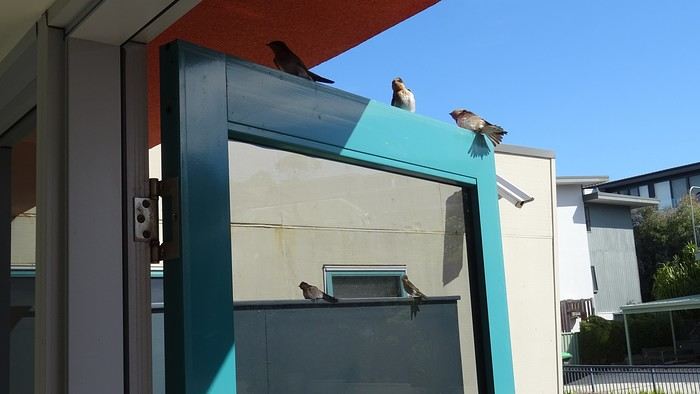
And then we’re greeted by a big family of cute sparrows...
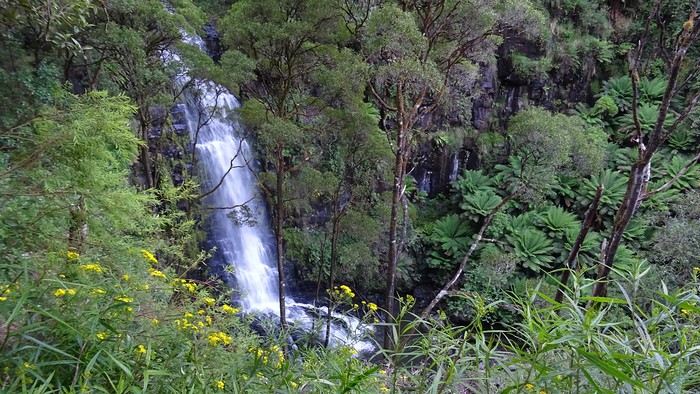
We spent a long time enjoying their pool before heading out for a walk—all the way to Erskine Falls, about ten kilometers away...
Hi there, I’m a resident of La Réunion and I’m heading to Johannesburg in May 2026. I’d like to visit a few places in Zimbabwe (Great Zimbabwe, Hwange National Park, and Matobo Hills) from Bulawayo over a week.
Is this doable? Can I do it solo or should I go through a local agency? And if so, could you recommend one?
Thanks for all your tips!
Fred
Hi everyone, we're heading to Australia next month. We have 7 days to go from Adelaide to Melbourne via the Great Ocean Road. Should we visit Kangaroo Island or not? We can't decide! Thanks for your advice.
We really want to see kangaroos and koalas in their natural habitat.
Since I’m not familiar with Australian airlines, I’d appreciate some advice.
I need to book a domestic flight from Adelaide to Sydney quickly, and I see Jetstar, Virgin, and Qantas as options. On paper, Qantas’s schedule and price are less appealing.
Which of the three is the most reliable (fewer flight cancellations, since this is the last flight of the day) and easiest to book on their website?
I’d love to get some feedback on our 30-day / 29-night itinerary in China. We’ll be there in September as a family with two kids (6 and 10 years old).
Do you think I should cut a few nights between Wulingyuan (Avatar Mountain) and Yangshuo? I’ve planned 15 nights total there.
We’ll be on a round-the-world trip starting May 2026 and will need to do schoolwork with the kids. Hoping to fit it in during train rides!!
Ever since I started planning this China itinerary, I’ve been discovering completely mind-blowing places I’d never heard of before—30 days feels way too short for China!!!
Here’s our itinerary:
Beijing - 4 nights
Forbidden City
Great Wall of China
Temple of Heaven
Xi’an - 3 nights
Terracotta Army
Muslim Quarter & Great Mosque
Chengdu - 3 nights
Zoo - Research Base of Giant Panda Breeding
Wenshu Yuan Temple
Hey everyone, I'm copy-pasting a message I wrote in English elsewhere. Hoping to find some people here! :)
Topic: Searching for travel mates in Kyrgyzstan 2nd to 4th week of July (i.e. soon)
Hi all, Due to some holiday change of plans, I’m reaching out to this group to put together a team of 2-4 people willing to travel around Kyrgyzstan during July. I’ll land in Bishkek on Tuesday.
I’m 42 years old and live in Lausanne. I love trekking, so it’d be great if the trip included some over the 3 weeks.
Hi there.
We’re heading out in August from the 3rd to the 23rd to visit our daughter who lives in Nashville, and we’d like to do a road trip from there. 19 days on the ground.
We’re torn between two options:
**Option 1**
Day 1 to 4: Nashville
Day 4 to 6: Atlanta
Day 7 to 11: Savannah + beaches nearby
Day 12 to 15: Charleston
Day 15 to 16: Asheville
Day 17 to 20: Great Smoky Mountains
Then back to Nashville for departure
What do you think? We don’t want to drive too much and prefer spending several days in the same place. It’ll be really hot, so the beaches around Savannah and Charleston seemed like a good alternative to sightseeing.
Otherwise, our second idea is Louisiana, but... I’m worried the heat might be even worse there.
For Louisiana, here’s what we had in mind:
Nashville
Memphis
Vicksburg
Natchez
Baton Rouge
New Orleans
Beach near Pensacola?
Back via Birmingham
Nashville
I'm taking it slow—I'm only on day 5 of my Tucson to Bisbee leg.
We'd like to stop in Tombstone along the way. I've spotted Boot Hill Cemetery, the Tombstone Courthouse State Historic Park, and around the visitor center: the O.K. Corral, Tombstone Historama, the Tombstone Epitaph, the Bird Cage Theatre, and the Crystal Palace Saloon. Is everything worth visiting, and is parking easy in Tombstone? If anyone has parking recommendations, I'd love to hear them. Thanks in advance!
As for Bisbee, I've noted the Queen Mine Tour, the Great Bisbee Stairs Climb, and the downtown tour. Outside of town, there's the Lavender Pit. Any other suggestions for things to check out?
I'm struggling to fit everything into my West US itinerary (it's here!) and one way to relax it could be to skip Mesa Verde.
I quite liked it, but nothing more (I was actually pretty indifferent to Canyon de Chelly too). My partner hasn’t been there yet (first trip to the US, aside from a stay in NYC).
Any arguments for or against? Thanks in advance :)
So, to start the year off right (Happy New Year!),
This is where we can discuss January’s theme.
With 20,000 km of French coastline (there’s a catch ;)), our beautiful country should be well represented!
Hi everyone,
What great news to read that Voyage Forum is back up and running—I’m so happy! 🙂 I need some advice for a trip we’re planning in 2025: New Caledonia and Australia.
We’ll arrive in Australia on September 1, 2025, and the plan is to spend 2 nights in Melbourne to explore the city, then rent a car to drive from Melbourne to Sydney, where we’ll arrive on September 12. Unfortunately, we won’t have time for the Great Ocean Road
I’ve checked several blogs for this route and here’s the itinerary I’ve put together:
9/4: Melbourne to Philip Island (140 km) – 1 night
9/5: Philip Island to Wilsons Promontory National Park – 2 nights
9/7: Raymond Island (free ferry to cross a 200 m sea channel) – Lakes Entrance – 1 night
9/8: Drive to Narooma (stop at Quarry Beach) – 1 night at "Bodalla Park Forest Rest Area"
9/9: Batemans Bay – Pebbly Beach – Dolphin Point – Jervis Bay – 1 night (to be found)
9/10: Jervis Bay and surroundings – 1 night at Bendeela Picnic Area
9/11: Blue Mountains National Park (1 hour from Sydney) – 1 night (to be found)
9/12: Arrival in Sydney
I know we won’t be able to see everything, and this 9-day route is just a starting point. The goal is to avoid rushing—if we see a place we like, we’ll stop, even if it means seeing less. A vacation where we don’t watch the clock too much! 🙂
Does this route (a mix of several blogs where not all stops are noted) seem realistic or too ambitious? Are there certain spots that are more worth prioritizing over the ones I’ve listed? For example, in one of the blogs I read, travelers skipped Blue Mountains National Park because they chose another site (which I’ve forgotten 😎).
For accommodation, we’ll likely be camping (free or paid), so if you have any suggestions, I’d love to hear them! 😎
Our arrival in Sydney on September 12 depends on my hope to participate in the marathon on September 15, 2025. After that, we’ll leave Sydney on September 17 for Ayers Rock.
Thanks in advance for your tips and ideas—it’s always tricky to plan a route from a distance when time is limited.
And long live this site, which I’ve missed so much since 2020! 😎🙂
I’m in the middle of planning a road trip in Southern Africa, and I’m specifically working on the itinerary—especially the distances.
I’ve got the time, but I’m struggling with the transfer days (so much driving just to end up spending the whole day on the road). That’s why I’m trying to analyze travel times, even if it means adding extra stops.
My highlights in Zimbabwe would be:
- Hwange
- Victoria Falls (and maybe Matusadona)
- Mana Pools
- Harare
- Gonarezhou
- Great Zimbabwe
But the distances and travel times seem huge (over 4 hours each time), and I don’t see how to make the drives more chill or shorten them—even if it means adding stops (but which ones?) between each leg.
Would anyone be able to estimate the travel time between these highlights and maybe suggest some nice stops to take breaks?
Hi there!! We all know there are mosquitoes in Quebec… but is it bearable? Are the cities affected too? Like Montreal and Quebec City? I can imagine it’s bad in the parks… The road trip would be from July 5th to the 21st, right in the middle of bug season!! Best, Christophe
I’m leaving for Malaysia very soon with my 3-year-old daughter—this will be her first big trip!
As a former backpacker, I’m finally taking my little one to discover Asia, starting with Malaysia 😊
We’re traveling from December 7th to January 5th, and I’d like to split our stay into 5 must-see spots where we can settle in comfortably for about 5 days each.
Given that we’ll definitely spend a few days near Kuala Lumpur upon arrival, that I *must* take her to Malaysian Borneo to see the orangutans, and that I’d also love to relax with her on some beautiful beaches in the east ☀️
Do you have any recommendations or must-see tips?
Are there any cool guesthouses in Kuala Lumpur or nearby where we might meet other families?
Are there places that are especially great for kids—or, on the contrary, places to avoid?
Are there other solo-parent families traveling in the area around the same time as us?
Thanks so much for your kind and alternative suggestions 🤗
Let me introduce myself. I’m 45 and traveling with my husband and my daughter, who’ll be 17 soon. We’re used to road-trip-style vacations, in the US or elsewhere. This will be our 5th trip to the US. We’ve already visited several states: New York, Massachusetts, Rhode Island, Washington DC, Florida, Wyoming, South Dakota, California, Utah, Nevada, and Arizona.
I’d like to plan another trip starting from Denver to Colorado and New Mexico, which we haven’t explored yet, with a stop in a part of Arizona we haven’t visited before.
So, I’d love to hear your thoughts on this itinerary if you’re familiar with the area. We’ll be traveling in the summer of 2026—admittedly not the best time for this route, but it’s the only time we can all get away for long enough. I’m also tied to the dates for Cheyenne Frontier Days, which we want to attend at the start of the trip.
Thanks in advance for your input!
Day 1: Departure from Frankfurt > Arrival in Denver around 3 PM.
Night in Denver
Day 2: Denver > Cheyenne
Quick visit to Denver
Drive to Cheyenne in the late afternoon
2-hour drive
Night in Cheyenne
Day 3: Cheyenne Frontier Days
Night in Cheyenne
Day 4: Cheyenne > Estes Park (Rocky Mountains)
Frontier Days during the day.
Departure in the late afternoon for Estes Park
2-hour drive
Night in Estes Park
Day 5: Hiking in the Rocky Mountains
Nights in Estes Park
Day 6: Estes Park > Glenwood Springs
We’ll take the day to drive the scenic route and stop at various viewpoints.
Night in Glenwood Springs
Day 7: Glenwood Springs
Hiking the Hanging Lake Trail + relaxing in the hot springs
Night in Glenwood Springs
Day 8: Glenwood Springs > Montrose
Visit Colorado NM along the way
3.5-hour drive
Night in Montrose
Day 9: Black Canyon
Night in Montrose
Day 10: Montrose > Farmington
Visit Durango (without taking the train), Ouray, or Silverton along the way?
3.5-hour drive
Night in Farmington
Day 11: Farmington > Chinle
Bisti Badlands until early afternoon
3-hour drive
Night in Chinle
Day 12: Chinle > Sedona
Canyon de Chelly in the morning
4-hour drive
Night in Sedona
Day 13 - 14: Hiking in Sedona
Nights in Sedona
Day 15: Sedona > Tucson
Saguaro West Park
3.5-hour drive
Night at a ranch in Tucson
Day 16 - 17: Tucson
City visit in the morning + ranch activities in the afternoon
Nights at a ranch in Tucson
Day 18: > Wilcox
Chiricahua NP
1-hour drive
Night in Wilcox
Day 19: Wilcox > Alamogordo
White Sands in the late afternoon
4.5-hour drive
Night in Alamogordo
Day 20: Alamogordo > Carlsbad
White Sands in the morning
Bat viewing in the evening at Carlsbad
4.5-hour drive
Night in Carlsbad
Day 21: Carlsbad > Albuquerque
Cave visit in the morning
Quick stop in Roswell
4.25-hour drive
Night in Albuquerque
Day 22: Albuquerque > Santa Fe
Visit Albuquerque
1-hour drive
Night in Santa Fe
Day 23: Santa Fe
Kasha Katuwe Tent Rocks in the morning
Visit Santa Fe in the afternoon
Night in Santa Fe
Day 24: Santa Fe
Bandelier in the morning
Visit Santa Fe in the afternoon
Night in Santa Fe
Day 25: Santa Fe > Alamosa
Taos Pueblo along the way
Great Sand Dunes in the late afternoon
Zapata Falls
Night in Alamosa
Day 26: Alamosa > Denver
4-hour drive
Departure around 7 PM
Looking forward to your suggestions, corrections, and feedback!
I’m desperately turning to you all for advice—I just can’t seem to organize myself or make efficient city choices for such a short trip.
There are two of us, and we’re heading to Scotland for a few days in July, without a driver’s license.
We arrive in Edinburgh (where we’ve already been) on a Friday at noon and need to be in Glasgow by Monday or Tuesday at the latest.
Between the two, we’d love to catch a glimpse of the Highlands—do you think that’s doable? From Edinburgh, is it easy to get to Inverness, Fort William, or other spots (?) for 2 nights (3 max)? Would you recommend the train or the bus? Which company? Any suggestions for a reasonable little itinerary?
For example, I was thinking of doing Edinburgh → Fort William, and once there, either renting bikes and exploring or taking a round-trip train to Mallaig in the same day, since the route looks stunning.
Alternatively, we could skip the Highlands if there are pretty towns around Edinburgh or Glasgow.
Any tips would be *so* appreciated—thanks a million! !
Hi everyone.
Because that’s also what sparks the desire in every traveler (well, at least for me) to set foot on Australian soil: discovering a new continent.
Right now, I’ve got some time on my hands—those who follow me know that. A nasty muscle tear (which really doesn’t want to heal) is keeping me grounded for another week, so I’ve decided to open a new travel journal, recounting my recent trip from December 14, 2024, to January 12, 2025, in Australia.
The origins of this trip started last May in Crete, an island I chose for a 10-day break. It’s really lovely, by the way, but that’s not the point… It’s around this time every year that we decide on our next winter destination, and Argentina was at the top of the list—Sydney wasn’t even on the radar… I’d been looking at flights to Buenos Aires for a while, and the prices were shocking…
But by the pool one lazy afternoon, scrolling on my iPhone, a promo from Geneva to Sydney caught my eye. The deal ticked two boxes on my traveler’s bucket list: a flight to Australia and a flight with Singapore Airlines, often ranked as the world’s best airline.
A quick chat with the missus (well, of course!) and the decision was made: off to the land of kangaroos!
Now, once you add luggage and Economy Plus, it still comes to 1600 € per person, but that’s a reasonable price.
Either way, we already know what we’re in for—Australia is a budget commitment!
Hi everyone, I’m heading to Madagascar in December 2025 and I’d like to know the one-way fare without checked baggage—just cabin luggage—from Tamatave/Toamasina to Saint-Denis on Réunion Island, please. Also, how many days a week are there connections, and how long does the trip take? Thanks!
I’d also like to know about the route between Réunion Island and Mauritius: where does it depart from, how much does it cost, and on which days are there connections? Thanks in advance!
We’re a family with kids aged 10 and 12, and we’ll be in Sri Lanka during the Kandy Esala Perahera. I’d love to know if it’s really worth prioritizing the procession on the final night—is it that different? What do the other nights miss out on?
From what I’ve gathered, you can watch for free if you’re okay with sitting on the ground, which isn’t an issue for us. In that case, is it still easy to get a good view?
We’ll be coming from Jaffna—are train tickets to Kandy harder to get during the Perahera?
Also, August 8th is a public holiday. Do trains still run on public holidays?
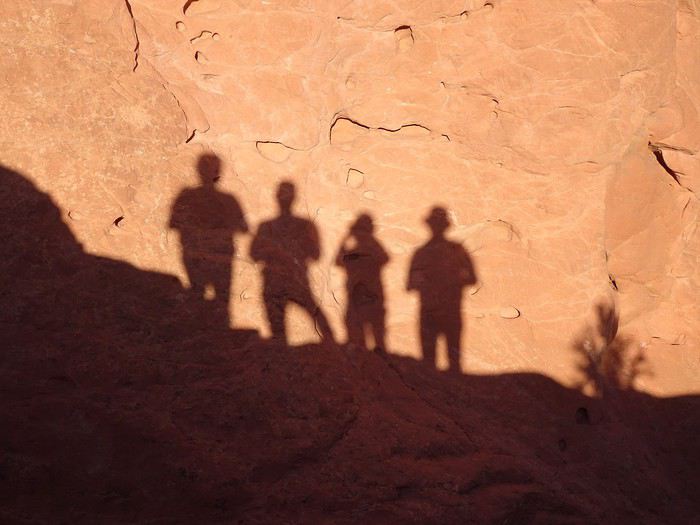 Recognize us? Ha ha ha!!!! No, just kidding!!!!
That’s us!!!
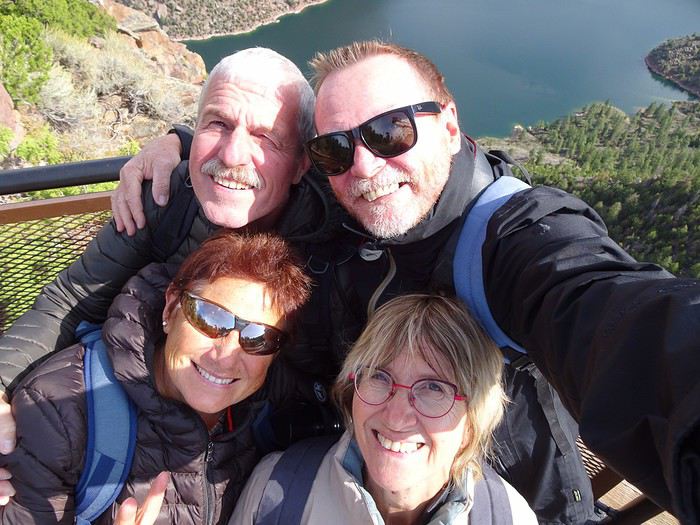
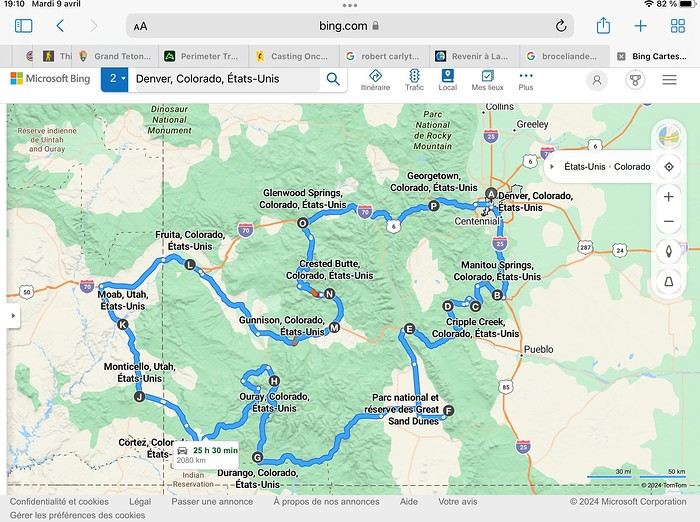
 Meeting in the township.

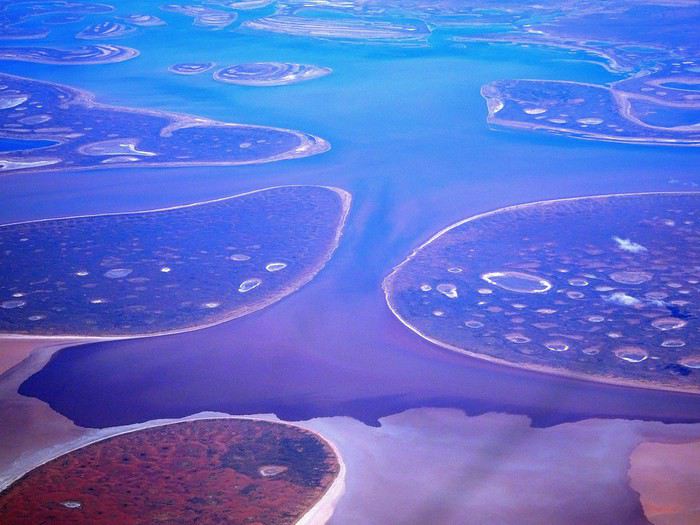
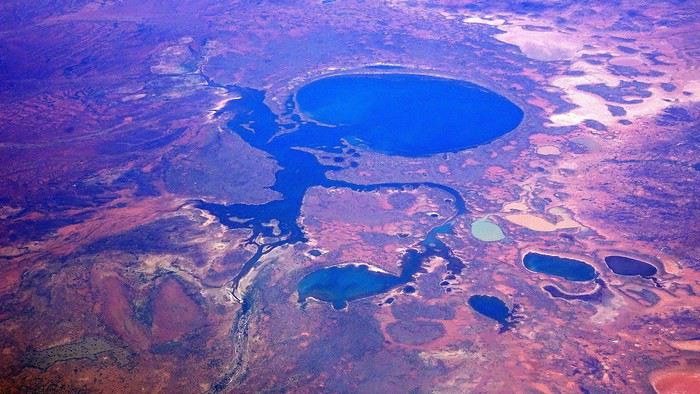
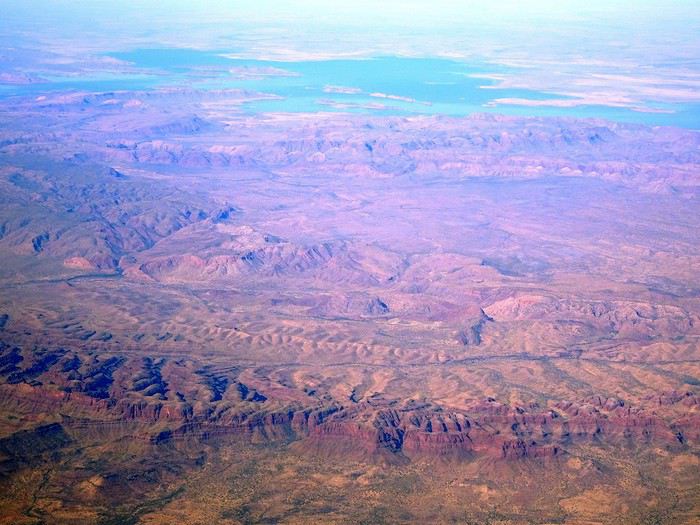
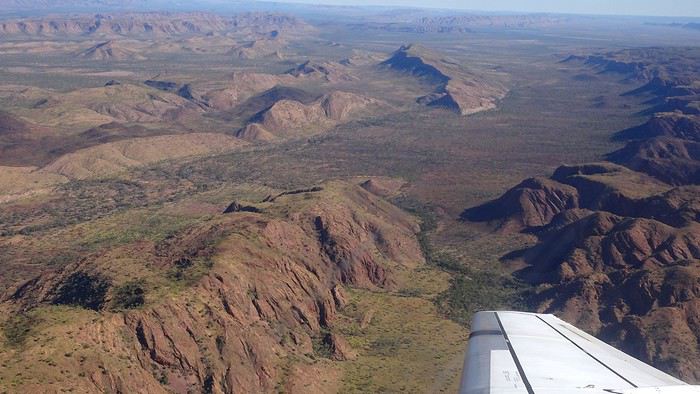
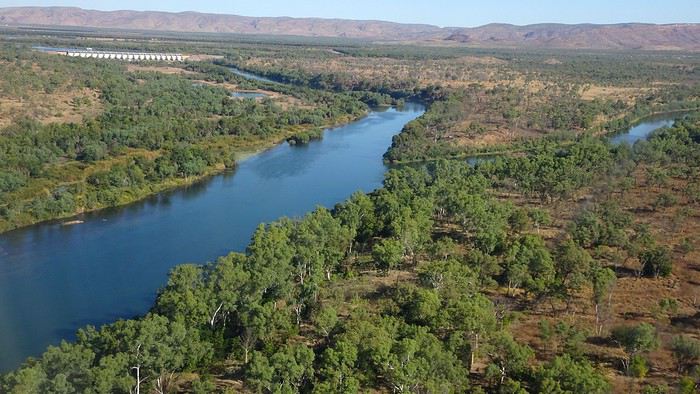
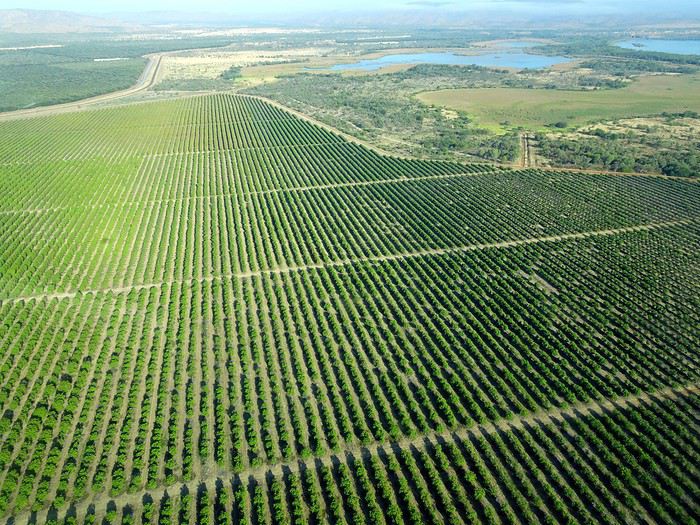
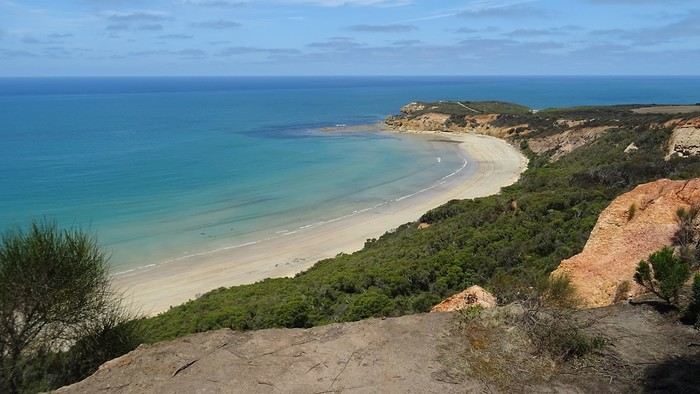
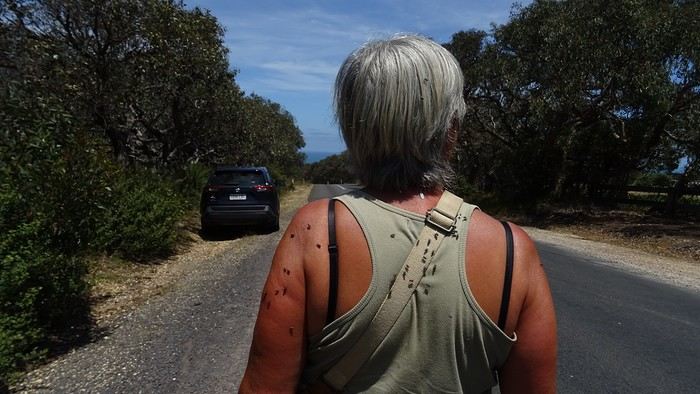
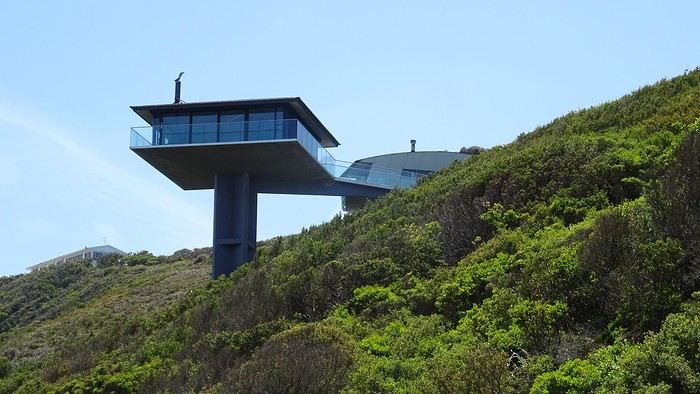
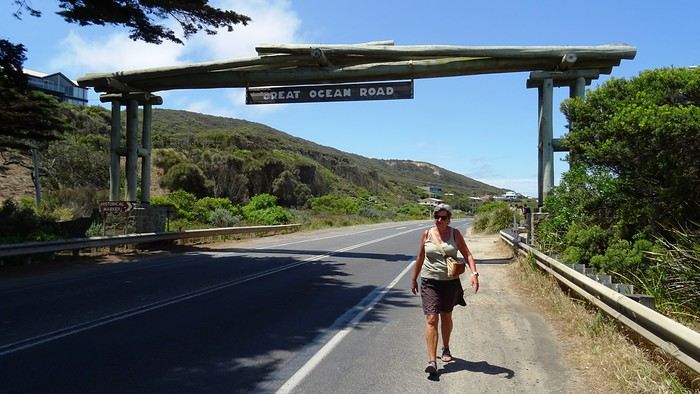
 Another odd observation: *every* toilet, even the most remote ones hidden deep in the bush, always had a roll of toilet paper available. No shortages here!
And then we’re greeted by a big family of cute sparrows...