Hi there,
A quick recap of our 19-day trip to China – classic itinerary, half-family: dad and 13-year-old son, August 2025.
Arrived in Shanghai, the idea was to explore the city in the evening to help with jet lag.
Day 1: Maglev (50 CNY), then metro to the hotel, night cruise on the Huangpu River, admiring the skyline.
Day 2: Yuyuan Garden (meh), Lujiazui district, sunset from the top of Jinmao Tower, stroll along the Bund, admiring the skyline.
Day 3: Chaos at the Shanghai Museum – should’ve booked in advance. Backup plan: Longhua Temple (nice), Tianzi Fang district (great).
Day 4: Aquarium (okay), Pearl Tower, Fake Market (top), then flight to Guilin. Taxi from Guilin to Yangshuo (400 CNY arranged by the hotel).
Verdict: Maybe one day too many. Late mornings (jet lag) kept us from visiting the water town.
Day 5: Yangshuo – scooter ride (40 CNY) along the Yulong River.
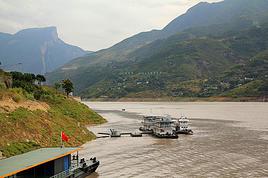
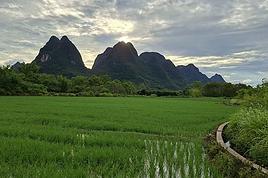
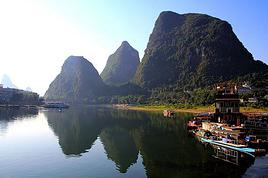
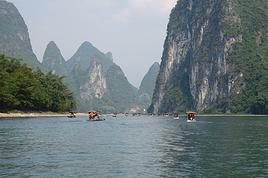
Day 6: Early Didi (30 min) to the top of Xiang Gong Shan (ideally for sunrise). Then a walk through the countryside to the Li River, crossing by boat (10 CNY) to Xingping. You can shorten the walk by flagging down a mini-shuttle that shuttles Chinese tourists in the opposite direction. Explored Xingping, scooter ride, 20 CNY viewpoint, sunset from Laozhai Hill, back to Yangshuo.
Day 7: Scooter ride to spots we missed on Day 5.
Verdict: It’s stunning. Might be worth staying in Guilin the first night and booking a cruise to Yangshuo the next day on the Li River.
Day 8: Bus (4/5h, 100 CNY) to Longji/Dazhai. Hotel in Tianzhouzai – I think it’s better to stay in Ping’an, it’s more typical. Dazhai is generally overdeveloped.
Day 9: Full-day hike from Dazhai to Ping’an, then bus back to Dazhai. Super nice walk, only crossed paths with 4 people.
Day 10: Walk around the top of Dazhai, but the trails are poorly maintained – no loop possible.
Verdict: Gorgeous, probably one day too many, but the area is very rainy, so it’s good to have a buffer.
Day 11: Private taxi (4/5h, 200 €) to Fenghuang. Explored the town in the evening – really nice.
Day 12: Short visit to Fenghuang during the day, then train to Zhangjiajie and Wulingyuan. Hotel pool.
Day 13: Early start: Zhangjiajie Park via Wulingyuan entrance, Route A (starting with the cable car). Fabulous. If I did it again, I’d take Route B to get early access to the section near the giant elevator.
Day 14: Early start: Zhangjiajie Park via the south entrance – superb.
Day 15: Wulingyuan Grand Canyon, glass bridge – nice but not essential.
Day 16: Tianmen Mountain in the afternoon. You can leave your luggage at the entrance. Routes A and B sell out quickly. Note that Route C no longer uses buses to the top – there’s a brand-new cable car instead, which I think is actually better than A and B. Really nice, worth doing. Evening flight to Beijing.
Verdict: The canyon could be done the same morning as Tianmen Mountain, or even skipped.
Day 17: Visited the Forbidden City (book a week in advance!), missed the entry slot for Tiananmen Square (book in advance!) due to security checks. Visited the Lama Temple. Stayed in a hutong.
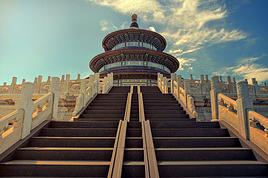
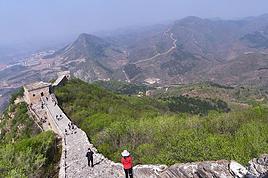
Day 18: Great Wall at Mutianyu. Private taxi (100 € round trip – probably overpaid) to arrive before 7 AM. Then back to Beijing, Temple of Heaven, and finally the modest skyline from the mall at Guomao metro station.
Day 19: Fake markets (pointless – they’re stripped of their usual goods compared to Shanghai’s), Summer Palace, then Wangfujing Street. Headed to the airport.
Verdict: 3 days is too short for Beijing.
Overall impressions:
Highlights: Incredible places (cities and landscapes), often vast and fascinating, a total change of scenery. Very easy and smooth to travel despite the clear language barrier. Excellent food, very affordable, very few scams.
Lowlights: Intense heat and humidity in August, *way* too many tourists (99.9% Chinese), a real circus that makes the trip exhausting. Walking is tiring in the long run (even though we’re very active) because it’s all on stone paths and stairs. To avoid crowds, you’d need to wake up early every day – tough with kids, especially with jet lag.
Logistics:
- Buses and private taxis arranged last-minute through hotels.
- Didi is widely available everywhere, plentiful, and cheap.
- Flights and trains booked on Trip.com a month in advance (fills up fast).
- Hotels on Booking and Trip.com. Only the one in Yangshuo was booked well in advance – hotel capacity is huge everywhere.
- Apps: Didi, Alipay, WeChat, Maps.me, Google Translate. Free 35 GB data plan, SIM card from the airport.
Here are some tips from our 6-week trip (summer 2026) to China, Vietnam, and Cambodia. We traveled as a family of four with two kids aged 15 and 12.
I hope these notes help other travelers!
CHINA General You’ll need to download and set up a few apps: - Alipay and WeChat for payments (I didn’t withdraw a single bill the entire trip) - Didi for taxis - Amap = Chinese Maps (works great, especially for subways) - A translation app (we used Papago, but it sometimes gave weird results) - Google Lens for translating menus or signs—super handy. - HelloRide for bikes - Gemini and ChatGPT for everything: understanding daily life, enhancing visits, checking the weather, finding things. - HomeExchange if you want to lower travel costs (few listings in Asia except in big cities, often expats) - Trip.com is very useful, even essential, for trains, domestic flights, and hotels. Like Booking.com, the more you book with them, the more perks you get. So I’d even suggest checking flight tickets on this site, even if it’s a bit pricier. However, buying train tickets is complicated because (1) they only open 15 days in advance, and (2) they sell out fast. Trip.com just promises to buy them as soon as they’re available but doesn’t always succeed. It’s stressful and might force you to change your plans, especially if you’re aiming for a sleeper car and there are no seats left. Watch out for station names—many cities have multiple stations, including a high-speed rail one outside the city. For internet, we got the Asia plan from Holafly. It worked but seemed much slower than Chinese internet. I regretted not buying a Chinese SIM card because without internet in China, everything is VERY complicated (money, transport, etc.).
For the firewall, we used ExpressVPN, but it wasn’t always reliable. A bit disappointing. Ask ChatGPT for tips with screenshots to improve the settings.
Since we only had one SIM card with internet, we couldn’t rent shared bikes. If I were to do it again, I’d get a SIM for each person, even the kids, because distances in cities are huge. We walked *a lot*. Same goes for buses—it’s tricky with just one internet connection. Better to have a phone per person with internet. Book your visits as far in advance as possible—they often sell out. Watch out for power banks: if they don’t explicitly say "3C," they’ll confiscate it. Even if there’s a little airplane logo.
Shanghai In the evening, the streets leading to the Bund from the metro were so crowded that police were out in force blocking roads. Arrive early. We went around the north side.
Suzhou Be careful—there are two stations (common in China), and the high-speed rail one is 45–50 minutes from the old town. The Humble Administrator’s Garden was *packed*—we don’t recommend it. It turned into a marathon day from Shanghai (almost 4 hours from our hotel to the garden).
Beijing Forbidden City: Don’t go—I know it’s a shame, but it’s too crowded. I couldn’t buy tickets on the official site because of the kids’ passports. We ended up with a guided tour, the only way to get in (tickets sell out fast). The visit was disappointing—bad guide *and* massive crowds. You’ll queue a lot to enter and see certain areas. You’ll be checked often, so pack your bags carefully. Great Wall at Mutianyu: Crowded. Two hours by bus, and even though we arrived early, people were already leaving! I really think the best option is to leave your big bags in Beijing and stay overnight near the Wall. That way, you’ll have it to yourself a bit more. For transport: get off at Tiananmen Square metro and look for buses with official guides in bright yellow-green vests. No need to buy tickets online—they made me cancel mine to rebook on the spot. Buses leave when full. Note: the cable car and chairlift are separate—if you want to go up one side and down the other, you’ll need different tickets. The endless queue for the toboggan ride put us off. Quick tip: Incredible swimming spot in Beijing—on the north shore of Houhai Lake, you can swim by crossing the barrier. We did it twice with about ten other people. Bring a swimsuit!
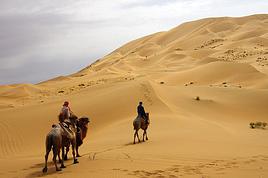
Shapotou Desert Amazing, but it gets *very* hot in the afternoon. We had a tent (not an air-conditioned bungalow), which was unbearable during the day. We hung out in the restaurant. The paid activities are fun, except the camels—they look sad. The real highlight is the evening and sunset. The only downside: you can’t explore the desert alone or far—they don’t rent 4x4s, for example. We stayed at "The Desert Camping Hotel of the Proprietress of Shapotou." They were lovely.
Zhongwei Gaomiao Temple and its underground: Fun and short—you’ll see quirky Buddhist hell paintings.
Xi’an Terracotta Army: We took a Didi because for four people, a car was almost the same price as four shuttle tickets. It was packed—chaotic to see properly. We visited the halls in order: 3, 2, then 1—a good choice. Hua Shan Mountains: Left before sunrise to arrive when the ticket office opened (7 AM, I think). We were shocked to see so many people already coming down. 45 minutes by bus to the west cable car, then 15 minutes up. We did the west, south, east, central, then north peaks (in that order) before taking the other cable car down (you can buy the ticket at the top). A beautiful day. In the city, check out...
Chengdu Panda Research Center: Like Hua Shan, plan to arrive when the ticket office opens. Already *tons* of people, and it moves fast to see the big pandas before their nap. Have them drop you at the west entrance (not south), or you’ll have to walk uphill. Leshan Giant Buddha: Interesting. The trip is a bit long (metro, then train, then city bus, then shuttle on-site). We didn’t take the boat option but walked. In the end, you only spend a few minutes at the Buddha’s feet, but it’s a nice day out. Hotel tip: Panda Enjoy Home Hotel Apartments (Chengdu East Railway Station Dongda Road Branch). The view is insane, and the neighborhood is super convenient and nice. 646 CNY for 2 nights. Swimming: The municipal pool is an interesting experience, but don’t expect to swim—no one does. Everyone just splashes around where they can stand. The hours are a bit odd, with a break in the late afternoon.
Kunming The bike path along Dian Lake is pretty and often well-protected from cars. But like everywhere in China, it’s *packed*. Not much to say about visits—the flower market is a wholesale market, not very interesting. The ethnic minorities museum closed right in front of us. All the big malls are good for shopping.
Dali We thought we could bike around the lake in two days. Wrong on two counts: First, the lake’s edge is blocked to traffic and reserved for bikes (or tourist mini-buses). So you’re stuck on the main road, which never gives you a view of the lake, with all the trucks and cars. Doing 120 km like that wouldn’t make sense, in our opinion. The rice fields around are nice but not as impressive as elsewhere, so Dali isn’t worth it for that. The old town, all restored, is pretty but *packed*—thousands of people, especially in the evening.
Hekou (Vietnam border) Comfortable train from Kunming. In the parking lot, a bus (not well-marked, but Didi is an option) takes you to the border in 15–20 minutes. Short wait at both border posts. Fun to see the two lampposts near the border line: the Chinese one is new, modern, with a surveillance camera (of course), while the Vietnamese one is old and a bit rusty.
VIETNAM General: - You’ll need the Grab app for taxis - Very disappointed with 12Go—it doesn’t show all buses, never connects you with the company, and refuses refunds. Try booking directly with companies like FUTA Bus instead. - Credit cards are often accepted (supermarkets and modern stores), otherwise, you’ll need cash
Lao Cai 2 km between the border and the train station. The sleeper bus to Hanoi with Sao Viet is well-organized—it works.
Hanoi Ho Chi Minh Mausoleum closes early (10:30 AM, I think). Women’s Museum: Very good, not too long Temple of Literature: Beautiful, fairly quick This is where you should buy souvenirs, clothes, and knockoffs—the prices are reasonable, and the sellers are nicer than elsewhere. We recommend Cho Dong Xuan.
Tu Long Bay We did 2 days, 1 night (so really 24 hours on the boat) with Parfum d’Automne (French-speaking agency), which put us on a Cycad Cruise boat. Cost: 300 € per person—expensive, but it was amazing, super luxurious, and the buffet meals were delicious. We don’t regret the splurge. The only downside: no swimming in the bay (but there’s a pool on the boat). To swim, you’d need a 3-day, 2-night trip to an area not protected by the maritime park.
Phong Nha If you didn’t do the northern mountains due to time or weather (like us), Phong Nha is a great stop for a motorbike ride. It’s beautiful, especially the mountains west of the city toward the caves. There are two (small) swimming spots at the Botanic Garden—a pleasant 45-minute walk without stops. Hotel tip: Sunbeam Village (very friendly, pool, breakfast by the river, motorbike rentals)
Da Nang Hotel tip: Meridians by Hsuite—you’ll have the beach almost to yourself. You’ll still need to walk 15–20 minutes to the hyper-touristy area if you want to rent surfboards (150–200k VND per hour). The beach is beautiful, and the water is 30°C—great for a break on a long trip, especially since all transport goes through Da Nang.
Hoi An 45 minutes from Da Nang, so it’s easy to visit in a day, especially since the city isn’t that big and it’s *very* hot. Cooking class: MS Hanh cooking class—great (the market tour is a bit useless). We don’t recommend the "basket boat" tour—it’s a bit sad on a big brown pond with elderly guides.
Ho Chi Minh City Ben Thanh Market is a nightmare: starting prices are exorbitant, and the vendors are aggressive. Don’t go. The War Remnants Museum can be really tough for kids.
Can Tho Avoid this city. We made the mistake of going to see the floating market—don’t.
Chau Doc No Grab in the city, but regular taxis. One day is enough if you go early to the forest and the mountain in the late afternoon. 250k VND per person for the forest and its canals (45 minutes by motorbike) The sunset at Victoria Nui Sam can be magnificent if the clouds cooperate. Cheap and good restaurant: Quan Nem Nuong Sau Hiep Hotel tip: Homestay Khoa (2,250,000 VND for 3 nights)—adorable hostess, full of tips, clean rooms.
The speedboat to Cambodia is more comfortable than a bus. Book with Hangchau a few days in advance—payment in cash on the day (1,640,000 đ).
CAMBODIA General: - Issues with the "Bakong Tourists" app—we had to go to a big bank to load money onto it. We barely used it afterward.
Phnom Penh For us, a day and a half is enough if you want to spend more time elsewhere. Markets close early (around 6 PM) and are less interesting than in Hanoi, for example. The Royal Palace has a break from 11 AM to 2 PM, but there aren’t many people in the afternoon.
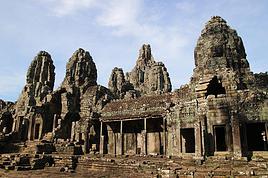
Siem Reap Trip with Capitol company—the bus is basic but cheap. Departs at 10:15 AM, 7-hour ride. Angkor entrance fee: 62 USD per person for a 3-day pass. Tickets are picked up at Angkor Enterprise. Renting two 125cc motorbikes: 10 USD each, plus 7 USD for gas. By bike, it took me 25 minutes to reach Angkor Wat’s pools. A basic city bike rental was 1 USD per hour. Short circuit by motorbike (in reverse): 7 hours with stops everywhere. Grand tour by tuk-tuk: Only 5 temples, 4.5 hours. If you want to see lots of monkeys, they’re grouped west of Bayon. For the temples, we asked Gemini (AI) at each stop to point out details that might interest kids (who can get bored with the repetition). It gave fun facts and things to look for—great for the little ones. Hotel tip: The Five Senses, run by a Frenchman, Bruno, who knows Cambodia inside out and organizes tours. Restaurant tip: Wild (only spring rolls, but *so* many varieties—delicious and cheap) Watch out: 1 hour to the airport, 50 km from the city. Show tip: The Phare Circus
CHINA General You’ll need to download and set up a few apps: - Alipay and WeChat for payments (I didn’t withdraw a single bill the entire trip) - Didi for taxis - Amap = Chinese Maps (works great, especially for subways) - A translation app (we used Papago, but it sometimes gave weird results) - Google Lens for translating menus or signs—super handy. - HelloRide for bikes - Gemini and ChatGPT for everything: understanding daily life, enhancing visits, checking the weather, finding things. - HomeExchange if you want to lower travel costs (few listings in Asia except in big cities, often expats) - Trip.com is very useful, even essential, for trains, domestic flights, and hotels. Like Booking.com, the more you book with them, the more perks you get. So I’d even suggest checking flight tickets on this site, even if it’s a bit pricier. However, buying train tickets is complicated because (1) they only open 15 days in advance, and (2) they sell out fast. Trip.com just promises to buy them as soon as they’re available but doesn’t always succeed. It’s stressful and might force you to change your plans, especially if you’re aiming for a sleeper car and there are no seats left. Watch out for station names—many cities have multiple stations, including a high-speed rail one outside the city. For internet, we got the Asia plan from Holafly. It worked but seemed much slower than Chinese internet. I regretted not buying a Chinese SIM card because without internet in China, everything is VERY complicated (money, transport, etc.).
For the firewall, we used ExpressVPN, but it wasn’t always reliable. A bit disappointing. Ask ChatGPT for tips with screenshots to improve the settings.
Since we only had one SIM card with internet, we couldn’t rent shared bikes. If I were to do it again, I’d get a SIM for each person, even the kids, because distances in cities are huge. We walked *a lot*. Same goes for buses—it’s tricky with just one internet connection. Better to have a phone per person with internet. Book your visits as far in advance as possible—they often sell out. Watch out for power banks: if they don’t explicitly say "3C," they’ll confiscate it. Even if there’s a little airplane logo.
Shanghai In the evening, the streets leading to the Bund from the metro were so crowded that police were out in force blocking roads. Arrive early. We went around the north side.
Suzhou Be careful—there are two stations (common in China), and the high-speed rail one is 45–50 minutes from the old town. The Humble Administrator’s Garden was *packed*—we don’t recommend it. It turned into a marathon day from Shanghai (almost 4 hours from our hotel to the garden).
Beijing Forbidden City: Don’t go—I know it’s a shame, but it’s too crowded. I couldn’t buy tickets on the official site because of the kids’ passports. We ended up with a guided tour, the only way to get in (tickets sell out fast). The visit was disappointing—bad guide *and* massive crowds. You’ll queue a lot to enter and see certain areas. You’ll be checked often, so pack your bags carefully. Great Wall at Mutianyu: Crowded. Two hours by bus, and even though we arrived early, people were already leaving! I really think the best option is to leave your big bags in Beijing and stay overnight near the Wall. That way, you’ll have it to yourself a bit more. For transport: get off at Tiananmen Square metro and look for buses with official guides in bright yellow-green vests. No need to buy tickets online—they made me cancel mine to rebook on the spot. Buses leave when full. Note: the cable car and chairlift are separate—if you want to go up one side and down the other, you’ll need different tickets. The endless queue for the toboggan ride put us off. Quick tip: Incredible swimming spot in Beijing—on the north shore of Houhai Lake, you can swim by crossing the barrier. We did it twice with about ten other people. Bring a swimsuit!
Shapotou Desert Amazing, but it gets *very* hot in the afternoon. We had a tent (not an air-conditioned bungalow), which was unbearable during the day. We hung out in the restaurant. The paid activities are fun, except the camels—they look sad. The real highlight is the evening and sunset. The only downside: you can’t explore the desert alone or far—they don’t rent 4x4s, for example. We stayed at "The Desert Camping Hotel of the Proprietress of Shapotou." They were lovely.
Zhongwei Gaomiao Temple and its underground: Fun and short—you’ll see quirky Buddhist hell paintings.
Xi’an Terracotta Army: We took a Didi because for four people, a car was almost the same price as four shuttle tickets. It was packed—chaotic to see properly. We visited the halls in order: 3, 2, then 1—a good choice. Hua Shan Mountains: Left before sunrise to arrive when the ticket office opened (7 AM, I think). We were shocked to see so many people already coming down. 45 minutes by bus to the west cable car, then 15 minutes up. We did the west, south, east, central, then north peaks (in that order) before taking the other cable car down (you can buy the ticket at the top). A beautiful day. In the city, check out...
Chengdu Panda Research Center: Like Hua Shan, plan to arrive when the ticket office opens. Already *tons* of people, and it moves fast to see the big pandas before their nap. Have them drop you at the west entrance (not south), or you’ll have to walk uphill. Leshan Giant Buddha: Interesting. The trip is a bit long (metro, then train, then city bus, then shuttle on-site). We didn’t take the boat option but walked. In the end, you only spend a few minutes at the Buddha’s feet, but it’s a nice day out. Hotel tip: Panda Enjoy Home Hotel Apartments (Chengdu East Railway Station Dongda Road Branch). The view is insane, and the neighborhood is super convenient and nice. 646 CNY for 2 nights. Swimming: The municipal pool is an interesting experience, but don’t expect to swim—no one does. Everyone just splashes around where they can stand. The hours are a bit odd, with a break in the late afternoon.
Kunming The bike path along Dian Lake is pretty and often well-protected from cars. But like everywhere in China, it’s *packed*. Not much to say about visits—the flower market is a wholesale market, not very interesting. The ethnic minorities museum closed right in front of us. All the big malls are good for shopping.
Dali We thought we could bike around the lake in two days. Wrong on two counts: First, the lake’s edge is blocked to traffic and reserved for bikes (or tourist mini-buses). So you’re stuck on the main road, which never gives you a view of the lake, with all the trucks and cars. Doing 120 km like that wouldn’t make sense, in our opinion. The rice fields around are nice but not as impressive as elsewhere, so Dali isn’t worth it for that. The old town, all restored, is pretty but *packed*—thousands of people, especially in the evening.
Hekou (Vietnam border) Comfortable train from Kunming. In the parking lot, a bus (not well-marked, but Didi is an option) takes you to the border in 15–20 minutes. Short wait at both border posts. Fun to see the two lampposts near the border line: the Chinese one is new, modern, with a surveillance camera (of course), while the Vietnamese one is old and a bit rusty.
VIETNAM General: - You’ll need the Grab app for taxis - Very disappointed with 12Go—it doesn’t show all buses, never connects you with the company, and refuses refunds. Try booking directly with companies like FUTA Bus instead. - Credit cards are often accepted (supermarkets and modern stores), otherwise, you’ll need cash
Lao Cai 2 km between the border and the train station. The sleeper bus to Hanoi with Sao Viet is well-organized—it works.
Hanoi Ho Chi Minh Mausoleum closes early (10:30 AM, I think). Women’s Museum: Very good, not too long Temple of Literature: Beautiful, fairly quick This is where you should buy souvenirs, clothes, and knockoffs—the prices are reasonable, and the sellers are nicer than elsewhere. We recommend Cho Dong Xuan.
Tu Long Bay We did 2 days, 1 night (so really 24 hours on the boat) with Parfum d’Automne (French-speaking agency), which put us on a Cycad Cruise boat. Cost: 300 € per person—expensive, but it was amazing, super luxurious, and the buffet meals were delicious. We don’t regret the splurge. The only downside: no swimming in the bay (but there’s a pool on the boat). To swim, you’d need a 3-day, 2-night trip to an area not protected by the maritime park.
Phong Nha If you didn’t do the northern mountains due to time or weather (like us), Phong Nha is a great stop for a motorbike ride. It’s beautiful, especially the mountains west of the city toward the caves. There are two (small) swimming spots at the Botanic Garden—a pleasant 45-minute walk without stops. Hotel tip: Sunbeam Village (very friendly, pool, breakfast by the river, motorbike rentals)
Da Nang Hotel tip: Meridians by Hsuite—you’ll have the beach almost to yourself. You’ll still need to walk 15–20 minutes to the hyper-touristy area if you want to rent surfboards (150–200k VND per hour). The beach is beautiful, and the water is 30°C—great for a break on a long trip, especially since all transport goes through Da Nang.
Hoi An 45 minutes from Da Nang, so it’s easy to visit in a day, especially since the city isn’t that big and it’s *very* hot. Cooking class: MS Hanh cooking class—great (the market tour is a bit useless). We don’t recommend the "basket boat" tour—it’s a bit sad on a big brown pond with elderly guides.
Ho Chi Minh City Ben Thanh Market is a nightmare: starting prices are exorbitant, and the vendors are aggressive. Don’t go. The War Remnants Museum can be really tough for kids.
Can Tho Avoid this city. We made the mistake of going to see the floating market—don’t.
Chau Doc No Grab in the city, but regular taxis. One day is enough if you go early to the forest and the mountain in the late afternoon. 250k VND per person for the forest and its canals (45 minutes by motorbike) The sunset at Victoria Nui Sam can be magnificent if the clouds cooperate. Cheap and good restaurant: Quan Nem Nuong Sau Hiep Hotel tip: Homestay Khoa (2,250,000 VND for 3 nights)—adorable hostess, full of tips, clean rooms.
The speedboat to Cambodia is more comfortable than a bus. Book with Hangchau a few days in advance—payment in cash on the day (1,640,000 đ).
CAMBODIA General: - Issues with the "Bakong Tourists" app—we had to go to a big bank to load money onto it. We barely used it afterward.
Phnom Penh For us, a day and a half is enough if you want to spend more time elsewhere. Markets close early (around 6 PM) and are less interesting than in Hanoi, for example. The Royal Palace has a break from 11 AM to 2 PM, but there aren’t many people in the afternoon.
Siem Reap Trip with Capitol company—the bus is basic but cheap. Departs at 10:15 AM, 7-hour ride. Angkor entrance fee: 62 USD per person for a 3-day pass. Tickets are picked up at Angkor Enterprise. Renting two 125cc motorbikes: 10 USD each, plus 7 USD for gas. By bike, it took me 25 minutes to reach Angkor Wat’s pools. A basic city bike rental was 1 USD per hour. Short circuit by motorbike (in reverse): 7 hours with stops everywhere. Grand tour by tuk-tuk: Only 5 temples, 4.5 hours. If you want to see lots of monkeys, they’re grouped west of Bayon. For the temples, we asked Gemini (AI) at each stop to point out details that might interest kids (who can get bored with the repetition). It gave fun facts and things to look for—great for the little ones. Hotel tip: The Five Senses, run by a Frenchman, Bruno, who knows Cambodia inside out and organizes tours. Restaurant tip: Wild (only spring rolls, but *so* many varieties—delicious and cheap) Watch out: 1 hour to the airport, 50 km from the city. Show tip: The Phare Circus
Hi there,
My wife and I are heading to Japan from March 27 to April 22, 2025. On the evening of the 21st, we’ll be staying in Tokyo to catch our international flight. For this first trip, we’ve prioritized a fairly classic itinerary. Here’s the plan:
- Osaka (arriving at Kansai Airport) - Hiroshima - Itsukushima (also known as Miyajima) - Kyoto - Nara - Kanazawa - Shirakawa-go - Takayama - Tokyo
We’ll likely finish our sightseeing in Tokyo around March 17.
We’re thinking of heading somewhere "quiet" or "by the sea," maybe an island, between the 17th/18th and the evening of the 21st.
What are your thoughts or experiences?
Thanks
My wife and I are heading to Japan from March 27 to April 22, 2025. On the evening of the 21st, we’ll be staying in Tokyo to catch our international flight. For this first trip, we’ve prioritized a fairly classic itinerary. Here’s the plan:
- Osaka (arriving at Kansai Airport) - Hiroshima - Itsukushima (also known as Miyajima) - Kyoto - Nara - Kanazawa - Shirakawa-go - Takayama - Tokyo
We’ll likely finish our sightseeing in Tokyo around March 17.
We’re thinking of heading somewhere "quiet" or "by the sea," maybe an island, between the 17th/18th and the evening of the 21st.
What are your thoughts or experiences?
Thanks
Hi there,
I’m staying in Atami for 2 nights in October. I was thinking of exploring the area and trying to see Mount Fuji.
I was planning to go to Shizuoka. And also enjoy the onsen (hot springs).
Don’t hesitate to share any tips or recommendations—I’d love to hear them!
Thanks in advance.
I’m staying in Atami for 2 nights in October. I was thinking of exploring the area and trying to see Mount Fuji.
I was planning to go to Shizuoka. And also enjoy the onsen (hot springs).
Don’t hesitate to share any tips or recommendations—I’d love to hear them!
Thanks in advance.
Hi there,
For our second trip to Japan, we’ll be spending 22 full days in Kyushu. 😎 Here’s our draft itinerary:
1 - FUKUOKA 2 - FUKUOKA 3 - FUKUOKA 4 - FUKUOKA / SASEBO / OJIKA 5 - OJIKA 6 - OJIKA / SASEBO / NAGASAKI 7 - NAGASAKI 8 - NAGASAKI 9 - NAGASAKI / KUMAMOTO +++ car rental +++ 10 - KUMAMOTO / ASO 11 - ASO 12 - ASO / KUROKAWA ONSEN 13 - KUROKAWA ONSEN / KUMAMOTO +++ end of car rental +++ 14 - KUMAMOTO / KAGOSHIMA 15 - IBUSUKI / CHIRAN 16 - SAKURAJIMA (car?) 17 - KAGOSHIMA / YAKUSHIMA 18 - YAKUSHIMA (car?) 19 - YAKUSHIMA (car?) 20 - YAKUSHIMA / KAGOSHIMA 21 - ??? 22 - FUKUOKA
We’ve deliberately skipped the eastern part (from Beppu to Miyazaki…)
We still have a few questions about our itinerary:
Car: For most of our travel, we plan to take the train or bus, except in the Aso region where we’ll rent a car. We’re wondering about Sakurajima and Yakushima: is a car necessary there?
Ojika: Would one night be enough?
Yakushima: Are two full days (plus two half-days) sufficient?
If we keep the schedule as is, we have one extra day to fit in somewhere—any suggestions?
Thanks for your help! 🙂
For our second trip to Japan, we’ll be spending 22 full days in Kyushu. 😎 Here’s our draft itinerary:
1 - FUKUOKA 2 - FUKUOKA 3 - FUKUOKA 4 - FUKUOKA / SASEBO / OJIKA 5 - OJIKA 6 - OJIKA / SASEBO / NAGASAKI 7 - NAGASAKI 8 - NAGASAKI 9 - NAGASAKI / KUMAMOTO +++ car rental +++ 10 - KUMAMOTO / ASO 11 - ASO 12 - ASO / KUROKAWA ONSEN 13 - KUROKAWA ONSEN / KUMAMOTO +++ end of car rental +++ 14 - KUMAMOTO / KAGOSHIMA 15 - IBUSUKI / CHIRAN 16 - SAKURAJIMA (car?) 17 - KAGOSHIMA / YAKUSHIMA 18 - YAKUSHIMA (car?) 19 - YAKUSHIMA (car?) 20 - YAKUSHIMA / KAGOSHIMA 21 - ??? 22 - FUKUOKA
We’ve deliberately skipped the eastern part (from Beppu to Miyazaki…)
We still have a few questions about our itinerary:
Car: For most of our travel, we plan to take the train or bus, except in the Aso region where we’ll rent a car. We’re wondering about Sakurajima and Yakushima: is a car necessary there?
Ojika: Would one night be enough?
Yakushima: Are two full days (plus two half-days) sufficient?
If we keep the schedule as is, we have one extra day to fit in somewhere—any suggestions?
Thanks for your help! 🙂
Hi,
While researching South Korea, I came across the term "templestay," which refers to a Korean program that lets you stay in a traditional temple to discover Buddhism and Korean culture by living like the temple residents and doing activities like making lanterns. A templestay isn’t just for foreign tourists—on the booking site, I saw that some temples are more geared toward foreigners, with English-speaking monks.
I was wondering if it’s still worth it, especially in temples where the monks don’t speak English?
While researching South Korea, I came across the term "templestay," which refers to a Korean program that lets you stay in a traditional temple to discover Buddhism and Korean culture by living like the temple residents and doing activities like making lanterns. A templestay isn’t just for foreign tourists—on the booking site, I saw that some temples are more geared toward foreigners, with English-speaking monks.
I was wondering if it’s still worth it, especially in temples where the monks don’t speak English?
Hi everyone who’s reading this!
I’m heading to Taiwan soon and would love some up-to-date info on Wi-Fi. From what I’ve gathered, Taiwan offers it for free, but I’ve heard it’s not secure since it’s not protected by a "password." Since I’ve been traveling outside the EU for years without a local SIM card, I only use Wi-Fi in hotels, restaurants, and cafés. For me, that’s more than enough. So, my question is: Do these places secure their Wi-Fi with a "password"? If not, does buying a SIM card or eSIM seem like the only alternative?
Also, if any of you have recommendations for budget-friendly hotels in the main "cities," I’d love to hear them!
Thanks in advance for your replies! !
I’m heading to Taiwan soon and would love some up-to-date info on Wi-Fi. From what I’ve gathered, Taiwan offers it for free, but I’ve heard it’s not secure since it’s not protected by a "password." Since I’ve been traveling outside the EU for years without a local SIM card, I only use Wi-Fi in hotels, restaurants, and cafés. For me, that’s more than enough. So, my question is: Do these places secure their Wi-Fi with a "password"? If not, does buying a SIM card or eSIM seem like the only alternative?
Also, if any of you have recommendations for budget-friendly hotels in the main "cities," I’d love to hear them!
Thanks in advance for your replies! !
Hi everyone,
I’m planning a 3-week solo trip to South Korea in April/May 2025. Here’s my current wishlist on the map—I need to check how realistic it is.
Questions: The DMZ: I haven’t planned to go, and I’m struggling to see the appeal. What do you think? Jeju: I’m on the fence about Jeju. It seems like the *place to be*, but I’m not sure what makes it so charming or what’s really a must-do there?
On my map, I’m hesitating about Hahoe. I’m definitely going to Jeonju because there are several sites in that area. For Hahoe, I’m unsure because I’d need to stop overnight and arrange transfers between Andong and Hahoe. Is Hahoe the same as Jeonju? (Hanok village)—if so, I’ll skip Hahoe.
Last question: In the south, there are lots of sites that interest me, but I’m wondering about transportation. Can I stay in one place for several days and do day trips to each site? Is that possible with buses?
Anyway, thanks in advance for your tips! Sabrina
I’m planning a 3-week solo trip to South Korea in April/May 2025. Here’s my current wishlist on the map—I need to check how realistic it is.
Questions: The DMZ: I haven’t planned to go, and I’m struggling to see the appeal. What do you think? Jeju: I’m on the fence about Jeju. It seems like the *place to be*, but I’m not sure what makes it so charming or what’s really a must-do there?
On my map, I’m hesitating about Hahoe. I’m definitely going to Jeonju because there are several sites in that area. For Hahoe, I’m unsure because I’d need to stop overnight and arrange transfers between Andong and Hahoe. Is Hahoe the same as Jeonju? (Hanok village)—if so, I’ll skip Hahoe.
Last question: In the south, there are lots of sites that interest me, but I’m wondering about transportation. Can I stay in one place for several days and do day trips to each site? Is that possible with buses?
Anyway, thanks in advance for your tips! Sabrina
Hello,
What a joy to be back on this forum that I’ve browsed for so many years :-)!
I’m heading to Japan with my partner in November 2025. This will be my second trip there and his first.
I was planning to go from Tokyo to Matsumoto, which I haven’t visited before, and from there, check out Shirahone Onsen and then hike from Magome to Tsumago. However, after reading several travel journals, I’ve realized that the village of Shirakawa-go and its surroundings look amazing. Back in 2006, I visited Takayama, which I loved, but I don’t want to stay there again.
To visit the places mentioned above (Shirahone Onsen, Shirakawa-go, Magome, and Tsumago), I’m thinking that a car might be more convenient than public transport, especially for getting from Shirakawa-go to Magome. Could you confirm if that’s the case? If so, is it easy to rent a car for a few days to do a loop starting from Matsumoto?
Thanks in advance for your valuable tips.
Have a great evening
What a joy to be back on this forum that I’ve browsed for so many years :-)!
I’m heading to Japan with my partner in November 2025. This will be my second trip there and his first.
I was planning to go from Tokyo to Matsumoto, which I haven’t visited before, and from there, check out Shirahone Onsen and then hike from Magome to Tsumago. However, after reading several travel journals, I’ve realized that the village of Shirakawa-go and its surroundings look amazing. Back in 2006, I visited Takayama, which I loved, but I don’t want to stay there again.
To visit the places mentioned above (Shirahone Onsen, Shirakawa-go, Magome, and Tsumago), I’m thinking that a car might be more convenient than public transport, especially for getting from Shirakawa-go to Magome. Could you confirm if that’s the case? If so, is it easy to rent a car for a few days to do a loop starting from Matsumoto?
Thanks in advance for your valuable tips.
Have a great evening
Hey everyone,
Next year, we’re celebrating 20 years of marriage (and travel 🙂), and we’re looking for something new, pretty legendary, and something the teens will enjoy too.
The family council has settled on Japan for now. And it’d have to be a summer trip—no choice there.
The catch: I keep reading that August isn’t the right season for southern Japan. It’s hot, humid, and there’s a risk of typhoons… Okay, but what does that *actually* mean in practice? Are there any travelers who’ve been there during this time? Is it *that* unbearable? We’re pretty familiar with Southeast Asia—last year, we dealt with scorching heat in Vietnam and insane humidity, plus a typhoon we experienced from a distance, and visiting Angkor in the blazing sun. Is it worse than that?
Thanks for your feedback 😉
Next year, we’re celebrating 20 years of marriage (and travel 🙂), and we’re looking for something new, pretty legendary, and something the teens will enjoy too.
The family council has settled on Japan for now. And it’d have to be a summer trip—no choice there.
The catch: I keep reading that August isn’t the right season for southern Japan. It’s hot, humid, and there’s a risk of typhoons… Okay, but what does that *actually* mean in practice? Are there any travelers who’ve been there during this time? Is it *that* unbearable? We’re pretty familiar with Southeast Asia—last year, we dealt with scorching heat in Vietnam and insane humidity, plus a typhoon we experienced from a distance, and visiting Angkor in the blazing sun. Is it worse than that?
Thanks for your feedback 😉
Hello Hello,
We’re two couples of friends heading to this amazing country and need your help to validate our itinerary.
First, I’ll share the overall plan for our trip. I can go into more detail for each day if everything looks good to you.
Thanks Thanks
30/10 Arrival at HND 31/10 Tokyo: Chiyoda, Yurakucho & Shinjuku 01/11 Asakusa, Ueno, Akihabara & TeamLab Planets 02/11 Day trip to Mount Fuji (Kawaguchiko) 03/11 Yanaka, Ueno, Shibuya & Izakaya 04/11 Ghibli Museum & Kichijoji 05/11 Shopping and Odaiba at sunset 06/11 Departure for Kyoto & first discoveries 07/11 Arashiyama, bamboo grove & zen temples 08/11 Fushimi Inari, Gion 09/11 Kyoto → Himeji → Hiroshima 10/11 Hiroshima (morning) → Osaka (afternoon) 11 & 12/11 Exploring Osaka and return to France 🙂
30/10 Arrival at HND 31/10 Tokyo: Chiyoda, Yurakucho & Shinjuku 01/11 Asakusa, Ueno, Akihabara & TeamLab Planets 02/11 Day trip to Mount Fuji (Kawaguchiko) 03/11 Yanaka, Ueno, Shibuya & Izakaya 04/11 Ghibli Museum & Kichijoji 05/11 Shopping and Odaiba at sunset 06/11 Departure for Kyoto & first discoveries 07/11 Arashiyama, bamboo grove & zen temples 08/11 Fushimi Inari, Gion 09/11 Kyoto → Himeji → Hiroshima 10/11 Hiroshima (morning) → Osaka (afternoon) 11 & 12/11 Exploring Osaka and return to France 🙂
We’re a retired French couple.
We’ve just spent 4 weeks in China:
- 1. Exploring Yunnan in a group (12 people); a journey that took us from the Vietnamese border in the south to the edges of Tibet in the north.
- 2. A private trip to Guizhou with just a driver.
We’re absolutely delighted with what we discovered: a modern country with excellent infrastructure (especially the low level of urban pollution thanks to the high number of electric vehicles, the absence of diesel, and no noisy motorbikes in these two less industrialized provinces), friendly Chinese people who were always ready to help us when we had difficulties or questions, and a rich natural and cultural heritage.
The language barrier remains the biggest challenge, despite instant translation tools.
For both trips, we booked through the agency CIELCHINE, which we highly recommend.
The value for money is unbeatable.
The services were luxurious, especially for us since we usually travel alone on a tight budget for accommodation and food.
The agency’s staff were perfectly competent and, what’s more, warm and welcoming.
For Yunnan, our guide SEBASTIEN, who was experienced and knowledgeable, won everyone over.
In Guizhou, our driver HUANG was professionally flawless and guided us through villages he knows well. Friendly and full of humor, he’d spontaneously talk to people he met, which made us be treated with much more kindness and allowed us to exchange a few basic words.
As you can see, I haven’t ticked anything negative—not because I’m hiding anything or have any ulterior motive, but because I’m completely satisfied and the experience even exceeded all my expectations.
Hi there,
- Rented a Budget car online, pick-up and drop-off at the airport: 11 days for 540 €, 1,400 km driven, gas at 0.85 €/litre. Driving was very easy in the country.
- Two weeks was enough to see the highlights of Taiwan, especially with a car.
- Withdrawing cash with a Revolut or Wise card: no bank fees at Cathay Bank ATMs. They’re yellow and green, often found in Family Mart stores.
- Hikes: we did a few, the landscapes were interesting, but the trails were often too artificial for our taste (concrete, slabs, endless stairs, etc.).
- Accommodation: averaged 42 €/night, booked in the afternoon for the same evening with no issues. Often stayed in B&Bs run by locals in remote areas—sometimes hard to find and with little English spoken, but no problem with a car.
- Food: Chinese cuisine everywhere was excellent.
- Weather in December: 8 great days, 5 average, 1 bad. Temperatures were pleasant, a bit chilly at higher altitudes.
- Chungwa SIM card: 15 days for 20 €.
- Most comprehensive website: taiwanobsessed.com.
- We loved the hikes through the tea plantations in the Alishan region, Kenting Park, and the incredible Chung Tai Chan Monastery (tour with an English-speaking nun). Since Taroko was closed, the drive up the east coast from Kenting to Hualien felt long and not essential.
Here’s our practical feedback from the trip—feel free to ask if you have any questions. Safe travels!
We’ve just returned from a 30-day trip to China, 20 years after our last visit to this vast country.
What a transformation! So many new highways, high-speed trains, clean public restrooms, very comfortable and affordable hotels, and queues before boarding public transport… Has China really changed this much?
Language Technology has helped overcome—on a very small scale, of course—the language barrier thanks to translation apps on our phones. Unfortunately, very few Chinese people speak English, even in international hotels, which we find baffling, even frustrating, but that’s just how it is, and it’s up to us to adapt. It’s a shame, too, because no one makes an effort to communicate any other way than through their phone, which wasn’t the case when we were there 20 years ago. In restaurants, hotels, and some shops, they’ll show you a voice translation—usually in English—on a phone, and all you have to do is respond.
Payments We never withdrew cash in China. It’s possible to do so, but we never looked for an ATM. On the other hand, we tried to exchange 100 € as soon as we arrived in Xi’an, and it was a real ordeal. We had to do it at a specific bank, The Bank of China, and the administrative process took… an hour! So, no cash. Like everyone else, we used Alipay, one of the most popular online payment systems, and it’s super easy to use. WeChat also works well but is a bit more complicated to set up. It’s so convenient and used absolutely everywhere, even for purchases of 5 yuan, which is roughly the equivalent of about 55 euro cents. 10 yuan equals 1.22 €.
Phone As for the internet, I had installed a VPN before leaving—Let’s VPN—but it was completely useless since we had subscribed to an international plan with our carrier before the trip, which gave us 35 GB of data. No need to ask hotels for Wi-Fi; we only used roaming. It worked perfectly, no matter where we were. So, no VPN or SIM card for us.
TWO ESSENTIAL TOOLS FOR TRAVELING: your passport and your phone Traveling to China is much simpler than you might think. And let’s add that the Chinese, despite the language barrier, are very open and always ready to help.
The itinerary After carefully planning our route and considering the length of our stay (I had initially thought about applying for a visa longer than 30 days to stay for 6 weeks in China), we decided to take advantage of the recent option to stay for 30 days. Of course, we had to make some choices. I booked a one-way ticket from Paris to Xi’an and a return from Kunming to Paris once the itinerary was set: 9 days in northern Gansu 4 days in Hunan, specifically the well-known Zhangjiajie 15 days in Yunnan
Organization, transport, hotels This wasn’t a "backpacker" trip, as the hotels we booked were generally comfortable. I had arranged a car with a driver for the Yunnan portion through the Ciel Yunnan agency. Excellent choice—it allowed us to optimize our route. For the Gansu and Hunan portions, after much deliberation, we decided against hiring a driver. All our travel was by train and taxi. Taxis are available near train stations, airports, and some hotels in big cities. We also used "Didi," the Chinese equivalent of Uber. The app is available through Alipay. Getting around China by train is extremely easy. You just need to book your tickets on a travel site. I used trip.com and travelchina. Since we weren’t traveling during peak season, it was easy to get the tickets we wanted. You can buy train tickets up to 15 days before departure. You can book earlier, but there’s no guarantee you’ll get the time you want, especially during tourist seasons (usually the first week of October or May). Once at the station, you only need to show your passport, and you’ll need it again when leaving the station. Taxis are easy to find and not expensive. For day trips, we usually went through the hotel. Like everyone else, I had checked the prices of online tour agencies beforehand, and they were all overpriced. It’s better to wait until the last minute or, if possible, contact the hotel and ask them. I did this twice. We took domestic flights three times: Xi’an to Dunhuang Lanzhou to Changsha Changsha to Lijiang It’s best to buy flights shortly before departure, as prices are quite low then. There’s no point in booking months in advance. Often, flights only appear 2 months before departure. All hotel reservations were made on trip.com, except for three booked on Booking. Almost all exceeded our expectations in terms of comfort. Rooms were usually spacious, and new technology even makes its way into the rooms with "smart" toilets and automatic curtains… All for a very reasonable price.
The "attractions" That’s the term used on travel sites like trip.com for visits and activities, and it fits perfectly! Don’t expect to move freely around a natural tourist site. Cars aren’t allowed. The process is more or less the same everywhere: you arrive at the visitor center, pay the entrance fee, then, with your ticket or passport (always keep them on you!), you board a bus that takes you to the various viewpoints. The duration of the "tour" is usually indicated. It might seem confusing or even unnatural, but no one can avoid it unless you go to very remote, non-touristy places. Generally, the further west you go, the less this type of visit exists. The upside is that these places are better preserved since access is only by electric shuttle. On the downside, you sometimes have to deal with noisy tourist groups, their guides’ loudspeakers, and their non-stop chatter. But if you move a little further away, you’ll often find yourself alone.
Highlights of this trip:🙂 A 2-day escape to the Badan Jaran Desert—absolutely stunning. The colorful mountains near Zhangye. The Buddhist caves in Gansu. The breathtaking Hani and Yi rice terraces in Yuanyang. The architecture of the old towns, even if they sometimes feel a bit overdone. The warm welcome from the locals.
A little disappointed by: Zhangjiajie, despite its beauty. It was way too crowded, even though we were there in the off-season. And that’s nothing compared to the Stone Forest near Kunming… I also struggled with the food after a while. 😕
A few photos to come…
Language Technology has helped overcome—on a very small scale, of course—the language barrier thanks to translation apps on our phones. Unfortunately, very few Chinese people speak English, even in international hotels, which we find baffling, even frustrating, but that’s just how it is, and it’s up to us to adapt. It’s a shame, too, because no one makes an effort to communicate any other way than through their phone, which wasn’t the case when we were there 20 years ago. In restaurants, hotels, and some shops, they’ll show you a voice translation—usually in English—on a phone, and all you have to do is respond.
Payments We never withdrew cash in China. It’s possible to do so, but we never looked for an ATM. On the other hand, we tried to exchange 100 € as soon as we arrived in Xi’an, and it was a real ordeal. We had to do it at a specific bank, The Bank of China, and the administrative process took… an hour! So, no cash. Like everyone else, we used Alipay, one of the most popular online payment systems, and it’s super easy to use. WeChat also works well but is a bit more complicated to set up. It’s so convenient and used absolutely everywhere, even for purchases of 5 yuan, which is roughly the equivalent of about 55 euro cents. 10 yuan equals 1.22 €.
Phone As for the internet, I had installed a VPN before leaving—Let’s VPN—but it was completely useless since we had subscribed to an international plan with our carrier before the trip, which gave us 35 GB of data. No need to ask hotels for Wi-Fi; we only used roaming. It worked perfectly, no matter where we were. So, no VPN or SIM card for us.
TWO ESSENTIAL TOOLS FOR TRAVELING: your passport and your phone Traveling to China is much simpler than you might think. And let’s add that the Chinese, despite the language barrier, are very open and always ready to help.
The itinerary After carefully planning our route and considering the length of our stay (I had initially thought about applying for a visa longer than 30 days to stay for 6 weeks in China), we decided to take advantage of the recent option to stay for 30 days. Of course, we had to make some choices. I booked a one-way ticket from Paris to Xi’an and a return from Kunming to Paris once the itinerary was set: 9 days in northern Gansu 4 days in Hunan, specifically the well-known Zhangjiajie 15 days in Yunnan
Organization, transport, hotels This wasn’t a "backpacker" trip, as the hotels we booked were generally comfortable. I had arranged a car with a driver for the Yunnan portion through the Ciel Yunnan agency. Excellent choice—it allowed us to optimize our route. For the Gansu and Hunan portions, after much deliberation, we decided against hiring a driver. All our travel was by train and taxi. Taxis are available near train stations, airports, and some hotels in big cities. We also used "Didi," the Chinese equivalent of Uber. The app is available through Alipay. Getting around China by train is extremely easy. You just need to book your tickets on a travel site. I used trip.com and travelchina. Since we weren’t traveling during peak season, it was easy to get the tickets we wanted. You can buy train tickets up to 15 days before departure. You can book earlier, but there’s no guarantee you’ll get the time you want, especially during tourist seasons (usually the first week of October or May). Once at the station, you only need to show your passport, and you’ll need it again when leaving the station. Taxis are easy to find and not expensive. For day trips, we usually went through the hotel. Like everyone else, I had checked the prices of online tour agencies beforehand, and they were all overpriced. It’s better to wait until the last minute or, if possible, contact the hotel and ask them. I did this twice. We took domestic flights three times: Xi’an to Dunhuang Lanzhou to Changsha Changsha to Lijiang It’s best to buy flights shortly before departure, as prices are quite low then. There’s no point in booking months in advance. Often, flights only appear 2 months before departure. All hotel reservations were made on trip.com, except for three booked on Booking. Almost all exceeded our expectations in terms of comfort. Rooms were usually spacious, and new technology even makes its way into the rooms with "smart" toilets and automatic curtains… All for a very reasonable price.
The "attractions" That’s the term used on travel sites like trip.com for visits and activities, and it fits perfectly! Don’t expect to move freely around a natural tourist site. Cars aren’t allowed. The process is more or less the same everywhere: you arrive at the visitor center, pay the entrance fee, then, with your ticket or passport (always keep them on you!), you board a bus that takes you to the various viewpoints. The duration of the "tour" is usually indicated. It might seem confusing or even unnatural, but no one can avoid it unless you go to very remote, non-touristy places. Generally, the further west you go, the less this type of visit exists. The upside is that these places are better preserved since access is only by electric shuttle. On the downside, you sometimes have to deal with noisy tourist groups, their guides’ loudspeakers, and their non-stop chatter. But if you move a little further away, you’ll often find yourself alone.
Highlights of this trip:🙂 A 2-day escape to the Badan Jaran Desert—absolutely stunning. The colorful mountains near Zhangye. The Buddhist caves in Gansu. The breathtaking Hani and Yi rice terraces in Yuanyang. The architecture of the old towns, even if they sometimes feel a bit overdone. The warm welcome from the locals.
A little disappointed by: Zhangjiajie, despite its beauty. It was way too crowded, even though we were there in the off-season. And that’s nothing compared to the Stone Forest near Kunming… I also struggled with the food after a while. 😕
A few photos to come…
We’re back from a one-month trip to China and wanted to share our itinerary. Hopefully, this can give future travelers some ideas for exploring this beautiful country.
Beijing → Temple of Heaven / Forbidden City Jinshanling → Great Wall Zhangjiajie → Tianmen Mountain and Heaven’s Gate Wulingyuan → Avatar Mountains / sandstone pillars Fenghuang → riverside houses Ping’an → terraced rice fields Tiantouzhai → village / rice terraces Yangshuo → Li River / karst mountains Shanghai → skyline with the Oriental Pearl Tower
Our travel journal is available on our travel journal, written day by day. You’ll find lots of photos and some travel tips there.
Beijing → Temple of Heaven / Forbidden City Jinshanling → Great Wall Zhangjiajie → Tianmen Mountain and Heaven’s Gate Wulingyuan → Avatar Mountains / sandstone pillars Fenghuang → riverside houses Ping’an → terraced rice fields Tiantouzhai → village / rice terraces Yangshuo → Li River / karst mountains Shanghai → skyline with the Oriental Pearl Tower
Our travel journal is available on our travel journal, written day by day. You’ll find lots of photos and some travel tips there.
Hi, I’m planning a Paris–Hong Kong round trip with a return from Chongqing to Paris, spanning 28 days in November 2026.
The flight is with Air China, with a few hours’ layover in Beijing each time (I plan to stay inside the airport).
I’ve reread the conditions several times, but since I’m never entirely sure, I’d love your input.
Are we all clear that visa exemptions apply?
For arrival in Hong Kong, crossing the Hong Kong–China land border (via Shenzhen), and the return flight from Chongqing?
Thanks for your insights.
The flight is with Air China, with a few hours’ layover in Beijing each time (I plan to stay inside the airport).
I’ve reread the conditions several times, but since I’m never entirely sure, I’d love your input.
Are we all clear that visa exemptions apply?
For arrival in Hong Kong, crossing the Hong Kong–China land border (via Shenzhen), and the return flight from Chongqing?
Thanks for your insights.
hi there
we’re planning a 4-week trip in March—
have any of you been to one of these three regions in March? Any feedback on weather, prices, or other tips?
We’re used to renting a scooter in Asia to explore for 3 or 4 days at a time— is it possible to rent a scooter in these regions?
Thanks so much for your advice!
philippe
We’re used to renting a scooter in Asia to explore for 3 or 4 days at a time— is it possible to rent a scooter in these regions?
Thanks so much for your advice!
philippe
Hi there,
These cities aren’t in the guidebooks much, but they’re absolutely worth a detour—just 180 km from Osaka and perfect for a stop on your way back from the south or heading down from Osaka. I’ve been here for five days, and the autumn colors are simply stunning: bright reds, vibrant yellows, deep maroons, and lush greens against a crystal-blue sky. Fall here is magical. Plus, the canal in central Okayama (Nishigawa) is all lit up. Hardly any Western tourists stop here, but there are plenty of Japanese visitors.
Hi,
Over the past few months, I’ve been noticing more and more reports about safety issues in Tokyo and Osaka targeting tourists. I knew the local population didn’t want tourists—or at least a lot fewer—under the previous prime minister’s policies. Right now, some friends are in Tokyo—four guys traveling together—and this is what happened to them: a Japanese guy approached them in Akihabara with a map, pretending to ask for directions. Then, eight others came from behind, beat them up, stole their phones, and 30,000 yen. They ran off, and all this happened around 6:00 PM.
They went to the *koban* (police station), but the police just laughed at them. Luckily, two of the phones had trackers, which they mentioned to the police, but the cops didn’t do anything. So, they called the French embassy. The next day, they had a meeting with an embassy delegate at the police station, but nothing happened for 24 hours. Then, two days later, they were summoned back to the police station, and to their shock, the police offered them a deal: they’d get their phones and the 30,000 yen back if they withdrew their complaint. In the end, they got their phones back (one with a cracked screen) and the 30,000 yen without withdrawing their complaint.
Before leaving their hotel for Osaka, they received a letter saying they could be banned from the country for three years. When they arrived in Osaka, their ATM withdrawals with their card were limited to 20,000 yen. They asked the Japanese postal agent why, and the response was, "You’re flagged in the deportable travelers registry." Their hotel canceled their reservation, and the embassy is now taking over by involving the justice system. (more below)
They went to the *koban* (police station), but the police just laughed at them. Luckily, two of the phones had trackers, which they mentioned to the police, but the cops didn’t do anything. So, they called the French embassy. The next day, they had a meeting with an embassy delegate at the police station, but nothing happened for 24 hours. Then, two days later, they were summoned back to the police station, and to their shock, the police offered them a deal: they’d get their phones and the 30,000 yen back if they withdrew their complaint. In the end, they got their phones back (one with a cracked screen) and the 30,000 yen without withdrawing their complaint.
Before leaving their hotel for Osaka, they received a letter saying they could be banned from the country for three years. When they arrived in Osaka, their ATM withdrawals with their card were limited to 20,000 yen. They asked the Japanese postal agent why, and the response was, "You’re flagged in the deportable travelers registry." Their hotel canceled their reservation, and the embassy is now taking over by involving the justice system. (more below)
hi there,
I’m sharing my itinerary for Japan in April. Would love to know if it’s realistic.
Tokyo – 5 days Nagano – 2 days Osaka – 2 days Kyoto – 5 days Hiroshima – 2 days Hakone – 1 day Return to Tokyo
Thanks so much!
I’m sharing my itinerary for Japan in April. Would love to know if it’s realistic.
Tokyo – 5 days Nagano – 2 days Osaka – 2 days Kyoto – 5 days Hiroshima – 2 days Hakone – 1 day Return to Tokyo
Thanks so much!
Hi there,
I’d like to do this cycling route over 2 or 3 days. I’m struggling to figure out and find a (good) bike rental that lets me start in Onomichi and drop off in Imabari. Can anyone help with great tips for rentals and accommodations along the route? How do I get back to Onomichi afterward?
Hi there,
We’re planning a trip to China for two at the beginning of April and want to spend 2 nights in the Longji Rice Terraces—either in Dazhai, Tiantouzhaï, or Ping'an. I’ve seen that most of the hotels are made of bamboo, and you can hear every little noise. Since my husband is a very light sleeper, he’d really like to be sure he’ll get a good night’s rest. Can you recommend any quiet, well-soundproofed hotels in the area?
Thanks in advance! !
We’re planning a trip to China for two at the beginning of April and want to spend 2 nights in the Longji Rice Terraces—either in Dazhai, Tiantouzhaï, or Ping'an. I’ve seen that most of the hotels are made of bamboo, and you can hear every little noise. Since my husband is a very light sleeper, he’d really like to be sure he’ll get a good night’s rest. Can you recommend any quiet, well-soundproofed hotels in the area?
Thanks in advance! !
Hi there,
Barely back from my trip (autumn 2025) and I already want to go again!
I’ve already done a 3-week stay (Tokyo-Kamakura-Nikko-Japanese Alps-Kyoto-Osaka-Koyasan-Nara).
So this time, a different trip: Day 1: departure Day 2: arrive in Osaka (stroll around the center in the afternoon) Day 3: day trip to Minoh Falls + Katsuo-ji Temple Day 4: Universal Studios. 1h20 train in the evening to Okayama Day 5: visit Okayama (Korakuen Gardens and the castle), then a 25-minute train to Kurashiki (evening stroll) Day 6: 45-minute bus to Fukuyama (day trip to Tomo no Ura). 20-minute train in the evening to Onomichi Day 7: electric bike excursion on the Shimanami Kaido (70 km round trip), return to Onomichi in the evening Day 8: stroll around the heights of Onomichi. In the afternoon, 1h20 train to Takehara Day 9: stroll in Takehara. In the afternoon, train to Hiroshima Day 10: day trip to Miyajima Day 11: explore Hiroshima, then train to Kyoto Day 12: Kyoto (Kinkaku-ji and Ryoan-ji area in the morning). Bus to Takao/Togano in the afternoon Day 13: Kyoto (northeast area—Shugakuin Imperial Villa and nearby temples in the morning), relaxed return to Gion in the afternoon via less crowded neighborhoods/temples Day 14: day trip to Uji Day 15: Kyoto (northern Arashiyama area in the morning). Train to Nakatsugawa in the afternoon Day 16: Day 1 of the Nakasendo Trail to Nagiso Day 17: Day 2 to Kiso Fukushima Day 18: Day 3 to Matsumoto (with train from Narai-juku) Day 19: train to Tokyo Day 20: Tokyo (still figuring this out). I’ve seen Shinjuku, Shibuya, and Asakusa. Day 21: return flight Day 22: arrival
Yes, there are a lot of short transports, but that doesn’t bother me.
Any thoughts? Thanks, Patrick
So this time, a different trip: Day 1: departure Day 2: arrive in Osaka (stroll around the center in the afternoon) Day 3: day trip to Minoh Falls + Katsuo-ji Temple Day 4: Universal Studios. 1h20 train in the evening to Okayama Day 5: visit Okayama (Korakuen Gardens and the castle), then a 25-minute train to Kurashiki (evening stroll) Day 6: 45-minute bus to Fukuyama (day trip to Tomo no Ura). 20-minute train in the evening to Onomichi Day 7: electric bike excursion on the Shimanami Kaido (70 km round trip), return to Onomichi in the evening Day 8: stroll around the heights of Onomichi. In the afternoon, 1h20 train to Takehara Day 9: stroll in Takehara. In the afternoon, train to Hiroshima Day 10: day trip to Miyajima Day 11: explore Hiroshima, then train to Kyoto Day 12: Kyoto (Kinkaku-ji and Ryoan-ji area in the morning). Bus to Takao/Togano in the afternoon Day 13: Kyoto (northeast area—Shugakuin Imperial Villa and nearby temples in the morning), relaxed return to Gion in the afternoon via less crowded neighborhoods/temples Day 14: day trip to Uji Day 15: Kyoto (northern Arashiyama area in the morning). Train to Nakatsugawa in the afternoon Day 16: Day 1 of the Nakasendo Trail to Nagiso Day 17: Day 2 to Kiso Fukushima Day 18: Day 3 to Matsumoto (with train from Narai-juku) Day 19: train to Tokyo Day 20: Tokyo (still figuring this out). I’ve seen Shinjuku, Shibuya, and Asakusa. Day 21: return flight Day 22: arrival
Yes, there are a lot of short transports, but that doesn’t bother me.
Any thoughts? Thanks, Patrick
Hi there,
I’m looking for someone who could help me organize a trip to Japan for my niece and her son. I’ve seen that French-speaking guides are expensive, and the same goes for going through a tour operator.
Airline, local transportation, hotels, etc.
Thanks for your replies!
Betsyl
Hi there,
My partner is running the Tokyo Marathon on March 1st, 2026. So we’re planning a 3-week trip to Japan to include this event! We’ll likely be traveling from February 21st to March 14th.
Our current idea is to visit: 1) Kyoto 2) Tokyo 3) The Five Lakes region (e.g., Mt. Odake, Mitsutogeyama, Lake Kawaguchi, Lake Sai, Mt. Ryugatake, Myōjinyama...) 4) Kyushu (for example: Mt. Kujū, Mt. Aso, Eboshi-dake, Mt. Karakuni, Kirishima Mountains, Takachihonomine....)
We found a flight that would let us arrive in Osaka and depart from Kutakyushu. We really want to soak up Japanese culture but don’t want to spend all our time just in cities. Museums, exhibits, etc., aren’t really our thing, and we’d like to include some hikes.
1) Do you think this itinerary is realistic for 3 weeks? 2) In Kyushu, we’d like to rent a car—do you think it’d also be a good idea to rent one for the Five Lakes region? 3) I’d love to stay in a temple to take part in monks’ rituals. Any tips on that?
Anyway, this is just a very rough first draft, and before diving in completely, I’d love to get some initial feedback, your thoughts, and your critiques ;) Thanks in advance! :)
My partner is running the Tokyo Marathon on March 1st, 2026. So we’re planning a 3-week trip to Japan to include this event! We’ll likely be traveling from February 21st to March 14th.
Our current idea is to visit: 1) Kyoto 2) Tokyo 3) The Five Lakes region (e.g., Mt. Odake, Mitsutogeyama, Lake Kawaguchi, Lake Sai, Mt. Ryugatake, Myōjinyama...) 4) Kyushu (for example: Mt. Kujū, Mt. Aso, Eboshi-dake, Mt. Karakuni, Kirishima Mountains, Takachihonomine....)
We found a flight that would let us arrive in Osaka and depart from Kutakyushu. We really want to soak up Japanese culture but don’t want to spend all our time just in cities. Museums, exhibits, etc., aren’t really our thing, and we’d like to include some hikes.
1) Do you think this itinerary is realistic for 3 weeks? 2) In Kyushu, we’d like to rent a car—do you think it’d also be a good idea to rent one for the Five Lakes region? 3) I’d love to stay in a temple to take part in monks’ rituals. Any tips on that?
Anyway, this is just a very rough first draft, and before diving in completely, I’d love to get some initial feedback, your thoughts, and your critiques ;) Thanks in advance! :)
Hi everyone,
I’m planning a trip to Taiwan in a few months. After spending a few days in Taipei, I’d like to explore the rest of the country. Could anyone share contact details for local agencies in Taipei?
Is English enough to get by outside of Taipei?
Thanks in advance!
Tara
Hi there,
I’m a bit unsure—right now, the 30-day visa exemption ends on December 31, 2025. If I enter China on December 23, will I still get the full 30 days even though the exemption officially ends on the 31st? Is it the entry date that counts for the 30-day period?
Thanks for your input!
I’m a bit unsure—right now, the 30-day visa exemption ends on December 31, 2025. If I enter China on December 23, will I still get the full 30 days even though the exemption officially ends on the 31st? Is it the entry date that counts for the 30-day period?
Thanks for your input!
hi everyone
I’m planning a trip to Japan from May 11 to 26 with Air China.
I’ll be taking Ouigo from Lyon for both the outbound and return trips to get to Roissy CDG.
For the outbound TGV from Lyon, I’ll arrive at Roissy with plenty of time—at least 6 or 7 hours before my 8:30 PM flight (Paris to Beijing, then Beijing to Tokyo). For the return on May 26, I was wondering what time you’d recommend booking my train to Lyon, given that I’ll land at CDG at 7:30 AM (flight from Tokyo). I was thinking of booking a train leaving at 11:00 AM from the SNCF station at CDG to Lyon Saint-Exupéry—does that seem too tight based on your experience?
This is my first time traveling this far with a layover in Beijing, and I’m not familiar with Roissy CDG Airport at all.
Thanks for your advice!
I’m planning a trip to Japan from May 11 to 26 with Air China.
I’ll be taking Ouigo from Lyon for both the outbound and return trips to get to Roissy CDG.
For the outbound TGV from Lyon, I’ll arrive at Roissy with plenty of time—at least 6 or 7 hours before my 8:30 PM flight (Paris to Beijing, then Beijing to Tokyo). For the return on May 26, I was wondering what time you’d recommend booking my train to Lyon, given that I’ll land at CDG at 7:30 AM (flight from Tokyo). I was thinking of booking a train leaving at 11:00 AM from the SNCF station at CDG to Lyon Saint-Exupéry—does that seem too tight based on your experience?
This is my first time traveling this far with a layover in Beijing, and I’m not familiar with Roissy CDG Airport at all.
Thanks for your advice!
Hi there,
I’m planning a trip to China.
Which sites do you use to book accommodation—specifically for apartments? Thanks for your tips!
Hi there,
We’re arriving as a group of three in Tokyo on Saturday, October 17th, then heading straight to Kyoto by direct train. On Sunday and Monday, we’ll explore Kyoto, and in the evening, we’ll take a train to Osaka to spend the night. On Tuesday, we’ll pick up a rental car at Itami Airport for a 6-day/5-night road trip around Shikoku: - 2 nights in the Iya Valley - Thursday morning, we’ll head to Matsuyama for 2 nights. - Saturday, we’ll visit Mima (town, a few temples + overnight stay) and return on Sunday to drop off the car in Osaka. We’ll leave very early on Monday the 26th by plane for Aomori in northern Honshu, where we’ll pick up another rental car at the airport for a 5-day/4-night trip: - Day 1: Tsugaru Peninsula (Takayam Inari, Cape Tappi, Kanita); overnight in Kanita - Day 2: Ferry transfer to the Mutsu Peninsula (cliffs, Lake Usori); overnight in Shimofuro - Day 3: Head to the Hakkoda Mountains and onsens galore; overnight TBD - Day 4: Return the car in Aomori by noon and explore the city before taking the train to Tokyo in the evening We’ll spend Friday night in Tokyo, wander around on Saturday, and head home on Sunday.
Thoughts on the road feasibility of this trip? We’ll be there right in the middle of Koyo season, so it’ll be busy... I know it’s a lot of driving, but there are two of us who can take turns. We’re not afraid of driving, even in the mountains and on the left side! Just wondering, are we going to be rushing, or is this manageable? AI says it’s all good, but it’s not the one driving... Any tips for booking accommodations in the Iya Valley? Not many places have email addresses or websites (I know Booking.com exists, but not all listings are on there... and given the season, I think it’s better to book ahead!). Same question applies for northern Honshu. For the rental car, I’m thinking of going with Alamo since at least it’s in French and straightforward, but are there any direct rental companies with user-friendly websites (Toyota Rentacar, ugh... 🏴☠️)? Another question: With so many trains, is it even necessary to book them in advance? Can we just go to the ticket counter and grab seats on the spot? For paying for the rental car, do we need a credit or debit card?
Thanks for your help!
We’re arriving as a group of three in Tokyo on Saturday, October 17th, then heading straight to Kyoto by direct train. On Sunday and Monday, we’ll explore Kyoto, and in the evening, we’ll take a train to Osaka to spend the night. On Tuesday, we’ll pick up a rental car at Itami Airport for a 6-day/5-night road trip around Shikoku: - 2 nights in the Iya Valley - Thursday morning, we’ll head to Matsuyama for 2 nights. - Saturday, we’ll visit Mima (town, a few temples + overnight stay) and return on Sunday to drop off the car in Osaka. We’ll leave very early on Monday the 26th by plane for Aomori in northern Honshu, where we’ll pick up another rental car at the airport for a 5-day/4-night trip: - Day 1: Tsugaru Peninsula (Takayam Inari, Cape Tappi, Kanita); overnight in Kanita - Day 2: Ferry transfer to the Mutsu Peninsula (cliffs, Lake Usori); overnight in Shimofuro - Day 3: Head to the Hakkoda Mountains and onsens galore; overnight TBD - Day 4: Return the car in Aomori by noon and explore the city before taking the train to Tokyo in the evening We’ll spend Friday night in Tokyo, wander around on Saturday, and head home on Sunday.
Thoughts on the road feasibility of this trip? We’ll be there right in the middle of Koyo season, so it’ll be busy... I know it’s a lot of driving, but there are two of us who can take turns. We’re not afraid of driving, even in the mountains and on the left side! Just wondering, are we going to be rushing, or is this manageable? AI says it’s all good, but it’s not the one driving... Any tips for booking accommodations in the Iya Valley? Not many places have email addresses or websites (I know Booking.com exists, but not all listings are on there... and given the season, I think it’s better to book ahead!). Same question applies for northern Honshu. For the rental car, I’m thinking of going with Alamo since at least it’s in French and straightforward, but are there any direct rental companies with user-friendly websites (Toyota Rentacar, ugh... 🏴☠️)? Another question: With so many trains, is it even necessary to book them in advance? Can we just go to the ticket counter and grab seats on the spot? For paying for the rental car, do we need a credit or debit card?
Thanks for your help!