Hi there,
Here’s my itinerary for a one-week self-drive trip in Morocco in March with family. Which direction should I take, please?
- Start with Ouarzazate - Draa - M'Hamid - Tazarine - Merzouga, then return via the Dades road
- Or the opposite: begin with Dades toward Merzouga, then head to M'Hamid via the southern route, and finish with the Draa Valley
Thanks! !
56 similar discussions in English
Hi there,
We’re a small group planning a road trip loop with a rental car, starting and ending in Marrakech. Two weeks at the end of October.
We’d like a mix of nature discoveries, villages, ksars (ideally some photogenic and/or abandoned ones), a few hikes, and if possible, one or two nights sleeping on a rooftop/terrace in a village.
What do you think of this itinerary?
Thanks for your insights, and have a great evening, everyone!
Christophe
10/17 Marrakech airport → Cascades Ourika Ourika Valley, Promenade des 7 Cascades – 65 km
10/18 Cascades Ourika → Telouet Toufliht (km 99) – 163 km
10/19 Telouet → Aïd Benhaddou Walks in the stunning Ounila Valley – 47 km
10/20 Aïd Benhaddou → Gorges Dadès Skoura (Association des femmes) – 168 km
10/21 Gorges Dadès → Départ Saghro Tinghir, Todgha Gorges – 154 km
10/22 Départ Saghro → Départ Saghro Walk in the Saghro (24 km) – 0 km
10/23 Départ Saghro → Tagounite Dunes Tinfou – 192 km
10/24 Tagounite → Tamnougalt Zagora – 156 km
10/25 Tamnougalt → Tamnougalt Draa Valley – 0 km
10/26 Tamnougalt → Taliouine Tazenakht – 178 km
10/27 Taliouine → Imlil Tizi n Test – 202 km
10/28 Imlil → Marrakech – 63 km
Hi there!
I’m currently planning a 9-day route starting from Marrakech with my husband. We land on the morning of June 13th—so soon! 😊
And we’re flying back to France on June 21st at 9 PM!
We’ve rented two Royal Enfield 450s.
This is our first motorcycle trip in Morocco. I got my license two years ago with the dream of taking this kind of trip, and here we are! ✌️😍
In France, we usually ride between 300 to 400 km per day on roadsters. We’re not used to off-road tracks, so we’re looking for easy ones 😅—especially for me 😅.
For Morocco, I’ve planned stages of 200 to 300 km per day. Here’s the idea: Day 1 (departure at noon): Marrakech - Tizi n Test - Tafingoult (165 km - 4h15) Day 2: Tafingoult - Amzarkou - Telouet (200 km - 4h34) Day 3: Telouet - Ait Benhaddou - Ouarzazate - Boumalne (200 km - 3h30) (+ Vallée des Roses maybe) Day 4: Boumalne - Dades Gorges - Agoudal - Todra Gorges - Tinghir - Goulmima (291 km - 6h) Day 5: Goulmima - Midelt - Cirque Jaffar - Agoudim (280 km - 4h45) Day 6: Agoudim - Imilchil - Aghbala - El Ksiba (280 km - 4h45) Day 7: El Ksiba - La Cathédrale - Zaouiat Ahansal (212 km - 4h20) Day 8: Ahansal - Ouzoud Waterfalls via R 302 (188 km - 4h22) Day 9: Ouzoud - Marrakech (160 km - 2h43) End of the trip 😮.
What do you think?
We haven’t booked any hotels—is that a problem? We were thinking of deciding day by day based on our progress.
Can we take our helmets with us in the cabin, or should we pack them in the checked luggage surrounded by clothes to avoid damage?
I’d love any tips! 😊 Thanks!
I'm planning to go to the Marrakech area in mid-February 2026 and I'd like to spend a few days in the Ouarzazate region, taking the Tizi n'Tichka Pass. I've heard that in winter this road can sometimes be closed due to snow.
Is it closed for long periods?
Where can I find information about the road conditions?
I tried downloading the MaRoute app on my smartphone, which was recommended by Dan49ch, but it's no longer available. Has it been replaced by another app?
Thanks and see you soon
Where can I find information about the road conditions?
I tried downloading the MaRoute app on my smartphone, which was recommended by Dan49ch, but it's no longer available. Has it been replaced by another app?
Thanks and see you soon
I'm looking for info on the route between Imilchil and Tabant—is it a dirt track, and what condition is it in? Any paved roads? We’ll have a 4x4. My GPS shows a track that would connect Imilchil directly to the Cathedral of Rocks (near Tilougguite), without taking the big detour via the R 306. I can’t find this track on any map. How long should we allow for the trip between Imilchil and Tabant? Is this route doable year-round? Are there any wadi crossings?
Thanks for any recent tips on this route! Best, Dominique
Thanks for any recent tips on this route! Best, Dominique
Hi there, in mid-January my wife and I are leaving from Marrakech heading to the Atlas (Essaouira ==> Dades ==> Merzouga ==> Draa Valley) before finally making our way to Taghazout near Agadir for 2 or 3 days.
The route ends up looking like this, except for the end where we head toward the ocean. https://www.les-covoyageurs.com/ressources/images-produits/photo-produit-29-carte.jpg?v=6
I’m hesitating about renting a car, and since I don’t know the road conditions, I’d like to know if a Dacia Sandero is enough for this kind of trip?
Another thing making me hesitate is the possibility of rain and roads being less passable.
I’m reaching out to more experienced travelers who can share their advice, of course.
Thanks in advance
Hi there,
Last February, I made a trip using "public transport" from France to southern Senegal via Spain, Morocco, Western Sahara, and Mauritania.
It’s a journey of about 5,000 km, where I took trains (as far as Marrakech), ferries (to cross Gibraltar and then to reach Casamance from Dakar), and mostly buses on the long desert straightaways. I hadn’t planned any stops in advance or booked any hotels, except for the very first train to Spain, which left plenty of room for the unexpected. Why travel by land and sea? In recent years, flight-free travel has been gaining popularity. On social media, posts explaining how to cross Europe by train as quickly as possible go viral. Traveling without flying—and making sure people know about it—has become a great way to earn a badge of eco-responsibility: an essential totem for anyone wanting to prove both their dedication to the ecological cause and the wisdom of slow travel. I haven’t flown in years, and this journey to West Africa could easily be filed under "responsible travel." But it wouldn’t be honest to say that: in reality, it wasn’t really my aversion to flying that motivated this long trek. I see overland travel primarily as a way to experience the world’s geography at a grounded, earthly pace—the pace of the locals. Besides, I’ll be flying back, which disqualifies any claim to being a model of sustainability. So no eco-badge, and no adventurer’s badge either: you won’t find any heroic tales of camel rides in lost lands or mineral train wagons in this account (popular with influencers, the Mauritania iron ore train now attracts tourists from all over the world, turning "the experience" into something you "have to do at least once in your life"). This five-part story, written on the road, has no other ambition than to recount a journey through places and people, and to share the thoughts they inspire in me. As simply and, I hope, as humbly as possible.
I’m posting the episodes here, which you can also find on my blog (with more photos) at the following links:
Episode 1: Spain, from Avignon to Algeciras
Episode 2: Morocco, from Tangier to Tarfaya
Episode 3: Western Sahara, from Tarfaya to Guerguerat
Episode 4: Mauritania, from Guerguerat to Nouakchott
Episode 5: Senegal, from Rosso to Saloulou
To help those who might want to make the same trip, I’ve also put together a summary of the route with recommendations—you can read it at the end of the story and on the blog: From France to Senegal Without Flying: Route and Itinerary Recommendations
Happy reading, and safe travels!
Hi everyone, I’ve given my 18-year-old daughter a week in Morocco in February. I’d like to mix a bit of Marrakech (or elsewhere) with a hotel and pool, plus a trip into the desert with some beautiful dunes.
How can I structure this without making the journeys too long? Is it possible to do Marrakech to the south in 2 days, stopping at lovely spots along the way? Just to clarify, I’d prefer not to rent a car, and my daughter isn’t very "adventurous."
Thanks in advance for your replies and tips!
And there you have it—promise made, promise kept. Here I go! I’m going to try and share our adventure under the Moroccan sun. I’ll do my best to capture how we felt during this trip. And I hope you’ll be kind to a newbie at this!
We planned this trip with the tips we got from this forum, so thank you to everyone who helped us prepare. Thanks to you, we had unforgettable moments.
Here’s our itinerary, which let us see the Atlas Mountains, the oases of the South, the sandy desert, and the Atlantic coast. We landed in Marrakech early in the morning, and our rental car agent was waiting for us at the airport. After sorting out the formalities, we left Marrakech heading toward Ouarzazate.
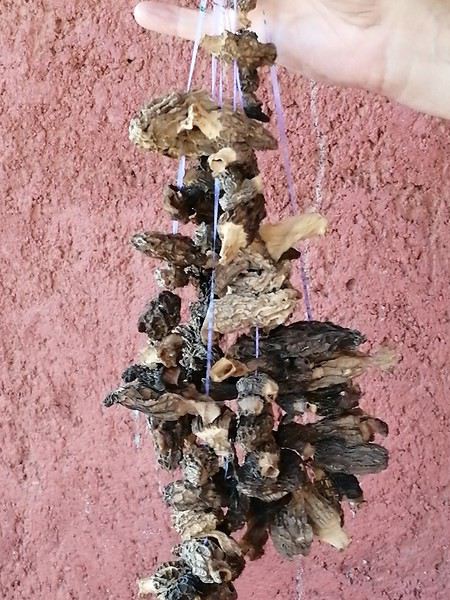
The heavy traffic in Marrakech quickly gave way to smooth driving. As soon as we left the city, it was calm. And right outside the city, we came across shepherds grazing their sheep by the roadside... It’s definitely a surprise at first! But yes... We’re in Morocco... No doubt about it... We’re in the thick of it! As we started gaining altitude, vendors waved at us, offering dried morels. At first, we weren’t sure what they were selling, but we stopped for tea on a terrace to admire the mountain scenery, and they offered us those famous morels again.
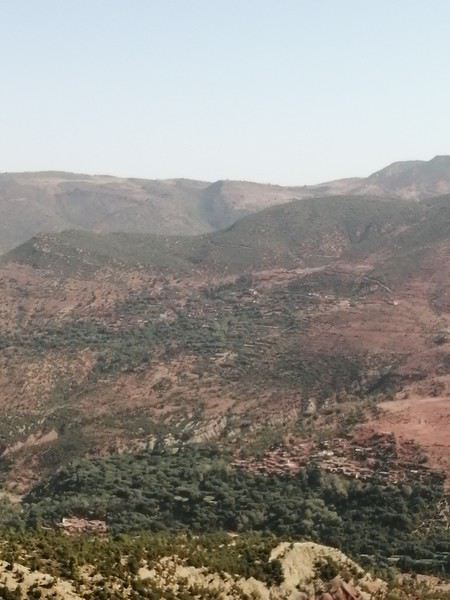
We continued our climb toward Tizi N Tichka... Gigantic valleys stretched out before us. With every turn, we discovered breathtaking landscapes.
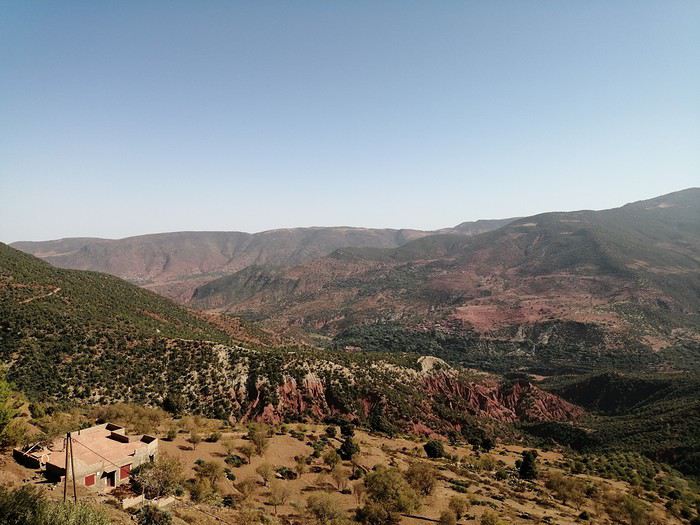
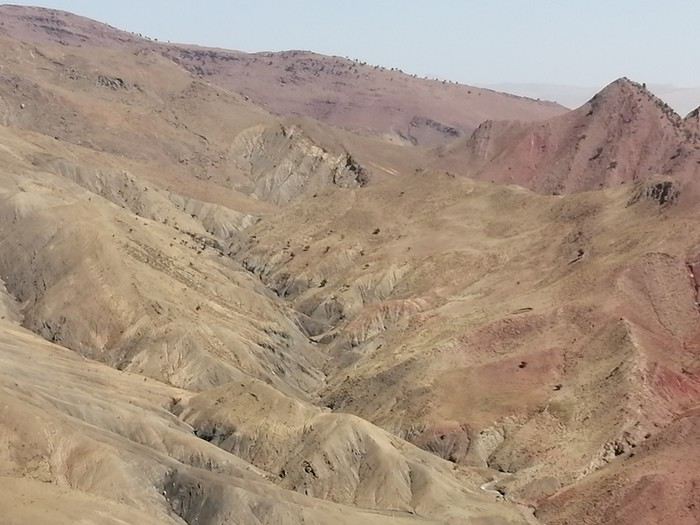
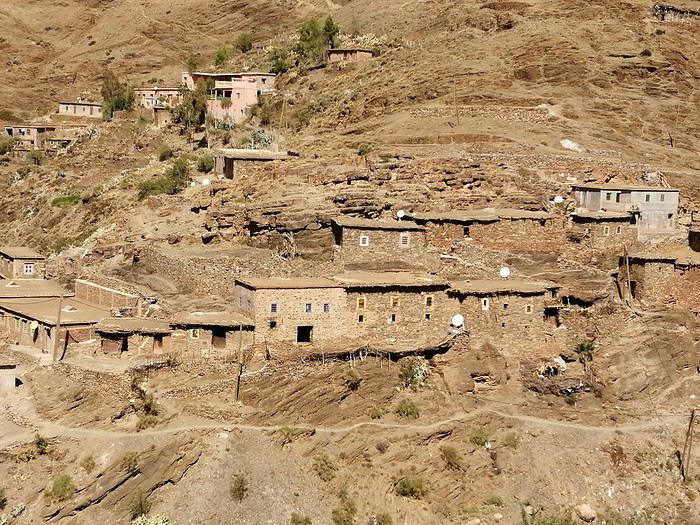
Villages built into the hillsides blended into the earth. It was strikingly simple yet harmonious.
At the top of the pass, 2200m up, we stopped to soak in the moment, the fresh air, and the view.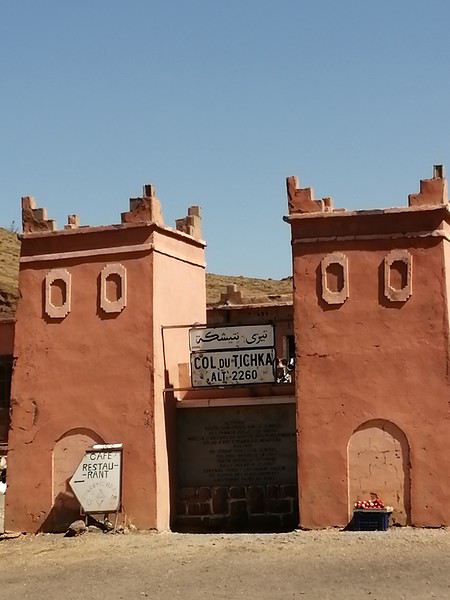
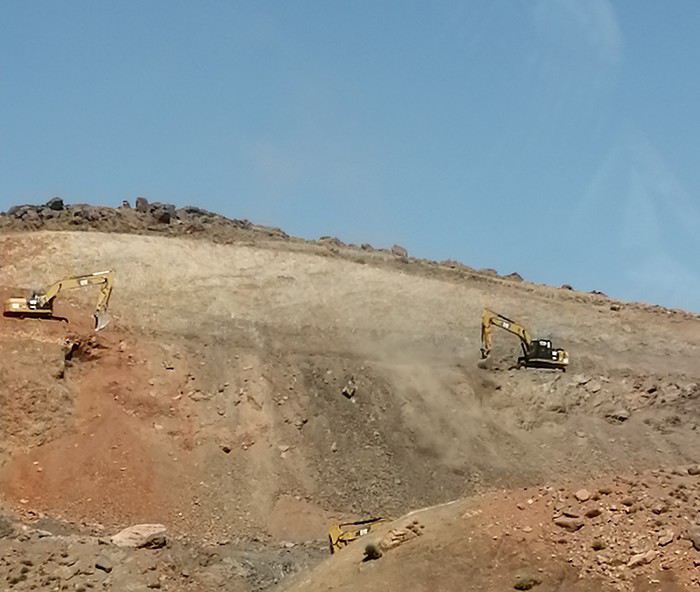
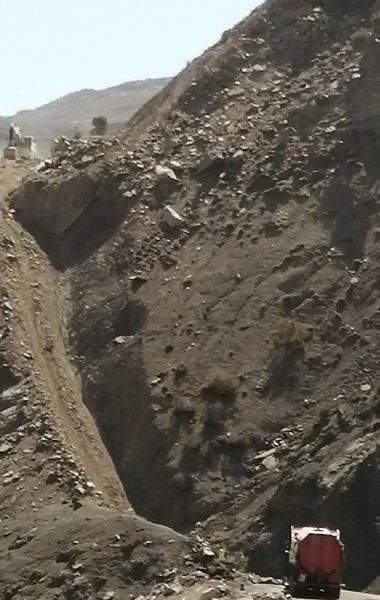
And we carried on toward Ouarzazate. The road was under construction. Mechanical giants were tackling the mountain. But the mountain was enormous. We were impressed by the scale of the work.
Then, we left the main road to head left toward Telouet... It was stunning. The colors changed. Maybe we felt less overwhelmed by the imposing Atlas. Just a personal impression!
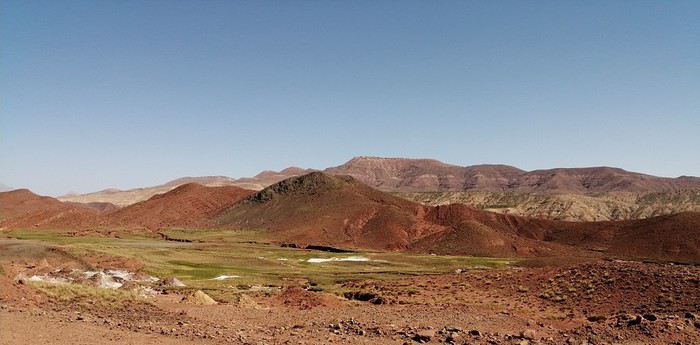
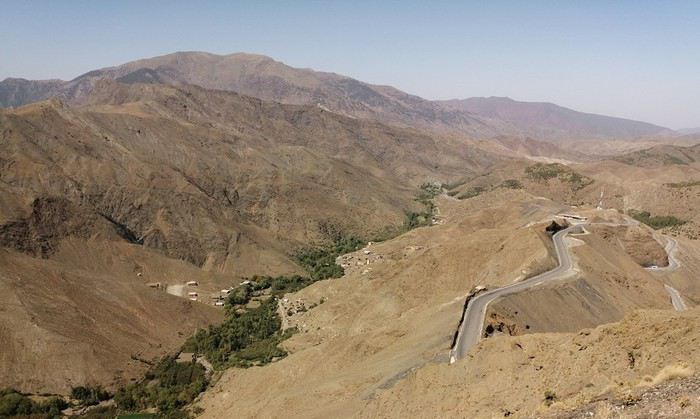
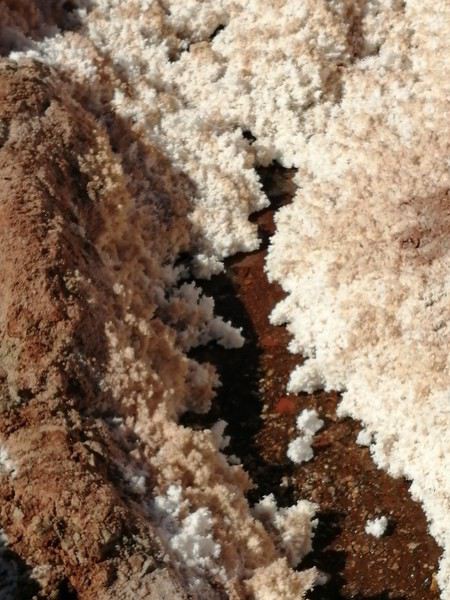
Right after passing through Telouet (maybe we’ll shock history buffs—we didn’t visit the kasbah), we went to see the salt mine. It was unexpected. Salt was everywhere. The stream water wound its way between salt crystals and waterfalls. It was really pretty. And then there was the cave. We had a guide for the visit. Stalactites and stalagmites crisscrossed here and there. At the back of the cave, we saw a small lake surrounded by crystals. It was beautiful.
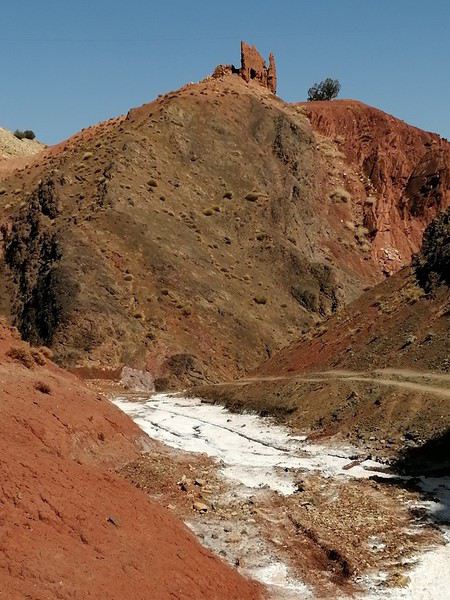
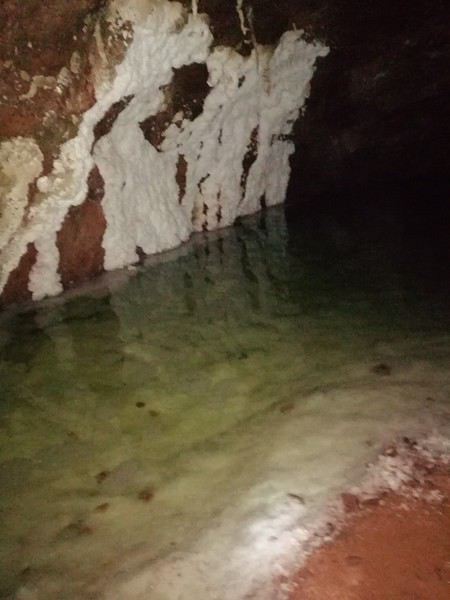
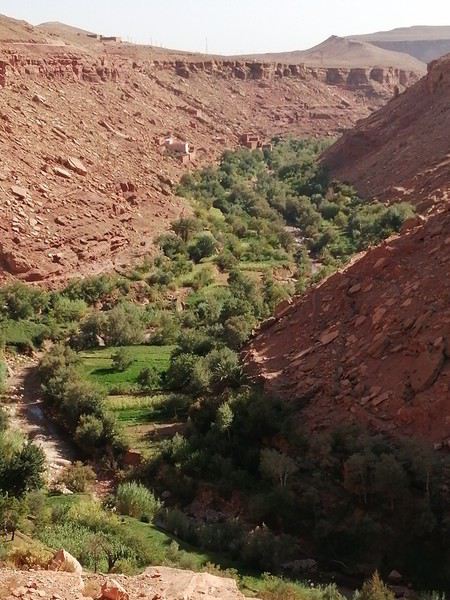
We hit the road again. We drove through stunning landscapes: vast plains for grazing herds, rivers nestled deep in the valleys.
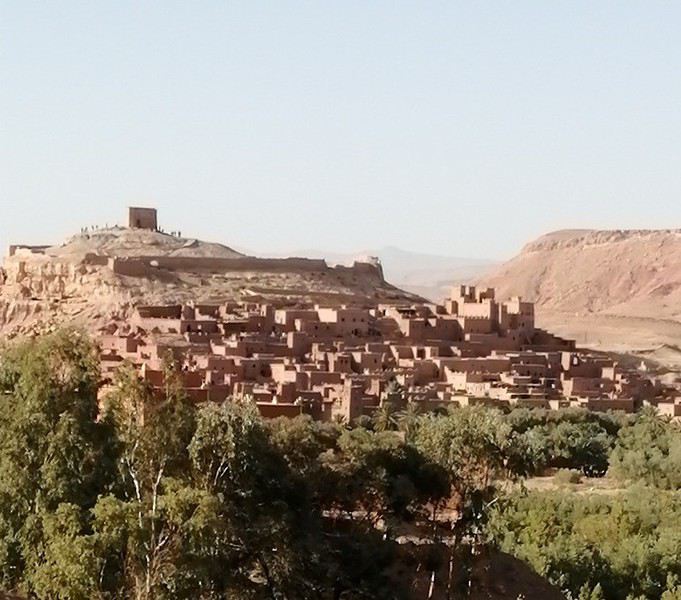
We proudly drove past the ksar Ait Benhaddou without stopping—just long enough to snap a quick photo and keep going so we’d arrive before nightfall.
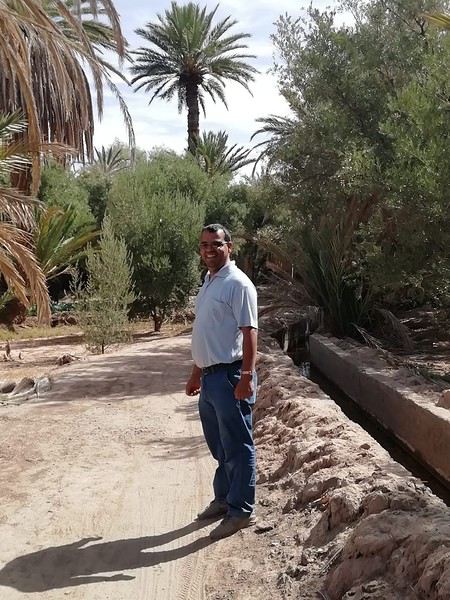
We made a few small purchases in Ouarzazate and headed straight for the Skoura palm grove, where we’d booked three nights at the guesthouse Kasbah La Palmeraie. Mohamed, the owner, welcomed us warmly, and we shared tea with the family. We felt right at home. We were made to feel welcome.
Dinner was a hit—a real Moroccan meal, a sweet-and-savory dish with steamed vermicelli and chicken. Delicious! A great surprise for us—we’d never tried it before.
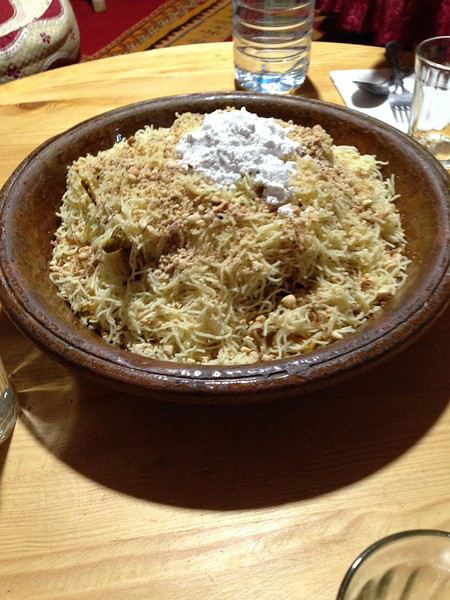
After such a long day that started so early, we were happy to crawl into bed. But we felt like the trip was off to the best possible start.
Until tomorrow, if you’d like!
We planned this trip with the tips we got from this forum, so thank you to everyone who helped us prepare. Thanks to you, we had unforgettable moments.
Here’s our itinerary, which let us see the Atlas Mountains, the oases of the South, the sandy desert, and the Atlantic coast. We landed in Marrakech early in the morning, and our rental car agent was waiting for us at the airport. After sorting out the formalities, we left Marrakech heading toward Ouarzazate.
The heavy traffic in Marrakech quickly gave way to smooth driving. As soon as we left the city, it was calm. And right outside the city, we came across shepherds grazing their sheep by the roadside... It’s definitely a surprise at first! But yes... We’re in Morocco... No doubt about it... We’re in the thick of it! As we started gaining altitude, vendors waved at us, offering dried morels. At first, we weren’t sure what they were selling, but we stopped for tea on a terrace to admire the mountain scenery, and they offered us those famous morels again.
We continued our climb toward Tizi N Tichka... Gigantic valleys stretched out before us. With every turn, we discovered breathtaking landscapes.
Villages built into the hillsides blended into the earth. It was strikingly simple yet harmonious.
At the top of the pass, 2200m up, we stopped to soak in the moment, the fresh air, and the view.
And we carried on toward Ouarzazate. The road was under construction. Mechanical giants were tackling the mountain. But the mountain was enormous. We were impressed by the scale of the work.
Then, we left the main road to head left toward Telouet... It was stunning. The colors changed. Maybe we felt less overwhelmed by the imposing Atlas. Just a personal impression!
Right after passing through Telouet (maybe we’ll shock history buffs—we didn’t visit the kasbah), we went to see the salt mine. It was unexpected. Salt was everywhere. The stream water wound its way between salt crystals and waterfalls. It was really pretty. And then there was the cave. We had a guide for the visit. Stalactites and stalagmites crisscrossed here and there. At the back of the cave, we saw a small lake surrounded by crystals. It was beautiful.
We hit the road again. We drove through stunning landscapes: vast plains for grazing herds, rivers nestled deep in the valleys.
We proudly drove past the ksar Ait Benhaddou without stopping—just long enough to snap a quick photo and keep going so we’d arrive before nightfall.
We made a few small purchases in Ouarzazate and headed straight for the Skoura palm grove, where we’d booked three nights at the guesthouse Kasbah La Palmeraie. Mohamed, the owner, welcomed us warmly, and we shared tea with the family. We felt right at home. We were made to feel welcome.
Dinner was a hit—a real Moroccan meal, a sweet-and-savory dish with steamed vermicelli and chicken. Delicious! A great surprise for us—we’d never tried it before.
After such a long day that started so early, we were happy to crawl into bed. But we felt like the trip was off to the best possible start.
Until tomorrow, if you’d like!
Hi there,
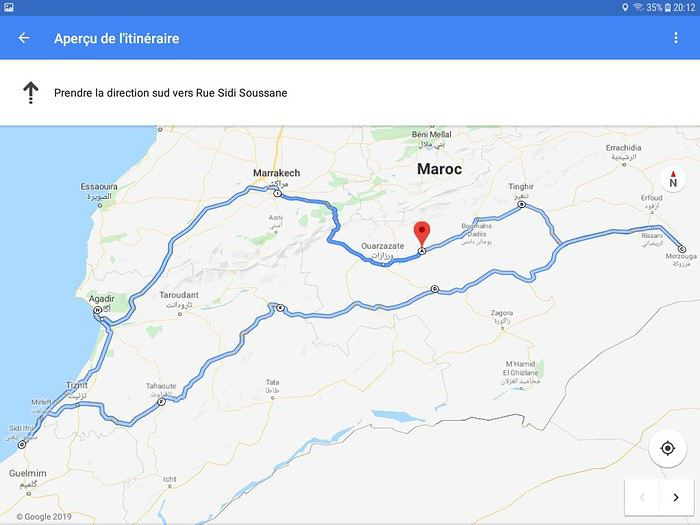
We’re heading to Ouarzazate and southern Morocco in 7 days. Here’s our route (map). We’re a family of 2 adults and 3 kids (11, 9, and 5 years old). Could you let me know if there are even more scenic roads to take, and any must-see spots, please? 😉
Day 1: Ouarzazate – Skoura – Dadès Day 2: Dadès + Todra Day 3: Tinegir – Djbel Saghro – N'Kob Day 4: Tazzarine – M'Hamid (overnight in Erg Lihoudi) Day 5: M'Hamid – Draa Valley – Agdz Day 6: Agdz – Fint – Ben Haddou Day 7: Telouet – Ouarzazate
Hello,
Is it possible to consider wild camping with young children, mainly in the Anti-Atlas? It’s not an option for budget reasons but rather a way of traveling we enjoy.
If we get the landowner’s permission and offer compensation, is it feasible?
Happy New Year to you all
If we get the landowner’s permission and offer compensation, is it feasible?
Happy New Year to you all
Hello everyone,
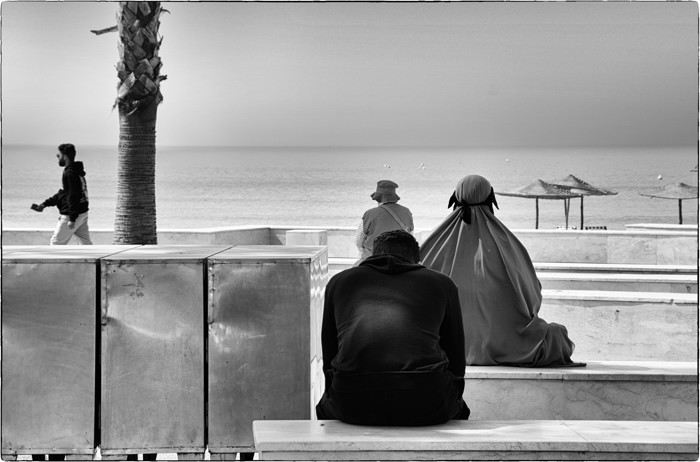
I’ve been to Morocco about fifteen times, but I’ve never posted a travel journal here on Voyage Forum. Why? I have no idea… Maybe because this section was so active, with lots of stories and photos. I thought sharing my adventures in *al Maghrib* wouldn’t be very original. Today, this space feels quieter, so what if I tried to give it a little life back, modestly? With some help…
This trip will be different. From the start of my relationship with Richard, I was determined to introduce him to *my* Morocco. But he was a bit reluctant… He’ll tell you about our 2022 meeting, and I’ll illustrate it with my photos, just like we did with our India travel journal.
I’ve been to Morocco about fifteen times, but I’ve never posted a travel journal here on Voyage Forum. Why? I have no idea… Maybe because this section was so active, with lots of stories and photos. I thought sharing my adventures in *al Maghrib* wouldn’t be very original. Today, this space feels quieter, so what if I tried to give it a little life back, modestly? With some help…
This trip will be different. From the start of my relationship with Richard, I was determined to introduce him to *my* Morocco. But he was a bit reluctant… He’ll tell you about our 2022 meeting, and I’ll illustrate it with my photos, just like we did with our India travel journal.
hi,
Now that I’ve got my new VW Syncro T3 (4x4), I’m hoping to explore some new tracks on my next trip at the end of 2025.
Back in winter 2022/23, I wanted to try a recently extended track that continues the one leading to Aït Kine.
After the village, I was able to drive on a good ten kilometers of tarmac, which then turns into a nice dirt track as soon as the climb to the pass begins (beautiful ravines). Almost at the last hairpin turn, I didn’t have enough power or traction to make it (my old T3 was only 2x4).
I had to turn around, clenching my cheeks the whole way.
Has anyone managed to take this track, which should lead to a main road (Igherm or Taliouine?) further north? And where exactly?
Is it fully paved now?
Hi
I’d like to know if the road between Msemrir and Tamttatouchte is doable with a standard car (Dacia Logan).
Thanks a lot
Hi there,
Can anyone tell me if it's possible to travel from the Dades Gorges (Msemrir) to the Todra Gorges (Tamtatouche) on a paved road? Thanks in advance for any answers.
Hello my friends,
You can't imagine how happy I am to be back on my beloved site, loved by its traveling men and women!!!!!
I want to travel with my little family (by car, not 4x4) from Taliouine to Tafraoute—it's a route I haven't taken yet (I've already done the one via Igherm), and I don't know the condition of the R106 road. Then, once that's done, our destination will be Zagora via Foum Zguid. I don’t want to go to Tata; my wife can’t stand that city. (I don’t mind because there’s a little local bar that’s not bad ;))
If you have any info, especially about the road conditions in October, I’d really appreciate it.
Thanks so much, and I’m so happy to be back here.
Thanks so much, and I’m so happy to be back here.
Hello to all Morocco lovers,
First of all: a big thank you to everyone whose insightful, funny, lively, and exotic posts we’ve enjoyed. It’s a joy to find such lovely writers on this forum, who’ve given me tons of ideas and addresses to prepare our trip.
Our plan: to explore Morocco from November 2nd to December 4th. We’ll have our own vehicle (a 2011 Renault Grand Scenic, in great condition), shipped with us from Sète to Tanger Med. Returning from Nador.
Our profile: 75 and 62 years young, so old but happy to be, in very good health. Seasoned travelers—it’s practically our whole life. Lovers of beautiful landscapes, historic sites, fine craftsmanship, and road trips. This will be my 3rd trip to Morocco, but the first two were 20 and 17 years ago. I’ve never been north of the Essaouira-Marrakech line (though I’ve gone further south). As for my husband, a lifelong expat including in Muslim countries, it’s his first time in Morocco.
He’s the one driving. He’s very experienced, cautious, not necessarily fast, but used to driving in all conditions (and countries, including the most creative on the road). But I don’t want to tire him out, and he no longer drives at night (and we’ll be there in November).
I’ve decided to show him a bit of everything by taking a road trip along beautiful backroads, with daily distances averaging 180-200 km (except on highways, which will be rare), regularly broken up by rest days. I’m counting on a speed of 40-50 km/h, plus stops/visits along the way.
Since I’ve read so many posts, I’ve narrowed it down to some very specific questions.
1) Coming directly from Rabat via the highway, we’d prefer to skip Marrakech*. Still, we’ll need to sleep somewhere nearby. We’ll head toward Skoura the next day. Does anyone have a well-located address for this route, possibly east of Marrakech? Ideally, we’re looking for a small town, easy parking, clean accommodation (minimum) with average comfort (or better if available), a bit heated, and if possible, pretty and/or nice—but above all, a place to sleep well, wash with lukewarm (ideally hot) water, and have a decent dinner.
(*Explanation for the "no-go" in Marrakech: it’s a shame, because there are truly beautiful things in this city, but I think the vibe won’t suit us—it’s an understatement for "it’ll put us off" / "make us flee" / "traumatize us." Not because it’s too crowded and we want to stand out from tourists (we’re part of them), but because of forced henna on your hand, or spending 10 minutes every quarter-hour saying "no thank you" to a "guide" who’s as much a guide as I am a trapeze artist. Knowing us, it’ll wear us down. The country is vast and beautiful, and our time too short to waste our memories just days after arriving. And I don’t want to ruin things for my peaceful husband, or he’ll demand we turn back—and Sète in November isn’t exactly thrilling either.)
2) Which route to Skoura (in 2 days)? I see two options: either via the Tichka Pass, with a night in Telouet before reaching Skoura, or via the R307/N23 from Demnate, with a night near Megdaz before descending to Skoura. So: Tichka Pass or R307/N23? I have a slight (big) preference for the second option, even though I know the other route is very beautiful too. Of course, before deciding, we’ll check the weather and the current state of the R307/N23—does anyone know where to get info on the road conditions? But even assuming the road is "passable," is it a bit too tough in itself? In short, is it reasonable? If a kind soul could share their experience, a thousand thanks in advance.
That’s all I’ve written for now. I’ll save the other questions for later posts. Thanks again to those who had the patience to read this and to those who can respond. Happy Sunday to all!
Fran
A big thank you to the VoyageForum members who shared their experiences with us! We spent 3 wonderful days at "La Kasbah la Palmeraie" in Skoura. Coming from Marrakech (a stunning drive after the Tichka Pass via Telouet and Ait-Benhaddou), our stay at the Palmeraie was pure bliss: Mohammed and Ghizlane’s warm welcome, delicious breakfasts on the terrace overlooking the palm grove (wood-fired bread, honey pancakes made by Ghizlane), and equally delicious and hearty evening meals shared as a family around a cozy fire. We felt right at home and learned so much about the local way of life. The excursions offered were always interesting and off the beaten tourist track—from there, we explored the Dades Valley and Gorges, the Almond Blossom Valley (gorgeous!), and the palm grove. The region is home to magnificent kasbahs, including our hosts’. A different way to "visit" Morocco!
Hi,
Does anyone know the current condition of the track from Afellah Ighir to the N7 north of Imitek, passing by the Akka Mines?
About 57 km total, with the first 14 km (up to the Mine) paved and the rest unpaved.
Thanks in advance
Hi everyone,
I’m starting to plan a motorcycle trip from Marrakech to Dakar for September 2027.
The idea is to cross southern Morocco, then Mauritania, and finally Senegal all the way to Dakar, taking the time to explore the regions we pass through.
I’m especially looking for advice and feedback from people who’ve already done all or part of this route: recommended itinerary, road and track conditions, border crossings, formalities, safety, fuel, accommodations, must-see stops, things to avoid, etc.
I’d also love to hear your thoughts on traveling in September for this trip.
If any motorcyclists want to join the adventure, that’d be great! The idea is to form a small group, each covering their own expenses, and plan the trip together.
All your tips, experiences, and good addresses are welcome!
Thanks in advance for your help.
Khalid Marrakech
Hi, does anyone know the current condition of the track/road P1800 that goes from R111 just past Allougoum to Akka Ighane on P1743?
Google Maps says it's doable, but all the info I’ve gotten advises against it.
From Akka Ighane, at the junction with the road to Auguinane, it was even paved for the 10 km I covered two years ago.
But in Morocco, paved roads can suddenly end without warning 😏.
As I’ve mentioned elsewhere, I inherited my love of travel from my parents and some of my grandparents. A strong passion, but one that was unfortunately limited by our family’s modest resources. Back then, living in northern Alsace, a simple trip to the southern part of the region—with the Wine Route as our destination—felt like an extraordinary journey to a land of plenty for the little boy I was in the late 60s and early 70s.
Everything seemed so huge when you were still just a kid.
Back then, I was overwhelmed by countless sensations—I was already highly sensitive, with a keen mind and a nose and taste buds that were developing like a pro’s. Which, as I’d later realize, wasn’t always an advantage.
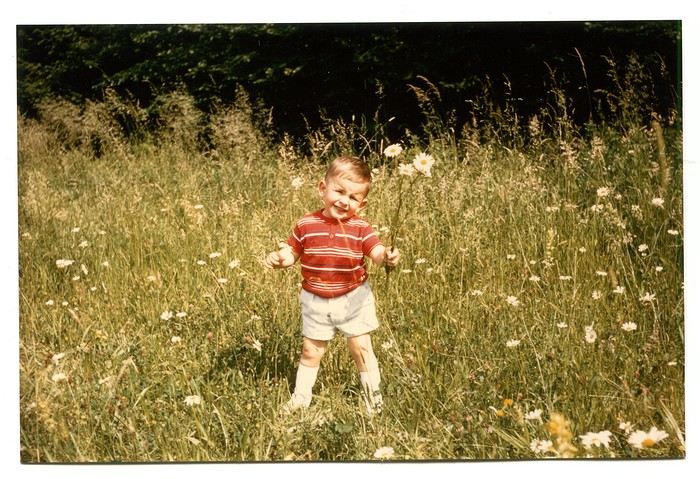
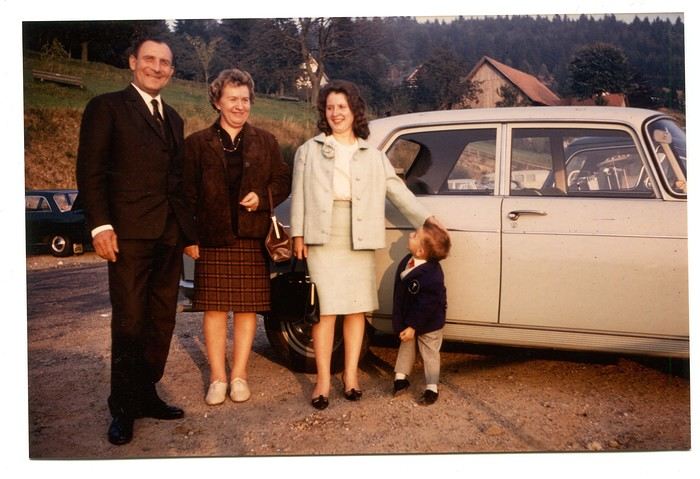
Those magical days always began with a gentle late-spring or midsummer morning. The interior of the white Peugeot 404, license plate 210 LZ 67, had already soaked up the sun before the engine purred to life, and the cabin gave off a scent I could still recognize today—a fragrance I found so pleasant. Back then, I had no idea it was just the smell of warm plastic from the car’s interior. Yes, the scents of the 404 on sunny days became my madeleine de Proust... What’s more, the whole family was unusually cheerful because those moments of relaxation and leisure were rare. Everyone worked, and no one had an easy job or was well paid. Without the *Trente Glorieuses*, these experiences might never have happened.
Once we crossed the canton’s borders, I felt like I was light-years away from my everyday surroundings, and every kilometer plunged me deeper into *terra incognita*. It was thrilling. Far from my so-called "medium-sized" town, wheat fields, cornfields, and cabbage patches stretched out, punctuated by tall poles connected by long wires and topped with vegetation—like giant clotheslines without laundry, where magical beanstalks might grow to touch the sky. Back then, I was still far from tasting their product, which was simply beer. At the time, there was still a significant local hop production. Fun fact: it wasn’t until 2002 that Anglo-Saxon scientists proved hops and cannabis belong to the same biological family.
After the fields, the landscape took another step up as it rolled past the little boy’s eyes, often glued to the windows. First came modest hills, then a succession of rolling slopes that soon formed an unbroken chain. Their 700 meters in altitude felt like Himalayan peaks to me—impressive, inert giants, a whole new world. Gazing at them, an intense emotion welled up somewhere between my stomach and lungs, nearly taking my breath away. What mysteries, what treasures did these heights hold? And then there were the cherries on top—the crowning touch that made the scene even more magical: proud, majestic castles perched on the summits like impassive sentinels. Monuments from the past, yet firmly rooted in the present on their rocky spurs. The little boy’s eyes sparkled—he’d been given a castle for Christmas, complete with battlements, towers, a drawbridge, and fully armed knights. He’d watched and lived *Ivanhoe* on the only French TV channel that existed back then.
Only once did my paternal grandfather join us on one of these trips. A tall, intelligent man with a face that could shift from stern to mischievous, clearly full of humor and charisma. Sadly, his relationship with alcohol had taken a toll on his life and, by extension, those of his loved ones. He had a strong personality—if his boss crossed the line, he wouldn’t hesitate to punch him, which meant he went through a lot of different jobs. Back then, you could quit one job and easily find another. It was quite something to see him in his final stages, hallucinating pink elephants and even drinking perfume when he had nothing else left. The last time I saw him, he’d slipped away from the doctors and nurses while hospitalized in pretty bad shape—at least, I assume his liver was the issue. We were sitting down for a family lunch when the door burst open, and there he stood in his pajamas, eyes twinkling with mischief, clearly pleased with the dramatic entrance. That theatrical moment didn’t spare us from burying him a few months later at the age of 71. One day, my mother told me the family doctor had quietly remarked that it was a shame—with his robust constitution, he could’ve lived to be a hundred. Yes, the family doctor—this was the man who’d come treat you any day, at almost any hour, just for a phone call. It really existed, it’s not a myth!
That day, his wife—my paternal grandmother—was also along for the ride. Everyone agreed that Jeannette was a good woman. She worked as a waitress at *Le Tigre*, the biggest brasserie in town, right in the center. Most customers preferred to be served by her, including local dignitaries and even the mayor. As a kid, I didn’t find her very fun, open, or warm—she seemed a bit stern. Back then, women in their fifties already had the face and build of grandmothers. Same went for men, don’t get me wrong. I had no idea about the struggles she faced because of her husband. I didn’t know that 30 years earlier, she’d had to flee Alsace while pregnant, under threat from Nazi fighter-bombers. I didn’t know she’d had several miscarriages, and that my father—her only surviving child, born prematurely in March 1940 at the other end of France—weighed less than a kilo at birth and was so tiny he could fit in a shoebox. Hard to imagine he’d grow into a strapping man nearly 1.80 meters tall, tipping the scales at 100 kilos. When you come back from summer camp in early August and ask why she didn’t pick you up with your parents, and they gently tell you she’s "in heaven," you don’t realize she passed away at 54 after suffering greatly from stomach cancer that had spread.
Back to that family outing, that enchanted parenthesis. I even remembered where we’d had lunch when I passed through Dambach-la-Ville decades later. One of those charming, flower-filled towns Alsace produces in abundance—and preserves so well. This one sits high on a hill, and I was a bit stunned on the parking lot because the view stretched far, revealing the Alsace plain below—its fields, villages, hills, and forests. The world seemed so vast and enticing that day, even though I was only glimpsing a tiny fraction of it.
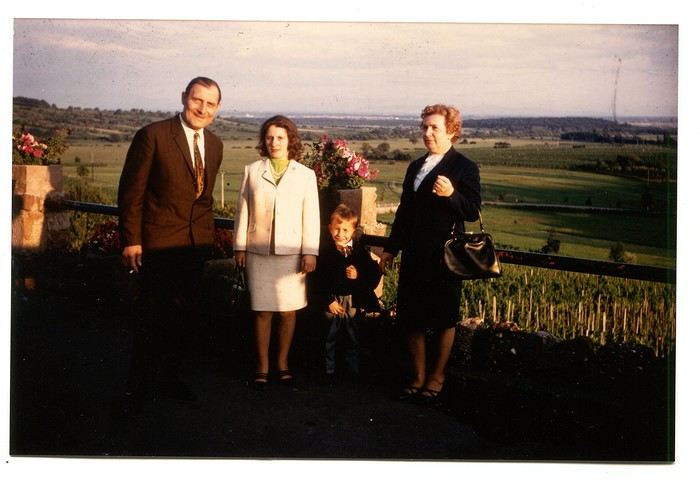
The region was already very touristy, but I wouldn’t notice the downsides until much later. That Sunday noon, I discovered a large restaurant filled with diners. I can still see the enormous piece of meat they served me, decorated with a little wooden skewer topped with a flag. I kept that one for a long time. Those were the golden days of rich, flowing, thick sauces—so flavorful—and the era of the world’s best fries, made on the spot with the best potatoes. To top it off, I was *exceptionally* allowed a small bottle of apple juice, Orangina, or—even better if possible—Sinalco. Yes, Sinalco—like Orangina, but better. A brand that must’ve disappeared in the 70s, but why, and what a shame! Since then, Orangina’s little bubbles have taken the brand to the other side of the planet—it’s now Japanese.
Year after year, I’d eagerly await that ecstatic moment when the most beautiful castle in Alsace, the Haut-Koenigsbourg, appeared in my field of vision. The perfect model, the archetype that blended into the landscape at the height of a child’s dreams. The trip home always felt like a reality check—less jarring than an alarm clock, but more diffuse and melancholic. From then on, there was only one wish: *When do we leave again?*
Those magical days always began with a gentle late-spring or midsummer morning. The interior of the white Peugeot 404, license plate 210 LZ 67, had already soaked up the sun before the engine purred to life, and the cabin gave off a scent I could still recognize today—a fragrance I found so pleasant. Back then, I had no idea it was just the smell of warm plastic from the car’s interior. Yes, the scents of the 404 on sunny days became my madeleine de Proust... What’s more, the whole family was unusually cheerful because those moments of relaxation and leisure were rare. Everyone worked, and no one had an easy job or was well paid. Without the *Trente Glorieuses*, these experiences might never have happened.
Once we crossed the canton’s borders, I felt like I was light-years away from my everyday surroundings, and every kilometer plunged me deeper into *terra incognita*. It was thrilling. Far from my so-called "medium-sized" town, wheat fields, cornfields, and cabbage patches stretched out, punctuated by tall poles connected by long wires and topped with vegetation—like giant clotheslines without laundry, where magical beanstalks might grow to touch the sky. Back then, I was still far from tasting their product, which was simply beer. At the time, there was still a significant local hop production. Fun fact: it wasn’t until 2002 that Anglo-Saxon scientists proved hops and cannabis belong to the same biological family.
After the fields, the landscape took another step up as it rolled past the little boy’s eyes, often glued to the windows. First came modest hills, then a succession of rolling slopes that soon formed an unbroken chain. Their 700 meters in altitude felt like Himalayan peaks to me—impressive, inert giants, a whole new world. Gazing at them, an intense emotion welled up somewhere between my stomach and lungs, nearly taking my breath away. What mysteries, what treasures did these heights hold? And then there were the cherries on top—the crowning touch that made the scene even more magical: proud, majestic castles perched on the summits like impassive sentinels. Monuments from the past, yet firmly rooted in the present on their rocky spurs. The little boy’s eyes sparkled—he’d been given a castle for Christmas, complete with battlements, towers, a drawbridge, and fully armed knights. He’d watched and lived *Ivanhoe* on the only French TV channel that existed back then.
Only once did my paternal grandfather join us on one of these trips. A tall, intelligent man with a face that could shift from stern to mischievous, clearly full of humor and charisma. Sadly, his relationship with alcohol had taken a toll on his life and, by extension, those of his loved ones. He had a strong personality—if his boss crossed the line, he wouldn’t hesitate to punch him, which meant he went through a lot of different jobs. Back then, you could quit one job and easily find another. It was quite something to see him in his final stages, hallucinating pink elephants and even drinking perfume when he had nothing else left. The last time I saw him, he’d slipped away from the doctors and nurses while hospitalized in pretty bad shape—at least, I assume his liver was the issue. We were sitting down for a family lunch when the door burst open, and there he stood in his pajamas, eyes twinkling with mischief, clearly pleased with the dramatic entrance. That theatrical moment didn’t spare us from burying him a few months later at the age of 71. One day, my mother told me the family doctor had quietly remarked that it was a shame—with his robust constitution, he could’ve lived to be a hundred. Yes, the family doctor—this was the man who’d come treat you any day, at almost any hour, just for a phone call. It really existed, it’s not a myth!
That day, his wife—my paternal grandmother—was also along for the ride. Everyone agreed that Jeannette was a good woman. She worked as a waitress at *Le Tigre*, the biggest brasserie in town, right in the center. Most customers preferred to be served by her, including local dignitaries and even the mayor. As a kid, I didn’t find her very fun, open, or warm—she seemed a bit stern. Back then, women in their fifties already had the face and build of grandmothers. Same went for men, don’t get me wrong. I had no idea about the struggles she faced because of her husband. I didn’t know that 30 years earlier, she’d had to flee Alsace while pregnant, under threat from Nazi fighter-bombers. I didn’t know she’d had several miscarriages, and that my father—her only surviving child, born prematurely in March 1940 at the other end of France—weighed less than a kilo at birth and was so tiny he could fit in a shoebox. Hard to imagine he’d grow into a strapping man nearly 1.80 meters tall, tipping the scales at 100 kilos. When you come back from summer camp in early August and ask why she didn’t pick you up with your parents, and they gently tell you she’s "in heaven," you don’t realize she passed away at 54 after suffering greatly from stomach cancer that had spread.
Back to that family outing, that enchanted parenthesis. I even remembered where we’d had lunch when I passed through Dambach-la-Ville decades later. One of those charming, flower-filled towns Alsace produces in abundance—and preserves so well. This one sits high on a hill, and I was a bit stunned on the parking lot because the view stretched far, revealing the Alsace plain below—its fields, villages, hills, and forests. The world seemed so vast and enticing that day, even though I was only glimpsing a tiny fraction of it.
The region was already very touristy, but I wouldn’t notice the downsides until much later. That Sunday noon, I discovered a large restaurant filled with diners. I can still see the enormous piece of meat they served me, decorated with a little wooden skewer topped with a flag. I kept that one for a long time. Those were the golden days of rich, flowing, thick sauces—so flavorful—and the era of the world’s best fries, made on the spot with the best potatoes. To top it off, I was *exceptionally* allowed a small bottle of apple juice, Orangina, or—even better if possible—Sinalco. Yes, Sinalco—like Orangina, but better. A brand that must’ve disappeared in the 70s, but why, and what a shame! Since then, Orangina’s little bubbles have taken the brand to the other side of the planet—it’s now Japanese.
Year after year, I’d eagerly await that ecstatic moment when the most beautiful castle in Alsace, the Haut-Koenigsbourg, appeared in my field of vision. The perfect model, the archetype that blended into the landscape at the height of a child’s dreams. The trip home always felt like a reality check—less jarring than an alarm clock, but more diffuse and melancholic. From then on, there was only one wish: *When do we leave again?*
Hi there,
I'm currently planning our trip to Morocco for next May.
We're looking to explore a part of the country we haven't visited yet, and I'd love to get some opinions or tips for my itinerary.
We'll have a rental Duster to get around.
-1- Marrakech to the Paradise Valley, arriving in the late afternoon. 2 nights there so we can explore the next day.
-2- From Paradise Valley to Tafraout.
Along the way, we'd like to visit some agadirs (Ikounka, Imeghguiguilne, Ighir, Tizourgane). I'm wondering if we'll have time to see them all, if we should visit all of them or skip some? Or if there are other suggestions?
-3- I plan to stay 3 nights in Tafraout.
Night 1 we might arrive late.
The following days to visit the village of Tagdicht, the Blue Rocks, and the Ait Mansour Valley.
Doable? Road or track conditions? Too much or too little time? Anything else to see?
-4- I was thinking of taking the road to visit the underground village of Icht.
Then heading to Tata to visit the Tollé and/or Messalites caves.
Same questions as before (road conditions, time, anything else)?
-5- Road to Tissint for a walk.
Road to Taliouine to visit the Glaoui kasbah.
Spend the night around there.
Same questions?
-6- Road and visit to the Ifri granary.
Then head to a part of Morocco we already know :-)
Anyway, quite a few questions...
Since we've been to Morocco several times before, I know there won't be any issues once we're there. It's just that I'm trying to plan ahead a bit so we don't miss what there is to see in the area, without rushing too much ;-)
Anyway, quite a few questions...
Since we've been to Morocco several times before, I know there won't be any issues once we're there. It's just that I'm trying to plan ahead a bit so we don't miss what there is to see in the area, without rushing too much ;-)
In early March, full of carefree joy and happy to return to Morocco, we landed in Marrakech under the sun.
We spent just one night in Marrakech at the Hôtel Toulousain, as we did on our previous trip. And we booked our 3 nights for the end of our trip, the second half of March... Ouch! Ouch! Ouch! But we’re not there yet...
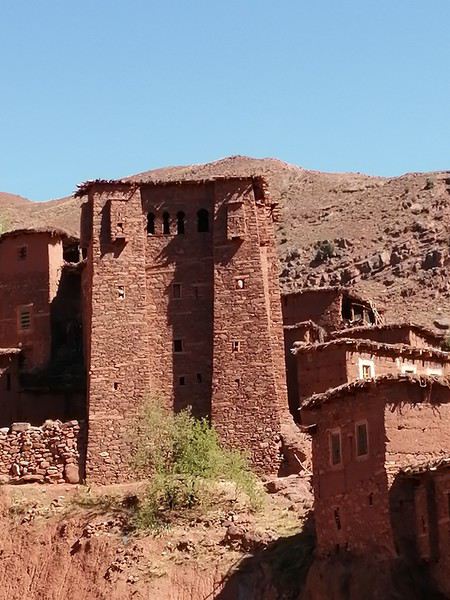
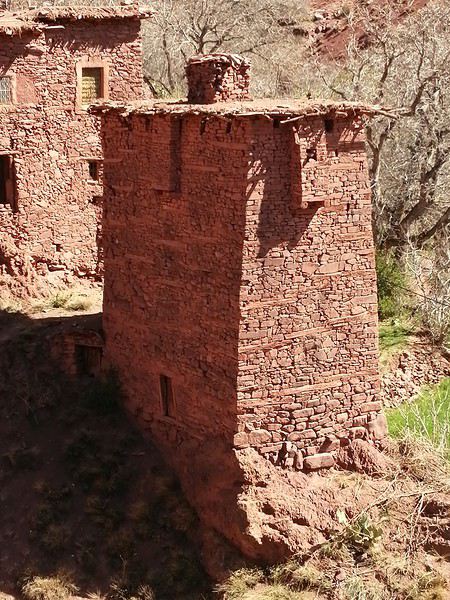
Our first goal is to reach Magdaz, a mountain village in the Tessaout Valley, sometimes called the lost valley. We discovered the village of Magdaz on this forum, and we were charmed by the photos and comments from travelers who came before us. The road is easy—it’s dry, and the tarmac takes us right to the village gates at over 2,000 meters above sea level. We arrive in the afternoon and are left speechless by the beauty of the place. A jewel of Berber architecture! Perfectly restored granaries and kasbahs!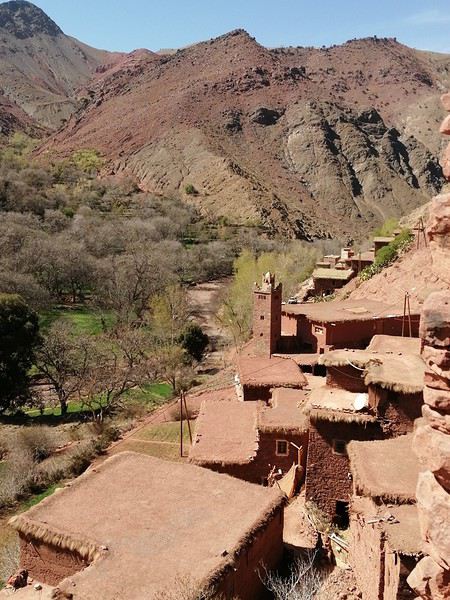
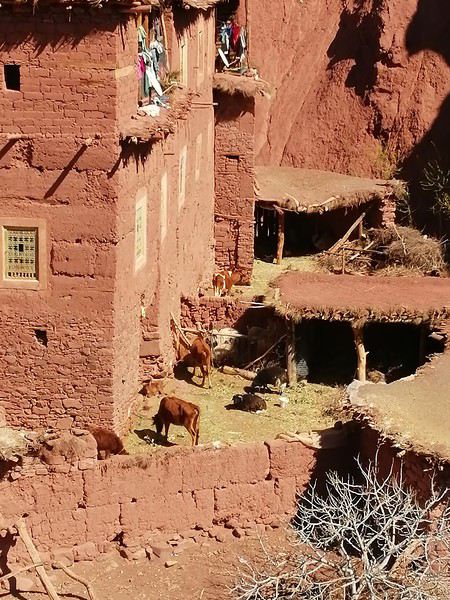
A young man from the village guides us on the visit and opens the doors to the terraces overlooking the village.
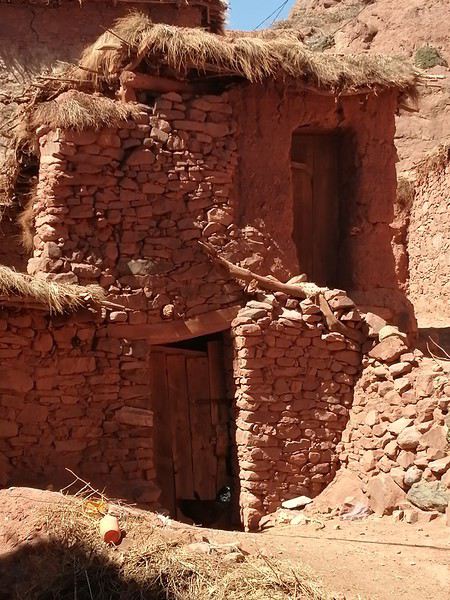 Several magnificent collective granaries have been beautifully restored. The warm colors of the stone capture the light wonderfully. It’s stunning!
We won’t find anything decent to stay overnight there, so we head back down a bit and settle in at the Assounfou guesthouse. Lovely welcome. The place is in excellent condition and very clean. It’s spacious, but we’re the only ones there. First day full of promise!
Our first goal is to reach Magdaz, a mountain village in the Tessaout Valley, sometimes called the lost valley. We discovered the village of Magdaz on this forum, and we were charmed by the photos and comments from travelers who came before us. The road is easy—it’s dry, and the tarmac takes us right to the village gates at over 2,000 meters above sea level. We arrive in the afternoon and are left speechless by the beauty of the place. A jewel of Berber architecture! Perfectly restored granaries and kasbahs!
A young man from the village guides us on the visit and opens the doors to the terraces overlooking the village.
Several magnificent collective granaries have been beautifully restored. The warm colors of the stone capture the light wonderfully. It’s stunning!
We won’t find anything decent to stay overnight there, so we head back down a bit and settle in at the Assounfou guesthouse. Lovely welcome. The place is in excellent condition and very clean. It’s spacious, but we’re the only ones there. First day full of promise!
Hi there!
I'm considering doing a round trip of Africa, starting in Morocco, then following the west coast down to the south, and finally heading back up along the east coast.
However, I have some big questions about the route:
From what I've gathered after a lot of research, the road seems quite doable without a 4x4 as far as Senegal, or even Benin?
It's between Benin and Namibia that it would get really tough, and I'd either need a 4x4 or to ship my vehicle if I'm in a converted H2L2 van (not 4x4)?
Could someone clarify this for me?
Otherwise, it seems like Southern, Northern, and Eastern Africa are accessible without a 4x4?
As for the vehicle, if a 4x4 is essential, I'm torn between: Kangoo 4x4 Lada Niva 4x4 standard C15 C15 4x4 Renault Trafic 4x4 (H2L2, so still quite large) or a Subaru Libero 4x4
Or would it even be possible with a simple Twingo? ^
But is that enough, or do I absolutely need a 4x4 like a Toyota, Land Rover, or something similar?
Those are my current questions! If anyone has some answers, that would be amazing!
Thanks so much!
Hi there,
We’re planning a trip to Morocco in September-October in our Fiat camper van, which isn’t a 4x4 but has already handled quite a bit of rough travel. While reading up on southern Morocco, we’ve been drawn to the Aguinane oasis but I’m having trouble locating it on the map. Is it possible to get there without a 4x4?
Thanks for your help
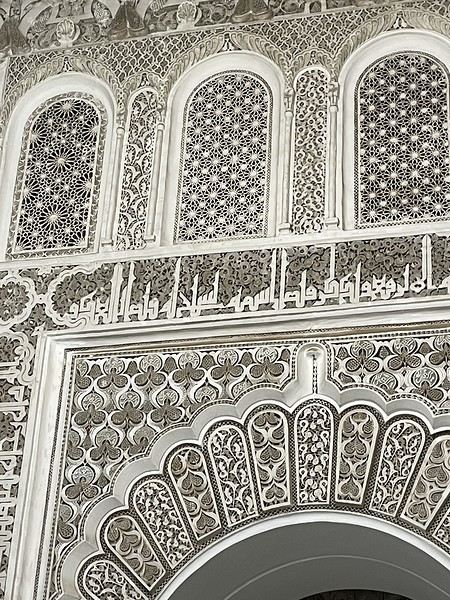
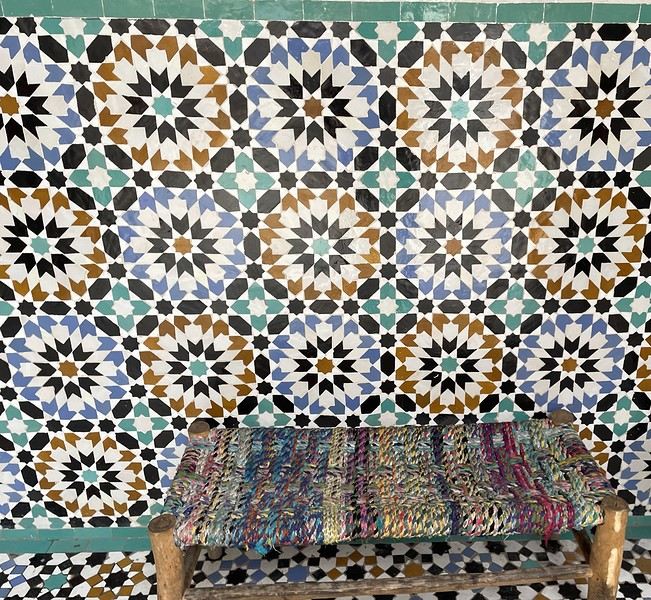
We arrive in the evening in Marrakesh, and a taxi arranged by our friendly Riad is waiting for us. The driver takes us to the door, where we’re briefly greeted by our hosts. The room is heated—phew—because it’s really cold on this January 17th for our arrival. Riad Alisma, where we’re staying for 2 nights. The next morning, it’s pouring rain when we wake up, but after a good breakfast, the rain has calmed down. Off we go to the medersa, which allows for a relatively sheltered visit. We’d visited this palace 15 years ago—it’s been renovated since then.
From there, without the rain, we wander aimlessly and eventually end up near the tanneries, but it’s Sunday, and there’s very little activity. Of course, we get hassled by a tout.
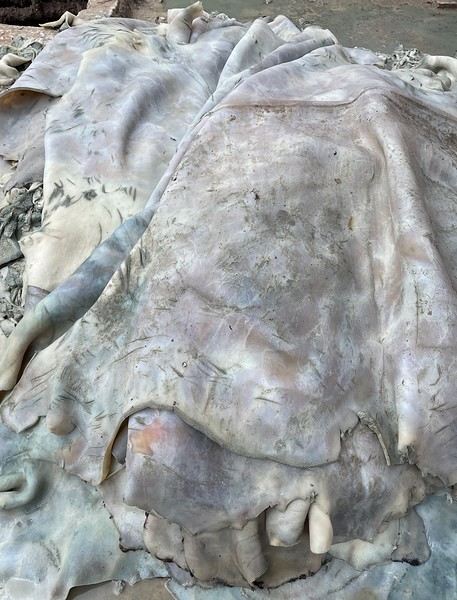
Here, the hides after being treated with lime—I love the colors.
We part ways a bit annoyed. He gets a little revenge by giving us bad directions, and we end up outside the city walls. We decide to take a taxi to the new modern art museum—60 dirhams for the 5 km, which is nothing when you think about it. That tout, who we didn’t ask for anything and made it clear we weren’t buying anything, dragged us into a shop supposedly only open that day and demanded 50 dirhams for his "services"! Let’s forget that bad moment and enjoy the exhibition at the MACAL.
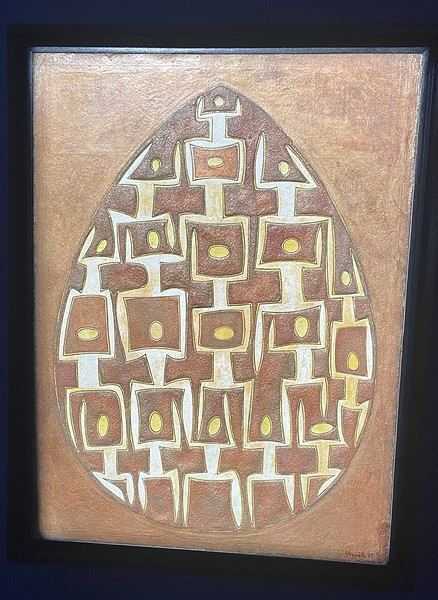
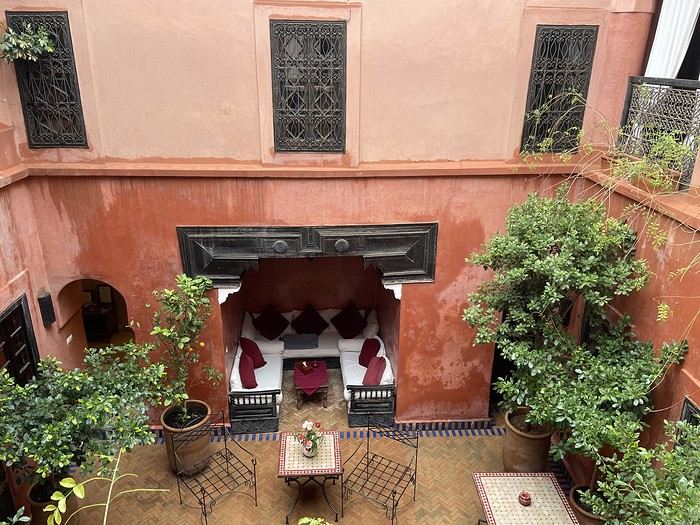
The taxi on the way back drops us off at Place des Ferblantiers, not far from our Riad. We’re a little peckish—it’s worth mentioning that at lunchtime, we only ate a plate of beans from a street vendor. So, we buy a bunch of little sweets, each more delicious than the last, at Ajar. We snack while sipping mint tea and watching life go by around us. A final visit to the Museum of Moroccan Cuisine on our way back helps us dodge a few more showers. Then it’s back to the Riad. The atmosphere in the city is heating up—it’s the AFCON final tonight. The temperatures, though? Not so much. We ordered a meal at the Riad, and it was a good call—not only was it really tasty, but the rain also picked up again. Our day in Marrakesh ends under the covers with a good book and some photo sorting. Still, we managed 10,750 steps. View of our Riad
Tomorrow, we’ll pick up our rental car from Medloc and head to Essaouira.
From there, without the rain, we wander aimlessly and eventually end up near the tanneries, but it’s Sunday, and there’s very little activity. Of course, we get hassled by a tout.
Here, the hides after being treated with lime—I love the colors.
We part ways a bit annoyed. He gets a little revenge by giving us bad directions, and we end up outside the city walls. We decide to take a taxi to the new modern art museum—60 dirhams for the 5 km, which is nothing when you think about it. That tout, who we didn’t ask for anything and made it clear we weren’t buying anything, dragged us into a shop supposedly only open that day and demanded 50 dirhams for his "services"! Let’s forget that bad moment and enjoy the exhibition at the MACAL.
The taxi on the way back drops us off at Place des Ferblantiers, not far from our Riad. We’re a little peckish—it’s worth mentioning that at lunchtime, we only ate a plate of beans from a street vendor. So, we buy a bunch of little sweets, each more delicious than the last, at Ajar. We snack while sipping mint tea and watching life go by around us. A final visit to the Museum of Moroccan Cuisine on our way back helps us dodge a few more showers. Then it’s back to the Riad. The atmosphere in the city is heating up—it’s the AFCON final tonight. The temperatures, though? Not so much. We ordered a meal at the Riad, and it was a good call—not only was it really tasty, but the rain also picked up again. Our day in Marrakesh ends under the covers with a good book and some photo sorting. Still, we managed 10,750 steps. View of our Riad
Tomorrow, we’ll pick up our rental car from Medloc and head to Essaouira.
Hey fellow travelers!
This isn’t meant to be a full-on travel journal—just a little springtime dip into the Moroccan coast (and maybe a bit more if we click).
For our third trip to this country, we set off for 8 days in early June 2025, *sure* we’d be greeted by non-stop sunshine...
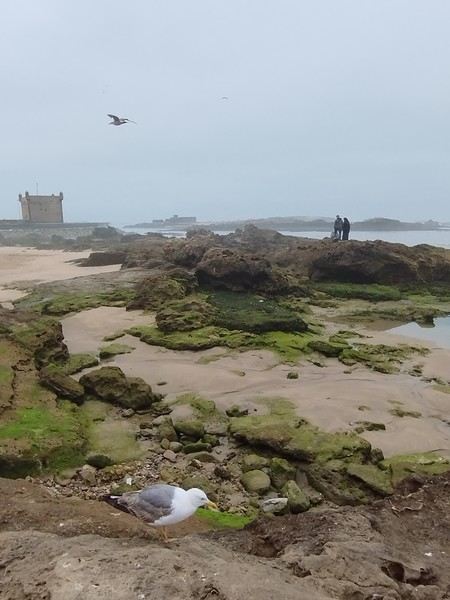
...and well, that didn’t happen! The gray stuck around for a day, then two, then three (while back home in the Landes, we had gorgeous sunshine 🤦♂️😂).
Now, unlike us, the Morocco experts here probably already know this, but apparently, it’s pretty common—especially in spring—when the warm air from inland meets the cool ocean breeze. Locals even have to warm up with hot water bottles, can you believe it? 😄!
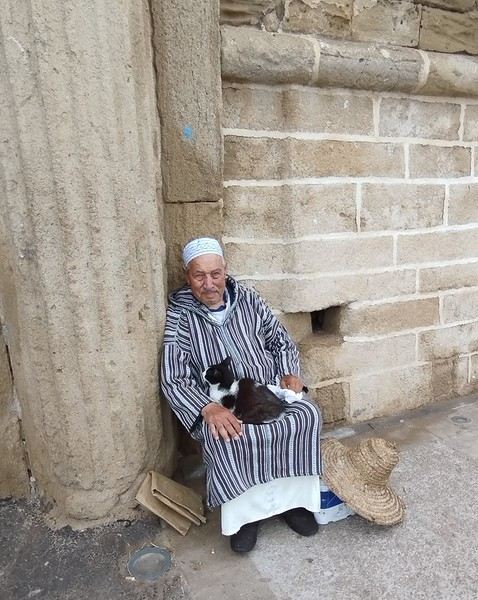
And of course, it had to happen now, since our plan is to follow the coast from Essaouira to Mirleft!!
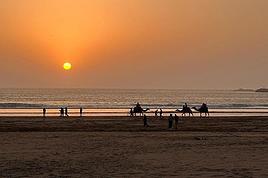
Oh well, we’ll see how it goes—but luckily, this first stunning sunset made up for the weather 🌅.
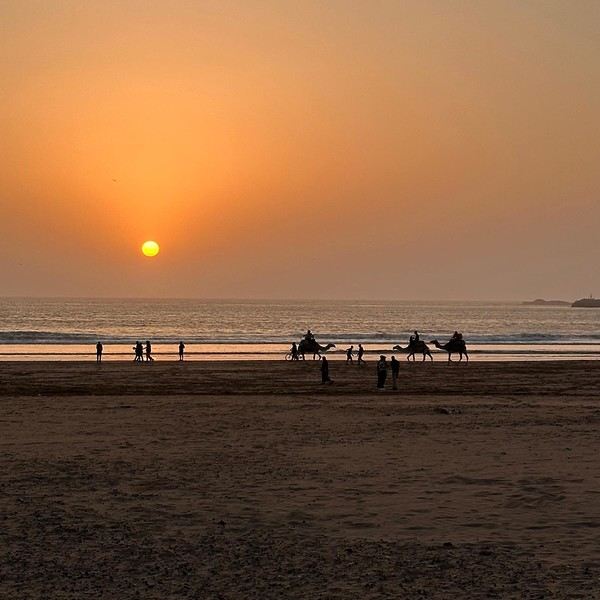
See you soon to anyone who’s up for it! 😊
This isn’t meant to be a full-on travel journal—just a little springtime dip into the Moroccan coast (and maybe a bit more if we click).
For our third trip to this country, we set off for 8 days in early June 2025, *sure* we’d be greeted by non-stop sunshine...
...and well, that didn’t happen! The gray stuck around for a day, then two, then three (while back home in the Landes, we had gorgeous sunshine 🤦♂️😂).
Now, unlike us, the Morocco experts here probably already know this, but apparently, it’s pretty common—especially in spring—when the warm air from inland meets the cool ocean breeze. Locals even have to warm up with hot water bottles, can you believe it? 😄!
And of course, it had to happen now, since our plan is to follow the coast from Essaouira to Mirleft!!
Oh well, we’ll see how it goes—but luckily, this first stunning sunset made up for the weather 🌅.
See you soon to anyone who’s up for it! 😊
Hi there,
We’re planning to drive to Senegal by car. We’re a little nervous because it’ll be our first time making the trip with a car that isn’t ours. We’re doing the trip to deliver it to its owner. Has anyone here done this before? What documents will we need?
Thanks in advance for your tips!
We’re planning to drive to Senegal by car. We’re a little nervous because it’ll be our first time making the trip with a car that isn’t ours. We’re doing the trip to deliver it to its owner. Has anyone here done this before? What documents will we need?
Thanks in advance for your tips!
Hi there, if you're planning to rent a car to get around in Morocco, make sure to budget for "fines" even if you drive perfectly. For example, getting caught going 5 km/h over the speed limit 500 meters before you see the sign dropping the limit to 60 km/h—while being overtaken by a packed taxi with no seatbelts. Or, say, stopping at a stop sign for 3 seconds but not long enough, even though no helmetless motorcyclists were stopping either (yes, helmets are mandatory in Morocco)... Anyway, plan a "fine" budget for your Moroccan "vacation."