Hi friends,
I’m putting together a multilingual card game and need help translating and transcribing 16 words into Hindi. Could anyone lend a hand?
Thanks, and happy gaming,
Dan
Here are the words:
TREE
BOAT
CHAIR
HAT
HEART
STAR
FlOWEr
BOOK
HAND
HOUSE
WATCH
CLOUD
EYE
FISH
WHEEL
CAR
Hi there! I’m currently working on a project and came across a text that seems to be in Khmer. Would anyone know how to translate it or at least point out the main themes/info it contains? There are a lot of "garbage" characters in it. Thanks!
ៀលៀលឪើឪើឪើឪ់ឪើ។ឪ។ឪើឪឪុំៀកឥក្០្០ក០ក០្ផក០្០ៀ្្ផ០ុ០ិឥិ០ុ០ុ០ុ០ុ០ុ០យ០យ៩ង៩០្ៀកឪលឪឪុំៀនផបោងិងិិថុដុីទួ((ួ៍(័)័៍ីគញ)ះភភះភះភណពភណឿណឿណឿំភណោះំឡឡភឡឿឡភឡឿំភណោញភញភគី)ីឿៅភីឿញភីឿីញភញភូភូភូឿូ)ូ៌ី)៍(%(ឬ)ឰីគីឰឰភទៅឬីែឺឈឡលើឡឯុះឯគ៉ញ៉ញោះះឡអអធញញណពជឡជឡឃឃឃជេះំព៕ណណ៕ណណ៉ណ៉ញ៉ញ៉អភអីឌឌួាំឈឈ៍ៗៗ"ួ៌ូ)៍៍(%៛"(ៗ៏ៗ៏៏ៗ៏ឺីឰីឰឰឰូឰូឿះអភឬភឬៅីឌីឺឺពោពឡពជណជណះជជេះំពុះេពេះេឃឃគជឡឡឡគឡឡឡគឡឡឡឡឡឡឡឡឡឡឡុះុឡោះឡំំ៕៕៕៕ំំំអអធធអធអអអំំអអអអអអំំំធអំំ៕ុះុ៕ុះុពញញះះះអធធឬទអធឬឬគភុះឡោះោឰឿឰឿភភភឡឡឡឡឡុះុឡឡុះុគឡគគគឡៅភៅៅៅញញណពះេះអអជជជធឌឌែៃឺឈឺឺឺៗ!ៗៗៗ"៛%%%%៍៍័((៌៌ឿភឡឡគឝញួភូអភអ៌អ)៍ធ័៌ឌភួឌ៍)ៃ)ួឌ)៏ធញភញភំភគភណៅពៅះៅញៅញៅីះ(ះូ)ូ(ួ៏៍%))((%ឬទ(ួ៏ទ៏៏ទ៏ទ៏ទ៏៏ទ៏ទីទ៏ឬ៏៏%ឬ័ឬ័%%ឬែ៍"!ឈ៏អធីទអទទីធធញភទអភួៅអះោះហោតិេះគេពះពុះពុះណណុះណ៕ណ៕ព៕ព៕៕ណពឡពោះពណពឡពណះះៅភញភូញពោះពពុះពេះេ។ ព ព ព៕។ េះេជឃឍឍធៅធឌូែែឈឈែ%៌៏ឰូឿួឬឺឺឈ៍ឺឺឈឈឈួឺឈួាំឈួឈួឡឰគឯគ៕អឡធគឌឡជឃឃំជេះ៕ពេះលគឰញញូឿីឰៅៅ៎)ួ)ទៅ(%(%៏៛័ឺ!ែឺ៍ឈឈទភូូឿឰគ៉ញឯញ៉ះអលកញគឃគឃគជំេះលើញ៉ណឿញឿញ៌ូ))%%៛"ៗ!%ឺលើ(៌ីឰួួៅទីឬូឺឺឈឈឺូាឈួាំឈឈឈឈឈឈឈឈឈឈឈឈឈឺូឈូឈ៍ឈឺ័ឈឈាំ័ឈូឈាំ័ឈឈាឈឈឈឈឈាំឈឈឈឈឈឈឈឈឈំឈាំឈឈឈាំឈឈឈាំឈាំសេលើឡទឺាំភួឺភៃោភភភឈភឈភឈភឿឌូភឌូភៃូភូោះភៃោះភៃូភាំភៃភឈូភួភាំឈភឈឈទឈ%ឈទឈទឺទីឺទឈឬីីឈទីឈទៅ%(ទួៅឺទទឺៅាទៅទៃៅទឺឈួៅ(ៅឈទឡឈអគឈទអឡឺឡៃភួៅទឈឈឈ%ឺគទះៅៃឈអឡៅៃីឈៅឈឈទីាំឈ(ឬឺៅាទឈទាំទឈ(ៅឈៅឈីទ៏ទឺទីឈីឬឺីឈីឈូទីឺទឈឬឈឈឈឈឬ%(ឺៅទ(ឺឈឈឈឺឺឈឈទឺ៍(ឈភូឈភឺឿឈឈៅៜឈឺៅួឈួៅឈ))()(៙)៍)ឈ)៍)ឈ៌័)៍)៍ឺ)៌៌័ឈ៎ឈឈ៎៎ឈ័ឈ៌័៎ឈ៌ឈ))៍)៌ឈ)))))ូទ{័ោះណធធះីីធ(ៅទ៏ទ×ូឿធធភធភឌភឌភូឌភឌៅែ(ែ)៍ៃៅ%ឈ%ឺ(ែ(ួឺទៅភភែ៍()៌ែ័)៍ែ)ែ)ឬឬ៏ឬទឬឬឬឬឬធភធធអៅះៅញៅពោះពោះណឡណំោះភុះុឰុះ៉ណោះគជធឌធទ%((((ឈ(%ឺ៏ឈ៏ឈ%៏ឺ()័ែ)័ឬធឬធ៎៏៌ឬ៎៏ឬ៌ឬ័ធូឿូភធូ)័ឬឬ)ឬ)ឬឬឬ)៍័ឬ័៌ទទ)ទ័ព)័))៍៌័ទ៌ះីឰះីឰញៅឰីះឿទ៌ទទ))ញោណឰុះឿឡឿុះឯុះ៉ឡំ៉ុណំ៉ណណពពភណណណណណណញណញញ៌ញឿ៌គ៌ីី((អ)ូ)ួី៏ណពពះះះញគគណេះពឞពញ៙មនស្សិត្ថិយា
ៀលៀលឪើឪើឪើឪ់ឪើ។ឪ។ឪើឪឪុំៀកឥក្០្០ក០ក០្ផក០្០ៀ្្ផ០ុ០ិឥិ០ុ០ុ០ុ០ុ០ុ០យ០យ៩ង៩០្ៀកឪលឪឪុំៀនផបោងិងិិថុដុីទួ((ួ៍(័)័៍ីគញ)ះភភះភះភណពភណឿណឿណឿំភណោះំឡឡភឡឿឡភឡឿំភណោញភញភគី)ីឿៅភីឿញភីឿីញភញភូភូភូឿូ)ូ៌ី)៍(%(ឬ)ឰីគីឰឰភទៅឬីែឺឈឡលើឡឯុះឯគ៉ញ៉ញោះះឡអអធញញណពជឡជឡឃឃឃជេះំព៕ណណ៕ណណ៉ណ៉ញ៉ញ៉អភអីឌឌួាំឈឈ៍ៗៗ"ួ៌ូ)៍៍(%៛"(ៗ៏ៗ៏៏ៗ៏ឺីឰីឰឰឰូឰូឿះអភឬភឬៅីឌីឺឺពោពឡពជណជណះជជេះំពុះេពេះេឃឃគជឡឡឡគឡឡឡគឡឡឡឡឡឡឡឡឡឡឡុះុឡោះឡំំ៕៕៕៕ំំំអអធធអធអអអំំអអអអអអំំំធអំំ៕ុះុ៕ុះុពញញះះះអធធឬទអធឬឬគភុះឡោះោឰឿឰឿភភភឡឡឡឡឡុះុឡឡុះុគឡគគគឡៅភៅៅៅញញណពះេះអអជជជធឌឌែៃឺឈឺឺឺៗ!ៗៗៗ"៛%%%%៍៍័((៌៌ឿភឡឡគឝញួភូអភអ៌អ)៍ធ័៌ឌភួឌ៍)ៃ)ួឌ)៏ធញភញភំភគភណៅពៅះៅញៅញៅីះ(ះូ)ូ(ួ៏៍%))((%ឬទ(ួ៏ទ៏៏ទ៏ទ៏ទ៏៏ទ៏ទីទ៏ឬ៏៏%ឬ័ឬ័%%ឬែ៍"!ឈ៏អធីទអទទីធធញភទអភួៅអះោះហោតិេះគេពះពុះពុះណណុះណ៕ណ៕ព៕ព៕៕ណពឡពោះពណពឡពណះះៅភញភូញពោះពពុះពេះេ។ ព ព ព៕។ េះេជឃឍឍធៅធឌូែែឈឈែ%៌៏ឰូឿួឬឺឺឈ៍ឺឺឈឈឈួឺឈួាំឈួឈួឡឰគឯគ៕អឡធគឌឡជឃឃំជេះ៕ពេះលគឰញញូឿីឰៅៅ៎)ួ)ទៅ(%(%៏៛័ឺ!ែឺ៍ឈឈទភូូឿឰគ៉ញឯញ៉ះអលកញគឃគឃគជំេះលើញ៉ណឿញឿញ៌ូ))%%៛"ៗ!%ឺលើ(៌ីឰួួៅទីឬូឺឺឈឈឺូាឈួាំឈឈឈឈឈឈឈឈឈឈឈឈឈឺូឈូឈ៍ឈឺ័ឈឈាំ័ឈូឈាំ័ឈឈាឈឈឈឈឈាំឈឈឈឈឈឈឈឈឈំឈាំឈឈឈាំឈឈឈាំឈាំសេលើឡទឺាំភួឺភៃោភភភឈភឈភឈភឿឌូភឌូភៃូភូោះភៃោះភៃូភាំភៃភឈូភួភាំឈភឈឈទឈ%ឈទឈទឺទីឺទឈឬីីឈទីឈទៅ%(ទួៅឺទទឺៅាទៅទៃៅទឺឈួៅ(ៅឈទឡឈអគឈទអឡឺឡៃភួៅទឈឈឈ%ឺគទះៅៃឈអឡៅៃីឈៅឈឈទីាំឈ(ឬឺៅាទឈទាំទឈ(ៅឈៅឈីទ៏ទឺទីឈីឬឺីឈីឈូទីឺទឈឬឈឈឈឈឬ%(ឺៅទ(ឺឈឈឈឺឺឈឈទឺ៍(ឈភូឈភឺឿឈឈៅៜឈឺៅួឈួៅឈ))()(៙)៍)ឈ)៍)ឈ៌័)៍)៍ឺ)៌៌័ឈ៎ឈឈ៎៎ឈ័ឈ៌័៎ឈ៌ឈ))៍)៌ឈ)))))ូទ{័ោះណធធះីីធ(ៅទ៏ទ×ូឿធធភធភឌភឌភូឌភឌៅែ(ែ)៍ៃៅ%ឈ%ឺ(ែ(ួឺទៅភភែ៍()៌ែ័)៍ែ)ែ)ឬឬ៏ឬទឬឬឬឬឬធភធធអៅះៅញៅពោះពោះណឡណំោះភុះុឰុះ៉ណោះគជធឌធទ%((((ឈ(%ឺ៏ឈ៏ឈ%៏ឺ()័ែ)័ឬធឬធ៎៏៌ឬ៎៏ឬ៌ឬ័ធូឿូភធូ)័ឬឬ)ឬ)ឬឬឬ)៍័ឬ័៌ទទ)ទ័ព)័))៍៌័ទ៌ះីឰះីឰញៅឰីះឿទ៌ទទ))ញោណឰុះឿឡឿុះឯុះ៉ឡំ៉ុណំ៉ណណពពភណណណណណណញណញញ៌ញឿ៌គ៌ីី((អ)ូ)ួី៏ណពពះះះញគគណេះពឞពញ៙មនស្សិត្ថិយា
Hi everyone, my partner is Malian and I’d love to be able to say sweet things to him in Bambara, as well as learn some polite phrases. Thanks for your help! 😊
Here are a few examples: I love you My love My heart My life You’re the man of my life I care about you I want to live with you Kiss me I miss you Thank you Please Hello See you soon
Here are a few examples: I love you My love My heart My life You’re the man of my life I care about you I want to live with you Kiss me I miss you Thank you Please Hello See you soon
Europe is packed with spectacular carnivals where traditions and festivities blend in vibrant, colorful parades. In 2025, several must-see events will draw visitors, including:
1. Cologne Carnival (Karneval) in Germany 2. Menton Lemon Festival (Fête du Citron) in France 3. Santa Cruz de Tenerife Carnival in the Canary Islands 4. Binche Carnival in Belgium 5. Nice Carnival in France 6. Cádiz Carnival in Spain 7. Basel Carnival (Fasnacht) in Switzerland 8. Dunkirk Carnival in France 9. Rijeka Carnival in Croatia 10. London Carnival in the UK
A great opportunity to discover unique celebrations without heading to Venice, which is already well-known to the general public. See the slideshow
1. Cologne Carnival (Karneval) in Germany 2. Menton Lemon Festival (Fête du Citron) in France 3. Santa Cruz de Tenerife Carnival in the Canary Islands 4. Binche Carnival in Belgium 5. Nice Carnival in France 6. Cádiz Carnival in Spain 7. Basel Carnival (Fasnacht) in Switzerland 8. Dunkirk Carnival in France 9. Rijeka Carnival in Croatia 10. London Carnival in the UK
A great opportunity to discover unique celebrations without heading to Venice, which is already well-known to the general public. See the slideshow
A real gem for those who want to connect with their roots or discover an African language. The explanations are simple, and I really appreciated the cultural examples included in the book. Highly recommended. (Fatoumata T)
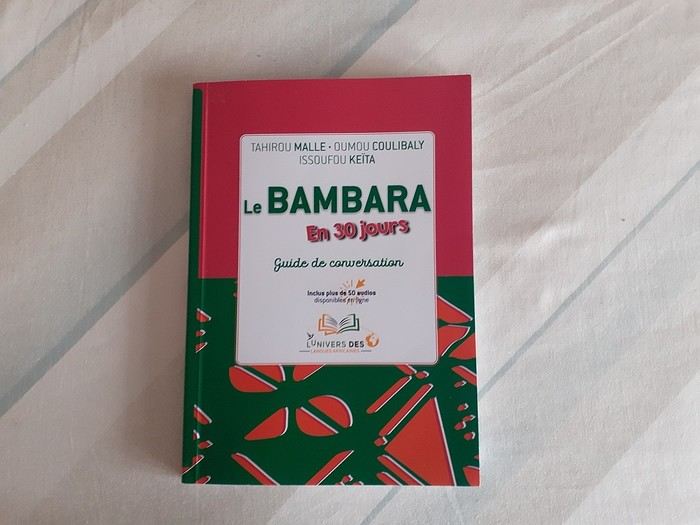
Manual: "Bambara in 30 Days"
Bambara in 30 Days is a manual and conversation guide specifically designed to help learners communicate in many everyday situations. This educational tool is aimed at anyone wanting to learn Bambara (bamanankan), regardless of their level: from beginners to advanced speakers looking to improve.
Several themes are covered: greetings, how to introduce yourself and apologize, family, numbers from 1 to 100, meals, emotions, transportation, currency, shopping, parts of the human body, days of the week, how to ask a question, how to ask for the price or age, how to count money, other types of questions, colors, traveling, blessing formulas for Muslim holidays: e.g., Tabaski (seliba) or Korité (selifiitinin or selidennin), and family events: e.g., birth (bangeli), marriage (furu), death (saya or fatuli)... ultimately, tools needed to communicate in many everyday situations.
The lessons (kalansen) are organized by theme, ranging from the alphabet to common expressions. All lessons include corrections (jaabi) to reinforce learning and correct mistakes. They cover various topics like greetings, numbers, family, etc. (see above) and are designed to be progressive, allowing for skill development. Each lesson is accompanied by practical exercises to apply the knowledge. After every set of 5 lessons, there’s a review (seginkanni) to consolidate what’s been learned.
In summary, the manual consists of...
30 lessons with 6 reviews
Over 50 audio files available online
Over 100 exercises (baarakɛ) with answer keys
A small vocabulary section in each lesson
Blank "notes" page at the end of every lesson
The audio files help facilitate learning. They are accessible via a specific link that should only be used by the manual’s purchaser.
African languages, like Bambara, play a crucial role in the culture and identity of African peoples. Learning them helps preserve traditions and local knowledge. Bambara is the most widely spoken language in Mali and a key lingua franca for communication in West Africa. It’s rich in idiomatic expressions and proverbs, reflecting the wisdom and culture of the Manding peoples. Moreover, it’s taught in schools and used in local media (to learn more, see here). In general, linguistic diversity in Africa is immense, with thousands of languages spoken across the continent.
Malle, Tahirou / Oumou Coulibaly / Issoufou Keïta (authors) Bambara in 30 Days. Conversation Guide 184 pages ISBN 978-2-49304713-7 21.90 €
L'Univers des Langues Africaines 38 rue de Bonneuil 77100 MEAUX/France https://universdeslanguesafricaines.com
hgb
Manual: "Bambara in 30 Days"
Bambara in 30 Days is a manual and conversation guide specifically designed to help learners communicate in many everyday situations. This educational tool is aimed at anyone wanting to learn Bambara (bamanankan), regardless of their level: from beginners to advanced speakers looking to improve.
Several themes are covered: greetings, how to introduce yourself and apologize, family, numbers from 1 to 100, meals, emotions, transportation, currency, shopping, parts of the human body, days of the week, how to ask a question, how to ask for the price or age, how to count money, other types of questions, colors, traveling, blessing formulas for Muslim holidays: e.g., Tabaski (seliba) or Korité (selifiitinin or selidennin), and family events: e.g., birth (bangeli), marriage (furu), death (saya or fatuli)... ultimately, tools needed to communicate in many everyday situations.
The lessons (kalansen) are organized by theme, ranging from the alphabet to common expressions. All lessons include corrections (jaabi) to reinforce learning and correct mistakes. They cover various topics like greetings, numbers, family, etc. (see above) and are designed to be progressive, allowing for skill development. Each lesson is accompanied by practical exercises to apply the knowledge. After every set of 5 lessons, there’s a review (seginkanni) to consolidate what’s been learned.
In summary, the manual consists of...
30 lessons with 6 reviews
Over 50 audio files available online
Over 100 exercises (baarakɛ) with answer keys
A small vocabulary section in each lesson
Blank "notes" page at the end of every lesson
The audio files help facilitate learning. They are accessible via a specific link that should only be used by the manual’s purchaser.
African languages, like Bambara, play a crucial role in the culture and identity of African peoples. Learning them helps preserve traditions and local knowledge. Bambara is the most widely spoken language in Mali and a key lingua franca for communication in West Africa. It’s rich in idiomatic expressions and proverbs, reflecting the wisdom and culture of the Manding peoples. Moreover, it’s taught in schools and used in local media (to learn more, see here). In general, linguistic diversity in Africa is immense, with thousands of languages spoken across the continent.
Malle, Tahirou / Oumou Coulibaly / Issoufou Keïta (authors) Bambara in 30 Days. Conversation Guide 184 pages ISBN 978-2-49304713-7 21.90 €
L'Univers des Langues Africaines 38 rue de Bonneuil 77100 MEAUX/France https://universdeslanguesafricaines.com
hgb
"Les rencontres voyageurs" is a must-attend event for all travel enthusiasts, at the heart of France’s most beautiful gatherings.
Whether you're a seasoned traveler or a beginner looking for your first adventures, these meet-ups aim to bring people together, inspire, and share knowledge.
They offer a unique opportunity to chat with inspiring travelers, discover their authentic stories, their favorite spots around the world, and their practical tips for traveling peacefully and enrichingly 😉
"Les rencontres voyageurs" also feature conferences and masterclasses led by industry experts, covering a variety of topics such as responsible travel, content creation, and optimizing itineraries.
These sessions, both practical and inspiring, are designed to expand your knowledge and fuel your projects. On top of that, there are fun and educational activities, including the famous traveler quiz, encouraging exchanges and conviviality. Finally, visitors can explore an exhibition of travel vehicles, vans, 4x4s, nomadic equipment, and chat with professionals about van conversions, mobility, and innovations dedicated to vanlife. A complete, immersive experience that’s all about discovery.
Whether you're a seasoned traveler or a beginner looking for your first adventures, these meet-ups aim to bring people together, inspire, and share knowledge.
They offer a unique opportunity to chat with inspiring travelers, discover their authentic stories, their favorite spots around the world, and their practical tips for traveling peacefully and enrichingly 😉
"Les rencontres voyageurs" also feature conferences and masterclasses led by industry experts, covering a variety of topics such as responsible travel, content creation, and optimizing itineraries.
These sessions, both practical and inspiring, are designed to expand your knowledge and fuel your projects. On top of that, there are fun and educational activities, including the famous traveler quiz, encouraging exchanges and conviviality. Finally, visitors can explore an exhibition of travel vehicles, vans, 4x4s, nomadic equipment, and chat with professionals about van conversions, mobility, and innovations dedicated to vanlife. A complete, immersive experience that’s all about discovery.
Destination choices for summer 2025 are evolving, with some countries gaining popularity while others see a decline.
According to recent data, summer 2025 shows notable shifts in the preferences of French travelers. Spain, Greece, and France are seeing a drop in bookings compared to 2024. On the other hand, Tunisia (+11.2%), Italy (+10.6%), and especially Egypt (+36.1%) are experiencing a significant rise in popularity. The United Kingdom is also showing notable growth (+28.7%) among medium-haul destinations. For long-haul trips, the United States is surprising with a 17.3% increase in bookings, despite a complex geopolitical context. These trends reflect a diversification in travelers' choices for summer 2025. Read the article...
According to recent data, summer 2025 shows notable shifts in the preferences of French travelers. Spain, Greece, and France are seeing a drop in bookings compared to 2024. On the other hand, Tunisia (+11.2%), Italy (+10.6%), and especially Egypt (+36.1%) are experiencing a significant rise in popularity. The United Kingdom is also showing notable growth (+28.7%) among medium-haul destinations. For long-haul trips, the United States is surprising with a 17.3% increase in bookings, despite a complex geopolitical context. These trends reflect a diversification in travelers' choices for summer 2025. Read the article...
Travelers in 2025 are leaning toward immersive and original experiences.
Here are 3 new trendy terms to casually drop in your next conversation 😉:
"Cowboy Core" is gaining popularity, with trips focused on country music and horseback riding across vast plains.
"Destination Dupes" offer less crowded and more affordable alternatives to overrun tourist spots, like Albania instead of the Greek islands.
Finally, "Goods Getaways" encourage tourists to discover gourmet products that have gone viral on social media—such as Japanese matcha or Dubai chocolate—by visiting their place of origin.
Check out the article
"Cowboy Core" is gaining popularity, with trips focused on country music and horseback riding across vast plains.
"Destination Dupes" offer less crowded and more affordable alternatives to overrun tourist spots, like Albania instead of the Greek islands.
Finally, "Goods Getaways" encourage tourists to discover gourmet products that have gone viral on social media—such as Japanese matcha or Dubai chocolate—by visiting their place of origin.
Check out the article
A study reveals that 60% of French people opt for trips within France, reflecting a strong preference for domestic tourism. Additionally, 51% want to reduce their carbon footprint, confirming a growing awareness of environmental issues. Trends also show a diversification in accommodation choices, with a rise in independent rentals and an emerging interest in artificial intelligence for travel planning—though its adoption remains limited. Read more...
France’s first ski resorts will open their slopes to skiers this Saturday, November 23, 2024.
Val Thorens, Tignes, and the Grands Montets area in Chamonix are kicking off the ski season. Read more ...
Val Thorens, Tignes, and the Grands Montets area in Chamonix are kicking off the ski season. Read more ...
Hi everyone!
I’m Tina, and I’ve organized French group trips to China for over 10 years. Over the years, I’ve noticed that the language barrier is the biggest stress for travelers—especially when ordering food, asking for directions, or negotiating in markets!
Today, I want to share 5 essential Chinese phrases I’ve taught my travelers—they’re simple, easy to pronounce, and work in 90% of travel situations:
你好 (Nǐ hǎo) = Hello → Polite and useful with everyone (locals, drivers, vendors). 谢谢 (Xiè xie) = Thank you → Chinese people really appreciate this politeness—it makes communication smoother. 多少钱 (Duō shǎo qián) = How much does it cost → Essential for local markets or small shops (menus in French are rare!). 请问,地铁站在哪? (Qǐng wèn, dì tiě zhàn zài nǎ lǐ?) = Excuse me, where is the subway station? → Swap “subway station” for “hotel” or “restaurant”—it works! 我要这个 (Wǒ yào zhè ge) = I want this → Point at the item and say this phrase—no more misunderstandings!
Bonus tip: Pinyin (the Chinese phonetic alphabet) is super helpful for reading street signs or menus. For example, “Nǐ hǎo” is pronounced “Nee how”—easy to remember!
If you’re planning a trip to China and want more practical phrases or pronunciation tips (to avoid embarrassing mistakes), feel free to send me a private message. I’ve put together a little traveler-friendly guide that I’m happy to share with anyone who wants to prepare stress-free. Don’t hesitate to ask your questions in the comments either—if you’re unsure about a specific communication situation (e.g., in a temple, at the train station), I’d be happy to help! Happy planning for your trip to China—it’s going to be amazing!
你好 (Nǐ hǎo) = Hello → Polite and useful with everyone (locals, drivers, vendors). 谢谢 (Xiè xie) = Thank you → Chinese people really appreciate this politeness—it makes communication smoother. 多少钱 (Duō shǎo qián) = How much does it cost → Essential for local markets or small shops (menus in French are rare!). 请问,地铁站在哪? (Qǐng wèn, dì tiě zhàn zài nǎ lǐ?) = Excuse me, where is the subway station? → Swap “subway station” for “hotel” or “restaurant”—it works! 我要这个 (Wǒ yào zhè ge) = I want this → Point at the item and say this phrase—no more misunderstandings!
Bonus tip: Pinyin (the Chinese phonetic alphabet) is super helpful for reading street signs or menus. For example, “Nǐ hǎo” is pronounced “Nee how”—easy to remember!
If you’re planning a trip to China and want more practical phrases or pronunciation tips (to avoid embarrassing mistakes), feel free to send me a private message. I’ve put together a little traveler-friendly guide that I’m happy to share with anyone who wants to prepare stress-free. Don’t hesitate to ask your questions in the comments either—if you’re unsure about a specific communication situation (e.g., in a temple, at the train station), I’d be happy to help! Happy planning for your trip to China—it’s going to be amazing!
At the Seto forum (Association of Travel Agents), it was highlighted that, despite an uncertain geopolitical context, summer bookings are showing a slight increase (+1.4% overall as of the end of April), with +1.6% on medium-haul and +0.6% on long-haul flights. This growth is supported by an expected revenue increase of +2.9% and an average basket rise of +3.2%.
In terms of destinations, the Greek islands remain at the top despite a slight decline of -1%, the Balearic Islands are gaining ground (+2%), and Tunisia stands out with strong growth (+13%) thanks to its excellent value for money. For long-haul, Mauritius continues to dominate (+9%), while the United States is experiencing a downturn (-14%), behind Indonesia (-6%) and ahead of the Dominican Republic (+4%). Finally, French Polynesia (+16%) and Vietnam (+41%) are emerging as booming destinations.
Read the article
In terms of destinations, the Greek islands remain at the top despite a slight decline of -1%, the Balearic Islands are gaining ground (+2%), and Tunisia stands out with strong growth (+13%) thanks to its excellent value for money. For long-haul, Mauritius continues to dominate (+9%), while the United States is experiencing a downturn (-14%), behind Indonesia (-6%) and ahead of the Dominican Republic (+4%). Finally, French Polynesia (+16%) and Vietnam (+41%) are emerging as booming destinations.
Read the article
I’ve kept quiet about them... to preserve them.
Those are the words of a passionate traveler who recently wrote to us.
For years, he’s been discovering rare, authentic places... and chooses to say nothing.
Out of respect. Out of fear of destruction. Out of love for secrecy.
What would you do?
You stumble upon a magical spot, still untouched by mass tourism.
Do you keep it to yourself... or do you open the door, gently, to other travelers?
At DIRECTRAVEL, we’re asking ourselves these questions.
Can sharing be an act of passing something on?
Or is it always the beginning of the end for these preserved places?
Read the article here.
Photo credit: Frédéric Soltan
Photo credit: Frédéric Soltan
According to a recent report, Japan is emerging as the most popular destination for summer 2025, with a notable increase in bookings for Tokyo (+19%) and Osaka (+17.2%) compared to 2019. The depreciation of the yen is contributing to this attractiveness.
Paris remains a must-visit European destination.
The Asia-Pacific region is showing a strong recovery, with cities like Shanghai, Seoul, Beijing, and Singapore ranking in the top 10.
Among beach destinations, Mallorca (Spain), Nha Trang (Vietnam), Rio de Janeiro (Brazil), and Hurghada (Egypt) are particularly in demand.
Tirana, the Albanian capital, is experiencing exceptional growth of +178.8% compared to 2019, largely due to an influx of European visitors, particularly Italians.
Additionally, Jeddah in Saudi Arabia is seeing a 27.2% increase, confirming its emergence as a tourist destination.
Read the article
Paris remains a must-visit European destination.
The Asia-Pacific region is showing a strong recovery, with cities like Shanghai, Seoul, Beijing, and Singapore ranking in the top 10.
Among beach destinations, Mallorca (Spain), Nha Trang (Vietnam), Rio de Janeiro (Brazil), and Hurghada (Egypt) are particularly in demand.
Tirana, the Albanian capital, is experiencing exceptional growth of +178.8% compared to 2019, largely due to an influx of European visitors, particularly Italians.
Additionally, Jeddah in Saudi Arabia is seeing a 27.2% increase, confirming its emergence as a tourist destination.
Read the article
The best time for a cruise depends on the destination and personal preferences, with plenty of options available year-round.
In January, ships are often less crowded, offering some great deals.
Valentine’s Day is perfect for romantic cruises to the Caribbean, the Seychelles, or French Polynesia. For a unique experience, Antarctica in February offers breathtaking landscapes and abundant wildlife.
In summer, the Arctic reveals pleasant temperatures and spectacular nature.
Finally, the holiday season can be a great opportunity to escape on a cruise and avoid the stress of traditional celebrations.
Read the article...
In January, ships are often less crowded, offering some great deals.
Valentine’s Day is perfect for romantic cruises to the Caribbean, the Seychelles, or French Polynesia. For a unique experience, Antarctica in February offers breathtaking landscapes and abundant wildlife.
In summer, the Arctic reveals pleasant temperatures and spectacular nature.
Finally, the holiday season can be a great opportunity to escape on a cruise and avoid the stress of traditional celebrations.
Read the article...
What if your travel memories had a place in a real journal? 🌍
Back-to-school season is when we get back into our routines, but it’s also when we look back on the great memories from summer. We often promise ourselves we’ll organize our photos, jot down our stories… and then life gets busy. Those memories slowly fade, stuck in our phones...
Travel journals from MyAtlas are here to change that. They let you gather your stories, your images, and your emotions in a beautiful keepsake you can hold onto and share. It’s like a personal diary, but illustrated by your travels.
Creating your journal also extends the travel experience: reliving your photos, rediscovering details you’d forgotten, and bringing those moments back to life.
Use the code BIENVENUE10 for 10% off your first album ;)
Back-to-school season is when we get back into our routines, but it’s also when we look back on the great memories from summer. We often promise ourselves we’ll organize our photos, jot down our stories… and then life gets busy. Those memories slowly fade, stuck in our phones...
Travel journals from MyAtlas are here to change that. They let you gather your stories, your images, and your emotions in a beautiful keepsake you can hold onto and share. It’s like a personal diary, but illustrated by your travels.
Creating your journal also extends the travel experience: reliving your photos, rediscovering details you’d forgotten, and bringing those moments back to life.
Use the code BIENVENUE10 for 10% off your first album ;)
Since November 2024, Skopje Airport (North Macedonia) has introduced the "Zen Dog" program, featuring Dino, a 4-year-old Golden Retriever, to help anxious passengers before their flight. Accompanied by his trainer, this friendly dog roams the airport wearing a vest inviting travelers to pet him. The initiative, led by TAV Airports, aims to make the travel experience more serene and has received very positive feedback. Skopje is the first of the operator’s fifteen airports to test this compassionate approach. Read more ...
A new step for visitors starting September 2025
Laos is modernizing its border entry procedures. From September 1, 2025, the Laos Immigration Police Department will pilot a new online arrival registration system for foreign passport holders.
This new procedure is similar to Thailand’s recent switch to a digital arrival card system (introduced in May 2025). Just like in Thailand, travelers heading to Laos will still need a valid visa—either an e-visa obtained online in advance or a visa on arrival (VOA) at eligible checkpoints—but they can now skip the paper immigration forms at the border.
Read more here
Read more here
Travel bookings to the United States are seeing a significant drop in France for summer 2025, with over a 30% decrease in the spring and around -11% for summer departures.
Several reasons explain this disengagement:
an unfavorable exchange rate at the start of the year, very high prices on the ground (accommodation, dining), negative experiences with immigration, as well as a political and social context perceived as off-putting (civil rights, safety, tense social climate).
Tourism professionals also note difficulties for Florida and some Southern states, while destinations like New York and Orlando are faring better.
The recent drop in the dollar and airfares could, however, encourage last-minute departures, and tourism stakeholders are betting on a gradual recovery starting this autumn, with major events planned for 2026 like the World Cup or the 250th anniversary of the United States.
Read the article
Several reasons explain this disengagement:
an unfavorable exchange rate at the start of the year, very high prices on the ground (accommodation, dining), negative experiences with immigration, as well as a political and social context perceived as off-putting (civil rights, safety, tense social climate).
Tourism professionals also note difficulties for Florida and some Southern states, while destinations like New York and Orlando are faring better.
The recent drop in the dollar and airfares could, however, encourage last-minute departures, and tourism stakeholders are betting on a gradual recovery starting this autumn, with major events planned for 2026 like the World Cup or the 250th anniversary of the United States.
Read the article
You’ve probably noticed it: the real travel gems no longer show up in search results. In today’s all-digital age, those local operators, small authentic accommodations, passionate guides, and committed local initiatives remain invisible. No flashy website, no ads, often not even an online presence.
Yet they exist—people who take care of their land, their culture, their community. Hidden in valleys, villages, forests. These are the ones who truly give meaning to travel, the kind you only discover through word of mouth... or among savvy travelers.
A collaborative project is starting to patiently catalog them, one by one. It’s called DirecTravel. Not very well-known yet—it’s just getting started—but already shared among independent travel enthusiasts. Here, no standardization or flashy interface: every address has been discovered on the ground, the old-fashioned way. Some have even been recognized by the Sustainable Travel Awards.
Their approach? Taking the time to listen, build connections, and support local initiatives that will never appear on Google’s first page.
If you’re looking for something beyond the usual recommendations, and if the idea of sharing genuine tips speaks to you, then this project might interest you. And maybe you, too, have a gem to share with them.
Yet they exist—people who take care of their land, their culture, their community. Hidden in valleys, villages, forests. These are the ones who truly give meaning to travel, the kind you only discover through word of mouth... or among savvy travelers.
A collaborative project is starting to patiently catalog them, one by one. It’s called DirecTravel. Not very well-known yet—it’s just getting started—but already shared among independent travel enthusiasts. Here, no standardization or flashy interface: every address has been discovered on the ground, the old-fashioned way. Some have even been recognized by the Sustainable Travel Awards.
Their approach? Taking the time to listen, build connections, and support local initiatives that will never appear on Google’s first page.
If you’re looking for something beyond the usual recommendations, and if the idea of sharing genuine tips speaks to you, then this project might interest you. And maybe you, too, have a gem to share with them.
A recent ranking reveals the countries where travel costs the least in 2025. Laos tops the list with a daily budget of just 14 CHF (around 15 €).
💰 A study comparing the average cost of travel in 136 countries, including accommodation, food, and local transportation, highlights the most budget-friendly destinations. Laos ranks first, followed by Kazakhstan (18 €) and Rwanda (20 €).
On the other hand, Caribbean countries are the most expensive, with Barbados leading the way (319 €/day). In Europe, Switzerland and France are among the priciest destinations, at 242 € and 181 € per day, respectively.
Check out the article...
💰 A study comparing the average cost of travel in 136 countries, including accommodation, food, and local transportation, highlights the most budget-friendly destinations. Laos ranks first, followed by Kazakhstan (18 €) and Rwanda (20 €).
On the other hand, Caribbean countries are the most expensive, with Barbados leading the way (319 €/day). In Europe, Switzerland and France are among the priciest destinations, at 242 € and 181 € per day, respectively.
Check out the article...
The end of a golden age
For years, travel forums embodied the spirit of mutual aid on the web. Travelers generously shared their experiences, tips, and secret spots. This collective generosity seemed endless. But behind this altruistic facade lay a more complex reality.
The silent infiltration of forums Free travel forums have gradually become marketing hunting grounds. Under the guise of "experienced travelers," professionals in tourism, affiliates seeking commissions, or aspiring influencers testing monetization strategies now lurk.
These fake profiles master the community’s codes. They build credibility by answering dozens of basic questions before subtly slipping in their paid recommendations. A "favorite" hotel mentioned insistently, an "essential" guidebook systematically cited, an "extraordinary" local agency that keeps coming up in conversations.
New travelers can no longer tell the difference between selfless advice and disguised promotion. This informational pollution has gradually eroded the trust that gave these platforms their value.
The rise of paid Travel Planners Faced with this decline, a new profession has emerged: the independent Travel Planner. These professionals fully embrace their commercial status and charge for personalized advice.
The model is transparent: you pay for real expertise, tailor-made itineraries, and guaranteed availability. Some offer packages for 150-300 € to plan a two-week trip entirely. Others charge by the hour.
This professionalization marks a turning point. Travel advice is leaving the realm of volunteerism and entering the world of paid services. Paradoxically, this acknowledged monetization can restore a form of trust: you know what you’re paying for.
The irruption of artificial intelligence But now, a third option is emerging: generative AI. ChatGPT, Claude, Gemini, and others can now generate travel itineraries in seconds, for free, with no commercial agenda.
AI promises neutral, synthetic, endlessly customizable information. It compiles thousands of sources in real time, suggests alternatives, and adapts recommendations to your budget and time constraints. It doesn’t sell anything, earns no commissions, and has no hotels to promote.
But this apparent neutrality hides its own limitations. AI feeds on existing data, often from the same polluted forums or marketing content. It can invent restaurants that don’t exist, mix up tourist seasons, or ignore recent local realities. It has never walked a city’s streets, negotiated with a tuk-tuk driver, or felt the atmosphere of a neighborhood at nightfall.
The forgotten alternative: authentic local experts In this landscape saturated with dubious information, imperfect AI, and monetized services, one often-overlooked option remains: consulting real local professionals.
Not the agencies at the top of Google’s first page—often the most expensive and generic. But small local businesses, independent guides established for years, still-free municipal tourism offices, and cultural associations organizing themed tours.
These players offer what neither AI nor forums can: embodied, up-to-date, contextualized knowledge of the area. They know the newly opened restaurant, the museum temporarily closed for renovations, the impromptu weekend festival, or the alternative route to avoid construction.
Finding them takes extra effort. You have to search in the local language, look beyond the first page of results, check regional institutional websites, and join community Facebook groups. But this approach is often rewarded with free or low-cost advice of unmatched precision.
Toward an ecology of travel advice The future of travel advice likely won’t be binary but hybrid. AI can rough out itineraries, propose logistical options, and compare alternatives. Travel Planners can refine, personalize, and reassure anxious travelers. Local experts can enrich, correct, and ground advice in on-the-ground reality.
But for this ecosystem to work, we’ll need to develop new discernment. Learn to spot fake profiles on forums. Systematically verify AI suggestions. Assess the real value of a Travel Planner before paying. And, above all, rediscover the habit of contacting those who live there directly.
Travel has always been a school of discernment. It teaches us to distinguish the authentic from the fake, sincere advice from commercial manipulation. In the digital age, this skill becomes more crucial than ever.
Because ultimately, the real question isn’t which information source to prioritize, but how to cultivate our own ability to evaluate, cross-check, and ultimately make informed choices. The best travel guide may still be our critical thinking.
Photo credit: Arakis Travel
The silent infiltration of forums Free travel forums have gradually become marketing hunting grounds. Under the guise of "experienced travelers," professionals in tourism, affiliates seeking commissions, or aspiring influencers testing monetization strategies now lurk.
These fake profiles master the community’s codes. They build credibility by answering dozens of basic questions before subtly slipping in their paid recommendations. A "favorite" hotel mentioned insistently, an "essential" guidebook systematically cited, an "extraordinary" local agency that keeps coming up in conversations.
New travelers can no longer tell the difference between selfless advice and disguised promotion. This informational pollution has gradually eroded the trust that gave these platforms their value.
The rise of paid Travel Planners Faced with this decline, a new profession has emerged: the independent Travel Planner. These professionals fully embrace their commercial status and charge for personalized advice.
The model is transparent: you pay for real expertise, tailor-made itineraries, and guaranteed availability. Some offer packages for 150-300 € to plan a two-week trip entirely. Others charge by the hour.
This professionalization marks a turning point. Travel advice is leaving the realm of volunteerism and entering the world of paid services. Paradoxically, this acknowledged monetization can restore a form of trust: you know what you’re paying for.
The irruption of artificial intelligence But now, a third option is emerging: generative AI. ChatGPT, Claude, Gemini, and others can now generate travel itineraries in seconds, for free, with no commercial agenda.
AI promises neutral, synthetic, endlessly customizable information. It compiles thousands of sources in real time, suggests alternatives, and adapts recommendations to your budget and time constraints. It doesn’t sell anything, earns no commissions, and has no hotels to promote.
But this apparent neutrality hides its own limitations. AI feeds on existing data, often from the same polluted forums or marketing content. It can invent restaurants that don’t exist, mix up tourist seasons, or ignore recent local realities. It has never walked a city’s streets, negotiated with a tuk-tuk driver, or felt the atmosphere of a neighborhood at nightfall.
The forgotten alternative: authentic local experts In this landscape saturated with dubious information, imperfect AI, and monetized services, one often-overlooked option remains: consulting real local professionals.
Not the agencies at the top of Google’s first page—often the most expensive and generic. But small local businesses, independent guides established for years, still-free municipal tourism offices, and cultural associations organizing themed tours.
These players offer what neither AI nor forums can: embodied, up-to-date, contextualized knowledge of the area. They know the newly opened restaurant, the museum temporarily closed for renovations, the impromptu weekend festival, or the alternative route to avoid construction.
Finding them takes extra effort. You have to search in the local language, look beyond the first page of results, check regional institutional websites, and join community Facebook groups. But this approach is often rewarded with free or low-cost advice of unmatched precision.
Toward an ecology of travel advice The future of travel advice likely won’t be binary but hybrid. AI can rough out itineraries, propose logistical options, and compare alternatives. Travel Planners can refine, personalize, and reassure anxious travelers. Local experts can enrich, correct, and ground advice in on-the-ground reality.
But for this ecosystem to work, we’ll need to develop new discernment. Learn to spot fake profiles on forums. Systematically verify AI suggestions. Assess the real value of a Travel Planner before paying. And, above all, rediscover the habit of contacting those who live there directly.
Travel has always been a school of discernment. It teaches us to distinguish the authentic from the fake, sincere advice from commercial manipulation. In the digital age, this skill becomes more crucial than ever.
Because ultimately, the real question isn’t which information source to prioritize, but how to cultivate our own ability to evaluate, cross-check, and ultimately make informed choices. The best travel guide may still be our critical thinking.
Photo credit: Arakis Travel
According to a recent study, Bangkok ranks first among the top 100 global destinations for remote workers in 2025. The Thai capital stands out for its excellent value for money, solid infrastructure, and high satisfaction levels among digital nomads.
Dubai, London, Tokyo, and Nakhon Ratchasima (in Thailand) complete the top 5, each catering to different priorities (safety, connectivity, cultural vibrancy). The study also highlights the cost-of-living gaps between cities: from Weligama (Sri Lanka), very affordable, to New York, the most expensive.
Social media engagement and visitor return rates are also becoming key indicators for assessing a destination’s appeal to nomads.
Read the article
Dubai, London, Tokyo, and Nakhon Ratchasima (in Thailand) complete the top 5, each catering to different priorities (safety, connectivity, cultural vibrancy). The study also highlights the cost-of-living gaps between cities: from Weligama (Sri Lanka), very affordable, to New York, the most expensive.
Social media engagement and visitor return rates are also becoming key indicators for assessing a destination’s appeal to nomads.
Read the article
According to a monthly travel sales barometer, bookings to the United States dropped by 32% in April 2025 compared to the previous year, pushing the country down to 18th place among the most popular destinations, from 11th place the year before.
This decline is part of an overall drop in travel sales, with a 7.6% decrease across all destinations.
Despite airfare promotions and a favorable exchange rate for French travelers, the U.S. is struggling to attract visitors, possibly due to political considerations.
Meanwhile, destinations like Italy (+12%) and Tunisia (+3.7%) saw an increase in bookings.
Read the article
This decline is part of an overall drop in travel sales, with a 7.6% decrease across all destinations.
Despite airfare promotions and a favorable exchange rate for French travelers, the U.S. is struggling to attract visitors, possibly due to political considerations.
Meanwhile, destinations like Italy (+12%) and Tunisia (+3.7%) saw an increase in bookings.
Read the article
In 2025, several destinations are adopting new rules for visas and passport validity. Tunisia, Israel, Cambodia, the United Kingdom, South Korea, Uzbekistan, China, and Thailand are among the countries affected. These changes include the introduction of e-visas and extended passport validity requirements. For more details on these updates, check out the full article.
Hi everyone,
I’m thinking about going on a language trip in the next few months and I’m wondering how to prepare well before leaving.
I feel like going without at least some basics can be frustrating at first, especially for speaking.
So, I have a few questions:
Have any of you prepared for your trip with a specific course or method? What helped you the most before leaving (classes, online platforms, exchanges, partial immersion, etc.)? Has anyone used Clic Campus or a similar platform to prepare for a stay abroad? If so, did it help once you were there?
I’m mainly looking for real feedback, not marketing 😊 Thanks in advance for your thoughts and experiences!
Have any of you prepared for your trip with a specific course or method? What helped you the most before leaving (classes, online platforms, exchanges, partial immersion, etc.)? Has anyone used Clic Campus or a similar platform to prepare for a stay abroad? If so, did it help once you were there?
I’m mainly looking for real feedback, not marketing 😊 Thanks in advance for your thoughts and experiences!
"I created the African Languages Universe for a proud, playful, and accessible reclaiming of our languages in homes and imaginations, from ages 7 to 77" (Diaddou Cissé, founder of Univers des Langues Africaines)
A bridge between generations, continents, and languages
Since its beginnings, Univers des Langues Africaines, an independent publishing house, has had a simple yet powerful dream: to bring African languages to life in homes, schools, games, and everyday conversations. This dream grows with every word passed on, every language rediscovered, every child who speaks their first words in Soninke, Lingala, Bambara, Wolof, Pulaar...
Today, Univers des Langues Africaines has become:
an educational, accessible, and multilingual publishing house,
a brand committed to intergenerational transmission,
a lively, playful, and reality-connected learning space.
Children of the African diaspora, regardless of their level in Soninke, Wolof, Bambara, Lingala..., all face the same issue: the lack of books in their heritage languages tailored to them. Univers des Langues Africaines was born to fill this gap by offering simple and fun books and supporting them in learning African languages. Whether you're a minor, an adult beginner, a parent wanting to pass on their language to their child, or an African language enthusiast, Univers des Langues Africaines has a program suited to your needs!
At Univers des Langues Africaines, we offer:
conversation manuals or guides (Bambara, Lingala, Soninke, Wolof, Pulaar...); the books consist of lessons accessible to everyone, with exercises, reviews, and audio to easily speak the language.
games for children; tools adapted for kids to gently discover African languages.
online language courses, tailored for adults and children, interactive and immersive; they allow you to master an African language while discovering its cultural richness.
In short: manuals, games, and online courses—everything you need to learn (or relearn) an African language, at any age and at your own pace.
LAfrican languages deserve more than just a memory: they deserve to be lived, spoken, and loved.
A bridge between generations, continents, and languages
Since its beginnings, Univers des Langues Africaines, an independent publishing house, has had a simple yet powerful dream: to bring African languages to life in homes, schools, games, and everyday conversations. This dream grows with every word passed on, every language rediscovered, every child who speaks their first words in Soninke, Lingala, Bambara, Wolof, Pulaar...
Today, Univers des Langues Africaines has become:
an educational, accessible, and multilingual publishing house,
a brand committed to intergenerational transmission,
a lively, playful, and reality-connected learning space.
Children of the African diaspora, regardless of their level in Soninke, Wolof, Bambara, Lingala..., all face the same issue: the lack of books in their heritage languages tailored to them. Univers des Langues Africaines was born to fill this gap by offering simple and fun books and supporting them in learning African languages. Whether you're a minor, an adult beginner, a parent wanting to pass on their language to their child, or an African language enthusiast, Univers des Langues Africaines has a program suited to your needs!
At Univers des Langues Africaines, we offer:
conversation manuals or guides (Bambara, Lingala, Soninke, Wolof, Pulaar...); the books consist of lessons accessible to everyone, with exercises, reviews, and audio to easily speak the language.
games for children; tools adapted for kids to gently discover African languages.
online language courses, tailored for adults and children, interactive and immersive; they allow you to master an African language while discovering its cultural richness.
In short: manuals, games, and online courses—everything you need to learn (or relearn) an African language, at any age and at your own pace.
LAfrican languages deserve more than just a memory: they deserve to be lived, spoken, and loved.
From December 9th to 12th, experience a winter getaway in the heart of the Czech capital, under the magical lights of the Christmas markets.
Enjoy an all-inclusive stay, blending cultural discoveries and festive holiday vibes with Hasamélis & MyAtlas.
Explore Prague’s treasures: Old Town Square, the castle, and the Town Hall Tower for breathtaking views…
This guided tour also takes you to exclusive, privately booked venues: Strahov Monastery, Estates Theatre, Municipal House… A rich cultural program in a cozy, festive atmosphere.
Details and bookings here :)
Enjoy an all-inclusive stay, blending cultural discoveries and festive holiday vibes with Hasamélis & MyAtlas.
Explore Prague’s treasures: Old Town Square, the castle, and the Town Hall Tower for breathtaking views…
This guided tour also takes you to exclusive, privately booked venues: Strahov Monastery, Estates Theatre, Municipal House… A rich cultural program in a cozy, festive atmosphere.
Details and bookings here :)
Big traveler survey! We want to know everything! 🌍
Dreaming of your next trip already? So are we, but to better understand the desires and habits of French travelers, we need your help to later offer the best tips, good deals, trips, and more. It’s a short form (promise, it only takes a few minutes). And... there might just be a 50 € gift voucher up for grabs for one of the participants. Just like that, to thank you for taking part✨
Just click on this link: https://tally.so/r/mRrj6J and check the box based on your travel preferences 🧳✈️ Thanks in advance for lending a hand!
Dreaming of your next trip already? So are we, but to better understand the desires and habits of French travelers, we need your help to later offer the best tips, good deals, trips, and more. It’s a short form (promise, it only takes a few minutes). And... there might just be a 50 € gift voucher up for grabs for one of the participants. Just like that, to thank you for taking part✨
Just click on this link: https://tally.so/r/mRrj6J and check the box based on your travel preferences 🧳✈️ Thanks in advance for lending a hand!
By 2030, the tourism sector is evolving with the rise of virtual agents, booking via social media, and the transformation of loyalty programs.
A recent study anticipates several major developments in the travel industry by 2030.
Virtual agents powered by artificial intelligence will become personalized assistants, capable of organizing trips based on travelers' individual preferences.
At the same time, social media will position itself as essential booking platforms, making it easier to purchase flight tickets directly through these channels.
Loyalty programs will also undergo a revolution thanks to NFTs, offering monetizable and diverse rewards.
Among the expected innovations are:
Fast and free Wi-Fi available on all flights The ability to explore your room in virtual reality before even arriving Eco-friendly accommodations featuring hanging gardens and green spaces 100% digitalized check-in and check-out, with no need to stop by the front desk Automatic refunds if the price of your ticket drops after purchase
A recent study anticipates several major developments in the travel industry by 2030.
Virtual agents powered by artificial intelligence will become personalized assistants, capable of organizing trips based on travelers' individual preferences.
At the same time, social media will position itself as essential booking platforms, making it easier to purchase flight tickets directly through these channels.
Loyalty programs will also undergo a revolution thanks to NFTs, offering monetizable and diverse rewards.
Among the expected innovations are:
Fast and free Wi-Fi available on all flights The ability to explore your room in virtual reality before even arriving Eco-friendly accommodations featuring hanging gardens and green spaces 100% digitalized check-in and check-out, with no need to stop by the front desk Automatic refunds if the price of your ticket drops after purchase