Hi there,
I’d like to get some info about the GR10 Pyrenees traverse. I need help planning the daily stages and accommodations—my wife isn’t an experienced hiker but walks a lot, so I’d like to schedule shorter walking days and thus a longer overall trip in terms of number of days.
Could anyone give me some help and advice?
Best regards,
2,114 similar discussions in English
Arrival at Chetumal Airport - Car rental
- 3 days in BACALAR: Magnificent lagoon. The edges of the lagoon are private (so paid access!). From the road, you can't see the lagoon. You have to take one of the many unpaved trails and walk about 2 km. You get a beautiful view of the lagoon from the Bacalar fort, a charming little lively town.
Los Rapidos: A really beautiful spot (paid entry, of course!). It's definitely worth spending a few hours there. You just let yourself drift gently with the current in turquoise, warm water. Hard to find—it's very poorly signposted.
Cenote Azul: Very close to Los Rapidos. It's a round lake with deep blue water. Nothing extraordinary. We have the same in Auvergne! A little restaurant by the edge is nice.
Cocalitos: Beautiful viewpoint over the lagoon and the submerged cenote. Developed shoreline (large field to lay your towel, hammocks, bar).
Mayan ruins ICHTIKAL, recently discovered. Recent developments, and one of the few places still free (parking is paid). A lovely walk in the woods, but as everywhere in this region, there are very few animals!
1 night in Pisté to visit Chichen Itza at the first light. Hire a French-speaking guide and go at opening time to enjoy the site before the tourist buses arrive. It's an exceptional place! At the end of the visit, check out the Sacred Cenote. It's inside the site at the end of a small path lined with souvenir vendors. Just to see—no swimming.
Cenote TSUKAN: A recently discovered cenote, so still not very crowded (12 km from Pisté). Very peaceful environment. Swimming (water max. 22°C). Life jacket mandatory. Good restaurant.
2 days in Coba - Visit to the Coba ruins. Very busy site. Paid parking + tax for the Mayans + site entry.
Punta Laguna: A 3-hour walk in the woods with a guide. We saw just one pair of howler monkeys high up in a tree, 25 m away! As I mentioned earlier, we saw few animals and birds in this region (except for iguanas, which are everywhere). I imagined trekking through the jungle surrounded by monkeys and toucans—nope, no jungle, just undergrowth, and no toucans (they come in July during the rainy season, apparently!).
4 days on the island of COZUMEL: Car ferry taken from Calica (Punta Venado). Bookings on the Ultramar or Transcaribe websites.
Sargassum invasion on the beaches (same, if not worse, in Tulum and Playa del Carmen, according to tourists we met). All beaches are private. Access to Beach Clubs is expensive. You have to book entry to Playa Palancar if you want to be sure to get a spot (it was full for us!). The El Cielo beach to see the starfish is only accessible by boat! Near El Cielo, many stingrays swim in the shallow waters of El Cielito. That's where all the boats stop, and we enjoyed ceviche with water up to our knees and rays looking for food! Poor rays!!!
Hi everyone,
My 16-year-old son, my partner, and I are planning a trip to Malaysia in August.
Here’s what I’m thinking so far:
- KL (4 nights): The first day is a write-off, so that leaves 3 full days. - Cameron Highlands (2 nights): 1 full day for Mossy Forest, etc.
Now, the big question. I’m planning to go to Penang—either 3 or 4 nights. If I do 4 nights, I’ll have 3 full days to explore. If I do 3 nights, I’m thinking of spending 1 night in Ipoh.
Is Ipoh worth it for a day? Is 3 full days in Penang too much? - Perhentians (4 nights).
To finish, back to KL and a visit to Malacca, or maybe Singapore—but if it’s just for a day, it might not be worth it.
Thanks in advance for your feedback!
Hello or good evening, ladies!
Private message conversation. With my thanks in advance.
Looking for a long-term travel companion. Preferably within a 25 km radius of Castres (Tarn) or Niort (Deux-Sèvres). I’m planning to move to the Niort area. However, I’ll consider other “applications.”
Departure on June 1, 2026. Around 14 days. My van easily carries 2 bikes and our "travel gear." In Lörrach, we’ll park it in a safe spot.
My motto: a well-planned trip is a successful trip.
Jean-Luc, 67 years old, 1.70 m tall.
I quote (description from an In.ternet site): "You’ll find idyllic landscapes worthy of the most beautiful postcards: isolated homes nestled with their large roofs on the slopes of meadows, peaceful lakes, sleepy peat bogs, and gorges that seem straight out of romantic tales."
Foxes, wild boars, lynxes, roe deer, stags, wild cats, and red squirrels can be encountered there. The advantage of traveling by bike? More chances to get closer to them, thanks to our silent mode of transport... Harder to spot are the salamander, a variety of aquatic turtle, the European pond turtle. As for the list of birds, it’s too long!
I choose not to specify an age range. The “I feel good with you” doesn’t obey any age bracket... That’s the magic of the chemistry that arises (or not) between two people. Still, physical attraction is a must!
One obvious condition: she should like the German people. Ha! Ha! If she speaks German at a good level, she’ll enjoy our trip even more. Uh... me? 20 or 25 common words and phrases. Especially polite expressions! For communication, I use French and English (widely spoken in this country).
I won’t promise “spectacular-fun-surprising” moments every 10 minutes. For that, you’d have to go to Disneyland in the Paris region. Instead, I promise a well-established itinerary, safe and secure, with good accommodations every evening. After about 4 hours of work, I’ve listed 2 or 3 different addresses we’ll head to via my GPS—if the first is full, it’s next one. 😉
I hesitate to mention the positive elevation gain. That’s the charm of this region: a succession of climbs and descents with stunning panoramas. Maximum altitude: 1380 m.
An e-bike isn’t mandatory. Explanation via private message. If you only have a hybrid bike, I can carry most of your luggage. I think that’s called “kindness.”
Lunch: “picnic.” In such a setting, it’s a must. A bit for restaurant savings, I must admit. Dinner at a restaurant. A potential extension that might appeal to you: from Karlsruhe, take the train to Cologne (Köln), and we’ll follow a bike path along the Rhine River from Cologne to Constance, with its medieval alleys and charming lake. Details of the cities (what to see and do) face-to-face.
hi
I’m wondering if anyone can give me some info on how to get from Mallorca to Menorca.
Since flights are cheaper to Mallorca, I’d like to go that way.
Thanks so much for your help!
A lot of people find it important to stick to their budget when traveling—not to skimp, but to visit as many places as possible since traveling is their hobby.
In this post, I want to share some tips for those coming to Morocco who want their trip to be budget-friendly.
1. Prebook everything: hotels or riads, car rentals, or tours. If you book these in advance, it’ll make your life easier. You won’t have to deal with hagglers or people trying to overcharge you for services that are available online for free. Use platforms like Booking, Expedia, carsrental.ma, Airbnb, and other booking services to get this done properly.
2. Exchange your money to Moroccan dirhams as soon as you land. 1 € is always a little over 10 dirhams, but many people get charged as if it were exactly 10 dirhams per euro.
3. When visiting an old site or the old medina, avoid talking to vendors and shop owners—they’re really good at getting your attention and making you overpay for things.
4. Ask your tour guide to buy things for you. Yes, they do get a commission, but you’ll probably pay way more if you buy something yourself that they can get cheaply.
5. Walk everywhere. You don’t need a taxi for every little trip. Pick a good location and walk—most Moroccan cities are safe during normal hours.
6. Buy your food, drinks, etc., from supermarkets at normal prices. They can’t overcharge you since they scan every product.
I think that’s it for now.
Take care
Hi there,
Could you recommend some nice and affordable neighborhoods to book a hotel in for visiting Nice and exploring its surroundings and nearby villages?
I’d like to know if it’s better to book the entire stay in Nice and take day trips to the villages, or if there are villages worth spending at least one night in to really explore them properly?
Since all the villages are stunning and we have to make a choice, which ones are absolutely must-visit?
My 16-year-old daughter and I will be spending a week there at the end of April. We’ll arrive by TGV from Paris and plan to use public transport during our stay. Do you know if there’s a weekly transport pass available and how much it costs?
Thanks in advance for your help!
Hi everyone, I’m here to get some advice on visiting KRUGER Park.
From what I’ve gathered through my reading, I understand there are two ways to visit the park:
- Independently with your own vehicle
=> Do you drive all day?
- By booking with a professional
=> Safari early in the morning and late in the afternoon. But what do you do in between?
When it comes to accommodations, the options are: - Booking in one of the park’s camps, where the lodging is basic but functional - Booking in a private reserve, which is more comfortable but prohibitively expensive - Booking outside the park, which means entering the park every morning. But if you want to stay for 3 days, that doesn’t seem practical to me. Do you have any advice for accommodations?
To be honest, I’m really struggling to understand how it all works... Thanks to everyone for your help. Bidule 27
Hello,
I’ll be in ARICA in northern Chile at the end of May 2026 and want to get to TACNA. Are there taxis, buses, or collectivos that run the border crossing route?
After that, bus to AREQUIPA (Peru): any bus company you’d recommend?
I’ll be in ARICA in northern Chile at the end of May 2026 and want to get to TACNA. Are there taxis, buses, or collectivos that run the border crossing route?
After that, bus to AREQUIPA (Peru): any bus company you’d recommend?
Hi there,
I’m going on a cruise next January and will have a stop in
Coron, Boracay, and Puerto Princesa
for one day at each place.
What do you recommend for a day’s activities?
It could be a private tour or a small group.
I’m going on a cruise next January and will have a stop in
Coron, Boracay, and Puerto Princesa
for one day at each place.
What do you recommend for a day’s activities?
It could be a private tour or a small group.
Hi there,
I’ll be traveling to Japan this coming August. We’ve finalized our itinerary and booked our flight tickets. Now I’m at the stage of buying train tickets for the few segments we’ll need to cover:
Tokyo - Hakone
Hakone - Kyoto
Kyoto - Osaka
Osaka - Tokyo
Here are my questions:
a) Is it possible to buy train tickets for these segments from Canada?
b) If so, which website should I use to do this?
c) And if it is possible, will we be able to print our tickets from Canada?
d) If it’s not possible, where in Tokyo should I go to buy these tickets when I arrive?
Thanks a bunch,
Mario Séguin Québec, Canada
Thanks a bunch,
Mario Séguin Québec, Canada
Hi
Has anyone been to Rwanda recently and gotten a 3-month visa on arrival easily?
Thanks
Foreword
This text has been proofread many times.
Sorry if some points in this A to Z have already been covered on this forum.
Text and drawings by the author.
Peru is still a very vast country, with so much to see, and obviously this text can't list all the attractions of the country.
*Abiseo (River) A national park that's very hard to access and doesn’t seem open to visitors. Includes the Gran Pajaten site (see below). Personally, it really sparks my imagination (not visited personally)
*Aguas Calientes the town next to Machu Picchu, more precisely below the archaeological site. As far as I know, you can only get there by train. Reminds me of the market where stalls line both sides of the tracks near Bangkok. I love it
*Altiplano: somewhere the "heart" of the Andes. I was able to trek across it on foot, starting from Caracollo in Bolivia, and of course, it’s vast plains to explore. This is where people live in a very rural way. Andean populations are quite austere compared to those in the lowlands or on the coast. You really have to appreciate the harshness of life to live there. Life is anything but superficial. I set a compass heading and found myself walking west toward the expanse of water near a place called La Joya. For pitching the tent, the nights were still chilly
*Canyon del Colca One of the deepest canyons in the world. Personally, I hiked down and back up on foot. The toughest stretch I’ve ever covered in my life.
*Ceviche More or less the national dish. A marinade of fish, shellfish, and lime. But you can find it in some restaurants in Europe, France, and certainly in Belgium or Switzerland. In the small restaurants of Pisco, you can eat excellent ceviche
*Cerro Sechín: Mostly bas-reliefs. A site little known to travelers in the Casma province. The first vestiges of a pre-Inca civilization with iconography similar to that of Chavín (not visited personally)
*Chan Chan A large city of the Chimú civilization and relatively vast to visit. You can see adobe walls with bas-reliefs. Visit from Trujillo, take a colectivo. Plan for the whole day
*Charango: a small guitar widely used in Andean music
*Chauchilla A necropolis near Nazca where you can see mummies exposed on the ground. YouTubers can do paranormal experiments there. And for anyone wondering about the fate of the soul and body after death, here’s the answer: the body remains after death. You can imagine your own flesh and body exposed to the winds of the Pampa and before eternity... (not visited personally)
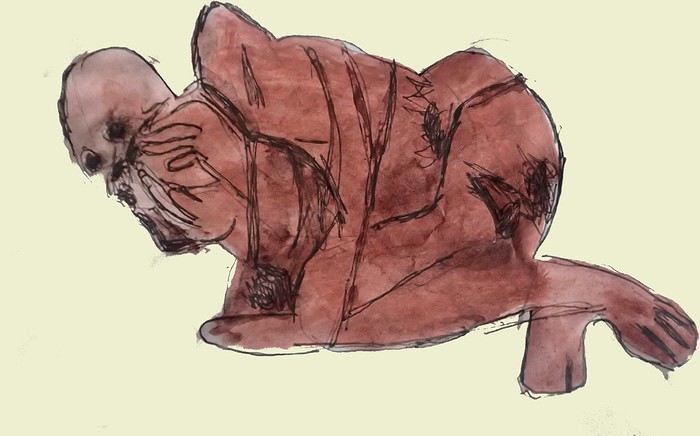
*Chavín de Huántar (Lanzón) The site’s appeal lies in its mountainous surroundings, the Lanzón stela, and the sculpted heads on the façades. What few people know is that the Chavín civilization began its expansion centuries before the Incas. Unfortunately, you can’t get too close to see the Lanzón—the day I was there, it was protected by grilles. To get there: minibus from Huaraz or trek from Olleros. Then cross a high pass (over 5,000m). If you do it solo on foot, be careful—the path isn’t obvious from Olleros
*Chullpa: funerary tower, notably at Sillustani in the Lake Titicaca region
*Chimú: pre-Inca civilization whose center was Chan Chan.
*Chola/Cholitas (Bolivia): typical clothing style of women from the Andean plateaus
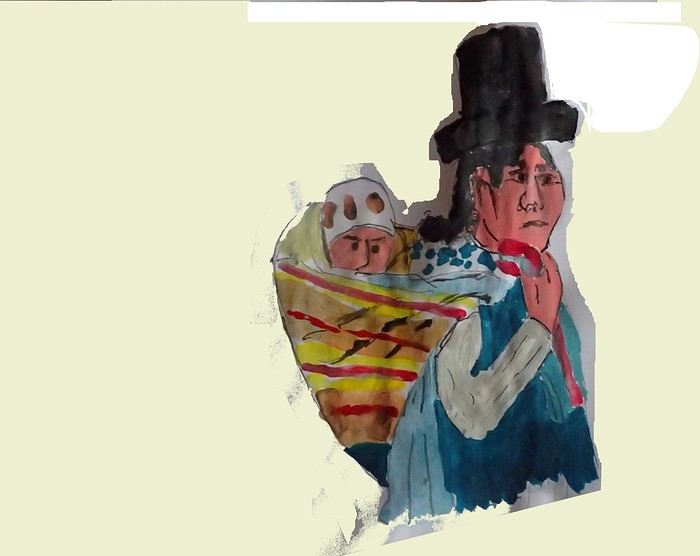
*Chompa: pronounce it *Chompaaa!* A common term for a wool sweater with vicuña patterns, often knitted from alpaca wool. If you dress like this, it’s a bit kitschy around the edges
*Cuy That one isn’t a guinea pig like in Guyana but an actual guinea pig. During a trip to Peru, I was hiking near a village north of Quillabamba (the terminus of the train line that passes through Aguas Calientes), and I was invited to stay in a house. The family raised a few of these pets. Apparently, the locals eat them. Since I’m not much of a meat-eater, it doesn’t really tempt me. How about you?
*Pacific Coast or how to talk about a place you haven’t visited? Except for the coast near Pisco and San Andrés, I haven’t visited any coastal cities. But that doesn’t mean these places lack interest or poetry. For fans of clichéd images, pelicans, seabirds, and fishing boats appear by the sea.
*Gran Pajaten: also closed to the public. Features anthropomorphic bas-reliefs. (not visited personally)
*Huaca. Visit the Huaca del Sol and Huaca de la Luna, especially near Trujillo. However, you can skip them—Chan Chan is still more interesting. Don’t forget to spend time visiting Chan Chan
*Huacachina A small oasis in the desert near Ica. Yes, we’re talking about an oasis because for those who’ve never traveled to Peru, the coastal strip along the Pacific is almost entirely desert, from north to south. Peru is territorially made up of three different regions: the desert coast, the Altiplano stretching north to south with mountain ranges (the Cordilleras), and the Amazon basin to the east. (not visited personally)
*Inca Kola It’s neither Coca-Cola nor Pepsi but a unique cola with a slightly orange color. Tastes like bubble gum
*Intiwatana: a carved rock shaped like a parallelepiped. Is it a sundial?
*Ballestas Islands: a highlight in Peru, though very touristy. You can only get there by boat from the port of San Andrés, a few kilometers from Pisco. It’s a surreal place to me—actually islets with cavities where sea lions and fur seals live. Since it’s a protected area, you’re not allowed to disembark. Guano is harvested there, which can be used as fertilizer.
*Kuelap: a fortress built by the Chachapoyas people. Rarely visited by travelers. (not visited personally)
*Larco Museum: an iconic museum in Lima with a large collection of pieces from archaeological and pre-Columbian sites. From what I remember, it has many pieces from the Moche civilization. As for the Moche statuettes, the prudish might look away. Probably a veneration of the god Priapus without knowing it.
*Nazca Lines Discovered by German archaeologist Maria Reiche, they stretch for kilometers. The designs in the desert around Nazca depict animals and cabalistic signs. The question I ask myself is why the creators of these lines represented a monkey and a hummingbird—species endemic to the tropical forest, not the desert plains around Nazca.
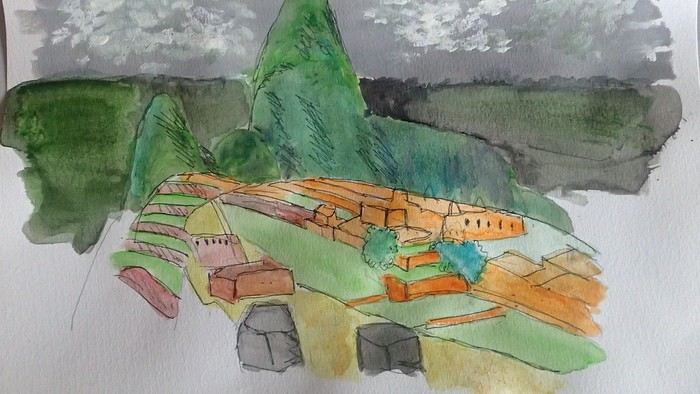
*Machu Picchu: means "old mountain" in Quechua. There’s also Wayna Picchu. The ruins of the site emerge from a sort of small plateau above Aguas Calientes. When the mist rises above the site and the bend of the Urubamba River, it’s truly magical... Also the starting point of the Inca Trail.
*Coca tea A decoction/infusion of the coca plant, meant to ease altitude sickness or *soroche*
*Chullo A rough translation would be a Peruvian wool hat.
*Moche: a civilization established in the Moche Valley, hence the term *Mochica*. What characterizes this civilization are the distinctive clay pieces representing faces and erotic statuettes
*Papa a la Huancaína A local potato dish
*Pisac: a typical market near Cusco
*Pisco Sour: perhaps the Peruvian equivalent of the *caipirinha* you drink in Brazil.
*Puya Raimondii A Bromeliaceae that still looks like a cactus, endemic to the Altiplano
*Quechua The language spoken by the indigenous people of the high plateaus (as well as Aymara in Bolivia)
*Quipu A knotted string used for counting. Widely used by the Inca administration.
*Sacsayhuamán (Q’enqo, Inca Bath) From Cusco’s Plaza de Armas, take the streets that climb above the city. Sacsayhuamán is called a fortress and is made up of large stone blocks. You wonder how the Incas could cut such huge blocks to assemble them—just like some streets in Cusco. The Q’enqo block is enigmatic; no one really knows what it represents.
*Savia Andina An Andean folk group.
*Tambo (=> Ollantaytambo) The Inca emperor (Atahualpa, Manco Capac) had the mission of controlling a vast empire. An empire that was still very extensive. Hence the importance of these *tambos* or relay stations. Napoleon created the civil code; the Incas invented the *tambos* and *quipus*.
*Tawantinsuyu: the Inca Empire
*Tinku: a warrior dance practiced mainly in Bolivia
*Golden Tumi: a sacrificial weapon. Often featured in Peru travel guides. See illustration
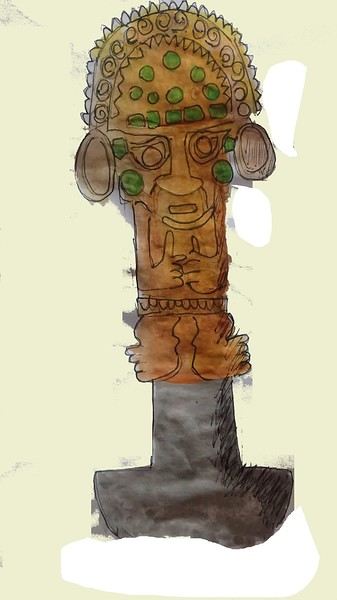
*Terra X: a documentary series from the German TV channel that aired on Arte. Some episodes focused on pre-Inca and Inca Peru. I must have some old recording tapes. In memory of Gottfried Kirchner as a source of inspiration.
*Uros: I checked—it actually refers to the people who live on these floating islands. Even if it’s touristy, it’s a must-visit because it’s incredible how people can live on islets made from nothing. Take the boat from Puno
*Vicuña, llama, guanaco: camelids characteristic of the Altiplano
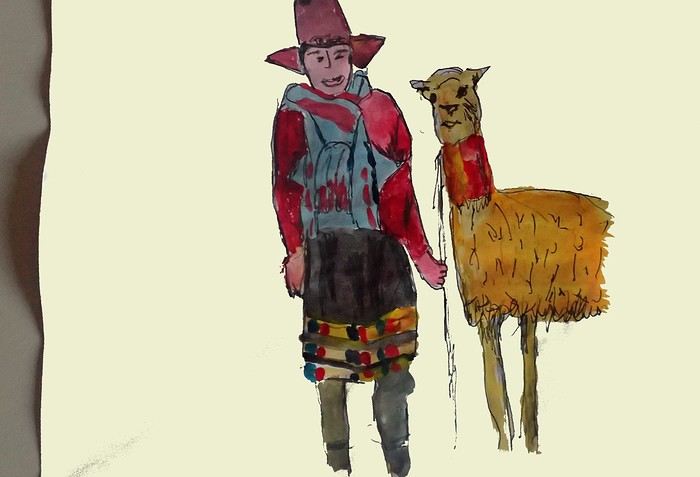
*Wayna Picchu The young Picchu mountain. In the first minutes of *Aguirre, the Wrath of God*, you see Klaus Kinski—well, Aguirre—making his way along the Inca Trail. Werner Herzog must have broken his back filming those sequences.
*Zampoña: pan flute
Peru is still a very vast country, with so much to see, and obviously this text can't list all the attractions of the country.
*Abiseo (River) A national park that's very hard to access and doesn’t seem open to visitors. Includes the Gran Pajaten site (see below). Personally, it really sparks my imagination (not visited personally)
*Aguas Calientes the town next to Machu Picchu, more precisely below the archaeological site. As far as I know, you can only get there by train. Reminds me of the market where stalls line both sides of the tracks near Bangkok. I love it
*Altiplano: somewhere the "heart" of the Andes. I was able to trek across it on foot, starting from Caracollo in Bolivia, and of course, it’s vast plains to explore. This is where people live in a very rural way. Andean populations are quite austere compared to those in the lowlands or on the coast. You really have to appreciate the harshness of life to live there. Life is anything but superficial. I set a compass heading and found myself walking west toward the expanse of water near a place called La Joya. For pitching the tent, the nights were still chilly
*Canyon del Colca One of the deepest canyons in the world. Personally, I hiked down and back up on foot. The toughest stretch I’ve ever covered in my life.
*Ceviche More or less the national dish. A marinade of fish, shellfish, and lime. But you can find it in some restaurants in Europe, France, and certainly in Belgium or Switzerland. In the small restaurants of Pisco, you can eat excellent ceviche
*Cerro Sechín: Mostly bas-reliefs. A site little known to travelers in the Casma province. The first vestiges of a pre-Inca civilization with iconography similar to that of Chavín (not visited personally)
*Chan Chan A large city of the Chimú civilization and relatively vast to visit. You can see adobe walls with bas-reliefs. Visit from Trujillo, take a colectivo. Plan for the whole day
*Charango: a small guitar widely used in Andean music
*Chauchilla A necropolis near Nazca where you can see mummies exposed on the ground. YouTubers can do paranormal experiments there. And for anyone wondering about the fate of the soul and body after death, here’s the answer: the body remains after death. You can imagine your own flesh and body exposed to the winds of the Pampa and before eternity... (not visited personally)
*Chavín de Huántar (Lanzón) The site’s appeal lies in its mountainous surroundings, the Lanzón stela, and the sculpted heads on the façades. What few people know is that the Chavín civilization began its expansion centuries before the Incas. Unfortunately, you can’t get too close to see the Lanzón—the day I was there, it was protected by grilles. To get there: minibus from Huaraz or trek from Olleros. Then cross a high pass (over 5,000m). If you do it solo on foot, be careful—the path isn’t obvious from Olleros
*Chullpa: funerary tower, notably at Sillustani in the Lake Titicaca region
*Chimú: pre-Inca civilization whose center was Chan Chan.
*Chola/Cholitas (Bolivia): typical clothing style of women from the Andean plateaus
*Chompa: pronounce it *Chompaaa!* A common term for a wool sweater with vicuña patterns, often knitted from alpaca wool. If you dress like this, it’s a bit kitschy around the edges
*Cuy That one isn’t a guinea pig like in Guyana but an actual guinea pig. During a trip to Peru, I was hiking near a village north of Quillabamba (the terminus of the train line that passes through Aguas Calientes), and I was invited to stay in a house. The family raised a few of these pets. Apparently, the locals eat them. Since I’m not much of a meat-eater, it doesn’t really tempt me. How about you?
*Pacific Coast or how to talk about a place you haven’t visited? Except for the coast near Pisco and San Andrés, I haven’t visited any coastal cities. But that doesn’t mean these places lack interest or poetry. For fans of clichéd images, pelicans, seabirds, and fishing boats appear by the sea.
*Gran Pajaten: also closed to the public. Features anthropomorphic bas-reliefs. (not visited personally)
*Huaca. Visit the Huaca del Sol and Huaca de la Luna, especially near Trujillo. However, you can skip them—Chan Chan is still more interesting. Don’t forget to spend time visiting Chan Chan
*Huacachina A small oasis in the desert near Ica. Yes, we’re talking about an oasis because for those who’ve never traveled to Peru, the coastal strip along the Pacific is almost entirely desert, from north to south. Peru is territorially made up of three different regions: the desert coast, the Altiplano stretching north to south with mountain ranges (the Cordilleras), and the Amazon basin to the east. (not visited personally)
*Inca Kola It’s neither Coca-Cola nor Pepsi but a unique cola with a slightly orange color. Tastes like bubble gum
*Intiwatana: a carved rock shaped like a parallelepiped. Is it a sundial?
*Ballestas Islands: a highlight in Peru, though very touristy. You can only get there by boat from the port of San Andrés, a few kilometers from Pisco. It’s a surreal place to me—actually islets with cavities where sea lions and fur seals live. Since it’s a protected area, you’re not allowed to disembark. Guano is harvested there, which can be used as fertilizer.
*Kuelap: a fortress built by the Chachapoyas people. Rarely visited by travelers. (not visited personally)
*Larco Museum: an iconic museum in Lima with a large collection of pieces from archaeological and pre-Columbian sites. From what I remember, it has many pieces from the Moche civilization. As for the Moche statuettes, the prudish might look away. Probably a veneration of the god Priapus without knowing it.
*Nazca Lines Discovered by German archaeologist Maria Reiche, they stretch for kilometers. The designs in the desert around Nazca depict animals and cabalistic signs. The question I ask myself is why the creators of these lines represented a monkey and a hummingbird—species endemic to the tropical forest, not the desert plains around Nazca.
*Machu Picchu: means "old mountain" in Quechua. There’s also Wayna Picchu. The ruins of the site emerge from a sort of small plateau above Aguas Calientes. When the mist rises above the site and the bend of the Urubamba River, it’s truly magical... Also the starting point of the Inca Trail.
*Coca tea A decoction/infusion of the coca plant, meant to ease altitude sickness or *soroche*
*Chullo A rough translation would be a Peruvian wool hat.
*Moche: a civilization established in the Moche Valley, hence the term *Mochica*. What characterizes this civilization are the distinctive clay pieces representing faces and erotic statuettes
*Papa a la Huancaína A local potato dish
*Pisac: a typical market near Cusco
*Pisco Sour: perhaps the Peruvian equivalent of the *caipirinha* you drink in Brazil.
*Puya Raimondii A Bromeliaceae that still looks like a cactus, endemic to the Altiplano
*Quechua The language spoken by the indigenous people of the high plateaus (as well as Aymara in Bolivia)
*Quipu A knotted string used for counting. Widely used by the Inca administration.
*Sacsayhuamán (Q’enqo, Inca Bath) From Cusco’s Plaza de Armas, take the streets that climb above the city. Sacsayhuamán is called a fortress and is made up of large stone blocks. You wonder how the Incas could cut such huge blocks to assemble them—just like some streets in Cusco. The Q’enqo block is enigmatic; no one really knows what it represents.
*Savia Andina An Andean folk group.
*Tambo (=> Ollantaytambo) The Inca emperor (Atahualpa, Manco Capac) had the mission of controlling a vast empire. An empire that was still very extensive. Hence the importance of these *tambos* or relay stations. Napoleon created the civil code; the Incas invented the *tambos* and *quipus*.
*Tawantinsuyu: the Inca Empire
*Tinku: a warrior dance practiced mainly in Bolivia
*Golden Tumi: a sacrificial weapon. Often featured in Peru travel guides. See illustration
*Terra X: a documentary series from the German TV channel that aired on Arte. Some episodes focused on pre-Inca and Inca Peru. I must have some old recording tapes. In memory of Gottfried Kirchner as a source of inspiration.
*Uros: I checked—it actually refers to the people who live on these floating islands. Even if it’s touristy, it’s a must-visit because it’s incredible how people can live on islets made from nothing. Take the boat from Puno
*Vicuña, llama, guanaco: camelids characteristic of the Altiplano
*Wayna Picchu The young Picchu mountain. In the first minutes of *Aguirre, the Wrath of God*, you see Klaus Kinski—well, Aguirre—making his way along the Inca Trail. Werner Herzog must have broken his back filming those sequences.
*Zampoña: pan flute
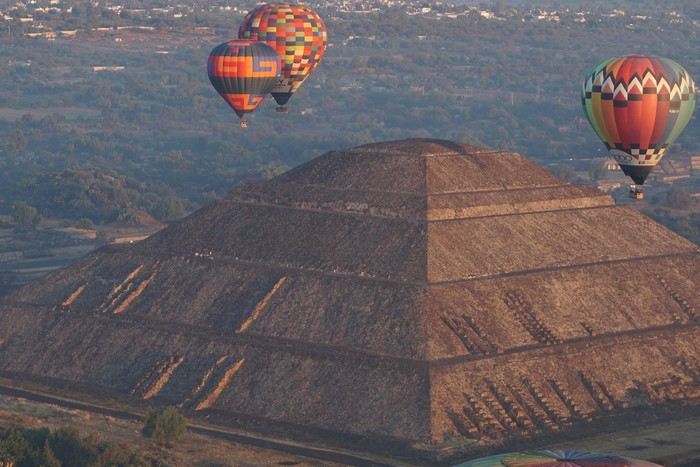
This one-month trip, from January 18 to February 17, 2026, allowed us to visit Mexico City and travel through the states of Puebla, Oaxaca, and Chiapas. We mainly used buses (ADO company) for medium and long distances and colectivos or taxis (or Uber) for shorter trips. Before leaving, I had contacted several people on the ground: Harry, a Vendéan settled in Oaxaca offering, among other things, discoveries of artisan villages or the Monte Albán site, and Oscar in Comitán de Domínguez. I’ll come back to our meeting with Oscar, who runs a local agency (CVL Travel Turismo Alternativo & Corre la voz) and owns a very pleasant hostel, a real highlight of our trip. Our journey took place in 8 stages on a loop starting from Mexico City. The connections between each were made by day or night buses depending on the trip duration. I had booked our seats in advance, either directly on the ADO company’s website or through booking platforms depending on the rates offered. Note that by planning ahead, I was able to benefit from very interesting "Early Booking" rates. There are several comfort classes. For all our trips, I had booked seats in Primera class buses, except for two in GL (Grand Luxe) class. The rates are very reasonable, and the buses turned out to be comfortable or even very comfortable (only the basic seat recline might surprise you).
Our itinerary and number of days per stage: Stage 1 – Mexico City: 4 days Stage 2 – Puebla: 2 days Stage 3 – Oaxaca: 4 days Stage 4 – San Agustinillo: 4 days Stage 5 – San Cristóbal de las Casas: 3 days Stage 6 – Comitán de Domínguez: 6 days Stage 7 – Palenque: 4 days Stage 8 – Mexico City: 2 days If I were to do it again, I’d remove one day from Palenque and add it either to Puebla or San Cristóbal to visit nearby sites or villages, or to San Agustinillo to enjoy one more day by the Pacific Ocean.
Stage 1: Mexico City (2,200 m / 9.2 million inhabitants) We arrived in the Mexican capital around 10:00 PM. The simplified customs process was very quick. After exchanging some money at the airport, we took a taxi to our youth hostel. We got around the capital on foot, of course, but also by metro. Signs are very rare, and we took the train in the wrong direction several times. After a few mistakes, we systematically asked on the platform if we were going the right way. The metro is very affordable. You need to get a rechargeable card (the Tarjeta de Movilidad Integrada) and top it up as needed. This card (less than 1 €) isn’t personal, so there’s no need to get one per person.
Mexico City: Day 1.
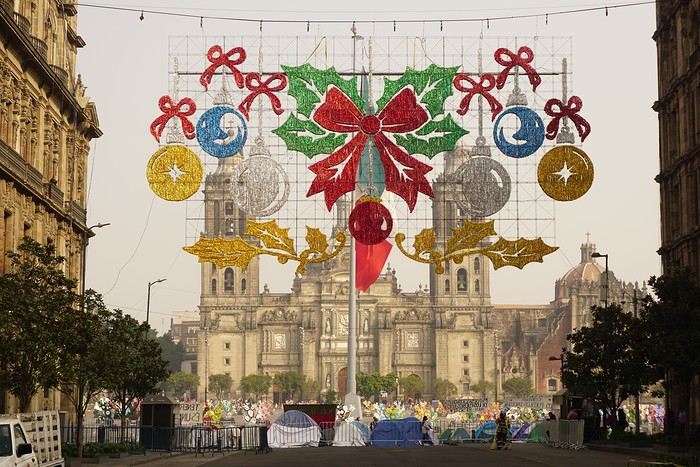
Visits and walks of the day (note: many museums are closed on Mondays): The Zócalo or Constitution Square: it’s one of the most beautiful, largest (195m x 240m), and oldest squares in the world. This is where Cortés decided to build the center of the new Spanish city on the site of the former Tenochtitlan market. Stones from the pyramids were used to pave the esplanade and build the surrounding colonial churches and buildings. During our visit, the huge square was covered with (resin) cacti, the theme of the temporary exhibition at the time. Indeed, temporary events or exhibitions take place here throughout the year. It’s also the endpoint for many protest marches.
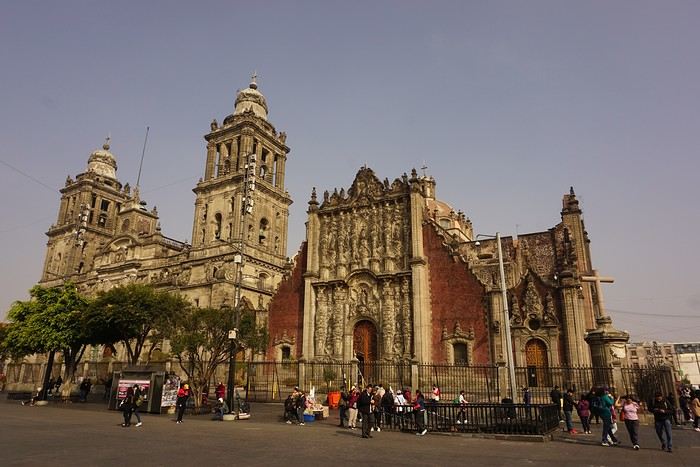
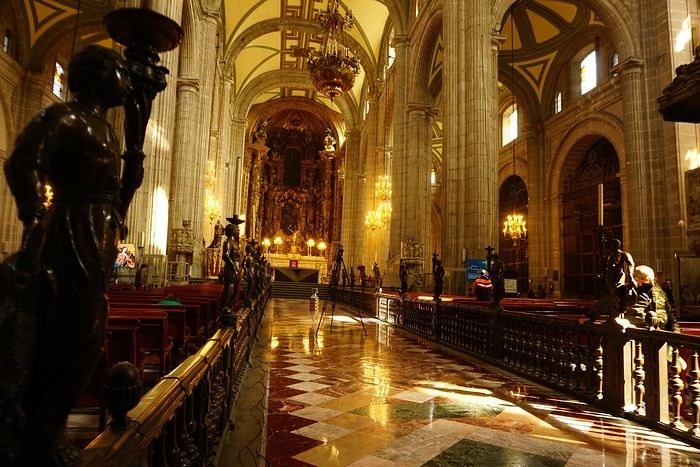


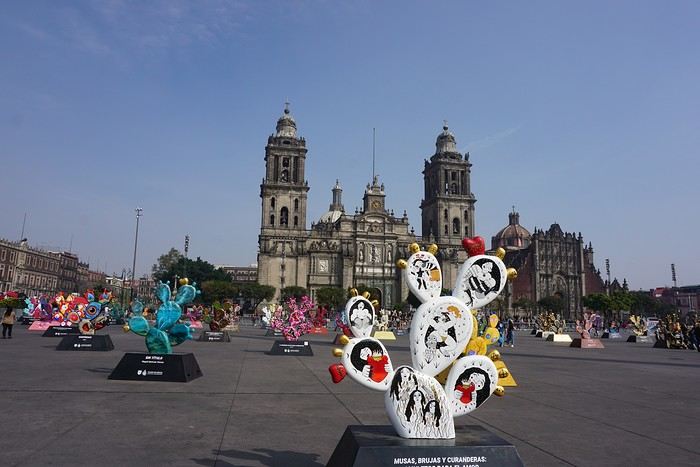
The cathedral: it’s sinking by one centimeter per year despite massive stabilization work (the collapse of many Mexican buildings—30 cm/year—is due to groundwater pumping). It was built starting in 1571 and completed in... 1813. The modest remains of the Templo Mayor (exterior view): they have high symbolic value, as this monument was the most important in the Mexica Empire.
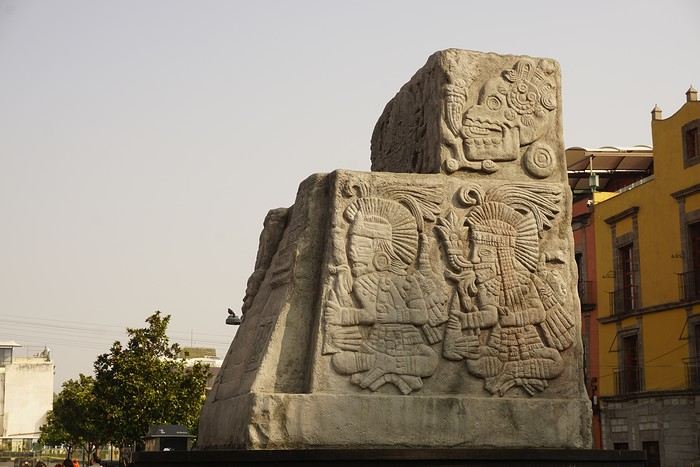 We then walked through the streets of the historic center to the Santísima Church, unfortunately closed for renovation work.
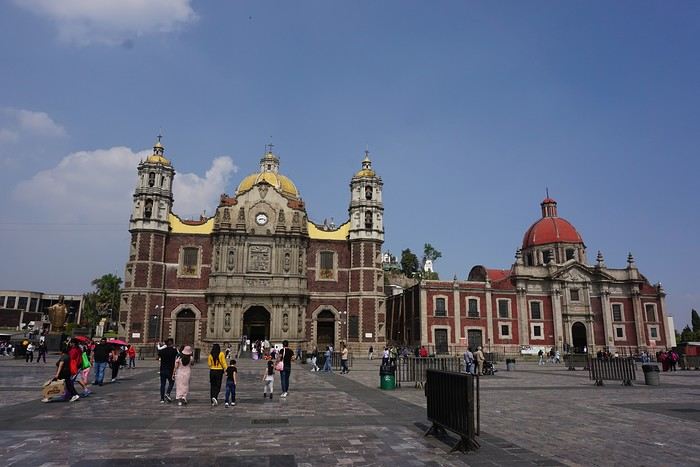
Next, we took the metro to visit one of Mexico’s most important pilgrimage sites: the Insigne y Nacional Basílicas de Santa María de Guadalupe, as well as the Capilla del Cerrito on the hill.
The first, dating from the colonial era, is really leaning a lot.
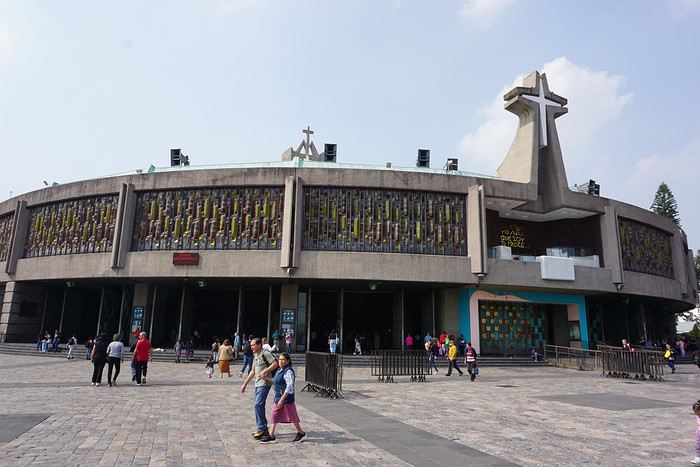
The second, shaped like a rotunda, is very impressive from the inside.
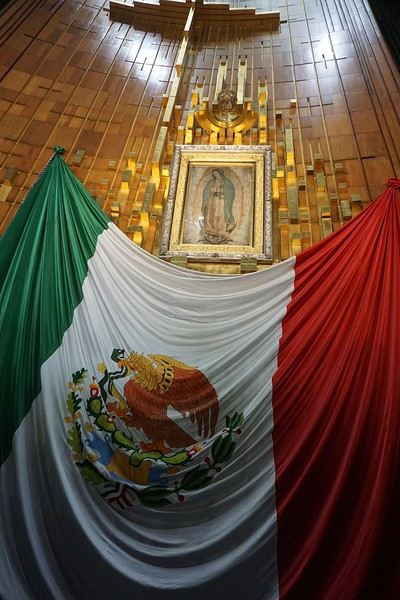
In the basement, there’s a sacred tunic where, in 1531, an image of the Virgin Mary is said to have appeared. A real mystery for scientists, the garment has never deteriorated since that date. Slow-moving conveyor belts allow pilgrims to admire it, preventing crowds from gathering in front of the image for hours. Well thought out!
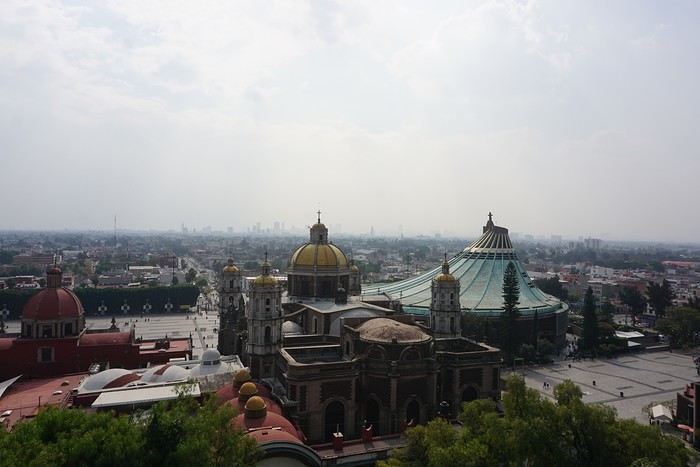
 From the top of the Capilla del Cerrito, you get beautiful views of huge Mexico City.
Hi there,
We’ve never visited Palawan before. This time, we’d like to spend a few days there.
We’ll be there from the evening of October 30th until the early morning of November 5th (our return flight is at 7:20 AM). We’re arriving in Puerto Princesa and leaving from there as well.
While ChatGPT gave us an itinerary suggestion, I’d still love to hear other opinions—don’t want to rely on it blindly.
Here’s ChatGPT’s proposal:
Saturday, October 31: Pearl farm + local waterfalls • 9:00 AM: Private car to Brook’s Point pearl farm (1.5–2 hour visit). • 1:00 PM: Local lunch + drive to Nagtabon Falls (1-hour jungle hike). • Overnight in Puerto Princesa. Sunday, November 1: Tabon Caves (Quezon) • 8:00 AM: Private car from PPS to Quezon (3 hours). • 11:00 AM–3:00 PM: Visit Tabon Caves (2–3 hour hike, unique archaeological site). • Return to PPS late afternoon or stay overnight in Quezon if you prefer. Monday, November 2: Puerto Princesa → Port Barton • 8:00 AM: Private car from PPS to Port Barton (3–4 hours). • Afternoon: Stroll around the village, small market, acclimatization. • Overnight in Port Barton. Tuesday, November 3: Private boat from Port Barton • 8:30 AM: Private boat for island hopping (snorkeling at Twin Reef / Fantastic Reef + peaceful Maxima Island). • Return by 4:00 PM. Wednesday, November 4: Hike in Port Barton + return to PPS • Morning: Hike to Pamuayan Falls or local jungle (1–2 hours). • 1:00 PM: Private car from Port Barton to PPS. • Overnight near the airport in PPS. Thursday, November 5: Flight from PPS to Dumaguete • Early morning flight from PPS to Dumaguete (direct or via Cebu, with plenty of buffer time).
What do you think? Where can we find trustworthy private drivers without getting ripped off? Any recommendations for typical hotels or guesthouses? Our flights are already booked—arriving in PPS at 6:30 PM and departing at 7:20 AM.
Thanks for your advice!
Hello,
My husband and I are planning a trip to Ireland in September 2026. We’ll be flying from Montreal to London, where we’ll spend three nights. After that, we’ll head to Dublin for a few days and take trains to visit the main attractions. Our ideal plan would be to choose hotels near train stations and take tours to the interesting spots. Would 8 days in Ireland be enough for this kind of trip?
My husband and I are planning a trip to Ireland in September 2026. We’ll be flying from Montreal to London, where we’ll spend three nights. After that, we’ll head to Dublin for a few days and take trains to visit the main attractions. Our ideal plan would be to choose hotels near train stations and take tours to the interesting spots. Would 8 days in Ireland be enough for this kind of trip?
Hi,
Did you attend the show at the Nadir Divan Begi Madrasa in Bukhara? What are the details for booking? Thanks in advance.
Have a great day and happy travels!
Danielle
Hi,
We received a promotion from our CFC agency offering cruises at up to 40-100% off, and among other details: CFC organizes parking for departures from Dunkirk.
"Unattended parking located about 12 minutes away, fenced off with barriers, at a rate of 10 € per day. Drop off passengers and luggage at the Model Pavilion, and a CFC shuttle will take you from the parking lot to the Model Pavilion every 15-20 minutes. Same for disembarkation. You can book through your agency or on their website. No refunds if the booking is canceled; payment is due at reservation."
Have a great day,
Guylène
PS: Personally, we’d rather keep our vehicle in a free, supervised parking lot and take a taxi to the Model Pavilion.
As-salamu alaykum!
We’re heading to Morocco as a family from April 22 to May 8. It’s a bit short to explore such a beautiful and vast country, but school and work commitments, you know how it is... My partner is a musician and absolutely loves Gnawa music. Unfortunately, we won’t have time to visit Essaouira, as we’re heading south toward the Valley of the Roses...
Do you know of any places around Marrakech, Ouarzazate, or Kelaat M’Gouna where we might have the chance to meet Gnawa musicians? We’ll also be staying a few days in Aït Benhaddou and Skoura during our trip toward the Dadès Valley. If you have any good spots to buy a guembri along the way, I’d love to hear about them too! :)
Thanks in advance for your tips!
Mathieu
Hi,
We just received an email from Volotea saying our flight time has changed (by more than 2 hours).
The email states "you can request a free date change."
If I change the date, will the flight price stay the same as the original price, or will I have to pay the difference?
Specifically: Our flight on the 7th is 46.25 €, and the one on the 8th is 92.51 €. If we switch to the 8th, how much will we pay?
When I request the date change to the 8th, it says "No additional fees."
Thanks and have a great day! 🙂
Hi there,
Since I’m not familiar with Australian airlines, I’d appreciate some advice.
I need to book a domestic flight from Adelaide to Sydney quickly, and I see Jetstar, Virgin, and Qantas as options. On paper, Qantas’s schedule and price are less appealing.
Which of the three is the most reliable (fewer flight cancellations, since this is the last flight of the day) and easiest to book on their website?
Thanks!
Hi there,
We’re planning a trip to Nepal and would love to do a helicopter tour to Everest with Namche Heli Service. Has anyone here used this agency? I can’t seem to find any reviews online. Thanks in advance!
Kloki
We’re planning a trip to Nepal and would love to do a helicopter tour to Everest with Namche Heli Service. Has anyone here used this agency? I can’t seem to find any reviews online. Thanks in advance!
Kloki
Hi there,
I’d like to know if anyone has already applied for a private visa to Russia with an invitation from a Russian resident. I traveled earlier this year with an e-visa, but since I want to stay longer, I’ll be visiting my friend who lives in eastern Russia. For the visa application, does the invitation need to be on an official paper form issued by the Russian ministry? And most importantly, do I need to present the original for the application, or is there an electronic version that can be sent directly to the consulate in France? Thanks for any info if you’ve gone through this process before!
Best regards,
Gilles
This is where we share stories (or post extra photos) around March’s theme Metal, Metallic.
Back to the March 2026 contest: HERE
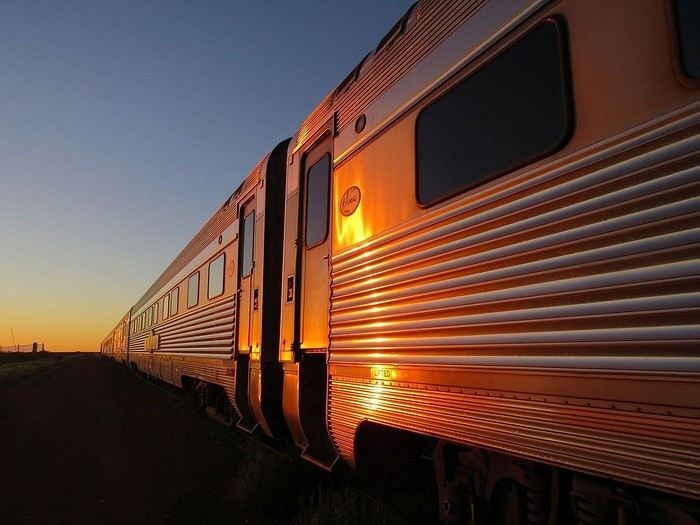
The Ghan (train connecting Adelaide to Darwin), at dawn.
Back to the March 2026 contest: HERE
The Ghan (train connecting Adelaide to Darwin), at dawn.
Hi there!
We’re planning a one-week circuit trip at the end of March
And the Dead Sea
Any dangers we should know about?
Thanks for your help! 😊
Hi,
I applied for a visa to go to Great Britain soon (May, Manchester) via the official app on February 22.
I haven’t received any response yet... normally the processing time is 3 days... and there’s no way to contact them (unless you pay).
Has anyone already applied through this app? If so, how long did it take to get a response?
Thanks
Hi,
I’m planning a road trip in the Middle Atlas, starting and ending in Fez and heading down to the south of Midelt, the Assoul Massif.... We’ll be traveling with two small 4x4s.
I’m looking for detailed maps of this region that include small roads and tracks.
Last year, we had a fantastic road trip in the Anti-Atlas and High Atlas using Erfahren maps, but unfortunately, they don’t cover the area we’re interested in this year.
Thanks for your suggestions!
Dominique
Hi everyone,
I’m heading back to Rome soon, but this time we’re bringing our teens. Instead of wandering the streets like I usually love doing in this city, we’ll be hitting the "must-see" sights with them: the Colosseum and the Vatican.
And that’s where it gets tricky—apparently, we need to book everything in advance. We’re getting lost among all the offers, official sites, GetYourGuide and the like, packages, with prices ranging from one to three times as much and different tour options...
Could you share your booking experiences for: - Colosseum visit, including the underground level - St. Peter’s Basilica, including the dome - Vatican Museums
Thanks! 🙂
Hi,
I’d like to visit South America. I’ve always traveled solo and as a backpacker, but this time, I’d love to join a group or find a travel companion. I’m 63 and in great health. I speak fluent English. I’m open to other travel suggestions too. Thanks
Here's a tip for future visitors!
https://www.foxnews.com/travel/3-national-parks-slash-red-tape-americans-boldly-transforming-visitor-entry
https://www.foxnews.com/travel/3-national-parks-slash-red-tape-americans-boldly-transforming-visitor-entry