Posts by Volcoch
About 77 results.
More options
Many results are in French, the community’s main language. English translations are added over time.
Search results
Wildlife, Nature, and Culture in Zambia and Malawi
Off to Southern Africa again! This time, the trip wasn’t just about wildlife—it was also about the local cultures and the breathtaking landscapes Mother Nature has to offer. It was an emotional rollercoaster in every way, as you’ll see.
We visited two countries: Zambia, known for its reserves, and Malawi, which is less well-known but absolutely worth a visit. Our flight landed in Lilongwe, Malawi’s capital, where our vehicle was waiting—though with a 3-hour delay. It was a 4x4 without the rooftop tent this time, since we stayed in lodges (prices are very reasonable in Malawi). Just a heads-up: don’t exchange money at the airport or banks—the official rate was 1,750 Malawian kwacha to $1. On the black market, the rate was between 3,000 and 3,500 kwacha, making the cost of living much cheaper.
With that out of the way, our first stop was South Luangwa National Park in Zambia. The first hiccup came at the Malawi-Zambia border: we were missing a document the rental company had forgotten. After some back-and-forth, they sent it via WhatsApp ($20 to get it validated by the police). But things got worse—the car’s chassis number was off by one digit from the registered one. I thought our trip was over before it even started! After what felt like forever, we got through with a "tip" of $200. Total border crossing time: 3 hours, costing nearly $400. We arrived in South Luangwa after dark.
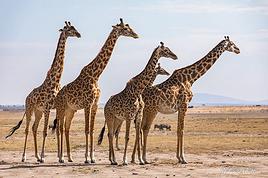
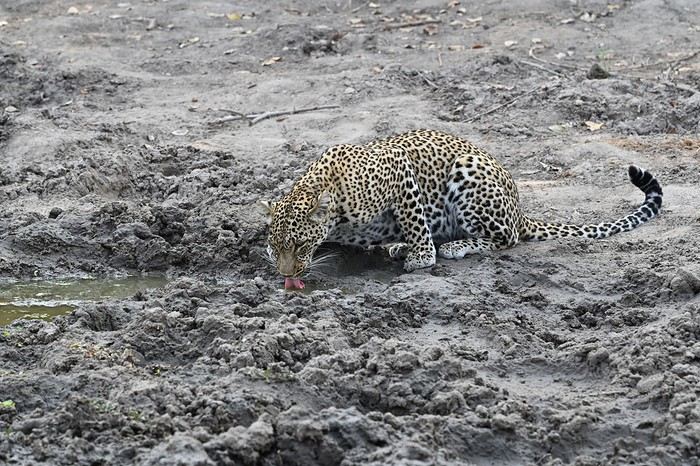
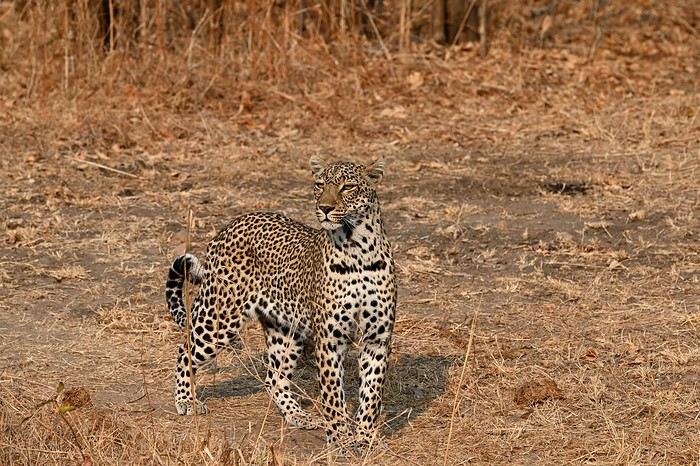
Thankfully, the next day made up for it with an incredible day in the park (check out the photos).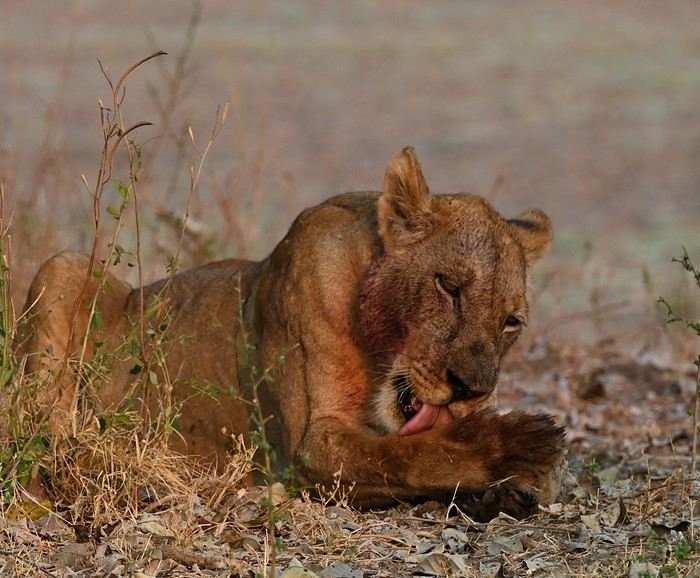

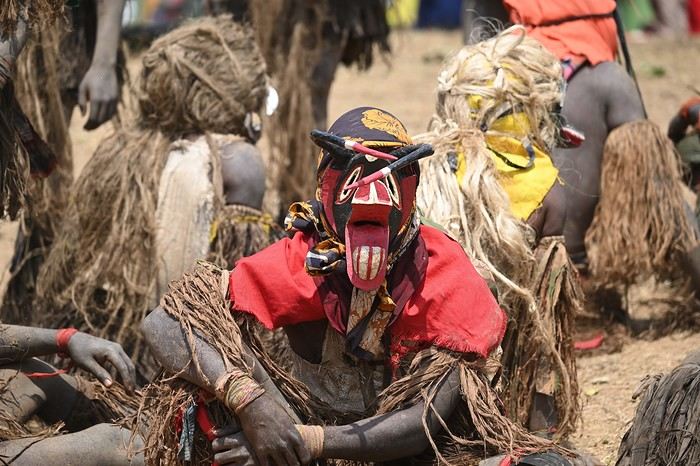
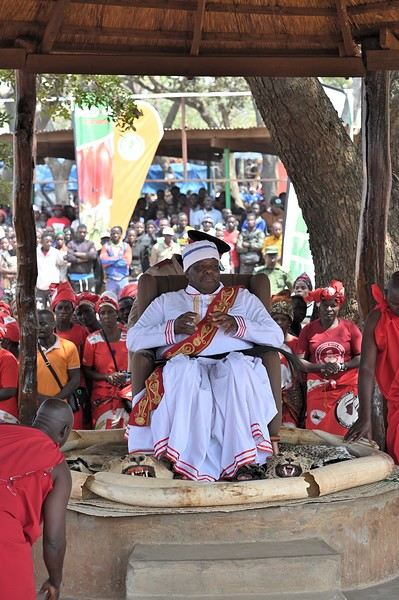
We spent two full days in South Luangwa before heading to Katete for the Kulamba ceremony. Kulamba is an annual event held at the end of August, celebrating the Chewa people, who live across Zambia, Malawi, and Mozambique. The Chewa king attends, and representatives from neighboring nations bring offerings. Thousands gather for dances, speeches, and a massive market. There are few tourists, making it a truly authentic experience.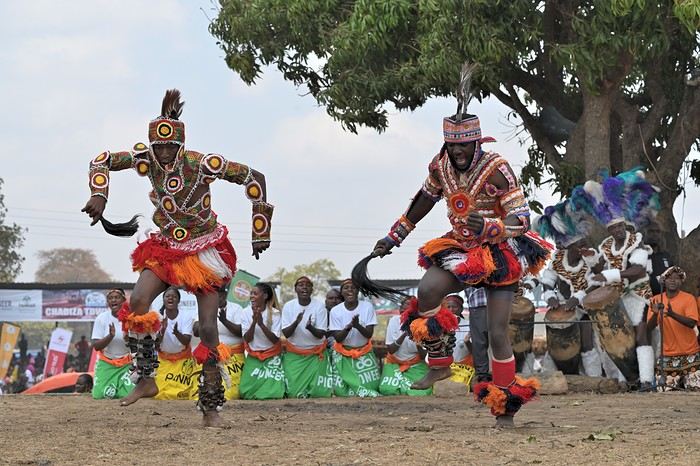
After a few days in Zambia, we returned to Malawi (the border crossing this time was smooth—just 45 minutes). Next stop: Lake Malawi. Lake Malawi covers over 20% of the country and stretches 580 km. It’s home to a family of fish called cichlids, some of which are endemic to the lake. I recommend taking a day trip from Cape Maclear for snorkeling and to watch the fishing eagles swoop down to catch fish.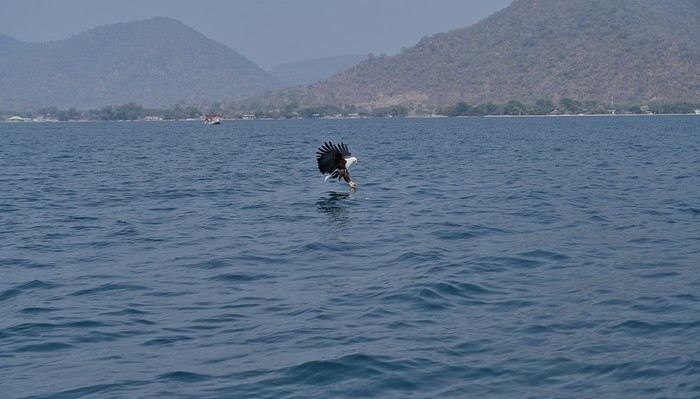
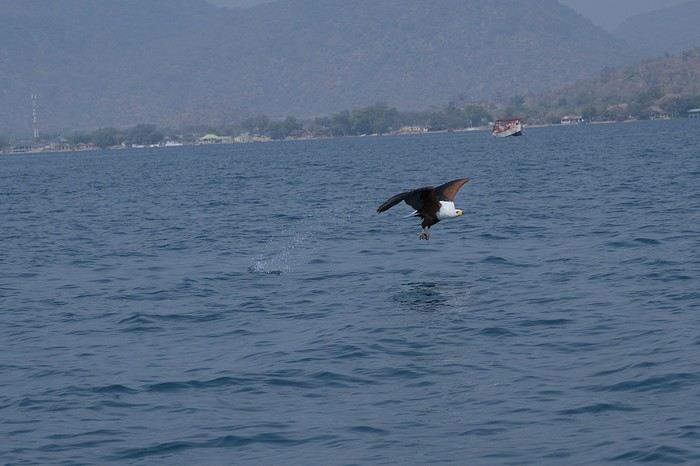
We hit the road again to visit Liwonde Reserve, where we had a few surprises. The lodge was on the other side of the river that borders the park, and the elephants didn’t seem to care. On the way from reception to our rooms, elephants blocked our path, and one even charged just before the stairs leading to our treehouse-style rooms.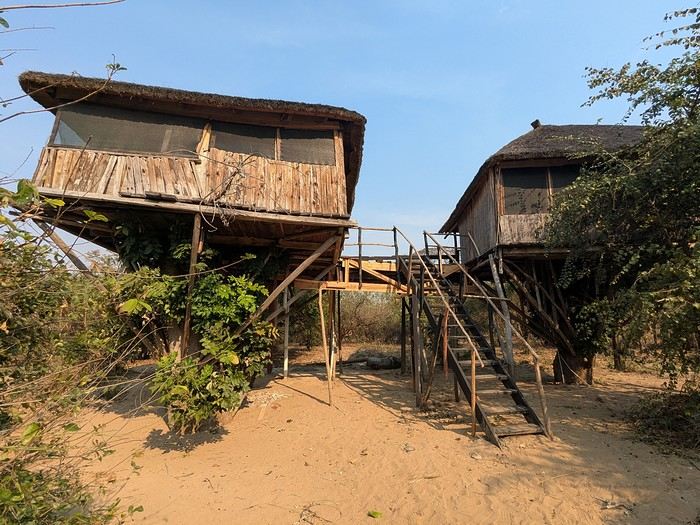
To top it off, monkeys ransacked our rooms, tearing through plastic bags for food. A mixed experience, but no real harm done. Next up: the mountains, specifically the Mulanje Massif. This is where Malawi’s tea is grown, and it’s also a great spot for day hikes or multi-day treks. The scenery is stunning, though sometimes the mist rolls in and hides it. After the mountains, we visited another reserve: Majete. The park is growing and now has more wildlife. We saw lions and even caught a fleeting glimpse of a leopard. And of course, the elephants got involved again—this time giving us a real scare. During the morning game drive with a guide, we stopped to watch a herd of elephants feeding. Everything was fine until, for some reason, a female got spooked—probably for her calf—and positioned herself in front of us on the track. After a few minutes, we thought the elephants would move on, but then a young one started provoking us. The problem? We had females and calves in front of us, but also two large adult males—one behind us and one to the side.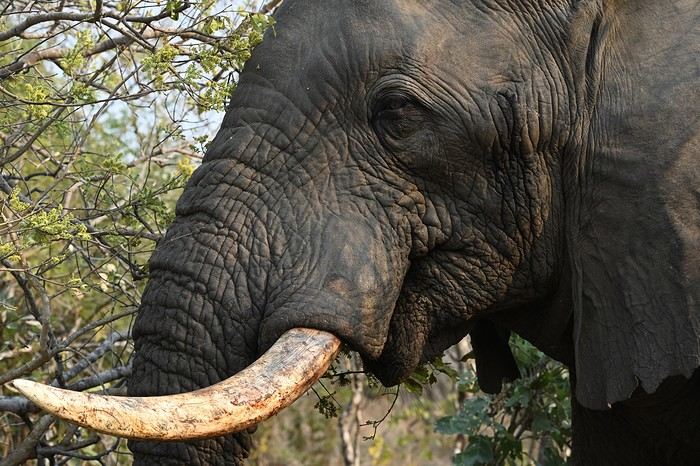 We were trapped, and even our guide looked nervous. After what felt like an eternity (though it was only a few minutes), the herd finally moved on, freeing the track. That afternoon, we did a self-drive safari and—you guessed it—we had zero interest in running into elephants again.
The next day, we headed back to Lilongwe for our flight home. It was a fantastic, varied trip with some intense moments (sometimes *too* intense). Malawi offers amazing opportunities for those who want more than just wildlife reserves.
We visited two countries: Zambia, known for its reserves, and Malawi, which is less well-known but absolutely worth a visit. Our flight landed in Lilongwe, Malawi’s capital, where our vehicle was waiting—though with a 3-hour delay. It was a 4x4 without the rooftop tent this time, since we stayed in lodges (prices are very reasonable in Malawi). Just a heads-up: don’t exchange money at the airport or banks—the official rate was 1,750 Malawian kwacha to $1. On the black market, the rate was between 3,000 and 3,500 kwacha, making the cost of living much cheaper.
With that out of the way, our first stop was South Luangwa National Park in Zambia. The first hiccup came at the Malawi-Zambia border: we were missing a document the rental company had forgotten. After some back-and-forth, they sent it via WhatsApp ($20 to get it validated by the police). But things got worse—the car’s chassis number was off by one digit from the registered one. I thought our trip was over before it even started! After what felt like forever, we got through with a "tip" of $200. Total border crossing time: 3 hours, costing nearly $400. We arrived in South Luangwa after dark.
Thankfully, the next day made up for it with an incredible day in the park (check out the photos).
We spent two full days in South Luangwa before heading to Katete for the Kulamba ceremony. Kulamba is an annual event held at the end of August, celebrating the Chewa people, who live across Zambia, Malawi, and Mozambique. The Chewa king attends, and representatives from neighboring nations bring offerings. Thousands gather for dances, speeches, and a massive market. There are few tourists, making it a truly authentic experience.
After a few days in Zambia, we returned to Malawi (the border crossing this time was smooth—just 45 minutes). Next stop: Lake Malawi. Lake Malawi covers over 20% of the country and stretches 580 km. It’s home to a family of fish called cichlids, some of which are endemic to the lake. I recommend taking a day trip from Cape Maclear for snorkeling and to watch the fishing eagles swoop down to catch fish.
We hit the road again to visit Liwonde Reserve, where we had a few surprises. The lodge was on the other side of the river that borders the park, and the elephants didn’t seem to care. On the way from reception to our rooms, elephants blocked our path, and one even charged just before the stairs leading to our treehouse-style rooms.
To top it off, monkeys ransacked our rooms, tearing through plastic bags for food. A mixed experience, but no real harm done. Next up: the mountains, specifically the Mulanje Massif. This is where Malawi’s tea is grown, and it’s also a great spot for day hikes or multi-day treks. The scenery is stunning, though sometimes the mist rolls in and hides it. After the mountains, we visited another reserve: Majete. The park is growing and now has more wildlife. We saw lions and even caught a fleeting glimpse of a leopard. And of course, the elephants got involved again—this time giving us a real scare. During the morning game drive with a guide, we stopped to watch a herd of elephants feeding. Everything was fine until, for some reason, a female got spooked—probably for her calf—and positioned herself in front of us on the track. After a few minutes, we thought the elephants would move on, but then a young one started provoking us. The problem? We had females and calves in front of us, but also two large adult males—one behind us and one to the side.
We were trapped, and even our guide looked nervous. After what felt like an eternity (though it was only a few minutes), the herd finally moved on, freeing the track. That afternoon, we did a self-drive safari and—you guessed it—we had zero interest in running into elephants again.
The next day, we headed back to Lilongwe for our flight home. It was a fantastic, varied trip with some intense moments (sometimes *too* intense). Malawi offers amazing opportunities for those who want more than just wildlife reserves.Three national parks in Zambia and Victoria Falls
Hi Muriel,
Thanks for your post. I’ve just returned to Africa—late August to early September—to visit Malawi. Since Zambia isn’t far, I spent two days in South Luangwa and also attended the annual Chewa people’s ceremony. I’ll be updating my travel site www.impression-voyage.fr soon with photos and a short travel journal.
Dominique
Botswana and Zimbabwe
Before Our Departure
Preparing for this trip started 9 months before our departure in June. For those planning a similar itinerary, it’s important to book accommodations well in advance, especially in the Okavango and Savuti campsites—otherwise, you might not find any availability.
Introduction After visiting Zambia three years ago and Namibia and western Botswana a year and a half ago, this year we chose Zimbabwe (Hwange NP) and the northern half of Botswana. Our flight from Paris was to Victoria Falls with Ethiopian Airlines, with a layover in Addis Ababa. We rented a 4x4 from Bushlore in Kasane, complete with two rooftop tents since there are four of us on this adventure. Bushlore picked us up from our guesthouse to collect our 4x4 and, most importantly, gave us a rundown of the vehicle and its equipment. Pay close attention to what they tell you—it could be crucial if something goes wrong, as it did for us during the trip.
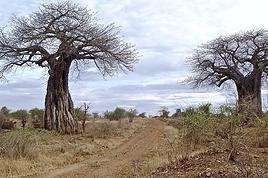
Our Itinerary We arrived on June 12th at noon. At Victoria Falls Airport, we got our double-entry visa right away—I’d already pre-booked it online on the site https://www.evisa.gov.zw/. Since our vehicle was in Botswana, we had to cross the border from Victoria Falls into Botswana for the first time. The next morning, Bushlore picked us up from our guesthouse to collect our 4x4. After completing the formalities, we headed toward Zimbabwe and the town of Victoria Falls. We woke up early the next morning to be at Victoria Falls at sunrise. The scenery was stunning, but since it was the start of the dry season, the Zambezi was still high, so the falls had a strong flow. This made it hard to fully appreciate their beauty. In the early afternoon, we left for Hwange NP, where we stayed for 4 days. Two days at Gwango campsite near Dete, followed by two days at Robins Camp. We expected to see more animals at Robins, but that wasn’t the case. In Hwange, we didn’t spot any predators, but we did see plenty of mammals (buffalo, elephants, giraffes, zebras, and antelopes). After a few days in Zimbabwe, we crossed back into Botswana at Pandamatenga. We stopped at Nata Lodge for a good night’s rest—driving on the dirt roads is exhausting. We left Nata and headed toward Nxai Pan. The road was sandy but manageable. We made a small detour to admire some beautiful baobabs at "Baines Baobabs." Then we continued to our campsite, Nxai Pan South Camp. Keep in mind that many campsites in Botswana aren’t fenced (except for the shower/toilet areas), so animals can roam freely within the camp. Take precautions, especially after dark. After our stop in Nxai Pan, we headed to Maun. We decided to break our journey in Maun before heading to Moremi and the Okavango Delta for three reasons: first, we needed to stock up on supplies and fuel for the next 5 days; second, our fridge had broken (luckily, Bushlore has a branch in Maun); and third, the drive from Nxai to our camp in Xakanaxa in the delta would’ve taken too long. I always avoid driving after dark. We arrived at our Xakanaxa camp on June 21st in the early afternoon. Not wanting to waste time, we booked a boat ride on the Okavango Delta, leaving at 4:00 PM for a 2-hour sunset cruise. For those interested, to the right of the Xakanaxa X1 site, there’s a sign for boat rides. The organizer is very professional and offers prices that are nothing like those of the lodges. It was a beautiful ride through the delta with a stunning sunset. Being on a boat is much more relaxing than driving on the dirt roads. That didn’t stop us from doing self-drive safaris the next morning and late afternoon, though.
Then came the time to leave the delta and head toward Savuti, a much drier region. And that’s when the toughest part of our trip began. First, we decided to go up via Khwai. The rainy season was over, but the area was still marshy. We had to cross a few small water patches, testing the depth to make sure we could get through. Luckily, a sign on the road pointed us toward a drier route. We reached Khwai without any issues, but then we made a major mistake. Instead of taking the main track toward Mababe Gate to reach Savuti Camp, we took a straight path north and then a right turn to get to our camp. Bad call—we got stuck in the sand, with one rear wheel buried halfway and a front wheel off the ground. We were genuinely scared we wouldn’t get out, especially since we were on a deserted track, 20 kilometers from our destination, with night falling in two hours. This is where paying attention to the vehicle instructions really paid off—we had to use the jack to get out of the mess. The result: we arrived at Savuti campsite just before dark (Distance: 146.3 km, Duration: 9 hours, 56 minutes, and 3 seconds, Average speed: 14.7 km/h, tracked with Osmand). At reception, the staff couldn’t understand how we’d gotten there—we hadn’t passed through any of Savuti’s reserve entry gates.
The next morning, no one felt like driving, so we did a game drive with a guide. I don’t know if it was some kind of reward, but the outing was amazing. We saw three lions and, best of all, a pack of African wild dogs that we had time to admire and photograph. The next day, we did a short self-drive and found one of the lions from the day before drinking at a waterhole. That was the end of our Savuti adventure.
Now we’re heading to Kasane. We returned our vehicle and settled in for our last two nights there. The next morning, since we no longer had a car, we decided to do one last early-morning game drive in Chobe NP. It turned out great—we followed two brother lions and saw plenty of other mammals. The only downside of Chobe is the number of tourists, which was a change from the other parks we’d visited. That said, we’re tourists too, so... In the evening, we took one last boat ride on the Chobe River to end on a high note with a beautiful sunset.
After a good night’s sleep and plenty of wonderful memories, landscapes, animals, and emotions, it was time to leave. We left early in the morning with the same taxi company as before to cross the border into Zimbabwe one last time and head to the airport, where we took off to return to France.
Three national parks in Zambia and Victoria Falls
We landed in Victoria Falls, Zimbabwe, and headed straight to Kasane in Botswana to pick up our car.
Our vehicle is a 4x4 because in Zambia, it's practically impossible to use anything else, especially in the national parks. I’ve already had the pleasure of visiting South Luangwa National Park—it’s one of the reasons for this trip, the main one being to travel in Africa with one of my sons.
First stop: Livingstone on the banks of the Zambezi River. Along the way, we discovered a lovely restaurant at Socrates with a super-friendly owner (we’ll actually stop there again on our way back). We spent our first night in the rooftop tent after a stunning sunset, accompanied by the grunting of hippos in the river.
The next day, we set off early, heading to Kafue NP. In fact, we’ll always leave early—waking up between 5:00 and 5:30 AM and hitting the road an hour later. Kafue is a lesser-known park, mostly forested, and the animals are skittish because they’re not used to human presence. We crossed the park from south to north and came across various antelopes. Near Lake Itezhi-Tezhi, there are plains where wildlife is easier to spot.
After Kafue, we headed to South Luangwa. This journey requires stops in Mumbwa and Petauke. Two pleasant stops where we found lodges (a nice change from the rooftop tent) at affordable prices and met welcoming people.
For me, South Luangwa is Zambia’s most beautiful park—the river is stunning, the landscapes are gorgeous, and there’s a wide variety of wildlife, including, of course, big cats. A tip for those, like us, who aren’t with a guide: if you’re staying near the park for several days, don’t hesitate to do a "game drive" to scout out where the animals are so you can return the next day with your own vehicle. Of course, in the dry season, you’ll want to focus on waterholes to see the animals—and you’ll need a bit of luck too. The elephant population is growing, and we were lucky enough to see around sixty elephants crossing the Luangwa at dawn, spread across several groups. South Luangwa is the westernmost point of our trip, and we’re now heading east to Lower Zambezi.
Lower Zambezi is Zambia’s side of Mana Pools on the Zimbabwe side. We took a boat ride on the Zambezi to see elephants, hippos, crocodiles, and a multitude of birds living along the water and on the river’s islands. The sunset there is also magnificent.
To explore the park, we followed the waterways parallel to the Zambezi, mostly on the western side (see our route). Lower Zambezi is the last park we visit, and the final leg of our trip will be Victoria Falls.
Victoria Falls—or Mosi-Oa-Tunya ("The Smoke That Thunders")—are truly impressive, even during the dry season. We saw the falls from both countries: in Zambia for the overall view and the bridge that serves as the border, and in Zimbabwe to get as close as possible to the most spectacular parts of the falls.
This marks the end of our trip, which, despite a blown tire on the road, went off without any major issues. Zambia is a beautiful country that immerses you in wild, still-preserved nature.
Nord de l'Éthiopie de Bahar Dar à Lalibela
Bonjour,
Même si je n'ai pas fait le Danakil , à votre place je ferai l'option 2 mais inversée Addis -> Gondar et Siemens> Axoume et les églises du Tigré puis Mekele et le Danakil puis Lalibela > Addis
Parce que les église de Lalibela sont les plus impressionnantes donc autant finir par celles-ci mais cela reste un avis personnel
Vous pouvez aller voir sur mon site les photos et le circuit
www.impression-voyage.fr/ethiopie.html
Voyage en Éthiopie avec agence locale ou française
Bonjour,
au cas cela te serais toujours utile, je suis parti avec une petite agence locale pour le nord de l'éthiopie. Tout a été trés bien organisé
http://www.wondertrektour.com/
Bon Voyage
au cas cela te serais toujours utile, je suis parti avec une petite agence locale pour le nord de l'éthiopie. Tout a été trés bien organisé
http://www.wondertrektour.com/
Bon Voyage
Nord de l'Éthiopie de Bahar Dar à Lalibela
 Lorsque nous avons décidé de faire ce voyage au nord de l'Éthiopie, nous savions que le pays avait un riche passé historique et culturel. De même nous savions qu'une partie du territoire était constitué de hauts plateaux mais la beauté du relief nous a surpris, bref un étonnement constant tout au long de notre parcours.
Une arrivée à Addis pour une visite de la ville et de quelques lieux à voir (musées et églises) et aussi dire bonjour à notre vieille amie Lucy. Le lendemain débute notre périple à travers cette étonnante Éthiopie, premier contact avec les églises sur le lac Tana.
L'Ethiopie est l'un des premiers pays a avoir adopté le christianisme. La religion orthodoxe est présente partout dans le pays (au moins au nord) et les églises construites à travers les siècles ont toutes des particularités à découvrir, qu'elles soient faites de bois ou directement taillées dans la roche. Elles jalonnent notre parcours de Bahar Dar à Lalibela et sont toutes plus typiques les unes que les autres.
De plus, les paysages des hauts plateaux éthiopiens sont à couper le souffle, avec une mention spéciale pour le parc du Simien qui non seulement offre de superbes vues mais propose aussi de faire connaissance avec les Geladas, des singes herbivores qui ne sont ni craintifs ni agressifs envers les humains même si les canines des mâles dominants restent toutefois impressionnantes.
L'histoire aussi est très présente et remonte à deux mille ans dans la ville d'Aksoum. On retrouve aussi de nombreux témoignages historiques à Gondar, siège des rois éthiopiens au 17 siècle ainsi qu'à Addis Abeba à travers le dernier roi Éthiopien à savoir 'Tafari Makonnen' plus connu sous le nom d'Haïle Selassie promu Dieu pour les rastas de Jamaïque.
D'un point de vue gastronomique, il ne faut pas oublier deux spécialités éthiopiennes que sont le café, que l'on peut déguster un peu partout et bien sûr l'Ingera une galette faite à base de teff et qui accompagne presque tous les plats.
Bref, un voyage empli de découvertes au contact d'un peuple accueillant et d'une grande gentillesse qui nous a donné envie de découvrir le sud de ce pays étonnant.

Trois semaines en Colombie l'été dernier
 Colombie, un pays au passé tumultueux qui pendant longtemps a dissuadé le tourisme. C'est aujourd'hui un pays attrayant avec de nombreux atouts tant par sa richesse culturelle que par ses beautés naturelles.
Nous avons eu le plaisir pendant ces trois semaines de visiter plusieurs régions.
Nous débutons par quelques jours en Amazonie dans les environs de Leticia sur le fleuve Amazone. A Leticia, ne pas manquer d'aller au parque Santander le soir venu, le spectacle du retour de milliers d'oiseaux pour y dormir est assez impressionnant.
Ensuite, nous sommes partis pour 5 jours dans la forêt au bord d'un rio affluent de cet immense fleuve qu'est l'Amazone. Nous y avons fait plusieurs marches de jours et de nuits, de la navigation en pirogue, sommes allés à la rencontre de toutes sortes d'animaux (singes, insectes, dauphins, poissons) et avons pu observer la vie au bord du fleuve, une expérience vraiment passionnante. Même si ce n'est pas la saison la plus humide, il pleut régulièrement en amazonie, les sentiers se transforment alors en bourbiers et le franchissement de certaines petites rivières en marchant sur des troncs d'arbres est acrobatique.
Après avoir un peu appréhendé l’ambiance de l’Amazonie, nous partons vers une région plus hospitalière, la côte caraïbe au nord de la colombie.
Première escale dans cette région, Carthagène des Indes, une grande ville mais avec un centre historique de l'époque coloniale ceint de murailles. La vieille ville est de toute beauté et il est agréable de se promener dans ses ruelles et ses petites places lorsque la température baisse un peu en fin d'après-midi. On peut aussi aux heures les plus chaudes se rendre sur une des iles environnantes afin de se baigner dans la mer des caraïbes.
Etape suivante, Santa Marta, la ville en elle-même n'a que peu d'intérêt si ce n'est qu'elle est le point de départ pour le parc de Tayrona. En fait nous avons préféré nous rendre à l'est du parc pour loger un peu plus à l'écart. A cet endroit, la mer y est assez dangereuse à cause du fait des grosses vagues et des courants. Nous sommes bien sûr allés au Parc de Tayrona, en dehors de la randonnée pour atteindre les plages naturellement protégées par des récifs et se baigner, nous avons été assez déçus. Le parc est une affaire commerciale, il est hyper touristique et ne possède que peu d'authenticité, au moins sur la partie que nous avons parcourue.
De Santa Marta, nous repartons sur Bogota pour prendre un bus à destination de Villa de Leyva.
C’est la troisième partie du voyage axée sur les villes coloniales au nord est de Bogota.
Villa de Leyva est une belle ville coloniale qui mérite le détour, active et très agréable à vivre avec son immense place centrale qui accueille les cerfs-volants des jeunes et des moins jeunes. Nous en profitons pour aller visiter l'originale "casa Terracota" oeuvre d'un architecte Colombien.
Nous prenons ensuite la route pour Barichara. C’est aussi une ancienne ville coloniale mais plus petite et plus calme que Villa de Leyva. Il est agréable de déambuler dans ses rues qui montent et descendent au gré du relief, de faire le tour des églises de la ville ainsi qu'une visite au cimetière qui possède de très belles pierres tombale sculptées. Nous empruntons le Camino Real pour faire la randonnée de Barichara jusqu'à Guane, une belle promenade d'à peu prés 5 km aller, le retour pouvant être fait en bus.
Nous reprenons la route pour revenir à Bogota avec un arrêt à San Gil. N'étant pas des adeptes du rafting nous préférons aller voir la cascade de Juan Curi, une belle petite marche à faire depuis la route jusqu'à la cascade, cette dernière étant cependant loin de mesurer la hauteur annoncée par certains.
Retour à Bogota, dernière journée avant notre retour. Nous visitons le quartier historique de la Candelaria et deux superbes musées, le musée de l'or et le musée Botero.
Cette visite de Bogota, clôt notre séjour en Colombie. Certes, trois semaines ne sont pas suffisantes pour visiter un pays aussi grand (trois fois la France), mais ce voyage nous a ravi et nous a fait découvrir de nouveaux horizons de toute beauté.

Préparation pour 3 semaines en Colombie
Bonjour Anne Marie,
je suis revenu et j'ai publié un petit compte rendu du voyage et mon site est à jour, je ne sais pas si tu es déjà parti ou pas mais au cas ou cela t'intéresse il y a pas mal d'infos
A+
je suis revenu et j'ai publié un petit compte rendu du voyage et mon site est à jour, je ne sais pas si tu es déjà parti ou pas mais au cas ou cela t'intéresse il y a pas mal d'infos
A+
Recherche nom d'une ethnie nomade du Rajasthan
merci à vous deux de m avoir répondu. Je pense que je mettrai juste ethnie nomade sans préciser de nom 😏. J'ai plein d'autres photos sans nom mais celles ci m'avaient interpellé
Recherche nom d'une ethnie nomade du Rajasthan
Merci , en regardant sur internet j'ai l'impression que cela s'applique plus à la tenue qu'à l'ethnie.
C'est déjà ça :-)
Recherche nom d'une ethnie nomade du Rajasthan
Ce n'est pas grave mais si avec un peu de chance j'avais pu avoir l'info 🙂
Recherche nom d'une ethnie nomade du Rajasthan
Pour apporter quelques précisions les photos ont été prises dans les environs de Merta entre Jodhpur et Ajmer.
Je pensais justement que les photos pouvaient aider à identifier d'après la tenue et les bijoux aux pieds bras et cou. Effectivement le premier réflexe est de dire que ce sont des Raikas mais ils semblaient différents des raikas que j'ai pu voir et qui n'étaient plus vraiment nomades.
Recherche nom d'une ethnie nomade du Rajasthan
Bonjour,
Je recherche le nom de cette ethnie nomade (voir les photos jointes) que j'e n'ai croisé qu'une fois pendant mon bref séjour au Rajasthan. Si quelqu'un peut m'aider merci d'avance.
Je recherche le nom de cette ethnie nomade (voir les photos jointes) que j'e n'ai croisé qu'une fois pendant mon bref séjour au Rajasthan. Si quelqu'un peut m'aider merci d'avance.
Préparation pour 3 semaines en Colombie
Bonsoir Anne MarieVoici le lien en question, je pense qu'il faut faire du tri mais ca semble pas mal
http://www.colombia.com/turismo/prestadores-de-servicios-turisticos/c3/agencia-de-viajes
A+
A+
Préparation pour 3 semaines en Colombie
Je crois qu'effectivement je vais m'organiser pour contacter +sieurs agences sur place en fonction de mes choix afin de préparer moi-même le voyage.
J'ai l'adresse d'un site web qui donne des adresse d'agences.
Je suis intéressé si vous avez des infos sur ce qu'il est le plus intéressant de voir. Je pense faire l'impasse sur la région du café et sur Medellin et privilégier la région de cartagene et le parc tayrona, bogota jusqu'à Barichara et bien sûr l'Amazonie. Je suis à l'écoute de suggestions des uns et des autres
A+
Préparation pour 3 semaines en Colombie
Bonjour, est-ce que cela veut dire que tu as organisé par toi même ton voyage ? J' y pense car lorsque je vois les tarifs des agences, je pense que je peux faire pas mal d'économie en le préparant moi même.
Préparation pour 3 semaines en Colombie
Bonjour à tous et à toutes,
J'envisage de partir trois semaines en Colombie en Aout avec ma compagne. Durant ces trois semaines je pense passer à trois ou quatre jours sur la partie amazonienne. Pour ce voyage, je sais que l'on peut organiser soi-même mais cette fois j'ai envie de passer par une agence de voyage et c'est pour cela que je demande de l'aide pour avoir des agences locales sérieuses à des prix corrects qui pourraient nous faire des propositions.
Merci d'avance à ceux qui pourront nous aider.
Ps: nous comprenons l'espagnol donc pas besoin d'un guide francophone
15 jours en Bolivie fin octobre
Bonjour,
J'ai réservé depuis la france 1) le vol aller retour de Paris à Santa Cruz 2) Le vol Santa Cruz - Tarija directement sur le site de BOA 3) Le vol de Sucre à Santa Cruz idem 4) Le circuit de 4 jours sur le site de tupiza tours 5) Des hotels aussi car j'étais juste et je ne voulais pas perdre du temps en arrivant dans chaque ville
le trajet de Tarija à Tupiza , a été réservé auprès de Tupiza-tours qui a un hotel à Tarija pour retirer les billets car j'étais juste dans le timing , d'ailleurs avec le retard d'avion j'ai eu un quart d'heure d'avance avant départ du car, là c'était vraiment limite.
Si tu as d'autres questions🙂.
15 jours en Bolivie fin octobre
Bonjour,
Voila, le voyage est terminé depuis plus d'un mois , les photos sont en ligne et j'ai ouvert une nouvelle discussion sur ce que j'ai fait pendant ces deux semaines. Merci à ceux qui m'ont aidé pour construire le circuit. Les photos, le texte et le circuit sont accessibles sur http://www.impression-voyage.fr/bolivie.html
A plus tard pour d'autres voyages