Results for "gite+|+127"
7902 results found.
Condition of the Passa Pais cycle path
I'm planning a 3-day weekend with my wife on this cycle path. The articles about this route are old, so if anyone has traveled it recently and can give me an update on its condition, that'd be great. We're riding 1994 ROCKRIDER 340 mountain bikes but with 1.5-inch tires suited for road touring—will that work, or should I switch back to MTB tires? Thanks for your replies!
A bit disappointed with the forum's revival—there isn’t much activity or shared travel stories anymore.
A bit disappointed with the forum's revival—there isn’t much activity or shared travel stories anymore.
The Foam of Days
Now that the curtain has fallen on the past year, it’s time to see what’s happening around here.
It seems pretty quiet, but I’ll read more in detail later.
First, I need to tell you all an anecdote.
My eldest little girl, in her third year of law school, was really scared she wouldn’t pass the year. I told her: “Trust yourself, you’ve worked so hard, and worst case, if you fail, you’ll just redo the year.” “But I don’t think I’ll make it—they changed the rules, and if I mess up even one unit, I have to start all over.” I knew her grades weren’t exactly stellar, and with what I was about to say, I wasn’t taking much of a risk. “Here’s the deal, sweetheart: if you pass, I promise I’ll take you to India, just the two of us.” I have to admit, India is a country I’ve talked about so much to all my grandchildren that in their minds, it’s become a magical, mythical place (hmm).
July had barely begun when my phone rang, her name flashing on the screen. “Mamido, I did it!” My promise came rushing back—oh no, oh no, oh no! “Congratulations, sweetheart!” A little shyly, she said: “Is the India trip still on?”
And me, replying: “Of course it is!”
And that’s that—a promise is a promise, or you risk losing that precious trust that keeps hearts warm and at peace.
We’re leaving in February. Only 8 days—yikes, the carbon footprint! But we can’t miss her tutorials, or she’ll be kicked out. Personally, that works just fine for me.
Going to India has become a challenge for me. It’s far, it’s exhausting, I sweat, I hate mosquitoes, the spices bother my mouth when I used to love them. There’s noise all the time—at night, the dogs bark nonstop, and we almost get run over. I’ll get lost in the streets because my sense of direction has vanished. I don’t like rice anymore. All that chaos and those cultural differences that once enchanted me now just overwhelm me. But I promised.
The upside—and it’s a big one—Raman, the same driver I’ve had forever, will be at the airport with a sign with our names. We’ll stop at the same little shop for chai (or tea, plain and simple) with that aroma that intoxicates me, halfway through the trip.
It’ll be a tiny trip—staying with friends, I’ll show her a few places I love: Chidambaram, Mamallapuram, and the clinic where I worked. Then we’ll head back. My little girl will go home to her parents.
As for me, I’ll leave right away for our Scottish island with Homme for our chilly winter.
How can you love a country so much you want to live there, then suddenly reject it, no longer able to appreciate what once made it special? That’s the mystery of love, I guess.
First, I need to tell you all an anecdote.
My eldest little girl, in her third year of law school, was really scared she wouldn’t pass the year. I told her: “Trust yourself, you’ve worked so hard, and worst case, if you fail, you’ll just redo the year.” “But I don’t think I’ll make it—they changed the rules, and if I mess up even one unit, I have to start all over.” I knew her grades weren’t exactly stellar, and with what I was about to say, I wasn’t taking much of a risk. “Here’s the deal, sweetheart: if you pass, I promise I’ll take you to India, just the two of us.” I have to admit, India is a country I’ve talked about so much to all my grandchildren that in their minds, it’s become a magical, mythical place (hmm).
July had barely begun when my phone rang, her name flashing on the screen. “Mamido, I did it!” My promise came rushing back—oh no, oh no, oh no! “Congratulations, sweetheart!” A little shyly, she said: “Is the India trip still on?”
And me, replying: “Of course it is!”
And that’s that—a promise is a promise, or you risk losing that precious trust that keeps hearts warm and at peace.
We’re leaving in February. Only 8 days—yikes, the carbon footprint! But we can’t miss her tutorials, or she’ll be kicked out. Personally, that works just fine for me.
Going to India has become a challenge for me. It’s far, it’s exhausting, I sweat, I hate mosquitoes, the spices bother my mouth when I used to love them. There’s noise all the time—at night, the dogs bark nonstop, and we almost get run over. I’ll get lost in the streets because my sense of direction has vanished. I don’t like rice anymore. All that chaos and those cultural differences that once enchanted me now just overwhelm me. But I promised.
The upside—and it’s a big one—Raman, the same driver I’ve had forever, will be at the airport with a sign with our names. We’ll stop at the same little shop for chai (or tea, plain and simple) with that aroma that intoxicates me, halfway through the trip.
It’ll be a tiny trip—staying with friends, I’ll show her a few places I love: Chidambaram, Mamallapuram, and the clinic where I worked. Then we’ll head back. My little girl will go home to her parents.
As for me, I’ll leave right away for our Scottish island with Homme for our chilly winter.
How can you love a country so much you want to live there, then suddenly reject it, no longer able to appreciate what once made it special? That’s the mystery of love, I guess.
Questions about cycling the Tessaout Valley
A big thank you to Lazarou for all the info you share in this forum!
I'm passionate about Morocco, which I cycled through back in 2009.
Last year, my wife and I explored the High Atlas by tandem. Completely smitten, we're heading back in April (Anti Atlas) and May (High and Middle Atlas), still on our tandem.
Do you have any info on the track between Amezri and Ali Ait Nito? Are the river crossings in the Tessaout still there? It's not easy to navigate with a loaded tandem... especially if the river level is high due to this year's heavy snowmelt!
Thanks in advance for any tips you might have, and best wishes for health in this new year!
Thanks in advance for any tips you might have, and best wishes for health in this new year!
Feedback on 15-day Quebec itinerary
Hi there, I’m heading to Quebec from 08/07/26 to 08/21/26 with my wife and our two sons, aged 8 and 10. I’m sharing my itinerary below—if you have any suggestions or feedback, I’d love to hear it!
Day 1: Arrival in Montreal on Friday, August 7th around 2 PM (it’s also one of my sons’ 8th birthday!). We’ll head to Westmount via public transit or taxi to pick up our Airbnb.
Day 2 & 3: Exploring Montreal.
Day 4: Picking up our rental car (not yet booked, but likely with Hertz via BSP Auto). We’ll explore the area around Montreal and then head to Montebello for the night.
Day 5: Visit to Parc Omega, staying overnight in Montebello (Airbnb).
Day 6: Heading to Shawinigan, possibly catching an evening show at Cité de l’Énergie. I’ve spotted Motel Auberge Pique-Nique for the night.
Day 7: Mauricie National Park. Overnight in Shawinigan.
Day 8: Heading to Lac Saint-Jean. I’ve looked into the Village Historique Val-Jalbert, but many say there are better options for visiting an old village, like the Village Québécois d’Antan near Quebec City. We’ll stay somewhere around the lake.
Day 9: Day around the lake, then overnight in Saguenay. FYI, August 15th is a holiday in Quebec (like in France), so some places might be busier or closed.
Day 10: Heading to Tadoussac. Staying overnight at the youth hostel to meet other travelers.
Day 11: Day in Tadoussac—whale watching and a guided forest excursion to see bears. Another night in Tadoussac.
Day 12: Heading to Quebec City, possibly stopping at Montmorency Falls along the way. We’ll pick up our Airbnb along the St. Lawrence River, not far from the aquarium.
Day 13 & 14: Exploring Quebec City and its surroundings.
Day 15: Returning to Montreal to catch our flight in the late afternoon.
I’ve tried to stay in the same place for two nights in a row for logistical reasons—it’s easier with kids. So far, only the Airbnbs are booked. For the rest, motels seem like the most budget-friendly option. I’d also love to find B&Bs with meals included, like Gîtes de France, but I’m not sure if that’s a thing here—I’m struggling to find options.
Don’t hesitate to let me know if this itinerary seems too packed. I’ve been mindful of the distances, but unfortunately, we can’t do everything, so we’ve had to make some tough choices.
Thanks in advance to anyone who can chime in!
Day 1: Arrival in Montreal on Friday, August 7th around 2 PM (it’s also one of my sons’ 8th birthday!). We’ll head to Westmount via public transit or taxi to pick up our Airbnb.
Day 2 & 3: Exploring Montreal.
Day 4: Picking up our rental car (not yet booked, but likely with Hertz via BSP Auto). We’ll explore the area around Montreal and then head to Montebello for the night.
Day 5: Visit to Parc Omega, staying overnight in Montebello (Airbnb).
Day 6: Heading to Shawinigan, possibly catching an evening show at Cité de l’Énergie. I’ve spotted Motel Auberge Pique-Nique for the night.
Day 7: Mauricie National Park. Overnight in Shawinigan.
Day 8: Heading to Lac Saint-Jean. I’ve looked into the Village Historique Val-Jalbert, but many say there are better options for visiting an old village, like the Village Québécois d’Antan near Quebec City. We’ll stay somewhere around the lake.
Day 9: Day around the lake, then overnight in Saguenay. FYI, August 15th is a holiday in Quebec (like in France), so some places might be busier or closed.
Day 10: Heading to Tadoussac. Staying overnight at the youth hostel to meet other travelers.
Day 11: Day in Tadoussac—whale watching and a guided forest excursion to see bears. Another night in Tadoussac.
Day 12: Heading to Quebec City, possibly stopping at Montmorency Falls along the way. We’ll pick up our Airbnb along the St. Lawrence River, not far from the aquarium.
Day 13 & 14: Exploring Quebec City and its surroundings.
Day 15: Returning to Montreal to catch our flight in the late afternoon.
I’ve tried to stay in the same place for two nights in a row for logistical reasons—it’s easier with kids. So far, only the Airbnbs are booked. For the rest, motels seem like the most budget-friendly option. I’d also love to find B&Bs with meals included, like Gîtes de France, but I’m not sure if that’s a thing here—I’m struggling to find options.
Don’t hesitate to let me know if this itinerary seems too packed. I’ve been mindful of the distances, but unfortunately, we can’t do everything, so we’ve had to make some tough choices.
Thanks in advance to anyone who can chime in!
Martine from DD in Arizona and New Mexico
Good evening everyone! 🙂
We’re back from our September 2025 road trip, this time to explore Arizona and New Mexico, and it’s time for me to start my travel journal—especially since everything’s already booked for another trip in September 2026 (to California), and I need to get started on the planning.
I was a little worried this new visit to Uncle Sam’s country might not be as "wow" as the others, but we still discovered some incredible places.
For those who don’t know us, we’re a couple in our seventies who speak very little English, but that didn’t stop us from fully enjoying our stay.
For this 6th road trip in the U.S., we spent 21 nights there, drove 4,160 km by car, and walked nearly 160 km in a loop starting from Phoenix.
We’d been to Arizona before (but not this side) and never to New Mexico. This whole road trip was a huge discovery for us.
In the prices mentioned (some in euros, others in dollars), bank fees and exchange charges are included. The flights, car rental, and parking were all paid for in December 2024 when we booked.
We’d downloaded the MPC (Mobile Passport Control) app, but there wasn’t a dedicated line at Phoenix Airport. Still, we got through quickly with friendly, smiling agents.
I don’t drive at all (I hate it), so the stops were chosen based on activities but also, for some, to limit daily mileage for the sole driver. The kilometers listed in the itinerary are the daily distances.
We traveled from September 9th to 22nd, unfortunately once again without our dear friends Mimi and Maumau.
The itinerary
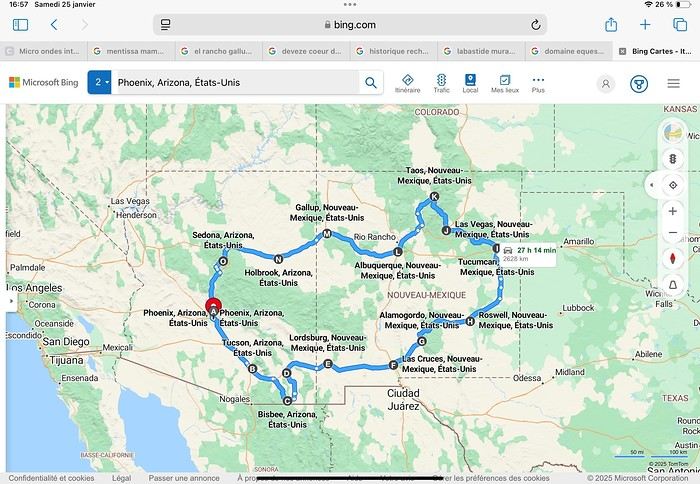
Day 1: Flight Marseille-Paris-Phoenix, then Gold Canyon (133 km) Day 2: Tucson (271 km) Lost Dutchman State Park Day 3: Tucson (155 km) Day 4: Tucson (34 km) Day 5: Bisbee (182 km) Day 6: Lordsburg (345 km) Day 7: Las Cruces (253 km) Day 8: Alamogordo (162 km) Day 9: Roswell (264 km) Day 10: Tucumcari (369 km) Day 11: Las Vegas (281 km) – the one in New Mexico Day 12: Taos (213 km) Day 13: Santa Fe (224 km) Day 14: Albuquerque (123 km) Day 15: Gallup (246 km) Day 16: Holbrook (224 km) Day 17: Flagstaff (179 km) Day 18: Sedona (118 km) Day 19: Sedona (48 km) Day 20: Sedona (41 km) Day 21: Phoenix (256 km) Day 22: Phoenix Airport (35 km)
📊 **Budget**: A little over 7,500 € for both of us, all included. The exchange rate was in our favor (1.17 dollars to 1 €). 📊 **Flights**: Marseille-Paris Charles de Gaulle-Phoenix: 1,787 € for two, with one checked bag each (Air France) 📊 **ESTA**: $42 📊 **America the Beautiful Pass**: $80 📊 **Parking**: 134 € (super eco at Marseille) 📊 **Car rental (Hertz)**: 865 €. Since there were no SUVs left in the reserved category (Nissan Rogue), we got an upgrade (4x4 Ford Explorer). We booked through Air France (15% discount). We’d originally reserved it in December for 1,140 €, but since prices dropped in March, we canceled and rebooked for 865 €. Hertz offers a free Hertz Gold Plus Rewards program, which gives you priority counter service when picking up the car. 📊 **Accommodation**: 2,400 € We stayed in hotels and motels of varying standards (from 60 to 203 € per night, depending on the city), all booked through Booking.com or Hotels.com. Out of 21 nights, only two didn’t include breakfast in the price. Booking.com sometimes offers slightly cheaper rates if you book by phone using the mobile app, and our Genius 3 status on the site also got us some preferential rates. 📊 **Supplementary insurance**: AVA 200 € for medical care if needed 📊 **Cash**: $2,078. We left with 1,000 € exchanged before departure and made two withdrawals of $500. This cash covered: - Evening restaurants and tips - Midday picnics - Gas: $298 for 4,160 km - Museum and private park entries (per person): - Lost Dutchman: $10 - Arizona-Sonora Desert Museum: $28 - Bird Cage Theater: $16 - Tombstone Shootout: $8 - New Mexico Farm & Ranch Museum: $12 - Roswell International UFO Museum: $5 - Billy the Kid Museum: $7 - Rancho de Taos: $22 - West Fork Oak Creek Trail entry: $15 We got a few discounts thanks to our senior age (+65). - Souvenirs and little treats
Like on our previous road trips, we didn’t rent a GPS. We got around using offline GPS apps Here WeGo and Organic Maps, with maps of the states we visited downloaded before we left (on our phones).
❤️❤️❤️ **Highlights** (there are so many!) 📍 Goldfield Ghost Town (even if it’s a reconstruction) 📍 The standing army of Saguaro cacti at Saguaro National Park West 📍 Diving into the cowboy universe of Tombstone 📍 The welcome from Rick and Henry at our guesthouse in Bisbee (Garden at Mile High Ranch) 📍 The tangled rocks of Chiricahua National Monument 📍 The flavored pistachios from Dwayne’s Fresh Jerky and Mac Ginnis Pistachioland 📍 Restaurants: La Posta (Las Cruces), Diner 66 (Albuquerque), and the Haunted Hamburger (Jerome) 📍 The old plazas of New Mexico 📍 The solitude and beauty of the white dunes at White Sands National Park 📍 Stepping back in time at the Billy the Kid Museum (Fort Stanton) 📍 Sections of historic Route 66 and the old motels of Tucumcari, especially at night when all the neon lights are on 📍 Taos Pueblo and diving into Native American culture 📍 After the Rio Grande Bridge, the descent via NM 567 to the very bottom of the Rio Grande Gorge, then the road along the riverbanks to Taos 📍 The tranquility of the Chimayo Sanctuary 📍 Discovering the ingenious native dwellings at Bandelier National Monument and Walnut Canyon National Park 📍 The small towns along the Turquoise Trail 📍 The red rocks of Red Rock Park and the Painted Desert 📍 The extraordinary colors of the petrified trees at Petrified Forest National Park 📍 Sedona, its red rocks, and the reward of the viewpoints at the end of hikes (Devil’s Bridge, The Subway, and West Fork Oak Creek) 📍 The immersion in Mexico when visiting Tlaquepaque 📍 The almost-ghost town of Jerome and its terraced streets 📍 The incredible kindness of Americans, always ready to help and up for a chat ❤️
☹️☹️☹️ **Flops** (there are very few) 📍 Several museums and churches being closed, so we couldn’t visit them 📍 Some museums and visitor centers opening late (10 AM) and closing early (4 PM) 📍 A 64 € phone roaming charge because we got near the Mexican border and picked up their cell tower 📍 The outrageous price ($5.99) for a gallon of gas at the Shell near Phoenix Airport
I hope this helps! Anyway, thanks for reading my long post. Don’t hesitate to reach out, even via PM, if you see I haven’t replied and you’d like more details. Have a great evening, everyone! 🙂
We’re back from our September 2025 road trip, this time to explore Arizona and New Mexico, and it’s time for me to start my travel journal—especially since everything’s already booked for another trip in September 2026 (to California), and I need to get started on the planning.
I was a little worried this new visit to Uncle Sam’s country might not be as "wow" as the others, but we still discovered some incredible places.
For those who don’t know us, we’re a couple in our seventies who speak very little English, but that didn’t stop us from fully enjoying our stay.
For this 6th road trip in the U.S., we spent 21 nights there, drove 4,160 km by car, and walked nearly 160 km in a loop starting from Phoenix.
We’d been to Arizona before (but not this side) and never to New Mexico. This whole road trip was a huge discovery for us.
In the prices mentioned (some in euros, others in dollars), bank fees and exchange charges are included. The flights, car rental, and parking were all paid for in December 2024 when we booked.
We’d downloaded the MPC (Mobile Passport Control) app, but there wasn’t a dedicated line at Phoenix Airport. Still, we got through quickly with friendly, smiling agents.
I don’t drive at all (I hate it), so the stops were chosen based on activities but also, for some, to limit daily mileage for the sole driver. The kilometers listed in the itinerary are the daily distances.
We traveled from September 9th to 22nd, unfortunately once again without our dear friends Mimi and Maumau.
The itinerary
Day 1: Flight Marseille-Paris-Phoenix, then Gold Canyon (133 km) Day 2: Tucson (271 km) Lost Dutchman State Park Day 3: Tucson (155 km) Day 4: Tucson (34 km) Day 5: Bisbee (182 km) Day 6: Lordsburg (345 km) Day 7: Las Cruces (253 km) Day 8: Alamogordo (162 km) Day 9: Roswell (264 km) Day 10: Tucumcari (369 km) Day 11: Las Vegas (281 km) – the one in New Mexico Day 12: Taos (213 km) Day 13: Santa Fe (224 km) Day 14: Albuquerque (123 km) Day 15: Gallup (246 km) Day 16: Holbrook (224 km) Day 17: Flagstaff (179 km) Day 18: Sedona (118 km) Day 19: Sedona (48 km) Day 20: Sedona (41 km) Day 21: Phoenix (256 km) Day 22: Phoenix Airport (35 km)
📊 **Budget**: A little over 7,500 € for both of us, all included. The exchange rate was in our favor (1.17 dollars to 1 €). 📊 **Flights**: Marseille-Paris Charles de Gaulle-Phoenix: 1,787 € for two, with one checked bag each (Air France) 📊 **ESTA**: $42 📊 **America the Beautiful Pass**: $80 📊 **Parking**: 134 € (super eco at Marseille) 📊 **Car rental (Hertz)**: 865 €. Since there were no SUVs left in the reserved category (Nissan Rogue), we got an upgrade (4x4 Ford Explorer). We booked through Air France (15% discount). We’d originally reserved it in December for 1,140 €, but since prices dropped in March, we canceled and rebooked for 865 €. Hertz offers a free Hertz Gold Plus Rewards program, which gives you priority counter service when picking up the car. 📊 **Accommodation**: 2,400 € We stayed in hotels and motels of varying standards (from 60 to 203 € per night, depending on the city), all booked through Booking.com or Hotels.com. Out of 21 nights, only two didn’t include breakfast in the price. Booking.com sometimes offers slightly cheaper rates if you book by phone using the mobile app, and our Genius 3 status on the site also got us some preferential rates. 📊 **Supplementary insurance**: AVA 200 € for medical care if needed 📊 **Cash**: $2,078. We left with 1,000 € exchanged before departure and made two withdrawals of $500. This cash covered: - Evening restaurants and tips - Midday picnics - Gas: $298 for 4,160 km - Museum and private park entries (per person): - Lost Dutchman: $10 - Arizona-Sonora Desert Museum: $28 - Bird Cage Theater: $16 - Tombstone Shootout: $8 - New Mexico Farm & Ranch Museum: $12 - Roswell International UFO Museum: $5 - Billy the Kid Museum: $7 - Rancho de Taos: $22 - West Fork Oak Creek Trail entry: $15 We got a few discounts thanks to our senior age (+65). - Souvenirs and little treats
Like on our previous road trips, we didn’t rent a GPS. We got around using offline GPS apps Here WeGo and Organic Maps, with maps of the states we visited downloaded before we left (on our phones).
❤️❤️❤️ **Highlights** (there are so many!) 📍 Goldfield Ghost Town (even if it’s a reconstruction) 📍 The standing army of Saguaro cacti at Saguaro National Park West 📍 Diving into the cowboy universe of Tombstone 📍 The welcome from Rick and Henry at our guesthouse in Bisbee (Garden at Mile High Ranch) 📍 The tangled rocks of Chiricahua National Monument 📍 The flavored pistachios from Dwayne’s Fresh Jerky and Mac Ginnis Pistachioland 📍 Restaurants: La Posta (Las Cruces), Diner 66 (Albuquerque), and the Haunted Hamburger (Jerome) 📍 The old plazas of New Mexico 📍 The solitude and beauty of the white dunes at White Sands National Park 📍 Stepping back in time at the Billy the Kid Museum (Fort Stanton) 📍 Sections of historic Route 66 and the old motels of Tucumcari, especially at night when all the neon lights are on 📍 Taos Pueblo and diving into Native American culture 📍 After the Rio Grande Bridge, the descent via NM 567 to the very bottom of the Rio Grande Gorge, then the road along the riverbanks to Taos 📍 The tranquility of the Chimayo Sanctuary 📍 Discovering the ingenious native dwellings at Bandelier National Monument and Walnut Canyon National Park 📍 The small towns along the Turquoise Trail 📍 The red rocks of Red Rock Park and the Painted Desert 📍 The extraordinary colors of the petrified trees at Petrified Forest National Park 📍 Sedona, its red rocks, and the reward of the viewpoints at the end of hikes (Devil’s Bridge, The Subway, and West Fork Oak Creek) 📍 The immersion in Mexico when visiting Tlaquepaque 📍 The almost-ghost town of Jerome and its terraced streets 📍 The incredible kindness of Americans, always ready to help and up for a chat ❤️
☹️☹️☹️ **Flops** (there are very few) 📍 Several museums and churches being closed, so we couldn’t visit them 📍 Some museums and visitor centers opening late (10 AM) and closing early (4 PM) 📍 A 64 € phone roaming charge because we got near the Mexican border and picked up their cell tower 📍 The outrageous price ($5.99) for a gallon of gas at the Shell near Phoenix Airport
I hope this helps! Anyway, thanks for reading my long post. Don’t hesitate to reach out, even via PM, if you see I haven’t replied and you’d like more details. Have a great evening, everyone! 🙂
Your tips and recommendations for a trip through southern Morocco
Hello VF friends!
We’re planning to leave Marrakesh by rental car—this will be our second trip to Morocco. While we want to revisit some places, we also hope to explore new regions. Here’s the start of our itinerary, which could take 2 to 3 weeks. We don’t want to cover too many kilometers each day.
- Depart Marrakech for Essaouira, stopping to visit the Inzerki beehive. We’ll stay 3 nights in Essaouira to explore the city and the surrounding area. - Head toward Tamanar or that region for another 3 nights, exploring on a star-shaped route. We’d like to see the Paradise Valley and the coast. Not really keen on stopping in Agadir.
We’ve been to Tafraoute before, but I’d love to see some *greniers* (granaries) again, so we’re considering 1 or 2 nights there.
- Tiznit for 2 nights, making our way to Plage Blanche. - Guelmin and the Tighmert oasis for 2 nights. - Tata for 2 nights, visiting Akka Iguane and other villages.
After that, we’ll head east.
We’d love to hear about your experiences, great tips, and recommendations!
Thanks so much, and happy holidays!
- Depart Marrakech for Essaouira, stopping to visit the Inzerki beehive. We’ll stay 3 nights in Essaouira to explore the city and the surrounding area. - Head toward Tamanar or that region for another 3 nights, exploring on a star-shaped route. We’d like to see the Paradise Valley and the coast. Not really keen on stopping in Agadir.
We’ve been to Tafraoute before, but I’d love to see some *greniers* (granaries) again, so we’re considering 1 or 2 nights there.
- Tiznit for 2 nights, making our way to Plage Blanche. - Guelmin and the Tighmert oasis for 2 nights. - Tata for 2 nights, visiting Akka Iguane and other villages.
After that, we’ll head east.
We’d love to hear about your experiences, great tips, and recommendations!
Thanks so much, and happy holidays!
Marrakech to Merzouga loop in one week
Hi everyone,
We’re planning a trip to Morocco in February 2026. We already know the country a bit, including the desert where we were lucky enough to take part in a rally.
This time, we’d like to explore the Merzouga dunes as a family. We’ll be renting a car in Marrakech and we’re looking for advice on the best stops to make the most of the drive.
We’re still undecided about the return route: should we go back through the Valley of the Roses (and maybe see the gorges if we don’t have time on the way there) or take the Draa Valley for a change?
Here’s our rough itinerary:
Day 1: Arrival in Marrakech in the evening – Overnight stay there
Day 2: Drive east – Overnight in Skoura? Boumalne? Further on?
Day 3: Drive with a stop at the Dadès or Todra Gorges – Overnight in Merzouga
Day 4: Desert day – Overnight in Merzouga
Day 5: Return drive (Draa Valley or back through the Valley of the Roses / Route of the 1000 Kasbahs?) – Overnight in Agdz? Ouarzazate?
Day 6: Drive back to Marrakech with a stop at Aït Ben Haddou / Fint Oasis – Overnight in Marrakech
Day 7–8: Marrakech then departure
If any of you have suggestions on timing, the most enjoyable stops, or feedback on these routes, I’d love to hear your tips. Thanks in advance!
Day 1: Arrival in Marrakech in the evening – Overnight stay there
Day 2: Drive east – Overnight in Skoura? Boumalne? Further on?
Day 3: Drive with a stop at the Dadès or Todra Gorges – Overnight in Merzouga
Day 4: Desert day – Overnight in Merzouga
Day 5: Return drive (Draa Valley or back through the Valley of the Roses / Route of the 1000 Kasbahs?) – Overnight in Agdz? Ouarzazate?
Day 6: Drive back to Marrakech with a stop at Aït Ben Haddou / Fint Oasis – Overnight in Marrakech
Day 7–8: Marrakech then departure
If any of you have suggestions on timing, the most enjoyable stops, or feedback on these routes, I’d love to hear your tips. Thanks in advance!
Hiking, camping, and snorkeling on Madagascar's east coast
Hello,
I’m continuing the Antalaha–Maroantsetra discussion but for some info in the other direction, specifically about hiking from Maroantsetra to Antalaha.
In mid-December, I plan to take it easy from Tamatave to Antalaha. I’m thinking of making a few stops, like Nosy Atafana—has anyone snorkeled there? Is it nice? Can you find bush taxis on the Soniera–Ivongo / Maroantsetra stretch?
After that, I’m considering walking from Maroantsetra to Antalaha and figuring things out as I go, since the path seems well-used, so I’m not planning on a guide. Good idea or totally foolish? Should I bring a tent and some camping gear, or, as I’ve read multiple times, are there several villages with lodging and food options along the way? Any spots worth stopping at or nothing special to see?
In Antalaha, I saw the recommendation for Villa Malaza in the previous discussion, so I’m keeping that in mind. If there’s space, I’ll plan to stay there. In Antalaha itself, are there any places to visit, things to see, or activities you’d recommend?
Thanks in advance to everyone for any tips—they’ll be really helpful!
In mid-December, I plan to take it easy from Tamatave to Antalaha. I’m thinking of making a few stops, like Nosy Atafana—has anyone snorkeled there? Is it nice? Can you find bush taxis on the Soniera–Ivongo / Maroantsetra stretch?
After that, I’m considering walking from Maroantsetra to Antalaha and figuring things out as I go, since the path seems well-used, so I’m not planning on a guide. Good idea or totally foolish? Should I bring a tent and some camping gear, or, as I’ve read multiple times, are there several villages with lodging and food options along the way? Any spots worth stopping at or nothing special to see?
In Antalaha, I saw the recommendation for Villa Malaza in the previous discussion, so I’m keeping that in mind. If there’s space, I’ll plan to stay there. In Antalaha itself, are there any places to visit, things to see, or activities you’d recommend?
Thanks in advance to everyone for any tips—they’ll be really helpful!
Warnings About the Vosges Massif Crossing with TopoGuide ref. 502
Hi there,
This August, I hiked the Vosges section (Vosges massif) of the GR5 (Lauterbourg-Wissembourg-gr53-gr5-Belfort) using the TopoGuide "Traversée du Massif des Vosges" (ref 502, April 2024 edition). My experience was partly ruined by a few things I feel I should share here to help others avoid the same pitfalls—or at least disappointments.
Having used "TopoGuide" books before, I’d always trusted them for organizing treks lasting several weeks, or even months.
Beyond the satisfactory mapping (reproductions of IGN 1:25,000 maps), these guides include route descriptions that are usually enough to find your way. On that point, I have no serious criticism of the Vosges crossing guide.
In addition to the route details, the guide provides "average" time estimates for traveling from point A to point B—useful info for gauging effort and planning likely stages. However, I eventually realized I couldn’t rely on these time estimates. I’d assumed they were calculated by the FFRP, considering that 100m of positive elevation gain roughly equals 1km on flat terrain, with an average walking speed of 4km/h. So, I’d recommend anyone using this guide to recalculate all the time estimates to avoid nasty surprises on tight stages. 🤪
Another key feature of the guide, in my opinion, is its info on accommodation options—especially budget-friendly ones suited for long-distance hikers on a tight budget. A section called "préparation des étapes" includes a table with a column meant to highlight "refuges" and "gîtes d'étapes." That column had me feeling optimistic: these budget accommodations were listed as plentiful along the route. After all, we were in the territory of the famous Club Vosgien—it made sense there’d be plenty of hiker-friendly lodging options. The reality on the ground was quite different. The TopoGuide wasn’t really to blame here, except that a serious warning wouldn’t have hurt. First, regarding the "refuges," most were run by associations. With rare exceptions, the volunteers only opened them on weekends. You can’t really blame people for not volunteering on weekdays, but it makes things tricky when the info about weekend-only openings often turns out to be wrong. As for the "gîtes d'étape," I was mostly disappointed when I was told that a place was booked for weeks: the vast majority of what was listed as a "gîte d'étape" turned out to be "gîtes ruraux." The advice here? If you don’t want to—or can’t—camp, double-check all the accommodation details before you set off. It’s time-consuming and tedious, but if you can, camping is still the best option. 😐 On a brighter note, during the first part of my trip, I came across several cabins that offered alternatives to camping. 🙂
P.S.: Even the youth hostel in Saverne was closed in the middle of August... 😕
Having used "TopoGuide" books before, I’d always trusted them for organizing treks lasting several weeks, or even months.
Beyond the satisfactory mapping (reproductions of IGN 1:25,000 maps), these guides include route descriptions that are usually enough to find your way. On that point, I have no serious criticism of the Vosges crossing guide.
In addition to the route details, the guide provides "average" time estimates for traveling from point A to point B—useful info for gauging effort and planning likely stages. However, I eventually realized I couldn’t rely on these time estimates. I’d assumed they were calculated by the FFRP, considering that 100m of positive elevation gain roughly equals 1km on flat terrain, with an average walking speed of 4km/h. So, I’d recommend anyone using this guide to recalculate all the time estimates to avoid nasty surprises on tight stages. 🤪
Another key feature of the guide, in my opinion, is its info on accommodation options—especially budget-friendly ones suited for long-distance hikers on a tight budget. A section called "préparation des étapes" includes a table with a column meant to highlight "refuges" and "gîtes d'étapes." That column had me feeling optimistic: these budget accommodations were listed as plentiful along the route. After all, we were in the territory of the famous Club Vosgien—it made sense there’d be plenty of hiker-friendly lodging options. The reality on the ground was quite different. The TopoGuide wasn’t really to blame here, except that a serious warning wouldn’t have hurt. First, regarding the "refuges," most were run by associations. With rare exceptions, the volunteers only opened them on weekends. You can’t really blame people for not volunteering on weekdays, but it makes things tricky when the info about weekend-only openings often turns out to be wrong. As for the "gîtes d'étape," I was mostly disappointed when I was told that a place was booked for weeks: the vast majority of what was listed as a "gîte d'étape" turned out to be "gîtes ruraux." The advice here? If you don’t want to—or can’t—camp, double-check all the accommodation details before you set off. It’s time-consuming and tedious, but if you can, camping is still the best option. 😐 On a brighter note, during the first part of my trip, I came across several cabins that offered alternatives to camping. 🙂
P.S.: Even the youth hostel in Saverne was closed in the middle of August... 😕
Traveling without reservations with a 10-year-old in Thailand
Hi there, it’s been a good 15 years since I last set foot in Thailand.
Back then, I spent 6 weeks there with my partner, traveling backpacker-style without ever booking anything in advance, and we always managed to find a guesthouse. Now we think our son is old enough to travel the same way.
Do you still find it just as easy to snag a guesthouse room everywhere?
What’s the average price range these days in the north and the south?
For our route, we’re thinking roughly BKK / Koh Tao / Koh Samui / Krabi, then the Chiang Mai area. Thanks in advance for your tips!
Back then, I spent 6 weeks there with my partner, traveling backpacker-style without ever booking anything in advance, and we always managed to find a guesthouse. Now we think our son is old enough to travel the same way.
Do you still find it just as easy to snag a guesthouse room everywhere?
What’s the average price range these days in the north and the south?
For our route, we’re thinking roughly BKK / Koh Tao / Koh Samui / Krabi, then the Chiang Mai area. Thanks in advance for your tips!
Which hikes should we prioritize in Réunion?
Hello,
I’m heading to Réunion in early October with my girlfriend for two weeks.
Out of the 15 days, we’d like to do about 5 days of hiking—maybe a 3-day/2-night trek and two day hikes.
I’ve seen tons of hiking options online, but I’m a bit overwhelmed when it comes to choosing. Hikes like the Tour de Mafate trek, Piton des Neiges, Piton de la Fournaise… we’d love to do those too.
We’ll have a rental car if needed. No problem walking for 6 hours a day (we’re pretty active).
Which hikes would you recommend?
Thanks in advance!
I’ve seen tons of hiking options online, but I’m a bit overwhelmed when it comes to choosing. Hikes like the Tour de Mafate trek, Piton des Neiges, Piton de la Fournaise… we’d love to do those too.
We’ll have a rental car if needed. No problem walking for 6 hours a day (we’re pretty active).
Which hikes would you recommend?
Thanks in advance!
Cantal—have you heard of it?
...
After Southern Tanzania, I’m sharing a travel story about the Cantal region with you...
...
For us, at the start of 2025, Le CANTAL was a true “Terra Incognita”!!
After seeing some tempting TV reports, we decided to fill this gap—especially in terms of landscapes. On the same trip, we’ll also head to the Arcachon Basin, the International Seaplane Gathering in Biscarrosse, and my native Landes region...
So, on May 20th, we left Marseille in the rain and thunder, heading toward Nîmes, Saint-Hippolyte, Mont Aigoual, Florac, and stopping in Marvejols to give my arthritic back a break for the night.
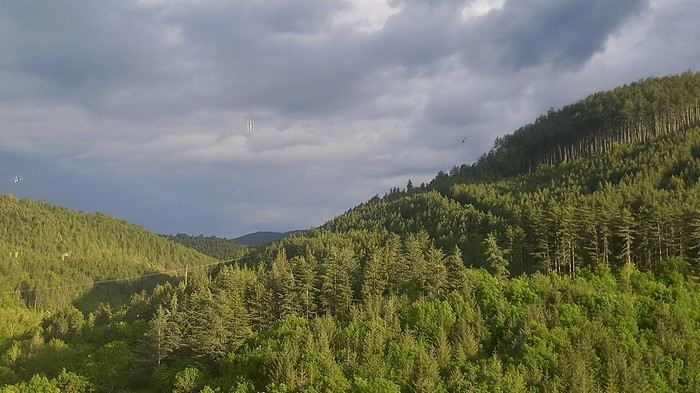
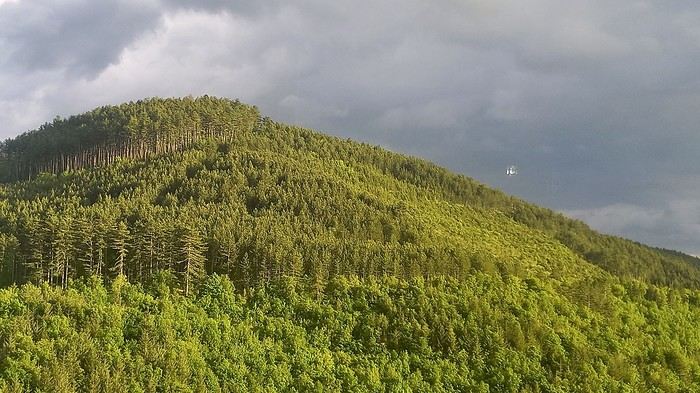
The next morning, we decided to revisit the Parc aux Loups du Gévaudan (Europe’s largest wolf park). As someone used to photo safaris in the wilds of East Africa, I’m not a fan of zoos at all—but I *do* have a deep admiration for wolves!!
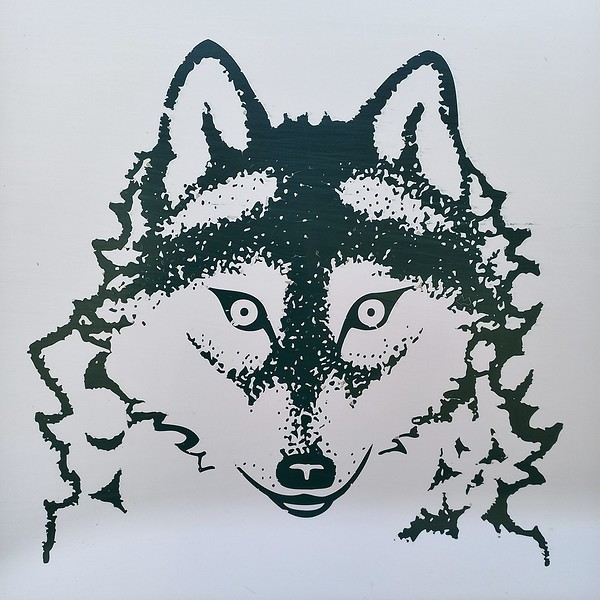
Since it’s pretty unlikely I’ll ever see one in the wild, I’ll settle for this Parc aux Loups in Marvejols. This will be our third visit to this incredible gathering of these fascinating canines.
Some are still finishing their chilly night...
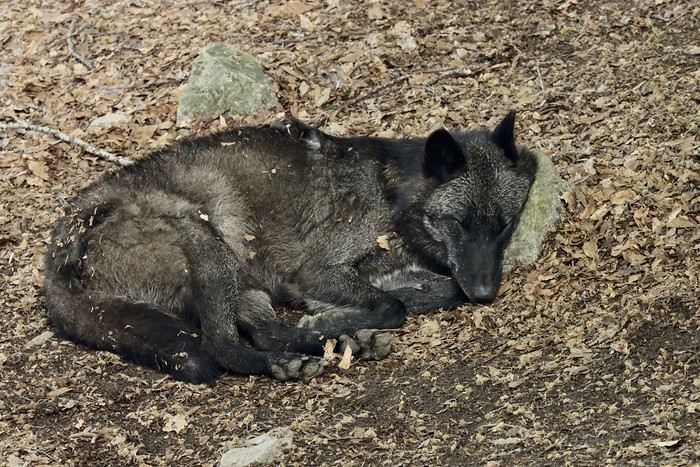
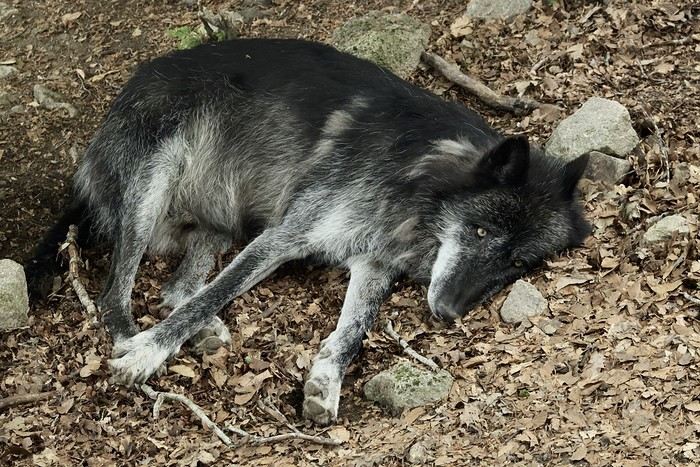
...
After Southern Tanzania, I’m sharing a travel story about the Cantal region with you...
...
For us, at the start of 2025, Le CANTAL was a true “Terra Incognita”!!
After seeing some tempting TV reports, we decided to fill this gap—especially in terms of landscapes. On the same trip, we’ll also head to the Arcachon Basin, the International Seaplane Gathering in Biscarrosse, and my native Landes region...
So, on May 20th, we left Marseille in the rain and thunder, heading toward Nîmes, Saint-Hippolyte, Mont Aigoual, Florac, and stopping in Marvejols to give my arthritic back a break for the night.
The next morning, we decided to revisit the Parc aux Loups du Gévaudan (Europe’s largest wolf park). As someone used to photo safaris in the wilds of East Africa, I’m not a fan of zoos at all—but I *do* have a deep admiration for wolves!!
Since it’s pretty unlikely I’ll ever see one in the wild, I’ll settle for this Parc aux Loups in Marvejols. This will be our third visit to this incredible gathering of these fascinating canines.
Some are still finishing their chilly night...
...
What are some good trekking routes in the Vosges?
hi there
I live near Dole, so not too far away, and I sometimes go hiking (Camino de Santiago, Saint-Guilhem-le-Désert, etc.), and I’d love it if someone could suggest a trek in the Vosges—I really don’t know the area well. (Yeah, I know, I’m a little embarrassed about that.)
If you could recommend a nice route.
Arrival by car or train, doesn’t matter.
Thanks so much!
Madagascar - June 2025
Five years of an unintended break... The closure of VF, COVID... What a joy to rediscover the pleasure of sharing!
I’ve stayed true to my habits: the following account is a collection of practical tips rather than a travel journal...
Madagascar is as big as France and Belgium combined. In three weeks, choices have to be made! It was the Great Tsingy that inspired our trip. We decided to focus on the southwest and the RN7. We skipped the Deep South and the North. Oh well...
OUR ITINERARY IN 3 WEEKS:
Fri 6 June – Direct AF flight to Tana – Flight arrives at 10:30 PM – Tana Sat – Antsirabe Sun – Miandrivazo Mon – Drive to the Masiakampy pier – Descent of the Tsiribihina River by pirogue - Bivouac Tue – Descent of the Tsiribihina River by pirogue - Bivouac Wed – Descent of the Tsiribihina River by pirogue – Bekopaka Thu – Pirogue on the Manambolo River and Small Tsingy of Bemaraha – Bekopaka Fri – Great Tsingy of Bemaraha – Bekopaka Sat – Avenue of the Baobabs – Morondava Sun – Belo sur Mer Mon – Free day – Belo sur Mer Tue – Manja Wed – Andavadoaka Thu – Free day – Andavadoaka Fri – Salary Lagoon – Mangily Sat – Ranohira Sun – Isalo National Park - Ranohira Mon – Anja Reserve - Ambalavao - Fianarantsoa Tue – FCE train canceled – Visit to a Tanala village - Manakara Wed – Pirogue on the Pangalanes Canal – Ranomafana Thu – Ranomafana NP – Ranomafana Fri – Ambositra – Antsirabe Sat 28 June – AF flight to Paris – Flight departs at 11:55 PM
TRIP ORGANIZATION: I prepared my trip using the usual guides (LP and Rough Guide), the internet, and the Freytag & Berndt map (1:1,000,000). I’m old-school—I still love visualizing my route on a paper map, even though in Madagascar, it’s misleading because some National Roads are only national in name!...
The agency: Since we couldn’t deal directly with a driver-guide (we lacked reliable info to take the plunge), we went through an agency to organize the logistics of our trip. We didn’t feel like using bush taxis (not enough time) or driving a 4x4 ourselves (neither the skills nor the boldness). The French agency connected us with a local agency, to whom I sent my detailed itinerary by email. A few exchanges via email and WhatsApp calls allowed us to finalize everything quickly after some adjustments. As you’ve gathered... we multiplied the commissions, which inflated the budget. That said, in the end, we were thrilled with our decision and our choice. Our trip was booked by the end of 2024, and reservations were made immediately. No bad surprises: the bookings in the planned hotels were honored, often with one of the best rooms. On our last day in Tana, before departure, we were lucky enough to meet the director I’d been communicating with, who helped build and validate our circuit. A very warm debriefing.
The driver-guide: The agency assigned us Faly, 33, a driver-guide for over 10 years. He stayed with us from start to finish: he picked us up at the airport on arrival and dropped us off 23 days later. A very experienced driver (which is important here), an open and cultured guide, reliable, punctual, and a great companion. And a provider of good advice throughout the trip. We made the most of the long stretches on dirt roads or highways to listen to him talk about daily life, rituals, wildlife, and flora... No time wasted! With a great playlist in the background, we combined business with pleasure! Faly’s accommodation and meals were included (quite often, hotels offer free lodging and meals to driver-guides who bring clients), as was the fuel. That didn’t stop us from inviting Faly to share a beer or our evening meal sometimes. He didn’t always accept, wanting to let us "enjoy our romantic evenings," as he put it. Present without being intrusive! Faly is fully capable of organizing a tailor-made trip directly. I recommend him without any hesitation—we were delighted with his service. I’ll gladly share his contact details via PM to anyone who asks.
Local guides: It’s the national guide’s prerogative to choose the local guides (mandatory in the parks). Thanks to his experience, Faly always booked us amazing, competent, and interesting local guides.
Hotels: I told the agency I wanted charming, comfortable accommodations, without falling into flashy luxury. We loved all the hotels (except the Hôtel Kanto in Manja). The rooms, mostly bungalows, were always spacious and clean. Unfortunately, I can’t give the prices—I didn’t get the details. Breakfast is always included, usually fresh and hearty. Very often, a small bottle of water is provided in the room.
Tana Hôtel Les 3 Métis Power cuts are common (!) in Tana. Bring a headlamp.
Antsirabe Ecolodge – Les chambres du voyageur Maybe our favorite! A few bungalows, beautifully arranged in a splendid tropical garden. The dog Kodak welcomes us warmly.
Miandrivazo Hôtel Princesse Tsiribihina Magnificent view of the valley.
Bekopaka Hôtel Orchidée du Bemaraha 2 (yes, 2) beautiful pools, a large open common room.
Morondava Hôtel Baobab Café Brand new or at least, according to Faly, just renovated. Very comfortable but without much charm (international style).
Belo sur Mer Ecolodge du Menabe The bungalows, all made of wood, bamboo, and thatch, are set on the beach. Very spacious and fully equipped! Large open-air restaurant by the sea. No hot water from the tap—it’s available in plastic bottles heated by the sun in front of each bungalow. Actually, we never used it... Another very, very beautiful spot.
Manja Hôtel Kanto The only hotel on this leg of the journey, so no choice. The owner knows it and, as a result, doesn’t bother. It’s a real dive! Tiny, dark room, a sordid bathroom with only a trickle of water—we skipped the shower! Clean sheets, though. Obviously, no Wi-Fi. The only place where I didn’t leave a tip. We were well warned about the discomfort of this stop, both by the agency and Faly. We weren’t surprised, and it even became a running joke during the trip. On the other hand, we found a nice little market in town.
Andavadoaka Manga Lodge What bliss! Especially after the horrible Hôtel Kanto. A paradise-like spot, overlooking three beautiful deserted white-sand beaches. Meals are served on the terrace facing the sea. Stunning sunset. We loved spending a day lounging here! We were the only guests and were pampered.
Mangily (Ifaty) Mangily is the "suburb" of Ifaty. Hôtel Vovo Telo A large beachfront bungalow complex. More touristy but pleasant—we spent a lovely evening there with our feet in the sand.
Ranohira Le Relais de la Reine A splendid resort built by a Frenchman, at the foot of the rocks, very well integrated into the environment. Beautiful marked trail starting from the garden.
Fianarantsoa Villa Sylvestre Contrary to what its name suggests, it’s a hotel right in the city center. Quite decent, though.
Manakara Parthenay Club Pretty bungalows in a large garden by the sea, but swimming isn’t safe—the water is too dangerous and rough.
Ranomafana Hôtel Thermal Very spacious rooms.
Meals: Not all our meals were included. It’s really not expensive. 1 meat or fish dish: around 35,000 Ar 1 full menu (starter, main, dessert): around 70,000 Ar 1 large THB beer (65 cl): between 8,000 and 12,000 Ar 1 piña colada: 15,000 Ar 1 flavored rum: 6,000 Ar (sometimes free) 1 glass of baobab juice (!): 5,000 Ar
We always ate very well. Rice is everywhere, served in large quantities. Zebu meat is quite good if not overcooked. Personally, I prefer fish, and I feasted: grouper, captain, crab, small lobsters...
We happily discovered baobab juice (especially in Belo, on the west coast). And of course, flavored rums!
We bought 2 packs of 6 bottles of mineral water at Carrefour (!) (about 5,000 Ar per large bottle) at the start of our trip. That was enough, especially since we often got water in the bungalows.
We had a few picnics included in our trip. Instead of picking up the hotel’s lunchbox, Faly prepared delicious, fresh, and varied picnics for us: tuna pasta salad, fried rice with eggs, grilled vegetables, and avocado...
An exceptional address not to miss: Mad Zébu – Belo sur Tsiribihina A highly reputed restaurant, a favorite of LP and Rough Guide, and rightly so! Gourmet cuisine, refined and elegant. Barely more expensive than elsewhere, and it’s worth it. We stopped there on our way up to Bekopaka and the Tsingy NP. Fully booked! So Faly reserved for our return, three days later. We’re still thanking him! What a treat!
THE BUDGET: Ariary exchange rate: 5,000 Ar = 1 €
Pre-trip expenses: Direct Air France flights: 930 € per person round trip Cost of the circuit with the agency: 2,880 € per person
The visa: Issued on arrival, very quickly. 35 € per person for a stay under 30 days. Super simple. Super fast.
On-site expenses: As soon as we arrived at the airport (it was nearly midnight), Faly advised us to exchange our euros for all our needs. There are few opportunities on our route to find an ATM or an open bank with a good rate. To be more comfortable, he took us to a small office under military protection just outside the airport. I exchanged 1,200 € (I had asked the agency for advice on the amount to bring) at a rate of 4,750 Ar and became a millionaire. Faly recounted all the stacks. That covered all our expenses (meals, drinks, tips) without ever feeling deprived. Personal purchases were made at the end of the trip. Convenient—it served as an adjustment variable. We spent our last million (200 €) on marquetry and vanilla. Tip: We asked for 200,000 Ar in 5,000 Ar bills for tips. That wasn’t too much—I even ran short of small bills in the last two days.
Tips: Madagascar is a poor country where every service deserves a small reward. While not mandatory, it’s customary. But no one ever demanded or expected it openly. On the contrary, I sometimes had to remind a porter to give them my small bill. We never carried our luggage—porters were always present when the car arrived or waiting at our door to watch for our departure. I gave each of them 5,000 Ar. In restaurants, I rounded up to the nearest ten and left the change. Local guides also expect a tip: I gave around 20,000 Ar per day for the two of us. Finally, the national guide also expects a gratuity. I had read online to budget 5 € per day per person. I added more since we were so happy with his services. The tip was given at the end of the trip, in euros, outside the budget.
Total budget all included (excluding personal purchases): 8,690 € Clearly, Madagascar is a country where life isn’t expensive, but travel costs add up quickly due to the need to rent a 4x4 with a driver.
HIGHLIGHTS:
· The dirt roads Yes, I’m listing them among the highlights! We loved those long hours spent driving at 20 km/h on rocky, muddy, white, red, or gray sand tracks... surrounded by tropical vegetation, palm trees, pandanus, mango trees... The experiences were sometimes thrilling: crossing a river on a ferry (just planks of wood fixed on two motorized pirogues side by side) or crossing a river without a ferry, with just a kid running ahead of the 4x4 to show the way; soft sand where the 4x4 easily gets stuck... The tracks are quite narrow, and crossing paths with a bush taxi, a zebu cart, or a herd of goats is always epic. So many beautiful images, so many beautiful photos! Much more beautiful than on asphalt. So yes, we loved those long stretches on dirt roads. For us, it was clearly part of the journey. Faly was particularly careful, and the 4x4 was comfortable. No injuries, no fatigue, even after 7 or 8 hours on rough tracks. The national roads (including the famous RN7) are badly damaged by cyclones, huge trucks, and lack of maintenance. Potholes have turned into ostrich nests, and we didn’t drive much faster than on the dirt roads.
· The landscapes, villages, encounters... We crossed a variety of stunning landscapes: mountains with slopes covered in terraced crops, rice fields from apple green to emerald green, sugarcane fields, then tropical forests, baobab forests (they deserve a special paragraph below), traveler’s tree forests. And then coastlines with white sand dunes against a backdrop of blue hues!... Magical! We also passed through many villages with houses whose architecture varied by region. The Betsileo houses display beautiful decorative brick reliefs. On the west coast, the houses are more precarious, made of bamboo with palm-thatched roofs. In the Highlands region, we found solid houses with pastel plaster. Each region has its own landscape, crops, habitat, and clothing. Zebu carts are often the only means of transport in remote villages. We saw them very frequently. Again, the cart’s decoration depends on the region. And then, we met many villagers coming out of the bush and walking to the next market, carrying their crops on their heads or shoulders. More beautiful photos!
· The descent of the Tsiribihina River We boarded around 9 AM in a long pirogue with Gana, the local guide, and two pirogue men. So, five of us. The pirogue is long but narrow, about 65 cm wide. We sat one behind the other at the front on seats padded with what would become our mattresses during the bivouacs. We only took the bare essentials for two nights. A little goodbye to Faly, whom we’d see again in three days! Don’t forget us! The river is silty—meaning orange, opaque but clean. We glided along silently. Gana showed us the trees, birds, crocodiles (we saw five—apparently, we were lucky). The pirogue men rowed to get us as close as possible to these crocs sunbathing on the roots of big trees. Yeah, right!... as soon as we got too close, *splash*, they disappeared into the water. We marveled at the mini rice fields lining the river. Every tiny plot, no matter how small, is cultivated. Above them, banana fields. And on the water, a whole life of fishermen and villagers living with and from the river. Gana warned us we’d eat on the pirogue because the journey was long. So, I expected chips... But no—fried rice and zebu steak, cooked right in the pirogue!! Incredible! In the middle of the afternoon, we reached a small beach where we disembarked. Gana led us about a hundred meters to a sublime waterfall. We were alone there. We had time to swim. We’d brought our swimsuits and a towel (bought at the Carrefour in Antsirabe on Faly’s wise advice!). This swim in this paradise-like spot remains one of our best memories. We found our pirogue again and set off until our first bivouac. We’d sailed for 7 hours today. The tents were set up on a wide beach, without a single tree. A moment of solitude... Uh, where can we go to the bathroom?... Especially since it was a full moon, so we felt like we were in the spotlight. Anyway... we did as everyone else—walked away, dug a hole, and the others turned their backs. A hearty meal on the beach before a comfortable and silent night. The next day, same program, with slightly different landscapes. The gorges widened, the trees were different. But still many colorful birds. Again, we ate on the pirogue: grilled chicken and vegetables. 9 hours of sailing. A similar bivouac. This time, we got it. On the third day, we finished the descent with 5 hours of sailing. So, 7 hours, 9 hours, 5 hours... doing nothing. It might sound boring... but it wasn’t. Like the dirt roads, these were contemplative moments. It glides, it’s calm, relaxing, and there’s a lot of life on this river, animal and human. Contemplation. Suspended time. On arrival, we disembarked at a sort of joyful, bustling river port. Of course, Faly was already there to pick us up.
· The Tsingy de Bemaraha NP (Small and Great) I have vertigo. During my research, several agencies advised me against visiting the Great Tsingy. "Stick to the Small ones," they said. Grrr, no, not what I wanted—we’ve dreamed of this for years! The agency we chose also warned me but didn’t discourage me. So we started with the Small Tsingy, quite close to Bekopaka, guided by Alisha. This forest of sharp limestone rocks is impressive. No vertigo issues here. The day was completed with a short pirogue ride on the Manambolo River and a visit to two caves with pretty formations. The next day, Faly and Alisha drove us to the Great Tsingy (a good hour on a terrible track). Arriving at the park entrance, Alisha equipped us with harnesses, carabiners, and gave us some safety instructions. Faly was also equipped. Wait? He’s coming with us? I quickly understood he was there for me—if I got stuck, he could go back with me, and Philippe could continue with Alisha. A wise precaution that delighted and reassured me. In the end, it was unnecessary since the famous bridge crossing was fully secured by the harness and carabiners. 18 meters on planks, one by one, it didn’t sway too much—I walked looking straight ahead, not a glance down. I even managed to smile in the middle of the crossing—I have a photo to prove it! I was overjoyed! The circuit in the Great Tsingy is a loop, so we didn’t have to cross the bridge again. We climbed to viewpoints offering breathtaking panoramic views. It’s extraordinary, unique, incredible. All this to say that if you have vertigo, don’t hesitate! It’s doable! It’s completely safe and really worth pushing your limits a bit! For those who’ve done treetop adventure courses, it’s similar. Also, no need to be a great athlete—just a bit of agility to climb a few ladders and high steps. Don’t censor yourself! I even had a small regret—the loop was a bit short (about 2 hours). I would’ve liked to continue or even redo it, with less apprehension. Tip: Do the Small Tsingy before the Great ones, or not at all. And if you can only do one, do the Great ones without hesitation.
· Canoeing in the Belo mangrove The Belo sur Mer ecolodge lends small individual canoes for free to go to the mangrove. We left at high tide, paddled for about twenty minutes to reach a fairly sparse forest where we could easily venture in. Very shallow water, crystal clear—we could see the roots of all these trees, schools of tiny fish... It was quite surprising. Until then, I only knew impenetrable, tangled mangroves. Here, nothing like that—we walked through an aquatic forest. We loved this adventure so much we left a bit late. The tide had gone out, and we had to carry our canoes for the last few meters... Of course, the staff came to help (probably laughing silently!). The lodge owners gave all the necessary explanations and lent a waterproof bag for the phone (because yes, it’s worth taking photos!). A very useful precaution—the canoes are small, low in the water, and paddling quickly soaks you. Again, this isn’t just for Tony Estanguet! It didn’t cause us any problems, not even sore muscles the next day. A great experience. It’ll take about 2 hours.
· Isalo NP Big surprise when we saw this huge rocky massif appear on the RN7! A massif of colored sandstone, carved with crevasses giving it a ruined look. Le Relais de la Reine is a little gem cleverly nestled in the heart of these rocks. A small marked trail starts from the garden. We picked up the description at reception and set off. Without a guide, alone following the markers, it took us 2 hours to complete this magnificent little trail, giving us a first glimpse of the massif before the hike the next day. And we enjoyed being completely alone for this walk. It’s free, easy, and well-signposted. Don’t miss it. In the evening, Faly took us to the so-called Isalo Window site—a hole in a wall through which we could see the sunset. We met all the tourists in the area here. We weren’t blown away by the show... The next day, we left early to reach the start of the hike. We met Zozoly at the guides’ office in the small town of Ranohira. During this hike, we climbed through the rocks to a viewpoint offering stunning 360° views of the massif. Then we reached a site called the "natural pool," breathtakingly beautiful, especially since we were alone again. A sort of oasis, a cascading waterfall, palm trees and tree ferns, fine sand, all nestled at the bottom of a small canyon. Paradise-like. We resisted swimming, but it was really tempting. A long walk on the plateaus then led us to a well-equipped picnic site where a local team prepared grills. Concrete tables were tiered in a spacious, shady clearing where a whole family of ring-tailed lemurs frolicked. They knew the tourists’ habits and tried to snatch food. Playful and not very shy, they amused us with their antics! We had to resist not luring them with a piece of banana!! Thousands of photos!! After the meal, we set off again with Zozoly for another landscape. This time, we were by a small river at the bottom of a canyon with high walls covered in vegetation. The trail was narrow and slippery, on a ledge of the wall. We progressed carefully. No danger, though. We first reached the Blue Pool, which only turns blue in photos (surprise!), then the Black Pool fed by a shower of waterfalls. Two magnificent spots that showed us a completely different aspect of the massif.
· Anja Reserve This ficus forest is home to many groups of lemurs. Used to humans, whom they don’t fear, they move around us, ignoring us completely. It’s almost annoying... The best place on our trip to see lemurs.
· The FCE train To the great regret of Manakara’s inhabitants, the FCE train hasn’t reached here for over a year and a half. As a result, there are far fewer tourists—the train was part of the experience. We drove there and didn’t regret coming to this port on the east coast.
· Visit to a Tanala village This visit wasn’t part of our program—it was added by the agency to compensate for the train not running. Which was the case. Not big fans of this kind of visit, where we feel like we’re at a zoo, voyeuristic, lacking authenticity, we followed the local guide with some skepticism and exchanged dubious looks. And yet... the guide’s explanations about village life and the warm, smiling welcome from the villagers charmed us and dispelled all our concerns. We learned a lot, met smiling families, and were able to enter these beautiful bamboo houses. A very pleasant surprise, rich in lessons.
· The Pangalanes Canal Arriving in Manakara, we crossed a bridge overlooking the Pangalanes Canal. A cry of surprise: the water is turquoise! We took a short pirogue ride with a team of three pirogue men and Joël, a local guide who explained the drama caused by the train’s halt. We stopped in a fishing village where Joël bought fish for the barbecue. We ended up on a beach where the team prepared the meal while we went to watch the fishermen return on the nearby beach. We admired the fishermen’s dexterity in untangling their nets, sorting their fish, cleaning their gear. On our return, we found a small table set up on the beach, in the shade of palm trees and casuarinas. Lobsters, captain fish, grilled vegetables, sautéed potatoes. A real feast (included in the trip cost).
· Ranomafana NP A 4-5 hour hike (some climbing) in a dense secondary forest to look for lemurs. As usual, we were accompanied by a local guide who, while waiting to find our furry friends, gave us lots of info on the vegetation, birds, and Tanala ethnic rituals. In the forest, we met 4 or 5 trackers, armed with radios to alert guides of their findings. In the end, we saw several lemurs of different types. Quite far, quite high... A nice complement to our lemur encounters in Isalo. Here, it rains 200 days a year. We started the hike in thick fog, but the forest’s density protected us from the humidity. Be careful—it can be a bit frustrating to see the lemurs so far away, so high. Nothing like the Anja Reserve or Isalo NP. Here, what’s fun is the hunt.
· The baobabs We were captivated by these kings of the forest, noble, imposing, majestic. We spotted them from very far away, towering over the rest of the vegetation. Alone, in small groups, or in forests, our trip allowed us to see hundreds of them! Mainly on the west coast. All different—bald, hairy, shaggy, short and stout, tall and thin, like Laurel and Hardy. Philippe took to naming them. Respectfully!
OUR FAVORITES: · The variety of landscapes. · The Tsingy NP.
OUR DISAPPOINTMENTS: · The Avenue of the Baobabs, very overrated and the only place where we saw crowds. We saw many other "forests" of baobabs that were much more impressive. · It’s hard to approach the population calmly as swarms of children run up as soon as we arrive, asking for sweets. Without any aggression, their smiles and laughter quickly made us forget this small inconvenience. We never gave out candy, clothes, or money. We left pens at a school and clothes with Faly.
IF WE WERE TO DO IT AGAIN: · Same period, same duration, same pace, same itinerary, but if we were to do it again today, I’d go through Faly directly! · Maybe we should’ve stayed in Ambalavao instead of Fianarantsoa. · Plan a longer loop in the Great Tsingy—it felt a bit too short.
MISCELLANEOUS: The welcome: ‘Samala Vazaha,’ there are many, many kids, sometimes overwhelming, never aggressive. We were impressed by the villagers’ smiles and good humor, towards us or even among themselves—laughter was everywhere. Safety: No problems. Out of (excessive?) caution, we spread all our money across several bags that we padlocked whenever we left the hotel. Bribes: We were stopped several times on the road by police or gendarmes. They checked our papers, sometimes our passports. Faly was perfectly in order. No discussion, no bribes, a cordial greeting from the officers. However, several times we found ourselves at small "tolls" on the tracks for villagers who had leveled the road or filled a hole, or for the young guy who ran through the river to show the way... Faly complied without discussion: every service deserves a small bill. Language: French is still widely spoken. Credit card: Unused. Cash: You need it! The climate at this time: Ideal—blue skies, sunshine, and mild temperatures (20-25°C) throughout our trip. Temperatures started to drop by our departure—winter was setting in. Clothing: T-shirt or polo and a vest sometimes in the evening, sandals on our feet, hiking shoes for all the hikes. Tip: We left a bag in the car (completely safe) with things we didn’t need daily and dirty laundry. The two bags to take out at each stop were much lighter. Before leaving, we left several polos and T-shirts with Faly, which, once washed, will make a few people happy. Tourist crowds at this time: Low—we were sometimes the only guests at the hotel. Faly explained that at the Isalo picnic site, in high season, you have to queue for a table, whereas we had our pick. Photos: Lots! Too many! That’s the problem with digital—we take so many! Health issues: Nothing serious, just the usual mild traveler’s diarrhea. Mosquitoes: They’re voracious. We took anti-malaria treatment. I’m still not sure if it was the right thing to do... I’m always very skeptical about such precautions. Internet: Free Wi-Fi at the lodges’ reception (except at Hôtel Kanto!), sometimes (rarely) in the bungalows. Phone: We didn’t try to get a local SIM card—the evening Wi-Fi was enough for us to make calls and send messages via WhatsApp. Make sure to turn off mobile data and switch to airplane mode (I activated it a bit late—received calls, spam ones at that, were charged...). Electricity: French plugs. Personal purchases: Beautiful wooden objects (sculptures and marquetry) or zebu horn items in Ambositra. 1 kg of vanilla (400,000 Ar – 80 € per kg) in Tana.
IN CONCLUSION: A trip of contemplation. A pause for admiration, as our local guide in Isalo NP said. Nothing else to do but walk, look, and enjoy. Here, there are no old stones, no museums—it’s a trip where nature reigns supreme. And what nature!
I’ve stayed true to my habits: the following account is a collection of practical tips rather than a travel journal...
Madagascar is as big as France and Belgium combined. In three weeks, choices have to be made! It was the Great Tsingy that inspired our trip. We decided to focus on the southwest and the RN7. We skipped the Deep South and the North. Oh well...
OUR ITINERARY IN 3 WEEKS:
Fri 6 June – Direct AF flight to Tana – Flight arrives at 10:30 PM – Tana Sat – Antsirabe Sun – Miandrivazo Mon – Drive to the Masiakampy pier – Descent of the Tsiribihina River by pirogue - Bivouac Tue – Descent of the Tsiribihina River by pirogue - Bivouac Wed – Descent of the Tsiribihina River by pirogue – Bekopaka Thu – Pirogue on the Manambolo River and Small Tsingy of Bemaraha – Bekopaka Fri – Great Tsingy of Bemaraha – Bekopaka Sat – Avenue of the Baobabs – Morondava Sun – Belo sur Mer Mon – Free day – Belo sur Mer Tue – Manja Wed – Andavadoaka Thu – Free day – Andavadoaka Fri – Salary Lagoon – Mangily Sat – Ranohira Sun – Isalo National Park - Ranohira Mon – Anja Reserve - Ambalavao - Fianarantsoa Tue – FCE train canceled – Visit to a Tanala village - Manakara Wed – Pirogue on the Pangalanes Canal – Ranomafana Thu – Ranomafana NP – Ranomafana Fri – Ambositra – Antsirabe Sat 28 June – AF flight to Paris – Flight departs at 11:55 PM
TRIP ORGANIZATION: I prepared my trip using the usual guides (LP and Rough Guide), the internet, and the Freytag & Berndt map (1:1,000,000). I’m old-school—I still love visualizing my route on a paper map, even though in Madagascar, it’s misleading because some National Roads are only national in name!...
The agency: Since we couldn’t deal directly with a driver-guide (we lacked reliable info to take the plunge), we went through an agency to organize the logistics of our trip. We didn’t feel like using bush taxis (not enough time) or driving a 4x4 ourselves (neither the skills nor the boldness). The French agency connected us with a local agency, to whom I sent my detailed itinerary by email. A few exchanges via email and WhatsApp calls allowed us to finalize everything quickly after some adjustments. As you’ve gathered... we multiplied the commissions, which inflated the budget. That said, in the end, we were thrilled with our decision and our choice. Our trip was booked by the end of 2024, and reservations were made immediately. No bad surprises: the bookings in the planned hotels were honored, often with one of the best rooms. On our last day in Tana, before departure, we were lucky enough to meet the director I’d been communicating with, who helped build and validate our circuit. A very warm debriefing.
The driver-guide: The agency assigned us Faly, 33, a driver-guide for over 10 years. He stayed with us from start to finish: he picked us up at the airport on arrival and dropped us off 23 days later. A very experienced driver (which is important here), an open and cultured guide, reliable, punctual, and a great companion. And a provider of good advice throughout the trip. We made the most of the long stretches on dirt roads or highways to listen to him talk about daily life, rituals, wildlife, and flora... No time wasted! With a great playlist in the background, we combined business with pleasure! Faly’s accommodation and meals were included (quite often, hotels offer free lodging and meals to driver-guides who bring clients), as was the fuel. That didn’t stop us from inviting Faly to share a beer or our evening meal sometimes. He didn’t always accept, wanting to let us "enjoy our romantic evenings," as he put it. Present without being intrusive! Faly is fully capable of organizing a tailor-made trip directly. I recommend him without any hesitation—we were delighted with his service. I’ll gladly share his contact details via PM to anyone who asks.
Local guides: It’s the national guide’s prerogative to choose the local guides (mandatory in the parks). Thanks to his experience, Faly always booked us amazing, competent, and interesting local guides.
Hotels: I told the agency I wanted charming, comfortable accommodations, without falling into flashy luxury. We loved all the hotels (except the Hôtel Kanto in Manja). The rooms, mostly bungalows, were always spacious and clean. Unfortunately, I can’t give the prices—I didn’t get the details. Breakfast is always included, usually fresh and hearty. Very often, a small bottle of water is provided in the room.
Tana Hôtel Les 3 Métis Power cuts are common (!) in Tana. Bring a headlamp.
Antsirabe Ecolodge – Les chambres du voyageur Maybe our favorite! A few bungalows, beautifully arranged in a splendid tropical garden. The dog Kodak welcomes us warmly.
Miandrivazo Hôtel Princesse Tsiribihina Magnificent view of the valley.
Bekopaka Hôtel Orchidée du Bemaraha 2 (yes, 2) beautiful pools, a large open common room.
Morondava Hôtel Baobab Café Brand new or at least, according to Faly, just renovated. Very comfortable but without much charm (international style).
Belo sur Mer Ecolodge du Menabe The bungalows, all made of wood, bamboo, and thatch, are set on the beach. Very spacious and fully equipped! Large open-air restaurant by the sea. No hot water from the tap—it’s available in plastic bottles heated by the sun in front of each bungalow. Actually, we never used it... Another very, very beautiful spot.
Manja Hôtel Kanto The only hotel on this leg of the journey, so no choice. The owner knows it and, as a result, doesn’t bother. It’s a real dive! Tiny, dark room, a sordid bathroom with only a trickle of water—we skipped the shower! Clean sheets, though. Obviously, no Wi-Fi. The only place where I didn’t leave a tip. We were well warned about the discomfort of this stop, both by the agency and Faly. We weren’t surprised, and it even became a running joke during the trip. On the other hand, we found a nice little market in town.
Andavadoaka Manga Lodge What bliss! Especially after the horrible Hôtel Kanto. A paradise-like spot, overlooking three beautiful deserted white-sand beaches. Meals are served on the terrace facing the sea. Stunning sunset. We loved spending a day lounging here! We were the only guests and were pampered.
Mangily (Ifaty) Mangily is the "suburb" of Ifaty. Hôtel Vovo Telo A large beachfront bungalow complex. More touristy but pleasant—we spent a lovely evening there with our feet in the sand.
Ranohira Le Relais de la Reine A splendid resort built by a Frenchman, at the foot of the rocks, very well integrated into the environment. Beautiful marked trail starting from the garden.
Fianarantsoa Villa Sylvestre Contrary to what its name suggests, it’s a hotel right in the city center. Quite decent, though.
Manakara Parthenay Club Pretty bungalows in a large garden by the sea, but swimming isn’t safe—the water is too dangerous and rough.
Ranomafana Hôtel Thermal Very spacious rooms.
Meals: Not all our meals were included. It’s really not expensive. 1 meat or fish dish: around 35,000 Ar 1 full menu (starter, main, dessert): around 70,000 Ar 1 large THB beer (65 cl): between 8,000 and 12,000 Ar 1 piña colada: 15,000 Ar 1 flavored rum: 6,000 Ar (sometimes free) 1 glass of baobab juice (!): 5,000 Ar
We always ate very well. Rice is everywhere, served in large quantities. Zebu meat is quite good if not overcooked. Personally, I prefer fish, and I feasted: grouper, captain, crab, small lobsters...
We happily discovered baobab juice (especially in Belo, on the west coast). And of course, flavored rums!
We bought 2 packs of 6 bottles of mineral water at Carrefour (!) (about 5,000 Ar per large bottle) at the start of our trip. That was enough, especially since we often got water in the bungalows.
We had a few picnics included in our trip. Instead of picking up the hotel’s lunchbox, Faly prepared delicious, fresh, and varied picnics for us: tuna pasta salad, fried rice with eggs, grilled vegetables, and avocado...
An exceptional address not to miss: Mad Zébu – Belo sur Tsiribihina A highly reputed restaurant, a favorite of LP and Rough Guide, and rightly so! Gourmet cuisine, refined and elegant. Barely more expensive than elsewhere, and it’s worth it. We stopped there on our way up to Bekopaka and the Tsingy NP. Fully booked! So Faly reserved for our return, three days later. We’re still thanking him! What a treat!
THE BUDGET: Ariary exchange rate: 5,000 Ar = 1 €
Pre-trip expenses: Direct Air France flights: 930 € per person round trip Cost of the circuit with the agency: 2,880 € per person
The visa: Issued on arrival, very quickly. 35 € per person for a stay under 30 days. Super simple. Super fast.
On-site expenses: As soon as we arrived at the airport (it was nearly midnight), Faly advised us to exchange our euros for all our needs. There are few opportunities on our route to find an ATM or an open bank with a good rate. To be more comfortable, he took us to a small office under military protection just outside the airport. I exchanged 1,200 € (I had asked the agency for advice on the amount to bring) at a rate of 4,750 Ar and became a millionaire. Faly recounted all the stacks. That covered all our expenses (meals, drinks, tips) without ever feeling deprived. Personal purchases were made at the end of the trip. Convenient—it served as an adjustment variable. We spent our last million (200 €) on marquetry and vanilla. Tip: We asked for 200,000 Ar in 5,000 Ar bills for tips. That wasn’t too much—I even ran short of small bills in the last two days.
Tips: Madagascar is a poor country where every service deserves a small reward. While not mandatory, it’s customary. But no one ever demanded or expected it openly. On the contrary, I sometimes had to remind a porter to give them my small bill. We never carried our luggage—porters were always present when the car arrived or waiting at our door to watch for our departure. I gave each of them 5,000 Ar. In restaurants, I rounded up to the nearest ten and left the change. Local guides also expect a tip: I gave around 20,000 Ar per day for the two of us. Finally, the national guide also expects a gratuity. I had read online to budget 5 € per day per person. I added more since we were so happy with his services. The tip was given at the end of the trip, in euros, outside the budget.
Total budget all included (excluding personal purchases): 8,690 € Clearly, Madagascar is a country where life isn’t expensive, but travel costs add up quickly due to the need to rent a 4x4 with a driver.
HIGHLIGHTS:
· The dirt roads Yes, I’m listing them among the highlights! We loved those long hours spent driving at 20 km/h on rocky, muddy, white, red, or gray sand tracks... surrounded by tropical vegetation, palm trees, pandanus, mango trees... The experiences were sometimes thrilling: crossing a river on a ferry (just planks of wood fixed on two motorized pirogues side by side) or crossing a river without a ferry, with just a kid running ahead of the 4x4 to show the way; soft sand where the 4x4 easily gets stuck... The tracks are quite narrow, and crossing paths with a bush taxi, a zebu cart, or a herd of goats is always epic. So many beautiful images, so many beautiful photos! Much more beautiful than on asphalt. So yes, we loved those long stretches on dirt roads. For us, it was clearly part of the journey. Faly was particularly careful, and the 4x4 was comfortable. No injuries, no fatigue, even after 7 or 8 hours on rough tracks. The national roads (including the famous RN7) are badly damaged by cyclones, huge trucks, and lack of maintenance. Potholes have turned into ostrich nests, and we didn’t drive much faster than on the dirt roads.
· The landscapes, villages, encounters... We crossed a variety of stunning landscapes: mountains with slopes covered in terraced crops, rice fields from apple green to emerald green, sugarcane fields, then tropical forests, baobab forests (they deserve a special paragraph below), traveler’s tree forests. And then coastlines with white sand dunes against a backdrop of blue hues!... Magical! We also passed through many villages with houses whose architecture varied by region. The Betsileo houses display beautiful decorative brick reliefs. On the west coast, the houses are more precarious, made of bamboo with palm-thatched roofs. In the Highlands region, we found solid houses with pastel plaster. Each region has its own landscape, crops, habitat, and clothing. Zebu carts are often the only means of transport in remote villages. We saw them very frequently. Again, the cart’s decoration depends on the region. And then, we met many villagers coming out of the bush and walking to the next market, carrying their crops on their heads or shoulders. More beautiful photos!
· The descent of the Tsiribihina River We boarded around 9 AM in a long pirogue with Gana, the local guide, and two pirogue men. So, five of us. The pirogue is long but narrow, about 65 cm wide. We sat one behind the other at the front on seats padded with what would become our mattresses during the bivouacs. We only took the bare essentials for two nights. A little goodbye to Faly, whom we’d see again in three days! Don’t forget us! The river is silty—meaning orange, opaque but clean. We glided along silently. Gana showed us the trees, birds, crocodiles (we saw five—apparently, we were lucky). The pirogue men rowed to get us as close as possible to these crocs sunbathing on the roots of big trees. Yeah, right!... as soon as we got too close, *splash*, they disappeared into the water. We marveled at the mini rice fields lining the river. Every tiny plot, no matter how small, is cultivated. Above them, banana fields. And on the water, a whole life of fishermen and villagers living with and from the river. Gana warned us we’d eat on the pirogue because the journey was long. So, I expected chips... But no—fried rice and zebu steak, cooked right in the pirogue!! Incredible! In the middle of the afternoon, we reached a small beach where we disembarked. Gana led us about a hundred meters to a sublime waterfall. We were alone there. We had time to swim. We’d brought our swimsuits and a towel (bought at the Carrefour in Antsirabe on Faly’s wise advice!). This swim in this paradise-like spot remains one of our best memories. We found our pirogue again and set off until our first bivouac. We’d sailed for 7 hours today. The tents were set up on a wide beach, without a single tree. A moment of solitude... Uh, where can we go to the bathroom?... Especially since it was a full moon, so we felt like we were in the spotlight. Anyway... we did as everyone else—walked away, dug a hole, and the others turned their backs. A hearty meal on the beach before a comfortable and silent night. The next day, same program, with slightly different landscapes. The gorges widened, the trees were different. But still many colorful birds. Again, we ate on the pirogue: grilled chicken and vegetables. 9 hours of sailing. A similar bivouac. This time, we got it. On the third day, we finished the descent with 5 hours of sailing. So, 7 hours, 9 hours, 5 hours... doing nothing. It might sound boring... but it wasn’t. Like the dirt roads, these were contemplative moments. It glides, it’s calm, relaxing, and there’s a lot of life on this river, animal and human. Contemplation. Suspended time. On arrival, we disembarked at a sort of joyful, bustling river port. Of course, Faly was already there to pick us up.
· The Tsingy de Bemaraha NP (Small and Great) I have vertigo. During my research, several agencies advised me against visiting the Great Tsingy. "Stick to the Small ones," they said. Grrr, no, not what I wanted—we’ve dreamed of this for years! The agency we chose also warned me but didn’t discourage me. So we started with the Small Tsingy, quite close to Bekopaka, guided by Alisha. This forest of sharp limestone rocks is impressive. No vertigo issues here. The day was completed with a short pirogue ride on the Manambolo River and a visit to two caves with pretty formations. The next day, Faly and Alisha drove us to the Great Tsingy (a good hour on a terrible track). Arriving at the park entrance, Alisha equipped us with harnesses, carabiners, and gave us some safety instructions. Faly was also equipped. Wait? He’s coming with us? I quickly understood he was there for me—if I got stuck, he could go back with me, and Philippe could continue with Alisha. A wise precaution that delighted and reassured me. In the end, it was unnecessary since the famous bridge crossing was fully secured by the harness and carabiners. 18 meters on planks, one by one, it didn’t sway too much—I walked looking straight ahead, not a glance down. I even managed to smile in the middle of the crossing—I have a photo to prove it! I was overjoyed! The circuit in the Great Tsingy is a loop, so we didn’t have to cross the bridge again. We climbed to viewpoints offering breathtaking panoramic views. It’s extraordinary, unique, incredible. All this to say that if you have vertigo, don’t hesitate! It’s doable! It’s completely safe and really worth pushing your limits a bit! For those who’ve done treetop adventure courses, it’s similar. Also, no need to be a great athlete—just a bit of agility to climb a few ladders and high steps. Don’t censor yourself! I even had a small regret—the loop was a bit short (about 2 hours). I would’ve liked to continue or even redo it, with less apprehension. Tip: Do the Small Tsingy before the Great ones, or not at all. And if you can only do one, do the Great ones without hesitation.
· Canoeing in the Belo mangrove The Belo sur Mer ecolodge lends small individual canoes for free to go to the mangrove. We left at high tide, paddled for about twenty minutes to reach a fairly sparse forest where we could easily venture in. Very shallow water, crystal clear—we could see the roots of all these trees, schools of tiny fish... It was quite surprising. Until then, I only knew impenetrable, tangled mangroves. Here, nothing like that—we walked through an aquatic forest. We loved this adventure so much we left a bit late. The tide had gone out, and we had to carry our canoes for the last few meters... Of course, the staff came to help (probably laughing silently!). The lodge owners gave all the necessary explanations and lent a waterproof bag for the phone (because yes, it’s worth taking photos!). A very useful precaution—the canoes are small, low in the water, and paddling quickly soaks you. Again, this isn’t just for Tony Estanguet! It didn’t cause us any problems, not even sore muscles the next day. A great experience. It’ll take about 2 hours.
· Isalo NP Big surprise when we saw this huge rocky massif appear on the RN7! A massif of colored sandstone, carved with crevasses giving it a ruined look. Le Relais de la Reine is a little gem cleverly nestled in the heart of these rocks. A small marked trail starts from the garden. We picked up the description at reception and set off. Without a guide, alone following the markers, it took us 2 hours to complete this magnificent little trail, giving us a first glimpse of the massif before the hike the next day. And we enjoyed being completely alone for this walk. It’s free, easy, and well-signposted. Don’t miss it. In the evening, Faly took us to the so-called Isalo Window site—a hole in a wall through which we could see the sunset. We met all the tourists in the area here. We weren’t blown away by the show... The next day, we left early to reach the start of the hike. We met Zozoly at the guides’ office in the small town of Ranohira. During this hike, we climbed through the rocks to a viewpoint offering stunning 360° views of the massif. Then we reached a site called the "natural pool," breathtakingly beautiful, especially since we were alone again. A sort of oasis, a cascading waterfall, palm trees and tree ferns, fine sand, all nestled at the bottom of a small canyon. Paradise-like. We resisted swimming, but it was really tempting. A long walk on the plateaus then led us to a well-equipped picnic site where a local team prepared grills. Concrete tables were tiered in a spacious, shady clearing where a whole family of ring-tailed lemurs frolicked. They knew the tourists’ habits and tried to snatch food. Playful and not very shy, they amused us with their antics! We had to resist not luring them with a piece of banana!! Thousands of photos!! After the meal, we set off again with Zozoly for another landscape. This time, we were by a small river at the bottom of a canyon with high walls covered in vegetation. The trail was narrow and slippery, on a ledge of the wall. We progressed carefully. No danger, though. We first reached the Blue Pool, which only turns blue in photos (surprise!), then the Black Pool fed by a shower of waterfalls. Two magnificent spots that showed us a completely different aspect of the massif.
· Anja Reserve This ficus forest is home to many groups of lemurs. Used to humans, whom they don’t fear, they move around us, ignoring us completely. It’s almost annoying... The best place on our trip to see lemurs.
· The FCE train To the great regret of Manakara’s inhabitants, the FCE train hasn’t reached here for over a year and a half. As a result, there are far fewer tourists—the train was part of the experience. We drove there and didn’t regret coming to this port on the east coast.
· Visit to a Tanala village This visit wasn’t part of our program—it was added by the agency to compensate for the train not running. Which was the case. Not big fans of this kind of visit, where we feel like we’re at a zoo, voyeuristic, lacking authenticity, we followed the local guide with some skepticism and exchanged dubious looks. And yet... the guide’s explanations about village life and the warm, smiling welcome from the villagers charmed us and dispelled all our concerns. We learned a lot, met smiling families, and were able to enter these beautiful bamboo houses. A very pleasant surprise, rich in lessons.
· The Pangalanes Canal Arriving in Manakara, we crossed a bridge overlooking the Pangalanes Canal. A cry of surprise: the water is turquoise! We took a short pirogue ride with a team of three pirogue men and Joël, a local guide who explained the drama caused by the train’s halt. We stopped in a fishing village where Joël bought fish for the barbecue. We ended up on a beach where the team prepared the meal while we went to watch the fishermen return on the nearby beach. We admired the fishermen’s dexterity in untangling their nets, sorting their fish, cleaning their gear. On our return, we found a small table set up on the beach, in the shade of palm trees and casuarinas. Lobsters, captain fish, grilled vegetables, sautéed potatoes. A real feast (included in the trip cost).
· Ranomafana NP A 4-5 hour hike (some climbing) in a dense secondary forest to look for lemurs. As usual, we were accompanied by a local guide who, while waiting to find our furry friends, gave us lots of info on the vegetation, birds, and Tanala ethnic rituals. In the forest, we met 4 or 5 trackers, armed with radios to alert guides of their findings. In the end, we saw several lemurs of different types. Quite far, quite high... A nice complement to our lemur encounters in Isalo. Here, it rains 200 days a year. We started the hike in thick fog, but the forest’s density protected us from the humidity. Be careful—it can be a bit frustrating to see the lemurs so far away, so high. Nothing like the Anja Reserve or Isalo NP. Here, what’s fun is the hunt.
· The baobabs We were captivated by these kings of the forest, noble, imposing, majestic. We spotted them from very far away, towering over the rest of the vegetation. Alone, in small groups, or in forests, our trip allowed us to see hundreds of them! Mainly on the west coast. All different—bald, hairy, shaggy, short and stout, tall and thin, like Laurel and Hardy. Philippe took to naming them. Respectfully!
OUR FAVORITES: · The variety of landscapes. · The Tsingy NP.
OUR DISAPPOINTMENTS: · The Avenue of the Baobabs, very overrated and the only place where we saw crowds. We saw many other "forests" of baobabs that were much more impressive. · It’s hard to approach the population calmly as swarms of children run up as soon as we arrive, asking for sweets. Without any aggression, their smiles and laughter quickly made us forget this small inconvenience. We never gave out candy, clothes, or money. We left pens at a school and clothes with Faly.
IF WE WERE TO DO IT AGAIN: · Same period, same duration, same pace, same itinerary, but if we were to do it again today, I’d go through Faly directly! · Maybe we should’ve stayed in Ambalavao instead of Fianarantsoa. · Plan a longer loop in the Great Tsingy—it felt a bit too short.
MISCELLANEOUS: The welcome: ‘Samala Vazaha,’ there are many, many kids, sometimes overwhelming, never aggressive. We were impressed by the villagers’ smiles and good humor, towards us or even among themselves—laughter was everywhere. Safety: No problems. Out of (excessive?) caution, we spread all our money across several bags that we padlocked whenever we left the hotel. Bribes: We were stopped several times on the road by police or gendarmes. They checked our papers, sometimes our passports. Faly was perfectly in order. No discussion, no bribes, a cordial greeting from the officers. However, several times we found ourselves at small "tolls" on the tracks for villagers who had leveled the road or filled a hole, or for the young guy who ran through the river to show the way... Faly complied without discussion: every service deserves a small bill. Language: French is still widely spoken. Credit card: Unused. Cash: You need it! The climate at this time: Ideal—blue skies, sunshine, and mild temperatures (20-25°C) throughout our trip. Temperatures started to drop by our departure—winter was setting in. Clothing: T-shirt or polo and a vest sometimes in the evening, sandals on our feet, hiking shoes for all the hikes. Tip: We left a bag in the car (completely safe) with things we didn’t need daily and dirty laundry. The two bags to take out at each stop were much lighter. Before leaving, we left several polos and T-shirts with Faly, which, once washed, will make a few people happy. Tourist crowds at this time: Low—we were sometimes the only guests at the hotel. Faly explained that at the Isalo picnic site, in high season, you have to queue for a table, whereas we had our pick. Photos: Lots! Too many! That’s the problem with digital—we take so many! Health issues: Nothing serious, just the usual mild traveler’s diarrhea. Mosquitoes: They’re voracious. We took anti-malaria treatment. I’m still not sure if it was the right thing to do... I’m always very skeptical about such precautions. Internet: Free Wi-Fi at the lodges’ reception (except at Hôtel Kanto!), sometimes (rarely) in the bungalows. Phone: We didn’t try to get a local SIM card—the evening Wi-Fi was enough for us to make calls and send messages via WhatsApp. Make sure to turn off mobile data and switch to airplane mode (I activated it a bit late—received calls, spam ones at that, were charged...). Electricity: French plugs. Personal purchases: Beautiful wooden objects (sculptures and marquetry) or zebu horn items in Ambositra. 1 kg of vanilla (400,000 Ar – 80 € per kg) in Tana.
IN CONCLUSION: A trip of contemplation. A pause for admiration, as our local guide in Isalo NP said. Nothing else to do but walk, look, and enjoy. Here, there are no old stones, no museums—it’s a trip where nature reigns supreme. And what nature!
Driving on the Pink Granite Coast in summer
Hi there,
We’re about to finalize a booking for late July near the Pink Granite Coast. We’re wondering about the traffic jams that could make our trip miserable, given how famous the place is—we’re excited to see it too. Could it get pretty bad?
Thanks for sharing your experiences.
Questions about a road trip in Algeria
I’m heading out solo on September 14, 2025, for a month-long road trip in Algeria. Taking the ferry from Almería to Ghazaouet on September 17. Planning to visit Tlemcen, Oran, Tipaza, Algiers, Ghardaïa, Constantine, M’Chouneche, Ouargla, and the Tadrart Desert toward Djanet.
How do I go about booking accommodations? What’s the best way to exchange currency under good conditions? What are the restrictions for traveling alone by car, and is it possible to drive solo all the way to Ghardaïa? I still have a spot available if anyone’s interested.
How do I go about booking accommodations? What’s the best way to exchange currency under good conditions? What are the restrictions for traveling alone by car, and is it possible to drive solo all the way to Ghardaïa? I still have a spot available if anyone’s interested.
From Yosemite to the Canadian Rockies: Questions for Our Road Trip
Hi everyone!
Let me introduce us quickly—I’m Matteo (21, originally from Paris, but I’ve been living near the Pyrenees and the Alps for the past 3 years), and my girlfriend Justine (21, grew up in the Alps). We’re starting to get really fed up with being cooped up and sitting in chairs (yep, we’re studying physics and geography at the École Normale Supérieure in Lyon). So, we’re taking a gap year to make a slightly crazy project happen: hitting the road, meeting people, and most importantly—climbing, skiing, and exploring the mountains!
We’ve always been into the mountains: •🧗♂️ 6c-7a/b sport climbing, 6b trad •❄️ Skiing and ice climbing (grade 4/5) •🏔️ Alpine climbing in the Alps (Chamonix, Écrins…) and the Pyrenees—I’m training to become a High Mountain Guide
Our project in a nutshell: •Buying a van (or 4x4) converted in British Columbia around September/October 2025. Ideally, we’d go straight to the US to buy the vehicle there (but reselling might be easier if we buy in Canada). •Heading down to the US to climb at legendary spots like Yosemite, Tuolumne (if it’s too hot), Indian Creek, Moab, and Joshua Tree. •Heading back up to the Canadian Rockies around December for skiing, ice climbing, and winter alpine climbing (might be easier to buy skis there). •Selling the vehicle in Canada at the end of the trip (we need to be back in France by early March 2026 because Justine is preparing for the AMM). I’ve already been to the Rockies, but I want to go back in winter for ice climbing. It’ll probably be too cold to sleep in the van, so we’re hoping to find a small cabin, lodge, or chalet (ideally alone or shared to cut costs). Otherwise, we could work for a month or two at a hostel or something to get free accommodation and earn money to rent a place another month just for climbing. •Visa-wise: we’re hoping to get our Working Holiday Visa (WHV) (still waiting for a response) so we can work there during the trip. For the US, we’ll stay as tourists (no work visa—too complicated and expensive). Any feedback on the WHV or differences from a regular work visa would be great. •With our savings (we’re working in mountain huts this summer), we should be able to buy the van. For daily expenses, I’m hoping to tutor online (math and physics). We live pretty simply and resourcefully: we plan to sleep mostly in the van, cook for ourselves, wash in rivers, and make the most of free nature spots. We’re super motivated, pretty well-rounded when it comes to mountain sports, and we’re not afraid to live simply for a year (we’ve got other projects too: biking to Greece with our climbing gear, a trip to Patagonia for alpine climbing).
Questions and advice: Of course, a road trip like this raises a lot of practical questions. This is our first time embarking on an adventure of this scale, so we’d love to hear your experiences and tips. If any of you have done a long van trip in North America or a WHV in Canada, your insights would be incredibly helpful! Here are some of the questions we’ve got: How do we buy (and later sell) a converted van in British Columbia? We’ll probably land in Vancouver. Is it better to look for a vehicle on online classifieds, Facebook groups, or used car dealerships? Are there any pitfalls to avoid when buying? And for selling it a year later, any tips to make it go smoothly (best time to sell, paperwork, etc.)? What budget should we plan for van life in North America and Canada? If you’ve got any info or feedback on the cost of living in a van in Canada/the US, we’d love to hear it. We’re thinking about expenses like gas (a big one, I imagine!), van maintenance, car insurance, possible tolls, campgrounds or paid spots, etc. We’d like to get an idea of a daily or monthly budget so we’re not too tight. In France, we never stay at campgrounds—we prefer being alone or going where we want. Is that possible in the US and Canada? Any tips for saving money (free camping spots, useful apps…) would be great! Visas, borders, and paperwork: We’re hoping to get a WHV for Canada, but in the US, we’ll be on a tourist visa (90 days max with ESTA, I think). Has anyone combined a WHV in Canada with a trip to the US on the same trip? Anything we should know about crossing the border in a van (insurance, customs, how long we’re allowed in the US, etc.)? We want to avoid any administrative hassles, so any advice on this would be super helpful. Route and seasonality for climbing and skiing: We’re thinking of starting climbing in the US around fall 2025 (probably September/October). Is that the right season for Yosemite, Indian Creek, and Moab? Any must-see spots along the way? For winter, we’re aiming for December to March in the Canadian Rockies (Banff, Jasper, Golden…) for skiing and ice climbing. Any tips on ice climbs or major backcountry skiing spots? We’ve got all our climbing, skiing, and alpine gear—should we bring it all or buy some stuff there? Is the “Wilderness Season Pass” for winter in the Rockies worth it? We came across this pass that offers 7 months of unlimited nights in HI mountain hostels in the Rockies. Has anyone here tried it? Are the dorms usually crowded? Working on the road: To fund the trip, we’re planning to work a bit along the way. Any tips for finding work in Canada while traveling (peak seasons at ski resorts, WWOOFing, odd jobs…)? That’s it for our (many) questions 😅! If you’ve done a similar trip—or even just parts of it (van life, climbing tour, winter in Canada…)—we’d love to hear your experiences, or even if you’re in the area and want to share a few days of climbing. All your contacts, advice, and tips will be a huge help.
Thanks in advance! We can’t wait to read your replies and refine our project with your help.
Matteo & Justine
PS: I’m looking for a summer job from August to September, preferably in a mountain hut (extra help, replacements, etc.). If you’ve got any contacts, don’t hesitate! I’ve also posted on another forum about this with my CV and cover letter (DEMANDE dxsdxsdsxdsx - Forum de www.refuges.info).
Let me introduce us quickly—I’m Matteo (21, originally from Paris, but I’ve been living near the Pyrenees and the Alps for the past 3 years), and my girlfriend Justine (21, grew up in the Alps). We’re starting to get really fed up with being cooped up and sitting in chairs (yep, we’re studying physics and geography at the École Normale Supérieure in Lyon). So, we’re taking a gap year to make a slightly crazy project happen: hitting the road, meeting people, and most importantly—climbing, skiing, and exploring the mountains!
We’ve always been into the mountains: •🧗♂️ 6c-7a/b sport climbing, 6b trad •❄️ Skiing and ice climbing (grade 4/5) •🏔️ Alpine climbing in the Alps (Chamonix, Écrins…) and the Pyrenees—I’m training to become a High Mountain Guide
Our project in a nutshell: •Buying a van (or 4x4) converted in British Columbia around September/October 2025. Ideally, we’d go straight to the US to buy the vehicle there (but reselling might be easier if we buy in Canada). •Heading down to the US to climb at legendary spots like Yosemite, Tuolumne (if it’s too hot), Indian Creek, Moab, and Joshua Tree. •Heading back up to the Canadian Rockies around December for skiing, ice climbing, and winter alpine climbing (might be easier to buy skis there). •Selling the vehicle in Canada at the end of the trip (we need to be back in France by early March 2026 because Justine is preparing for the AMM). I’ve already been to the Rockies, but I want to go back in winter for ice climbing. It’ll probably be too cold to sleep in the van, so we’re hoping to find a small cabin, lodge, or chalet (ideally alone or shared to cut costs). Otherwise, we could work for a month or two at a hostel or something to get free accommodation and earn money to rent a place another month just for climbing. •Visa-wise: we’re hoping to get our Working Holiday Visa (WHV) (still waiting for a response) so we can work there during the trip. For the US, we’ll stay as tourists (no work visa—too complicated and expensive). Any feedback on the WHV or differences from a regular work visa would be great. •With our savings (we’re working in mountain huts this summer), we should be able to buy the van. For daily expenses, I’m hoping to tutor online (math and physics). We live pretty simply and resourcefully: we plan to sleep mostly in the van, cook for ourselves, wash in rivers, and make the most of free nature spots. We’re super motivated, pretty well-rounded when it comes to mountain sports, and we’re not afraid to live simply for a year (we’ve got other projects too: biking to Greece with our climbing gear, a trip to Patagonia for alpine climbing).
Questions and advice: Of course, a road trip like this raises a lot of practical questions. This is our first time embarking on an adventure of this scale, so we’d love to hear your experiences and tips. If any of you have done a long van trip in North America or a WHV in Canada, your insights would be incredibly helpful! Here are some of the questions we’ve got: How do we buy (and later sell) a converted van in British Columbia? We’ll probably land in Vancouver. Is it better to look for a vehicle on online classifieds, Facebook groups, or used car dealerships? Are there any pitfalls to avoid when buying? And for selling it a year later, any tips to make it go smoothly (best time to sell, paperwork, etc.)? What budget should we plan for van life in North America and Canada? If you’ve got any info or feedback on the cost of living in a van in Canada/the US, we’d love to hear it. We’re thinking about expenses like gas (a big one, I imagine!), van maintenance, car insurance, possible tolls, campgrounds or paid spots, etc. We’d like to get an idea of a daily or monthly budget so we’re not too tight. In France, we never stay at campgrounds—we prefer being alone or going where we want. Is that possible in the US and Canada? Any tips for saving money (free camping spots, useful apps…) would be great! Visas, borders, and paperwork: We’re hoping to get a WHV for Canada, but in the US, we’ll be on a tourist visa (90 days max with ESTA, I think). Has anyone combined a WHV in Canada with a trip to the US on the same trip? Anything we should know about crossing the border in a van (insurance, customs, how long we’re allowed in the US, etc.)? We want to avoid any administrative hassles, so any advice on this would be super helpful. Route and seasonality for climbing and skiing: We’re thinking of starting climbing in the US around fall 2025 (probably September/October). Is that the right season for Yosemite, Indian Creek, and Moab? Any must-see spots along the way? For winter, we’re aiming for December to March in the Canadian Rockies (Banff, Jasper, Golden…) for skiing and ice climbing. Any tips on ice climbs or major backcountry skiing spots? We’ve got all our climbing, skiing, and alpine gear—should we bring it all or buy some stuff there? Is the “Wilderness Season Pass” for winter in the Rockies worth it? We came across this pass that offers 7 months of unlimited nights in HI mountain hostels in the Rockies. Has anyone here tried it? Are the dorms usually crowded? Working on the road: To fund the trip, we’re planning to work a bit along the way. Any tips for finding work in Canada while traveling (peak seasons at ski resorts, WWOOFing, odd jobs…)? That’s it for our (many) questions 😅! If you’ve done a similar trip—or even just parts of it (van life, climbing tour, winter in Canada…)—we’d love to hear your experiences, or even if you’re in the area and want to share a few days of climbing. All your contacts, advice, and tips will be a huge help.
Thanks in advance! We can’t wait to read your replies and refine our project with your help.
Matteo & Justine
PS: I’m looking for a summer job from August to September, preferably in a mountain hut (extra help, replacements, etc.). If you’ve got any contacts, don’t hesitate! I’ve also posted on another forum about this with my CV and cover letter (DEMANDE dxsdxsdsxdsx - Forum de www.refuges.info).
Questions for a family road trip in a camper van in Quebec
Hi there,
We’re planning a 3-week camper van road trip in August 2026 with our two kids (5 years old and 14 months).
I’m looking for feedback from families who’ve explored Quebec in a camper van—specifically, whether it’s more budget-friendly than renting a car/hotel/restaurants.
The itinerary is still being planned, but it’ll likely follow the classic loop: Montreal / Mauricie / Quebec City / Tadoussac / Saguenay / Lac Saint-Jean / Gaspésie / Montreal.
With the camper van, I’ve got a few questions:
Can you rent a camper van and pick it up/drop it off in Montreal? What budget should we set aside for renting the RV + campsites? Are there free spots where we can sleep in the camper van? Without using official campsites. Are there other rental companies besides the two main ones (Canadream and Cruise America)?
Thanks so much for your replies—they’ll really help us make a decision. Azurplage
Can you rent a camper van and pick it up/drop it off in Montreal? What budget should we set aside for renting the RV + campsites? Are there free spots where we can sleep in the camper van? Without using official campsites. Are there other rental companies besides the two main ones (Canadream and Cruise America)?
Thanks so much for your replies—they’ll really help us make a decision. Azurplage
Local transport Marrakech - Ait Bou Oulli
Hi there,
I’m planning to cross the Atlas M’Goun-Toubkal range at the end of March and I’m looking for info on how to get to Ait Bou Oulli from Marrakech via Demnate.
Can anyone tell me if there’s a direct bus to Demnate and then a minibus (once it’s full) to Ait Bou Oulli? Is it doable in a day by bus or even a shared taxi?
Thanks in advance
Thanks in advance
Practical tips after 3 months in Morocco
MOROCCO END 2024 / BEGINNING 2025
Off-season, I was lucky enough to negotiate hotel prices.
I should also mention that this was for a solo traveler until December 30th.
After that, there’ll be three of us!
Practical info.
Here’s all the info I gathered during my 3-month trip.
Cities: TANGIER / CHEFCHAOUEN / FES / MOULAY IDRISS, VOLUBILIS / AZROU / MIDELT /
ERRACHIDIA / RISSANI / MERZOUGA / TINGHIR / BOUMLANE DADES, AIT OUGLIF /
OUARZAZATE / TALIOUINE / TAROUDANT / TIZNIT / TAFRAOUT / SIDI IFNI, LEGZIRA /
AGADIR / ESSAOUIRA / MARRAKECH ///
From there, we’ll be three people. Cities: IMLIL / OUARZAZATE / AGDZ / ZAGORA / AIT BEN HADDOU / MARRAKECH / ESSAOUIRA / CASABLANCA. (Generally, I found that mattresses in Morocco were quite hard. My solution: I put two, even three folded blankets on the mattress to add some softness. Wi-Fi almost never works in the room.)
Tangier: Hôtel Fuentes Petit Socco, Old Medina +212 539 934 669 (For one person, end of October) Upon arrival, 19 € for a double room with a private bathroom. Breakfast included. Chefchaouen: Dar Besmellah Av Ibn Askar +212 539 986 489 (For one person, end of October). I don’t recommend it. A small, low-ceilinged room with a window facing a patio. Very dark and damp. Shared bathroom. 9 € Dar Bleu Pearl N° 4 Derb Benyaakoub +212 (0)539 88 28 86. Negotiated on-site to 130 MAD instead of 160 on Booking. Small room, furniture, Wi-Fi, private bathroom. Fes: Riad Alfredo or Riad Rocco—it’s the same place. It’s in a very narrow alley. N° 15 Derb Sidi Kjih or Qjih Talla Sagira +212 662 769 688 (see photos and virtual tour) Negotiated to 13 € on-site; on Booking, it was 16 €. Breakfast included. Atypical Anne room with private bathroom, Wi-Fi. The room is a bit dark. One of the best beds on my trip. Again, this was for a solo traveler off-season (end of October to end of December). Moulay Idriss: Gite El Menzeh (see the map) Negotiated on-site to 14 € with breakfast; on Booking, it was 24 €. I also negotiated for dinner—very good and hearty—for 5 € (the manager wanted 20 €). I stayed in the large upstairs room with a double bed, window, and private bathroom, not the tiny windowless rooms downstairs. Azrou: Hôtel des Cèdres Place Mohamed V. (see the map and photos) Negotiated 13 € instead of 16 € on Booking for a room with two small beds and a private bathroom. This hotel is honestly run-down and not worth the price at all. The owner thinks it’s a very classy hotel because of its old reputation! Midelt: Chez Ali, city center (see map) Negotiated to 14 € instead of 17 € on Booking. Room with two beds, bathroom, window, small terrace, and Wi-Fi. Er Rachidia: Hôtel El Fekri. Rue Moulay Abdalah Ben Ali (see map and photos) Couldn’t negotiate on-site—14 €, but on Booking, it was 5 € more! Rissani: Hôtel Restaurant Panorama +212 615 978 445 Well, I’d say skip it. Rooms without windows and shared bathrooms. Or on the terrace, there’s a sort of space with a big bed and a small bed behind a locked iron door with a window and an external bathroom that’s also used by people eating on the terrace. If there are people on the terrace, forget about privacy! Not to mention the internet doesn’t work, and the bed is as hard as a straw mat. All that for 150 MAD—luckily, I didn’t book through Booking, or it would’ve been more expensive!!! I didn’t stay. This closet isn’t even worth 100 MAD—and even that’s too much! A little further on, I went to a hotel where no one spoke English or anything else. I got a large room with 3 beds, a private bathroom, and Wi-Fi for 100 MAD. Merzouga: Said’s apartment +212 618 659 264. No real address—it’s right next to a souvenir shop, far from the center. (see photos) 15 €. The apartment is large with two bedrooms and all the comforts. But for me, it was too far from the village. Chez Belkecem: Marked on GPS. I don’t have any coordinates (see photos). +212 666 911 732 Negotiated on-site to 13 € with breakfast; on Booking, it was 2 € more. The room is decorated in a Berber style, with a private bathroom and a window to the outside. The worst breakfast I had in Morocco! Tinghir: Dar Al Medina Av Mohamed V (see map) Beautiful hotel negotiated to 13 € instead of 18 € on Booking. Breakfast included, Wi-Fi, room with a double bed and a single bed, window, and private bathroom. (Top floor) Boumlane Dades: Auberge Tamazirt (no contact) see GPS. Negotiated to 13 € with breakfast. It’s rustic, but I had a private bathroom, a large bed, Wi-Fi, a window, and a double bed. And the best part—the super-friendly owner gave me one of the gas heaters from the hallway. Aït Ouglif: Hôtel Aït Marghad. (See the map) Negotiated to 150 MAD instead of 240 MAD with breakfast. The place was half-closed because it was off-season. Room with a double bed on the ground floor, window, Wi-Fi, and bathroom. Heating provided—essential. The hassle was that there was almost no hot water. Ouarzazate: Hôtel Atlas 13 rue du marché +212 524 887 745 It’s on the pedestrian street. (See photos) Negotiated to 13 €. Old-fashioned room, double bed with a very hard mattress. Private bathroom, window, and Wi-Fi. Taliouine: Hôtel Le Safran. A 20-minute walk from the center—no other choice. Otherwise, there are a few local hotels, but even if I’m not always picky, there are limits. (See the map) Negotiated from 300 MAD to 200 MAD. Breakfast, Wi-Fi, window, king-size bed, private bathroom. The room is large (No. 11). (There’s a pool in the hotel.) Hôtel Atlas Bordeaux: +212 666 752 292 (next to the bus station) Usually, I’m not too picky, but honestly, skip this one. This place could be good because it’s central if: the cleaning was thorough. The bathrooms need to be redone... etc. No sheets—just a sort of blanket on the mattress and another to cover yourself. Obviously not clean. No towel. A bathroom that hasn’t been cleaned in way too long. In short, absolutely avoid. 120 MAD! Taroudant: Hôtel (mini) Atlas Bld Mansour Eddahbi (see map and photos) Double room with window, large bed, private bathroom, Wi-Fi (not great). A hotel that doesn’t look like much but is sparkling clean! 90 MAD for a single, 120 MAD for a double. Tiznit: Résidence Chem (see map) 100 MAD for a room with two single beds (very hard), window, private bathroom, and Wi-Fi. Clean but poorly maintained. Tafraout: Espace Tifawine (see the map). Hotel with a pool. Negotiated to 14 € on-site instead of 30 € on Booking. I could even choose my room. A large room with two beds—one big and one small. A large bathroom, a window, and Wi-Fi. Sidi Ifni: Hôtel Suerte Loca. (No contact, see GPS) I paid 140 MAD for a room in this dive—no negotiation possible. My room had a tiny terrace, the walls were repainted, but it’s super noisy (neighbors). Worse, when someone uses the water, there’s a loud machinery noise. That’s not all—the mattress is really worn out and sagging. The bathroom isn’t great. The Wi-Fi doesn’t work! This place still enjoys its old reputation, but it’s really run-down, and everything is old. The bedding is the worst I had in Morocco. Skip it. There’s much better for cheaper elsewhere! Hôtel La Belle Vue: Just before Suerte Loca +212 528 875 242 The reception staff was more than unfriendly. After seeing the rooms, I didn’t stay because the bedding would’ve been like sleeping on a yoga mat. Obviously not worth the 200 MAD asked for. Hôtel Aït Baamrane. Further down on the beach. Same price as above. The only difference is that everything is in good condition and comfortable, with a warm welcome.
Hôtel Safa: (see the map and photos.) On-site, no negotiation possible—200 MAD; on Booking, it was over 350 MAD. Huge room with all the luxury you could hope for. Breakfast included, large bay window, king-size bed, TV, Wi-Fi, furniture, and of course, a private bathroom. Agadir: Hôtel Kamal (see map) The only hotel I booked through Booking because there was a good discount. Except on-site, the hotel never wanted to give me the discount. At night, small insects that strongly resemble cockroaches—yet it’s high-end with doormen, etc. I contacted Booking, but nothing worked! I paid 250 MAD! Essaouira: Hôtel Elkasbah Souiria (See map and photo) Small room (No. 18) with a single bed and all the comforts. Private bathroom, window, Wi-Fi, and breakfast included (all-you-can-eat buffet). No negotiation possible—200 MAD. Chez Lina: Rue El Khemiset +212 658 042 562 (she speaks French) Large apartment with two bedrooms. Private bathroom on the landing. Wi-Fi. New, so not yet well set up. Far from the center. I paid 15 € instead of 18 € on Booking. Marrakech: Hôtel Atlas 50 rue Sidi Bouloukate +212 661 358 662 Tiny room on the ground floor with a shared bathroom. Wi-Fi, tiny window, very dark and noisy. 12 €
On December 31st, I’m joined by friends. The rooms will be for three people. Marrakech: Hôtel Agnaou 10 avenue or passage Moulay Rachid. +212 705 306 275. Negotiated on-site to 28 € for a room with a window to the outside and a private bathroom. Wi-Fi. Riad Todos: in the old medina +34 643 480 502 Watch out for extra taxes they might try to charge you. No heating. This place could be nice if better maintained. Bad smell of cat urine. Water leak in the bathroom. Wall crumbling from humidity. However, the reception staff is warm and tries to satisfy you. 120 MAD booked on Airbnb! Imlil: Auberge de la Vallée (see map) Large room with 4 beds. All comforts. Private bathroom, heating, Wi-Fi, and breakfast. Negotiated on-site to 300 MAD for three people. Ouarzazate: Hôtel Iazal: Av. Moulay Abdellah +212 524 886 187 (see photos) Very expensive for this hotel. Small room for 3 with a tiny, impractical bathroom. Heating, Wi-Fi, window. The showerhead is placed between the tiny sink and the toilet. The small space floods quickly. Far from the pedestrian center. No negotiation possible—350 MAD for three. Agdz: Guesthouse Le Chant des Palmiers. (See map) Very nice room—more like a small apartment with a fireplace corner, gas heating, private bathroom, Wi-Fi, windows, bedroom area plus two single beds. Breakfast included. Negotiated to 400 MAD for 3 people instead of 840 MAD on Booking. Zagora: Hôtel La Palmeraie. (See map) Room with bathroom, Wi-Fi (not great), heating, and window. Breakfast included. No negotiation—300 MAD (for 3). Aït Ben Haddou: Auberge La Barraka (see the map) Large, beautiful room with windows, Wi-Fi, heating, bathroom. Breakfast included. Pool. Negotiate a good price—but I didn’t note it down. (Around mid-January) Essaouira: El Kasbah Souiria. (See above) Room for three. Same benefits. No negotiation. 500 MAD. Casablanca: 664, Résidence Clémentine BD Mohamed V, Roches Noires. +33 6681 48002 Large, upscale apartment. Not far from Casa Voyageurs train station. Booked on Booking. 45 € (Last day, January 16th). Upon arrival, the price is always a few euros cheaper than on Booking—except in rare cases. Then, negotiation is possible or not! Prices vary depending on the season.
A few good places (for me) to eat.
Fes: Chez Hakim. (See map) Very good, hearty, and almost cheaper than anywhere else in the medina. Ouarzazate: Pasto wood-fired oven Place Al-Mouahidine +212 696 484 281 It had been a long time since I’d eaten such a good pizza (better than in most restaurants in France). At a price that beats all competition! Midelt: Berber Restaurant. (See map and photos) A dive that doesn’t look like much but is delicious at a more than affordable price. Marrakech: Dar EL WALIDIN Raid laahrouse, Rte Sidi Abdelaziz +212 653 493 637 Great selection, good food, and also cheap!
(At Jemaa el-Fnaa square. Under the warm welcome at restaurant « Chez Ali N° 65 », we got scammed out of 7 € when paying the bill! Experts at swindling.) Azrou: Snack La Forêt (see map) Again, good food at a low price. Merzouga: Snack Alafrah VOLUBILIS: The price has gone up to 100 MAD. Honestly, if you’re not an archaeology buff, it’s not worth it! BANKS: The best exchange rate I got was at BMCI. For ATMs, I paid the least fees at Banque Populaire. TRANSPORTATION:
Airport taxi Tangier to Petit Socco: 100 MAD Train: Fes to Meknès Al Amir: 35 MAD Casablanca to Airport: 60 MAD
Grand Taxis: (Shared taxi for 7 people that only leaves when full. I never waited more than 15 minutes to leave. There’s good turnover, and the vehicles are in good condition. They go faster than buses and are almost always cheaper. Prices are fixed, and you don’t pay the driver but the station chief!)
Meknès to Moulay Idriss: 12 MAD Moulay Idriss to Azrou: 35 MAD Midelt to Errachidia: 60 MAD Errachidia to Rissani: 40 MAD (I preferred this option rather than leaving at night or very early in the morning from Errachidia to Merzouga with Supratour, the only company that goes to Merzouga.) Rissani to Merzouga: 15 MAD Taliouine to Taroudant: 45 MAD (The bus is cheaper but takes longer) Taroudant to Inezgane: 35 MAD (Agadir suburb) I connected directly to Tiznit. Inezgane to Tiznit: 35 MAD Tiznit to Tafraout: 45 MAD (2-hour trip) Tiznit to Sidi Ifni: 35 MAD Agadir to Essaouira: 100 MAD Essaouira to Marrakech: 100 MAD Imlil to Marrakech: 35 MAD Grand taxi for three to Imlil: 220 MAD BUS: Tangier to Chefchaouen: 65 + 5 MAD baggage CTM Chefchaouen to Fes: 135 + 5 MAD CTM Azrou to Midelt: 50 MAD local bus Merzouga to Tinghir: 110 + 5 MAD Supratour Tinghir to Boumlane Dades: 30 + 5 MAD Supratour Boumlane Dades to Ouarzazate: 30 MAD minibus Ouarzazate to Taliouine: 60 MAD Satas company Sidi Ifni to Agadir: 95 + 5 MAD CTM Agadir to Essaouira: 70 MAD Trans Al Yamama Essaouira to Marrakech: 65 MAD Argana company Marrakech to Essaouira: 60 + 5 MAD Virago Mogador company Essaouira to Casablanca: 100 + 5 MAD
Sidi Ifni: To go to Legzira, there are green shared buses that leave every 2 hours for 6 MAD. Petit Taxis: You have to negotiate hard—the price can double. Example: In Fes, they asked me for 50 MAD from the bus station to the Blue Gate. By walking a bit further and being patient, I got a taxi for 20 MAD! Another example: From Agadir’s bus station, they asked for 40 MAD to go to Hôtel Kamal. In the end, I paid 15 MAD! Here’s all the practical info I gathered during my trip to Morocco from late October to mid-January. It’s up to you to see if it’s useful or not.
From there, we’ll be three people. Cities: IMLIL / OUARZAZATE / AGDZ / ZAGORA / AIT BEN HADDOU / MARRAKECH / ESSAOUIRA / CASABLANCA. (Generally, I found that mattresses in Morocco were quite hard. My solution: I put two, even three folded blankets on the mattress to add some softness. Wi-Fi almost never works in the room.)
Tangier: Hôtel Fuentes Petit Socco, Old Medina +212 539 934 669 (For one person, end of October) Upon arrival, 19 € for a double room with a private bathroom. Breakfast included. Chefchaouen: Dar Besmellah Av Ibn Askar +212 539 986 489 (For one person, end of October). I don’t recommend it. A small, low-ceilinged room with a window facing a patio. Very dark and damp. Shared bathroom. 9 € Dar Bleu Pearl N° 4 Derb Benyaakoub +212 (0)539 88 28 86. Negotiated on-site to 130 MAD instead of 160 on Booking. Small room, furniture, Wi-Fi, private bathroom. Fes: Riad Alfredo or Riad Rocco—it’s the same place. It’s in a very narrow alley. N° 15 Derb Sidi Kjih or Qjih Talla Sagira +212 662 769 688 (see photos and virtual tour) Negotiated to 13 € on-site; on Booking, it was 16 €. Breakfast included. Atypical Anne room with private bathroom, Wi-Fi. The room is a bit dark. One of the best beds on my trip. Again, this was for a solo traveler off-season (end of October to end of December). Moulay Idriss: Gite El Menzeh (see the map) Negotiated on-site to 14 € with breakfast; on Booking, it was 24 €. I also negotiated for dinner—very good and hearty—for 5 € (the manager wanted 20 €). I stayed in the large upstairs room with a double bed, window, and private bathroom, not the tiny windowless rooms downstairs. Azrou: Hôtel des Cèdres Place Mohamed V. (see the map and photos) Negotiated 13 € instead of 16 € on Booking for a room with two small beds and a private bathroom. This hotel is honestly run-down and not worth the price at all. The owner thinks it’s a very classy hotel because of its old reputation! Midelt: Chez Ali, city center (see map) Negotiated to 14 € instead of 17 € on Booking. Room with two beds, bathroom, window, small terrace, and Wi-Fi. Er Rachidia: Hôtel El Fekri. Rue Moulay Abdalah Ben Ali (see map and photos) Couldn’t negotiate on-site—14 €, but on Booking, it was 5 € more! Rissani: Hôtel Restaurant Panorama +212 615 978 445 Well, I’d say skip it. Rooms without windows and shared bathrooms. Or on the terrace, there’s a sort of space with a big bed and a small bed behind a locked iron door with a window and an external bathroom that’s also used by people eating on the terrace. If there are people on the terrace, forget about privacy! Not to mention the internet doesn’t work, and the bed is as hard as a straw mat. All that for 150 MAD—luckily, I didn’t book through Booking, or it would’ve been more expensive!!! I didn’t stay. This closet isn’t even worth 100 MAD—and even that’s too much! A little further on, I went to a hotel where no one spoke English or anything else. I got a large room with 3 beds, a private bathroom, and Wi-Fi for 100 MAD. Merzouga: Said’s apartment +212 618 659 264. No real address—it’s right next to a souvenir shop, far from the center. (see photos) 15 €. The apartment is large with two bedrooms and all the comforts. But for me, it was too far from the village. Chez Belkecem: Marked on GPS. I don’t have any coordinates (see photos). +212 666 911 732 Negotiated on-site to 13 € with breakfast; on Booking, it was 2 € more. The room is decorated in a Berber style, with a private bathroom and a window to the outside. The worst breakfast I had in Morocco! Tinghir: Dar Al Medina Av Mohamed V (see map) Beautiful hotel negotiated to 13 € instead of 18 € on Booking. Breakfast included, Wi-Fi, room with a double bed and a single bed, window, and private bathroom. (Top floor) Boumlane Dades: Auberge Tamazirt (no contact) see GPS. Negotiated to 13 € with breakfast. It’s rustic, but I had a private bathroom, a large bed, Wi-Fi, a window, and a double bed. And the best part—the super-friendly owner gave me one of the gas heaters from the hallway. Aït Ouglif: Hôtel Aït Marghad. (See the map) Negotiated to 150 MAD instead of 240 MAD with breakfast. The place was half-closed because it was off-season. Room with a double bed on the ground floor, window, Wi-Fi, and bathroom. Heating provided—essential. The hassle was that there was almost no hot water. Ouarzazate: Hôtel Atlas 13 rue du marché +212 524 887 745 It’s on the pedestrian street. (See photos) Negotiated to 13 €. Old-fashioned room, double bed with a very hard mattress. Private bathroom, window, and Wi-Fi. Taliouine: Hôtel Le Safran. A 20-minute walk from the center—no other choice. Otherwise, there are a few local hotels, but even if I’m not always picky, there are limits. (See the map) Negotiated from 300 MAD to 200 MAD. Breakfast, Wi-Fi, window, king-size bed, private bathroom. The room is large (No. 11). (There’s a pool in the hotel.) Hôtel Atlas Bordeaux: +212 666 752 292 (next to the bus station) Usually, I’m not too picky, but honestly, skip this one. This place could be good because it’s central if: the cleaning was thorough. The bathrooms need to be redone... etc. No sheets—just a sort of blanket on the mattress and another to cover yourself. Obviously not clean. No towel. A bathroom that hasn’t been cleaned in way too long. In short, absolutely avoid. 120 MAD! Taroudant: Hôtel (mini) Atlas Bld Mansour Eddahbi (see map and photos) Double room with window, large bed, private bathroom, Wi-Fi (not great). A hotel that doesn’t look like much but is sparkling clean! 90 MAD for a single, 120 MAD for a double. Tiznit: Résidence Chem (see map) 100 MAD for a room with two single beds (very hard), window, private bathroom, and Wi-Fi. Clean but poorly maintained. Tafraout: Espace Tifawine (see the map). Hotel with a pool. Negotiated to 14 € on-site instead of 30 € on Booking. I could even choose my room. A large room with two beds—one big and one small. A large bathroom, a window, and Wi-Fi. Sidi Ifni: Hôtel Suerte Loca. (No contact, see GPS) I paid 140 MAD for a room in this dive—no negotiation possible. My room had a tiny terrace, the walls were repainted, but it’s super noisy (neighbors). Worse, when someone uses the water, there’s a loud machinery noise. That’s not all—the mattress is really worn out and sagging. The bathroom isn’t great. The Wi-Fi doesn’t work! This place still enjoys its old reputation, but it’s really run-down, and everything is old. The bedding is the worst I had in Morocco. Skip it. There’s much better for cheaper elsewhere! Hôtel La Belle Vue: Just before Suerte Loca +212 528 875 242 The reception staff was more than unfriendly. After seeing the rooms, I didn’t stay because the bedding would’ve been like sleeping on a yoga mat. Obviously not worth the 200 MAD asked for. Hôtel Aït Baamrane. Further down on the beach. Same price as above. The only difference is that everything is in good condition and comfortable, with a warm welcome.
Hôtel Safa: (see the map and photos.) On-site, no negotiation possible—200 MAD; on Booking, it was over 350 MAD. Huge room with all the luxury you could hope for. Breakfast included, large bay window, king-size bed, TV, Wi-Fi, furniture, and of course, a private bathroom. Agadir: Hôtel Kamal (see map) The only hotel I booked through Booking because there was a good discount. Except on-site, the hotel never wanted to give me the discount. At night, small insects that strongly resemble cockroaches—yet it’s high-end with doormen, etc. I contacted Booking, but nothing worked! I paid 250 MAD! Essaouira: Hôtel Elkasbah Souiria (See map and photo) Small room (No. 18) with a single bed and all the comforts. Private bathroom, window, Wi-Fi, and breakfast included (all-you-can-eat buffet). No negotiation possible—200 MAD. Chez Lina: Rue El Khemiset +212 658 042 562 (she speaks French) Large apartment with two bedrooms. Private bathroom on the landing. Wi-Fi. New, so not yet well set up. Far from the center. I paid 15 € instead of 18 € on Booking. Marrakech: Hôtel Atlas 50 rue Sidi Bouloukate +212 661 358 662 Tiny room on the ground floor with a shared bathroom. Wi-Fi, tiny window, very dark and noisy. 12 €
On December 31st, I’m joined by friends. The rooms will be for three people. Marrakech: Hôtel Agnaou 10 avenue or passage Moulay Rachid. +212 705 306 275. Negotiated on-site to 28 € for a room with a window to the outside and a private bathroom. Wi-Fi. Riad Todos: in the old medina +34 643 480 502 Watch out for extra taxes they might try to charge you. No heating. This place could be nice if better maintained. Bad smell of cat urine. Water leak in the bathroom. Wall crumbling from humidity. However, the reception staff is warm and tries to satisfy you. 120 MAD booked on Airbnb! Imlil: Auberge de la Vallée (see map) Large room with 4 beds. All comforts. Private bathroom, heating, Wi-Fi, and breakfast. Negotiated on-site to 300 MAD for three people. Ouarzazate: Hôtel Iazal: Av. Moulay Abdellah +212 524 886 187 (see photos) Very expensive for this hotel. Small room for 3 with a tiny, impractical bathroom. Heating, Wi-Fi, window. The showerhead is placed between the tiny sink and the toilet. The small space floods quickly. Far from the pedestrian center. No negotiation possible—350 MAD for three. Agdz: Guesthouse Le Chant des Palmiers. (See map) Very nice room—more like a small apartment with a fireplace corner, gas heating, private bathroom, Wi-Fi, windows, bedroom area plus two single beds. Breakfast included. Negotiated to 400 MAD for 3 people instead of 840 MAD on Booking. Zagora: Hôtel La Palmeraie. (See map) Room with bathroom, Wi-Fi (not great), heating, and window. Breakfast included. No negotiation—300 MAD (for 3). Aït Ben Haddou: Auberge La Barraka (see the map) Large, beautiful room with windows, Wi-Fi, heating, bathroom. Breakfast included. Pool. Negotiate a good price—but I didn’t note it down. (Around mid-January) Essaouira: El Kasbah Souiria. (See above) Room for three. Same benefits. No negotiation. 500 MAD. Casablanca: 664, Résidence Clémentine BD Mohamed V, Roches Noires. +33 6681 48002 Large, upscale apartment. Not far from Casa Voyageurs train station. Booked on Booking. 45 € (Last day, January 16th). Upon arrival, the price is always a few euros cheaper than on Booking—except in rare cases. Then, negotiation is possible or not! Prices vary depending on the season.
A few good places (for me) to eat.
Fes: Chez Hakim. (See map) Very good, hearty, and almost cheaper than anywhere else in the medina. Ouarzazate: Pasto wood-fired oven Place Al-Mouahidine +212 696 484 281 It had been a long time since I’d eaten such a good pizza (better than in most restaurants in France). At a price that beats all competition! Midelt: Berber Restaurant. (See map and photos) A dive that doesn’t look like much but is delicious at a more than affordable price. Marrakech: Dar EL WALIDIN Raid laahrouse, Rte Sidi Abdelaziz +212 653 493 637 Great selection, good food, and also cheap!
(At Jemaa el-Fnaa square. Under the warm welcome at restaurant « Chez Ali N° 65 », we got scammed out of 7 € when paying the bill! Experts at swindling.) Azrou: Snack La Forêt (see map) Again, good food at a low price. Merzouga: Snack Alafrah VOLUBILIS: The price has gone up to 100 MAD. Honestly, if you’re not an archaeology buff, it’s not worth it! BANKS: The best exchange rate I got was at BMCI. For ATMs, I paid the least fees at Banque Populaire. TRANSPORTATION:
Airport taxi Tangier to Petit Socco: 100 MAD Train: Fes to Meknès Al Amir: 35 MAD Casablanca to Airport: 60 MAD
Grand Taxis: (Shared taxi for 7 people that only leaves when full. I never waited more than 15 minutes to leave. There’s good turnover, and the vehicles are in good condition. They go faster than buses and are almost always cheaper. Prices are fixed, and you don’t pay the driver but the station chief!)
Meknès to Moulay Idriss: 12 MAD Moulay Idriss to Azrou: 35 MAD Midelt to Errachidia: 60 MAD Errachidia to Rissani: 40 MAD (I preferred this option rather than leaving at night or very early in the morning from Errachidia to Merzouga with Supratour, the only company that goes to Merzouga.) Rissani to Merzouga: 15 MAD Taliouine to Taroudant: 45 MAD (The bus is cheaper but takes longer) Taroudant to Inezgane: 35 MAD (Agadir suburb) I connected directly to Tiznit. Inezgane to Tiznit: 35 MAD Tiznit to Tafraout: 45 MAD (2-hour trip) Tiznit to Sidi Ifni: 35 MAD Agadir to Essaouira: 100 MAD Essaouira to Marrakech: 100 MAD Imlil to Marrakech: 35 MAD Grand taxi for three to Imlil: 220 MAD BUS: Tangier to Chefchaouen: 65 + 5 MAD baggage CTM Chefchaouen to Fes: 135 + 5 MAD CTM Azrou to Midelt: 50 MAD local bus Merzouga to Tinghir: 110 + 5 MAD Supratour Tinghir to Boumlane Dades: 30 + 5 MAD Supratour Boumlane Dades to Ouarzazate: 30 MAD minibus Ouarzazate to Taliouine: 60 MAD Satas company Sidi Ifni to Agadir: 95 + 5 MAD CTM Agadir to Essaouira: 70 MAD Trans Al Yamama Essaouira to Marrakech: 65 MAD Argana company Marrakech to Essaouira: 60 + 5 MAD Virago Mogador company Essaouira to Casablanca: 100 + 5 MAD
Sidi Ifni: To go to Legzira, there are green shared buses that leave every 2 hours for 6 MAD. Petit Taxis: You have to negotiate hard—the price can double. Example: In Fes, they asked me for 50 MAD from the bus station to the Blue Gate. By walking a bit further and being patient, I got a taxi for 20 MAD! Another example: From Agadir’s bus station, they asked for 40 MAD to go to Hôtel Kamal. In the end, I paid 15 MAD! Here’s all the practical info I gathered during my trip to Morocco from late October to mid-January. It’s up to you to see if it’s useful or not.
Hiking fees in national parks in South Africa
Hi! In March, we’ll be spending two weeks in the Drakensberg region and Golden Highlands National Park (Clarens). From what I understand, you have to pay to hike if you're in a national park. I can’t find the rates or info on whether there are multi-day passes if we hike for several days. Could you help me out, please?
Thanks
Unusual Night on a Boat: The New Trend
Looking for a new way to travel that’s both unusual, affordable, and comfortable? Look no further—renting a docked boat is THE trend right now. As accessible as a hotel room, as unique as a treehouse, and with the comfort of a real floating home, this innovative concept is sure to appeal to anyone craving new experiences.
I. Why Spend an Unusual Night on a Boat?
Imagine this: you wake up to the sound of gentle waves, a soft ray of sunlight dancing on the water’s surface as you enjoy breakfast on deck. You’re just steps away from restaurants, shops, and points of interest, since your accommodation is perfectly located in the heart of the harbor. This experience, which few have had the chance to try yet, is within everyone’s reach thanks to docked boat rentals.
Discover why spending an unusual night on a boat is the next big trend. Whether it’s for a romantic weekend, a family vacation, or a getaway with friends, a night on a docked boat offers a one-of-a-kind experience. Unlike a standard hotel room, where walls limit your view, on a boat, it’s the vast expanse of water that surrounds you. It’s a refreshing and calming escape, where simply waking up on the water turns your stay into a memorable moment. Another plus? The variety of boats available.
Each type of boat brings its own advantages and a different experience:
Sailboat: Ideal for families or couples looking for an authentic experience. Sailboats offer irresistible nautical charm with their optimized spaces and cozy atmosphere. Catamaran: Spacious and stable, perfect for groups of friends or large families. With its wide outdoor areas, it’s made for socializing. Yacht: Synonymous with luxury and elegance, it’s the perfect choice for marking a special occasion, like a birthday or a marriage proposal. Houseboat: For those who prefer a more nature-focused vibe, houseboats offer a bucolic experience along canals or rivers.
Beyond their unique charm, these boats are often just as affordable as a hotel room. Take, for example, a sailboat in Hendaye priced at 129 € per night for four people. For that price, you’re not just getting an unusual place to stay—you’re getting the equivalent of a floating cottage with a bedroom, bathroom, fully equipped kitchen, and outdoor spaces. It’s the perfect choice for anyone looking to combine comfort, authenticity, and originality.
II. Sleeping on a Boat—Yes, But Where?
Docked boat rentals aren’t limited to just one or two destinations—far from it. With BedBoat, you can explore numerous ports in France and even the Caribbean.
Here’s a look at some top destinations:
Atlantic Coast:
Hendaye: This Basque port offers a picturesque setting between sea and mountains. Perfect for discovering Basque culture and traditions. La Rochelle: With its iconic old port, medieval towers, and cobbled streets, it’s an ideal city for a historic and gastronomic weekend. Arcachon: Known for its oysters and the majestic Dune of Pilat, this destination is a must for nature lovers.
Mediterranean Coast:
Cannes: Who hasn’t dreamed of spending a night in the port of this legendary city, surrounded by yachts and just steps from the Croisette? Toulon: A dynamic and authentic port, perfect for a getaway between land and sea. Mandelieu-La Napoule: A charming town just a few kilometers from Cannes, known for its peaceful landscapes and seaside château.
The Caribbean:
Martinique and Guadeloupe: Here, the experience takes on a whole new dimension. Picture yourself on a catamaran, lulled by turquoise waters. It’s the ultimate dream for anyone seeking a paradise getaway.
Rivers:
Bordeaux: Docked in the heart of this historic city, your boat lets you explore its vineyards and UNESCO-listed architecture. Lyon: Enjoy the Rhône or Saône rivers for a unique experience in this foodie city. Asnières-sur-Seine: Just a stone’s throw from Paris, discover a surprising stay at the capital’s doorstep. Saint-Florentin: A more rural option for those seeking tranquility and nature.
No matter the destination, spending an unusual night on a boat gives you the luxury of choosing between the buzz of big cities or the peace of more secluded spots. Unlike treehouses, which are often remote, boats let you be right in the heart of the action while still enjoying privacy.
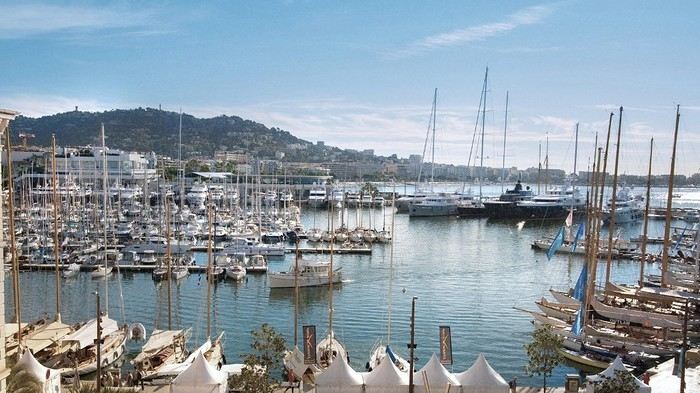
III. BedBoat: An Innovative Startup
Did you know France has over a million boats docked in its ports? Yet, on average, these boats are only used 10 to 15 days a year. Based on this observation, three friends—Félix, Fabian, and Luke—decided to create BedBoat, the first platform dedicated to docked boat rentals.
The idea is simple but brilliant: turn these underused boats into tourist accommodations. This not only helps owners cover their costs but also lets travelers live a unique experience—all without building new infrastructure, making it both an economical and eco-friendly solution. Far from being just a booking platform, BedBoat offers a true immersion into the world of boating. It’s an innovative way to discover France’s and the Caribbean’s most beautiful ports while enjoying all the perks of an unusual stay. For cities, it’s also a great opportunity. Boats allow them to welcome more tourists without overloading the traditional rental market. Everyone wins: owners, travelers, and even locals.
Docked boat rentals are much more than just a trend—they’re a revolution in the world of tourism. Whether you’re looking for a romantic getaway, a family vacation, or a trip with friends, BedBoat opens the door to a whole new world. So, ready to set sail on your next adventure?
I. Why Spend an Unusual Night on a Boat?
Imagine this: you wake up to the sound of gentle waves, a soft ray of sunlight dancing on the water’s surface as you enjoy breakfast on deck. You’re just steps away from restaurants, shops, and points of interest, since your accommodation is perfectly located in the heart of the harbor. This experience, which few have had the chance to try yet, is within everyone’s reach thanks to docked boat rentals.
Discover why spending an unusual night on a boat is the next big trend. Whether it’s for a romantic weekend, a family vacation, or a getaway with friends, a night on a docked boat offers a one-of-a-kind experience. Unlike a standard hotel room, where walls limit your view, on a boat, it’s the vast expanse of water that surrounds you. It’s a refreshing and calming escape, where simply waking up on the water turns your stay into a memorable moment. Another plus? The variety of boats available.
Each type of boat brings its own advantages and a different experience:
Sailboat: Ideal for families or couples looking for an authentic experience. Sailboats offer irresistible nautical charm with their optimized spaces and cozy atmosphere. Catamaran: Spacious and stable, perfect for groups of friends or large families. With its wide outdoor areas, it’s made for socializing. Yacht: Synonymous with luxury and elegance, it’s the perfect choice for marking a special occasion, like a birthday or a marriage proposal. Houseboat: For those who prefer a more nature-focused vibe, houseboats offer a bucolic experience along canals or rivers.
Beyond their unique charm, these boats are often just as affordable as a hotel room. Take, for example, a sailboat in Hendaye priced at 129 € per night for four people. For that price, you’re not just getting an unusual place to stay—you’re getting the equivalent of a floating cottage with a bedroom, bathroom, fully equipped kitchen, and outdoor spaces. It’s the perfect choice for anyone looking to combine comfort, authenticity, and originality.
II. Sleeping on a Boat—Yes, But Where?
Docked boat rentals aren’t limited to just one or two destinations—far from it. With BedBoat, you can explore numerous ports in France and even the Caribbean.
Here’s a look at some top destinations:
Atlantic Coast:
Hendaye: This Basque port offers a picturesque setting between sea and mountains. Perfect for discovering Basque culture and traditions. La Rochelle: With its iconic old port, medieval towers, and cobbled streets, it’s an ideal city for a historic and gastronomic weekend. Arcachon: Known for its oysters and the majestic Dune of Pilat, this destination is a must for nature lovers.
Mediterranean Coast:
Cannes: Who hasn’t dreamed of spending a night in the port of this legendary city, surrounded by yachts and just steps from the Croisette? Toulon: A dynamic and authentic port, perfect for a getaway between land and sea. Mandelieu-La Napoule: A charming town just a few kilometers from Cannes, known for its peaceful landscapes and seaside château.
The Caribbean:
Martinique and Guadeloupe: Here, the experience takes on a whole new dimension. Picture yourself on a catamaran, lulled by turquoise waters. It’s the ultimate dream for anyone seeking a paradise getaway.
Rivers:
Bordeaux: Docked in the heart of this historic city, your boat lets you explore its vineyards and UNESCO-listed architecture. Lyon: Enjoy the Rhône or Saône rivers for a unique experience in this foodie city. Asnières-sur-Seine: Just a stone’s throw from Paris, discover a surprising stay at the capital’s doorstep. Saint-Florentin: A more rural option for those seeking tranquility and nature.
No matter the destination, spending an unusual night on a boat gives you the luxury of choosing between the buzz of big cities or the peace of more secluded spots. Unlike treehouses, which are often remote, boats let you be right in the heart of the action while still enjoying privacy.
III. BedBoat: An Innovative Startup
Did you know France has over a million boats docked in its ports? Yet, on average, these boats are only used 10 to 15 days a year. Based on this observation, three friends—Félix, Fabian, and Luke—decided to create BedBoat, the first platform dedicated to docked boat rentals.
The idea is simple but brilliant: turn these underused boats into tourist accommodations. This not only helps owners cover their costs but also lets travelers live a unique experience—all without building new infrastructure, making it both an economical and eco-friendly solution. Far from being just a booking platform, BedBoat offers a true immersion into the world of boating. It’s an innovative way to discover France’s and the Caribbean’s most beautiful ports while enjoying all the perks of an unusual stay. For cities, it’s also a great opportunity. Boats allow them to welcome more tourists without overloading the traditional rental market. Everyone wins: owners, travelers, and even locals.
Docked boat rentals are much more than just a trend—they’re a revolution in the world of tourism. Whether you’re looking for a romantic getaway, a family vacation, or a trip with friends, BedBoat opens the door to a whole new world. So, ready to set sail on your next adventure?
The 8 Most Beautiful Hikes to Do in Réunion Island
Réunion Island, this paradise in the Indian Ocean, is a must-visit destination for hiking enthusiasts. With its active volcanoes, majestic cirques, and impressive peaks, there’s plenty to delight nature and adventure lovers. This article takes you on a journey to discover the eight most beautiful hikes the island has to offer. Lace up your hiking boots—let’s go!
1- Piton des Neiges: The Summit of Réunion
Piton des Neiges is the highest point on Réunion Island at 3,070 meters. It’s an iconic hike that attracts a large number of hikers every year. Climbing Piton des Neiges is like stepping into a unique atmosphere where volcanic landscapes blend with lush vegetation.
The hike usually starts from the picturesque village of Cilaos. It takes about six hours to reach the summit, so good physical condition is a must. Once at the top, you’ll be rewarded with a breathtaking panoramic view of the entire island. A simple flight from Paris to Saint-Denis and you’re ready for this stunning adventure.
Here are a few tips:
Bring warm clothes—it can get very cold at the summit. Pack enough water and food. Start before dawn to catch the sunrise from the summit.
2- Piton de la Fournaise: A Volcanic Walk
You can’t visit Réunion without stopping by Piton de la Fournaise, one of the world’s most active volcanoes. The hike usually begins at Pas de Bellecombe, accessible after a winding road that already offers spectacular views. The well-marked trail first takes you through lunar landscapes to the Enclos Fouqué, then continues toward the Dolomieu crater. Frequent eruptions often change the scenery, making each visit unique. Piton de la Fournaise is a grand natural spectacle you won’t want to miss during your trip.
Here are a few tips:
Check the volcano’s current activity before heading out. Wear sturdy shoes for walking on solidified lava. Always bring maps or a GPS, as signs may be damaged by eruptions.
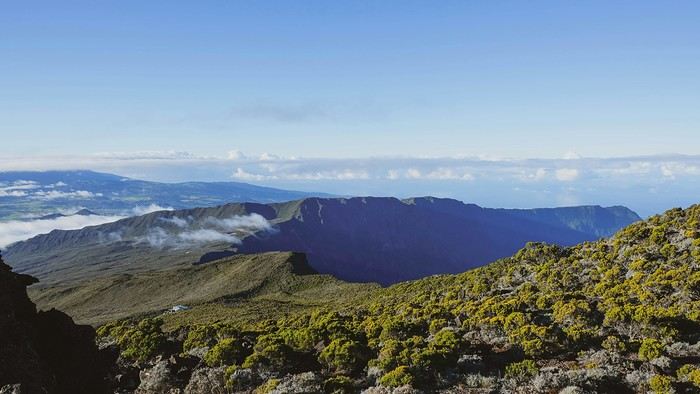
3- Cirque de Mafate: In the Heart of Nature
Accessible only on foot or by helicopter, the Cirque de Mafate is a true paradise for hikers. This isolated area offers a multitude of trails leading to authentic villages, stunning viewpoints, and untouched nature. The Sentier Scout is one of the most popular routes for exploring Mafate. It starts at Le Bélier, passes through the Col des Bœufs, and then descends into the cirque. Get ready to be amazed by the enchanting panoramas and majestic peaks along the way. It’s a full immersion into the tranquility of Mafate.
Here are a few tips:
Wear good hiking shoes, as some sections can be steep. Book your nights in a gîte in advance if you’re planning a multi-day hike. Respect the environment and locals by taking all your trash with you.
4- Cirque de Cilaos: Between Mountains and Vineyards
The Cirque de Cilaos, with its waterfalls and lush forests, also offers magnificent hiking opportunities. One of the most remarkable trails leads to Grand Bénare, the island’s third-highest peak.
The hike usually starts from the Plateau des Chênes. This moderate-difficulty hike takes about five hours to reach the summit. Once there, you’ll be treated to a breathtaking view of the Cirque de Cilaos and Piton des Neiges.
Here are a few tips:
Start early to avoid clouds that can quickly envelop the summit. Don’t forget your camera to capture the stunning landscapes. Visit the vineyards of Cilaos after your hike to taste local wine.
5- Cirque de Salazie: The Valley of Waterfalls
Known for its humid climate, the Cirque de Salazie is filled with impressive waterfalls and lush tropical forests. One of the most popular hikes leads to the Trou de Fer.
The trail starts in Hell-Bourg, ranked among France’s most beautiful villages. After a few hours of hiking through primary forest, you’ll reach a viewpoint offering an incredible view of the Trou de Fer’s abyss and its dizzying waterfalls.
Here are a few tips:
Wear waterproof and mosquito-repellent clothing. Bring a headlamp and compass, as fog can make the trail hard to follow. Check trail conditions before heading out, especially after heavy rain.
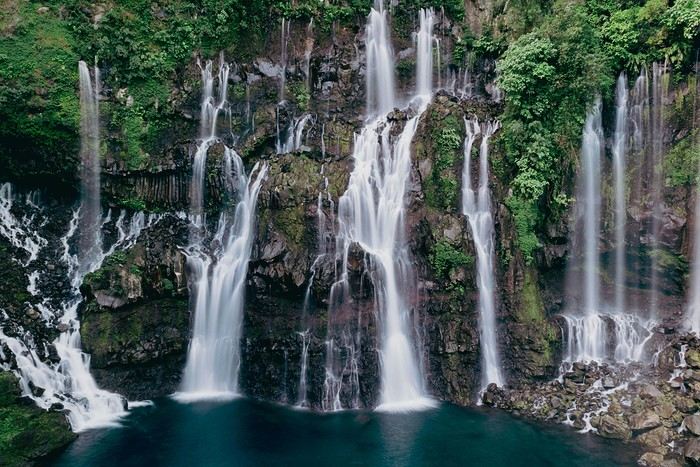
6- Grand Bénare: A Stunning Panorama
Grand Bénare offers a spectacular hike that’s a must-do on Réunion Island. Starting from the well-known viewpoint of Maïdo, the challenging yet rewarding ascent leads to the summit.
Over about ten kilometers of climbing through varied vegetation, the summit reveals a breathtaking panorama of the three cirques—Mafate, Cilaos, and Salazie. It’s a true feast for the eyes and a memorable experience for mountain lovers.
Here are a few tips:
Go when the weather is clear to fully enjoy the view from the summit. Wear good hiking shoes and bring trekking poles to make the climb easier. Don’t underestimate the duration—prepare physically for this long hike.
7- Roche Écrite: Biodiversity at Altitude
Located between the Cirque de Salazie and the Cirque de Mafate, Roche Écrite offers a hike that lets you discover exceptional flora and fauna. The hike often starts at Le Colorado, near Saint-Denis, the island’s capital.
After several hours of walking through tropical forests and varied landscapes, you’ll reach the summit at 2,276 meters. From there, you can enjoy a spectacular view of the two adjacent cirques and even spot Piton des Neiges in the distance. A must for adventurers and budding biologists.
Here are a few tips:
Check the weather forecast before heading out, as conditions can change quickly at altitude. Bring binoculars to observe endemic birds and other wildlife. Take regular breaks to soak in the scenery and recharge your energy.
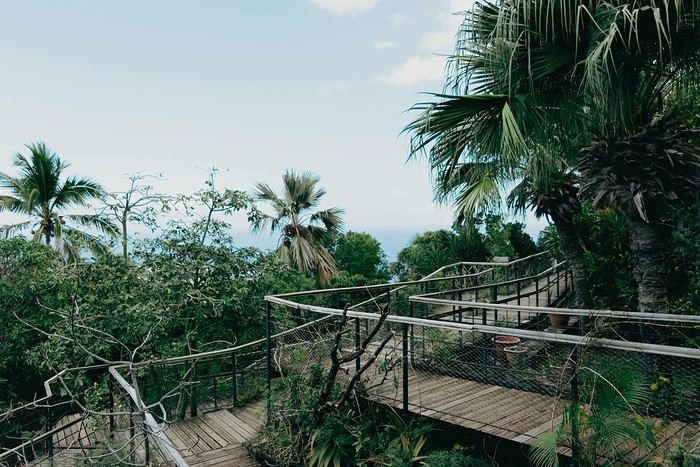
8- Col des Bœufs: The Gateway to Mafate
Col des Bœufs is another popular starting point for accessing the Cirque de Mafate. This comfortable hike offers beautiful views along the way and leads to picturesque villages like Marla and La Nouvelle.
The trail starts gently from the Col des Bœufs parking lot, climbing slightly before revealing a panoramic view of Mafate. Perfect for a relaxed day hike, this route is suitable for all levels of hikers.
Here are a few tips:
Bring a picnic to enjoy a lunch break with a view. Start early to avoid crowds and the afternoon heat. Check local bus schedules to avoid any surprises at the end of your hike.
In conclusion, Réunion Island offers a multitude of exceptional hikes that let you discover breathtaking landscapes—volcanoes, cirques, tropical forests, and waterfalls. Whether you’re a beginner or an experienced hiker, the island will amaze you with the diversity of its trails. Get ready for unforgettable adventures in the heart of preserved nature while admiring the unique beauty of this volcanic island.
1- Piton des Neiges: The Summit of Réunion
Piton des Neiges is the highest point on Réunion Island at 3,070 meters. It’s an iconic hike that attracts a large number of hikers every year. Climbing Piton des Neiges is like stepping into a unique atmosphere where volcanic landscapes blend with lush vegetation.
The hike usually starts from the picturesque village of Cilaos. It takes about six hours to reach the summit, so good physical condition is a must. Once at the top, you’ll be rewarded with a breathtaking panoramic view of the entire island. A simple flight from Paris to Saint-Denis and you’re ready for this stunning adventure.
Here are a few tips:
Bring warm clothes—it can get very cold at the summit. Pack enough water and food. Start before dawn to catch the sunrise from the summit.
2- Piton de la Fournaise: A Volcanic Walk
You can’t visit Réunion without stopping by Piton de la Fournaise, one of the world’s most active volcanoes. The hike usually begins at Pas de Bellecombe, accessible after a winding road that already offers spectacular views. The well-marked trail first takes you through lunar landscapes to the Enclos Fouqué, then continues toward the Dolomieu crater. Frequent eruptions often change the scenery, making each visit unique. Piton de la Fournaise is a grand natural spectacle you won’t want to miss during your trip.
Here are a few tips:
Check the volcano’s current activity before heading out. Wear sturdy shoes for walking on solidified lava. Always bring maps or a GPS, as signs may be damaged by eruptions.
3- Cirque de Mafate: In the Heart of Nature
Accessible only on foot or by helicopter, the Cirque de Mafate is a true paradise for hikers. This isolated area offers a multitude of trails leading to authentic villages, stunning viewpoints, and untouched nature. The Sentier Scout is one of the most popular routes for exploring Mafate. It starts at Le Bélier, passes through the Col des Bœufs, and then descends into the cirque. Get ready to be amazed by the enchanting panoramas and majestic peaks along the way. It’s a full immersion into the tranquility of Mafate.
Here are a few tips:
Wear good hiking shoes, as some sections can be steep. Book your nights in a gîte in advance if you’re planning a multi-day hike. Respect the environment and locals by taking all your trash with you.
4- Cirque de Cilaos: Between Mountains and Vineyards
The Cirque de Cilaos, with its waterfalls and lush forests, also offers magnificent hiking opportunities. One of the most remarkable trails leads to Grand Bénare, the island’s third-highest peak.
The hike usually starts from the Plateau des Chênes. This moderate-difficulty hike takes about five hours to reach the summit. Once there, you’ll be treated to a breathtaking view of the Cirque de Cilaos and Piton des Neiges.
Here are a few tips:
Start early to avoid clouds that can quickly envelop the summit. Don’t forget your camera to capture the stunning landscapes. Visit the vineyards of Cilaos after your hike to taste local wine.
5- Cirque de Salazie: The Valley of Waterfalls
Known for its humid climate, the Cirque de Salazie is filled with impressive waterfalls and lush tropical forests. One of the most popular hikes leads to the Trou de Fer.
The trail starts in Hell-Bourg, ranked among France’s most beautiful villages. After a few hours of hiking through primary forest, you’ll reach a viewpoint offering an incredible view of the Trou de Fer’s abyss and its dizzying waterfalls.
Here are a few tips:
Wear waterproof and mosquito-repellent clothing. Bring a headlamp and compass, as fog can make the trail hard to follow. Check trail conditions before heading out, especially after heavy rain.
6- Grand Bénare: A Stunning Panorama
Grand Bénare offers a spectacular hike that’s a must-do on Réunion Island. Starting from the well-known viewpoint of Maïdo, the challenging yet rewarding ascent leads to the summit.
Over about ten kilometers of climbing through varied vegetation, the summit reveals a breathtaking panorama of the three cirques—Mafate, Cilaos, and Salazie. It’s a true feast for the eyes and a memorable experience for mountain lovers.
Here are a few tips:
Go when the weather is clear to fully enjoy the view from the summit. Wear good hiking shoes and bring trekking poles to make the climb easier. Don’t underestimate the duration—prepare physically for this long hike.
7- Roche Écrite: Biodiversity at Altitude
Located between the Cirque de Salazie and the Cirque de Mafate, Roche Écrite offers a hike that lets you discover exceptional flora and fauna. The hike often starts at Le Colorado, near Saint-Denis, the island’s capital.
After several hours of walking through tropical forests and varied landscapes, you’ll reach the summit at 2,276 meters. From there, you can enjoy a spectacular view of the two adjacent cirques and even spot Piton des Neiges in the distance. A must for adventurers and budding biologists.
Here are a few tips:
Check the weather forecast before heading out, as conditions can change quickly at altitude. Bring binoculars to observe endemic birds and other wildlife. Take regular breaks to soak in the scenery and recharge your energy.
8- Col des Bœufs: The Gateway to Mafate
Col des Bœufs is another popular starting point for accessing the Cirque de Mafate. This comfortable hike offers beautiful views along the way and leads to picturesque villages like Marla and La Nouvelle.
The trail starts gently from the Col des Bœufs parking lot, climbing slightly before revealing a panoramic view of Mafate. Perfect for a relaxed day hike, this route is suitable for all levels of hikers.
Here are a few tips:
Bring a picnic to enjoy a lunch break with a view. Start early to avoid crowds and the afternoon heat. Check local bus schedules to avoid any surprises at the end of your hike.
In conclusion, Réunion Island offers a multitude of exceptional hikes that let you discover breathtaking landscapes—volcanoes, cirques, tropical forests, and waterfalls. Whether you’re a beginner or an experienced hiker, the island will amaze you with the diversity of its trails. Get ready for unforgettable adventures in the heart of preserved nature while admiring the unique beauty of this volcanic island.
Tuscany with 3 kids
Hi there,
A little travel journal of our few days in Tuscany in August 2024 with our three daughters aged 16 months, 4, and 6. A beautiful trip but ruined by extreme heat. The same thing in spring or autumn would have been magical.
Itinerary We used our own car for this mini-trip.
Carpentras-Isolalunga: 1 night
Isolalunga-Barberino (Val d’Elsa): 4 nights
Lucca and Pisa
Siena
Val d’Orcia
Volterra
Barberino-Carpentras
Visits
Lucca is less well-known than its neighbors Florence, Pisa, and Siena. Yet it was already a prosperous city during the Renaissance. The Duomo is magnificent, and strolling along the ramparts in the shade of the trees is very pleasant. The large square, where the buildings were constructed using the walls of the amphitheater, is a curiosity. We used the stroller.
Pisa needs no introduction, but it’s also impossible to pass by without stopping. Alexandre and I had already visited it 15 years ago, so this time we didn’t climb the tower or go inside the Duomo. We arrived around 5 PM, so we were short on time, but the heat had dropped, which made the visit very enjoyable.
Siena is a magnificent city but dry. There’s no watercourse here, which has always been the city’s problem. Everything was designed, including the slope of the main square to collect water. The Duomo is absolutely stunning. We bought the pass to visit the Duomo, the baptistery, the crypt, the museum of the works, the panorama, and the “Gate of Heaven.”
The “Gate of Heaven” is a guided tour that allows you to climb to the top of the Duomo, walk under the roof to see the framework, and admire the beautiful frescoes on the floor from above, as well as the stained glass and ceiling paintings from much closer. Of course, the view of Siena from up there is splendid. It’s really worth it. We left the stroller downstairs, and Alex carried Artemisia.
The museum of the works contains some magnificent paintings and original sculptures from the Duomo.
We didn’t find a park for a picnic. We had to settle for a public garden that wasn’t really well-maintained.
Our visit for the “Gate of Heaven” was at 6:30 PM, so we had dinner in Siena. The restaurant was expensive and disappointing. However, we enjoyed the city’s parade—lots of people in costume, plenty of colors, and brass band music. Nice.
Val d’Orcia
The first goal was to see the famous “Gladiator” house, which was used as a set in Ridley Scott’s film. You’ll have to settle for a photo because it’s not open for visits. The place is pretty, but no more so than many Tuscan estates, so I’d say it’s not worth the detour.
We visited the lovely village of San Quirico d’Orcia, where we had a picnic. In the afternoon, we saw the beautiful Abbey of San Galgano and the Chapel of San Lorenzo, where a sword is planted in the stone (its owner stopped waging war to dedicate his life to God—no apparent connection to the legend of King Arthur). The abbey is in ruins, but the site, planted with cypress trees and sunflower fields, is very beautiful.
Volterra
Volterra is a hilltop village with many facets, aside from a still-active penitentiary in the old fortification.
We bought the “Volterra Card” to visit, in particular, the Palazzo dei Priori, which is as beautiful inside as it is outside, and to climb to the top of the tower, where the view is magnificent.
The Roman ruins (especially the amphitheater and arenas under excavation)
The alabaster museum is very small but highlights one of the region’s ongoing activities.
The Etruscan art museum is a must-see. It’s a high-quality museum with many pieces, mainly richly decorated tombs depicting the lives of the deceased. And it’s air-conditioned!
It’s a bit of a hassle with the stroller. A baby carrier would have been more practical.
We had a picnic in the lovely Enrico Fiumi Park (with playgrounds for kids), which overlooks the city.
There are many charming shops in Volterra for bringing back souvenirs, especially food-related ones.
I find that hotels are very expensive in Italy, so I opted for a farmhouse rental.
We picnicked at lunchtime and ate at restaurants or in our accommodation in the evening. Unfortunately, I can’t recommend any great restaurants.
Budget
Accommodation: 120 € per night
Volterra family card: 20 €
A little travel journal of our few days in Tuscany in August 2024 with our three daughters aged 16 months, 4, and 6. A beautiful trip but ruined by extreme heat. The same thing in spring or autumn would have been magical.
Itinerary We used our own car for this mini-trip.
Carpentras-Isolalunga: 1 night
Isolalunga-Barberino (Val d’Elsa): 4 nights
Lucca and Pisa
Siena
Val d’Orcia
Volterra
Barberino-Carpentras
Visits
Lucca is less well-known than its neighbors Florence, Pisa, and Siena. Yet it was already a prosperous city during the Renaissance. The Duomo is magnificent, and strolling along the ramparts in the shade of the trees is very pleasant. The large square, where the buildings were constructed using the walls of the amphitheater, is a curiosity. We used the stroller.
Pisa needs no introduction, but it’s also impossible to pass by without stopping. Alexandre and I had already visited it 15 years ago, so this time we didn’t climb the tower or go inside the Duomo. We arrived around 5 PM, so we were short on time, but the heat had dropped, which made the visit very enjoyable.
Siena is a magnificent city but dry. There’s no watercourse here, which has always been the city’s problem. Everything was designed, including the slope of the main square to collect water. The Duomo is absolutely stunning. We bought the pass to visit the Duomo, the baptistery, the crypt, the museum of the works, the panorama, and the “Gate of Heaven.”
The “Gate of Heaven” is a guided tour that allows you to climb to the top of the Duomo, walk under the roof to see the framework, and admire the beautiful frescoes on the floor from above, as well as the stained glass and ceiling paintings from much closer. Of course, the view of Siena from up there is splendid. It’s really worth it. We left the stroller downstairs, and Alex carried Artemisia.
The museum of the works contains some magnificent paintings and original sculptures from the Duomo.
We didn’t find a park for a picnic. We had to settle for a public garden that wasn’t really well-maintained.
Our visit for the “Gate of Heaven” was at 6:30 PM, so we had dinner in Siena. The restaurant was expensive and disappointing. However, we enjoyed the city’s parade—lots of people in costume, plenty of colors, and brass band music. Nice.
Val d’Orcia
The first goal was to see the famous “Gladiator” house, which was used as a set in Ridley Scott’s film. You’ll have to settle for a photo because it’s not open for visits. The place is pretty, but no more so than many Tuscan estates, so I’d say it’s not worth the detour.
We visited the lovely village of San Quirico d’Orcia, where we had a picnic. In the afternoon, we saw the beautiful Abbey of San Galgano and the Chapel of San Lorenzo, where a sword is planted in the stone (its owner stopped waging war to dedicate his life to God—no apparent connection to the legend of King Arthur). The abbey is in ruins, but the site, planted with cypress trees and sunflower fields, is very beautiful.
Volterra
Volterra is a hilltop village with many facets, aside from a still-active penitentiary in the old fortification.
We bought the “Volterra Card” to visit, in particular, the Palazzo dei Priori, which is as beautiful inside as it is outside, and to climb to the top of the tower, where the view is magnificent.
The Roman ruins (especially the amphitheater and arenas under excavation)
The alabaster museum is very small but highlights one of the region’s ongoing activities.
The Etruscan art museum is a must-see. It’s a high-quality museum with many pieces, mainly richly decorated tombs depicting the lives of the deceased. And it’s air-conditioned!
It’s a bit of a hassle with the stroller. A baby carrier would have been more practical.
We had a picnic in the lovely Enrico Fiumi Park (with playgrounds for kids), which overlooks the city.
There are many charming shops in Volterra for bringing back souvenirs, especially food-related ones.
I find that hotels are very expensive in Italy, so I opted for a farmhouse rental.
We picnicked at lunchtime and ate at restaurants or in our accommodation in the evening. Unfortunately, I can’t recommend any great restaurants.
Budget
Accommodation: 120 € per night
Volterra family card: 20 €
Trek in Northern Thailand
Hi everyone.
I’m planning a trip to Thailand for November.
We loved the treks we did in Laos, Vietnam, and Myanmar so much that we’d like to repeat the experience in Northern Thailand.
Most travelers who go trekking do it around Chiang Mai. But wouldn’t it be better to do it somewhere else (Chiang Rai?) to get a bit more authenticity?
Any tips would be welcome (agency, guide, route, etc.).
Thanks for your feedback!
Holiday in Santo Antão, Cape Verde
Hi there,
We’ve just returned from 15 days in Cape Verde, including 8 days of hiking in Santo Antão. It was a fantastic trip with great weather and heat that stayed manageable. Everything was organized by a highly competent local agency that really listened to our requests. I’m happy to share more details about the hikes, hotels, etc. if you’d like!
Because of a miscalculation on extra costs (non-hotel expenses and transfers), I’ve got 18,000 escudos left—I’d be more than happy to exchange them for a more widely used currency!
We’ve just returned from 15 days in Cape Verde, including 8 days of hiking in Santo Antão. It was a fantastic trip with great weather and heat that stayed manageable. Everything was organized by a highly competent local agency that really listened to our requests. I’m happy to share more details about the hikes, hotels, etc. if you’d like!
Because of a miscalculation on extra costs (non-hotel expenses and transfers), I’ve got 18,000 escudos left—I’d be more than happy to exchange them for a more widely used currency!
Bike Route and AI
I'm currently exploring how to create a travel itinerary using AI, specifically ChatGPT.
Question: Bike route from Bordeaux to Paris.
Rough response:
A bike route between Bordeaux and Paris is an incredible adventure, typically around 600 to 650 km depending on the chosen path. Here’s an example of an itinerary with key points:Main Option: La Scandibérique (EuroVelo 3) La Scandibérique is the French section of EuroVelo 3, connecting Bordeaux to Paris through stunning landscapes. This route is well-marked and takes you through small roads and greenways.Main Stages
Bordeaux → Libourne (about 40 km)
Follow the Garonne River, cross the vineyards of Entre-deux-Mers, and reach Libourne, a charming wine town. Greenways available.
Libourne → Périgueux (about 100 km)
Cross the Dordogne with stops in villages like Montpon-Ménestérol. Mix of quiet small roads and trails.
Périgueux → Châteauroux (about 160 km, in several stages)
Through the Parc Naturel Régional de la Brenne. This stage is longer but rich in nature and heritage.
Châteauroux → Orléans (about 110 km)
Reach the banks of the Loire to enjoy the famous Loire à Vélo, a beautiful section with châteaux.
Orléans → Paris (about 140 km)
Pass through the Forêt de Fontainebleau before joining the bike paths along the Seine all the way to Paris.
Question: Bike route from Bordeaux to Paris.
Rough response:
A bike route between Bordeaux and Paris is an incredible adventure, typically around 600 to 650 km depending on the chosen path. Here’s an example of an itinerary with key points:Main Option: La Scandibérique (EuroVelo 3) La Scandibérique is the French section of EuroVelo 3, connecting Bordeaux to Paris through stunning landscapes. This route is well-marked and takes you through small roads and greenways.Main Stages
Bordeaux → Libourne (about 40 km)
Follow the Garonne River, cross the vineyards of Entre-deux-Mers, and reach Libourne, a charming wine town. Greenways available.
Libourne → Périgueux (about 100 km)
Cross the Dordogne with stops in villages like Montpon-Ménestérol. Mix of quiet small roads and trails.
Périgueux → Châteauroux (about 160 km, in several stages)
Through the Parc Naturel Régional de la Brenne. This stage is longer but rich in nature and heritage.
Châteauroux → Orléans (about 110 km)
Reach the banks of the Loire to enjoy the famous Loire à Vélo, a beautiful section with châteaux.
Orléans → Paris (about 140 km)
Pass through the Forêt de Fontainebleau before joining the bike paths along the Seine all the way to Paris.
15-day itinerary in southern Morocco
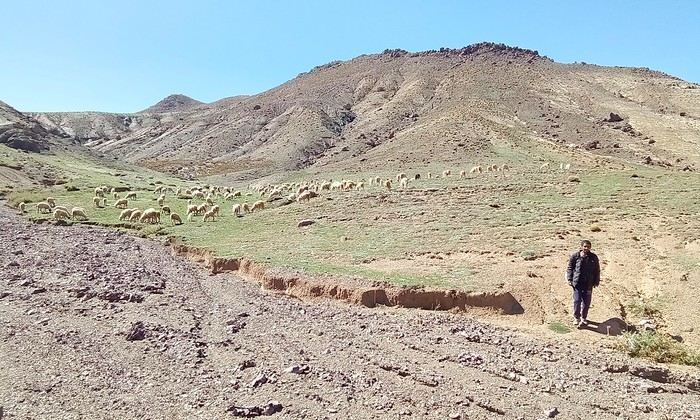
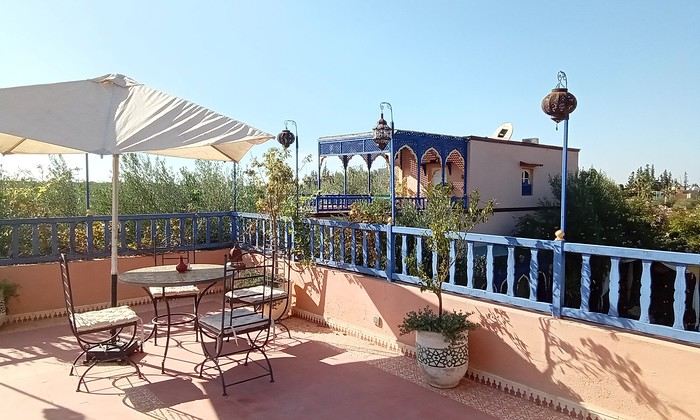
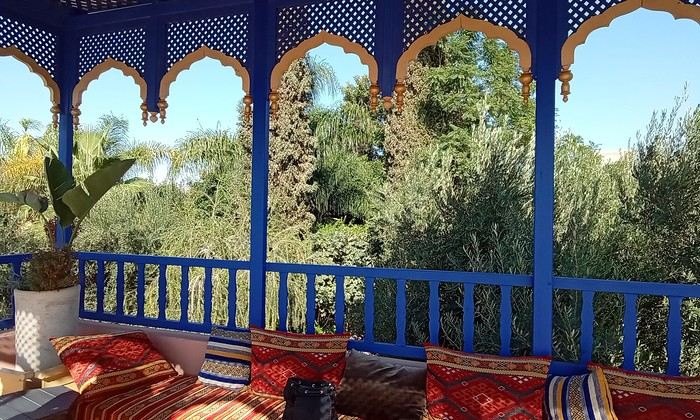 Last October, we landed in Marrakech to spend a few days with family exploring Morocco’s roads.
Transport: a rented Dacia.
Accommodations: small guesthouses.
Last October, we landed in Marrakech to spend a few days with family exploring Morocco’s roads.
Transport: a rented Dacia.
Accommodations: small guesthouses.Our first stop was just a few kilometers from Marrakech, at a lovely house perfect for relaxing and recharging before continuing. It’s called Bleu House, a little paradise on the outskirts of Marrakech. The welcome was very warm, with a beautiful pool and a lovely garden.
Next, we headed toward the Tichka Pass. The road has really improved in recent years—it’s much easier to drive now. No more getting stuck behind trucks, and today, the construction is practically finished.
Morocco has turned green after the recent rains. It’s a joy for the herds and shepherds.
4x4 Trek and Visit to Iceland in June, July, or September 2025
Hello,
With a couple of friends, I’m looking for a teammate (or up to two people max) interested in exploring Iceland in the areas I’ve circled on the attached document. This trip will focus on the island’s interior, traveling through the tracks of the 'Icelandic desert' where the landscapes are stunning—including the Myvatn region, Landmannalaugar, the Golden Circle, and the Askja area. A 4x4 is essential (rental to be arranged). The itinerary includes discovering well-known and hidden spots, photography, short treks (2 to 4 hours), relaxing in hot springs, and soaking up the unique atmosphere of this incredible country I’ve visited several times before. Average age of participants already on the list: 62, but we’ve all traveled extensively across all five continents. It’d be great if anyone interested could take turns driving the 4x4, but it’s not mandatory. 😎😎 Looking forward to hearing from you, takk fyrir!
Six weeks in Réunion in January/February
Hello, we’re a couple over 70 and will be spending about six weeks in Réunion next January/February, staying first in Saint-Leu and then in Saint-Pierre, each time in independent accommodations. We’ll have a car and enjoy hiking, though nothing too strenuous. Otherwise, we live quietly—cooking our own meals and exploring at a relaxed pace. Our goal is simply to escape the harshest part of the European winter in good conditions. Can anyone share some great tips, easy hikes, must-see spots, or surprising activities? In return, we’d be happy to share insights about Valais in Switzerland—a sunny but chilly winter destination! Best, Bernard.