Results for "Tanna+ou+Yasur+|+11+>+251"
5536 results found.
Avis sur un article de Liberation English translation pending
L'ère des «travellers»
 Par Frédérique DESCHAMPS
vendredi 06 août 2004 (Liberation - 06:00)
Par Frédérique DESCHAMPS
vendredi 06 août 2004 (Liberation - 06:00)
 e «traveller» ou «backpacker» a aujourd'hui remplacé le routard. «"Traveller" est un terme anglo-saxon, plus générique et moins connoté que "routard". C'est un peu un hippie pasteurisé», explique Alexandre Kauffmann, 29 ans, auteur d'un petit récit drolatique (1) dans lequel il tente d'esquisser une topologie de cette tribu à laquelle il s'associe. Il est allé mener une enquête au Peace & Love Hotel à Paris et dans le quartier de Khao San Road à Bangkok. Car si le backpacker affiche un mépris certain pour le touriste lambda, il est pourtant animé comme lui d'un instinct grégaire qui le pousse à rejoindre ses congénères dans les mêmes guest houses plus ou moins sordides. Au fil des rencontres, le constat de Kauffmann est un peu amer : letravellerne réussit pas à échapper au paradoxe du touriste. «Le touriste vit dans le mépris de sa condition. Etranger au milieu qu'il visite, hanté par la peur du ridicule, honteux de son oisiveté, il aimerait passer inaperçu, détruire un statut qui lui permet pourtant d'être là.»
(1) Travellers, Ed. des Equateurs, 155 pp., 15 €.
Belle analyse ??!?
Par Frédérique DESCHAMPS
vendredi 06 août 2004 (Liberation - 06:00)
e «traveller» ou «backpacker» a aujourd'hui remplacé le routard. «"Traveller" est un terme anglo-saxon, plus générique et moins connoté que "routard". C'est un peu un hippie pasteurisé», explique Alexandre Kauffmann, 29 ans, auteur d'un petit récit drolatique (1) dans lequel il tente d'esquisser une topologie de cette tribu à laquelle il s'associe. Il est allé mener une enquête au Peace & Love Hotel à Paris et dans le quartier de Khao San Road à Bangkok. Car si le backpacker affiche un mépris certain pour le touriste lambda, il est pourtant animé comme lui d'un instinct grégaire qui le pousse à rejoindre ses congénères dans les mêmes guest houses plus ou moins sordides. Au fil des rencontres, le constat de Kauffmann est un peu amer : letravellerne réussit pas à échapper au paradoxe du touriste. «Le touriste vit dans le mépris de sa condition. Etranger au milieu qu'il visite, hanté par la peur du ridicule, honteux de son oisiveté, il aimerait passer inaperçu, détruire un statut qui lui permet pourtant d'être là.»(1) Travellers, Ed. des Equateurs, 155 pp., 15 €.
Belle analyse ??!?
Bon plan pour partir à Madagascar English translation pending
Salut la communauté !
Je prévois de partir pour Madagascar pour 6 mois. Les tarifs me semblent assez élevés pour ma bourse actuelle. Je suis donc à la recherche de bons plans...on m'a parlé de passer par la Réunion...
Merci de vos avis !
Je prévois de partir pour Madagascar pour 6 mois. Les tarifs me semblent assez élevés pour ma bourse actuelle. Je suis donc à la recherche de bons plans...on m'a parlé de passer par la Réunion...
Merci de vos avis !
Partir en Asie Sud Est et trouver des petits jobs English translation pending
Salut,
Moi et mon copain nous étions supposée partir pour l'australie en mars pour au moins 1 an, mais etant donné du prix des billets d'avions nous sommes obligés de changer notre destination....Mon plan de voyage etit simple je partais avec l'$min pour survivre 2-3 jrs et rendu la je me trouve un petit boulot et lorsque je suis tanné d'etre la je vais alleur je change de ville tout en continuant de travailler ici et la ....Est-ce possible si oui quel papiers ca me prends visa et tout comment ca fonctionne je ne suis jamais allée en asie, mais j'ai bien l'intention de partir il me manque seulement quelques réponses dont les papiers, le cout de la vie les logements c'est tu possible de les louers pour seulement quelques semines ou quelques jours du travail on peux tu en trouver pour survivre et en combien de temps....C'est tu réalisable comme projet???
Merci, Mary-xxx-
Moi et mon copain nous étions supposée partir pour l'australie en mars pour au moins 1 an, mais etant donné du prix des billets d'avions nous sommes obligés de changer notre destination....Mon plan de voyage etit simple je partais avec l'$min pour survivre 2-3 jrs et rendu la je me trouve un petit boulot et lorsque je suis tanné d'etre la je vais alleur je change de ville tout en continuant de travailler ici et la ....Est-ce possible si oui quel papiers ca me prends visa et tout comment ca fonctionne je ne suis jamais allée en asie, mais j'ai bien l'intention de partir il me manque seulement quelques réponses dont les papiers, le cout de la vie les logements c'est tu possible de les louers pour seulement quelques semines ou quelques jours du travail on peux tu en trouver pour survivre et en combien de temps....C'est tu réalisable comme projet???
Merci, Mary-xxx-
Transport pour rejoindre le nord du Chili au départ du Pérou? English translation pending
Bonjour!
J'aimerais avoir de l'info sur les moyens de passer du Pérou au Chili. Est-ce bien long en autobus? Quel est le meilleur moyen? Je veux passer un mois au Pérou et peut-être terminer par 2 semaines au nord du Chili... À part Valpareiso et villa del mare, qu'y a-t-il à voir d'un peu moins touristique au nord du Chili? Donnez-moi toute l'info que vous pouvez me donner!
Merci!
J'aimerais avoir de l'info sur les moyens de passer du Pérou au Chili. Est-ce bien long en autobus? Quel est le meilleur moyen? Je veux passer un mois au Pérou et peut-être terminer par 2 semaines au nord du Chili... À part Valpareiso et villa del mare, qu'y a-t-il à voir d'un peu moins touristique au nord du Chili? Donnez-moi toute l'info que vous pouvez me donner!
Merci!
Je vous aide sur le Burkina Faso et Madagascar English translation pending
bonjour a tous bons plans sur ces deux pays que je connais assez bien (surtoutmada)
je reponds a tout contact dans la mesure de mes possibilte
a bientot
jipi
je reponds a tout contact dans la mesure de mes possibilte
a bientot
jipi
Infos pratiques sur Madagascar English translation pending
Bonjour à vous tous,
Entrée depuis peu sur le forum, je passe de superbes moments à tous vous lire et que de choses intéressantes . Je voyage ainsi et je découvre d'autre portes pour d'autres sistes.
Nous escomptons partir mon mari et moi car notre fils trop jeune et pas du tout transportable en janvier 2004 pour MADA. Nous aimerions faire une mini croisière avec Daniel SOCONET qui détient une goelette en bois et bivouacs mais impossible de le joindre par fax qui connait l'indicatif dde MADA.
J'ai pu lire à plusieurs reprises que des gens avaient des astuces pour payer moins cher leur billet d'avion pour TANA! Alors j'attends vos réponses et qui aurait une adresse fiable d'un guide sur place avec voiture 4x4 puisuqe si nous y allons en Janvier ce sera la saison des pluies.
Je suis aussi à la recherche des coordonnées de la cocoteraie Robert tout en gaut de l'île de Ste Marie. Pas la luxueuse boîte à toutou, celle d'à côté. Qui aurait ça dans ces souvenirs.
Je suis allée consulter plusieurs carnet de voyage à propos de MADA mais ils datent tous de 97 ou 99.
Qui aurait la gentillesse de me faire parvenir par mail leur carnet de route, des idées pour faire la route du sud, des adresses infaillibles où la table est bonne même si c'est dans une case indigène' Je prends tout car j'ai soif d'informations sur toute l'île de MADA.
A tout bientôt sur le web Merci à tous
pussy cat
Entrée depuis peu sur le forum, je passe de superbes moments à tous vous lire et que de choses intéressantes . Je voyage ainsi et je découvre d'autre portes pour d'autres sistes.
Nous escomptons partir mon mari et moi car notre fils trop jeune et pas du tout transportable en janvier 2004 pour MADA. Nous aimerions faire une mini croisière avec Daniel SOCONET qui détient une goelette en bois et bivouacs mais impossible de le joindre par fax qui connait l'indicatif dde MADA.
J'ai pu lire à plusieurs reprises que des gens avaient des astuces pour payer moins cher leur billet d'avion pour TANA! Alors j'attends vos réponses et qui aurait une adresse fiable d'un guide sur place avec voiture 4x4 puisuqe si nous y allons en Janvier ce sera la saison des pluies.
Je suis aussi à la recherche des coordonnées de la cocoteraie Robert tout en gaut de l'île de Ste Marie. Pas la luxueuse boîte à toutou, celle d'à côté. Qui aurait ça dans ces souvenirs.
Je suis allée consulter plusieurs carnet de voyage à propos de MADA mais ils datent tous de 97 ou 99.
Qui aurait la gentillesse de me faire parvenir par mail leur carnet de route, des idées pour faire la route du sud, des adresses infaillibles où la table est bonne même si c'est dans une case indigène' Je prends tout car j'ai soif d'informations sur toute l'île de MADA.
A tout bientôt sur le web Merci à tous
pussy cat
Madagascar avec mon fils English translation pending
Bonjour a tous,
j'ai un petit garçon métis malagache, je l'elève seule mais garde un très bon contact avec sa famille patenelle.
Celle-ci me reclame de plus en plus d'amener mon fils a Mada pour le presenter au reste de la famille.
Bien entendu cela m'attire, mais je me pose beaucoup de questions!
mon fils à 2 ans, je pense attendre au moins ces 4 ans pour partir.
J'avais déjà inscris un message similaire mais la reponse obtenue diverge completement de l'avis dela famille, j'aurais donc besoin de plus d'avis!
je me soucis des maladies tels que le palu...
Tte sa famille est porteuse sene du palu ils me disent doc que mon fils doit être immunisé!?
D'autre part, ils me disent que le palu est bcp pluis présent dans les îles que sur tana la capiltale.
D'après eux le virus est casi absent sur les terres!?
Je pensais commencer par emmener mon fils en Afrique pour tester avec lui comme il supporte les grands voyages, sénegal, burkina ou mali?
LE PLUS INTERRESSANT POUR LUI?
J4ATTENDS VOS TEMOIGNAGES
D'avance merci
Anne
j'ai un petit garçon métis malagache, je l'elève seule mais garde un très bon contact avec sa famille patenelle.
Celle-ci me reclame de plus en plus d'amener mon fils a Mada pour le presenter au reste de la famille.
Bien entendu cela m'attire, mais je me pose beaucoup de questions!
mon fils à 2 ans, je pense attendre au moins ces 4 ans pour partir.
J'avais déjà inscris un message similaire mais la reponse obtenue diverge completement de l'avis dela famille, j'aurais donc besoin de plus d'avis!
je me soucis des maladies tels que le palu...
Tte sa famille est porteuse sene du palu ils me disent doc que mon fils doit être immunisé!?
D'autre part, ils me disent que le palu est bcp pluis présent dans les îles que sur tana la capiltale.
D'après eux le virus est casi absent sur les terres!?
Je pensais commencer par emmener mon fils en Afrique pour tester avec lui comme il supporte les grands voyages, sénegal, burkina ou mali?
LE PLUS INTERRESSANT POUR LUI?
J4ATTENDS VOS TEMOIGNAGES
D'avance merci
Anne
Coût de la vie, logement, transports à Madagascar? English translation pending
je recherche des infos recentes sur madagascar et plus particulierement des infos sur la vie courante:transports, hotel, restau, etc....que ce sois sur les prix, les diponibilites, l'acceuil ect...........😉
Trip Report: 2 Weeks in Madagascar – Andasibe, Île aux Nattes, and Sainte-Marie
Hi there,
We’ve just returned from 2 weeks in Madagascar, and I wanted to share our experience since we struggled quite a bit to plan our itinerary before leaving. The country is huge, the journeys are long, and with only two weeks, you really have to make choices.
For our part, we opted for a fairly realistic itinerary for a first-time visit: Antananarivo, Andasibe, Île aux Nattes, and then Sainte-Marie. The idea was to mix a bit of nature, lemurs, tropical forest, and then a few quieter days by the water—without trying to cross the entire country.
In Andasibe, we spent several days between the Analamazaotra Reserve and Mantadia Park. We were able to spot lemurs, especially the indris, went on a night walk to see chameleons, geckos, and other small animals, and then did a wilder hike in Mantadia. This was probably the stop that felt the most exotic to us, with that humid forest atmosphere, animal sounds, and dense vegetation.
After Andasibe, we headed back to Antananarivo to catch a flight to Sainte-Marie, then took a boat to Île aux Nattes. It’s a tiny car-free island where you get around on foot between beaches, sandy paths, villages, and coconut trees. We mostly slowed down the pace: walking around the island, snorkeling in front of the hotel, meals at Fafana and Coco Sud, swimming, and much simpler moments. It was one of our absolute highlights of the trip.
We wrapped up with a few days in Sainte-Marie, in a more comfortable setting. The island is larger and more developed than Île aux Nattes, with more accommodations and activities. For us, it was mostly about relaxing, enjoying the pool, biking, paddleboarding, snorkeling, and a few short walks. Looking back, we might’ve spent a little less time in Sainte-Marie and a bit more on Île aux Nattes, which left a bigger impression on us.
I’ve tried to break down our itinerary day by day, including travel times, budget, accommodations, transportation, our thoughts on each stop, the pros and cons, and what we’d change if we did it again. I also cover arriving in Antananarivo, the road to Andasibe, the domestic flight to Sainte-Marie, returning to Tana, and our airport experience—where it’s best to allow plenty of extra time. Here’s the link if it helps with your planning:
https://aventures-sans-mesaventure.com/madagascar-itineraire-pour-2-semaines-de-voyage/
In short, our main advice would be not to try to see everything in two weeks. Madagascar requires time, flexibility, and some breathing room. It’s better to pick fewer stops but really enjoy them.
In Andasibe, we spent several days between the Analamazaotra Reserve and Mantadia Park. We were able to spot lemurs, especially the indris, went on a night walk to see chameleons, geckos, and other small animals, and then did a wilder hike in Mantadia. This was probably the stop that felt the most exotic to us, with that humid forest atmosphere, animal sounds, and dense vegetation.
After Andasibe, we headed back to Antananarivo to catch a flight to Sainte-Marie, then took a boat to Île aux Nattes. It’s a tiny car-free island where you get around on foot between beaches, sandy paths, villages, and coconut trees. We mostly slowed down the pace: walking around the island, snorkeling in front of the hotel, meals at Fafana and Coco Sud, swimming, and much simpler moments. It was one of our absolute highlights of the trip.
We wrapped up with a few days in Sainte-Marie, in a more comfortable setting. The island is larger and more developed than Île aux Nattes, with more accommodations and activities. For us, it was mostly about relaxing, enjoying the pool, biking, paddleboarding, snorkeling, and a few short walks. Looking back, we might’ve spent a little less time in Sainte-Marie and a bit more on Île aux Nattes, which left a bigger impression on us.
I’ve tried to break down our itinerary day by day, including travel times, budget, accommodations, transportation, our thoughts on each stop, the pros and cons, and what we’d change if we did it again. I also cover arriving in Antananarivo, the road to Andasibe, the domestic flight to Sainte-Marie, returning to Tana, and our airport experience—where it’s best to allow plenty of extra time. Here’s the link if it helps with your planning:
https://aventures-sans-mesaventure.com/madagascar-itineraire-pour-2-semaines-de-voyage/
In short, our main advice would be not to try to see everything in two weeks. Madagascar requires time, flexibility, and some breathing room. It’s better to pick fewer stops but really enjoy them.
Precautions and Vaccines for Madagascar Starting in February
Hello,
We’re planning to spend 3 months in Madagascar starting in mid-February.
Areas: Mahajanga, Tulear, Diego Suarez, and Sainte Marie—the order isn’t set yet. We’ll either drive for part of the trip or take flights.
We’ve heard all sorts of things about required vaccines and medications (is anti-malarial mandatory?). What’s the exact situation for travelers?
I’ll come back to you for other topics (like finding a reliable driver, among others).
Thank you.
Best wishes to you all,
Nicole
Diego to Cap Masoala and beyond by bike
Hi everyone,
After a break of a few years, I’m heading back to Madagascar this October. I’d like to travel from Diego to Maroantsetra via Cap Masoala as much as possible by bike—it’s my favorite way to travel. My questions: for the return trip to Diego once I’m in Maroantsetra, is there a possibility to take a flight, since the road option only starts much further south than Tamatave? Or where can I rent or buy a decent bike between Diego and Cap Masoala? For this bike trip, I’m open to any info—I love traveling rough. Someone might even want to join me on this adventure.
After that, I’d also like info on the northeast part (Mozambique Channel side) of Diego, which I’d like to explore by bike as well.
Thanks, and feel free to share any tips—just skip the paternalistic safety advice. Laurent
After that, I’d also like info on the northeast part (Mozambique Channel side) of Diego, which I’d like to explore by bike as well.
Thanks, and feel free to share any tips—just skip the paternalistic safety advice. Laurent
How to get from Antalaha to Maroantsetra?
hi there
I’ll be in Antalaha in October and need to get to Maroantsetra. I’ve heard it’s possible by boat, but I can’t find any info about it. So I’m wondering if I’ll have to arrange something with local fishing boats or something else, and whether it’s a risky trip since the sea can get rough on Madagascar’s east coast. Has anyone done this before, or just know anything about it? What do you think?
I’ll be in Antalaha in October and need to get to Maroantsetra. I’ve heard it’s possible by boat, but I can’t find any info about it. So I’m wondering if I’ll have to arrange something with local fishing boats or something else, and whether it’s a risky trip since the sea can get rough on Madagascar’s east coast. Has anyone done this before, or just know anything about it? What do you think?
Madagascar - June 2025
Five years of an unintended break... The closure of VF, COVID... What a joy to rediscover the pleasure of sharing!
I’ve stayed true to my habits: the following account is a collection of practical tips rather than a travel journal...
Madagascar is as big as France and Belgium combined. In three weeks, choices have to be made! It was the Great Tsingy that inspired our trip. We decided to focus on the southwest and the RN7. We skipped the Deep South and the North. Oh well...
OUR ITINERARY IN 3 WEEKS:
Fri 6 June – Direct AF flight to Tana – Flight arrives at 10:30 PM – Tana Sat – Antsirabe Sun – Miandrivazo Mon – Drive to the Masiakampy pier – Descent of the Tsiribihina River by pirogue - Bivouac Tue – Descent of the Tsiribihina River by pirogue - Bivouac Wed – Descent of the Tsiribihina River by pirogue – Bekopaka Thu – Pirogue on the Manambolo River and Small Tsingy of Bemaraha – Bekopaka Fri – Great Tsingy of Bemaraha – Bekopaka Sat – Avenue of the Baobabs – Morondava Sun – Belo sur Mer Mon – Free day – Belo sur Mer Tue – Manja Wed – Andavadoaka Thu – Free day – Andavadoaka Fri – Salary Lagoon – Mangily Sat – Ranohira Sun – Isalo National Park - Ranohira Mon – Anja Reserve - Ambalavao - Fianarantsoa Tue – FCE train canceled – Visit to a Tanala village - Manakara Wed – Pirogue on the Pangalanes Canal – Ranomafana Thu – Ranomafana NP – Ranomafana Fri – Ambositra – Antsirabe Sat 28 June – AF flight to Paris – Flight departs at 11:55 PM
TRIP ORGANIZATION: I prepared my trip using the usual guides (LP and Rough Guide), the internet, and the Freytag & Berndt map (1:1,000,000). I’m old-school—I still love visualizing my route on a paper map, even though in Madagascar, it’s misleading because some National Roads are only national in name!...
The agency: Since we couldn’t deal directly with a driver-guide (we lacked reliable info to take the plunge), we went through an agency to organize the logistics of our trip. We didn’t feel like using bush taxis (not enough time) or driving a 4x4 ourselves (neither the skills nor the boldness). The French agency connected us with a local agency, to whom I sent my detailed itinerary by email. A few exchanges via email and WhatsApp calls allowed us to finalize everything quickly after some adjustments. As you’ve gathered... we multiplied the commissions, which inflated the budget. That said, in the end, we were thrilled with our decision and our choice. Our trip was booked by the end of 2024, and reservations were made immediately. No bad surprises: the bookings in the planned hotels were honored, often with one of the best rooms. On our last day in Tana, before departure, we were lucky enough to meet the director I’d been communicating with, who helped build and validate our circuit. A very warm debriefing.
The driver-guide: The agency assigned us Faly, 33, a driver-guide for over 10 years. He stayed with us from start to finish: he picked us up at the airport on arrival and dropped us off 23 days later. A very experienced driver (which is important here), an open and cultured guide, reliable, punctual, and a great companion. And a provider of good advice throughout the trip. We made the most of the long stretches on dirt roads or highways to listen to him talk about daily life, rituals, wildlife, and flora... No time wasted! With a great playlist in the background, we combined business with pleasure! Faly’s accommodation and meals were included (quite often, hotels offer free lodging and meals to driver-guides who bring clients), as was the fuel. That didn’t stop us from inviting Faly to share a beer or our evening meal sometimes. He didn’t always accept, wanting to let us "enjoy our romantic evenings," as he put it. Present without being intrusive! Faly is fully capable of organizing a tailor-made trip directly. I recommend him without any hesitation—we were delighted with his service. I’ll gladly share his contact details via PM to anyone who asks.
Local guides: It’s the national guide’s prerogative to choose the local guides (mandatory in the parks). Thanks to his experience, Faly always booked us amazing, competent, and interesting local guides.
Hotels: I told the agency I wanted charming, comfortable accommodations, without falling into flashy luxury. We loved all the hotels (except the Hôtel Kanto in Manja). The rooms, mostly bungalows, were always spacious and clean. Unfortunately, I can’t give the prices—I didn’t get the details. Breakfast is always included, usually fresh and hearty. Very often, a small bottle of water is provided in the room.
Tana Hôtel Les 3 Métis Power cuts are common (!) in Tana. Bring a headlamp.
Antsirabe Ecolodge – Les chambres du voyageur Maybe our favorite! A few bungalows, beautifully arranged in a splendid tropical garden. The dog Kodak welcomes us warmly.
Miandrivazo Hôtel Princesse Tsiribihina Magnificent view of the valley.
Bekopaka Hôtel Orchidée du Bemaraha 2 (yes, 2) beautiful pools, a large open common room.
Morondava Hôtel Baobab Café Brand new or at least, according to Faly, just renovated. Very comfortable but without much charm (international style).
Belo sur Mer Ecolodge du Menabe The bungalows, all made of wood, bamboo, and thatch, are set on the beach. Very spacious and fully equipped! Large open-air restaurant by the sea. No hot water from the tap—it’s available in plastic bottles heated by the sun in front of each bungalow. Actually, we never used it... Another very, very beautiful spot.
Manja Hôtel Kanto The only hotel on this leg of the journey, so no choice. The owner knows it and, as a result, doesn’t bother. It’s a real dive! Tiny, dark room, a sordid bathroom with only a trickle of water—we skipped the shower! Clean sheets, though. Obviously, no Wi-Fi. The only place where I didn’t leave a tip. We were well warned about the discomfort of this stop, both by the agency and Faly. We weren’t surprised, and it even became a running joke during the trip. On the other hand, we found a nice little market in town.
Andavadoaka Manga Lodge What bliss! Especially after the horrible Hôtel Kanto. A paradise-like spot, overlooking three beautiful deserted white-sand beaches. Meals are served on the terrace facing the sea. Stunning sunset. We loved spending a day lounging here! We were the only guests and were pampered.
Mangily (Ifaty) Mangily is the "suburb" of Ifaty. Hôtel Vovo Telo A large beachfront bungalow complex. More touristy but pleasant—we spent a lovely evening there with our feet in the sand.
Ranohira Le Relais de la Reine A splendid resort built by a Frenchman, at the foot of the rocks, very well integrated into the environment. Beautiful marked trail starting from the garden.
Fianarantsoa Villa Sylvestre Contrary to what its name suggests, it’s a hotel right in the city center. Quite decent, though.
Manakara Parthenay Club Pretty bungalows in a large garden by the sea, but swimming isn’t safe—the water is too dangerous and rough.
Ranomafana Hôtel Thermal Very spacious rooms.
Meals: Not all our meals were included. It’s really not expensive. 1 meat or fish dish: around 35,000 Ar 1 full menu (starter, main, dessert): around 70,000 Ar 1 large THB beer (65 cl): between 8,000 and 12,000 Ar 1 piña colada: 15,000 Ar 1 flavored rum: 6,000 Ar (sometimes free) 1 glass of baobab juice (!): 5,000 Ar
We always ate very well. Rice is everywhere, served in large quantities. Zebu meat is quite good if not overcooked. Personally, I prefer fish, and I feasted: grouper, captain, crab, small lobsters...
We happily discovered baobab juice (especially in Belo, on the west coast). And of course, flavored rums!
We bought 2 packs of 6 bottles of mineral water at Carrefour (!) (about 5,000 Ar per large bottle) at the start of our trip. That was enough, especially since we often got water in the bungalows.
We had a few picnics included in our trip. Instead of picking up the hotel’s lunchbox, Faly prepared delicious, fresh, and varied picnics for us: tuna pasta salad, fried rice with eggs, grilled vegetables, and avocado...
An exceptional address not to miss: Mad Zébu – Belo sur Tsiribihina A highly reputed restaurant, a favorite of LP and Rough Guide, and rightly so! Gourmet cuisine, refined and elegant. Barely more expensive than elsewhere, and it’s worth it. We stopped there on our way up to Bekopaka and the Tsingy NP. Fully booked! So Faly reserved for our return, three days later. We’re still thanking him! What a treat!
THE BUDGET: Ariary exchange rate: 5,000 Ar = 1 €
Pre-trip expenses: Direct Air France flights: 930 € per person round trip Cost of the circuit with the agency: 2,880 € per person
The visa: Issued on arrival, very quickly. 35 € per person for a stay under 30 days. Super simple. Super fast.
On-site expenses: As soon as we arrived at the airport (it was nearly midnight), Faly advised us to exchange our euros for all our needs. There are few opportunities on our route to find an ATM or an open bank with a good rate. To be more comfortable, he took us to a small office under military protection just outside the airport. I exchanged 1,200 € (I had asked the agency for advice on the amount to bring) at a rate of 4,750 Ar and became a millionaire. Faly recounted all the stacks. That covered all our expenses (meals, drinks, tips) without ever feeling deprived. Personal purchases were made at the end of the trip. Convenient—it served as an adjustment variable. We spent our last million (200 €) on marquetry and vanilla. Tip: We asked for 200,000 Ar in 5,000 Ar bills for tips. That wasn’t too much—I even ran short of small bills in the last two days.
Tips: Madagascar is a poor country where every service deserves a small reward. While not mandatory, it’s customary. But no one ever demanded or expected it openly. On the contrary, I sometimes had to remind a porter to give them my small bill. We never carried our luggage—porters were always present when the car arrived or waiting at our door to watch for our departure. I gave each of them 5,000 Ar. In restaurants, I rounded up to the nearest ten and left the change. Local guides also expect a tip: I gave around 20,000 Ar per day for the two of us. Finally, the national guide also expects a gratuity. I had read online to budget 5 € per day per person. I added more since we were so happy with his services. The tip was given at the end of the trip, in euros, outside the budget.
Total budget all included (excluding personal purchases): 8,690 € Clearly, Madagascar is a country where life isn’t expensive, but travel costs add up quickly due to the need to rent a 4x4 with a driver.
HIGHLIGHTS:
· The dirt roads Yes, I’m listing them among the highlights! We loved those long hours spent driving at 20 km/h on rocky, muddy, white, red, or gray sand tracks... surrounded by tropical vegetation, palm trees, pandanus, mango trees... The experiences were sometimes thrilling: crossing a river on a ferry (just planks of wood fixed on two motorized pirogues side by side) or crossing a river without a ferry, with just a kid running ahead of the 4x4 to show the way; soft sand where the 4x4 easily gets stuck... The tracks are quite narrow, and crossing paths with a bush taxi, a zebu cart, or a herd of goats is always epic. So many beautiful images, so many beautiful photos! Much more beautiful than on asphalt. So yes, we loved those long stretches on dirt roads. For us, it was clearly part of the journey. Faly was particularly careful, and the 4x4 was comfortable. No injuries, no fatigue, even after 7 or 8 hours on rough tracks. The national roads (including the famous RN7) are badly damaged by cyclones, huge trucks, and lack of maintenance. Potholes have turned into ostrich nests, and we didn’t drive much faster than on the dirt roads.
· The landscapes, villages, encounters... We crossed a variety of stunning landscapes: mountains with slopes covered in terraced crops, rice fields from apple green to emerald green, sugarcane fields, then tropical forests, baobab forests (they deserve a special paragraph below), traveler’s tree forests. And then coastlines with white sand dunes against a backdrop of blue hues!... Magical! We also passed through many villages with houses whose architecture varied by region. The Betsileo houses display beautiful decorative brick reliefs. On the west coast, the houses are more precarious, made of bamboo with palm-thatched roofs. In the Highlands region, we found solid houses with pastel plaster. Each region has its own landscape, crops, habitat, and clothing. Zebu carts are often the only means of transport in remote villages. We saw them very frequently. Again, the cart’s decoration depends on the region. And then, we met many villagers coming out of the bush and walking to the next market, carrying their crops on their heads or shoulders. More beautiful photos!
· The descent of the Tsiribihina River We boarded around 9 AM in a long pirogue with Gana, the local guide, and two pirogue men. So, five of us. The pirogue is long but narrow, about 65 cm wide. We sat one behind the other at the front on seats padded with what would become our mattresses during the bivouacs. We only took the bare essentials for two nights. A little goodbye to Faly, whom we’d see again in three days! Don’t forget us! The river is silty—meaning orange, opaque but clean. We glided along silently. Gana showed us the trees, birds, crocodiles (we saw five—apparently, we were lucky). The pirogue men rowed to get us as close as possible to these crocs sunbathing on the roots of big trees. Yeah, right!... as soon as we got too close, *splash*, they disappeared into the water. We marveled at the mini rice fields lining the river. Every tiny plot, no matter how small, is cultivated. Above them, banana fields. And on the water, a whole life of fishermen and villagers living with and from the river. Gana warned us we’d eat on the pirogue because the journey was long. So, I expected chips... But no—fried rice and zebu steak, cooked right in the pirogue!! Incredible! In the middle of the afternoon, we reached a small beach where we disembarked. Gana led us about a hundred meters to a sublime waterfall. We were alone there. We had time to swim. We’d brought our swimsuits and a towel (bought at the Carrefour in Antsirabe on Faly’s wise advice!). This swim in this paradise-like spot remains one of our best memories. We found our pirogue again and set off until our first bivouac. We’d sailed for 7 hours today. The tents were set up on a wide beach, without a single tree. A moment of solitude... Uh, where can we go to the bathroom?... Especially since it was a full moon, so we felt like we were in the spotlight. Anyway... we did as everyone else—walked away, dug a hole, and the others turned their backs. A hearty meal on the beach before a comfortable and silent night. The next day, same program, with slightly different landscapes. The gorges widened, the trees were different. But still many colorful birds. Again, we ate on the pirogue: grilled chicken and vegetables. 9 hours of sailing. A similar bivouac. This time, we got it. On the third day, we finished the descent with 5 hours of sailing. So, 7 hours, 9 hours, 5 hours... doing nothing. It might sound boring... but it wasn’t. Like the dirt roads, these were contemplative moments. It glides, it’s calm, relaxing, and there’s a lot of life on this river, animal and human. Contemplation. Suspended time. On arrival, we disembarked at a sort of joyful, bustling river port. Of course, Faly was already there to pick us up.
· The Tsingy de Bemaraha NP (Small and Great) I have vertigo. During my research, several agencies advised me against visiting the Great Tsingy. "Stick to the Small ones," they said. Grrr, no, not what I wanted—we’ve dreamed of this for years! The agency we chose also warned me but didn’t discourage me. So we started with the Small Tsingy, quite close to Bekopaka, guided by Alisha. This forest of sharp limestone rocks is impressive. No vertigo issues here. The day was completed with a short pirogue ride on the Manambolo River and a visit to two caves with pretty formations. The next day, Faly and Alisha drove us to the Great Tsingy (a good hour on a terrible track). Arriving at the park entrance, Alisha equipped us with harnesses, carabiners, and gave us some safety instructions. Faly was also equipped. Wait? He’s coming with us? I quickly understood he was there for me—if I got stuck, he could go back with me, and Philippe could continue with Alisha. A wise precaution that delighted and reassured me. In the end, it was unnecessary since the famous bridge crossing was fully secured by the harness and carabiners. 18 meters on planks, one by one, it didn’t sway too much—I walked looking straight ahead, not a glance down. I even managed to smile in the middle of the crossing—I have a photo to prove it! I was overjoyed! The circuit in the Great Tsingy is a loop, so we didn’t have to cross the bridge again. We climbed to viewpoints offering breathtaking panoramic views. It’s extraordinary, unique, incredible. All this to say that if you have vertigo, don’t hesitate! It’s doable! It’s completely safe and really worth pushing your limits a bit! For those who’ve done treetop adventure courses, it’s similar. Also, no need to be a great athlete—just a bit of agility to climb a few ladders and high steps. Don’t censor yourself! I even had a small regret—the loop was a bit short (about 2 hours). I would’ve liked to continue or even redo it, with less apprehension. Tip: Do the Small Tsingy before the Great ones, or not at all. And if you can only do one, do the Great ones without hesitation.
· Canoeing in the Belo mangrove The Belo sur Mer ecolodge lends small individual canoes for free to go to the mangrove. We left at high tide, paddled for about twenty minutes to reach a fairly sparse forest where we could easily venture in. Very shallow water, crystal clear—we could see the roots of all these trees, schools of tiny fish... It was quite surprising. Until then, I only knew impenetrable, tangled mangroves. Here, nothing like that—we walked through an aquatic forest. We loved this adventure so much we left a bit late. The tide had gone out, and we had to carry our canoes for the last few meters... Of course, the staff came to help (probably laughing silently!). The lodge owners gave all the necessary explanations and lent a waterproof bag for the phone (because yes, it’s worth taking photos!). A very useful precaution—the canoes are small, low in the water, and paddling quickly soaks you. Again, this isn’t just for Tony Estanguet! It didn’t cause us any problems, not even sore muscles the next day. A great experience. It’ll take about 2 hours.
· Isalo NP Big surprise when we saw this huge rocky massif appear on the RN7! A massif of colored sandstone, carved with crevasses giving it a ruined look. Le Relais de la Reine is a little gem cleverly nestled in the heart of these rocks. A small marked trail starts from the garden. We picked up the description at reception and set off. Without a guide, alone following the markers, it took us 2 hours to complete this magnificent little trail, giving us a first glimpse of the massif before the hike the next day. And we enjoyed being completely alone for this walk. It’s free, easy, and well-signposted. Don’t miss it. In the evening, Faly took us to the so-called Isalo Window site—a hole in a wall through which we could see the sunset. We met all the tourists in the area here. We weren’t blown away by the show... The next day, we left early to reach the start of the hike. We met Zozoly at the guides’ office in the small town of Ranohira. During this hike, we climbed through the rocks to a viewpoint offering stunning 360° views of the massif. Then we reached a site called the "natural pool," breathtakingly beautiful, especially since we were alone again. A sort of oasis, a cascading waterfall, palm trees and tree ferns, fine sand, all nestled at the bottom of a small canyon. Paradise-like. We resisted swimming, but it was really tempting. A long walk on the plateaus then led us to a well-equipped picnic site where a local team prepared grills. Concrete tables were tiered in a spacious, shady clearing where a whole family of ring-tailed lemurs frolicked. They knew the tourists’ habits and tried to snatch food. Playful and not very shy, they amused us with their antics! We had to resist not luring them with a piece of banana!! Thousands of photos!! After the meal, we set off again with Zozoly for another landscape. This time, we were by a small river at the bottom of a canyon with high walls covered in vegetation. The trail was narrow and slippery, on a ledge of the wall. We progressed carefully. No danger, though. We first reached the Blue Pool, which only turns blue in photos (surprise!), then the Black Pool fed by a shower of waterfalls. Two magnificent spots that showed us a completely different aspect of the massif.
· Anja Reserve This ficus forest is home to many groups of lemurs. Used to humans, whom they don’t fear, they move around us, ignoring us completely. It’s almost annoying... The best place on our trip to see lemurs.
· The FCE train To the great regret of Manakara’s inhabitants, the FCE train hasn’t reached here for over a year and a half. As a result, there are far fewer tourists—the train was part of the experience. We drove there and didn’t regret coming to this port on the east coast.
· Visit to a Tanala village This visit wasn’t part of our program—it was added by the agency to compensate for the train not running. Which was the case. Not big fans of this kind of visit, where we feel like we’re at a zoo, voyeuristic, lacking authenticity, we followed the local guide with some skepticism and exchanged dubious looks. And yet... the guide’s explanations about village life and the warm, smiling welcome from the villagers charmed us and dispelled all our concerns. We learned a lot, met smiling families, and were able to enter these beautiful bamboo houses. A very pleasant surprise, rich in lessons.
· The Pangalanes Canal Arriving in Manakara, we crossed a bridge overlooking the Pangalanes Canal. A cry of surprise: the water is turquoise! We took a short pirogue ride with a team of three pirogue men and Joël, a local guide who explained the drama caused by the train’s halt. We stopped in a fishing village where Joël bought fish for the barbecue. We ended up on a beach where the team prepared the meal while we went to watch the fishermen return on the nearby beach. We admired the fishermen’s dexterity in untangling their nets, sorting their fish, cleaning their gear. On our return, we found a small table set up on the beach, in the shade of palm trees and casuarinas. Lobsters, captain fish, grilled vegetables, sautéed potatoes. A real feast (included in the trip cost).
· Ranomafana NP A 4-5 hour hike (some climbing) in a dense secondary forest to look for lemurs. As usual, we were accompanied by a local guide who, while waiting to find our furry friends, gave us lots of info on the vegetation, birds, and Tanala ethnic rituals. In the forest, we met 4 or 5 trackers, armed with radios to alert guides of their findings. In the end, we saw several lemurs of different types. Quite far, quite high... A nice complement to our lemur encounters in Isalo. Here, it rains 200 days a year. We started the hike in thick fog, but the forest’s density protected us from the humidity. Be careful—it can be a bit frustrating to see the lemurs so far away, so high. Nothing like the Anja Reserve or Isalo NP. Here, what’s fun is the hunt.
· The baobabs We were captivated by these kings of the forest, noble, imposing, majestic. We spotted them from very far away, towering over the rest of the vegetation. Alone, in small groups, or in forests, our trip allowed us to see hundreds of them! Mainly on the west coast. All different—bald, hairy, shaggy, short and stout, tall and thin, like Laurel and Hardy. Philippe took to naming them. Respectfully!
OUR FAVORITES: · The variety of landscapes. · The Tsingy NP.
OUR DISAPPOINTMENTS: · The Avenue of the Baobabs, very overrated and the only place where we saw crowds. We saw many other "forests" of baobabs that were much more impressive. · It’s hard to approach the population calmly as swarms of children run up as soon as we arrive, asking for sweets. Without any aggression, their smiles and laughter quickly made us forget this small inconvenience. We never gave out candy, clothes, or money. We left pens at a school and clothes with Faly.
IF WE WERE TO DO IT AGAIN: · Same period, same duration, same pace, same itinerary, but if we were to do it again today, I’d go through Faly directly! · Maybe we should’ve stayed in Ambalavao instead of Fianarantsoa. · Plan a longer loop in the Great Tsingy—it felt a bit too short.
MISCELLANEOUS: The welcome: ‘Samala Vazaha,’ there are many, many kids, sometimes overwhelming, never aggressive. We were impressed by the villagers’ smiles and good humor, towards us or even among themselves—laughter was everywhere. Safety: No problems. Out of (excessive?) caution, we spread all our money across several bags that we padlocked whenever we left the hotel. Bribes: We were stopped several times on the road by police or gendarmes. They checked our papers, sometimes our passports. Faly was perfectly in order. No discussion, no bribes, a cordial greeting from the officers. However, several times we found ourselves at small "tolls" on the tracks for villagers who had leveled the road or filled a hole, or for the young guy who ran through the river to show the way... Faly complied without discussion: every service deserves a small bill. Language: French is still widely spoken. Credit card: Unused. Cash: You need it! The climate at this time: Ideal—blue skies, sunshine, and mild temperatures (20-25°C) throughout our trip. Temperatures started to drop by our departure—winter was setting in. Clothing: T-shirt or polo and a vest sometimes in the evening, sandals on our feet, hiking shoes for all the hikes. Tip: We left a bag in the car (completely safe) with things we didn’t need daily and dirty laundry. The two bags to take out at each stop were much lighter. Before leaving, we left several polos and T-shirts with Faly, which, once washed, will make a few people happy. Tourist crowds at this time: Low—we were sometimes the only guests at the hotel. Faly explained that at the Isalo picnic site, in high season, you have to queue for a table, whereas we had our pick. Photos: Lots! Too many! That’s the problem with digital—we take so many! Health issues: Nothing serious, just the usual mild traveler’s diarrhea. Mosquitoes: They’re voracious. We took anti-malaria treatment. I’m still not sure if it was the right thing to do... I’m always very skeptical about such precautions. Internet: Free Wi-Fi at the lodges’ reception (except at Hôtel Kanto!), sometimes (rarely) in the bungalows. Phone: We didn’t try to get a local SIM card—the evening Wi-Fi was enough for us to make calls and send messages via WhatsApp. Make sure to turn off mobile data and switch to airplane mode (I activated it a bit late—received calls, spam ones at that, were charged...). Electricity: French plugs. Personal purchases: Beautiful wooden objects (sculptures and marquetry) or zebu horn items in Ambositra. 1 kg of vanilla (400,000 Ar – 80 € per kg) in Tana.
IN CONCLUSION: A trip of contemplation. A pause for admiration, as our local guide in Isalo NP said. Nothing else to do but walk, look, and enjoy. Here, there are no old stones, no museums—it’s a trip where nature reigns supreme. And what nature!
I’ve stayed true to my habits: the following account is a collection of practical tips rather than a travel journal...
Madagascar is as big as France and Belgium combined. In three weeks, choices have to be made! It was the Great Tsingy that inspired our trip. We decided to focus on the southwest and the RN7. We skipped the Deep South and the North. Oh well...
OUR ITINERARY IN 3 WEEKS:
Fri 6 June – Direct AF flight to Tana – Flight arrives at 10:30 PM – Tana Sat – Antsirabe Sun – Miandrivazo Mon – Drive to the Masiakampy pier – Descent of the Tsiribihina River by pirogue - Bivouac Tue – Descent of the Tsiribihina River by pirogue - Bivouac Wed – Descent of the Tsiribihina River by pirogue – Bekopaka Thu – Pirogue on the Manambolo River and Small Tsingy of Bemaraha – Bekopaka Fri – Great Tsingy of Bemaraha – Bekopaka Sat – Avenue of the Baobabs – Morondava Sun – Belo sur Mer Mon – Free day – Belo sur Mer Tue – Manja Wed – Andavadoaka Thu – Free day – Andavadoaka Fri – Salary Lagoon – Mangily Sat – Ranohira Sun – Isalo National Park - Ranohira Mon – Anja Reserve - Ambalavao - Fianarantsoa Tue – FCE train canceled – Visit to a Tanala village - Manakara Wed – Pirogue on the Pangalanes Canal – Ranomafana Thu – Ranomafana NP – Ranomafana Fri – Ambositra – Antsirabe Sat 28 June – AF flight to Paris – Flight departs at 11:55 PM
TRIP ORGANIZATION: I prepared my trip using the usual guides (LP and Rough Guide), the internet, and the Freytag & Berndt map (1:1,000,000). I’m old-school—I still love visualizing my route on a paper map, even though in Madagascar, it’s misleading because some National Roads are only national in name!...
The agency: Since we couldn’t deal directly with a driver-guide (we lacked reliable info to take the plunge), we went through an agency to organize the logistics of our trip. We didn’t feel like using bush taxis (not enough time) or driving a 4x4 ourselves (neither the skills nor the boldness). The French agency connected us with a local agency, to whom I sent my detailed itinerary by email. A few exchanges via email and WhatsApp calls allowed us to finalize everything quickly after some adjustments. As you’ve gathered... we multiplied the commissions, which inflated the budget. That said, in the end, we were thrilled with our decision and our choice. Our trip was booked by the end of 2024, and reservations were made immediately. No bad surprises: the bookings in the planned hotels were honored, often with one of the best rooms. On our last day in Tana, before departure, we were lucky enough to meet the director I’d been communicating with, who helped build and validate our circuit. A very warm debriefing.
The driver-guide: The agency assigned us Faly, 33, a driver-guide for over 10 years. He stayed with us from start to finish: he picked us up at the airport on arrival and dropped us off 23 days later. A very experienced driver (which is important here), an open and cultured guide, reliable, punctual, and a great companion. And a provider of good advice throughout the trip. We made the most of the long stretches on dirt roads or highways to listen to him talk about daily life, rituals, wildlife, and flora... No time wasted! With a great playlist in the background, we combined business with pleasure! Faly’s accommodation and meals were included (quite often, hotels offer free lodging and meals to driver-guides who bring clients), as was the fuel. That didn’t stop us from inviting Faly to share a beer or our evening meal sometimes. He didn’t always accept, wanting to let us "enjoy our romantic evenings," as he put it. Present without being intrusive! Faly is fully capable of organizing a tailor-made trip directly. I recommend him without any hesitation—we were delighted with his service. I’ll gladly share his contact details via PM to anyone who asks.
Local guides: It’s the national guide’s prerogative to choose the local guides (mandatory in the parks). Thanks to his experience, Faly always booked us amazing, competent, and interesting local guides.
Hotels: I told the agency I wanted charming, comfortable accommodations, without falling into flashy luxury. We loved all the hotels (except the Hôtel Kanto in Manja). The rooms, mostly bungalows, were always spacious and clean. Unfortunately, I can’t give the prices—I didn’t get the details. Breakfast is always included, usually fresh and hearty. Very often, a small bottle of water is provided in the room.
Tana Hôtel Les 3 Métis Power cuts are common (!) in Tana. Bring a headlamp.
Antsirabe Ecolodge – Les chambres du voyageur Maybe our favorite! A few bungalows, beautifully arranged in a splendid tropical garden. The dog Kodak welcomes us warmly.
Miandrivazo Hôtel Princesse Tsiribihina Magnificent view of the valley.
Bekopaka Hôtel Orchidée du Bemaraha 2 (yes, 2) beautiful pools, a large open common room.
Morondava Hôtel Baobab Café Brand new or at least, according to Faly, just renovated. Very comfortable but without much charm (international style).
Belo sur Mer Ecolodge du Menabe The bungalows, all made of wood, bamboo, and thatch, are set on the beach. Very spacious and fully equipped! Large open-air restaurant by the sea. No hot water from the tap—it’s available in plastic bottles heated by the sun in front of each bungalow. Actually, we never used it... Another very, very beautiful spot.
Manja Hôtel Kanto The only hotel on this leg of the journey, so no choice. The owner knows it and, as a result, doesn’t bother. It’s a real dive! Tiny, dark room, a sordid bathroom with only a trickle of water—we skipped the shower! Clean sheets, though. Obviously, no Wi-Fi. The only place where I didn’t leave a tip. We were well warned about the discomfort of this stop, both by the agency and Faly. We weren’t surprised, and it even became a running joke during the trip. On the other hand, we found a nice little market in town.
Andavadoaka Manga Lodge What bliss! Especially after the horrible Hôtel Kanto. A paradise-like spot, overlooking three beautiful deserted white-sand beaches. Meals are served on the terrace facing the sea. Stunning sunset. We loved spending a day lounging here! We were the only guests and were pampered.
Mangily (Ifaty) Mangily is the "suburb" of Ifaty. Hôtel Vovo Telo A large beachfront bungalow complex. More touristy but pleasant—we spent a lovely evening there with our feet in the sand.
Ranohira Le Relais de la Reine A splendid resort built by a Frenchman, at the foot of the rocks, very well integrated into the environment. Beautiful marked trail starting from the garden.
Fianarantsoa Villa Sylvestre Contrary to what its name suggests, it’s a hotel right in the city center. Quite decent, though.
Manakara Parthenay Club Pretty bungalows in a large garden by the sea, but swimming isn’t safe—the water is too dangerous and rough.
Ranomafana Hôtel Thermal Very spacious rooms.
Meals: Not all our meals were included. It’s really not expensive. 1 meat or fish dish: around 35,000 Ar 1 full menu (starter, main, dessert): around 70,000 Ar 1 large THB beer (65 cl): between 8,000 and 12,000 Ar 1 piña colada: 15,000 Ar 1 flavored rum: 6,000 Ar (sometimes free) 1 glass of baobab juice (!): 5,000 Ar
We always ate very well. Rice is everywhere, served in large quantities. Zebu meat is quite good if not overcooked. Personally, I prefer fish, and I feasted: grouper, captain, crab, small lobsters...
We happily discovered baobab juice (especially in Belo, on the west coast). And of course, flavored rums!
We bought 2 packs of 6 bottles of mineral water at Carrefour (!) (about 5,000 Ar per large bottle) at the start of our trip. That was enough, especially since we often got water in the bungalows.
We had a few picnics included in our trip. Instead of picking up the hotel’s lunchbox, Faly prepared delicious, fresh, and varied picnics for us: tuna pasta salad, fried rice with eggs, grilled vegetables, and avocado...
An exceptional address not to miss: Mad Zébu – Belo sur Tsiribihina A highly reputed restaurant, a favorite of LP and Rough Guide, and rightly so! Gourmet cuisine, refined and elegant. Barely more expensive than elsewhere, and it’s worth it. We stopped there on our way up to Bekopaka and the Tsingy NP. Fully booked! So Faly reserved for our return, three days later. We’re still thanking him! What a treat!
THE BUDGET: Ariary exchange rate: 5,000 Ar = 1 €
Pre-trip expenses: Direct Air France flights: 930 € per person round trip Cost of the circuit with the agency: 2,880 € per person
The visa: Issued on arrival, very quickly. 35 € per person for a stay under 30 days. Super simple. Super fast.
On-site expenses: As soon as we arrived at the airport (it was nearly midnight), Faly advised us to exchange our euros for all our needs. There are few opportunities on our route to find an ATM or an open bank with a good rate. To be more comfortable, he took us to a small office under military protection just outside the airport. I exchanged 1,200 € (I had asked the agency for advice on the amount to bring) at a rate of 4,750 Ar and became a millionaire. Faly recounted all the stacks. That covered all our expenses (meals, drinks, tips) without ever feeling deprived. Personal purchases were made at the end of the trip. Convenient—it served as an adjustment variable. We spent our last million (200 €) on marquetry and vanilla. Tip: We asked for 200,000 Ar in 5,000 Ar bills for tips. That wasn’t too much—I even ran short of small bills in the last two days.
Tips: Madagascar is a poor country where every service deserves a small reward. While not mandatory, it’s customary. But no one ever demanded or expected it openly. On the contrary, I sometimes had to remind a porter to give them my small bill. We never carried our luggage—porters were always present when the car arrived or waiting at our door to watch for our departure. I gave each of them 5,000 Ar. In restaurants, I rounded up to the nearest ten and left the change. Local guides also expect a tip: I gave around 20,000 Ar per day for the two of us. Finally, the national guide also expects a gratuity. I had read online to budget 5 € per day per person. I added more since we were so happy with his services. The tip was given at the end of the trip, in euros, outside the budget.
Total budget all included (excluding personal purchases): 8,690 € Clearly, Madagascar is a country where life isn’t expensive, but travel costs add up quickly due to the need to rent a 4x4 with a driver.
HIGHLIGHTS:
· The dirt roads Yes, I’m listing them among the highlights! We loved those long hours spent driving at 20 km/h on rocky, muddy, white, red, or gray sand tracks... surrounded by tropical vegetation, palm trees, pandanus, mango trees... The experiences were sometimes thrilling: crossing a river on a ferry (just planks of wood fixed on two motorized pirogues side by side) or crossing a river without a ferry, with just a kid running ahead of the 4x4 to show the way; soft sand where the 4x4 easily gets stuck... The tracks are quite narrow, and crossing paths with a bush taxi, a zebu cart, or a herd of goats is always epic. So many beautiful images, so many beautiful photos! Much more beautiful than on asphalt. So yes, we loved those long stretches on dirt roads. For us, it was clearly part of the journey. Faly was particularly careful, and the 4x4 was comfortable. No injuries, no fatigue, even after 7 or 8 hours on rough tracks. The national roads (including the famous RN7) are badly damaged by cyclones, huge trucks, and lack of maintenance. Potholes have turned into ostrich nests, and we didn’t drive much faster than on the dirt roads.
· The landscapes, villages, encounters... We crossed a variety of stunning landscapes: mountains with slopes covered in terraced crops, rice fields from apple green to emerald green, sugarcane fields, then tropical forests, baobab forests (they deserve a special paragraph below), traveler’s tree forests. And then coastlines with white sand dunes against a backdrop of blue hues!... Magical! We also passed through many villages with houses whose architecture varied by region. The Betsileo houses display beautiful decorative brick reliefs. On the west coast, the houses are more precarious, made of bamboo with palm-thatched roofs. In the Highlands region, we found solid houses with pastel plaster. Each region has its own landscape, crops, habitat, and clothing. Zebu carts are often the only means of transport in remote villages. We saw them very frequently. Again, the cart’s decoration depends on the region. And then, we met many villagers coming out of the bush and walking to the next market, carrying their crops on their heads or shoulders. More beautiful photos!
· The descent of the Tsiribihina River We boarded around 9 AM in a long pirogue with Gana, the local guide, and two pirogue men. So, five of us. The pirogue is long but narrow, about 65 cm wide. We sat one behind the other at the front on seats padded with what would become our mattresses during the bivouacs. We only took the bare essentials for two nights. A little goodbye to Faly, whom we’d see again in three days! Don’t forget us! The river is silty—meaning orange, opaque but clean. We glided along silently. Gana showed us the trees, birds, crocodiles (we saw five—apparently, we were lucky). The pirogue men rowed to get us as close as possible to these crocs sunbathing on the roots of big trees. Yeah, right!... as soon as we got too close, *splash*, they disappeared into the water. We marveled at the mini rice fields lining the river. Every tiny plot, no matter how small, is cultivated. Above them, banana fields. And on the water, a whole life of fishermen and villagers living with and from the river. Gana warned us we’d eat on the pirogue because the journey was long. So, I expected chips... But no—fried rice and zebu steak, cooked right in the pirogue!! Incredible! In the middle of the afternoon, we reached a small beach where we disembarked. Gana led us about a hundred meters to a sublime waterfall. We were alone there. We had time to swim. We’d brought our swimsuits and a towel (bought at the Carrefour in Antsirabe on Faly’s wise advice!). This swim in this paradise-like spot remains one of our best memories. We found our pirogue again and set off until our first bivouac. We’d sailed for 7 hours today. The tents were set up on a wide beach, without a single tree. A moment of solitude... Uh, where can we go to the bathroom?... Especially since it was a full moon, so we felt like we were in the spotlight. Anyway... we did as everyone else—walked away, dug a hole, and the others turned their backs. A hearty meal on the beach before a comfortable and silent night. The next day, same program, with slightly different landscapes. The gorges widened, the trees were different. But still many colorful birds. Again, we ate on the pirogue: grilled chicken and vegetables. 9 hours of sailing. A similar bivouac. This time, we got it. On the third day, we finished the descent with 5 hours of sailing. So, 7 hours, 9 hours, 5 hours... doing nothing. It might sound boring... but it wasn’t. Like the dirt roads, these were contemplative moments. It glides, it’s calm, relaxing, and there’s a lot of life on this river, animal and human. Contemplation. Suspended time. On arrival, we disembarked at a sort of joyful, bustling river port. Of course, Faly was already there to pick us up.
· The Tsingy de Bemaraha NP (Small and Great) I have vertigo. During my research, several agencies advised me against visiting the Great Tsingy. "Stick to the Small ones," they said. Grrr, no, not what I wanted—we’ve dreamed of this for years! The agency we chose also warned me but didn’t discourage me. So we started with the Small Tsingy, quite close to Bekopaka, guided by Alisha. This forest of sharp limestone rocks is impressive. No vertigo issues here. The day was completed with a short pirogue ride on the Manambolo River and a visit to two caves with pretty formations. The next day, Faly and Alisha drove us to the Great Tsingy (a good hour on a terrible track). Arriving at the park entrance, Alisha equipped us with harnesses, carabiners, and gave us some safety instructions. Faly was also equipped. Wait? He’s coming with us? I quickly understood he was there for me—if I got stuck, he could go back with me, and Philippe could continue with Alisha. A wise precaution that delighted and reassured me. In the end, it was unnecessary since the famous bridge crossing was fully secured by the harness and carabiners. 18 meters on planks, one by one, it didn’t sway too much—I walked looking straight ahead, not a glance down. I even managed to smile in the middle of the crossing—I have a photo to prove it! I was overjoyed! The circuit in the Great Tsingy is a loop, so we didn’t have to cross the bridge again. We climbed to viewpoints offering breathtaking panoramic views. It’s extraordinary, unique, incredible. All this to say that if you have vertigo, don’t hesitate! It’s doable! It’s completely safe and really worth pushing your limits a bit! For those who’ve done treetop adventure courses, it’s similar. Also, no need to be a great athlete—just a bit of agility to climb a few ladders and high steps. Don’t censor yourself! I even had a small regret—the loop was a bit short (about 2 hours). I would’ve liked to continue or even redo it, with less apprehension. Tip: Do the Small Tsingy before the Great ones, or not at all. And if you can only do one, do the Great ones without hesitation.
· Canoeing in the Belo mangrove The Belo sur Mer ecolodge lends small individual canoes for free to go to the mangrove. We left at high tide, paddled for about twenty minutes to reach a fairly sparse forest where we could easily venture in. Very shallow water, crystal clear—we could see the roots of all these trees, schools of tiny fish... It was quite surprising. Until then, I only knew impenetrable, tangled mangroves. Here, nothing like that—we walked through an aquatic forest. We loved this adventure so much we left a bit late. The tide had gone out, and we had to carry our canoes for the last few meters... Of course, the staff came to help (probably laughing silently!). The lodge owners gave all the necessary explanations and lent a waterproof bag for the phone (because yes, it’s worth taking photos!). A very useful precaution—the canoes are small, low in the water, and paddling quickly soaks you. Again, this isn’t just for Tony Estanguet! It didn’t cause us any problems, not even sore muscles the next day. A great experience. It’ll take about 2 hours.
· Isalo NP Big surprise when we saw this huge rocky massif appear on the RN7! A massif of colored sandstone, carved with crevasses giving it a ruined look. Le Relais de la Reine is a little gem cleverly nestled in the heart of these rocks. A small marked trail starts from the garden. We picked up the description at reception and set off. Without a guide, alone following the markers, it took us 2 hours to complete this magnificent little trail, giving us a first glimpse of the massif before the hike the next day. And we enjoyed being completely alone for this walk. It’s free, easy, and well-signposted. Don’t miss it. In the evening, Faly took us to the so-called Isalo Window site—a hole in a wall through which we could see the sunset. We met all the tourists in the area here. We weren’t blown away by the show... The next day, we left early to reach the start of the hike. We met Zozoly at the guides’ office in the small town of Ranohira. During this hike, we climbed through the rocks to a viewpoint offering stunning 360° views of the massif. Then we reached a site called the "natural pool," breathtakingly beautiful, especially since we were alone again. A sort of oasis, a cascading waterfall, palm trees and tree ferns, fine sand, all nestled at the bottom of a small canyon. Paradise-like. We resisted swimming, but it was really tempting. A long walk on the plateaus then led us to a well-equipped picnic site where a local team prepared grills. Concrete tables were tiered in a spacious, shady clearing where a whole family of ring-tailed lemurs frolicked. They knew the tourists’ habits and tried to snatch food. Playful and not very shy, they amused us with their antics! We had to resist not luring them with a piece of banana!! Thousands of photos!! After the meal, we set off again with Zozoly for another landscape. This time, we were by a small river at the bottom of a canyon with high walls covered in vegetation. The trail was narrow and slippery, on a ledge of the wall. We progressed carefully. No danger, though. We first reached the Blue Pool, which only turns blue in photos (surprise!), then the Black Pool fed by a shower of waterfalls. Two magnificent spots that showed us a completely different aspect of the massif.
· Anja Reserve This ficus forest is home to many groups of lemurs. Used to humans, whom they don’t fear, they move around us, ignoring us completely. It’s almost annoying... The best place on our trip to see lemurs.
· The FCE train To the great regret of Manakara’s inhabitants, the FCE train hasn’t reached here for over a year and a half. As a result, there are far fewer tourists—the train was part of the experience. We drove there and didn’t regret coming to this port on the east coast.
· Visit to a Tanala village This visit wasn’t part of our program—it was added by the agency to compensate for the train not running. Which was the case. Not big fans of this kind of visit, where we feel like we’re at a zoo, voyeuristic, lacking authenticity, we followed the local guide with some skepticism and exchanged dubious looks. And yet... the guide’s explanations about village life and the warm, smiling welcome from the villagers charmed us and dispelled all our concerns. We learned a lot, met smiling families, and were able to enter these beautiful bamboo houses. A very pleasant surprise, rich in lessons.
· The Pangalanes Canal Arriving in Manakara, we crossed a bridge overlooking the Pangalanes Canal. A cry of surprise: the water is turquoise! We took a short pirogue ride with a team of three pirogue men and Joël, a local guide who explained the drama caused by the train’s halt. We stopped in a fishing village where Joël bought fish for the barbecue. We ended up on a beach where the team prepared the meal while we went to watch the fishermen return on the nearby beach. We admired the fishermen’s dexterity in untangling their nets, sorting their fish, cleaning their gear. On our return, we found a small table set up on the beach, in the shade of palm trees and casuarinas. Lobsters, captain fish, grilled vegetables, sautéed potatoes. A real feast (included in the trip cost).
· Ranomafana NP A 4-5 hour hike (some climbing) in a dense secondary forest to look for lemurs. As usual, we were accompanied by a local guide who, while waiting to find our furry friends, gave us lots of info on the vegetation, birds, and Tanala ethnic rituals. In the forest, we met 4 or 5 trackers, armed with radios to alert guides of their findings. In the end, we saw several lemurs of different types. Quite far, quite high... A nice complement to our lemur encounters in Isalo. Here, it rains 200 days a year. We started the hike in thick fog, but the forest’s density protected us from the humidity. Be careful—it can be a bit frustrating to see the lemurs so far away, so high. Nothing like the Anja Reserve or Isalo NP. Here, what’s fun is the hunt.
· The baobabs We were captivated by these kings of the forest, noble, imposing, majestic. We spotted them from very far away, towering over the rest of the vegetation. Alone, in small groups, or in forests, our trip allowed us to see hundreds of them! Mainly on the west coast. All different—bald, hairy, shaggy, short and stout, tall and thin, like Laurel and Hardy. Philippe took to naming them. Respectfully!
OUR FAVORITES: · The variety of landscapes. · The Tsingy NP.
OUR DISAPPOINTMENTS: · The Avenue of the Baobabs, very overrated and the only place where we saw crowds. We saw many other "forests" of baobabs that were much more impressive. · It’s hard to approach the population calmly as swarms of children run up as soon as we arrive, asking for sweets. Without any aggression, their smiles and laughter quickly made us forget this small inconvenience. We never gave out candy, clothes, or money. We left pens at a school and clothes with Faly.
IF WE WERE TO DO IT AGAIN: · Same period, same duration, same pace, same itinerary, but if we were to do it again today, I’d go through Faly directly! · Maybe we should’ve stayed in Ambalavao instead of Fianarantsoa. · Plan a longer loop in the Great Tsingy—it felt a bit too short.
MISCELLANEOUS: The welcome: ‘Samala Vazaha,’ there are many, many kids, sometimes overwhelming, never aggressive. We were impressed by the villagers’ smiles and good humor, towards us or even among themselves—laughter was everywhere. Safety: No problems. Out of (excessive?) caution, we spread all our money across several bags that we padlocked whenever we left the hotel. Bribes: We were stopped several times on the road by police or gendarmes. They checked our papers, sometimes our passports. Faly was perfectly in order. No discussion, no bribes, a cordial greeting from the officers. However, several times we found ourselves at small "tolls" on the tracks for villagers who had leveled the road or filled a hole, or for the young guy who ran through the river to show the way... Faly complied without discussion: every service deserves a small bill. Language: French is still widely spoken. Credit card: Unused. Cash: You need it! The climate at this time: Ideal—blue skies, sunshine, and mild temperatures (20-25°C) throughout our trip. Temperatures started to drop by our departure—winter was setting in. Clothing: T-shirt or polo and a vest sometimes in the evening, sandals on our feet, hiking shoes for all the hikes. Tip: We left a bag in the car (completely safe) with things we didn’t need daily and dirty laundry. The two bags to take out at each stop were much lighter. Before leaving, we left several polos and T-shirts with Faly, which, once washed, will make a few people happy. Tourist crowds at this time: Low—we were sometimes the only guests at the hotel. Faly explained that at the Isalo picnic site, in high season, you have to queue for a table, whereas we had our pick. Photos: Lots! Too many! That’s the problem with digital—we take so many! Health issues: Nothing serious, just the usual mild traveler’s diarrhea. Mosquitoes: They’re voracious. We took anti-malaria treatment. I’m still not sure if it was the right thing to do... I’m always very skeptical about such precautions. Internet: Free Wi-Fi at the lodges’ reception (except at Hôtel Kanto!), sometimes (rarely) in the bungalows. Phone: We didn’t try to get a local SIM card—the evening Wi-Fi was enough for us to make calls and send messages via WhatsApp. Make sure to turn off mobile data and switch to airplane mode (I activated it a bit late—received calls, spam ones at that, were charged...). Electricity: French plugs. Personal purchases: Beautiful wooden objects (sculptures and marquetry) or zebu horn items in Ambositra. 1 kg of vanilla (400,000 Ar – 80 € per kg) in Tana.
IN CONCLUSION: A trip of contemplation. A pause for admiration, as our local guide in Isalo NP said. Nothing else to do but walk, look, and enjoy. Here, there are no old stones, no museums—it’s a trip where nature reigns supreme. And what nature!
Short-stay visa convertible to long-stay for family reunification
Hello,
We’ll soon be moving to Madagascar long-term.
As a French national, I need to obtain a short-stay visa that can be converted to a long-stay one. To do this, I have to send the required documents to the Madagascar embassy in Paris.
No issues with that procedure so far.
If I get this visa, once I arrive in Madagascar, I’ll need to provide the same documents to the Ministry of the Interior in Anosy. I’m trying to find an email address or website for the Ministry to check which documents I need to submit (I think they ask for additional ones).
If you have any info on this, I’d appreciate your replies.
Best regards,
M. Buisson Eric
Looking for advice and opinions on a 5-week itinerary in Madagascar
Hi everyone! I’ve put together an itinerary for Madagascar and would love to get your feedback if you can help—thanks!
December 6–9: Antananarivo 3 nights, sightseeing Andasibe-Mantadia National Park Rova of Antananarivo (Ambohimanga Fort) Lemurs’ Park
December 9–11: Fianarantsoa, 2 nights Ranomafana National Park
Ambalavao, December 11–13, 2 nights Andringitra National Park
December 13–15: Ranohira or Ilakaka, 2 nights Monkey Canyon visit Isalo National Park
December 15–18: Tulear, 3 nights Reniala Reserve visit Beach time, possible diving Antsokay Arboretum Ifaty Forest
December 18–19: Full day—take a flight to the capital and stay overnight Then on December 19, take the bus to Morondava
December 19–23: Morondava, 4 nights Kirindy Mitea National Park Avenue of the Baobabs Tsingy de Bemaraha National Park
12:30-hour bus ride from Morondava to the capital
Antananarivo, December 23–24 11:30-hour trip from the capital to Mahajanga
Mahajanga/Majunga, December 24–27, 3 nights Ankarafantsika National Park visit
Ambanja District, 3 nights December 27–30 Tsaratanana Nature Reserve visit Maromokotro trek
Nosy Be Island, December 30–January 7, 2026, 8 nights diving, beach time, relaxation, walks, hiking, snorkeling
Antsiranana, January 7–11, 4 nights Ambavanibe Bay visit Montagne d’Ambre National Park
Return to the capital for a flight home or a 28-hour bus ride
1 or 2 nights in Antananarivo depending on the return trip
January 13: Departure for France Arrival in Paris, France the next day
December 6–9: Antananarivo 3 nights, sightseeing Andasibe-Mantadia National Park Rova of Antananarivo (Ambohimanga Fort) Lemurs’ Park
December 9–11: Fianarantsoa, 2 nights Ranomafana National Park
Ambalavao, December 11–13, 2 nights Andringitra National Park
December 13–15: Ranohira or Ilakaka, 2 nights Monkey Canyon visit Isalo National Park
December 15–18: Tulear, 3 nights Reniala Reserve visit Beach time, possible diving Antsokay Arboretum Ifaty Forest
December 18–19: Full day—take a flight to the capital and stay overnight Then on December 19, take the bus to Morondava
December 19–23: Morondava, 4 nights Kirindy Mitea National Park Avenue of the Baobabs Tsingy de Bemaraha National Park
12:30-hour bus ride from Morondava to the capital
Antananarivo, December 23–24 11:30-hour trip from the capital to Mahajanga
Mahajanga/Majunga, December 24–27, 3 nights Ankarafantsika National Park visit
Ambanja District, 3 nights December 27–30 Tsaratanana Nature Reserve visit Maromokotro trek
Nosy Be Island, December 30–January 7, 2026, 8 nights diving, beach time, relaxation, walks, hiking, snorkeling
Antsiranana, January 7–11, 4 nights Ambavanibe Bay visit Montagne d’Ambre National Park
Return to the capital for a flight home or a 28-hour bus ride
1 or 2 nights in Antananarivo depending on the return trip
January 13: Departure for France Arrival in Paris, France the next day
Recommendations for Austria Itinerary Using Public Transport
Hi there,
We’re planning our itinerary for a month in September 2025 and would love your input, please.
We’re starting from Montreal, arriving in: Paris – 2 nights (already visited, just going back to see Notre-Dame again, 🫠) Ljubljana – 4 nights (we’ll explore the surrounding area, Bled +++) Vienna – 10 nights (we’ll visit nearby spots) Hallstatt – 2 nights Salzburg – 4 nights Innsbruck – 4 nights Barcelona – 4 nights on the way back to Montreal (the flight ticket was cheaper than returning from Vienna, plus it lets us visit another city 🙃😎)
We’ll be traveling by public transport 😎
Any relevant tips—activities, accommodations, or other info—would be greatly appreciated!
Thanks in advance
We’re starting from Montreal, arriving in: Paris – 2 nights (already visited, just going back to see Notre-Dame again, 🫠) Ljubljana – 4 nights (we’ll explore the surrounding area, Bled +++) Vienna – 10 nights (we’ll visit nearby spots) Hallstatt – 2 nights Salzburg – 4 nights Innsbruck – 4 nights Barcelona – 4 nights on the way back to Montreal (the flight ticket was cheaper than returning from Vienna, plus it lets us visit another city 🙃😎)
We’ll be traveling by public transport 😎
Any relevant tips—activities, accommodations, or other info—would be greatly appreciated!
Thanks in advance
Morondava
Hi everyone,
I noticed the forum could use more recommendations for visiting Madagascar, so I thought I’d share my experience.
I arrived on the Big Island last March. I moved there as part of a contract with a friend who started a tech business. A quick note about Madagascar: this country is full of talent. The young people are incredibly ambitious, dynamic, and creative.
After visiting some of the more well-known tourist spots like Mahajanga (Majunga) and Toamasina (Tamatave), the place that really stood out to me was Morondava, in the southwest of the island.
To get there, we left Tananarive (Antananarivo) in the evening, heading to Antsirabe, where we spent the night. By the way, Antsirabe is worth lingering in—it’s a charming town with lots of pleasant spots, and you’ll often run into French travelers there.
The next day, we left at 4:00 AM for Morondava. Our goal was to arrive around 3:00 PM, driving at a relaxed pace to enjoy the scenery. We stopped in Miandrivazo for lunch—there, the tilapia and grilled prawns are a must.
Before Miandrivazo, the road isn’t great (like many roads in Madagascar, unfortunately), but the stunning landscapes more than make up for it. The vegetation, typical of African savannas, is fascinating. However, bushfires—unfortunately common on the island—leave visible scars on the scenery.
About 50 kilometers from Morondava, near Mahabo, the magic begins: majestic baobabs line the road, and the sunset turns this scene into a real postcard. It’s a moment I’ll never forget.
Once there, we stayed near Nosy Kely. It was very hot, but the warmth of the locals, the Sakalava, and their incredible culinary skills quickly made us forget the heat. The seafood and fish are prepared with impressive mastery… so good!
I’d love to recommend some great spots, but I’d rather not accidentally promote anything here. What I *can* say is that Morondava is absolutely worth the detour, if only for its unique atmosphere and breathtaking landscapes.
The next day, we set off to explore the famous Avenue of the Baobabs. This place is simply mind-blowing, one of a kind. As the name suggests, it’s an avenue lined with giant baobabs, with a dusty red-dirt road running through the middle. The whole scene has an almost mystical vibe.
We were planning to visit the Tsingy de Bemaraha on the fly, but it turned out to be too ambitious. According to our guide, we would’ve had to cross two rivers, at Belo and Bekopaka, which would’ve taken a lot more time. That’ll definitely be my next big adventure in Madagascar.
If you get the chance, I’d recommend going even farther than the Avenue of the Baobabs—about two hours by road. There, you can catch a glimpse of a real baobab forest in the distance. Some friends in another car were lucky enough to go, and their stories made me dream. They experienced a magical moment, one of those things you have to see to believe.
I’m no travel journal expert, but I hope this little glimpse inspires you to discover this little slice of paradise in Madagascar.
I noticed the forum could use more recommendations for visiting Madagascar, so I thought I’d share my experience.
I arrived on the Big Island last March. I moved there as part of a contract with a friend who started a tech business. A quick note about Madagascar: this country is full of talent. The young people are incredibly ambitious, dynamic, and creative.
After visiting some of the more well-known tourist spots like Mahajanga (Majunga) and Toamasina (Tamatave), the place that really stood out to me was Morondava, in the southwest of the island.
To get there, we left Tananarive (Antananarivo) in the evening, heading to Antsirabe, where we spent the night. By the way, Antsirabe is worth lingering in—it’s a charming town with lots of pleasant spots, and you’ll often run into French travelers there.
The next day, we left at 4:00 AM for Morondava. Our goal was to arrive around 3:00 PM, driving at a relaxed pace to enjoy the scenery. We stopped in Miandrivazo for lunch—there, the tilapia and grilled prawns are a must.
Before Miandrivazo, the road isn’t great (like many roads in Madagascar, unfortunately), but the stunning landscapes more than make up for it. The vegetation, typical of African savannas, is fascinating. However, bushfires—unfortunately common on the island—leave visible scars on the scenery.
About 50 kilometers from Morondava, near Mahabo, the magic begins: majestic baobabs line the road, and the sunset turns this scene into a real postcard. It’s a moment I’ll never forget.
Once there, we stayed near Nosy Kely. It was very hot, but the warmth of the locals, the Sakalava, and their incredible culinary skills quickly made us forget the heat. The seafood and fish are prepared with impressive mastery… so good!
I’d love to recommend some great spots, but I’d rather not accidentally promote anything here. What I *can* say is that Morondava is absolutely worth the detour, if only for its unique atmosphere and breathtaking landscapes.
The next day, we set off to explore the famous Avenue of the Baobabs. This place is simply mind-blowing, one of a kind. As the name suggests, it’s an avenue lined with giant baobabs, with a dusty red-dirt road running through the middle. The whole scene has an almost mystical vibe.
We were planning to visit the Tsingy de Bemaraha on the fly, but it turned out to be too ambitious. According to our guide, we would’ve had to cross two rivers, at Belo and Bekopaka, which would’ve taken a lot more time. That’ll definitely be my next big adventure in Madagascar.
If you get the chance, I’d recommend going even farther than the Avenue of the Baobabs—about two hours by road. There, you can catch a glimpse of a real baobab forest in the distance. Some friends in another car were lucky enough to go, and their stories made me dream. They experienced a magical moment, one of those things you have to see to believe.
I’m no travel journal expert, but I hope this little glimpse inspires you to discover this little slice of paradise in Madagascar.
Resuming discussions and returning to Madagascar
Oh, the good news—the site is back up after such a long closure. I think many of us were really missing it, though some have moved on to other forums like Routard.
Hopefully, activity will pick up little by little. Travel habits have probably changed post-Covid, and some regulars won’t be coming back for all sorts of reasons.
But for the rest of us, the forum is here for travel journals and pre-trip questions. Anyway…
Back to the main point: my last trip to Madagascar was a while ago now—about a year—on the High Plateaus during the austral winter. It was really chilly, and to be honest, my feelings were mixed between the joy of returning to Madagascar and the sadness of seeing the state of the country. The infrastructure is crumbling, and the population is sinking into poverty at unprecedented levels. The country’s closure likely had immeasurable consequences, compounded by destructive cyclones. Even secondary cities have seen large numbers of rural people arriving in search of work, while some rural areas barely allow survival. I’ve never felt such despair over the situation in 20 years.
From Tana to Fianar, it was nothing but heartbreaking observations. Probably made worse by the drizzle and cold typical of that season in the region.
In a few weeks, I’m planning to return to the High Plateaus and also Sainte Marie. On that note, a few questions: has anyone stayed at Samaria Cosy Lodge, and what did you think of it? On Île aux Nattes, which hotel would you recommend for a few peaceful days, ideally on the coast best suited for snorkeling?
Thanks in advance
Back to the main point: my last trip to Madagascar was a while ago now—about a year—on the High Plateaus during the austral winter. It was really chilly, and to be honest, my feelings were mixed between the joy of returning to Madagascar and the sadness of seeing the state of the country. The infrastructure is crumbling, and the population is sinking into poverty at unprecedented levels. The country’s closure likely had immeasurable consequences, compounded by destructive cyclones. Even secondary cities have seen large numbers of rural people arriving in search of work, while some rural areas barely allow survival. I’ve never felt such despair over the situation in 20 years.
From Tana to Fianar, it was nothing but heartbreaking observations. Probably made worse by the drizzle and cold typical of that season in the region.
In a few weeks, I’m planning to return to the High Plateaus and also Sainte Marie. On that note, a few questions: has anyone stayed at Samaria Cosy Lodge, and what did you think of it? On Île aux Nattes, which hotel would you recommend for a few peaceful days, ideally on the coast best suited for snorkeling?
Thanks in advance
Les moyens de transport les plus improbables English translation pending
Revenons en arrière durant cette période critique. Par des souvenirs photographiques, faites nous revivre ces moyens de transport les plus improbables que vous ayez pris ou vu? Avez vous pris vous mêmes des risques ou du moins leurs utilisateurs?
Allez rechercher dans vos archives photographiques, des moments cocasses mais pas tragiques (on en vit actuellement, suffisamment), qui vous ont interpellés.
Je mets le premier sou dans le bastringue !!!
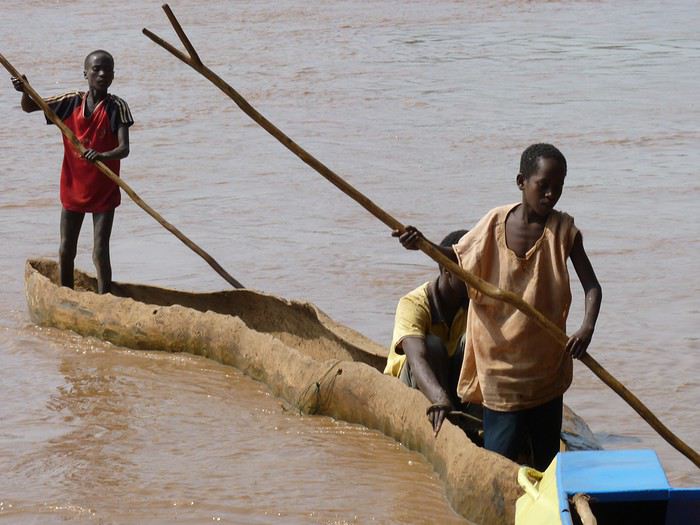
Itinéraire pour le Cap Nord à moto au départ de Montpellier English translation pending
Bonjour à tous,
En ces temps de confinement (.....), je suis à le recherche de conseils pour un voyage en VFR800 de mi-juin à mi-juillet.
Que me conseillez vous comme itinéraire?
Je partirai de Montpellier en solo, je compte dormir en hôtel économique.
L'équipement du motard?
Le budget?
Merci de votre aide
Patrick
Remonter le fleuve Tsiribihina en sens inverse? (Madagascar) English translation pending
Bonjour à tous, je vois de nombreuses questions à ce sujet sans jamais avoir pu y trouver de réponses précises, quelqu'un pourrait-il me renseigner au sujet de la traditionnelle descente du fleuve de la Tsiribihina en pirogue. Je souhaiterais le faire en sens inverse, c'est à dire depuis Belo-sur-Tsiribihina jusqu'à Miandrivazo. Est-ce possible ? Si oui, avez vous de bonnes recommandations/contact à me partager ?
Alimentation pour les bivouacs en camping en Namibie English translation pending
Bonjour à tous
Bon quitte à me faire allumer je vais poser mes questions bêtes.
Nous partons avec tourmaline sur un circuit très classique de 20 jours.
Sur les 20 jours 2/3 des nuitées seront en tente sur le toit ( grande nouveauté pour moi qui n’est quasiment jamais campé)
Tourmaline nous conseille de prévoir nos menus ce que je conçois en théorie mais franchement quand on a que le brai et un réchaud je ne me projette pas.
Idem pour le midi ( j’ai 2 ados donc ça mange ). Peut on avoir beaucoup de stock, y a t il du dépannage type eau dans les stations services
Merci à ceux et celles qui m’aideront sur ce point
Sortir des sentiers battus du coté de Diego Suarez English translation pending
Bonjour, avec mon ami nous partons 3 semaines du coté de diego en avril. Nous arrivons à Nosy bé et comptons rejoindre le nord de grande Terre pour 15j de vadrouille.
Nous aimons particulièrement sortir des sentiers battus afin de découvrir l'authenticité loin des hordes de touristes..
Si quelqu'un a des suggestions, nous sommes preneurs. Merci d'avance
Itinéraire raisonnable pour 16 jours en Éthiopie (Addis-Abeba, Mekele, Danakil...) English translation pending
Bonjour,
Nous envisageons un départ pour le nord de l'Ethiopie du 16 avril au 3 mai.
J'ai un peu de mal à apprécier les temps de trajet dans ce pays et donc à construire un itinéraire à la fois intéressant et raisonnable. L'idée d'un chauffeur de A à Z ne nous dit pas plus que ça (nous avons plutôt des habitudes routardes) mais nous ne sommes pas contre des trajet en 4x4 pour les tronçons les plus difficiles.
Après avoir regardé le forum, voici une ébauche :
- 16-17 : arrivée Addis puis vol vers Mekele (à voir si les deux vols peuvent s'enchaîner facilement) - 18-20 : Danakil - 21-24 : églises du Tigray - 25 : Axoum - 26 : route Axoum - Gondar - 27-29 : Simien - 30 - 2 : Lalibela - 2-3 : retour Addis et vol
Cet itinéraire vous paraît-il crédible ? Est-ce qu'il faut supprimer Lalibela pour donner de l'air ?(ou est-ce que c'est absurde de ne pas aller à Lalibela en faisant une boucle nord ?) Est-ce que c'est un itinéraire possible sans chauffeur pré-réservé (en prenant des voitures trouvées sur place + quelques bus) ?
Merci pour votre aide
François
Nous envisageons un départ pour le nord de l'Ethiopie du 16 avril au 3 mai.
J'ai un peu de mal à apprécier les temps de trajet dans ce pays et donc à construire un itinéraire à la fois intéressant et raisonnable. L'idée d'un chauffeur de A à Z ne nous dit pas plus que ça (nous avons plutôt des habitudes routardes) mais nous ne sommes pas contre des trajet en 4x4 pour les tronçons les plus difficiles.
Après avoir regardé le forum, voici une ébauche :
- 16-17 : arrivée Addis puis vol vers Mekele (à voir si les deux vols peuvent s'enchaîner facilement) - 18-20 : Danakil - 21-24 : églises du Tigray - 25 : Axoum - 26 : route Axoum - Gondar - 27-29 : Simien - 30 - 2 : Lalibela - 2-3 : retour Addis et vol
Cet itinéraire vous paraît-il crédible ? Est-ce qu'il faut supprimer Lalibela pour donner de l'air ?(ou est-ce que c'est absurde de ne pas aller à Lalibela en faisant une boucle nord ?) Est-ce que c'est un itinéraire possible sans chauffeur pré-réservé (en prenant des voitures trouvées sur place + quelques bus) ?
Merci pour votre aide
François
Croisière Costa Fortuna au départ de Singapour le 25 février 2020 English translation pending
Bonsoir
Il y a y il des participants sur le forum, à la croisière du 25/02/2020 au départ de Singapour ?
Si oui, on pourrait échanger et partager nos infos😉
Retour sur trek de 3 jours dans les montagnes de Lalibela (Éthiopie) English translation pending
De retour de voyage en Ethiopie. Nous, ma femme et moi, avons fait un trekking de 3 jours dans les montagnes de Lalibela, magnifiques paysages et nuits chez des familles. Nous avons trouvé un guide sur les forums et nous l’avons contacté par mail, ensuite nous avons échangé sur Whatsapp. Un jeune de 28 ans très gentil et vraiment motivé pour faire découvrir son pays et surtout Lalibela et ses montagnes alentours. Nous avons passé 3 jours merveilleux au cœur des montagnes entre 3200 et 4200m. Contrairement au trek dans le Simiens, que nous avions fait quelques jours plus tôt, et où nous étions dans de magnifiques paysages mais souvent au-dessus des cultures et avec beaucoup de randonneurs, ici nous étions vraiment au cœur des populations montagnardes et des petits villages où nous avons logés, avec très peu de randonneurs, pourtant les paysages sont à couper le souffle. Avec des rencontres vraiment enrichissantes et très authentiques. Avant et après le trek, Mareg était là pour nous conseiller et nous aider à organiser notre voyage, il nous a trouvé sans problème un guide francophone pour la visite des églises de Lalibela. Lui et son frère Zinabe se sont vraiment mis à notre portée tout au long de notre voyage et aussi, nous parlons assez mal anglais, pour toutes les conversations que nous avons pu avoir ensemble. Après le trek lors de notre départ, quelques jours après, il est venu spécialement, tôt le matin, pour nous dire au revoir.
Mareg est un guide indépendant et il a un projet de créer sa propre entreprise de trekking avec pour finalité de développer des moyens de subsistance pour les communautés locales et en particulier aider les écoles primaires du secteur de Lalibela.
Voilà, je fais rarement des retours de voyage, mais cette fois-ci je tenais absolument à mettre en avant Mareg, tant nous l’avons apprécié lors de notre périple.
Patrice
Mareg ASMRO
+251 910144206 maregasmro@yahoo.com
Circuit pour voyage en couple à Madagascar fin avril - début mai English translation pending
Bonjour à tous
Je désire organiser un petit voyage de 12 jours a Madagascar fin avril début mai 2020.
Je cherche des conseils et circuits à faire, on sera un couple..
On y va pour la faune et le farniente. Les paysages paradisiaque et un peu d aventure.
Merci d'avance pour votre aide
Escapade à vélo en famille en Amérique du Sud English translation pending
Bonjour à tous,
Tout d'abord, je tiens à remercier tous ceux qui écrivent longuement sur ce forum et grâce à qui j'ai pu récolter tout un tas d'infos sur divers sujets. Ensuite, voilà ce qui m'amène aujourd'hui : mon fils, ma compagne et moi-même voyageons à vélo et souhaiterions poser nos pneus sur le continent sud-américain, à priori à partir d'août prochain.
L'idée : faire un voyage de quatre mois environ, avec un passage par le Paraguay. J'y ai vécu un an pendant mon enfance et il m'est très cher d'y retourner ! Vu que nous partirons quatre mois et que nous voyageons avec notre fils (en remorque) qui sera alors âgé d'un an, je pense que 4.000/4.500 km conviendraient bien. Avez-vous des idées de parcours ?
Quelques infos en vrac et qui peuvent servir : - nous avons l'habitude de bivouaquer et sommes bien équipés - le passage par le Paraguay est important, et plus spécialement par Iguazu et Concepcion dont je garde de supers souvenirs - je parle couramment espagnol
Merci à tous ! Damien
Tout d'abord, je tiens à remercier tous ceux qui écrivent longuement sur ce forum et grâce à qui j'ai pu récolter tout un tas d'infos sur divers sujets. Ensuite, voilà ce qui m'amène aujourd'hui : mon fils, ma compagne et moi-même voyageons à vélo et souhaiterions poser nos pneus sur le continent sud-américain, à priori à partir d'août prochain.
L'idée : faire un voyage de quatre mois environ, avec un passage par le Paraguay. J'y ai vécu un an pendant mon enfance et il m'est très cher d'y retourner ! Vu que nous partirons quatre mois et que nous voyageons avec notre fils (en remorque) qui sera alors âgé d'un an, je pense que 4.000/4.500 km conviendraient bien. Avez-vous des idées de parcours ?
Quelques infos en vrac et qui peuvent servir : - nous avons l'habitude de bivouaquer et sommes bien équipés - le passage par le Paraguay est important, et plus spécialement par Iguazu et Concepcion dont je garde de supers souvenirs - je parle couramment espagnol
Merci à tous ! Damien
Sécurité hors agence dans le Sud tunisien English translation pending
Bonjour,
Concernant la sécurité au Sud Tunisien - voyageant en couple hors agence - y a t il un risque, en louant un véhicule de se rendre dans le secteur du "chott el jerid" , vers la corbeille de Nefta et
Metlaoui (pour le train "lézard rouge")
Ou est il préférable d'aller dans ce secteur avec une agence locale a partir de Djerba.
Ou pas du tout.
Merçi pour les infos que vous pourriez me communiquer
Parcours avec agence locale à Madagascar English translation pending
Bonjour
Projetant avec mon mari un périple de 15 jours sur Madagascar en mai 2020, pouvez vous me conseiller des agences locales sérieuses pour établir avec eux, le parcours.
Si quelqu'un connait Mi-Voyages, suis preneuse de renseignements
Merci pour vos réponses
Bonne journée