Results for "Port+Nouvelle+|+127"
42866 results found.
Planning a 3-month Southern Africa trip with kids in a camper van
Hello,
I’m reaching out because I’ve already read tons of info from other forums (thanks a million, by the way!) and blogs, but now I’m overwhelmed with details and have so many questions. I’m really hoping you can help us figure this out! Here’s the plan: We’re leaving France for Senegal in our camper van (with two kids, aged 4 and 7), then shipping the van to South Africa before heading to Namibia. We’re planning to leave this summer and should arrive in South Africa in early September. The goal is to reach Réunion by early December, which gives us 3 months to explore Southern Africa. Originally, we wanted to pick up the van in Cape Town, head up to Namibia, and visit the main parks and iconic spots, then go north to Botswana (Etosha Park) and Zimbabwe (Victoria Falls) before heading back down to South Africa to enjoy the milder temperatures while exploring the country. But now we’re wondering how to get back to South Africa. We’ve come up with three options: - Head back down through Botswana: I’ve read everywhere that Botswana isn’t recommended for kids under 6 (most parks) because it can be potentially dangerous—few enclosures for animals (even though we have a camper van with "secure" beds), and the agencies we’ve contacted don’t recommend it. Plus, southern Botswana is tough to navigate in a camper van. - Return from central Botswana (Maun) to Windhoek and drive back to Cape Town via Namibia. - Cross Zimbabwe and potentially Mozambique to head down to Kruger Park and Johannesburg.
Anyone familiar with this region have any recommendations?
Also, is it necessary to book accommodations in advance? Is that only required in certain countries (maybe Botswana/Zimbabwe)? We’d like a mix of camping and lodges.
All advice is welcome!
I’m reaching out because I’ve already read tons of info from other forums (thanks a million, by the way!) and blogs, but now I’m overwhelmed with details and have so many questions. I’m really hoping you can help us figure this out! Here’s the plan: We’re leaving France for Senegal in our camper van (with two kids, aged 4 and 7), then shipping the van to South Africa before heading to Namibia. We’re planning to leave this summer and should arrive in South Africa in early September. The goal is to reach Réunion by early December, which gives us 3 months to explore Southern Africa. Originally, we wanted to pick up the van in Cape Town, head up to Namibia, and visit the main parks and iconic spots, then go north to Botswana (Etosha Park) and Zimbabwe (Victoria Falls) before heading back down to South Africa to enjoy the milder temperatures while exploring the country. But now we’re wondering how to get back to South Africa. We’ve come up with three options: - Head back down through Botswana: I’ve read everywhere that Botswana isn’t recommended for kids under 6 (most parks) because it can be potentially dangerous—few enclosures for animals (even though we have a camper van with "secure" beds), and the agencies we’ve contacted don’t recommend it. Plus, southern Botswana is tough to navigate in a camper van. - Return from central Botswana (Maun) to Windhoek and drive back to Cape Town via Namibia. - Cross Zimbabwe and potentially Mozambique to head down to Kruger Park and Johannesburg.
Anyone familiar with this region have any recommendations?
Also, is it necessary to book accommodations in advance? Is that only required in certain countries (maybe Botswana/Zimbabwe)? We’d like a mix of camping and lodges.
All advice is welcome!
7 weeks and 150 years between us on a southern Morocco road trip
We arrive in the evening in Marrakesh, and a taxi arranged by our friendly Riad is waiting for us. The driver takes us to the door, where we’re briefly greeted by our hosts. The room is heated—phew—because it’s really cold on this January 17th for our arrival. Riad Alisma, where we’re staying for 2 nights. The next morning, it’s pouring rain when we wake up, but after a good breakfast, the rain has calmed down. Off we go to the medersa, which allows for a relatively sheltered visit. We’d visited this palace 15 years ago—it’s been renovated since then.
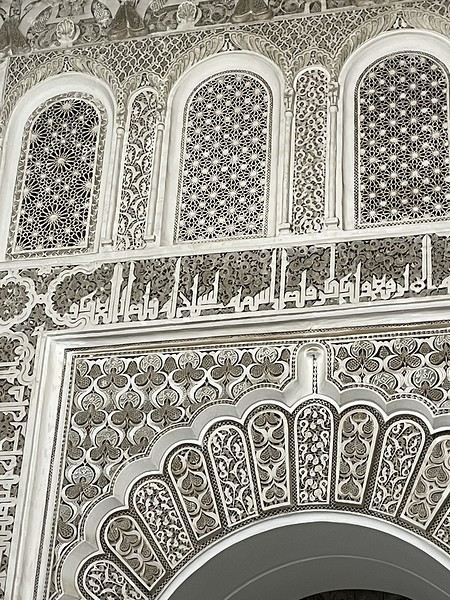
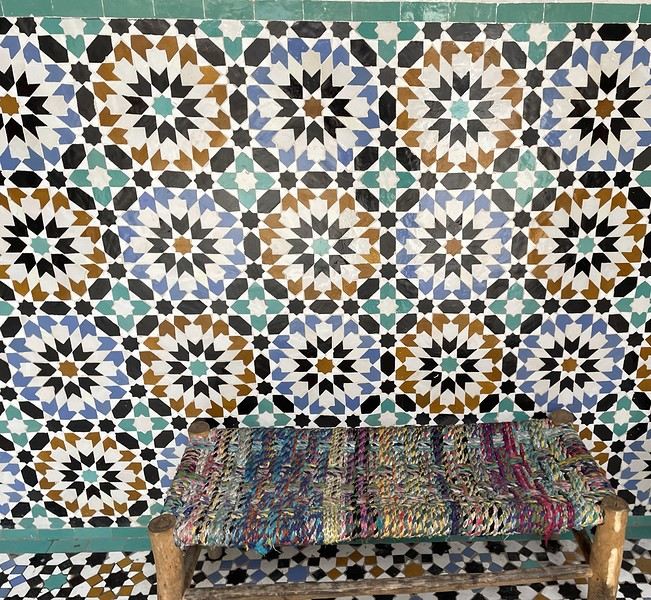
From there, without the rain, we wander aimlessly and eventually end up near the tanneries, but it’s Sunday, and there’s very little activity. Of course, we get hassled by a tout.
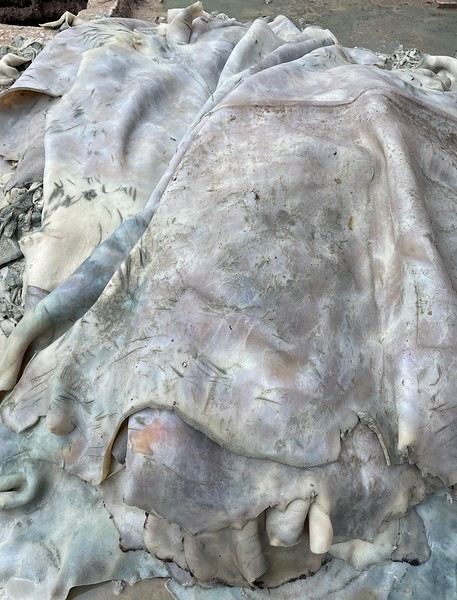
Here, the hides after being treated with lime—I love the colors.
We part ways a bit annoyed. He gets a little revenge by giving us bad directions, and we end up outside the city walls. We decide to take a taxi to the new modern art museum—60 dirhams for the 5 km, which is nothing when you think about it. That tout, who we didn’t ask for anything and made it clear we weren’t buying anything, dragged us into a shop supposedly only open that day and demanded 50 dirhams for his "services"! Let’s forget that bad moment and enjoy the exhibition at the MACAL.
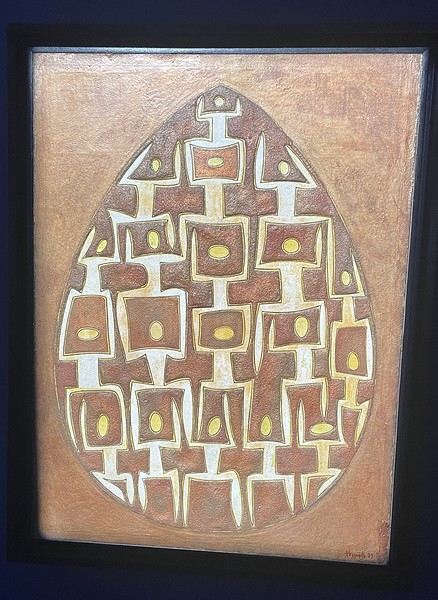
The taxi on the way back drops us off at Place des Ferblantiers, not far from our Riad. We’re a little peckish—it’s worth mentioning that at lunchtime, we only ate a plate of beans from a street vendor. So, we buy a bunch of little sweets, each more delicious than the last, at Ajar. We snack while sipping mint tea and watching life go by around us. A final visit to the Museum of Moroccan Cuisine on our way back helps us dodge a few more showers. Then it’s back to the Riad. The atmosphere in the city is heating up—it’s the AFCON final tonight. The temperatures, though? Not so much. We ordered a meal at the Riad, and it was a good call—not only was it really tasty, but the rain also picked up again. Our day in Marrakesh ends under the covers with a good book and some photo sorting. Still, we managed 10,750 steps. View of our Riad
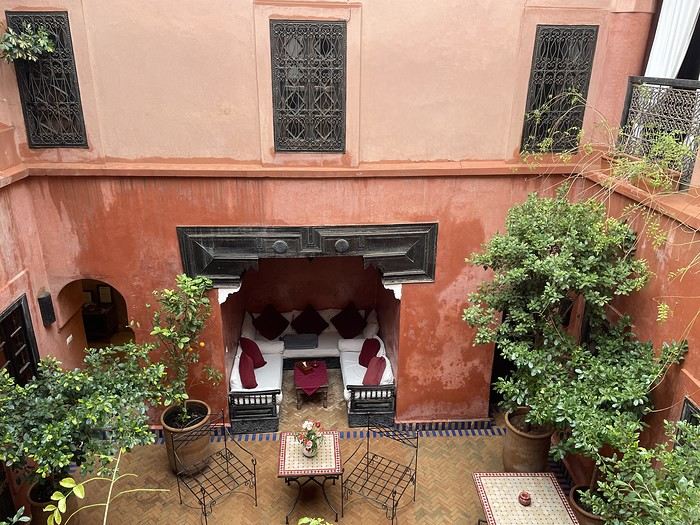
Tomorrow, we’ll pick up our rental car from Medloc and head to Essaouira.
From there, without the rain, we wander aimlessly and eventually end up near the tanneries, but it’s Sunday, and there’s very little activity. Of course, we get hassled by a tout.
Here, the hides after being treated with lime—I love the colors.
We part ways a bit annoyed. He gets a little revenge by giving us bad directions, and we end up outside the city walls. We decide to take a taxi to the new modern art museum—60 dirhams for the 5 km, which is nothing when you think about it. That tout, who we didn’t ask for anything and made it clear we weren’t buying anything, dragged us into a shop supposedly only open that day and demanded 50 dirhams for his "services"! Let’s forget that bad moment and enjoy the exhibition at the MACAL.
The taxi on the way back drops us off at Place des Ferblantiers, not far from our Riad. We’re a little peckish—it’s worth mentioning that at lunchtime, we only ate a plate of beans from a street vendor. So, we buy a bunch of little sweets, each more delicious than the last, at Ajar. We snack while sipping mint tea and watching life go by around us. A final visit to the Museum of Moroccan Cuisine on our way back helps us dodge a few more showers. Then it’s back to the Riad. The atmosphere in the city is heating up—it’s the AFCON final tonight. The temperatures, though? Not so much. We ordered a meal at the Riad, and it was a good call—not only was it really tasty, but the rain also picked up again. Our day in Marrakesh ends under the covers with a good book and some photo sorting. Still, we managed 10,750 steps. View of our Riad
Tomorrow, we’ll pick up our rental car from Medloc and head to Essaouira.
Route feedback: Is a one-way flight to Abu Simbel worth it?
Hi everyone!
We’re heading to Egypt for two weeks at the beginning of April. Here’s our current itinerary:
|02/04/2026 - Cairo (arriving at 8:00 PM)
|03/04/2026 - Cairo|
|04/04/2026 - Dahshur / Saqqara / overnight in Giza
|05/04/2026 - Giza / Cairo|
|06/04/2026 - Cairo - Abu Simbel
|07/04/2026 - Abu Simbel to Aswan
|08/04/2026 - Aswan
|09/04/2026 - Aswan
|10/04/2026 - Aswan to Luxor
|11/04/2026 - Luxor
|12/04/2026 - Luxor
|13/04/2026 - Luxor
|14/04/2026 - Luxor to Hurghada/Safaga
|15/04/2026 - Hurghada / Safaga
|16/04/2026 - Red Sea / Cairo|
|17/04/2026 - Cairo
|18/04/2026 - Cairo (return to Belgium at 10:00 AM)
I’d love to hear your thoughts on this itinerary, but mostly I’m wondering if it’s possible—and worth it—to take a one-way flight to Abu Simbel. We’d like to spend a night there to take our time visiting the site early in the morning and catch the sound-and-light show in the evening, then head to Aswan with a private driver or by bus.
Your feedback would be super helpful in planning this part of our trip!
Have a great day! 🙂 Luis
I’d love to hear your thoughts on this itinerary, but mostly I’m wondering if it’s possible—and worth it—to take a one-way flight to Abu Simbel. We’d like to spend a night there to take our time visiting the site early in the morning and catch the sound-and-light show in the evening, then head to Aswan with a private driver or by bus.
Your feedback would be super helpful in planning this part of our trip!
Have a great day! 🙂 Luis
4 weeks in Bali, Java, and Sulawesi
We’re a couple in our sixties and spent four weeks in Indonesia during October 2025.
First, we got all the necessary documents—Indonesian visa, Bali-specific visa, and customs forms—from specialized Indonesian websites. You *can* get them on arrival, but it takes a lot of time.
Unfortunately, we chose to spend the first six days of our trip in Ubud and Amed, on Bali, which we bitterly regretted. You can arrive in Indonesia without going through Bali—this island is overcrowded with tourists, cars, and scooters, and it’s home to 4,400,000 people despite being smaller than Corsica. The locals are very kind, helpful, and friendly, and the food is good, but everything is geared toward tourists—nothing feels truly authentic. At least in the parts of Bali we visited: Sanur in the south (where we spent three days before flying back to France), Ubud, and Amed. The north of the island might be more interesting, but we didn’t go there.
After Bali, we headed to Yogyakarta, on Java, to explore the city and, most importantly, visit the temples of Borobudur and Prambanan.
It’s like going from a hyper-touristy universe to a world with almost no tourists. When you walk around the city, you barely see any tourists—the people are very approachable and happy to chat. As for Borobudur and Prambanan, they’re an absolute must on this trip. You *can* visit both temples in one day, including seeing Borobudur at sunrise. We split the visits over two days. We booked Borobudur the day before on the official site, which offers specific visiting times. For Prambanan, we bought the ticket and hired a guide on-site.
We spent four days on Java before flying to Sulawesi, also called Celebes. Makassar, the island’s capital, was just a stopover between flights, but we had time to admire the beautiful new mosque at sunset. Then, we spent four days in Toraja country, another highlight of the trip, visiting cemeteries and attending a funeral ceremony with around 600 people near Rantepao. We experienced truly unique and extraordinary moments. Above Toraja country, a few hours’ drive away, lies the Bada Valley and its megaliths—the tallest is 4.8 meters high, and there are about fifteen scattered across the rice fields. We saw five of them. There were a few tourists in Toraja, but in Bada, we were alone. Unforgettable memories, stunning landscapes, and always-smiling, kind, approachable people.
To wrap up the trip, we spent five nights in the Togian Islands, north of the Bada Valley, alone in a resort with three bungalows. The view was a white-sand beach and the nearby coral reef, complete with colorful fish, turtles, dolphins, and sharks.
After eleven nights in Sulawesi, we returned to Bali. Our last nights were in Sanur, a beach town with all-inclusive hotels (we stayed in an Airbnb), restaurants serving beef bourguignon, and tourists who don’t really go to Indonesia—they just go to Bali.
Practical tip: download Grab, the local Uber—it’s super handy. This year, we opted for an eSIM, which is also very convenient. You can buy it in France and activate it when you arrive at the airport.
I’m happy to answer any questions!
PS: Despite my mixed feelings about Bali, it *can* still be a travel destination—but Indonesia has so much more to offer! Marc
First, we got all the necessary documents—Indonesian visa, Bali-specific visa, and customs forms—from specialized Indonesian websites. You *can* get them on arrival, but it takes a lot of time.
Unfortunately, we chose to spend the first six days of our trip in Ubud and Amed, on Bali, which we bitterly regretted. You can arrive in Indonesia without going through Bali—this island is overcrowded with tourists, cars, and scooters, and it’s home to 4,400,000 people despite being smaller than Corsica. The locals are very kind, helpful, and friendly, and the food is good, but everything is geared toward tourists—nothing feels truly authentic. At least in the parts of Bali we visited: Sanur in the south (where we spent three days before flying back to France), Ubud, and Amed. The north of the island might be more interesting, but we didn’t go there.
After Bali, we headed to Yogyakarta, on Java, to explore the city and, most importantly, visit the temples of Borobudur and Prambanan.
It’s like going from a hyper-touristy universe to a world with almost no tourists. When you walk around the city, you barely see any tourists—the people are very approachable and happy to chat. As for Borobudur and Prambanan, they’re an absolute must on this trip. You *can* visit both temples in one day, including seeing Borobudur at sunrise. We split the visits over two days. We booked Borobudur the day before on the official site, which offers specific visiting times. For Prambanan, we bought the ticket and hired a guide on-site.
We spent four days on Java before flying to Sulawesi, also called Celebes. Makassar, the island’s capital, was just a stopover between flights, but we had time to admire the beautiful new mosque at sunset. Then, we spent four days in Toraja country, another highlight of the trip, visiting cemeteries and attending a funeral ceremony with around 600 people near Rantepao. We experienced truly unique and extraordinary moments. Above Toraja country, a few hours’ drive away, lies the Bada Valley and its megaliths—the tallest is 4.8 meters high, and there are about fifteen scattered across the rice fields. We saw five of them. There were a few tourists in Toraja, but in Bada, we were alone. Unforgettable memories, stunning landscapes, and always-smiling, kind, approachable people.
To wrap up the trip, we spent five nights in the Togian Islands, north of the Bada Valley, alone in a resort with three bungalows. The view was a white-sand beach and the nearby coral reef, complete with colorful fish, turtles, dolphins, and sharks.
After eleven nights in Sulawesi, we returned to Bali. Our last nights were in Sanur, a beach town with all-inclusive hotels (we stayed in an Airbnb), restaurants serving beef bourguignon, and tourists who don’t really go to Indonesia—they just go to Bali.
Practical tip: download Grab, the local Uber—it’s super handy. This year, we opted for an eSIM, which is also very convenient. You can buy it in France and activate it when you arrive at the airport.
I’m happy to answer any questions!
PS: Despite my mixed feelings about Bali, it *can* still be a travel destination—but Indonesia has so much more to offer! Marc
Your recommendations for the Eastern Cape
Hello,
We’re planning our second trip to South Africa in July 2026. In 2023, we did a loop from Joburg, Golden Gate, Drakensberg, Hluhluwe, St Lucia, Eswatini, Kruger, Blyde River Canyon, and back to Joburg. This time, we’d like to go to Cape Town and do a road trip to Port Elizabeth, then fly back to Joburg to return to Kruger. At this stage of my planning, here’s what it could look like:
D1 to D4: Cape Town and Cape of Good Hope (Table Mountain, Lion’s Head, Waterfront, Bo-Kaap, Boulders, Cape Point, Chapman’s Peak Drive). I’ve spotted a few places to stay between Camps Bay and Hout Bay (3 nights). D5 and D6: Either Karoo NP or Hermanus and De Hoop. Any opinions to tip the scales? I’ll admit I’m already leaning toward Karoo (the "wild" vibe of the landscapes and wildlife encounters appeal to me much more than the seaside, which feels less exotic). If we go for Karoo, where should we stay? Inside the park or in Beaufort West? I’ve seen good reviews for Ko-ka Tsara Bush Camp, but maybe it’s better to stay in the Sanparks cottages to make the most of the park? (2 nights) Option B is to do Stellenbosch (though vineyards aren’t great in winter) and/or the Whale Route—Betty’s Bay, Hermanus, De Hoop (2 nights near Gansbaai). D7 and D8: Klein Karoo, Oudtshoorn. Staying at De Cango Guest Farm (2 nights). D9 and D10: Knysna, Robberg Nature Reserve, Tsitsikamma (2 nights in Plettenberg Bay and 1 night in PE). D11: Flight from Port Elizabeth to Joburg at 7 AM and drive to Marloth Park.
For Kruger, I’ve booked 2 nights in Marloth Park, 1 night in Skukuza, 2 nights in Satara, and 1 night in Talamati, which we loved. I’ll book the last night in Graskop later since we want to revisit the Blyde Canyon area.
I’d love all the feedback you can give on my itinerary, especially for days 5 and 6. If you have recommendations for accommodations for 4 people, I’d appreciate those too. Thanks! 🙂
We’re planning our second trip to South Africa in July 2026. In 2023, we did a loop from Joburg, Golden Gate, Drakensberg, Hluhluwe, St Lucia, Eswatini, Kruger, Blyde River Canyon, and back to Joburg. This time, we’d like to go to Cape Town and do a road trip to Port Elizabeth, then fly back to Joburg to return to Kruger. At this stage of my planning, here’s what it could look like:
D1 to D4: Cape Town and Cape of Good Hope (Table Mountain, Lion’s Head, Waterfront, Bo-Kaap, Boulders, Cape Point, Chapman’s Peak Drive). I’ve spotted a few places to stay between Camps Bay and Hout Bay (3 nights). D5 and D6: Either Karoo NP or Hermanus and De Hoop. Any opinions to tip the scales? I’ll admit I’m already leaning toward Karoo (the "wild" vibe of the landscapes and wildlife encounters appeal to me much more than the seaside, which feels less exotic). If we go for Karoo, where should we stay? Inside the park or in Beaufort West? I’ve seen good reviews for Ko-ka Tsara Bush Camp, but maybe it’s better to stay in the Sanparks cottages to make the most of the park? (2 nights) Option B is to do Stellenbosch (though vineyards aren’t great in winter) and/or the Whale Route—Betty’s Bay, Hermanus, De Hoop (2 nights near Gansbaai). D7 and D8: Klein Karoo, Oudtshoorn. Staying at De Cango Guest Farm (2 nights). D9 and D10: Knysna, Robberg Nature Reserve, Tsitsikamma (2 nights in Plettenberg Bay and 1 night in PE). D11: Flight from Port Elizabeth to Joburg at 7 AM and drive to Marloth Park.
For Kruger, I’ve booked 2 nights in Marloth Park, 1 night in Skukuza, 2 nights in Satara, and 1 night in Talamati, which we loved. I’ll book the last night in Graskop later since we want to revisit the Blyde Canyon area.
I’d love all the feedback you can give on my itinerary, especially for days 5 and 6. If you have recommendations for accommodations for 4 people, I’d appreciate those too. Thanks! 🙂
Is Zanzibar worth visiting?
Hi everyone, I’m planning a two-week trip to Tanzania at the end of December and beginning of January, including 3 or 4 days in Zanzibar. But after reading some posts about the island, I’m wondering if it’s really worth it.
Are the beaches on the mainland just as idyllic as Zanzibar’s? I’ve also seen there are other islands, like Mafia Island, which is less touristy.
Another question: for my arrival, I don’t want to stay in Dar es Salaam, as big cities don’t really appeal to me. Would Bagamoyo be a good base, or would you recommend somewhere else?
To give you more details, I’m not traveling with a tour operator—I’m more of a backpacker and prefer local transport.
Thanks for your advice!
Are the beaches on the mainland just as idyllic as Zanzibar’s? I’ve also seen there are other islands, like Mafia Island, which is less touristy.
Another question: for my arrival, I don’t want to stay in Dar es Salaam, as big cities don’t really appeal to me. Would Bagamoyo be a good base, or would you recommend somewhere else?
To give you more details, I’m not traveling with a tour operator—I’m more of a backpacker and prefer local transport.
Thanks for your advice!
Trip to Israel / Holy Land in 2022
For once, given the destination, the author can’t set aside their religious beliefs, which inevitably shape this kind of journey.
The Trip
Early in the morning at Orly Airport, in the departure lounge for Tel Aviv, a group of about forty young men arrives, all looking identical! The same neatly trimmed beards, the same identical haircuts, the same outfits with a touch of whimsy… The effect of seeing these forty “clones” is striking and raises questions! Why such perfect uniformity among this group of guys? Do they belong to the same family, sports club, cultural association, or religious group? A mystery! At the same time, the waiting area fills up with men who are more expected, given our destination: they wear large felt hats and dress in black suits with white shirts—Hassidim? The ones I’ve glimpsed fleetingly in Paris or New York, who have always been a mystery to me. More discreet-looking women accompany them.
I’m already in Israel without even setting foot there! Plus, I witness the preparations for an improvised show.
The “clones” start a flash mob at seven in the morning in a Paris airport departure lounge! Some pull out musical instruments, others begin singing and dancing. A music with strange, unfamiliar sounds enchants the waiting passengers.
The flight crew finally arrives, cutting through the flash mob, bringing us back to the reality of the moment: waiting to take off soon for this so troubling and mysterious Middle East. We go through passport control, presenting our faces to the scanners that operate the exit gate. The group of “identical” young men gets held up by the system: logically, a scanner let the first one through but blocked the second because of his perfect resemblance to the first. To the machine, the same person shouldn’t be able to cross the border twice? But eventually, the whole group makes it through the glass doors, leaving the Republic behind. My simplistic explanation is left looking ridiculous.
At every new destination, I ask myself countless questions, revealing a certain anxiety tied to the unknown: fear of attacks (one just happened at a bus station in Jerusalem), possible police pressure, unexpected events. Israel isn’t known for being a relaxing destination. In reality, if I did face a serious difficulty in this country, it wasn’t one I had anticipated—and it wasn’t particularly tied to Israel!
I take my seat by the window, which is already occupied by a little girl. Her father, a Hassidic man, politely asks if I’d be willing to give up my seat for his daughter. I tell him I’d be happy to make her happy. Seeing me masked, he asks if I’d like him and his daughter to wear masks too. In response, I take off my mask so as not to impose any constraints on them and wish them a good flight.
It was the first time I’d approached and spoken to a Hassidic man. He didn’t speak the way I might have expected after watching *Rabbi Jacob* with Louis de Funès; he spoke perfectly without an accent, just like you and me! Beware of stereotypes! Throughout the flight, I sneak glances at my strange neighbor: he prayed silently without stopping for a minute. His daughter, as good as gold, never interrupted him. He used several religious accessories during his three-hour continuous prayer: a kippa, a prayer shawl, and a rosary?… I left that plane deeply impressed, me, who has a very distant relationship with my Creator and only prays now and then.
The Trip
Early in the morning at Orly Airport, in the departure lounge for Tel Aviv, a group of about forty young men arrives, all looking identical! The same neatly trimmed beards, the same identical haircuts, the same outfits with a touch of whimsy… The effect of seeing these forty “clones” is striking and raises questions! Why such perfect uniformity among this group of guys? Do they belong to the same family, sports club, cultural association, or religious group? A mystery! At the same time, the waiting area fills up with men who are more expected, given our destination: they wear large felt hats and dress in black suits with white shirts—Hassidim? The ones I’ve glimpsed fleetingly in Paris or New York, who have always been a mystery to me. More discreet-looking women accompany them.
I’m already in Israel without even setting foot there! Plus, I witness the preparations for an improvised show.
The “clones” start a flash mob at seven in the morning in a Paris airport departure lounge! Some pull out musical instruments, others begin singing and dancing. A music with strange, unfamiliar sounds enchants the waiting passengers.
The flight crew finally arrives, cutting through the flash mob, bringing us back to the reality of the moment: waiting to take off soon for this so troubling and mysterious Middle East. We go through passport control, presenting our faces to the scanners that operate the exit gate. The group of “identical” young men gets held up by the system: logically, a scanner let the first one through but blocked the second because of his perfect resemblance to the first. To the machine, the same person shouldn’t be able to cross the border twice? But eventually, the whole group makes it through the glass doors, leaving the Republic behind. My simplistic explanation is left looking ridiculous.
At every new destination, I ask myself countless questions, revealing a certain anxiety tied to the unknown: fear of attacks (one just happened at a bus station in Jerusalem), possible police pressure, unexpected events. Israel isn’t known for being a relaxing destination. In reality, if I did face a serious difficulty in this country, it wasn’t one I had anticipated—and it wasn’t particularly tied to Israel!
I take my seat by the window, which is already occupied by a little girl. Her father, a Hassidic man, politely asks if I’d be willing to give up my seat for his daughter. I tell him I’d be happy to make her happy. Seeing me masked, he asks if I’d like him and his daughter to wear masks too. In response, I take off my mask so as not to impose any constraints on them and wish them a good flight.
It was the first time I’d approached and spoken to a Hassidic man. He didn’t speak the way I might have expected after watching *Rabbi Jacob* with Louis de Funès; he spoke perfectly without an accent, just like you and me! Beware of stereotypes! Throughout the flight, I sneak glances at my strange neighbor: he prayed silently without stopping for a minute. His daughter, as good as gold, never interrupted him. He used several religious accessories during his three-hour continuous prayer: a kippa, a prayer shawl, and a rosary?… I left that plane deeply impressed, me, who has a very distant relationship with my Creator and only prays now and then.
VF Members' Cruise Departure Calendar for 2026
hi there
Here’s the cruise schedule for 2026.
It’s a great way to get ideas and maybe even meet up with other members.
2 essential rules:
1) never "quote" the calendar when replying—this’ll avoid any confusion 2) follow the format below DD/MM - username / SHIP IN CAPS / number of days / cruise title / departure port DON’T FORGET THE SPACES between the / /
REMINDER Despite my requests, few people follow the requested format. Cruises that stray too far from it won’t be listed anymore—sorry!PLEASE respect the templates! COPY AND PASTE THE FORMAT BELOW AND REPLACE WITH YOUR DETAILS IF YOU’RE STRUGGLING DD/MM - username / SHIP IN CAPS / number of days / cruise title / departure port DON’T FORGET THE SPACES between the / / It takes time to fix mistakes, so THANKS TO EVERYONE for your help!
YOUR TURN 😉
NUMBER OF CRUISES 2026: JANUARY FEBRUARY MARCH APRIL MAY JUNE JULY AUGUST SEPTEMBER OCTOBER NOVEMBER DECEMBER
1) never "quote" the calendar when replying—this’ll avoid any confusion 2) follow the format below DD/MM - username / SHIP IN CAPS / number of days / cruise title / departure port DON’T FORGET THE SPACES between the / /
REMINDER Despite my requests, few people follow the requested format. Cruises that stray too far from it won’t be listed anymore—sorry!PLEASE respect the templates! COPY AND PASTE THE FORMAT BELOW AND REPLACE WITH YOUR DETAILS IF YOU’RE STRUGGLING DD/MM - username / SHIP IN CAPS / number of days / cruise title / departure port DON’T FORGET THE SPACES between the / / It takes time to fix mistakes, so THANKS TO EVERYONE for your help!
YOUR TURN 😉
NUMBER OF CRUISES 2026: JANUARY FEBRUARY MARCH APRIL MAY JUNE JULY AUGUST SEPTEMBER OCTOBER NOVEMBER DECEMBER
Exploring southern and western Iceland by 4x4
Hi there,
I’m looking to put together a group of 4 people to explore western and southern Iceland. The snow conditions in November (second half of the month) make access to the north and east tricky. Why November? The nighttime conditions (between 9 PM and 2 AM are ideal for spotting the northern lights), there’s still daylight (days run from about 9:30 AM to 5:30 PM—so we’ll need to start the day while it’s still dark), it’s not too cold (between 0 and 5 °C), and prices are more attractive than in late summer or during the December holidays.
I plan to use a provider to handle the logistics of the itinerary, which we’ll need to stick to (see details below). The provider charges 1345 € per person (price based on 2 people, but it’s better to have 4 to lower the cost per person since the vehicle rate is the same for 2, 3, or 4 people). We can tweak the itinerary a bit, but we all know that if we stray too far from the proposed offer, the price can quickly go up. Included:
7 nights in a guesthouse or hotel, twin or double room, shared facilities, and breakfast included. 7 days of rental for a 4-wheel-drive vehicle suited to the group size, unlimited mileage (fuel is on us), CDW insurance, and a second driver option. A road map and detailed itinerary A 24/7 French-speaking assistance service
Base itinerary proposed by the agency... It seems solid, given we’ll be there for 8 days (arrival and departure included). It’s possible to extend (by paying for extra accommodation) depending on your flight departure date. Day 1: Arrival in Iceland From the airport, the Blue Lagoon (optional) for a swim in its warm, turquoise, and milky waters. Then, the drive to Reykjavík, crossing the wild and lunar landscapes of the Reykjanes Peninsula. Explore the Icelandic capital, Reykjavík. Distance: 55 km. Meals: on your own. Accommodation: guesthouse in Reykjavík or the surrounding area.
Day 2: Exploring the west coast around Snæfellsjökull The west coast in the Snæfellsnes region. Cliffs, wild coastlines, and isolated farms in vast open spaces. Around the Snæfellsjökull volcano, the gateway to Jules Verne’s *Journey to the Center of the Earth*, you’ll discover the Djúpalónssandur reefs, the charming little port of Arnarstapi, nestled beneath the glacier, and the ports of the north coast, Grundarfjörður and Stykkishólmur. Distance: 260 km.
Day 3: Borgarfjörður, Reykholt & the Hraunfossar & Barnafoss waterfalls The lovely and unique Hraunfossar and Barnafoss waterfalls, before visiting Reykholt, the historic home of Snorri Sturluson, a famous 13th-century writer, poet, and historian. Distance: 160 km. Day 4: The famous Golden Circle The three most famous sites in the country, forming the Golden Circle. First, the Þingvellir tectonic rift, where you can hike or even dive between the two tectonic plates in a stunning, vast lake. Geysir, to see its hot springs and the Strokkur geyser. Finally, the impressive Gullfoss waterfall. You can also relax in one of the hot springs in the area. Distance: 160 km. Day 5: The south coast: Seljalandsfoss, Skógafoss, Dyrhólaey & Vík From the Golden Circle region, the route continues along the south coast. You can stop near two magnificent waterfalls: Seljalandsfoss, which you can walk behind, and Skógafoss. Head toward Vík, at the foot of Eyjafjallajökull, and the stunning cliffs of Dyrhólaey with its black sand beaches. Distance: 180 km. Day 6: Walk among the icebergs of Jökulsárlón & Vatnajökull Glacier Continuing on Route 1, Jökulsárlón will be your next stop, where you’ll see the glacial lagoon with icebergs breaking off from the Breiðamerkurjökull glacier. Skaftafell National Park, where you can take a walk, especially around the Svartifoss waterfall. As an option, you can visit a hidden ice cave beneath the glacier. Distance: 250 km. Day 7: Exploring the south coast & return to Reykjavík Return to Reykjavík. Stop in Vík or at the Skógar Folklore Museum, then pass through Hveragerði town center to see the fumaroles and solfataras before heading back to the capital in the late afternoon. Distance: 280 km.
Day 8: Departure from Reykjavík & return flight Take your flight from Keflavík International Airport. If you’d like to explore the capital further, an extra night in Reykjavík is totally doable. Distance: 55 km.
We’d need to lock in dates between November 20 and 30 (I can’t do earlier, and after that, the days get too short, temperatures drop, and prices go up). Ideally, 4 people from my area—I’m in Vendée, so people from neighboring departments in Pays de la Loire, southern Brittany, or northern Nouvelle-Aquitaine would work so we can meet up.
Contact me via PM if you’re *seriously* interested in joining. We’ll need to book soon to keep the option of tweaking the trip (within limits) and to reserve flights early to manage costs (Iceland isn’t cheap for flights or the trip itself) and stick to the travel dates.
Meeting beforehand is key—we’ll need to agree that we’ll be spending 7 days in the same vehicle and sharing a room with one other person, which requires some flexibility and respect for each other. It’s best if everyone’s a little active. You can do your own thing in terms of mobility, but it’s good to get out of the vehicle and walk a bit (more or less, depending on the person). I’m planning optional activities that might be possible, like: - Walking on a glacier - Visiting an ice cave - Winter diving in the Silfra fissure (if possible) - And of course, soaking in hot springs Everyone can decide based on their interests and budget, but we’ll need to be okay with others doing these activities while sharing the same vehicle—obviously, within the limits of the itinerary and timing tied to accommodations.
Pascal
I’m looking to put together a group of 4 people to explore western and southern Iceland. The snow conditions in November (second half of the month) make access to the north and east tricky. Why November? The nighttime conditions (between 9 PM and 2 AM are ideal for spotting the northern lights), there’s still daylight (days run from about 9:30 AM to 5:30 PM—so we’ll need to start the day while it’s still dark), it’s not too cold (between 0 and 5 °C), and prices are more attractive than in late summer or during the December holidays.
I plan to use a provider to handle the logistics of the itinerary, which we’ll need to stick to (see details below). The provider charges 1345 € per person (price based on 2 people, but it’s better to have 4 to lower the cost per person since the vehicle rate is the same for 2, 3, or 4 people). We can tweak the itinerary a bit, but we all know that if we stray too far from the proposed offer, the price can quickly go up. Included:
7 nights in a guesthouse or hotel, twin or double room, shared facilities, and breakfast included. 7 days of rental for a 4-wheel-drive vehicle suited to the group size, unlimited mileage (fuel is on us), CDW insurance, and a second driver option. A road map and detailed itinerary A 24/7 French-speaking assistance service
Base itinerary proposed by the agency... It seems solid, given we’ll be there for 8 days (arrival and departure included). It’s possible to extend (by paying for extra accommodation) depending on your flight departure date. Day 1: Arrival in Iceland From the airport, the Blue Lagoon (optional) for a swim in its warm, turquoise, and milky waters. Then, the drive to Reykjavík, crossing the wild and lunar landscapes of the Reykjanes Peninsula. Explore the Icelandic capital, Reykjavík. Distance: 55 km. Meals: on your own. Accommodation: guesthouse in Reykjavík or the surrounding area.
Day 2: Exploring the west coast around Snæfellsjökull The west coast in the Snæfellsnes region. Cliffs, wild coastlines, and isolated farms in vast open spaces. Around the Snæfellsjökull volcano, the gateway to Jules Verne’s *Journey to the Center of the Earth*, you’ll discover the Djúpalónssandur reefs, the charming little port of Arnarstapi, nestled beneath the glacier, and the ports of the north coast, Grundarfjörður and Stykkishólmur. Distance: 260 km.
Day 3: Borgarfjörður, Reykholt & the Hraunfossar & Barnafoss waterfalls The lovely and unique Hraunfossar and Barnafoss waterfalls, before visiting Reykholt, the historic home of Snorri Sturluson, a famous 13th-century writer, poet, and historian. Distance: 160 km. Day 4: The famous Golden Circle The three most famous sites in the country, forming the Golden Circle. First, the Þingvellir tectonic rift, where you can hike or even dive between the two tectonic plates in a stunning, vast lake. Geysir, to see its hot springs and the Strokkur geyser. Finally, the impressive Gullfoss waterfall. You can also relax in one of the hot springs in the area. Distance: 160 km. Day 5: The south coast: Seljalandsfoss, Skógafoss, Dyrhólaey & Vík From the Golden Circle region, the route continues along the south coast. You can stop near two magnificent waterfalls: Seljalandsfoss, which you can walk behind, and Skógafoss. Head toward Vík, at the foot of Eyjafjallajökull, and the stunning cliffs of Dyrhólaey with its black sand beaches. Distance: 180 km. Day 6: Walk among the icebergs of Jökulsárlón & Vatnajökull Glacier Continuing on Route 1, Jökulsárlón will be your next stop, where you’ll see the glacial lagoon with icebergs breaking off from the Breiðamerkurjökull glacier. Skaftafell National Park, where you can take a walk, especially around the Svartifoss waterfall. As an option, you can visit a hidden ice cave beneath the glacier. Distance: 250 km. Day 7: Exploring the south coast & return to Reykjavík Return to Reykjavík. Stop in Vík or at the Skógar Folklore Museum, then pass through Hveragerði town center to see the fumaroles and solfataras before heading back to the capital in the late afternoon. Distance: 280 km.
Day 8: Departure from Reykjavík & return flight Take your flight from Keflavík International Airport. If you’d like to explore the capital further, an extra night in Reykjavík is totally doable. Distance: 55 km.
We’d need to lock in dates between November 20 and 30 (I can’t do earlier, and after that, the days get too short, temperatures drop, and prices go up). Ideally, 4 people from my area—I’m in Vendée, so people from neighboring departments in Pays de la Loire, southern Brittany, or northern Nouvelle-Aquitaine would work so we can meet up.
Contact me via PM if you’re *seriously* interested in joining. We’ll need to book soon to keep the option of tweaking the trip (within limits) and to reserve flights early to manage costs (Iceland isn’t cheap for flights or the trip itself) and stick to the travel dates.
Meeting beforehand is key—we’ll need to agree that we’ll be spending 7 days in the same vehicle and sharing a room with one other person, which requires some flexibility and respect for each other. It’s best if everyone’s a little active. You can do your own thing in terms of mobility, but it’s good to get out of the vehicle and walk a bit (more or less, depending on the person). I’m planning optional activities that might be possible, like: - Walking on a glacier - Visiting an ice cave - Winter diving in the Silfra fissure (if possible) - And of course, soaking in hot springs Everyone can decide based on their interests and budget, but we’ll need to be okay with others doing these activities while sharing the same vehicle—obviously, within the limits of the itinerary and timing tied to accommodations.
Pascal
Trip report: Our South Africa journey in July
Hi there,
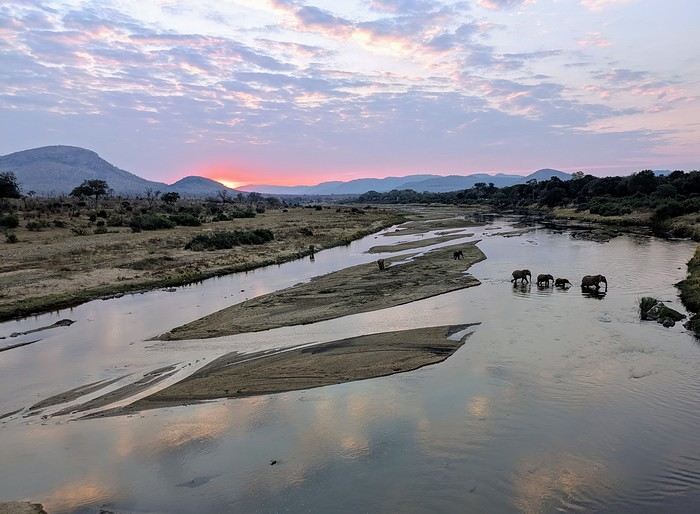
We’re back from our 3-week trip to South Africa in July. It was a family trip with our four grown-up kids (ages 18 to 25).
First off, I’d like to thank everyone on this forum for their great tips—they really helped us plan this trip!
The trip: We spent 15 days between Port Elizabeth and Cape Town, then a week around Kruger (including Blyde River Canyon). We found South Africans to be welcoming and always ready to help. We never felt unsafe (just followed basic safety rules). The police are very visible, especially on the roads.
Logistics: We’d booked our accommodations in advance but made a few changes on the spot based on how we felt at the time. We rented two vehicles from Firefly (Hertz). No complaints—recent cars, quick returns, and the deposit wasn’t charged. We’d gotten our international driver’s permits... which stayed in France! Luckily, no one asked for them. Driving on the left wasn’t an issue (it wasn’t our first time). The roads we took were in good, even great, condition. Only a few tracks to lodges or parks were rough and required extra caution. Lots of pedestrians on the sides of roads, even highways. And plenty of very slow trucks. But they pull over to let you pass. It’s also common for cars to cross into the opposite lane to overtake, even with white lines. We took two domestic flights: one early in the morning (Johannesburg to Port Elizabeth) and one in the late afternoon (Cape Town to Johannesburg) to save time.
We had some highlights and a few disappointments—all part of the journey! More details coming soon.
We’re back from our 3-week trip to South Africa in July. It was a family trip with our four grown-up kids (ages 18 to 25).
First off, I’d like to thank everyone on this forum for their great tips—they really helped us plan this trip!
The trip: We spent 15 days between Port Elizabeth and Cape Town, then a week around Kruger (including Blyde River Canyon). We found South Africans to be welcoming and always ready to help. We never felt unsafe (just followed basic safety rules). The police are very visible, especially on the roads.
Logistics: We’d booked our accommodations in advance but made a few changes on the spot based on how we felt at the time. We rented two vehicles from Firefly (Hertz). No complaints—recent cars, quick returns, and the deposit wasn’t charged. We’d gotten our international driver’s permits... which stayed in France! Luckily, no one asked for them. Driving on the left wasn’t an issue (it wasn’t our first time). The roads we took were in good, even great, condition. Only a few tracks to lodges or parks were rough and required extra caution. Lots of pedestrians on the sides of roads, even highways. And plenty of very slow trucks. But they pull over to let you pass. It’s also common for cars to cross into the opposite lane to overtake, even with white lines. We took two domestic flights: one early in the morning (Johannesburg to Port Elizabeth) and one in the late afternoon (Cape Town to Johannesburg) to save time.
We had some highlights and a few disappointments—all part of the journey! More details coming soon.
11 unforgettable days in Oman
We visited the northern/northeast part of Oman, the most touristy area, last February over 11 days there. It’s a great time to go because the temperatures are pleasant and there aren’t too many tourists, even though the country is only just starting to develop its image. 11 days was enough for us to see the essentials, but you can always extend your stay depending on what you want.
2 days in Muscat, 2 days in the desert—we would’ve happily stayed longer—2 days in the mountains, 3 days in the wadis, and the rest for the cities, villages, and the coast.
Oman offers stunning landscapes and a genuinely warm welcome. We always felt safe, never experienced any malicious looks or gestures.
As usual for our trips, we chose to organize everything ourselves but with a guide to better explore and soak up the local culture.
The point of my post isn’t to recount our journey but to encourage and reassure anyone considering this destination.
If I can be of help, I’m happy to answer your questions based on what I know.
2 days in Muscat, 2 days in the desert—we would’ve happily stayed longer—2 days in the mountains, 3 days in the wadis, and the rest for the cities, villages, and the coast.
Oman offers stunning landscapes and a genuinely warm welcome. We always felt safe, never experienced any malicious looks or gestures.
As usual for our trips, we chose to organize everything ourselves but with a guide to better explore and soak up the local culture.
The point of my post isn’t to recount our journey but to encourage and reassure anyone considering this destination.
If I can be of help, I’m happy to answer your questions based on what I know.
Wood in all its forms – July 2025 photography contest
Hi everyone,
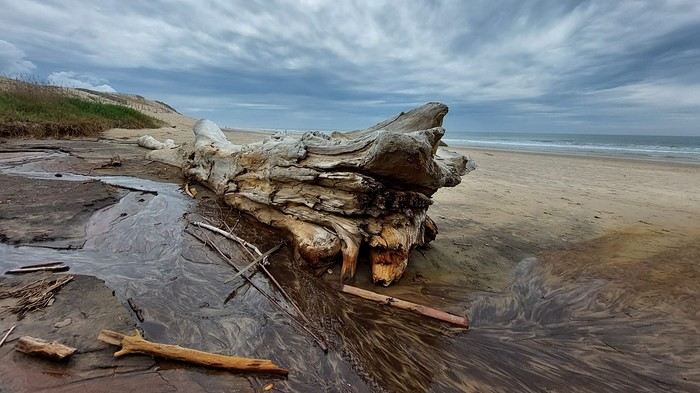
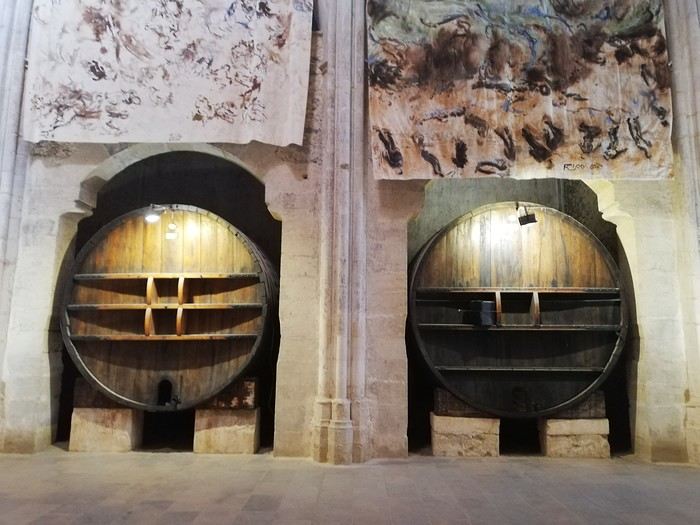
This month’s contest theme is WOOD. Wood as a plant material—roots, trunks, branches that make up a tree. Dead or alive, splinters and knots. Sawdust too. Firewood, from the woodshed to the hearth. Wood as a crafting material and all the things it can become: from a spoon to a violin, a boat to a stave church, and so much more—way too long to list! 😉
Technical details:
1. Each of you can post up to 3 photos. One photo per message, numbered 1 to 3. Along with the shot, feel free to share a few written details—location, context, anecdote, or photography technique. Photos can be submitted until Tuesday, July 22 at midnight, Milan time.
2. Voting will take place from Wednesday, July 23 at 00:00 until Tuesday, July 29 at midnight. All forum members can vote for their 3 favorite photos, listing the photographer’s name and the photo number in order of preference: 3 points for first place, 2 for second, and 1 for third.
3. Results will be announced on Wednesday, July 30 during the day. In case of a tie, the number of first-place votes will decide. Photos already featured on a podium are not eligible to compete.
The winner will have the special privilege of organizing August’s contest.
This thread is reserved for contest photos. For other wood-themed photos and general discussions, head here.
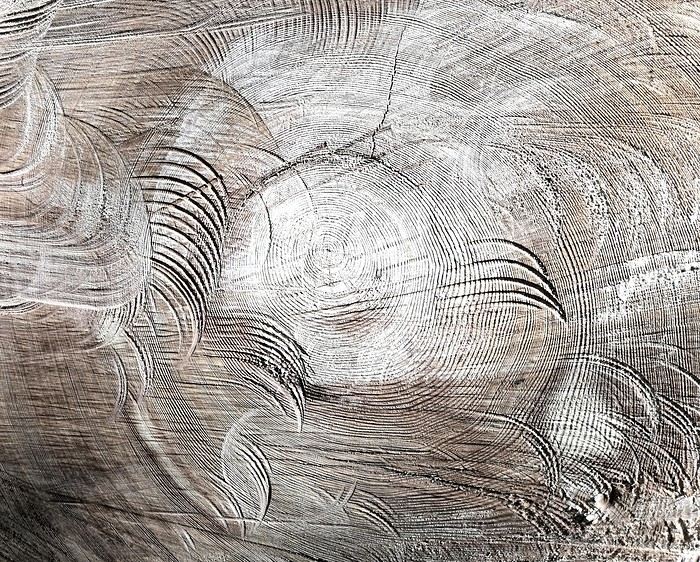
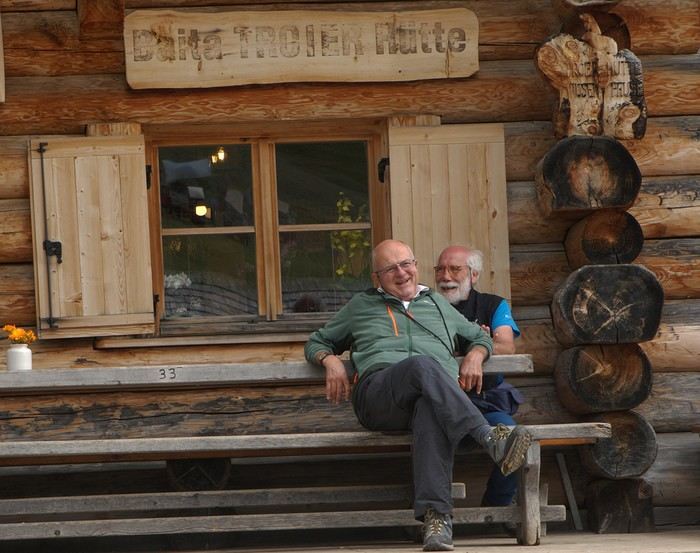
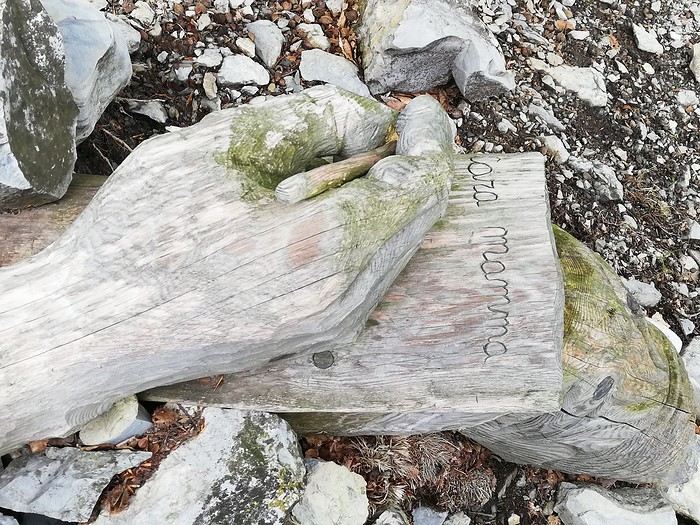

Alright, your turn! 😛
Catherine
This month’s contest theme is WOOD. Wood as a plant material—roots, trunks, branches that make up a tree. Dead or alive, splinters and knots. Sawdust too. Firewood, from the woodshed to the hearth. Wood as a crafting material and all the things it can become: from a spoon to a violin, a boat to a stave church, and so much more—way too long to list! 😉
Technical details:
1. Each of you can post up to 3 photos. One photo per message, numbered 1 to 3. Along with the shot, feel free to share a few written details—location, context, anecdote, or photography technique. Photos can be submitted until Tuesday, July 22 at midnight, Milan time.
2. Voting will take place from Wednesday, July 23 at 00:00 until Tuesday, July 29 at midnight. All forum members can vote for their 3 favorite photos, listing the photographer’s name and the photo number in order of preference: 3 points for first place, 2 for second, and 1 for third.
3. Results will be announced on Wednesday, July 30 during the day. In case of a tie, the number of first-place votes will decide. Photos already featured on a podium are not eligible to compete.
The winner will have the special privilege of organizing August’s contest.
This thread is reserved for contest photos. For other wood-themed photos and general discussions, head here.
Alright, your turn! 😛
Catherine
What to do in Vancouver?
Hi everyone! I’m planning to spend about a week in Vancouver in September. I’d love all your tips for exploring the city to the fullest, plus recommendations for well-located hotels that are safe and not too expensive—since I’m traveling solo, it’s frustrating that rooms often cost the same whether it’s for one or two people...
Also, what are some great things to do outside Vancouver once I’m there?
Thanks for your suggestions!
Also, what are some great things to do outside Vancouver once I’m there?
Thanks for your suggestions!
2 weeks in the Cyclades
Hi everyone!
Blue skies (lots of them), whitewashed villages with steep alleyways, hundreds of churches, and... thousands of stairs? Welcome to the Cyclades! 🙂
We’d been dreaming about this for a while, but in July-August—with the crowds—no way! Now that I can travel outside school holidays, the Cyclades are back on the agenda. And so begins a loooong period of planning and second-guessing, with countless itinerary changes: the Cyclades, yes, but which ones? I was fixated on Folegandros (we won’t be going after all) and really wanted to visit Delos. So, for this first trip, it’ll be: Mykonos (and Delos)-Naxos-Amorgos-Santorini.
Saturday 24/05: Departure from Orly on a Transavia flight, arriving in Mykonos in the late afternoon. We found a hotel that offers free transfers (pretty rare and not insignificant—it’s 25 € each way for just a few kilometers 😠) and at a reasonable price (83 € per night for B&B). Time for dinner already: Greek salad and souvlaki (we’re in Greece, right?)
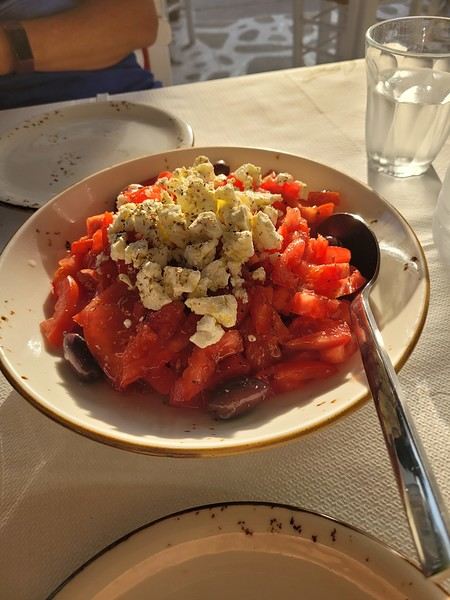 (Okay, this is actually a dakos with Naxos cheese, but I don’t have a photo of a Greek salad 😏).
Blue skies (lots of them), whitewashed villages with steep alleyways, hundreds of churches, and... thousands of stairs? Welcome to the Cyclades! 🙂
We’d been dreaming about this for a while, but in July-August—with the crowds—no way! Now that I can travel outside school holidays, the Cyclades are back on the agenda. And so begins a loooong period of planning and second-guessing, with countless itinerary changes: the Cyclades, yes, but which ones? I was fixated on Folegandros (we won’t be going after all) and really wanted to visit Delos. So, for this first trip, it’ll be: Mykonos (and Delos)-Naxos-Amorgos-Santorini.
Saturday 24/05: Departure from Orly on a Transavia flight, arriving in Mykonos in the late afternoon. We found a hotel that offers free transfers (pretty rare and not insignificant—it’s 25 € each way for just a few kilometers 😠) and at a reasonable price (83 € per night for B&B). Time for dinner already: Greek salad and souvlaki (we’re in Greece, right?)
(Okay, this is actually a dakos with Naxos cheese, but I don’t have a photo of a Greek salad 😏).Australia 2025: Discovering the 5th Continent
Hi everyone.
Because that’s also what sparks the desire in every traveler (well, at least for me) to set foot on Australian soil: discovering a new continent.
Right now, I’ve got some time on my hands—those who follow me know that. A nasty muscle tear (which really doesn’t want to heal) is keeping me grounded for another week, so I’ve decided to open a new travel journal, recounting my recent trip from December 14, 2024, to January 12, 2025, in Australia.
The origins of this trip started last May in Crete, an island I chose for a 10-day break. It’s really lovely, by the way, but that’s not the point… It’s around this time every year that we decide on our next winter destination, and Argentina was at the top of the list—Sydney wasn’t even on the radar… I’d been looking at flights to Buenos Aires for a while, and the prices were shocking… But by the pool one lazy afternoon, scrolling on my iPhone, a promo from Geneva to Sydney caught my eye. The deal ticked two boxes on my traveler’s bucket list: a flight to Australia and a flight with Singapore Airlines, often ranked as the world’s best airline. A quick chat with the missus (well, of course!) and the decision was made: off to the land of kangaroos! Now, once you add luggage and Economy Plus, it still comes to 1600 € per person, but that’s a reasonable price. Either way, we already know what we’re in for—Australia is a budget commitment!

Thanks to 123rf for the image loan 😛
Right now, I’ve got some time on my hands—those who follow me know that. A nasty muscle tear (which really doesn’t want to heal) is keeping me grounded for another week, so I’ve decided to open a new travel journal, recounting my recent trip from December 14, 2024, to January 12, 2025, in Australia.
The origins of this trip started last May in Crete, an island I chose for a 10-day break. It’s really lovely, by the way, but that’s not the point… It’s around this time every year that we decide on our next winter destination, and Argentina was at the top of the list—Sydney wasn’t even on the radar… I’d been looking at flights to Buenos Aires for a while, and the prices were shocking… But by the pool one lazy afternoon, scrolling on my iPhone, a promo from Geneva to Sydney caught my eye. The deal ticked two boxes on my traveler’s bucket list: a flight to Australia and a flight with Singapore Airlines, often ranked as the world’s best airline. A quick chat with the missus (well, of course!) and the decision was made: off to the land of kangaroos! Now, once you add luggage and Economy Plus, it still comes to 1600 € per person, but that’s a reasonable price. Either way, we already know what we’re in for—Australia is a budget commitment!
Thanks to 123rf for the image loan 😛
15 days in Texas in October 2022
Ah! This trip to Texas, postponed so many times because of Covid. I wanted to discover this state, but not in the summer due to the temperatures.
I’ll try to dig into my memories since I didn’t take any notes.
Day 1: Departure
Early morning flight from Lyon to Frankfurt (I often fly with Lufthansa). We only have a 50-minute layover, but I trust German organization—it’s not just talk, since it took us only 30 minutes to get to the boarding gate. Arriving in Houston, we’re excited because it’s been 3 years since we last visited the USA, and we’ve missed it.
Everything goes smoothly with the formalities and the car rental, so 1.5 hours after landing, I park near Sam Houston Park to start our discovery. The park is pretty, clean, and has the unique feature of housing some well-preserved Victorian houses. The sun is shining, and it’s always fun to see old wooden houses surrounded by gleaming skyscrapers. A quick drive to the Rothko Chapel, which is dedicated to all faiths. There are also modern artworks in an annex building and outside. Then we head to Pasadena to reach our hotel and go to bed since we’ve been awake for a while!
Hotel: A classic Days Inn. It’s standard, but the beds are comfortable, and it’s a quiet place. The + of the day: We're back in the USA The -: Nothing
Day 2: NASA and then Galveston
Of course, we wake up super early. A quick trip to the nearby Walmart for the usual small purchases. Surprise—I can’t buy a bottle of California white wine because in Texas, there are set hours for buying alcohol. Talk about a bummer for my apéro! Next, we head to Kemah, a small, hyper-touristy port where everything is kitschy but clean and nice. It’s a bit overdone, but since NASA doesn’t open until 10 AM and it’s still early, we might as well enjoy the good weather in a pleasant spot.
We arrive at the NASA Houston center without any issues. It’s smaller than the one in Florida and organized a bit differently. There are trains that take passengers to the different sites, but you need to get tickets (included in the price), and once you’ve finished visiting one site, you have to return to the center to get a ticket for another. Not very practical.
We choose to visit the training center and the rockets, skipping the control room, which, based on the photos, looks like the one at Cape Canaveral. The training center is a cool place because it’s still in use. Engineers are working on machines and computers. We don’t see any astronauts training, but we see the space chair, the shuttle’s robotic arm, and lots of gadgets—this hangar is like Gyro Gearloose’s or Doc’s domain!
Next, we head to the rocket hangar, featuring the Saturn V, the same one as at Cape Canaveral. Finally, we wrap up our tour by returning to the center, where a Boeing 747 with a shuttle attached to its back dominates the outside. We can visit the shuttle, and we don’t miss the chance.
A few exhibits inside complete the experience and satisfy our thirst for knowledge. I love the space exploration era, and gotta say, the Americans do it right. Then we drive to Galveston, about 100 km away. Why Galveston? It’s by the sea, so swimming in late October isn’t unpleasant, and there’s a neighborhood called East End Historic District filled with stunning Victorian houses, each more beautiful than the last. Plus, it’s Halloween season, so the decorations are over the top! They really go all out!
Madame takes a swim, but I find the water too cold for my taste. Apéro (they didn’t trick me twice—I had time to go back to another Walmart!) Dinner + bedtime
Hotel: A classic Quality Inn. No issues. The +: NASA, even if it’s smaller than Cape Canaveral The -: I would’ve preferred the water in the Gulf of Mexico to be a bit warmer
Day 1: Departure
Early morning flight from Lyon to Frankfurt (I often fly with Lufthansa). We only have a 50-minute layover, but I trust German organization—it’s not just talk, since it took us only 30 minutes to get to the boarding gate. Arriving in Houston, we’re excited because it’s been 3 years since we last visited the USA, and we’ve missed it.
Everything goes smoothly with the formalities and the car rental, so 1.5 hours after landing, I park near Sam Houston Park to start our discovery. The park is pretty, clean, and has the unique feature of housing some well-preserved Victorian houses. The sun is shining, and it’s always fun to see old wooden houses surrounded by gleaming skyscrapers. A quick drive to the Rothko Chapel, which is dedicated to all faiths. There are also modern artworks in an annex building and outside. Then we head to Pasadena to reach our hotel and go to bed since we’ve been awake for a while!
Hotel: A classic Days Inn. It’s standard, but the beds are comfortable, and it’s a quiet place. The + of the day: We're back in the USA The -: Nothing
Day 2: NASA and then Galveston
Of course, we wake up super early. A quick trip to the nearby Walmart for the usual small purchases. Surprise—I can’t buy a bottle of California white wine because in Texas, there are set hours for buying alcohol. Talk about a bummer for my apéro! Next, we head to Kemah, a small, hyper-touristy port where everything is kitschy but clean and nice. It’s a bit overdone, but since NASA doesn’t open until 10 AM and it’s still early, we might as well enjoy the good weather in a pleasant spot.
We arrive at the NASA Houston center without any issues. It’s smaller than the one in Florida and organized a bit differently. There are trains that take passengers to the different sites, but you need to get tickets (included in the price), and once you’ve finished visiting one site, you have to return to the center to get a ticket for another. Not very practical.
We choose to visit the training center and the rockets, skipping the control room, which, based on the photos, looks like the one at Cape Canaveral. The training center is a cool place because it’s still in use. Engineers are working on machines and computers. We don’t see any astronauts training, but we see the space chair, the shuttle’s robotic arm, and lots of gadgets—this hangar is like Gyro Gearloose’s or Doc’s domain!
Next, we head to the rocket hangar, featuring the Saturn V, the same one as at Cape Canaveral. Finally, we wrap up our tour by returning to the center, where a Boeing 747 with a shuttle attached to its back dominates the outside. We can visit the shuttle, and we don’t miss the chance.
A few exhibits inside complete the experience and satisfy our thirst for knowledge. I love the space exploration era, and gotta say, the Americans do it right. Then we drive to Galveston, about 100 km away. Why Galveston? It’s by the sea, so swimming in late October isn’t unpleasant, and there’s a neighborhood called East End Historic District filled with stunning Victorian houses, each more beautiful than the last. Plus, it’s Halloween season, so the decorations are over the top! They really go all out!
Madame takes a swim, but I find the water too cold for my taste. Apéro (they didn’t trick me twice—I had time to go back to another Walmart!) Dinner + bedtime
Hotel: A classic Quality Inn. No issues. The +: NASA, even if it’s smaller than Cape Canaveral The -: I would’ve preferred the water in the Gulf of Mexico to be a bit warmer
Review of our first experience with CFC
Hi there,
By sheer chance, a family housewarming in Brussels gave us the opportunity to depart from Zeebrugge for our first experience with CFC, allowing us to discover ports we didn’t know (which has become rare).
After some questions before departure while browsing the forums, we discovered this company with great pleasure. Of course, luck may have played a particularly favorable part: dream weather, a sea as calm as a lake, and boarding and disembarking almost as if the ship were reserved just for us, since during our departure from Zeebrugge, only a small number of passengers were taking advantage of the unoccupied cabins from the previous cruise ending in Le Havre.
As a result, we couldn’t get a suite, but our balcony cabin was very functional, with plenty of storage and a whirlpool bath we thoroughly enjoyed.
Admittedly, the carpet was a bit worn, but it wasn’t a big deal. Having a large enough table allowed us to have breakfast in the cabin (our usual habit) in excellent conditions.
The ship, a reasonable size, was pleasant, in great condition, and had many comfortable lounges.
A large enclosed and heated space with a pool, jacuzzi, and deck chairs offered a calm atmosphere without intrusive activities (which is rare).
I won’t mention the entertainment since we barely participated, but I think there was plenty of choice, including a "special bridge" activity.
The restaurant had a lovely setting, with quick service and particularly attentive staff, reminding us of cruises from the past.
The food was good quality and well-presented, though portions were quite small—something big eaters might regret.
We loved the charm of an old-fashioned theater with comfortable seats and a table for drinks.
The shows were fairly high quality, though opinions may vary. They catered mainly to a French-speaking audience, which is quite rare, and featured a live orchestra.
The excursions seemed reasonably priced for what they offered, but we didn’t participate since we prefer organizing things ourselves.
To sum up, we were pleasantly surprised by this "old little ship" with a mostly French-speaking, very attentive staff, all in a great atmosphere.
Narinda Bay to Mahajanga by boutre (Madagascar)
hey everyone,
I’m planning a trip in July: I’d like to take a minibus from Tana to Mahajanga, then continue on to Antsohihy and Narinda Bay, take time to explore the area (Nosy Lava), and then head back down to Mahajanga if possible by boutre or, if not, by the track if it exists. Just to clarify, I’ve got a bike and all the time in the world.
Has anyone done this or have any info?
Thanks in advance!!
Questions about excursions around Marrakech
Hi there,
A group of 11 of us will be spending a week in Marrakech in May. I’d love your thoughts and advice on these excursions I’ve shortlisted—or any others I might not have considered:
- Visiting Marrakech: with or without a guide? Is one day enough for the main sights? - Essaouira: Is a day trip a good option? Is the journey scenic? - Ouzoud Waterfalls: Is the place worth the trip? - Agafay Desert: Any recommendations to avoid the tourist crowds? - Imlil Valley and Mount Toubkal: A worthwhile detour?
Of course, I don’t plan to do everything in one week, but your input will help me decide... Thanks in advance! !
A group of 11 of us will be spending a week in Marrakech in May. I’d love your thoughts and advice on these excursions I’ve shortlisted—or any others I might not have considered:
- Visiting Marrakech: with or without a guide? Is one day enough for the main sights? - Essaouira: Is a day trip a good option? Is the journey scenic? - Ouzoud Waterfalls: Is the place worth the trip? - Agafay Desert: Any recommendations to avoid the tourist crowds? - Imlil Valley and Mount Toubkal: A worthwhile detour?
Of course, I don’t plan to do everything in one week, but your input will help me decide... Thanks in advance! !
3 months in Southeast Asia with family
Hey everyone, so happy the site is back!
After traveling solo across Iran and the Stan countries from one end to the other,
this time I’m heading to Southeast Asia with my wife and our 3-year-old.
I went to the Philippines almost 10 years ago and actually met some forum members there. It was love at first sight.
I’ve booked tickets from January 10 to March 31 for Bangkok (amazing price from Milan). I was thinking of spending: 3 weeks in Thailand 3 weeks in Vietnam 1 month in the Philippines.
Don’t worry, I won’t spam the forum with a thousand messages asking how to get from point A to point B :)))
I’m reaching out to the experts or regulars here for suggestions and ideas!
For Thailand, Obviously, some beautiful beaches wouldn’t hurt for a bit of relaxation. I was thinking of Koh Phayam or Koh Kood (or Koh Chang). If anyone knows a nice spot, even if it’s not on an island, I’m all ears. It’s tricky to ask this for Thailand, but I’m looking for a bit of tranquility (so I’ll probably avoid Phuket, Koh Samui, etc.). (Though I know sometimes you just need to get off the beaten path to find some peace, but I’m not sure if that’s the case in Thailand.)
Vietnam—I have no idea!! A friend mentioned Danang, which could be a good base to explore the countryside/inland areas.
And the Philippines—I had a huge crush on the country (Bantayan, Dumaguete, Sipalay, Siquijor) and really want to go back, maybe to new places/islands.
I have one constraint: We’ll stay in the same place each time. With a kid, it’s tough to move every 2 days (unlike when I’m solo), and I hope this will let us connect with locals by staying put for 3 weeks at a time. (Plus, my budget is pretty tight, so the idea is to negotiate a good price for 3 weeks in the same accommodation.) (My rough budget is 1000 € per month for the three of us: 450 € for lodging, 450 € for food, and 100 € for a scooter. This doesn’t include boat, bus, etc. transfers.)
If you have any ideas, tips, or experiences to share, I’m all ears! I’m totally open to shortening or extending our stays in each country, even if it means skipping one of the three.
After traveling solo across Iran and the Stan countries from one end to the other,
this time I’m heading to Southeast Asia with my wife and our 3-year-old.
I went to the Philippines almost 10 years ago and actually met some forum members there. It was love at first sight.
I’ve booked tickets from January 10 to March 31 for Bangkok (amazing price from Milan). I was thinking of spending: 3 weeks in Thailand 3 weeks in Vietnam 1 month in the Philippines.
Don’t worry, I won’t spam the forum with a thousand messages asking how to get from point A to point B :)))
I’m reaching out to the experts or regulars here for suggestions and ideas!
For Thailand, Obviously, some beautiful beaches wouldn’t hurt for a bit of relaxation. I was thinking of Koh Phayam or Koh Kood (or Koh Chang). If anyone knows a nice spot, even if it’s not on an island, I’m all ears. It’s tricky to ask this for Thailand, but I’m looking for a bit of tranquility (so I’ll probably avoid Phuket, Koh Samui, etc.). (Though I know sometimes you just need to get off the beaten path to find some peace, but I’m not sure if that’s the case in Thailand.)
Vietnam—I have no idea!! A friend mentioned Danang, which could be a good base to explore the countryside/inland areas.
And the Philippines—I had a huge crush on the country (Bantayan, Dumaguete, Sipalay, Siquijor) and really want to go back, maybe to new places/islands.
I have one constraint: We’ll stay in the same place each time. With a kid, it’s tough to move every 2 days (unlike when I’m solo), and I hope this will let us connect with locals by staying put for 3 weeks at a time. (Plus, my budget is pretty tight, so the idea is to negotiate a good price for 3 weeks in the same accommodation.) (My rough budget is 1000 € per month for the three of us: 450 € for lodging, 450 € for food, and 100 € for a scooter. This doesn’t include boat, bus, etc. transfers.)
If you have any ideas, tips, or experiences to share, I’m all ears! I’m totally open to shortening or extending our stays in each country, even if it means skipping one of the three.
CLIFFS OF THE WORLD: January 2025 Photo Contest
It's tough to find a fresh topic since so many themes have already been covered, so this one is intentionally narrow to highlight the photo—inspired by a recent visit ;)
**Participation** Each VF member can submit up to 3 photos, until **Saturday, January 25 at 11:59 PM Paris time**. Each photo must be posted in a separate message, with its number (1, 2, or 3). Don’t forget to add a little explanation (comment, location, etc.).
**Voting:** Each VF member can vote for the 3 photos they think are the best, based on their own criteria and the theme.
Voting runs from **Sunday, January 26 to Friday, January 31 at 11:59 PM Paris time**.
Photos should be ranked in order of preference: - 1st photo: 3 points - 2nd photo: 2 points - 3rd photo: 1 point
The winner is the photographer whose photo earns the most points.
Results will be announced on **February 1**. In case of a tie, the number of first-place votes will decide. The winner gets the honor of organizing February’s contest.
For discussion about the contest, check the thread: https://voyageforum.com/forum/discussion-falaises-monde-concours-janvier-2025-d10659248/
(Big thanks to Raga and unamilanese—I just did a copy-paste 😎)
**Participation** Each VF member can submit up to 3 photos, until **Saturday, January 25 at 11:59 PM Paris time**. Each photo must be posted in a separate message, with its number (1, 2, or 3). Don’t forget to add a little explanation (comment, location, etc.).
**Voting:** Each VF member can vote for the 3 photos they think are the best, based on their own criteria and the theme.
Voting runs from **Sunday, January 26 to Friday, January 31 at 11:59 PM Paris time**.
Photos should be ranked in order of preference: - 1st photo: 3 points - 2nd photo: 2 points - 3rd photo: 1 point
The winner is the photographer whose photo earns the most points.
Results will be announced on **February 1**. In case of a tie, the number of first-place votes will decide. The winner gets the honor of organizing February’s contest.
For discussion about the contest, check the thread: https://voyageforum.com/forum/discussion-falaises-monde-concours-janvier-2025-d10659248/
(Big thanks to Raga and unamilanese—I just did a copy-paste 😎)
Crossing the Ceuta-Morocco border customs
Hi everyone,
Have any travelers recently returned to Morocco via the border at Ceuta?
If so, how is the crossing at Moroccan customs going right now? Are there any products bought in Ceuta that are banned from import into Morocco?
Thanks for your replies!
Hope you had a great holiday
Exploring Mauritania by 4x4 in February 2025
I’m proposing to team up for two weeks in Mauritania in February.
Round-trip flight Paris/Nouakchott with RAM is around 500 €. Departure around 28/01, return around 13/02.
On the ground, I’m organizing a grand tour of Mauritania with a guide I know who’s very reliable. We’ll be in a 4x4, alternating between bivouacs and small hostels. A really diverse itinerary. The circuit price is a maximum of 1200 €. Mauritanian visa: 55 €.
I already know Mauritania—it’s a low-tourism, safe, and friendly country. A chance to discover a real desert with real nomads! However, the ‘hotel’ services are basic! So I’m looking for adaptable travel companions, easy-going, and preferably with a good sense of humor.
I’m in the senior age range, but I’ve got nothing against younger folks 😊.
If you’d like to share this amazing adventure, get in touch with me.
Round-trip flight Paris/Nouakchott with RAM is around 500 €. Departure around 28/01, return around 13/02.
On the ground, I’m organizing a grand tour of Mauritania with a guide I know who’s very reliable. We’ll be in a 4x4, alternating between bivouacs and small hostels. A really diverse itinerary. The circuit price is a maximum of 1200 €. Mauritanian visa: 55 €.
I already know Mauritania—it’s a low-tourism, safe, and friendly country. A chance to discover a real desert with real nomads! However, the ‘hotel’ services are basic! So I’m looking for adaptable travel companions, easy-going, and preferably with a good sense of humor.
I’m in the senior age range, but I’ve got nothing against younger folks 😊.
If you’d like to share this amazing adventure, get in touch with me.
Maldives: Which islands for snorkeling and accessible by ferry from Malé?
Hi there,
I have my flight to Malé from February 3rd to 15th.
I want to visit Malé first, then head to 2 or 3 nearby islands. I’d like to take the ferry to keep costs down.
I’d love to be able to snorkel right from the beach.
Which atolls or islands would you recommend?
Thanks for your help!
Entering Myanmar from Ranong (Thailand) and traveling up to Mawlamyine
I'm looking for any recent info (2024) on entering Myanmar from Ranong in Thailand, as well as the journey up to Mawlamyine. Are there any restricted areas?
Pensez-vous que MSC et Costa vont reprendre le 15 août? English translation pending
Bonjour,
Normalement, les paquebots MSC et les paquebots COSTA (pour la plupart) repartent faire des croisières le 15 août.
J'aimerais bien avoir vos avis. Qu'en pensez-vous ? Ils vont repartir à cette date ou pas d'après vous ? Merci.
Pierre
Normalement, les paquebots MSC et les paquebots COSTA (pour la plupart) repartent faire des croisières le 15 août.
J'aimerais bien avoir vos avis. Qu'en pensez-vous ? Ils vont repartir à cette date ou pas d'après vous ? Merci.
Pierre
Réouverture des thermes à Budapest? English translation pending
Bonjour,
Savez vous si une date de réouverture des thermes à Budapest est envisagée prochainement ? Ainsi que les bars de nuit ? Nous sommes 3 amies et souhaitons y passer un séjour debut octobre !
Merci !
Burundi's Awakening in 2021, and What Comes Next?
A massive explosion sets things off... then around 5:30 PM, a huge, coordinated crowd floods the streets of Bujumbura—and the rest of the country—growing by the minute and surging through the main arteries in deafening noise. Backed by every kind of vehicle—motorized or not—pedestrians, bikes, Bajaj, Volkswagens, and Toyota Coasters unite to raise their voices with blaring horns that could wake a nearby ancestor or the Supreme Guide.
The police and all law enforcement in the country—military included—are on high alert but haven’t intervened yet, keeping a very close eye on how the situation develops!
Still at work when RFI and France24 send me their "urgent" Burundi alerts, a full 90 minutes after the reliable outlet "Iwacu Burundi" broke the news. My trusty wall calendar and today’s date stamp confirm it’s March 23, 2019, backed up by my phone. Worried, I think to myself, *Oh no, here we go again in this tiny Central African country... But my God, why???*
Still at work when RFI and France24 send me their "urgent" Burundi alerts, a full 90 minutes after the reliable outlet "Iwacu Burundi" broke the news. My trusty wall calendar and today’s date stamp confirm it’s March 23, 2019, backed up by my phone. Worried, I think to myself, *Oh no, here we go again in this tiny Central African country... But my God, why???*
À la recherche des aurores boréales (Norvège) English translation pending
Depuis quelque temps avec ma femme, nous caressions le projet de retourner voir des aurores boréales. Nous en avions déjà vu lors de nos deux derniers voyages hivernaux en Islande mais l‘envie d’en revoir nous poussait à repartir.
Nous aurions voulu partir en hiver mais cela nous aurait obligés à coucher à l’hôtel, ce qui aurait lourdement grevé notre budget.
La période favorable pour voir des aurores boréales en Scandinavie s’étalant de septembre à mars, nous décidons de partir en septembre car cela nous permettra de coucher dans le lit aménagé à l’arrière de notre Land Rover Defender.
Samedi 15 septembre 2019
Le plein est fait. Le Land est bourré de provisions (cela fera autant de moins à acheter sur place) . Direction la Norvège. Départ vers 15h. Ce soir, nous ferons une étape dans le Nord pour passer voir notre fille. 100 km après notre départ de la région parisienne, le moteur du Land se met soudainement en mode dégradé. Nous plafonnons à 80 km/h. L’idée que notre voyage s’arrête là nous effleure l’esprit. On s’arrête sur le bas-côté pendant 10 mn et ouf, le moteur se remet à fonctionner normalement. On repart comme si de rien n’était. Nous n’empruntons pas les autoroutes payantes car nous ne sommes pas pressés. Arrivée dans le Nord vers 19h.
Dimanche 15 septembre 2019
Après une bonne nuit, nous partons en fin de matinée et traversons la Belgique via Charleroi et Liège. Puis nous passons en Allemagne via Aix-la-Chapelle, Duisbourg, Munster, Brême et Hambourg. Nous dormons sur une aire d’autoroute au nord d’Hambourg. Nous avons parcouru 1.000 km depuis Paris.
Lundi 16 septembre 2019
Prix du gazole sur l’autoroute allemande : 1,32 €/l Sur l’autoroute, le Land fait encore des siennes. Le moteur se remet en mode dégradé. On applique la même méthode que précédemment, à savoir, arrêt de 10 mn et ça repart normalement. Il ne faudrait pas que cela se reproduise trop souvent.
Nous franchissons la frontière danoise et arrivons au port d’Hirshals au nord du Danemark en début d’après-midi. Le vent d’ouest souffle en tempête. Cela promet pour la traversée vers la Norvège. Prix du gazole : 11,49 DNK (1,52 €) N’ayant pas réservé la traversée, nous nous rendons au bureau de Fjord Line. Prix annoncés : 205 € pour le jour même et 405 € pour le lendemain !
Nous cherchons un passage meilleur marché sur internet et réservons un billet pour Kristiansand chez Colour Line à 145 € pour le lendemain à 12h15.
Nous allons au camping d’Hirtshals en bordure de mer. La mer est démontée et il y a des wind surfers et des kite surfers qui en profitent. Particularité de cette plage, les autos peuvent y rouler.
Prix du camping 173 DNK (23 €). Bien équipé avec cuisine comprenant four, micro ondes et feux à gaz douche chaude payante avec carte. Emplacements sur pelouse délimités par des haies qui protègent du vent. Ce camping ferme fin septembre.
Mardi 17 septembre 2019
Nous embarquons sur le bateau de Colour Line à 12h15 . Heureusement, le vent s'est calmé. Nous débarquons au sud de la Norvège à Kristiansand à 15h30. Il fait un temps magnifique. Nous allons au centre ville pour retirer de l’argent au distributeur (pas beaucoup de distributeurs de billets en ville, il faut un peu chercher).
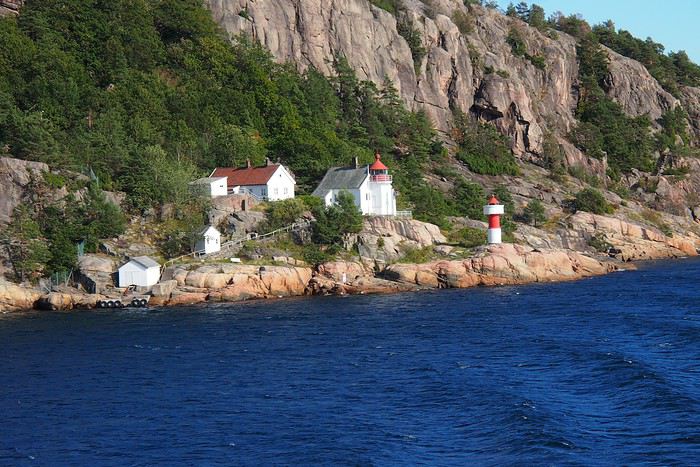
Nous prenons la direction de Lindesnes au sud-ouest de Kristiansand. Nous dormons sur le parking du phare de Lindesnes où le camping est autorisé moyennant 100 NOK (10 €). Cet endroit est le point le plus au sud de la Norvège. Beau temps mais très venté. Nous avons parcouru 1600 km depuis notre départ.
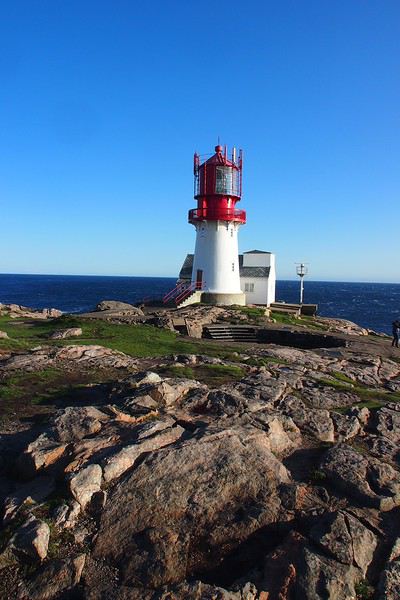
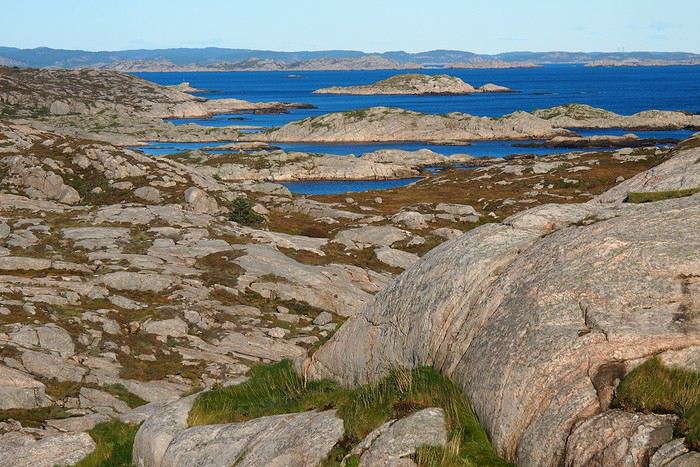
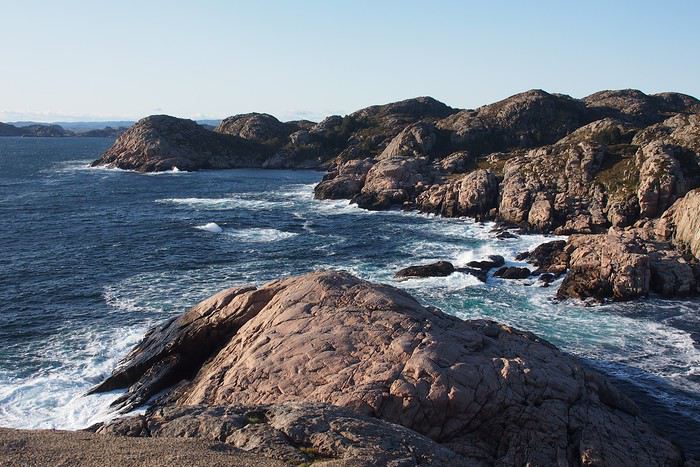
Mercredi 18 septembre 2019
Ce matin, nous suivons la côte sud en passant par Flekkefjord, Egersund jusqu’à Sandnes. Nous empruntons notre premier ferry à Lauvik pour franchir le Hosfjorden. Prix : 119 NOK
Nous sommes surpris par le grand nombre de véhicules électriques qui circulent en Norvège dont un bon nombre de Tesla. Il y a des bornes de recharge un peu partout, dans les stations service bien sûr mais aussi devant des hôtels, sur des parkings municipaux. La Norvège a une avance phénoménale dans ce domaine sur notre pays.
Il y a également un certain nombre de routes à péage qui ne sont pas des autoroutes notamment à l’approche des villes. Ce péage se fait en passant sous un portique automatique. Pour les véhicules étrangers, il paraît que nous recevons la facture à domicile mais au moment où je rédige ce carnet soit 6 mois après notre voyage, toujours pas de nouvelles.
Nous nous rendons sur le parking du Prekestolen où le prix de 250 NOK nous dissuade de nous arrêter. Nous y sommes déjà allés une trentaine d’années en arrière et nous n’avons pas de regret de ne pas y retourner . Nous cherchons un endroit pour bivouaquer mais dans cette zone très touristique, impossible de trouver un endroit .Nous poursuivons sur la route 13 vers le nord et nous arrêtons au camping de Vatne prix : 20 €. Comme toujours, camping super équipé avec cuisine et douche chauffées. Aujourd’hui étape de 290 km.
Samedi 15 septembre 2019
Le plein est fait. Le Land est bourré de provisions (cela fera autant de moins à acheter sur place) . Direction la Norvège. Départ vers 15h. Ce soir, nous ferons une étape dans le Nord pour passer voir notre fille. 100 km après notre départ de la région parisienne, le moteur du Land se met soudainement en mode dégradé. Nous plafonnons à 80 km/h. L’idée que notre voyage s’arrête là nous effleure l’esprit. On s’arrête sur le bas-côté pendant 10 mn et ouf, le moteur se remet à fonctionner normalement. On repart comme si de rien n’était. Nous n’empruntons pas les autoroutes payantes car nous ne sommes pas pressés. Arrivée dans le Nord vers 19h.
Dimanche 15 septembre 2019
Après une bonne nuit, nous partons en fin de matinée et traversons la Belgique via Charleroi et Liège. Puis nous passons en Allemagne via Aix-la-Chapelle, Duisbourg, Munster, Brême et Hambourg. Nous dormons sur une aire d’autoroute au nord d’Hambourg. Nous avons parcouru 1.000 km depuis Paris.
Lundi 16 septembre 2019
Prix du gazole sur l’autoroute allemande : 1,32 €/l Sur l’autoroute, le Land fait encore des siennes. Le moteur se remet en mode dégradé. On applique la même méthode que précédemment, à savoir, arrêt de 10 mn et ça repart normalement. Il ne faudrait pas que cela se reproduise trop souvent.
Nous franchissons la frontière danoise et arrivons au port d’Hirshals au nord du Danemark en début d’après-midi. Le vent d’ouest souffle en tempête. Cela promet pour la traversée vers la Norvège. Prix du gazole : 11,49 DNK (1,52 €) N’ayant pas réservé la traversée, nous nous rendons au bureau de Fjord Line. Prix annoncés : 205 € pour le jour même et 405 € pour le lendemain !
Nous cherchons un passage meilleur marché sur internet et réservons un billet pour Kristiansand chez Colour Line à 145 € pour le lendemain à 12h15.
Nous allons au camping d’Hirtshals en bordure de mer. La mer est démontée et il y a des wind surfers et des kite surfers qui en profitent. Particularité de cette plage, les autos peuvent y rouler.
Prix du camping 173 DNK (23 €). Bien équipé avec cuisine comprenant four, micro ondes et feux à gaz douche chaude payante avec carte. Emplacements sur pelouse délimités par des haies qui protègent du vent. Ce camping ferme fin septembre.
Mardi 17 septembre 2019
Nous embarquons sur le bateau de Colour Line à 12h15 . Heureusement, le vent s'est calmé. Nous débarquons au sud de la Norvège à Kristiansand à 15h30. Il fait un temps magnifique. Nous allons au centre ville pour retirer de l’argent au distributeur (pas beaucoup de distributeurs de billets en ville, il faut un peu chercher).
Nous prenons la direction de Lindesnes au sud-ouest de Kristiansand. Nous dormons sur le parking du phare de Lindesnes où le camping est autorisé moyennant 100 NOK (10 €). Cet endroit est le point le plus au sud de la Norvège. Beau temps mais très venté. Nous avons parcouru 1600 km depuis notre départ.
Mercredi 18 septembre 2019
Ce matin, nous suivons la côte sud en passant par Flekkefjord, Egersund jusqu’à Sandnes. Nous empruntons notre premier ferry à Lauvik pour franchir le Hosfjorden. Prix : 119 NOK
Nous sommes surpris par le grand nombre de véhicules électriques qui circulent en Norvège dont un bon nombre de Tesla. Il y a des bornes de recharge un peu partout, dans les stations service bien sûr mais aussi devant des hôtels, sur des parkings municipaux. La Norvège a une avance phénoménale dans ce domaine sur notre pays.
Il y a également un certain nombre de routes à péage qui ne sont pas des autoroutes notamment à l’approche des villes. Ce péage se fait en passant sous un portique automatique. Pour les véhicules étrangers, il paraît que nous recevons la facture à domicile mais au moment où je rédige ce carnet soit 6 mois après notre voyage, toujours pas de nouvelles.
Nous nous rendons sur le parking du Prekestolen où le prix de 250 NOK nous dissuade de nous arrêter. Nous y sommes déjà allés une trentaine d’années en arrière et nous n’avons pas de regret de ne pas y retourner . Nous cherchons un endroit pour bivouaquer mais dans cette zone très touristique, impossible de trouver un endroit .Nous poursuivons sur la route 13 vers le nord et nous arrêtons au camping de Vatne prix : 20 €. Comme toujours, camping super équipé avec cuisine et douche chauffées. Aujourd’hui étape de 290 km.
L’Argentine, le paradis des cyclistes English translation pending
Bonjour,
Entre le 28 février et le 13 août 2019, nous étions en Argentine à vélo. Nous arrivions de l'Uruguay et nous avons entamé un long périple à travers l'Argentine. Nous sommes 2 frères Kevin & Guillaume Taurin. Nous parcourons les routes du mondes à vélo depuis mai 2018 à travers un projet qui se nomme Hey Bro - Tour du Monde à vélo. Notre périple est pour l'instant en stop face aux événements récents mais nous sommes toujours motivé dans cette quête de parcourir le monde. Notre objectif promouvoir et communiquer notre passion pour l'aventure, le partage, le respect de l’environnement et l'image.
Voici notre résumé de l'Argentine
Nous avons réalisé une vidéo sur notre passage entre Buenos Aires et San Carlos de Bariloche.
D’immenses étendues de terrains où par moments la route est à nous. On s’est sentis libres, tranquilles et en harmonie avec la nature. Avec des paysages à couper le souffle, comme dans la région des lacs ou encore dans les montagnes des Andes. L’Argentine, un grand mais surtout un beau pays.
COUPS DE CŒUR
LA ROUTE DES 7 LACS C’est dans la Patagonie, à moitié dans la cordillère des Andes. Elle commence à San Martín de Los Andes pour se terminer à Villa la Angostura, pas loin de San Carlos de Bariloche. C’est une agréable route, avec la possibilité de découvrir bien plus de 7 lacs. Si les bonnes conditions sont réunies, on peut y admirer de magnifiques levers et couchers de soleil. Pendant la journée, c’est un festival de couleurs et une tranquillité reposante. La traversée a duré 4 jours.
Nous y étions à la fin de la saison sèche. Les températures étaient très basses. De plus, il n’y a pas ravitaillement sur la route. Les quelques campings ouverts ne disposaient pas de beaucoup de nourriture.
Cette route est un vrai bonheur !
LA RUTA 40 On avait hâte d’y être ! Un nouveau rêve qui se réalise. Rouler sur cette mythique route des voyageurs ! Bon, c’est surtout pour des voyageurs en van 😉
Une route tranquille où on peut faire plus de 100 km sans croiser un village avec des routes droites à ne plus en voir le bout. Un challenge et surtout des surprises tout le long. Le plus surprenant, c’était de découvrir des petits abris en libre accès permettant de faire un feu ou d’y dormir. C’est pour les voyageurs et ça fait du bien à nous cyclistes pour se protéger du vent ou s’y reposer.
On a pu voir le long de la route :
La région des lacs San Carlos de Bariloche Cafayate Quebrada de Humahuaca
CAFAYATE C’est dans la province de Salta légèrement en altitude (1 700 mètres). La particularité de ce lieu, c’est le vin. La terre permet de faire pousser des vignes. On trouve beaucoup de bodegas (établissement viticole). Il y a de quoi se régaler ! En prime, on peut y manger des empanadas de très bonne qualité dans la Casa de las empanadas ! Un délice.
ROUTES TRAVERSÉES On ne va pas parler de la Route des 7 lacs et de la Ruta 40 qui figurent dans nos coups de cœur.
RUTA 3 Une catastrophe, très fréquentée par des camions notamment. Si le vent s’ajoute au trafic, ça devient l’enfer. Il y a des routes parallèles forcément plus longues mais plus sûres ! C’est la route la plus dangereuse de notre voyage.
RN22 Ce n’est pas notre meilleur souvenir, très monotone avec des lignes droites et du vent ! Par contre, pas de trafic 🙂 On a le temps d’imaginer à quel point le monde est grand sur ce type de route.
RP13 PRIMEROS PINOS Notre première rencontre avec la cordillère des Andes et le froid des montagnes. C’est également le début de la découverte de la région des lacs. Splendide et sans trafic.
RN68 QUEBRADA DE LAS CONCHAS C’est une route très courte mais qui permet d’observer des formations rocheuses étonnantes. Malheureusement, c’est très touristique. Attention aux bus qui roulent rapidement dans le secteur.
SAISON/MÉTÉO Dans le pays, les températures étaient très fraîches. On a commencé à avoir froid en arrivant en Patagonie avec des vents parfois glacials. Certaines journées étaient agréables.
ENVIRONNEMENT Le pays contient des régions. Chaque région est découpée en provinces. On a traversé :
La Pampa (provinces de Buenos Aires et de Río Negro) La Patagonie (provinces de Río Negro et de Neuquén) Cuyo (provinces de Mendoza et San Juan) Le Nord-Ouest Argentin (provinces de La Rioja, Catamarca, Salta et Jujuy)
NOURRITURE
Empanadas : Surtout dans la Casa de las empanadas à Cafayate. C’est les meilleurs du pays. Asados : Comme en Uruguay et ça c’est une excellente nouvelle ! Choripan : Meilleur que le Mac Do. Dulce De Leche : En évitant les marques industrielles.
LES CHIFFRES CLÉS Distance 4708 km Ascension 32 km Nombre de nuits : Total 120 Bivouac 57 Warmshower 7 (chez 3 personnes) Chez l’habitant 40 AirBnb 6 Hôtel 6 Bateau 2 (à Buenos Aires dans le bateau du capitaine au port) Dortoirs 2
Voila pour ce premier morceau de l'Argentine. On parle de notre aventure sur notre blog.
Merci pour votre temps et à bientôt.
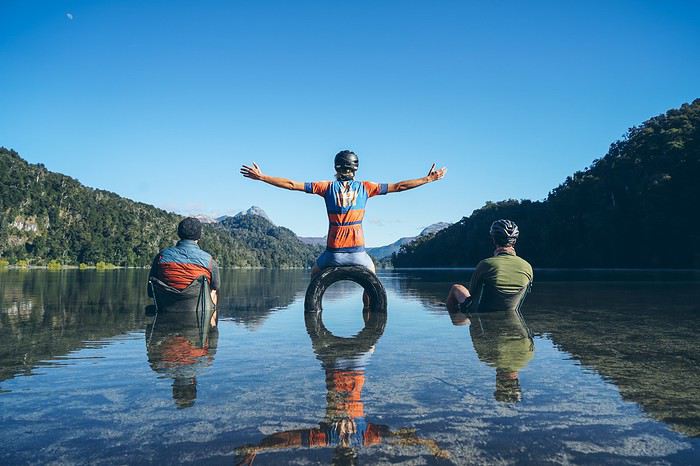
Entre le 28 février et le 13 août 2019, nous étions en Argentine à vélo. Nous arrivions de l'Uruguay et nous avons entamé un long périple à travers l'Argentine. Nous sommes 2 frères Kevin & Guillaume Taurin. Nous parcourons les routes du mondes à vélo depuis mai 2018 à travers un projet qui se nomme Hey Bro - Tour du Monde à vélo. Notre périple est pour l'instant en stop face aux événements récents mais nous sommes toujours motivé dans cette quête de parcourir le monde. Notre objectif promouvoir et communiquer notre passion pour l'aventure, le partage, le respect de l’environnement et l'image.
Voici notre résumé de l'Argentine
Nous avons réalisé une vidéo sur notre passage entre Buenos Aires et San Carlos de Bariloche.
D’immenses étendues de terrains où par moments la route est à nous. On s’est sentis libres, tranquilles et en harmonie avec la nature. Avec des paysages à couper le souffle, comme dans la région des lacs ou encore dans les montagnes des Andes. L’Argentine, un grand mais surtout un beau pays.
COUPS DE CŒUR
LA ROUTE DES 7 LACS C’est dans la Patagonie, à moitié dans la cordillère des Andes. Elle commence à San Martín de Los Andes pour se terminer à Villa la Angostura, pas loin de San Carlos de Bariloche. C’est une agréable route, avec la possibilité de découvrir bien plus de 7 lacs. Si les bonnes conditions sont réunies, on peut y admirer de magnifiques levers et couchers de soleil. Pendant la journée, c’est un festival de couleurs et une tranquillité reposante. La traversée a duré 4 jours.
Nous y étions à la fin de la saison sèche. Les températures étaient très basses. De plus, il n’y a pas ravitaillement sur la route. Les quelques campings ouverts ne disposaient pas de beaucoup de nourriture.
Cette route est un vrai bonheur !
LA RUTA 40 On avait hâte d’y être ! Un nouveau rêve qui se réalise. Rouler sur cette mythique route des voyageurs ! Bon, c’est surtout pour des voyageurs en van 😉
Une route tranquille où on peut faire plus de 100 km sans croiser un village avec des routes droites à ne plus en voir le bout. Un challenge et surtout des surprises tout le long. Le plus surprenant, c’était de découvrir des petits abris en libre accès permettant de faire un feu ou d’y dormir. C’est pour les voyageurs et ça fait du bien à nous cyclistes pour se protéger du vent ou s’y reposer.
On a pu voir le long de la route :
La région des lacs San Carlos de Bariloche Cafayate Quebrada de Humahuaca
CAFAYATE C’est dans la province de Salta légèrement en altitude (1 700 mètres). La particularité de ce lieu, c’est le vin. La terre permet de faire pousser des vignes. On trouve beaucoup de bodegas (établissement viticole). Il y a de quoi se régaler ! En prime, on peut y manger des empanadas de très bonne qualité dans la Casa de las empanadas ! Un délice.
ROUTES TRAVERSÉES On ne va pas parler de la Route des 7 lacs et de la Ruta 40 qui figurent dans nos coups de cœur.
RUTA 3 Une catastrophe, très fréquentée par des camions notamment. Si le vent s’ajoute au trafic, ça devient l’enfer. Il y a des routes parallèles forcément plus longues mais plus sûres ! C’est la route la plus dangereuse de notre voyage.
RN22 Ce n’est pas notre meilleur souvenir, très monotone avec des lignes droites et du vent ! Par contre, pas de trafic 🙂 On a le temps d’imaginer à quel point le monde est grand sur ce type de route.
RP13 PRIMEROS PINOS Notre première rencontre avec la cordillère des Andes et le froid des montagnes. C’est également le début de la découverte de la région des lacs. Splendide et sans trafic.
RN68 QUEBRADA DE LAS CONCHAS C’est une route très courte mais qui permet d’observer des formations rocheuses étonnantes. Malheureusement, c’est très touristique. Attention aux bus qui roulent rapidement dans le secteur.
SAISON/MÉTÉO Dans le pays, les températures étaient très fraîches. On a commencé à avoir froid en arrivant en Patagonie avec des vents parfois glacials. Certaines journées étaient agréables.
ENVIRONNEMENT Le pays contient des régions. Chaque région est découpée en provinces. On a traversé :
La Pampa (provinces de Buenos Aires et de Río Negro) La Patagonie (provinces de Río Negro et de Neuquén) Cuyo (provinces de Mendoza et San Juan) Le Nord-Ouest Argentin (provinces de La Rioja, Catamarca, Salta et Jujuy)
NOURRITURE
Empanadas : Surtout dans la Casa de las empanadas à Cafayate. C’est les meilleurs du pays. Asados : Comme en Uruguay et ça c’est une excellente nouvelle ! Choripan : Meilleur que le Mac Do. Dulce De Leche : En évitant les marques industrielles.
LES CHIFFRES CLÉS Distance 4708 km Ascension 32 km Nombre de nuits : Total 120 Bivouac 57 Warmshower 7 (chez 3 personnes) Chez l’habitant 40 AirBnb 6 Hôtel 6 Bateau 2 (à Buenos Aires dans le bateau du capitaine au port) Dortoirs 2
Voila pour ce premier morceau de l'Argentine. On parle de notre aventure sur notre blog.
Merci pour votre temps et à bientôt.