Results for "Chapelle+Sixtine+|+9+>+215"
3799 results found.
Sucre, Bolivia, San Felipe Neri (Bolivie) English translation pending
> SUCRE
>
> Convento de SAN FELIPE NERI
> 1795
>
>
>
> Pour s'imprégner de la Culture et de l'Histoire de SUCRE, il faut
> absolument visiter le CONVENTO de SAN FELIPE NERI.
>
> A priori fermé au public, car accueillant aujourd'hui une Ecole privée
> pour jeunes filles tenue par des Religieuses, on peut demander à visiter
> ce Couvent moyennant 8 Bolivianos (Frapper à la porte d'Entrée du Couvent
> Calle Nicolas Ortiz).
>
> Par ailleurs, la Visite ne se fait qu'en présence d'un Guide de
> l'Université ; et là, pour passer 2 Heures inoubliables, il faut demander
> Daniel DEL-GALDILLO, Etudiant en Tourisme et Théologie, ô combien
> passionné et érudit.
>
> Vous pourrez ainsi non seulement apprendre toute l'Histoire du Couvent,
> construit en 1795, mais encore multitudes de détails passionnants relatant
> la naissance de la Révolution, ainsi que les prémisces des mouvements
> indépendantistes nés à SUCRE.
>
> La visite est extrêmement enrichissante :
>
> Après la découverte de l'édifice lui-même, vous grimperez sur les toits de
> tuiles qui offrent une superbe vue de la Ville, escaladerez également les
> quelques raides marches menant aux 2 cloches abritées dans les tourelles.
> Là-haut, Daniel vous expliquera en détail l'Architecture de la Ville sous
> l'époque coloniale (3 patios par maison : 1 pour le Maître Espagnol, 1
> pour les Domestiques et 1 pour les Esclaves Indiens).
>
> Vous descendrez ensuite à la Sacristie et la Chapelle attenante, où les
> peintures représentant des tableaux bibliques sont nombreuses. Vous
> "plongerez" enfin dans la Crypte abritant les sépultures des Moines ayant
> médité dans le Couvent (1850 - 1910). Daniel vous émerveillera, très
> sincèrement, par ses connaissances en Théologie, en Histoire ... et par
> son sens de l'Humour, qui participe à un moment très enrichissant tout en
> restant ludique.
>
>
>
> Anecdotes ! :
>
> *Avant de devenir des Sièges, les bancs en pierre sur le toit
> servaient de lieux de pénitence, sur lesquels les Moines se faisaient face
> à face, à genoux.
>
> *Les 2 cloches en cuivre (dans les Tourelles) n'émettent pas le même
> son : l'une servait à la prière du matin, l'autre à celle du soir.
>
> *Les bancs placés à l'intérieur du Couvent, en Cèdre, sont d'époque
> et en parfait état ; ils ont 210 ans !
>
> *La Chapelle, de style Néo-Classique, ne sert plus
> qu'occasionnellement.
>
> *Dans la Crypte, 2 plaques commémoratives ont été retirées ; la
> raison en est que les tombes de ces deux moines, qui ont été enterrés avec
> leurs bijoux, ont été pillées.
>
> *La belle histoire du début des Mouvements Indépendantistes à Sucre :
>
> 2 Avocats, fils de Colons Espagnols, habitant en face du Couvent San
> Felipe Neri, faisaient tout pour aider la classe populaire, pauvre, de la
> cité, et notamment les Indiens. Les Colons, voyant de telles actions d'un
> très mauvais oeil, ont fait prisonniers les 2 avocats. C'est en apprenant
> ces emprisonnements que Tous les pauvres de la Région se sont rebellés,
> constituant ainsi le premier soulèvement indépendantiste de la Bolivie ..
>
>
Paris en une semaine English translation pending
Bonjour,
j'ai la chance d'avoir un congrès en France plus précisément à Batz-sur-Mer et donc de ne pas avoir à payer mon billet d'avion. Je prend donc une semaine de vacance à Paris après mon congrès. Nous sommes 2 filles de 23-24 ans qui voulons visiter Paris. Une semaine ce n'est pas beaucoup alors nous voudrions savoir ce qui vaut vraiment la peine d'être visité. De plus nous sommes étudiantes alors nous avons un budget plutôt limité. Des suggestions de resto pas trop cher seraient aussi appréciées. Nous logerons à l'auberge internationale des jeunes à Paris (dans le coin de la Bastille).
Merci
Genevieve
j'ai la chance d'avoir un congrès en France plus précisément à Batz-sur-Mer et donc de ne pas avoir à payer mon billet d'avion. Je prend donc une semaine de vacance à Paris après mon congrès. Nous sommes 2 filles de 23-24 ans qui voulons visiter Paris. Une semaine ce n'est pas beaucoup alors nous voudrions savoir ce qui vaut vraiment la peine d'être visité. De plus nous sommes étudiantes alors nous avons un budget plutôt limité. Des suggestions de resto pas trop cher seraient aussi appréciées. Nous logerons à l'auberge internationale des jeunes à Paris (dans le coin de la Bastille).
Merci
Genevieve
Off to find Andalusian spring (Granada, Ronda, Seville)
It's been 39 years since we last came back to Andalusia...
For this last week of March, we waited until the end of the "votes" in France to go soak up some sun in southern Spain. And spring is the ideal season.
Our itinerary was a very (very) classic loop: Seville / Granada / Ronda and the white villages / Seville (with the start of Holy Week as a bonus gift!).
We flew from Lyon with Transavia (no issues) and landed in Seville on Monday. We rented a car (Goldcar), drove for 3 hours, and there we were in Granada, charmed by its ZTL (limited traffic zone) that Waze made us discover in detail (a nightmare!). Our hotel: Hotel Monjas del Carmen (perfectly located and with parking).
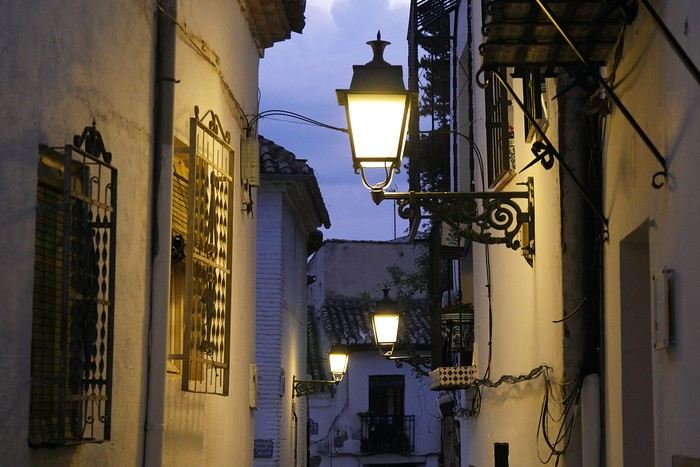
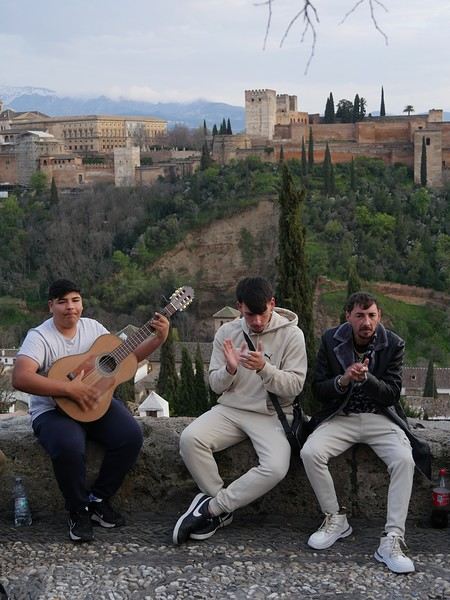
The weather was overcast, but a little stroll through the Albaicín district was a must. In the evening, we had dinner at "Restaurant Arabe Ambar" to get into the Nasrid atmosphere—we recommend it!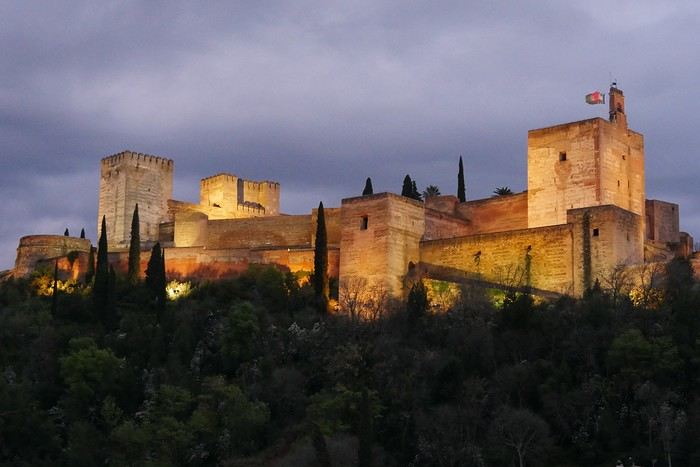
For this last week of March, we waited until the end of the "votes" in France to go soak up some sun in southern Spain. And spring is the ideal season.
Our itinerary was a very (very) classic loop: Seville / Granada / Ronda and the white villages / Seville (with the start of Holy Week as a bonus gift!).
We flew from Lyon with Transavia (no issues) and landed in Seville on Monday. We rented a car (Goldcar), drove for 3 hours, and there we were in Granada, charmed by its ZTL (limited traffic zone) that Waze made us discover in detail (a nightmare!). Our hotel: Hotel Monjas del Carmen (perfectly located and with parking).
The weather was overcast, but a little stroll through the Albaicín district was a must. In the evening, we had dinner at "Restaurant Arabe Ambar" to get into the Nasrid atmosphere—we recommend it!
Veneto in April
Hi everyone!
I’m putting together our travel itinerary for Veneto at the end of April. And the more I look and research potential sites to visit, the more I find!
We’ll only be there for a week—my family and I—including 3 days in Venice. So we have to make some choices...
I plan to rent a car when we arrive in Venice and head straight to Bergamo, which would be our first stop. We’d leave the car at the airport when we return to Venice so we can explore the city at our leisure.
What do you think: 1 night in Bergamo (a 2h15 drive from Venice airport), 1 night in Garda, 1 night in Verona, 1 in Padua, and 3 in Venice—would that be doable?
Thanks in advance for your tips and experiences! :)
What do you think: 1 night in Bergamo (a 2h15 drive from Venice airport), 1 night in Garda, 1 night in Verona, 1 in Padua, and 3 in Venice—would that be doable?
Thanks in advance for your tips and experiences! :)
Feedback on Poland itinerary
Hi there!!
This summer, we're planning to explore Poland from July 4th to 23rd. I’ve outlined our rough itinerary below—could you let me know if the number of days allocated to each destination makes sense or if there’s anything we should change? Thanks in advance!
S4 Departure, overnight in Würzburg (Germany) to break up the drive. D5 Travel day with visits: Jawor and Świdnica churches, Książ Castle (likely just the exterior), and a few other stops. Overnight in Wrocław. L6 Explore Wrocław M7 Explore Wrocław M8 Visit Kłodzko—is one day enough? Overnight near Auschwitz. J9 Visit Auschwitz, overnight in Kraków V10 Explore Kraków S11 Explore Kraków D12 Visit the Wieliczka Salt Mine, overnight near Zakopane L13 Zakopane M14 Zakopane M15 Visit Zamość, overnight in Lublin J16 Explore Lublin, overnight in Masuria (TBD) V17 Explore Masuria S18 Explore Masuria D19 Depart for Gdańsk, visit the Teutonic Castle, overnight in Gdańsk L20 Explore Gdańsk M21 Explore Gdańsk J22 Explore Gdańsk, possible day trip to Sopot? V23 Visit Toruń, then drive back to Germany. Overnight stop like on the way out. S24 Home!
Best, Christophe
This summer, we're planning to explore Poland from July 4th to 23rd. I’ve outlined our rough itinerary below—could you let me know if the number of days allocated to each destination makes sense or if there’s anything we should change? Thanks in advance!
S4 Departure, overnight in Würzburg (Germany) to break up the drive. D5 Travel day with visits: Jawor and Świdnica churches, Książ Castle (likely just the exterior), and a few other stops. Overnight in Wrocław. L6 Explore Wrocław M7 Explore Wrocław M8 Visit Kłodzko—is one day enough? Overnight near Auschwitz. J9 Visit Auschwitz, overnight in Kraków V10 Explore Kraków S11 Explore Kraków D12 Visit the Wieliczka Salt Mine, overnight near Zakopane L13 Zakopane M14 Zakopane M15 Visit Zamość, overnight in Lublin J16 Explore Lublin, overnight in Masuria (TBD) V17 Explore Masuria S18 Explore Masuria D19 Depart for Gdańsk, visit the Teutonic Castle, overnight in Gdańsk L20 Explore Gdańsk M21 Explore Gdańsk J22 Explore Gdańsk, possible day trip to Sopot? V23 Visit Toruń, then drive back to Germany. Overnight stop like on the way out. S24 Home!
Best, Christophe
Annual National Parks Pass
Hi everyone.
I assume many of you already know, but the America the Beautiful annual pass, which was $80, will increase to $250 starting January 1, 2026.
So if you're planning to travel before the end of December 2026, it's in your best interest to buy your pass in December 2025, since it will still cost $80 and be valid until the end of December 2026 if you purchase it in December 2025.
This price increase only applies to non-U.S. residents.
Additionally, for those who planned to visit just one park, a $100 surcharge per person will apply to access a list of 11 national parks... For example, if there are 4 of you in a car, you’ll have to pay $35 + $400, which comes to $435 to visit one of the 11 parks on the list (I don’t have all of them... Bryce, Zion, Grand Canyon, Yellowstone, Grand Teton, etc.). Total madness.
The goal is to push people who only visit one park into buying the annual pass.
Last point: free entry days are over for non-residents!
That’s all for now.
I assume many of you already know, but the America the Beautiful annual pass, which was $80, will increase to $250 starting January 1, 2026.
So if you're planning to travel before the end of December 2026, it's in your best interest to buy your pass in December 2025, since it will still cost $80 and be valid until the end of December 2026 if you purchase it in December 2025.
This price increase only applies to non-U.S. residents.
Additionally, for those who planned to visit just one park, a $100 surcharge per person will apply to access a list of 11 national parks... For example, if there are 4 of you in a car, you’ll have to pay $35 + $400, which comes to $435 to visit one of the 11 parks on the list (I don’t have all of them... Bryce, Zion, Grand Canyon, Yellowstone, Grand Teton, etc.). Total madness.
The goal is to push people who only visit one park into buying the annual pass.
Last point: free entry days are over for non-residents!
That’s all for now.
Which hikes should we prioritize in Réunion?
Hello,
I’m heading to Réunion in early October with my girlfriend for two weeks.
Out of the 15 days, we’d like to do about 5 days of hiking—maybe a 3-day/2-night trek and two day hikes.
I’ve seen tons of hiking options online, but I’m a bit overwhelmed when it comes to choosing. Hikes like the Tour de Mafate trek, Piton des Neiges, Piton de la Fournaise… we’d love to do those too.
We’ll have a rental car if needed. No problem walking for 6 hours a day (we’re pretty active).
Which hikes would you recommend?
Thanks in advance!
I’ve seen tons of hiking options online, but I’m a bit overwhelmed when it comes to choosing. Hikes like the Tour de Mafate trek, Piton des Neiges, Piton de la Fournaise… we’d love to do those too.
We’ll have a rental car if needed. No problem walking for 6 hours a day (we’re pretty active).
Which hikes would you recommend?
Thanks in advance!
24 Days in Réunion/Mauritius: Feedback on My Itinerary
Hello!
My wife and I (Quebecers, 63 years old, retired, celebrating our 45 years together this year, including 20 years of marriage) have chosen to mark the occasion with a trip to Dubai, Réunion, and Mauritius (4 days in Dubai, then 24 days on the islands).
We have a lot of experience planning road trips (scouting routes, visits, hotels, and restaurants of interest), but we travel without reservations to keep the freedom to follow our instincts and tips we get on the spot. We’re moderately active physically and prefer the countryside and beaches over big cities. Our only fixed dates: arrival in Réunion on October 5th and departure from Mauritius on October 29th.
After lots of reading and with the help of an AI (super useful for drafting a first outline!), here’s a possible itinerary framework. Nothing is set in stone—I’d love your suggestions, comments, and thoughts on what’s worth adding or avoiding. Are the proposed bases optimal? Also, if you have recommendations for hotels (mid-range budget of 100–200 euros per night), restaurants, etc., I’m all ears! ;-)
Thanks! 😊
🌴 Réunion (October 5–13, 9 days) Base 1 – Saint-Gilles / L’Hermitage (October 5–8, 3 nights) Oct 5 (Sun): Settle in, relax at L’Hermitage beach. Oct 6 (Mon): Saint-Paul market (morning), beach + sunset at Boucan Canot. Oct 7 (Tue): Excursion to Maïdo (view of Mafate), return via Saint-Leu (Stella Matutina). Oct 8 (Wed): Beach + dolphin/whale-watching boat trip.
Base 2 – Cilaos (October 8–10, 2 nights) Oct 9 (Thu): Route des 400 virages, stroll through the village and Roche Merveilleuse. Oct 10 (Fri): Hike to Bras Rouge (3–4h) or the Chapelle canyon. Creole inn evening.
Base 3 – Plaine des Cafres / Bourg-Murat (October 10–13, 3 nights) Oct 11 (Sat): Road to the volcano → Plaine des Sables → Piton de la Fournaise. Oct 12 (Sun): Wild south coast at Cap Méchant, lava flows, Jardin Parfums, Grande Anse beach. Oct 13 (Mon): Relaxed morning, flight from Réunion to Mauritius.
🏝️ Mauritius (October 13–29, 16 days) Base 1 – Grand Baie / Pereybère (October 13–18, 5 nights) Oct 13 (Mon): Settle in, swim at Mont Choisy. Oct 14 (Tue): Boat excursion to Île Plate & Coin de Mire. Oct 15 (Wed): Pamplemousses Garden + L’Aventure du Sucre. Evening in Grand Baie. Oct 16 (Thu): Trou aux Biches beach, snorkeling. Oct 17 (Fri): Free day, relaxation/shopping.
Base 2 – Flic-en-Flac / Tamarin (October 18–23, 5 nights) Oct 18 (Sat): Drive to the west, settle in, beach. Oct 19 (Sun): Dolphin excursion in Tamarin, relax in the afternoon. Oct 20 (Mon): Chamarel: Terres 7 Couleurs + rum distillery. Oct 21 (Tue): Black River Gorges (hike + waterfalls). Oct 22 (Wed): Snorkeling + sunset.
Base 3 – Belle Mare / Trou d’Eau Douce (October 23–26, 3 nights) Oct 23 (Thu): Settle in, Belle Mare beach. Oct 24 (Fri): Catamaran excursion to Île aux Cerfs. Oct 25 (Sat): Flacq market (morning), beach in the afternoon.
Base 4 – Mahébourg / Blue Bay (October 26–29, 3 nights) Oct 26 (Sun): Settle in, snorkeling at Blue Bay Marine Park. Oct 27 (Mon): Pointe d’Esny + Île aux Aigrettes. Oct 28 (Tue): Free beach day + Mahébourg village. Oct 29 (Wed): Morning swim, return flight at 4 PM (airport is 15 min away).
My wife and I (Quebecers, 63 years old, retired, celebrating our 45 years together this year, including 20 years of marriage) have chosen to mark the occasion with a trip to Dubai, Réunion, and Mauritius (4 days in Dubai, then 24 days on the islands).
We have a lot of experience planning road trips (scouting routes, visits, hotels, and restaurants of interest), but we travel without reservations to keep the freedom to follow our instincts and tips we get on the spot. We’re moderately active physically and prefer the countryside and beaches over big cities. Our only fixed dates: arrival in Réunion on October 5th and departure from Mauritius on October 29th.
After lots of reading and with the help of an AI (super useful for drafting a first outline!), here’s a possible itinerary framework. Nothing is set in stone—I’d love your suggestions, comments, and thoughts on what’s worth adding or avoiding. Are the proposed bases optimal? Also, if you have recommendations for hotels (mid-range budget of 100–200 euros per night), restaurants, etc., I’m all ears! ;-)
Thanks! 😊
🌴 Réunion (October 5–13, 9 days) Base 1 – Saint-Gilles / L’Hermitage (October 5–8, 3 nights) Oct 5 (Sun): Settle in, relax at L’Hermitage beach. Oct 6 (Mon): Saint-Paul market (morning), beach + sunset at Boucan Canot. Oct 7 (Tue): Excursion to Maïdo (view of Mafate), return via Saint-Leu (Stella Matutina). Oct 8 (Wed): Beach + dolphin/whale-watching boat trip.
Base 2 – Cilaos (October 8–10, 2 nights) Oct 9 (Thu): Route des 400 virages, stroll through the village and Roche Merveilleuse. Oct 10 (Fri): Hike to Bras Rouge (3–4h) or the Chapelle canyon. Creole inn evening.
Base 3 – Plaine des Cafres / Bourg-Murat (October 10–13, 3 nights) Oct 11 (Sat): Road to the volcano → Plaine des Sables → Piton de la Fournaise. Oct 12 (Sun): Wild south coast at Cap Méchant, lava flows, Jardin Parfums, Grande Anse beach. Oct 13 (Mon): Relaxed morning, flight from Réunion to Mauritius.
🏝️ Mauritius (October 13–29, 16 days) Base 1 – Grand Baie / Pereybère (October 13–18, 5 nights) Oct 13 (Mon): Settle in, swim at Mont Choisy. Oct 14 (Tue): Boat excursion to Île Plate & Coin de Mire. Oct 15 (Wed): Pamplemousses Garden + L’Aventure du Sucre. Evening in Grand Baie. Oct 16 (Thu): Trou aux Biches beach, snorkeling. Oct 17 (Fri): Free day, relaxation/shopping.
Base 2 – Flic-en-Flac / Tamarin (October 18–23, 5 nights) Oct 18 (Sat): Drive to the west, settle in, beach. Oct 19 (Sun): Dolphin excursion in Tamarin, relax in the afternoon. Oct 20 (Mon): Chamarel: Terres 7 Couleurs + rum distillery. Oct 21 (Tue): Black River Gorges (hike + waterfalls). Oct 22 (Wed): Snorkeling + sunset.
Base 3 – Belle Mare / Trou d’Eau Douce (October 23–26, 3 nights) Oct 23 (Thu): Settle in, Belle Mare beach. Oct 24 (Fri): Catamaran excursion to Île aux Cerfs. Oct 25 (Sat): Flacq market (morning), beach in the afternoon.
Base 4 – Mahébourg / Blue Bay (October 26–29, 3 nights) Oct 26 (Sun): Settle in, snorkeling at Blue Bay Marine Park. Oct 27 (Mon): Pointe d’Esny + Île aux Aigrettes. Oct 28 (Tue): Free beach day + Mahébourg village. Oct 29 (Wed): Morning swim, return flight at 4 PM (airport is 15 min away).
Weather in Cap Corse in February
Hi there,
I’m thinking of visiting Cap Corse in the second half of February, specifically Rogliano. Renting a house.
I’ve been told, “Oh no, not a good time—it’s the season for strong winds, Mistral, Tramontane, etc.” What do you all think? I’m now hesitating
I’ve been told, “Oh no, not a good time—it’s the season for strong winds, Mistral, Tramontane, etc.” What do you all think? I’m now hesitating
Kattegat Tour and Norway’s Majestic Fjords – 32 Days (Denmark, Sweden, Norway)
Kattegat isn’t just the name of the village in the TV series *Vikings*—it’s also the stretch of water separating Denmark from Sweden... the sea, basically! And further north, you’ve got Norway and its fjords!
Originally, I’d planned to just do a loop around Kattegat, with the *Under* restaurant in Lindesnes as our anniversary treat... but along the way, we thought, why not "push" a little further north, keeping an eye on the budget since we’d chosen to travel by car in June 2025 through Scandinavia.
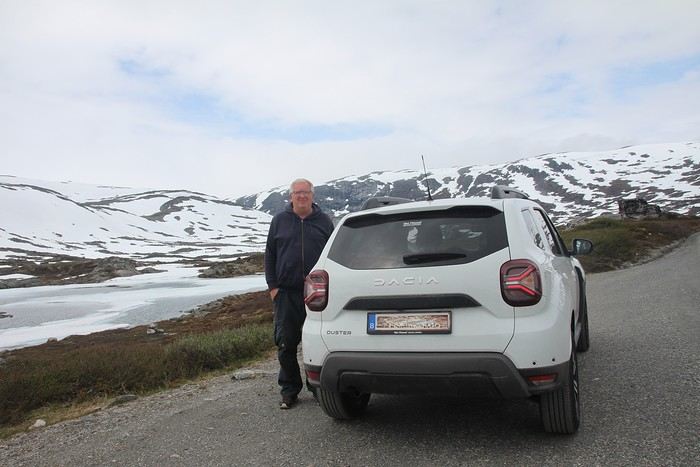
Why by car when most travelers opt for a camper van, while others prefer the comfort of cruises? Well, because we don’t own a camper van, renting one is pricey, and then you’ve got to add fuel costs (those things guzzle gas!), ferry fees, and other "tolls." All things considered, we went for mostly rentals—especially since there were four of us at the start of the trip. We spent the first week in Denmark with our daughter and son-in-law. Then they flew back to Belgium, and we continued our adventure as a couple. For accommodation, we mainly booked Airbnb apartments, which helped keep costs down and, most importantly, let us prepare our own meals (diet, diet!). In this travel journal, you’ll discover (or rediscover, for those who followed my older ones) our unbridled love for theme parks, museums, unique experiences, and—especially in Denmark—Legos! Unfortunately, we didn’t do any hikes this year because the unpredictable weather had made the trails slippery, and since I’d already taken three tumbles during the trip, I didn’t want to risk another! In the end, we traveled for 32 days, covered 6,200 km, and most importantly, discovered the charming country of Denmark, marveled at Norway’s breathtaking fjords—all without suffering the heatwave that hit France and Belgium that June! If you’ve got any questions, don’t hesitate to ask!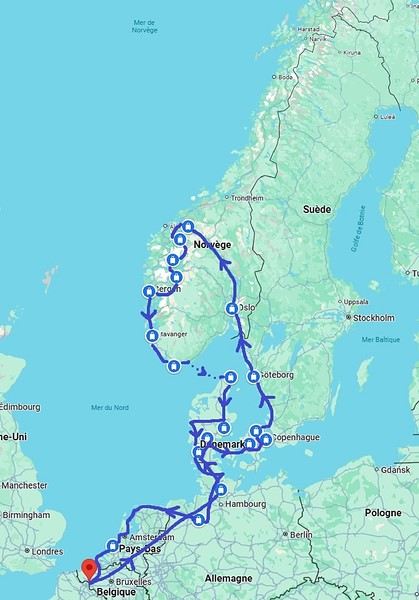
Why by car when most travelers opt for a camper van, while others prefer the comfort of cruises? Well, because we don’t own a camper van, renting one is pricey, and then you’ve got to add fuel costs (those things guzzle gas!), ferry fees, and other "tolls." All things considered, we went for mostly rentals—especially since there were four of us at the start of the trip. We spent the first week in Denmark with our daughter and son-in-law. Then they flew back to Belgium, and we continued our adventure as a couple. For accommodation, we mainly booked Airbnb apartments, which helped keep costs down and, most importantly, let us prepare our own meals (diet, diet!). In this travel journal, you’ll discover (or rediscover, for those who followed my older ones) our unbridled love for theme parks, museums, unique experiences, and—especially in Denmark—Legos! Unfortunately, we didn’t do any hikes this year because the unpredictable weather had made the trails slippery, and since I’d already taken three tumbles during the trip, I didn’t want to risk another! In the end, we traveled for 32 days, covered 6,200 km, and most importantly, discovered the charming country of Denmark, marveled at Norway’s breathtaking fjords—all without suffering the heatwave that hit France and Belgium that June! If you’ve got any questions, don’t hesitate to ask!
What to see and do around Valensole?
Hi there,
We’re heading to Forcalquier as a couple and would love to explore the Valensole area, including the Verdon Gorge, etc. We’ll be there for 5 days, so I’d like to put together a little rundown of things to see, plus the best tips—what to avoid, what to recommend, restaurants, and so on.
Thanks so much!
The North Cape by 4x4 in the Snow
Our trip lasted a month, from March 10 to April 10, 2024, and was done aboard our Land Rover Defender 110. For those interested, our 4x4 is equipped with mountain-approved 3PMFSF all-terrain tires (non-studded), a removable electric winch that can be attached to either the front or rear of the vehicle, two sand recovery boards, and we bring two pairs of snow chains. We sleep in our Land Rover, which is equipped with a diesel-powered independent heater, a small fridge, and has a layout that allows the dinette to be converted into a bed.
Starting from the Paris region, we crossed Belgium and Germany, took the ferry from Travemünde in northern Germany to Helsinki, followed the Russian border up to northern Finland, then headed into Norway all the way to the North Cape before returning via Norway, taking the ferry from Larvik in Norway to Hirtshals in Denmark, then passing through Germany and Belgium on our way back to France.
Tonight, March 10, 2024, we’ll be sleeping at our daughter’s place in the North.
Tuesday, March 11, we’ll cross Belgium and then enter Germany, where we’ll camp in Bremen.
Wednesday, March 12, we’ll have a quick visit to Bremen in the morning. We had planned to visit Lübeck, but some electrical issues with the car delayed us, so we head straight to the German port of Travemünde, where we’re set to embark at 11:30 PM to cross the Baltic Sea and arrive in Helsinki after 31 hours of sailing (one-way cabin ticket cost: 850 €—quite expensive since we booked last minute).
On the ferry, there are mostly semi-trucks and only a few campervans and passenger cars. The boat is quiet, and the Baltic Sea is calm.
About two hours before arriving in Helsinki, we hear noise along the hull. Surprise—looking out the porthole, we realize we’re sailing on frozen sea ice!
Thursday, March 14, we arrive at the port of Helsinki at 9:30 AM. Disembarking takes a while. As soon as we’re out, we head straight to Rastila Camping (cost: 27 €), about ten kilometers east of Helsinki. Then we go to a Land Rover garage to fix our headlight switch, which stopped working (a real hassle in Finland since you have to drive with low beams on at all times).
After the repair, we visit the stunning Temppeliaukio Church, which is built underground.
On our way back to the campsite, we stop at the supermarket for supplies. Prices are similar to France, except for imported products.
We settle into our snowy campsite spot.
Starting from the Paris region, we crossed Belgium and Germany, took the ferry from Travemünde in northern Germany to Helsinki, followed the Russian border up to northern Finland, then headed into Norway all the way to the North Cape before returning via Norway, taking the ferry from Larvik in Norway to Hirtshals in Denmark, then passing through Germany and Belgium on our way back to France.
Tonight, March 10, 2024, we’ll be sleeping at our daughter’s place in the North.
Tuesday, March 11, we’ll cross Belgium and then enter Germany, where we’ll camp in Bremen.
Wednesday, March 12, we’ll have a quick visit to Bremen in the morning. We had planned to visit Lübeck, but some electrical issues with the car delayed us, so we head straight to the German port of Travemünde, where we’re set to embark at 11:30 PM to cross the Baltic Sea and arrive in Helsinki after 31 hours of sailing (one-way cabin ticket cost: 850 €—quite expensive since we booked last minute).
On the ferry, there are mostly semi-trucks and only a few campervans and passenger cars. The boat is quiet, and the Baltic Sea is calm.
About two hours before arriving in Helsinki, we hear noise along the hull. Surprise—looking out the porthole, we realize we’re sailing on frozen sea ice!
Thursday, March 14, we arrive at the port of Helsinki at 9:30 AM. Disembarking takes a while. As soon as we’re out, we head straight to Rastila Camping (cost: 27 €), about ten kilometers east of Helsinki. Then we go to a Land Rover garage to fix our headlight switch, which stopped working (a real hassle in Finland since you have to drive with low beams on at all times).
After the repair, we visit the stunning Temppeliaukio Church, which is built underground.
On our way back to the campsite, we stop at the supermarket for supplies. Prices are similar to France, except for imported products.
We settle into our snowy campsite spot.
I Walked Across France on Foot – 1,600 km in 52 Days, Here’s My Video Travel Journal
Hi everyone!
As a video enthusiast, I took on two challenges: walking all the way across France from north to south and filming the entire journey.
The result shows, first, that this kind of adventure is within reach for anyone, and second, how and where I camped along the way.
There are 53 videos in a single playlist for anyone who loves walking. https://youtube.com/playlist?list=PL8LBGy77HQwpKy4qVakVTykpakdmpeZc1&si=6lHPmpa_00dan8YX
I also loved the daily encounters—nothing but wonderful people who wanted to help.
If you have any questions, I’d be happy to answer! !
As a video enthusiast, I took on two challenges: walking all the way across France from north to south and filming the entire journey.
The result shows, first, that this kind of adventure is within reach for anyone, and second, how and where I camped along the way.
There are 53 videos in a single playlist for anyone who loves walking. https://youtube.com/playlist?list=PL8LBGy77HQwpKy4qVakVTykpakdmpeZc1&si=6lHPmpa_00dan8YX
I also loved the daily encounters—nothing but wonderful people who wanted to help.
If you have any questions, I’d be happy to answer! !
Family road trip across the Pyrenees (Spain)
Hi there,
We live in Lyon and usually stay in the Alps, but we don’t know the Pyrenees at all. It’s a mountain range that’s quite a long way from where we live. This summer, we’re thinking of traveling along the Pyrenees from west to east (Pyrénées-Atlantiques - Hautes-Pyrénées - PO). We might explore both the French and Spanish sides. We’d do this trip over 3 weeks, aiming to stay in each place for about 3 days before hitting the road again—so we don’t feel like we’re driving for hours every day...
Do you think a 3-week trip like this is doable? (Just to give you an idea, I’ve simplified the route with the link below, using random stops to illustrate the plan.) https://maps.app.goo.gl/eaShLrZzcmN54mZJ7
Two things that are influencing our planning: - We’re a family of 4 (2 kids, aged 9 and 6 1/2) - We’ll be in an electric car For the second point, could you tell me if there are plenty of electric charging stations along the mountain range, or if we’ll need to head to the main towns in the 3 Pyrenean departments?
Looking forward to your thoughts!
Thanks in advance.
We live in Lyon and usually stay in the Alps, but we don’t know the Pyrenees at all. It’s a mountain range that’s quite a long way from where we live. This summer, we’re thinking of traveling along the Pyrenees from west to east (Pyrénées-Atlantiques - Hautes-Pyrénées - PO). We might explore both the French and Spanish sides. We’d do this trip over 3 weeks, aiming to stay in each place for about 3 days before hitting the road again—so we don’t feel like we’re driving for hours every day...
Do you think a 3-week trip like this is doable? (Just to give you an idea, I’ve simplified the route with the link below, using random stops to illustrate the plan.) https://maps.app.goo.gl/eaShLrZzcmN54mZJ7
Two things that are influencing our planning: - We’re a family of 4 (2 kids, aged 9 and 6 1/2) - We’ll be in an electric car For the second point, could you tell me if there are plenty of electric charging stations along the mountain range, or if we’ll need to head to the main towns in the 3 Pyrenean departments?
Looking forward to your thoughts!
Thanks in advance.
Have you considered Reunion Island as a destination?
Reunion Island, a French island located in the Indian Ocean, is characterized by remarkable geographical and cultural diversity. This island offers an immersive experience that harmoniously blends wild nature and human heritage, between active volcanoes, mountainous cirques, impressive waterfalls, and charming villages. This report explores the must-see spots, from the lunar landscapes of Piton de la Fournaise to the mountainous trails of the Mafate cirque, not forgetting the natural pools and tropical gardens. Each section highlights a distinct aspect of this vibrant island, supported by geological and historical information, as well as accounts from those who have visited.
Piton de la Fournaise, which reaches a height of 2,632 meters, is one of the most active volcanoes on our planet. Its frequent eruptions constantly shape the landscape, offering a natural spectacle where burning lava meets the ocean. The trail leading to the Dolomieu crater, though difficult to access, is open to hikers and rewards them with a panorama of vast expanses of solidified lava and volcanic gas emissions. It’s usually best to visit at this time of day to avoid clouds and enjoy the low light that enhances the lunar reliefs.
Volcanic activity has also given rise to unique structures, such as the lava tunnels of Grand Brûlé, where tourists can walk along cooled lava flows. For geology enthusiasts, the site of Cassé de la Rivière de l'Est reveals incredible basaltic organ pipes, testifying to ancient eruptions.
Despite its inactivity, Piton des Neiges (3,071 m) remains the island’s highest peak. Its ascent, via the GR R2 trail, passes through virgin forests before reaching rocky landscapes where sunrise offers a 360° panoramic view of the three cirques. This extinct volcano symbolizes Reunion Island’s geological history, characterized by successive collapses that gave birth to the surrounding cirques.
A UNESCO World Heritage site, the Salazie cirque charms with its lush greenery and hamlets clinging to cliffs. Hell-Bourg, listed among France’s most beautiful villages, delights with its brightly colored Creole houses and picturesque cobblestone streets. The trek to Voile de la Mariée, a famous waterfall, winds through bamboo groves and natural pools perfect for a swim.
Mafate, a preserved haven of tranquility, is accessible only on foot or by helicopter. Places like La Nouvelle or Marla, small villages called "îlets," offer a glimpse into traditional life on Reunion Island. The GR R1 trail, which circles Piton des Neiges, immerses hikers in breathtaking landscapes, alternating between rocky ridges and narrow valleys.
Known for its lentils and wines, Cilaos combines culinary delights with stunning scenery. The healing properties of the thermal springs at Bras-Rouge are highlighted by the trails leading to them, which also offer panoramas like the Col du Taïbit, a privileged access point to Mafate.
This unique spot features pebble beaches, waterfalls by the sea, and a palm forest. Picnickers enjoy its peaceful atmosphere, while local fishermen maintain ancient traditions. Nearby, the Garden of Perfumes and Spices cultivates vanilla, cloves, and turmeric, offering an olfactory experience at the heart of Reunionese agriculture.
Bassin Boeuf, famous for its turquoise waters, is a popular swimming spot, framed by volcanic formations. Further south, the Langevin River creates a series of waterfalls and natural pools, including the famous Trou de Fer, a 300-meter-deep canyon where water cascades in a shimmering curtain.
The island’s capital blends colonial heritage with modernity. The Léon Dierx Museum showcases modern art, while the Grand Marché draws visitors with its spices and local crafts. The Barachois promenade, along the sea, evokes the city’s maritime past with its 18th-century cannons.
The Domaine de Villèle, once a colonial plantation, now houses a museum dedicated to the history of slavery and a geranium distillery. The Chapelle Pointue, with its neo-Gothic style, offers a striking contrast to the brightly colored Tamil temples surrounding it.
The GR R1 and R2 trails are popular with experienced hikers, but more accessible routes like the Piton Maido (2,200 m) are suitable for beginners. The latter offers an unparalleled view of the Mafate cirque at dawn.
The coast of Saint-Gilles offers activities like diving, surfing, and paddleboarding, while ULM flights provide an impressive aerial view of Piton de la Fournaise.
Reunion Island presents itself as a microcosm where every landscape tells a story—geological, cultural, or human. Between the fury of volcanoes and the calm of cirques, between the bustle of markets and the tranquility of natural pools, this destination offers a diverse experience. Travelers are encouraged to mix their activities: morning hikes, cultural visits during the day, and moments of relaxation at dusk. Preserving these wonders relies on responsible tourism, respectful of fragile ecosystems and local communities.
Piton de la Fournaise, which reaches a height of 2,632 meters, is one of the most active volcanoes on our planet. Its frequent eruptions constantly shape the landscape, offering a natural spectacle where burning lava meets the ocean. The trail leading to the Dolomieu crater, though difficult to access, is open to hikers and rewards them with a panorama of vast expanses of solidified lava and volcanic gas emissions. It’s usually best to visit at this time of day to avoid clouds and enjoy the low light that enhances the lunar reliefs.
Volcanic activity has also given rise to unique structures, such as the lava tunnels of Grand Brûlé, where tourists can walk along cooled lava flows. For geology enthusiasts, the site of Cassé de la Rivière de l'Est reveals incredible basaltic organ pipes, testifying to ancient eruptions.
Despite its inactivity, Piton des Neiges (3,071 m) remains the island’s highest peak. Its ascent, via the GR R2 trail, passes through virgin forests before reaching rocky landscapes where sunrise offers a 360° panoramic view of the three cirques. This extinct volcano symbolizes Reunion Island’s geological history, characterized by successive collapses that gave birth to the surrounding cirques.
A UNESCO World Heritage site, the Salazie cirque charms with its lush greenery and hamlets clinging to cliffs. Hell-Bourg, listed among France’s most beautiful villages, delights with its brightly colored Creole houses and picturesque cobblestone streets. The trek to Voile de la Mariée, a famous waterfall, winds through bamboo groves and natural pools perfect for a swim.
Mafate, a preserved haven of tranquility, is accessible only on foot or by helicopter. Places like La Nouvelle or Marla, small villages called "îlets," offer a glimpse into traditional life on Reunion Island. The GR R1 trail, which circles Piton des Neiges, immerses hikers in breathtaking landscapes, alternating between rocky ridges and narrow valleys.
Known for its lentils and wines, Cilaos combines culinary delights with stunning scenery. The healing properties of the thermal springs at Bras-Rouge are highlighted by the trails leading to them, which also offer panoramas like the Col du Taïbit, a privileged access point to Mafate.
This unique spot features pebble beaches, waterfalls by the sea, and a palm forest. Picnickers enjoy its peaceful atmosphere, while local fishermen maintain ancient traditions. Nearby, the Garden of Perfumes and Spices cultivates vanilla, cloves, and turmeric, offering an olfactory experience at the heart of Reunionese agriculture.
Bassin Boeuf, famous for its turquoise waters, is a popular swimming spot, framed by volcanic formations. Further south, the Langevin River creates a series of waterfalls and natural pools, including the famous Trou de Fer, a 300-meter-deep canyon where water cascades in a shimmering curtain.
The island’s capital blends colonial heritage with modernity. The Léon Dierx Museum showcases modern art, while the Grand Marché draws visitors with its spices and local crafts. The Barachois promenade, along the sea, evokes the city’s maritime past with its 18th-century cannons.
The Domaine de Villèle, once a colonial plantation, now houses a museum dedicated to the history of slavery and a geranium distillery. The Chapelle Pointue, with its neo-Gothic style, offers a striking contrast to the brightly colored Tamil temples surrounding it.
The GR R1 and R2 trails are popular with experienced hikers, but more accessible routes like the Piton Maido (2,200 m) are suitable for beginners. The latter offers an unparalleled view of the Mafate cirque at dawn.
The coast of Saint-Gilles offers activities like diving, surfing, and paddleboarding, while ULM flights provide an impressive aerial view of Piton de la Fournaise.
Reunion Island presents itself as a microcosm where every landscape tells a story—geological, cultural, or human. Between the fury of volcanoes and the calm of cirques, between the bustle of markets and the tranquility of natural pools, this destination offers a diverse experience. Travelers are encouraged to mix their activities: morning hikes, cultural visits during the day, and moments of relaxation at dusk. Preserving these wonders relies on responsible tourism, respectful of fragile ecosystems and local communities.
Travel advice for the Azores
Hi there, we’re planning a 15-day trip to the Azores at the end of April/beginning of May. We’re torn between São Miguel and Terceira, or São Miguel and Flores—could you give us some advice based on the season? We saw a free flight offer within 24 hours of arriving in São Miguel—does this apply to French residents?
Thanks
Tuscany with 3 kids
Hi there,
A little travel journal of our few days in Tuscany in August 2024 with our three daughters aged 16 months, 4, and 6. A beautiful trip but ruined by extreme heat. The same thing in spring or autumn would have been magical.
Itinerary We used our own car for this mini-trip.
Carpentras-Isolalunga: 1 night
Isolalunga-Barberino (Val d’Elsa): 4 nights
Lucca and Pisa
Siena
Val d’Orcia
Volterra
Barberino-Carpentras
Visits
Lucca is less well-known than its neighbors Florence, Pisa, and Siena. Yet it was already a prosperous city during the Renaissance. The Duomo is magnificent, and strolling along the ramparts in the shade of the trees is very pleasant. The large square, where the buildings were constructed using the walls of the amphitheater, is a curiosity. We used the stroller.
Pisa needs no introduction, but it’s also impossible to pass by without stopping. Alexandre and I had already visited it 15 years ago, so this time we didn’t climb the tower or go inside the Duomo. We arrived around 5 PM, so we were short on time, but the heat had dropped, which made the visit very enjoyable.
Siena is a magnificent city but dry. There’s no watercourse here, which has always been the city’s problem. Everything was designed, including the slope of the main square to collect water. The Duomo is absolutely stunning. We bought the pass to visit the Duomo, the baptistery, the crypt, the museum of the works, the panorama, and the “Gate of Heaven.”
The “Gate of Heaven” is a guided tour that allows you to climb to the top of the Duomo, walk under the roof to see the framework, and admire the beautiful frescoes on the floor from above, as well as the stained glass and ceiling paintings from much closer. Of course, the view of Siena from up there is splendid. It’s really worth it. We left the stroller downstairs, and Alex carried Artemisia.
The museum of the works contains some magnificent paintings and original sculptures from the Duomo.
We didn’t find a park for a picnic. We had to settle for a public garden that wasn’t really well-maintained.
Our visit for the “Gate of Heaven” was at 6:30 PM, so we had dinner in Siena. The restaurant was expensive and disappointing. However, we enjoyed the city’s parade—lots of people in costume, plenty of colors, and brass band music. Nice.
Val d’Orcia
The first goal was to see the famous “Gladiator” house, which was used as a set in Ridley Scott’s film. You’ll have to settle for a photo because it’s not open for visits. The place is pretty, but no more so than many Tuscan estates, so I’d say it’s not worth the detour.
We visited the lovely village of San Quirico d’Orcia, where we had a picnic. In the afternoon, we saw the beautiful Abbey of San Galgano and the Chapel of San Lorenzo, where a sword is planted in the stone (its owner stopped waging war to dedicate his life to God—no apparent connection to the legend of King Arthur). The abbey is in ruins, but the site, planted with cypress trees and sunflower fields, is very beautiful.
Volterra
Volterra is a hilltop village with many facets, aside from a still-active penitentiary in the old fortification.
We bought the “Volterra Card” to visit, in particular, the Palazzo dei Priori, which is as beautiful inside as it is outside, and to climb to the top of the tower, where the view is magnificent.
The Roman ruins (especially the amphitheater and arenas under excavation)
The alabaster museum is very small but highlights one of the region’s ongoing activities.
The Etruscan art museum is a must-see. It’s a high-quality museum with many pieces, mainly richly decorated tombs depicting the lives of the deceased. And it’s air-conditioned!
It’s a bit of a hassle with the stroller. A baby carrier would have been more practical.
We had a picnic in the lovely Enrico Fiumi Park (with playgrounds for kids), which overlooks the city.
There are many charming shops in Volterra for bringing back souvenirs, especially food-related ones.
I find that hotels are very expensive in Italy, so I opted for a farmhouse rental.
We picnicked at lunchtime and ate at restaurants or in our accommodation in the evening. Unfortunately, I can’t recommend any great restaurants.
Budget
Accommodation: 120 € per night
Volterra family card: 20 €
A little travel journal of our few days in Tuscany in August 2024 with our three daughters aged 16 months, 4, and 6. A beautiful trip but ruined by extreme heat. The same thing in spring or autumn would have been magical.
Itinerary We used our own car for this mini-trip.
Carpentras-Isolalunga: 1 night
Isolalunga-Barberino (Val d’Elsa): 4 nights
Lucca and Pisa
Siena
Val d’Orcia
Volterra
Barberino-Carpentras
Visits
Lucca is less well-known than its neighbors Florence, Pisa, and Siena. Yet it was already a prosperous city during the Renaissance. The Duomo is magnificent, and strolling along the ramparts in the shade of the trees is very pleasant. The large square, where the buildings were constructed using the walls of the amphitheater, is a curiosity. We used the stroller.
Pisa needs no introduction, but it’s also impossible to pass by without stopping. Alexandre and I had already visited it 15 years ago, so this time we didn’t climb the tower or go inside the Duomo. We arrived around 5 PM, so we were short on time, but the heat had dropped, which made the visit very enjoyable.
Siena is a magnificent city but dry. There’s no watercourse here, which has always been the city’s problem. Everything was designed, including the slope of the main square to collect water. The Duomo is absolutely stunning. We bought the pass to visit the Duomo, the baptistery, the crypt, the museum of the works, the panorama, and the “Gate of Heaven.”
The “Gate of Heaven” is a guided tour that allows you to climb to the top of the Duomo, walk under the roof to see the framework, and admire the beautiful frescoes on the floor from above, as well as the stained glass and ceiling paintings from much closer. Of course, the view of Siena from up there is splendid. It’s really worth it. We left the stroller downstairs, and Alex carried Artemisia.
The museum of the works contains some magnificent paintings and original sculptures from the Duomo.
We didn’t find a park for a picnic. We had to settle for a public garden that wasn’t really well-maintained.
Our visit for the “Gate of Heaven” was at 6:30 PM, so we had dinner in Siena. The restaurant was expensive and disappointing. However, we enjoyed the city’s parade—lots of people in costume, plenty of colors, and brass band music. Nice.
Val d’Orcia
The first goal was to see the famous “Gladiator” house, which was used as a set in Ridley Scott’s film. You’ll have to settle for a photo because it’s not open for visits. The place is pretty, but no more so than many Tuscan estates, so I’d say it’s not worth the detour.
We visited the lovely village of San Quirico d’Orcia, where we had a picnic. In the afternoon, we saw the beautiful Abbey of San Galgano and the Chapel of San Lorenzo, where a sword is planted in the stone (its owner stopped waging war to dedicate his life to God—no apparent connection to the legend of King Arthur). The abbey is in ruins, but the site, planted with cypress trees and sunflower fields, is very beautiful.
Volterra
Volterra is a hilltop village with many facets, aside from a still-active penitentiary in the old fortification.
We bought the “Volterra Card” to visit, in particular, the Palazzo dei Priori, which is as beautiful inside as it is outside, and to climb to the top of the tower, where the view is magnificent.
The Roman ruins (especially the amphitheater and arenas under excavation)
The alabaster museum is very small but highlights one of the region’s ongoing activities.
The Etruscan art museum is a must-see. It’s a high-quality museum with many pieces, mainly richly decorated tombs depicting the lives of the deceased. And it’s air-conditioned!
It’s a bit of a hassle with the stroller. A baby carrier would have been more practical.
We had a picnic in the lovely Enrico Fiumi Park (with playgrounds for kids), which overlooks the city.
There are many charming shops in Volterra for bringing back souvenirs, especially food-related ones.
I find that hotels are very expensive in Italy, so I opted for a farmhouse rental.
We picnicked at lunchtime and ate at restaurants or in our accommodation in the evening. Unfortunately, I can’t recommend any great restaurants.
Budget
Accommodation: 120 € per night
Volterra family card: 20 €
Six weeks in Réunion in January/February
Hello, we’re a couple over 70 and will be spending about six weeks in Réunion next January/February, staying first in Saint-Leu and then in Saint-Pierre, each time in independent accommodations. We’ll have a car and enjoy hiking, though nothing too strenuous. Otherwise, we live quietly—cooking our own meals and exploring at a relaxed pace. Our goal is simply to escape the harshest part of the European winter in good conditions. Can anyone share some great tips, easy hikes, must-see spots, or surprising activities? In return, we’d be happy to share insights about Valais in Switzerland—a sunny but chilly winter destination! Best, Bernard.
Hikes, gites, and transport in Réunion and Mauritius
Hi everyone,
After finishing the season (gîte on the Compostela trail), it’s our turn to hike! We’re heading to Réunion for 6 weeks, then Mauritius, and maybe Rodrigues. We leave on November 5th.
What are the must-do hikes, starting with easy ones to get our legs back in shape (yep, 7 months of inactivity!) and then a bit more challenging, but most importantly, no risk of vertigo. Sorry, that’s just how it is—can’t do it 😅.
As for gîtes, should we book a few days in advance, or do we need to plan now?
And what about transport? Should we rent a vehicle instead?
We’d love any tips you have. Thanks!
Philippe and Corinne
Petites randonnées en Corse juin 2020 English translation pending
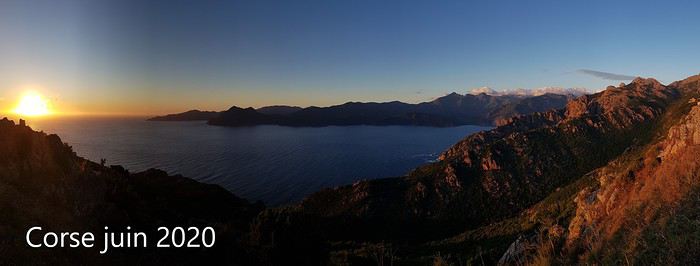 Bonjour à tous,
Encore un p'tit carnet sur la Corse, où nous sommes allés mi-juin dans des conditions qui ne se reproduiront sans doute jamais : météo parfaite et pas un chat!
Pour une fois, je ne donne pas beaucoup de détails pratiques (mais tout de même les traces wikiloc) très faciles à trouver en quelques clics.
Le but premier du voyage était d'apporter quelques affaires à notre fille Marion mais sevrés de voyages depuis l'irruption d'un certain virus nous en avons profité pour randonner un peu.
Le récit en images est là : clic!
Bonne lecture! Marie
Texte seul :
Corse Juin 2020 Petite virée en Corse, où vit désormais notre fille Marion. Voyage reporté 2 fois en raison de la Covid 19…
Finalement nous partons en fourgon car nous avons pas mal de fourbi en plus des chiens. Mi-juin, la limitation des 100 km est enfin levée et après avoir une traversée très tranquille au départ de Toulon, nous débarquons de bonne heure à Ajaccio : au programme, bricolage et randonnées !
Les chiens nous accompagnent, Corsica Ferries propose des cabines « spéciales chiens » sans moquette. Plein de chiens sur ce bateau, tous très pacifiques…Malheureusement le pont supérieur où un espace leur serait réservé est fermé. Environ 14h de voyage (en comptant les temps d’embarquement/débarquement), les vessies ont tenu le choc ! Tous les passagers sont masqués et ravis de retrouver un peu de liberté !
DI 14/06/20 Arrivée en Corse L’air est doux, le ciel est pur (gros orage et grosses inondations quelques jours avant notre arrivée), la météo s’annonce idéale pour la semaine à venir. Je craignais la chaleur en Juin, mais finalement nous n’aurons jamais plus de 24°C en bord de mer, supportable donc… Retrouvailles et bricolage, puis nous faisons une petite balade vespérale vers l’anse de Minaccia. Pas la foule pour un dimanche…
LU 15/06/20 Lac de Melo Marion et Yoan se sont libérés pour nous accompagner et leur aide sera indispensable pour pousser/hisser/tirer les chiens (30 et 40 kg) qui eurent bien du mal à franchir 2 ressauts équipés d’échelles verticales (le 1er se franchit facilement par la droite et le 2ème par la gauche, c’est plus scabreux). Tout est très vert, très fleuri, on se régale. On bulle un long moment près du lac (les chiens plus tout jeunes sont crevés tellement ils ont été crispés par ce franchissement) tandis que les jeunes grimpent plus haut dans la montagne. Nous redescendons en rive droite de la cascade (sans échelle !) Jolie balade, pour moi un peu gâchée par la peine qu’ont eue mes chiens chéris… https://fr.wikiloc.com/itineraires-randonnee/lac-de-melo-15-juin-51095645
MA 16/06/20 Bergeries des Pozzi Départ avec Marion de la station de Val D’Eze : on longe d’abord un tire-fesse (pas glop) puis la balade devient magnifique ! Quelques vaches et chevaux nous accueillent en haut de la grimpette. Vue sur le village de Bastelica et au fond sur la baie d’Ajaccio. On longe une très jolie crête et au bout de celle-ci on découvre d’un coup le vallon et ses pozzines. On adore ce type de paysage, les chiens aussi ! On passe ensuite à proximité de la bergerie avant de traverser une grande forêt de hêtres tortueux sillonnée de quelques ruisseaux : parfait pour les chiens ! On a adoré cette balade ! https://fr.wikiloc.com/itineraires-randonnee/pozzis-depuis-val-d-ese-pozzi-5002592
Marion rentre sur Ajaccio (elle travaille demain) tandis que nous allons au départ de la rando prévue demain, au-dessus de Soccia.
ME 17/06/20 Lac de Creno Nous avons dormi sur le parking (désert) en dessous du petit resto situé au départ de cette randonnée. Itoo a encore trouvé quelques forces pour jouer avec le p’tit chien du coin. Nous partons de bonne heure (fraicheur, belle lumière, personne) sur un joli sentier fleuri. C’est tellement vert qu’on se croirait en Ecosse ! Nous voici au seul lac boisé de Corse, certains pins sont énormes ! Très belle vue sur les montagnes qui cernent le lac de Melo où nous étions avant-hier. On monte ensuite vers la Chapelle San’t Eliseu dans un sous-bois profondément labouré par les sangliers (le mieux est de monter par la crête qui commence juste derrière la maison forestière, il n’y a pas vraiment de sentier…ou nous ne l’avons pas trouvé) Vue à 360° magnifiée par les nuages ! Nous descendons ensuite par une crête si joliment fleurie qu’on se croirait dans un jardin. Le sentier est assez mal tracé, il faut être attentif. https://fr.wikiloc.com/itineraires-randonnee/lac-de-creno-et-chapelle-sant-eliseu-17-juin-56206520
Déjeuner au resto du parking, quasi désert : les locaux se lamentent, nous compatissons mais jubilons intérieurement d’avoir les chemins de randonnée presque pour nous tous seuls. Autre avantage, service rapide et très aimable : nous qui n’allons que très rarement au restaurant en vacances car nous n’aimons pas attendre des plombes le bon vouloir d’un service débordé allons changer nos habitudes. Au moins pendant qq jours !
Gorges de Spelunca Nous reprenons la route vers les Gorges de Spelunca, qui m’ont un peu déçue. La route d’approche par l’est est très belle mais les gorges m’ont semblé assez banales. Nous longeons la rivière (que l’on voit finalement assez peu du fait de la végétation) en aller-retour jusqu’au vieux pont. Peu de possibilité de baignade pour les chiens… https://fr.wikiloc.com/itineraires-randonnee/gorges-de-spelunca-56206499
Fin de journée au départ de la rando du lendemain, près des calanques de Piana et du Capo Rosso.
JE 18/06/20 Capo Rosso On démarre de bonne heure car je crains la chaleur au niveau de la mer. Belle vue vers la côte et ses tours génoises. On aperçoit le parking. Plus on descend, plus il fait chaud et plus je pense à la remontée…je m’inquiète pour les chiens qui tirent déjà la langue. Arrivés à cette jolie cabane en pierre, nous abandonnons Fred qui monte en vitesse jusqu’à la tour et faisons tranquillement demi-tour : retour facile finalement. https://fr.wikiloc.com/itineraires-randonnee/capu-rossu-en-boucle-41682629
Calanches de Piana On enchaîne avec une petite balade dans les Calanches de Piana, sur le Chemin du Château Fort : la lumière est dure et blanche, il est midi… https://fr.wikiloc.com/itineraires-randonnee/piana-18-juin-56206514 Pause resto sur la plage de Busaglia, où nous sommes encore une fois les seuls clients : service attentionné, les chiens ont eu chacun une gamelle d’eau !
Vallée du Fango On décide ensuite de pousser jusqu’à la vallée du Fango, pour les rafraichir un peu. Très joli coin, qui doit être habituellement bondé à en juger par les panneaux d’interdiction de stationner et la taille des parkings : on a vu en tout 4 personnes ! Après cette baignade les chiens sont définitivement épuisés par ces quelques jours de rando ! https://fr.wikiloc.com/itineraires-randonnee/vallee-du-fango-56206546 Demain, croisière… Retour vers Porto et nuit près de la plage de Gradelle.
VE 19/06/20 Scandola Départ de Porto à 10h, le bateau de Via Mare est plein à 10%, c’est cool ! (pour nous…) J’avais d’abord contacté le Passe Partout qui nous avait gentiment conseillé de prendre un bateau plus grand pour le confort des chiens car il y a un peu de houle : sympa ! (Marion et Yoan ont fait le tour avec eux qq jours plus tard et ça leur a bien plu) Il fonce vers la réserve de Scandola, puis navigue pendant quelques dizaines de minutes en rasant les roches volcaniques : 2 nids de balbuzards ( ?) vides, très peu d’oiseaux. Mais de jolies couleurs et des commentaires intéressants. Petite pause au retour au village de Girolata (pas d’accès routier) avec une petite baignade pour les chiens -à bonne distance des vaches ! Tour sympa et reposant ! Retour sur Porto en milieu de journée puis sur Ajaccio.
SA 20/06/20 Pointe de la Parata Nous reprenons le ferry ce soir. Petite balade de l’Anse de Minaccia jusqu’à la pointe de la Parata, personne sur cette rando non plus (on est à 20 mn d’Ajaccio un samedi !) https://fr.wikiloc.com/itineraires-randonnee/la-parata-20-juin-56206489 Parking immense quasi vide. Quelques personnes tout de même près de la pointe, il faut dire que la vue sur les îles Sanguinaires est magnifique ! Bon déjeuner à la brasserie de la pointe (à nous 4 on double l’effectif des clients !) Appareillage vers 20h00, alors que le soleil descend sur l’horizon… Quel plaisir de naviguer de nuit et d’arriver frais et dispo le lendemain matin !
Parking à Perledo et faire le tour du lac de Côme à vélo English translation pending
Bonjour
Malgré cette période délicate pour voyager, nous partons vers les Dolomites. Nous avons réservé un studio à Perlado. Nous aimerions avoir quelques conseils pour circuler, apparemment, les parkings sont rares dans cette ville...La circulation compliquée...Peut-être circuler à vélo est plus facile? Faire le tour du lac à vélo? Quels circuits conseiller à un très bon cycliste, habitué aux reliefs montagneux? Les promenades en bateau, sur les lacs, semblent sympathiques...Les villas à visiter aussi...Et les îles Boromée...Si vous connaissez un peu les lieux, je suis preneuse de conseils... Y a t-il beaucoup de monde, là bas, malgré le corona virus? Nous partons lundi 17 aôut...C'est proche!
Merci de votre réponse! Marie-Laure/ Odalie
Malgré cette période délicate pour voyager, nous partons vers les Dolomites. Nous avons réservé un studio à Perlado. Nous aimerions avoir quelques conseils pour circuler, apparemment, les parkings sont rares dans cette ville...La circulation compliquée...Peut-être circuler à vélo est plus facile? Faire le tour du lac à vélo? Quels circuits conseiller à un très bon cycliste, habitué aux reliefs montagneux? Les promenades en bateau, sur les lacs, semblent sympathiques...Les villas à visiter aussi...Et les îles Boromée...Si vous connaissez un peu les lieux, je suis preneuse de conseils... Y a t-il beaucoup de monde, là bas, malgré le corona virus? Nous partons lundi 17 aôut...C'est proche!
Merci de votre réponse! Marie-Laure/ Odalie
Trois jours dans les gorges du Verdon English translation pending
Bonjour.
Je veux partir 3 jours fin août dans les gorges du verdon. Avez vous des conseils de camping /randonnée / bons plans à faire la bas
Trois jours de randonnée dans le Parc national des Ecrins English translation pending
Bonjour à tous,
Mon compagnon et moi prévoyons des vacances d'une semaine dans le parc des écrins en septembre. Nous aimerions y faire 3 jours de randonnée en s'arrêtant dans les refuges. Nous sommes des bons marcheurs mais pas des alpinistes (6 h de marche par jour me semble bien).
J'ai trouvé cette boucle là : "Trois jours de randonnée dans le parc national des Ecrins au départ de Bourg d'Arud. Cap vers le lac et le col de la Muzelle, Valsenestre, le lac de Labarre, la cabane de la Selle, le col de la Brèche et le lac de Lauvitel." Qu'en pensez vous ? Avez vous autre chose à proposer ?
Merci beaucoup !
Mon compagnon et moi prévoyons des vacances d'une semaine dans le parc des écrins en septembre. Nous aimerions y faire 3 jours de randonnée en s'arrêtant dans les refuges. Nous sommes des bons marcheurs mais pas des alpinistes (6 h de marche par jour me semble bien).
J'ai trouvé cette boucle là : "Trois jours de randonnée dans le parc national des Ecrins au départ de Bourg d'Arud. Cap vers le lac et le col de la Muzelle, Valsenestre, le lac de Labarre, la cabane de la Selle, le col de la Brèche et le lac de Lauvitel." Qu'en pensez vous ? Avez vous autre chose à proposer ?
Merci beaucoup !
Road trip en camping-car 15 jours en Bretagne English translation pending
Bonjour
Nous souhaitons faire un road trip de 15 jours en camping car avec nos deux enfants (5 et 2 ans 1/2). Nous partons de Grenoble et nous ne sommes pas décidés sur la destination: Bretagne du sud, du nord ou les deux ( peut être trop ambitieux) L’idée étant de voyager tranquillement au rythme des enfants. Je suis à la recherche d’infos sur les lieux sympas, les incontournables, les jolies ballades à pieds/vélo, plages sécures et beaux spots nature, cc...
Si vous avez des conseils je suis preneuse.
Nous sommes assez sensible à la météo également, Trop de pluie risquerait d’être pénible en cc avec les enfants.
Merci beaucoup pour les infos :)
Merci beaucoup pour les infos :)
Conseils pour itinéraire de 15 jours en Bretagne nord English translation pending
Bonjour,
Nouvelle sur le forum, j'aimerais avoir des retours d'expérience ou conseils sur le trajet que je compte faire fin août/début septembre : arrivée TGV à Brest, puis retour TGV Morlaix ou Lannion. Je pars avec mon conjoint et nous avons fait la côte bretonne sud l'année dernière, arrivée Quimper, puis Douarnenez et nous avions suivi la côte jusqu'au Golfe du Morbihan, puis nous avons pris les terres jusqu'à un bled au nord de Nantes. On n'est pas de grands sportifs même si on bouge pas mal, des cyclistes loisir quoi. Certains parcours nous avaient piqué les jambes, surtout dans vers la baie d'Audierne, et dans les terres (Rochefort-en-Terre). Faut dire qu'on était pas mal chargés. Ma question : est-ce que longer la côte nord de Brest à Morlaix est beaucoup plus physique que le sud de la Bretagne ? Y-a-t-il des parcours à éviter qui sont vraiment durs ? J'ai cru comprendre que la côte de Brest à Landéda est très escarpée ? Il vaut mieux couper et prendre la véloroute des Abers ? J'ai envie d'en prendre plein les mirettes mais je n'ai pas envie que mon conjoint qui accepte de m'accompagner m'abandonne au premier camping 😉.
Voici le trajet que nous avions fait en Bretagne sud (clic)
Merci d'avance et je vous souhaite de merveilleuses vélorandonnées déconfinées
Nouvelle sur le forum, j'aimerais avoir des retours d'expérience ou conseils sur le trajet que je compte faire fin août/début septembre : arrivée TGV à Brest, puis retour TGV Morlaix ou Lannion. Je pars avec mon conjoint et nous avons fait la côte bretonne sud l'année dernière, arrivée Quimper, puis Douarnenez et nous avions suivi la côte jusqu'au Golfe du Morbihan, puis nous avons pris les terres jusqu'à un bled au nord de Nantes. On n'est pas de grands sportifs même si on bouge pas mal, des cyclistes loisir quoi. Certains parcours nous avaient piqué les jambes, surtout dans vers la baie d'Audierne, et dans les terres (Rochefort-en-Terre). Faut dire qu'on était pas mal chargés. Ma question : est-ce que longer la côte nord de Brest à Morlaix est beaucoup plus physique que le sud de la Bretagne ? Y-a-t-il des parcours à éviter qui sont vraiment durs ? J'ai cru comprendre que la côte de Brest à Landéda est très escarpée ? Il vaut mieux couper et prendre la véloroute des Abers ? J'ai envie d'en prendre plein les mirettes mais je n'ai pas envie que mon conjoint qui accepte de m'accompagner m'abandonne au premier camping 😉.
Voici le trajet que nous avions fait en Bretagne sud (clic)
Merci d'avance et je vous souhaite de merveilleuses vélorandonnées déconfinées
Faire le tour des GR en Belgique English translation pending
Bonjour!
J'ai déjà réalisé des étapes de GR qui se trouvaient près de mon village d'origine en province de Liège (Belgique). Ici, je me disais que ce serait l'occasion d'en faire plus et, surtout, plus longtemps. Par contre, je trouve que pour trouver des informations correctes sur internet, c'est galère. Donc je viens vers vous!
Y a-t-il, d'après vous, certains GR qui en valent plus la peine que d'autre ?
Je recherche avant tout la beauté de la nature. Je me disais également que ce serait l'occasion de faire découvrir la région à une amie française qui habite ici. Ca peut être des marches pour la journée ou pour deux voir trois jours. Nous n'avons pas droit à des congés avant plusieurs mois mais on peut s'arranger pour un jour de temps en temps. Le point de départ et d'arrivée n'a pas beaucoup d'importance, on se débrouille très bien en bus et train avant et/ou après les marches.
Merci d'avance pour votre aide!
J'ai déjà réalisé des étapes de GR qui se trouvaient près de mon village d'origine en province de Liège (Belgique). Ici, je me disais que ce serait l'occasion d'en faire plus et, surtout, plus longtemps. Par contre, je trouve que pour trouver des informations correctes sur internet, c'est galère. Donc je viens vers vous!
Y a-t-il, d'après vous, certains GR qui en valent plus la peine que d'autre ?
Je recherche avant tout la beauté de la nature. Je me disais également que ce serait l'occasion de faire découvrir la région à une amie française qui habite ici. Ca peut être des marches pour la journée ou pour deux voir trois jours. Nous n'avons pas droit à des congés avant plusieurs mois mais on peut s'arranger pour un jour de temps en temps. Le point de départ et d'arrivée n'a pas beaucoup d'importance, on se débrouille très bien en bus et train avant et/ou après les marches.
Merci d'avance pour votre aide!
Qu'est-ce qui vous vient à l'esprit quand, aujourd'hui, vous pensez à l'Italie? English translation pending
Qu'est-ce qui vous vient à l'esprit quand, aujourd'hui, vous pensez à l'Italie ?
une personne, un groupe de personnes, un lieu, un événement , une manifestation quelconque ?
Comme on se rend bien compte qu'il ne va pas être simple de retourner en Italie avant un moment, je lance cette discussion dans l'intention de constituer une petite collection de points d'intérêt... pour plus tard, si chacun apporte une contribution.
Et je m'y colle.
C'est un lieu associé à cette photographie.
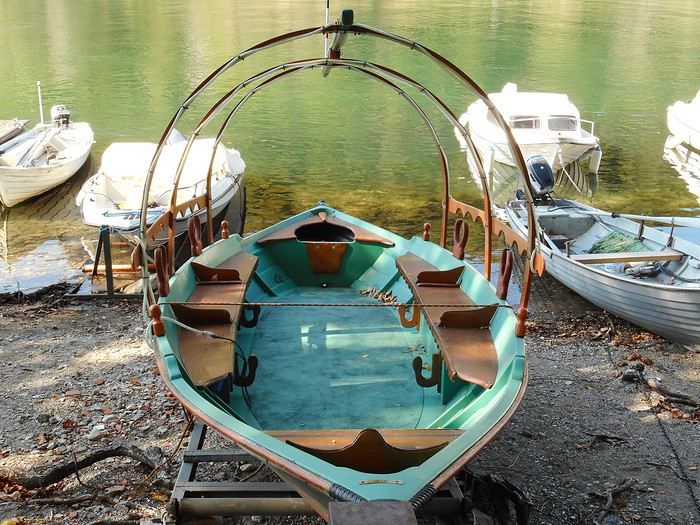
Une barque, la "Lucia", au bord d'une rivière.
Cet hiver, pour entretenir mon italien, j'ai décidé de lire "I promessi sposi" d'Alessandro Manzoni. La première semaine de mars, la situation sanitaire en Italie fait la une de tous les bulletins d'information français. Le confinement généralisé débutera quelques jours plus tard. Cette même semaine, je lis le passage du roman où Agnese, Lucia et Renzo, fuyant leur hameau, traversent l'Adda sur une barque semblable à celle-ci ; cette scène déplace l'action des environs de Lecco vers d'autres endroits de Lombardie (malheureuse Lombardie). Depuis c'est ce lieu qui me vient à l'esprit, involontairement, quand je pense à l'Italie : PESCARENICO, autrefois village de pêcheurs au bord de l'Adda, aujourd'hui quartier de Lecco. Pourquoi ce lieu ? je ne sais pas. J'ai l'impression qu'il a été le point de rencontre entre une lecture, l'actualité et un souvenir de voyage (j' y suis allé, la photo de la "Lucia" est la seule que j'ai faite à Pescarenico ; on trouve quantité de photos de Pescarenico sur le net).
A vous d'ajouter pour que ce soit un début...
Et je m'y colle.
C'est un lieu associé à cette photographie.
Une barque, la "Lucia", au bord d'une rivière.
Cet hiver, pour entretenir mon italien, j'ai décidé de lire "I promessi sposi" d'Alessandro Manzoni. La première semaine de mars, la situation sanitaire en Italie fait la une de tous les bulletins d'information français. Le confinement généralisé débutera quelques jours plus tard. Cette même semaine, je lis le passage du roman où Agnese, Lucia et Renzo, fuyant leur hameau, traversent l'Adda sur une barque semblable à celle-ci ; cette scène déplace l'action des environs de Lecco vers d'autres endroits de Lombardie (malheureuse Lombardie). Depuis c'est ce lieu qui me vient à l'esprit, involontairement, quand je pense à l'Italie : PESCARENICO, autrefois village de pêcheurs au bord de l'Adda, aujourd'hui quartier de Lecco. Pourquoi ce lieu ? je ne sais pas. J'ai l'impression qu'il a été le point de rencontre entre une lecture, l'actualité et un souvenir de voyage (j' y suis allé, la photo de la "Lucia" est la seule que j'ai faite à Pescarenico ; on trouve quantité de photos de Pescarenico sur le net).
A vous d'ajouter pour que ce soit un début...
24h chrono à Cambridge en automne English translation pending
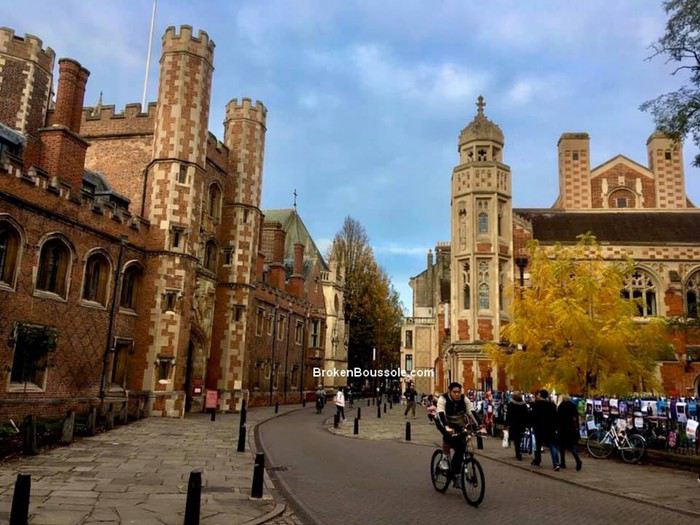 Bienvenue à Cambridge !
 Ça fait longtemps que je n’ai pas publié de carnet sur VF ! Mais avec ce confinement, autant en profiter. En novembre 2019, j’ai eu l’occasion de découvrir Cambridge lors d’un week-end express. Ce séjour n’était absolument pas prévu, mais je suis tombée sur un vol à tarif attractif.
J’ai déjà publié ici 2 carnets sur Londres, ou j’avais obtenu des billets A/R à 5,98€ et à 9,95€. Mais si là, c’était un peu plus cher, ça reste tout de même moins onéreux qu’un A/R en train Rennes/Paris =)
Voici le budget pour ce très court séjour : moins de 130€
Transport : 64€
46€ vol A/R Dinard/Londres 18€ train A/R Londres Stansted/Cambridge
Hébergement : 17€
17€ la nuit en dortoir à l’auberge de jeunesse YHA Cambridge
Activité : 48,5€
26€ pour une visite de 45 minutes en barque sur la rivière Cam 12€ l’entrée au St John’s College 10,5€ l’entrée à la King’s Chapel 0€ l’entrée au Polar Museum 0€ l’entrée au Fitzwilliam Museum
Après un atterrissage à Londres Stansted, j’ai pris le train vers Cambridge, directement à la gare de l’aéroport.
Faire du punting pour découvrir Cambridge au fil de la rivière Cam
Dès mon arrivée, j’ai rejoint un embarcadère. Objectif, faire du punting pour découvrir les « backs » des « Colleges » de la ville. Il est possible de pratiquer cette activité quasiment 365 jours par an.
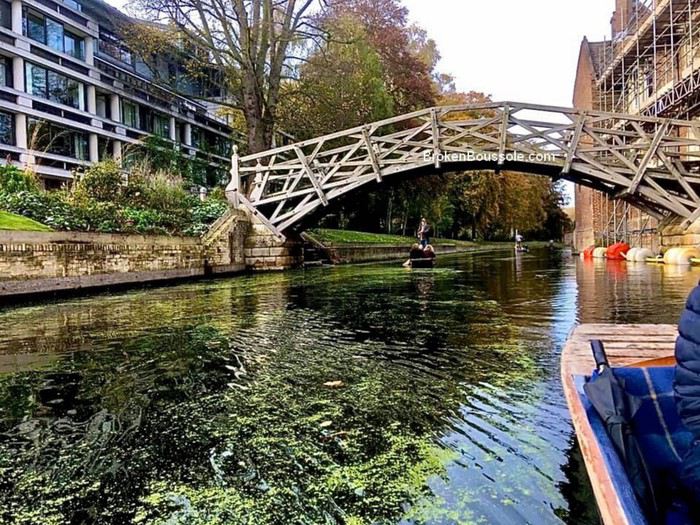
Mathematical Bridge
Cette balade m’a permis de passer sous le Mathematical Bridge, de longer King’s College et d’apercevoir sa chapelle.
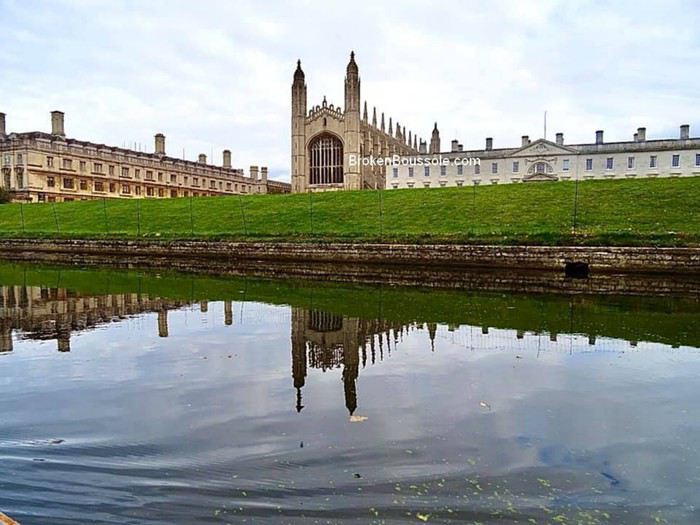 King's Chapel
Puis de passer devant la Wren Library & la bibliothèque Jerwood.
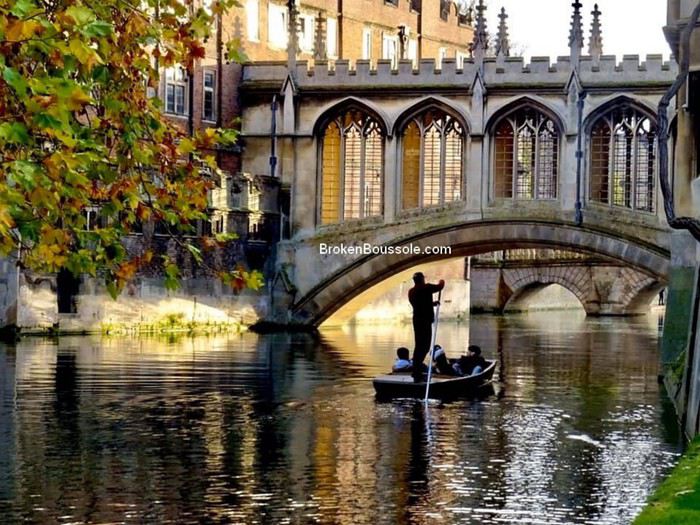 Le pont des soupirs
Avant de terminer la visite par St John’s College et son célèbre Pont des soupirs.
Visiter King's College
Forcément, cette promenade en punt m’a donné envie de visiter les Colleges. J’ai commencé par King’s College pour admirer sa chapelle gothique.
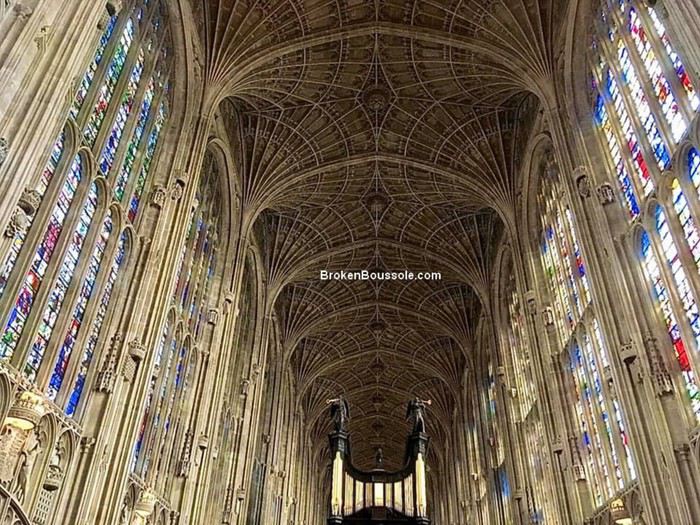 A l'intérieur de King's Chapel
 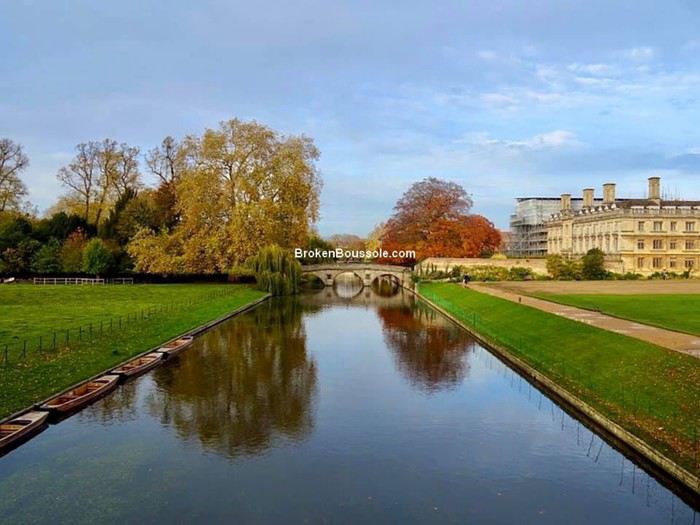 Depuis les jardins de King's College
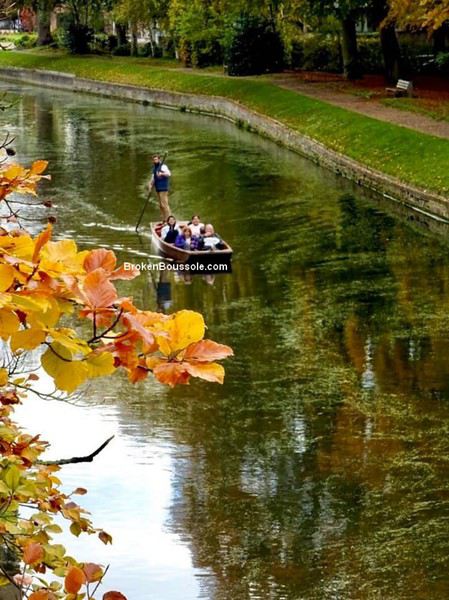 Punting sur la rivière Cam
Découvrir le centre-ville à pied
Après ces visites payantes, je me suis promenée dans les rues du centre-ville, l’architecture vaut clairement le détour, et Cambridge est une citée pleine de vie (et de vélos !).
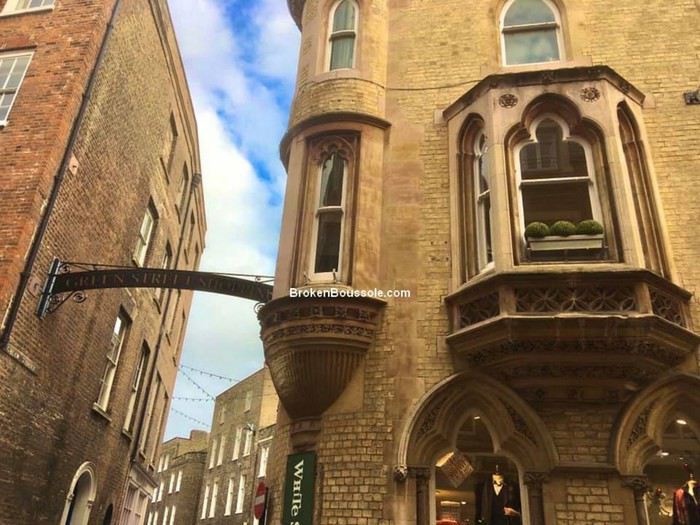
Green Street - Cambridge
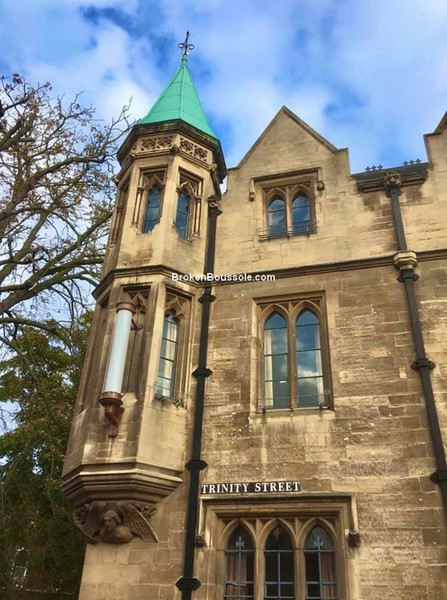 Trinity Street - Cambridge
 L’horloge Corpus Clock m’a beaucoup impressionnée, et il faut la voir de jour et de nuit !
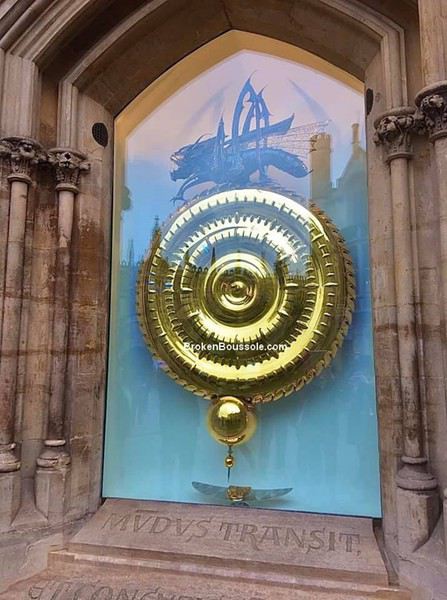
Corpus Clock - Cambridge
À la recherche des aurores boréales (Norvège) English translation pending
Depuis quelque temps avec ma femme, nous caressions le projet de retourner voir des aurores boréales. Nous en avions déjà vu lors de nos deux derniers voyages hivernaux en Islande mais l‘envie d’en revoir nous poussait à repartir.
Nous aurions voulu partir en hiver mais cela nous aurait obligés à coucher à l’hôtel, ce qui aurait lourdement grevé notre budget.
La période favorable pour voir des aurores boréales en Scandinavie s’étalant de septembre à mars, nous décidons de partir en septembre car cela nous permettra de coucher dans le lit aménagé à l’arrière de notre Land Rover Defender.
Samedi 15 septembre 2019
Le plein est fait. Le Land est bourré de provisions (cela fera autant de moins à acheter sur place) . Direction la Norvège. Départ vers 15h. Ce soir, nous ferons une étape dans le Nord pour passer voir notre fille. 100 km après notre départ de la région parisienne, le moteur du Land se met soudainement en mode dégradé. Nous plafonnons à 80 km/h. L’idée que notre voyage s’arrête là nous effleure l’esprit. On s’arrête sur le bas-côté pendant 10 mn et ouf, le moteur se remet à fonctionner normalement. On repart comme si de rien n’était. Nous n’empruntons pas les autoroutes payantes car nous ne sommes pas pressés. Arrivée dans le Nord vers 19h.
Dimanche 15 septembre 2019
Après une bonne nuit, nous partons en fin de matinée et traversons la Belgique via Charleroi et Liège. Puis nous passons en Allemagne via Aix-la-Chapelle, Duisbourg, Munster, Brême et Hambourg. Nous dormons sur une aire d’autoroute au nord d’Hambourg. Nous avons parcouru 1.000 km depuis Paris.
Lundi 16 septembre 2019
Prix du gazole sur l’autoroute allemande : 1,32 €/l Sur l’autoroute, le Land fait encore des siennes. Le moteur se remet en mode dégradé. On applique la même méthode que précédemment, à savoir, arrêt de 10 mn et ça repart normalement. Il ne faudrait pas que cela se reproduise trop souvent.
Nous franchissons la frontière danoise et arrivons au port d’Hirshals au nord du Danemark en début d’après-midi. Le vent d’ouest souffle en tempête. Cela promet pour la traversée vers la Norvège. Prix du gazole : 11,49 DNK (1,52 €) N’ayant pas réservé la traversée, nous nous rendons au bureau de Fjord Line. Prix annoncés : 205 € pour le jour même et 405 € pour le lendemain !
Nous cherchons un passage meilleur marché sur internet et réservons un billet pour Kristiansand chez Colour Line à 145 € pour le lendemain à 12h15.
Nous allons au camping d’Hirtshals en bordure de mer. La mer est démontée et il y a des wind surfers et des kite surfers qui en profitent. Particularité de cette plage, les autos peuvent y rouler.
Prix du camping 173 DNK (23 €). Bien équipé avec cuisine comprenant four, micro ondes et feux à gaz douche chaude payante avec carte. Emplacements sur pelouse délimités par des haies qui protègent du vent. Ce camping ferme fin septembre.
Mardi 17 septembre 2019
Nous embarquons sur le bateau de Colour Line à 12h15 . Heureusement, le vent s'est calmé. Nous débarquons au sud de la Norvège à Kristiansand à 15h30. Il fait un temps magnifique. Nous allons au centre ville pour retirer de l’argent au distributeur (pas beaucoup de distributeurs de billets en ville, il faut un peu chercher).
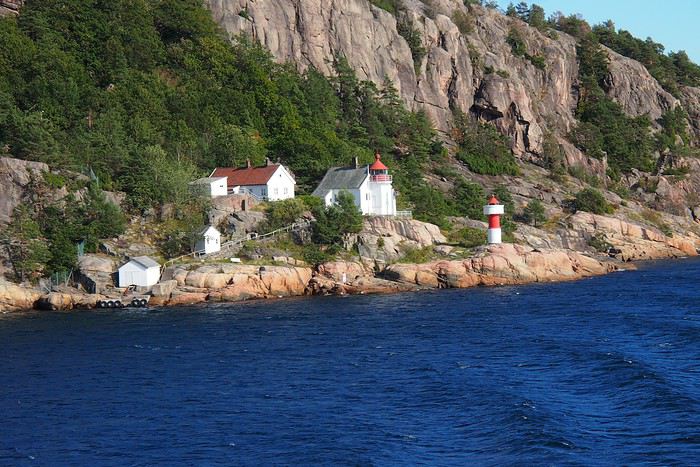
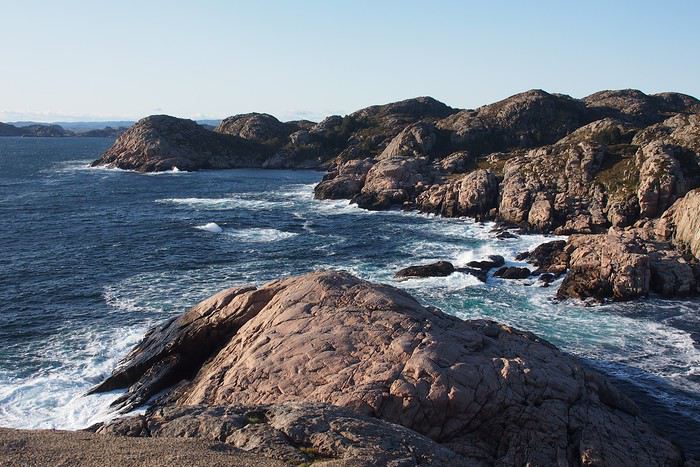
Nous prenons la direction de Lindesnes au sud-ouest de Kristiansand. Nous dormons sur le parking du phare de Lindesnes où le camping est autorisé moyennant 100 NOK (10 €). Cet endroit est le point le plus au sud de la Norvège. Beau temps mais très venté. Nous avons parcouru 1600 km depuis notre départ.
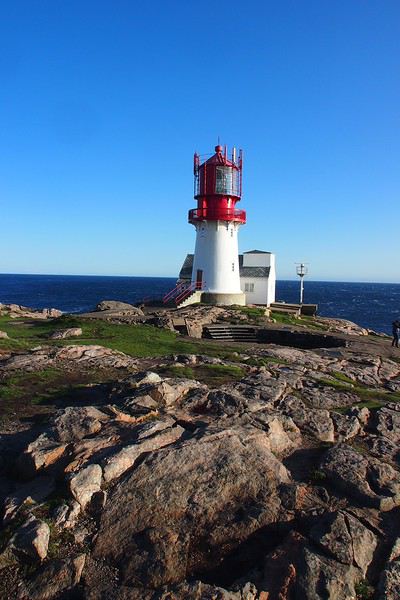
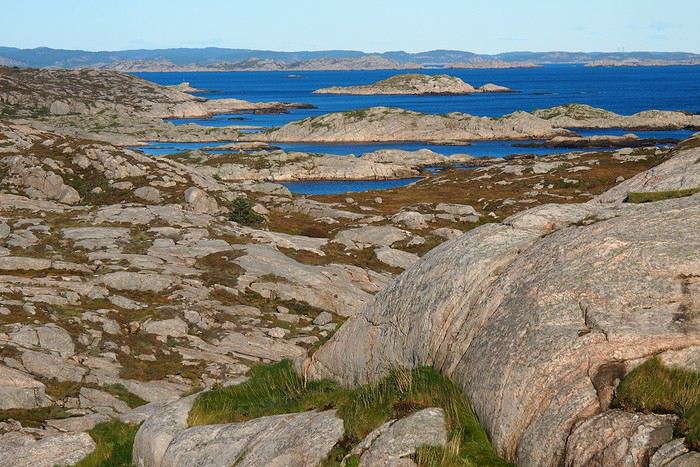
Mercredi 18 septembre 2019
Ce matin, nous suivons la côte sud en passant par Flekkefjord, Egersund jusqu’à Sandnes. Nous empruntons notre premier ferry à Lauvik pour franchir le Hosfjorden. Prix : 119 NOK
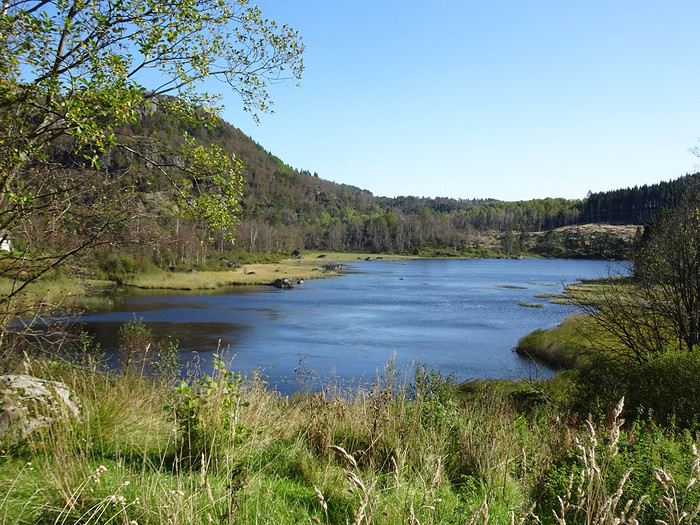
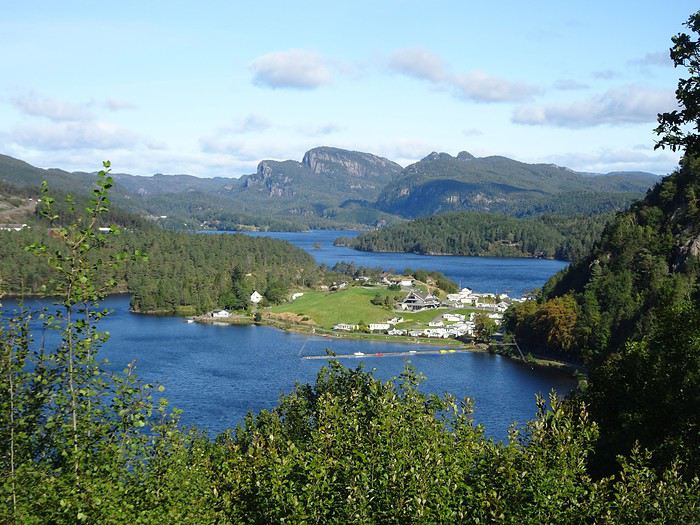
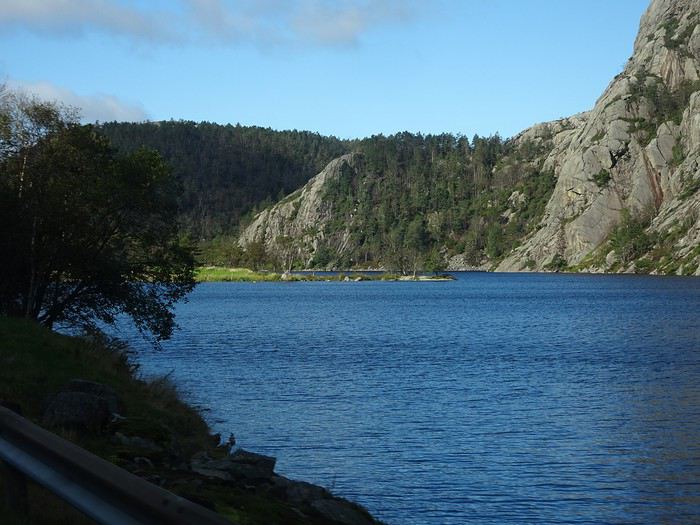
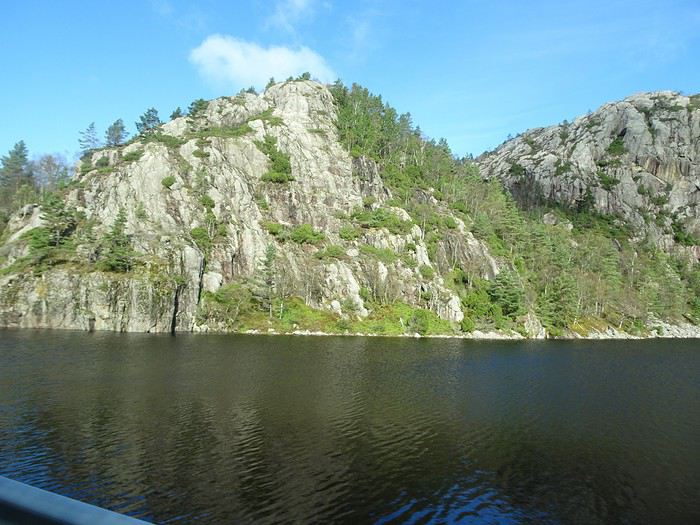
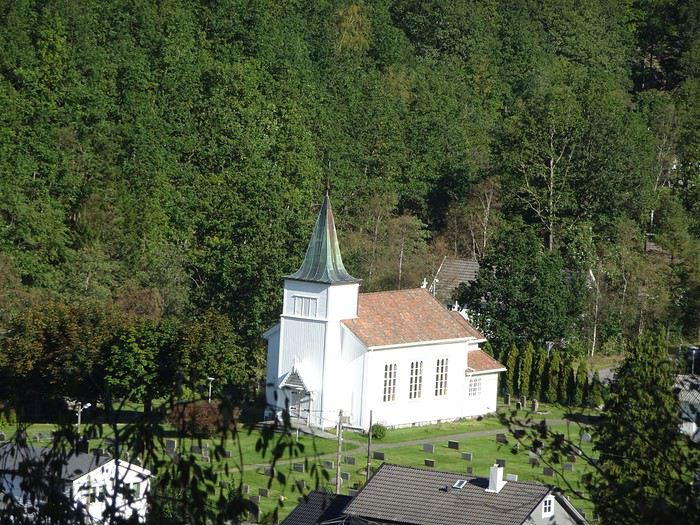
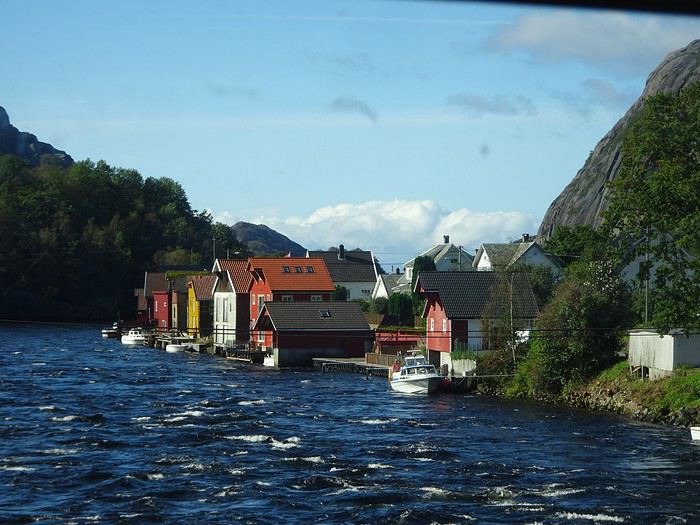
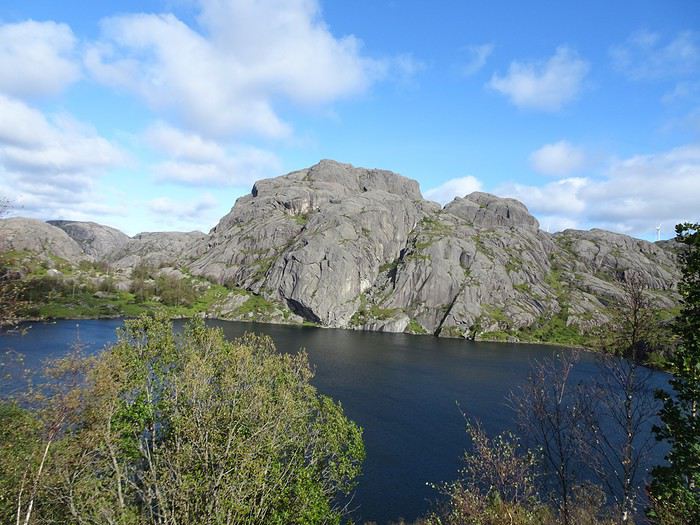
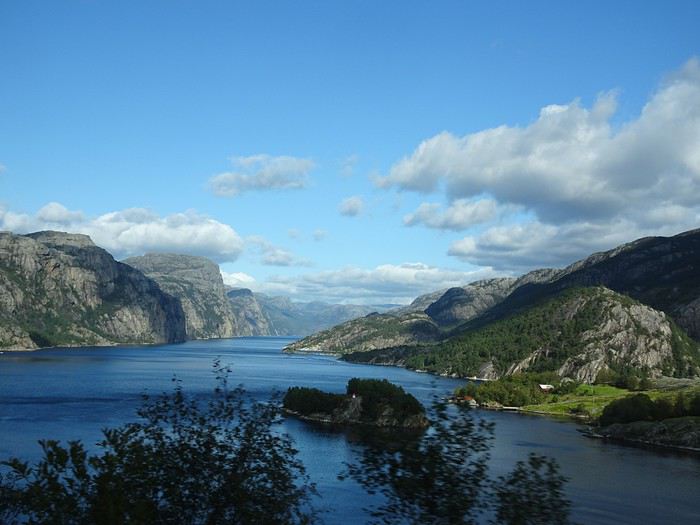
Nous sommes surpris par le grand nombre de véhicules électriques qui circulent en Norvège dont un bon nombre de Tesla. Il y a des bornes de recharge un peu partout, dans les stations service bien sûr mais aussi devant des hôtels, sur des parkings municipaux. La Norvège a une avance phénoménale dans ce domaine sur notre pays.
Il y a également un certain nombre de routes à péage qui ne sont pas des autoroutes notamment à l’approche des villes. Ce péage se fait en passant sous un portique automatique. Pour les véhicules étrangers, il paraît que nous recevons la facture à domicile mais au moment où je rédige ce carnet soit 6 mois après notre voyage, toujours pas de nouvelles.
Nous nous rendons sur le parking du Prekestolen où le prix de 250 NOK nous dissuade de nous arrêter. Nous y sommes déjà allés une trentaine d’années en arrière et nous n’avons pas de regret de ne pas y retourner . Nous cherchons un endroit pour bivouaquer mais dans cette zone très touristique, impossible de trouver un endroit .Nous poursuivons sur la route 13 vers le nord et nous arrêtons au camping de Vatne prix : 20 €. Comme toujours, camping super équipé avec cuisine et douche chauffées. Aujourd’hui étape de 290 km.
Samedi 15 septembre 2019
Le plein est fait. Le Land est bourré de provisions (cela fera autant de moins à acheter sur place) . Direction la Norvège. Départ vers 15h. Ce soir, nous ferons une étape dans le Nord pour passer voir notre fille. 100 km après notre départ de la région parisienne, le moteur du Land se met soudainement en mode dégradé. Nous plafonnons à 80 km/h. L’idée que notre voyage s’arrête là nous effleure l’esprit. On s’arrête sur le bas-côté pendant 10 mn et ouf, le moteur se remet à fonctionner normalement. On repart comme si de rien n’était. Nous n’empruntons pas les autoroutes payantes car nous ne sommes pas pressés. Arrivée dans le Nord vers 19h.
Dimanche 15 septembre 2019
Après une bonne nuit, nous partons en fin de matinée et traversons la Belgique via Charleroi et Liège. Puis nous passons en Allemagne via Aix-la-Chapelle, Duisbourg, Munster, Brême et Hambourg. Nous dormons sur une aire d’autoroute au nord d’Hambourg. Nous avons parcouru 1.000 km depuis Paris.
Lundi 16 septembre 2019
Prix du gazole sur l’autoroute allemande : 1,32 €/l Sur l’autoroute, le Land fait encore des siennes. Le moteur se remet en mode dégradé. On applique la même méthode que précédemment, à savoir, arrêt de 10 mn et ça repart normalement. Il ne faudrait pas que cela se reproduise trop souvent.
Nous franchissons la frontière danoise et arrivons au port d’Hirshals au nord du Danemark en début d’après-midi. Le vent d’ouest souffle en tempête. Cela promet pour la traversée vers la Norvège. Prix du gazole : 11,49 DNK (1,52 €) N’ayant pas réservé la traversée, nous nous rendons au bureau de Fjord Line. Prix annoncés : 205 € pour le jour même et 405 € pour le lendemain !
Nous cherchons un passage meilleur marché sur internet et réservons un billet pour Kristiansand chez Colour Line à 145 € pour le lendemain à 12h15.
Nous allons au camping d’Hirtshals en bordure de mer. La mer est démontée et il y a des wind surfers et des kite surfers qui en profitent. Particularité de cette plage, les autos peuvent y rouler.
Prix du camping 173 DNK (23 €). Bien équipé avec cuisine comprenant four, micro ondes et feux à gaz douche chaude payante avec carte. Emplacements sur pelouse délimités par des haies qui protègent du vent. Ce camping ferme fin septembre.
Mardi 17 septembre 2019
Nous embarquons sur le bateau de Colour Line à 12h15 . Heureusement, le vent s'est calmé. Nous débarquons au sud de la Norvège à Kristiansand à 15h30. Il fait un temps magnifique. Nous allons au centre ville pour retirer de l’argent au distributeur (pas beaucoup de distributeurs de billets en ville, il faut un peu chercher).
Nous prenons la direction de Lindesnes au sud-ouest de Kristiansand. Nous dormons sur le parking du phare de Lindesnes où le camping est autorisé moyennant 100 NOK (10 €). Cet endroit est le point le plus au sud de la Norvège. Beau temps mais très venté. Nous avons parcouru 1600 km depuis notre départ.
Mercredi 18 septembre 2019
Ce matin, nous suivons la côte sud en passant par Flekkefjord, Egersund jusqu’à Sandnes. Nous empruntons notre premier ferry à Lauvik pour franchir le Hosfjorden. Prix : 119 NOK
Nous sommes surpris par le grand nombre de véhicules électriques qui circulent en Norvège dont un bon nombre de Tesla. Il y a des bornes de recharge un peu partout, dans les stations service bien sûr mais aussi devant des hôtels, sur des parkings municipaux. La Norvège a une avance phénoménale dans ce domaine sur notre pays.
Il y a également un certain nombre de routes à péage qui ne sont pas des autoroutes notamment à l’approche des villes. Ce péage se fait en passant sous un portique automatique. Pour les véhicules étrangers, il paraît que nous recevons la facture à domicile mais au moment où je rédige ce carnet soit 6 mois après notre voyage, toujours pas de nouvelles.
Nous nous rendons sur le parking du Prekestolen où le prix de 250 NOK nous dissuade de nous arrêter. Nous y sommes déjà allés une trentaine d’années en arrière et nous n’avons pas de regret de ne pas y retourner . Nous cherchons un endroit pour bivouaquer mais dans cette zone très touristique, impossible de trouver un endroit .Nous poursuivons sur la route 13 vers le nord et nous arrêtons au camping de Vatne prix : 20 €. Comme toujours, camping super équipé avec cuisine et douche chauffées. Aujourd’hui étape de 290 km.
Mais où qu'il est ce truc là? (2) English translation pending
A mon tour donc...
Au mur de quel bâtiment voit-on cette carte ?...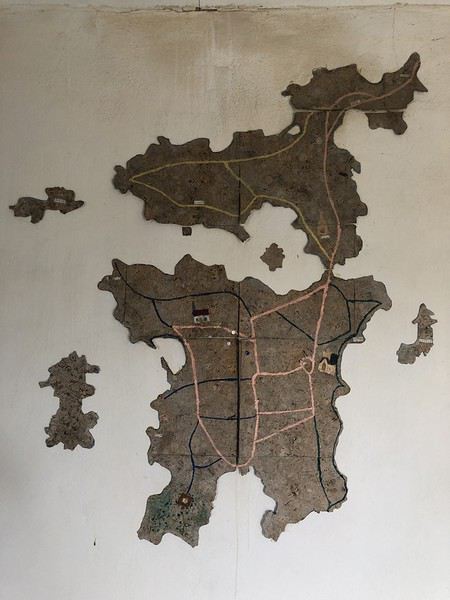
Amusez-vous bien 🙂
Au mur de quel bâtiment voit-on cette carte ?...
Amusez-vous bien 🙂