Results for "Saint-Riquier+|+127"
82366 results found.
Start of the maple water harvest in Quebec
Hi there,
Maybe you already use it in your recipes? Just to let you know that here in Quebec, the maple water harvest has started in several regions. The next step will be to boil this water to turn it into syrup. A sweet nectar, it works well in salad dressings, desserts, with salmon, and more. 😋
If you ever pass through here, don’t miss the chance to visit one of our wonderful sugar shacks. You can taste maple taffy on snow, among other things. 😄
Cheers! 👋
Sumatra Questions: Domestic Flights and Route Direction
Hi there,
After visiting southern Sumatra in 2020 (Padang area, Bukkitinggi, Lake Maninjau), we’re heading north in two weeks to explore.
We’ll arrive in Medan after Singapore.
Then we plan to go to Bukit Lawang, Berastagi, and Lake Toba before finishing up on Pulau Weh.
Yeah, I know three weeks is short, but we like taking our time now that we’re in our fifties 😄.
My questions:
- Which direction should we do the loop: Medan → Bukit Lawang → Lake Toba → Medan (we’ll be traveling by taxi)?
- Can I buy the Medan/Banda Aceh flights just 10 days in advance while we’re there? Any airline to prefer?
Thanks in advance to anyone familiar with this part of the world 😊
Climbing Haut-Folin via the southern route, in stages
Hello everyone,
I’m so happy to share my climb with you, and if it inspires you to take it on, then it’ll be a success. Sometimes I’ll use the local language because I think it’s essential to connect with the people we meet along the way.
This adventure took place last year, just before winter, right after summer, and smack in the middle of autumn. That really sets the time of year. After climbing Mont-Beuvray—a story I shared here ages ago—I decided to tackle a much more adventurous peak: the summit of Haut-Folin, which rises to 901 m, and that’s no small feat, let’s be honest. It’s located in the Bois du Roi massif. Up there, you often brush against the clouds, which seem to take a mischievous pleasure in wrapping around you.
I’m going fully self-sufficient—no porters, no guide, no cook. I’m just treating myself to a very short approach flight. The flight is early in the morning on a small plane, the *Spirit of St Bernadette*, and it’s perfect. I’ll enjoy watching it deliver mail in the mountains. The pilot will drop me off at the hamlet of *La Pierre en Eau*, near Anost, a small village at the foot of this forest-covered giant.
Physical condition I’m now really seasoned for such an expedition because I’ve trained every day by walking to the village grocery store—round trip, in all weather, that’s 2.1 km. The 451 m elevation gain won’t be a problem for me. .../...
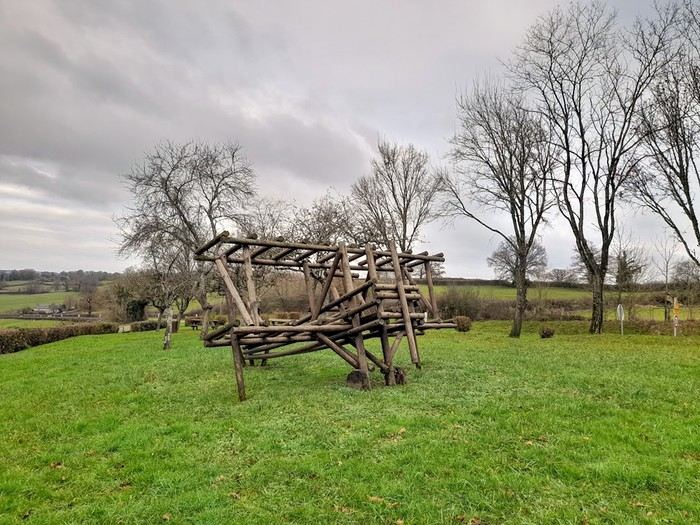
I’m so happy to share my climb with you, and if it inspires you to take it on, then it’ll be a success. Sometimes I’ll use the local language because I think it’s essential to connect with the people we meet along the way.
This adventure took place last year, just before winter, right after summer, and smack in the middle of autumn. That really sets the time of year. After climbing Mont-Beuvray—a story I shared here ages ago—I decided to tackle a much more adventurous peak: the summit of Haut-Folin, which rises to 901 m, and that’s no small feat, let’s be honest. It’s located in the Bois du Roi massif. Up there, you often brush against the clouds, which seem to take a mischievous pleasure in wrapping around you.
I’m going fully self-sufficient—no porters, no guide, no cook. I’m just treating myself to a very short approach flight. The flight is early in the morning on a small plane, the *Spirit of St Bernadette*, and it’s perfect. I’ll enjoy watching it deliver mail in the mountains. The pilot will drop me off at the hamlet of *La Pierre en Eau*, near Anost, a small village at the foot of this forest-covered giant.
Physical condition I’m now really seasoned for such an expedition because I’ve trained every day by walking to the village grocery store—round trip, in all weather, that’s 2.1 km. The 451 m elevation gain won’t be a problem for me. .../...
Family road trip across the Pyrenees (Spain)
Hi there,
We live in Lyon and usually stay in the Alps, but we don’t know the Pyrenees at all. It’s a mountain range that’s quite a long way from where we live. This summer, we’re thinking of traveling along the Pyrenees from west to east (Pyrénées-Atlantiques - Hautes-Pyrénées - PO). We might explore both the French and Spanish sides. We’d do this trip over 3 weeks, aiming to stay in each place for about 3 days before hitting the road again—so we don’t feel like we’re driving for hours every day...
Do you think a 3-week trip like this is doable? (Just to give you an idea, I’ve simplified the route with the link below, using random stops to illustrate the plan.) https://maps.app.goo.gl/eaShLrZzcmN54mZJ7
Two things that are influencing our planning: - We’re a family of 4 (2 kids, aged 9 and 6 1/2) - We’ll be in an electric car For the second point, could you tell me if there are plenty of electric charging stations along the mountain range, or if we’ll need to head to the main towns in the 3 Pyrenean departments?
Looking forward to your thoughts!
Thanks in advance.
Paris - Marseille/Montpellier by train with bikes
Hi everyone,
I’m trying to figure out how to get from Paris to Marseille or Montpellier with non-disassembled bikes by train in early July 2025... and it’s a total flop!!! Can’t find any trains that offer the bike-on-board option! It’s so complicated between SNCF-CONNECT, OUIGO, and TER INTERCITÉS!!! Nothing’s simple! I want to take my teens and their cousins on a bike trip to the Camargue, but I’ll have to start planning way ahead to sort out bike transport!!! So glad I found VoyageForum for tips! !
I’m trying to figure out how to get from Paris to Marseille or Montpellier with non-disassembled bikes by train in early July 2025... and it’s a total flop!!! Can’t find any trains that offer the bike-on-board option! It’s so complicated between SNCF-CONNECT, OUIGO, and TER INTERCITÉS!!! Nothing’s simple! I want to take my teens and their cousins on a bike trip to the Camargue, but I’ll have to start planning way ahead to sort out bike transport!!! So glad I found VoyageForum for tips! !
Have you considered Reunion Island as a destination?
Reunion Island, a French island located in the Indian Ocean, is characterized by remarkable geographical and cultural diversity. This island offers an immersive experience that harmoniously blends wild nature and human heritage, between active volcanoes, mountainous cirques, impressive waterfalls, and charming villages. This report explores the must-see spots, from the lunar landscapes of Piton de la Fournaise to the mountainous trails of the Mafate cirque, not forgetting the natural pools and tropical gardens. Each section highlights a distinct aspect of this vibrant island, supported by geological and historical information, as well as accounts from those who have visited.
Piton de la Fournaise, which reaches a height of 2,632 meters, is one of the most active volcanoes on our planet. Its frequent eruptions constantly shape the landscape, offering a natural spectacle where burning lava meets the ocean. The trail leading to the Dolomieu crater, though difficult to access, is open to hikers and rewards them with a panorama of vast expanses of solidified lava and volcanic gas emissions. It’s usually best to visit at this time of day to avoid clouds and enjoy the low light that enhances the lunar reliefs.
Volcanic activity has also given rise to unique structures, such as the lava tunnels of Grand Brûlé, where tourists can walk along cooled lava flows. For geology enthusiasts, the site of Cassé de la Rivière de l'Est reveals incredible basaltic organ pipes, testifying to ancient eruptions.
Despite its inactivity, Piton des Neiges (3,071 m) remains the island’s highest peak. Its ascent, via the GR R2 trail, passes through virgin forests before reaching rocky landscapes where sunrise offers a 360° panoramic view of the three cirques. This extinct volcano symbolizes Reunion Island’s geological history, characterized by successive collapses that gave birth to the surrounding cirques.
A UNESCO World Heritage site, the Salazie cirque charms with its lush greenery and hamlets clinging to cliffs. Hell-Bourg, listed among France’s most beautiful villages, delights with its brightly colored Creole houses and picturesque cobblestone streets. The trek to Voile de la Mariée, a famous waterfall, winds through bamboo groves and natural pools perfect for a swim.
Mafate, a preserved haven of tranquility, is accessible only on foot or by helicopter. Places like La Nouvelle or Marla, small villages called "îlets," offer a glimpse into traditional life on Reunion Island. The GR R1 trail, which circles Piton des Neiges, immerses hikers in breathtaking landscapes, alternating between rocky ridges and narrow valleys.
Known for its lentils and wines, Cilaos combines culinary delights with stunning scenery. The healing properties of the thermal springs at Bras-Rouge are highlighted by the trails leading to them, which also offer panoramas like the Col du Taïbit, a privileged access point to Mafate.
This unique spot features pebble beaches, waterfalls by the sea, and a palm forest. Picnickers enjoy its peaceful atmosphere, while local fishermen maintain ancient traditions. Nearby, the Garden of Perfumes and Spices cultivates vanilla, cloves, and turmeric, offering an olfactory experience at the heart of Reunionese agriculture.
Bassin Boeuf, famous for its turquoise waters, is a popular swimming spot, framed by volcanic formations. Further south, the Langevin River creates a series of waterfalls and natural pools, including the famous Trou de Fer, a 300-meter-deep canyon where water cascades in a shimmering curtain.
The island’s capital blends colonial heritage with modernity. The Léon Dierx Museum showcases modern art, while the Grand Marché draws visitors with its spices and local crafts. The Barachois promenade, along the sea, evokes the city’s maritime past with its 18th-century cannons.
The Domaine de Villèle, once a colonial plantation, now houses a museum dedicated to the history of slavery and a geranium distillery. The Chapelle Pointue, with its neo-Gothic style, offers a striking contrast to the brightly colored Tamil temples surrounding it.
The GR R1 and R2 trails are popular with experienced hikers, but more accessible routes like the Piton Maido (2,200 m) are suitable for beginners. The latter offers an unparalleled view of the Mafate cirque at dawn.
The coast of Saint-Gilles offers activities like diving, surfing, and paddleboarding, while ULM flights provide an impressive aerial view of Piton de la Fournaise.
Reunion Island presents itself as a microcosm where every landscape tells a story—geological, cultural, or human. Between the fury of volcanoes and the calm of cirques, between the bustle of markets and the tranquility of natural pools, this destination offers a diverse experience. Travelers are encouraged to mix their activities: morning hikes, cultural visits during the day, and moments of relaxation at dusk. Preserving these wonders relies on responsible tourism, respectful of fragile ecosystems and local communities.
Tips for a trip to Bangladesh
Hi there,
I’m heading to Bangladesh in less than a month for about three weeks—a country I’ve never traveled to before and one with no recent guidebooks (Routard, Lonely Planet, etc.). I’m reaching out to those of you who’ve explored it in the last few years and are willing to share your experiences. I’d love your help planning my route so it takes me not just to the "tourist" spots but also to places where local life is a real treat, especially for someone who’s a true contemplative traveler. Thanks so much for your invaluable tips!
Philou
Feedback on 3-week itinerary: Atlantic Coast - Spanish Basque Country - Northern Spain
Hello everyone,
So, summer 2025 is when I turn 40, and to mark the occasion, I had the idea of doing a road trip through Northern Spain. Since I’ll be traveling with my two kids (9 and 6½ years old), I’m tied to school holidays, but I’m hoping the northern regions of Spain are a little less crowded than the Costa Brava.
We’d leave from Lyon to reach the Atlantic coast, head down to the Basque Country, cross the Spanish border, and then visit: Cantabria - Asturias - Galicia. It’s not exactly around the corner—I’ve seen that it’s about 1,500 km (one way) from Lyon to Galicia. But for this adventure, I’ve got 3 to 3½ weeks. The twist would be doing it in an electric car, stopping for 2-3 days here and there before moving on (alternating between wild camping and hotels). Why electric? Because it’s my company car, and my employer covers the charging and toll costs. Over 3 weeks of vacation, that adds up to big savings.
Question: Do you think this plan is doable? Aside from the charging stops, does the route seem too ambitious for 3 weeks with two kids? And in July/August, are these regions not too packed?
Thanks for your feedback and experiences!
4- to 5-day itinerary for Madagascar
Hi there, following a work trip, I’ll have 4.5 days left to get a quick overview of Madagascar during the last week of February. I’ll already have had a good look around Tana (3 days of work and 1.5 days beforehand to see 1 or 2 points of interest 2-3 hours from Tana).
Is it feasible to spend the remaining 4.5 days like this:
- Day 1 & 2 (and maybe the morning of Day 3): relaxing on a coast with a pleasant climate, for example, a one-way flight to Tuléar (there’s a flight on Day 1 at 3 AM) and heading to a nice beach. Ideally, I’d have liked to go toward Morondava (baobabs, beautiful beaches near Belo), but the flight schedules don’t really work, and it wouldn’t let me visit Isalo.
- Then 2 days to head back up via the RN7, ideally with a stop in Isalo, which really appeals to me (I’m an experienced hiker in France), and/or Ranomafana. But do the weather conditions allow for long hikes in that area? Ideally, I’d like to do Tuléar–Tana by public transport up to my first road stop (shared bus? To Isalo?), then find a local hiking guide for the day. And take another transport to another point of interest before returning to Tana, where I have my return flight to France on Day 5 at noon.
My questions: - How to travel from Day 3 to Day 5 from the west coast (Tuléar? Morondava?) back to Tana? I’d prefer not to depend on a guide the whole way, but if I have to 🤷🏽♂️) If I choose Morondava, will I miss out on really interesting spots I could’ve seen along the RN7?
I’m open to any suggestions or ideas to make the most of these 4.5 days, like another beach destination I might not have considered (I ruled out Nosy Bé because of the February weather—maybe I was wrong?)
First trip to South Africa: what itinerary?
Hello forum,
We’re a family of 4 adults (2 grown daughters) planning our first trip to South Africa for 3 weeks in August 2025, traveling independently. I’ve been drawing inspiration from several posts on the forum. I’d like to book our flight tickets and nights in Kruger Park as soon as possible since that’s the most urgent part to finalize, if I understood correctly.
Here’s a first draft of our itinerary (with lots of unknowns about what there’ll be to see/do in Eswatini, Lesotho, Durban, etc.—I feel like the Lesotho leg involves a lot of driving).
I’d really appreciate input from the experts to help us craft a great trip. Thanks in advance!
Day 1
Departure from Paris Day 2
Morning Early arrival in Johannesburg Pick up rental car Groceries Afternoon Sightseeing Night in AirBNB near Johannesburg (1/1) Day 3
Morning Drive to Blyde River Canyon (500 km - 6h30) Afternoon Visit the canyon Night in AirBNB near Blyde River Canyon (1/1) Day 4
Morning Drive to central Kruger (200 km - 3h30) Night in Rest Camp (1/2) Day 5
Night in Rest Camp (2/2) Day 6
Morning Drive to southern Kruger (150 km - 3h) Night in Rest Camp (1/3) Day 7
Night in Rest Camp (2/3) Day 8
Night in Rest Camp (3/3) Day 9
Morning Drive to Mbabane (Eswatini) (250 km - 4h) Night in AirBNB or other (1/1) Day 10
Morning Drive to Maputaland (300 km - 4h) Afternoon Swimming (hippos and crocs?) Night in AirBNB or other (1/1) Day 11
Morning Drive to Hluhluwe-Umfolozi (130 km - 2h) Night in Rest Camp (1/2) Day 12
Night in Rest Camp (2/2) Day 13
Morning Drive to Durban (250 km - 3h) Night in AirBNB (1/1) Day 14
Morning First half of drive to Lesotho (225 km - 4h) Night in AirBNB or other (1/1) Day 15
Morning Second half of drive to Lesotho (225 km - 4h) Night in AirBNB or other (1/1) Day 16
Morning First half of drive to Drakensberg (250 km - 4h) Night in AirBNB or other (1/1) Day 17
Morning Second half of drive to Drakensberg (250 km - 4h) Night in AirBNB or other (1/2) Day 18
Night in AirBNB or other (2/2) Day 19
Morning Drive to Johannesburg (300 km - 4h) Night in AirBNB (1/2) Day 20
Night in AirBNB (2/2) Day 21
Morning Departure in early afternoon Day 22
Arrival in Paris
White as snow: February 2025 friendly photo contest
I could just as easily have written white as marble, white as salt, white as coconut milk...
This month’s theme is white in every way imaginable.
Not just a little touch in the top right corner of the photo!
Nor a white square on a white background...
Also, black and white won’t be allowed.
For the rest, I’ll let the voters be the sole judges of whether the theme is respected!
I’m now borrowing Ragamuffin’s wording for the rules:
Every VF member can submit up to 3 photos, until Sunday, February 23 at 11:59 PM, Clermont-Ferrand time.
Each photo must be posted in a separate message, with its number (1, 2, or 3).
Don’t forget to add a little explanation (comment, location, etc.).
Voting:
Every VF member can vote for the 3 photos they think are the best, based on their own criteria and the theme.
Voting will take place from Monday, February 24 to Friday, February 28 at 2:00 PM, Clermont-Ferrand time.
The chosen photos should be listed in order of preference: - 1st photo: 3 points - 2nd: 2 points - 3rd: 1 point
The winner is the author of the photo with the most points.
Results will be published on February 28 in the late afternoon. In case of a tie, the number of first-place votes will decide. The winner will have the honor of organizing March’s contest.
Photos that have already been nominated (1st, 2nd, or 3rd) in another contest are not eligible to participate in this one.
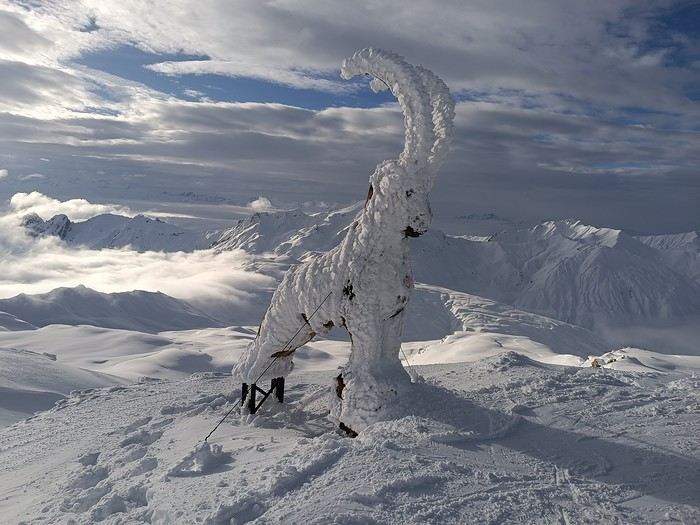
The off-topic contest discussion is happening here
This month’s theme is white in every way imaginable.
Not just a little touch in the top right corner of the photo!
Nor a white square on a white background...
Also, black and white won’t be allowed.
For the rest, I’ll let the voters be the sole judges of whether the theme is respected!
I’m now borrowing Ragamuffin’s wording for the rules:
Every VF member can submit up to 3 photos, until Sunday, February 23 at 11:59 PM, Clermont-Ferrand time.
Each photo must be posted in a separate message, with its number (1, 2, or 3).
Don’t forget to add a little explanation (comment, location, etc.).
Voting:
Every VF member can vote for the 3 photos they think are the best, based on their own criteria and the theme.
Voting will take place from Monday, February 24 to Friday, February 28 at 2:00 PM, Clermont-Ferrand time.
The chosen photos should be listed in order of preference: - 1st photo: 3 points - 2nd: 2 points - 3rd: 1 point
The winner is the author of the photo with the most points.
Results will be published on February 28 in the late afternoon. In case of a tie, the number of first-place votes will decide. The winner will have the honor of organizing March’s contest.
Photos that have already been nominated (1st, 2nd, or 3rd) in another contest are not eligible to participate in this one.
The off-topic contest discussion is happening here
Tanzania 2019 - Polé Polé
KARIBUUU
Over 5 years later, I’m finally getting around to writing the travel journal for our first trip to East Africa: Tanzania. *Polé Polé*, as they say! 😎
A trip I’d started planning just 6 years ago, in February 2019, for my post-internship exam vacation. After returning to South Africa in July 2019 with my family, this trip, planned for September 2019, would be all about discovery and a few firsts: first trip with friends, first trek, first time in East Africa. I really wanted to attempt the Kilimanjaro ascent, try to still see some of its "eternal" ice, and Alison wanted to do as much safari as possible. Unlike with the Zulus, Himbas, or San, visiting a Maasai village wasn’t on the agenda. Thanks to the Kessy Brothers agency, who were super responsive, Sandy from VF, and other members who helped prepare our trip, we settled on the following itinerary:
Day -1 (8/30): Departure from Pointe-à-Pitre Day 0 (8/31): Departure from Paris Day 1 (9/01): Arrival at Kilimanjaro Airport / Ameg Lodge (Moshi) DAY 2 (9/02): Machame gate / Machame camp DAY 3 (9/03): Shira / Shira camp DAY 4 (9/04): Baranco / Baranco camp DAY 5 (9/05): Barafu / Barafu camp DAY 6 (9/06): Barafu + Summit at midnight / Mweka camp DAY 7 (9/07): Mweka gate / Sal Salnero Hotel (Moshi) DAY 8 (9/08): Arusha National Park / Kanga camp DAY 9 (9/09): Tarangire National Park / Kanga camp DAY 10 (9/10): Tarangire National Park / Twiga Lodge DAY 11 (9/11): Lake Manyara / Twiga Lodge DAY 12 (9/12): Ngorongoro Crater / Simba campsite DAY 13 (9/13): Serengeti National Park / Seronera campsite DAY 14 (9/14): Serengeti National Park - Uoga Kuria Camp DAY 15 (9/15): Serengeti National Park / Waso campsite DAY 16 (9/16): Lake Natron / Maasai Giraffe Ecolodge DAY 17 (9/17): Kilimanjaro Airport Day 18 (9/18): Zanzibar Day 19 (9/19): Zanzibar Day 20 (9/20): Zanzibar Day 21 (9/21): Zanzibar
As I mentioned in my first travel journal about our South Africa trip, I’ve had a special connection to Tanzania for a long time. Growing up in the Indian Ocean without ever visiting Africa, those wildlife documentaries on TV when I skipped my pharmacy classes... I imagined and dreamed about this land and country so much.
The original plan was to go just the two of us with Alison, but somehow—though I don’t quite remember how—we ended up organizing the trip with our friends Mélissa and Doriane, who joined us in Arusha after our Kilimanjaro trek for the last two weeks and their very first safari. I think it was Melissa who had the idea to crash our trip, and she was right to do so! 😉 Flights: Pointe-à-Pitre-Grand Case and Grand Case-Paris with Air Caraïbes. Flights: Paris-JRO and ZNZ-Paris with Kenya Airways (layover in Nairobi). Flight: JRO-ZNZ with Air Tanzania.
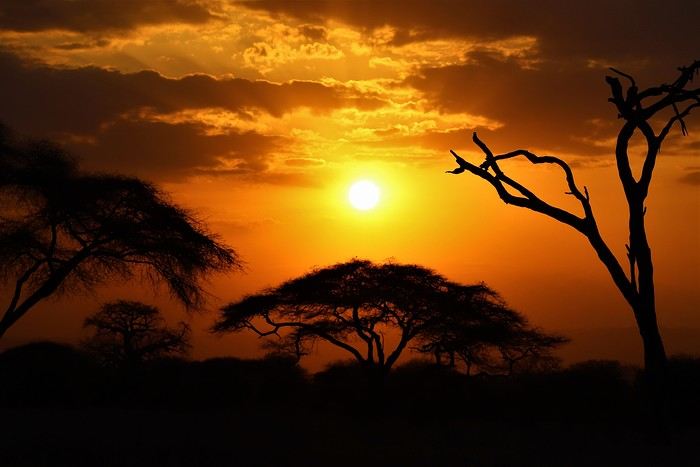
Safe travels! !
Over 5 years later, I’m finally getting around to writing the travel journal for our first trip to East Africa: Tanzania. *Polé Polé*, as they say! 😎
A trip I’d started planning just 6 years ago, in February 2019, for my post-internship exam vacation. After returning to South Africa in July 2019 with my family, this trip, planned for September 2019, would be all about discovery and a few firsts: first trip with friends, first trek, first time in East Africa. I really wanted to attempt the Kilimanjaro ascent, try to still see some of its "eternal" ice, and Alison wanted to do as much safari as possible. Unlike with the Zulus, Himbas, or San, visiting a Maasai village wasn’t on the agenda. Thanks to the Kessy Brothers agency, who were super responsive, Sandy from VF, and other members who helped prepare our trip, we settled on the following itinerary:
Day -1 (8/30): Departure from Pointe-à-Pitre Day 0 (8/31): Departure from Paris Day 1 (9/01): Arrival at Kilimanjaro Airport / Ameg Lodge (Moshi) DAY 2 (9/02): Machame gate / Machame camp DAY 3 (9/03): Shira / Shira camp DAY 4 (9/04): Baranco / Baranco camp DAY 5 (9/05): Barafu / Barafu camp DAY 6 (9/06): Barafu + Summit at midnight / Mweka camp DAY 7 (9/07): Mweka gate / Sal Salnero Hotel (Moshi) DAY 8 (9/08): Arusha National Park / Kanga camp DAY 9 (9/09): Tarangire National Park / Kanga camp DAY 10 (9/10): Tarangire National Park / Twiga Lodge DAY 11 (9/11): Lake Manyara / Twiga Lodge DAY 12 (9/12): Ngorongoro Crater / Simba campsite DAY 13 (9/13): Serengeti National Park / Seronera campsite DAY 14 (9/14): Serengeti National Park - Uoga Kuria Camp DAY 15 (9/15): Serengeti National Park / Waso campsite DAY 16 (9/16): Lake Natron / Maasai Giraffe Ecolodge DAY 17 (9/17): Kilimanjaro Airport Day 18 (9/18): Zanzibar Day 19 (9/19): Zanzibar Day 20 (9/20): Zanzibar Day 21 (9/21): Zanzibar
As I mentioned in my first travel journal about our South Africa trip, I’ve had a special connection to Tanzania for a long time. Growing up in the Indian Ocean without ever visiting Africa, those wildlife documentaries on TV when I skipped my pharmacy classes... I imagined and dreamed about this land and country so much.
The original plan was to go just the two of us with Alison, but somehow—though I don’t quite remember how—we ended up organizing the trip with our friends Mélissa and Doriane, who joined us in Arusha after our Kilimanjaro trek for the last two weeks and their very first safari. I think it was Melissa who had the idea to crash our trip, and she was right to do so! 😉 Flights: Pointe-à-Pitre-Grand Case and Grand Case-Paris with Air Caraïbes. Flights: Paris-JRO and ZNZ-Paris with Kenya Airways (layover in Nairobi). Flight: JRO-ZNZ with Air Tanzania.
Safe travels! !
Feedback on West Coast USA road trip with 9- and 11-year-olds
Hi there,
I’d love to get your thoughts on our West Coast USA itinerary for this summer.
Day 1: Arrive in LA early evening. Check into hotel.
Day 2: Full day in LA: Venice Beach, Santa Monica, Hollywood Blvd, etc.
Day 3: Leave LA, overnight in Kingman (+ stops along Route 66 for breaks)
Day 4: Drive to Sedona, arrive late afternoon. Overnight in Sedona.
Day 5: Hike in Sedona, then depart in the afternoon for Grand Canyon / Overnight in Tusayan
Day 6: GC (South Rim / hike to plan) and drive to Monument Valley. Arrive in Kayenta (hotel)
Day 7: MV (guided Navajo jeep tour)
Day 8: Drive to Page
Day 9: Lake Powell + Horseshoe Bend
Day 10: Drive to Bryce Canyon
Day 11: Plan a hike in BC, then depart for Zion Park late afternoon
Day 12: Plan a hike in ZP, then drive to Las Vegas. Arrive in LV late afternoon.
Day 13: Full day in LV
Day 14: Drive to Death Valley, overnight in DV inside the park
Day 15: Cross DV (drive or "hike" depending on heat), overnight in Lee Vining.
Day 16: Cross YOSEMITE via Tioga Road (plan viewpoints and hikes), arrive in Groveland late afternoon
Day 17: Drive from Groveland to SF
Day 18: Full day in SF
Day 19: Drive from SF to Pacific Highway 1, stop near Hearst Castle for an overnight
Day 20: Return to LA
Day 21: Last day in LA (Universal Studios)
Day 22: Fly back to Paris
All hotels are booked but most can be canceled if needed. I’d really appreciate your feedback! :) :) Are we trying to do too much with this schedule? I just read on the forums—maybe a bit late—that 2 days in MV is overkill. The hotel in Kayenta can’t be changed.
Thanks so much!
All hotels are booked but most can be canceled if needed. I’d really appreciate your feedback! :) :) Are we trying to do too much with this schedule? I just read on the forums—maybe a bit late—that 2 days in MV is overkill. The hotel in Kayenta can’t be changed.
Thanks so much!
Unusual Night on a Boat: The New Trend
Looking for a new way to travel that’s both unusual, affordable, and comfortable? Look no further—renting a docked boat is THE trend right now. As accessible as a hotel room, as unique as a treehouse, and with the comfort of a real floating home, this innovative concept is sure to appeal to anyone craving new experiences.
I. Why Spend an Unusual Night on a Boat?
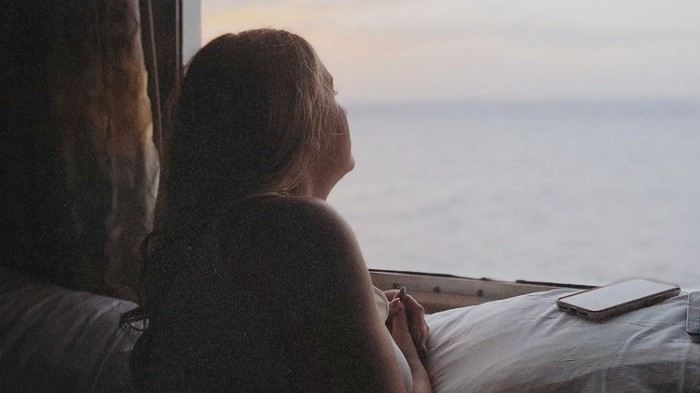
Imagine this: you wake up to the sound of gentle waves, a soft ray of sunlight dancing on the water’s surface as you enjoy breakfast on deck. You’re just steps away from restaurants, shops, and points of interest, since your accommodation is perfectly located in the heart of the harbor. This experience, which few have had the chance to try yet, is within everyone’s reach thanks to docked boat rentals.
Discover why spending an unusual night on a boat is the next big trend. Whether it’s for a romantic weekend, a family vacation, or a getaway with friends, a night on a docked boat offers a one-of-a-kind experience. Unlike a standard hotel room, where walls limit your view, on a boat, it’s the vast expanse of water that surrounds you. It’s a refreshing and calming escape, where simply waking up on the water turns your stay into a memorable moment. Another plus? The variety of boats available.
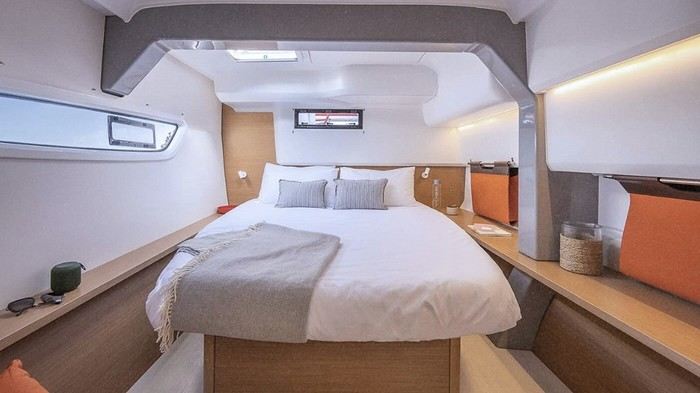
Each type of boat brings its own advantages and a different experience:
Sailboat: Ideal for families or couples looking for an authentic experience. Sailboats offer irresistible nautical charm with their optimized spaces and cozy atmosphere. Catamaran: Spacious and stable, perfect for groups of friends or large families. With its wide outdoor areas, it’s made for socializing. Yacht: Synonymous with luxury and elegance, it’s the perfect choice for marking a special occasion, like a birthday or a marriage proposal. Houseboat: For those who prefer a more nature-focused vibe, houseboats offer a bucolic experience along canals or rivers.
Beyond their unique charm, these boats are often just as affordable as a hotel room. Take, for example, a sailboat in Hendaye priced at 129 € per night for four people. For that price, you’re not just getting an unusual place to stay—you’re getting the equivalent of a floating cottage with a bedroom, bathroom, fully equipped kitchen, and outdoor spaces. It’s the perfect choice for anyone looking to combine comfort, authenticity, and originality.
II. Sleeping on a Boat—Yes, But Where?
Docked boat rentals aren’t limited to just one or two destinations—far from it. With BedBoat, you can explore numerous ports in France and even the Caribbean.
Here’s a look at some top destinations:
Atlantic Coast:
Hendaye: This Basque port offers a picturesque setting between sea and mountains. Perfect for discovering Basque culture and traditions. La Rochelle: With its iconic old port, medieval towers, and cobbled streets, it’s an ideal city for a historic and gastronomic weekend. Arcachon: Known for its oysters and the majestic Dune of Pilat, this destination is a must for nature lovers.
Mediterranean Coast:
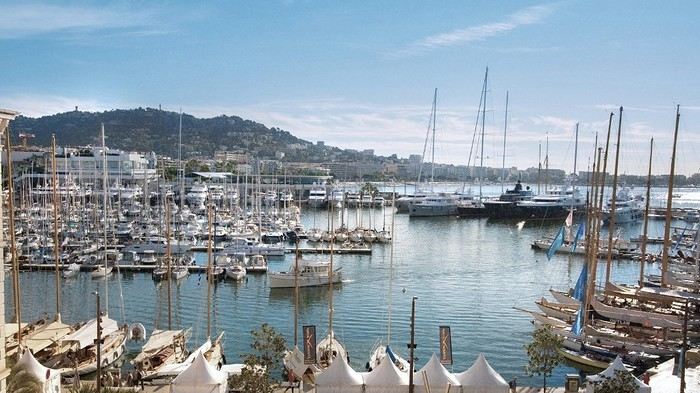
Cannes: Who hasn’t dreamed of spending a night in the port of this legendary city, surrounded by yachts and just steps from the Croisette? Toulon: A dynamic and authentic port, perfect for a getaway between land and sea. Mandelieu-La Napoule: A charming town just a few kilometers from Cannes, known for its peaceful landscapes and seaside château.
The Caribbean:
Martinique and Guadeloupe: Here, the experience takes on a whole new dimension. Picture yourself on a catamaran, lulled by turquoise waters. It’s the ultimate dream for anyone seeking a paradise getaway.
Rivers:
Bordeaux: Docked in the heart of this historic city, your boat lets you explore its vineyards and UNESCO-listed architecture. Lyon: Enjoy the Rhône or Saône rivers for a unique experience in this foodie city. Asnières-sur-Seine: Just a stone’s throw from Paris, discover a surprising stay at the capital’s doorstep. Saint-Florentin: A more rural option for those seeking tranquility and nature.
No matter the destination, spending an unusual night on a boat gives you the luxury of choosing between the buzz of big cities or the peace of more secluded spots. Unlike treehouses, which are often remote, boats let you be right in the heart of the action while still enjoying privacy.
III. BedBoat: An Innovative Startup
Did you know France has over a million boats docked in its ports? Yet, on average, these boats are only used 10 to 15 days a year. Based on this observation, three friends—Félix, Fabian, and Luke—decided to create BedBoat, the first platform dedicated to docked boat rentals.
The idea is simple but brilliant: turn these underused boats into tourist accommodations. This not only helps owners cover their costs but also lets travelers live a unique experience—all without building new infrastructure, making it both an economical and eco-friendly solution. Far from being just a booking platform, BedBoat offers a true immersion into the world of boating. It’s an innovative way to discover France’s and the Caribbean’s most beautiful ports while enjoying all the perks of an unusual stay. For cities, it’s also a great opportunity. Boats allow them to welcome more tourists without overloading the traditional rental market. Everyone wins: owners, travelers, and even locals.
Docked boat rentals are much more than just a trend—they’re a revolution in the world of tourism. Whether you’re looking for a romantic getaway, a family vacation, or a trip with friends, BedBoat opens the door to a whole new world. So, ready to set sail on your next adventure?
I. Why Spend an Unusual Night on a Boat?
Imagine this: you wake up to the sound of gentle waves, a soft ray of sunlight dancing on the water’s surface as you enjoy breakfast on deck. You’re just steps away from restaurants, shops, and points of interest, since your accommodation is perfectly located in the heart of the harbor. This experience, which few have had the chance to try yet, is within everyone’s reach thanks to docked boat rentals.
Discover why spending an unusual night on a boat is the next big trend. Whether it’s for a romantic weekend, a family vacation, or a getaway with friends, a night on a docked boat offers a one-of-a-kind experience. Unlike a standard hotel room, where walls limit your view, on a boat, it’s the vast expanse of water that surrounds you. It’s a refreshing and calming escape, where simply waking up on the water turns your stay into a memorable moment. Another plus? The variety of boats available.
Each type of boat brings its own advantages and a different experience:
Sailboat: Ideal for families or couples looking for an authentic experience. Sailboats offer irresistible nautical charm with their optimized spaces and cozy atmosphere. Catamaran: Spacious and stable, perfect for groups of friends or large families. With its wide outdoor areas, it’s made for socializing. Yacht: Synonymous with luxury and elegance, it’s the perfect choice for marking a special occasion, like a birthday or a marriage proposal. Houseboat: For those who prefer a more nature-focused vibe, houseboats offer a bucolic experience along canals or rivers.
Beyond their unique charm, these boats are often just as affordable as a hotel room. Take, for example, a sailboat in Hendaye priced at 129 € per night for four people. For that price, you’re not just getting an unusual place to stay—you’re getting the equivalent of a floating cottage with a bedroom, bathroom, fully equipped kitchen, and outdoor spaces. It’s the perfect choice for anyone looking to combine comfort, authenticity, and originality.
II. Sleeping on a Boat—Yes, But Where?
Docked boat rentals aren’t limited to just one or two destinations—far from it. With BedBoat, you can explore numerous ports in France and even the Caribbean.
Here’s a look at some top destinations:
Atlantic Coast:
Hendaye: This Basque port offers a picturesque setting between sea and mountains. Perfect for discovering Basque culture and traditions. La Rochelle: With its iconic old port, medieval towers, and cobbled streets, it’s an ideal city for a historic and gastronomic weekend. Arcachon: Known for its oysters and the majestic Dune of Pilat, this destination is a must for nature lovers.
Mediterranean Coast:
Cannes: Who hasn’t dreamed of spending a night in the port of this legendary city, surrounded by yachts and just steps from the Croisette? Toulon: A dynamic and authentic port, perfect for a getaway between land and sea. Mandelieu-La Napoule: A charming town just a few kilometers from Cannes, known for its peaceful landscapes and seaside château.
The Caribbean:
Martinique and Guadeloupe: Here, the experience takes on a whole new dimension. Picture yourself on a catamaran, lulled by turquoise waters. It’s the ultimate dream for anyone seeking a paradise getaway.
Rivers:
Bordeaux: Docked in the heart of this historic city, your boat lets you explore its vineyards and UNESCO-listed architecture. Lyon: Enjoy the Rhône or Saône rivers for a unique experience in this foodie city. Asnières-sur-Seine: Just a stone’s throw from Paris, discover a surprising stay at the capital’s doorstep. Saint-Florentin: A more rural option for those seeking tranquility and nature.
No matter the destination, spending an unusual night on a boat gives you the luxury of choosing between the buzz of big cities or the peace of more secluded spots. Unlike treehouses, which are often remote, boats let you be right in the heart of the action while still enjoying privacy.
III. BedBoat: An Innovative Startup
Did you know France has over a million boats docked in its ports? Yet, on average, these boats are only used 10 to 15 days a year. Based on this observation, three friends—Félix, Fabian, and Luke—decided to create BedBoat, the first platform dedicated to docked boat rentals.
The idea is simple but brilliant: turn these underused boats into tourist accommodations. This not only helps owners cover their costs but also lets travelers live a unique experience—all without building new infrastructure, making it both an economical and eco-friendly solution. Far from being just a booking platform, BedBoat offers a true immersion into the world of boating. It’s an innovative way to discover France’s and the Caribbean’s most beautiful ports while enjoying all the perks of an unusual stay. For cities, it’s also a great opportunity. Boats allow them to welcome more tourists without overloading the traditional rental market. Everyone wins: owners, travelers, and even locals.
Docked boat rentals are much more than just a trend—they’re a revolution in the world of tourism. Whether you’re looking for a romantic getaway, a family vacation, or a trip with friends, BedBoat opens the door to a whole new world. So, ready to set sail on your next adventure?
Buying a Buddha Statue in Thailand
Hello,
I’m Buddhist by conviction. Even though I don’t practice anymore, I have a Buddhist altar at home that’s becoming increasingly ecumenical—just like in India, it includes Ganesha, the Holy Family, a Virgin of Lourdes, several Shivas, Tara, Avalokiteshvara, and more...
I was hoping to buy a beautiful wooden, stone, or metal Buddha statue in Thailand. On top of that, I wanted to have my statue "blessed." But then I heard it’s forbidden to take any statue or representation of Buddha out of the country... What’s the reality in practice?
Have any of you brought back a Buddha statue or other representation in your luggage? Did you make the mandatory declaration?
Thanks
Information about the San Blas Islands before booking your excursion (Panama)
I’ve put together this information sheet based on my own experience, feedback from my clients, and reviews from travelers on various travel forums and social media.
I think it’s important to share the reality of these postcard-perfect little islands with their white sandy beaches and palm trees before you set off. That way, you can make the most of your trip to the San Blas Islands, know exactly what to expect, and decide if this destination is right for you.
The San Blas Islands are run by the indigenous Guna people. They have their own rules, and Panamanian law doesn’t really apply. Today, their main income comes from tourism, so please note that foreigners aren’t allowed to operate cabanas there. This means that as soon as you board their small boats, you’re in the hands of the Gunas, and it’ll be tough to complain about delays, logistical issues, or refunds. Wait times can be long, and the Gunas are pretty informal—at first glance, they might even seem unwelcoming. But you have to understand that their culture and way of life are simply different from yours.
You’ll find plenty of tour operators offering day trips or one- or two-night stays on the same islands at different prices. I think all these listings create confusion and uncertainty for travelers. You can book with operators who care about their clients and deal directly with them, while others act only as intermediaries or booking systems between travelers, the Gunas, and transport companies without providing any follow-up during your stay. Don’t forget that all the San Blas Islands are beautiful, and your choice shouldn’t be based on which of the 365 islands is the prettiest, but on the hospitality of the Guna family, the accommodation, and the service they provide. I also recommend avoiding San Blas on weekends and public holidays.
To explain the sometimes "low" level of service mentioned in traveler reviews, you need to understand that the San Blas Islands are very basic and rustic—that’s also the charm of the experience, which, for some of you, will push you out of your comfort zone. Not all huts have electricity, or even light. If you want to charge your phone, ask the island owner, who might charge you a small fee. Needless to say, WiFi isn’t available on all islands.
Not all Gunas working there have studied hospitality management, logistics, gastronomy, or tourism. There’s been a big "boom" in the last 10 years, and they haven’t been trained for it.
Regarding the 4x4 road transport, expect to be a bit cramped since the car can fit 6 passengers. Also, you might face delays, or the car might already be waiting for you because the pickup route can change, and sometimes other passengers are late, causing delays. To avoid this, I recommend paying extra for private transport—it’ll make your trip smoother and save you frustration before arriving in San Blas, as well as on your return to Panama City, which can sometimes be chaotic.
Stay flexible! Expect delays, lack of communication, waiting for someone or something without knowing why, rustic cabanas, no fish but pasta instead (yes! sometimes the fish season is low!), fried eggs and bread for breakfast—but in the end, everything works out if you can accept these little inconveniences. Just enjoy the adventure!
Finally, the San Blas Islands have a waste collection problem, so you might see trash on the islands, especially during the summer season due to strong currents. Most of the waste comes from the sea and the mainland. For the sake of the island, please take your trash with you.
Visiting Martinique and Guadeloupe in 15 days
Hi everyone,
I bought tickets for Martinique in April 2025 for 15 days, without really looking into what there was to do, and with the idea in my head that we could: hike, do water activities, swim, visit rum distilleries...
But... I’m worried I’ll get bored over 15 days and I’m considering maybe spending 1 week in Guadeloupe and 1 week in Martinique. For example, I don’t know how to spend a whole afternoon at the beach. 2 hours, max.
I know it’s a personal question and depends on how you travel, but I’d love to hear your thoughts if you’ve done it: - Did you feel too rushed? - Is it reasonable to do? - How much time would you spend on each island?
I’m open to all your comments.
Thanks so much.
Have a lovely afternoon! :)
Visiting French Polynesia or other islands?
Hi,
When I hear our French friends talk about them, they’re the most beautiful islands in the world.
For those of you who’ve traveled extensively, is that really the case?
Are the prices for accommodation, even basic ones, justified? Isn’t a room in a family-run guesthouse at 150/200 € a bit much?
Are there other islands in Polynesia (non-French) that are just as "paradise-like" but more affordable?
I’d love to hear your thoughts.
Tips for our Québec itinerary
Hello,
We’re a couple in our 70s planning to visit Québec this summer. We only do short hikes of about 6 km round trip.
What do you think of our itinerary? Thanks so much for your advice!
Day 1: FRANCE/MONTREAL
Days 2 & 3: MONTREAL
Day 4: MONTREAL/BAIE ST PAUL – 2 nights
Day 5: BAIE ST PAUL
Day 6: BAIE ST PAUL/La Malbaie/Port-au-Persil/BAIE STE CATHERINE – 2 nights
Day 7: BAIE STE CATHERINE/TADOUSSAC/BAIE STE CATHERINE
Day 8: BAIE STE CATHERINE/SACRÉ-CŒUR/LES BERGERONNES – 2 nights
Day 9: LES BERGERONNES/ferry LES ESCOUMINS/BIC NATIONAL PARK – 2 nights in Rimouski
Day 10: BIC NATIONAL PARK
Day 11: BIC NATIONAL PARK/CARLETON-SUR-MER – 1 night
Day 12: CARLETON-SUR-MER/PERCÉ – 2 nights
Day 13: PERCÉ
Day 14: PERCÉ/GASPÉ/CAP DES ROSIERS – 1 night
Visit Forillon Park
Day 15: CAP DES ROSIERS/GASPÉSIE PARK – 2 nights in Sainte-Anne-des-Monts Day 16: GASPÉSIE PARK Day 17: GASPÉSIE PARK/KAMOURASKA – 1 night Day 17: KAMOURASKA/QUÉBEC CITY Days 18 & 19: QUÉBEC CITY Day 20: QUÉBEC CITY/AIRPORT MONTREAL for France
Visit Forillon Park
Day 15: CAP DES ROSIERS/GASPÉSIE PARK – 2 nights in Sainte-Anne-des-Monts Day 16: GASPÉSIE PARK Day 17: GASPÉSIE PARK/KAMOURASKA – 1 night Day 17: KAMOURASKA/QUÉBEC CITY Days 18 & 19: QUÉBEC CITY Day 20: QUÉBEC CITY/AIRPORT MONTREAL for France
3-Week Road Trip for Two: Montréal to Montréal
Following the (wise) advice of "Les Caribous," I'm starting a post to describe the trip I'd like to take from mid-September 2025 for three weeks.
Here’s the planned route: Departing from Nantes.
Montréal/Ottawa/Mont-Tremblant/Mauricie/Lac St-Jean/Saguenay Fjord/Tadoussac/Gaspésie, then returning via Québec and Montréal.
I’d love some tips on must-see spots and how long to spend at each stop. We’re not big "hikers," so minimal hiking. Don’t hesitate to suggest cutting stops—especially if they seem unnecessary or too time-consuming.
Advice on accommodation and vehicle rentals would also be much appreciated.
Thanks to everyone who’d like to share their experiences and tips!
Bike Route and AI
I'm currently exploring how to create a travel itinerary using AI, specifically ChatGPT.
Question: Bike route from Bordeaux to Paris.
Rough response:
A bike route between Bordeaux and Paris is an incredible adventure, typically around 600 to 650 km depending on the chosen path. Here’s an example of an itinerary with key points:Main Option: La Scandibérique (EuroVelo 3) La Scandibérique is the French section of EuroVelo 3, connecting Bordeaux to Paris through stunning landscapes. This route is well-marked and takes you through small roads and greenways.Main Stages
Bordeaux → Libourne (about 40 km)
Follow the Garonne River, cross the vineyards of Entre-deux-Mers, and reach Libourne, a charming wine town. Greenways available.
Libourne → Périgueux (about 100 km)
Cross the Dordogne with stops in villages like Montpon-Ménestérol. Mix of quiet small roads and trails.
Périgueux → Châteauroux (about 160 km, in several stages)
Through the Parc Naturel Régional de la Brenne. This stage is longer but rich in nature and heritage.
Châteauroux → Orléans (about 110 km)
Reach the banks of the Loire to enjoy the famous Loire à Vélo, a beautiful section with châteaux.
Orléans → Paris (about 140 km)
Pass through the Forêt de Fontainebleau before joining the bike paths along the Seine all the way to Paris.
3-week road trip in the American West
Hey everyone!
So, I'm in the middle of planning a 3-week road trip, and of course, I have a ton of questions. But first, maybe I should start with the basics:
When: July 5–28, 2025. Who: 4 people (2 teens and 2 adults). How: Flight tickets already booked (LH and United).
Where (overnights): 07/05: Arrival in SF. Night in SF. 07/06: SF. 07/07: SF. 07/08: Early departure? for Yosemite (Mariposa) – question 1. 07/09: Yosemite. 07/10: Mammoth Lake? (Accommodation in the area? Or somewhere else like 2 nights in Death Valley?) – question 2. 07/11: Death Valley. 07/12: LV. 07/13: LV. 07/14: Zion. 07/15: Bryce Canyon. 07/16: Bryce Canyon. 07/17: Moab. 07/18: Moab. 07/19: Moab. 07/20: Monument Valley. 07/21: Page. 07/22: Grand Canyon (better to stay 2 nights in Page or Grand Canyon?) – question 3. 07/23: Grand Canyon. 07/24: Kingman. 07/25: LA. 07/26: LA. 07/27: LA. 07/28: Return to France.
And question 4: For the car rental, I think it’s better to pick it up right when we arrive (to save time). But once we get to LA, should we drop it off at the airport or earlier to avoid being stuck with it (and paying extra for parking)? (We’re staying near Venice Beach for now.)
Anyway, if you spot any other inconsistencies, let me know! But I think it should work—I’ve already read 5 or 6 travel journals, so I’m feeling pretty set. :)
Right now, I’m deep into researching the rental car. I’m tempted to go for the Tahoe, but I’m not sure which site to use... So far, it’s hovering around 2000 €—quite the budget!
Route 66: Trip Report
Route 66 in 30 days
From Chicago to Los Angeles with a few stops at sites near the route: a total of 6,800 km. Total trip cost: 8,600 € all-inclusive—flights, car rental, gas, meals (raw veggies and fruit for lunch, fast food in the evening), hotels, and little knick-knacks picked up here and there. British Airways flights from Basel-Mulhouse Midsize car from Dollar via AutoEurope. No issues on return. Accommodations booked through Booking
First off, we met really friendly people all along the way. Most attractions are free, and you can easily walk into bars, hotels, and gas stations without buying anything—though you might get kicked out.
The original Route 66 no longer exists in its entirety. Only sections remain, and signage varies by state. Plus, the route has changed over time. But with a good map or GPS, you can figure it out. I used the CoPilot app, which lets you download all the world’s maps for a small fee—so no data issues abroad. I’d noted the GPS coordinates of places to visit during my trip prep, which came in handy.
Along the route, you’ll find old gas stations, vintage motels (some renovated, some not) with their retro signs. The most famous is Bagdad Café. There are also tons of beautiful murals and the Muffler Men.
Chicago is an amazing city. We stayed for 2 days. The best move is to pick a hotel near a Blues Line metro station—it takes you straight from the airport to your hotel, then to downtown. At the end of the trip, the metro takes you back to the airport to pick up your rental car. The 72-hour pass is super convenient. Must-sees in Chicago: John Hancock Center (skip the Tilt option—it’s a rip-off), the Chicago Riverwalk all the way to Merchandise Mart, Picasso and Calder statues, The Bean and its reflections, and don’t miss the signs marking the start/end of Route 66.
Here’s a non-exhaustive list of things that surprised or delighted us (aside from major sites like Petrified Forest): - Joliet and its prison tied to the *Blues Brothers* story - Gardner and its jail cells - Abraham Lincoln’s tomb in Springfield - Country Classic Cars in Staunton (39.03066, -89.75145): a used car lot with everything from Ford Model Ts to classic American cars. You can walk freely through the three hangars - Old Chain of Rocks Bridge (38.76062, -90.47978) - St. Louis with its Gateway Arch and City Garden (full of sculptures and free to enter) - Philipsburg and its candy factory - Springfield: Bass Pro Shop outdoor store (37.179, -93.296) - Carthage: The Precious Moments Chapel (37.113, -94.345) - Foyil: Ed Galloway’s Totem Park - Tulsa: Harley Davidson dealership (36.111, -95.885) - Oklahoma City: Stockyards City—one of the trip’s highlights. Cattle auctions are wild; plan ahead for open days/hours (35.456, -97.552) - Centennial Land Run Monument (35.461, -97.504) - Amarillo: VW Slug Bug Ranch (35.191, -101.985) - Cadillac Ranch (35.191, -101.985) - Palo Duro Canyon State Park - Bandelier - El Morro, NM - Canyon de Chelly (detour) - Little Painted Desert (35.157608, -110.47105) - Winslow: *Standin’ on the Corner* (Eagles) - Oatman and its burros - Las Vegas: two days, one spent at Valley of the Fire and Red Rock Canyon. Pick a hotel near Fremont Avenue for nightlife - Rainbow Basin Area (35.012369, -117.03858) - The Bottle Tree Ranch (34.69113, -117.34206) - The Justice Private Automotive Collection in Duarte (34.13830, -117.94591) - Los Angeles: 4 days. Start at Griffith Observatory for a city overview and the Hollywood sign. Don’t forget to see the end of Route 66 in Santa Monica. Venice is worth a visit for a more authentic vibe. Check out the Walt Disney Concert Hall and surrounding buildings for the architecture. Distances are huge. We mixed driving with the metro. Avoid the Interstates—they’re packed with traffic and frequent jams. Stick to parallel roads
Dates for the Most Beautiful Christmas Markets in Europe in 2024
Here are the dates for some of the most beautiful Christmas markets in Europe in 2024 (not an exhaustive list): 🎄🎁❄️
🇩🇪 Berlin (Gendarmenmarkt), Germany - 25 November to 31 December 🇸🇰 Bratislava, Slovakia - 21 November to 6 January 🇧🇪 Bruges, Belgium - 22 November to 5 January 🇧🇪 Brussels, Belgium - 29 November to 5 January 🇭🇺 Budapest, Hungary - 15 November to 1 January 🇩🇪 Cologne, Germany - 18 November to 23 December 🇫🇷 Colmar, France - 26 November to 29 December 🇩🇰 Copenhagen (Tivoli Gardens), Denmark - 16 November to 2 January 🇵🇱 Krakow, Poland - 29 November to 26 December 🇷🇴 Craiova, Romania - 15 November to 5 January 🇩🇪 Dresden (Striezelmarkt), Germany - 27 November to 24 December 🏴 Edinburgh, Scotland - 15 November to 4 January 🇸🇪 Gothenburg (Liseberg), Sweden - 16 November to 30 December 🇩🇪 Hamburg, Germany - 13 November to 29 December 🇫🇮 Helsinki, Finland - 1 December to 22 December 🇫🇷 Le Barcarès, France - 16 November to 5 January 🇧🇪 Liège, Belgium - 29 November to 30 December 🏴 London (Hyde Park), England - 21 November to 5 January 🇱🇺 Luxembourg City, Luxembourg - 23 November to 24 December 🇵🇹 Madeira, Portugal - 1 December to 5 January 🏴 Manchester, England - 8 November to 22 December 🇫🇷 Metz, France - 24 November to 30 December 🇫🇷 Montbéliard, France - 23 November to 24 December 🇫🇷 Mulhouse, France - 22 November to 23 December 🇩🇪 Munich, Germany - 25 November to 24 December 🇩🇪 Nuremberg, Germany - 29 November to 24 December 🇵🇱 Poznan, Poland - 19 November to 23 December 🇨🇿 Prague, Czech Republic - 30 November to 6 January 🇱🇻 Riga, Latvia - 29 November to 2 January 🇫🇮 Rovaniemi, Finland - 30 November to 22 December 🇸🇪 Stockholm (Skansen), Sweden - 30 November to 23 December 🇫🇷 Strasbourg, France - 27 November to 27 December 🇪🇪 Tallinn, Estonia - 22 November to 27 December 🇳🇱 Valkenburg, Netherlands - 16 November to 29 December 🇵🇱 Warsaw, Poland - 29 November to 6 January 🇦🇹 Vienna, Austria - 13 November to 23 December 🇵🇱 Wroclaw, Poland - 29 November to 7 January 🇨🇭 Zurich, Switzerland - 23 November to 24 December
Feel free to suggest other beautiful Christmas markets in Europe with their 2024 dates!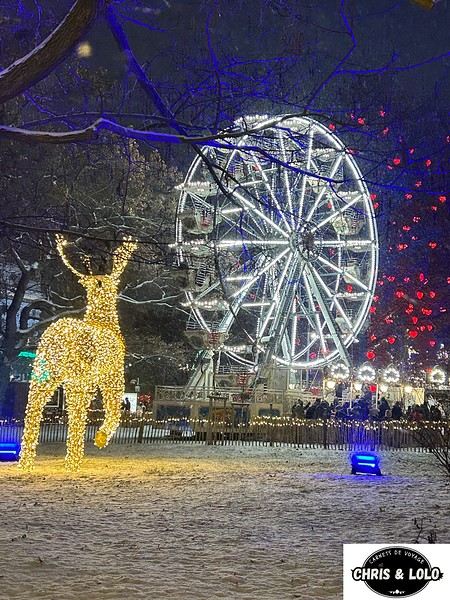
🇩🇪 Berlin (Gendarmenmarkt), Germany - 25 November to 31 December 🇸🇰 Bratislava, Slovakia - 21 November to 6 January 🇧🇪 Bruges, Belgium - 22 November to 5 January 🇧🇪 Brussels, Belgium - 29 November to 5 January 🇭🇺 Budapest, Hungary - 15 November to 1 January 🇩🇪 Cologne, Germany - 18 November to 23 December 🇫🇷 Colmar, France - 26 November to 29 December 🇩🇰 Copenhagen (Tivoli Gardens), Denmark - 16 November to 2 January 🇵🇱 Krakow, Poland - 29 November to 26 December 🇷🇴 Craiova, Romania - 15 November to 5 January 🇩🇪 Dresden (Striezelmarkt), Germany - 27 November to 24 December 🏴 Edinburgh, Scotland - 15 November to 4 January 🇸🇪 Gothenburg (Liseberg), Sweden - 16 November to 30 December 🇩🇪 Hamburg, Germany - 13 November to 29 December 🇫🇮 Helsinki, Finland - 1 December to 22 December 🇫🇷 Le Barcarès, France - 16 November to 5 January 🇧🇪 Liège, Belgium - 29 November to 30 December 🏴 London (Hyde Park), England - 21 November to 5 January 🇱🇺 Luxembourg City, Luxembourg - 23 November to 24 December 🇵🇹 Madeira, Portugal - 1 December to 5 January 🏴 Manchester, England - 8 November to 22 December 🇫🇷 Metz, France - 24 November to 30 December 🇫🇷 Montbéliard, France - 23 November to 24 December 🇫🇷 Mulhouse, France - 22 November to 23 December 🇩🇪 Munich, Germany - 25 November to 24 December 🇩🇪 Nuremberg, Germany - 29 November to 24 December 🇵🇱 Poznan, Poland - 19 November to 23 December 🇨🇿 Prague, Czech Republic - 30 November to 6 January 🇱🇻 Riga, Latvia - 29 November to 2 January 🇫🇮 Rovaniemi, Finland - 30 November to 22 December 🇸🇪 Stockholm (Skansen), Sweden - 30 November to 23 December 🇫🇷 Strasbourg, France - 27 November to 27 December 🇪🇪 Tallinn, Estonia - 22 November to 27 December 🇳🇱 Valkenburg, Netherlands - 16 November to 29 December 🇵🇱 Warsaw, Poland - 29 November to 6 January 🇦🇹 Vienna, Austria - 13 November to 23 December 🇵🇱 Wroclaw, Poland - 29 November to 7 January 🇨🇭 Zurich, Switzerland - 23 November to 24 December
Feel free to suggest other beautiful Christmas markets in Europe with their 2024 dates!
November 2024 Photo Contest: Art Nouveau Around the World
Hello!
With no authority whatsoever, I’m taking the liberty of relaunching the photo contests on VoyageForum, which is now active and alive again 😉
The theme for November 2024 is Art Nouveau, an artistic and architectural movement (1893 to 1913—just before, well, World War I) that has nothing to do with (or does it?) Art Deco, another artistic and architectural movement (1925 to 1940—right before World War II).
**Participation** Every VF member can submit up to 3 photos, until Monday, November 25 at 11:59 PM Brussels time. Each photo must be posted in a separate message, with its number (1, 2, or 3) indicated. Don’t forget to add a short explanation (commentary, location, etc.).
**Voting** Every VF member can vote for the 3 photos they consider the best, based on their own criteria and the theme. Voting will take place from Tuesday, November 26 to Saturday, November 30 at 11:59 PM Brussels time.
Photos will be ranked in order of preference: - 1st photo: 3 points - 2nd photo: 2 points - 3rd photo: 1 point
The winner is the photographer whose photo receives the most points. Results will be published on December 1. In case of a tie, the number of first-place votes will decide. The winner will have the honor of organizing December’s contest.
Photos that have already been nominated (1st, 2nd, or 3rd place) in another contest are not eligible for this one.
**Example of Art Nouveau architecture**
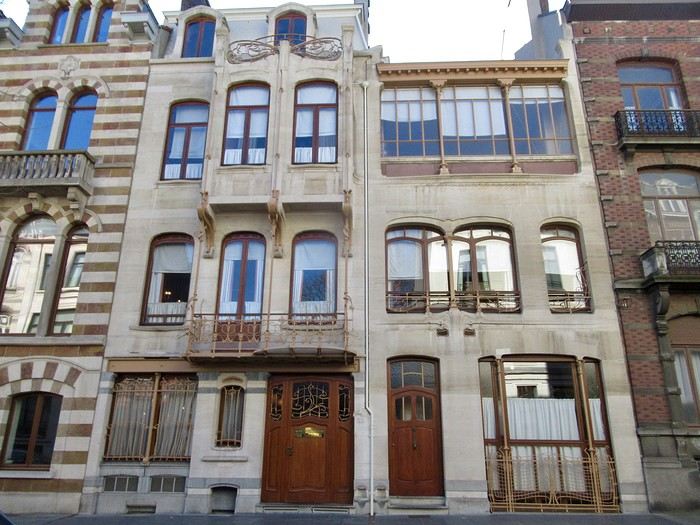
Victor Horta’s house and workshop (considered the "Father of Art Nouveau") on Rue Américaine in Saint-Gilles (Brussels, Belgium).
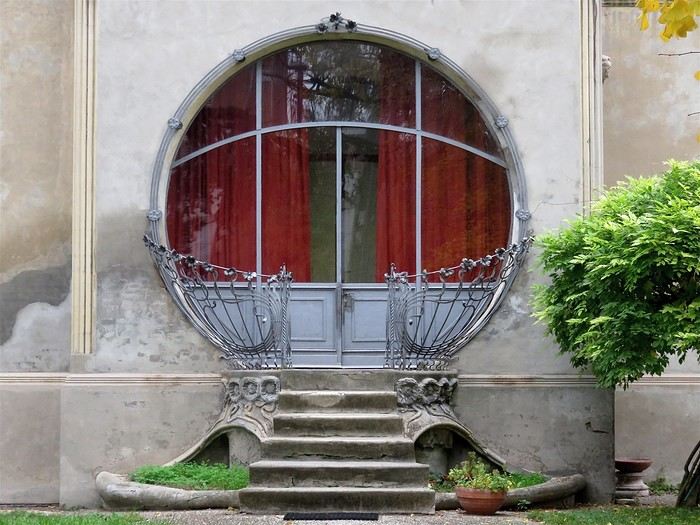
Villa Melchiorri, Via Cavour in Ferrara (Emilia-Romagna, Italy).
Art Nouveau Around the World – discussion post
With no authority whatsoever, I’m taking the liberty of relaunching the photo contests on VoyageForum, which is now active and alive again 😉
The theme for November 2024 is Art Nouveau, an artistic and architectural movement (1893 to 1913—just before, well, World War I) that has nothing to do with (or does it?) Art Deco, another artistic and architectural movement (1925 to 1940—right before World War II).
**Participation** Every VF member can submit up to 3 photos, until Monday, November 25 at 11:59 PM Brussels time. Each photo must be posted in a separate message, with its number (1, 2, or 3) indicated. Don’t forget to add a short explanation (commentary, location, etc.).
**Voting** Every VF member can vote for the 3 photos they consider the best, based on their own criteria and the theme. Voting will take place from Tuesday, November 26 to Saturday, November 30 at 11:59 PM Brussels time.
Photos will be ranked in order of preference: - 1st photo: 3 points - 2nd photo: 2 points - 3rd photo: 1 point
The winner is the photographer whose photo receives the most points. Results will be published on December 1. In case of a tie, the number of first-place votes will decide. The winner will have the honor of organizing December’s contest.
Photos that have already been nominated (1st, 2nd, or 3rd place) in another contest are not eligible for this one.
**Example of Art Nouveau architecture**
Victor Horta’s house and workshop (considered the "Father of Art Nouveau") on Rue Américaine in Saint-Gilles (Brussels, Belgium).
Villa Melchiorri, Via Cavour in Ferrara (Emilia-Romagna, Italy).
Art Nouveau Around the World – discussion post
Art Nouveau Around the World - Discussion
This is where we chat, not on the contest thread
Southwest! 8 weeks with the family, Denver-to-Denver loop, 1st part...
Hey there, VoyageForum!!!
I’ve combed through this site up, down, and sideways to plan our two-month road trip across the American Southwest during the summer of 2022, so it only feels right to give back and revive the USA travel journal section—helping others prep, travel, or relive their own memories! 😏
A quick intro to the stars of this trip is coming soon... in an upcoming post!
Table of Contents:
Road trip introduction Day 1 & 2: the days we double-checked all our papers... Day 3 & 3 bis: The day we discovered Denver... Day 4: The day of the race, the carriage, and the little one’s cough... Day 5: the day the road trip truly began... Day 6 & 6 bis: the day of Nature’s first wonders... Day 7: the day the sky fell on our heads... Day 8 & 8 bis: the day we saw ghosts... Day 9: the day we climbed the mountain... Day 10: the day the theme song from "The Last Picture Show" played on loop in my head... Day 11: the day we lived like Native Americans... Day 12: the day we left civilization behind... Day 13 & 13 bis: the day we explored another planet... Day 14 & 14 bis: the day Caro reunited with HER rocks... Day 15 & 15 bis: the day of the fantastic ride... Day 16: the day we cooled off in Lake Powell... Day 17: the day the Colorado River’s meanders were all ours... Day 18: the day we dipped our feet in the Colorado... Day 19: the day the guys discovered true vastness... Day 20 & 20 bis: the day we covered a few acres of Route 66 before sunset... Day 21: the day the credit card said stop... right before the STRIP... Day 22: the day we finally discovered Cirque du Soleil... Day 23: the day we returned to calm... well, almost... Day 24: the day we reached our home base for 6 nights: Saint George Day 25: the day we should’ve explored Yant Flat... Day 26: the day it was 13°C at Cedar Breaks... Day 27: the day we explored The Narrows in Zion NP... Day 28: the day we discovered Snow Canyon... Day 29: the day we hiked to the "SUBWAY"... Day 30: the day we encountered the abyss—from the north this time... Day 31: the day we arrived in a place where dreams begin... Kanab... Day 32: the day we discovered the first treasures along House Rock Valley... 2nd part: the second part of the journey... Day 33: the day we discovered a magical place... Edmaier's Secret... Day 34: the day Cottonwood Road didn’t open up to us... Day 35: the day of the classic Queen’s Garden + Navajo Loop—and another event that became a classic... Day 36: the second day in Bryce... pure bliss!!! Day 37: the day we swam at the foot of Calf Creek Falls... Day 38: the day we took the Burr Trail, even with storms lurking... Day 39: The day of the goblins... Day 40: the day we enjoyed the peaceful Capitol Reef NP... Day 41: the day of the Rim Overlook and another letdown... Day 42: the day we arrived in... Moab... Day 43: the first day in Arches National Park... Day 44: the day of the Fisher Towers... Day 45: the day of Bow Tie & Corona Arches... Day 46: The day of Shafer Trail + Potash Road... Day 47: The second day in Arches NP... Day 48: the day we discovered Colorado NM in a flash... Day 49: the day of Black Canyon... Day 50: the day we passed through Durango before falling for Silverton... Day 51: the day we went through Ouray and ended up in Gunnison... Day 52: the day of Kebler Pass and arriving at the hot springs... Day 53: the day of hot springs II, then the road back to Denver... Day 54: the last day... Day 55: back home and the RECAP...
If you're passing through the Montreal area
If you're passing through the area (Montreal region), drop us a line in this thread. We’d love to say hello in person, you VFers, and maybe help you enjoy your time in Quebec even more. 😉
For lack of a better option, this is our way of celebrating this big comeback—we’re so happy to see this amazing platform, VoyageForum.com, active again! 🙂
Really looking forward to reconnecting with the regulars who used to contribute here too! 🙂
Right now, on this Friday, October 25th, the cold is starting to set in. Halloween decorations are everywhere. Winter will be back before we know it. 🤪
Jerusalem, the Earthly
5 AM, I’m shivering.
The icy February 2022 fog wraps around the deserted Terminal 2, closed for renovations, on the outskirts of which my hotel stands. I wait alone at the stop in the pitch-black night for the first shuttle of the day, which is supposed to take me to T1. I have no idea where I’m going. All I know is the name: Jerusalem. I’m entirely goy, just as entirely atheist, but I’ve been visiting that imaginary city for decades. It haunts, fantastical, the medieval images that once occupied me for so long. It regularly creeps into my ears through the misfortune of news reports from radios around the world. It crystallizes so many of humanity’s delusions, of which I’m a part. I know nothing about it, haven’t read a single guidebook. But I want to see it, walk its streets, live it for a few days. Make it real, tangible.
The flight is on time. This is the era of mandatory FFP2 masks on all flights landing in Italy (Europe?). The crew valiantly fights against passengers’ ingenious attempts to remove them: sipping their drinks milliliter by milliliter, nibbling their snacks cubic millimeter by cubic millimeter, feigning breathing difficulties, yanking off the elastic bands... A rabbi passes through the rows collecting donations. Men put on their tefillin, drape their prayer shawls, and rock to the rhythm of their prayers. Already, the sense of elsewhere.
Ben Gurion Airport is a stunning airport—monumental, bright, functional, adorned with archaeological remnants and enormous photographs showcasing the country’s great leader in its works. I collect my visa from a kiosk, quickly endure the routine interrogation from a military officer slumped in his seat, withdraw some shekels from an ATM, get my nostrils swabbed at one of the many molecular testing stations in exchange for a yellow all-inclusive resort-style wristband that grants me passage through the outer doors. I spend ages (I think I’m just not good at this) in the crowd trying to find a sherut heading to Jerusalem, then lose myself in the landscape. Mediterranean-style—red earth, stunted vegetation, overrun with sprawling construction. I do glute exercises in this traffic, where a Neapolitan driver would embody road indolence. Endless traffic jams signal the city’s approach. The sherut drops me a few steps from my hotel, the Saint George’s Cathedral Pilgrim Guest House, right on the edge of the dotted lines on maps marking the divide between Jewish and Arab Jerusalem. It’s a pleasant complex with an inner garden and beautiful rooms featuring exposed stone vaults—and thank goodness, because I’m not allowed to leave until I get my test results. The reception staff, incredibly helpful, guide me through the myriad of meal delivery options. A roof over my head, a full stomach—all that’s left is to wait. Read Caillois, check the increasingly precise, increasingly ominous rumors of war brewing, yet again, in Europe, and navigate the city’s virtual map to get a sense of where to head once freed.
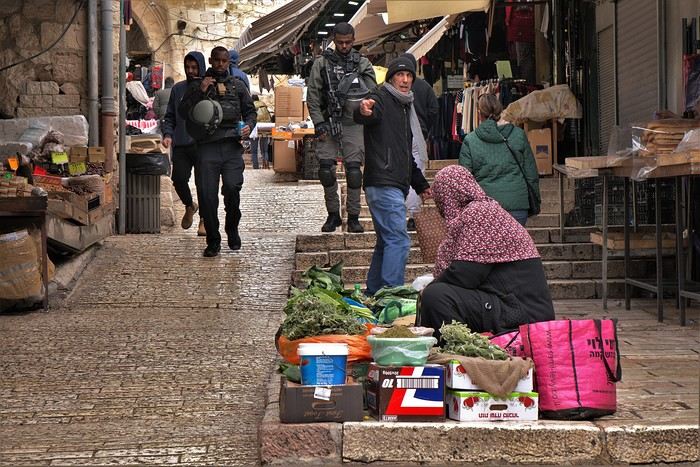
The next day, it’s done, and my first destination is, quite naturally, the Old City. The first gate I come across is Jaffa Gate, so Jaffa Gate it is—leading from the chaos of vehicles of all kinds into the labyrinth of alleys packed with goods of all kinds.
The flight is on time. This is the era of mandatory FFP2 masks on all flights landing in Italy (Europe?). The crew valiantly fights against passengers’ ingenious attempts to remove them: sipping their drinks milliliter by milliliter, nibbling their snacks cubic millimeter by cubic millimeter, feigning breathing difficulties, yanking off the elastic bands... A rabbi passes through the rows collecting donations. Men put on their tefillin, drape their prayer shawls, and rock to the rhythm of their prayers. Already, the sense of elsewhere.
Ben Gurion Airport is a stunning airport—monumental, bright, functional, adorned with archaeological remnants and enormous photographs showcasing the country’s great leader in its works. I collect my visa from a kiosk, quickly endure the routine interrogation from a military officer slumped in his seat, withdraw some shekels from an ATM, get my nostrils swabbed at one of the many molecular testing stations in exchange for a yellow all-inclusive resort-style wristband that grants me passage through the outer doors. I spend ages (I think I’m just not good at this) in the crowd trying to find a sherut heading to Jerusalem, then lose myself in the landscape. Mediterranean-style—red earth, stunted vegetation, overrun with sprawling construction. I do glute exercises in this traffic, where a Neapolitan driver would embody road indolence. Endless traffic jams signal the city’s approach. The sherut drops me a few steps from my hotel, the Saint George’s Cathedral Pilgrim Guest House, right on the edge of the dotted lines on maps marking the divide between Jewish and Arab Jerusalem. It’s a pleasant complex with an inner garden and beautiful rooms featuring exposed stone vaults—and thank goodness, because I’m not allowed to leave until I get my test results. The reception staff, incredibly helpful, guide me through the myriad of meal delivery options. A roof over my head, a full stomach—all that’s left is to wait. Read Caillois, check the increasingly precise, increasingly ominous rumors of war brewing, yet again, in Europe, and navigate the city’s virtual map to get a sense of where to head once freed.
The next day, it’s done, and my first destination is, quite naturally, the Old City. The first gate I come across is Jaffa Gate, so Jaffa Gate it is—leading from the chaos of vehicles of all kinds into the labyrinth of alleys packed with goods of all kinds.
La Bulgarie aux nuances slaves et ottomanes English translation pending
Bonjour à tous,
De retour d'un petit séjour de 10 jours en Europe de l'Est en Bulgarie, je démarre ce 5ème carnet de voyage. C'était une première pour nous dans cette zone géographique et nous avons été saisis par la beauté, la diversité des paysages, la culture et la richesse folklorique de ce petit pays. Nous avons longtemps hésité et n'avions réservé nos billets d'avion que 2 jours précédents notre départ de France. Les frontières n'étaient pas bloquées fin Aout, les tests PCR n'étaient pas encore obligatoires entre les 2 pays, mais qu'en serait-il à notre retour début Septembre? Partir en pleine pandémie n'est pas chose aisée mais l'envie d'explorer cette partie du monde a été plus forte et y a t-il un vrai bonheur sans une légère prise de risque ?
Arrivés à 0h50 le 28 Aout à Sofia, nous logeons dans l’hôtel le plus proche de l'aéroport, sachant que quelques heures plus tard, nous retournerons à ce même aéroport pour y louer une petite voiture. Très bon plan. Transfert immédiat, un service au top!
Le 28 Aout, nous quittons Sofia pour le monastère de Rila à 2h de route de là. La voiture est basique, pas de GPS, mais nous sommes dans l'espace Schengen et notre téléphone portable sera un allié précieux. Pas de frais supplémentaires pour l'utiliser et il nous guidera tout au long de notre séjour, nous faisant éviter embouteillages, routes en travaux. Encore un bon plan.
Le Monastère de Rila (en bulgare : Рилски Манастир, Rilski Manastir) fut fondé au X siècle par saint Jean de Rila, un ermite canonisé par l'Église orthodoxe. Il fait partie du patrimoine mondial de l'Unesco. C'est une merveille. Peu de monde et aucun touriste étranger. Le soir nous avons demandé s'il était possible de loger dans le monastère et un moine nous a conduit dans une cellule avec 2 lits et une petite salle de bain pour une poignée de Leva. Quand les quelques pèlerins ou touristes bulgares avaient quitté les lieux, nous avions le monastère pour nous. Une soirée douce dans un grand calme avec les sons des cloches toutes les heures et les psalmodies des moines. Magique.


Départ aux aurores le 29 Aout vers le sud. Première halte à Melnik, un village traditionnel mais qui a été 'transformé' pour les touristes en une multitude de restaurants et d’hôtels. Il ne demeure que c'est assez joli et nous avons arpenté l'unique grand rue pour traverser le village de bas en haut.

A 8km de là dans la montagne au milieu de cheminées de fées ocres et rouilles, il y a le petit monastère de Rozhen. Pour les courageux, on peut randonner entre Melnik et Rozhen au milieu de ce paysage unique, mais il faisait 36°....donc la voiture était la bienvenue🤪.
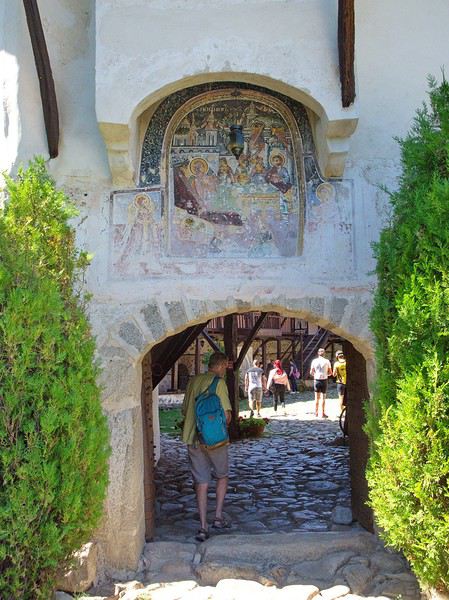 L'entrée du monastère.
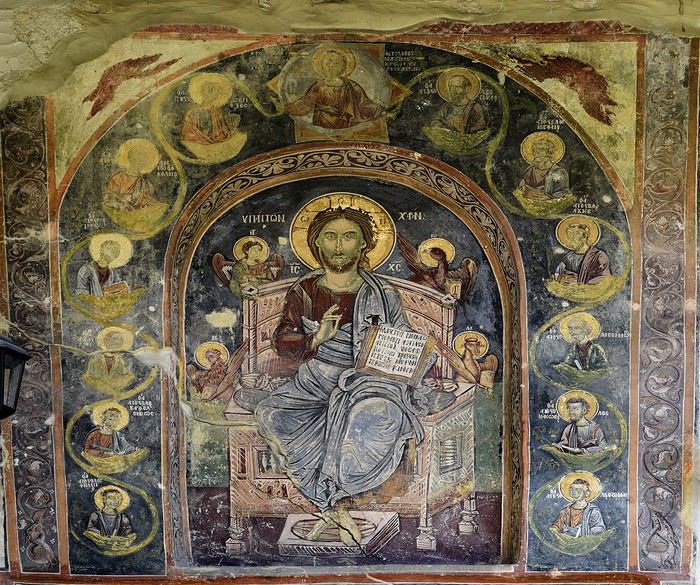
Un vrai petit bijou.
De retour d'un petit séjour de 10 jours en Europe de l'Est en Bulgarie, je démarre ce 5ème carnet de voyage. C'était une première pour nous dans cette zone géographique et nous avons été saisis par la beauté, la diversité des paysages, la culture et la richesse folklorique de ce petit pays. Nous avons longtemps hésité et n'avions réservé nos billets d'avion que 2 jours précédents notre départ de France. Les frontières n'étaient pas bloquées fin Aout, les tests PCR n'étaient pas encore obligatoires entre les 2 pays, mais qu'en serait-il à notre retour début Septembre? Partir en pleine pandémie n'est pas chose aisée mais l'envie d'explorer cette partie du monde a été plus forte et y a t-il un vrai bonheur sans une légère prise de risque ?
Arrivés à 0h50 le 28 Aout à Sofia, nous logeons dans l’hôtel le plus proche de l'aéroport, sachant que quelques heures plus tard, nous retournerons à ce même aéroport pour y louer une petite voiture. Très bon plan. Transfert immédiat, un service au top!
Le 28 Aout, nous quittons Sofia pour le monastère de Rila à 2h de route de là. La voiture est basique, pas de GPS, mais nous sommes dans l'espace Schengen et notre téléphone portable sera un allié précieux. Pas de frais supplémentaires pour l'utiliser et il nous guidera tout au long de notre séjour, nous faisant éviter embouteillages, routes en travaux. Encore un bon plan.
Le Monastère de Rila (en bulgare : Рилски Манастир, Rilski Manastir) fut fondé au X siècle par saint Jean de Rila, un ermite canonisé par l'Église orthodoxe. Il fait partie du patrimoine mondial de l'Unesco. C'est une merveille. Peu de monde et aucun touriste étranger. Le soir nous avons demandé s'il était possible de loger dans le monastère et un moine nous a conduit dans une cellule avec 2 lits et une petite salle de bain pour une poignée de Leva. Quand les quelques pèlerins ou touristes bulgares avaient quitté les lieux, nous avions le monastère pour nous. Une soirée douce dans un grand calme avec les sons des cloches toutes les heures et les psalmodies des moines. Magique.
Départ aux aurores le 29 Aout vers le sud. Première halte à Melnik, un village traditionnel mais qui a été 'transformé' pour les touristes en une multitude de restaurants et d’hôtels. Il ne demeure que c'est assez joli et nous avons arpenté l'unique grand rue pour traverser le village de bas en haut.
A 8km de là dans la montagne au milieu de cheminées de fées ocres et rouilles, il y a le petit monastère de Rozhen. Pour les courageux, on peut randonner entre Melnik et Rozhen au milieu de ce paysage unique, mais il faisait 36°....donc la voiture était la bienvenue🤪.
L'entrée du monastère.
Un vrai petit bijou.