Results for "Bormes+|+127"
6198 results found.
Itinéraire pour un mois au Mexique English translation pending
Hello,
J'ai l'intention de partir 1 mois au mexique avec 2 des mes amis et mon pack sac. et j'aimerais savoir quel itinéraire prendre, la best, jveux voir les ruines azteques, tout ce qu'il y a de beau ! Pour la derniere semaine j'aimerais me payer la traite sur le bord d'une des plus belle plage daqns les caraïbes.
P.S : j'veux tout faire sa en bus, toute facon ca prend 25 ans pour conduire a lexterieur et un permis internatinnals
Donner moi vos suggestions, je les attends avec impatience !😛😎
J'ai l'intention de partir 1 mois au mexique avec 2 des mes amis et mon pack sac. et j'aimerais savoir quel itinéraire prendre, la best, jveux voir les ruines azteques, tout ce qu'il y a de beau ! Pour la derniere semaine j'aimerais me payer la traite sur le bord d'une des plus belle plage daqns les caraïbes.
P.S : j'veux tout faire sa en bus, toute facon ca prend 25 ans pour conduire a lexterieur et un permis internatinnals
Donner moi vos suggestions, je les attends avec impatience !😛😎
Inde du Sud-Est, Mamallapuram English translation pending
Salut🙂. Deja 18jours en Inde!
Je viens d'arriver a Pondichery apres avoir passe 1 semaine a Mamallapuram...alors que je comptais y rester seulement 2 jours. C'est un endroit tres touristique en cette saison, avec beaucoup de francais (french season comme ils disent) mais...C'est tres dur de quitter ce village en bord d' ocean: les plages sont belles, on peut se baigner sans trop de risque et l'eau est pas crade( pas bleu non plus), il fait pas trop chaud, on mange trop bien, il y a plusieurs endroits sympas a visiter aux alentours en moto (dont le temple en hauteur de Tirukkalikundram, a 18 bornes, avec sa superbe vue sur le village, la plaine et ses rizieres), on peut deja plus facilement aborder les Indiens et leur culture que dans les grandes villes, pour la plupart se sont des pecheurs ou sculpteurs sur marbre, et en plus il y a plusieurs francais tres cools qui s'y sont installe, ont ouvert des restos excellents ( Jean-Jacques pour Le Nautilus, Lucie et Christelle pour le Dreamland) et qui donnent des tas de conseils tres, tres pratiques sur le Sud. Bref, Mamallapuram c'est une etape a pas rater, un super break si necessaire quand on voyage en Inde...surtout lorsqu'on vient d'enchainer Delhi-Agra-Chennai!
Mais par contre, attention aux arnaques avec tous ces faux orphelinats a Mamallapuram et dans la region😮😠!! Meme celui dans le lonely est bibon!! Tous les frenchies installes dans le coin previennent que ce n'est qu'un gros business tres, tres lucratif et courant dans le Tamil Nadu. Des Indiens sans scrupules "louent" des gosses aux familles des villages de la region, preparent des faux dossiers et ouvrent leur "asso" dans les lieux touristiques. J'ai meme vu des enfants de 5ans faire 2 bornes sur la plage pour venir donner les cartes de visite aux touristes!Malheureusement, ca brasse tellement de fric qu'il serait dangereux de s'y opposer. Et encore plus grave, la pedophilie😠🏴☠️ semble assez presente dans la region Mamallapuram-Pondichery, toujours d'apres beaucoup d'expats installes. Et le probleme c'est que les indiens pensent que c'est tellement mal...qu'il faut pas en parler ou s'en occuper😐!! S'il y en a qui peuvent en dire plus sur tout ca...
Maintenant Pondichery...et toujours cette etrange impression, depuis Chennai, surement a cause de l'enorme difference de densite avec les villes surpeuplees du nord, la presence de l'ocean peut-etre aussi, que la vie est plus facile dans le Sud-Est, que tout est plus calme, plus lent, des gens plus souriants, qu'il y a moins de misere...C'est tres reposant, agreable mais d'une autre cote le chaos organise des rues bondees du Nord me manque deja! Deroutante Inde🤪😄
a bientot Clement.
Je viens d'arriver a Pondichery apres avoir passe 1 semaine a Mamallapuram...alors que je comptais y rester seulement 2 jours. C'est un endroit tres touristique en cette saison, avec beaucoup de francais (french season comme ils disent) mais...C'est tres dur de quitter ce village en bord d' ocean: les plages sont belles, on peut se baigner sans trop de risque et l'eau est pas crade( pas bleu non plus), il fait pas trop chaud, on mange trop bien, il y a plusieurs endroits sympas a visiter aux alentours en moto (dont le temple en hauteur de Tirukkalikundram, a 18 bornes, avec sa superbe vue sur le village, la plaine et ses rizieres), on peut deja plus facilement aborder les Indiens et leur culture que dans les grandes villes, pour la plupart se sont des pecheurs ou sculpteurs sur marbre, et en plus il y a plusieurs francais tres cools qui s'y sont installe, ont ouvert des restos excellents ( Jean-Jacques pour Le Nautilus, Lucie et Christelle pour le Dreamland) et qui donnent des tas de conseils tres, tres pratiques sur le Sud. Bref, Mamallapuram c'est une etape a pas rater, un super break si necessaire quand on voyage en Inde...surtout lorsqu'on vient d'enchainer Delhi-Agra-Chennai!
Mais par contre, attention aux arnaques avec tous ces faux orphelinats a Mamallapuram et dans la region😮😠!! Meme celui dans le lonely est bibon!! Tous les frenchies installes dans le coin previennent que ce n'est qu'un gros business tres, tres lucratif et courant dans le Tamil Nadu. Des Indiens sans scrupules "louent" des gosses aux familles des villages de la region, preparent des faux dossiers et ouvrent leur "asso" dans les lieux touristiques. J'ai meme vu des enfants de 5ans faire 2 bornes sur la plage pour venir donner les cartes de visite aux touristes!Malheureusement, ca brasse tellement de fric qu'il serait dangereux de s'y opposer. Et encore plus grave, la pedophilie😠🏴☠️ semble assez presente dans la region Mamallapuram-Pondichery, toujours d'apres beaucoup d'expats installes. Et le probleme c'est que les indiens pensent que c'est tellement mal...qu'il faut pas en parler ou s'en occuper😐!! S'il y en a qui peuvent en dire plus sur tout ca...
Maintenant Pondichery...et toujours cette etrange impression, depuis Chennai, surement a cause de l'enorme difference de densite avec les villes surpeuplees du nord, la presence de l'ocean peut-etre aussi, que la vie est plus facile dans le Sud-Est, que tout est plus calme, plus lent, des gens plus souriants, qu'il y a moins de misere...C'est tres reposant, agreable mais d'une autre cote le chaos organise des rues bondees du Nord me manque deja! Deroutante Inde🤪😄
a bientot Clement.
Comment faire pour stocker ses photos numériques pendant un voyage? English translation pending
Bonjour à tous,
je pars lundi pour un mois en indonésie et j'aurais besoin de vos lumière concernant le stockage de vos photos pendant votre périple. C'est la première fois que je pars avec un appareil photo numérique et je me demandais comment faire pour stocker mes photos et ainsi pouvoir réutiliser ma carte mémoire. Est-il possible d'aller dans des cybercafes et graver sur cédérom les photos ? dois-je emporter mes pilotes ? Y-a-til des bornes interactives permettant de graver ses photos sur cédérom dans certaines boutiques photos ? etc
Merci par avance pour vos réponses
je pars lundi pour un mois en indonésie et j'aurais besoin de vos lumière concernant le stockage de vos photos pendant votre périple. C'est la première fois que je pars avec un appareil photo numérique et je me demandais comment faire pour stocker mes photos et ainsi pouvoir réutiliser ma carte mémoire. Est-il possible d'aller dans des cybercafes et graver sur cédérom les photos ? dois-je emporter mes pilotes ? Y-a-til des bornes interactives permettant de graver ses photos sur cédérom dans certaines boutiques photos ? etc
Merci par avance pour vos réponses
Camping-car au Québec English translation pending
Nous partons le 25 juillet au Québec et commençons notre périple en camping car (10 jours puis voiture). Nous avons décidé de visister le Saguenay - Lac StJean en camping car. Nous envisagions le camping sauvage avec vidange et remplissage des réservoirs dans les villes et ou villages.
C'est notre première location de campingcar. Doit-on vidanger souvent ? Existe-t-il suffisament de fosses et bornes à eau dans les villes ou villages vers Saguenay-StJean ou bien serons nos obligés de prendre un camping ?
Merci de me renseigner et n'hésitez pas à nous donner des conseils si vous avez l'habitude de voyager en campingcar !
C'est notre première location de campingcar. Doit-on vidanger souvent ? Existe-t-il suffisament de fosses et bornes à eau dans les villes ou villages vers Saguenay-StJean ou bien serons nos obligés de prendre un camping ?
Merci de me renseigner et n'hésitez pas à nous donner des conseils si vous avez l'habitude de voyager en campingcar !
Tarifs des trains chinois English translation pending
Bonjour à tous,
Ma douce et moi-même pensons aller faire un tour en Chine pour trois semaines au mois de septembre.
nous pensons prendre un aller paris pekin et un retour Hong kong paris.
Le reste devrait se faire en train. Mais plus je lit mon guide et plus j'ai l'impression que la CHine n'est pas forcémment bon marché.
Quant est-il du tarif des billets de trains.
Savez-vous combien coute un aller pekin Shangaï (sur le total, mais si l'on s'arretera entre temps) avec couchette..
merci pour vos info.
Si par ailleurs vous avez des idées d'itiniraires, des info sur les tarifs d'hotels... Les formules de logements à privilégier... N'hésitez pas.
Merci
Ma douce et moi-même pensons aller faire un tour en Chine pour trois semaines au mois de septembre.
nous pensons prendre un aller paris pekin et un retour Hong kong paris.
Le reste devrait se faire en train. Mais plus je lit mon guide et plus j'ai l'impression que la CHine n'est pas forcémment bon marché.
Quant est-il du tarif des billets de trains.
Savez-vous combien coute un aller pekin Shangaï (sur le total, mais si l'on s'arretera entre temps) avec couchette..
merci pour vos info.
Si par ailleurs vous avez des idées d'itiniraires, des info sur les tarifs d'hotels... Les formules de logements à privilégier... N'hésitez pas.
Merci
Immigration américaine? English translation pending
Deux collegues de travail ont été refoulé a l'aéroport de mtl-trudeau cette semaine (jeudi matin) par l'immigration américaine ils devaient se rendre a new york, ils avaient tous les deux leur passeport canadien et sont nées ici au québec.....
Donc ont se demandent (au travail) si les Usa sont entrain de viré fou avec le terrorisme ou bien ils se sont buté a deux zèlés???
Pourtant ont entend rien aux nouvelles (télé, radio, internet) a ce propos bizarre?
Donc ont se demandent (au travail) si les Usa sont entrain de viré fou avec le terrorisme ou bien ils se sont buté a deux zèlés???
Pourtant ont entend rien aux nouvelles (télé, radio, internet) a ce propos bizarre?
Distances en Namibie English translation pending
Bonjour à tous,
Je recherche un utilitaire ou un site qui calcule la distance entre les villes de namibie afin de préparer un voyage dans ce beau pays (dixit ce forum) et de limiter la longueur des étapes.
Merci.
Fred.
Je recherche un utilitaire ou un site qui calcule la distance entre les villes de namibie afin de préparer un voyage dans ce beau pays (dixit ce forum) et de limiter la longueur des étapes.
Merci.
Fred.
Infos sur la route Thiès (Sénégal) à Kayes (Mali) English translation pending
Je suis en train de monter un projet de voyage Paris-Mopt via Nouakchott et St Louis.
Je cherche des infos sur la route Thiès - Tambacounda - Kidira -Kayes : état de la route, temps de trajet approximatif ...
Si qqun est passé par là, q'il me fasse signe svp !
Je cherche des infos sur la route Thiès - Tambacounda - Kidira -Kayes : état de la route, temps de trajet approximatif ...
Si qqun est passé par là, q'il me fasse signe svp !
Un petit tour à Stockholm English translation pending
Salut,
J'envisage de me cailler avec mes enfants et mon mari en Suéde au mois de février. Mon avion aterrira à Stockholm donc je recherche des aides pour établir un petit circuit dans les environs de cette ville. J'aimerai bien un petit châlet mais c'est assez difficile à trouver. Je me mélange un peu les pinceaux avec le nom des villes.
merci d'avance
J'envisage de me cailler avec mes enfants et mon mari en Suéde au mois de février. Mon avion aterrira à Stockholm donc je recherche des aides pour établir un petit circuit dans les environs de cette ville. J'aimerai bien un petit châlet mais c'est assez difficile à trouver. Je me mélange un peu les pinceaux avec le nom des villes.
merci d'avance
Livre en espagnol English translation pending
Bonjour!
Je commence a prendre des cours d'espagnol afin de faire un voyage en Amérique Latine et je crois que lire dans cette langue m'aiderait beaucoup. Auriez-vous des auteurs ou des titres de livres en espagnol a me suggérer?
Merci
Je commence a prendre des cours d'espagnol afin de faire un voyage en Amérique Latine et je crois que lire dans cette langue m'aiderait beaucoup. Auriez-vous des auteurs ou des titres de livres en espagnol a me suggérer?
Merci
Where to stay in the Lofoten Islands?
Hi there, 🙂
Summer 2027 is going to be Norwegian for us! We’re heading to the Lofoten Islands first, then Senja, near Tromsø, and finally the North Cape. We’ll likely start from northern Finland (flight tickets and car rentals are more affordable there).
I’d like to book accommodations early to have more options. Good value-for-money places go fast in these pricey Nordic destinations...
But where should we book?
We’re planning to stay around ten nights in the Lofoten Islands.
What’s the best approach?
One place in the central part and explore from there?
One place in the south and another in the center?
Or one in the south, one in the center, and one in the north (3-4-3 nights)?
Our main goal is hiking.
Thanks for your tips!😉
Summer 2027 is going to be Norwegian for us! We’re heading to the Lofoten Islands first, then Senja, near Tromsø, and finally the North Cape. We’ll likely start from northern Finland (flight tickets and car rentals are more affordable there).
I’d like to book accommodations early to have more options. Good value-for-money places go fast in these pricey Nordic destinations...
But where should we book?
We’re planning to stay around ten nights in the Lofoten Islands.
What’s the best approach?
One place in the central part and explore from there?
One place in the south and another in the center?
Or one in the south, one in the center, and one in the north (3-4-3 nights)?
Our main goal is hiking.
Thanks for your tips!😉
Question about the Camino de Santiago from the Basque Country
Hi,
I’d like some advice on doing the Camino de Santiago—or part of it—from the Basque Country.
Best,
Buying Train Tickets in Japan from Canada
Hi there,
I’ll be traveling to Japan this coming August. We’ve finalized our itinerary and booked our flight tickets. Now I’m at the stage of buying train tickets for the few segments we’ll need to cover:
Tokyo - Hakone
Hakone - Kyoto
Kyoto - Osaka
Osaka - Tokyo
Here are my questions:
a) Is it possible to buy train tickets for these segments from Canada?
b) If so, which website should I use to do this?
c) And if it is possible, will we be able to print our tickets from Canada?
d) If it’s not possible, where in Tokyo should I go to buy these tickets when I arrive?
Thanks a bunch,
Mario Séguin Québec, Canada
Thanks a bunch,
Mario Séguin Québec, Canada
From the Awakening to Travel to Morocco in the 90s
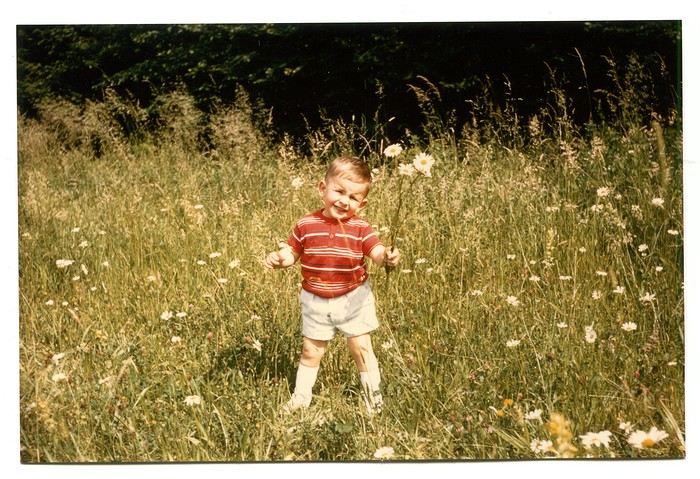
As I’ve mentioned elsewhere, I inherited my love of travel from my parents and some of my grandparents. A strong passion, but one that was unfortunately limited by our family’s modest resources. Back then, living in northern Alsace, a simple trip to the southern part of the region—with the Wine Route as our destination—felt like an extraordinary journey to a land of plenty for the little boy I was in the late 60s and early 70s.
Everything seemed so huge when you were still just a kid.
Back then, I was overwhelmed by countless sensations—I was already highly sensitive, with a keen mind and a nose and taste buds that were developing like a pro’s. Which, as I’d later realize, wasn’t always an advantage.
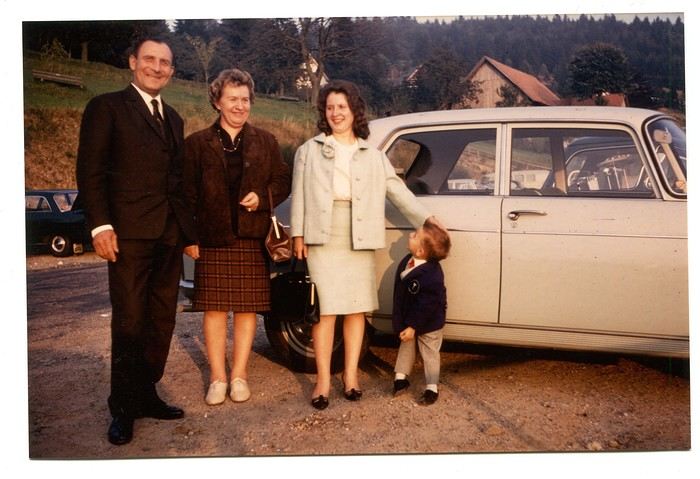
Those magical days always began with a gentle late-spring or midsummer morning. The interior of the white Peugeot 404, license plate 210 LZ 67, had already soaked up the sun before the engine purred to life, and the cabin gave off a scent I could still recognize today—a fragrance I found so pleasant. Back then, I had no idea it was just the smell of warm plastic from the car’s interior. Yes, the scents of the 404 on sunny days became my madeleine de Proust... What’s more, the whole family was unusually cheerful because those moments of relaxation and leisure were rare. Everyone worked, and no one had an easy job or was well paid. Without the *Trente Glorieuses*, these experiences might never have happened.
Once we crossed the canton’s borders, I felt like I was light-years away from my everyday surroundings, and every kilometer plunged me deeper into *terra incognita*. It was thrilling. Far from my so-called "medium-sized" town, wheat fields, cornfields, and cabbage patches stretched out, punctuated by tall poles connected by long wires and topped with vegetation—like giant clotheslines without laundry, where magical beanstalks might grow to touch the sky. Back then, I was still far from tasting their product, which was simply beer. At the time, there was still a significant local hop production. Fun fact: it wasn’t until 2002 that Anglo-Saxon scientists proved hops and cannabis belong to the same biological family.
After the fields, the landscape took another step up as it rolled past the little boy’s eyes, often glued to the windows. First came modest hills, then a succession of rolling slopes that soon formed an unbroken chain. Their 700 meters in altitude felt like Himalayan peaks to me—impressive, inert giants, a whole new world. Gazing at them, an intense emotion welled up somewhere between my stomach and lungs, nearly taking my breath away. What mysteries, what treasures did these heights hold? And then there were the cherries on top—the crowning touch that made the scene even more magical: proud, majestic castles perched on the summits like impassive sentinels. Monuments from the past, yet firmly rooted in the present on their rocky spurs. The little boy’s eyes sparkled—he’d been given a castle for Christmas, complete with battlements, towers, a drawbridge, and fully armed knights. He’d watched and lived *Ivanhoe* on the only French TV channel that existed back then.
Only once did my paternal grandfather join us on one of these trips. A tall, intelligent man with a face that could shift from stern to mischievous, clearly full of humor and charisma. Sadly, his relationship with alcohol had taken a toll on his life and, by extension, those of his loved ones. He had a strong personality—if his boss crossed the line, he wouldn’t hesitate to punch him, which meant he went through a lot of different jobs. Back then, you could quit one job and easily find another. It was quite something to see him in his final stages, hallucinating pink elephants and even drinking perfume when he had nothing else left. The last time I saw him, he’d slipped away from the doctors and nurses while hospitalized in pretty bad shape—at least, I assume his liver was the issue. We were sitting down for a family lunch when the door burst open, and there he stood in his pajamas, eyes twinkling with mischief, clearly pleased with the dramatic entrance. That theatrical moment didn’t spare us from burying him a few months later at the age of 71. One day, my mother told me the family doctor had quietly remarked that it was a shame—with his robust constitution, he could’ve lived to be a hundred. Yes, the family doctor—this was the man who’d come treat you any day, at almost any hour, just for a phone call. It really existed, it’s not a myth!
That day, his wife—my paternal grandmother—was also along for the ride. Everyone agreed that Jeannette was a good woman. She worked as a waitress at *Le Tigre*, the biggest brasserie in town, right in the center. Most customers preferred to be served by her, including local dignitaries and even the mayor. As a kid, I didn’t find her very fun, open, or warm—she seemed a bit stern. Back then, women in their fifties already had the face and build of grandmothers. Same went for men, don’t get me wrong. I had no idea about the struggles she faced because of her husband. I didn’t know that 30 years earlier, she’d had to flee Alsace while pregnant, under threat from Nazi fighter-bombers. I didn’t know she’d had several miscarriages, and that my father—her only surviving child, born prematurely in March 1940 at the other end of France—weighed less than a kilo at birth and was so tiny he could fit in a shoebox. Hard to imagine he’d grow into a strapping man nearly 1.80 meters tall, tipping the scales at 100 kilos. When you come back from summer camp in early August and ask why she didn’t pick you up with your parents, and they gently tell you she’s "in heaven," you don’t realize she passed away at 54 after suffering greatly from stomach cancer that had spread.
Back to that family outing, that enchanted parenthesis. I even remembered where we’d had lunch when I passed through Dambach-la-Ville decades later. One of those charming, flower-filled towns Alsace produces in abundance—and preserves so well. This one sits high on a hill, and I was a bit stunned on the parking lot because the view stretched far, revealing the Alsace plain below—its fields, villages, hills, and forests. The world seemed so vast and enticing that day, even though I was only glimpsing a tiny fraction of it.
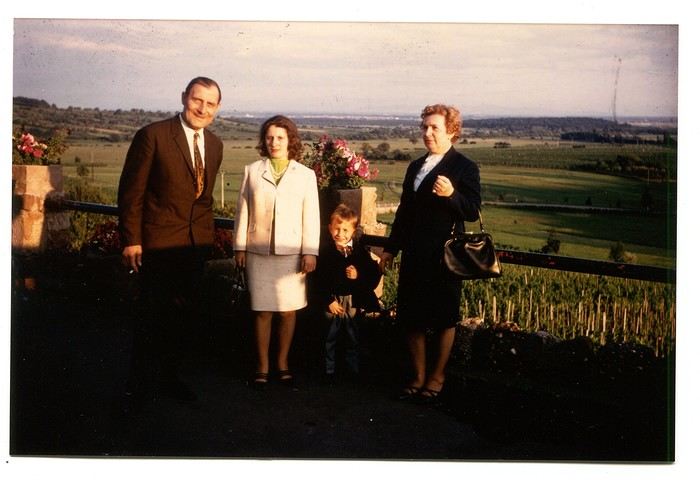
The region was already very touristy, but I wouldn’t notice the downsides until much later. That Sunday noon, I discovered a large restaurant filled with diners. I can still see the enormous piece of meat they served me, decorated with a little wooden skewer topped with a flag. I kept that one for a long time. Those were the golden days of rich, flowing, thick sauces—so flavorful—and the era of the world’s best fries, made on the spot with the best potatoes. To top it off, I was *exceptionally* allowed a small bottle of apple juice, Orangina, or—even better if possible—Sinalco. Yes, Sinalco—like Orangina, but better. A brand that must’ve disappeared in the 70s, but why, and what a shame! Since then, Orangina’s little bubbles have taken the brand to the other side of the planet—it’s now Japanese.
Year after year, I’d eagerly await that ecstatic moment when the most beautiful castle in Alsace, the Haut-Koenigsbourg, appeared in my field of vision. The perfect model, the archetype that blended into the landscape at the height of a child’s dreams. The trip home always felt like a reality check—less jarring than an alarm clock, but more diffuse and melancholic. From then on, there was only one wish: *When do we leave again?*
Those magical days always began with a gentle late-spring or midsummer morning. The interior of the white Peugeot 404, license plate 210 LZ 67, had already soaked up the sun before the engine purred to life, and the cabin gave off a scent I could still recognize today—a fragrance I found so pleasant. Back then, I had no idea it was just the smell of warm plastic from the car’s interior. Yes, the scents of the 404 on sunny days became my madeleine de Proust... What’s more, the whole family was unusually cheerful because those moments of relaxation and leisure were rare. Everyone worked, and no one had an easy job or was well paid. Without the *Trente Glorieuses*, these experiences might never have happened.
Once we crossed the canton’s borders, I felt like I was light-years away from my everyday surroundings, and every kilometer plunged me deeper into *terra incognita*. It was thrilling. Far from my so-called "medium-sized" town, wheat fields, cornfields, and cabbage patches stretched out, punctuated by tall poles connected by long wires and topped with vegetation—like giant clotheslines without laundry, where magical beanstalks might grow to touch the sky. Back then, I was still far from tasting their product, which was simply beer. At the time, there was still a significant local hop production. Fun fact: it wasn’t until 2002 that Anglo-Saxon scientists proved hops and cannabis belong to the same biological family.
After the fields, the landscape took another step up as it rolled past the little boy’s eyes, often glued to the windows. First came modest hills, then a succession of rolling slopes that soon formed an unbroken chain. Their 700 meters in altitude felt like Himalayan peaks to me—impressive, inert giants, a whole new world. Gazing at them, an intense emotion welled up somewhere between my stomach and lungs, nearly taking my breath away. What mysteries, what treasures did these heights hold? And then there were the cherries on top—the crowning touch that made the scene even more magical: proud, majestic castles perched on the summits like impassive sentinels. Monuments from the past, yet firmly rooted in the present on their rocky spurs. The little boy’s eyes sparkled—he’d been given a castle for Christmas, complete with battlements, towers, a drawbridge, and fully armed knights. He’d watched and lived *Ivanhoe* on the only French TV channel that existed back then.
Only once did my paternal grandfather join us on one of these trips. A tall, intelligent man with a face that could shift from stern to mischievous, clearly full of humor and charisma. Sadly, his relationship with alcohol had taken a toll on his life and, by extension, those of his loved ones. He had a strong personality—if his boss crossed the line, he wouldn’t hesitate to punch him, which meant he went through a lot of different jobs. Back then, you could quit one job and easily find another. It was quite something to see him in his final stages, hallucinating pink elephants and even drinking perfume when he had nothing else left. The last time I saw him, he’d slipped away from the doctors and nurses while hospitalized in pretty bad shape—at least, I assume his liver was the issue. We were sitting down for a family lunch when the door burst open, and there he stood in his pajamas, eyes twinkling with mischief, clearly pleased with the dramatic entrance. That theatrical moment didn’t spare us from burying him a few months later at the age of 71. One day, my mother told me the family doctor had quietly remarked that it was a shame—with his robust constitution, he could’ve lived to be a hundred. Yes, the family doctor—this was the man who’d come treat you any day, at almost any hour, just for a phone call. It really existed, it’s not a myth!
That day, his wife—my paternal grandmother—was also along for the ride. Everyone agreed that Jeannette was a good woman. She worked as a waitress at *Le Tigre*, the biggest brasserie in town, right in the center. Most customers preferred to be served by her, including local dignitaries and even the mayor. As a kid, I didn’t find her very fun, open, or warm—she seemed a bit stern. Back then, women in their fifties already had the face and build of grandmothers. Same went for men, don’t get me wrong. I had no idea about the struggles she faced because of her husband. I didn’t know that 30 years earlier, she’d had to flee Alsace while pregnant, under threat from Nazi fighter-bombers. I didn’t know she’d had several miscarriages, and that my father—her only surviving child, born prematurely in March 1940 at the other end of France—weighed less than a kilo at birth and was so tiny he could fit in a shoebox. Hard to imagine he’d grow into a strapping man nearly 1.80 meters tall, tipping the scales at 100 kilos. When you come back from summer camp in early August and ask why she didn’t pick you up with your parents, and they gently tell you she’s "in heaven," you don’t realize she passed away at 54 after suffering greatly from stomach cancer that had spread.
Back to that family outing, that enchanted parenthesis. I even remembered where we’d had lunch when I passed through Dambach-la-Ville decades later. One of those charming, flower-filled towns Alsace produces in abundance—and preserves so well. This one sits high on a hill, and I was a bit stunned on the parking lot because the view stretched far, revealing the Alsace plain below—its fields, villages, hills, and forests. The world seemed so vast and enticing that day, even though I was only glimpsing a tiny fraction of it.
The region was already very touristy, but I wouldn’t notice the downsides until much later. That Sunday noon, I discovered a large restaurant filled with diners. I can still see the enormous piece of meat they served me, decorated with a little wooden skewer topped with a flag. I kept that one for a long time. Those were the golden days of rich, flowing, thick sauces—so flavorful—and the era of the world’s best fries, made on the spot with the best potatoes. To top it off, I was *exceptionally* allowed a small bottle of apple juice, Orangina, or—even better if possible—Sinalco. Yes, Sinalco—like Orangina, but better. A brand that must’ve disappeared in the 70s, but why, and what a shame! Since then, Orangina’s little bubbles have taken the brand to the other side of the planet—it’s now Japanese.
Year after year, I’d eagerly await that ecstatic moment when the most beautiful castle in Alsace, the Haut-Koenigsbourg, appeared in my field of vision. The perfect model, the archetype that blended into the landscape at the height of a child’s dreams. The trip home always felt like a reality check—less jarring than an alarm clock, but more diffuse and melancholic. From then on, there was only one wish: *When do we leave again?*
Looking for info on a campervan road trip in Eastern Europe
Hi everyone,
I’m planning a campervan road trip and would love some tips from those who know these countries: Slovenia, Bosnia and Herzegovina, Croatia, Montenegro, and Slovenia again. At the moment, nothing’s set in stone, but for example, is it better to visit Slovenia or Bosnia? My preferences lean toward landscapes (rivers, sea, lakes)—basically anywhere there’s water! :) Wild camping, cheap or even free spots, and a *very* tight budget—it’s the discovery, curiosity, and meeting locals that drive me. I’ll visit cities and sites only if access is easy (by bike, for example, or by train from an affordable campsite) and if visitors aren’t treated like cash cows. Just reasonable stuff, really. So, any advice is welcome—like swimming spots or easy hikes along coasts or rivers. I love caves and offbeat visits (salt mines in Poland, La Roque Saint-Christophe in France, etc.). Castles and old ruins? Not really my thing... Thanks for your help! Sylvia
I’m planning a campervan road trip and would love some tips from those who know these countries: Slovenia, Bosnia and Herzegovina, Croatia, Montenegro, and Slovenia again. At the moment, nothing’s set in stone, but for example, is it better to visit Slovenia or Bosnia? My preferences lean toward landscapes (rivers, sea, lakes)—basically anywhere there’s water! :) Wild camping, cheap or even free spots, and a *very* tight budget—it’s the discovery, curiosity, and meeting locals that drive me. I’ll visit cities and sites only if access is easy (by bike, for example, or by train from an affordable campsite) and if visitors aren’t treated like cash cows. Just reasonable stuff, really. So, any advice is welcome—like swimming spots or easy hikes along coasts or rivers. I love caves and offbeat visits (salt mines in Poland, La Roque Saint-Christophe in France, etc.). Castles and old ruins? Not really my thing... Thanks for your help! Sylvia
Cycling in Algeria: Saharan routes, water, bivouacking, and safety — seeking firsthand experience
Hi everyone,
I’m planning a cycling trip in Algeria and looking for concrete firsthand accounts from cyclists who’ve recently traveled there (or residents who know the terrain well). My goal is to map out a realistic 2–4 week itinerary that prioritizes discovery, safety, and solid water/bivouac management.
My profile and gear
Semi-bivouac autonomous cyclist (light tent + sleeping bag + stove), with the option of simple accommodations in towns.
All-road/gravel bike with a rear rack, 40–45 mm tires (I can go up to 47–50 mm if needed).
Compact drivetrain with a small gear range for climbing while loaded.
Modular water capacity of 4–7 liters (soft flasks + bottles), plus a filter and purification tablets as backup.
Navigation via offline maps + GPS, GPX tracks if available.
Planned period
Late winter/early spring (timing to be refined based on your feedback about weather, wind, and day/night temperature swings). I’d love a seasonal breakdown: which areas are more pleasant/rideable during this time? Are there zones to avoid while others become ideal?
Preferred itinerary style
High plateaus and accessible Saharan fringes for a loaded bike, alternating between secondary roads and rideable tracks.
Moderate pace (60–90 km/day depending on terrain and wind), with stops in resource towns to restock, shower, and rest.
Safety and logistics (water/supplies) take priority over pure athletic performance.
My specific questions for those who’ve cycled in Algeria 1) Routes and areas
Which roads/tracks did you enjoy for their scenery and interest without being too rough for a loaded gravel bike?
If you’ve ridden the high plateaus: which connections do you recommend to avoid traffic and stick to small roads?
Saharan fringes: which sections are realistic for partial autonomy (reasonably spaced water points, rideable tracks, not too much soft sand)?
Areas to avoid by bike (recently) due to security, road conditions, katabatic winds, construction, etc.?
2) Water and supplies
How frequent were water points on your routes: reliable wells? taps? sources in towns/villages?
In “desert” sections, how many liters did you carry between secure points? Does a 6–7 L capacity seem comfortable, or should I aim for more on certain stretches?
Food: small shops, markets, availability of basics (semolina, sardines, dates, biscuits, powdered milk, etc.) — how often can you reasonably restock?
Filtration: did a filter + tablets suffice? Are there areas where you’d advise against filtering from unprotected wells?
3) Bivouacking and accommodations
Tolerance for discreet bivouacking (far from dwellings, leave-no-trace): recent experiences?
Simple alternatives: guesthouses, small hotels/hostels, campgrounds (if any), municipal lodgings?
Practical stopover towns for restocking, resting, and securing your bike overnight: reliable spots or neighborhoods to prioritize/avoid?
4) Roads, tracks, and weather
Road surface quality on secondary routes: generally decent or highly variable?
Tracks: rideable (compact gravel, laterite) or sometimes sand/washboard? At what tire width would you recommend switching (45 vs. 50 mm)?
Prevailing winds this season: direction, strength, most exposed hours; do you adjust your departures to ride “before the wind” in the morning?
Temperatures: day/night range; sun protection (long gloves, buff, sunscreen, sunglasses), managing nighttime cold at altitude or in the open desert.
5) Safety, formalities, and connectivity
Recently discouraged zones (please note the date if possible).
Roadside checks: which documents to keep handy; are there specific registrations or declarations required upon arrival or when moving between wilayas?
Local SIM/data: which operators work well on the routes you took; tips for recharging/buying credit.
Useful apps/maps on the ground (and reliable offline maps) for locating water, grocery stores, garages, accommodations, rideable segments, etc.
Bike security: how did you handle anti-theft and parking during errands/overnight stays?
6) Gear and adjustments
Recommended minimum gearing for loaded climbs on local roads/tracks.
Ideal tire width and casing (puncture resistance on gravel and rocks).
“Sweet spot” water capacity based on your experience (and tips: frame bags, extra bottles on the fork, bladders in frame bags, etc.).
Maintenance: dust/sand — greases/seals, drivetrain cleaning frequency, breathable filters, protective socks for zipped panniers.
Sample itinerary outline (to validate with your feedback)
Week 1: Arrival, adjustments, high plateaus, linking resource towns to get into the rhythm, test supplies and water.
Week 2: Accessible Saharan fringes, alternating road/track, nights in discreet bivouac when possible + simple accommodations every 3–4 days.
Week 3–4 (optional): Extend toward a second Saharan area or head back to a more temperate zone depending on weather/wind, prioritizing routes known to cyclists.
If you have GPX tracks (even partial), waypoints (water, grocery stores, accommodations), or a travel journal with dates, I’d love to see them. Dated info (year/month) will help me weigh what may have changed recently.
What I can share in return
After the trip, I’ll publish a detailed report with:
Final itinerary + cleaned GPX tracks,
List of confirmed water points and open supply spots,
Gear review (tires, gearing, water capacity),
Notes on bivouacking/accommodations and safety,
Budget and daily distances, to help future travelers.
Thanks in advance for your tips, warnings, good addresses, and updated feedback. Your experience is invaluable for planning a safe, smooth, and enjoyable cycling route in Algeria. Happy trails! 🚴
I’m planning a cycling trip in Algeria and looking for concrete firsthand accounts from cyclists who’ve recently traveled there (or residents who know the terrain well). My goal is to map out a realistic 2–4 week itinerary that prioritizes discovery, safety, and solid water/bivouac management.
My profile and gear
Semi-bivouac autonomous cyclist (light tent + sleeping bag + stove), with the option of simple accommodations in towns.
All-road/gravel bike with a rear rack, 40–45 mm tires (I can go up to 47–50 mm if needed).
Compact drivetrain with a small gear range for climbing while loaded.
Modular water capacity of 4–7 liters (soft flasks + bottles), plus a filter and purification tablets as backup.
Navigation via offline maps + GPS, GPX tracks if available.
Planned period
Late winter/early spring (timing to be refined based on your feedback about weather, wind, and day/night temperature swings). I’d love a seasonal breakdown: which areas are more pleasant/rideable during this time? Are there zones to avoid while others become ideal?
Preferred itinerary style
High plateaus and accessible Saharan fringes for a loaded bike, alternating between secondary roads and rideable tracks.
Moderate pace (60–90 km/day depending on terrain and wind), with stops in resource towns to restock, shower, and rest.
Safety and logistics (water/supplies) take priority over pure athletic performance.
My specific questions for those who’ve cycled in Algeria 1) Routes and areas
Which roads/tracks did you enjoy for their scenery and interest without being too rough for a loaded gravel bike?
If you’ve ridden the high plateaus: which connections do you recommend to avoid traffic and stick to small roads?
Saharan fringes: which sections are realistic for partial autonomy (reasonably spaced water points, rideable tracks, not too much soft sand)?
Areas to avoid by bike (recently) due to security, road conditions, katabatic winds, construction, etc.?
2) Water and supplies
How frequent were water points on your routes: reliable wells? taps? sources in towns/villages?
In “desert” sections, how many liters did you carry between secure points? Does a 6–7 L capacity seem comfortable, or should I aim for more on certain stretches?
Food: small shops, markets, availability of basics (semolina, sardines, dates, biscuits, powdered milk, etc.) — how often can you reasonably restock?
Filtration: did a filter + tablets suffice? Are there areas where you’d advise against filtering from unprotected wells?
3) Bivouacking and accommodations
Tolerance for discreet bivouacking (far from dwellings, leave-no-trace): recent experiences?
Simple alternatives: guesthouses, small hotels/hostels, campgrounds (if any), municipal lodgings?
Practical stopover towns for restocking, resting, and securing your bike overnight: reliable spots or neighborhoods to prioritize/avoid?
4) Roads, tracks, and weather
Road surface quality on secondary routes: generally decent or highly variable?
Tracks: rideable (compact gravel, laterite) or sometimes sand/washboard? At what tire width would you recommend switching (45 vs. 50 mm)?
Prevailing winds this season: direction, strength, most exposed hours; do you adjust your departures to ride “before the wind” in the morning?
Temperatures: day/night range; sun protection (long gloves, buff, sunscreen, sunglasses), managing nighttime cold at altitude or in the open desert.
5) Safety, formalities, and connectivity
Recently discouraged zones (please note the date if possible).
Roadside checks: which documents to keep handy; are there specific registrations or declarations required upon arrival or when moving between wilayas?
Local SIM/data: which operators work well on the routes you took; tips for recharging/buying credit.
Useful apps/maps on the ground (and reliable offline maps) for locating water, grocery stores, garages, accommodations, rideable segments, etc.
Bike security: how did you handle anti-theft and parking during errands/overnight stays?
6) Gear and adjustments
Recommended minimum gearing for loaded climbs on local roads/tracks.
Ideal tire width and casing (puncture resistance on gravel and rocks).
“Sweet spot” water capacity based on your experience (and tips: frame bags, extra bottles on the fork, bladders in frame bags, etc.).
Maintenance: dust/sand — greases/seals, drivetrain cleaning frequency, breathable filters, protective socks for zipped panniers.
Sample itinerary outline (to validate with your feedback)
Week 1: Arrival, adjustments, high plateaus, linking resource towns to get into the rhythm, test supplies and water.
Week 2: Accessible Saharan fringes, alternating road/track, nights in discreet bivouac when possible + simple accommodations every 3–4 days.
Week 3–4 (optional): Extend toward a second Saharan area or head back to a more temperate zone depending on weather/wind, prioritizing routes known to cyclists.
If you have GPX tracks (even partial), waypoints (water, grocery stores, accommodations), or a travel journal with dates, I’d love to see them. Dated info (year/month) will help me weigh what may have changed recently.
What I can share in return
After the trip, I’ll publish a detailed report with:
Final itinerary + cleaned GPX tracks,
List of confirmed water points and open supply spots,
Gear review (tires, gearing, water capacity),
Notes on bivouacking/accommodations and safety,
Budget and daily distances, to help future travelers.
Thanks in advance for your tips, warnings, good addresses, and updated feedback. Your experience is invaluable for planning a safe, smooth, and enjoyable cycling route in Algeria. Happy trails! 🚴
Questions about budget and payments in Japan
Hi there,
The info I found on the forum is a bit outdated, so I’m asking again!
1) What budget should I plan for 15 days, given that hotels with breakfast, transfers, and transport are already paid for? I know it depends on the person, but I’d love a rough idea. For meals, we’re thinking simple street food or small local restaurants.
2) I’ve heard that credit cards (we each have a Revolut + 1 Visa Premier) aren’t widely used and that it’s better to have cash. Can you confirm?
3) Are foreign credit cards still not accepted at bank ATMs? Still 7-Eleven or the Post Office? And what about American Express?
Thanks in advance, Best regards
The info I found on the forum is a bit outdated, so I’m asking again!
1) What budget should I plan for 15 days, given that hotels with breakfast, transfers, and transport are already paid for? I know it depends on the person, but I’d love a rough idea. For meals, we’re thinking simple street food or small local restaurants.
2) I’ve heard that credit cards (we each have a Revolut + 1 Visa Premier) aren’t widely used and that it’s better to have cash. Can you confirm?
3) Are foreign credit cards still not accepted at bank ATMs? Still 7-Eleven or the Post Office? And what about American Express?
Thanks in advance, Best regards
Thai Countryside Scenes
Hi there,
Yesterday in the Thailand section, 100% of the new threads were just about beach destinations 😕...
So here’s the counterattack in the form of this photo thread, dedicated solely to the countryside: the locals, their livestock, fields, farms, rice paddies, small rivers, and agricultural machinery. If you’ve got any pictures that fit these categories, feel free to add them!
Comments welcome.
For each photo, I’ll (or you can) indicate the area where it was taken.
Kanchanaburi: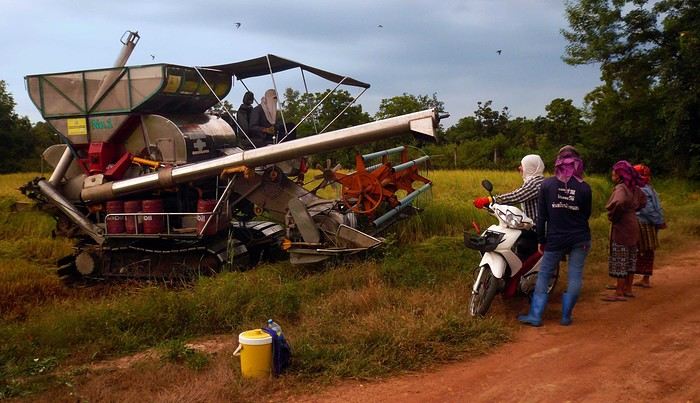
Kanchanaburi: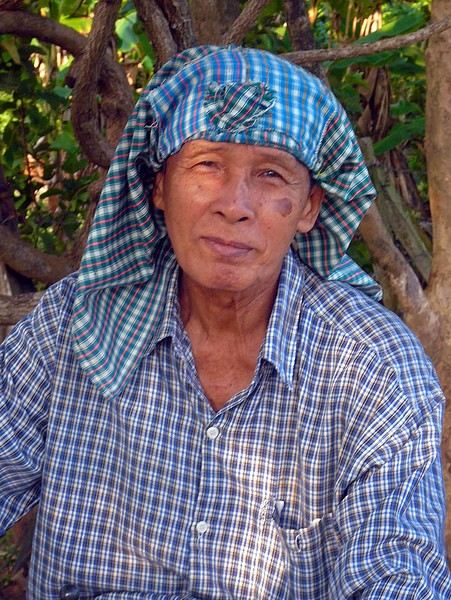
Sri Chiangmai: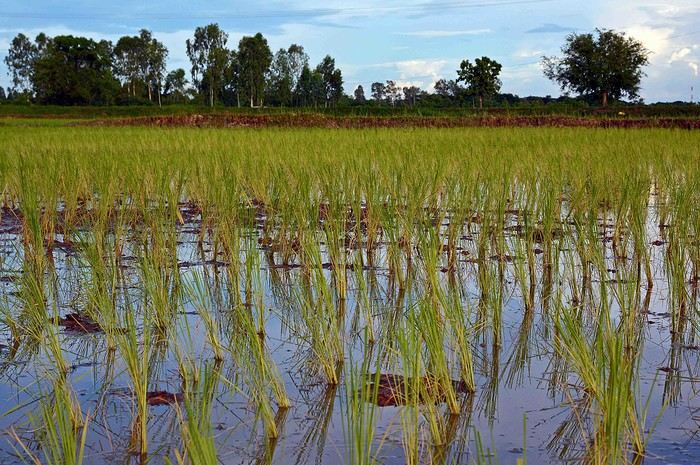
Soppong: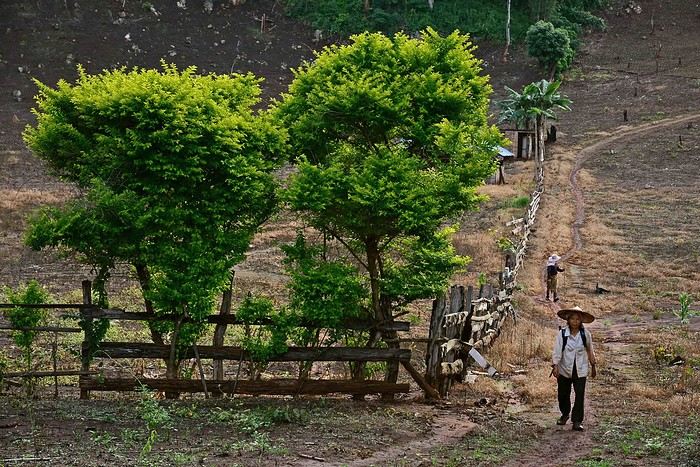
Tha Wang Pha: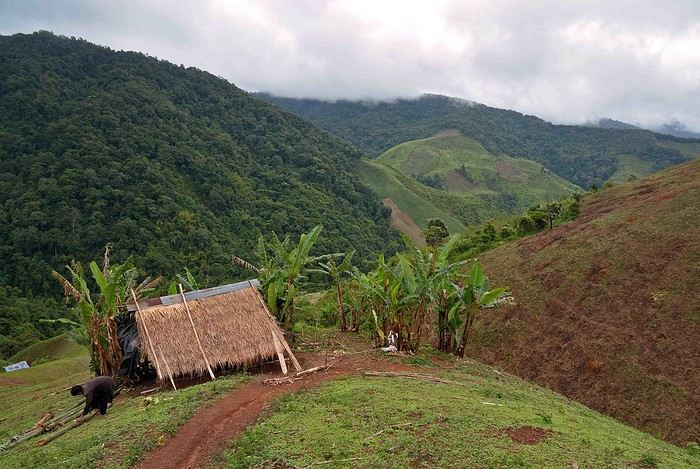
Kanchanaburi:
Kanchanaburi:
Sri Chiangmai:
Soppong:
Tha Wang Pha:
Trip report and practical tips for the American West Coast
Hi there,
Just back from 25 days in May 2025 in the American West—here are some practical tips that might help you plan your trip.
Flight: 2 tickets for 1270 € with British Airways (Lyon-LA, SF-Lyon) SIM card: 12GB from Sim USA for 39 €. Useful for looking up accommodation every late afternoon. 12GB was enough for us. Car rental: Booked with BSP Autos. 21 days = 538 € for a Jeep Compass SUV picked up at LA airport and dropped off at SF airport. An SUV isn’t essential at all, but since we had one, we did take some easy dirt roads. Driving is straightforward, highways are toll-free. Gas: Averaged $3.80/gallon = 1 €/liter. We drove 6700 km and spent $500 on gas. Big price differences between states, and even between stations in the same state. We checked Google Maps/fuel for the best deals. Water: Not recommended to drink tap water. We refilled two 3L bottles regularly at visitor centers in the parks and froze two 1L bottles overnight to keep water cool during the day. Money: Bring cash for tips and gas—sometimes cheaper when paying in cash. Accommodation: Averaged $100/night. Only the first night in LA was booked in advance. For the rest of the trip, we found places to stay (mostly motels outside the parks) near where we were each late afternoon by checking availability on Booking, among others. No issues finding places in May—the advantage was the freedom to improvise. For example, we’d planned to do the loop counterclockwise: LA, Joshua Tree, Grand Canyon. But seeing the forecast (3 days of snow and freezing temps at GC), we headed straight from JT to Las Vegas, did the loop clockwise, and by the time we got back to GC, the weather was perfect. Weather: Aside from the first 3 mixed days, we had perfect weather—20-30°C, except Death Valley (37°C) and SF (15°C). Food: Depends on your appetite. For us, snacks during the day, a bigger meal in the evening, plus miscellaneous extras—our budget was $40/day. Miscellaneous: The "America the Beautiful" pass is a must—80 $. Website: For us, the best site was roadtrippin’. Our itinerary: LA, Joshua Tree, Las Vegas, Zion, Bryce Canyon, Capitol Reef, Canyonlands, Arches, Colorado National Monument, Black Canyon of the Gunnison, Mesa Verde, Natural Bridges, Gooseneck Point, Canyon de Chelly, Painted Desert Park, Petrified Forest Park, Sedona, Grand Canyon, Route 66, LV, Red Rock Canyon Park, Death Valley, Sequoia Park, Yosemite Park, Big Sur-Monterey, San Francisco. 25 days—we didn’t lounge around, but we didn’t rush either. We took time in each park to drive the scenic routes, visit viewpoints, and do at least one hike (max 2 hours) per park.
Happy travels!
Flight: 2 tickets for 1270 € with British Airways (Lyon-LA, SF-Lyon) SIM card: 12GB from Sim USA for 39 €. Useful for looking up accommodation every late afternoon. 12GB was enough for us. Car rental: Booked with BSP Autos. 21 days = 538 € for a Jeep Compass SUV picked up at LA airport and dropped off at SF airport. An SUV isn’t essential at all, but since we had one, we did take some easy dirt roads. Driving is straightforward, highways are toll-free. Gas: Averaged $3.80/gallon = 1 €/liter. We drove 6700 km and spent $500 on gas. Big price differences between states, and even between stations in the same state. We checked Google Maps/fuel for the best deals. Water: Not recommended to drink tap water. We refilled two 3L bottles regularly at visitor centers in the parks and froze two 1L bottles overnight to keep water cool during the day. Money: Bring cash for tips and gas—sometimes cheaper when paying in cash. Accommodation: Averaged $100/night. Only the first night in LA was booked in advance. For the rest of the trip, we found places to stay (mostly motels outside the parks) near where we were each late afternoon by checking availability on Booking, among others. No issues finding places in May—the advantage was the freedom to improvise. For example, we’d planned to do the loop counterclockwise: LA, Joshua Tree, Grand Canyon. But seeing the forecast (3 days of snow and freezing temps at GC), we headed straight from JT to Las Vegas, did the loop clockwise, and by the time we got back to GC, the weather was perfect. Weather: Aside from the first 3 mixed days, we had perfect weather—20-30°C, except Death Valley (37°C) and SF (15°C). Food: Depends on your appetite. For us, snacks during the day, a bigger meal in the evening, plus miscellaneous extras—our budget was $40/day. Miscellaneous: The "America the Beautiful" pass is a must—80 $. Website: For us, the best site was roadtrippin’. Our itinerary: LA, Joshua Tree, Las Vegas, Zion, Bryce Canyon, Capitol Reef, Canyonlands, Arches, Colorado National Monument, Black Canyon of the Gunnison, Mesa Verde, Natural Bridges, Gooseneck Point, Canyon de Chelly, Painted Desert Park, Petrified Forest Park, Sedona, Grand Canyon, Route 66, LV, Red Rock Canyon Park, Death Valley, Sequoia Park, Yosemite Park, Big Sur-Monterey, San Francisco. 25 days—we didn’t lounge around, but we didn’t rush either. We took time in each park to drive the scenic routes, visit viewpoints, and do at least one hike (max 2 hours) per park.
Happy travels!
Cinque Terre Boat Excursion
Is it possible in Cinque Terre to do the village walk without getting off the small boats? Sea view. A bit limited by the stopover time on our cruise. Thanks for your reply.
Ladakh: Is it possible to sleep near Hanle? (India)
Hi everyone,
I’ve browsed this forum a lot about Ladakh and haven’t found answers to my questions... so here’s my post.
I’m heading there next July with a friend for a solid ten days of cycling (no e-bikes) in Ladakh. The flight to Leh is booked for both of us and our bikes.
I’ve got my route planned out pretty precisely; the main goal is to climb Umling La, which is currently the world’s highest motorable road at 5,798 m. We’re also planning to tackle 3 or 4 other passes over 5,000 m, including Photila, just next door at a little over 5,500 m.
I’ve read accounts from Europeans saying it’s impossible for foreigners to spend a night in Hanle... that the closest accommodation to the Chinese border would be in Nyoma. What do you think about that?
Also, some say the road between Hanle and Chushul (the one via Tsaga) is off-limits to non-Indians... Is the parallel route, the one via Mahé and Kaksang La (5,400 m), open to foreigners?
Is the road along Pangong Lake (the one through Merak and Man) also off-limits to foreigners?
Thanks for your feedback!
I’ve read accounts from Europeans saying it’s impossible for foreigners to spend a night in Hanle... that the closest accommodation to the Chinese border would be in Nyoma. What do you think about that?
Also, some say the road between Hanle and Chushul (the one via Tsaga) is off-limits to non-Indians... Is the parallel route, the one via Mahé and Kaksang La (5,400 m), open to foreigners?
Is the road along Pangong Lake (the one through Merak and Man) also off-limits to foreigners?
Thanks for your feedback!
Discover the 10 Must-See Spots in Sardinia
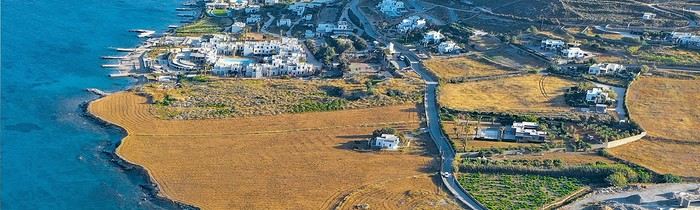
If you're dreaming of idyllic beaches and picturesque villages, you're in the right place! Known for its crystal-clear waters, millennia-old traditions, and preserved nature, Sardinia captivates travelers seeking a change of scenery. Here, you can enjoy a spectacular coastline, but also discover the authentic heart of the island, with its wild mountains and history-laden towns. Visiting Sardinia means taking the time to let yourself be lulled by the song of cicadas and the scent of the maquis. Escape to Sardinia with an all-inclusive stay at a 5-star hotel, allowing you to get away from it all.
To help you plan your itinerary, here’s an overview of ten must-see spots and a few off-the-beaten-path escapes.
Cagliari, the vibrant capital
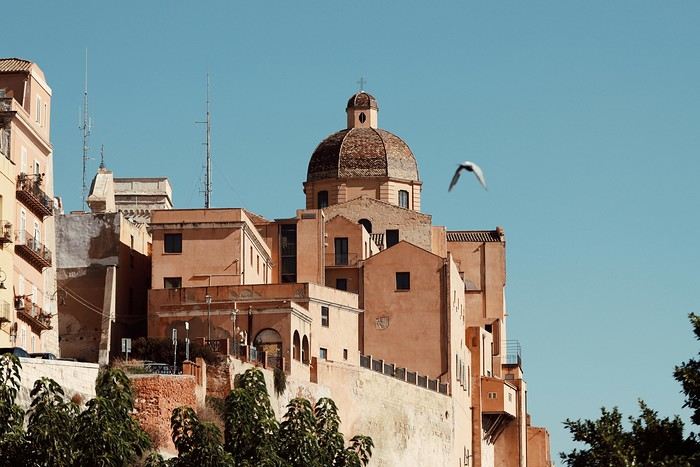
Often the first point of contact with the island, Cagliari charms with its historic center, dominated by the medieval Castello district. Stroll through the narrow streets to reach the Santa Maria Cathedral, then climb up to the Saint-Remy Bastion, where the view of the city and the sea is well worth the effort. Be sure to visit the San Benedetto market, where stalls of cheeses, cured meats, and fish reflect Sardinia’s culinary diversity.
Villasimius, fine sand and turquoise waters
Less than an hour’s drive from Cagliari, the Villasimius area is famous for its dreamy beaches, including Porto Giunco and Simius Beach. The white sand contrasts beautifully with the crystal-clear blue of the sea—a postcard-perfect setting. Diving enthusiasts will be delighted, while hikers can explore Capo Carbonara, a protected area home to pink flamingos.
Costa Smeralda, the glamorous side of the island
Renowned for its prestigious seaside resorts, the Costa Smeralda attracts yachts and lively evenings. Porto Cervo, its iconic port, draws travelers from around the world. Don’t worry—if you venture a little off the beaten path, you’ll find small, wild coves and trails lined with umbrella pines. A stop at a local wine bar to taste a glass of vermentino is highly recommended, if only to admire the view.
The La Maddalena Archipelago, a marine gem
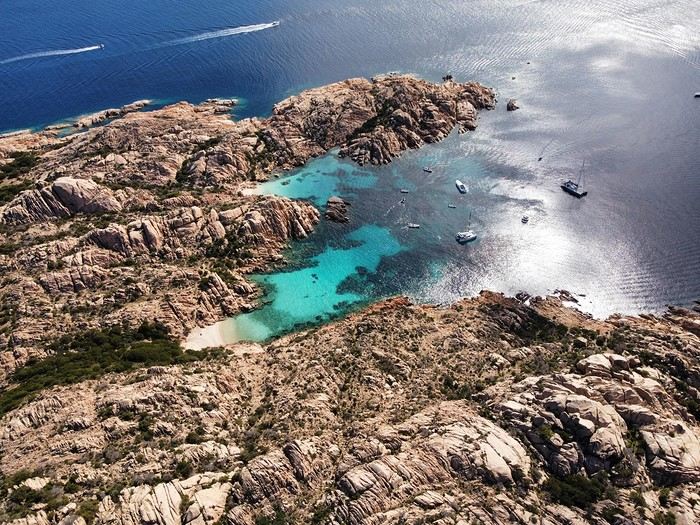
In the northeast, this national marine park comprises several islands with stunning beaches. La Maddalena, the main island, charms with its colorful houses and lively port. Offshore, wonders like Spargi Island or the famous Pink Beach of Budelli await visitors. It’s best to dedicate a full day—or more—to exploring this paradise by boat.
Alghero, the Catalan city
On the northwest coast, Alghero reveals a historic center encircled by ramparts, where the Catalan influence is still strong. Walk along the fortifications to watch the sunset, then sample the local cuisine, focused on seafood and wine. A short drive away, Neptune’s Grotto is a spectacular site: you can reach it via a staircase of 654 steps carved into the cliff or by boat for a more romantic approach.
Bosa, a painting under the open sky
Heading south along the coast from Alghero, you’ll reach Bosa, one of Sardinia’s most charming villages. Its colorful houses line the Temo River, overlooked by the Serravalle Castle. Wander the streets, admiring the vibrant facades, then settle into a small restaurant to taste the famous bottarga. The atmosphere is peaceful—this is la dolce vita.
The Piscinas Dunes, a desert by the sea
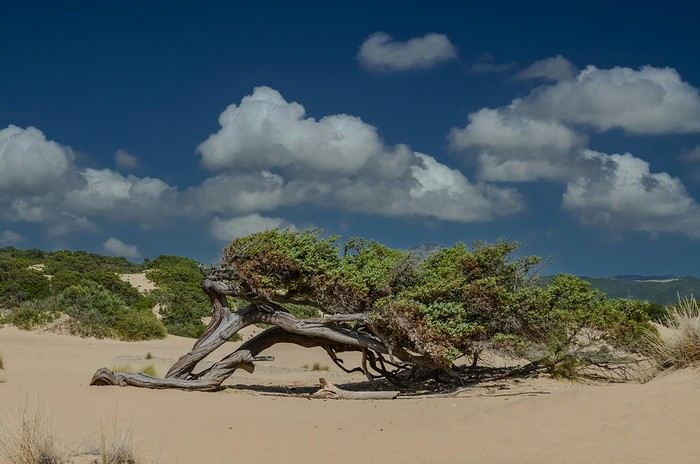
Head southwest to discover Piscinas, a natural site where sand dunes evoke a desert. Between sparse vegetation and turquoise sea, the contrast is simply stunning. The beaches, rarely crowded, offer a soothing tranquility. A perfect spot for lovers of wild landscapes, far from the hustle and bustle of seaside resorts.
Su Nuraxi di Barumini, a prehistoric relic
You can’t truly understand Sardinian history without mentioning the nuraghes, mysterious stone towers left by the Nuragic civilization. In Barumini, you can explore Su Nuraxi, the most famous, a UNESCO World Heritage site. Its millennia-old architecture and vast complex make it a must-visit for anyone wanting to delve into the island’s past.
Orgosolo and the mountainous interior
To experience the deep soul of Sardinia, head to the Supramonte massif. Orgosolo, once a bandit hideout, is known for its mural paintings adorning house facades. These artworks tell the local history, social struggles, and Sardinian pride. The surrounding nature is breathtaking: forests, canyons, and panoramic views invite you to hike.
The Gulf of Orosei, dreamy coves
Finally, it’s hard to miss the beaches of the Gulf of Orosei. Cala Luna, Cala Mariolu, and Cala Goloritzé are among the most beautiful in the Mediterranean. Accessible by boat or on foot, each reveals transparent waters perfect for diving. Time seems to stand still in these wild landscapes, immersing you in the charm of a preserved Sardinia. From its sandy beaches to its rugged mountains, the island offers a stunning array of scenery. Far beyond the Costa Smeralda, Sardinia is full of hidden corners where nature reigns supreme and traditions are still very much alive. Once there, let yourself be swept up by the Sardinian dolce vita, savor its generous cuisine, and soak in its legends.
Happy travels!
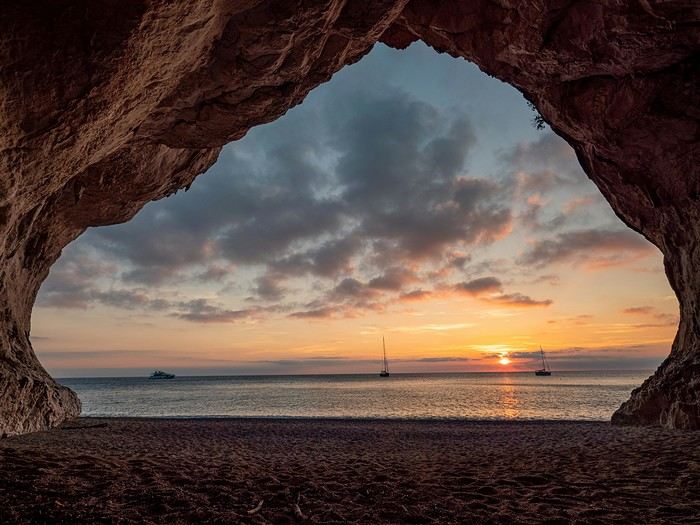
The Verb That Guides
It’s nighttime and 3 degrees in Tashkent.
Hi there,
Reflection: an act of thought that revisits an object to examine it. The object here is travel (or tourist movement, it doesn’t really matter) and the desire to examine it from the particular angle of the verb that drives it came from reading a sentence by Xrctn in the introduction to his travel journal about Turkmenistan.
Part of that strange category of travelers who like ticking boxes...
Ticking I have no idea how strange that is—I actually get the impression it might be pretty common when I see the diverse mix of trips some people here take. But maybe it’s a different approach that drives these compulsive travelers.
Still, it wouldn’t even occur to me. What does it add?
Connecting Or chaining, assembling, linking. These are my verbs. If I can’t do it—either because finances are tight (I live in one of Europe’s pigsties—a PIIGS country, where the virtuous northern barbarians sent the G&S troika to "nurse us back to health" through austerity, making it all the more pleasant to spend every summer among civilized folks on the terrace of my little white house in Kalymnos overlooking the Aegean), or because I’ve chosen a tricky, unstable direction (Lebanon had to be canceled in summer 2006, Syria too, and Iran right now)—I don’t really feel like traveling. I might just tag along to be nice, but it doesn’t mean anything to me.
If I think about the need behind my verbs—this continuous, meticulous, patient way of traveling—it’s about stripping away sudden, artificial exoticism, weaving small, successive changes, and feeling the presence of the knots too. About understanding, integrating something a little different from the image on a screen.
And you? What’s your guiding verb?
Catherine
Hi there,
Reflection: an act of thought that revisits an object to examine it. The object here is travel (or tourist movement, it doesn’t really matter) and the desire to examine it from the particular angle of the verb that drives it came from reading a sentence by Xrctn in the introduction to his travel journal about Turkmenistan.
Part of that strange category of travelers who like ticking boxes...
Ticking I have no idea how strange that is—I actually get the impression it might be pretty common when I see the diverse mix of trips some people here take. But maybe it’s a different approach that drives these compulsive travelers.
Still, it wouldn’t even occur to me. What does it add?
Connecting Or chaining, assembling, linking. These are my verbs. If I can’t do it—either because finances are tight (I live in one of Europe’s pigsties—a PIIGS country, where the virtuous northern barbarians sent the G&S troika to "nurse us back to health" through austerity, making it all the more pleasant to spend every summer among civilized folks on the terrace of my little white house in Kalymnos overlooking the Aegean), or because I’ve chosen a tricky, unstable direction (Lebanon had to be canceled in summer 2006, Syria too, and Iran right now)—I don’t really feel like traveling. I might just tag along to be nice, but it doesn’t mean anything to me.
If I think about the need behind my verbs—this continuous, meticulous, patient way of traveling—it’s about stripping away sudden, artificial exoticism, weaving small, successive changes, and feeling the presence of the knots too. About understanding, integrating something a little different from the image on a screen.
And you? What’s your guiding verb?
Catherine
Feedback on 3-week itinerary: Atlantic Coast - Spanish Basque Country - Northern Spain
Hello everyone,
So, summer 2025 is when I turn 40, and to mark the occasion, I had the idea of doing a road trip through Northern Spain. Since I’ll be traveling with my two kids (9 and 6½ years old), I’m tied to school holidays, but I’m hoping the northern regions of Spain are a little less crowded than the Costa Brava.
We’d leave from Lyon to reach the Atlantic coast, head down to the Basque Country, cross the Spanish border, and then visit: Cantabria - Asturias - Galicia. It’s not exactly around the corner—I’ve seen that it’s about 1,500 km (one way) from Lyon to Galicia. But for this adventure, I’ve got 3 to 3½ weeks. The twist would be doing it in an electric car, stopping for 2-3 days here and there before moving on (alternating between wild camping and hotels). Why electric? Because it’s my company car, and my employer covers the charging and toll costs. Over 3 weeks of vacation, that adds up to big savings.
Question: Do you think this plan is doable? Aside from the charging stops, does the route seem too ambitious for 3 weeks with two kids? And in July/August, are these regions not too packed?
Thanks for your feedback and experiences!
So, summer 2025 is when I turn 40, and to mark the occasion, I had the idea of doing a road trip through Northern Spain. Since I’ll be traveling with my two kids (9 and 6½ years old), I’m tied to school holidays, but I’m hoping the northern regions of Spain are a little less crowded than the Costa Brava.
We’d leave from Lyon to reach the Atlantic coast, head down to the Basque Country, cross the Spanish border, and then visit: Cantabria - Asturias - Galicia. It’s not exactly around the corner—I’ve seen that it’s about 1,500 km (one way) from Lyon to Galicia. But for this adventure, I’ve got 3 to 3½ weeks. The twist would be doing it in an electric car, stopping for 2-3 days here and there before moving on (alternating between wild camping and hotels). Why electric? Because it’s my company car, and my employer covers the charging and toll costs. Over 3 weeks of vacation, that adds up to big savings.
Question: Do you think this plan is doable? Aside from the charging stops, does the route seem too ambitious for 3 weeks with two kids? And in July/August, are these regions not too packed?
Thanks for your feedback and experiences!
Visiting Viscri and Biertan Without a Car (Romania)
Hi there,
We’re two young engaged folks trying to plan a trip to Romania by train since we can’t drive. We’d love to visit Viscri and Biertan, but we’re not sure how to get there...
Any ideas?
Same question for the painted monasteries of Bucovina.
We might also take a taxi from Rupea, but we’re not sure how to arrange a ride back...
Thanks so much for your help
8 days in Bulgaria: what to see and do for an amateur photographer?
Hi everyone,
So, I’m heading to Bulgaria this September. I’ll be based in Varna and plan to rent a car for a few days. I don’t know Bulgaria at all, so I’ve got everything to learn about this country.
I’m an amateur photographer, so I’d love to take some great landscape shots (sea or mountains) as well as photos of picturesque little villages... I’m open to all kinds of tips, and thanks in advance for reading!
Best regards, Patrice
So, I’m heading to Bulgaria this September. I’ll be based in Varna and plan to rent a car for a few days. I don’t know Bulgaria at all, so I’ve got everything to learn about this country.
I’m an amateur photographer, so I’d love to take some great landscape shots (sea or mountains) as well as photos of picturesque little villages... I’m open to all kinds of tips, and thanks in advance for reading!
Best regards, Patrice
Travel advice for the Azores
Hi there, we’re planning a 15-day trip to the Azores at the end of April/beginning of May. We’re torn between São Miguel and Terceira, or São Miguel and Flores—could you give us some advice based on the season? We saw a free flight offer within 24 hours of arriving in São Miguel—does this apply to French residents?
Thanks
Taking the train to Cinque Terre during a cruise stop
Hi. I’m going on a cruise in May and have an excursion to Cinque Terre. I’d like to do it on my own by taking the train after getting off the ship. Can anyone tell me how it works, and especially if it’s doable with the ship’s schedule? Thanks for your help!
Withdrawing Money in Uzbekistan
Hi there,
It’s been a while since I’ve traveled outside an area packed with ATMs, so I’m wondering about Uzbekistan and the best exchange options. The guidebooks aren’t very chatty on the topic.
From what I gather, transport and hotels will be booked and paid via bank transfer to a local agency. For personal expenses, is it better to bring euros, dollars, or can we still find ATMs along the Silk Road cities to withdraw cash with our bank card?
Catherine
It’s been a while since I’ve traveled outside an area packed with ATMs, so I’m wondering about Uzbekistan and the best exchange options. The guidebooks aren’t very chatty on the topic.
From what I gather, transport and hotels will be booked and paid via bank transfer to a local agency. For personal expenses, is it better to bring euros, dollars, or can we still find ATMs along the Silk Road cities to withdraw cash with our bank card?
Catherine
Biking Across New York State on the Empire State Trail
From Buffalo to New York City, the Empire State Trail is a 900 km route specifically designed for biking, with 75% on dedicated bike paths.
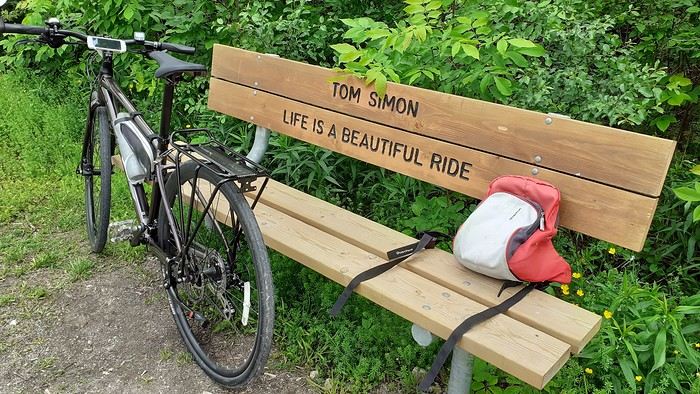
A special train with bike spaces runs almost the entire route. First along the Erie Canal to Albany, then through the Hudson Valley all the way to the tip of Manhattan. This lets you skip sections and also return to your starting point without having to take a flight. Just be aware that bike spaces need to be reserved and can fill up during peak times. In June, no problem though.
This aspect really appealed to me, since my last trip had kinda put me off biking in the US. But here, 75% on dedicated paths, plus that legendary finish in NYC with your bike—I couldn’t resist celebrating my 70th birthday this way.
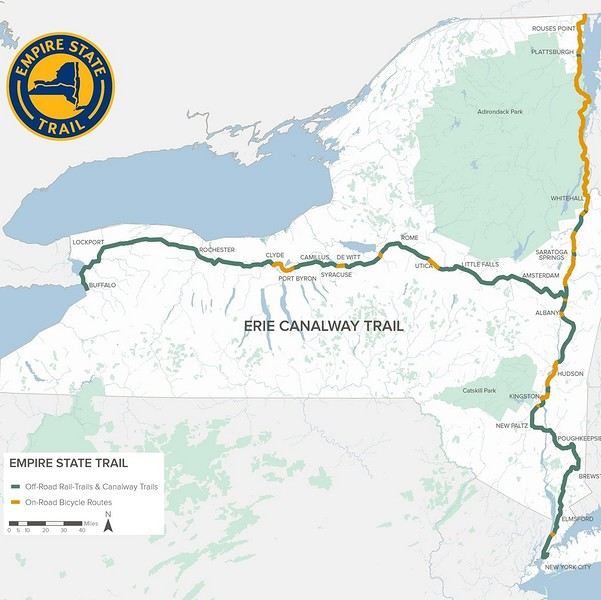 https://empiretrail.ny.gov/map
Two branches to reach NYC: from Buffalo (mostly on dedicated paths) or from Montreal (mostly on roads)
The route was developed in just three years. While it’s popular with cyclists on certain stretches near cities, those who bike the whole thing are still pretty rare.
It’s true that the scenery isn’t exactly breathtaking, and some sections—especially along the Erie Canal—can feel a bit tedious, though they’re very easy since there’s no elevation.
https://empiretrail.ny.gov/map
Two branches to reach NYC: from Buffalo (mostly on dedicated paths) or from Montreal (mostly on roads)
The route was developed in just three years. While it’s popular with cyclists on certain stretches near cities, those who bike the whole thing are still pretty rare.
It’s true that the scenery isn’t exactly breathtaking, and some sections—especially along the Erie Canal—can feel a bit tedious, though they’re very easy since there’s no elevation.
The trail starts in Buffalo, but since my bus from Toronto goes straight to Niagara, I’ll be starting at the falls instead. Plus, that’s where the direct train to NYC departs from (and arrives at).
A special train with bike spaces runs almost the entire route. First along the Erie Canal to Albany, then through the Hudson Valley all the way to the tip of Manhattan. This lets you skip sections and also return to your starting point without having to take a flight. Just be aware that bike spaces need to be reserved and can fill up during peak times. In June, no problem though.
This aspect really appealed to me, since my last trip had kinda put me off biking in the US. But here, 75% on dedicated paths, plus that legendary finish in NYC with your bike—I couldn’t resist celebrating my 70th birthday this way.
https://empiretrail.ny.gov/map
Two branches to reach NYC: from Buffalo (mostly on dedicated paths) or from Montreal (mostly on roads)
The route was developed in just three years. While it’s popular with cyclists on certain stretches near cities, those who bike the whole thing are still pretty rare.
It’s true that the scenery isn’t exactly breathtaking, and some sections—especially along the Erie Canal—can feel a bit tedious, though they’re very easy since there’s no elevation.The trail starts in Buffalo, but since my bus from Toronto goes straight to Niagara, I’ll be starting at the falls instead. Plus, that’s where the direct train to NYC departs from (and arrives at).