Results for "Brézé+|+127"
2764 results found.
Billet Sri Lanka et bons plans English translation pending
C'est bizarre ou tout le monde est en vacances ou tres peu de gens sont allés au sri lanka car je n'ai eu qu'un mess !
Donc je recherche des infos sur le sri lanka pour y partir en fev. 2005 prix approx. du billet ce qu'on doit y voir et surtout ce que l'on ne doit pas aller voir car je n'aime pas perdre mon temps en vacances !
Tous les tuyaux sont les bienvenus, merci à tous !
Donc je recherche des infos sur le sri lanka pour y partir en fev. 2005 prix approx. du billet ce qu'on doit y voir et surtout ce que l'on ne doit pas aller voir car je n'aime pas perdre mon temps en vacances !
Tous les tuyaux sont les bienvenus, merci à tous !
Quel circuit pour 7 jours au Mexique (Cancun) English translation pending
Bonjour,
J'ai un vol sec pour Cancun (Mexique) et je serai QUE 7 jours et 7 nuits sur place.
Mon vol arrive vers 18h à Cancun, je compte aussitôt (si possible) partir jusqu'a Playa Del Carmen ou Chitchenitza passer la première nuit. Qu'en pensez-vous. Je souhaiterai me poser 2 ou 3 fois 2 à 4 jours. Je pense à Tulum, l'île Mujeres, Chitchenitza.
Mon objectif est, plage, snorkeling, visite de quelques sites archéologique, balade en forêt. Quel endroit me conseillez-vous ?
Concernant les hebergements, je désire ne pas dépenser plus que 30 USD / chambre / nuit. Qu'en pensez-vous ?
Pour le déplacement, je ne sais pas encore, bus, stop, ...
Merci, mon départ est prévu pour le 9 juillet 2004. Vite... Merci.
Gilles (PartirOu.com)
J'ai un vol sec pour Cancun (Mexique) et je serai QUE 7 jours et 7 nuits sur place.
Mon vol arrive vers 18h à Cancun, je compte aussitôt (si possible) partir jusqu'a Playa Del Carmen ou Chitchenitza passer la première nuit. Qu'en pensez-vous. Je souhaiterai me poser 2 ou 3 fois 2 à 4 jours. Je pense à Tulum, l'île Mujeres, Chitchenitza.
Mon objectif est, plage, snorkeling, visite de quelques sites archéologique, balade en forêt. Quel endroit me conseillez-vous ?
Concernant les hebergements, je désire ne pas dépenser plus que 30 USD / chambre / nuit. Qu'en pensez-vous ?
Pour le déplacement, je ne sais pas encore, bus, stop, ...
Merci, mon départ est prévu pour le 9 juillet 2004. Vite... Merci.
Gilles (PartirOu.com)
C'est... English translation pending
C'est un oiseau qui délicatement se pose sur une branche, c'est une fleur qui sort de terre, c'est un ruisseau qui coule dans un son cristallin, c'est une pierre, un rocher. la pierre, mémoire vivante des siècles écoulés, que de secrets n'a-t-elle en elle, combien de pieds l'ont piétinée ou caressée... C'est le souffle du vent qui devient musique, ses notes traduisent notre pensée, c'est... C'est à portée de notre main ou de notre regard, nul besoin de partir loin, c'est là, tout prêt, il suffit d'ouvrir les yeux, d'écouter, et de se laisser fondre en Elle : la Nature, si belle et envoûtante, qui s'éveille de sa torpeur et se transforme en Déesse. Elle est là la Pureté, elle est là la Vie. La Nature nous invite à un merveilleux voyage au delà du temps...
Sandrine
Sandrine
Quoi prendre pour se relaxer en avion? English translation pending
Bonjour...
Est-ce que quelqu'un connaît le nom d'un médicament en vente livre pour vaincre l'angoisse en avion? Je n'en ai pas une très grosse peur, mais je n'aime pas les turbulences et le fait de me sentir "coinçée"... J'aimerais avoir quelque chose contre l'angoisse, même si ça me rend somnolente..
Merci😕
Diama.
Est-ce que quelqu'un connaît le nom d'un médicament en vente livre pour vaincre l'angoisse en avion? Je n'en ai pas une très grosse peur, mais je n'aime pas les turbulences et le fait de me sentir "coinçée"... J'aimerais avoir quelque chose contre l'angoisse, même si ça me rend somnolente..
Merci😕
Diama.
De retour du Sol Sirenas Coral (7 Fev. 2004) English translation pending
😉Salut,
Je suis de retour du Sol Sirenas Coral, du 31 Janvier au 7 Février 2004.
La Plage et la villégiature sur le resort sont espoustouflantes mais les chambres et la nourriture Pas mauvaises mais très ordinaires. L'animation est surtout en matinée, sur la plage. Le complexe est bien situé soit à coté du Villa Cuba et a 5 minutes du centre-ville.
Ce resort est coté 4 étoiles mais sans être mauvais, à mon avis c'est plustot un bon 3 étoiles.
A Bientot !
Cubajo
Je suis de retour du Sol Sirenas Coral, du 31 Janvier au 7 Février 2004.
La Plage et la villégiature sur le resort sont espoustouflantes mais les chambres et la nourriture Pas mauvaises mais très ordinaires. L'animation est surtout en matinée, sur la plage. Le complexe est bien situé soit à coté du Villa Cuba et a 5 minutes du centre-ville.
Ce resort est coté 4 étoiles mais sans être mauvais, à mon avis c'est plustot un bon 3 étoiles.
A Bientot !
Cubajo
Excursion Bavaro Runnes Safarie Aventure English translation pending
😊je vais à punta cana du 15 février au 29
j'ai entendu parlé d'une excursion Bavaro Runners Safarie Aventure. y-t-il quelqu'un qui connaît çà.
commentaires plus prix si possible
à bientôt
j'ai entendu parlé d'une excursion Bavaro Runners Safarie Aventure. y-t-il quelqu'un qui connaît çà.
commentaires plus prix si possible
à bientôt
grand playa turquesa a cuba English translation pending
Bonjours a tous!!!
Je suis un petit nouveau sur le site. Je vousdrais des informations sur playa turquesa a cuba je voudrais y aller fin janvier.
J'ai entendu dire qu'il y avait beaucoup de moustique ma question est la suivante (pour ceux qui sont aller) c'est tu quand même bien ou vous me déconseillé ce club car j'ai vu des photos et il me semble vraiment super beau.
Je voudrai savoir votre opinion.
Merci a tous.😉
Je suis un petit nouveau sur le site. Je vousdrais des informations sur playa turquesa a cuba je voudrais y aller fin janvier.
J'ai entendu dire qu'il y avait beaucoup de moustique ma question est la suivante (pour ceux qui sont aller) c'est tu quand même bien ou vous me déconseillé ce club car j'ai vu des photos et il me semble vraiment super beau.
Je voudrai savoir votre opinion.
Merci a tous.😉
Hôtel SuperClubs Breezes Costa verde English translation pending
Bonjour, j'aimerais avoir des commentaires de l'hôtel en général(Hôtel SuperClubs Breezes Costa verde de CUBA, holguin). Nous sommes 2 adultes dans la trentaine avec un enfant de 10 ans et allons dans cette endroit en mars 2004. Est-ce propre, Comment sont les chambres, la bouffe est-elle variée et est-ce sécuritaire? Nous sommes des gens qui aiment le repos a la plage et a la piscine. Des commentaires SVP. Bye
Vacances à Varadero English translation pending
Bonjour à vous tous,
Je suis sur le point de planifier un voyage à Varadero. J'y suis allé en 1999, donc je prévois refaire le même voyage car la dernière fois j'y suis aller avec ma mère et mes déplacements étaient limités. Maintenant j'y retourne avec mon conjoint et lui aime beaucoup visiter. Ma préférence est Varadero, 4 étoiles et plus, adulte seulement ou 16 ans et plus.
J'aimerais vos suggestion.
En 99 j'hébergais au Las Sirenas Varadero que j'ai beaucoup apprécier.
Maintenant je voudrais autre chose.
P.S. besoin suggestion d'un bon resto de fruits mer ( Langouste )
J'attend avec impatience vos commentaires
Je suis sur le point de planifier un voyage à Varadero. J'y suis allé en 1999, donc je prévois refaire le même voyage car la dernière fois j'y suis aller avec ma mère et mes déplacements étaient limités. Maintenant j'y retourne avec mon conjoint et lui aime beaucoup visiter. Ma préférence est Varadero, 4 étoiles et plus, adulte seulement ou 16 ans et plus.
J'aimerais vos suggestion.
En 99 j'hébergais au Las Sirenas Varadero que j'ai beaucoup apprécier.
Maintenant je voudrais autre chose.
P.S. besoin suggestion d'un bon resto de fruits mer ( Langouste )
J'attend avec impatience vos commentaires
Comment faites-vous pour vivre et voyager? English translation pending
🤪 Bonjour à toutes et à tous !!!!
Si jai décidé de démarrer une nouvelle discussion, c'est parce que j'ai un gros problème existenciel !
Je m'explique :
Cela fait maintenant 1 ou 2 mois que je suis menbre de ce forum et je suis devenu complètement accro : je reste des heures devant mon poste (d'ailleurs je pense que ça ne plairait pas trop à mon patron !!!) en train de lire les discussions sur n'importe quel thème, regarder les profils de chaque membre, ... et tout me fait rêver, chaque destination me donne envie d'y aller ...
Mais je me pose quand même une petite question ... 😕 COMMENT FAITES VOUS ?????? Bon, c'est vrai je n'ai que 23 ans, mais en regardant certains profils (agatha), je me rends compte que certaines personnes de mon âge ont déjà fait pas mal de voyages ... Et puis même les personnes plus âgées (30, 40 ou 50 ans), je me demande comment vous faîtes pour pouvoir partir autant. c'ets vrai vous devez avoir un boulot qui ne vous donne pas forcément la possibilité de partir 1 ou 2 mois en voyage. Et puis si vous avez des enfants, comment faîtes vous pour "bourlinguer"avec des gosses. Et au niveau financier ... Là aussi ça me fait peur. Je sais qu'en cherchant bien on peut se débrouiller pour partir pas cher (j'ai fait un week-end à Londres où le vol m'a couté pour 2 personnes 300 F aller -retour), mais si on sort un peu de l'Union Europééne, alors là, il faut aligner la monnaie. Mais bon, je me dis que si on n'a vraiment envie de partir il faut économiser et c'est tout ... En fait, je crois qu'il me faudrait plusieurs vies : - 1 vie pour avoir une super carrière profesionnelle : j'ai envie de faire pleins de choses, traviller dans une agence de voyage, dans la presse, la communication, la déco, ... - 1 vie pour m'occuper de mes futurs enfants : je veux 4 enfants, donc je pense que ça m'occupera pendant au moins toute une vie non ?!? - et bien-sur, 1 vie pour voyager : je voudrais vivre un peu dans chaque pays pour avoir le temps de découvrir chaque culture, chaque coutume, chaque religion, ... 🤪 Vous vous rendez bien compte vous aussi que je ne pourrais pas faire tout ça en 1 seule vie !!! En fait, si j'ai décidé d'écrire ce message, c'est surtout pour vous remercier, vous tous qui me font tant rêver dans ce forum avec vos multiples expériences autour du monde. 🙂 Merci et à très beintôt. Mumu
Si jai décidé de démarrer une nouvelle discussion, c'est parce que j'ai un gros problème existenciel !
Je m'explique :
Cela fait maintenant 1 ou 2 mois que je suis menbre de ce forum et je suis devenu complètement accro : je reste des heures devant mon poste (d'ailleurs je pense que ça ne plairait pas trop à mon patron !!!) en train de lire les discussions sur n'importe quel thème, regarder les profils de chaque membre, ... et tout me fait rêver, chaque destination me donne envie d'y aller ...
Mais je me pose quand même une petite question ... 😕 COMMENT FAITES VOUS ?????? Bon, c'est vrai je n'ai que 23 ans, mais en regardant certains profils (agatha), je me rends compte que certaines personnes de mon âge ont déjà fait pas mal de voyages ... Et puis même les personnes plus âgées (30, 40 ou 50 ans), je me demande comment vous faîtes pour pouvoir partir autant. c'ets vrai vous devez avoir un boulot qui ne vous donne pas forcément la possibilité de partir 1 ou 2 mois en voyage. Et puis si vous avez des enfants, comment faîtes vous pour "bourlinguer"avec des gosses. Et au niveau financier ... Là aussi ça me fait peur. Je sais qu'en cherchant bien on peut se débrouiller pour partir pas cher (j'ai fait un week-end à Londres où le vol m'a couté pour 2 personnes 300 F aller -retour), mais si on sort un peu de l'Union Europééne, alors là, il faut aligner la monnaie. Mais bon, je me dis que si on n'a vraiment envie de partir il faut économiser et c'est tout ... En fait, je crois qu'il me faudrait plusieurs vies : - 1 vie pour avoir une super carrière profesionnelle : j'ai envie de faire pleins de choses, traviller dans une agence de voyage, dans la presse, la communication, la déco, ... - 1 vie pour m'occuper de mes futurs enfants : je veux 4 enfants, donc je pense que ça m'occupera pendant au moins toute une vie non ?!? - et bien-sur, 1 vie pour voyager : je voudrais vivre un peu dans chaque pays pour avoir le temps de découvrir chaque culture, chaque coutume, chaque religion, ... 🤪 Vous vous rendez bien compte vous aussi que je ne pourrais pas faire tout ça en 1 seule vie !!! En fait, si j'ai décidé d'écrire ce message, c'est surtout pour vous remercier, vous tous qui me font tant rêver dans ce forum avec vos multiples expériences autour du monde. 🙂 Merci et à très beintôt. Mumu
Pourquoi aller en Irak et Afghanistan? English translation pending
Je suis toujours partante pour découvrir de nouveaux horizons, mais je ne comprends pas très bien l'envie de certains de se rendre dans des zones à hauts risques comme l'Irak ou l'Afghanistan... Quel est l'intérêt de partir en voyage dans des endroits où on risque de se faire tirer dessus ou de marcher sur une mine anti-personnelle? J'avoue que ça me laisse perplexe!!! Y-a-t-il des amateurs de ce genre de trips qui pourraient m'éclairer sur ce sujet?
Holguin ou Cayo Coco? English translation pending
Bonjour!
Je prévois aller à Cuba le 6 ou 7 septembre (1 semaine), mais j'hésite entre Holguin (Breezes Costa Verde ou autre) et Cayo Coco (Tryp Cayo Coco ou autre). Ce serait mon premier voyage dans le sud. J'aimerais avoir vos commentaires sur ces hôtels, surtout en fonction d'une fille de 24 ans voyageant seule, qui veut relaxer et se prélasser sur une belle plage, mais qui veut aussi rencontrer des gens intéressants (et pas seulement du monde en voyage de noces!). Quels facteurs je devrais considérer? Est-ce que 1000$ (ou 950$) tout inclus est un prix raisonnable ou si ca peut tomber beaucoup plus bas quelques jours avant le départ? Bref, si vous avez des commentaires ou suggestions, ce serait apprécié! :) Aussi, tout conseil "pratico-pratique" serait utile ! :)
MERCI!
Quel hôtel à Punta Cana? English translation pending
🤪Bonjour à tous,
Je suis nouvelle sur le site...Je part pour Punta Cana samedi prochain et je n'arrive pas à choisir mon hotel!! Je voyage pas mal et...je suis un peu difficile...Le tout pour vous demander quelques conseil sur différents hotels...J'aimerais avoir des commentaires des personnes qui ont séjournés dernièrement à l'une de ses hotels. Merci à l'avance pour votre aide... Grand Paradise Bavaro, Fiesta Palace, Flammenco, le Melia et..le Riu Tanio
Si vous avez d'autres suggestions n'ésitez pas...Merci.
Lucy
Je suis nouvelle sur le site...Je part pour Punta Cana samedi prochain et je n'arrive pas à choisir mon hotel!! Je voyage pas mal et...je suis un peu difficile...Le tout pour vous demander quelques conseil sur différents hotels...J'aimerais avoir des commentaires des personnes qui ont séjournés dernièrement à l'une de ses hotels. Merci à l'avance pour votre aide... Grand Paradise Bavaro, Fiesta Palace, Flammenco, le Melia et..le Riu Tanio
Si vous avez d'autres suggestions n'ésitez pas...Merci.
Lucy
Itinéraire 2 semaines au Costa Rica English translation pending
Bonjour,
Qui peut me suggèrer un itinéraire de 2 semaines (mer, plage, excursion tropical) au Costa Rica? Nous pensons louer un 4X4.
Merci beaucoup!
Qui peut me suggèrer un itinéraire de 2 semaines (mer, plage, excursion tropical) au Costa Rica? Nous pensons louer un 4X4.
Merci beaucoup!
Les îles Malouines English translation pending
Récit de voyage aux île Malouines (long... très long...)
(et pour voir les photos de ce voyage: http://www.mysterra.org/reportage/iles_malouines.html)
La visite des Malouines est motivée, pour la majorité des visiteurs, par l’intérêt pour la nature et la faune. Pour une plus petite partie des touristes, c’est un conflit vieux de 20 ans, mais encore étonnamment présent dans la mémoire de tous, qui attire les amateurs d’histoire.
Le premier sentiment qui frappe notre esprit c’est l’isolement, la solitude presque jusqu’à l’angoisse, la toute puissance de la nature sur l’homme, qui pour se rassurer tente de reproduire les modèles d’organisation propre à nos amis anglo-saxons où tout est codifié.
C’est aussi des îles uniquement composées de terres privées dont les droits ont été acquis, il y a plus de 100 ans. Des terres sauvages mais étroitement contrôlées où le moindre profit peut être réalisé.
Des gens simples comme des agriculteurs vivant proche de la nature, doivent depuis 1982 composer avec un développement trop rapide et artificiel: la présence militaire a permis la modernisation et l’extension des infrastructures des îles. Economiquement, l’activité traditionnelle (l’élevage de moutons pour la laine) est en perte de vitesse. A court terme la vente de licences pour la pêche industrielle fournit au Gouvernement des ressources suffisantes. A moyen terme, il ne semble pas exister d’autres possibilités que le développement du tourisme, sous quelle forme et avec quels moyens la question reste ouverte. A plus long terme l’avenir reste flou; certains rêvent aux revenus de l’or noir, sans penser aux nuisances. La prospérité de ces îles passe par la normalisation des rapports avec ses grands voisins d’Amérique du sud et l’établissement de relations commerciales. L’avenir nous le dira!
Cette société vit sans réel avenir, sous perfusion d’un état éloigné de 14’000 km, coupé d’une Amérique latine et particulièrement de l’Argentine, si proche, qui pourrait beaucoup lui apporter.
Visiter ces îles laisse beaucoup d’images fortes: de terre, de mer, de lumière, de faune mais trop peu de souvenirs de ses habitants qui se cachent derrière une identité nationale héritée d’un conflit bien actuel. Il faudrait sûrement plus de temps pour percer cette méfiance latente, elle aussi héritée de ce conflit.
Le voyage
Dès notre arrivée à l’aéroport de Brize Norton (Angleterre) et jusqu’à notre sortie de l’aérogare de Mont Pleasant aux Malouines nous sommes complètement pris en charge, dirigés, nourris et logés (à Brize Norton la nuit avant le départ et lors du transit à l’île de l’Ascension) par la Royal Air Force. Il n’est pas nécessaire de penser à quoique que ce soit, pire, penser ne ferait que nous poser des problèmes bien inutiles, nous suivons donc comme des moutons les instructions fournies par des membres de la RAF. L’impression qui subsiste est un voyage agréable avec comme seul stress la stratégie à employer pour ne pas avoir à payer de surtaxe pour le poids excessif de nos bagages (100kg)!
L’omniprésence de l’armée saute aux yeux à l’arrivée aux Malouines. Tout de suite l’histoire nous rattrape et le conflit, vieux de près de 20 ans, est bien présent. Avant d’atterrir sur l’aéroport de Mount Pleasant, nous sommes escortés par deux jets “tornado” qui vont nous accompagner pour les 15 dernières minutes de vol. A peine foulé le sol des Malouines et avant les formalités douanières, un sergent de la RAF nous informe des dangers des mines et autres munitions qui peuvent encore être présentes sur l’île. Il est intéressant de savoir que cette mise en garde très militaire n’est faite qu’aux voyageurs arrivant avec le Tristar de la RAF et non à ceux en provenance du Chili (avec Lan Chile)! En fait, nous supposons que ces informations sont surtout destinée aux soldats qui constituent la majorité des passagers de l’avion. Pour nous l’ambiance est quand même un peu particulière et nous montre bien que ces îles vivent encore dans la réalité du conflit anglo-argentin.
Premières impressions
Sur la route entre Mont Pleasant et la “ville” de Stanley, nous prenons enfin conscience d’être arrivés. Le temps est gris et la température fraîche. L’isolement de ces îles au bout du monde engendre presque de l’angoisse et des questions du genre “que va-t-on bien pouvoir faire pendant trois semaines ici?” ou “était-ce vraiment une bonne idée de venir ici?”. De plus cette route est interminable, le seul décor des paysages arides et monotones augmente la sensation de terre perdue et de désolation. On se demande aussi ce qui a bien pu pousser des hommes à venir se battre dans cette région, il y a 20 ans. Rien ici ne peut attiser la convoitise, la nature sauvage pousserait plutôt l’homme à s’unir pour survivre.
Stanley, la capitale de 2’000 habitants est très calme, presque déserte, mais bien organisée, trop peut être. Des interdits, des signaux de danger partout, une police bon enfant mais très présente. Une micro-société impersonnelle est qui semble, de prime abord, impénétrable. Dans la baie, plusieurs épaves, vestiges d'un port beaucoup plus actif, renforce l'atmosphère assez sinistre du site. Plus loin, étrange surprise, dans la vitrine d’un commerce un texte écrit en grosses lettres sur une pancarte s’adresse au peuple argentin, comme si le conflit ne s’était terminé que la veille. Un pamphlet qui invite les Argentins à rester chez eux, tant que leur gouvernement et la population n’aura pas officiellement reconnu la souveraineté britannique sur les îles Malouines. Cette pancarte est-elle le fait d’un individu isolé ou alors le reflet de la mentalité qui règne ici? Une chose est sûre, vu le nombre de drapeaux britanniques flottants à Stanley, l’attachement et le patriotisme de la population envers la Grande-Bretagne est évident, mais quel est le degré de tolérance vis-à-vis de l’Argentine?
Rencontre avec les gens
Pas facile ! Bien que petite, cette société a ses propres règles, elle considère le touriste plus comme une vache à lait que comme un partenaire avec qui l’on peut partagé un moment de vie (cette remarque est d’ailleurs aussi applicable à certaines régions de notre pays!). Cette impression nous l’avions déjà eue lors de nos contacts par Internet pour la préparation du voyage. La majorité de ces contacts n’étaient que commerciaux et pas faciles. Il semble que peu d’autochtones aient la bosse des affaires et du tourisme.
Si cette difficulté d’approche resta présente lors de tout notre séjour, elle nous permit d’apprécier d’autant plus nos rencontres avec des personnes qui tranchent complètement avec l’impression générale. Nous ne pouvons ici que remercier ces personnes et conseiller à tous les futurs visiteurs de conserver un peu de temps pour les rencontrer. Kay, cette grand-mère qui tient un Bed&Breakfast, accueille ses hôtes sans affectation, avec une simplicité qui met tout le monde à l’aise dès les premières minutes. Mick, le plongeur, et ses amis qui sans nous connaître nous prêteront un matériel très onéreux sans aucune hésitation. Nick, l’agriculteur qui nous reçoit avec enthousiasme et nous ouvre ses terres, alors que d’autres ont fait du droit de passage leur principal revenu. Robin, en pleine tonte de moutons, n’hésitera pas à nous consacrer du temps pour nous expliquer avec chaleur son activité, ses difficultés et ses projets. Mais aussi d’autres rencontres, plus brèves, avec des gens accueillants et ravis de pouvoir échanger quelques paroles avec des étrangers. Après avoir rencontrés toutes ces personnes nous constatons l'existence de deux types de mentalités opposées: l’une liée à des valeurs de simplicité et de spontanéité, l’autre obnubilée par l'exploitation mercantile des touristes.
Découverte des terres
Notre première exploration se déroule sur la “presque-île” à l’Est de Stanley. Etonnant d’observer sur une si petite surface (environ 7 kilomètres de longueur sur 2 kilomètres de largeur) une telle variété de paysages: terres arides, champs d'herbe ou de broussaille, étangs, rochers, falaises, plages et dunes de sable.
De grandes plages de sable blanc donnent à cet endroit un petit air paradisiaque, il ne manque que les palmiers. Malheureusement, elles ne sont pas accessibles, les Argentins craignant un débarquement anglais aux alentours de Stanley les ont truffées des mines lors du conflit de 1982. Toutes sont clairement signalées et clôturées et ne semblent pas poser de problème à la population.
La découverte du trois mats “Lady Elisabeth” nous fait faire un bond dans le passé. Jadis, au temps de la marine à voile, Stanley était un port d’intense activité. Une escale, d’où l’on embarquait des vivres frais, mais aussi un terminus pour les navires venus s’échouer dans un état déplorable, après avoir lutté des semaines pour franchir le Cap Horn. Aujourd’hui, en témoignage de cette époque, de nombreuses épaves jonchent les côtes des Malouines. Un parfum d’aventure hante chacun de ces navires. Explorer ces carcasses de rouille chatoyante et découvrir leur histoire rocambolesque est une expérience inoubliable.
En s’éloignant de Stanley et des côtes, les paysages dans les terres deviennent plus monotones. Landes en fleurs et pâturages d’un vert éclatant donnent aux Malouines un petit air d’Irlande. Nous roulons des heures sans croiser le moindre véhicule et sans apercevoir âme qui vive. Sensation d’être les seules personnes en vie dans cet immense paysage mais ceci toujours dans un sentiment de totale sécurité, lequel est malheureusement de plus en plus rare dans notre monde.
A l’approche d’une colonie de fermes (“settlement”) perdues au milieu de nullepart, l’élevage des moutons prédomine. Ces animaux peureux broutent en toute liberté l’herbes des plaines jusqu’au bord des côtes, quelque fois en compagnie de manchots. Les fermes sont modestes et semblent d’une autre époque mais les domaines sont si grands que les bergers se déplacent à moto, en quad ou à l’aide de 4x4.
Lors de nos explorations dans les terres nous constatons que le réseau routier est limité et que l’état des pistes impose un véhicule 4x4. La solitude des grands espaces balayés par les vents est notre compagne de voyage. Où se cachent donc les gens? Certains “settlements” nous offrent un spectacle de désolation, bâtiments délabrés et habitants invisibles, véritable ville fantôme! Les îles portent encore les cicatrices du conflit de 1982, à tout moments des symboles de cette guerre, qui refuse de se faire oublier, sont bien présents: monuments, cimetières, carcasses d’avions, d’hélicoptères et plus de 150 champs de mines protégés par des barbelés.
Découverte de la faune
Si un animal devait figurer sur le drapeau des Malouines se serait sans hésitation le manchot. On le trouve un peu partout sur l'île où son observation est toujours un plaisir rafraîchissant. Mais ce n'est de loin pas sur la plage qu'il est le plus présent, il est le sujet incontournable de toutes les conversations. Gare à celui qui n'aura pas révisé son manuel d'ornithologie car il sera vite perdu dans les discussions d'initiés entre ornithologues professionnels et amateurs. L'ornithologue est d'ailleurs en nombre la deuxième “espèce” vivant sur les îles et la seule qui ne soit pas menacée d'extinction! Plus sérieusement, les Malouines offrent une occasion exceptionnelle d'observer des animaux comme les lions de mer, éléphants de mer, manchots, cormorans et albatros pour ne citer que les plus connus. La relative difficulté d'accès - la plupart des colonies se trouvent soit dans des lieux éloignés des routes soit sur de petites Îles atteignables uniquement par avion - limite le nombre de touristes et permet d'approcher en toute tranquillité une faune peu méfiante.
En arrivant aux Malouines nous pensions trouver des manchots partout. En réalité, mis à part la réserve de Gypsy Cove, proche de Stanley, la faune se cache dans des lieux éloignés et difficilement accessibles. Pour l’observer un puissant 4x4 ou un bateau s’impose; à notre grand regret, notre petite jeep Suzuki, pourtant très maniable, ne suffira pas. Le désir d’observer la plus grande colonie de manchots royaux des Malouines, située à Volunteer Point, nous a obligés à louer les services d’un chauffeur et de son véhicule. Lors de cette excursion pour une des destinations les plus touristiques de l’île nous avons eu l’occasion d’assister à un événement assez insolite: ce matin-là, trois véhicules doivent se rendre à Volunteer Point, mais les trois chauffeurs n’ont pas eu l’idée d’organiser un déplacement en commun. Bob, notre guide, a même fait venir son fils avec un deuxième véhicule pour nous dépanner en cas d’embourbement. Ce n’est qu’après deux heures de route et de nombreuses discussions par radio que les 3 chauffeurs décident de s’attendre et de se regrouper! Sagesse bien récompensée puisqu’au retour chaque véhicule s’enlisa à tour de rôle. Sans l’aide d’un deuxième véhicule nous serions encore en train d’essayer d’extraire notre jeep d’un terrain complètement détrempé. Cette anecdote démontre bien que l’organisation du tourisme s’avère défaillante et irrationnelle.
Bien que Volunteer Point soit d’un intérêt certain, le fait de dépendre d’une tierce personne pour s’y rendre, réduit considérablement notre liberté d’action: horaire à respecter, lieu d’arrivée imposé, temps sur place trop court pour bien explorer la région et dépendance d’une météo capricieuse sans possibilité d’annuler ou de repousser l’excursion. L’idéal aurait été de séjourner quelques jours sur place, mais le seul toit pouvant nous abriter est loué à des prix totalement prohibitifs par les propriétaires des lieux, qui soit dit en passant demandent déjà un droit de passage de 10£ par personne (chauffeur compris!) juste pour traverser leurs terres. La seule solution est, comme l’a expérimenté un couple de Français rencontré sur place, le camping. Au vu de l’état déplorable de nos deux amis et de leur matériel, il était difficilement envisageable d’exposer notre équipement photo et vidéo aux violentes intempéries.
Revenons à nos moutons, ou plutôt à nos manchots! Pour observer en toute liberté la faune des Malouines, un séjour sur une petite île éloignée s’avère être la solution idéale. Nous avons eu la chance de nous rendre sur l’île de Sealion. Après avoir survolé quelques bras de mer dans notre petit avion de la “Figas”, nous arrivons à l’extrémité sud de l’archipel. Quelques sueurs à l’attérissage sur une piste de terre et nous voilà déjà en train de parcourir cette petite île de sept kilomètres de long sur environ deux de large. Sept habitants, une quinzaine de touristes et des milliers d’animaux.
Pendant notre séjour, nous allons découvrir à quelques pas de notre confortable logement une faune surprenante. De nombreux oiseaux dont le “caracara austral”, ce rapace, d’une agilité et rapidité saisissante, prendra un malin plaisir à nous voler nos bonnets. Parmi trois espèces de manchots, le “papou” est notre favori, assez méfiant, il nous observe prêt à déguerpir clopin-clopant vers l’océan. Mais si nous nous couchons immobiles sur le sol, il accourt, curieux d’observer ces étranges créatures que nous sommes. Une fois extirpé d’un champ de “tussock” (une touffe d’herbe des îles sub-antarctiques), nous marchons le long d’une falaise érodée par les vents et la puissance de la mer. Le paysage est très beau, sauvage et aride. Au bas des falaises, des lions de mer menaçants nous observent. Ce grand phoque mérite bien son nom: crinière imposante, rapidité étonnante et rugissement tonitruant. Pas question d’entrer dans leur territoire, ils protègent leurs petits. Sealion Island devrait plutôt se nommer Elephant Seal Island, en raison du nombre considérable d’éléphants de mer présents sur cette île. Impressionnants par leur poids mais attachants par leurs attitudes, les éléphants de mer sont très amusants à observer. Couchés dans l’eau ou dans le sable, ils se grattent avec délicatesse en prenant des attitudes très humaines! Sous ses airs de gros pataud on découvre un animal sensible, quelquefois timide ou même peureux.
Sealion offre un très bel aperçu de la faune des Malouines, la proximité des colonies d’animaux en fait un lieu idéal d’observation. Les quatre jours passés sur cette île nous ont suffi pour effectuer la quasi totalité des photos animalières, preuve de la richesse des lieux.
Conclusion
Lors de notre départ, sur le chemin de l’aéroport, nous redécouvrons la route qui nous amena 20 jours plus tôt à Stanley. La sensations de malaise a disparu, des sentiments de bonheur et des regrets persistent. La découverte de ces terres inconnues et de leur faune exceptionnelle nous a procuré d’intenses moments d’émotion. Les regrets sont aussi présents: trop peu de souvenirs de leurs habitants. Une organisation différente de notre voyage aurait peut-être permis une meilleure approche des autochtones, mais comment le deviner avant, si ce n’est avec l’aide des organismes de tourisme installés sur place ou en Angleterre? Malheureusement, ceux-ci considèrent les Malouines comme une terre intéressante à visiter pour sa nature et sa faune, et non pour ses habitants au mode de vie trop proche de notre monde occidental. Et s’ils avaient raison?
Vous avez lu jusqu'au bout?!? Merci!!!
😉
Fabrice
(et pour voir les photos de ce voyage: http://www.mysterra.org/reportage/iles_malouines.html)
La visite des Malouines est motivée, pour la majorité des visiteurs, par l’intérêt pour la nature et la faune. Pour une plus petite partie des touristes, c’est un conflit vieux de 20 ans, mais encore étonnamment présent dans la mémoire de tous, qui attire les amateurs d’histoire.
Le premier sentiment qui frappe notre esprit c’est l’isolement, la solitude presque jusqu’à l’angoisse, la toute puissance de la nature sur l’homme, qui pour se rassurer tente de reproduire les modèles d’organisation propre à nos amis anglo-saxons où tout est codifié.
C’est aussi des îles uniquement composées de terres privées dont les droits ont été acquis, il y a plus de 100 ans. Des terres sauvages mais étroitement contrôlées où le moindre profit peut être réalisé.
Des gens simples comme des agriculteurs vivant proche de la nature, doivent depuis 1982 composer avec un développement trop rapide et artificiel: la présence militaire a permis la modernisation et l’extension des infrastructures des îles. Economiquement, l’activité traditionnelle (l’élevage de moutons pour la laine) est en perte de vitesse. A court terme la vente de licences pour la pêche industrielle fournit au Gouvernement des ressources suffisantes. A moyen terme, il ne semble pas exister d’autres possibilités que le développement du tourisme, sous quelle forme et avec quels moyens la question reste ouverte. A plus long terme l’avenir reste flou; certains rêvent aux revenus de l’or noir, sans penser aux nuisances. La prospérité de ces îles passe par la normalisation des rapports avec ses grands voisins d’Amérique du sud et l’établissement de relations commerciales. L’avenir nous le dira!
Cette société vit sans réel avenir, sous perfusion d’un état éloigné de 14’000 km, coupé d’une Amérique latine et particulièrement de l’Argentine, si proche, qui pourrait beaucoup lui apporter.
Visiter ces îles laisse beaucoup d’images fortes: de terre, de mer, de lumière, de faune mais trop peu de souvenirs de ses habitants qui se cachent derrière une identité nationale héritée d’un conflit bien actuel. Il faudrait sûrement plus de temps pour percer cette méfiance latente, elle aussi héritée de ce conflit.
Le voyage
Dès notre arrivée à l’aéroport de Brize Norton (Angleterre) et jusqu’à notre sortie de l’aérogare de Mont Pleasant aux Malouines nous sommes complètement pris en charge, dirigés, nourris et logés (à Brize Norton la nuit avant le départ et lors du transit à l’île de l’Ascension) par la Royal Air Force. Il n’est pas nécessaire de penser à quoique que ce soit, pire, penser ne ferait que nous poser des problèmes bien inutiles, nous suivons donc comme des moutons les instructions fournies par des membres de la RAF. L’impression qui subsiste est un voyage agréable avec comme seul stress la stratégie à employer pour ne pas avoir à payer de surtaxe pour le poids excessif de nos bagages (100kg)!
L’omniprésence de l’armée saute aux yeux à l’arrivée aux Malouines. Tout de suite l’histoire nous rattrape et le conflit, vieux de près de 20 ans, est bien présent. Avant d’atterrir sur l’aéroport de Mount Pleasant, nous sommes escortés par deux jets “tornado” qui vont nous accompagner pour les 15 dernières minutes de vol. A peine foulé le sol des Malouines et avant les formalités douanières, un sergent de la RAF nous informe des dangers des mines et autres munitions qui peuvent encore être présentes sur l’île. Il est intéressant de savoir que cette mise en garde très militaire n’est faite qu’aux voyageurs arrivant avec le Tristar de la RAF et non à ceux en provenance du Chili (avec Lan Chile)! En fait, nous supposons que ces informations sont surtout destinée aux soldats qui constituent la majorité des passagers de l’avion. Pour nous l’ambiance est quand même un peu particulière et nous montre bien que ces îles vivent encore dans la réalité du conflit anglo-argentin.
Premières impressions
Sur la route entre Mont Pleasant et la “ville” de Stanley, nous prenons enfin conscience d’être arrivés. Le temps est gris et la température fraîche. L’isolement de ces îles au bout du monde engendre presque de l’angoisse et des questions du genre “que va-t-on bien pouvoir faire pendant trois semaines ici?” ou “était-ce vraiment une bonne idée de venir ici?”. De plus cette route est interminable, le seul décor des paysages arides et monotones augmente la sensation de terre perdue et de désolation. On se demande aussi ce qui a bien pu pousser des hommes à venir se battre dans cette région, il y a 20 ans. Rien ici ne peut attiser la convoitise, la nature sauvage pousserait plutôt l’homme à s’unir pour survivre.
Stanley, la capitale de 2’000 habitants est très calme, presque déserte, mais bien organisée, trop peut être. Des interdits, des signaux de danger partout, une police bon enfant mais très présente. Une micro-société impersonnelle est qui semble, de prime abord, impénétrable. Dans la baie, plusieurs épaves, vestiges d'un port beaucoup plus actif, renforce l'atmosphère assez sinistre du site. Plus loin, étrange surprise, dans la vitrine d’un commerce un texte écrit en grosses lettres sur une pancarte s’adresse au peuple argentin, comme si le conflit ne s’était terminé que la veille. Un pamphlet qui invite les Argentins à rester chez eux, tant que leur gouvernement et la population n’aura pas officiellement reconnu la souveraineté britannique sur les îles Malouines. Cette pancarte est-elle le fait d’un individu isolé ou alors le reflet de la mentalité qui règne ici? Une chose est sûre, vu le nombre de drapeaux britanniques flottants à Stanley, l’attachement et le patriotisme de la population envers la Grande-Bretagne est évident, mais quel est le degré de tolérance vis-à-vis de l’Argentine?
Rencontre avec les gens
Pas facile ! Bien que petite, cette société a ses propres règles, elle considère le touriste plus comme une vache à lait que comme un partenaire avec qui l’on peut partagé un moment de vie (cette remarque est d’ailleurs aussi applicable à certaines régions de notre pays!). Cette impression nous l’avions déjà eue lors de nos contacts par Internet pour la préparation du voyage. La majorité de ces contacts n’étaient que commerciaux et pas faciles. Il semble que peu d’autochtones aient la bosse des affaires et du tourisme.
Si cette difficulté d’approche resta présente lors de tout notre séjour, elle nous permit d’apprécier d’autant plus nos rencontres avec des personnes qui tranchent complètement avec l’impression générale. Nous ne pouvons ici que remercier ces personnes et conseiller à tous les futurs visiteurs de conserver un peu de temps pour les rencontrer. Kay, cette grand-mère qui tient un Bed&Breakfast, accueille ses hôtes sans affectation, avec une simplicité qui met tout le monde à l’aise dès les premières minutes. Mick, le plongeur, et ses amis qui sans nous connaître nous prêteront un matériel très onéreux sans aucune hésitation. Nick, l’agriculteur qui nous reçoit avec enthousiasme et nous ouvre ses terres, alors que d’autres ont fait du droit de passage leur principal revenu. Robin, en pleine tonte de moutons, n’hésitera pas à nous consacrer du temps pour nous expliquer avec chaleur son activité, ses difficultés et ses projets. Mais aussi d’autres rencontres, plus brèves, avec des gens accueillants et ravis de pouvoir échanger quelques paroles avec des étrangers. Après avoir rencontrés toutes ces personnes nous constatons l'existence de deux types de mentalités opposées: l’une liée à des valeurs de simplicité et de spontanéité, l’autre obnubilée par l'exploitation mercantile des touristes.
Découverte des terres
Notre première exploration se déroule sur la “presque-île” à l’Est de Stanley. Etonnant d’observer sur une si petite surface (environ 7 kilomètres de longueur sur 2 kilomètres de largeur) une telle variété de paysages: terres arides, champs d'herbe ou de broussaille, étangs, rochers, falaises, plages et dunes de sable.
De grandes plages de sable blanc donnent à cet endroit un petit air paradisiaque, il ne manque que les palmiers. Malheureusement, elles ne sont pas accessibles, les Argentins craignant un débarquement anglais aux alentours de Stanley les ont truffées des mines lors du conflit de 1982. Toutes sont clairement signalées et clôturées et ne semblent pas poser de problème à la population.
La découverte du trois mats “Lady Elisabeth” nous fait faire un bond dans le passé. Jadis, au temps de la marine à voile, Stanley était un port d’intense activité. Une escale, d’où l’on embarquait des vivres frais, mais aussi un terminus pour les navires venus s’échouer dans un état déplorable, après avoir lutté des semaines pour franchir le Cap Horn. Aujourd’hui, en témoignage de cette époque, de nombreuses épaves jonchent les côtes des Malouines. Un parfum d’aventure hante chacun de ces navires. Explorer ces carcasses de rouille chatoyante et découvrir leur histoire rocambolesque est une expérience inoubliable.
En s’éloignant de Stanley et des côtes, les paysages dans les terres deviennent plus monotones. Landes en fleurs et pâturages d’un vert éclatant donnent aux Malouines un petit air d’Irlande. Nous roulons des heures sans croiser le moindre véhicule et sans apercevoir âme qui vive. Sensation d’être les seules personnes en vie dans cet immense paysage mais ceci toujours dans un sentiment de totale sécurité, lequel est malheureusement de plus en plus rare dans notre monde.
A l’approche d’une colonie de fermes (“settlement”) perdues au milieu de nullepart, l’élevage des moutons prédomine. Ces animaux peureux broutent en toute liberté l’herbes des plaines jusqu’au bord des côtes, quelque fois en compagnie de manchots. Les fermes sont modestes et semblent d’une autre époque mais les domaines sont si grands que les bergers se déplacent à moto, en quad ou à l’aide de 4x4.
Lors de nos explorations dans les terres nous constatons que le réseau routier est limité et que l’état des pistes impose un véhicule 4x4. La solitude des grands espaces balayés par les vents est notre compagne de voyage. Où se cachent donc les gens? Certains “settlements” nous offrent un spectacle de désolation, bâtiments délabrés et habitants invisibles, véritable ville fantôme! Les îles portent encore les cicatrices du conflit de 1982, à tout moments des symboles de cette guerre, qui refuse de se faire oublier, sont bien présents: monuments, cimetières, carcasses d’avions, d’hélicoptères et plus de 150 champs de mines protégés par des barbelés.
Découverte de la faune
Si un animal devait figurer sur le drapeau des Malouines se serait sans hésitation le manchot. On le trouve un peu partout sur l'île où son observation est toujours un plaisir rafraîchissant. Mais ce n'est de loin pas sur la plage qu'il est le plus présent, il est le sujet incontournable de toutes les conversations. Gare à celui qui n'aura pas révisé son manuel d'ornithologie car il sera vite perdu dans les discussions d'initiés entre ornithologues professionnels et amateurs. L'ornithologue est d'ailleurs en nombre la deuxième “espèce” vivant sur les îles et la seule qui ne soit pas menacée d'extinction! Plus sérieusement, les Malouines offrent une occasion exceptionnelle d'observer des animaux comme les lions de mer, éléphants de mer, manchots, cormorans et albatros pour ne citer que les plus connus. La relative difficulté d'accès - la plupart des colonies se trouvent soit dans des lieux éloignés des routes soit sur de petites Îles atteignables uniquement par avion - limite le nombre de touristes et permet d'approcher en toute tranquillité une faune peu méfiante.
En arrivant aux Malouines nous pensions trouver des manchots partout. En réalité, mis à part la réserve de Gypsy Cove, proche de Stanley, la faune se cache dans des lieux éloignés et difficilement accessibles. Pour l’observer un puissant 4x4 ou un bateau s’impose; à notre grand regret, notre petite jeep Suzuki, pourtant très maniable, ne suffira pas. Le désir d’observer la plus grande colonie de manchots royaux des Malouines, située à Volunteer Point, nous a obligés à louer les services d’un chauffeur et de son véhicule. Lors de cette excursion pour une des destinations les plus touristiques de l’île nous avons eu l’occasion d’assister à un événement assez insolite: ce matin-là, trois véhicules doivent se rendre à Volunteer Point, mais les trois chauffeurs n’ont pas eu l’idée d’organiser un déplacement en commun. Bob, notre guide, a même fait venir son fils avec un deuxième véhicule pour nous dépanner en cas d’embourbement. Ce n’est qu’après deux heures de route et de nombreuses discussions par radio que les 3 chauffeurs décident de s’attendre et de se regrouper! Sagesse bien récompensée puisqu’au retour chaque véhicule s’enlisa à tour de rôle. Sans l’aide d’un deuxième véhicule nous serions encore en train d’essayer d’extraire notre jeep d’un terrain complètement détrempé. Cette anecdote démontre bien que l’organisation du tourisme s’avère défaillante et irrationnelle.
Bien que Volunteer Point soit d’un intérêt certain, le fait de dépendre d’une tierce personne pour s’y rendre, réduit considérablement notre liberté d’action: horaire à respecter, lieu d’arrivée imposé, temps sur place trop court pour bien explorer la région et dépendance d’une météo capricieuse sans possibilité d’annuler ou de repousser l’excursion. L’idéal aurait été de séjourner quelques jours sur place, mais le seul toit pouvant nous abriter est loué à des prix totalement prohibitifs par les propriétaires des lieux, qui soit dit en passant demandent déjà un droit de passage de 10£ par personne (chauffeur compris!) juste pour traverser leurs terres. La seule solution est, comme l’a expérimenté un couple de Français rencontré sur place, le camping. Au vu de l’état déplorable de nos deux amis et de leur matériel, il était difficilement envisageable d’exposer notre équipement photo et vidéo aux violentes intempéries.
Revenons à nos moutons, ou plutôt à nos manchots! Pour observer en toute liberté la faune des Malouines, un séjour sur une petite île éloignée s’avère être la solution idéale. Nous avons eu la chance de nous rendre sur l’île de Sealion. Après avoir survolé quelques bras de mer dans notre petit avion de la “Figas”, nous arrivons à l’extrémité sud de l’archipel. Quelques sueurs à l’attérissage sur une piste de terre et nous voilà déjà en train de parcourir cette petite île de sept kilomètres de long sur environ deux de large. Sept habitants, une quinzaine de touristes et des milliers d’animaux.
Pendant notre séjour, nous allons découvrir à quelques pas de notre confortable logement une faune surprenante. De nombreux oiseaux dont le “caracara austral”, ce rapace, d’une agilité et rapidité saisissante, prendra un malin plaisir à nous voler nos bonnets. Parmi trois espèces de manchots, le “papou” est notre favori, assez méfiant, il nous observe prêt à déguerpir clopin-clopant vers l’océan. Mais si nous nous couchons immobiles sur le sol, il accourt, curieux d’observer ces étranges créatures que nous sommes. Une fois extirpé d’un champ de “tussock” (une touffe d’herbe des îles sub-antarctiques), nous marchons le long d’une falaise érodée par les vents et la puissance de la mer. Le paysage est très beau, sauvage et aride. Au bas des falaises, des lions de mer menaçants nous observent. Ce grand phoque mérite bien son nom: crinière imposante, rapidité étonnante et rugissement tonitruant. Pas question d’entrer dans leur territoire, ils protègent leurs petits. Sealion Island devrait plutôt se nommer Elephant Seal Island, en raison du nombre considérable d’éléphants de mer présents sur cette île. Impressionnants par leur poids mais attachants par leurs attitudes, les éléphants de mer sont très amusants à observer. Couchés dans l’eau ou dans le sable, ils se grattent avec délicatesse en prenant des attitudes très humaines! Sous ses airs de gros pataud on découvre un animal sensible, quelquefois timide ou même peureux.
Sealion offre un très bel aperçu de la faune des Malouines, la proximité des colonies d’animaux en fait un lieu idéal d’observation. Les quatre jours passés sur cette île nous ont suffi pour effectuer la quasi totalité des photos animalières, preuve de la richesse des lieux.
Conclusion
Lors de notre départ, sur le chemin de l’aéroport, nous redécouvrons la route qui nous amena 20 jours plus tôt à Stanley. La sensations de malaise a disparu, des sentiments de bonheur et des regrets persistent. La découverte de ces terres inconnues et de leur faune exceptionnelle nous a procuré d’intenses moments d’émotion. Les regrets sont aussi présents: trop peu de souvenirs de leurs habitants. Une organisation différente de notre voyage aurait peut-être permis une meilleure approche des autochtones, mais comment le deviner avant, si ce n’est avec l’aide des organismes de tourisme installés sur place ou en Angleterre? Malheureusement, ceux-ci considèrent les Malouines comme une terre intéressante à visiter pour sa nature et sa faune, et non pour ses habitants au mode de vie trop proche de notre monde occidental. Et s’ils avaient raison?
Vous avez lu jusqu'au bout?!? Merci!!!
😉
Fabrice
Discussion thread on the May 2026 theme: Staircases
If you’ve already posted your three photos in the contest thread Staircases: May 2026 Photo Contest Theme and a fourth one comes to mind, you can ease your staircase obsession here.
A few examples of staircases:
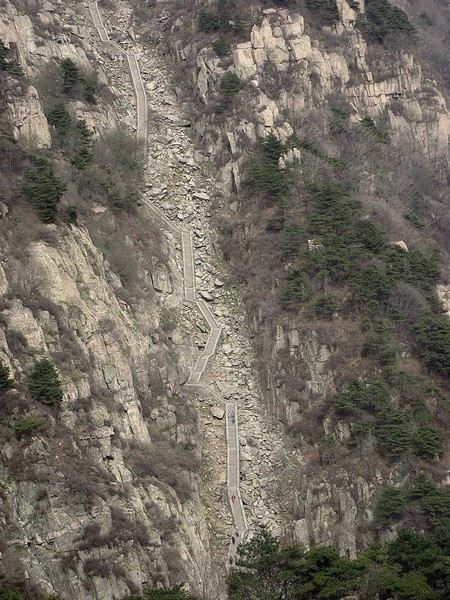
Some of the 6,600 steps on the staircase leading to the summit of Jade Emperor Peak at 1,545 meters.
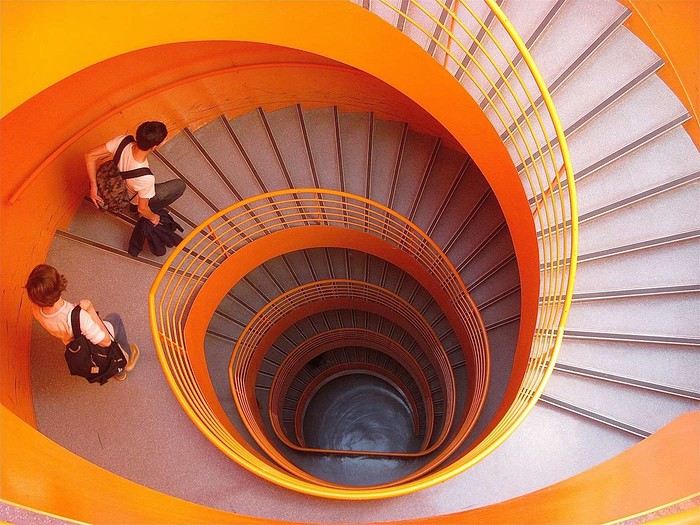
Emergency staircase at the Orléans library (France).
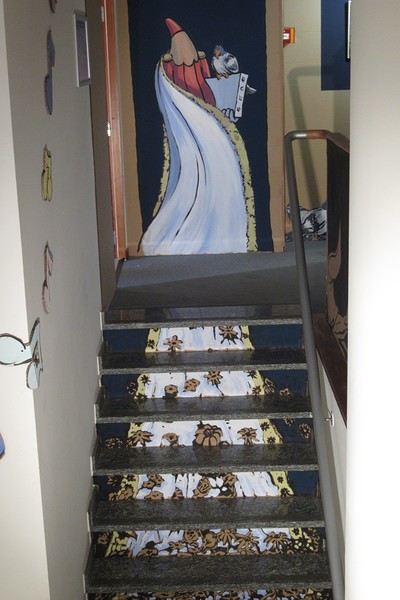
Brussels street artist Créons incorporates the staircase into the dress design of his character.
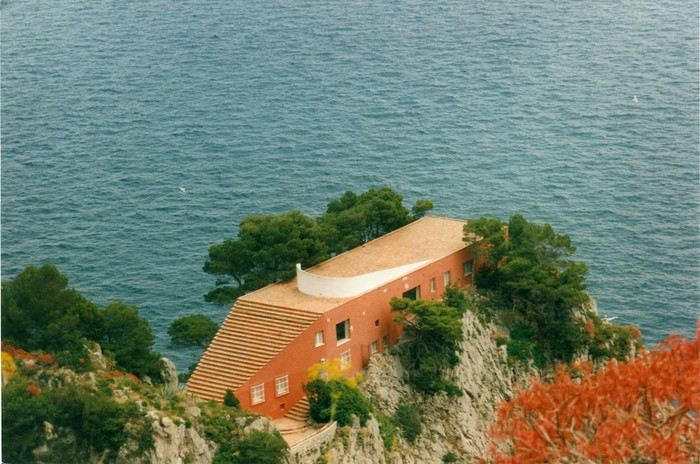
The staircase is part of the roof of Villa Malaparte (Adalberto Libera) on the island of Capri (Italy).
A few examples of staircases:
Some of the 6,600 steps on the staircase leading to the summit of Jade Emperor Peak at 1,545 meters.
Emergency staircase at the Orléans library (France).
Brussels street artist Créons incorporates the staircase into the dress design of his character.
The staircase is part of the roof of Villa Malaparte (Adalberto Libera) on the island of Capri (Italy).
One-month road trip in Namibia
Here we go—finally, the big day has arrived! A trip the whole family (my two kids, my husband, and me) had been looking forward to for so long.
To keep it short, we left from Nice, arrived in Namibia on June 25, 2025, and left again on the 21st—four weeks later.
We used an agency for all the camping reservations, activities, and the car rental. At least that side of things was taken care of. Michaël was our contact throughout the planning and the trip itself.
We spent our first night at Londiningi BB. A bit out of the city center but very quiet. The rooms were spacious and clean, and we could eat on-site that evening. Perfect for recovering from the flight.
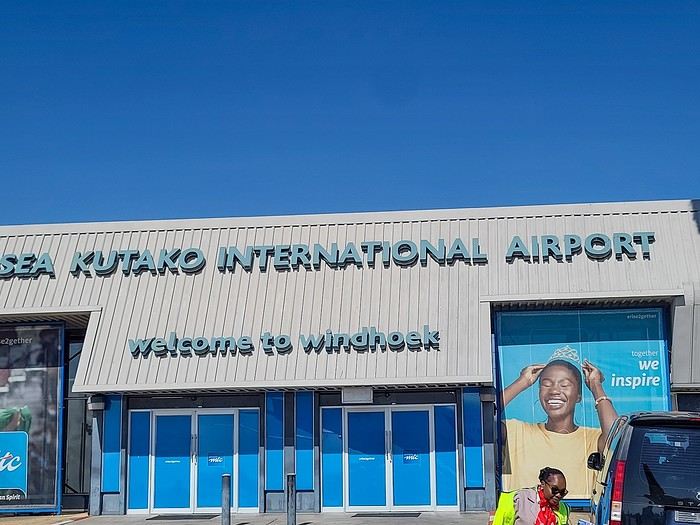
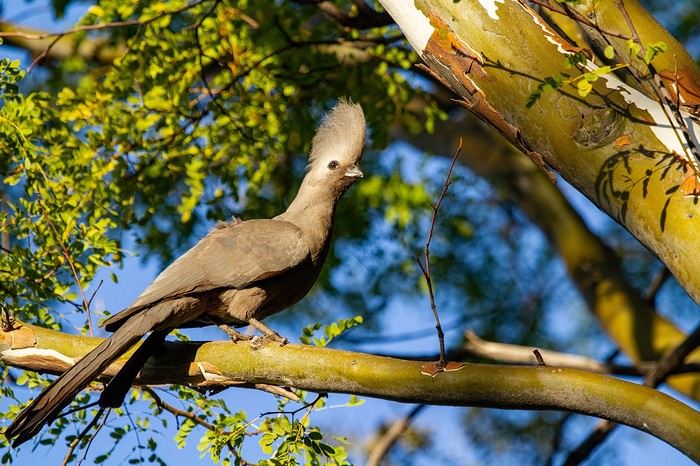
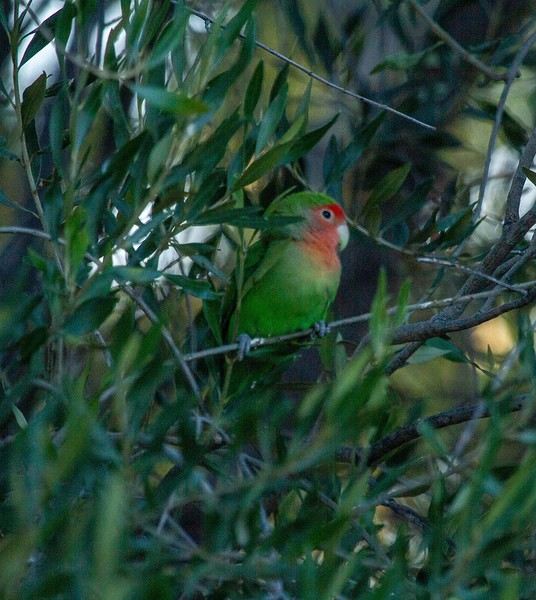
We spent our first night at Londiningi BB. A bit out of the city center but very quiet. The rooms were spacious and clean, and we could eat on-site that evening. Perfect for recovering from the flight.
From the Awakening to Travel to Morocco in the 90s
As I’ve mentioned elsewhere, I inherited my love of travel from my parents and some of my grandparents. A strong passion, but one that was unfortunately limited by our family’s modest resources. Back then, living in northern Alsace, a simple trip to the southern part of the region—with the Wine Route as our destination—felt like an extraordinary journey to a land of plenty for the little boy I was in the late 60s and early 70s.
Everything seemed so huge when you were still just a kid.
Back then, I was overwhelmed by countless sensations—I was already highly sensitive, with a keen mind and a nose and taste buds that were developing like a pro’s. Which, as I’d later realize, wasn’t always an advantage.
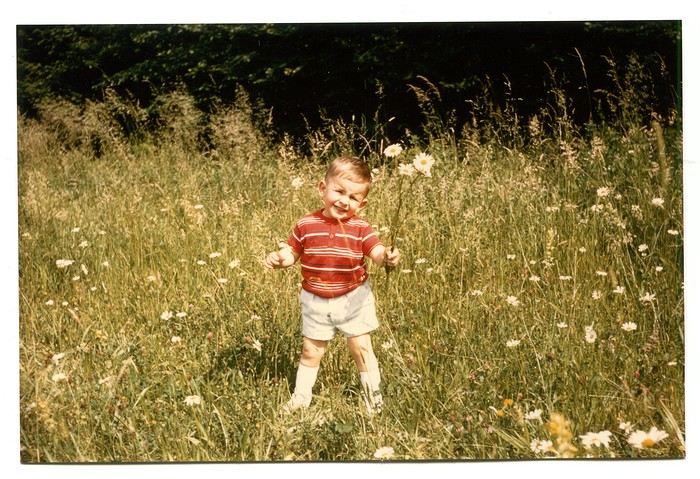
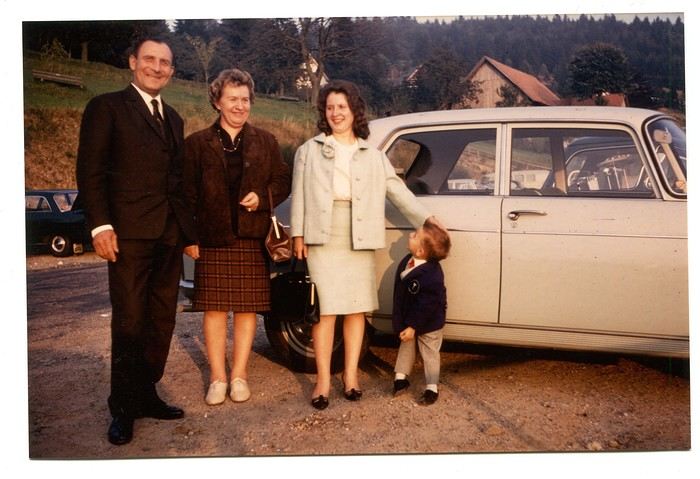
Those magical days always began with a gentle late-spring or midsummer morning. The interior of the white Peugeot 404, license plate 210 LZ 67, had already soaked up the sun before the engine purred to life, and the cabin gave off a scent I could still recognize today—a fragrance I found so pleasant. Back then, I had no idea it was just the smell of warm plastic from the car’s interior. Yes, the scents of the 404 on sunny days became my madeleine de Proust... What’s more, the whole family was unusually cheerful because those moments of relaxation and leisure were rare. Everyone worked, and no one had an easy job or was well paid. Without the *Trente Glorieuses*, these experiences might never have happened.
Once we crossed the canton’s borders, I felt like I was light-years away from my everyday surroundings, and every kilometer plunged me deeper into *terra incognita*. It was thrilling. Far from my so-called "medium-sized" town, wheat fields, cornfields, and cabbage patches stretched out, punctuated by tall poles connected by long wires and topped with vegetation—like giant clotheslines without laundry, where magical beanstalks might grow to touch the sky. Back then, I was still far from tasting their product, which was simply beer. At the time, there was still a significant local hop production. Fun fact: it wasn’t until 2002 that Anglo-Saxon scientists proved hops and cannabis belong to the same biological family.
After the fields, the landscape took another step up as it rolled past the little boy’s eyes, often glued to the windows. First came modest hills, then a succession of rolling slopes that soon formed an unbroken chain. Their 700 meters in altitude felt like Himalayan peaks to me—impressive, inert giants, a whole new world. Gazing at them, an intense emotion welled up somewhere between my stomach and lungs, nearly taking my breath away. What mysteries, what treasures did these heights hold? And then there were the cherries on top—the crowning touch that made the scene even more magical: proud, majestic castles perched on the summits like impassive sentinels. Monuments from the past, yet firmly rooted in the present on their rocky spurs. The little boy’s eyes sparkled—he’d been given a castle for Christmas, complete with battlements, towers, a drawbridge, and fully armed knights. He’d watched and lived *Ivanhoe* on the only French TV channel that existed back then.
Only once did my paternal grandfather join us on one of these trips. A tall, intelligent man with a face that could shift from stern to mischievous, clearly full of humor and charisma. Sadly, his relationship with alcohol had taken a toll on his life and, by extension, those of his loved ones. He had a strong personality—if his boss crossed the line, he wouldn’t hesitate to punch him, which meant he went through a lot of different jobs. Back then, you could quit one job and easily find another. It was quite something to see him in his final stages, hallucinating pink elephants and even drinking perfume when he had nothing else left. The last time I saw him, he’d slipped away from the doctors and nurses while hospitalized in pretty bad shape—at least, I assume his liver was the issue. We were sitting down for a family lunch when the door burst open, and there he stood in his pajamas, eyes twinkling with mischief, clearly pleased with the dramatic entrance. That theatrical moment didn’t spare us from burying him a few months later at the age of 71. One day, my mother told me the family doctor had quietly remarked that it was a shame—with his robust constitution, he could’ve lived to be a hundred. Yes, the family doctor—this was the man who’d come treat you any day, at almost any hour, just for a phone call. It really existed, it’s not a myth!
That day, his wife—my paternal grandmother—was also along for the ride. Everyone agreed that Jeannette was a good woman. She worked as a waitress at *Le Tigre*, the biggest brasserie in town, right in the center. Most customers preferred to be served by her, including local dignitaries and even the mayor. As a kid, I didn’t find her very fun, open, or warm—she seemed a bit stern. Back then, women in their fifties already had the face and build of grandmothers. Same went for men, don’t get me wrong. I had no idea about the struggles she faced because of her husband. I didn’t know that 30 years earlier, she’d had to flee Alsace while pregnant, under threat from Nazi fighter-bombers. I didn’t know she’d had several miscarriages, and that my father—her only surviving child, born prematurely in March 1940 at the other end of France—weighed less than a kilo at birth and was so tiny he could fit in a shoebox. Hard to imagine he’d grow into a strapping man nearly 1.80 meters tall, tipping the scales at 100 kilos. When you come back from summer camp in early August and ask why she didn’t pick you up with your parents, and they gently tell you she’s "in heaven," you don’t realize she passed away at 54 after suffering greatly from stomach cancer that had spread.
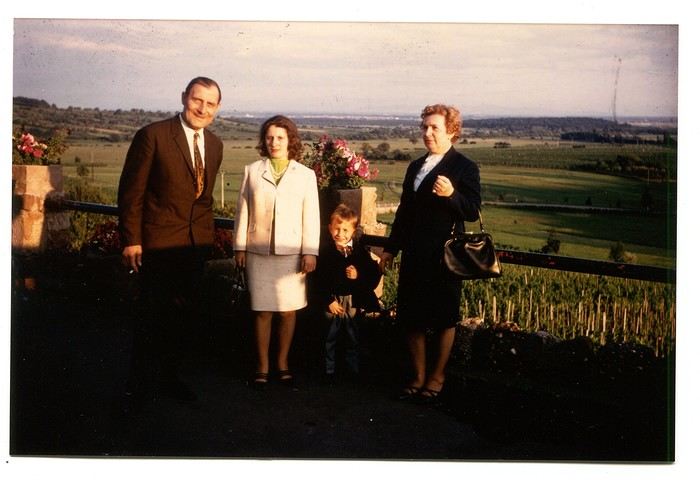
Back to that family outing, that enchanted parenthesis. I even remembered where we’d had lunch when I passed through Dambach-la-Ville decades later. One of those charming, flower-filled towns Alsace produces in abundance—and preserves so well. This one sits high on a hill, and I was a bit stunned on the parking lot because the view stretched far, revealing the Alsace plain below—its fields, villages, hills, and forests. The world seemed so vast and enticing that day, even though I was only glimpsing a tiny fraction of it.
The region was already very touristy, but I wouldn’t notice the downsides until much later. That Sunday noon, I discovered a large restaurant filled with diners. I can still see the enormous piece of meat they served me, decorated with a little wooden skewer topped with a flag. I kept that one for a long time. Those were the golden days of rich, flowing, thick sauces—so flavorful—and the era of the world’s best fries, made on the spot with the best potatoes. To top it off, I was *exceptionally* allowed a small bottle of apple juice, Orangina, or—even better if possible—Sinalco. Yes, Sinalco—like Orangina, but better. A brand that must’ve disappeared in the 70s, but why, and what a shame! Since then, Orangina’s little bubbles have taken the brand to the other side of the planet—it’s now Japanese.
Year after year, I’d eagerly await that ecstatic moment when the most beautiful castle in Alsace, the Haut-Koenigsbourg, appeared in my field of vision. The perfect model, the archetype that blended into the landscape at the height of a child’s dreams. The trip home always felt like a reality check—less jarring than an alarm clock, but more diffuse and melancholic. From then on, there was only one wish: *When do we leave again?*
Those magical days always began with a gentle late-spring or midsummer morning. The interior of the white Peugeot 404, license plate 210 LZ 67, had already soaked up the sun before the engine purred to life, and the cabin gave off a scent I could still recognize today—a fragrance I found so pleasant. Back then, I had no idea it was just the smell of warm plastic from the car’s interior. Yes, the scents of the 404 on sunny days became my madeleine de Proust... What’s more, the whole family was unusually cheerful because those moments of relaxation and leisure were rare. Everyone worked, and no one had an easy job or was well paid. Without the *Trente Glorieuses*, these experiences might never have happened.
Once we crossed the canton’s borders, I felt like I was light-years away from my everyday surroundings, and every kilometer plunged me deeper into *terra incognita*. It was thrilling. Far from my so-called "medium-sized" town, wheat fields, cornfields, and cabbage patches stretched out, punctuated by tall poles connected by long wires and topped with vegetation—like giant clotheslines without laundry, where magical beanstalks might grow to touch the sky. Back then, I was still far from tasting their product, which was simply beer. At the time, there was still a significant local hop production. Fun fact: it wasn’t until 2002 that Anglo-Saxon scientists proved hops and cannabis belong to the same biological family.
After the fields, the landscape took another step up as it rolled past the little boy’s eyes, often glued to the windows. First came modest hills, then a succession of rolling slopes that soon formed an unbroken chain. Their 700 meters in altitude felt like Himalayan peaks to me—impressive, inert giants, a whole new world. Gazing at them, an intense emotion welled up somewhere between my stomach and lungs, nearly taking my breath away. What mysteries, what treasures did these heights hold? And then there were the cherries on top—the crowning touch that made the scene even more magical: proud, majestic castles perched on the summits like impassive sentinels. Monuments from the past, yet firmly rooted in the present on their rocky spurs. The little boy’s eyes sparkled—he’d been given a castle for Christmas, complete with battlements, towers, a drawbridge, and fully armed knights. He’d watched and lived *Ivanhoe* on the only French TV channel that existed back then.
Only once did my paternal grandfather join us on one of these trips. A tall, intelligent man with a face that could shift from stern to mischievous, clearly full of humor and charisma. Sadly, his relationship with alcohol had taken a toll on his life and, by extension, those of his loved ones. He had a strong personality—if his boss crossed the line, he wouldn’t hesitate to punch him, which meant he went through a lot of different jobs. Back then, you could quit one job and easily find another. It was quite something to see him in his final stages, hallucinating pink elephants and even drinking perfume when he had nothing else left. The last time I saw him, he’d slipped away from the doctors and nurses while hospitalized in pretty bad shape—at least, I assume his liver was the issue. We were sitting down for a family lunch when the door burst open, and there he stood in his pajamas, eyes twinkling with mischief, clearly pleased with the dramatic entrance. That theatrical moment didn’t spare us from burying him a few months later at the age of 71. One day, my mother told me the family doctor had quietly remarked that it was a shame—with his robust constitution, he could’ve lived to be a hundred. Yes, the family doctor—this was the man who’d come treat you any day, at almost any hour, just for a phone call. It really existed, it’s not a myth!
That day, his wife—my paternal grandmother—was also along for the ride. Everyone agreed that Jeannette was a good woman. She worked as a waitress at *Le Tigre*, the biggest brasserie in town, right in the center. Most customers preferred to be served by her, including local dignitaries and even the mayor. As a kid, I didn’t find her very fun, open, or warm—she seemed a bit stern. Back then, women in their fifties already had the face and build of grandmothers. Same went for men, don’t get me wrong. I had no idea about the struggles she faced because of her husband. I didn’t know that 30 years earlier, she’d had to flee Alsace while pregnant, under threat from Nazi fighter-bombers. I didn’t know she’d had several miscarriages, and that my father—her only surviving child, born prematurely in March 1940 at the other end of France—weighed less than a kilo at birth and was so tiny he could fit in a shoebox. Hard to imagine he’d grow into a strapping man nearly 1.80 meters tall, tipping the scales at 100 kilos. When you come back from summer camp in early August and ask why she didn’t pick you up with your parents, and they gently tell you she’s "in heaven," you don’t realize she passed away at 54 after suffering greatly from stomach cancer that had spread.
Back to that family outing, that enchanted parenthesis. I even remembered where we’d had lunch when I passed through Dambach-la-Ville decades later. One of those charming, flower-filled towns Alsace produces in abundance—and preserves so well. This one sits high on a hill, and I was a bit stunned on the parking lot because the view stretched far, revealing the Alsace plain below—its fields, villages, hills, and forests. The world seemed so vast and enticing that day, even though I was only glimpsing a tiny fraction of it.
The region was already very touristy, but I wouldn’t notice the downsides until much later. That Sunday noon, I discovered a large restaurant filled with diners. I can still see the enormous piece of meat they served me, decorated with a little wooden skewer topped with a flag. I kept that one for a long time. Those were the golden days of rich, flowing, thick sauces—so flavorful—and the era of the world’s best fries, made on the spot with the best potatoes. To top it off, I was *exceptionally* allowed a small bottle of apple juice, Orangina, or—even better if possible—Sinalco. Yes, Sinalco—like Orangina, but better. A brand that must’ve disappeared in the 70s, but why, and what a shame! Since then, Orangina’s little bubbles have taken the brand to the other side of the planet—it’s now Japanese.
Year after year, I’d eagerly await that ecstatic moment when the most beautiful castle in Alsace, the Haut-Koenigsbourg, appeared in my field of vision. The perfect model, the archetype that blended into the landscape at the height of a child’s dreams. The trip home always felt like a reality check—less jarring than an alarm clock, but more diffuse and melancholic. From then on, there was only one wish: *When do we leave again?*
Naha & Osaka, Japan - June 2025
It’s an understatement to say that Japan is a world apart. All around me, people exclaim: "How lucky you are to be able to go there! I’ve always dreamed of visiting, of finding myself in that culture blending tradition and technology!" Yes, they’re right. Until the moment their dreams become reality and things appear as they truly are, without the filter of fantasized preconceptions. Because in the collective unconscious, Japan indeed seems like a civilization—if not neutral—at least stripped of any social maturation. As if it had emerged all at once from its canonical ages, offering only the best of its traditions, and as if those traditions were undoubtedly the foundation of its extraordinary discipline. Yet, as always, the truth is far more complex. Modern Japan is likely shaped by its millennia-old traditions. But that Japan is also the result of its own uncertainties and contradictions. I’ve always been wary. I’ve never understood why the cleaning women on the platform bow when the train arrives. At some point, too much discipline, too much deference—it makes you smile, it raises questions.
Finally, thanks to F., a dream is coming true! Not the dream of going to Japan—a country I’ve visited more than any other, except for Réunion and the UK—but the dream of completing the fastest round-the-world trip of my career. Indeed, due to the restrictions imposed by the Russians*, the plane flies over the Caucasus and China on the way there; on the return, it gracefully heads toward the Arctic after skirting the Aleutian Islands, Alaska, and Greenland. So, in nearly 26 hours of flight, I complete my 6th round-the-world trip. A round-the-world trip with just one stopover. Or two, if you count our impromptu detour to Okinawa.
(* In response to Western sanctions, Russia closed its airspace to Western airlines on February 28, 2022, except for Air Serbia, Turkish Airlines, Pegasus, and Belavia. This decision adds 2 to 3 hours to flight times and, incidentally, increases operating costs.)
The empire of noise. The empire that dazzles. In Japan, the auditory and visual space is constantly fed. No respite. You have to be strong. Navigating public transport feels like playing the most advanced video game: moving between language barriers and a different organization, the hero tries to ignore the numerous visual and auditory distractions. Mostly auditory, though. Because in Japan, there’s a culture of noise that has undoubtedly inspired our national railways. Everything must be announced. So, here and there, all along the route, we find agents whose sole role is to endlessly repeat safety messages through megaphones more or less suited to the situation. The result is a constant murmur, a kind of tinnitus, a subtle but incessant buzz that fades only at bedtime and returns with a vengeance at first light, when we descend back into the supposedly sterile depths of Osaka’s subway. "To go right, please turn right, kudasaï. When descending the stairs, please mind the steps, kudasaï. To go straight, please take the left corridor, kudasaï." That *kudasaï* ("please" in Japanese), I assure you, has permanently lodged itself in my auditory cells.
Screens are no exception; the brain is constantly stimulated. But paradoxically, passengers massively retreat into their own worlds via their screens. Literally glued to their phones, earbuds firmly in place, people escape into the virtual aisles of a furniture store, a game, a movie... In the train cars, raised voices are rare. The field is clear for announcements and other jingles. Each stop is announced by a little tune unique to each station. Simply incredible.
If we usually judge a country by the welcome its inhabitants offer, in Japan, we’re left wanting. Indeed, the Lost in Translation* spirit doesn’t just apply to verbal exchanges—it applies to everything, especially non-verbal communication. In Japan, me, the slightly North African Corsican, I’m at a loss. I speak loudly, I gesture, in front of a hotel concierge just as lost. Each for our own reasons. Yes, he speaks some English, but we can’t seem to connect. It’s a losing battle trying to find a bit of compassion from a local who’s far from familiar with Western concerns. I try to buy tickets for the World Expo? I run into a systematization as rigid as it is abrupt, which the concierge can’t seem to navigate. While we might still have a shred of common sense, here in Japan, everything is digitized. Soon, no one will be surprised that a QR code becomes essential just to go to the bathroom.
(* Film by Sofia Coppola, released in 2003, which explores isolation, unease, Japanese culture, and language through the experiences of two protagonists.)
In the end, we get that ticket for the Expo. After providing personal information on yet another account created for the occasion, we buy electronic tickets—a QR code, then—to regulate the comings and goings, the souls and aspirations of all these wandering beings scattered across the globe. And it’s probably for the best... Because we’ll be tens of thousands of visitors—100,000 to 150,000 per day—walking the aisles of this enormous improvised amusement park, a kind of delirious superstructure surrounded by the Grand Ring, the largest wooden construction in the world. Inside the park, the pavilions, flagship vessels of their respective countries, compete in ingenuity, proportionate to their GDP, to attract visitors. But you have to wait up to two hours to visit the most popular ones! Fortunately, about a hundred countries can be explored without waiting in shared, more spacious areas. What will I remember from this adventure? The beauty of that wooden structure, despite any environmental or financial considerations—200M € for barely renewable elements; a certain poetry, even magic, in the expression of this event—conversing with Juliette Petit, the splendid representative of Vanuatu, had something indescribable; a close-up experience of Japanese discipline when it came time to return to the subway after that epic evening—thousands upon thousands of people converging at the same time toward a single place without any interruption in the flow.
But my real passion is the countryside. So, I’ll especially remember that brief escape, on the very first day, to the Mino-o waterfall, where the journey itself was already enchanting. Quickly leaving the underground lines, our train speeds through the city’s endless expanse and drops us at the foot of a hill, the abrupt edge of the urban sprawl. The slope was too steep to build anything? We leave behind an impressive hotel, a capitalist eyesore defying the laws of elevation to tackle the climb toward the waterfall. A bucolic walk where the stroller can choose between a paved path or more epic trails. Here and there, stalls, temples, everywhere, a certain serenity. The city’s pulse gives way to a magnificent spectacle magnified by giant sequoias. From the depths of a ravine, we try to glimpse the sky beyond the foliage. Everything is oversized. Here, you can breathe.
***
In reality, Japan has never undertaken any real work of memory. Aside from a few feeble gestures to appease Washington in its choice of Asian partners, one wonders if the Japanese have ever truly grasped the horror they were forced to participate in. While our Judeo-Christian society has more or less assimilated the notions of forgiveness and self-questioning, where does Japanese society stand, juggling a millennia-old Zen philosophy and the unabashed Machiavellianism of an emperor utterly possessed? Is it just me, or does there float in the atmosphere a kind of unease, a malaise, an awkward relationship with reality? For me, bowing to a train as it enters the station is just the result of a poorly directed moral dilemma...
Ah, how distant is the time of sakoku, that closure of the country—both concrete and ideological—that was in vogue for two centuries. Because if no one could enter, no one could leave either! A boon for neighboring countries. But from 1854, following the skirmishes of Commodore Matthew Perry, who demanded Japan’s participation in trade, the country suddenly became aware of the disparities separating it from the West. Bring Japan up to the level of other nations? Industrialization, competition, search for raw materials... Hirohito (1901–1989) emerges on the scene, a bit expansionist and willing to stop at nothing to achieve his goals. Above all, he knew how to use, in his own way, the incredible capacity for self-sacrifice of his people...
We protest, we condemn, we all rally behind an acceptable discourse when it comes to discussing the use of the atomic bomb. Yet, we forget one essential thing: Hiroshima wasn’t enough to make Hirohito yield. While we’re bombarded with anti-fascist elements, as if the sole purpose of school curricula were to prevent us from voting for the National Rally, we completely overlook those events of rare cruelty that took place on the other side of the globe at a time contemporary with Nazi atrocities. Why? Because it was farther away, on the other side of the world? Because we must both condemn the use of nuclear weapons and Nazism? What a dangerous game. Killing civilians is beyond comprehension, everyone agrees on that. But hasn’t Japan ever been guilty of such atrocities? Our empathy is legitimate; it won’t, however, remove from my mind the idea that there was no other solution. Nagasaki is the most telling proof of that.
At least in France, in school textbooks, Hitler will have completely overshadowed the existence of people crueler and more abject than him. Certainly, Adolf was a deeply disturbed man whom events propelled to power. But I’m justified in believing that his approach was probably more humane than that of Joseph Stalin at the height of his art*. And if Hirohito followed the same line as Hitler, in the sense that he represented the superior race, he would apply with conviction what was Stalin’s credo: contempt for his own people when sending them to slaughter, and an even fiercer contempt for the human race when it didn’t have the good fortune to be Japanese. Just look at how China was invaded and by what means millions of Chinese were annihilated, burned, deported, buried alive! Operation Scorched Earth or Three Alls Policy for kill all, burn all, loot all? No comment. Even today, the Japanese are convinced they waged a patriotic war, when clearly, that war served only vague ideological (and certainly economic) interests.
(* "In many ways, Hitler’s National Socialism was far more humane than Communism: it wasn’t unthinkable to speak to the SS or the Gestapo, and dissuading them from sending you to a prison camp wasn’t utopian. To some extent (compared to the Communists), you could still expect a semblance of justice. All those who lived under Hitler and under Communism will tell you: as the front lines shifted, they always managed to end up in Germany, where, though it was a strange place ruled by a madman, life went on. Under Communism, there was no life; totalitarianism was absolute. Probably, Hitler’s conservatism prevented him from fully imitating Bolshevism." Seraphim Rose in The Revolutions of the 19th and 20th Centuries (circa 1970))
In Naha, we visit two strategic sites: the Imperial Navy headquarters and Maeda Escarpment, in Urasoe, better known as Hacksaw Ridge. I love this confrontation with history. In the hand-dug tunnels of the headquarters, we meet Japanese people seeking information. They’re not responsible for this tragedy. Neither are we. I would have liked to tell them that, to hug them, to move on. To finally believe in those peace messages displayed here and there. Yes, it’s curious to read those calls for peace* when no real work of memory** has been undertaken. Two civilizations, two perspectives, a profound misunderstanding. When I analyze the waste of that war—and particularly the waste of those Pacific battles—like Peleliu in autumn 1944 and Okinawa in spring 1945—I can’t bring myself to share in the pathological patriotism that reigns within these walls. There, the room where the last message of Admiral Minoru Ōta was transmitted in Morse, praising the merits of the archipelago’s people. A tangled mix that, yes, is charged with positive emotions but, no, won’t remove from my mind the idea that this people was completely conditioned, completely disconnected from reality. Allying with the Axis powers? Invading the South Pacific? And finding that noble! Everyone sees things through their own lens.
(* Peace Declaration by Denny Tamaki, Governor of Okinawa, June 2020. ** "Recognizing the atrocities committed by one’s country requires a mix of democratic culture and self-confidence that is more the exception than the rule." Dominique Moïsi in Les Échos, April 30, 2015)
Okinawa. 200,000 dead. Stemming from bushido, the way of the warrior, this conditioning reached its peak with the kamikaze philosophy in particular and suicide in general. So, schematically, here’s how things went: as the island was encircled—Peleliu, Iwo Jima, Okinawa—and all hope was lost, the order was given to kill ten American soldiers before taking one’s own life. The deceit of this system, where surrender is synonymous with dishonor, involves creating tunnels and secret pockets where Japanese soldiers hide and from which they emerge. Long before the atomic bomb, the knell of their war had sounded. Hiroshima and Nagasaki are just the result of human pride, of which Hirohito’s reign is the finest example. Why was this henchman of Satan left in place until his death? I don’t understand. While the humiliation inflicted on Germany repeatedly was abject, especially for its people, the absence of any real and pressing accountability for Hirohito in this large-scale carnage he instigated leaves room for the wildest interpretations. As if to underscore my point, Emperor Naruhito visited Okinawa the same day we did, paying his respects to the inhabitants who fell in battle. I looked at the faces in the monorail serving the south of the island. There were elderly people who undoubtedly lost their parents eighty years ago. To what extent can they blame this tragedy on the delusional visions of their leaders?
On Maeda Escarpment, I salute the courage of Desmond Doss, that conscientious objector who fought to serve his country while refusing to ever carry a weapon. There, at the top of a steep ridge, you can see to the north the Allies’ advance, while to the south, the slope is gentler down to Shuri, in front of the headquarters. The underground is a Swiss cheese filled with enemies. Desmond works as a medic. He manages to save 75 wounded from certain death by evacuating them at night from the battlefield using makeshift ropes. Back in Osaka, far from the somewhat dilapidated tropical islands, I rediscover the splendor and grandeur of Japan’s second-largest city. To tell the truth, and this applies to Okinawa too, the density is so insane on this archipelago that you sometimes wonder if it’s not just one giant city spread across the vast territory. Because between Tokyo and Osaka, while there are some mountains and forests, it’s the city that dominates; during rush hour, a rapid train connects the two cities every five minutes. We get lost in rather quiet alleys parallel to the main streets, only to find ourselves in the covered and lively galleries of Dōtonbori. We’re looking for a place to eat—above all, we’re trying to navigate the unlimited options stretching endlessly along the sidewalks. It’s absolutely mind-blowing. And while I introduce F. to a part of history that our Western societies have quickly forgotten, he initiates me into Japanese gastronomy despite my well-known aversion to Asian food. But nothing beats having a master in the field! We feast on okonomiyaki, Japanese pancakes expertly prepared and served on a teppan embedded in our table.
Night falls on Japan, and I still haven’t found the answer. Like in Singapore, one can praise the calm and serenity of human relationships, the delicacy that may just be hypocrisy, the politeness, the discipline. But above all, we notice that in the absence of freedom, in the absence of madness, poetry struggles to take root, boredom looms, as does real madness. Bushido still exists, honor is there and must be preserved. But the youth drowns in electronics and in willingly sterile cults (otaku), unable to discern what’s essential, failing to believe in their dreams. You have to succeed? Young people commit suicide because of school bullying, the slightly older ones because of work-related difficulties or marital problems. Nothing exceptional, we might say—average*—but you’d expect better from a country so well-organized, a country that makes so many Westerners dream. Yes, night falls on Japan. Empire of noise, empire of the senses, a very strange land where you find clean toilets in subway corridors but where the very meaning of life seems stifled by the mirages of technology. Above all, a civilization deprived of a penance that would prove salutary. We’re caught between two waters. Those of a shallow modernity without depth or anchor; those of a past that was majestic but irreparably tainted by the demonic madness of an overly adored emperor.
How can one fully thrive when guilt has no outlet?
(* France and Japan share a common statistic of 17 suicides per 100,000 inhabitants, which, depending on density, means 30 per day in France and 70 in Japan...)
Finally, thanks to F., a dream is coming true! Not the dream of going to Japan—a country I’ve visited more than any other, except for Réunion and the UK—but the dream of completing the fastest round-the-world trip of my career. Indeed, due to the restrictions imposed by the Russians*, the plane flies over the Caucasus and China on the way there; on the return, it gracefully heads toward the Arctic after skirting the Aleutian Islands, Alaska, and Greenland. So, in nearly 26 hours of flight, I complete my 6th round-the-world trip. A round-the-world trip with just one stopover. Or two, if you count our impromptu detour to Okinawa.
(* In response to Western sanctions, Russia closed its airspace to Western airlines on February 28, 2022, except for Air Serbia, Turkish Airlines, Pegasus, and Belavia. This decision adds 2 to 3 hours to flight times and, incidentally, increases operating costs.)
The empire of noise. The empire that dazzles. In Japan, the auditory and visual space is constantly fed. No respite. You have to be strong. Navigating public transport feels like playing the most advanced video game: moving between language barriers and a different organization, the hero tries to ignore the numerous visual and auditory distractions. Mostly auditory, though. Because in Japan, there’s a culture of noise that has undoubtedly inspired our national railways. Everything must be announced. So, here and there, all along the route, we find agents whose sole role is to endlessly repeat safety messages through megaphones more or less suited to the situation. The result is a constant murmur, a kind of tinnitus, a subtle but incessant buzz that fades only at bedtime and returns with a vengeance at first light, when we descend back into the supposedly sterile depths of Osaka’s subway. "To go right, please turn right, kudasaï. When descending the stairs, please mind the steps, kudasaï. To go straight, please take the left corridor, kudasaï." That *kudasaï* ("please" in Japanese), I assure you, has permanently lodged itself in my auditory cells.
Screens are no exception; the brain is constantly stimulated. But paradoxically, passengers massively retreat into their own worlds via their screens. Literally glued to their phones, earbuds firmly in place, people escape into the virtual aisles of a furniture store, a game, a movie... In the train cars, raised voices are rare. The field is clear for announcements and other jingles. Each stop is announced by a little tune unique to each station. Simply incredible.
If we usually judge a country by the welcome its inhabitants offer, in Japan, we’re left wanting. Indeed, the Lost in Translation* spirit doesn’t just apply to verbal exchanges—it applies to everything, especially non-verbal communication. In Japan, me, the slightly North African Corsican, I’m at a loss. I speak loudly, I gesture, in front of a hotel concierge just as lost. Each for our own reasons. Yes, he speaks some English, but we can’t seem to connect. It’s a losing battle trying to find a bit of compassion from a local who’s far from familiar with Western concerns. I try to buy tickets for the World Expo? I run into a systematization as rigid as it is abrupt, which the concierge can’t seem to navigate. While we might still have a shred of common sense, here in Japan, everything is digitized. Soon, no one will be surprised that a QR code becomes essential just to go to the bathroom.
(* Film by Sofia Coppola, released in 2003, which explores isolation, unease, Japanese culture, and language through the experiences of two protagonists.)
In the end, we get that ticket for the Expo. After providing personal information on yet another account created for the occasion, we buy electronic tickets—a QR code, then—to regulate the comings and goings, the souls and aspirations of all these wandering beings scattered across the globe. And it’s probably for the best... Because we’ll be tens of thousands of visitors—100,000 to 150,000 per day—walking the aisles of this enormous improvised amusement park, a kind of delirious superstructure surrounded by the Grand Ring, the largest wooden construction in the world. Inside the park, the pavilions, flagship vessels of their respective countries, compete in ingenuity, proportionate to their GDP, to attract visitors. But you have to wait up to two hours to visit the most popular ones! Fortunately, about a hundred countries can be explored without waiting in shared, more spacious areas. What will I remember from this adventure? The beauty of that wooden structure, despite any environmental or financial considerations—200M € for barely renewable elements; a certain poetry, even magic, in the expression of this event—conversing with Juliette Petit, the splendid representative of Vanuatu, had something indescribable; a close-up experience of Japanese discipline when it came time to return to the subway after that epic evening—thousands upon thousands of people converging at the same time toward a single place without any interruption in the flow.
But my real passion is the countryside. So, I’ll especially remember that brief escape, on the very first day, to the Mino-o waterfall, where the journey itself was already enchanting. Quickly leaving the underground lines, our train speeds through the city’s endless expanse and drops us at the foot of a hill, the abrupt edge of the urban sprawl. The slope was too steep to build anything? We leave behind an impressive hotel, a capitalist eyesore defying the laws of elevation to tackle the climb toward the waterfall. A bucolic walk where the stroller can choose between a paved path or more epic trails. Here and there, stalls, temples, everywhere, a certain serenity. The city’s pulse gives way to a magnificent spectacle magnified by giant sequoias. From the depths of a ravine, we try to glimpse the sky beyond the foliage. Everything is oversized. Here, you can breathe.
***
In reality, Japan has never undertaken any real work of memory. Aside from a few feeble gestures to appease Washington in its choice of Asian partners, one wonders if the Japanese have ever truly grasped the horror they were forced to participate in. While our Judeo-Christian society has more or less assimilated the notions of forgiveness and self-questioning, where does Japanese society stand, juggling a millennia-old Zen philosophy and the unabashed Machiavellianism of an emperor utterly possessed? Is it just me, or does there float in the atmosphere a kind of unease, a malaise, an awkward relationship with reality? For me, bowing to a train as it enters the station is just the result of a poorly directed moral dilemma...
Ah, how distant is the time of sakoku, that closure of the country—both concrete and ideological—that was in vogue for two centuries. Because if no one could enter, no one could leave either! A boon for neighboring countries. But from 1854, following the skirmishes of Commodore Matthew Perry, who demanded Japan’s participation in trade, the country suddenly became aware of the disparities separating it from the West. Bring Japan up to the level of other nations? Industrialization, competition, search for raw materials... Hirohito (1901–1989) emerges on the scene, a bit expansionist and willing to stop at nothing to achieve his goals. Above all, he knew how to use, in his own way, the incredible capacity for self-sacrifice of his people...
We protest, we condemn, we all rally behind an acceptable discourse when it comes to discussing the use of the atomic bomb. Yet, we forget one essential thing: Hiroshima wasn’t enough to make Hirohito yield. While we’re bombarded with anti-fascist elements, as if the sole purpose of school curricula were to prevent us from voting for the National Rally, we completely overlook those events of rare cruelty that took place on the other side of the globe at a time contemporary with Nazi atrocities. Why? Because it was farther away, on the other side of the world? Because we must both condemn the use of nuclear weapons and Nazism? What a dangerous game. Killing civilians is beyond comprehension, everyone agrees on that. But hasn’t Japan ever been guilty of such atrocities? Our empathy is legitimate; it won’t, however, remove from my mind the idea that there was no other solution. Nagasaki is the most telling proof of that.
At least in France, in school textbooks, Hitler will have completely overshadowed the existence of people crueler and more abject than him. Certainly, Adolf was a deeply disturbed man whom events propelled to power. But I’m justified in believing that his approach was probably more humane than that of Joseph Stalin at the height of his art*. And if Hirohito followed the same line as Hitler, in the sense that he represented the superior race, he would apply with conviction what was Stalin’s credo: contempt for his own people when sending them to slaughter, and an even fiercer contempt for the human race when it didn’t have the good fortune to be Japanese. Just look at how China was invaded and by what means millions of Chinese were annihilated, burned, deported, buried alive! Operation Scorched Earth or Three Alls Policy for kill all, burn all, loot all? No comment. Even today, the Japanese are convinced they waged a patriotic war, when clearly, that war served only vague ideological (and certainly economic) interests.
(* "In many ways, Hitler’s National Socialism was far more humane than Communism: it wasn’t unthinkable to speak to the SS or the Gestapo, and dissuading them from sending you to a prison camp wasn’t utopian. To some extent (compared to the Communists), you could still expect a semblance of justice. All those who lived under Hitler and under Communism will tell you: as the front lines shifted, they always managed to end up in Germany, where, though it was a strange place ruled by a madman, life went on. Under Communism, there was no life; totalitarianism was absolute. Probably, Hitler’s conservatism prevented him from fully imitating Bolshevism." Seraphim Rose in The Revolutions of the 19th and 20th Centuries (circa 1970))
In Naha, we visit two strategic sites: the Imperial Navy headquarters and Maeda Escarpment, in Urasoe, better known as Hacksaw Ridge. I love this confrontation with history. In the hand-dug tunnels of the headquarters, we meet Japanese people seeking information. They’re not responsible for this tragedy. Neither are we. I would have liked to tell them that, to hug them, to move on. To finally believe in those peace messages displayed here and there. Yes, it’s curious to read those calls for peace* when no real work of memory** has been undertaken. Two civilizations, two perspectives, a profound misunderstanding. When I analyze the waste of that war—and particularly the waste of those Pacific battles—like Peleliu in autumn 1944 and Okinawa in spring 1945—I can’t bring myself to share in the pathological patriotism that reigns within these walls. There, the room where the last message of Admiral Minoru Ōta was transmitted in Morse, praising the merits of the archipelago’s people. A tangled mix that, yes, is charged with positive emotions but, no, won’t remove from my mind the idea that this people was completely conditioned, completely disconnected from reality. Allying with the Axis powers? Invading the South Pacific? And finding that noble! Everyone sees things through their own lens.
(* Peace Declaration by Denny Tamaki, Governor of Okinawa, June 2020. ** "Recognizing the atrocities committed by one’s country requires a mix of democratic culture and self-confidence that is more the exception than the rule." Dominique Moïsi in Les Échos, April 30, 2015)
Okinawa. 200,000 dead. Stemming from bushido, the way of the warrior, this conditioning reached its peak with the kamikaze philosophy in particular and suicide in general. So, schematically, here’s how things went: as the island was encircled—Peleliu, Iwo Jima, Okinawa—and all hope was lost, the order was given to kill ten American soldiers before taking one’s own life. The deceit of this system, where surrender is synonymous with dishonor, involves creating tunnels and secret pockets where Japanese soldiers hide and from which they emerge. Long before the atomic bomb, the knell of their war had sounded. Hiroshima and Nagasaki are just the result of human pride, of which Hirohito’s reign is the finest example. Why was this henchman of Satan left in place until his death? I don’t understand. While the humiliation inflicted on Germany repeatedly was abject, especially for its people, the absence of any real and pressing accountability for Hirohito in this large-scale carnage he instigated leaves room for the wildest interpretations. As if to underscore my point, Emperor Naruhito visited Okinawa the same day we did, paying his respects to the inhabitants who fell in battle. I looked at the faces in the monorail serving the south of the island. There were elderly people who undoubtedly lost their parents eighty years ago. To what extent can they blame this tragedy on the delusional visions of their leaders?
On Maeda Escarpment, I salute the courage of Desmond Doss, that conscientious objector who fought to serve his country while refusing to ever carry a weapon. There, at the top of a steep ridge, you can see to the north the Allies’ advance, while to the south, the slope is gentler down to Shuri, in front of the headquarters. The underground is a Swiss cheese filled with enemies. Desmond works as a medic. He manages to save 75 wounded from certain death by evacuating them at night from the battlefield using makeshift ropes. Back in Osaka, far from the somewhat dilapidated tropical islands, I rediscover the splendor and grandeur of Japan’s second-largest city. To tell the truth, and this applies to Okinawa too, the density is so insane on this archipelago that you sometimes wonder if it’s not just one giant city spread across the vast territory. Because between Tokyo and Osaka, while there are some mountains and forests, it’s the city that dominates; during rush hour, a rapid train connects the two cities every five minutes. We get lost in rather quiet alleys parallel to the main streets, only to find ourselves in the covered and lively galleries of Dōtonbori. We’re looking for a place to eat—above all, we’re trying to navigate the unlimited options stretching endlessly along the sidewalks. It’s absolutely mind-blowing. And while I introduce F. to a part of history that our Western societies have quickly forgotten, he initiates me into Japanese gastronomy despite my well-known aversion to Asian food. But nothing beats having a master in the field! We feast on okonomiyaki, Japanese pancakes expertly prepared and served on a teppan embedded in our table.
Night falls on Japan, and I still haven’t found the answer. Like in Singapore, one can praise the calm and serenity of human relationships, the delicacy that may just be hypocrisy, the politeness, the discipline. But above all, we notice that in the absence of freedom, in the absence of madness, poetry struggles to take root, boredom looms, as does real madness. Bushido still exists, honor is there and must be preserved. But the youth drowns in electronics and in willingly sterile cults (otaku), unable to discern what’s essential, failing to believe in their dreams. You have to succeed? Young people commit suicide because of school bullying, the slightly older ones because of work-related difficulties or marital problems. Nothing exceptional, we might say—average*—but you’d expect better from a country so well-organized, a country that makes so many Westerners dream. Yes, night falls on Japan. Empire of noise, empire of the senses, a very strange land where you find clean toilets in subway corridors but where the very meaning of life seems stifled by the mirages of technology. Above all, a civilization deprived of a penance that would prove salutary. We’re caught between two waters. Those of a shallow modernity without depth or anchor; those of a past that was majestic but irreparably tainted by the demonic madness of an overly adored emperor.
How can one fully thrive when guilt has no outlet?
(* France and Japan share a common statistic of 17 suicides per 100,000 inhabitants, which, depending on density, means 30 per day in France and 70 in Japan...)
Berlin impressions (live)
Hi there,
I arrived in Berlin last night. In another discussion, I shared how much of a "nightmare" the flights from Nice were.
I’ll be posting some impressions here—what I liked and what I didn’t like as much.
This is my first time in Berlin. I’m staying for two weeks. For now, I’m alone, but I’ll be joined by someone in a few days.
Just to clarify, I won’t be posting any photos because my camera gave up the ghost the day before I left. It refused to read memory cards, and I don’t have a smartphone—just a tablet that I leave at the hotel.
Speaking of photos, a few years ago, at the Ducasse d’Ath in Belgium, I met a retired teacher who wasn’t taking any pictures of the festival. I asked her, "You’re not taking any photos?" She told me that during a trip to Nicaragua, she’d photographed howler monkeys and only noticed when looking at the pictures later that the males had huge testicles—something she hadn’t realized in person. She said, "Since then, I don’t bother with photos anymore!" I’ve thought about that often and wonder if I should do the same and stop taking pictures. Still, I’ll probably get a smartphone since it’s hard to go without one these days.
I arrived in Berlin last night. In another discussion, I shared how much of a "nightmare" the flights from Nice were.
I’ll be posting some impressions here—what I liked and what I didn’t like as much.
This is my first time in Berlin. I’m staying for two weeks. For now, I’m alone, but I’ll be joined by someone in a few days.
Just to clarify, I won’t be posting any photos because my camera gave up the ghost the day before I left. It refused to read memory cards, and I don’t have a smartphone—just a tablet that I leave at the hotel.
Speaking of photos, a few years ago, at the Ducasse d’Ath in Belgium, I met a retired teacher who wasn’t taking any pictures of the festival. I asked her, "You’re not taking any photos?" She told me that during a trip to Nicaragua, she’d photographed howler monkeys and only noticed when looking at the pictures later that the males had huge testicles—something she hadn’t realized in person. She said, "Since then, I don’t bother with photos anymore!" I’ve thought about that often and wonder if I should do the same and stop taking pictures. Still, I’ll probably get a smartphone since it’s hard to go without one these days.
The Two of Us in Istanbul: A Turkish Blue Round
Hello everyone,
I’m not really a regular contributor to VoyageForum, but every time Kate and I travel, she encourages me to write a travel journal and publish it. And I must admit, it’s a very enjoyable intellectual exercise, though not always easy. As a VF contributor whose journals I’ve read once said, this retrospective work not only helps preserve memories but also provides a fruitful moment of introspection by bringing back emotions and feelings.
Kate and I spent a week in Istanbul. For her, who had already visited, it was a return; for me, it was a discovery.
As we’ve now made a habit of, I write the texts, and she posts her photos. We hope this illustrated story, crafted together, will revive beautiful sensations for those who know the city and inspire others to discover it. Here we go!
I’m not really a regular contributor to VoyageForum, but every time Kate and I travel, she encourages me to write a travel journal and publish it. And I must admit, it’s a very enjoyable intellectual exercise, though not always easy. As a VF contributor whose journals I’ve read once said, this retrospective work not only helps preserve memories but also provides a fruitful moment of introspection by bringing back emotions and feelings.
Kate and I spent a week in Istanbul. For her, who had already visited, it was a return; for me, it was a discovery.
As we’ve now made a habit of, I write the texts, and she posts her photos. We hope this illustrated story, crafted together, will revive beautiful sensations for those who know the city and inspire others to discover it. Here we go!
Yet Another Travel Journal in this (Too) Familiar Rajasthan, But with Family and Kids
Prologue
This journal recounts a trip to Rajasthan that’s already over a year old and that I’ve only now found the chance to write about. The summer of 2024 marked my return to India—my tenth trip—after six long years away since my last solo wanderings in Tamil Nadu in 2018 (the journal of which is published on this site). That absence was partly (but not only) due to the long COVID and post-COVID period, which saw a complete halt and then a major slowdown in global tourism. To top it off, Voyage Forum announced its closure in an end-of-the-world atmosphere. A sad time for our favorite social activity…
A few weeks after returning from Rajasthan, I tried to motivate myself to start writing a journal to publish on a forum claiming to be VF’s successor, which I’d eventually signed up for out of desperation. But I kept hesitating and putting the project off because, for one, I no longer have the time I used to. For another, the vibe wasn’t really taking off on that forum—it was overrun with ads and not very active, contrary to what its host’s name suggested. Despite its good intentions and commendable role as a stopgap, it also turned out to be very impractical to use, especially when you don’t have much time like me. I’ll admit I’d occasionally check back on VF to see if anything was happening. But all the discussions remained frozen in time, stuck in that fateful year, 2020. Then, rumors swirled online about shady reasons behind its closure, leaving little room for hope.
And then, one fine morning, I got a message at work from Marien informing me that VF had reopened. What a huge surprise! Even though the forum’s “end” had played out in a somewhat apocalyptic atmosphere, the memories of passionate and heated discussions, the frank debates, and the useful exchanges that made this site a traveler’s goldmine and a unique hub of conviviality all came rushing back to me like a breath of fresh air. I finally saw a sign and tried to motivate myself to find the time to publish the journal of this tenth trip to India and fifth to Rajasthan. But in the end, I got bogged down in professional and family obligations and never managed to find the time to get started. That’s now fixed, though, because I had two reasons for wanting to do it: I find that looking back on a trip to tell others about it is a highly beneficial introspective exercise. Also, I thought this journal could be useful to other travelers on a few points.
Because, “do we really need yet another journal about Rajasthan?” you might rightly ask! Especially in a time when so many journals about the “Land of Kings” have been published since VF’s return, not to mention the countless stories you can already find online about this region, one of India’s most touristy. And I’d add, why go back to Rajasthan for a fifth time, where I’ve already dragged my feet more than enough—through its forts, deserts, temples, cities, villages, bumpy roads, train stations, tasty street food stalls, cheap guesthouses, and more? Where some might see just another overhyped tourist destination full of the same old *Arabian Nights* clichés, worn to a thread, that I mentioned earlier, when there’s so much else to see in India? Well, first because it’s a magnificent country I never tire of, where I started an academic study and made so many connections. It’s also packed with places where you won’t find a single tourist (right, Marie-Jo?), even in the heart of well-trodden paths and classic itineraries. And most importantly, as I said earlier, things have changed in recent years. First, after six years without traveling far, the urge to go back to India was getting stronger. But this time, no more solo trips (often) or duo adventures (sometimes)—now it’s a team of four that has to come along! And even if you can argue with that, what better place than Rajasthan to introduce India to people who’ve never seen it? To kids you want to amaze? Plus, traveling with your new little family to your favorite country isn’t the same as going solo in often spartan conditions that only affect you. It’s a different challenge, but ultimately probably much harder. So, is it really reasonable to take two kids to India, including a two-year-old baby? That’s one of the main goals of this journal (but not the only one)—to try to answer that question.
As you can tell, it’s not so much the destination but the slightly unusual setup of this trip that, in my opinion, will make this journal interesting. Despite my experience and expertise (yes, I dare say it) in India, there were plenty of questions before we finalized the plan and said, “Alright, let’s go!” The questions were flying for us parents. Is it wise to travel to India with a two-year-old? What would we do (it happened) if the kids got very sick? Would they be able to handle a road trip on Rajasthan’s bumpy, dusty roads using public transport? Could they handle the shock of such a different world—the dirt, poverty, pollution, noise (…and the smell, as they say), the spicy food, monkeys, mosquitoes, snakes, tigers, leopards, and so on? In short, all the clichés that I usually joke about suddenly became potential realities. Another concern: as a mixed Franco-African family (not me, but my partner and her oldest), wouldn’t we risk not always being well received, given what you sometimes hear about that in India? How would Indians react to seeing a mixed-race family, the ultimate taboo in a country of purity and social segregation, which would undoubtedly raise many questions for them? Of course, not everything went as expected… Because, as you know, with India—and what makes it charming for some—there are always complications: sometimes where you don’t expect them… and sometimes where you do. I’ll go into detail about that in the journal to come (not right away) and in the final review (even later). These experiences could be useful to travelers who find themselves in similar situations and have the same questions we did before embarking on such a journey. And maybe it’ll spark the curiosity of those who aren’t concerned and will read yet another Rajasthan journal, but with its own unique twists.
Despite my unchanged constraints, which mean I have little time to write this, I don’t want to rush the story, so I’ll take my time. There will probably be lulls. I hope that won’t stop people from coming to react, debate, share their impressions, or ask for information.
This journal recounts a trip to Rajasthan that’s already over a year old and that I’ve only now found the chance to write about. The summer of 2024 marked my return to India—my tenth trip—after six long years away since my last solo wanderings in Tamil Nadu in 2018 (the journal of which is published on this site). That absence was partly (but not only) due to the long COVID and post-COVID period, which saw a complete halt and then a major slowdown in global tourism. To top it off, Voyage Forum announced its closure in an end-of-the-world atmosphere. A sad time for our favorite social activity…
A few weeks after returning from Rajasthan, I tried to motivate myself to start writing a journal to publish on a forum claiming to be VF’s successor, which I’d eventually signed up for out of desperation. But I kept hesitating and putting the project off because, for one, I no longer have the time I used to. For another, the vibe wasn’t really taking off on that forum—it was overrun with ads and not very active, contrary to what its host’s name suggested. Despite its good intentions and commendable role as a stopgap, it also turned out to be very impractical to use, especially when you don’t have much time like me. I’ll admit I’d occasionally check back on VF to see if anything was happening. But all the discussions remained frozen in time, stuck in that fateful year, 2020. Then, rumors swirled online about shady reasons behind its closure, leaving little room for hope.
And then, one fine morning, I got a message at work from Marien informing me that VF had reopened. What a huge surprise! Even though the forum’s “end” had played out in a somewhat apocalyptic atmosphere, the memories of passionate and heated discussions, the frank debates, and the useful exchanges that made this site a traveler’s goldmine and a unique hub of conviviality all came rushing back to me like a breath of fresh air. I finally saw a sign and tried to motivate myself to find the time to publish the journal of this tenth trip to India and fifth to Rajasthan. But in the end, I got bogged down in professional and family obligations and never managed to find the time to get started. That’s now fixed, though, because I had two reasons for wanting to do it: I find that looking back on a trip to tell others about it is a highly beneficial introspective exercise. Also, I thought this journal could be useful to other travelers on a few points.
Because, “do we really need yet another journal about Rajasthan?” you might rightly ask! Especially in a time when so many journals about the “Land of Kings” have been published since VF’s return, not to mention the countless stories you can already find online about this region, one of India’s most touristy. And I’d add, why go back to Rajasthan for a fifth time, where I’ve already dragged my feet more than enough—through its forts, deserts, temples, cities, villages, bumpy roads, train stations, tasty street food stalls, cheap guesthouses, and more? Where some might see just another overhyped tourist destination full of the same old *Arabian Nights* clichés, worn to a thread, that I mentioned earlier, when there’s so much else to see in India? Well, first because it’s a magnificent country I never tire of, where I started an academic study and made so many connections. It’s also packed with places where you won’t find a single tourist (right, Marie-Jo?), even in the heart of well-trodden paths and classic itineraries. And most importantly, as I said earlier, things have changed in recent years. First, after six years without traveling far, the urge to go back to India was getting stronger. But this time, no more solo trips (often) or duo adventures (sometimes)—now it’s a team of four that has to come along! And even if you can argue with that, what better place than Rajasthan to introduce India to people who’ve never seen it? To kids you want to amaze? Plus, traveling with your new little family to your favorite country isn’t the same as going solo in often spartan conditions that only affect you. It’s a different challenge, but ultimately probably much harder. So, is it really reasonable to take two kids to India, including a two-year-old baby? That’s one of the main goals of this journal (but not the only one)—to try to answer that question.
As you can tell, it’s not so much the destination but the slightly unusual setup of this trip that, in my opinion, will make this journal interesting. Despite my experience and expertise (yes, I dare say it) in India, there were plenty of questions before we finalized the plan and said, “Alright, let’s go!” The questions were flying for us parents. Is it wise to travel to India with a two-year-old? What would we do (it happened) if the kids got very sick? Would they be able to handle a road trip on Rajasthan’s bumpy, dusty roads using public transport? Could they handle the shock of such a different world—the dirt, poverty, pollution, noise (…and the smell, as they say), the spicy food, monkeys, mosquitoes, snakes, tigers, leopards, and so on? In short, all the clichés that I usually joke about suddenly became potential realities. Another concern: as a mixed Franco-African family (not me, but my partner and her oldest), wouldn’t we risk not always being well received, given what you sometimes hear about that in India? How would Indians react to seeing a mixed-race family, the ultimate taboo in a country of purity and social segregation, which would undoubtedly raise many questions for them? Of course, not everything went as expected… Because, as you know, with India—and what makes it charming for some—there are always complications: sometimes where you don’t expect them… and sometimes where you do. I’ll go into detail about that in the journal to come (not right away) and in the final review (even later). These experiences could be useful to travelers who find themselves in similar situations and have the same questions we did before embarking on such a journey. And maybe it’ll spark the curiosity of those who aren’t concerned and will read yet another Rajasthan journal, but with its own unique twists.
Despite my unchanged constraints, which mean I have little time to write this, I don’t want to rush the story, so I’ll take my time. There will probably be lulls. I hope that won’t stop people from coming to react, debate, share their impressions, or ask for information.
Kattegat Tour and Norway’s Majestic Fjords – 32 Days (Denmark, Sweden, Norway)
Kattegat isn’t just the name of the village in the TV series *Vikings*—it’s also the stretch of water separating Denmark from Sweden... the sea, basically! And further north, you’ve got Norway and its fjords!
Originally, I’d planned to just do a loop around Kattegat, with the *Under* restaurant in Lindesnes as our anniversary treat... but along the way, we thought, why not "push" a little further north, keeping an eye on the budget since we’d chosen to travel by car in June 2025 through Scandinavia.
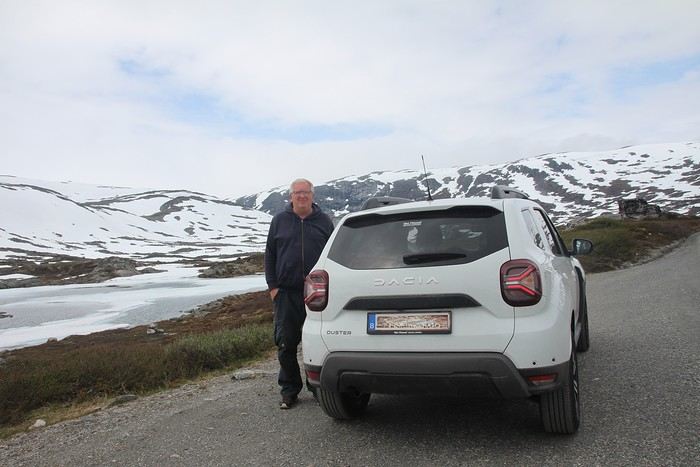
Why by car when most travelers opt for a camper van, while others prefer the comfort of cruises? Well, because we don’t own a camper van, renting one is pricey, and then you’ve got to add fuel costs (those things guzzle gas!), ferry fees, and other "tolls." All things considered, we went for mostly rentals—especially since there were four of us at the start of the trip. We spent the first week in Denmark with our daughter and son-in-law. Then they flew back to Belgium, and we continued our adventure as a couple. For accommodation, we mainly booked Airbnb apartments, which helped keep costs down and, most importantly, let us prepare our own meals (diet, diet!). In this travel journal, you’ll discover (or rediscover, for those who followed my older ones) our unbridled love for theme parks, museums, unique experiences, and—especially in Denmark—Legos! Unfortunately, we didn’t do any hikes this year because the unpredictable weather had made the trails slippery, and since I’d already taken three tumbles during the trip, I didn’t want to risk another! In the end, we traveled for 32 days, covered 6,200 km, and most importantly, discovered the charming country of Denmark, marveled at Norway’s breathtaking fjords—all without suffering the heatwave that hit France and Belgium that June! If you’ve got any questions, don’t hesitate to ask!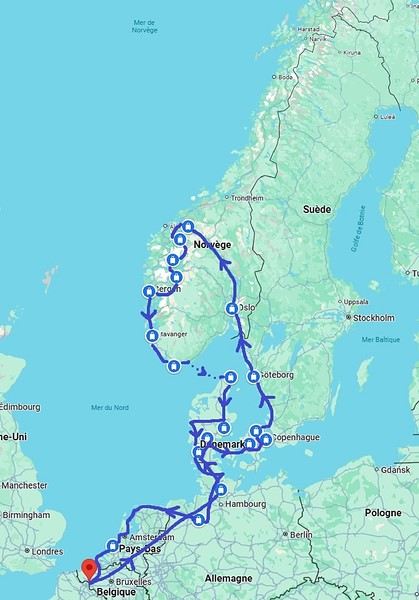
Why by car when most travelers opt for a camper van, while others prefer the comfort of cruises? Well, because we don’t own a camper van, renting one is pricey, and then you’ve got to add fuel costs (those things guzzle gas!), ferry fees, and other "tolls." All things considered, we went for mostly rentals—especially since there were four of us at the start of the trip. We spent the first week in Denmark with our daughter and son-in-law. Then they flew back to Belgium, and we continued our adventure as a couple. For accommodation, we mainly booked Airbnb apartments, which helped keep costs down and, most importantly, let us prepare our own meals (diet, diet!). In this travel journal, you’ll discover (or rediscover, for those who followed my older ones) our unbridled love for theme parks, museums, unique experiences, and—especially in Denmark—Legos! Unfortunately, we didn’t do any hikes this year because the unpredictable weather had made the trails slippery, and since I’d already taken three tumbles during the trip, I didn’t want to risk another! In the end, we traveled for 32 days, covered 6,200 km, and most importantly, discovered the charming country of Denmark, marveled at Norway’s breathtaking fjords—all without suffering the heatwave that hit France and Belgium that June! If you’ve got any questions, don’t hesitate to ask!
All Tanzanian Airlines Banned
Hi,
A pretty serious issue has come up in the past few weeks for traveling to Tanzania.
What’s the deal with airlines in Tanzania? https://www.capital.fr/economie-politique/ce-pays-est-tres-touristique-mais-ses-compagnies-aeriennes-sont-placees-sur-liste-noire-par-l-europe-1515325 https://www.charentelibre.fr/tourisme/la-tanzanie-sur-liste-noire-de-l-europe-des-vols-interieurs-a-haut-risque-pour-100-000-touristes-francais-25002566.php
Basically, all airlines have been blacklisted because they don’t meet European safety standards. They’re banned from flying in Europe but continue operating in Tanzania. The main issue is that travel agencies’ civil liability no longer applies to blacklisted airlines. So we can’t allow clients to fly with these carriers. Of course, there’s huge pressure from European agencies, which are forced to disrupt their plans or even cancel trips because of this. Personally, I’ve got a trip planned for February 2026 to the southern parks in Tanzania, so I’ll be keeping an eye on how this develops. Do any of you have updates? Thanks!
Loïc
A pretty serious issue has come up in the past few weeks for traveling to Tanzania.
What’s the deal with airlines in Tanzania? https://www.capital.fr/economie-politique/ce-pays-est-tres-touristique-mais-ses-compagnies-aeriennes-sont-placees-sur-liste-noire-par-l-europe-1515325 https://www.charentelibre.fr/tourisme/la-tanzanie-sur-liste-noire-de-l-europe-des-vols-interieurs-a-haut-risque-pour-100-000-touristes-francais-25002566.php
Basically, all airlines have been blacklisted because they don’t meet European safety standards. They’re banned from flying in Europe but continue operating in Tanzania. The main issue is that travel agencies’ civil liability no longer applies to blacklisted airlines. So we can’t allow clients to fly with these carriers. Of course, there’s huge pressure from European agencies, which are forced to disrupt their plans or even cancel trips because of this. Personally, I’ve got a trip planned for February 2026 to the southern parks in Tanzania, so I’ll be keeping an eye on how this develops. Do any of you have updates? Thanks!
Loïc
Skyscrapers, Markets, Ice Cubes, Tourism, and Waterfalls... Thailand's Excesses
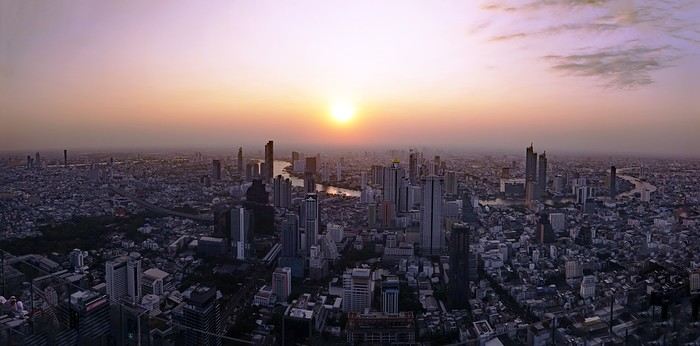
A somewhat lengthy title... I could have simply written: from Bangkok to Chiang Rai, via Chiang Mai, since that was my route. But when poets embellish our travel journals with their verbal flourishes, you’ve got to try not to be too ordinary.
Skyscrapers of excess? You’ll have gathered that from the photo illustrating this journal—though it might change as the trip goes on.
The excess of markets—not so much in their size, though... Chatuchak... But in their sheer number. Day markets, night markets, floating markets, fresh produce markets, fish markets, meat markets, spice markets, fabric markets... and even... amulet markets... For luck, good fortune, protection. Not to mention, sadly, the market for girls—and boys, incidentally. I’ve even heard they’re displayed in windows. I’ve heard about that one, like you have, but I didn’t set foot in it, so I can’t say anything about it. Some even claim there’s a black-market trade in children. Disgusting! It reminded me of the book *The Parcel* by Anosh Irani, which I recommended in another journal. The story is set in India, but I’ve been told it exists in Thailand too. So, the "famous Thai markets" we’re bombarded with in paper and online guides—sure, they amazed me in the first few days, and I don’t regret visiting them. But no matter how big they were, I quickly got my fill since you saw the same things at every stall...
I had a market overdose.
Excess of tourism? I should say *tourists*, since I saw them literally swarming in the streets and those famous markets. I’d forgotten about them. I’d lost the habit, living in an Indian city for so long...
Waterfalls are a bit like markets. At this time of year, they’re not particularly spectacular, but they’re everywhere. There are the ones everyone goes to see. For example, Erawan, which I decided to skip even though it was in my original itinerary—I guessed it’d be a nightmare with the selfie circus. On the other hand, you come across them all over the place, hidden in the mountains and forests, not listed in any guide. Not to mention the ones you can find in temples or even private homes... Yes, really! Thais love waterfalls, so they install them in their gardens—and I even saw one in the middle of the city, right on the street! Sometimes they’re tiny, but very photogenic.
But what do ice cubes have to do with this? Why the excess of ice cubes? Not only are they everywhere by the ton, but they put them in *everything* you drink. You’d think they’d even put them in soup! And it’s not just one or two ice cubes—no! They fill the container to the brim, whatever it is, then pour the liquid on top to fill the gaps. They’ll make you an excellent coffee right in front of you, piping hot, then—bam! An avalanche of ice cubes in the glass. Okay, I’m exaggerating a little. They *do* sometimes ask if you prefer your coffee—or tea—hot. Everything edible, and especially everything drinkable, is refrigerated: vegetables, fruit, hot drinks (I mean, drinks that are *usually* hot), but meat and fish are left out in the open. They just wave a little whisk to shoo away the flies when they get too eager. Mind you, I never put fruit, cheese, eggs, or water in the fridge in France, but I do in India. And I refrigerate meat and fish too... Though sometimes one of those little flies sneaks into the fridge...
You won’t find practical or technical details in this journal, like addresses or prices. Others do that better than me. You also won’t find the names of obscure or unknown places I discovered, or directions to get there.
I don’t really feel like recounting what I saw day by day, following my schedule and route. There might be flashbacks, projections into the future. It’ll depend on my memories, what I felt, what I hated, what comes back to me—and maybe your questions and our exchanges. And for those who’ve never read me before, you’ll have to get used to my parentheses and digressions, maybe on a completely different subject, as my thoughts wander. Stories within stories. There’ll also be long, endless sentences—but still punctuated, so you can follow along. Though I used to curse Proust and his sentences that started on one page and ended on the next, sometimes even further. I’d have to reread them twenty times to follow and understand what he was saying. I hated Proust. But hey, I was 20. Maybe I’d like him now?
See? The digressions are starting already. Forgive me.
You’ll find few photos here. First, the number is limited, and second, photos aren’t the main purpose of either VF or a travel journal. They’re too often used to mask the poverty of the text. And, sorry to say it, but so many of them are just plain ugly! If you really want to see photos, I’ll share some links where you can browse them at your leisure
So where are they and what are they doing?
This catchy and somewhat mysterious title comes from several questions I’ve been asking myself.
VF has been back open for a reasonable number of weeks and months now. The number of visitors overall matches past averages, but the number of members online in the last 24 hours seems relatively lower than what we used to see.
Yet, to my surprise, I’m seeing fewer travel journals, way fewer messages, and way fewer questions. I don’t see many new registered users online, and I notice a number of members who are logged in but either aren’t participating or have stopped participating.
Something’s not adding up for me because, in my opinion, VF is still appealing, and I don’t see which other sites could really compete.
Was there a real break between pre- and post-Covid? Does it just take more time for some people to discover the site or learn that it’s active again? Do people now prefer quick consumption on sites like FB or others I’m not familiar with? Where have the site’s old-timers gone, and what are they doing with their time now? What’s really going on here?
VF has been back open for a reasonable number of weeks and months now. The number of visitors overall matches past averages, but the number of members online in the last 24 hours seems relatively lower than what we used to see.
Yet, to my surprise, I’m seeing fewer travel journals, way fewer messages, and way fewer questions. I don’t see many new registered users online, and I notice a number of members who are logged in but either aren’t participating or have stopped participating.
Something’s not adding up for me because, in my opinion, VF is still appealing, and I don’t see which other sites could really compete.
Was there a real break between pre- and post-Covid? Does it just take more time for some people to discover the site or learn that it’s active again? Do people now prefer quick consumption on sites like FB or others I’m not familiar with? Where have the site’s old-timers gone, and what are they doing with their time now? What’s really going on here?
What’s your definition of a nature destination?
Hi,
I’m starting this thread after a digression that began in the India section and continued in a travel journal about Kerala.
The original topic was whether India is—or isn’t—a nature destination.
I’ll let you all discuss and share your own definition of a nature destination. 🙂
I’m starting this thread after a digression that began in the India section and continued in a travel journal about Kerala.
The original topic was whether India is—or isn’t—a nature destination.
I’ll let you all discuss and share your own definition of a nature destination. 🙂
Slow Travel or the Illusion of Authenticity
“Slow travel” is a concept that some tout as a philosophical revolution in travel. But on closer inspection, it’s nothing more than a marketing repackaging of an age-old practice.
This term is wrapped in an aura of intellectualism. It promises to reinvent the experience of travel by valuing slowness, contemplation, and cultural immersion.
The term “slow travel” claims to bring depth to travel, but it often relies on clichés.
Taking your time, meeting locals, avoiding quick visits—these practices have always existed and are nothing revolutionary.
Before the era of airplanes, high-speed trains, and express stays, traveling necessarily meant taking your time. Pilgrims, merchants, and explorers already practiced a form of “slow travel,” without hashtags or self-proclaimed spiritual guides.
Crossing lands on foot or by horse required total immersion in the landscapes, cultures, and unpredictability of the journey. Yet, no one attributed philosophical intentions to them: it was a necessity.
Slow travel, in its current version, may be less a philosophy than a reflection of the contradictions of an affluent class searching for meaning in a world they help overload.
So-called “slow” travel is presented as a privileged way to understand a culture, but this claim is debatable. A region never represents an entire country.
Immersing yourself in a community doesn’t guarantee a complete or more authentic understanding than any other way of traveling.
Slowness in itself doesn’t guarantee depth or ethics. You can immerse yourself in a place over a weekend, just as you can spend months in a country without grasping its subtleties.
By positioning itself as an antidote to “fast” tourism, slow travel fetishizes a temporality that only makes sense if it’s accompanied by real openness and an effort to integrate.
But this over-intellectualization often masks a desire to belong to a trend or a need to stand out socially.
Behind this posture sometimes lies a whim: the urge to reinvent one’s life elsewhere in an idealized form. But this quest for elsewhere remains fundamentally a way to escape or respond to unease, rather than a true commitment to the cultures visited.
When we talk about “encounters” while traveling, we often forget that these exchanges are facilitated by biased contexts. As a traveler, you’re seen as a temporary visitor, unattached, and that changes the dynamic.
Locals, whether curious or used to tourists, adopt a different stance than they would with a neighbor they see daily.
This interaction is also tinged with asymmetry: the traveler has the luxury of time and availability, while in daily life, personal concerns often take precedence over the desire to connect.
The flip side is that the openness displayed while traveling is often a facade. We boast about chatting with a fisherman or sharing a meal with a local family, but how many of these encounters lead to a real understanding of cultural differences or sincere reflection?
Once home, these moments become anecdotes, social trophies to show off, without fundamentally changing our relationship with others in our daily lives.
By imposing a definition, we push people to adapt their practices to fit an idealized model. This can lead to a paradoxical standardization: “slow travel” becomes a checklist of behaviors (meetings, immersion, slowness).
The “bobos” (bourgeois-bohemians), often in search of meaning in a world saturated with options, believe that giving a name to a practice grants it legitimacy or moral value. But this obsession with framing and theorizing travel only drains it of its spontaneity.
Someone who grew up at the crossroads of multiple cultures, on the other hand, doesn’t feel this need. For them, traveling isn’t a philosophical project but an intrinsic part of their life.
The very concept of “slow travel” can seem absurd: why glorify what’s simply natural?
Why try to turn into an ideology what should be a personal, intimate experience, free from semantic constraints?
Ultimately, this need for labeling, this frantic quest to name every gesture, reveals a society craving simplicity.
Travel, in its purest form, doesn’t need justification or slogans. It doesn’t need slowness or speed: it’s simply lived.
Perhaps the real challenge is to unlearn this Western habit of conceptualizing everything that should simply be felt.
For many, travel is a parenthesis, a temporary break from daily life. But if we reject this distinction between “home” and “elsewhere,” every human life becomes a continuous journey through varied environments.
From this perspective, “slow travel” loses all meaning, because living somewhere—whether for a week or five years—is part of the same experience of adaptation.
So, we ask the fans of marketing slogans: is travel a parenthesis or a journey?
“Slow travel” is often driven by a Western eco-bobo ideology, tinged with post-colonial guilt. This discourse promotes a supposedly virtuous way of traveling while forgetting that these practices remain a privilege.
Far from deconstructing power dynamics, it sometimes reinforces them by glorifying a different kind of consumption, still centered on comfort.
There’s also a condescending side to this rhetoric. By idealizing slowness, slow travel advocates imply that those who travel quickly or on a budget are less “authentic” in their approach.
Yet, isn’t that a form of contempt? Do those who leave for a well-deserved week after months of hard work deserve less consideration?
Concepts like “slow travel” or “sustainable tourism” seem hollow when reduced to marketing slogans or standardized behaviors. They confine travel to preconceived frameworks, stripping it of its spontaneous and unpredictable dimension.
Instead of categorizing, it would be more relevant to recognize the plurality of human experiences without trying to define them.
Slow travel doesn’t invent anything. It simply puts into words—and often slogans—what travel has always been for those who practice it with intention.
Maybe we should stop trying to theorize every movement and simply rediscover travel for what it is: a human experience, sometimes slow, sometimes fast, but always personal.
More info on our site
This term is wrapped in an aura of intellectualism. It promises to reinvent the experience of travel by valuing slowness, contemplation, and cultural immersion.
The term “slow travel” claims to bring depth to travel, but it often relies on clichés.
Taking your time, meeting locals, avoiding quick visits—these practices have always existed and are nothing revolutionary.
Before the era of airplanes, high-speed trains, and express stays, traveling necessarily meant taking your time. Pilgrims, merchants, and explorers already practiced a form of “slow travel,” without hashtags or self-proclaimed spiritual guides.
Crossing lands on foot or by horse required total immersion in the landscapes, cultures, and unpredictability of the journey. Yet, no one attributed philosophical intentions to them: it was a necessity.
Slow travel, in its current version, may be less a philosophy than a reflection of the contradictions of an affluent class searching for meaning in a world they help overload.
So-called “slow” travel is presented as a privileged way to understand a culture, but this claim is debatable. A region never represents an entire country.
Immersing yourself in a community doesn’t guarantee a complete or more authentic understanding than any other way of traveling.
Slowness in itself doesn’t guarantee depth or ethics. You can immerse yourself in a place over a weekend, just as you can spend months in a country without grasping its subtleties.
By positioning itself as an antidote to “fast” tourism, slow travel fetishizes a temporality that only makes sense if it’s accompanied by real openness and an effort to integrate.
But this over-intellectualization often masks a desire to belong to a trend or a need to stand out socially.
Behind this posture sometimes lies a whim: the urge to reinvent one’s life elsewhere in an idealized form. But this quest for elsewhere remains fundamentally a way to escape or respond to unease, rather than a true commitment to the cultures visited.
When we talk about “encounters” while traveling, we often forget that these exchanges are facilitated by biased contexts. As a traveler, you’re seen as a temporary visitor, unattached, and that changes the dynamic.
Locals, whether curious or used to tourists, adopt a different stance than they would with a neighbor they see daily.
This interaction is also tinged with asymmetry: the traveler has the luxury of time and availability, while in daily life, personal concerns often take precedence over the desire to connect.
The flip side is that the openness displayed while traveling is often a facade. We boast about chatting with a fisherman or sharing a meal with a local family, but how many of these encounters lead to a real understanding of cultural differences or sincere reflection?
Once home, these moments become anecdotes, social trophies to show off, without fundamentally changing our relationship with others in our daily lives.
By imposing a definition, we push people to adapt their practices to fit an idealized model. This can lead to a paradoxical standardization: “slow travel” becomes a checklist of behaviors (meetings, immersion, slowness).
The “bobos” (bourgeois-bohemians), often in search of meaning in a world saturated with options, believe that giving a name to a practice grants it legitimacy or moral value. But this obsession with framing and theorizing travel only drains it of its spontaneity.
Someone who grew up at the crossroads of multiple cultures, on the other hand, doesn’t feel this need. For them, traveling isn’t a philosophical project but an intrinsic part of their life.
The very concept of “slow travel” can seem absurd: why glorify what’s simply natural?
Why try to turn into an ideology what should be a personal, intimate experience, free from semantic constraints?
Ultimately, this need for labeling, this frantic quest to name every gesture, reveals a society craving simplicity.
Travel, in its purest form, doesn’t need justification or slogans. It doesn’t need slowness or speed: it’s simply lived.
Perhaps the real challenge is to unlearn this Western habit of conceptualizing everything that should simply be felt.
For many, travel is a parenthesis, a temporary break from daily life. But if we reject this distinction between “home” and “elsewhere,” every human life becomes a continuous journey through varied environments.
From this perspective, “slow travel” loses all meaning, because living somewhere—whether for a week or five years—is part of the same experience of adaptation.
So, we ask the fans of marketing slogans: is travel a parenthesis or a journey?
“Slow travel” is often driven by a Western eco-bobo ideology, tinged with post-colonial guilt. This discourse promotes a supposedly virtuous way of traveling while forgetting that these practices remain a privilege.
Far from deconstructing power dynamics, it sometimes reinforces them by glorifying a different kind of consumption, still centered on comfort.
There’s also a condescending side to this rhetoric. By idealizing slowness, slow travel advocates imply that those who travel quickly or on a budget are less “authentic” in their approach.
Yet, isn’t that a form of contempt? Do those who leave for a well-deserved week after months of hard work deserve less consideration?
Concepts like “slow travel” or “sustainable tourism” seem hollow when reduced to marketing slogans or standardized behaviors. They confine travel to preconceived frameworks, stripping it of its spontaneous and unpredictable dimension.
Instead of categorizing, it would be more relevant to recognize the plurality of human experiences without trying to define them.
Slow travel doesn’t invent anything. It simply puts into words—and often slogans—what travel has always been for those who practice it with intention.
Maybe we should stop trying to theorize every movement and simply rediscover travel for what it is: a human experience, sometimes slow, sometimes fast, but always personal.
More info on our site
Iceland: A Week on the Land of Ice and Fire in April
4 years... it’s been so long!!!
What a pleasure to be back on VF and, most of all, to see all the forum members again 🙂
And what a joy to read the travel journals of those travel addicts who were quicker than their own shadow to share their discoveries. Their keyboards and mice must’ve been itching
I’ll admit I’m feeling a bit of that itch too, but I’m way too lazy to dive into the story of our latest trip—last summer in the northwest USA. I’ll probably get to it later, but it might take a while! So, I’m jumping into the short recap of our *way* too short trip to Iceland at the end of April 2024. And even though it’s not the done thing, I’m going to spoil it and start with the conclusion: it was *amazing*!!!
Back in February, on the eve of leaving for a few days’ holiday in Alsace, we started wondering what we could do for Easter break. Scotland and Iceland were the top contenders. The boys are growing up, but they still travel with us often, and they tipped the scales in favor of Iceland. Since we decided a bit late, before booking the flights, I took a quick look at available accommodations. There wasn’t much left, and some were at crazy prices, but I managed to line up a decent itinerary with places that seemed like good value for money. I read travel journals on VF and blogs I could find, picked up bits of info from Facebook groups, and the route quickly took shape—even if I struggled with the place names, mixing them up and forgetting them. The dream could begin...
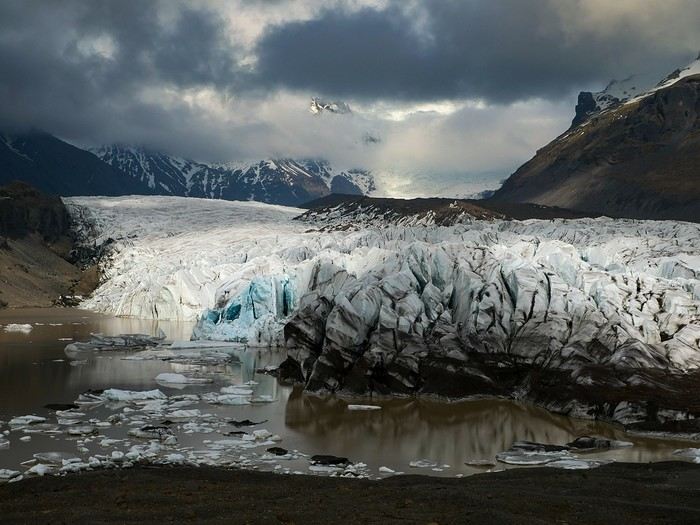
Bookings
Flight tickets bought directly from Fly Play’s website: 1520 € for the four of us (adult fare), with just two checked bags and one carry-on each. It was the compromise we found to keep costs down while still fitting all the bulky clothes we’d need. Late April isn’t quite winter anymore, but it’s not quite spring either, so we packed for chilly weather. Fly Play is Icelandair’s low-cost airline. No complaints: check-in was quick, service was efficient, and the flights were on time.
The car. Booked with Golden Circle car rental, a small family-run business with offices just 5 minutes from the airport. I’d read good things about them, and I can confirm everything went smoothly with our Dacia Duster—it wasn’t brand new, but it was reliable and spacious. We paid 463 € for the week, with full insurance included. The manager picked us up at the airport 10 minutes after I messaged him on WhatsApp to say we’d arrived. For the return trip, since our flight was super early and the agency wasn’t open yet, we agreed to leave the car in the airport parking lot and sent him a photo of the spot so he could find it. Super convenient! I read *so* many questions on Facebook groups about insurance: *Should I get the max coverage or not? I’ve got a Visa Premier, I’ve never had an accident, it adds 100 €...* Between sandstorms that can damage the bodywork and skidding off the road due to bad weather (we saw a few cars in ditches!), we decided to go for the rental company’s max insurance to be safe. It was also a requirement for leaving the car in the airport parking lot on our way back, since we couldn’t do the final inspection.
Accommodations were all booked on Booking.com and Hotels.com: - 2 nights in a cottage at Fossatun Country Hotel, near Borgarnes (we rented the sunset cottage—great spot, with a nice view and separate from the other lodgings) - 1 night in an apartment at Bakki Hostel and Apartments, in Eyrarbakki (top-notch) - 1 night in a gorgeous (and pricey!) apartment at Vik Apartments - 2 nights in a family room at Adventure Hof Hotel (perfect location) - 1 night at Blue Viking Studio near the airport (meh, but fine for a few hours’ sleep before an early flight) Total: 1234 €, averaging 176 € per night for 4-person accommodations.
The itinerary Day 1: Arrival around noon at the airport - Hraunfossar / Night at Fossatun Country Hotel Day 2: Snæfellsnes Peninsula / Night at Fossatun Country Hotel Day 3: Bruarfoss - Geysir - Gullfoss - Reykjadalur hot springs / Night in Eyrarbakki Day 4: Seljalandsfoss and Gljúfrafoss - DC-3 wreck (the one near Seljalandsfoss) - Skógafoss - Kvernufoss - Sólheimajökull (hike to the foot of the glacier) - Dyrhólaey - Reynisfjara Beach / Night in Vík Day 5: Fjaðrárgljúfur Canyon - Vatnajökull (3-hour hike to Svartifoss and Skaftafell) / Night in Hof Day 6: Múlagljúfur Canyon (2h45 hike) - Fjallsárlón - Jökulsárlón and Diamond Beach - Svínafellsjökull / Night in Hof Day 7: Drive back - Reykjavik - Sky Lagoon / Night in Keflavík Day 8: Flight back at 6 AM
That’s the practical side covered. I’ll leave you with a photo of our trusty steed.
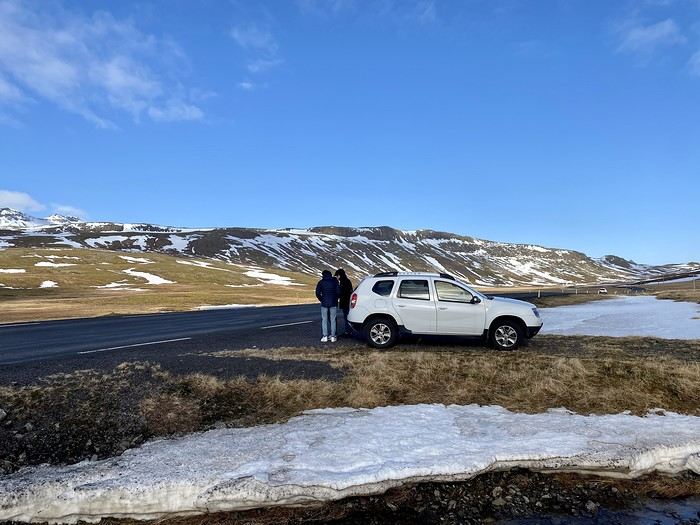
And what a joy to read the travel journals of those travel addicts who were quicker than their own shadow to share their discoveries. Their keyboards and mice must’ve been itching
I’ll admit I’m feeling a bit of that itch too, but I’m way too lazy to dive into the story of our latest trip—last summer in the northwest USA. I’ll probably get to it later, but it might take a while! So, I’m jumping into the short recap of our *way* too short trip to Iceland at the end of April 2024. And even though it’s not the done thing, I’m going to spoil it and start with the conclusion: it was *amazing*!!!
Back in February, on the eve of leaving for a few days’ holiday in Alsace, we started wondering what we could do for Easter break. Scotland and Iceland were the top contenders. The boys are growing up, but they still travel with us often, and they tipped the scales in favor of Iceland. Since we decided a bit late, before booking the flights, I took a quick look at available accommodations. There wasn’t much left, and some were at crazy prices, but I managed to line up a decent itinerary with places that seemed like good value for money. I read travel journals on VF and blogs I could find, picked up bits of info from Facebook groups, and the route quickly took shape—even if I struggled with the place names, mixing them up and forgetting them. The dream could begin...
Bookings
Flight tickets bought directly from Fly Play’s website: 1520 € for the four of us (adult fare), with just two checked bags and one carry-on each. It was the compromise we found to keep costs down while still fitting all the bulky clothes we’d need. Late April isn’t quite winter anymore, but it’s not quite spring either, so we packed for chilly weather. Fly Play is Icelandair’s low-cost airline. No complaints: check-in was quick, service was efficient, and the flights were on time.
The car. Booked with Golden Circle car rental, a small family-run business with offices just 5 minutes from the airport. I’d read good things about them, and I can confirm everything went smoothly with our Dacia Duster—it wasn’t brand new, but it was reliable and spacious. We paid 463 € for the week, with full insurance included. The manager picked us up at the airport 10 minutes after I messaged him on WhatsApp to say we’d arrived. For the return trip, since our flight was super early and the agency wasn’t open yet, we agreed to leave the car in the airport parking lot and sent him a photo of the spot so he could find it. Super convenient! I read *so* many questions on Facebook groups about insurance: *Should I get the max coverage or not? I’ve got a Visa Premier, I’ve never had an accident, it adds 100 €...* Between sandstorms that can damage the bodywork and skidding off the road due to bad weather (we saw a few cars in ditches!), we decided to go for the rental company’s max insurance to be safe. It was also a requirement for leaving the car in the airport parking lot on our way back, since we couldn’t do the final inspection.
Accommodations were all booked on Booking.com and Hotels.com: - 2 nights in a cottage at Fossatun Country Hotel, near Borgarnes (we rented the sunset cottage—great spot, with a nice view and separate from the other lodgings) - 1 night in an apartment at Bakki Hostel and Apartments, in Eyrarbakki (top-notch) - 1 night in a gorgeous (and pricey!) apartment at Vik Apartments - 2 nights in a family room at Adventure Hof Hotel (perfect location) - 1 night at Blue Viking Studio near the airport (meh, but fine for a few hours’ sleep before an early flight) Total: 1234 €, averaging 176 € per night for 4-person accommodations.
The itinerary Day 1: Arrival around noon at the airport - Hraunfossar / Night at Fossatun Country Hotel Day 2: Snæfellsnes Peninsula / Night at Fossatun Country Hotel Day 3: Bruarfoss - Geysir - Gullfoss - Reykjadalur hot springs / Night in Eyrarbakki Day 4: Seljalandsfoss and Gljúfrafoss - DC-3 wreck (the one near Seljalandsfoss) - Skógafoss - Kvernufoss - Sólheimajökull (hike to the foot of the glacier) - Dyrhólaey - Reynisfjara Beach / Night in Vík Day 5: Fjaðrárgljúfur Canyon - Vatnajökull (3-hour hike to Svartifoss and Skaftafell) / Night in Hof Day 6: Múlagljúfur Canyon (2h45 hike) - Fjallsárlón - Jökulsárlón and Diamond Beach - Svínafellsjökull / Night in Hof Day 7: Drive back - Reykjavik - Sky Lagoon / Night in Keflavík Day 8: Flight back at 6 AM
That’s the practical side covered. I’ll leave you with a photo of our trusty steed.
Lufthansa: Court Case and Refund
Hi,
Lufthansa is really pushing it:
Cancellation of two flights with no rebooking options offered, even though rebooking is possible on the same dates with comparable travel times. Yet Lufthansa claims no rebooking is possible;
To get a refund for a flight canceled by the airline (well after the Covid crisis), you have to take legal action! A refund request was properly submitted, but Lufthansa hasn’t responded.
Lufthansa’s lawyer admitted in court that the refund request is valid and that the airline is willing to refund. But over a year later, the refund still hasn’t been issued! Clearly, Lufthansa prefers to wait for a court ruling, which is a sure thing given their own lawyer’s statement;
After a phone call initiated by the passenger, rebooking was agreed upon by both parties—only for Lufthansa to cancel it immediately without offering any alternative rebooking.
In a follow-up call initiated by the passenger, Lufthansa proposed a rebooking with a travel time of 31 hours instead of 21, even though faster rebooking options with comparable travel times exist.
The proposed 31-hour rebooking includes a nighttime layover of over 12 hours with no hotel or transportation coverage;
For the first rebooking that both parties agreed on (but Lufthansa immediately canceled), they refused to cover ground transportation from the arrival airport to the originally planned airport;
Refusal of other "prompt" rebooking options, even though they were available and proposed by the passenger;
Ongoing legal case: https://retardimportantavion.wordpress.com/2024/10/23/lufthansa-championne-du-refus-des-droits-des-passagers/ 2 Best regards,
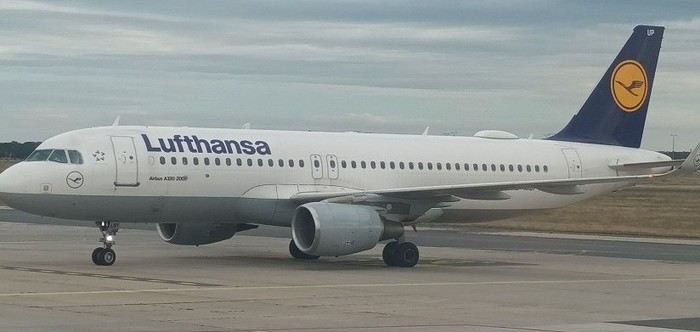
Cancellation of two flights with no rebooking options offered, even though rebooking is possible on the same dates with comparable travel times. Yet Lufthansa claims no rebooking is possible;
To get a refund for a flight canceled by the airline (well after the Covid crisis), you have to take legal action! A refund request was properly submitted, but Lufthansa hasn’t responded.
Lufthansa’s lawyer admitted in court that the refund request is valid and that the airline is willing to refund. But over a year later, the refund still hasn’t been issued! Clearly, Lufthansa prefers to wait for a court ruling, which is a sure thing given their own lawyer’s statement;
After a phone call initiated by the passenger, rebooking was agreed upon by both parties—only for Lufthansa to cancel it immediately without offering any alternative rebooking.
In a follow-up call initiated by the passenger, Lufthansa proposed a rebooking with a travel time of 31 hours instead of 21, even though faster rebooking options with comparable travel times exist.
The proposed 31-hour rebooking includes a nighttime layover of over 12 hours with no hotel or transportation coverage;
For the first rebooking that both parties agreed on (but Lufthansa immediately canceled), they refused to cover ground transportation from the arrival airport to the originally planned airport;
Refusal of other "prompt" rebooking options, even though they were available and proposed by the passenger;
Ongoing legal case: https://retardimportantavion.wordpress.com/2024/10/23/lufthansa-championne-du-refus-des-droits-des-passagers/ 2 Best regards,