Results for "zoo+Berlin+|+9+>+196"
6772 results found.
Padaung, les femmes au long cou (Thaïlande) English translation pending
Bonjour
Ceux qui voyagent en Thaïlande ont certainement entendu parler ou vu les fameuses "femmes-girafes", membres de l'ethnie Padaung de Birmanie. Elles sont devenues l'une des "carte postale" classique de la Thaïlande. Les tours-operators organisent depuis une quinzaine d'année des visites dans les camps de réfugiés de la région de Mae Hong Song. Ci-joint, un article sur l'envers du décor.
Pour information, il existe (en 2002) un village à Inle, en Birmanie où une vingtaine de ces femmes sont parquées par la junte militaire et des opérateurs locaux véreux pour le plus grand bonheur des touristes.
Survivants sans statut dans l'exil thaïlandais Source: Le Monde diplomatique, juin 1994
La visite du village de Huang-Haen, dans l'extrême nord-ouest de la Thaïlande, est au programme de la plupart des agences touristiques du pays.
Il s'agit, ni plus ni moins, d'un zoo humain. On peut y voir vingt et une femmes, appelées " femmes-girafes ". Leur cou est allongé, cerné d'une spirale de cuivre plus haute chaque année, comme le veut une coutume ancestrale. Flairant la bonne affaire, M. Su Pot, un entrepreneur thaïlandais, a parqué ces femmes dans un village de bambou reconstitué. Il a installé une guérite à l'entrée, où un guide accueille les visiteurs. Le prix d'entrée est de 100 francs. A qui s'étonne, il répond : " Nous reversons 1 000 baths (1 bath = 0, 25 franc) à chacune des femmes, et nous veillons à leur santé. " Une centaine de touristes visitent quotidiennement ce zoo humain, ce qui représente un chiffre d'affaires de 300 000 F par mois. Même en déduisant les 5 250 F " généreusement " reversés aux "femmes-girafes ", Huang-Haen reste une affaire rentable. Les femmes peuvent circuler dans le village. Elles portent leur prison sur elles, une prison de cuivre qui leur enserre la gorge. Comment pourraient-elles s'enfuir ?
En ville, elles seraient immédiatement repérées et ramenées au camp. Et qu'y feraient-elles ? Elles n'ont connu que la forêt. Eloignées de leurs époux, elles ne pourraient y survivre seules. Originaires de Birmanie, elles ont grandi dans la forêt jusqu'à ce qu'en 1988 la guerre civile les chasse de leur territoire.
" Si tu parles trop... "
Par milliers, les Birmans ont fui la répression du régime de Rangoun. Ce dernier n'a jamais pardonné l'appui apporté aux séparatistes et autres aspirants à la démocratie qui ont menacé le régime en 1988. Viols, tortures, exécutions sommaires, villages incendiés, rien n'a été épargné aux populations soupçonnées d'avoir prêté main-forte aux rebelles et aux opposants. Les exilés n'ont aucun statut.
Officiellement, ils ne sont rien. Ni Birmans, ni Thaïlandais, ni réfugiés politiques, ils s'appellent eux-mêmes des " personnes déplacées ". Démunis de papiers, sans recours, ils sont la proie de toutes les tracasseries. Les " femmes-girafes " faisaient partie de ce flot. Pour les milliers d'autres qui n'ont pas de long cou, la réalité est tout aussi dramatique. Certains ont choisi de tenter leur chance en ville. Ainsi, cette serveuse, âgée de dix-neuf ans, dans un restaurant huppé de Mae-Hong-Son. Pour 800 baths mensuels (" C'est un salaire correct pour une Birmane ", précise-t-elle), elle travaille au minimum dix heures par jour. Parfois dix-neuf. Elle dort dans la cuisine sur une natte. " Au début, j'étais employée sur un chantier de construction routière, à manier des pelletées de goudron. Je n'ai jamais été payée. J'avais droit à deux soupes par jour. C'était trop dur, j'ai craqué ", dit-elle. Les revendications sociales sont systématiquement rejetées. " Si tu parles trop, je te dénonce ", s'entend répondre le plaignant. Etre dénoncé, pour un Birman, c'est être emmené au poste de police pour défaut de papiers. Le séjour peut se prolonger longtemps, derrière les barreaux, dans l'indifférence générale.
Than Htay, un étudiant qui a fui la Birmanie au lendemain de la répression de 1988, raconte : " En 1991, j'ai été arrêté pour défaut de présentation de papiers d'immigration. J'ai passé treize jours au poste de police principal de Mae-Hong-Son. Dans le même temps, six Birmanes ont été arrêtées en compagnie de leurs époux. A 1 heure du matin, une nuit, la lumière s'est éteinte. J'ai entendu des policiers s'approcher. Ils ont pénétré dans la cellule d'à côté, et ont menacé les femmes de leurs armes. Puis ils les ont violées. Je ne pouvais rien faire. J'ai envoyé ce témoignage à Amnesty International. Un officier de la Thaï Intelligence Agency a été contacté. Il m'a clairement fait comprendre que, pour faire avancer l'enquête, il fallait organiser une confrontation et que, dans ce cas, je n'avais aucune chance. C'était la parole des policiers contre la mienne, avec toutes les représailles que je risquais. J'ai abandonné, mais je n'oublierai jamais cette nuit. " Tous les six mois, il part avec un commando d'étudiants, pénétrant loin à l'intérieur de son pays pour y tendre des embuscades, pour harceler le régime, tenter de provoquer un soulèvement général. Il ajoute : " En Birmanie, la situation est dramatique, plus dure encore pour nous qu'ici en Thaïlande. Les travailleurs sont réquisitionnés sous le contrôle de l'armée. Beaucoup meurent, car la tâche est trop dure. Par exemple, les Birmans construisent une voie ferrée entre Aung-Ban et Loikaw. Tous les hommes valides qui habitent à proximité doivent abandonner leurs cultures et travailler gratuitement à l'édification de la ligne. Pendant ce temps, les récoltes de paddy pourrissent sur pied. Ou encore, l'armée débarque un beau jour dans un village et dévalise les greniers, ou ordonne qu'on lui fournisse des porteurs qui devront marcher avec des charges d'un poids inhumain sur le dos, en tête des troupes anti-guérilla, pour faire exploser les mines. Et si vous refusez, c'est l'exécution immédiate, pour l'exemple. " Fuyant l'horreur, beaucoup n'ont trouvé au bout de leur route qu'un autre drame, ainsi ces nombreuses prostituées séquestrées dans les bordels de Bangkok ou d'ailleurs, sans espoir d'en sortir. Tous les réfugiés n'ont pas choisi de vivre en ville. Beaucoup s'entassent dans des camps, au milieu de la forêt tropicale. Sur des terrains prêtés par la Thaïlande, ils ont bâti des constructions rustiques mais solides. Des organisations non gouvernementales (ONG) ont ensuite apporté leur concours. L'une d'elles, la Commission internationale pour les droits des ethnies minoritaires et des peuples aborigènes, leur a fourni les protéines dont ils manquaient cruellement.
Sous la houlette de M. Jean-Philippe Vandroux, un jeune Français installé à Mae-Hong-Son, des élevages de poules, de canards, de poissons, de grenouilles, de porcs et de dindes commencent à se multiplier dans les camps. Une organisation américaine a permis l'adduction d'eau. Tous ces progrès sont menacés par le bon vouloir des Thaïlandais, qui peuvent à tout moment ordonner le déplacement des camps afin d'interdire aux Birmans de s'implanter durablement. Les Thaïlandais sont déchirés entre deux attitudes: d'un côté, il leur faut ménager leurs bons rapports avec Rangoun ; de l'autre, venir en aide aux réfugiés pour ne pas s'exposer aux foudres des enquêteurs internationaux. D'où cette solution intermédiaire : les réfugiés sont aidés mais modérément. Sombre tableau sanitaire La situation sanitaire est mauvaise. Le docteur Richard est médecin-chef birman du camp de Mae-Sarin qui accueille plus d'un millier de réfugiés. Formé par des volontaires de Médecins sans frontières pendant quatre années, il se déclare prêt à soigner la plupart des patients. Il dresse néanmoins un sombre tableau de la situation : " La malaria fait des ravages, suivie de près par la dysentrie et les diarrhées. Pour la malaria cérébrale, on m'apporte en général les malades quand il est trop tard. Nous manquons de quinine, n'avons pas de produits antimoustiques autres que le DDT, dont nous aspergeons régulièrement chaque maison. Mais c'est insuffisant. Les moustiquaires sont en mauvais état, nous n'avons pas de produit pour protéger nos enfants. Le camp est mal placé, très humide, peu aéré, car encerclé de montagnes. Il fait trop chaud en été, trop froid en hiver. Nous faisons des campagnes d'information, pour que les gens fassent bouillir l'eau, mais quand le bois est mouillé, les gens oublient ces recommandations. " Le général Aung Than a été élu en 1992 premier ministre de la nation karenni, ethnie en lutte depuis 1948 contre le régime de Rangoun, qui a toujours refusé l'indépendance à son peuple. Il vit dans le camp forestier de Mae-Sarin. A première vue, rien ne le distingue de ses compatriotes réfugiés, si ce n'est le talkie-walkie qu'il porte en permanence, pour se tenir informé de la situation " à l'intérieur ". " Nous ne contrôlons plus qu'une mince bande de notre territoire. L'armée birmane a quasiment gagné sa guerre contre nous. Sans appui international, nous sommes oubliés du monde ", commente-t-il avec rancoeur. Il ajoute : " Nous ne pouvons rien faire. Nous sommes les invités de la Thaïlande. Nous ne pouvons que l'en remercier, car sans elle nous serions tous morts. Mais la contrepartie, c'est que nous ne pouvons rien lui refuser. S'il y a des abus, nous ne pouvons que les accepter. Car si on nous chasse, nous n'avons nulle part où aller. "
Philippe Tarnier, journaliste
Ceux qui voyagent en Thaïlande ont certainement entendu parler ou vu les fameuses "femmes-girafes", membres de l'ethnie Padaung de Birmanie. Elles sont devenues l'une des "carte postale" classique de la Thaïlande. Les tours-operators organisent depuis une quinzaine d'année des visites dans les camps de réfugiés de la région de Mae Hong Song. Ci-joint, un article sur l'envers du décor.
Pour information, il existe (en 2002) un village à Inle, en Birmanie où une vingtaine de ces femmes sont parquées par la junte militaire et des opérateurs locaux véreux pour le plus grand bonheur des touristes.
Survivants sans statut dans l'exil thaïlandais Source: Le Monde diplomatique, juin 1994
La visite du village de Huang-Haen, dans l'extrême nord-ouest de la Thaïlande, est au programme de la plupart des agences touristiques du pays.
Il s'agit, ni plus ni moins, d'un zoo humain. On peut y voir vingt et une femmes, appelées " femmes-girafes ". Leur cou est allongé, cerné d'une spirale de cuivre plus haute chaque année, comme le veut une coutume ancestrale. Flairant la bonne affaire, M. Su Pot, un entrepreneur thaïlandais, a parqué ces femmes dans un village de bambou reconstitué. Il a installé une guérite à l'entrée, où un guide accueille les visiteurs. Le prix d'entrée est de 100 francs. A qui s'étonne, il répond : " Nous reversons 1 000 baths (1 bath = 0, 25 franc) à chacune des femmes, et nous veillons à leur santé. " Une centaine de touristes visitent quotidiennement ce zoo humain, ce qui représente un chiffre d'affaires de 300 000 F par mois. Même en déduisant les 5 250 F " généreusement " reversés aux "femmes-girafes ", Huang-Haen reste une affaire rentable. Les femmes peuvent circuler dans le village. Elles portent leur prison sur elles, une prison de cuivre qui leur enserre la gorge. Comment pourraient-elles s'enfuir ?
En ville, elles seraient immédiatement repérées et ramenées au camp. Et qu'y feraient-elles ? Elles n'ont connu que la forêt. Eloignées de leurs époux, elles ne pourraient y survivre seules. Originaires de Birmanie, elles ont grandi dans la forêt jusqu'à ce qu'en 1988 la guerre civile les chasse de leur territoire.
" Si tu parles trop... "
Par milliers, les Birmans ont fui la répression du régime de Rangoun. Ce dernier n'a jamais pardonné l'appui apporté aux séparatistes et autres aspirants à la démocratie qui ont menacé le régime en 1988. Viols, tortures, exécutions sommaires, villages incendiés, rien n'a été épargné aux populations soupçonnées d'avoir prêté main-forte aux rebelles et aux opposants. Les exilés n'ont aucun statut.
Officiellement, ils ne sont rien. Ni Birmans, ni Thaïlandais, ni réfugiés politiques, ils s'appellent eux-mêmes des " personnes déplacées ". Démunis de papiers, sans recours, ils sont la proie de toutes les tracasseries. Les " femmes-girafes " faisaient partie de ce flot. Pour les milliers d'autres qui n'ont pas de long cou, la réalité est tout aussi dramatique. Certains ont choisi de tenter leur chance en ville. Ainsi, cette serveuse, âgée de dix-neuf ans, dans un restaurant huppé de Mae-Hong-Son. Pour 800 baths mensuels (" C'est un salaire correct pour une Birmane ", précise-t-elle), elle travaille au minimum dix heures par jour. Parfois dix-neuf. Elle dort dans la cuisine sur une natte. " Au début, j'étais employée sur un chantier de construction routière, à manier des pelletées de goudron. Je n'ai jamais été payée. J'avais droit à deux soupes par jour. C'était trop dur, j'ai craqué ", dit-elle. Les revendications sociales sont systématiquement rejetées. " Si tu parles trop, je te dénonce ", s'entend répondre le plaignant. Etre dénoncé, pour un Birman, c'est être emmené au poste de police pour défaut de papiers. Le séjour peut se prolonger longtemps, derrière les barreaux, dans l'indifférence générale.
Than Htay, un étudiant qui a fui la Birmanie au lendemain de la répression de 1988, raconte : " En 1991, j'ai été arrêté pour défaut de présentation de papiers d'immigration. J'ai passé treize jours au poste de police principal de Mae-Hong-Son. Dans le même temps, six Birmanes ont été arrêtées en compagnie de leurs époux. A 1 heure du matin, une nuit, la lumière s'est éteinte. J'ai entendu des policiers s'approcher. Ils ont pénétré dans la cellule d'à côté, et ont menacé les femmes de leurs armes. Puis ils les ont violées. Je ne pouvais rien faire. J'ai envoyé ce témoignage à Amnesty International. Un officier de la Thaï Intelligence Agency a été contacté. Il m'a clairement fait comprendre que, pour faire avancer l'enquête, il fallait organiser une confrontation et que, dans ce cas, je n'avais aucune chance. C'était la parole des policiers contre la mienne, avec toutes les représailles que je risquais. J'ai abandonné, mais je n'oublierai jamais cette nuit. " Tous les six mois, il part avec un commando d'étudiants, pénétrant loin à l'intérieur de son pays pour y tendre des embuscades, pour harceler le régime, tenter de provoquer un soulèvement général. Il ajoute : " En Birmanie, la situation est dramatique, plus dure encore pour nous qu'ici en Thaïlande. Les travailleurs sont réquisitionnés sous le contrôle de l'armée. Beaucoup meurent, car la tâche est trop dure. Par exemple, les Birmans construisent une voie ferrée entre Aung-Ban et Loikaw. Tous les hommes valides qui habitent à proximité doivent abandonner leurs cultures et travailler gratuitement à l'édification de la ligne. Pendant ce temps, les récoltes de paddy pourrissent sur pied. Ou encore, l'armée débarque un beau jour dans un village et dévalise les greniers, ou ordonne qu'on lui fournisse des porteurs qui devront marcher avec des charges d'un poids inhumain sur le dos, en tête des troupes anti-guérilla, pour faire exploser les mines. Et si vous refusez, c'est l'exécution immédiate, pour l'exemple. " Fuyant l'horreur, beaucoup n'ont trouvé au bout de leur route qu'un autre drame, ainsi ces nombreuses prostituées séquestrées dans les bordels de Bangkok ou d'ailleurs, sans espoir d'en sortir. Tous les réfugiés n'ont pas choisi de vivre en ville. Beaucoup s'entassent dans des camps, au milieu de la forêt tropicale. Sur des terrains prêtés par la Thaïlande, ils ont bâti des constructions rustiques mais solides. Des organisations non gouvernementales (ONG) ont ensuite apporté leur concours. L'une d'elles, la Commission internationale pour les droits des ethnies minoritaires et des peuples aborigènes, leur a fourni les protéines dont ils manquaient cruellement.
Sous la houlette de M. Jean-Philippe Vandroux, un jeune Français installé à Mae-Hong-Son, des élevages de poules, de canards, de poissons, de grenouilles, de porcs et de dindes commencent à se multiplier dans les camps. Une organisation américaine a permis l'adduction d'eau. Tous ces progrès sont menacés par le bon vouloir des Thaïlandais, qui peuvent à tout moment ordonner le déplacement des camps afin d'interdire aux Birmans de s'implanter durablement. Les Thaïlandais sont déchirés entre deux attitudes: d'un côté, il leur faut ménager leurs bons rapports avec Rangoun ; de l'autre, venir en aide aux réfugiés pour ne pas s'exposer aux foudres des enquêteurs internationaux. D'où cette solution intermédiaire : les réfugiés sont aidés mais modérément. Sombre tableau sanitaire La situation sanitaire est mauvaise. Le docteur Richard est médecin-chef birman du camp de Mae-Sarin qui accueille plus d'un millier de réfugiés. Formé par des volontaires de Médecins sans frontières pendant quatre années, il se déclare prêt à soigner la plupart des patients. Il dresse néanmoins un sombre tableau de la situation : " La malaria fait des ravages, suivie de près par la dysentrie et les diarrhées. Pour la malaria cérébrale, on m'apporte en général les malades quand il est trop tard. Nous manquons de quinine, n'avons pas de produits antimoustiques autres que le DDT, dont nous aspergeons régulièrement chaque maison. Mais c'est insuffisant. Les moustiquaires sont en mauvais état, nous n'avons pas de produit pour protéger nos enfants. Le camp est mal placé, très humide, peu aéré, car encerclé de montagnes. Il fait trop chaud en été, trop froid en hiver. Nous faisons des campagnes d'information, pour que les gens fassent bouillir l'eau, mais quand le bois est mouillé, les gens oublient ces recommandations. " Le général Aung Than a été élu en 1992 premier ministre de la nation karenni, ethnie en lutte depuis 1948 contre le régime de Rangoun, qui a toujours refusé l'indépendance à son peuple. Il vit dans le camp forestier de Mae-Sarin. A première vue, rien ne le distingue de ses compatriotes réfugiés, si ce n'est le talkie-walkie qu'il porte en permanence, pour se tenir informé de la situation " à l'intérieur ". " Nous ne contrôlons plus qu'une mince bande de notre territoire. L'armée birmane a quasiment gagné sa guerre contre nous. Sans appui international, nous sommes oubliés du monde ", commente-t-il avec rancoeur. Il ajoute : " Nous ne pouvons rien faire. Nous sommes les invités de la Thaïlande. Nous ne pouvons que l'en remercier, car sans elle nous serions tous morts. Mais la contrepartie, c'est que nous ne pouvons rien lui refuser. S'il y a des abus, nous ne pouvons que les accepter. Car si on nous chasse, nous n'avons nulle part où aller. "
Philippe Tarnier, journaliste
Canada en été: moustiques, location de camping car et logement? English translation pending
Bonjour à tous,
nous sommes à la recherche d'idées pour partir en août (17 jours) avec nos trois garçons (5 ans, 3 ans et 9 mois),
et nous pensons au canada (québec, toronto).
Les moustiques sont ils virulents?, peut-on facilement louer un camping-car, peut-on trouver des motels facilement, doit-on réserver à l'avance les points de chute, vu que c'est l'été? Nous avons des amis à Toronto, alors est-ce que l'on doit commencer ou finir à Toronto? Que peut-on faire avec les garçons (zoo, musées, parcs, .. ?) tout en faisant des pauses avec bébé?
Merci d'avance pour toutes vos suggestions!!!
Conseils sur trek dans l'atlas au Maroc en avril English translation pending
Bonjour à tous,
Etant libre tous le mois d'avril, je désirais faire un treck dans l'Atlas, plutôt style sportif en autonomie complète, tente/sac à dos/carte etc...
Je voudrais savoir si la météo est correcte en cette période ? (voir ascension du Toubkal ?)
Quels sont les itinéraires éventuels (même difficiles) pour 3 semaine de marche environ ?
Merci pour vos conseils et expériences.
Zoo
Etant libre tous le mois d'avril, je désirais faire un treck dans l'Atlas, plutôt style sportif en autonomie complète, tente/sac à dos/carte etc...
Je voudrais savoir si la météo est correcte en cette période ? (voir ascension du Toubkal ?)
Quels sont les itinéraires éventuels (même difficiles) pour 3 semaine de marche environ ?
Merci pour vos conseils et expériences.
Zoo
Sol Luna Mares ou Villa Cojimar? English translation pending
😊Salut à tous,
Quel endroit me conseillez-vous? je suis toute mélangée?
SOL LUNA MARES OU VILLA COJIMAR
Je ne sais plus ou donner de la tête... les 2 places m'intéressent et je suis très indécise.. j'ai besoin encore de vos commentaires pour me décider.
merci
isacat xx
Quel endroit me conseillez-vous? je suis toute mélangée?
SOL LUNA MARES OU VILLA COJIMAR
Je ne sais plus ou donner de la tête... les 2 places m'intéressent et je suis très indécise.. j'ai besoin encore de vos commentaires pour me décider.
merci
isacat xx
Delta du Mekong au Vietnam English translation pending
bonjour a tous
a defaut de repondre a des mais particuliers, je me permets cette petite suggestion (mais c'est vraiment un bon plan) pour ceux qui souhaitent se rendre dans le delta du mekong et particulirement a chau doc notamment ceux qui viennent du cambodge (c' etait mon cas).
Si vos vous y arretez et suhaitez voir la region adressez vous a Monsieur Dung (prononcez yon ), mototaxi de 53 ans. c' est la bonte et la gentillesse incarnee. il parle francais et vous apprendra tout ce que vous voudrez sur le pays (arent, prix, langue...)
au lieu de vous rerouver a depenser des fortunes et faire profiter votre argent a quelqu' un dont la vie est pas des plus faciles : contactez le, vous ne serez pas decu.
pour le trouver, il est soit dans un petit "cafe" vietnamien a 50 metres a gauche de l' hotel thuan loi dans la journee. si pas la, donnez son nom. ou le soir a un cafe nomme thuy trian sur quang trun ou phan din phung. Si ils vous abordent, ne craignez rien et faites lui confiance.
pour ceux qui veulent eviter les groupes de touristes et veulent se retrouver un peu seul, le delta du mekong est ideal et c' est facile pour prendre les bus locaux. je pratique en ce moment meme
Pas besoin de partir de saigon (a moins que le temps vous manque) mais vu les groupes que j' ai croise c'est un peu le zoo.
a part ca, can tho et son marche flottant sont magiques
Avis aux interesse(e)s
a defaut de repondre a des mais particuliers, je me permets cette petite suggestion (mais c'est vraiment un bon plan) pour ceux qui souhaitent se rendre dans le delta du mekong et particulirement a chau doc notamment ceux qui viennent du cambodge (c' etait mon cas).
Si vos vous y arretez et suhaitez voir la region adressez vous a Monsieur Dung (prononcez yon ), mototaxi de 53 ans. c' est la bonte et la gentillesse incarnee. il parle francais et vous apprendra tout ce que vous voudrez sur le pays (arent, prix, langue...)
au lieu de vous rerouver a depenser des fortunes et faire profiter votre argent a quelqu' un dont la vie est pas des plus faciles : contactez le, vous ne serez pas decu.
pour le trouver, il est soit dans un petit "cafe" vietnamien a 50 metres a gauche de l' hotel thuan loi dans la journee. si pas la, donnez son nom. ou le soir a un cafe nomme thuy trian sur quang trun ou phan din phung. Si ils vous abordent, ne craignez rien et faites lui confiance.
pour ceux qui veulent eviter les groupes de touristes et veulent se retrouver un peu seul, le delta du mekong est ideal et c' est facile pour prendre les bus locaux. je pratique en ce moment meme
Pas besoin de partir de saigon (a moins que le temps vous manque) mais vu les groupes que j' ai croise c'est un peu le zoo.
a part ca, can tho et son marche flottant sont magiques
Avis aux interesse(e)s
Contact en Turquie pour voir un mariage traditionnel English translation pending
J'entame un tour du monde des mariages en mars 2004.
Je souhaite donc assister a des mariages dans chaque pays pour observer les traditions propres a cette ceremonie.
Je cherche des contacts qui peuvent m'aider pour voir un mariage turc !!
Merci mille fois pour votre aide ; croyez moi, je me suis lance dans un projet pas tres facile a preparer !!
Bonne annee 2004, felicitations pour votre eventuel mariage !!?!!
Je souhaite donc assister a des mariages dans chaque pays pour observer les traditions propres a cette ceremonie.
Je cherche des contacts qui peuvent m'aider pour voir un mariage turc !!
Merci mille fois pour votre aide ; croyez moi, je me suis lance dans un projet pas tres facile a preparer !!
Bonne annee 2004, felicitations pour votre eventuel mariage !!?!!
Quels vêtements pour le froid au Québec à Noël? English translation pending
Bonjour
On part a Montreal et Quebec pour Noel, faut il vraiment s'habiller en bottes et pantalon de ski ou peut on se ballader en jeans baskets? On ne se rend pas bien compte! Les gens la bas sont ils camouflés?
Merci à tous 😉
On part a Montreal et Quebec pour Noel, faut il vraiment s'habiller en bottes et pantalon de ski ou peut on se ballader en jeans baskets? On ne se rend pas bien compte! Les gens la bas sont ils camouflés?
Merci à tous 😉
Vos conseils sur le Yunnan en Chine English translation pending
Nous envisageons de partir au Yunnan en juillet prochain, pour environ 3 semaines. Nous sommes donc avides de vos conseils et autres informations diverses sur les endroits intéressants à voir, le climat, la santé (notamment palu ou pas palu ?), les moyens de transport, etc ...
Nous envisageons de faire cette destination à l'aventure (nous l'avons déjà fait avec nos enfants à Cuba, au Cap-Vert et en Thaïlande, et sans eux à Bali, au Kenya ou encore au VietNam), en ne réservant que l'AR et les 2 ou 3 premières nuits d'hôtel à Kunming.
D'avance merci !
Nous envisageons de faire cette destination à l'aventure (nous l'avons déjà fait avec nos enfants à Cuba, au Cap-Vert et en Thaïlande, et sans eux à Bali, au Kenya ou encore au VietNam), en ne réservant que l'AR et les 2 ou 3 premières nuits d'hôtel à Kunming.
D'avance merci !
Hôtel sur Ahmedabad en Inde? English translation pending
Bonjour,
Qui connait les hôtels à Ahmedabad et peut-on espérer en trouver un où l'on parle français ?
merci romane
Qui connait les hôtels à Ahmedabad et peut-on espérer en trouver un où l'on parle français ?
merci romane
3 mois à vélo à travers l'Australie. English translation pending
Salut à tous les utilisateurs forcenés du vélo,
Je suis actuellement en plein dossier pour trouver des sponsors et c'est très fastidieu. Mon projet concerne la trversé sud/nord de l'australie à vélo en réalisant dans le même temps un reportage sur le périple.
J'aimerais avoir des renseignements sur les organiqmes ou associations que je pourrais aider à travers mon projet.
Et ca serait cool si je pouvais avoir des retour d'expérience ssur la recherche de sponsors et d'aides par d'autre personnes.
merci d'avance pour les réponses qu j'aurais.😉
Je suis actuellement en plein dossier pour trouver des sponsors et c'est très fastidieu. Mon projet concerne la trversé sud/nord de l'australie à vélo en réalisant dans le même temps un reportage sur le périple.
J'aimerais avoir des renseignements sur les organiqmes ou associations que je pourrais aider à travers mon projet.
Et ca serait cool si je pouvais avoir des retour d'expérience ssur la recherche de sponsors et d'aides par d'autre personnes.
merci d'avance pour les réponses qu j'aurais.😉
Itinéaires pour Guatemala et Honduras, Utila ou Roatan? English translation pending
😉 Bonjour à tous,
Je prépare un voyage d'un mois au Guatemala Honduras du 20 juin au 20 juillet 2004 environ.
Mon itinéraire approximatif est le suivant:
Flores- Tikal Poptun Biotopo Chocon Machacas Guatemala Ciudad, volcan Pacaya Lac Atitlan avec Panjachel (Nebaj dans la cordillère los Cuchumanates) La Ceiba, (parc national punta sal ou parc national cuero y salado) Utila ou Roatan
Que pensez-vous de cet itinéraire? Quelqu'un est-il déjà allé dans les parcs cités? Je recherche un parc où il y a des cascades, des animaux que l'on peut voir et éventuellement des grottes. Pour faire du rafting, où faut-il aller? La période pose t-elle problème?
Pour être sure de voir des animaux tels que le jaguar, je pense qu'il vaut mieux que j'aille dans un zoo, connaissez-vous un zoo au Guatemala ou dans la région de La Ceiba au Honduras ou des endroits où l'on soigne les animaux blessés?
J'hésite entre Utila et Roatan, laquelle est la mieux pour faire du snorkelling et de la plongée? Je sais que l'on peut aller nager avec les dauphins de Roatan, peut-on le faire d'Utila. Les requins-baleines sont-ils visisbles au mois de juillet?
Merci de vos réponses précieuses pour organiser ce voyage.
Mel
Je prépare un voyage d'un mois au Guatemala Honduras du 20 juin au 20 juillet 2004 environ.
Mon itinéraire approximatif est le suivant:
Flores- Tikal Poptun Biotopo Chocon Machacas Guatemala Ciudad, volcan Pacaya Lac Atitlan avec Panjachel (Nebaj dans la cordillère los Cuchumanates) La Ceiba, (parc national punta sal ou parc national cuero y salado) Utila ou Roatan
Que pensez-vous de cet itinéraire? Quelqu'un est-il déjà allé dans les parcs cités? Je recherche un parc où il y a des cascades, des animaux que l'on peut voir et éventuellement des grottes. Pour faire du rafting, où faut-il aller? La période pose t-elle problème?
Pour être sure de voir des animaux tels que le jaguar, je pense qu'il vaut mieux que j'aille dans un zoo, connaissez-vous un zoo au Guatemala ou dans la région de La Ceiba au Honduras ou des endroits où l'on soigne les animaux blessés?
J'hésite entre Utila et Roatan, laquelle est la mieux pour faire du snorkelling et de la plongée? Je sais que l'on peut aller nager avec les dauphins de Roatan, peut-on le faire d'Utila. Les requins-baleines sont-ils visisbles au mois de juillet?
Merci de vos réponses précieuses pour organiser ce voyage.
Mel
Conseils sur visites et hôtels en Californie English translation pending
Bonjour à tous,
Je cherche des informations de toutes sortes pour la Californie ex.des endroits a visiter des adresses, des hotel ect.
merci d'avance bon voyage a tous.🙂😎
Je cherche des informations de toutes sortes pour la Californie ex.des endroits a visiter des adresses, des hotel ect.
merci d'avance bon voyage a tous.🙂😎
Draw Me Your Japan...
Hi there!
 I’m inviting you on a stroll through my drawings—a completely subjective, far from exhaustive, and totally personal take, since it’s based on my own sketches. I put this travel journal together after returning in late 2024, mostly using felt-tip pens and pencils, with a few collages thrown in. I worked from our personal photos.
Let’s start with the shotengai...
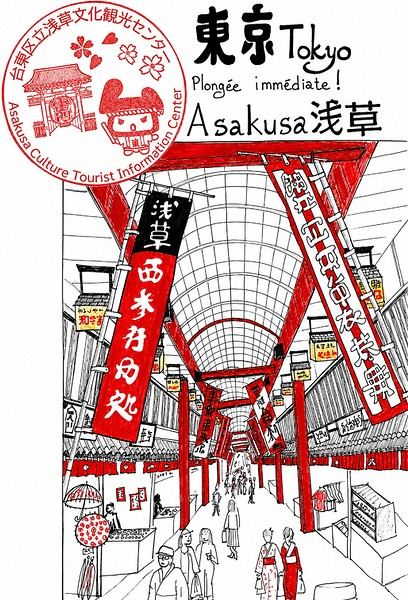
Our first "wow" moment came as we stepped out of the subway in Asakusa, the Tokyo neighborhood where we’d booked our hotel for our first five nights. Exhausted after our long flight, we finally arrived and took an exit that led straight into a shotengai—one of those covered shopping streets that pop up in city centers and flourished between the 1950s and 1980s.
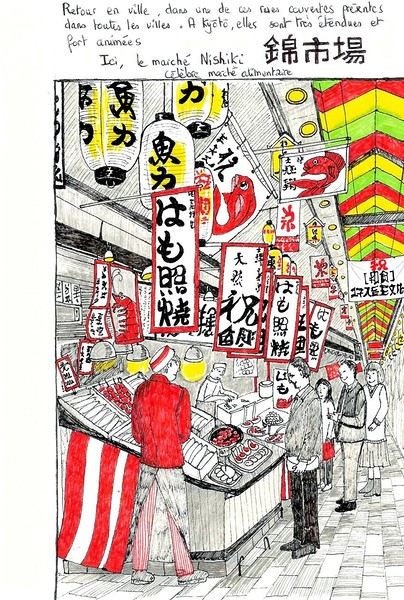
It was an instant aesthetic shock, like a close encounter of the third kind between the modern city, a typical Asian market with its street stalls, the vintage vibe of the arcade, the sheer abundance of goods, and the bustling crowd—a mix of tourists, pilgrims (thanks to nearby Senso-ji Temple), and locals (it’s a very working-class area). In the end, it set the tone for a feeling we’d experience throughout the trip. Wherever we went, shotengai turned out to be fantastic spots for finding little restaurants, shops, or even fresh produce. Some are like real mazes, like in Kyoto, where we spent ages trying to relocate a restaurant we’d loved ;-)
In Kanazawa, the Omicho Market: And in Kyoto, Nishiki Market:
To be continued...
I’m inviting you on a stroll through my drawings—a completely subjective, far from exhaustive, and totally personal take, since it’s based on my own sketches. I put this travel journal together after returning in late 2024, mostly using felt-tip pens and pencils, with a few collages thrown in. I worked from our personal photos.Let’s start with the shotengai...
Our first "wow" moment came as we stepped out of the subway in Asakusa, the Tokyo neighborhood where we’d booked our hotel for our first five nights. Exhausted after our long flight, we finally arrived and took an exit that led straight into a shotengai—one of those covered shopping streets that pop up in city centers and flourished between the 1950s and 1980s.
It was an instant aesthetic shock, like a close encounter of the third kind between the modern city, a typical Asian market with its street stalls, the vintage vibe of the arcade, the sheer abundance of goods, and the bustling crowd—a mix of tourists, pilgrims (thanks to nearby Senso-ji Temple), and locals (it’s a very working-class area). In the end, it set the tone for a feeling we’d experience throughout the trip. Wherever we went, shotengai turned out to be fantastic spots for finding little restaurants, shops, or even fresh produce. Some are like real mazes, like in Kyoto, where we spent ages trying to relocate a restaurant we’d loved ;-)
In Kanazawa, the Omicho Market:
And in Kyoto, Nishiki Market:
To be continued...
Tips for a 20-day family itinerary in the American West in 2028
Hello everyone,
After our first trip as a young couple to the West in 2007 (yes, that doesn’t make us any younger!), we’re planning to go back in 2028, but this time as a family of four! (We have two boys who’ll be 5½ and 13 years old in the summer of 2028.)
Our plan is to combine a few big cities (SF and LA, maybe San Diego) with national parks and state parks, mostly! Ideally, we’d like to leave at the end of June and head back to France around July 19–20, so we can enjoy the first week of the Olympic Games in Los Angeles.
Since we already did the "loop" in 2007, there are must-see places we absolutely want to revisit—and especially share with our kids: Bryce Canyon, Yosemite, and above all, the Grand Canyon, which is still the most incredible thing I’ve ever seen on Earth!
On the other hand, some places didn’t leave a big impression on us for various reasons, so we’re not making them a priority: Antelope Canyon, Monument Valley, for example.
We’re planning ahead, but might as well be smart about it😏
Do you have any tips for a fun and doable itinerary over about 20–25 days with kids, without rushing?
Thanks in advance for your feedback😉
After our first trip as a young couple to the West in 2007 (yes, that doesn’t make us any younger!), we’re planning to go back in 2028, but this time as a family of four! (We have two boys who’ll be 5½ and 13 years old in the summer of 2028.)
Our plan is to combine a few big cities (SF and LA, maybe San Diego) with national parks and state parks, mostly! Ideally, we’d like to leave at the end of June and head back to France around July 19–20, so we can enjoy the first week of the Olympic Games in Los Angeles.
Since we already did the "loop" in 2007, there are must-see places we absolutely want to revisit—and especially share with our kids: Bryce Canyon, Yosemite, and above all, the Grand Canyon, which is still the most incredible thing I’ve ever seen on Earth!
On the other hand, some places didn’t leave a big impression on us for various reasons, so we’re not making them a priority: Antelope Canyon, Monument Valley, for example.
We’re planning ahead, but might as well be smart about it😏
Do you have any tips for a fun and doable itinerary over about 20–25 days with kids, without rushing?
Thanks in advance for your feedback😉
Question about how Kruger Park works for accommodations and visits
Hi everyone, I’m here to get some advice on visiting KRUGER Park.
From what I’ve gathered through my reading, I understand there are two ways to visit the park:
- Independently with your own vehicle
=> Do you drive all day?
- By booking with a professional
=> Safari early in the morning and late in the afternoon. But what do you do in between?
When it comes to accommodations, the options are: - Booking in one of the park’s camps, where the lodging is basic but functional - Booking in a private reserve, which is more comfortable but prohibitively expensive - Booking outside the park, which means entering the park every morning. But if you want to stay for 3 days, that doesn’t seem practical to me. Do you have any advice for accommodations?
To be honest, I’m really struggling to understand how it all works... Thanks to everyone for your help. Bidule 27
When it comes to accommodations, the options are: - Booking in one of the park’s camps, where the lodging is basic but functional - Booking in a private reserve, which is more comfortable but prohibitively expensive - Booking outside the park, which means entering the park every morning. But if you want to stay for 3 days, that doesn’t seem practical to me. Do you have any advice for accommodations?
To be honest, I’m really struggling to understand how it all works... Thanks to everyone for your help. Bidule 27
Feedback on 15-day family trip to Colombia
Hi everyone, it’s been a while since I last posted!
First time in South America for me, my wife, and our 7-year-old son. I’ve put together this itinerary and would love to hear your thoughts:
Bogotá 28/07 – 30/07: Arrival. Which neighborhood and outings would you recommend? Flight to
2 Filandia 30/07 – 03/08: (255 €). Waterfalls and horseback riding, Cocora Valley, Hiking, Nearby villages. Flight to 3 Tayrona 03/08 – 07/08: Hotel La Casablanca
Hike with Tierra Nevada and the Kogui village (any feedback?). Return by inner tube for the little one. Short night hike. Second hike to La Piscina, etc., return by 🐎.
4 Cartagena 07/08 – 10/08: Air-conditioned bus. Staying in Getsemaní? Mangroves & the Castle, exploring the city.
5 Bogotá 10/08 – 12/08
Feel free to share your feedback! Have a great day!
Seb
First time in South America for me, my wife, and our 7-year-old son. I’ve put together this itinerary and would love to hear your thoughts:
Bogotá 28/07 – 30/07: Arrival. Which neighborhood and outings would you recommend? Flight to
2 Filandia 30/07 – 03/08: (255 €). Waterfalls and horseback riding, Cocora Valley, Hiking, Nearby villages. Flight to 3 Tayrona 03/08 – 07/08: Hotel La Casablanca
Hike with Tierra Nevada and the Kogui village (any feedback?). Return by inner tube for the little one. Short night hike. Second hike to La Piscina, etc., return by 🐎.
4 Cartagena 07/08 – 10/08: Air-conditioned bus. Staying in Getsemaní? Mangroves & the Castle, exploring the city.
5 Bogotá 10/08 – 12/08
Feel free to share your feedback! Have a great day!
Seb
Planning a 17-day trip to Quebec
Hi, I’d like to plan a trip for 4 adults. 14 days.
From June 4–6 to June 21, 2026
Arriving in Montreal
Then Quebec City... Gaspésie, Lac Saint-Jean
Looking for a loop route starting and ending in Montreal
Where to sleep... where to stay 1 day or more
Thanks for your ideas!
Nature, hiking, a little city time—but not too much.
Jean-Yves. B ARBRISSEL
South Africa without a rental car
Hello and happy New Year to everyone,
A friend and I are interested in going to South Africa (or Kenya) for about two weeks (last quarter of 2026) but without renting a car.
Generally, I don’t like organized trips for the entire duration of a trip, and what’s more, this destination is very expensive.
So, I was wondering if it would be a good idea to spend, for example, a week in Cape Town independently and take day trips with a local agency, then do a week-long circuit for a safari in a park, which would leave a bit of freedom to book flights and maybe get advice from local agencies.
Is this a good idea? Is it doable or not?
What do you think? Have any travelers done this kind of trip?
Thanks in advance for your feedback.
Dominique
Indonesia itinerary tips for wildlife and nature in spring
Hi there,
We’re planning a 17-day trip to Indonesia starting on April 22nd and would love to hear your suggestions. We’re looking for itinerary ideas or places to see monkeys, birds, and beautiful rice terraces, as well as interesting natural spots like lakes or waterfalls. We’d also like to avoid overly long distances and limit ourselves to a maximum of one internal flight. For the last three days, we’d love to end the trip on a stunning beach with the chance to swim with manta rays. If you have any recommendations, must-see spots, or experiences not to miss, we’d be thrilled to hear them. Thanks in advance for your help! 😊
We’re planning a 17-day trip to Indonesia starting on April 22nd and would love to hear your suggestions. We’re looking for itinerary ideas or places to see monkeys, birds, and beautiful rice terraces, as well as interesting natural spots like lakes or waterfalls. We’d also like to avoid overly long distances and limit ourselves to a maximum of one internal flight. For the last three days, we’d love to end the trip on a stunning beach with the chance to swim with manta rays. If you have any recommendations, must-see spots, or experiences not to miss, we’d be thrilled to hear them. Thanks in advance for your help! 😊
Visiting Japan in the summer for O-Bon festival
Hi everyone,
Next summer, we (2 adults and a 12-year-old child) have decided to visit Japan.
Admittedly, it’s still early to plan everything, but my wife will soon need to request her vacation time—either in August or July... and we’re hesitating.
I know summer isn’t the ideal time to visit Japan, but we don’t really have a choice... It’s either July or August. On one hand, I’d love to experience the O-Bon festivities from August 14th to 16th, and I’ve drafted an initial itinerary that would let us experience the Gujo Hachiman Bon Odori, possibly visit the Okunoin Cemetery in Koyasan, and be in Kyoto on the 16th for the Gozan Okuribi fires. But on the other hand, I’m worried it’ll be *packed*, especially in Kyoto, and less enjoyable than in July. So, have any of you experienced these celebrations? Are they worth it? Too crowded? Do you know of other celebrations or festivals in July? Thanks for your input!
Next summer, we (2 adults and a 12-year-old child) have decided to visit Japan.
Admittedly, it’s still early to plan everything, but my wife will soon need to request her vacation time—either in August or July... and we’re hesitating.
I know summer isn’t the ideal time to visit Japan, but we don’t really have a choice... It’s either July or August. On one hand, I’d love to experience the O-Bon festivities from August 14th to 16th, and I’ve drafted an initial itinerary that would let us experience the Gujo Hachiman Bon Odori, possibly visit the Okunoin Cemetery in Koyasan, and be in Kyoto on the 16th for the Gozan Okuribi fires. But on the other hand, I’m worried it’ll be *packed*, especially in Kyoto, and less enjoyable than in July. So, have any of you experienced these celebrations? Are they worth it? Too crowded? Do you know of other celebrations or festivals in July? Thanks for your input!
Feedback on my Colorado - New Mexico - Arizona road trip
Hi everyone,
Let me introduce myself. I’m 45 and traveling with my husband and my daughter, who’ll be 17 soon. We’re used to road-trip-style vacations, in the US or elsewhere. This will be our 5th trip to the US. We’ve already visited several states: New York, Massachusetts, Rhode Island, Washington DC, Florida, Wyoming, South Dakota, California, Utah, Nevada, and Arizona. I’d like to plan another trip starting from Denver to Colorado and New Mexico, which we haven’t explored yet, with a stop in a part of Arizona we haven’t visited before. So, I’d love to hear your thoughts on this itinerary if you’re familiar with the area. We’ll be traveling in the summer of 2026—admittedly not the best time for this route, but it’s the only time we can all get away for long enough. I’m also tied to the dates for Cheyenne Frontier Days, which we want to attend at the start of the trip. Thanks in advance for your input!
Day 1: Departure from Frankfurt > Arrival in Denver around 3 PM. Night in Denver
Day 2: Denver > Cheyenne Quick visit to Denver Drive to Cheyenne in the late afternoon 2-hour drive Night in Cheyenne Day 3: Cheyenne Frontier Days Night in Cheyenne
Day 4: Cheyenne > Estes Park (Rocky Mountains) Frontier Days during the day. Departure in the late afternoon for Estes Park 2-hour drive Night in Estes Park
Day 5: Hiking in the Rocky Mountains Nights in Estes Park
Day 6: Estes Park > Glenwood Springs We’ll take the day to drive the scenic route and stop at various viewpoints. Night in Glenwood Springs
Day 7: Glenwood Springs Hiking the Hanging Lake Trail + relaxing in the hot springs Night in Glenwood Springs
Day 8: Glenwood Springs > Montrose Visit Colorado NM along the way 3.5-hour drive Night in Montrose
Day 9: Black Canyon Night in Montrose
Day 10: Montrose > Farmington Visit Durango (without taking the train), Ouray, or Silverton along the way? 3.5-hour drive Night in Farmington
Day 11: Farmington > Chinle Bisti Badlands until early afternoon 3-hour drive Night in Chinle
Day 12: Chinle > Sedona Canyon de Chelly in the morning 4-hour drive Night in Sedona
Day 13 - 14: Hiking in Sedona Nights in Sedona
Day 15: Sedona > Tucson Saguaro West Park 3.5-hour drive Night at a ranch in Tucson
Day 16 - 17: Tucson City visit in the morning + ranch activities in the afternoon Nights at a ranch in Tucson
Day 18: > Wilcox Chiricahua NP 1-hour drive Night in Wilcox
Day 19: Wilcox > Alamogordo White Sands in the late afternoon 4.5-hour drive Night in Alamogordo
Day 20: Alamogordo > Carlsbad White Sands in the morning Bat viewing in the evening at Carlsbad 4.5-hour drive Night in Carlsbad
Day 21: Carlsbad > Albuquerque Cave visit in the morning Quick stop in Roswell 4.25-hour drive Night in Albuquerque Day 22: Albuquerque > Santa Fe Visit Albuquerque 1-hour drive Night in Santa Fe
Day 23: Santa Fe Kasha Katuwe Tent Rocks in the morning Visit Santa Fe in the afternoon Night in Santa Fe
Day 24: Santa Fe Bandelier in the morning Visit Santa Fe in the afternoon Night in Santa Fe
Day 25: Santa Fe > Alamosa Taos Pueblo along the way Great Sand Dunes in the late afternoon Zapata Falls Night in Alamosa
Day 26: Alamosa > Denver 4-hour drive Departure around 7 PM
Looking forward to your suggestions, corrections, and feedback!
Let me introduce myself. I’m 45 and traveling with my husband and my daughter, who’ll be 17 soon. We’re used to road-trip-style vacations, in the US or elsewhere. This will be our 5th trip to the US. We’ve already visited several states: New York, Massachusetts, Rhode Island, Washington DC, Florida, Wyoming, South Dakota, California, Utah, Nevada, and Arizona. I’d like to plan another trip starting from Denver to Colorado and New Mexico, which we haven’t explored yet, with a stop in a part of Arizona we haven’t visited before. So, I’d love to hear your thoughts on this itinerary if you’re familiar with the area. We’ll be traveling in the summer of 2026—admittedly not the best time for this route, but it’s the only time we can all get away for long enough. I’m also tied to the dates for Cheyenne Frontier Days, which we want to attend at the start of the trip. Thanks in advance for your input!
Day 1: Departure from Frankfurt > Arrival in Denver around 3 PM. Night in Denver
Day 2: Denver > Cheyenne Quick visit to Denver Drive to Cheyenne in the late afternoon 2-hour drive Night in Cheyenne Day 3: Cheyenne Frontier Days Night in Cheyenne
Day 4: Cheyenne > Estes Park (Rocky Mountains) Frontier Days during the day. Departure in the late afternoon for Estes Park 2-hour drive Night in Estes Park
Day 5: Hiking in the Rocky Mountains Nights in Estes Park
Day 6: Estes Park > Glenwood Springs We’ll take the day to drive the scenic route and stop at various viewpoints. Night in Glenwood Springs
Day 7: Glenwood Springs Hiking the Hanging Lake Trail + relaxing in the hot springs Night in Glenwood Springs
Day 8: Glenwood Springs > Montrose Visit Colorado NM along the way 3.5-hour drive Night in Montrose
Day 9: Black Canyon Night in Montrose
Day 10: Montrose > Farmington Visit Durango (without taking the train), Ouray, or Silverton along the way? 3.5-hour drive Night in Farmington
Day 11: Farmington > Chinle Bisti Badlands until early afternoon 3-hour drive Night in Chinle
Day 12: Chinle > Sedona Canyon de Chelly in the morning 4-hour drive Night in Sedona
Day 13 - 14: Hiking in Sedona Nights in Sedona
Day 15: Sedona > Tucson Saguaro West Park 3.5-hour drive Night at a ranch in Tucson
Day 16 - 17: Tucson City visit in the morning + ranch activities in the afternoon Nights at a ranch in Tucson
Day 18: > Wilcox Chiricahua NP 1-hour drive Night in Wilcox
Day 19: Wilcox > Alamogordo White Sands in the late afternoon 4.5-hour drive Night in Alamogordo
Day 20: Alamogordo > Carlsbad White Sands in the morning Bat viewing in the evening at Carlsbad 4.5-hour drive Night in Carlsbad
Day 21: Carlsbad > Albuquerque Cave visit in the morning Quick stop in Roswell 4.25-hour drive Night in Albuquerque Day 22: Albuquerque > Santa Fe Visit Albuquerque 1-hour drive Night in Santa Fe
Day 23: Santa Fe Kasha Katuwe Tent Rocks in the morning Visit Santa Fe in the afternoon Night in Santa Fe
Day 24: Santa Fe Bandelier in the morning Visit Santa Fe in the afternoon Night in Santa Fe
Day 25: Santa Fe > Alamosa Taos Pueblo along the way Great Sand Dunes in the late afternoon Zapata Falls Night in Alamosa
Day 26: Alamosa > Denver 4-hour drive Departure around 7 PM
Looking forward to your suggestions, corrections, and feedback!
World's Felines: August 2025 Photo Contest
Hi everyone,
Here’s the theme for August... the world’s felines.
Yep, wildlife photography! 😺
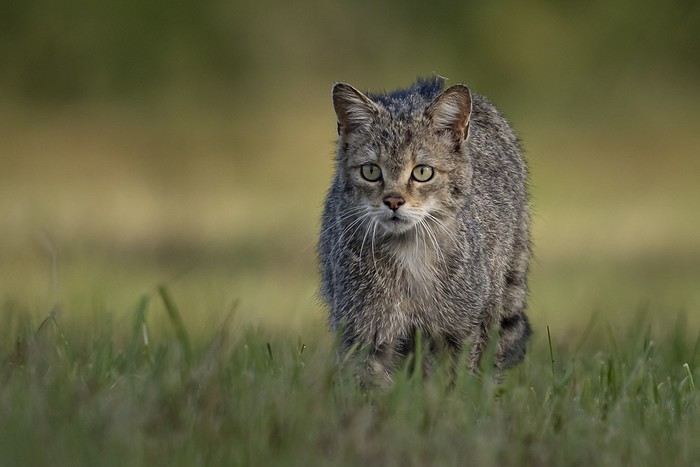 Forest cat
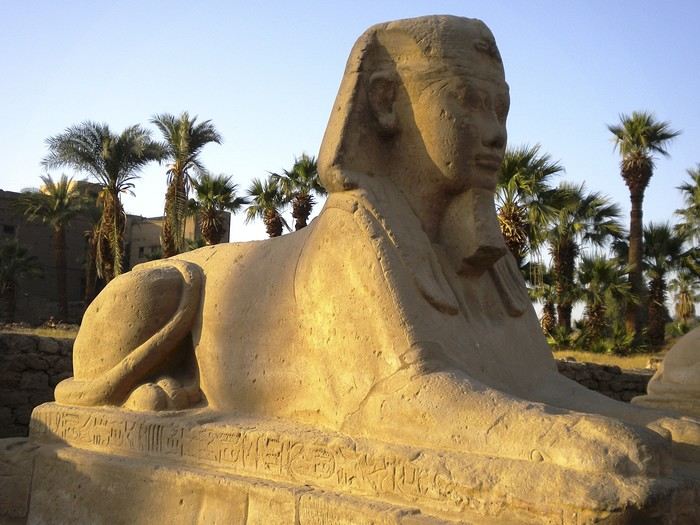
So, this theme isn’t exactly a "travel invitation," but coming up with a new one is quite a puzzle 😅. During February’s “white” theme discussion, we had pages of cats, so you should be inspired 😸. I won’t be restrictive—wild felines, domestic cats, and even those in zoos (though I’m not a fan) will be accepted. Plus, engravings, paintings, statues, or any other representations of felines fit the theme. The Sphinx is also welcome ;).
Practical details:
Participation: Each VF member can submit up to 3 photos, until Monday, August 25th at 11:59 PM Paris time. Each photo must be posted in a separate message, with its number (1, 2, or 3). Don’t forget to add a little explanation (comment, location, etc.).
Voting: Each VF member can vote for the 3 photos they consider the best, based on their own criteria and the theme.
Voting will take place from Tuesday, August 26th to Saturday, August 30th at 11:59 PM Paris time.
Selected photos will be ranked in order of preference: - 1st photo: 3 points - 2nd photo: 2 points - 3rd photo: 1 point
The winner is the photographer with the most points.
Results will be published on August 31st. In case of a tie, the number of first-place votes will decide. The winner will have the honor of organizing September 2025’s contest.
Photos that have already been nominated (1st, 2nd, or 3rd place) in another contest are not eligible for this one.
This thread is exclusively for contest submissions. Any discussions or comments should be posted here.
Forest catSo, this theme isn’t exactly a "travel invitation," but coming up with a new one is quite a puzzle 😅. During February’s “white” theme discussion, we had pages of cats, so you should be inspired 😸. I won’t be restrictive—wild felines, domestic cats, and even those in zoos (though I’m not a fan) will be accepted. Plus, engravings, paintings, statues, or any other representations of felines fit the theme. The Sphinx is also welcome ;).
Practical details:
Participation: Each VF member can submit up to 3 photos, until Monday, August 25th at 11:59 PM Paris time. Each photo must be posted in a separate message, with its number (1, 2, or 3). Don’t forget to add a little explanation (comment, location, etc.).
Voting: Each VF member can vote for the 3 photos they consider the best, based on their own criteria and the theme.
Voting will take place from Tuesday, August 26th to Saturday, August 30th at 11:59 PM Paris time.
Selected photos will be ranked in order of preference: - 1st photo: 3 points - 2nd photo: 2 points - 3rd photo: 1 point
The winner is the photographer with the most points.
Results will be published on August 31st. In case of a tie, the number of first-place votes will decide. The winner will have the honor of organizing September 2025’s contest.
Photos that have already been nominated (1st, 2nd, or 3rd place) in another contest are not eligible for this one.
This thread is exclusively for contest submissions. Any discussions or comments should be posted here.
Your tips for things to visit during a one-month trip to Martinique
Hi fellow travelers,
We're heading to Martinique for a month from mid-January to mid-February.
Our plan is to explore the island by staying in three different spots for 10 days each, on both sides of the island...
Could you share some great tips on where to stay for an authentic experience and what we absolutely must see?!
Thanks for your help! Voyamie.
Thanks for your help! Voyamie.
Motorhome or camper van for a Scotland road trip with 3 adults and a 7-year-old?
Hi there,
I’m trying to plan a family week’s holiday in Scotland. I’d like to rent a motorhome or a camper van.
My partner has never driven a motorhome and the roads are making me nervous…
I’ve seen camper vans, but are they much smaller? There’ll be 3 adults and a 7-year-old.
Some rental companies tell me “no problem with motorhomes,” while others say “definitely not if you’ve never driven one.”
Can you point me in the right direction?
Thanks
Can you point me in the right direction?
Thanks
Safari itinerary in Kruger Park and surrounding areas
Hi everyone,
I’m sharing the following itinerary for your experienced eyes 😏—I’m finalizing it for Kruger Park and two camps outside the park. We’re starting in the north, entering through Phalabowa Gate to head to Shingwedzi:
Shingwedzi Camp: 2 nights, sunrise drive Mopani Camp: 2 nights, morning walk and night drive Olifants Camp: 2 nights, morning walk Satara: 1 night, sunset drive Manyeleti Game Reserve: 1 night at Buffelshoek Lions Rock Luxury Tented Camp: 2 nights
Did I pick the right sunrise and sunset drives? Thanks in advance for your feedback and experiences! 😎
Shingwedzi Camp: 2 nights, sunrise drive Mopani Camp: 2 nights, morning walk and night drive Olifants Camp: 2 nights, morning walk Satara: 1 night, sunset drive Manyeleti Game Reserve: 1 night at Buffelshoek Lions Rock Luxury Tented Camp: 2 nights
Did I pick the right sunrise and sunset drives? Thanks in advance for your feedback and experiences! 😎
Any recent feedback on safety in Iquitos?
Hi there,
I’m planning our trip to Peru in September-October. Flights are booked, itinerary is pretty much set, but...
after hearing about recent attacks on the river (Iquitos)—apparently around ten—I’m having second thoughts.
It’s my husband’s dream to spend a few days in the jungle.
I know if we read all the official travel advisories, we’d never go anywhere (no info on the government site, but I saw something on a forum).
Has anyone been there recently? How did it feel? Is Iquitos sketchy?
Thanks for your help!
Patricia
Feedback on 2-week road-trip itinerary in Nova Scotia
Hi there,
Our son is in Canada for a year on a Working Holiday Visa, and we’re planning to join him around September 20th for a 15-day campervan road trip in Nova Scotia.
I was thinking of going with Canadream, but if you have other rental companies to recommend, don’t hesitate!
Here’s the itinerary I’ve been considering—I tried not to cram in too many stops so we’re not just driving the whole time.
Day 1: Pick up campervan in Halifax at 3 PM. Stop at Peggy’s Cove, then drive to Lunenburg and Blue Rocks (151 km) Day 2: Explore Lunenburg, then head to Kejimkujik National Park for hikes or other activities. Overnight in the park (91 km) Day 3: Drive to Annapolis Royal (visit), Port-Royal National Historic Site, then on to Digby (111 km) Day 4: Ferry to Saint John (visit Reversing Falls), then drive to St. Andrews (103 km) Day 5: Whale-watching excursion and explore St. Andrews Day 6: Drive to Alma and Fundy National Park (233 km—we’ll probably leave St. Andrews the night before to split the drive and arrive earlier in Alma) Day 7: Hopewell Rocks (check tides) (43 km) Day 8: Hopewell Rocks—Tatamagouche (dinner train)—Pictou (237 km). Any suggestions for this day? Day 9: Drive to Baddeck, Cabot Trail to Chéticamp (317 km). Ideas for breaking up the drive? I thought of Pomquet Beach Provincial Park for a walk on the boardwalks, but any other suggestions are welcome. Day 10–11: Cape Breton Highlands National Park for hikes and Cabot Trail to Baddeck (208 km) Day 12: Explore Baddeck, Graham Bell Museum, and Bras d’Or Lake Drive. Drive to Louisbourg (118 km) Day 13: Fortress of Louisbourg, then drive to Liscomb (302 km) Day 14: Drive back to Halifax via Lawrencetown Beach (or other suggestions?). Fisherman’s Cove (205 km) Day 15: Return campervan by 10 AM
- All suggestions are welcome, as long as they don’t add too much detour from the main stops. We’d rather skip some places to fully enjoy the ones we visit. We love hiking in beautiful landscapes, charming and lively towns or villages, etc. - I wanted to add a museum dedicated to Acadian culture, but I didn’t find anything along the route—or they’re closed this time of year. Maybe there are places to listen to folk music? - If you have any campgrounds or wild camping spots to recommend, I’d love to hear about them. - Do we need to book the ferry this time of year?
Thanks in advance for your ideas and suggestions!
Claire
Day 1: Pick up campervan in Halifax at 3 PM. Stop at Peggy’s Cove, then drive to Lunenburg and Blue Rocks (151 km) Day 2: Explore Lunenburg, then head to Kejimkujik National Park for hikes or other activities. Overnight in the park (91 km) Day 3: Drive to Annapolis Royal (visit), Port-Royal National Historic Site, then on to Digby (111 km) Day 4: Ferry to Saint John (visit Reversing Falls), then drive to St. Andrews (103 km) Day 5: Whale-watching excursion and explore St. Andrews Day 6: Drive to Alma and Fundy National Park (233 km—we’ll probably leave St. Andrews the night before to split the drive and arrive earlier in Alma) Day 7: Hopewell Rocks (check tides) (43 km) Day 8: Hopewell Rocks—Tatamagouche (dinner train)—Pictou (237 km). Any suggestions for this day? Day 9: Drive to Baddeck, Cabot Trail to Chéticamp (317 km). Ideas for breaking up the drive? I thought of Pomquet Beach Provincial Park for a walk on the boardwalks, but any other suggestions are welcome. Day 10–11: Cape Breton Highlands National Park for hikes and Cabot Trail to Baddeck (208 km) Day 12: Explore Baddeck, Graham Bell Museum, and Bras d’Or Lake Drive. Drive to Louisbourg (118 km) Day 13: Fortress of Louisbourg, then drive to Liscomb (302 km) Day 14: Drive back to Halifax via Lawrencetown Beach (or other suggestions?). Fisherman’s Cove (205 km) Day 15: Return campervan by 10 AM
- All suggestions are welcome, as long as they don’t add too much detour from the main stops. We’d rather skip some places to fully enjoy the ones we visit. We love hiking in beautiful landscapes, charming and lively towns or villages, etc. - I wanted to add a museum dedicated to Acadian culture, but I didn’t find anything along the route—or they’re closed this time of year. Maybe there are places to listen to folk music? - If you have any campgrounds or wild camping spots to recommend, I’d love to hear about them. - Do we need to book the ferry this time of year?
Thanks in advance for your ideas and suggestions!
Claire
Traveling in Myanmar in 2024
Important: I’ve been living in Myanmar for several years now, and I speak and write Burmese correctly (though I still have a strong French accent).
I really don’t want this post to make you think that traveling in Myanmar right now is easy.
It’s crucial to understand that the country is unstable—this isn’t the place for a relaxing vacation.
The security situation and areas open to tourists are constantly changing.
I started my trip in Bagan. Flights were fully booked, so I took a VIP overnight bus from Yangon. Along the way, we encountered 4 checkpoints run by the military. The bus conductor announces that it’s forbidden to use your phone during these stops. Each time, the conductor hands over the passenger list to the checkpoint, and sometimes one or two passengers are asked to step out for questioning before we’re allowed to continue. I didn’t have to interact directly with the soldiers.
In Bagan, there are quite a few local visitors but very, very few foreign tourists... I remember my trip in December 2019 when I’d hear French spoken regularly...
I’m staying at the Bagan Thande Hotel for 130,000 kyats, or about thirty dollars at the current exchange rate.
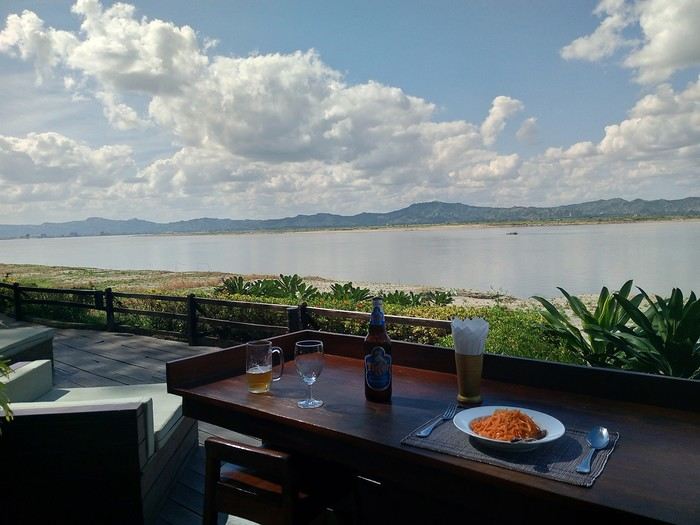
I started my trip in Bagan. Flights were fully booked, so I took a VIP overnight bus from Yangon. Along the way, we encountered 4 checkpoints run by the military. The bus conductor announces that it’s forbidden to use your phone during these stops. Each time, the conductor hands over the passenger list to the checkpoint, and sometimes one or two passengers are asked to step out for questioning before we’re allowed to continue. I didn’t have to interact directly with the soldiers.
In Bagan, there are quite a few local visitors but very, very few foreign tourists... I remember my trip in December 2019 when I’d hear French spoken regularly...
I’m staying at the Bagan Thande Hotel for 130,000 kyats, or about thirty dollars at the current exchange rate.
3-Week Road Trip for Two: Montréal to Montréal
Following the (wise) advice of "Les Caribous," I'm starting a post to describe the trip I'd like to take from mid-September 2025 for three weeks.
Here’s the planned route: Departing from Nantes.
Montréal/Ottawa/Mont-Tremblant/Mauricie/Lac St-Jean/Saguenay Fjord/Tadoussac/Gaspésie, then returning via Québec and Montréal.
I’d love some tips on must-see spots and how long to spend at each stop. We’re not big "hikers," so minimal hiking. Don’t hesitate to suggest cutting stops—especially if they seem unnecessary or too time-consuming.
Advice on accommodation and vehicle rentals would also be much appreciated.
Thanks to everyone who’d like to share their experiences and tips!
3 weeks between Boston and Quebec
Hi everyone,
We’ve been racking our brains for cool ideas/itineraries for our vacation since, whether due to tourist crowds or unsuitable weather in the destination country, summer options aren’t endless (especially since we’re always forced to take most of our vacation time in July/August)...
We thought about combining a short stretch of the U.S. East Coast with Montréal/Niagara Falls/Toronto. The lakes look really pretty, but we’re worried it might feel a bit too familiar, and time-wise, it could get tight (we’d rather not spend our whole trip on the road). Still, we’re also considering a road trip in Western Canada.
What do you think of the plan below? We can add two extra nights somewhere if needed.
Thanks so much in advance!
Have a great day!
Day 1: Arrival in Boston – Night in Boston Day 2: Boston – Night in Boston Day 3: Boston – Night in Boston Day 4: Cambridge / Harvard – Night in Boston Day 5: Salem – Night in Boston Day 6: Newport – Night in Newport Day 7: Newport – Night in Newport Day 8: Cape Cod – Night in Cape Cod Day 9: Cape Cod – Night in Cape Cod Day 10: Flight to Toronto from Boston – Night in Toronto Day 11: Niagara Falls – Night in Toronto Day 12: Toronto-Ottawa – Night in Ottawa Day 13: Parc Omega – Night in Montréal Day 14: Montréal – Night in Montréal Day 15: Montréal – Night in Montréal Day 16: Montréal – Night in Montréal Day 17: Montréal – Night in Montréal
We’ve been racking our brains for cool ideas/itineraries for our vacation since, whether due to tourist crowds or unsuitable weather in the destination country, summer options aren’t endless (especially since we’re always forced to take most of our vacation time in July/August)...
We thought about combining a short stretch of the U.S. East Coast with Montréal/Niagara Falls/Toronto. The lakes look really pretty, but we’re worried it might feel a bit too familiar, and time-wise, it could get tight (we’d rather not spend our whole trip on the road). Still, we’re also considering a road trip in Western Canada.
What do you think of the plan below? We can add two extra nights somewhere if needed.
Thanks so much in advance!
Have a great day!
Day 1: Arrival in Boston – Night in Boston Day 2: Boston – Night in Boston Day 3: Boston – Night in Boston Day 4: Cambridge / Harvard – Night in Boston Day 5: Salem – Night in Boston Day 6: Newport – Night in Newport Day 7: Newport – Night in Newport Day 8: Cape Cod – Night in Cape Cod Day 9: Cape Cod – Night in Cape Cod Day 10: Flight to Toronto from Boston – Night in Toronto Day 11: Niagara Falls – Night in Toronto Day 12: Toronto-Ottawa – Night in Ottawa Day 13: Parc Omega – Night in Montréal Day 14: Montréal – Night in Montréal Day 15: Montréal – Night in Montréal Day 16: Montréal – Night in Montréal Day 17: Montréal – Night in Montréal