★ 1 · last edited Dec 11, 2019
Western Sahara
Contributionsversion #1created Dec 11, 2019Report this pageLatest contributions in this guideContributors to this guide
Location verified location
 Western Sahara
Open the interactive map
Western Sahara
Open the interactive map
Touristically, Western Sahara is a rarely visited region, though a few local projects attract some visitors.
Overview
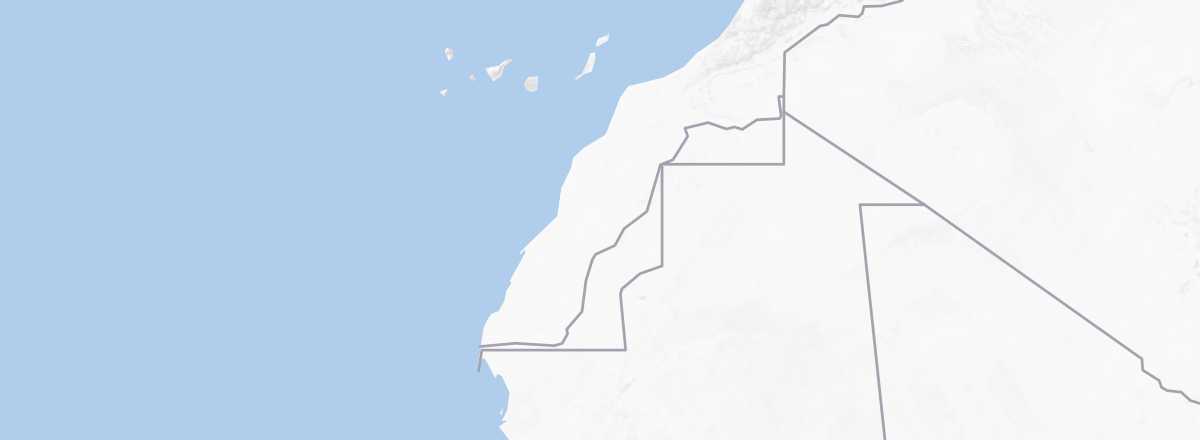
This vast desert region north of Mauritania was a Spanish colony until 1976. Since the Spanish withdrawal, Western Sahara has been a recurring conflict zone between Sahrawi independence fighters of the Polisario Front, backed by Algeria, and the Moroccan government. Currently, 80% of Western Sahara is controlled and administered by Morocco, while 20% is held by the Polisario Front. The two sides are separated by a fortified wall (the "Sand Wall") surrounded in places by minefields.
Touristically, Western Sahara is a rarely visited region, though a few local projects attract some visitors.
Main cities
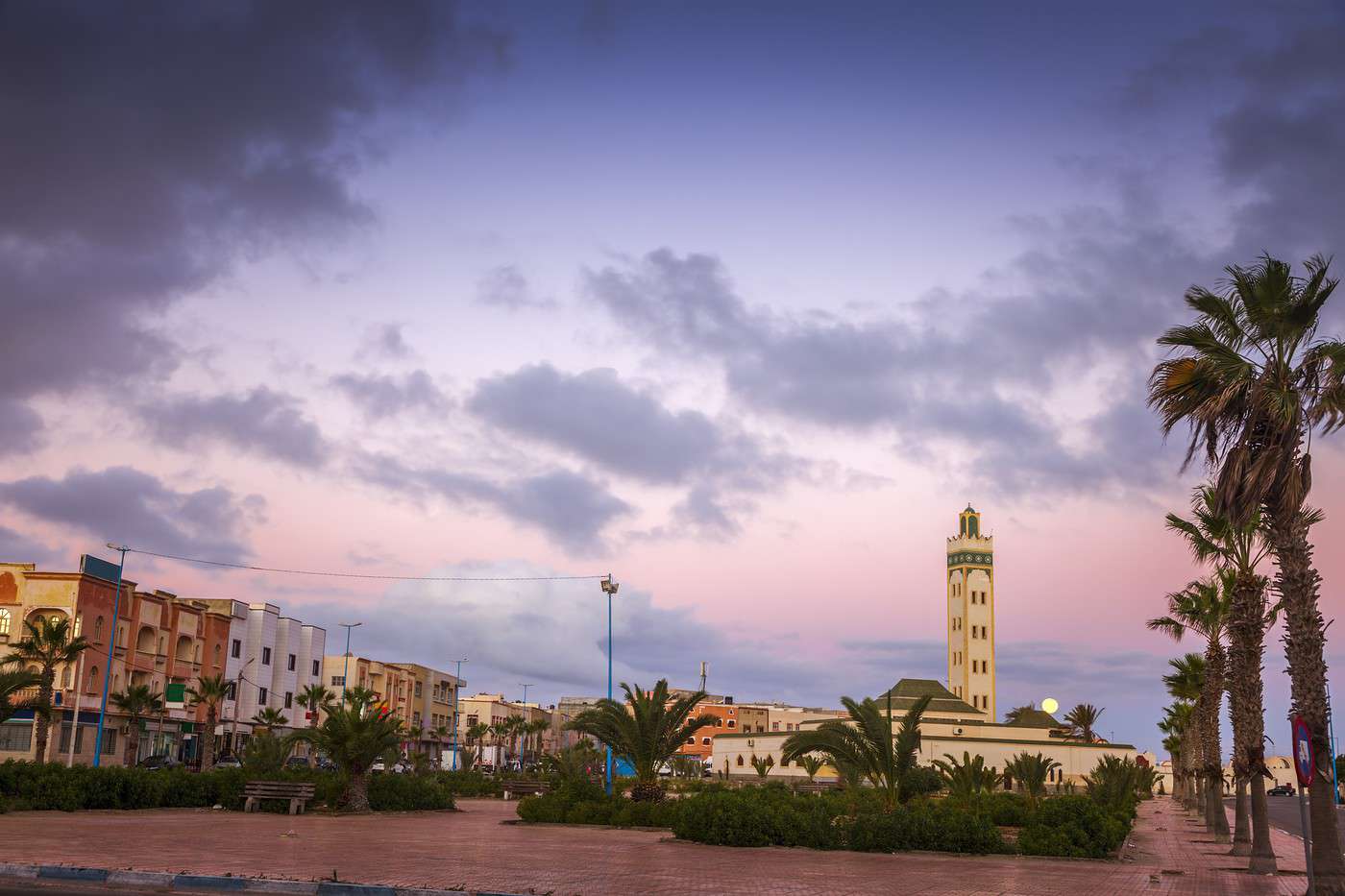
Western Sahara has only one major city, Laayoune, which, with a third of the territory's population, is the main urban area and its "claimed capital." Dakhla, Smara, and Boujdour are the other towns.
Tourist attractions
The main appeal of Western Sahara lies in its nature and adventure aspects, particularly for those undertaking the Route to Mauritania. Otherwise, thanks to its beautiful coastal environment, Boujdour and especially Dakhla, with its fishing and surfing opportunities, attract a certain crowd.
Over 300 km south of the city of the same name, the Dakhla National Park remains remarkable for the beauty of its coasts, where large colonies of flamingos, migratory birds, dolphins, and monk seals nest.
Climate and weather
The entire region has a typical desert climate with little to no rainfall and year-round sunshine. While temperatures are manageable along the coast, with relatively low thermal variation, the interior becomes scorching in summer, with daytime temperatures exceeding 40°C in some areas. Nights can also be very cool, especially in winter.