last edited Aug 27, 2020
Trains in Europe
Contributionsversion #2created Aug 27, 2020Report this pageLatest contributions in this guideContributors to this guide
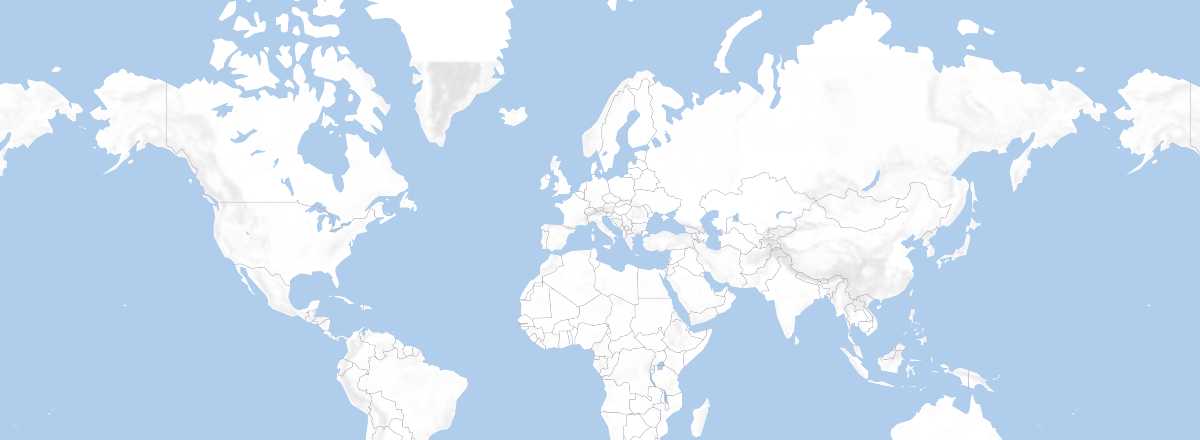
Location Map of Destinations
 Destinations
Open the interactive map
Destinations
Open the interactive map
European Networks
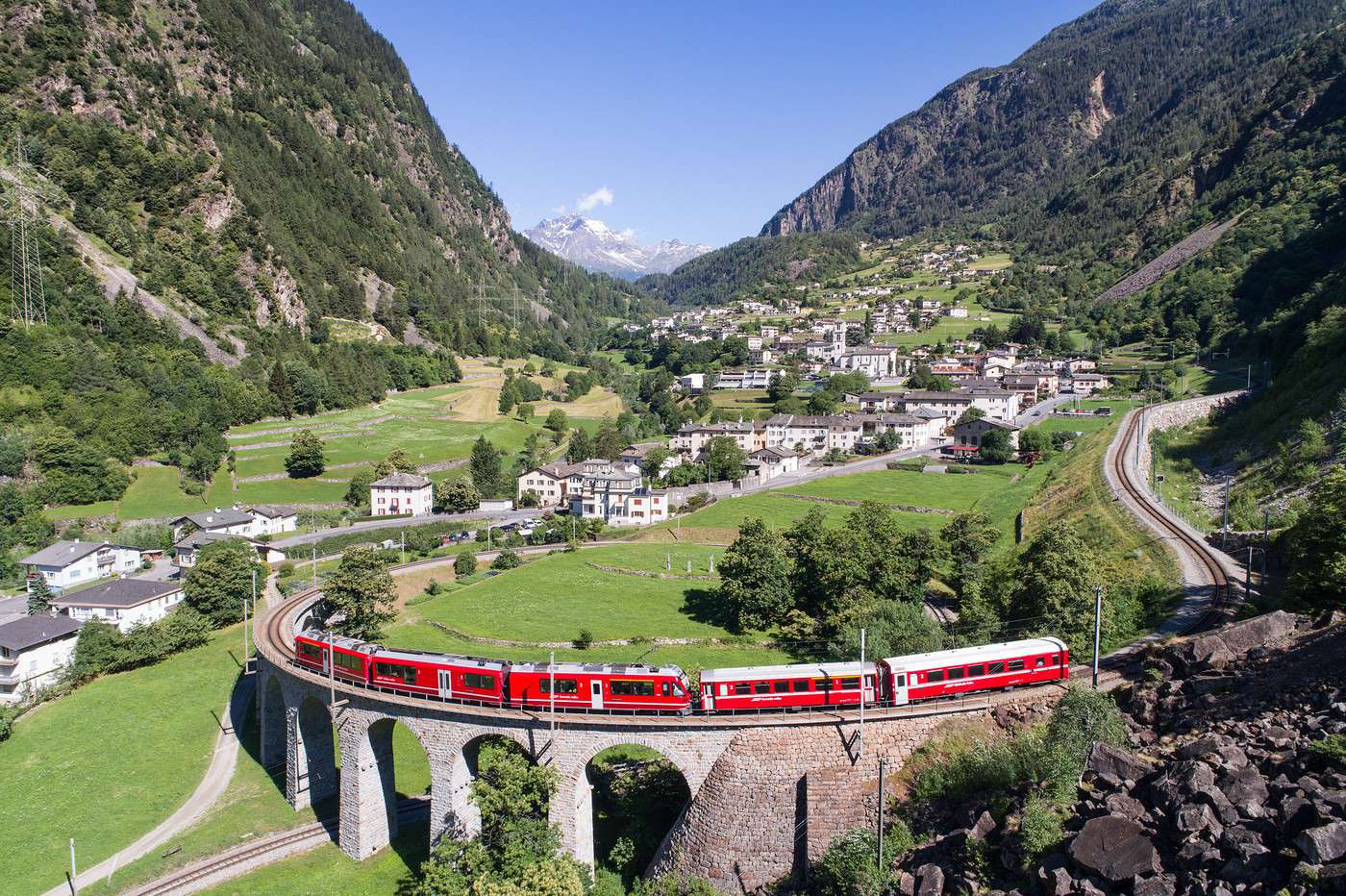
Europe has an extensive rail network covering almost all countries, offering generally fast and high-quality services that are easy for travellers to use. However, the further east you go, the more the overall standard tends to decline.
Germany - Austria - Belgium - Spain - France - Great Britain - Ireland - Italy - Luxembourg - Netherlands - Portugal - Switzerland.
Denmark - Finland - Norway - Sweden.
Belarus - Bulgaria - Estonia - Hungary - Latvia - Lithuania - Moldova - Poland - Czech Republic - Romania - Russia - Slovakia - Ukraine.
Albania - Bosnia - Croatia - Greece - North Macedonia - Montenegro - Serbia - Slovenia - Turkey.
Fares and Discounts
Pricing
While train travel within a single country generally remains affordable—provided you book early or avoid peak periods—this isn’t always the case when crossing borders. In such instances, prices often soar, making trains significantly more expensive than flights unless you have access to special fares.
Discounts
Fortunately, many countries offer fare reductions at both national and international levels. You can find specific rates available to all (check locally), as well as pass systems to purchase before departure, such as those for Great Britain.
Internationally, special fares like Eurostar (London) and Thalys (Belgium and the Netherlands) are open to all departing from France, with variable discounts depending on age. For those under 26, BIJ tickets (13 countries) and the InterRail pass are available.
Rail Passes
These passes are typically valid across the entire network of the listed country or countries, in addition to the options offered by the InterRail pass.
- Europe: for non-residents only.
- Brit Rail Passes: several options ranging from regional to nationwide coverage in the UK.
- Scotland Travelpass: passes for Scotland.
InterRail Pass
- The InterRail website.
By far the best-known rail pass in Europe, this system has been around for decades (since 1972) and has allowed millions of young (and not-so-young) travellers to explore the continent. It allows travel across 30 European countries and occasionally offers discounts on urban or maritime transport in some countries. However, despite the pass, certain trains—particularly "Express" services—require an additional supplement.
Originally designed for young travellers, InterRail now offers passes for those over 26 and over 60, with identical systems and supplements. There are also child passes for ages 4–11.
However, the InterRail pass has lost some of its appeal in recent years. This may be why the system was revamped in 2007, though the changes haven’t necessarily improved flexibility, and fares aren’t always competitive compared to low-cost airlines.
Pass Options
The system offers either a global pass covering all 30 countries or country-specific passes (excluding your country of residence), with varying durations. You travel for free in the selected countries and may receive discounts for reaching your chosen zone. However, some trains, like TGVs, may still require supplements.
Prices and Duration
In practice, it’s possible to combine multiple passes (check their website for details).
Global Pass
Valid for up to one month, with fares for youth (< 26), adults, seniors (+ 60), and children (4–11) in 2nd or 1st class. The pass is divided into five options based on travel days: 5 or 10 days flexibly, or 15, 22 days, or 1 month continuously. Prices range from 181 to 435 € for youth, depending on the option.
Country Passes
For larger countries, there are four options: 3, 4, 6, or 8 travel days within a month, with fares varying by age, country, and class.