★ 4 · last edited Dec 11, 2019
Morocco's Saharan Zone
Contributionsversion #1created Dec 11, 2019Report this pageLatest contributions in this guideContributors to this guide
Location verified location
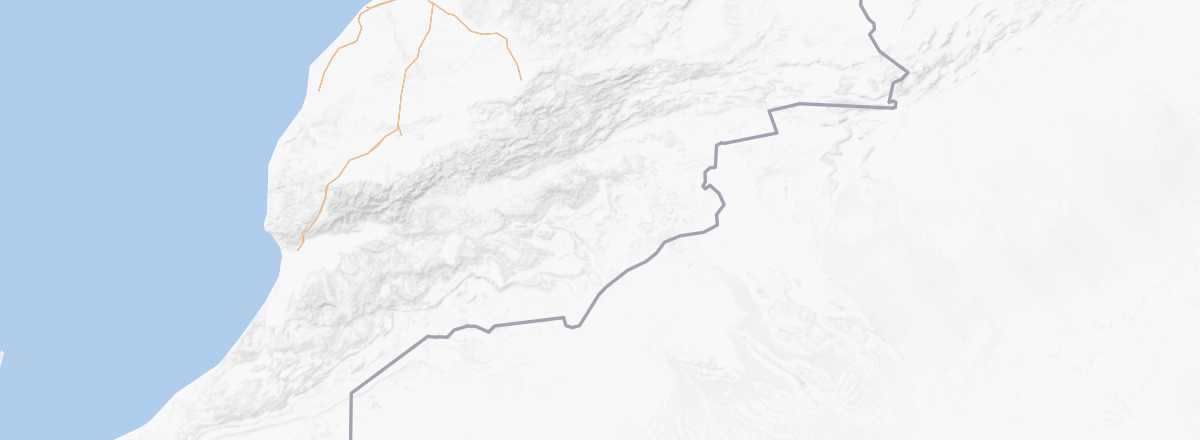 Morocco's Saharan Zone
Open the interactive map
Morocco's Saharan Zone
Open the interactive map
This is Morocco's vast desert region in the east/southeast, bordering Algeria and beginning at the first foothills of the Atlas Mountains. Sparsely populated outside a few towns and oases, it contains some of the country's most stunning natural sites...
Overview
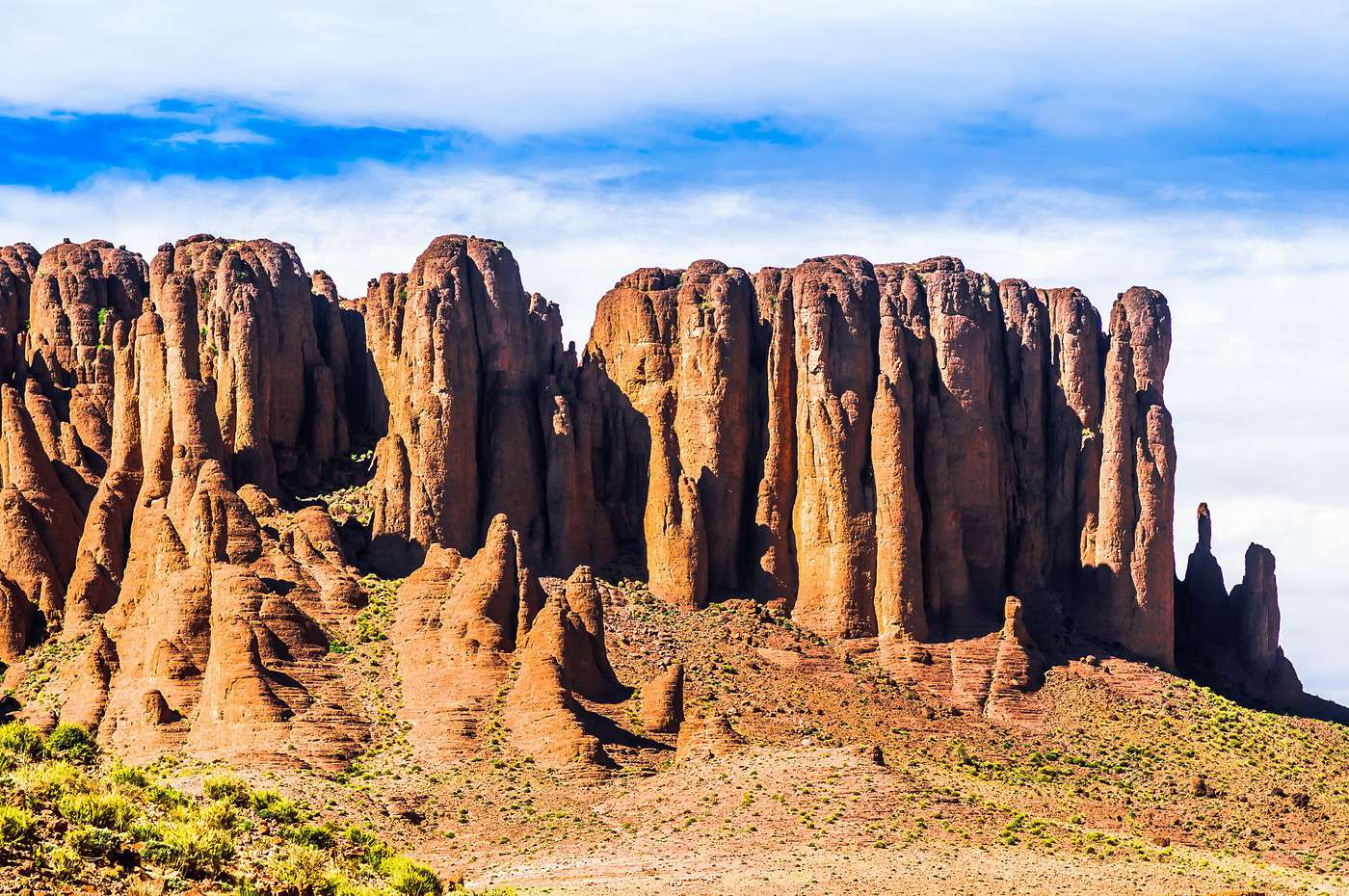
This is Morocco's vast desert region in the east/southeast, bordering the Algerian border and beginning at the first foothills of the Atlas Mountains. Sparsely populated outside a few towns and oases, the area is synonymous for many with dunes and camel rides, though the reality is more about arid, rocky landscapes where you can hike on foot or by 4x4. Meanwhile, the Saharan zone contains some of the country's most beautiful natural sites...
Main towns
Apart from Ouarzazate and Errachidia, Morocco's Sahara has few sizable towns. Instead, you're more likely to come across large villages (Erfoud, Rissani, Zagora...) or simple oases (Fint, Figuig, Tinerhir...).
Tourist attractions
Nature, adventure, and a touch of local traditions and culture are on the agenda for exploring this part of Morocco.
Towns and their heritage
More than the towns themselves—except perhaps Ouarzazate and its film studios—it's the small oases that offer the most interest and the best way to experience local cultures. Among them are Figuig, lost near the Algerian border; Fint, not far from Ouarzazate; Tinerhir at the gates of the Todgha; and Tinejdad with its oasis museum. More broadly, the Tafilalet region or Ouarzazate to Guelmim Route are great places to explore them.
Nature and activities
Or rather, the desert with its sublime landscapes and all kinds of hikes you can do there.
Just around Ouarzazate, the options are vast, including must-sees like the Jebel Saghro, the Dadès Gorges, and the Rose Valley, as well as the Todgha Gorge or the Draa Valley, remarkable for its oases, ksour, and kasbahs spread along this route, which ends near M'Hamid. Further east, you'll discover the Tafilalet with Merzouga and its Erg Chebbi dunes, the tallest in Morocco.
Climate and weather
This zone, from the foothills of the Atlas to the gates of the Sahara, has a desert climate influenced by altitude. At higher elevations, the climate is slightly less dry and less hot, especially in winter, than in the lower areas to the south/southeast.
That said, the high summer temperatures, easily exceeding 40°C, make July and August less than ideal for exploring this part of Morocco. Also worth noting is that, regardless of the season, the temperature difference between day and night hovers around 20°C, so it's highly recommended to bring warm clothing for the evenings.