last edited Dec 11, 2019
Culture and Customs of Madagascar
Location Map of Madagascar
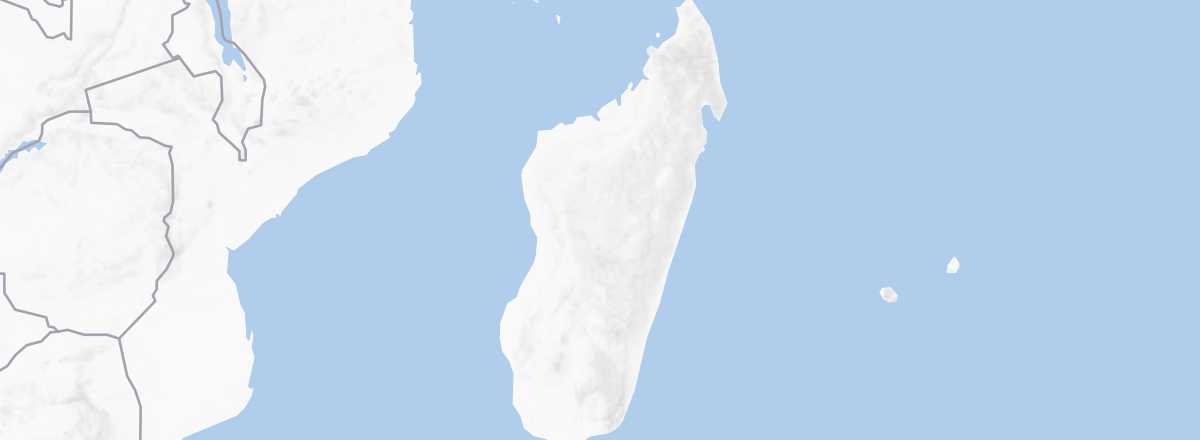 Madagascar
Open the interactive map
Madagascar
Open the interactive map
Arts, Crafts, and Architecture
Arts
Crafts
Architecture
Museums
Customs and Traditions
Local Traditions
Etiquette
Attire
While there are no strict dress codes for visitors, it’s important to know that Malagasy society is generally modest.
Behavior
Malagasy culture differs significantly from Western culture, especially outside cities or tourist areas. It is deeply rooted in the concept of fady, the term for taboos or prohibitions in Malagasy culture and society, including local variations. Even if some of these may seem surprising or incomprehensible to visitors, it is essential to strictly adhere to these fady. Similarly, it is crucial to respect—or at least not contradict—Malagasy beliefs, culture, and society in general. Missteps or situations can sometimes lead to violent reactions, as was the case with the lynching of three people in Nosy Be in 2013.
More broadly, avoid using informal language unless you know someone very well. Speaking loudly or losing your temper in public is considered rude, and you should never photograph a person without their consent (as is the case everywhere else).
Sensitive or Taboo Topics
Languages
Malagasy and French are the two official languages used on the island. Malagasy is the everyday language, while French is primarily used in business, commerce, and administration. For many foreigners, the Malagasy language (which belongs to the same family as Indonesian) is striking due to the length of its words. Officially, only about a quarter of the population speaks French to some extent, though this figure is much higher in cities or within the tourism sector. Interestingly, English was also an official language from 2007 to 2010.
Glossary
A few useful local words and expressions to know while traveling:
- Baobab : One of Madagascar’s symbols, famously found in the spectacular Avenue of the Baobabs near Morondava.
- Dahalo: Bandits typically specializing in cattle rustling.
- Fady: The term for taboos or prohibitions in Malagasy culture and society, including local variations.
- Gasy : Refers to a Malagasy person or anything Malagasy.
- Hotely : Contrary to what one might think, this term refers to a small local eatery, often roadside, not a hotel.
- Ile Rouge: One of the nicknames for Madagascar, along with the Great Island.
- Maki: The most well-known variety of lemurs, which, along with zebus, are among the most iconic animals of Madagascar.
- Nosy : Means "island" in Malagasy, hence names like Nosy Be and Nosy Komba.
- Taxi-brousse: The island’s emblematic vehicle and, by necessity, the primary mode of transport for much of the population. These shared minibuses, often packed, travel across the country at very affordable rates.
- Tsingy : Means "needle" in Malagasy. It also refers to the famous limestone rock formations found in several national parks or reserves, such as Bemaraha.
- Vazaha : Refers to a white foreigner.
- Zébu: This African cattle is deeply embedded in Malagasy culture.
Festivals and Celebrations
Public Holidays
Madagascar has around ten public holidays, many of which date back to the French colonial period:
January 1
March 8 (Women’s Day, observed only by women)
March 29 (Commemoration of the 1947 events)
Easter Monday
May 1
Ascension Thursday
Whit Monday
June 26 (National Day)
November 1
December 25