last edited Mar 19, 2026
Things to Do in Peru
Beaches and Seaside Resorts
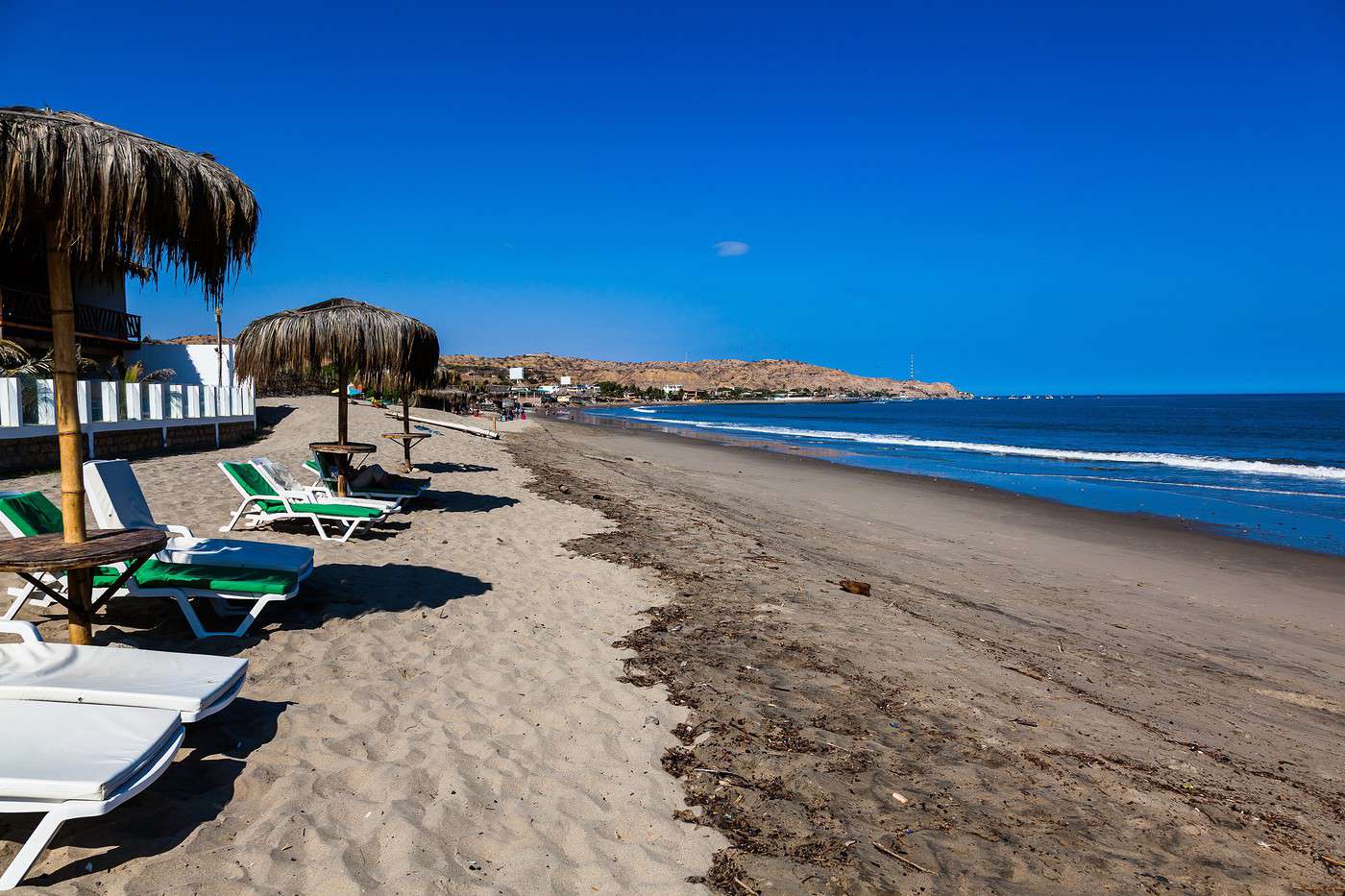
Although Peru’s coastline stretches for about 3,000 km, the country isn’t particularly known for its beaches and seaside resorts. The coast sits at the intersection of the cold Humboldt Current and the seasonal warm current El Niño, which means only the northern coastline has pleasant water temperatures. That’s why the best beaches and resorts are found beyond Trujillo (Piura, Tumbes, Mancora, etc.).
Further south, while the stark landscapes can be stunning and the beaches vast, the sites are better suited for walks than swimming. However, the area around Lima offers a few resorts and beaches popular with locals from the capital during the southern summer (Ancon, Punta Hermosa, Santa Maria, etc.). The same goes for the region around Arequipa (or from Tacna to the Chilean border), primarily catering to city residents in season.
Water Activities
Fishing: While not widely known, Peru is a favorite destination for sea fishing enthusiasts, especially along its northern coast, which is rich in big catches like tuna, swordfish, and marlin.
Diving: It might not be the first thing that comes to mind, but Peru has several renowned diving spots. On the warmer northern coast, you can discover classic marine life (rays, turtles, etc.), while Paracas and the Ballestas Islands offer diving with sea lions and penguins. Around Lima, underwater caves and shipwrecks await.
Surfing: This is the main water activity along the coast. Less famous than Hawaii or other surfing hotspots, northern Peru beyond Trujillo (Chicama, Huanchaco, Mancora, etc.) has great waves. There are also good spots near the capital (Punta Hermosa, Punta Rocas, etc.).
Windsurfing and kitesurfing: Thanks to strong coastal winds, kitesurfing and windsurfing are also popular. Paracas Bay, just south of Lima, and the Piura region in the north are the most famous spots for these activities.
Thalassotherapy and Wellness
This is a relatively new sector in Peru, quite different from the traditional image of tourism in the country. Luxury hotels in certain areas now offer wellness services for guests or visitors. Similarly, natural and traditional Andean and Amazonian philosophies and medicines, as well as thermal springs (over 500 in the country), are growing in popularity.
Treks
Peru is a dream destination in South America for hikers of all levels. The Andean region, with its valleys, plateaus, and mountain ranges (and to a lesser extent, the Amazon), offers the best options and the most service providers. The best time for high-altitude treks is from April to late September. Some of the most famous include:
- Ausangate and Salkantay: A multi-day loop through high-altitude villages near Cusco. The Salkantay trek is an alternative to the Inca Trail for reaching Machu Picchu. It’s become increasingly popular and enjoyable since the Inca Trail has become "highly regulated and quite expensive."
- Colca Canyon: North of Arequipa, this is the world’s deepest canyon, with a 3,400-meter drop. You can hike here and spot condors.
- Inca Trail: This is THE classic Peruvian trek. It follows a beautiful traditional Inca route to Machu Picchu. However, it’s now heavily regulated, with an annual closure in February for maintenance, mandatory guides, a daily limit of 500 people, and a "visiting fee" of 100 US$ per adult. Depending on the option, it takes 3 to 5 days of walking, with no major difficulty for those somewhat used to trekking.
- Choquequirao: This Inca site, similar to Machu Picchu, is hard to reach. You get there via a 4-day trek starting from the town of Cachora.
Mountaineering
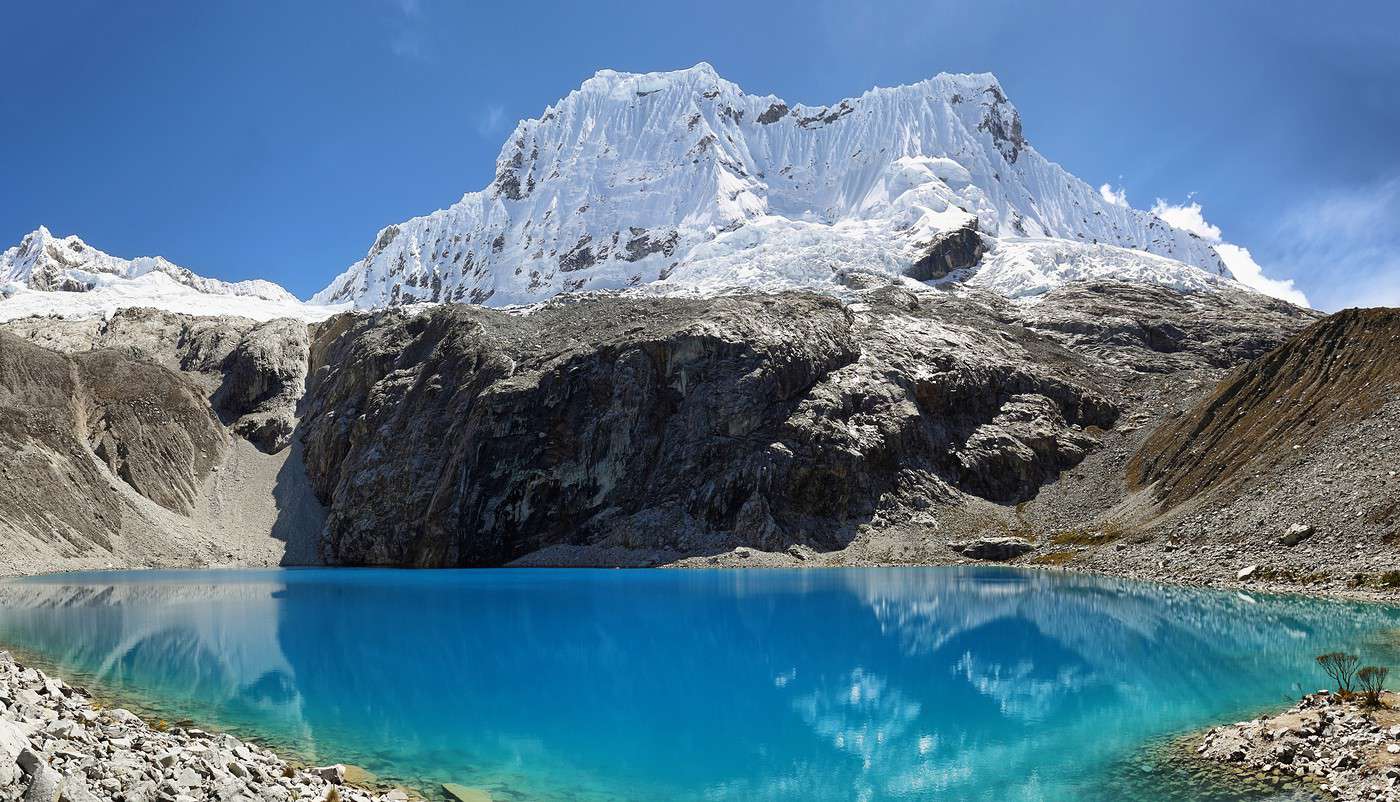
The Andes offer excellent opportunities for trekking, climbing, and ascents of all levels. In fact, Peru, like Ecuador, is one of the world’s top destinations for mountaineering and high-altitude treks.
The relatively easy and less technical access, wide variety of sites, straightforward administrative procedures, reasonable budget requirements, and number of qualified local providers mean that hundreds of visitors tackle the country’s highest peaks every year, particularly in the Cordillera Blanca, which has over 30 summits exceeding 6,000 meters, including Peru’s highest peak, Huascaran, at 6,768 meters.
Which Summits for Which Difficulties?
- Cordillera Blanca: The most famous and frequented range in the Peruvian Andes, with peaks like Huascaran. Generally, the region attracts experienced climbers for multi-day hikes. The city of Huaraz is a good base.
- Cordillera Huayhuash: This range south of Huascaran National Park offers stunning landscapes and summits over 6,000 meters, with multi-day exploration possibilities.
- Cordillera Vilcabamba: Stretching about 100 km between the Urubamba and Apurimac rivers near Cusco, this range includes several peaks over 6,000 meters, like Salkantay and Huamantay.
- Cordillera Vilcanota: Another range near Cusco, better suited for beginners.
- Volcanic Cordillera: The mountains around Arequipa, including the famous Misti volcano (5,825 m), which still require a certain level of experience.
Outdoor and Adventure Sports
Mountain Biking
While many Andean trails and roads are suitable for mountain biking, there are also purpose-built sites like Olleros, south of Lima, which offers a 3,600-meter drop over 70 km of trail.
Horseback Riding
This is another great way to explore the country, with options ranging from a few hours to multi-day rides. Popular choices include the Sacred Valley of the Incas, the Cordillera Blanca for those who enjoy high-altitude riding, the Paracas desert near the ocean, and even the Salkantay trek, which can be done on horseback to reach Machu Picchu.
Rafting and Whitewater Sports
Around a dozen Andean rivers are suitable for rafting, while canoeing is also possible on Amazonian rivers. The most popular spots include the Apurimac, the Colca River with its 300 rapids and canyon crossing, and the Urubamba River in the heart of the Sacred Valley. For a calmer experience, Lake Titicaca and Paracas Bay are also great for kayaking.
Paragliding and Aerial Sports
Paragliding and hang gliding have grown in popularity in recent years. They’re practiced near Lima (and even in the Miraflores district of the capital) as well as in several Andean locations (around Huaraz, the Urubamba Valley, etc.).
Other Activities
Climbing: The main spots are around Huaraz and the Cordillera Blanca, with additional interesting locations near Cusco and the Sacred Valley.
Sandboarding: Whether solo on a board or with others in a buggy, you can descend massive dunes in various parts of the country. The area around Trujillo and especially the oasis of Huacachina, near Ica—home to the world’s tallest dune—are famous for this.
Bungee jumping: The area around Cusco has South America’s tallest jump tower at 122 meters.
Caving: There are a few caves in the country suitable for spelunking.
Zip-lining and canopy tours: These activities are still developing, with zip-lining options in the Sacred Valley and around Machu Picchu, and canopy tours in the Peruvian Amazon.
Cultural Life and Activities
Peru is unquestionably the Latin American country with the richest cultural offerings, traditions, and heritage. From pre-Columbian ruins like Machu Picchu to Spanish colonial landmarks (Arequipa, Lima’s historic center, etc.), and especially the living traditions of Andean and Amazonian communities, the options are vast and perfect for multiple trips. The country also boasts interesting museums and other cultural sites.
Nightlife and Going Out
This isn’t the image most people have of Peru or the reason tourists visit. Nightlife is primarily centered in Lima, with neighborhoods like Barranco and Miraflores offering well-known spots for going out, much like in most capital cities.