last edited Feb 10, 2026
Things to Do in Iceland
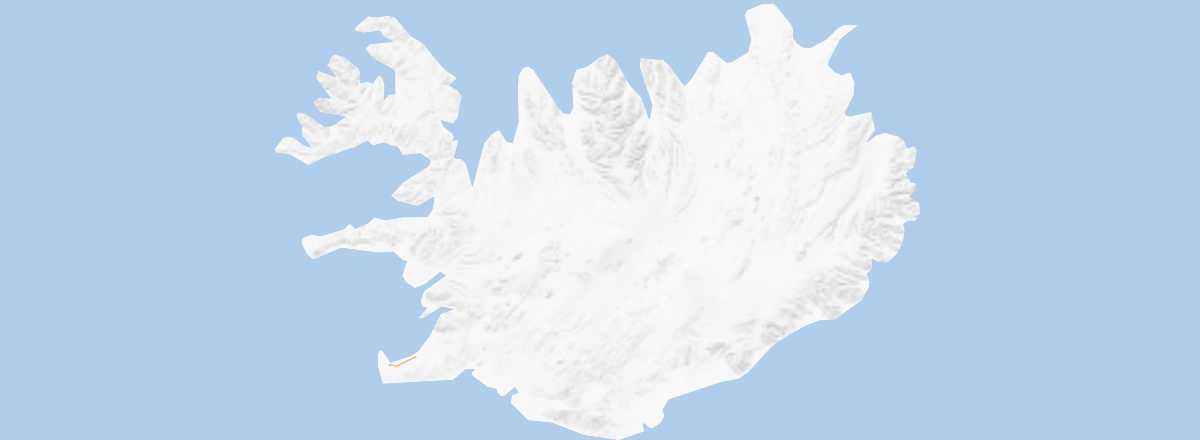
Location Map of Iceland
 Iceland
Open the interactive map
Iceland
Open the interactive map
Beaches and Water Activities
Swimming
With water rarely above 10°C, it’s clear that Iceland doesn’t encourage sea swimming, and its beaches (usually black sand) are primarily for walking.
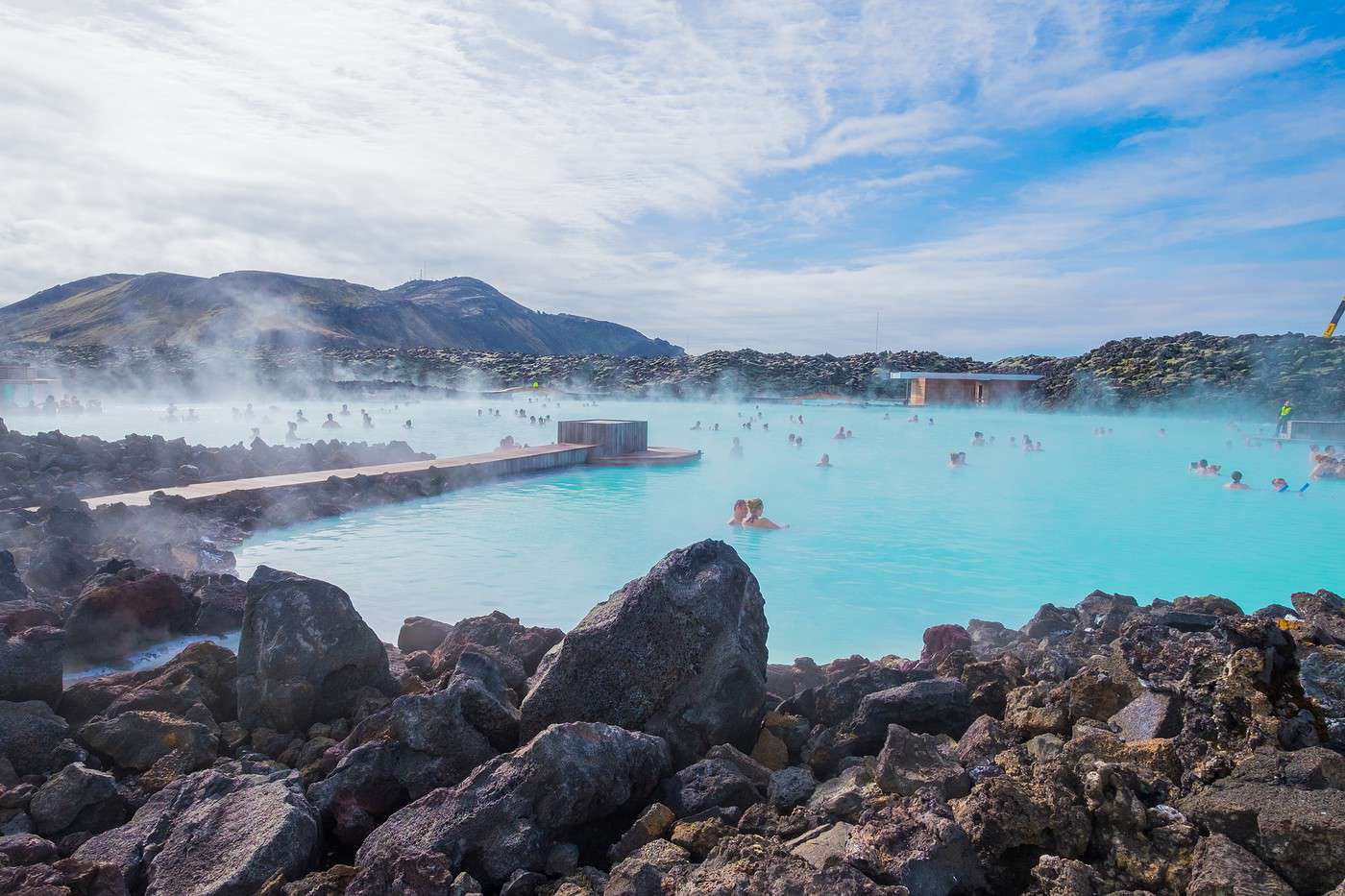
But since Iceland is also the land of hot springs and geothermal energy, there are plenty of opportunities for swimming—or rather, relaxing in water. Whether in developed sites or "wild" natural settings, you’ll find hot-water pools all over the country, typically around 40°C. The Blue Lagoon with its artificial lake amid lava fields is one of the most visited spots. Otherwise, public swimming pools are also very common in Iceland.
Activities
Whale watching: Iceland’s coasts are home to many whales. Several agencies offer boat trips in summer to observe them, particularly from the small town of Húsavík, which is well-known for this.
Diving: This may be the most unusual experience in the country, though it does require some prior practice. In Iceland, you dive to explore unique geological fissures in crystal-clear waters. The Silfra fissure is the must-see spot for this.
Kayaking: Sea kayaking is mainly done in summer, especially around Snaefellsnes Peninsula, which is famous for it.
Wellness and "Well-Being"
Wellness activities in Iceland often start with natural baths and thermal pools, which are widespread and powered by geothermal energy. You’ll also find many fitness centers and gyms in the main towns.
Hiking
Hiking
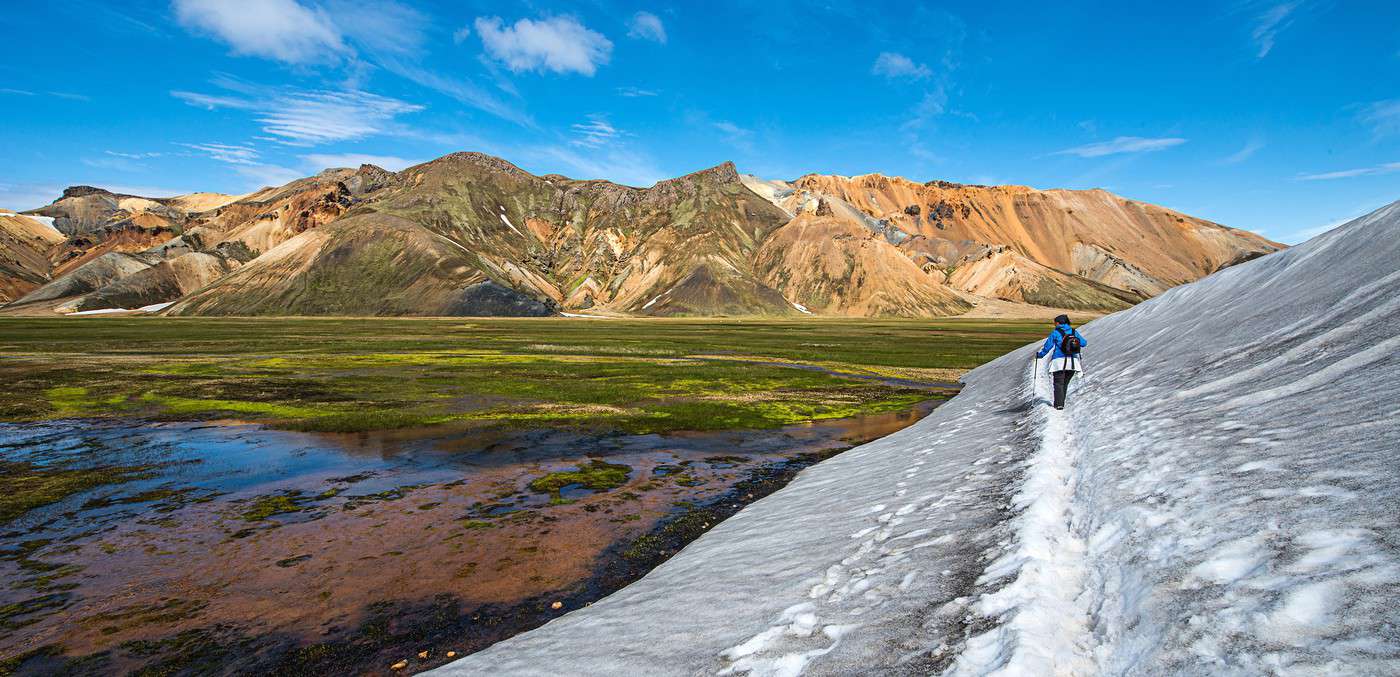
Trekking is one of the favorite activities for both Icelanders and many tourists. Numerous trails are marked across the island’s stunning landscapes.
While there are routes for all levels and durations, hiking in Iceland requires some basic equipment and precautions, even for seemingly simple outings. The vast, barren expanses and sudden weather changes can have serious consequences if you’re not careful. That’s why there are local agencies specializing in guided treks of all kinds, including "glacier hiking." Generally, July to early September is the best time for walking.
Key hiking areas include:
- Hekla: One of Iceland’s most famous volcanoes. It offers beautiful landscapes, and you can hike to its summit.
- Landmannalaugar: In the south-central region, this is the wildest and most spectacular area—a paradise for nature lovers, adventurers, and hikers on foot or horseback.
- Vatnajökull National Park: The largest park, home to one of Europe’s biggest and most impressive glaciers. It covers much of the southeast. Hiking is possible here.
- Snaefellsnes Peninsula: A large peninsula north of Reykjavik with stunning mountain, volcano, and glacier landscapes, dotted with villages. You can hike in Snaefellsjökull National Park, located here.
- Thorsmork: In the south of the island, between two glaciers, this valley and its surroundings are very popular with hikers.
Mountain Biking
This is a great experience that usually leaves good memories, but it does require some physical fitness and motivation given the climate and environment you’ll face.
The most sought-after route for cyclists is the Ring Road (Route 1), which circles the island in about a thousand kilometers. Alternatively, the Westfjords or the Snæfellsnes Peninsula offer shorter but not necessarily easier challenges. For the more experienced, there’s the south-to-north crossing of Iceland via the central highland tracks.
Horseback Riding
The Icelandic horse is world-famous in equestrian circles. Small and very hardy, these horses were for centuries the only means of transport for the population. Today, there are around 80,000 on the island, and many equestrian farms offer rides for all levels, including multi-day trips. If you want to bring your own equipment, be aware that there are specific sanitary regulations for entering Iceland.
Skiing and Winter Activities
Even though Iceland isn’t widely known for winter sports, you can still enjoy its ten or so small ski resorts or try cross-country skiing, backcountry skiing, or snowmobiling. Winter is also the season for northern lights and glacier hiking. And then there are those outdoor hot spring baths.
Other Activities
Golf
Despite the unpredictable weather, Iceland has quite a few golf courses, some better maintained than others. The one in Akureyri even lets you play under the midnight sun...
Fishing
Fishing is a popular activity in Iceland, especially for salmon (from late June to mid-September) and trout (from May to October) in lakes and rivers. In winter, you can also try "ice fishing" through the ice.
In all cases, you’ll need a fishing permit in advance, which can take time for salmon. If you want to bring your own equipment, be aware of specific sanitary regulations for entering Iceland—it’s usually easier to rent or buy locally. For more details, check with the Icelandic Angling Association.
As for sea fishing, tourist options are still limited, with the season running roughly from May to September.
Nightlife and Going Out
As you might expect, Iceland’s nightlife is almost entirely concentrated in Reykjavik, where many Icelanders party on weekends. It’s a great scene, but it does require a significant budget given the high cost of living (and alcohol) there...